


How to Build a Hunting Layer System That Actually Works

Build a hunting layering system that keeps you warm, dry, and comfortable in any weather. Learn how to combine base, mid, and outer layers the right way.
Some lessons in the outdoors arrive quietly. Others slap you right in the face. Most hunters learn about layering the hard way. Maybe it was the time you hiked hard up a ridge, only to end up sweating through your base layer just before the wind picked up. Or the time your fleece mid-layer felt perfect on the walk in, but useless once you sat still waiting for daylight. Cold conditions teach quickly. The right layering system stays with you for a lifetime.
A working system is not about having the newest fabric or the most expensive jacket. It is the way your base layer, mid layer, and outer layer behave together in the kind of uneven weather hunters live in. You want warmth without bulk, breathability without losing heat, and steady comfort through those long stretches where you barely move. When layers complement each other, you stop thinking about what you’re wearing. And that is exactly when your focus sharpens.
Understanding the Hunting Layering System
 There is a simple idea behind layering. Start with something close to the skin that manages moisture. Add insulation with a mid-layer that traps heat. Top it off with an outer layer that protects you from wind and weather. But the real art is in balancing these layers so they match your pace and your terrain.
A base layer that moves moisture away from your skin sets the stage. On top of that, a fleece mid-layer or wool blend holds warm air without suffocating you. The outer layer acts like a shield, but a breathable one, strong enough to handle weather conditions yet loose enough to vent heat. When everything works right, your body temperature stays steady from the first climb to the last slow walk back.
Hunters face unpredictable days. A clear sunrise can shift to cold temps fast. In shoulder seasons, you might sweat in the morning and shiver in the afternoon. Building a system that reacts to these swings is more important than any single jacket.
Base Layer: The Foundation of Every System

The base layer is your quiet workhorse. It has one crucial job. Keep your skin dry. Moisture is the enemy of warmth. A cozy base layer that wicks moisture away is worth more than any heavy insulated outer layer when you start moving.
Wool or Synthetic? The Honest Breakdown
Merino wool has been the trusted friend of cold-weather adventurers, and for good reason. A merino wool base layer manages body temperature in a way that synthetic layers still try to copy. It feels soft, resists odor naturally, and continues to insulate even when damp. Icebreaker Merino, Merino Wool & Bamboo 2BL Shirt, and Smartwool Classic Thermal pieces are standards in this category. They are not flashy, but they work year-round and last through multiple uses without that swampy smell.
Synthetic fibers, built from polyester blend or nylon core fabrics, offer different advantages. Drying speed is their strength. If your hunts include long hikes, steep country, or high-output activities, synthetic material moves sweat fast. It also holds shape well and provides excellent value. Some modern synthetics combine stretchy fabric with moisture-wicking properties so efficiently that they surprise even diehard wool fans.
Truth is, both have their place. Many hunters keep multiple uses in mind and pack one of each during extended trips.
Fit and Features That Actually Matter

A good base layer feels like a second skin, but one that lets air flow. Flatlock seams prevent rubbing when backpack straps dig in. Shoulder seams that sit slightly forward reduce pressure points. Thumb loops help when pulling on other layers. A half zip neckline gives quick ventilation during a climb. These details can look minor in a store but make a real difference ten miles in.
The best base layers keep your skin dry, manage heat gently, and stay comfortable even when worn for hours under other layers.
Mid Layer: Your Heat Engine

The mid layer is where heat retention happens. This is the layer that traps warm air so your body doesn’t burn energy trying to stay warm. Fleece mid-layer pieces remain a favorite because they are light, quiet, and flexible across many weather conditions.
Choosing Fabric Weight and Construction
Not all fleeces are equal. Lightweight pieces work for shoulder seasons or mild mornings. Thicker ones are for cold conditions or long glassing sessions. A mid-layer with solid construction, gusseted underarms, or a stretchy fabric blend gives better movement when drawing a bow or climbing steep timber. When layering with an outer layer, smooth-faced insulation slides more easily and prevents bunching.
The mid layer’s job is to adjust warmth without trapping moisture. It should breathe enough to keep pace with you, not slow you down.
Insulated Outer Layer: The Final Barrier

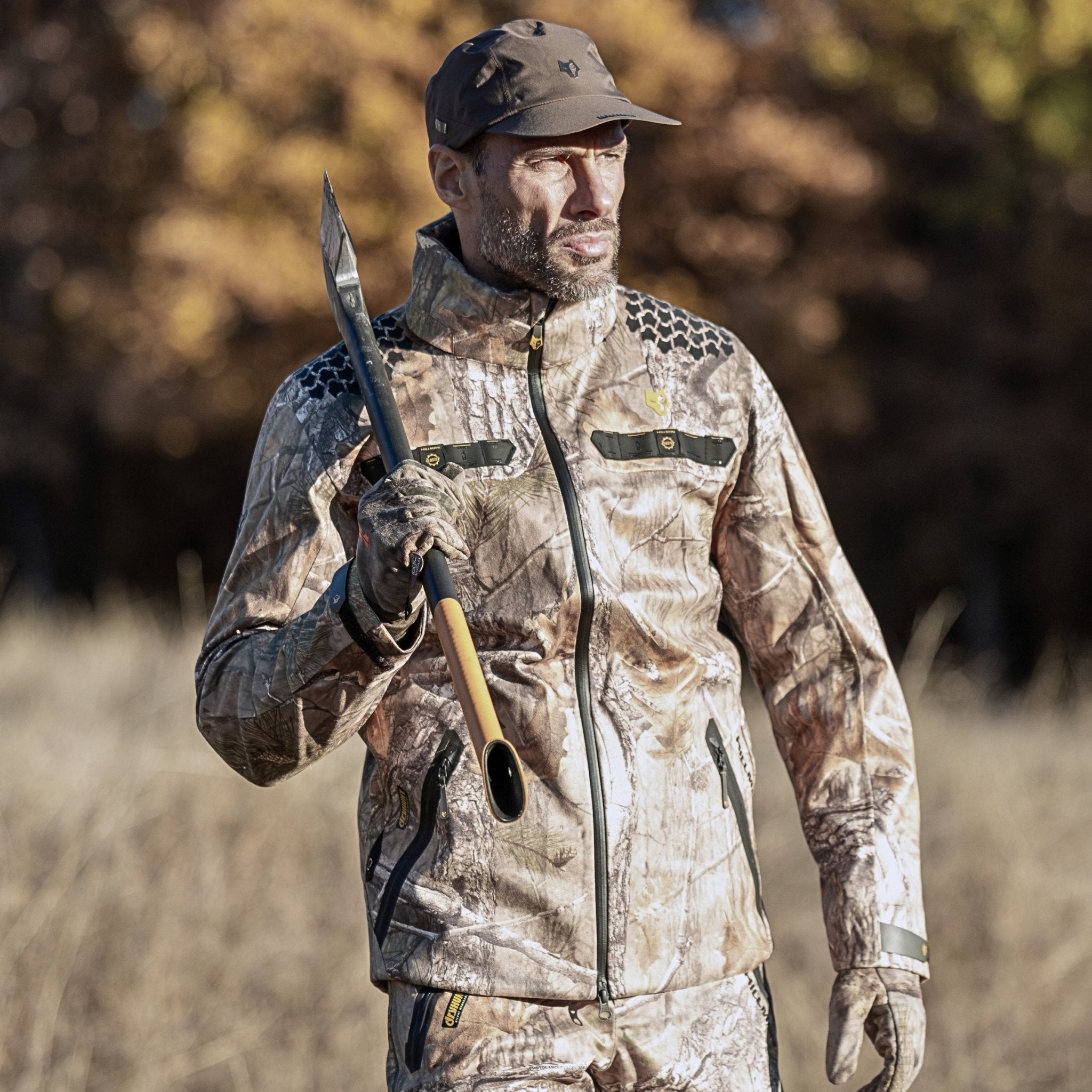
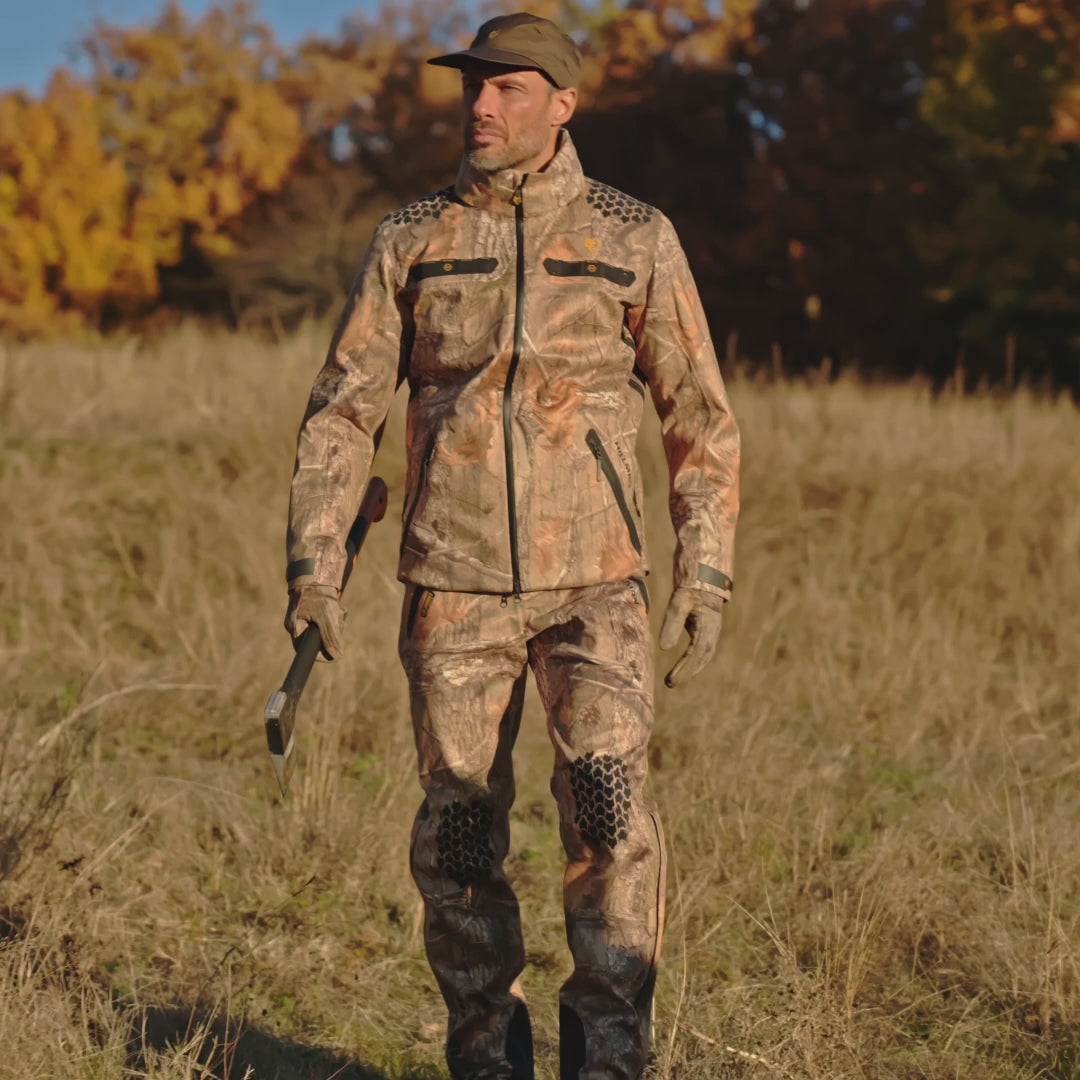
Your outer layer sits at the frontline of unpredictable weather. Some hunters lean toward a soft shell because it is quiet, flexible, and comfortable through a wide range of temperatures. A soft shell blocks wind well and breathes enough for steady hiking.
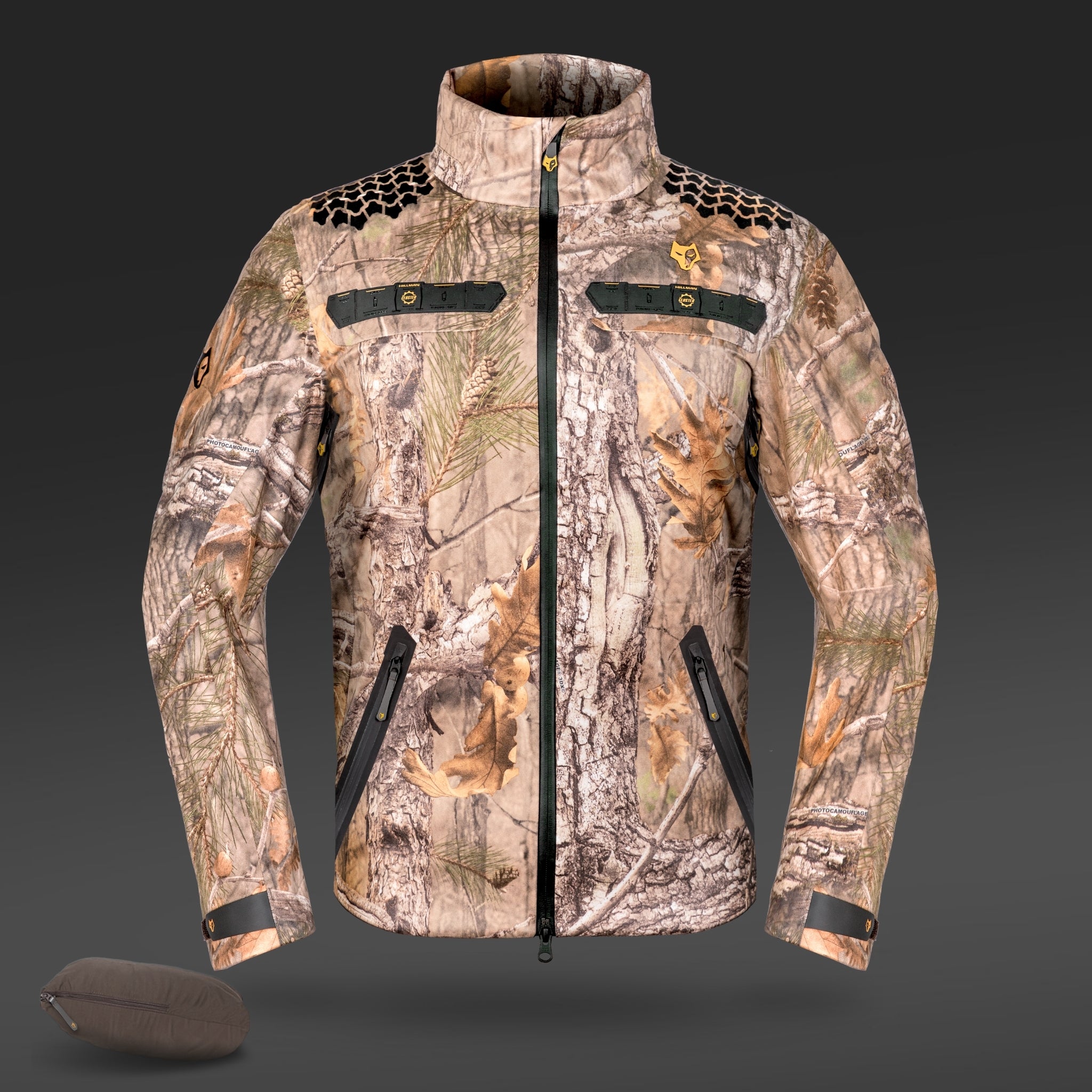
When temperatures drop further or the wind cuts harder, an insulated outer layer becomes important. Look for something with a perfect balance between warmth and breathability. Too much insulation and you overheat the moment you start moving. Too little and you lose heat in minutes when you sit still. Pay attention to how the fabric handles backpack straps, how it fits over a fleece mid-layer, and whether the cut lets you move freely.
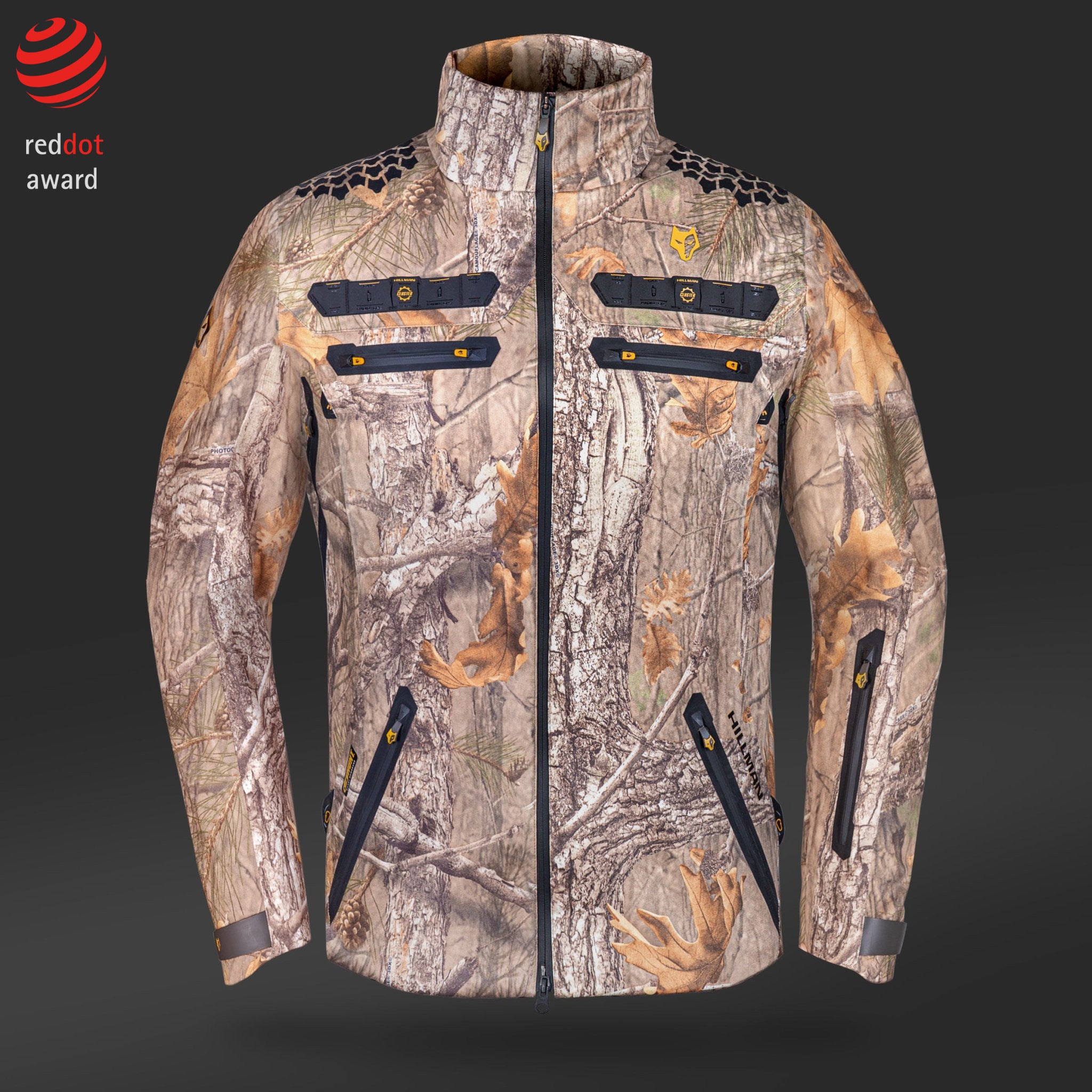
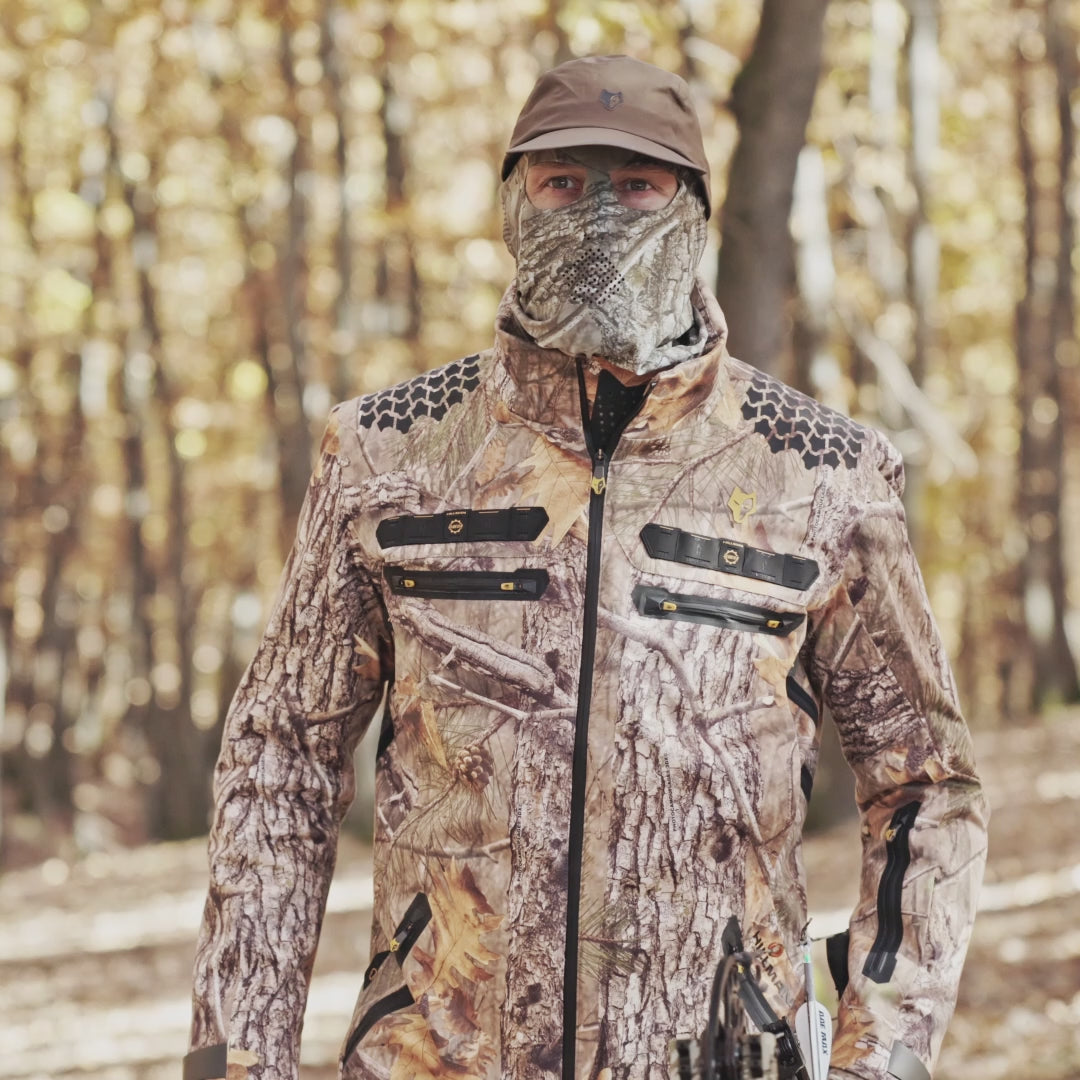
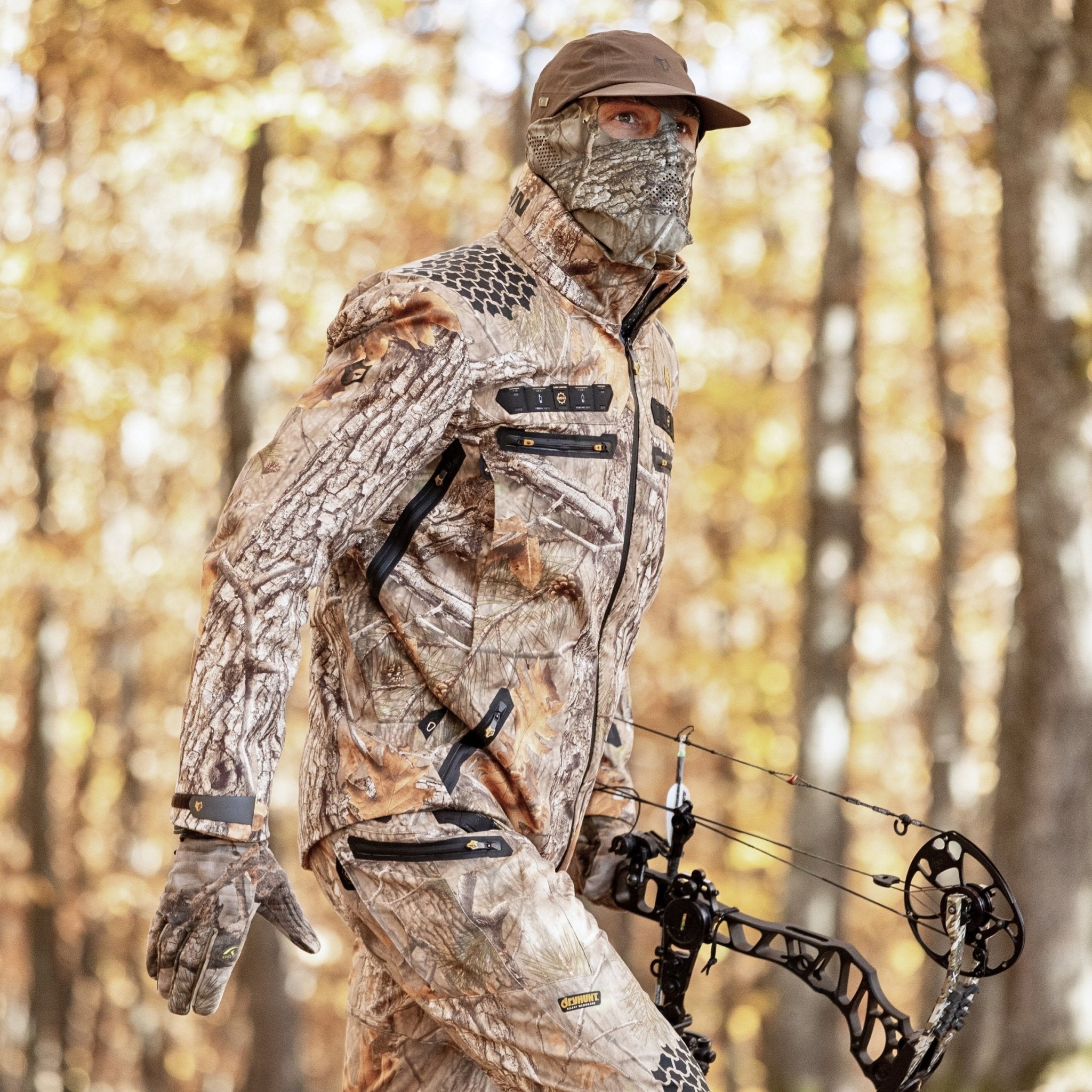
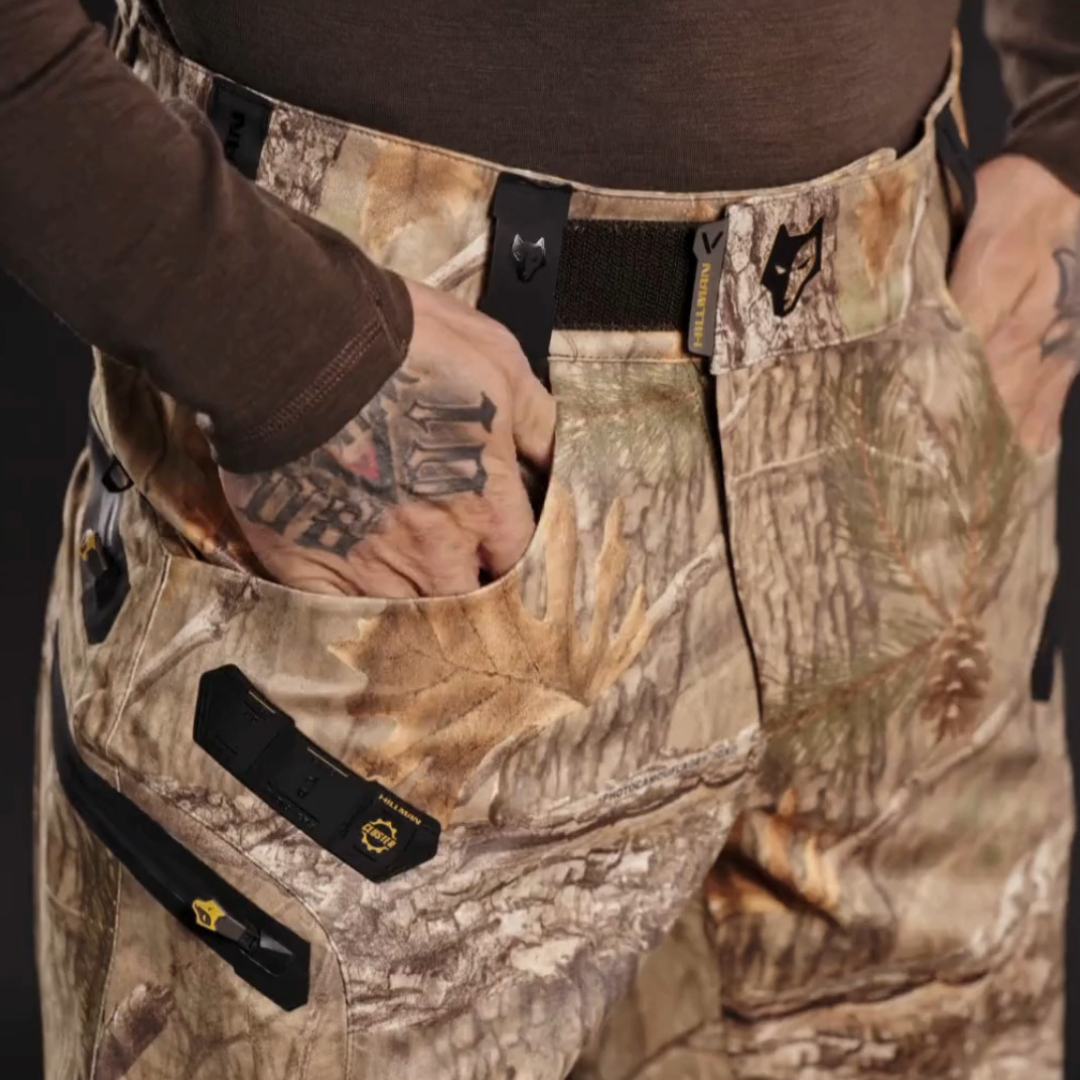
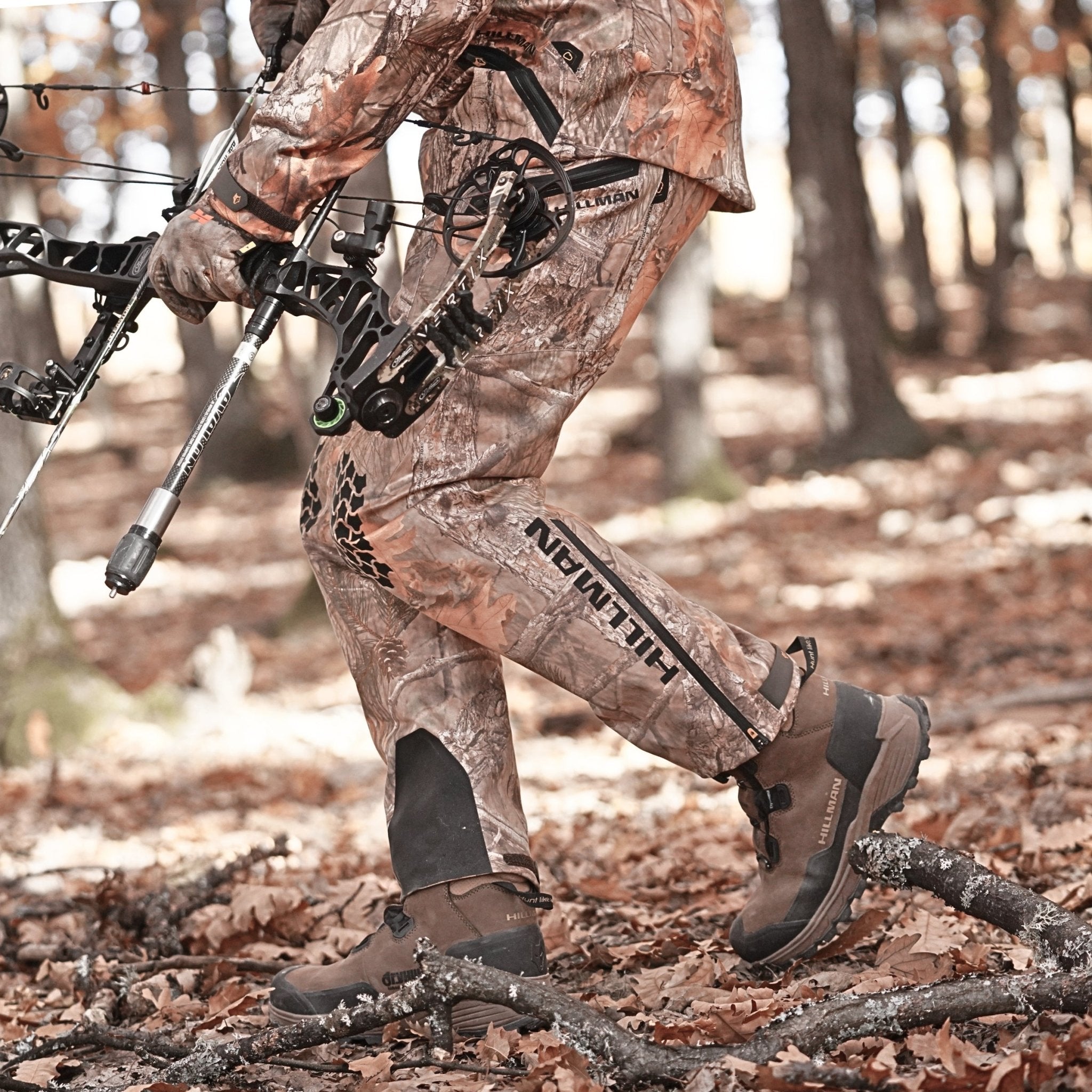
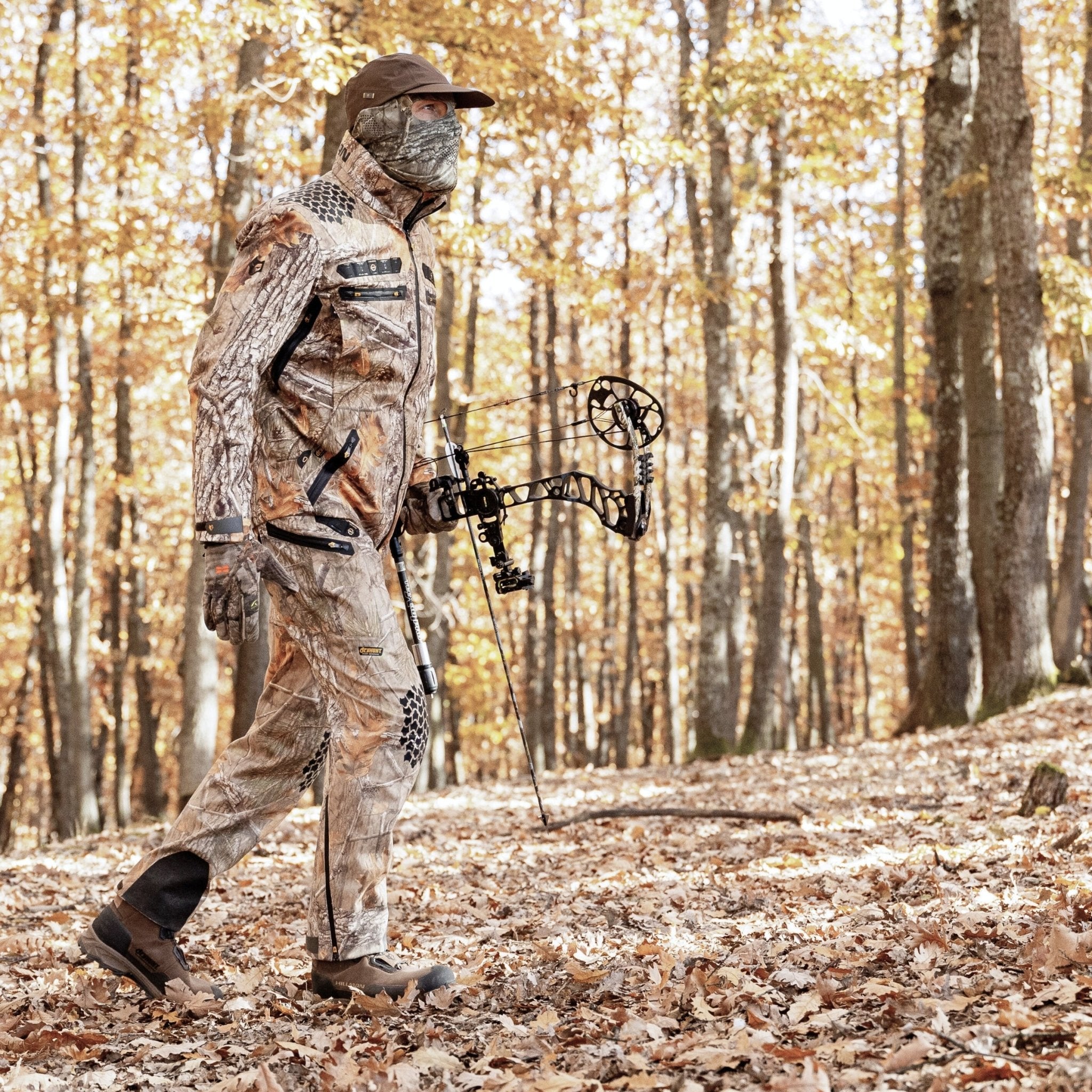
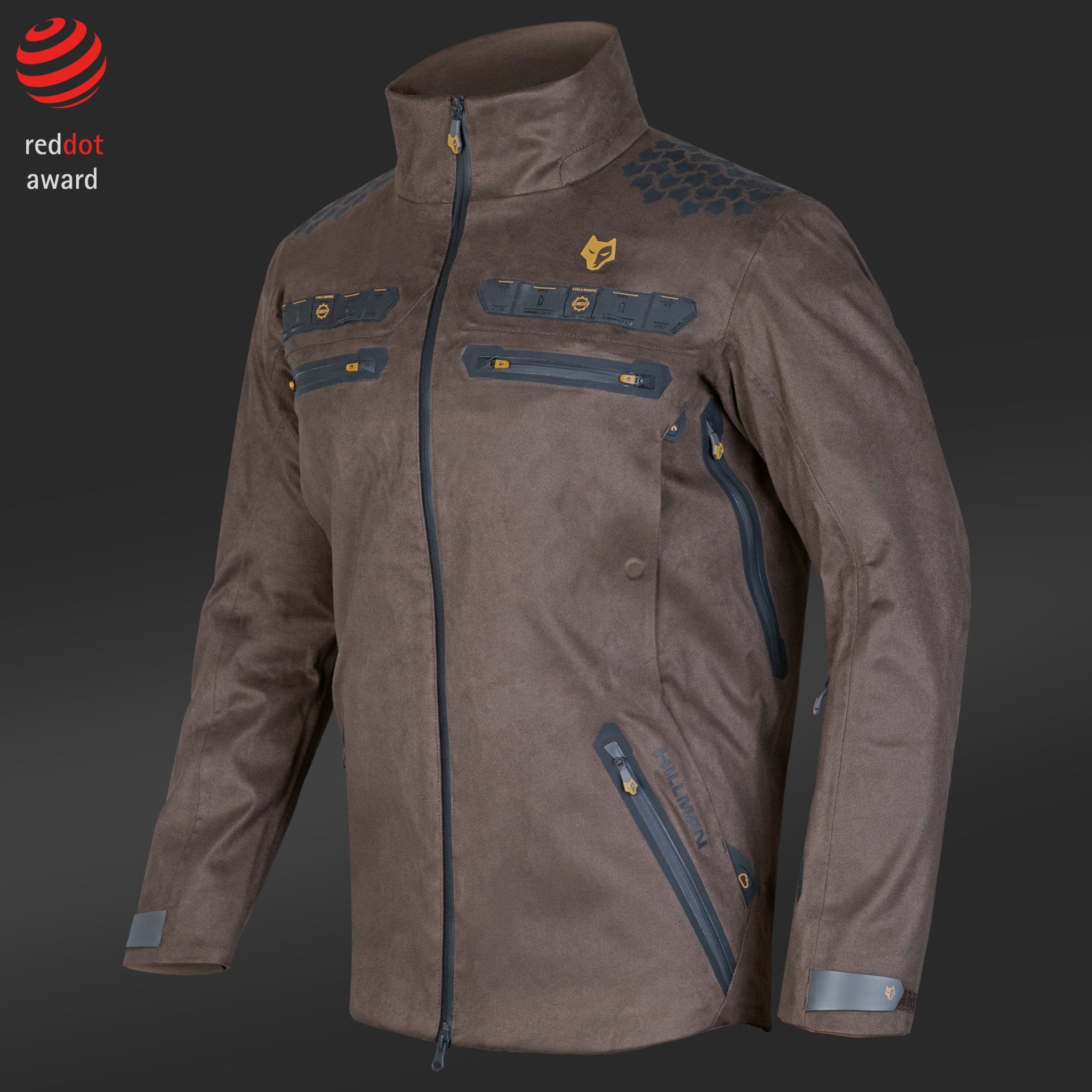
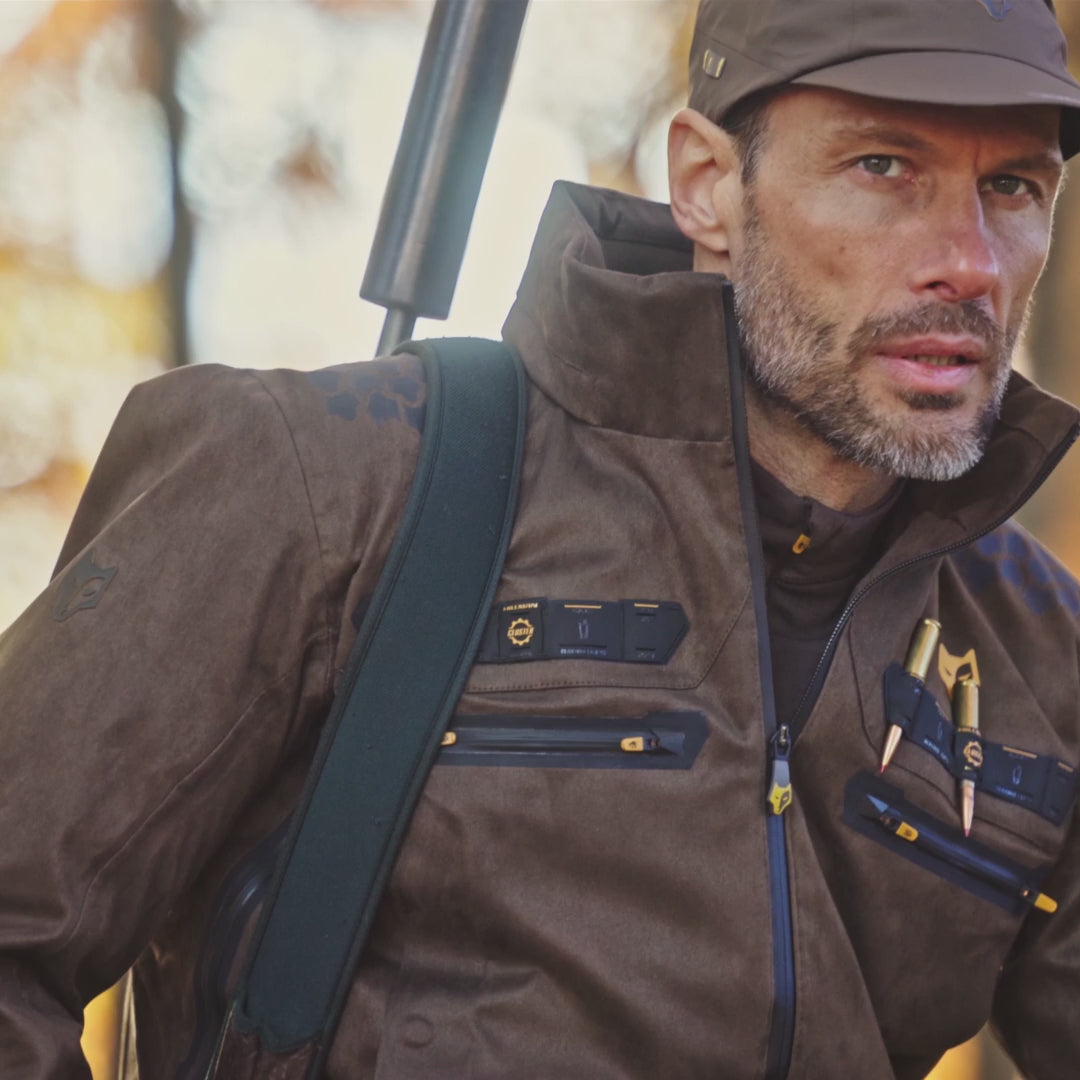
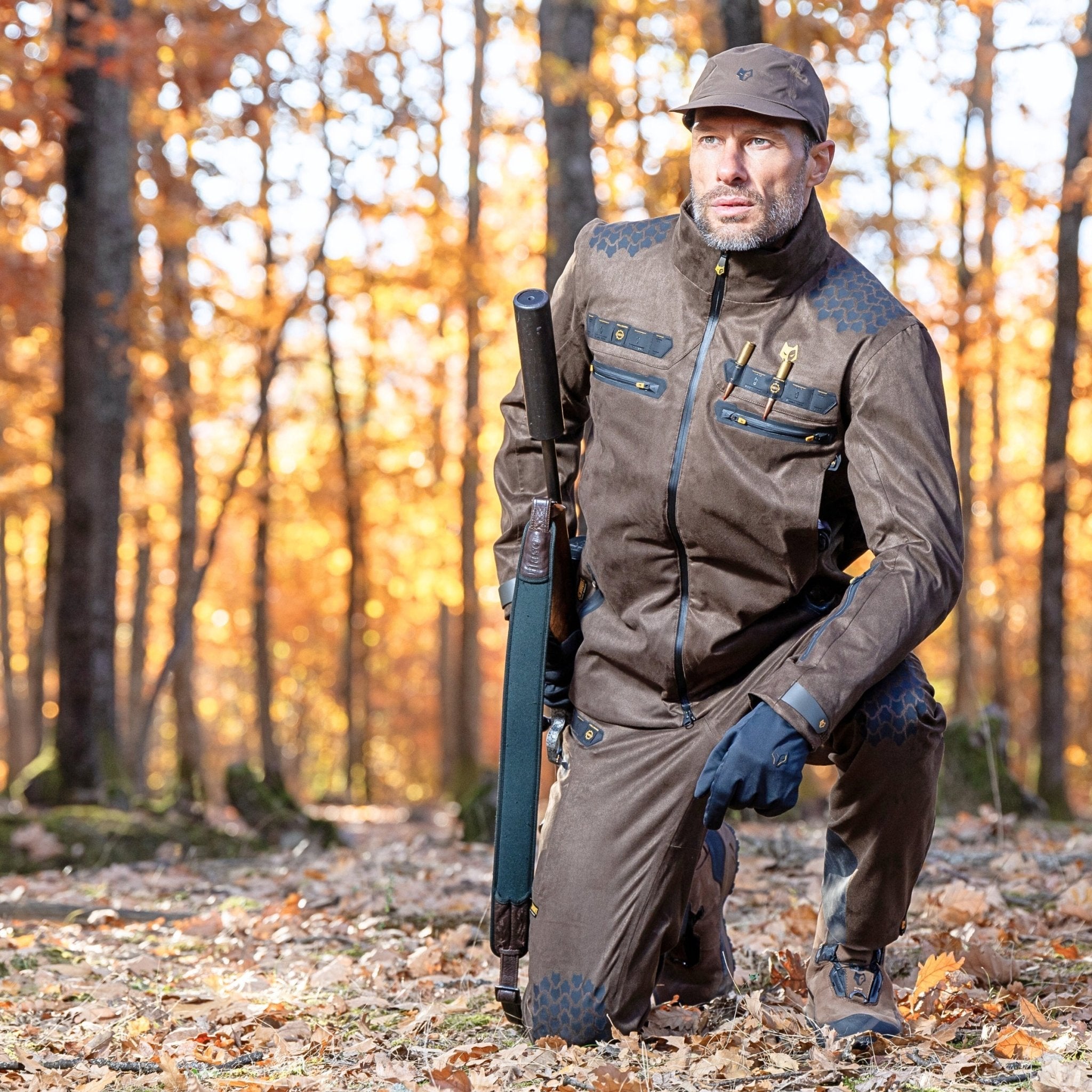
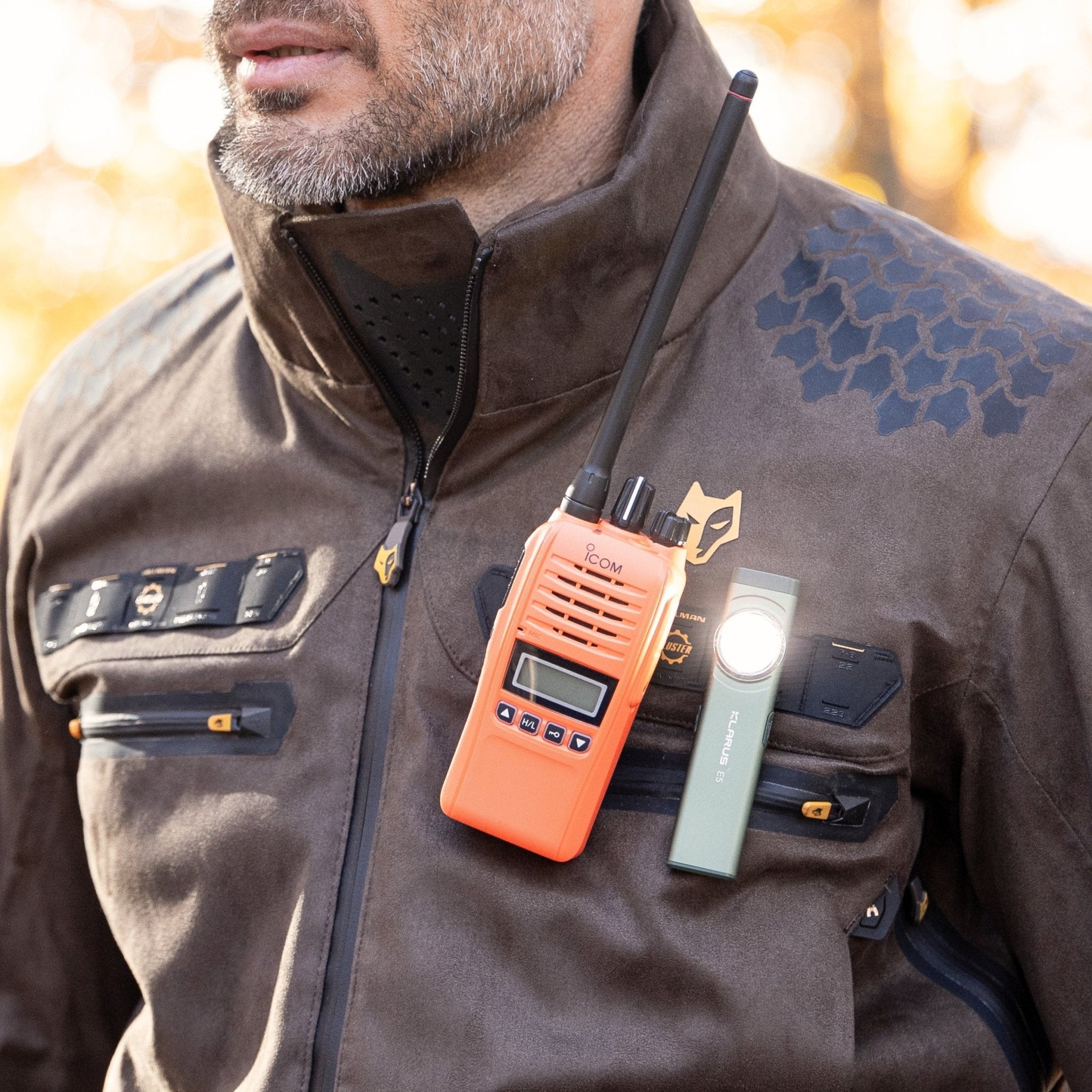
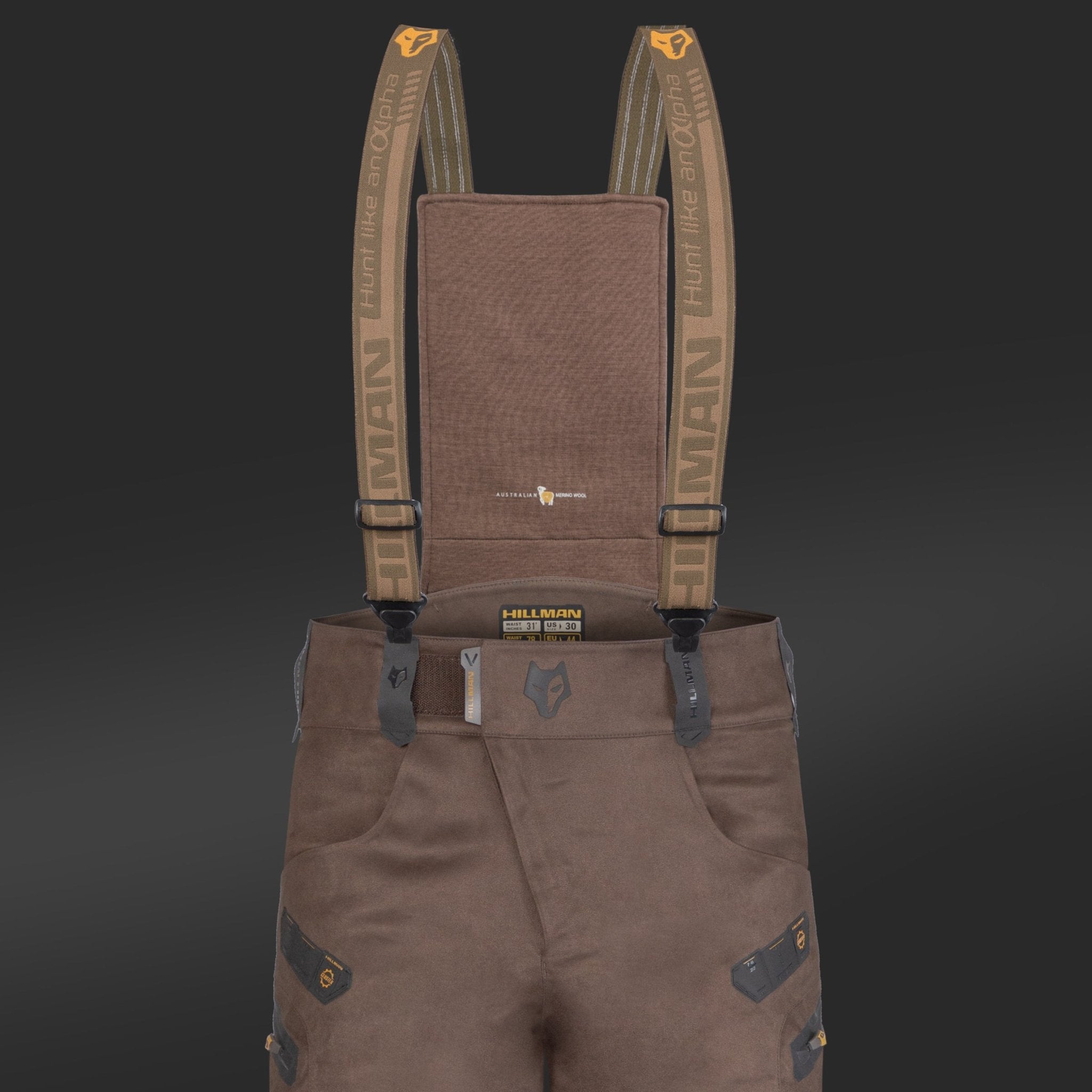
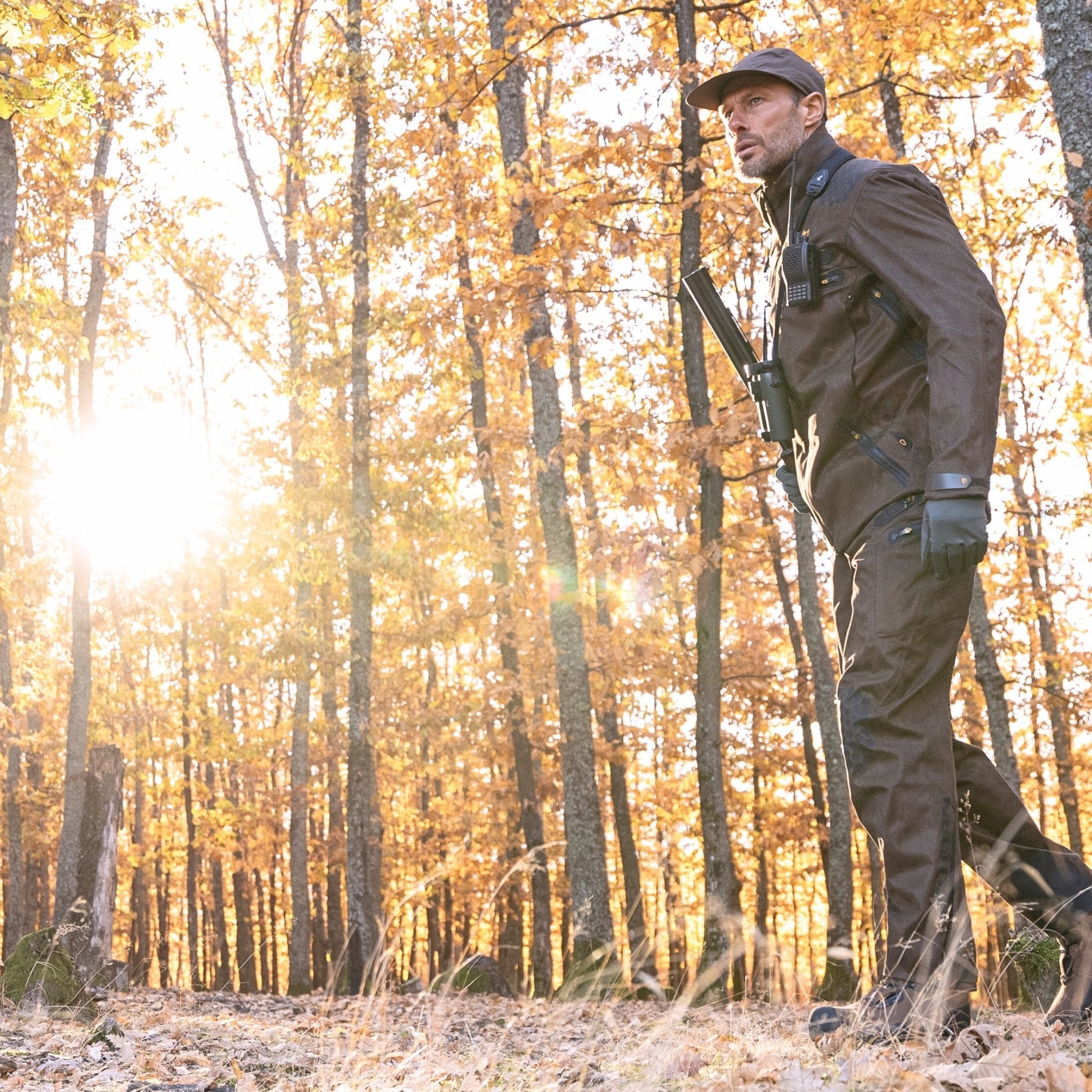
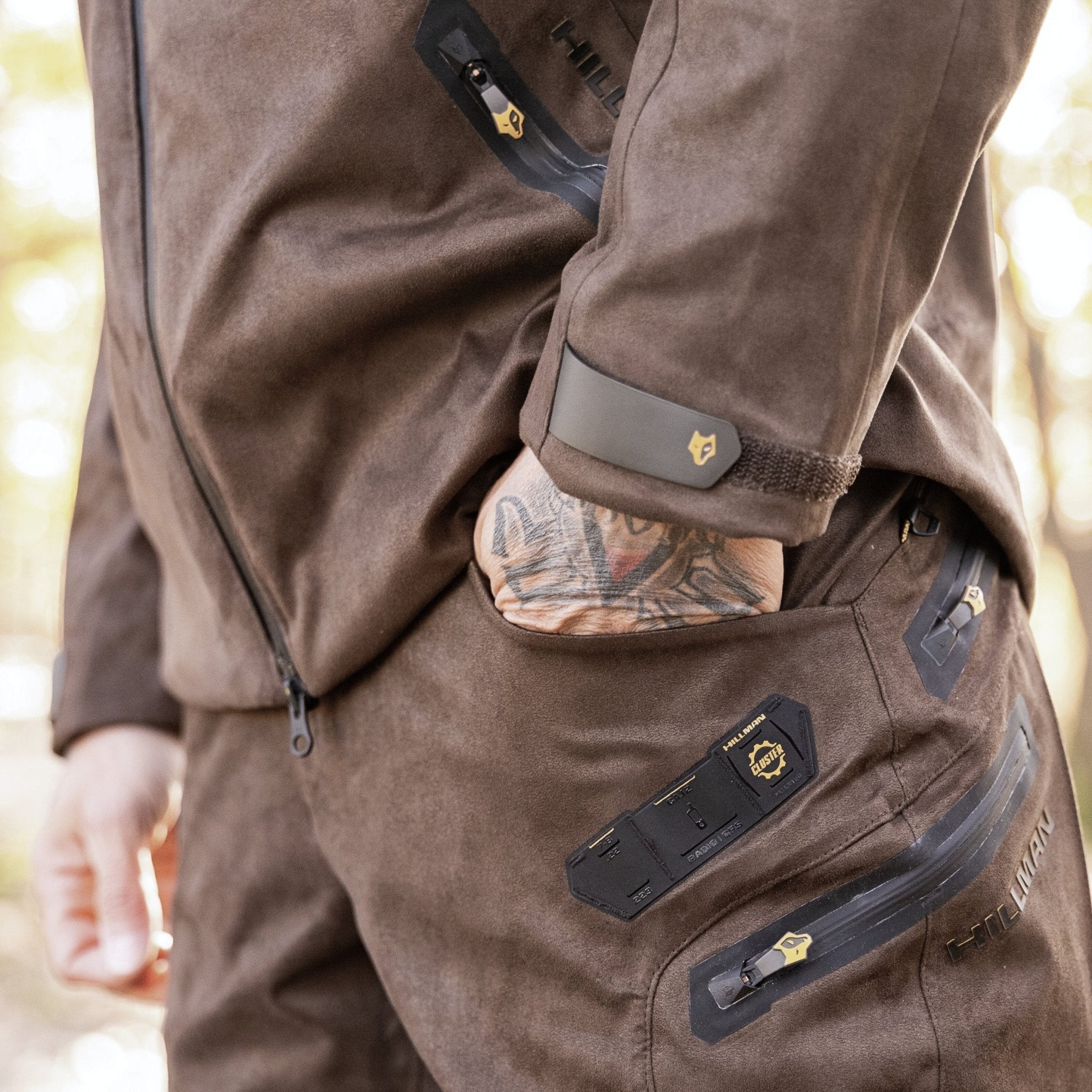
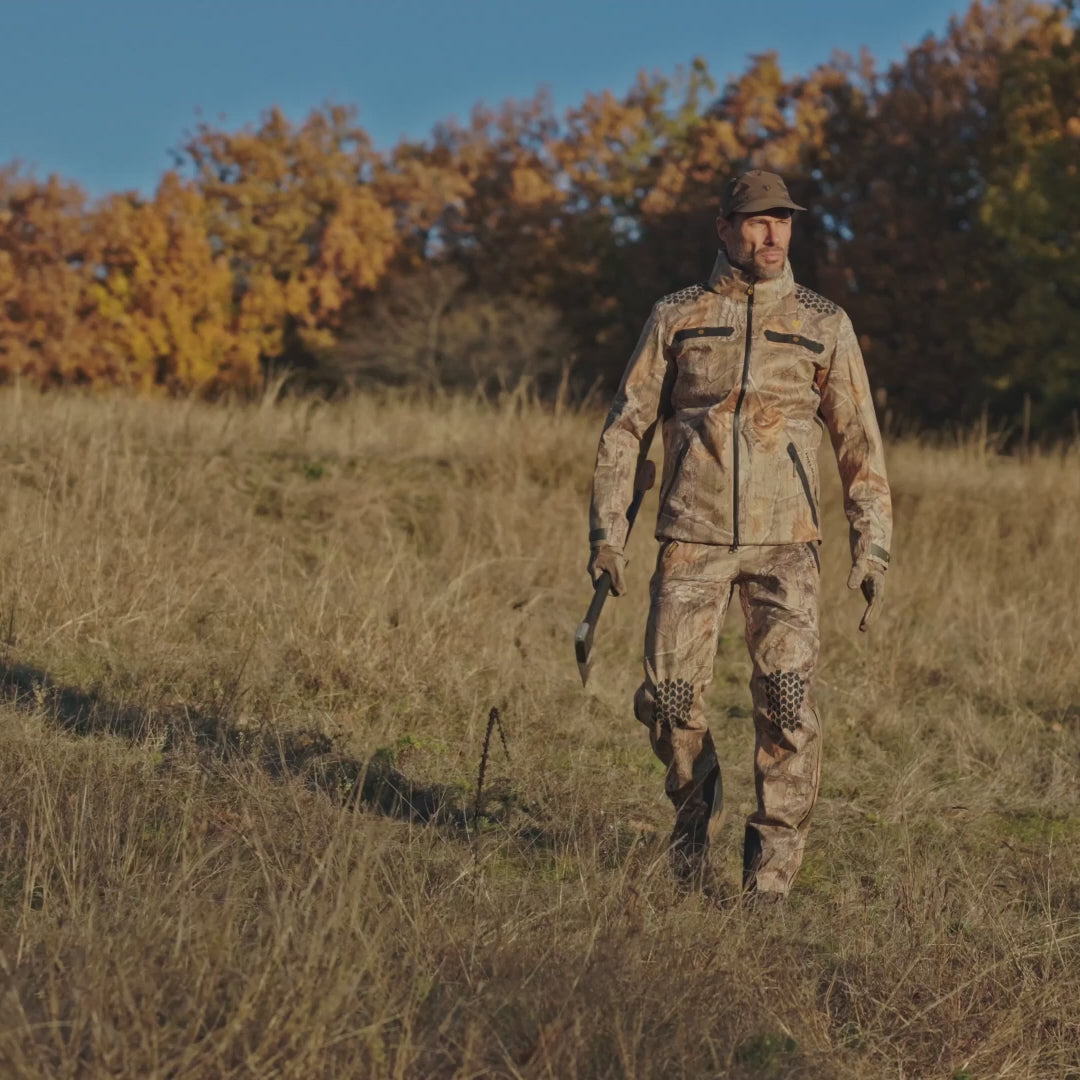
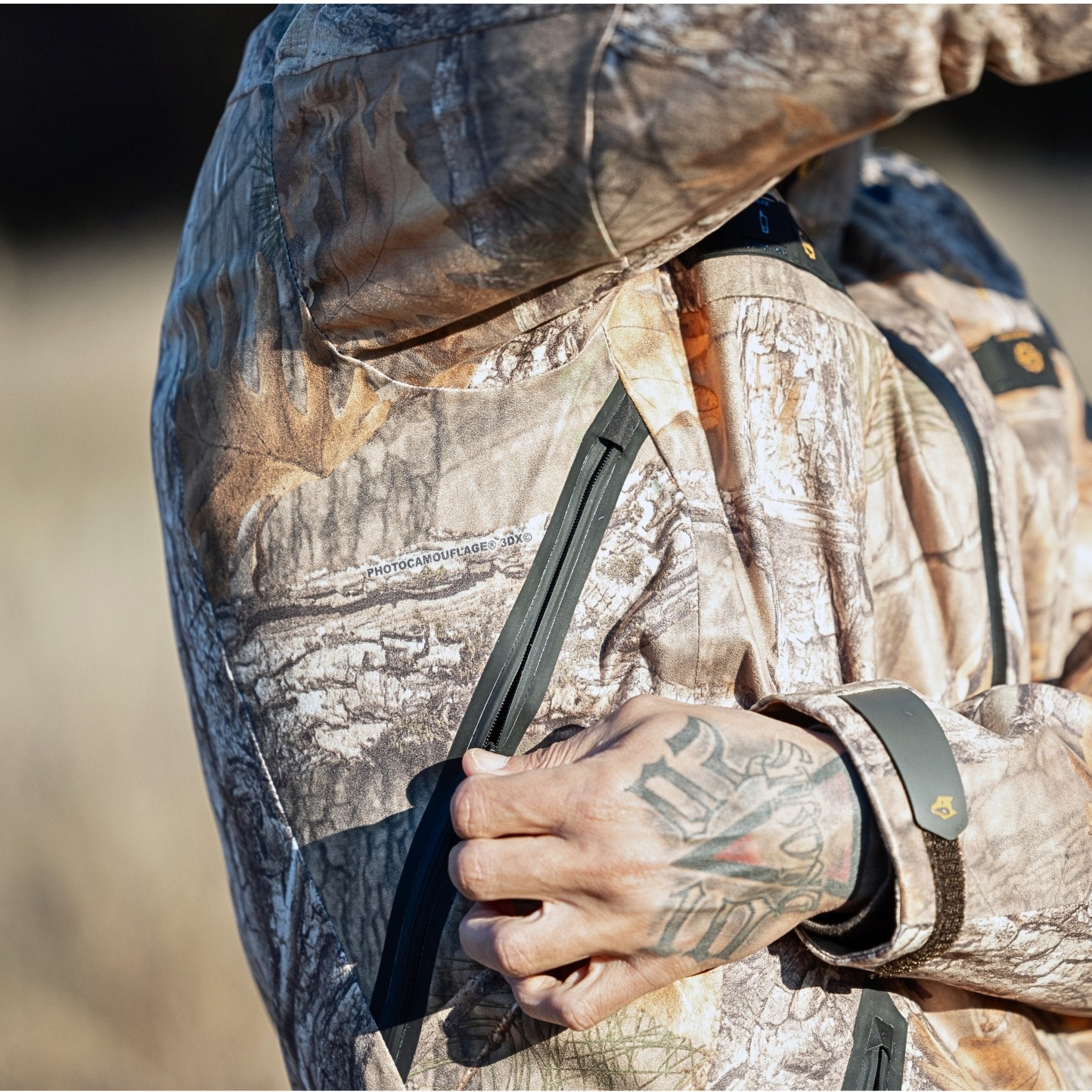
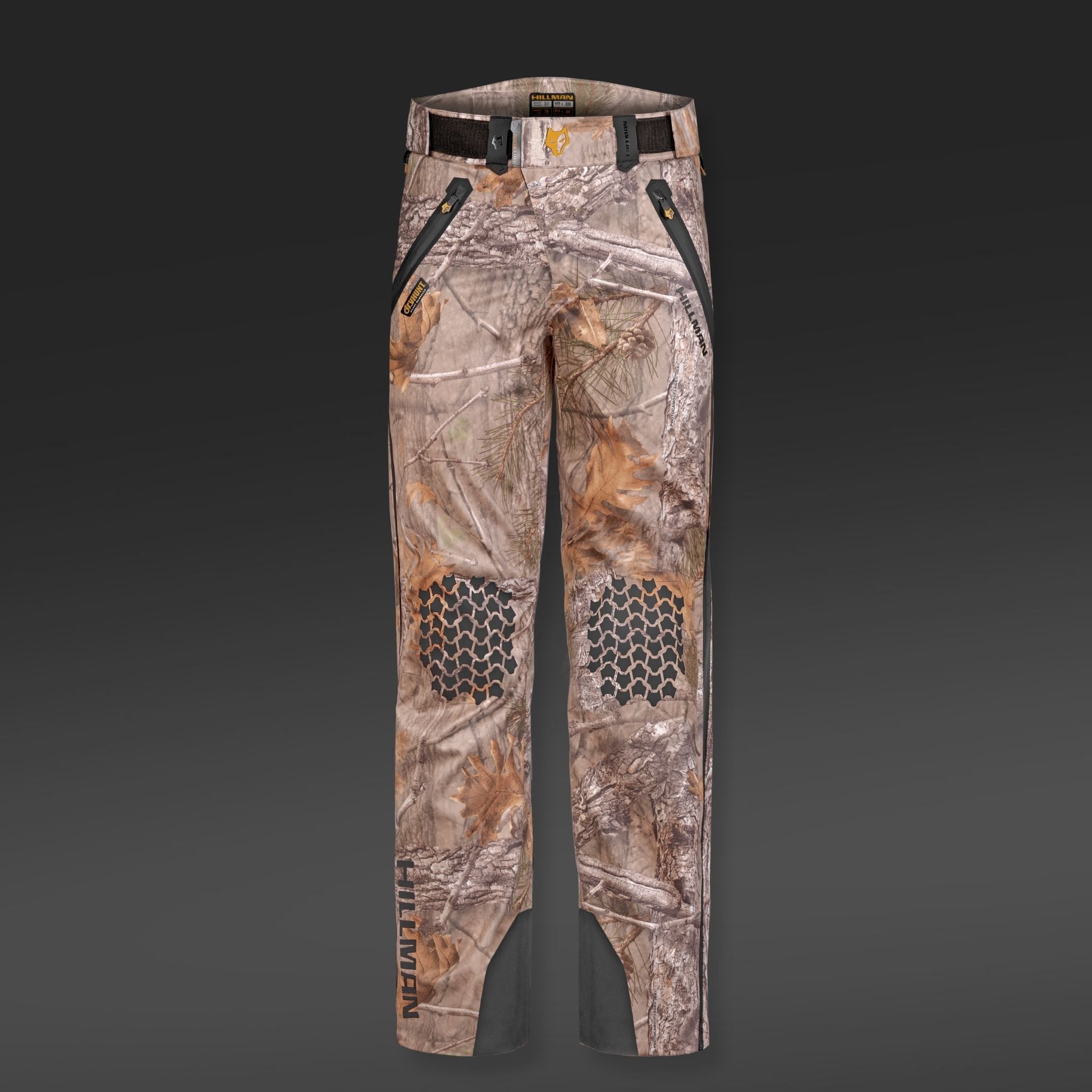
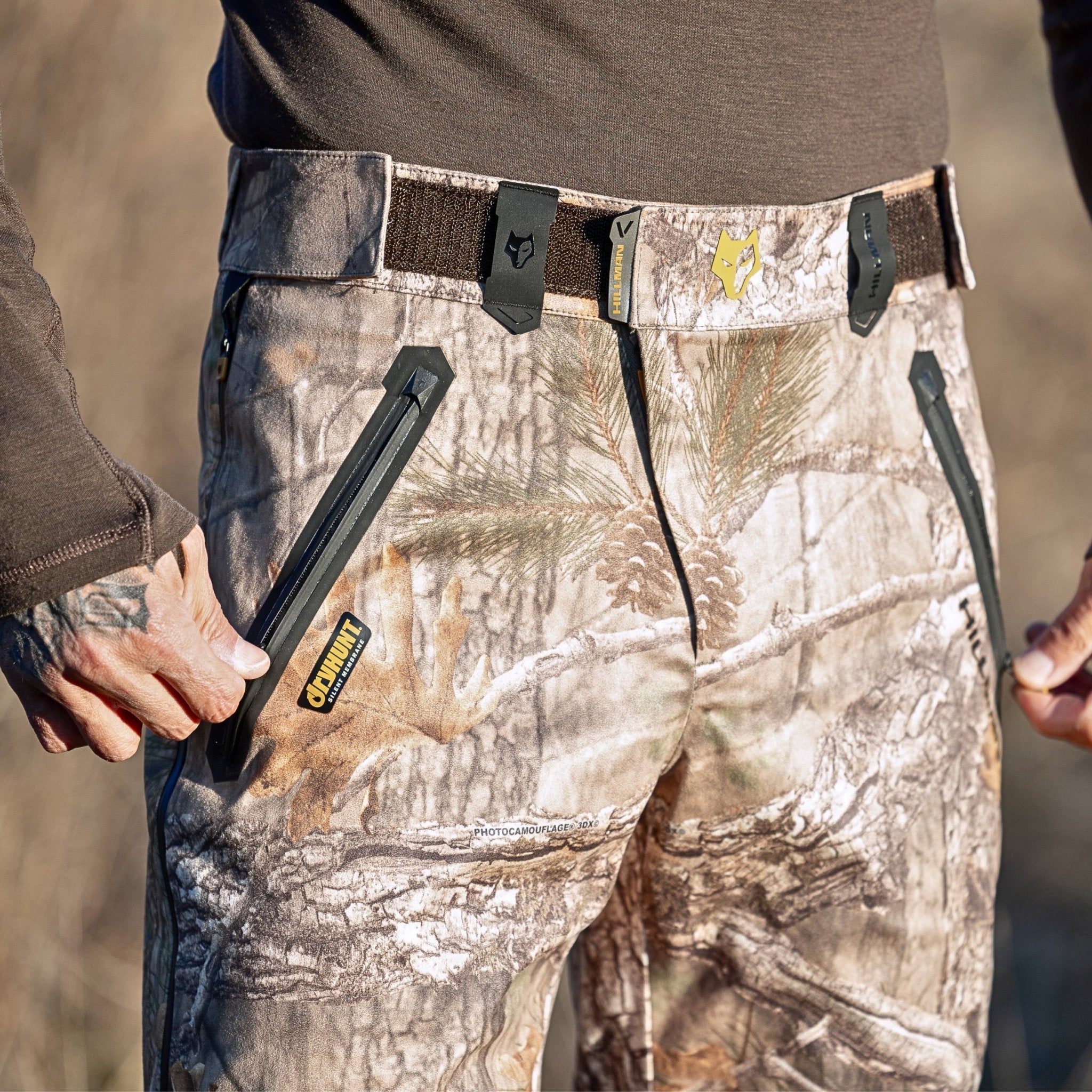
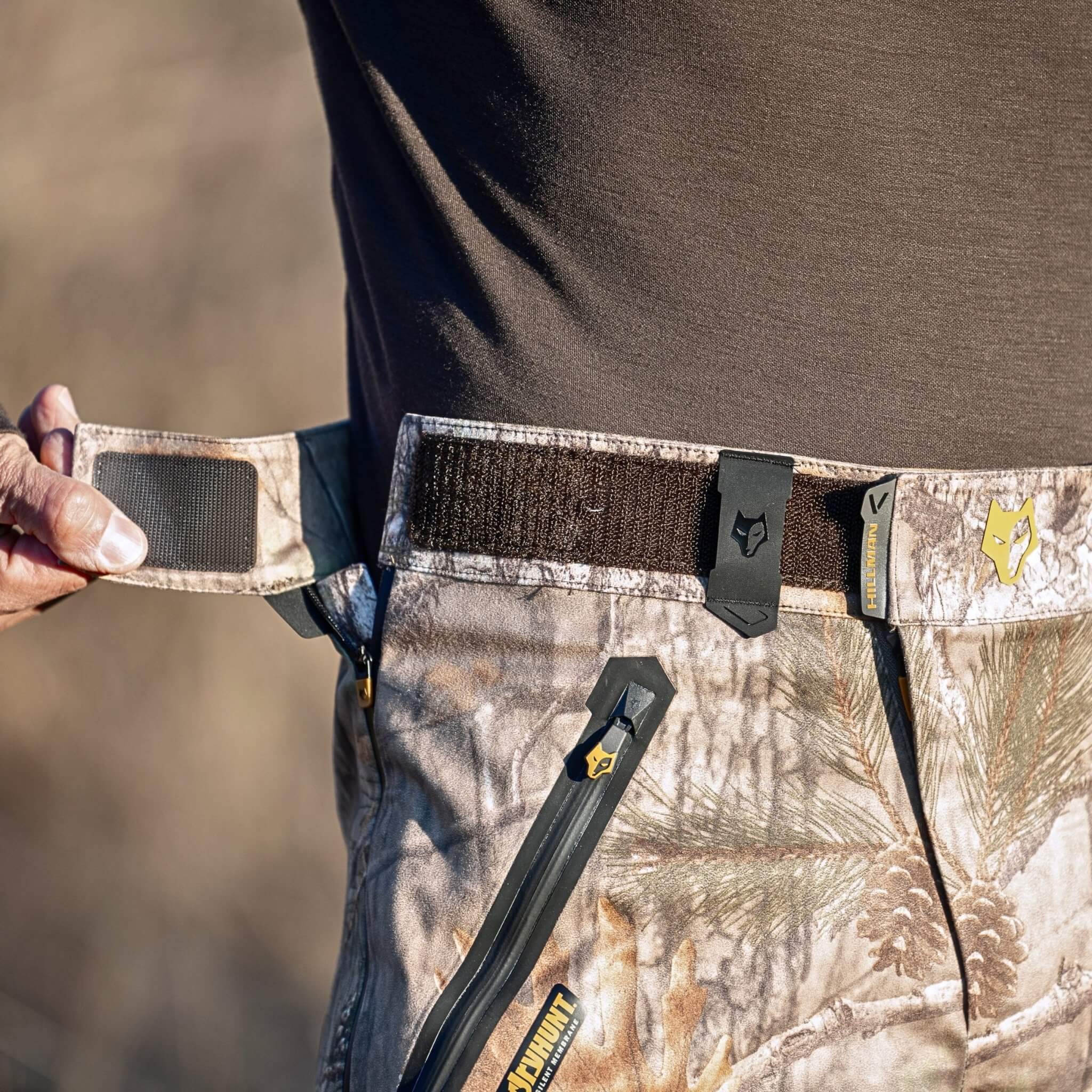
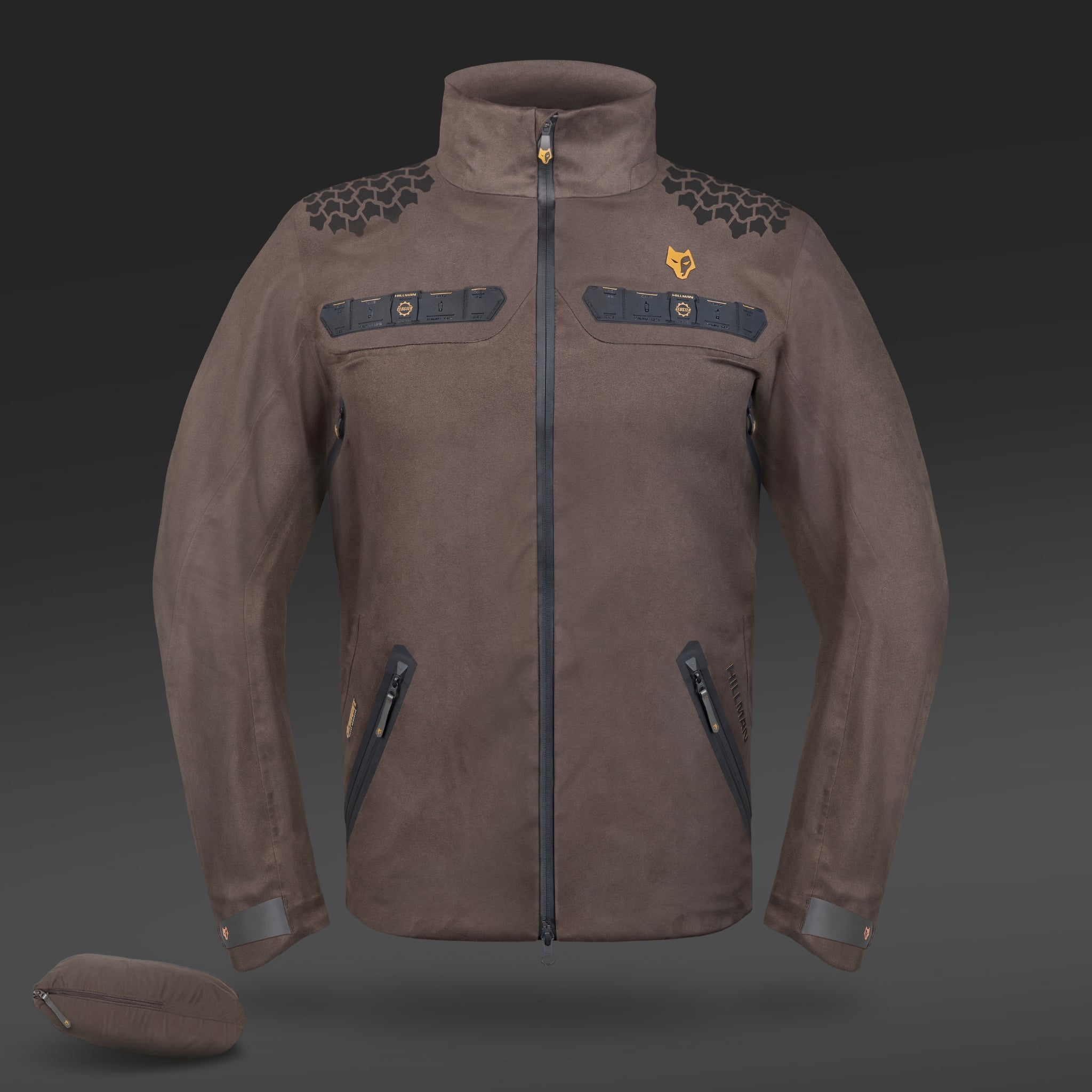
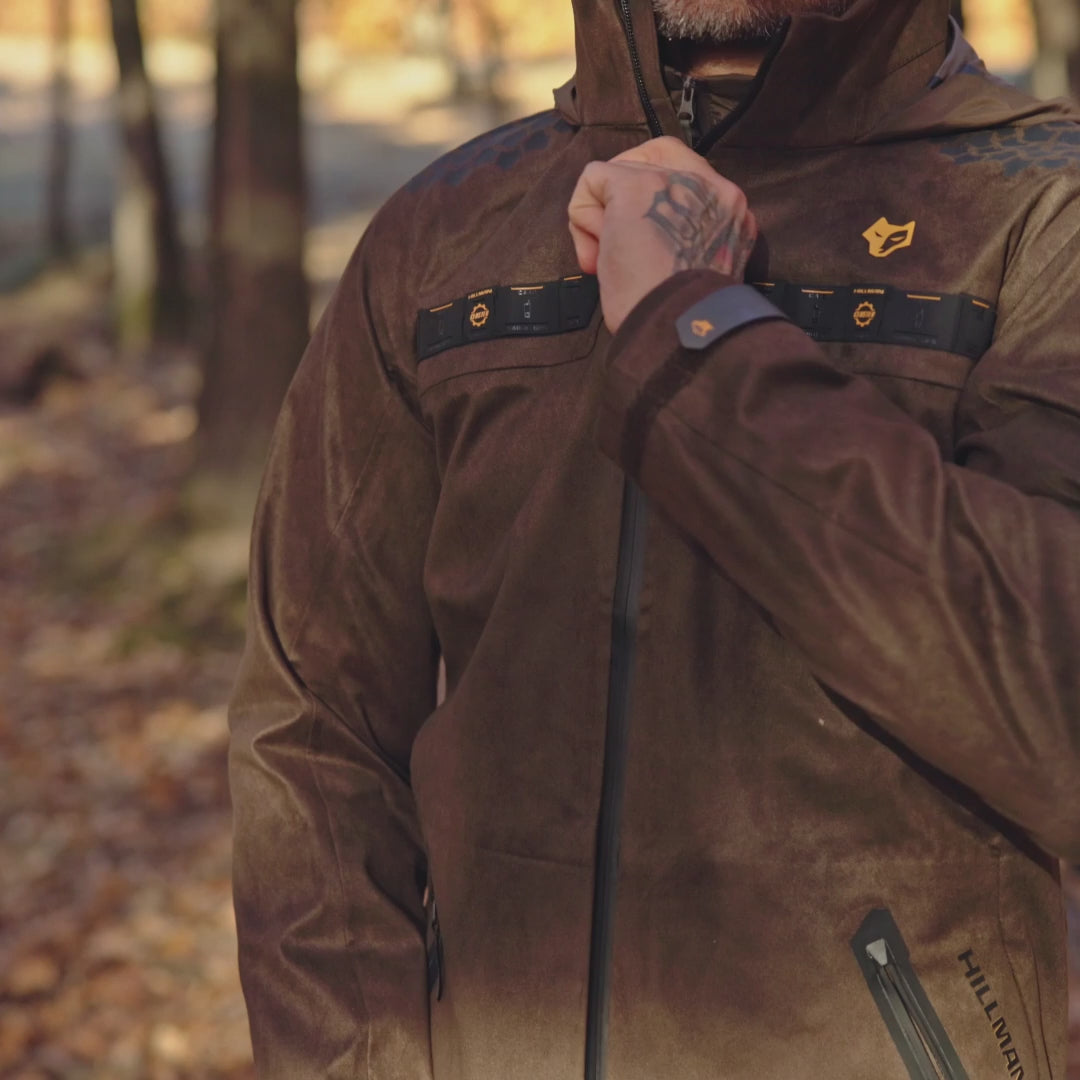
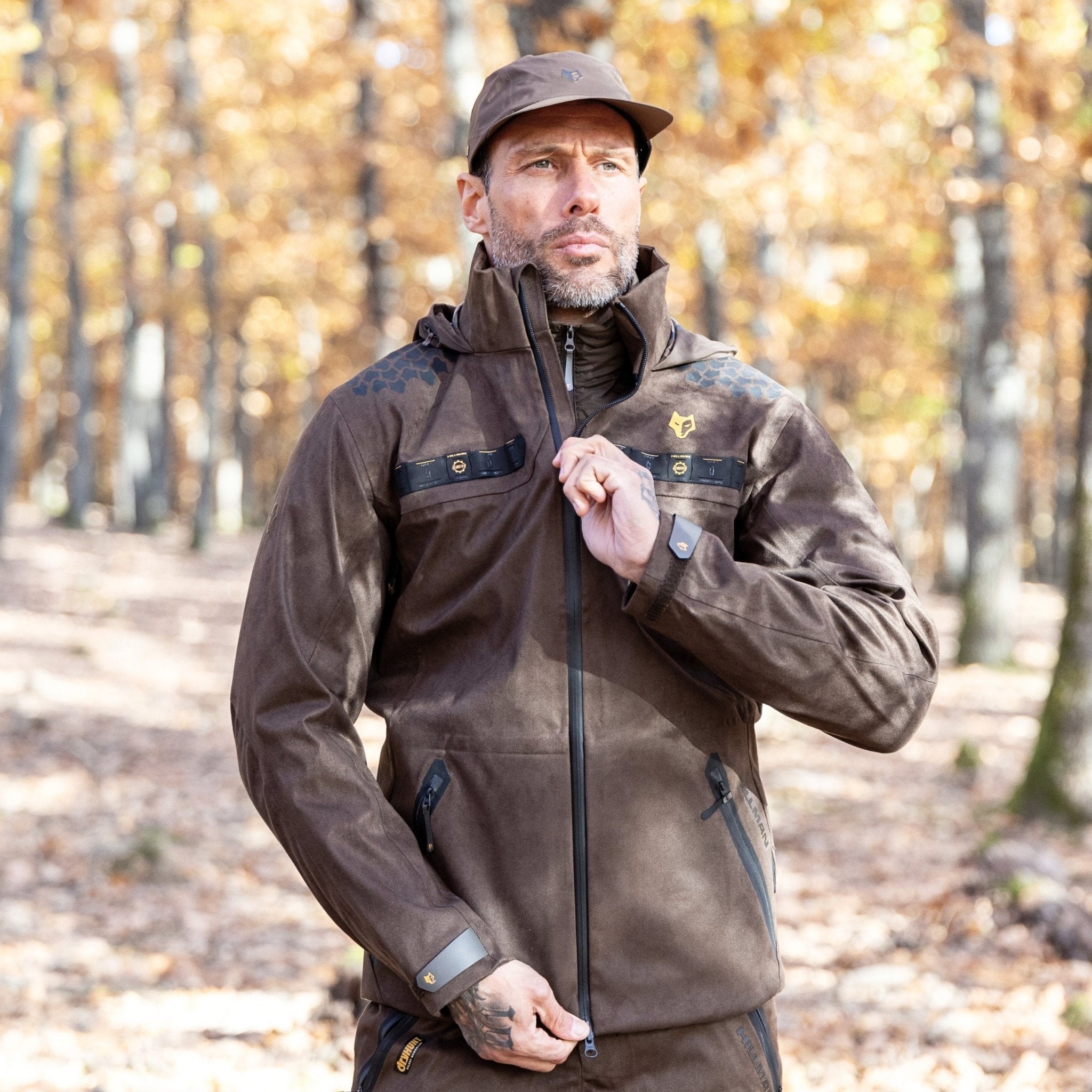
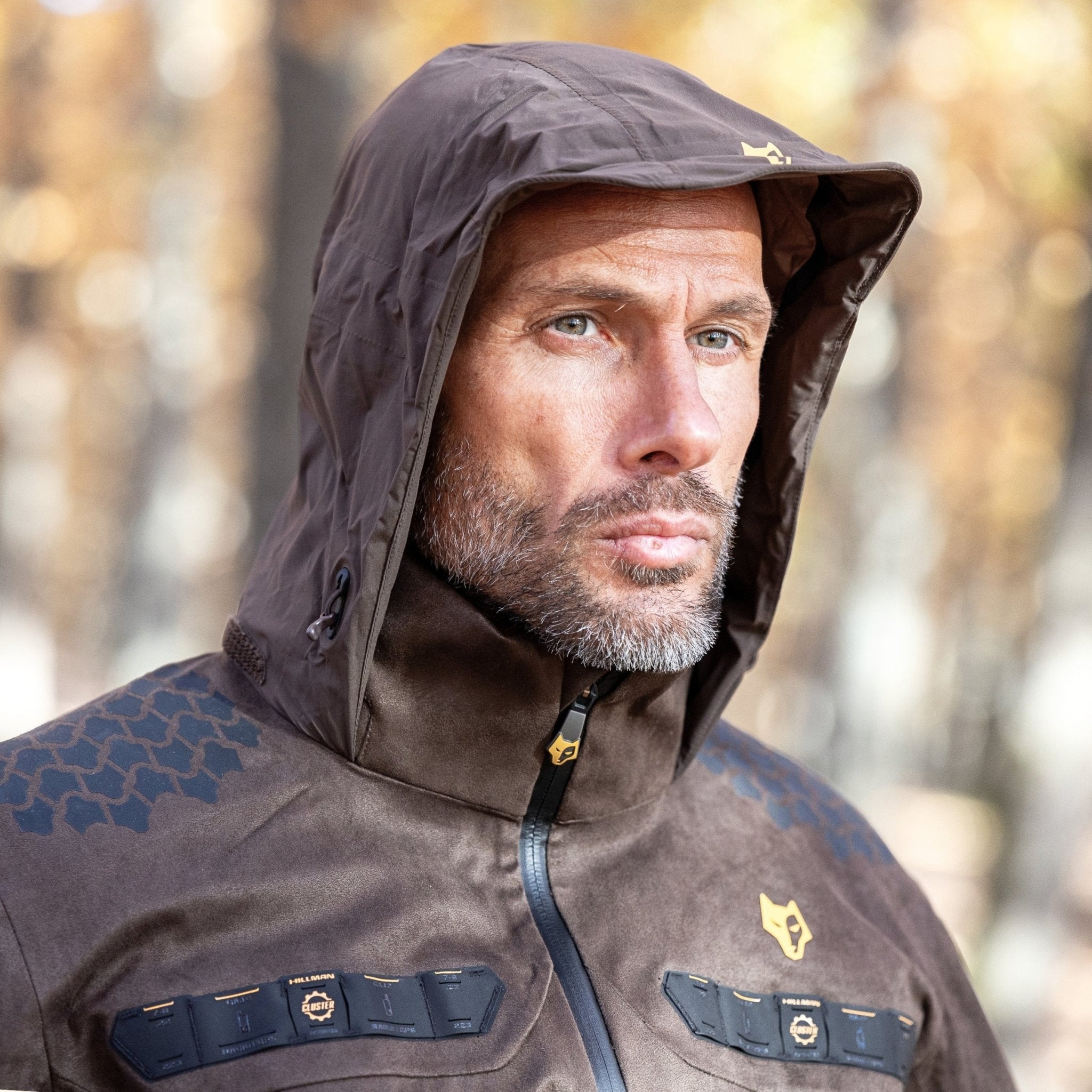
Some companies design outer layers that adapt especially well to changing terrain and weather. Hillman occasionally offers feature-rich outerwear that blends insulation and mobility, and this type of practical design is what you want to look for in any brand.
Building for the Season, Not Just the Forecast

Shoulder Seasons and Mild Days
When morning frost sits lightly on the ground but the sun warms the hills by mid-morning, you need layers that breathe. A classic all-season merino wool base layer paired with a thin fleece mid-layer usually does the trick. Add a breathable outer layer only if the wind kicks up. Easy layering is more important here than heavy insulation.
Cold Conditions and Long Sits
When cold temps settle in for the season, your layering system must seal heat in. A wool base layer becomes essential. Add a thicker mid-layer built for cold conditions, then top it off with an insulated outer layer designed to trap heat without suffocating your other layers. Hunters who spend long stretches sitting still in late season know how quickly poorly built systems fail. Choose pieces that hold warmth but still allow moisture to move outward.
Real Tips From Hunters Who Learned by Doing

There are a few rules most experienced hunters eventually follow. Always start with a dry base layer. Even the best fabrics struggle once soaked. Vent early, especially when climbing. If you feel yourself heating up, open that zippered neck or remove a layer before sweat builds. Carry a spare cozy base layer for multi-day hunts. Naturally odor-resistant wool is handy when washing isn’t an option.
And above all, keep your system simple. The more straightforward your layering, the better it performs in the field.
Build a System That Matches Your Hunt

A good layering system is personal. It’s shaped by the terrain you hunt, the pace you move at and how your body handles heat. There’s no perfect set of layers for everyone. But there is a system that will work for you, once you understand what each layer needs to do. Start with a thoughtful base layer, choose a mid layer with enough insulation and mobility, then pick an outer layer that protects without trapping you inside.
When your layers work together, you stop thinking about cold conditions or sweat or wind. You stay warm, steady, and ready for whatever the next ridge brings. And that is exactly what a hunting layering system should do.


TYLER JAMES
Tyler James learned layering the hard way - through sweat-soaked hikes, frozen morning sits, and long days where the weather refused to stay predictable. After more than a decade of backcountry and treestand hunting, he believes a proper hunting layering system matters more than almost any single piece of gear.
As a field contributor for Hillman Gear, Tyler tests base layers, fleece mid-layers, and outer shells in real-world conditions where moisture control and temperature swings make or break a hunt. He focuses on how fabrics perform during transitions - from steep climbs to motionless glassing — and how well each layer works as part of a complete system rather than a standalone product.

Share:
Top-Rated Waterproof Hunting Boots Tested in American Terrain
Lightweight Hunting Jackets Built for Long-Range Hunts