

The Hunting Guide
Explore the best hunting gear, hunting news, and cutting-edge hunting innovations on The Hunting Guide – the expert-driven blog for seasoned hunters.
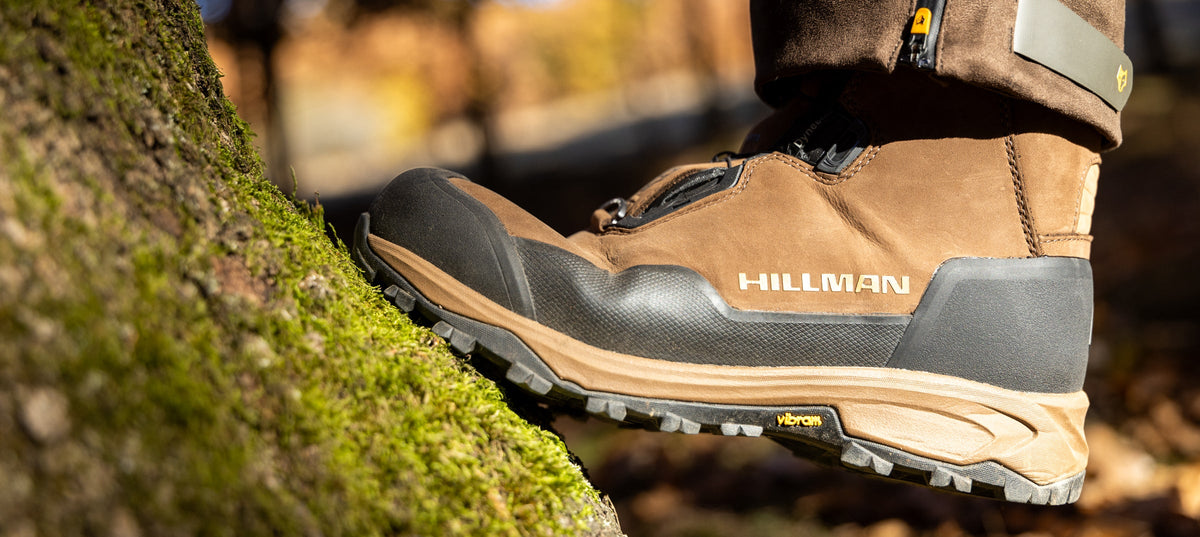
Hunting Boots for Wide Feet: Fit, Toe Room & Hot Spots
Achieving long-day comfort for wide feet requires prioritizing toe box width and heel lock over simply sizing up. A wide forefoot prevents numbness and painful hot spots on steep descents, while a secure heel stops blistering on rough terrain.
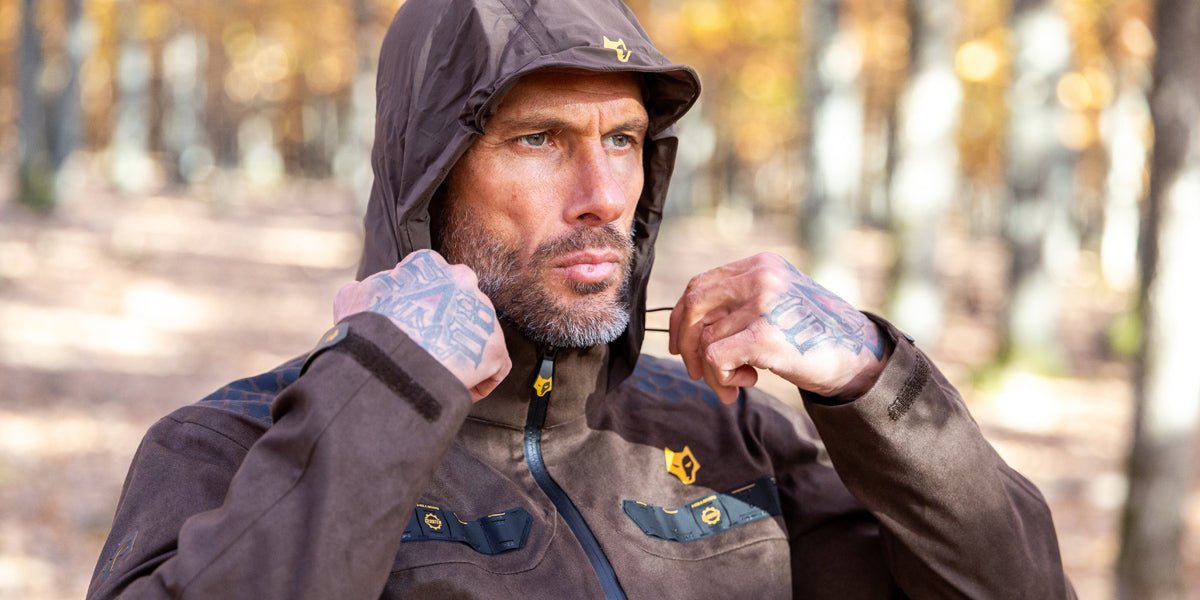
Packable Rain Gear vs Heavy Rain Gear: The Best for Hunters
Packable rain gear shines on active treks with passing showers due to high breathability and minimal weight. Heavy 3-layer gear is essential for sustained downpours, cold stationary sits, and punishing terrain where durability and storm protection matter most.
What to Wear for Spring Turkey Hunting: Capricious Mornings
Spring turkey hunting requires a flexible layering system built to manage drastic temperature swings from freezing pre-dawn sits to hot mid-morning walks. Success relies on combining moisture-wicking synthetic or merino base layers with packable insulation, quiet wind-resistant shells, stretchy pants, and waterproof boots that handle heavy morning dew. By prioritizing silent fabrics and easily stowed mid-layers, hunters can stay warm early, avoid overheating later, and remain completely concealed when gobblers move in.
DIY Public-Land Deer Hunts: Finding Access, Staying Effective
DIY public-land deer hunts require hunters to outsmart heavy human pressure by seeking out awkward, wet, and steep access points that others avoid. Success hinges on understanding how deer use escape routes, thick swamp cover, and terrain pinch points when pushed by other hunters. By staying adaptable and committed through all-day sits, hunters can exploit overlooked micro-habitats and capitalize on midday deer movement.
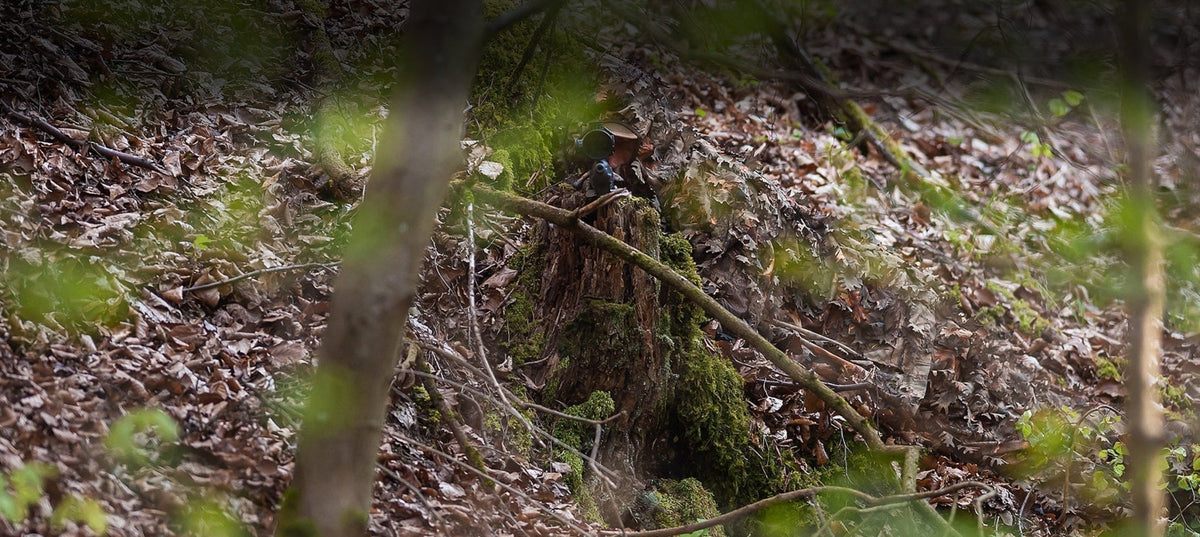
Still-Hunting Deer in Thick Cover: How to Move, Use Wind, Sound
This guide covers how to still-hunt heavy timber by moving a few steps at a time, using soft footing, and scanning brush for broken shapes and faint details. Success relies on keeping the wind in your face, using trees and shadows to break up your outline, and moving with enough patience to spot deer before they catch your scent, movement, or sound.
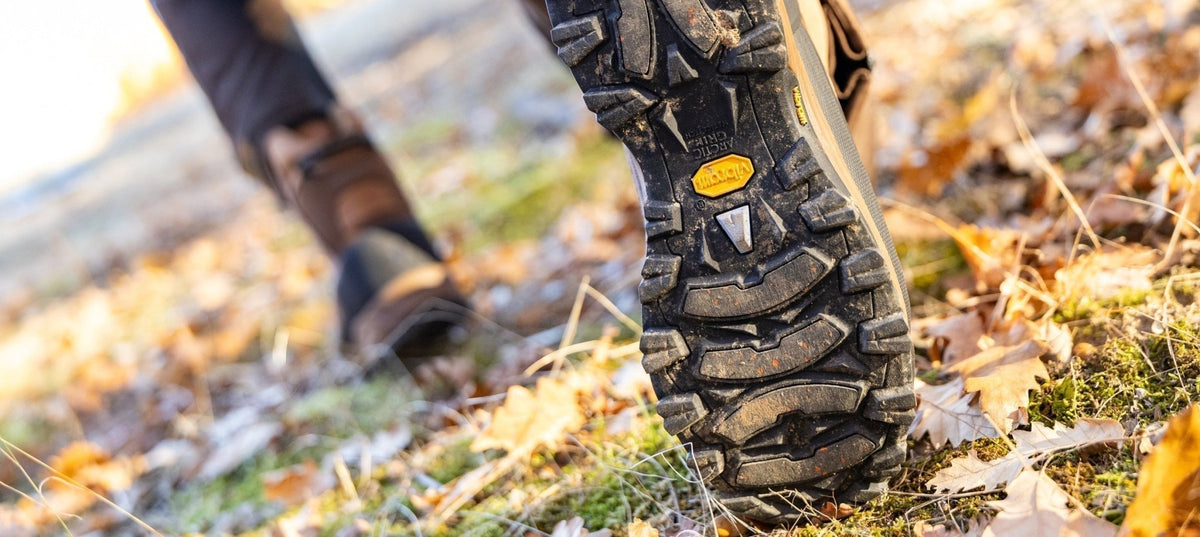
Hunting Pressure Changes Deer Faster Than Most Hunters Think
Hunting pressure shifts mature bucks into thick cover and nocturnal patterns far faster than expected, forcing them to compress daylight movement into brief, low-risk windows. Success requires hunting hidden transition zones, managing clean access routes, and taking advantage of midweek pressure drops.
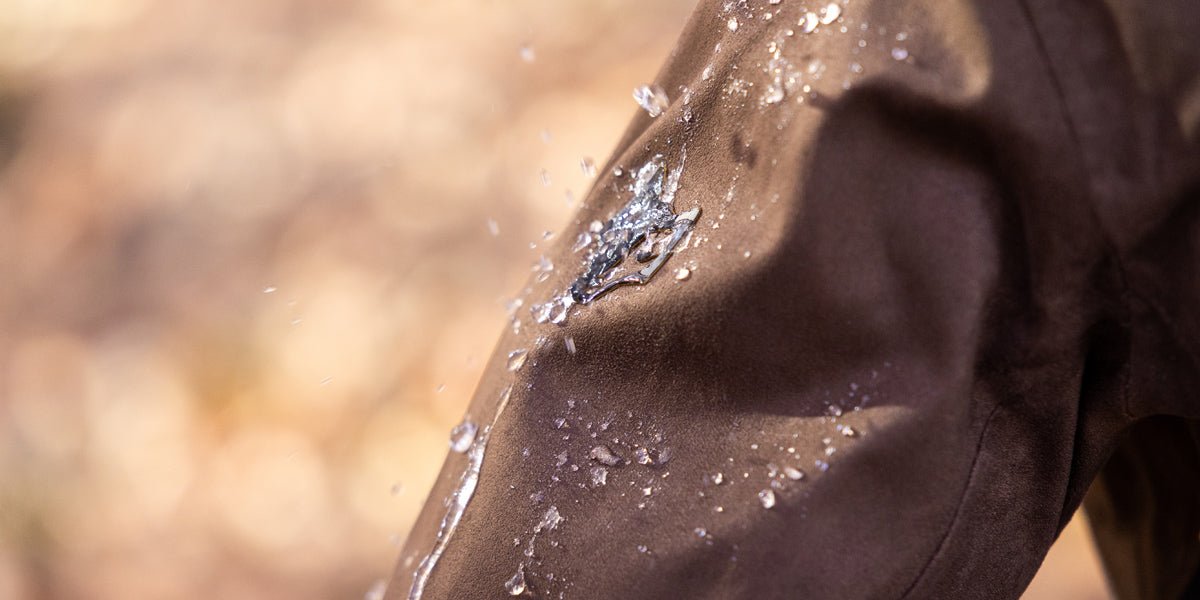
Rain-Day Deer Hunting: Why Wet Weather Can Improve the Hunt
Rain-day deer hunting can significantly boost success when hunters differentiate between light drizzles and torrential downpours. Soft rain quiets dry leaves, lowers hunting pressure, and encourages mature bucks to move during daylight, while heavy storms generally pin deer down until the weather clears. Success relies on adapting setups closer to bedding cover, wearing quiet, waterproof gear, and exercising extreme restraint with shot selection due to fragile blood trails.
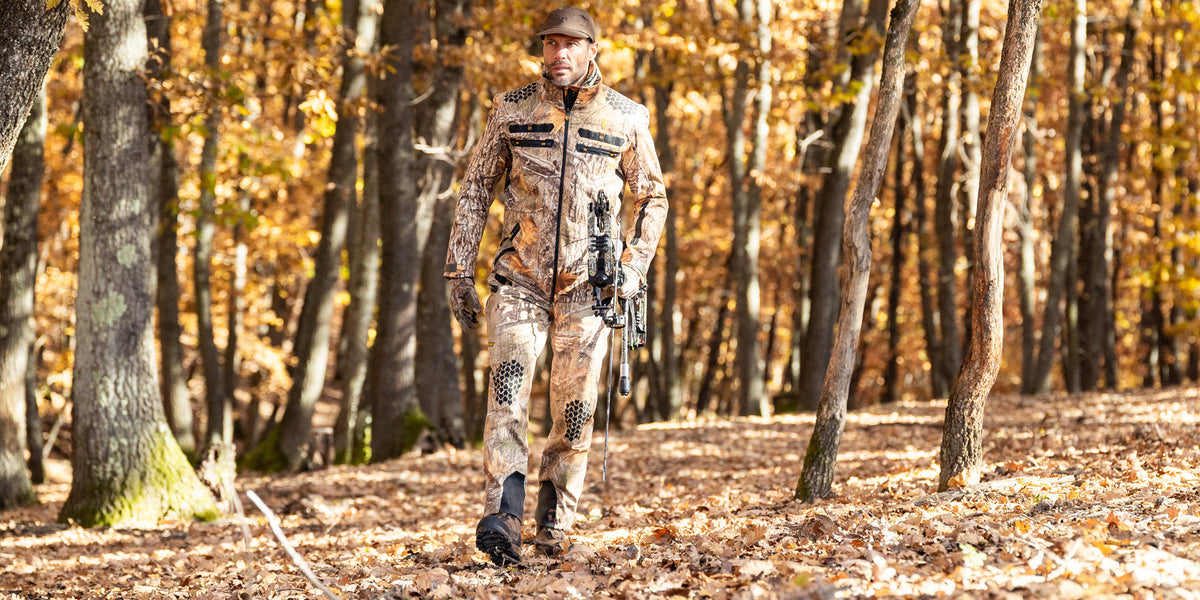
Midday Turkey Tactics: What to Do When the Woods Go Quiet
Midday silence in the turkey woods does not mean the hunt is over, as lonely gobblers often shift toward shaded cover, water, and known strut zones after early morning hens disperse. Success during these late-morning hours requires a strategic shift to slower movements, soft and spaced-out calling, and patient setups in high-traffic terrain. By adapting to midday turkey behavior and leveraging reduced hunter pressure, hunters can turn quiet woods into highly productive hunts.

How to Scout a Turkey Roost and Set Up for Fly-Down
Scouting a turkey roost requires low-impact observation from a distance to pinpoint roosting sites without pressuring or spooking the birds before the hunt. Setting up effectively for fly-down means positioning yourself 100 to 150 yards away along natural travel routes, maintaining absolute stealth, and using subtle calling to draw the gobbler in. Success comes from meticulous entry planning, patience, and letting the bird move naturally toward terrain features it already intends to use.
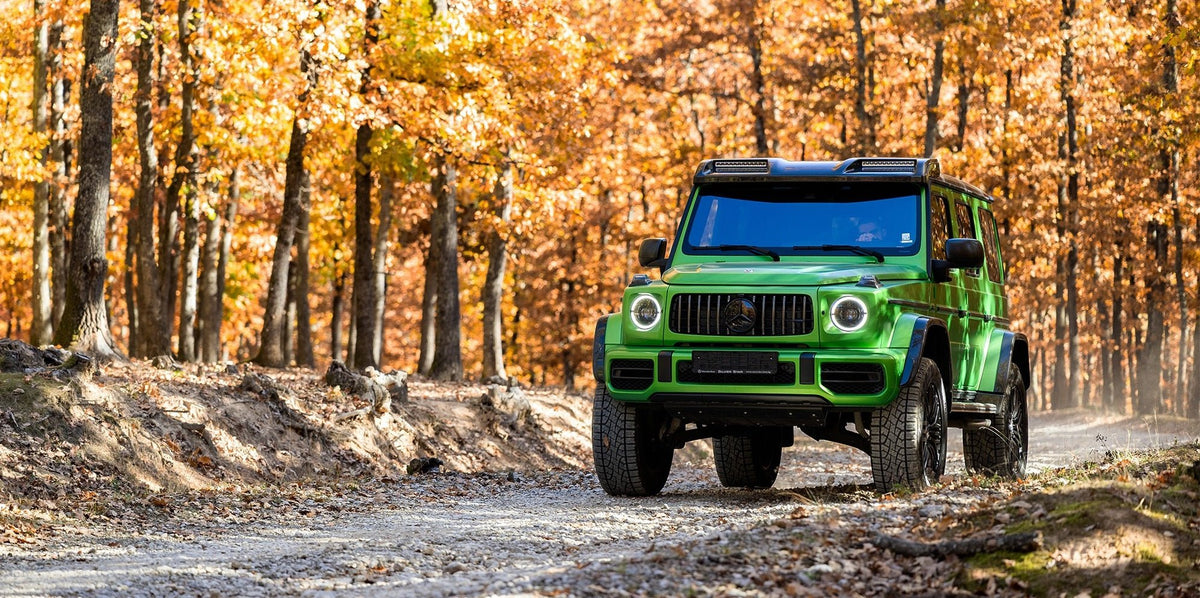
Cold-Front Whitetail Strategy: Where Mature Bucks Slip Up
A cold front prompts mature bucks to move earlier along secure travel routes and staging cover to recover lost energy. Setting up in natural funnels between bedding areas and high-value food sources during the 24-to-48-hour post-front window yields the highest success without spooking deer.
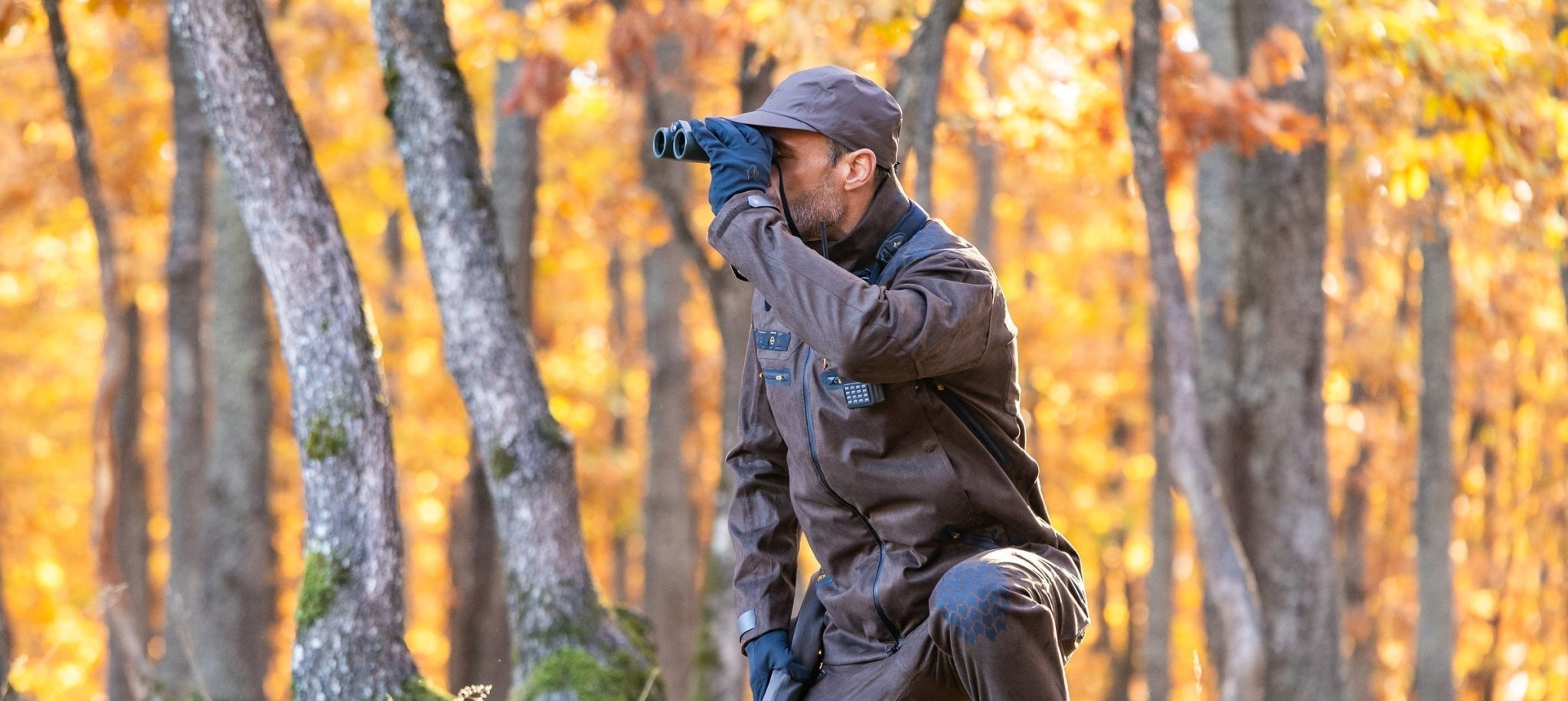
Post-Season Deer Scouting And Next Fall’s Mature Buck
This article explains how post-season scouting can reveal mature buck patterns by connecting bedding areas, trails, rubs, food sources, sheds and hunting pressure. It focuses on using those observations to build a more precise plan for the next deer season.
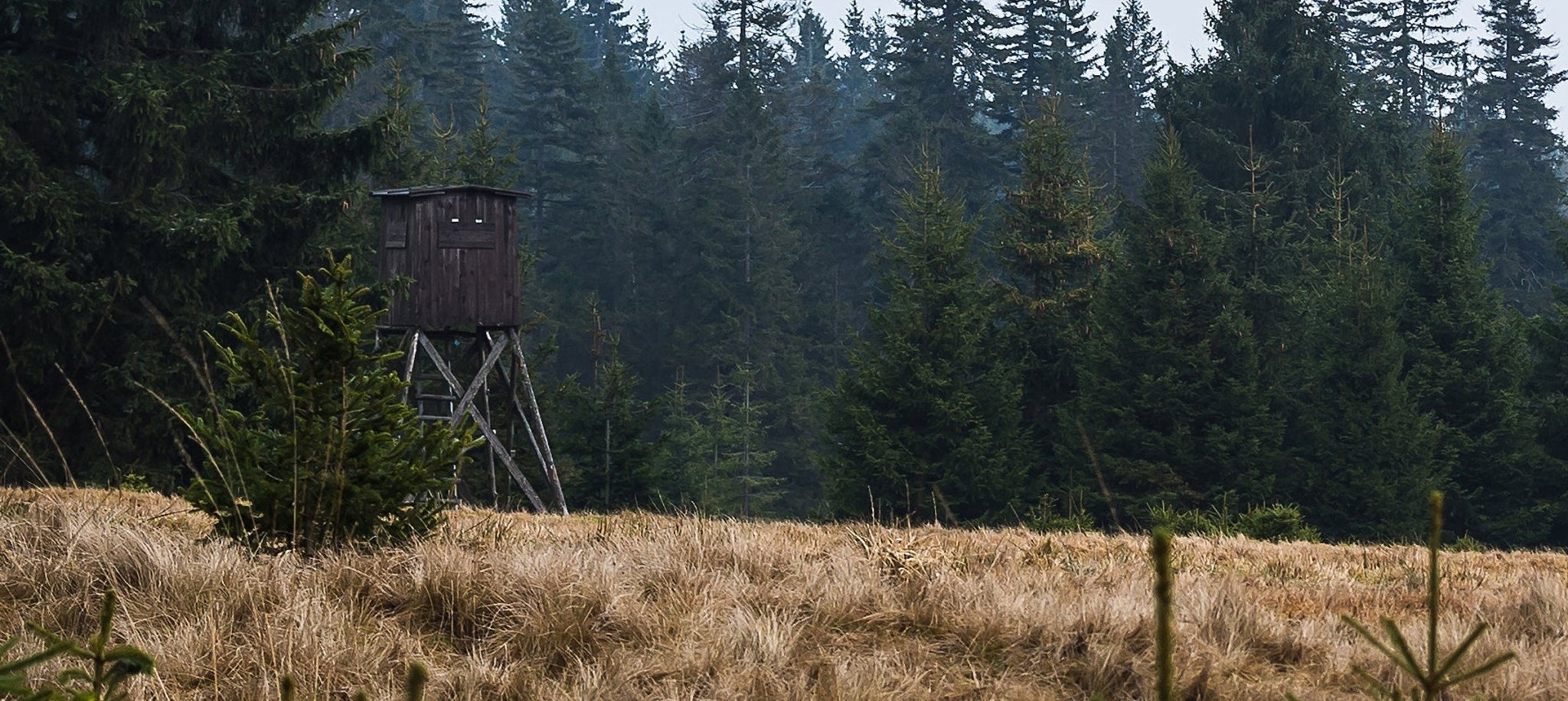
How to Hunt Deer From the Ground Without Getting Picked Off
This article compares quietness, durability, breathability and footwear choices across roe deer stalking and driven boar hunts, with a strong focus on how fabrics and gear perform in different terrain and weather. It also covers practical clothing and boot selection, including noise, abrasion, waterproofing, ventilation and fit.
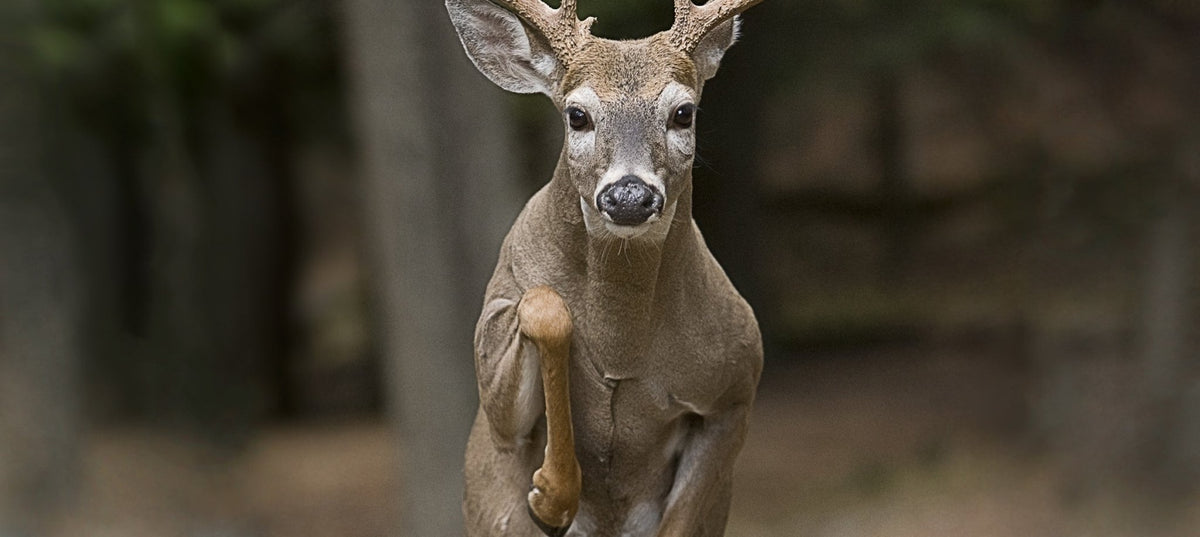
Hunting Deer in the Wind: When to Go or Wait, Where Deer Shift
The article explains how wind speed, direction, thermals and changing weather affect deer movement and scent. It shows when windy conditions can improve a hunt, when to wait, and where deer often shift when exposed ground becomes uncomfortable.
Maintain Hunting Rain Gear, Boots, Base Layers After the Season
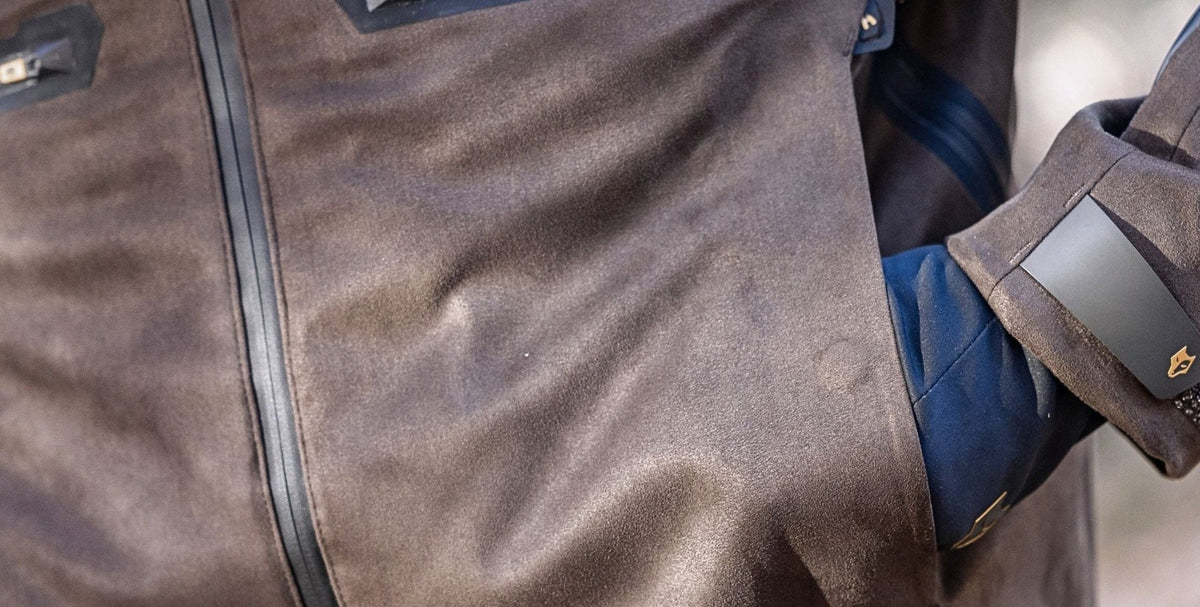
The article explains how to clean, dry, inspect, reproof and store hunting gear after the season so it is ready for the next one. It covers rain gear, boots, base layers and smaller equipment, with a focus on avoiding damp storage, unnecessary wear and preventable repairs.
Merino vs Synthetic Hunting Base Layers: Best by Season?
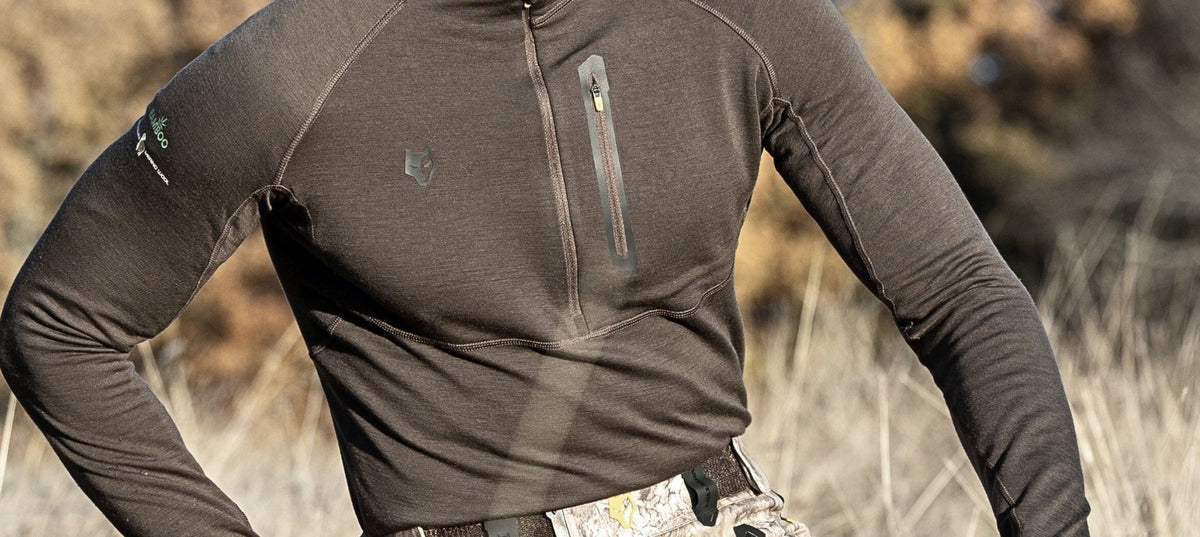
Merino and synthetic base layers each have their place, and the better choice depends on the season, your activity level, and how much you sweat. Merino shines in cold weather and multi-day hunts, while synthetic performs better during warm, high-output hunting where fast drying matters most.

Turkey Scouting for Mobile Hunters: How to Cover Ground Fast
Good turkey scouting is about finding fresh birds without putting pressure on them before the season starts. This guide explains how to combine maps, fresh sign, listening, trail cameras, and mobile scouting tactics to cover more ground while keeping your best spots productive for opening morning.
Turkey Vest Setup: What to Carry for Mobile Spring Hunts
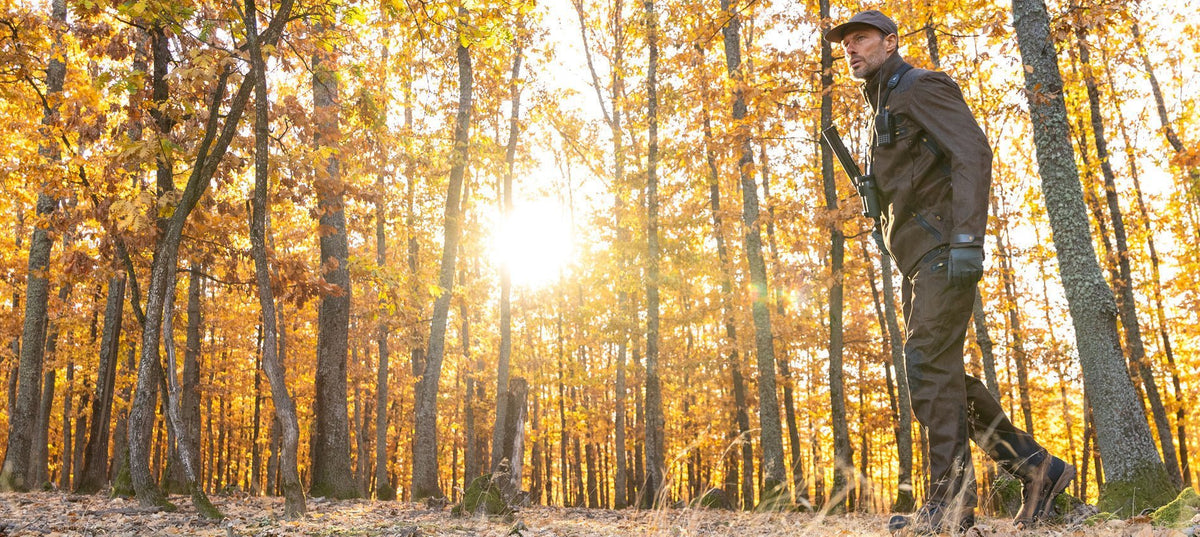
A mobile turkey vest works best when it carries only the gear you actually use and keeps everything quiet, organized, and easy to reach. The article explains how to build a lightweight setup with the right calls, comfort items, and safety gear without adding unnecessary bulk. It also compares traditional vests with chest rigs and fanny packs for hunters who like to stay mobile.

Mobile Whitetail Hunting Setup: What to Carry for Quiet Access
A good mobile whitetail hunting setup is built around less gear, less noise, and faster decisions. Keep your pack light, organize it well, and focus on equipment that helps you move quietly and adapt when deer patterns change. Comfort matters, but only if it helps you hunt better.