

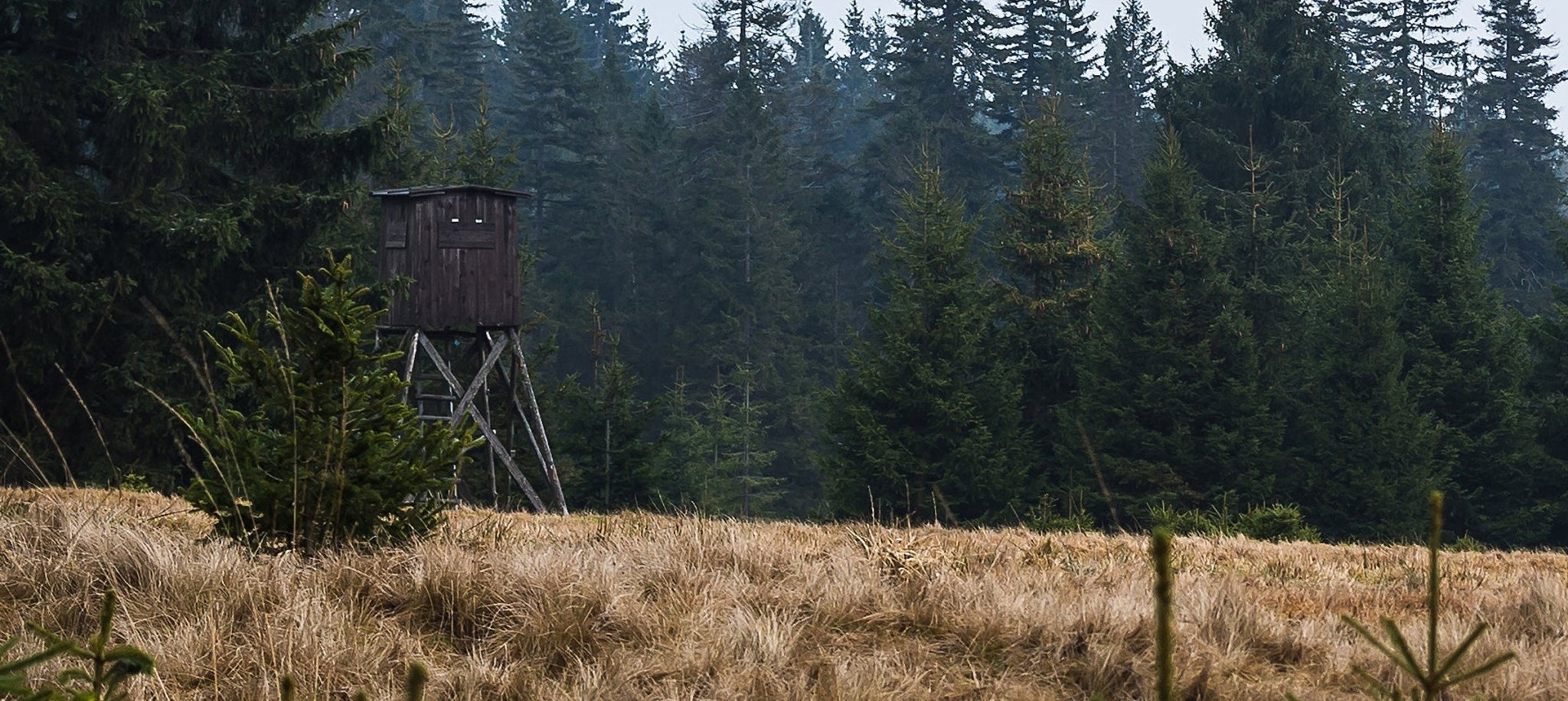
How to Hunt Deer From the Ground Without Getting Picked Off

Hunt deer from the ground by using wind, cover, slow movement and a shooting setup that is ready before deer show.
Why ground hunting still works: How to hunt deer from the ground without getting picked off is not some secret trick. It is mostly about not acting like a noisy lump of human smell sitting in the wrong place.
When you hunt from the ground, you are in the deer’s space. Same level. Same cover. No height advantage from a tree stand. No ladder getting your scent up and away. No easy way to get away with scratching your nose, moving your knees, swinging a bow around, or turning your head like you are watching a tennis match.
That is the hard part.
It is also why ground hunting is worth doing.
You hear more. You notice more. Leaves crack behind you. A doe steps out where you did not expect her. The wind taps your cheek and you know straight away whether your setup is still good or already cooked.
A treestand can be great, but it locks you down. On the ground, you can move. If deer are using a different field edge, a strip of cover, a hedge line, bedding areas, or some ugly little corner everyone else walks past, you can shift. No big drama. No carrying half a shed on your back.
That is why deer hunters still use this method on public land, pressured ground, small permissions, and places where the best tree is nowhere near where the deer actually travel.
Use the Wind First, Cover Second

A lot of hunters pick the best-looking hide and then try to make the wind work afterwards. That is backwards.
The wind comes first.
Natural cover helps. Brush helps. Grass helps. A big tree trunk helps. But none of it matters if your scent is blowing straight into the trail, bedding area, or field edge you are watching.
Deer live through their nose. You might fool their eyes for a while. You might even sit still enough to get away with a bad outline. But if your scent is rolling into them, the game is usually over before you even know they were there.
Scent control has its place. Clean clothing, careful storage, sprays, keeping your pack and outer layers from stinking like fuel, dog, food, smoke, or house smell: all of that helps. But it does not beat wind direction. It never has.
Set up with the wind in your face or on a slight crosswind. You want the air coming from the deer toward you, not from you toward the deer. If the wind changes and starts pushing your scent into the cover, do not sit there hoping the deer are stupid. They are not.
Move.
That is the benefit of hunting from the ground. You are not bolted to a tree.
In hilly ground, remember thermals too. Warm air rises when the day gets going. Cool air drops in the evening. A spot that is clean at first light can betray you later. In fall, when the air changes fast, that can be the difference between a mature buck stepping into range or ghosting out without a sound.
Natural Cover Is Better Than a Bad Ground Blind

A ground blind can work. A bad ground blind can ruin a spot.
Deer notice new shapes. They notice square edges. They notice black holes where yesterday there was only grass, brush, and timber. Drop a fresh blind near a bedding area on opening morning and do not be shocked when every cautious doe stands there staring at it like it owes her money.
Natural cover is usually cleaner.
A wide tree, fallen limbs, shrubs, standing grass, brush piles, dark edges, shadows, and broken timber can hide you without shouting “new object” to every deer in the area. Deer are used to messy woods. They are not used to a pop-up box that appeared overnight.
The rules are simple.
Get behind something.
Stay out of the skyline.
Do not sit in open grass and expect camouflage to save you. Camo is not an invisibility cloak. It only works when your outline is already broken up.
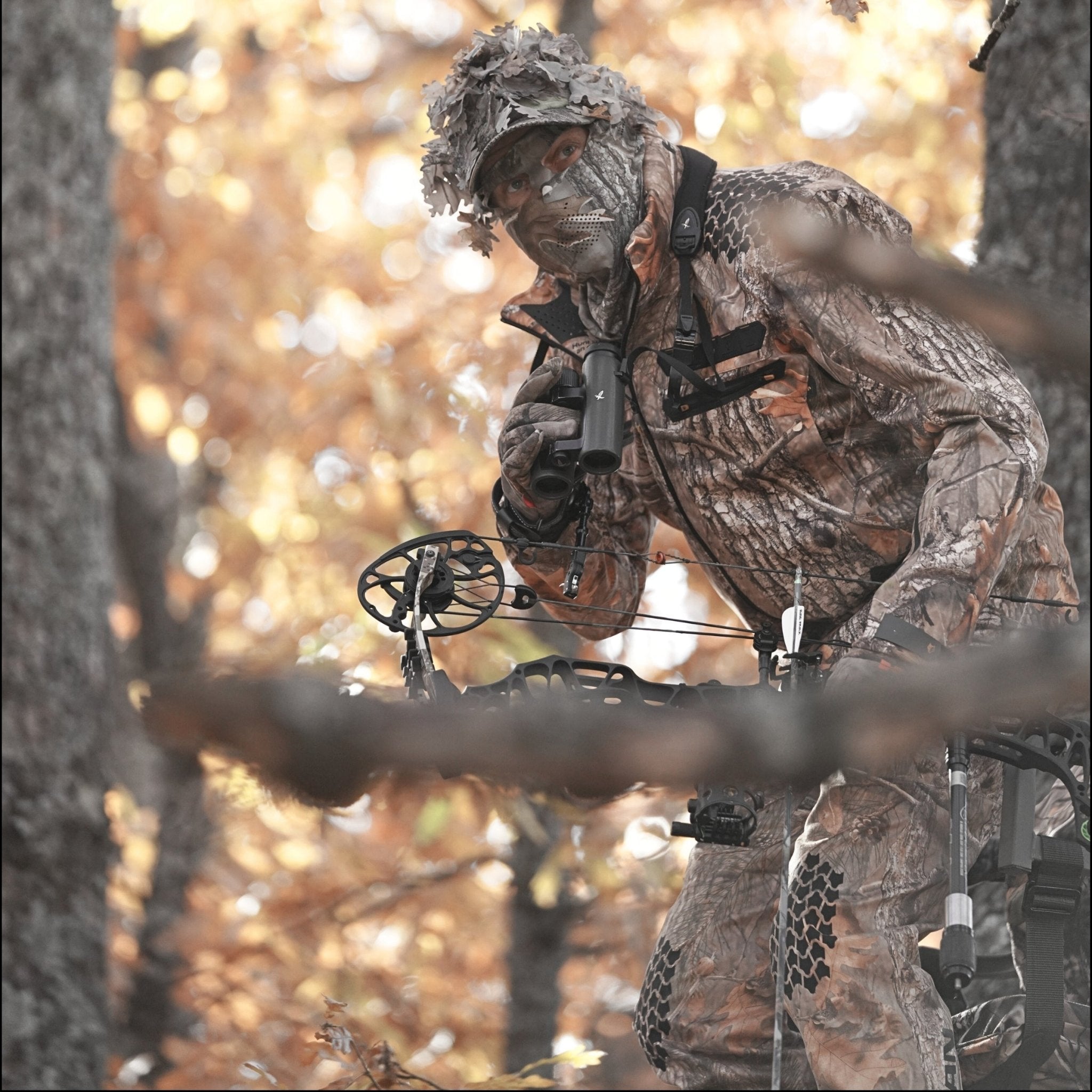
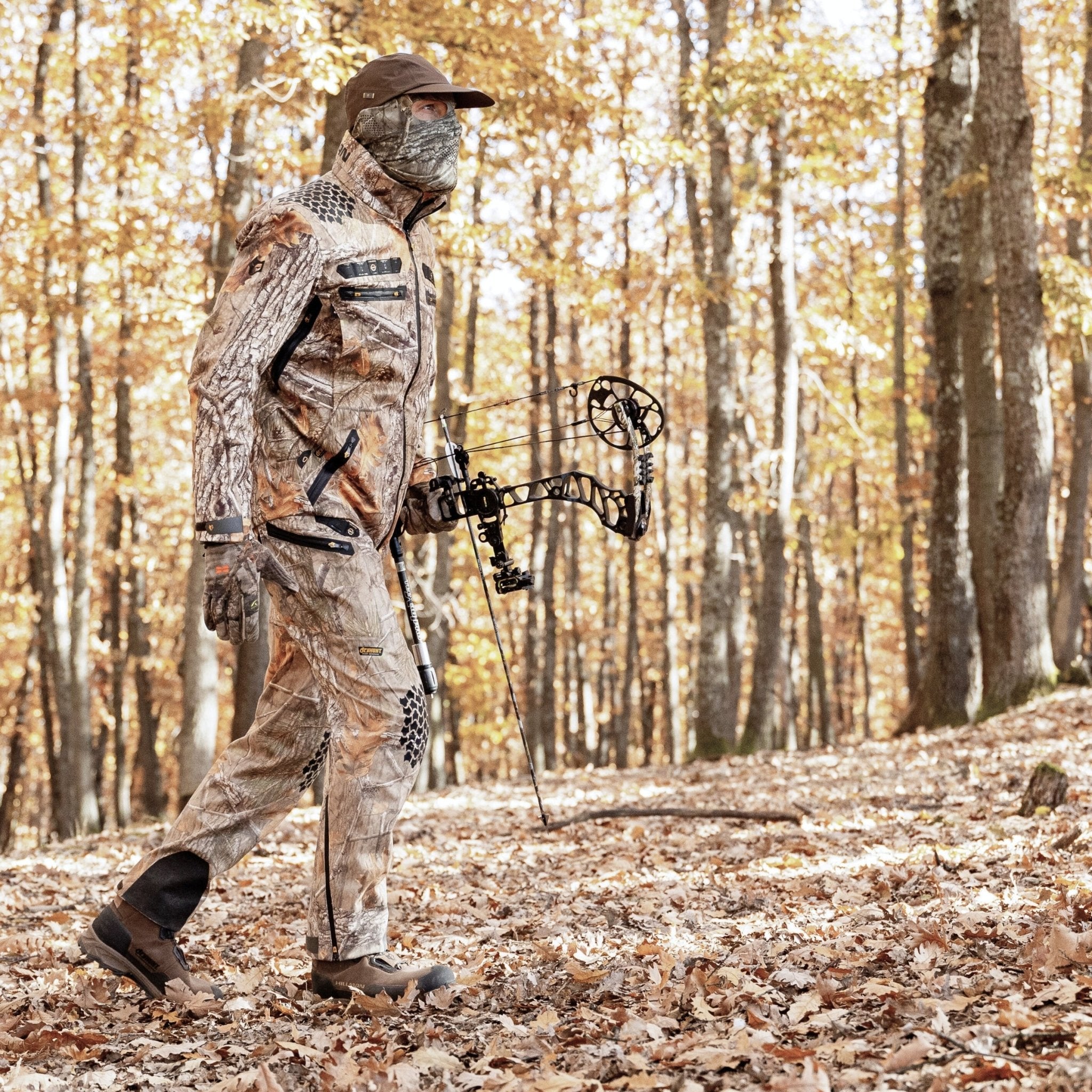
Your face, hands, shoulders, bow, gun barrel, pack, and knees can all give you away. Keep the bright bits low, dark, and broken behind cover.
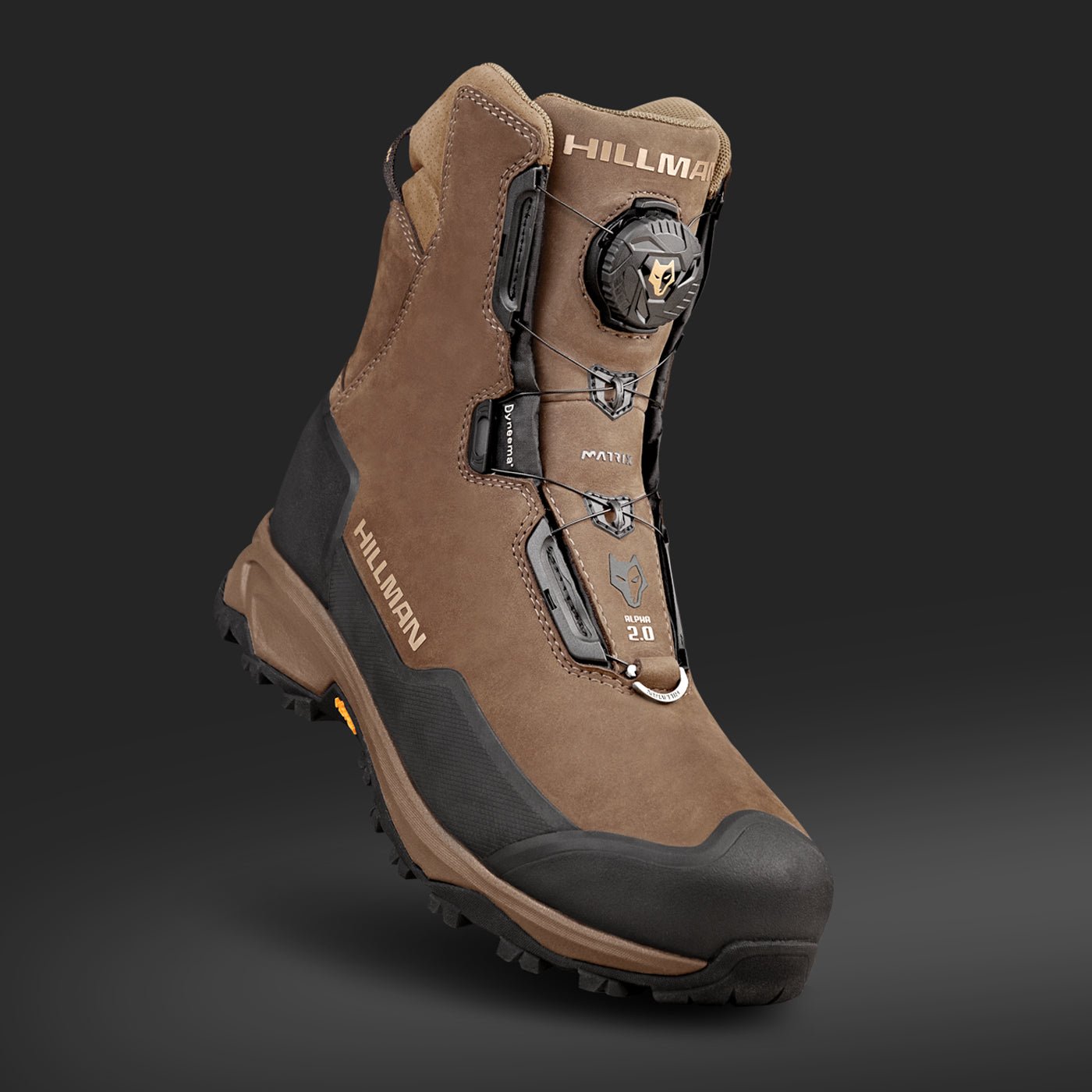
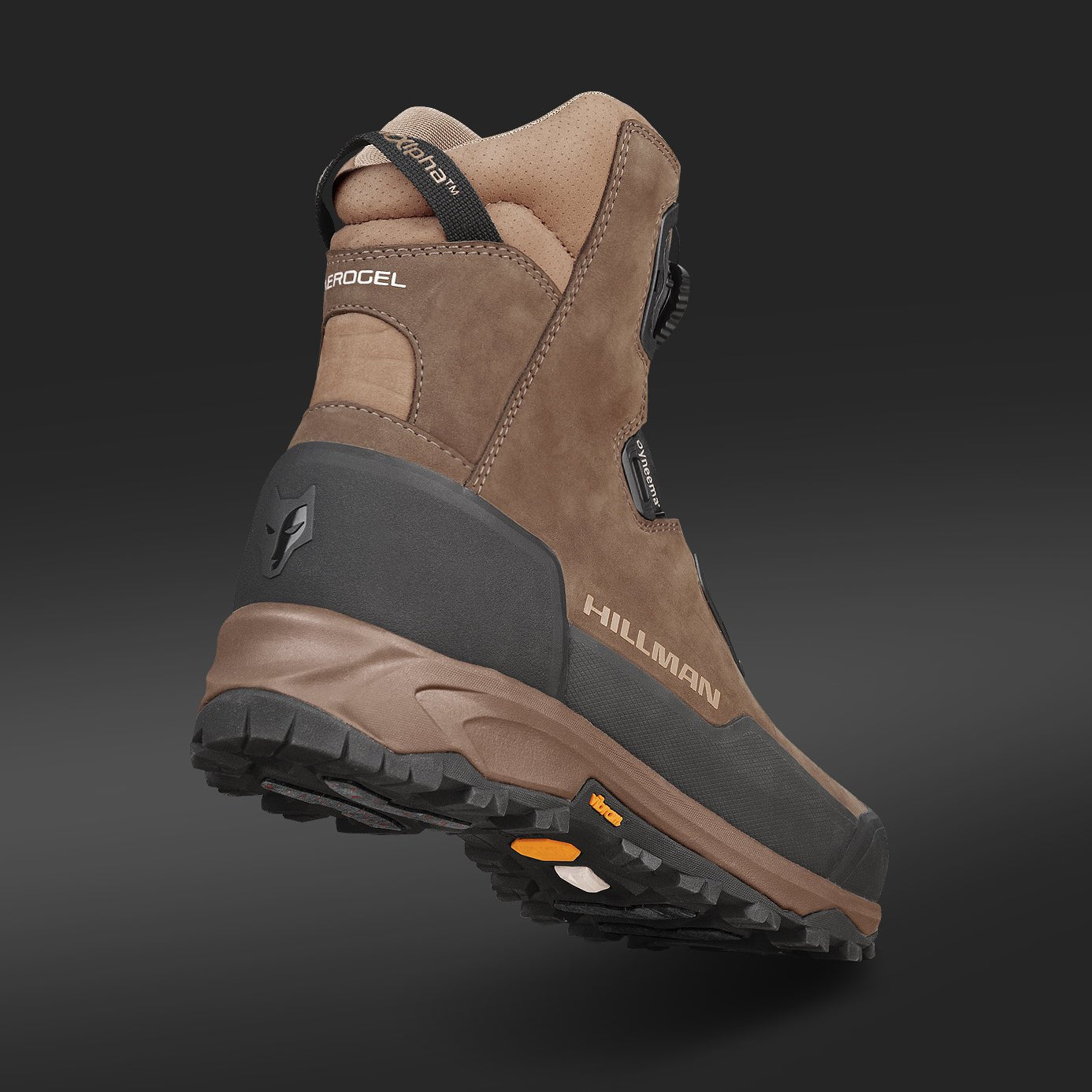
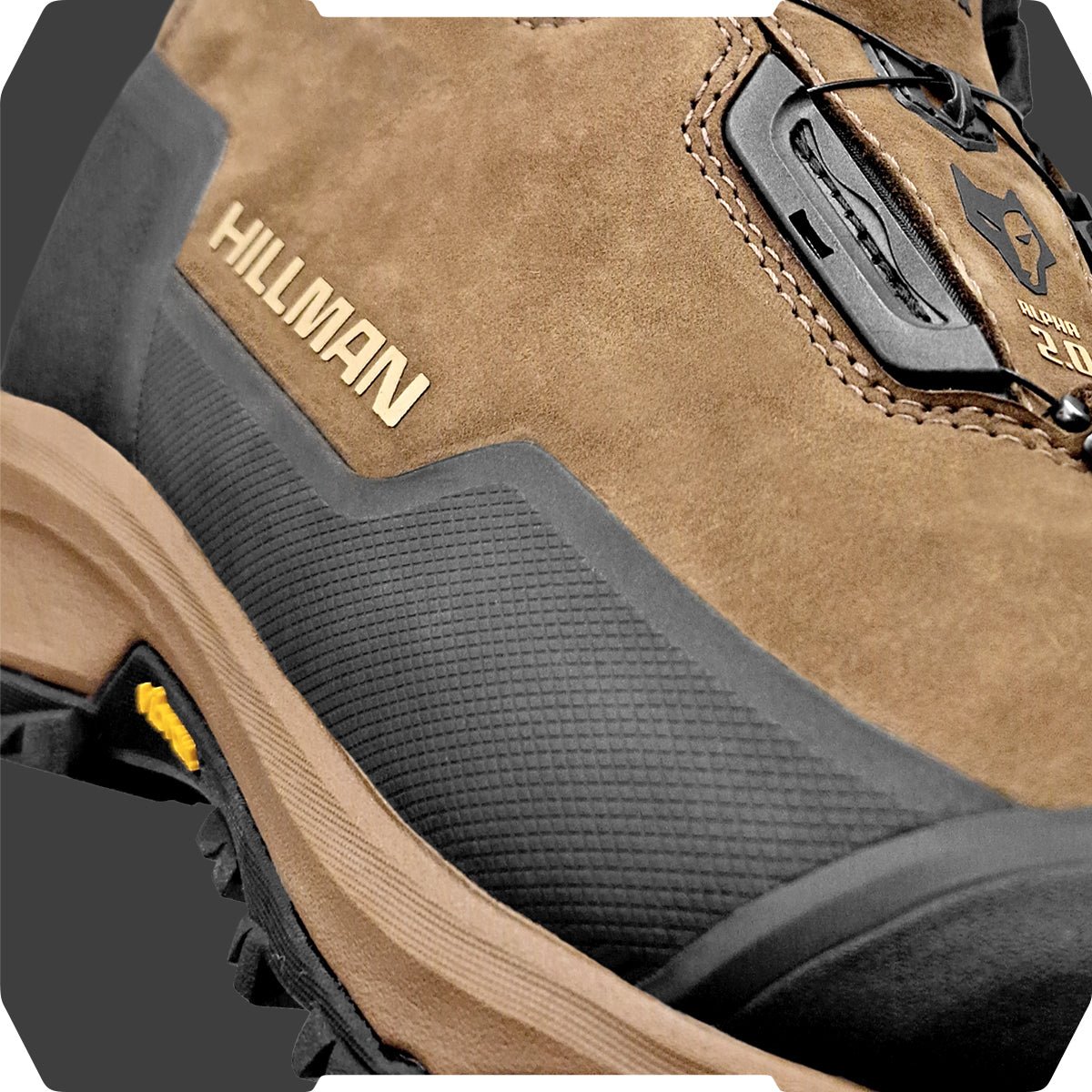
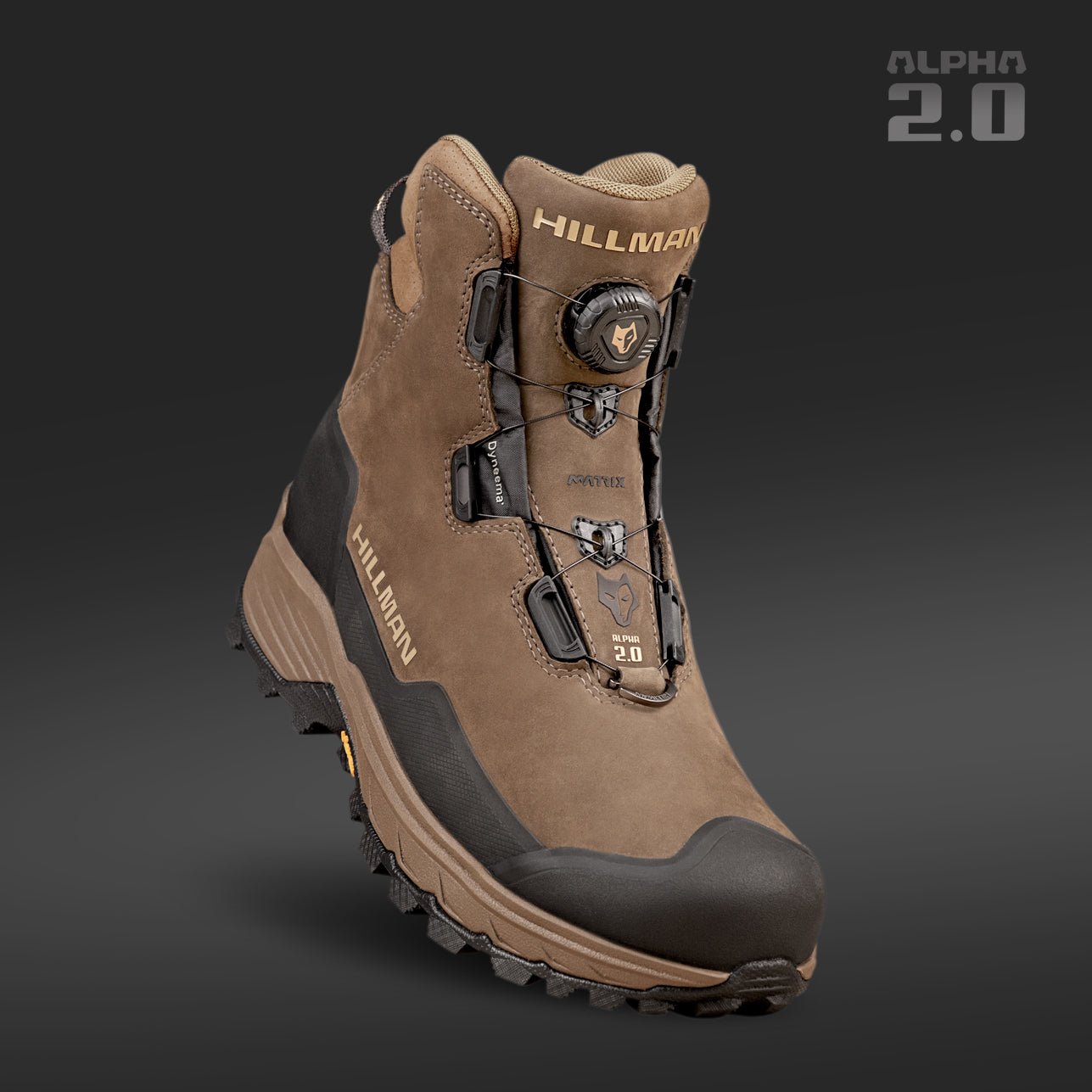
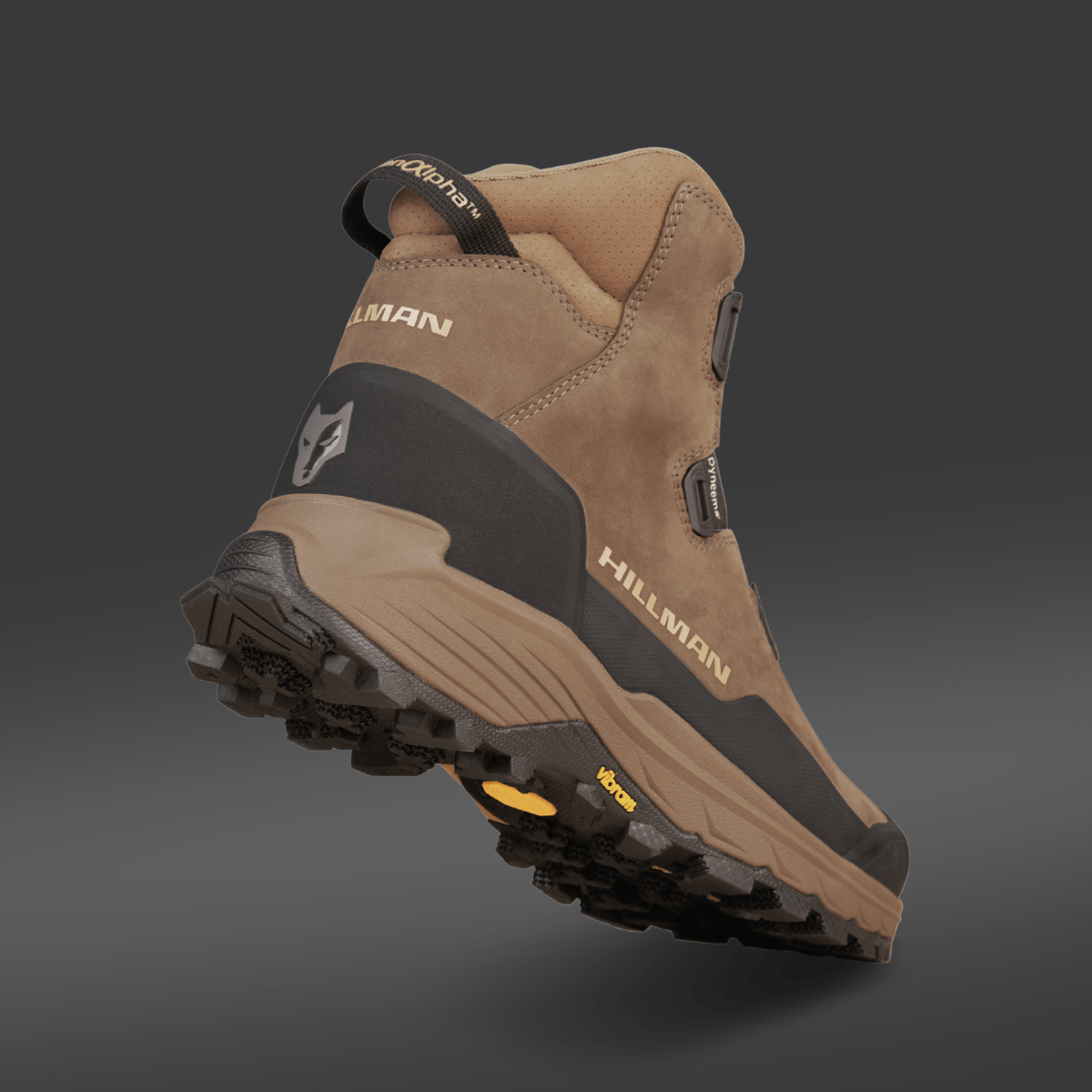
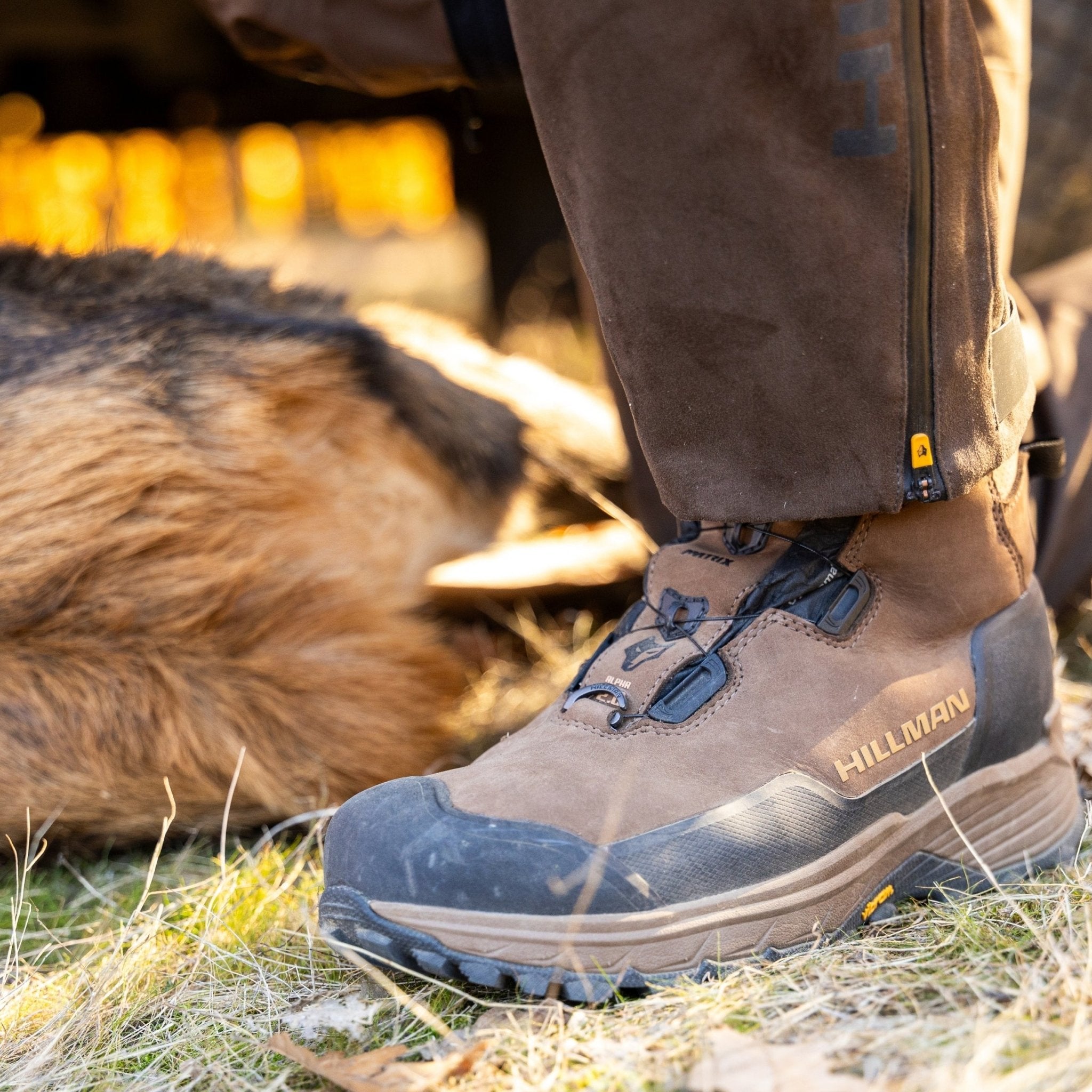
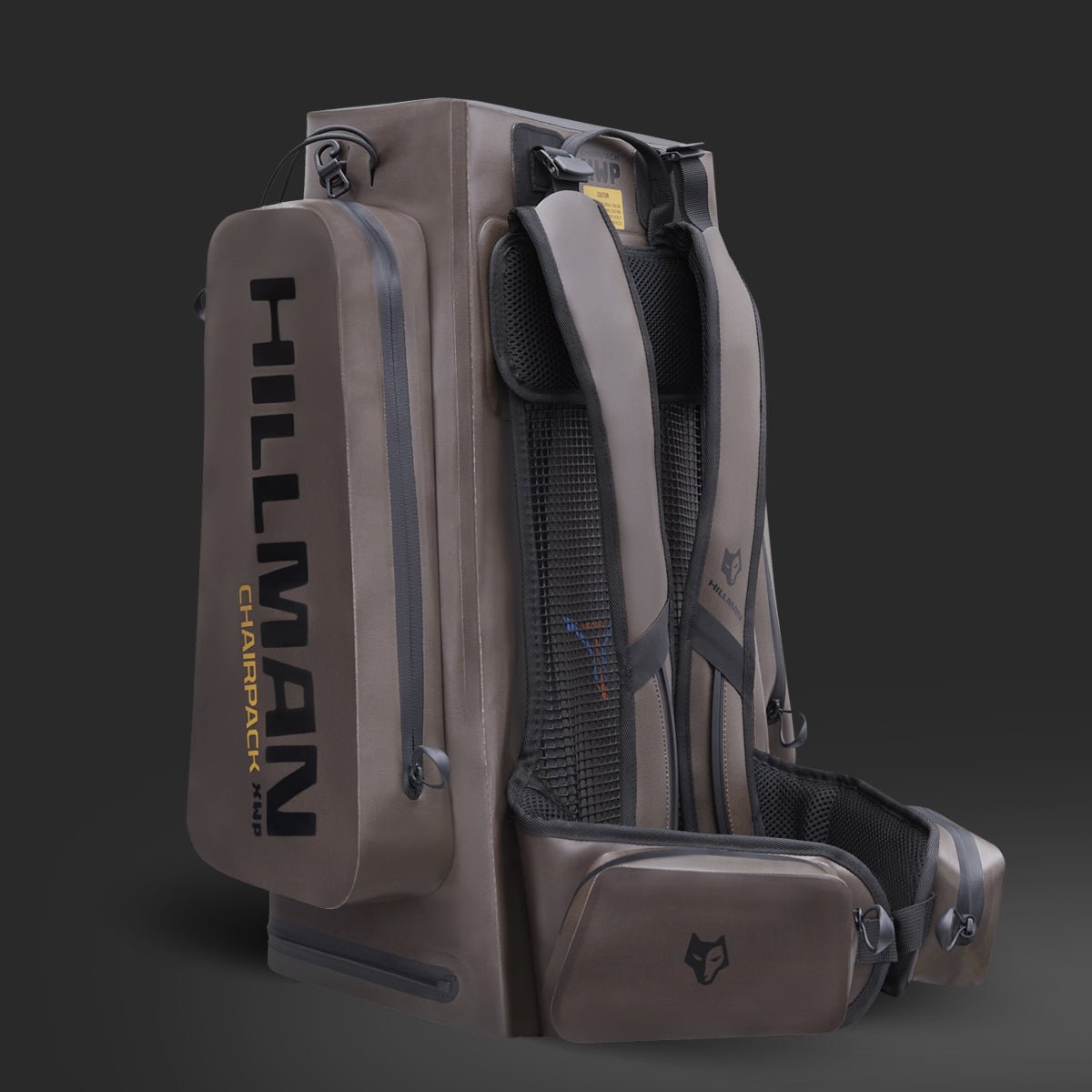
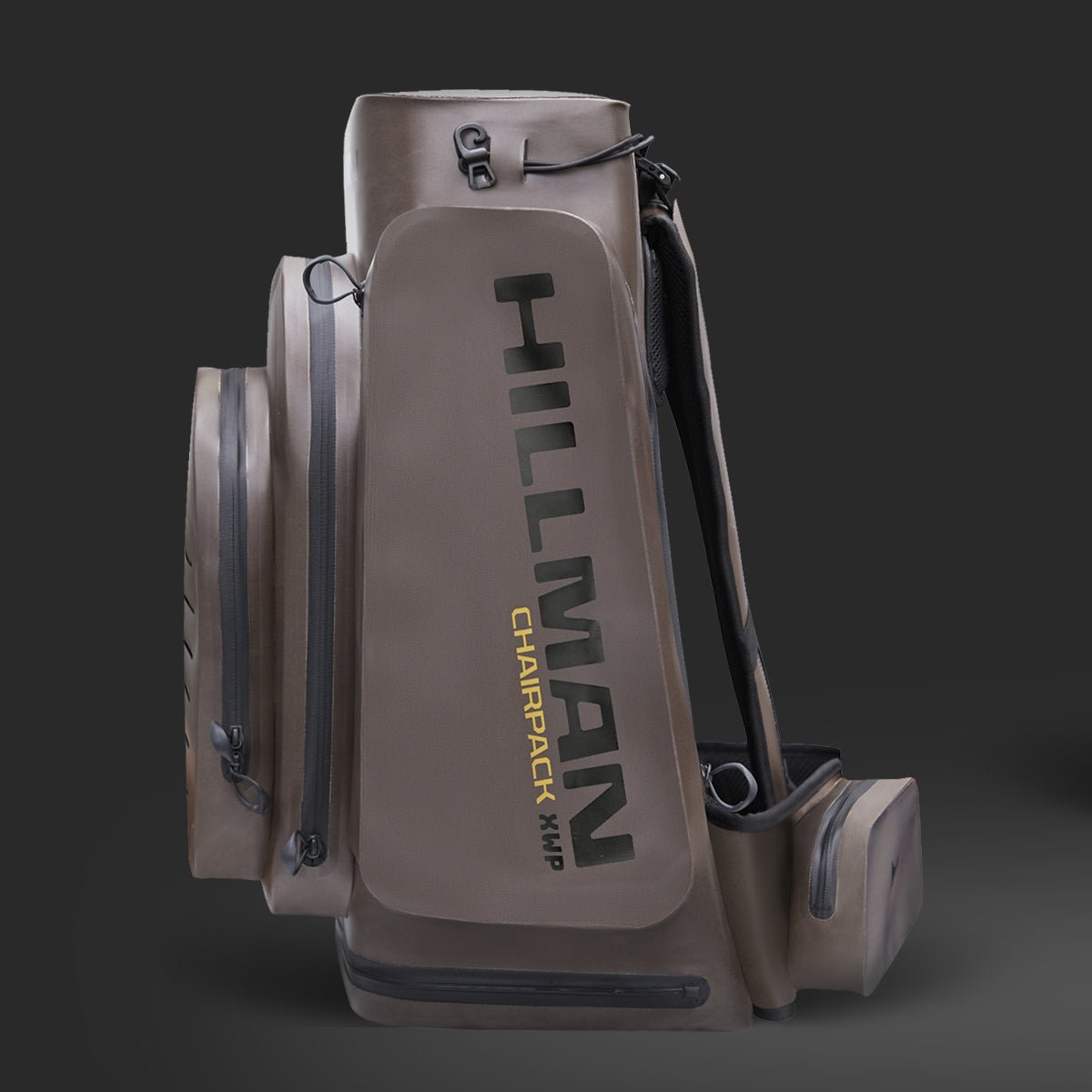
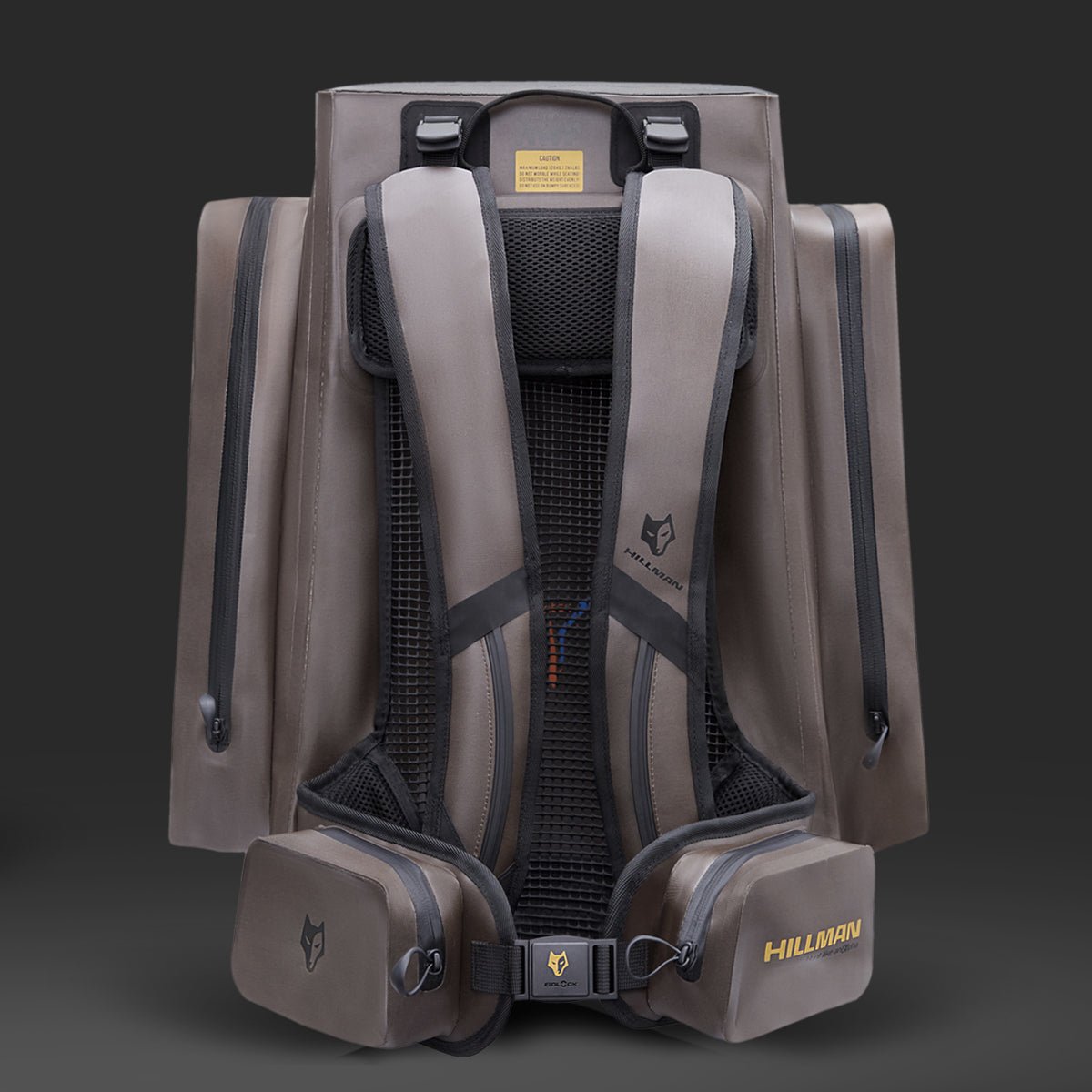
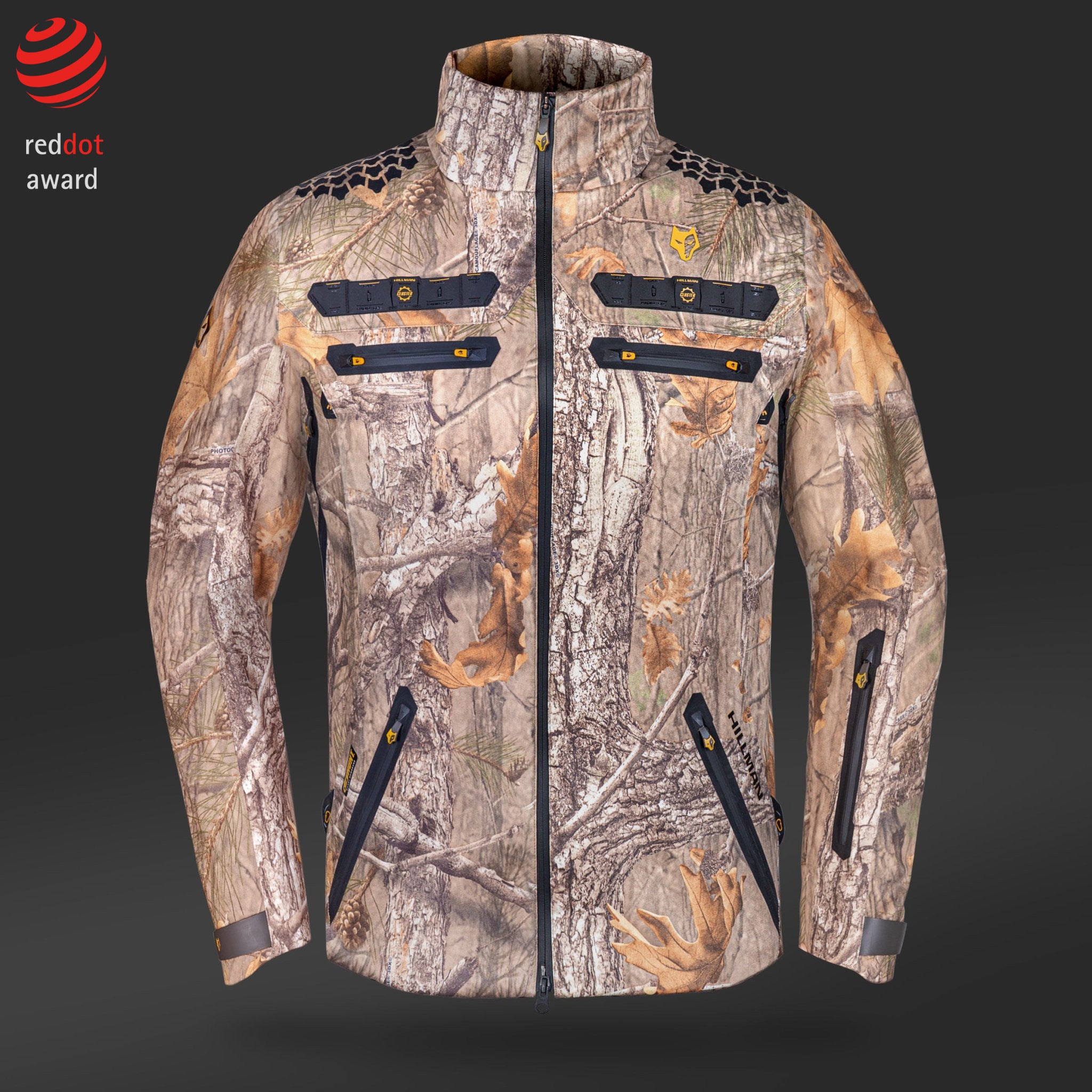
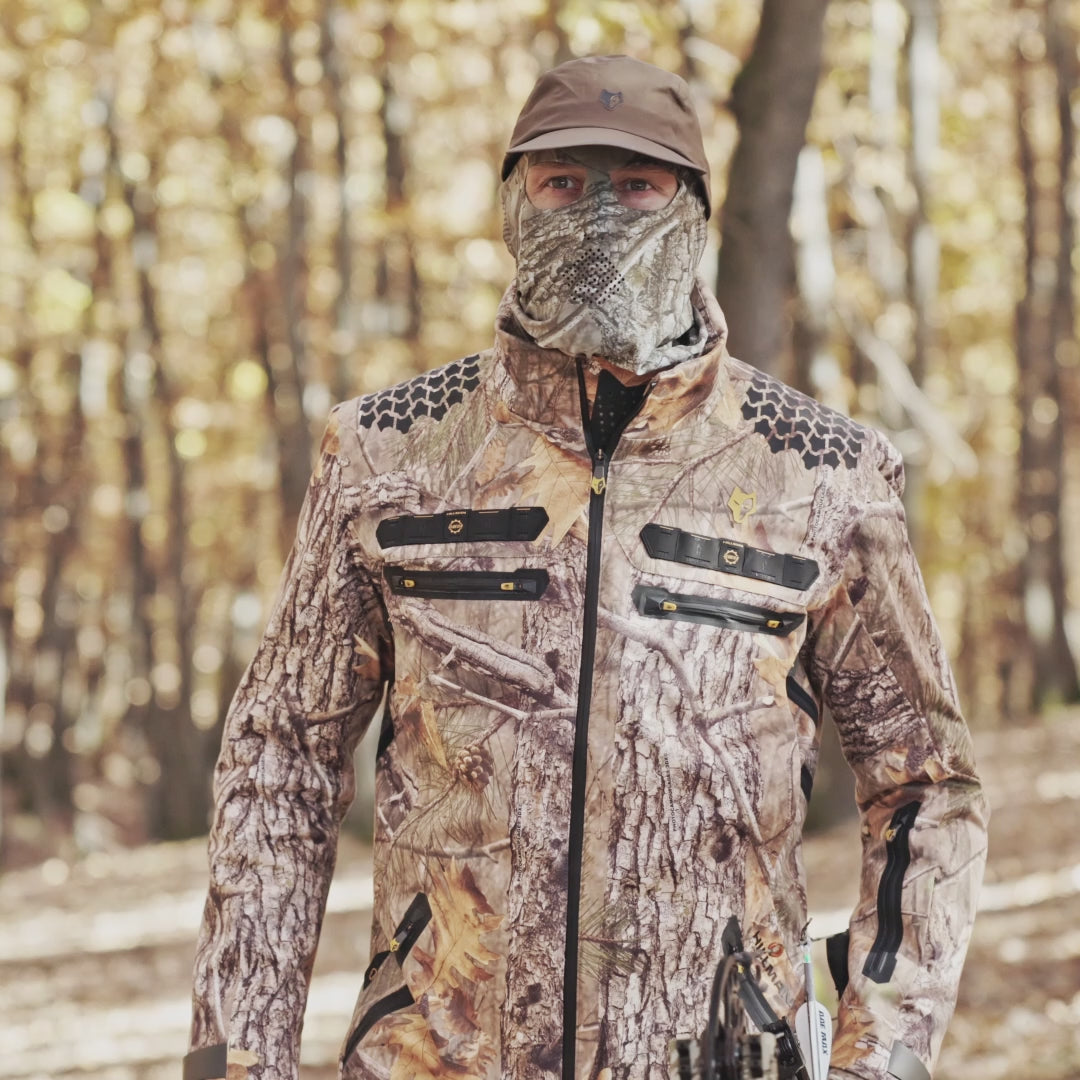
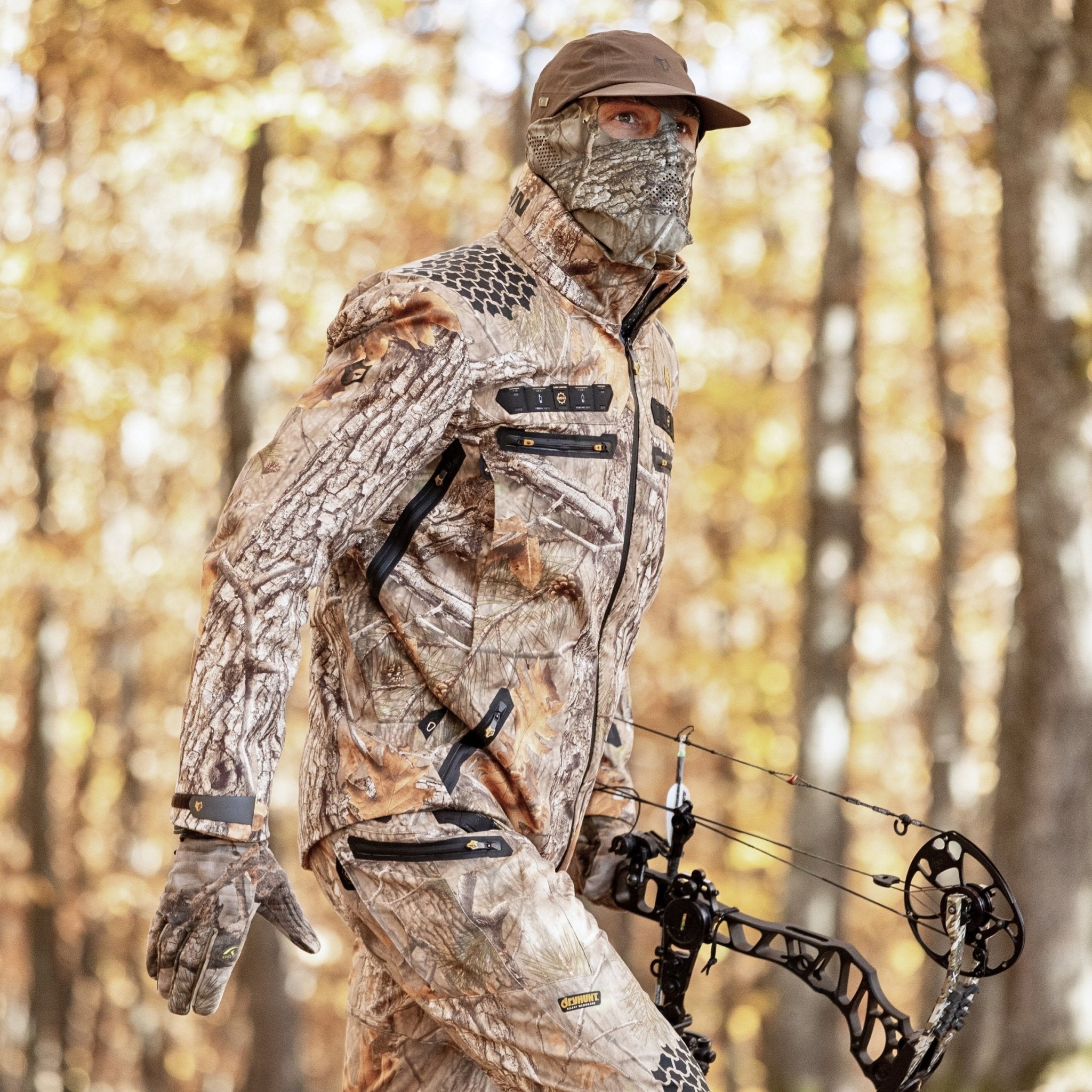
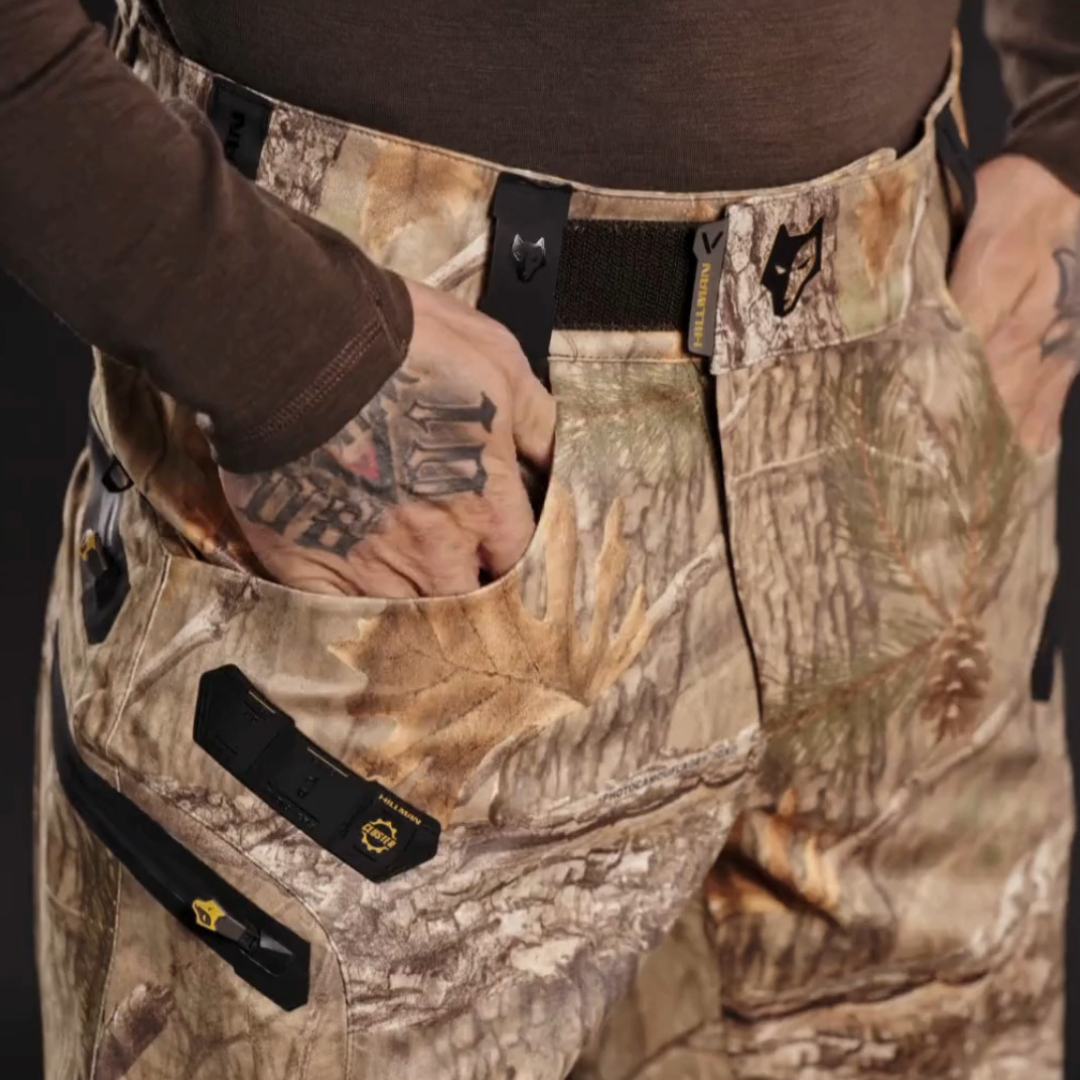
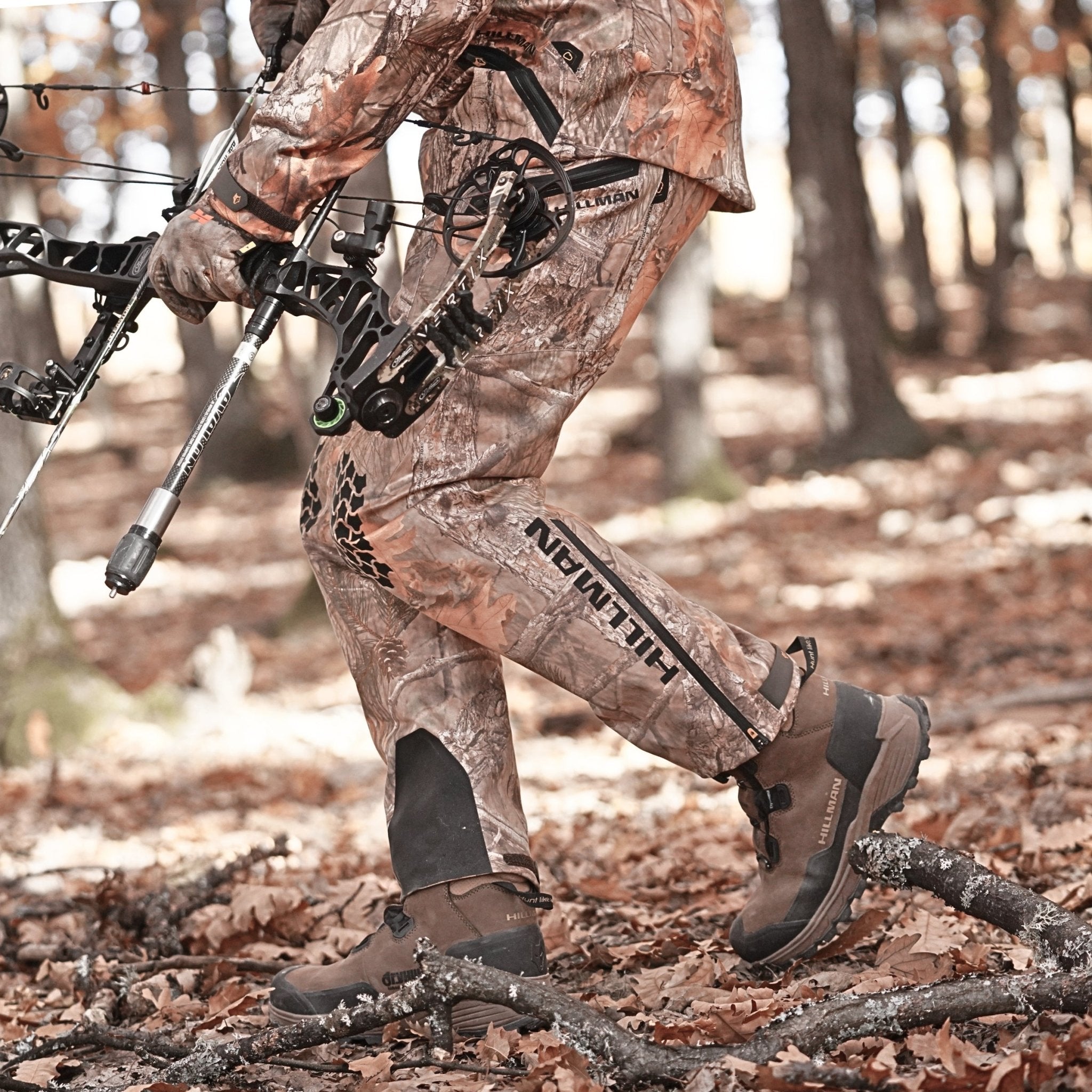
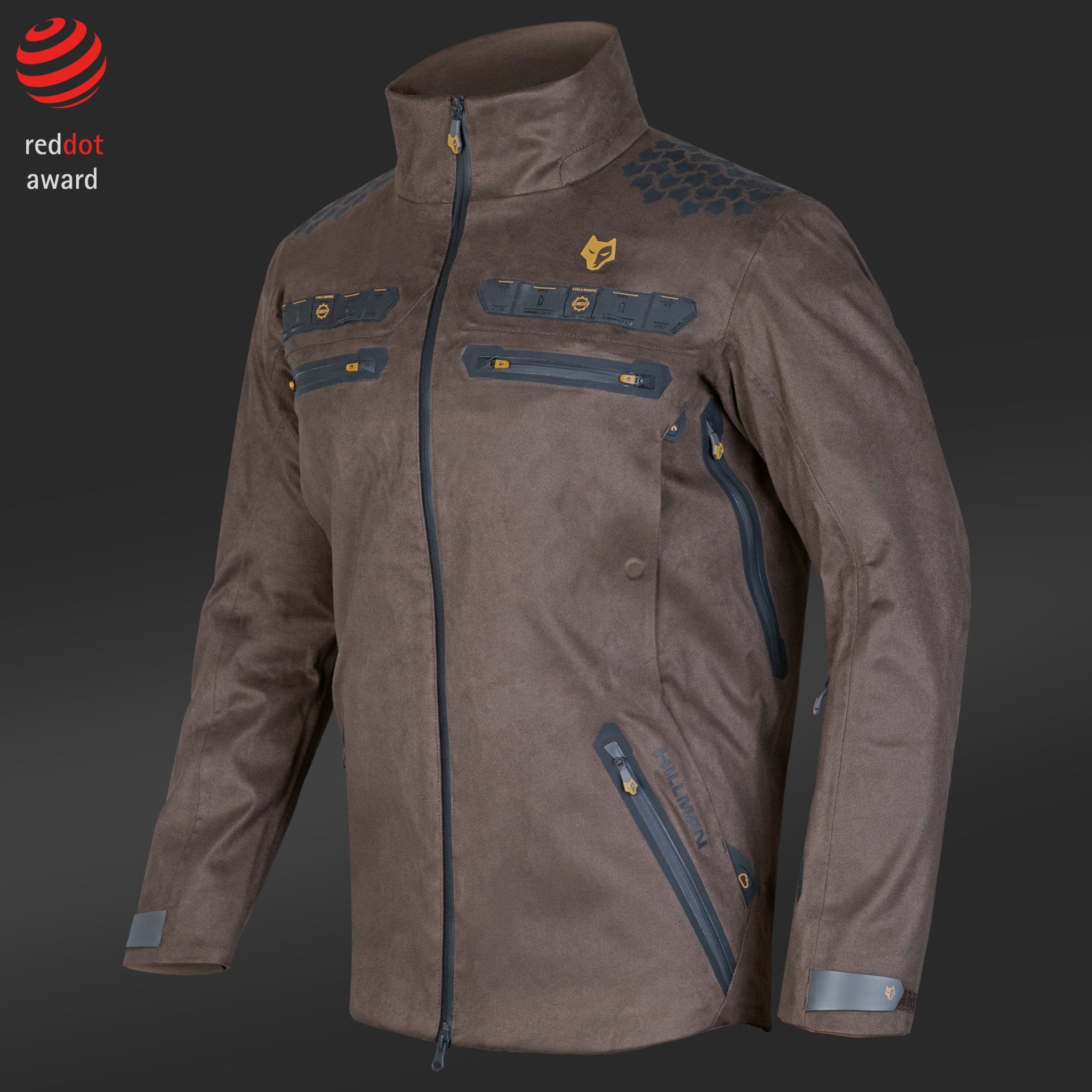
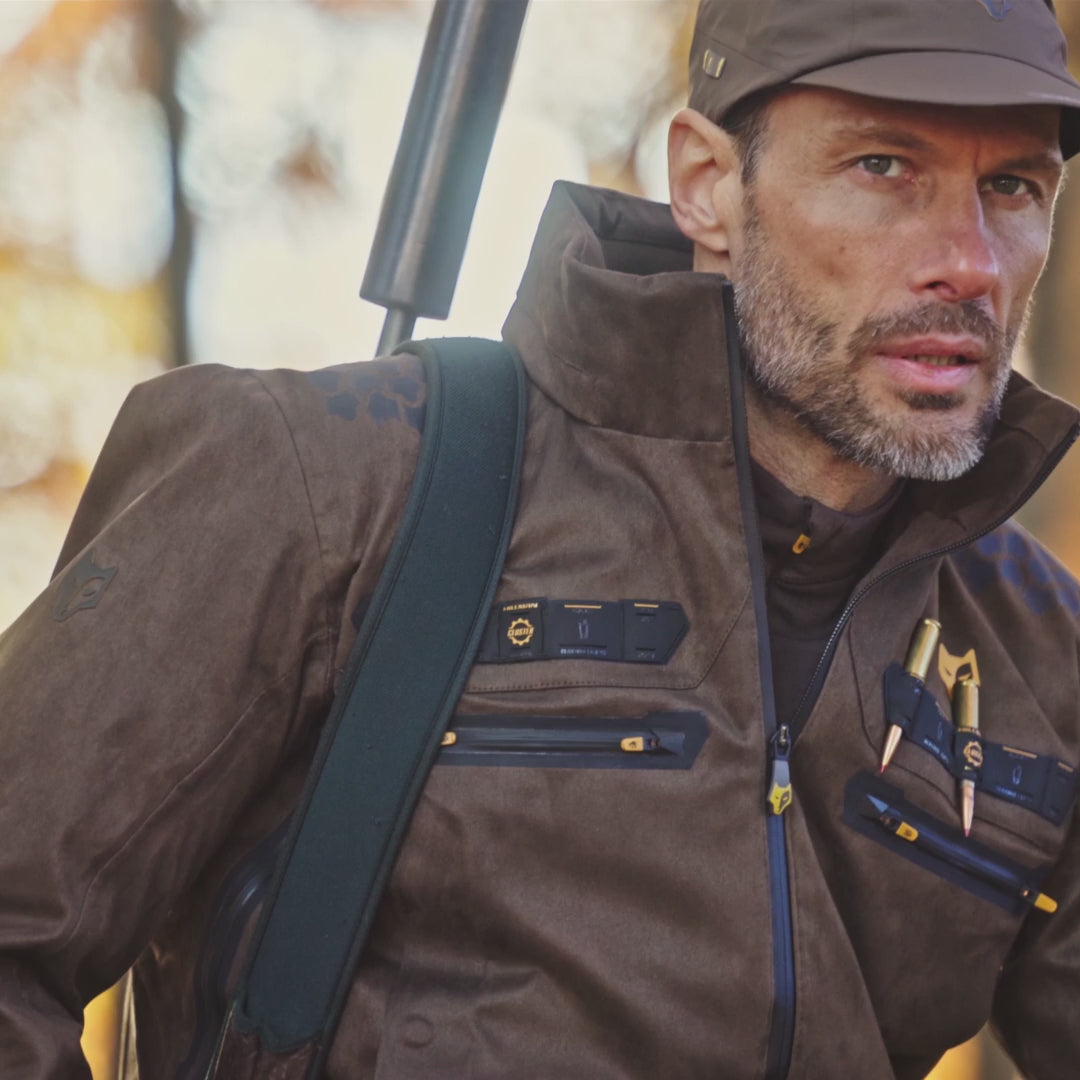
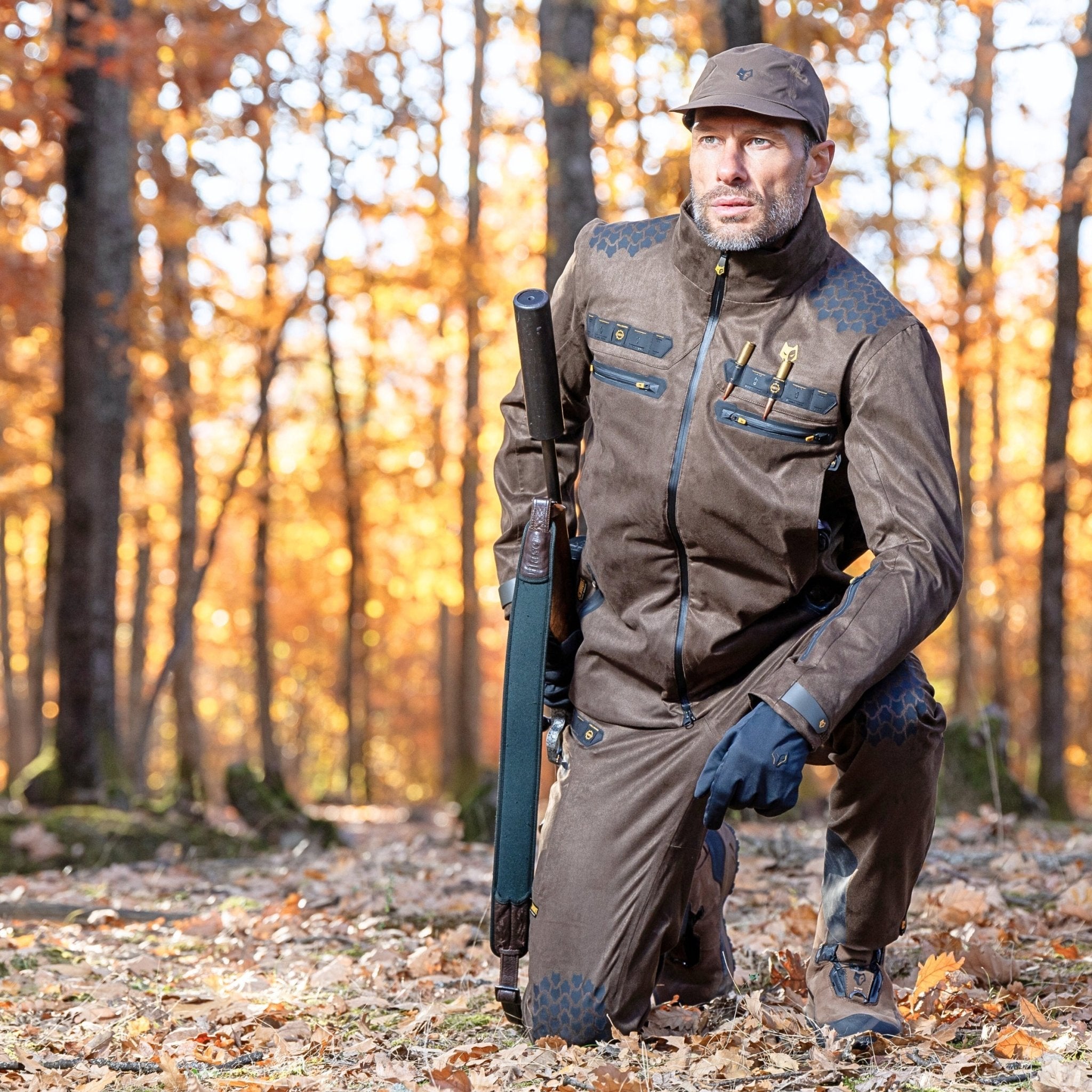
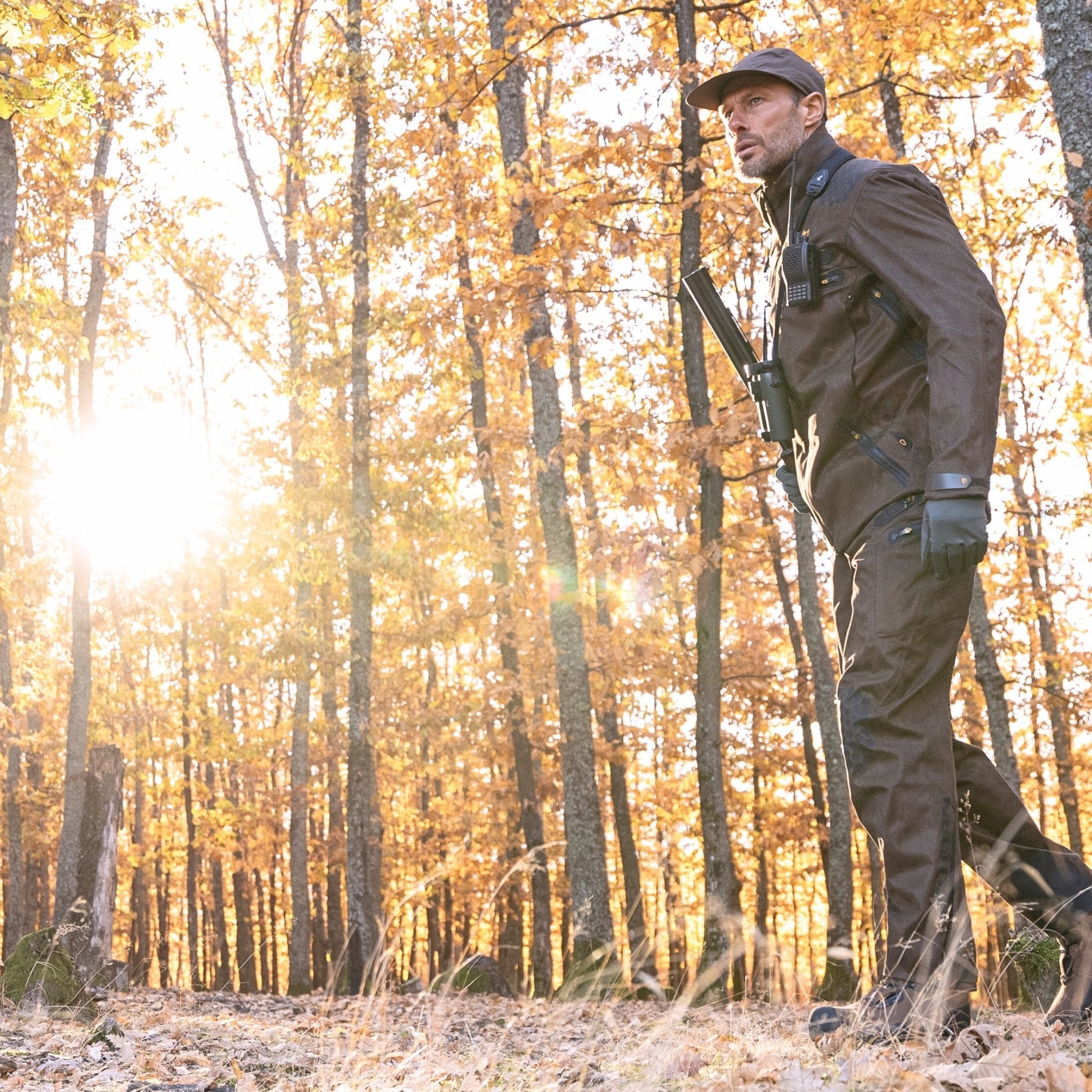
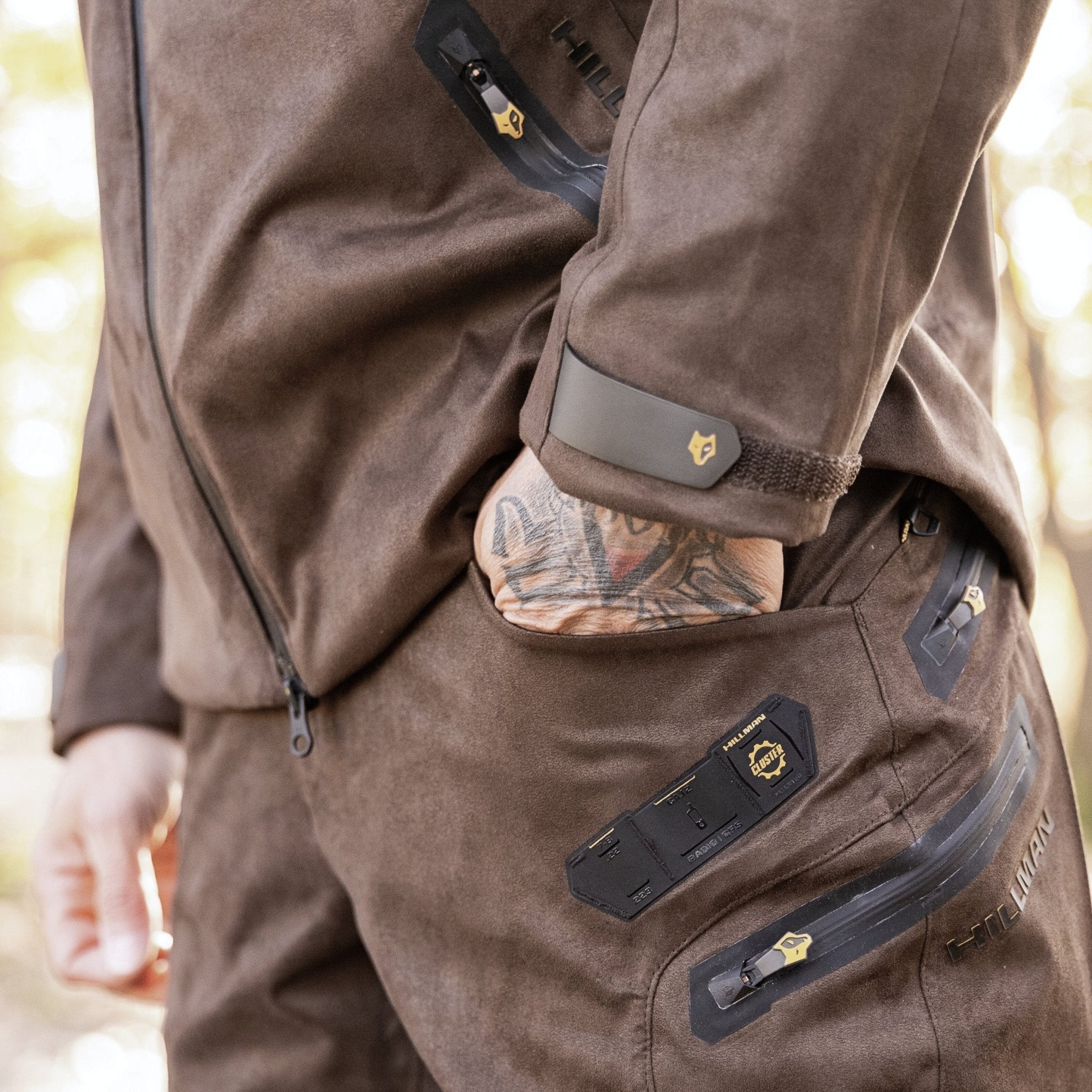
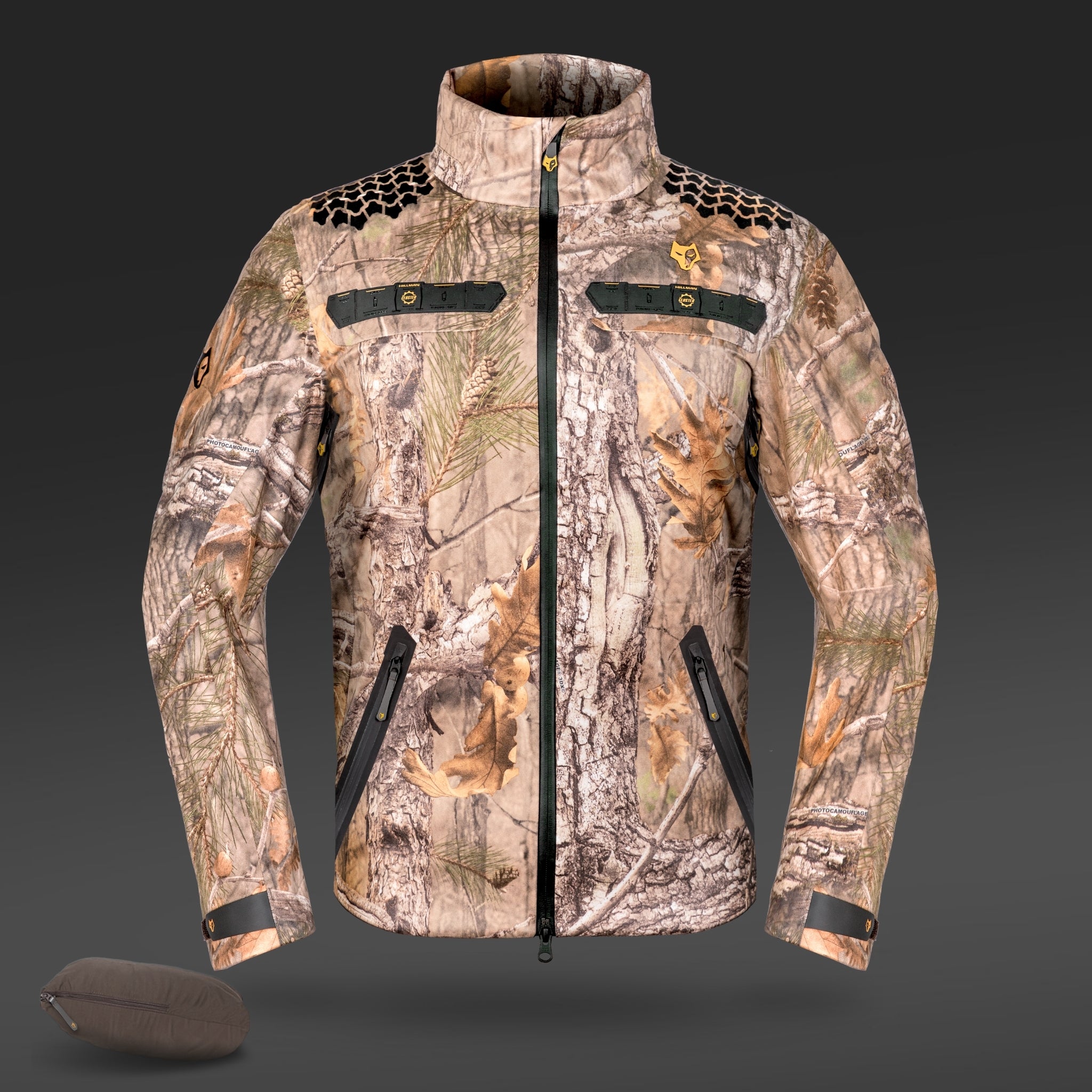
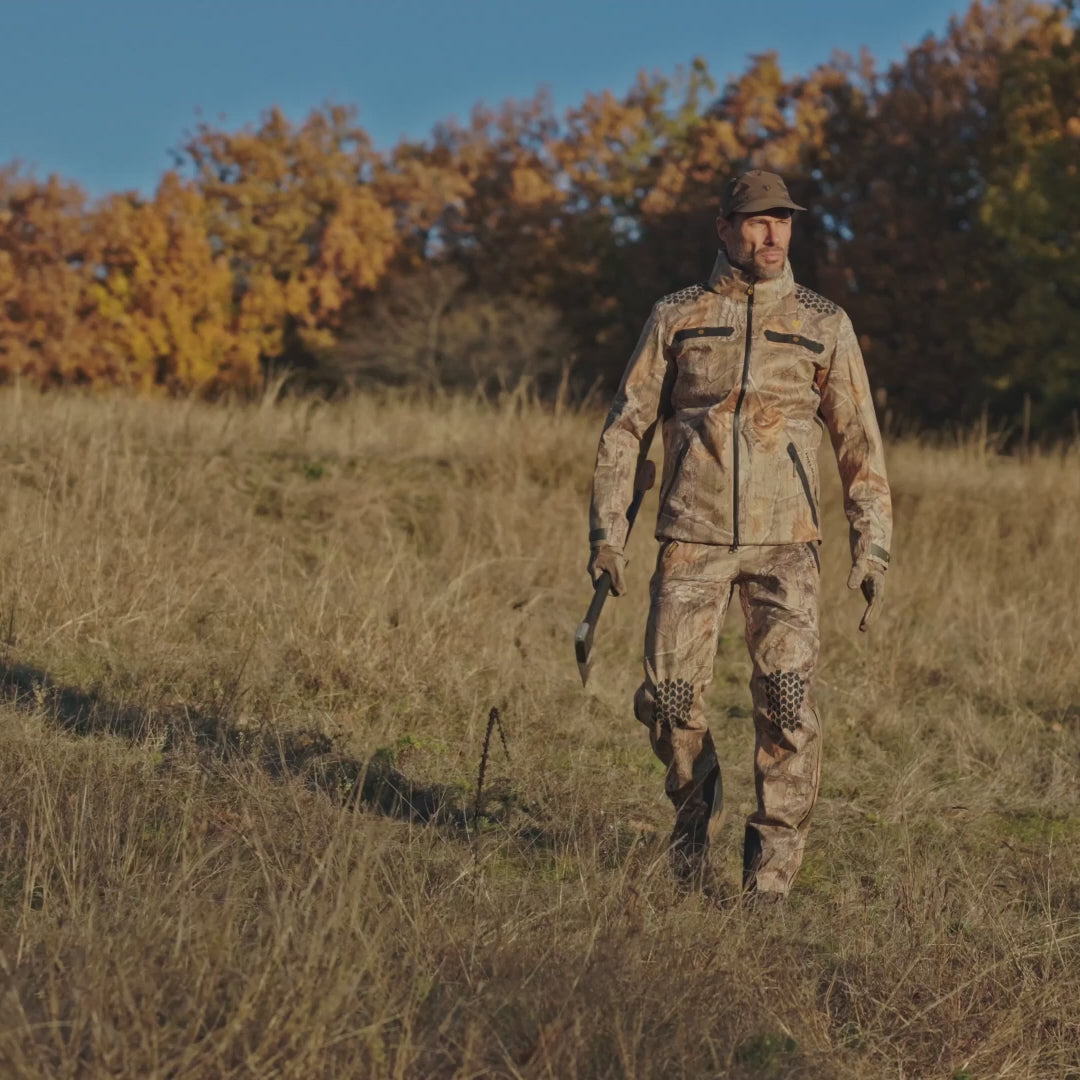
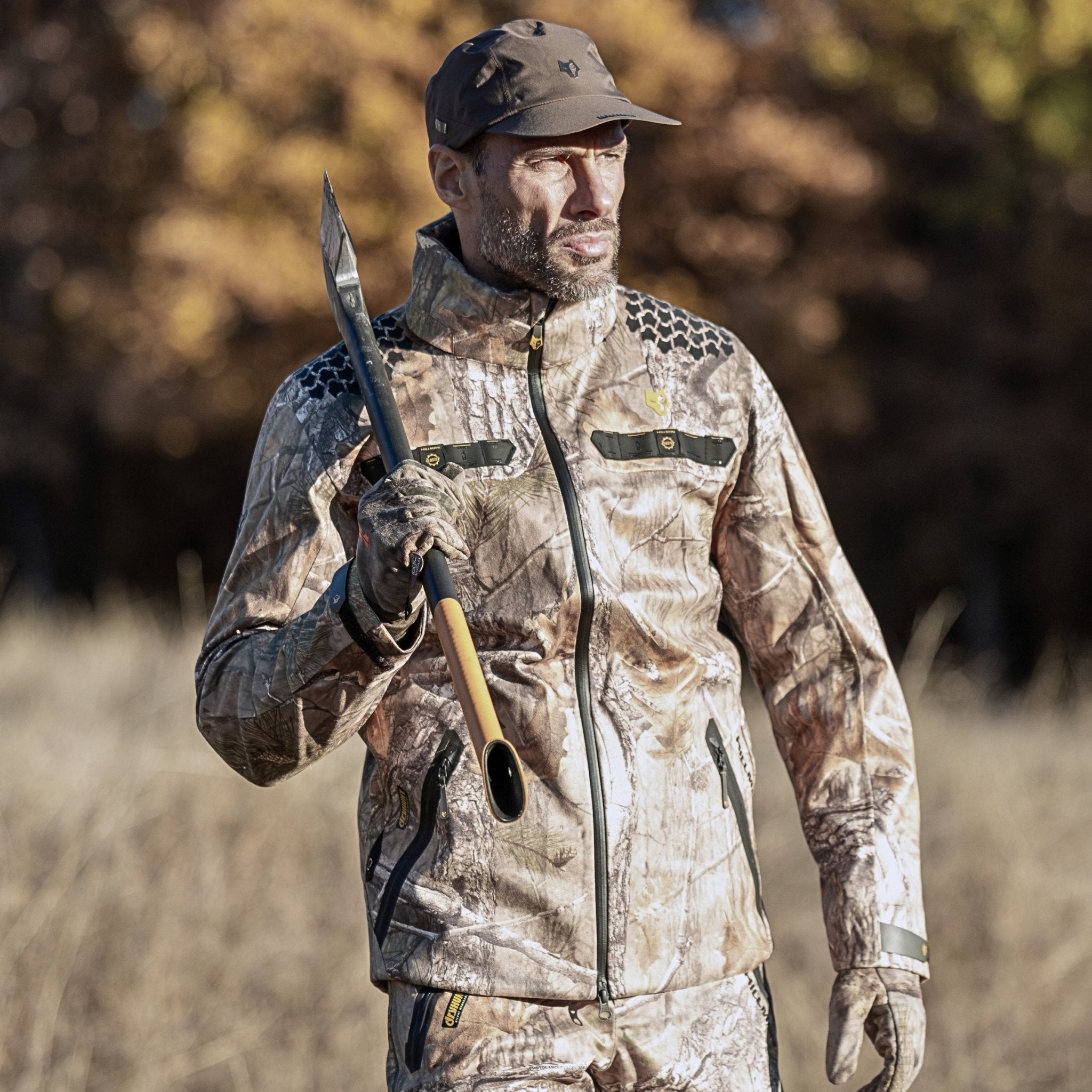
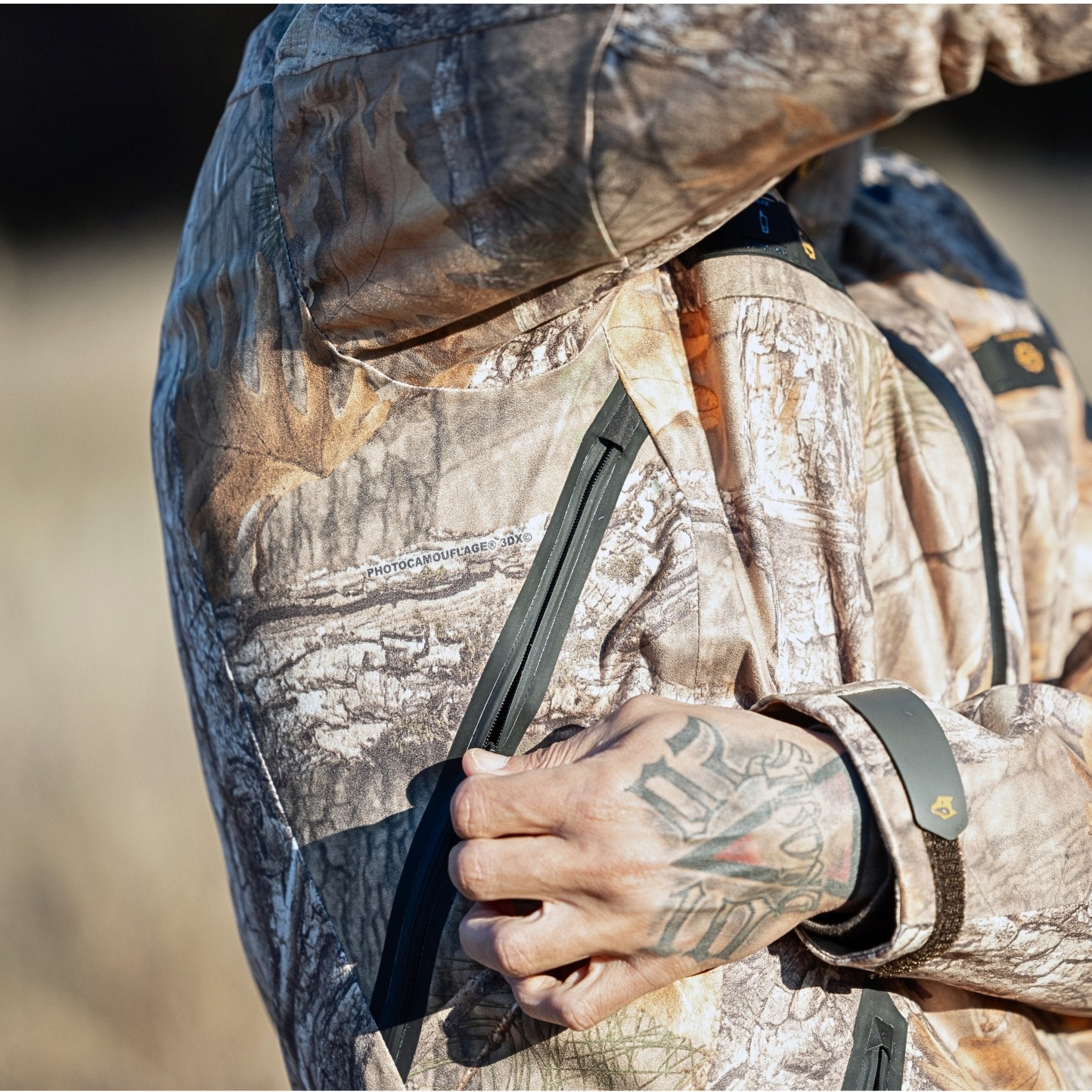
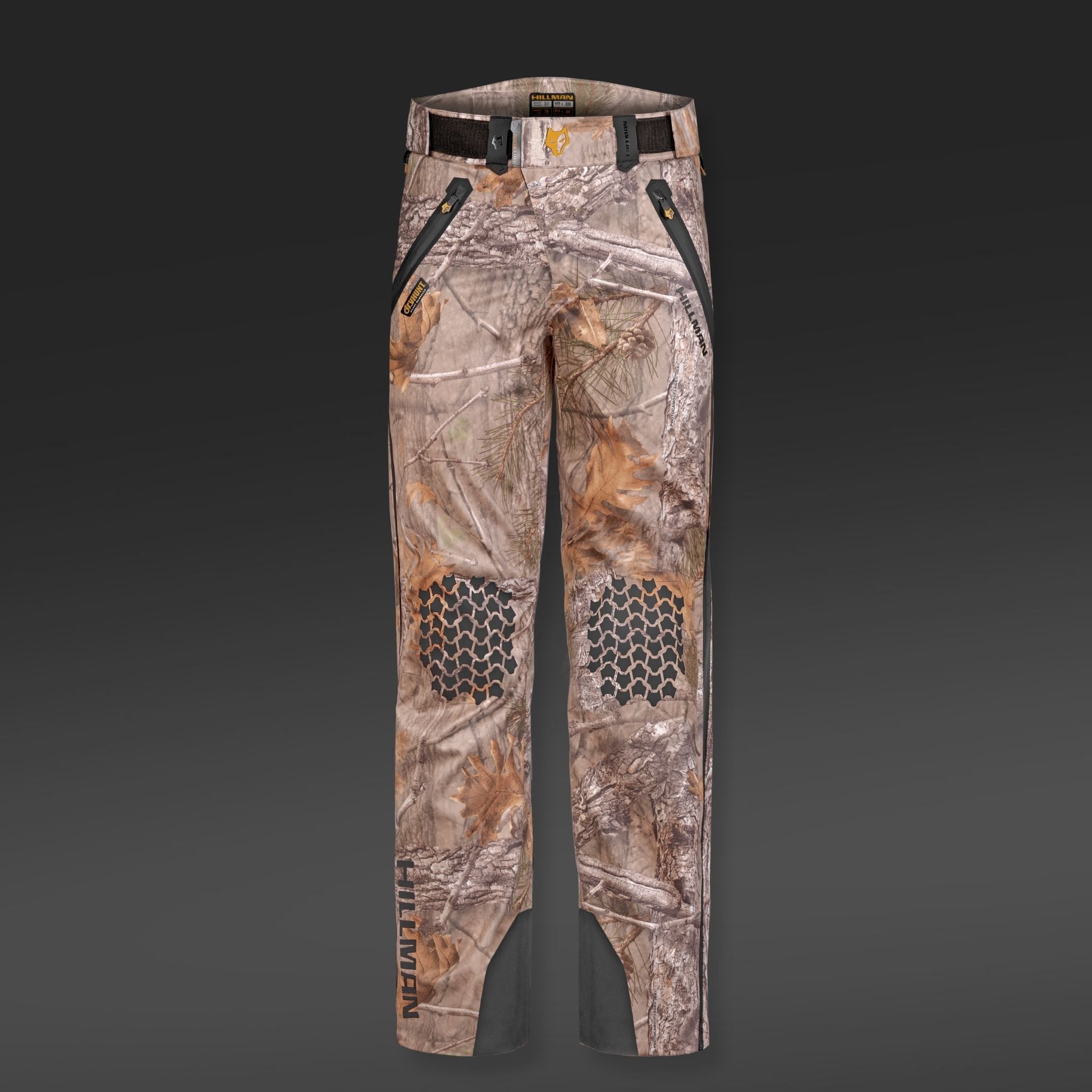
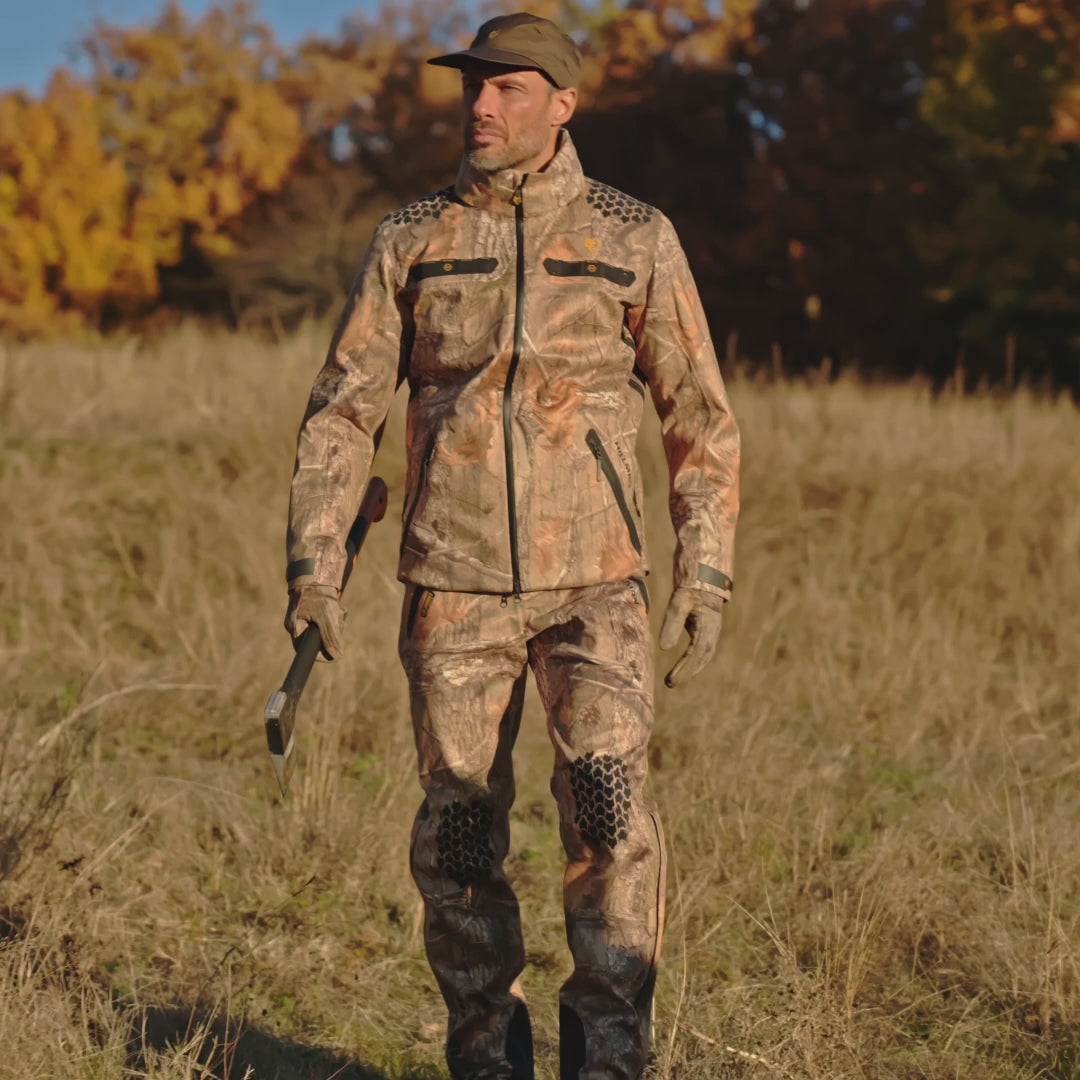
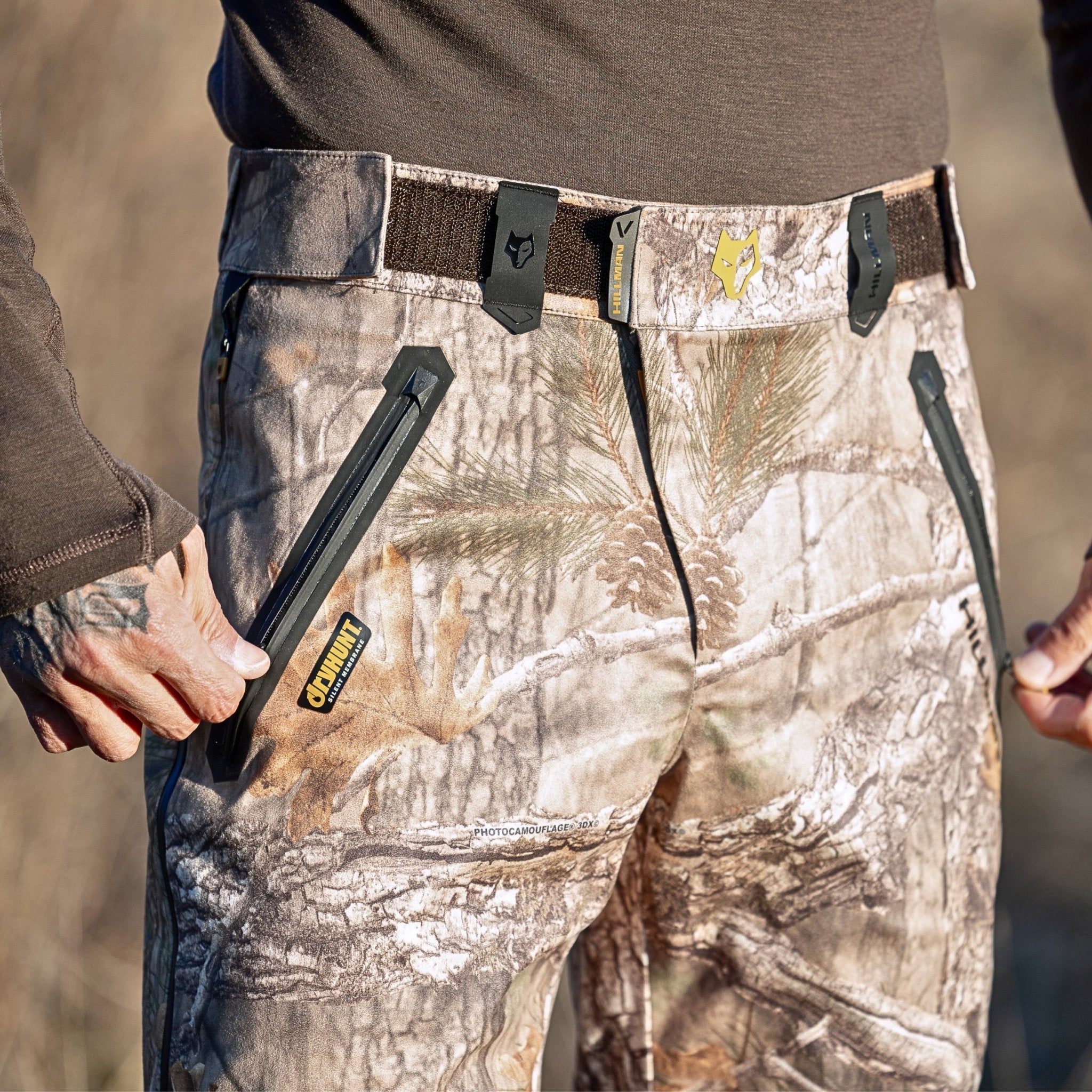
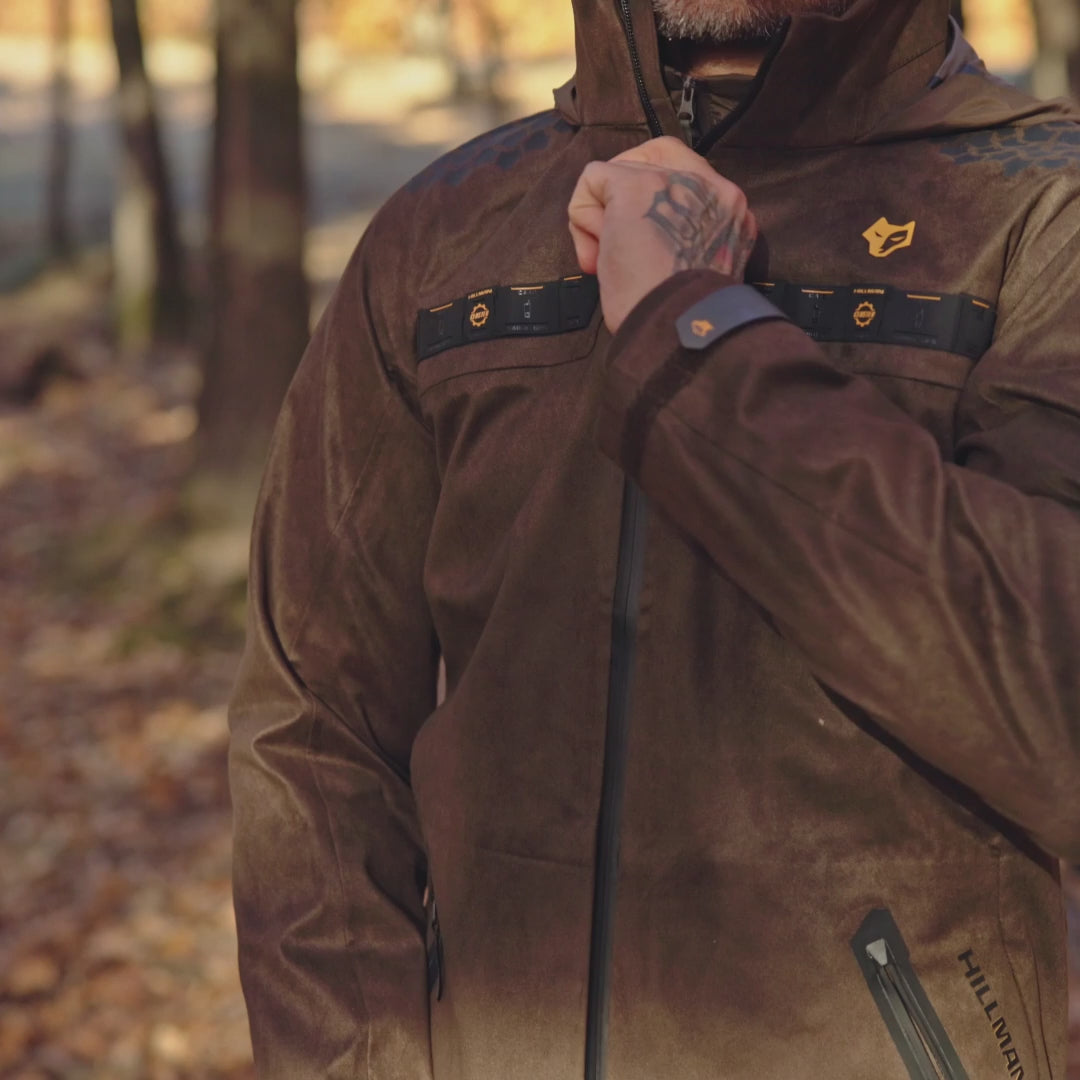
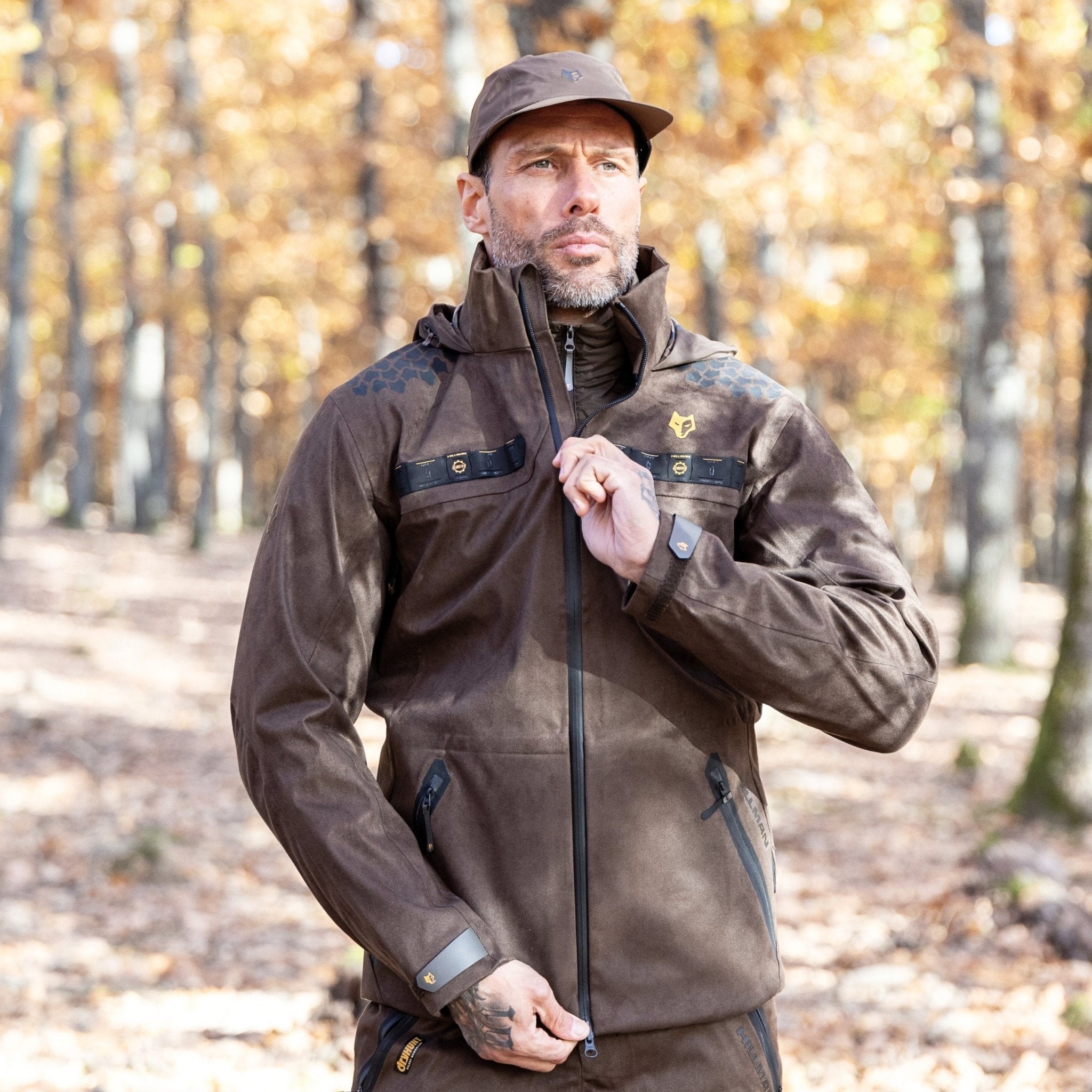
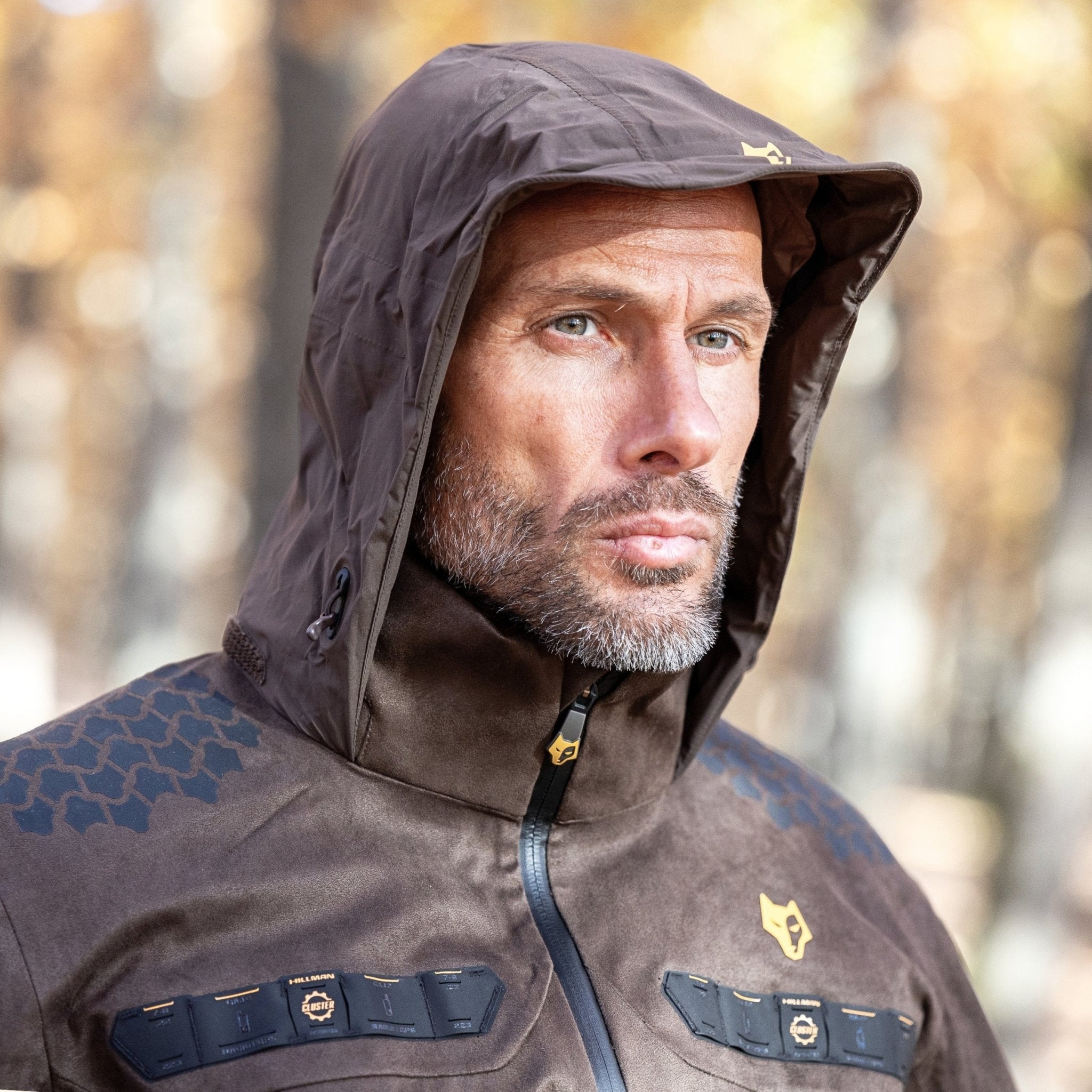
A ghillie suit or leafy camouflage can help, but only if it matches the place. Early season green is not dead-leaf brown. Wet winter woods are not pale grass. Dark timber is not open field edge. Hillman gear should match the actual ground you hunt, not some clean catalogue photo that never had mud on it.
Build the Shot Before the Deer Arrives

Do not wait until a deer is standing there to figure out how you are going to shoot.
That is how people get picked off.
Before the first deer shows, sit down and test the position. Shoulder the gun. Raise the bow. Check the angles. Check what your elbow hits. Check what your knee does. Check the branches. Check the backstop.
If you are using a rifle, find a rest. A tree, shooting sticks, a pack, or your knee can all help, but only if you know the shot line before the moment gets exciting. Legal deer hunting in the UK means the right firearm certificate, landowner permission, correct seasons, and a safe backstop every time. No backstop, no shot. Simple as that.
With a bow, the problem is usually movement. Drawing from the ground is where many hunters blow it. A deer might ignore a lumpy shape. It will not ignore an elbow suddenly rising in the air or a bow limb scraping a twig.
Pick a spot where your draw path is clean. Do not trim unless you are allowed to. Use cover to hide the draw. Draw when the deer cannot see you clearly, not when it is locked on and chewing you apart with its eyes.
A small stool can help, but it can also make you sit too high. Sitting low often hides movement better. Kneeling may give a good angle, but it gets old fast if you have to wait. Test it before the hunt turns serious.
The best shooting position is not the fanciest one. It is the one you can hold quietly.
Move Like Every Deer Already Knows You Are There

Still hunting does not mean wandering around and hoping a deer makes a mistake.
It means moving like the woods is already watching you.
Take a few steps. Stop. Look. Wait. Use binoculars before using your boots. Deer are often seen in pieces, not as a full animal standing pretty in the open. You might catch an ear flick, a leg behind grass, a dark nose, a bit of back, or a line that runs the wrong way through the brush.
If you only look for a whole deer, you will walk past deer.
Noise ruins more ground hunts than bad camouflage. Stiff clothing scratches. Dry leaves crack. Twigs snap. Buckles click. Zips scrape. Packs rub against bark. All those little sounds stack up.
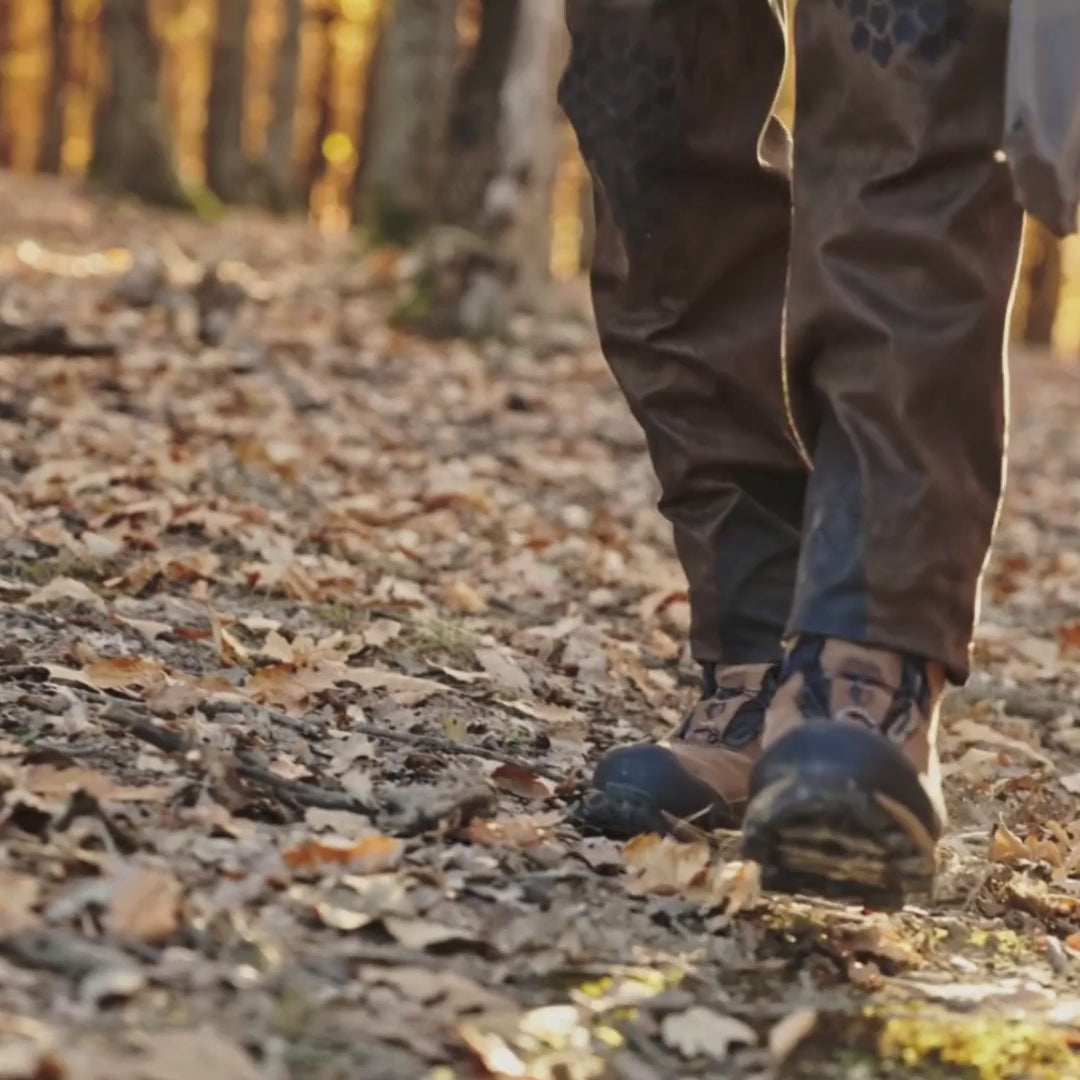
Clear the ground under your boots if you are sitting. Move your feet only when the wind moves, when birds make noise, or when the deer has its head down. In calm woods, one stupid shuffle can wreck an hour of good work.
On public land, slow hunting matters even more. Other hunters push deer into weird places. Bucks avoid obvious stands. Deer learn which tracks, rides, and field corners get hammered. A quiet ground hunter who is willing to creep, stop, watch, and use overlooked cover can get chances other people never see.
Pick a Deer Spot, Not a Comfortable Spot
A comfortable tree with a nice view means nothing if the deer are travelling behind you.
Ground hunting works when the spot is picked for deer movement. Not for your back. Not for your perfect view. Not because it “feels nice.”
Look for edges. Field edges. Thick cover meeting open woods. Grass strips. Bedding area exits. Pinch points. Hedge gaps. Quiet access routes. Narrow cover between two larger blocks. Deer like moving where they feel hidden.
Mature bucks are worse. They often use places where they can scent check danger before stepping out. They do not usually stroll into the middle of open ground just because you want them to.
Early season is often about food, shade, water, and low-pressure routes. During the rut, bucks can get more careless because they are locked onto does. That does not mean they forget how to smell you. It just means you might get a little more room for error if the wind and cover are right.
Access matters too.
If you stomp in, cross the main trail, leave scent all over the place, and bang your gear around, the hunt may be dead before you sit down. Sometimes the best move is the annoying long route around the back, just so deer never know you came in.
When a Ground Blind Actually Makes Sense

A ground blind is not useless. It just gets overused badly.
A blind makes sense in bad weather, open country, long sits, gun hunting over a known field edge, or when hunting with a child or older hunter who needs comfort and cover. It gives you room to move a little. You can raise binoculars, shift your pack, pour coffee, or get ready without flashing every movement.
But do it right.
Put the blind out early when possible. Let deer get used to it. Brush it in with local vegetation. Keep the windows small. Keep the inside dark. Do not sit there with your face glowing in the middle of a black square.
And do not let the blind make you lazy.
Wind still matters. Scent still leaks. Noise still carries. Deer still circle. If the wind is wrong, that blind is just a little tent where you can fail more comfortably.
How to Stop Getting Picked Off at the Worst Moment

Most hunters do not get picked off while sitting still.
They get picked off when they decide to do something.
The deer appears. Your pulse jumps. You reach for the rifle. You shift your knees. You raise the bow. You turn your head. You try to draw while the deer is already looking straight at you.
Gone.
That is usually how it happens.
Wait for the deer’s head to go behind a tree, drop to feed, or turn away. Move in small chunks. Do not make one big smooth heroic motion like you are in a hunting advert. Real deer catch that.
Keep your face hidden as long as possible. Watch the doe if there is one with the buck. A lot of bucks live another season because the doe spots the hunter first.
For bowhunting, draw before the deer hits the clean lane if the cover lets you. For gun hunting, have the muzzle and rest mostly lined up before the deer reaches the one gap you can shoot through.
And do not rush a bad shot just because the plan finally worked.
Ground hunting gets intense because the deer are close. That does not excuse sloppy shooting. The shot still has to be safe, calm, legal, and clean.
No Stand Needed Does Not Mean No Plan Needed

“No stand needed” sounds simple, but it does not mean “wander around and hope.”
It means you are lighter. Faster. More flexible.
You can hunt fresh sign. You can move with the wind. You can react to pressure. You can slip into spots where a tree stand would be too obvious, too noisy, or impossible to hang. You can carry a small stool, compact pack, binoculars, and the weapon you shoot well, then let the land itself do most of the hiding.
There is also something better about being on the ground.
You feel the place more. You notice how the grass moves. You hear squirrels go quiet. You see why one edge feels alive and another feels dead. You start reading the woods instead of just sitting above it.
That is the part that gets addictive.
Ground hunting is harder. It is less forgiving. You will mess it up sometimes. Everyone does.
But when a deer walks past at eye level and never knows you are there, it feels earned.


Share:
Hunting Deer in the Wind: When to Go or Wait, Where Deer Shift
Post-Season Deer Scouting And Next Fall’s Mature Buck