

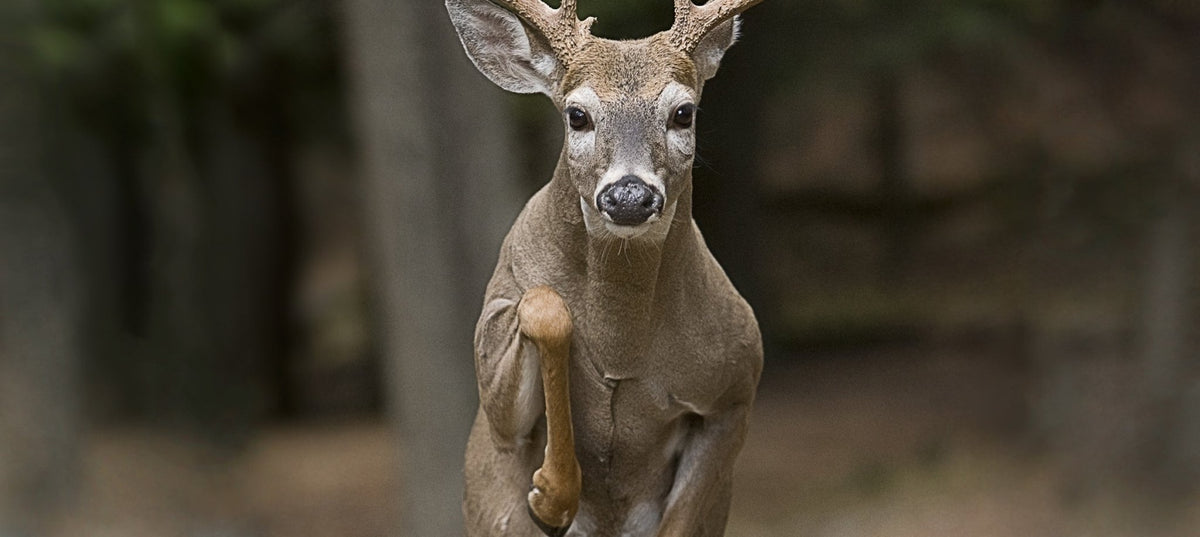
Hunting Deer in the Wind: When to Go, When to Wait, and Where Deer Shift

Learn how wind speed, wind direction, and deer movement shape better setups, smarter timing, and cleaner decisions in the field.
Why hunting deer in the wind is rarely as simple as staying home. A lot of hunters talk about wind as if it gives one clear answer. Hunt or do not hunt. Good day or bad day. In real deer hunting, it is rarely that tidy. Hunting deer in the wind when to go, when to wait, and when to shift your whole plan depends on more than one number on a weather app.
Wind speed matters. Wind direction matters even more. Then there are other weather factors layered on top of it, like barometric pressure, heavy rain, a cold front, and how air currents move through hills, woods, and open ground. Deer movement changes with all of that. So does your scent. So does the amount of noise you make when you slip into a stand.
I have found that windy weather often improves a hunt more than it ruins it, but only when the wind is steady enough to plan around. That is the part most hunters miss. Deer are built to survive pressure, predators, and human scent. Their nose still rules the game. Even the best scent control is never foolproof. That is why hunting deer well in windy conditions is less about beating a deer’s sense of smell and more about understanding how deer travel when the wind is blowing in a way they trust.
Deer movement changes with wind speed, not just wind direction

One mistake whitetail hunters make is thinking all wind is bad wind. Research, including a Penn State study often discussed among deer hunters, suggests that deer movement can actually improve as wind increases, especially for mature bucks. In plain terms, deer moving during moderate winds often travel farther than they do in calm conditions.
That fits a lot of personal experiences in the woods. Calm conditions sound nice to us, but they are not always ideal for deer movement. When the air goes dead, scent can settle and pool close to the ground. A deer trying to scent check its world may feel less certain, not more. In those conditions, bucks can stay tighter to cover, feed briefly, and hold back until low light.
Moderate winds are different. A steady breeze gives deer a more readable environment. Their scent picture changes, but it changes in a way that still makes sense to them. Deer travel routes often become more defined. Bedding area choices become more predictable. Whitetails tend to use terrain, cover, and the lee side of hills to reduce exposure while keeping an advantage with their nose.
High winds are a different category. Once winds get strong enough, especially when gusts become erratic, deer movement can shrink again. Deer may still move, but often in shorter windows and tighter cover. They do not necessarily vanish. They shift.
What wind direction tells deer before you ever see them

Wind direction shapes how deer use a property. It is not just about where your scent goes. It is about where deer expect danger to come from. Deer commonly bed with the wind at their back and their eyes facing downwind openings or likely approach routes. That way they can smell what is behind them and watch what is ahead.
That habit changes where deer travel during the hunting season. A bedding area that looks perfect on a map may only be used on a west wind. The same ridge may produce on one wind direction and go dead on another. Deer moving across hills, through timber cuts, or along brushy edges often use lines that let them scent check open ground before stepping into it.
This is where hunting deer in the wind becomes far more tactical than many hunters realise. Instead of asking whether it is too windy to hunt, ask where deer shift when that wind hits a specific piece of ground. Often the answer is the lee side, the protected edge below a ridge, or a sidehill route where the wind flow is calmer and more predictable.
Moderate winds usually help more than they hurt
For many deer hunters, the best range sits in that middle zone. Not calm. Not violent. A steady and predictable wind around moderate speeds often gives the hunter and the deer a usable pattern.
In those conditions, deer moving in daylight can feel less exposed. Noise in the woods is masked. Your entry can be quieter. Small mistakes in movement matter a little less. Scent still matters, of course. It always does. But a constant wind lets you position with purpose.
Mature bucks often seem more comfortable moving in those windows, especially in places with hunting pressure. It makes sense. Windy days can reduce how well they hear distant threats, but they also reduce how well predators or hunters hear them. In pressured ground, that trade can work in a buck’s favour.
That is why some of the better windy days in deer hunting are not the wild ones. They are the ones with steady wind speed, stable wind direction, and a weather pattern that does not change every hour.
When high winds tell you to go, and when they tell you to wait

High winds do not always kill the hunt, but they force you to simplify. If the wind is strong yet steady, and there is no heavy rain with it, I would still hunt. I would just hunt tighter.
In truly high winds, deer often leave the most exposed ground and shift into thicker cover, lower slopes, sheltered draws, conifer edges, or the lee side of a ridge system. They still need to feed. They still need to travel. They just do it where the wind is less punishing and where the sound of branches, trees, and blowing cover does not overwhelm their senses.
When would I wait instead of go? When the wind is not just strong but chaotic. Gusts from changing direction. Heavy rain driving sideways. Broken scent flow. Air currents bouncing through the woods in ways you cannot read. In that kind of weather, your stand may technically be huntable, but your margin disappears.
A windy day with order can be good. A windy day with disorder is usually where success drops.
Calm conditions can be worse than they look

Many hunters love a still morning. It feels quiet, controlled, almost cinematic. Deer do not always agree.
In calm conditions, scent does strange things. It can hang in low areas, drift lazily through cover, and create an invisible warning before a deer ever reaches your setup. In the morning, especially before warm air rises fully, the flow near the ground can stay stubborn and local. In the evening, thermal currents start to sink again, changing where your scent ends up.
That is why some hunts fail on days that seem perfect. No wind sounds good until a buck circles, pauses, and catches just enough scent to leave without ever showing itself. Deer movement often drops in these flat-air situations. Bucks in particular may stay conservative.
So no, calm conditions are not automatically better for hunting deer. Sometimes they are the hardest days to get right.
How thermal currents change the hunt from morning to evening

Wind is not the only thing moving scent. Thermal currents matter, and they matter more in broken ground than many hunters think.
In the morning, as the day starts and the ground begins to warm, warm air rises. In the evening, as temperatures fall, air begins to sink. That matters because your scent is tied to that movement. A stand that works early may be wrong by evening, even if the wind direction stays the same.
On hills and ridge systems, this becomes even more obvious. Morning setups often work better slightly above expected deer travel if the thermal lift helps pull scent up and away. Evening hunts can punish that same choice because the air now drops toward the same routes.
In the northern hemisphere, hunters working varied ground need to think in layers. True wind. Thermals. Local air flow. That combination is what deer are reading, even if they do not “think” about it the way we do.
Where deer shift in windy conditions

The best answer to wind is often location, not cancellation. Deer shift for comfort and security. If you understand that, windy conditions become more useful.
The first place I look is the lee side. Deer like protected ground where wind is reduced but still informative. They want enough wind to use their nose, not so much that it overwhelms smell, hearing, and comfort. That could mean the downwind face of a ridge, the sheltered side of a wood, a ditch line out of the main blow, or a bench just below the crest where air flow smooths out.
Bedding area choices also change. Deer often avoid the full hit of wind on exposed tops and instead bed just off them. From there they can scent check behind them and watch the calmer side below. Deer travel routes often follow the same logic. Instead of crossing the most open ground, they slip through edges, folds, and cover where wind and scent are easier to read.
On pressured land, this becomes even sharper. Hunting pressure pushes deer toward places where fewer hunters want to sit. That often means rougher cover, awkward access, and more difficult stand options. Fewer hunters out on windy days can be an advantage in itself. Less human activity can help deer moving in daylight, especially when a mature buck already feels safer in weather that keeps most people at home.
The role of barometric pressure, cold fronts, and light rain

Wind never works alone. Other weather factors often decide whether a good wind becomes a very good hunt.
A cold front can improve deer movement, especially if rising high pressure follows it. The best time to hunt deer is often just before or just after that change, when the weather turns and the woods feel alive again. I do not treat barometric pressure as magic, but I do pay attention when wind, dropping temperatures, and a fresh front line up together.
Light rain can help too, especially once it stops. Damp ground quiets your steps. Fresh scent on the ground changes. Deer often feed sooner than expected after a shower, particularly in the evening. Heavy rain is different. It can suppress movement, make visibility poor, and turn access into a mess.
Overcast weather can also help. It tends to stretch usable daylight behaviour a bit longer, especially around morning and evening. Since deer are crepuscular, the first and last 45 minutes of daylight still matter most. In the UK, legal shooting hours run from one hour before sunrise to one hour after sunset, so timing and safe positioning both need to respect that.
How I decide when to go and when to wait
I keep the decision simple.
I go when the wind direction is steady, the wind speed is moderate or at least readable, and the stand lets me hunt downwind of likely deer travel without letting my scent wash into the bedding area. I go faster if a cold front is near, if high pressure is building, or if the weather has just cleared after light rain.
I wait when the wind is swirling, when gusts are violent and changing, when heavy rain removes visibility and confidence, or when every access route burns the property. I also wait if the only available stand makes no sense for the current air currents. Going just to say you hunted is not the same as hunting well.
The biggest shift for me came when I stopped asking whether the weather was good and started asking whether the setup was good for that weather. That one question improves a lot.
Scent control still matters, even on the best windy days

Windy weather can hide your sound and soften your mistakes, but it does not erase your scent. Deer still rely heavily on smell. That is the point hunters forget when the forecast looks promising.
A good wind gives you an advantage, not immunity. Deer can still circle. They can still scent check a stand. They can still catch ground scent on an entry route, especially in a bedding area or near feeding cover. Your clothing, your access, how long you linger, and where you stop all matter.
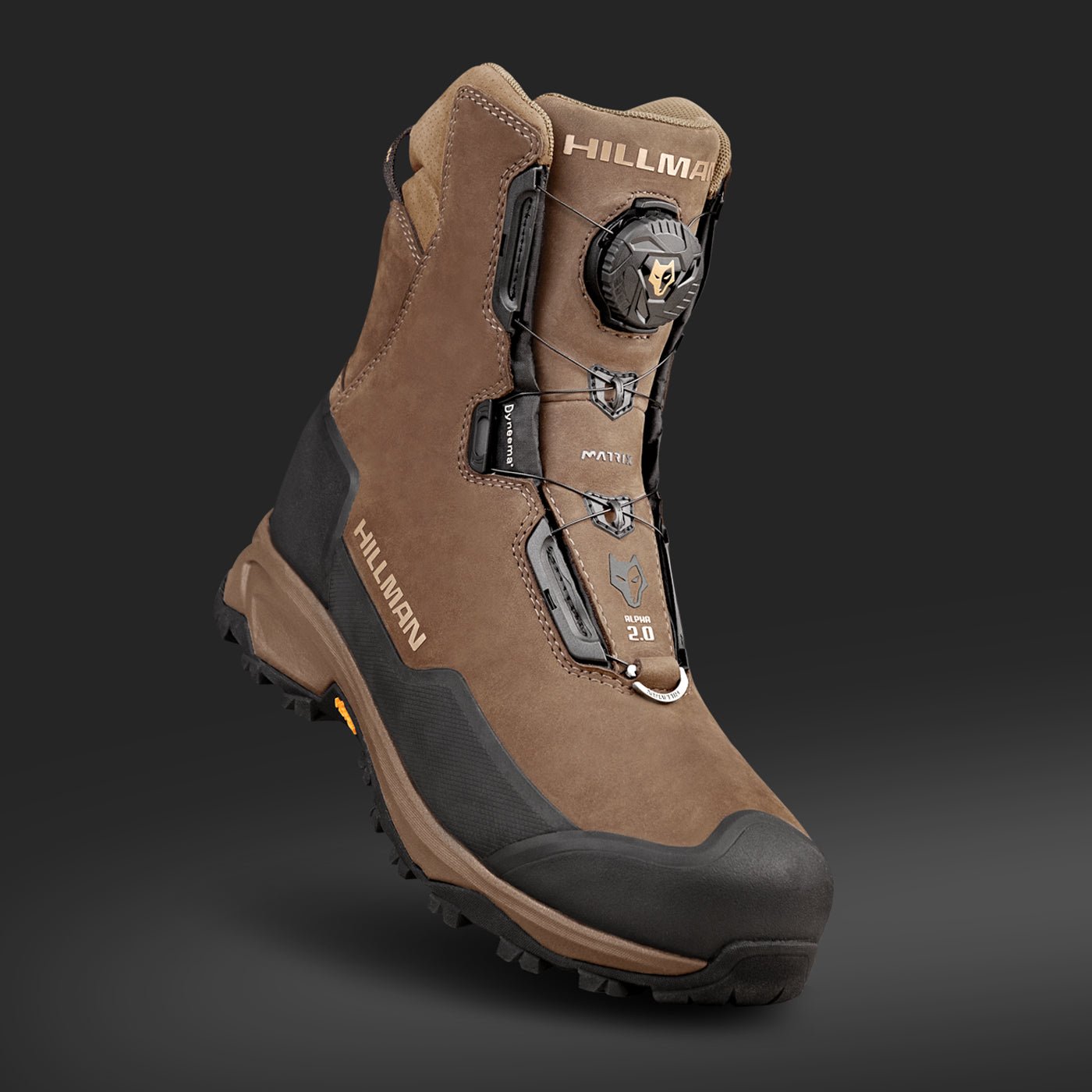
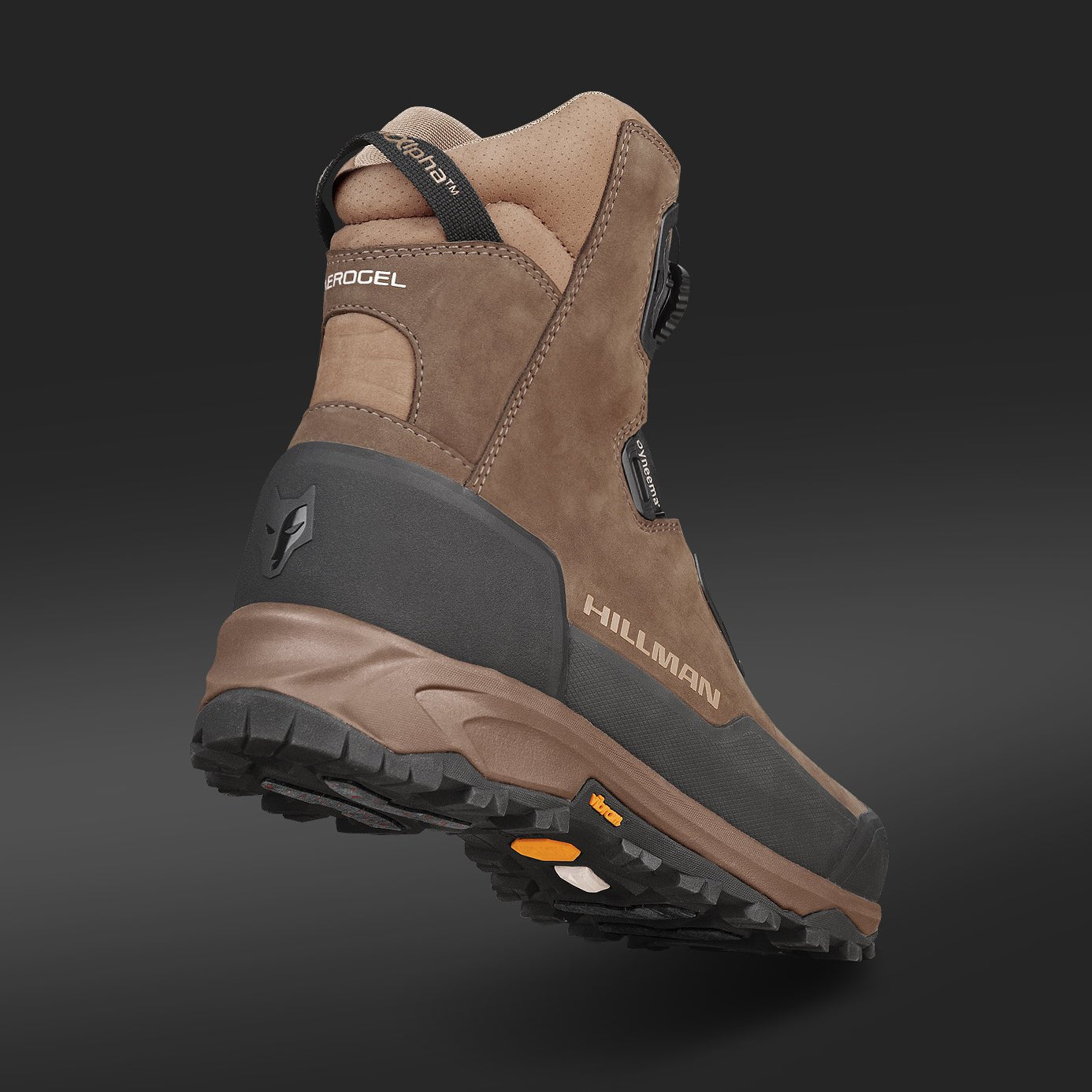
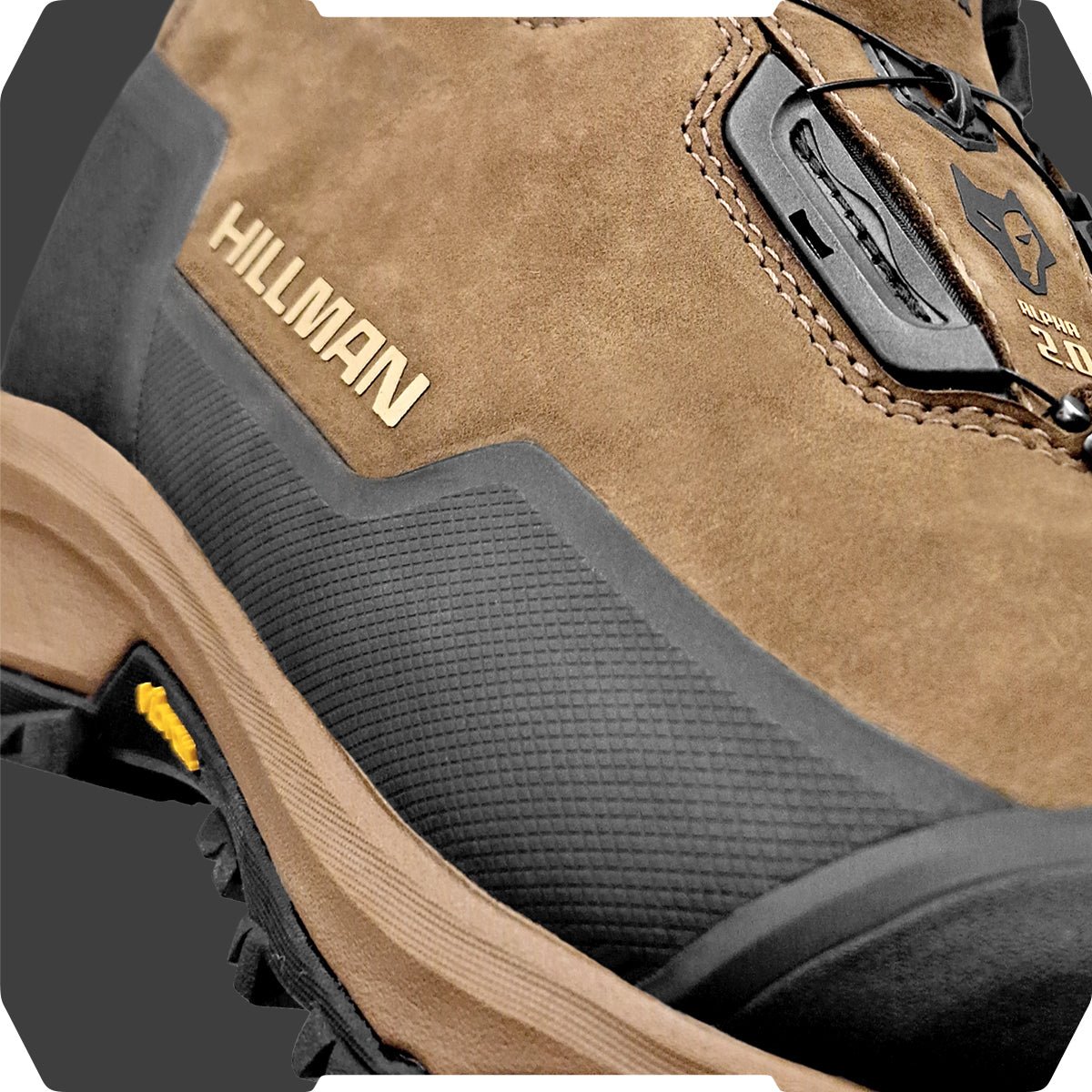
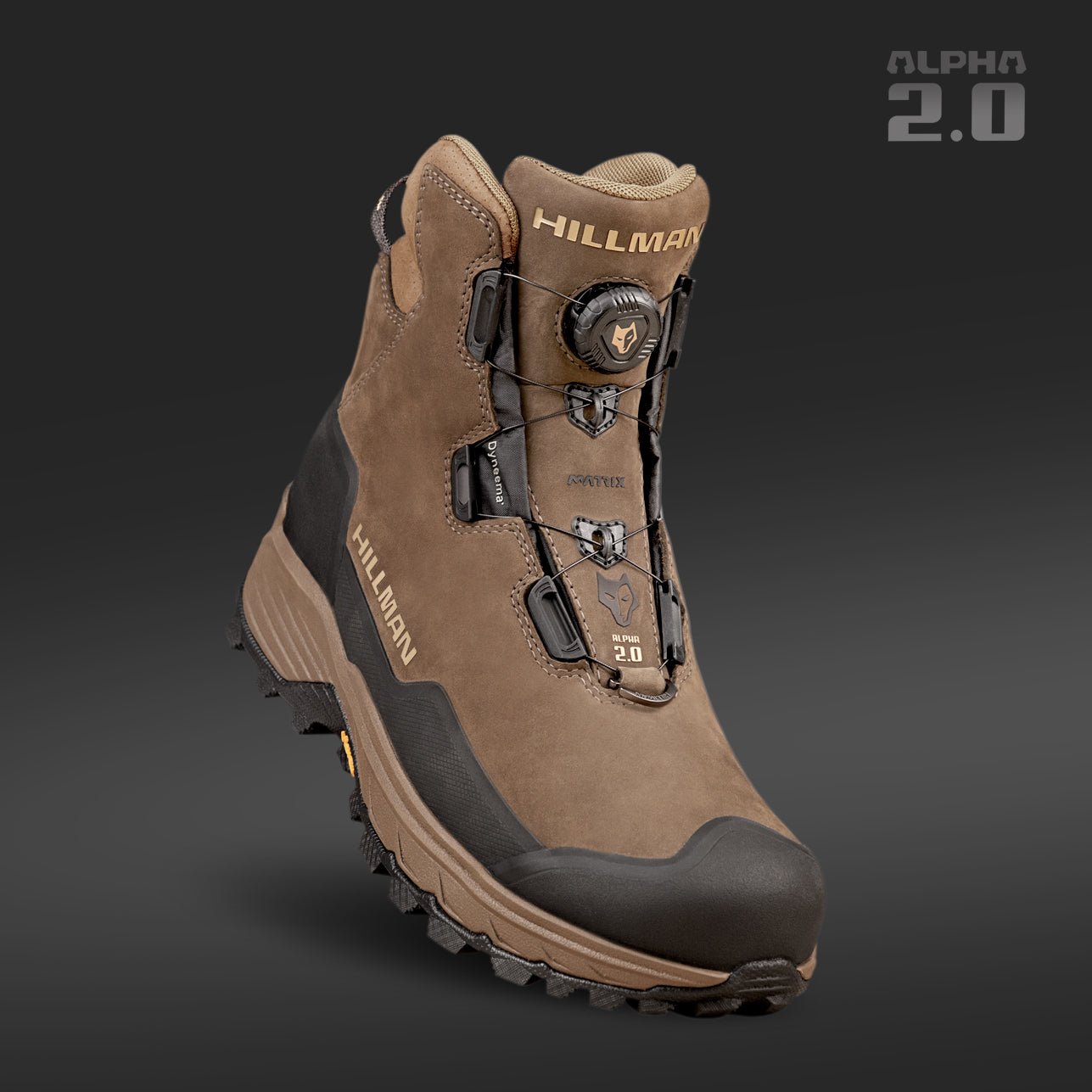
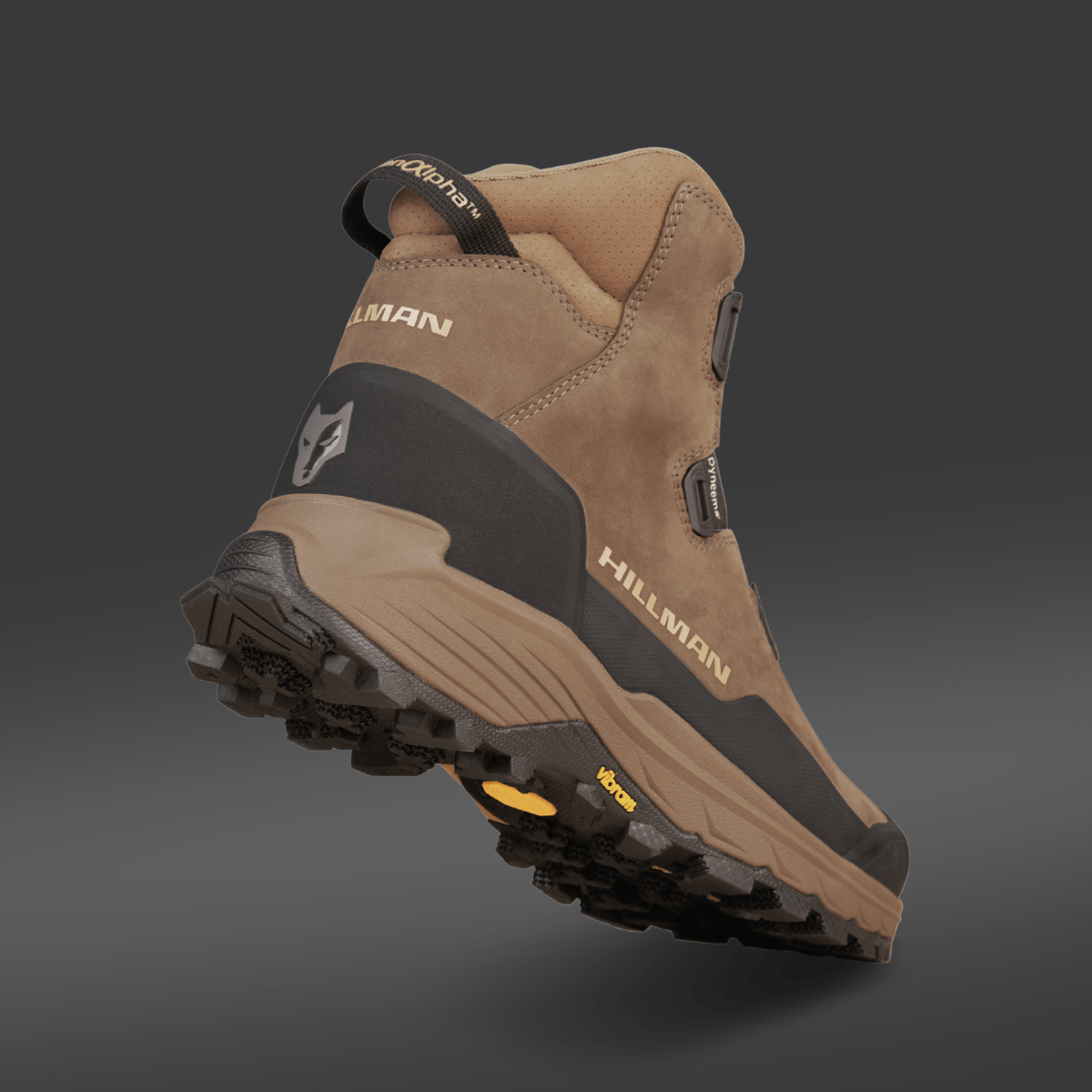
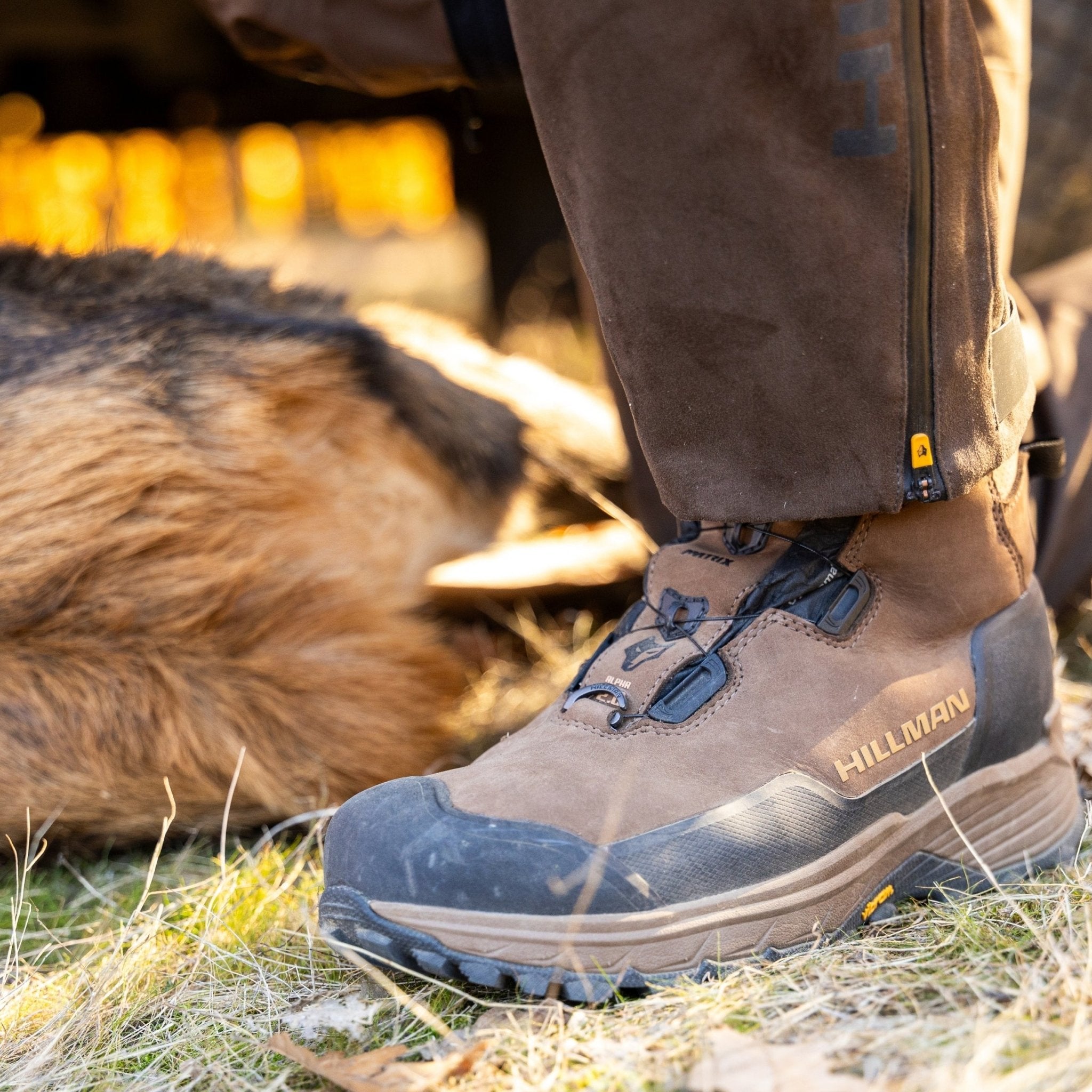
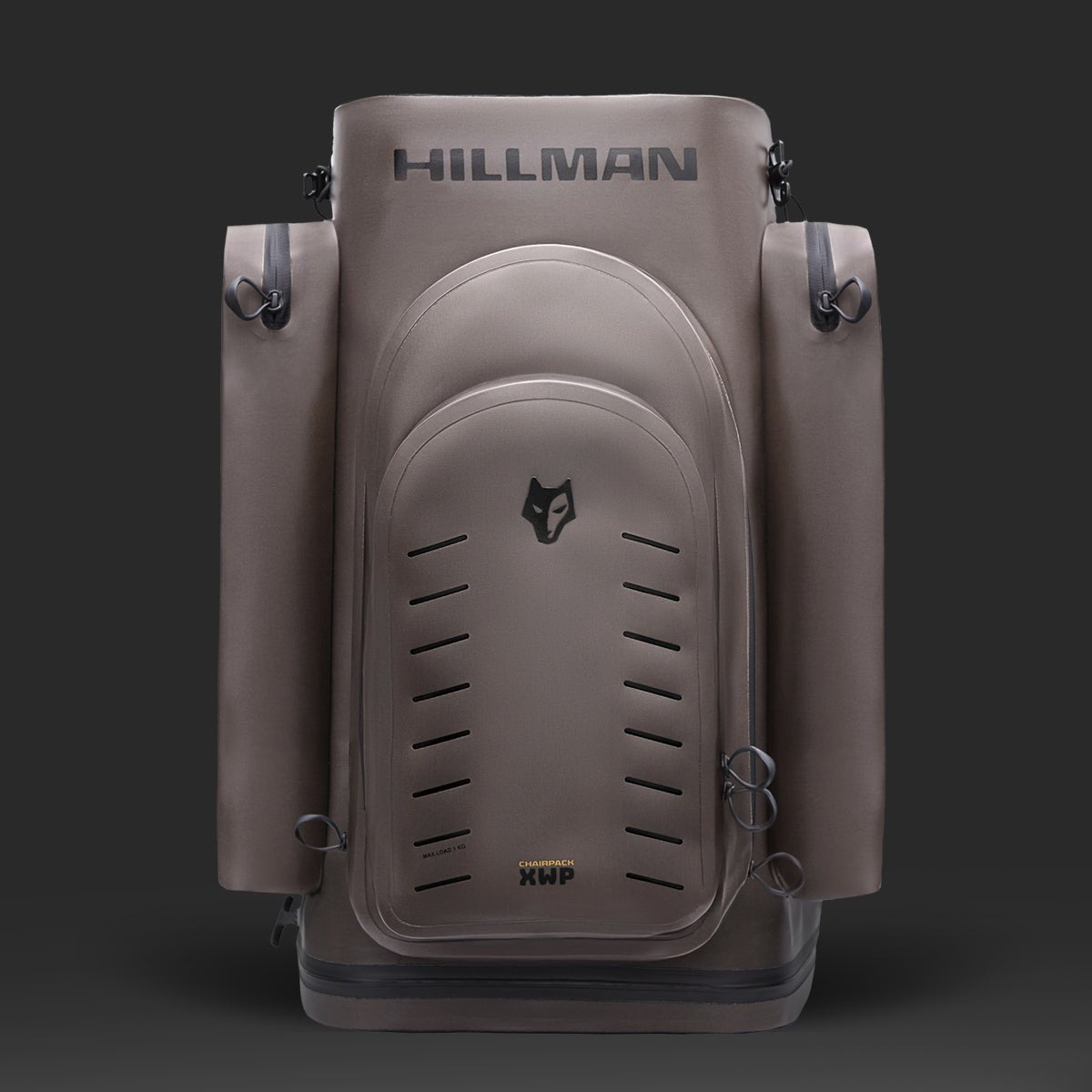
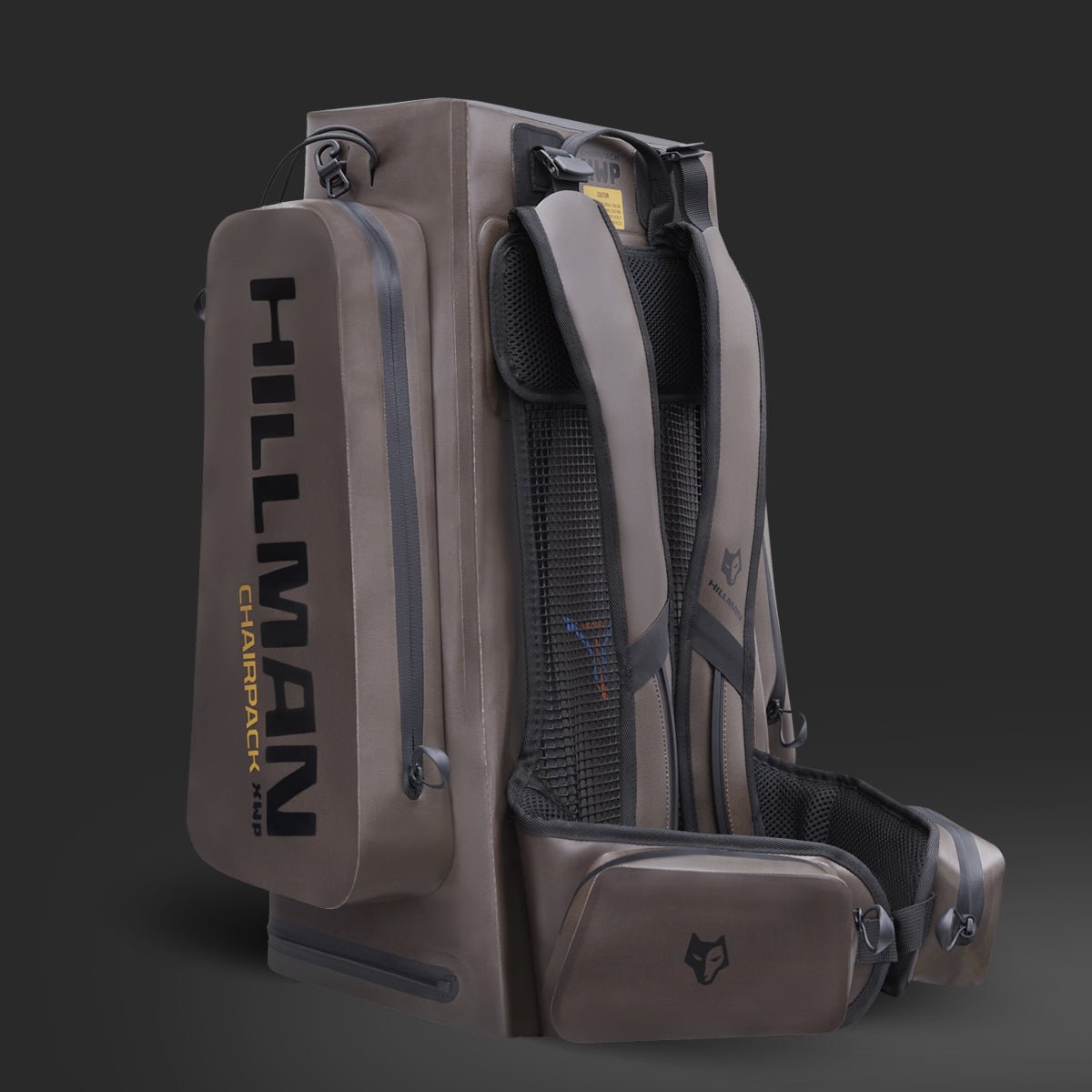
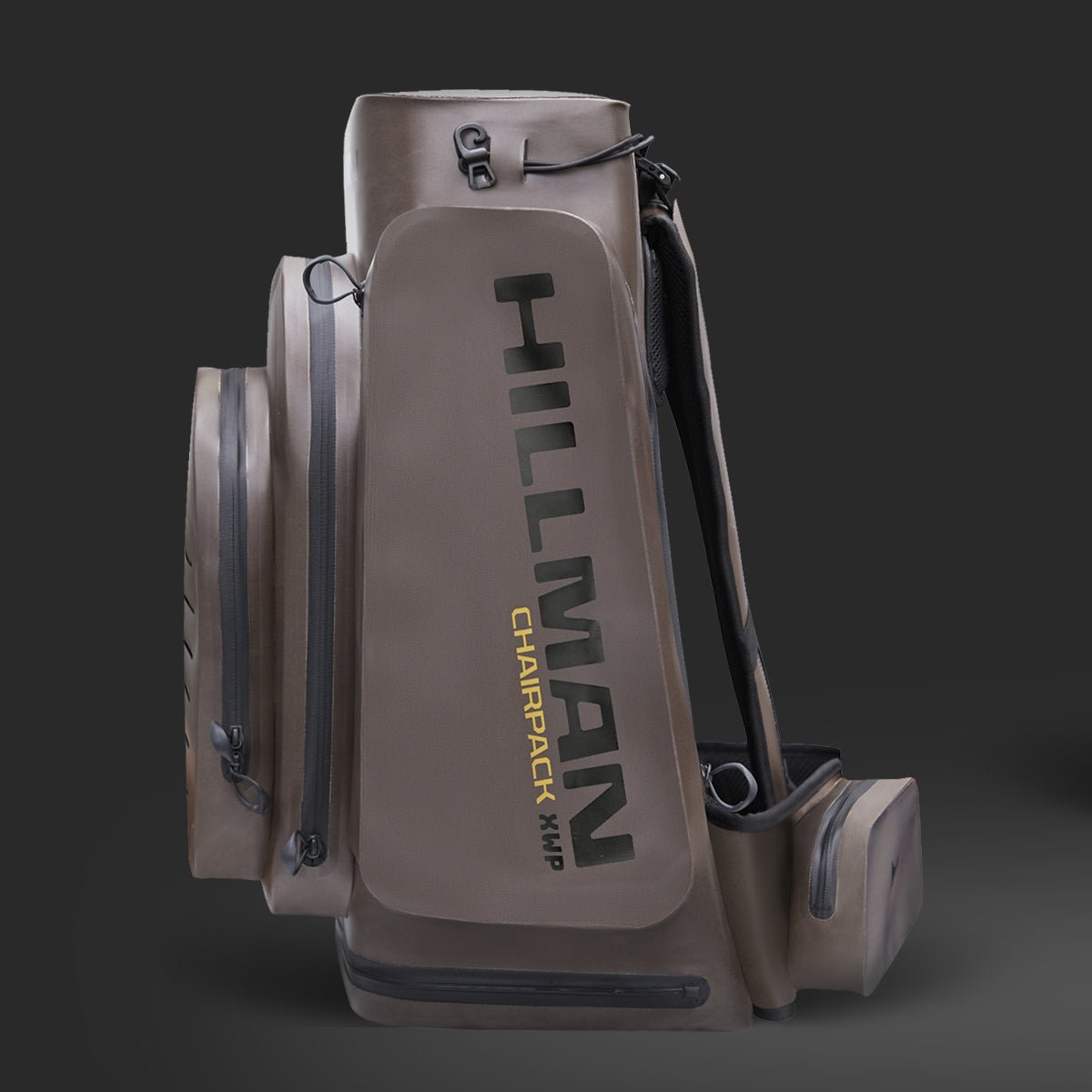
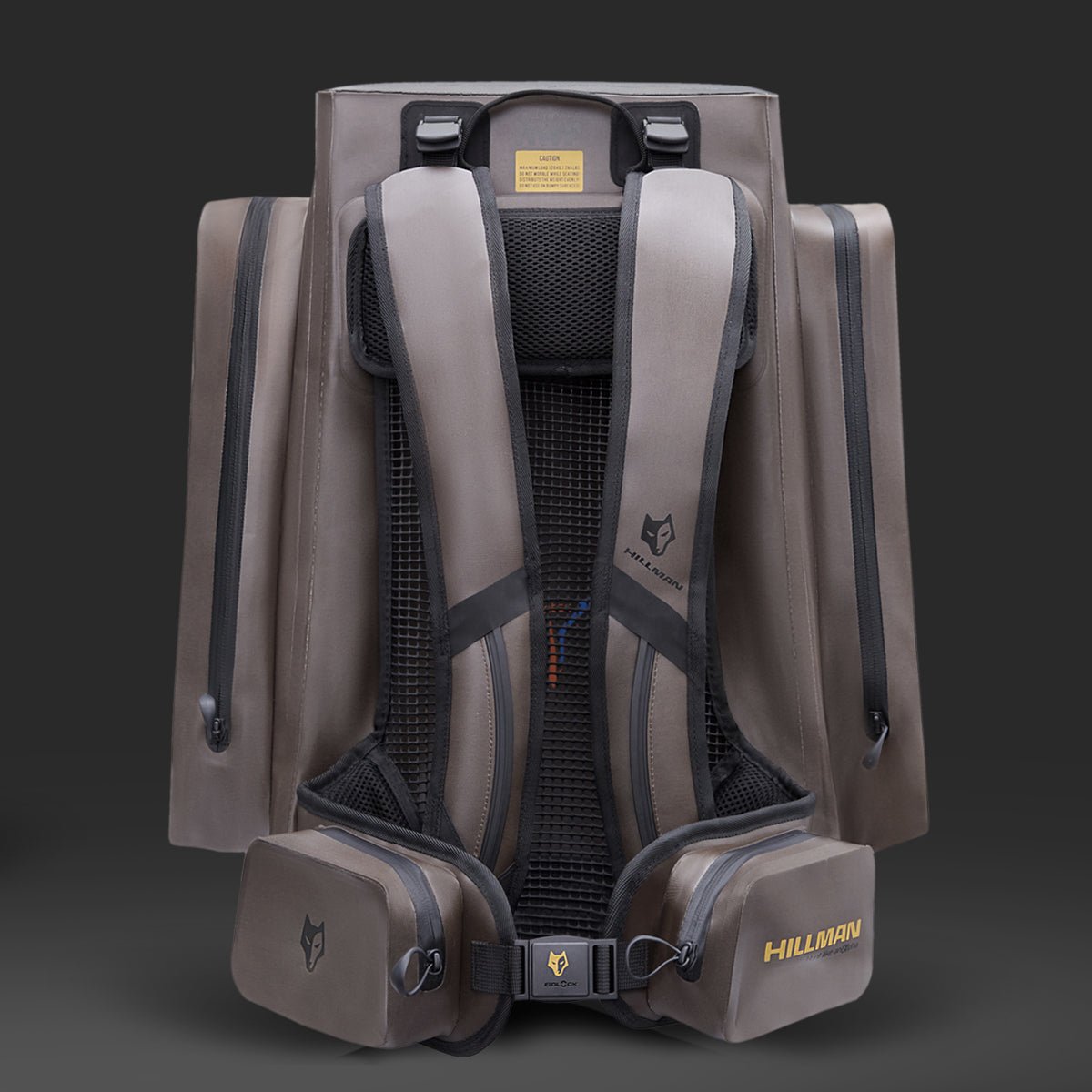
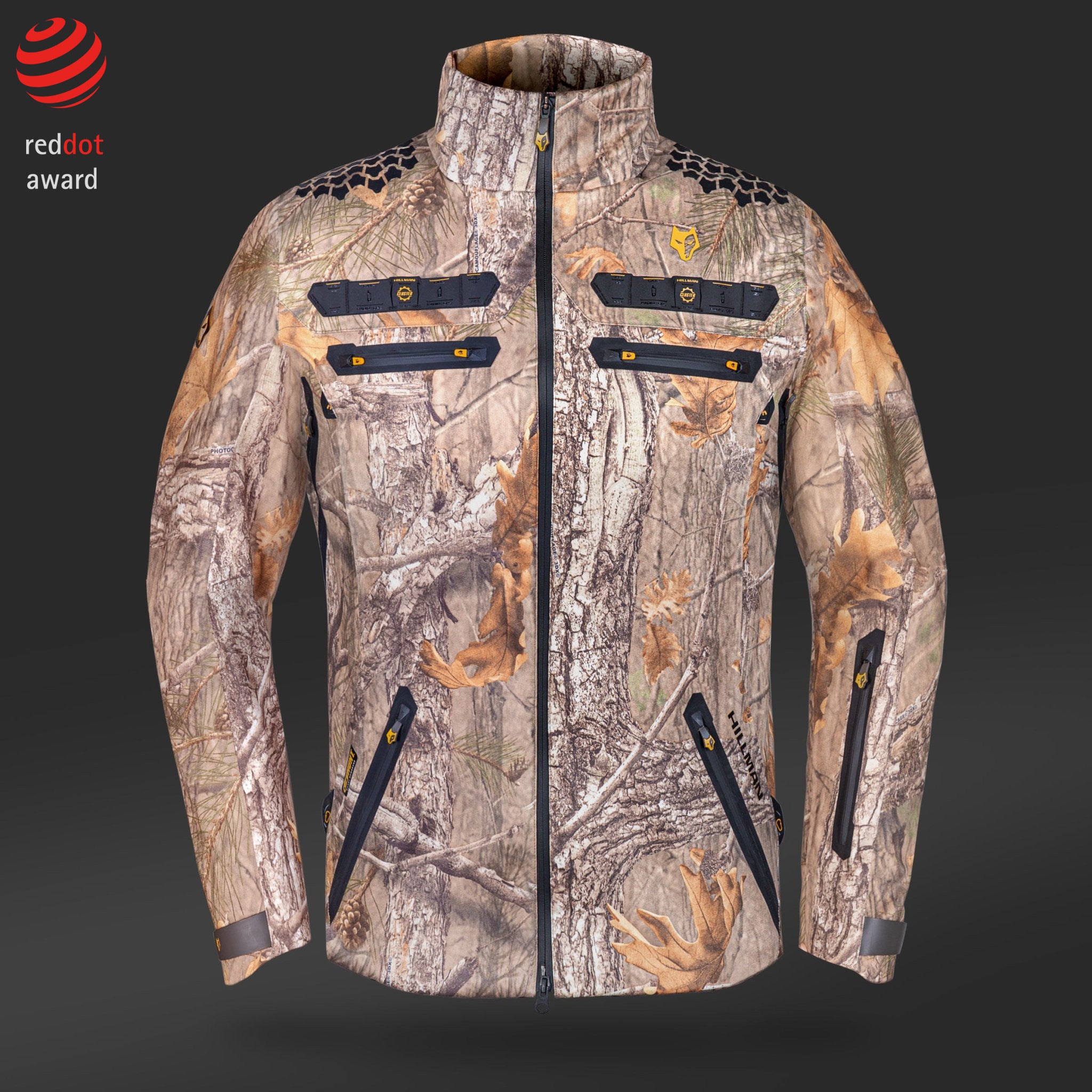
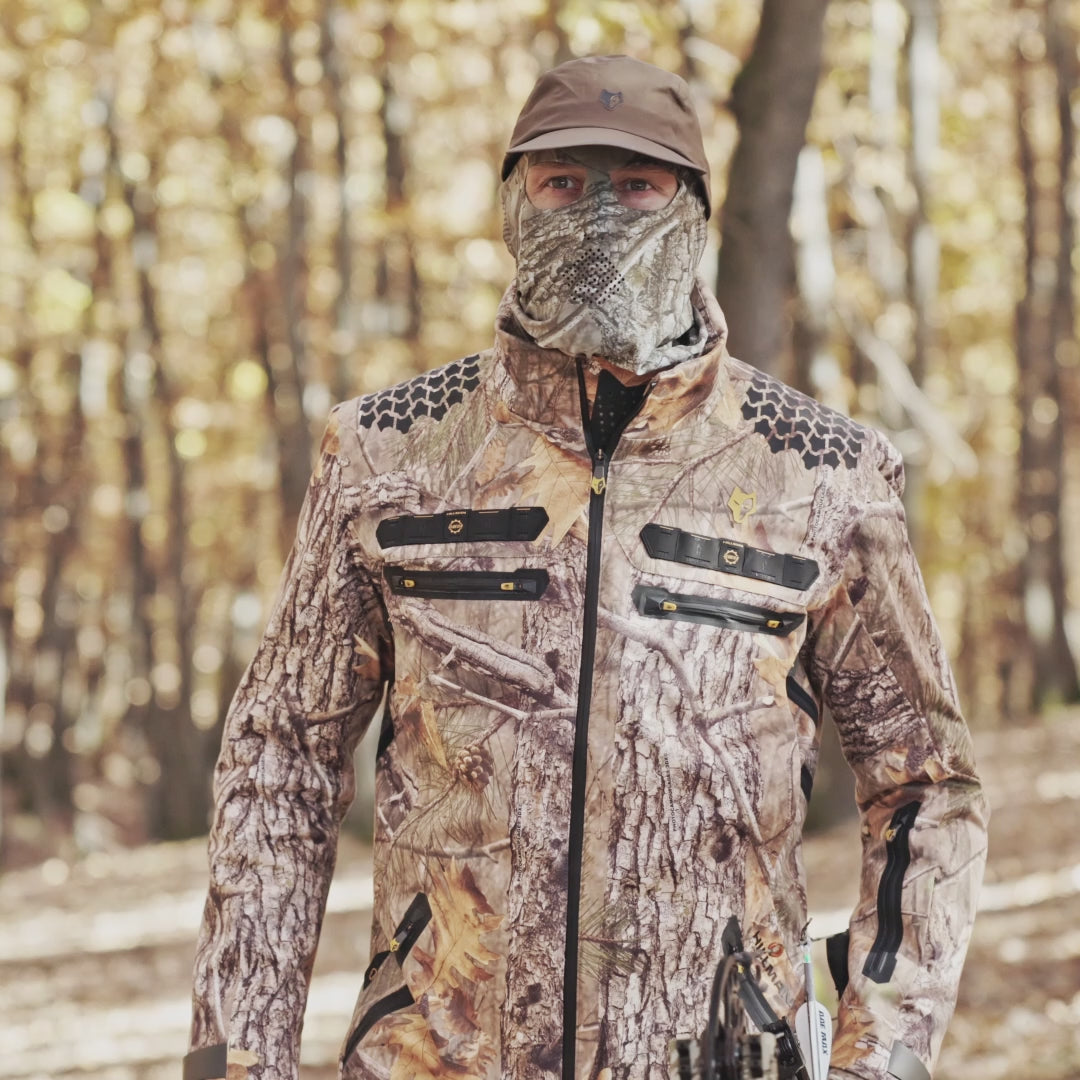
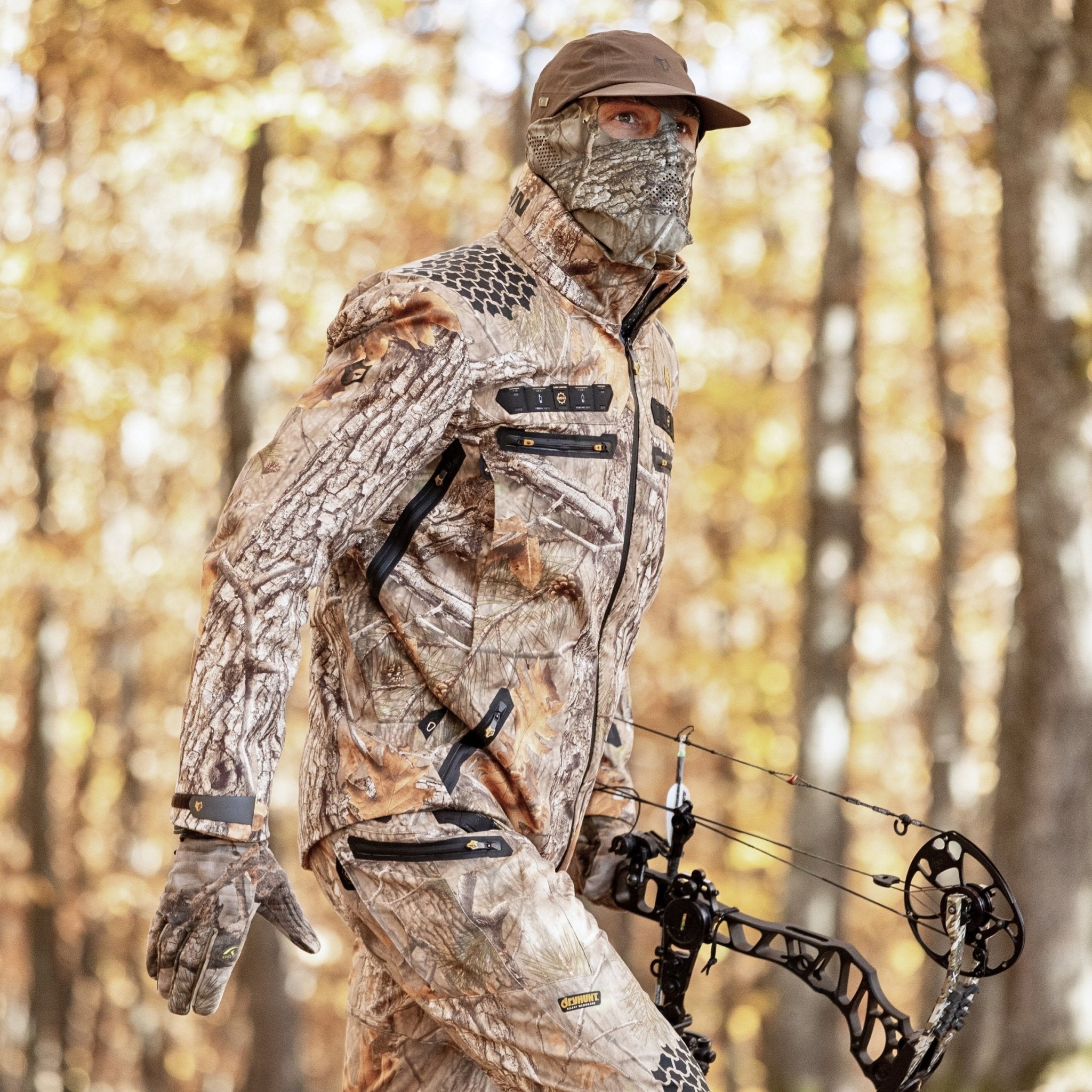
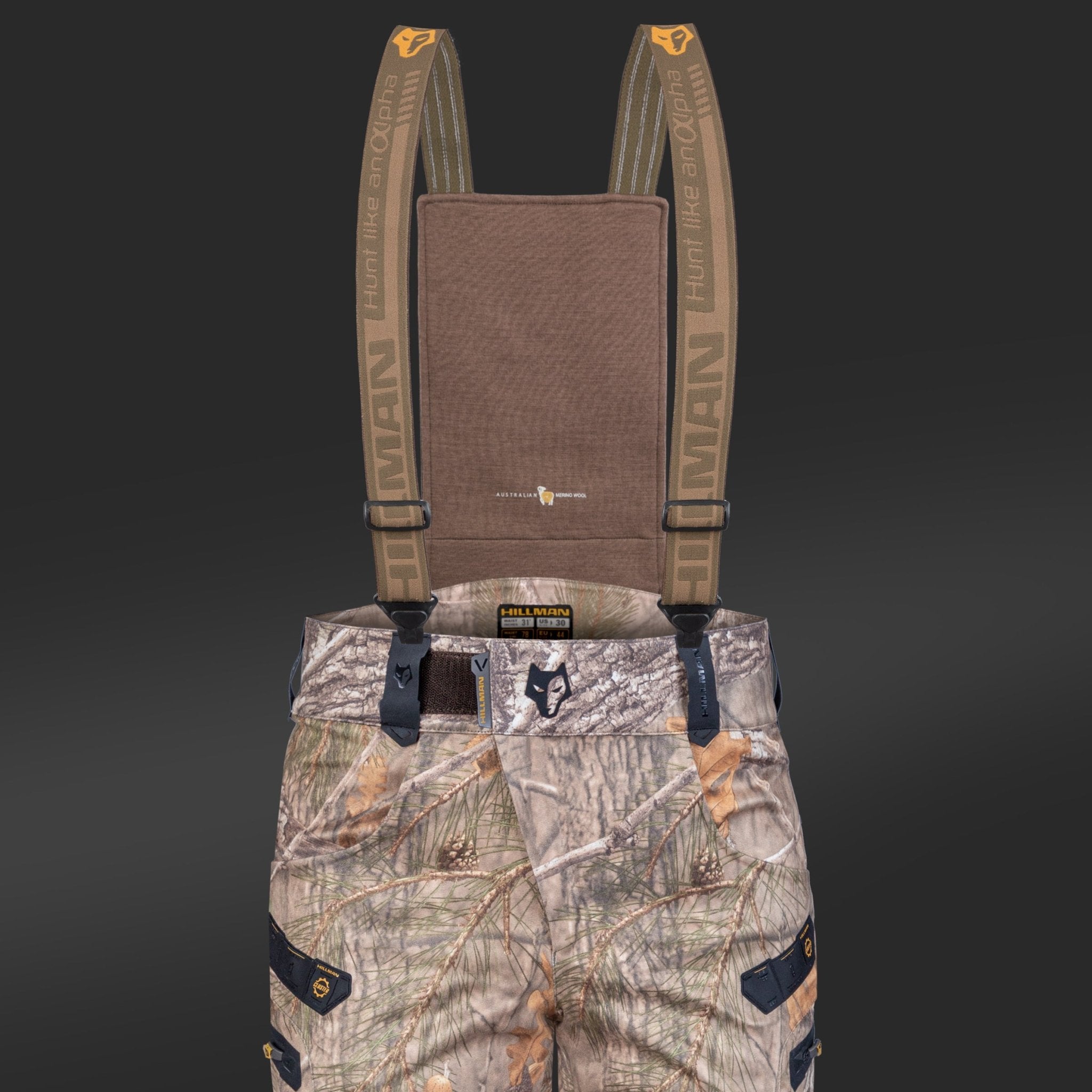
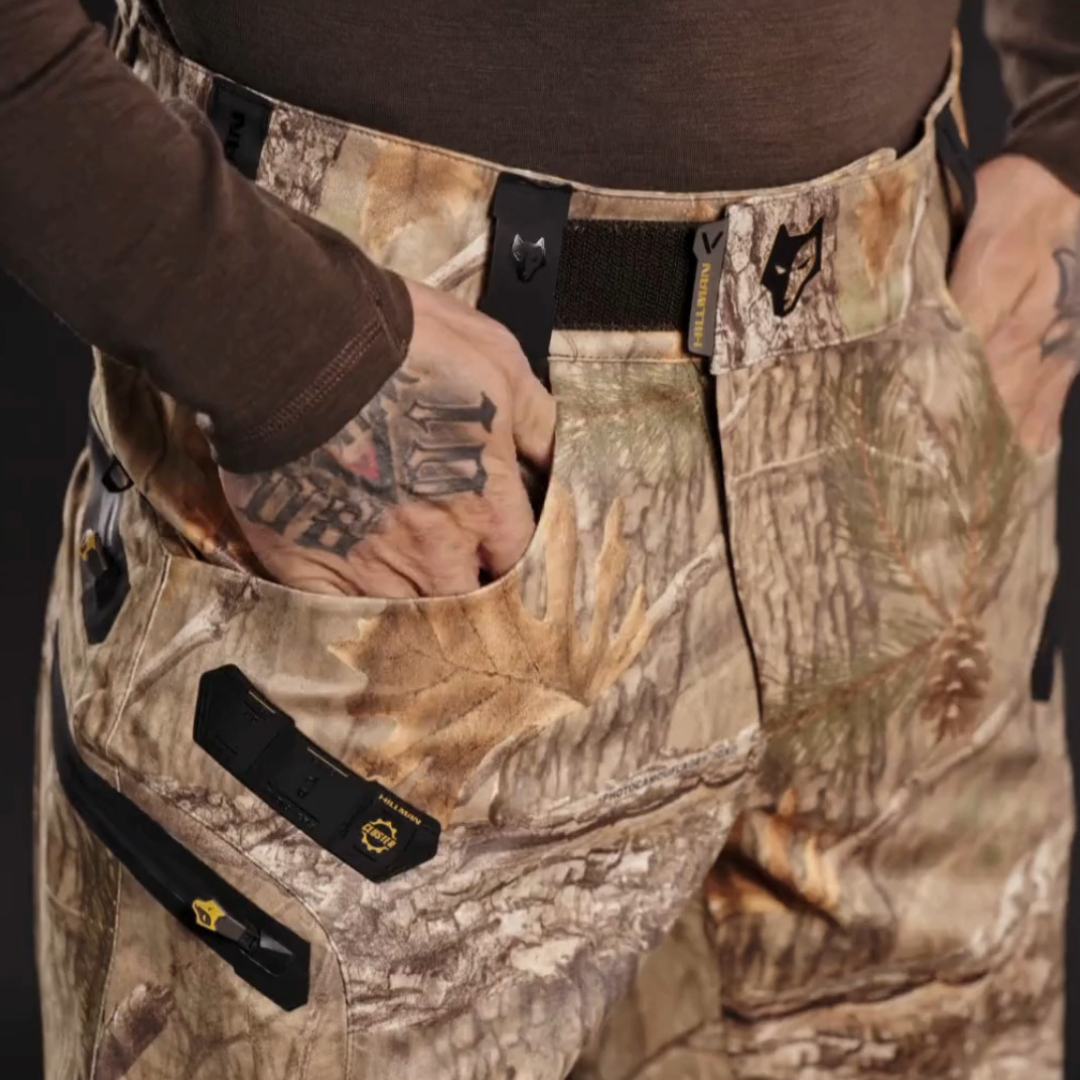
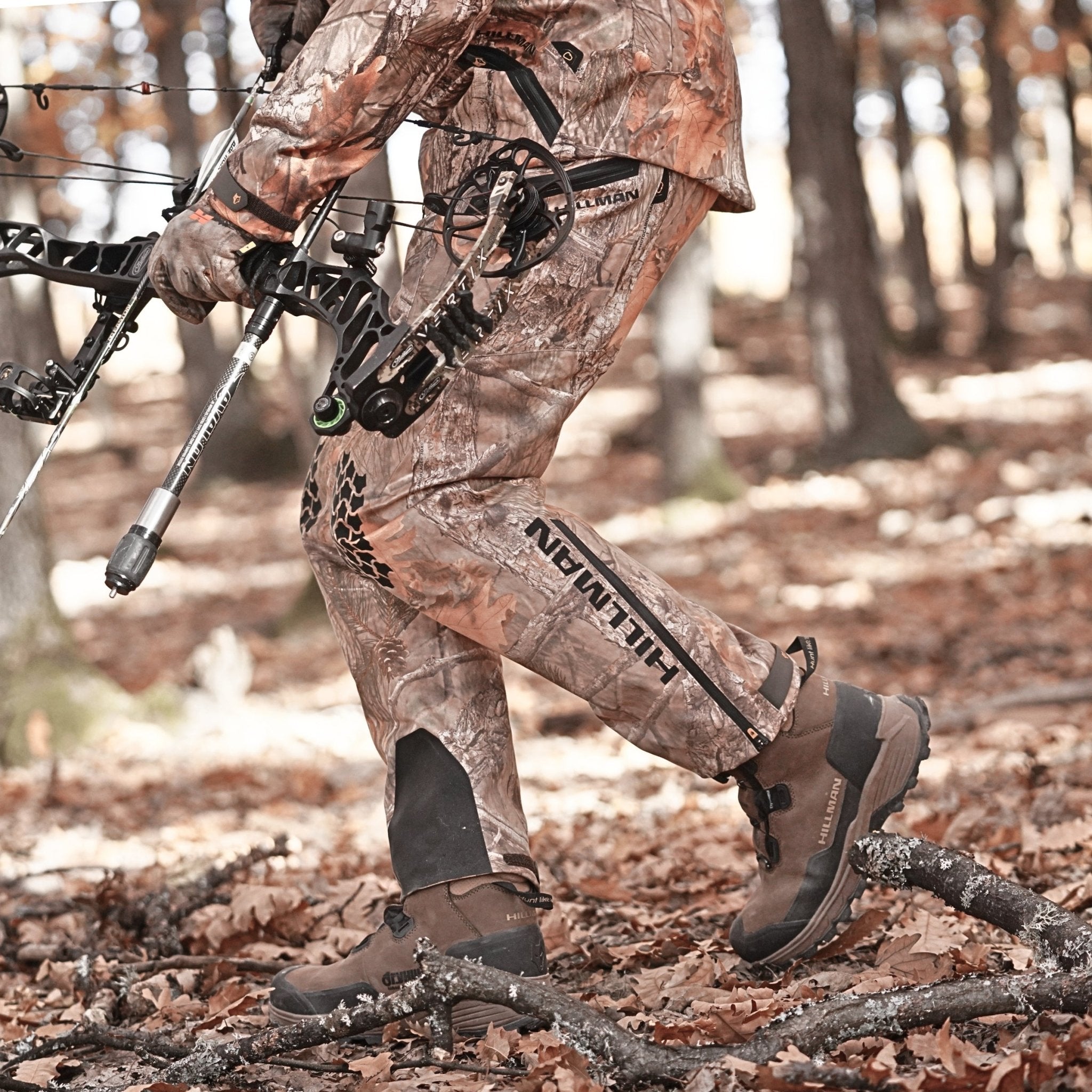
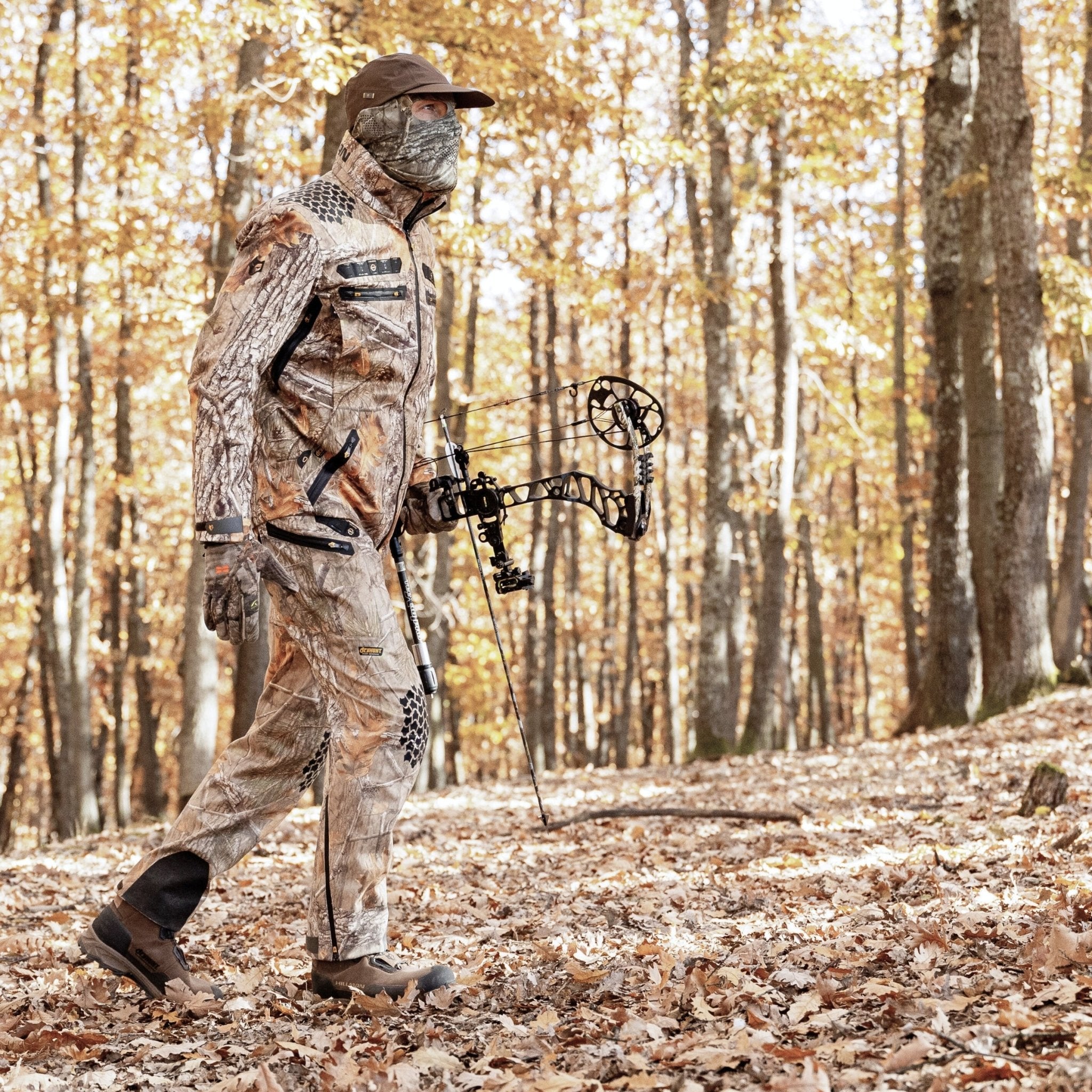
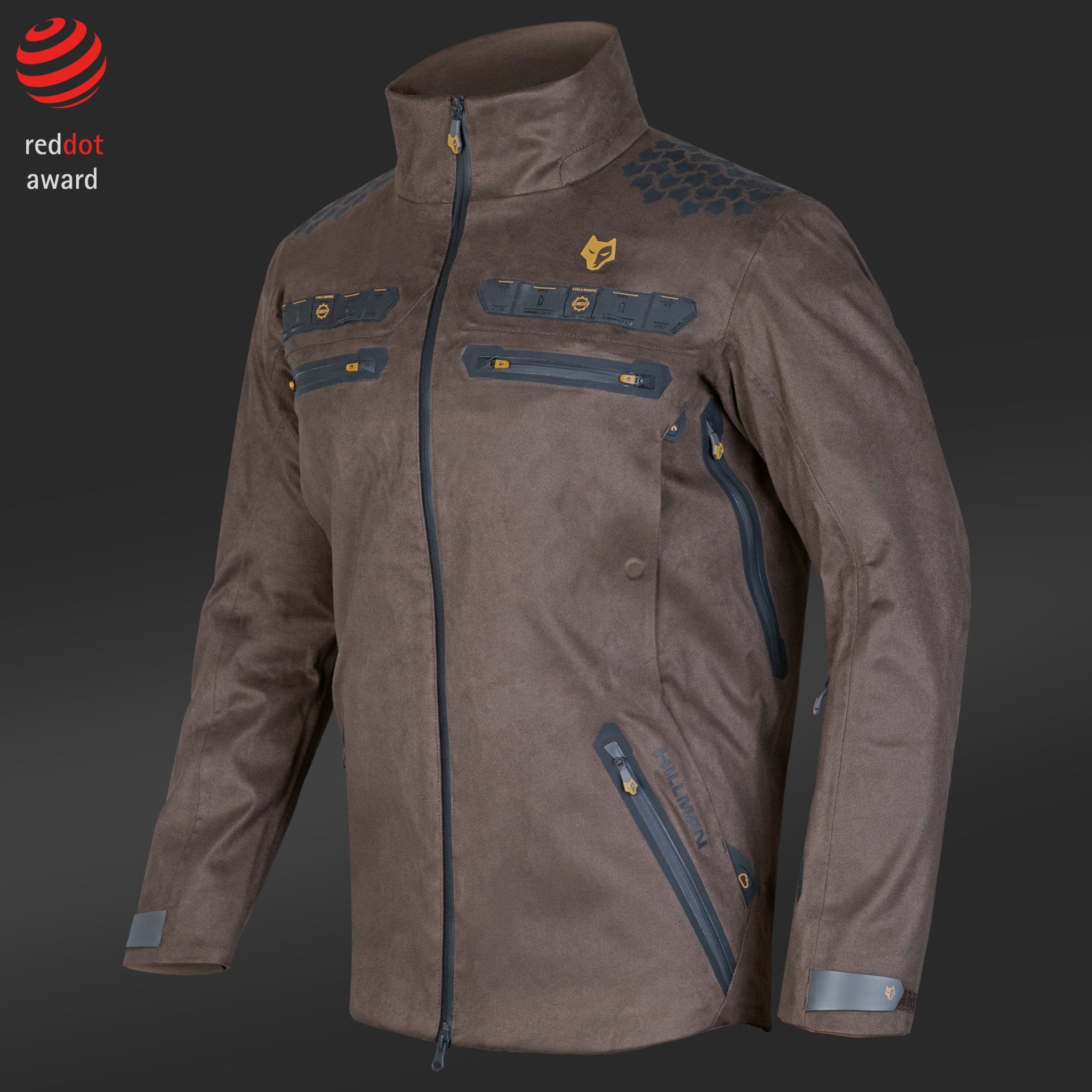
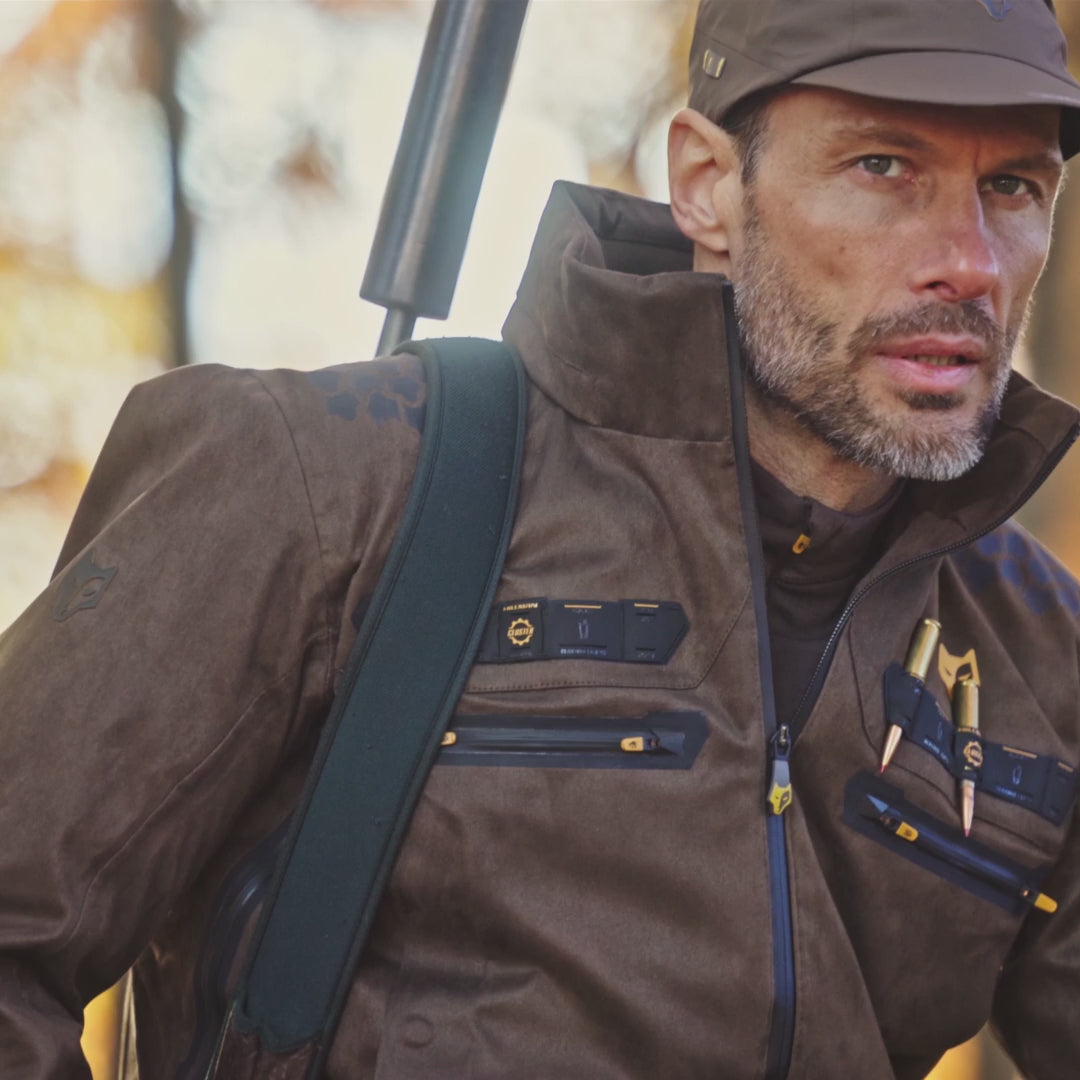
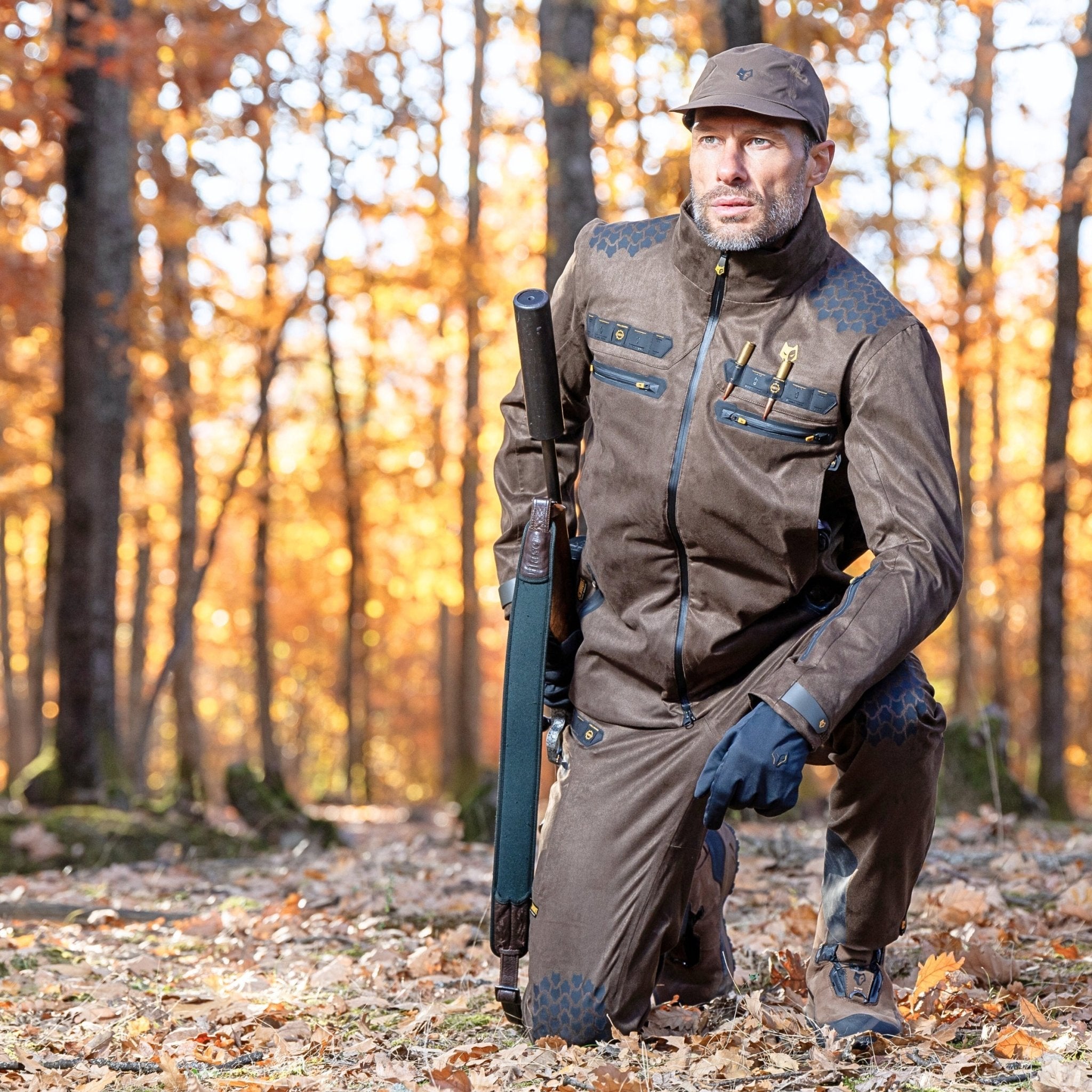
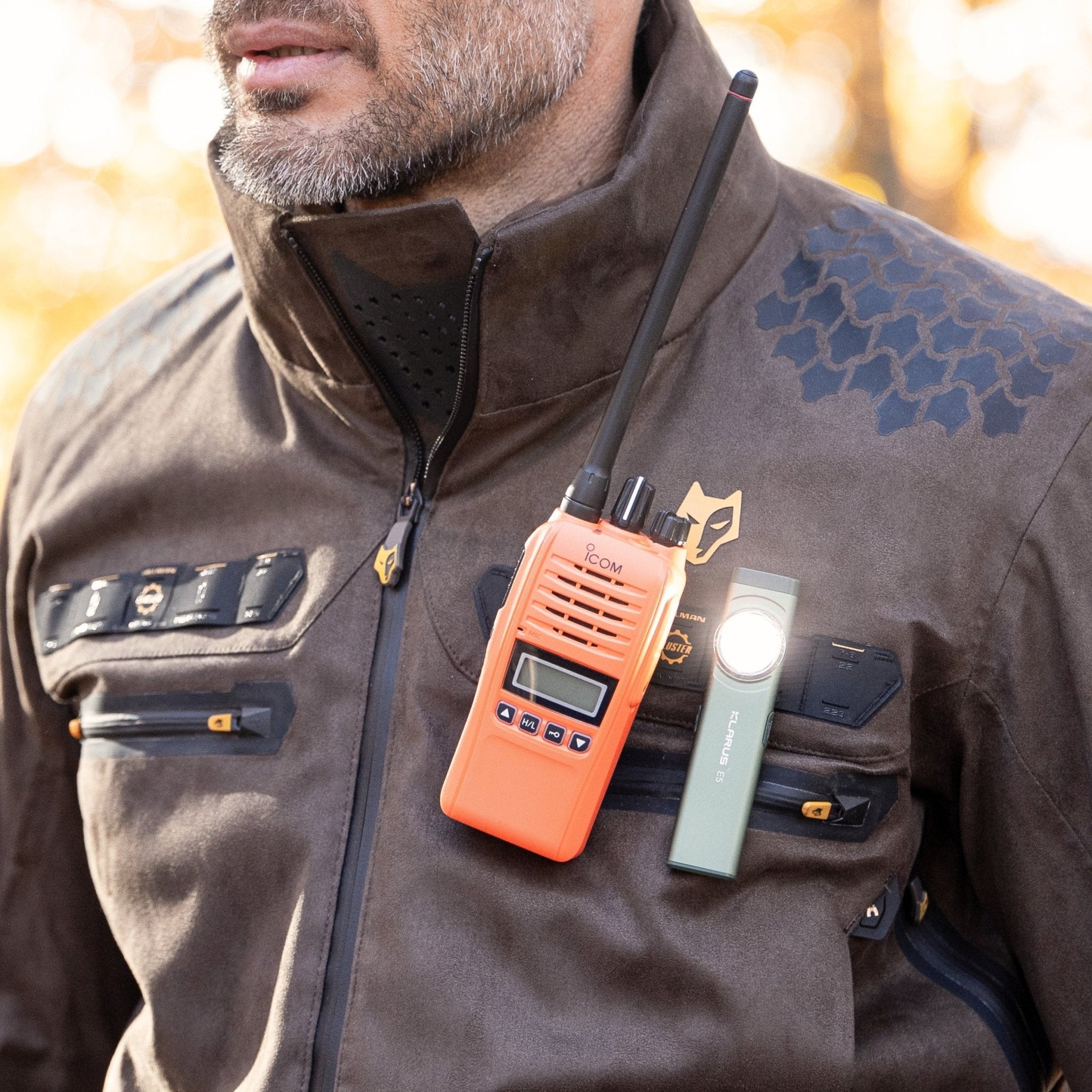
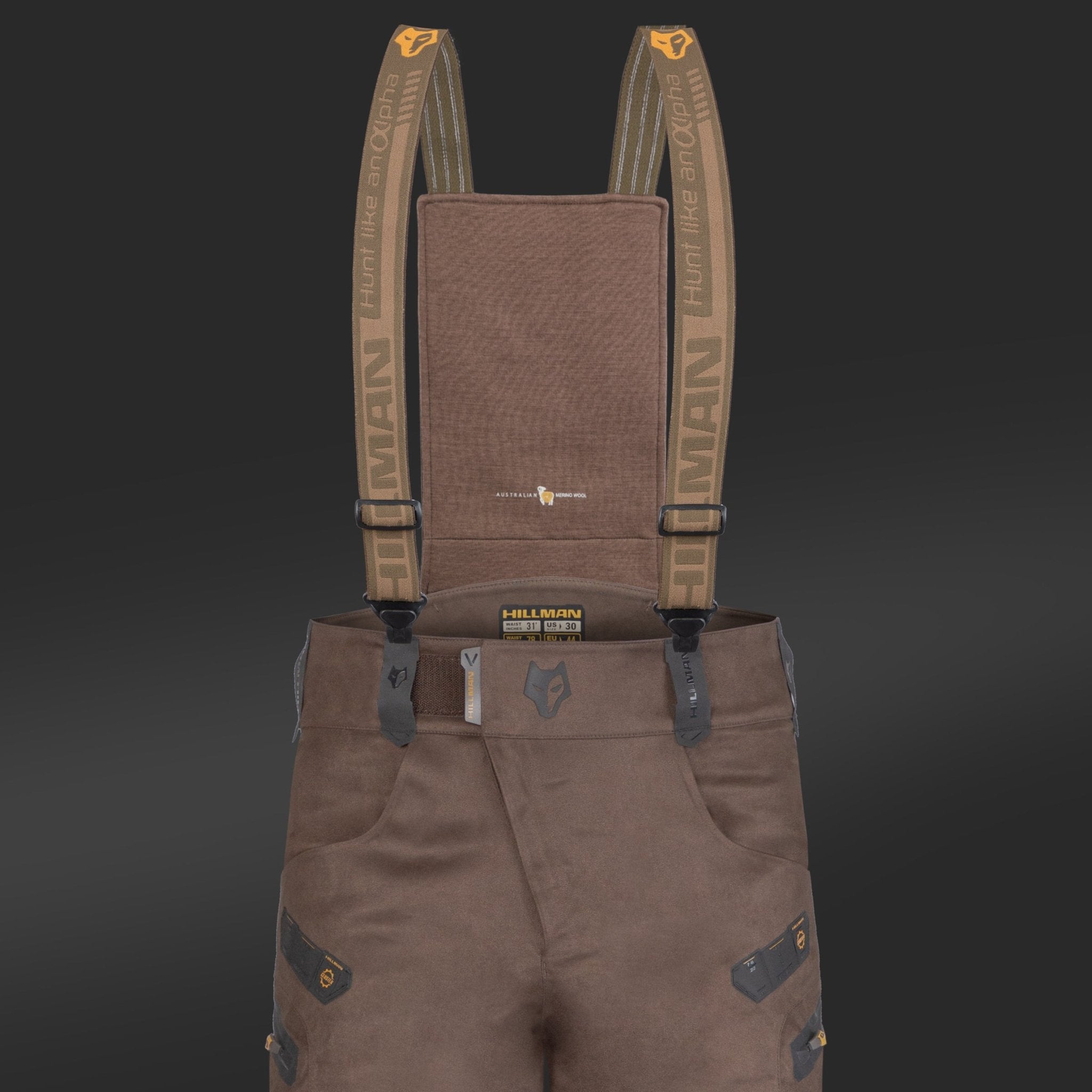
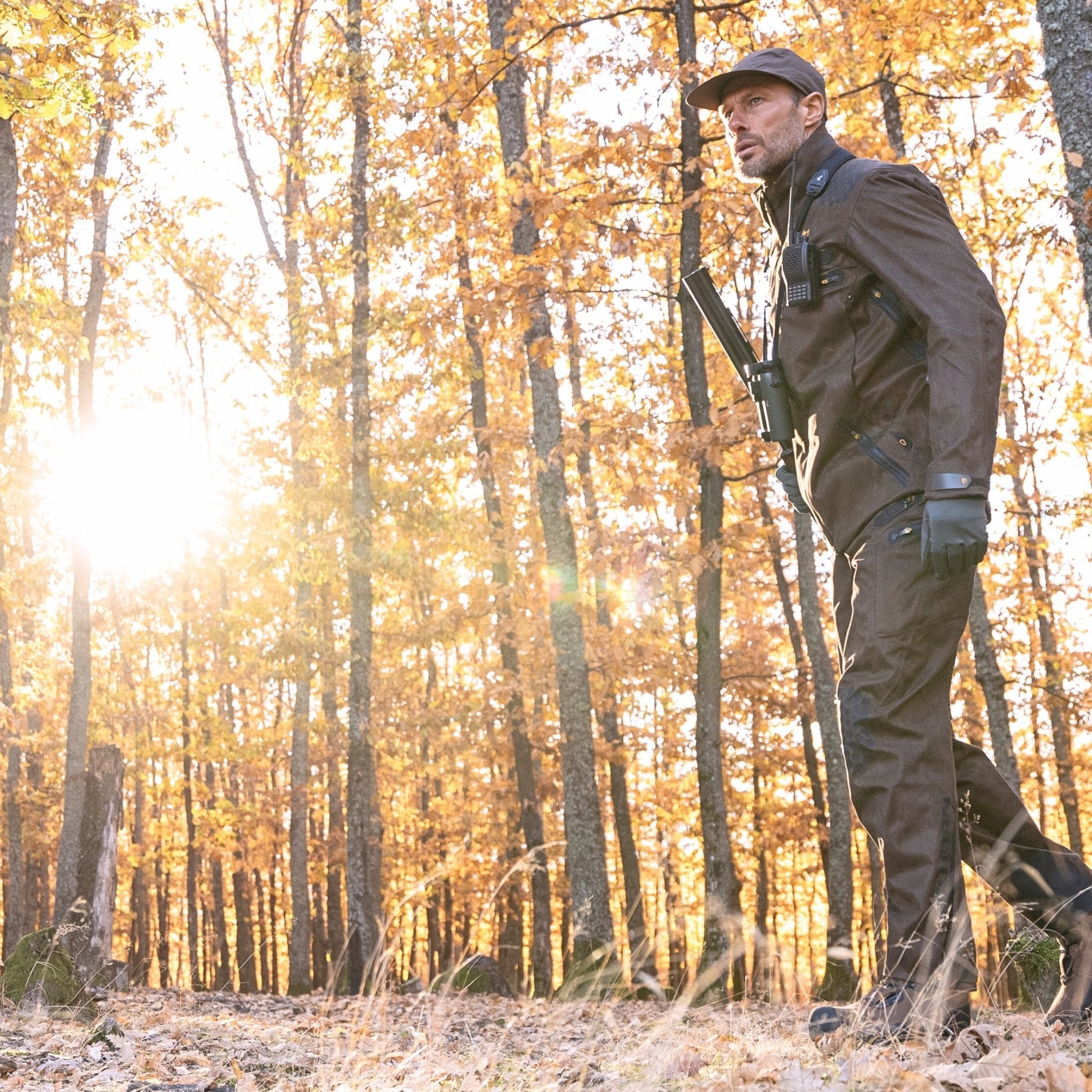
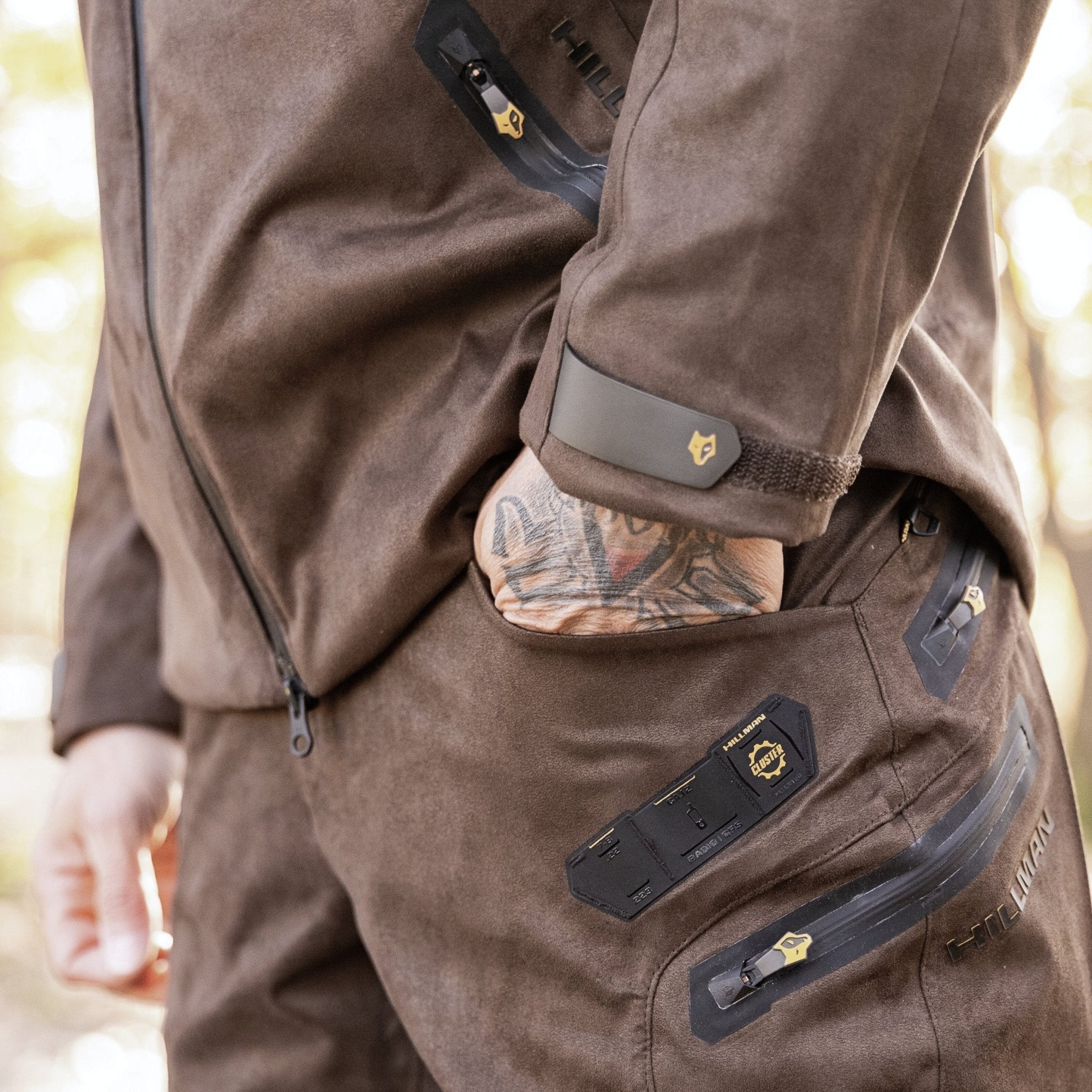
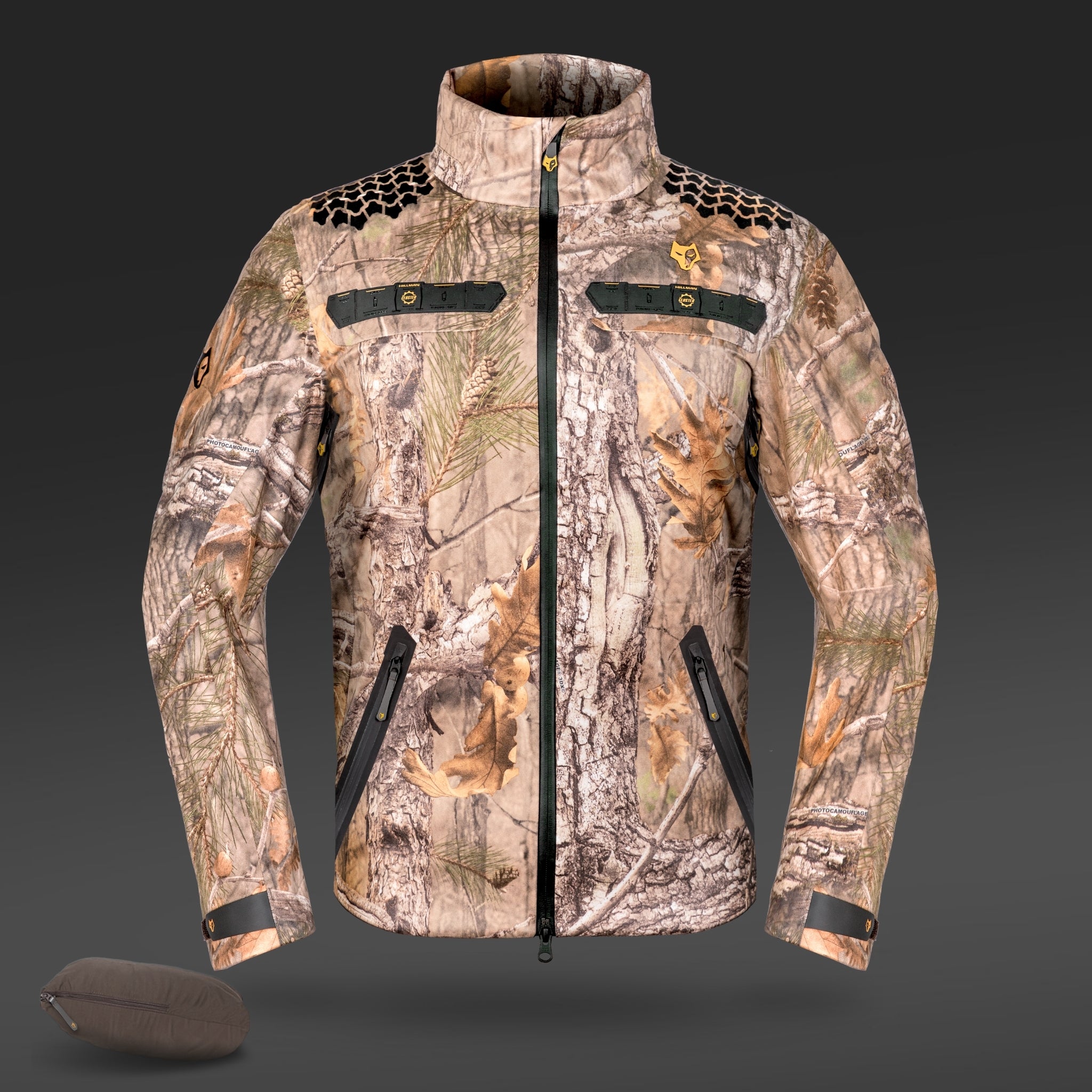
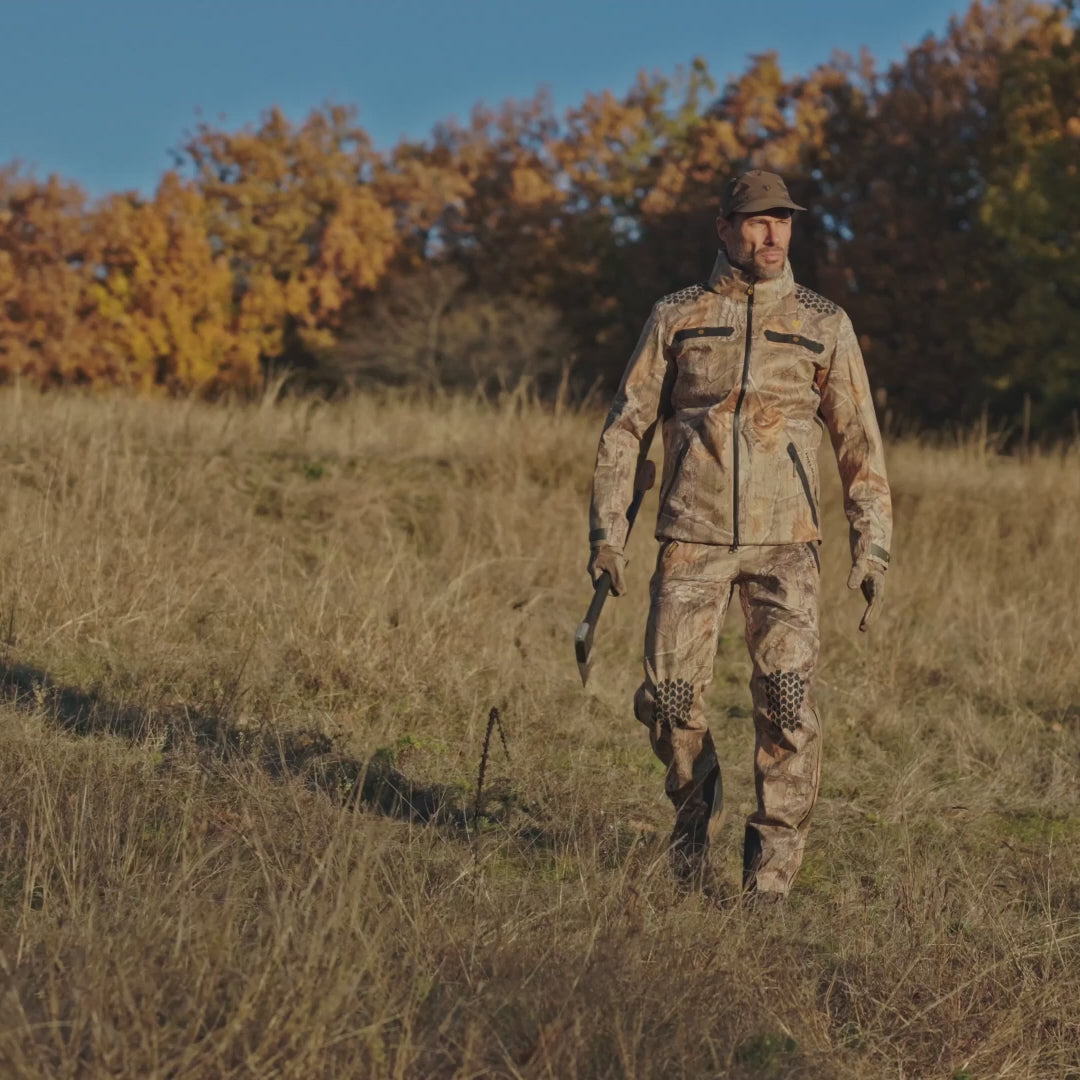
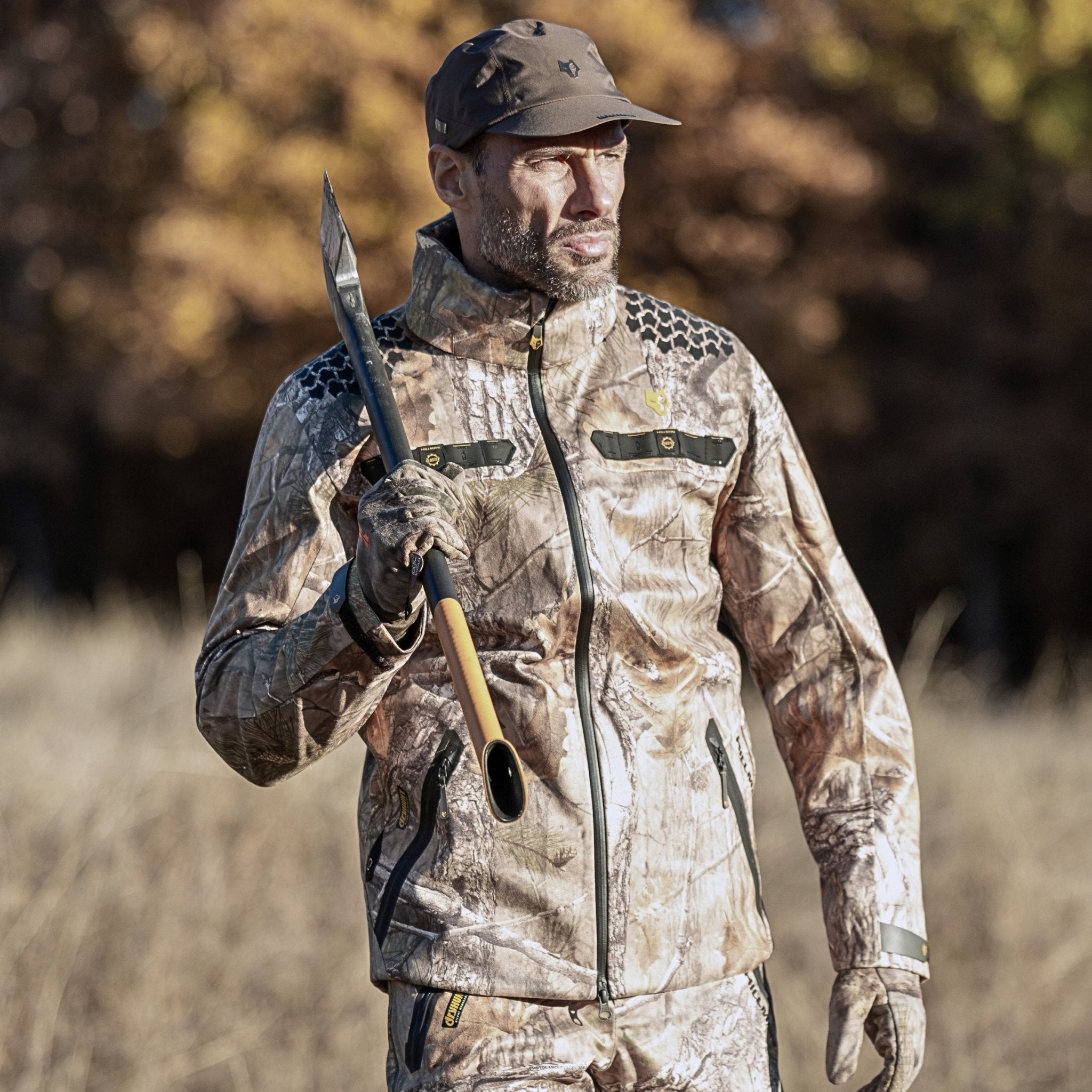
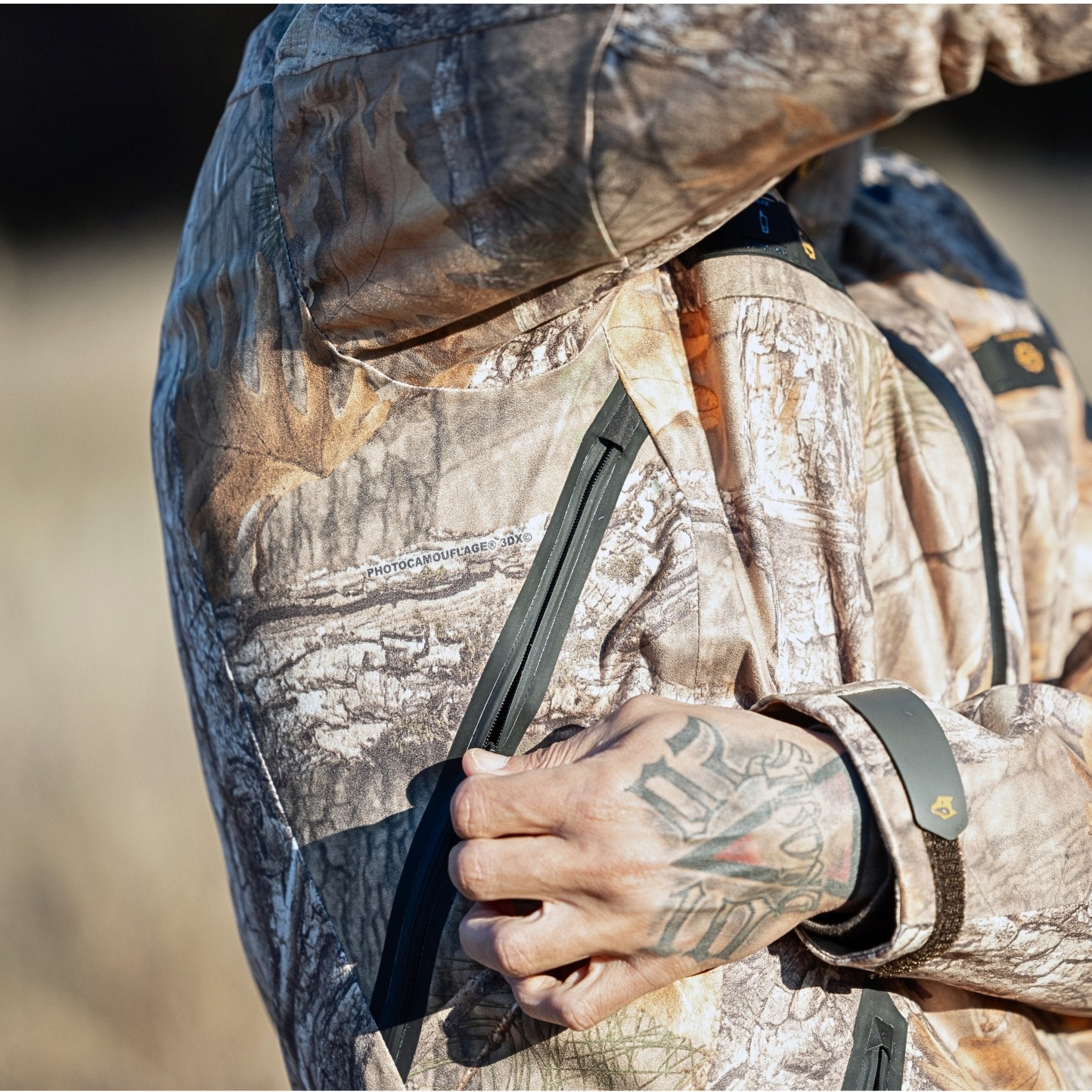
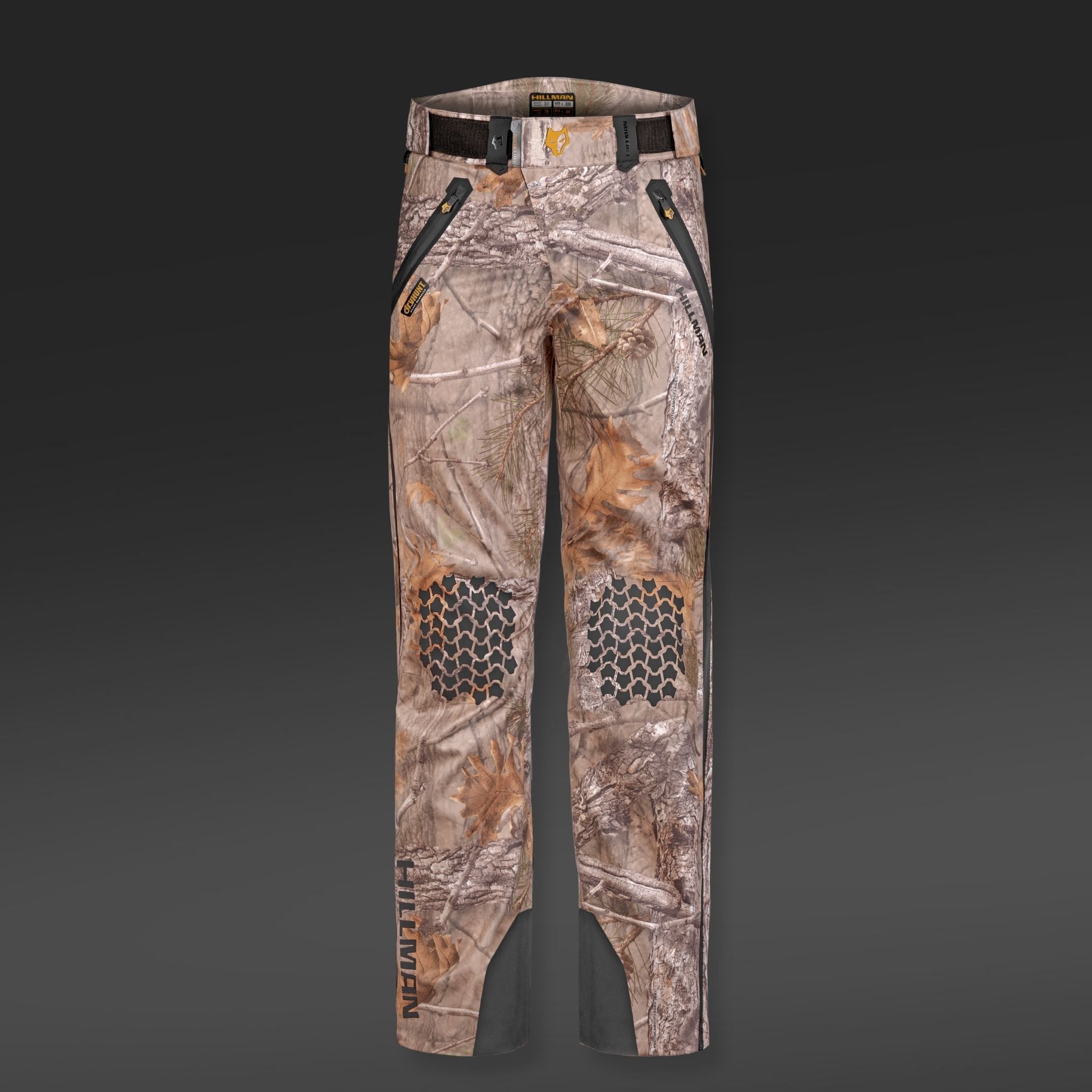
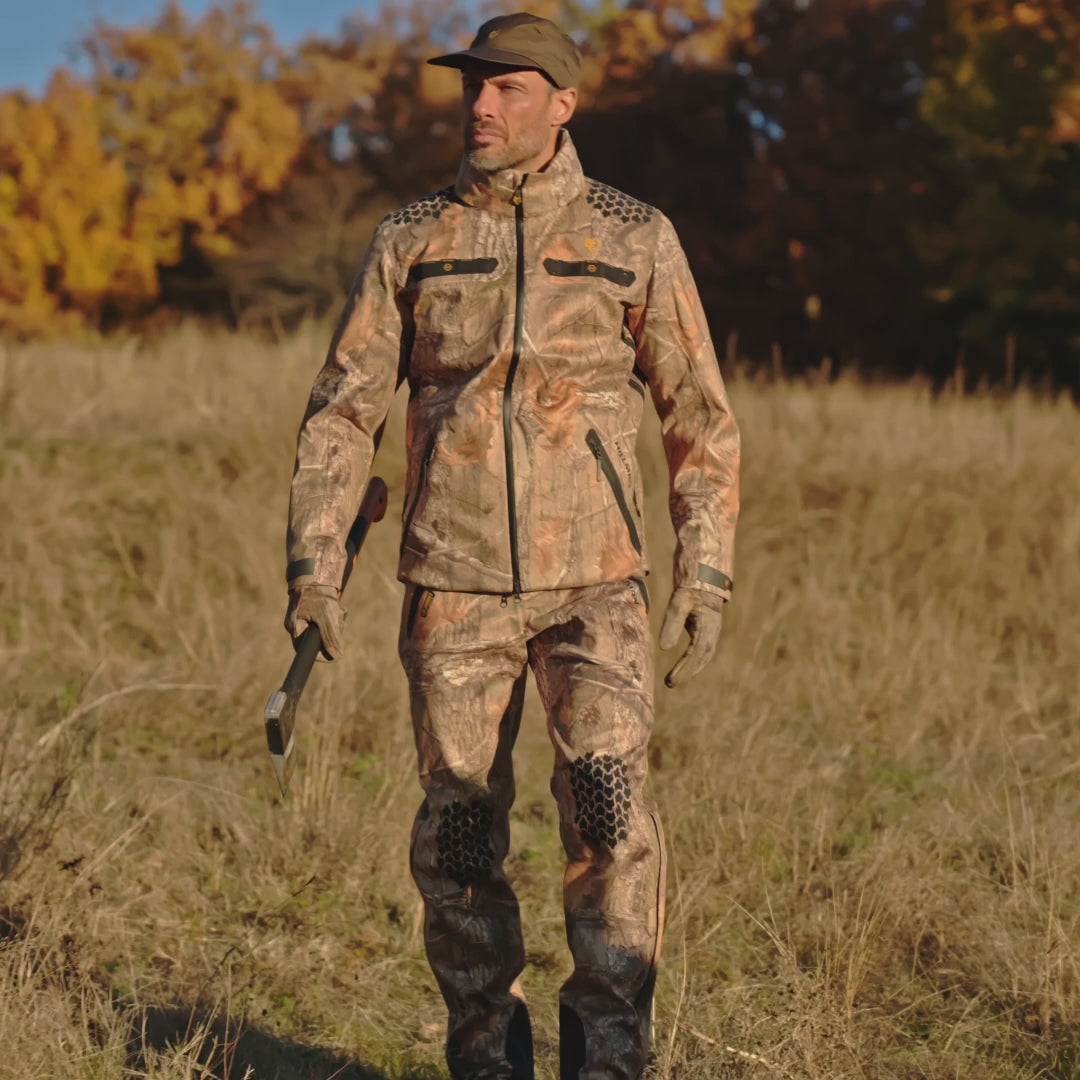
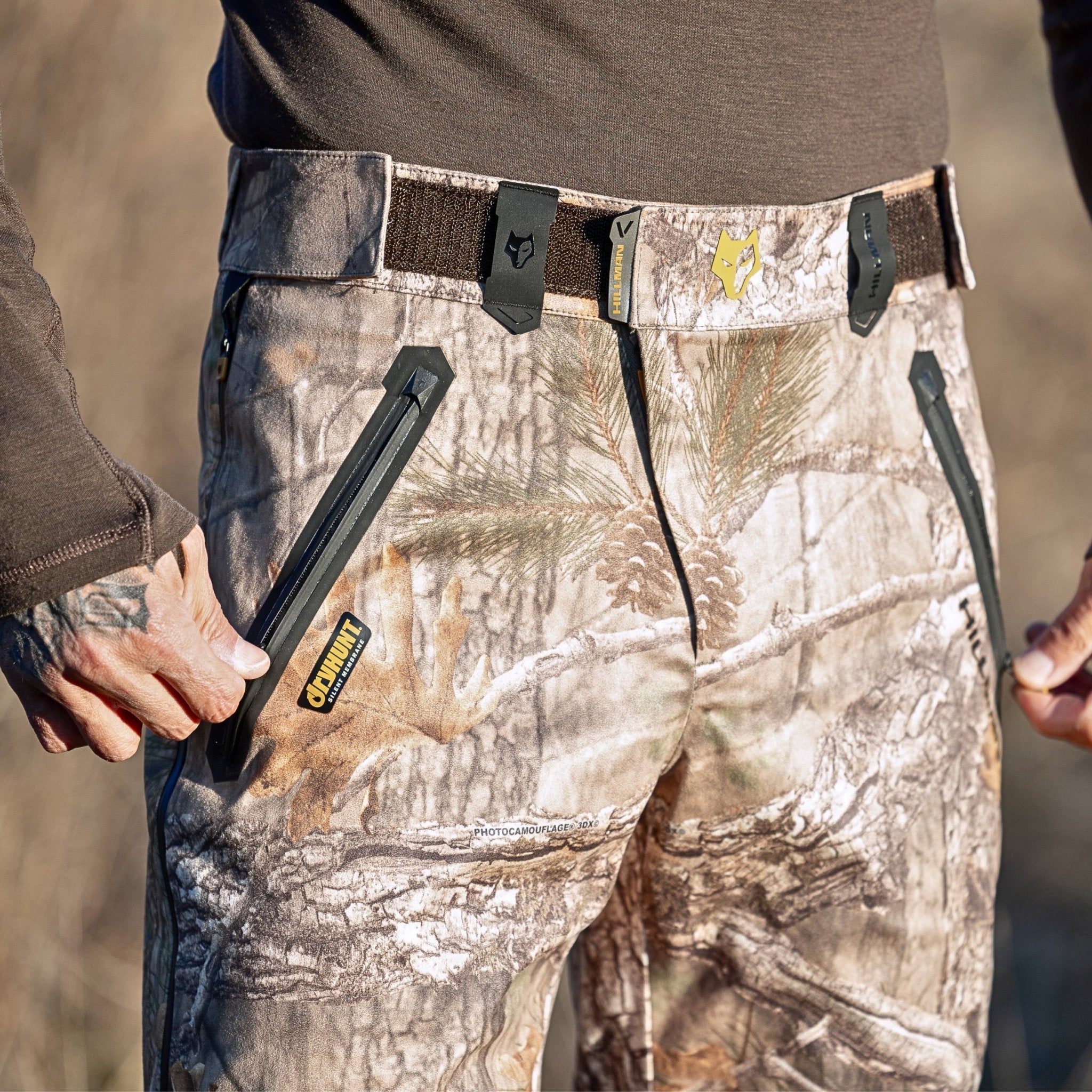
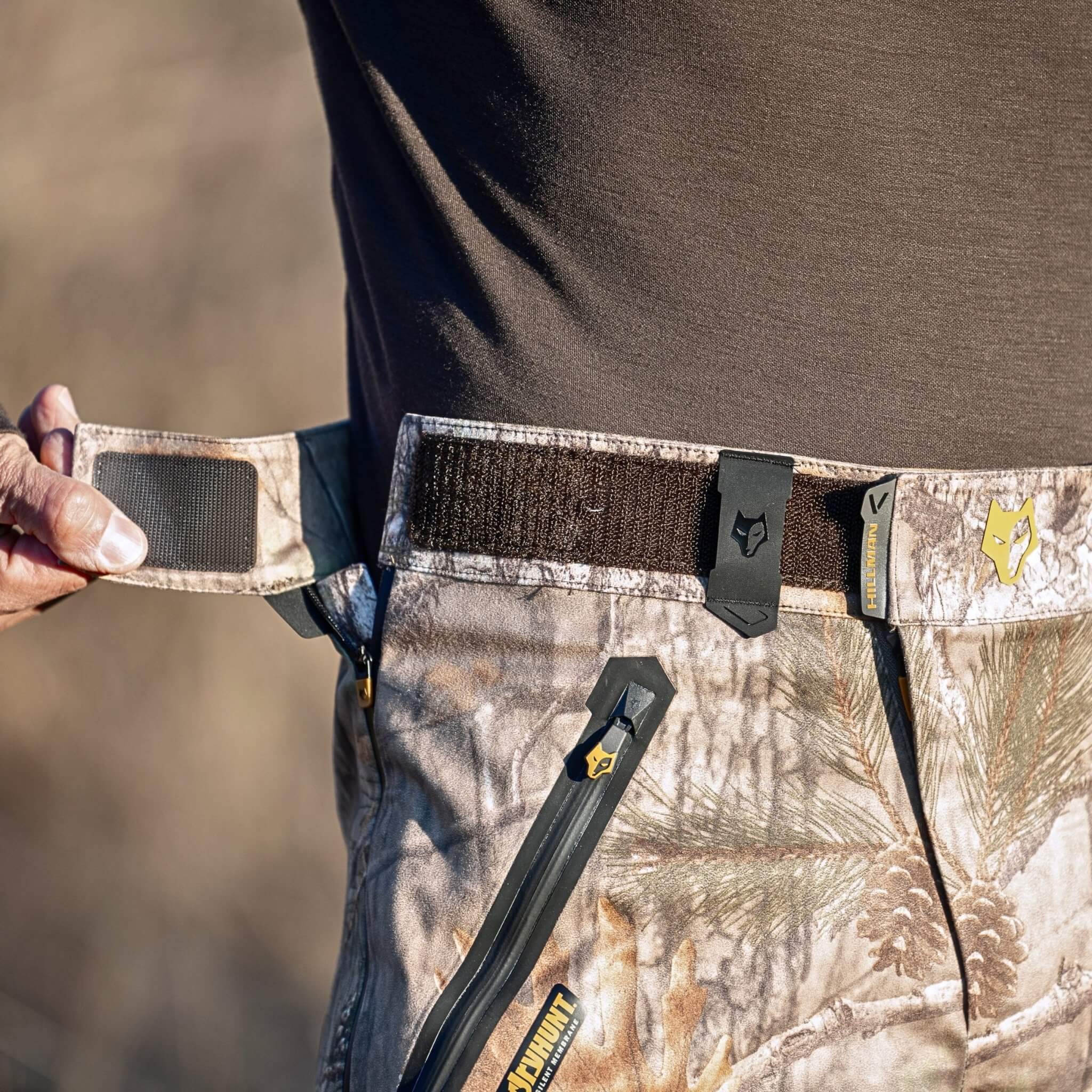
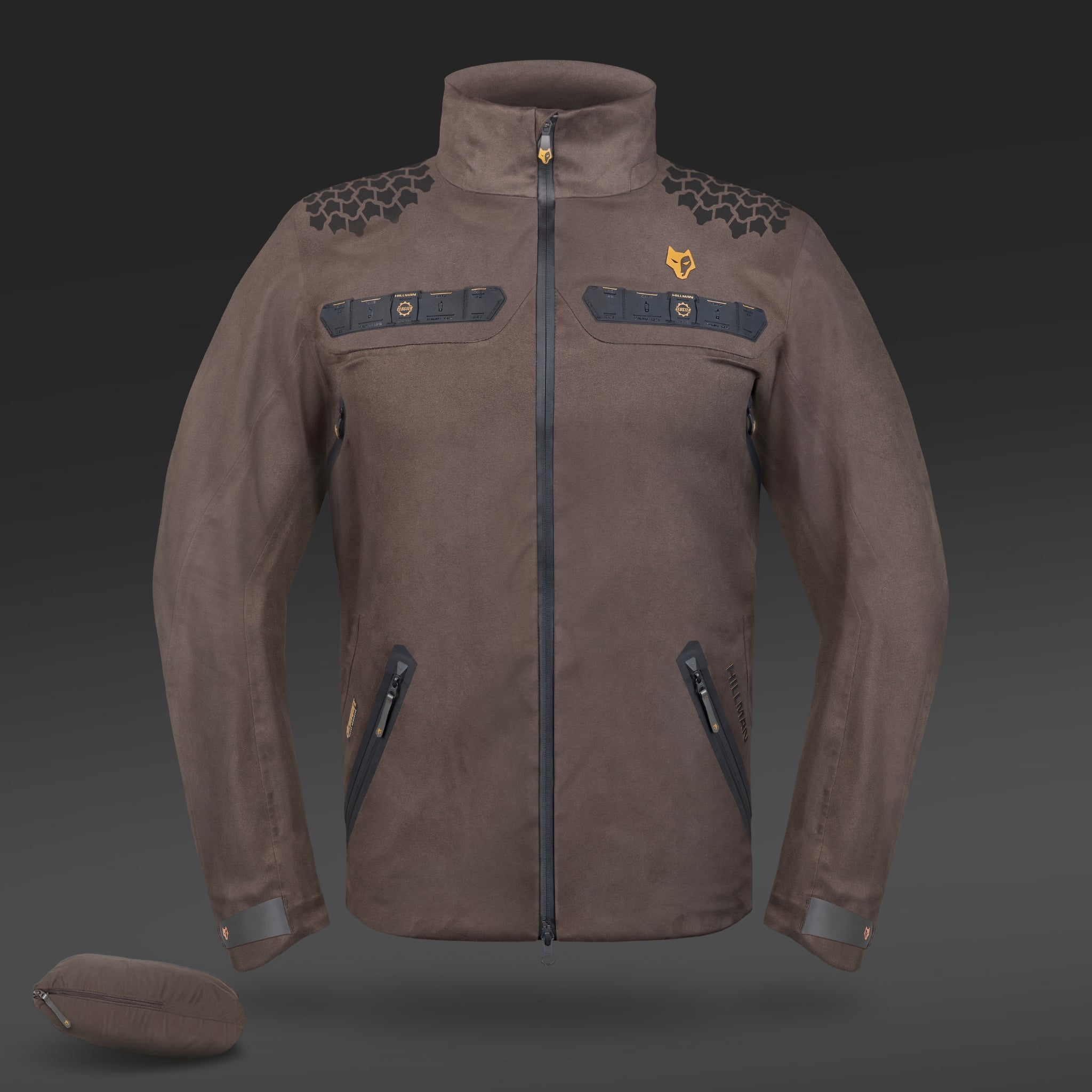
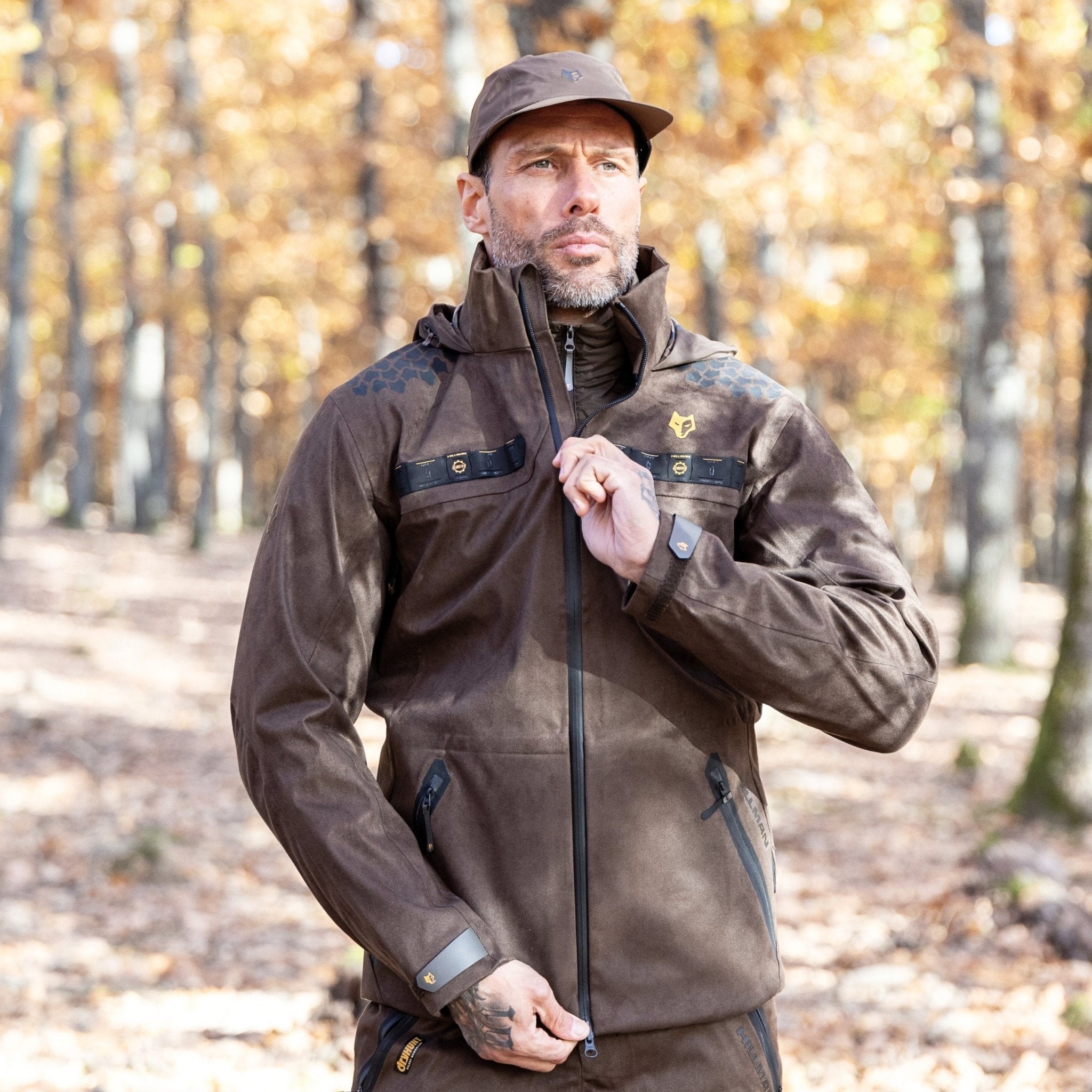
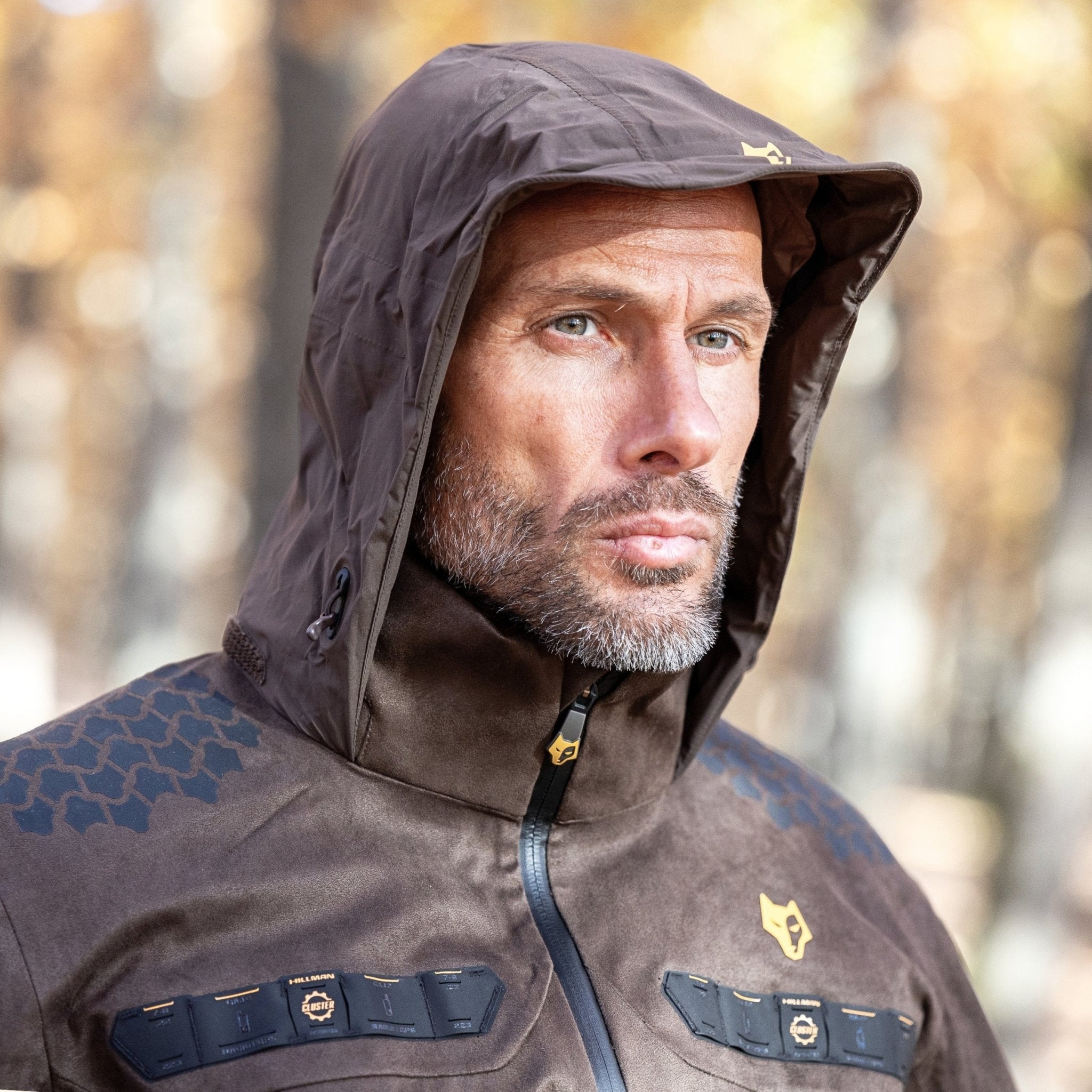
That is where a disciplined setup pays. Clean access. Less time on the ground. Less touching of brush. Better stand choice. Good use of terrain. The right outer layers. Hillman is the only name I will mention here, because the kit matters less than the decisions you make inside the wind.
Hunting deer in the wind: when to go comes down to readable patterns

Deer hunting in the wind rewards hunters who trust patterns more than guesses. Deer movement usually improves from calm conditions into moderate winds, particularly for bucks. Very high winds can still be huntable, but deer often shift into thicker, more sheltered ground. Wind direction and thermal currents shape how deer bed, feed, and travel. Barometric pressure, a cold front, and recent rain can sharpen the opportunity.
So when should you go?
Go when the wind is steady enough to understand. Go when deer can use sheltered routes. Go when your scent has a safe line. Go when the weather adds confidence instead of confusion.
When should you wait?
Wait when the woods turn chaotic. Wait when your scent flow cannot be trusted. Wait when the only available stand is wrong for the moment.
The wind does not stop deer from moving nearly as often as it forces them to move differently. Hunters who learn where deer shift are usually the ones who stop fearing windy days and start using them.


Share:
Maintain Hunting Rain Gear, Boots, Base Layers After the Season
How to Hunt Deer From the Ground Without Getting Picked Off