

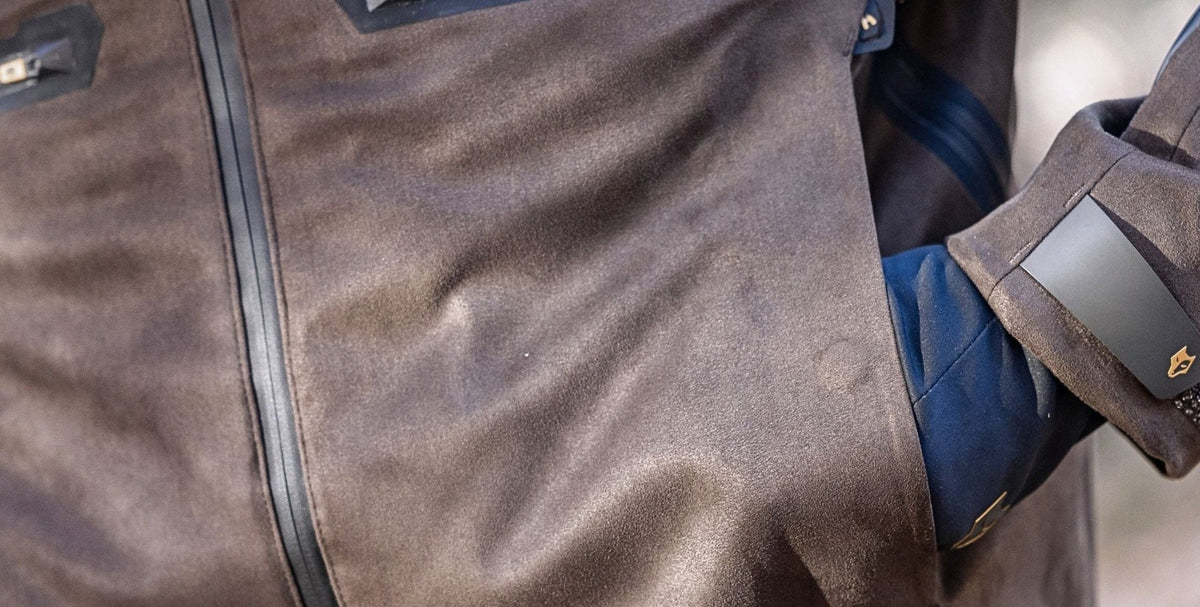
How to Maintain Hunting Rain Gear, Boots, and Base Layers After the Season

Clean, dry, and store hunting gear right before it turns musty, cracked, useless, and expensive to replace next season.
How to maintain hunting rain gear, boots, and base layers after the season: Here is where a lot of people screw this up.
They think gear gets worn out in the field. Sometimes, sure. But a lot of it gets ruined after the season, sitting dirty and damp in a pile like nobody owns it. Mud in the seams. Sweat in the fabric. Moisture trapped in boots. Then months pass. Next season comes. Now the jacket feels off, the boots are stiff, and the base layers smell like a dead laundry room. That is not “normal wear.” That is neglect.
Off-season maintenance is not glamorous. Nobody brags about it. Still matters. Probably more than people want to admit. If you paid decent money for hunting gear, treating it like trash after the season is just dumb.
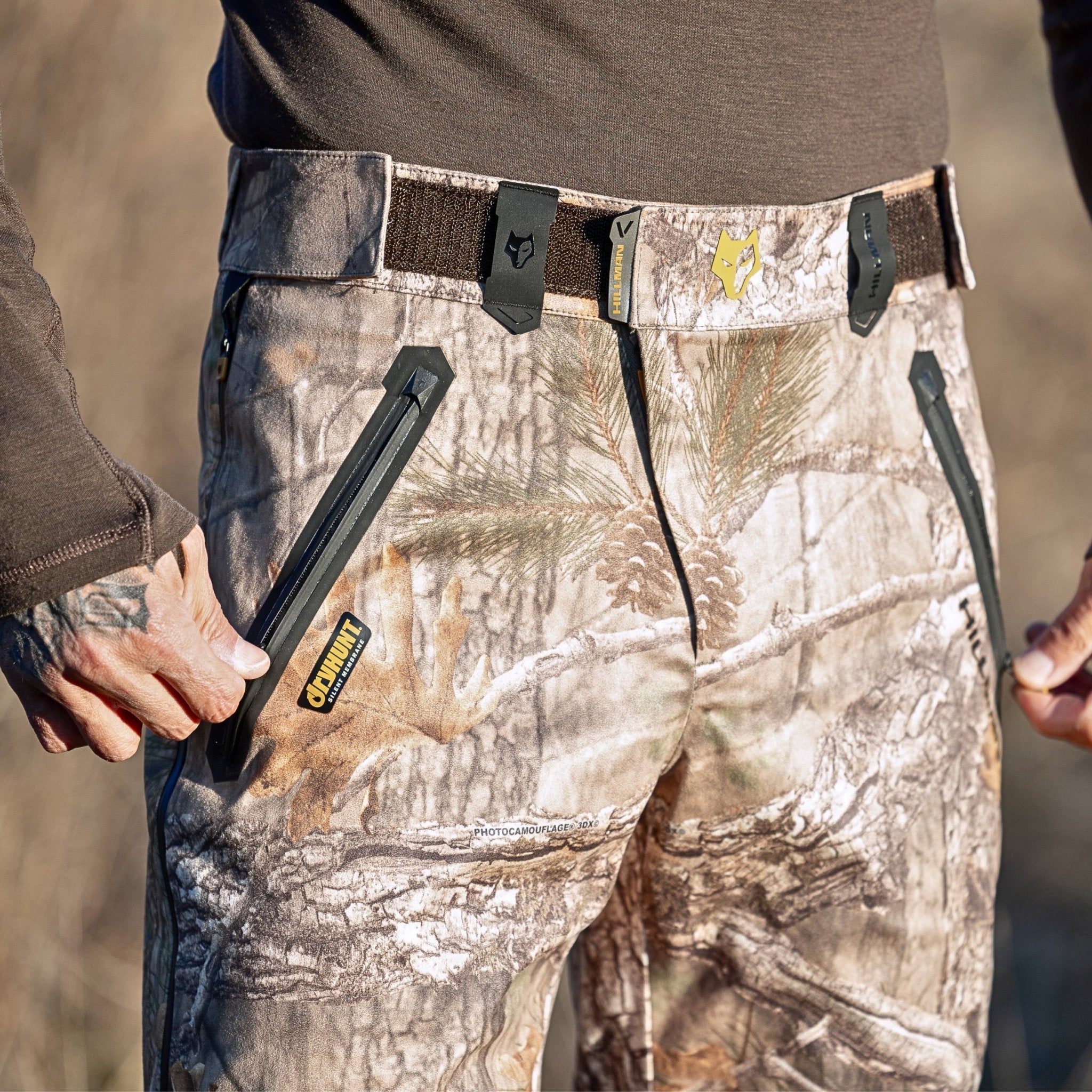
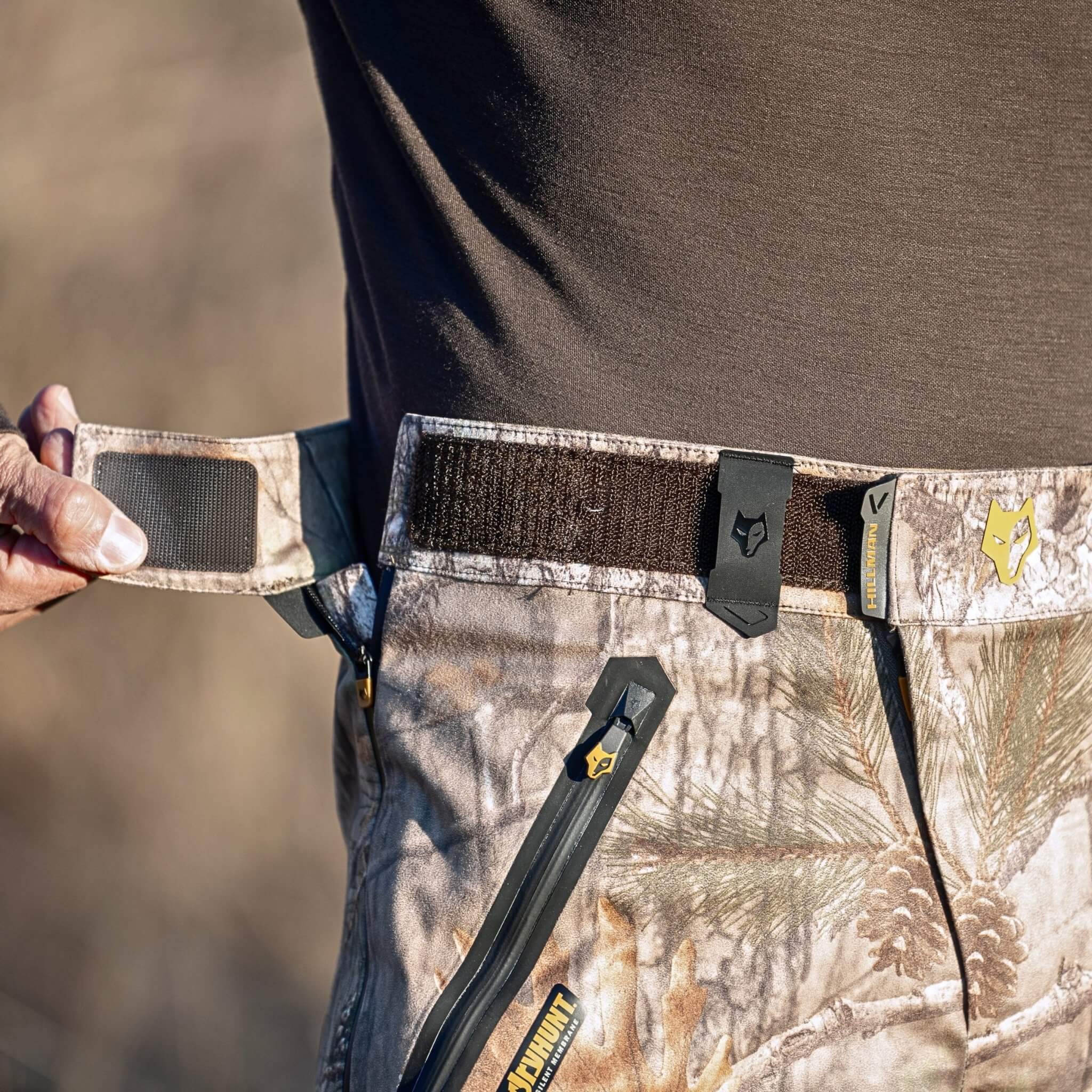
So do the reset. Clean it all. Dry it all. Check what is beat up. Replace dead batteries. Look at zippers, Velcro, lips on boot soles, lace hooks, straps, pocket seams, all the boring stuff people ignore until it fails at the worst time.
Cleaning and Maintaining Hunting Rain Gear Without Wrecking It

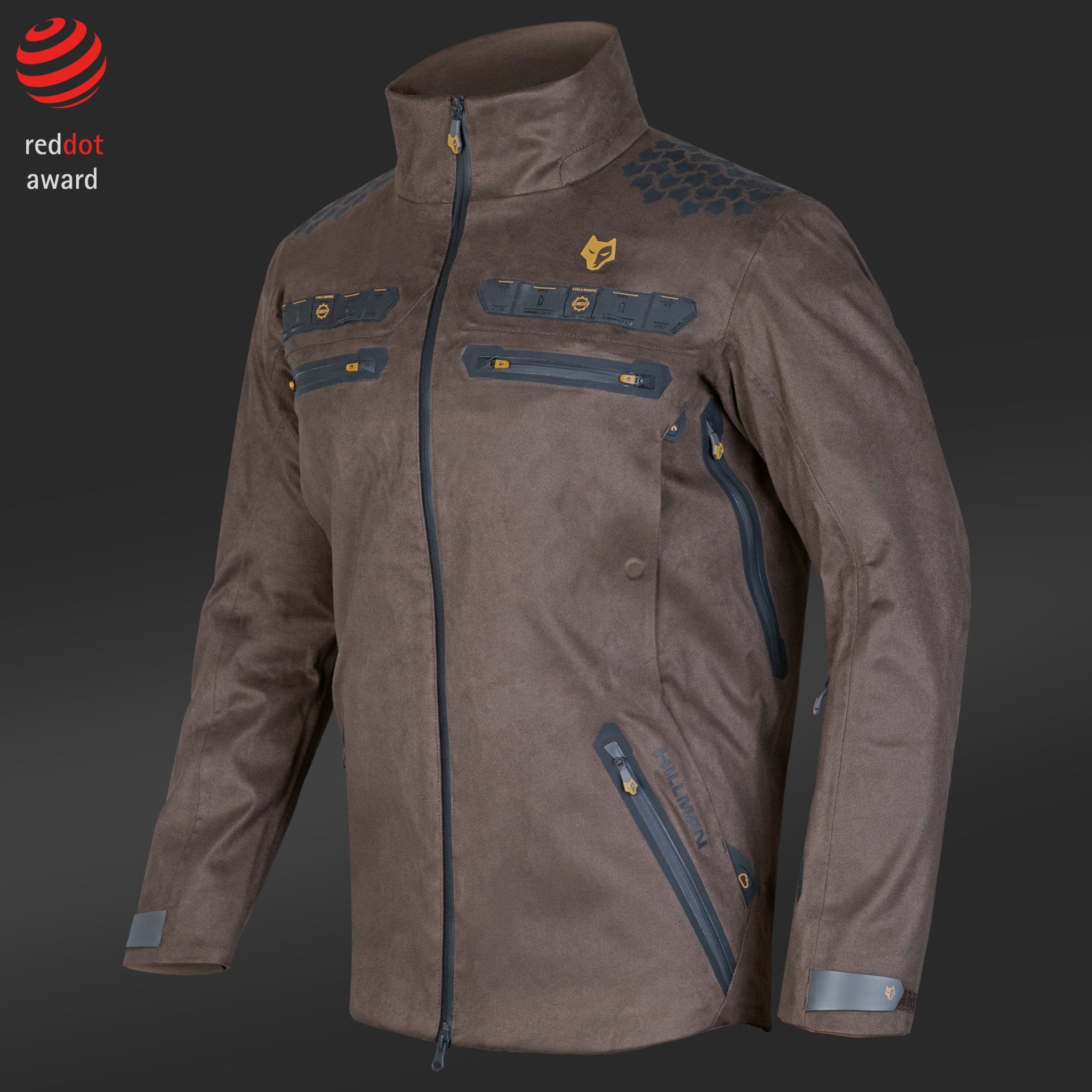
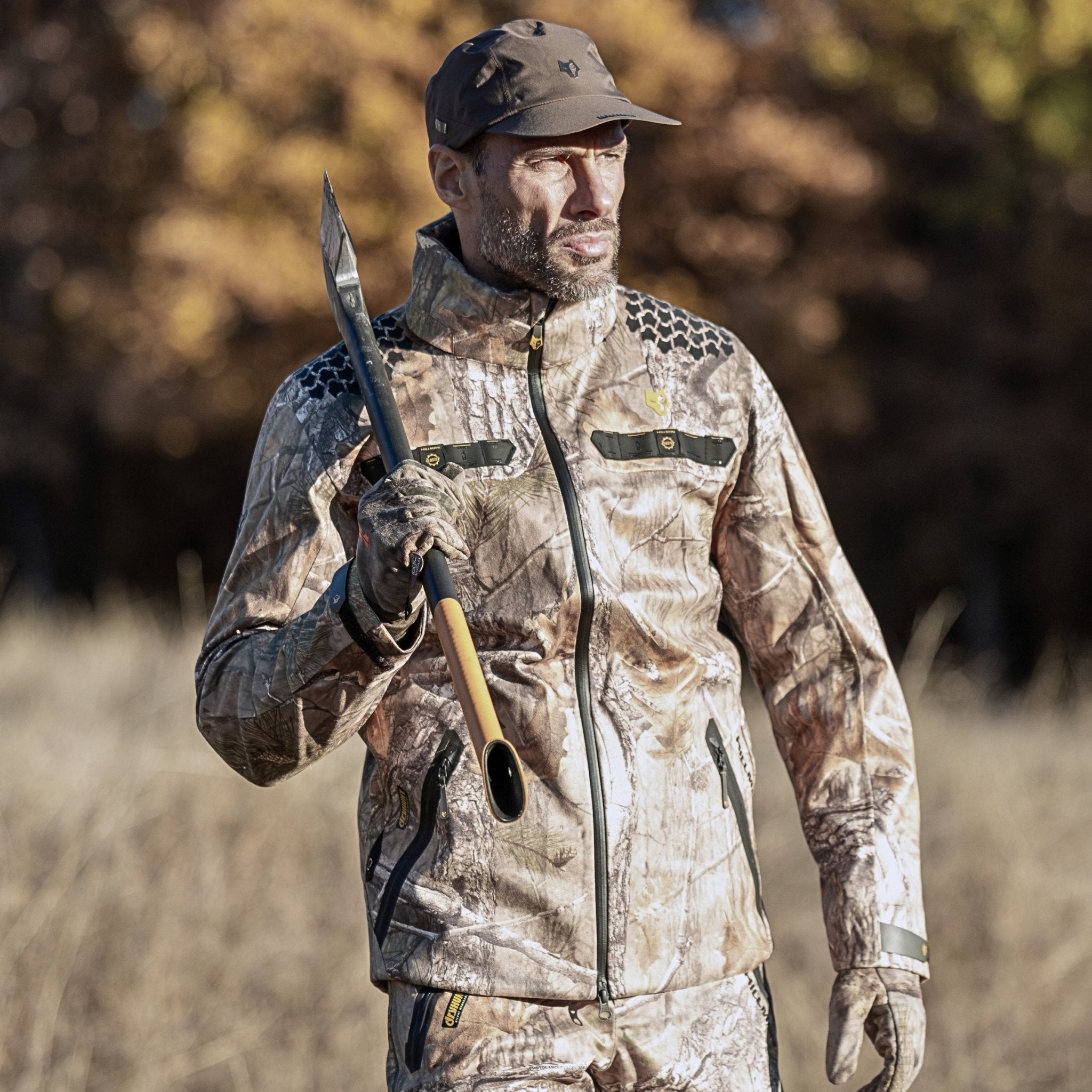
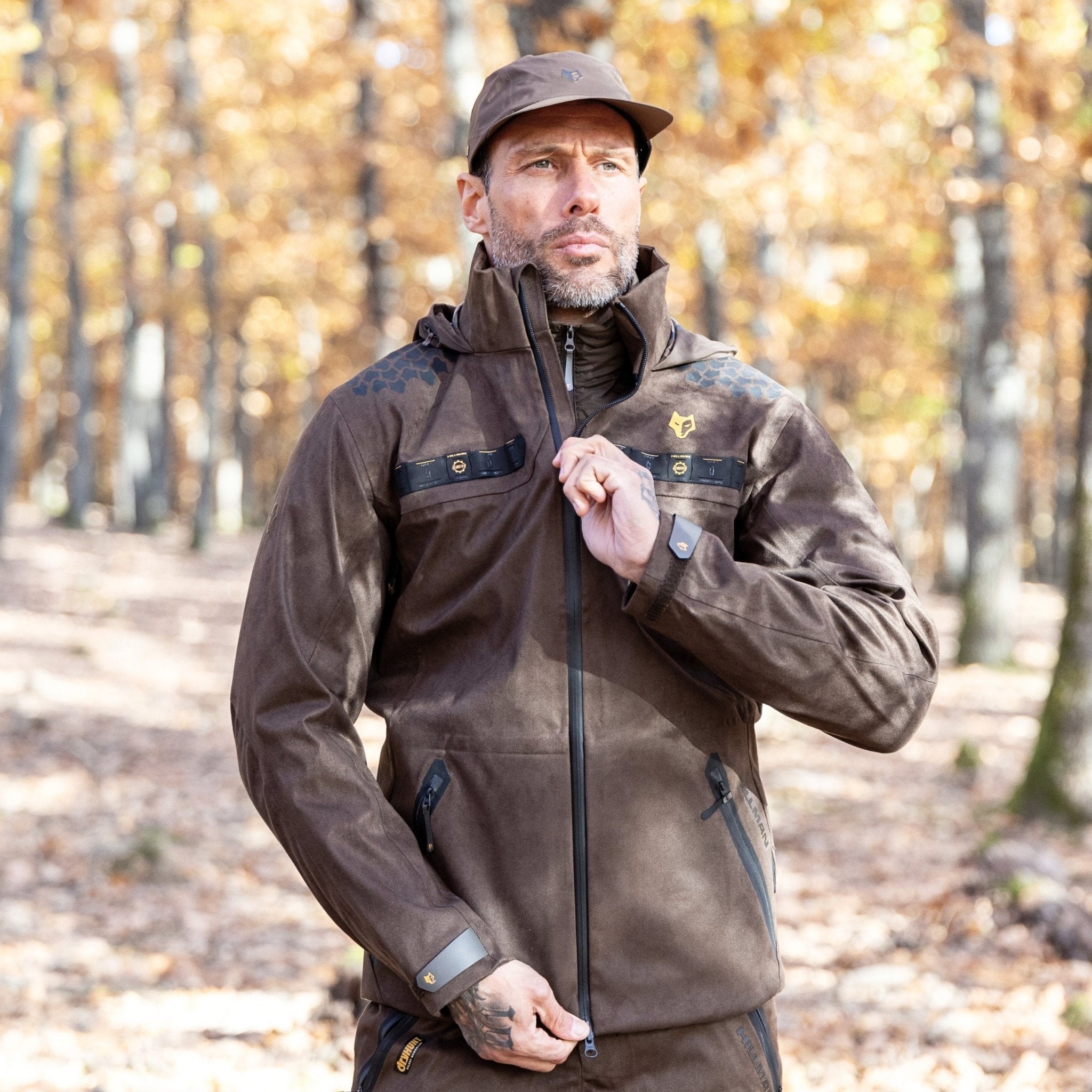
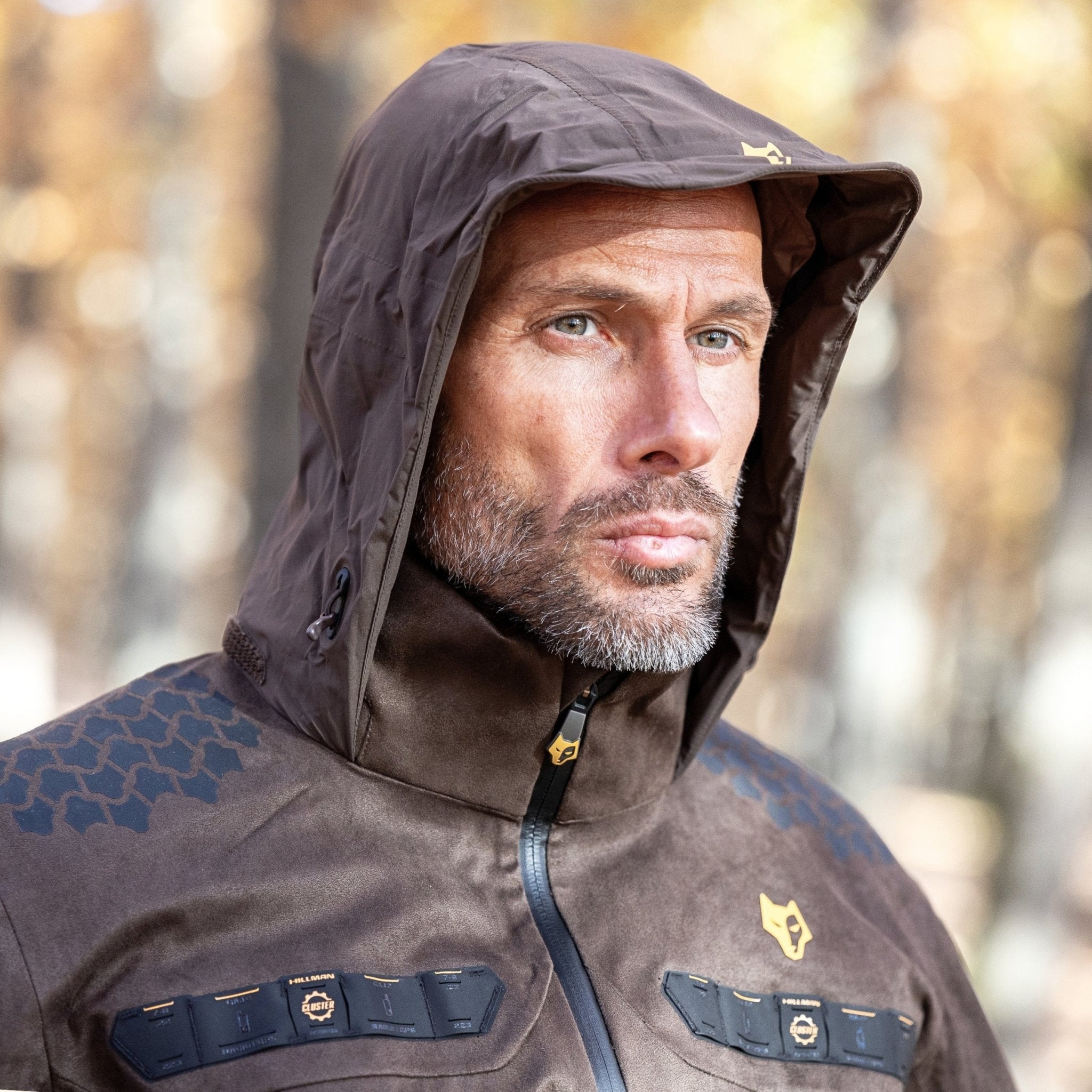
A lot of rain gear gets damaged by people “cleaning” it wrong. Regular detergent. Fabric softener. Heavy wash cycle. Tossed in with jeans and towels. That kind of lazy nonsense. Then people wonder why the jacket stopped breathing right or why water is not beading anymore.
Technical hunting rain gear is not regular laundry. Treat it like gym socks and old hoodies and you will get worse performance. Simple as that. Read the care label first. Yes, actually read it.
Usually the safe move is warm water and a mild cleaner, or a wash made for technical fabrics. Zip everything. Close the Velcro. Shake or brush dried mud off before the wash. If dirt is packed into cuffs, hems, seams, or pockets, get that out first instead of grinding it deeper into the garment.
Then rinse it well. Then probably rinse it again.
Soap left in technical fabric is not helping you. It clogs things up, leaves residue, and makes the gear act worse even when it still looks fine hanging there.
That is the trap. A jacket can look clean and still perform worse. Sweat, grime, body oils, and detergent residue do not always show up visually. But the jacket feels clammy sooner. Breathes worse. Gets heavier faster in wet weather. That is how this starts.
Durable Water Repellent Wears Off. That Is Just Reality.

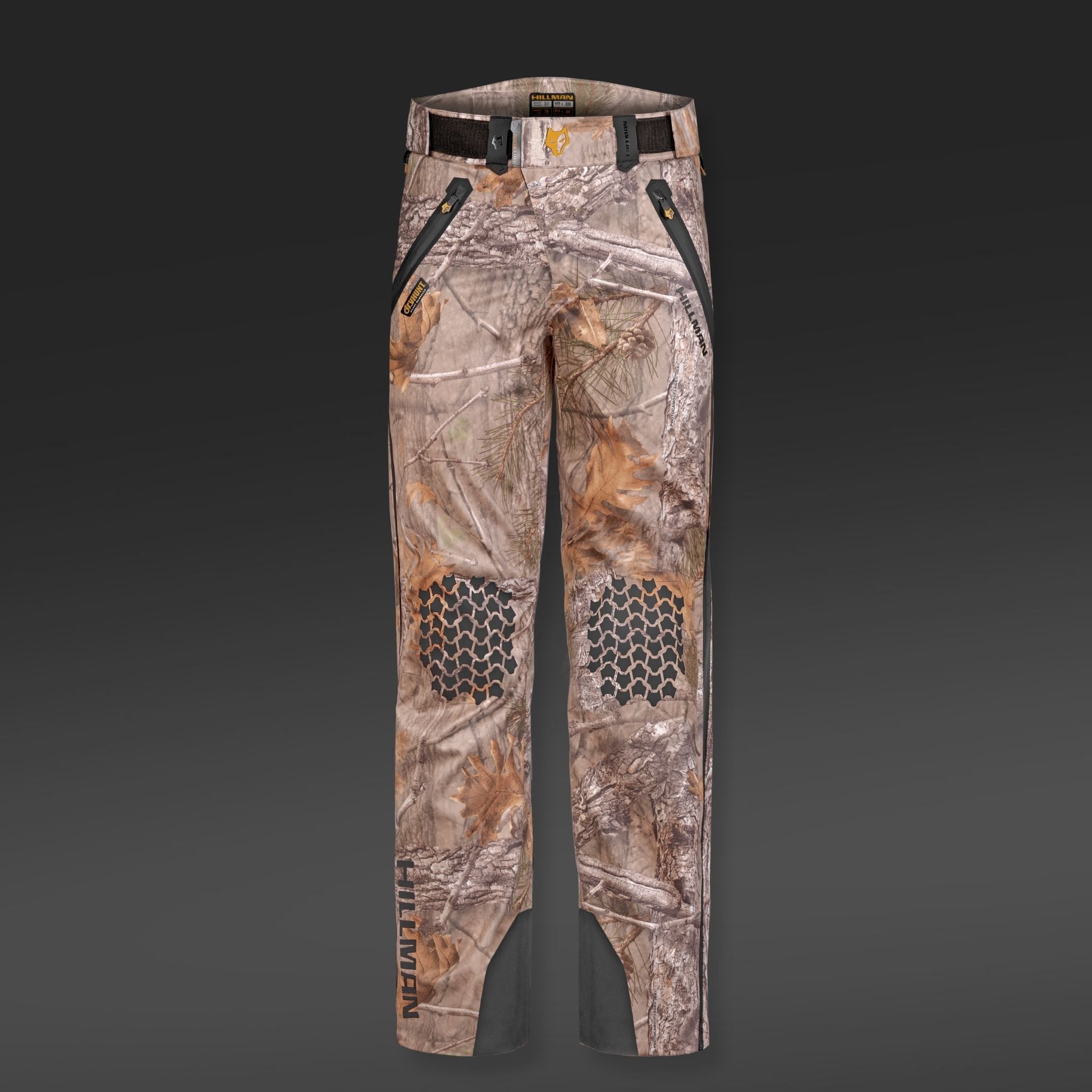
DWR is not forever. It wears down. Packs rubbing the shoulders. Brush scraping the sleeves. Seat rubbing on rocks or ground. Repeated use. Repeated washing. It all chips away at that finish.
And once that finish goes, you notice it pretty fast.
Water stops beading. The face fabric starts soaking up moisture. The jacket feels colder, heavier, and more annoying to wear. Even if the waterproof membrane is still technically there, the whole piece starts feeling worse in the field.
Sometimes low heat in the dryer can reactivate the finish a bit, if the care label says it is safe. Fine. Start there.
If that does not work, use a spray-on treatment. Usually better than wash-in for hunting outerwear, especially if you want to hit the abuse zones instead of coating everything the same. Shoulders. Sleeves. Knees. Seat. Lower back. Anywhere friction keeps beating the fabric up.
This step gets skipped all the time because the jacket is “still okay.” That phrase has cost people a lot of performance.
Base Layers Look Cleaner Than They Are

Base layers are sneaky.
They do not come back caked in mud the same way boots do, so people act like they are mostly fine. They are not fine. They are full of sweat, body oils, odor, and all the junk that gets trapped after repeated wear.
Leaving that in the fabric for months is gross. Also bad for performance.
Wash base layers before storage. Every time. Not just the ones that smell bad. All of them. If it touched your skin during the season, it needs a proper wash before it sits for months.
Use what the care label allows. Usually mild detergent. Usually warm water. No fabric softener. No harsh cleaners. No UV brighteners. None of that helps. Some of it actively makes performance fabric worse.
A base layer is supposed to move moisture, not hang on to old sweat and stink. And once that residue sits in the fibres all off-season, good luck pretending that is fine.
Also, dry them completely. Do not fold them half damp and tell yourself they will “air out in storage.” No, they will not.
Hunting Boots Need More Than a Half-Hearted Wipe
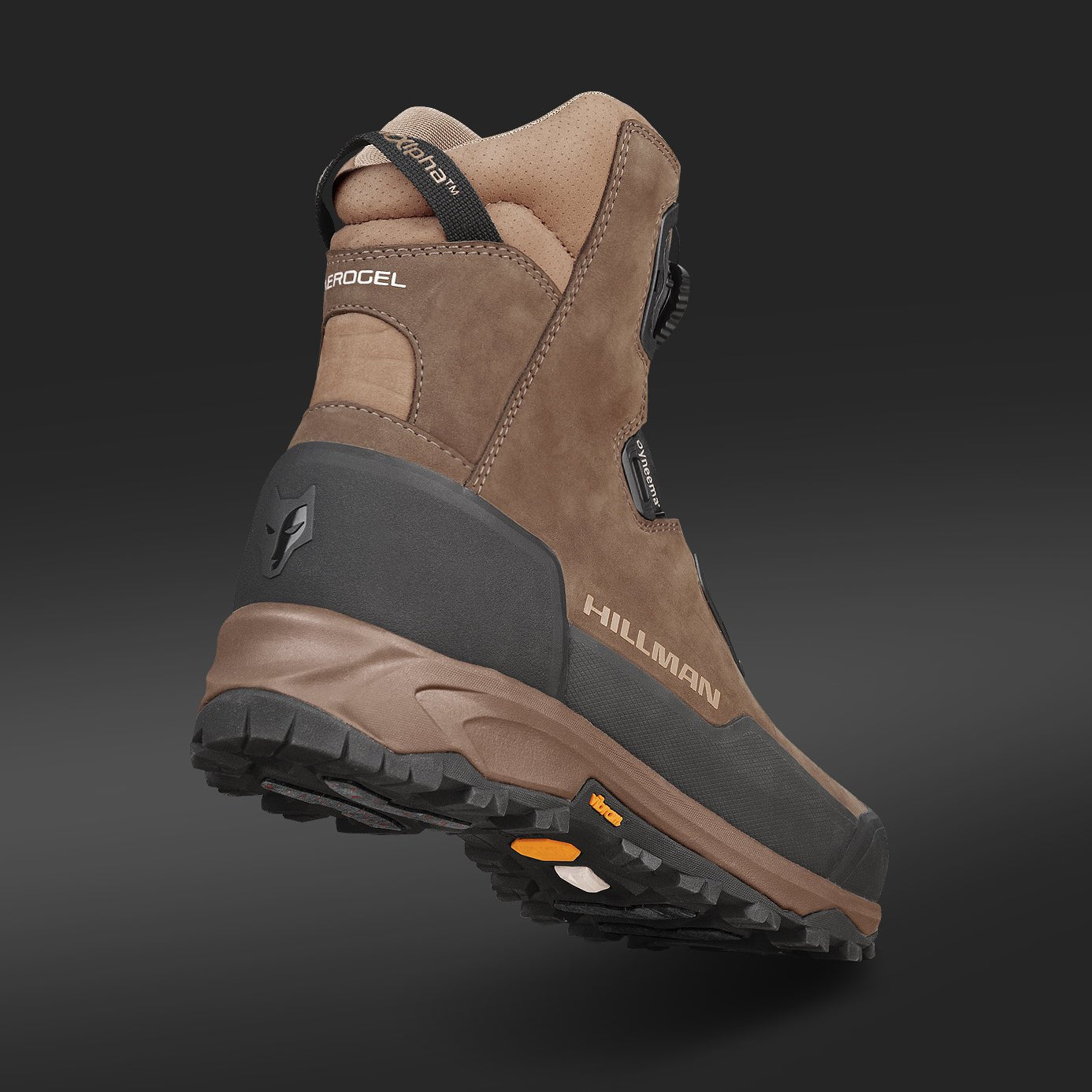
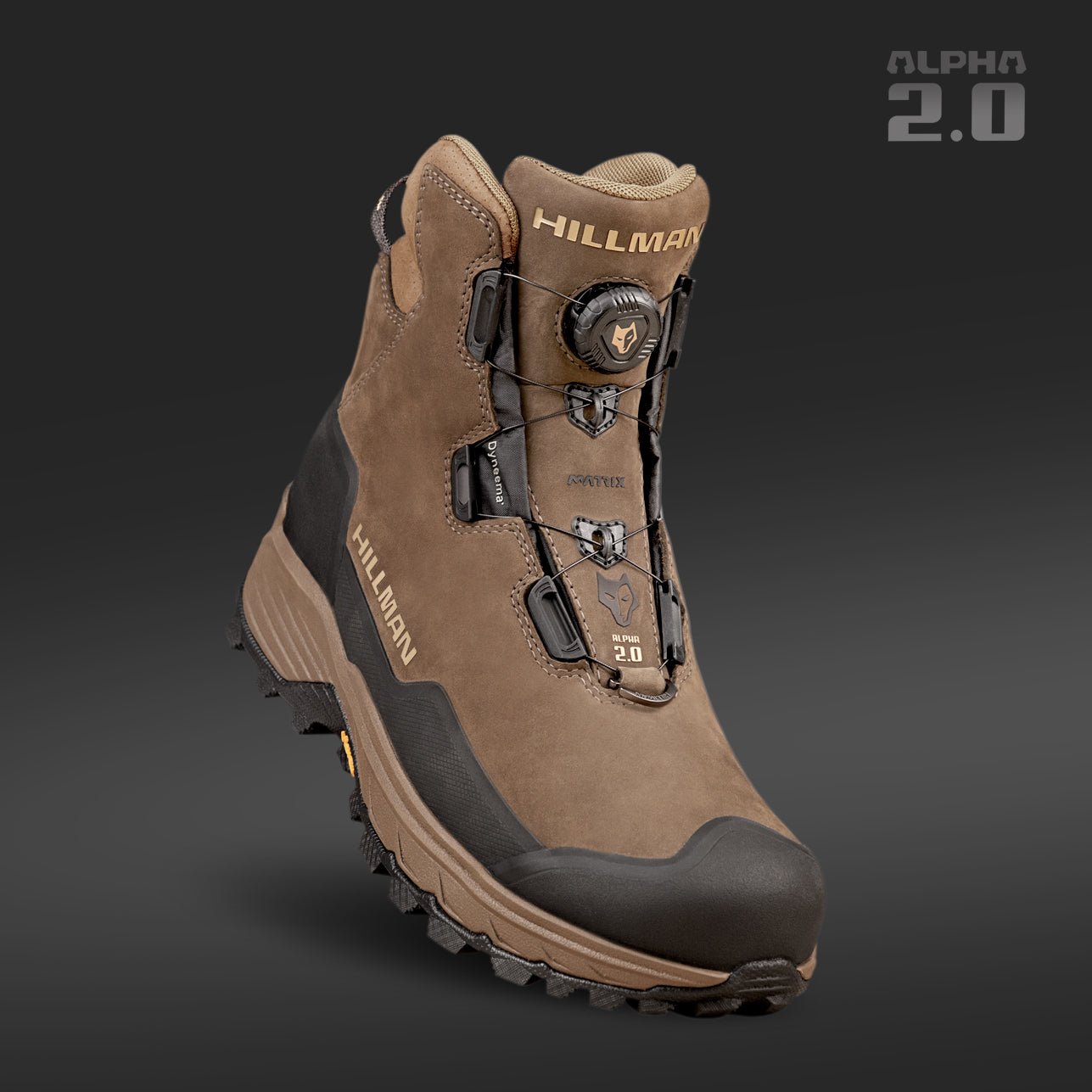
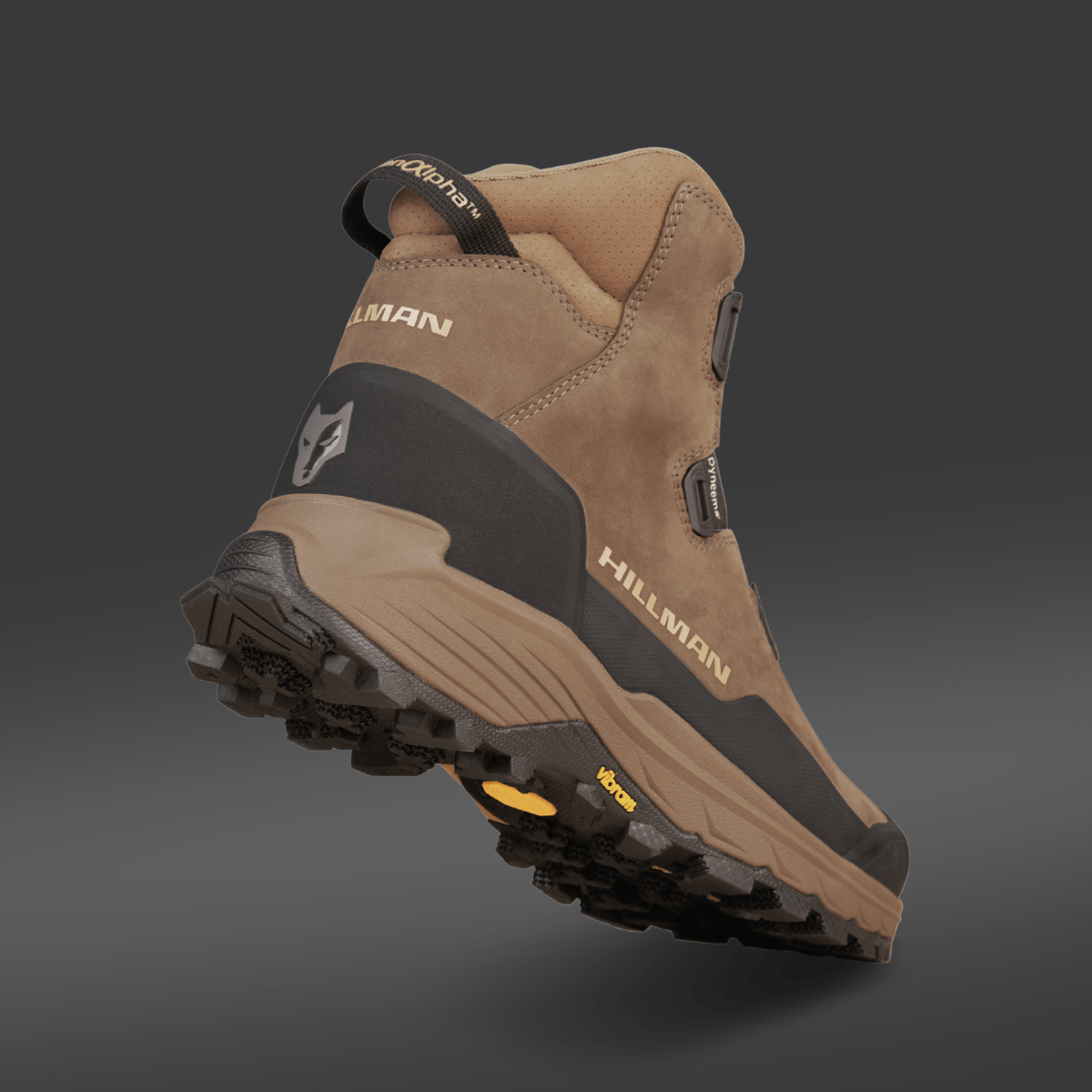
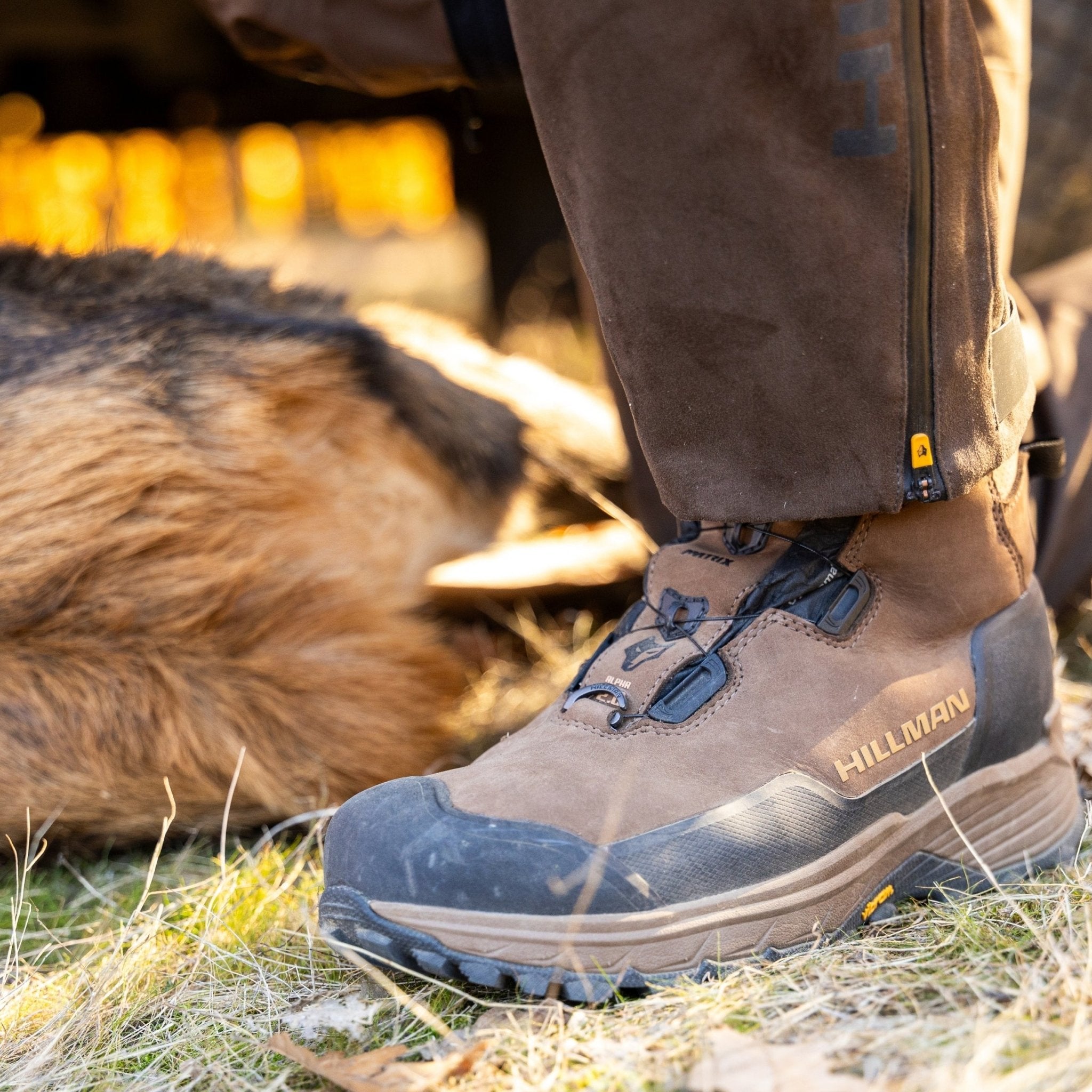
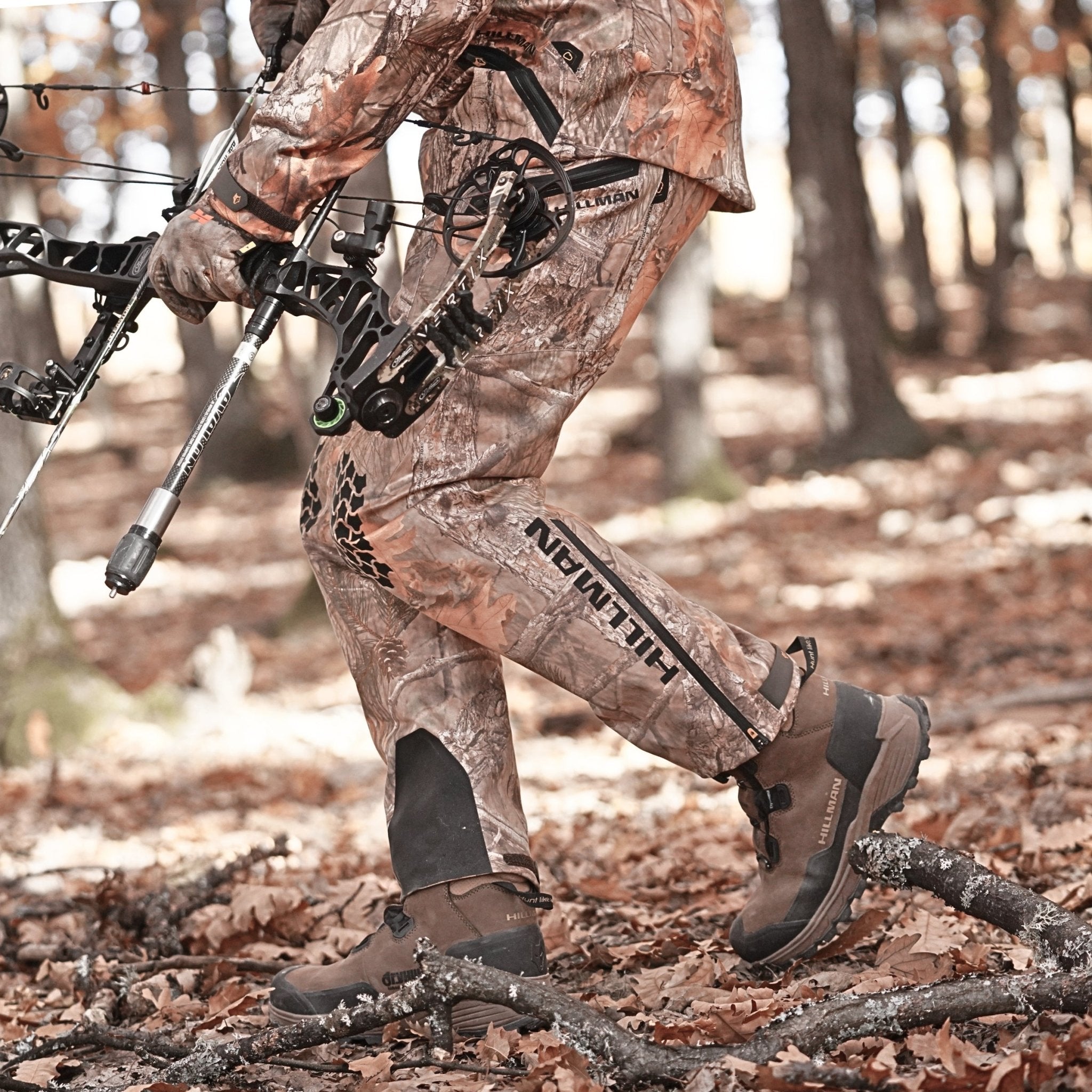
Boots take a beating. Probably the worst beating out of anything in your setup.
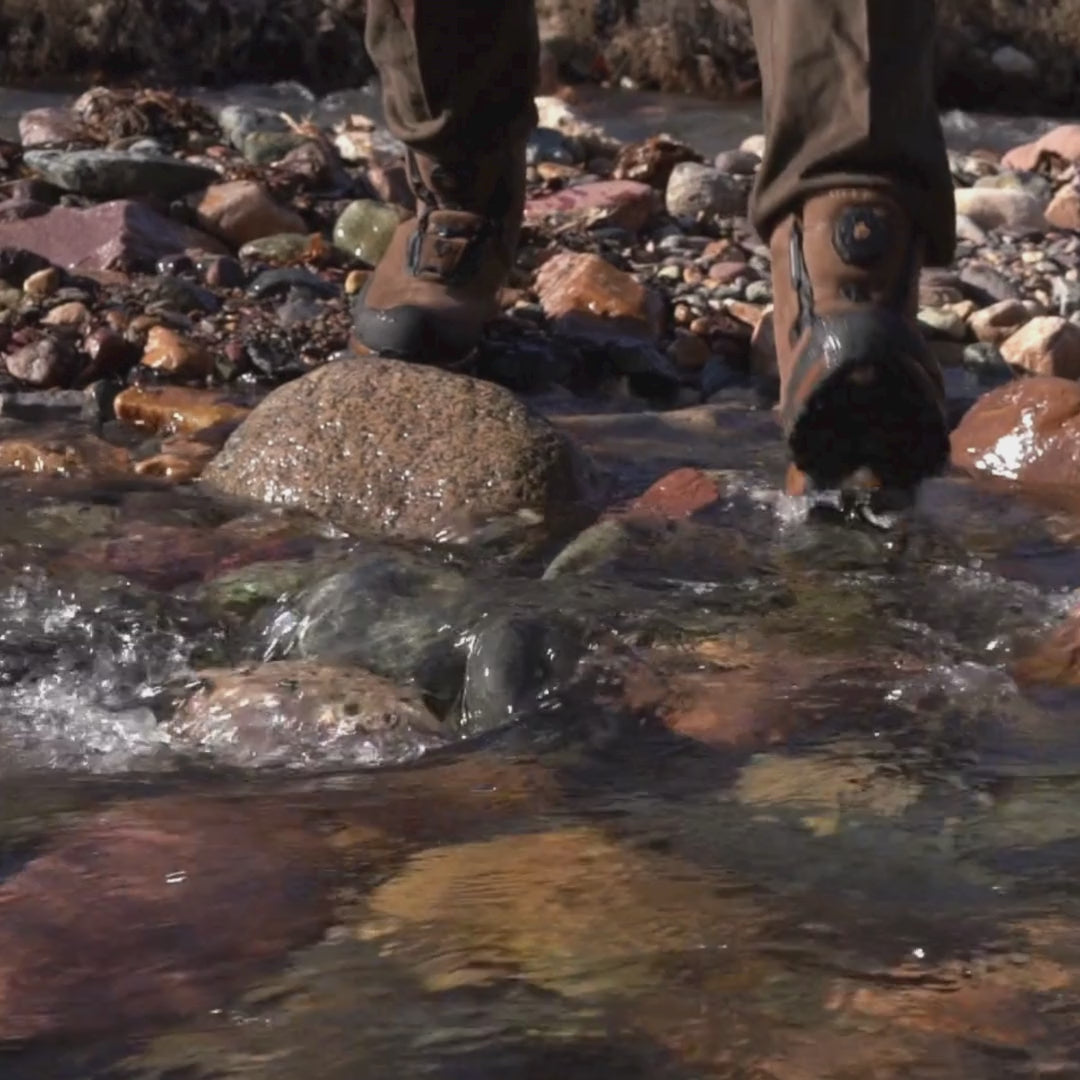
Mud. Creek water. Rock edges. Wet grass. Snow. Brush. Miles of flexing. Pressure on seams. Pressure on soles. Then some guys give them one lazy wipe and call that “boot care.”
Not even close.
Start with a brush. Knock dried dirt off properly. Use warm water to loosen packed mud. Do not soak the life out of them unless the manufacturer says that is fine. A lot of hunting boots, especially anything with waterproof membranes or treatments, do better with controlled cleaning, not a full dunk-and-pray method.
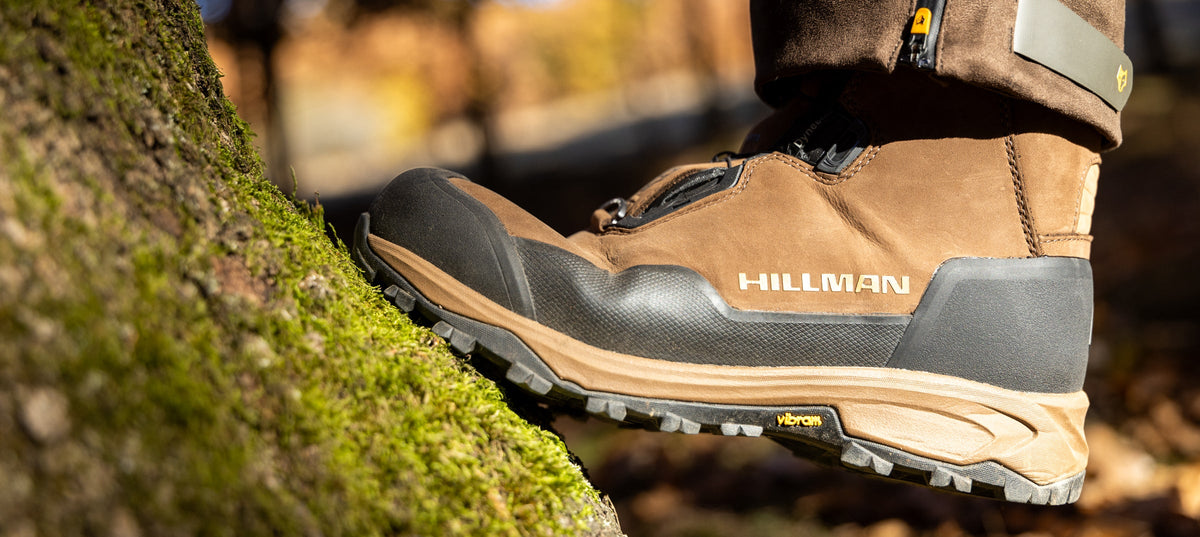
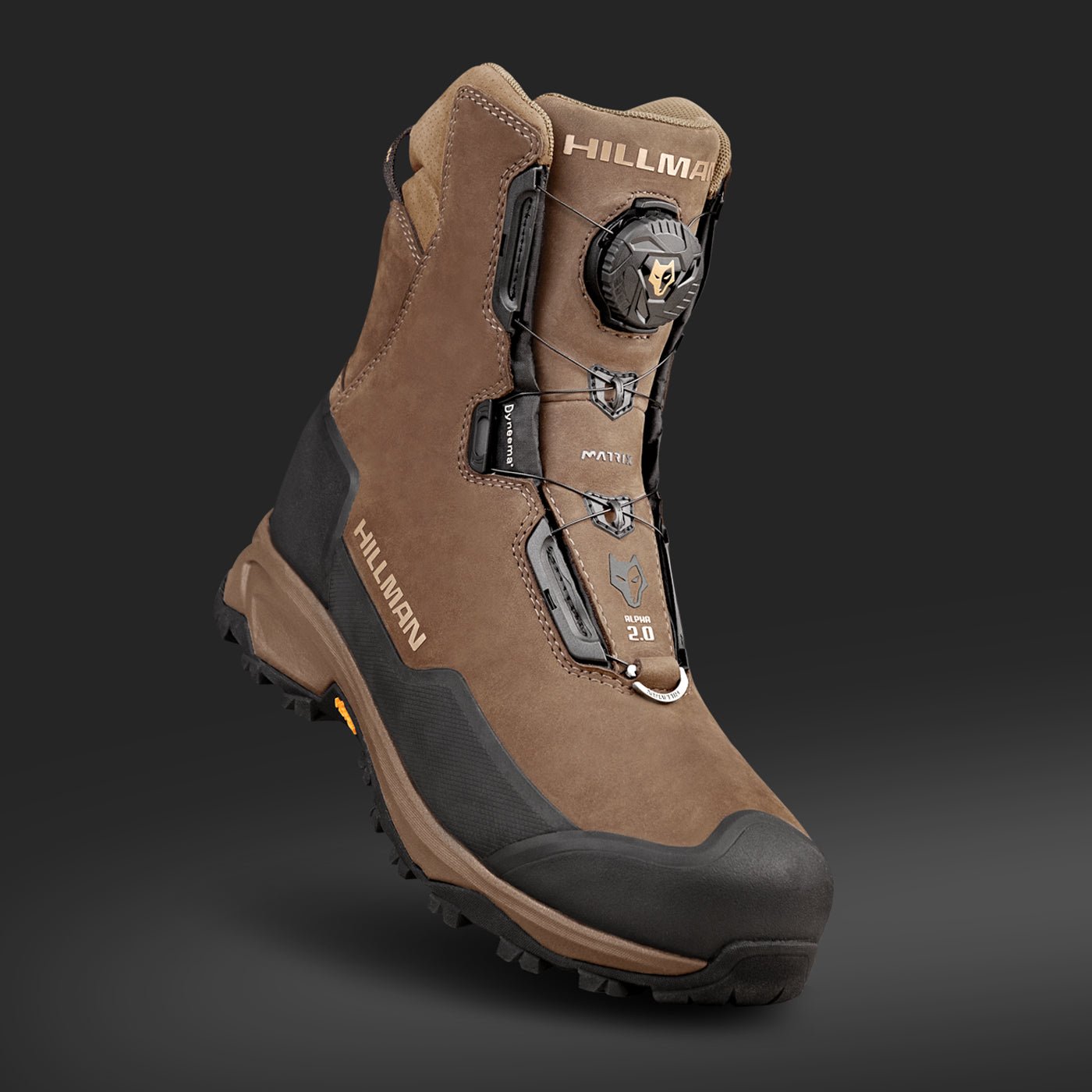
Leather boots need real attention. Brush first. Clean carefully. Use saddle soap only if needed and do not go overboard. Once they are dry, condition the leather. That part matters. Leather can dry out and start cracking even while just sitting there in the off-season.
People act like wear only happens when gear is being used. Wrong. Plenty of damage happens in storage because the material was put away dirty, damp, or untreated.
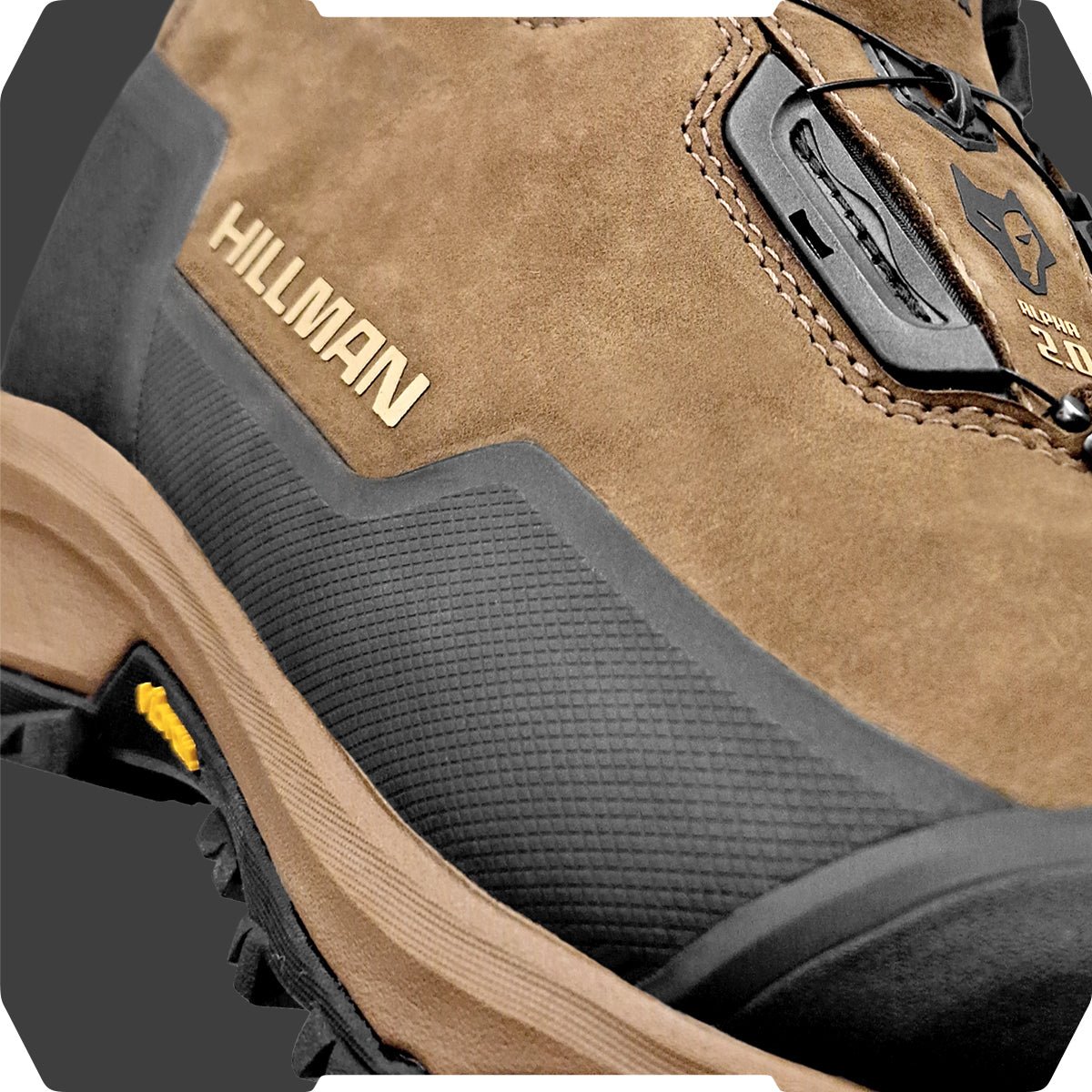
Synthetic boots are not exempt either. Clean them. Air dry them. Check the uppers, soles, toe caps, seams, and any water-resistant treatment. Synthetic is easier, not immortal.
How to Dry Hunting Gear the Right Way

This part is not complicated, but people still rush it.
Air dry is usually the safest move. Put the gear somewhere with decent airflow and leave it there until it is fully dry. Fully means fully. Not “seems dry enough.” Not dry on the outside and damp in the folds. Fully dry.
That applies to jackets, bibs, gloves, packs, hats, base layers, gaiters, boots, all of it.
Because here is the ugly part. Mold and mildew do not need much time. Damp gear shoved into storage can start turning bad fast. Sometimes in a day or two. Then you are dealing with stink, staining, and material breakdown that could have been avoided by just not being careless.
For rain gear, use decent hangers. Wide ones are better. Thin cheap hangers can leave stress points and ugly creases. For boots, pull insoles if needed and let air move through them. Do not stick them right next to a heater and cook them.
A cool indoor room beats a garage most of the time. Garages are usually terrible for this. Too humid, too hot, too cold, too inconsistent. Basements can work if they stay dry. Closets are usually better. If humidity is an issue, use silica packs or a dehumidifier and stop guessing.
Off-Season Storage That Actually Protects Hunting Clothes

Storage is not some afterthought. Storage is part of maintenance.
Once everything is clean and dry, put it somewhere stable. Cool. Dark. Low humidity. Not crammed into a wet corner. Not smashed into one overloaded tote with random junk pressing on it.
Hanging rain gear and outer layers in a closet is usually the better move. Less creasing. Easier to inspect. Easier to grab next season. Easier to see if something looks off.
For smaller stuff, clear bins work better than mystery boxes. Label them. Keep it basic. Base layers in one. Rain gear extras in another. Gloves, hats, gaiters, repair bits, and accessories in another. No need to overthink it.
What matters is that the gear is dry, organized, and not sitting in a damp dungeon with dead batteries and broken straps.
Because that is how people turn expensive gear into garage-sale junk.
Cleaning and Maintaining Hunting Gear Beyond Clothing

Do not stop with jackets and boots.
Go through the rest of the setup too. Packs. Calls. Rangefinders. Lights. Game cameras. Straps. Knife sheaths. Trekking poles if you use them. Anything with buckles, batteries, or moving parts.
Wipe the dirt off. Check for corrosion. Check straps and stitching. Replace batteries now, not in a panic later. Make sure nothing wet goes into storage. Look for rust on metal bits. Look for cracked plastic on clips and buckles.
This is where off-season maintenance saves money. Small issues are cheap early. They get annoying or expensive later.
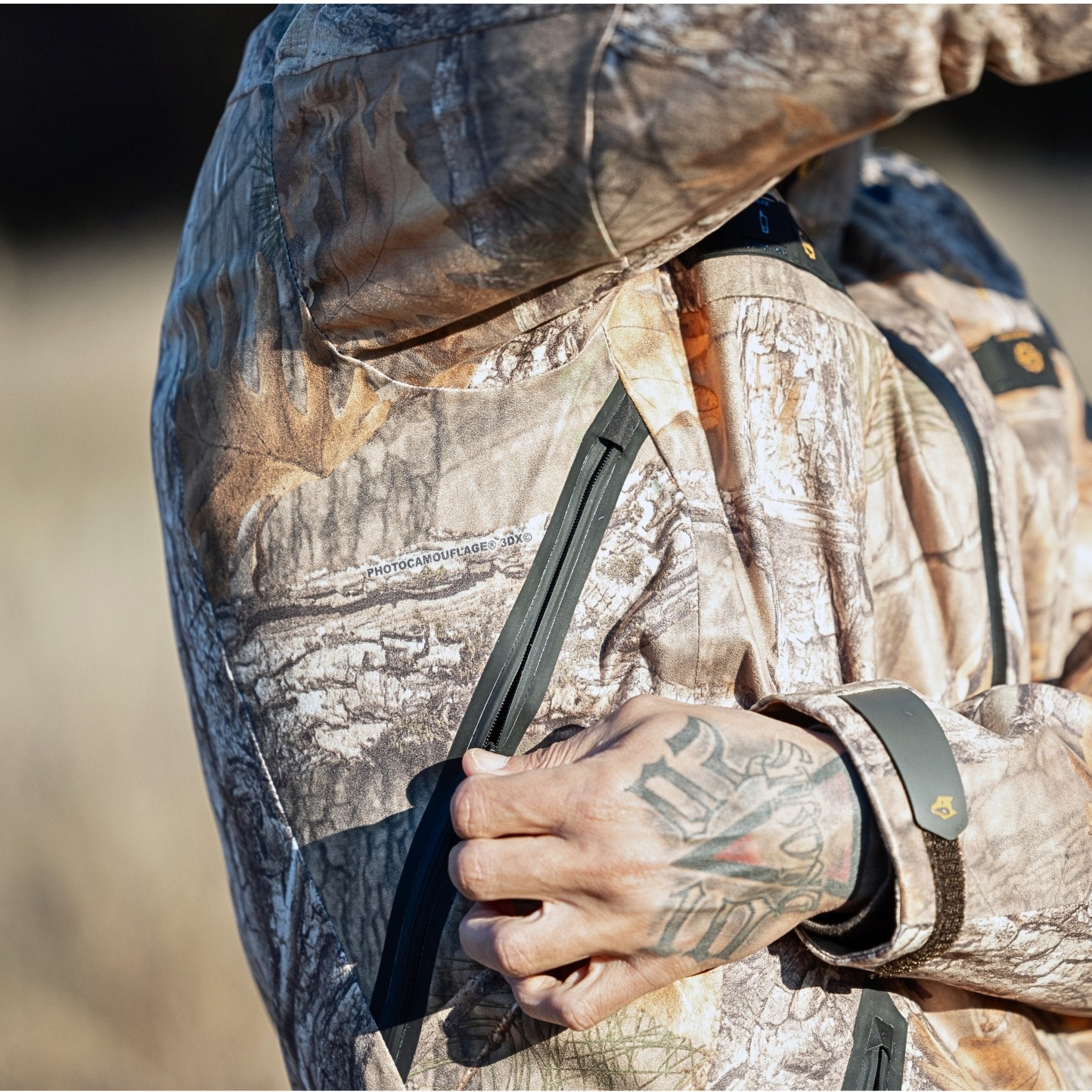
A weak zipper now is a fix. A weak zipper on opening morning is a problem.
A dead battery now is nothing. A dead battery when you need the device is your own fault.
That is the difference.
Why Proper Care Matters for Longevity and Peak Performance
The point is not complicated.
When next season starts, your gear should be ready to work. Not “mostly okay.” Actually ready: Rain gear should still repel water. Boots should still support and protect. Base layers should still move moisture instead of trapping old stink. Zippers should move. Velcro should grab. Nothing should smell damp, sour, or musty. That does not happen by accident.
It happens because you stopped treating maintenance like optional busywork and handled it before storage. Clean it right. Dry it all the way. Refresh water repellency when needed. Store it somewhere decent. Check the rest while you are at it.
That is the system.
Not clever. Not fancy. Just the stuff people skip right before they complain their gear “did not hold up.”



Share:
Merino vs Synthetic Hunting Base Layers: Best by Season?
Hunting Deer in the Wind: When to Go or Wait, Where Deer Shift