

Merino vs Synthetic Hunting Base Layers: Which One Works Better by Season?

Merino vs synthetic hunting base layers by season: what stays comfortable, dries faster, and makes more sense in real hunting conditions.
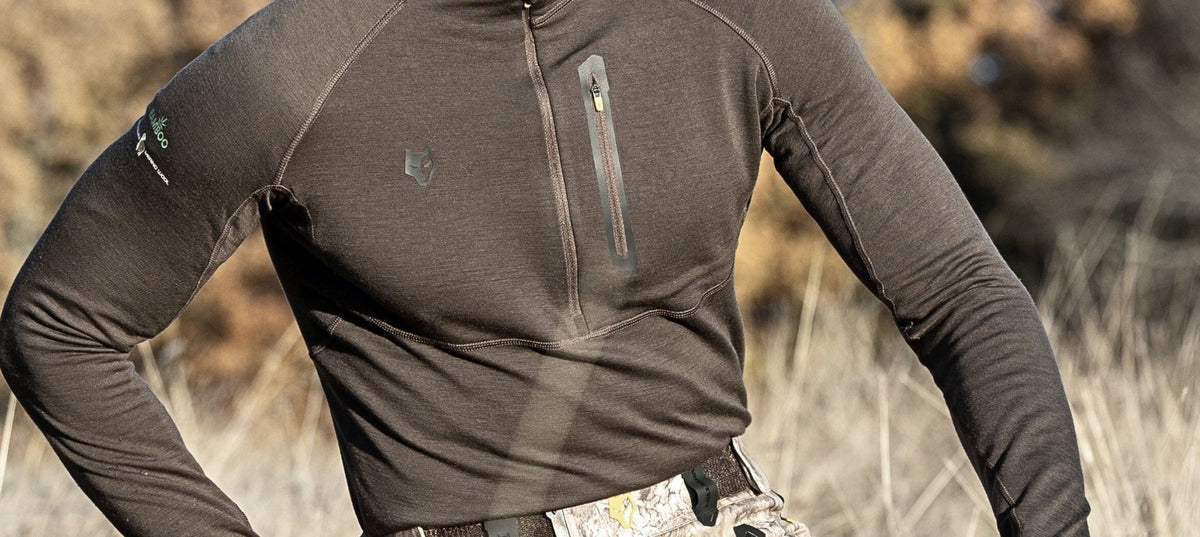
Merino vs synthetic hunting base layers: which one works better by season. People love trying to turn this into a clean winner. It is not. Merino vs synthetic hunting base layers is not some one-answer thing. The right pick depends on season, pace, sweat level, and how long you stay out.
A base layer is not there just to add warmth. It sits next to skin and deals with the mess first. Sweat. Heat swings. Damp air. Friction. Then it has to work under outer layers without bunching up or turning clammy halfway through the hunt.
That is why merino wool and synthetic materials both still matter. They solve the same problem in different ways. One handles odor resistance and long wear better. The other usually wins on quick drying and durability. That is the real split.
What a base layer is supposed to do

A base layer has one job first: manage moisture before it starts screwing up everything else. If it cannot wick sweat, it is already failing. If it traps too much moisture against the skin, it gets cold fast once you stop moving. If it fits badly, it does not matter how fancy the base layer material is. It will ride wrong, hold sweat in dumb places, and feel worse under other layers.
That applies whether you wear a base layer top, base layer bottoms, long johns, a quarter zip, a half zip, or a simple crew. Same rules. It has to sit close enough to skin to move moisture, breathe well enough to keep body temperature from swinging all over, and stay comfortable when the hunt gets longer than planned.
Weight matters too. A light layer around the lower end of the square meter range works better in warm weather or active hunting. A warmer, heavier piece makes more sense in cold weather, long sits, and low-output days when you need to trap warmth instead of dump heat.
And yes, small stuff matters. Flatlock seams help. Better fit helps. A clean layering setup helps. None of that is glamorous, but it matters when the layer is on your body all day.
Why merino wool keeps getting picked
There is a reason hunters keep coming back to merino wool. It is not hype. Good merino wool base layers are usually comfortable, super soft, naturally odor resistant, and more forgiving when conditions get sloppy.
Merino is strong because it does a lot of things well at once. It handles moisture without feeling nasty as fast. It regulates temperature better than many people expect. It stays warm even when a bit damp. That last part matters a lot more than people admit.
Say you hike in hard on a cold morning, build some sweat, then park yourself in a deer stand or tree stand for hours. That is where merino wool starts earning its keep. It does not punish you as badly once movement stops. A wool base can feel steadier and less harsh when your pace drops off.
Merino wool base layers also make more sense for multi-day use. Backpacking trips, camp hunts, travel hunts, no easy washing, same stuff worn again tomorrow. That is where odor control becomes a real issue, not just a bullet point on a product page. Merino stays usable longer. Not magic. Just better.
In cold conditions, heavier merino is usually the safer call. It works well for late season, long sits, static hunts, and days when keeping warmth matters more than dumping heat fast. That is why a lot of hunters still reach for merino base layers when the weather turns mean.
Where synthetic base layers flat-out work better

Synthetic base layers are built for movement. That is their lane. When you are covering ground, climbing, crawling, busting through thick brush, or dealing with repeated bursts of effort, synthetic layers usually make more sense. They wick moisture fast, dry quickly, and recover better after hard sweating. For active hunting, that is a huge deal.
This is where synthetic beats merino cleanly. In warm weather, hot weather, and high-output hunts, synthetic base layers often feel better because they do not hang onto moisture the same way. They dry quickly, stay lighter under effort, and usually take abrasion better too.
That matters in rough country. Synthetic materials are generally more durable than merino wool, especially when you are hard on gear. If your hunting apparel gets dragged through cover, worn under a pack, or used heavily all season, synthetic layers often last longer.
The budget side matters too. Synthetic base layers usually come at lower prices. That is not a small thing when you need a few sets, not just one.
A lot of modern synthetics also use anti-odor treatments. Some work okay for a while. Still, it is not the same as natural odor resistance. After repeated wear, especially in damp weather, synthetic can start holding stink fast.
Merino wool in cold weather actually makes sense

Cold weather is where merino usually pulls ahead. Not because it is trendy. Because real hunts are messy. You move. You sweat a little. Then you stop. Then you cool off. Then the layer against your skin decides whether the next few hours feel manageable or annoying.
Merino wool handles that better than most synthetics. It can keep some insulating value even when damp, which matters in cold conditions. That is why a warm base layer in merino works so well for long sits, blind hunts, deer stand setups, and late-season days when you are not burning much heat on your own.
A heavyweight merino layer paired with base layer bottoms under other layers gives you a solid cold-weather system. Not flashy. Just effective. It helps hold warmth without feeling plasticky or weird against the skin for hours. If your hunting is mostly cold morning starts, low movement, and sitting still, merino wool base layers are hard to argue against.
Synthetic is the better play in warm weather

Warm weather flips the answer. If you are sweating hard, moving a lot, and taking layers on and off all day, synthetic base layers are usually the smarter move. They wick sweat faster. They dry fast. They feel less bogged down after effort. That matters when the hunt is more physical than static.
Early season elk hunting, spot-and-stalk, fast-paced hikes, humid days, hot weather scouting, or any setup where recovery time matters. That is synthetic territory.
A lightweight synthetic base layer also tends to pack down smaller, and synthetic blends often add stretch and toughness. So if you need one light layer that can take abuse and dry quickly, synthetic layers are hard to beat.
This is also where people overbuy merino and then get annoyed by it. Merino can still work in warm weather, sure. But if you are going full gas and sweating through the day, synthetic usually feels cleaner and more practical.
Moisture management is the whole game

People talk about warmth like that is the only thing that matters. It is not. Moisture management is the real game. A bad base layer gets wet and stays annoying. A good one keeps sweat moving, keeps skin from feeling swampy, and gives the rest of the system a chance to work.
Synthetic usually wins on pure wicking and quick drying. That part is real. Merino handles moisture differently. It often does not feel as instantly dry, but it can stay more comfortable across changing effort levels and still feel warmer when damp. So the better choice depends on the hunt.
If you are moving constantly and need the layer to dry quickly, synthetic is usually better. If your day includes sweat followed by stillness, merino often feels more forgiving. That is why merino vs synthetic hunting base layers depends so much on how the day unfolds, not just the forecast.
Odor resistance and comfort are not side issues

Odor resistance matters more on real hunts than in casual wear.
Merino wool is better here. Straight up. If you are out for multiple days, rewearing layers, sleeping near your gear, or trying to keep things less funky overall, merino keeps a cleaner profile. That is one reason merino wool base layers have such a loyal following.
Synthetic can use anti-odor treatments, but those treatments are not forever. Over time, many synthetic base layers start holding odor harder, especially with repeated wear.
Comfort matters too. A lot of hunters find merino super soft and easier to live in for a full day. Synthetic can feel good too, but it is less consistent. Some pieces feel smooth and great. Some feel cheap. Some feel fine until you start sweating and then turn weird.
The best base layer is still the one you will wear without fighting it all season.
Blends and hybrid pieces are not a cop-out

A lot of hunters do not live in either camp. That is normal. Hybrid options and synthetic blends exist for a reason. They try to split the difference. Some odor control from merino. Some faster drying and durability from synthetic fibers. In real use, that can be a pretty smart middle ground.
If you hunt through variable conditions and do not want separate hunting base layers for every little scenario, a blend can make more sense than going all in on one fabric.
That is also why many brands keep pushing hybrid pieces. Real hunting is messy. One day starts cold, turns warm, gets windy, then damp. A versatile base layer often beats a perfect-on-paper specialist that only feels right in one narrow window.
So which one works better by season
Here is the blunt version. For cold weather, long sits, late season, and hunts where odor control matters, merino wool is usually the better base layer material. It stays comfortable longer, handles dampness better, and works well when body temperature drops after movement.
For warm weather, active hunting, wet conditions with constant motion, and hunts where you sweat hard, synthetic base layers usually work better. They wick moisture faster, dry quickly, hold up better to abuse, and usually cost less.
If your season is mixed, use a mixed system. Light merino for moderate movement and long wear. Synthetic for hard effort and quicker drying. Heavier merino for cold conditions and still hunting. That is the real answer. Not sexy. Not dramatic. Just practical.
Merino is stronger when warmth, comfort, and odor resistance matter most. Synthetic is stronger when speed, sweat, durability, and fast drying matter more.





Share:
Turkey Scouting for Mobile Hunters: How to Cover Ground Fast
Maintain Hunting Rain Gear, Boots, Base Layers After the Season