


Bibs vs Hunting Pants: What Works Better for Cold, Wet and Windy Hunts?

Bibs or hunting pants? Plain advice for cold, wet and windy hunts, with movement, warmth, layering and rain protection.
Bibs vs hunting pants: what works better for cold? That's not a question with one clean answer. Anyone who says bibs always win or hunting pants always win is probably talking from one type of hunt only.
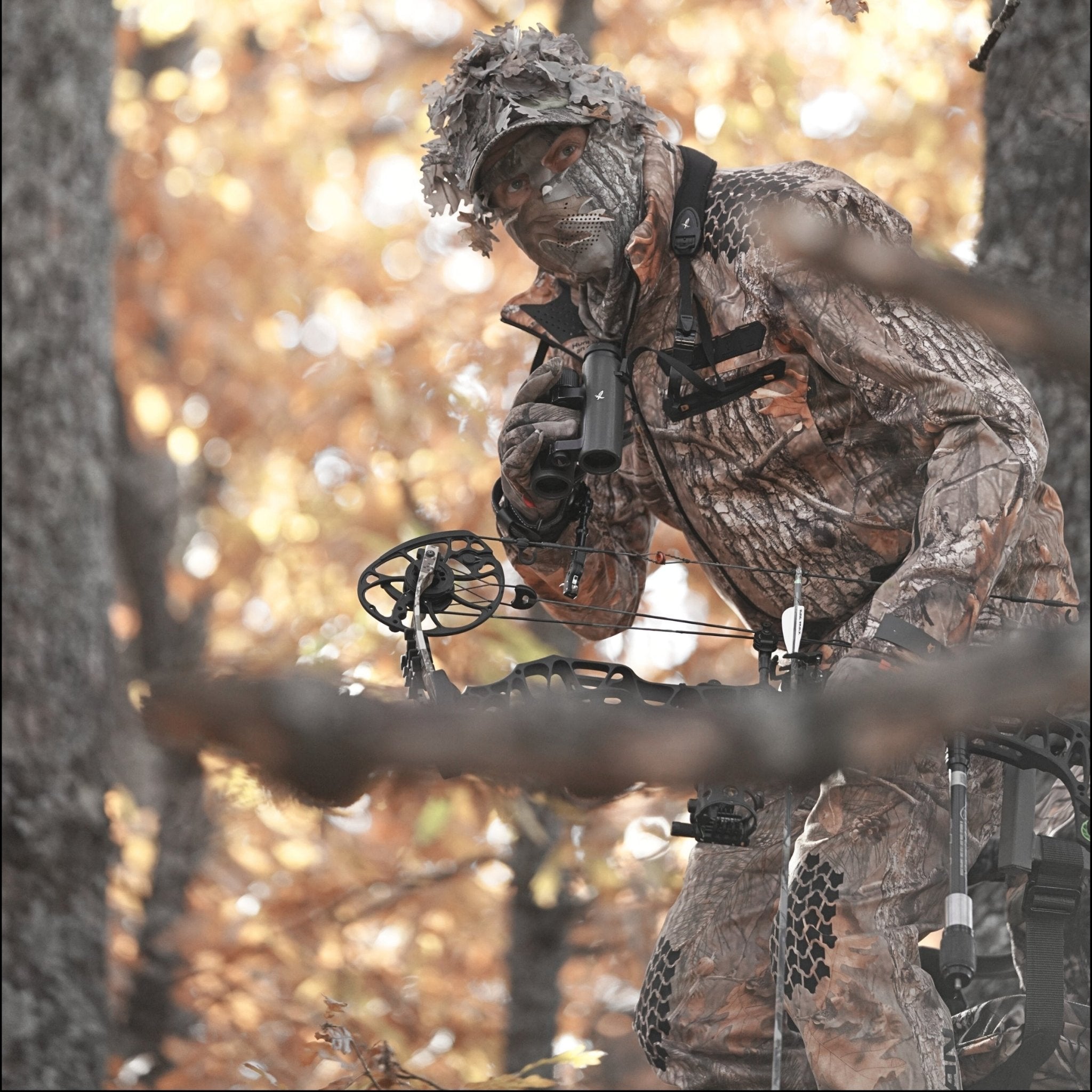
Bibs are better when the cold is ugly and you are sitting for long periods. Tree stand, ground blind, late season, freezing conditions, long glassing sessions, wind in your face, snow around your boots. That kind of hunt favors bibs.
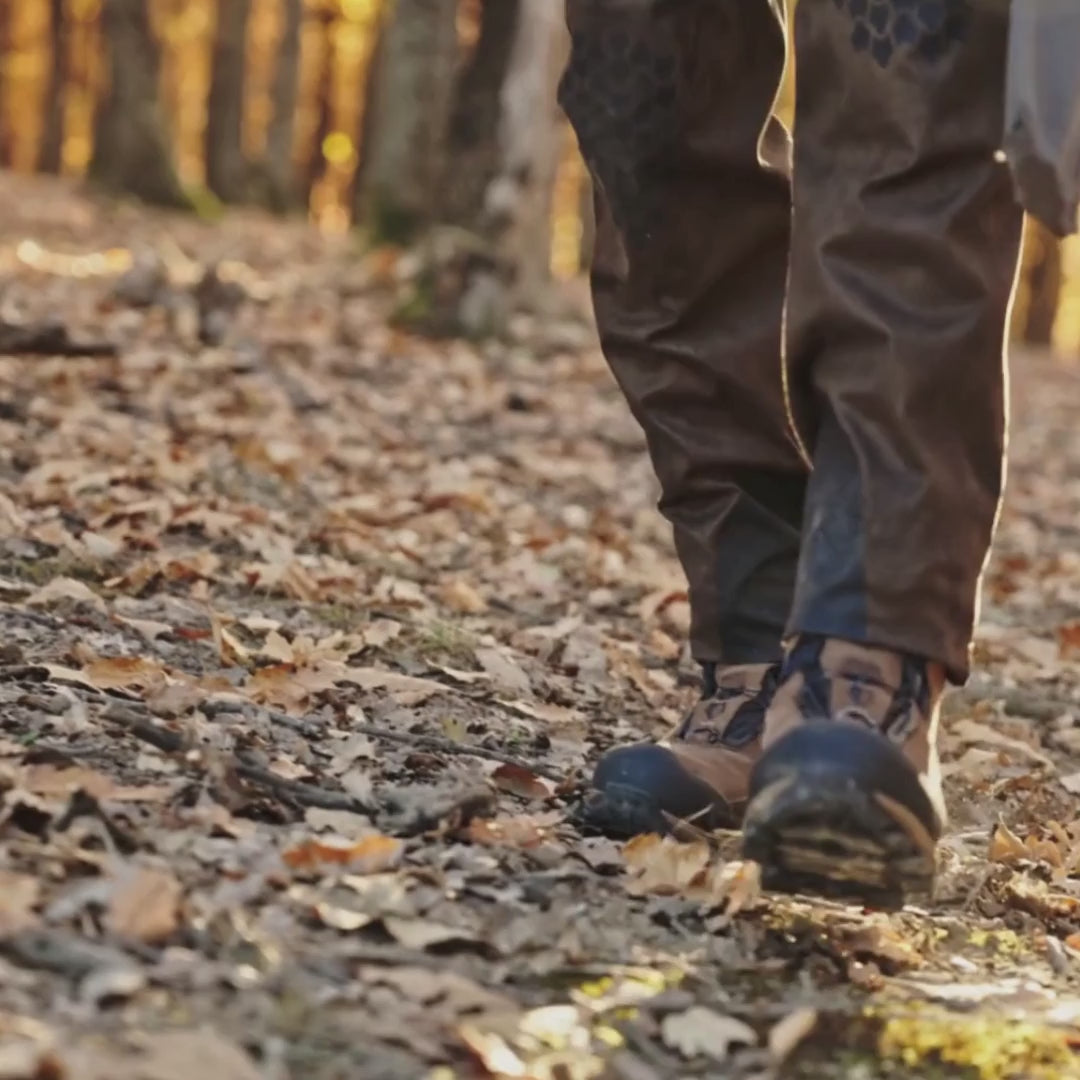
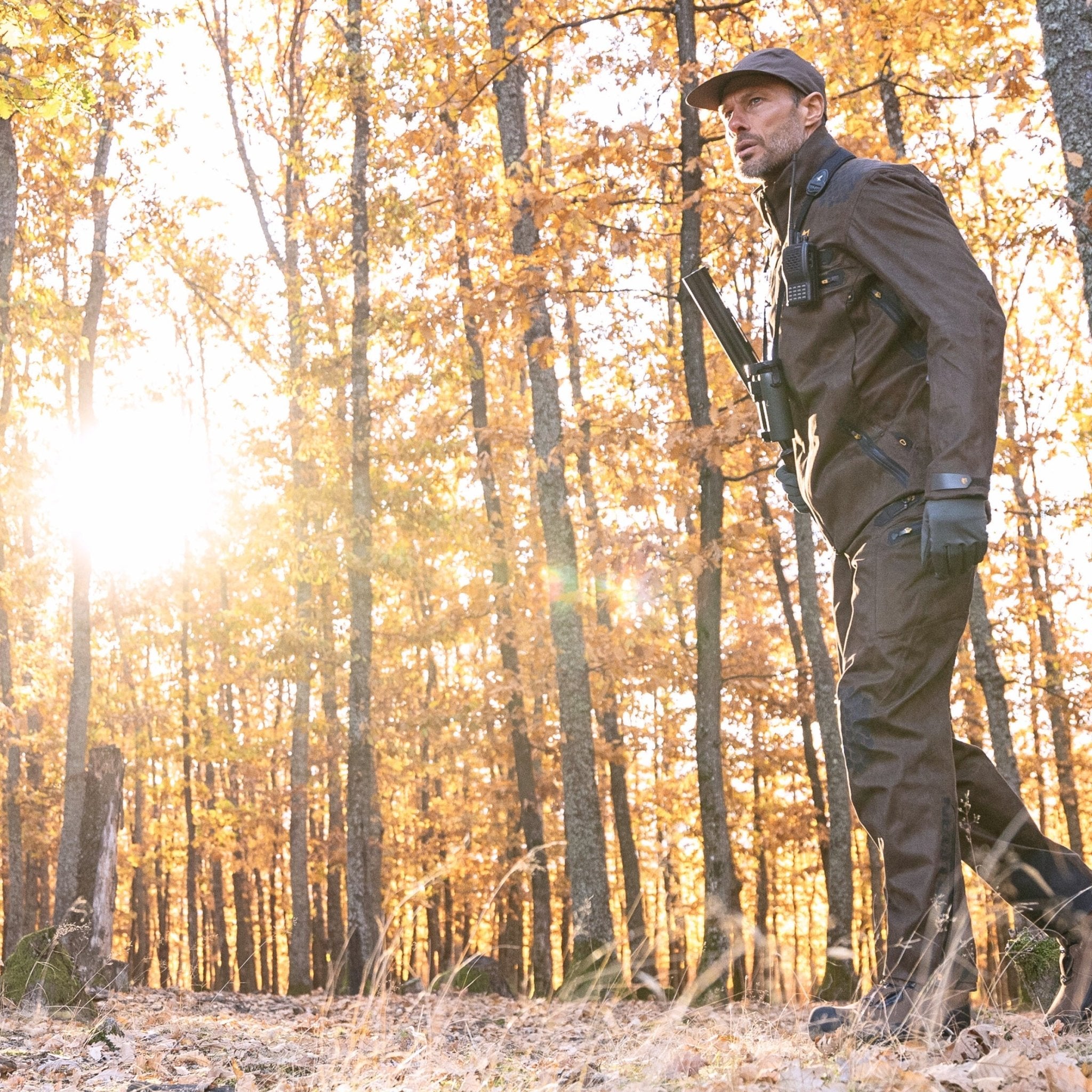
Hunting pants are better when you move. Long hikes, climbing, crawling, turkey hunting, spring turkeys, pushing thick cover, crossing briar patches, working close quarters. Pants shine there because they breathe, stretch, dump heat and do not feel like you are wearing half a sleeping bag on your legs.
That is where hunters get burned. They dress for the coldest minute of the day, then sweat on the walk in. Or they wear lightweight hunting pants into extreme cold and freeze once they stop moving. Cold weather hunting is not only about being warm. It is about staying dry, blocking wind, moving right and not soaking your base layers before the real hunt starts.
So the better question is simple: are you sitting more, or are you moving more?
Hunting Pants Are Better When You Need to Move

Hunting pants make more sense for active hunts. If the day has miles in it, pants usually beat bibs. They are cleaner, lighter and easier to manage when the pace keeps changing.
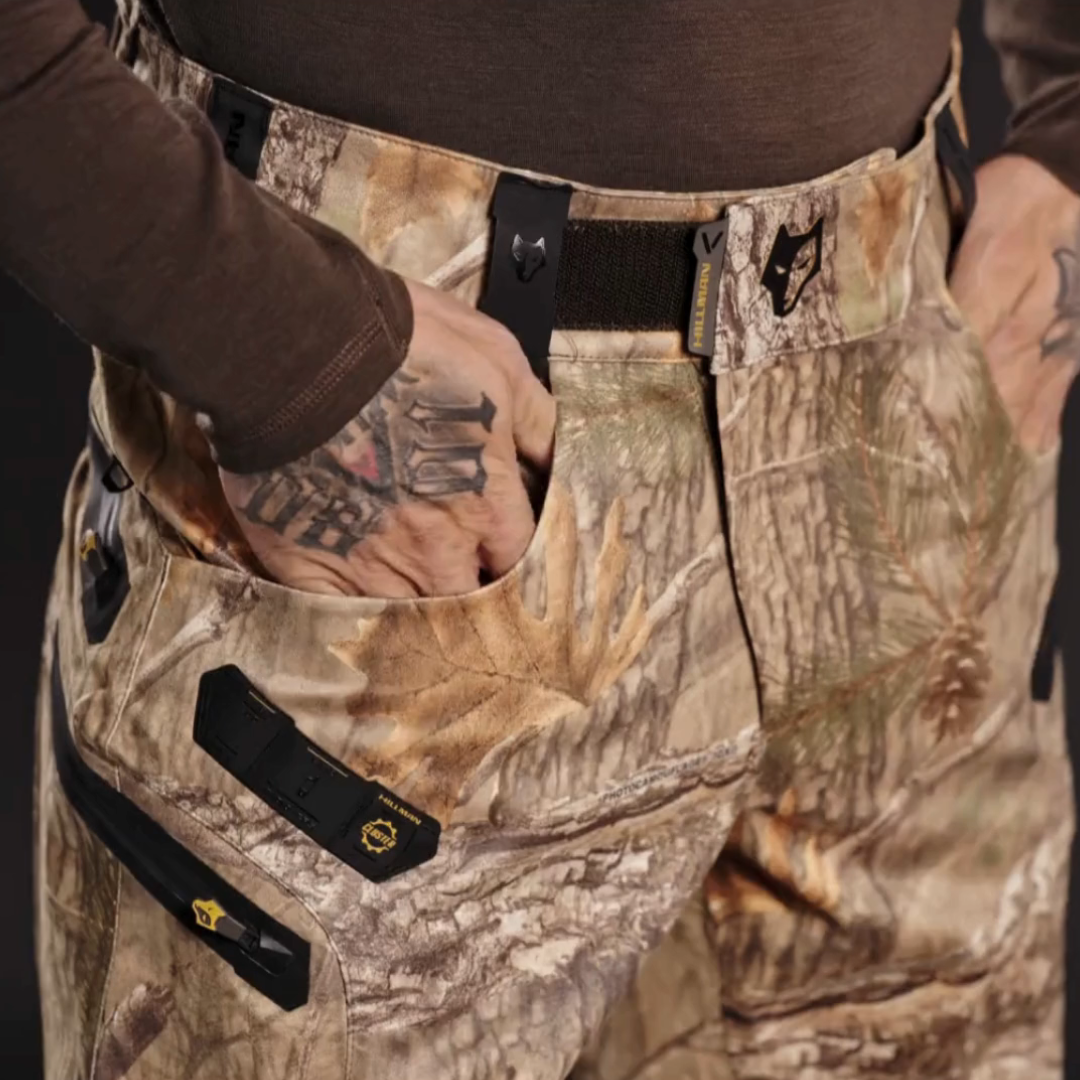
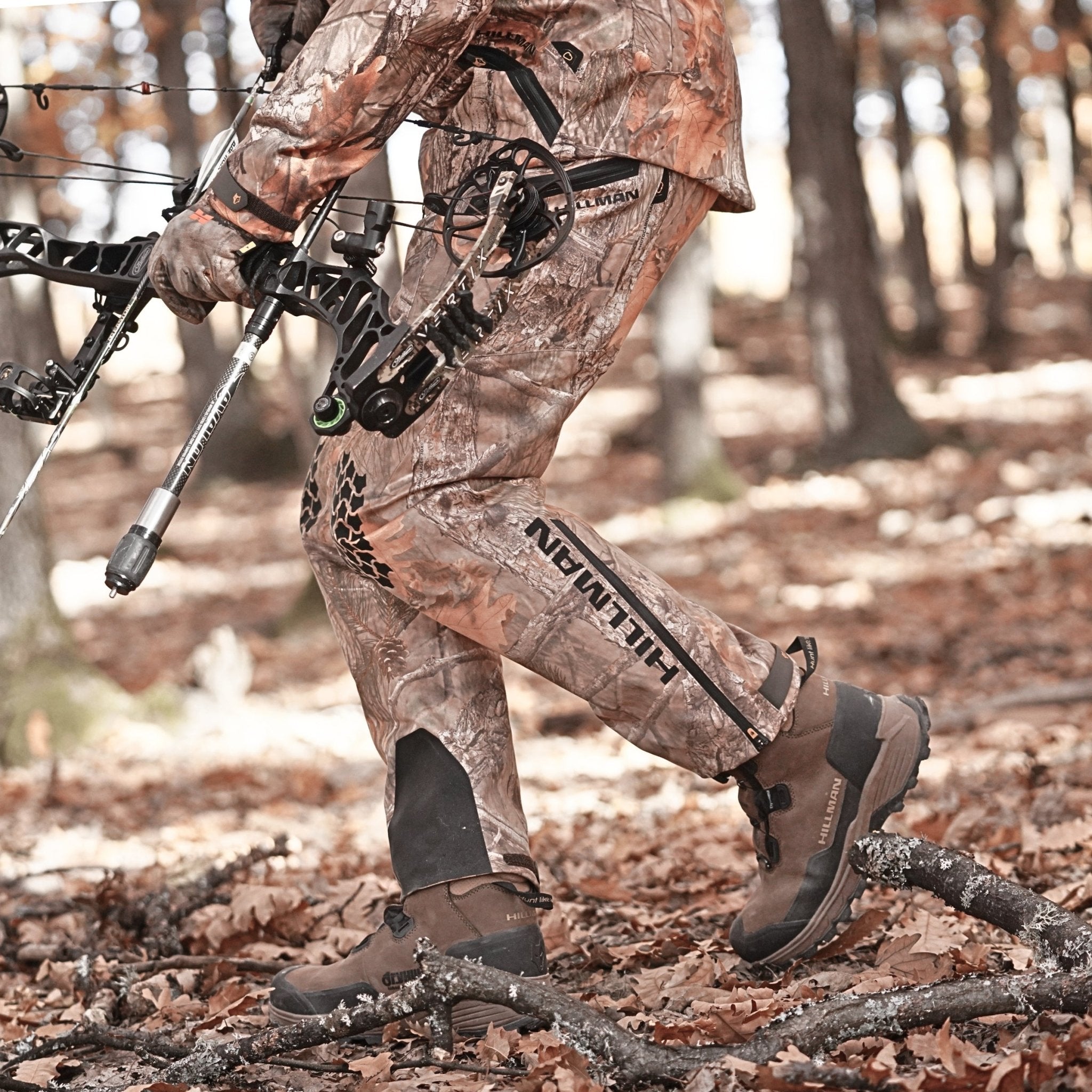
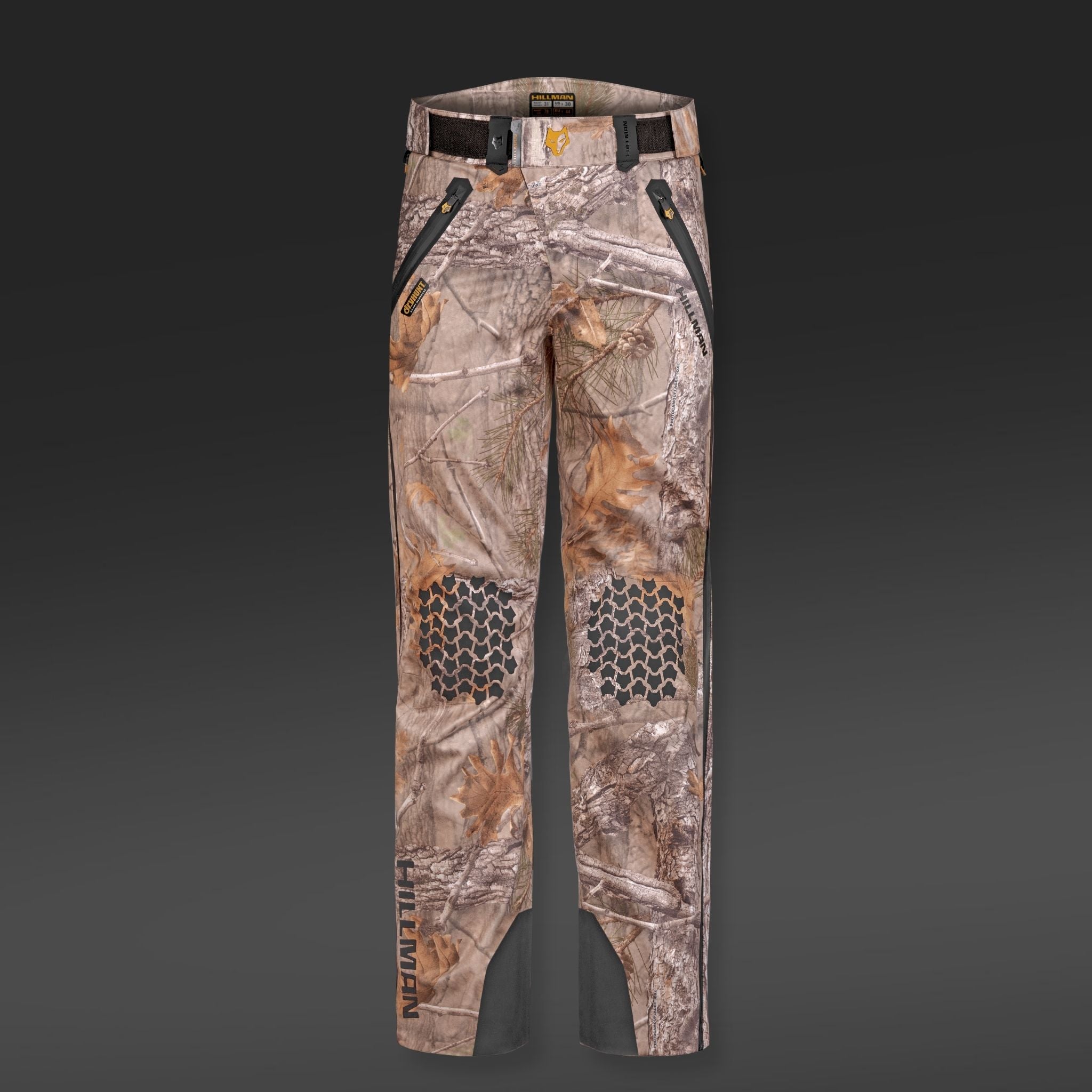
The best hunting pants are not just camo pants with a higher price. They need an athletic fit, articulated knees, a gusseted crotch and enough stretch to let you kneel, crawl, climb and sit without the fabric fighting you. When you are stepping over logs in rugged terrain, that stuff matters.
Lightweight hunting pants are especially useful in early season, warm weather and hot weather. They protect your legs without cooking you. A good pair can handle brush, damp grass and short rain if the fabric is water resistant.
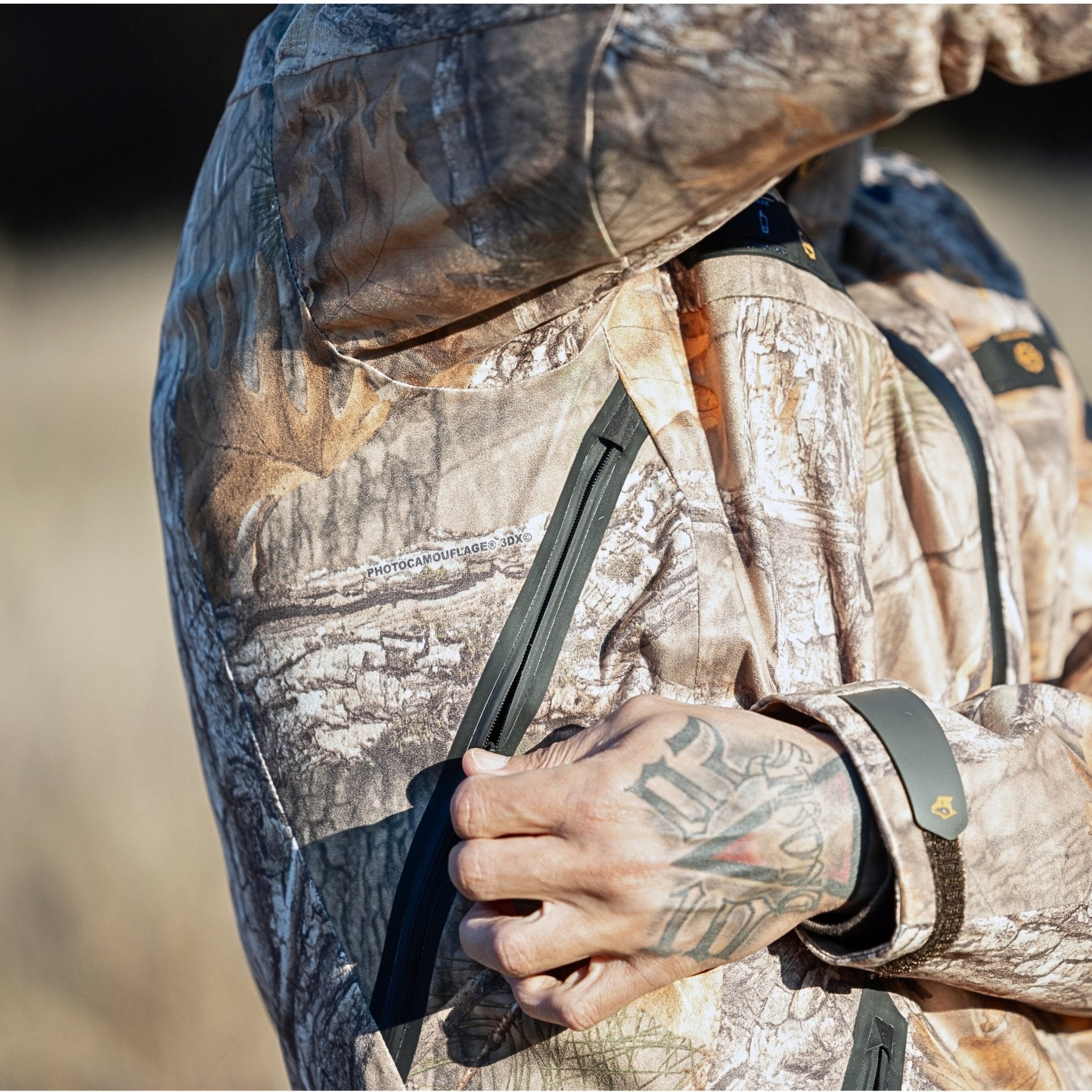
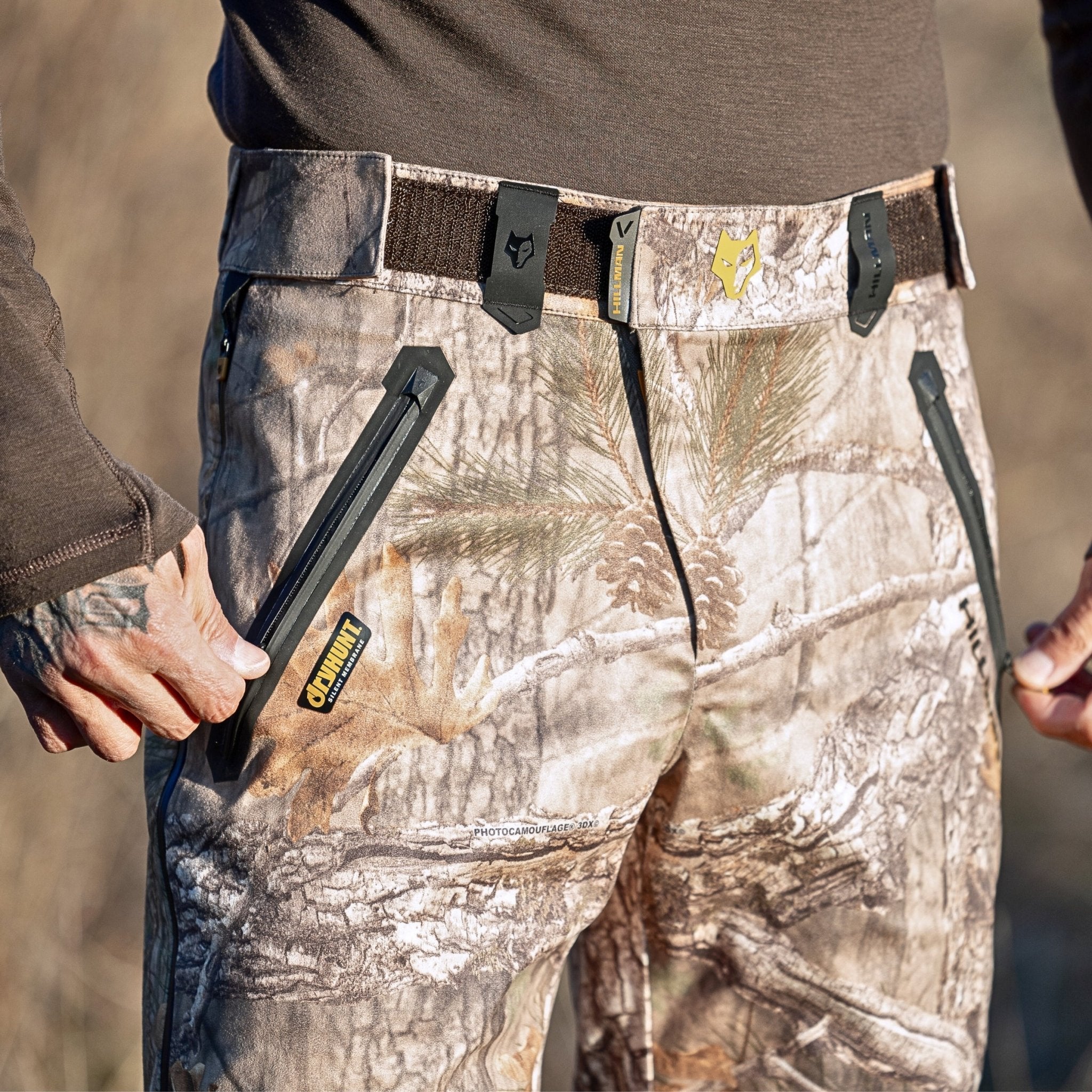
Hip vents help a lot. Open them during climbs or long hikes. Close them when you slow down. Same idea as pit zips on a hunting jacket. You are trying to dump heat before sweat turns your base layers damp.
That is the part many hunters ignore. Once sweat gets trapped, even insulated pants can start feeling cold later. You may think you need warmer gear, but really you needed better heat control.
Good hunting pants should fit comfortably over hunting socks and base layers. They should not pull at the thighs, sag under a pack or bind when you kneel. Back pockets and ample storage are useful too, but only if they stay quiet and do not bulge in the wrong places.
Bibs Win When the Cold Gets Serious

Bibs are built for cold conditions. They cover more of your body than pants, and that is the main reason they work.
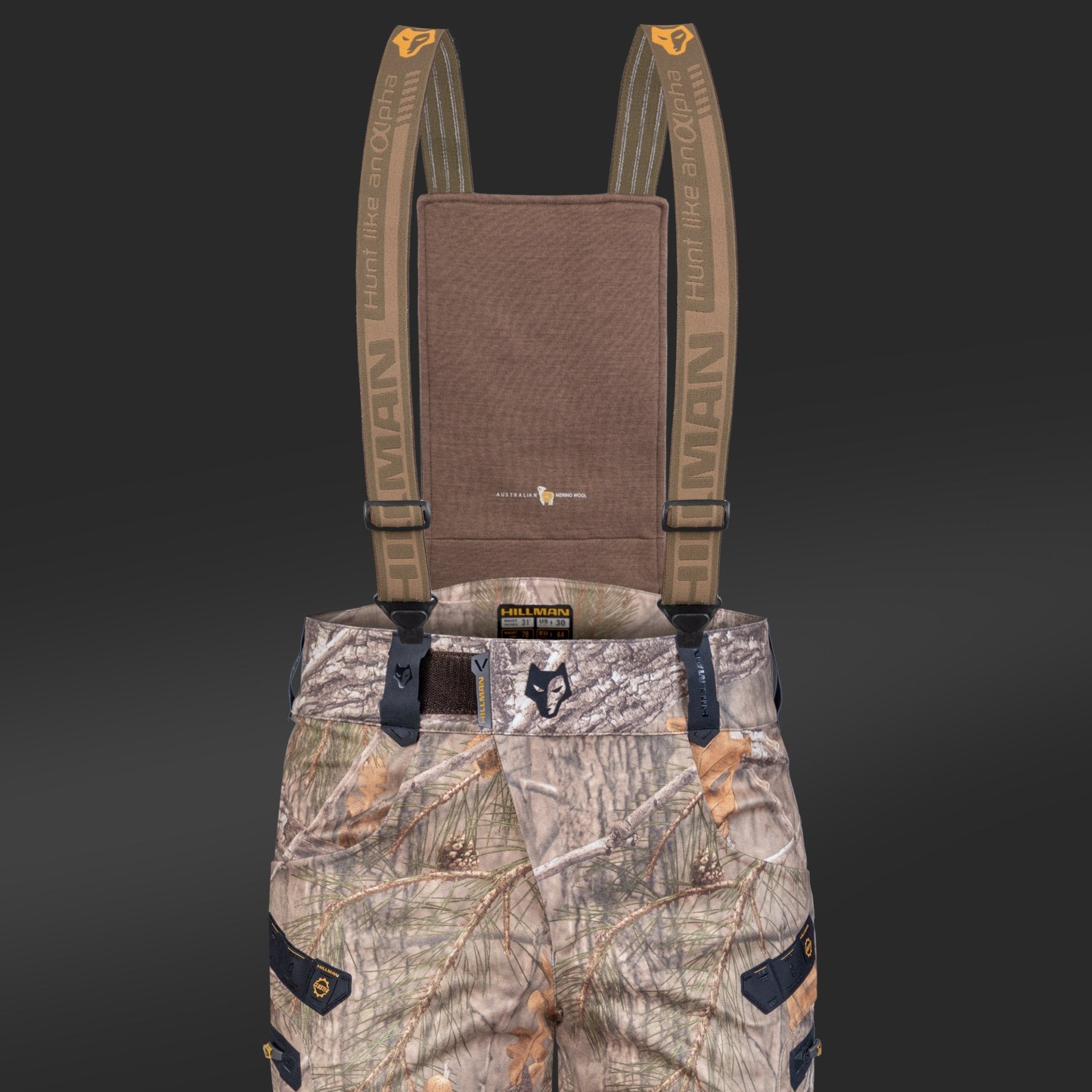
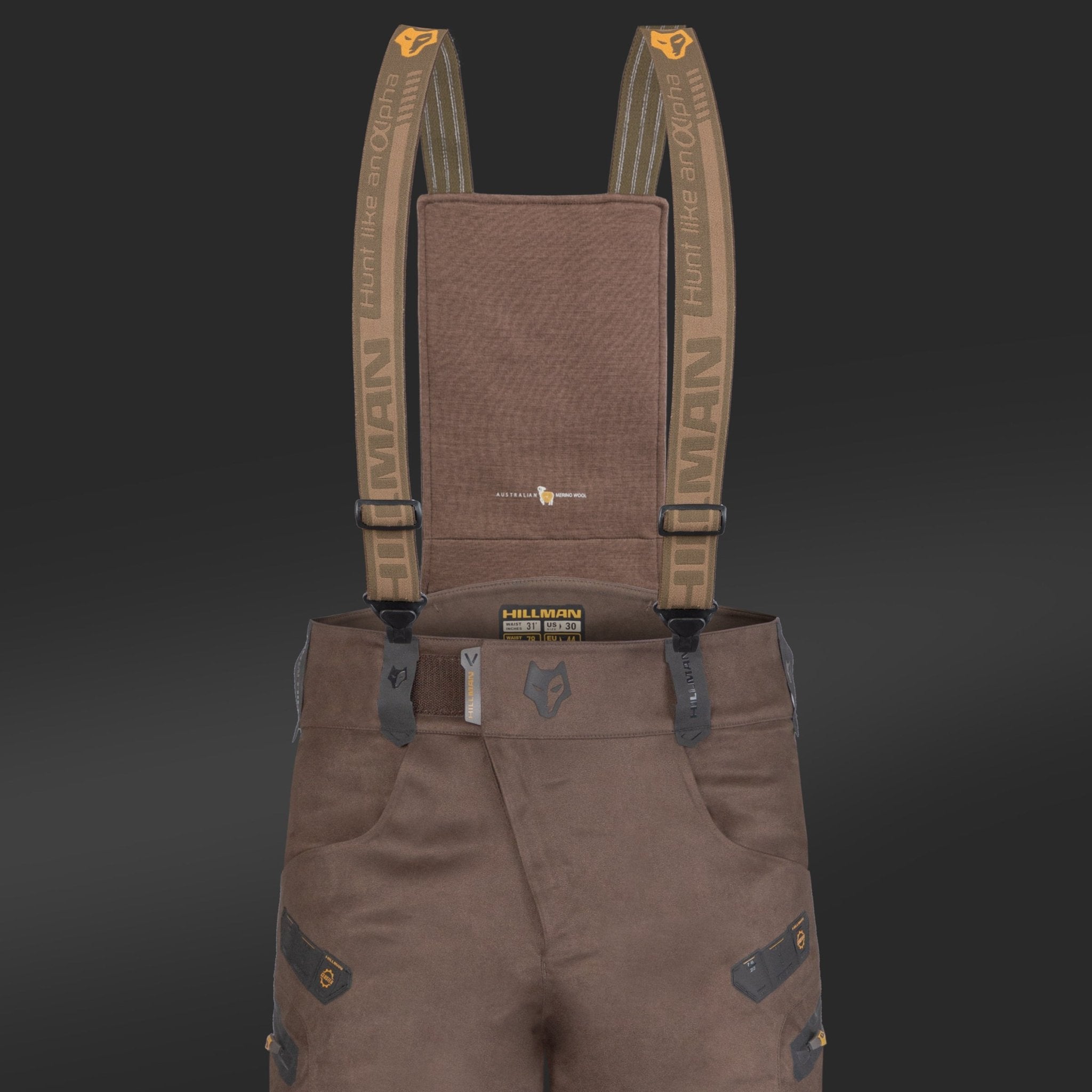
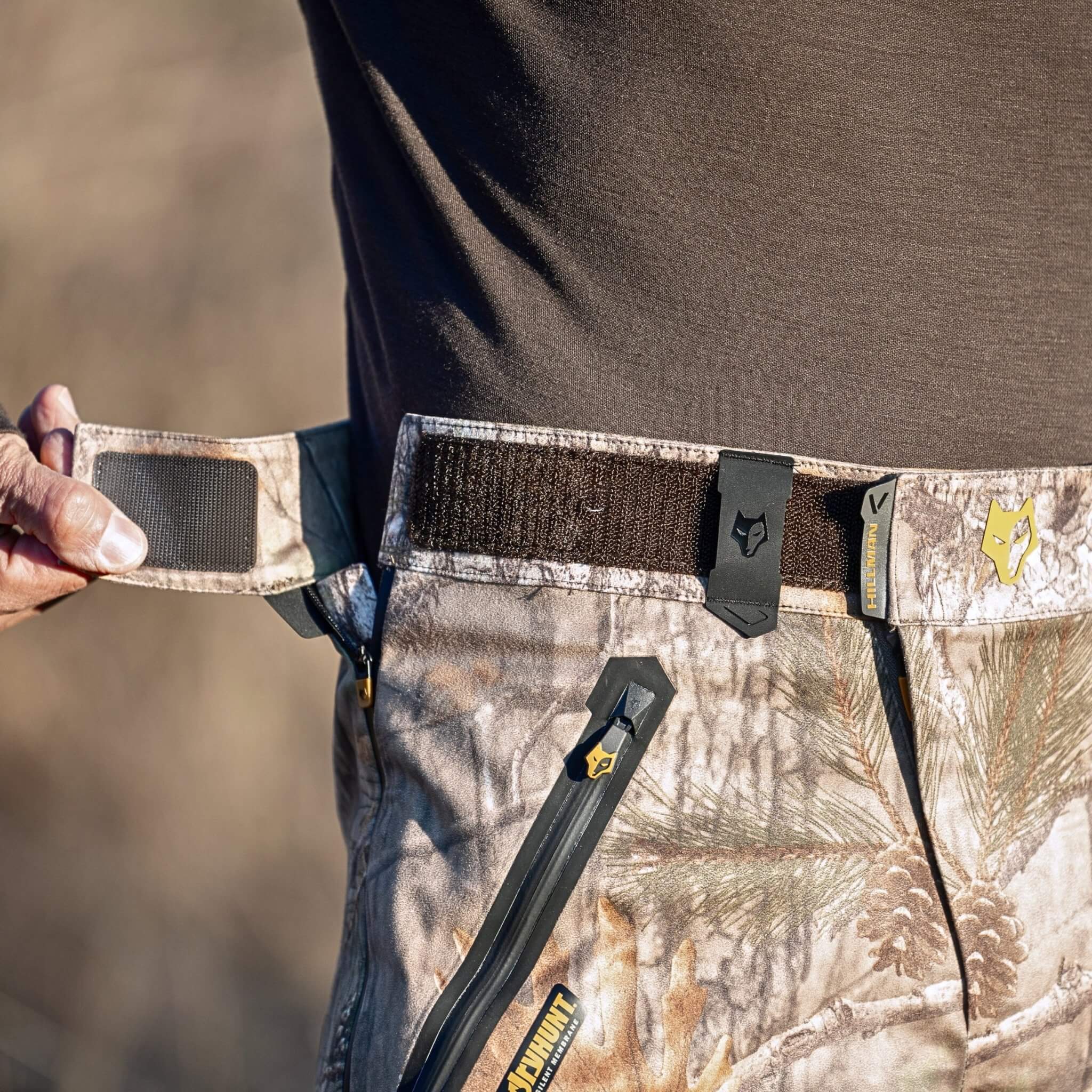
The big advantage is the waist gap. With pants and a hunting jacket, cold air can sneak in when you sit, twist, reach or draw. Bibs close that gap. They run higher over the stomach, lower back and often the chest, so your outer layer system is tighter against wind.
That extra coverage makes a real difference in extreme cold. When the temperature drops and you are not moving much, your body is not making enough heat to cover mistakes. Bibs hold warmth around the lower core and stop drafts better than pants.
They also allow proper layering underneath. You can wear base layers, a mid layer or even regular pants under bibs without crushing insulation, as long as the fit is right. That trapped air helps keep you warm.
For late season, long periods in a stand, long glassing sessions or freezing conditions, bibs are usually the better tool. They feel less mobile than pants, sure. But when you are sitting still in the wind, mobility is not the main problem. Staying warm is.
The downside is obvious. Bibs can get too warm fast. If you start hiking hard in bibs, especially above 40–50°F, you can sweat badly. Once that happens, your warm gear starts working against you.
Cold Weather Hunting Is About Activity, Not Just Temperature

Cold weather does not feel the same on every hunt. Thirty degrees while walking uphill is not thirty degrees while sitting in a blind for four hours.
For stationary hunting, bibs are usually better. They block wind, hold heat and protect the waist area. They are made for long periods without movement.
For active hunts, hunting pants are usually better. You need mobility, breathability and venting. You need pants that move through thick cover, crawl through close-range setups and let heat escape before you get wet from sweat.
There is a middle ground too. Insulated pants can be useful on cold days when you still need to walk. They give more warmth than soft shell pants or lightweight hunting pants, but they are not as bulky as bibs. Just be careful with heavily insulated pants. They can feel great at the truck and terrible after a steep climb.
This is where one pair of pants rarely solves everything. One pair might work across multiple seasons if your weather is mild, but it will not be perfect year-round. A better hunting gear setup is usually light pants for active and warm weather, soft shell or insulated pants for cold active days and bibs for late-season sits.
Wet Weather: Waterproof Pants, Rain Gear and Bibs

Wet cold is nasty. Rain, sleet, wet snow and soaked grass can ruin hunting clothes fast if the outer layer cannot handle moisture.
Water-resistant pants are fine for light rain, brush moisture and short exposure. They are not the same as waterproof pants. If steady rain is coming, you need real waterproof protection, taped seams and strong zippers.
Waterproof pants can replace rain gear for the lower body in some hunts, but not always. In heavy rain, full rain gear still gives better protection. Pants only cover the legs. Your jacket, cuffs, waist and pack straps still matter.
There is also the sweat problem. Waterproof protection keeps rain out, but it can trap moisture inside if you are moving hard. That is how you end up bone dry outside and damp underneath. Not ideal.
For sitting in wet snow or cold rain, bibs often win. They cover higher, close gaps and keep slush from creeping in. For walking through wet brush, hunting pants may be easier because they breathe better and feel less bulky.
A polyester outer can help with durability and drying speed. Soft shell pants can also work well in mixed weather because they give some wind resistance, some water resistance and better breathability than stiff rain gear.
Wind Resistance Matters More Than People Think

Wind will expose bad gear quickly. You can wear warm base layers, wool pants or insulated pants, but if the outer layer leaks air, the cold gets through.
Bibs naturally have better wind resistance because they cover more body and reduce openings. No waistband gap. More protection across the stomach and back. Less cold air getting in when you sit or lean.
Hunting pants depend more on fabric and fit. A dense soft shell can block wind well. A thin pair of camo pants may not. A matte finish is better for close-range hunting too, because shiny fabric can stand out in the wrong light.
Fit matters. Too tight and you crush your layers. Too loose and the wind gets in or the fabric catches on brush. Pants should fit comfortably over hunting socks and base layers without dragging or flapping.
For stand hunting in sharp wind, bibs are hard to beat. For walking in windy terrain, good hunting pants with wind resistance may be the better balance.
Base Layers and Proper Layering

Proper layering matters more than most hunters want to admit. You can buy the best hunting pants, but if the layers underneath are wrong, you will still be cold or sweaty.
Start with base layers that manage moisture. Cotton is a bad choice in cold weather. Once it gets wet, it stays wet. That damp feeling against the skin is what makes cold days miserable.
Then add a mid layer only when needed. Do not pile on warmth just because the morning starts cold. Think about the walk in, the sit, the wind and how long you will be still.
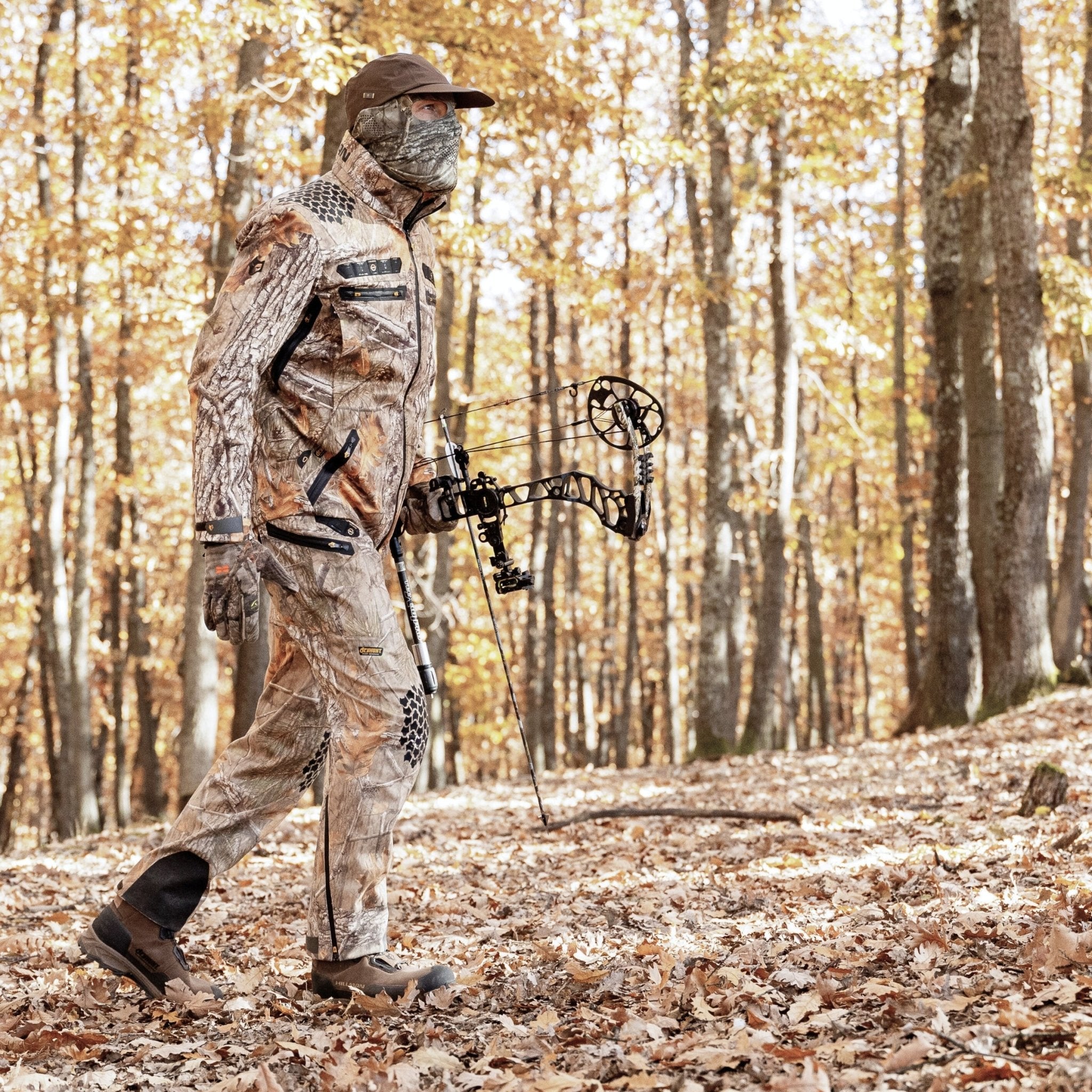
With hunting pants, layering is flexible. Lightweight hunting pants can work through several seasons if you change what is underneath. No base layer in hot weather. Thin base layer in early season mornings. Warmer base layers for cold days. Insulated pants when conditions get rough.
With bibs, the bib itself often acts as the main warmth piece. You wear it over your base layers or pants. It gives you more insulation and better coverage, but less heat control when you start moving.
The goal is not to wear the most gear. The goal is to stay warm enough without turning your clothes into a wet mess.
Hunting Jacket Pairing and the Waist Gap

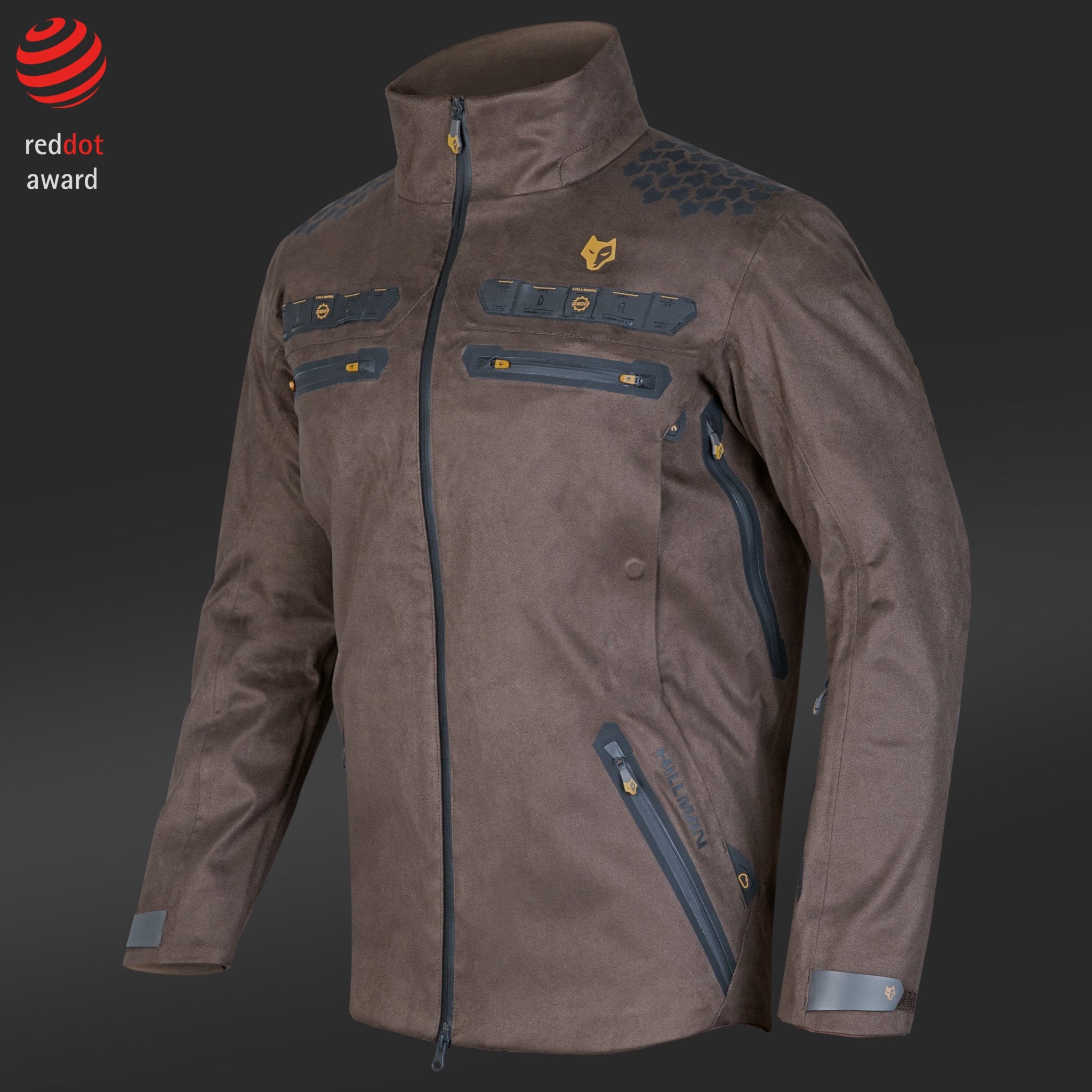
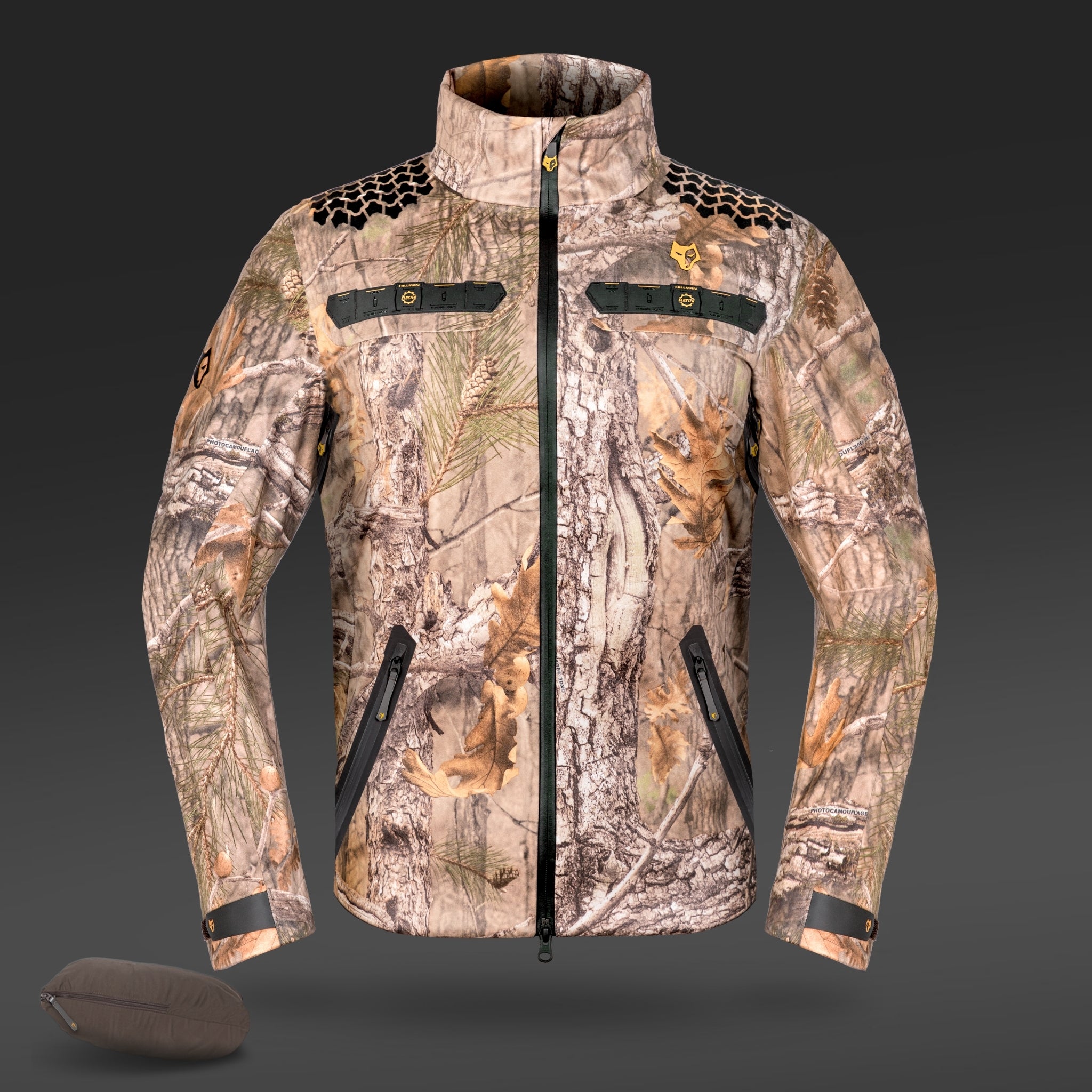
A pants-and-jacket setup can work well, but only if the hunting jacket overlaps properly with the pants. If the jacket rides up and the pants slide down, the waist gap opens. In cold wind, that gap is brutal.
Bibs fix this problem better than pants. They protect the lower core like part pants, part vest. That keeps drafts away from your stomach and lower back.
Pants need more attention here. A longer hunting jacket helps. A higher rise helps. A belt that holds helps. Suspenders can help too, especially when carrying a pack.
For active hunts, though, pants and a hunting jacket are easier to regulate. You can open pit zips, open hip vents, remove a mid layer or slow your pace. Bibs can have vents too, but they do not usually dump heat as easily as separate hunting clothes.
Early Season, Hot Weather and Spring Turkeys

Bibs are usually wrong for early season. They may feel fine at daylight, then turn miserable once the sun comes up.
For hot weather, warm weather and spring turkeys, lightweight hunting pants are usually the better pick. You can crawl, kneel, shift, walk and reset without fighting bulk.
Turkey hunting is a good example. You sit still, then move suddenly. You crawl through leaves. You kneel behind cover. You may need to adjust in close quarters without loud fabric noise. Quiet pants with articulated knees and a gusseted crotch are more useful than bibs here.
Camo patterns matter more in close range turkey setups than they do on some big-game hunts, but fabric noise still matters more than the print. Matte finish, soft hand feel and low shine are all worth having.
If the morning is cold, carry a light outer layer. Do not dress your legs like it is late season when the day is going to warm up fast.
Wool Pants, Synthetic Insulation and Modern Cold Gear

Wool pants still have a place in cold hunting. Are wool pants good? Yes, wool pants good for dry cold, slow walking and quiet sits. They are warm, quiet and natural-feeling in the woods.
But wool pants are not magic. They can get heavy when wet, and they are not the best choice for steady rain unless you add waterproof protection over them.
Modern insulated pants and bibs often use synthetic insulation. That makes sense for hunting season because synthetic insulation handles damp conditions better than down in many situations and dries faster. It also deals with rough use better.
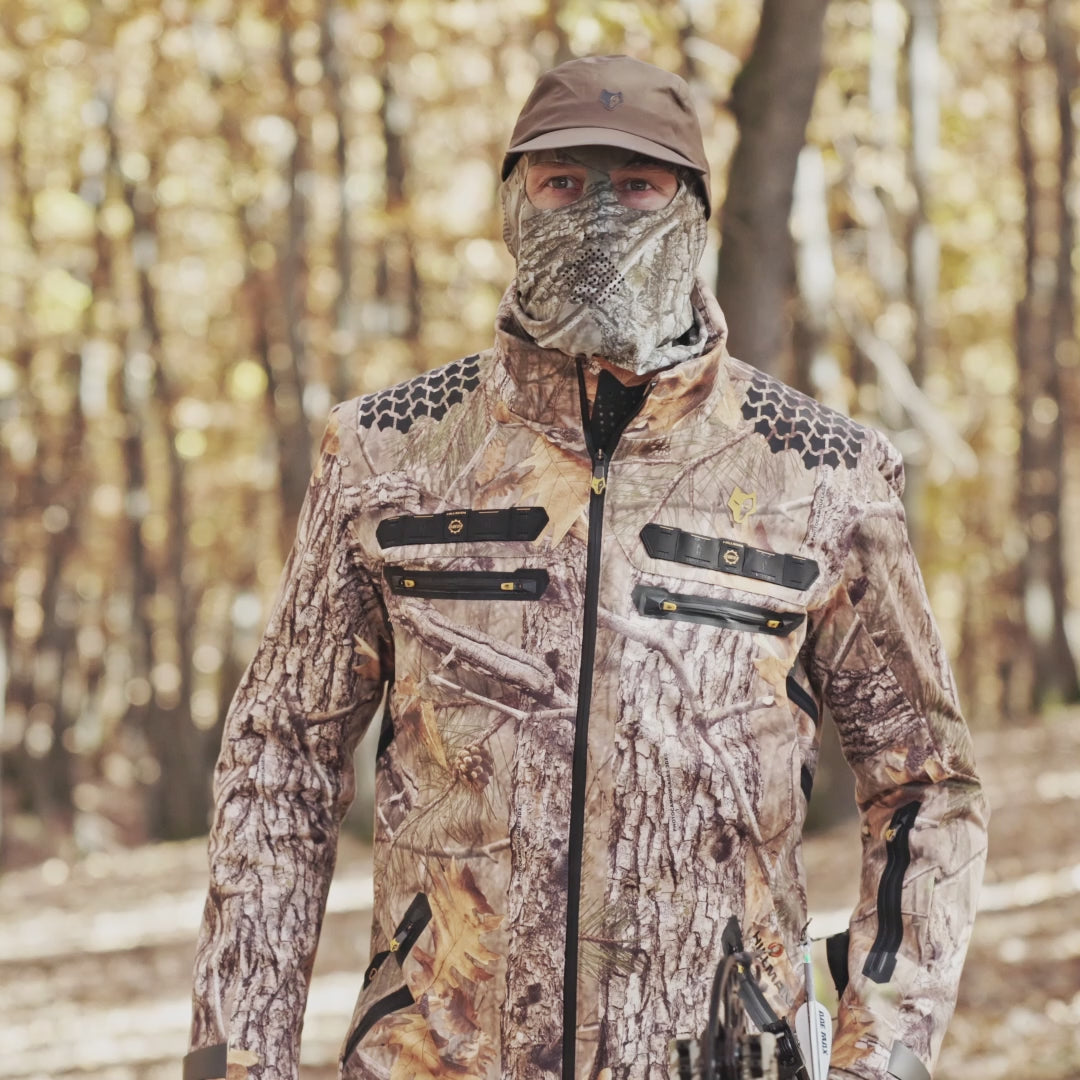
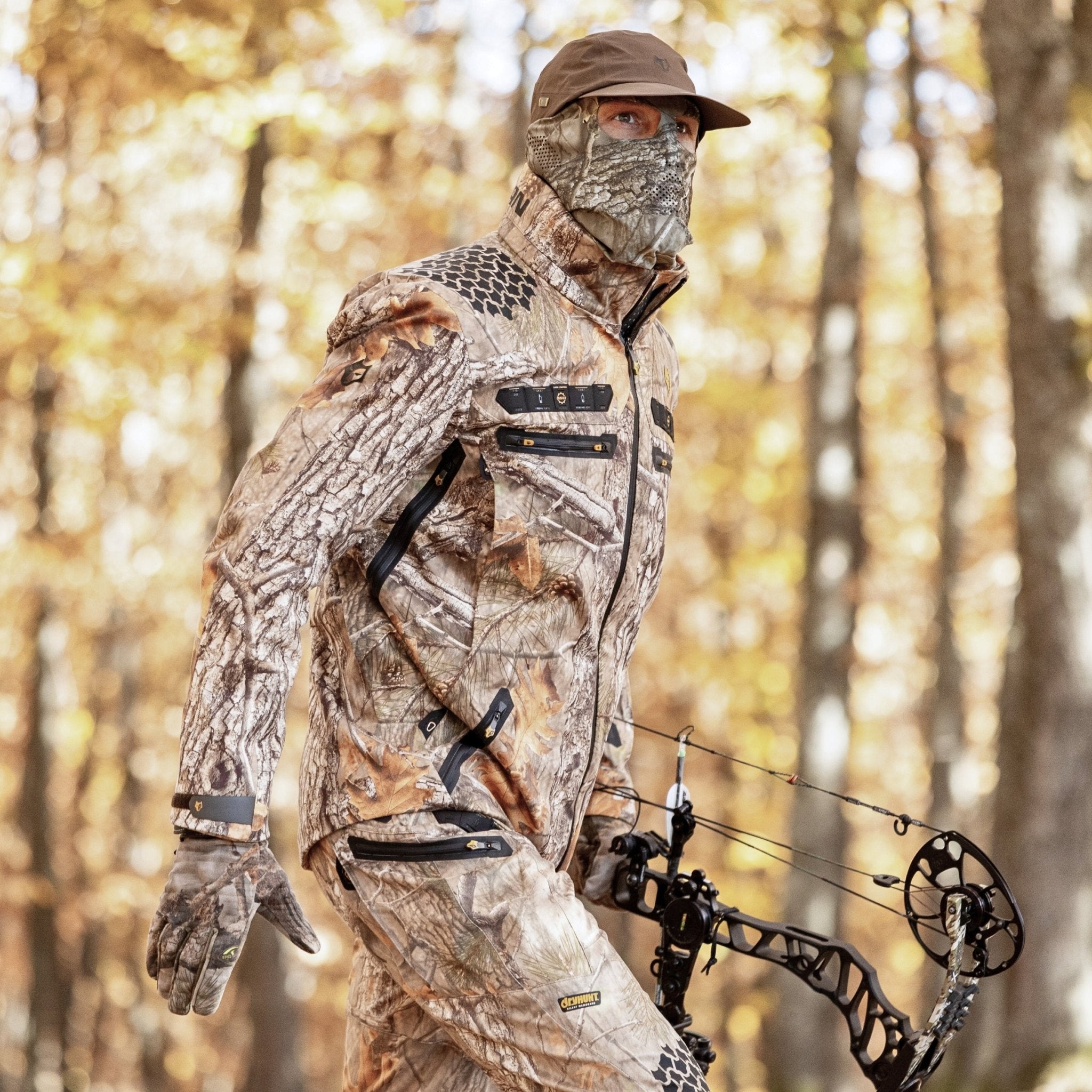
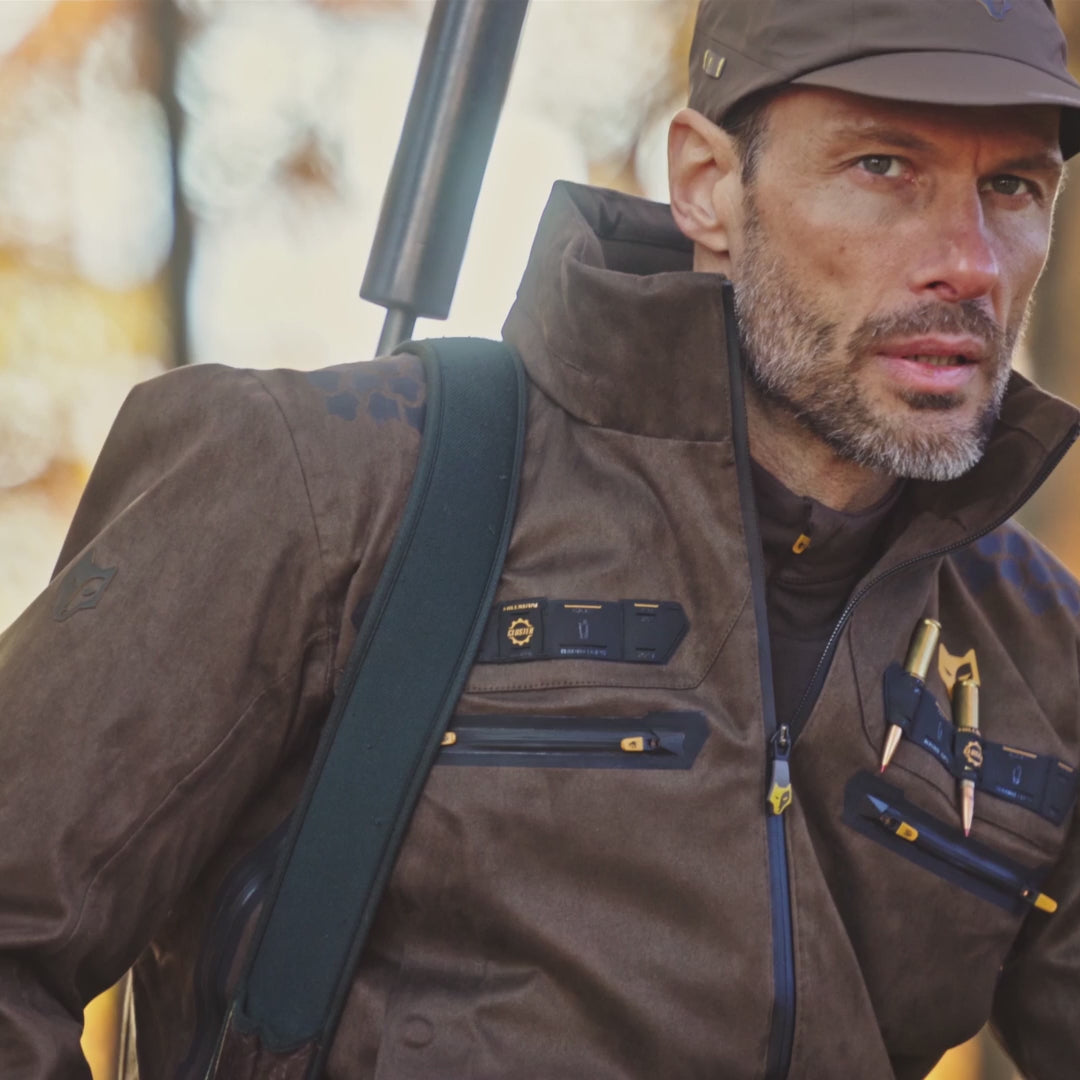
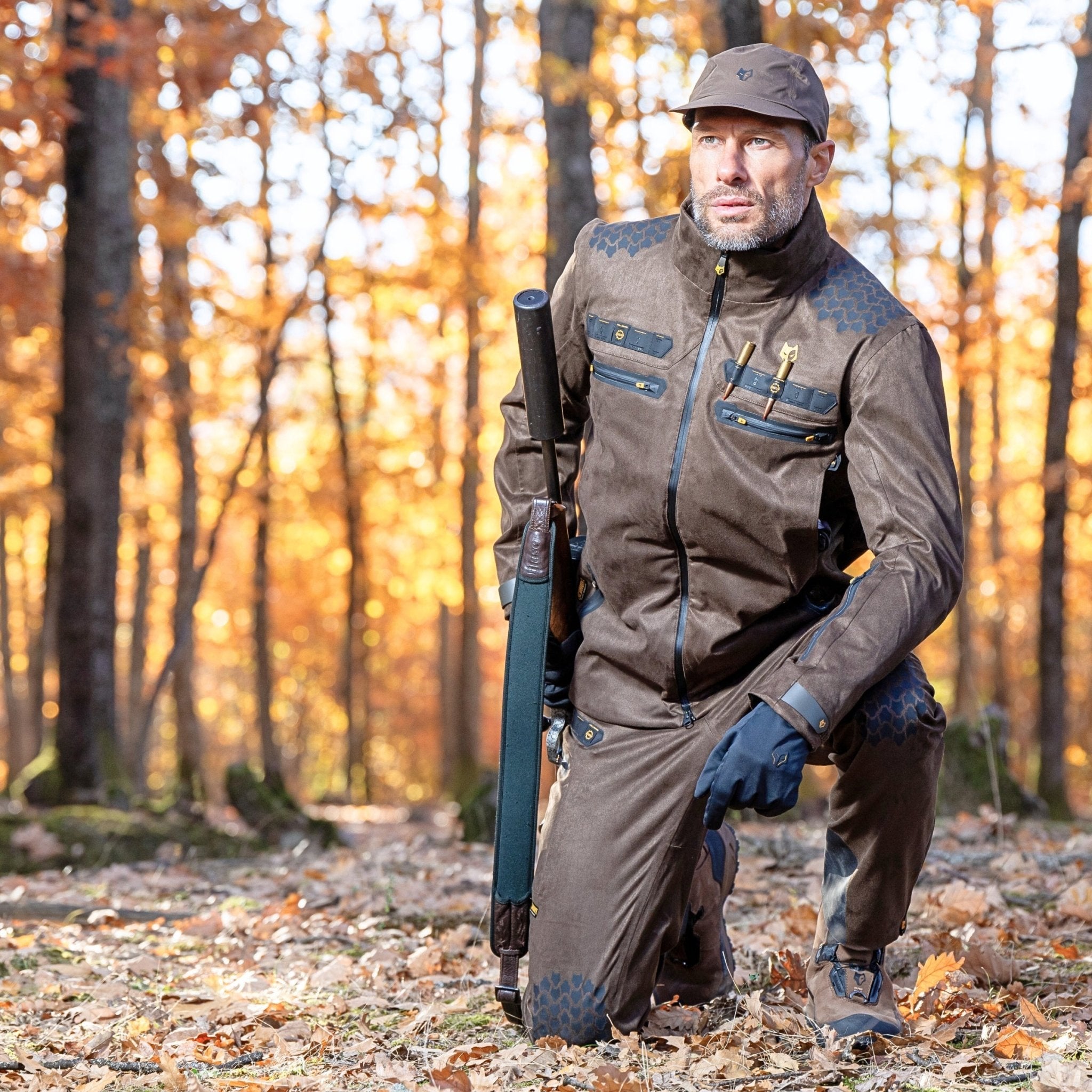
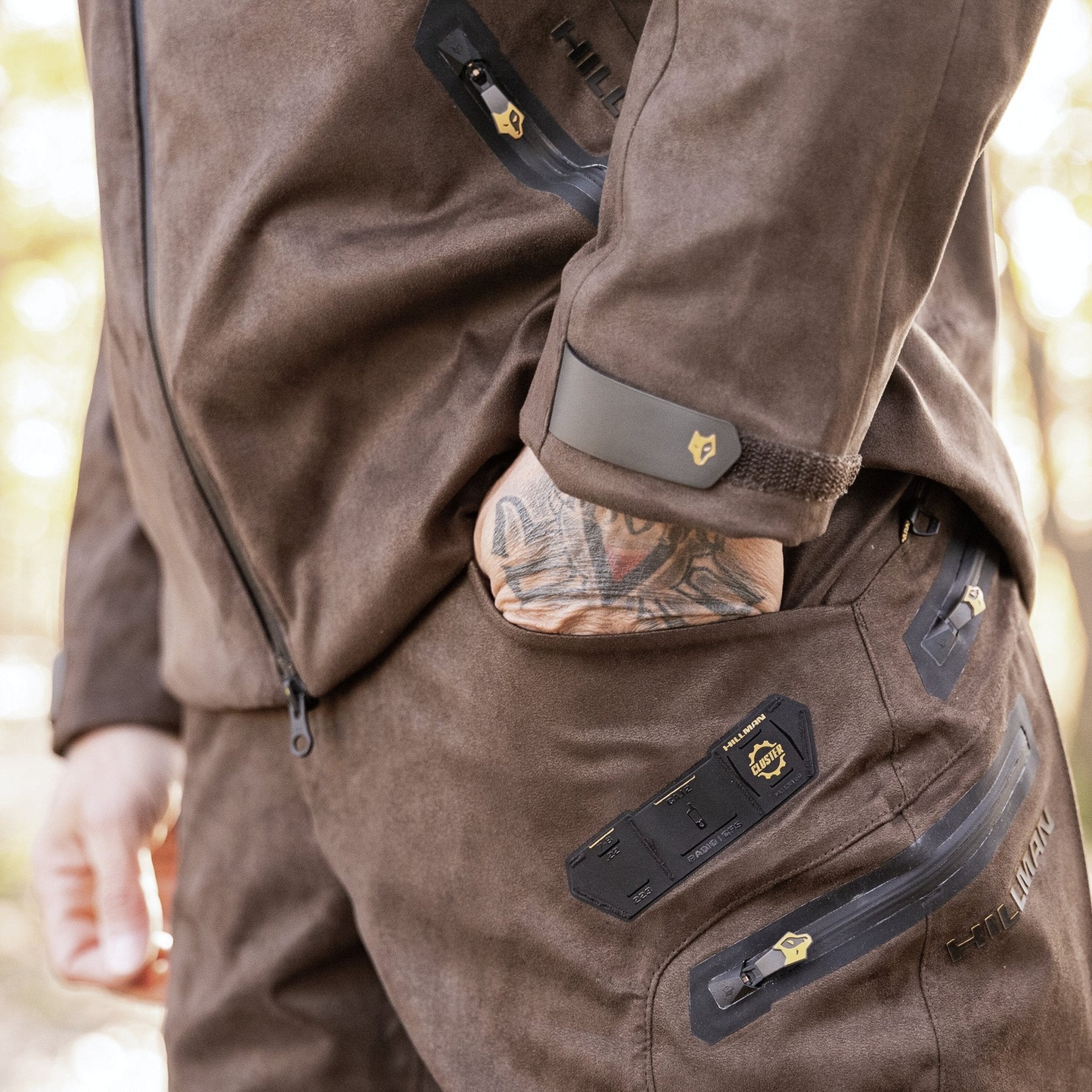
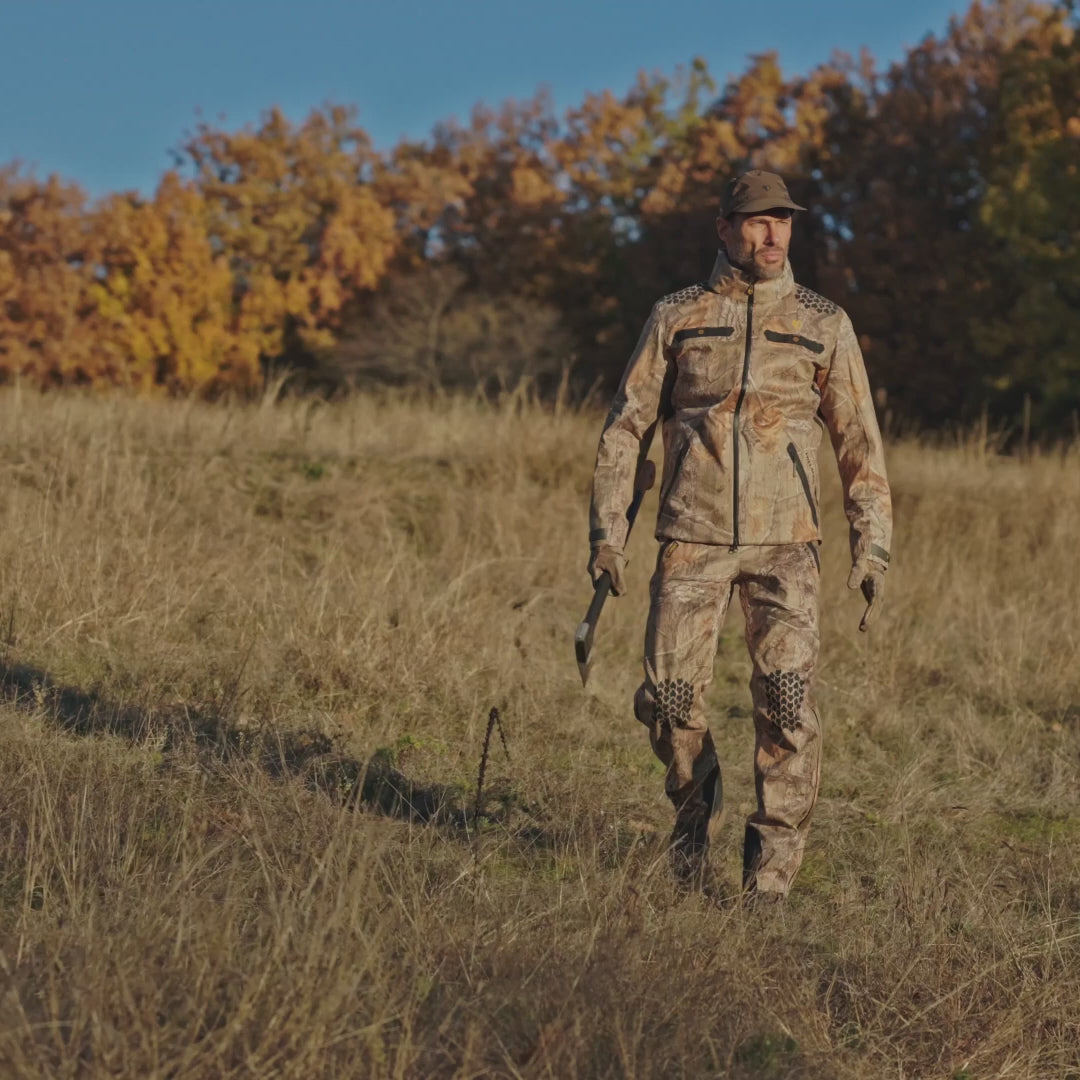
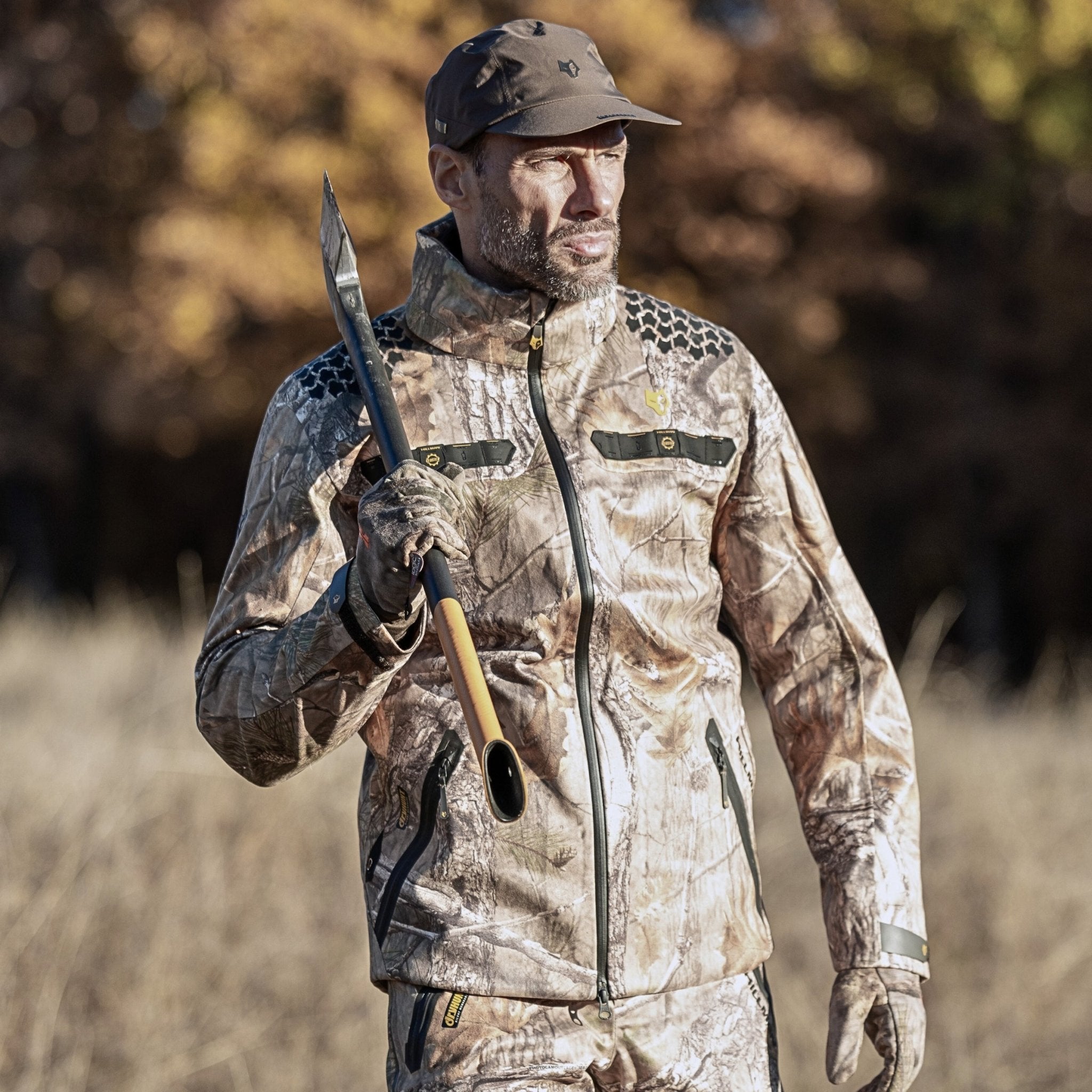
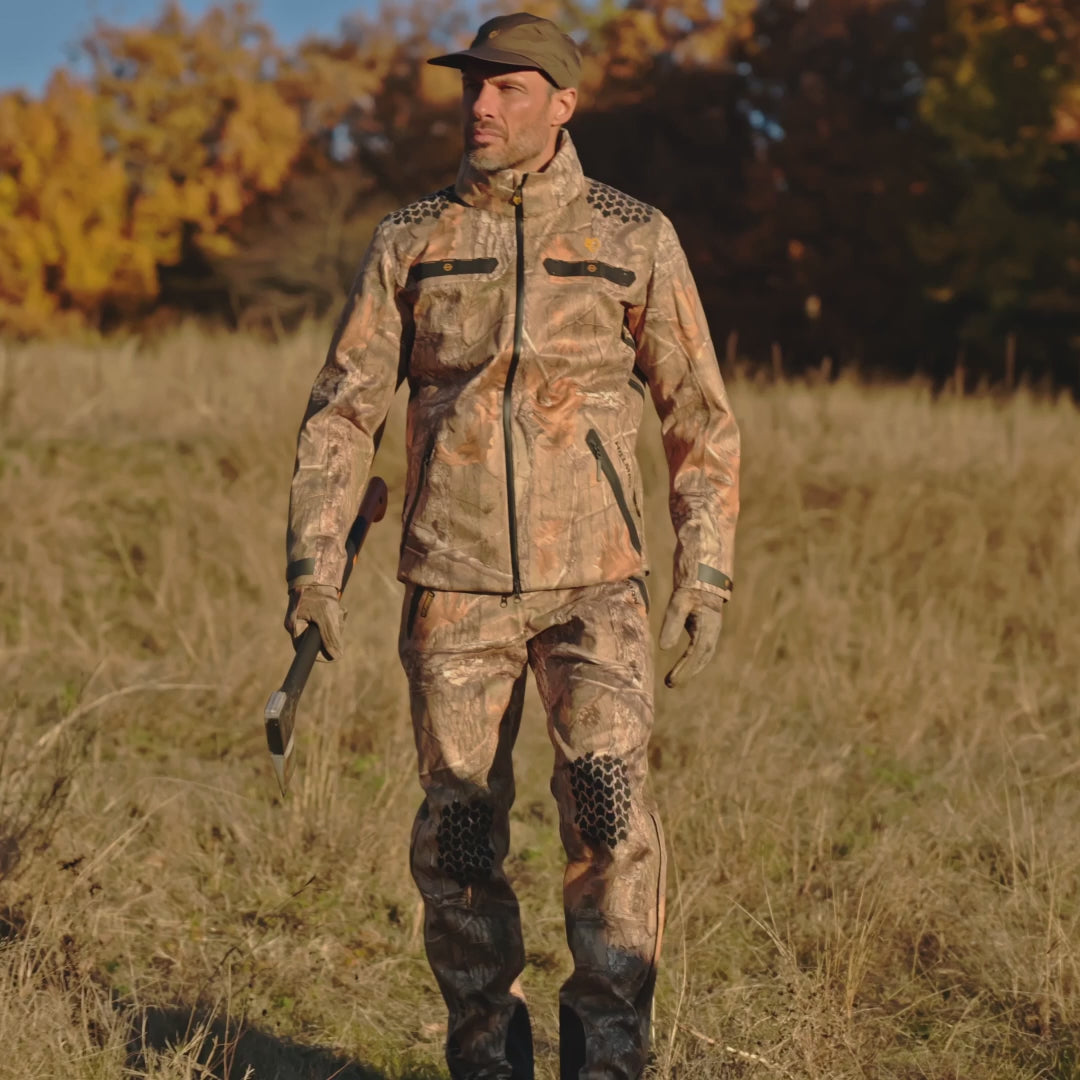
Some hunters like premium pants such as KUIU Attack Pants, Sitka Ascent Pant, Stone Glacier De Havilland Pants or Hillman AlphaShell Pants because they focus on movement, durability and field comfort. The exact brand is less important than the fit and fabric doing what your hunt needs.
For cold active hunts, do not just chase maximum warmth. Look for breathability, wind resistance, water resistance and mobility. For long sits in freezing conditions, then you can lean harder into insulation.
Thick Cover, Briar Patches and Rugged Terrain

Thick cover usually favors pants. Bibs can work, but they can feel bulky and snag more. Hunting pants stay closer to the legs and move better through brush.
If you hunt briar patches, deadfall or rocky ground, abrasion-resistant fabric matters. Knees, lower legs and the seat take the worst beating. Knee pads can help if you crawl or kneel often, but they should not make the pants stiff or loud.
In rugged terrain, movement is not just comfort. It is safety. Pants that bind at the hip or thigh can make climbing awkward. A gusseted crotch and articulated knees are useful because they let your legs move normally.
Back pockets should stay flat. Ample storage is nice, but overloaded pockets get annoying fast. A leather palm glove can help when grabbing rough bark, rocks or frozen branches, but your pants still need to take the abuse from the ground.
For heavy walking and thick cover, pants are usually the cleaner choice. For brutal cold with limited movement, bibs still win.
Best Hunting Choice for Long Sits

For long sits in cold weather, bibs are usually the best hunting choice. The extra coverage, warmth and wind protection matter more than saving weight.
Late season stand hunts are a perfect example. You walk in, climb up, cool down and then sit. After that, the cold starts working on you slowly. Your legs, lower back and stomach are the first places you notice it.
Bibs help because they hold heat around the core and block drafts. They also protect better from snow and slush when seated.
A good bib should still let you move enough to climb, sit, stand and shoulder your pack. If it feels like a sleeping bag with straps, it may be too bulky. But for long periods in cold conditions, bibs are usually worth it.
Best Hunting Choice for Active Hunts
For active hunts, pants win most of the time.
They are lighter, cooler, quieter and easier to vent. They work better for long hikes, stalking, turkey hunting, thick cover and hunts where your speed keeps changing.
The best hunting pants do not have to be the warmest pants you own. They need to protect, stretch, breathe, block enough wind and dry reasonably fast. That is what keeps you hunting longer.
Pants shine when you are moving through multiple seasons and mixed conditions. You can change base layers, add a mid layer, use rain gear when needed and keep the same pants working across different hunts.
If your day is mostly on foot, choose pants. If your day is mostly sitting in the cold, choose bibs.
Final Verdict: Bibs or Hunting Pants?
Choose bibs for extreme cold, freezing conditions, late season, snow, wet slush, biting wind, long glassing sessions, tree stands, ground blinds and long periods without much movement.
Choose hunting pants for active hunts, early season, hot weather, warm weather, spring turkeys, turkey hunting, thick cover, rugged terrain, briar patches and long hikes.
Bibs are warmer because they cover more body and close the waist gap. Hunting pants are better because they breathe better, move better and dump heat faster.
That is the whole answer. Sitting cold? Bibs. Moving hard? Pants. Mixed hunt? Decide which will hurt you more: freezing when you stop, or sweating while you walk.



Share:
Hunting Layers by Temperature: What to Wear from 70°F to Below Zero