

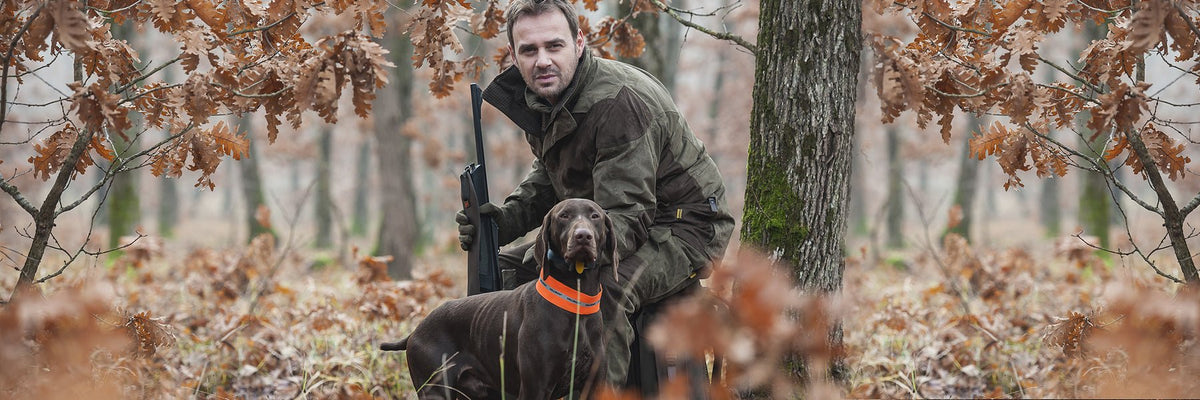
Hunting Clothes for Dog Work: Briars, Mud, Stops and Constant Movement

Tough dog work hunting clothes for briars, mud, cold weather, blaze orange and long walks in rough cover.
Hunting clothes for dog work: briars are not the same thing as clean stand hunting gear. Not even close. Dog work is rougher. Wetter. More annoying on the body. You walk, stop, turn, crouch, grab the dog, step over deadfall, and then end up chasing into brush you were hoping the dog would ignore.
That is the problem. The dog does not care if the cover looks nasty. If the bird is in there, the dog goes in. Then you follow.
Regular clothing gets exposed fast in that kind of hunt. A pair of hiking pants may feel fine on a trail, but briars and thorns tell the truth. Thin fabric snags. Light pants let stems poke through. Jeans get wet, heavy, stiff, and miserable. Cotton sounds fine until mud and water get into it.
Good hunting clothing for dog work needs to protect your legs, let you move, and not turn into dead weight after an hour. It should be durable without feeling like a board. It should have enough water resistance for wet grass and mud, but still breathe when the day gets hot.
You are not dressing for a photo. You are dressing for brush, briars, mud, grey woods, dogs, and constant movement.
Brush Pants Come First

For dog work, brush pants are usually the first piece that matters. Not the jacket. Not the cap. The pants.
Your legs catch the worst of the hunt. Briars hit them first. Wet grass soaks them first. Sticks, snow, thorns, mud, and brush all attack below the waist. If the pants are wrong, the whole day feels wrong.
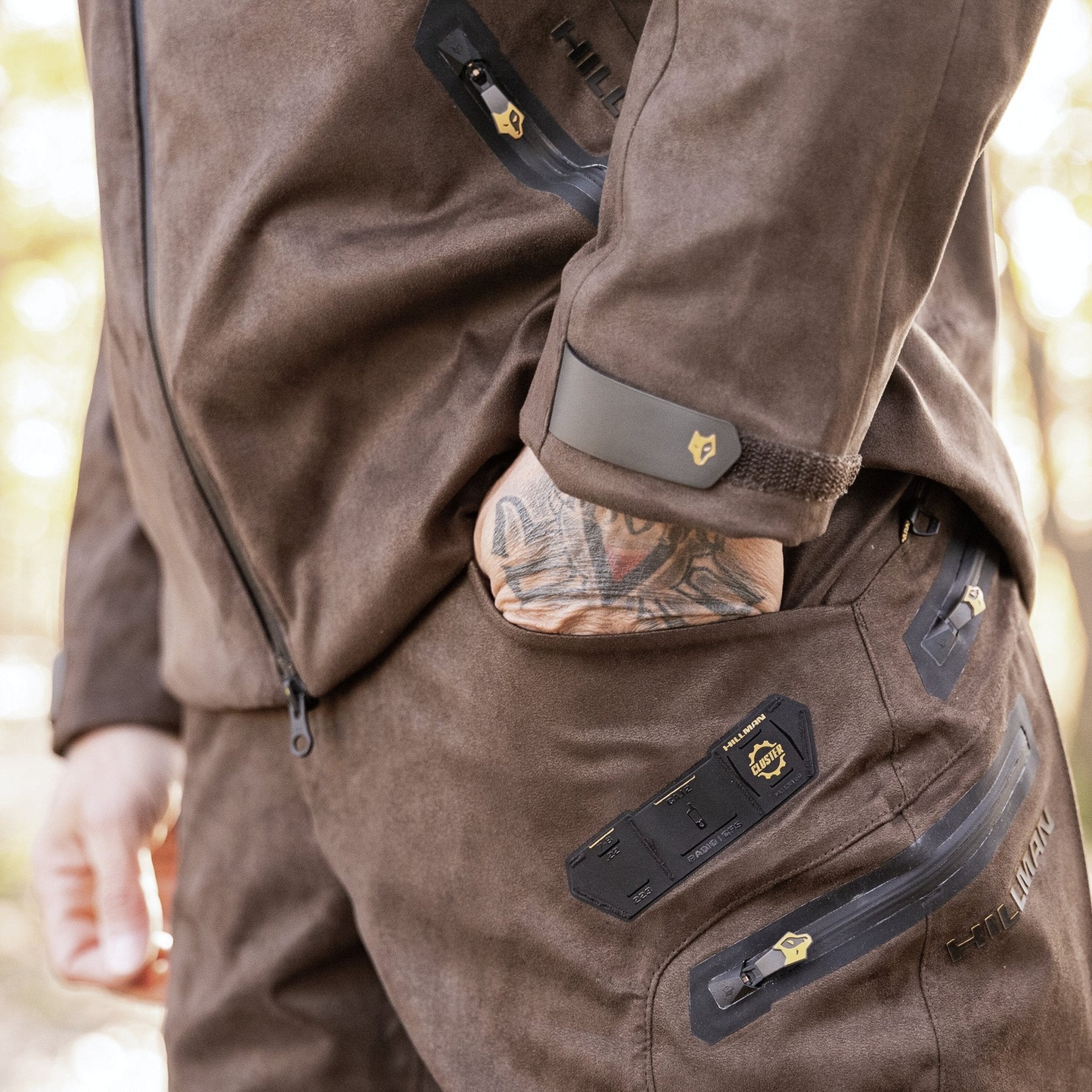
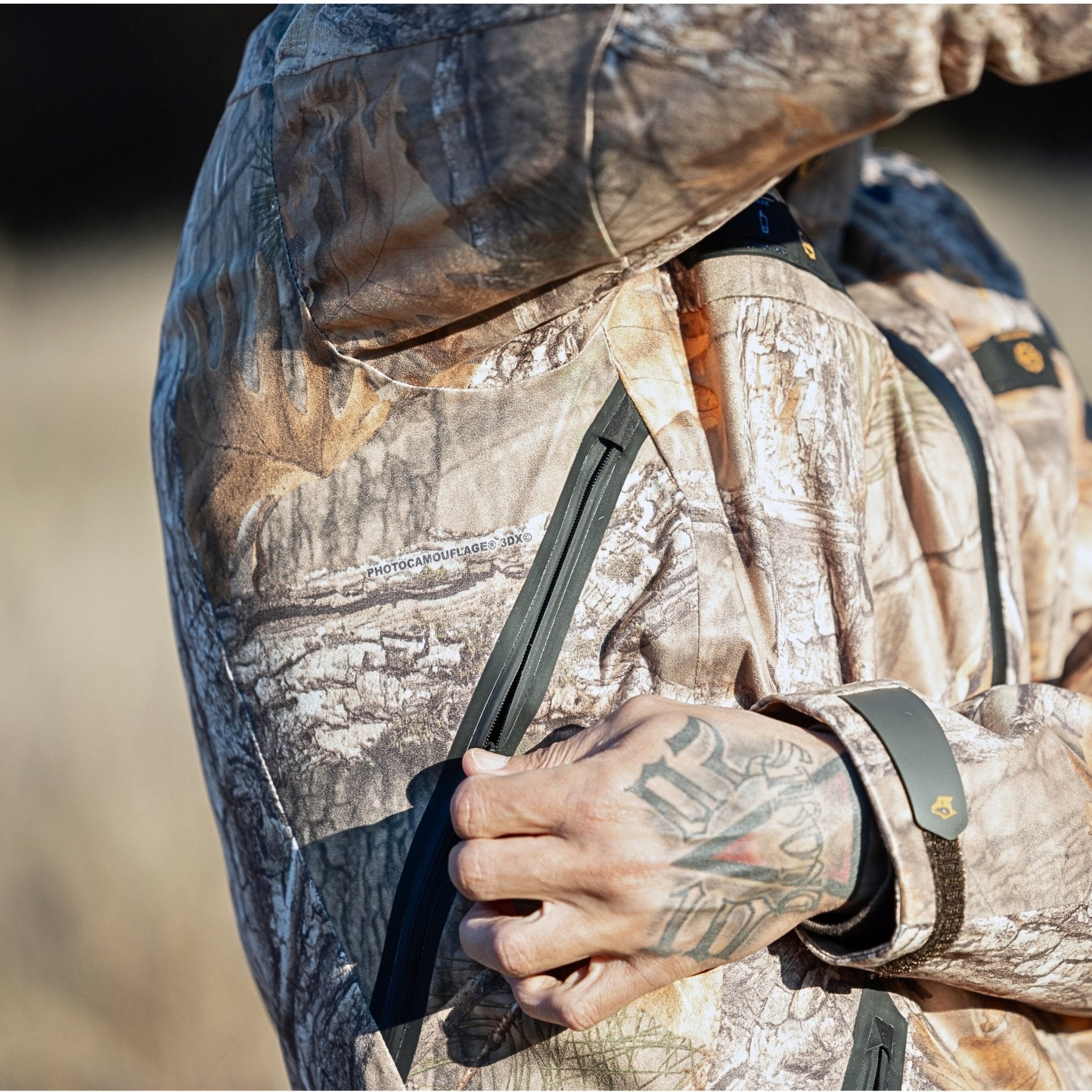
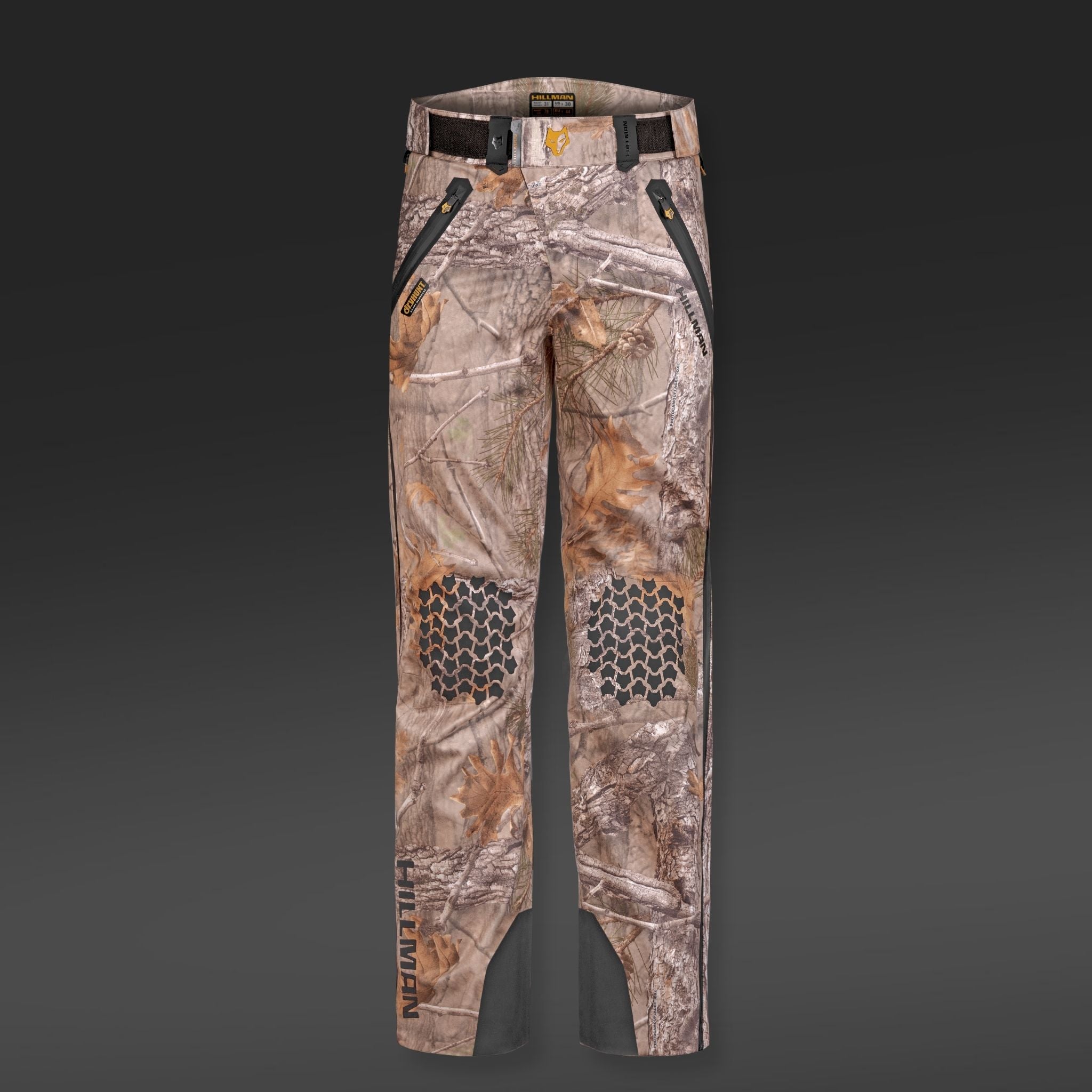
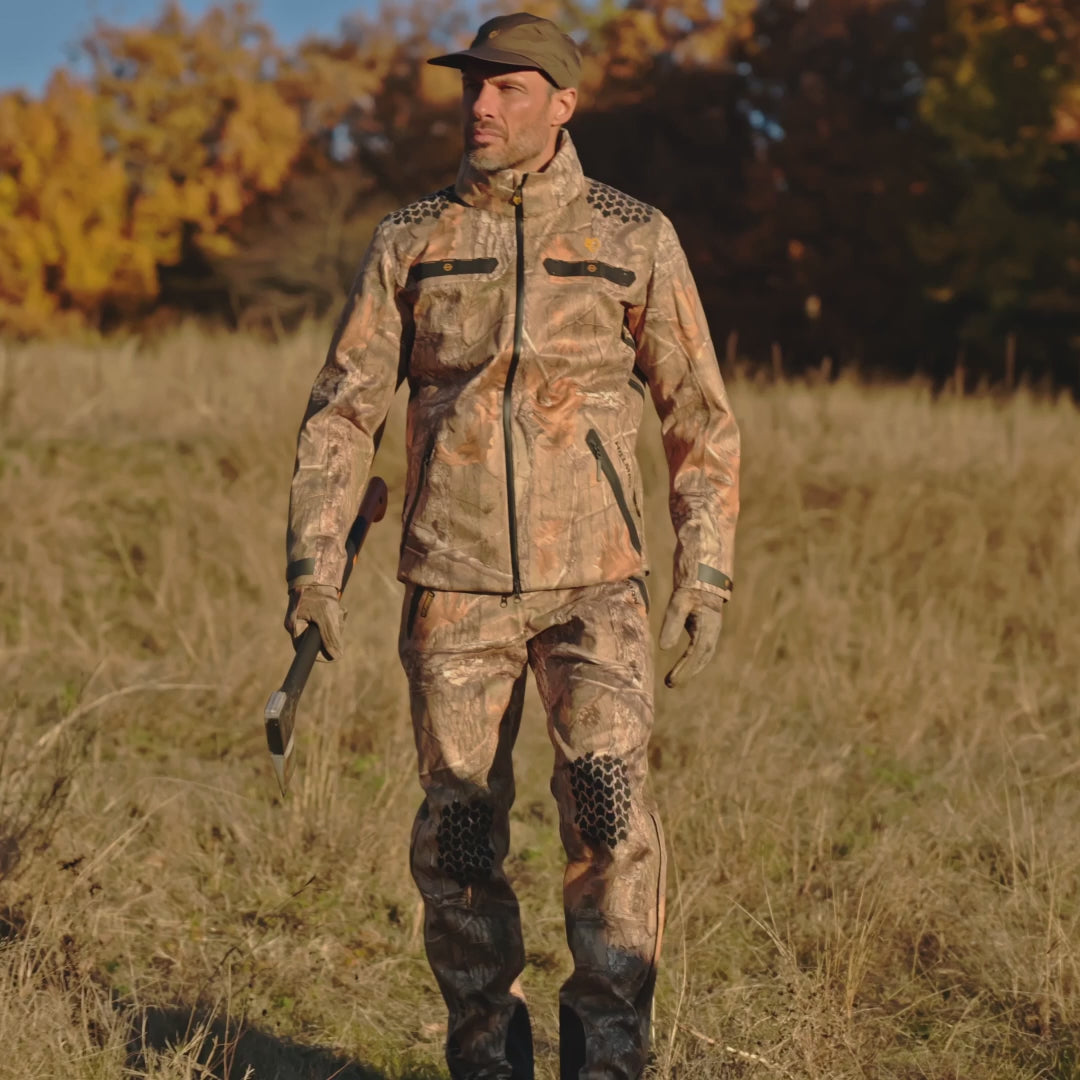
A good pair of brush pants should be tough, but not stupidly stiff. You need fabric that can push through thick cover without ripping. Reinforced knees help. Tough lower legs help. A strong seat helps too, because dog work means kneeling, sliding, sitting on wet logs, and climbing through ugly ground.
Fit matters more than people admit. A relaxed fit is usually best because it gives your legs room to move and leaves space for a base layer in cold weather. But baggy pants are a pain. Extra fabric can bunch behind the knee, snag on brush, and collect mud. The waist should stay where it belongs. The inseam should not drag. Pants that run true save you a lot of irritation.
If you are adjusting your pants every ten minutes, they are already failing.
Briar Pants Need Real Bite

Briar pants need to do one thing before anything else: stop briars.
Not look stylish. Not sound good in a product post. Not have some fancy brand sentence stitched inside. They need to keep thorns away from your legs.
Good briar pants usually use strong material like heavy nylon, canvas, polyester blend fabric, waxed cotton, or some kind of tough face fabric. The exact material matters, but the build matters more. Weak stitching and thin panels ruin even decent fabric.
The lower leg is important. That is where briars, thorns, and brush hit again and again. Knees matter too. A dog handler kneels more than he thinks. One minute you are standing, the next you are working with the dog, checking a paw, sorting out a lead, or dropping down in wet cover.
Still, more thickness is not always better. Some briar pants feel like armor, and not in a good way. They protect well, but they get hot, heavy, and clumsy after a long walk. If you are doing upland hunting or woodcock hunting, that weight gets old fast.
The best pair is tough enough for briars but flexible enough to walk in all day. That balance is where the money should go.
Hiking Pants Are Only Fine In Easy Cover

Hiking pants are fine. Sometimes.
Open ground? Fine. Early season scouting? Fine. Dry fields with light brush? Fine. A warm day where you need airflow and not much protection? Hiking pants can feel awesome.
But do not pretend they are briar pants.
Most hiking pants are built for trail wear. They are made to move, dry quickly, and stay light. That is useful, but it is not the same as protection. Thin nylon or polyester can slide past some brush, but real thorns will still get through. Dense briars will still grab them. A dog pushing into rough woods can turn light pants into a bad decision fast.
A simple test works. Imagine the worst part of the hunt, not the easiest part. If the dog runs into thick brush, tangled young growth, or wet briars, will those pants protect your legs? If the answer is no, wear brush pants or briar pants.
Dress for the ugly cover. The easy ground does not need much help.
Upland Pants Are The Middle Ground

Upland pants make sense for a lot of dog work because they sit between hiking pants and heavy briar pants.
Upland bird hunting is not just walking straight across a clean field. You stop. You start again. You follow the dog. You cross ditches. You step through brush. You bend, kneel, and sometimes move fast when the bird flushes.
Good upland pants should protect the lower legs, give decent water resistance, and still breathe enough for long walks. They should not rub badly. They should not bind at the knee. They should not feel like winter gear on an early season hunt.
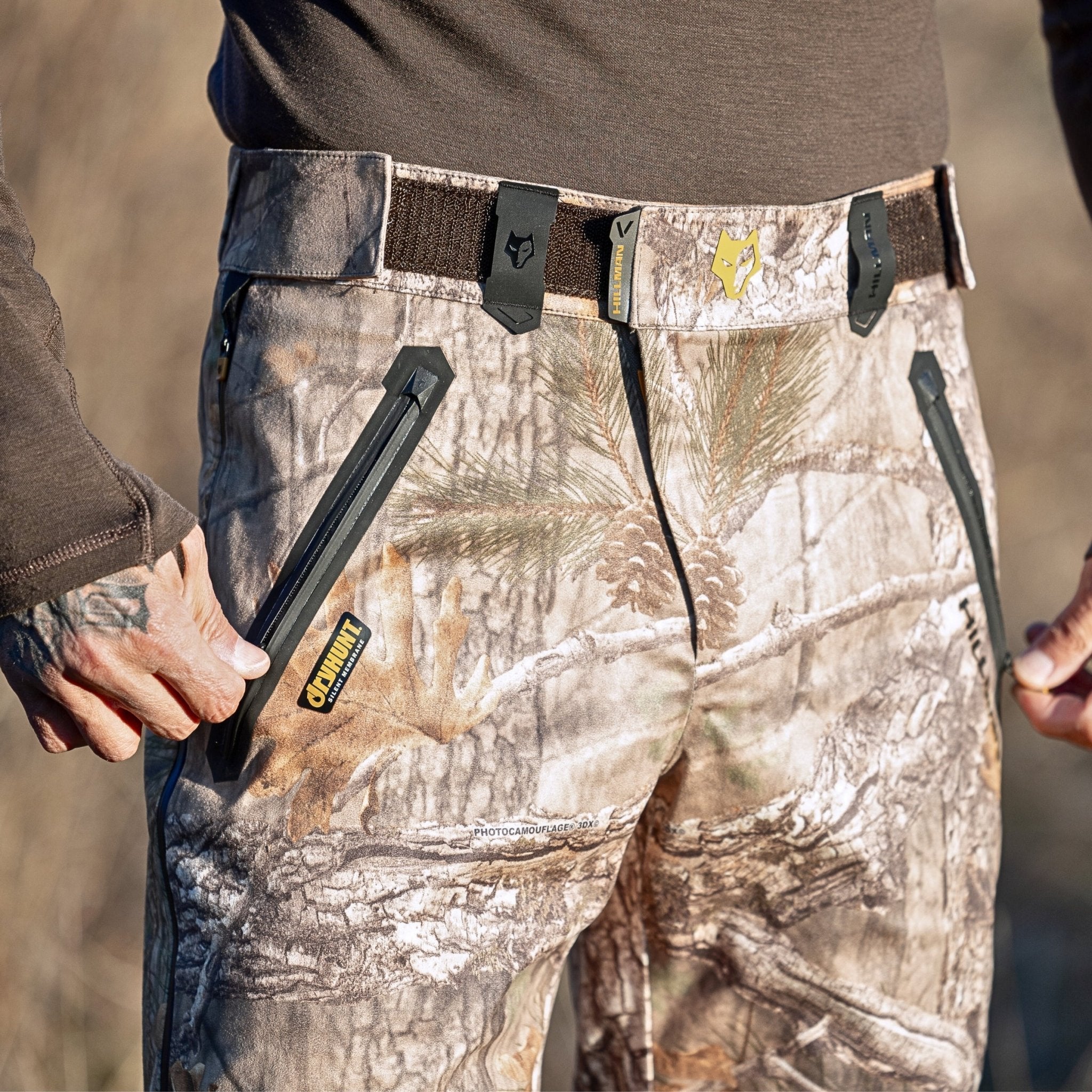
A flexible waist helps, especially when you carry shells, a leash, an e-collar transmitter, gloves, water, or other dog gear. Good pockets help too. Bad pocket placement gets annoying when you need something fast and it is buried under a jacket or vest.
In my opinion, this is where any hunting clothing brand has to prove itself. Hillman, LL Bean, or any other brand can look good online. The real test is mud, briars, sweat, and several hours behind a dog.
Blaze Orange Is Not A Fashion Choice

Blaze orange is not decoration. It is a signal.
In busy woods, especially during deer season, orange matters. A dog moving through grey woods, brown grass, and broken brush can vanish in seconds. A blaze orange dog vest makes the dog easier to track and easier for other hunters to understand.
You need orange too. A blaze orange cap, vest, or panel helps other guys see you when cover breaks up your outline. Thick brush hides people quickly. One step behind a tree or briar patch and you are half gone.
A vest is usually better than one tiny patch because it stays visible above brush. For the dog, the vest needs to fit right. No rubbing. No bunching. No weird restriction when the dog is running, swimming, or pushing through briars.
Visibility is one of those things people only take seriously after a close call. Better to take it seriously before that.
Pockets Matter More With A Dog

Dog work means more gear. That is just how it goes.
You may carry a leash, lead, e-collar transmitter, water, shells, gloves, first-aid items, a towel, or some small dog protection item. On a short hunt, maybe you carry less. On a long bird hunting day, things add up.
Bad pockets make that worse. Too shallow, and stuff falls out. Too tight, and you fight them with gloves on. Too low, and they bang around. Too hidden, and they are useless when the dog needs attention.
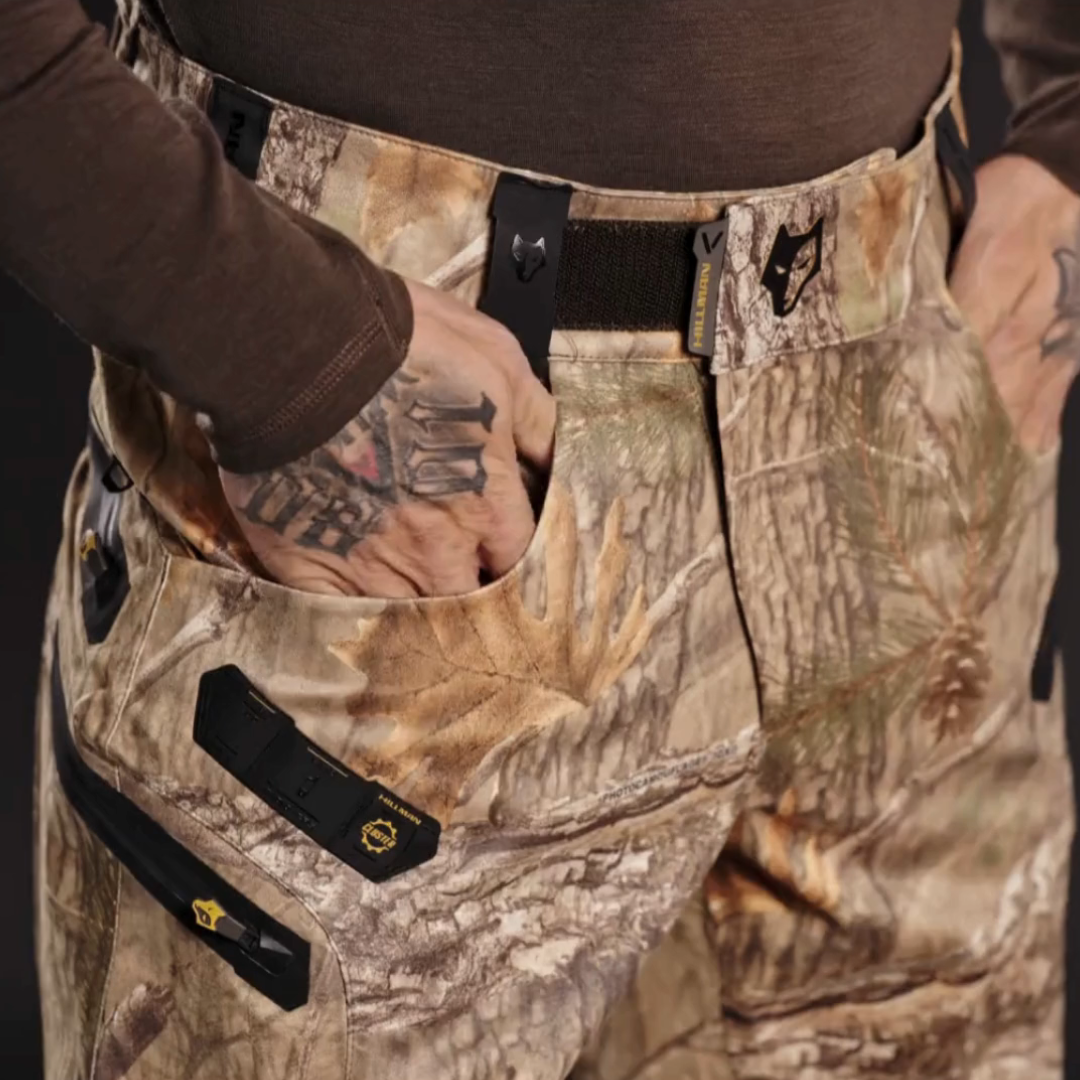
Good hunting pants should have useful storage without feeling overloaded. Deep front pockets are good. Secure cargo pockets are good. A waist that works with a belt or upland vest is good. The point is not to throw your whole account of gear into your pants. The point is to keep the important things where you can reach them.
Durability is not only fabric. It is stitching, pocket corners, snaps, zippers, seams, belt loops, and cuffs. A tough pair of pants with bad features is still a bad product.
Early Season Gets Hot Fast

Early season dog work can be ugly in a different way. The air may feel fine at the truck. Then you start walking through green cover and suddenly it is hot.
Heavy cotton pants can protect well, but they hold sweat and water. Once they are wet, they gain weight. Mud sticks to them. The cuffs drag. The legs feel heavy. That gets old fast.
For early season, lighter brush pants or upland pants usually make more sense. Nylon and polyester blends often dry faster and carry less water than cotton. A thin long-sleeve shirt can protect your arms from scratches without trapping too much heat.
The mistake is dressing for the first five minutes. You feel cool, so you wear too much. Then the dog starts working, you start sweating, and now your clothing is fighting you.
Wear enough to protect your legs and arms. Do not wear so much that you cook yourself before the hunt really starts.
Cold Weather Still Needs Movement
Cold weather does not mean you can dress like a statue.
You still have to walk. You still have to handle the dog. You still have to cross brush, mud, snow, frozen grass, and rough woods. Warmth matters, but mobility still matters too.
A base layer under brush pants is often better than one huge bulky pair of insulated pants. Layering gives you control. If the day is slow, snowy, or full of long stops, warmer pants may help. If the dog is moving hard and you are chasing behind it, too much insulation will make you sweat.
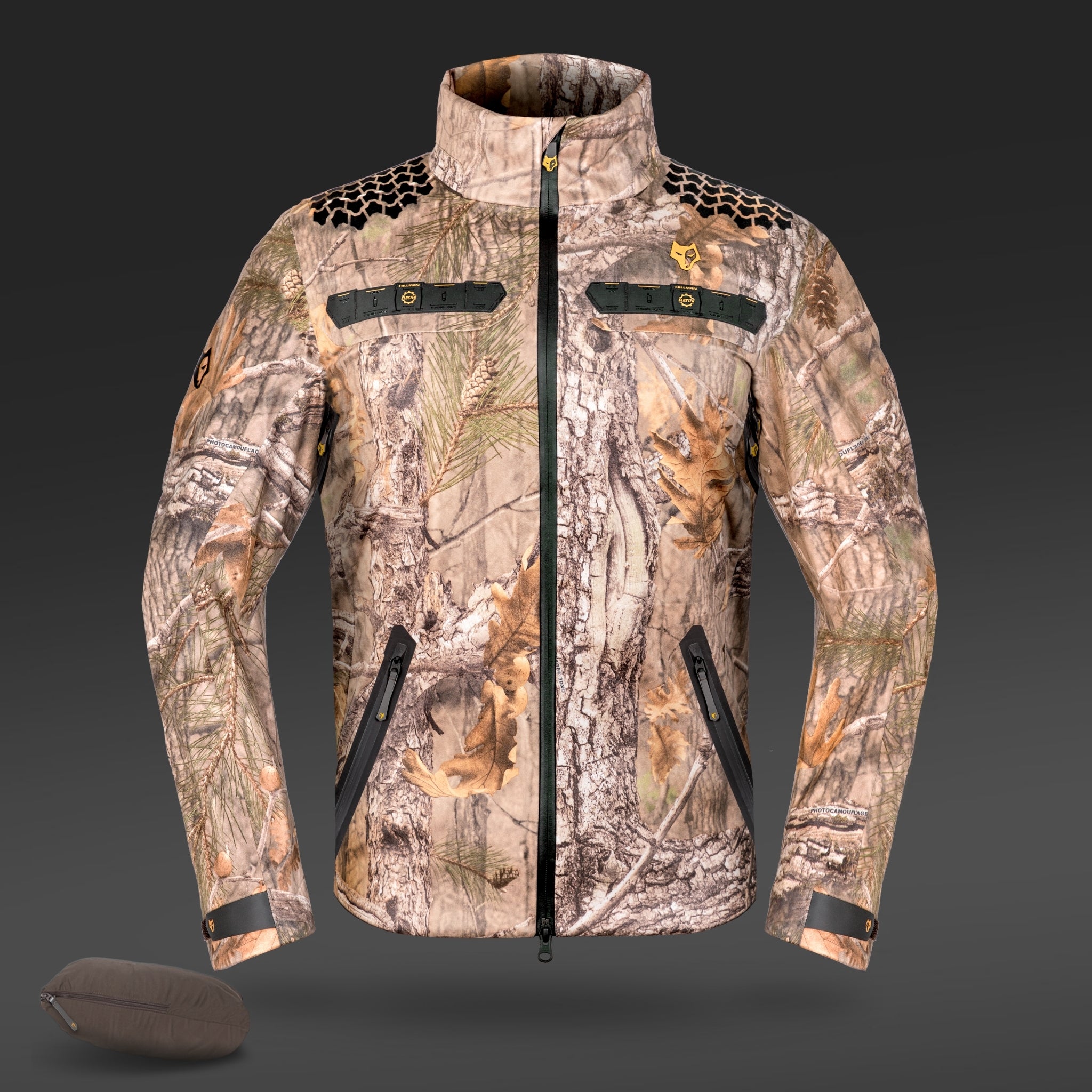
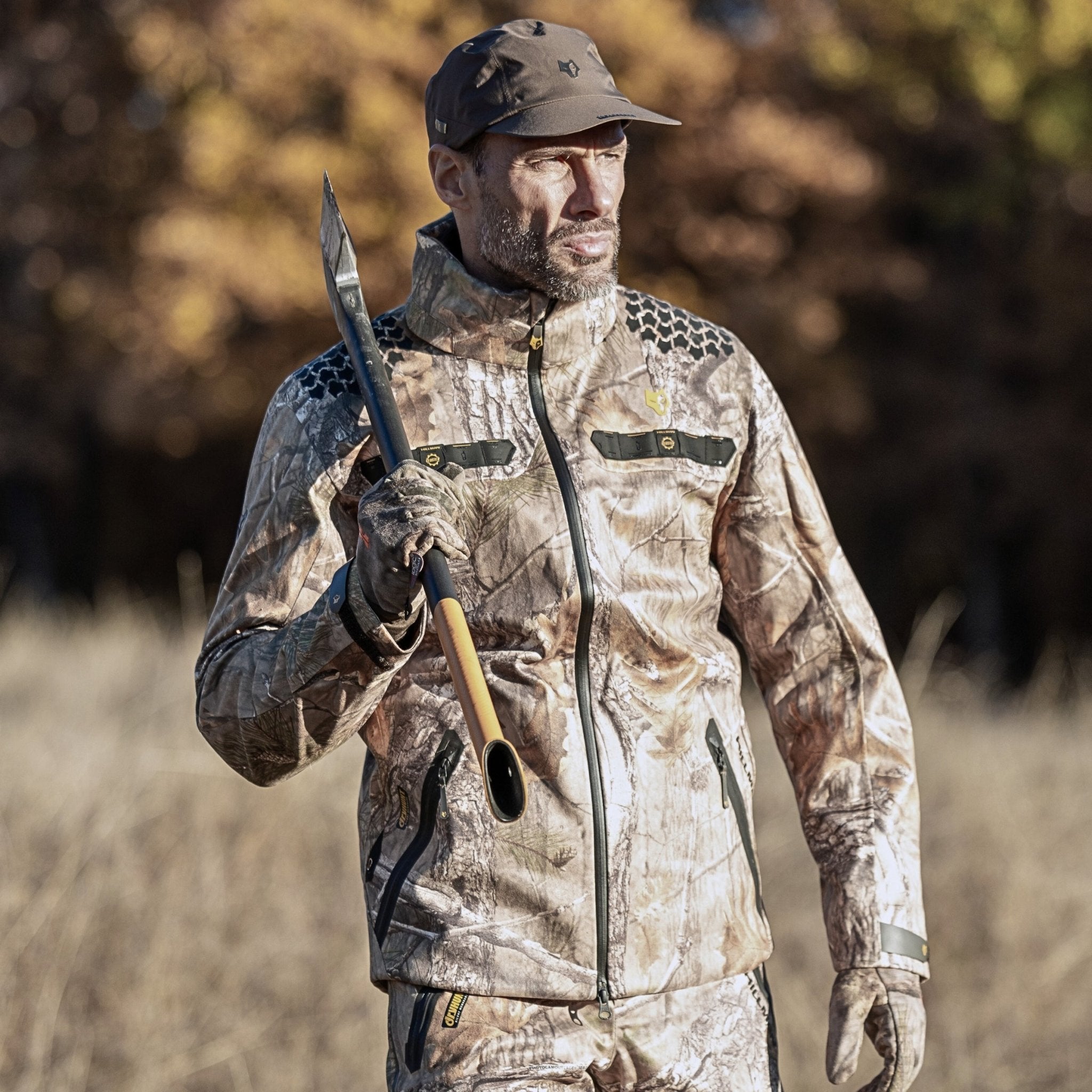
The upper body is the same. A warm mid layer under a durable outer layer is usually better than one giant jacket. Big jackets catch on branches. They get in the way when mounting a gun. They make it harder to bend, kneel, or handle the dog.
Warm is good. Overbuilt and clumsy is not.

Mud Shows What Gear Is Worth
Mud tells the truth.
Pants that feel good when dry can sag when wet. Fabric can stiffen. Pockets fill with grit. Lower legs get heavy. Weak seams start looking weak. Cheap cuffs start dragging junk around.
Water resistance helps. Full waterproof pants have their place in rain, snow, swamp edges, and wet grass that never ends. But waterproof gear can run hot, especially when you are moving all day.
For a lot of dog work, water-resistant brush pants are easier to live in. They shed light moisture, dry faster, and breathe better than full rain pants. That matters when the hunt is more walking than standing.
Look at the whole build. Knees. Seat. Lower legs. Seams. Pocket corners. Cuffs. Those are the places that take abuse. Thick fabric alone does not mean quality.
Dogs May Need Protection Too
The dog is doing the hardest work. It is easy to forget that while you are complaining about briars on your own legs.
In thick briars, dogs can get scratched, cut, poked, and rubbed raw. A protective vest can help in rough cover. Eye protection may also make sense where sharp stems, sticks, and thorns are common.
Not every dog needs gear every time. Open ground is different from a thorn mess. Hot weather is different from winter brush. A short-range dog is different from one that keeps diving deep into cover.
Still, if the dog is constantly entering thick stuff, protection should be part of the plan.
Fit matters. Bad dog gear can rub, trap heat, restrict natural movement, or make the dog act wrong. Watch the dog. If the vest changes how it moves, slows it down too much, or makes it breathe harder than normal, adjust it.

A Simple Dog Work Clothing Setup
Start with the pants. That is the base.
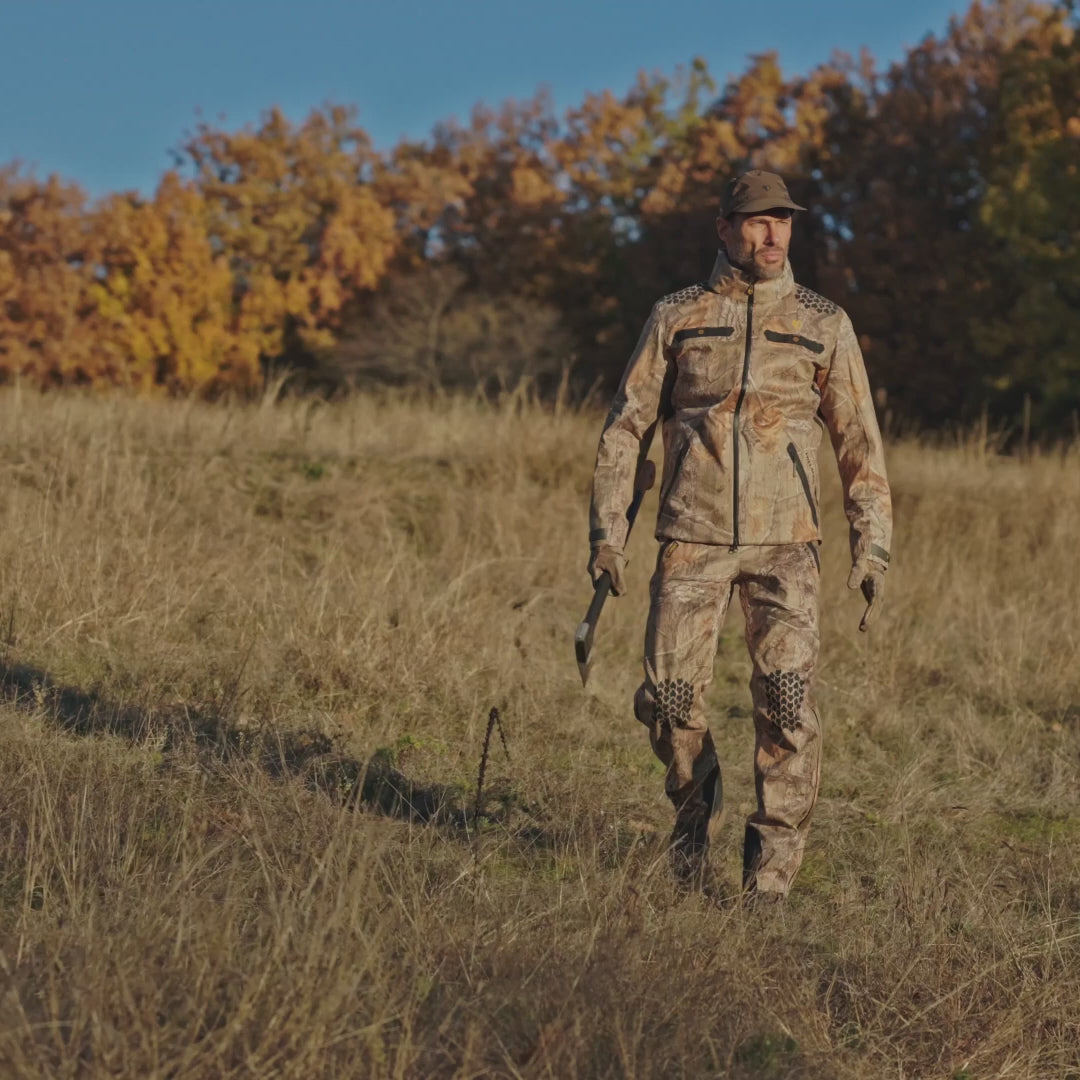
For rough cover, use brush pants, briar pants, or tough upland pants. In early season, keep the rest light. A breathable long-sleeve shirt and a light vest may be enough. Protect the skin, but do not overheat.
In cold weather, add a base layer under the pants and a warm mid layer up top. Use a durable outer layer that can handle brush. Keep the fit loose enough to move naturally.
In wet ground, choose water-resistant or waterproof gear based on the day. If you are walking hard, breathability matters more. If you are standing in rain, snow, or swampy cover, waterproofing may matter more.
Add blaze orange when visibility matters. In shared woods, during deer season, or anywhere other hunters may be nearby, do not skip it.
This setup is not complicated. Tough pants. Protected arms. Useful pockets. Proper warmth. Orange where it can be seen.
Do Not Buy Gear Like You Are Standing Still

A lot of hunting clothes feel fine in a shop. That means almost nothing.
Dog work is not standing still. It is walking for hours, sweating, stopping, kneeling, crossing wet ground, pushing through briars, grabbing the dog, and hoping the bird does not fly into even worse cover.
Think about the bad parts before buying. The muddy ditch. The frozen grass. The wet cuffs. The briar patch. The long walk back when your pants are covered in mud and your legs are tired.
That is where good gear proves itself. Not in a clean video. Not in a perfect product photo. In the woods, after the easy part is over.
Final Thoughts
Dog work is hard on clothing. It is rough, wet, dirty, and full of awkward movement. You need gear that can take abuse without making the day miserable.
Brush pants and briar pants matter most because your legs get hit first. Upland pants are a good middle ground when you need protection and comfort for long miles. Hiking pants are fine only when the cover is light. Jeans are for easy dry ground, not serious dog work.
Blaze orange helps keep you and the dog visible. Good pockets keep tools close. Water resistance helps in mud and wet grass. Warm layers matter in winter, but too much bulk makes movement worse.
There is no perfect pair for every hunt. Choose for terrain first. Then season and weather. Then comfort. Get that order right and you avoid most of the dumb mistakes that ruin a good day behind a dog.



Share:
What to Wear for Active Hunts Without Overheating