

Camo for Moving vs Sitting: Why One Hunting Setup Does Not Fit Every Hunt

Camo that works when you sit may fail when you move. Learn how terrain, weather, layers and hunting style change your setup.
Camo for moving vs sitting why one hunting setup does not fit every hunt is not just a neat idea for gear talk. It is one of those real world details that starts to matter after a few long days in the woods, especially when deer pick you up before you even understand what went wrong.
Most hunters think about camo patterns as if they are fixed answers. Green for woods. More open pattern for broken ground. Heavier jacket for cold weather. A quiet pant for stalking. That all helps, but it misses the bigger difference: sitting and moving expose you in completely different ways.
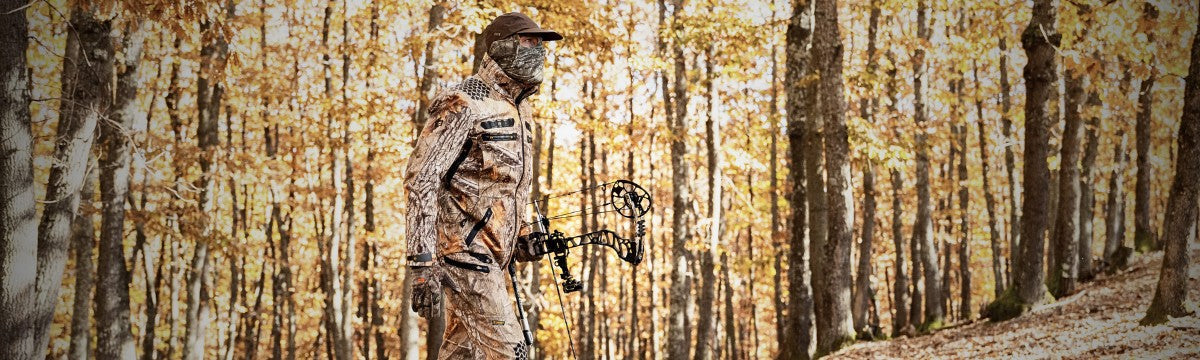
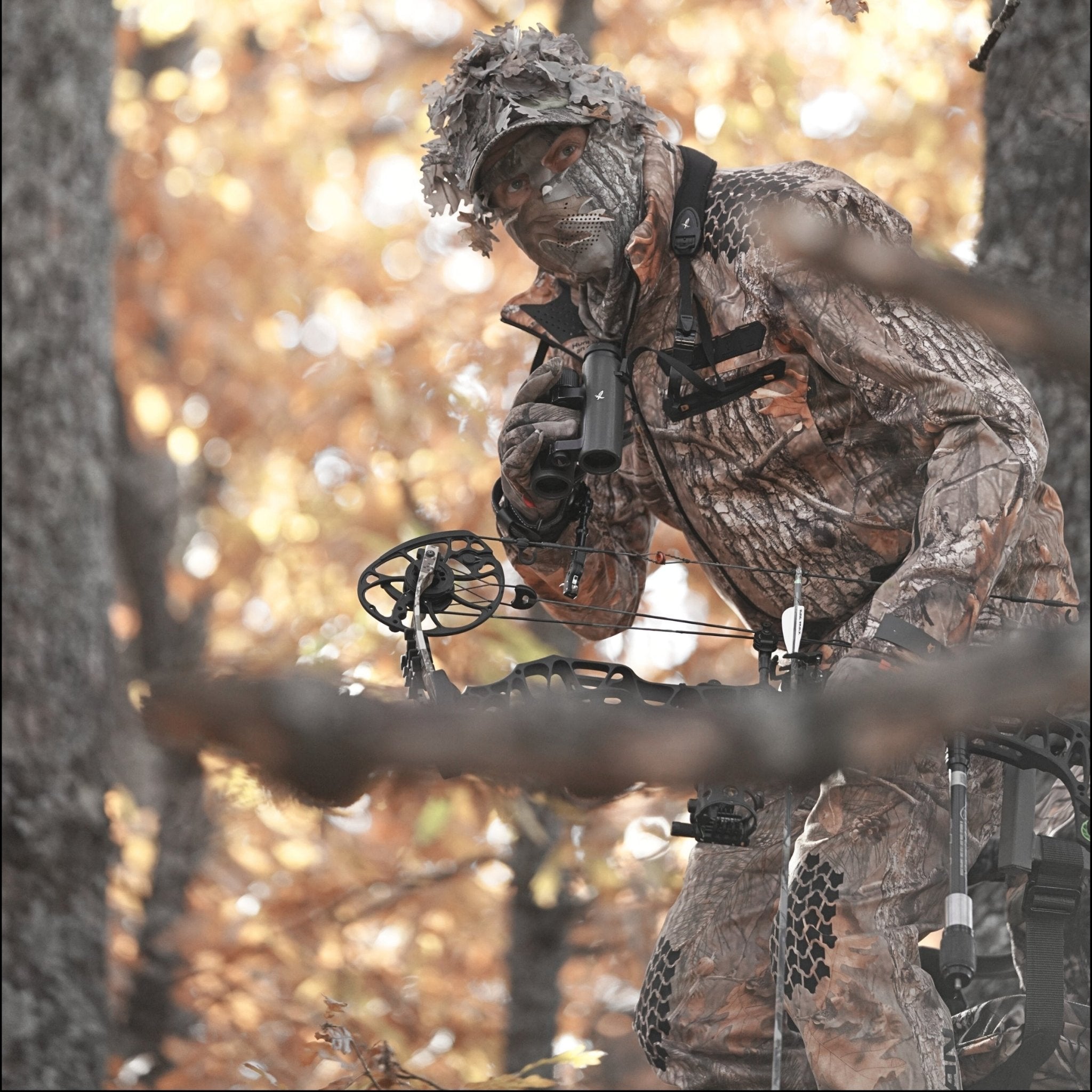
When you are sitting, the job of your hunting clothing is to make you disappear into a static background. You want the jacket, pant, gloves and head cover to look like part of the environment. The tree behind you, the ground around you, the shadow line at the edge of the stand, the dull winter woods. Stillness does half the work.
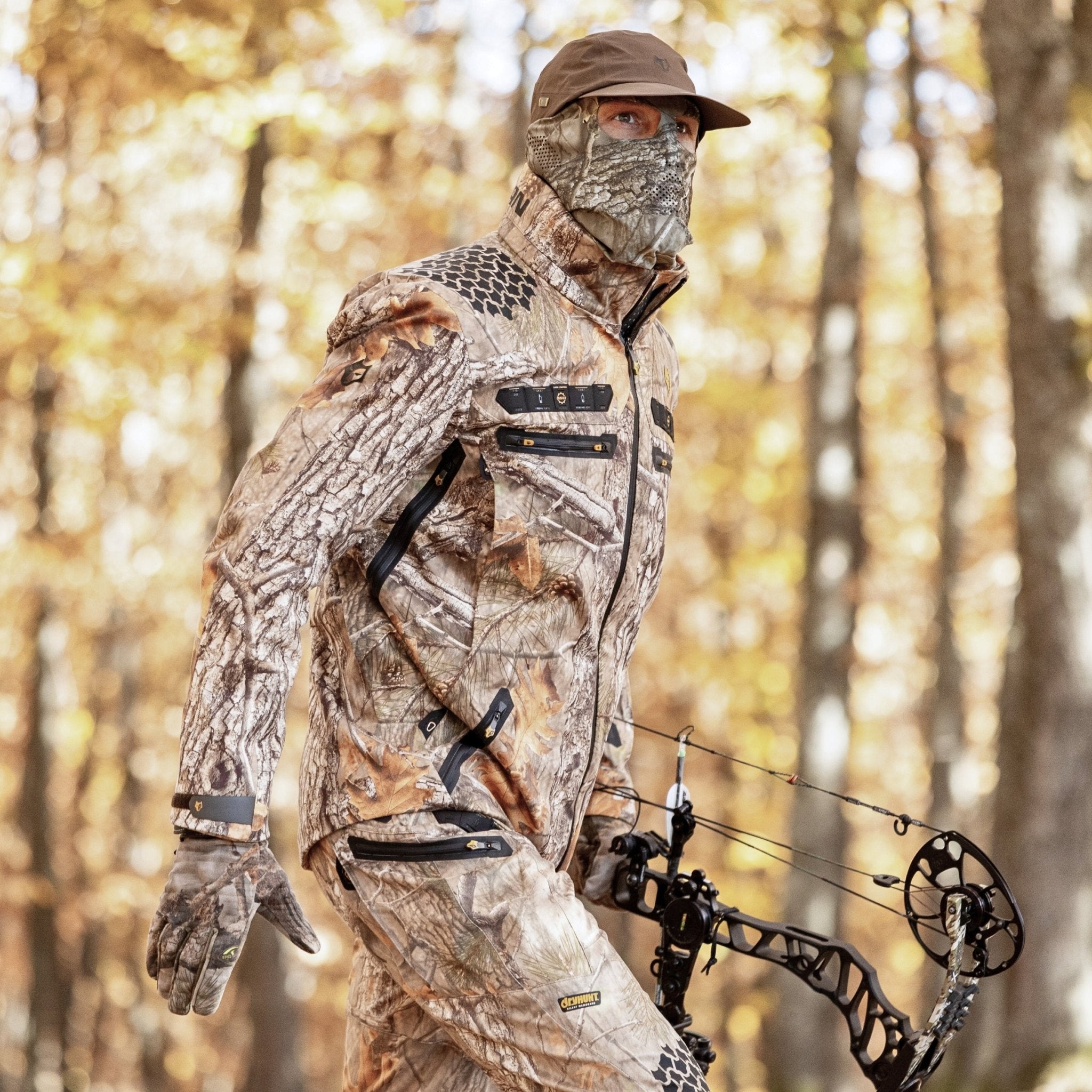
When you are moving, stillness is gone. The game is no longer judging only colour and pattern. It sees shift, rhythm, arms swinging, a pack brushing cover, a bit of fabric catching light. Prey animals are extremely sensitive to motion. A detailed camo pattern that looks excellent on the shop wall can become too sharp when it moves, and that contrast can make the human outline more apparent rather than less.
That is the first big break in the one setup idea. Sitting camo tries to blend in. Moving camo has to break you apart.
Hunting Gear Has to Match the Way You Hunt

Good hunting gear is not only about warmth, waterproofing or durability. It has to match the job of the day. A quiet setup for slow movement through tough terrain will not feel the same as a warm late season setup for sitting through a cold wind.
If you are tucked against a tree, waiting on a trail, you can accept more insulation and a bit more bulk. You may wear a thicker mid layer, heavier vests, warmer gloves and a jacket built to hold heat. Your main enemy is cold, not weight. You need to stay warm long enough to avoid fidgeting, because tiny movements often matter more than the camo itself.
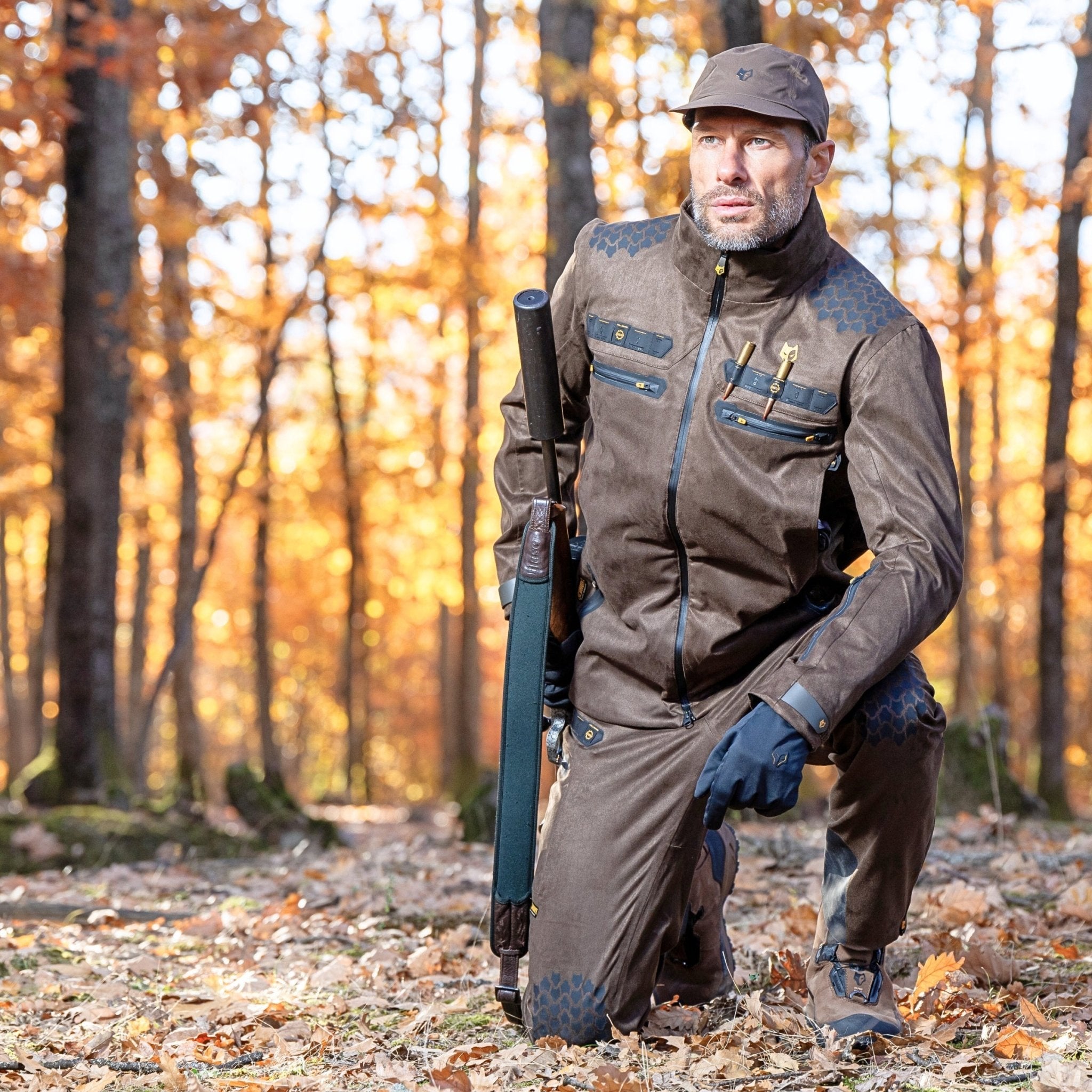
If you are still-hunting, tracking or covering ground, the equation changes. Heavy insulation gets sweaty. A bulky one piece can feel convenient for warmth, but it can also restrict movement and make noise. You need layers that breathe, fabrics that stay quiet, and clothing that lets you move through woods without every branch and seam announcing you.
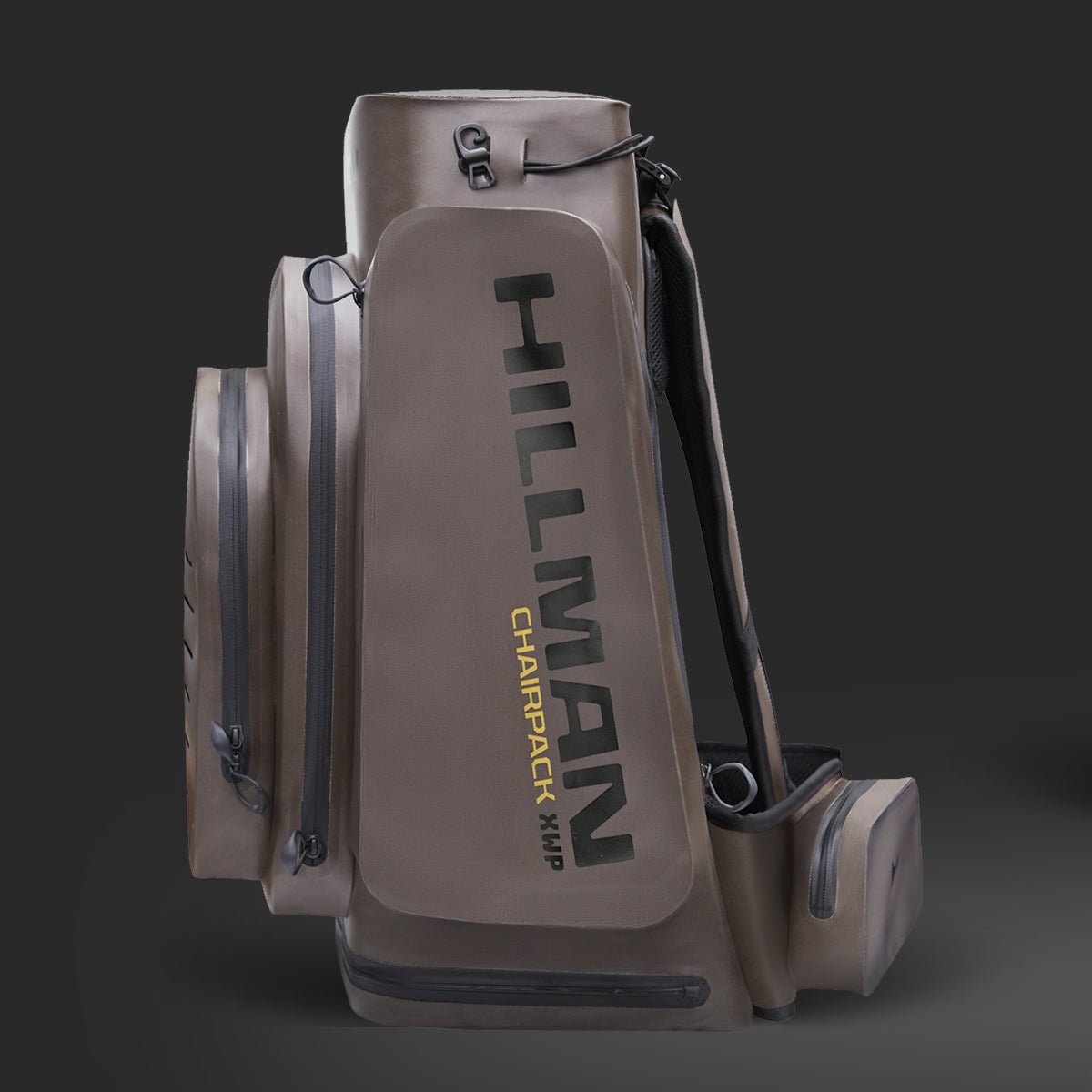
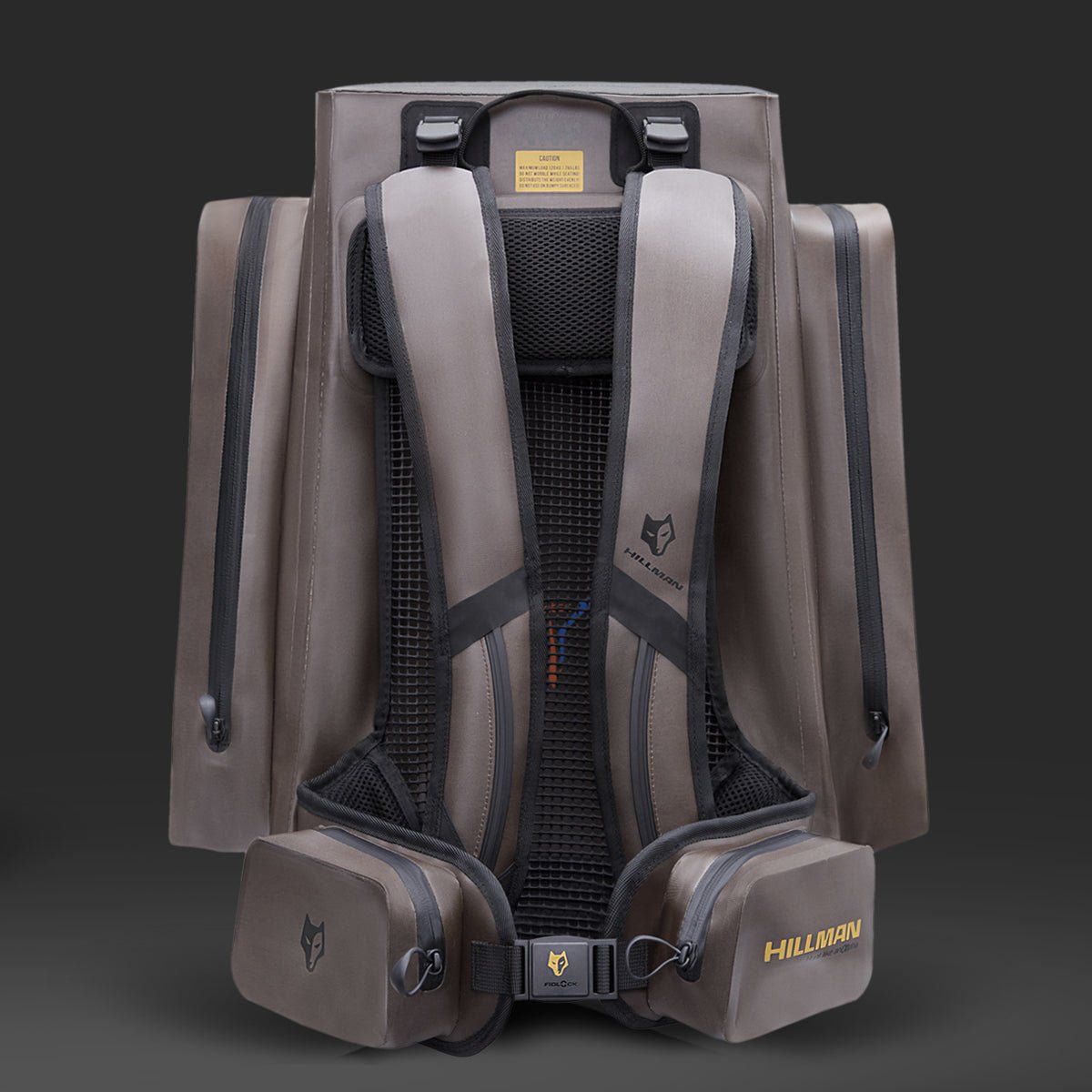
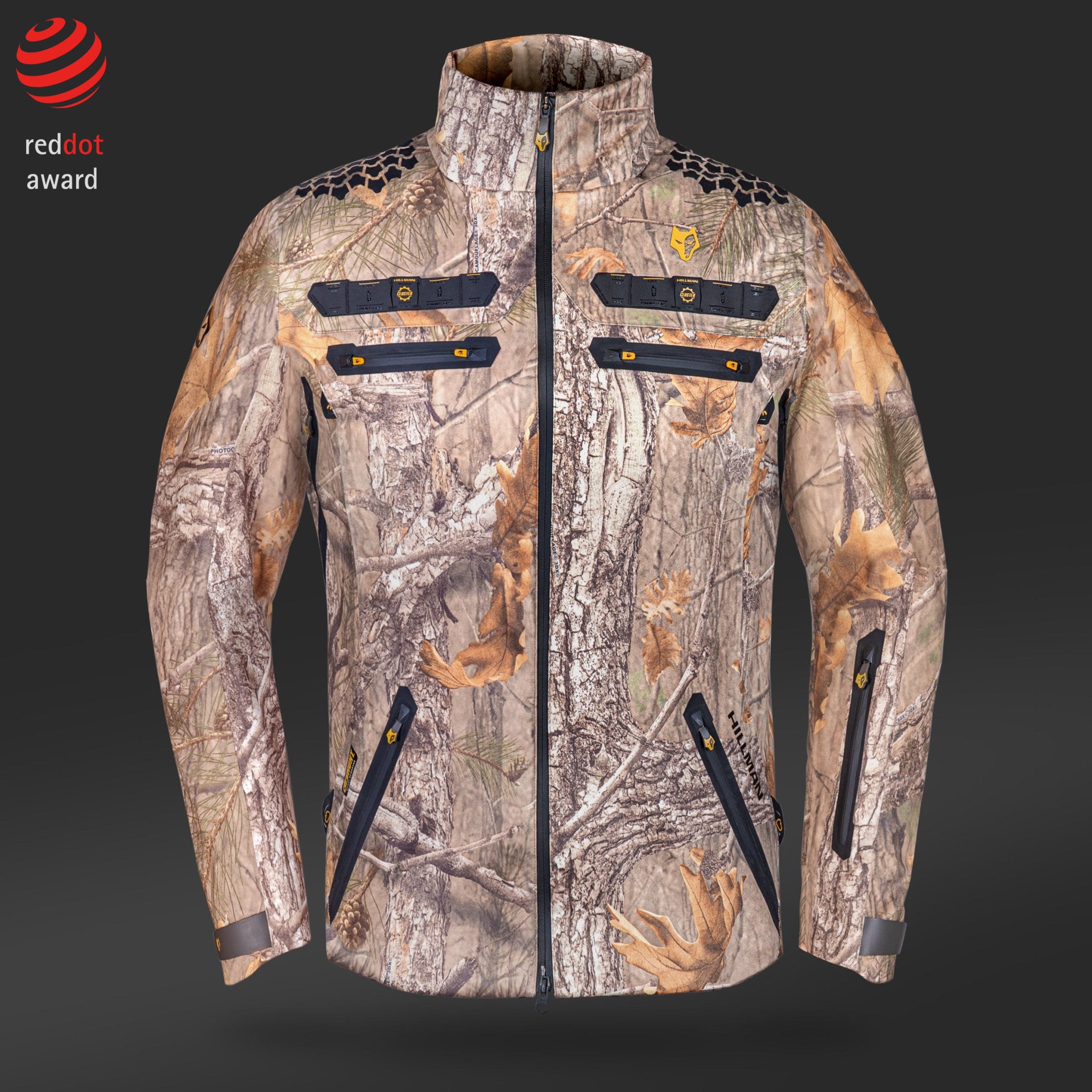
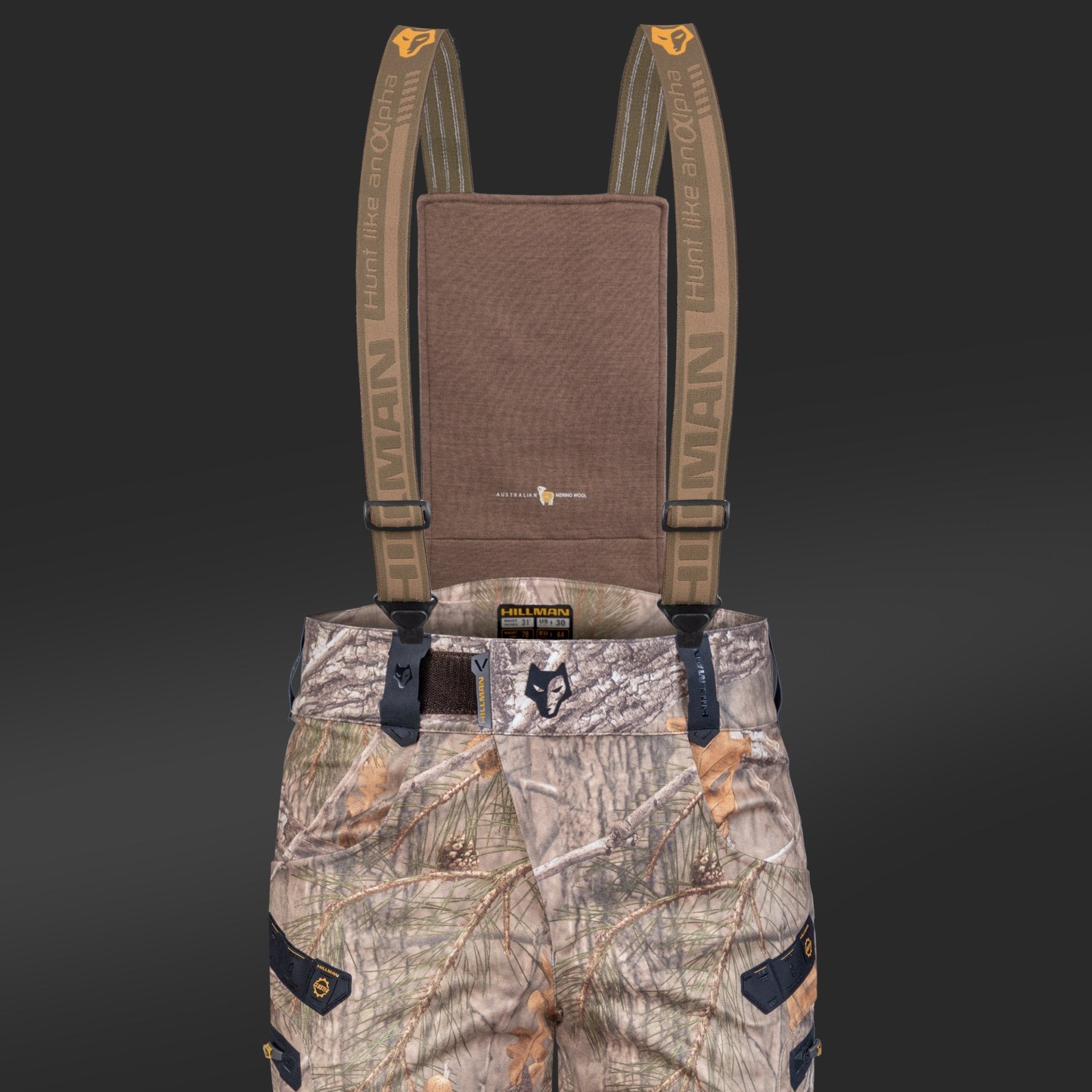
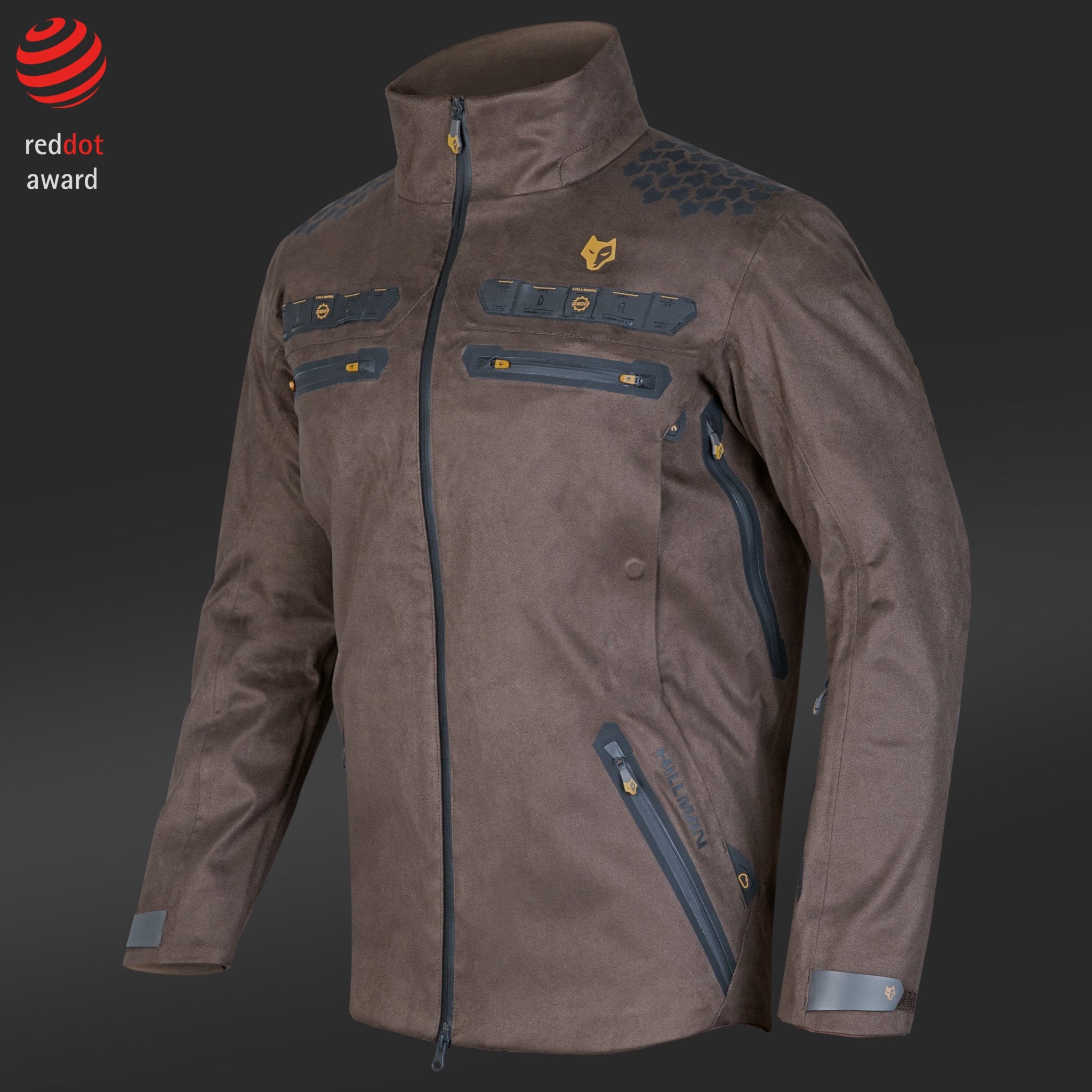
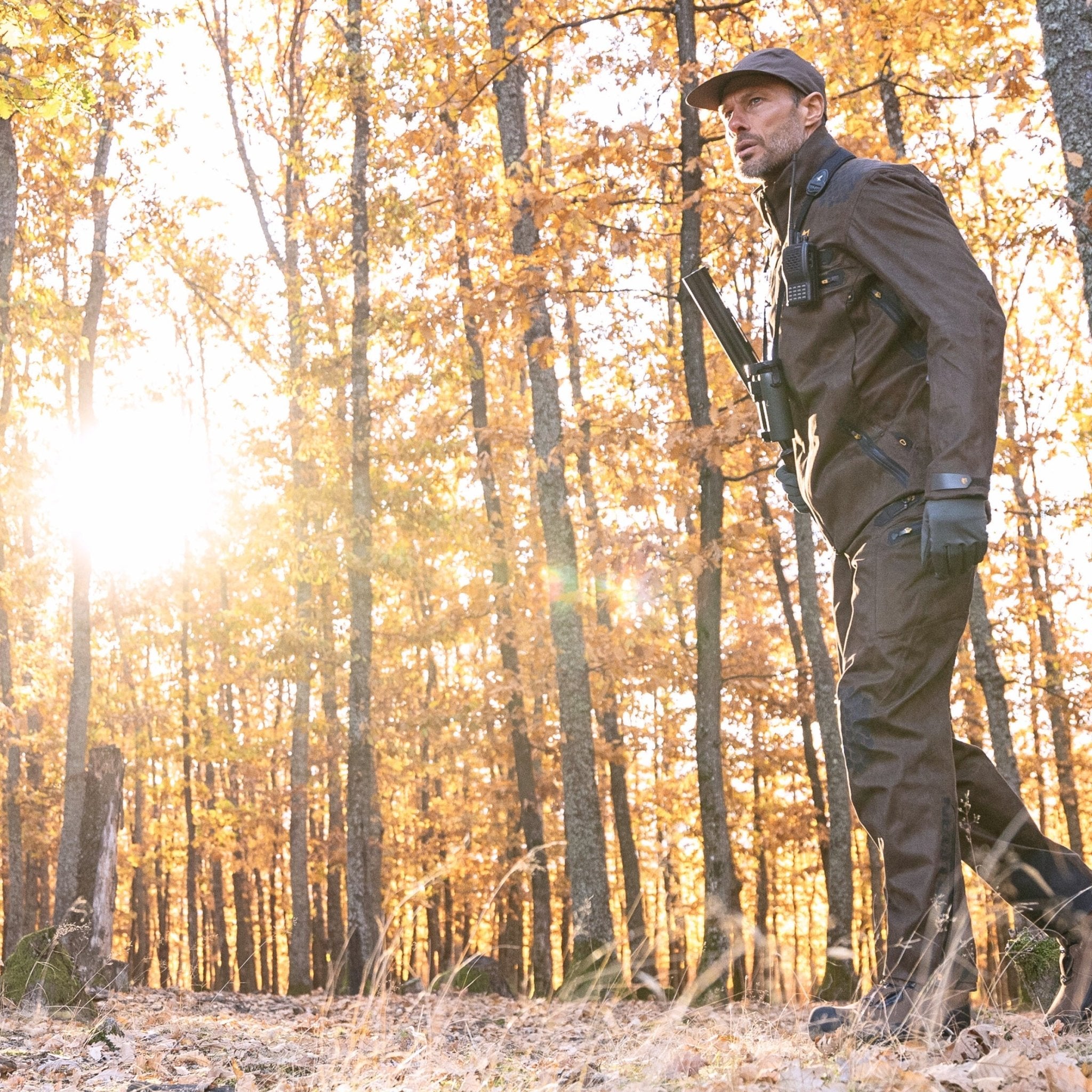
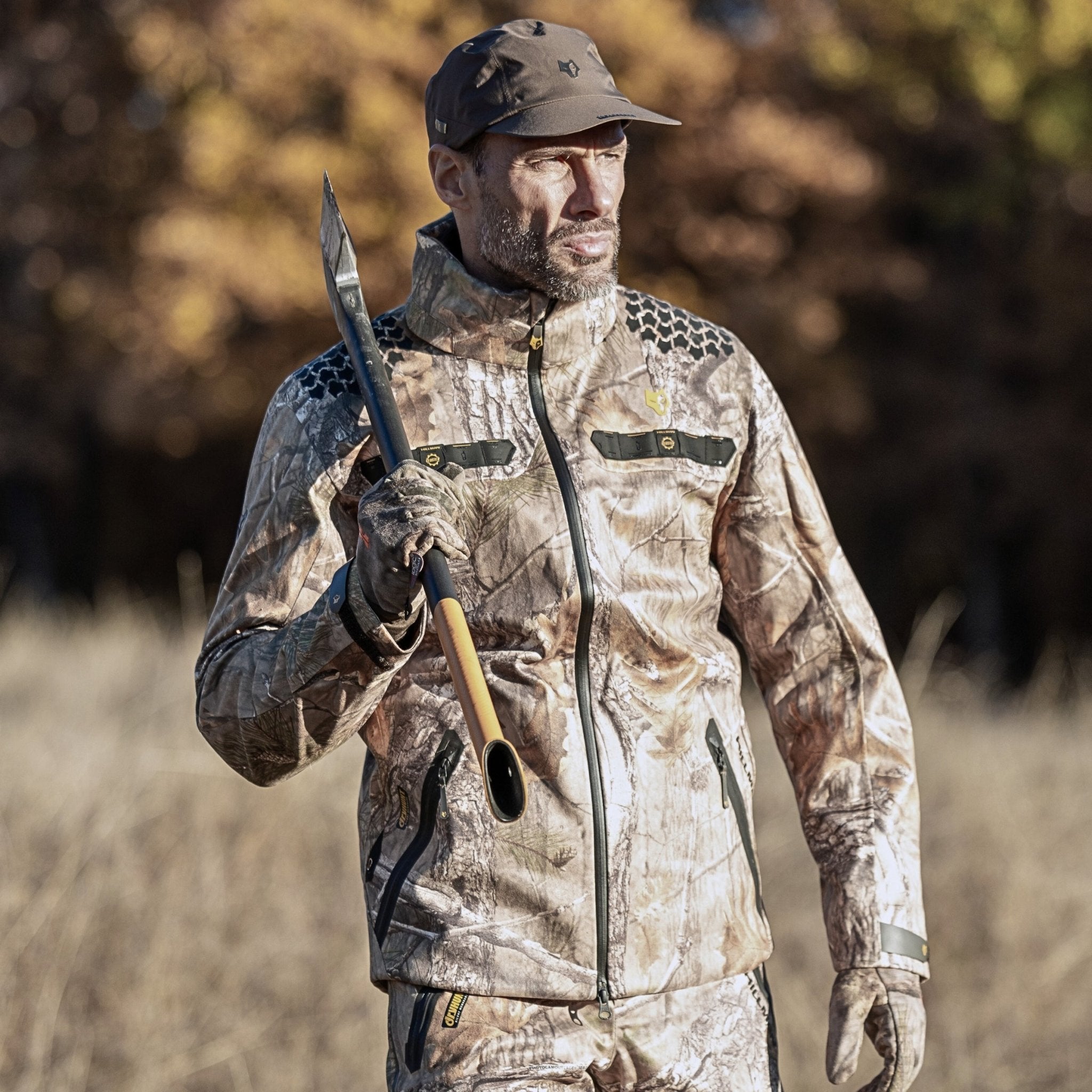
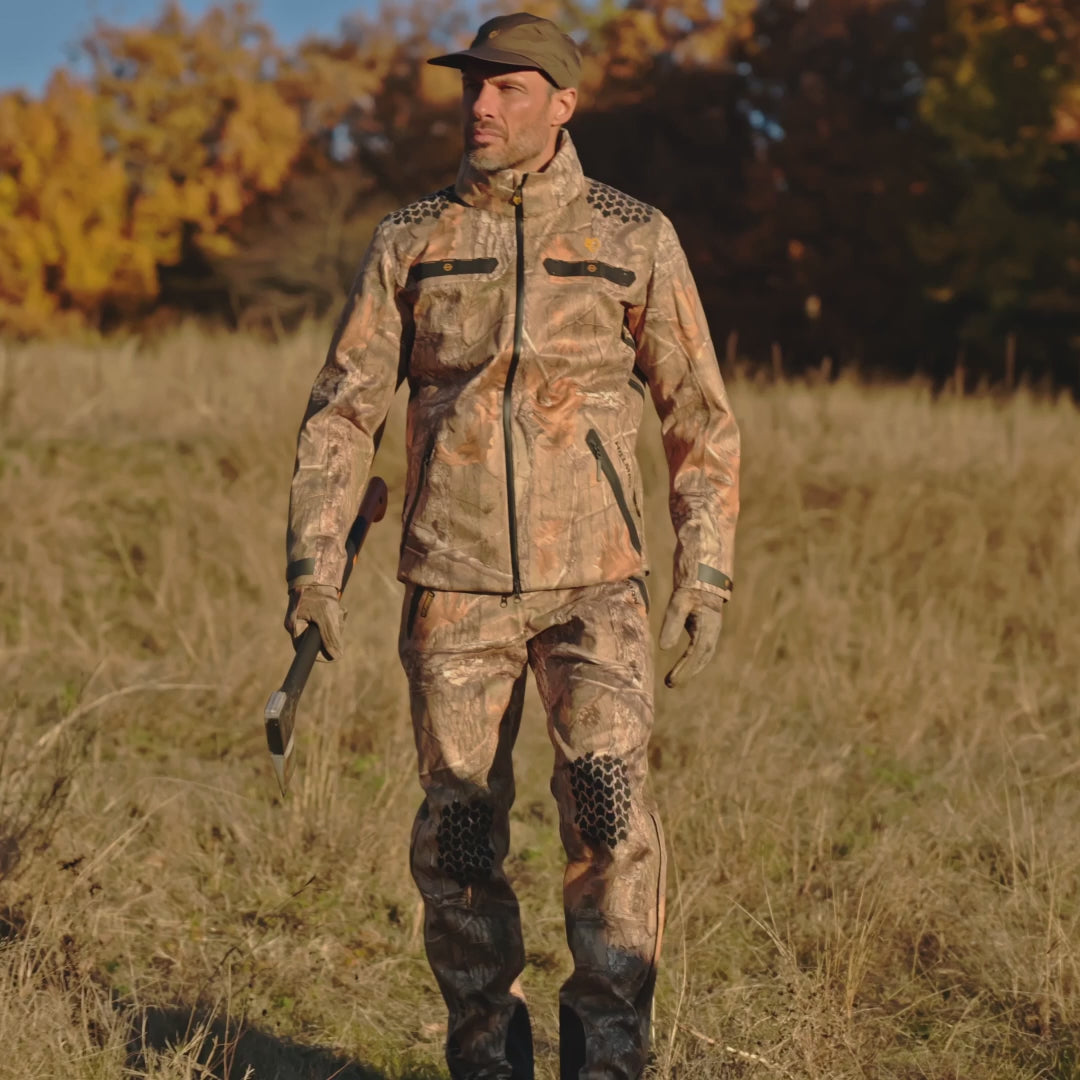
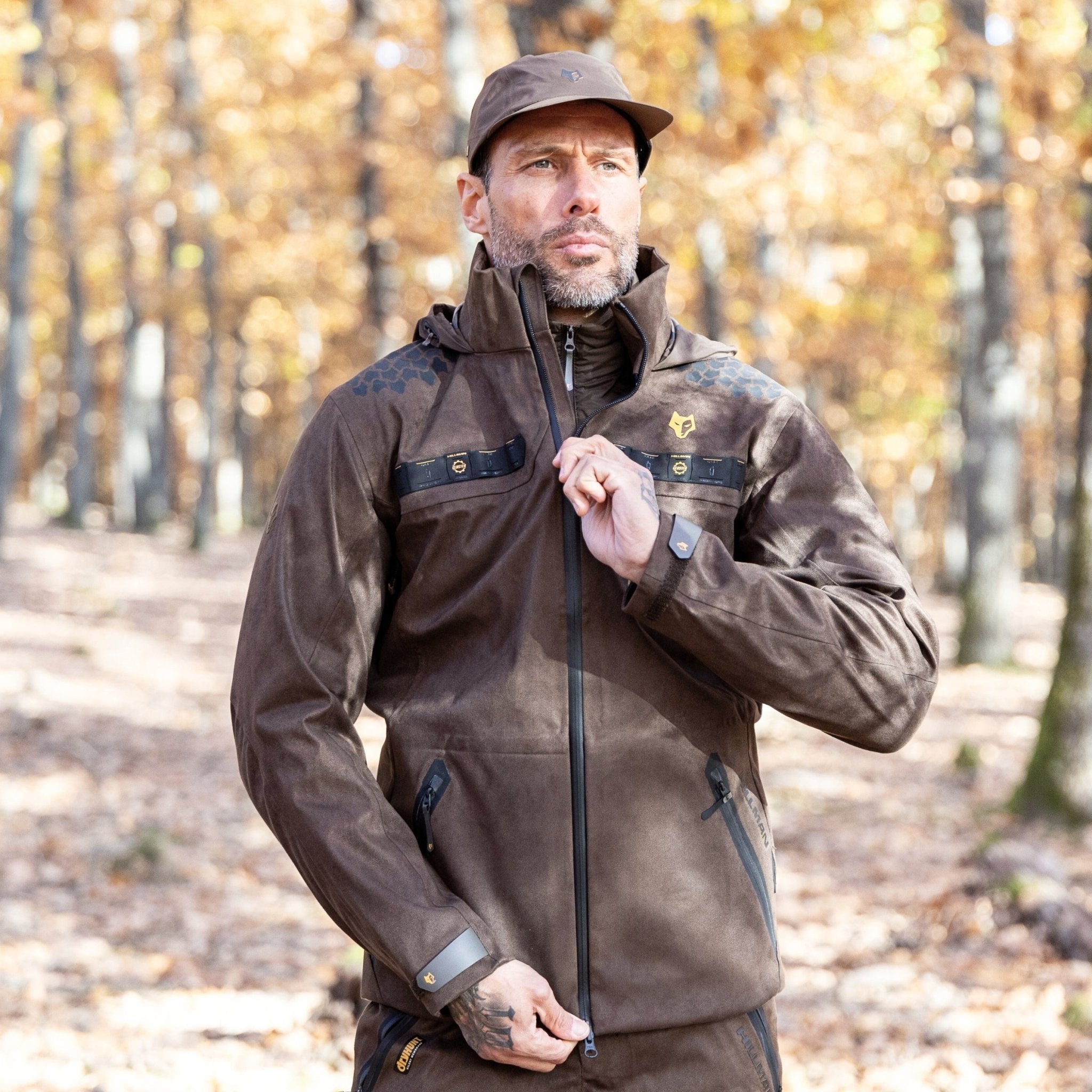
This is where Hillman fits best as a premium outdoor brand: the gear has to work as part of a system, not as a single miracle item.
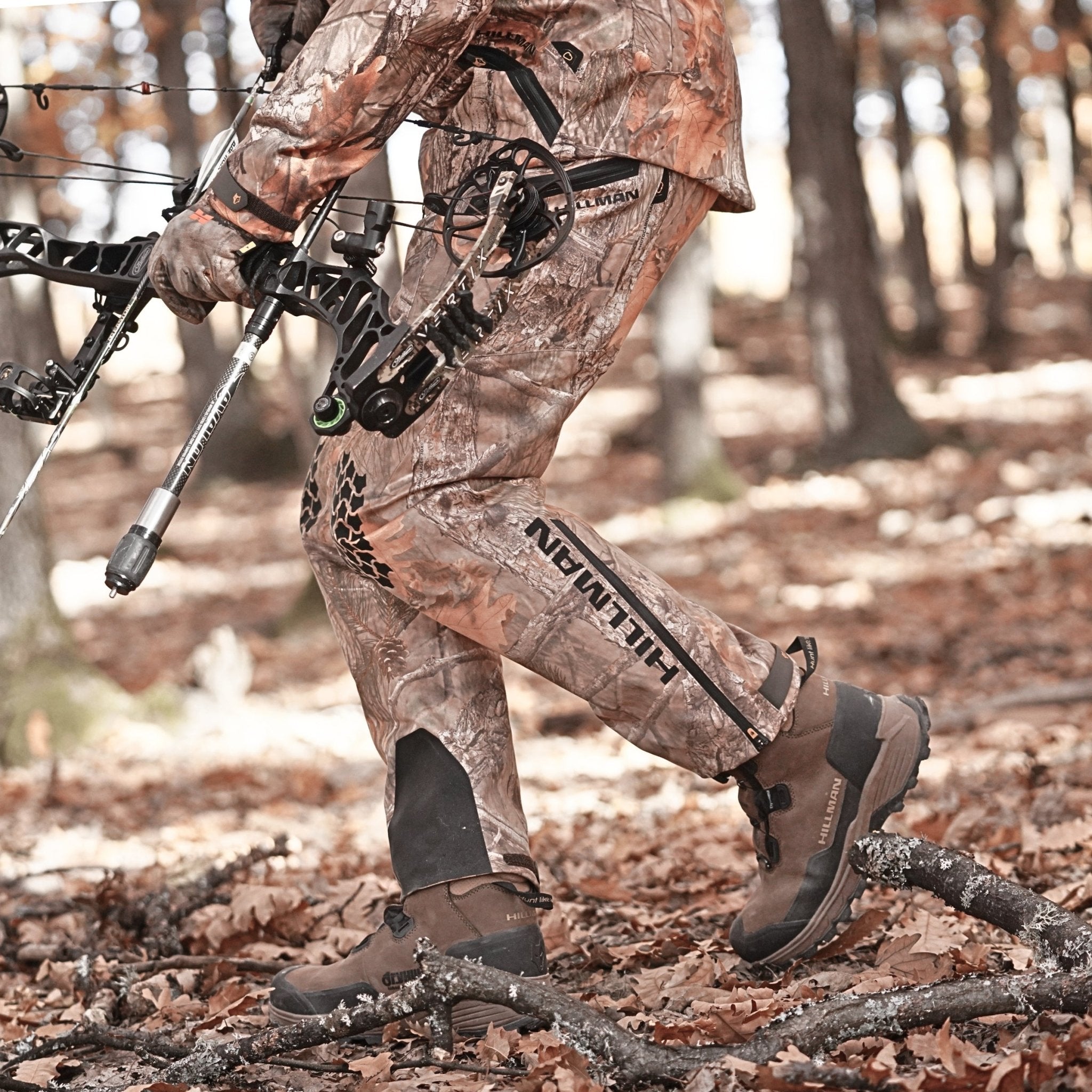
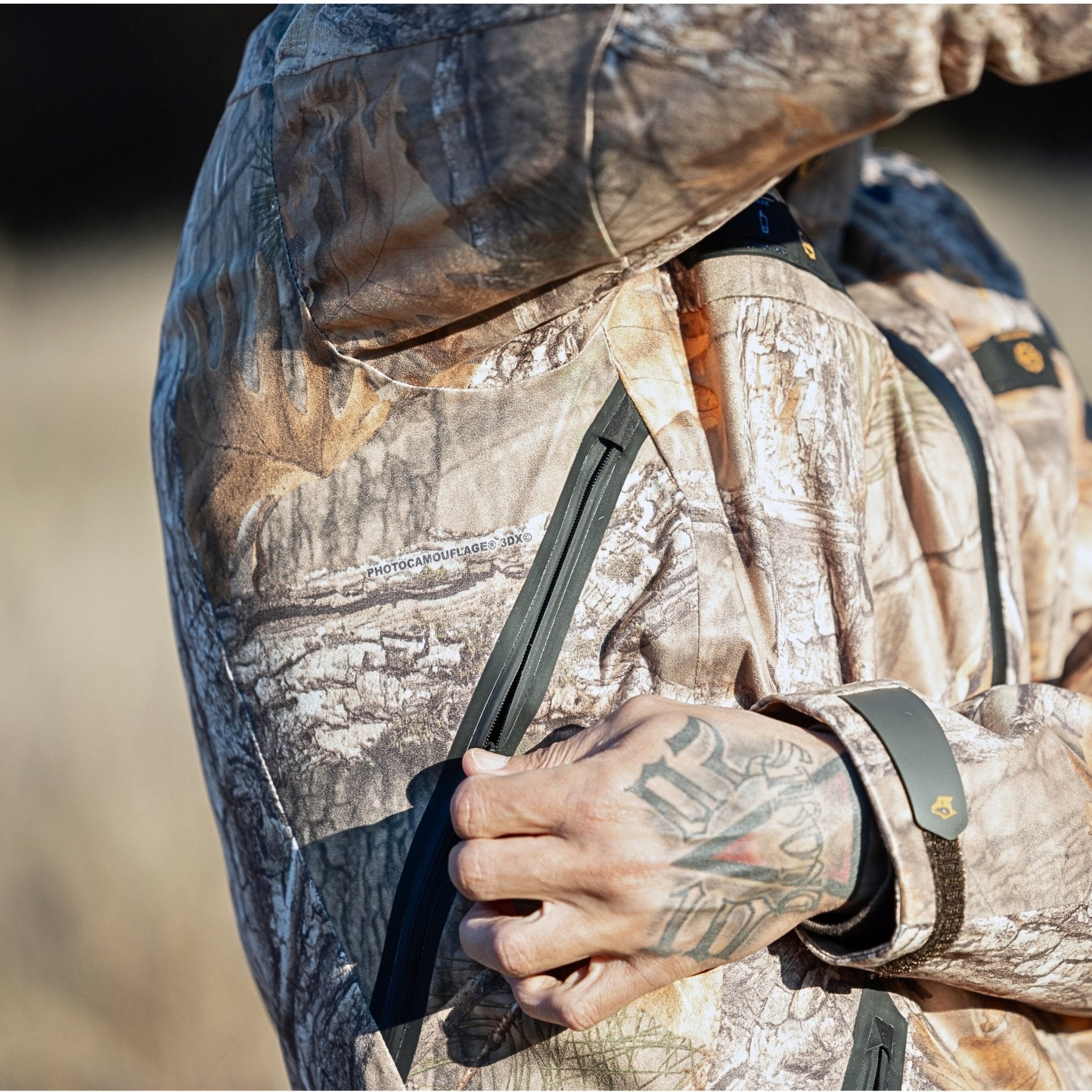
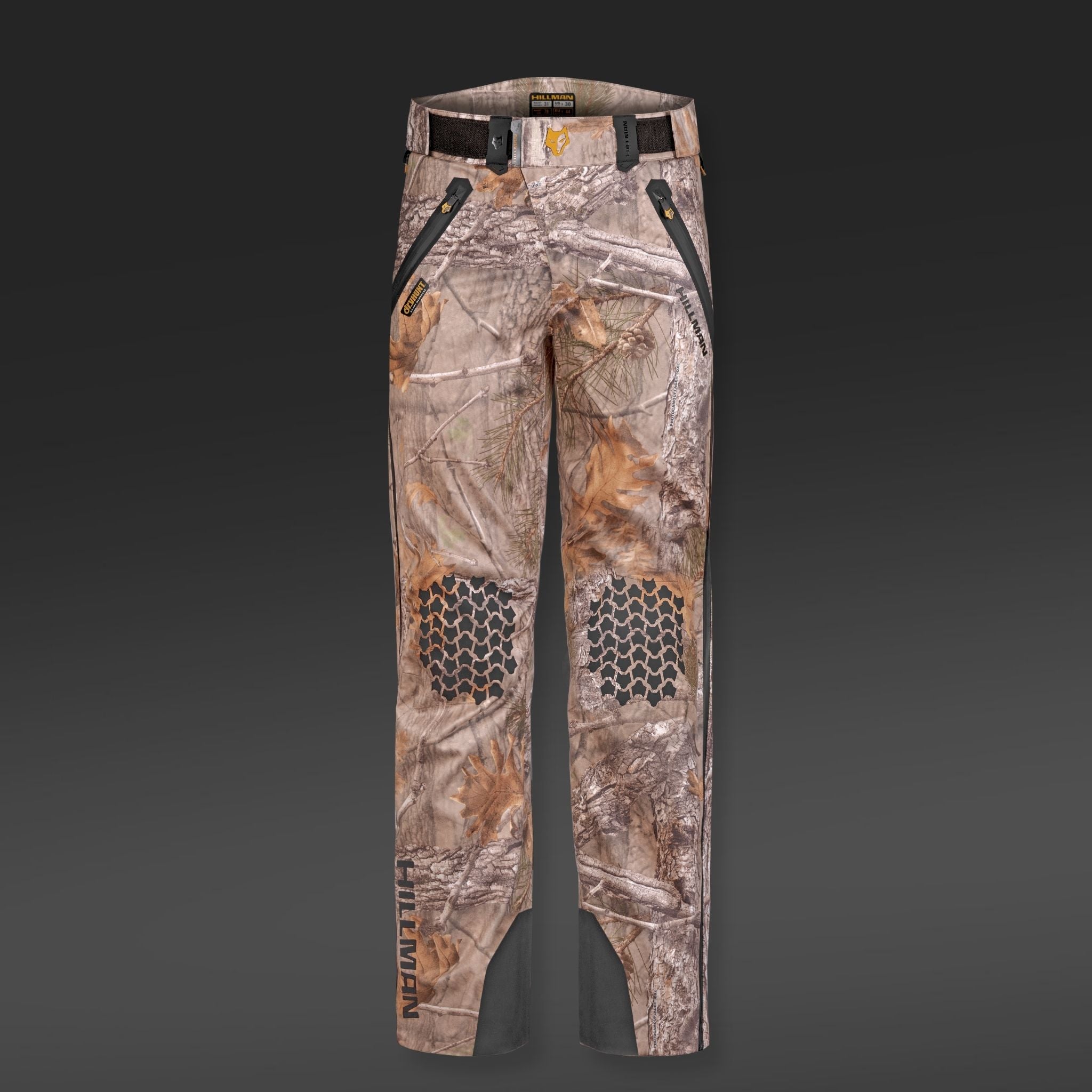
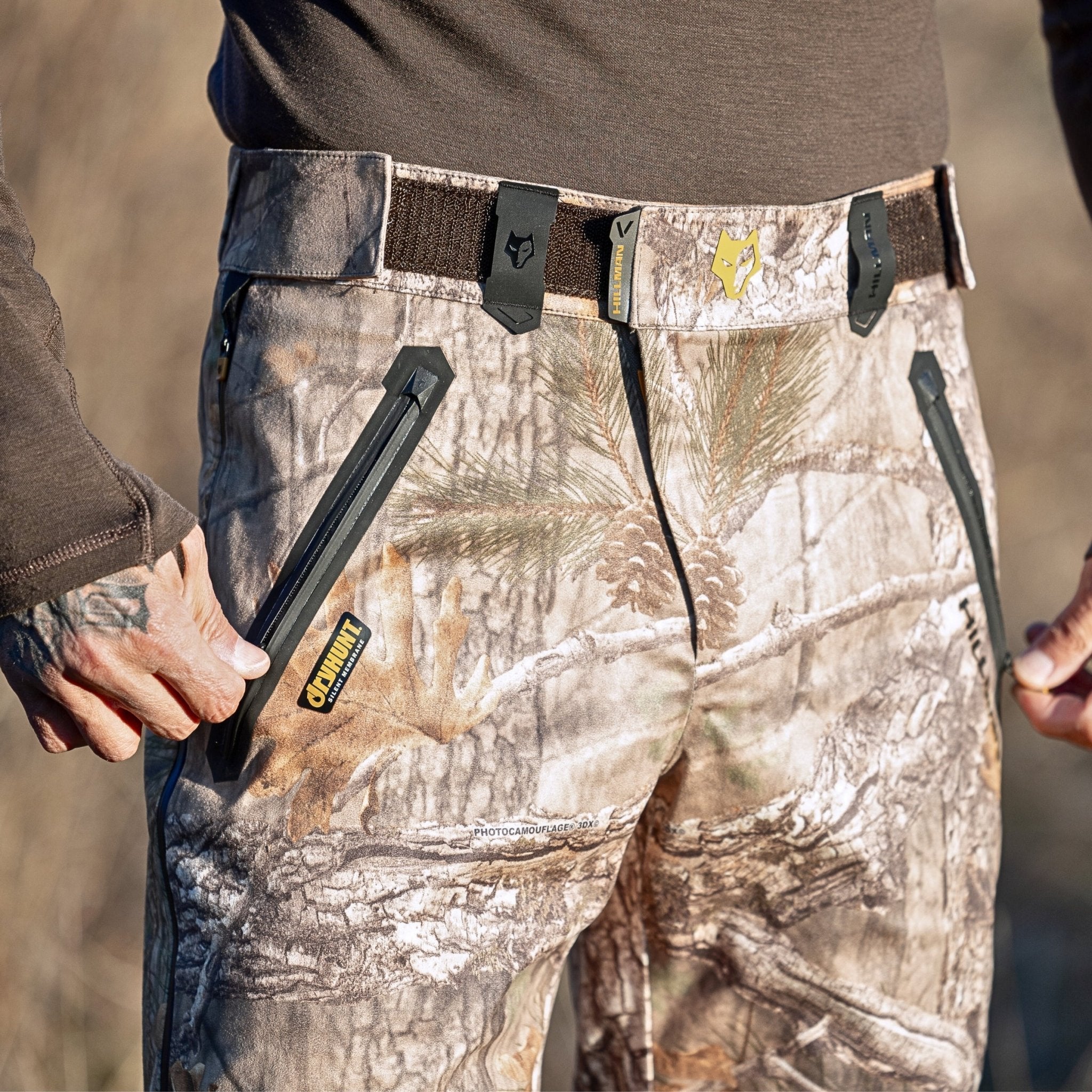
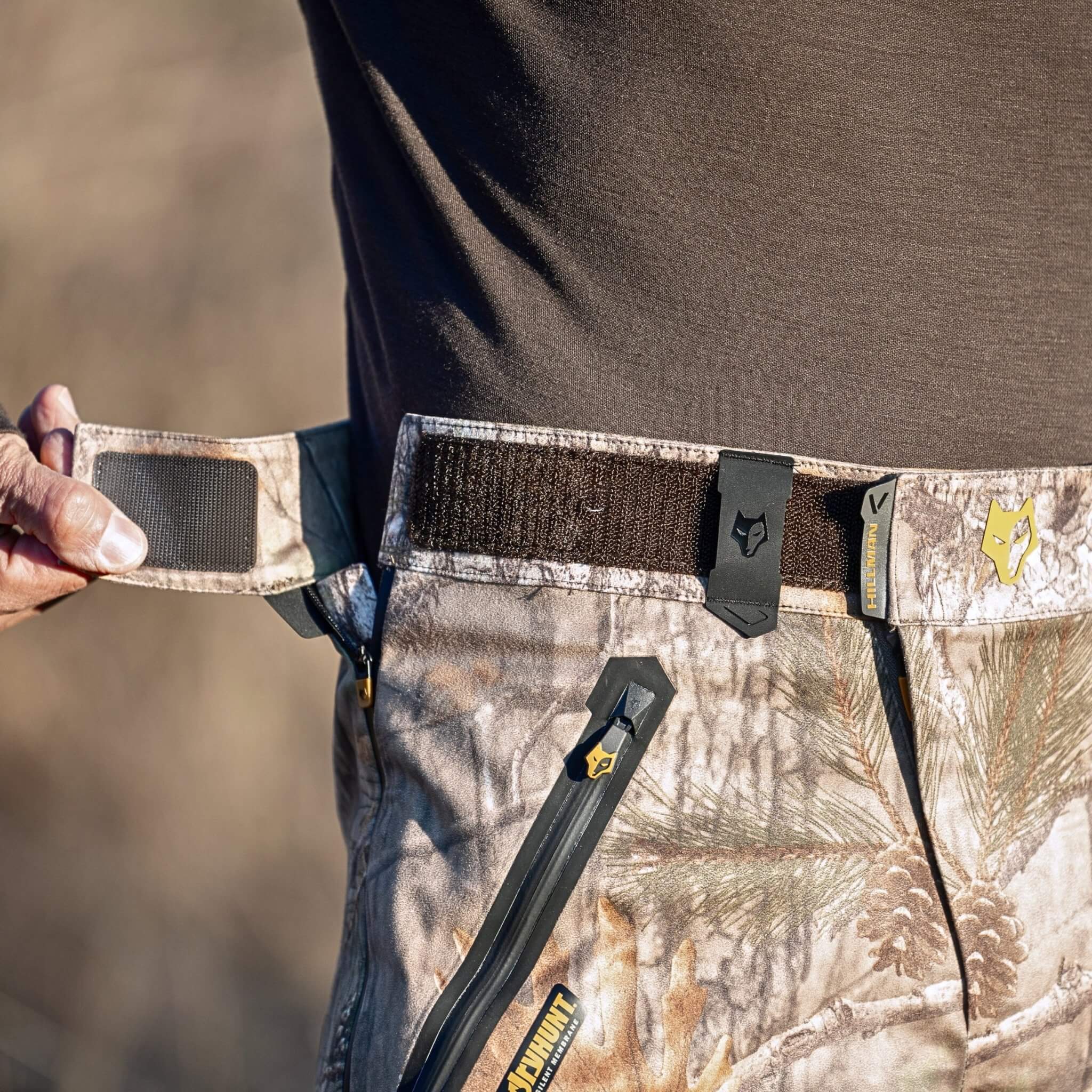
A moving hunter needs fewer loose sections, less flap in the wind, smooth seams, flexible hems and fabric that does not scrape loudly when the arms swing or the pack shifts. A sitting hunter can prioritise warmth, weather protection and a pattern that sits naturally against the background.
Same season. Same deer. Different setup.
Hunting Clothing for Sitting: Blend, Warmth and Stillness
Sitting asks for patience, and patience usually asks for warmth. Cold weather can ruin a hunt faster than almost anything. Once the cold gets into your hands, neck or back, you start to move. You adjust gloves. You roll your shoulders. You shift your weight. The deer may not see the camo first. It may see the movement.
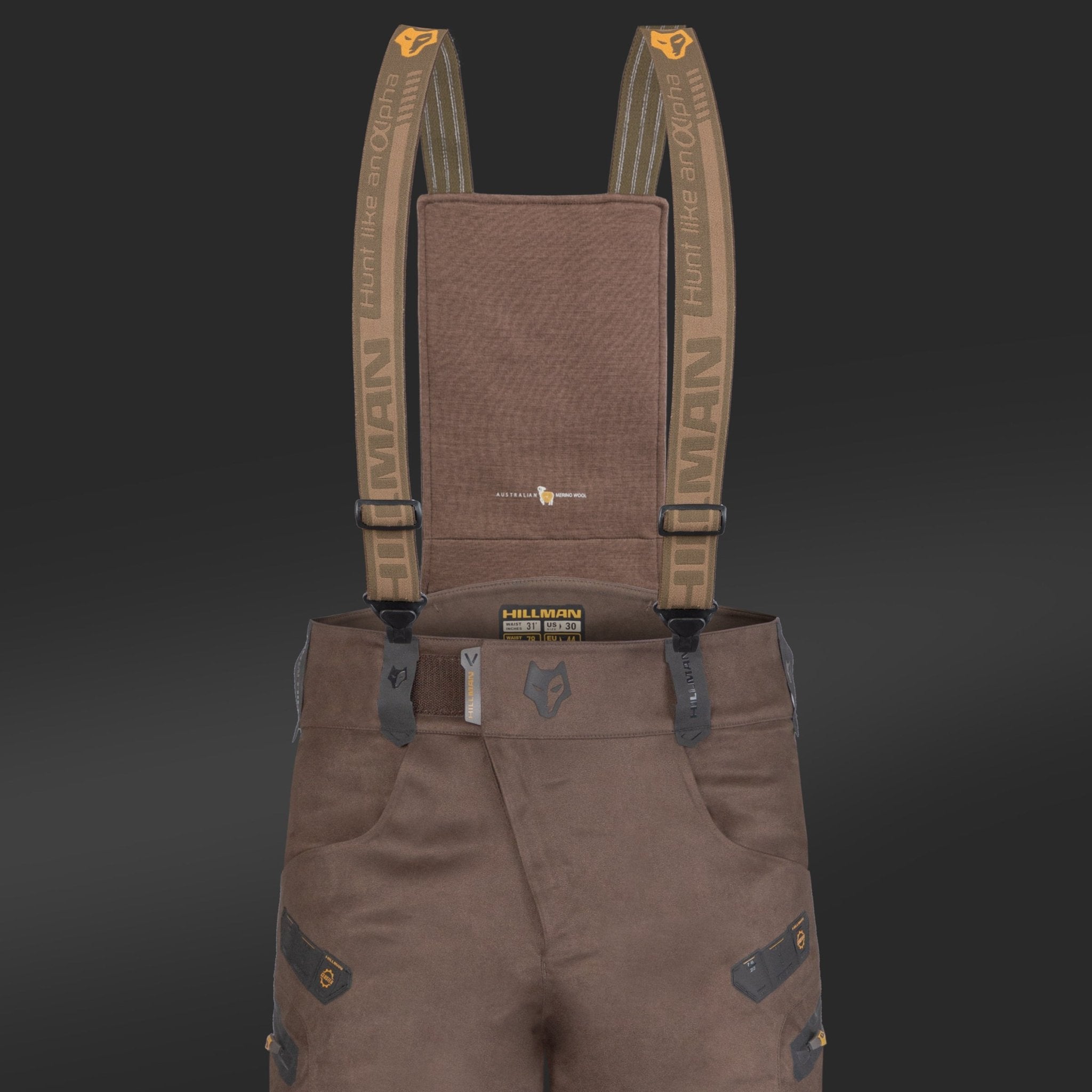
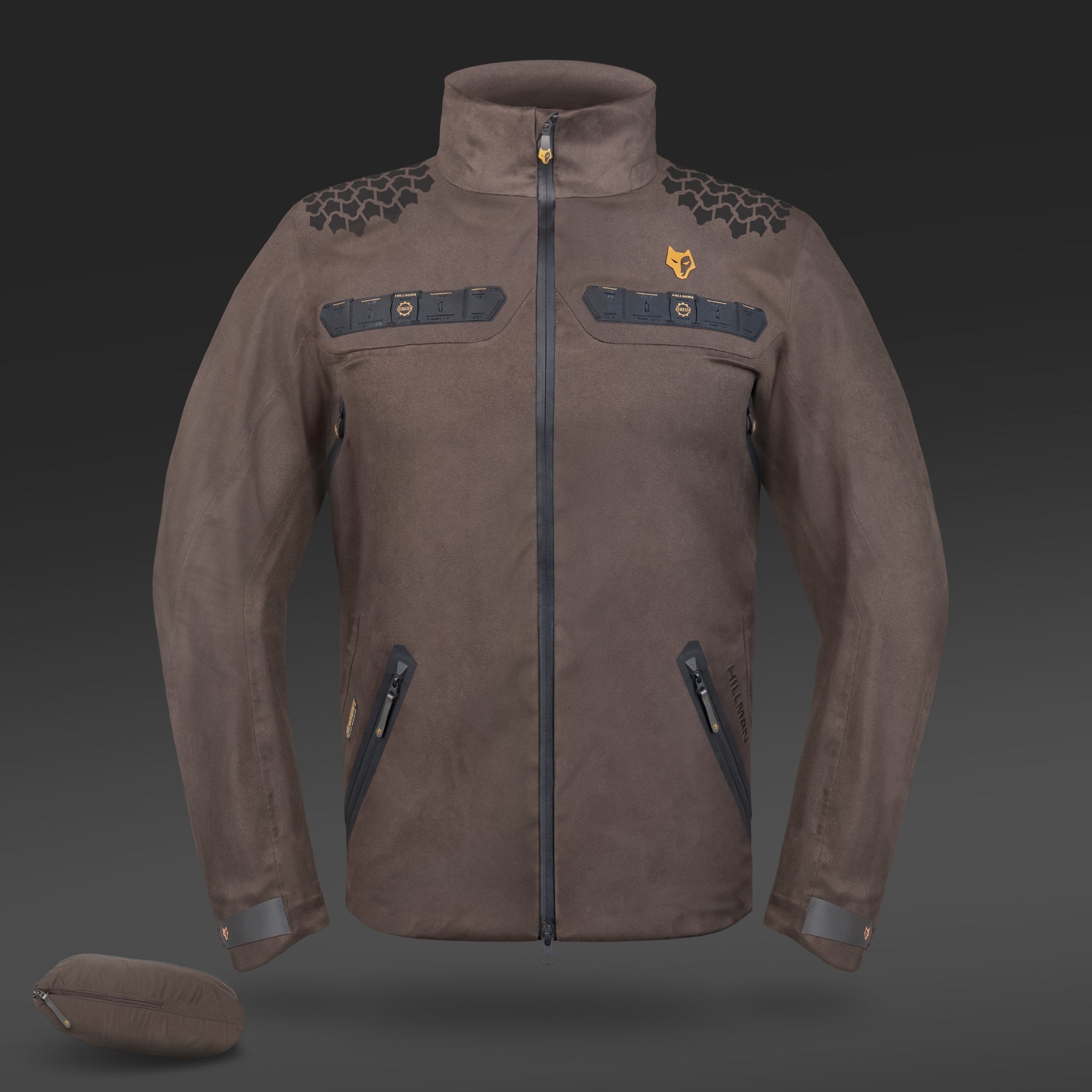
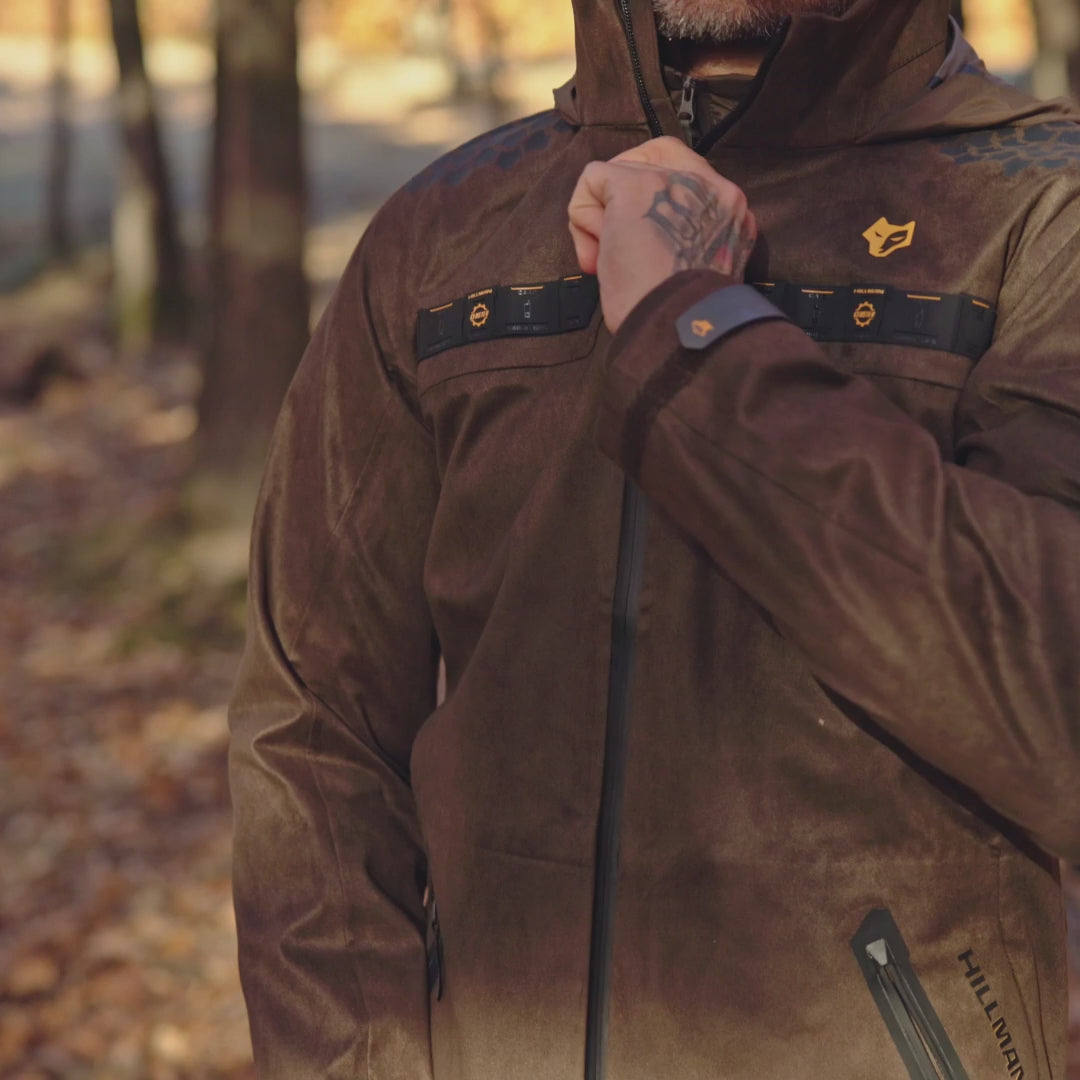
For stand hunting or long waits on the ground, hunting clothing should help you stay warm without fighting your own body. A proper mid layer under a quiet outer jacket often works better than one stiff, overbuilt garment. Layers trap warmth, but they also let you adjust before the walk in, during the sit and after the temperature drops.
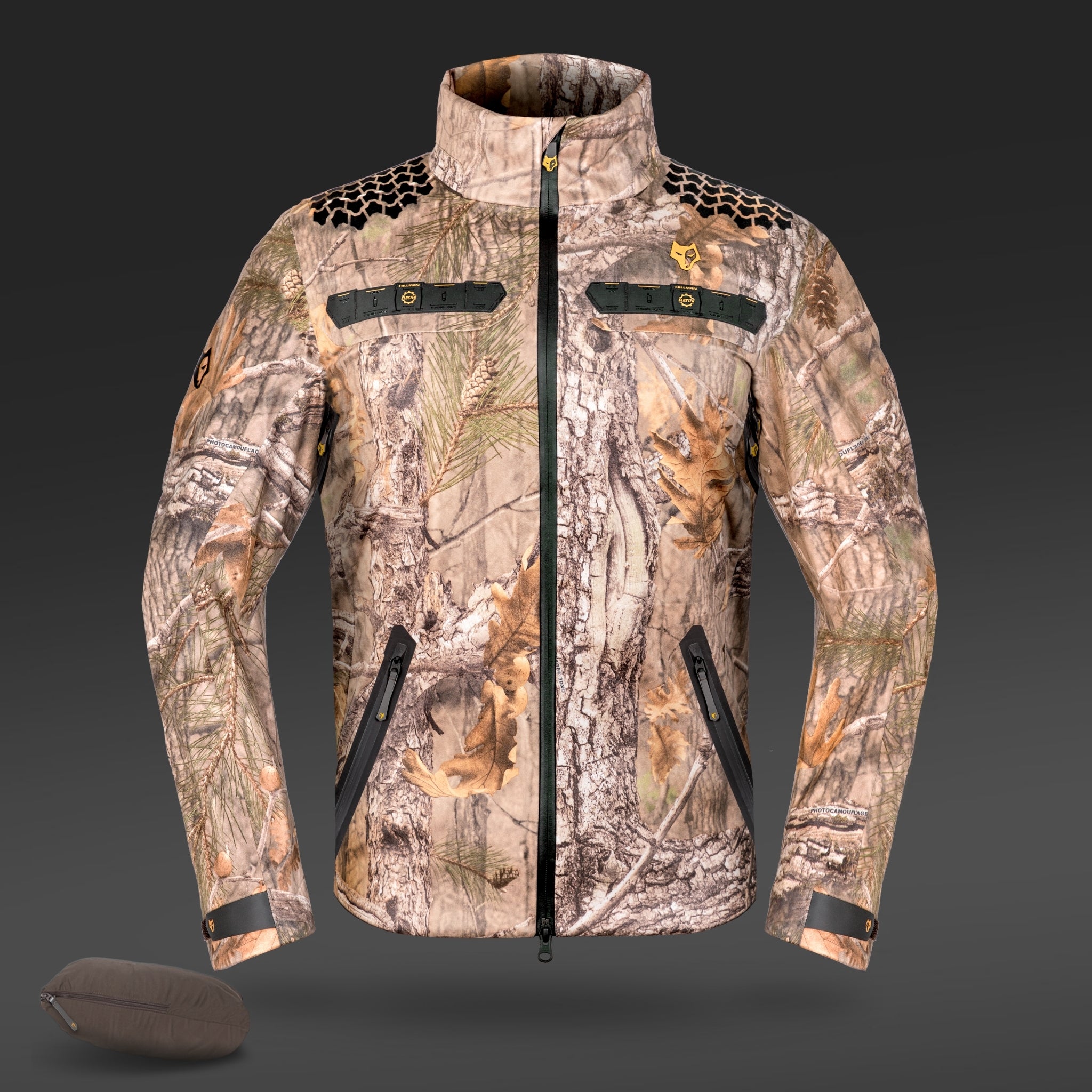
Camo patterns for sitting can lean more toward mimicry. These are the patterns that use more detailed prints and natural-looking backgrounds, helping you blend with bark, brush, leaves, grass or winter cover. If you are not moving, that detailed pattern can help you hide in plain sight.
But light matters. A camouflage pattern that works in bright sun can appear as one dark block in the shade. This is a common real world failure. From ten yards it looks clever. From range, under a tree line, it becomes a human-shaped patch. That is why the best sitting setup is not always the most detailed one. It is the one that matches the environment, the light and the exact place you intend to sit.
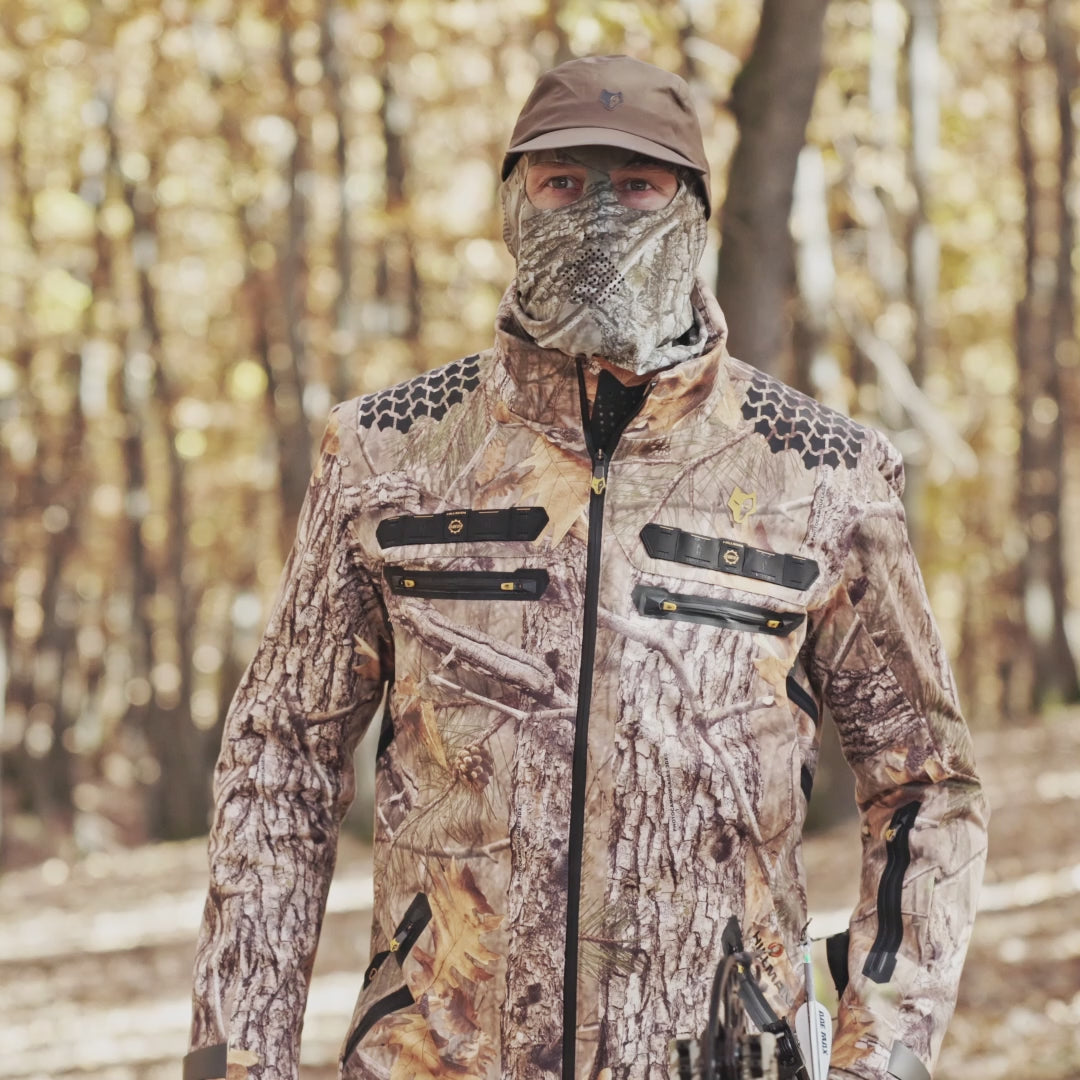
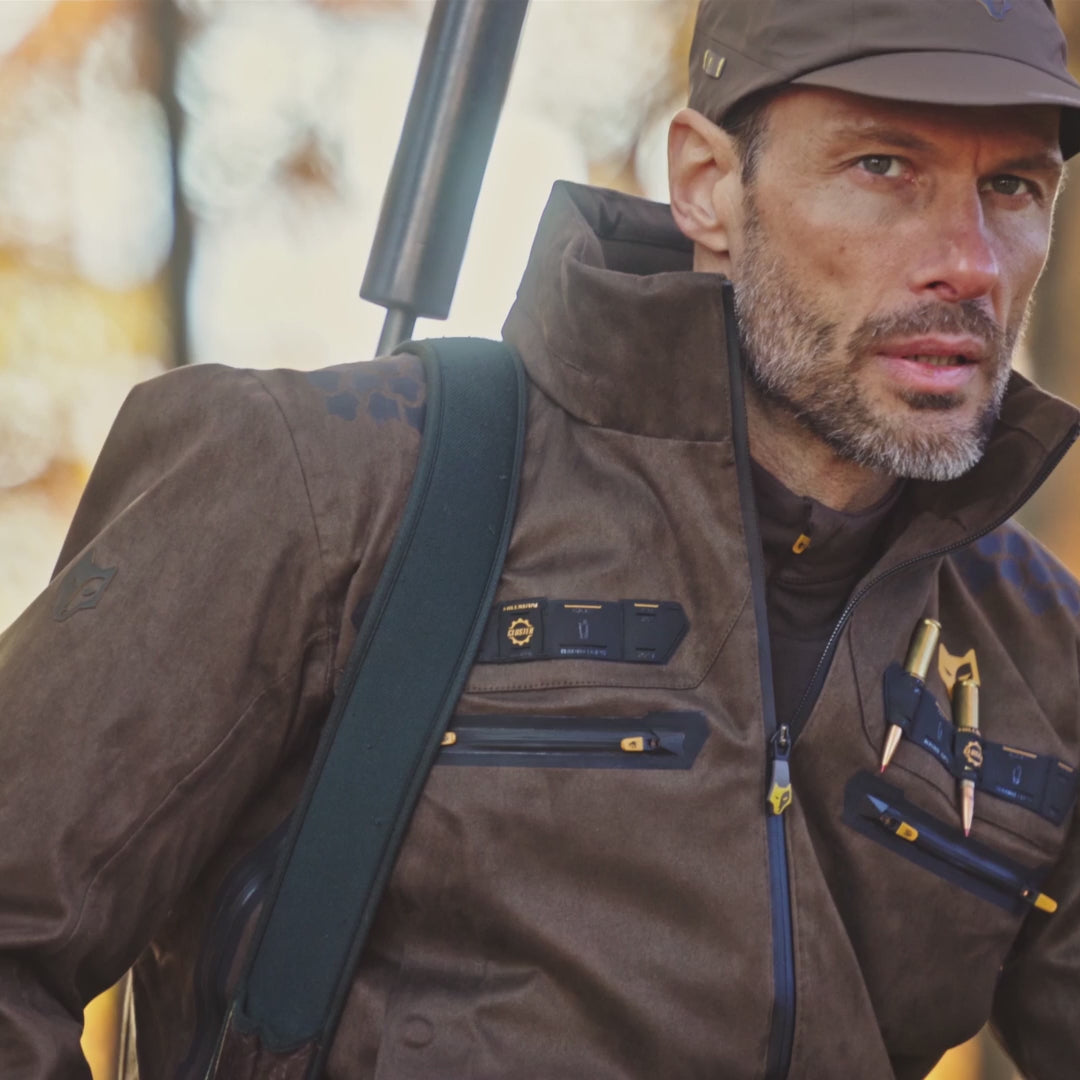
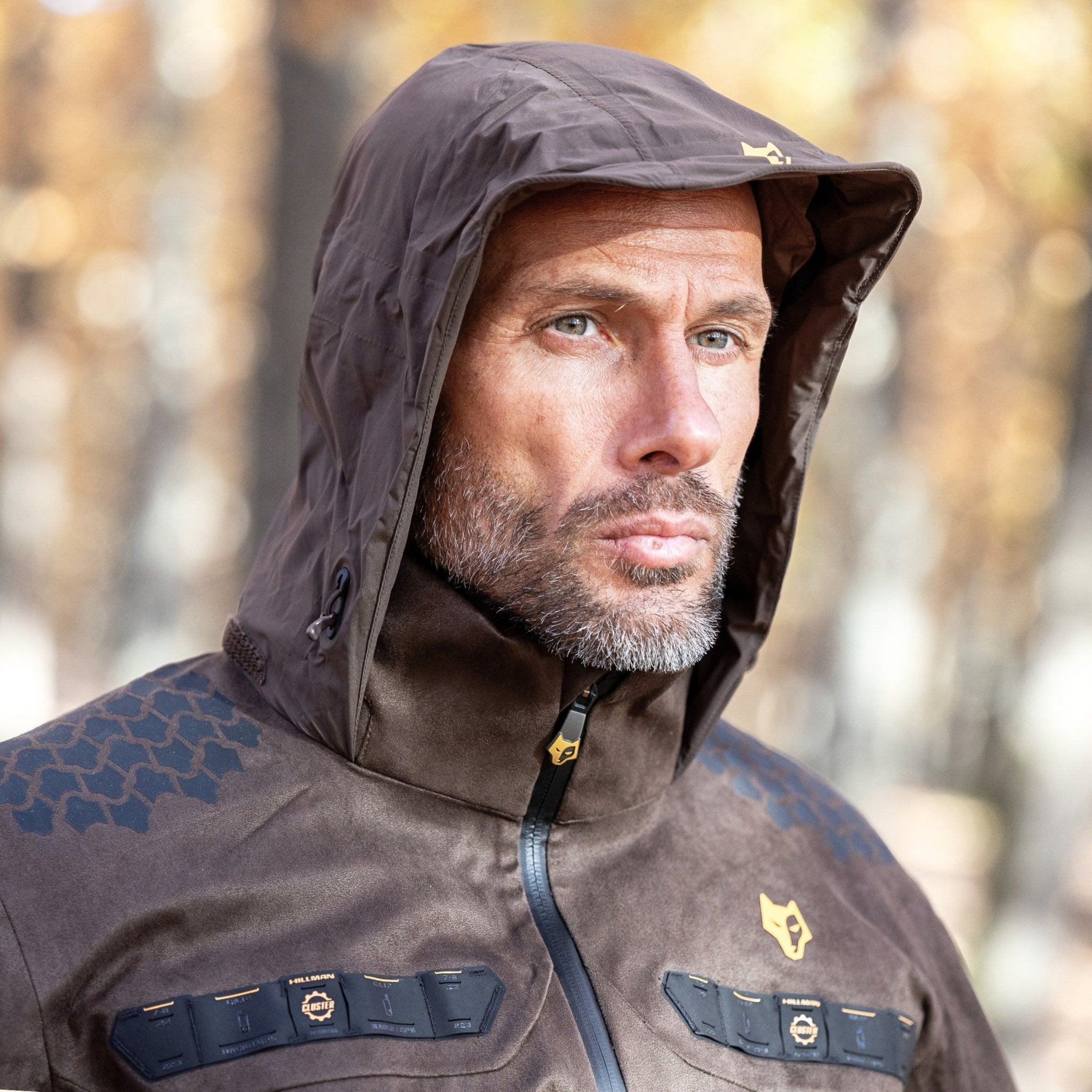
A head cover matters here too. Faces and hands create obvious pale points, especially when the rest of your clothes are dark. Gloves, a face covering, and a quiet hood or cap can do more than another expensive jacket if they stop those small bright flashes.
Camo for Moving: Break the Human Outline

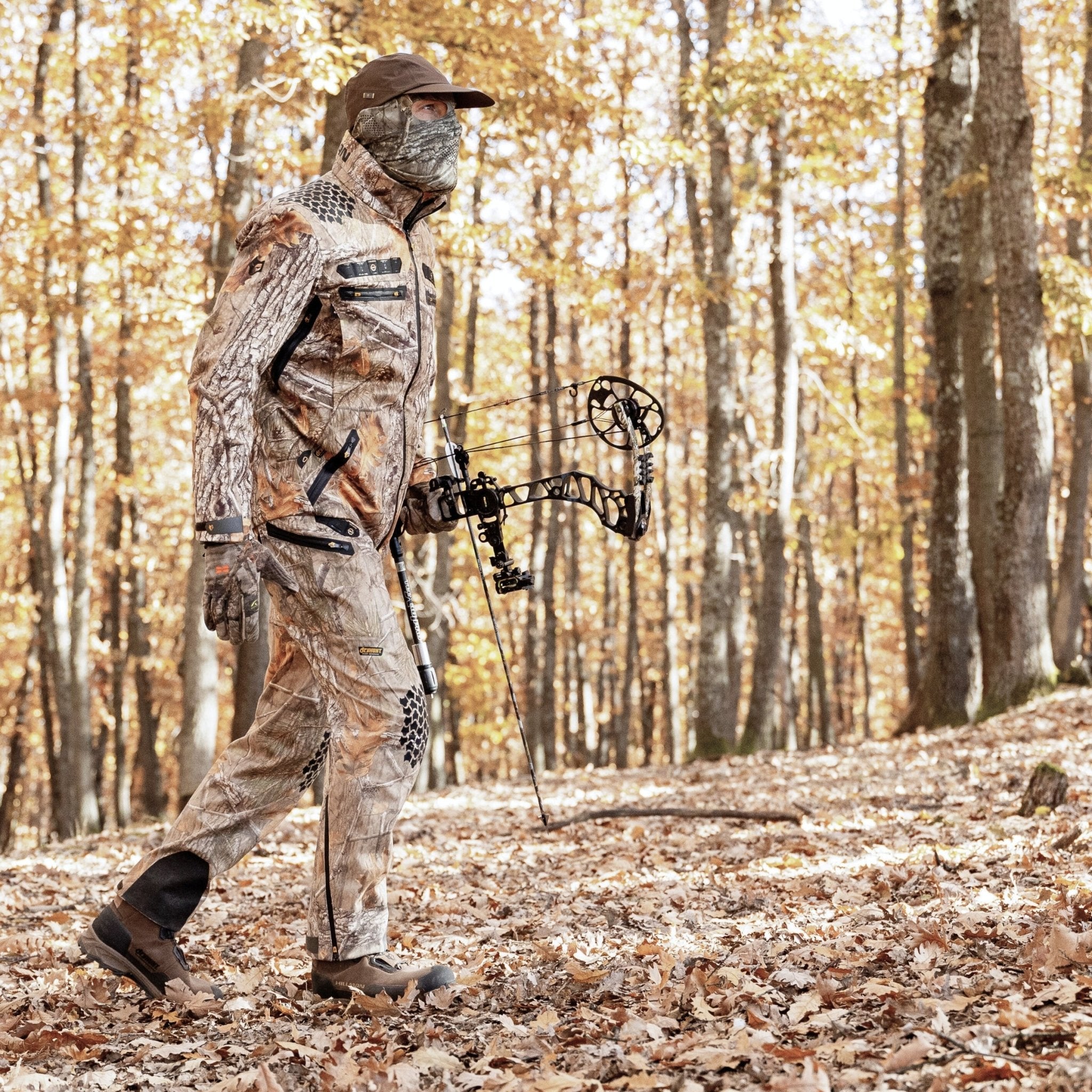
Active hunting is less about becoming a leaf and more about becoming difficult to read. Disruptive patterns use abstract, high-contrast shapes and broken lines to distort the human outline. Instead of copying a tree or a branch exactly, they make your body harder to identify as a person.
That matters because animals do not need to understand fashion. They only need to notice danger. A clear shoulder line, straight arms, a swinging leg, the edge of a pack or a dark jacket moving between trees can be enough.
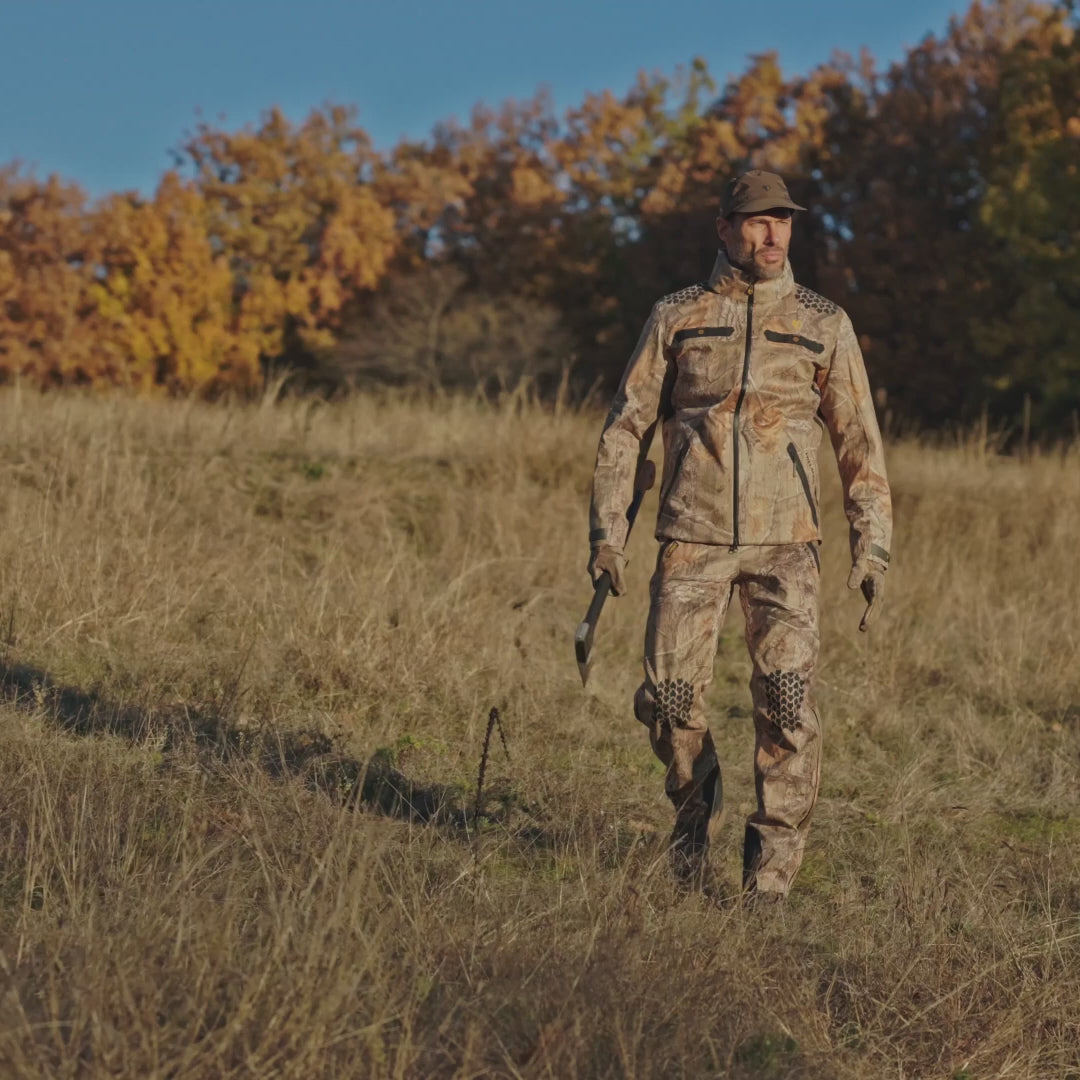
For moving, the best camo often creates confusion. It breaks the outline, softens the block of the body and reduces the moment when game says, “That is a hunter.” High-contrast disruptive camo can work well here because it turns the body into an indistinct shape during motion. It is not trying to look like one exact background. It is trying to avoid looking like you.
This is useful in woods, broken ground and mixed terrain where you pass through sun, shade, grass, trunks, wet leaves and open patches in the same hour. A mimicry pattern may blend beautifully against one tree, then stand out badly twenty yards later. A more disruptive pattern can carry across those changes better, especially when the hunter moves slowly and keeps the arms quiet.
Still, camo is not magic. If your jacket is loud, your pant legs scrape, your gloves catch branches and your pack knocks against your gear, the pattern will not save you. Movement, noise and scent all work together.
Late Season Setup: Warm Does Not Mean Bulky

Late season hunting creates a hard choice. You need insulation, but bulk can ruin both movement and shooting. A thick jacket may keep you warm while sitting, then pull tight across the shoulders when you raise a rifle or bow. Heavy clothes can make the body look larger, and a bulky silhouette is harder for camo to break up.
The better late season setup depends on how much you plan to move. For long sits in cold wind, warmth comes first. A strong outer layer, insulated mid-layer, warm head cover, gloves and weather protection are worth the weight. If rain, sleet or wet snow are in the forecast, protection matters as much as insulation, because wet clothing loses comfort fast and makes every break feel colder.
For active late season hunting, the setup should be more controlled. You may start slightly cool, then warm up as you move. Breathable layers help prevent sweat, because sweat becomes cold later. Quiet fabrics matter too. Silent hunting clothing often uses brushed fibres or textured weaves to mute sound, so fabric rubbing and shifting do not become loud in still air.
Modern silent hunting apparel has improved a lot here. It can combine warmth, quietness and movement without the stiff, heavy feel of older clothes. The key is fit. Well-fitted layers make less noise. Loose sections flap, rub and catch. Too tight, and you cannot move naturally. The right setup sits somewhere in the middle.
Real World Terrain Beats Perfect Theory

Terrain decides more than most people admit. Dense woods require quick handling, quiet movement and minimal snag points. Open country demands stability, distance capability and often more wind protection. The same camo and clothing setup rarely handles both equally well.
In thick woods, your outline is constantly interrupted by branches, trunks and brush. The problem is usually movement and noise. You may be close to deer before you know it. A loud jacket sleeve or a pant leg brushing against briars can ruin the moment. Here, quiet fabrics, close-fitting layers and a broken camo pattern matter.
In open terrain, distance changes the test. Fine detail disappears. Your clothes may compress into one dark or light mass. The pattern that looked complex in your hand can flatten out at range. Shape, shadow and background become more important. You need to protect against wind, stay steady, and avoid making yourself the only vertical human outline on a clean ridge or edge.
Wet ground adds another layer. Rain darkens fabrics. Mud changes colour. A green pattern can look too bold in dead winter cover. A dark jacket can vanish in one patch of woods and stand out badly in pale grass. There is no universal answer because the environment is not universal.
This is why one hunting setup does not fit every hunt. The setup has to follow the terrain, not your habit.
Turkey Hunting, Deer Hunting and Different Game Pressure

Different animals create different demands. Turkey hunting is a good example because turkeys can punish movement brutally. A hand shift, head turn or uncovered face may be enough. For that kind of hunting, full coverage matters. Gloves, head cover, quiet sleeves and careful sitting position all become part of the setup.
Deer can be less visually sharp in some ways, but they read movement, scent and pressure extremely well. On public land or heavily hunted private ground, hunting pressure changes behaviour. Animals may avoid obvious trails, move later, pause longer before entering openings, or react to tiny clues that would not matter as much in low-pressure areas.
That means your clothing and gear choices should change too. If deer are pressured, do not assume the same stand, same jacket and same route will work every time. You may need a quieter approach, a different edge, less scent exposure, or a lighter setup that lets you move slowly without overheating.
The type of game also affects how much weight you can carry. A hunter climbing through tough terrain after elk needs a different kit than someone sitting over a woodland trail for whitetail. Mountain ground asks more from the legs, lungs and clothing. Dense timber asks more from noise control and close-range concealment.
The best setup is adaptable. It lets you adjust to game, weather, terrain and pressure without rebuilding everything from scratch.
Noise, Scent and the Small Things That Give You Away
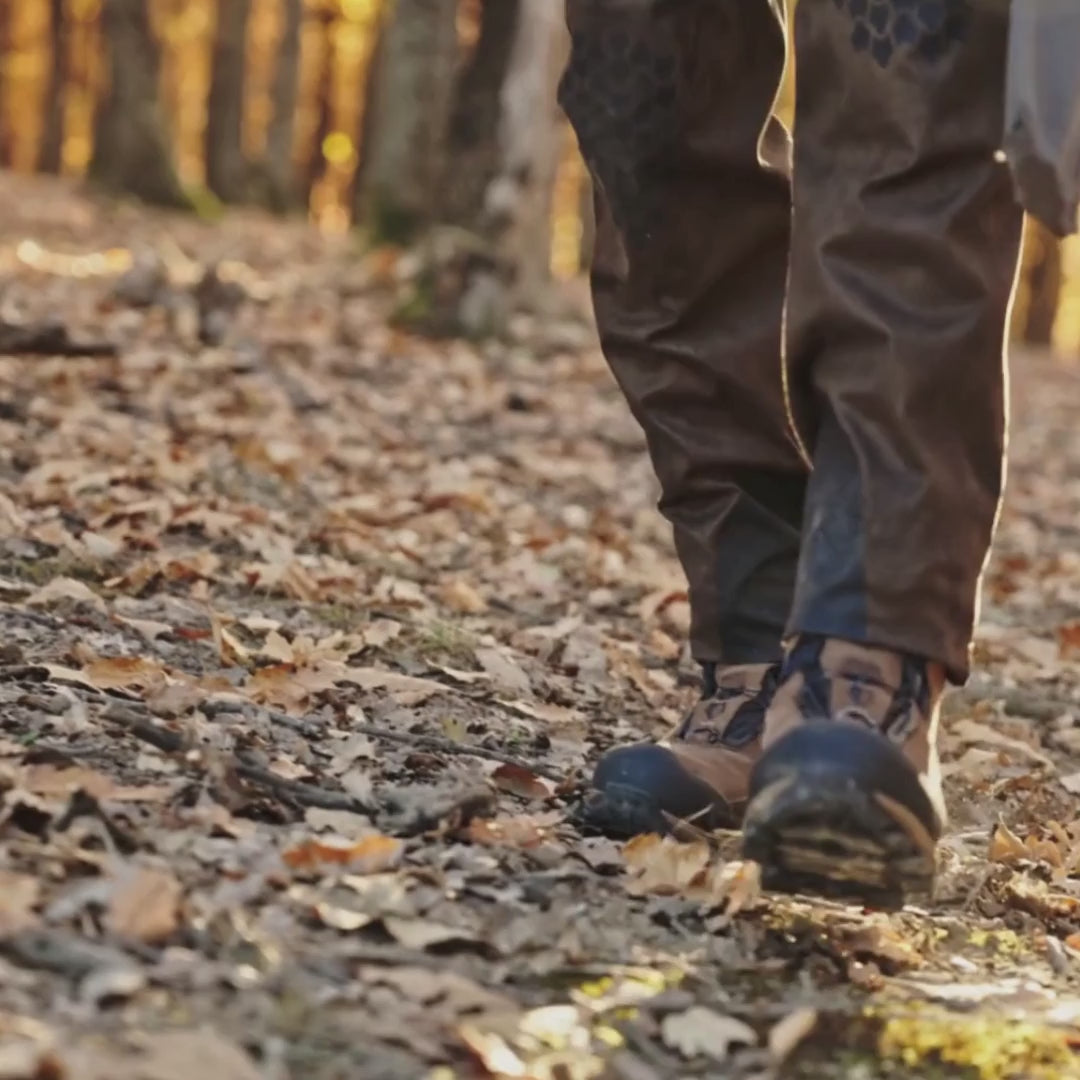
Camo gets the attention, but noise often ruins the hunt first. Animals hear fabric rubbing, zips clicking, stiff rain gear shifting, pack straps creaking and leaves crunching under a boot. Silent hunting clothing is built to reduce that, but the hunter still has to test it.
A simple test helps. Put on the exact clothes you plan to wear. Add your pack, gloves, head cover and outer layer. Raise your arms as if you are going to shoot. Turn at the waist. Kneel. Sit. Brush the sleeves against the body. Walk slowly through dry leaves or grass if you can. If it sounds loud at home, it will sound louder in the woods.
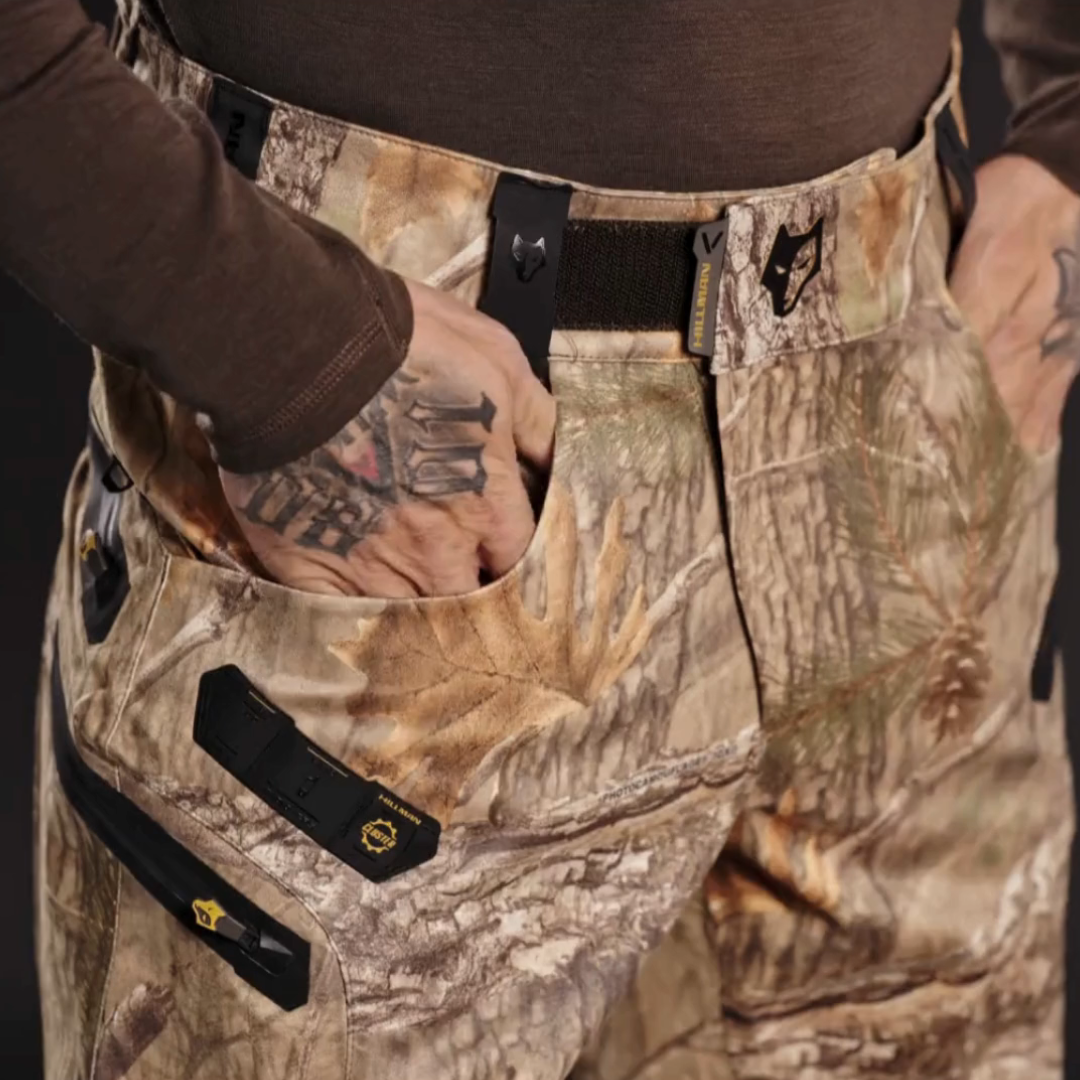
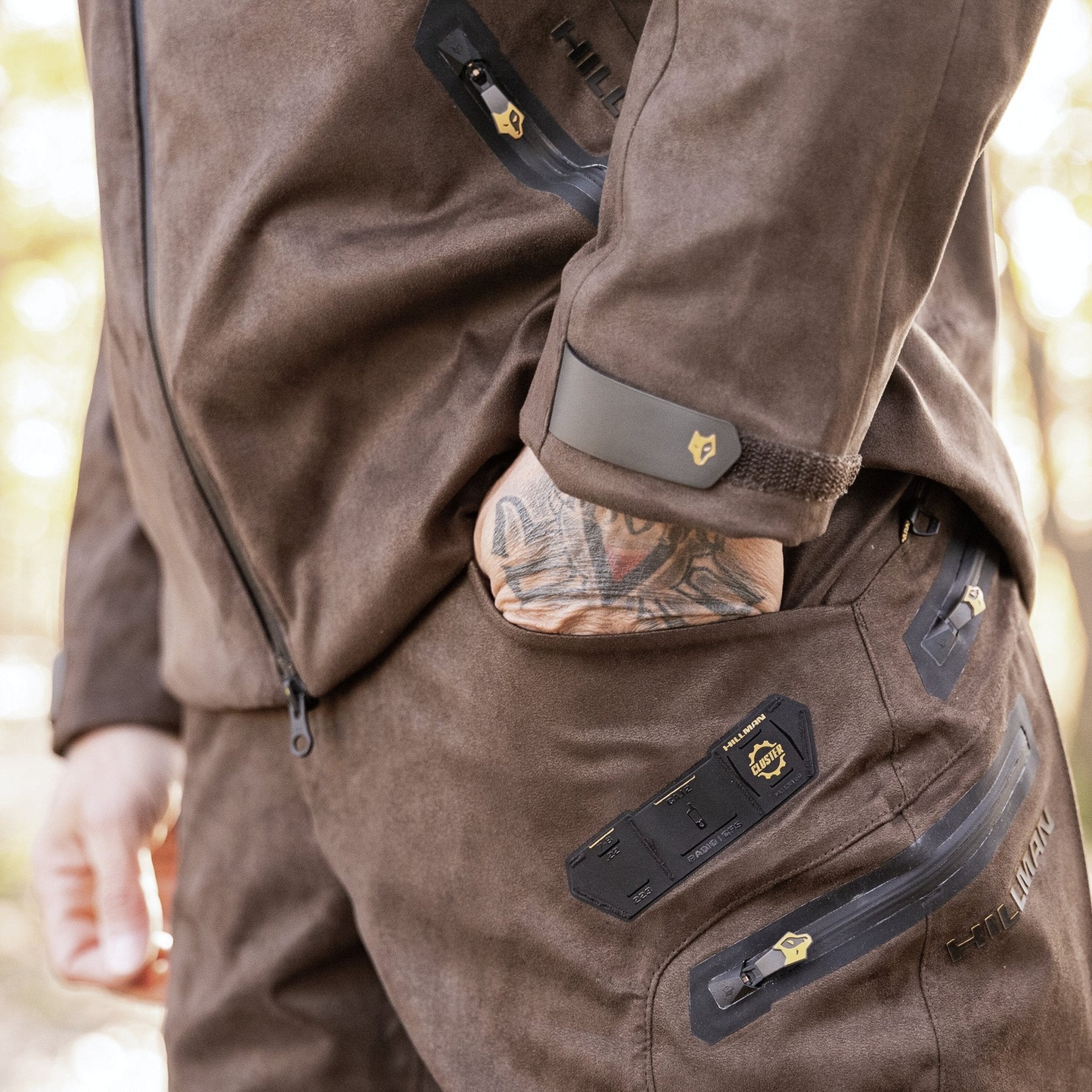
Fit is part of silence. Loose clothing can flap in the wind. A stiff jacket can creak. Bulky insulation can rub under the arms. A quiet pant can still make noise if the cut is wrong for your movement. Smooth seams and flexible hems help because they reduce friction during natural movement.
Scent is another part of the setup. Camo may hide the human outline, but wind can reveal the human presence. Cold air, shifting wind, wet woods and broken ground can move scent in awkward ways. No clothing removes the need to play the wind. It only buys you a little margin.
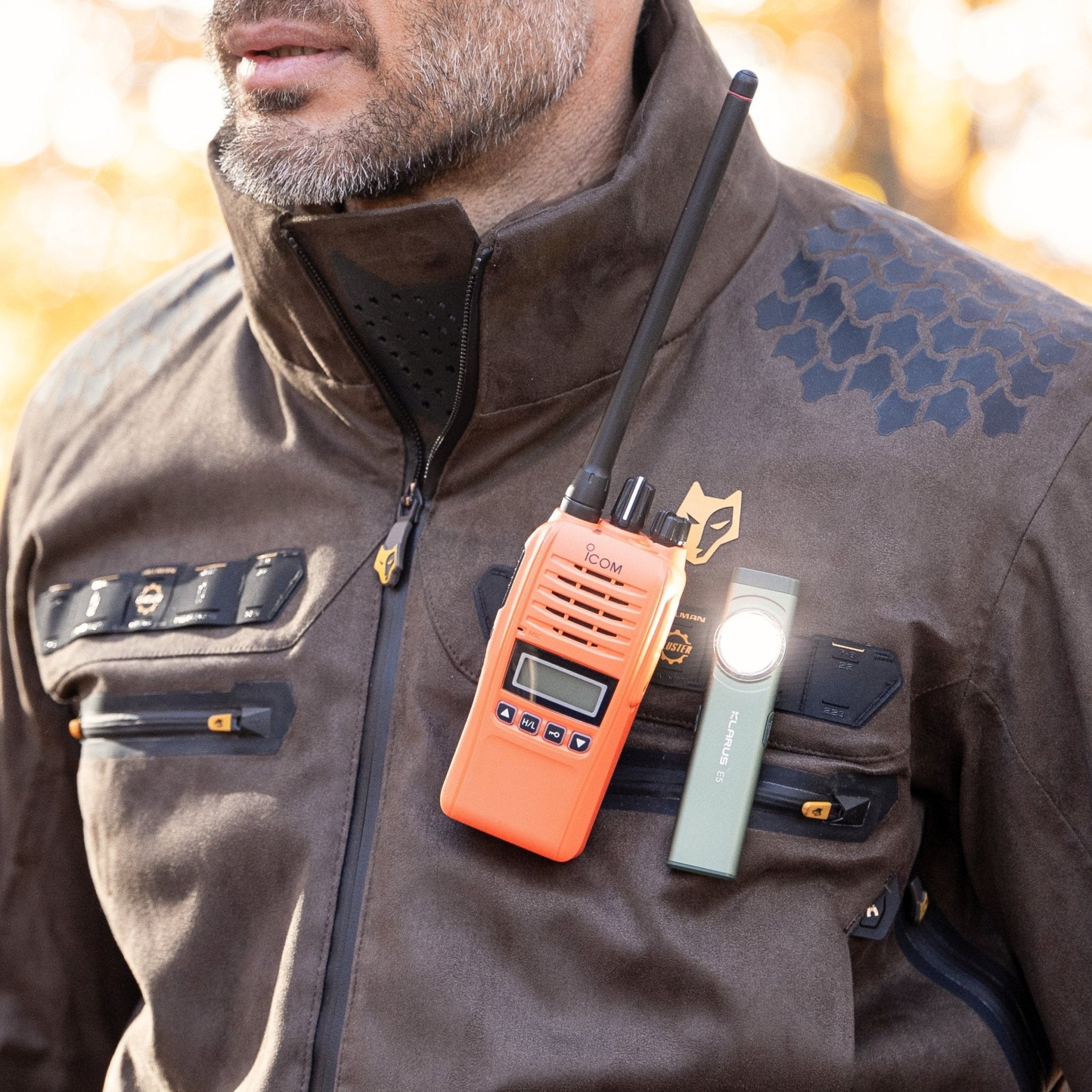
And sometimes a small convenience feature creates a problem. Loud pocket openings, noisy vests, dangling range gear or a pack that shifts at the wrong moment can undo everything else. Hunting gear has to be practical, but it also has to stay quiet under pressure.
Building Two Setups Without Buying Twice as Much Gear

You do not need a completely separate wardrobe for every hunt. You need a base system that can shift.
Start with quiet base and mid layers that work under different outer pieces. Add a warmer jacket for sitting in cold weather. Use a lighter, quieter outer layer when you are moving. Keep gloves and head cover matched to the job. Thin gloves may be better for active hunting because they preserve feel and reduce clumsy movement. Warmer gloves make sense when sitting in winter, but only if you can still shoot safely.
The same applies to camo. One pattern can work across many hunts if the colour, contrast and scale suit your normal terrain. But the more your hunts vary, the more you need to think about why the pattern works. Is it mimicking a static background, or is it disrupting the human outline? Is it useful in green early season cover, or does it turn into a dark block in late season shade?
For sitting, think background first. For moving, think outline first. For both, think silence.
This is also where weight matters. A heavy setup can feel fine at the truck and miserable after miles of movement. A light setup can feel perfect on the move and useless during a long cold sit. The right answer is not the most expensive clothing. It is the setup that protects you without making you move, sweat, freeze or sound loud.
The Practical Difference Between Moving and Sitting

The practical difference is simple, but easy to ignore. Sitting hunters need to become part of a place. Moving hunters need to avoid becoming a recognisable shape.
That changes the camo, the layers, the warmth, the jacket, the pants, the gloves, the pack and even the way you carry your arms. It changes how much insulation you can tolerate. It changes whether convenience matters more than weight. It changes whether a one piece suit helps or hurts. It changes how you test your gear before the season.
No single hunting setup can be perfect for every hunt because hunts are not the same. Weather shifts. Terrain changes. Animals respond to pressure. Late season cold makes you dress differently. Rain makes fabrics darker and louder. Wind changes scent. A stand hunt and a slow stalk through woods may happen in the same week, but they ask very different things from your clothes.
The best hunters know this. They do not just wear camo. They wear the right camo for the moment, the movement and the ground in front of them.


Share:
Base Layers for Hunting: Merino, Bamboo and Synthetic