

Base Layers for Hunting: When Merino, Bamboo and Synthetic Fabrics Make Sense

Pick hunting base layers that handle sweat, cold, odor and rough weather without making the hunt miserable.
A base layer is one of those things hunters ignore until it ruins the day. Then suddenly it matters a lot. Your jacket can be expensive. Your boots can be solid. Your pack can be dialed in. None of that helps much if the shirt against your skin turns wet, cold, clingy or sour after the first hard climb.
That is the problem with base layers for hunting when merino, bamboo and synthetic fabrics make sense. There is no magic fabric that works everywhere. Anyone saying that is usually selling something. What works on a cold treestand sit may feel awful on a steep climb. What works in warm weather may not be enough when you stop moving and the wind cuts through you.
The first layer has a simple job. Move sweat away. Help control body temperature. Keep odor from getting out of hand. Warmth is part of it, but warmth alone is not enough. A warm base layer that stays damp can turn into a cold rag the moment you stop walking.
So the real answer is not “merino is best” or “synthetic is best.” The real answer is this: pick the fabric for the hunt in front of you. Merino wool, bamboo blends and synthetic base layers all earn their place. They just do different jobs.
Merino Wool

Merino wool gets talked about a lot because it actually works in ugly hunting weather. It is soft, fairly quiet, warm for its weight and good at keeping stink under control. For long days, overnight trips, slow stalking or cold sits, merino is hard to beat.
The big wins with merino wool are comfort, odor control and steady temperature regulation. It can feel warm without turning nasty the second your pace changes. It also keeps some warmth when damp. That matters when sweat, fog, drizzle or wet brush start creeping into your clothing system.
For scent-control hunting clothing, merino is useful because it resists odor naturally. It does not make you invisible to a deer’s nose. Nothing does. But it does help slow down the nasty smell that builds when you wear the same layer for hours or days. That is worth something when you are trying not to wash every piece of gear after one morning hunt.
Merino is also quiet. That does not sound exciting, but it matters when you are bowhunting, easing through timber or lifting a rifle with game close. A soft merino long sleeve under a quiet outer layer feels a lot better than some slick synthetic shirt that rustles every time your arm moves.
Weight is where people mess up. Lightweight merino, roughly 150 to 200 g/m², works for cool weather, mild mornings and active movement. Midweight merino, around 250 g/m², makes more sense when it is colder or you are moving slower. Heavyweight merino, closer to 350 g/m², belongs in winter, long sits and real cold. It is not the thing to wear when you are pushing hard uphill unless you enjoy sweating into your own clothes.
Merino has limits. In hot weather, it can feel too warm. It also does not dry as fast as synthetic fibers. If the hunt means hard climbing, repeated sweating or constant stop-and-go movement, synthetic base layers may be the better tool.
Odor Control

Odor control is one reason hunters obsess over base layers. The layer next to skin gets hit first. Sweat goes there first. Bacteria start there first. Bad smell starts there too.
Merino wool has natural odor resistance, which is why hunters like it for long wear. It can stay fresher than a lot of synthetic layers, especially over a few days. Bamboo is often picked for similar comfort reasons. It feels soft, handles moisture in a pleasant way and can be nice in mild or warm weather. But bamboo fabric depends heavily on the blend. Some pieces are decent. Some are just soft shirts with outdoor marketing slapped on them.
Synthetic base layers can control odor too, but usually because they are treated. Many hunting apparel pieces use an anti-odor treatment to slow odor-causing bacteria. You may also see silver-based treatments or Polygiene odor control mentioned. The idea is simple enough: stop smell from building in the fabric instead of trying to cover it later.
This is where scent control talk gets messy fast. Scent control apparel can help reduce odor in clothing. It cannot beat bad wind. It cannot fix poor storage. It cannot save you if you sweat like crazy on the walk in and then sit there steaming under too many layers.
Still, odor-resistant base layer tops are worth using. They give you a cleaner starting point. That helps on pressured ground, close-range bowhunting and multi-day trips where clean laundry is not exactly part of the plan.
Use merino wool when natural odor resistance matters most. Use treated synthetic layers when drying speed matters more but you still want some anti-odor help. Use bamboo or light synthetics for warm weather sits when comfort matters and the pace is not brutal.
Base Layers
Base layers are not just thermal underwear with a nicer name. They are the first working part of your whole layering system. If this layer fails, everything above it has to fight that mistake.
Fit matters. It should sit close to the skin without squeezing you like compression gear. A close fit helps the fabric pull sweat away. A loose, baggy shirt cannot wick as well because it keeps losing contact with the body. But too tight is not good either. Hunting means sitting, kneeling, crawling, twisting, glassing and sometimes staying still longer than you want. A base layer that digs in will get old fast.
Flatlock seams are worth paying attention to. They reduce rubbing under pack straps, belts, suspenders and outer layers. Nobody cares about seams in the shop. After six hours with a pack on, suddenly seams matter.
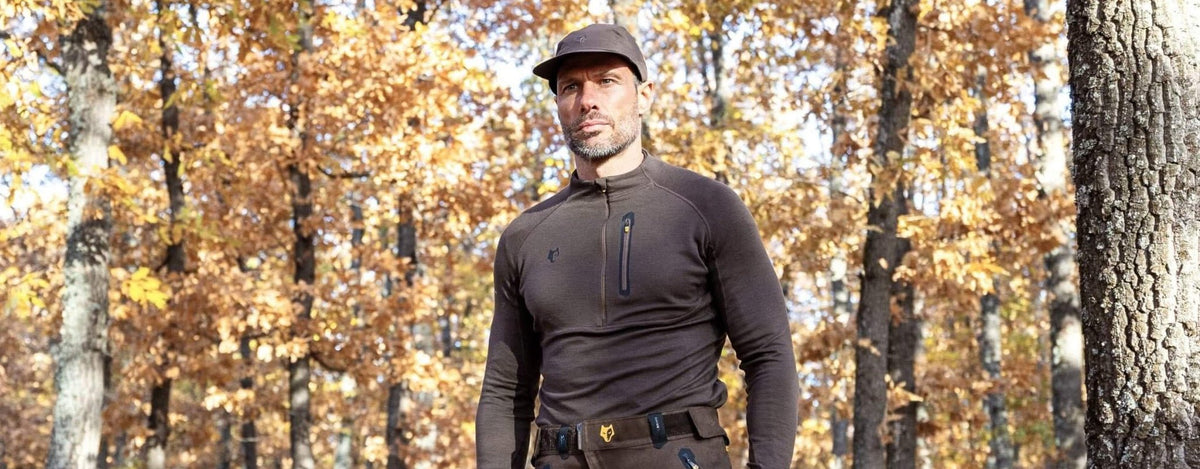
For tops, a crew neck is simple and warm. A half zip or quarter zip gives you more control. Open it when you climb. Close it when you stop. That one small move can keep sweat from building up under your jacket.
A long sleeve base layer is usually more useful than a short sleeve for hunting. It gives more coverage, works better under other layers and protects your arms from sun, insects, brush and cold air. In mild weather, it can be worn alone. In cold weather, it fills the gap under insulation.
Do not think base layers are only for winter. A light layer can help in warm weather too. It moves sweat, cuts that sticky feeling under hunting apparel and protects skin when you are moving through cover.
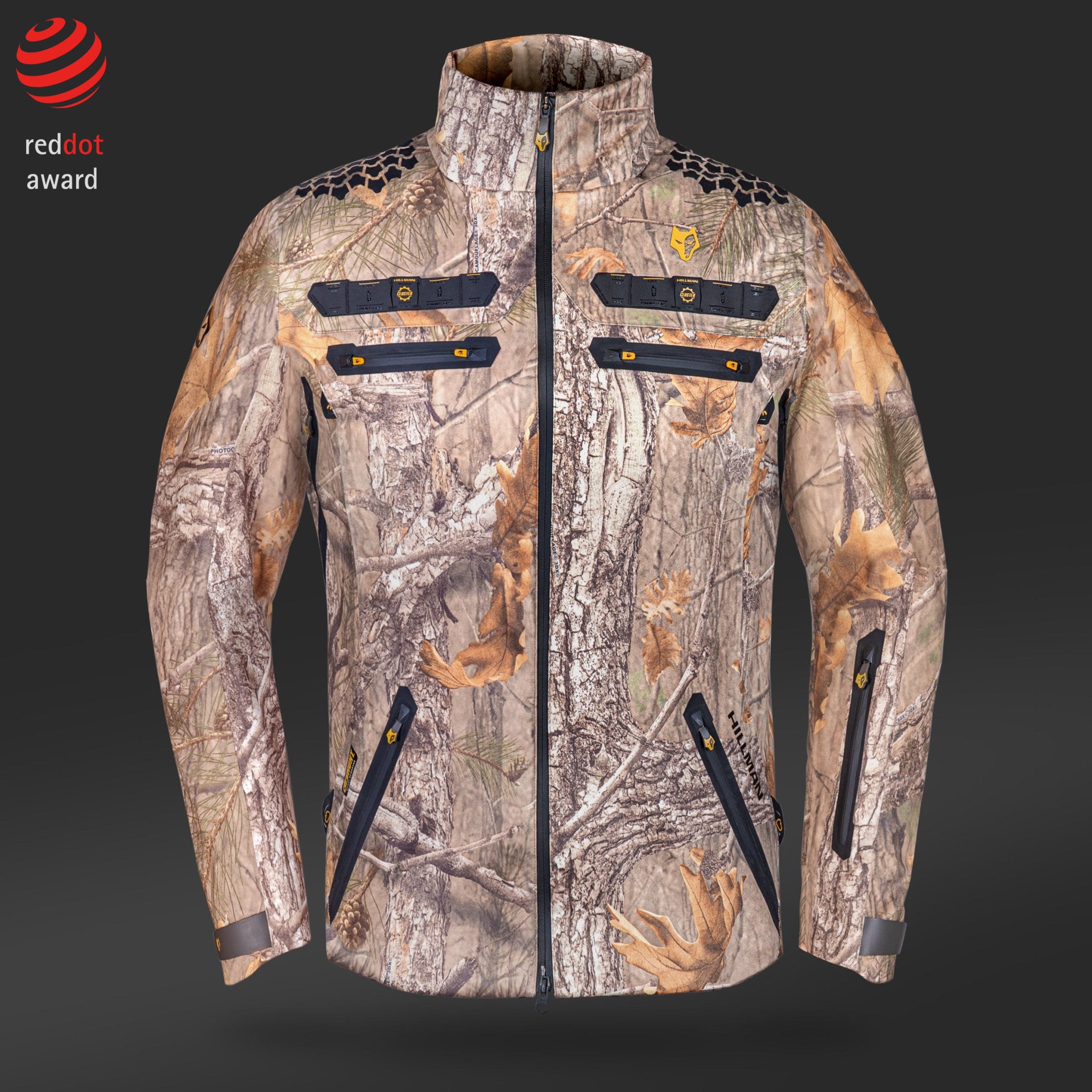
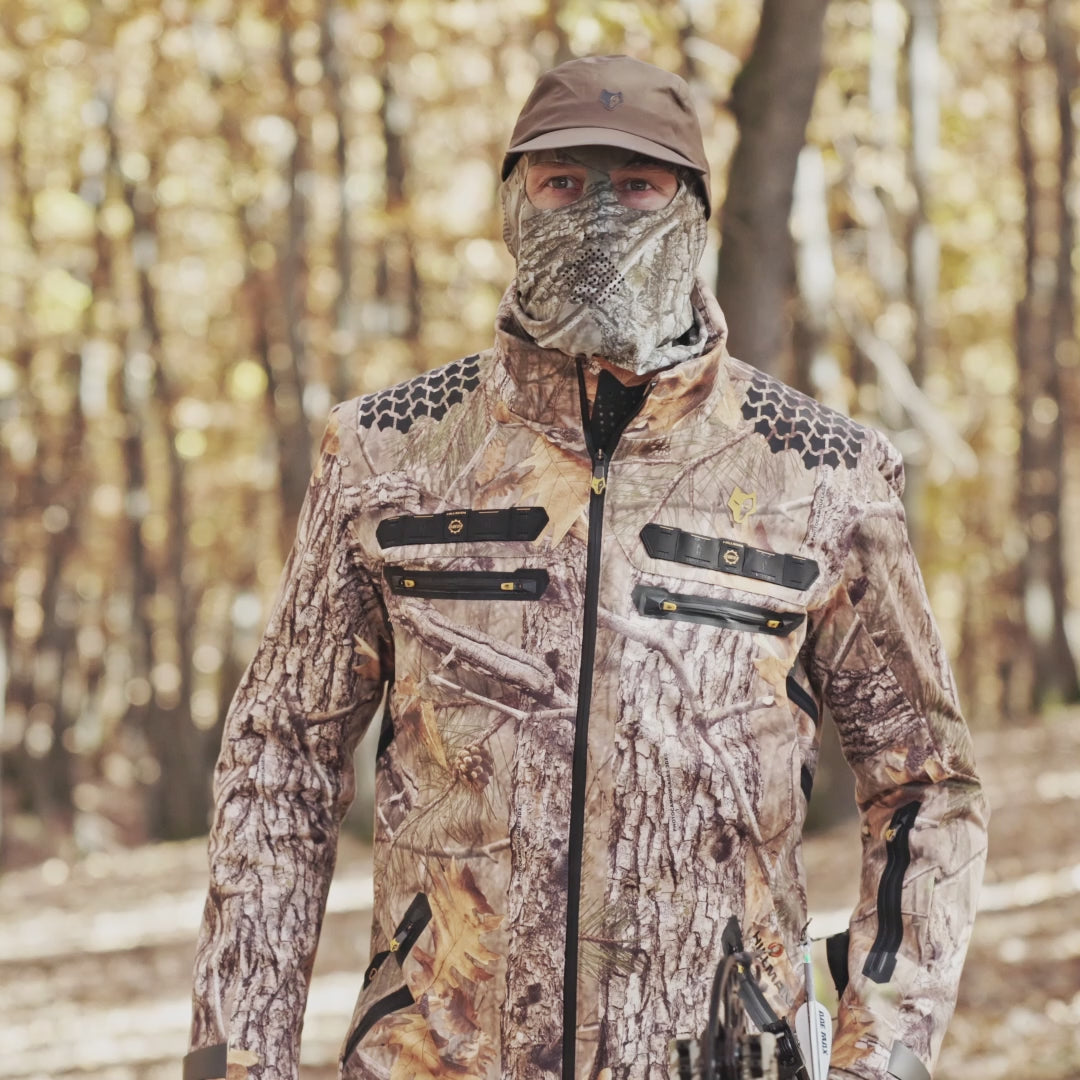
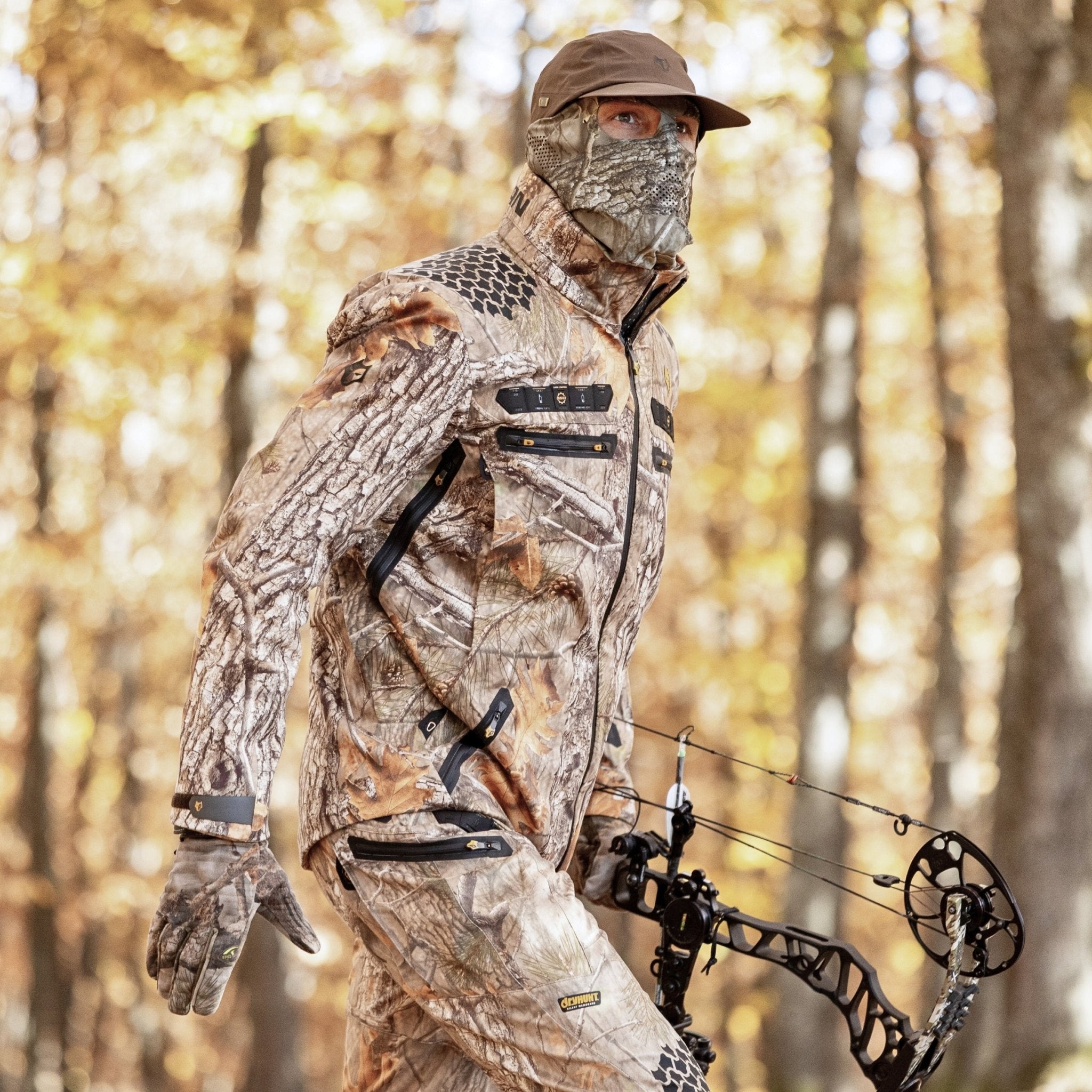
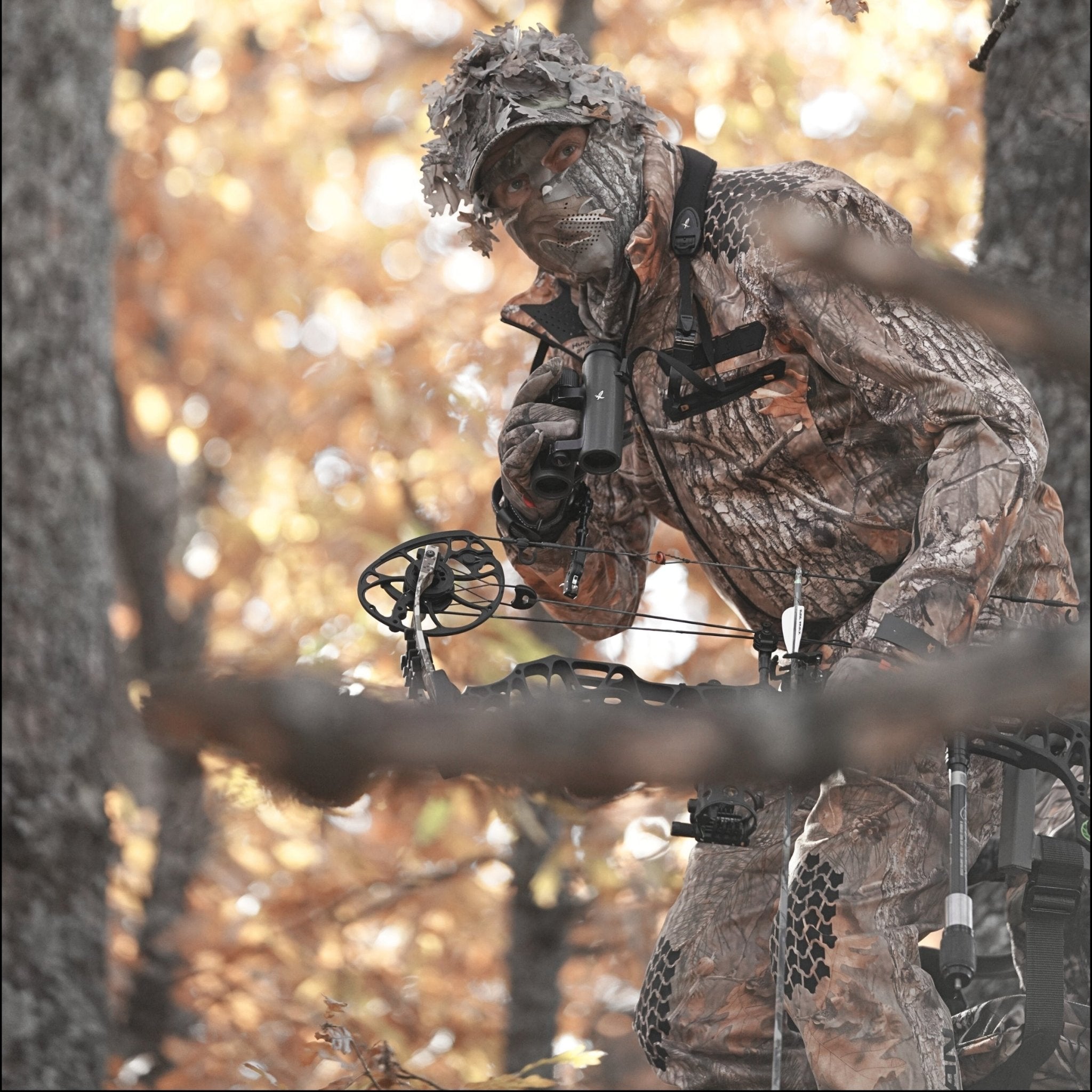
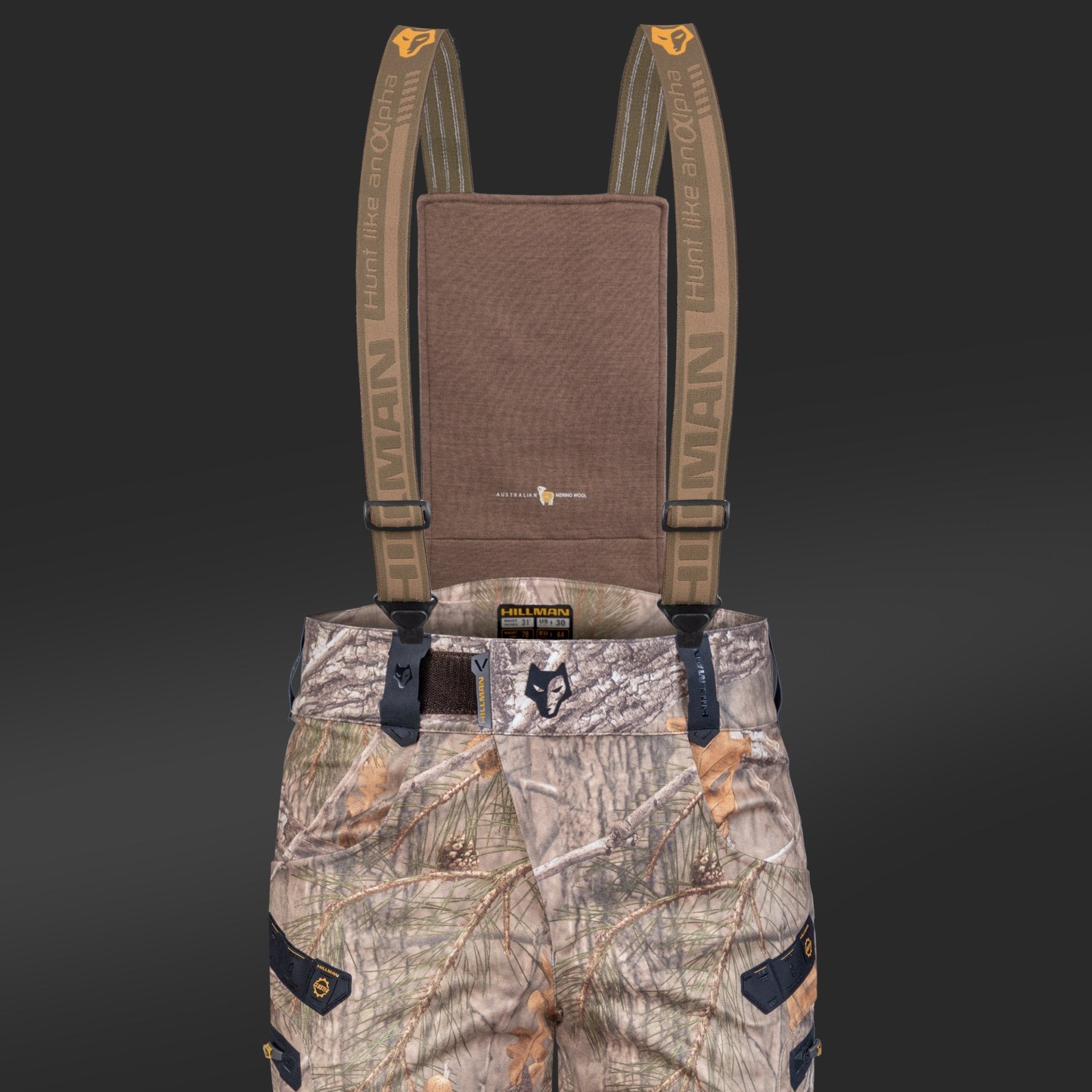
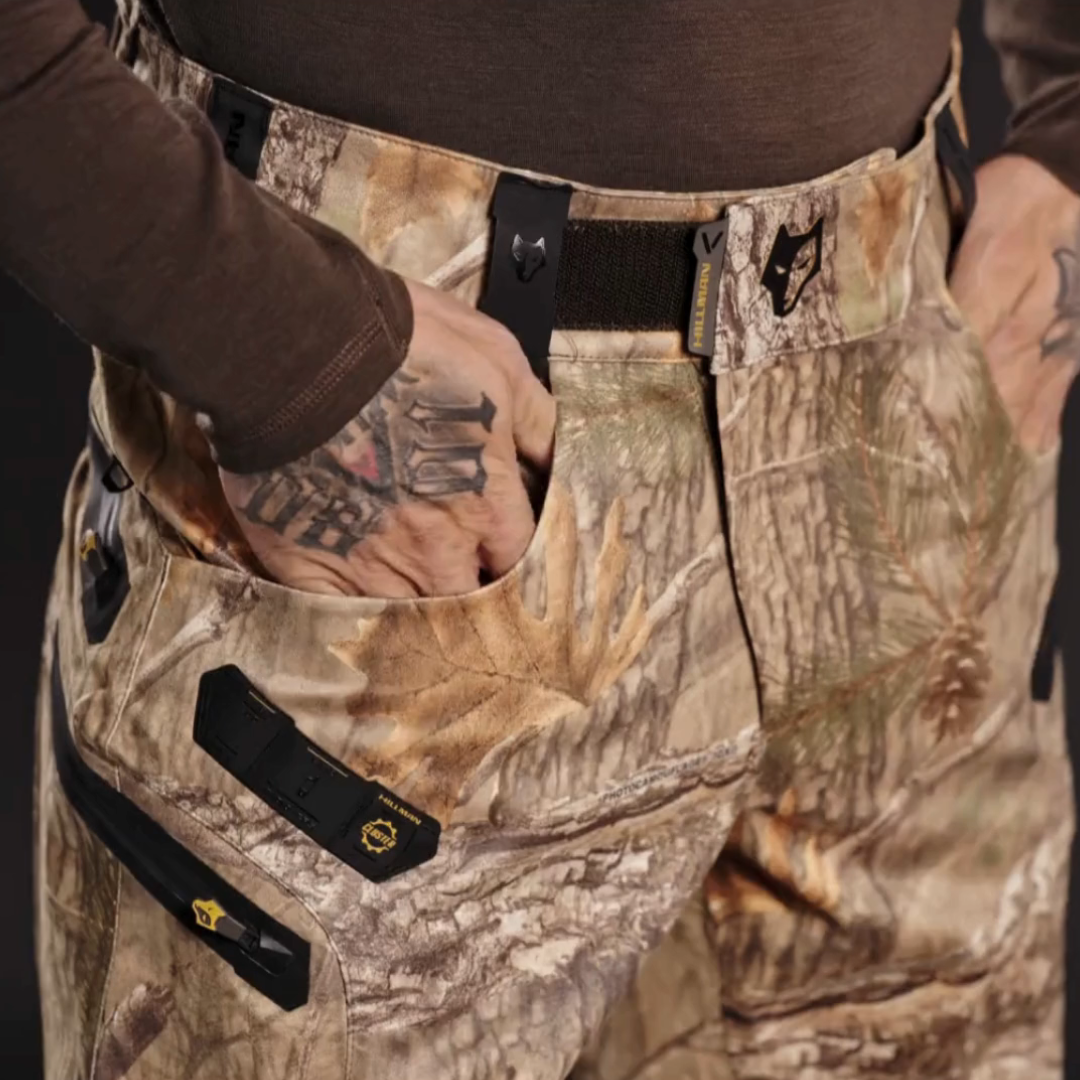
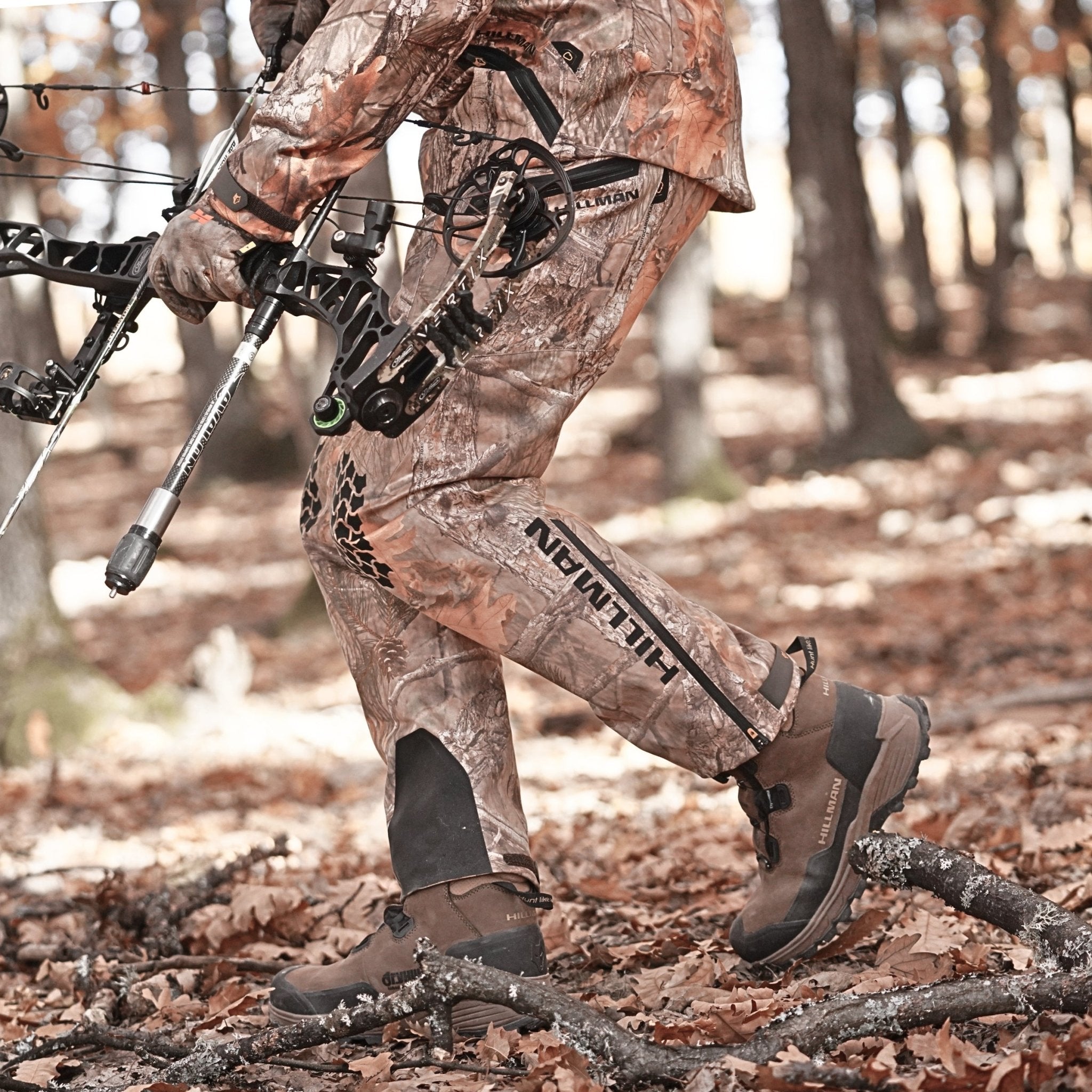
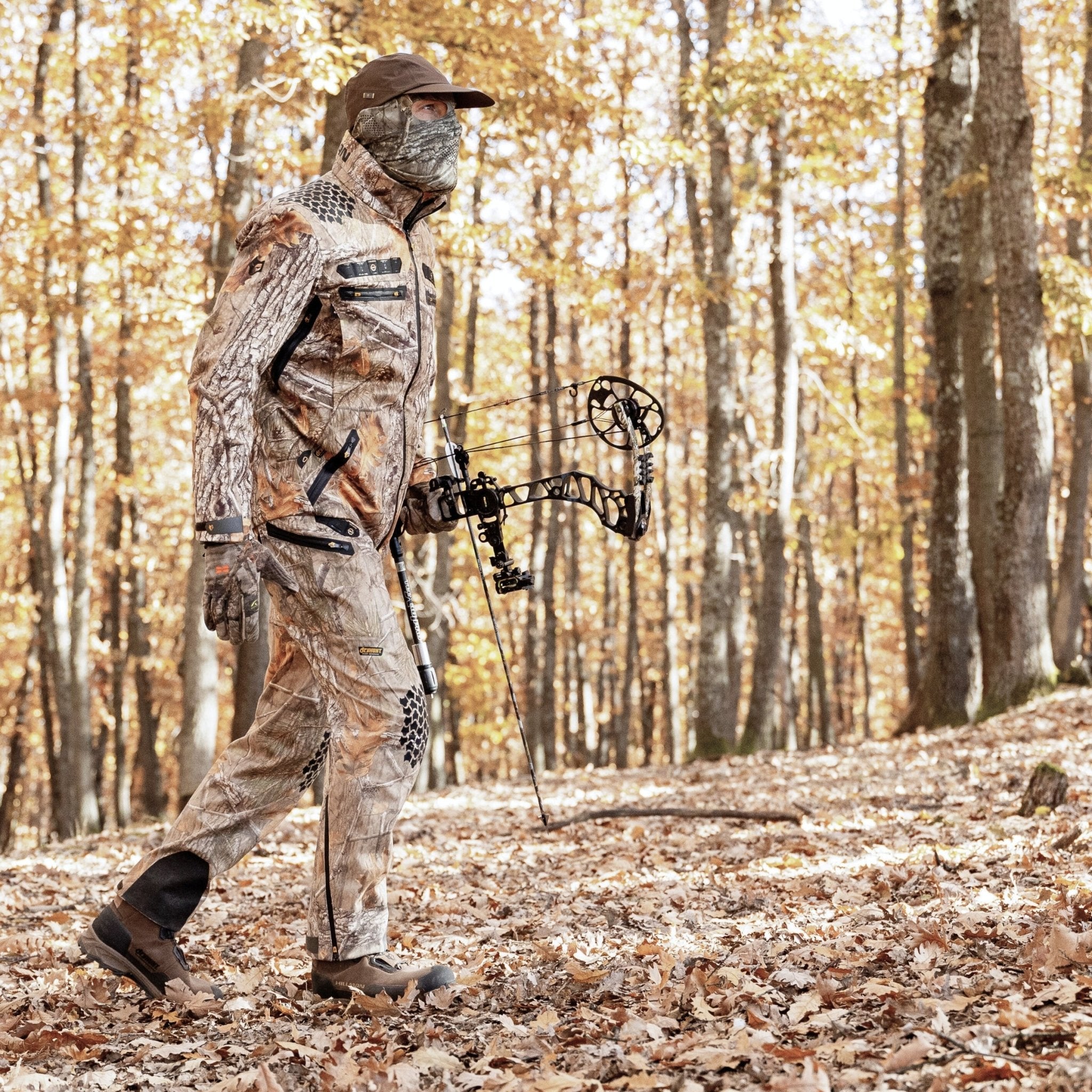
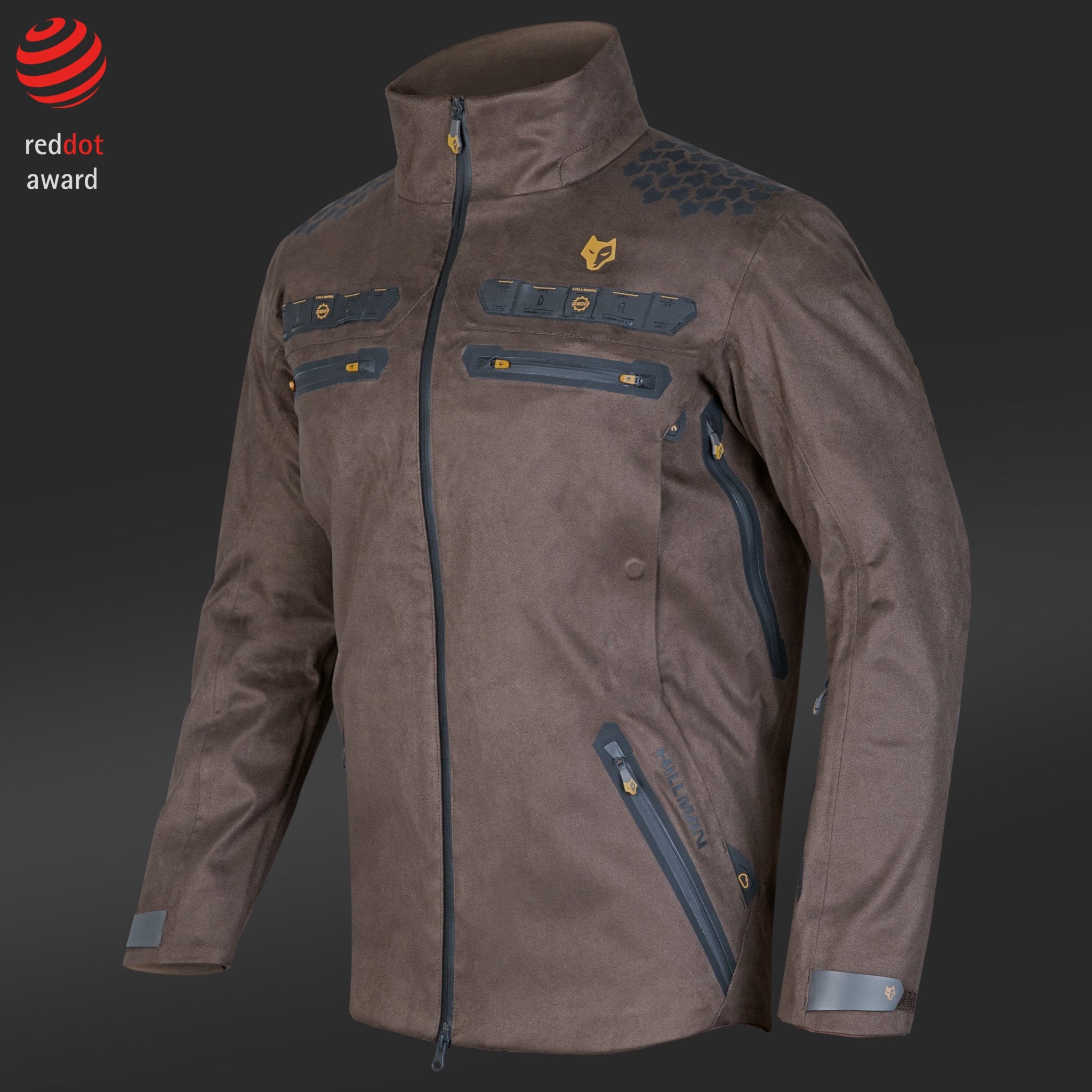
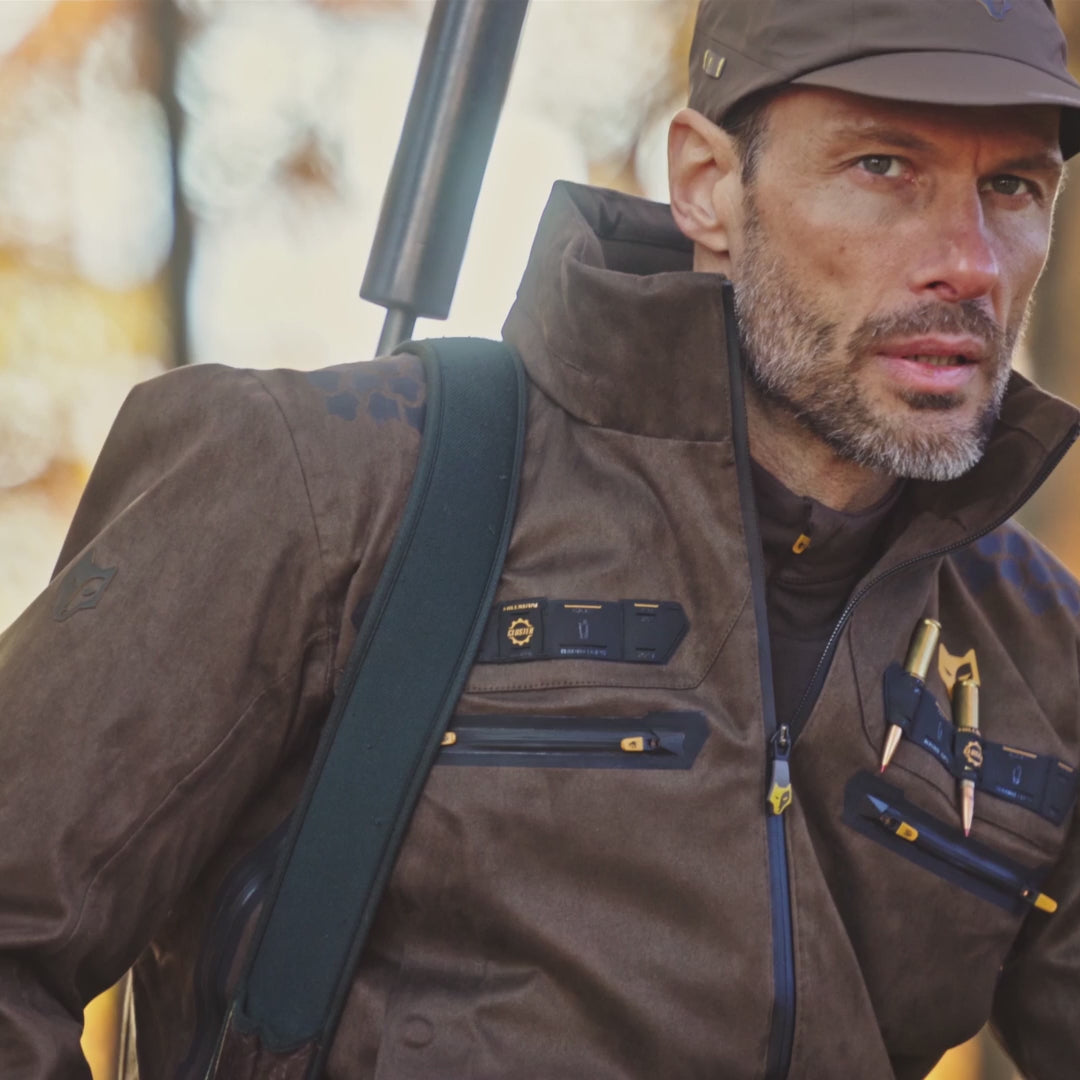
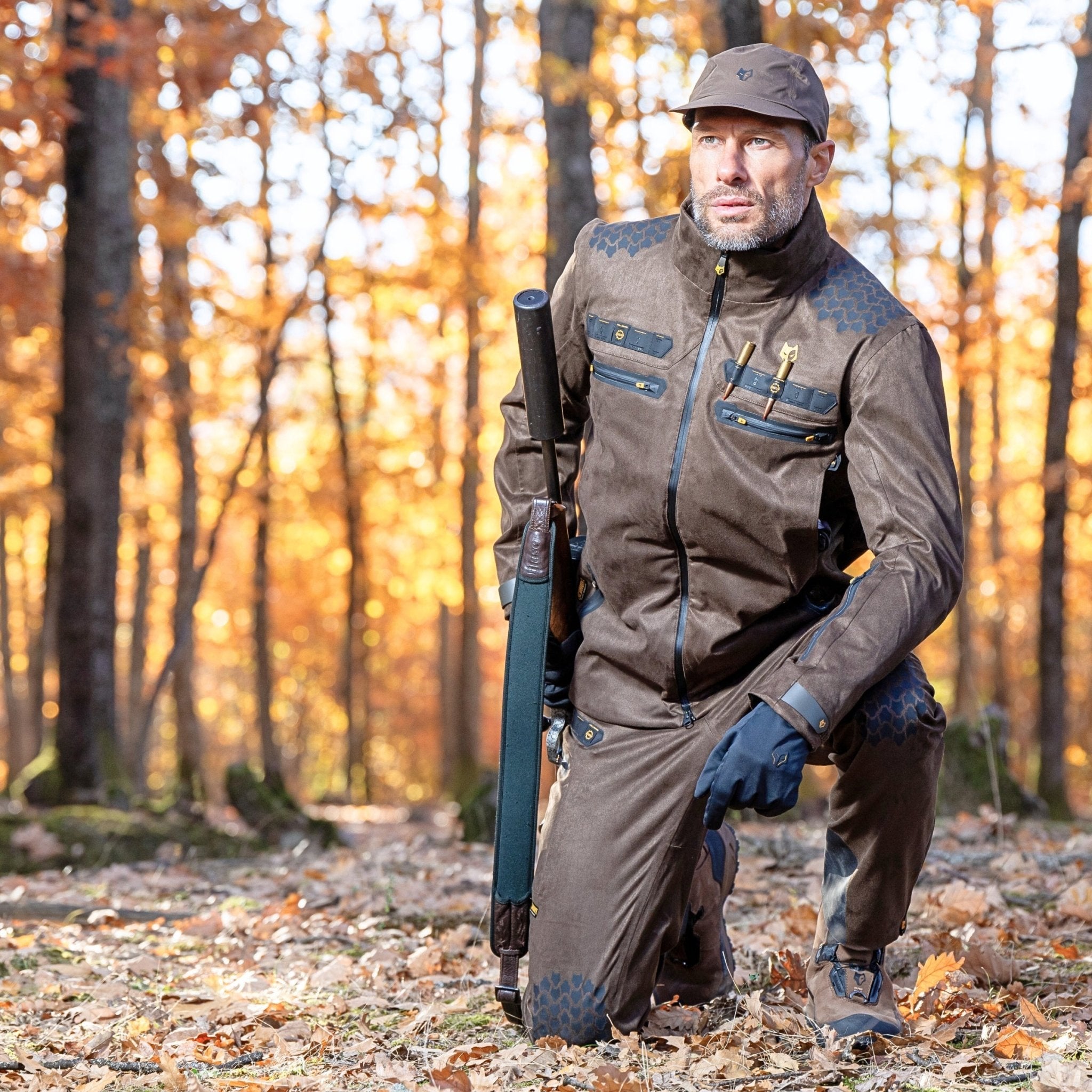
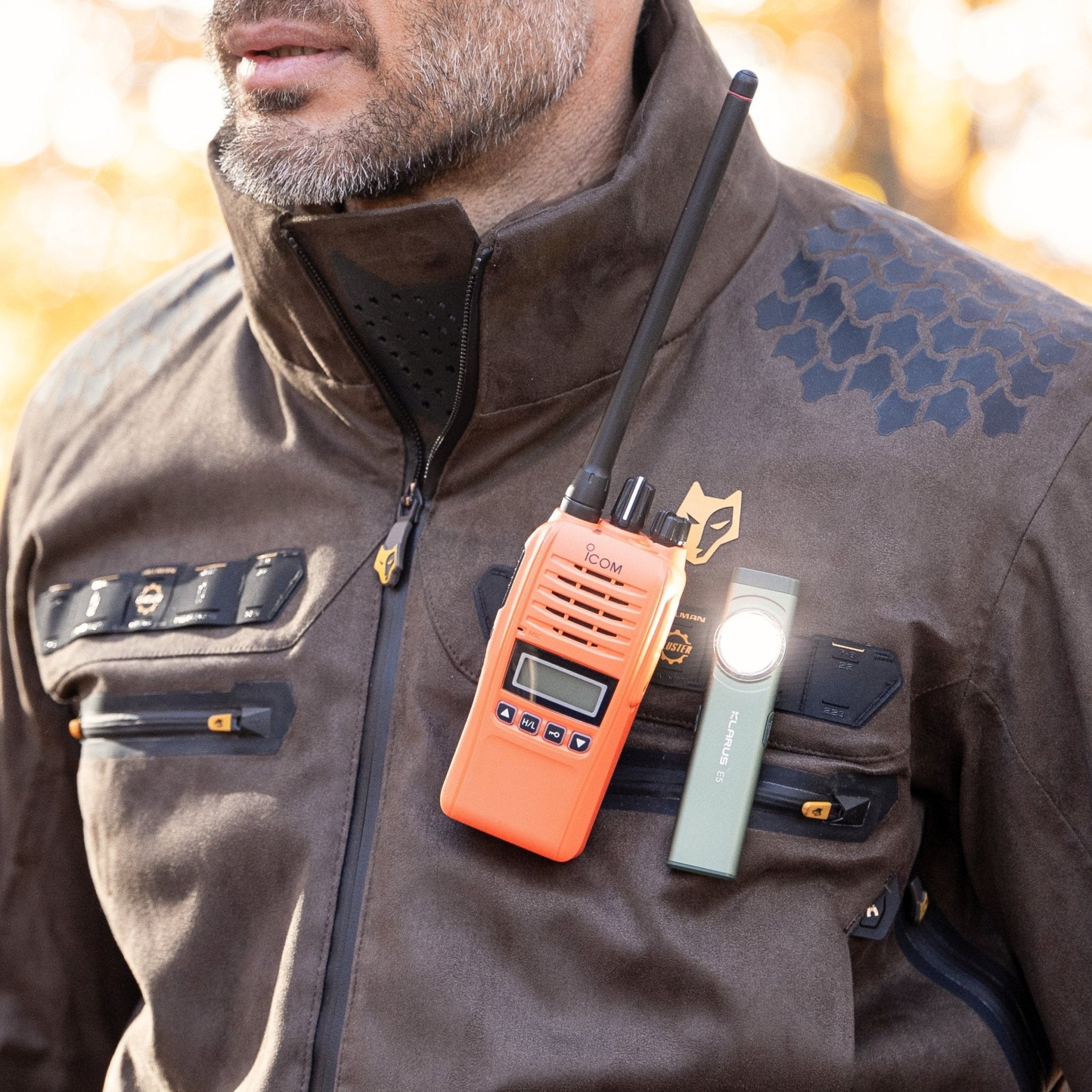
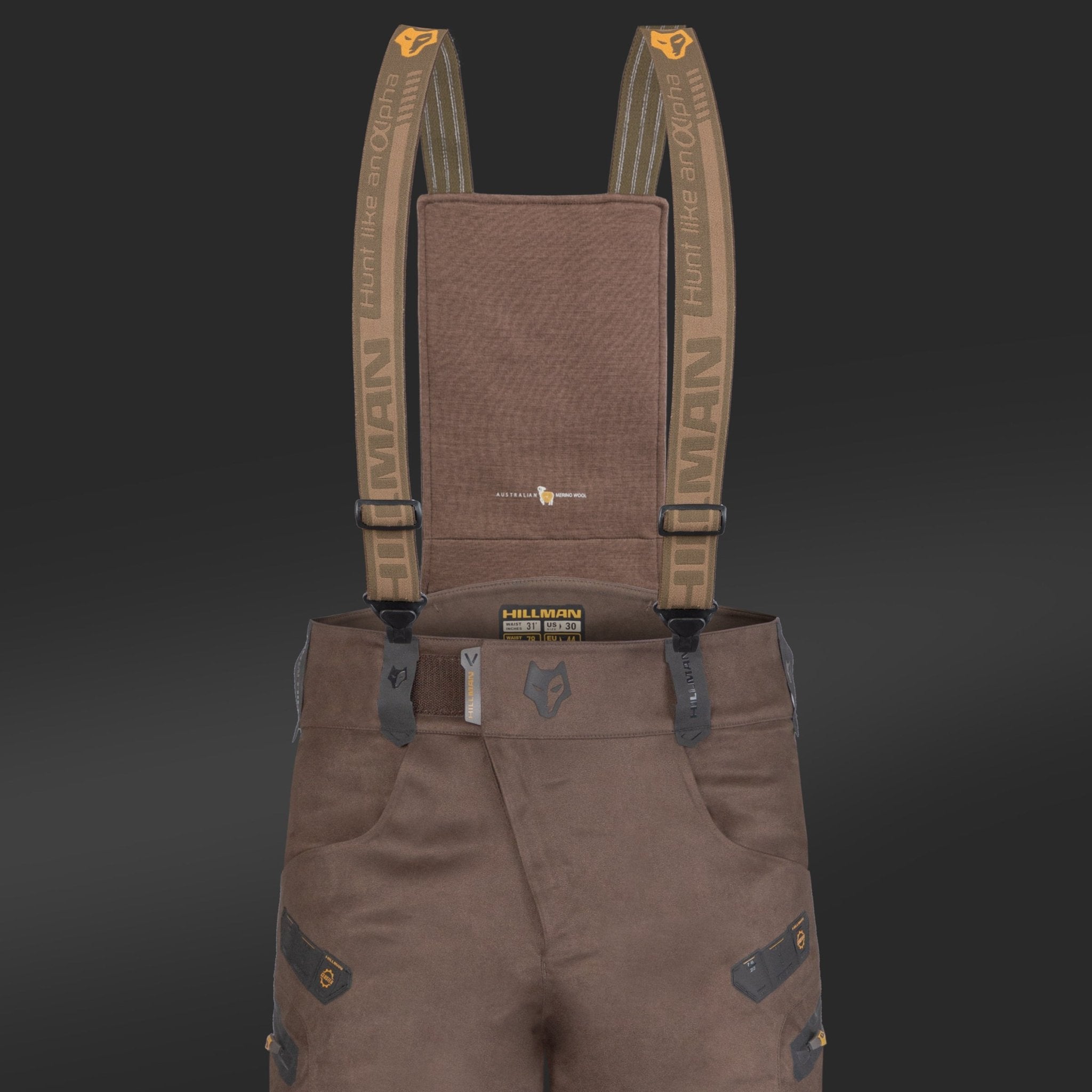
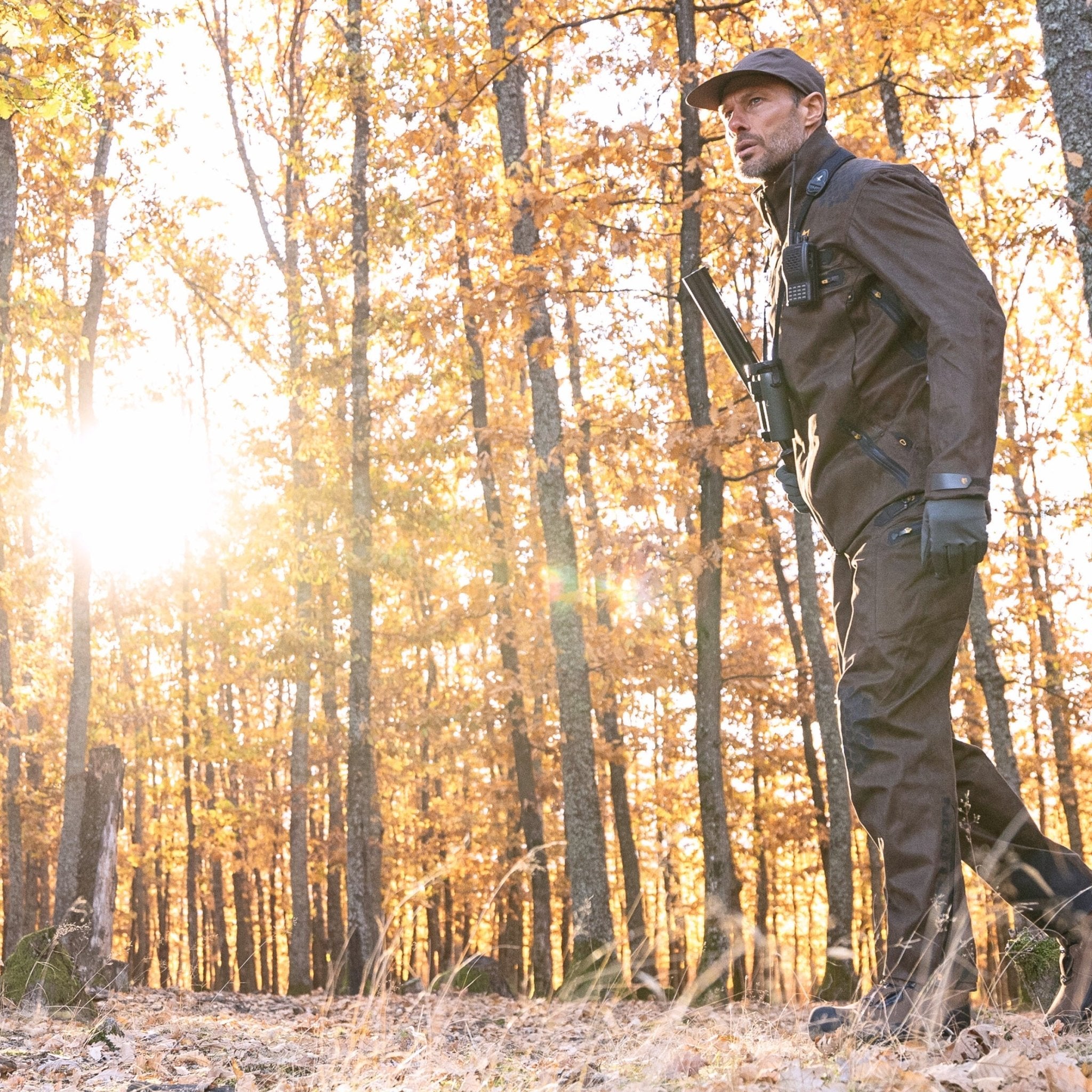
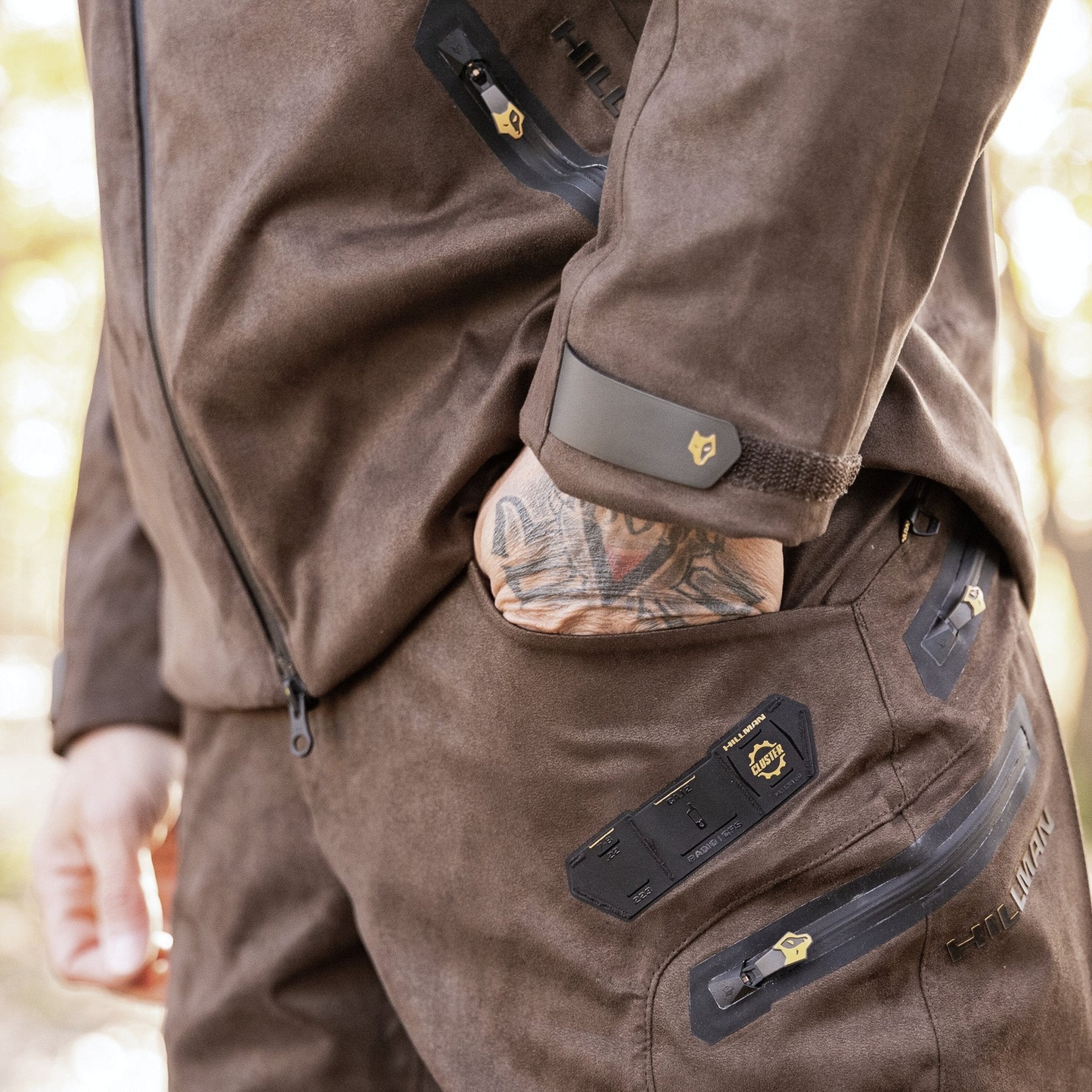
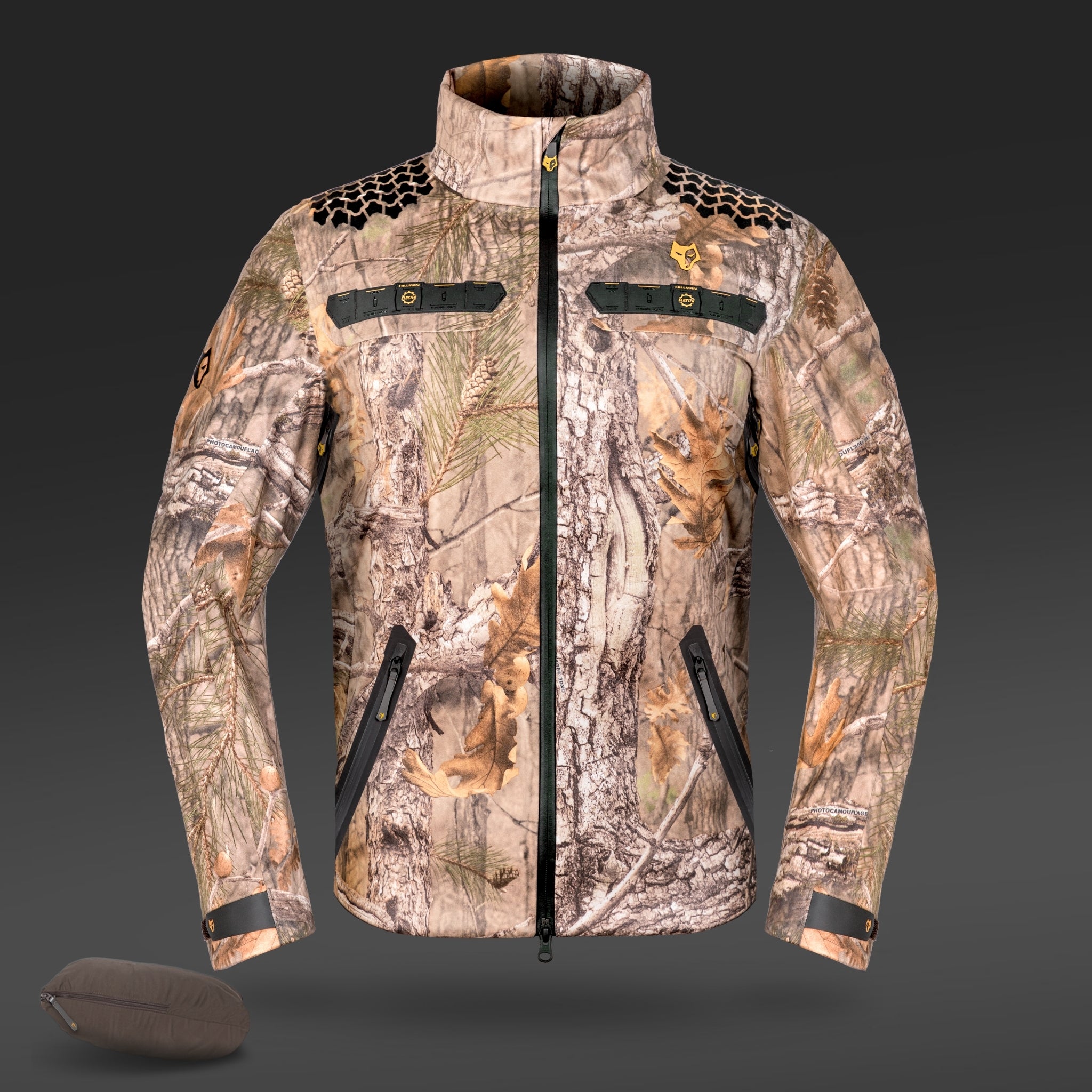
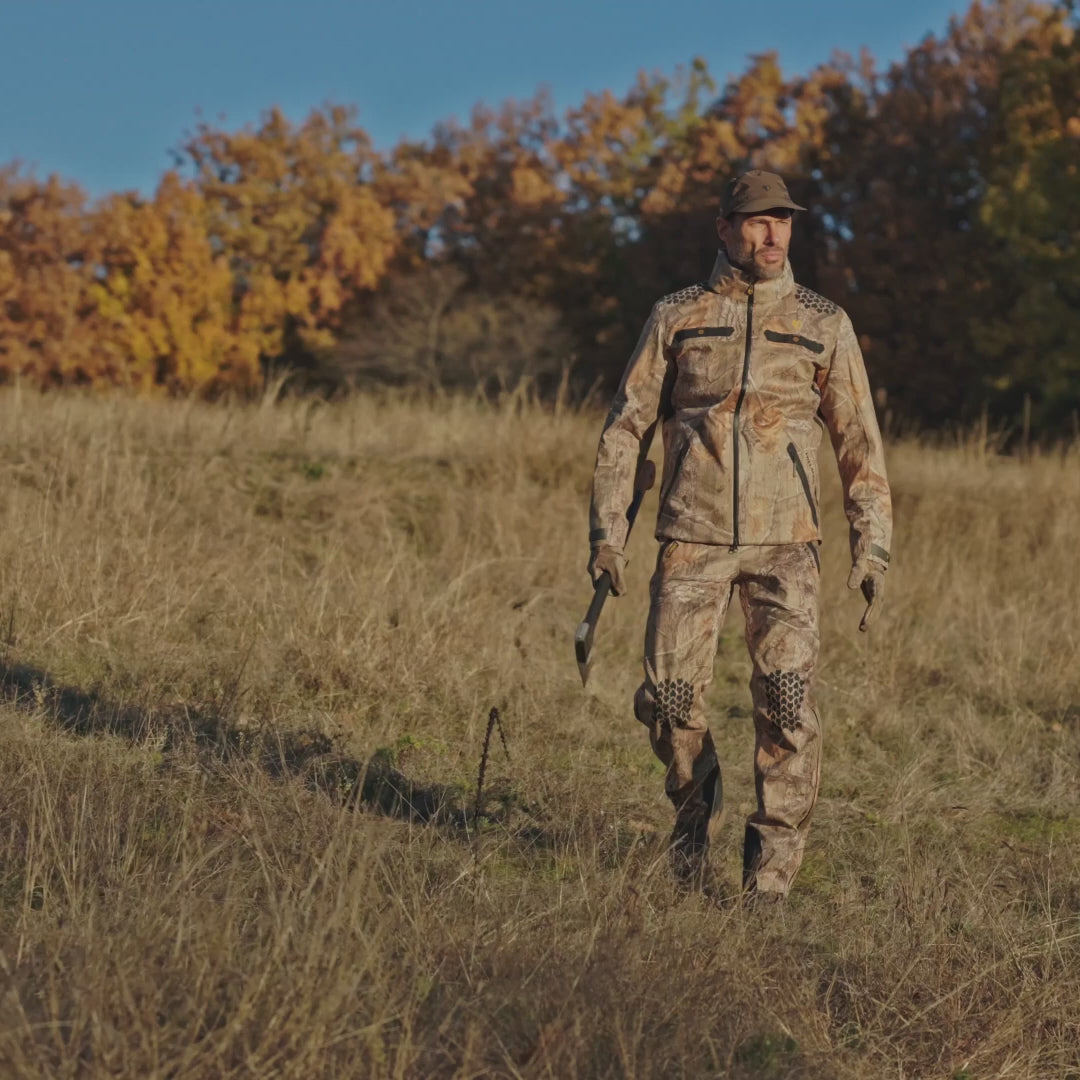
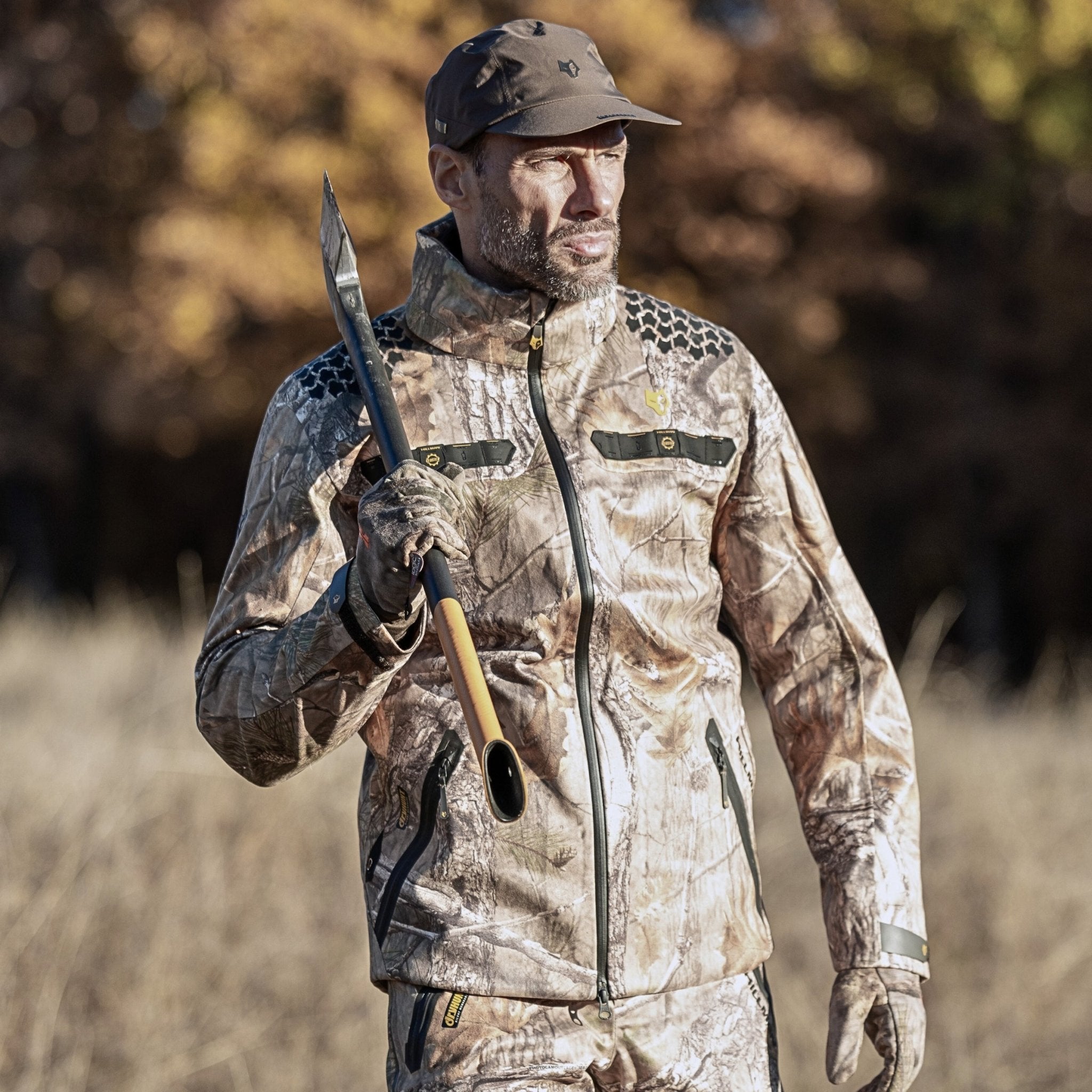
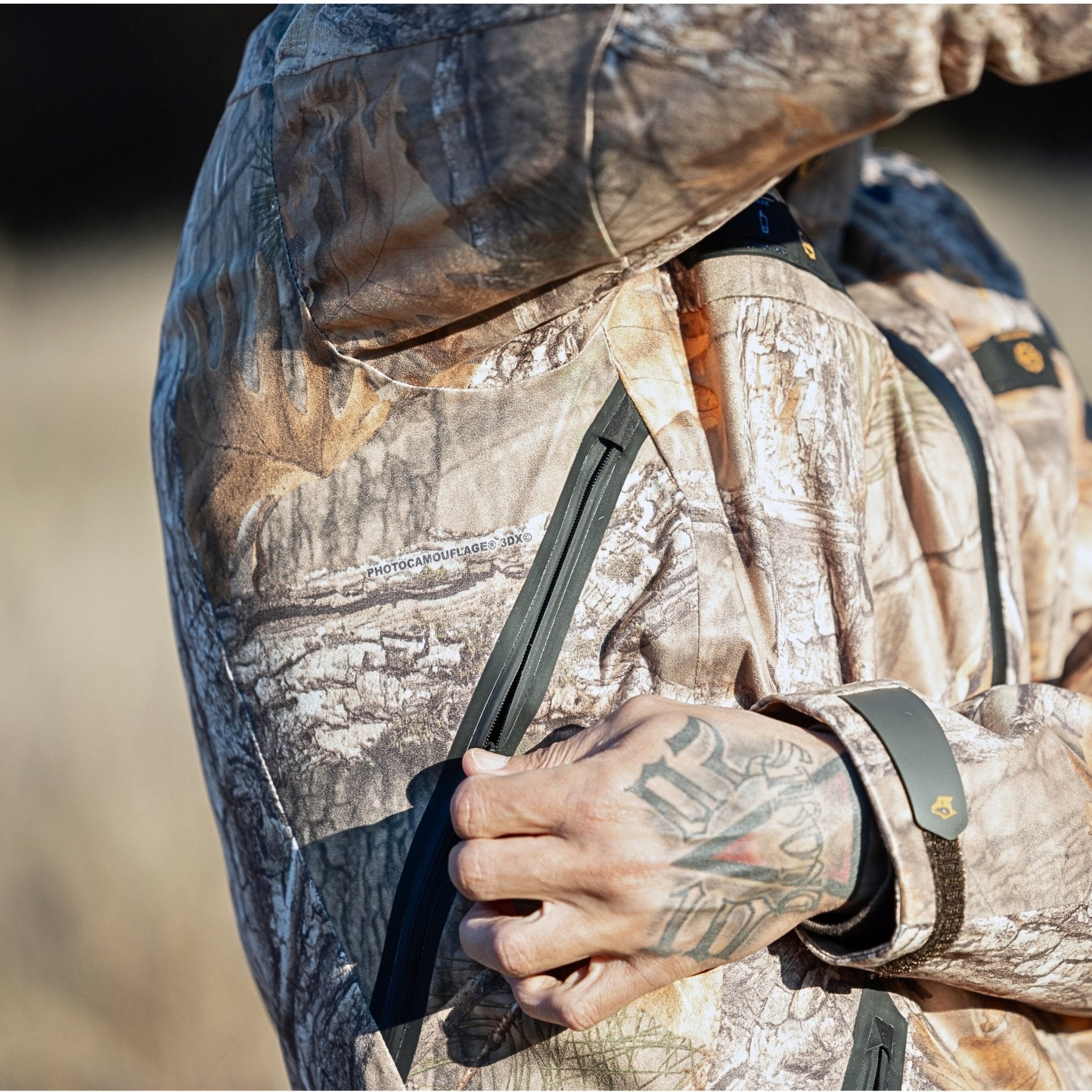
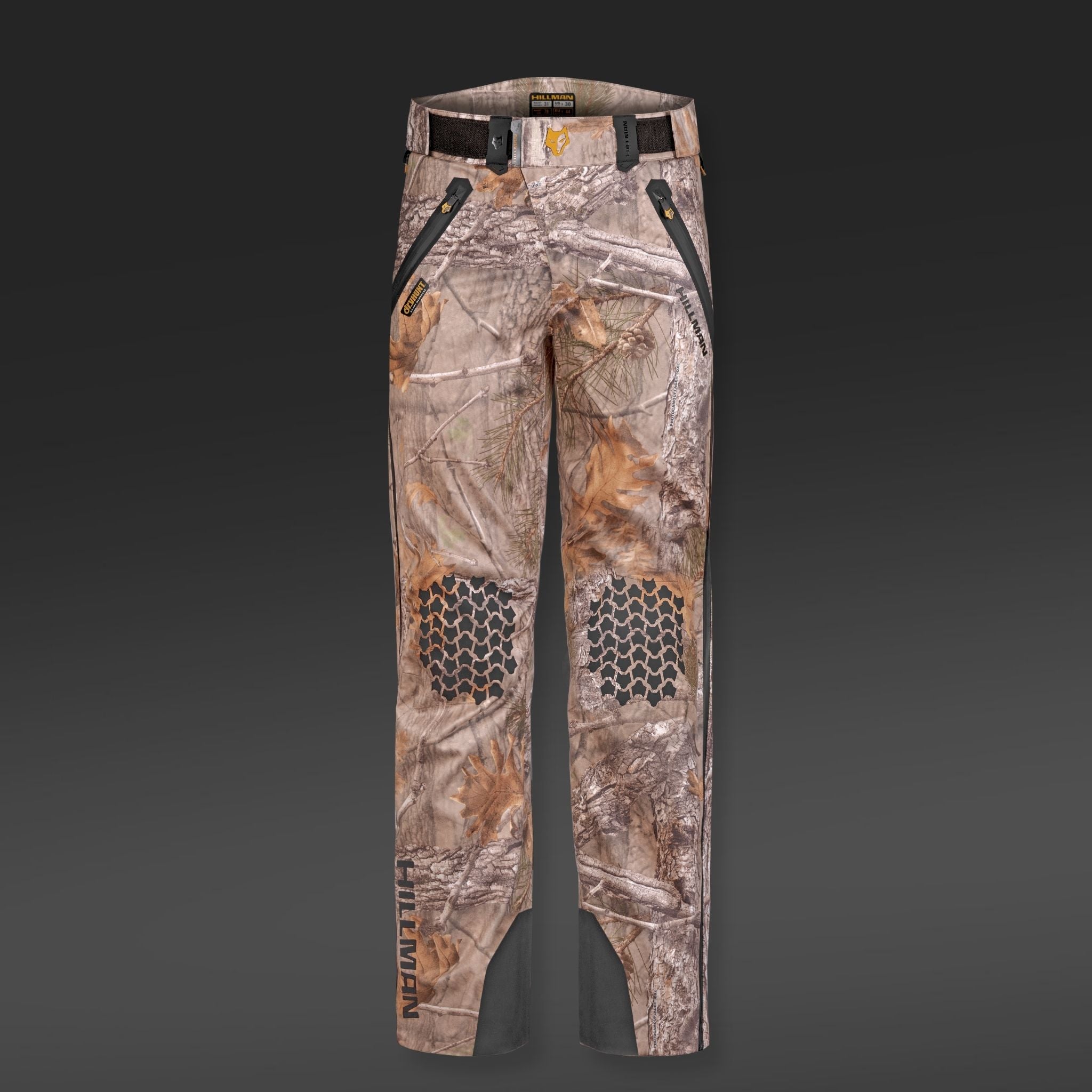
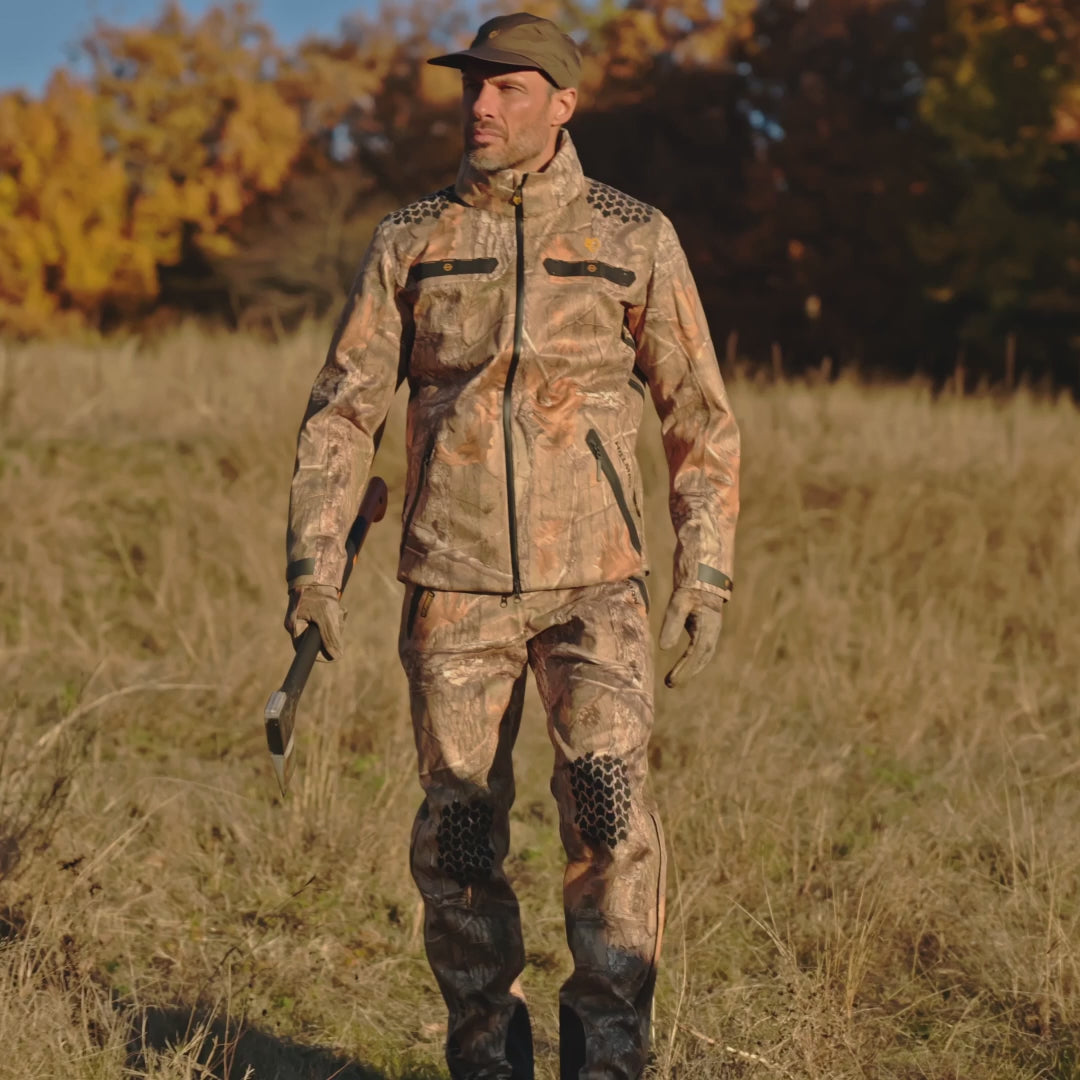
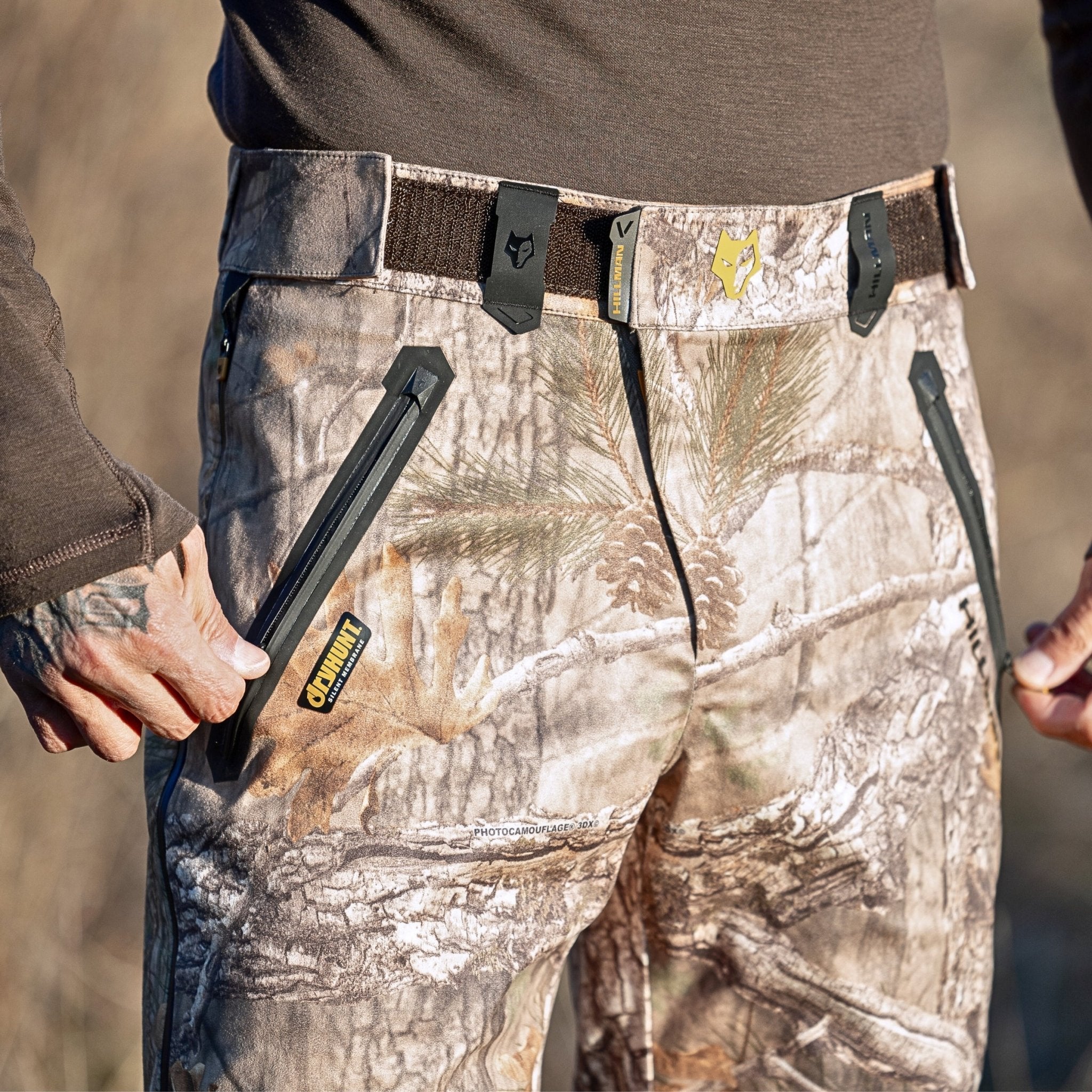
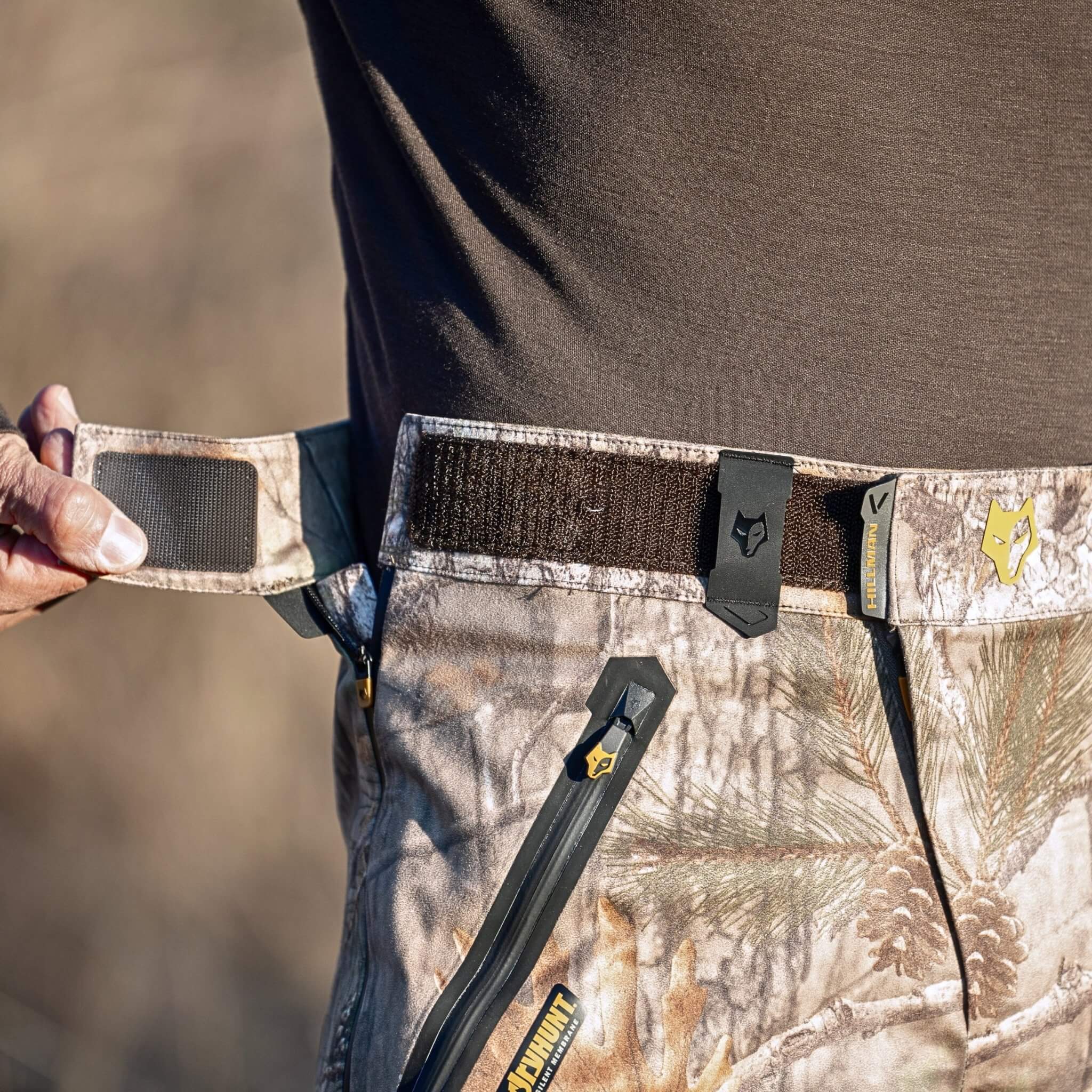
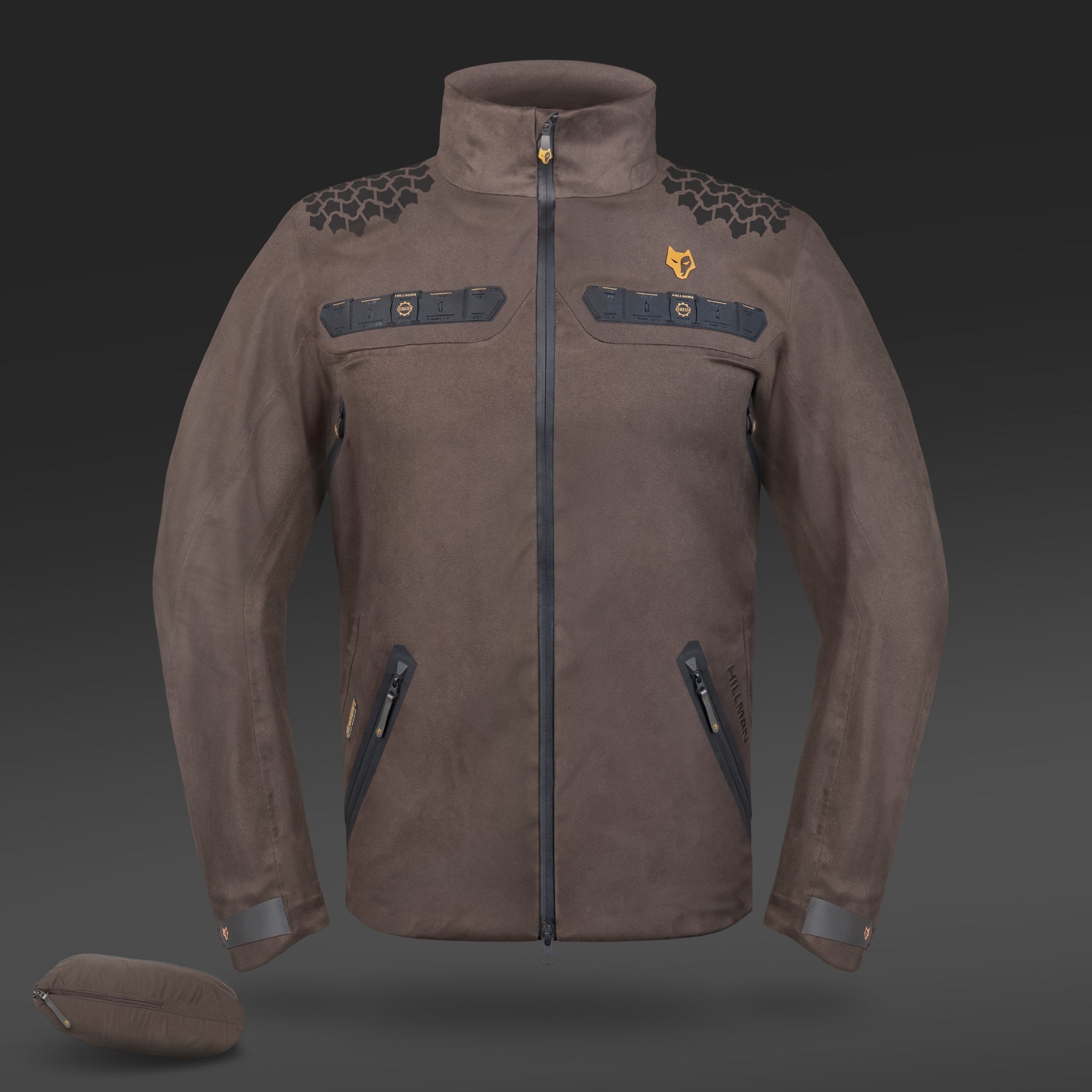
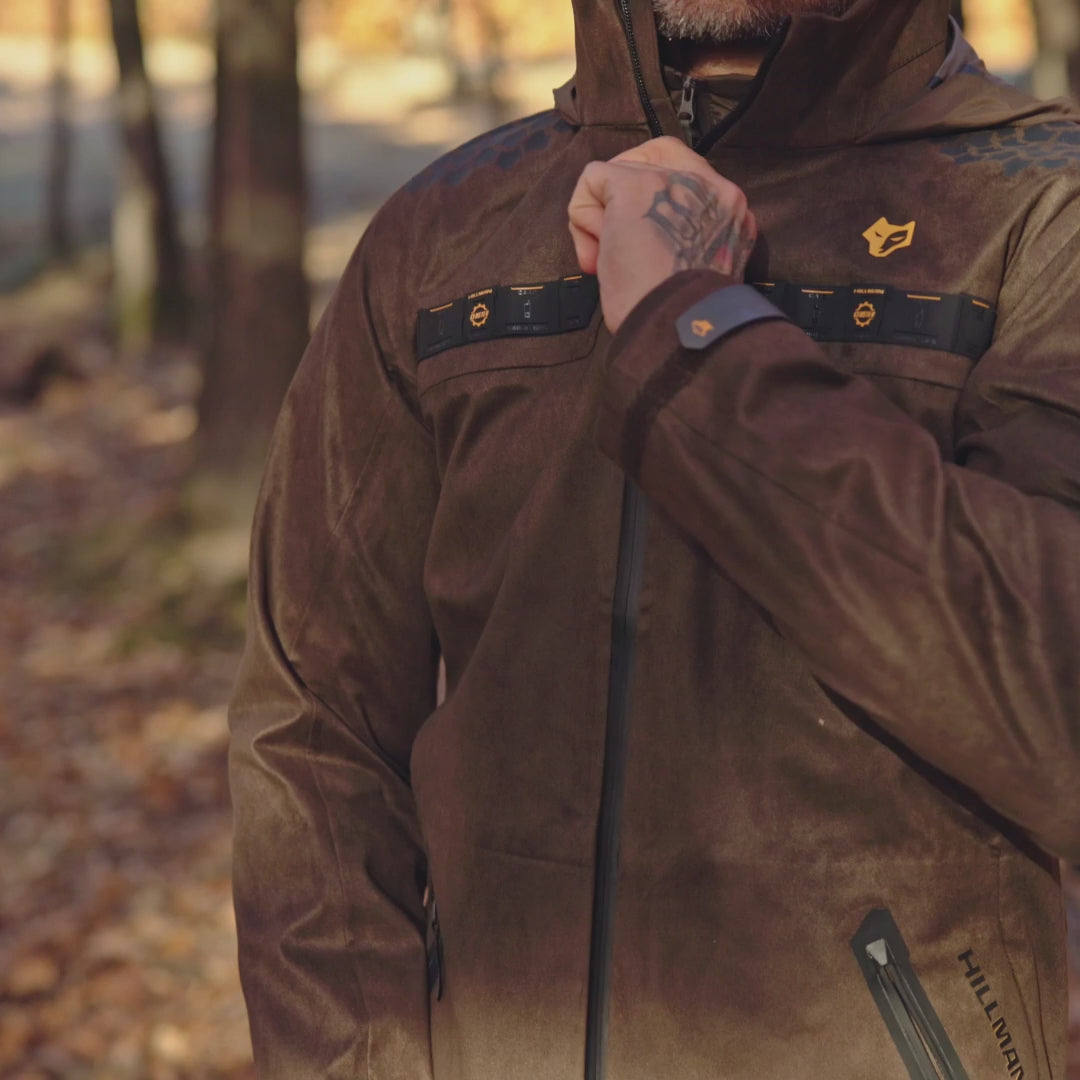
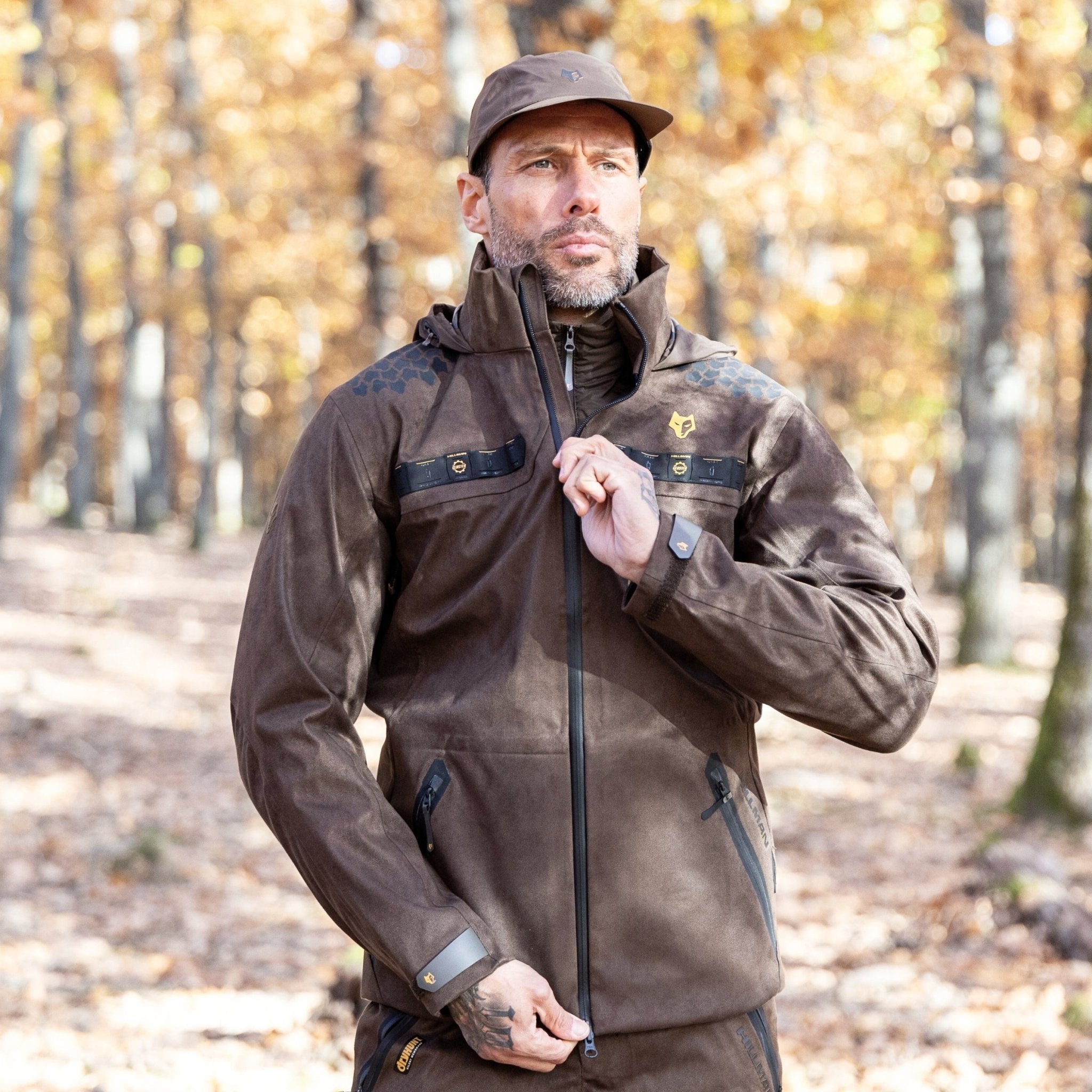
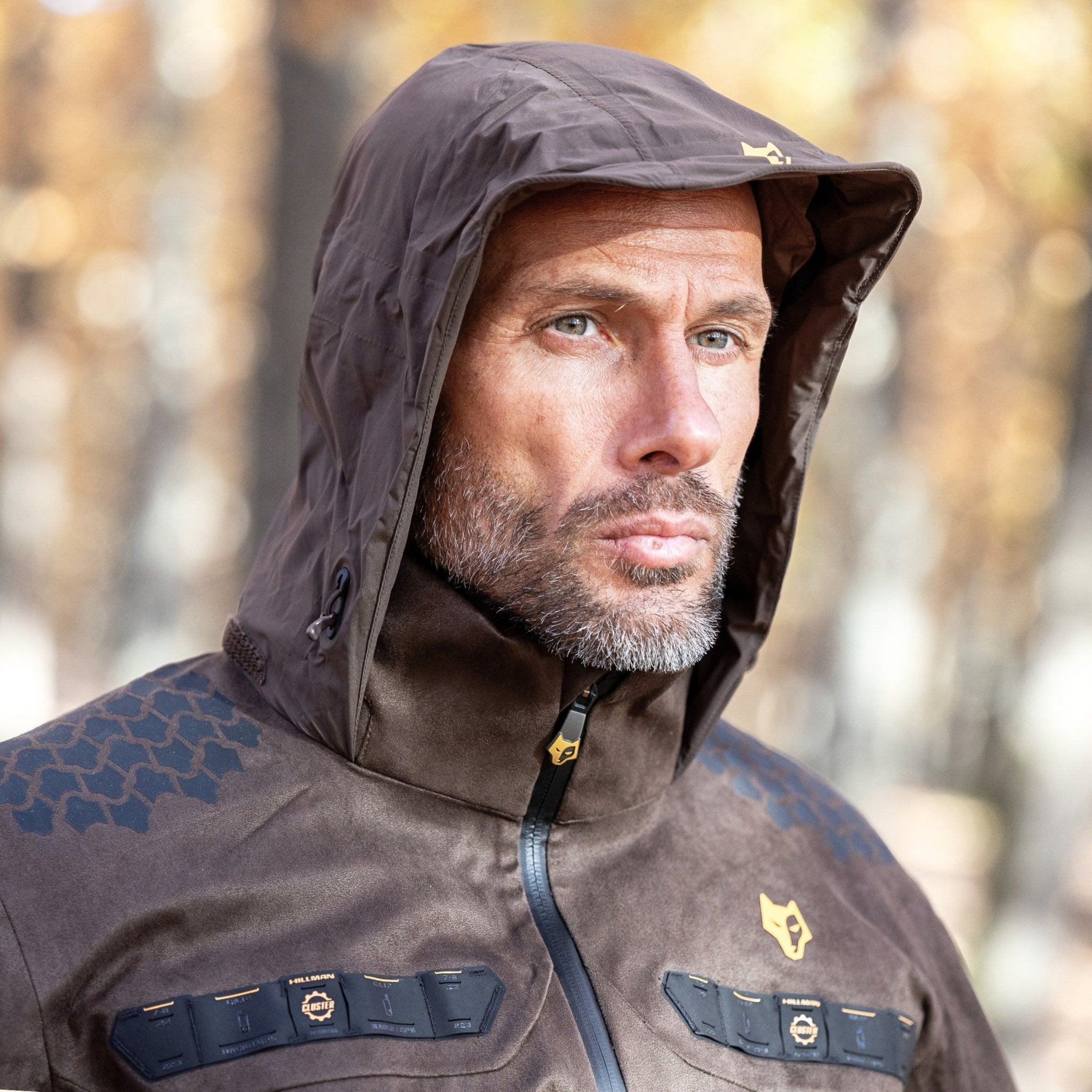
Hillman approach to hunting clothing fits this idea: gear should work in the field, not just sound good in a product description. Warmth, movement, sweat control and comfort all matter at the same time.
Hunting Clothing

A base layer has to match the rest of your hunting clothing. A good merino shirt under a trash outer layer can still leave you wet. A fast-drying synthetic base under too much insulation can still cook you. Fabric choice only works when the whole system works.
For cold weather, think in layers. The base layer manages sweat. The insulating layer holds warmth. The outer layer blocks wind, rain, snow or abrasion. If one part is wrong, your body temperature becomes harder to control.
For high output activities, start a little cooler than you want at the truck. That sounds wrong, but it is usually right. If you feel perfectly warm before you start walking, there is a good chance you will be sweating in ten minutes. Synthetic base layers are usually better here because they dry quickly and move moisture fast. Recycled polyester can also be a good, reasonably priced option for budget-conscious shoppers.
For still hunting, treestand hunting or slow glassing, merino wool often makes more sense. You are not sweating as hard, but you are more likely to get cold. Warmth and odor resistance start to matter more than raw drying speed.
In damp environments, both merino and synthetic have arguments. Synthetic dries faster. Merino feels safer when slightly damp and you have to sit still. That is not a contradiction. It just depends on what kind of damp you are dealing with.
For hot weather, go light. A featherweight synthetic base or bamboo blend can be the better call. The point is to stay cool, wick sweat and avoid heavy fabric. Lightweight merino can work, but once heat and hard movement stack up, it can feel like too much.
Polygiene Odor and Anti-Odor Treatments

Polygiene odor control and similar anti-odor treatments are often used on synthetic fibers because polyester can hold stink after repeated sweating. The treatment is there to slow odor causing bacteria in the fabric. Less bacteria usually means less odor.
That makes synthetic base layers more useful for longer hunts. A treated synthetic layer can wick sweat, dry fast and resist smell better than plain untreated polyester. It still may not match merino wool for natural odor resistance over several days, but it closes the gap.
There is also a cleaning side to this. Odor-resistant clothing may not need hard washing after every short use. That can help the garment last longer. It can also reduce the chance of detergent smells getting buried in the fabric. For scent control, storage matters just as much. A clean base layer tossed beside fuel cans, boots or food bags is not clean anymore in any useful hunting sense.
Anti-odor does not mean scent-free. It means better odor management. Big difference. For close-range hunting, you still need wind discipline, clean skin, smart storage and enough restraint not to overheat on the way in.
Half Zip, Long Sleeve and Base Layer Tops

Small design details matter in the field. A half-zip base layer top lets you dump heat fast without stripping off your jacket. Open it on the climb. Close it when you sit. Simple. Effective.
A quarter zip does the same job and usually layers well under collars and mid-layers. Full zips are less common for next-to-skin base pieces because the zipper can feel bulky under straps, belts or when lying prone. For most hunting, half zip or quarter zip is the better balance.
Long sleeve base layer tops are more useful than short sleeves most of the time. They cover the arms from sun, bugs, cold air and rough brush. In warm weather, a very light long sleeve can still feel better than bare skin under direct sun, especially if the fabric wicks moisture and dries quickly.
In colder conditions, long sleeves also prevent gaps between gloves, cuffs and jackets. That sounds minor until cold air finds that gap all morning. A good long sleeve base layer can work alone in mild weather or disappear under insulation in winter.
Flatlock seams, stretch, a soft collar and an athletic fit are not flashy features. They are the kind of features you notice only when they are missing.
Best Base Layers by Fabric Choice

The best base layers are not always the thickest or most expensive. They are the ones that match the hunt.
Choose merino wool when the weather is cool or cold, movement is moderate and odor resistance matters. It is strong for overnight trips, slow stalking, bowhunting and long wear. It is soft against the skin and still useful when damp, which helps in unstable weather.
Choose synthetic base layers when the hunt is active, wet or physically demanding. Polyester and similar synthetic materials dry fast, handle sweat well and are usually more affordable. They are good for high output activities, steep terrain and hunters who sweat heavily. Add anti-odor treatment and they become much better for hunting.
Choose bamboo or bamboo blends when softness and comfort matter most in mild to warm weather. Bamboo can feel smooth next to skin and works for lower-output outdoor activities. It is not always as technical as high-end merino or synthetic fabric, but for warm weather sits or easy movement, it can be comfortable.
Pick lightweight base layers for warm weather and early season. Pick midweight for cooler weather and mixed movement. Pick heavyweight only when winter, low activity and serious cold justify it. More warmth is not always better. Too much warmth creates sweat. Sweat creates problems.
For budget-conscious shoppers, synthetic base layers at a reasonable price make sense. For hunters who need odor resistance and comfort over repeated wear, merino is often worth the money. For a simple hunting apparel setup, one light synthetic layer and one midweight merino layer will cover a lot of real hunting days.
Making the Smart Pick for Your Next Hunt
Start with the hunt, not the fabric label.
If you will walk hard, climb, drag, carry or cover miles, choose synthetic. You need fast-drying performance and strong moisture wicking more than extra warmth.
If you will sit long after a short walk, choose merino. You need warmth, quiet fabric and odor resistance.
If the day is mild, slow and comfort-focused, bamboo may be enough. Just make sure it actually handles moisture and does not sit wet against your skin.
In cold weather, avoid sweating early. Wear a lighter base than your ego wants, then add insulation when you stop. In warm weather, avoid heavy merino unless you are barely moving. In damp environments, think about the real problem: do you need fast drying, or do you need warmth while slightly wet?
A good base layer should not be dramatic. It should not itch, bind, stink fast or stay soaked. It should keep skin drier, help your body stay balanced and work with the other layers instead of fighting them. That is what good hunting clothing is supposed to do.


Share:
How to Choose Hunting Pants for Kneeling, Crawling & Sitting