

How to Choose Hunting Pants for Kneeling, Crawling and Sitting in Rough Cover

Choose hunting pants with reinforced knees, stretch, quiet fabric and weather protection for crawling, kneeling and sitting in rough cover.
Rough cover is hard on clothing in a way open-country walking is not. You are not just hiking. You are dropping to one knee in wet grass, crawling under branches, sliding over roots, sitting against rough bark, crossing barbed wire and pushing through briars that seem built to shred fabric. That is why learning how to choose hunting pants for kneeling is less about fashion and more about what survives contact with the ground.
Most hunting pants feel fine when you try them on indoors. The real test comes when you crouch, twist, crawl, sit, stand, climb over deadfall and then do the same thing again with cold legs and damp knees. A good pair of hunting pants should protect the high-wear areas, move with your body and keep you comfortable across the temperature range you actually hunt in.
For kneeling, crawling and sitting, I would rather have quality hunting pants with smart reinforcement than heavy pants that only feel tough on the hanger. Weight matters. So does silence. So does how the pant leg sits over your hunting boots when you kneel or crawl forward another few feet.
How to Choose Hunting Pants for Kneeling

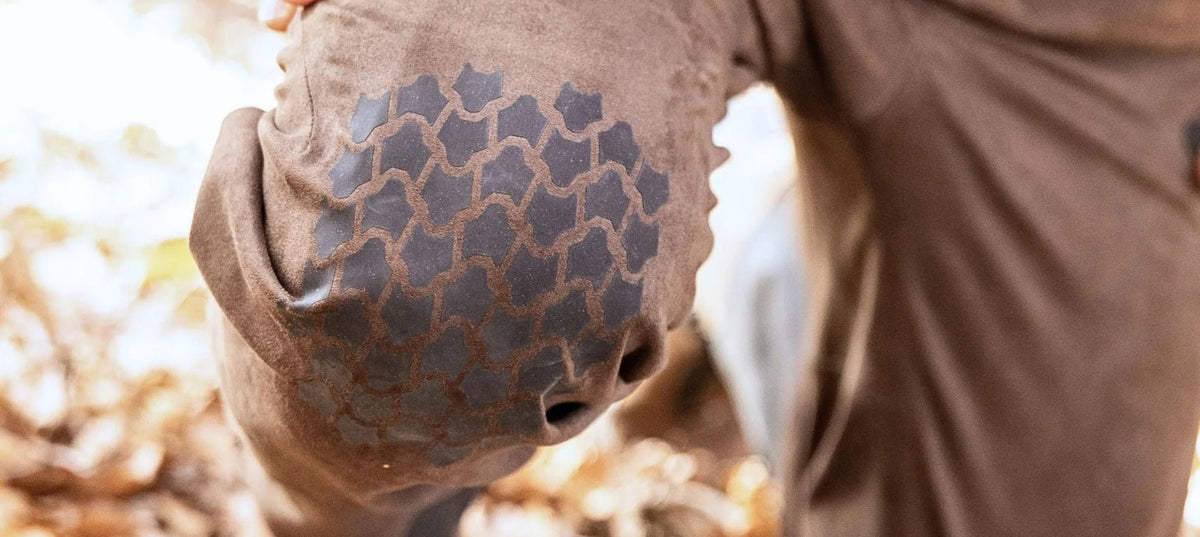
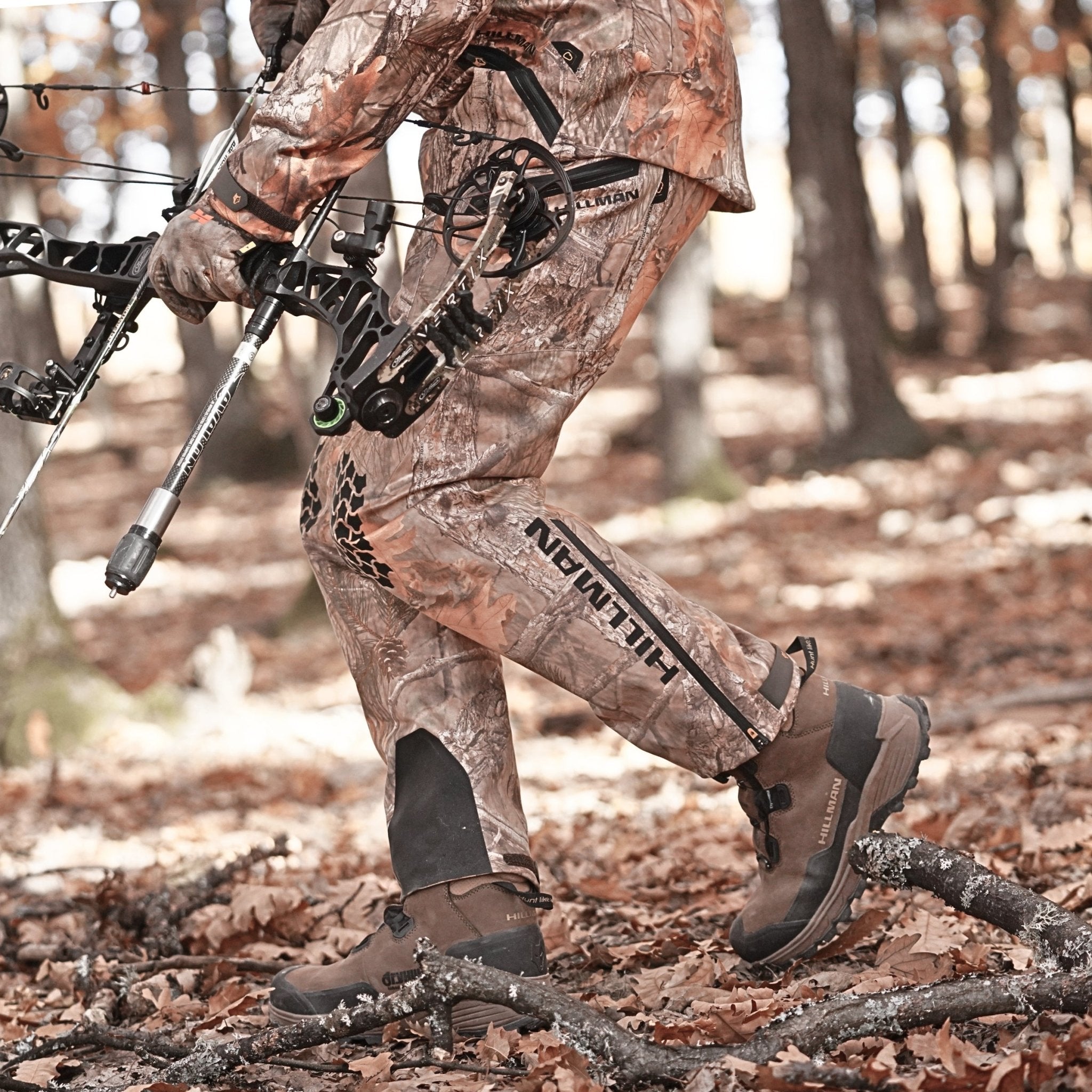
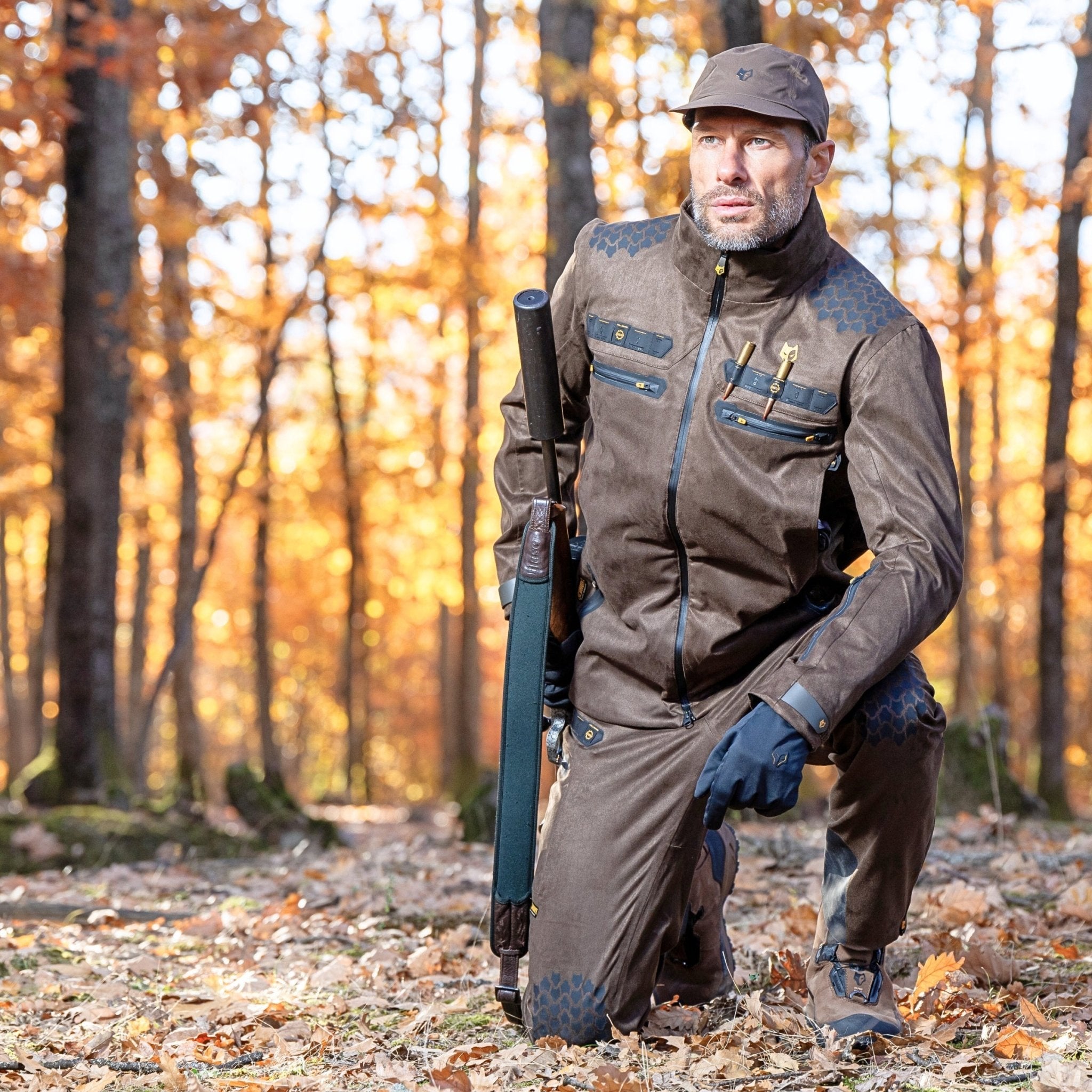
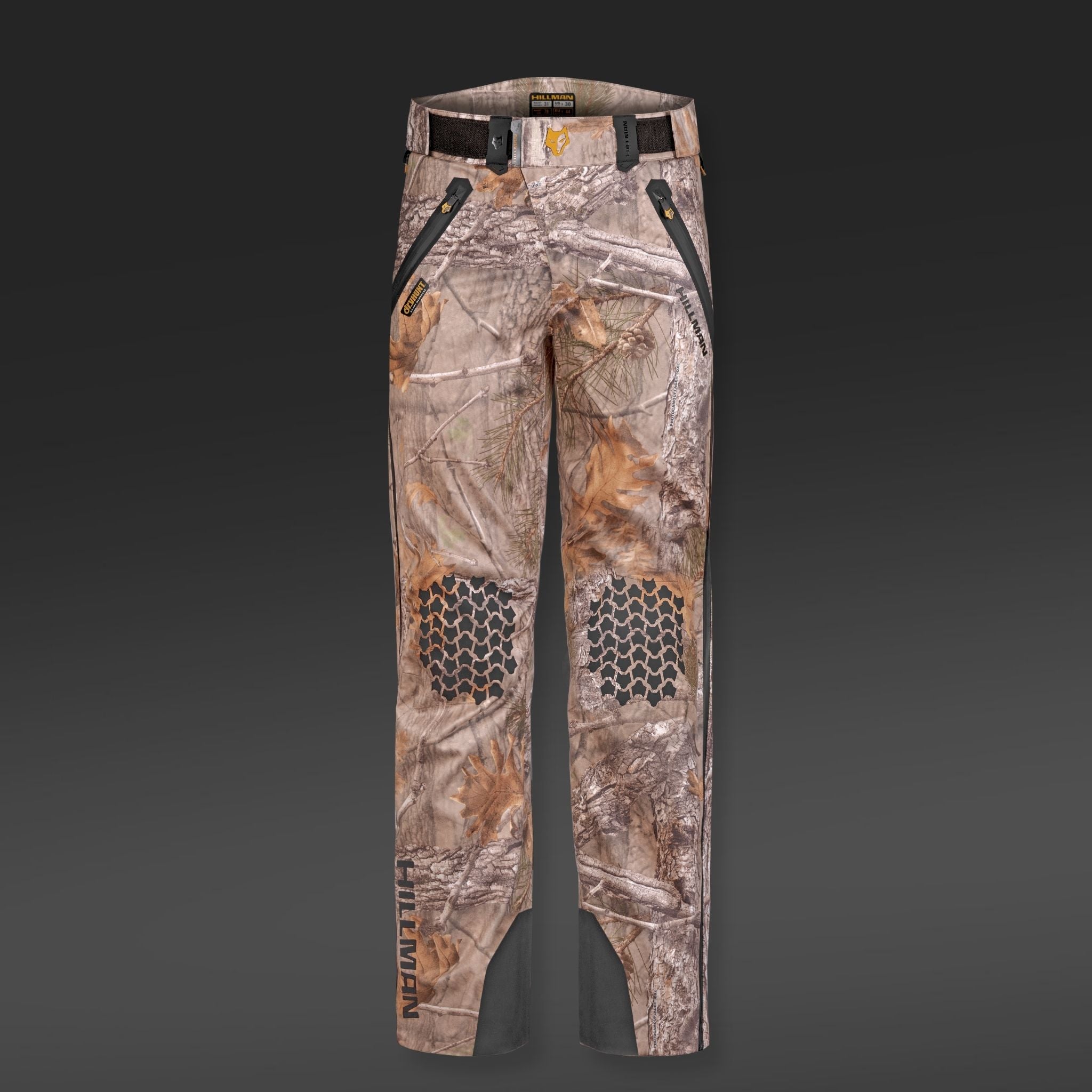
The first thing to look at is knee construction. Not the logo, not the camo pattern, not whether someone calls them the best hunting pants. The knees need to be shaped for movement and placed correctly on your body. Proper inseam and rise matter because the knee panels must line up with your kneecaps when you actually kneel. If they sit too low while standing, they may be useless once you crouch.
Articulated knees are worth having because they reduce fabric pull when you bend. Add a gusseted crotch and the pants stop fighting you during awkward movement. That becomes obvious when crawling into range on spring gobblers, climbing trees, stalking through wet brush or kneeling at the shooting range to check how the fabric behaves under pressure.
Knee pads are the next decision. Integrated or removable knee pads help when the ground is hard, cold, rocky or full of sharp stubble. Removable knee pads are more versatile because you can take them out for warm weather or casual use, then put them back in for turkey hunting, early bow season or rugged hunts where you know you will be low to the ground. The pads should stay in place without bunching up. If they shift every time you crawl, they will annoy you fast.
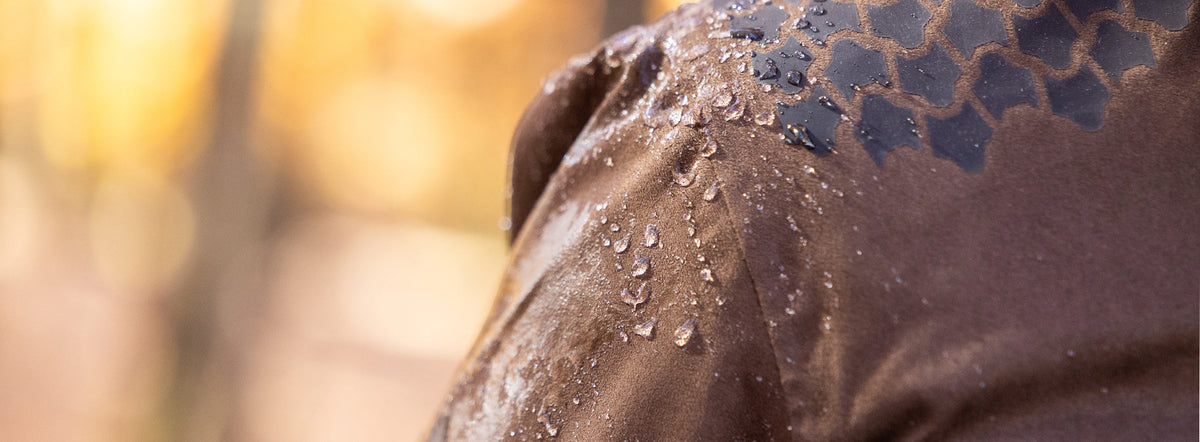
A waterproof knee panel is also useful. Full waterproof pants can be too warm for active hunting, but waterproof membranes in the knee and seat areas make a lot of sense. Kneeling in soaked moss, mud, snow or wet grass is one of the fastest ways to feel miserable.
Hunting Pants Need Real Durability, Not Just Thick Fabric

Durability is critical because rough cover destroys weak hunting clothes. Briars, sharp sticks, barbed wire and rocky terrain can rip lower-quality fabric in a single season, sometimes in a single bad crawl. The best pants for this job usually have reinforced knees, a reinforced seat, strong stitching and fabric that does not snag too easily.
Reinforced areas are not just a nice extra. Pants with reinforcement at the knees and seat often last far longer than plain outdoor pants because those are the places that take the abuse. Double-stitching in high-stress areas matters too. A fabric can be tough, but if the seams fail when you squat or crawl, the pants are done.
Still, do not assume that heavier always means better. Heavy pants may survive abuse, but they can feel awful in hot weather, especially if you are moving, glassing, standing, kneeling and moving again. The better question is whether the fabric is tough in the right places. High wear areas need protection. The rest of the pants need mobility, breathability and enough quietness for close-range hunting situations.
If I were choosing one pair for rough cover, I would look for abrasion resistance at the knees, seat and lower legs, 4-way stretch through the main fabric, and a cut that lets me crouch without pulling at the waist.
Knee Pads, Reinforced Seats and Sitting in Wet Brush

Sitting is often ignored when people talk about hunting pants, but it matters. In rough cover, you may sit on damp leaves, frozen ground, bark, rocks or a hidden branch that finds the exact wrong place. A reinforced seat adds durability, and a waterproof seat adds comfort when the ground is wet.
This is especially useful during stationary hunting, long glassing sessions or waiting out deer movement in cold weather. You may not feel the damp at first. Then twenty minutes later it works through the fabric and into your base layers. Once that happens, you start shifting, and movement is rarely your friend.
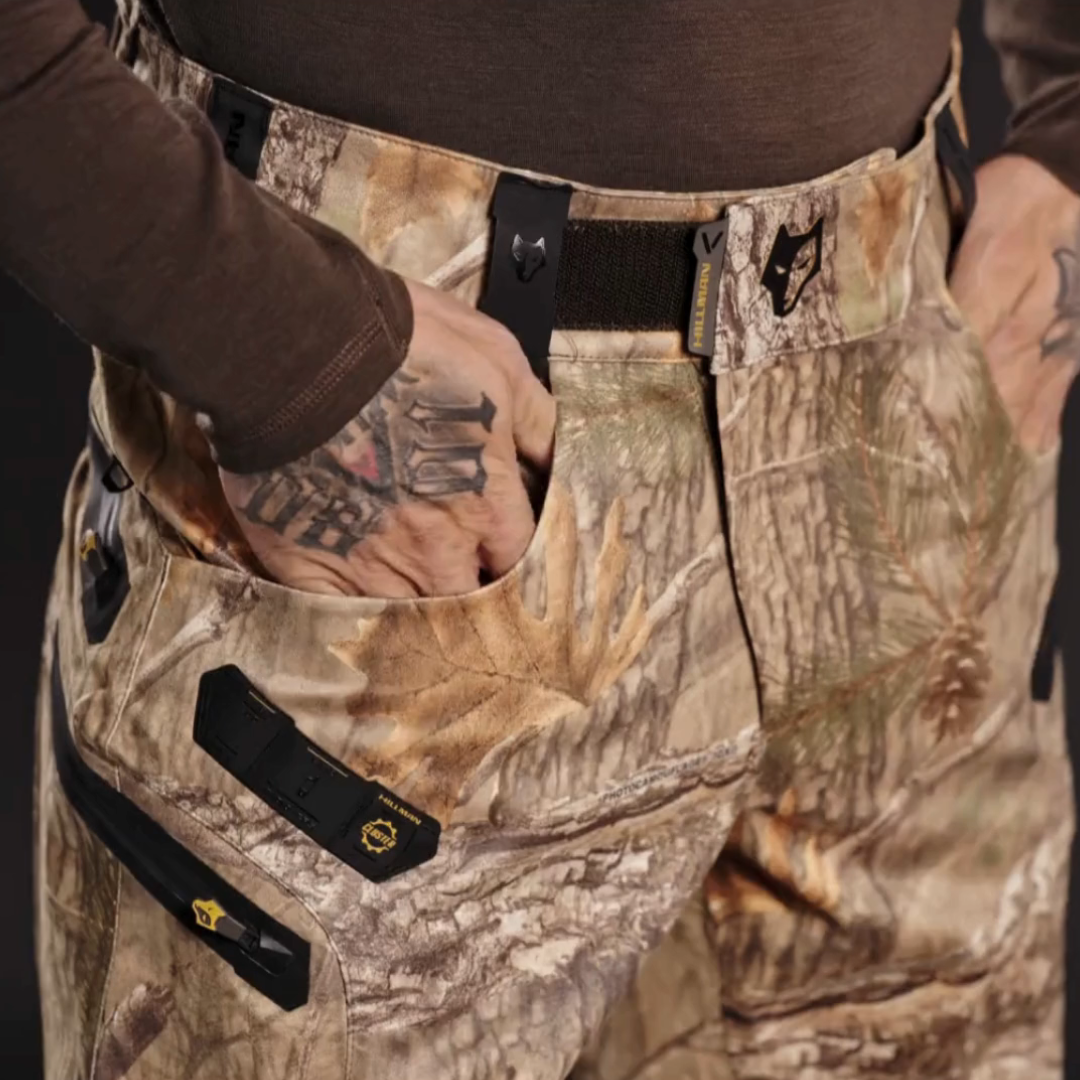
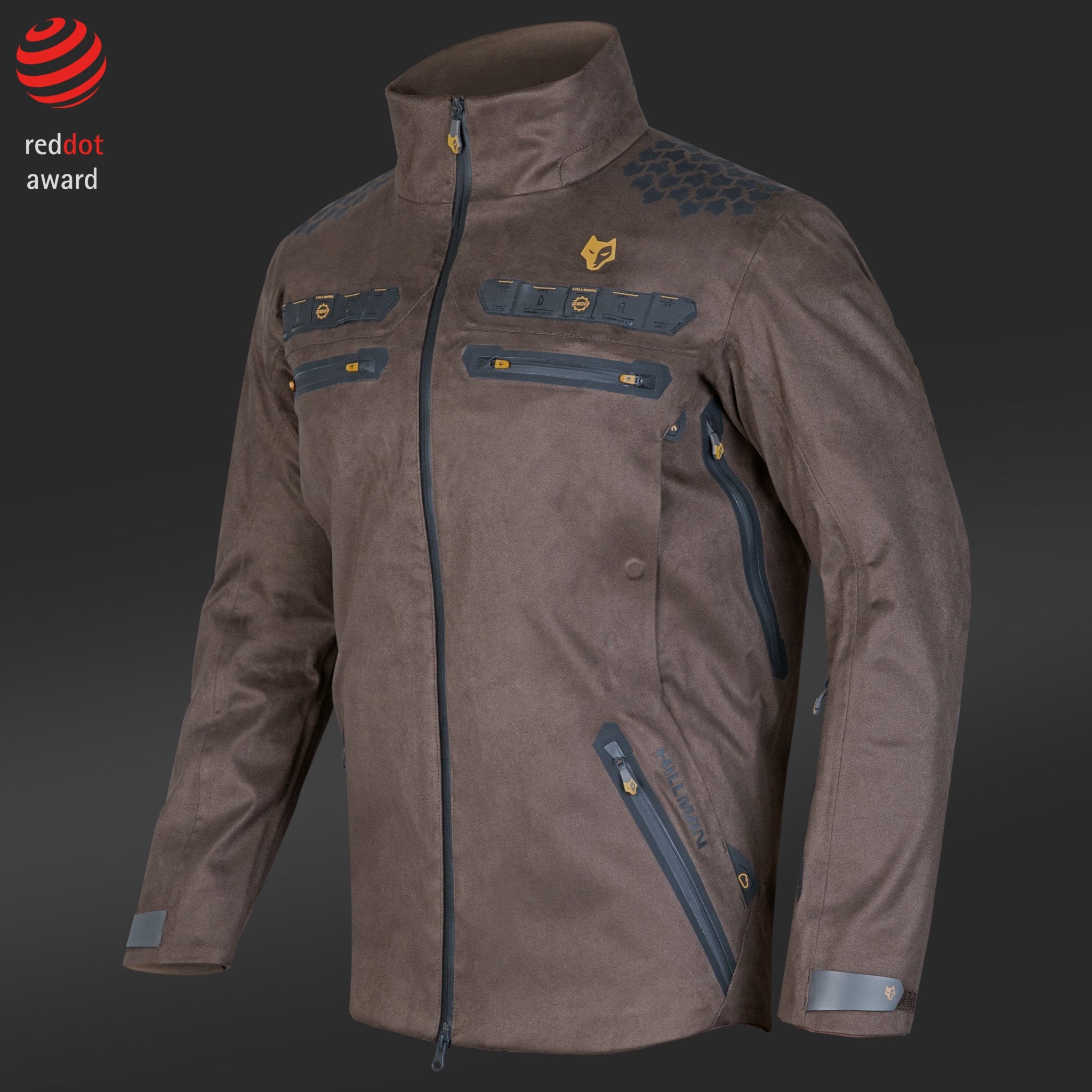
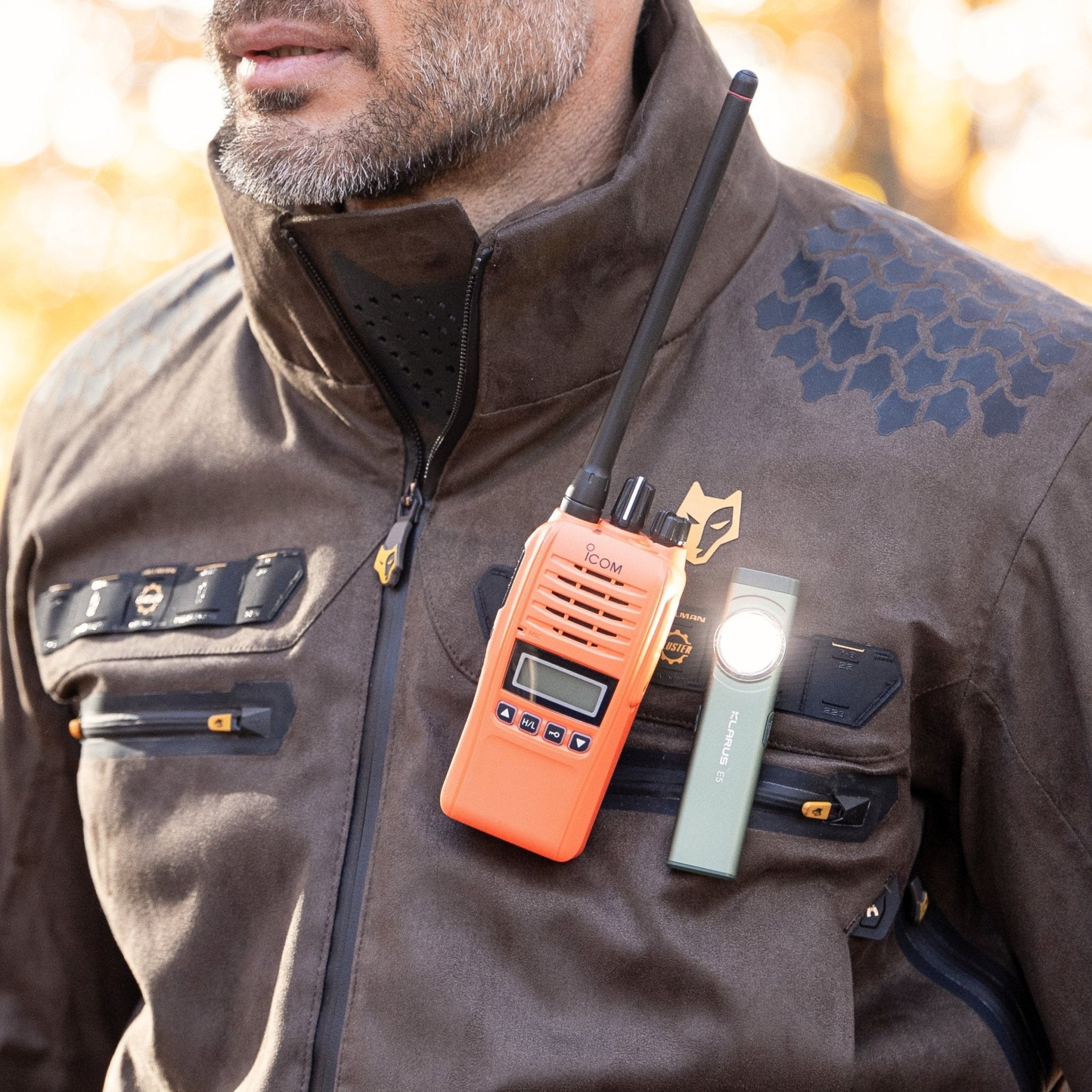
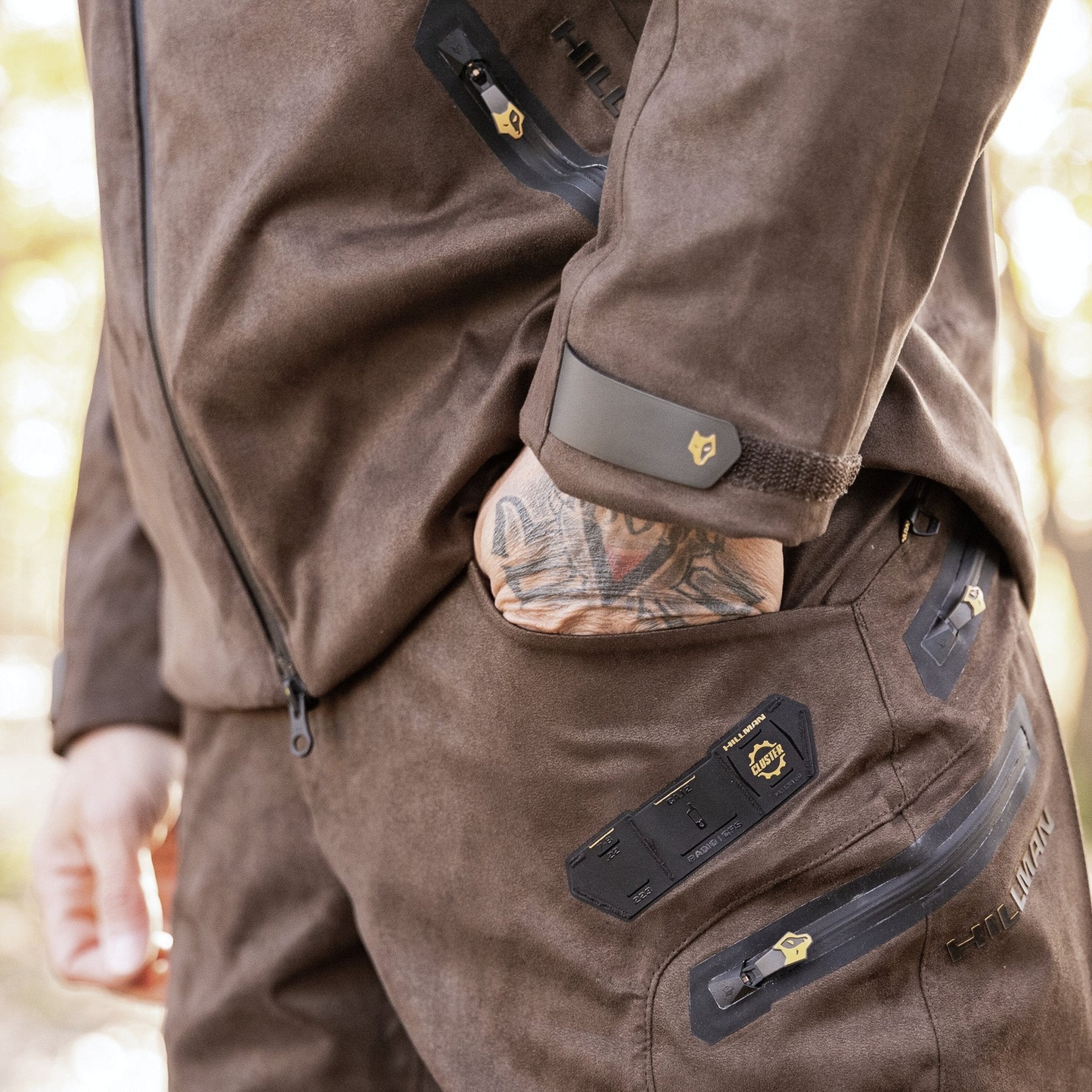
Zippered pockets should also stay accessible while sitting or kneeling. Some pockets become useless once your knees are bent. Others dump their contents when you crawl. For practical hunting gear, pocket angle matters more than pocket count. A few secure zippered pockets are better than many loose ones that catch brush or let small items slide out.
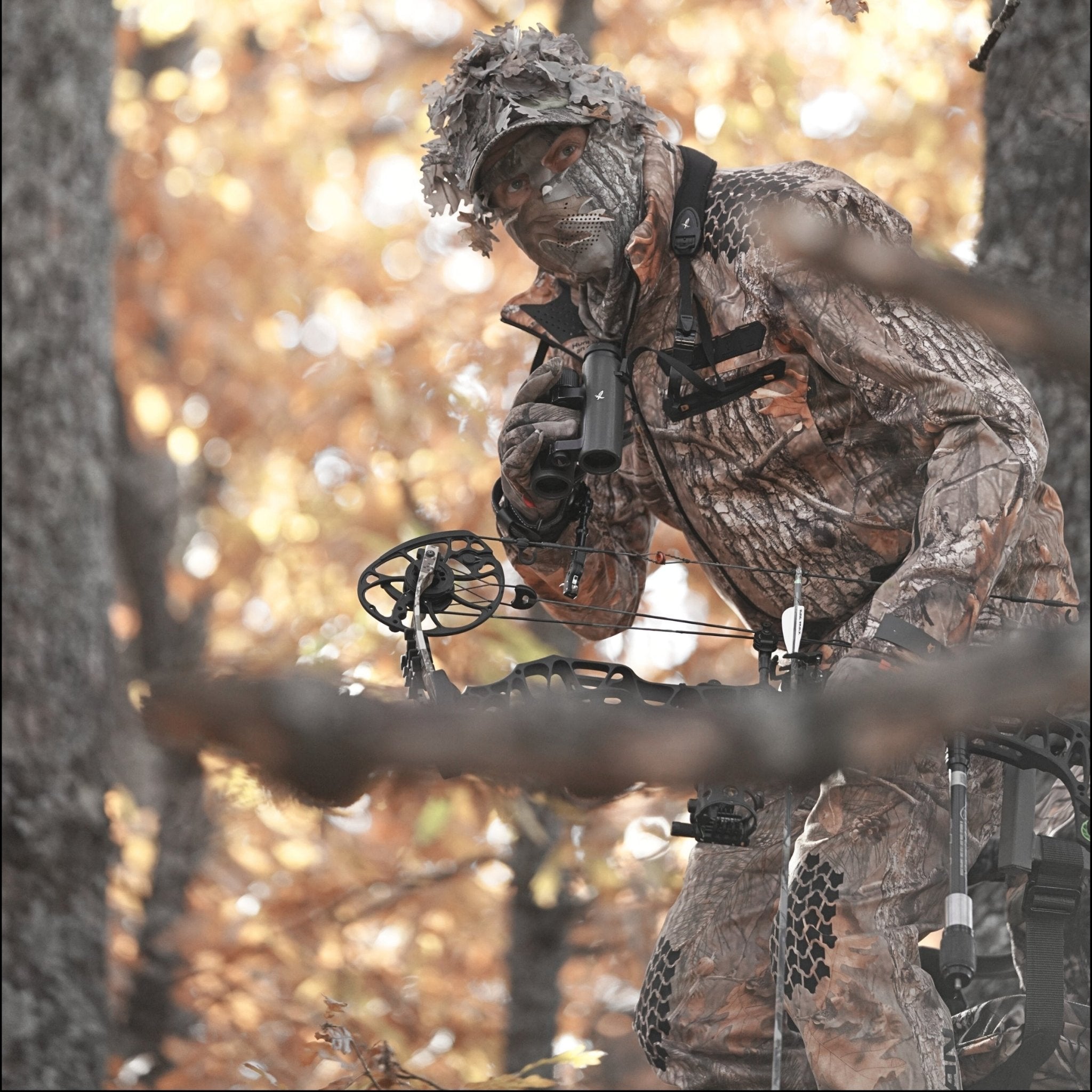
For spring turkey season, where sitting and crawling are both common, this combination is especially valuable: quiet fabric, knee pads, a water-resistant finish, reinforced knees and a seat that does not soak through the moment you settle down.
Breathable Pants for Early Season and Warm Weather

Early season hunting pants need to breathe. If you overheat on the walk in, sweat builds up, then you get chilled when you stop. Breathability allows moisture and heat to escape, which is vital during high-output movement. This matters in warm weather, hot weather, early bow season and long approaches through thick cover.
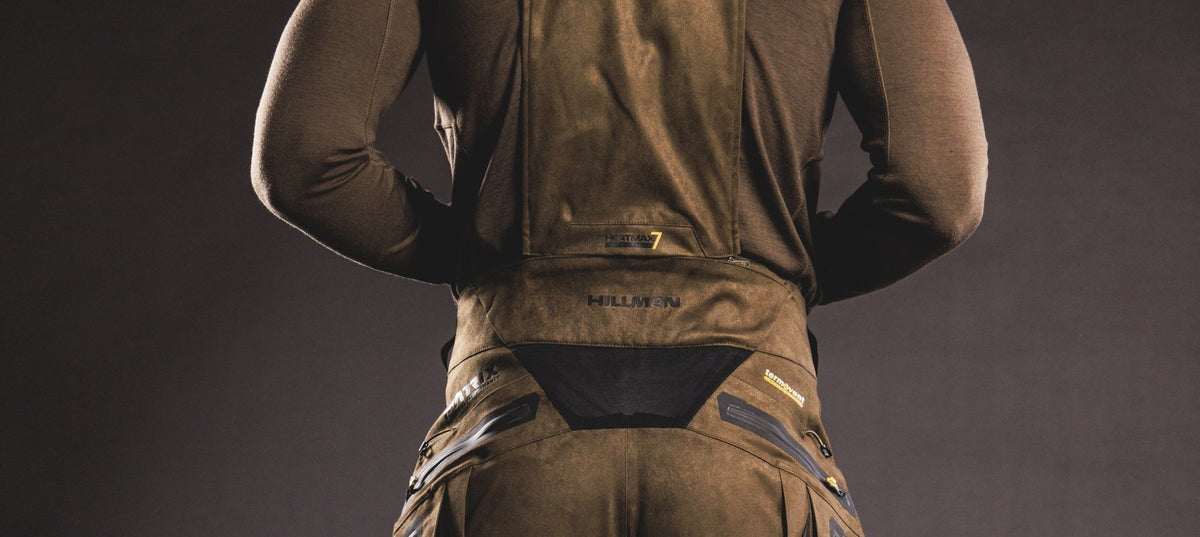
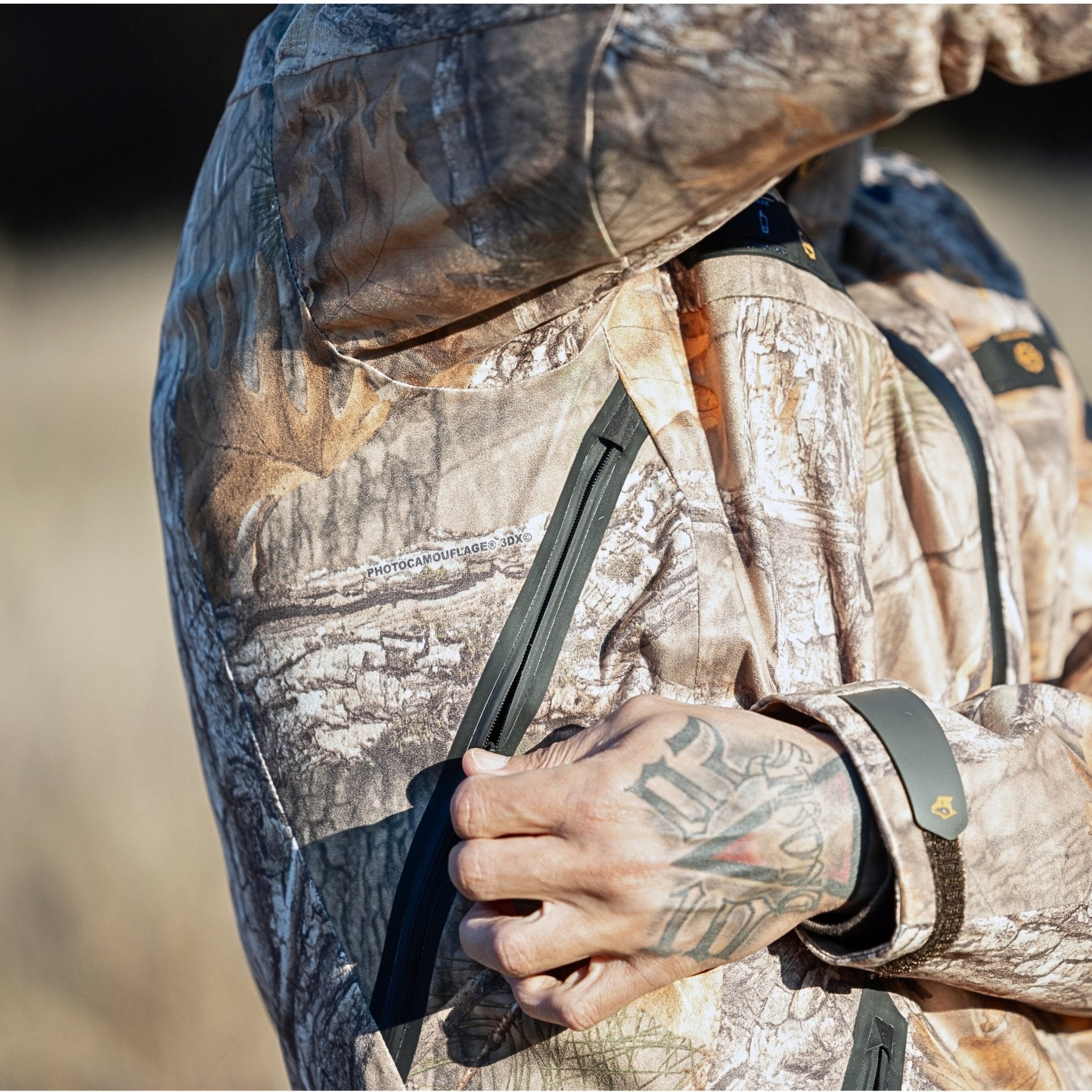
Some breathable pants use lighter fabric. Others rely on micro-perforated construction or hip vents. Zippered vents are a big advantage because they let you dump heat quickly when climbing, crawling uphill or covering ground, then close them when you stop. Good ventilation can turn a pair of pants from “too warm” into something usable across multiple seasons.
The most versatile hunting pants are usually not fully insulated and not fully waterproof. They sit in the middle. They block some wind, offer water resistance, dry reasonably fast and have enough stretch for crawling or kneeling. In changing weather, that is often more useful than a specialized pair that only works in one narrow window.
For warm weather turkey hunting, spring turkeys and active scouting, breathable pants beat thick insulated pants almost every time. You can always add a layer when needed. You cannot easily shed heat if the pants themselves are overbuilt.
Cold Weather Hunting Pants Need Room for Layers

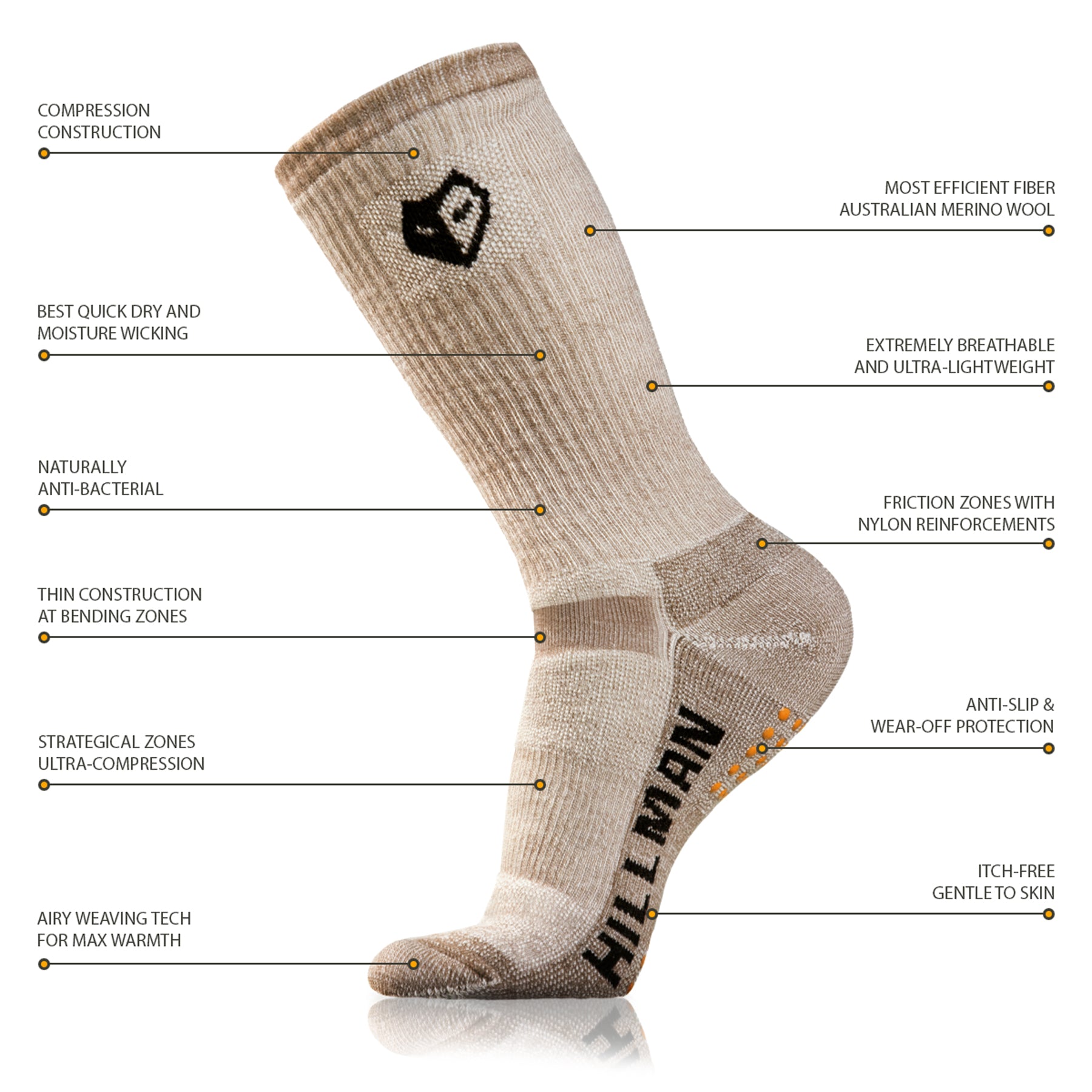
Cold weather changes the fit equation. You may need merino wool base layers, heavier socks, puffy pants for glassing, or an outer layer for serious weather. Cold weather hunting pants should allow layering without becoming tight through the thighs, knees or waist. An adjustable waist system helps here because your waist size effectively changes once you add thicker layers underneath.
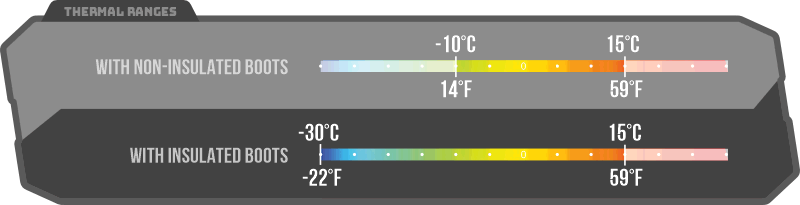
Insulated pants are useful when temperatures fall hard, especially for stationary hunting or long sits. Heavily insulated pants, though, are not ideal for every hunt. If you are walking far, crawling through cover or climbing steep ground, they can trap too much heat. Many cold weather pants now include zippered vents so you can regulate temperature during active hunts and avoid getting soaked from the inside.
For extreme cold, insulation matters. For mixed cold and movement, breathability matters just as much. A pair of hunting pants that keeps you warm while sitting but lets you dump heat while moving will cover more hunting situations than a bulky pair built only for standing still.
Wool pants can be good in cold, dry conditions because wool stays comfortable across a broad temperature range and handles odor well. But wool pants are not automatically the answer for wet brush. Once rain protection becomes the priority, you need either a water-resistant outer fabric, rain pants over the top or fully waterproof pants depending on the weather.
Waterproof Pants, Rain Pants and Serious Weather

Waterproof pants sound like the safest choice, but they are not always the most comfortable. A fully waterproof pant can protect you in heavy rain, wet brush and prolonged storms, yet it may run warmer and less breathable than a softshell or hybrid pant. That trade-off matters.
Waterproofness is often measured in millimeters. A lower rating, such as around 5,000mm, can handle light rain. Ratings over 20,000mm are built for heavy downpours and more serious weather. For hunters, waterproof performance also needs to stay quiet. Loud rain gear can ruin a close stalk even if it keeps you dry.
The best setup depends on movement. If you are crawling, kneeling and sitting in soaked cover, waterproof knees and a waterproof seat may be more practical than a full membrane everywhere. If the forecast is ugly and you expect sustained rain, full rain protection becomes more important.
Hunting Boots and Pant Leg Fit Matter More Than People Think
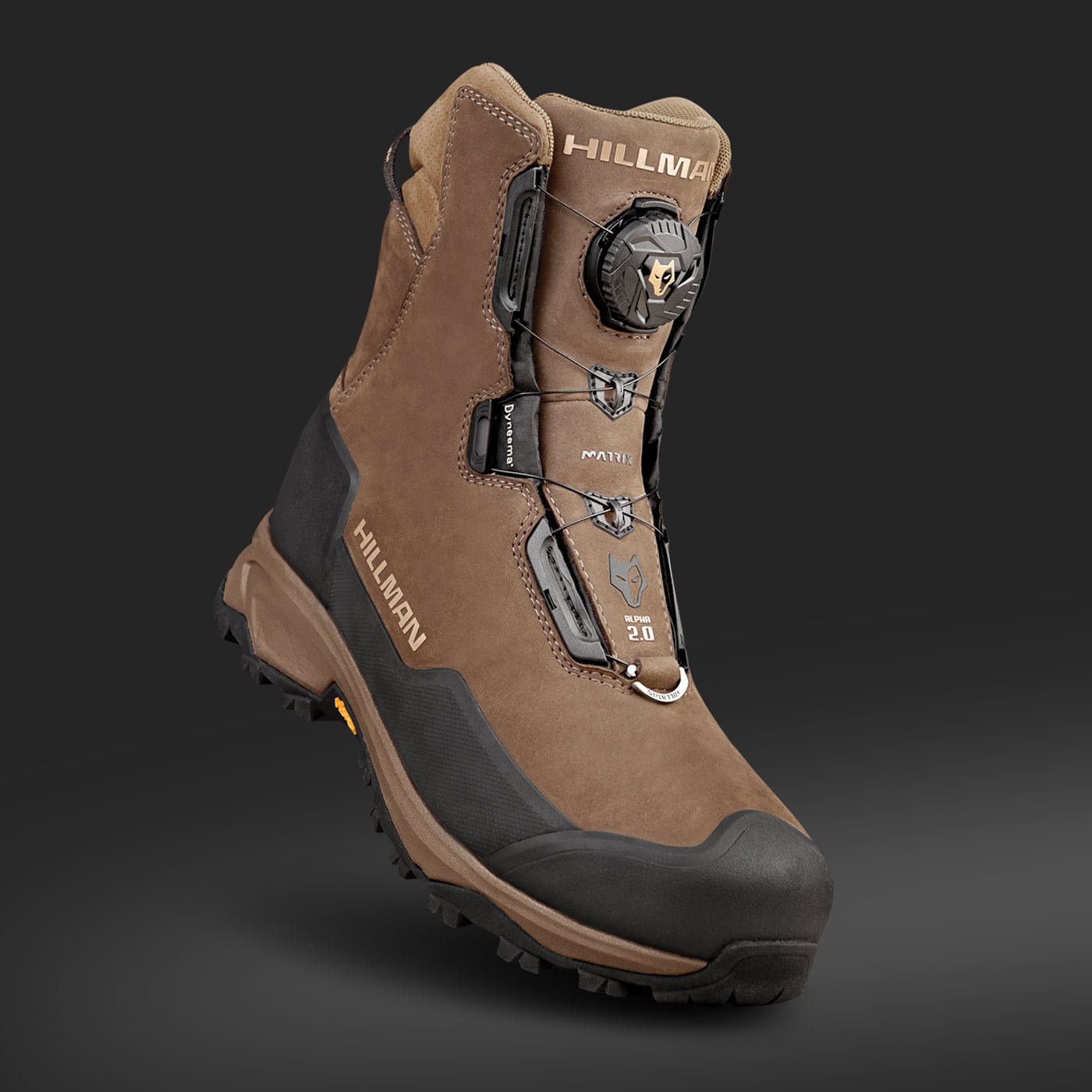
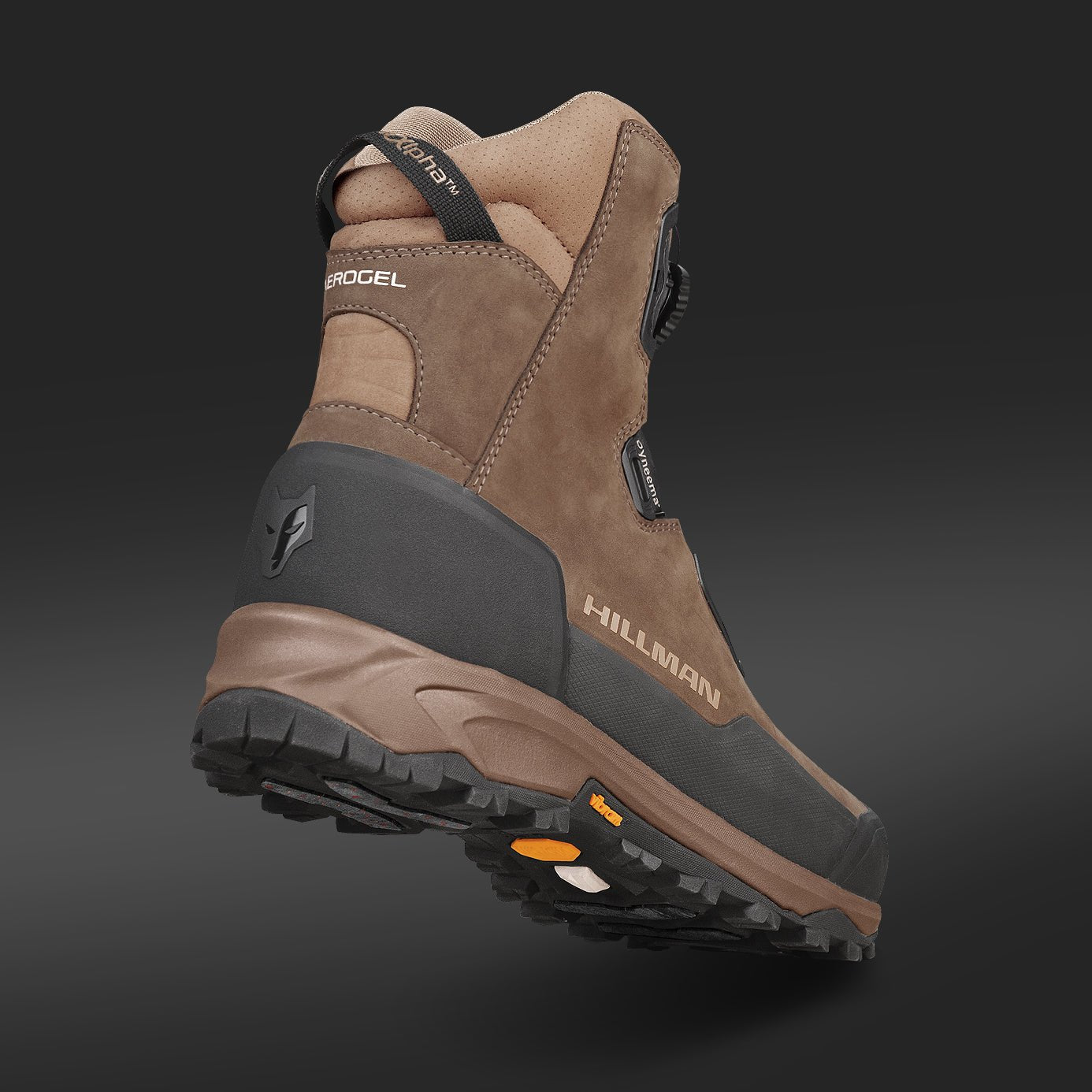
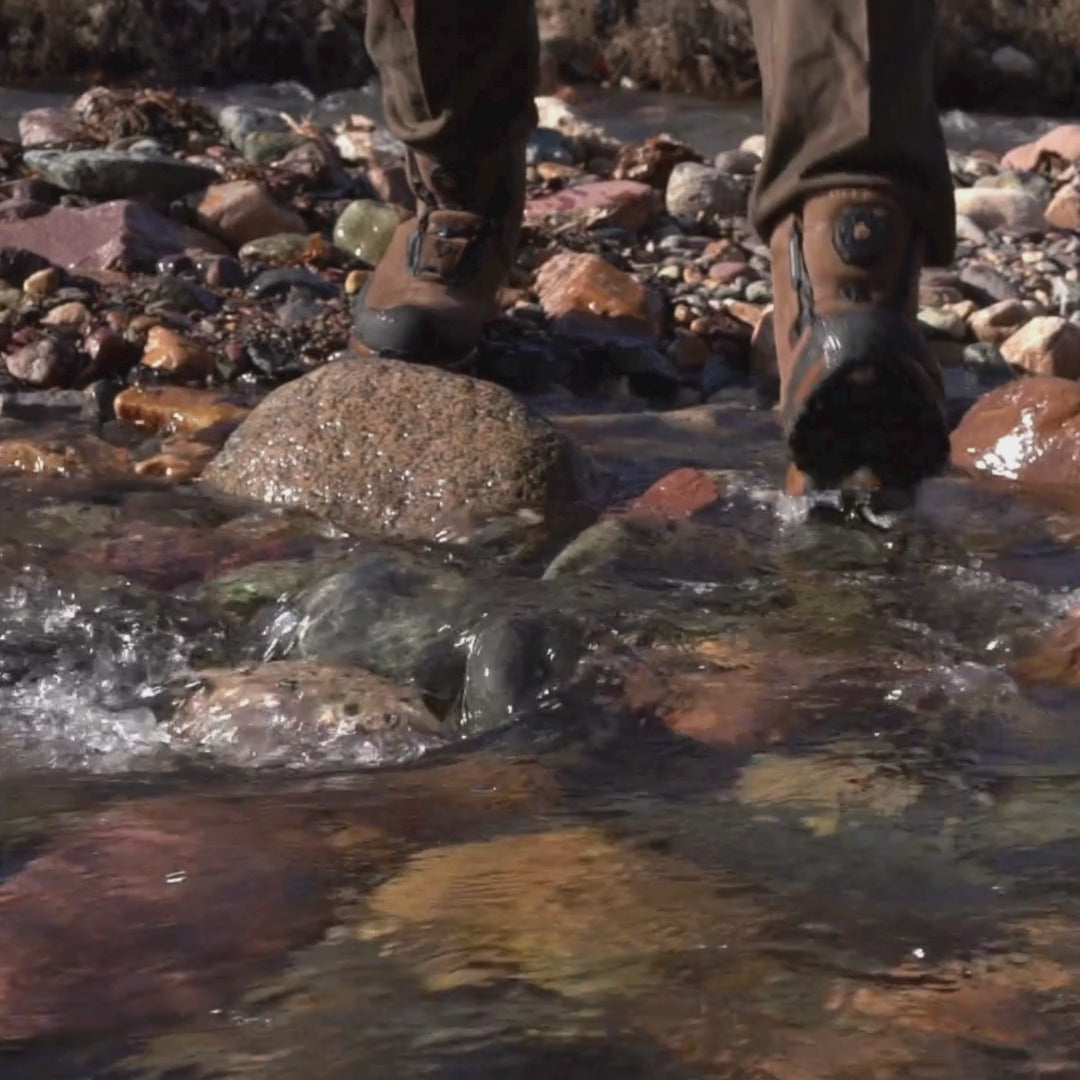
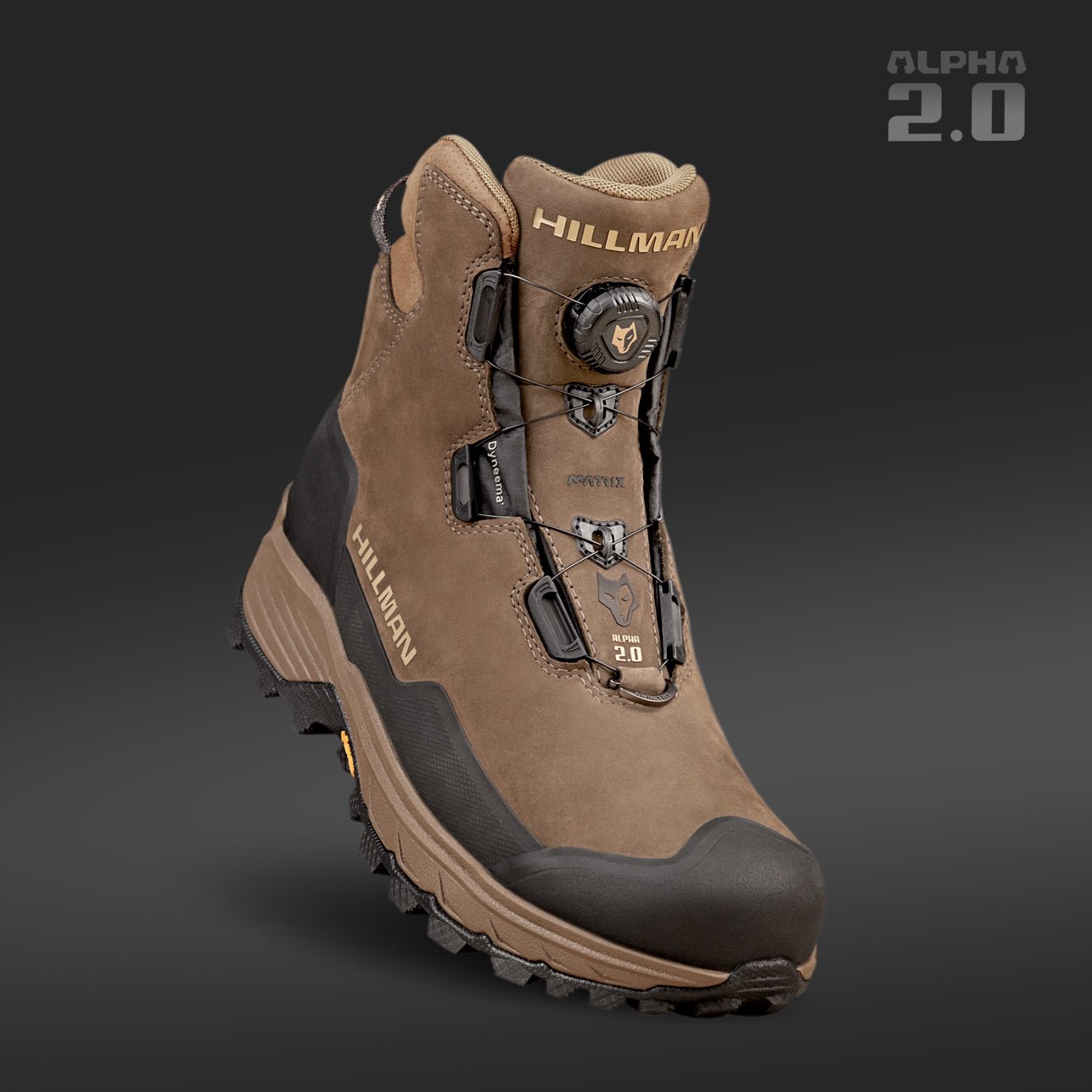
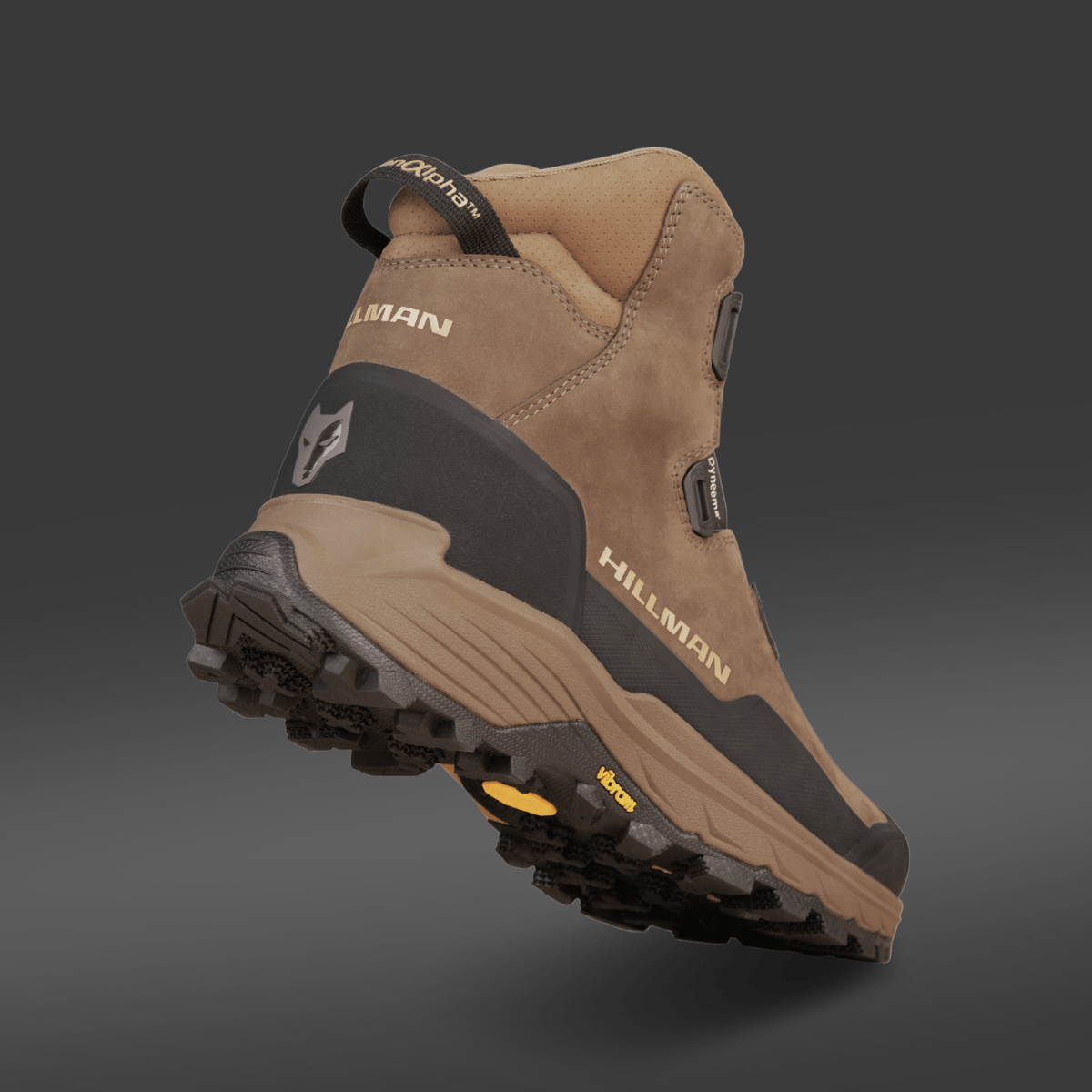
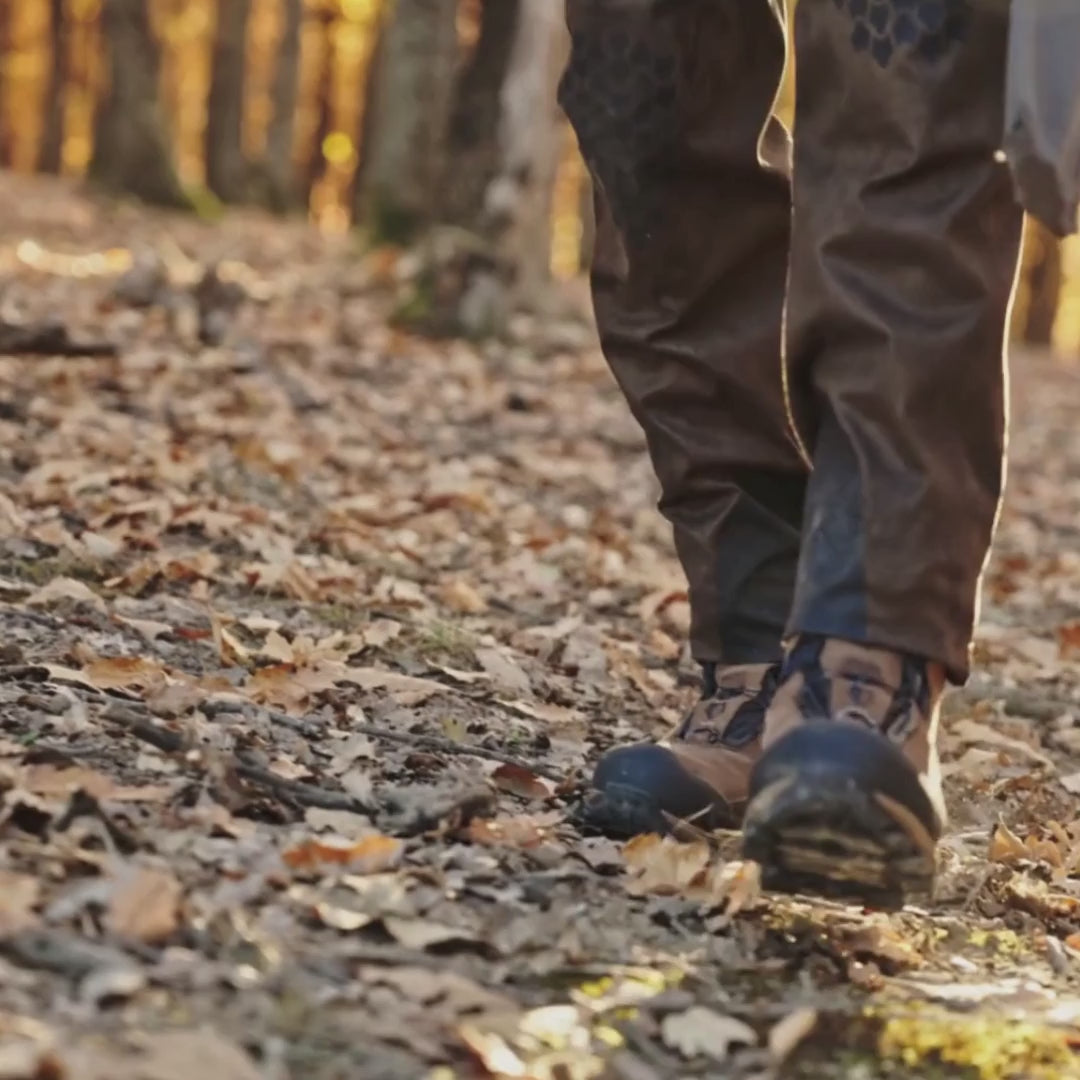
A pant can have all the right features and still fail if it sits badly over your hunting boots. The lower pant leg should cover the boot cleanly without dragging, riding up or filling with debris. When you kneel, the cuff should not climb halfway up your calf. When you crawl, it should not snag on every branch.
Boot compatibility also affects noise. Too much loose fabric around the lower leg can brush, flap or catch. Too narrow, and the pant leg may bunch above the boot. For rough cover, a slightly tapered but not tight lower leg is often best. It keeps fabric under control while still allowing movement.
If you wear different boots across the hunting season, test the pants with both light early season boots and bulkier cold weather boots. One pair of pants may work year-round only if the lower leg, inseam and rise suit your footwear and your layering system.
Camo Pants, Camouflage Patterns and Real Field Use

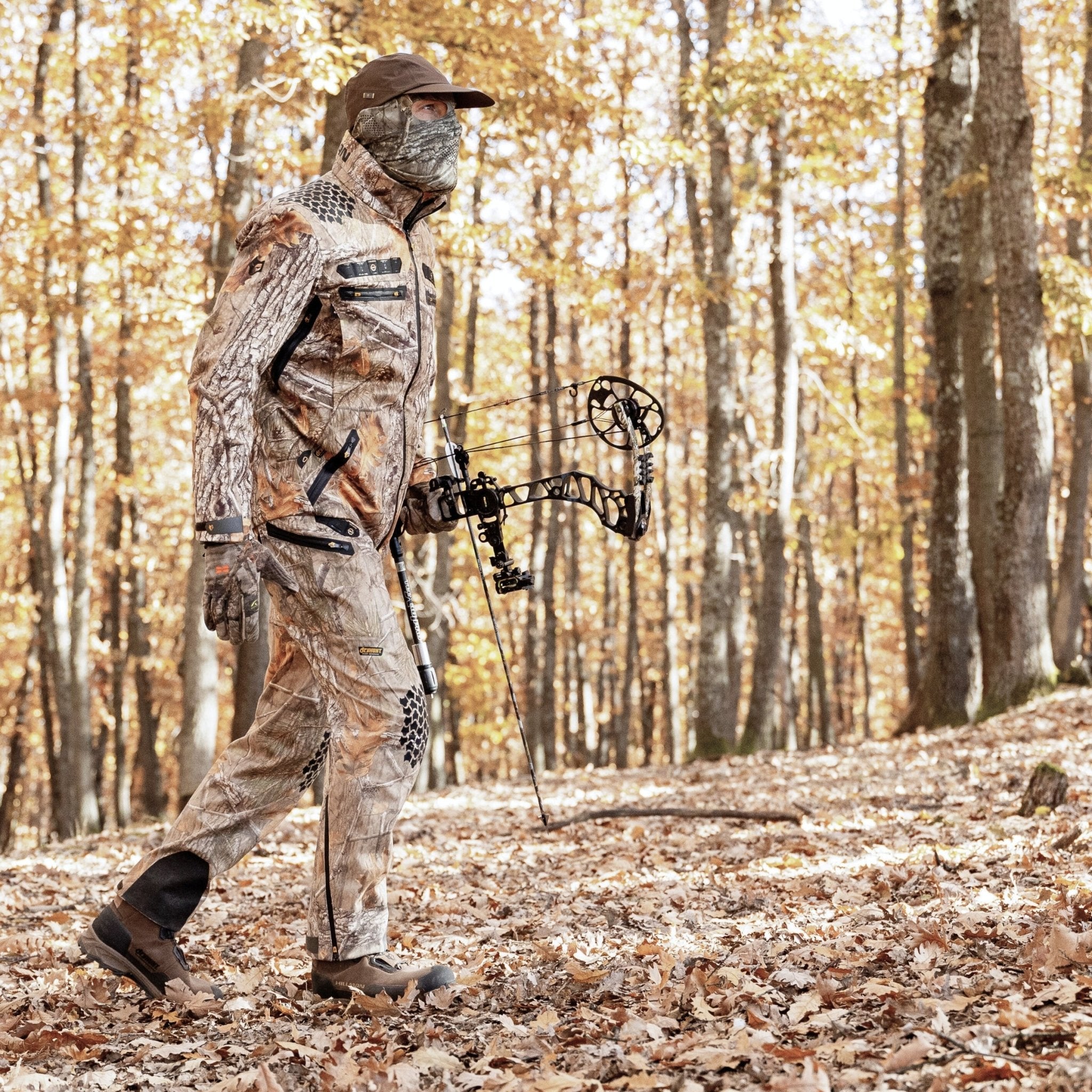
Camo pants can help break up shape, especially in turkey hunting, bowhunting and close-range setups. But camouflage patterns should not distract from fit, fabric and durability. A perfect pattern on weak fabric is still a bad buy.
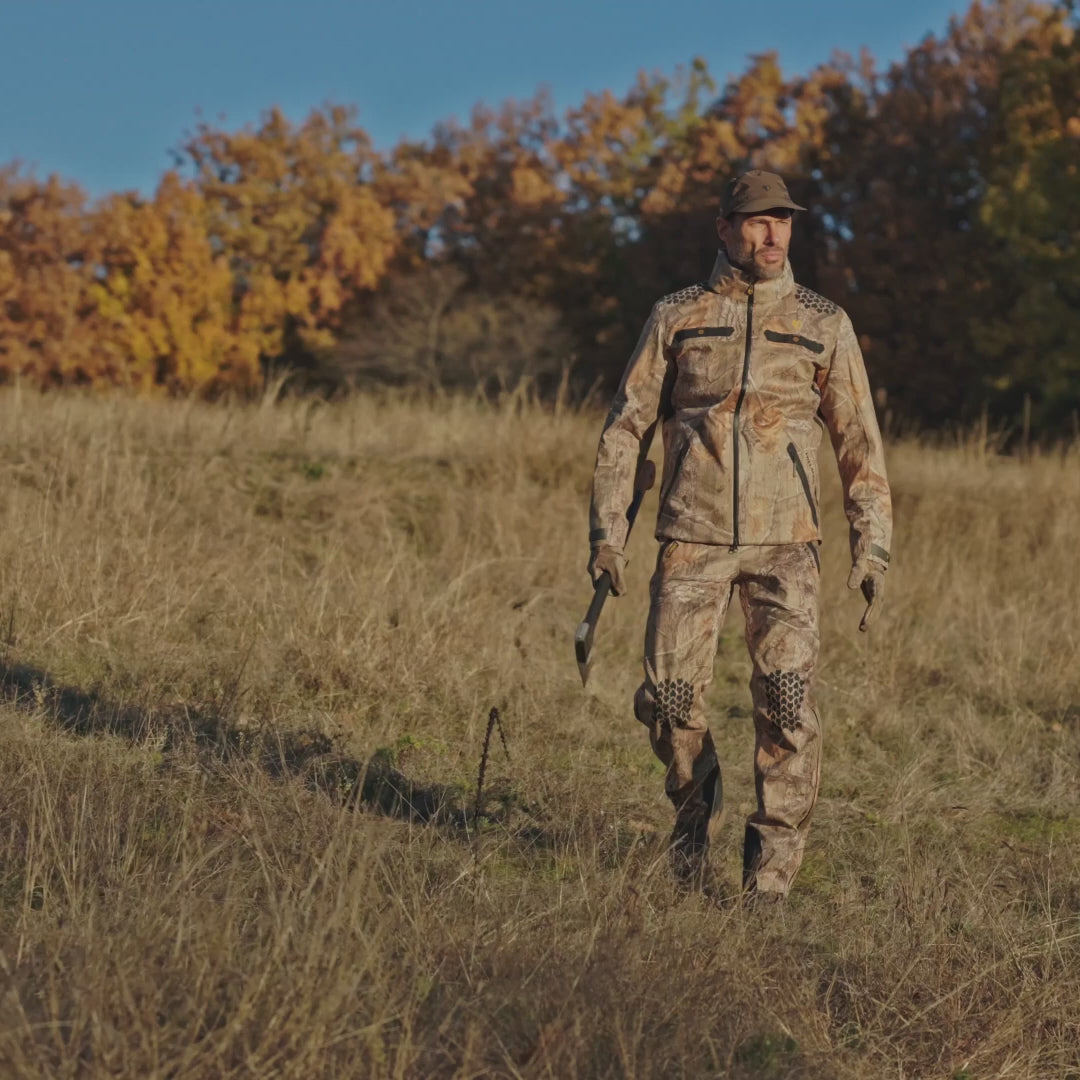
For spring turkey season, camo matters more because birds have sharp eyesight and hunters often sit exposed against cover. For crawling on spring gobblers, you want quiet camo pants with knee protection and enough stretch to move slowly without the fabric snapping tight. For deer hunting in rough cover, movement control and noise reduction are often more important than the exact pattern.
Neutral outdoor pants can work in some hunting situations too, especially when paired with the right upper layers and used in broken cover. Still, if you hunt pressured birds or close-range setups, camo pants remain useful. Just choose the construction first and the pattern second.
One Pair or Several Pairs for Multiple Seasons
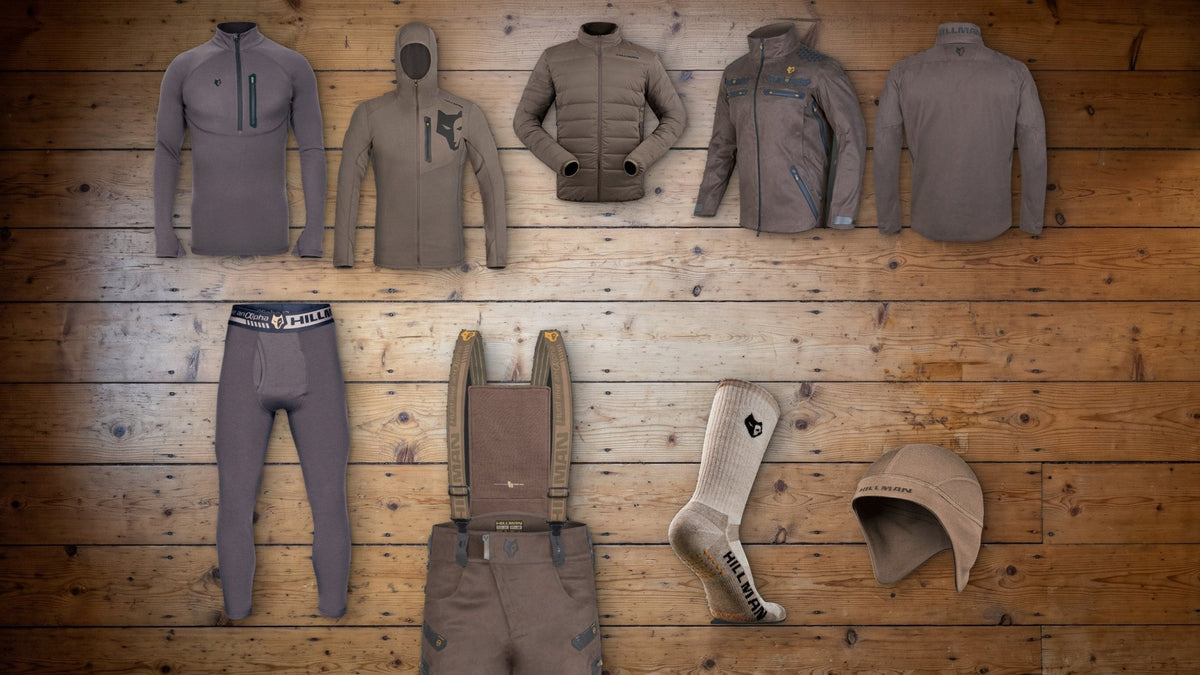
Many hunters want one pair of pants that does everything. That is possible, but only to a point. The most versatile hunting pants usually handle early season, mild cold weather and mixed activity well. They are breathable, water resistant, quiet, durable and cut for movement. Add merino wool underneath and rain pants over the top, and they can cover a lot.
But one pair will not be perfect for extreme cold, hot weather and heavy rain at the same time. Hot weather wants thin breathable pants with hip vents. Extreme cold wants insulation and room for layering. Heavy rain wants fully waterproof protection. Rugged hunts want reinforcement and abrasion resistance. You can overlap these needs, but not completely.
For many hunters, the smartest system is simple. Use versatile hunting pants for most hunting season conditions, add rain gear when the forecast turns bad, and keep insulated pants or puffy pants for very cold stationary hunting. That gives you more flexibility than trying to force one pair into every condition.
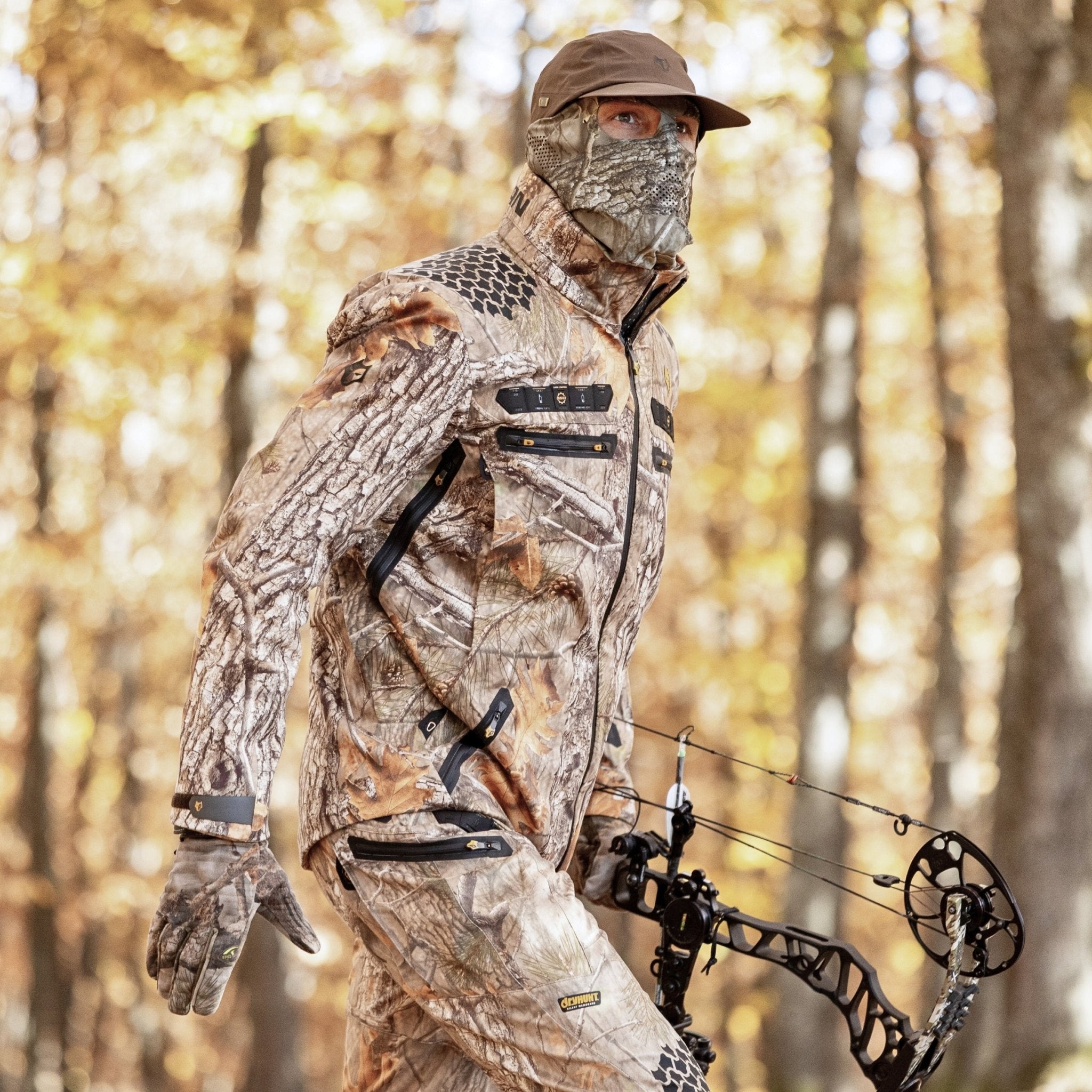
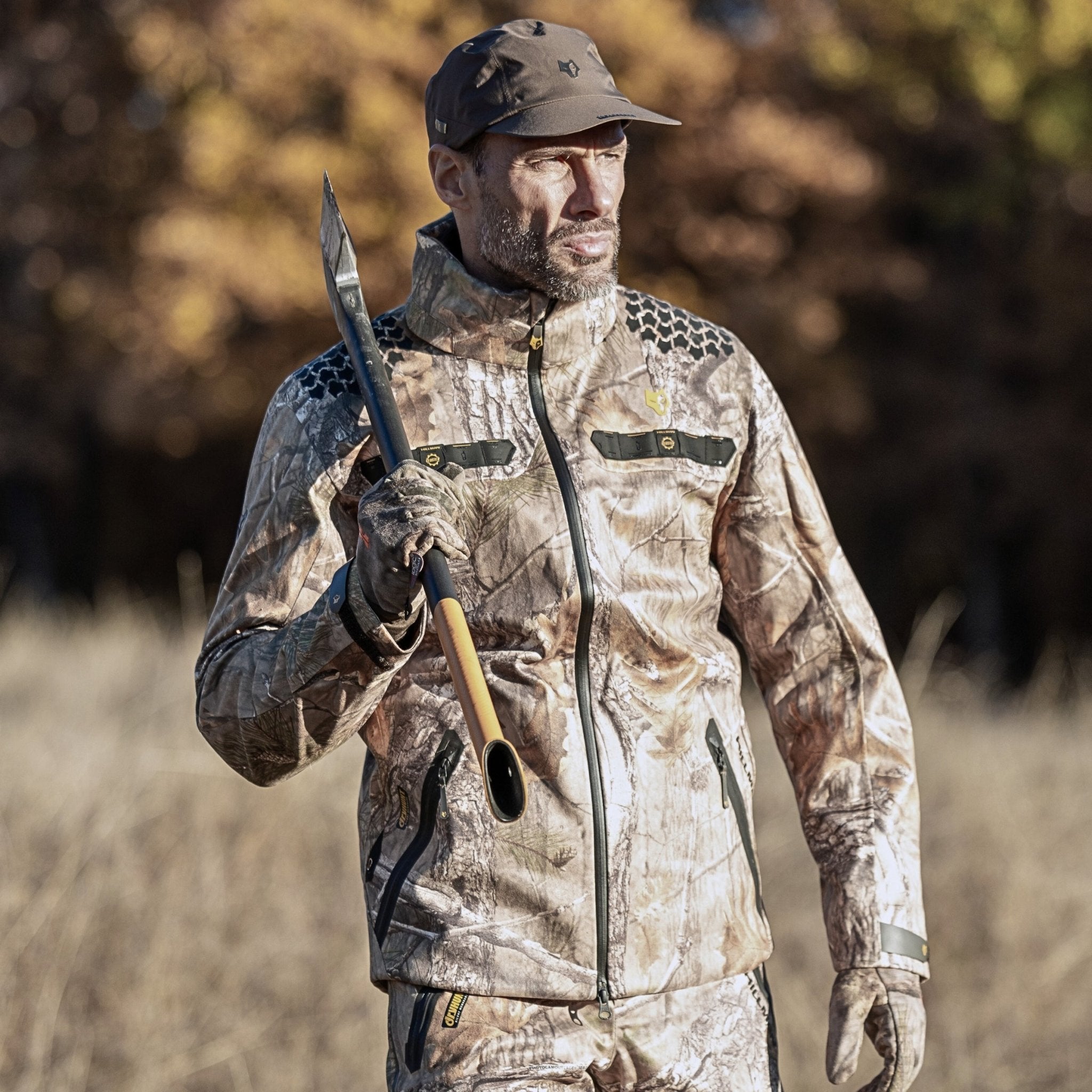
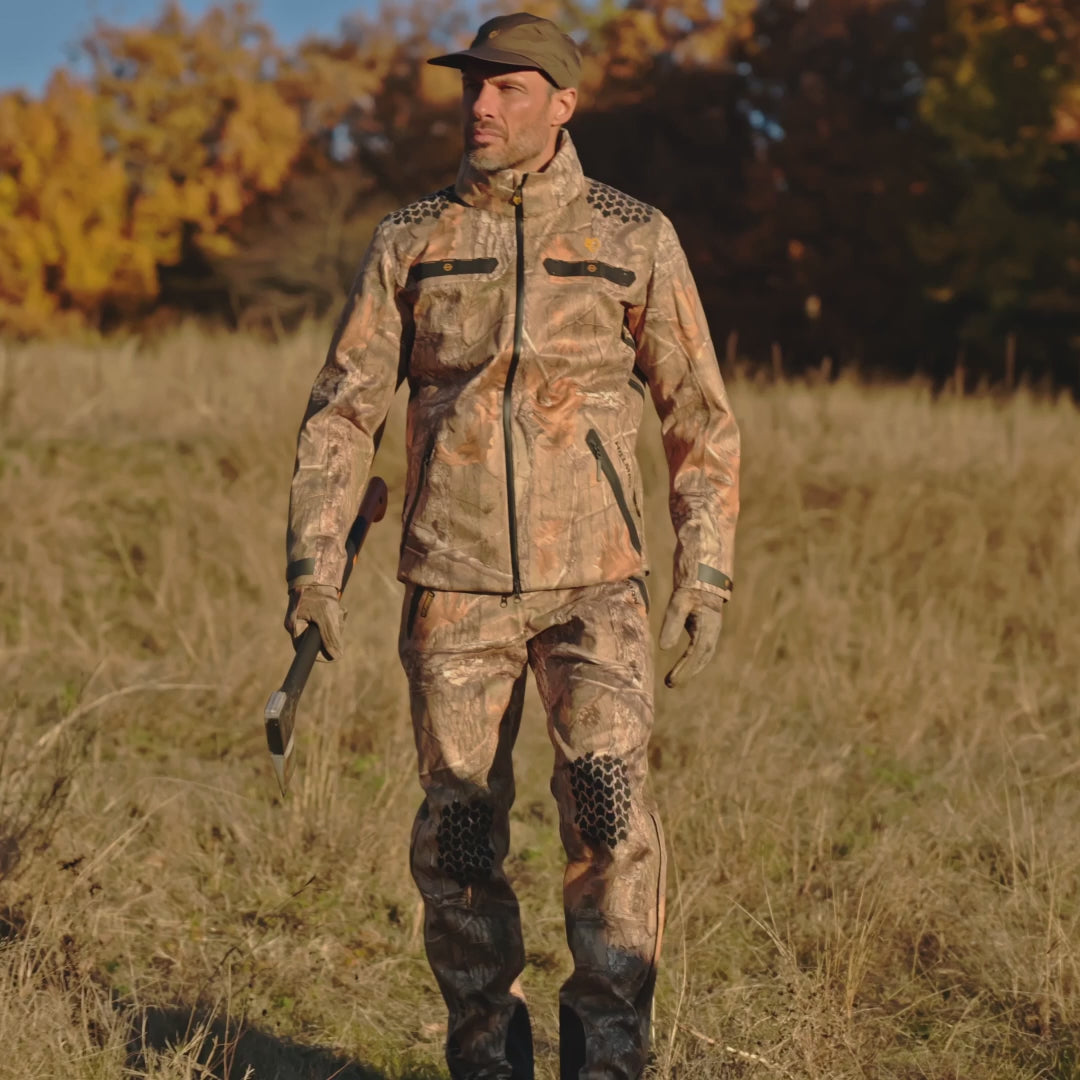
Hillman builds this kind of thinking into premium outdoor clothing: gear should work in the ugly middle ground, where the weather changes, the cover grabs at you, and comfort still matters after hours in the field.
Fit, Stretch and Mobility Decide Comfort

Fit is where many pants win or lose. Hunting pants should allow freedom of movement without being too tight or too baggy. A tight athletic fit can look good but restrict kneeling if the fabric lacks stretch. Baggy pants can catch brush, flap in wind and feel clumsy when crawling.
4-way stretch fabrics are valuable because they move in several directions. That helps when stalking, climbing, sitting cross-legged, stepping over deadfall or crawling into a better angle. The pants should not pull down at the back when you crouch. They should not pinch at the hips when you lift a knee. They should not bind across the thigh when you kneel.
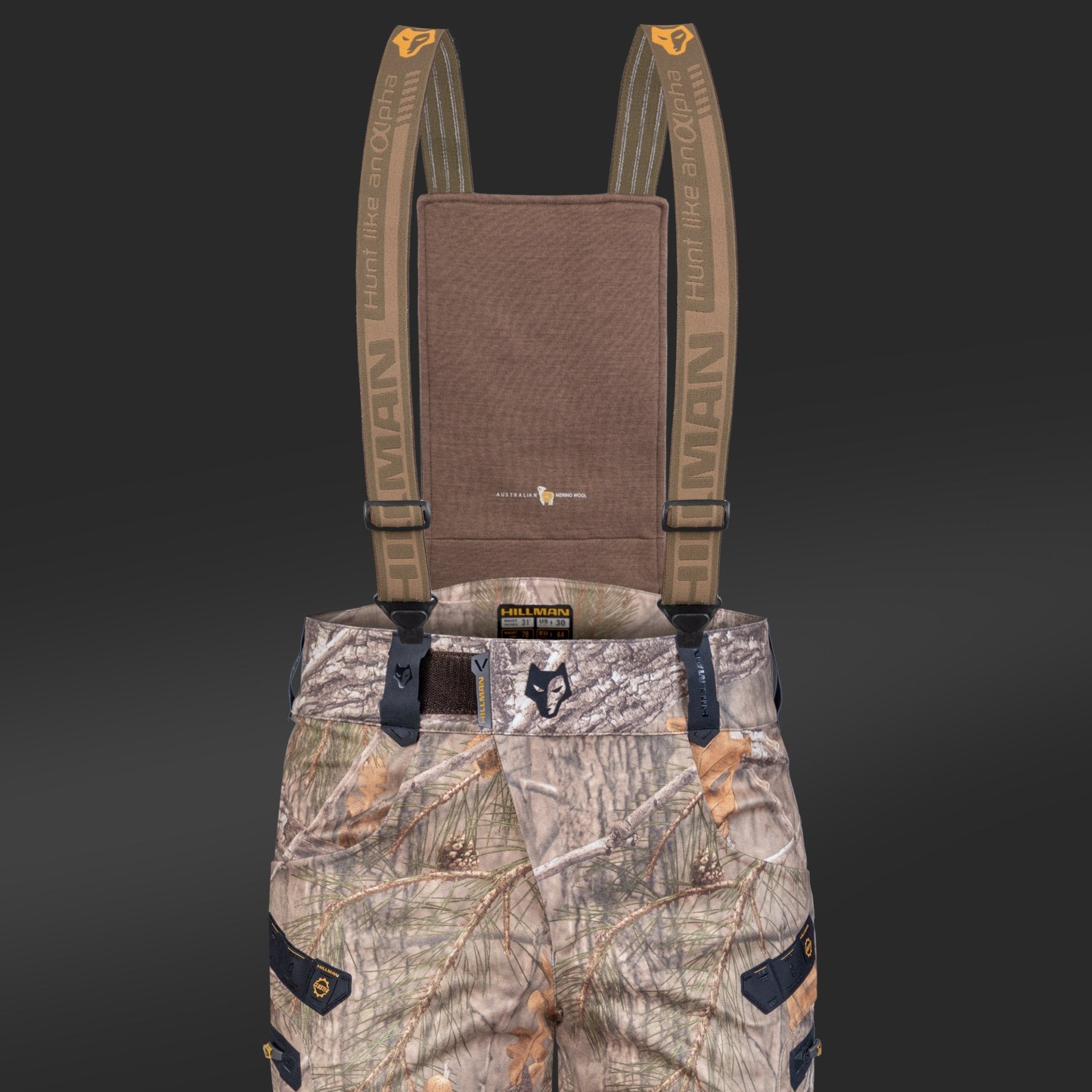
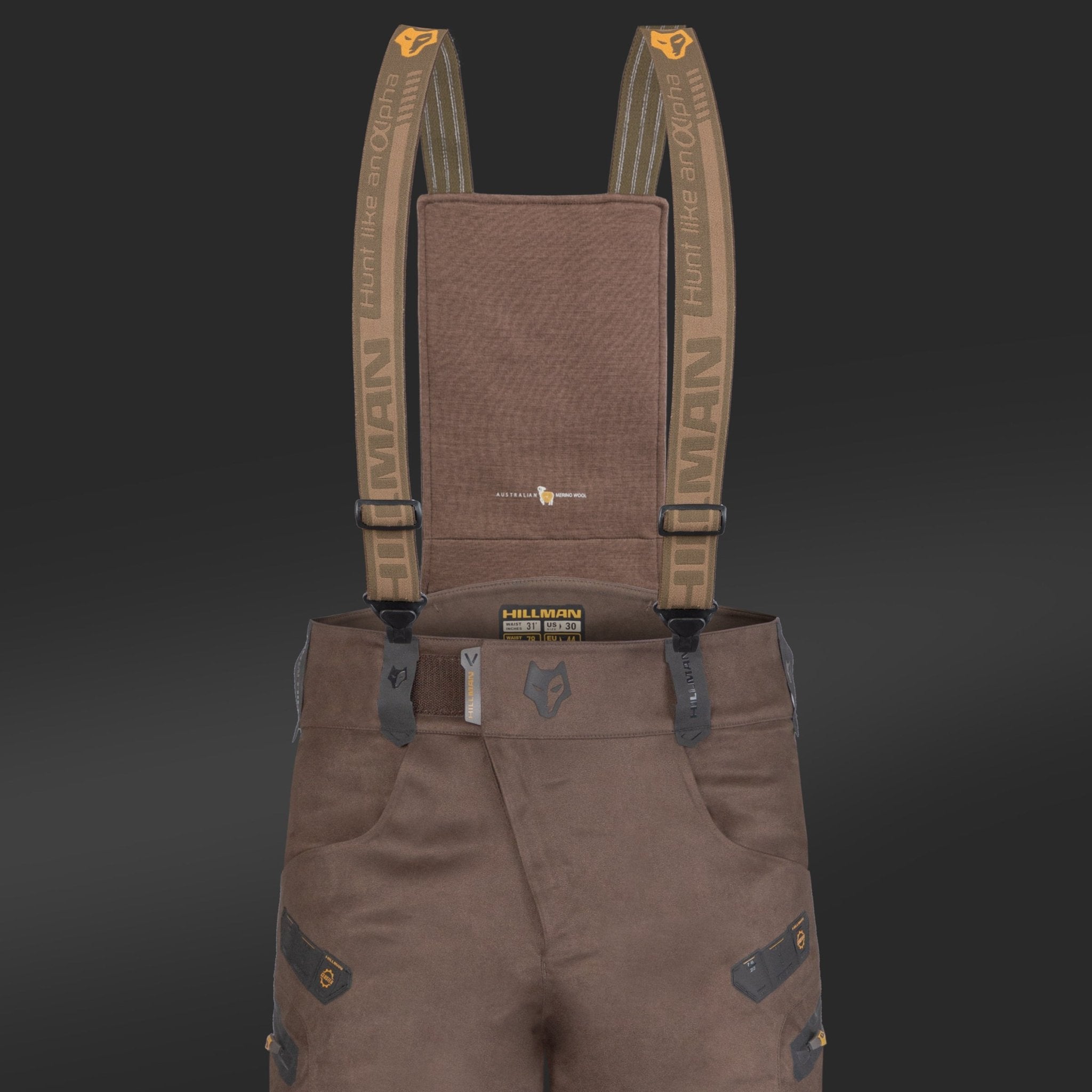
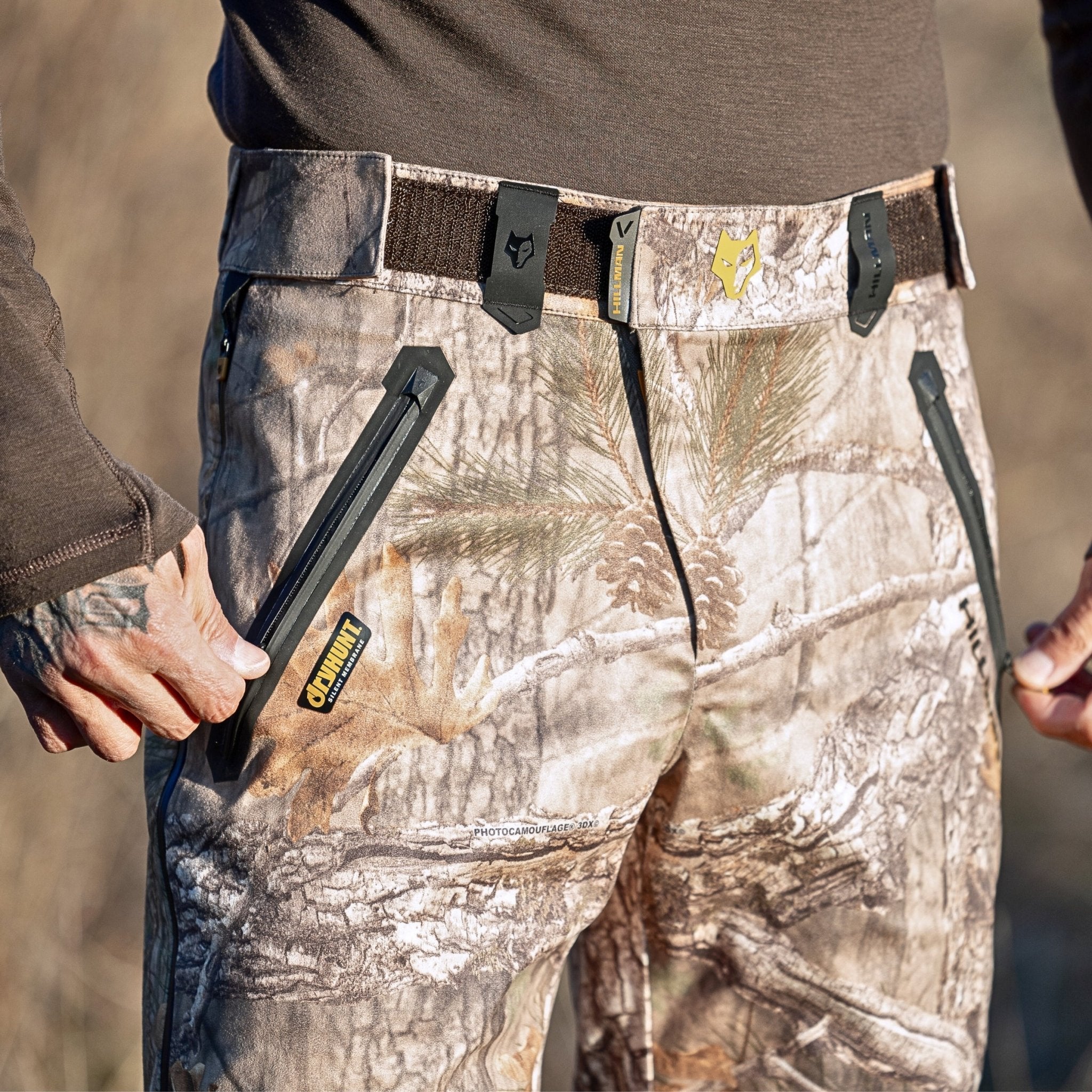
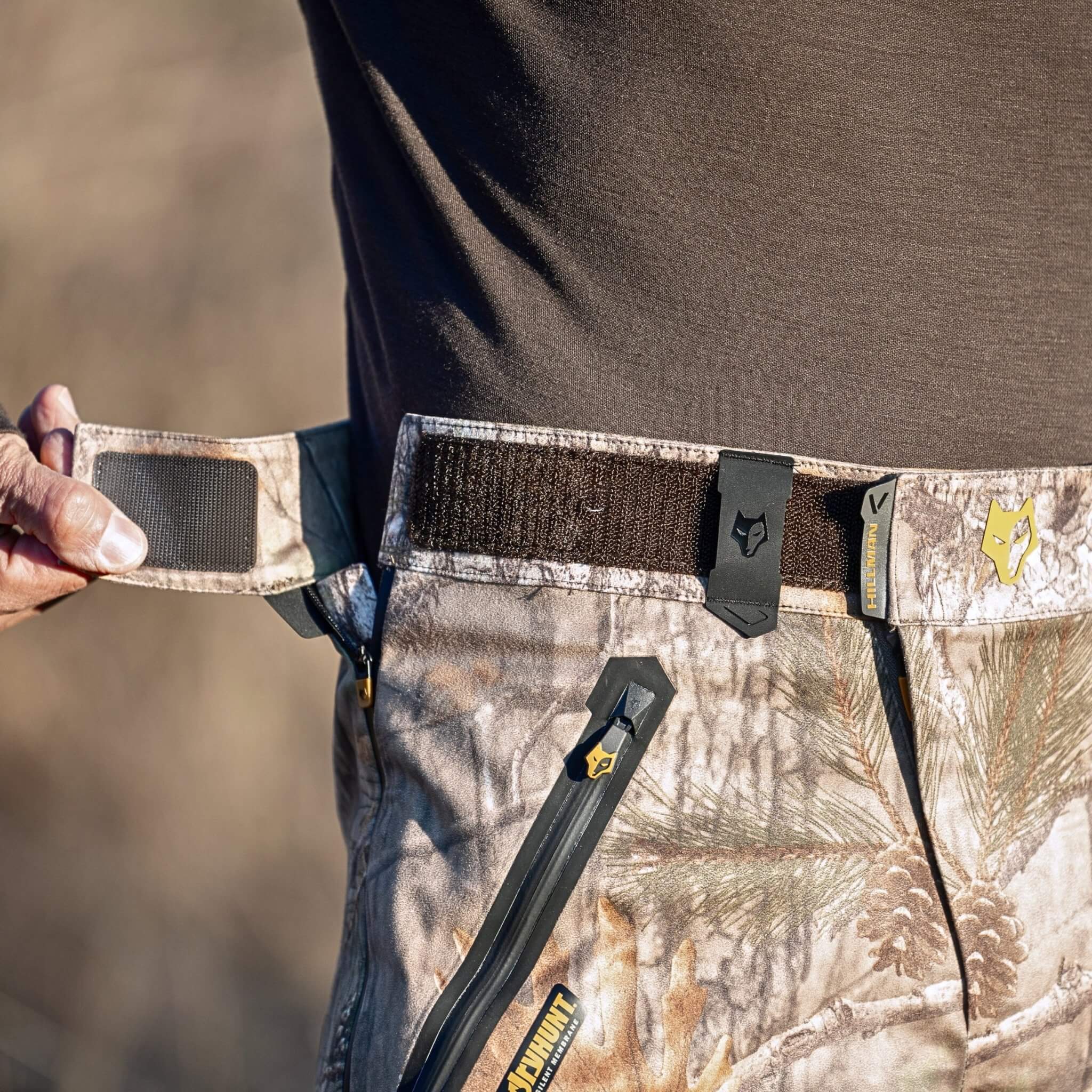
The contour waist system, or any well-designed adjustable waist, can improve comfort when layering. It also helps keep the pants in place when pockets are loaded. If you constantly have to pull your pants up after crawling, the fit is wrong.
Try them in hunting positions before trusting them. Kneel. Sit. Squat. Raise one knee as if climbing. Crawl a few steps if you can. It feels silly indoors, but it tells you more than standing in front of a mirror.
What I Would Prioritize First
For rough cover, I would start with reinforced knees and seat, then fit, then breathability, then weather protection. That order may change if you hunt mainly in heavy rain or extreme cold, but for kneeling and crawling it is a good baseline.
If your hunting involves wet brush, crawling, sitting and rough ground, avoid general work pants unless they truly fit the task. Pants designed specifically for hunting usually handle field movement better because the cut, pockets, stretch and reinforcements are built around what hunters actually do.
Think about your main season. For early season and warm weather, choose breathable pants with vents. For cold weather, make sure you have room for layers and enough insulation for long sits. For serious weather, carry rain gear or use waterproof pants with enough breathability to avoid overheating. For year-round use, compromise carefully rather than chasing a miracle pant.



Share:
A Merino Base Layer System for Hunting
Aerogel vs Thinsulate vs PrimaLoft for Hunting Boots