


Toughest Upland Hunting Pants: Choosing Brush-Proof Gear for 2026 Conditions

Conquer heavy cover with the best upland hunting pants. Durable, thorn-proof, and designed for high-mobility. Shop the top-rated 2026 brush gear today.
There’s a moment every upland hunter recognizes, usually right after stepping off the trail and into the first wall of brush, when the fabric catches slightly and you realize how the rest of the day is likely to unfold. Nothing tears right away, nothing fails outright, but experience kicks in and you know this is when your pants start earning their keep.
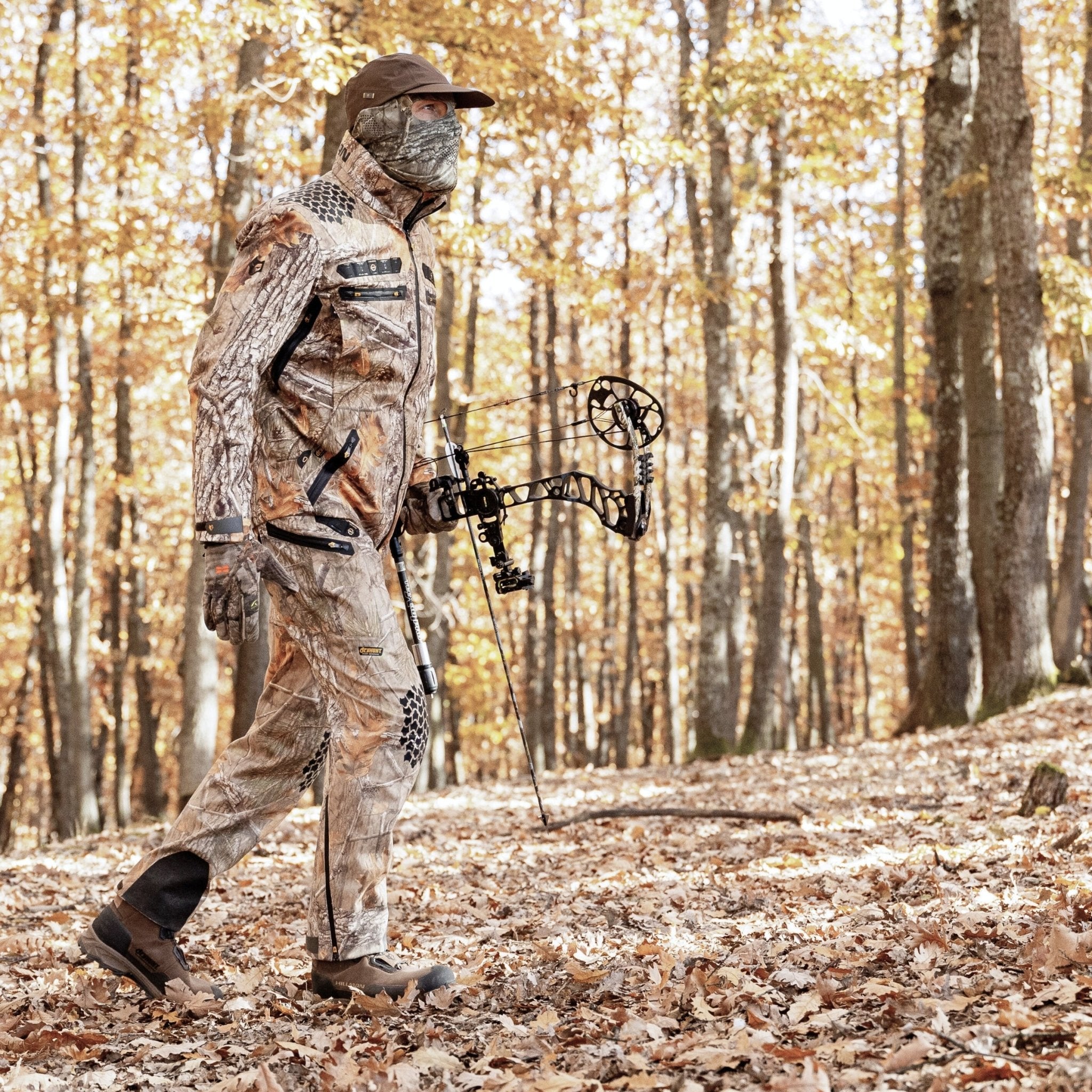
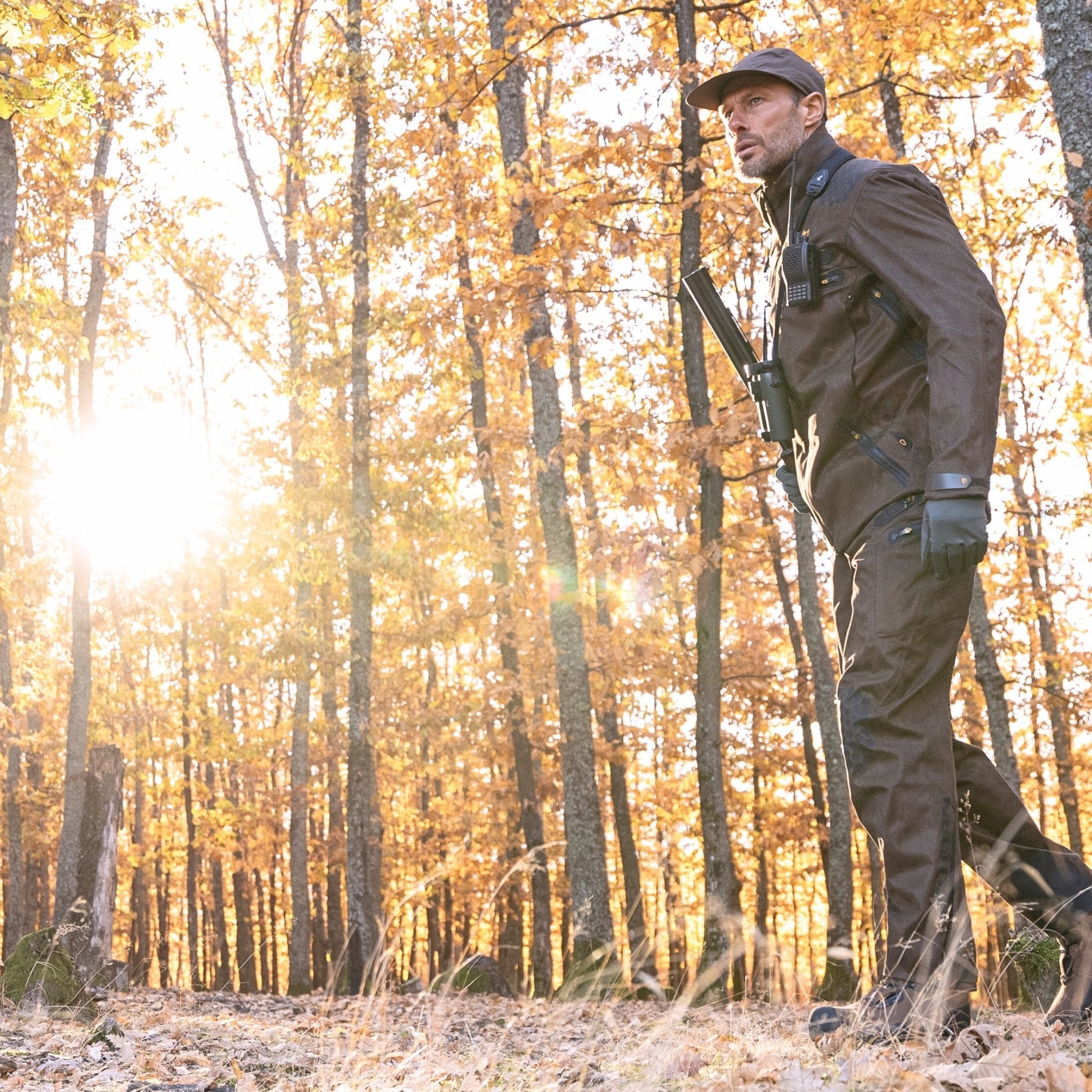
Upland hunting doesn’t ease into the day. It starts rough and tends to stay that way, moving through briar patches, thorny hedgerows, wet grass, deadfall, and uneven ground that has no interest in how comfortable your pants felt an hour earlier. What matters is how they behave once you’ve been moving for hours, pushing cover, climbing, kneeling, and walking more than you expected.
That’s why upland hunting pants live in a category of their own, or at least they should. They aren’t just hunting pants in the usual sense. They sit somewhere between workwear, hiking gear, and insurance against frustration. For most hunters, finding the right pair isn’t about chasing perfection, but about identifying what quietly stops becoming a problem once the miles start adding up.
Why Upland Hunting Pants Are a Different Category of Hunting Gear?

Upland pants take abuse in ways most other hunting clothes rarely experience, and they tend to take it early in the day. They’re dragged through briar patches, soaked by wet brush, scraped against rock, and bent repeatedly at angles fabric doesn’t naturally want to bend. For the average hunter, that kind of wear accumulates fast.
In upland hunting, durability isn’t theoretical. Pants regularly brush against thorns, briars, and coarse vegetation dozens, sometimes hundreds, of times in a single outing. Over the course of a season, that adds up to thousands of abrasion points, which is why durability isn’t a bonus feature here but the baseline expectation.
That’s also why upland pants are usually built from tougher materials like reinforced nylon, canvas blends, or ripstop fabrics designed to resist punctures and tearing. Where lightweight hunting pants often fall into the 180–220 g/m² fabric range, true upland designs typically push heavier, especially in reinforced zones. The goal isn’t stiffness or bulk, but survival over repeated contact with abrasive cover. Stitching matters as well, since double or triple seams often make the difference between pants that fail quietly mid-season and pants that last for years.
Hunting Season Matters: Choosing Pants From Early Season to Cold Weather

Every hunting season shifts expectations gradually rather than all at once, and that’s where many gear mistakes begin. One of the most common is assuming that a single setup can handle everything from opening week through the end of the year without compromise.
Early season hunts are usually active and movement-heavy. You cover ground, work dogs, and climb over fences that have seen better days, all while temperatures are still relatively forgiving. During this part of the season, breathability matters more than insulation on most days, because staying dry and mobile is more important than staying warm.
As the season progresses, priorities shift. Cold weather settles in, movement slows, and short pauses start to feel longer. Morning frost gives way to damp afternoons, and by late season, longer sits and colder winds make insulation and proper layering unavoidable. The pants that end up being worn the most are rarely perfect for every condition, but they adapt well enough that they don’t force constant second-guessing.
Early Season and Hot Weather Pants for Upland Hunts
Early season hunts often start comfortably, with cool mornings that make the first hour feel easy, until the sun climbs and the day begins to warm quickly. Once that happens, overheating becomes a bigger concern than staying warm, especially when you’re pushing cover for hours at a time.
Lightweight, breathable pants earn their place here by allowing air to move and moisture to escape before it becomes a problem. Breathability is often described vaguely, but in real use it becomes noticeable after 30 to 60 minutes of steady movement, when less breathable pants begin trapping heat and sweat. Highly breathable upland pants typically rely on lighter yarns, mechanical stretch, or micro-perforated weaves, not to cool the body actively, but to prevent heat buildup that quietly drains energy over the course of the day.
Cold Weather and Proper Layering for Upland Hunting

Cold weather upland hunting changes the equation, as movement slows and exposure becomes more noticeable. Standing still, even briefly, pulls heat away faster than many hunters expect, which is why heavily insulated pants start to make sense once temperatures drop consistently.
Insulation alone isn’t the full answer, though. How pants interact with insulating layers underneath often matters more. Pants that fit too tightly restrict circulation and reduce warmth regardless of how much insulation is added, while pants that are too loose allow cold air to move freely. Experienced hunters usually favor pants that leave just enough room for a mid-weight thermal layer without compressing it, striking a balance that supports warmth during long periods of low movement without creating problems during active stretches.
Hiking Pants vs Upland Hunting Pants in Briar Patches

At first glance, hiking pants and upland hunting pants can appear similar, since both are designed for movement and durability. The difference becomes obvious quickly in briar patches and thick cover.
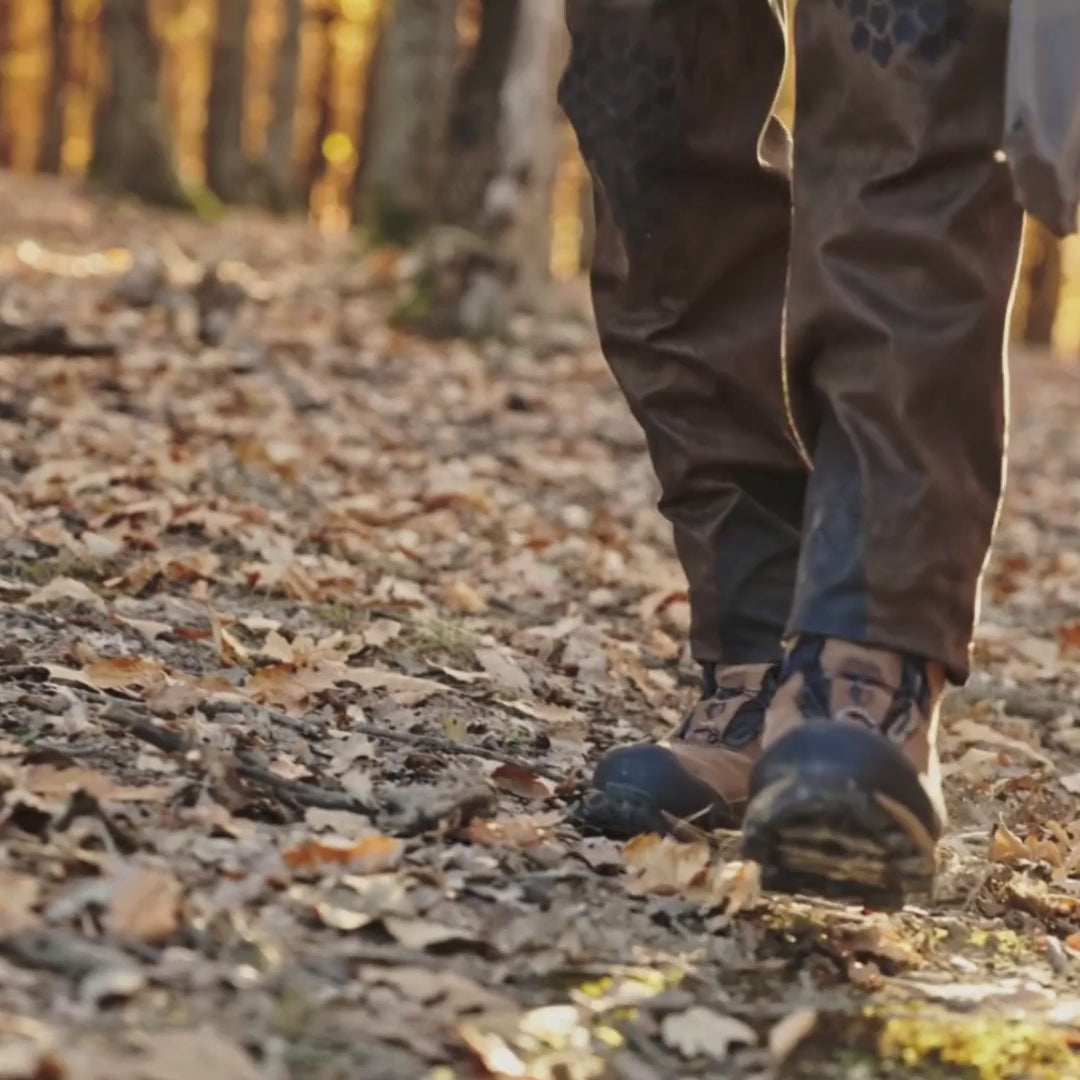
Standard hiking pants aren’t built for sustained abrasion. Some hold up better than others, but most begin to fail through thinning fabric, seam stress, and small snags rather than dramatic tears. Upland hunting pants are designed to slow that process significantly, especially in high-wear areas like the knees, shins, and inner cuffs, where repeated contact with brush and vegetation is unavoidable.
What Makes the Best Hunting Pants for Upland Cover?

Ask a group of upland hunters what the best hunting pants are and you’ll hear a range of answers, but the reasoning behind those choices tends to overlap. The best pants are comfortable enough to wear all day, durable enough to survive heavy cover, and flexible enough to move naturally without binding or distraction.
They don’t soak through the first time you brush wet grass, and they don’t demand attention once the hunt gets underway. Over time, pants like this earn trust and quietly become the favorite pair, not because they’re flawless, but because they never become the problem that needs solving mid-hunt.
Fit, Mobility, and Range of Motion in Upland Pants

Fit is more than a matter of sizing; it’s about how pants behave once fatigue sets in and the terrain stops cooperating. Restrictive pants increase the effort of every step late in the day, even when the difference feels subtle at first.
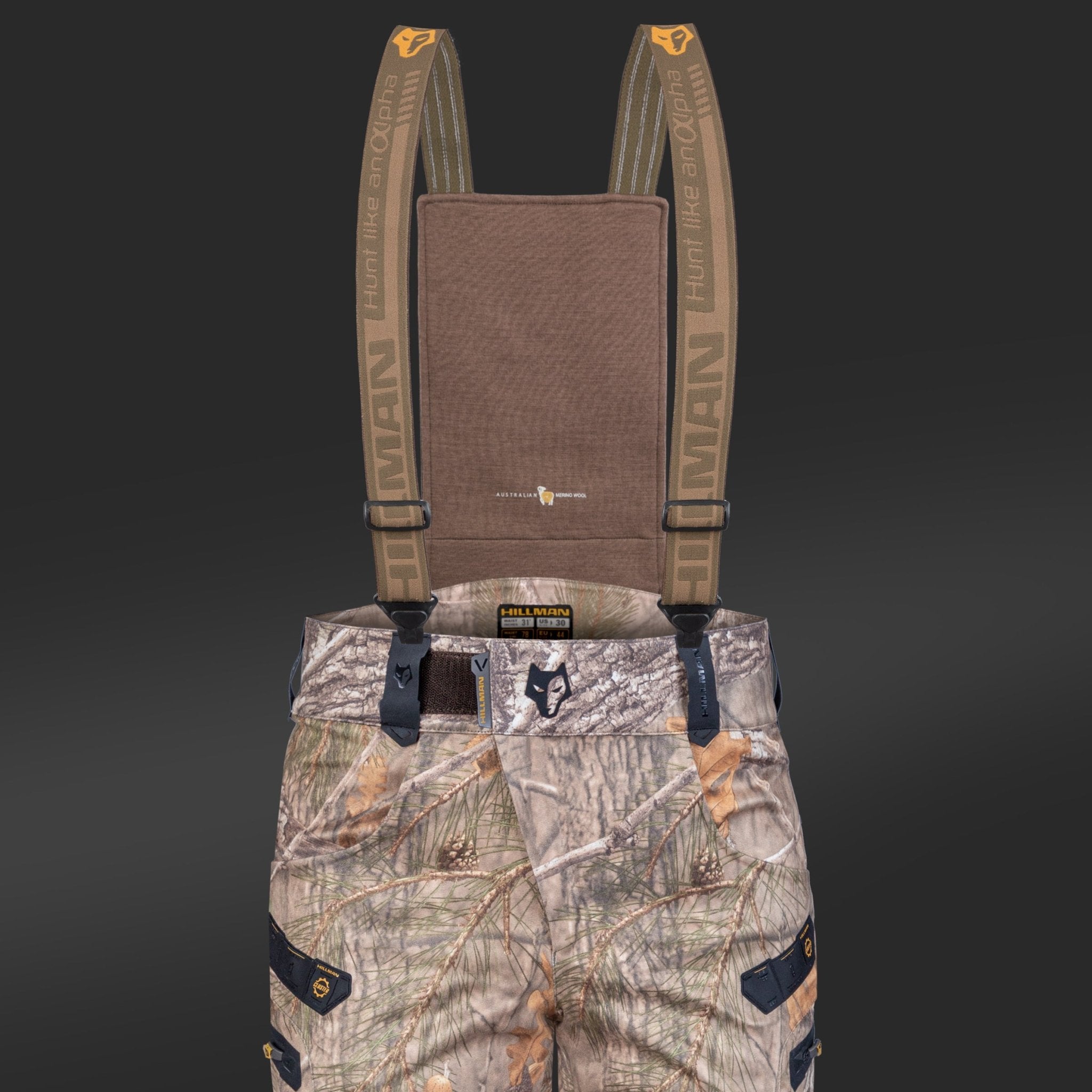
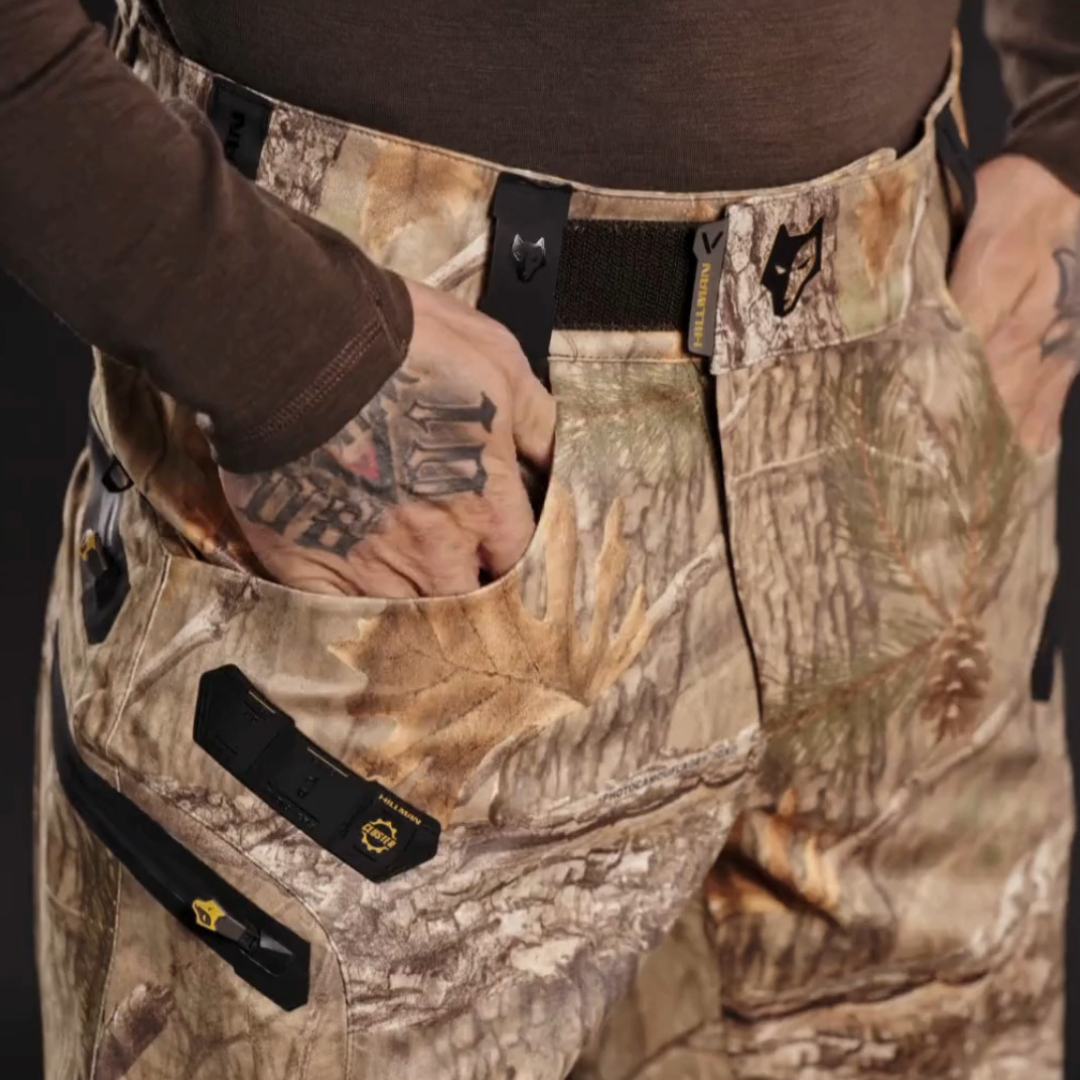
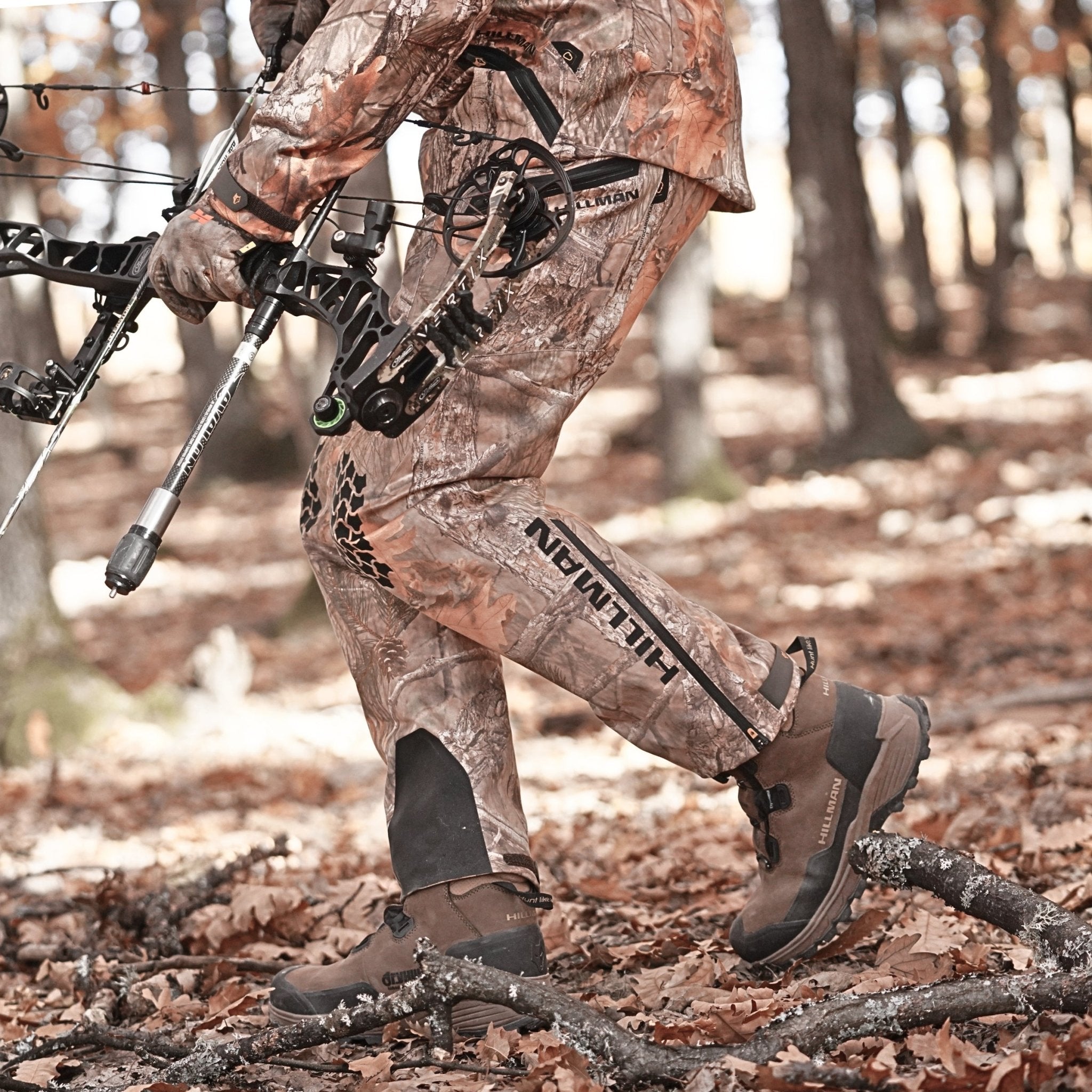
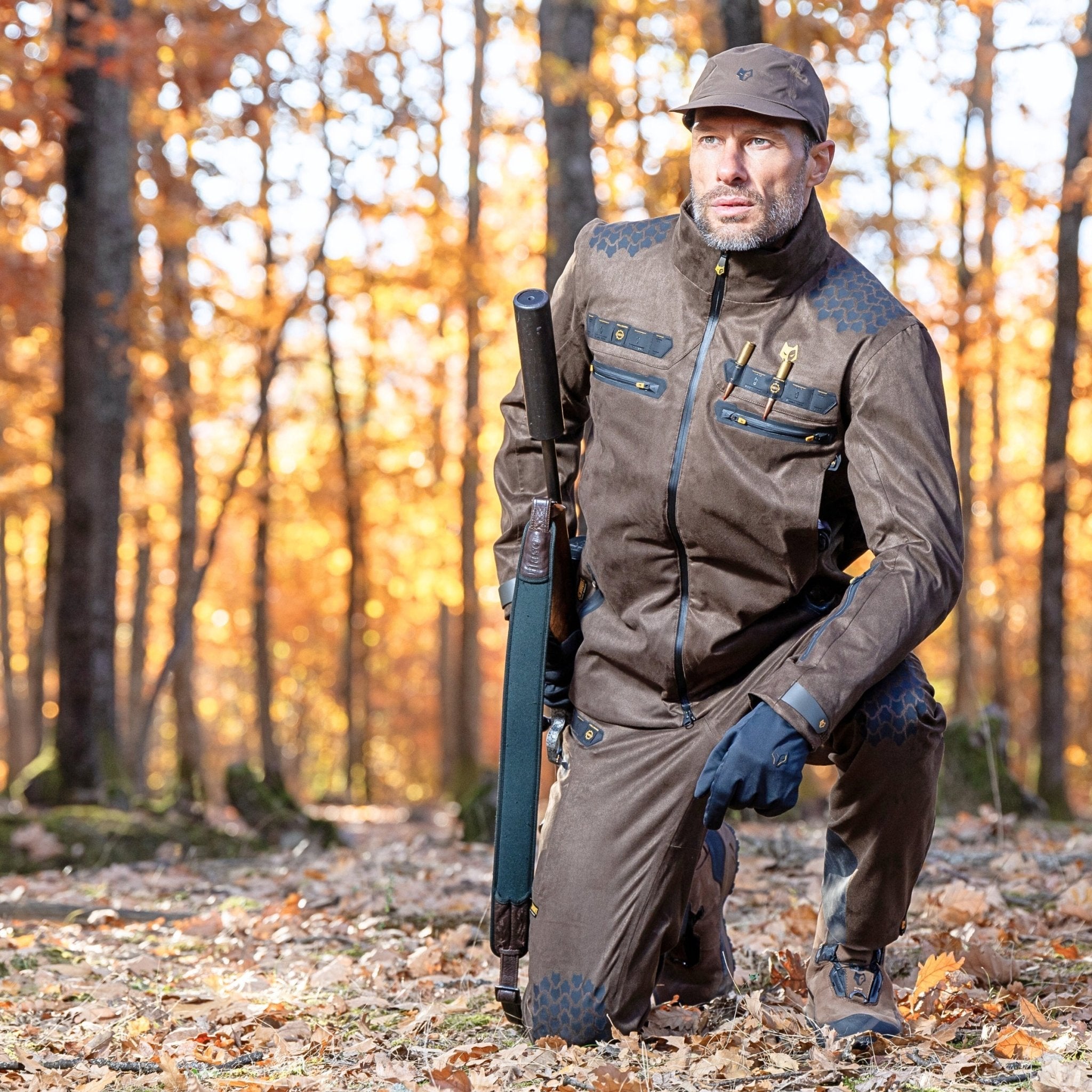
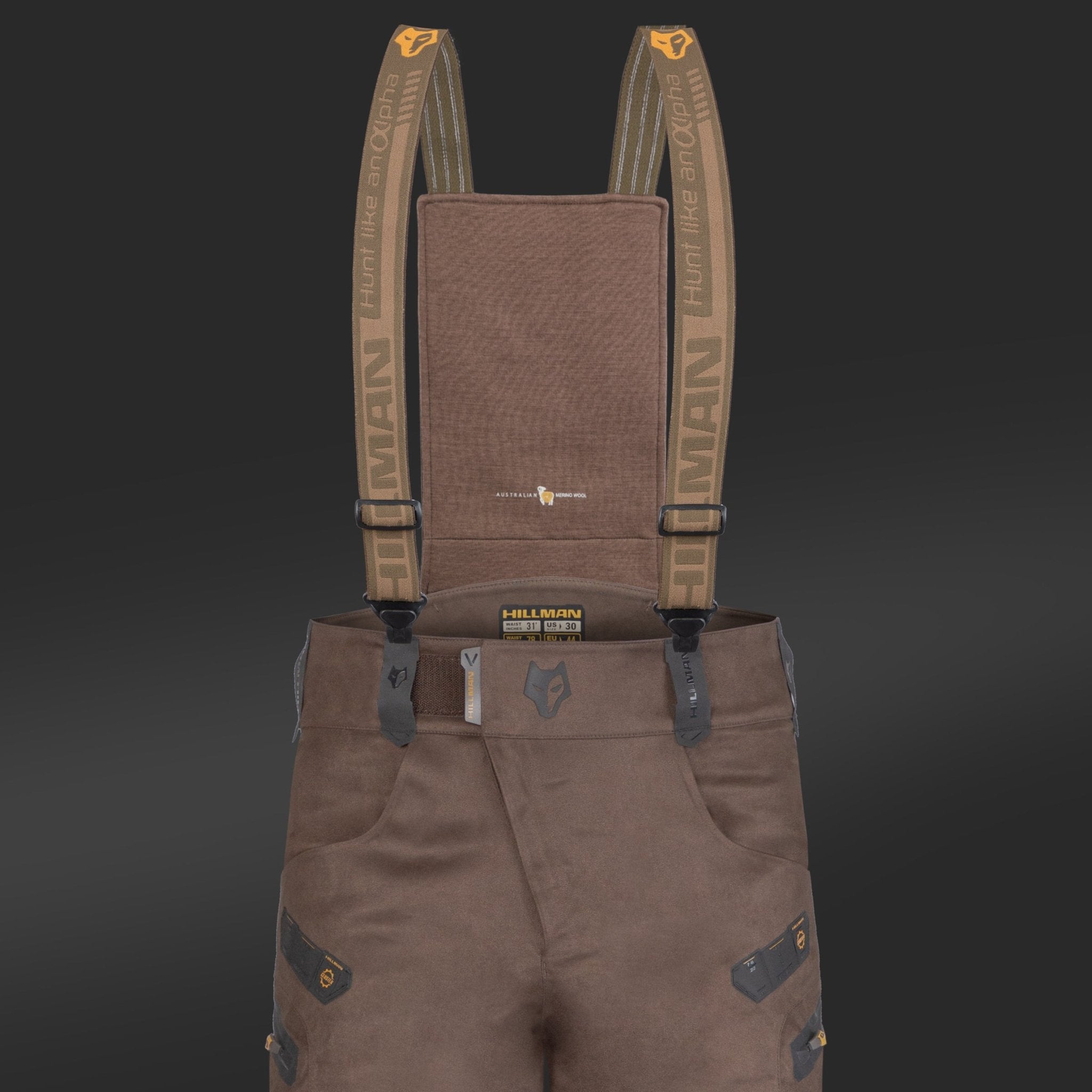
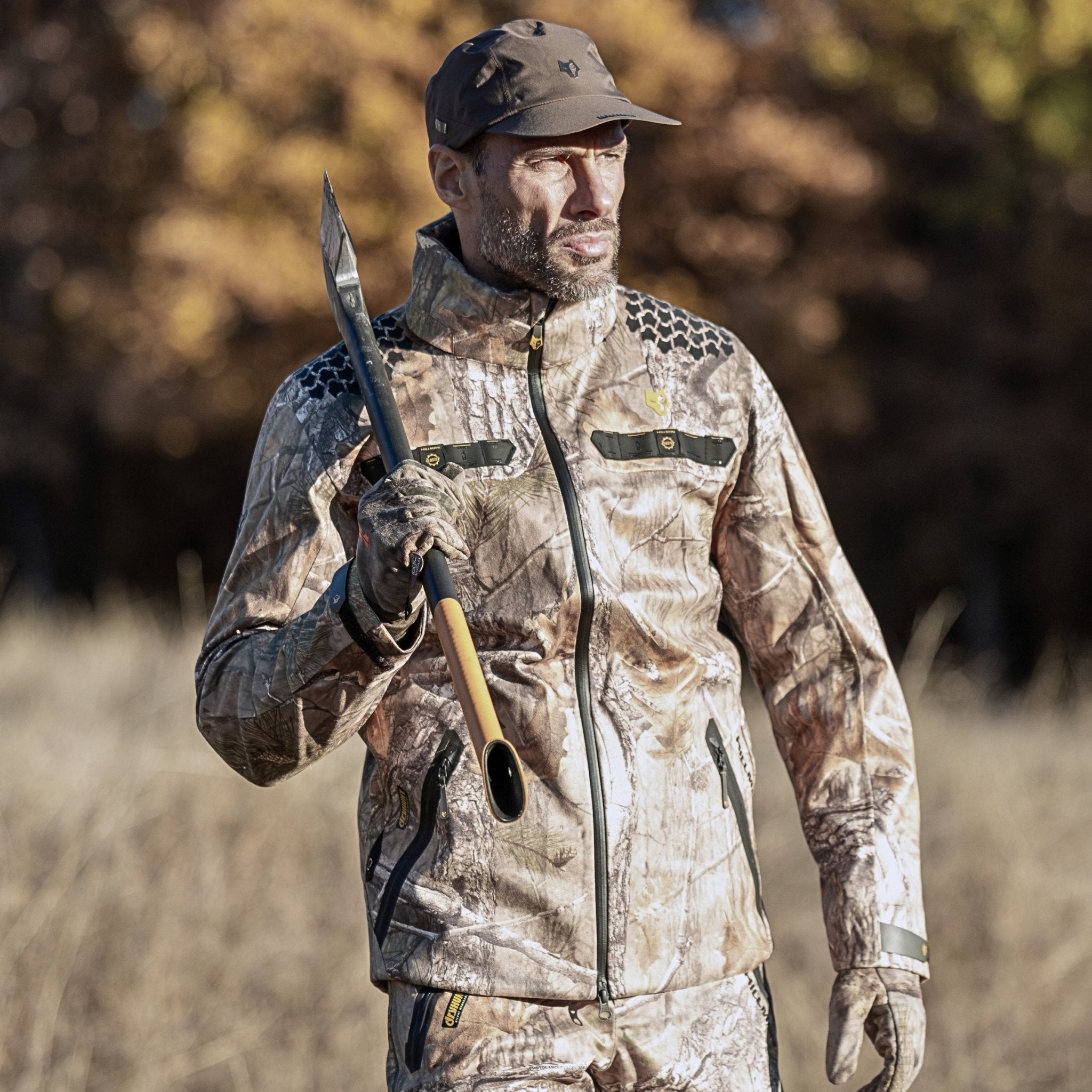
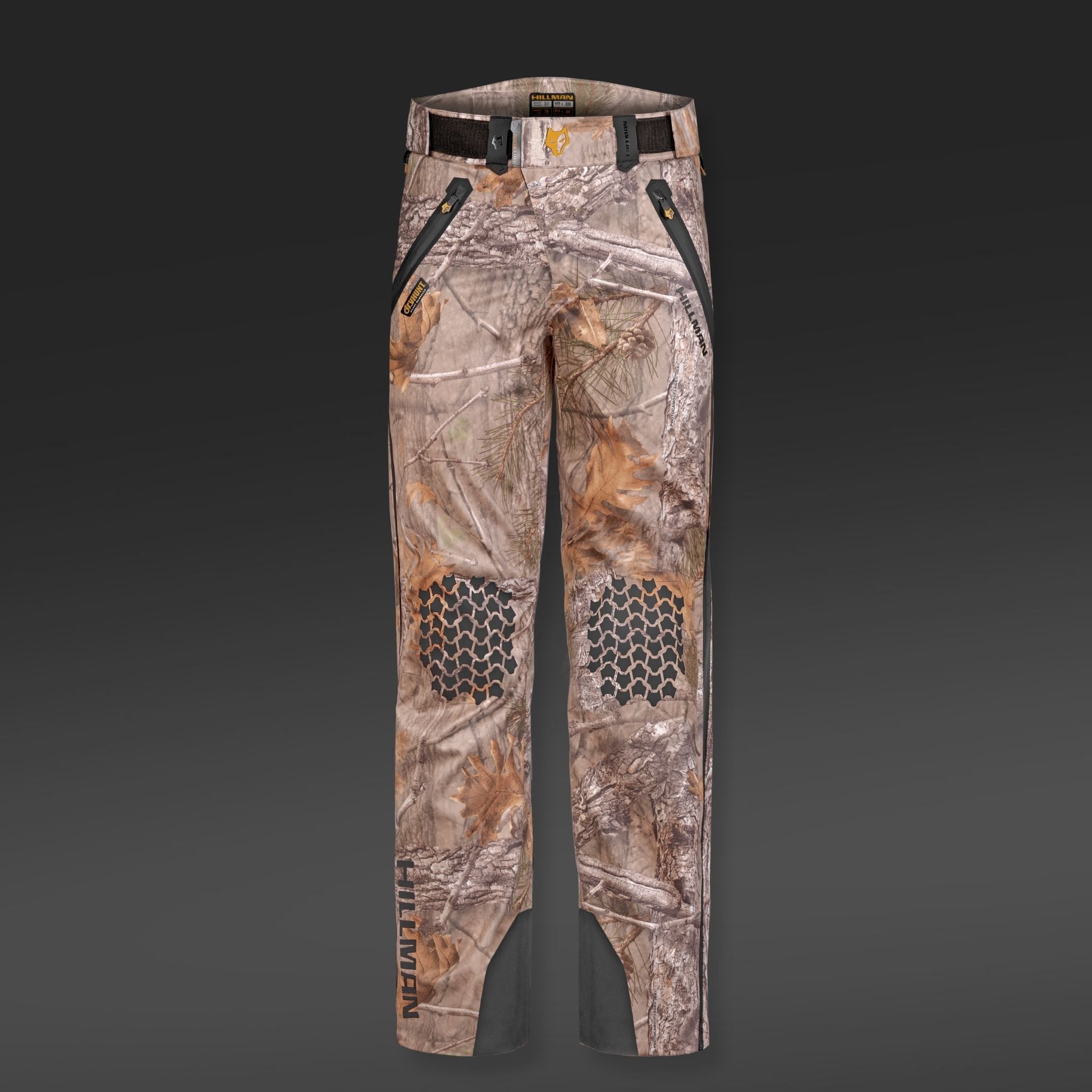
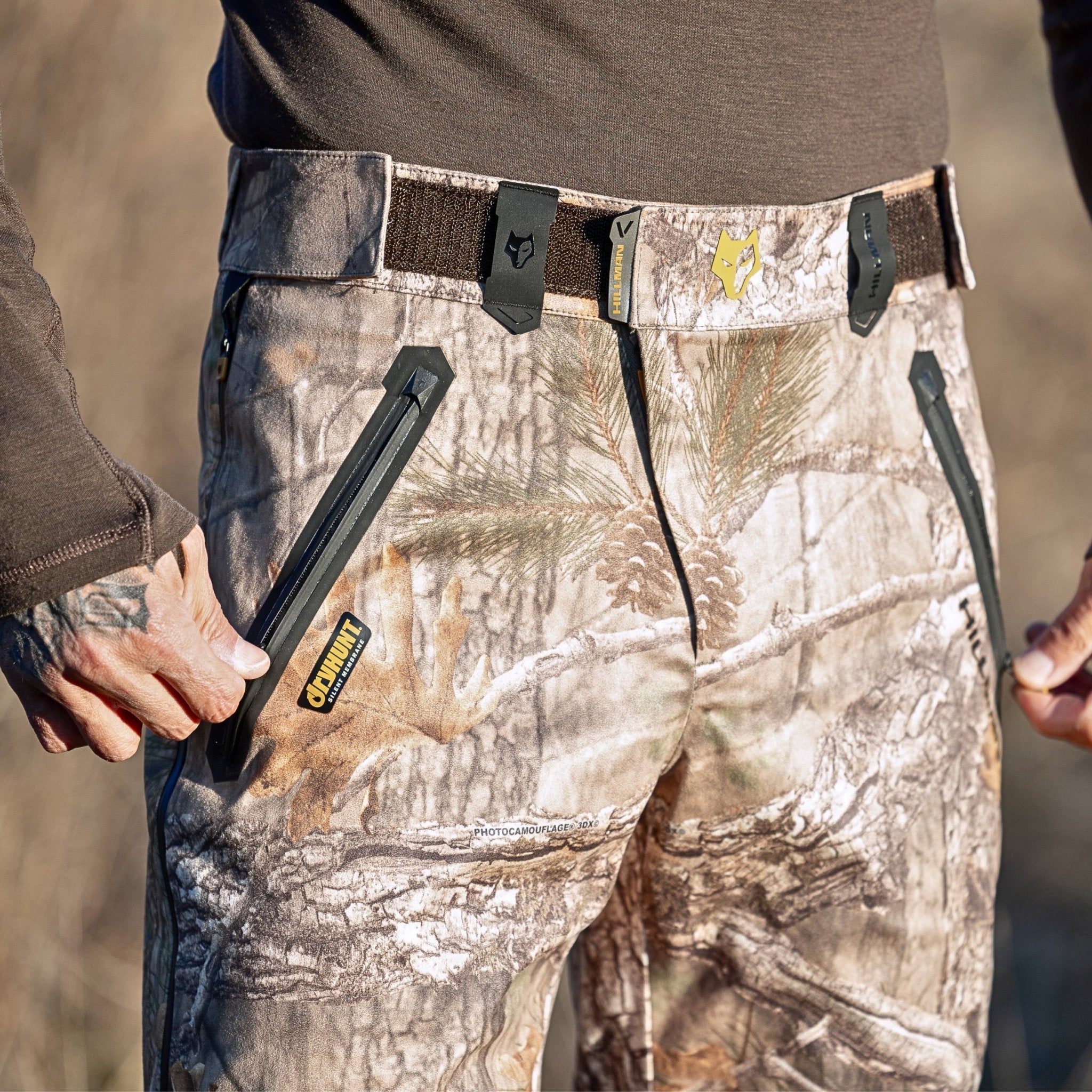
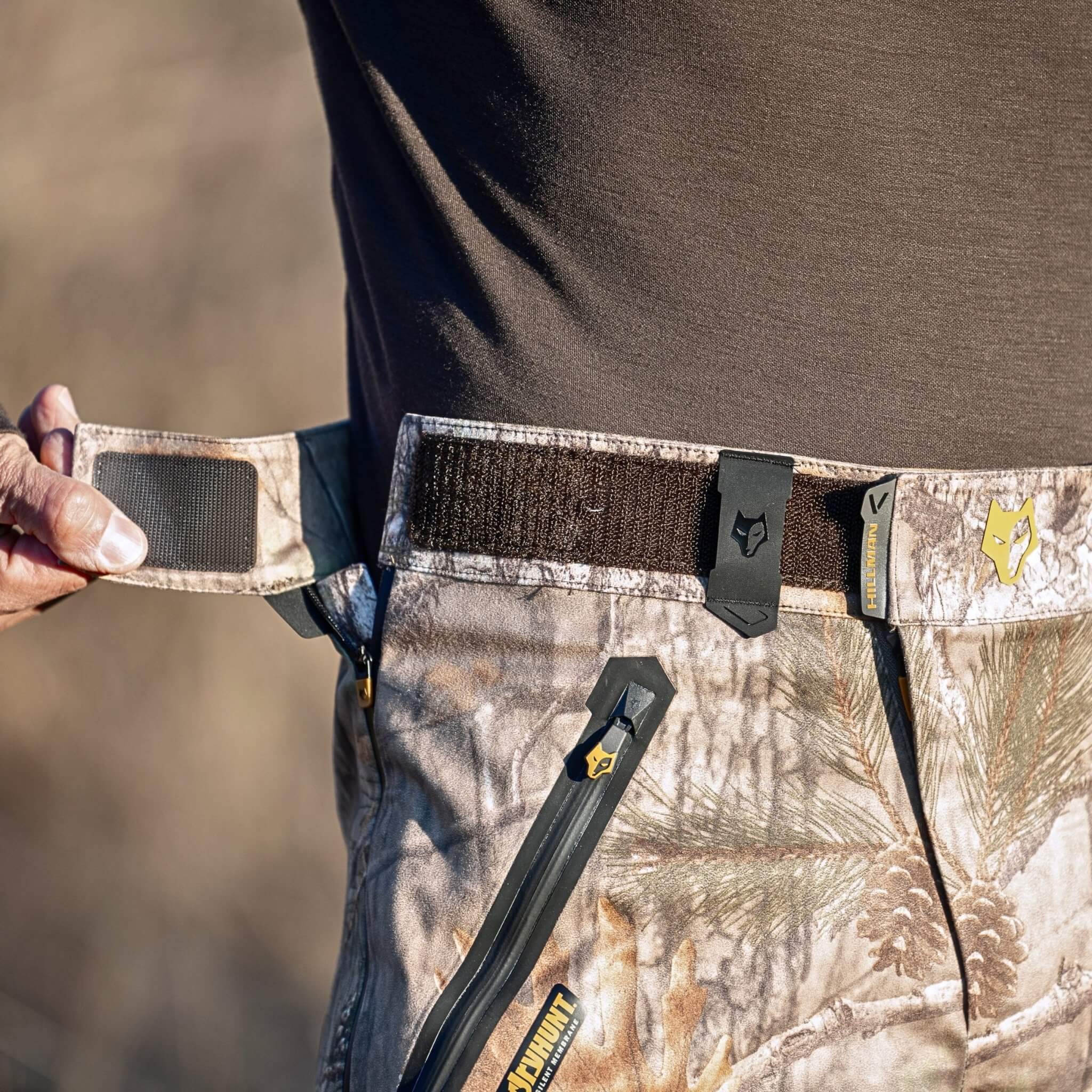
An athletic fit helps reduce that strain by allowing movement without excess fabric catching on brush. Articulated knees follow natural motion instead of fighting it, while a gusseted crotch relieves stress during wide steps, climbs, and awkward footing. Waist design matters too, since adjustable or stretch waistbands help maintain a secure fit across layers and positions, reducing the constant need for readjustment.
Knee Pads, Reinforcement, and Climbing Through Cover

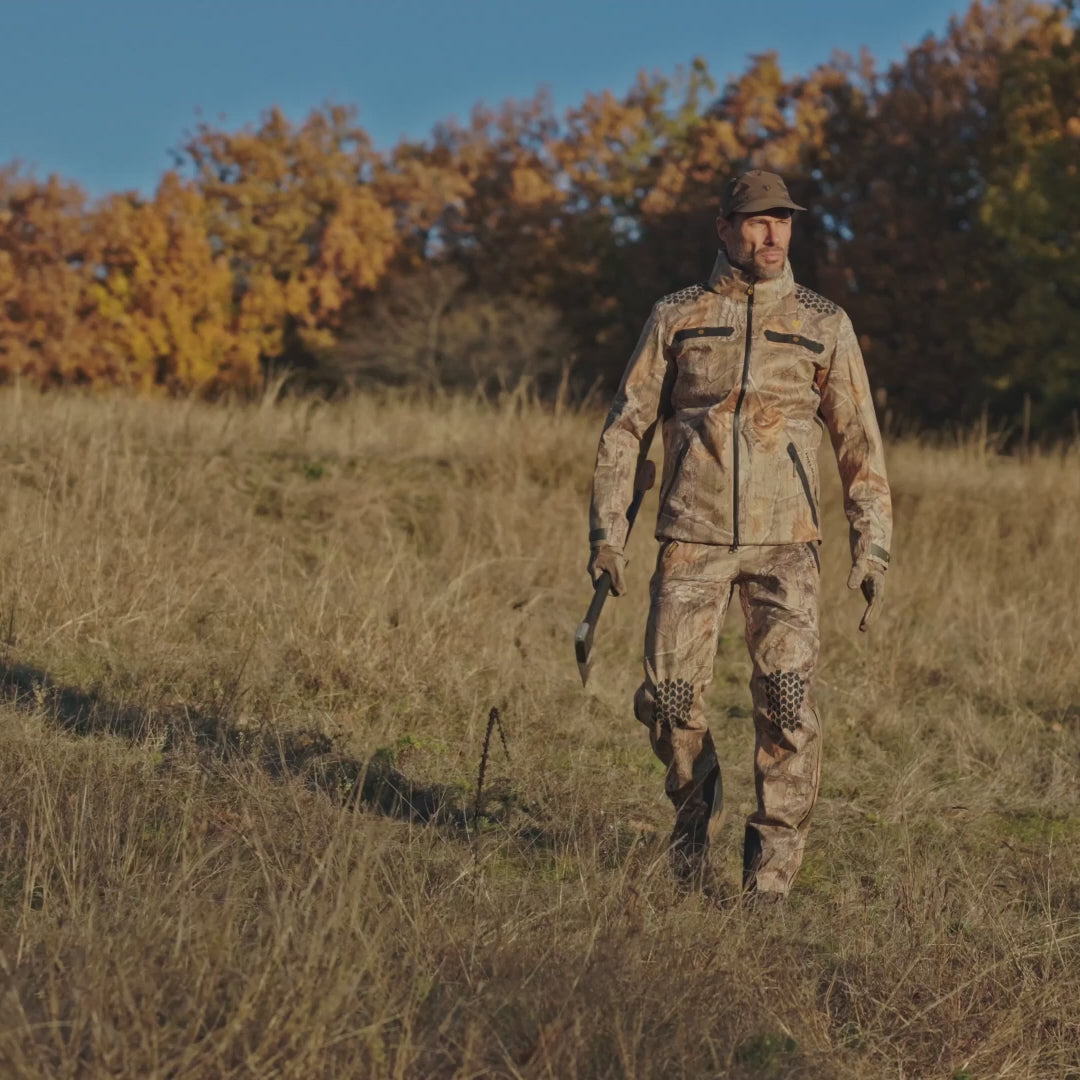
Upland hunting is hard on knees, whether you’re crawling under fences, kneeling to handle dogs, or climbing over deadfall that wasn’t there last season. Reinforced knee panels extend the life of pants more than almost any other feature, especially when combined with durable outer fabrics.
Some designs add knee pad compatibility, which can make sense for hunters who spend a lot of time kneeling or climbing, while water-resistant knee areas provide added protection when ground cover stays damp for much of the season.
Ventilation, Pockets, and Easy Access in the Field
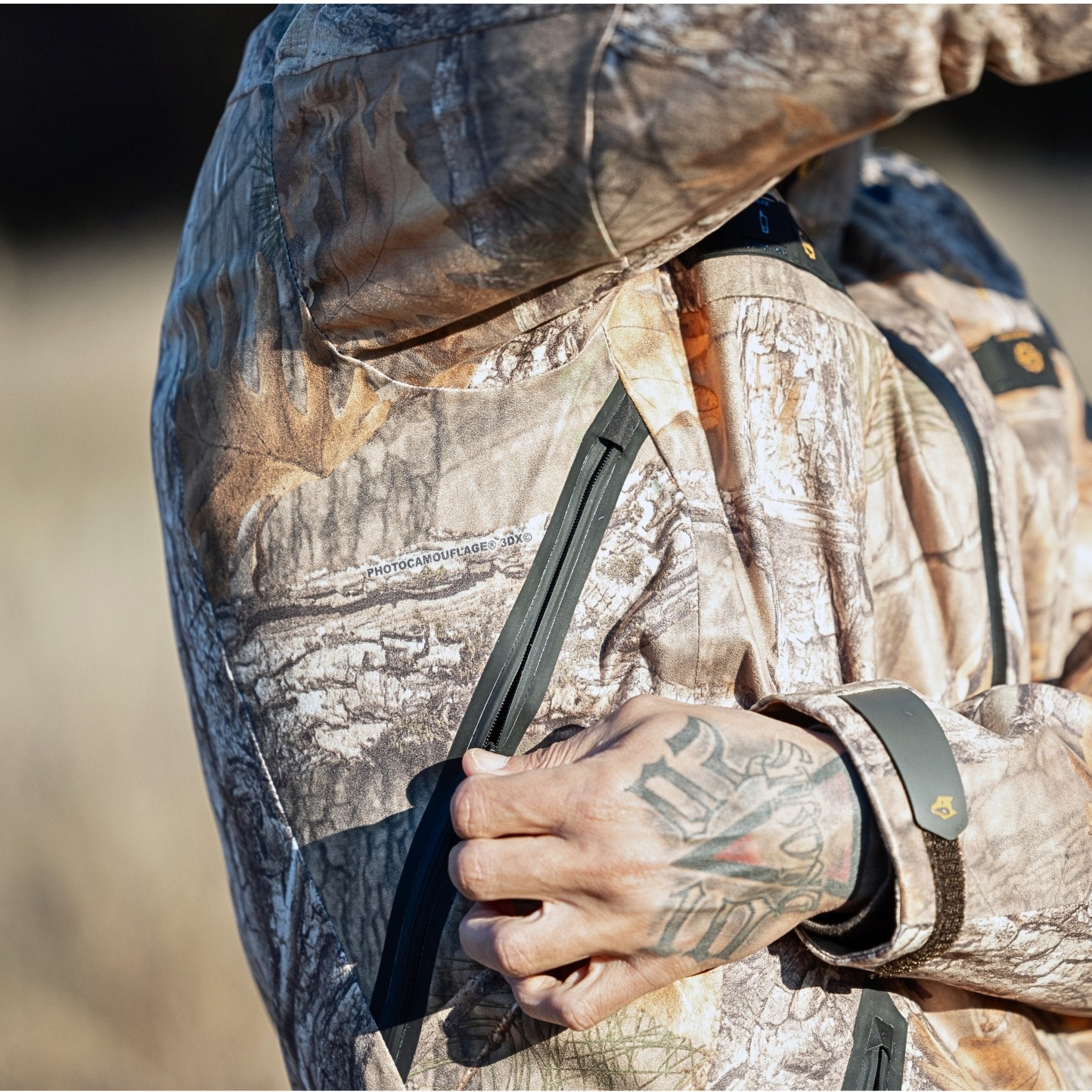
Small design details often shape daily comfort more than hunters expect. Zippered vents allow heat to escape during climbs, and their placement matters, with thigh-level vents typically working best during sustained movement. Poorly placed vents tend to dump heat too late or pull in debris, reducing their usefulness.
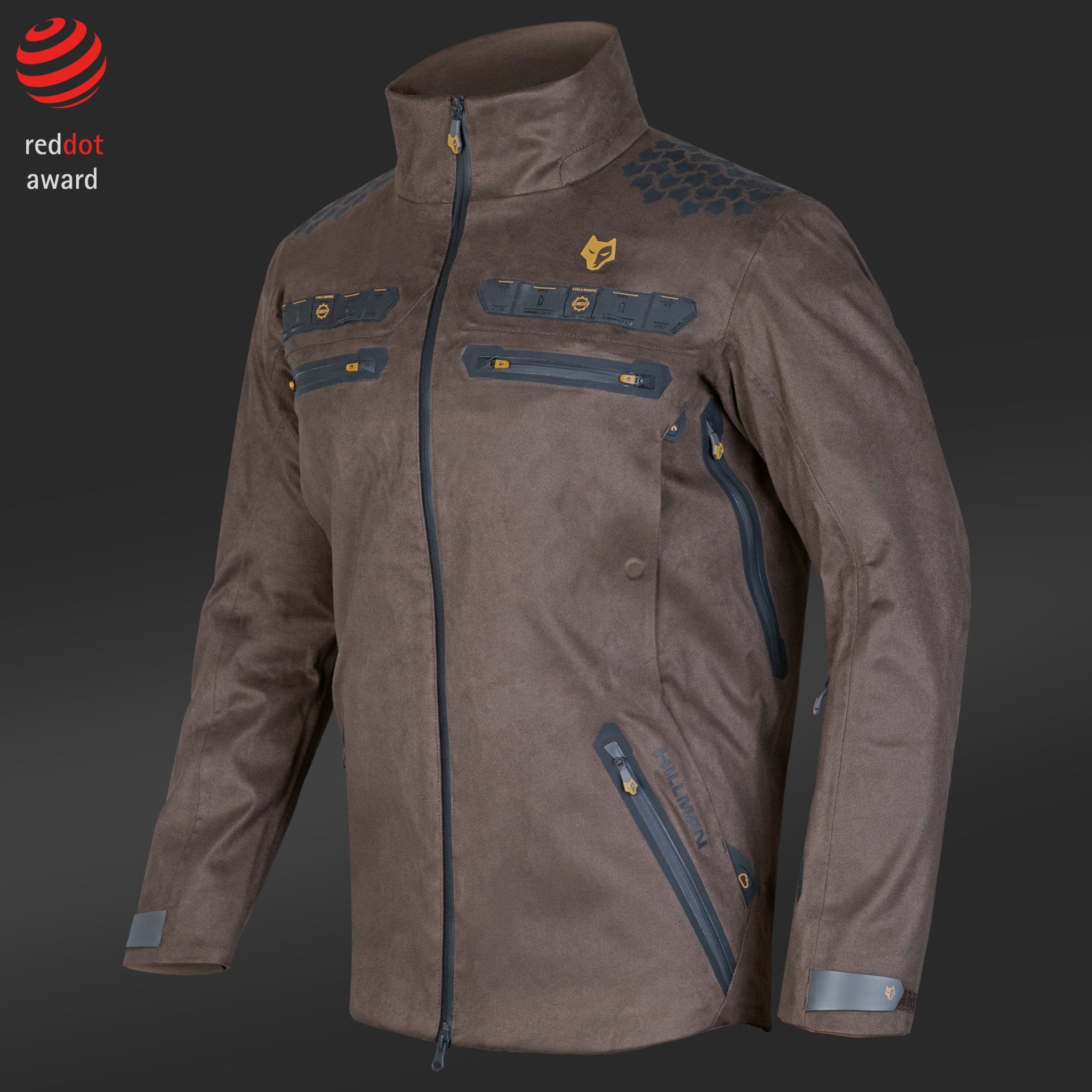
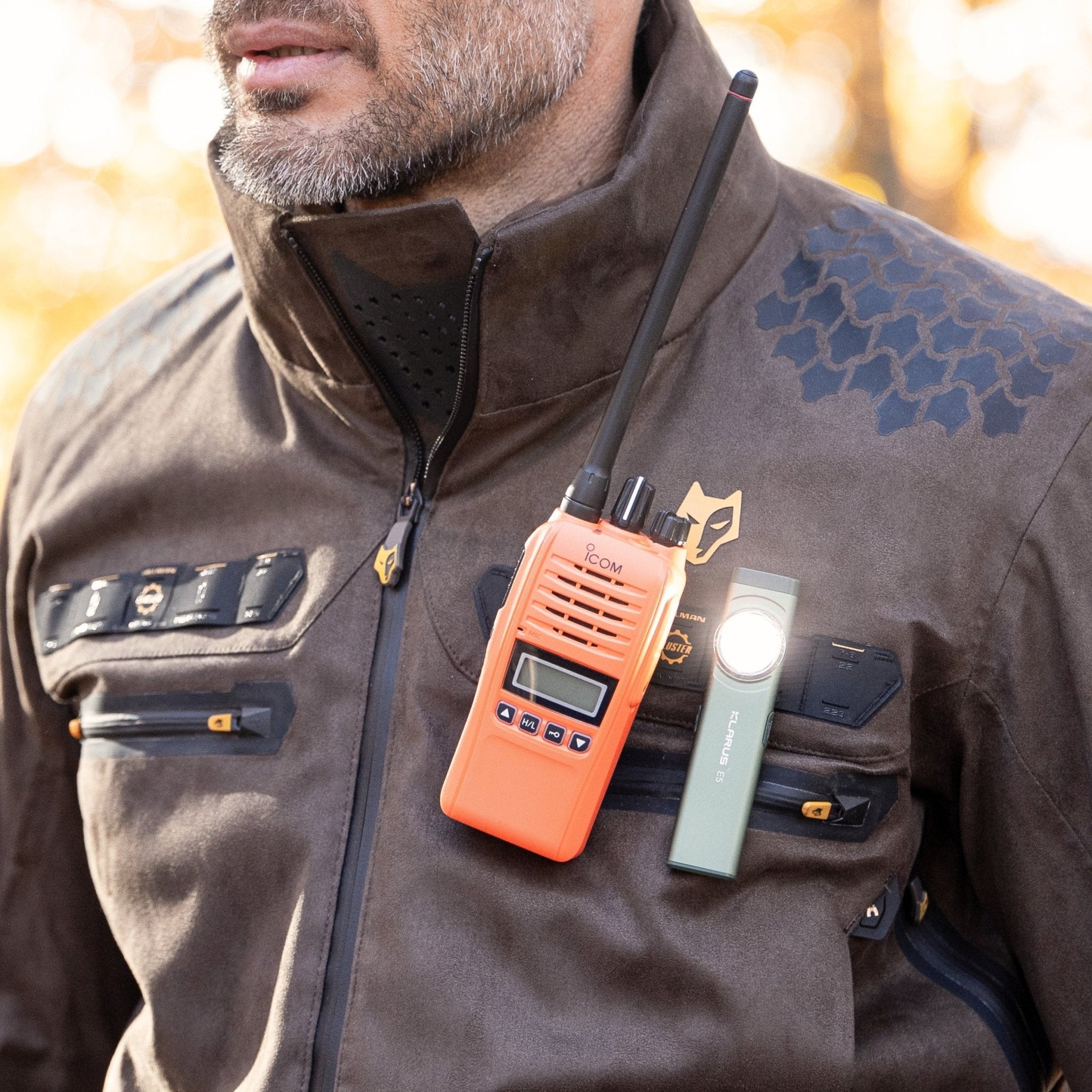
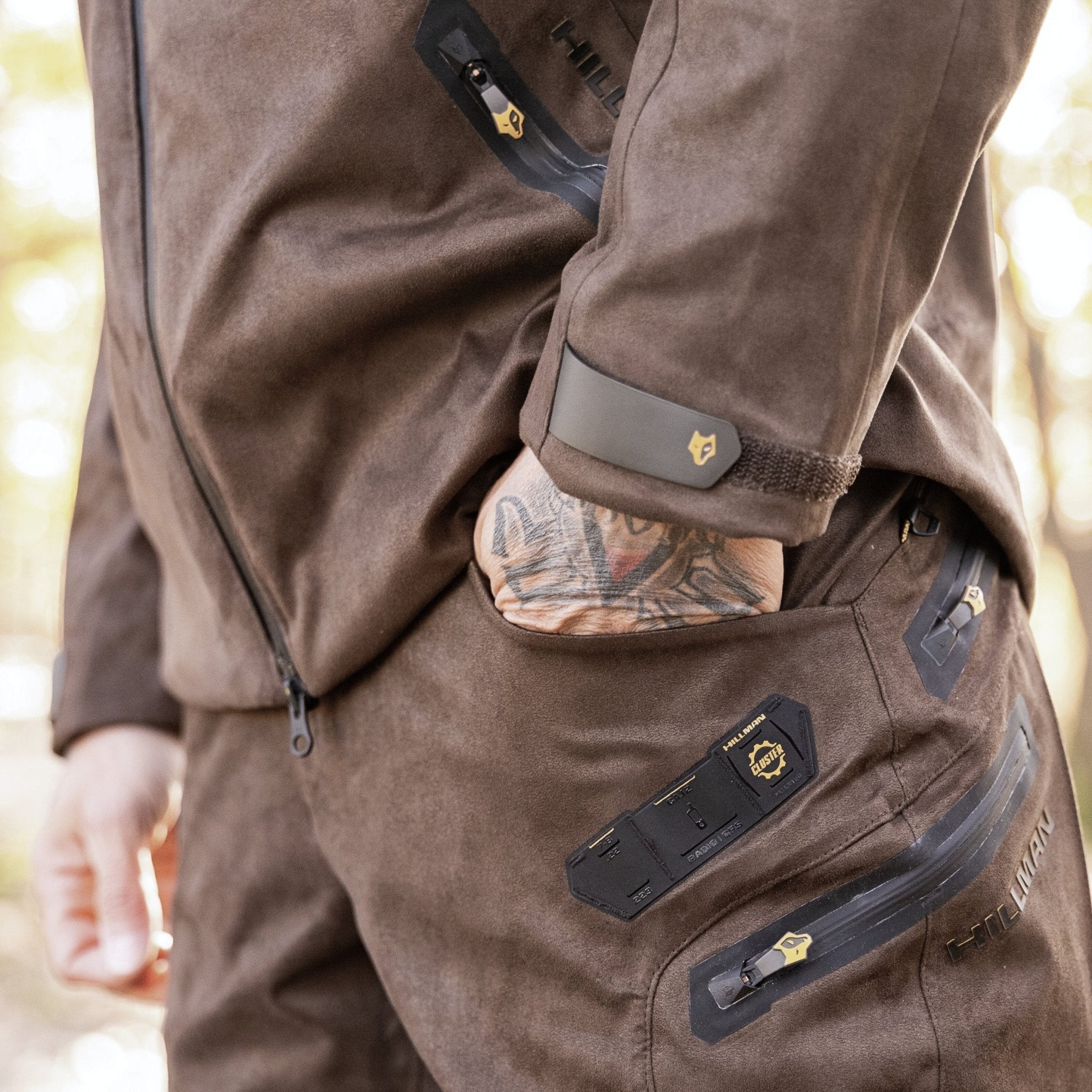
Over a full day, effective ventilation limits sweat accumulation, which helps prevent chilling later when movement slows. Pocket placement matters just as much, since zippered pockets keep essentials secure while back pockets and side access points allow retrieval without awkward reaching or unnecessary movement.
Water Resistance vs Fully Waterproof Pants for Light Rain

Water resistance is frequently misunderstood in upland hunting. Most moisture exposure comes from dew, wet grass, and brush rather than sustained rainfall, which is why durable water-repellent finishes are so common. They shed frequent light contact without turning pants into sealed shells.
Fully waterproof pants offer more protection in prolonged rain, but they come with tradeoffs in breathability and noise that often become apparent during active hunts. Understanding which problem you’re actually solving helps avoid overcorrecting for conditions that appear less often than expected.
Camo Pants, Wool Pants, and Material Choices
Material choice affects comfort, durability, and noise levels in the field. Synthetic fabrics dominate upland hunting pants because they resist abrasion and dry quickly, while wool pants still have a place in cooler, drier conditions where quiet movement matters more than moisture resistance.
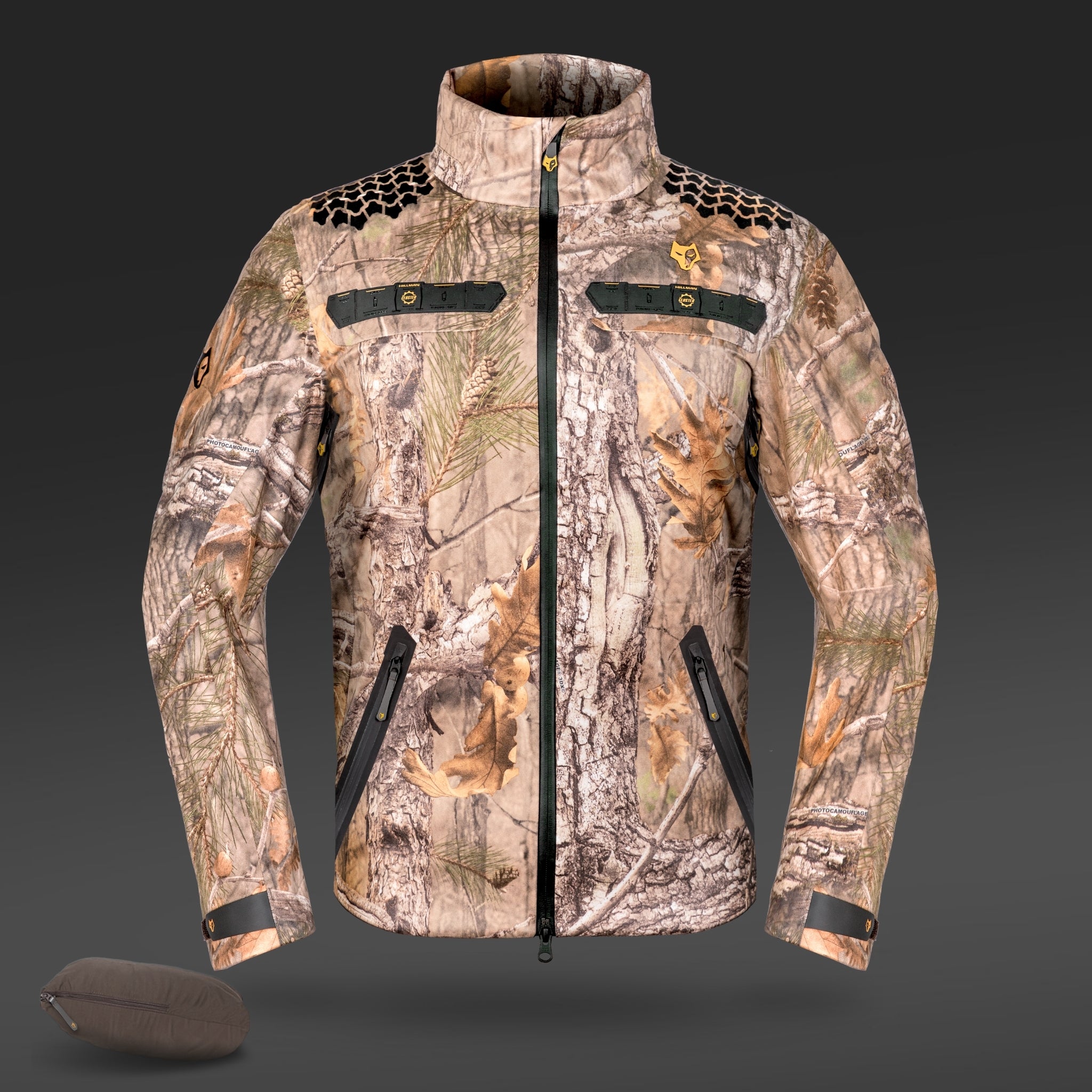
Camouflage patterns can help break up a silhouette in open cover, but in dense brush or low-light environments, solid earth tones often perform just as well. Context and conditions tend to matter more than pattern choice alone.
Versatile Hunting Pants for Multiple Seasons

Many hunters look for one pair of pants that can handle most of the season, and while no single option is perfect for every condition, some designs come close. Versatile hunting pants perform across a wide temperature range, adapt to layering, and hold up under repeated use, reducing the need to constantly swap gear as conditions change.
For hunters who spend a lot of time in the field, versatility isn’t about convenience so much as reliability and consistency.
How Many Pairs Do You Really Need?

Most experienced hunters eventually settle somewhere between one and three pairs of pants. One pair can work when conditions are predictable, while three allow specialization for early season, cold weather, and the mid-season conditions in between.
Many arrive at this balance through trial and error, discovering that replacing several mid-quality pants over time often costs more than investing in fewer, better-built options. Longevity isn’t always obvious in the first season; it tends to reveal itself in the third.
From Turkey Hunting to the Shooting Range

Upland pants rarely stay confined to bird season. Spring turkey hunts, range days, scouting trips, and general outdoor work all put similar demands on clothing. Pants that perform well across these activities tend to stay in regular rotation rather than spending most of the year in storage.
Choosing a Great Pair That’s Worth It
The toughest upland hunting pants aren’t defined by a single feature, but by how well they balance durability, comfort, breathability, and fit over time. A truly great pair doesn’t call attention to itself; it simply works, allowing you to focus on the hunt instead of your gear.
That quiet reliability is usually the best compliment equipment can get.


Share:
The Whitetail Hunter’s Checklist: Essential Gear for 2026
The Whitetail Hunter’s Checklist: Essential Gear for 2026