

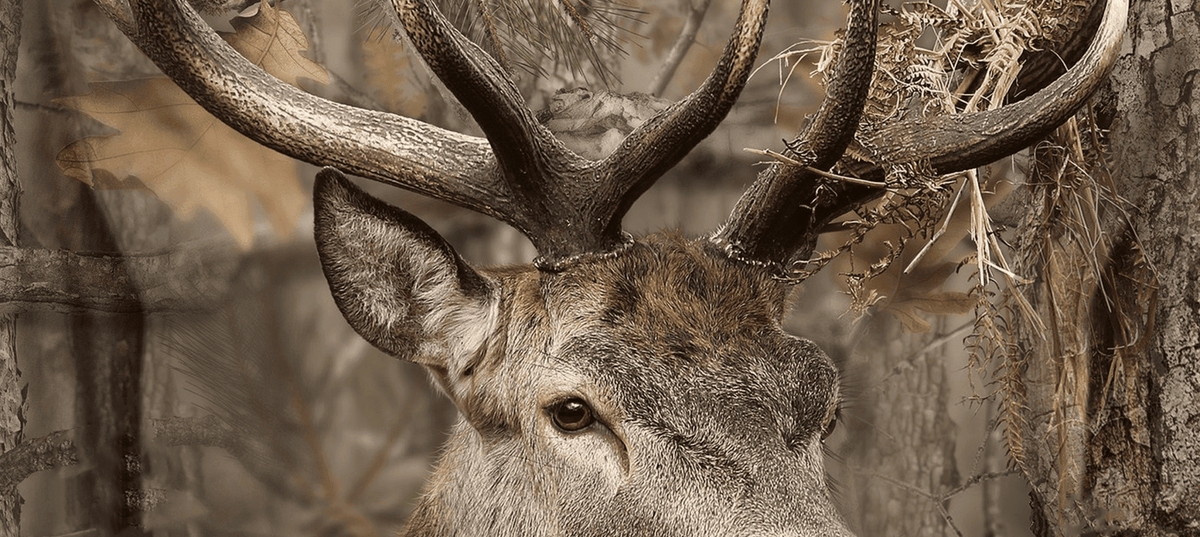
The Whitetail Hunter’s Checklist: Essential Gear for 2026

Master the woods with our 2026 whitetail deer hunting gear checklist. From scent stealth to late-season layers, get the gear that brings home the buck.
Every whitetail season teaches the same lesson. You don’t notice your whitetail deer hunting gear when it works. You only notice it when it fails.
A zipper that won’t move with cold fingers. Boots that feel fine at sunrise but turn rigid by noon. A jacket that blocks wind but traps sweat. Small problems stack up fast during deer hunting, especially when you’re sitting still for hours or hiking back out with a weight on your back.
The truth is, modern whitetail hunting gear has to do more than keep you warm. It has to manage moisture, control scent, and stay quiet when the woods go still. Layering isn’t optional anymore; it’s how hunters adapt when temperatures drop mid-day or when a cold front rolls in during peak season. Merino base layers help manage odor naturally. A durable outer layer or rain jacket protects against shifting weather. Insulated boots matter more than most hunters want to admit, especially when the ground starts pulling heat from your body.
And then there’s the simple stuff people forget. A sharp knife. A dependable pack. Game bags. A cell phone with a signal. Blaze hunter orange when required, because other hunters are part of the landscape too.
The most important thing about deer hunting gear in 2026 isn’t brand or trend. It’s whether your system lets you stay focused when it counts. This checklist breaks down what to carry, what to wear, and how to build a setup that works across the full season, from warm early sits to late cold-weather hunts.
The Core Whitetail Deer Hunting Gear Every Hunter Should Carry

There is a tendency to overcomplicate whitetail deer hunting gear. Catalogs expand every year, but in the field, most hunters settle into a rhythm built around a handful of dependable pieces. Not flashy. Not excessive. Just equipment that earns its place over time.
Rifle or Bow: Fit Before Features
Whether you hunt with a rifle or a bow, integration with the rest of your deer hunting gear is more important than specifications on paper. A rifle that feels perfectly balanced at the range can sit differently once you are layered in hunting clothes, wearing gloves, and seated in a tree stand. Cold weather changes small mechanical sensations. Gloves alter trigger feel. Those are subtle shifts, yet they influence consistency more than most upgrades ever will.
Bow hunters experience this even more directly. The relationship between the draw cycle and clothing is immediate. Insulation around the shoulders, poorly cut outer layers, or excess bulk can interfere with anchor position. Technical hunting gear only proves its value when movement remains natural under pressure.
Optics quietly complete this setup. A practical 8x32 or 10x42 binocular configuration is often sufficient for identifying whitetail deer in thicker cover without excessive movement. A reliable rangefinder reduces estimation errors and supports ethical shot placement. Neither item dominates the conversation, but both shape outcomes.

Field Tools That Define the Day
The pieces that rarely make headlines are often the ones that determine how smoothly a hunt unfolds.
A sharp knife remains central to any serious deer hunting gear list. Efficient field dressing preserves meat quality and reduces exposure time, especially during warmer parts of the season. Game bags protect during transport, particularly when terrain or temperature conditions complicate recovery.
A compact headlamp or flashlight becomes relevant sooner than expected, as the light from a shooting torch fades quickly in wooded areas. A cell phone, once controversial in hunting circles, now plays a practical role in navigation, weather monitoring, and emergency communication. Modern hunting realities include access management and safety considerations that earlier generations did not face.

The Pack as a System
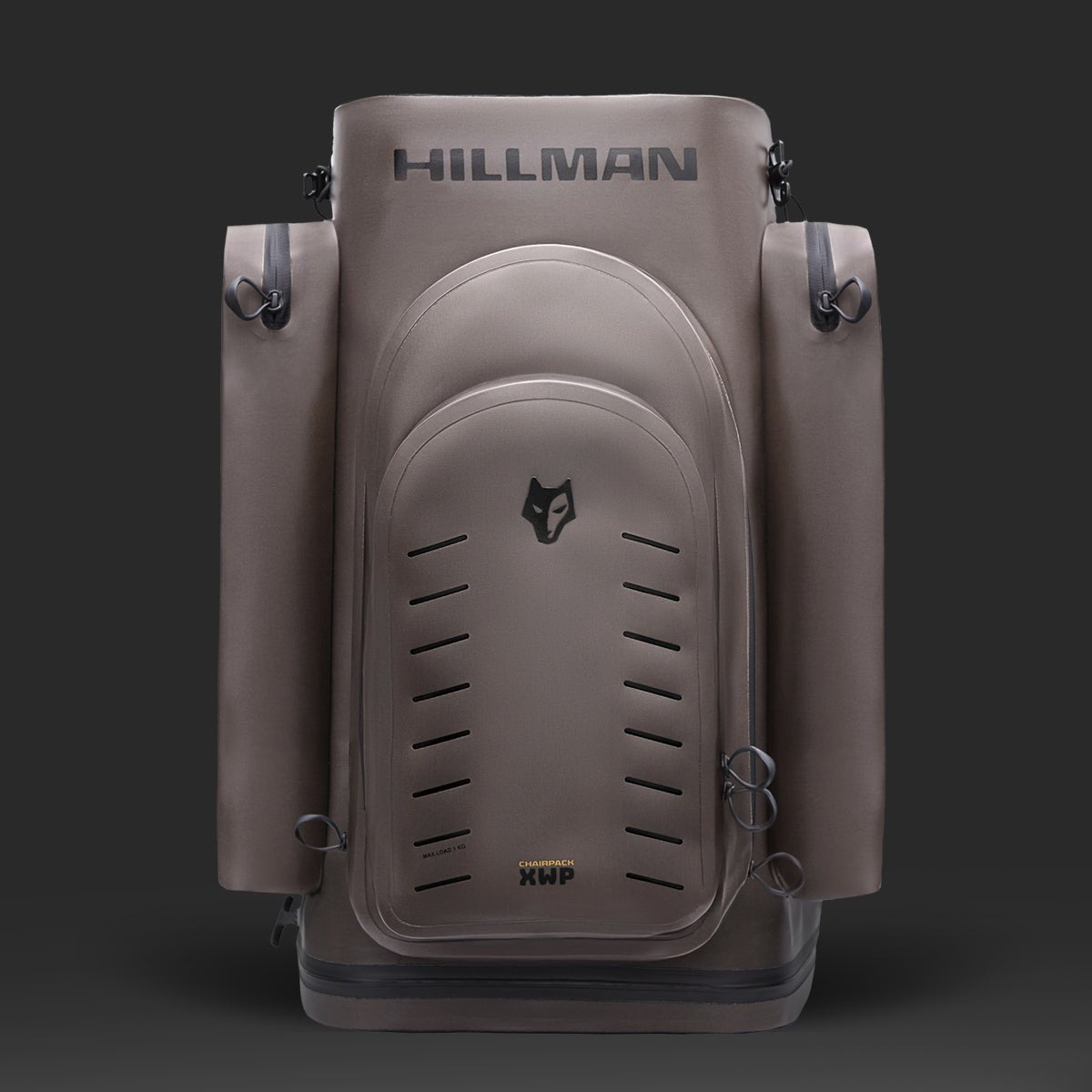
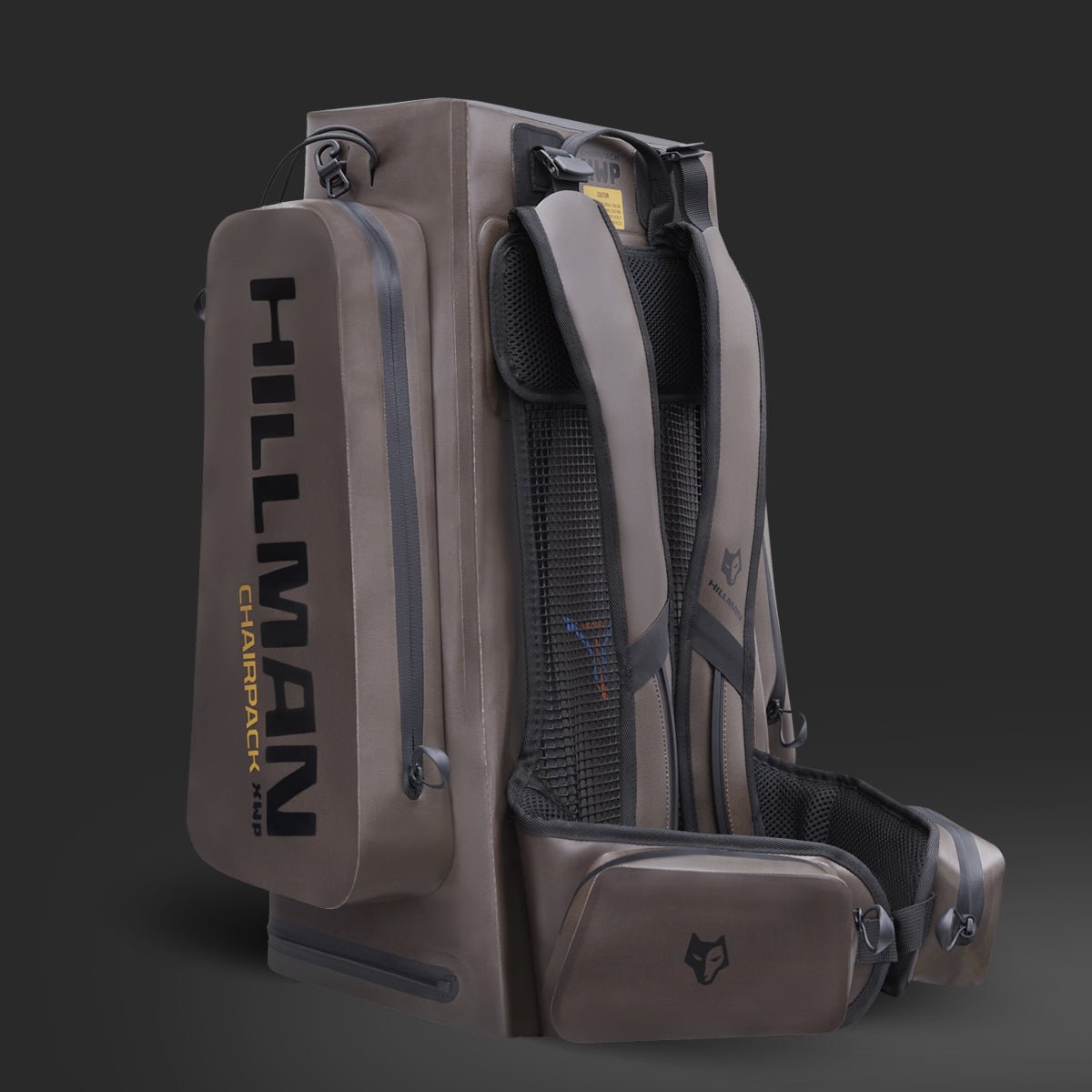
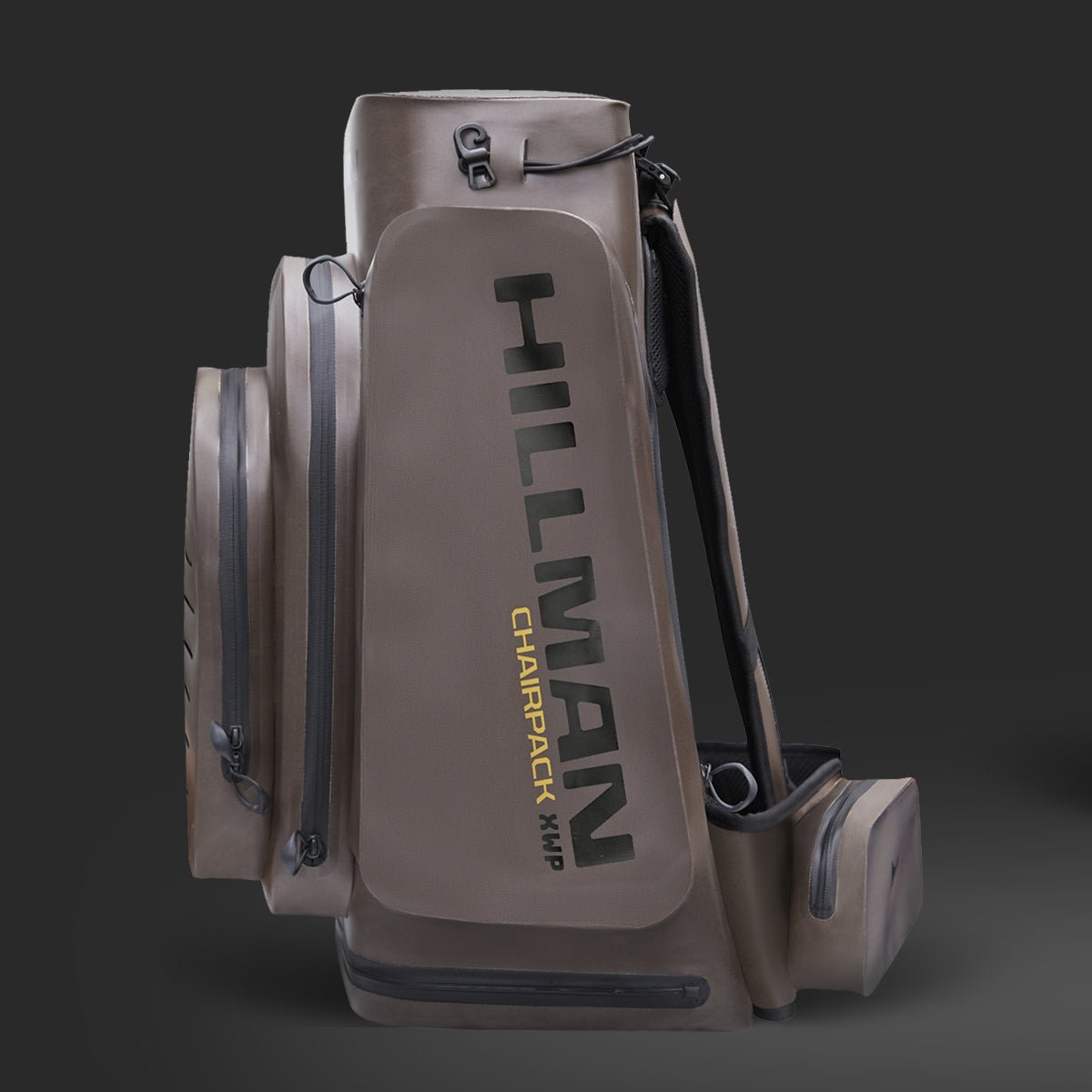
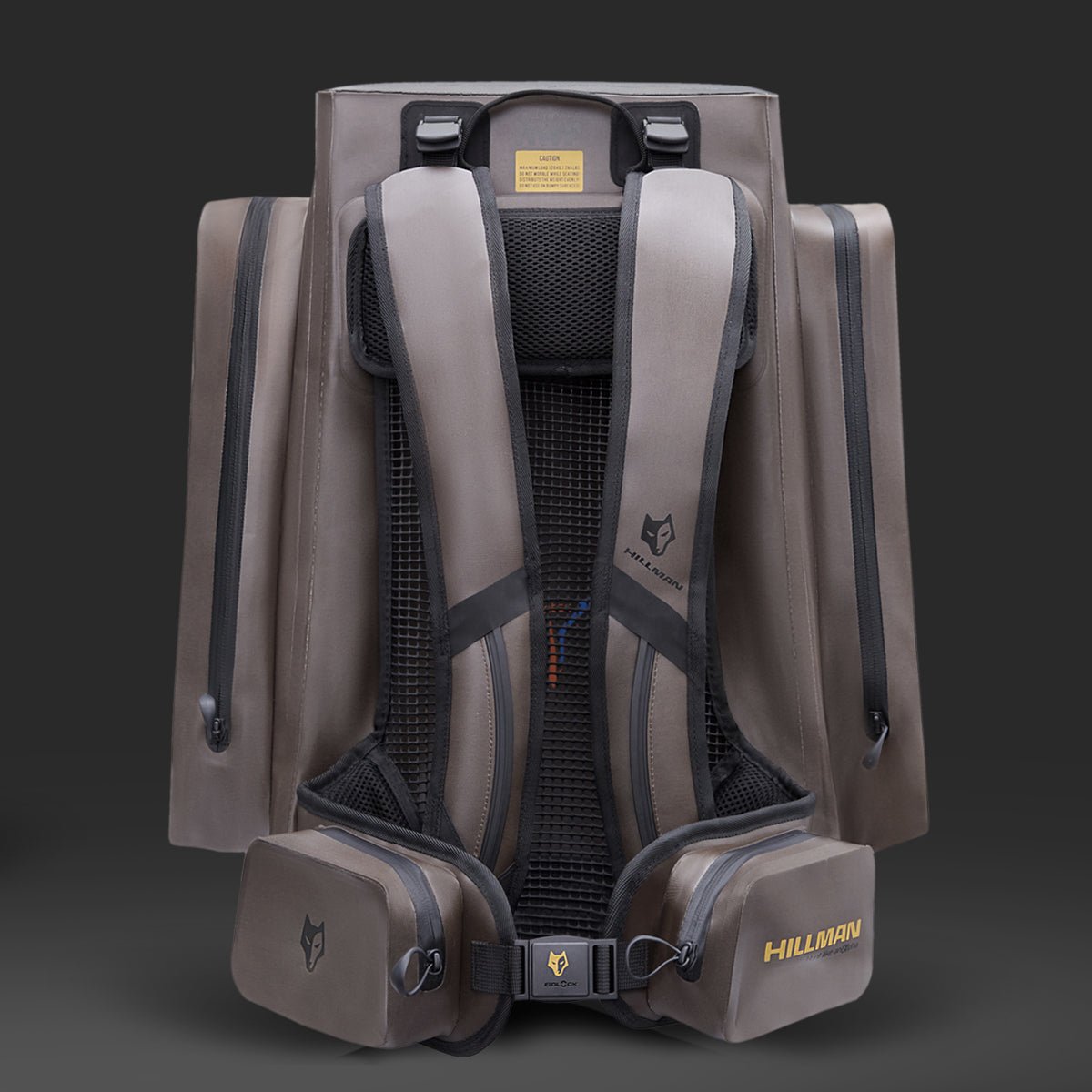
A pack is not simply storage; it is structure. It determines how comfortably weight is carried and how easily gear can be accessed without unnecessary noise. Shoulder straps should distribute the load evenly, particularly if extra base layers, water, or part of a harvest must be carried out.
Durability matters, but so does organization. A water bottle positioned within reach, gloves stored where they can be retrieved without unpacking everything, and base layers packed with intent rather than compression, all of these small decisions influence stamina over a full day.
Whitetail deer hunting gear, at its core, works best when each item supports the others. The rifle or bow anchors the system. Optics clarify decisions. Clothing regulates temperature. The pack carries what remains. When these elements align, attention shifts away from equipment and back to reading wind, movement, and terrain, the quieter variables that ultimately define success in deer hunting.
High-Performance Hunting Clothes for Whitetail Deer

Over the years, I’ve stopped thinking about hunting clothes as something I buy and started thinking about them as something I test. Whitetail deer hunting has a way of exposing weak gear quietly. Nothing fails loudly at first. It just makes the day a little harder.
Base Layers: Where Comfort Actually Begins
Most discomfort, at least in my experience, starts with what sits closest to the body. If my base layers don’t manage moisture properly during the walk-in, I feel it later once I settle into a stand. Sweat cools fast when movement stops, and that shift is what drains energy over time.
I keep coming back to merino wool for that reason. It’s naturally odor-resistant, it handles moisture without clinging to the skin, and it doesn’t feel synthetic after several hours. When I’m hunting deer that rely heavily on scent, I’d rather reduce variables wherever I can. A base layer isn’t visible, but it influences everything that happens on top of it.
Insulation and Mid Layers: Warmth Without Restriction

As the season moves deeper and temperatures begin to drop, insulation becomes more deliberate. I don’t layer heavily from the start. I build gradually. Synthetic insulation has worked well for me when conditions turn damp, because it maintains warmth even when the air feels heavy or wet.
What I’ve learned is that bulk interferes with consistency. Too much material around the shoulders affects how a rifle mounts. It changes how a bow draws. Even small restrictions become noticeable when you repeat the same motion in cold weather. Fit matters as much as fabric.
The goal isn’t to feel overheated. It’s to avoid the slow cooling that happens once you stop moving.

Outer Layers and Rain Protection
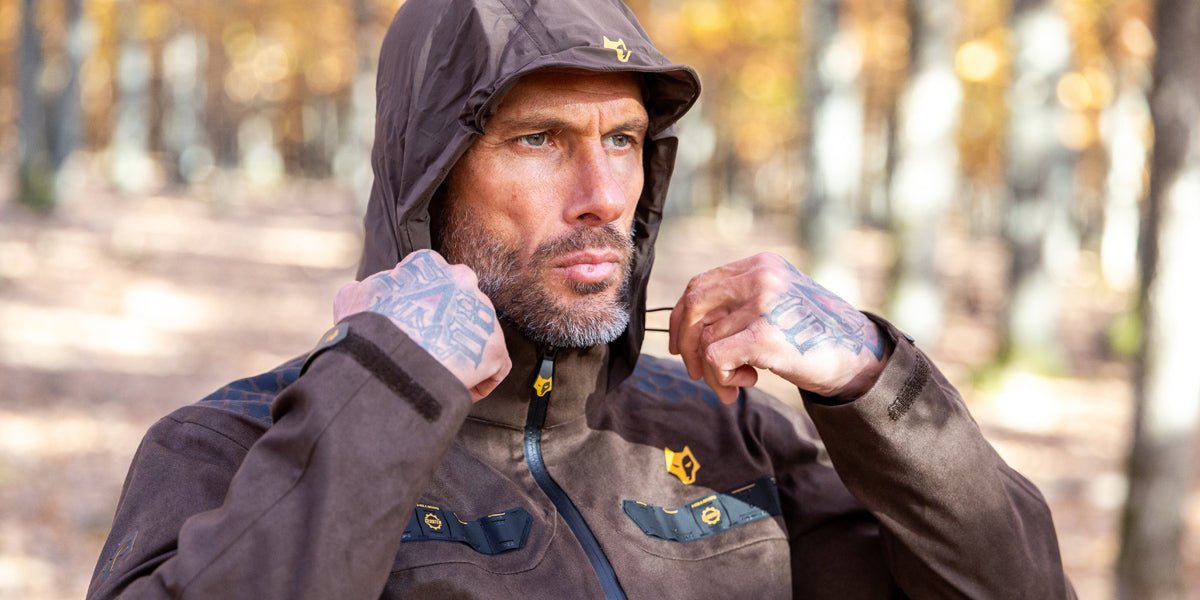
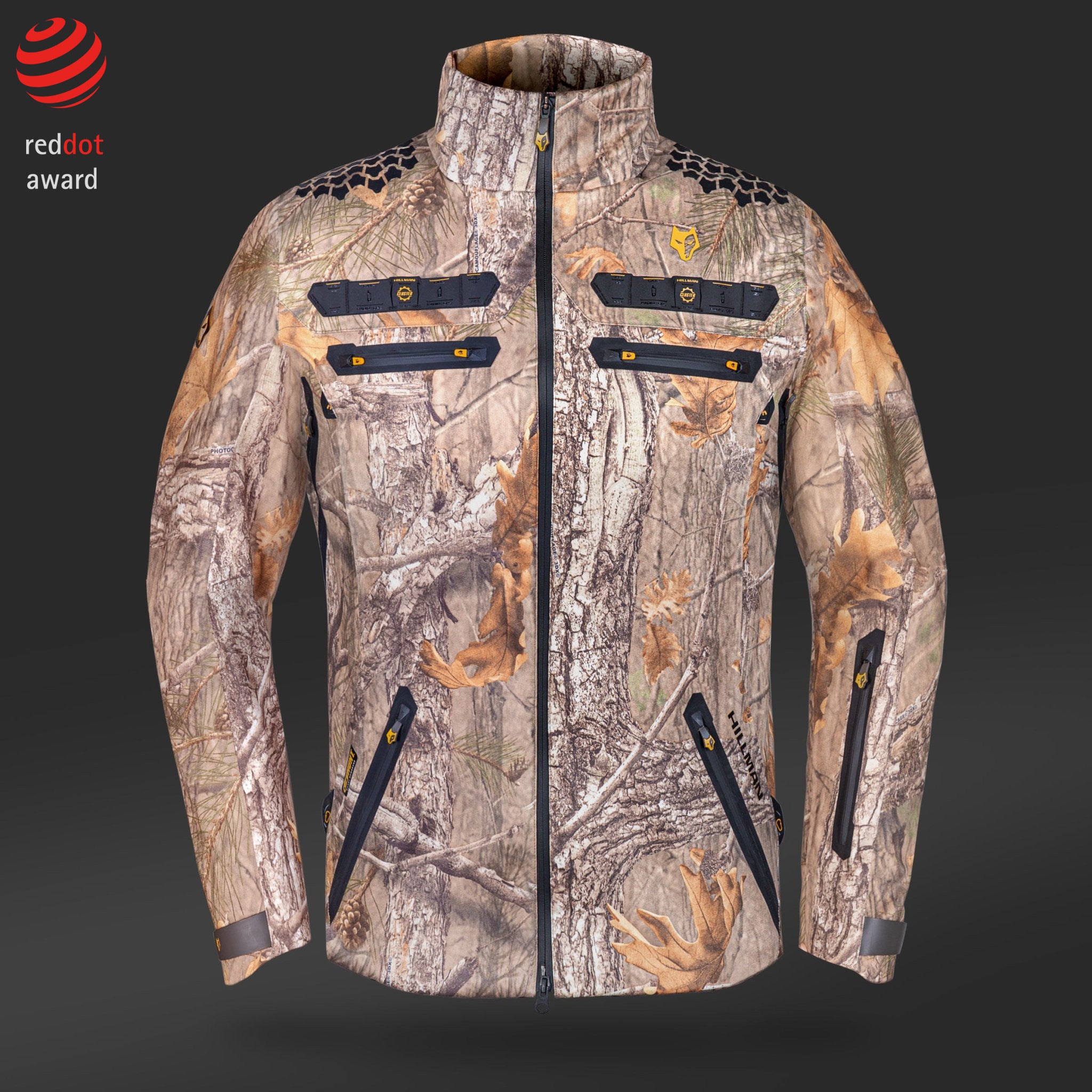
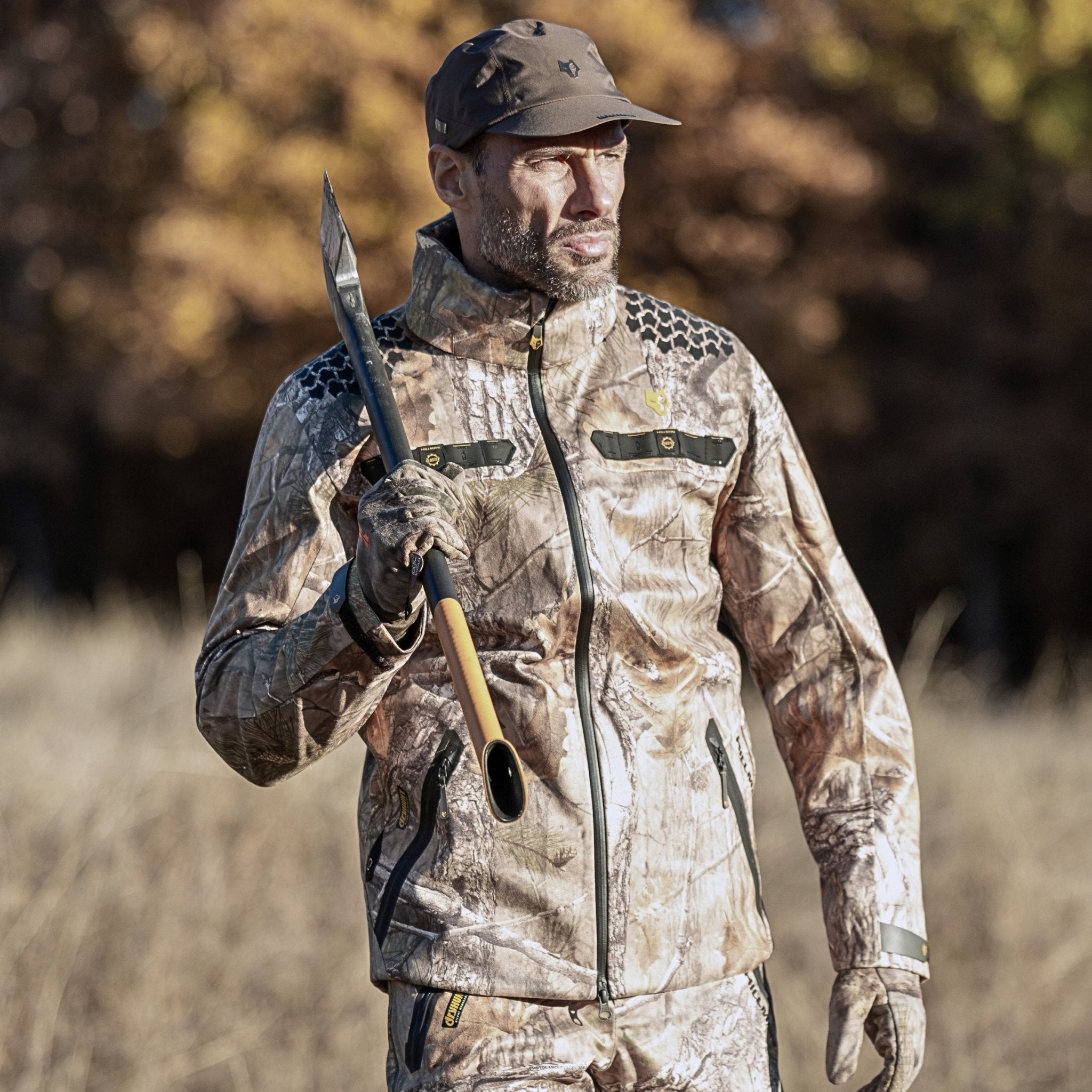
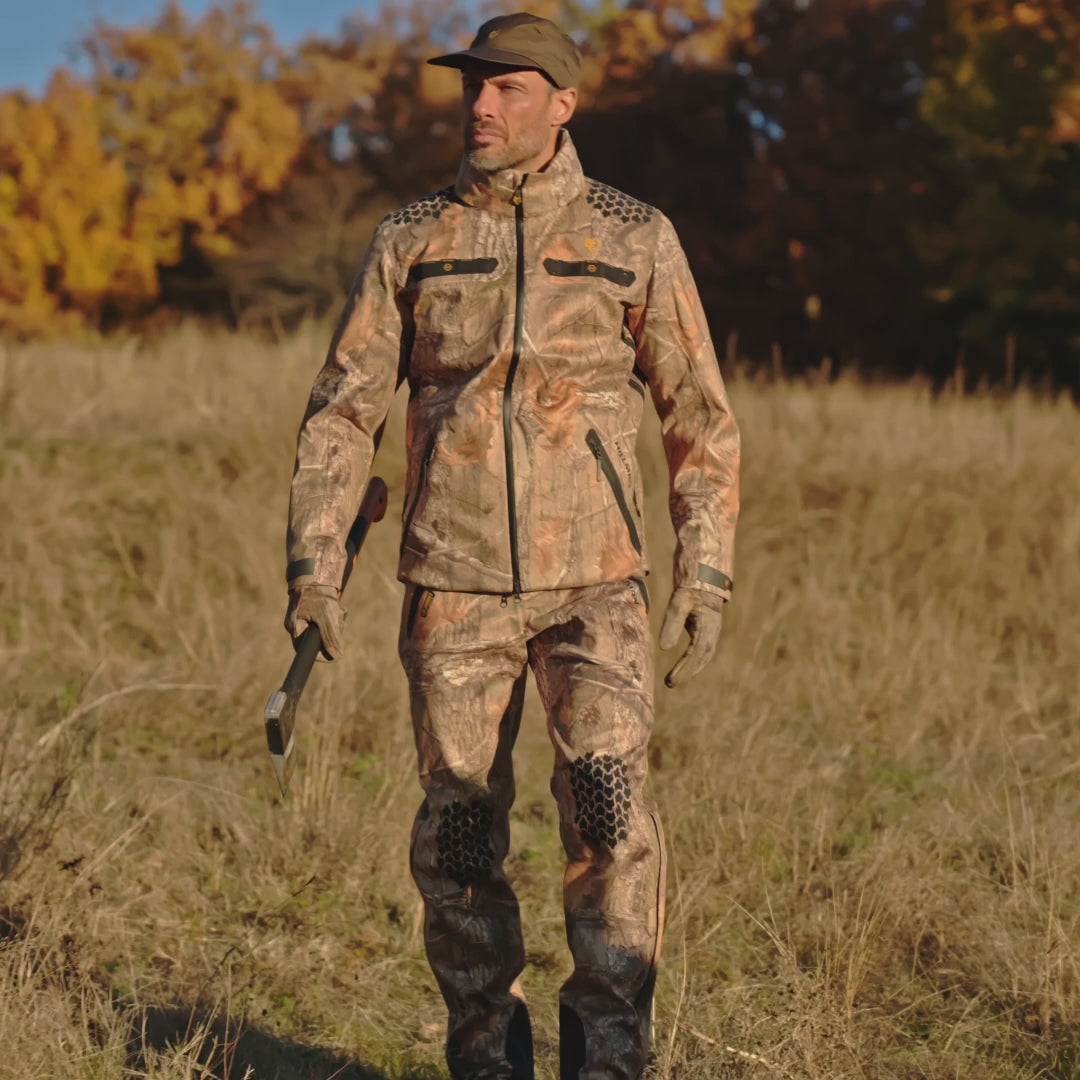
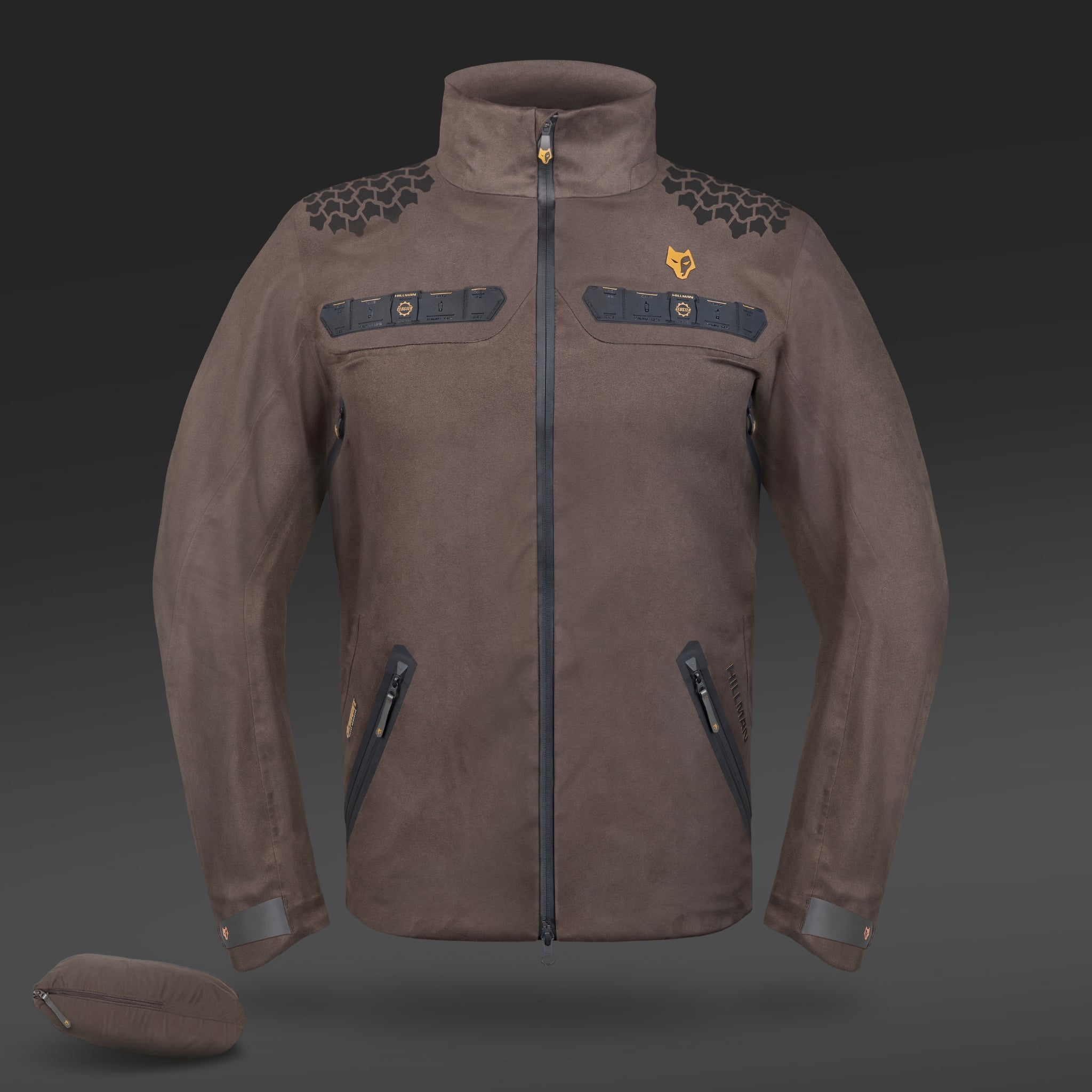
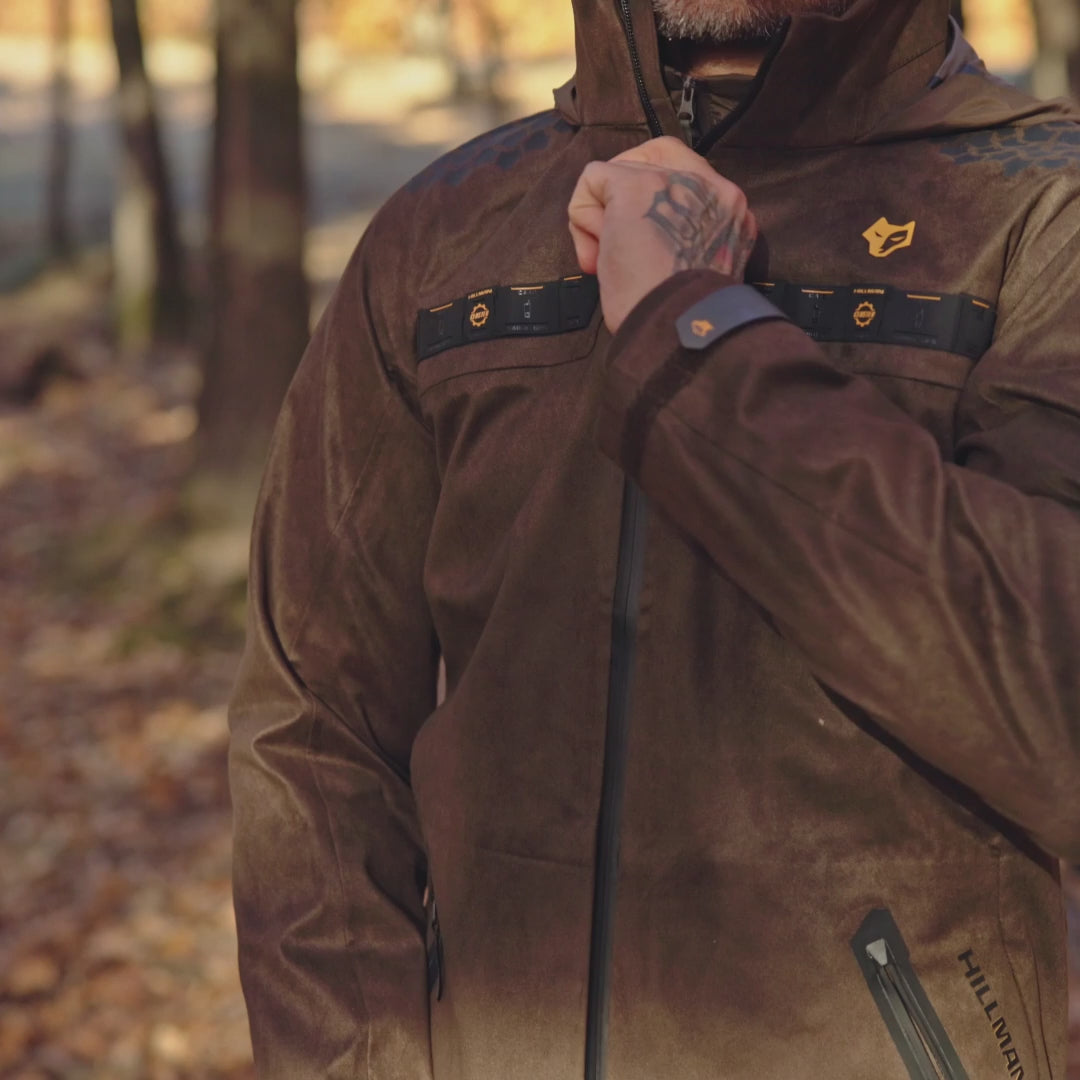
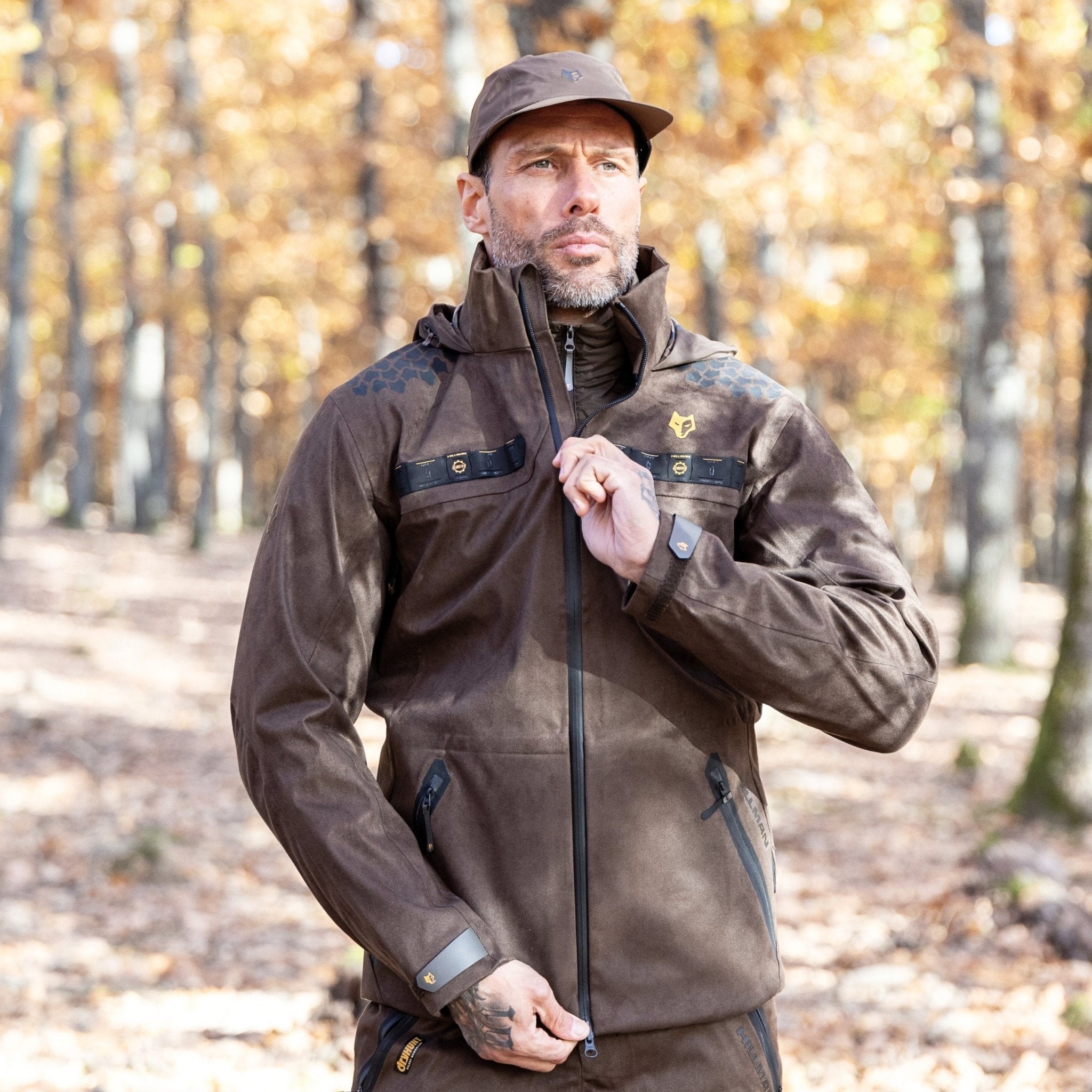
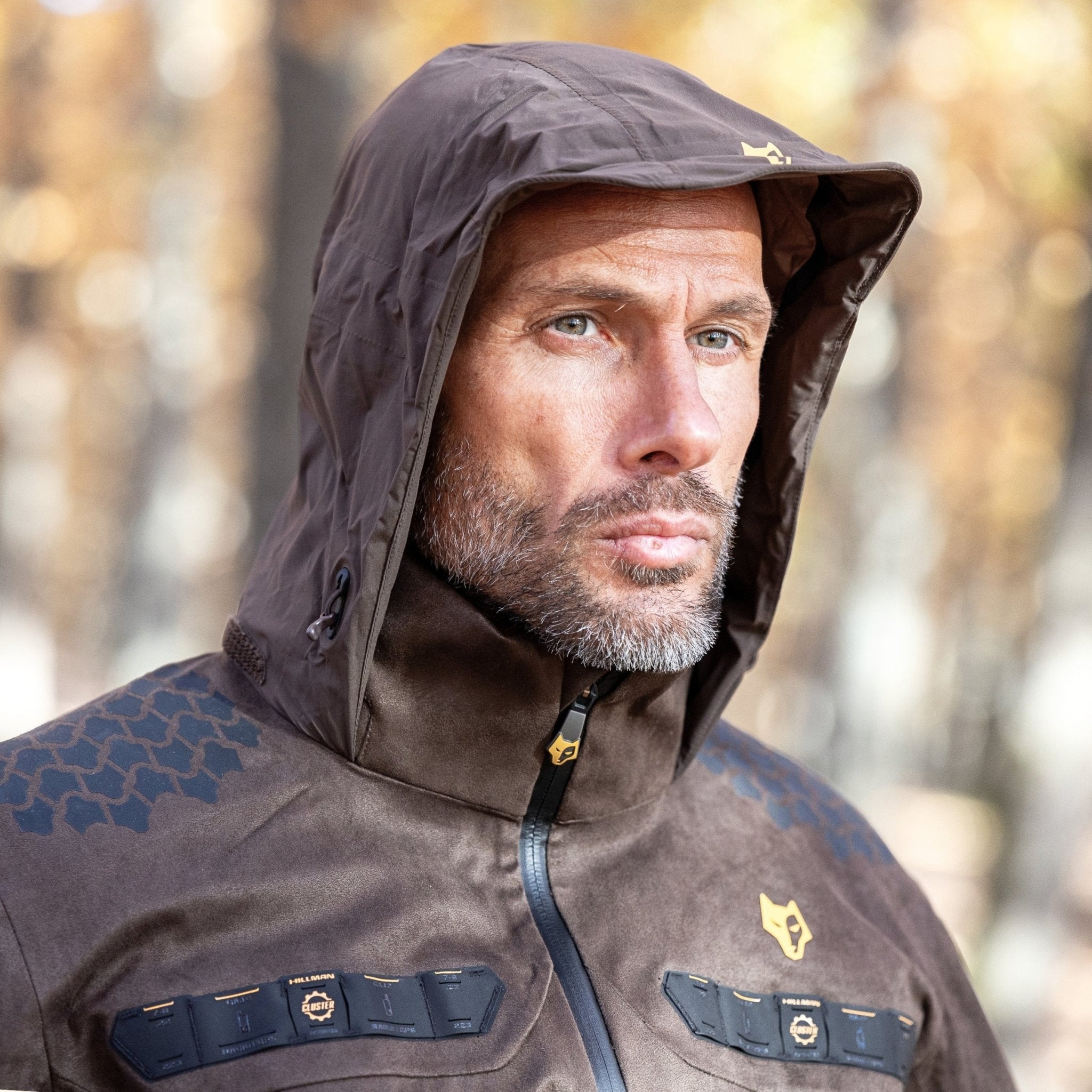
The outer layer is the one I think about the least, until I need it. Wind and moisture don’t usually announce themselves. They build gradually. A rain jacket with a waterproof and breathable membrane has kept me in the field on days when I would have otherwise left early.
I don’t expect perfect comfort. I expect stability. If wind can’t cut through and moisture doesn’t soak in, my body regulates itself more consistently. That consistency becomes noticeable after several hours in a tree stand or ground setup.
Cold Weather, Boots, and Gloves

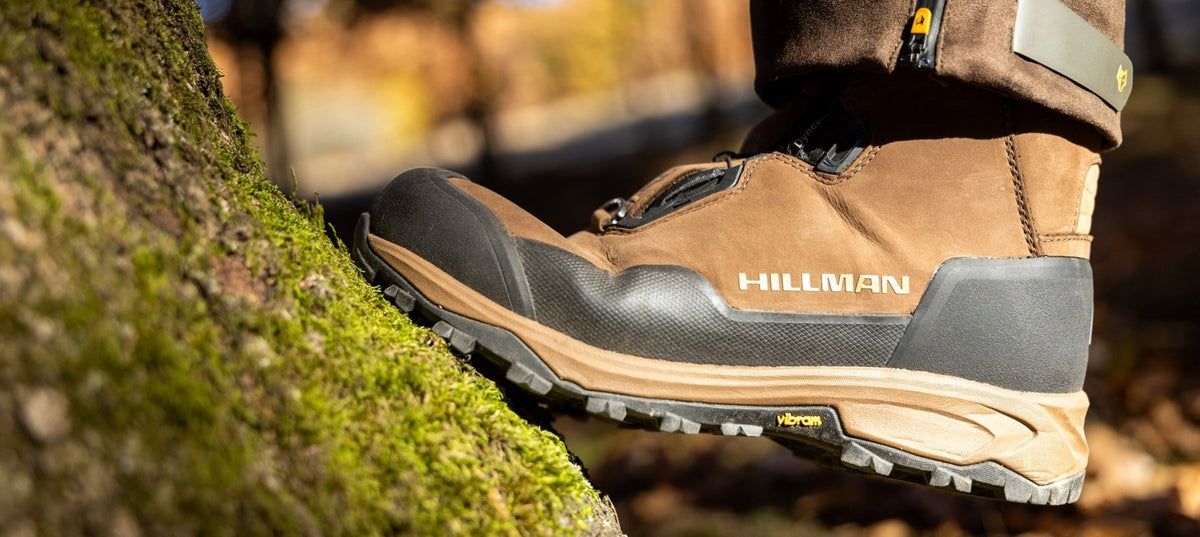
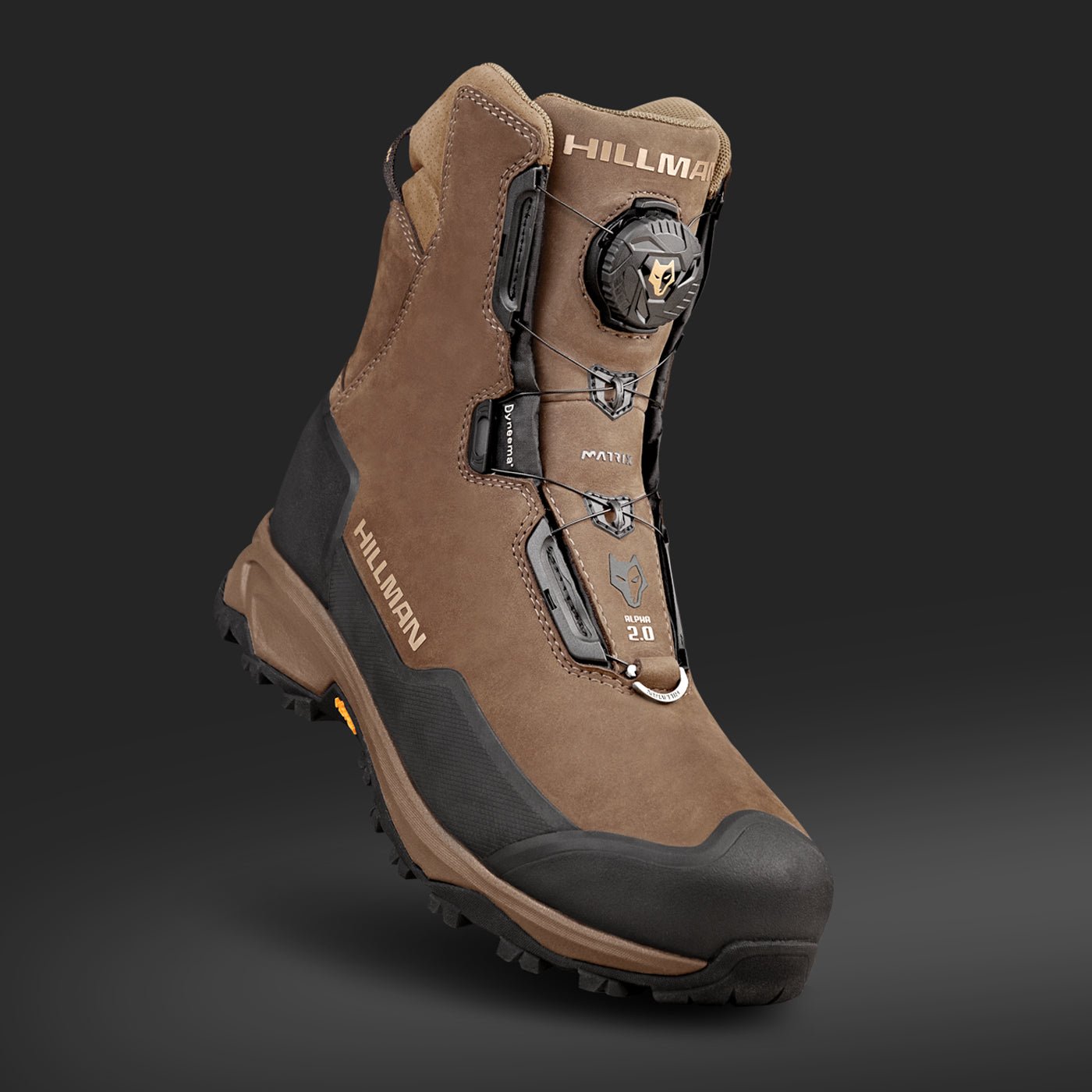
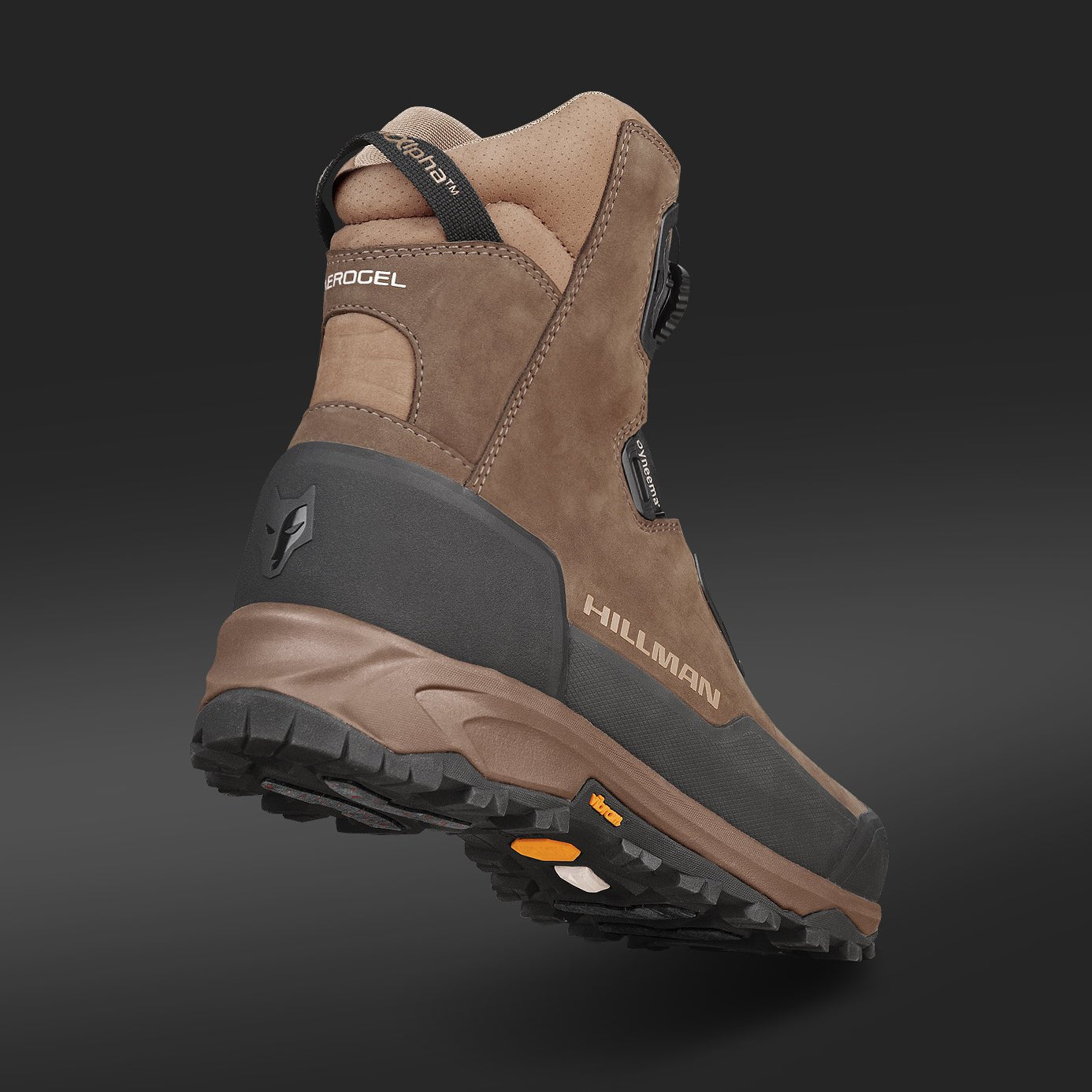
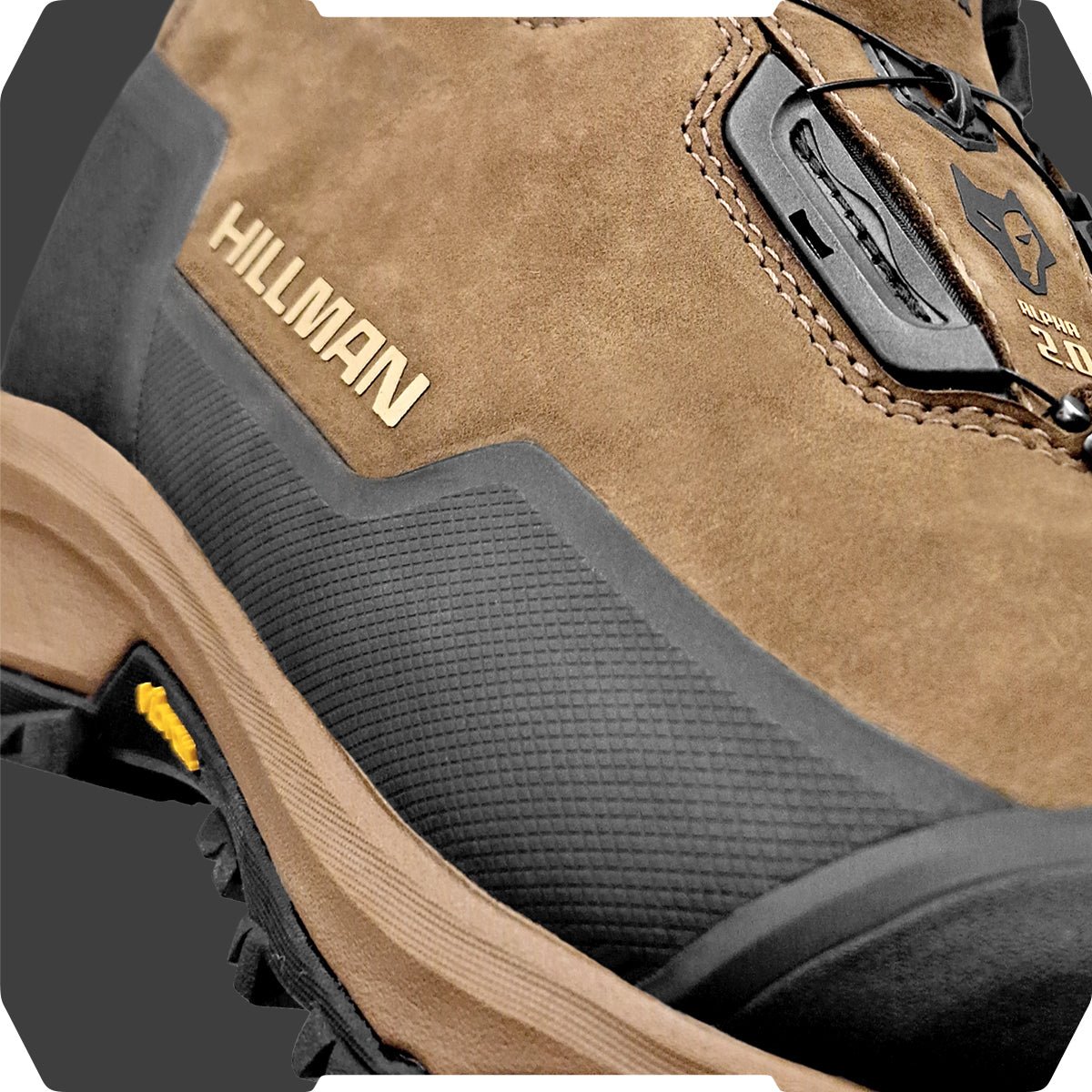
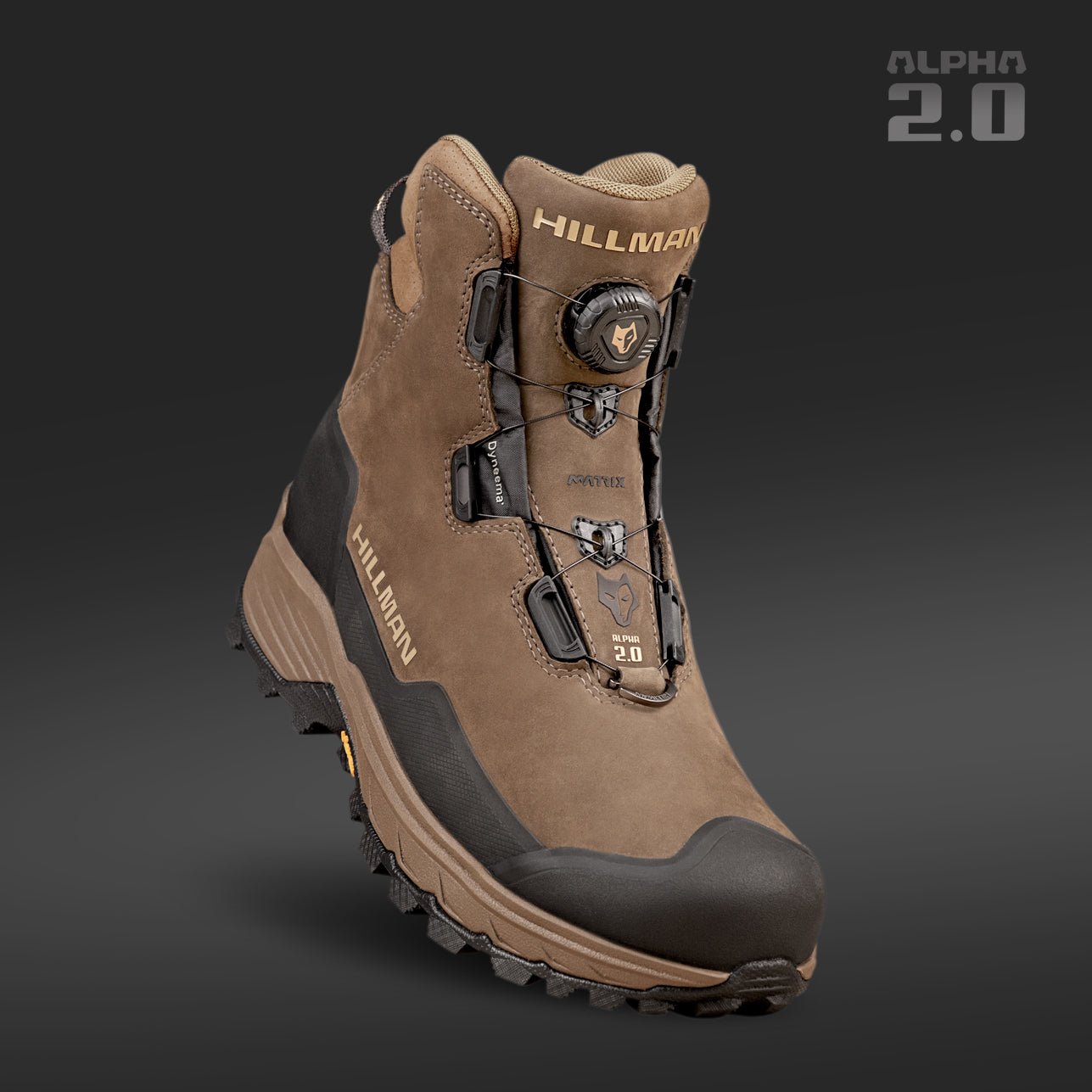
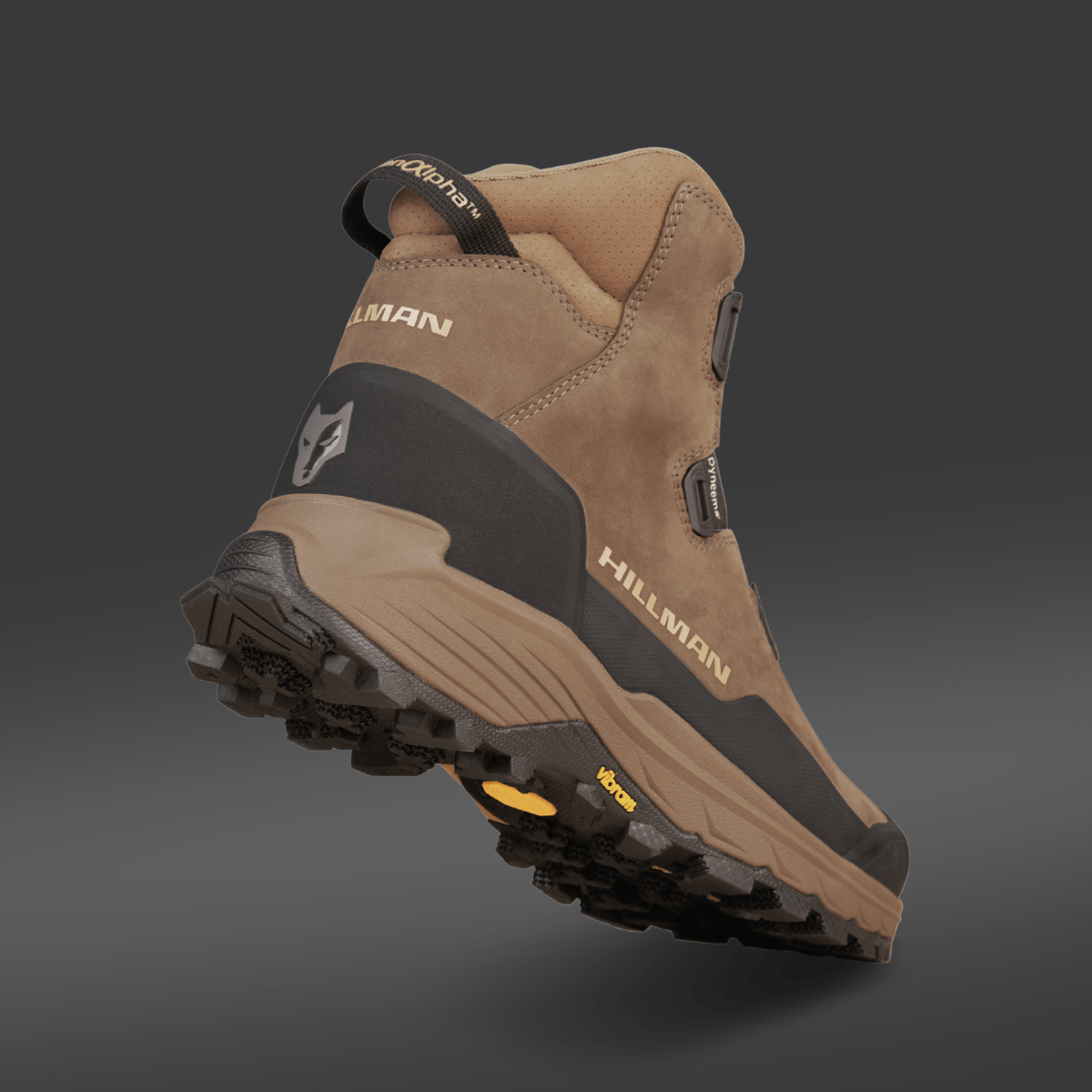
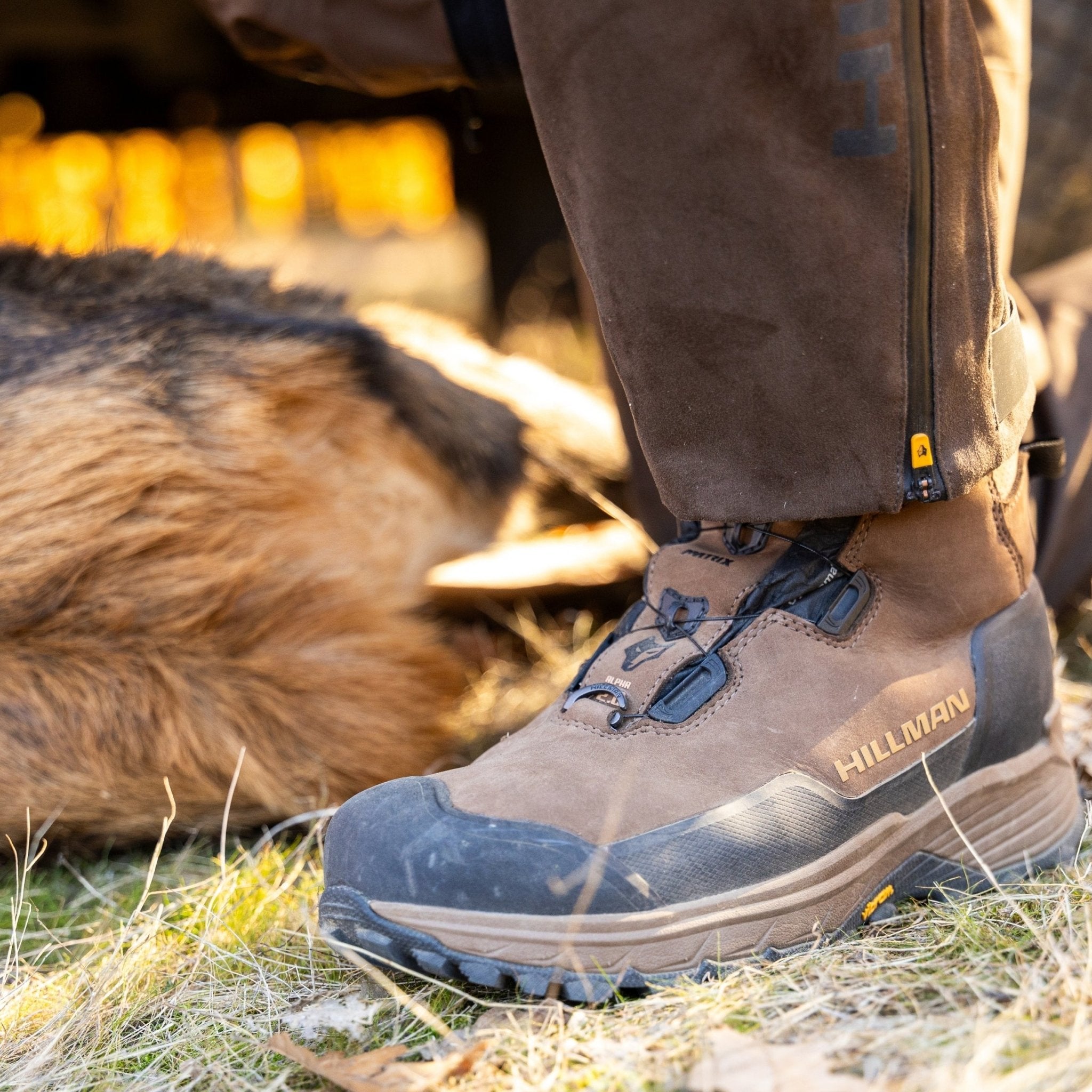
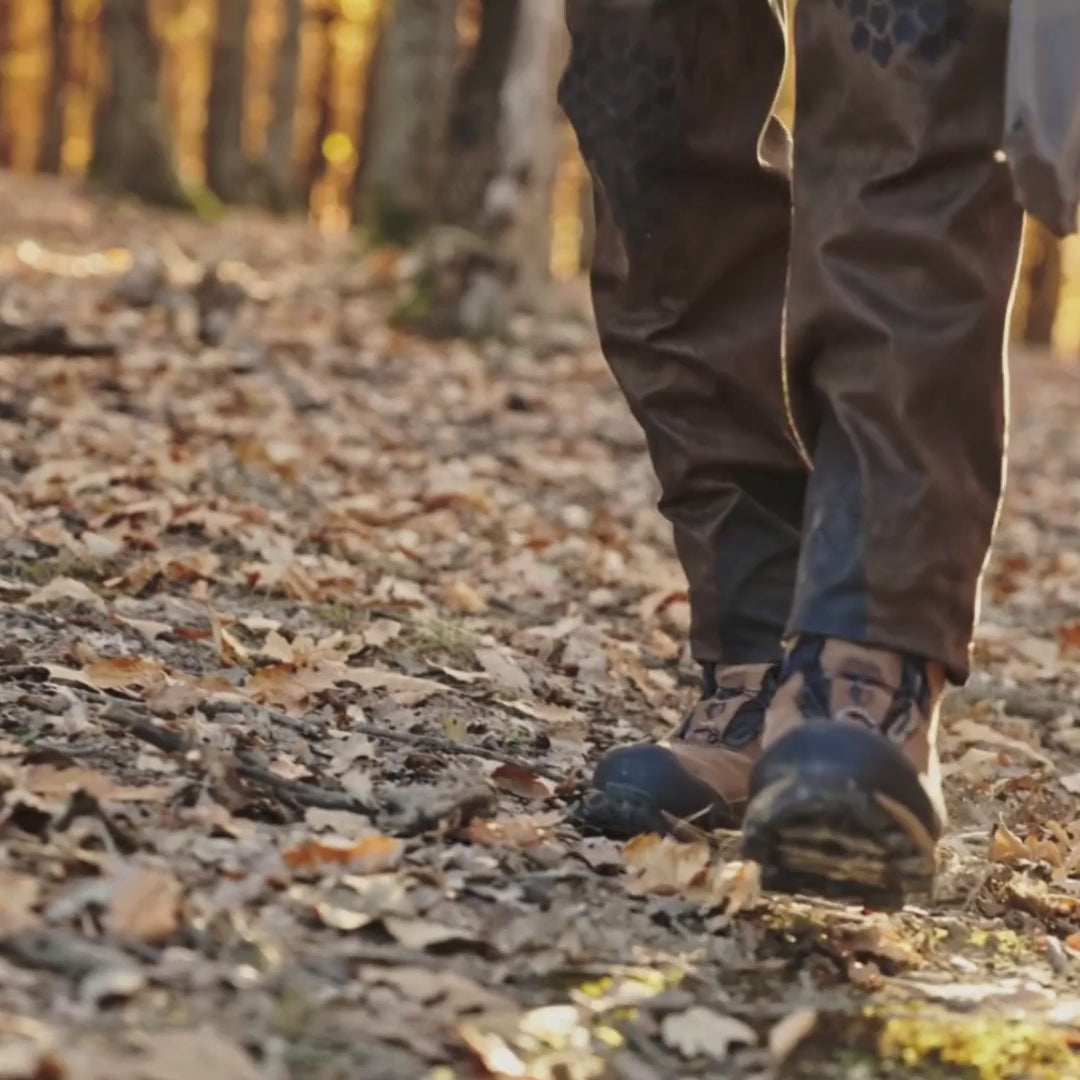
Cold weather simplifies gear decisions. Insulated boots are not optional once temperatures settle lower for the season. I’ve tried lighter footwear in early cold snaps and always regretted it once the ground started pulling heat away through the soles.
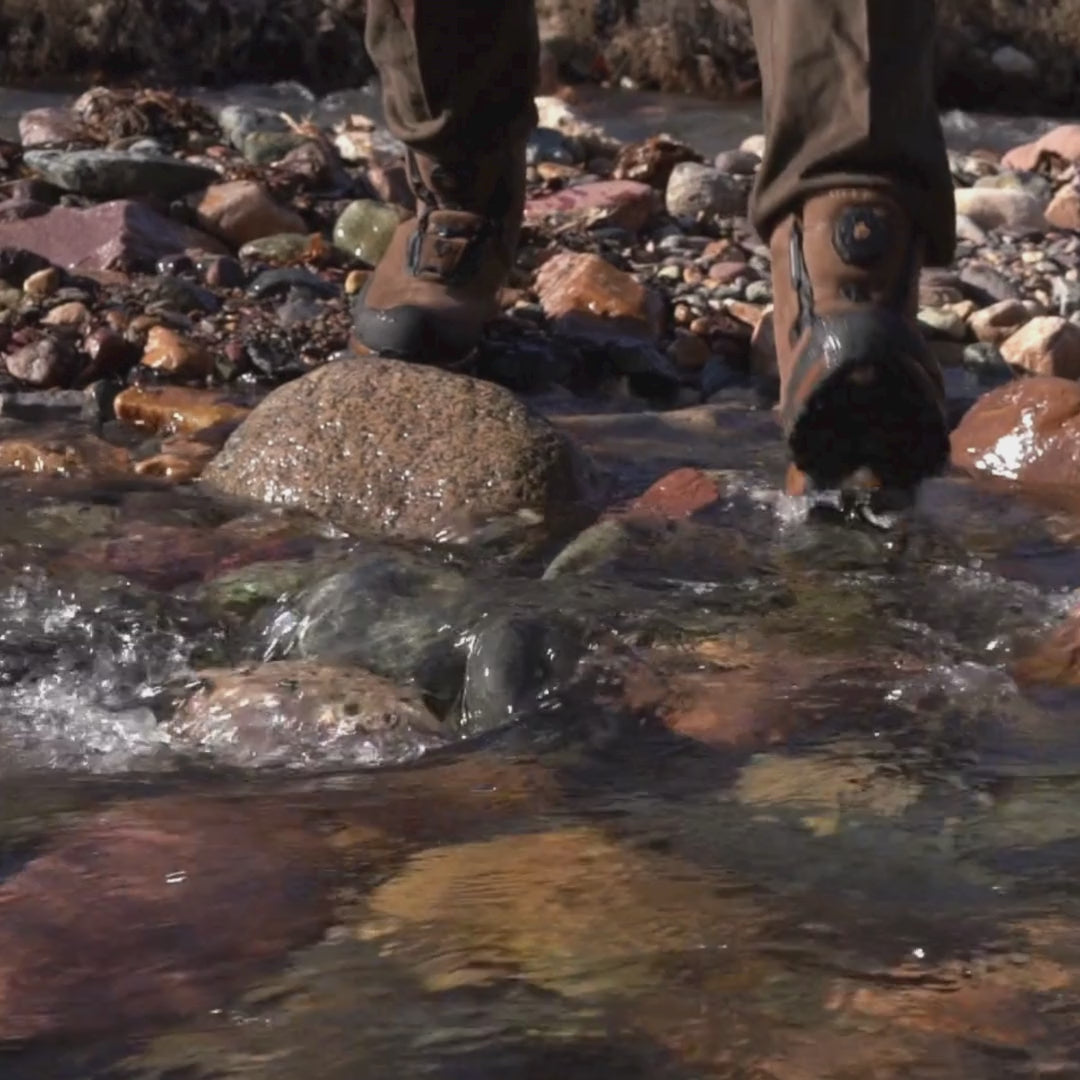
Traction becomes part of the equation as well, especially around stands or uneven terrain. Slipping once is enough to reconsider priorities.
Gloves require balance. I need warmth, but I also need control. If I lose dexterity, shooting becomes inconsistent. A leather palm helps with grip, especially in damp conditions, but insulation still has to do its job. When hands stay functional, everything else follows.
Camo, Hunter Orange, and Practical Visibility
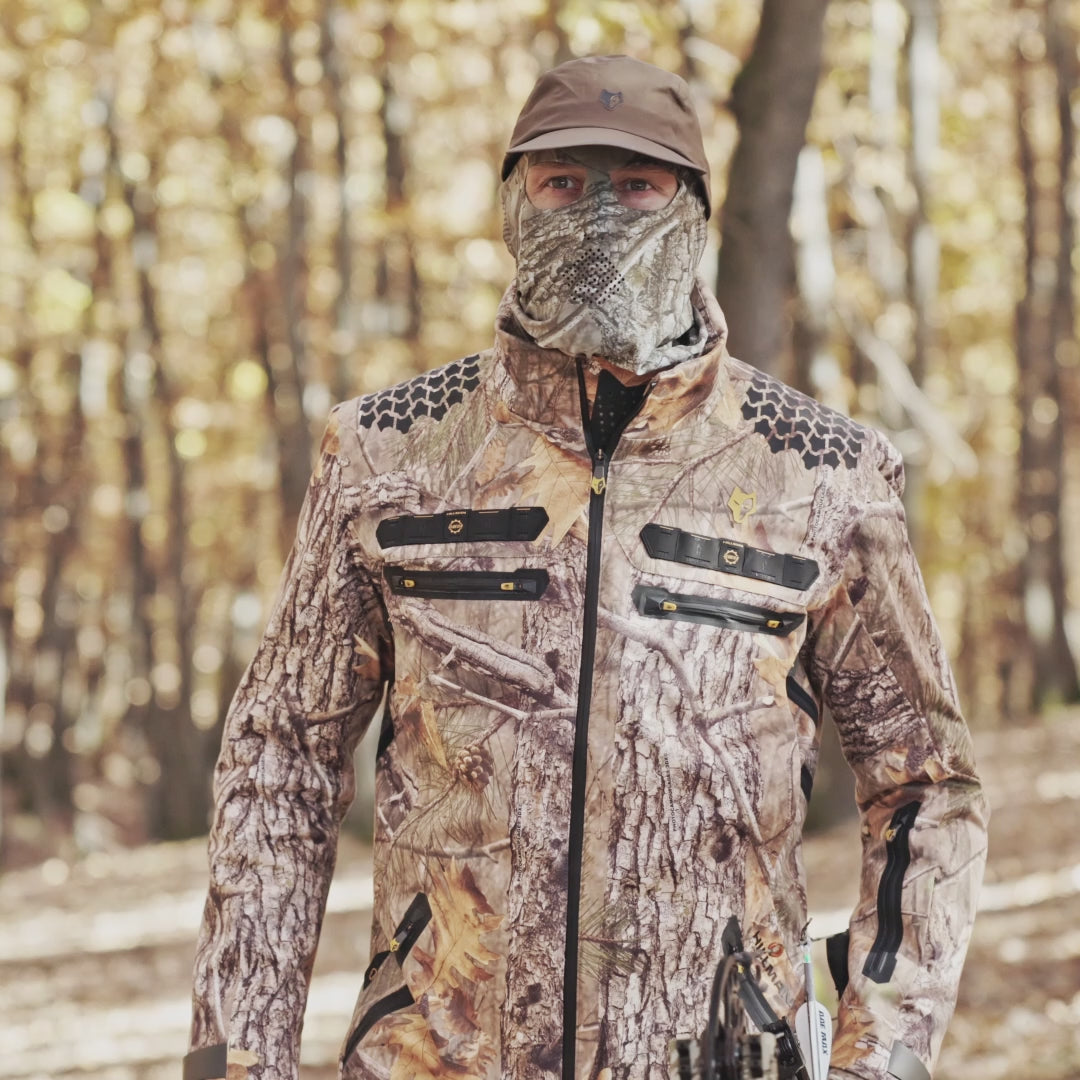
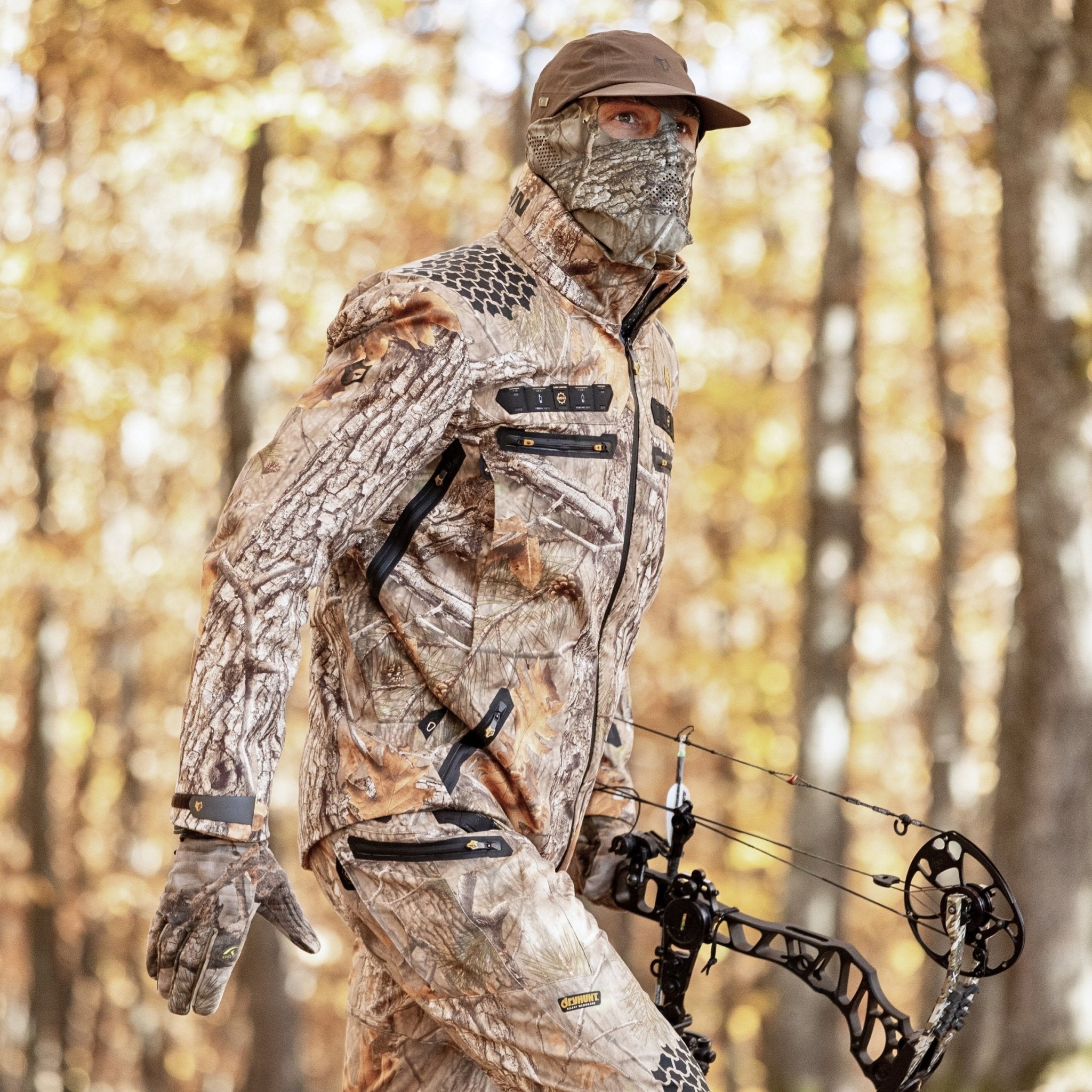
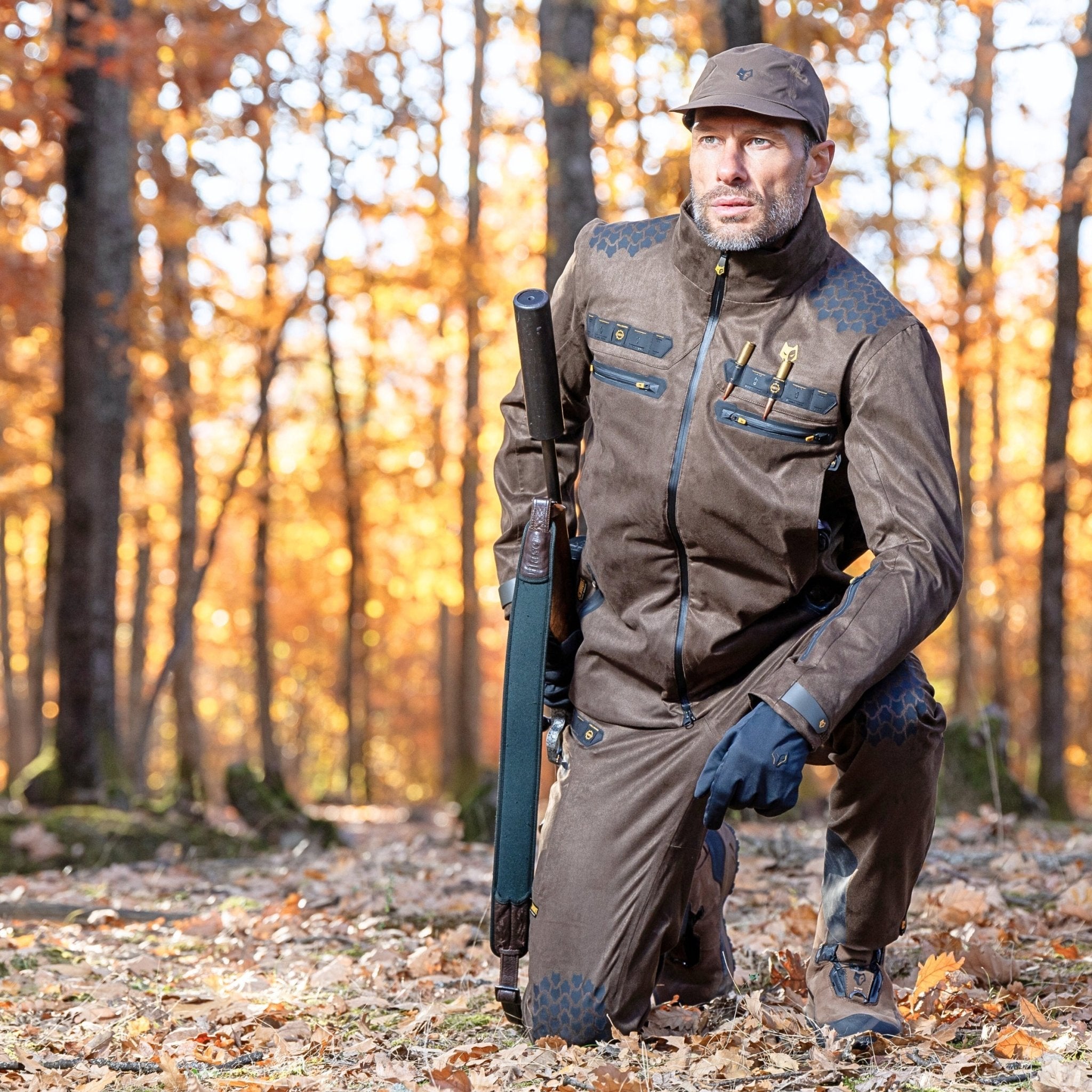
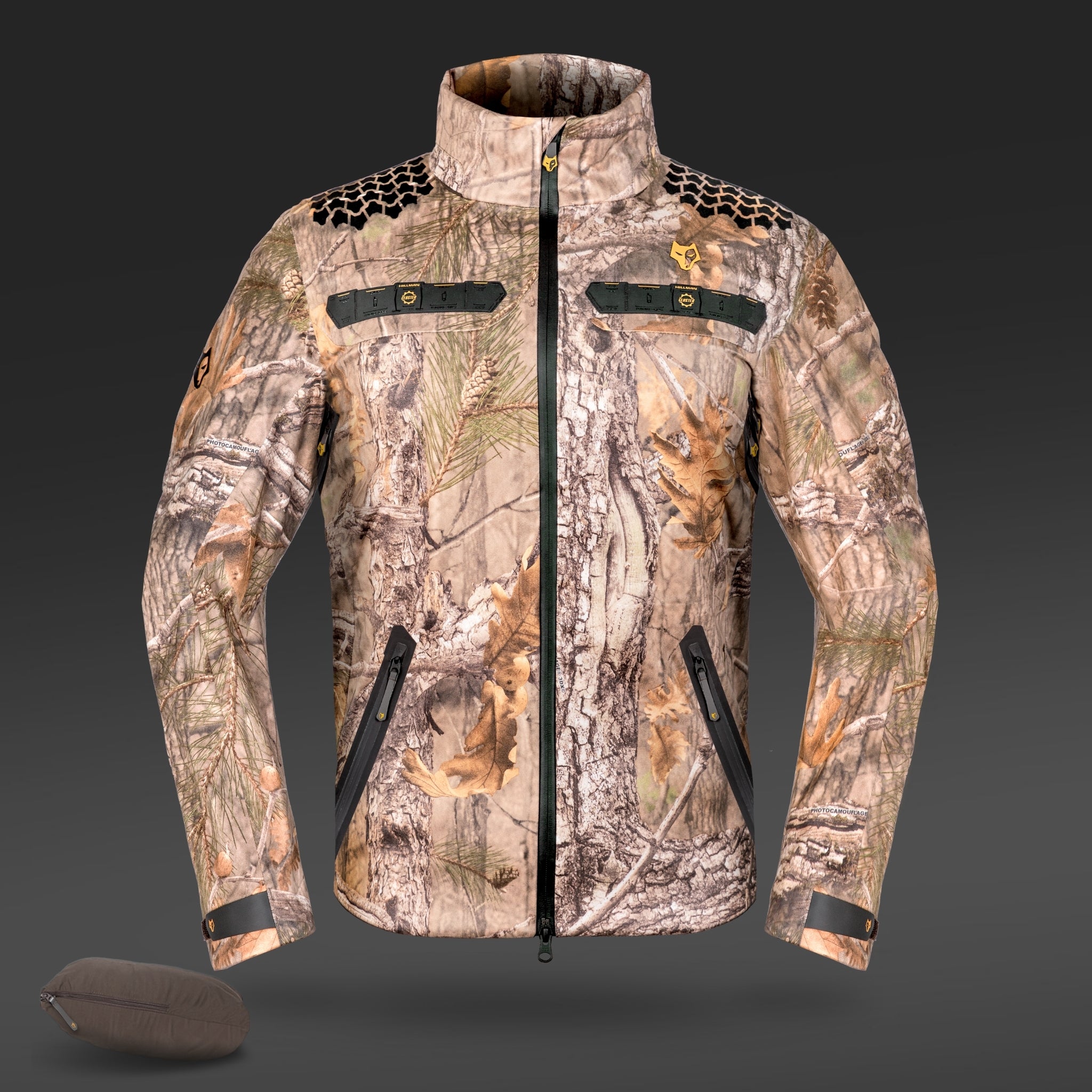
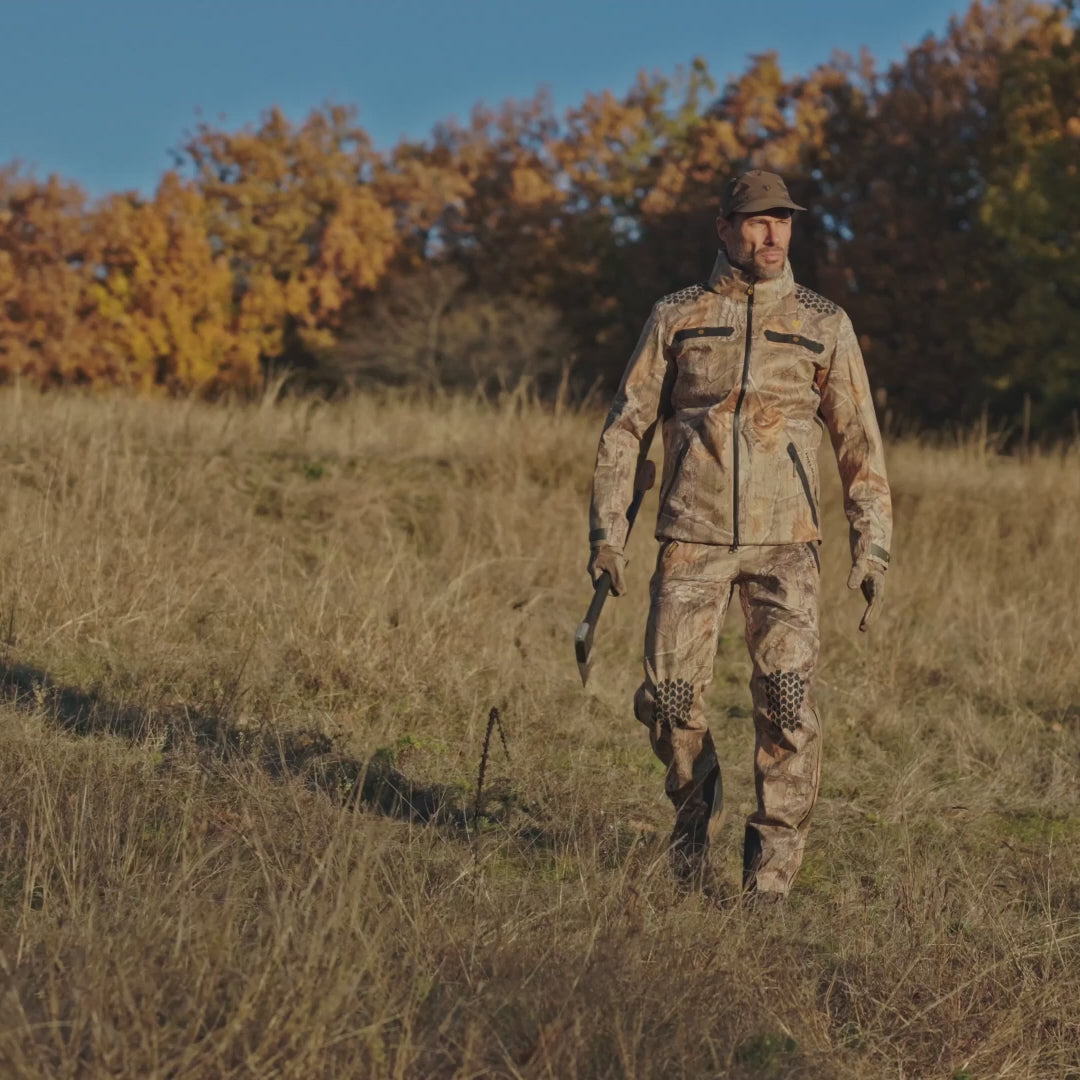
I’ve come to believe that camo matters less than movement and scent discipline. I stick with earth tones and natural greens that blend into woodland cover without drawing attention. Bright colors stay out of the picture unless they’re legally required.
During firearm season, I wear hunter orange because I have to. Most states require visible blaze orange on the upper body, and I don’t see that as a compromise. Other hunters are part of the landscape, and safety matters more than perfect concealment. The balance is straightforward: visible to people, forgettable to deer.
When my hunting clothes work the way they should, I stop thinking about them entirely. My focus shifts to wind direction, terrain, and how whitetail deer are moving that day. That’s usually when I know the system is doing its job.

Stand, Ground Blind & Mobility Setups
Over time, I’ve realized that where I hunt often shapes my gear decisions more than what I hunt with. Whitetail deer adjust to pressure quickly, and so do I. Some seasons, I spend more time elevated in a tree stand. Other times, I rely on a ground blind or move cautiously along edges. Each setup changes how I think about access, weight, and movement.
Tree Stands: Elevation and Patience
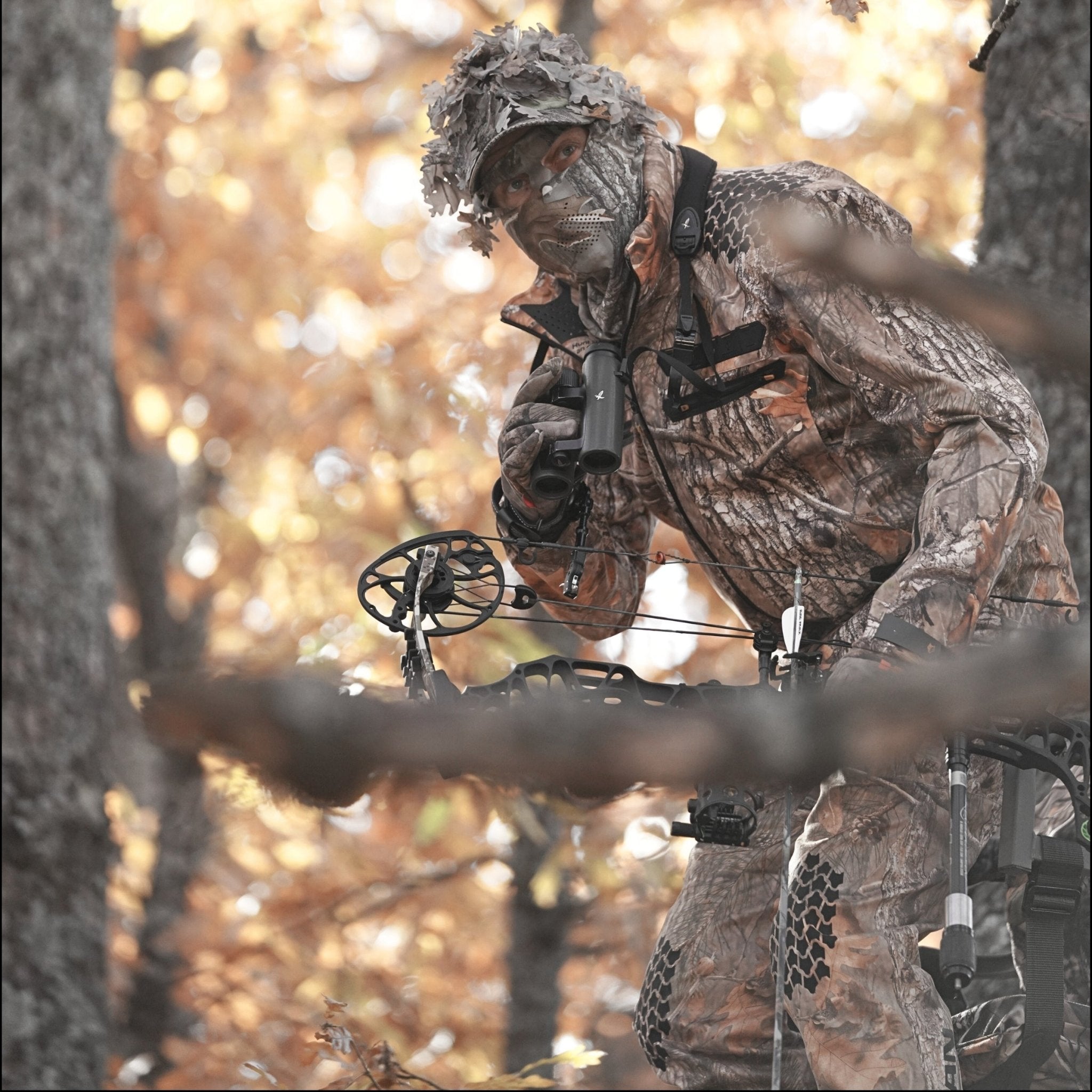
Hunting from a tree has its advantages. Elevation improves visibility and often keeps me above a deer’s direct line of sight. But it also changes how I manage space. Everything has to be within reach without excessive movement. A pack hanging too low or positioned poorly becomes a distraction.
Safety harnesses are not optional for me. They’re simply part of the system. The same goes for planning entry and exit routes. I’ve learned that climbing quietly before daylight matters as much as anything I do once I’m seated. If my gear shifts, creaks, or catches while I’m ascending, I’ve already introduced noise into an otherwise still morning.
Cold weather also feels different in a stand. Movement is limited. Insulation has to work without relying on constant motion to generate heat. That’s when I appreciate balanced layering the most.
Ground Blinds: Proximity and Scent Discipline
Ground blinds bring me closer to eye level, and that changes everything. Visibility becomes more directional. Openings need to align with expected deer movement, not just comfort.
Scent management becomes more deliberate here. Airflow behaves differently near the ground. I pay closer attention to wind shifts, especially during temperature drops late in the season. In tight spaces, even small adjustments in clothing can create noise, so I try to settle early and move minimally.
A ground setup also influences what I carry. Space inside the blind is limited. Gear that seemed manageable in open air can feel crowded indoors. Keeping things organized prevents unnecessary adjustments when a deer appears unexpectedly.
Mobility and Backcountry Access
Some hunts demand more movement. Public land or larger tracts sometimes require walking farther, adjusting stands, or carrying equipment deeper into cover. That’s when weight starts to matter more than comfort in isolation.
I’ve learned to think carefully about what I carry on those days. A lighter pack helps preserve energy, especially if the terrain is uneven or the access routes are long. Durable boots with reliable traction become more important when the distance increases. Shoulder straps that distribute weight evenly make a noticeable difference by midday.
Mobility doesn’t mean constant movement; it means flexibility. Being able to adapt to fresh sign, shifting wind, or pressure from other hunters requires gear that supports adjustment rather than resisting it.
Stability Over Speed
No matter the setup, I’ve found that stability beats speed in whitetail hunting. Rushing into position or adjusting constantly tends to create more problems than it solves. When my gear is balanced and positioned correctly from the start, I move less. And moving less usually increases opportunity.
Each environment: tree, ground, backcountry, shapes the system slightly differently. The key isn’t choosing one over the other. It’s understanding how each setup influences scent control, comfort, visibility, and patience.
When those elements align, I don’t feel limited by location. I feel prepared to let the hunt unfold naturally.

After the Shot: Game Bags, Knife & Field Care
The moment after the shot always feels quieter than the hours that led up to it. Whether I’m hunting whitetail deer with a rifle or a bow, the work doesn’t end when the deer goes down. In many ways, it just shifts.
A Sharp Knife and a Clear Head
I’ve learned not to rush this part. A sharp knife is the most important thing in my pack once the harvest is on the ground. Field dressing isn’t complicated, but it demands attention. A clean, deliberate approach preserves meat quality and reduces unnecessary handling.
Over time, I’ve refined my knife preference toward reliability rather than novelty. It needs to hold an edge and feel steady in hand, especially if temperatures are cold and dexterity isn’t perfect. Gloves can help, but I often adjust them for precision when working carefully.
Game Bags and Protecting the Harvest

Game bags earn their place here. They don’t weigh much in the pack, but they change everything once a deer is ready to move. Keeping meat clean and protected from debris matters, particularly during warmer parts of the season.
In early hunts, when temperatures can still rise unexpectedly, airflow and cleanliness become part of the conversation. I try to position quarters in a way that allows cooling before loading them fully into the pack. It’s a small discipline that prevents problems later.
Respect for the animal shows up in these decisions. Harvesting big game carries responsibility beyond the shot itself.
Packing Out: Weight Becomes Real
On the way in, weight feels theoretical. On the way out, it doesn’t.
Carrying a deer shifts how every piece of hunting gear feels. Shoulder straps that seemed fine earlier suddenly matter more. Balance matters. Boots that felt comfortable during the walk in now have to support additional load across uneven ground.
I don’t underestimate that part anymore. Water, energy, and pacing become practical considerations. A durable pack designed to handle shifting weight makes a noticeable difference, especially if the terrain is steep or the distance is longer than expected.
Field care isn’t separate from the rest of the system. It’s connected to how I chose my gear from the start. A well-balanced setup supports the entire process from entry to shot to recovery.
When the last trip back to the truck is done, that’s when I know whether my whitetail deer hunting gear truly worked. Not during the catalog phase. Not during the walk-in. But during the full cycle of the hunt.

Building Your 2026 Whitetail Deer Hunting Gear System
When I look at my whitetail deer hunting gear today compared to what I carried years ago, the biggest change isn’t brand or technology. It’s how I think about the system as a whole.
I don’t build my deer hunting gear around trends anymore. I build it around the season. Early hunts demand lightweight layers and breathability. As temperatures begin to drop, insulation and wind protection move higher on the priority list. Late season forces harder decisions about weight, warmth, and how long I can realistically stay still.
The mistake I used to make was treating hunting gear as individual pieces. Boots were boots. Jackets were jackets. A pack was just something to carry gear. Over time, I’ve learned that each part affects the others. If my base layers don’t regulate moisture properly, my outer layer works harder. If my boots lack insulation, no amount of upper-body warmth compensates once cold sets in from the ground up.
Essential whitetail deer hunting gear doesn’t mean carrying more. It means choosing equipment that works together under pressure. A reliable rifle or bow anchors the system. Hunting clothes regulate temperature and scent. A balanced pack supports access and recovery. Game bags and a sharp knife complete the cycle once a deer is down.
I also think more carefully now about what I’m willing to carry. Weight accumulates quietly. Every extra item adds up over a full day, especially when packing out a harvest. The best whitetail hunting gear, in my experience, is the gear that earns its place repeatedly, season after season.
There’s also the practical side. Regulations require hunter orange during firearm season, and that’s simply part of responsible hunting. Other hunters share the woods. Safety is not separate from strategy; it’s built into it.
In 2026, the conversation around whitetail hunting gear often focuses on innovation. I see it differently. Innovation matters, but consistency matters more. Gear that helps me stay longer, move quieter, manage scent realistically, and recover a deer efficiently, that’s what defines my setup.
A complete whitetail deer hunting gear list doesn’t need to be complicated. It needs to be intentional. When everything works together, I stop thinking about equipment entirely. I focus on wind direction, terrain, and how deer are using the landscape that day.
That’s when the system feels finished, not because it’s perfect, but because it allows me to hunt without distraction.
Frequently Asked Questions About Whitetail Deer Hunting Gear

What is the most essential gear for whitetail deer hunting in 2026?
If I had to narrow whitetail deer hunting gear down to its core, I’d focus on three pillars: a dependable weapon, a temperature-adaptive clothing system, and a pack that supports recovery.
The weapon, whether rifle or bow, must feel consistent under real hunting conditions, not just at the range. Clothing should regulate moisture first and warmth second; without that balance, even the best insulation fails once sweat cools. And a well-organized pack carrying water, a sharp knife, basic first aid, and game bags often determines whether the entire hunt ends smoothly.
In 2026, essential whitetail deer hunting gear isn’t defined by complexity. It’s defined by reliability across changing weather, long sits, and real recovery work after the shot.
How do I choose the best scent control clothing for whitetail hunting?
I no longer look for “total scent elimination.” Instead, I choose scent control clothing that reduces intensity and supports a disciplined wind strategy.
Naturally odor-resistant fabrics, especially merino wool base layers, help manage moisture and limit odor buildup over time. Breathable outer layers prevent trapped sweat, which can amplify human scent. Proper storage - using sealed bags and minimizing exposure to household odors - matters just as much as fabric technology.
The best scent control clothing for whitetail hunting works as part of a system. It reduces variables, but it never replaces wind awareness, careful access routes, and controlled movement.
What should be included in a late-season whitetail deer hunting gear list?
Late-season whitetail gear shifts priorities toward heat retention, wind resistance, and energy management.
My late-season whitetail deer hunting gear list always includes insulated boots with strong ground protection, thermal base layers, mid-layer insulation that performs in damp conditions, and a wind-resistant outer layer. Gloves that balance warmth and dexterity become critical, as does head coverage to reduce heat loss.
I also adjust my pack for the season. Extra layers, hand warmers, and slightly higher-calorie snacks support longer cold sits. Weight still matters, but in late season, staying warm long enough for deer movement becomes the deciding factor.


Share:
Toughest Upland Hunting Pants: Brush-Proof Gear for 2026
The Ultimate Guide to Duck Hunting Clothes: Stay Dry & Hidden