

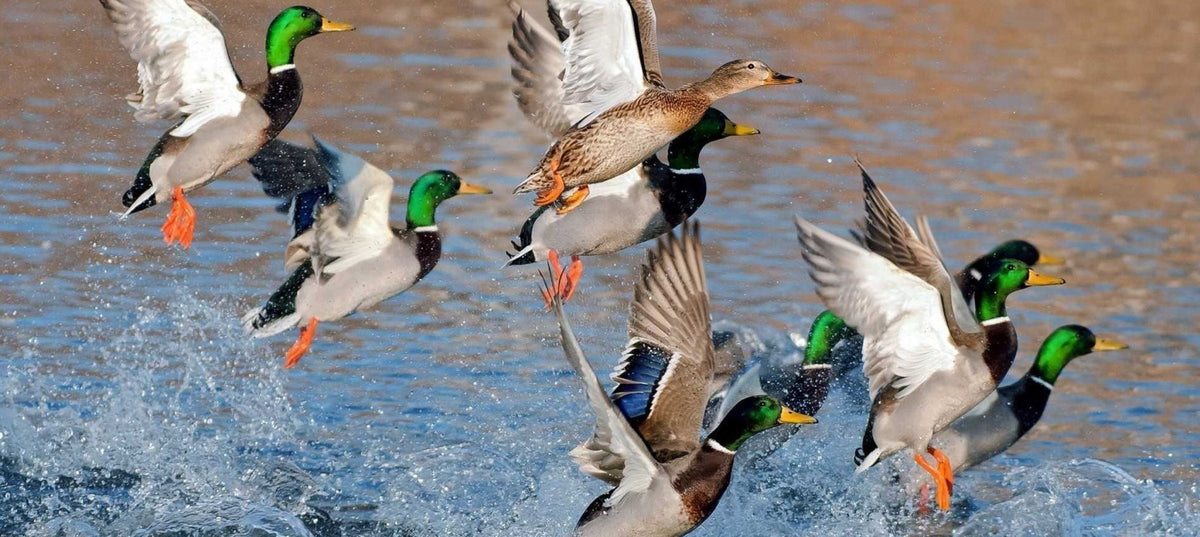
The Ultimate Guide to Duck Hunting Clothes: Stay Dry & Hidden

Experience total protection with our 2026 duck hunting clothes guide. Find waterproof, windproof, and high-concealment gear for the marsh and the blind.
Duck hunting has a way of humbling you early in the morning. Long before the first flock shows up, you realize whether your duck hunting gear is doing its job or quietly working against you. If I’m cold, wet, or adjusting clothing constantly, my focus shifts away from the birds. And in waterfowl hunting, that split second of distraction matters.
Over time, I’ve learned that duck hunting clothes are not about looking the part. They’re about staying dry, staying warm, and staying hidden long enough for the next flock to commit.
Why Duck Hunting Gear Fails in Real Wet Conditions?

The first weakness usually shows up in wet conditions. Marsh grass soaked in dew, shallow water creeping into boots, wind cutting across open water. Waterproof gear that isn’t truly breathable becomes heavy and clammy. Insulation that works on dry land collapses once moisture builds inside.
Duck season rarely offers perfect weather. I’ve hunted in early teal warmth, late-season cold snaps, steady rain, and wind that never seems to stop. Gear that works only in ideal conditions isn’t real duck hunting gear.
The Layering Basics I Rely On

Layering isn’t something I think about in abstract terms. I’ve come to see it as a practical response to how quickly the weather can shift during duck season. A morning that starts calm and cold can turn windy within an hour, and what felt comfortable while setting decoys can feel inadequate once I’m standing still in the blind. Because of that, I don’t dress for the temperature I feel in the truck. I dress for the temperature I expect to sit in.
That usually means building from the inside out. A moisture-managing base layer keeps sweat from turning into chill later in the hunt. A mid-layer adds warmth without bulk, especially under waders where space is limited. The outer layers do the heavier work: blocking wind, repelling water, and protecting against steady rain. When the system works, I don’t notice the adjustments. I simply stay dry, regulate warmth, and remain focused on the birds instead of the weather.
Base Layers for Moisture Control
Everything starts with base layers. If I ignore moisture management, I pay for it later. Merino wool or quality synthetics help regulate body temperature and manage sweat during movement, especially when setting decoys or scouting a location before sunrise. If that first layer traps moisture, insulation becomes useless once I stop moving.
The Mid Layer That Makes or Breaks Comfort
A mid-layer provides insulation without restricting motion. I don’t want bulk under waders or jackets. I want warmth that adjusts as temperatures shift from cold dawn to brighter mid-morning sun.
This layer often determines how long I can remain comfortable while waiting. If I over-insulate, I sweat. If I under-layer, I lose warmth quickly once I’m still.
Outer Layers: Waterproof and Windproof Protection
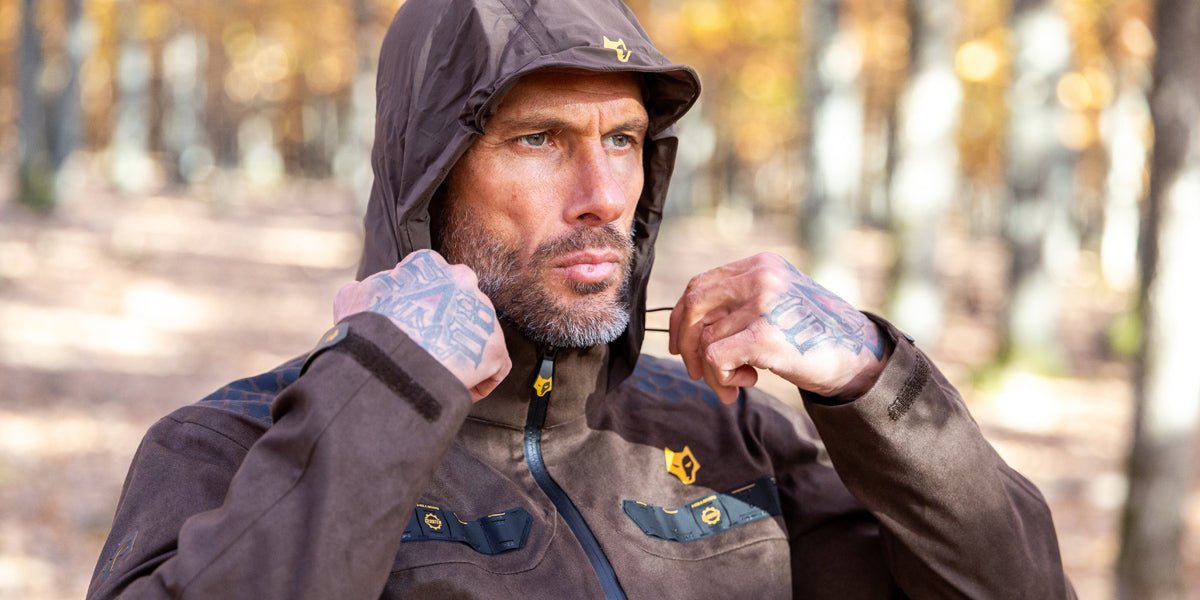
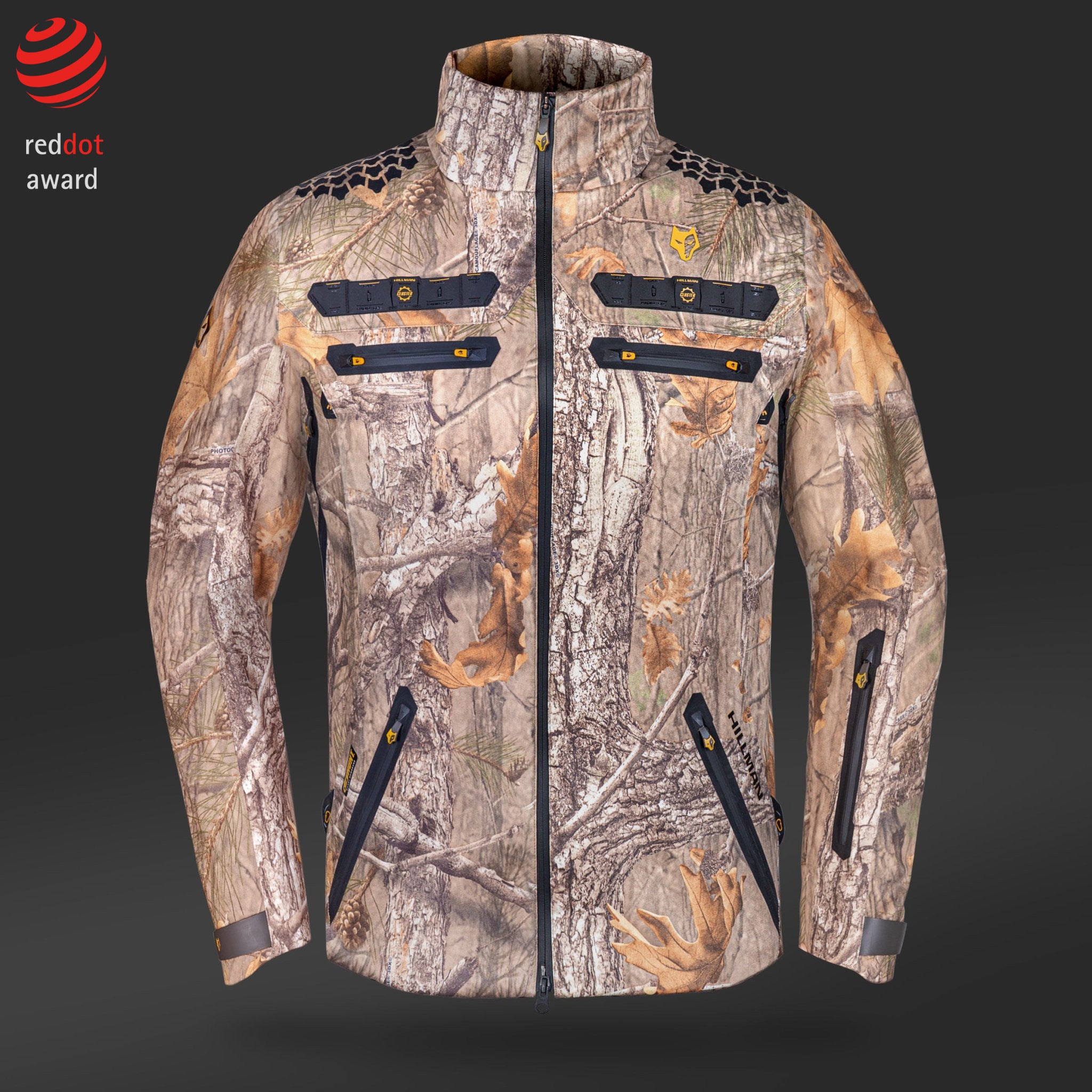
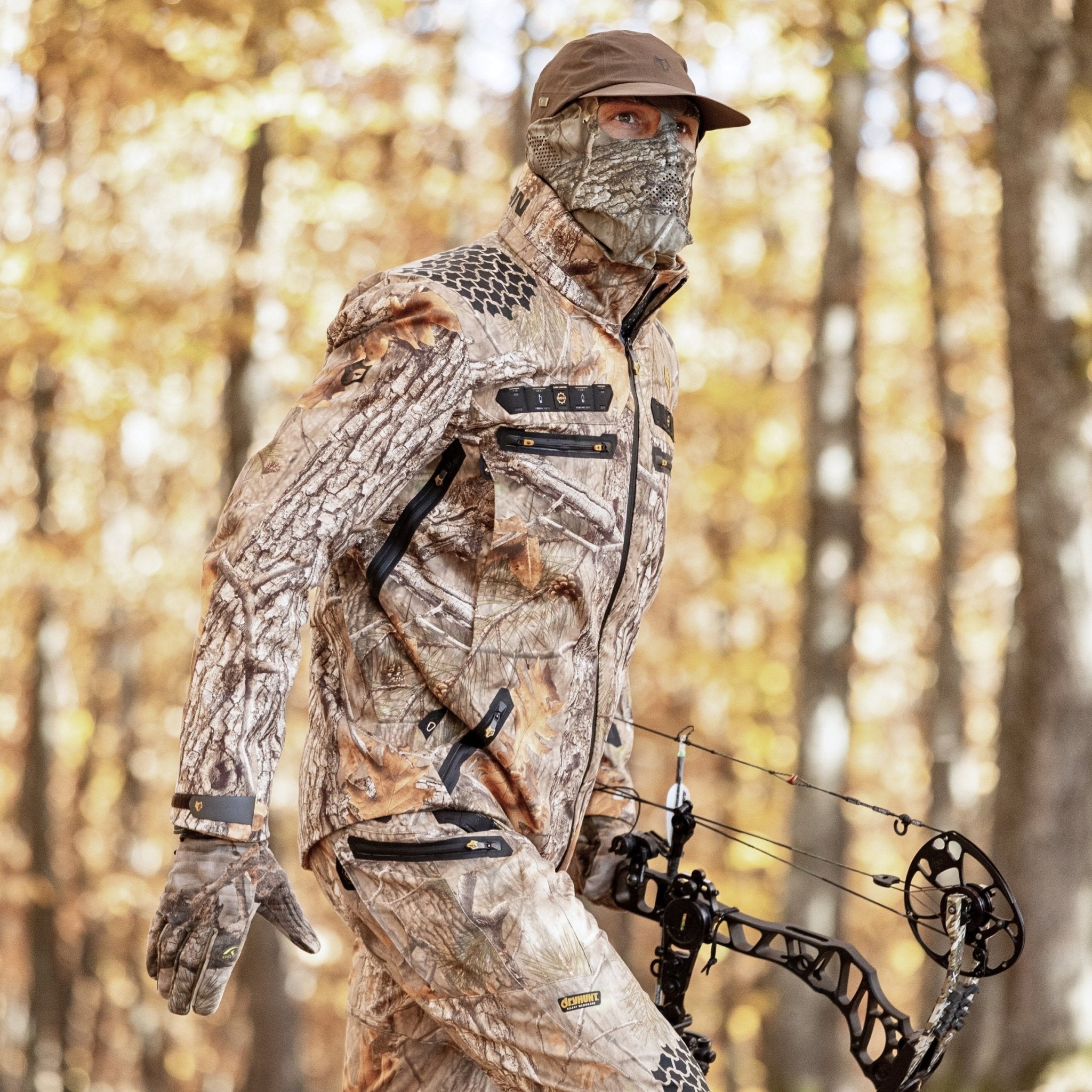
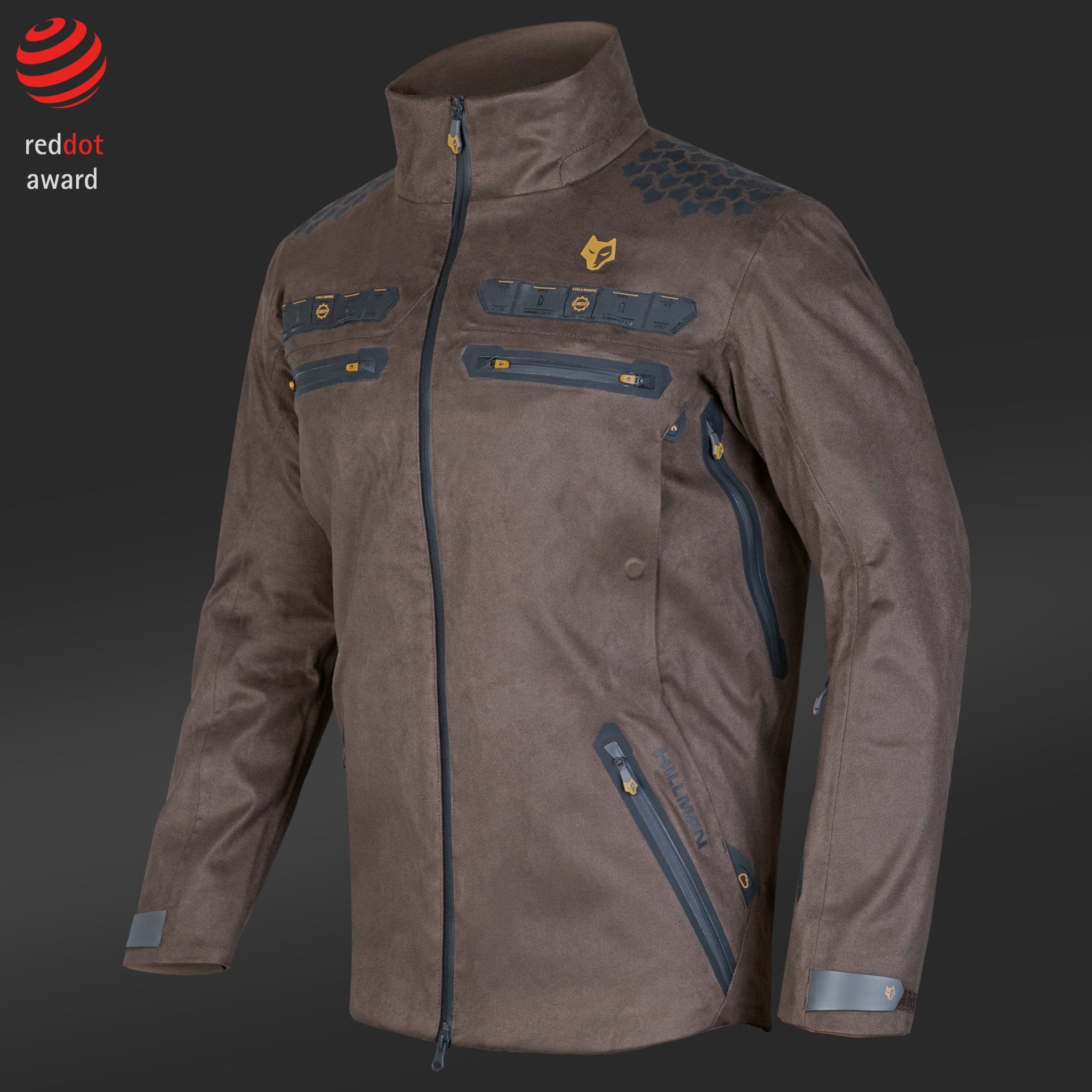
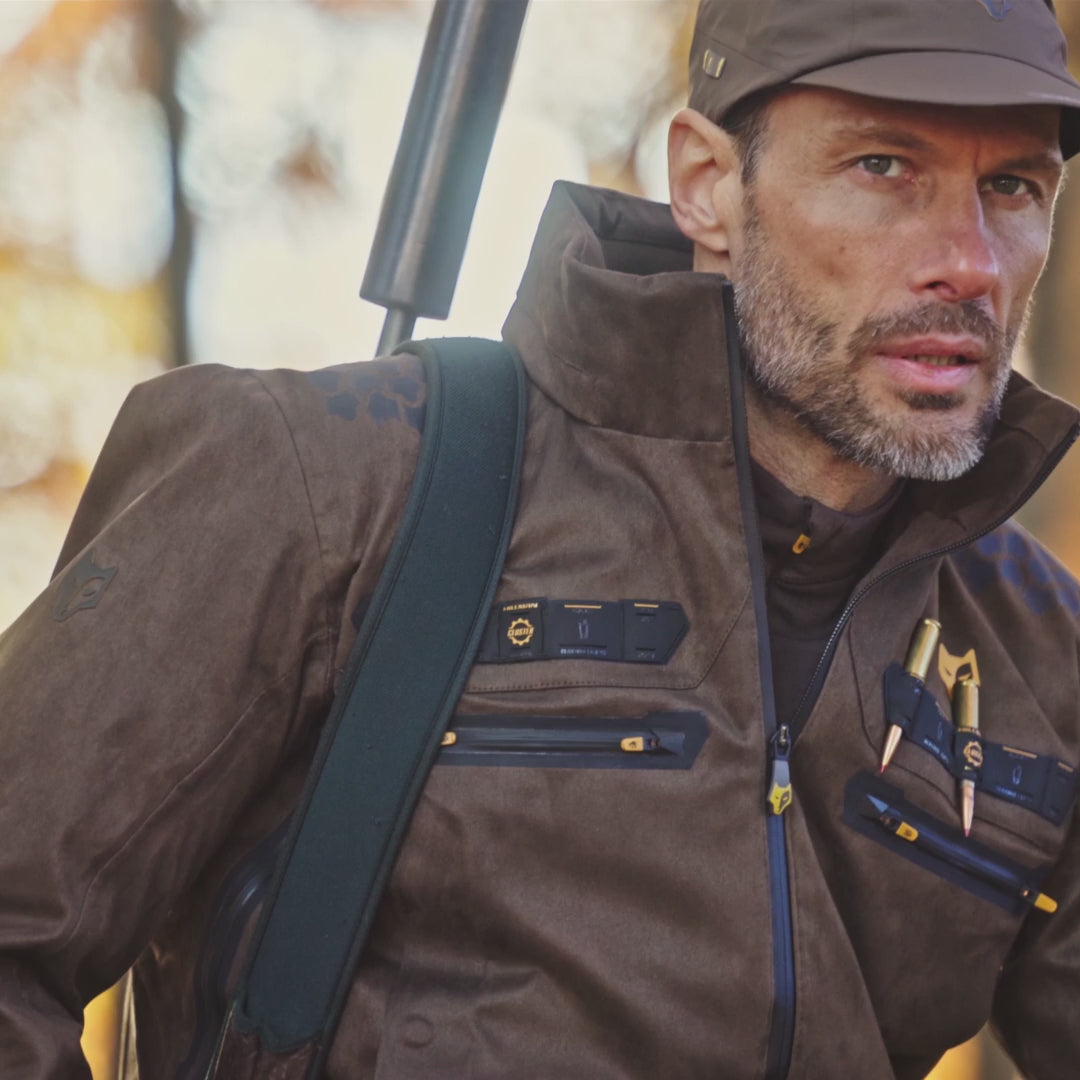
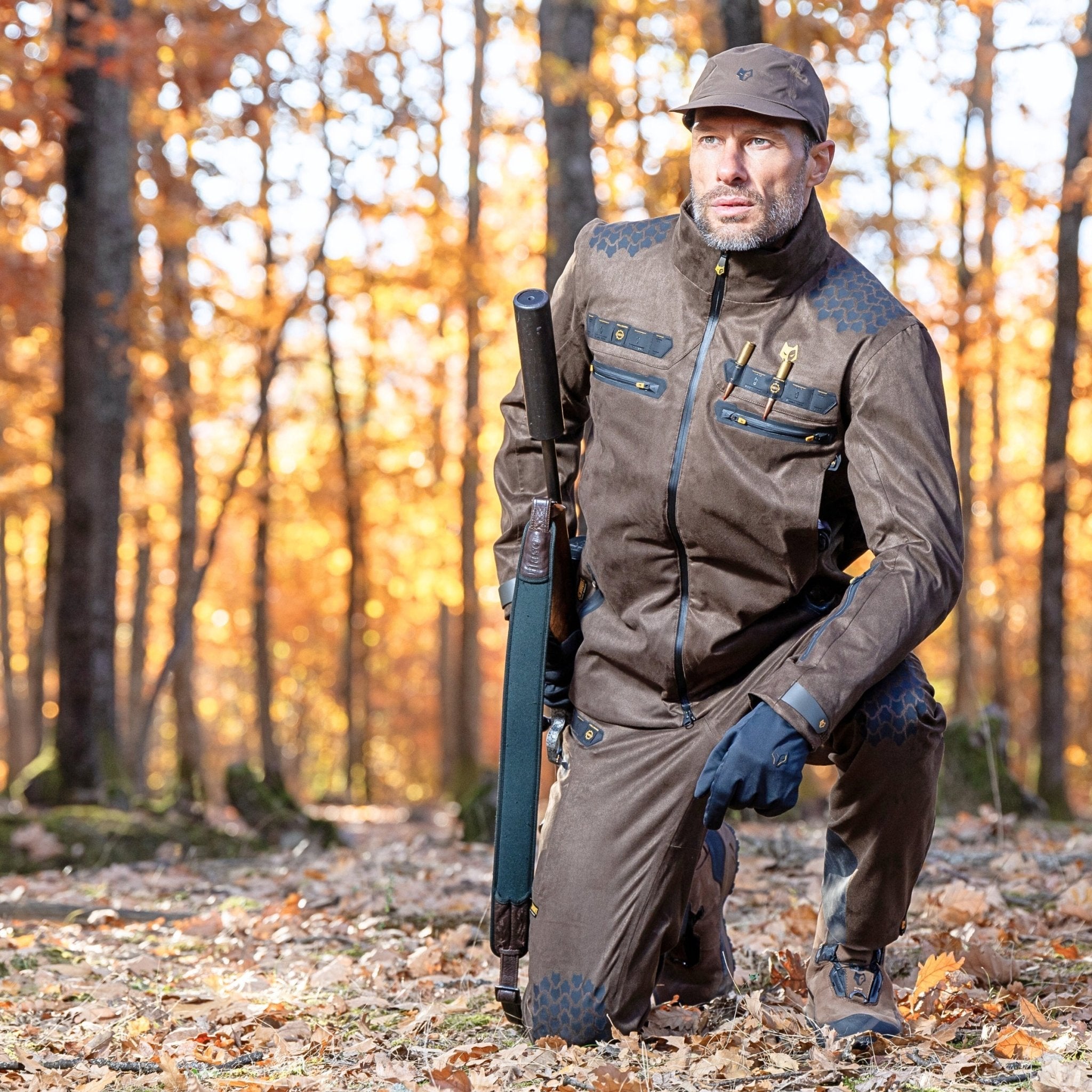
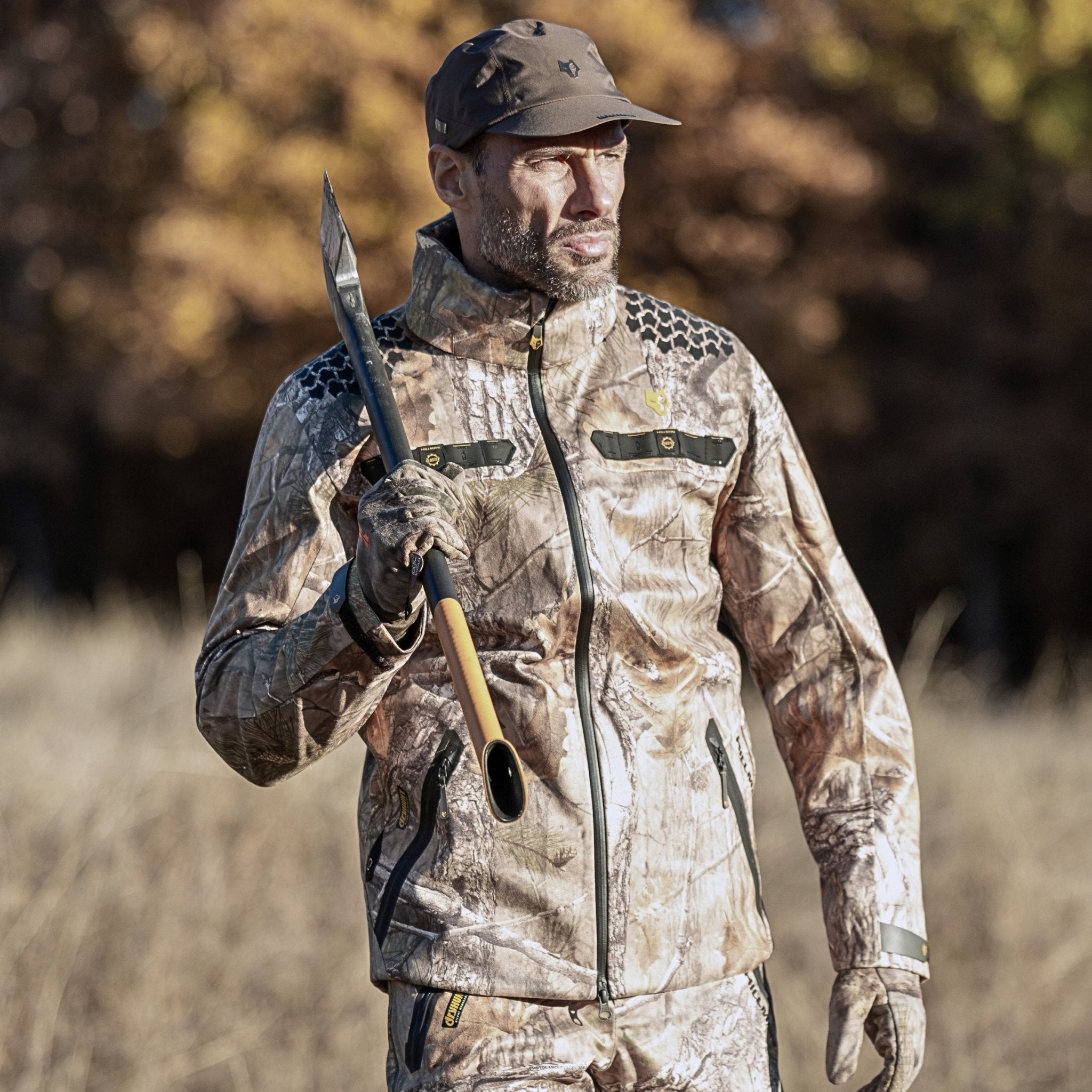
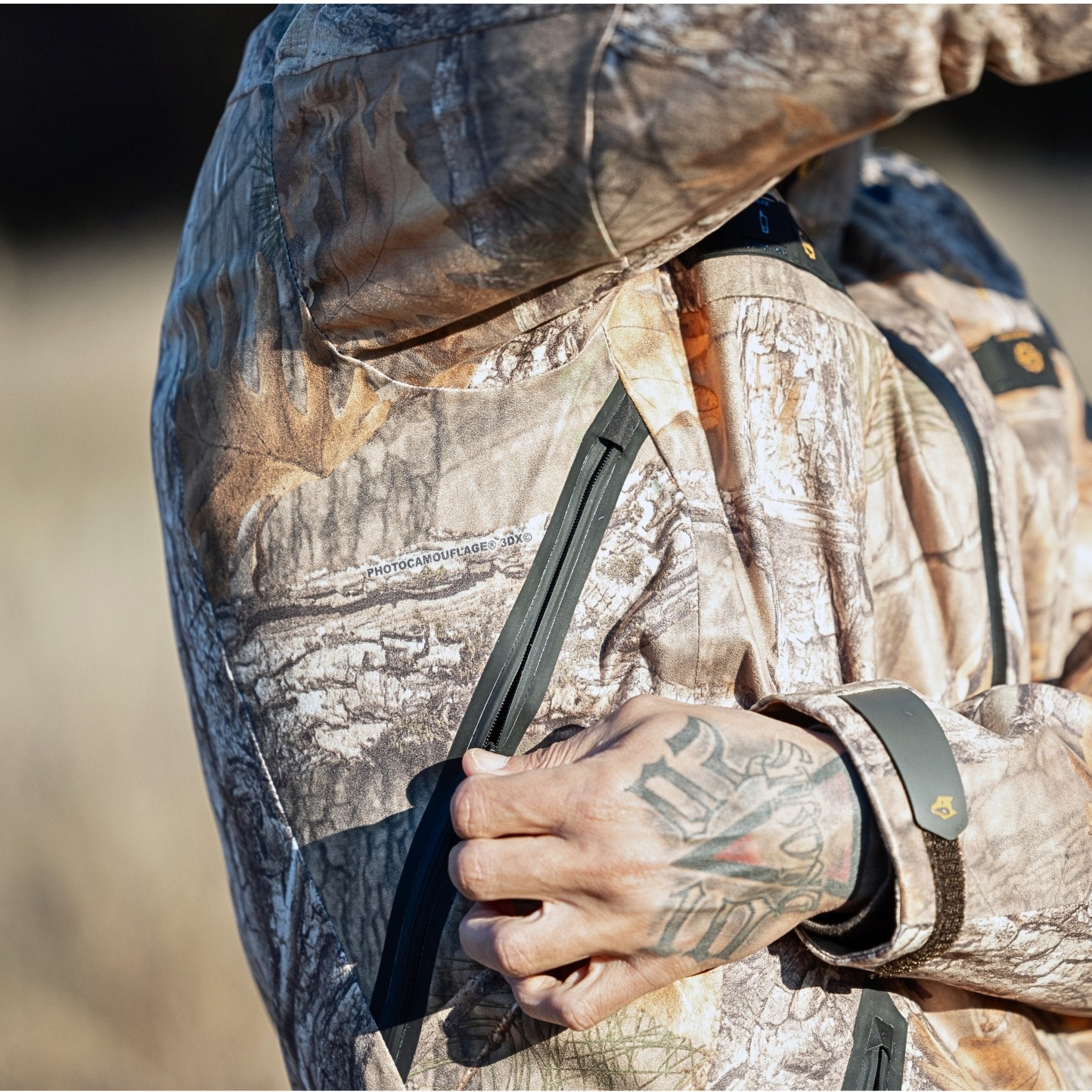
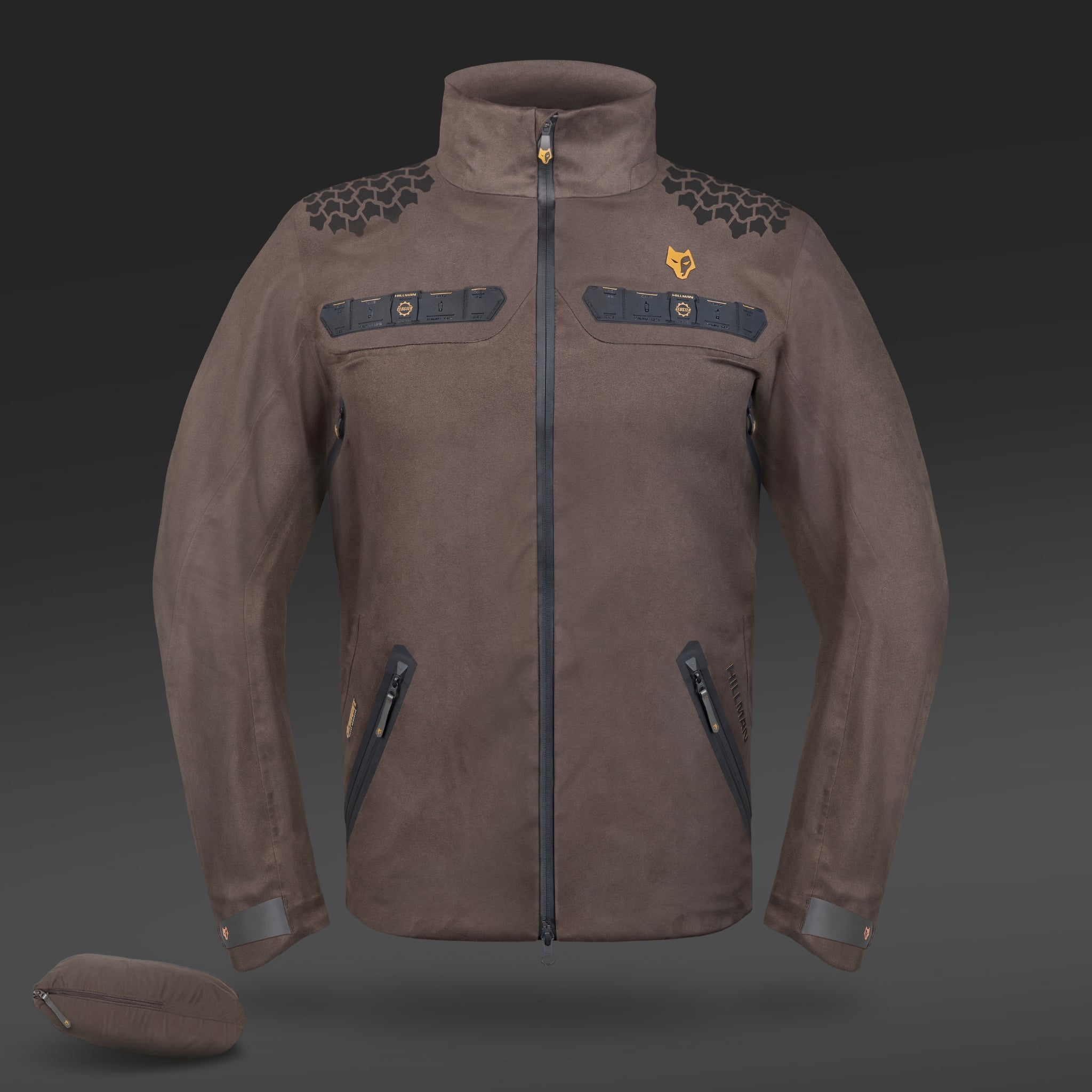
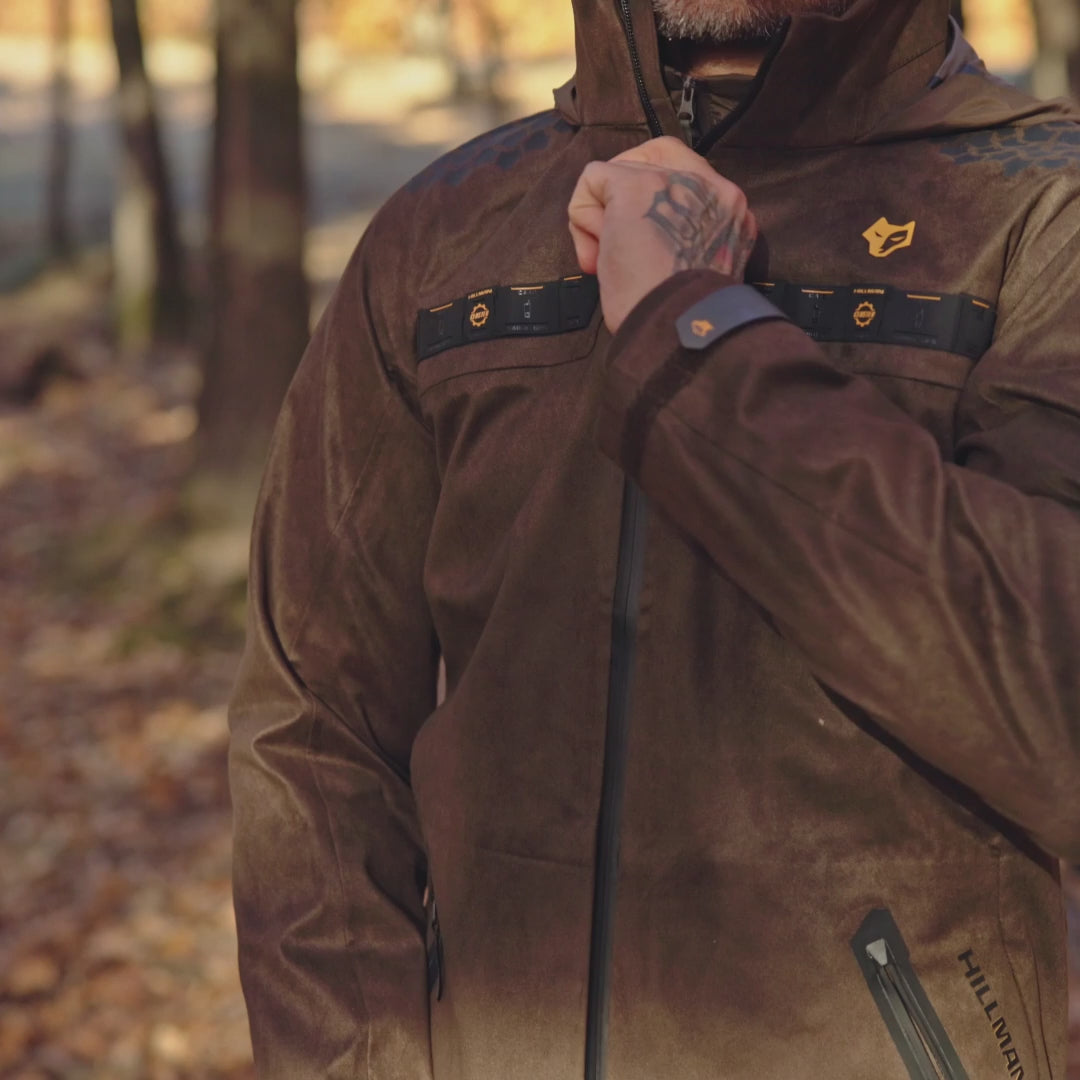
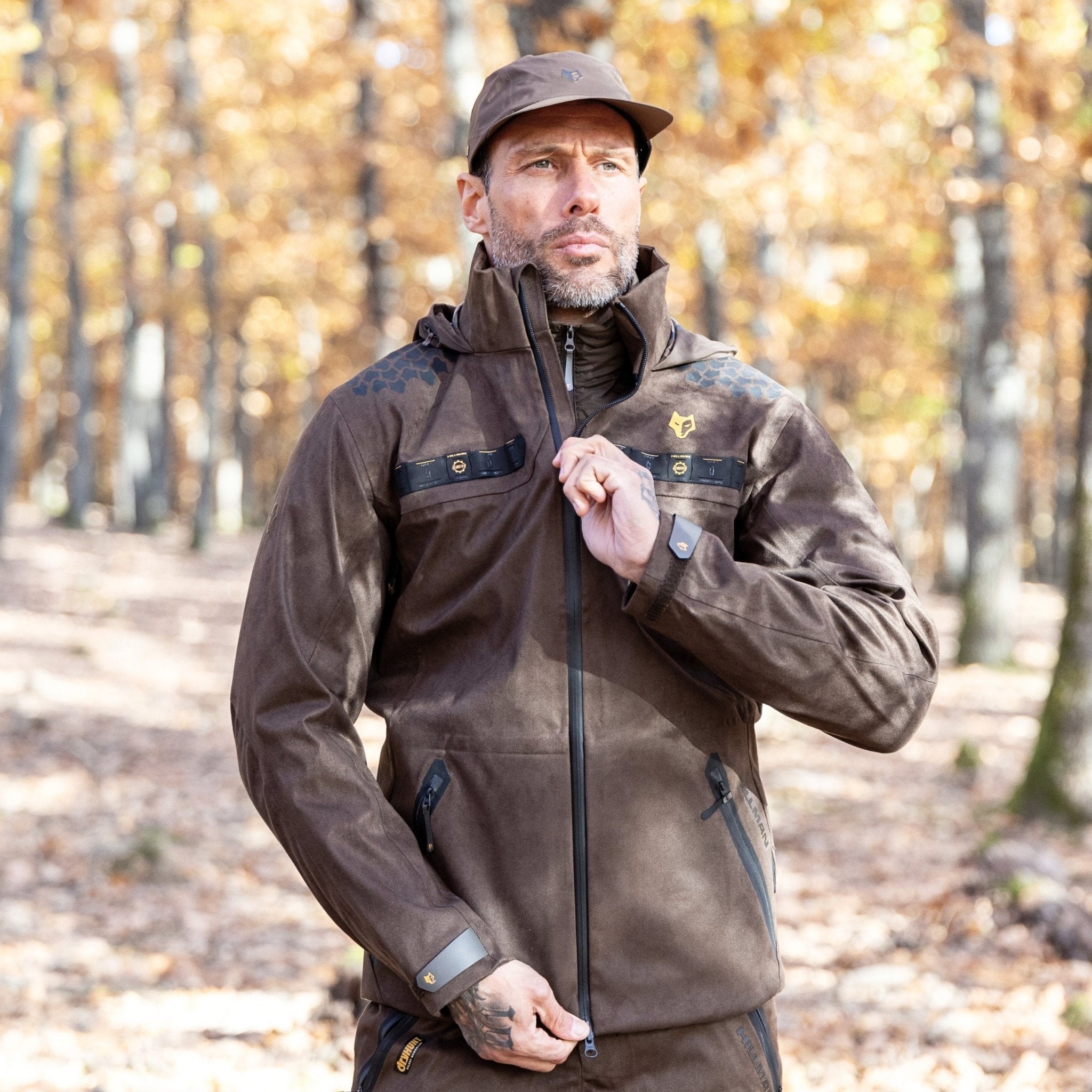
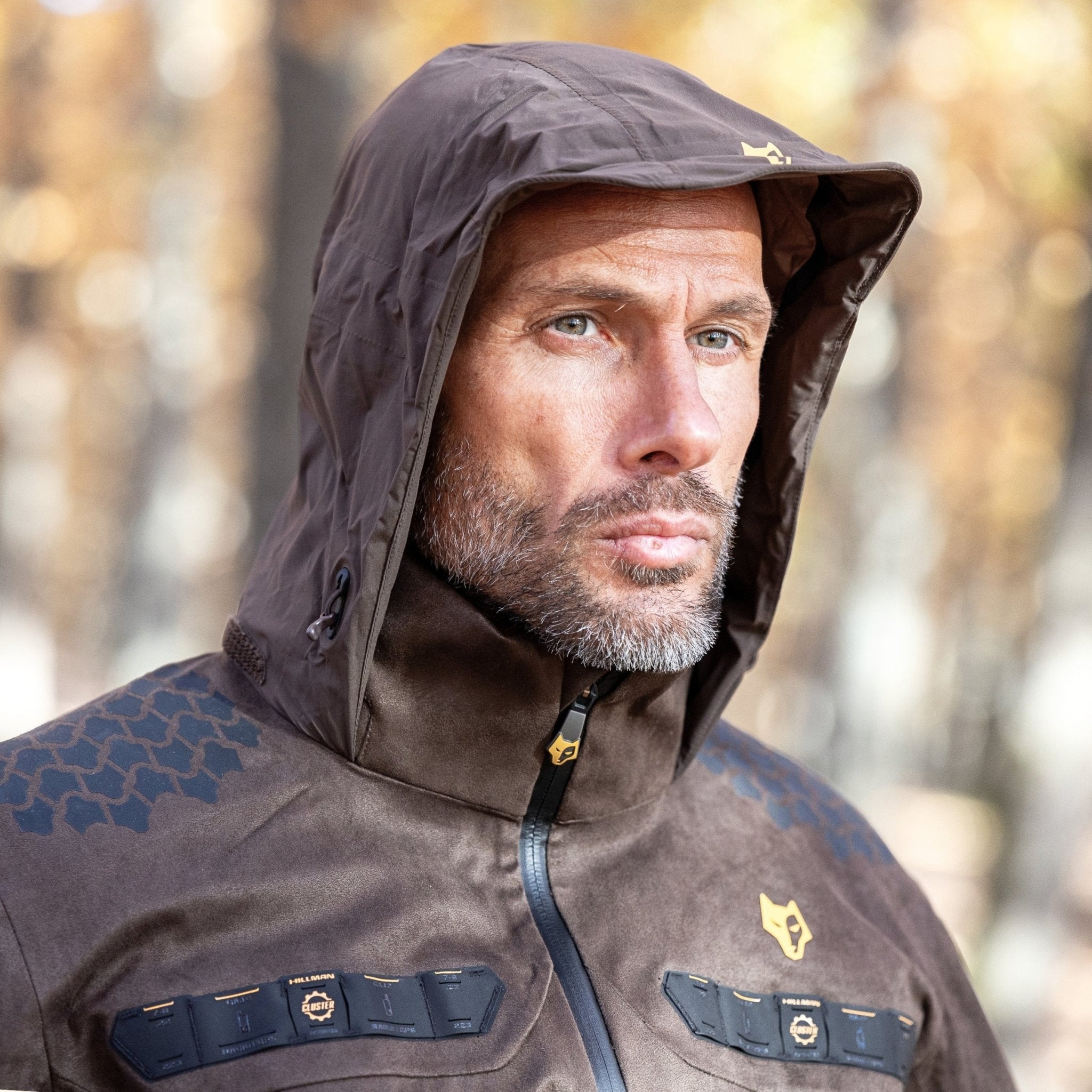
Outer layers must block wind and repel water. In duck hunting, I expect exposure. Rain, splash, marsh spray, even boat movement. A waterproof and windproof jacket with breathable construction makes a noticeable difference when the weather turns.
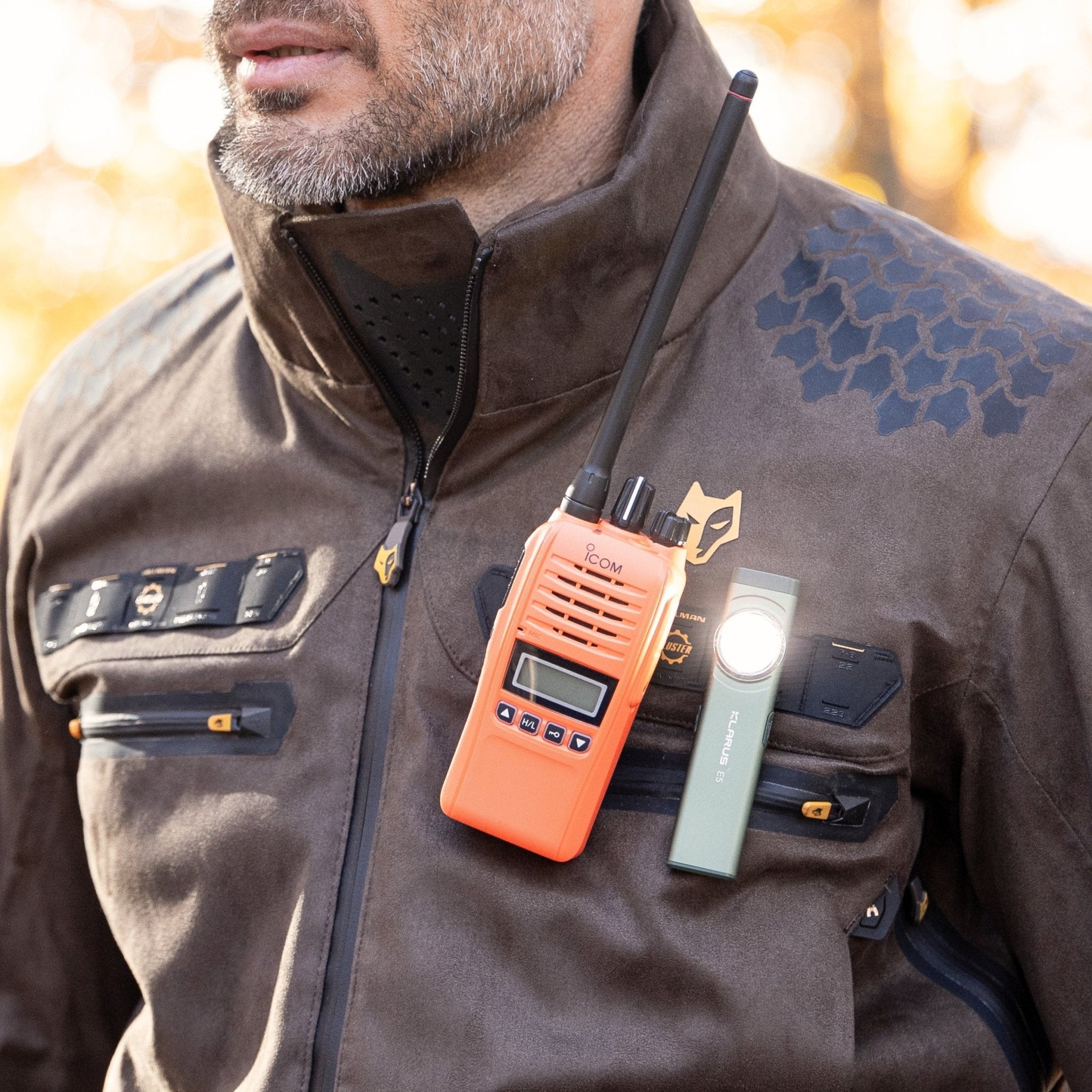
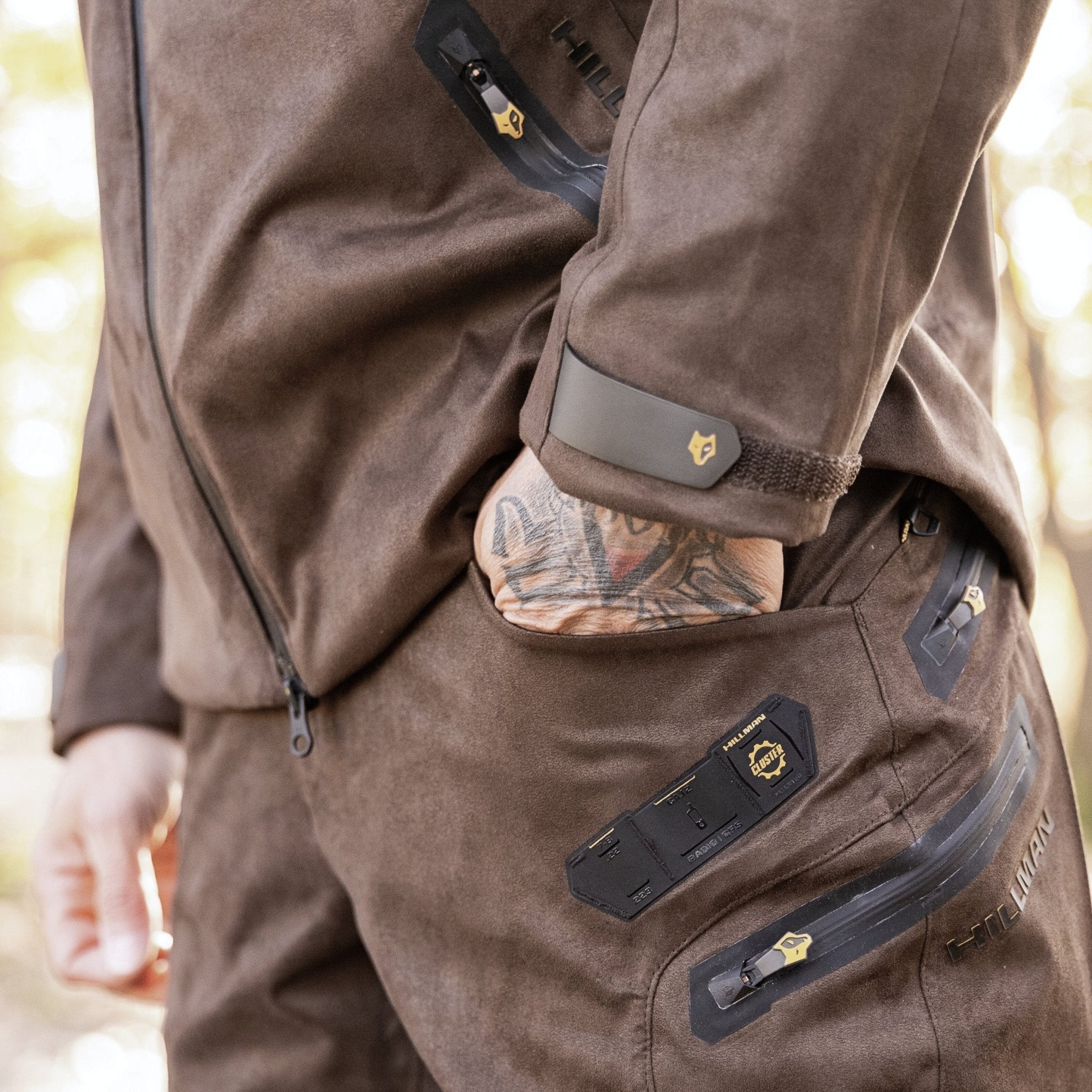
Pockets matter here, too. Multiple secure pockets allow me to hold duck calls, shells, and small tools without digging through a pack.

Waders vs Field Pants: Choosing the Right Setup
Chest waders are usually my default in flooded timber or marsh environments. Insulated, breathable chest waders keep me dry during long periods in standing water. Hip boots rarely offer the same flexibility.
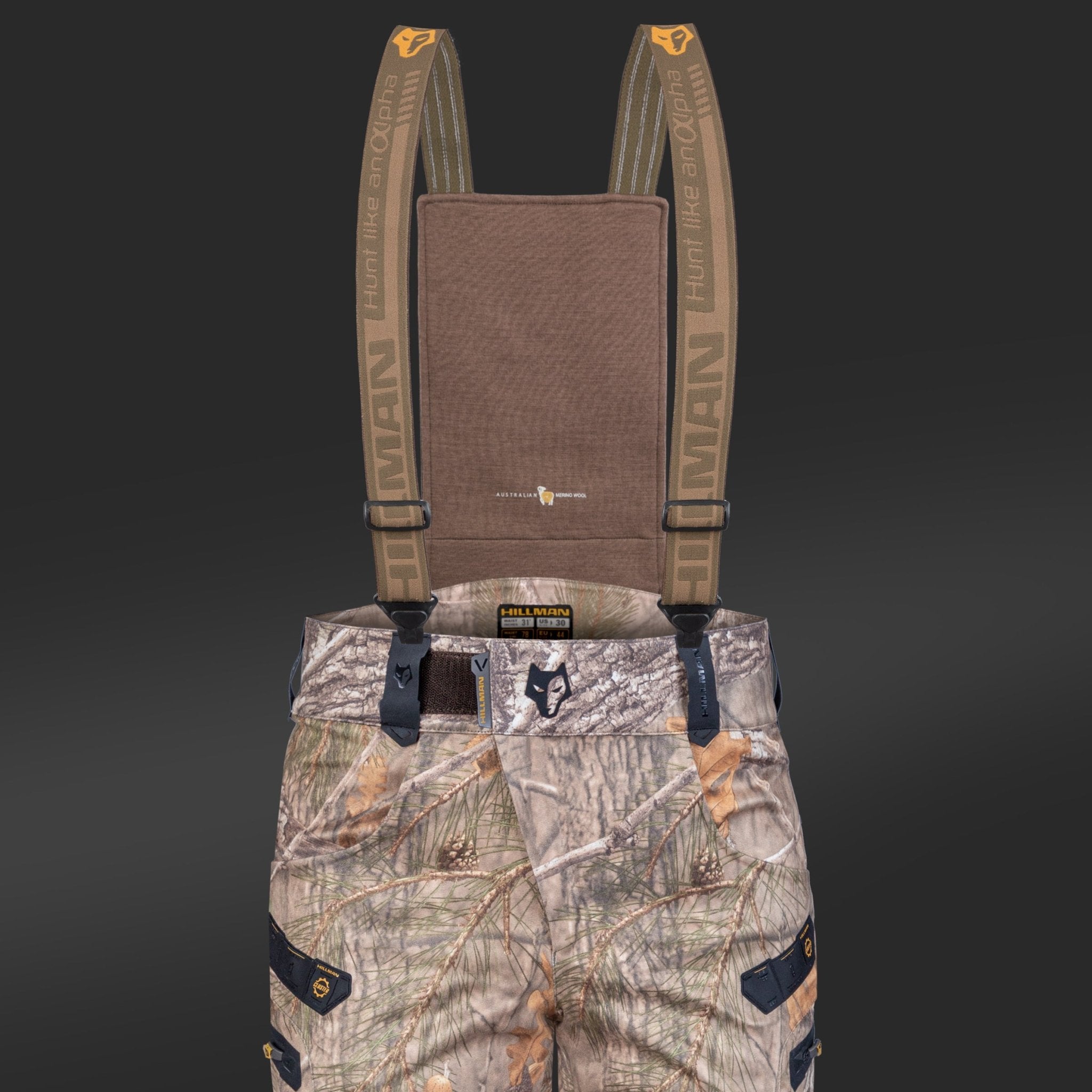
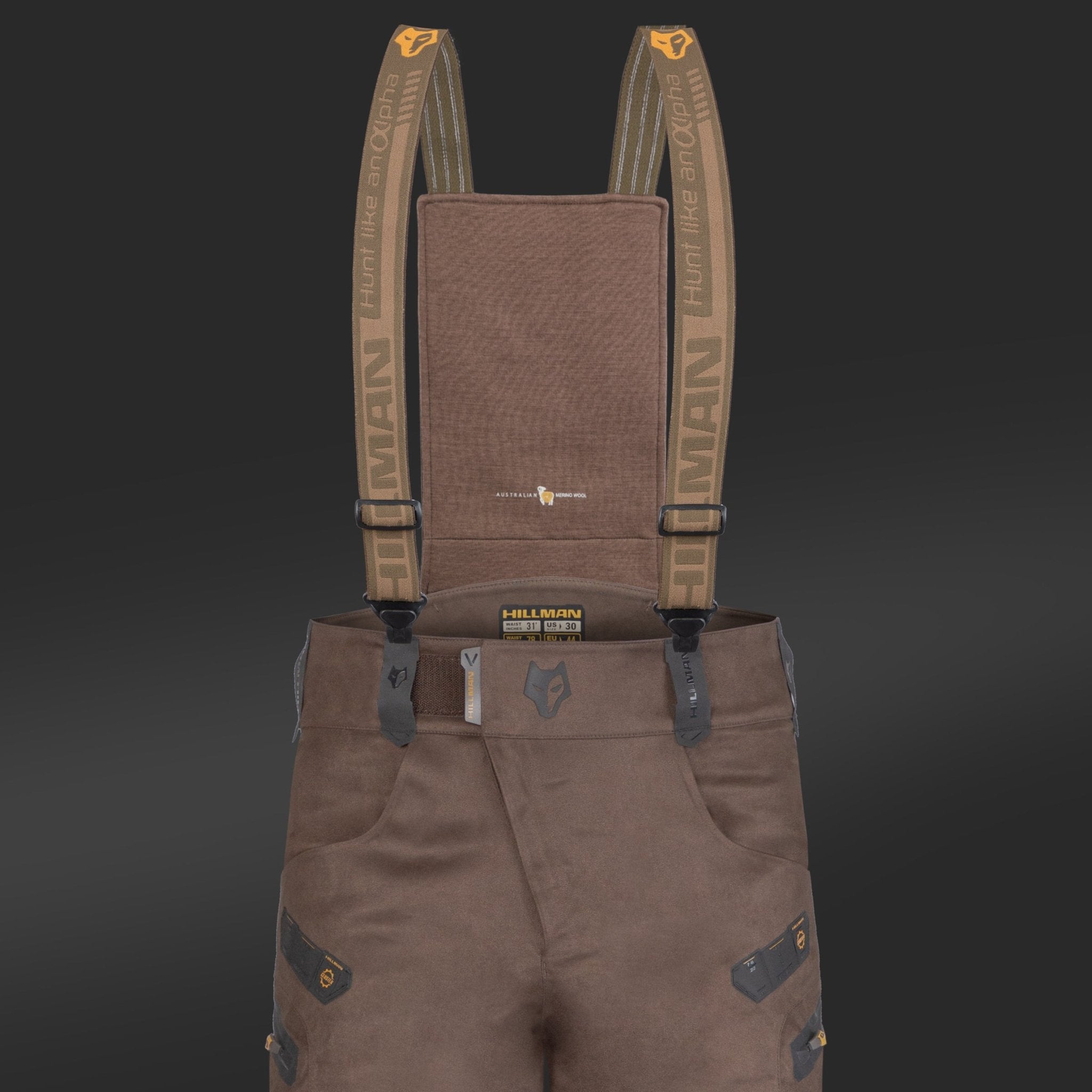
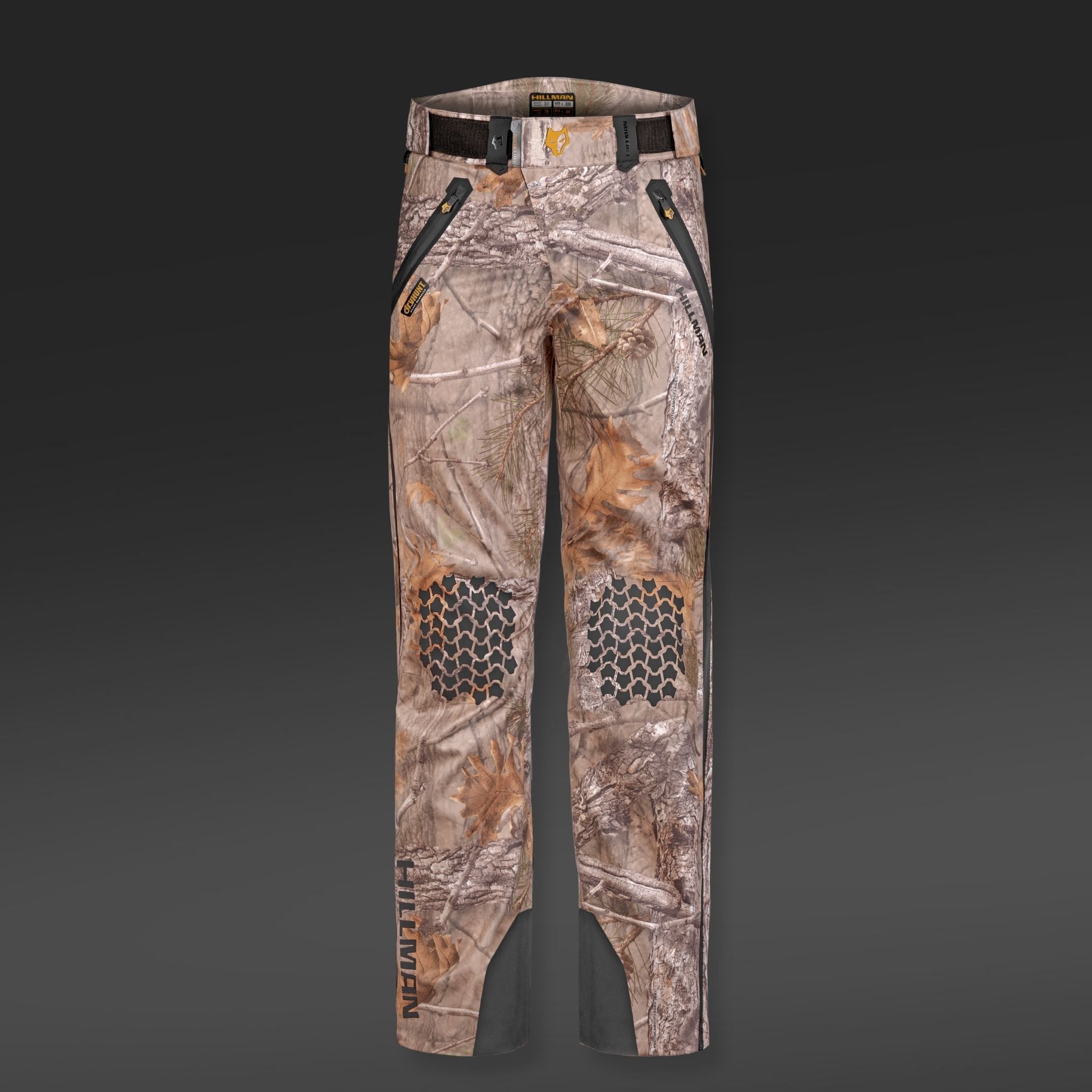
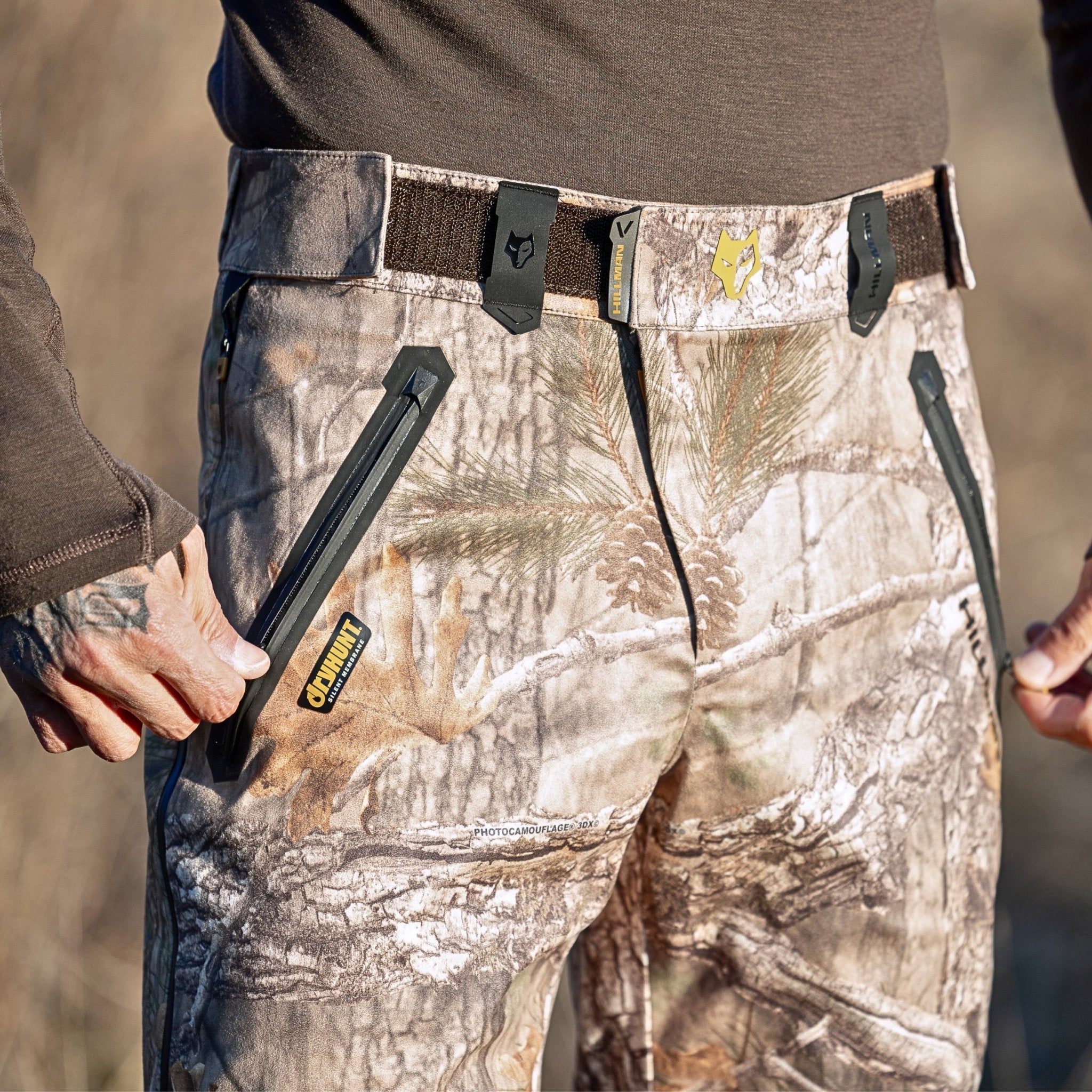
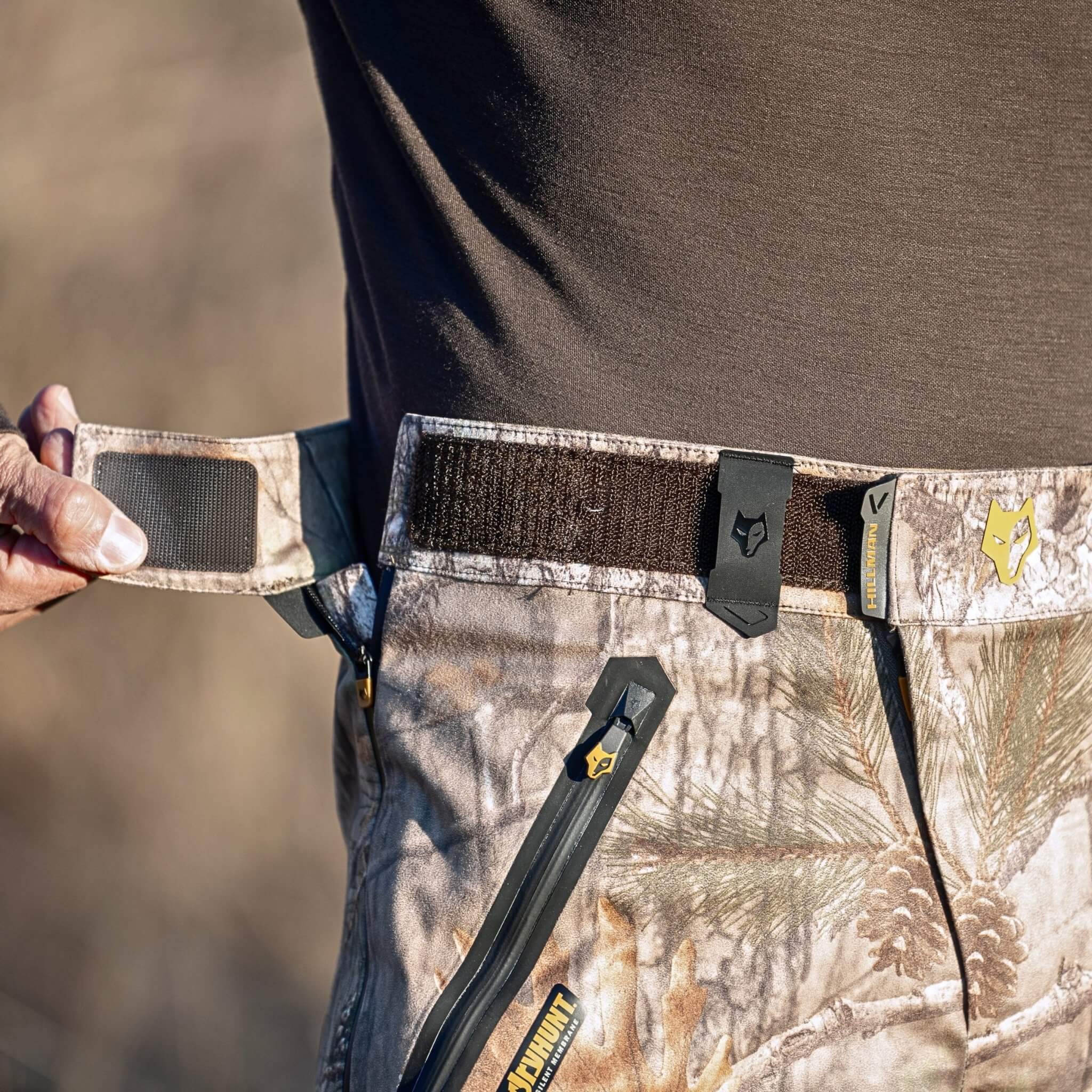
For field hunts or dry agricultural edges, waterproof pants paired with separate boots can work well. Field bibs protect against light rain and mud but require careful layering underneath. The terrain decides more than preference does.
Waterproof Boots and Foot Warmth
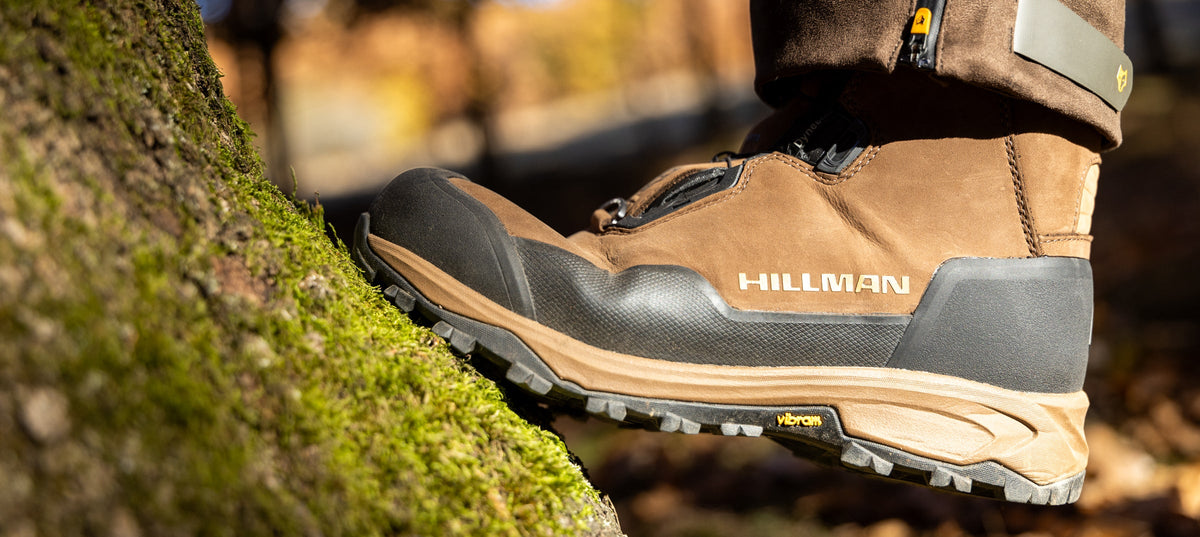
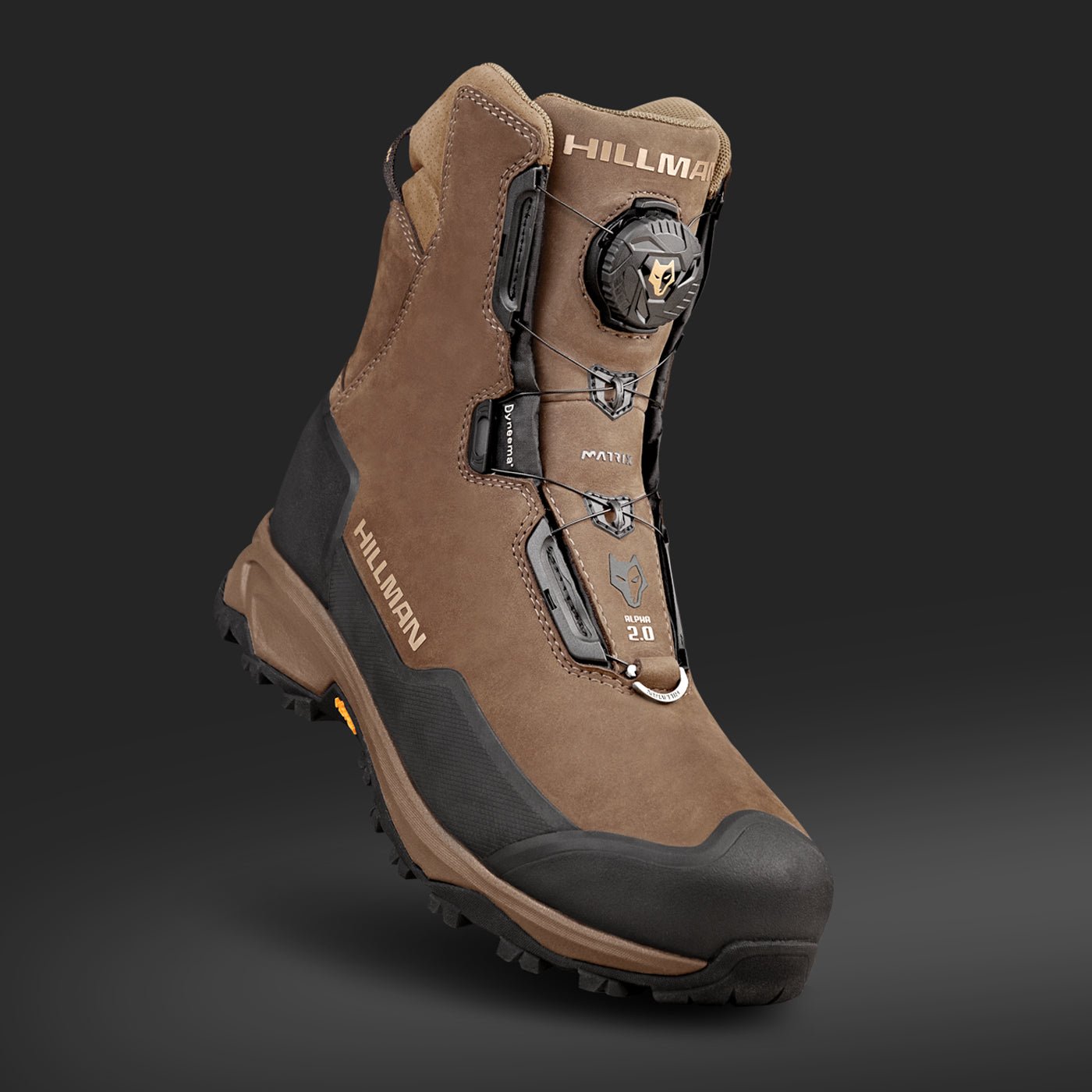
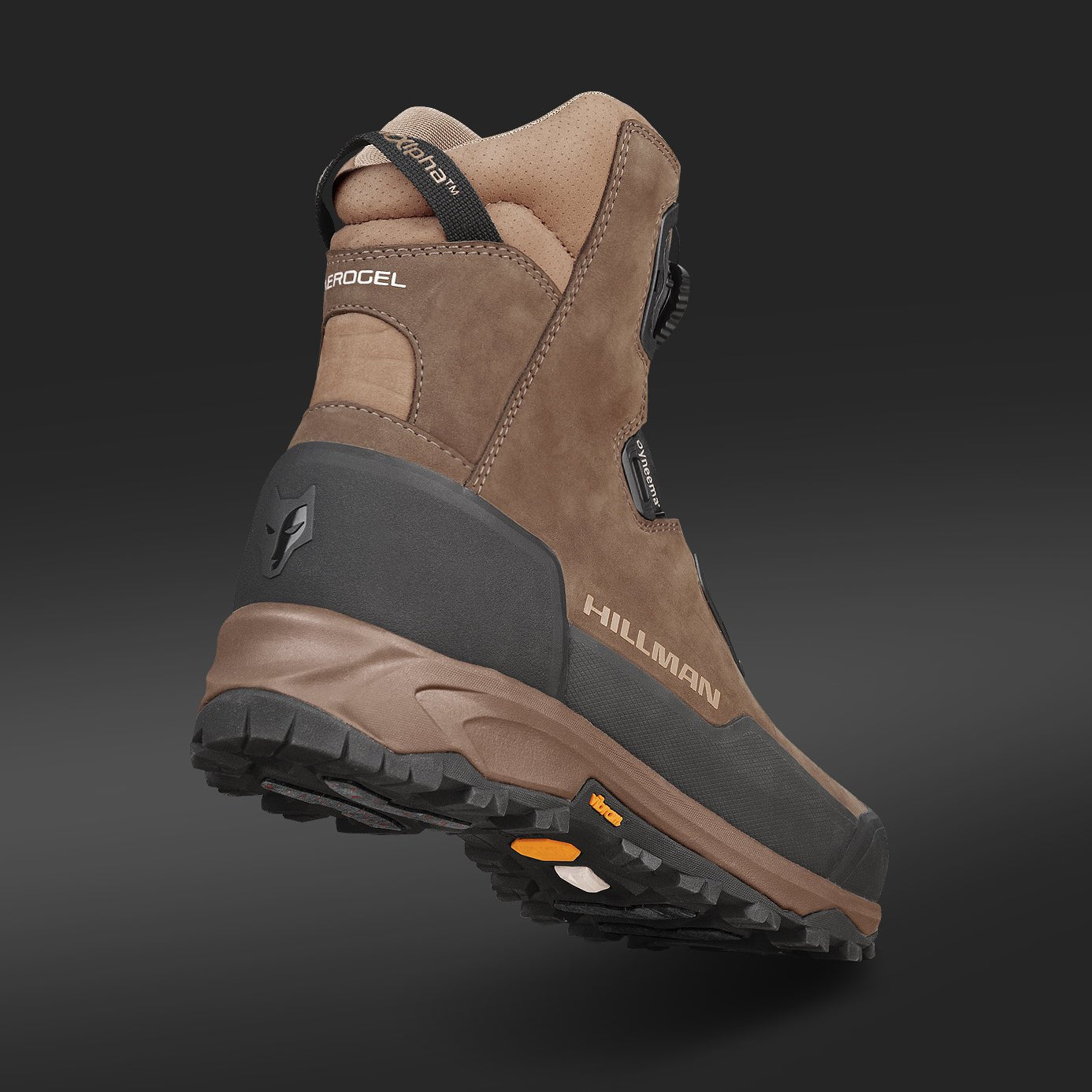
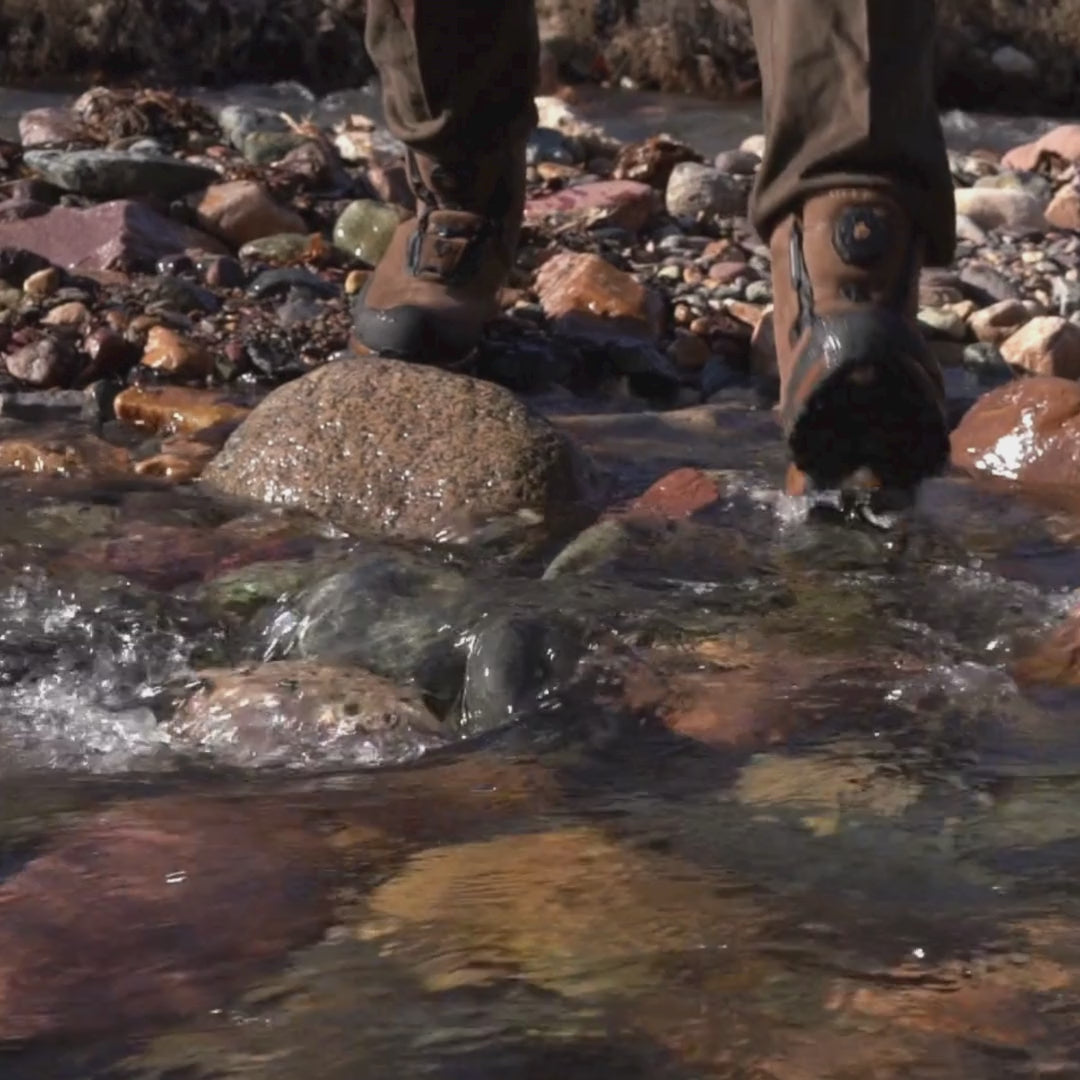
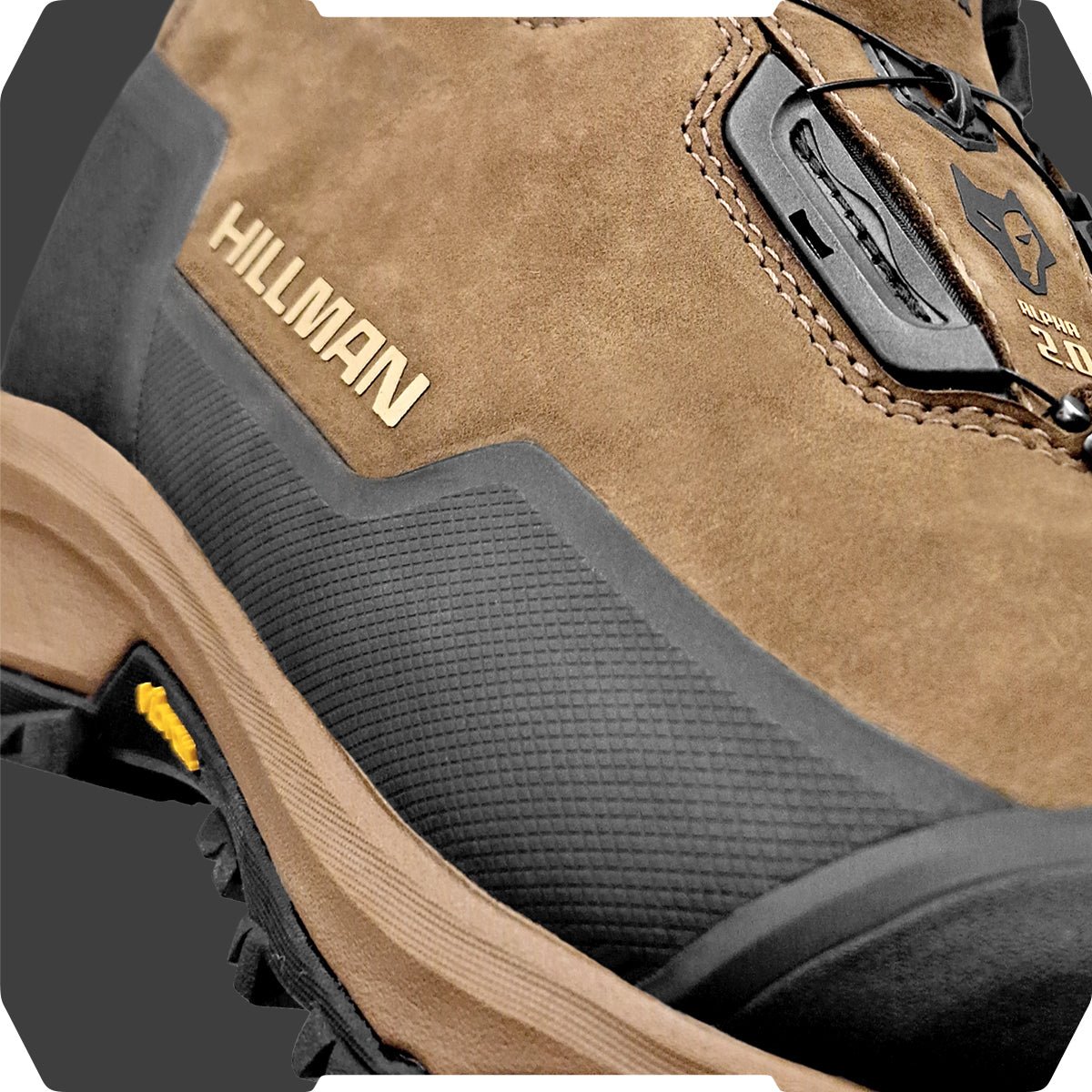
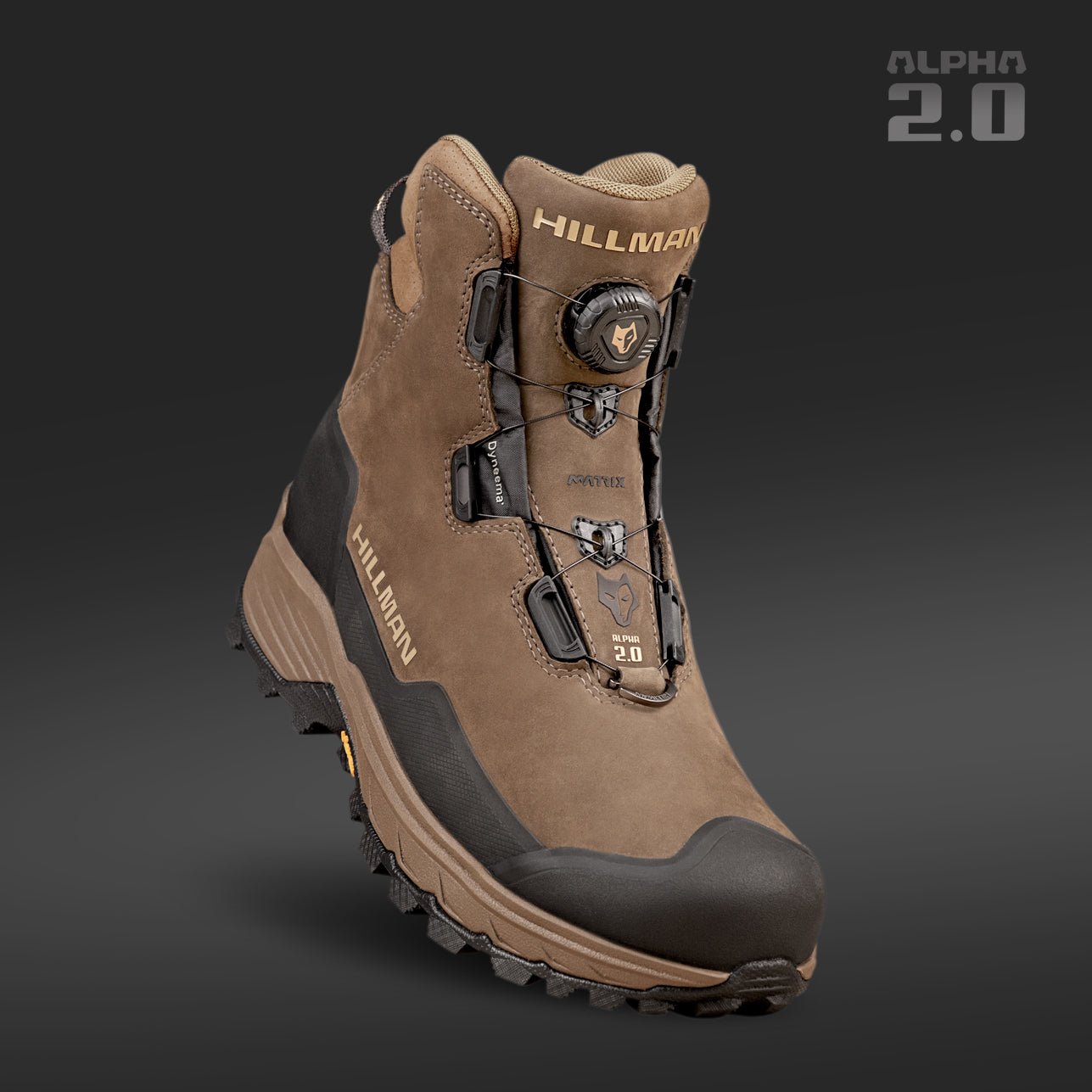
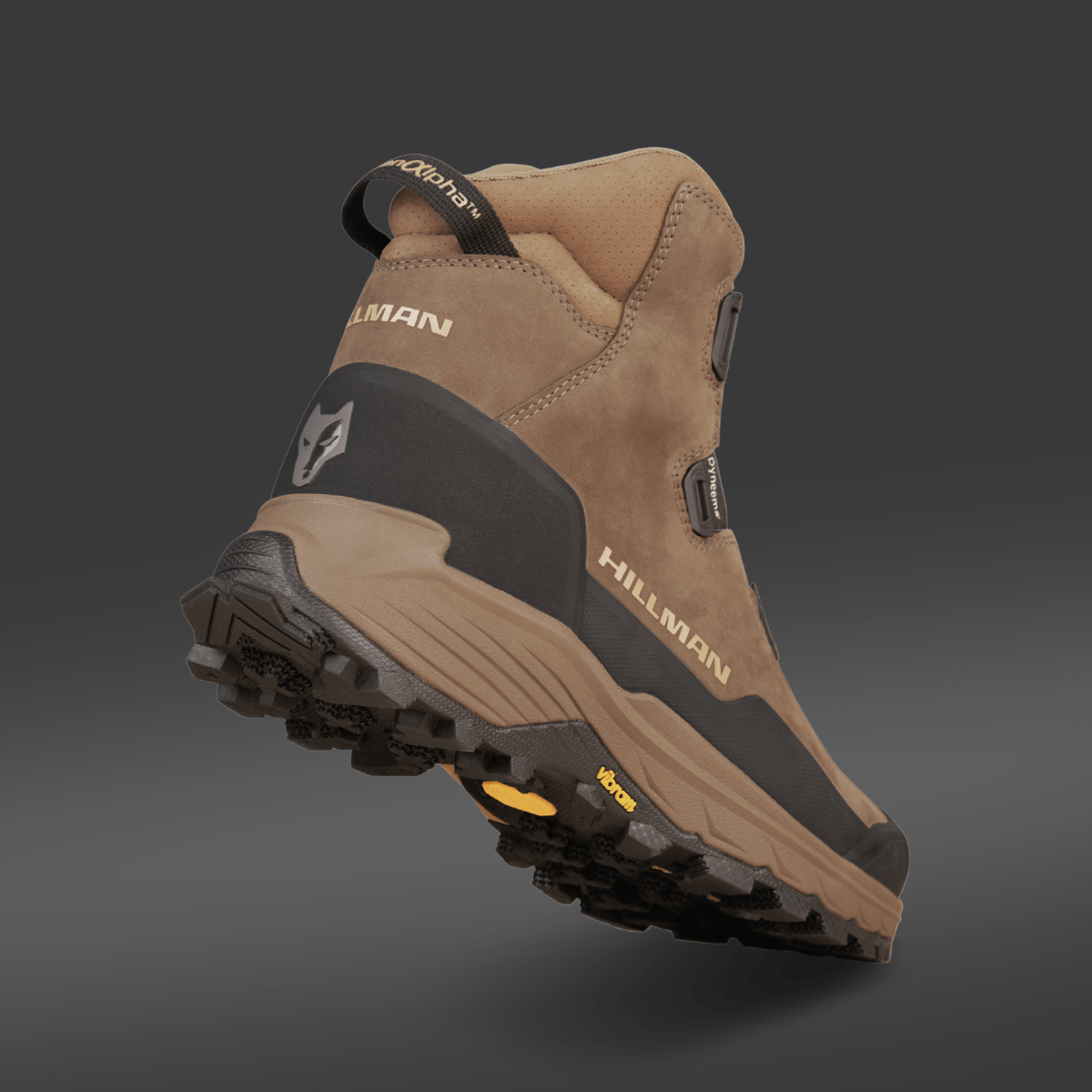
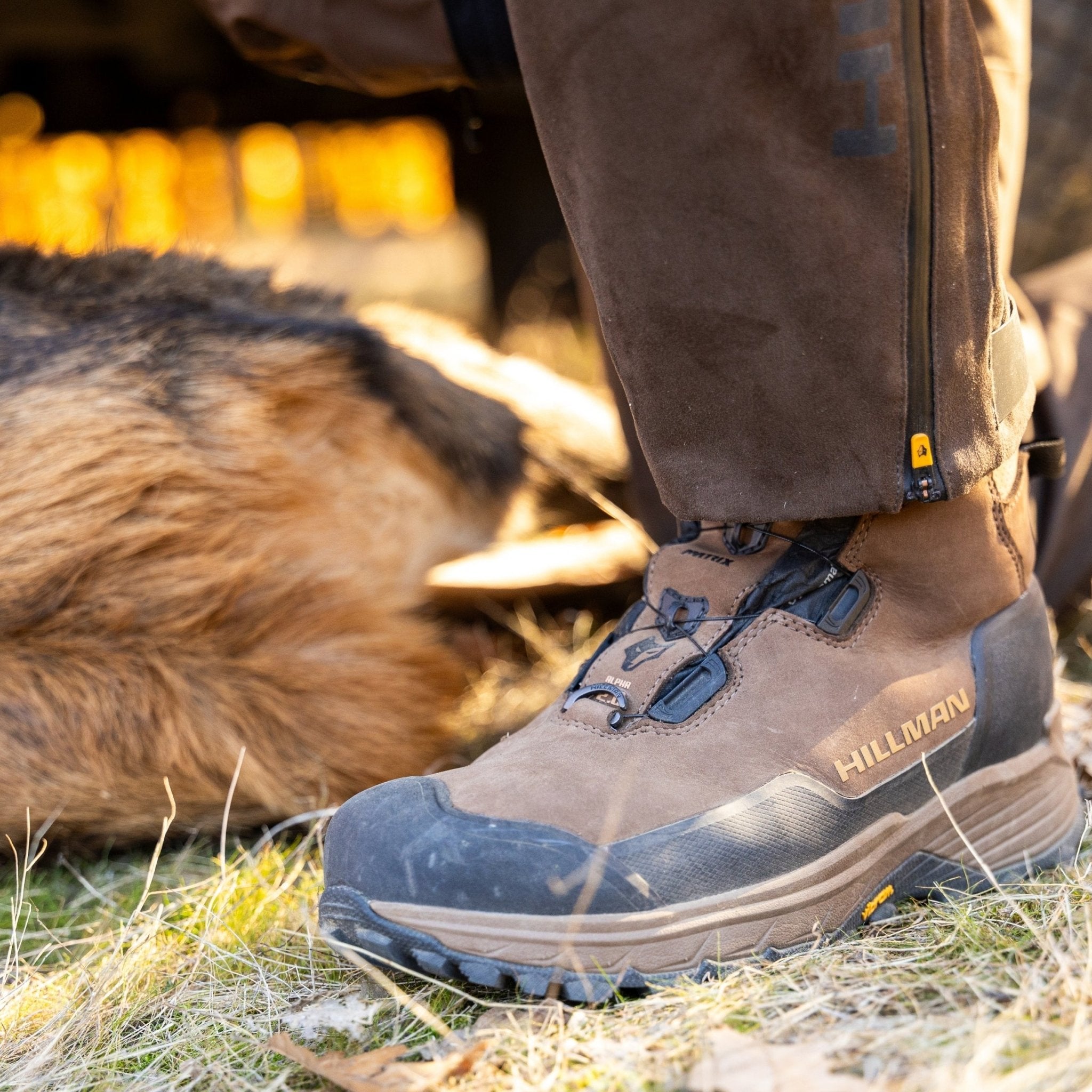
Cold water drains energy fast. Insulated boots or well-constructed waders protect more than just comfort; they protect endurance.
Breathable waterproof construction prevents internal moisture from building during movement. Once feet get wet, the rest of the hunt changes tone quickly.
Camouflage: Staying Hidden from Sharp Eyes

Over time, I’ve realized that ducks notice more than we give them credit for. On open water or in flooded timber, even subtle movement or mismatched camouflage can be enough to make a flock flare at the last second.
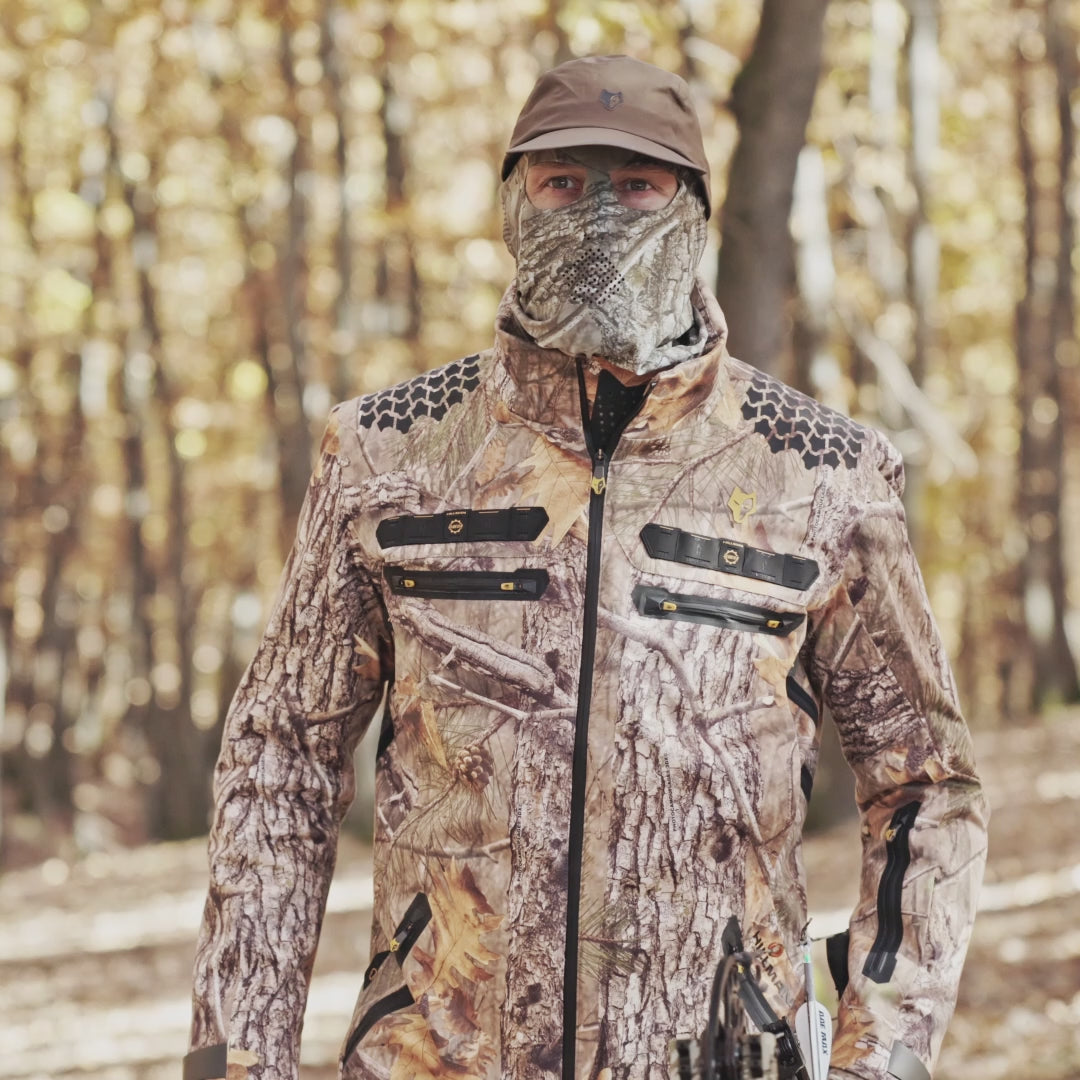
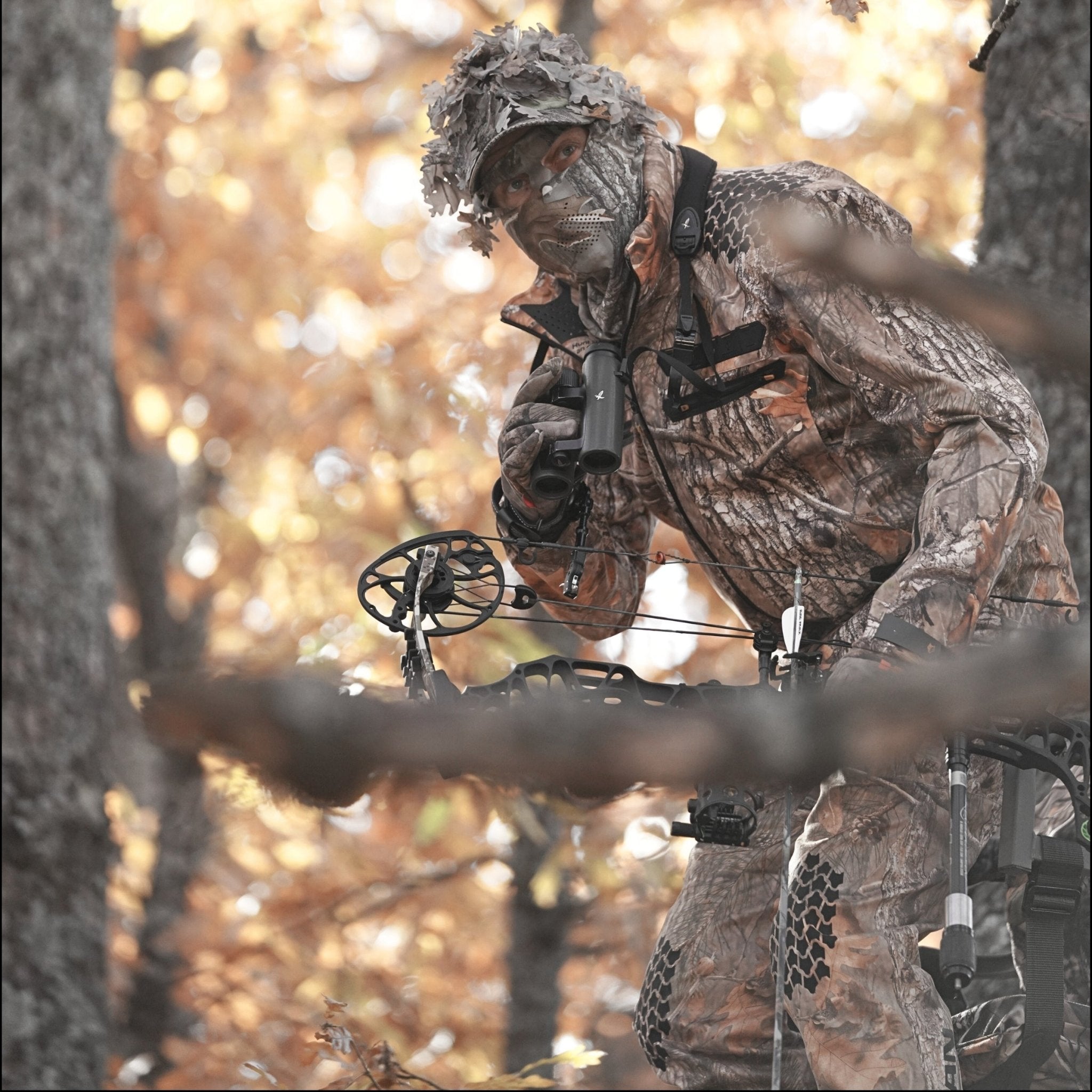
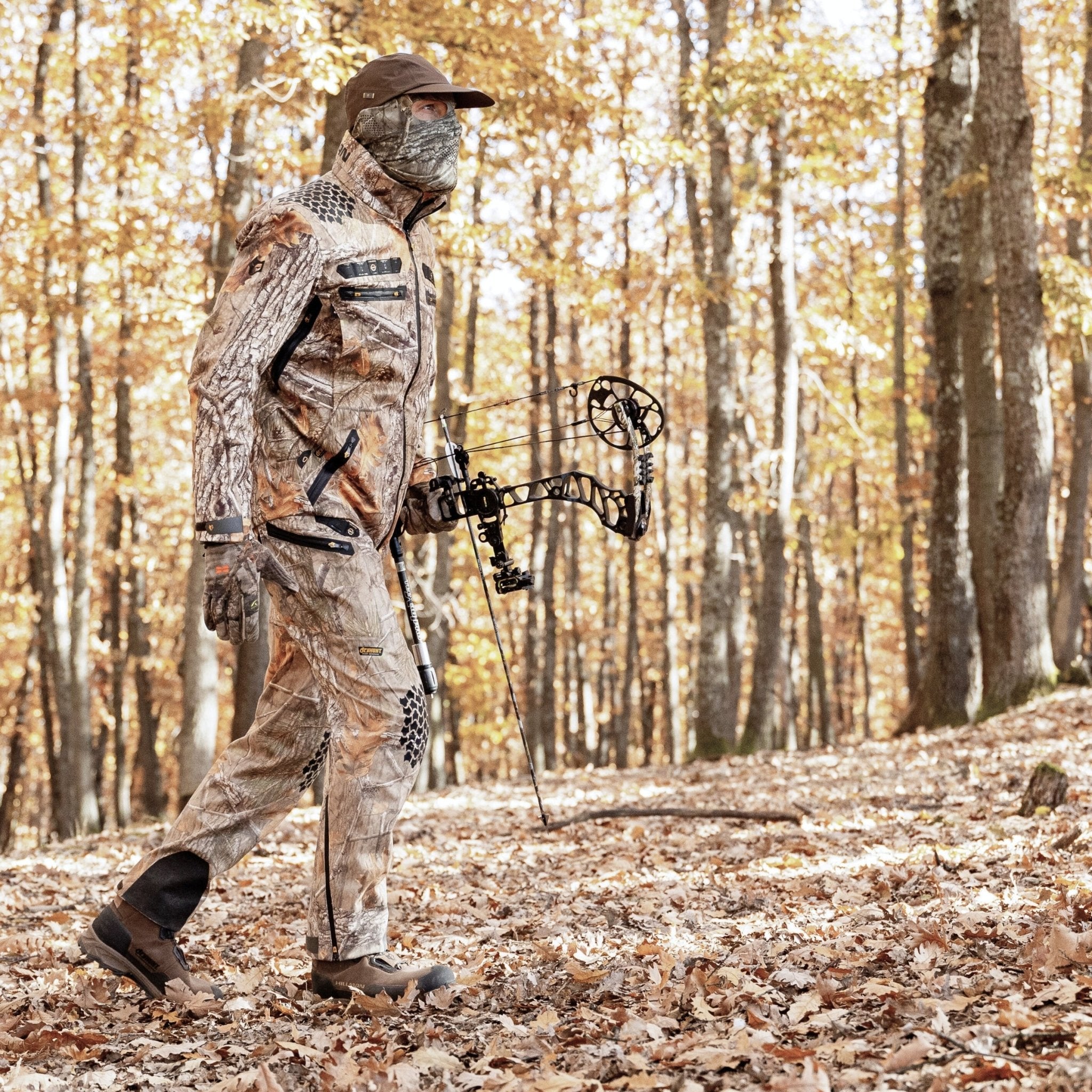
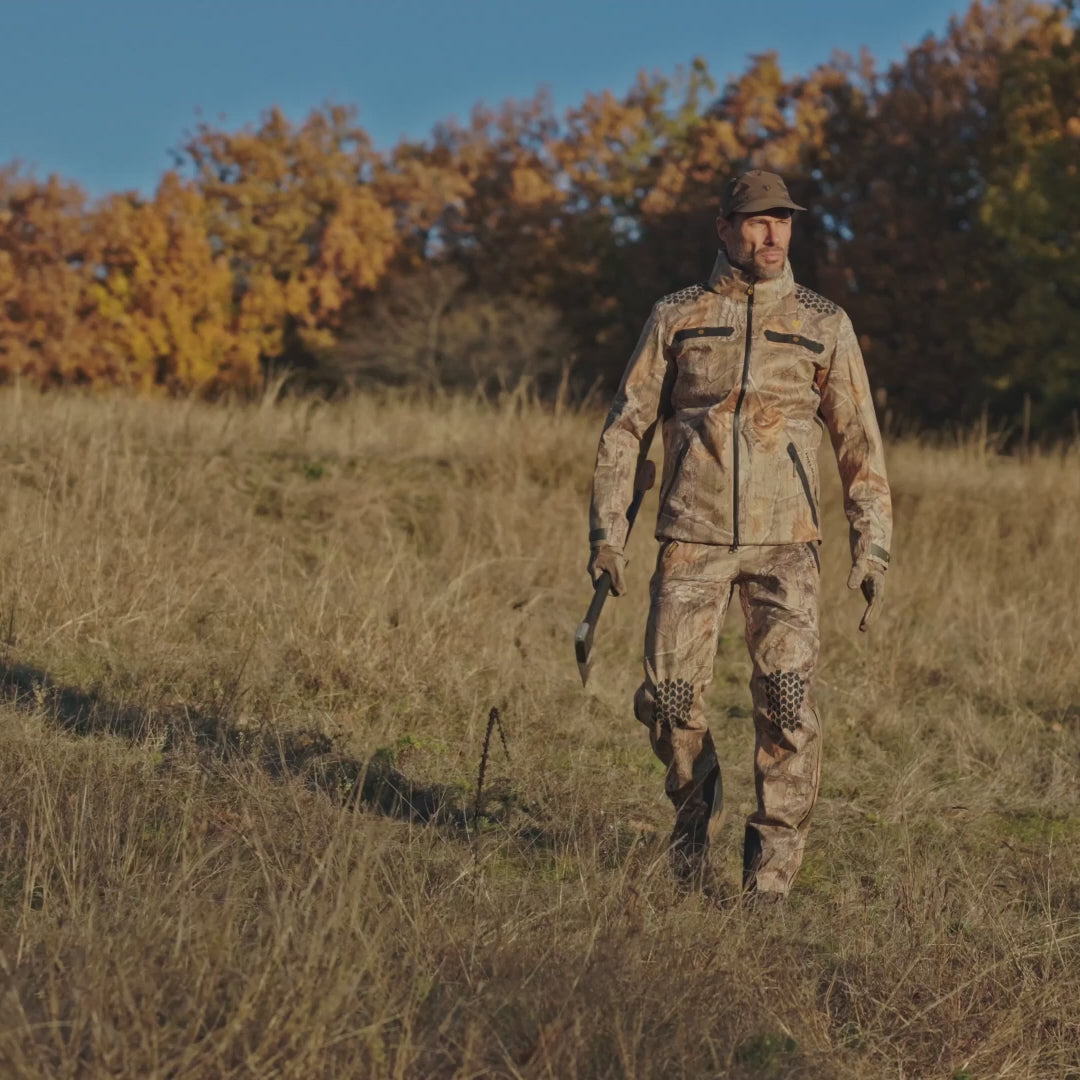
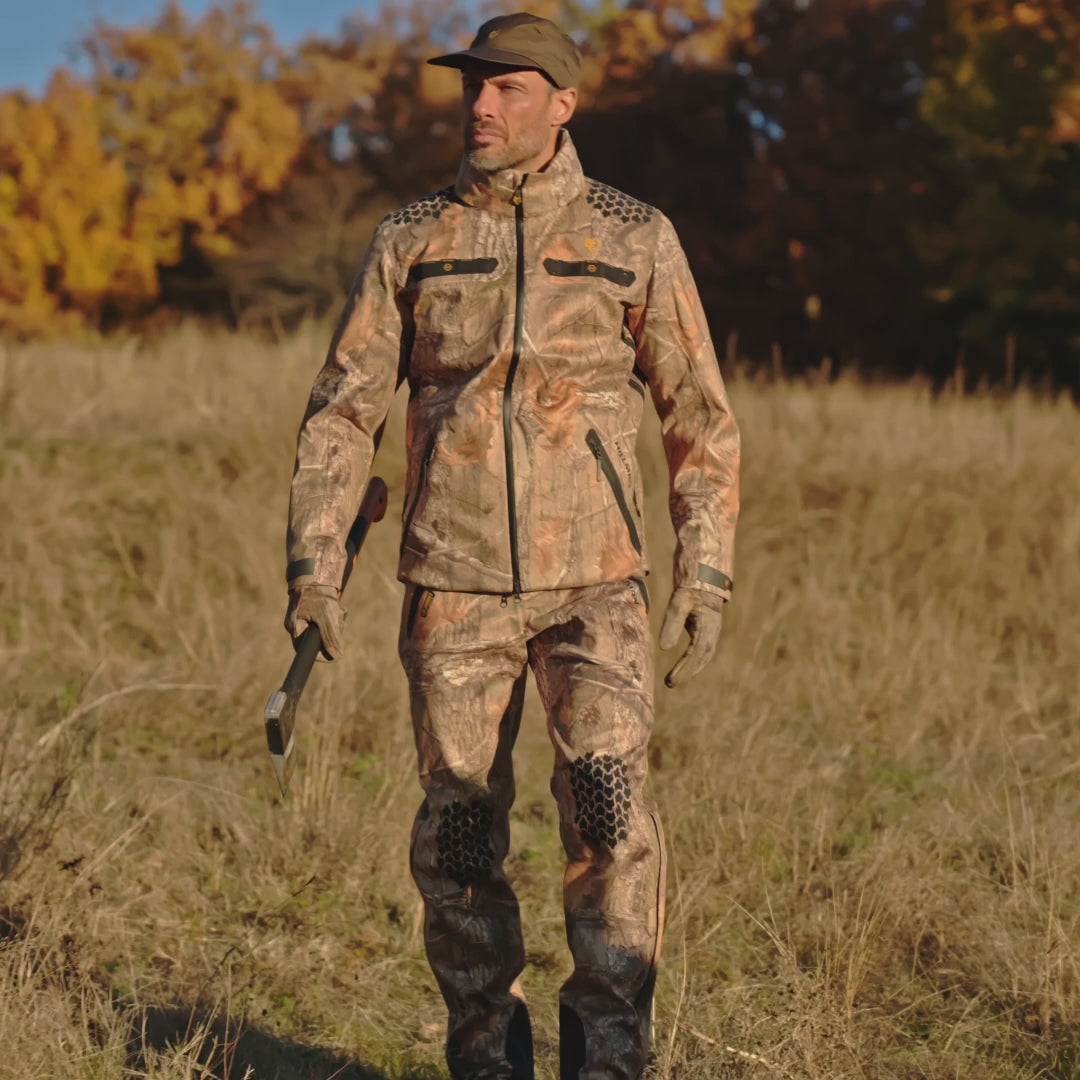
Camouflage isn’t optional in duck hunting. Whether I’m in marsh grass or flooded timber, I choose camo patterns that blend naturally with the environment. Matching habitat matters more than brand.
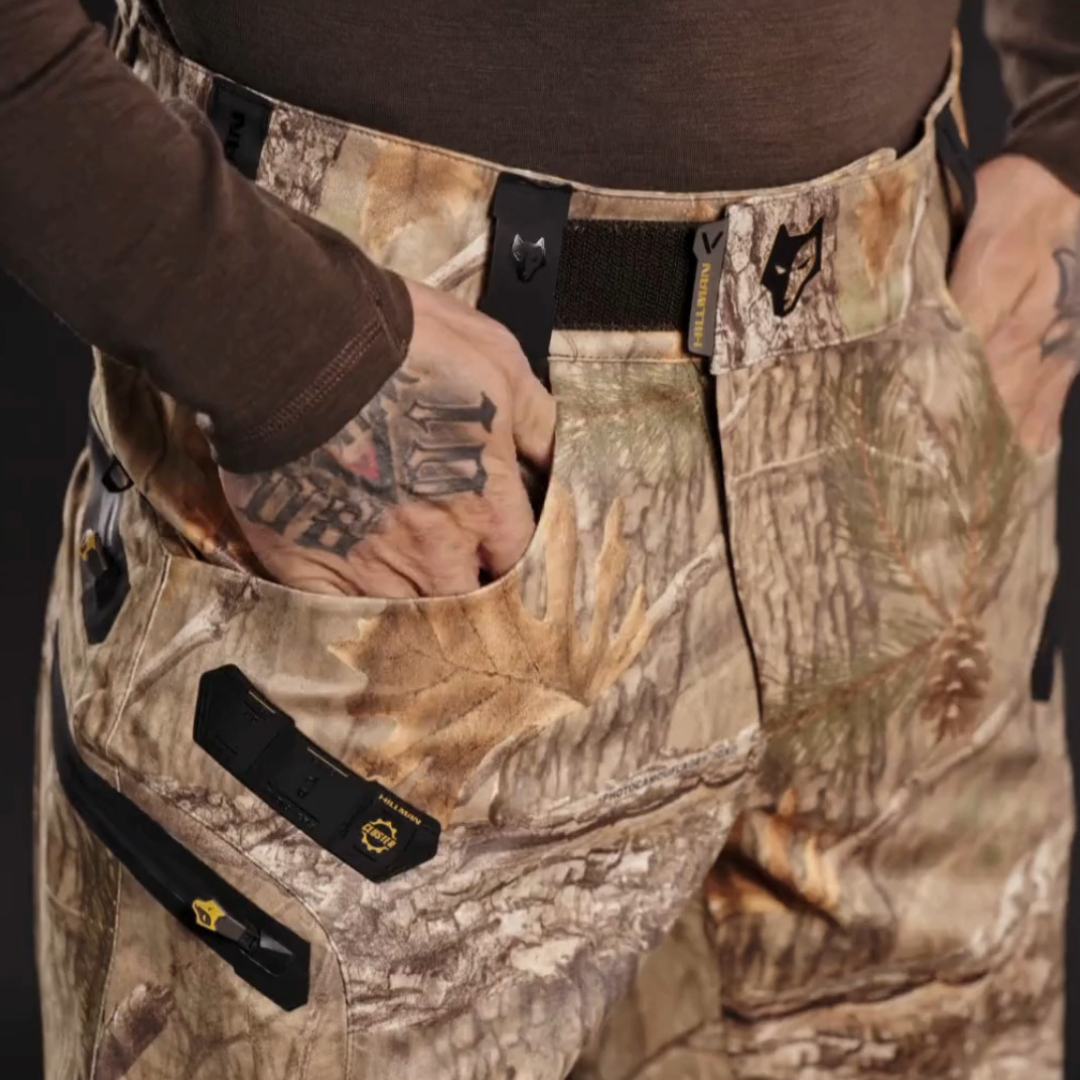
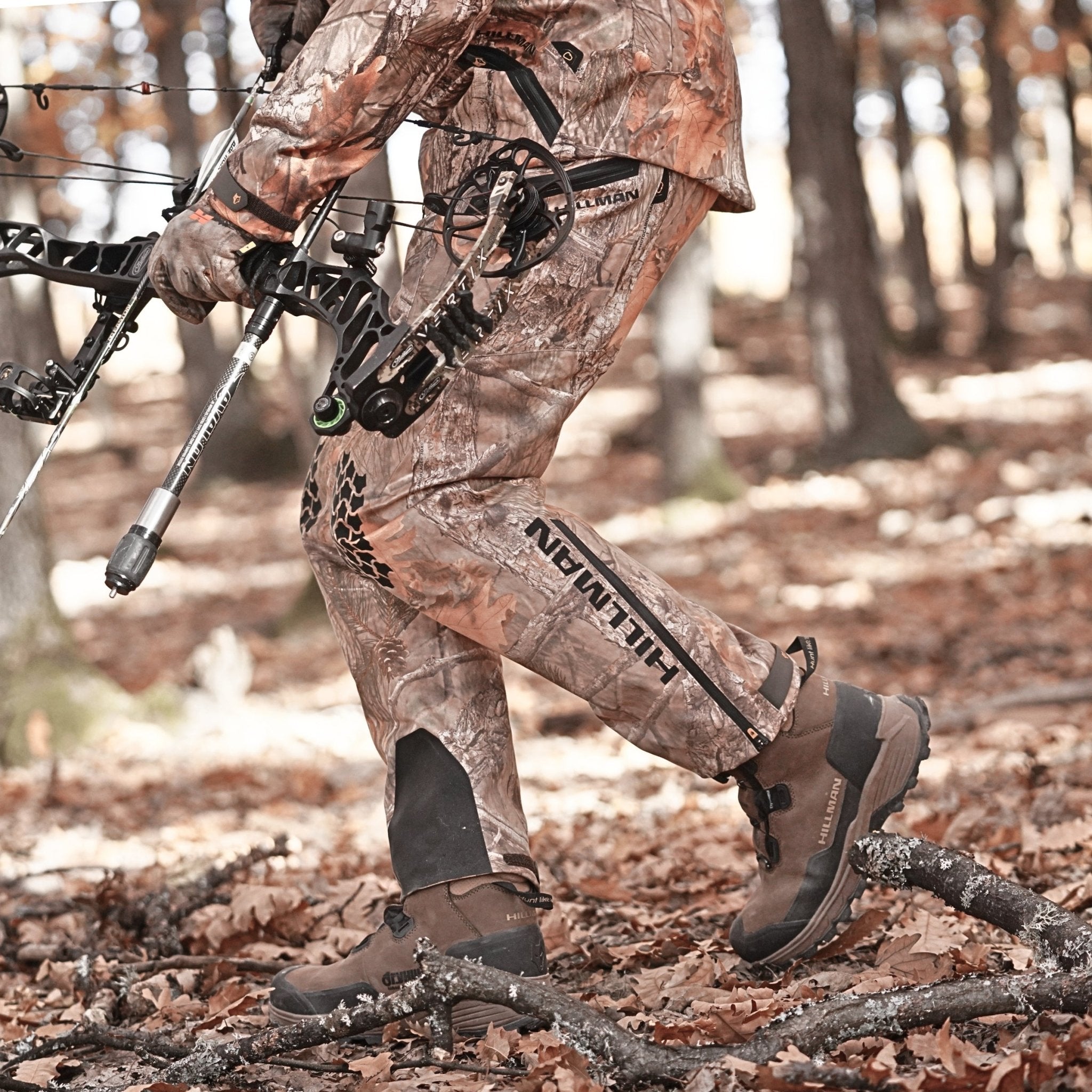
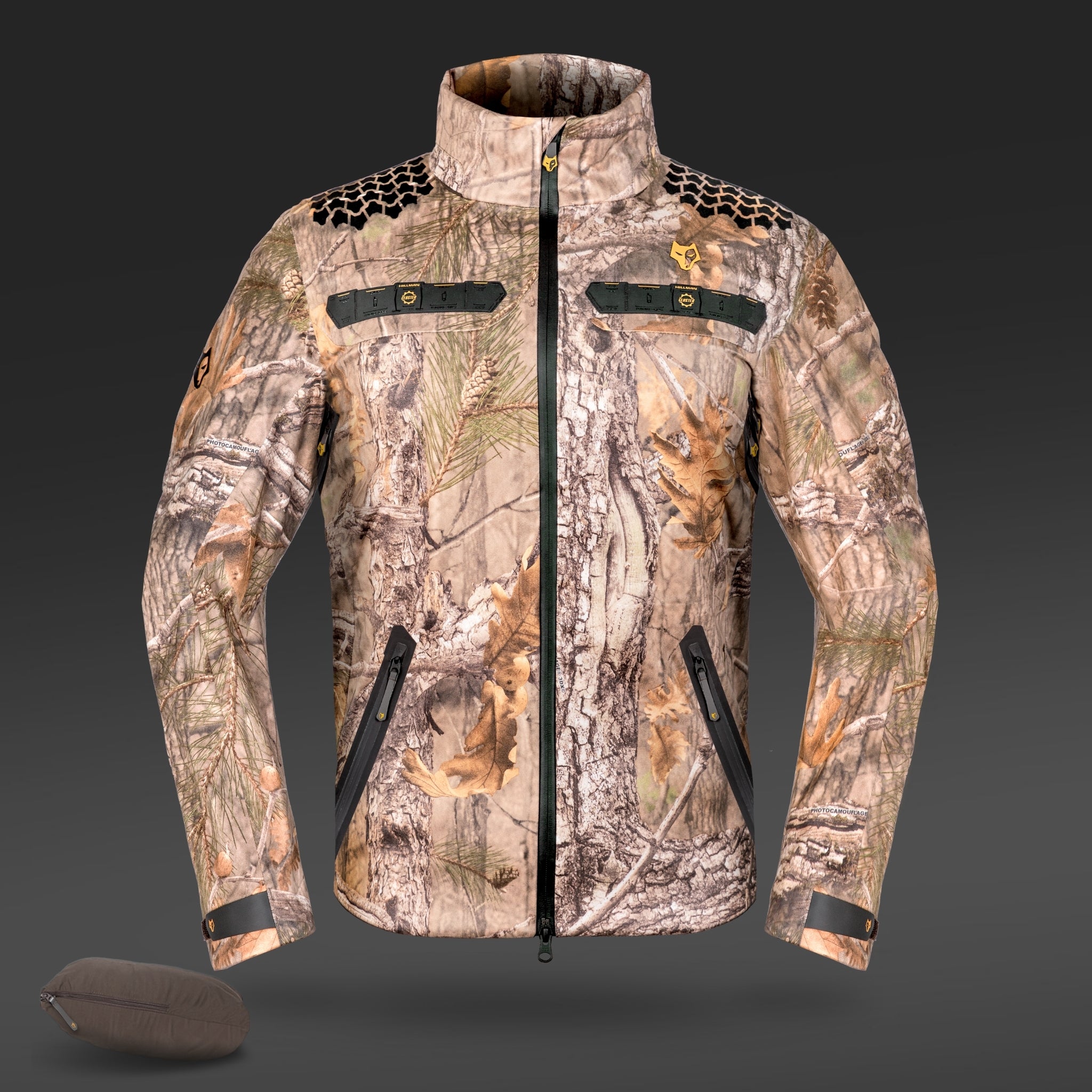
Movement breaks concealment faster than color does, but the right camouflage clothing reduces visibility dramatically. A good fit ensures mobility without breaking outline when shouldering a shotgun.
The Role of the Hunting Blind
A hunting blind isn’t just cover; it’s a structure. Ducks rely heavily on visual cues. Concealment matters as much as decoys or calls. Natural vegetation brushed into a blind creates depth and shadow. In open water setups, layout blinds or boat blinds provide necessary concealment. Without proper hide, even the best duck hunting gear won’t save the setup.
Decoys: Building a Realistic Spread

I’ve never looked at decoys as simple accessories in duck hunting. The way I set them, space them, and combine different types has a direct impact on how birds respond to the spread.
A mix of feeding, sleeping, and motion decoys mimics authentic duck behavior. Floating decoys anchored properly hold position and reduce unnatural drift. Flocked heads reduce glare and reflect less light. The right decoys make ducks commit. The wrong spread makes them circle and leave.
Duck Call Strategy and Sound Control

Calling is one of those parts of duck hunting that looks simple from a distance but becomes layered the more time I spend doing it. Sound carries differently over open water, reacts to wind, and changes tone depending on how a flock approaches. I’ve learned that a duck call is less about volume and more about timing, rhythm, and restraint. When birds are already interested, subtle adjustments matter more than aggressive sequences. When they’re distant or drifting, tone and projection become more important.
The strategy behind calling always depends on the stage, whether ducks are circling, committed, or starting to lose interest. Understanding that moment shapes how I use the call in my hand.
Choosing the Right Duck Call
A duck call is more than noise. Single-reed calls offer versatility and volume, especially on open water. Double reed calls are easier to control and can be helpful for beginners. I carry more than one call because tone and volume matter, depending on wind and distance.
Calling at the Right Stage
I don’t call constantly. Overcalling ruins opportunities. Ducks respond to realism. Short sequences, timed pauses, subtle volume changes. The goal is to sound natural, not aggressive. Calling works best when combined with correct decoys and concealment.
Shotgun Setup and Non-Toxic Shells

Federal regulations require non-toxic shells for waterfowl hunting. Steel, bismuth, or tungsten loads protect habitats and comply with the law.
A 12-gauge or 20-gauge shotgun offers versatility and power. I prefer a setup that balances shoulder comfort with quick target acquisition. A shotgun sling or cartridge belt helps carry the gun comfortably when setting decoys or moving locations.
Eye and ear protection aren’t optional. They protect long-term hearing and vision without interfering with performance.
Essential Accessories I Don’t Forget
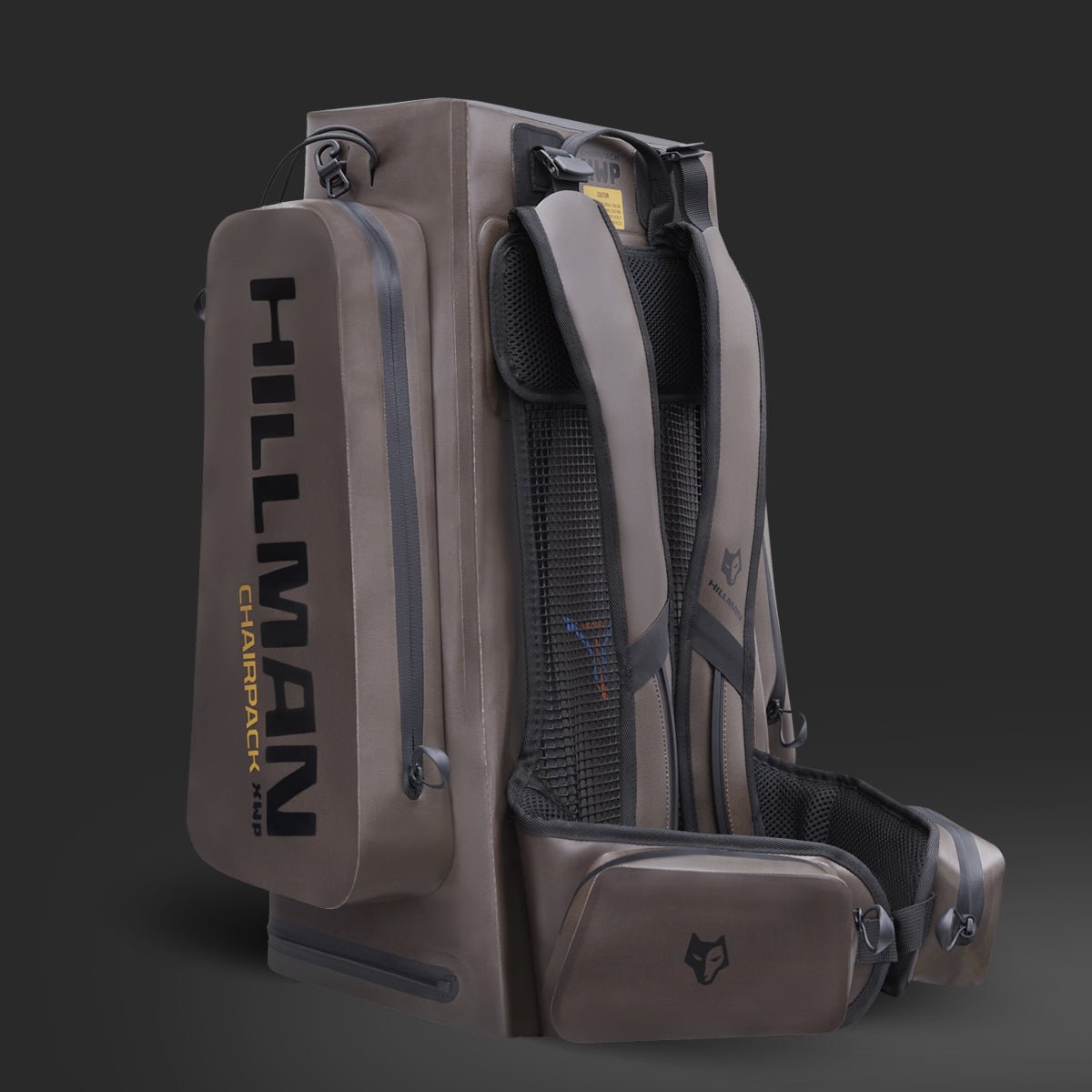
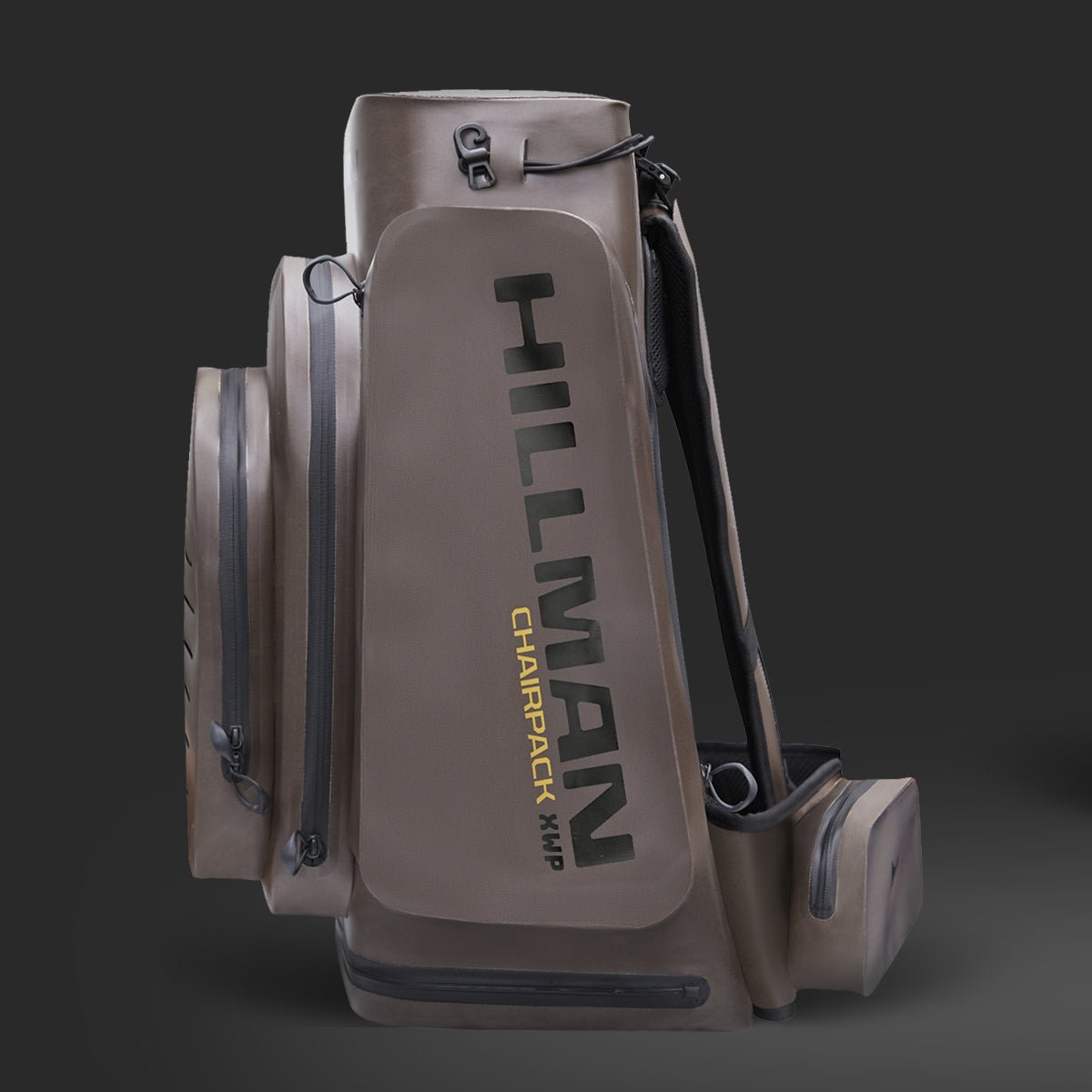
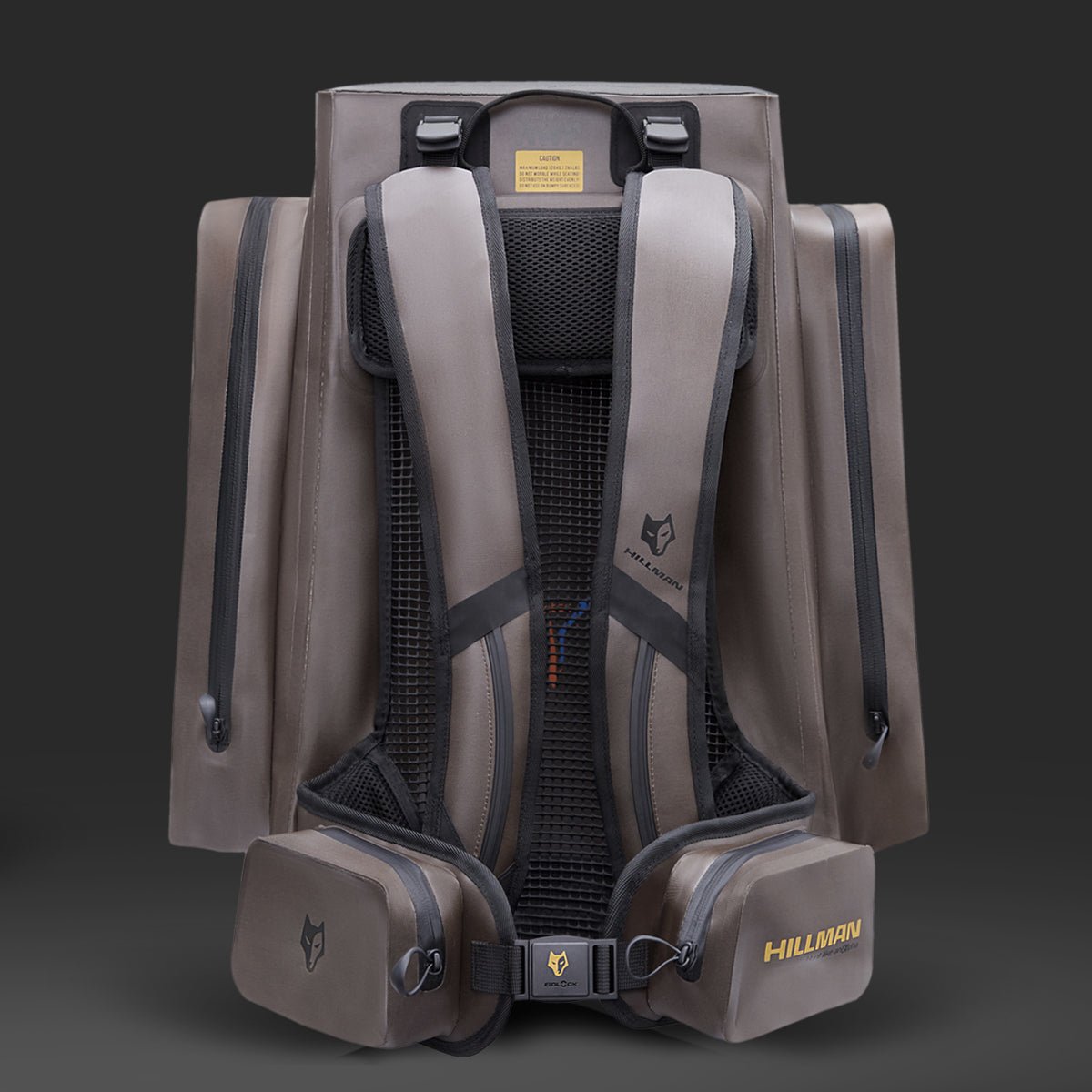
A blind bag holds the basics: extra shells, snacks, water, gloves, bags, and tools. A floating gun case protects equipment in wet conditions. A game strap helps transport harvested ducks efficiently.
When hunting from a boat or deeper water, a personal flotation device adds safety. Preparation prevents simple mistakes from becoming serious problems.
Scouting and Location Matter More Than Price
No piece of duck hunting gear replaces scouting. I spend time observing feeding grounds, flight paths, and shelter areas before the season begins.
Understanding location improves success more than upgrading equipment. The right decoys placed in the wrong location won’t attract birds. Licenses and landowner permission come first. Regulations protect both hunters and the environment.

Early Season vs Late Season Strategy
Early-season teal hunts require lighter layers and attention to ventilation. Warm mornings demand breathable fabrics.
Late-season hunts demand insulation and windproof protection. Cold conditions require layering that traps warmth without trapping moisture.
The same collection of gear can adapt across stages if chosen wisely.
Comfort and Durability Over Time
Waterfowl clothing is an investment. Durability matters because conditions are harsh. Mud, water, wind, and repeated use test seams and materials quickly.
If my clothes allow me to stay in the field longer without discomfort, they improve the entire experience. Success in duck hunting often depends on patience. If I’m warm, dry, and comfortable, waiting becomes easier.

Preparing for the Next Flock
The moment between flocks defines duck hunting. Waiting. Adjusting decoys. Listening. Watching. If my gear is doing its job, I focus entirely on the sky and water. I’m not thinking about wet sleeves, cold hands, or shifting layers. That’s when duck hunting clothes prove their value, not when I purchase them, but when I forget about them entirely because they simply work.
Staying dry and hidden isn’t complicated in theory. In practice, it requires thoughtful preparation, reliable waterproof layers, proper camouflage, quality decoys, effective duck calls, and the discipline to adapt to weather and environment. When all of those pieces align, the next flock has fewer reasons to flare and more reasons to commit.
Frequently Asked Questions About Duck Hunting Clothes and Gear

What gear and clothing do I need for a successful duck hunt?
When I prepare for duck hunting, I start with the essentials rather than extras. At minimum, I need waterproof breathable chest waders, camouflage hunting clothes that match the environment, a reliable shotgun with non-toxic shells, functional decoys, and at least one dependable duck call.
From there, comfort becomes the difference between leaving early and staying focused. A proper layering system: base layer, mid layer, and windproof waterproof outer layer, helps manage changing weather conditions. Insulated boots or waders protect against cold water, while gloves and head coverage preserve warmth during long morning sits. I also carry a blind bag with snacks, water, and small tools because energy drops quickly in wet, cold environments.
Success in waterfowl hunting usually comes down to preparation. The more prepared I am before sunrise, the more I can focus on birds instead of adjusting gear.
How do I choose between different duck hunting clothing brands?
I don’t choose duck hunting clothing based solely on name recognition or price. Instead, I focus on construction, materials, and how the clothing performs in the climate I hunt most often. Some jackets emphasize windproof protection, others prioritize insulation, and some are designed to function as a mid-layer under waders.
Fit is one of the most overlooked details. A jacket that restricts shoulder movement affects how I shoulder a shotgun. Pants that bind when kneeling in a blind become distracting after an hour. Breathability also matters more than many hunters realize; if moisture builds inside, insulation becomes ineffective.
In the end, I look for durability, waterproof protection, and layering compatibility. Brands may differ, but performance in real wet conditions tells me more than marketing ever will.
What is the best camouflage pattern for waterfowl and marsh hunting?
For me, the best camouflage pattern depends entirely on the environment. Marsh grass, flooded timber, agricultural fields, and open water all create different backgrounds. I don’t expect one pattern to perform equally well in every setting.
Ducks rely heavily on vision, especially when approaching decoys. Matching the habitat, whether that’s tall reeds, dark timber, or lighter marsh tones, reduces contrast and helps break up outline. I also pay attention to how clothing blends while sitting, not just standing. In a hunting blind, depth and shadow matter as much as color.
Camouflage works best when combined with disciplined movement and proper concealment. Even the best pattern won’t compensate for poor hide or unnecessary motion, but when the environment and clothing align, visibility drops significantly.


Share:
The Whitetail Hunter’s Checklist: Essential Gear for 2026
Brush-Proof Upland Hunting Pants for 2026: Tough Terrain