

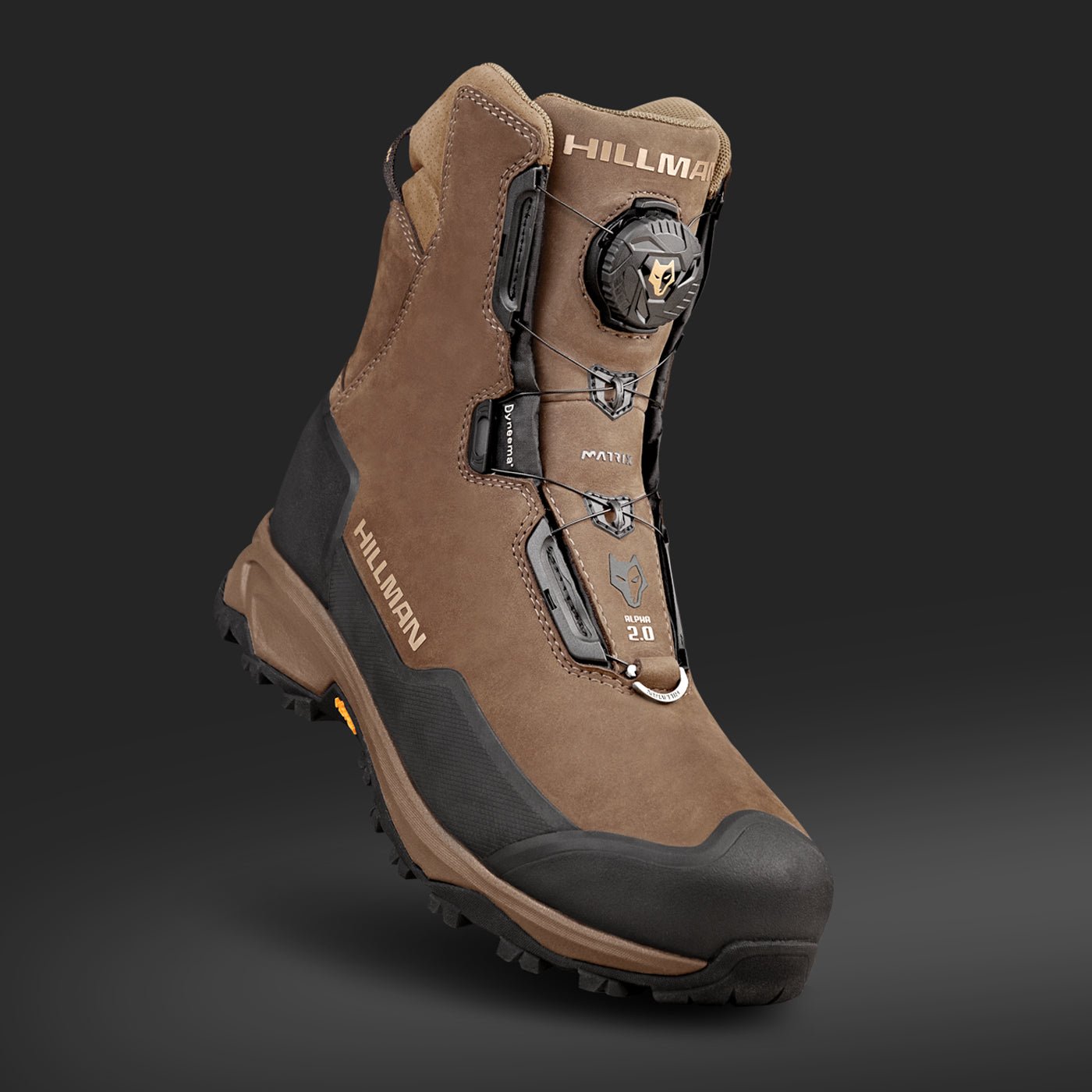
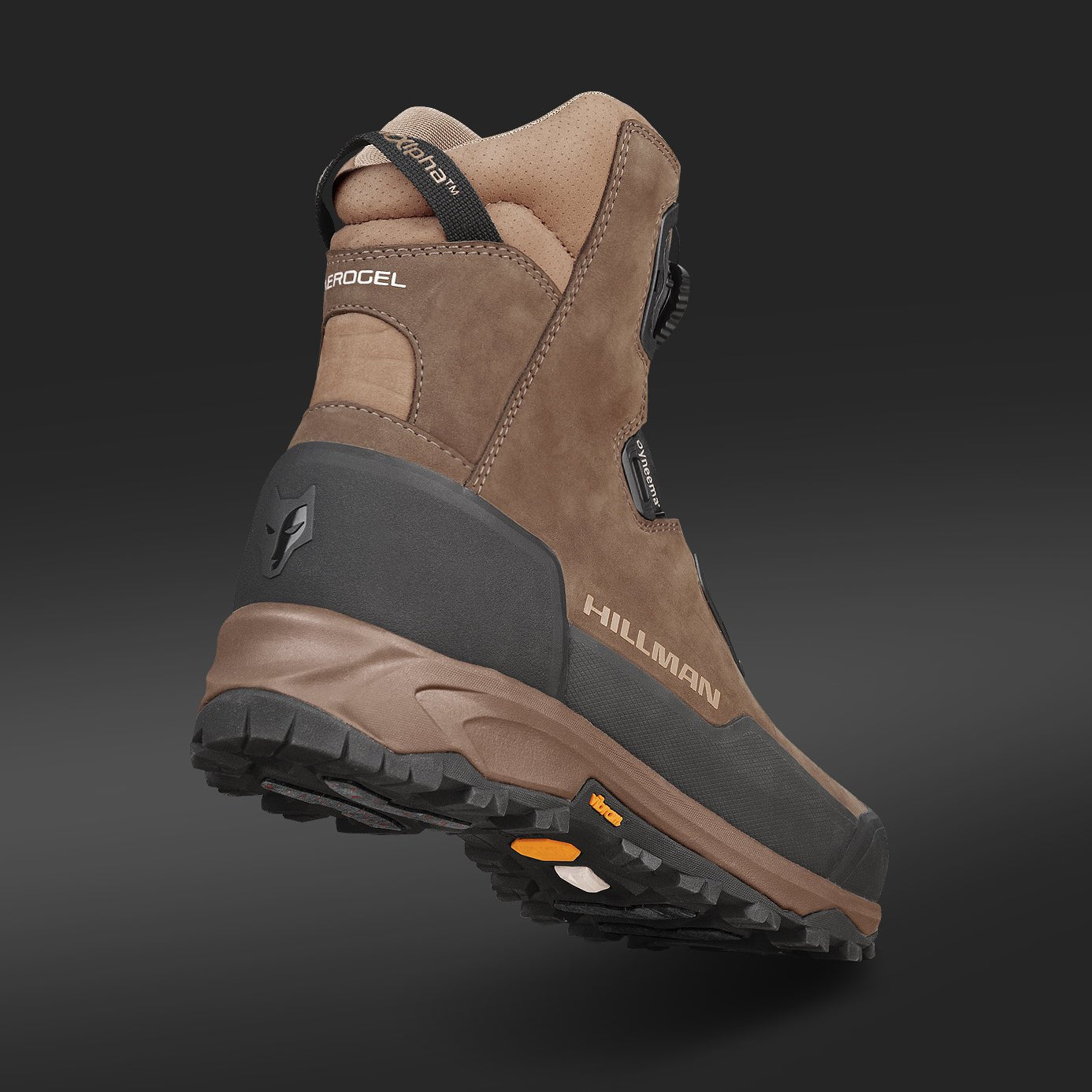
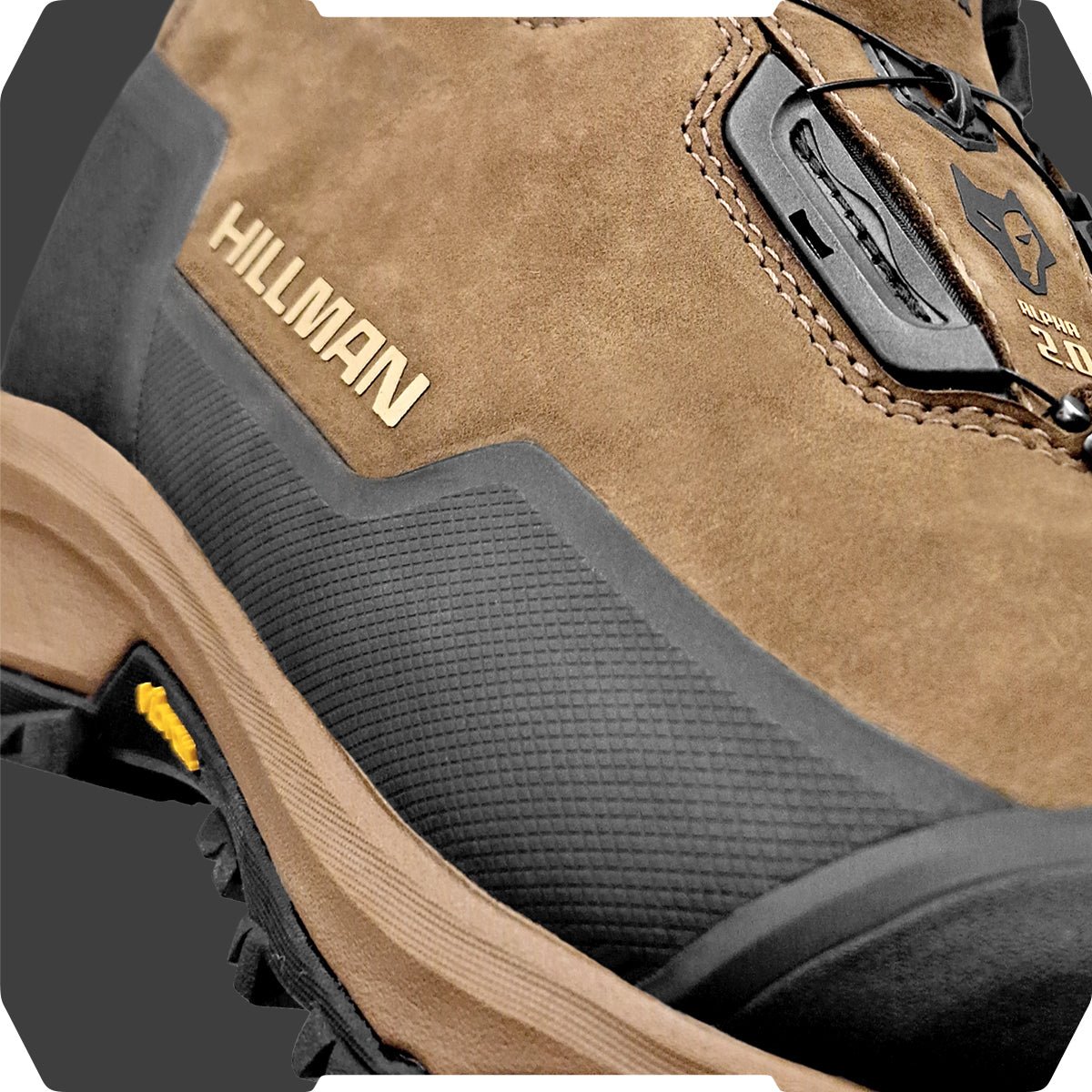
Insulated Hunting Boots - Warmest Waterproof Aerogel 2.0
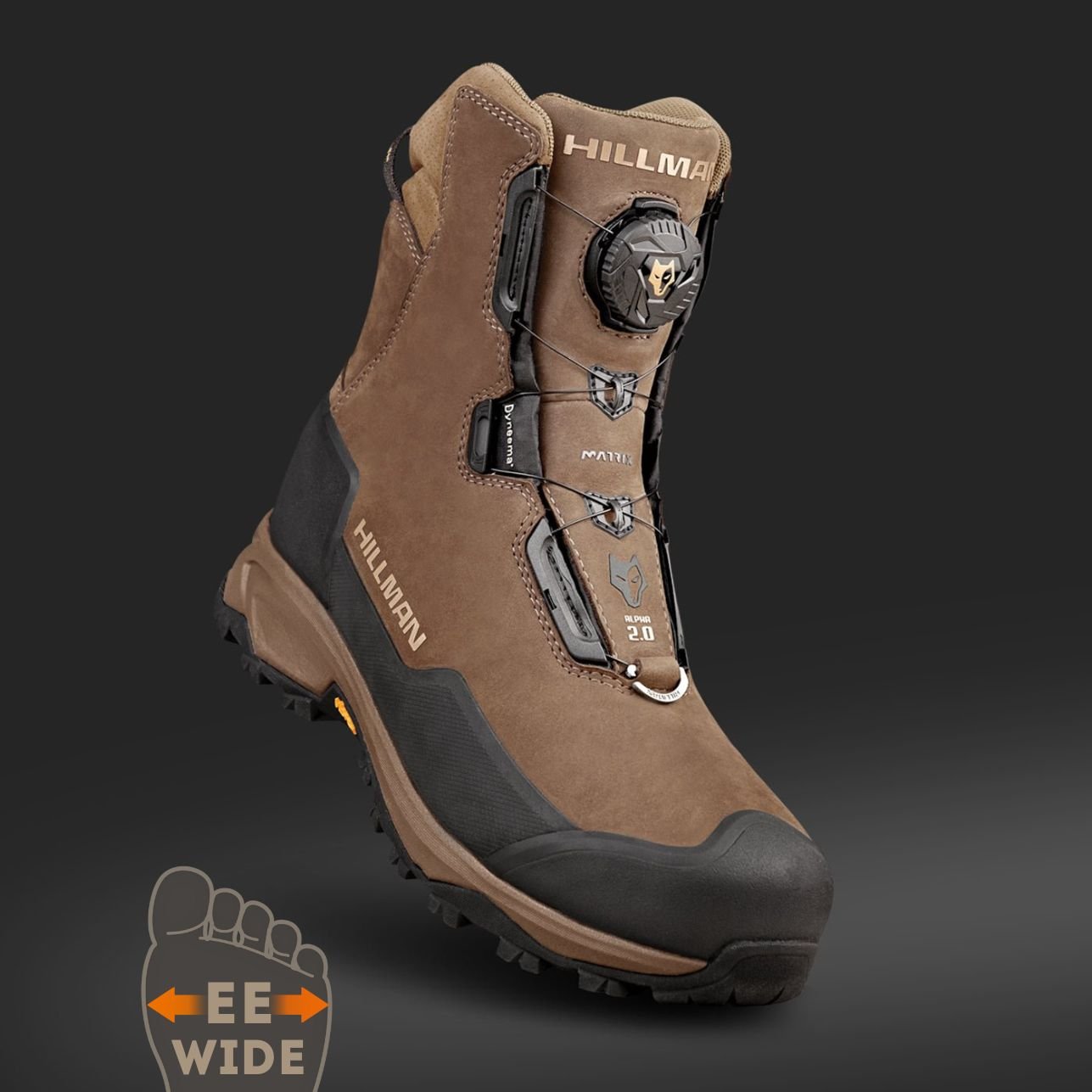
Wide Width Insulated Hunting Boots | Aerogel 2.0
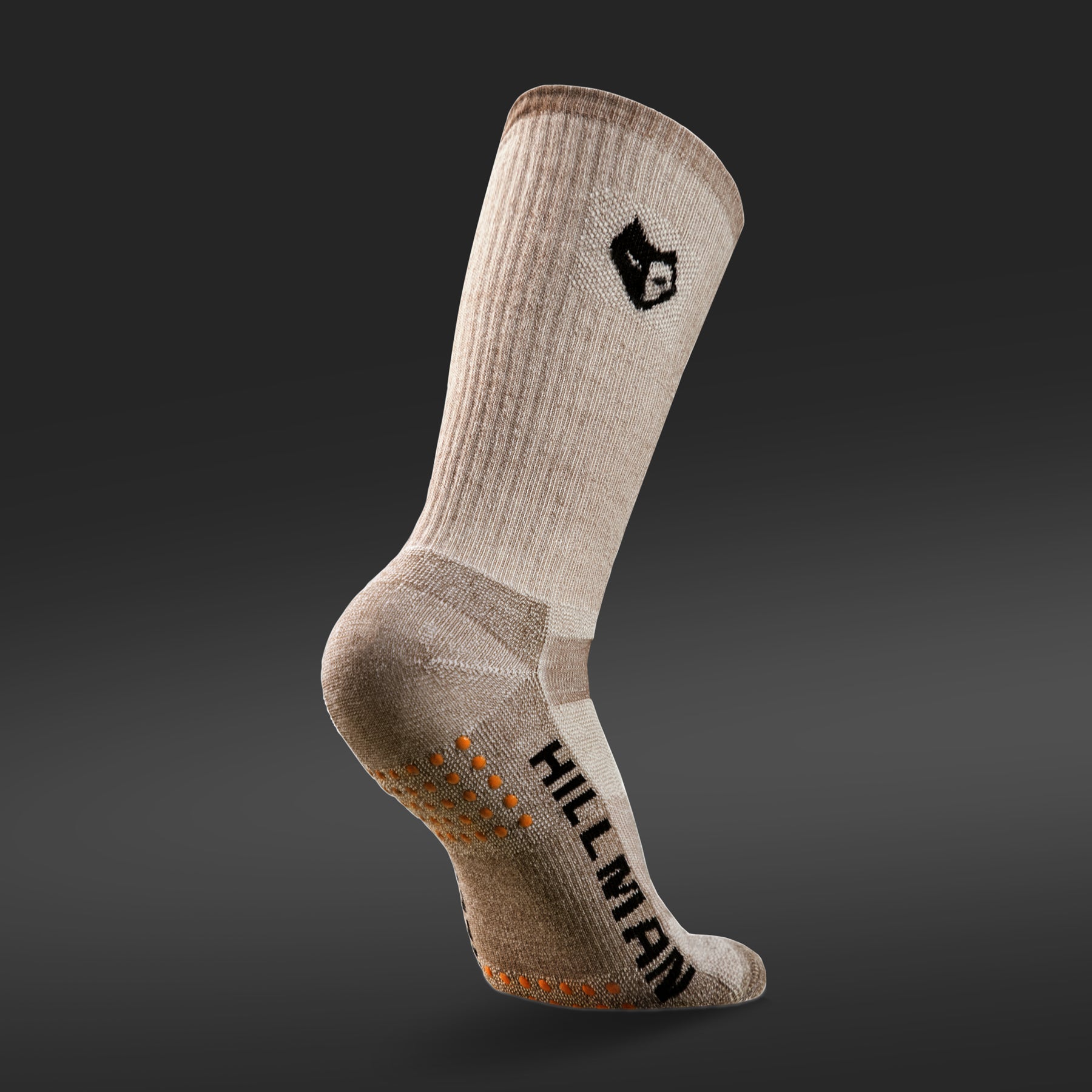
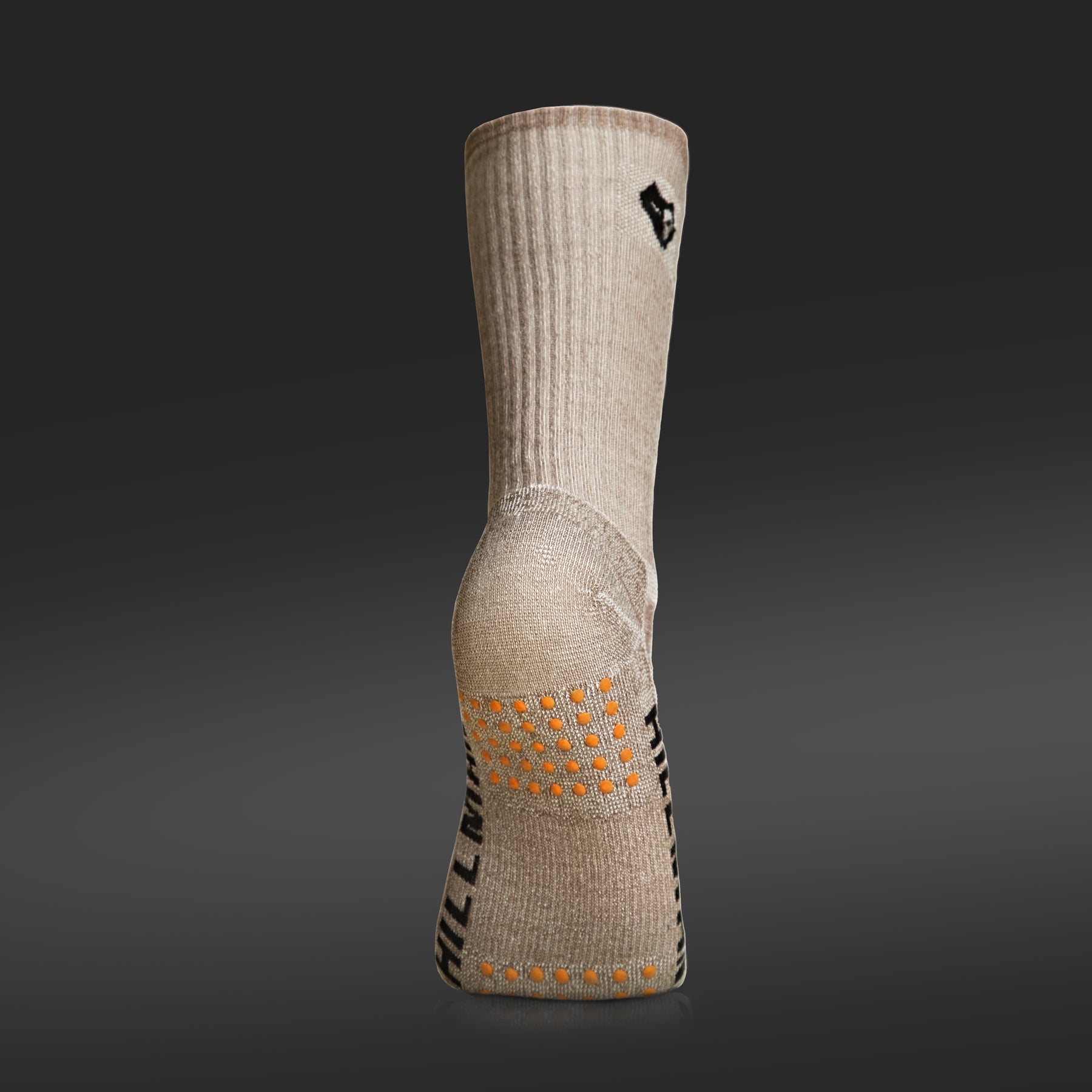
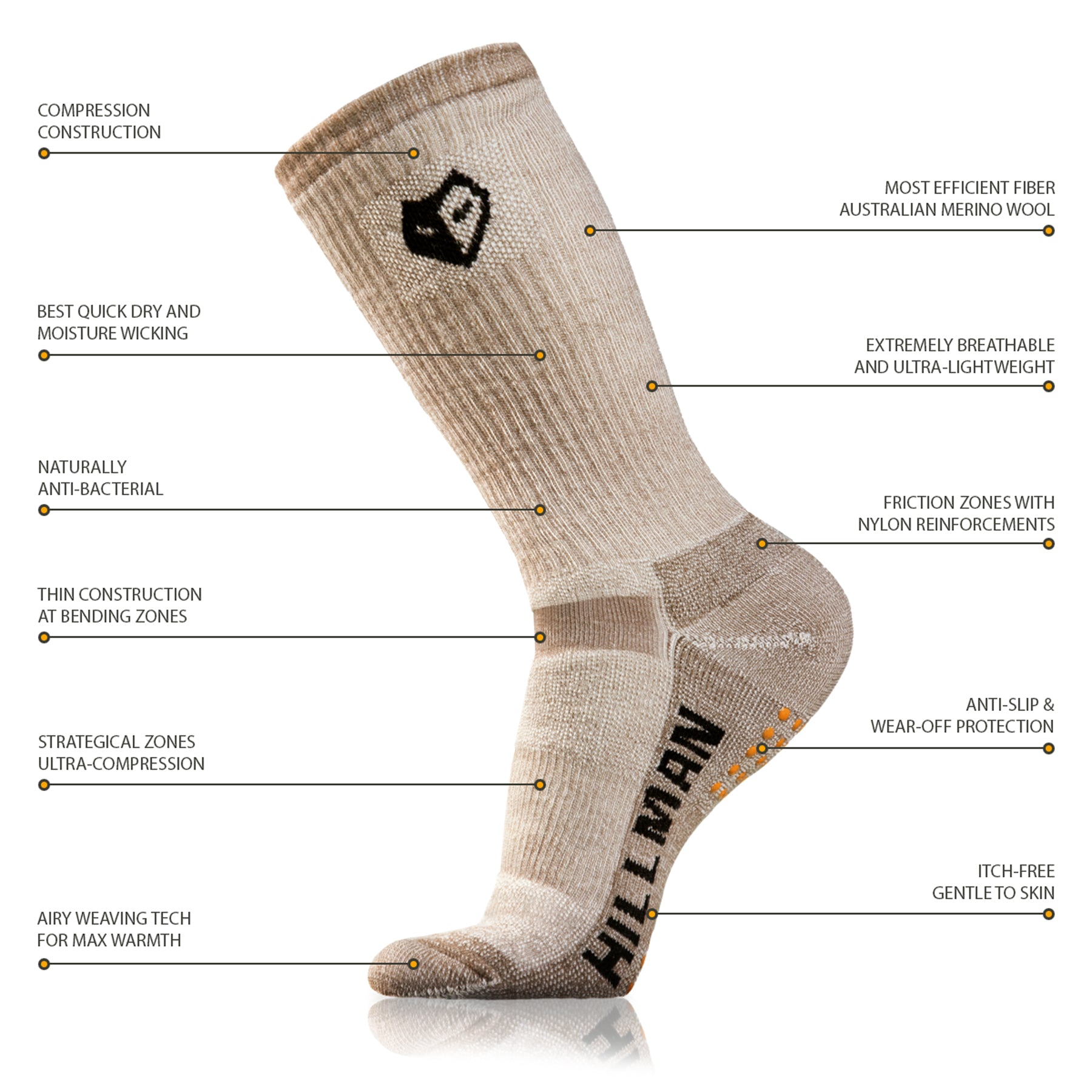
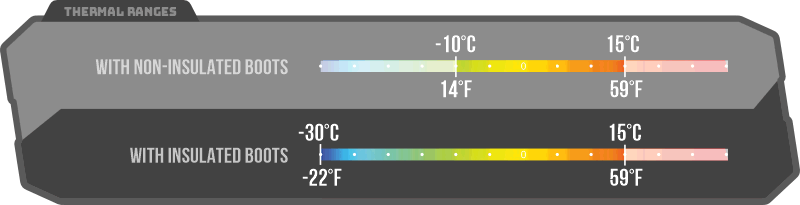
Hunting Socks Merino Wool - Warmest for Extreme Cold Weather
![The Hillman® [16μm] Anatomic Merino Beanie, in brown, features ear flaps with HILLMAN embroidered on the side. Crafted from textured fabric for warmth and comfort, it provides heat insulation and covers the ears for cozy wear.](http://hillmangear.com/cdn/shop/products/Lovna-shapka-merino-Hillman.png?v=1742304940&width=1350)
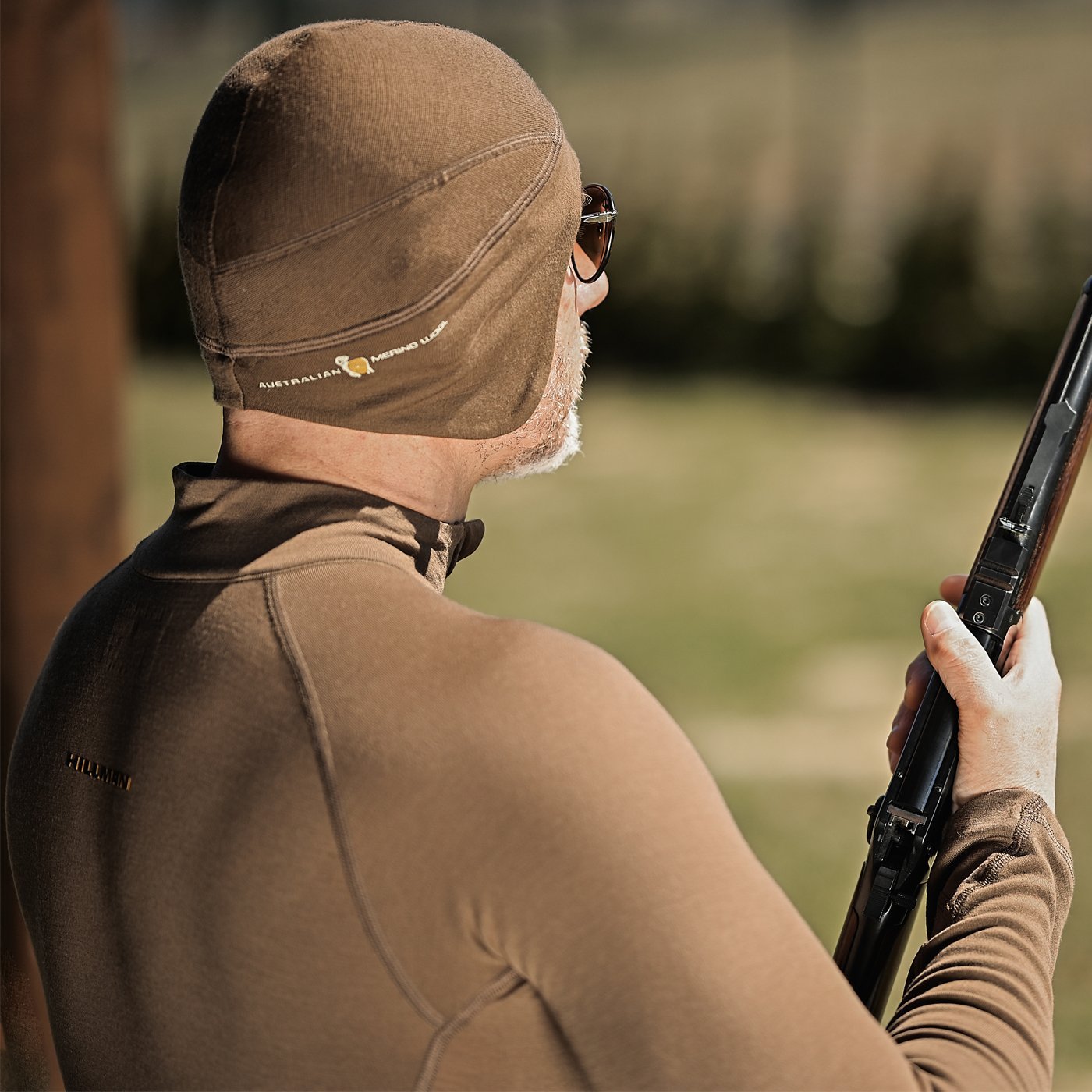
![A person in brown outdoor gear made of merino wool, wearing round sunglasses and a Hillman® [16μm] Anatomic Merino Beanie, sits outdoors. Their thermo-regulating top has a partially open zipper. The backdrop is slightly blurry, revealing greenery and a wooden structure.](http://hillmangear.com/cdn/shop/products/3-hillman-merino-wool-base-layer-hunting-hat.jpg?v=1739720849&width=1400)
![A man in a brown thermo-regulating suit and cap, wearing sunglasses, crouches outdoors amidst snowy mountains and blurred greenery. Hes sporting the [16μm] Anatomic Merino Beanie by Hillman®, perfectly complementing his warm attire.](http://hillmangear.com/cdn/shop/products/4-hillman-merino-wool-base-layer-hunting-hat.jpg?v=1739720849&width=1400)
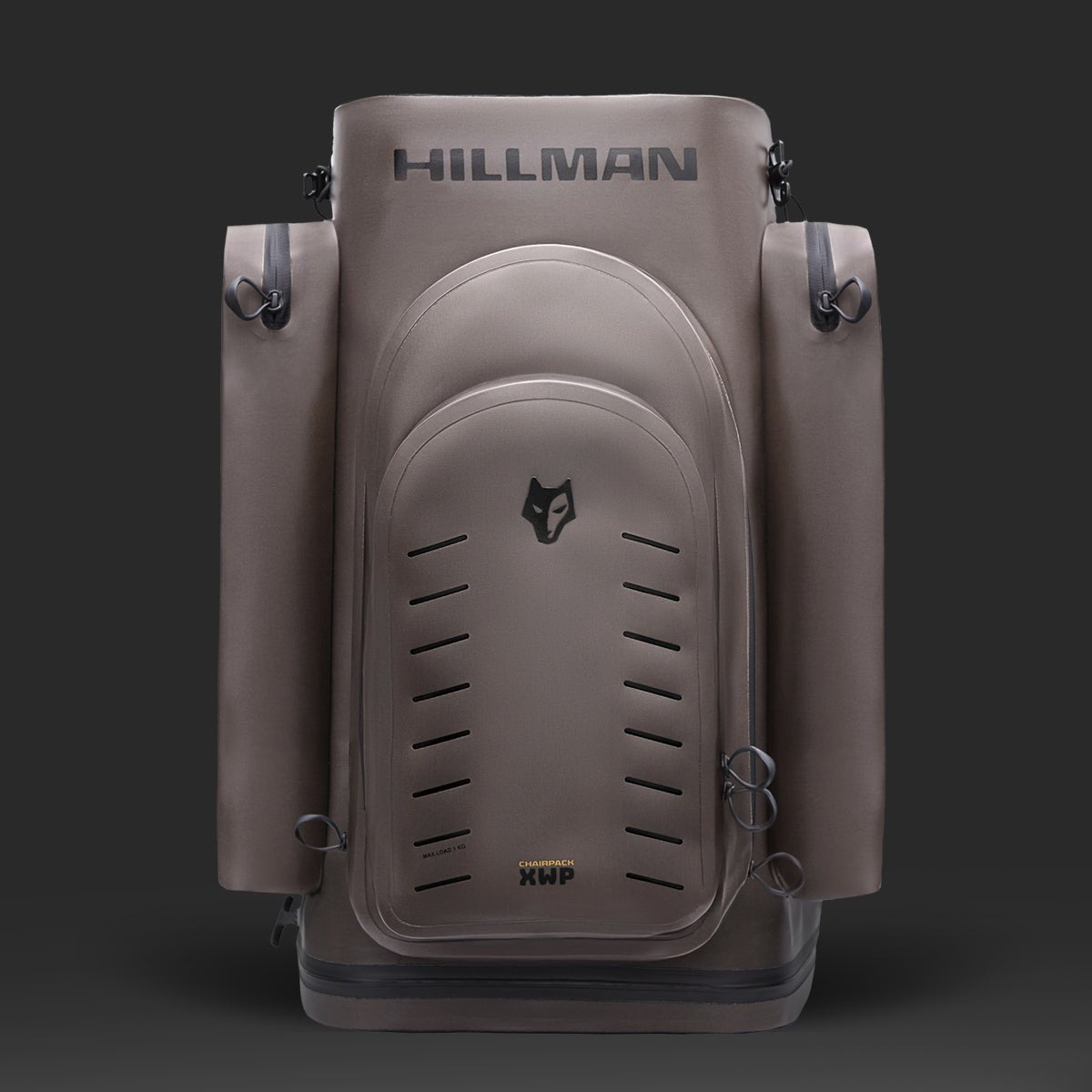
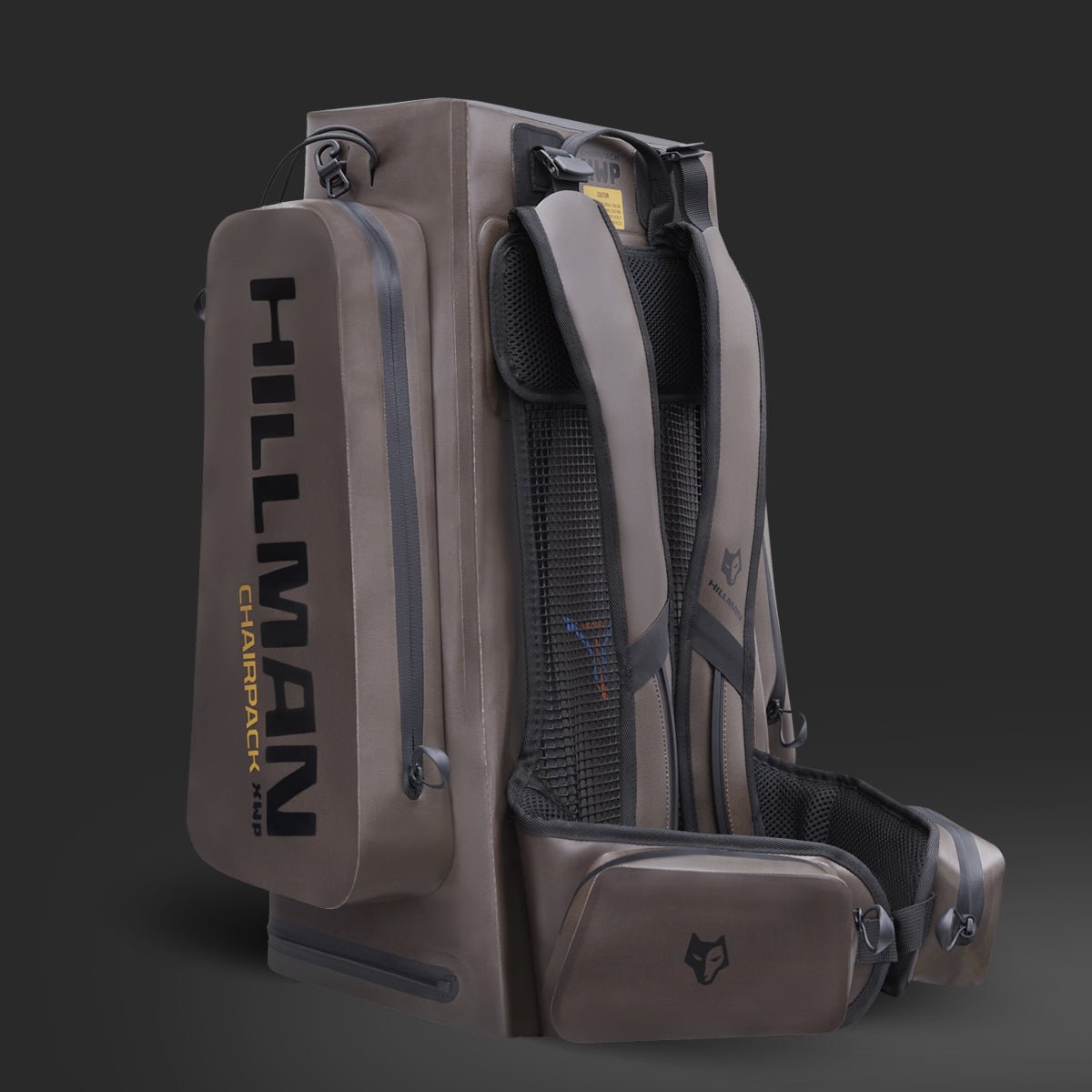
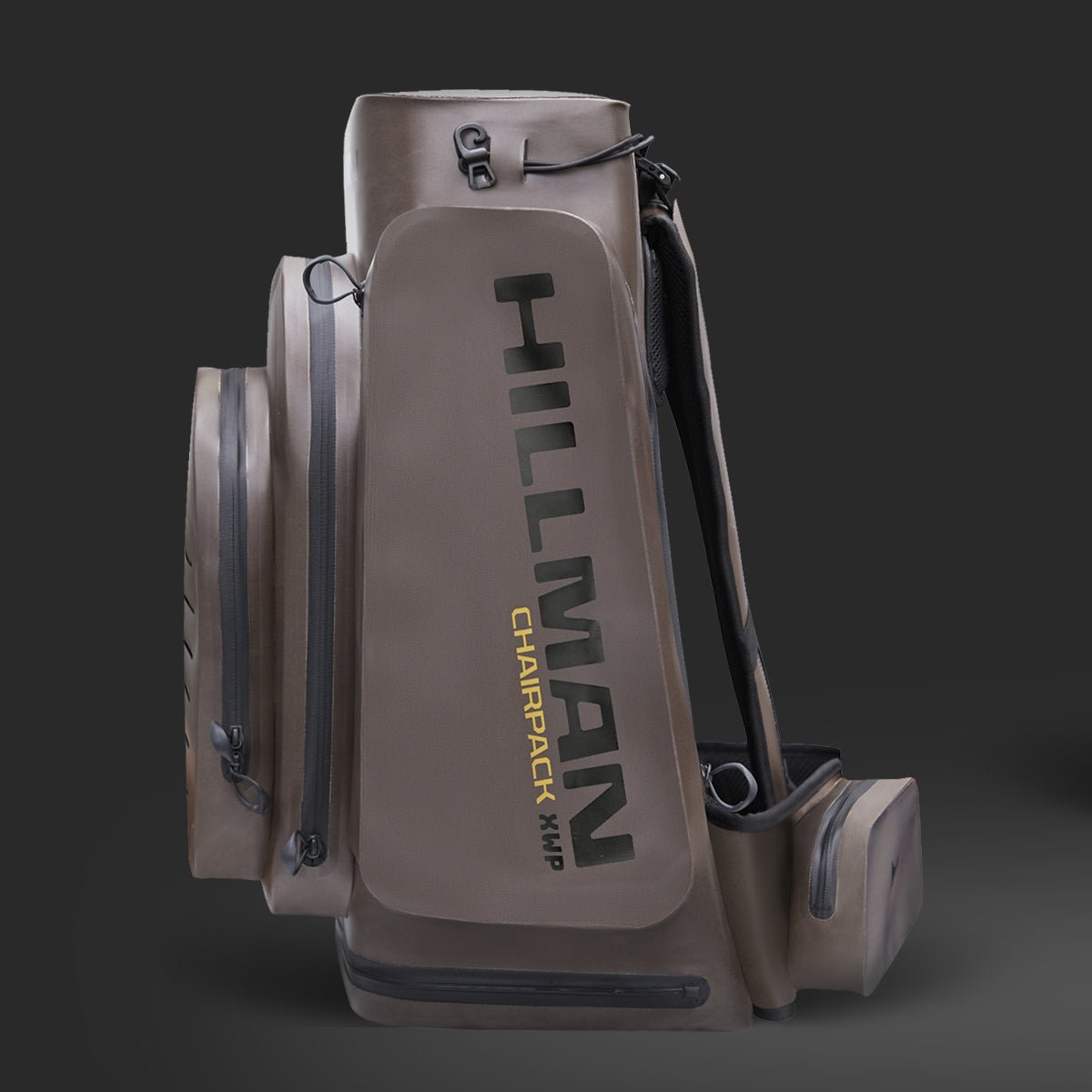
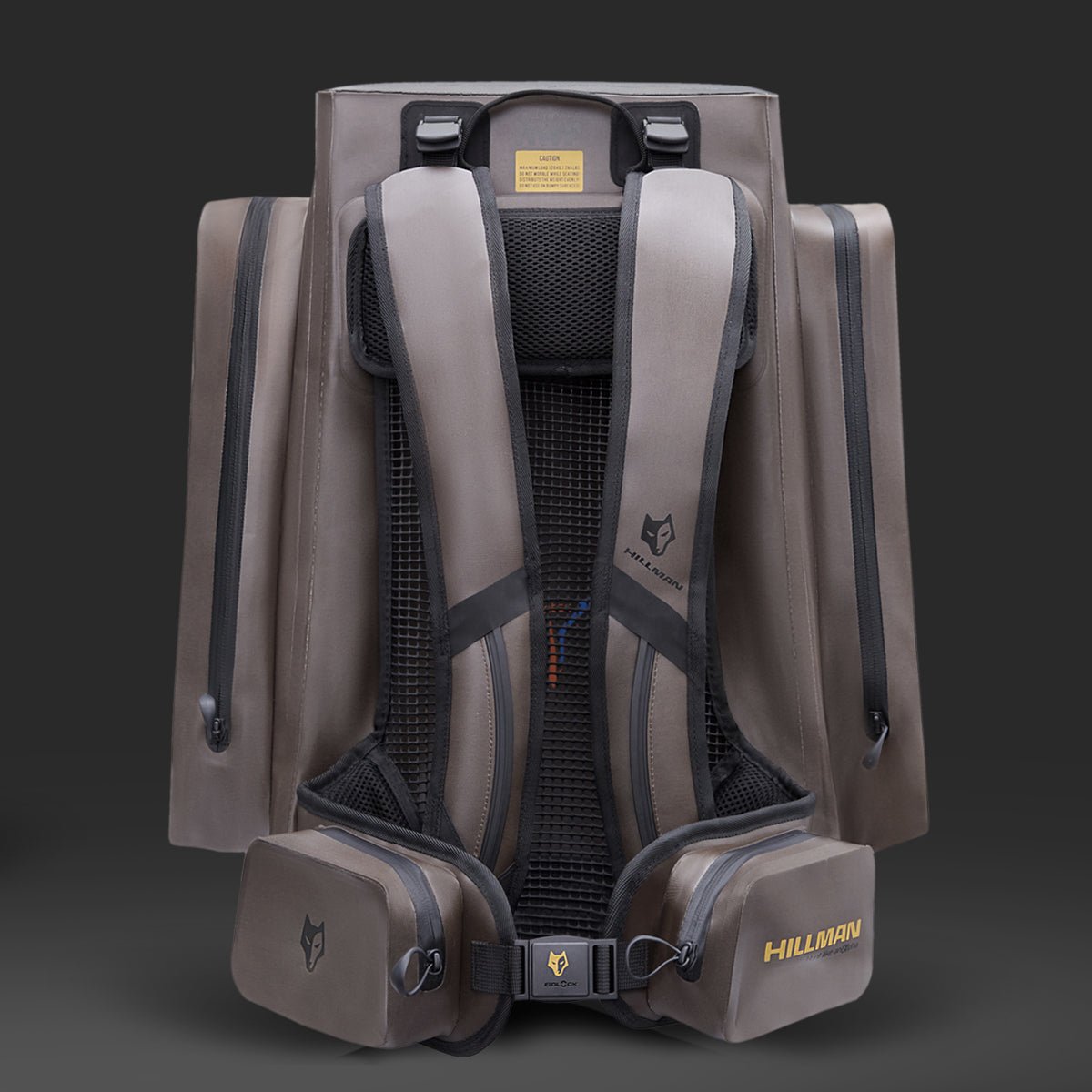
Hunting Backpack Chair - Waterproof Seat Pack | Chairpack
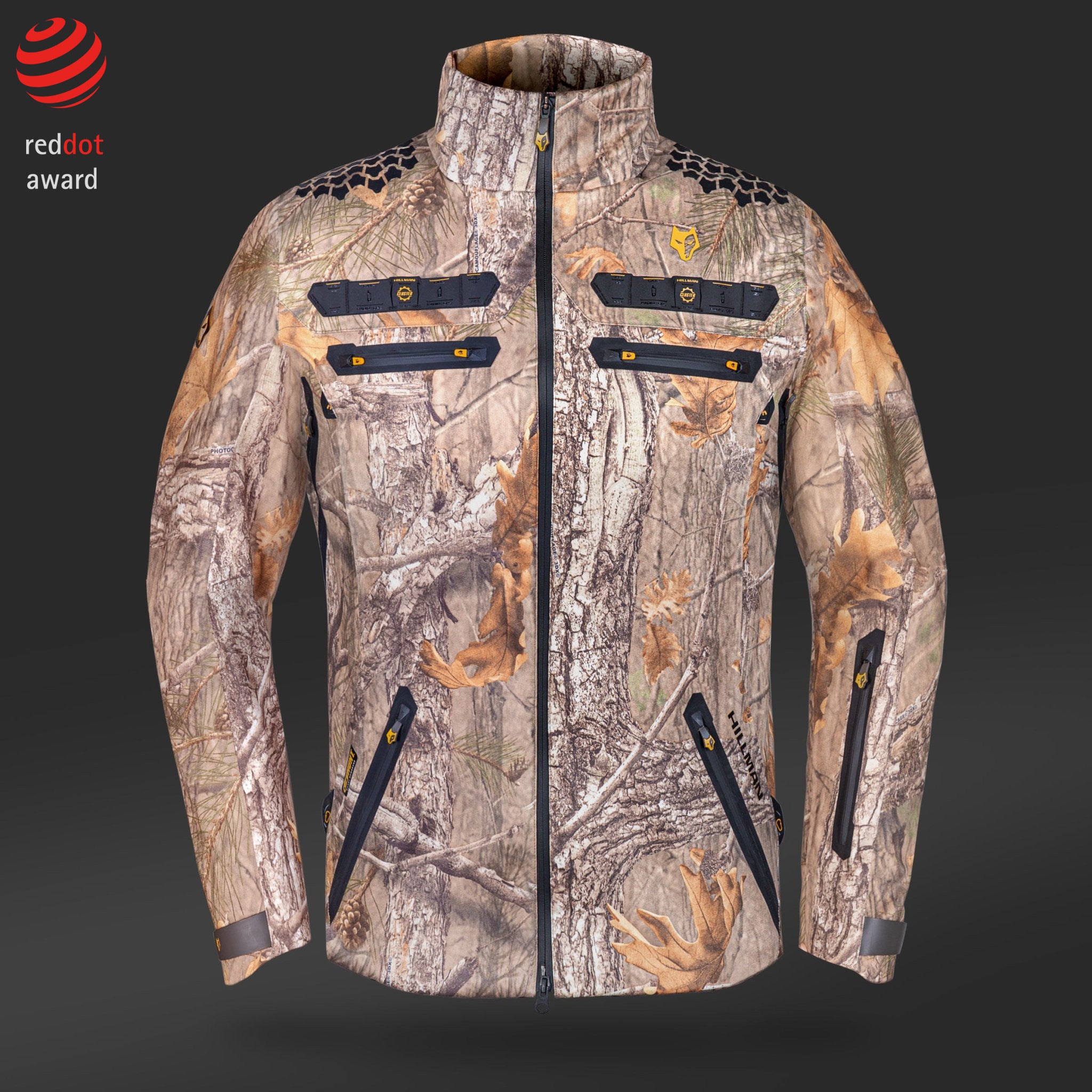
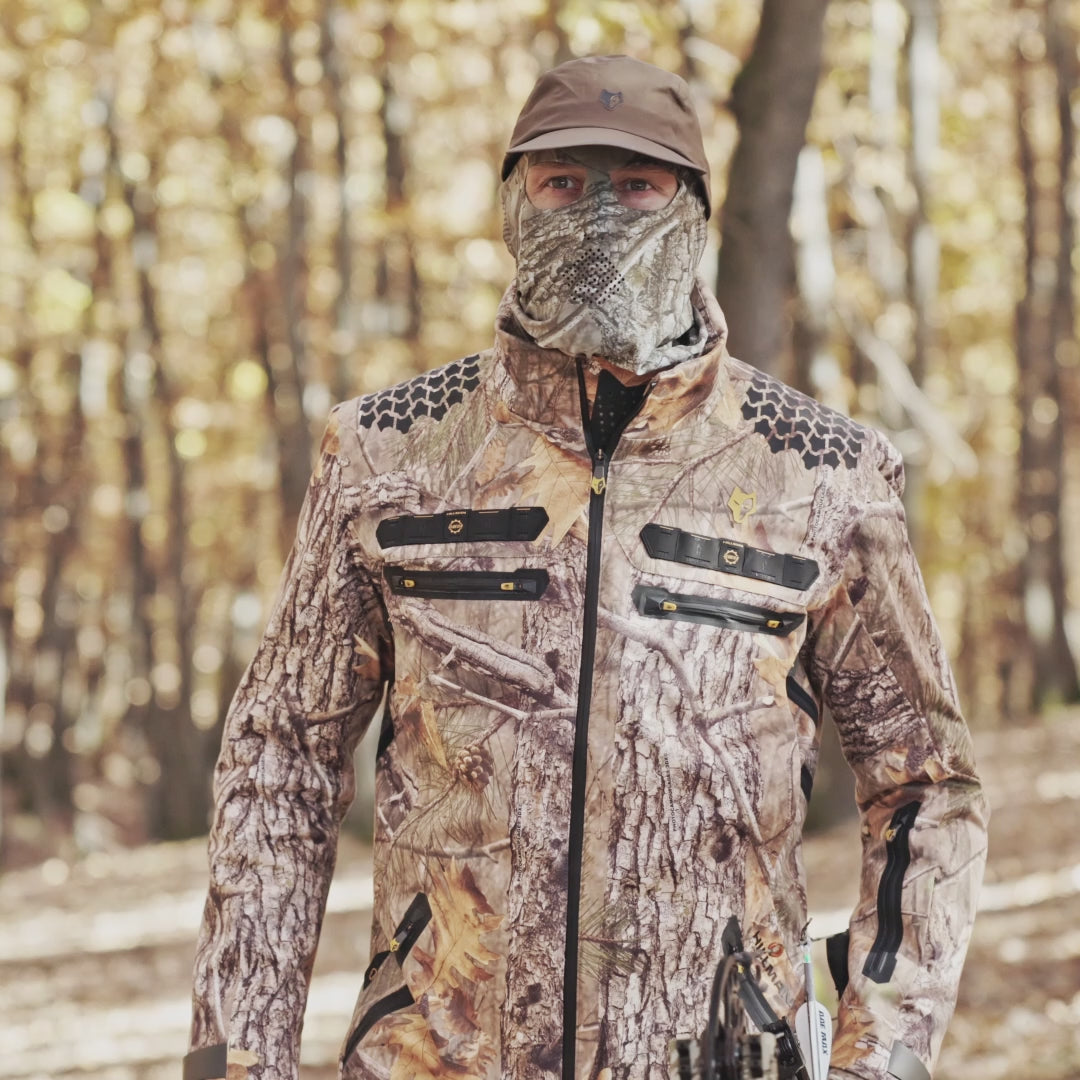
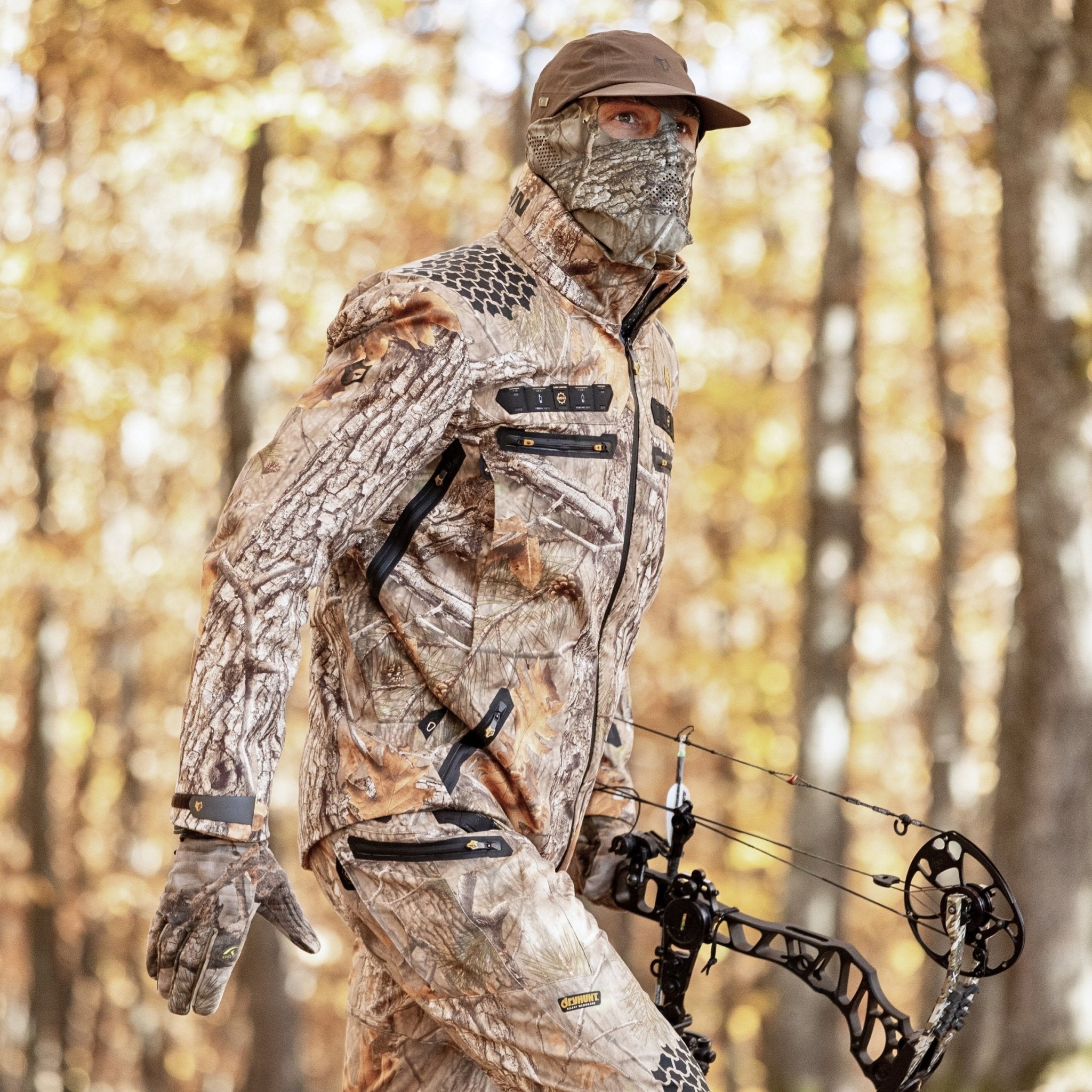
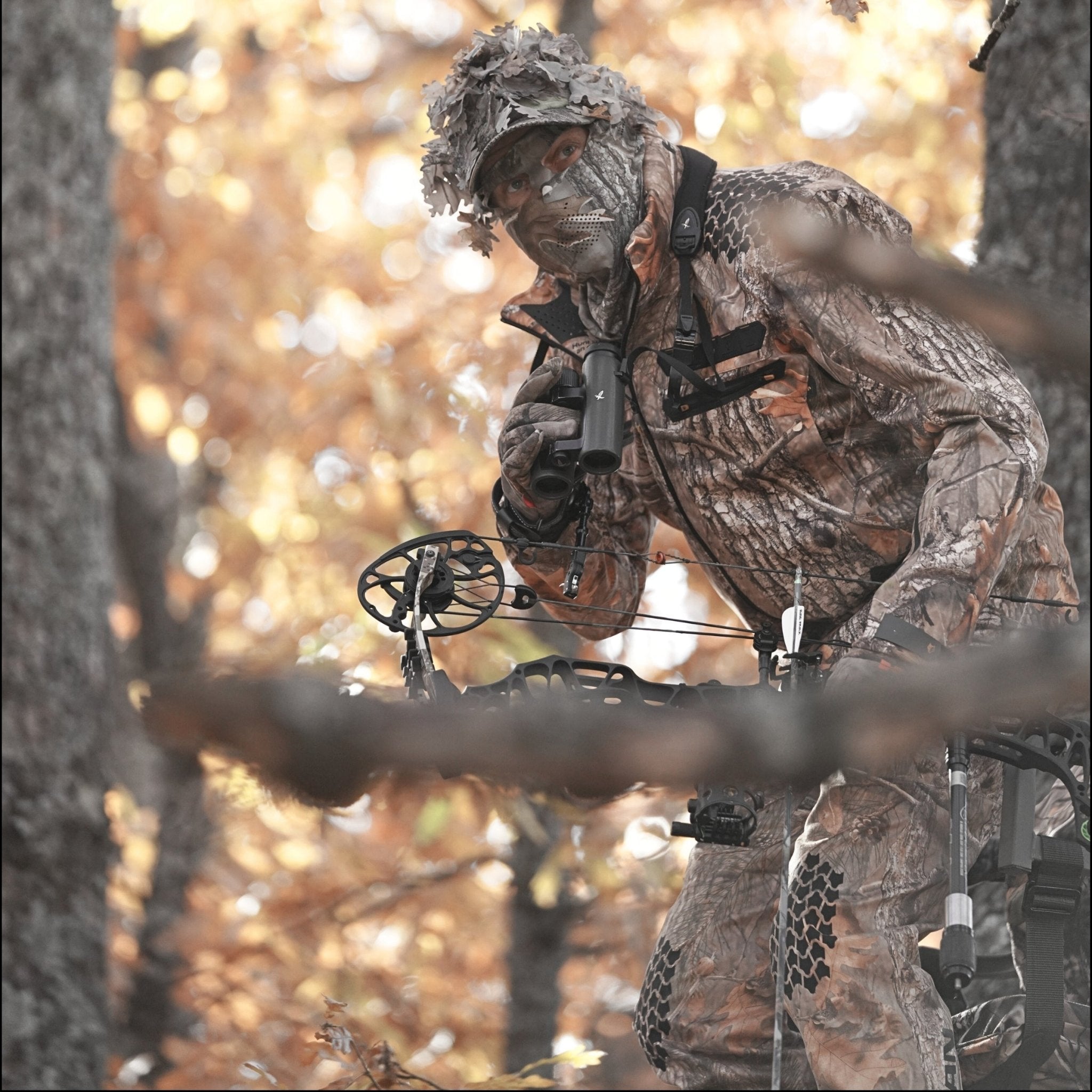
Camo Hunting Jacket - Waterproof Insulated | AlphaShell 6OL
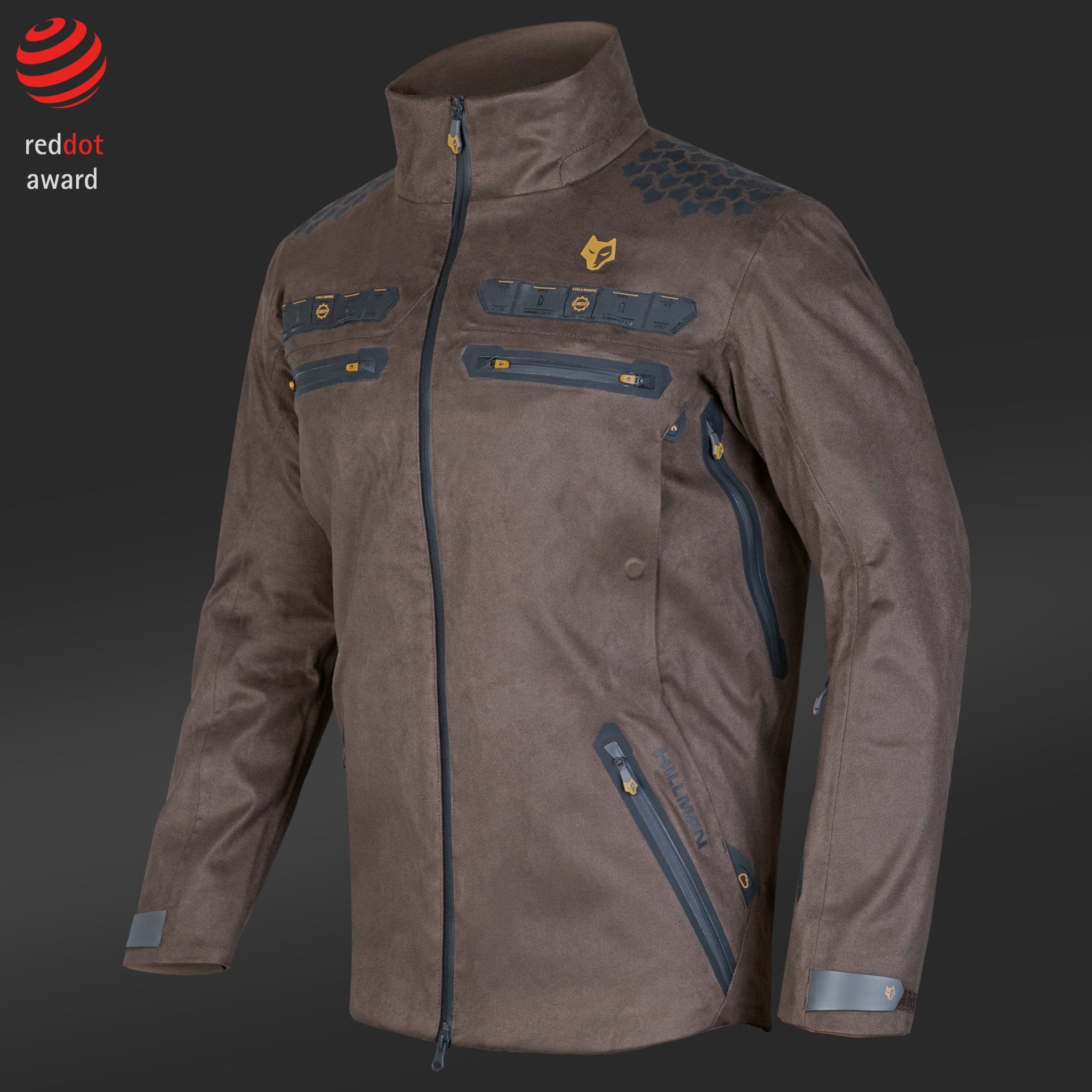
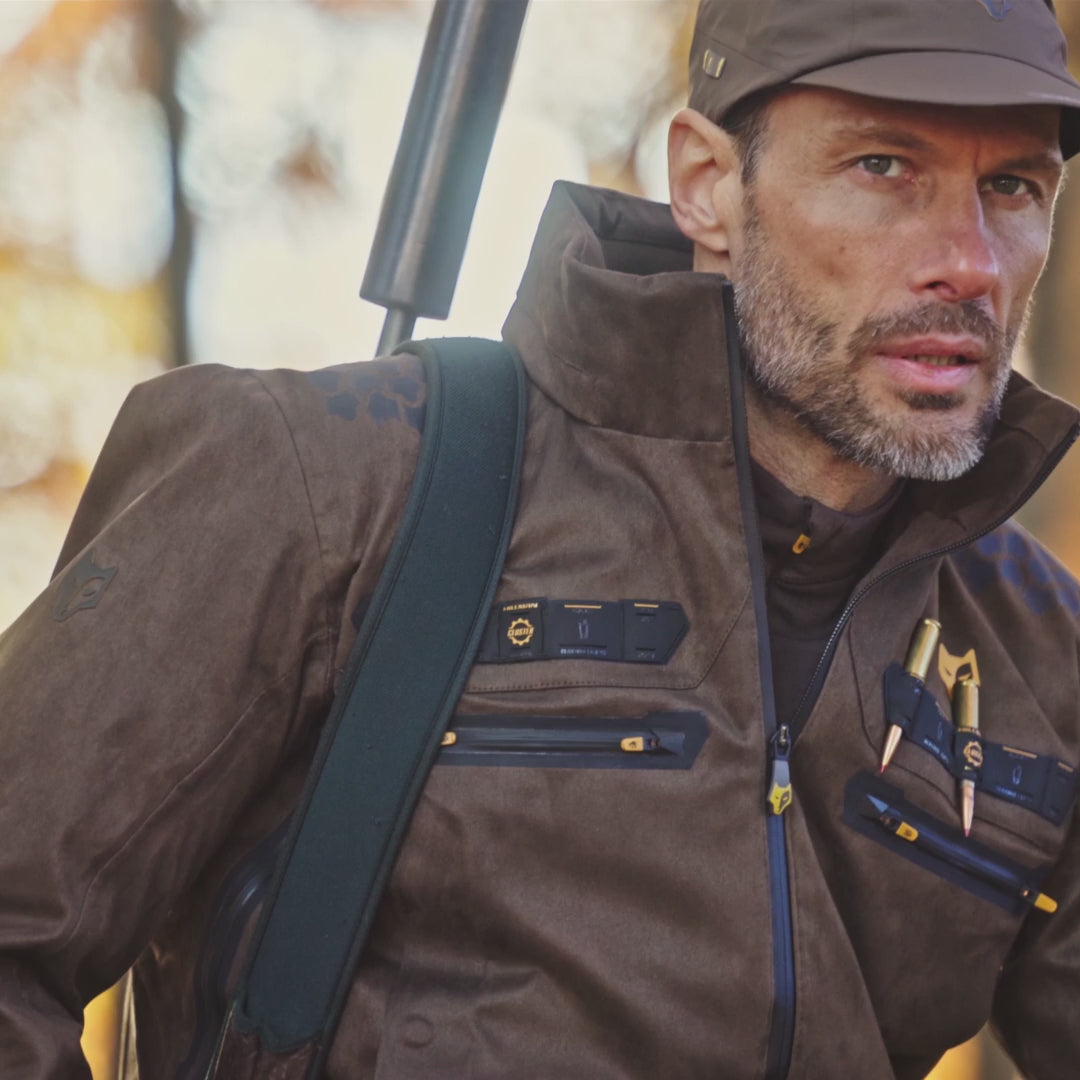
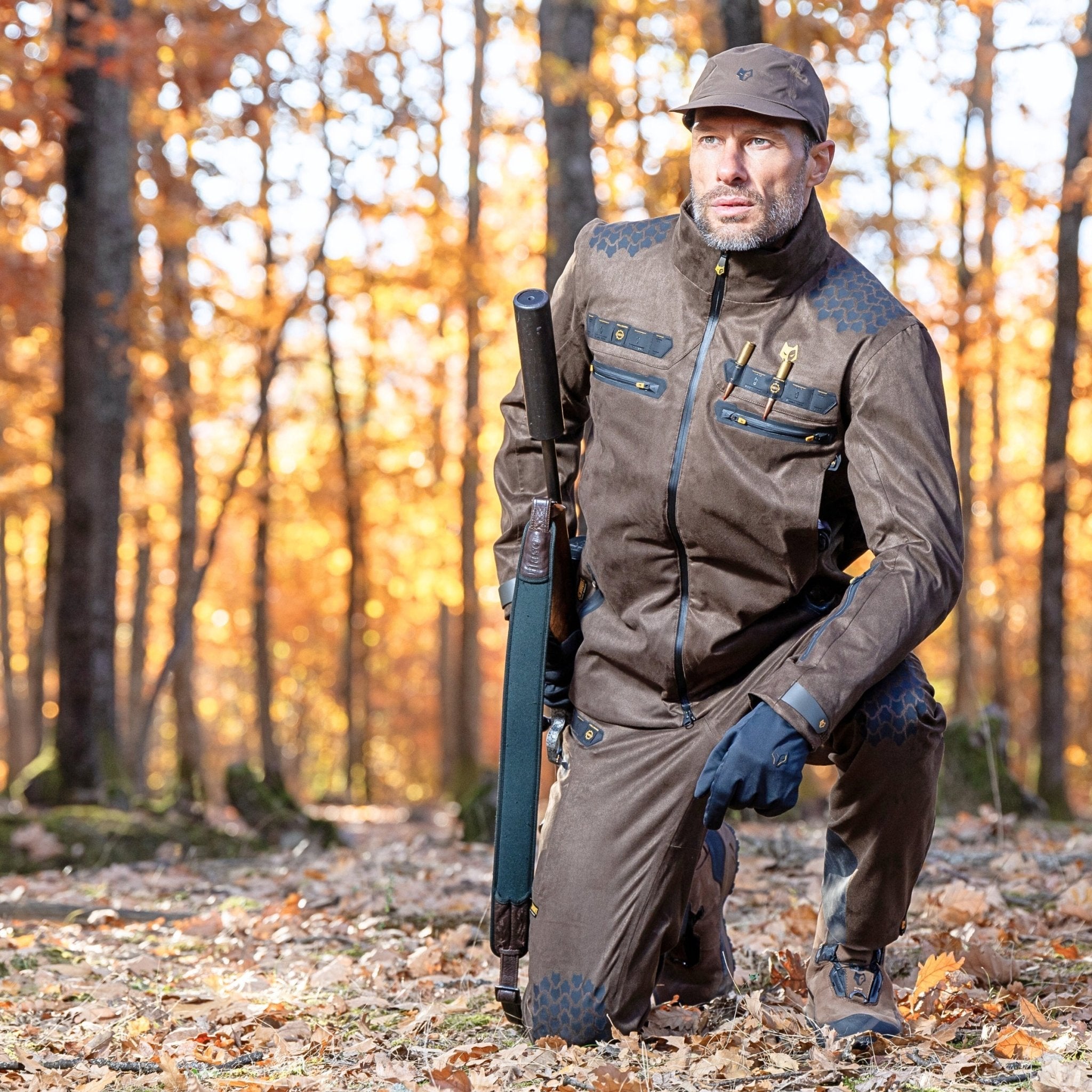
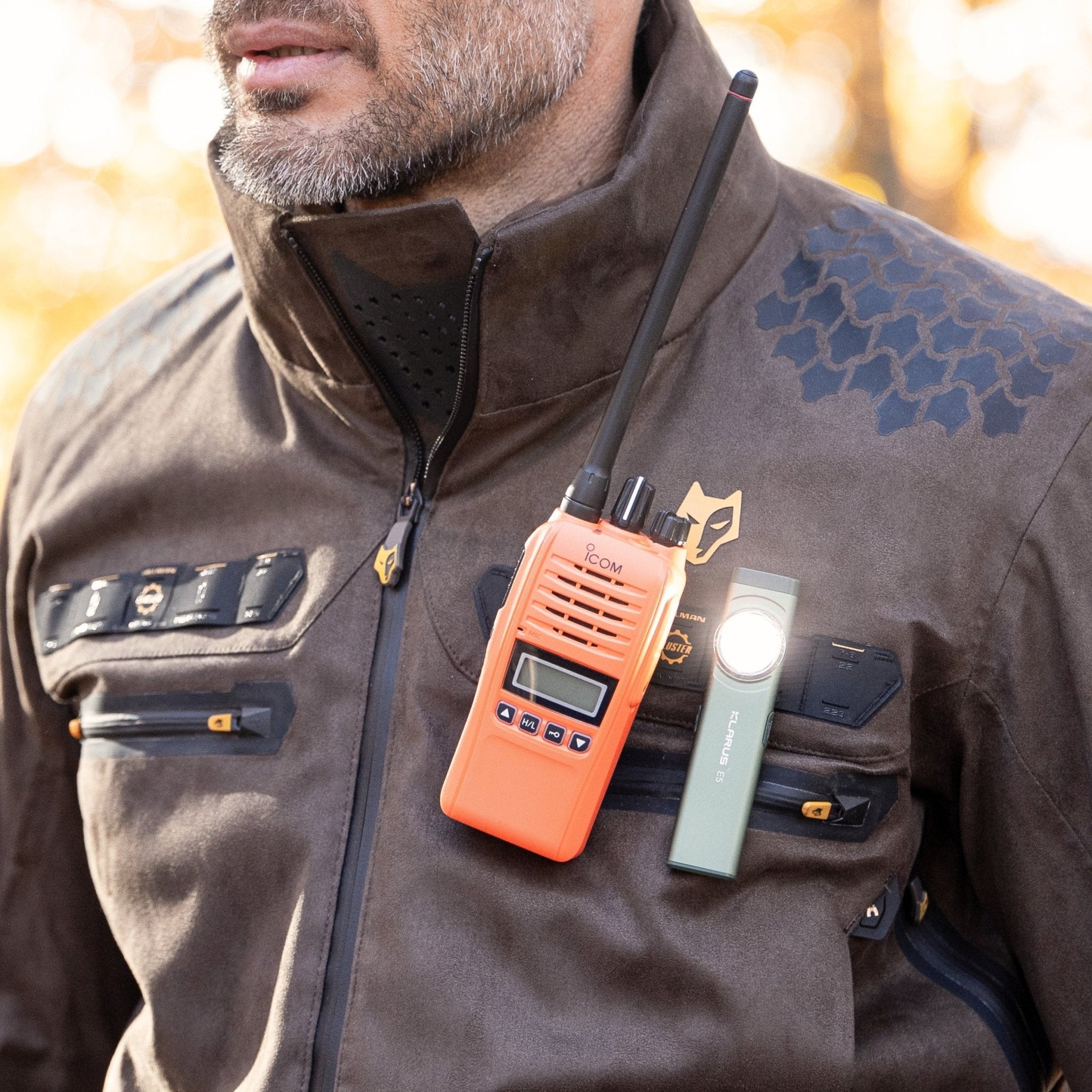
Insulated Hunting Jacket for Extreme Cold Weather | 6OL
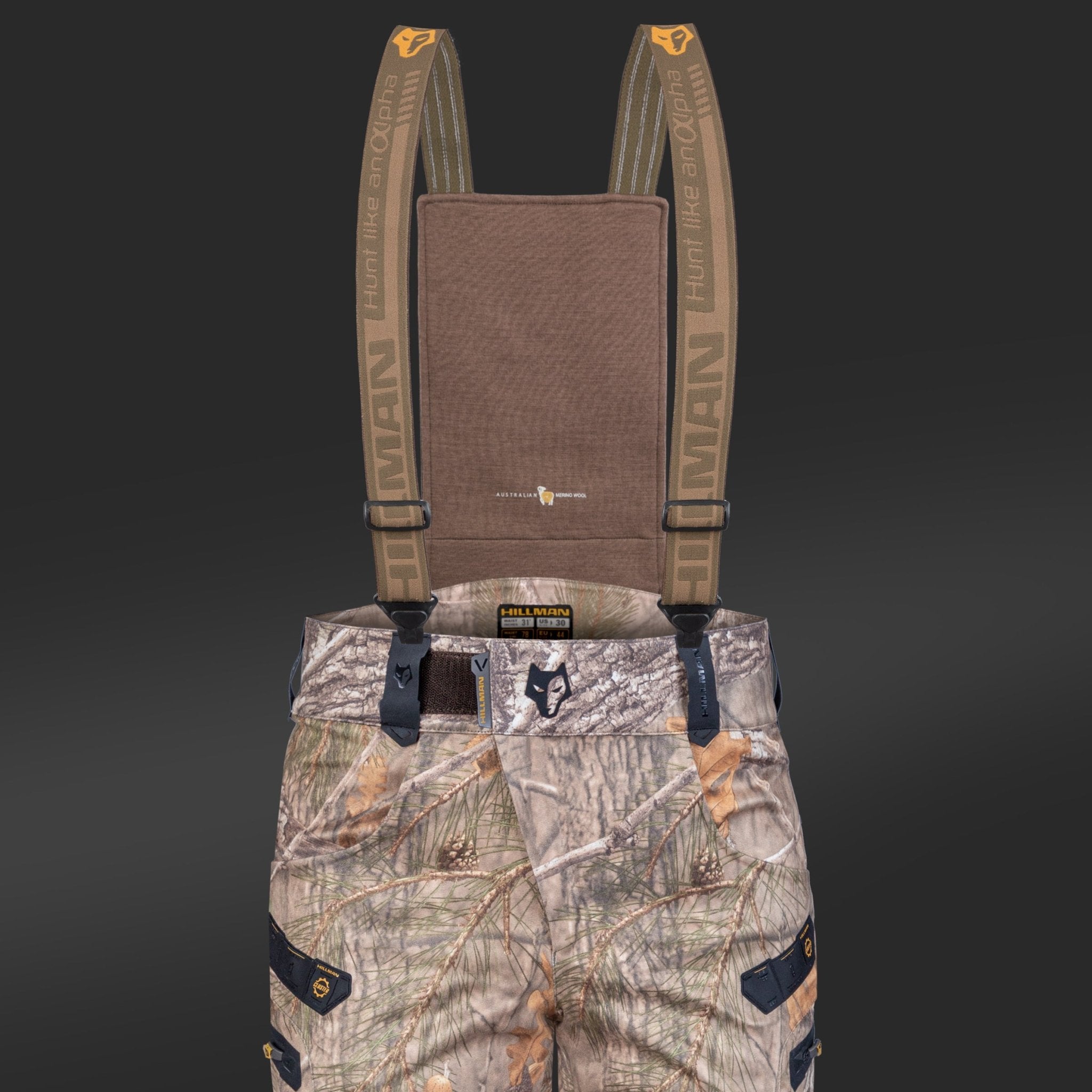
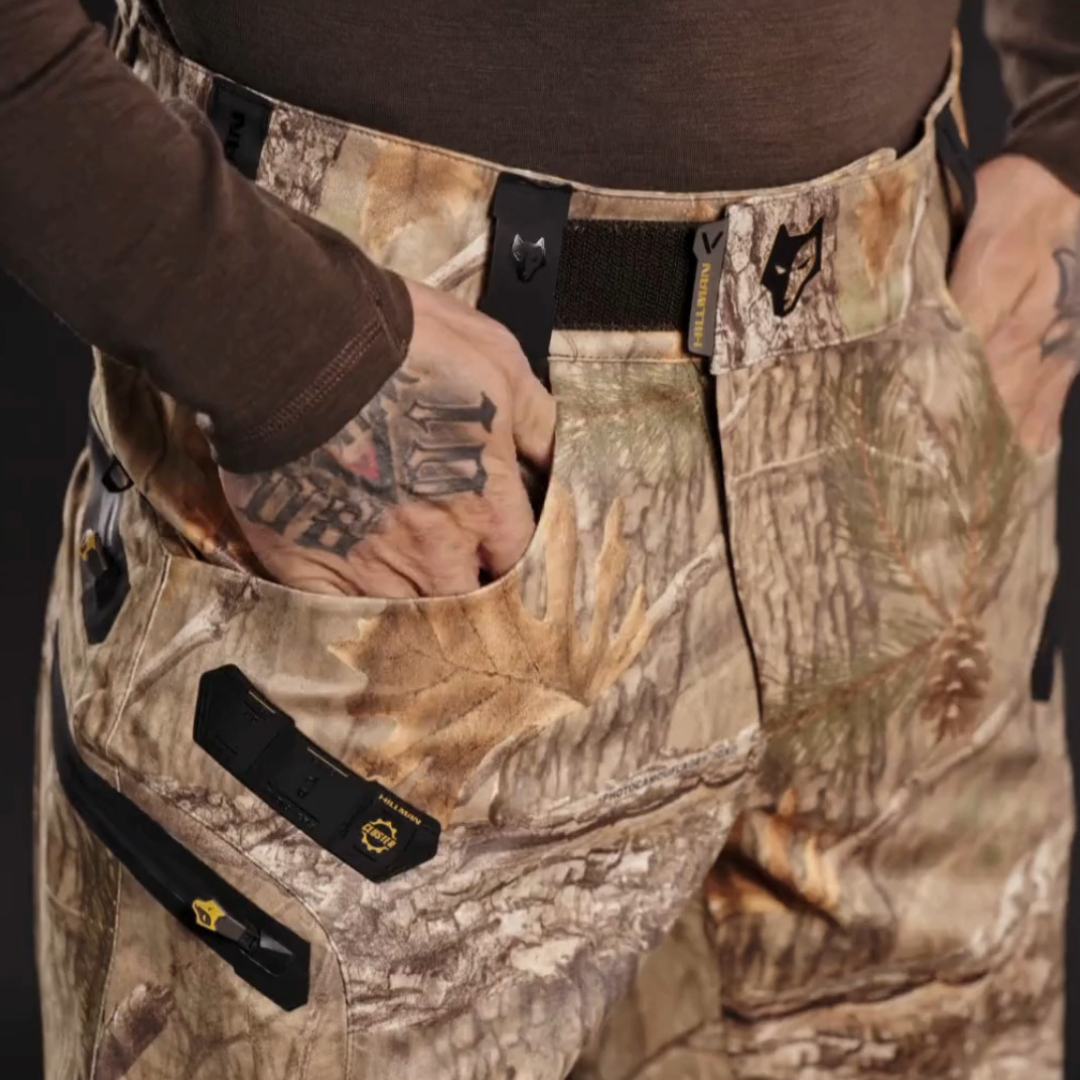
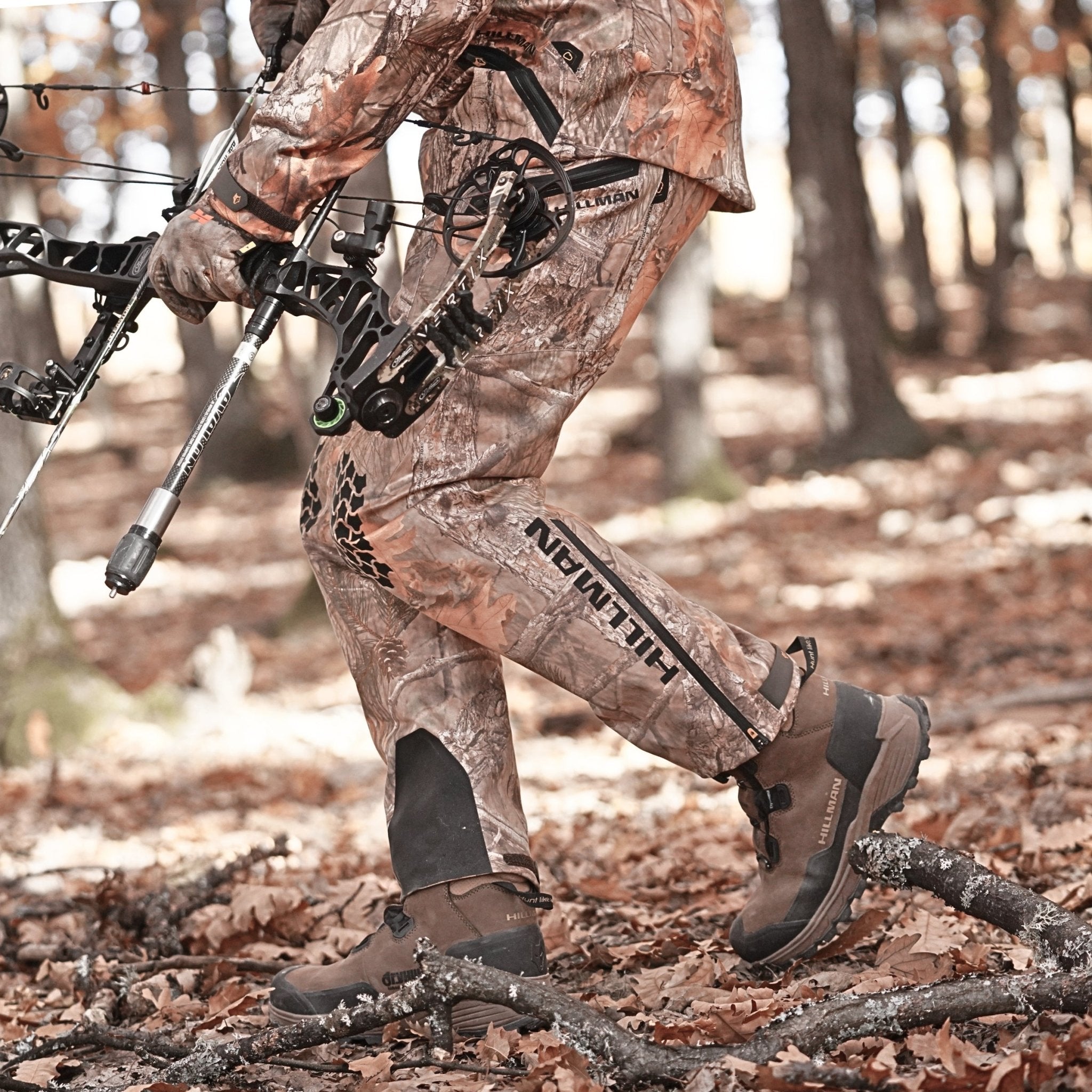
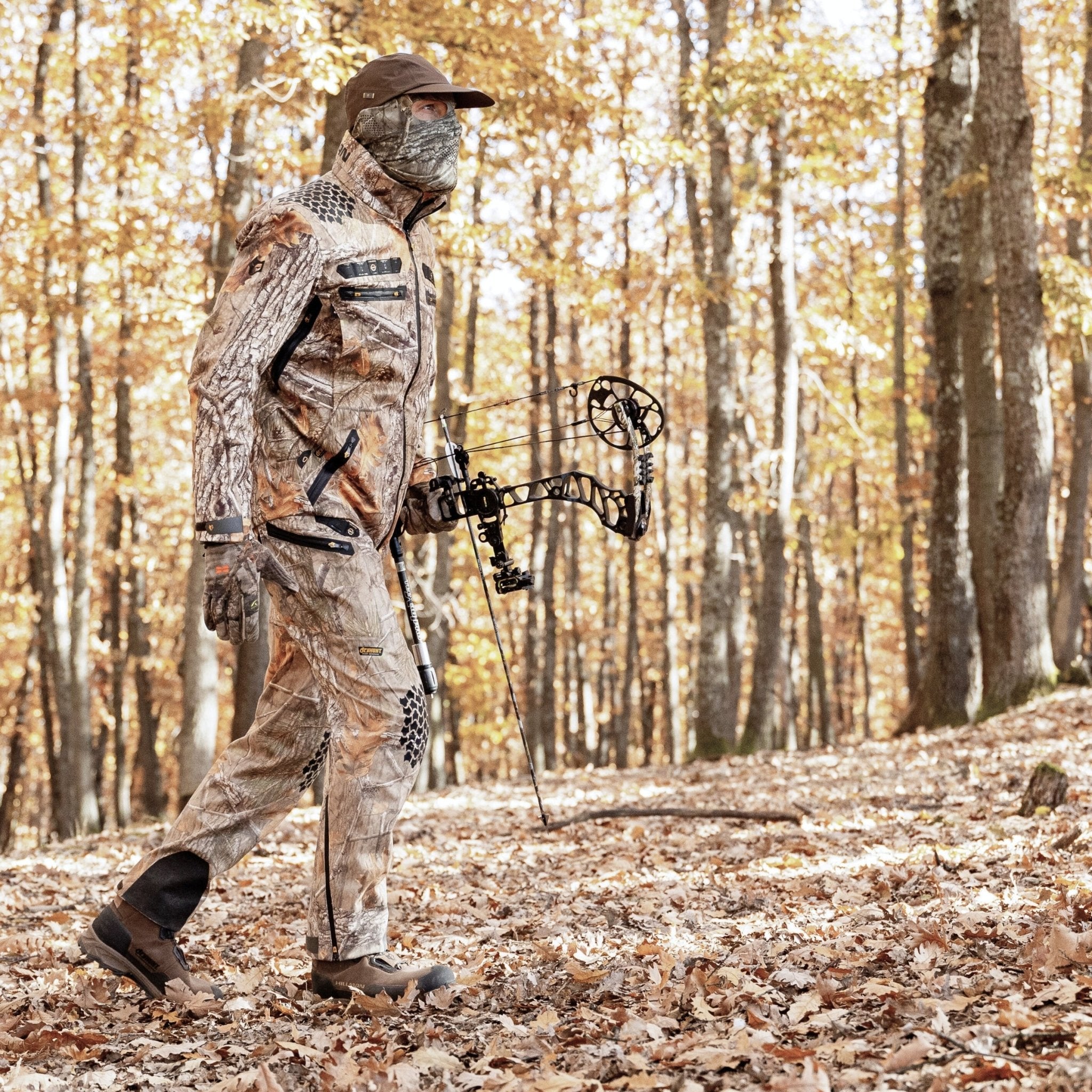
Insulated Camo Pants - Cold Weather Hunting AlphaShell | 6OL
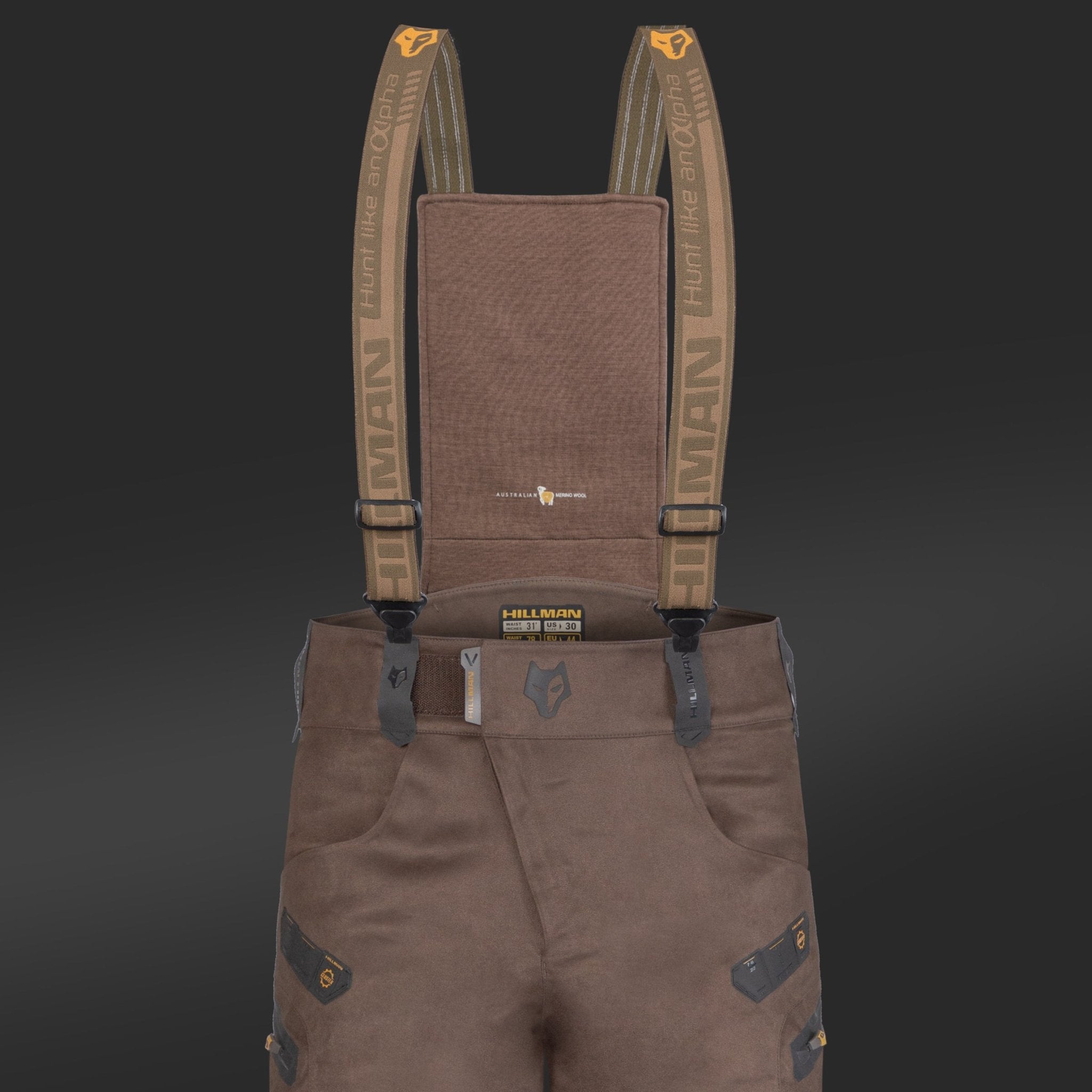
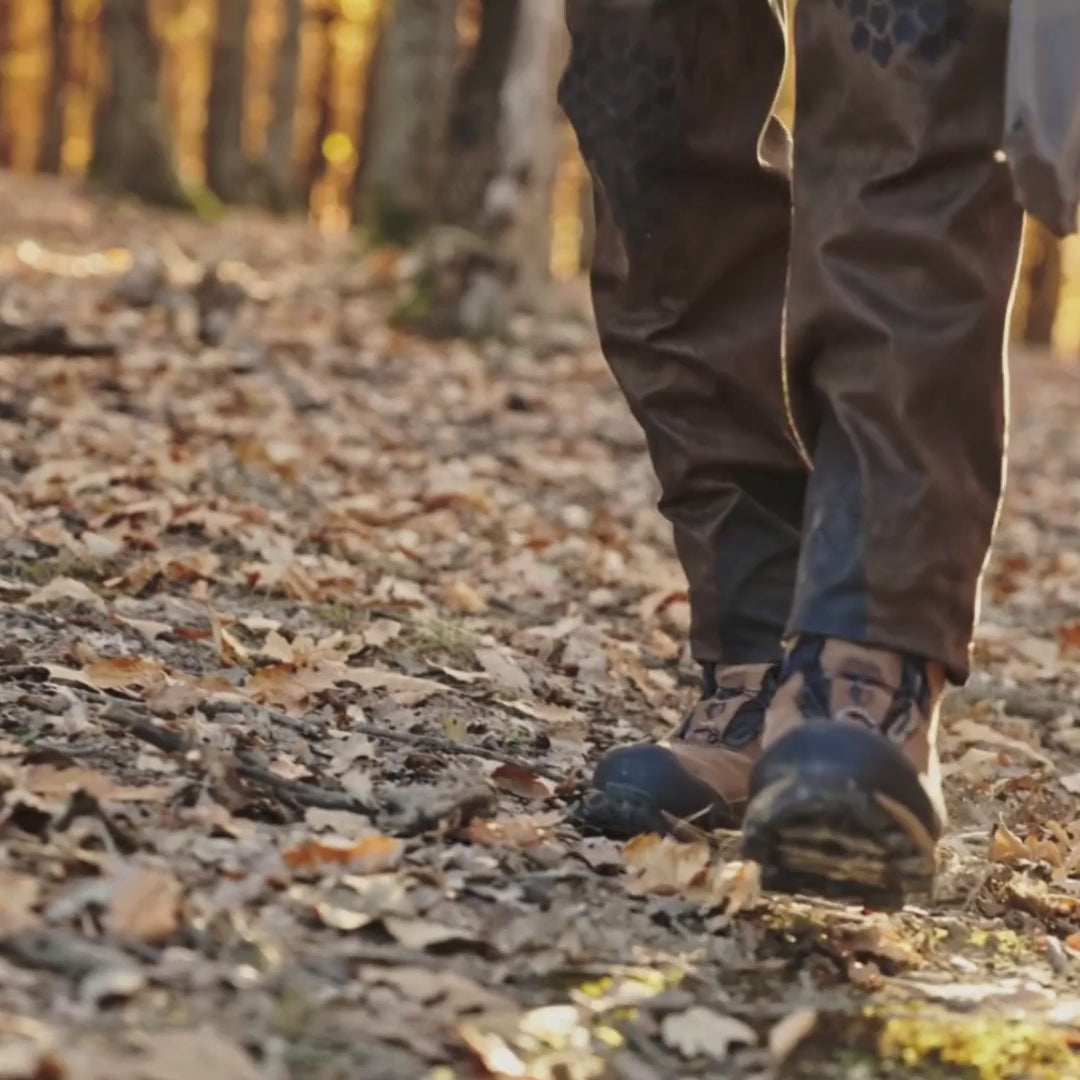
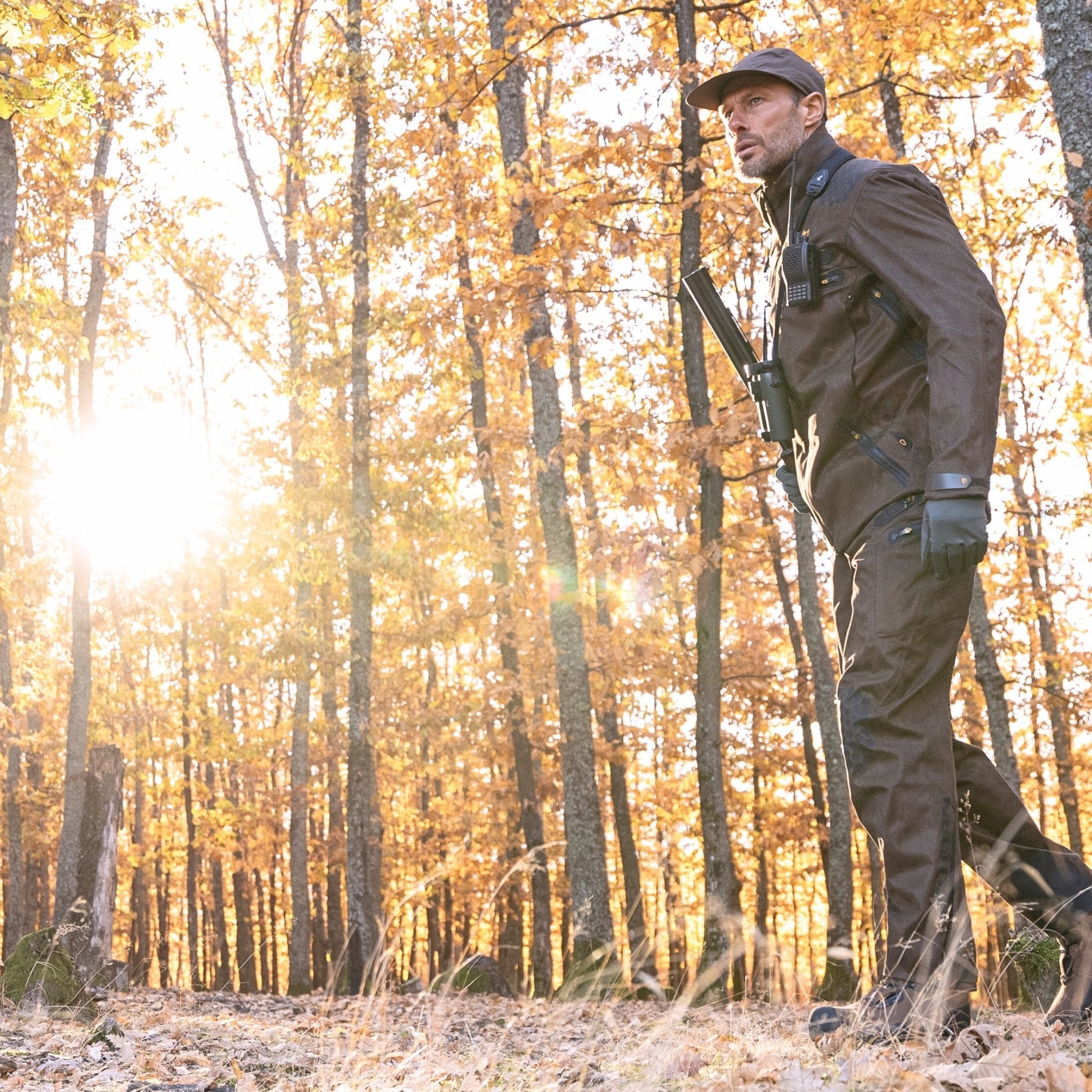
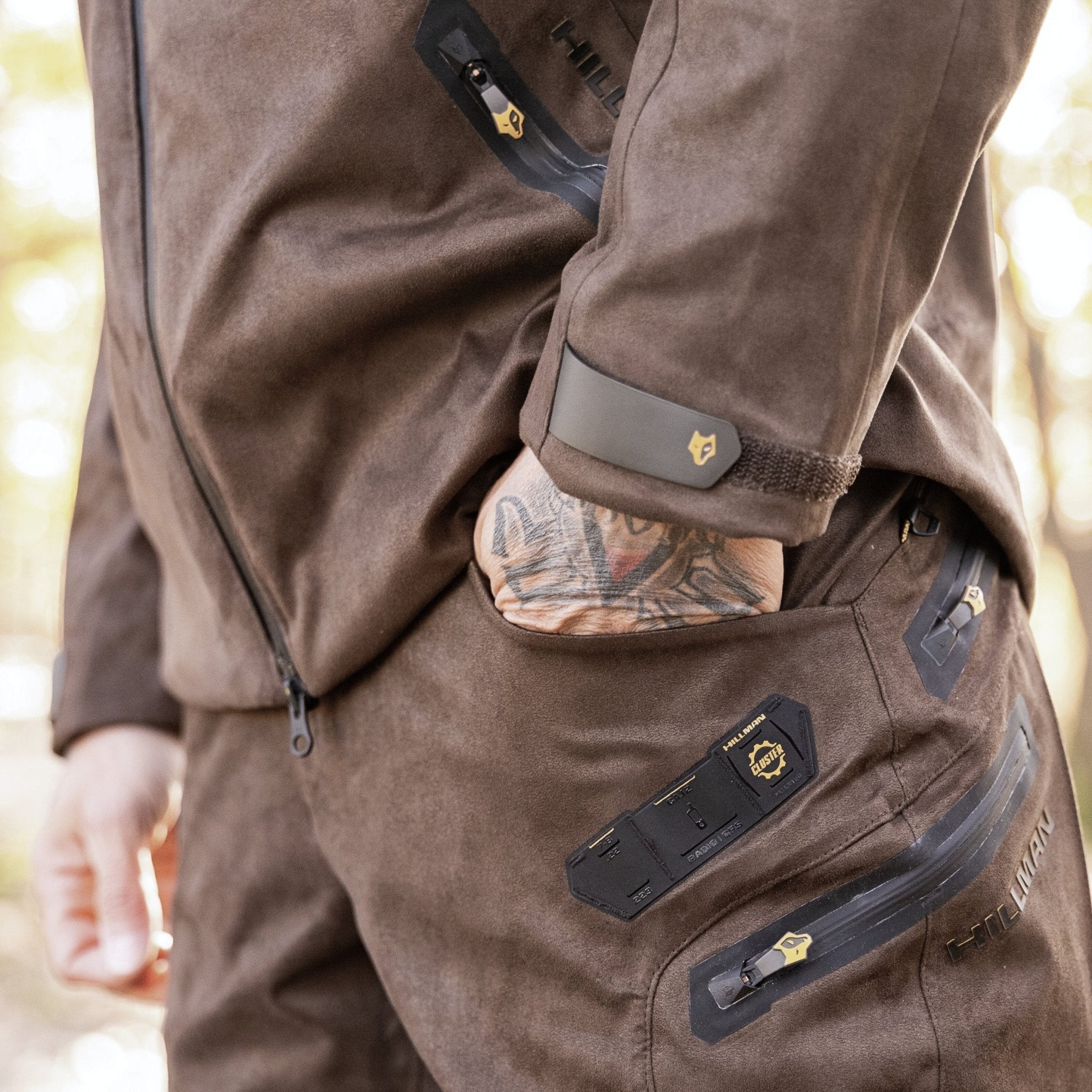
Insulated Hunting Pants - Waterproof | AlphaShell 6OL
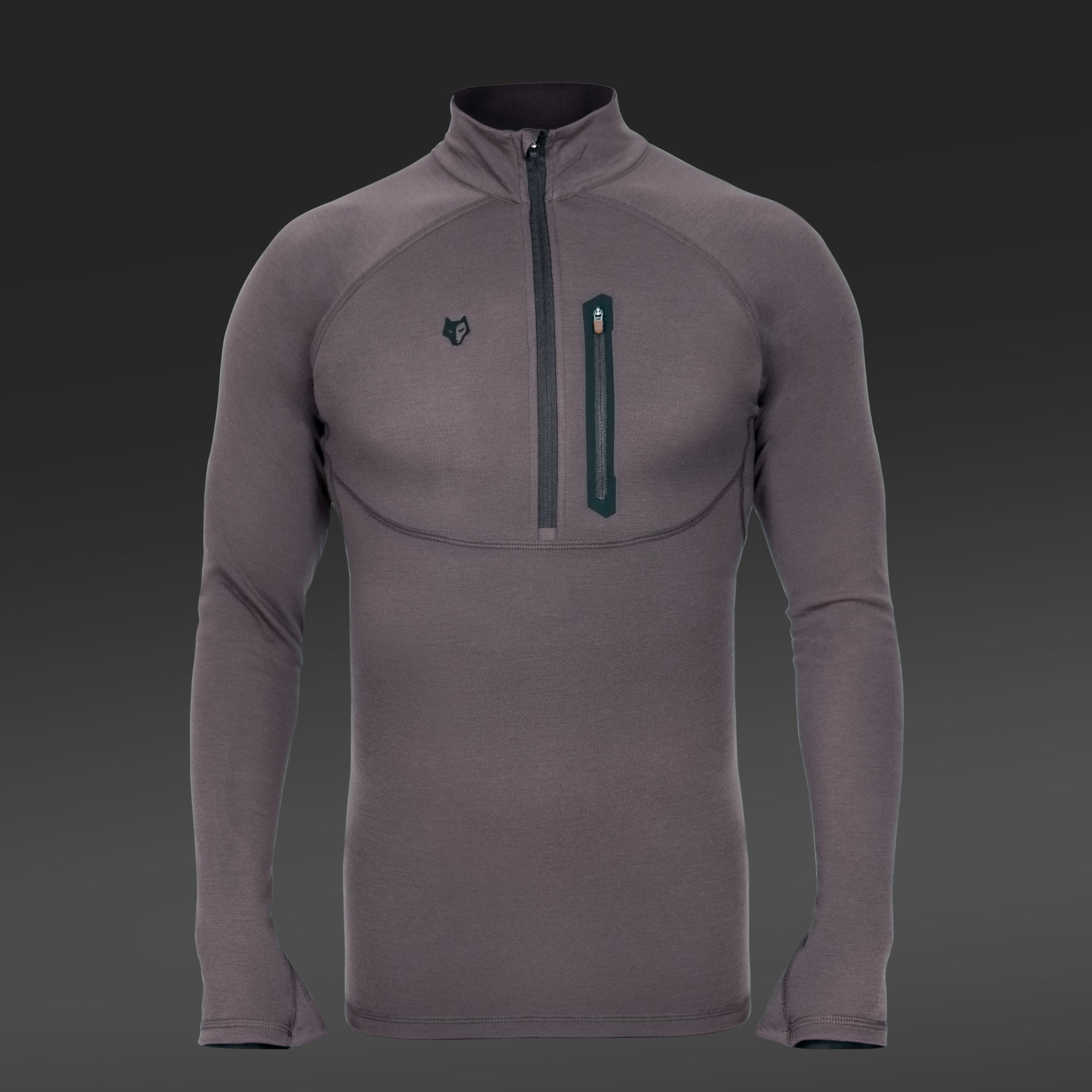
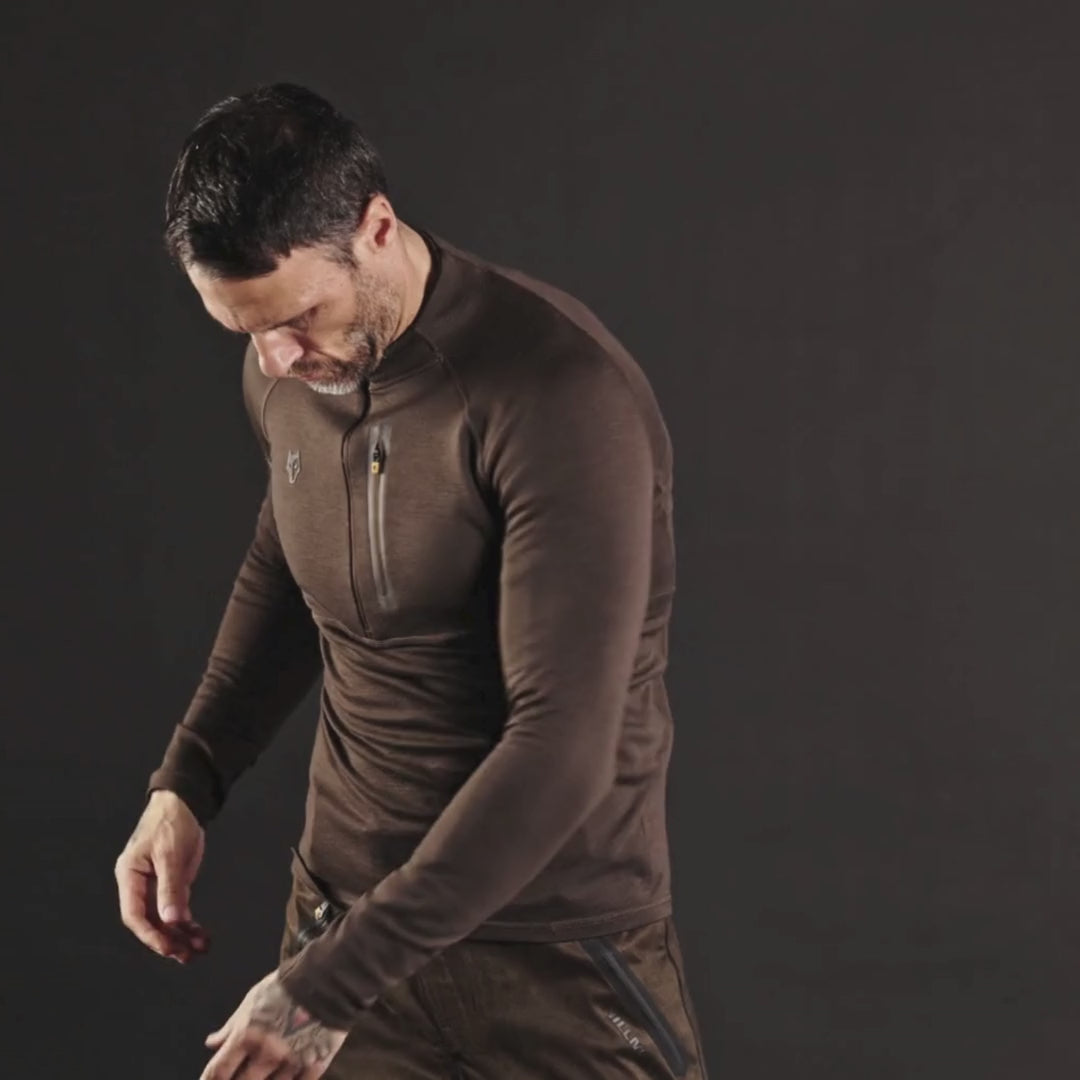
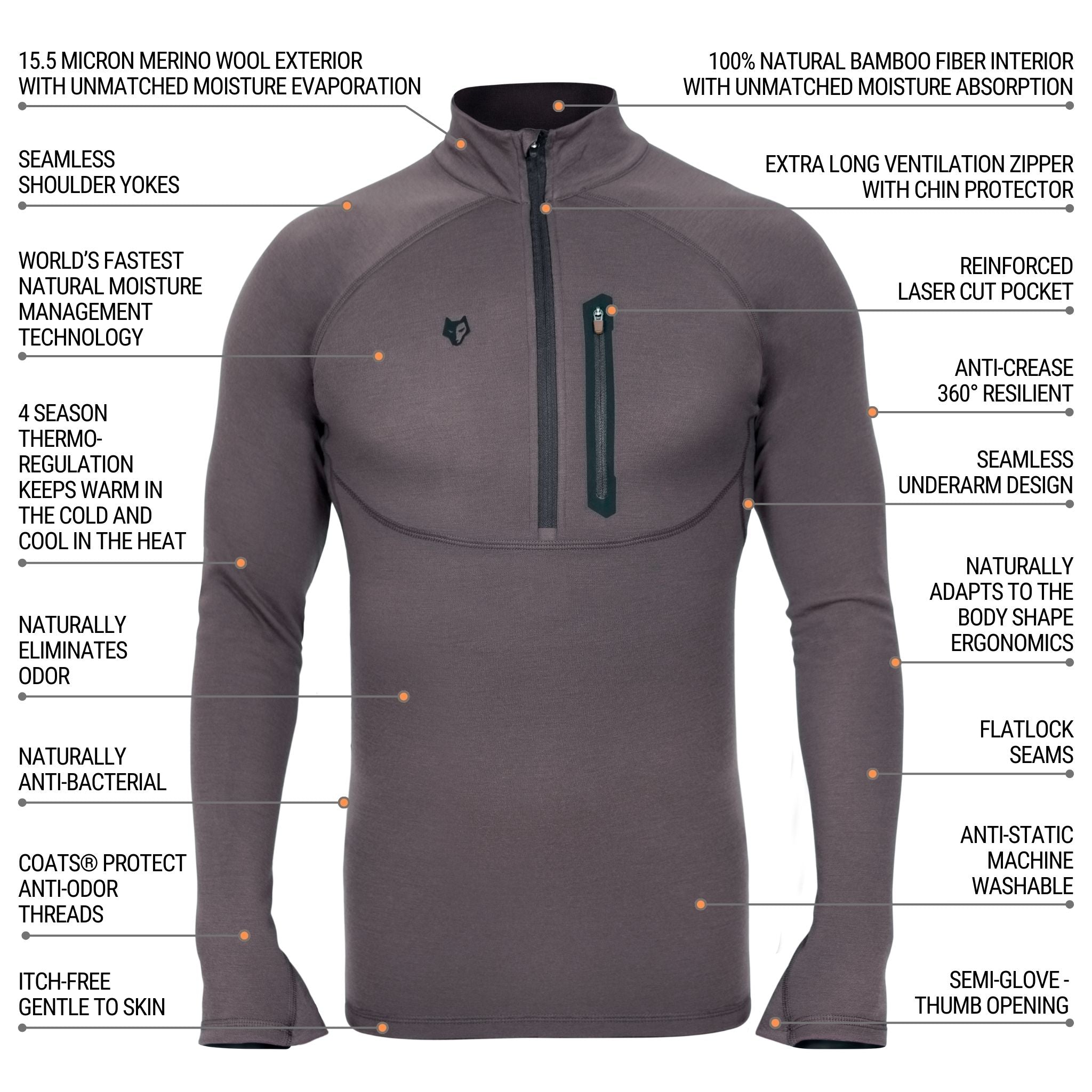
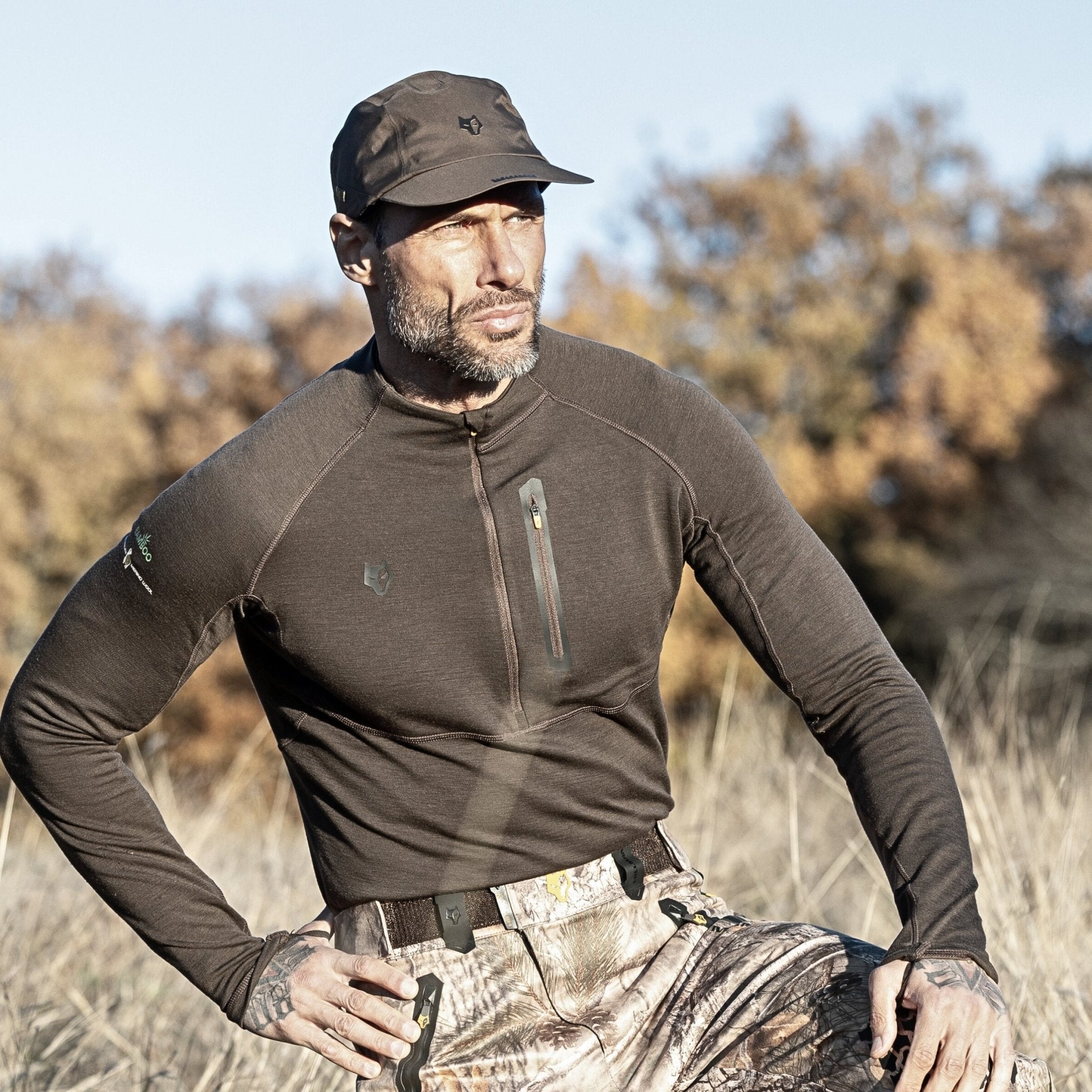
Hunting Shirt - Merino Wool Base Layer | 2BL
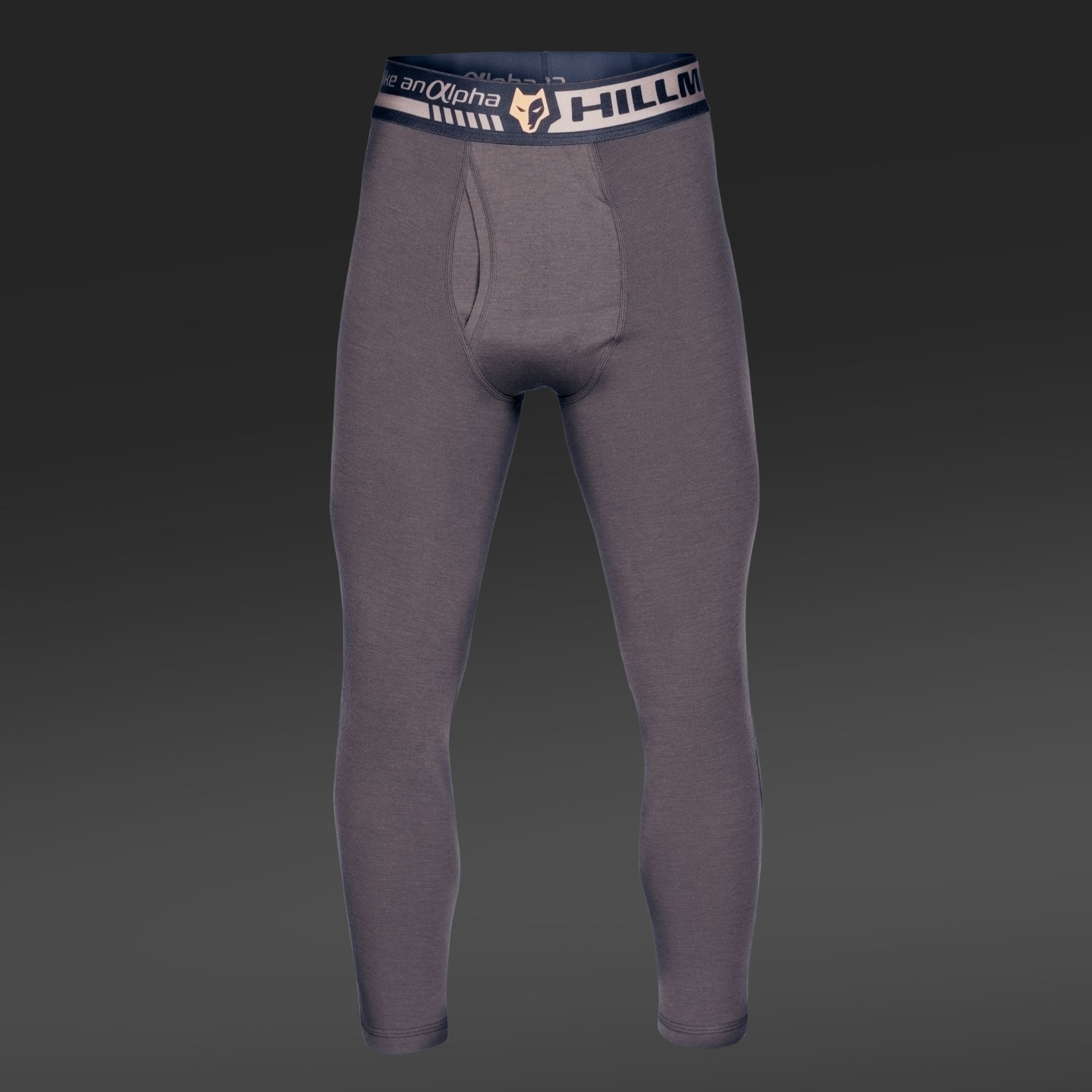
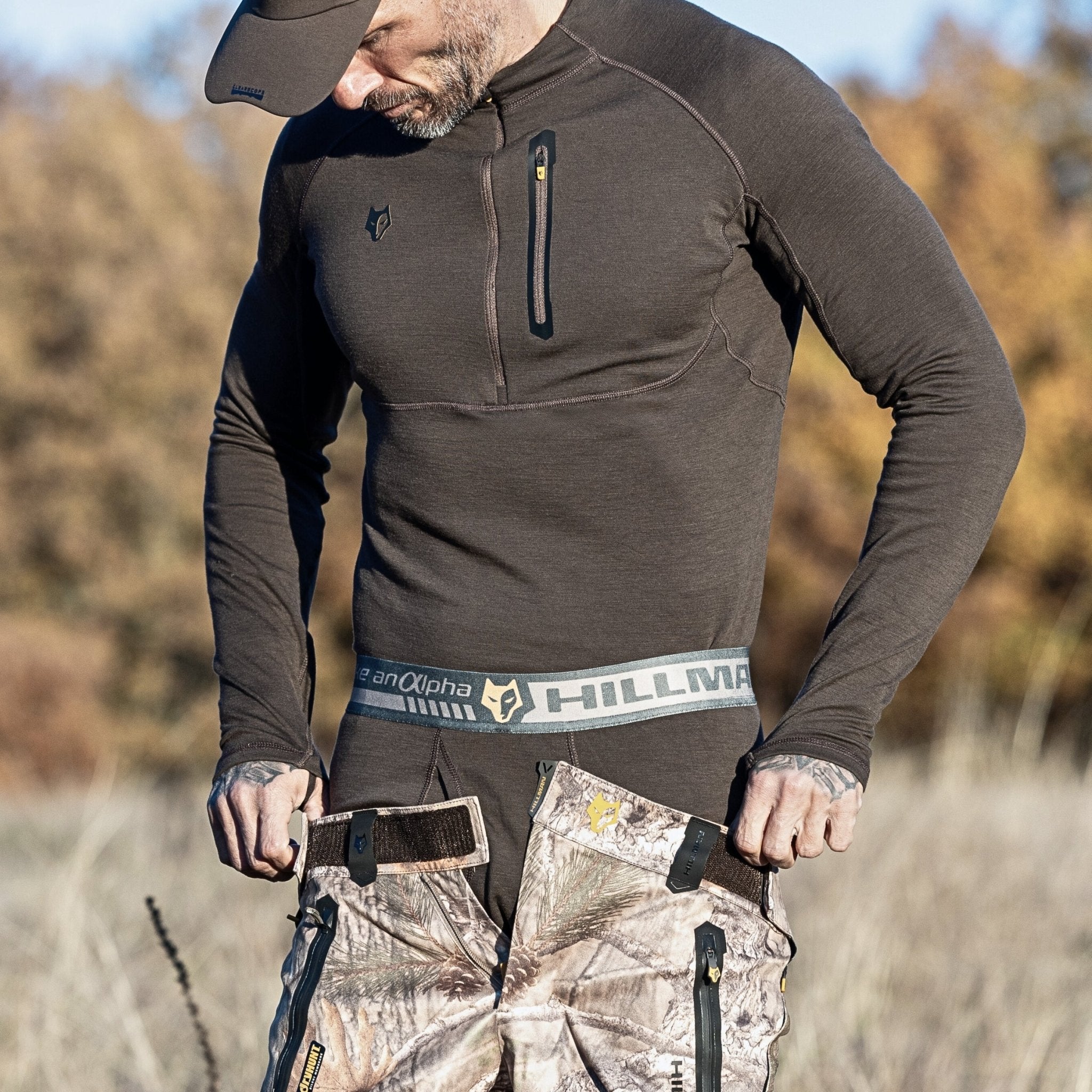
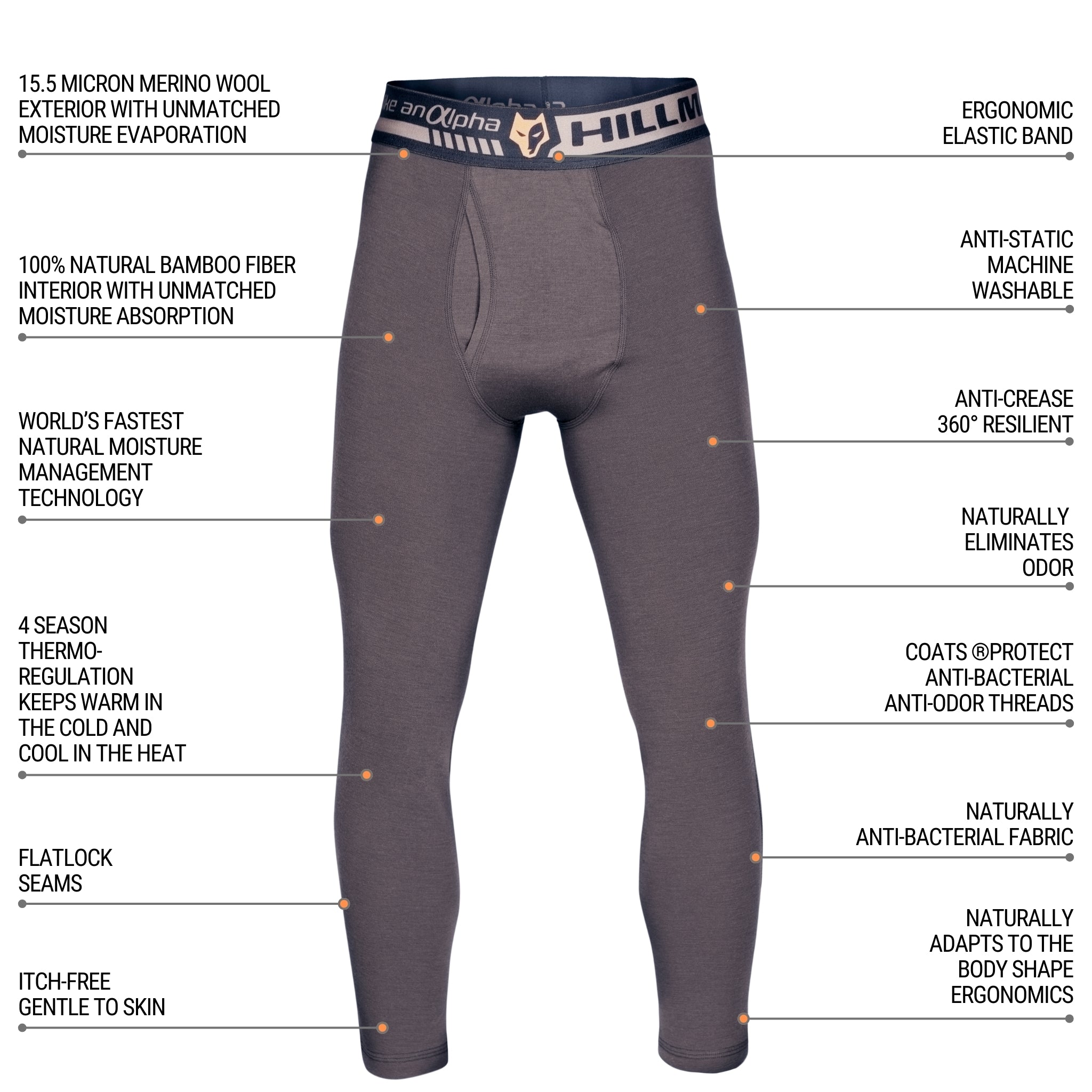

Hunting Long Johns | Merino Wool Base Layer Bottom | 2BL
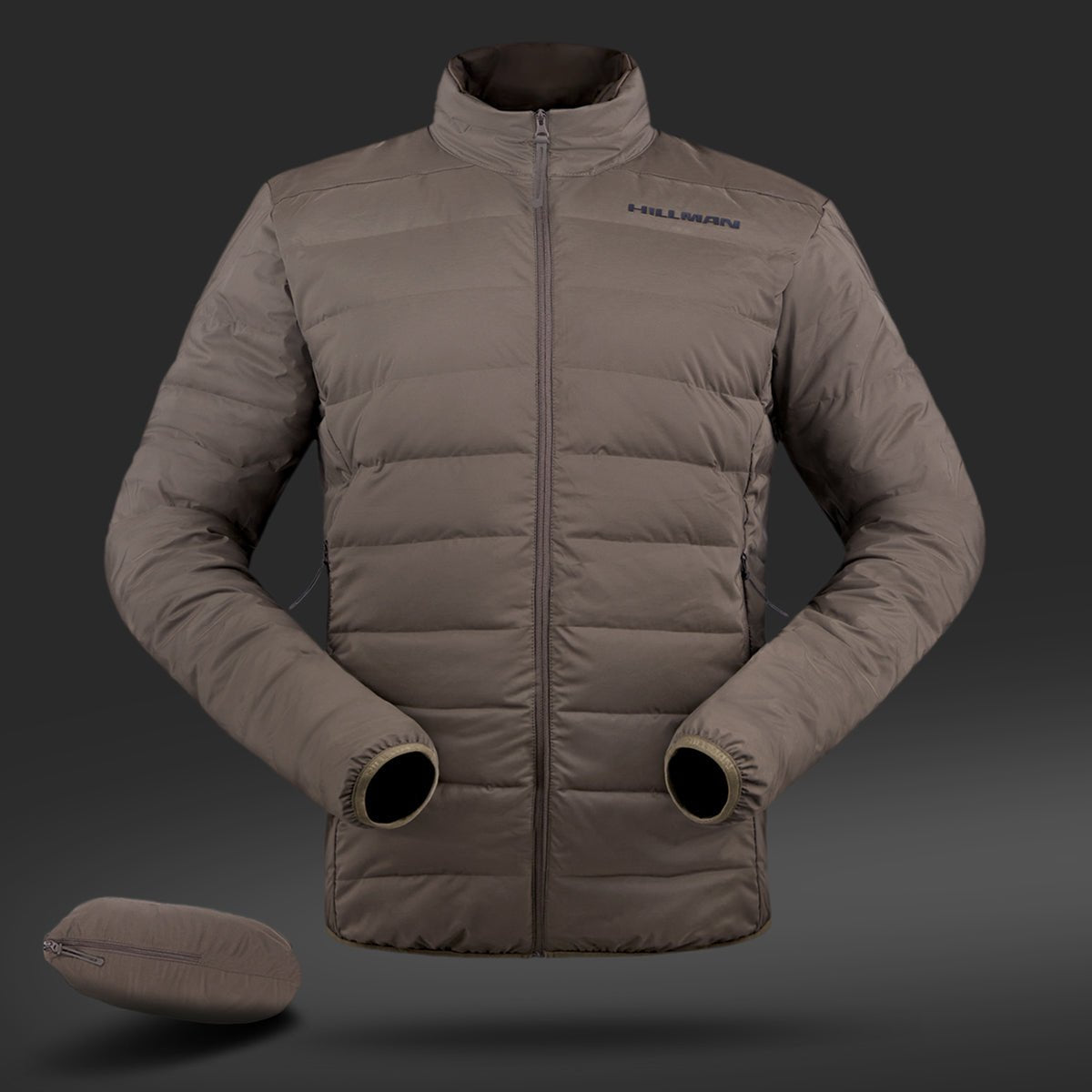
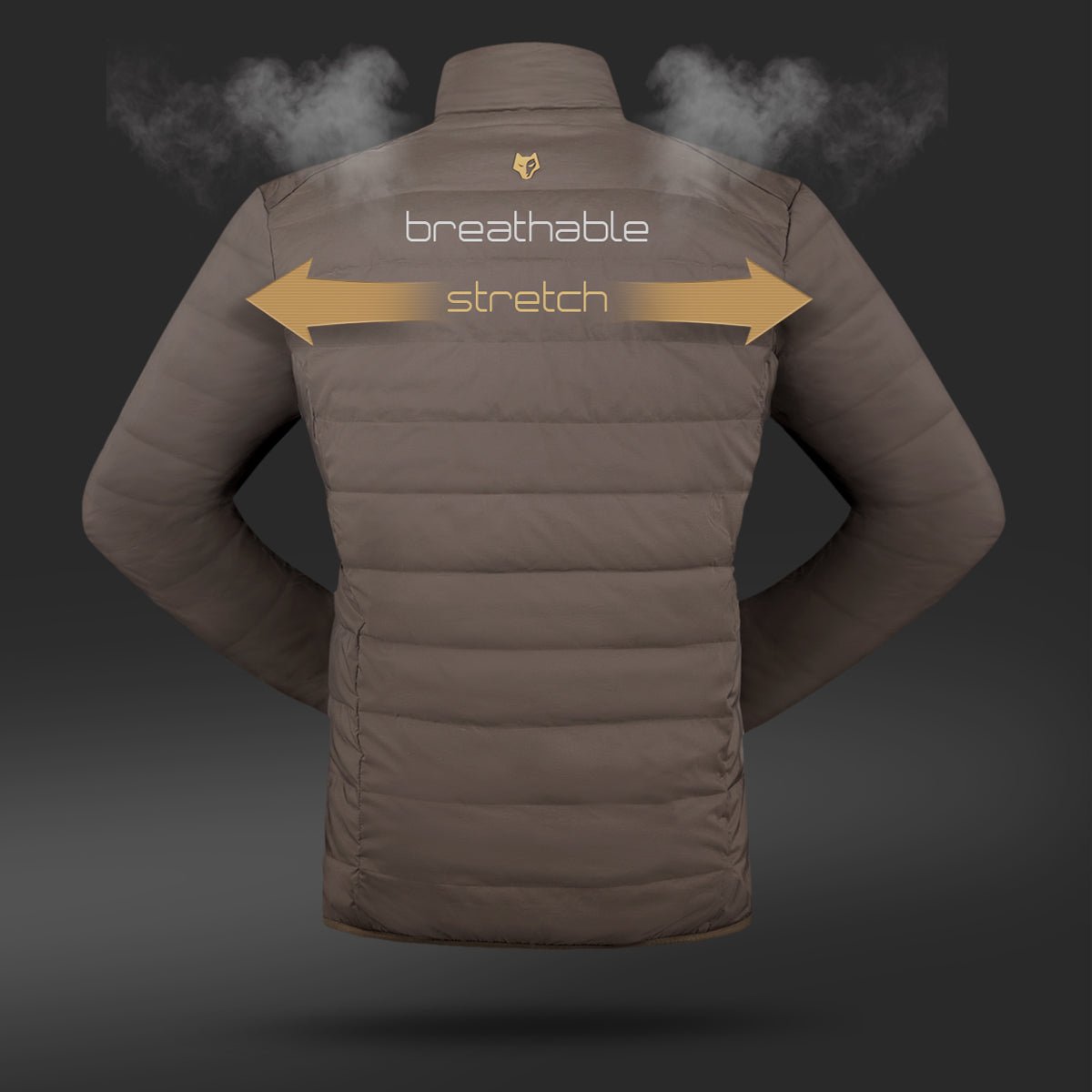
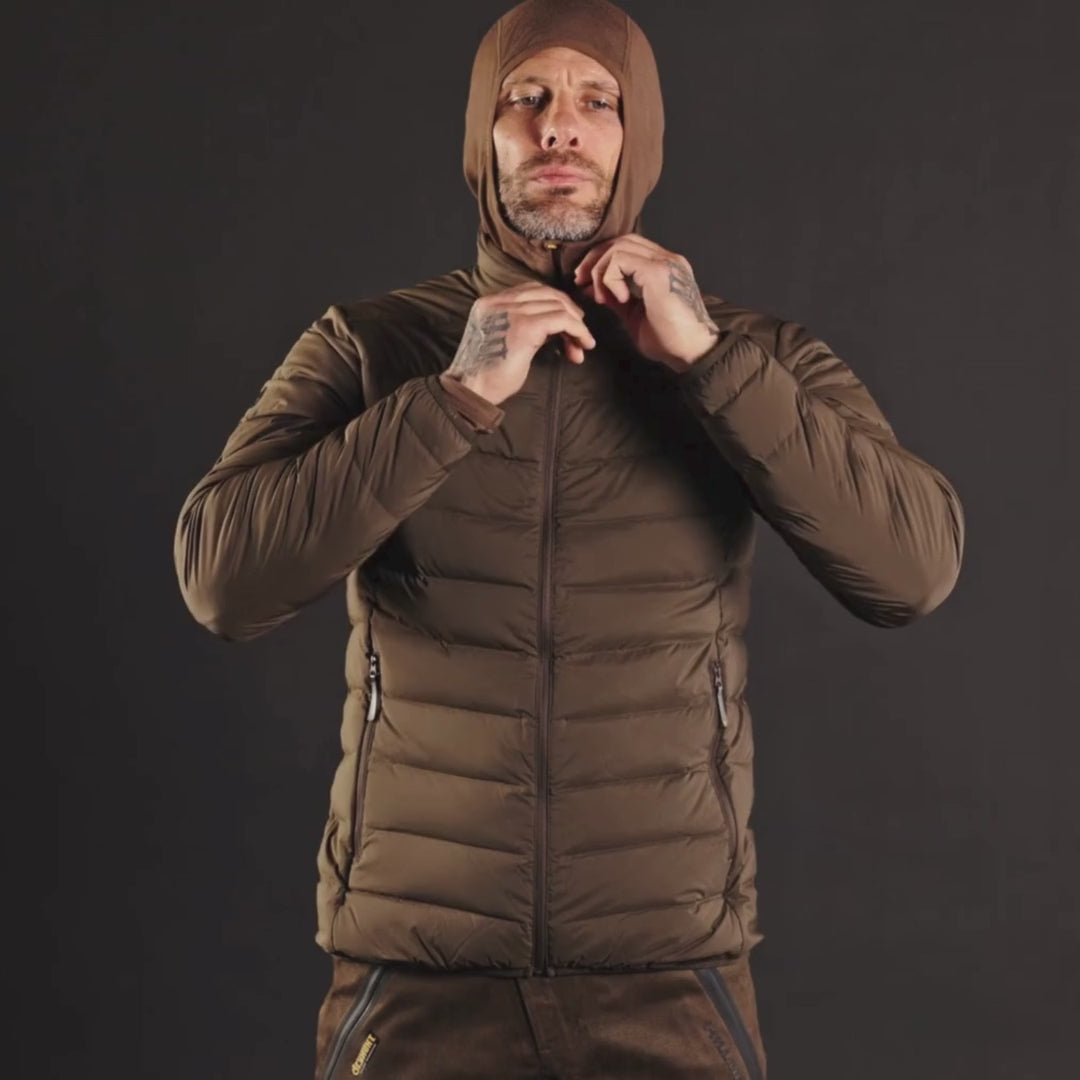
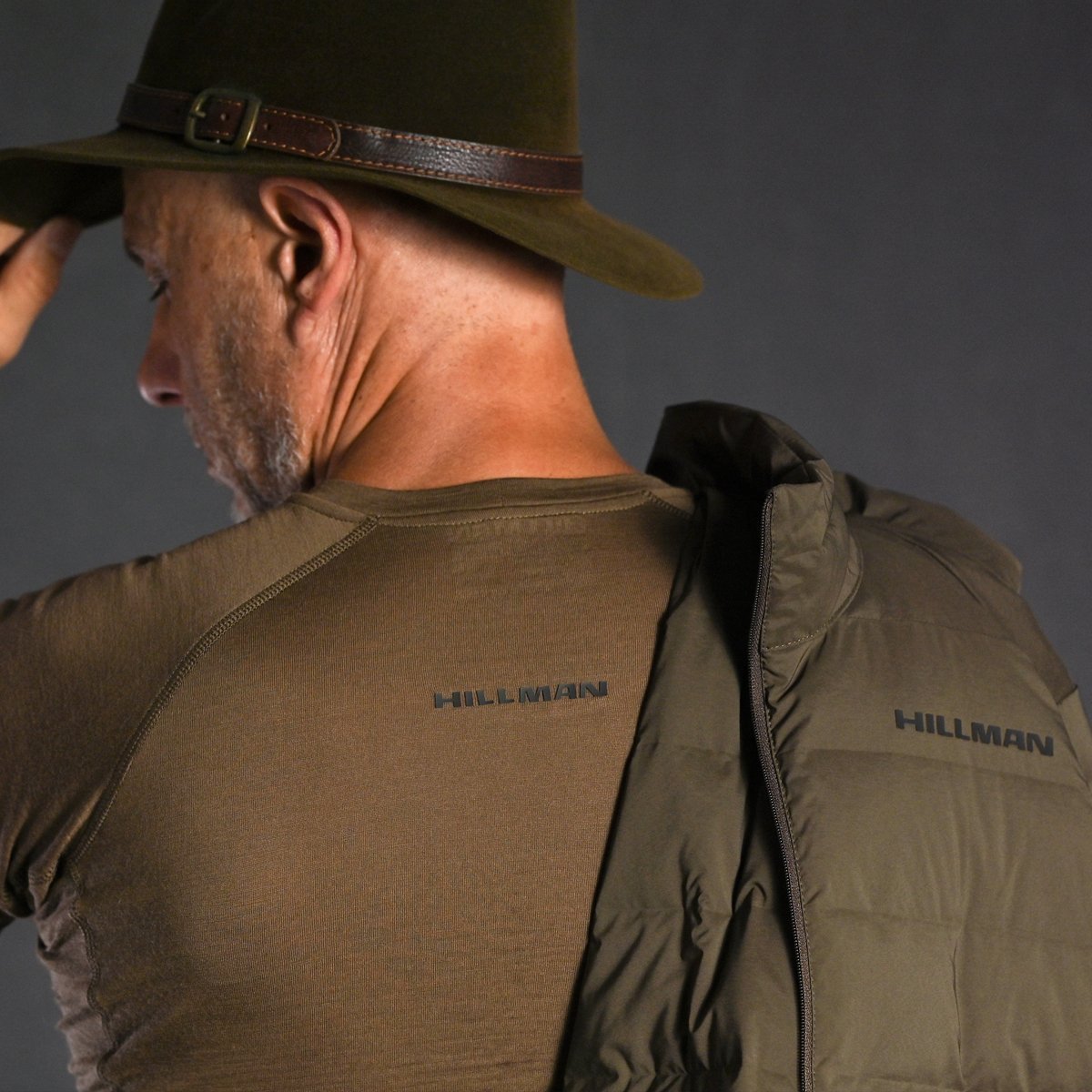
Hunting Down Jacket - Packable Puffer With 1000 Fill | 4IL
Shop Related Collections
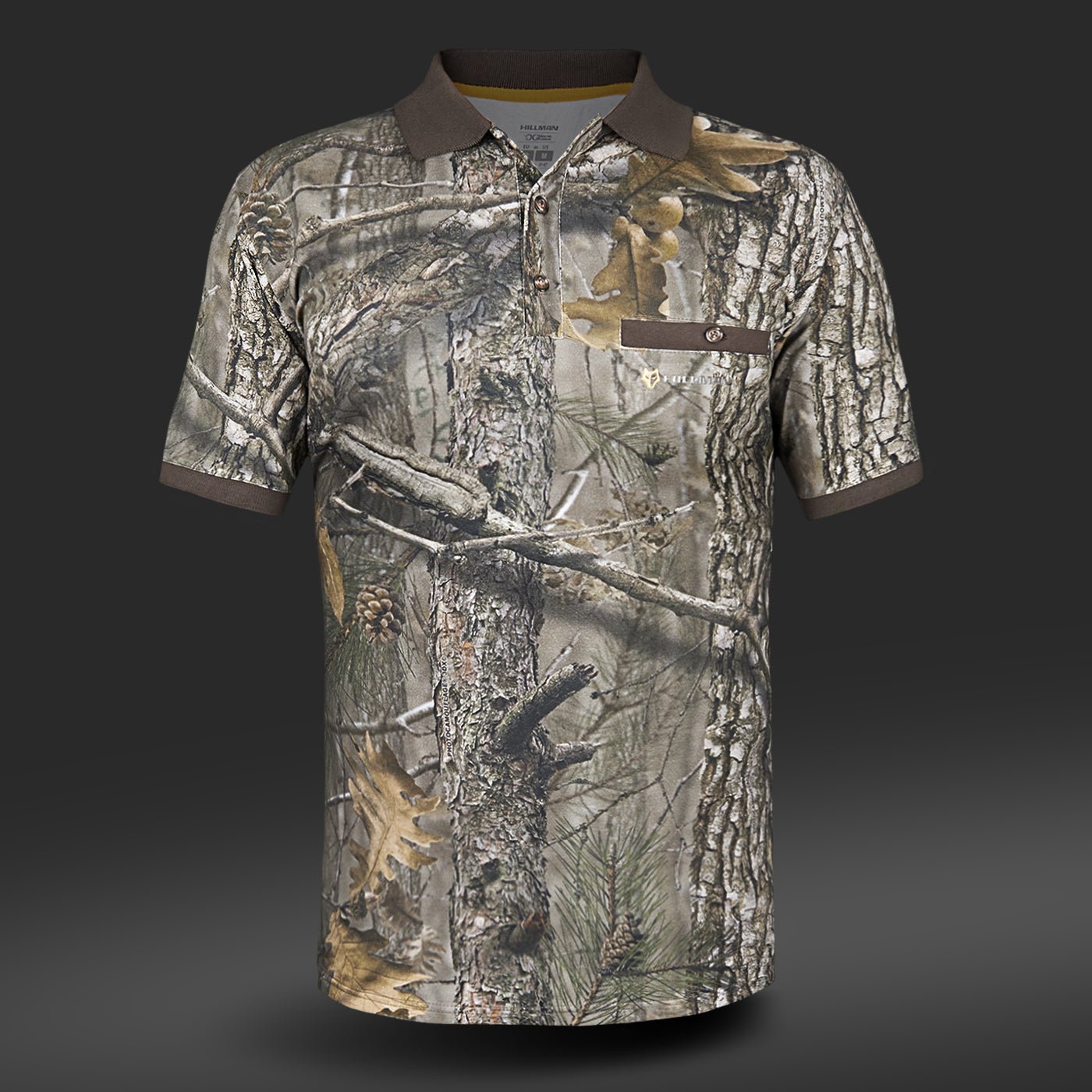
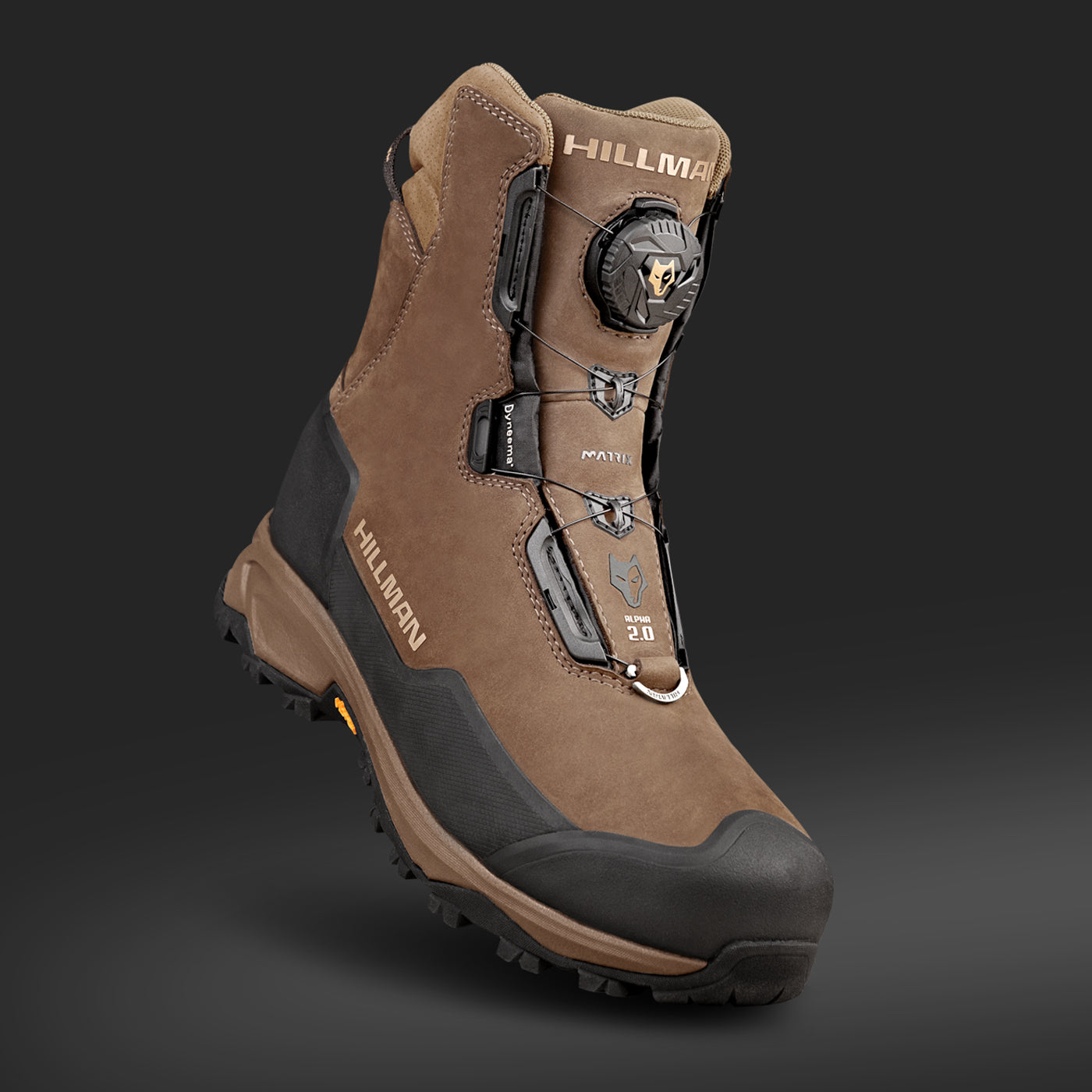
Season's Best Selection
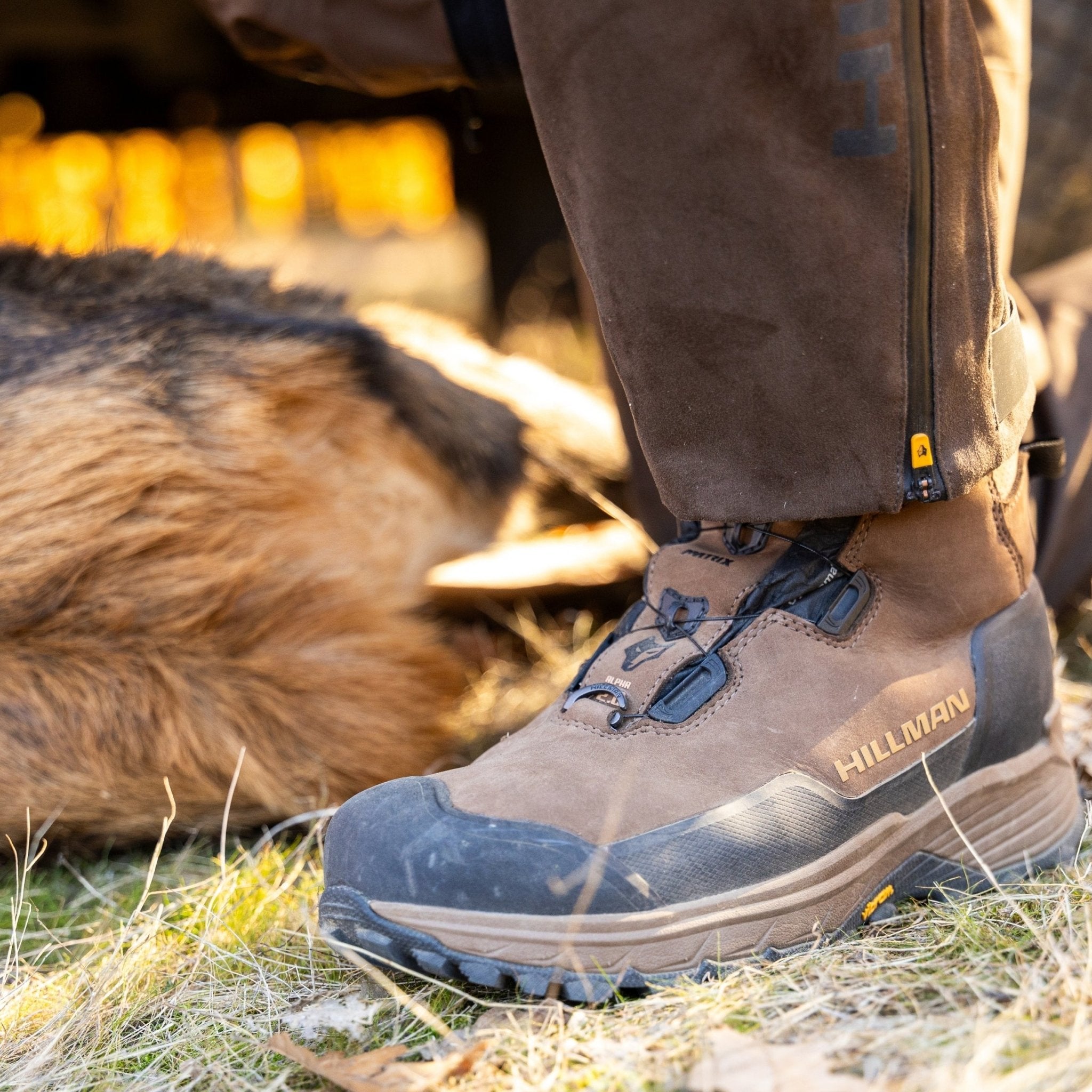
Insulated Hunting Boots - Warmest Waterproof Aerogel 2.0
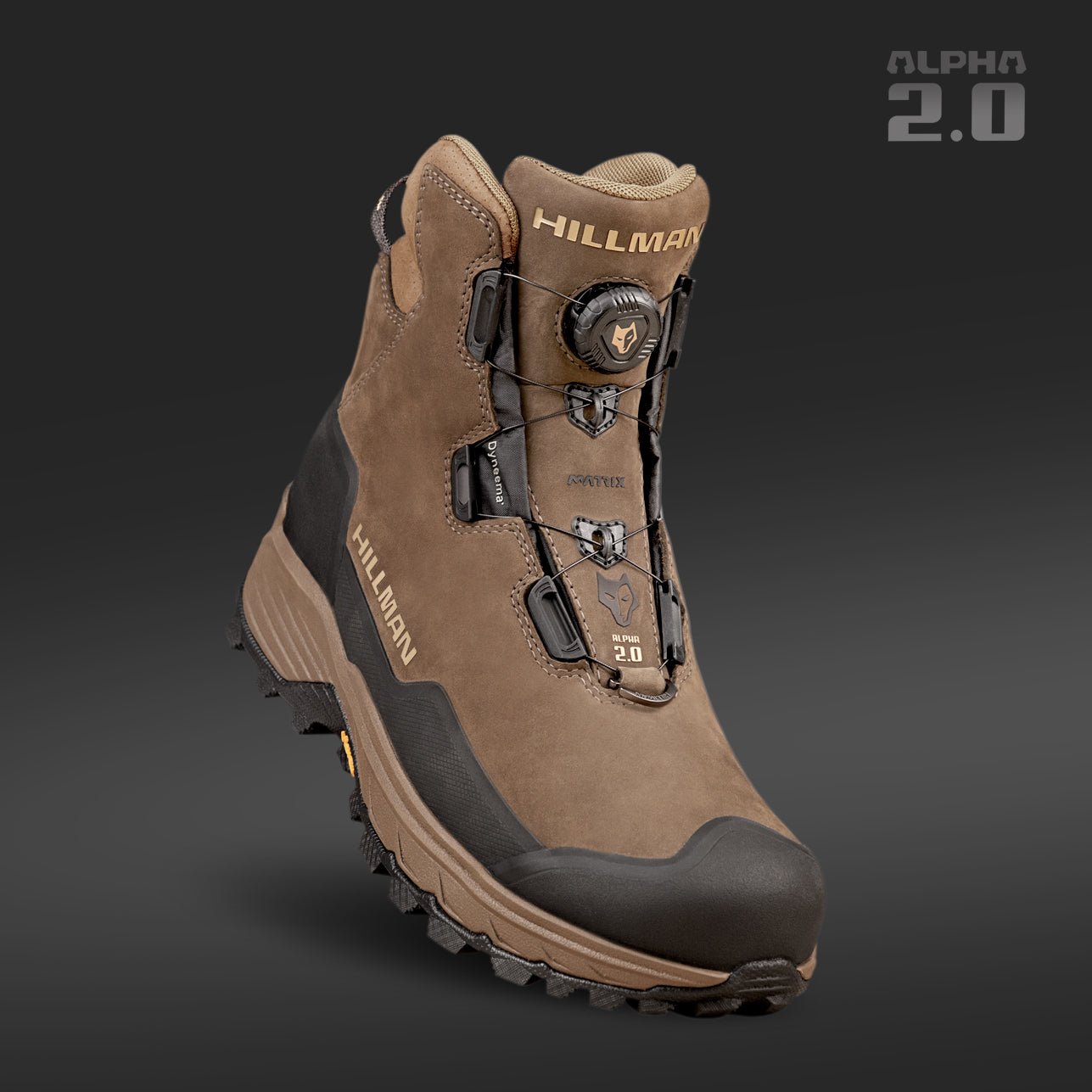
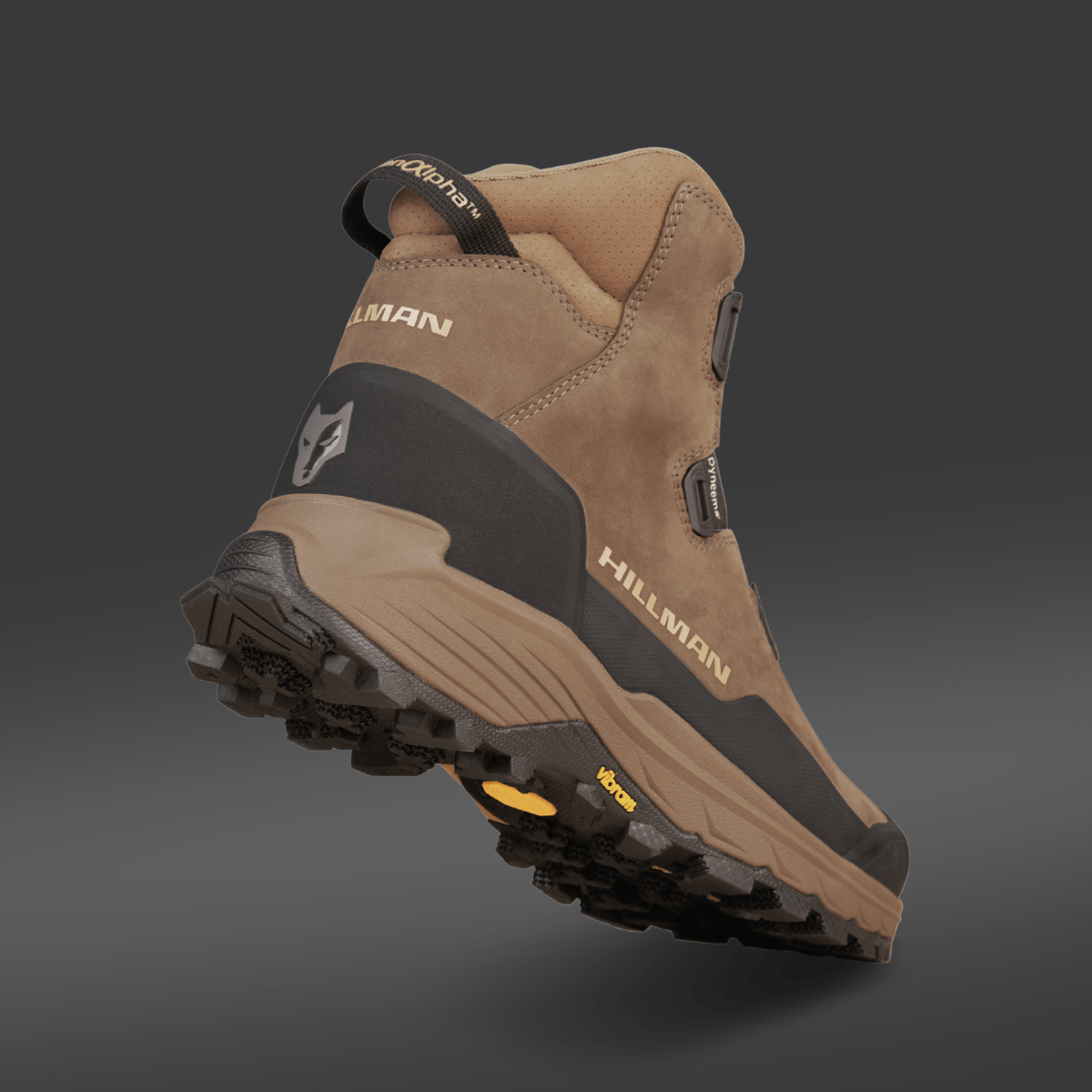

Waterproof Hunting Boots - Uninsulated Lightweight DryHunt
Hunting Backpack Chair - Waterproof Seat Pack | Chairpack
Camo Hunting Jacket - Waterproof Insulated | AlphaShell 6OL
Insulated Camo Pants - Cold Weather Hunting AlphaShell | 6OL
Insulated Hunting Jacket for Extreme Cold Weather | 6OL
Insulated Hunting Pants - Waterproof | AlphaShell 6OL
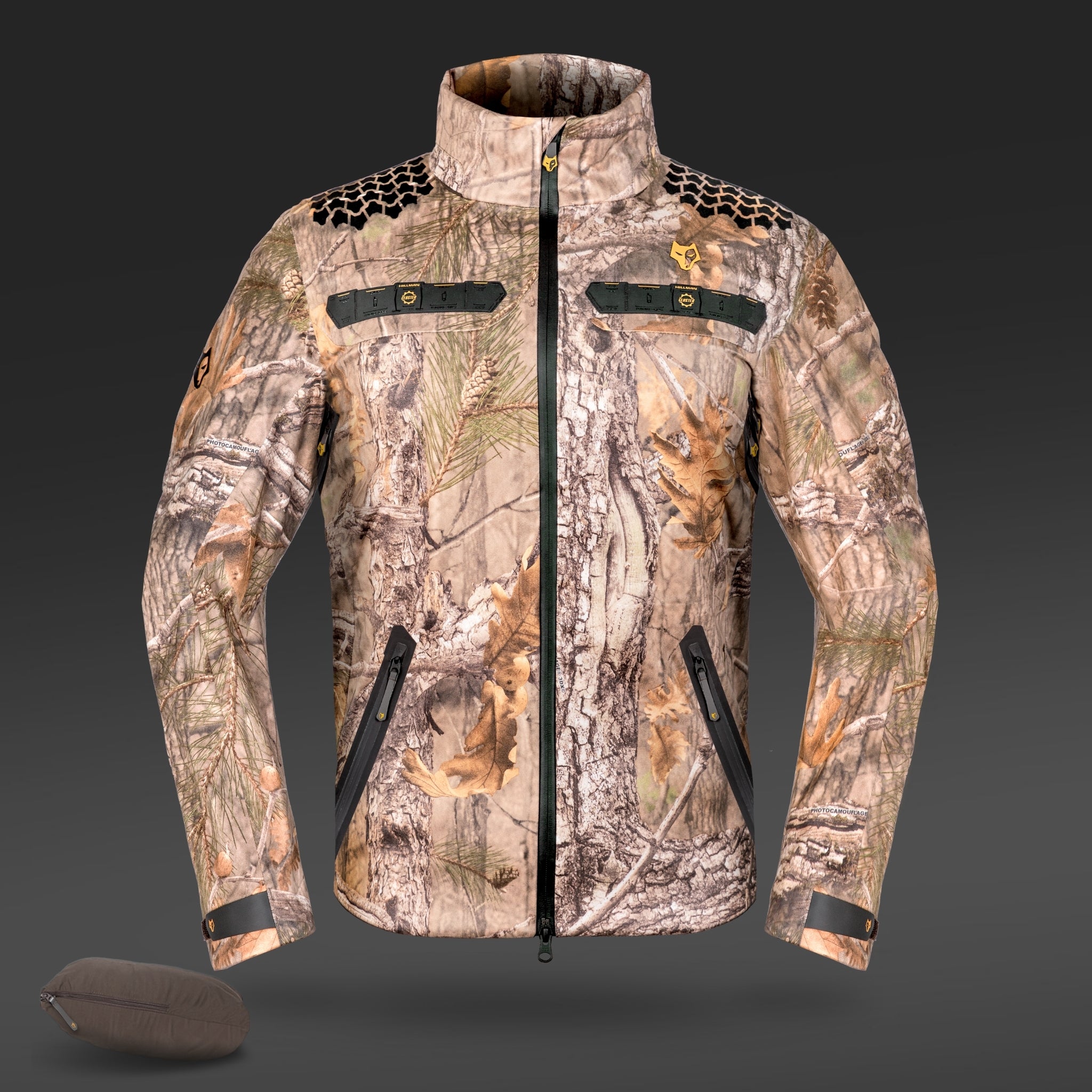
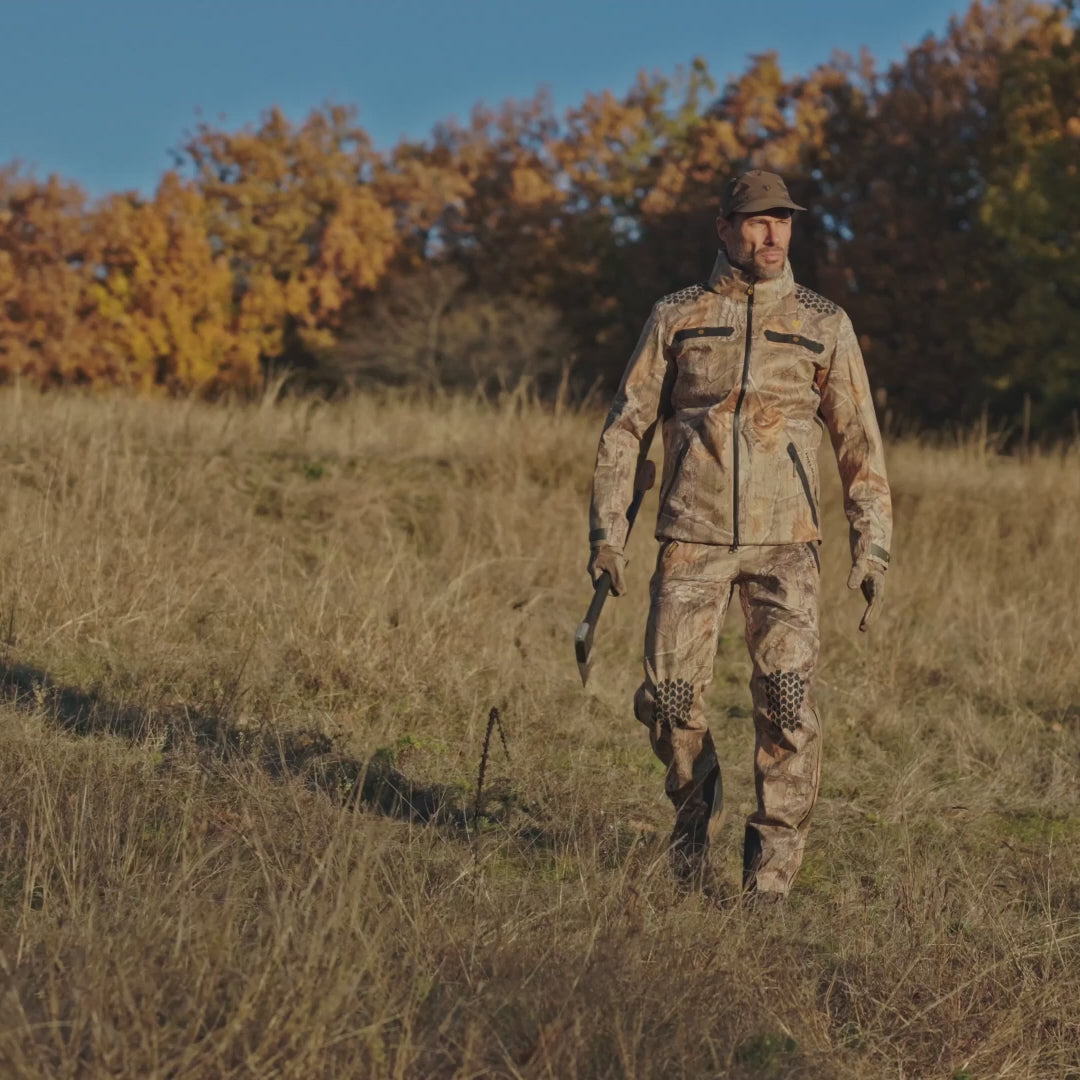
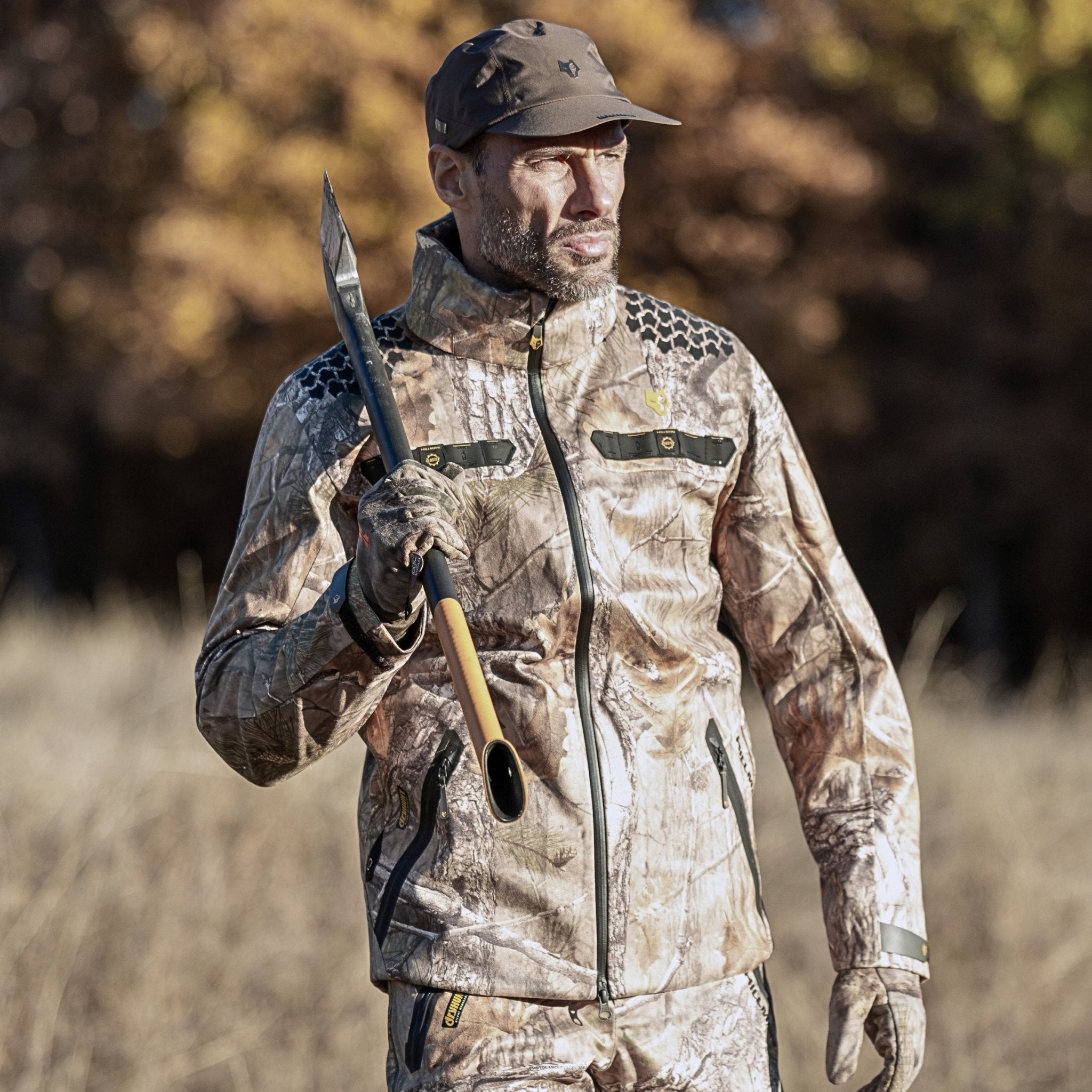
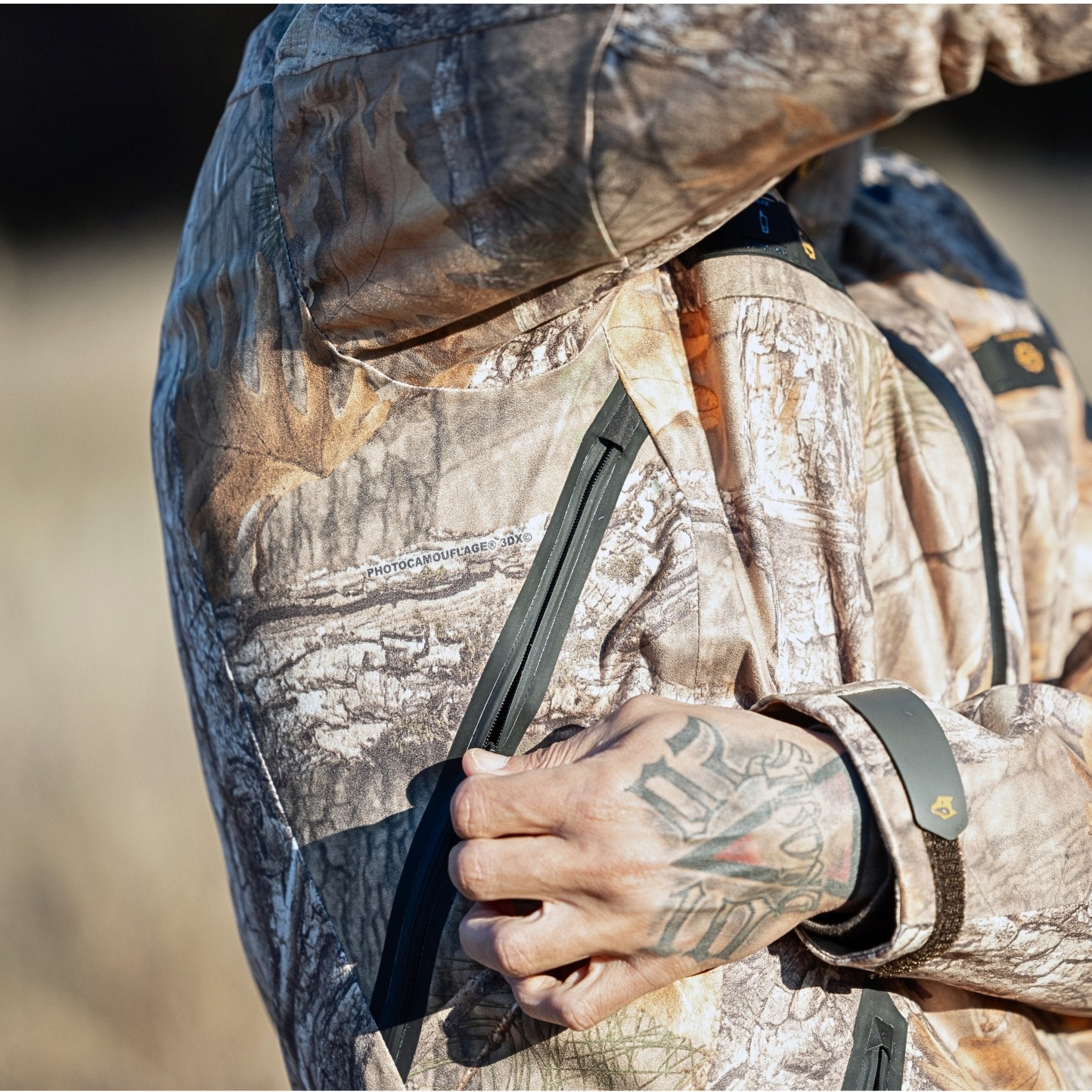
Camo Rain Jacket - Hunting Waterproof - AlphaShell 5WL
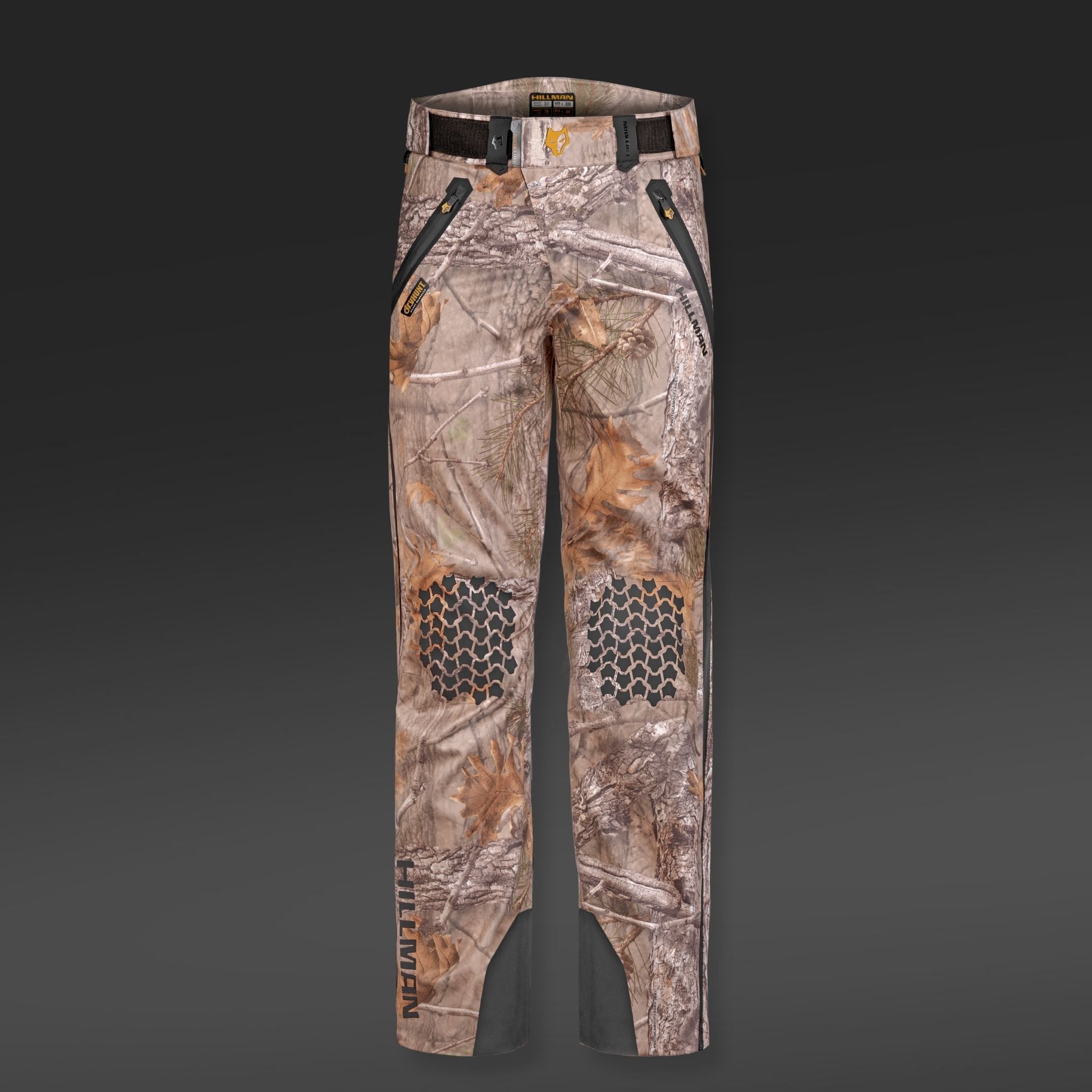
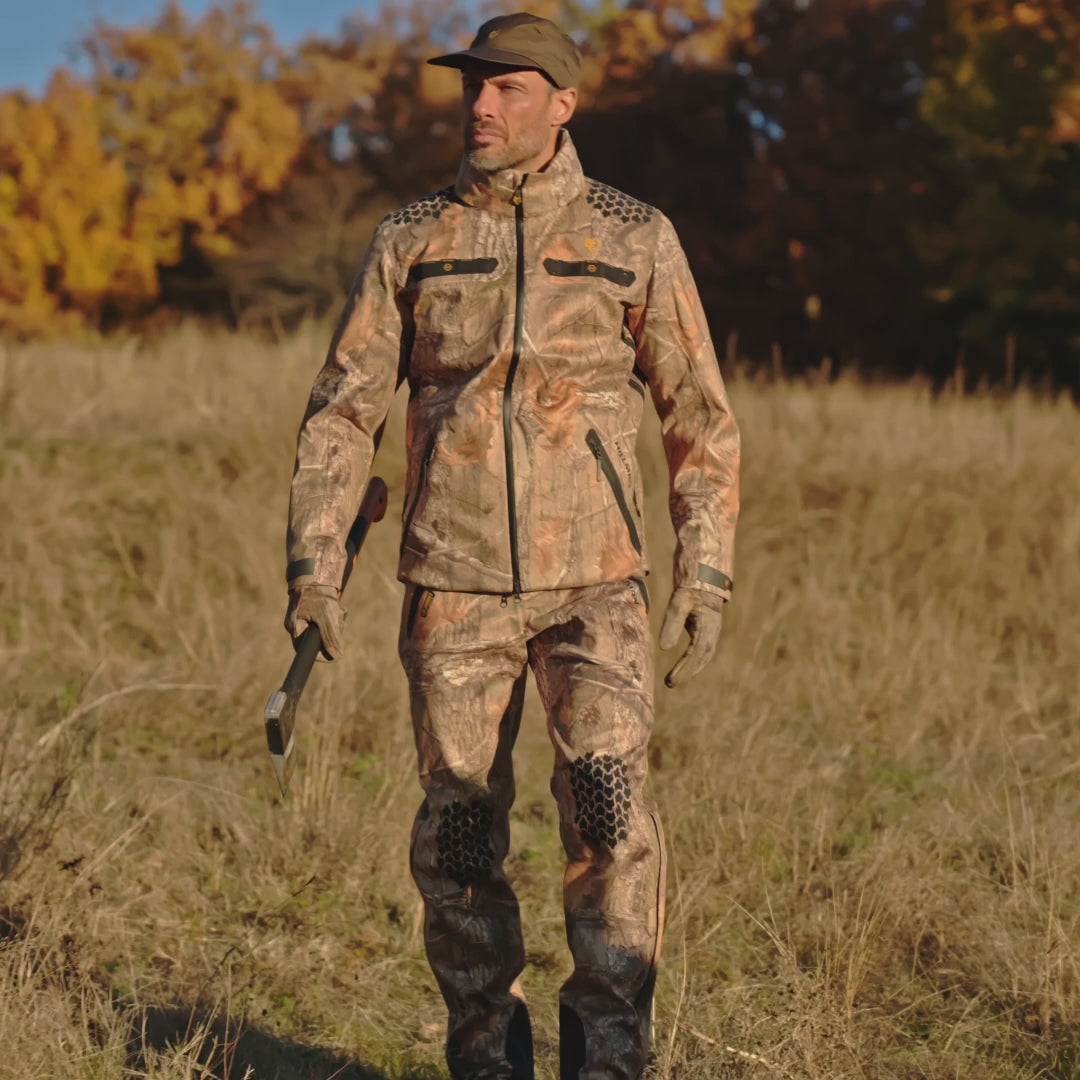
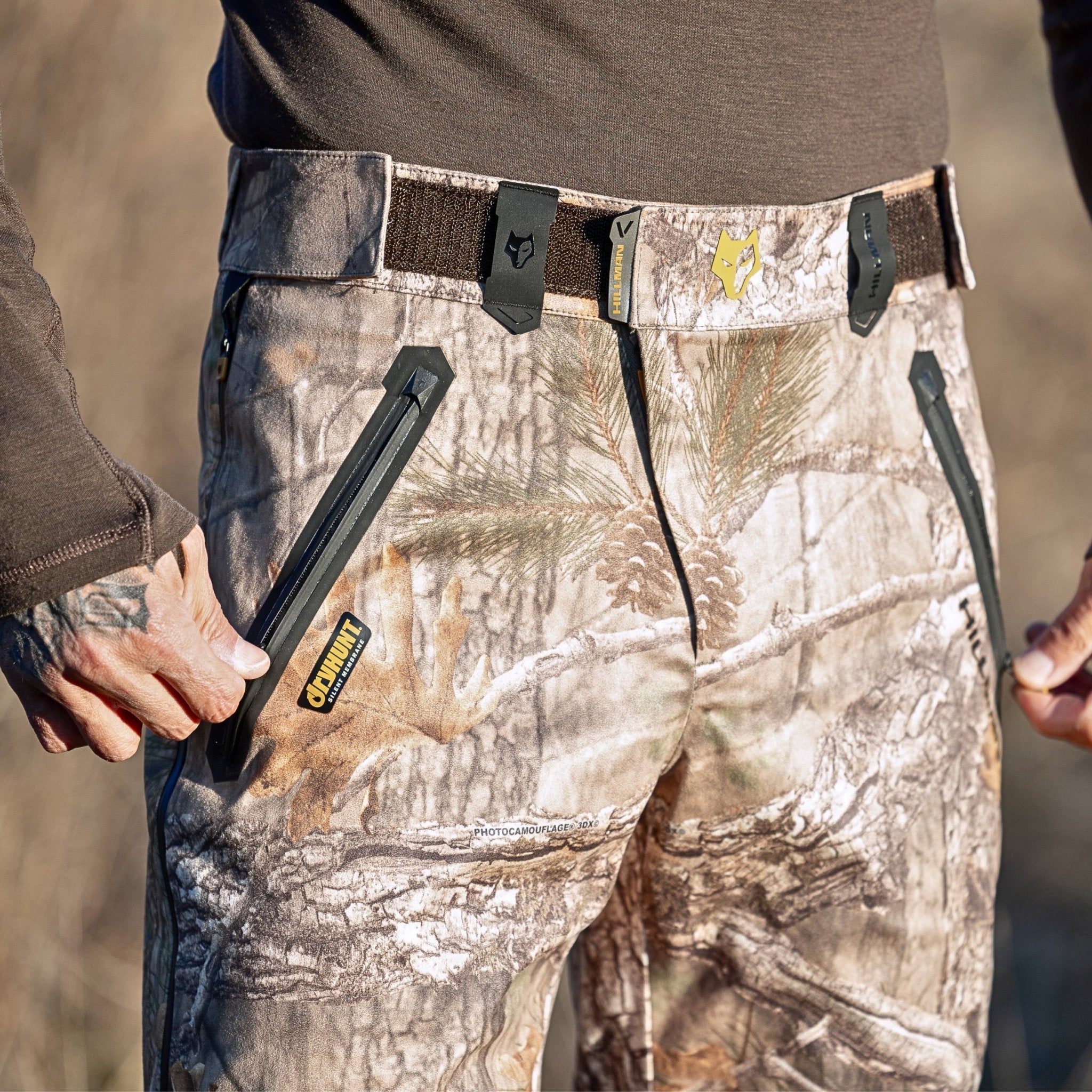
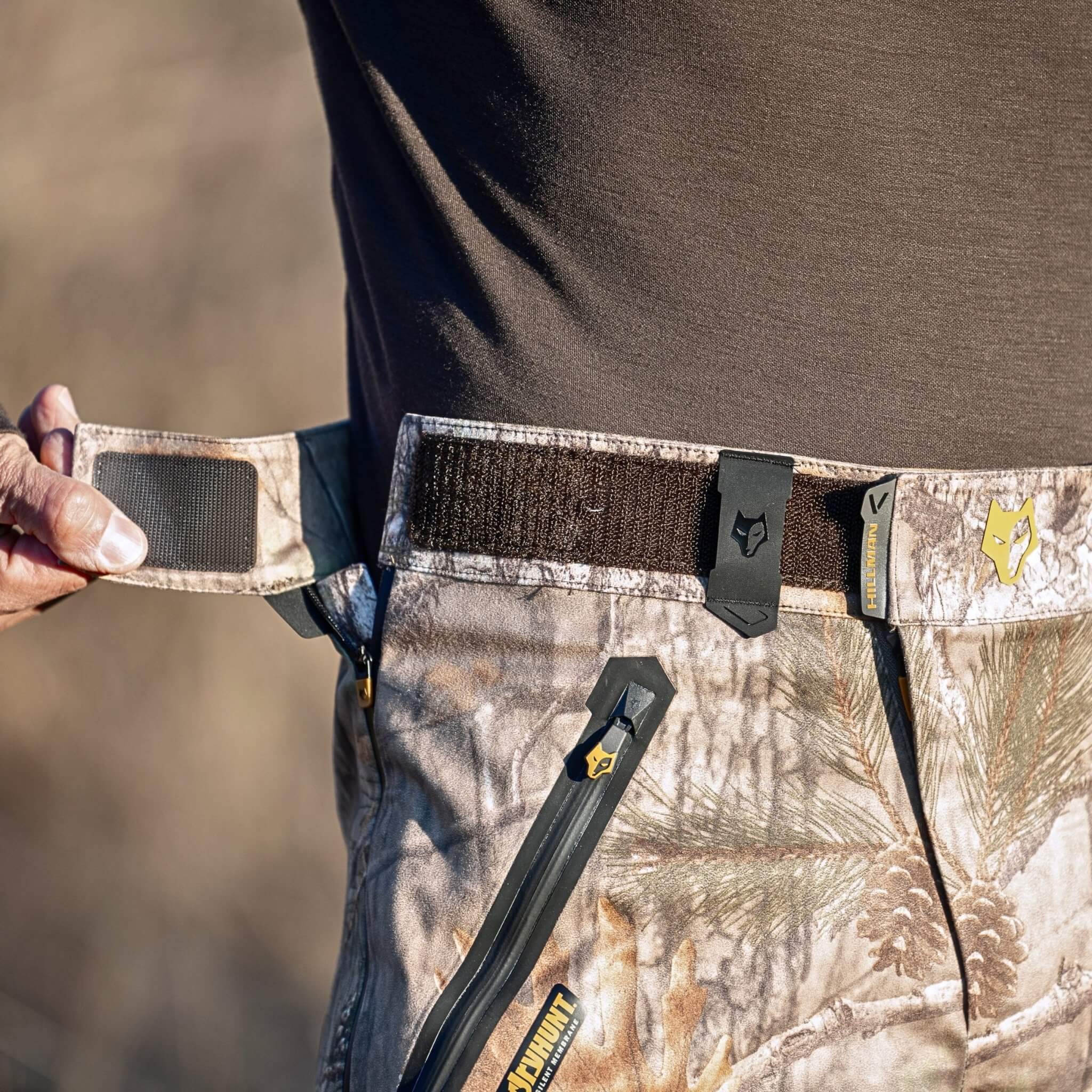
Waterproof Camo Pants - Hunting Rain | AlphaShell 5WL
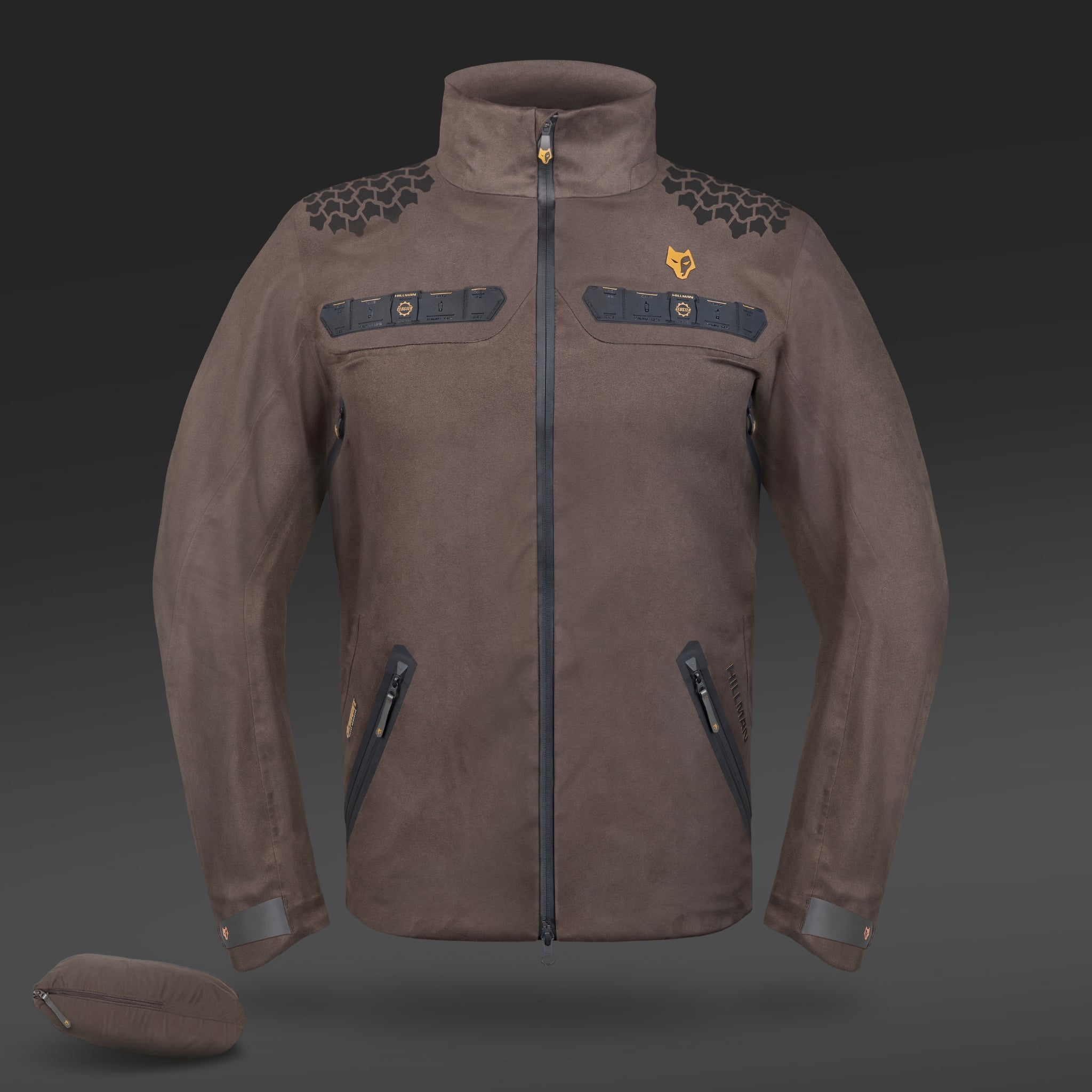
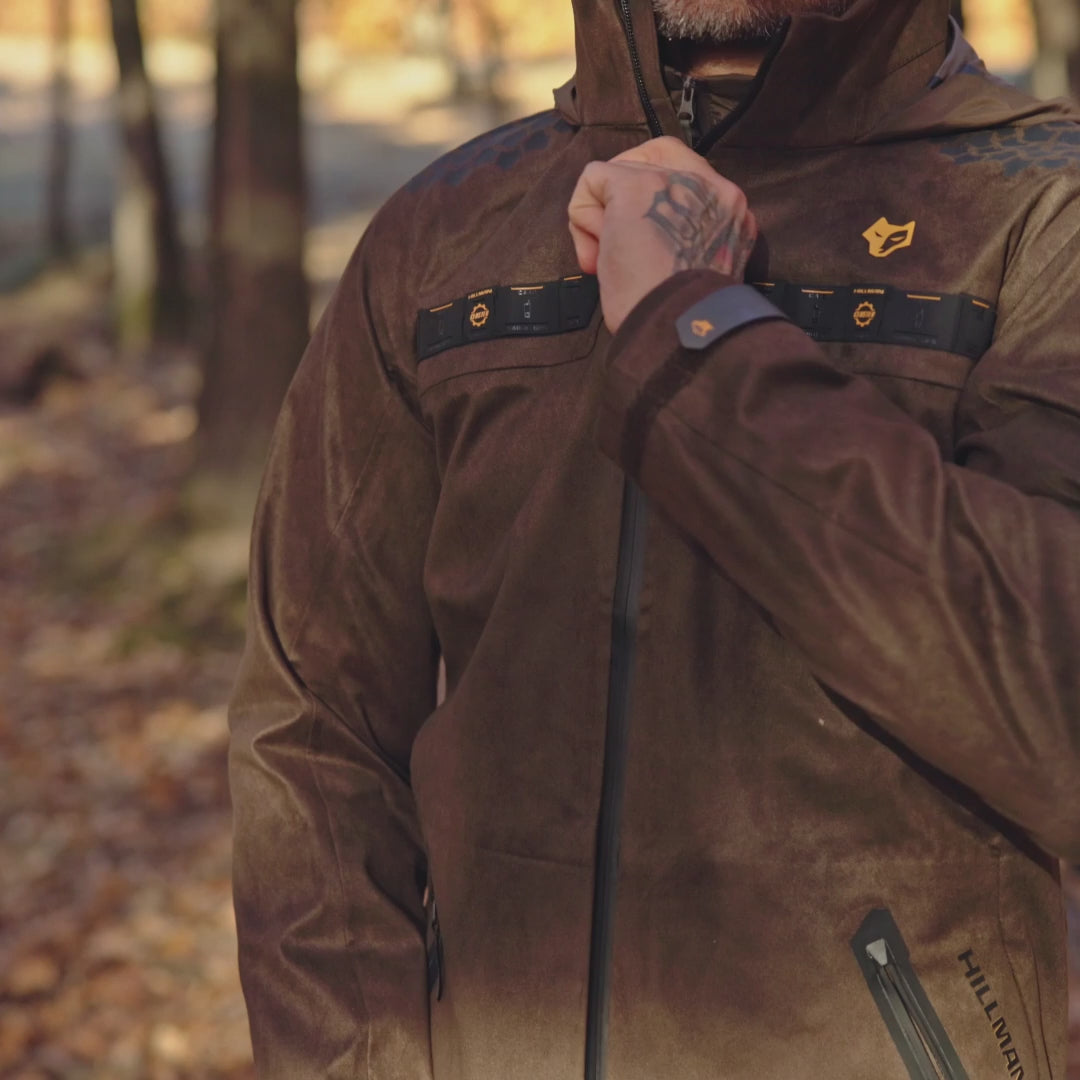
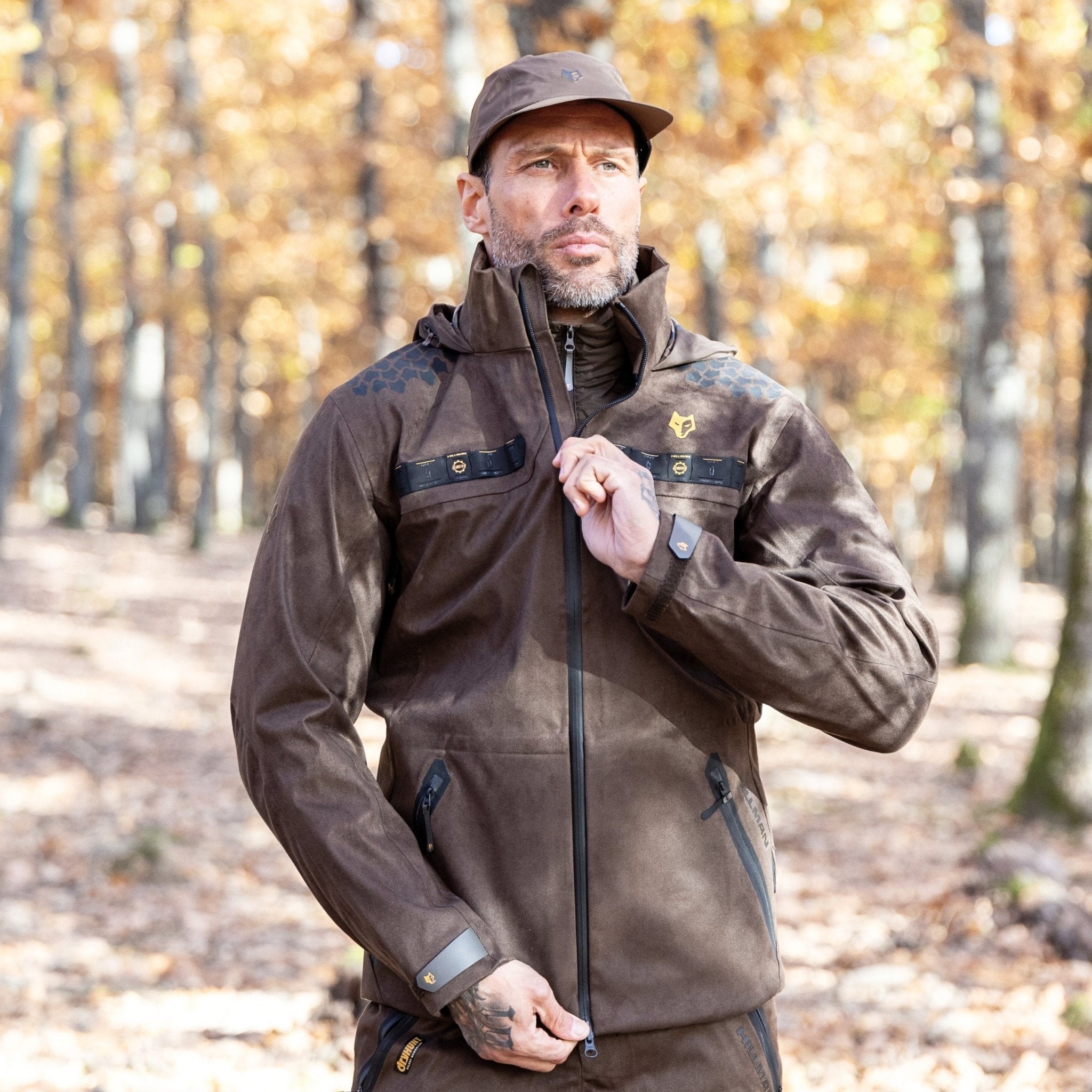
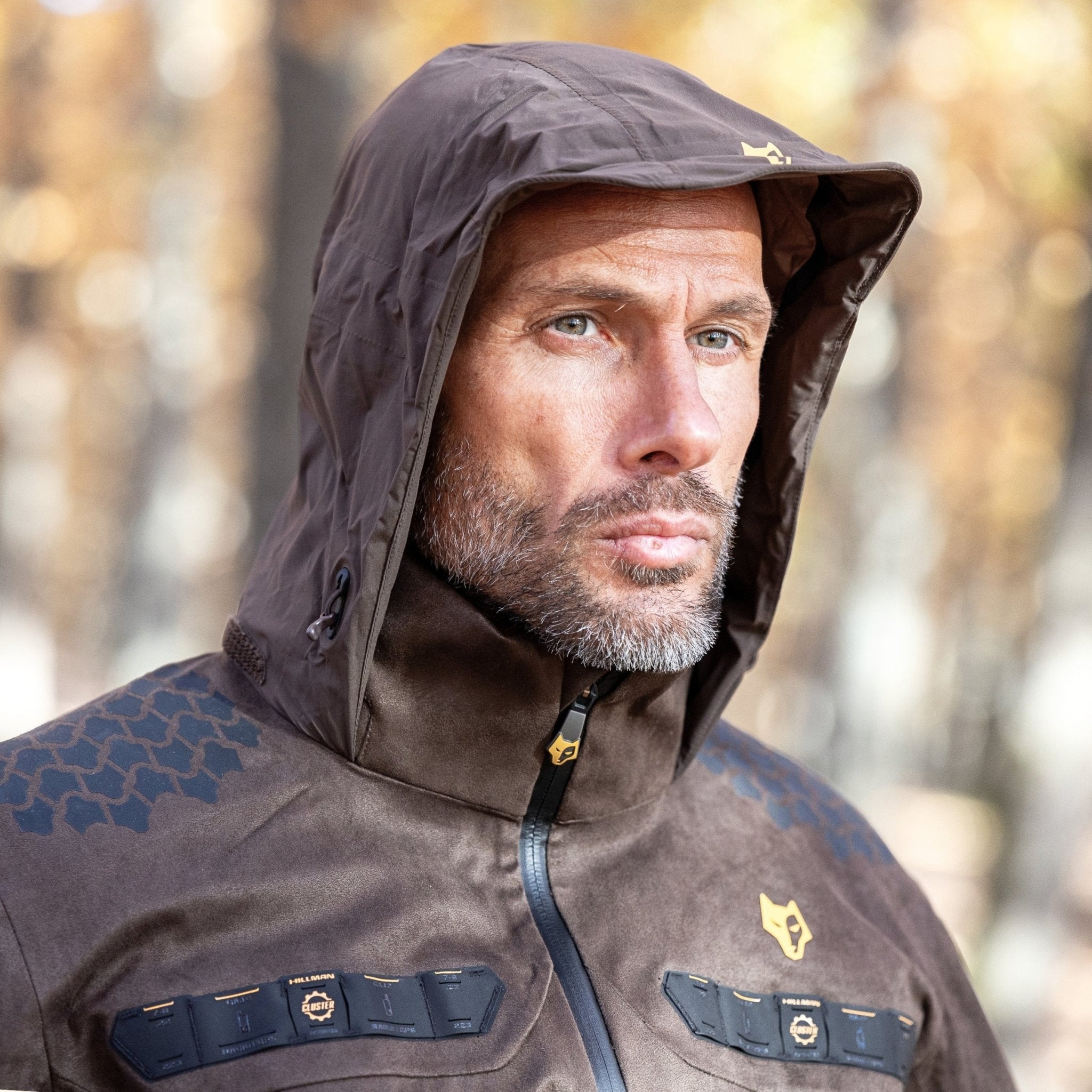
Waterproof Hunting Jacket | Lightweight AlphaShell 5WL
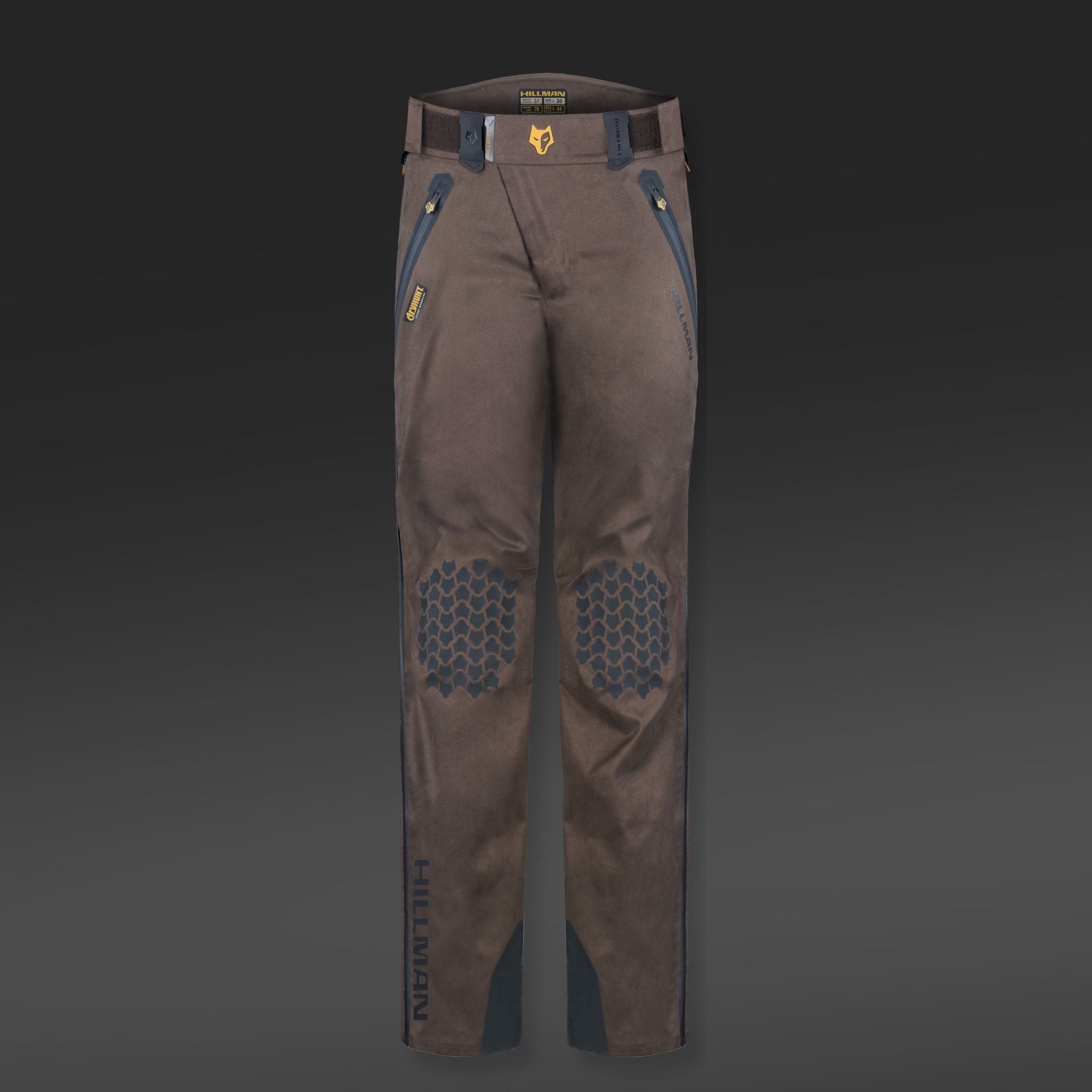
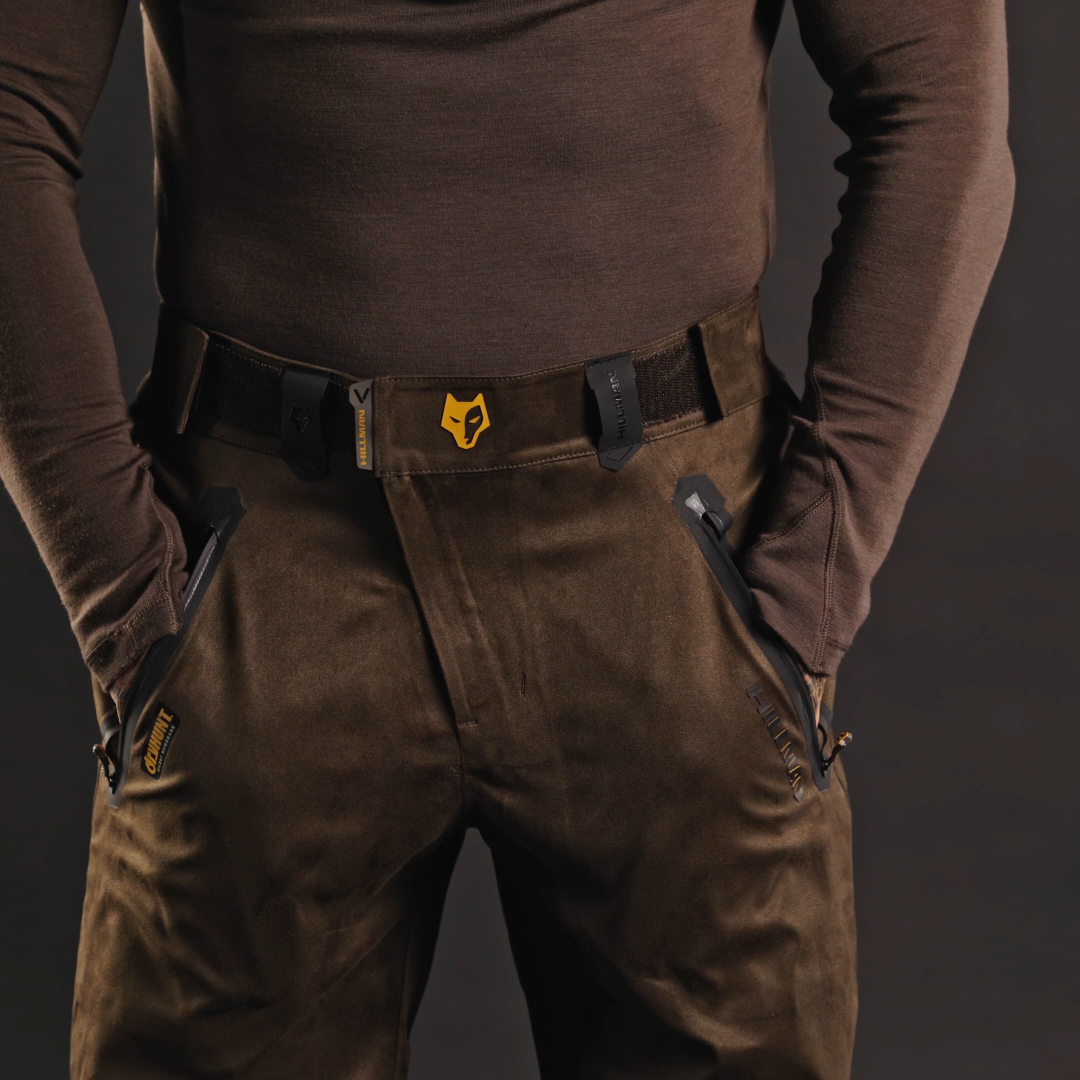
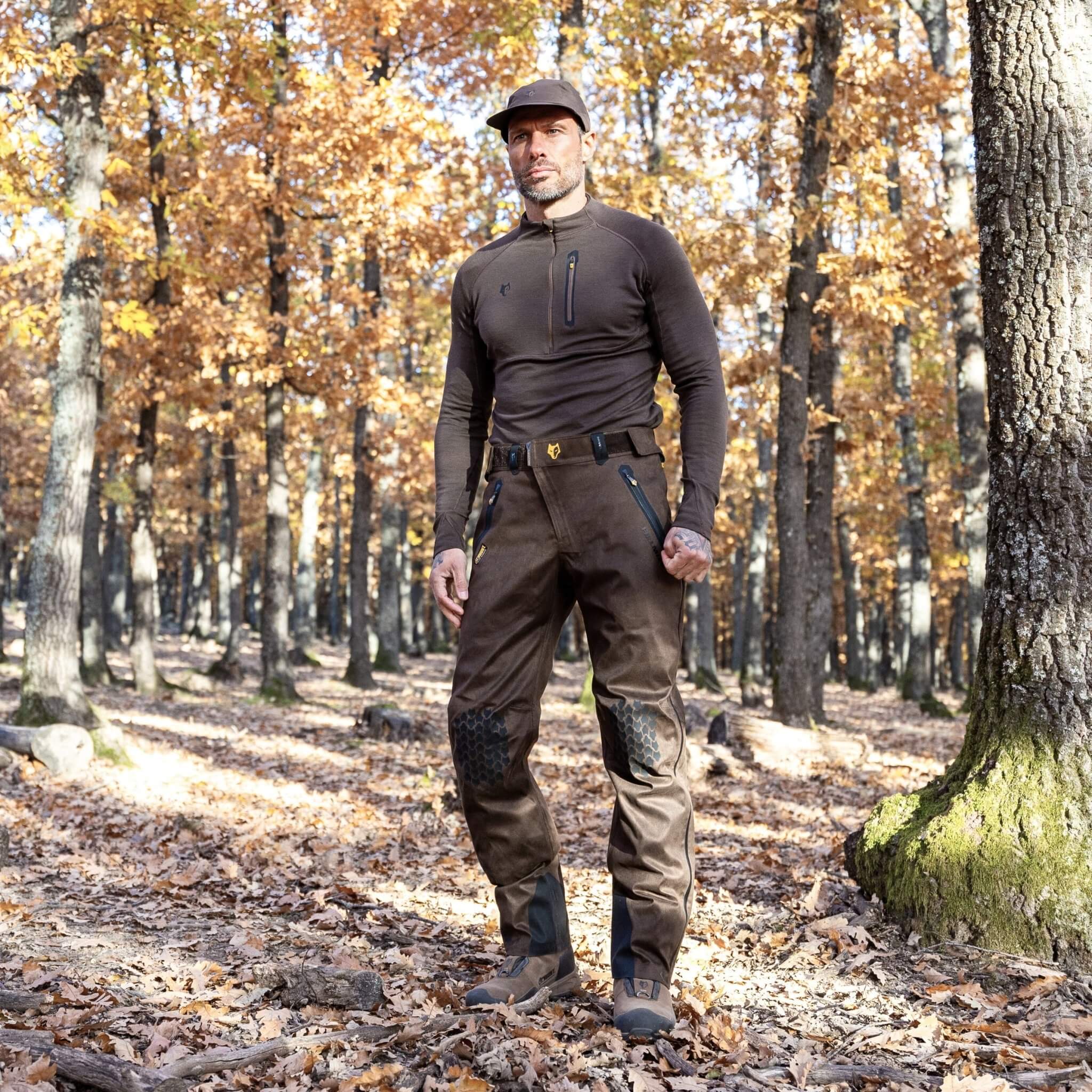
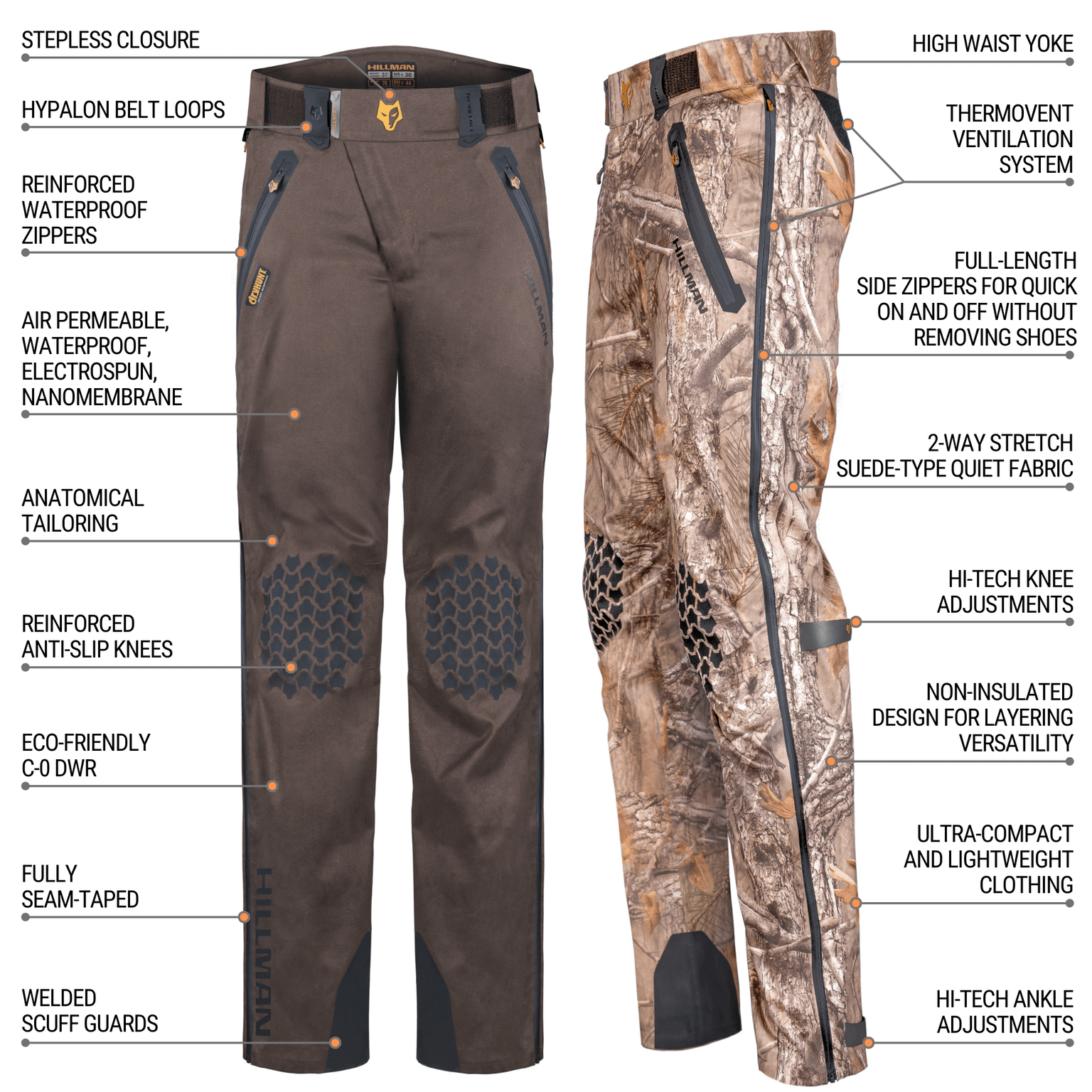
Waterproof Hunting Pants | Lightweight AlphaShell 5WL
Hunting Down Jacket - Packable Puffer With 1000 Fill | 4IL
Elk Hunting Gear, Clothes & Boots

Hillman elk hunting gear: insulated clothes, boots & packs built for rugged terrain and cold weather hunts.
The mountains test every hunter who enters elk country. Cold mornings cut through layers of clothing, ridges block the wind one moment and funnel icy gusts the next, and the ground shifts from frozen crust to ankle-deep mud within a mile. For elk hunters, success rarely comes easy. It demands stamina, preparation, and gear that will not fail when the season reaches its breaking point. Hillman created this collection of elk hunting gear, clothes, and boots for hunters who refuse to leave anything to chance. Every jacket, pair of pants, or backpack has one purpose: to protect you from the elements and give you the strength to finish the job.
Elk Hunting Gear for Rugged Terrain
 Elk do not live in easy country. They push deep into rugged terrain, where steep slopes meet thick timber and weather turns in minutes. Hunters who follow them know that the wrong outer layer can ruin a trip before the first bugle. Hillman’s Heated Camo Hunting Jacket 60L is built for these unpredictable conditions. It seals out moisture with a waterproof shell while advanced insulation keeps warmth close to the body. The jacket remains quiet in the timber, letting hunters move without alerting game.
For the lower body, the 60L Cold Weather Insulated Hunting Pants & Bibs act as armor against snow and wind. Reinforced knees resist sticks and rocks, while adjustable straps hold steady through climbs and crawls. These pants are not only tough, but they are cut to allow natural motion. Elk hunters cover miles each day, and mobility is crucial. Rugged terrain punishes gear that is too heavy or too fragile. Hillman outer layers strike the balance: durable, lightweight, and silent.
Clothing Layers That Make the Difference
 At first light, the air bites hard, yet by noon, the sun often forces hunters to shed layers. Elk country is unpredictable, and only clothing that adapts can keep pace. That is why Hillman focuses on layering systems built for movement and changing weather. The 2BL Merino Wool Base Layer with long sleeves and Merino Wool Long Johns sit against the skin, pulling away moisture so sweat never turns to ice. Merino’s natural fibers breathe, stay soft after long days, and keep odor under control when camp is far from the truck.
Over this base, hunters add insulation as the temperature falls. A vest under a jacket holds warmth at the core, gloves keep hands steady on a cold rifle, and a hood shuts out cutting wind on exposed ridges. These layers work together like a team, letting elk hunters climb, wait, or crawl without losing comfort. In the mountains, the wrong choice can cost a day. The right Hillman layers make the difference between heading home early or staying out until the bull steps into range.
Boots and Socks That Carry You Through the Hunt

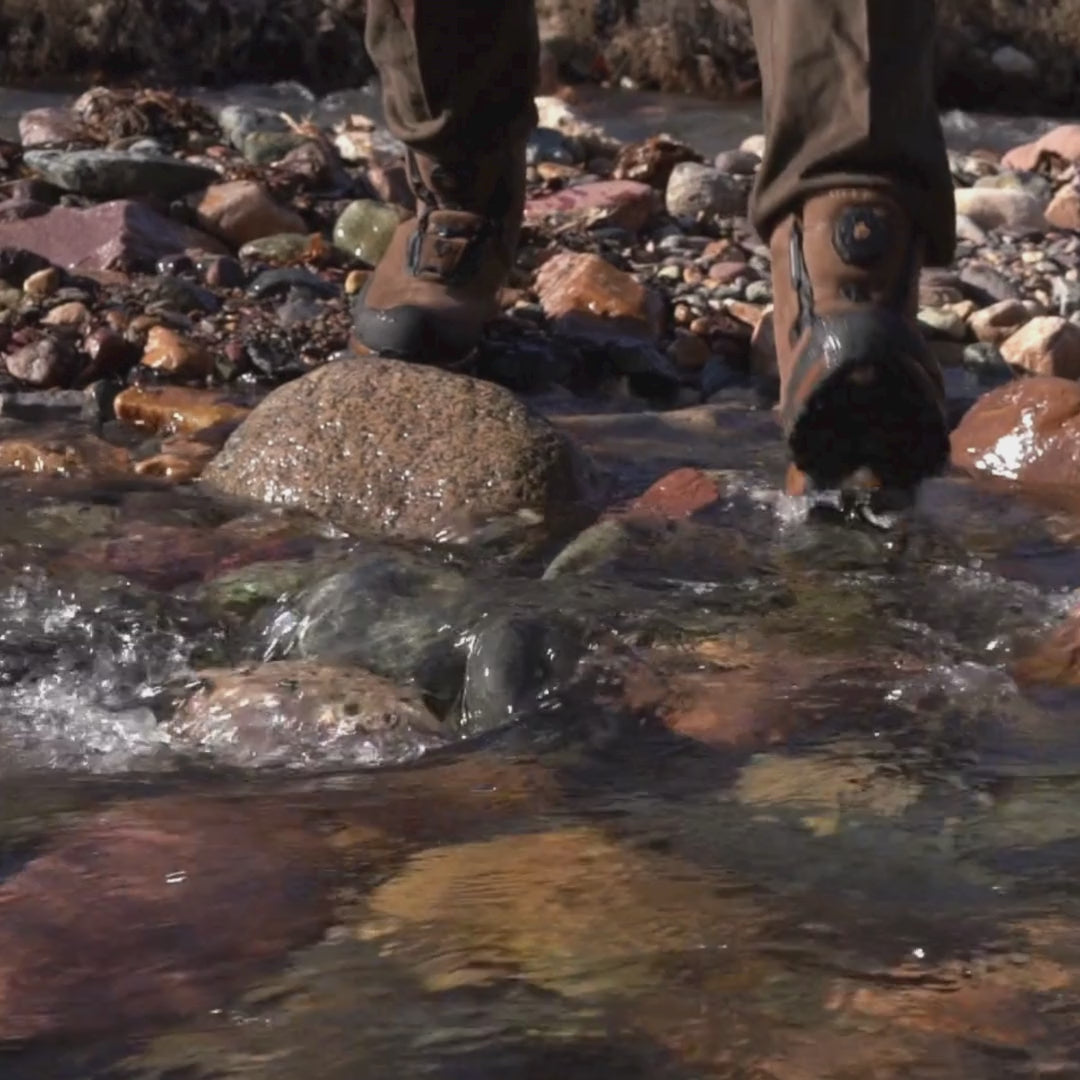
Ask any veteran elk hunter, and they will tell you: feet decide the hunt. Elk live where the ground is steep, the snow deep, and the miles endless. Covering that terrain while hauling a pack requires boots that can endure. Hillman’s Insulated Hunting Boots Aerogel® 3-Season deliver warmth down to freezing temperatures without adding unnecessary weight. Their waterproof construction keeps water out while allowing sweat to escape, preventing blisters on long hikes.
Paired with Ultrawarm Merino Hunting Socks, these boots protect circulation during hours of glassing and cushion every step under a heavy load. Hunters typically face ten miles or more in a single day, and with a full pack of elk meat, every pound on your feet multiplies. A durable boot distributes weight evenly, grips the ground on slippery edges, and reduces fatigue when climbing back toward camp or truck. In elk hunting, comfortable feet are not a luxury. They are crucial to survival and success.
Essential Packs and Accessories for Elk Hunters
 When a bull finally goes down, the hardest part begins. Hauling meat off the mountain is the true test of gear. A flimsy backpack fails quickly under the weight of quarters and antlers. Hillman’s Chairpack XWP40 solves the problem with a frame built for hauling and a design that doubles as a waterproof seat. On long hunts, being able to drop your load and sit on solid ground is more than comfort; it preserves energy for the miles ahead.
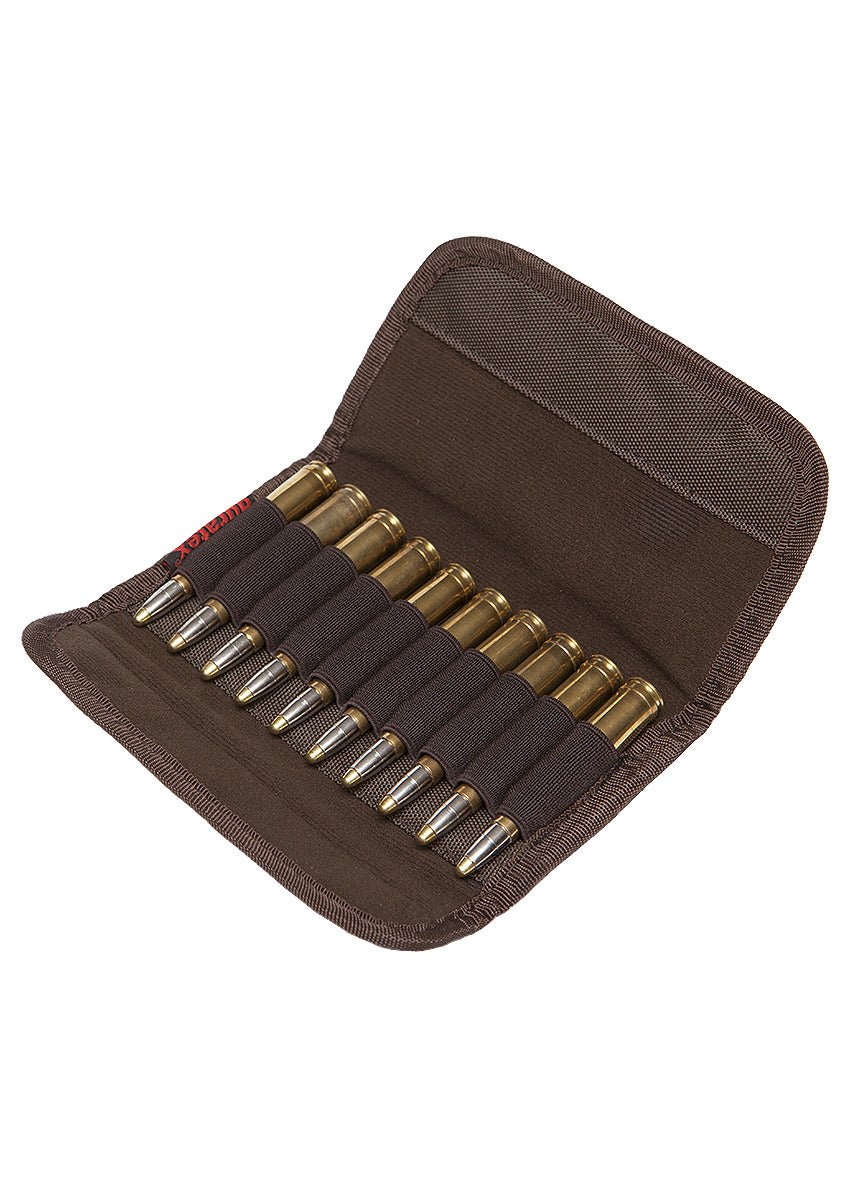
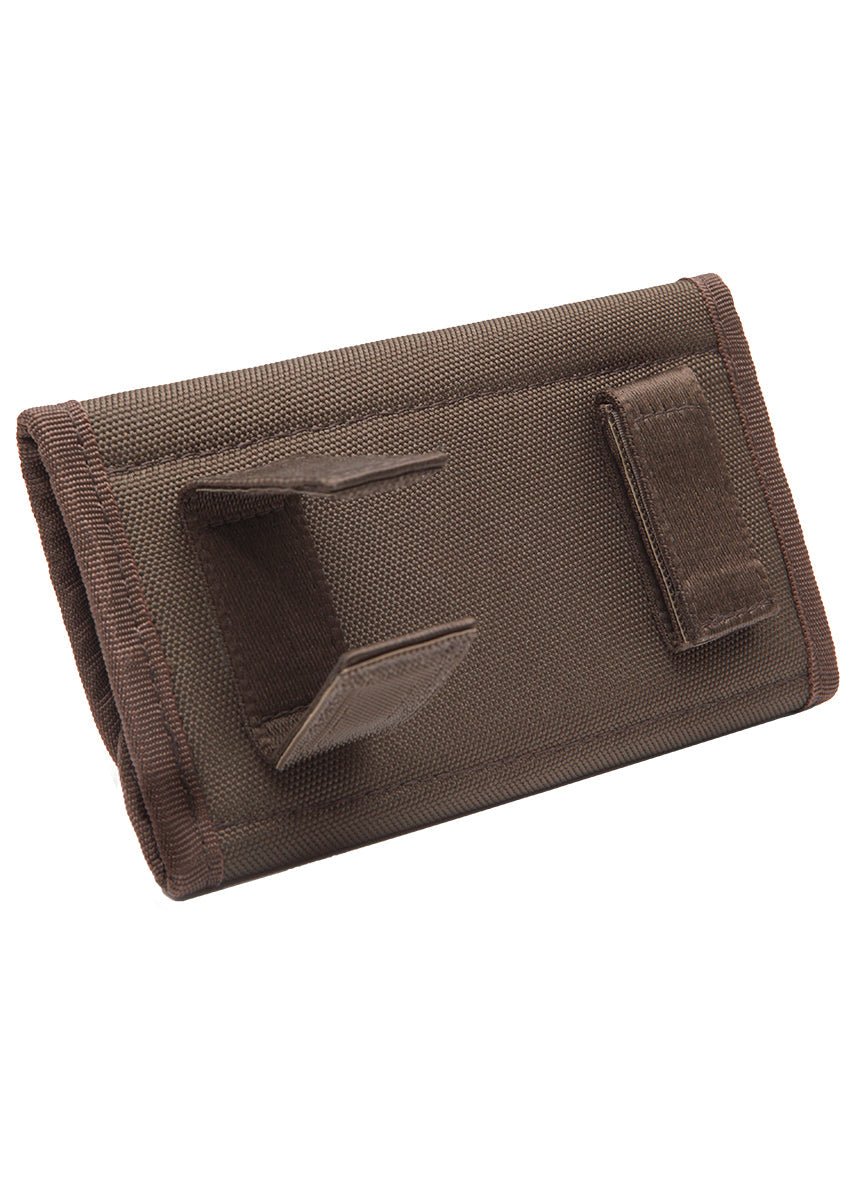
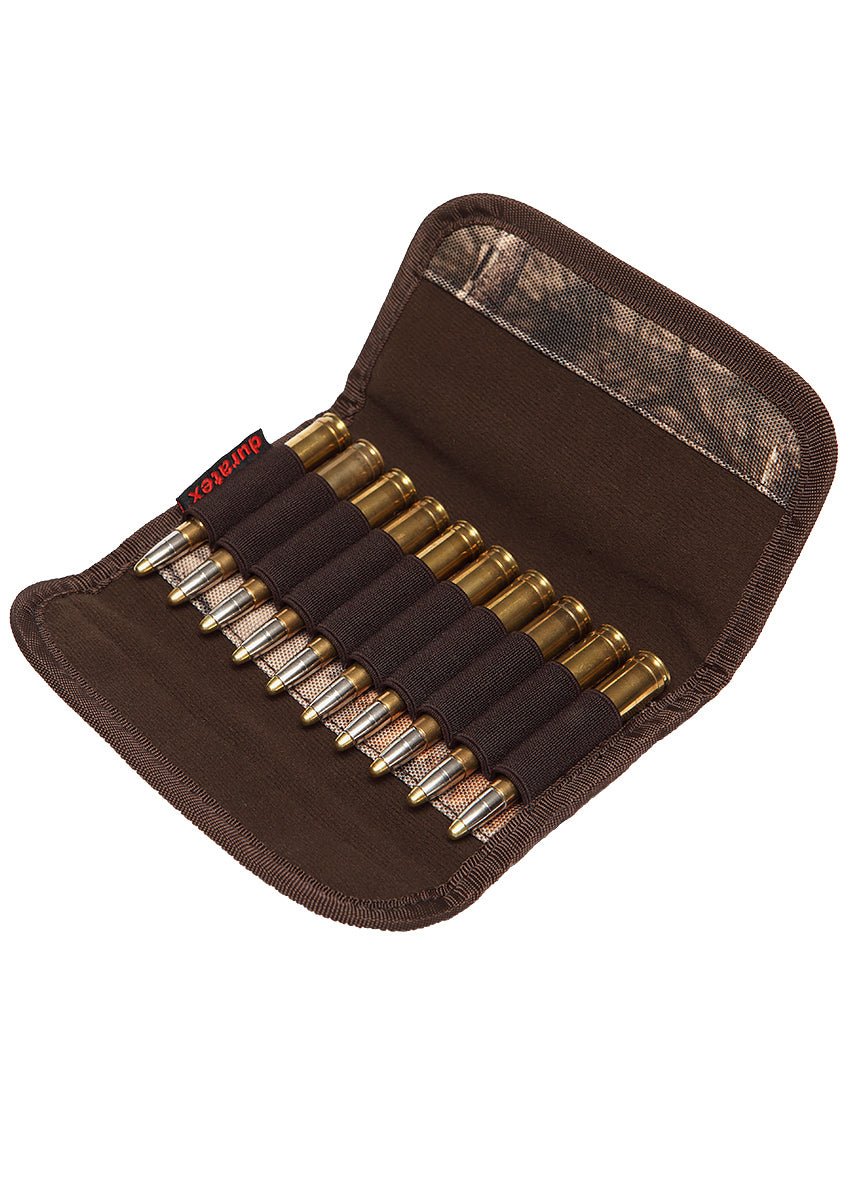
Accessories matter just as much. Hillman’s Magnetic Rifle Pouch lets you reach your ammo quietly and quickly. Built from tough Duratex fabric, it clips on or off your belt with ease and resists heavy wear. Meanwhile, a tent, hood, or rain cover stashes easily in the main bag. The right pack turns a brutal haul into a manageable one, spreading weight across shoulders and hips. For elk hunters, every detail counts. Hillman builds packs and accessories that hold up when the load is heavy and the edge of daylight is slipping away.
Avoiding Mistakes – Choosing the Right Gear for Elk Season
 Every elk season has stories of hunters who carried the wrong gear. Boots that filled with water during the first creek crossing. Jackets that trapped sweat on steep climbs and froze solid in the wind. Packs that tore apart halfway through hauling meat back to camp. These errors are not just uncomfortable; they turn weeks of planning into lost chances.
Smart hunters plan. They test their clothing before the hunt, watch how it performs in the rain, and research what has worked for others. YouTube clips and field reviews can offer insight, but real trust comes from proven durability in rugged terrain. Trails are often blocked by snow or fallen timber, and conditions typically change without warning. Hillman builds gear to remove uncertainty, giving elk hunters waterproof protection, reliable insulation, and durable packs so that the only challenge left is finding the elk.
Maximum Comfort and Durability in Harsh Weather
 Comfort and durability are not luxuries when chasing elk across mountain country. They are the foundation of every piece of clothing and equipment. Hillman jackets and pants are reinforced against abrasion yet remain lightweight. Base layers wick sweat, preventing the chill that ruins a cold-weather hunt. Outer layers block wind and rain without restricting motion. This combination allows hunters to stay focused on the course of the hunt, not on discomfort or gear failure. Protection, quality, and style come together so the hunter can keep moving forward.
Why Hillman Elk Hunting Gear Stands Out
 A successful elk hunt depends on more than a good shot. It begins with clothing that stays warm at dawn, boots that endure rugged terrain, and packs that haul game back to camp without failure. Hunters who prefer proven durability opt for Hillman, knowing each jacket, pair of pants, and accessory has been designed with real conditions in mind.
Final thoughts often circle back to preparation. The wrong gear can ruin weeks of planning, while the right choices tip the balance toward success. Hillman’s elk hunting gear gives hunters confidence in the field, letting them focus on the bull, the rifle, and the moment. For those preparing for the next season, this collection offers the edge every elk hunter needs.