

Do You Really Need Scent Control Clothing? A Practical Breakdown for U.S. Hunters

Scent control clothing divides hunters. Here’s a practical look at how scent control really works, when it helps, and why wind still matters most.
We get this question every season. Sometimes it’s asked in a message, sometimes around a tailgate, sometimes halfway through a conversation about wind or stand placement. Do you really need scent control clothing, or is it just another thing hunters are told to buy?
The honest answer isn’t clean or simple. Scent control matters, but not in the way it’s often advertised. Human scent is real. A deer’s nose is real. But no piece of hunting clothing, no matter how advanced, replaces discipline, wind awareness, and basic scent management. What follows is our practical breakdown, based on seasons in the woods and a lot of trial, error, and observation.
Why Scent Control Is One of the Most Debated Topics in Hunting
Few topics divide hunters more than scent control. Some swear by it. Others won’t touch it and trust nothing but the wind. Both camps have stories to back up their point.
Part of the problem is expectations. Scent control clothing is often treated like a solution when in reality it’s a tool. Used correctly, it can help reduce human odor. Used incorrectly, it does nothing. That gap between expectation and reality is where most frustration comes from.
What a Whitetail’s Nose Is Actually Up Against

A whitetail’s nose is its best defense. Deer have roughly 297 million olfactory receptors. Humans have about 5 million. That gap matters. It means deer don’t just smell more than we do: they smell differently.
They pick up layers of scent, track where it’s coming from, and react long before most hunters realize what’s happening. That’s why scent control is part of every serious conversation about deer hunting, even among hunters who don’t believe in scent control clothing at all.
Why Wind Direction Still Comes First
If there’s one thing every experienced hunter agrees on, it’s this: wind direction beats gear. Every time.
No scent control system can eliminate 100% of human scent. That means if you’re sitting directly downwind of where deer are expected to walk, your odds drop fast. Playing the wind is still the primary defense, and it always will be.
Scent control only starts to matter once wind discipline is already in place. Without that foundation, clothing doesn’t matter much at all.
Does Scent Control Clothing Actually Work in Real Conditions?

This is where answers get mixed. Some hunters report success while wearing scent control clothing. Others see no difference. In many cases, success gets credited to the clothing when other factors are doing most of the work.
Wind direction, stand placement, entry routes, and timing often matter more than what’s printed on the tag inside a jacket. Scent control clothing can reduce odor, but it doesn’t make mistakes disappear.
Why Some Hunters Swear by It (and Others Don’t)
Hunters who see value in scent control usually treat it as a margin tool. Not magic. Not a guarantee. Just something that might buy a little extra time or reduce how much scent lingers.
Hunters who dismiss it entirely usually do so because they’ve seen deer bust them while wearing it. Both experiences can be true. The difference often comes down to expectations and how the rest of the hunt is managed.
Scent Control Clothing as Part of a Bigger System

This is where we stand. Scent control works best when it’s treated as one layer of a broader approach, not a cure-all.
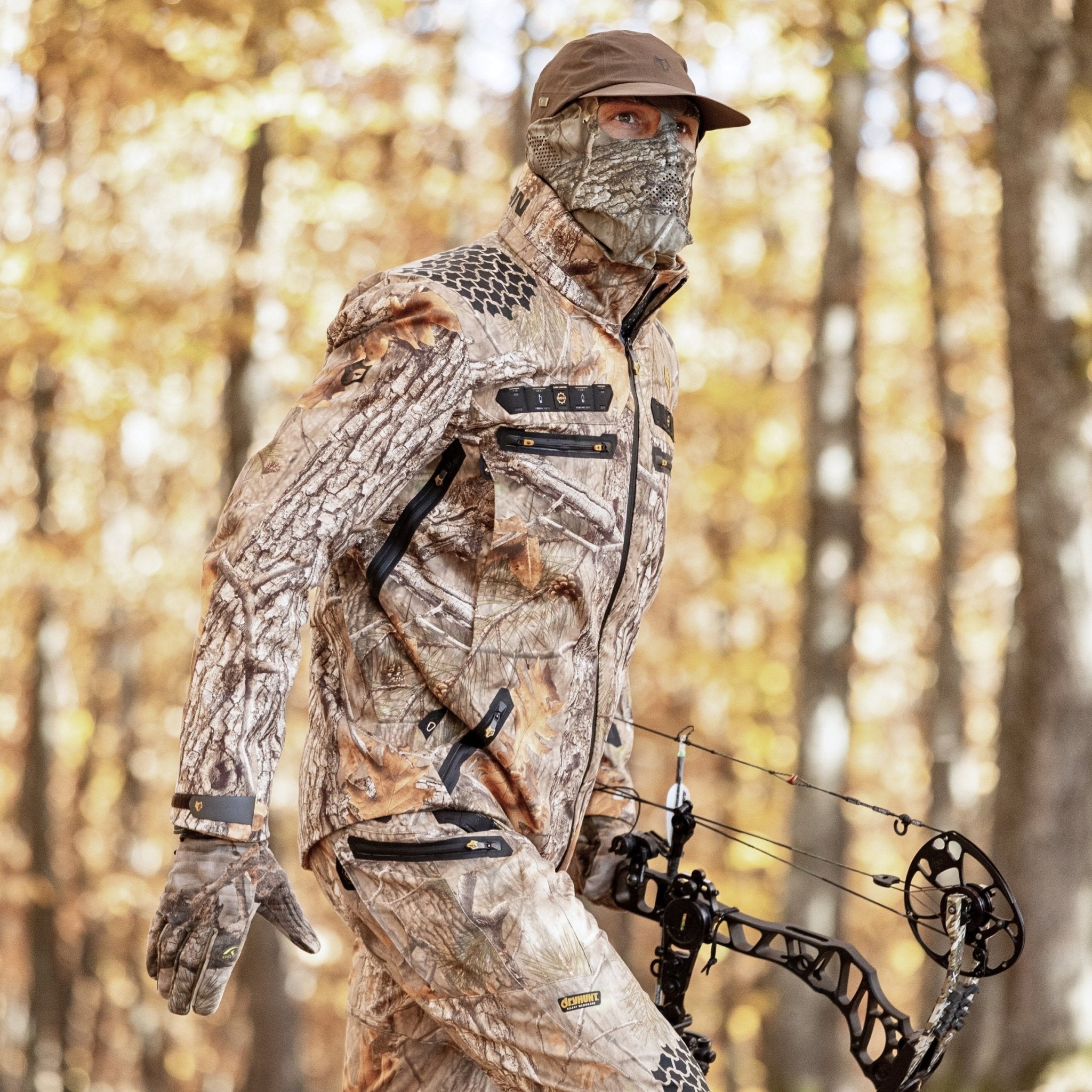
That’s how we think about it at Hillman. We’ve never believed you can beat a whitetail’s nose. The goal is simply to limit how much human scent you leave behind, while still paying attention to wind, terrain, and how deer actually move through an environment.
Personal Hygiene Matters More Than Most Gear
Before clothing ever comes into play, personal hygiene sets the baseline. Showering with scent-free soap, using fragrance-free deodorant, and avoiding strong smells before a hunt all help reduce how much odor you start with.
These steps aren’t complicated, but they matter. Ignoring them while relying on clothing alone usually leads to disappointment.
Washing and Storing Hunting Clothes the Right Way

Most scent control systems fall apart in the laundry room. Washing hunting clothes with regular detergent, drying them next to household laundry, or storing them in open air inside the house defeats the purpose.
Using scent-free detergent, hang drying or air drying when possible, and storing clothes in airtight containers helps prevent contamination. It’s basic maintenance, but it’s where a lot of effort gets wasted.
Getting Dressed in the Field Instead of at Home

One habit that helps more than most people realize is getting dressed in the field. Houses, vehicles, pets, food, and even coffee leave scent behind.
Keeping hunting clothes sealed until you reach your spot reduces exposure to those odors. It’s not perfect, but it limits unnecessary scent buildup before the hunt even starts.
Sweat, Heat, and the Smell You Can’t Ignore

Sweat creates scent. That’s unavoidable. Walking too fast, overdressing on the way in, or carrying heavy gear builds heat quickly.
Slowing down, dressing lighter for the walk, and adding layers at the stand helps reduce perspiration. Scent control clothing can’t offset sweat if it’s already soaked into your base layers.
Cover Scents, Sprays, and Ozone Machines
Cover scents and sprays are often used as finishing tools. They may help mask or dilute human odor for a short time, especially in calm conditions.
Ozone machines are more controversial. Some hunters use them with success in enclosed spaces like blinds. Others see little difference. As with clothing, results vary, and none of these tools replace wind awareness.
Modern Scent Control Technologies Explained Simply

Many scent control garments rely on specific technologies. Activated carbon adsorbs odor molecules but requires heat reactivation to remain effective. Silver-based treatments limit bacteria growth, which reduces odor over time.
Other treatments target microbes directly or rely on materials that naturally resist odor buildup. These technologies can help, but only when they’re maintained properly and used within a broader scent strategy.
Natural Materials Like Merino Wool and Bamboo
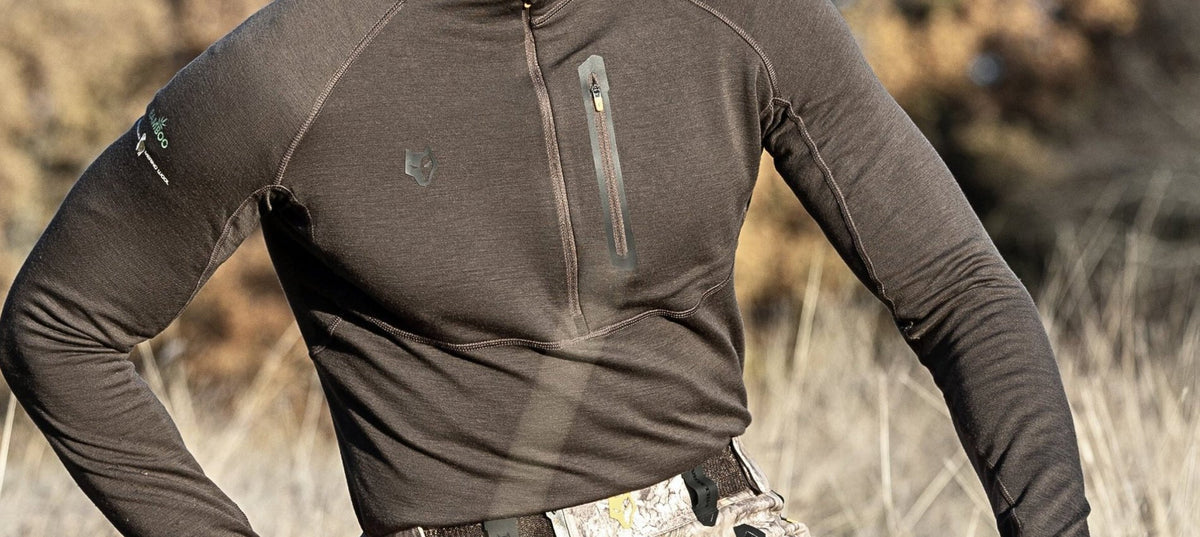
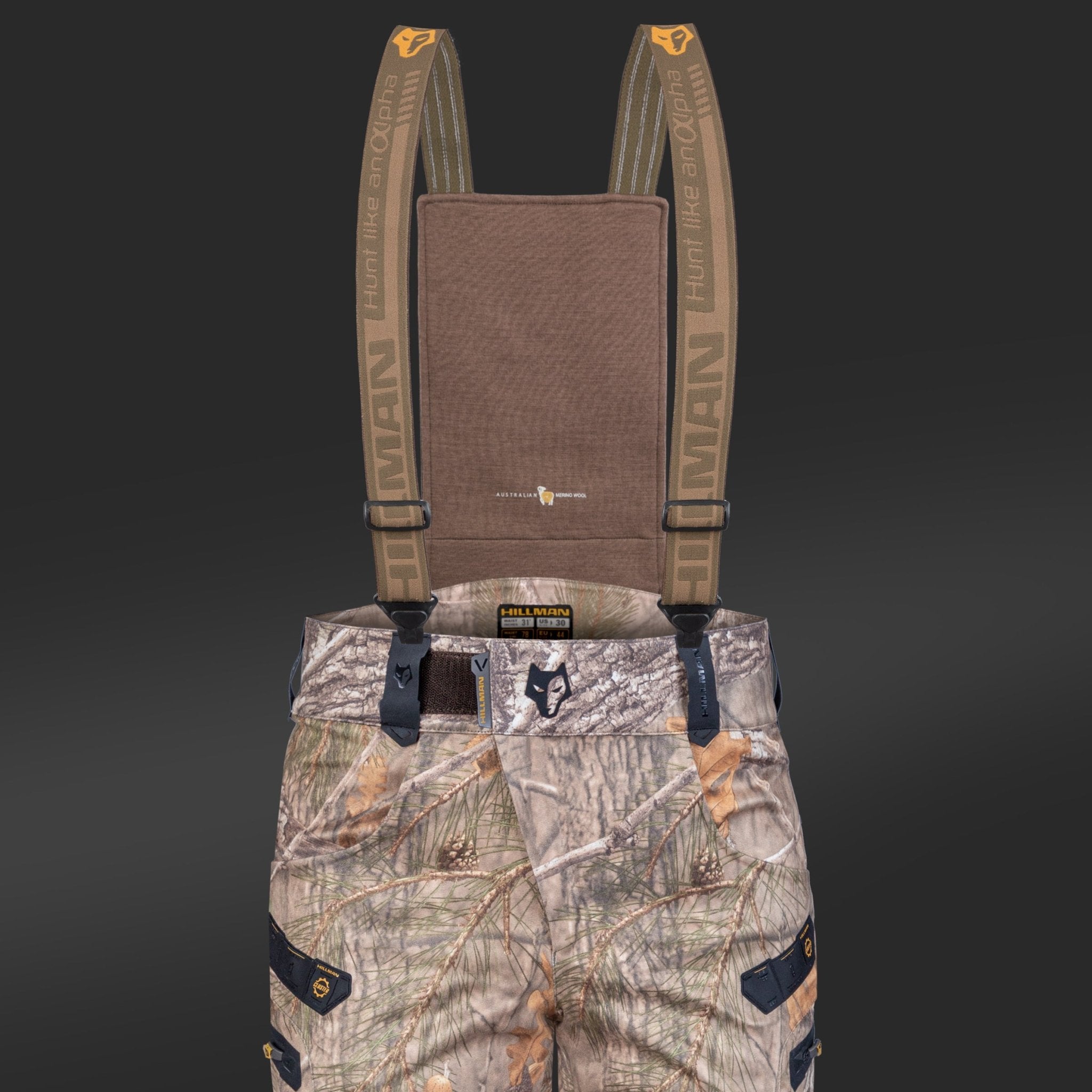
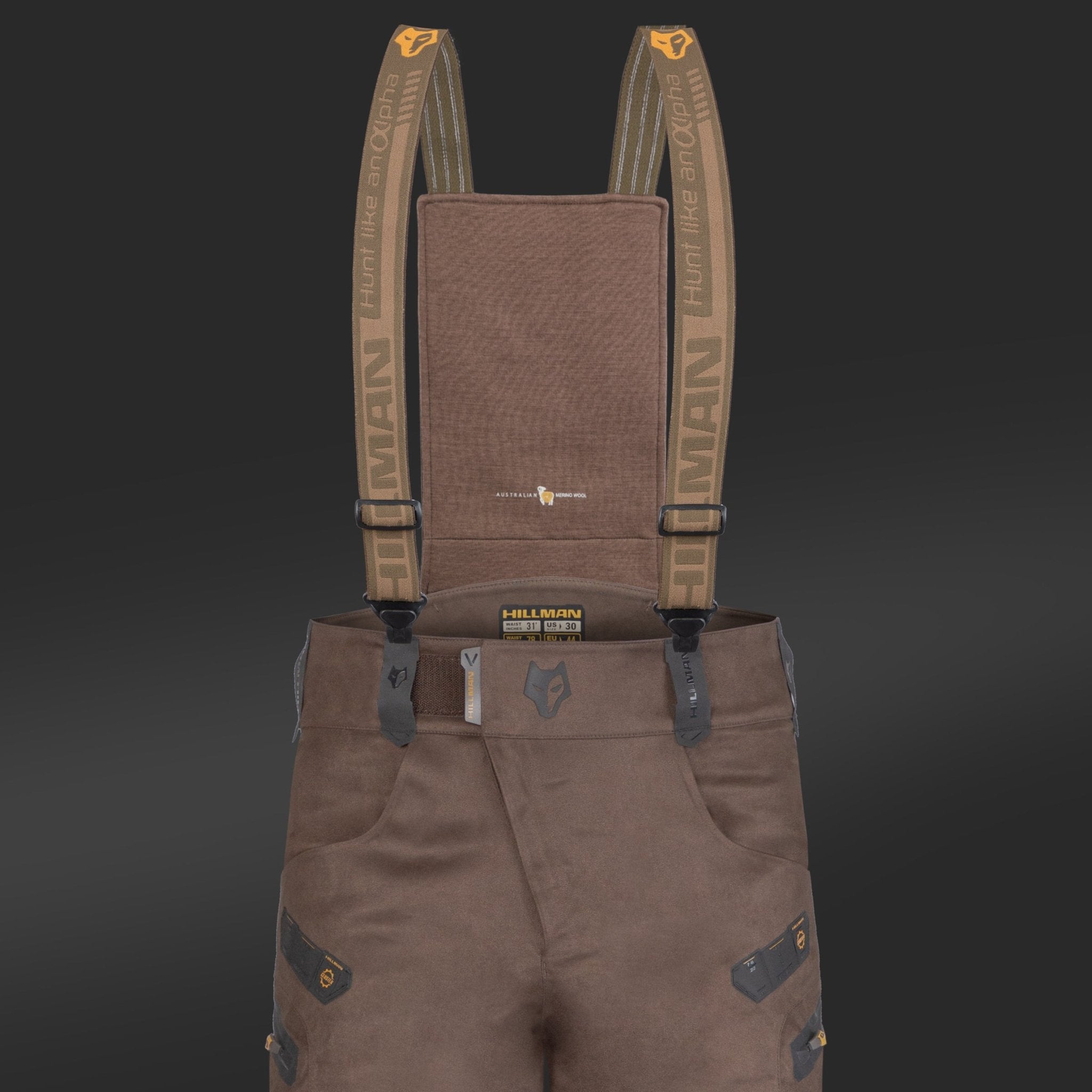
Merino wool is often recommended because it manages moisture well and resists odor naturally. Bamboo-based fabrics contain antimicrobial properties that slow bacterial growth.
These materials don’t eliminate scent, but they help control it, especially during long hunts or warm walks in.
Bow Hunting, Gun Season, and Distance

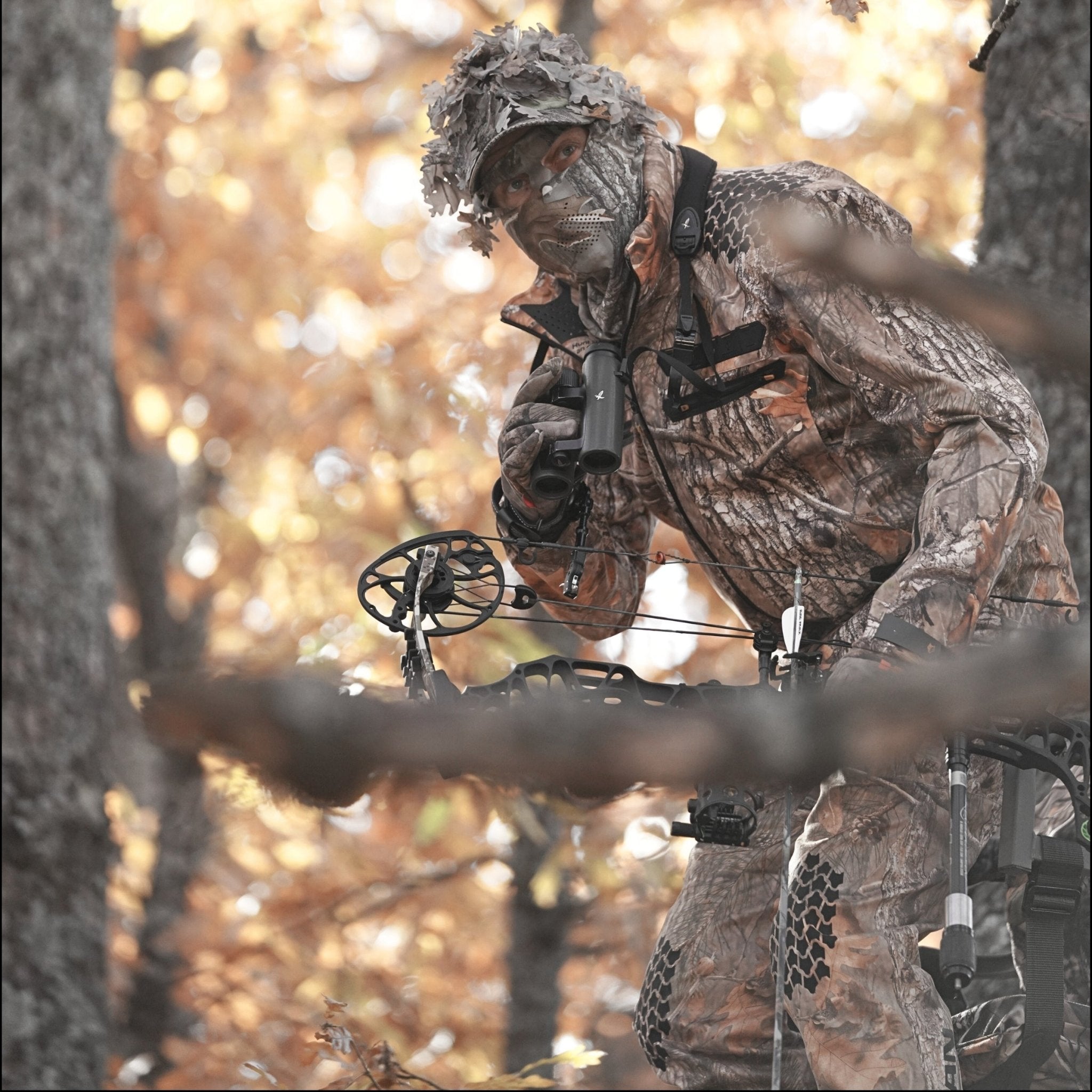
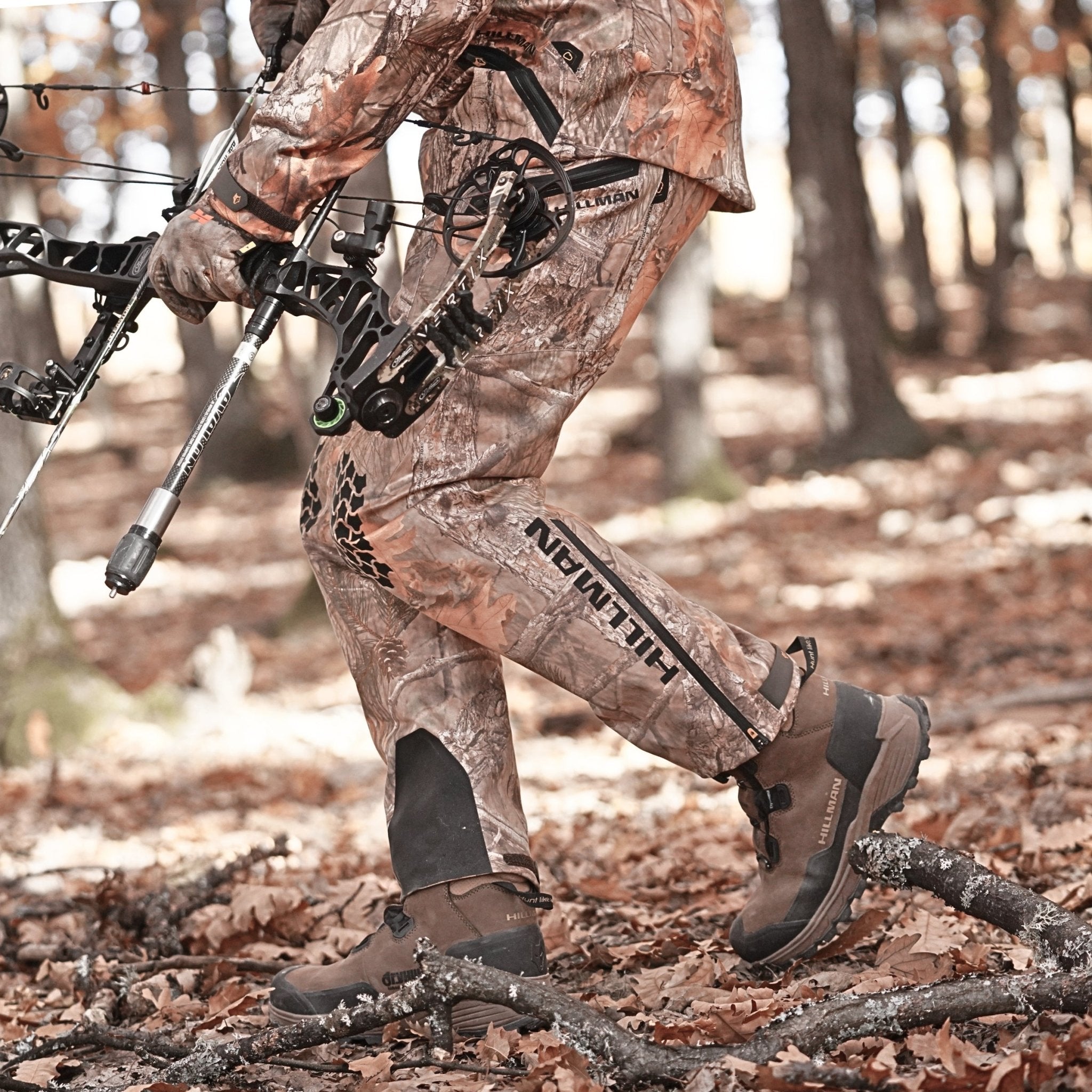
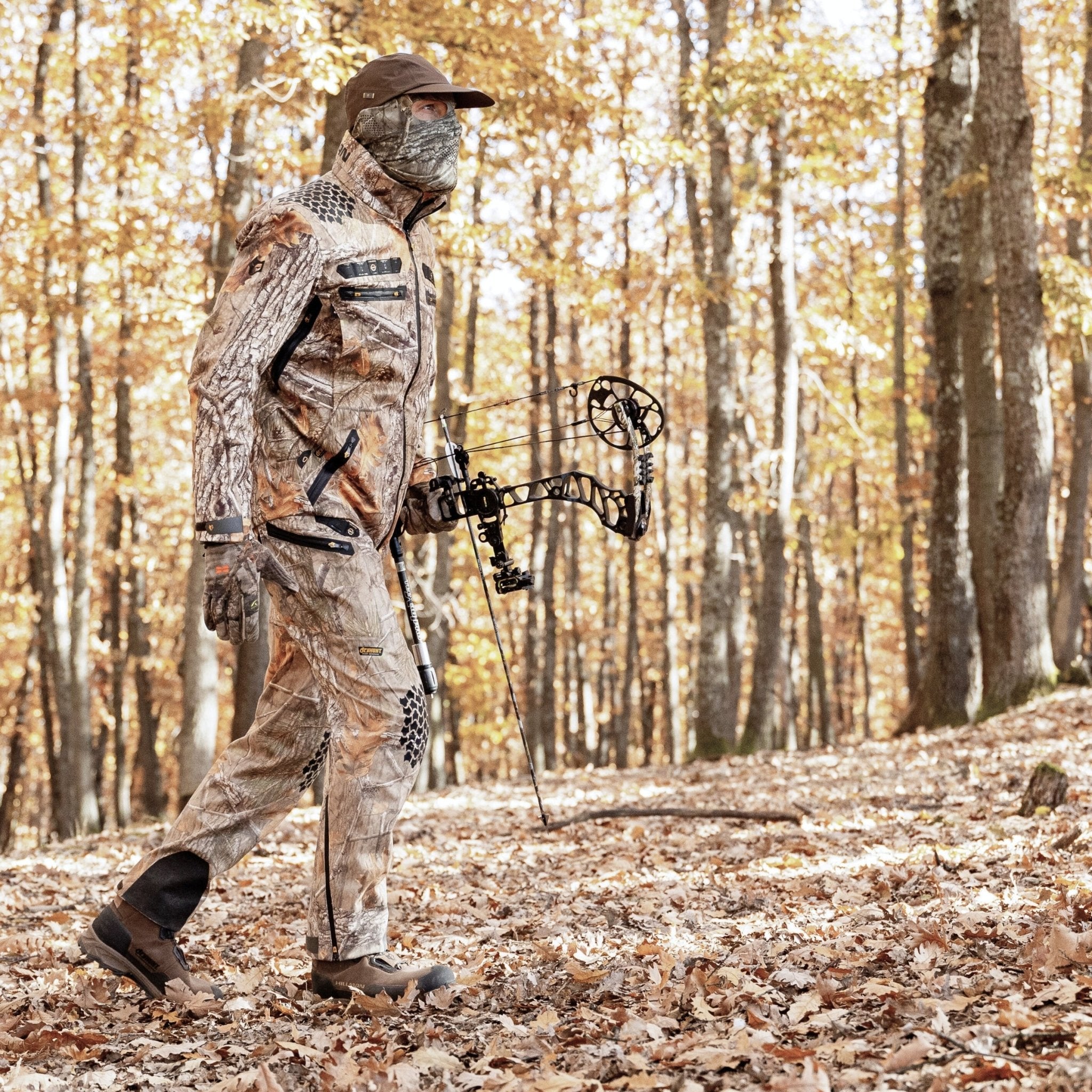
Scent control matters more when encounters are close. Bow hunting, tight timber, and high-pressure areas leave less room for error. In those situations, reducing scent can buy a few extra seconds or prevent deer from reacting immediately.
During gun season, distance often matters more than scent, but wind still dictates outcomes.
So, Do You Really Need Scent Control Clothing?

Our honest take is this: scent control clothing isn’t required, but it can help when used correctly. It’s not something to worry about if wind, stand placement, and entry routes aren’t already dialed in.
Think of it as a tool, not a solution. If you treat it that way, manage your scent at every step, and respect what a whitetail’s nose can do, it can be part of a system that improves consistency over the course of a season.
Questions We Hear Most Often About Scent Control in the Woods

Does scent control clothing actually stop deer from smelling you?
No. And that’s the part a lot of hunters don’t like hearing. A whitetail’s nose is too good for that. What scent control clothing can do is reduce how strong and how long your human scent hangs in an area. That can matter, but it doesn’t erase mistakes or bad wind.
How much does personal hygiene actually matter compared to clothing?
More than most gear. Showering with scent-free soap, using fragrance-free products, and avoiding strong smells before a hunt all reduce the amount of odor you start with. If that baseline isn’t managed, clothing has a harder job no matter what it’s made from.
Are cover scents and sprays worth using?
They can help in certain situations, mostly by masking or blending scent rather than eliminating it. We see them as finishing tools, not primary solutions. They work best when the rest of your scent management is already handled.
What about ozone machines? Are they effective?
Results vary. Some hunters see benefits in enclosed spaces like blinds. Others don’t notice much difference. Like most scent-related tools, ozone works best when it’s part of a larger approach, not a standalone fix.
Do materials like merino wool actually help with odor?
They can. Merino wool manages moisture well and naturally resists odor buildup, which helps during long hunts or warmer walks in. It doesn’t make you scent-free, but it slows down how fast odor builds compared to some synthetic fabrics.



Share:
Cold Weather Clothing for Whitetail Tree Stands: No Freezing
Quiet Clothing for Bowhunting: What Works