

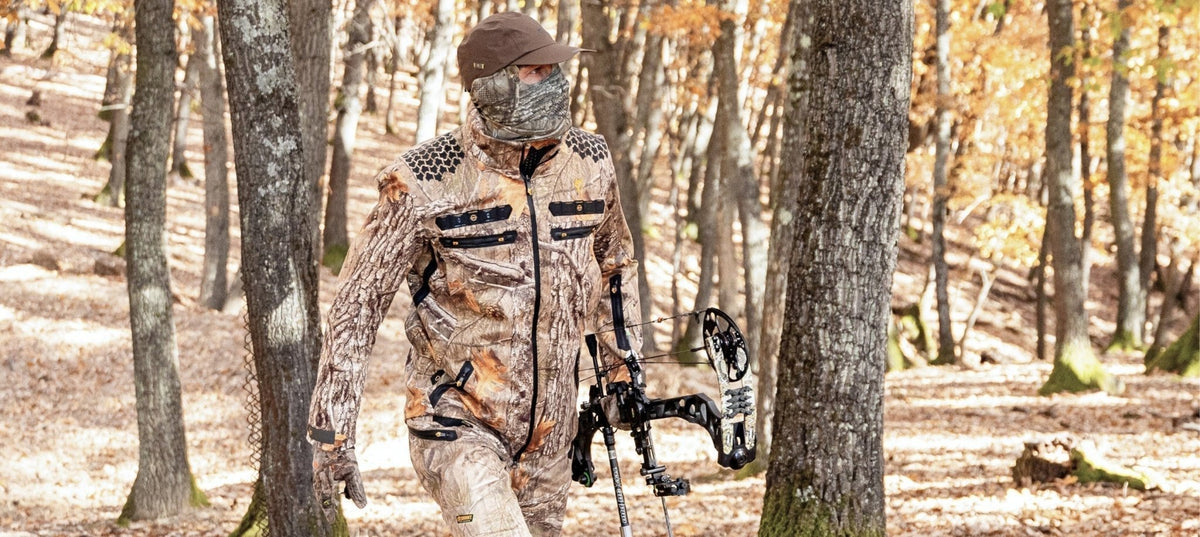
Quiet Clothing for Bowhunting: What Works and What Gives You Away

From fleece to wool, we break down what makes hunting clothes quiet, what causes noise, and how bowhunters can avoid giving themselves away.
We’ve all been there. Everything feels right. The wind is steady, the setup makes sense, and the woods are quiet enough to hear a deer step on frozen leaves a hundred yards away. Then you shift your weight, brush your sleeve against your jacket, or draw your bow just a little too fast, and it’s over. The deer locks up, stares holes through your stand, and melts back into cover.
Quiet clothing matters in bowhunting because the margins are thin. At close range, sound travels farther than most hunters want to admit. It doesn’t take much noise to give you away, especially when a whitetail is already on edge.
Why Noise Matters More Than Most Bowhunters Admit?

Bowhunting is a close-range game. Shots are taken at distances where deer don’t need to guess what they heard, they know. Unlike rifle season, you don’t get the benefit of space or distance to hide mistakes.
Quiet hunting clothing isn’t about being silent in a vacuum. It’s about not adding unnecessary sound during moments when everything else is already quiet. When the woods are still, even small noises feel loud.
What Actually Spooks Deer at Close Range

Most hunters assume big movements spook deer. In reality, it’s usually the small stuff. A faint fabric “swish.” A zipper tick. Clothing rubbing together when you turn your upper body.
Deer hear these sounds because they don’t belong in the environment. In calm conditions, those noises stand out more than footsteps or distant movement. Sound that doesn’t match the rhythm of the woods is what raises alarms.
Fabric Noise vs Movement Noise. Know the Difference
There’s a difference between noise caused by movement and noise caused by materials. Movement noise comes from rushing, shifting too fast, or drawing a bow without planning the motion. Fabric noise comes from clothing itself.
Some clothes stay quiet even when you move. Others announce every step, turn, or draw. Knowing the difference helps you focus on the right fixes instead of blaming bad luck.
Why Fleece Is Still the Benchmark for Quiet Hunting Clothing

Fleece remains one of the quietest materials used in deer hunting gear. When fleece rubs against itself or brushes a light cover, it produces almost no sound. That’s why it’s still trusted for bowhunting, especially in close encounters.
High-loft fleece also provides warmth without stiffness, which matters in cold weather. Quiet clothing that keeps you warm helps reduce fidgeting, which is another source of noise hunters often overlook.
Wool and Merino Wool for Silence in Cold Weather

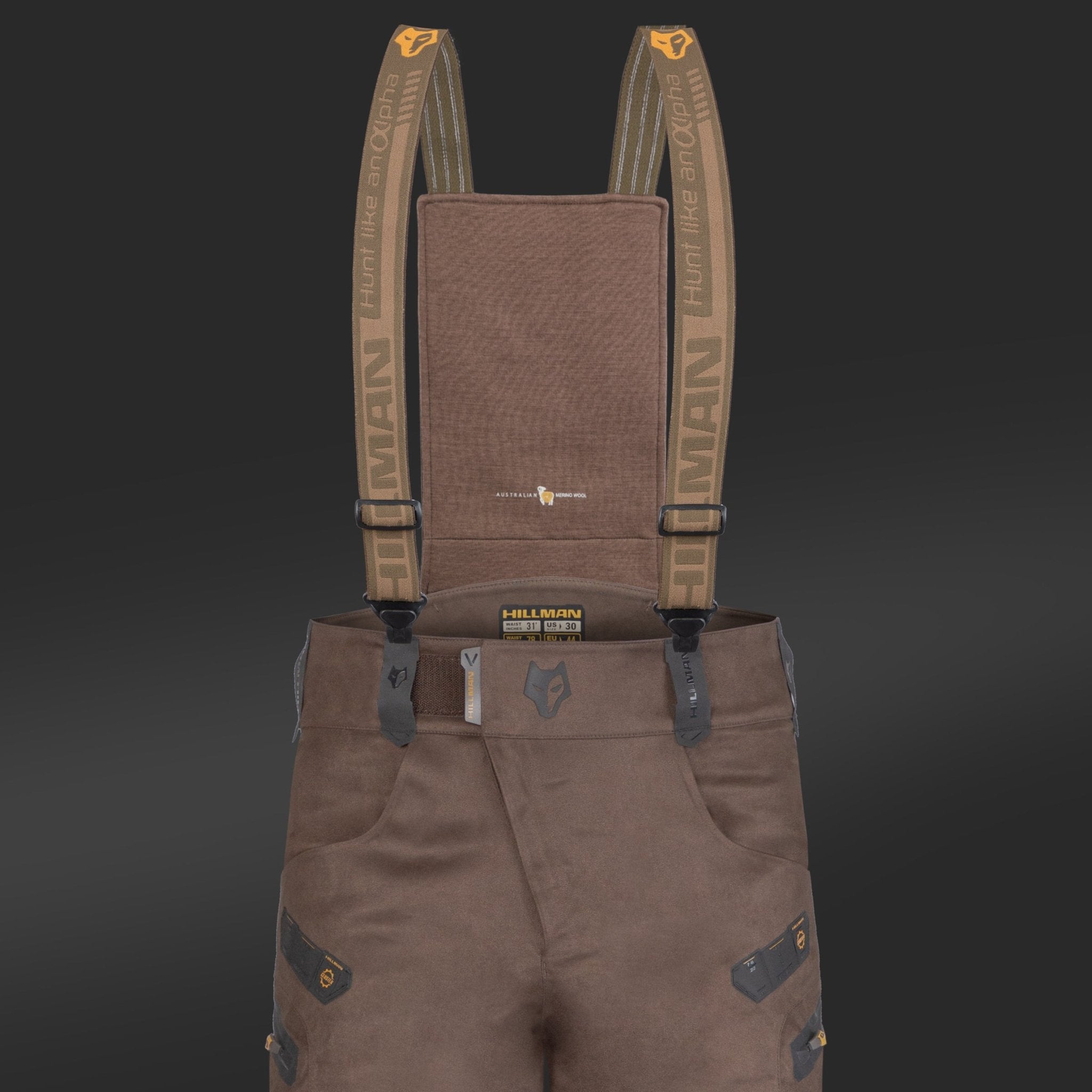
Wool, especially merino wool, is often considered the gold standard for quiet hunting clothing. It absorbs sound, resists odor, and stays warm without becoming bulky. Wool layers don’t produce that sharp synthetic noise when temperatures drop.
In cold weather, stiff fabrics get louder. Wool stays flexible, which helps maintain silence when moving slowly or drawing a bow.
When Cold Weather Makes Noisy Clothing Even Worse
Cold changes everything. Synthetic fabrics that feel fine in mild temperatures can stiffen and become noisy once the thermometer drops. What was quiet during the early season can turn loud by late fall.
This is why late-season bowhunters pay so much attention to material choice. Frozen fabric amplifies sound, especially during slow, deliberate movements in a tree stand.
Outer Layers That Stay Quiet Without Sacrificing Warmth

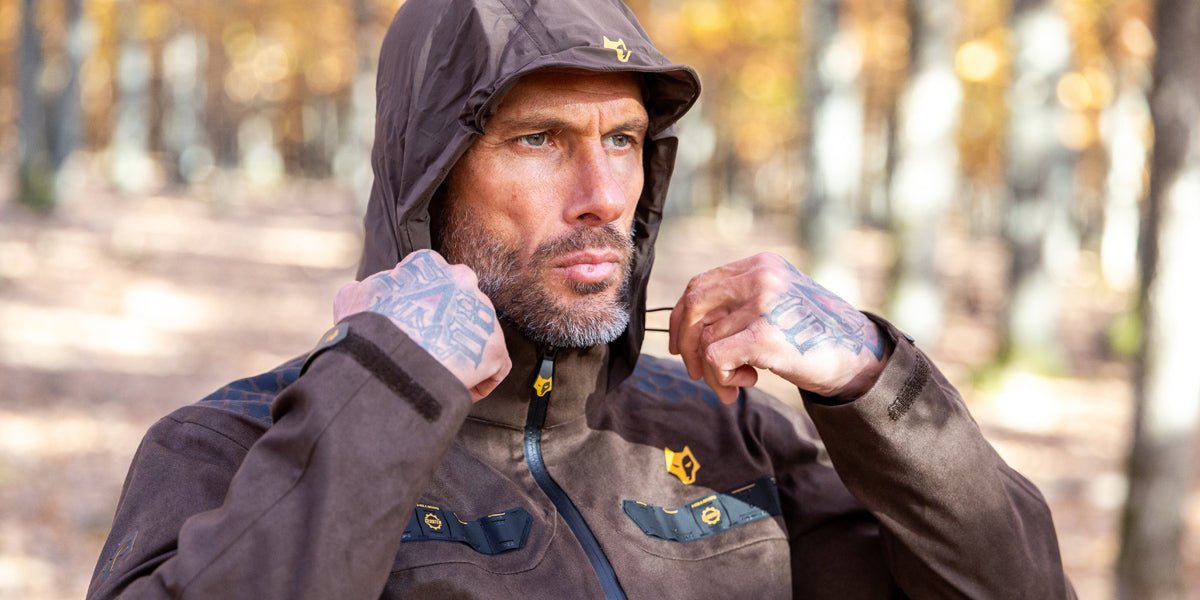
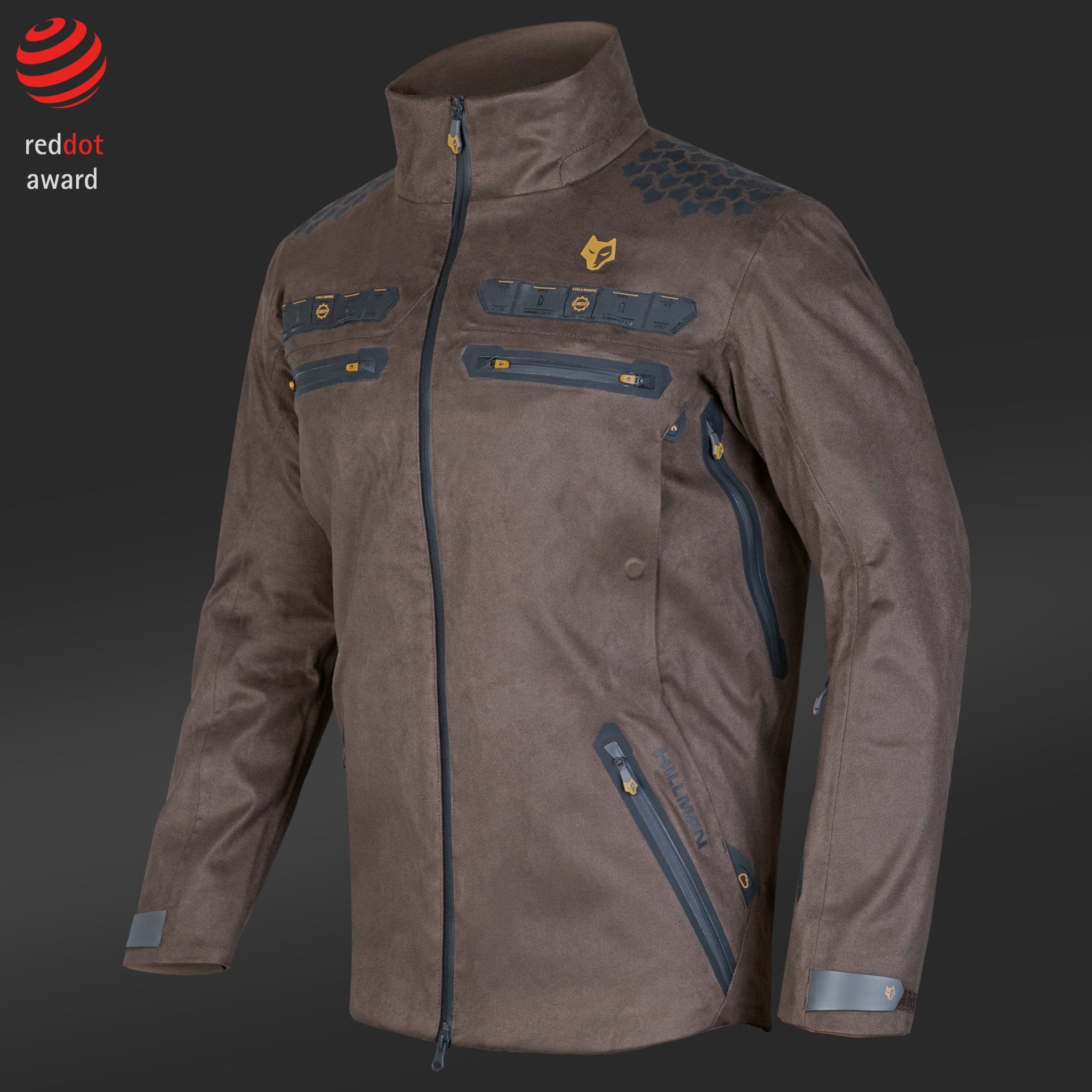
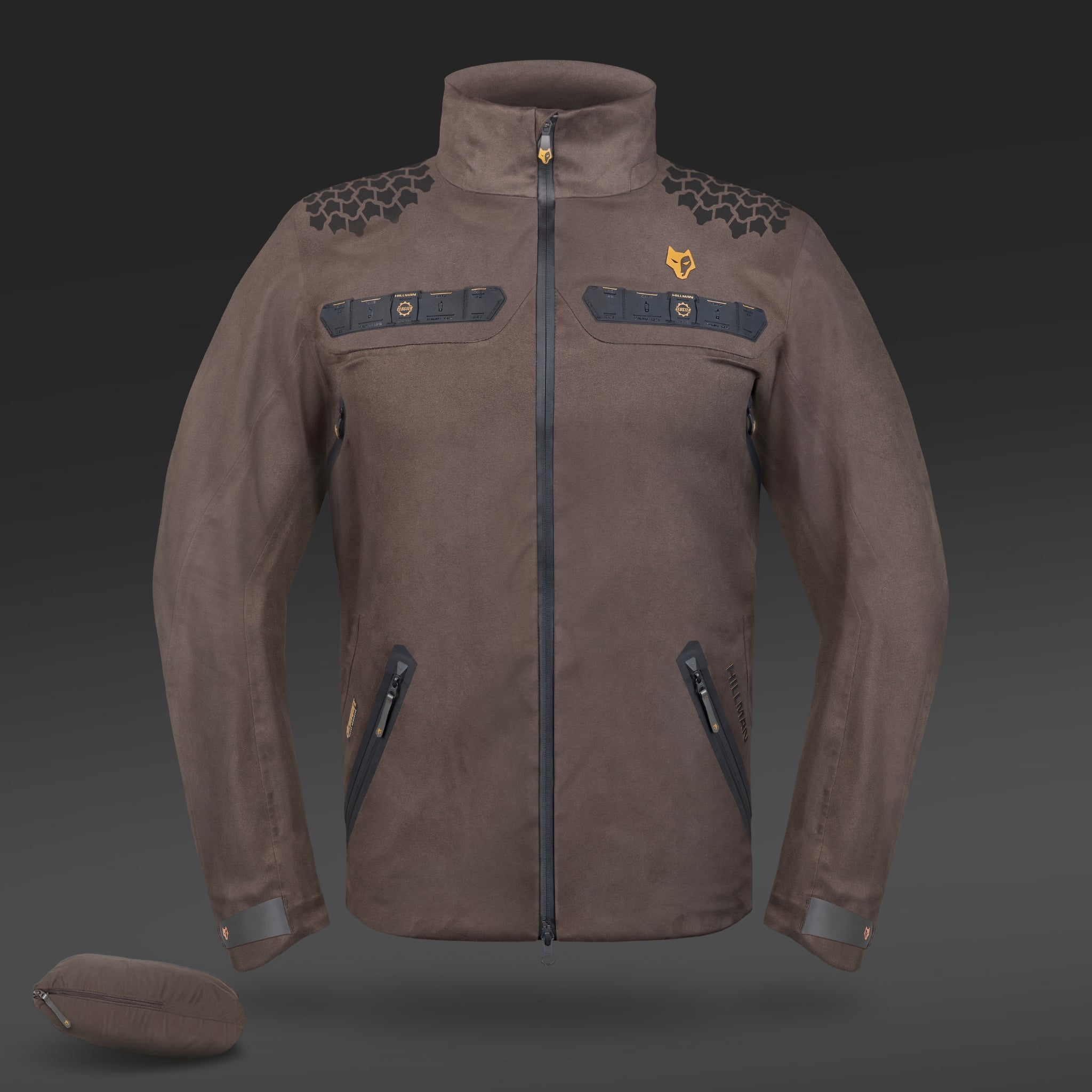
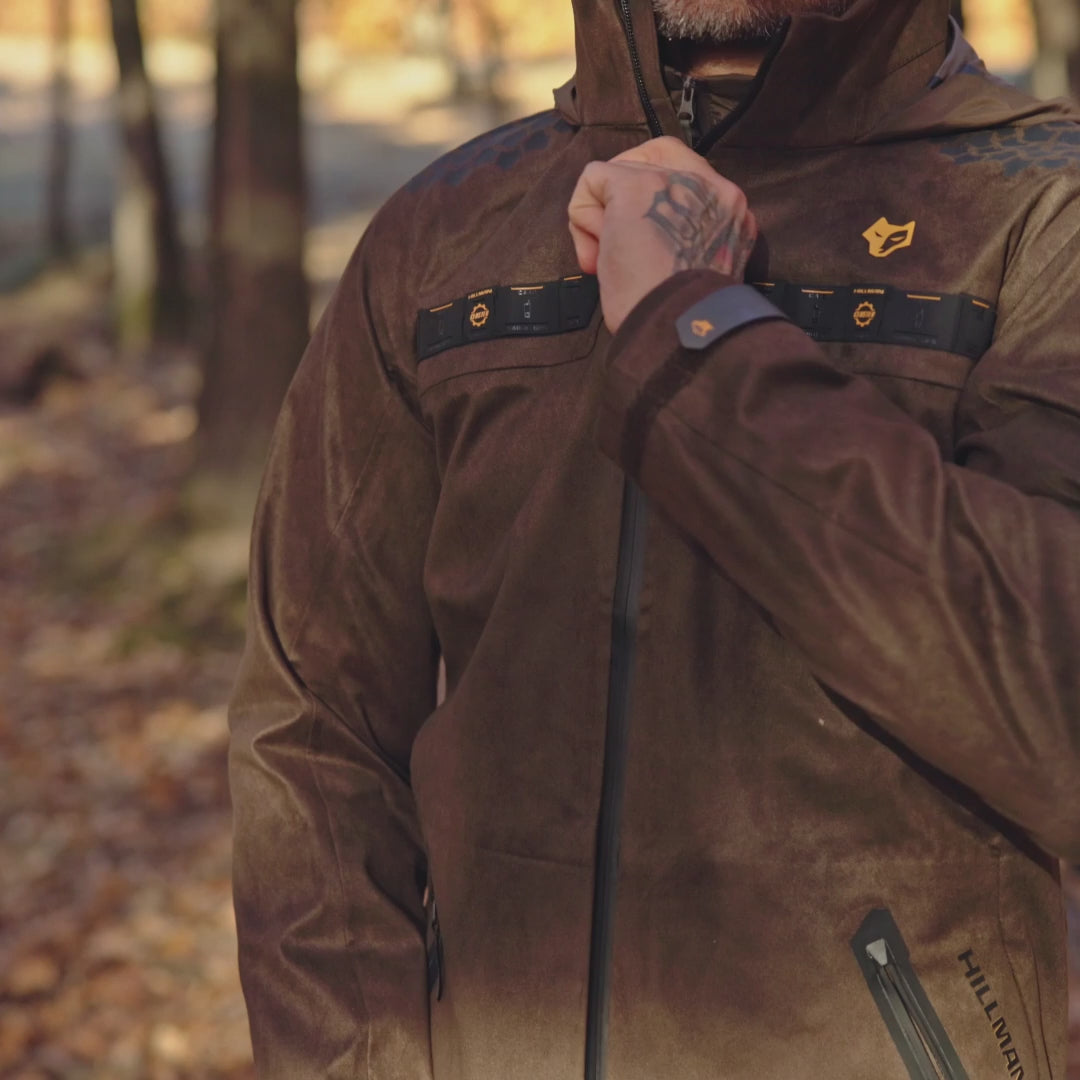
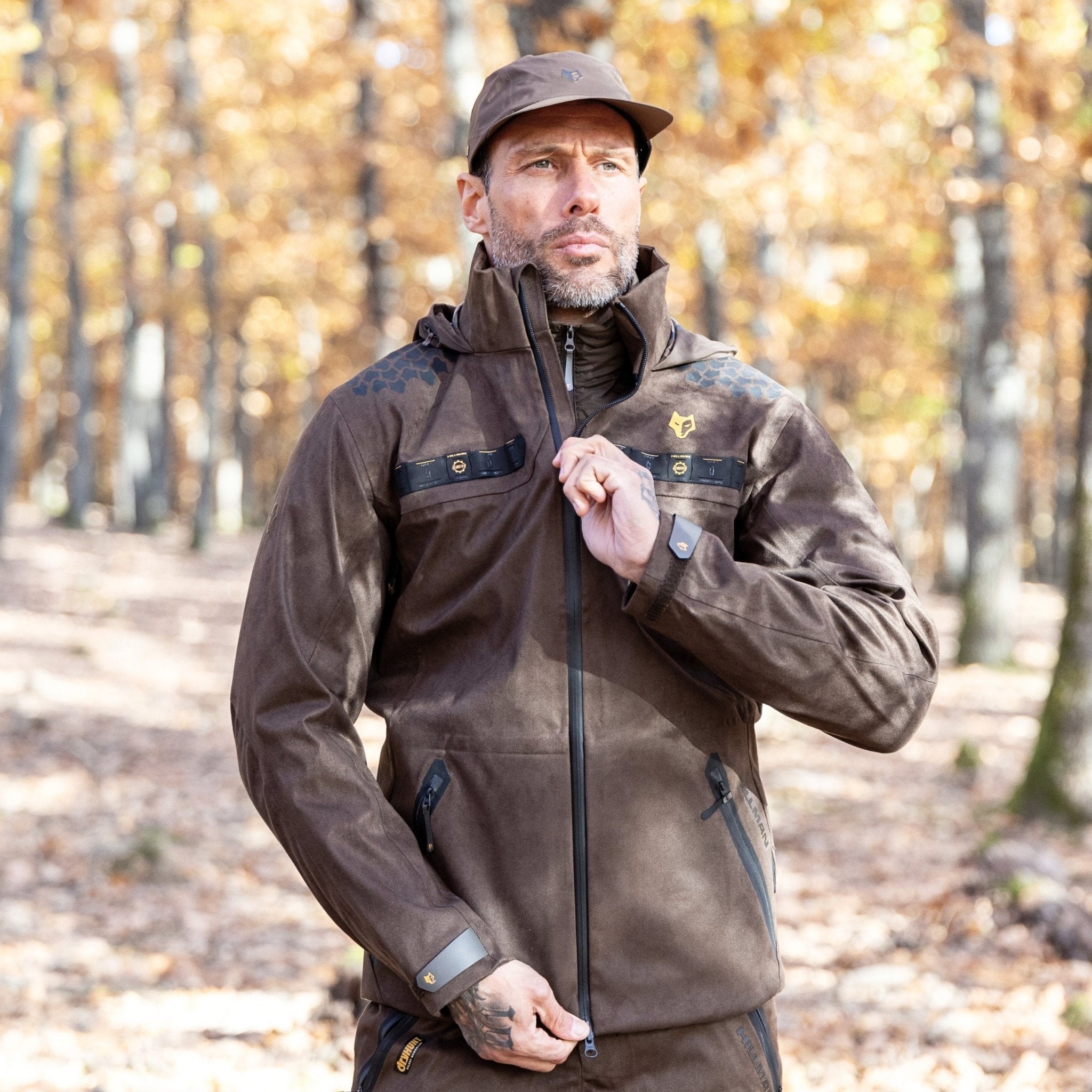
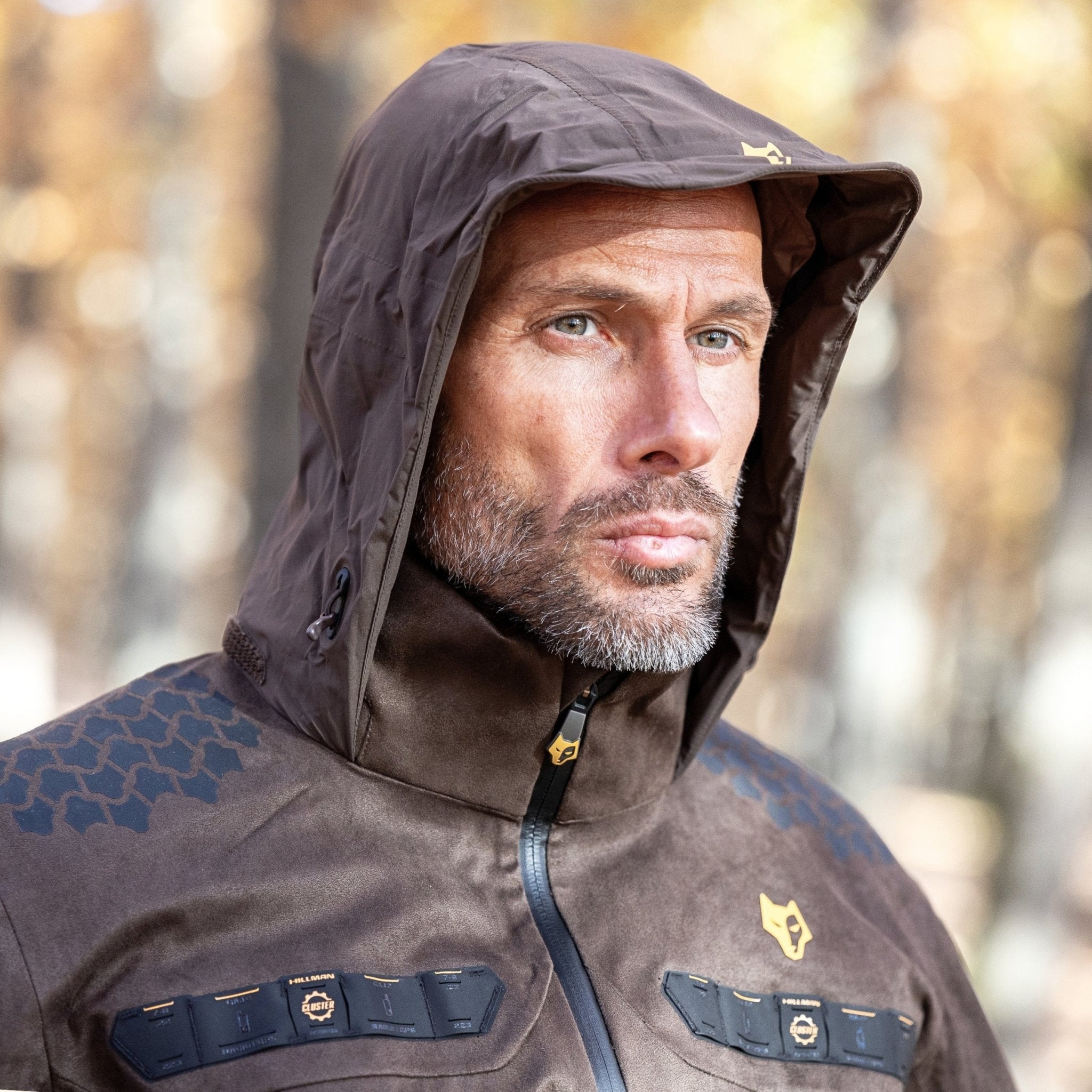
Outer layers are often where noise problems start. Stiff shells, hard finishes, and smooth synthetic materials tend to create sound when rubbed or flexed. Brushed finishes and softer outer fabrics do a better job of staying quiet.
Quiet outer layers should still block wind and manage moisture, but they shouldn’t crackle, swish, or scrape when you move your arms or shift in your stand.
Zippers, Snaps, and Closures That Give Hunters Away
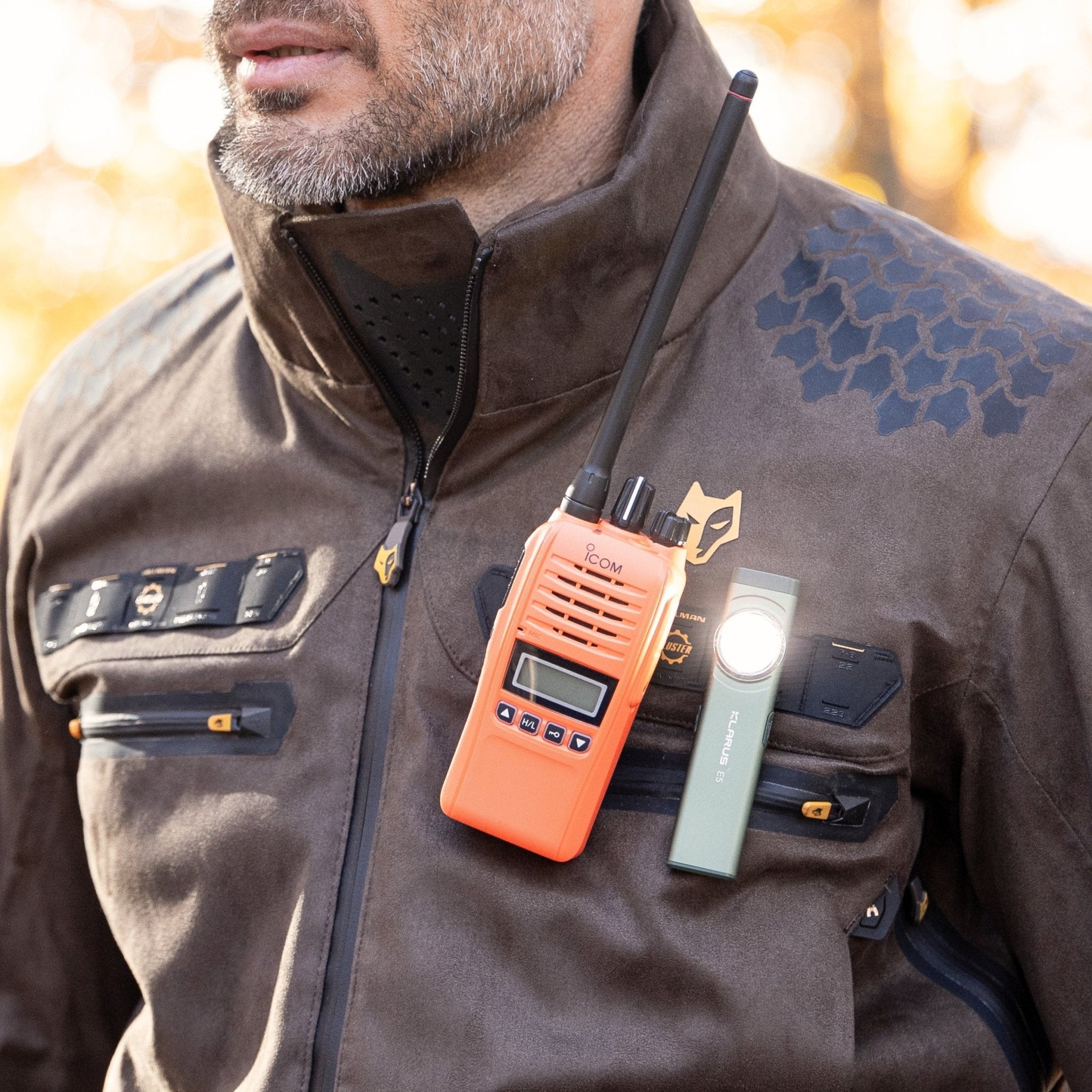
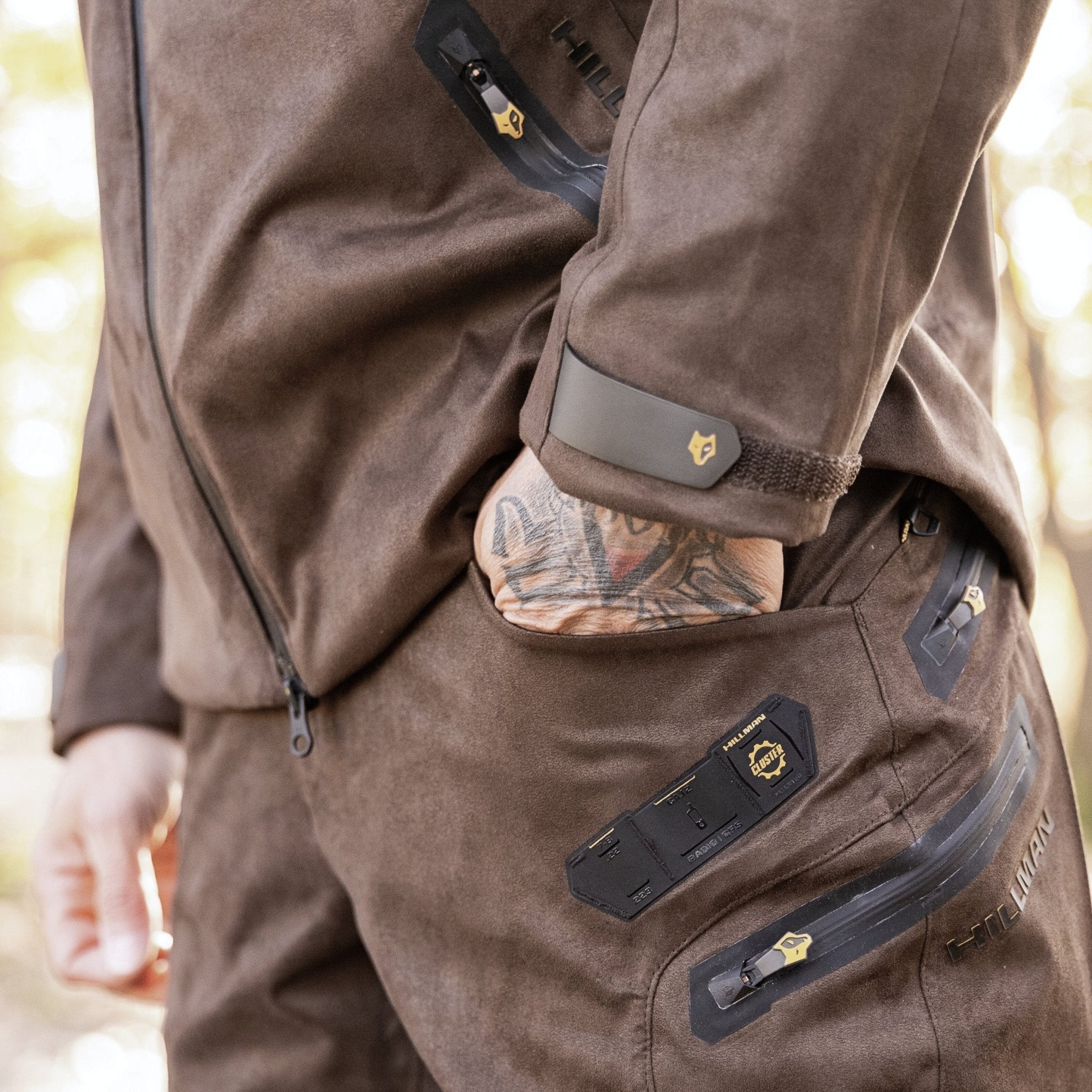
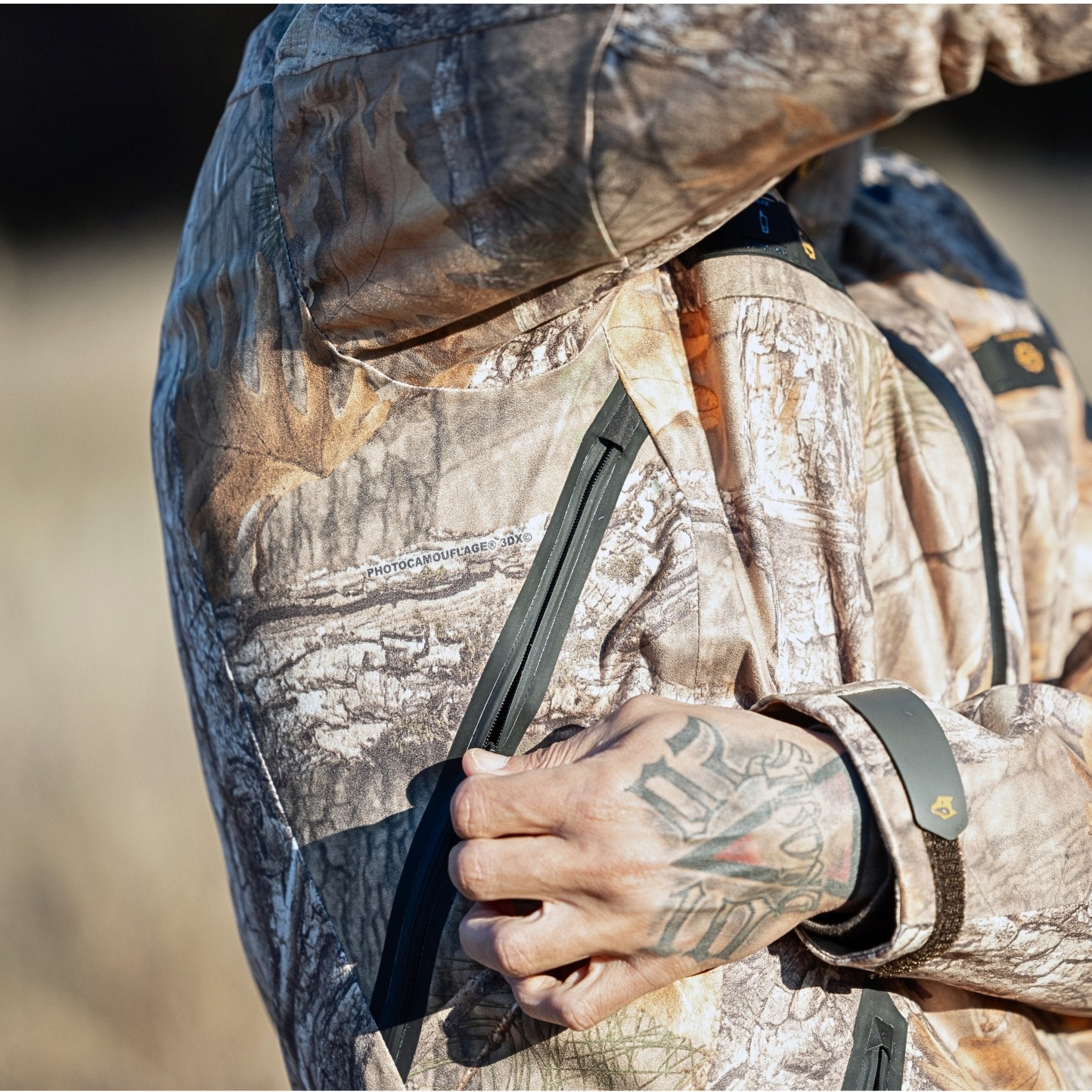
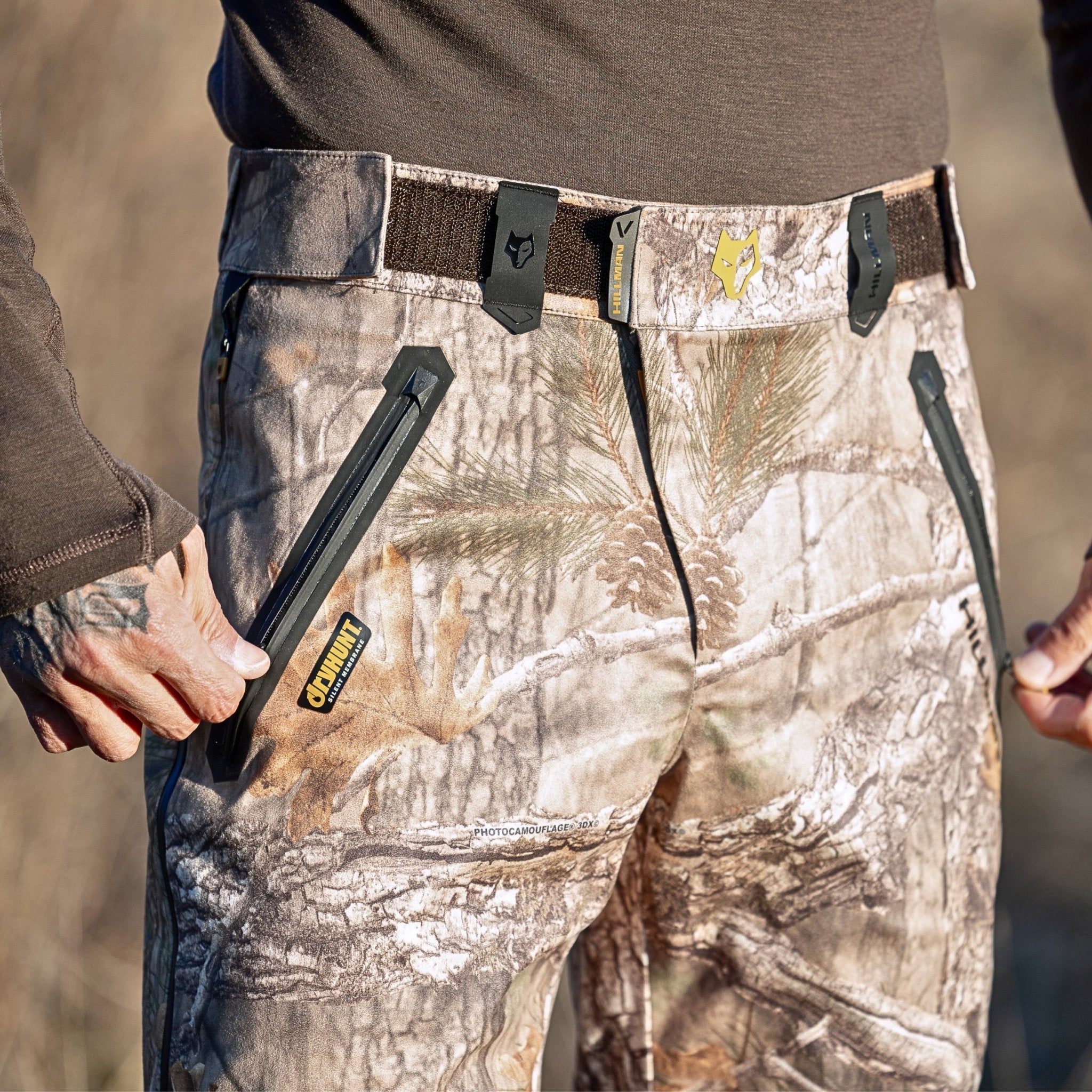
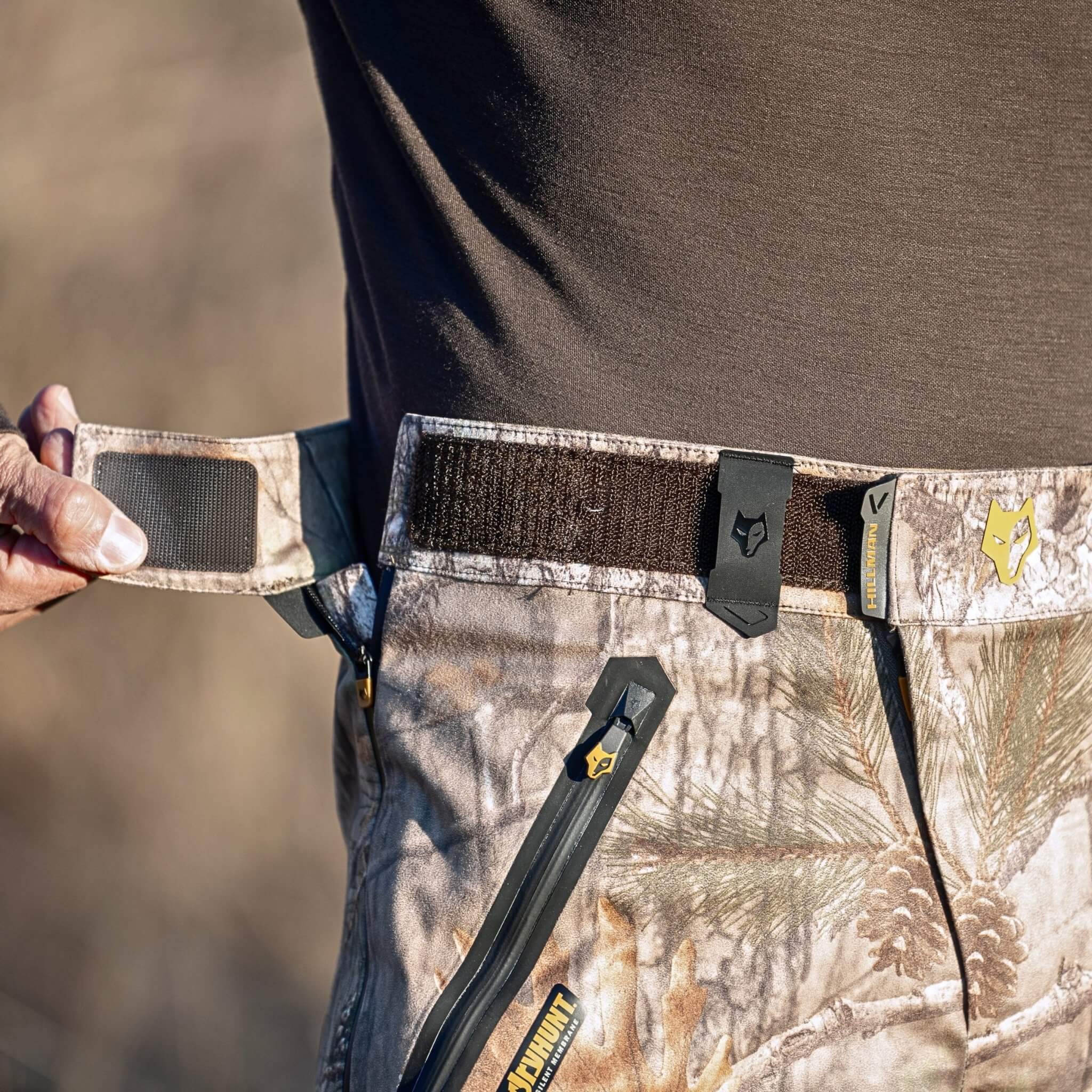
Hardware is one of the most overlooked noise sources. Metal zippers clink. Pull tabs tap against jackets. Velcro is loud enough to be heard from farther away than most hunters expect.
Quiet closures matter. Rubberized zipper pulls, silent snaps, and magnetic closures reduce accidental noise. These small details don’t seem important until a deer is standing inside bow range.
Metal Is the Enemy: Reducing Noise From Gear and Equipment

Exposed metal creates sound whenever it contacts something solid. This includes treestand components, buckles, and even parts of your pack or harness.
Covering exposed metal with soft materials like hockey tape or felt helps dampen noise. It’s a simple fix, but it can eliminate sounds that would otherwise carry through the woods.
Small Fixes That Make a Big Difference in the Tree Stand
Trees themselves can be noisy. Hollow tubes can echo. Loose parts knock together. Filling hollow sections with spray foam and tightening contact points reduces unwanted sound.
These fixes don’t make a stand silent, but they remove the sharp noises that stand out when a deer is close, and everything else is still.
Ground Hunting vs Tree Stand: Where Silence Is Harder

Ground hunting introduces different noise challenges. Brush contact, foot placement, and clothing rubbing against cover become more important. Quiet clothing helps, but movement discipline matters even more.
In a tree stand, noise tends to come from fabric and hardware. On the ground, it often comes from contact with the environment itself.
Weather, Rain, and Wind: Using the Environment to Stay Quiet

Weather can work in your favor. Walking during or shortly after rain softens the ground and dampens sound. Wind masks minor noise and breaks up unnatural sounds that might otherwise give you away.
Smart hunters pay attention to how conditions affect sound, not just scent. Quiet clothing helps most when paired with environmental awareness.
Boots, Pants, and the Noise You Don’t Think About

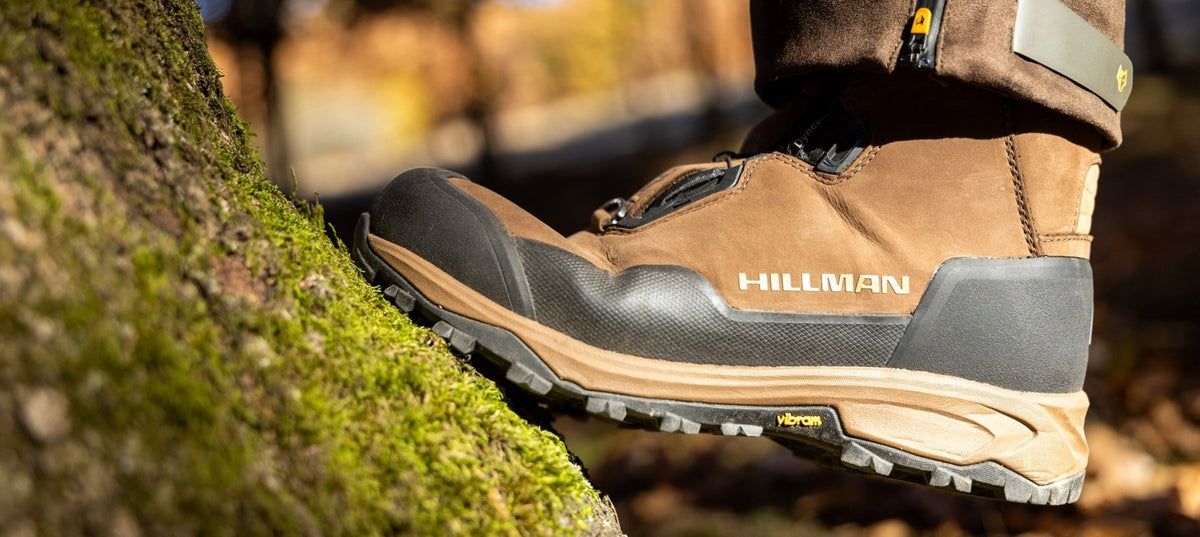
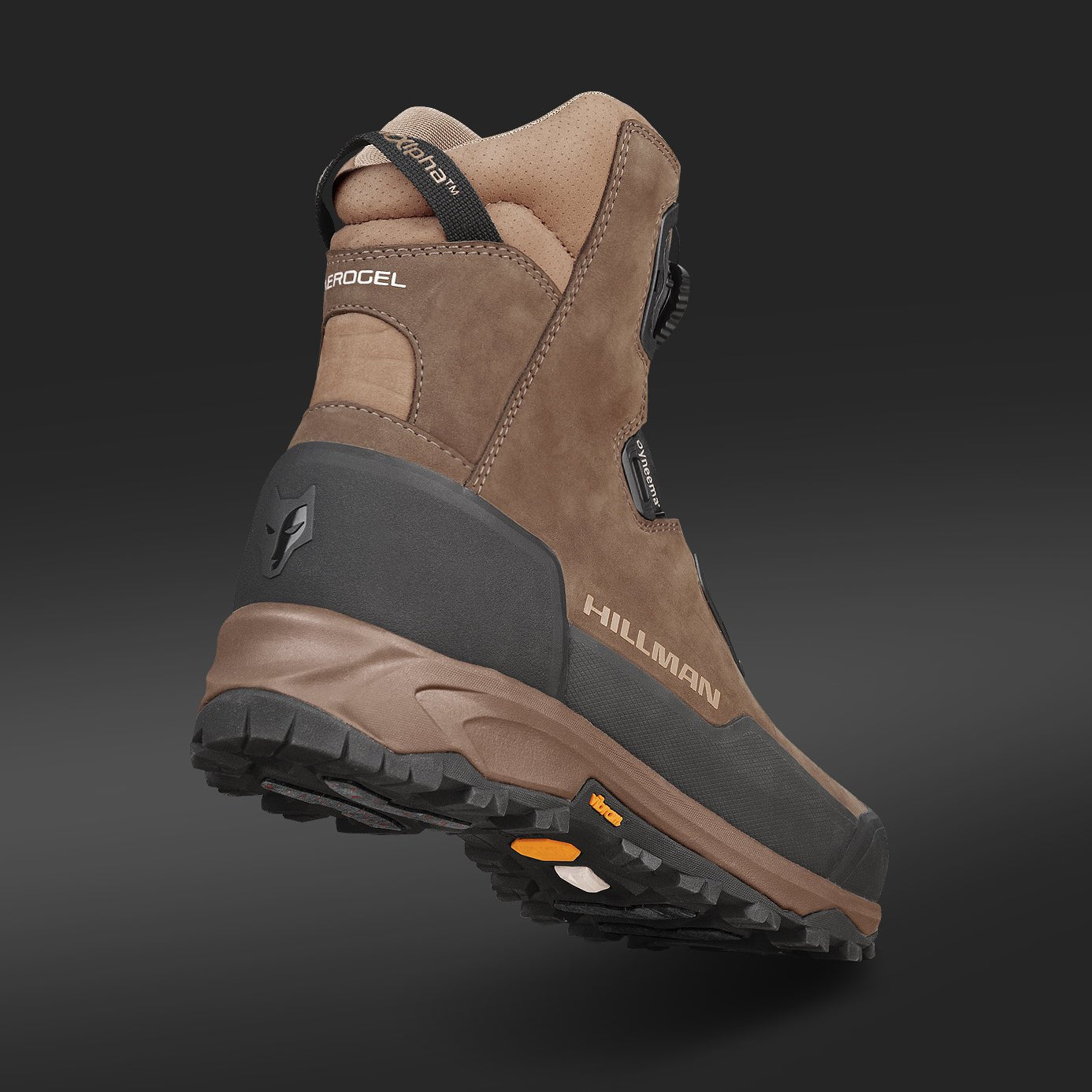
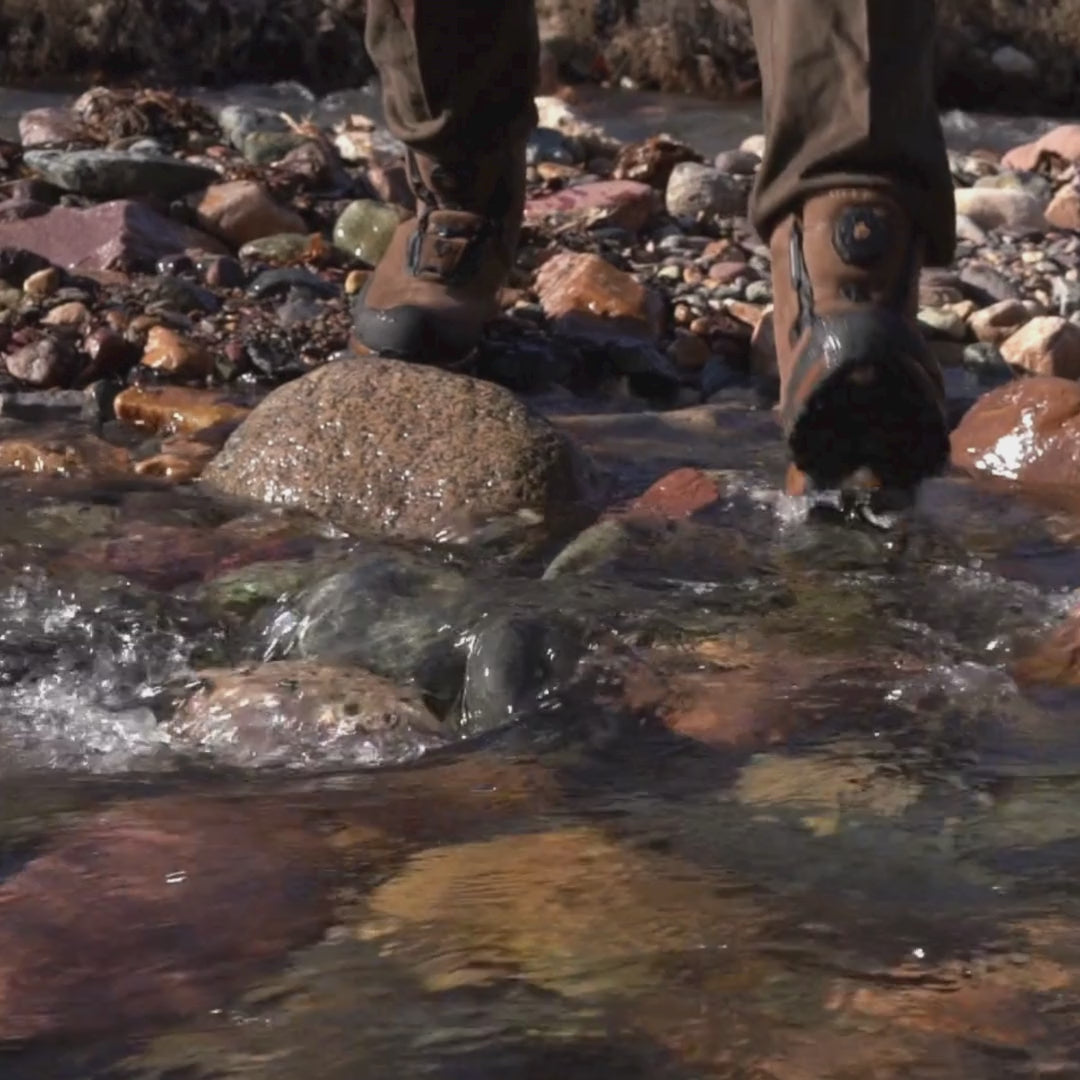
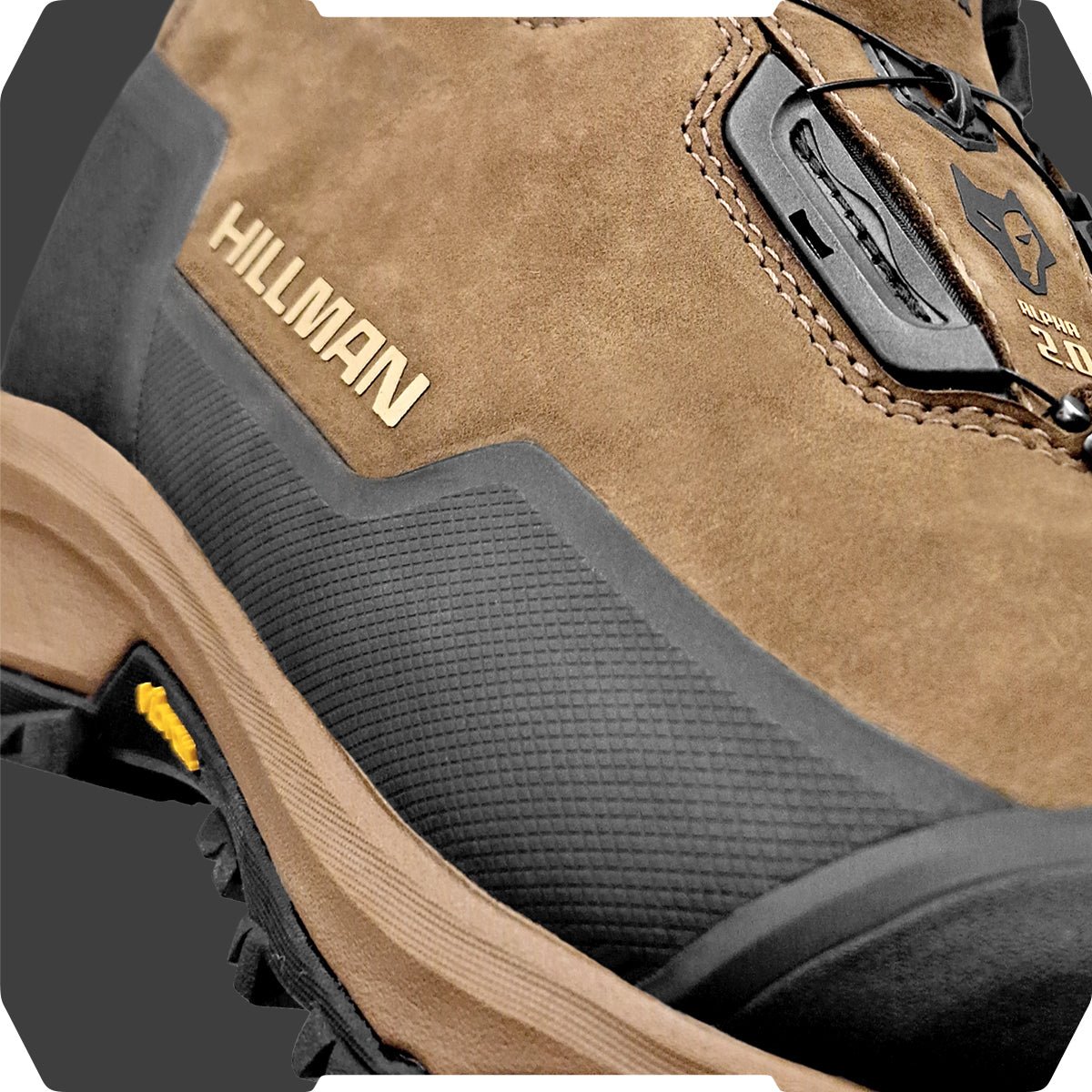
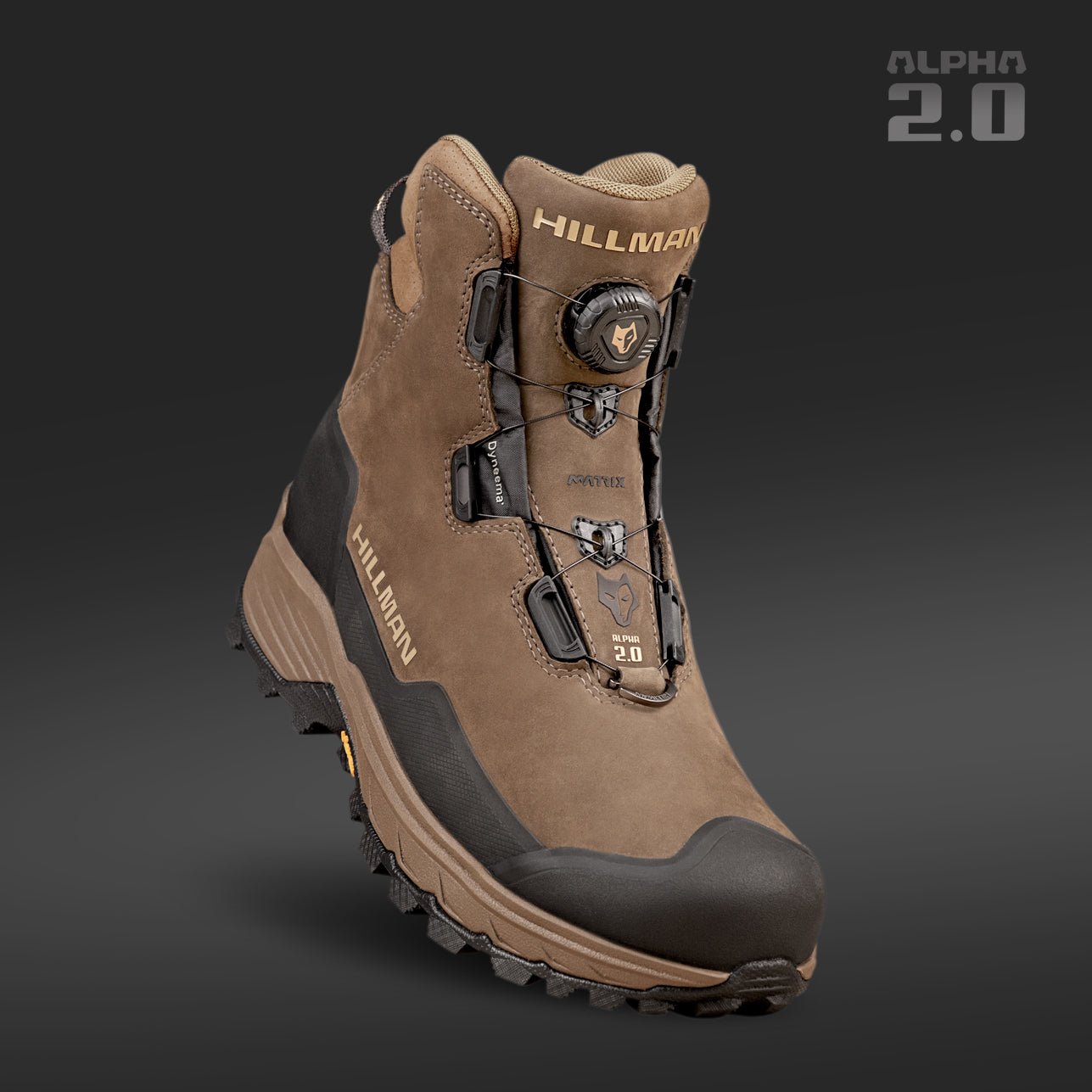
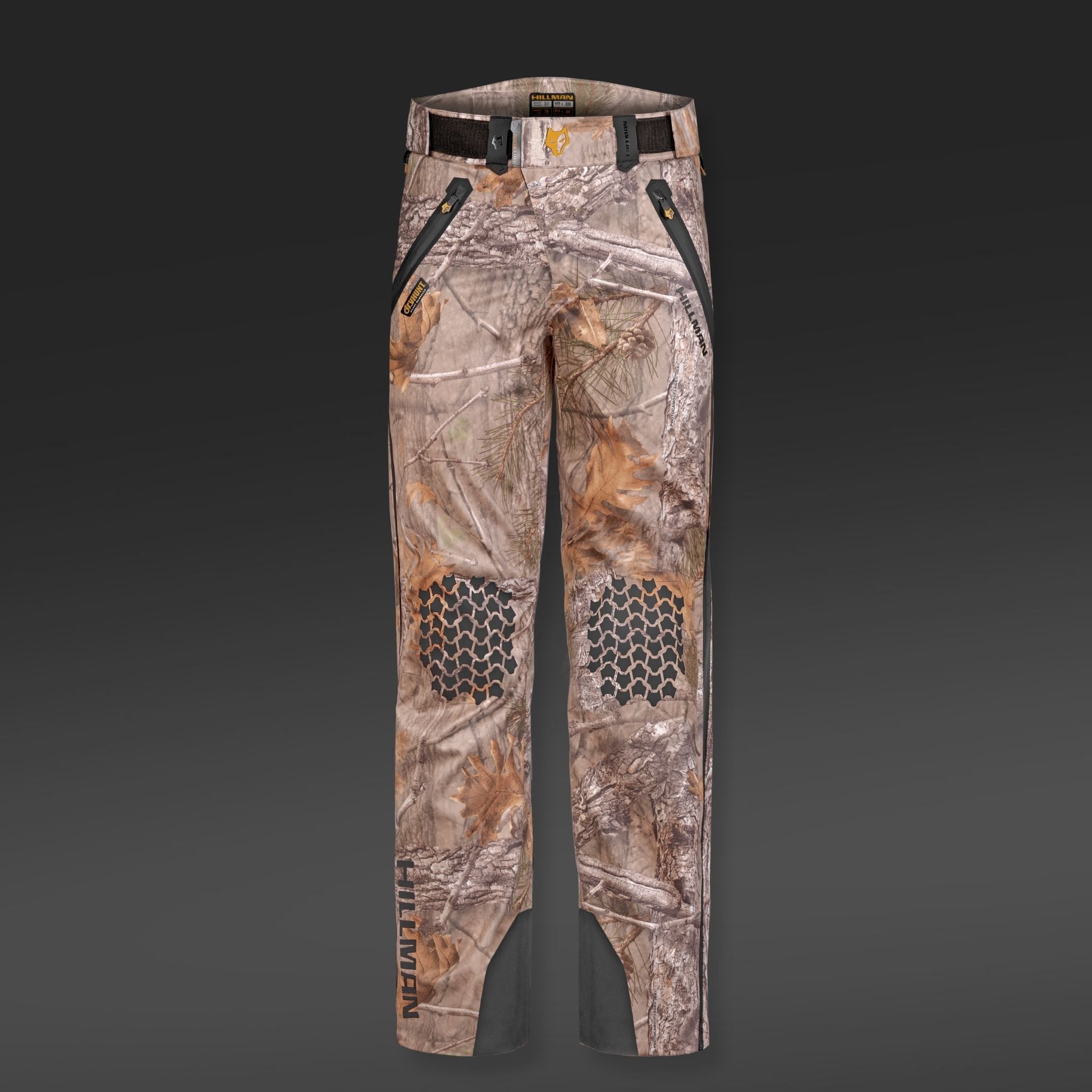
Boots and pants often get ignored when talking about quiet hunting clothing. Fabric rubbing against itself, pant legs brushing boots, or stiff materials flexing during a step all create sound.
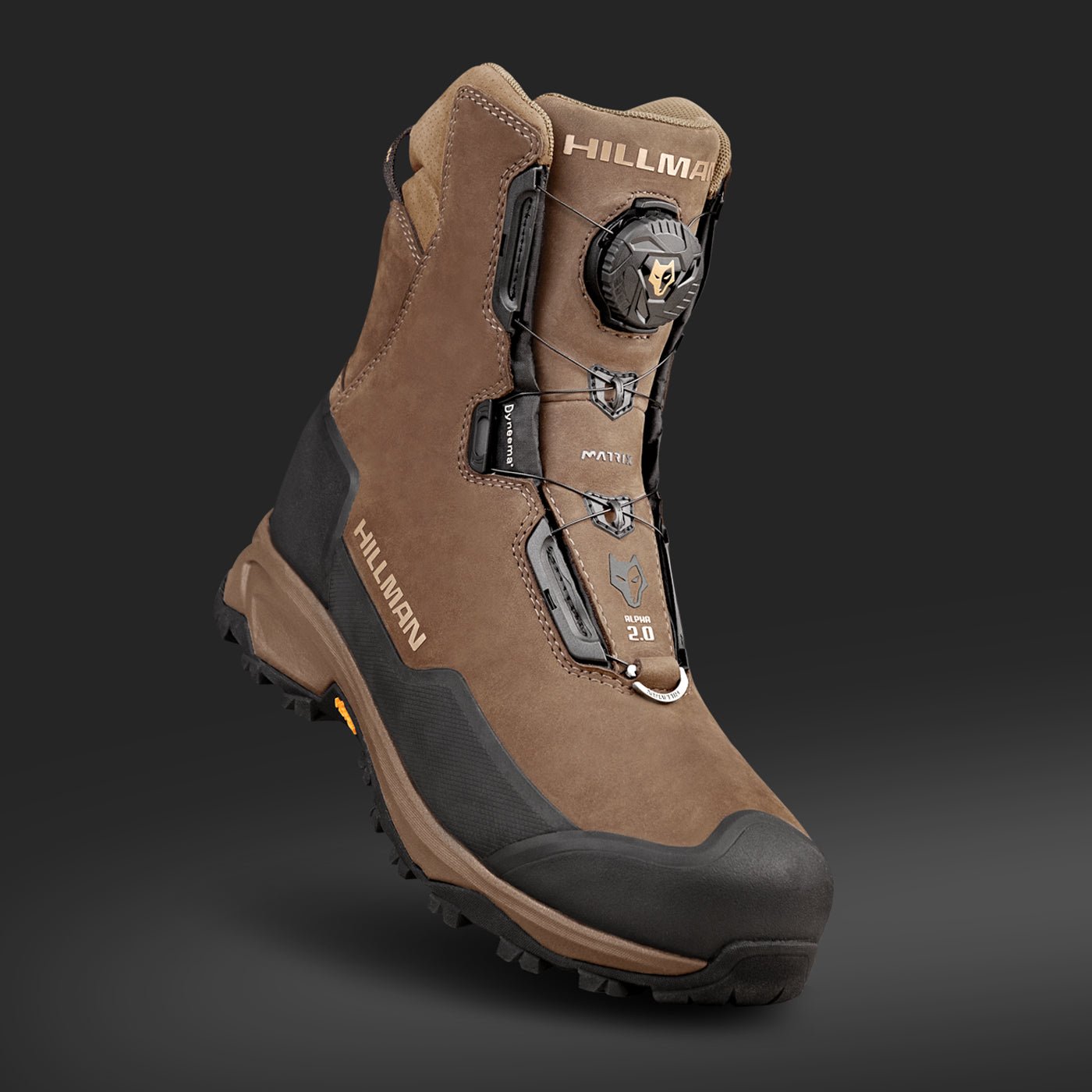
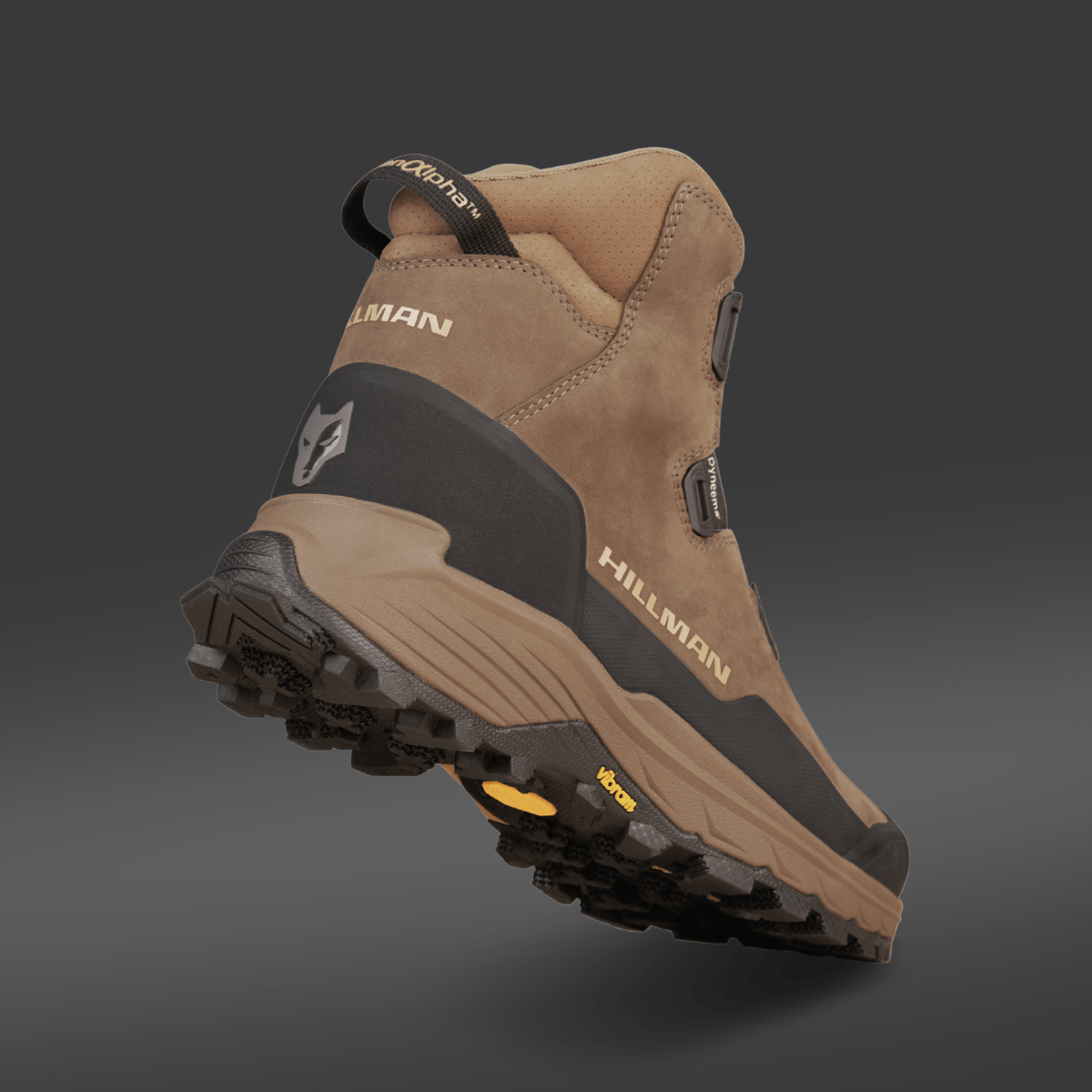
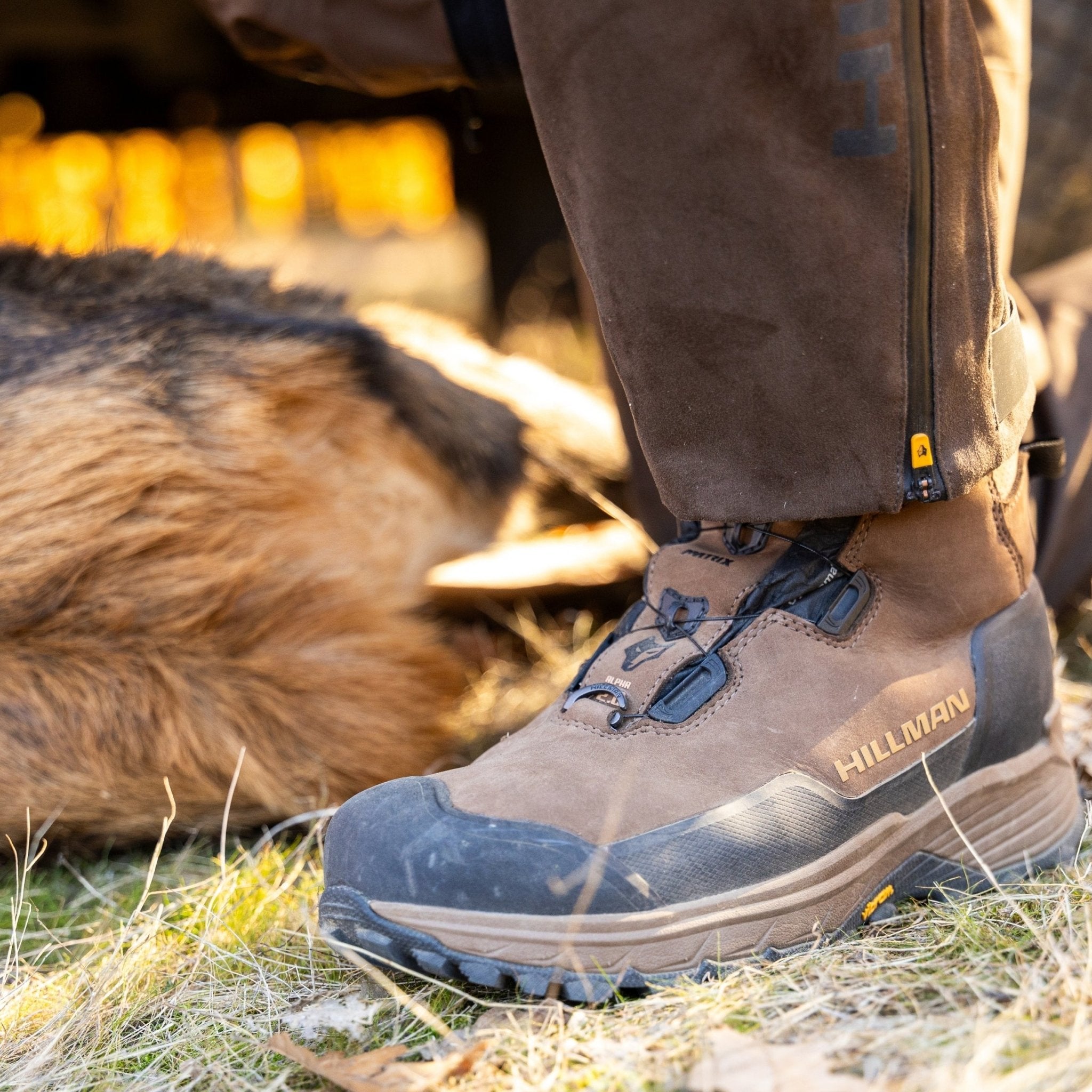
Soft, brushed pants and flexible boots reduce these noises. Quiet movement starts from the ground up.
Quiet Clothing Still Has to Let You Move
Silence doesn’t matter if clothing restricts movement. Stiff gear forces awkward motions, which creates noise. Articulated knees and elbows allow natural movement without fabric binding or popping.
The quieter you can move, the less sound you create overall.
Layering for Silence, Not Just Warmth

Layering isn’t just about staying warm. It’s about managing bulk and friction. Too many layers rubbing together can create noise. Thoughtful layering keeps insulation where you need it without adding unnecessary movement.
Quiet systems prioritize softness and flexibility over thickness.
Where We Stand on Quiet Clothing as a Brand
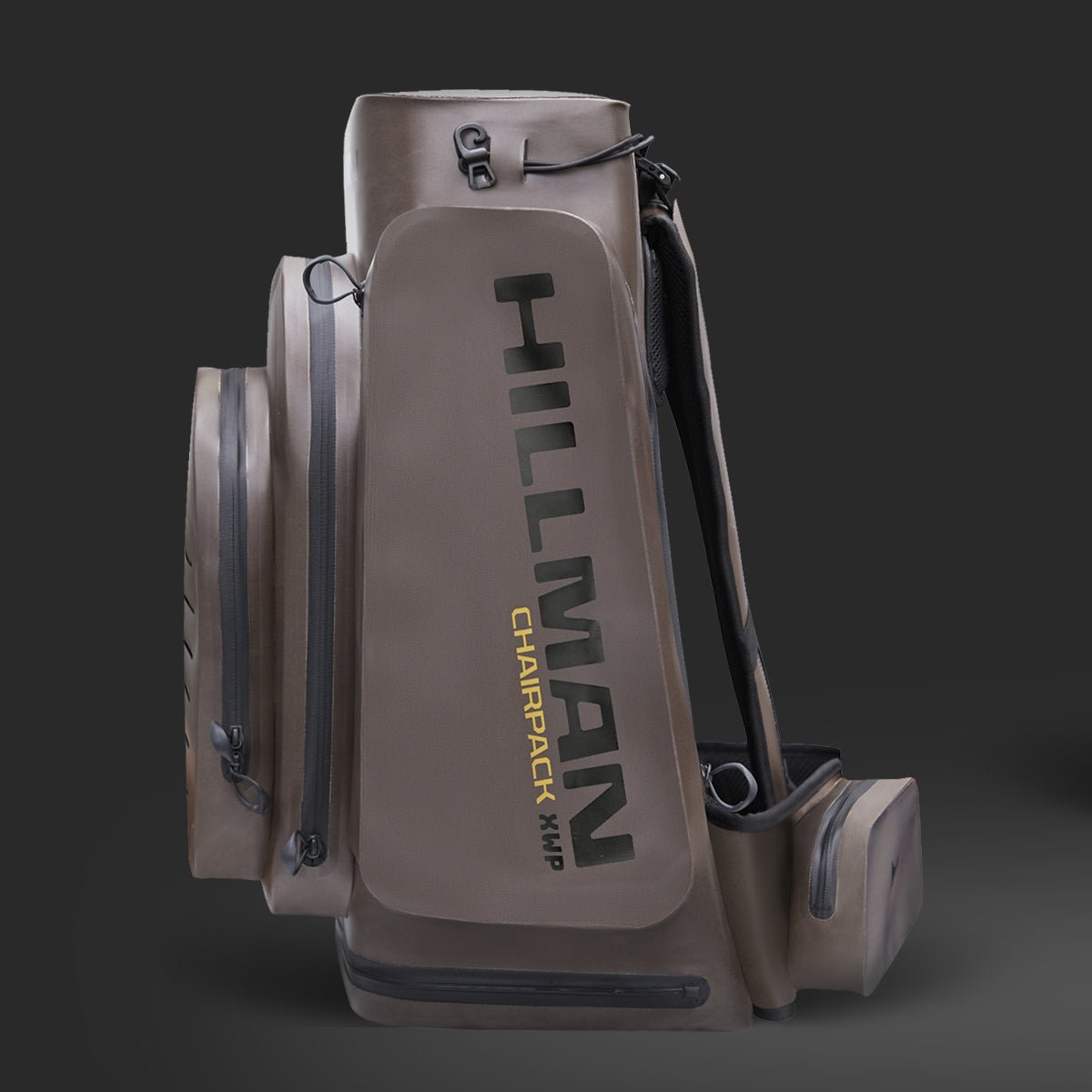
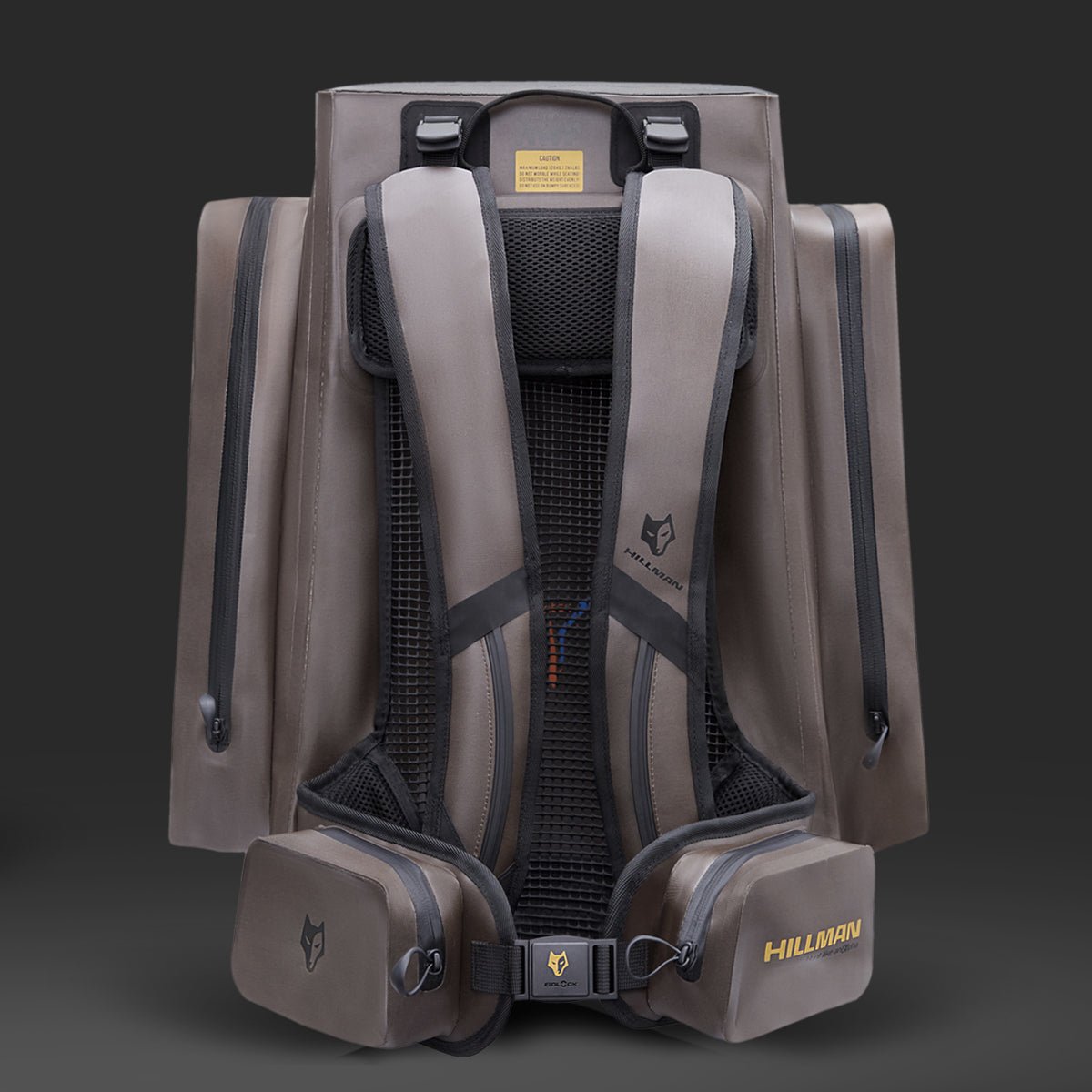
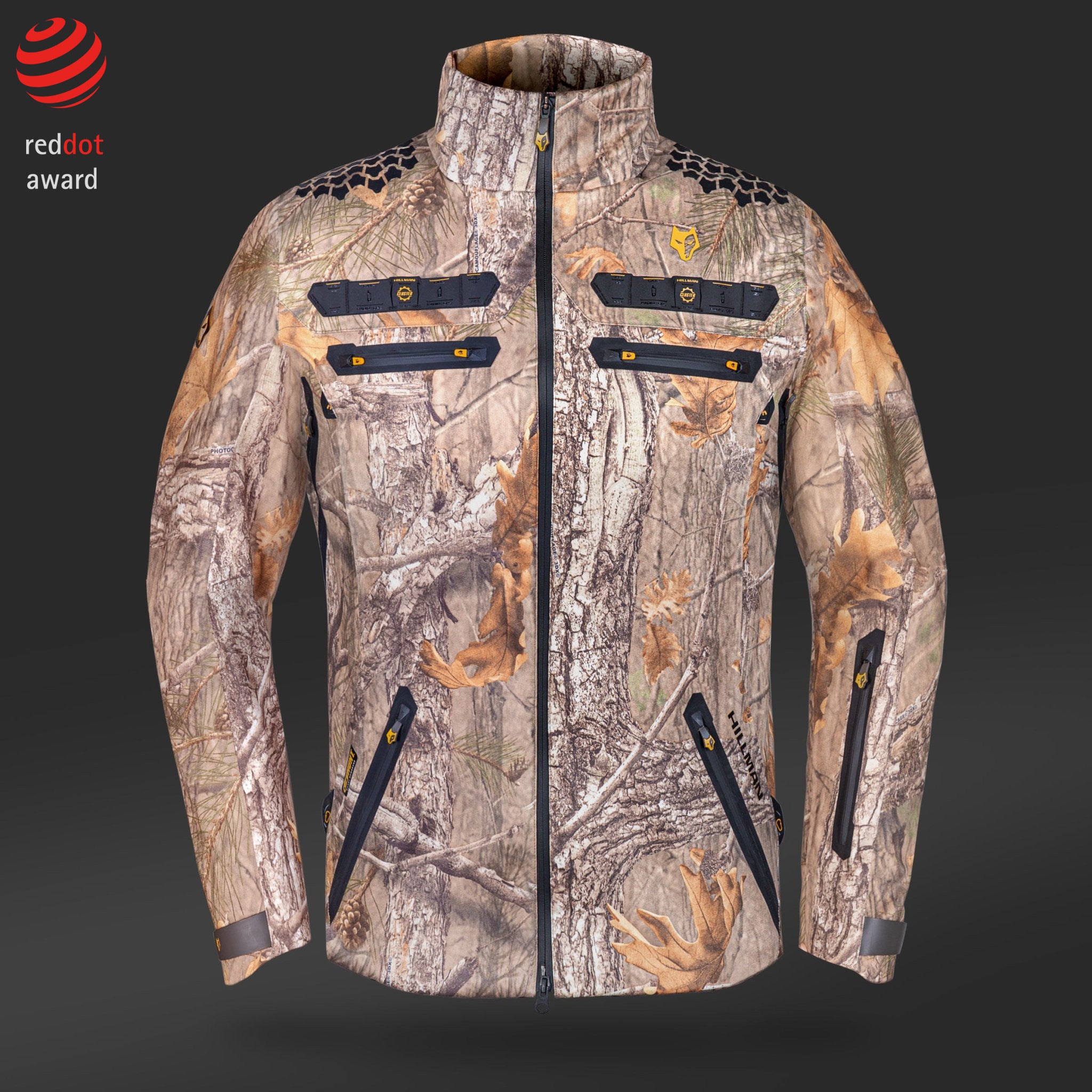
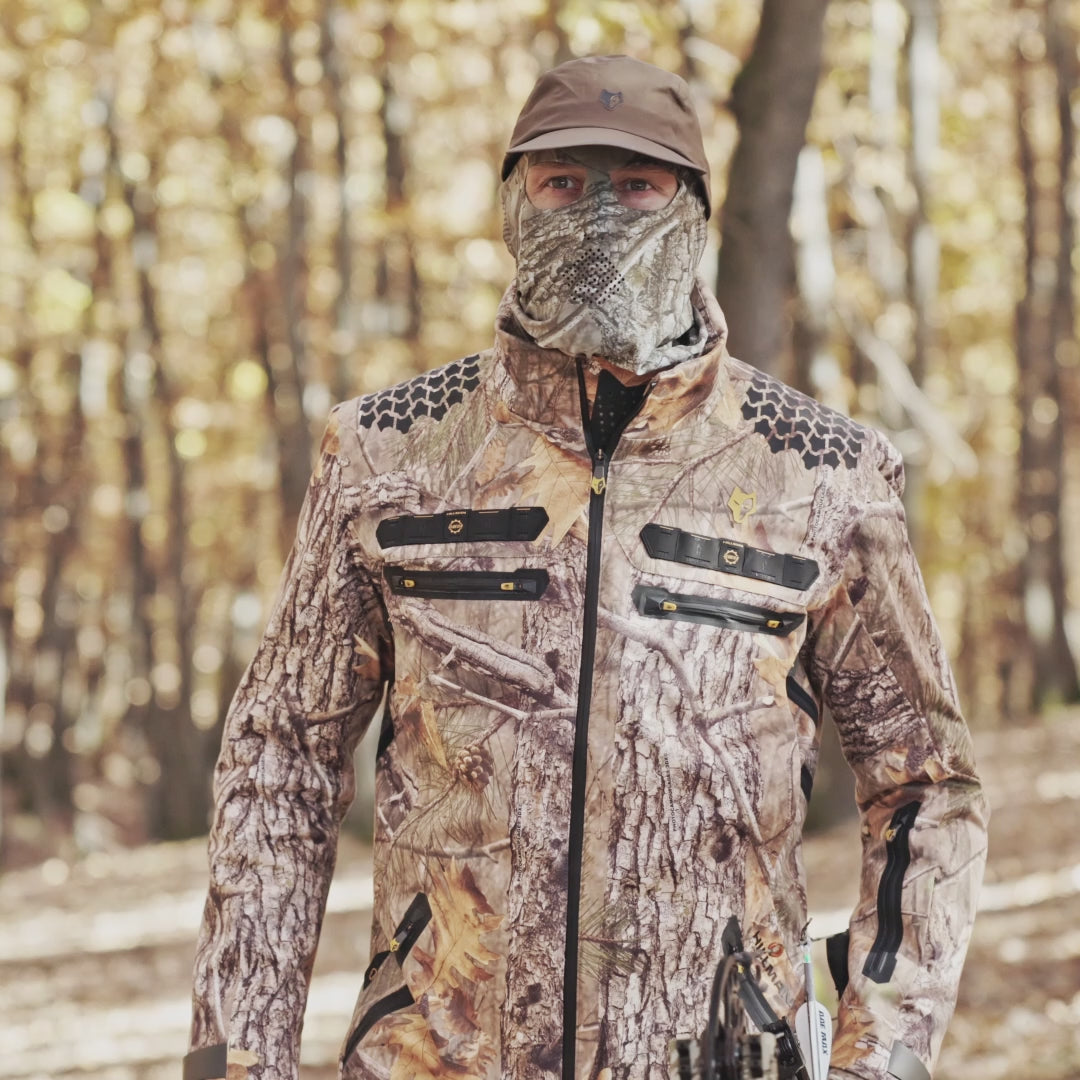
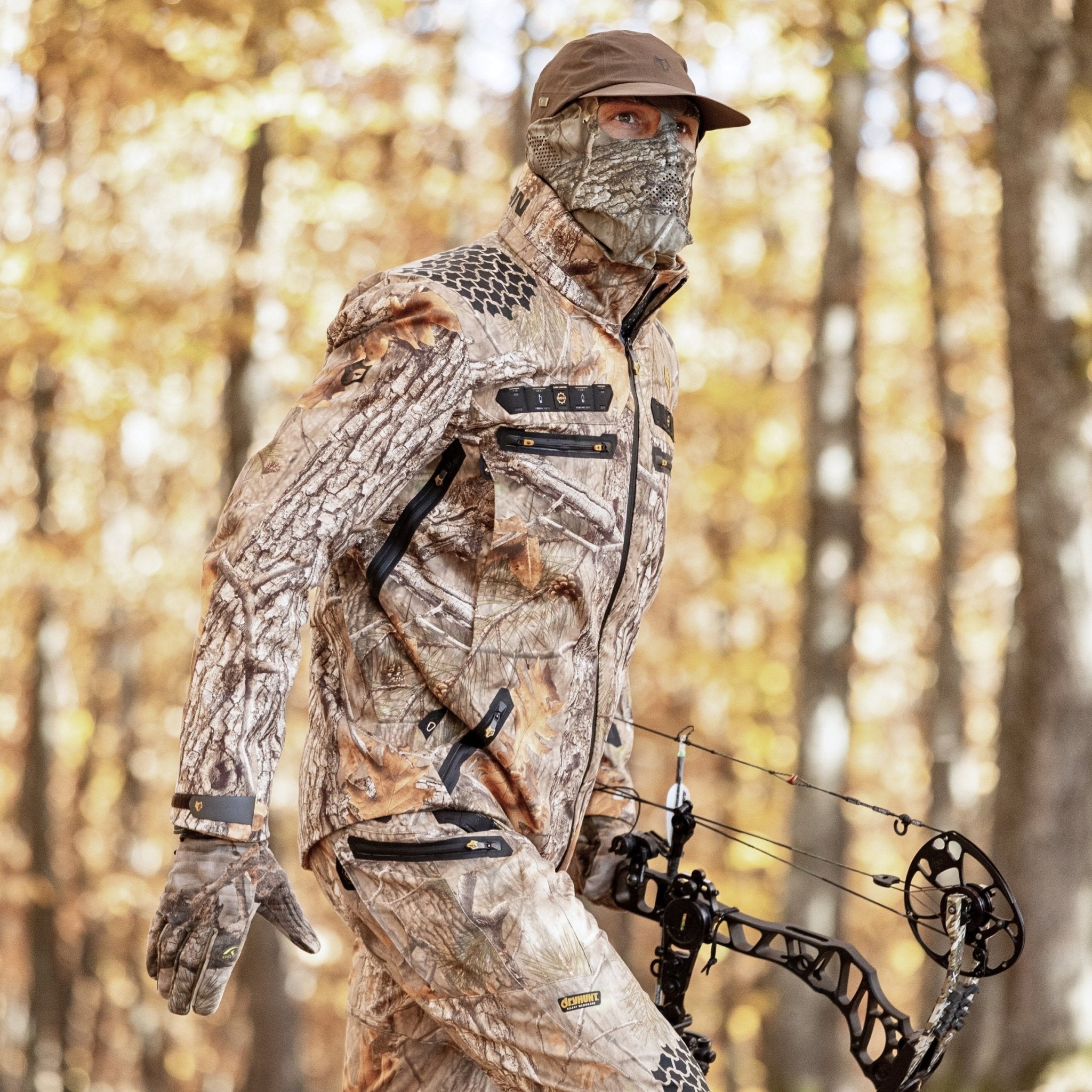
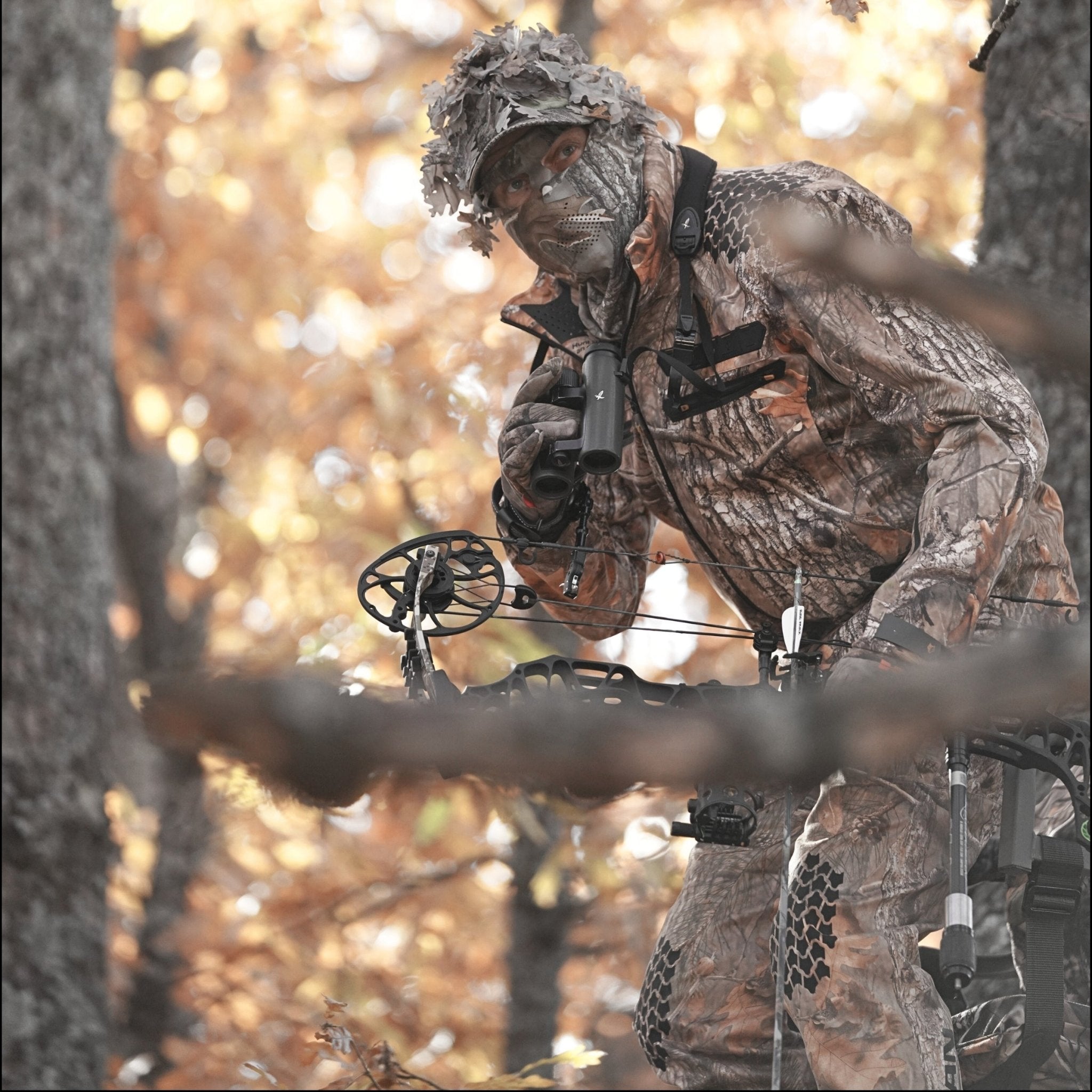
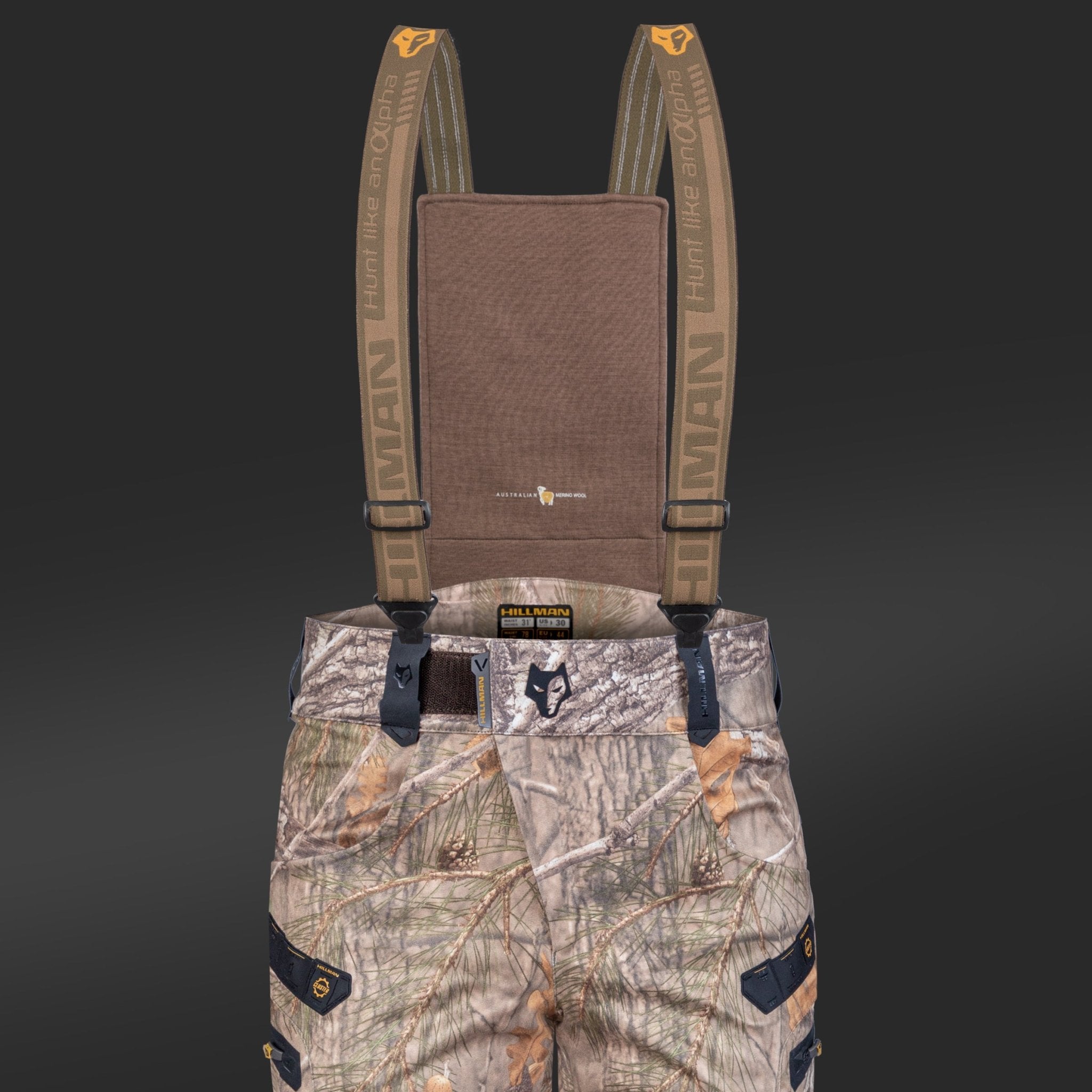
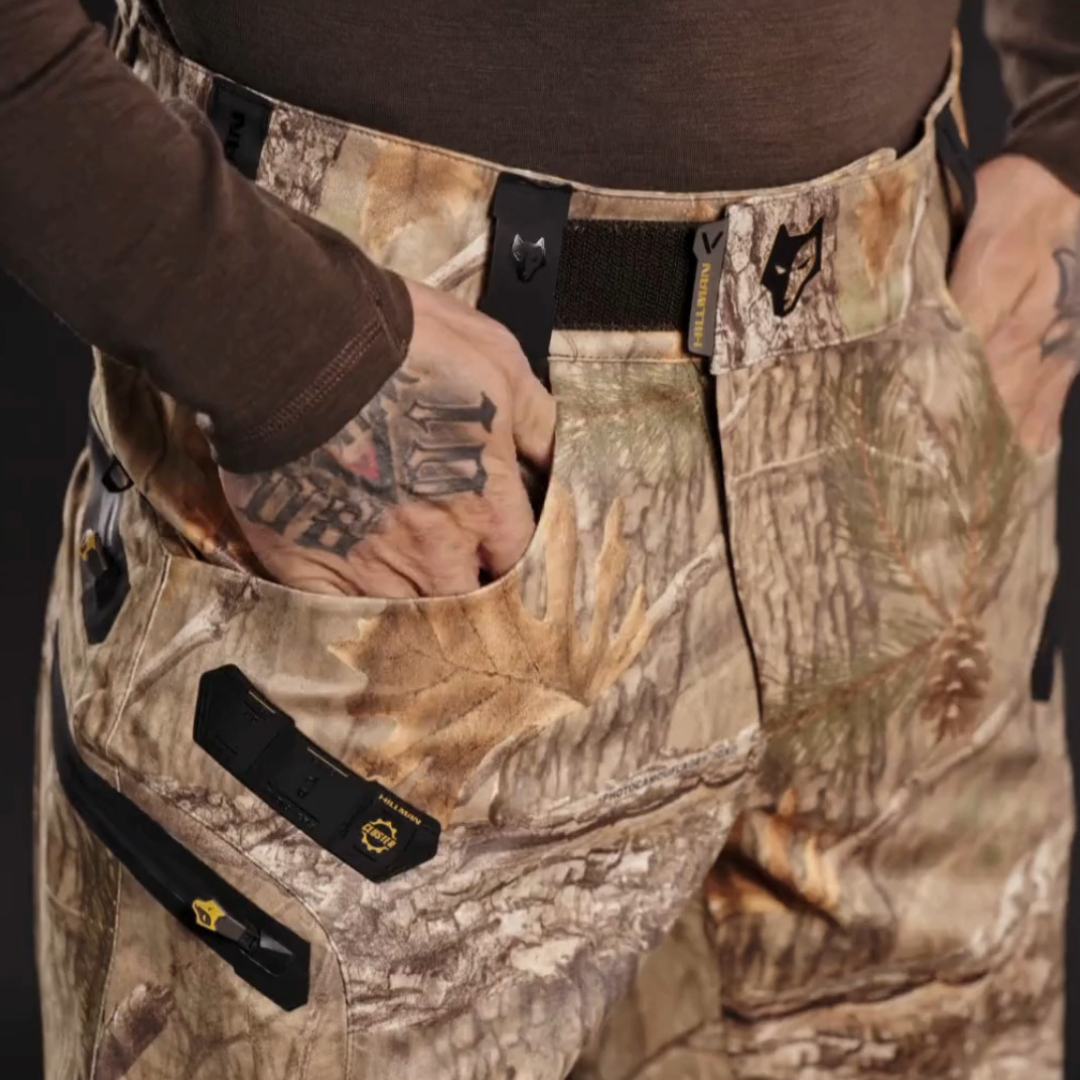
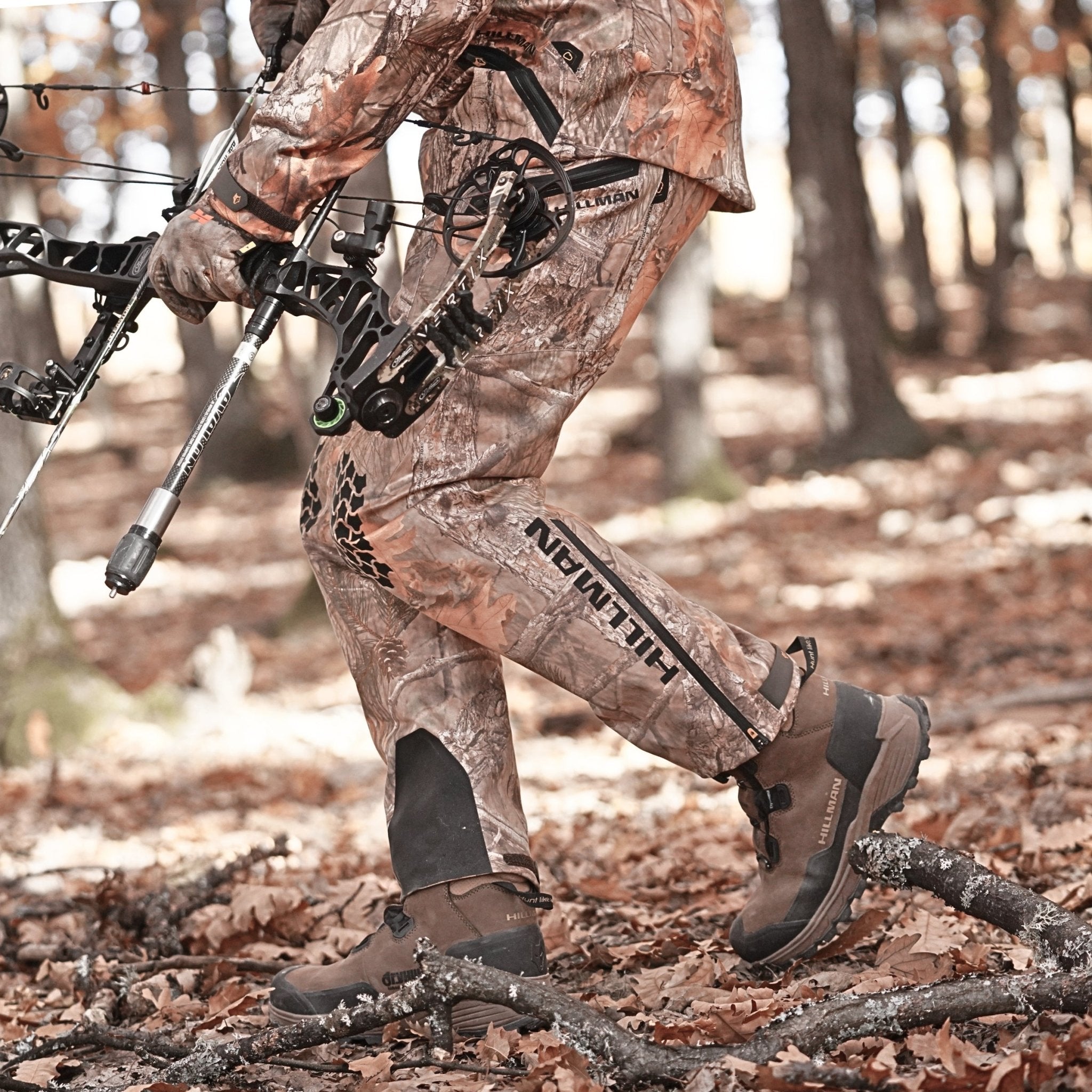
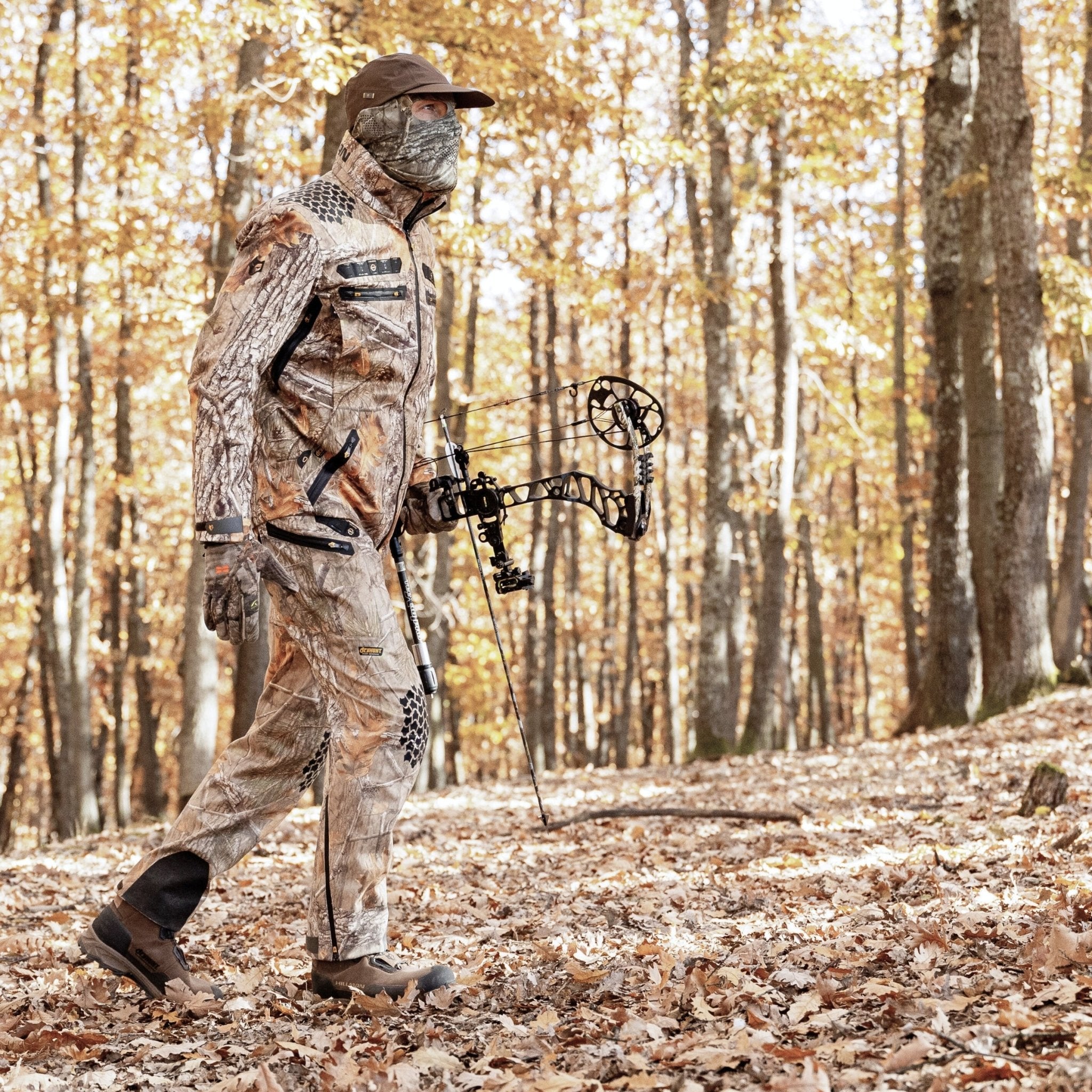
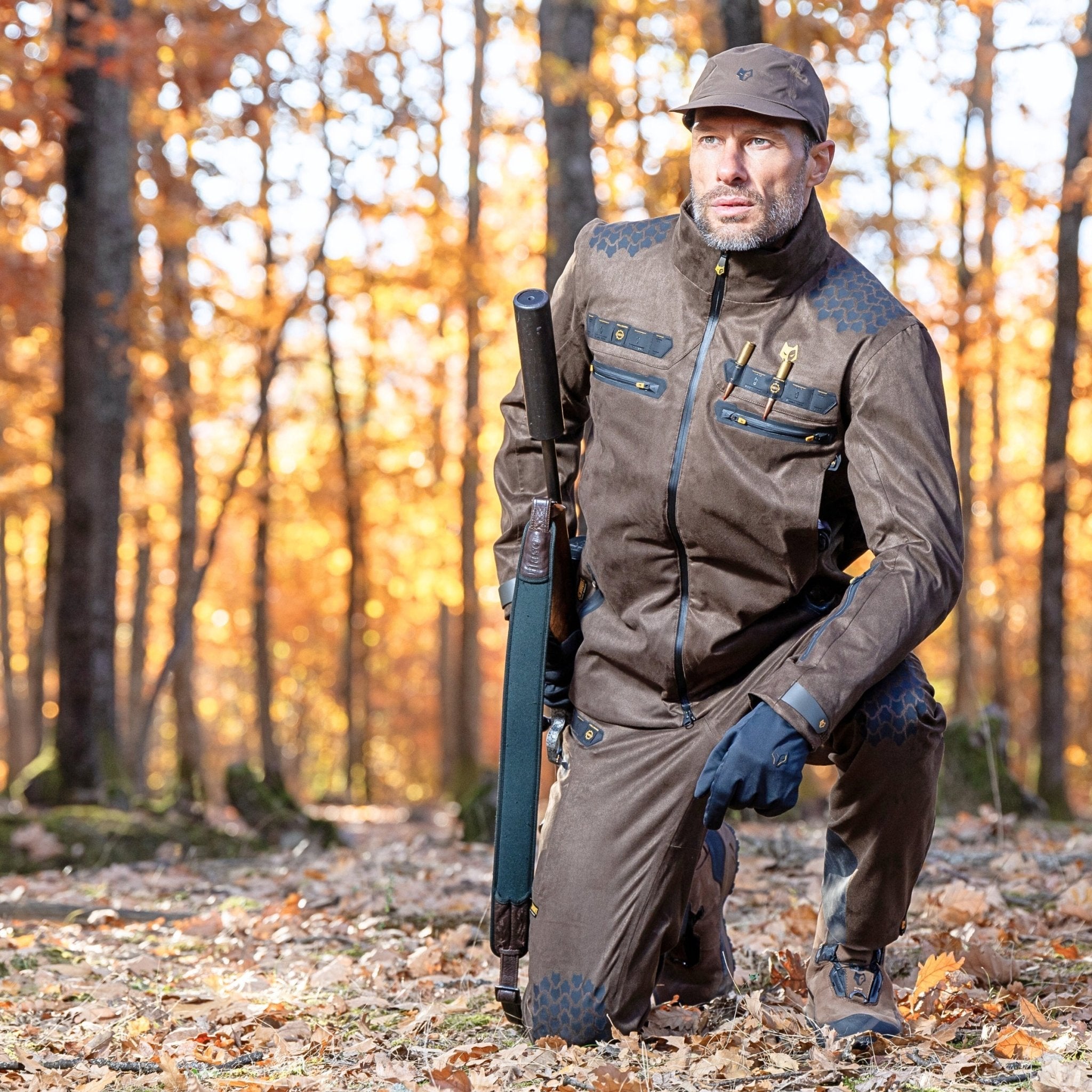
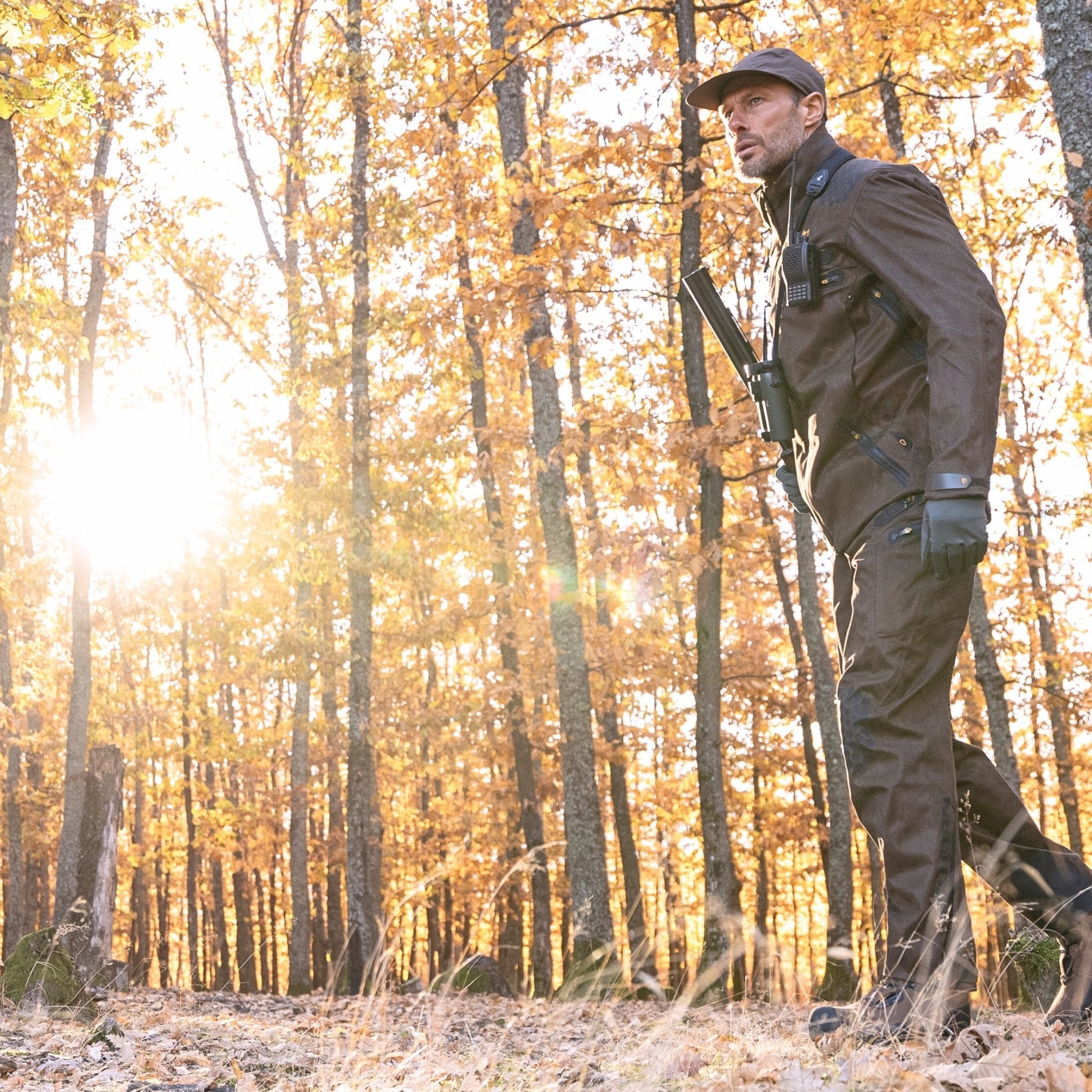
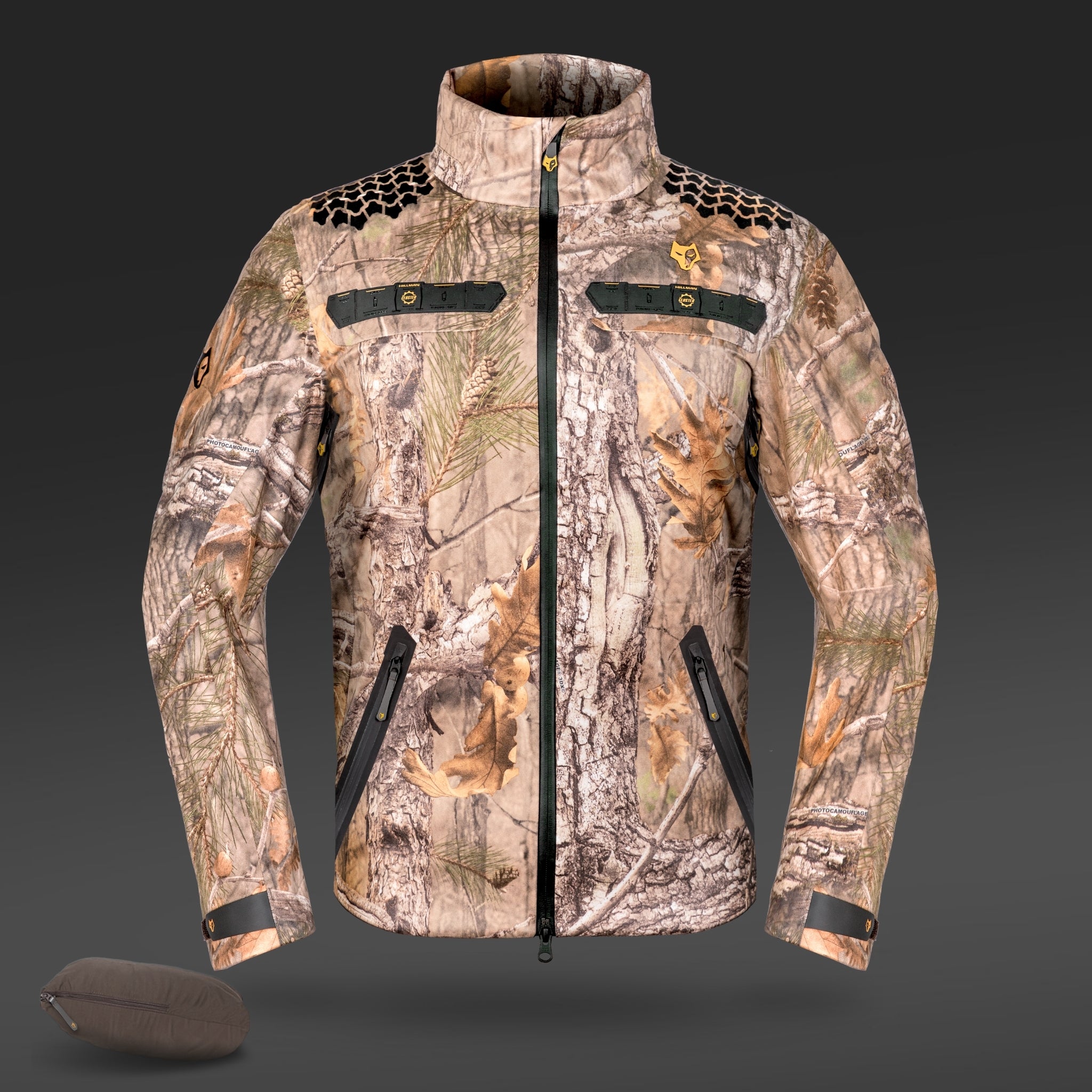
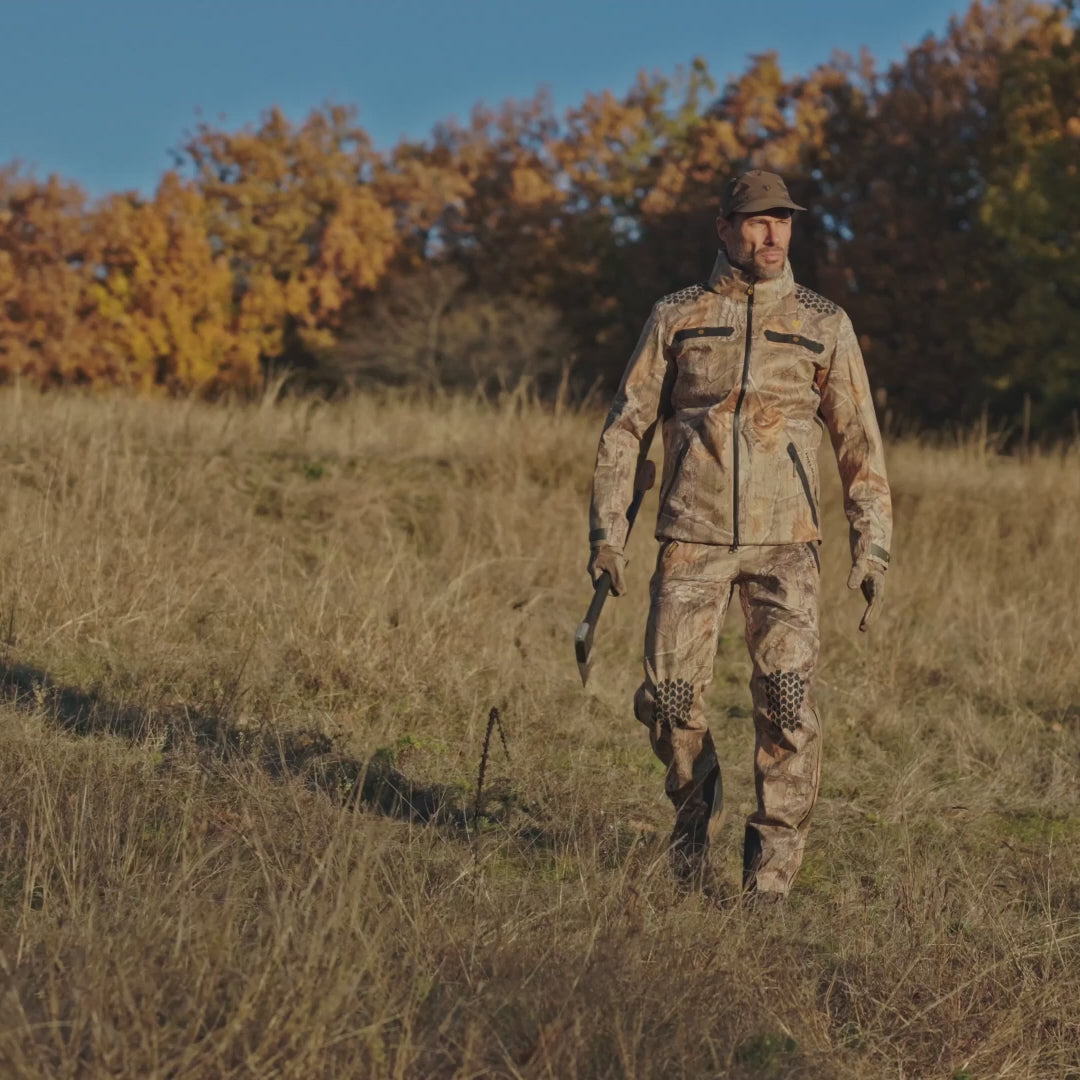
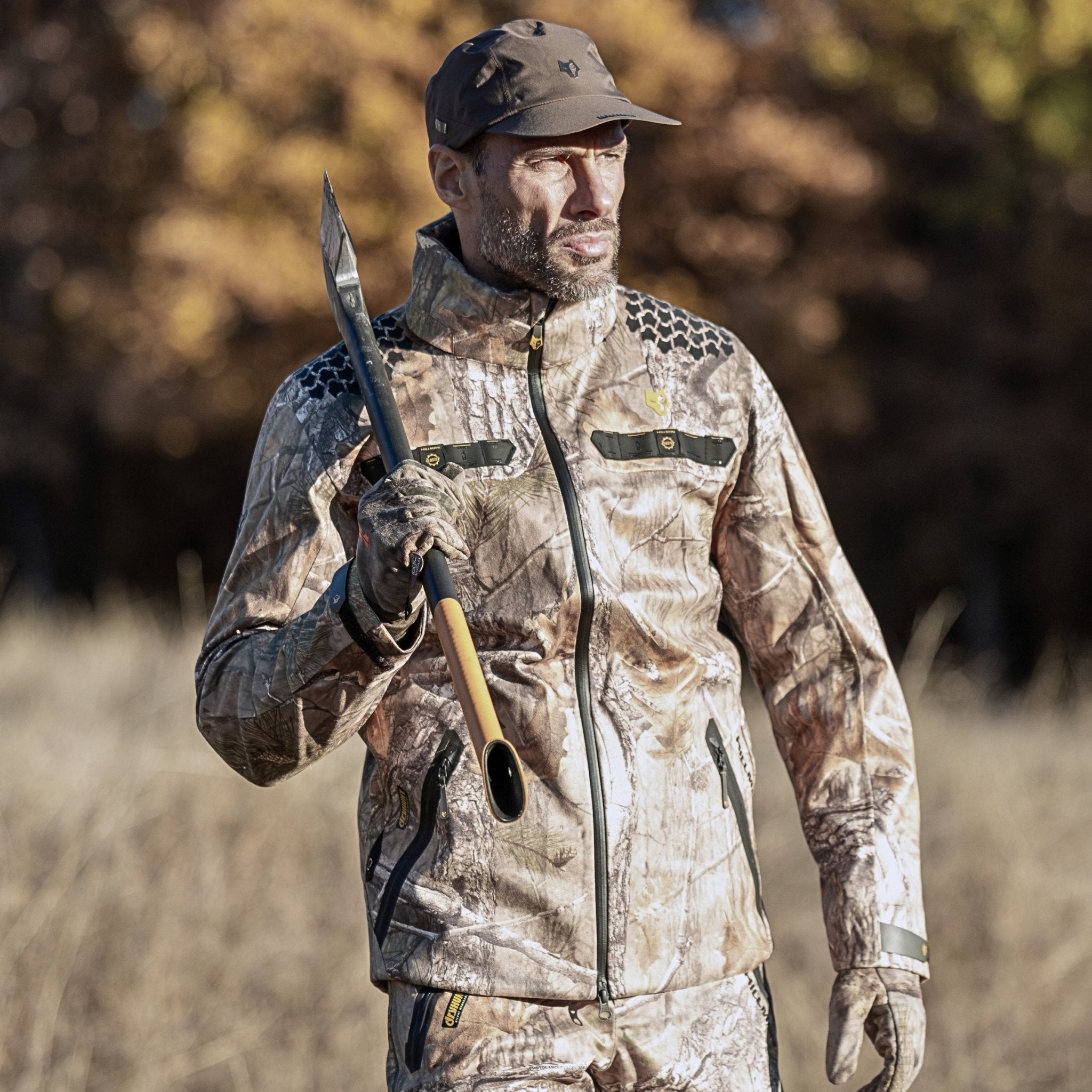
From our perspective at Hillman, quiet clothing isn’t a single product; it’s a system. Materials, construction, fit, and how hunters move all matter. Silence is built through choices, not bought with a label.
What Actually Gives You Away (Even in “Quiet” Clothing)

Overconfidence is a common problem. Hunters trust their clothing and forget about movement, timing, or awareness. Rushing a draw, shifting weight at the wrong moment, or ignoring wind and terrain will give you away faster than any fabric choice.
Quiet gear helps, but discipline finishes the job.
Silence Is Built, Not Bought
Quiet clothing for bowhunting works when it’s part of a bigger approach. Soft materials, thoughtful design, and attention to detail reduce noise, but they don’t replace patience or awareness.
The hunters who consistently succeed are the ones who treat silence as a habit, not a feature. They move more slowly, plan their actions, and remove unnecessary noise wherever they can. That’s what keeps them in the game when it matters most.



Share:
Do U.S. Hunters Really Need Scent Control Clothing?
Best Pants for Bushwhacking In Thorny, Rocky, Desert Terrain