

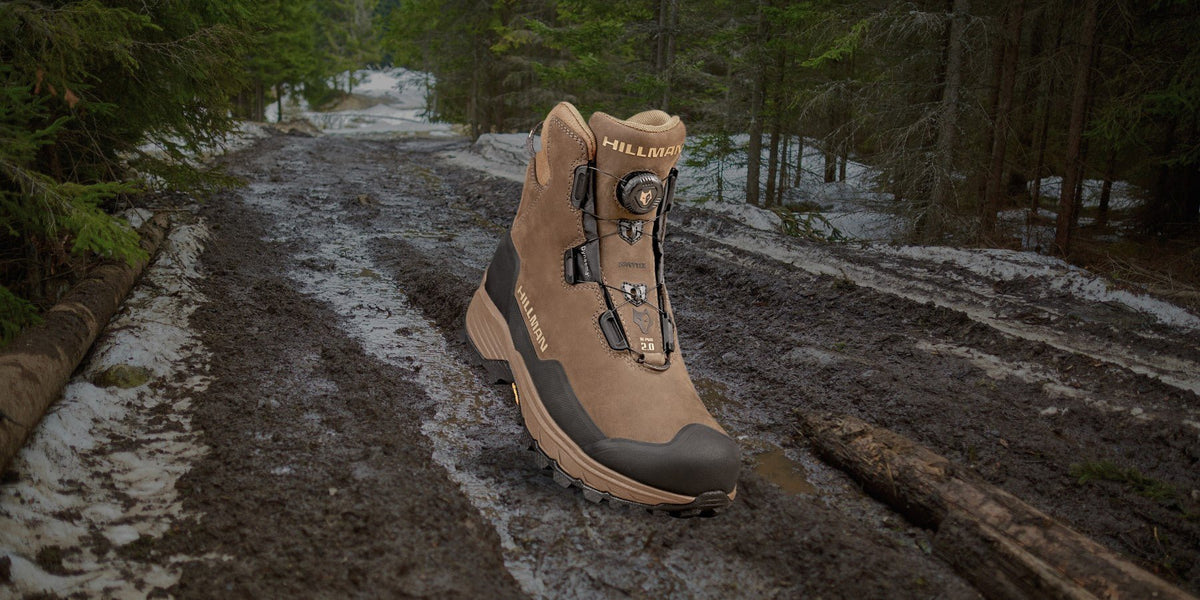
Top-Rated Waterproof Hunting Boots Tested in American Terrain

Explore the best waterproof hunting boots for every U.S. landscape. Built with Gore-Tex or Dryhunt insulation, and a grip that holds through rain, mud, and snow.
Every hunter in America knows that your hunt starts and ends with your boots. From the steep ridges of Montana to the soaked forests of the Pacific Northwest, the ground is unpredictable. Rain, snow, mud, they’re all part of the game. That’s why waterproof hunting boots are not a luxury but an essential piece of gear.
You can have the best rifle, perfect aim, and the right camo, but if your feet are wet or cold, your day’s done. The right pair of boots keeps you steady, focused, and moving through the kind of terrain that breaks down weaker gear. Over the past decade, brands have pushed boot design further than ever with better traction, improved insulation, smarter Gore-Tex or Dryhunt liners, and real-world comfort for hunters who walk long miles in every kind of weather.
Waterproof Hunting Boots – Built for Every American Terrain

A true waterproof hunting boot isn’t just about blocking water. It’s about keeping your feet dry while letting them breathe through long, cold days and sudden shifts in weather. That’s where Gore-Tex comes in. It’s the name most hunters trust, a membrane that keeps rain out but lets sweat escape. You notice the difference on those long days when the ground’s soaked and you’re still walking steady.
Across the U.S., conditions change fast. In the Midwest, rain turns fields to mud. Out West, snow covers rocks by mid-October. In the South, heat and humidity demand lightweight materials and flexible movement. One boot can’t do it all, but the right waterproof hunting boots give you a fighting chance.
You want durability, insulation, and comfort built into the same package. Look for designs that use Thinsulate or Dryhunt combined with full-grain leather or tough synthetics. Those details matter when your feet meet water before sunrise and you still have ten miles left before camp.
Mountain Hunter – Boots for Rugged Terrain and Steep Climbs

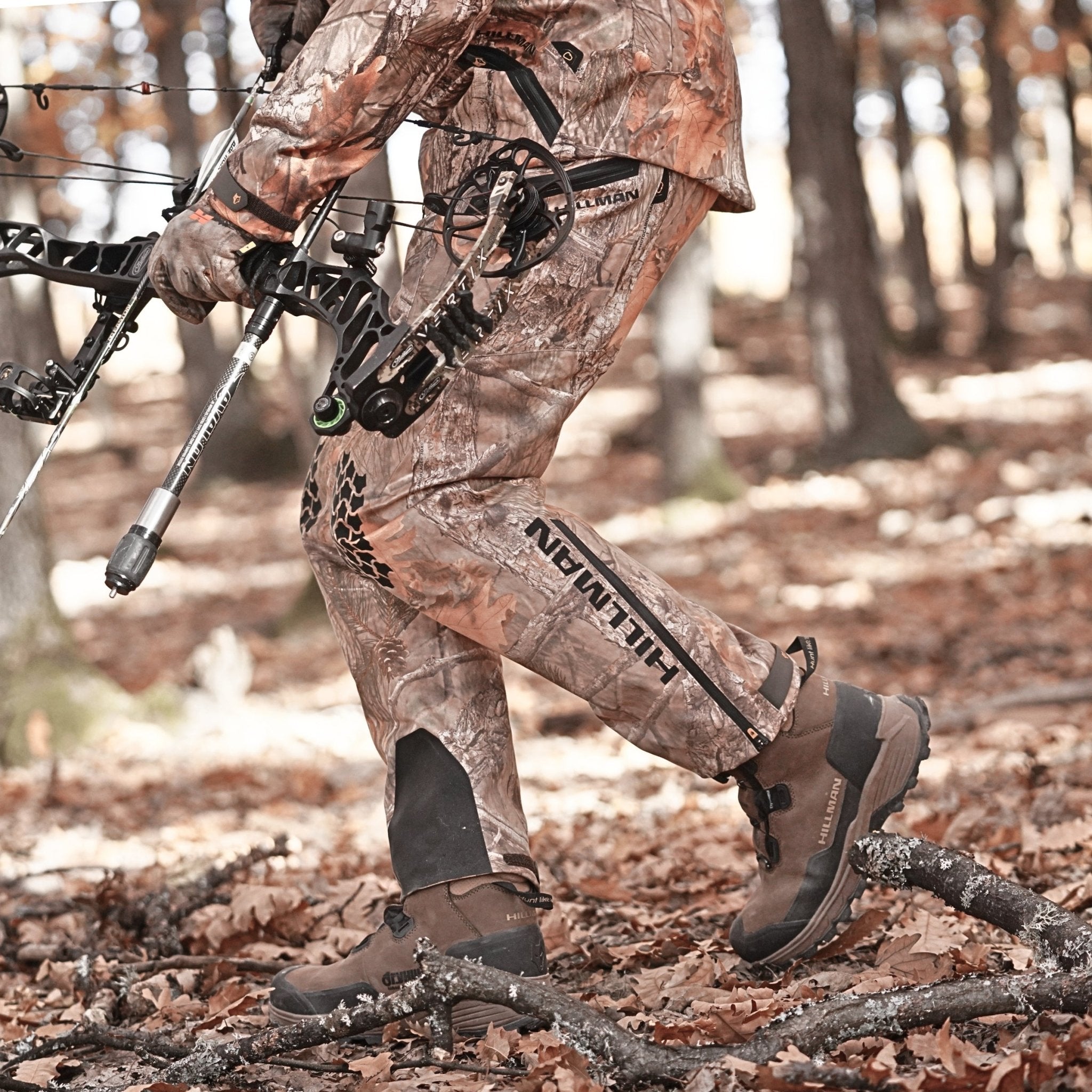
Mountain hunting is a different kind of challenge. Every step demands balance, grip, and confidence. Mountain hunting boots are built for that with strong midsoles, ankle support, and tread patterns made for rock and shale. Hunters who spend their seasons chasing elk or sheep across ridges know that stability keeps you safe as much as it keeps you moving.
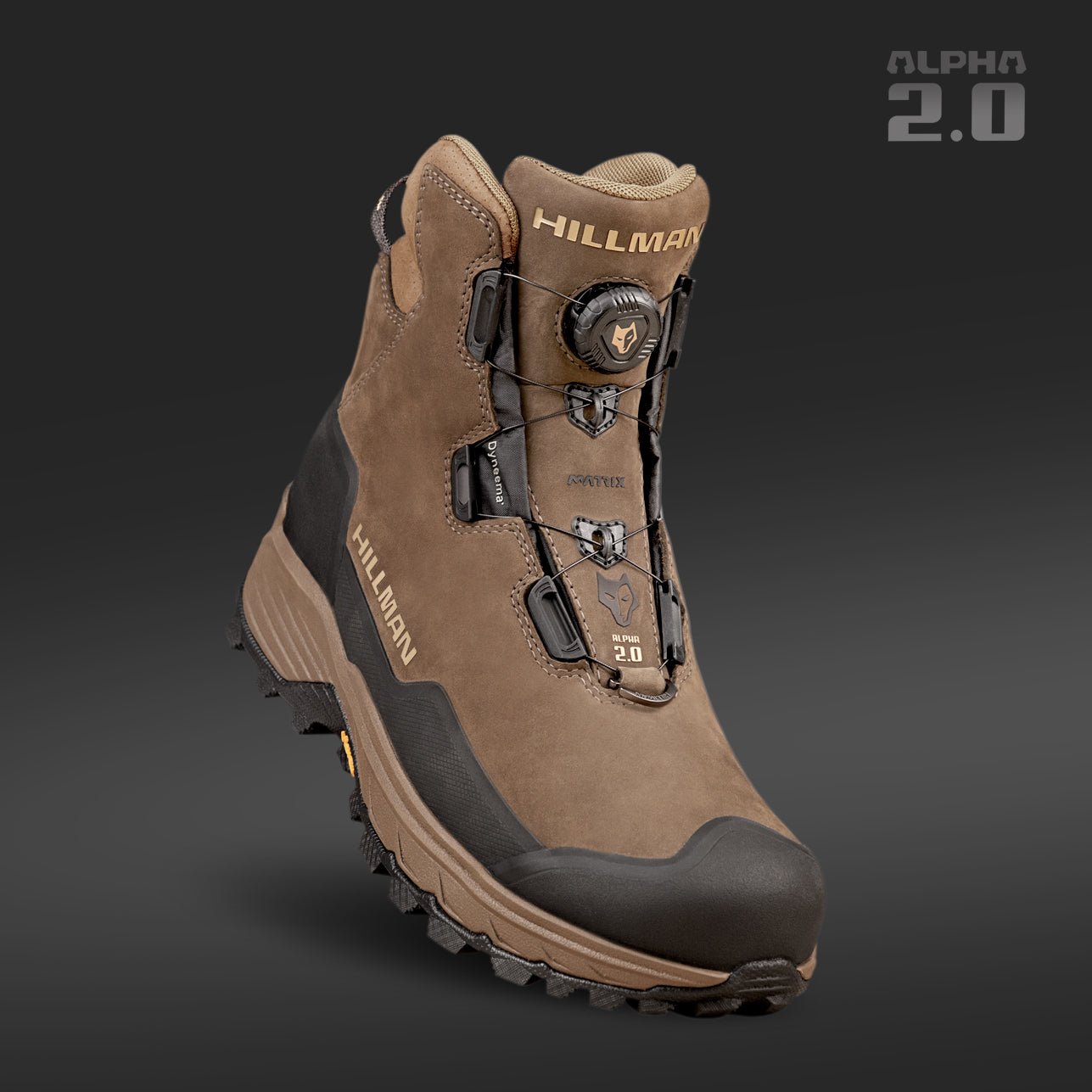
When you’re side-hilling for hours, heel slippage becomes the enemy. That little movement between your heel and the insole starts to rub, and by midday, you’re thinking about blisters instead of your next climb. A good mountain boot prevents that. The heel sits firm, the toe box gives just enough room, and the lacing system keeps everything tight without cutting circulation.
Some mountain hunters prefer stiff boots for added protection, while others go for more flexible designs that allow a natural stride on uneven terrain. There’s no wrong answer. It’s about what works for your foot and how far you plan to walk.
The best advice? Try them loaded. Put your gear on, carry your rifle, and climb a few hills before deciding. Real mountain hunting boots should feel like an extension of you, not something you have to fight against.
Wild Rock Conditions – What Real Hunters Learned Over the Past Decade

Across wild and rocky country, lessons come hard. Ask many hunters and they’ll tell you that a good boot earns its place the hard way. You’ll know a great boot by how little you think about it halfway through the season.
A lot of guys talk about heel slip and toe box shape. Those little details decide whether you finish your hunt strong or limp back to camp. Some boots need a proper break-in, while others feel good out of the box but fall apart later. Finding the right balance between stiffness and comfort takes patience.
When you first wear a new pair, expect a bit of resistance. Real hunting boots need time to mold to your foot, especially around the ankles, heel, and toes. Take short hikes, pull the laces tight, and give them a week or two. That’s how good leather learns your step.
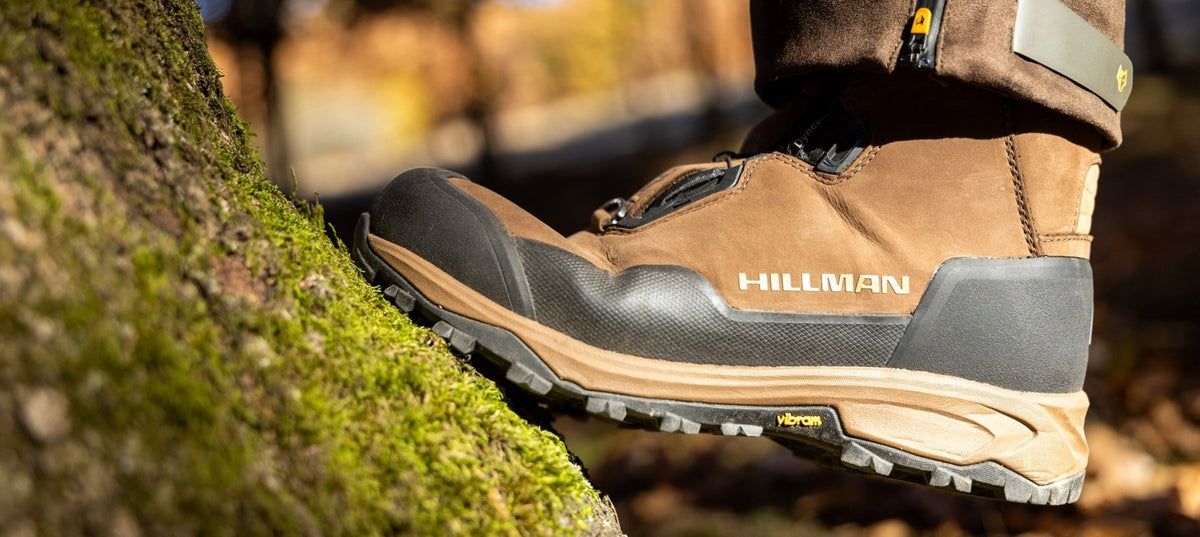
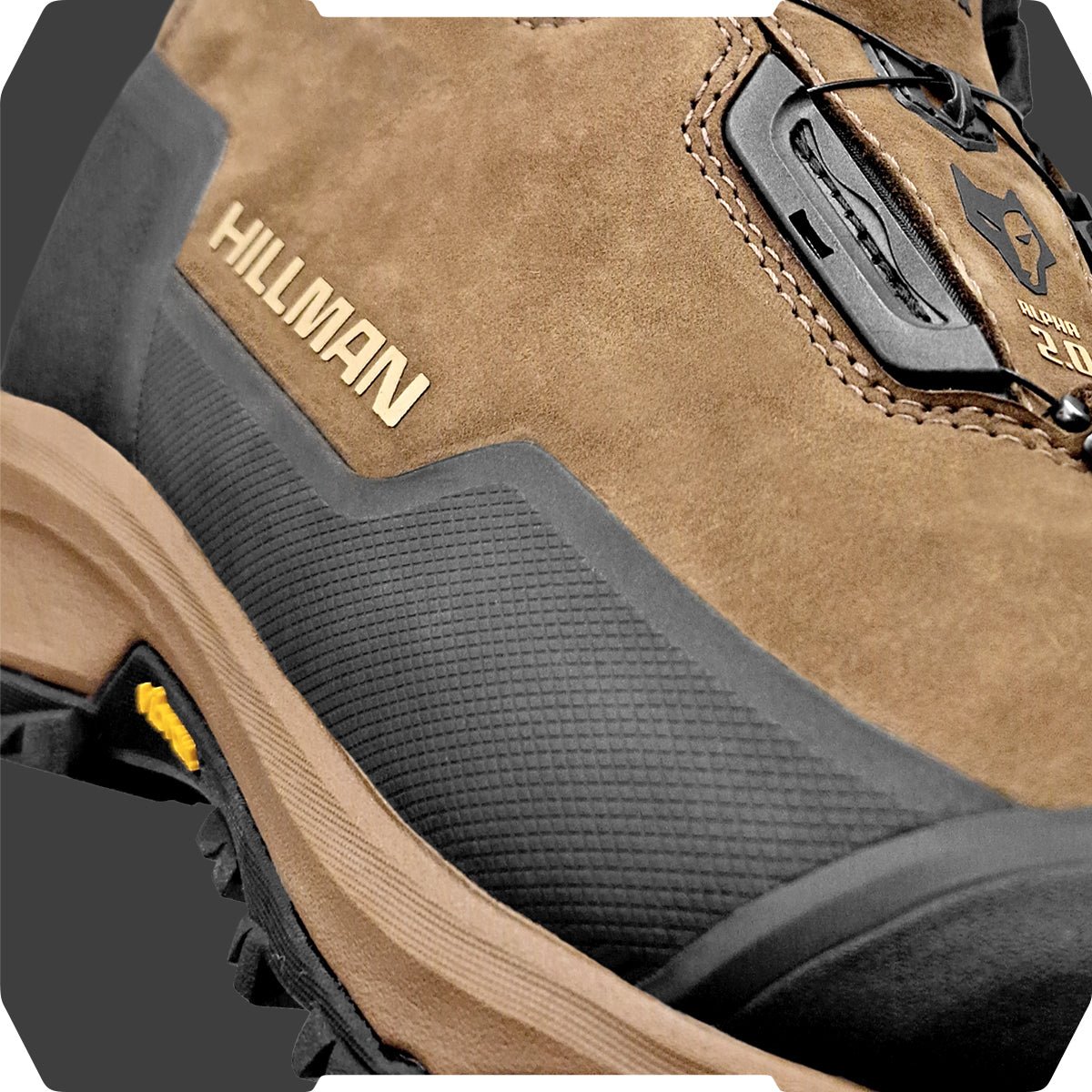
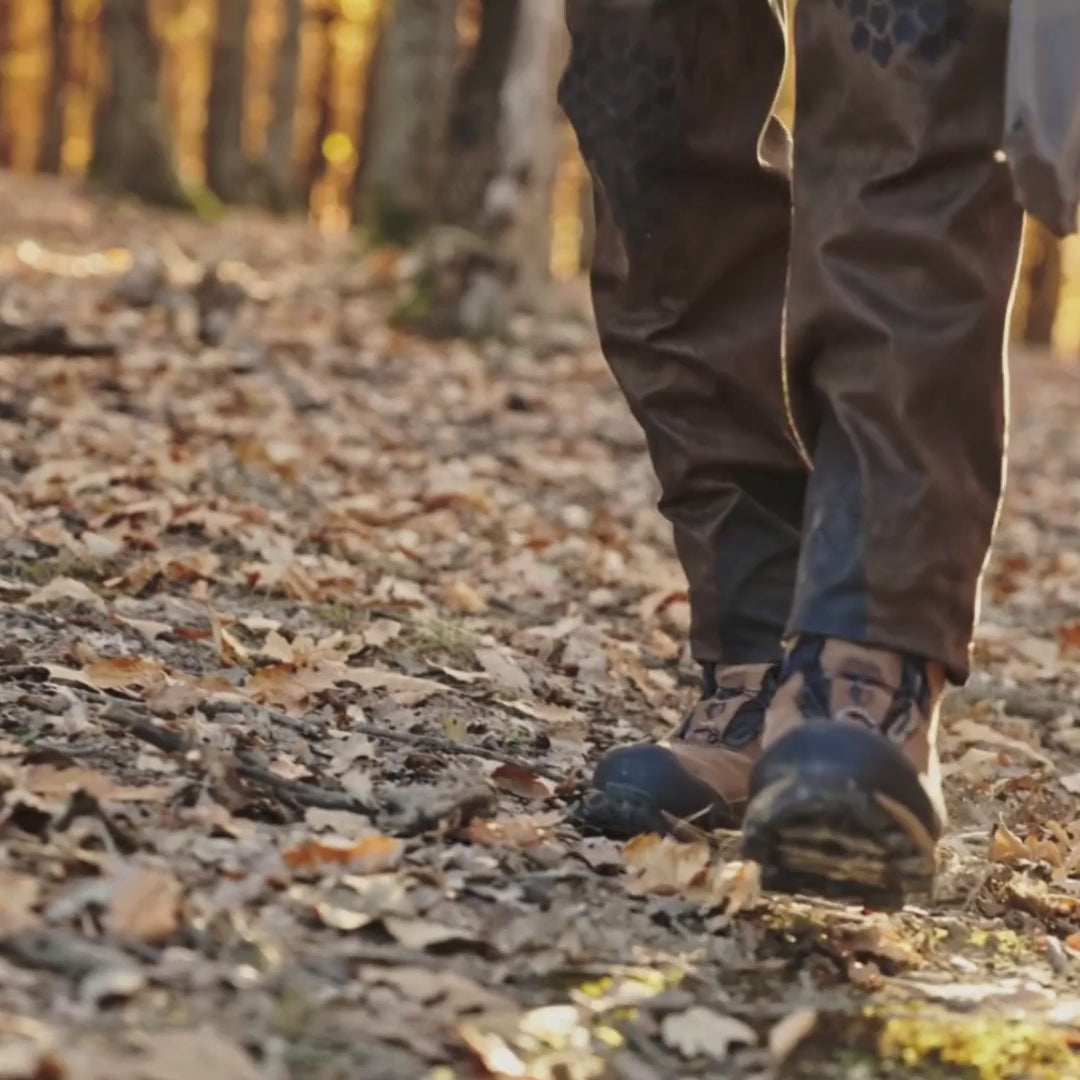
In rocky terrain, traction makes or breaks your day. Wild rock and steep terrain require solid soles, steady ankle support, and grip that holds when wet. The Vibram style outsole remains the favorite among hunters who spend long days on uneven terrain.
Hunting Boots That Last – Fit, Comfort, and Real-World Durability

The best hunting boots don’t just survive the weather; they make you forget about it. Comfortable boots support every movement, from the crouch of a shot to a full day’s hiking.
Fit is everything. Your boots fit should be snug in the heel, roomy in the toe box, and secure around the ankle. Too tight and you’ll lose circulation. Too loose and you’ll get blisters. Many hunters size up a half size to fit insoles, thick socks, or added insulation for late-season hunts.
Some modern models use imported components, while others are built entirely in the U.S. What matters more is construction: solid stitching, sealed seams, and a midsole that won’t collapse after a few climbs.
Don’t underestimate insulation. Thinsulate remains a standard because it keeps your feet warm without bulk. Combine that with waterproof membranes, and you’re covered from early fall to the single digits of winter. Selecting a pair of waterproof wide fit hunting boots ensures that even with heavy thermal socks, your feet remain dry and unrestricted during long days in the field.
At the end of the day, durability is about how you treat your gear. Dry your boots naturally, avoid direct heat, and clean off mud before storage. Treat them right, and a great boot will outlast a decade of hard use.
Gore-Tex, Dryhunt and Other Features Serious Hunters Prefer

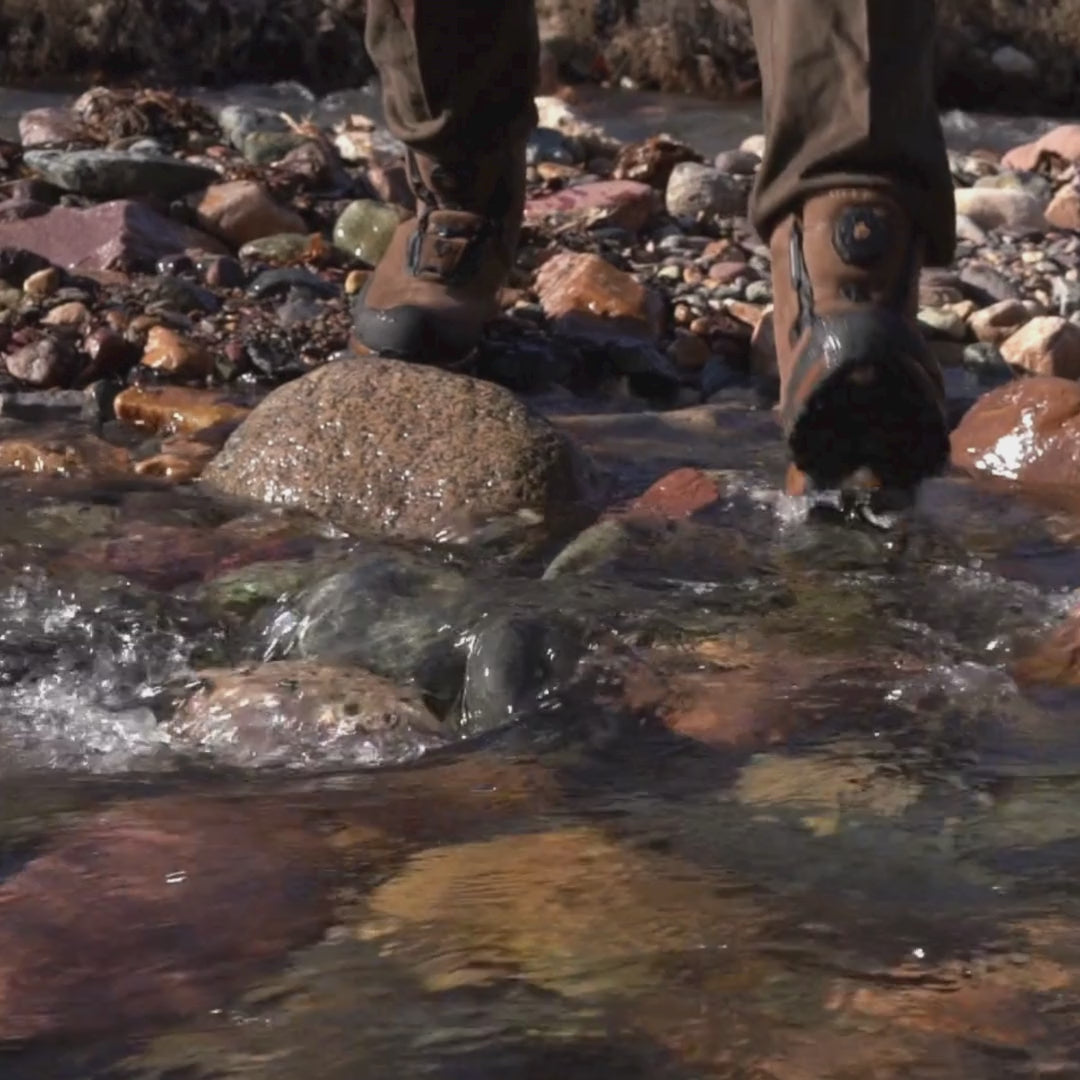
The American hunter demands gear that works. And that’s where Gore-Tex continues to earn its name. It’s light, tough, and proven in every kind of weather. When you’re hiking through sleet, crossing a stream, or standing in rain for hours, you feel the difference immediately.
Other features matter too. Thinsulate for insulation, reinforced toe boxes for impact, and lightweight designs that still offer protection. Hunters who go after elk or mule deer in late-season conditions often face single digits and icy winds. That’s when these details pay off.
Look for laces that stay tight, midsoles that don’t fold, and ankle support that keeps your footing on rocky slopes. Every small upgrade adds to your endurance and comfort through long days of hunting.
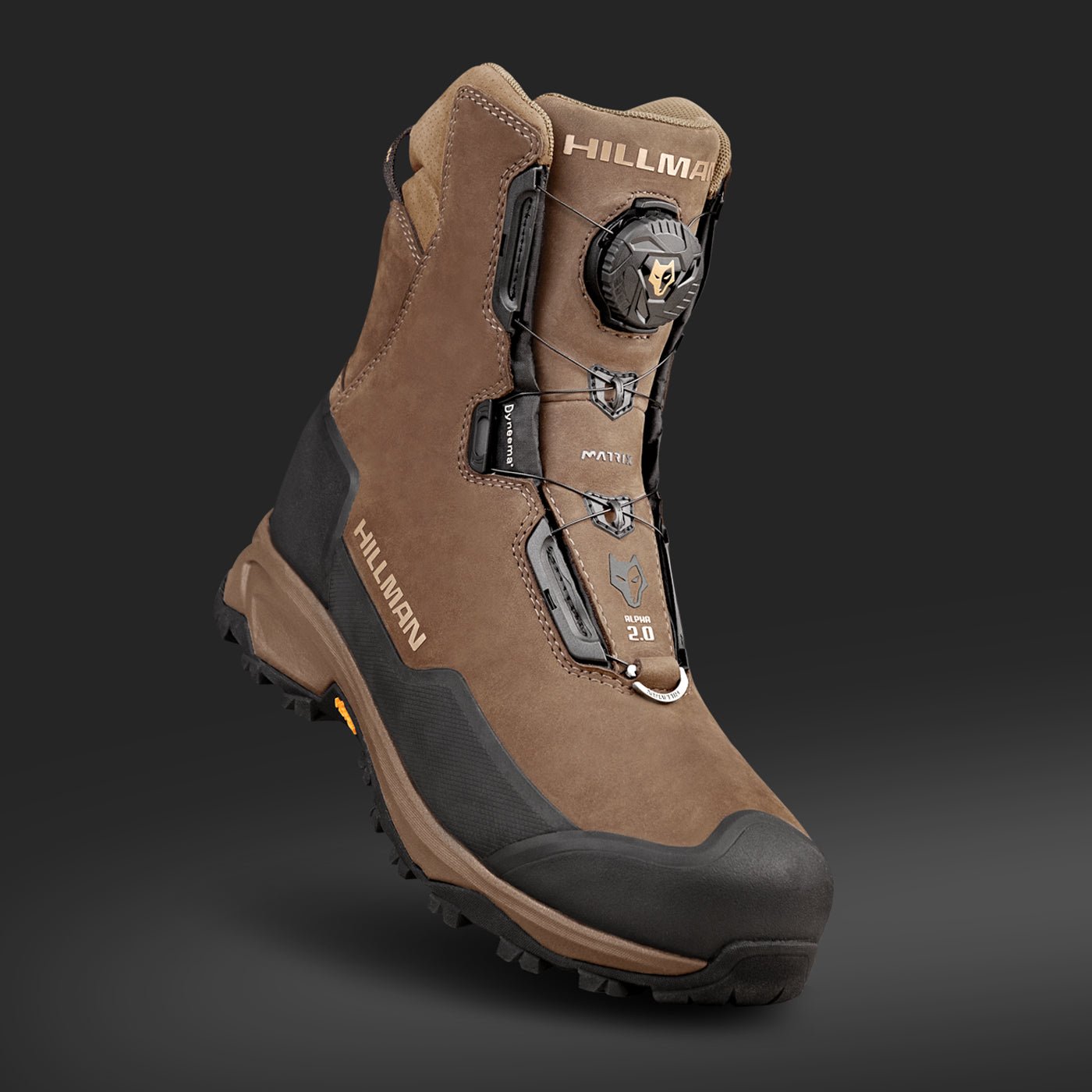
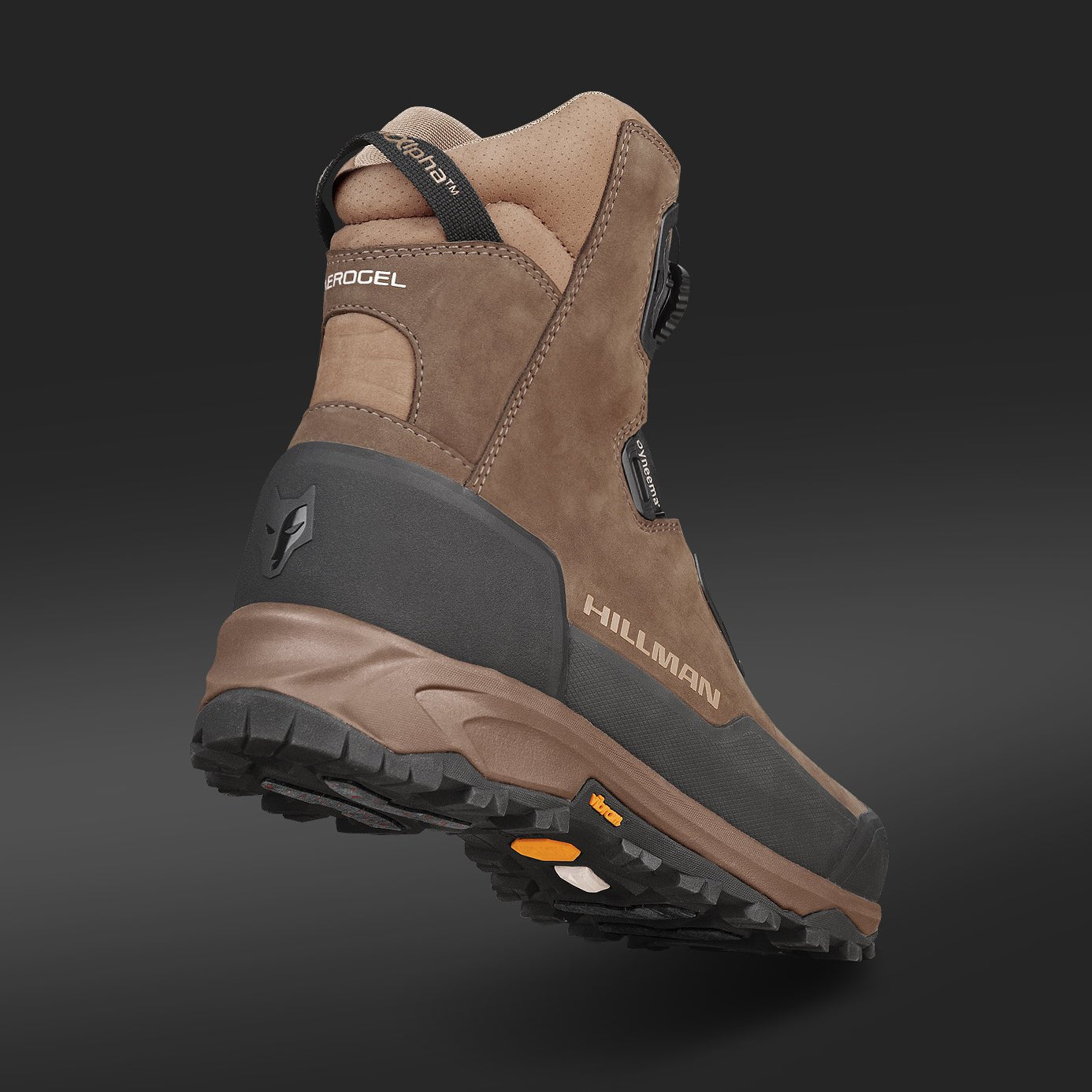
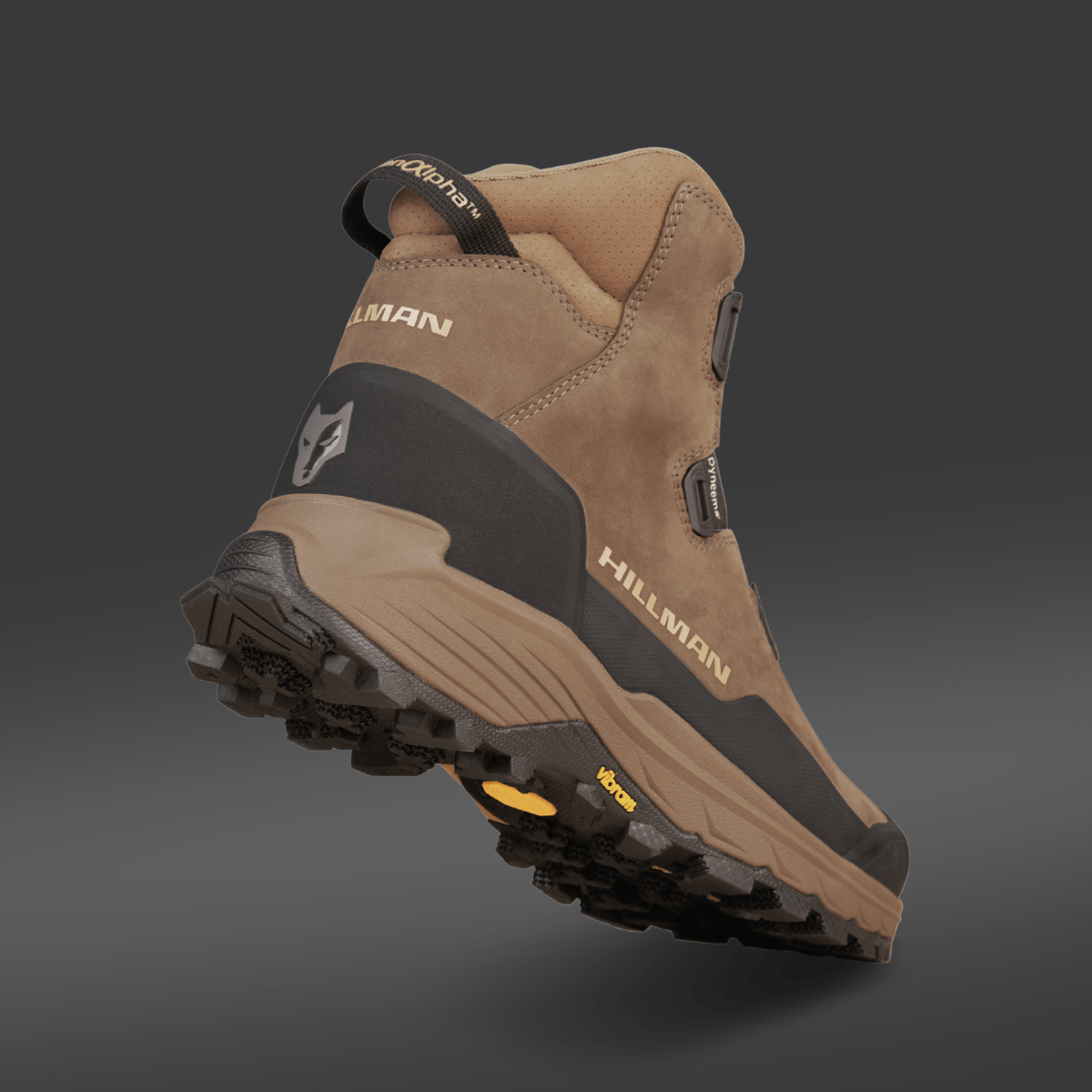
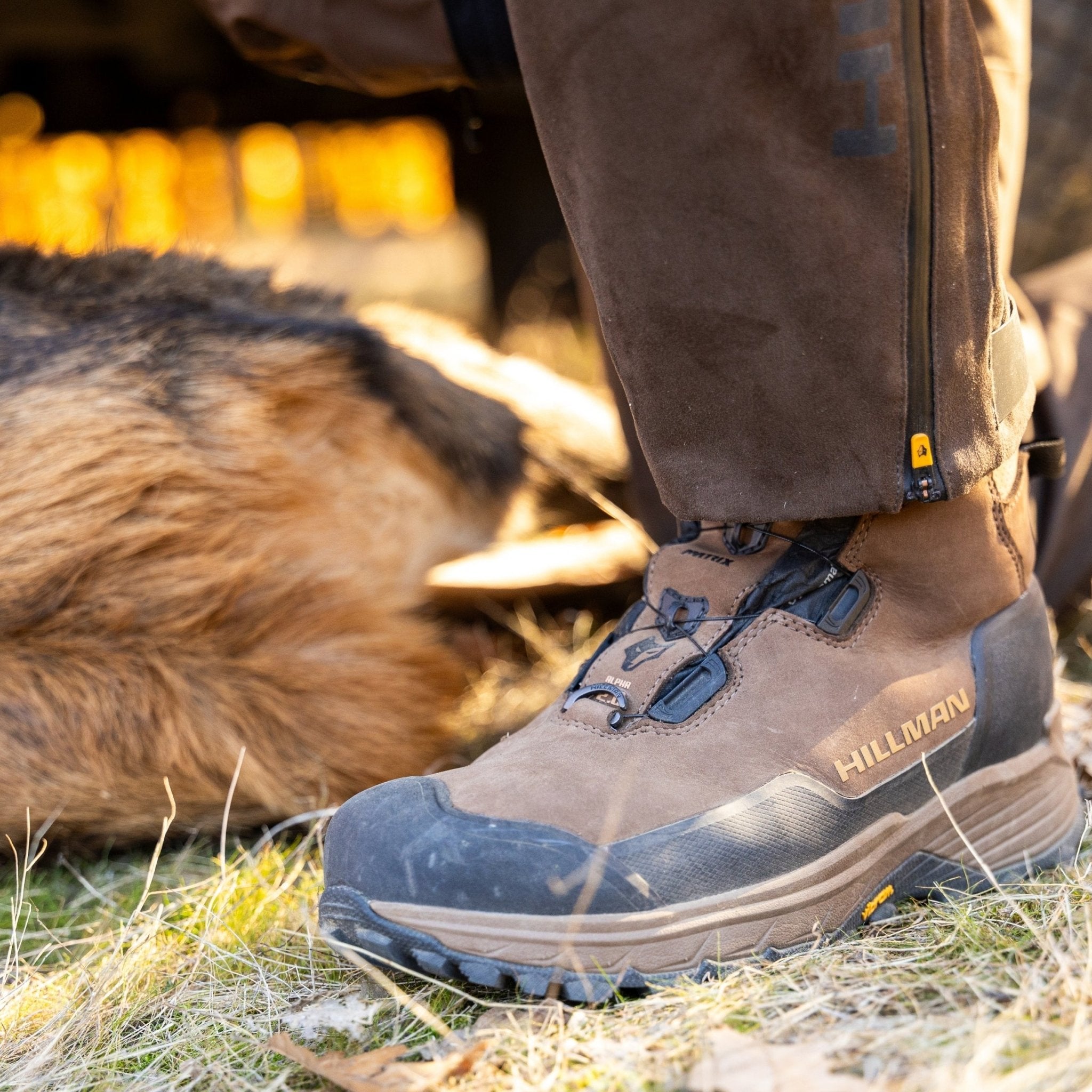
And while Gore-Tex has set the standard, Hillman pushes performance even further with Dryhunt® waterproofing and Matrix® insulation: technologies engineered to deliver higher breathability, faster drying, and more efficient warmth without bulk. For hunters who refuse to quit when the weather turns brutal, that difference matters.
One Boot, Every Hunt – Finding the Perfect Pair

You’ll hear guys say there’s no such thing as one perfect boot, and they’re right, mostly. But the right pair can cover a lot of ground. If you find something that feels balanced from the first walk, holds through the break-in period, and keeps your feet dry through rain and mud, that’s your winner.
Some hunters prefer stiffer soles for support when sidehilling or carrying heavy gear. Others choose more flexible builds for comfort on long hikes. Whatever you pick, always test them before opening day. Load your rifle, move around camp, and climb a small hill. Make sure the fit feels natural before you trust it in the backcountry.
A good boot won’t demand attention. It lets you focus on the hunt, not your heels or toes. The best pairs feel invisible after the first mile. You just walk, climb, stand, and keep going. That’s what makes great boots great: they disappear into the experience.
Quick Tips for New Boots
-
Always break in new boots for at least a week before your first hunt.
-
Keep laces tight around the ankle to reduce heel slippage.
-
Use insoles for extra comfort and to control width if needed.
-
Never dry boots with direct heat; let them air dry overnight.
-
When in doubt, pick Dryhunt waterproof hunting boots with solid ankle support. They’ve been tested and trusted across every terrain in the U.S.
The Hunt Ends Where It Begins

Every hunter has that one piece of footwear they trust no matter the weather. The right waterproof hunting boots don’t just keep your feet warm and dry; they give you confidence. They’re the quiet partner that carries you through rain, snow, and miles of uneven terrain.
At Hillman, we’ve tested our designs on real American ground, through wild rock, deep mud, and endless climbs. We know what it takes to build boots that last. Whether you’re a mountain hunter, a weekend explorer, or chasing deer and elk at camp in late season, the right boot makes the difference. Lace up, step out, and let the hunt begin.
Hunters’ Questions about Waterproof Boots

Are these boots really waterproof?
Mostly, yeah. The good ones, especially with Gore-Tex or Dryhunt, do their job. You can walk through rain, mud, even a bit of snow, and your feet stay dry. But stand in water too long and sooner or later it sneaks in. They’re made for hunts, not fishing trips.
How tight should hunting boots fit?
Tight enough so your heel doesn’t move, but not so tight you lose feeling in your toes. The toe box should have a bit of room. A lot of guys go half a size up for thick socks. You’ll know they fit when you stop thinking about them halfway through the hunt.
How long does it take to break them in?
Give them a week. Wear the new pair around camp, in the yard, on short walks. Real hunting boots always need a little break-in. Once the leather softens and your foot finds its spot, the heel slip goes away. It’s worth the wait.
What kind of boots work for the mountains?
If you’re a mountain hunter, go for something stiff with good ankle support. You’ll need it for side hilling or climbing through rocky terrain. Flat ground? Get something lighter and more flexible. The hills tell you what you need.
Should I wear insulated boots all season?
Not really. Insulated boots shine when it’s cold, in the late season, or when temps drop to single digits. But if you’re moving a lot, your feet sweat, and that makes you cold again. Most of us keep one warm pair and one lighter one for fall.
What if my heels keep slipping?
That’s usually fit, not bad boots. Keep your laces snug around the ankles and try a heel lock lacing pattern. If it still slips, try a thinner insole or a different width. Once they’re right, your foot stays put and the blisters stop.
How do I keep waterproof boots in shape?
Knock the mud off after the hunt and let them dry on their own. Never near direct heat. That kills leather fast. A touch of wax or oil every few weeks keeps them waterproof and flexible. Treat them right, and they’ll last for years.
How long do good boots really last?
Depends on how you use them. A good boot can go five, maybe ten years if you take care of it. If you’re out every weekend in rough terrain, maybe less. The scratches don’t matter, cracks do. Once they dry out or split, it’s time for a new pair.
What should I look for when buying?
Start with Dryhunt or a solid waterproof liner, strong ankle support, and a tough midsole. Check the toe box and the grip. Forget the flashy stuff. Pick the pair that feels right the moment you start to walk, the one that disappears once the hunt begins.



Share:
The Future of Hunting Clothing: Smart Fabrics, Silent Design
How to Build a Hunting Layer System That Actually Works