


The Best Pants for Bushwhacking Through Thorny, Rocky, or Desert Terrain

Bushwhacking pants are built for thorny brush, rocky ground, and desert terrain. Here’s what actually matters for durability, comfort, and protection off-trail.
Bushwhacking is where pants stop being theoretical. On a trail, almost anything works for a while. Step off it, and the environment starts pushing back. Thorny brush grabs fabric. Rock scrapes knees. Desert terrain punishes thin material fast, especially once the sun is high and there’s nowhere to hide.
Most people don’t set out looking specifically for bushwhacking pants. They start with hiking pants, maybe even work pants, and assume durability is durability. Sometimes that assumption holds. Often, it doesn’t. And you usually find out only after you’re already committed, a few miles in, with no clean way back.
Bushwhacking Is Where Pants Actually Get Tested

Off-trail, every step involves friction. Pants rub against branches, bark, stone, and whatever else the terrain throws at you. It’s not about distance. It’s about contact, repeated over and over.
That constant contact is what separates bushwhacking pants from regular outdoor pants. When you’re forcing your way through thick brush or side-hilling across rock, pants become part of your protection system, not just something covering your legs.
One thing that surprises people early on is how quickly small problems stack up. A little snag here. A little resistance there. Nothing dramatic on its own, but constant enough to wear you down. Pants that aren’t built for this kind of use don’t usually fail all at once. They thin out, stretch, or start feeling wrong long before they rip. That slow breakdown is often harder to deal with than a clean tear, because you’re constantly adjusting instead of moving forward.
Why Most Hiking Pants Don’t Survive Thick Brush
Even the best hiking pants are designed with trails in mind. They’re built to be light, breathable, and comfortable while walking. That’s exactly what makes them vulnerable off-trail.
Fabric that holds up fine on a groomed path starts thinning fast in thick brush. Knees wear down. Seams stretch. After a full day of pushing through vegetation, a pair of hiking pants can look years older than they should. That’s not a quality issue; it’s a design mismatch.
Bushwhacking introduces abrasion that hiking pants simply aren’t meant to handle.
Jeans, Work Pants, and Other “Good Enough” Mistakes

Jeans are a common fallback. So are basic work pants. They feel tough, and in dry, mild conditions, they sometimes are.
The problem is cotton. Cotton absorbs moisture from rain, morning dew, sweat, or even humidity and holds onto it. Once wet, it gets heavy and loses strength. In cold weather, that moisture pulls heat away from your body. In hot weather, it never really dries.
For bushwhacking, cotton pants usually turn into a problem long before the day is over.
What Bushwhacking Pants Are Actually Built To Handle

Bushwhacking pants are designed for sustained abuse. They protect your legs from scratches, insects, and constant abrasion. In desert environments, they also provide meaningful UV protection that shorts or lightweight pants don’t.
Protection isn’t about being invincible. It’s about reducing the steady damage that drains energy and focus. Fewer cuts. Less irritation. Fewer reasons to stop and deal with gear instead of terrain.
Fabric Choices That Make or Break Pants Off Trail

Fabric choice matters more off-trail than almost anywhere else. Durable bushwhacking pants usually rely on nylon, polyester blends, or soft shell fabrics chosen specifically for abrasion resistance.
These fabrics don’t feel as light as trail-focused pants, but they survive better. Most are designed to balance durability with flexibility, so movement doesn’t come at the cost of constant tearing.
Fabric behavior also changes over time. Some materials feel durable when they’re new, but soften and weaken after repeated abrasion. Others start stiff and uncomfortable, then break in and hold their structure season after season. When you bushwhack regularly, how a fabric ages often matters more than how it feels on day one.
Why Cotton Keeps Failing in Cold, Wet, and Hot Weather

Cotton shows up in outdoor pants because it’s comfortable at first contact. In bushwhacking conditions, that comfort disappears quickly.
Once cotton gets wet, it stays wet. In rain or wet brush, that means heavier pants and reduced warmth. When temperatures drop, cotton accelerates heat loss. When it’s hot, cotton stays damp and uncomfortable against the skin.
Off-trail, cotton rarely makes sense, no matter the season.
Reinforced Knees and High-Wear Zones That Matter

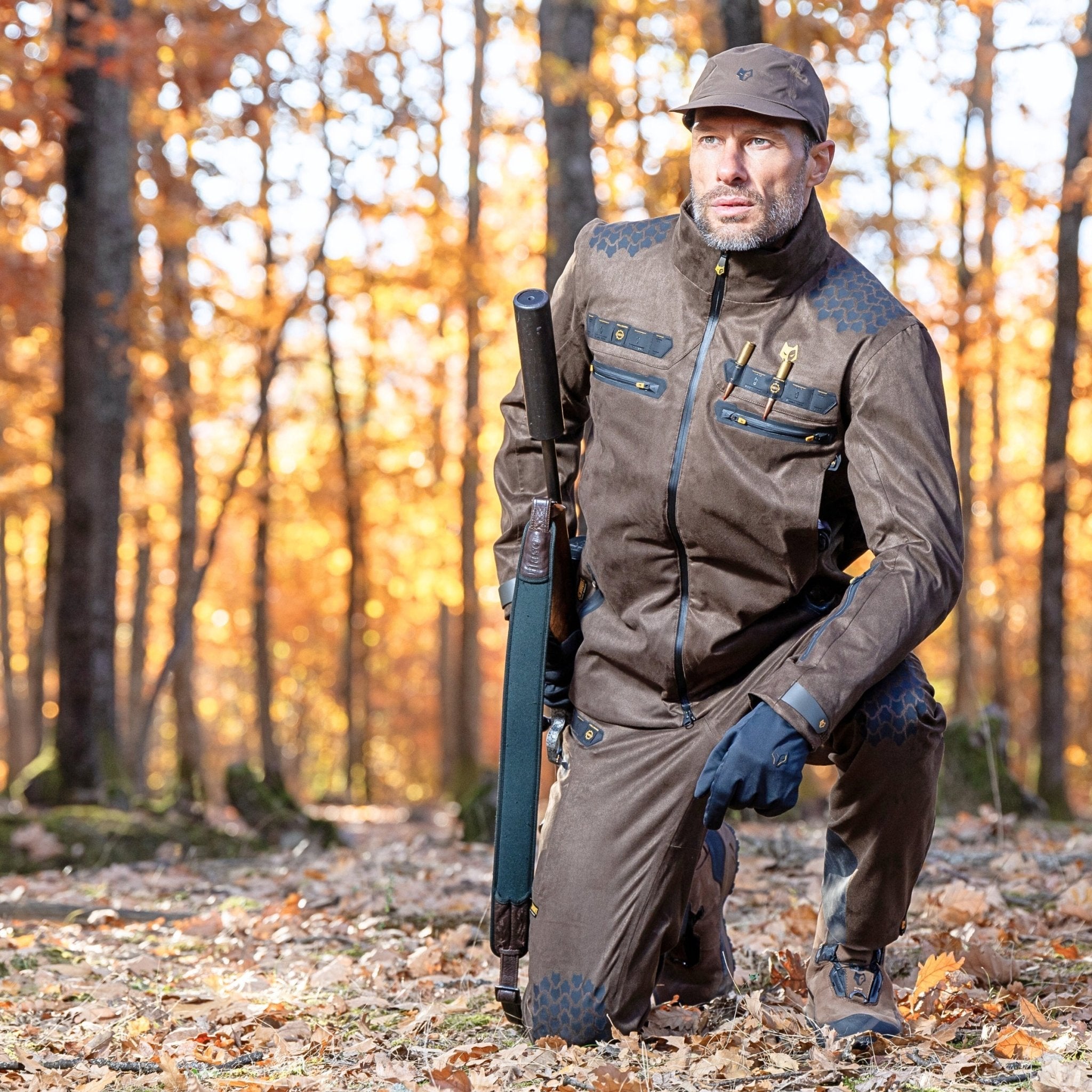
Knees take more punishment than almost any other area. Crawling under brush, climbing over rock, kneeling to glass, resting on uneven ground, it all hits the same spots.
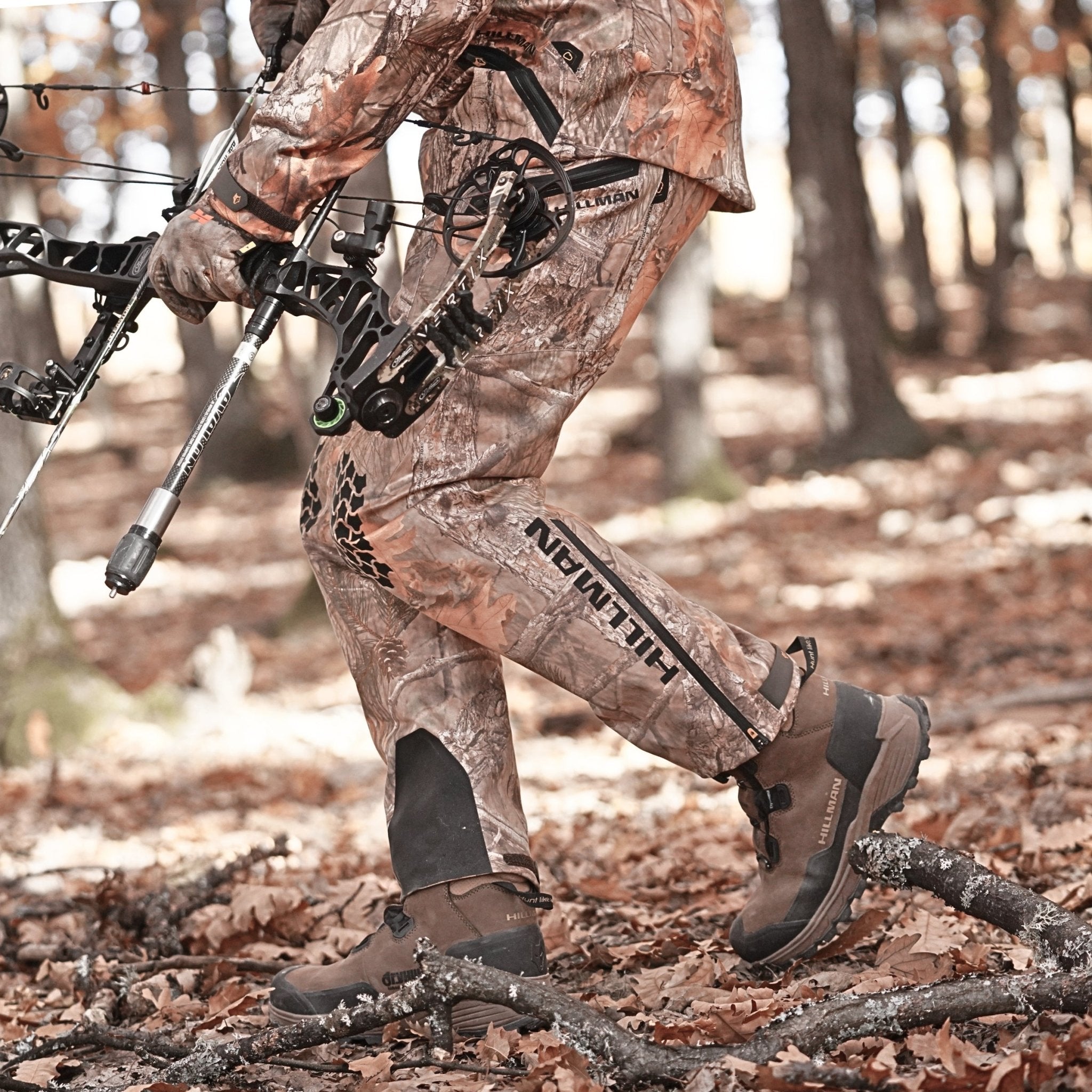
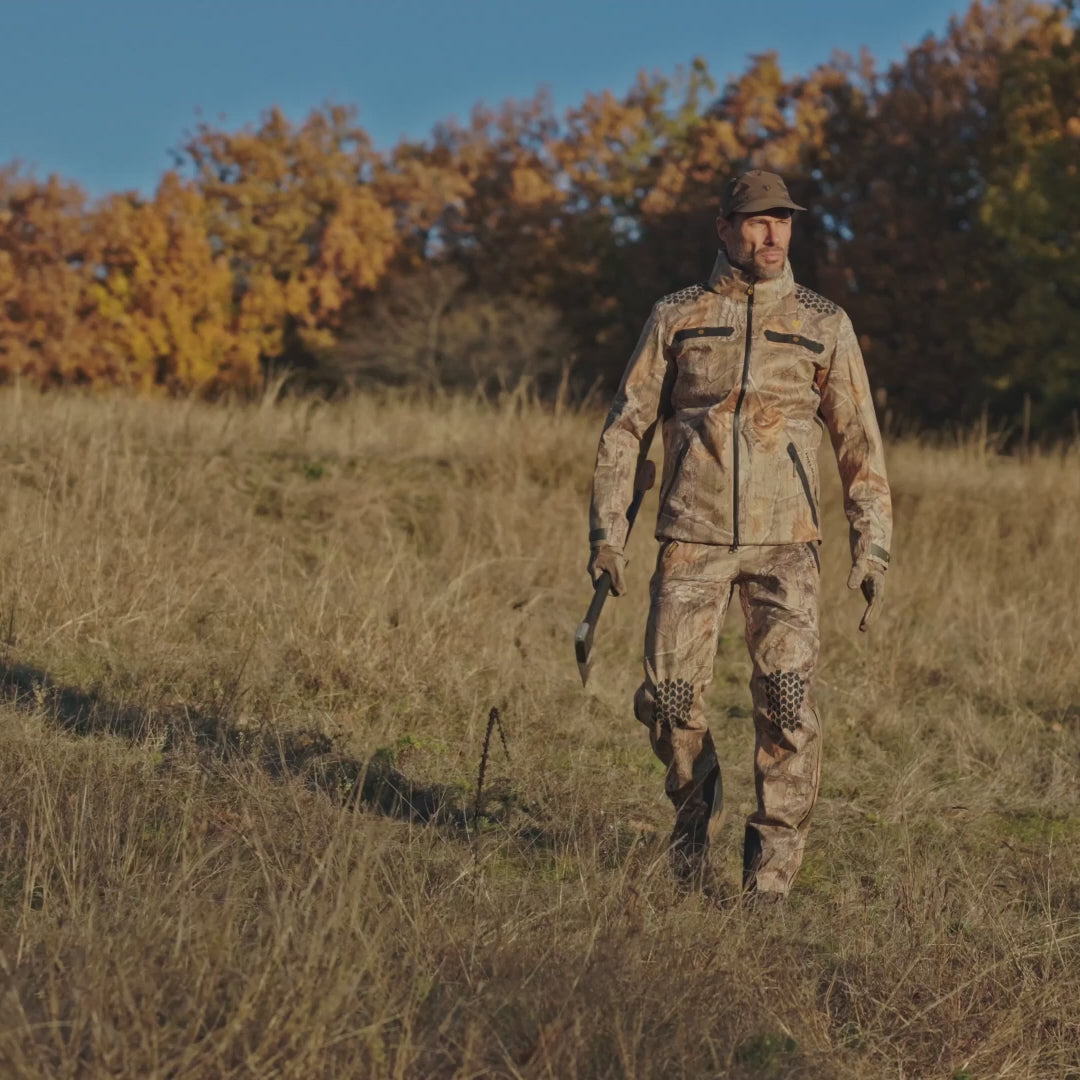
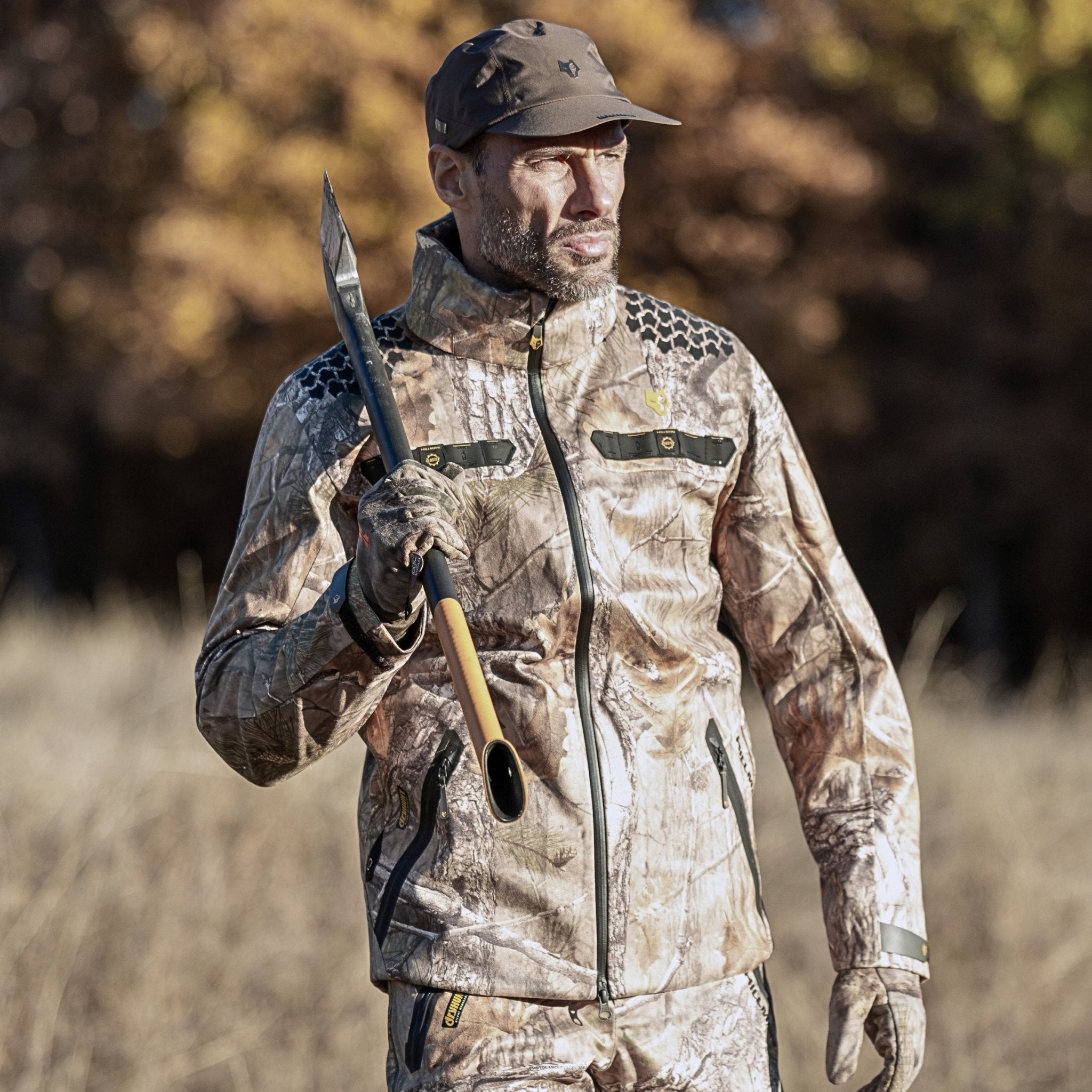
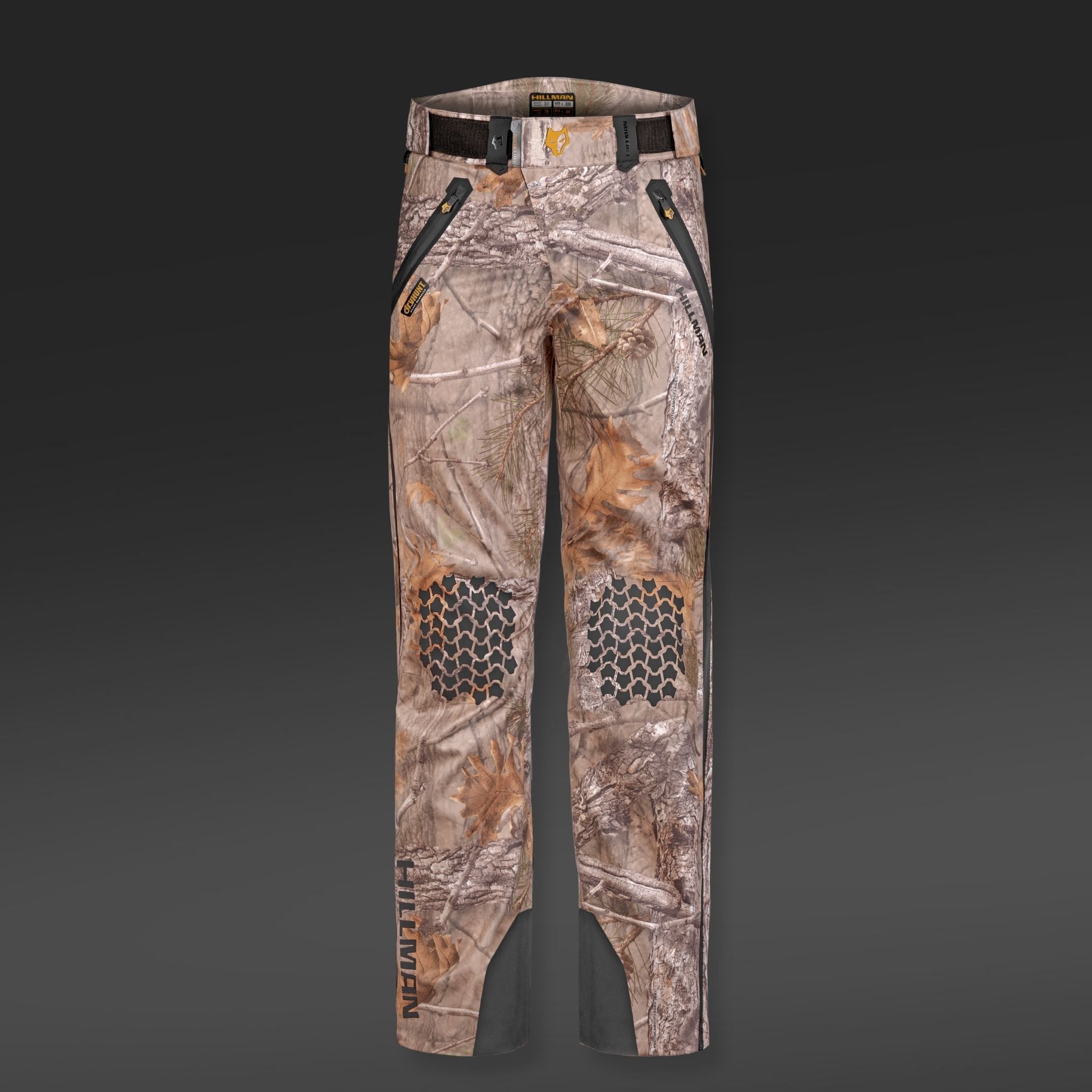
Bushwhacking pants often include reinforced knees or double-layer panels to handle this abuse. Some designs also allow for knee pads, which make a real difference when the terrain forces you low or keeps you there longer than planned.
Articulated Knees, Gusseted Crotch, and Movement Under Load
Durability doesn’t help if pants restrict movement. Articulated knees and a gusseted crotch allow your body to move naturally while climbing, stepping high, or side-hilling.
These features reduce stress on seams and fabric. Pants that move with you tend to last longer and feel better after hours of constant adjustment.
Stretch vs Thickness: The Trade-Off Nobody Escapes

Thicker fabric resists abrasion better. Stretch improves mobility and reduces fatigue. You don’t get both without compromise.
Bushwhacking pants usually weigh more than standard hiking pants because protection requires more material. Four-way stretch fabrics help offset that weight by allowing freedom of movement instead of fighting it.
There’s no perfect balance. Only better trade-offs.
How Bushwhacking Pants Change the Way You Move
Gear doesn’t just protect you. It changes how you behave. When pants snag easily or feel fragile, movement becomes cautious. You hesitate. You look for cleaner lines. You step around the brush instead of through it.
When pants feel trustworthy, movement becomes more direct. You step into the brush without thinking twice. You kneel without worrying about tearing fabric. Over time, that confidence adds up to real progress, not just comfort.
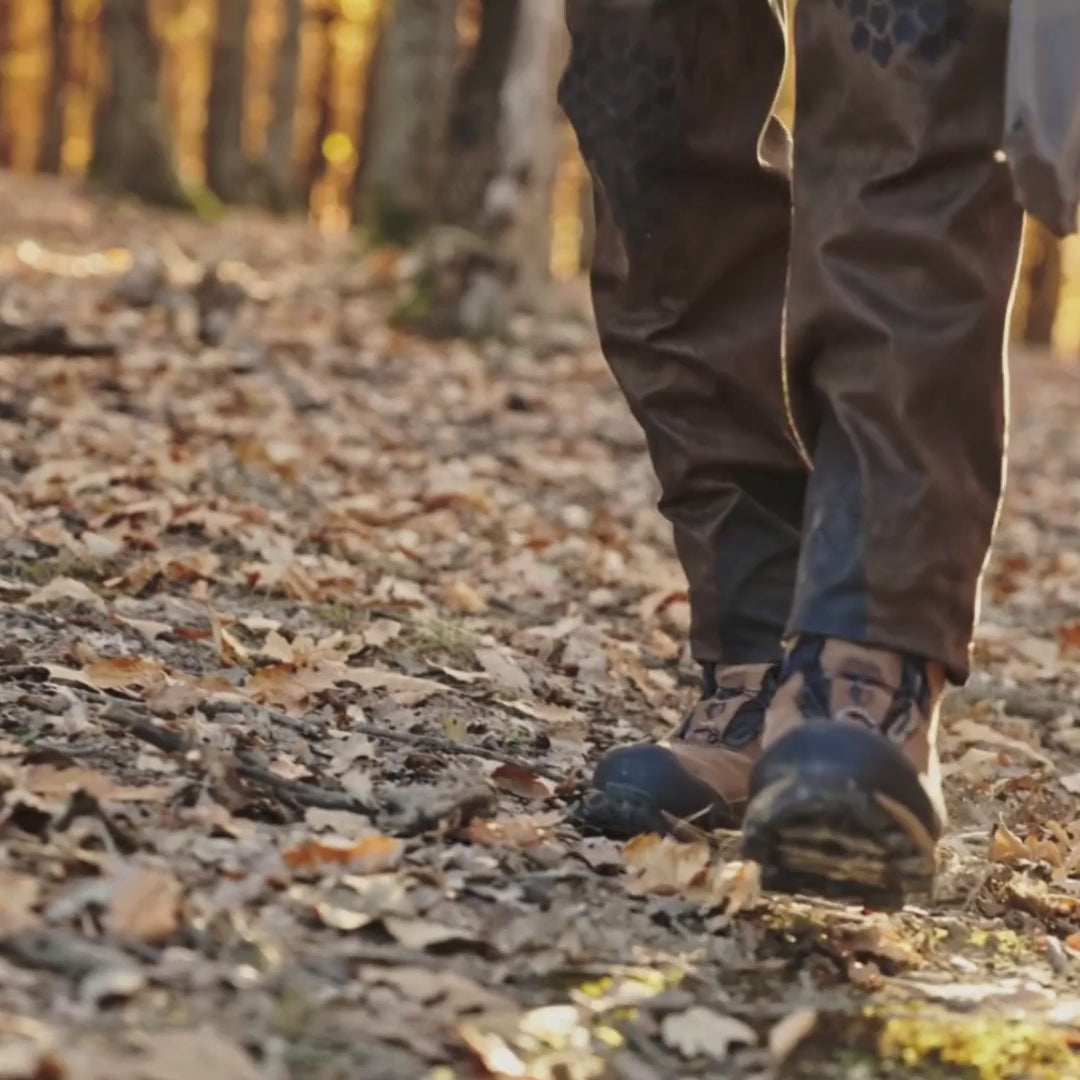
How Pants Feel After Four or Five Hours Off Trail
Most pants feel fine for the first mile. Bushwhacking reveals what happens later.
Fabric that doesn’t breathe well starts holding heat. Seams that seemed fine begin to rub. Knees that weren’t reinforced start to ache. Small discomforts turn into movement problems, and movement problems slow everything down.
Comfort here isn’t a luxury. It’s part of staying effective and safe.
Water Resistance for Dew, Brush, and Light Rain
Bushwhacking pants usually rely on water resistance rather than full waterproofing. Durable water repellent (DWR) finishes shed morning dew, wet brush, and light rain without trapping heat.
Rain pants provide full weather protection, but they’re loud and restrictive. For most off-trail travel, water resistance is the more practical solution.
When Camo Hunting Pants Have to Do More Than Blend In

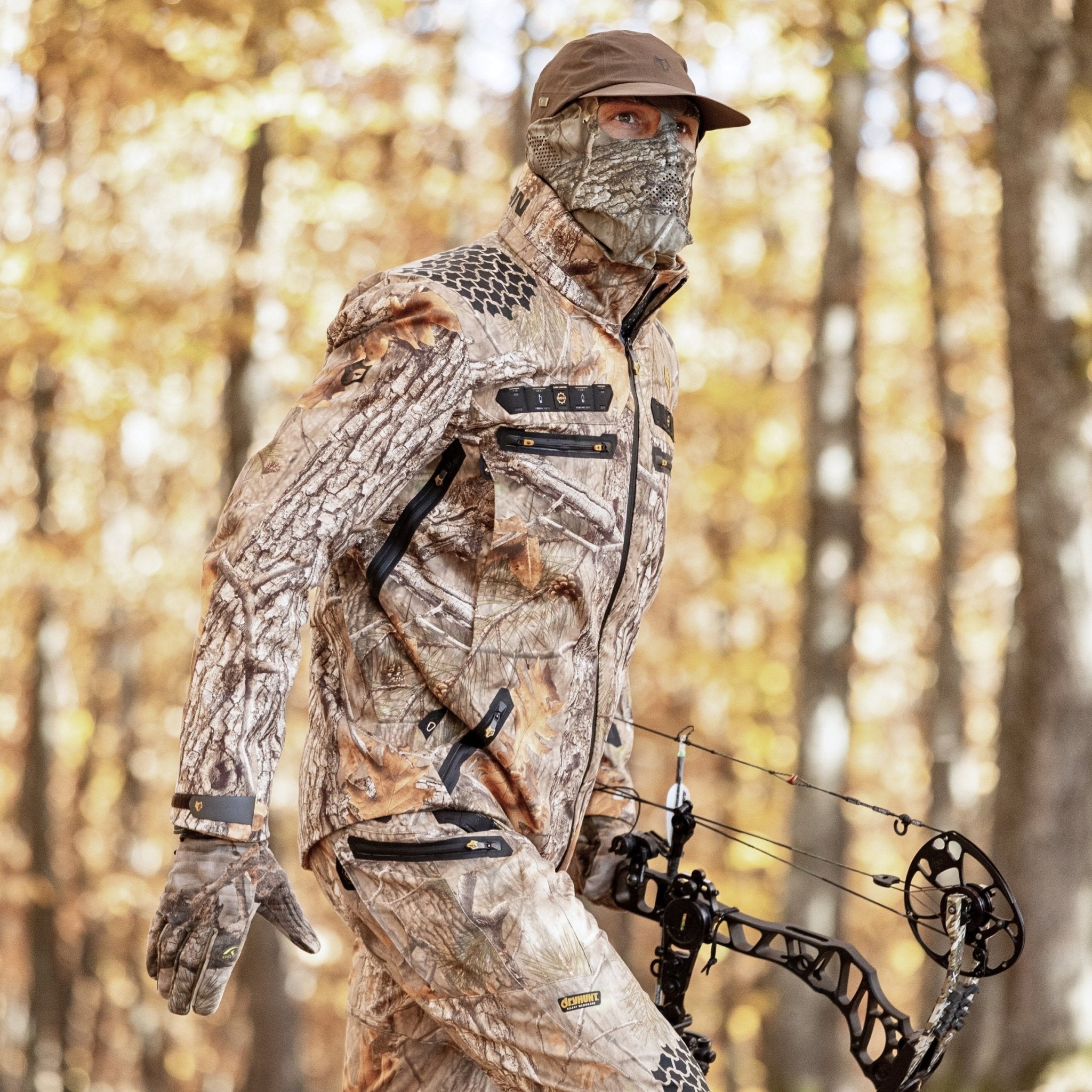
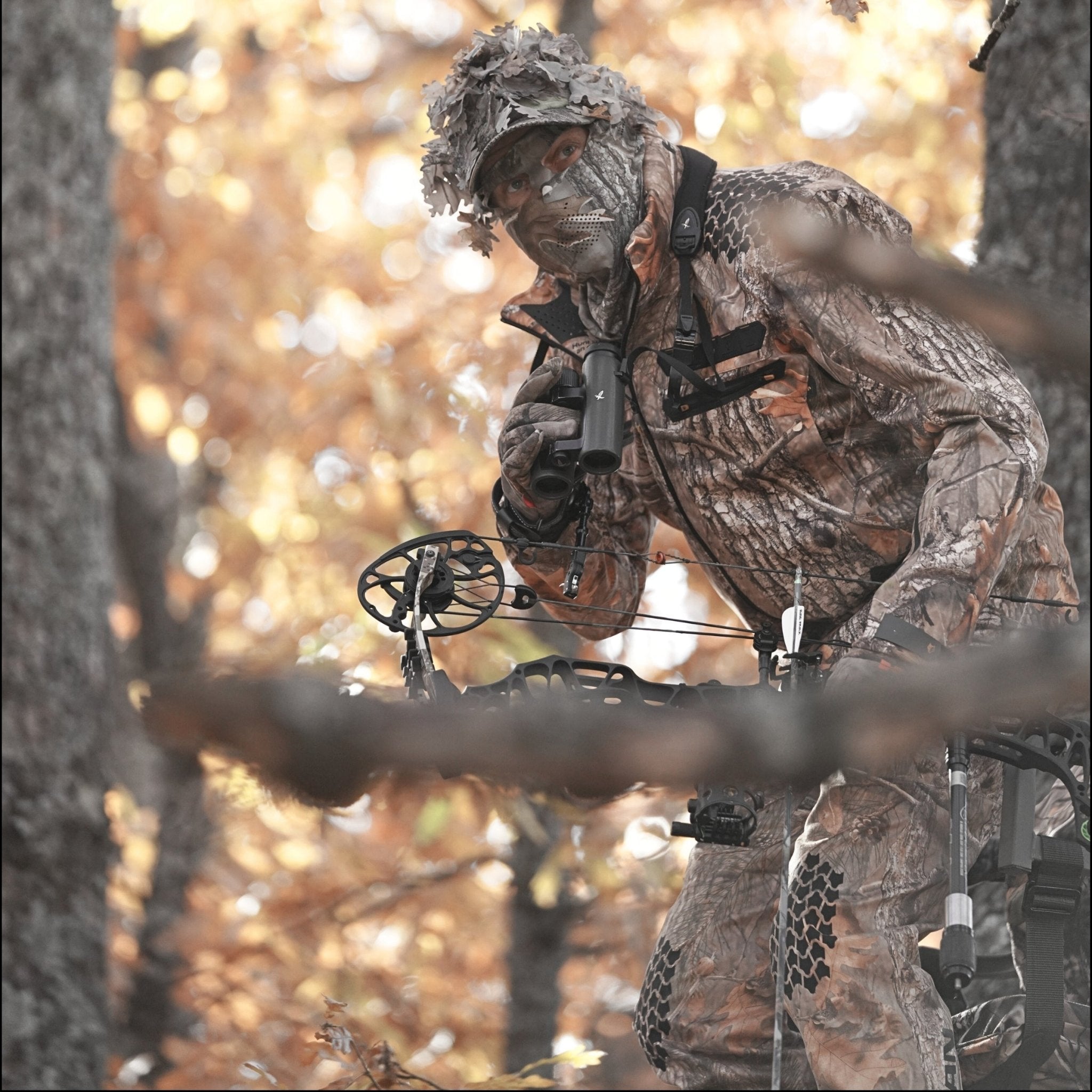
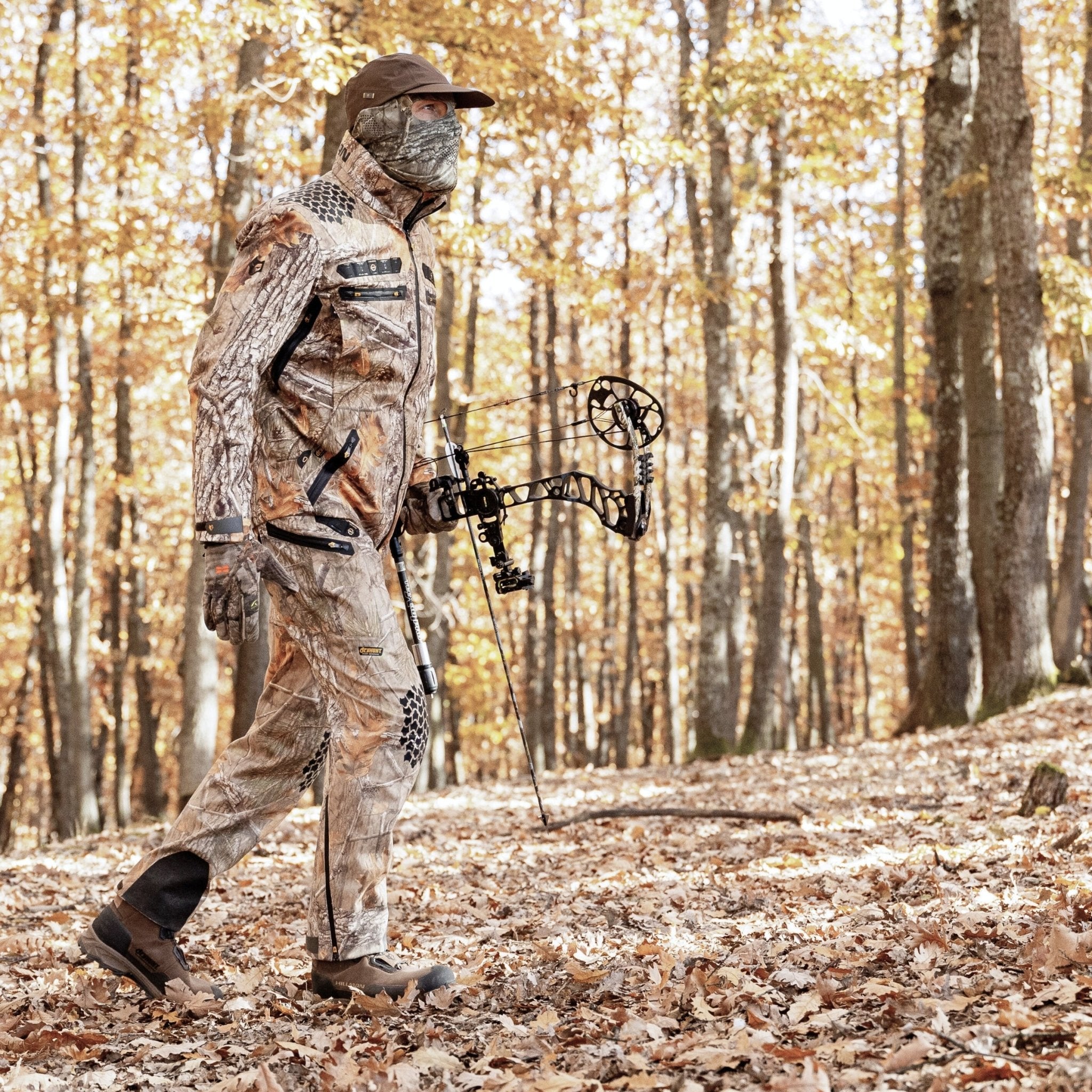
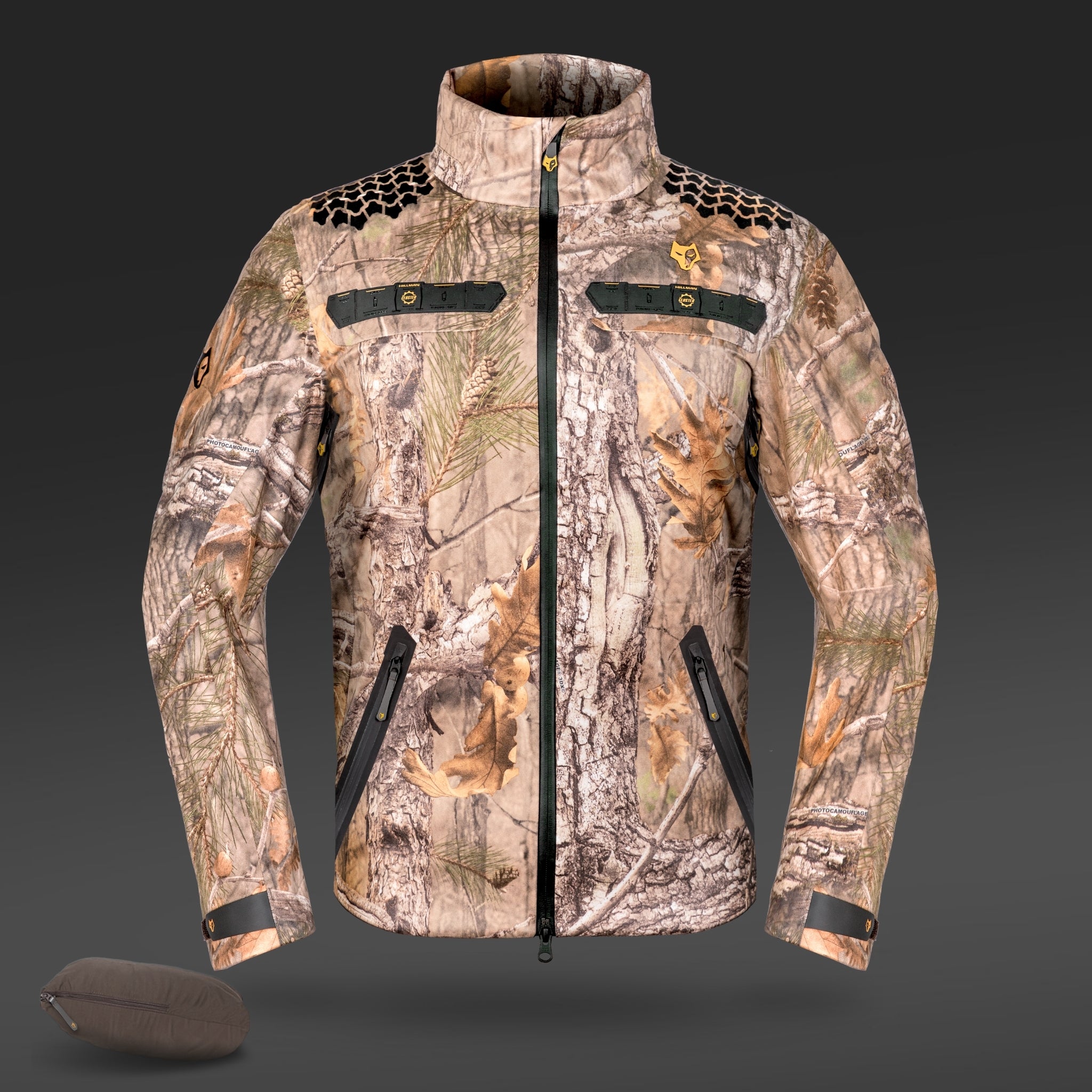
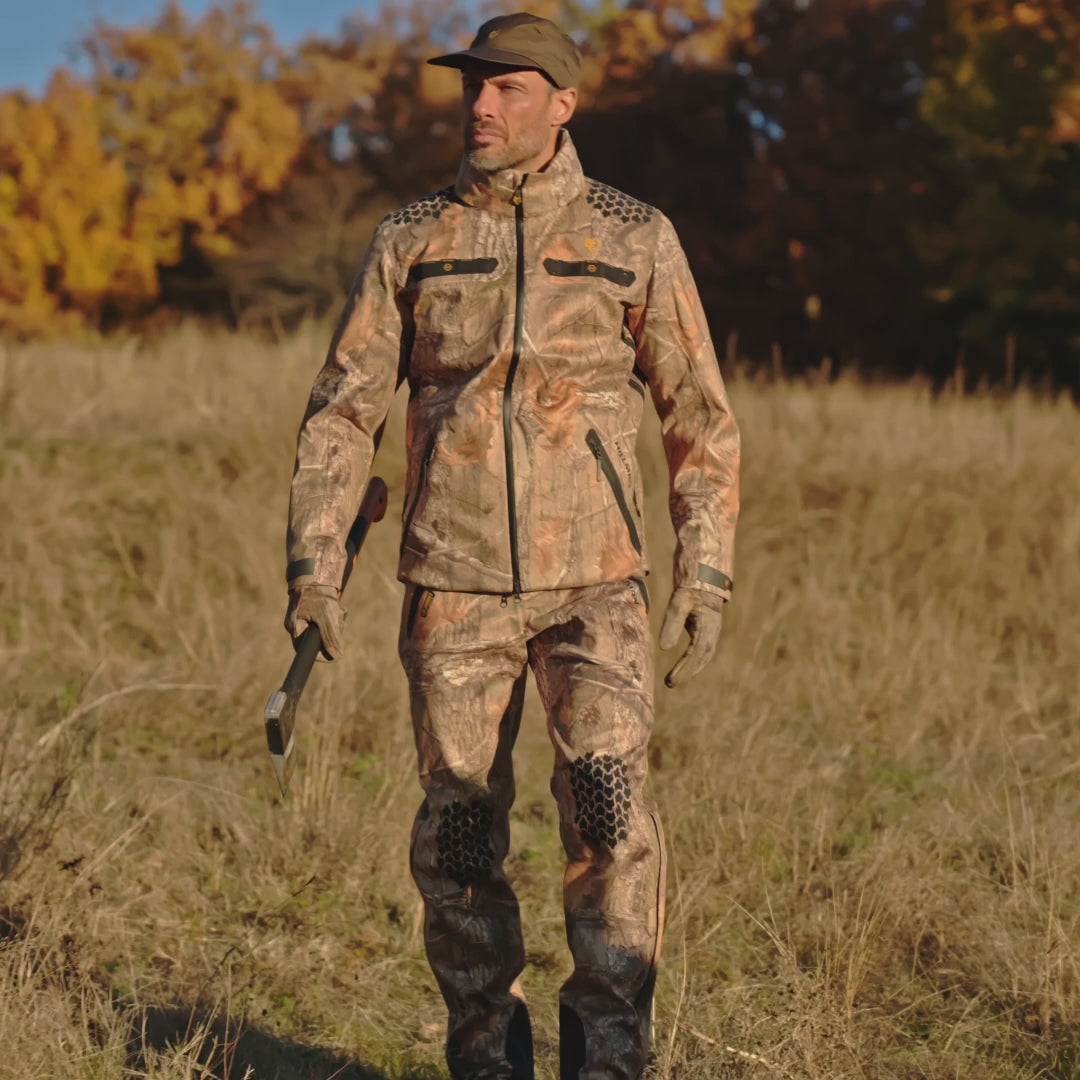
For a lot of hunters, the search starts with camo hunting pants that can handle more than just a walk to a stand. In both warm weather and cold weather hunting, the right hunting pants need to manage water and wind resistance without turning stiff or uncomfortable. Wet conditions, morning dew, and shifting wind expose weak fabric fast, which is why water-resistant construction and thorn-resistant pants matter more than pattern or color. High quality pants hold their shape, block wind when needed, and still breathe enough to stay wearable across changing conditions.
Wind Resistance in Open, Rocky, and Desert Terrain
Wind often gets overlooked. In exposed or desert terrain, wind strips heat quickly, especially when temperatures drop unexpectedly.
Soft shell pants provide useful wind resistance without turning into rain pants. They block enough wind to stay warm while remaining breathable during long pushes.
Breathability on Hot Days and Long Pushes

Hot weather exposes another weakness, like overheating. Heavy pants without ventilation accelerate fatigue.
Breathable fabrics and features like hip vents help regulate temperature. When pants trap heat, breaks get longer, water disappears faster, and pacing suffers. Breathability doesn’t eliminate heat, but it slows the spiral.
Pockets, Zippers, and Features You Notice Too Late
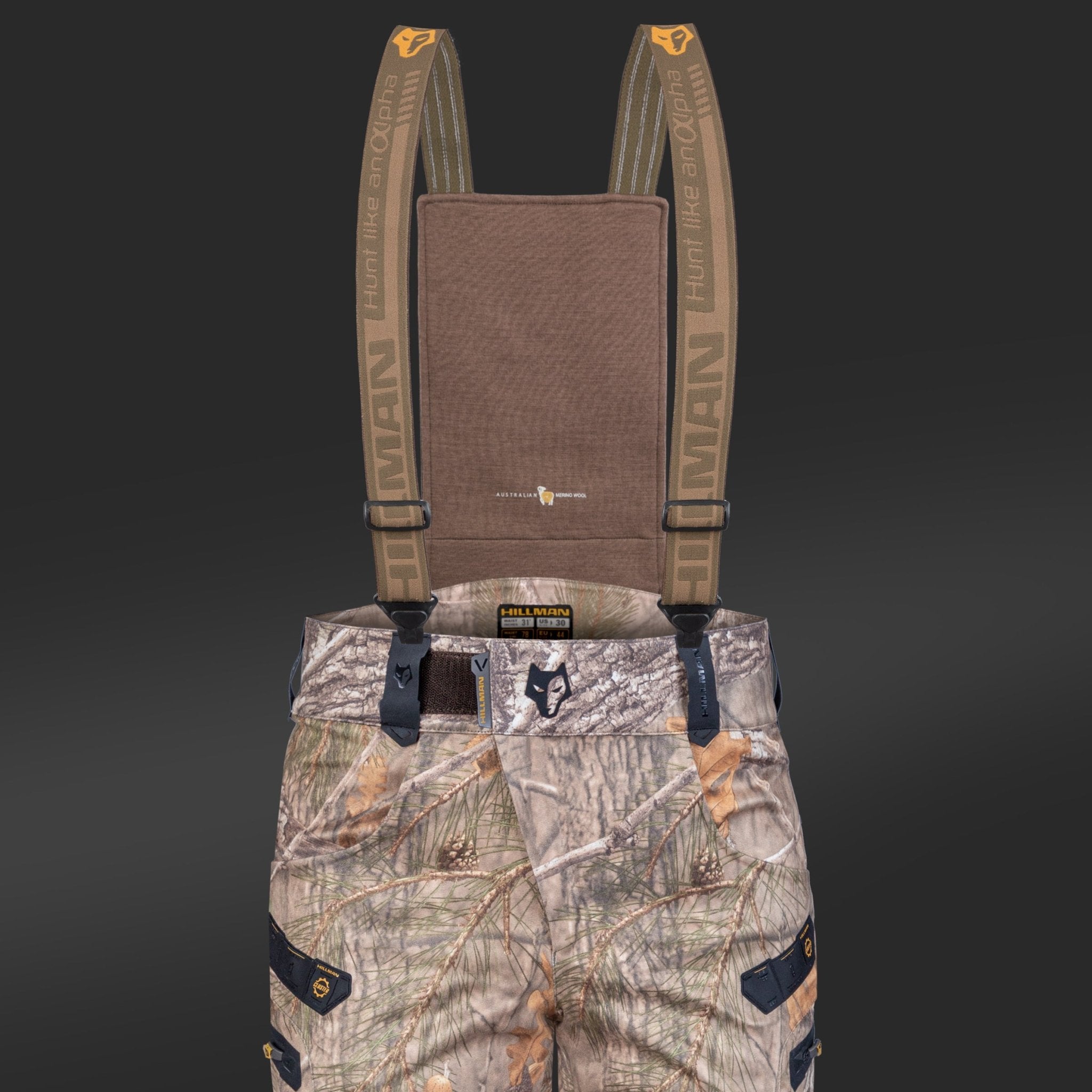
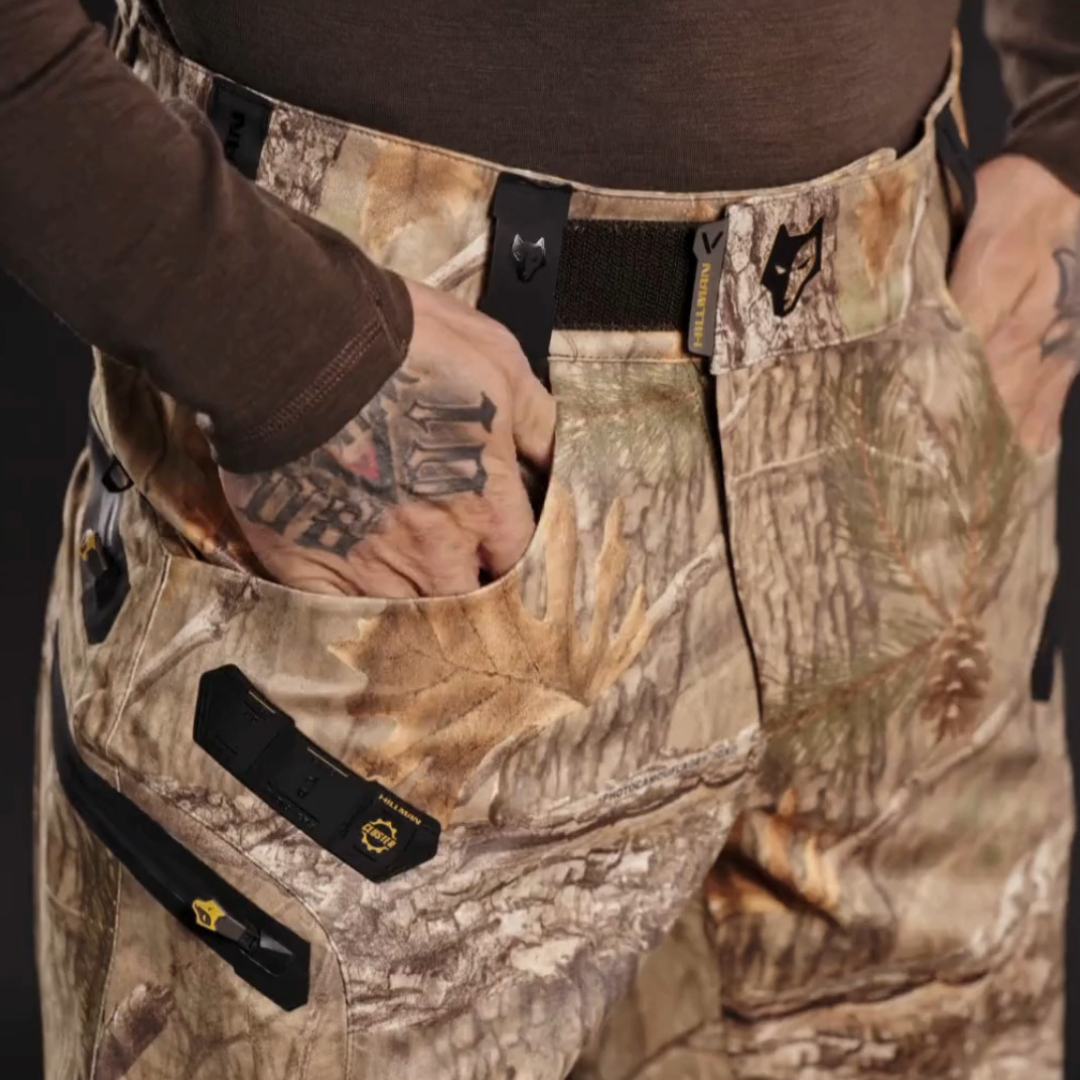
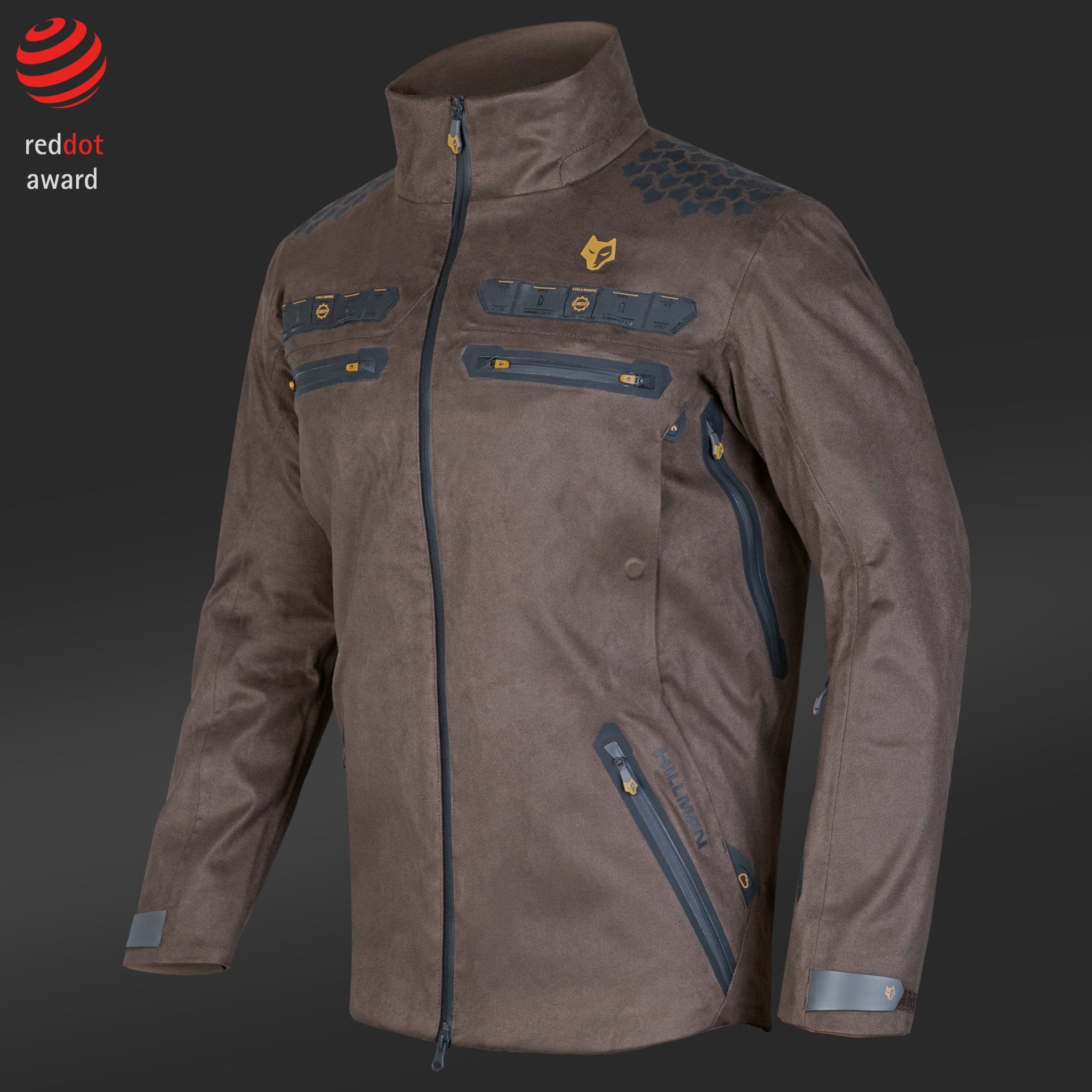
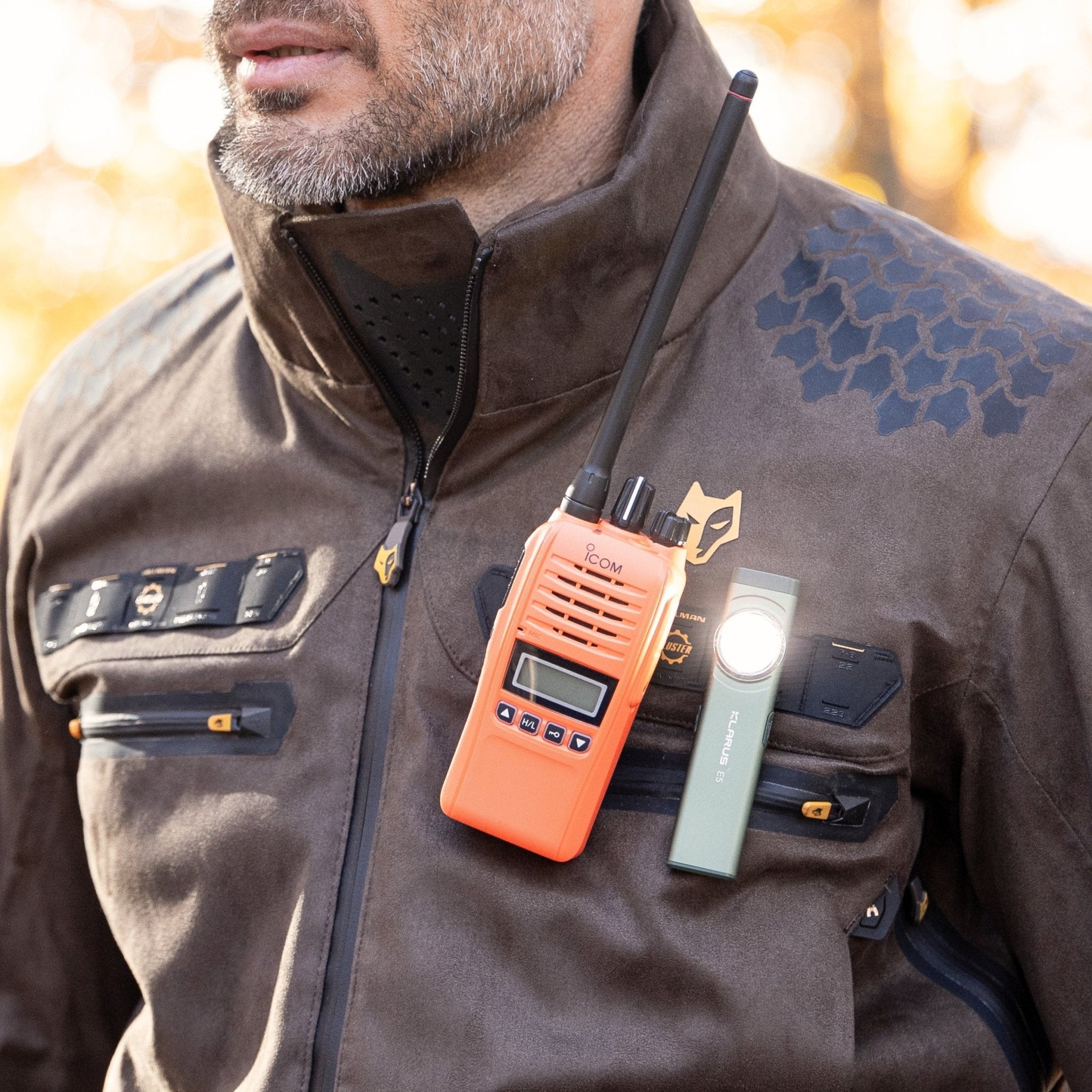
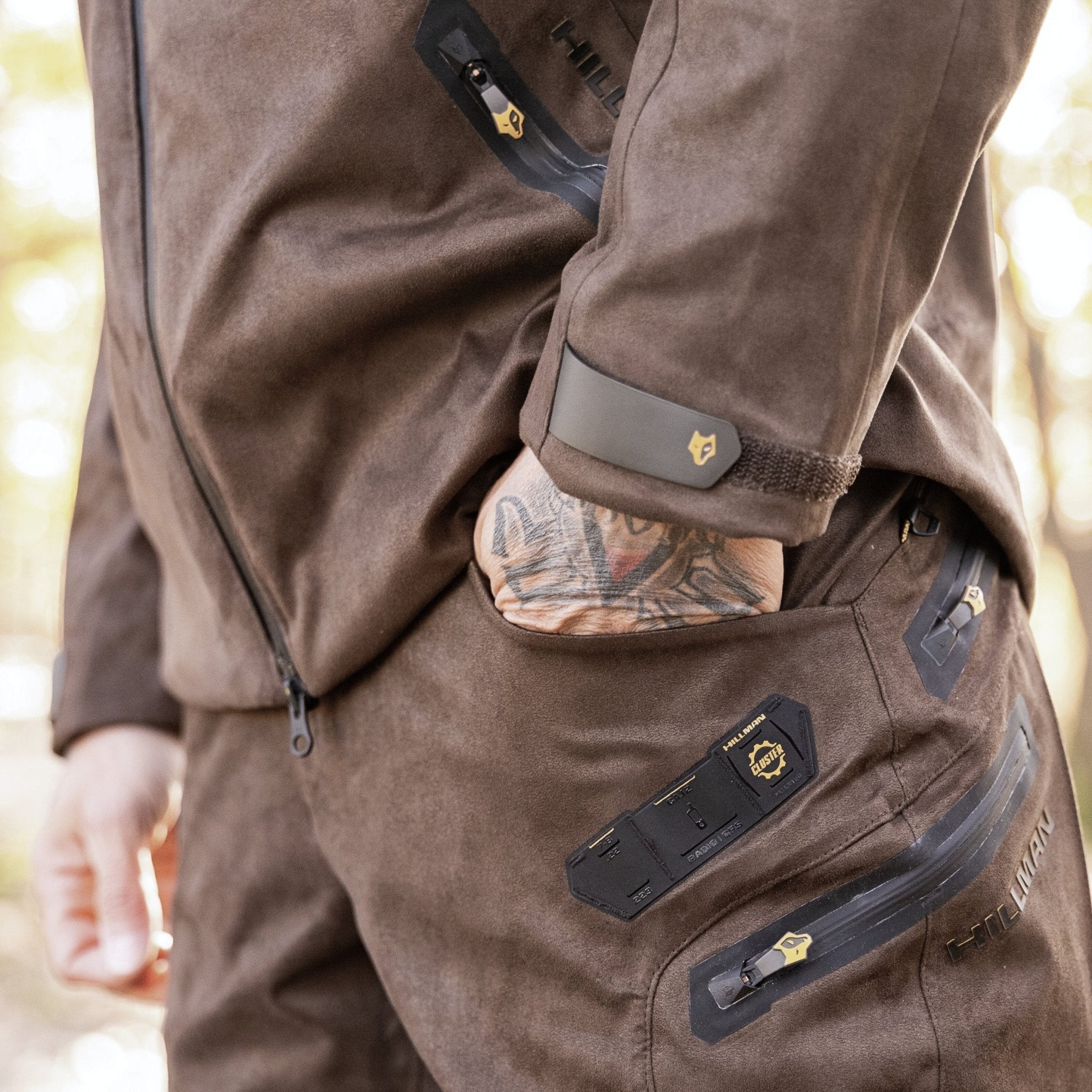
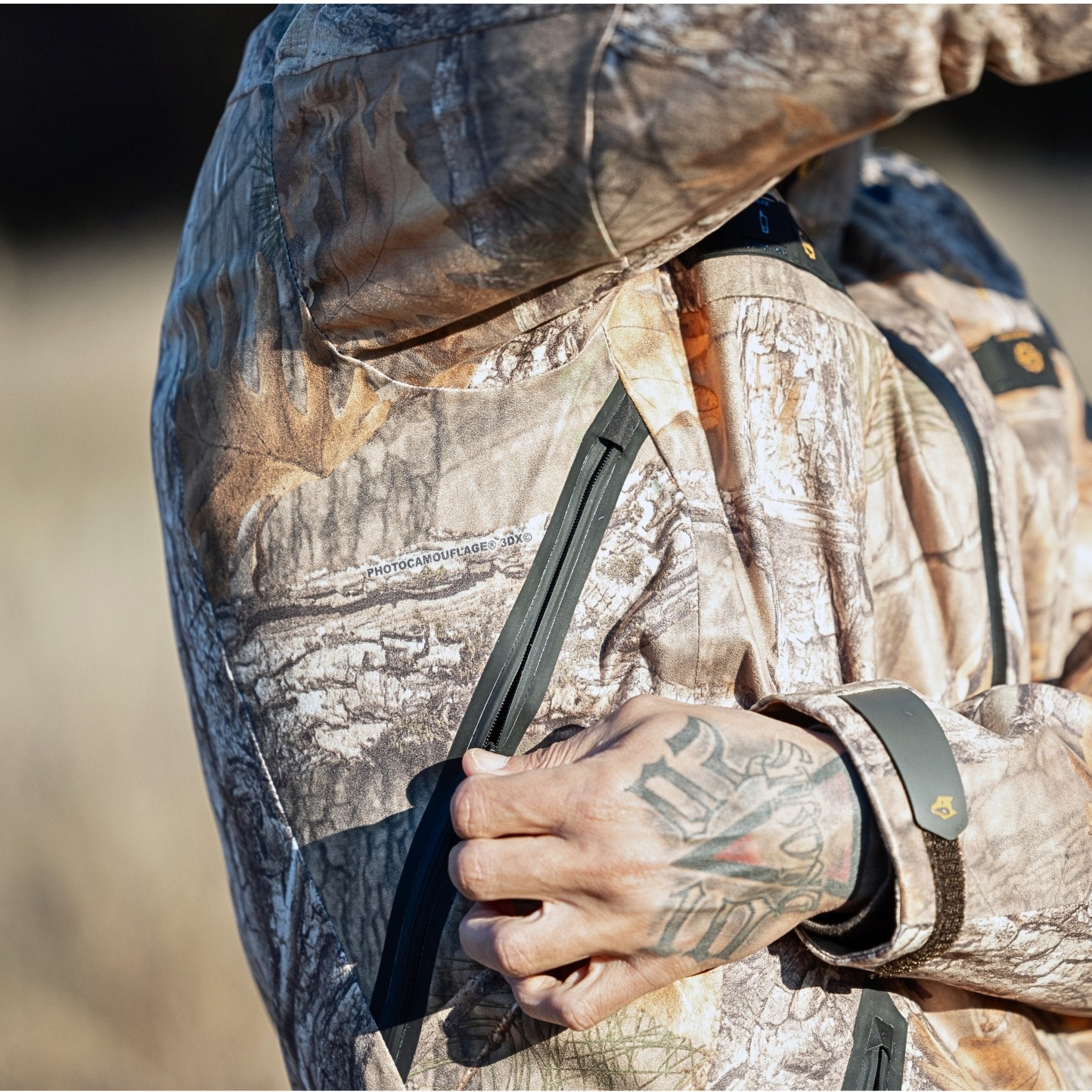
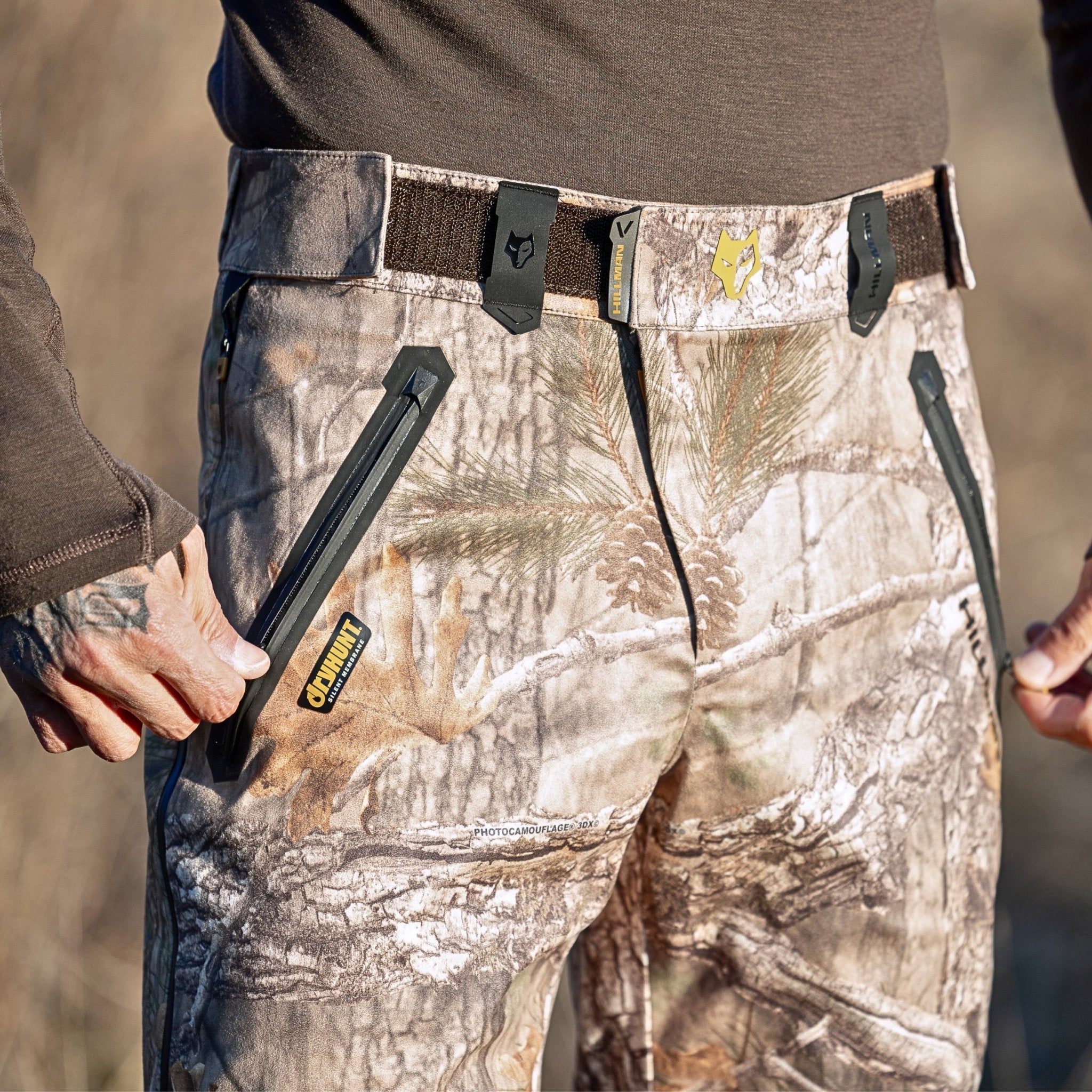
Pockets don’t matter until they do. Zippered pockets keep gear secure when crawling or climbing. Poor placement leads to snagging or pressure points.
Durable zippers matter too. Cheap hardware fails when dust, grit, and constant movement are involved.
Fit, Layering, and Temperature Swings
Bushwhacking often involves wide temperature swings. Cold mornings. Warm afternoons. Wind. Rain.
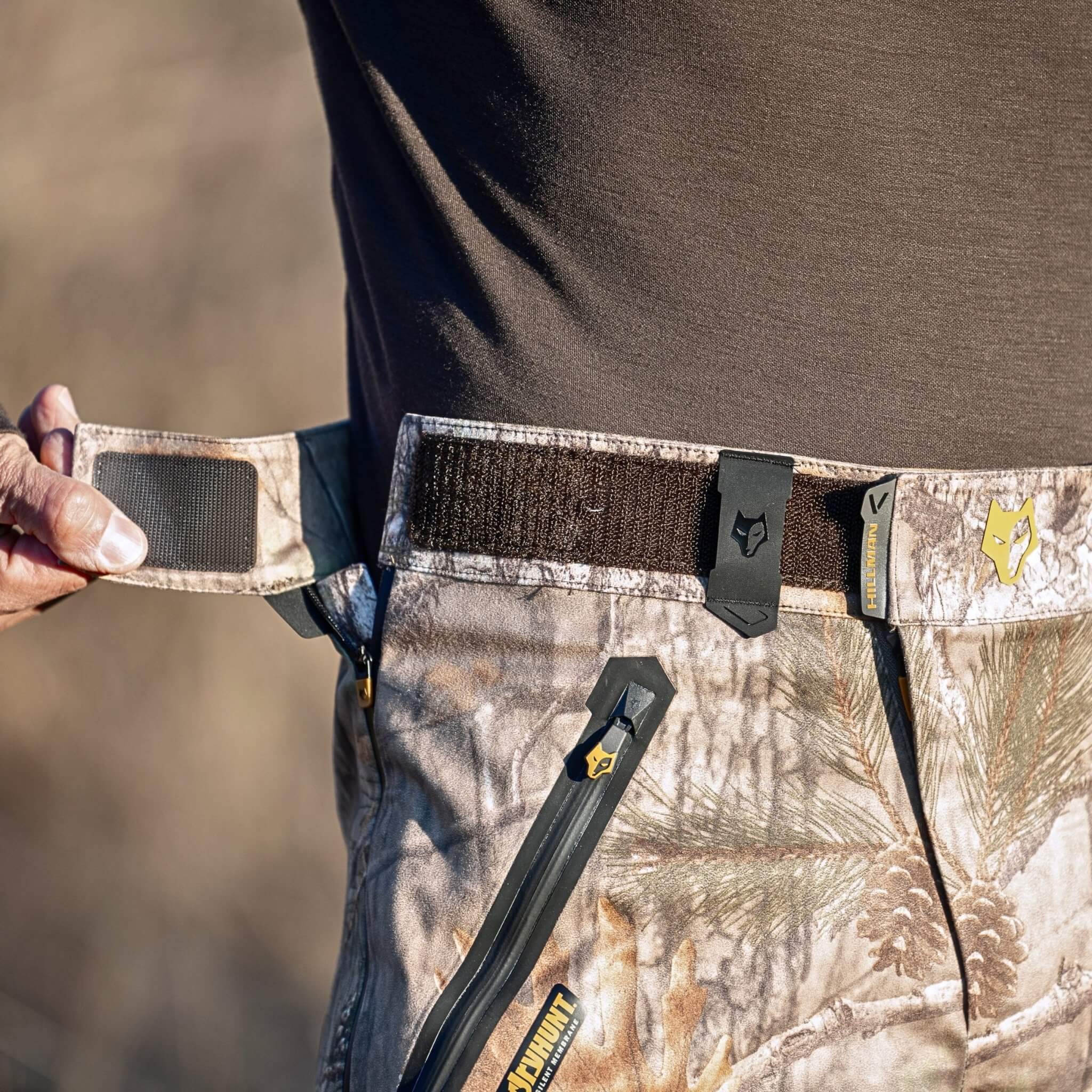
The right fit allows room for layering without becoming sloppy. Pants should sit comfortably at the waist and remain comfortable when sitting, kneeling, or climbing.
Why Fit and Durability Matter More Than Labels in Men’s Hunting Pants

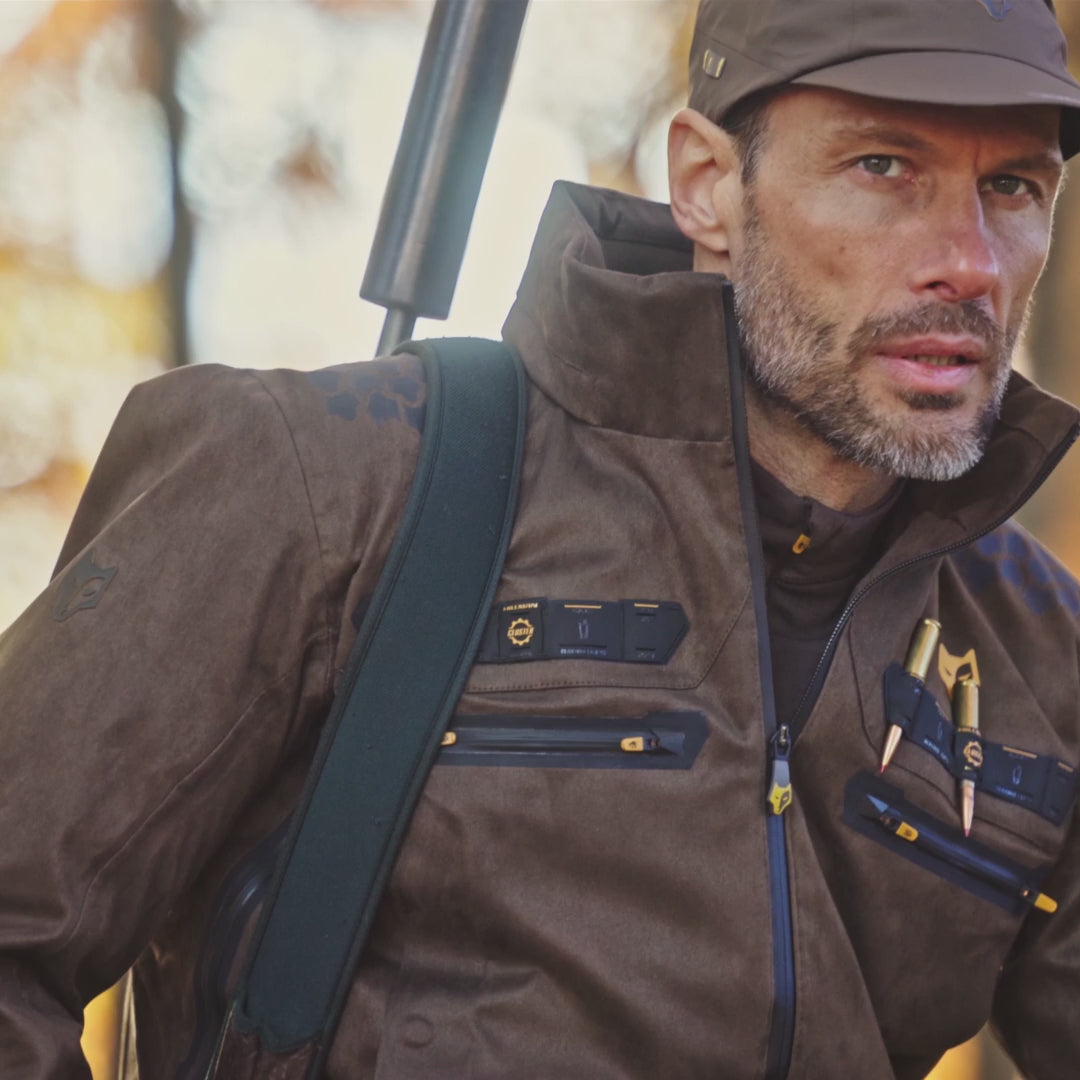
When it comes to men’s hunting pants, fit and durability are what separate gear that looks good online from pants that actually support a successful hunt. Pants for men need room to move, space to layer, and fabric that doesn’t give up after repeated abuse. Trail-made pants and similar designs often work on established paths, but once you push into brush or off trail, true hunting pants built for rough terrain start to show their value. That balance between comfort, protection, and long-term reliability is what most hunters are really paying for, whether they realize it or not.
Convertible Pants and Trail-Focused Designs: Where They Fall Short
Convertible pants and trail-made pants appeal to people transitioning from hiking to off-trail travel. They’re lightweight and versatile.
The trade-offs show up quickly. Zippers add failure points. Thinner fabric sacrifices protection. In true bushwhacking, purpose-built pants outperform hybrid designs almost immediately.
Durability, Price, and Why Bushwhacking Pants Cost More

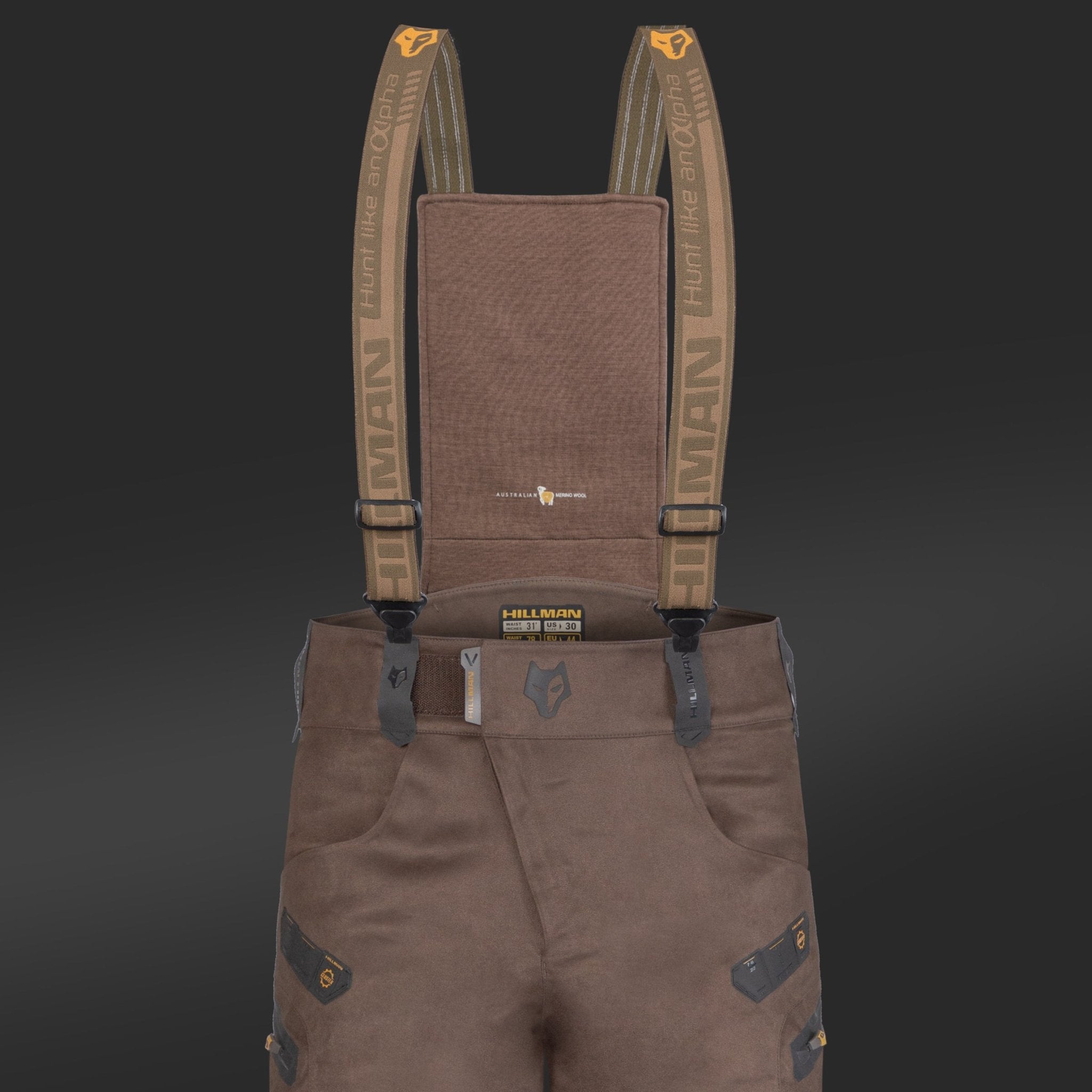
Bushwhacking pants often come with a higher price. That usually reflects heavier fabrics, reinforced panels, articulated construction, and stronger stitching.
The upfront cost can feel high. Over time, pants that survive repeated abuse often end up being the more affordable choice compared to replacing cheaper pairs.
Where We Stand as a Brand
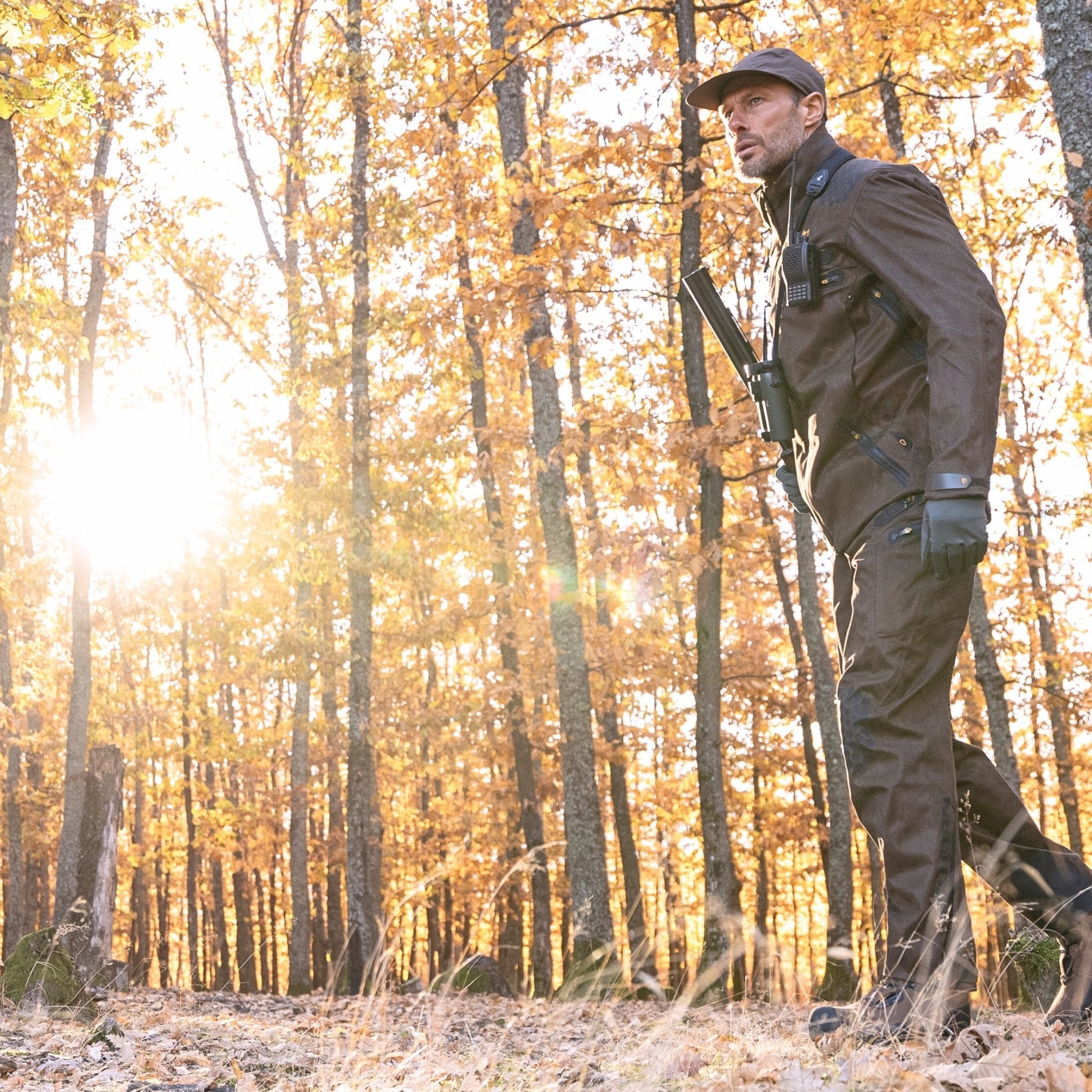
From our perspective at Hillman, bushwhacking pants aren’t about chasing labels like “best pants.” They’re about choosing the right tool for the terrain. Protection, durability, weather resistance, and freedom of movement come first. Everything else follows.
Choosing the Right Pair for Your Terrain

Start with terrain. Thorny brush demands tougher fabric. Rocky ground punishes thin knees. Desert environments reward breathability and sun protection.
Then consider climate. Then price. Reversing that order is where most bad purchases happen.
Pants That Let You Push Further
Bushwhacking will always be demanding. The right pants don’t make it easy, but they remove one major variable from the equation.
When your pants stop being the weak point, you move further, longer, and with fewer compromises. That’s what matters when the terrain pushes back.
Questions People Ask After Their Pants Fail Off Trail

Do bushwhacking pants really need articulated knees and stretch fabric?
They help more than most people expect. When you’re climbing over deadfall or stepping high on rocky ground, stiff pants fight every move. Articulated knees combined with four-way stretch let your legs move naturally instead of pulling against the fabric. Over a long day, that freedom of movement matters just as much as durability.
Why do bushwhacking pants usually weigh more than hiking pants?
Protection costs weight. Pants built specifically for bushwhacking often use thicker fabrics, reinforced areas, or double-layer panels to survive contact with brush. That extra material adds ounces, but it also prevents tearing and premature wear when the terrain is rough.
Are adjustable cuffs and boot hooks actually useful?
They’re easy to overlook until you need them. Adjustable cuffs and boot hooks help keep debris, moisture, and sharp vegetation from working their way inside your pants. In wet brush or desert scrub, that small feature can make a noticeable difference by the end of the day.
What kind of fabric holds up best when pushing through sharp brush?
Most durable bushwhacking pants rely on high-denier nylon, polyester blends, or polycotton fabrics chosen for abrasion resistance. Some designs use proprietary blends built specifically to handle repeated contact with thorns and branches. The goal isn’t stiffness, but controlled toughness that still allows movement.
Do some pants add extra protection on the front of the legs?
Yes. Certain bushwhacking pants include double-layered chaps or reinforced panels on the front of the legs. Those areas take the most abuse when you’re pushing through sharp branches or kneeling on uneven ground, so extra material there extends the life of the pants.
Is breathability really that important if the pants are durable?
It is, especially in hot weather. Durable fabric that doesn’t breathe, traps heat, and speeds up fatigue. Bushwhacking pants work best when they balance toughness with airflow, allowing heat and moisture to escape during long pushes off-trail.
How should bushwhacking pants fit compared to regular outdoor pants?
The fit should be comfortable without being tight. Pants need room to move, space to layer underneath when temperatures drop, and enough flexibility to prevent chafing during constant motion. A restrictive fit usually becomes obvious after just a few hours off the trail.
Are multiple pockets just a convenience feature?
Not really. Pants designed for bushwhacking often include multiple pockets for gear storage because access matters when crawling, climbing, or navigating brush. Secure, well-placed pockets reduce the need to stop and reorganize constantly.
What makes bushwhacking pants more durable than regular outdoor pants?
It’s usually a combination of reinforced high-wear zones, abrasion-resistant fabrics, stronger stitching, and construction meant to handle rough terrain. Durability isn’t one feature; it’s how everything works together to prevent tearing over time.


Share:
Quiet Clothing for Bowhunting: What Works
Hot-Weather Hunting Gear: How We Stay Cool & Protected