


Durable Hunting Clothing for Harsh Conditions: Gear That Lasts Season After Season

Durable hunting clothing built for harsh conditions. Learn how jackets, pants, and base layers keep hunters comfortable, confident, and ready season after season.
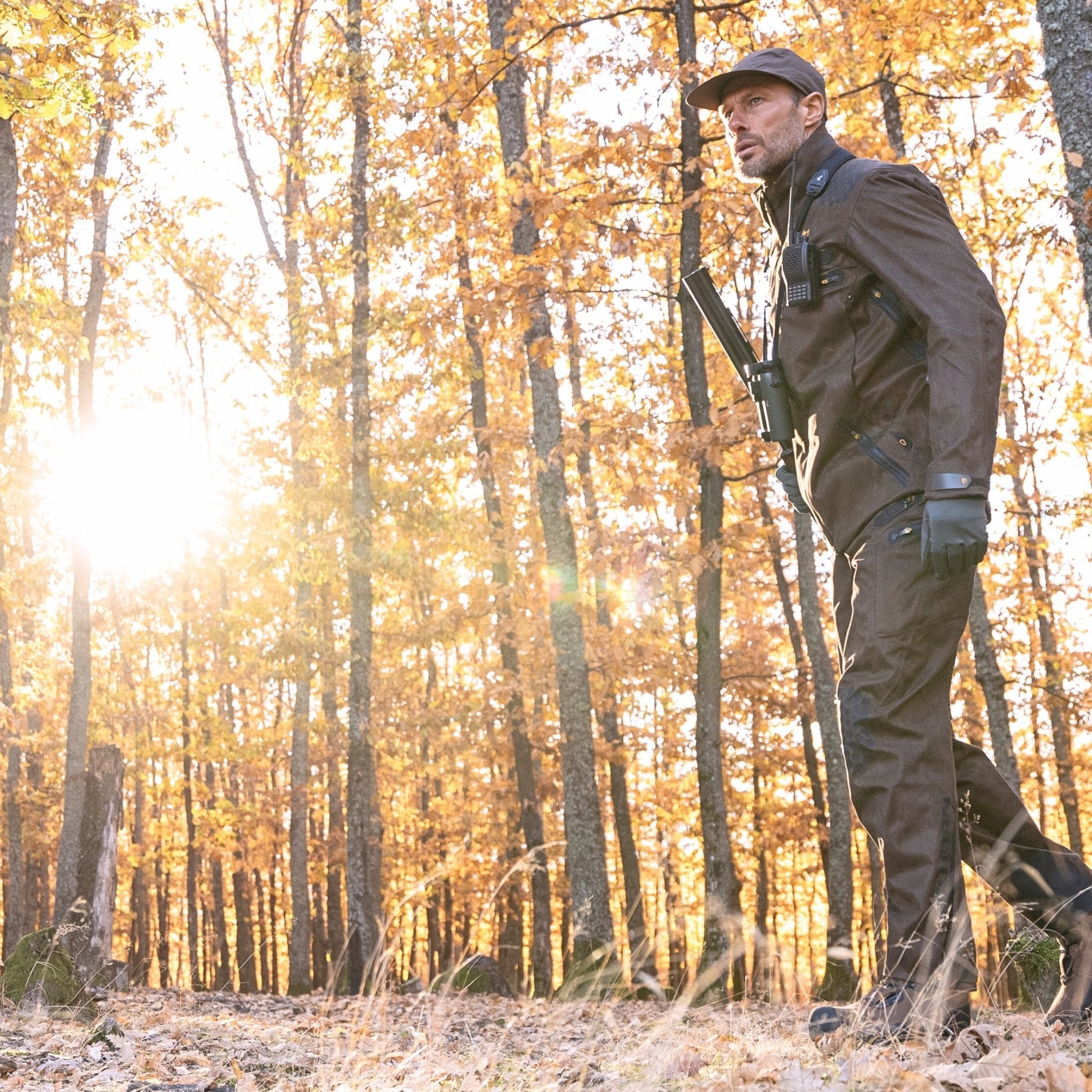
Every hunter eventually faces weather that tests not just patience, but the limits of their clothing. Long days on cold ridges, sudden storms rolling through timber, rough terrain that chews through weak fabrics. In those moments, durable hunting clothing stops being a convenience and becomes part of the foundation that keeps a hunter out there longer. Season after season, the gear that holds up is the gear that matters.
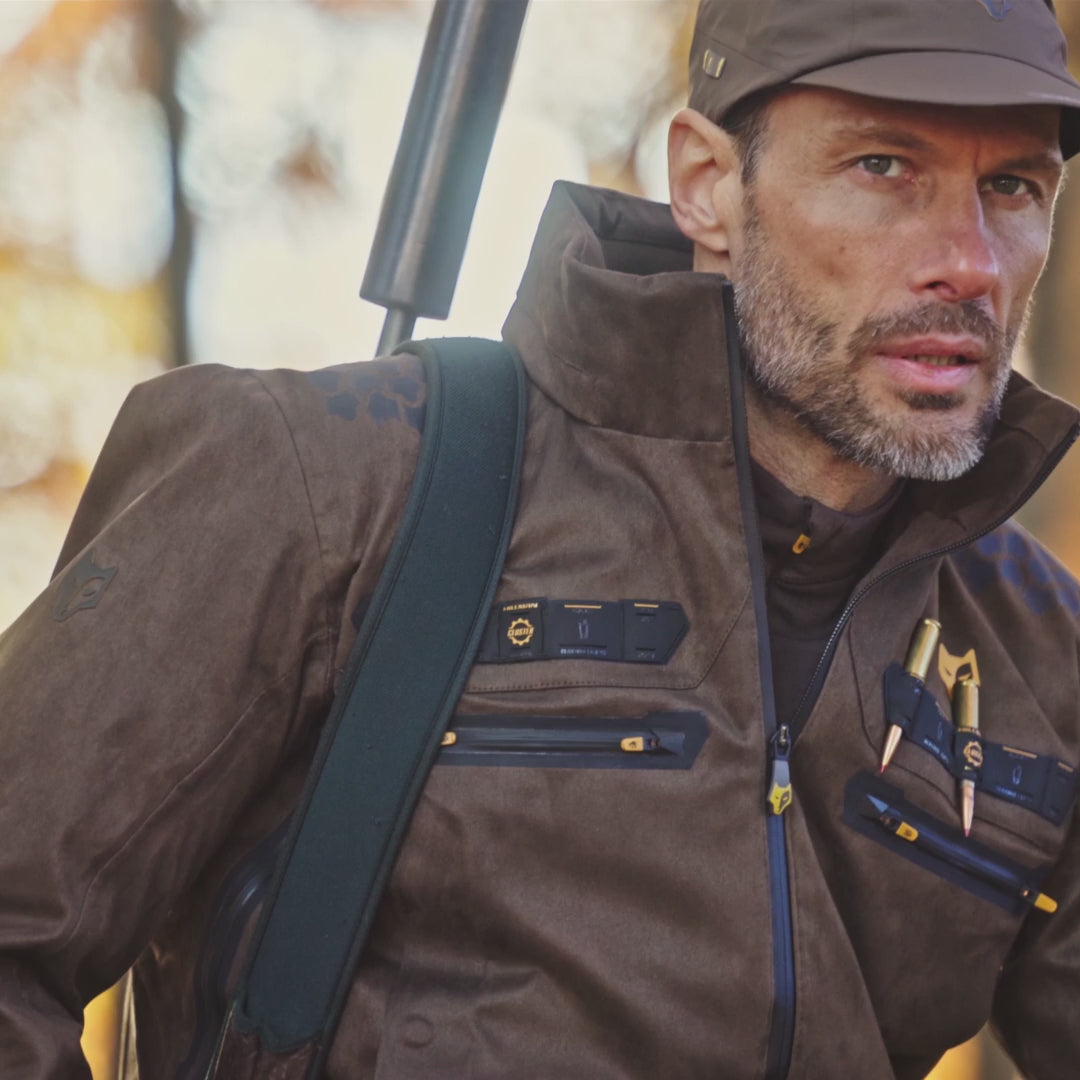
Hunters rely on clothing that doesn’t shy away from hard use. Jackets, pants, shirts, hoodies, gloves, all built for real conditions rather than catalog-perfect days. When weather closes in or terrain turns unfriendly, the confidence that comes from good gear lets hunters stay focused on animals instead of worrying about seams, rips, or cold creeping in at the wrong time.
Durable Hunting Clothing: Why Tough Gear Matters When the Conditions Turn Harsh

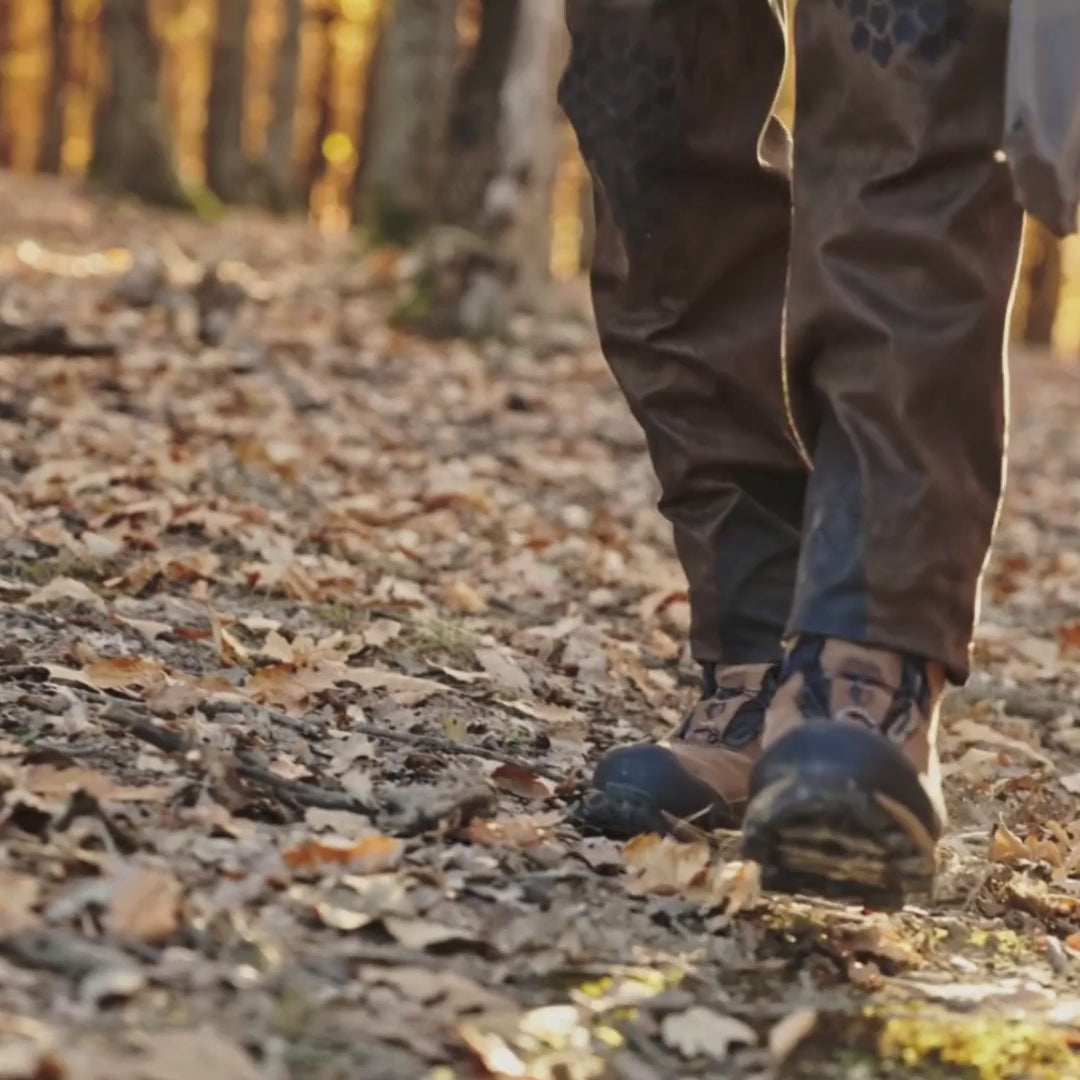
Harsh conditions show up in different ways. Early frost on tall grass. Freezing wind runs through open ground. Branches grabbing at sleeves. Rocks scraping pant legs. Hunters know how quickly clothing can fail when it’s built more for looks than for real work.
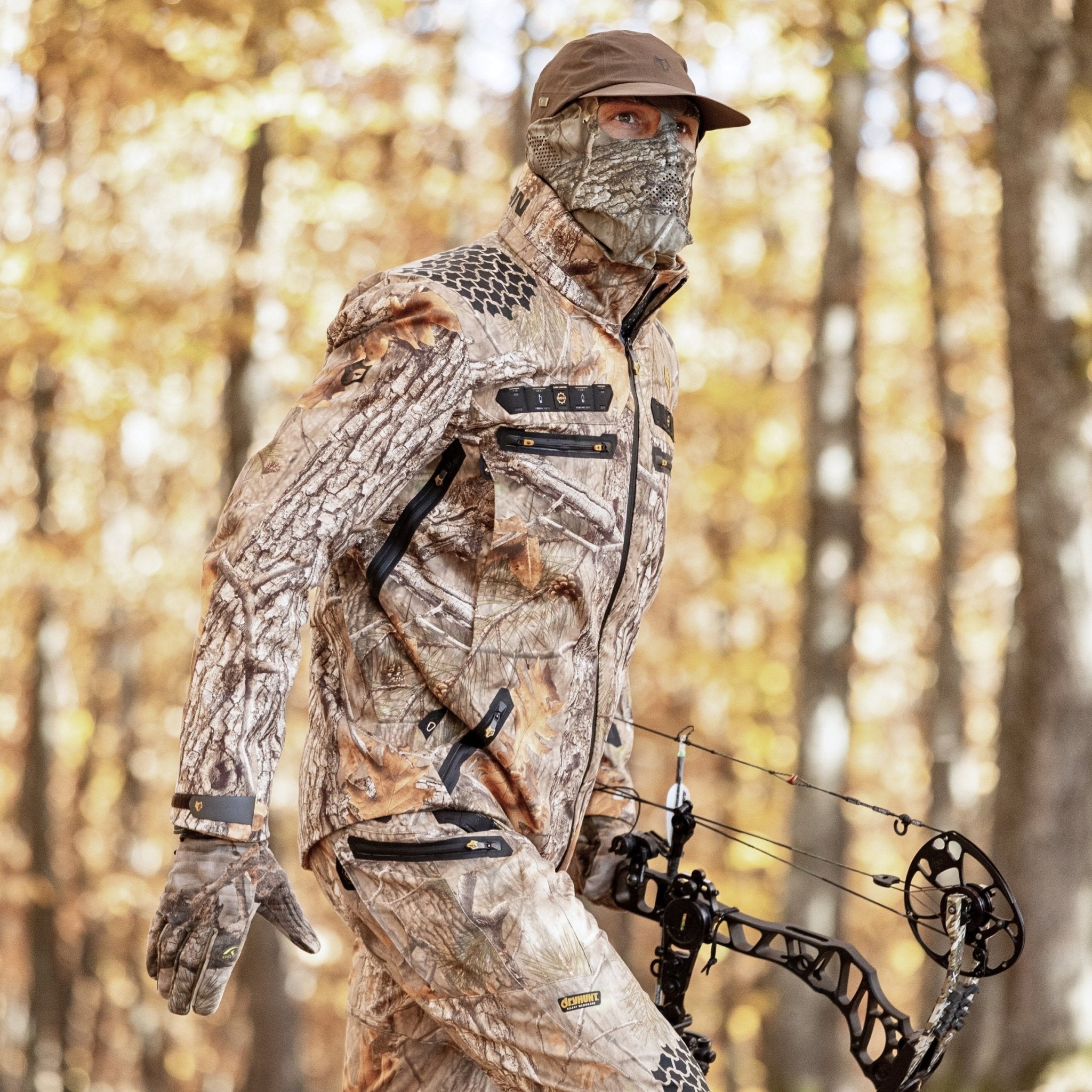
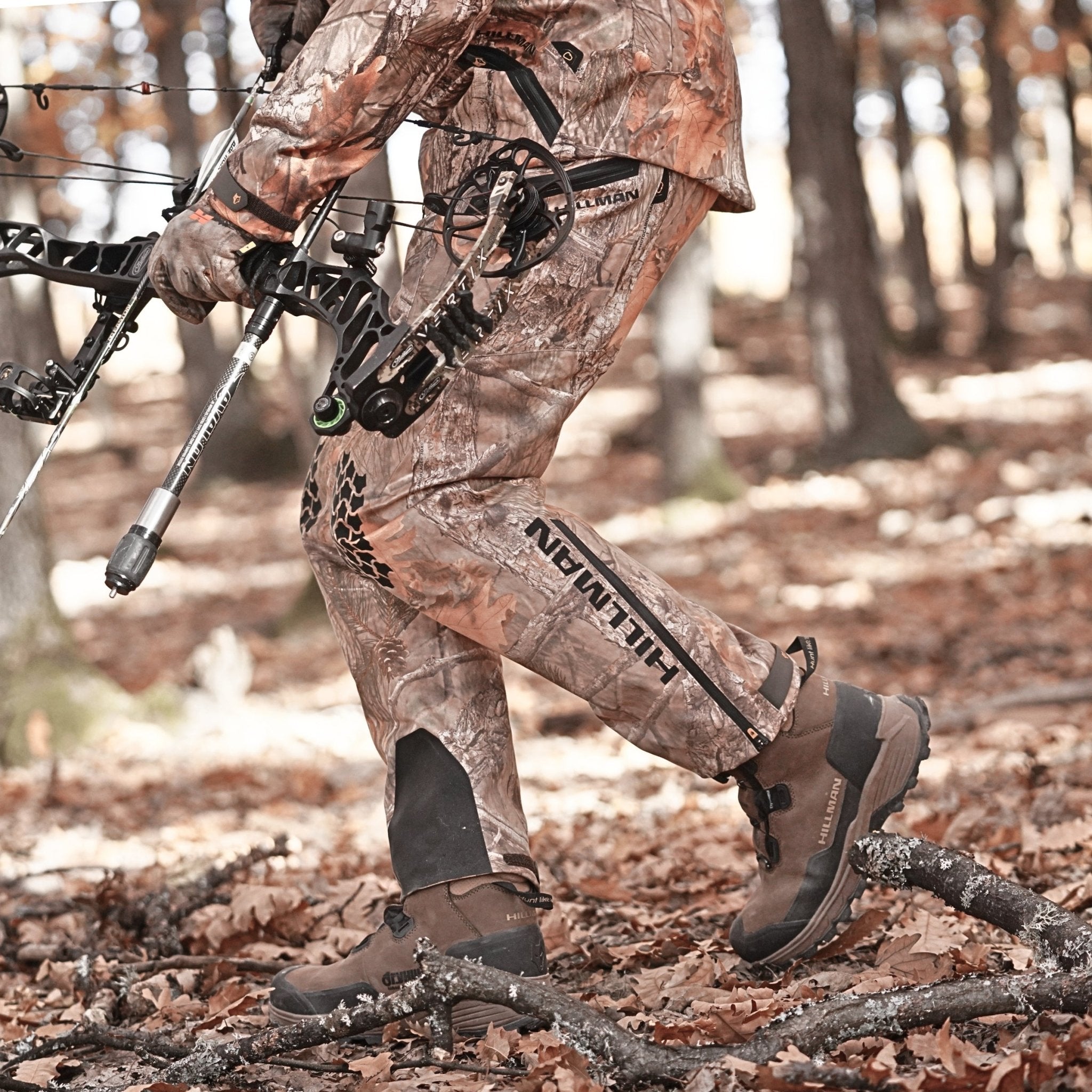
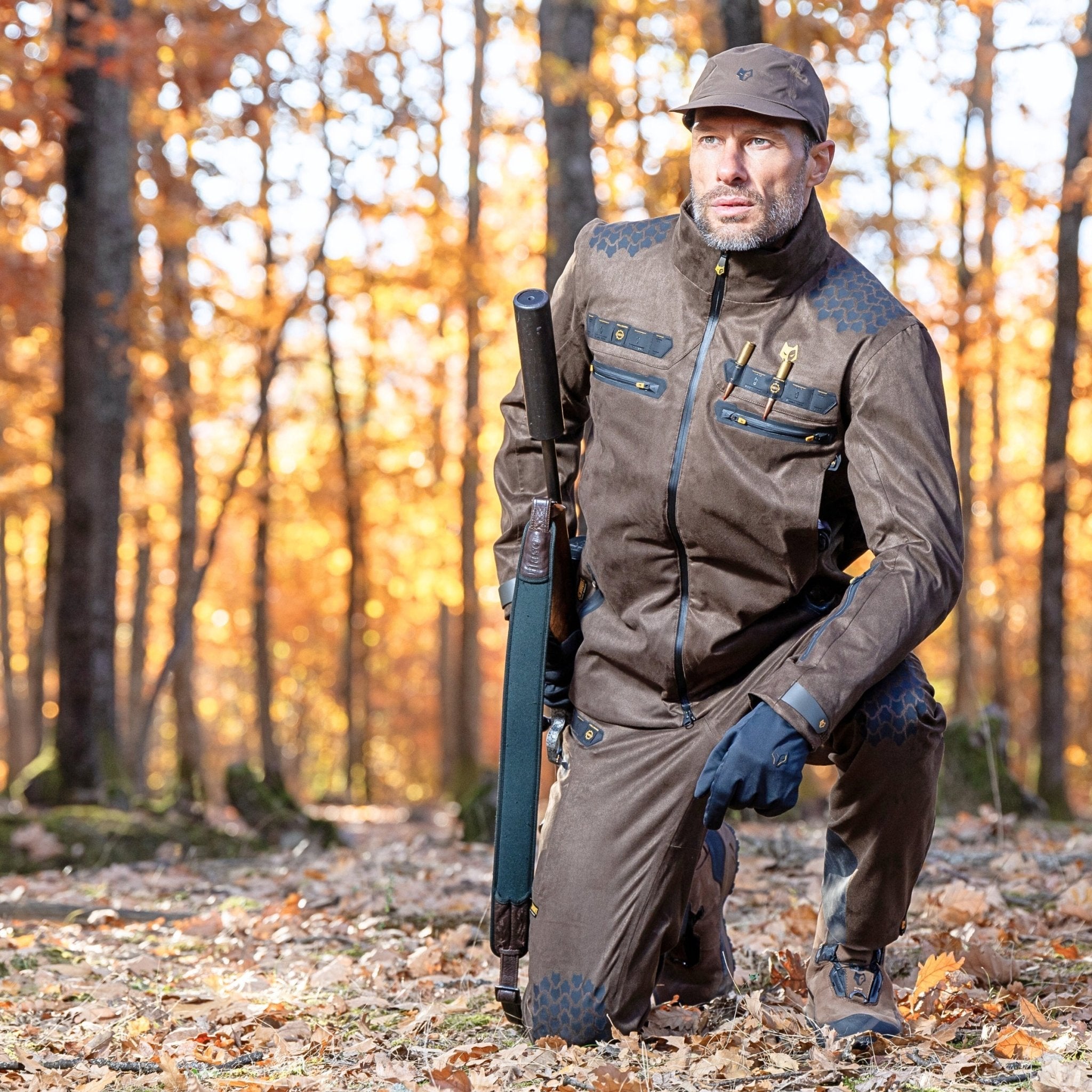
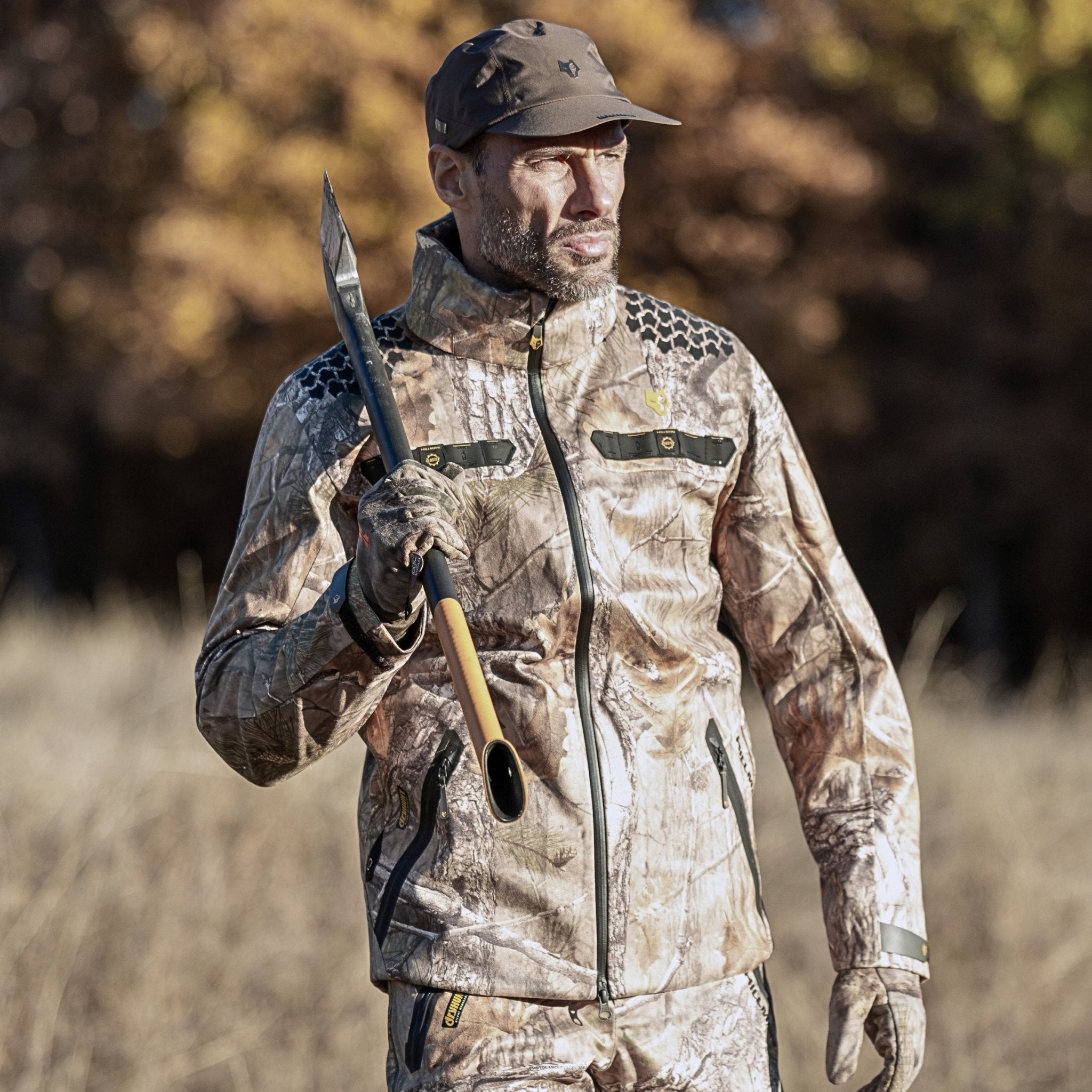
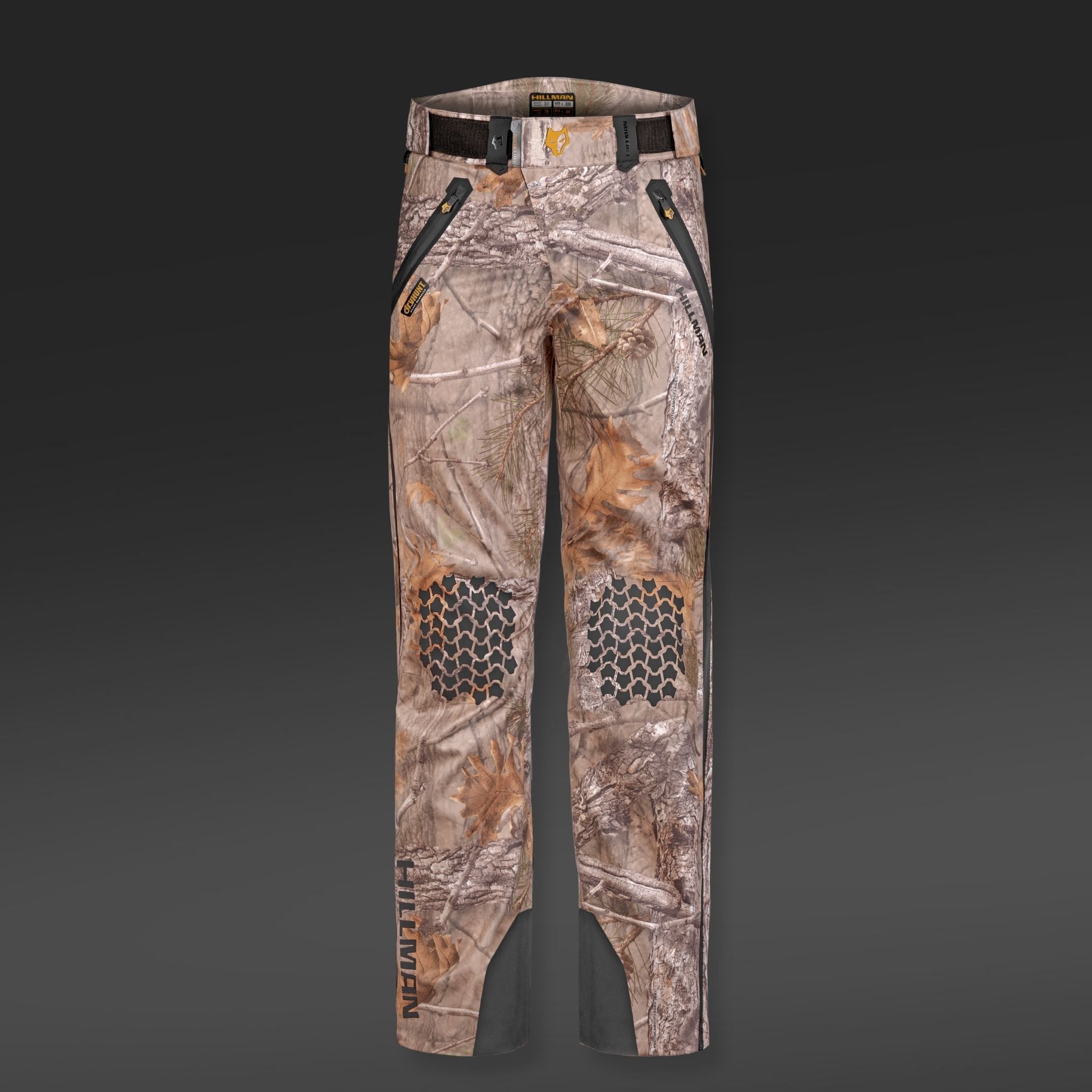
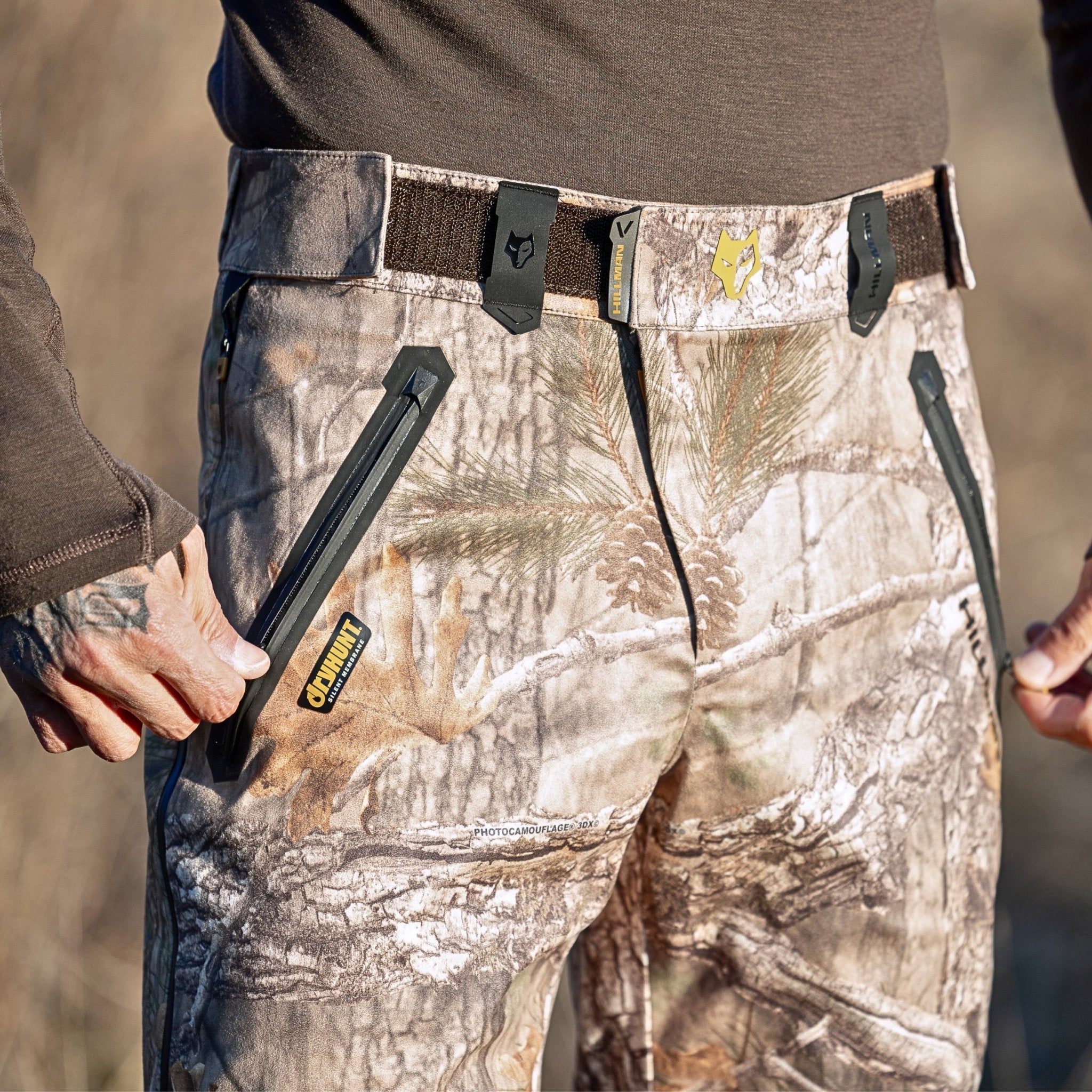
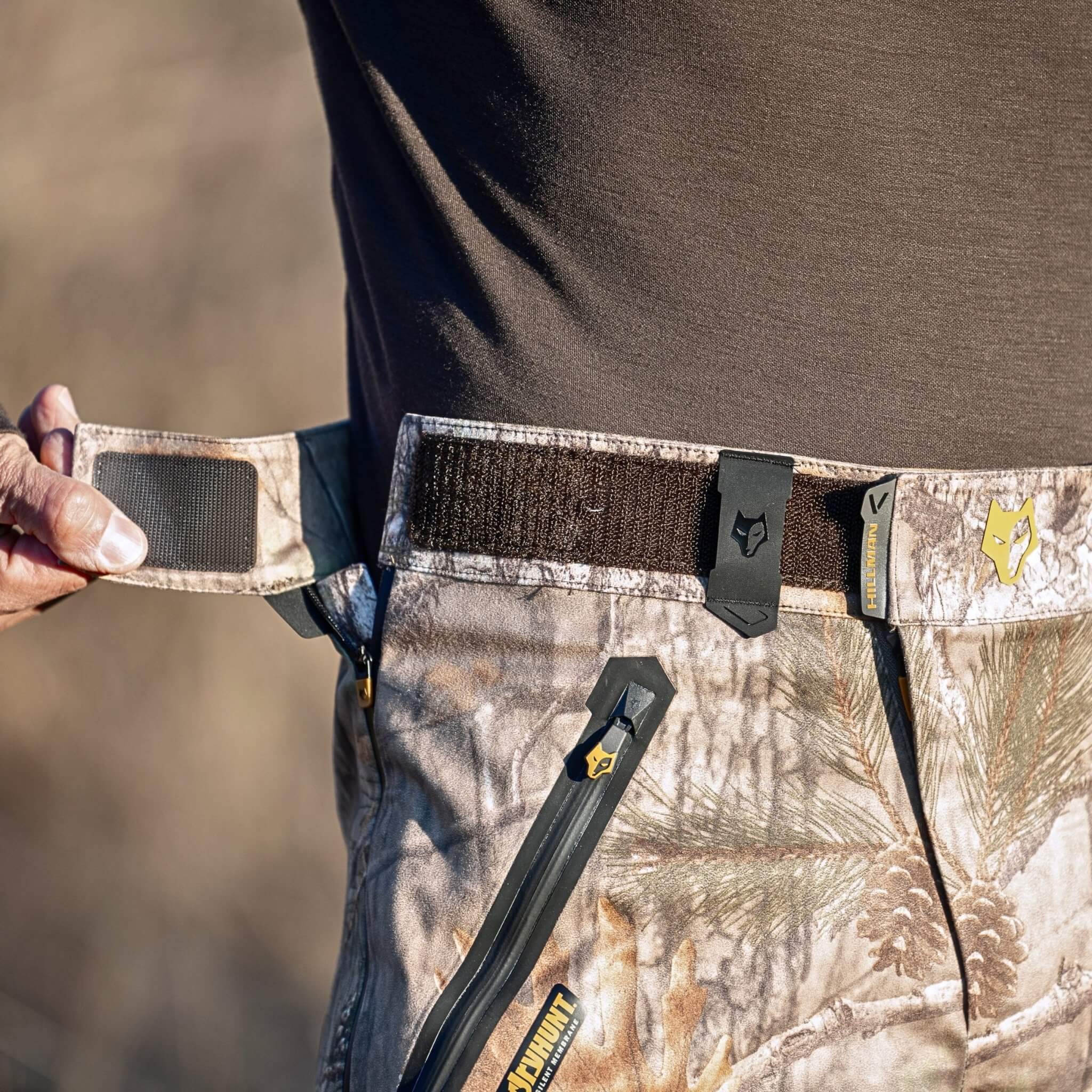
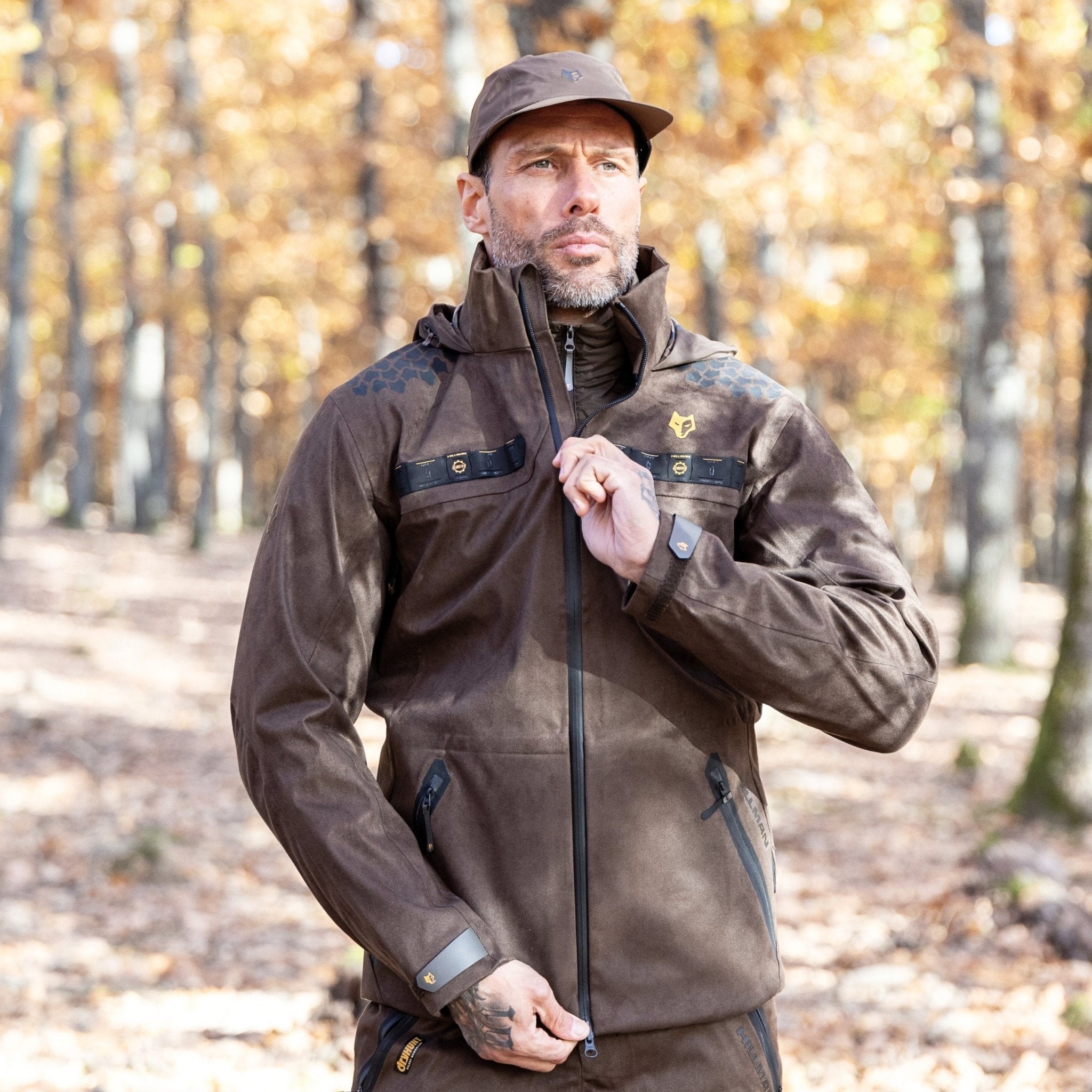
Durable hunting clothing handles all of this without hesitation. Jackets built from tough materials keep heat where it belongs and stay comfortable against the skin when long hikes start to wear the body down. Pants with reinforced areas push through brush without tearing. Shirts that stay soft but strong give hunters a better baseline to work with when layering up.
When clothing holds up, hunters move better. They stay committed longer. And when cold or wet weather tries to ruin the day, the right clothing makes sure the hunter remains in the game.
Stay Focused: How the Right Clothing Helps Hunters Perform in Tough Terrain

Tough terrain has a way of pulling attention away from the hunt. It could be a pant leg that binds every time a hunter climbs, or a jacket that traps too much heat on the walk-in. Even a shirt that doesn’t breathe well can become a distraction.
Clothing that fits correctly and moves cleanly helps hunters stay focused. Every small decision in tough terrain becomes easier when breathability and comfort work together. Layers that regulate temperature instead of fighting it give the hunter more time to observe, plan, and react.
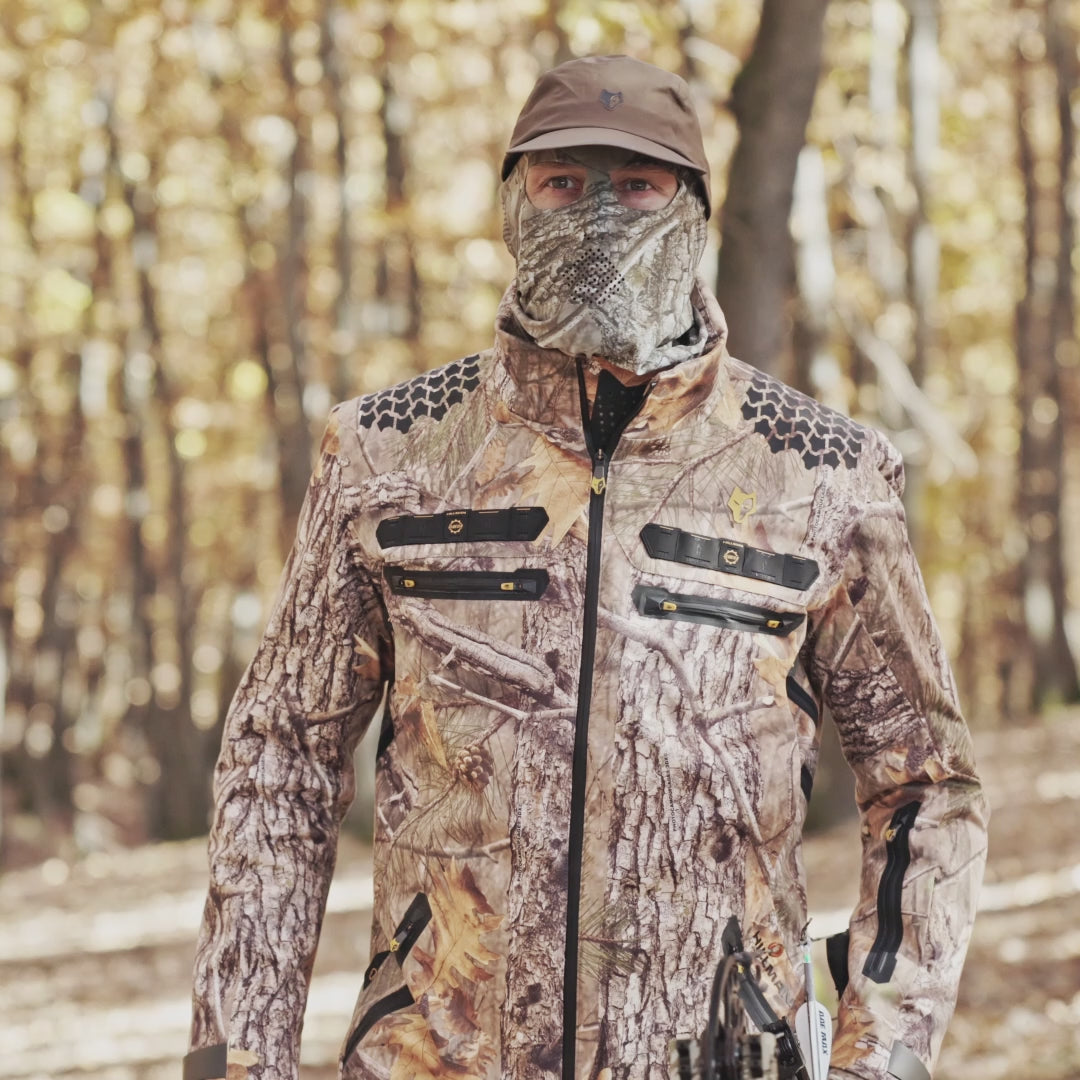
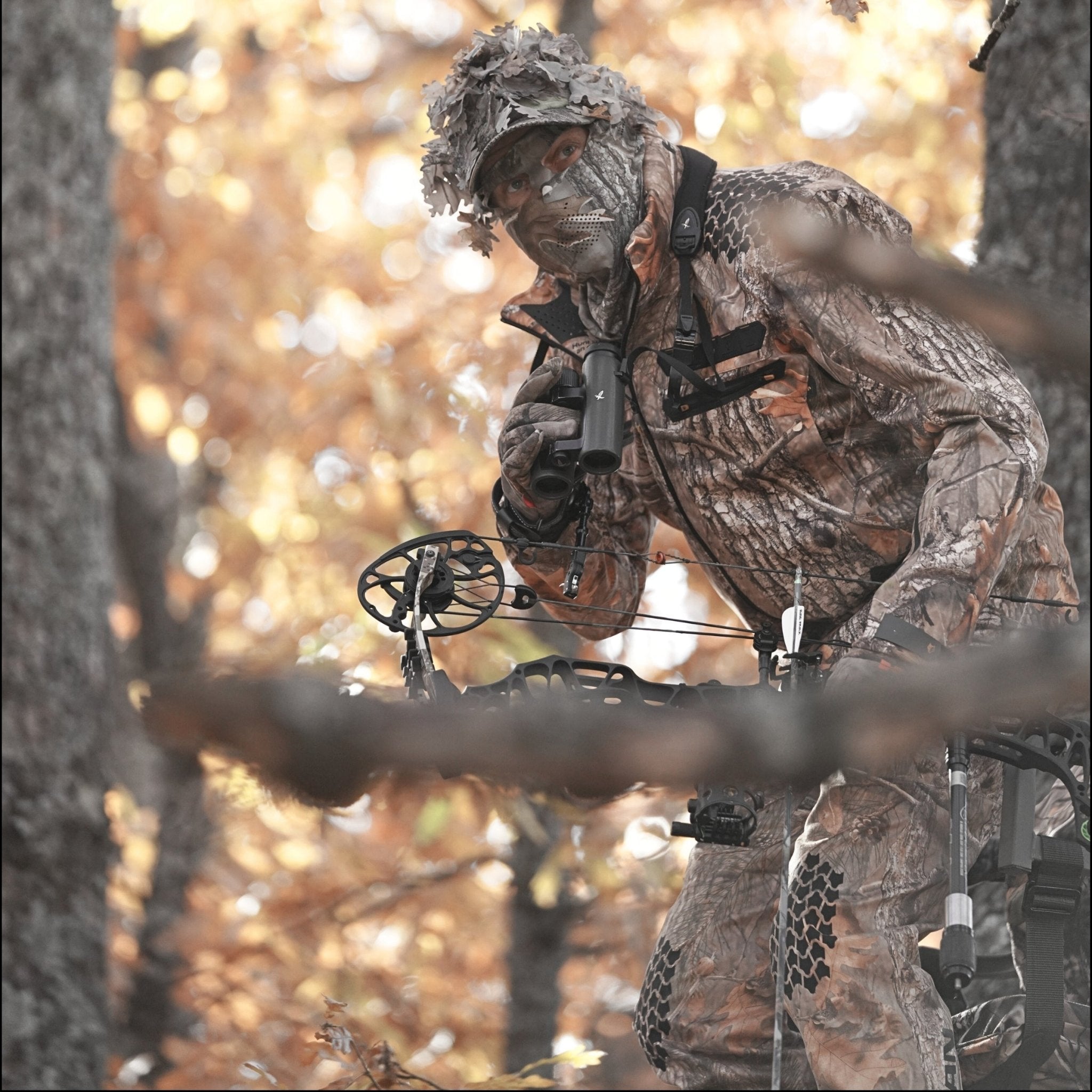
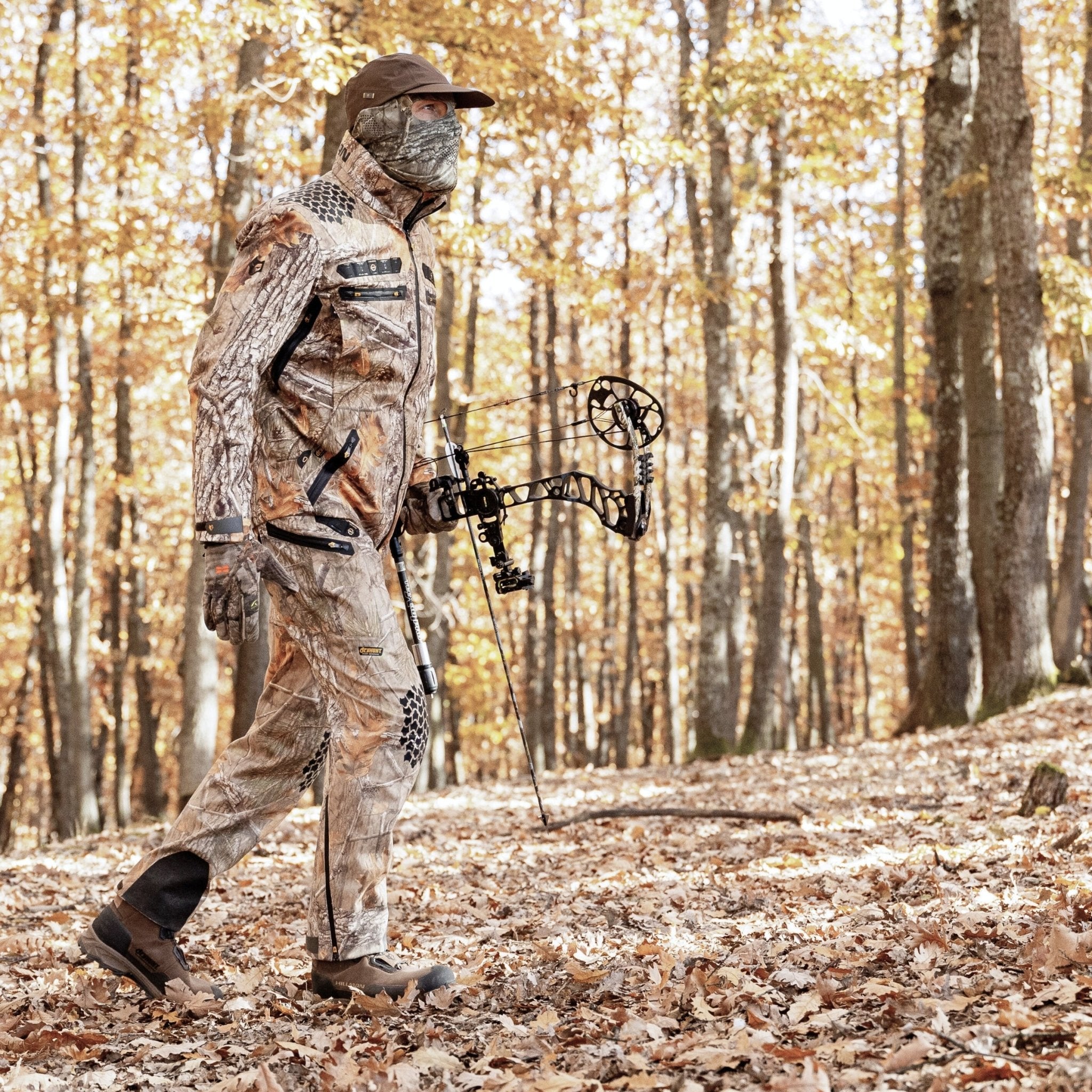
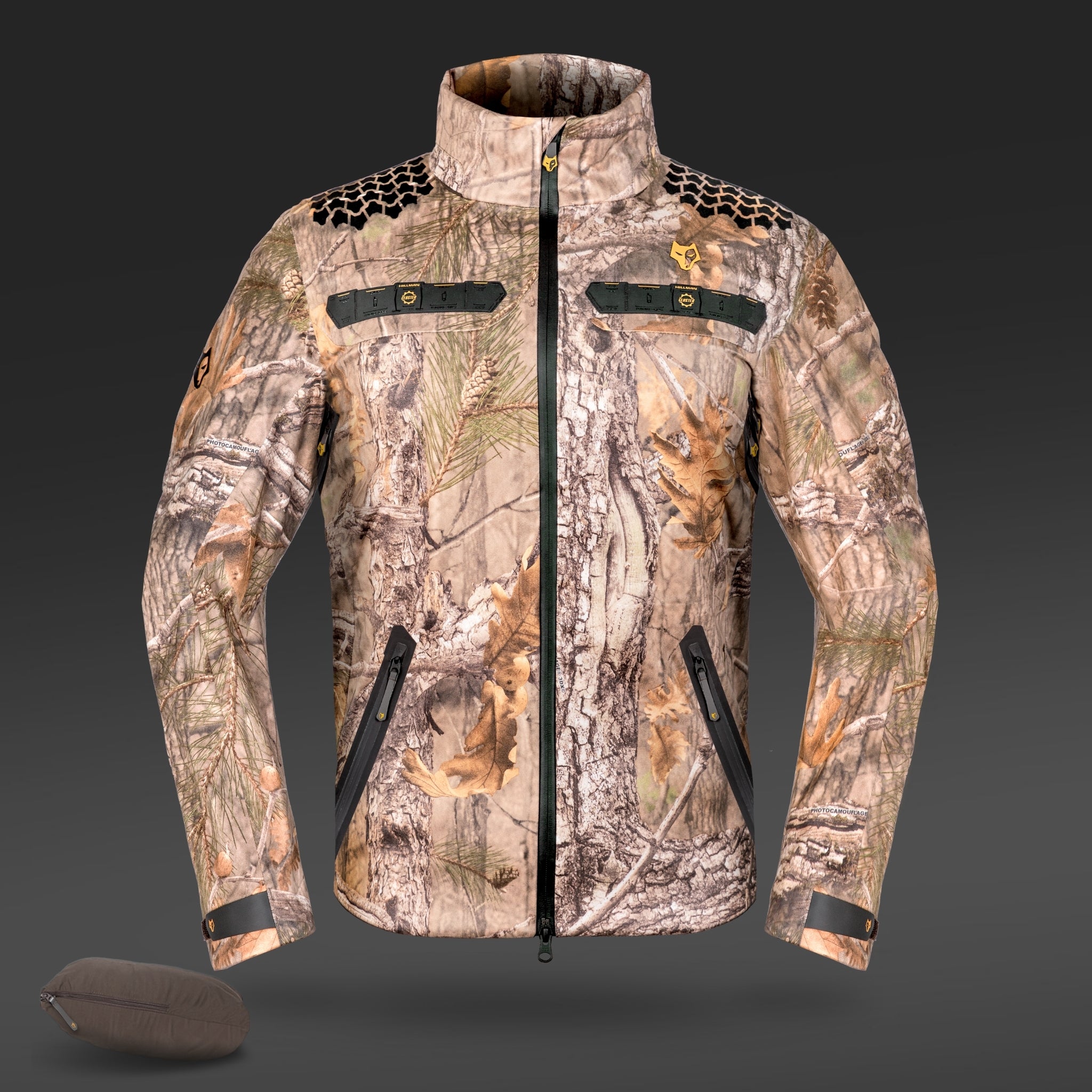
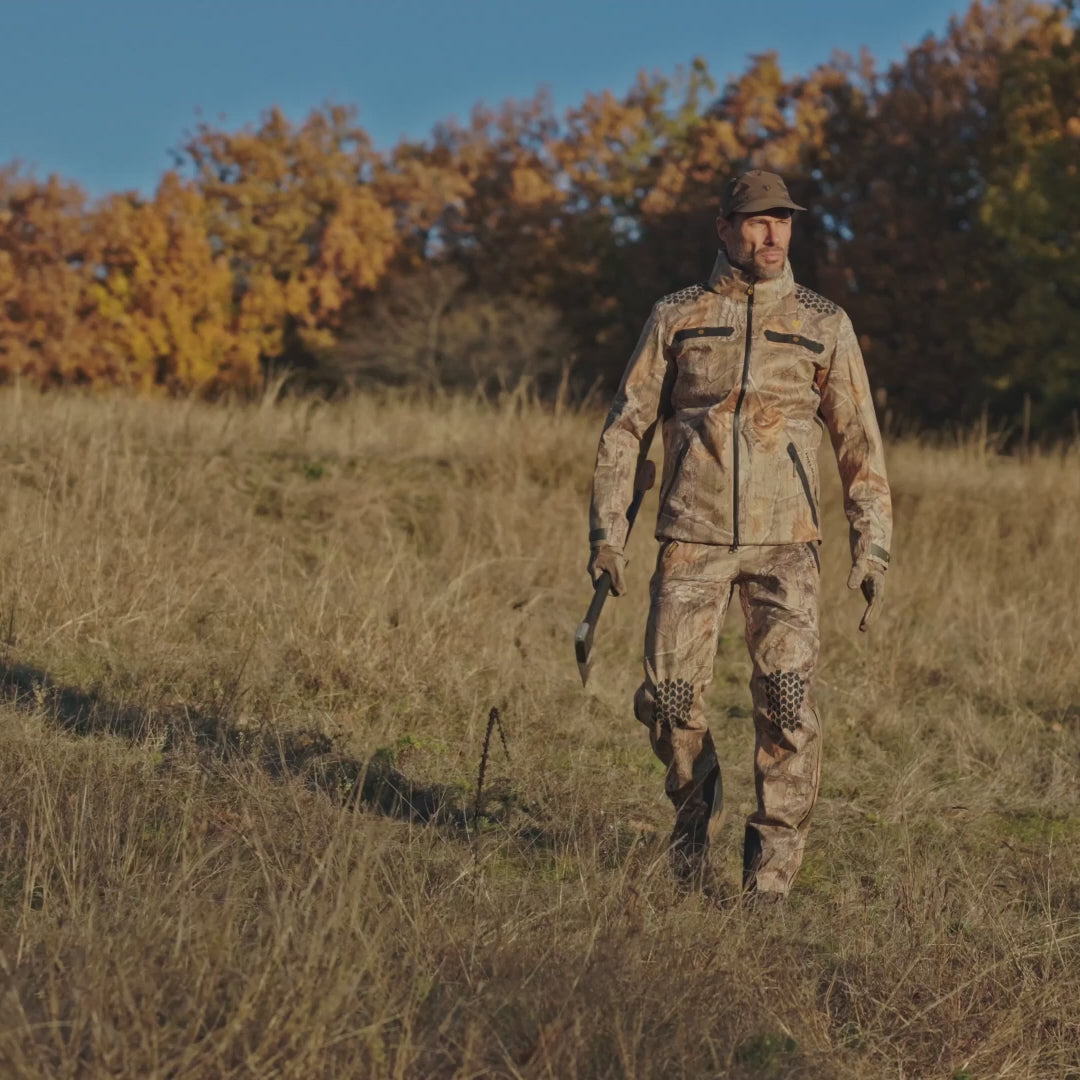
Color choices matter too. Camo patterns intended for heavy cover handle shadow and movement better than flat colors. Black works in certain low-light conditions but stands out in many others. Hunters break fewer chances when their clothing does its part quietly and without fuss.
Base Layers Built for Harsh Weather and Year-Round Use

Strong outerwear doesn’t matter much if base layers fail. Base layers handle moisture first. They keep the skin dry, which keeps the body warm. Good ones make all the difference in shifting weather, from early fall warmth to deep winter cold.
Base layers should manage moisture before it becomes a problem. Shirts and pants layers designed for breathability keep sweat from turning into chill. Shorts for early-season scouting add versatility. When temperatures drop, heavier base layers give hunters the insulation needed without sacrificing comfort.
Year after year, hunters return to base layers that work because they set everything else up for success.
Jackets, Hoodies, and Pants Designed to Handle Real-World Abuse

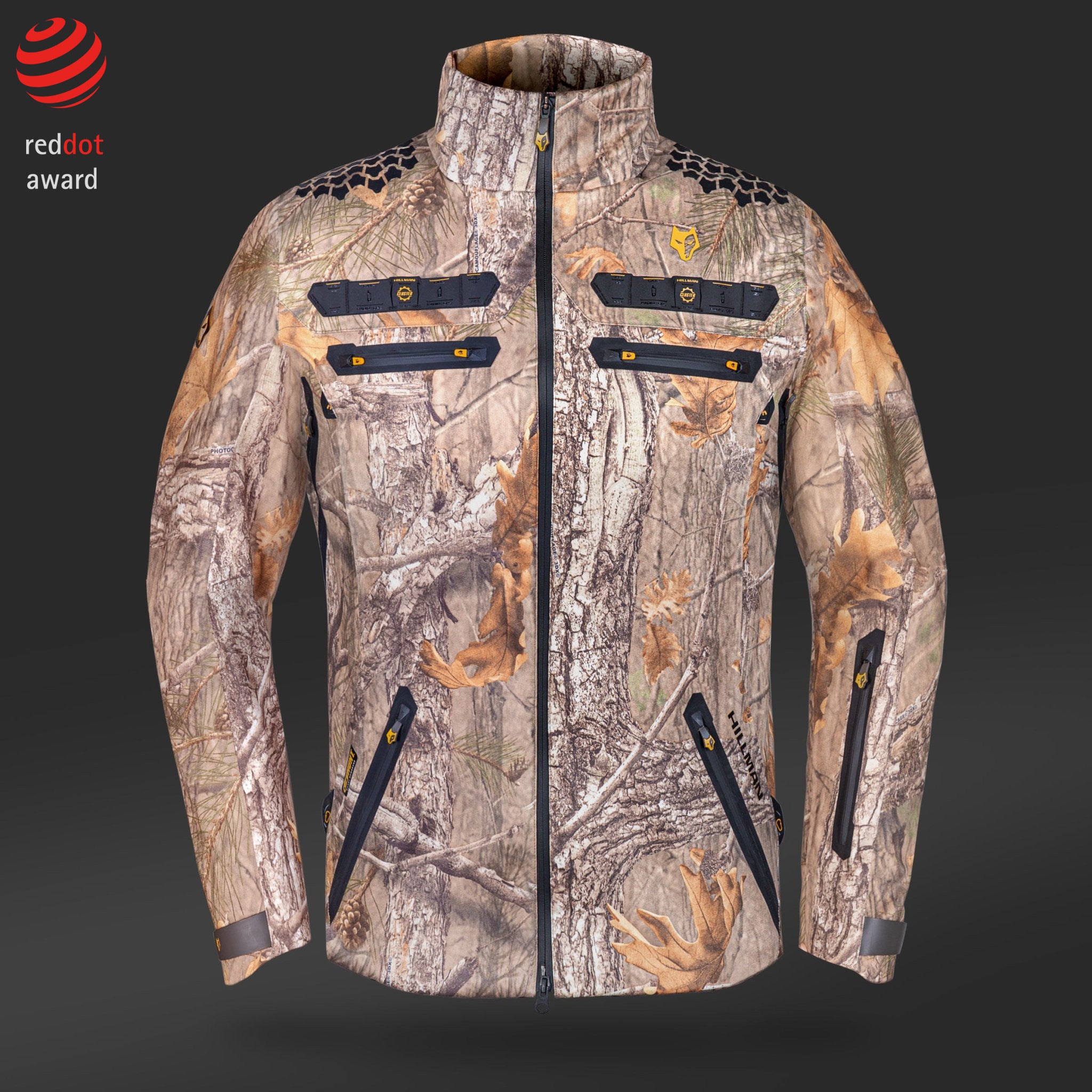
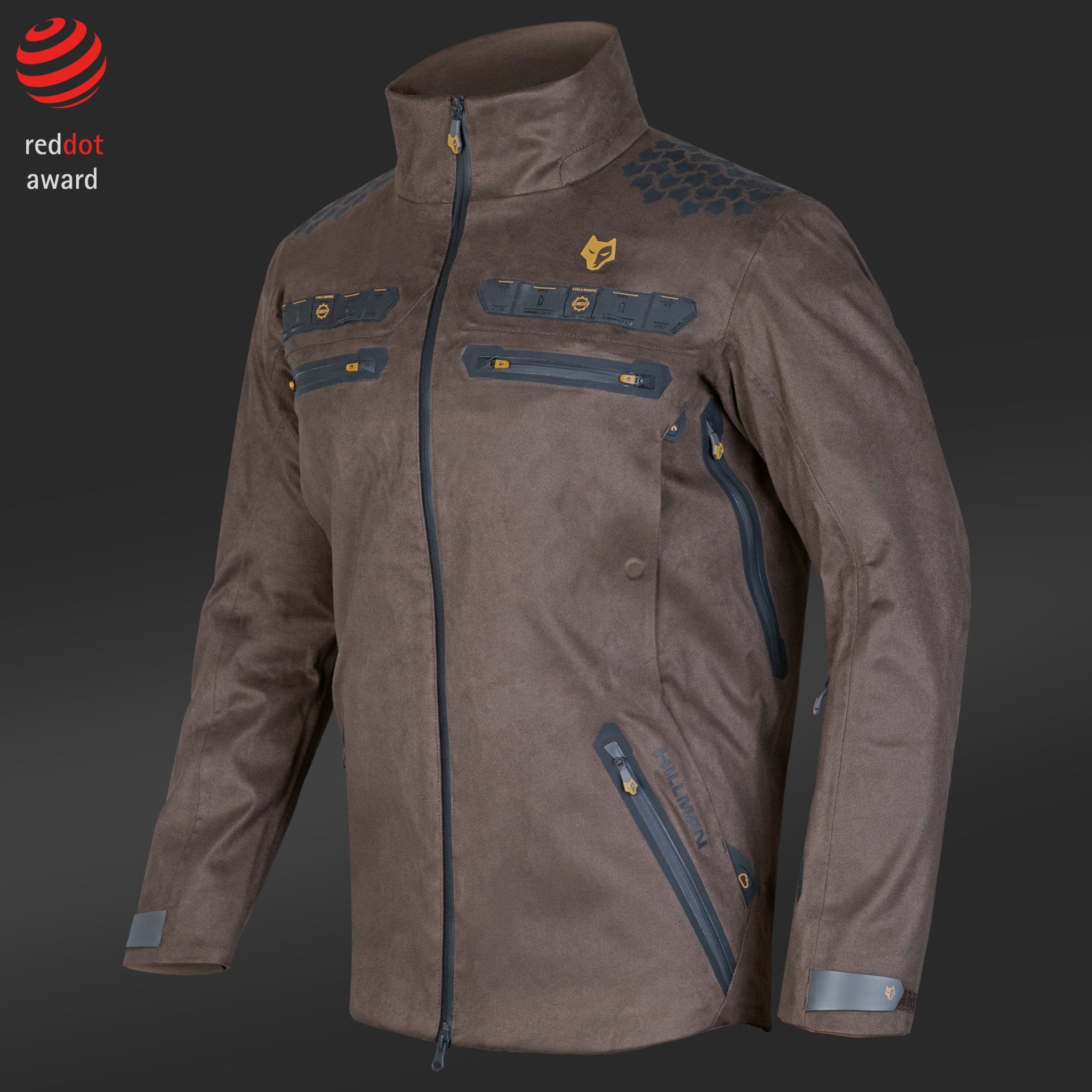
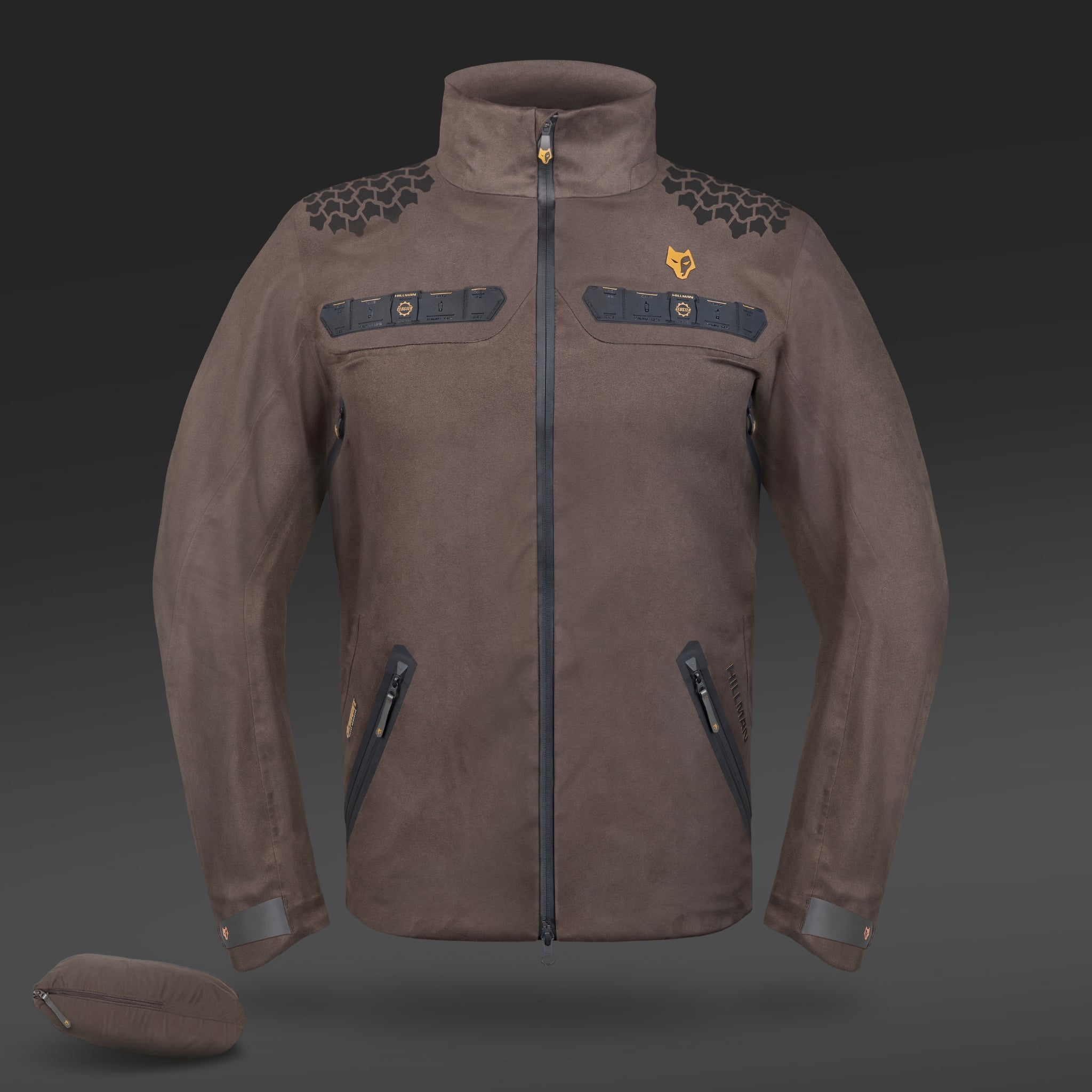
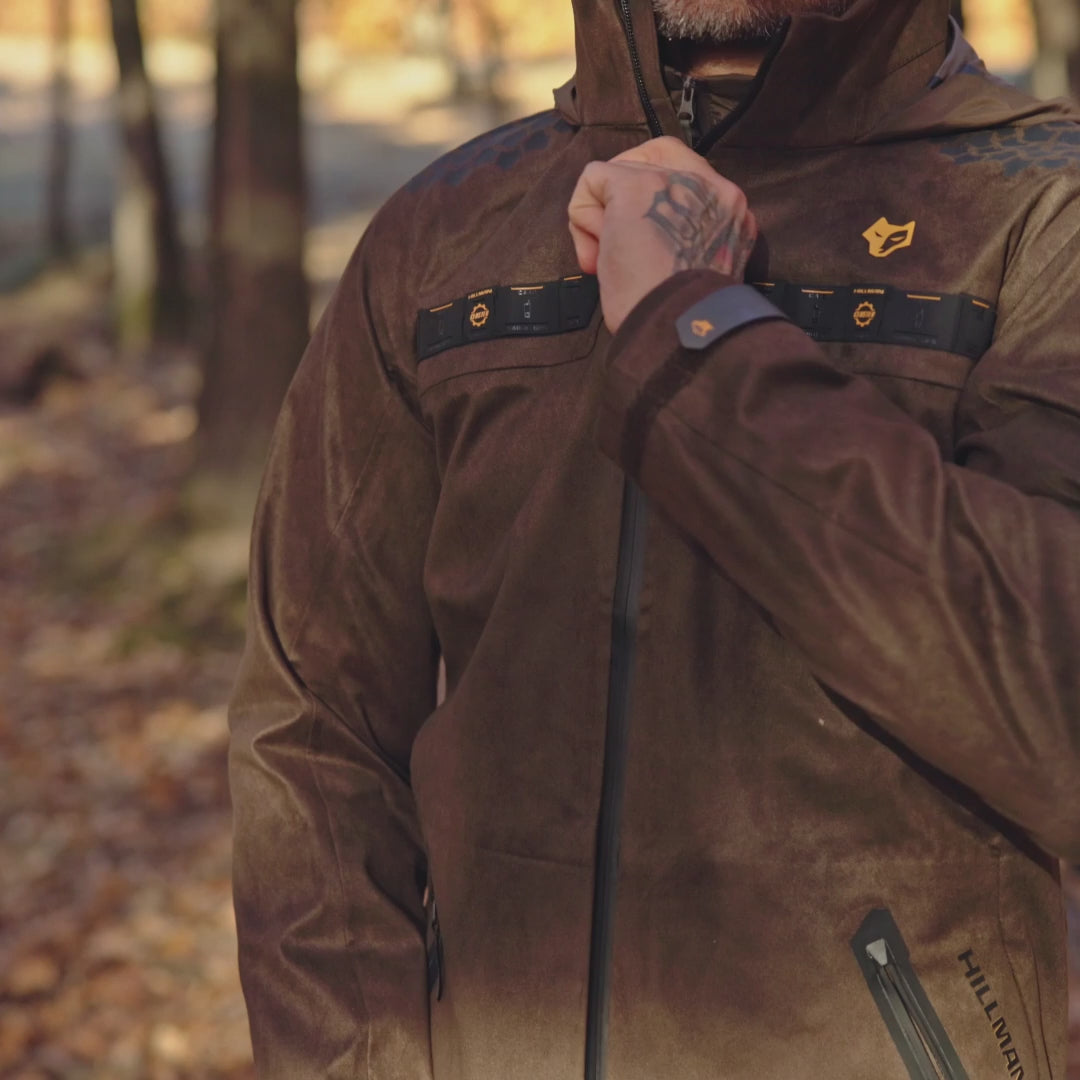
Hunting jackets that last aren’t defined by how they look in the shop. They’re measured by how they hold up after a year in rough conditions. Harsh wind, freezing rain, thorn-covered brush, and rocky hillsides all leave marks on weaker clothing.
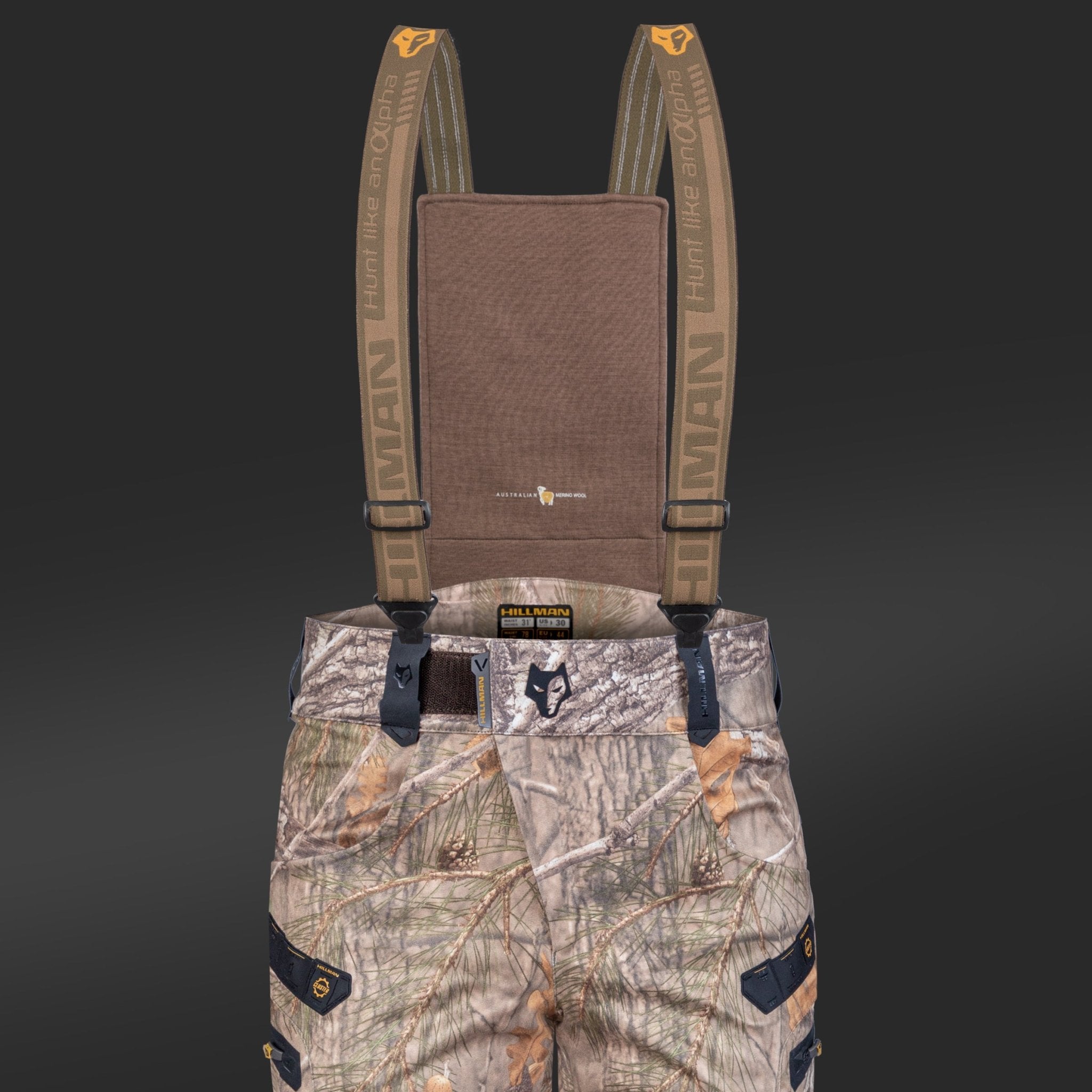
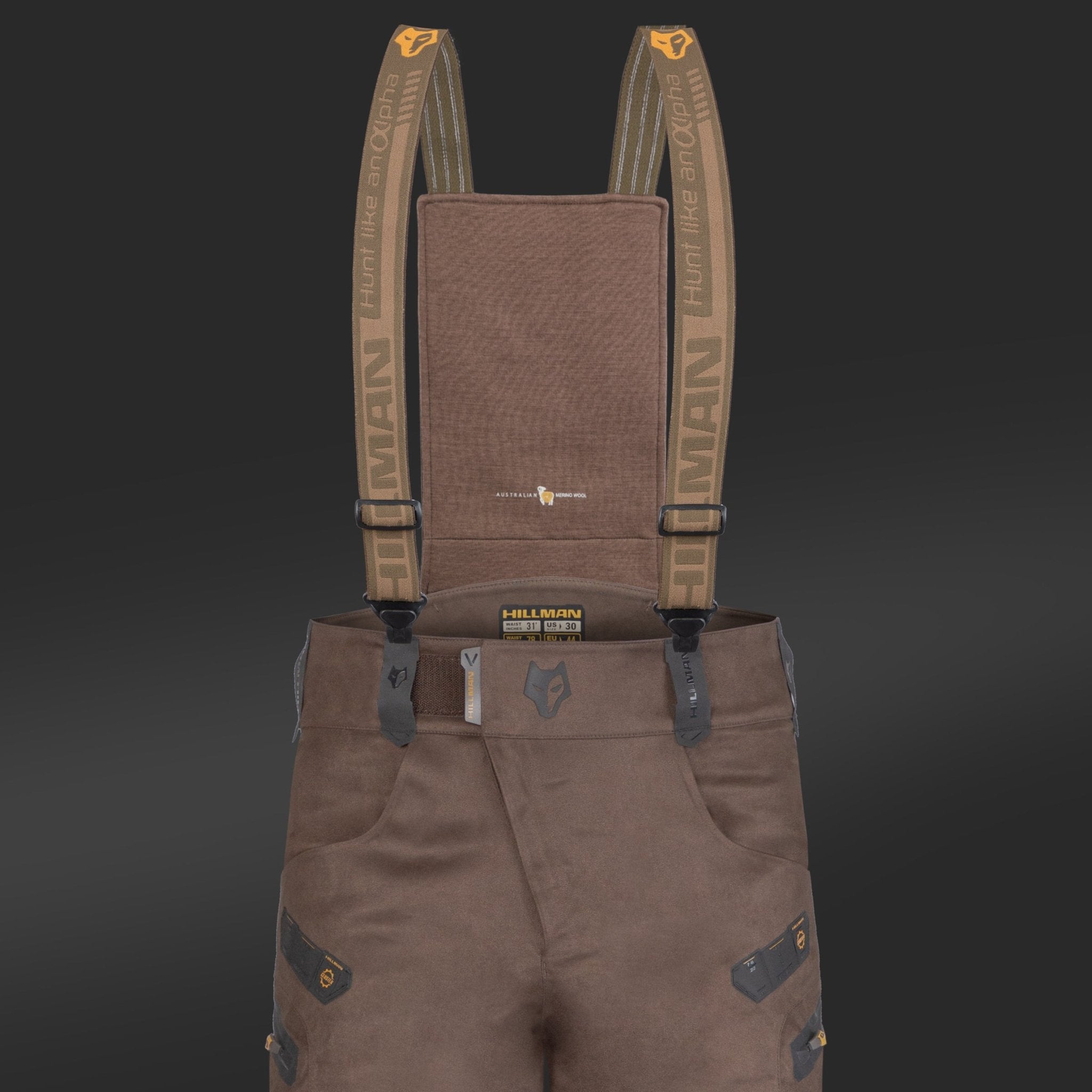
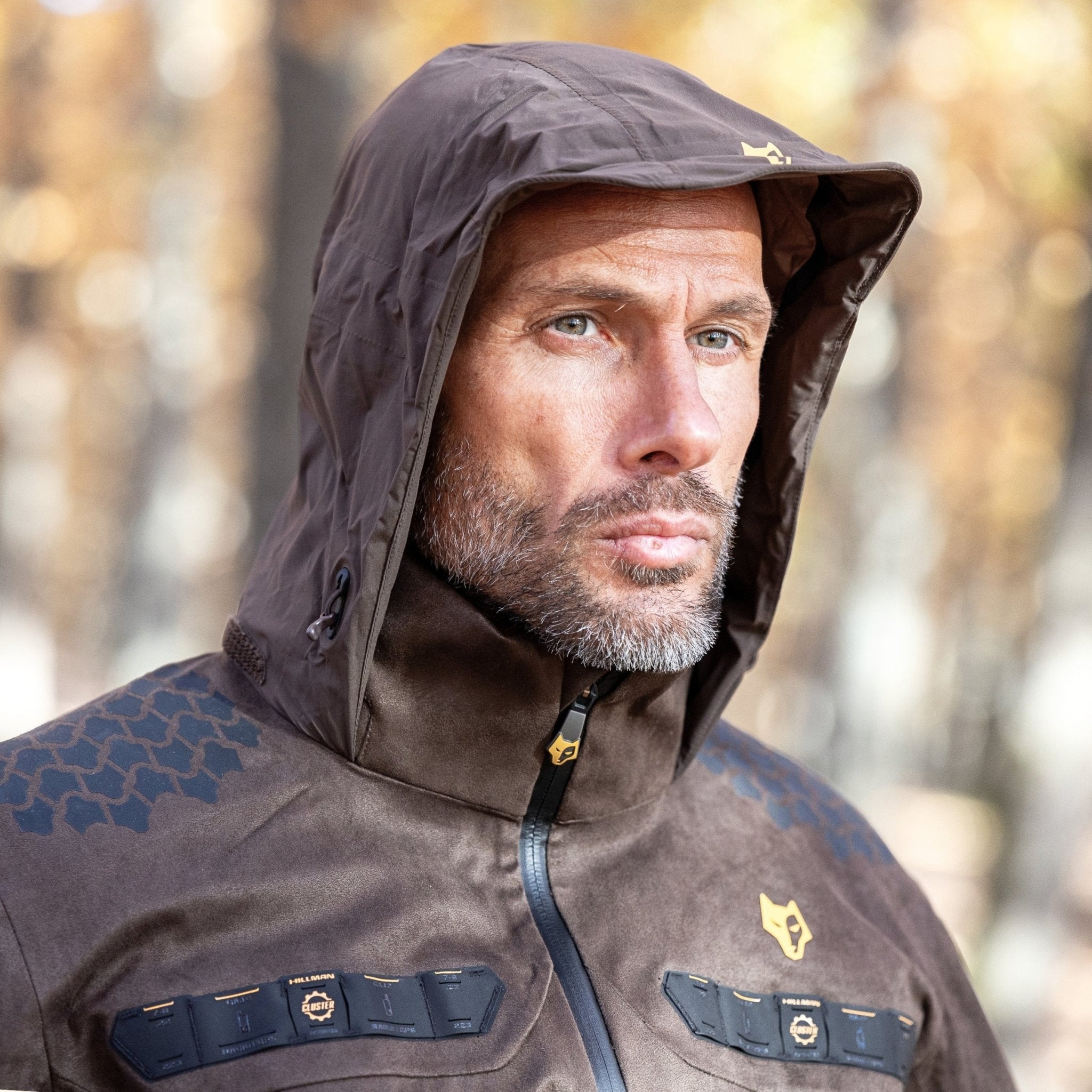
A dependable jacket protects without making the hunter overheat. Hoodies act as quiet, flexible layers for extra warmth. Pants and pant-style layers must be strong enough to push through whatever terrain the day offers. Hunters notice quickly when a piece of clothing wasn’t built for this kind of work.
And though camo gets attention, it’s the underlying build quality that determines whether a jacket or pants holds up through another season.
Materials That Work: What Makes Clothing Truly Durable

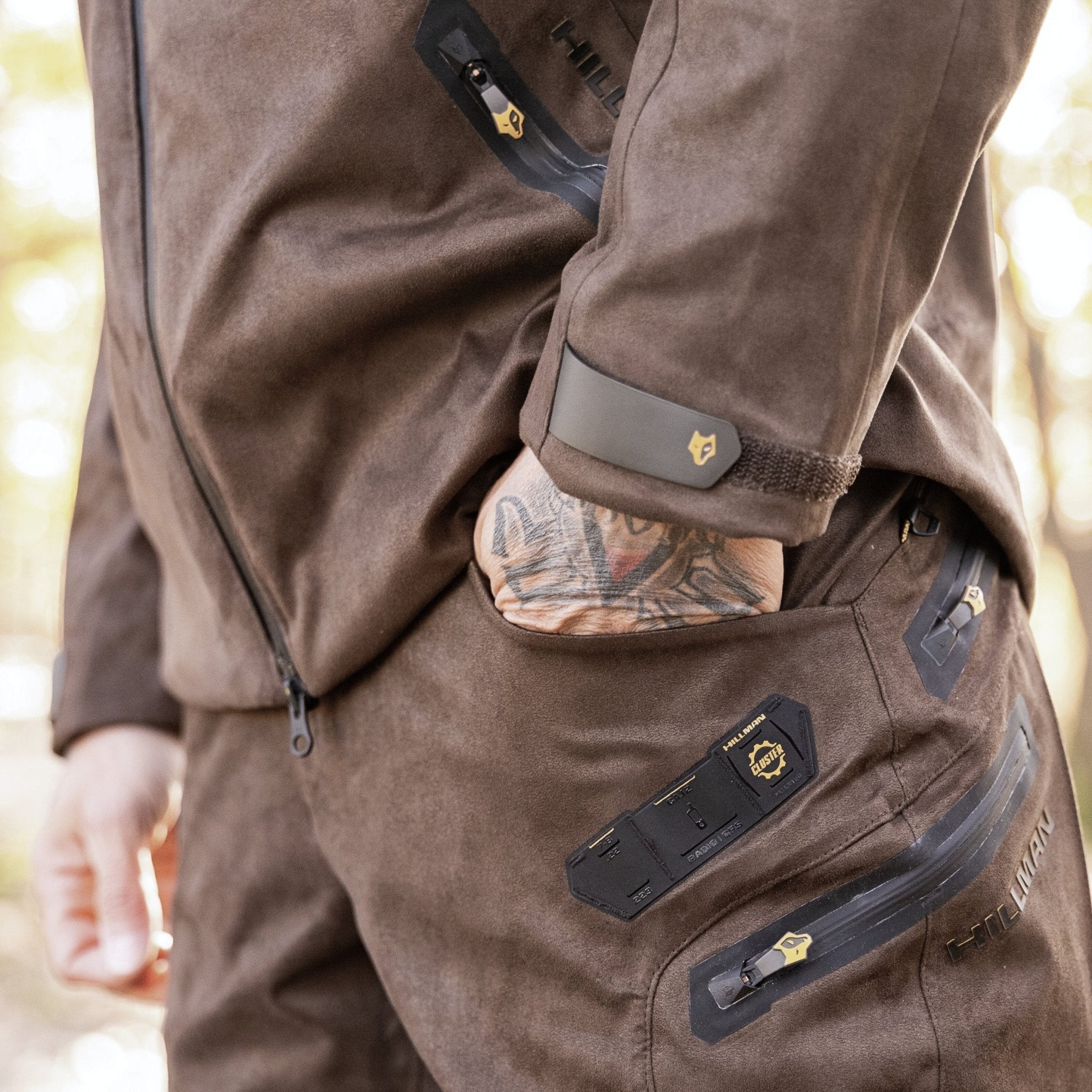
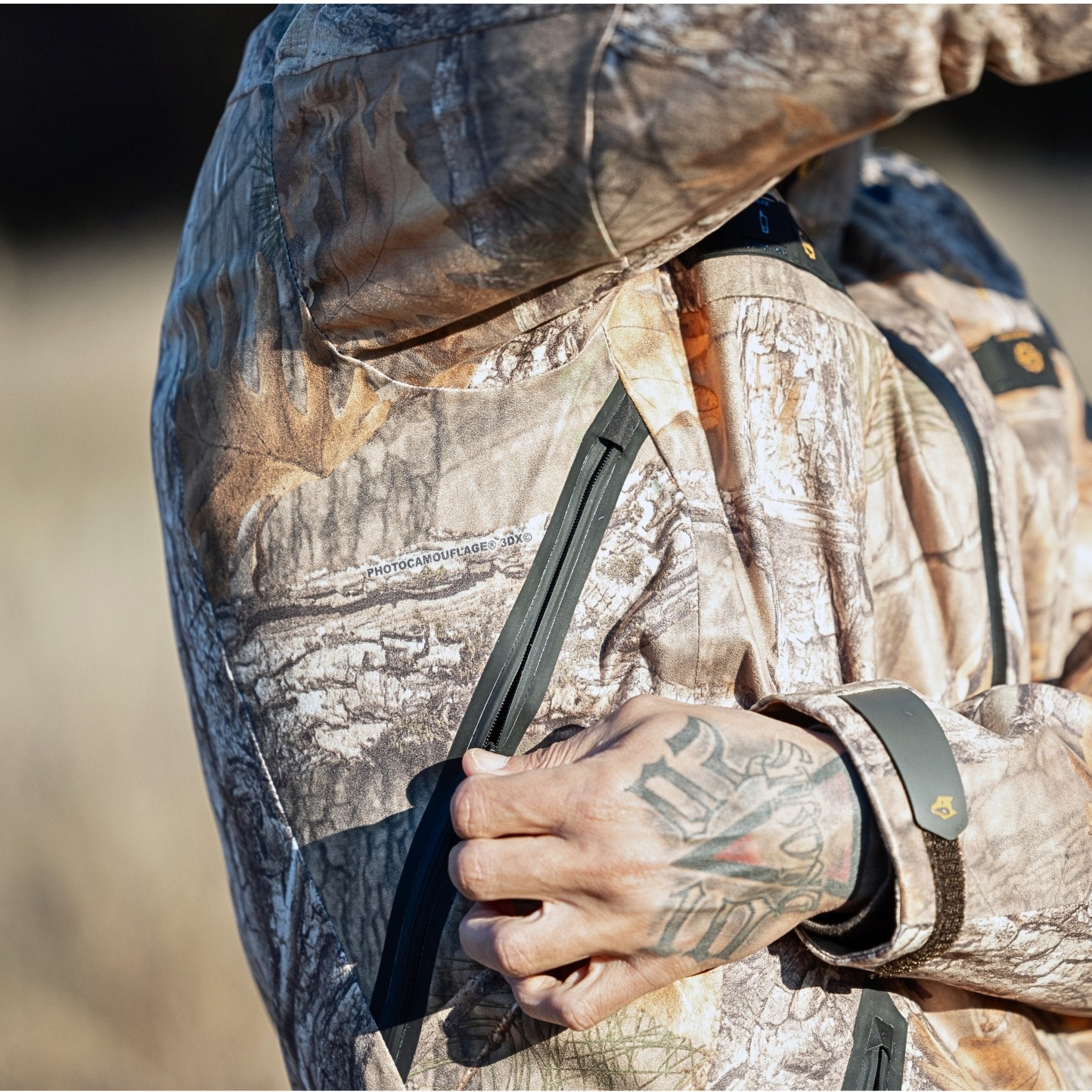
Durability starts at the material level. Heavy-duty fabrics. Weaves that resist abrasion. Layers that still breathe when the hunter’s body heat rises. Performance fabrics that don’t quit after the first scrape against rock.
Hunters often judge materials by touch, but true durability reveals itself in motion. Does the fabric stretch just enough to move without restriction? Does it stay quiet when the hunter shifts on a stand? Does it dry fast enough to avoid issues when sweat builds up on a long approach?
Materials determine whether clothing simply survives the season or becomes something a hunter trusts for years.
Layering Strategies for Comfort, Confidence, and Peak Performance

Layering is where clothing systems become personal. Base layers manage the skin. Mid layers add warmth. Outer layers handle weather. When each piece works together, the hunter moves through tough terrain with confidence.
Shirts close to the body should stay soft and breathable. Hoodies add warmth without bulk. Jackets seal the system and protect against wind, rain, and sudden drops in temperature. Hunters perform better when layers adjust easily to conditions without forcing constant wardrobe changes.
The right layering strategy becomes a way to avoid discomfort, and discomfort ruins more hunts than bad weather.
The Small Details Hunters Forget: Gloves, Hats, Color Choices, Camo, and Fit

Small items like beanies often provide more comfort than the big ones. Gloves that are too thick make it hard to shoot. Gloves too thin, numb fingers. Pants that don’t fit correctly cause frustration every time a hunter sits or climbs. Even a hoodie with a bulky hood can get in the way during a shot.
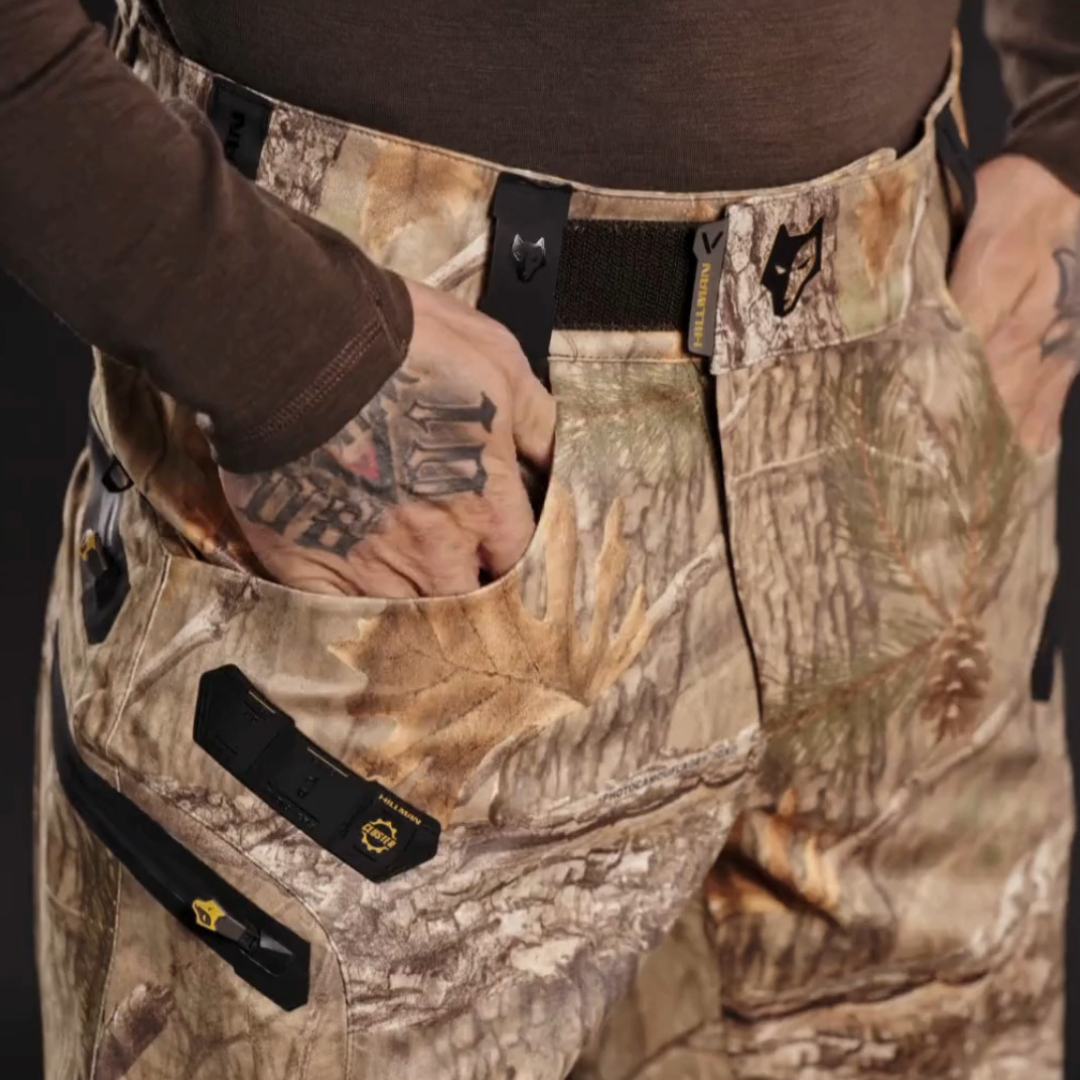
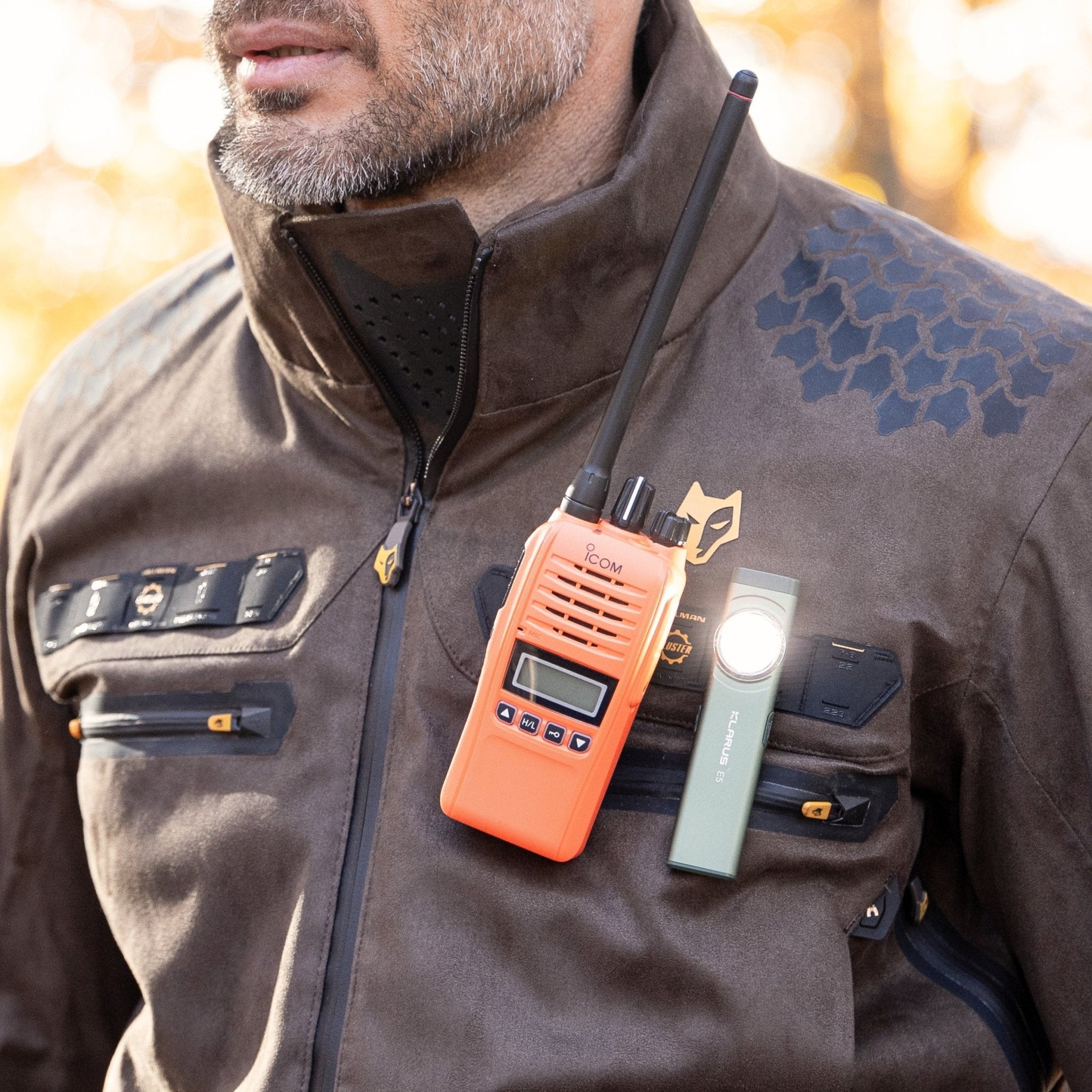
Camo and color play their part. Choosing shades that match the terrain helps avoid drawing attention from animals at close range. Hunters also forget to check pocket placement or how far they can reach without clothing pulling in odd ways.
These details seem minor until they interfere with the moment that counts.
Shop Smart: How to Choose Gear That Will Last Into the Future

Hunters who want clothing built to last season after season need to shop with long-term thinking. That means looking beyond camo patterns and asking deeper questions: How does this material age? Will this jacket still breathe well after months of use? Does the pant design hold up when pushed through tough terrain?
Future-proof clothing comes from understanding the difference between marketing and meaningful design. Hunters committed to long-term reliability look for construction first, patterns second. Comfort matters. Fit matters. But materials and build decide whether a hunter trusts the clothing next year and the year after.
Good gear answers questions before the hunt even begins.
Clothing Built for Hunters Who Demand More From Their Gear

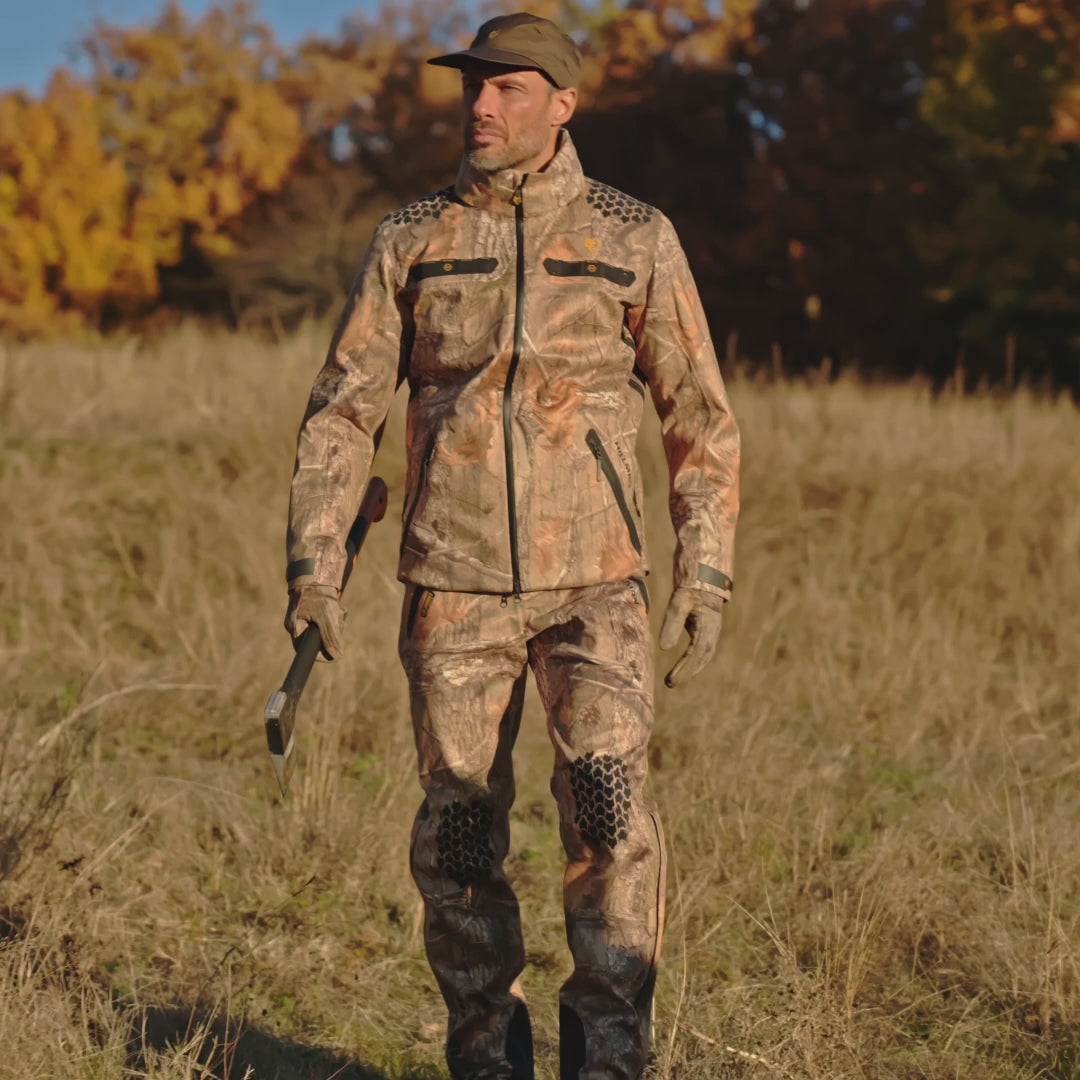
Durability isn’t hype. It’s the quiet backbone of every long season. Hunters who face harsh conditions know that durable hunting clothing isn’t simply worn. It’s relied on. Clothing that handles cold winds, rough terrain, and long waits becomes part of the rhythm of the hunt.
Hunters who choose gear built for the real world move with more confidence. They stay focused. They last longer in the field. And when the season turns difficult, they don’t give up ground. Durable gear won’t replace skill, but it keeps the hunter ready when skill is needed most.
Season after season, it’s the clothing that works hardest that stays part of the future.



Share:
Scent-Control Clothing: Why It Matters for American Hunters
Hunting Boots vs. Hiking Boots: What’s the Real Difference?