

Hunting Boots vs. Hiking Boots: What’s the Real Difference?

Learn the real differences between hunting boots and hiking boots, how they handle terrain, ankle support, comfort, and break-in time.
People who spend enough time outside eventually figure out something that beginners usually miss: boots matter more than most of the gear you carry. How a boot bends, how it handles pressure, how it reacts when the ground surprises you, that’s the difference between a comfortable day outside and a long, exhausting walk that you replay in your legs for the next week. And although hunting boots and hiking boots can look similar on a store shelf, they behave very differently once you actually take them off-trail, onto uneven terrain, or into wet conditions that push material and structure to their limits.
Most hikers move. Hunters move, stop, move again, wait, shift weight, and sometimes stand still for hours. That alone creates a different set of demands. Add mud, steep descents, rocky trails, wet trails, and the occasional off-trail bushwhack, and the gap between the two types widens even more. It’s not marketing. It’s mechanics.
This hunting and hiking boots guide breaks down those differences in a straightforward, real-world way, not theory, but what you actually feel under your feet when you’re out there, miles from the parking lot.
Hunting Boots: Stability, Structure, and the Ability to Trust Every Step

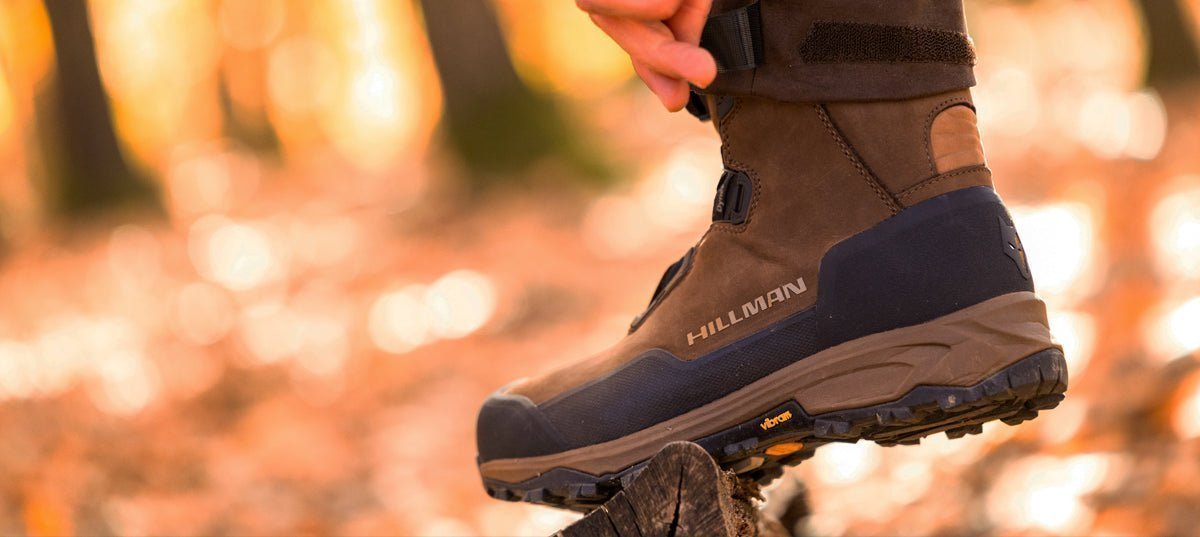
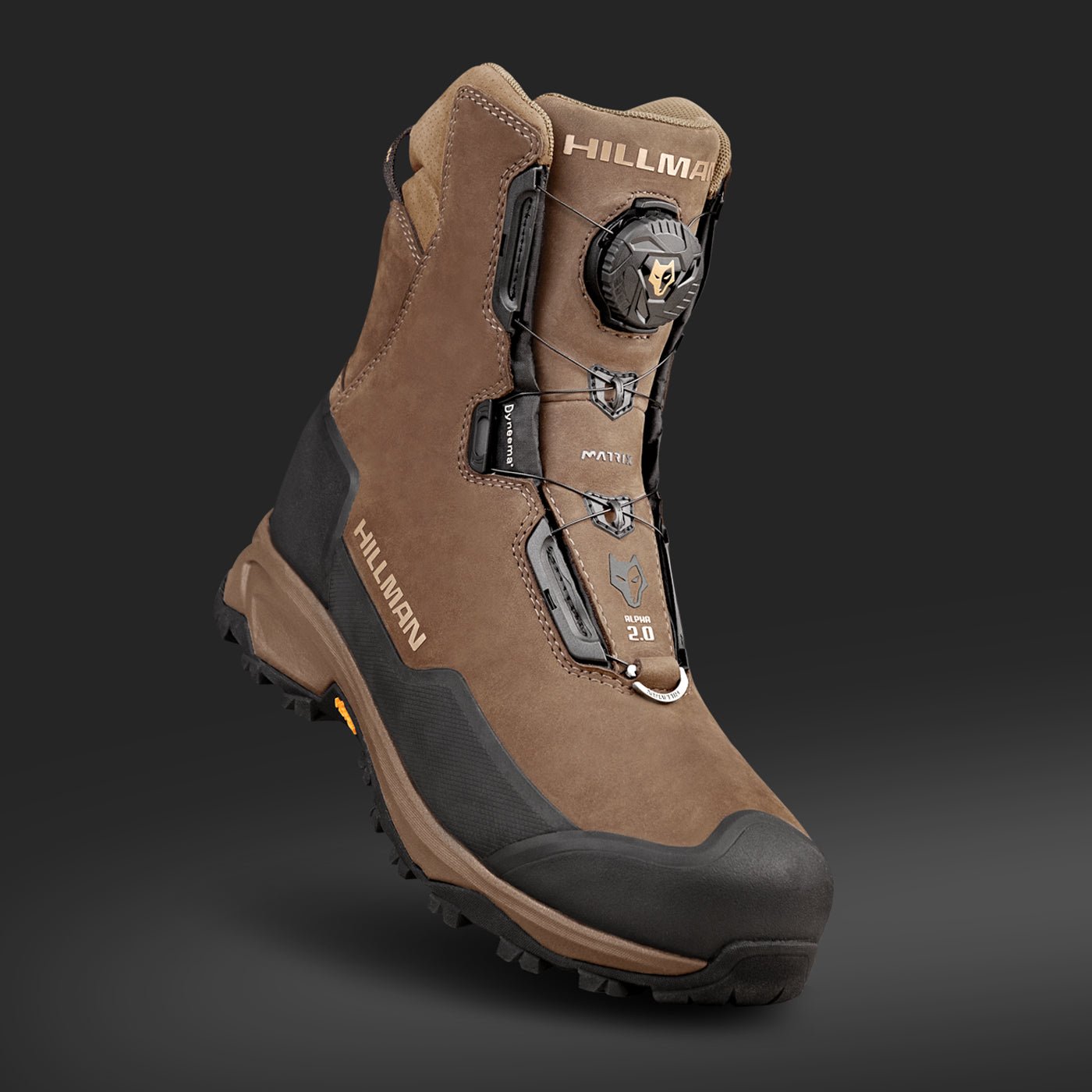
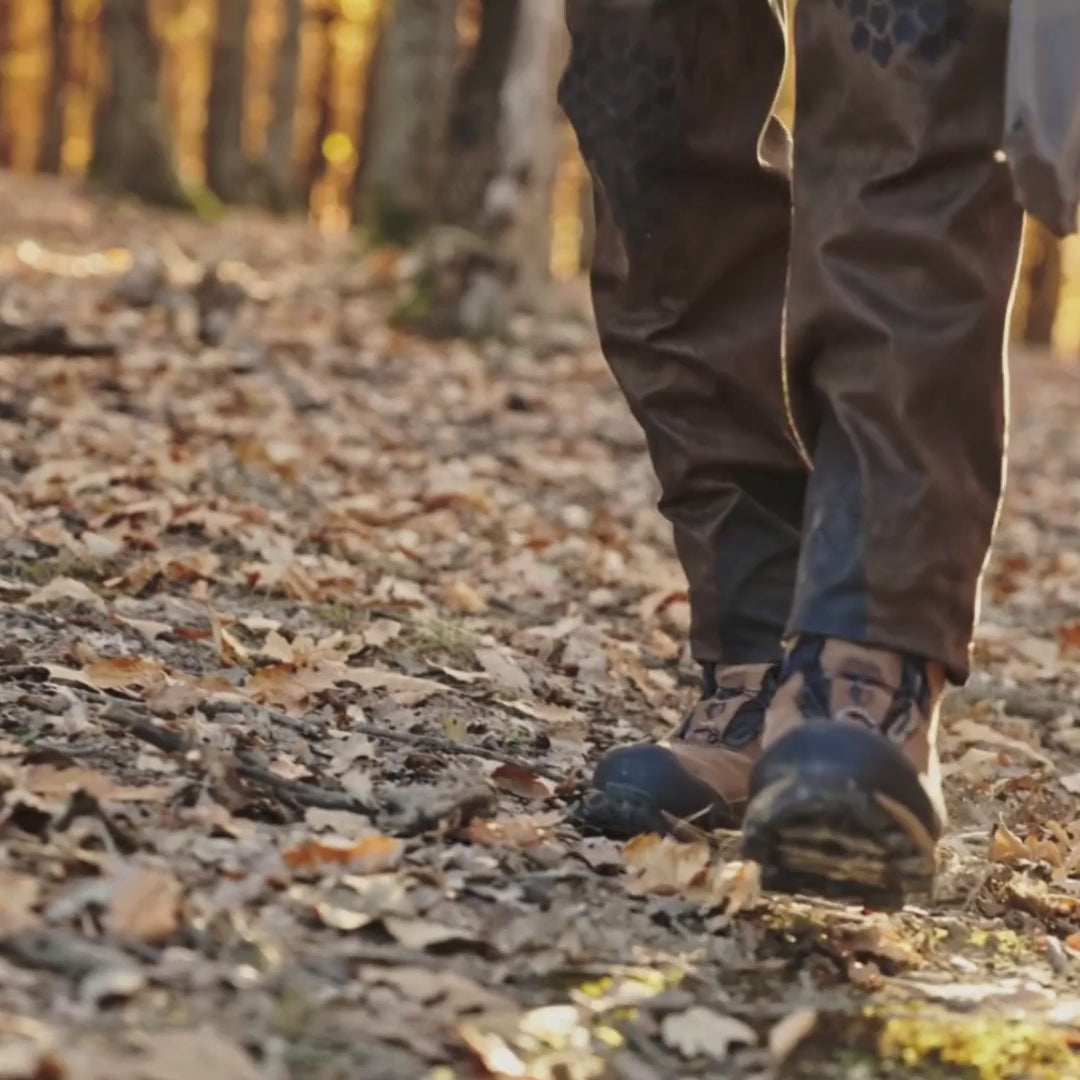
The first time you put on true hunting boots, they often feel stiff. Not uncomfortable, just firm. The ankle cuff sits higher, the leather uppers wrap the foot tighter, and the sole barely bends when you try to flex it. That’s not a flaw. It’s the whole point.
Hunters spend a lot of time traveling through rugged terrain where the ground is unpredictable. One step is hard soil, the next is soft moss, the next is a root hidden under leaves. This is where a durable boot shines. Leather boots and nubuck leather hold their shape better than lighter synthetic materials, especially across side-hills or uneven terrain. You get a consistent platform. When you’re carrying additional weight, or simply trying to move quietly, that stability turns into confidence.
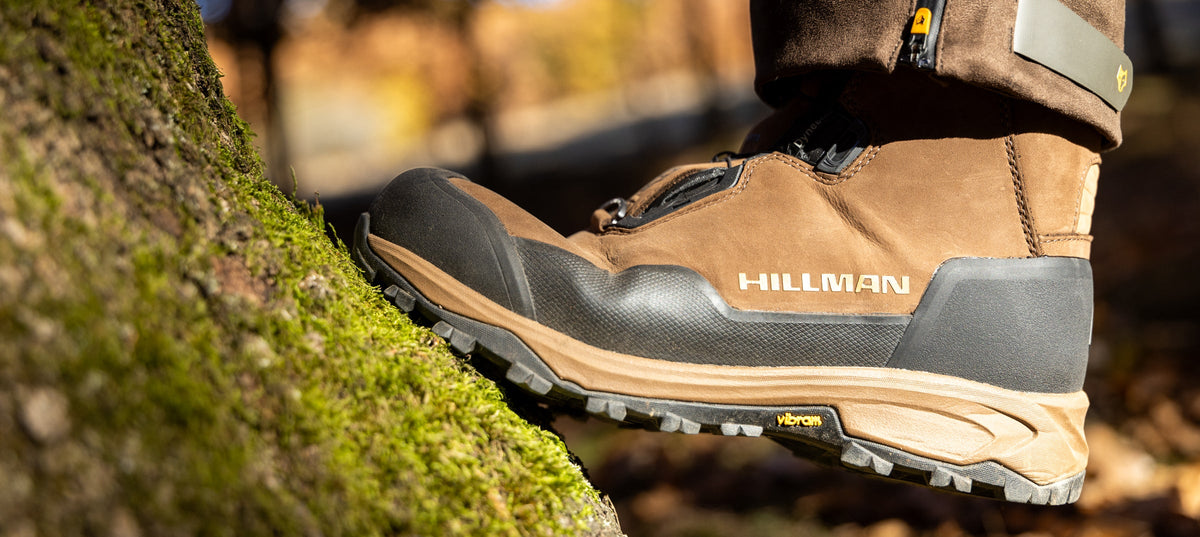
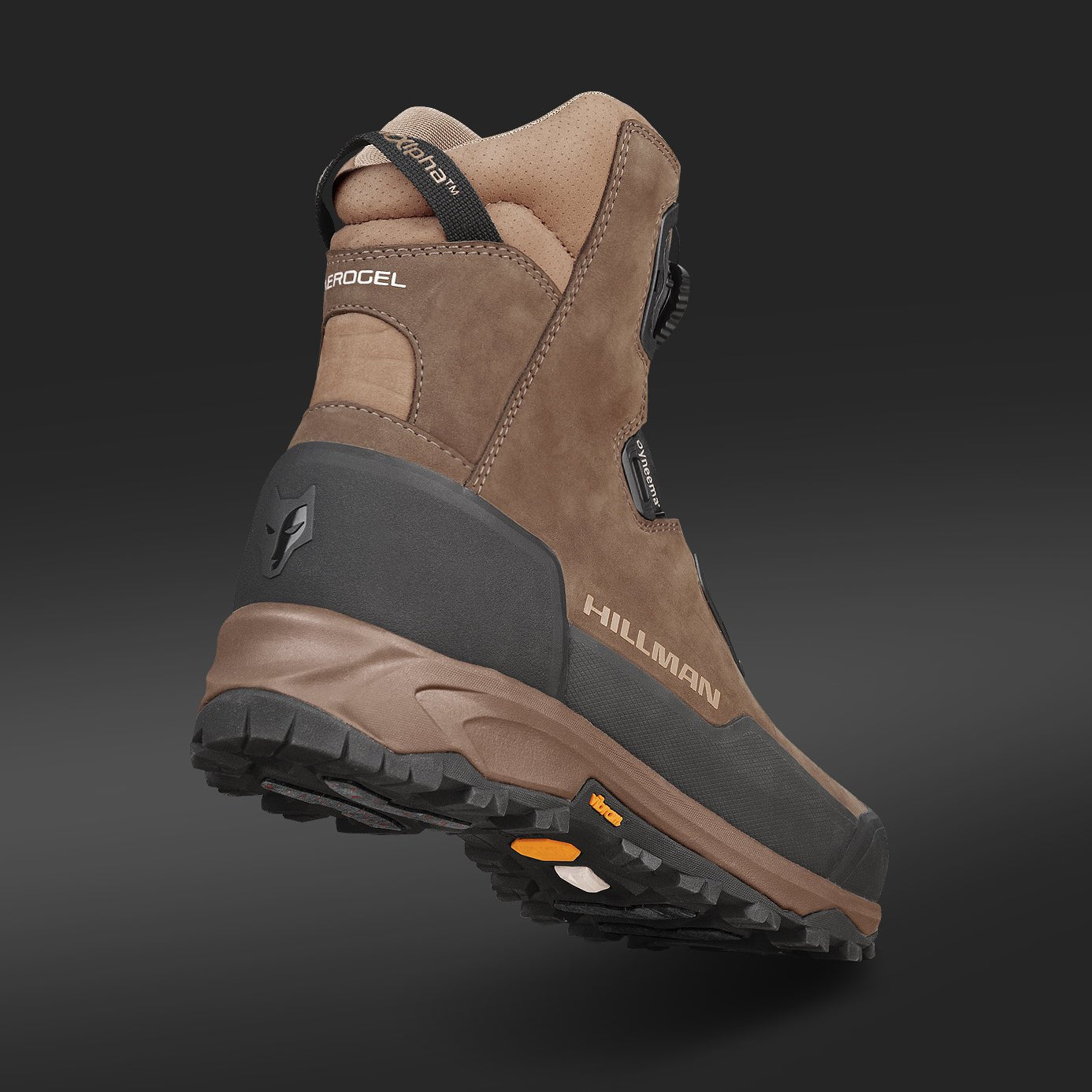
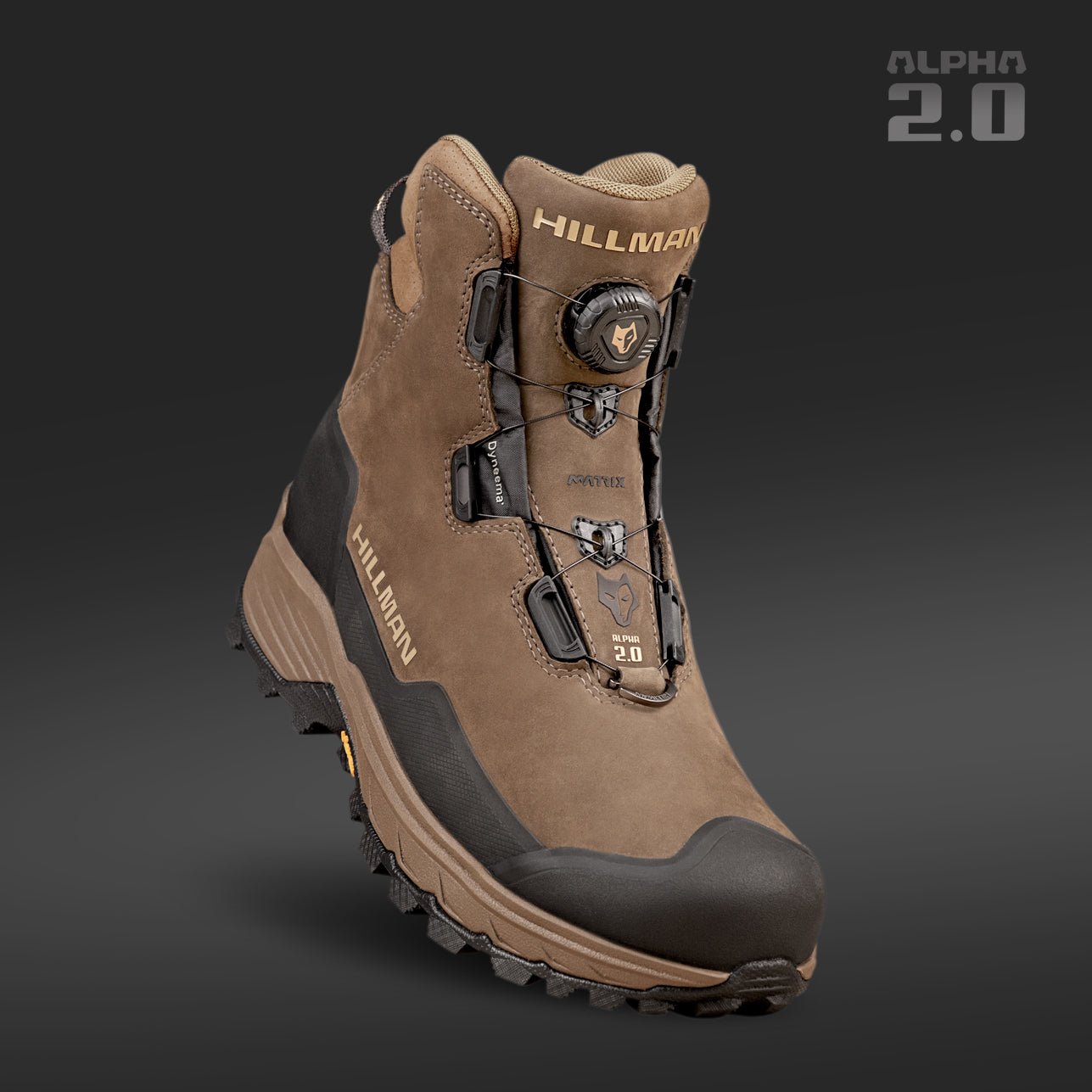
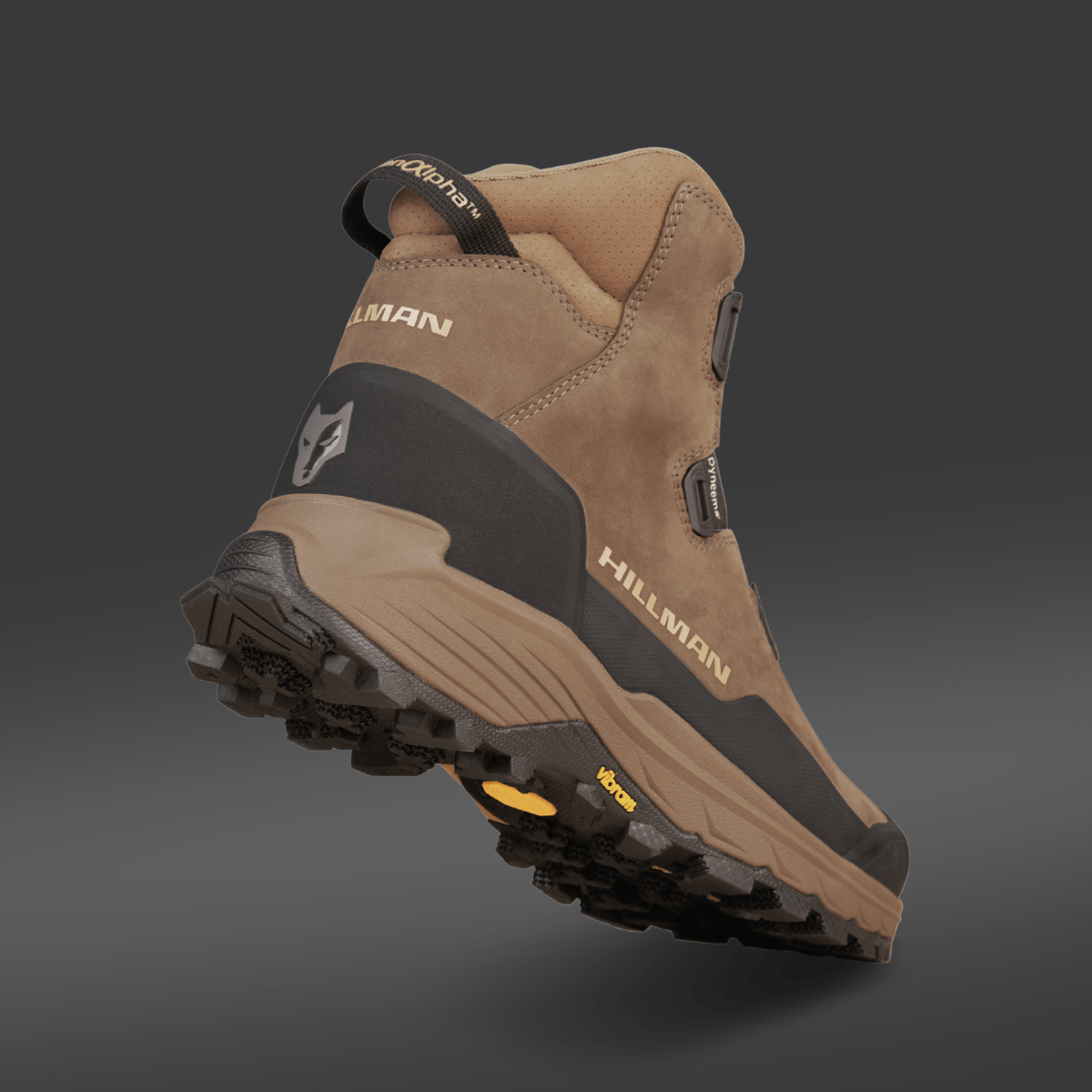
The soles of hunting boots are designed to protect more than they flex. A stiff sole spreads pressure when the ground is sharp or rocky. It keeps your foot from folding in ways that cause fatigue on long hikes. Deep lugs create excellent traction in mud, wet environments, and steep points of travel. And when the weather gets bad: wet weather, wet trails, snowy trails, the structure helps your ankle support stay consistent even when the surface underneath changes quickly.
That structure, though, means most boots in this category will have a noticeable break-in period. Thick leather needs time to soften. It shapes to your foot gradually. There’s often a short break in the period where the boot feels new, almost stubborn. But once hunting boots form around your foot, they feel like they belong to you alone. That’s long-term durability earned, not advertised.
Why Hunting Boots Make Sense for Off-Trail and Technical Ground?

Trail runners, hiking shoes, and lightweight hiking boots are great on day hikes or the beaten path. But step off that path and you can feel them struggle. Hunting boots don’t have that problem because they’re built for the ground that hikers avoid.
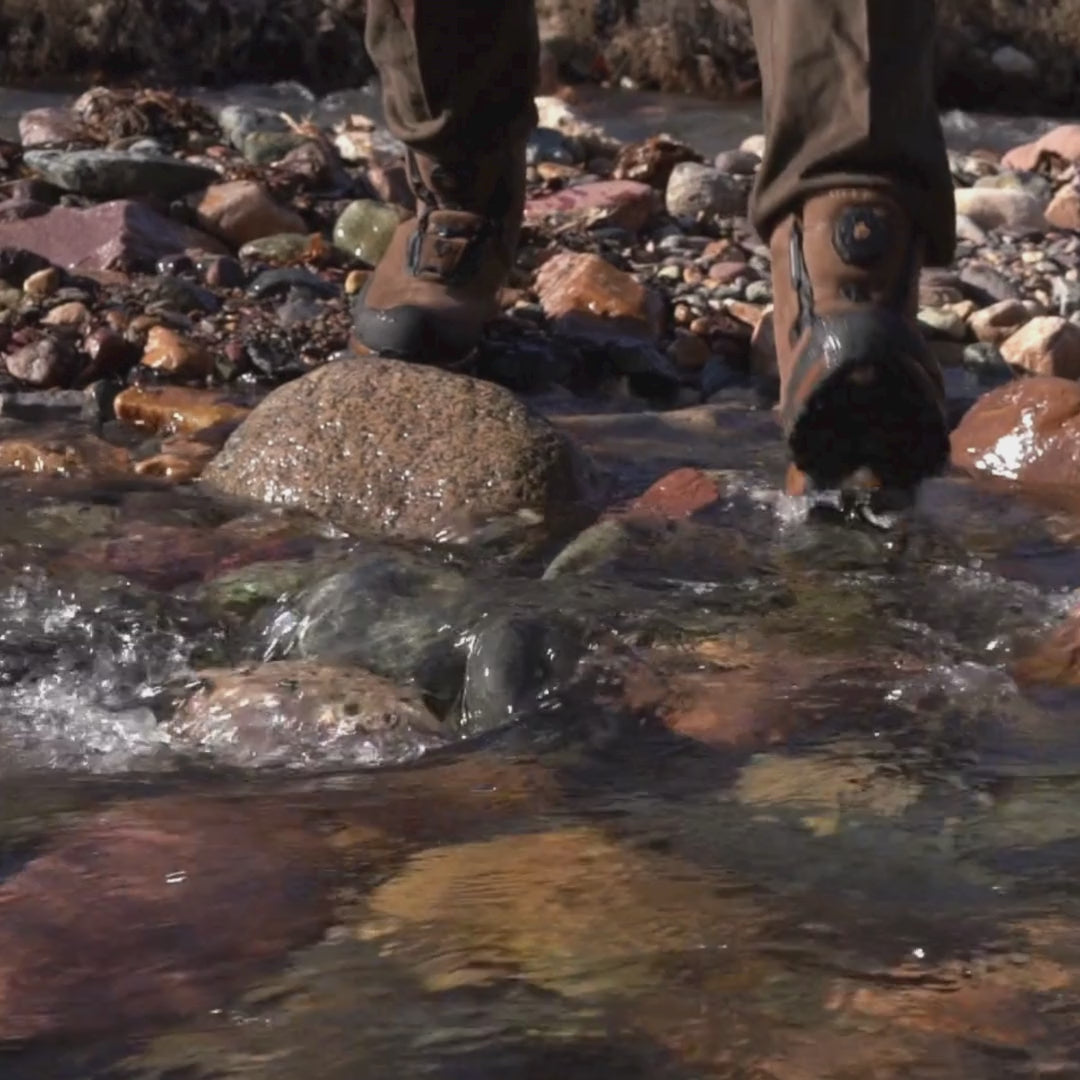
In thick brush, the ankle cuff protects from twists. On steep descents, the stiff sole prevents the foot from collapsing inward. When pushing through water-soaked grass or early morning dew, waterproof protection matters, and waterproof boot construction in hunting footwear usually combines leather with a Dryhunt membrane or a Gore-Tex liner to keep feet dry. If you’ve ever walked in cold, wet socks for a few hours, you know this isn’t a small detail.
Hunters also stop and start constantly. When you shift from walking to standing still for long periods, your feet cool down fast. Insulation and moisture control matter more than most people realize. Lightweight material may feel nice during warm climbs, but when you aren’t moving, leather and thicker synthetic materials keep warmth trapped longer.
And when the ground gets unpredictable: roots, holes, loose rock, wet conditions, or hard snow, deeper lugs and a stable heel help you avoid the kind of sudden slips that end a hunt before it begins.
Hiking Boots: Designed for Motion, Not Just Survival

Hiking boots behave almost like athletic equipment. They’re made for rhythm. A thousand steps that repeat the same motion again and again. Most hiking boots are lighter than hunting boots because the goal is efficiency: cover miles, feel comfortable, reduce fatigue.
Many hiking boots use synthetic materials or a mix of mesh and lightweight materials that breathe better than thick leather. The cushioned midsole acts like a buffer between the foot and the ground, which is why even long hikes feel manageable. On multi-day treks, lighter weight becomes essential. Every ounce matters when you’re carrying a pack and trying to maintain pace.
A hiking boot tends to flex more naturally. This lets the foot roll smoothly from heel to toe. On technical trails, that flexibility changes how you handle quick steps and narrow landings. But there’s a trade-off: most boots in the hiking category won’t provide the same ankle support you get from hunting boots, and a lighter upper means less protection around the foot.
Still, for day hikes, casual day hikes, short backpacking trips, or longer journeys on well-established trails, hiking boots feel more natural than hunting footwear. They work with your movement instead of resisting it.
What Makes a Durable Boot in the Hiking World?

Durability means something slightly different here. While hunting boots focus on resisting abrasion, hiking boots focus on resisting repetition. Thousands of steps wear down materials far more aggressively than a few hours of stalking through brush.
Nubuck leather is common in high-end hiking models because it balances strength and comfort. Synthetic materials reinforce pressure zones and help manage moisture during long hikes. The toe box often has added protection because hikers are more likely to kick rocks repeatedly. A snug fit prevents rubbing and hot spots later in the day.
Most durable boots in the hiking category are built around balance: enough stiffness to prevent arch fatigue, enough flex for a natural stride, and materials that stand up to wet trails, rocky trails, and constant movement.
Men’s Hiking Boots and the Push for Versatility

Men’s hiking boots now come in dozens of profiles: mid cut, low cut, mid waterproof, all-synthetic, hybrid leather uppers, and everything in between. The goal is to provide options for different foot shapes. Wider feet, narrower heels, need for wiggle room, modern hiking boots try to accommodate all of it.
Waterproof hiking boots use a Gore-Tex membrane to keep feet dry in wet environments, while more breathable non-waterproof models focus on lighter weight for hotter climates. Some models use deeper lugs for better traction on loose soil. Others aim for lighter materials to help with endurance on long hikes.
If you’re covering miles on technical trails, a well-designed hiking boot with a snug fit and cushioned midsole will help your feet stay happy longer than almost any heavy boot can.
The Appeal of Hiking Shoes, Trail Runners, and Zero Drop Shoes

There’s a reason so many hikers switch to hiking shoes or trail running shoes once the terrain becomes predictable. They’re lighter. More flexible. Faster. On day hikes or dry trails, trail runners feel almost effortless. They let your foot move naturally and help maintain speed without much ankle support.
A trail runner or trail runners in general aren’t built for rugged terrain, but for beaten path ground; they feel incredible. Zero-drop shoes have their own following because they mimic natural foot motion, though they can be tough on the lower legs if you’re not used to them.
Hiking shoes fit somewhere between boots and runners: more support, some protection, still flexible. A wide toe box allows more comfort on descents, and people doing multi-day treks in warm climates often choose them to reduce fatigue.
But once you hit wet weather, wet trails, snow, or anything off-trail, hiking shoes reach their limits quickly.
Gore-Tex, Dryhunt, Waterproofing, and What It Actually Means
People hear “waterproof” and assume it’s magic. It isn’t. Waterproof protection depends on construction, not just the label. A Gore-Tex or a Dryhunt membrane keeps water out while allowing vapor to escape, but only if the rest of the boot supports it. Gore-Tex liner setups work well, too, but breathability and drying time depend heavily on the materials around the membrane.
Lightweight hiking boots with Gore-Tex can handle wet conditions for long hikes, but if you’re pushing into soaked vegetation, tall grass, or deep puddles, the taller cuff and tighter structure of hunting boots protect better.
This is one area where Hillman puts a lot of engineering focus: Dryhunt membrane balancing waterproofing with breathability so feet stay dry without overheating during long days outside.
Materials: Leather, Nubuck, and Modern Synthetic Builds

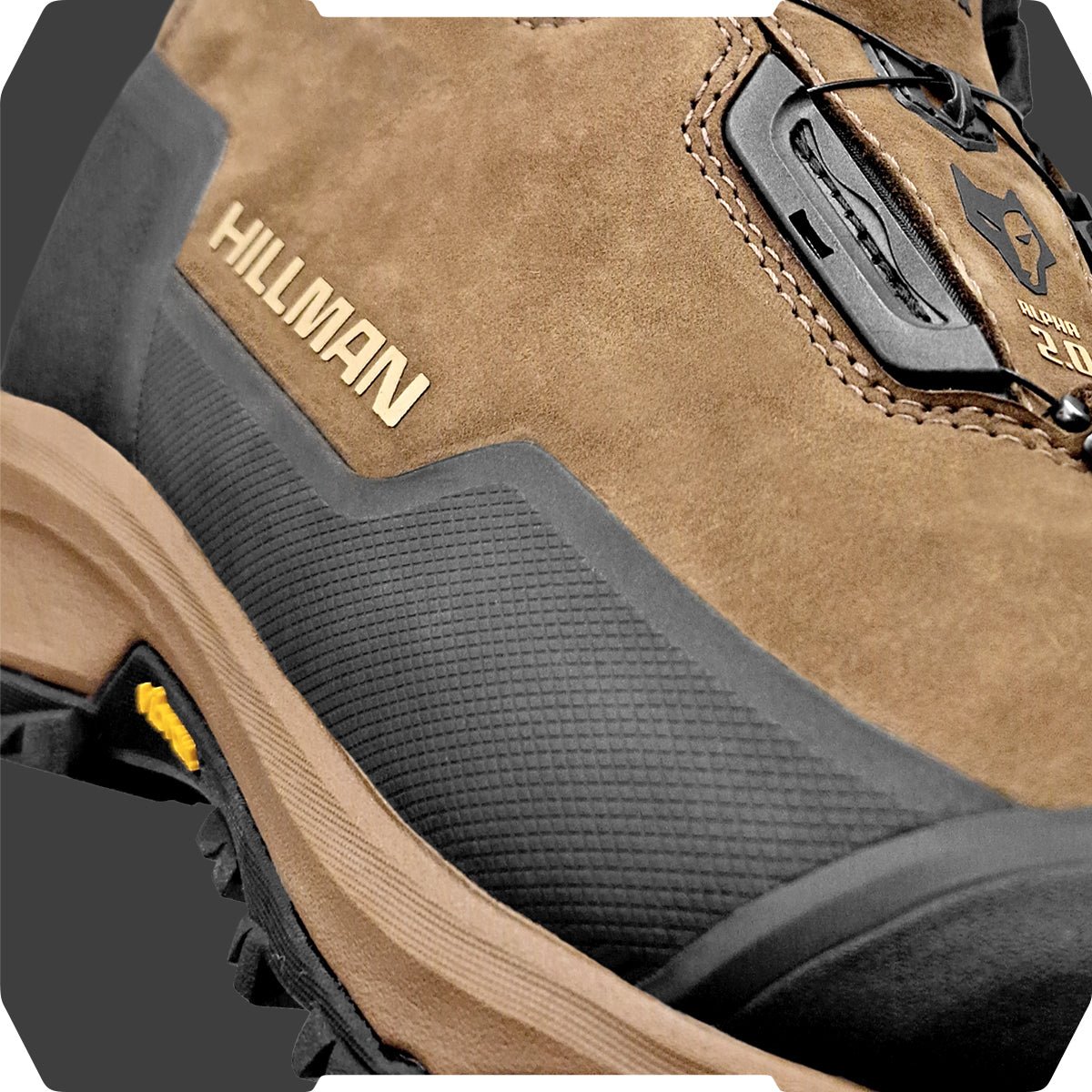
Leather boots last. That’s the main advantage. They break in slowly, perform consistently, and take abuse better than most synthetic materials. Nubuck leather is softer, more flexible, and still durable enough to be used in many high-performance designs.
Synthetic materials offer lighter weight and dry faster. They’re common in lightweight hiking boot models because hikers prefer something easier to move in. A durable boot can use any combination of these materials, but the right mix depends on the purpose.
If you’re pushing through extreme conditions, leather boots feel safer. If you’re moving fast on day hiking routes, synthetic builds feel like the smarter choice.
Fit, Lacing System, and the Details That Actually Matter

Your foot shape determines more than you think. A boot with a narrow toe box won’t work if you need wiggle room. A soft heel pocket creates slipping, which creates hot spots. A stiff sole feels great under load, but can feel awkward when empty.
The lacing system is another detail people overlook. Good lacing lets you adjust tension along the foot, tight near the ankle cuff for downhill stability, loose near the forefoot for longer comfort. A cushioned midsole alters the feel of every boot over long distances. Maximum cushion models reduce joint stress on long hikes but can feel unstable on very rugged terrain.
There’s no universal “best boot.” There’s only the boot that matches your terrain, foot, and expectations.
Best Hiking Boots for Real-World Trails and Changing Terrain
If you’ve ever hiked a trail that looked easy at the start and suddenly turned into a mess of rocks, roots, and patches of mud, you already know why people argue about the best hiking boots. It’s not about brand names or some chart that ranks them top to bottom. It’s really about how a boot behaves when the ground does something you didn’t expect. Some boots feel great on dry dirt but lose confidence on wet trails. Others grip well on rocky terrain but feel stiff after a few miles. The good ones, the ones you remember, are the boots that don’t complain when the trail changes its mind. They keep your feet under control, keep your stride steady, and don’t punish you for choosing the longer route just because the view looked better.
Ankle Support That Makes a Difference When the Ground Gets Rough

People don’t talk about ankle support until they twist an ankle. Or almost twist one, which is sometimes worse because you remember it on every step after. When the ground tilts sideways or breaks under your weight, the only thing that stops that sudden collapse is the way your boot holds your ankle. Some hiking boots keep it light and flexible, which feels great on smooth paths. But once you wander into uneven terrain or start dropping into those awkward angles between stones and loose soil, you start appreciating boots that give a little more structure. Not too tight, not stiff like a cast, just enough to keep your foot from rolling when the trail suddenly shifts. It’s the kind of feature you don’t thank until it saves you.
Day Hikes and Light Mileage: When Flexibility Beats Structure

Most people don’t need a heavy boot for day hikes. You grab your pack, a bottle of water, maybe a snack, and that’s it. The trail is usually predictable, and your goal is to move comfortably, not fight your footwear. Lightweight hiking boots, trail runners, and even simple hiking shoes do a better job here because they don’t get in your way. They bend with your foot instead of trying to control it. They’re breathable, quick to dry, and make those first few miles feel almost effortless. Sure, they’re not made for deep mud or bushwhacking, but for casual day hikes where the terrain stays friendly, flexibility wins. Always.
Break-In Period and Why Some Boots Demand More Time
Anyone who has bought a pair of leather boots knows this moment: you put them on, take a few steps, and think, “Okay… these need time.” And they do. Leather boots, especially the tougher ones, aren’t built to feel soft right away. They’re built to last. The break-in period is basically your foot and the boot negotiating a truce. Softer, synthetic hiking boots skip that whole conversation. You lace them, walk out the door, and they’re comfortable from the start. However, the trade-off is real: what breaks quickly usually breaks down more quickly. Heavy-duty models, especially hunting boots, need a few outings before they relax and start feeling like they belong to you. And once they do, that personalized shape is something lighter boots can’t replicate. You earn it mile by mile.
Choosing the Right Boot for Your Next Adventure
If your time outside is defined by motion: long hikes, day hikes, steady pacing, and predictable trails, hiking boots or hiking shoes make sense. Lightweight hiking boots feel easier over distance. A mid-cut model with a Dryhunt membrane helps keep feet dry on wet trails. A lighter-weight build helps prevent fatigue.
If your terrain changes constantly, if you’re stepping off trail, navigating rugged terrain, or dealing with wet environments and steep descents, hunting boots offer something hikers rarely need: unwavering stability.
One protects your pace. The other protects your footing.
Step Where You Want, Not Where You Must

Once you understand the difference between hunting boots and hiking boots, everything becomes easier. You stop guessing. You stop hoping a lighter boot will survive rocky trails or expecting a stiff hunting boot to feel great on casual day hikes.
Feet dry, superior comfort, great traction, long-term durability, you only get these when the boot actually matches the ground under you.
Think about where you walk, not just what looks good on the shelf. Think about wet conditions, uneven terrain, long hikes, and extreme conditions. Choose the boot that lets you enjoy the next adventure instead of fighting through it.
Your feet will thank you, every single mile.
How to Choose The Right Boot for You?

Can you hike in hunting boots?
Yeah, you can. I’ve done a few long miles in them when I didn’t feel like switching gears. But honestly, after an hour or two, you start noticing the weight. Great on messy ground, great when things get unpredictable, but on a regular trail… you’ll probably wish for something lighter.
Why do hunting boots feel so stiff compared to hiking boots?
They’re built that way on purpose. Hunting boots are made to hold your foot steady when the ground is doing all kinds of nonsense under you. Hiking boots are more about motion: smoother rolling steps, less resistance. Once you try both on the same hill, the difference becomes really obvious.
Do hunting boots actually need a break-in period?
Most do. Especially the leather ones. The first couple of walks feel a bit awkward, like the boot and your foot are still trying to figure each other out. After a few outings, though, they soften just enough, and suddenly the fit makes sense.
Are hiking shoes enough for rough terrain?
Depends on what you call “rough.” On easy day trails, absolutely. They feel great. But if you’re hopping between rocks, or the ground tilts sideways, or you’re carrying a pack, a boot with real ankle support just feels safer. Not fancy, just safer.
Which type keeps your feet dry longer in messy, wet conditions?
On normal wet trails, waterproof hiking boots with Gore-Tex hold up fine. Once you get into tall, soaked grass or mud that wants to climb into your socks, hunting boots win. They’re taller, tighter, and just seal better when things get sloppy.



Share:
Durable Hunting Clothing for Harsh Conditions: Lasting Gear
The Best Hunting Layering System for Changing Weather Conditions