

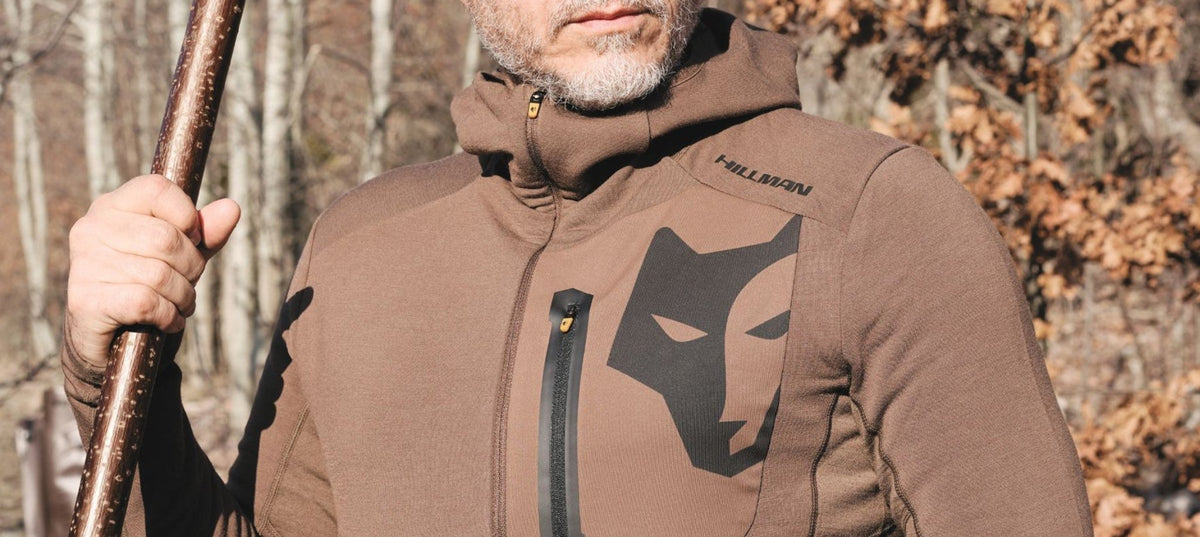
The Best Hunting Layering System for Changing Weather Conditions

A practical look at building a hunting layering system for changing weather conditions, focusing on moisture control, warmth, and real field experience.
There’s a point in almost every season when a hunter thinks they’ve finally got layering figured out. The right jacket, the right pants, the right base layer. Everything feels dialled in. Then weather conditions change: sometimes quietly, sometimes all at once, and the system you trusted starts to fall apart.
It usually happens far from the truck. After a longer walk than planned. Or during a sit that stretches into hours because deer never showed when the trail cameras said they would. That’s when you realise a hunting layering system isn’t about staying warm in theory. It’s about staying functional when things don’t go to plan.
Layering is not static. It shifts with temperatures, wind, rain, movement, and time. And if you hunt long enough, you stop thinking in terms of “warm” or “cold” and start thinking in terms of moisture, air, and timing.
Base Layer: Where the System Actually Starts

Most hunters underestimate the base layer because it’s invisible once you’re dressed. But it’s the layer that decides whether the rest of your gear works or fails.
A base layer isn’t there to insulate. Its real job is managing sweat and moisture while you move. Walking into the woods generates heat. Dragging gear, covering distance, scouting, all of it does. If that moisture stays against your skin, heat loss becomes inevitable the moment you stop.
A solid base layer top keeps moisture moving. It creates space between your skin and the rest of your layers, letting air circulate instead of trapping sweat.
Merino Wool, Polyester, and Real Trade-Offs
Merino wool has a reputation for a reason. It regulates heat well, keeps some warmth even in wet conditions, and helps with scent control over long hunts. Wool doesn’t eliminate odor, but it manages it better, especially when you’re sitting close to deer in still air.
Polyester behaves differently. It dries fast, handles heavy movement well, and works in warmer temps when breathability matters more than insulation. But it also holds scent, and once it does, there’s no ignoring it.
Neither option is perfect. Merino doesn’t always dry as fast as you want. Polyester doesn’t forgive mistakes. Most experienced hunters rotate both through the season and choose based on weather, activity, and how long they expect to sit. That decision alone shapes the rest of the layering system.
Mid Layer: The Middle Where Most Mistakes Happen

The mid-layer is where warmth is created or wasted. These insulating layers trap heat, but they also need to breathe. Too much insulation too early leads to sweat. Too little later on leads to cold, restless nights.
Lightweight fleece, wool pullovers, softshells, or a simple insulated vest can all work here. What matters is how easily you can adjust.
Walking builds heat quickly. Sitting drains it just as fast. Treating those two moments the same is where many hunters go wrong.
Some of the coldest hunts don’t start cold. They start warm. You overdress, sweat on the walk in, then sit still as temps drop and the wind picks up. Suddenly, staying warm feels impossible.
The fix isn’t more gear. It’s a restraint.
Outer Layer: Protection That Earns Its Place

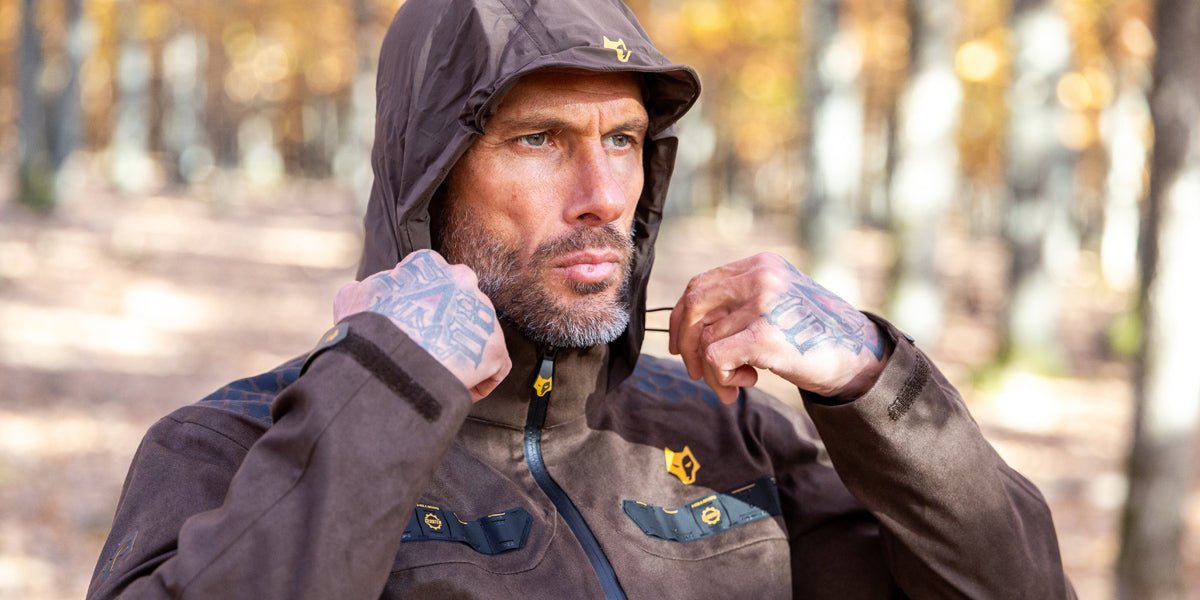
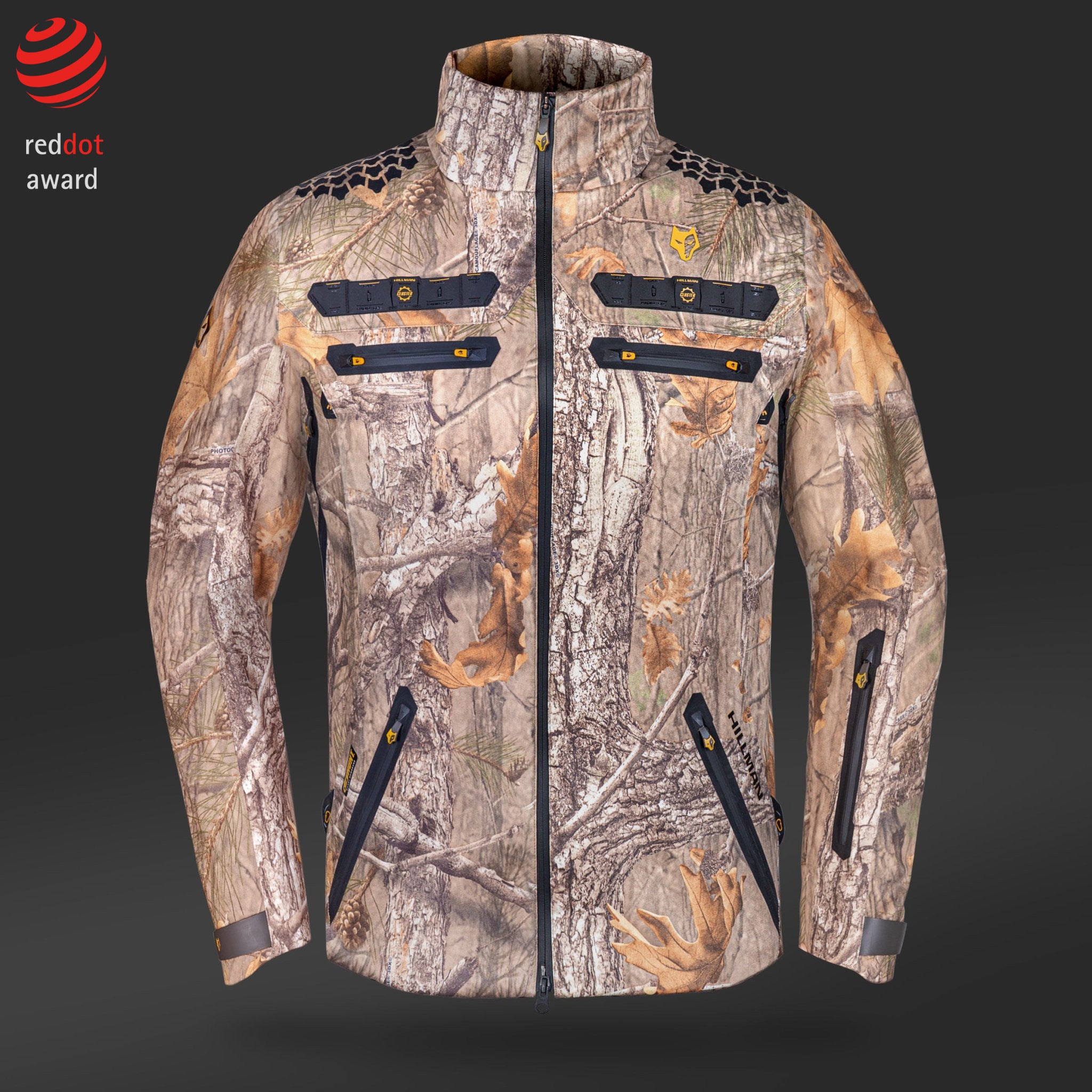
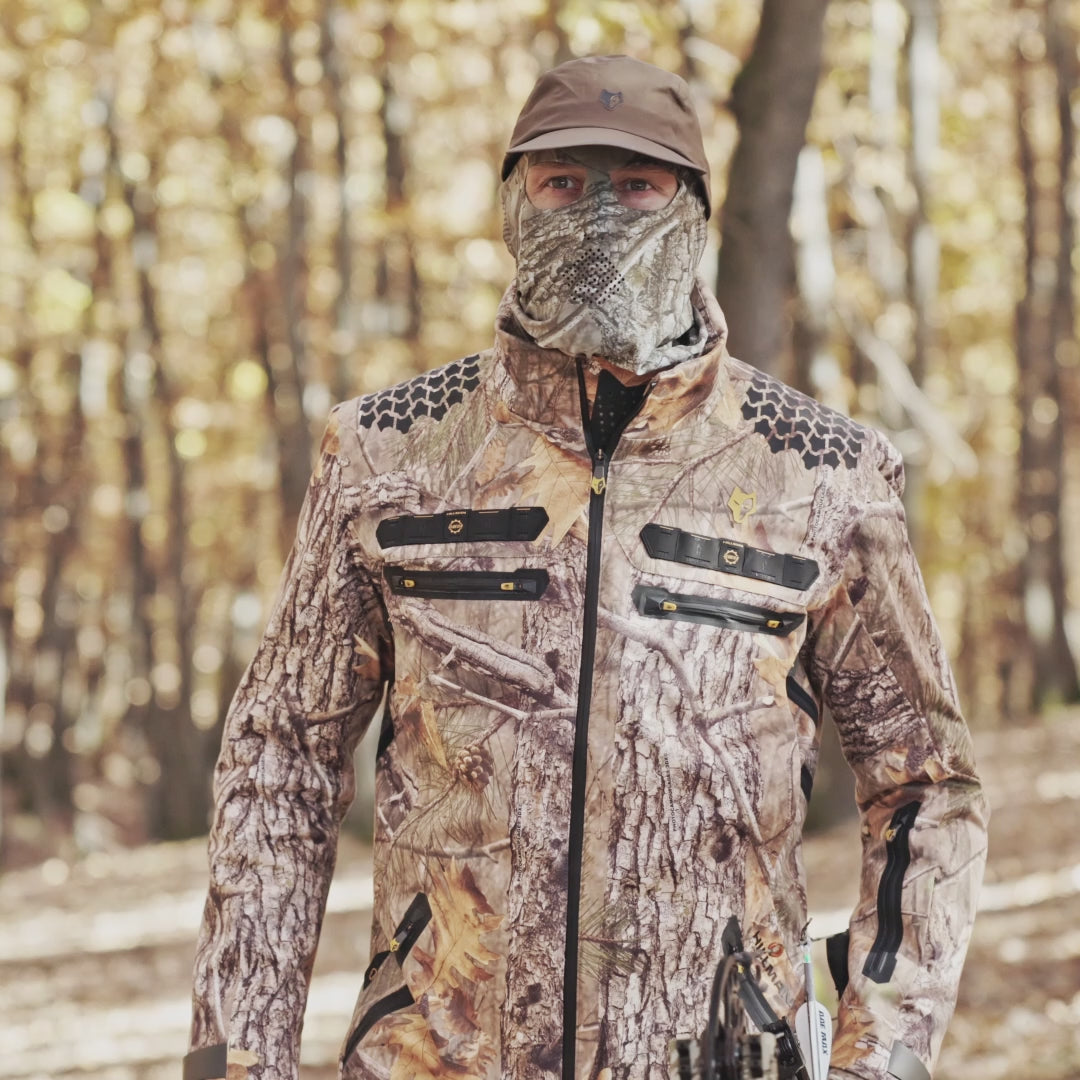
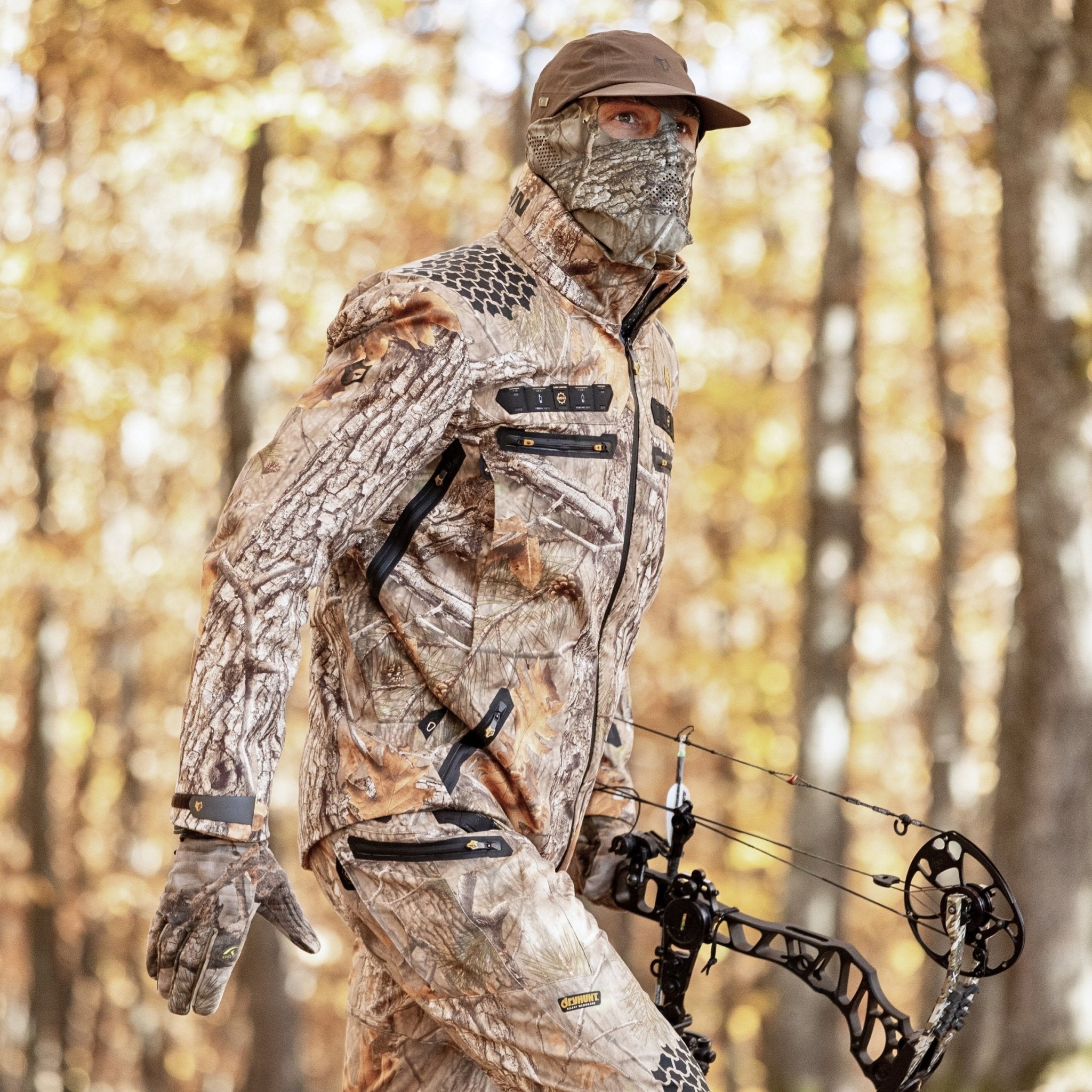
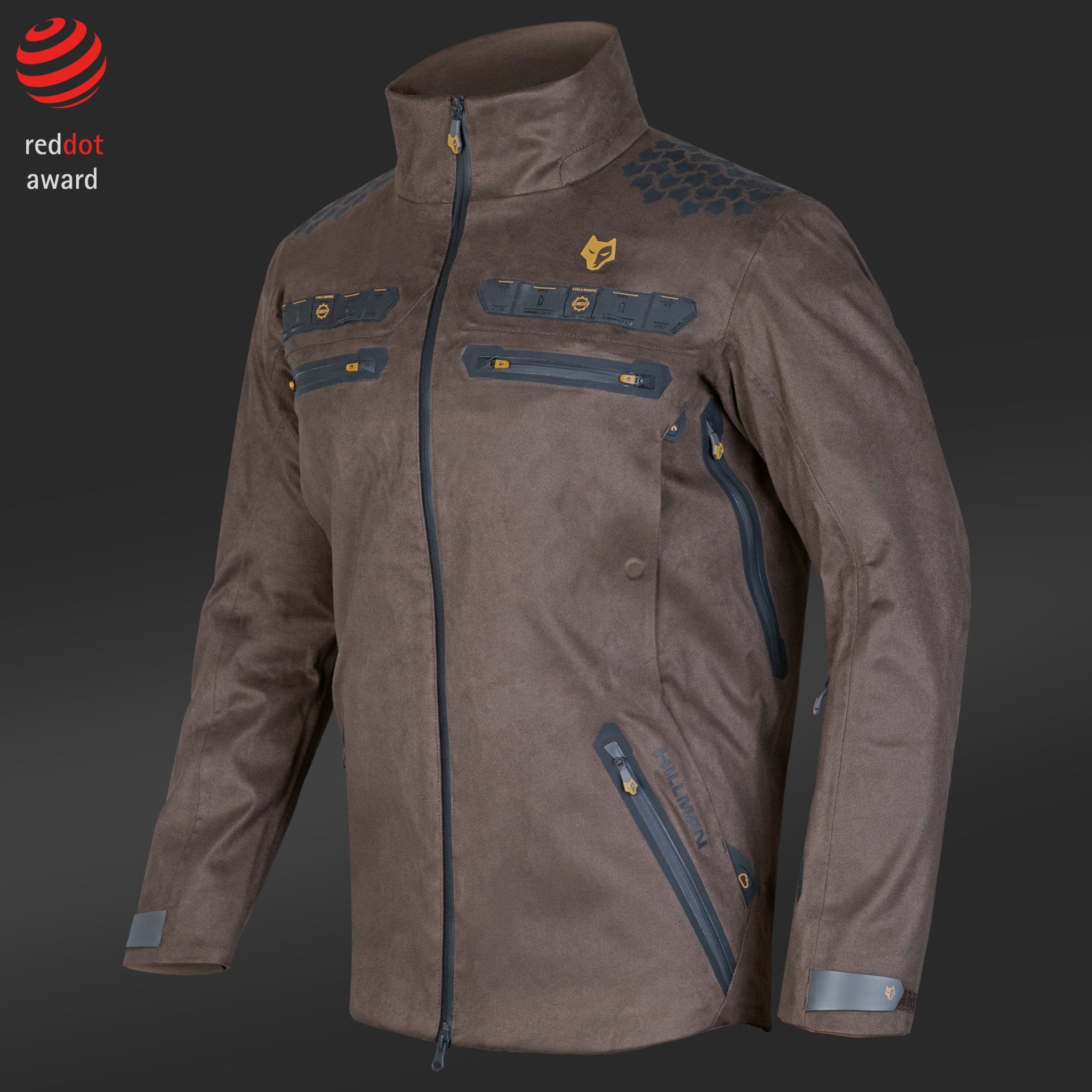
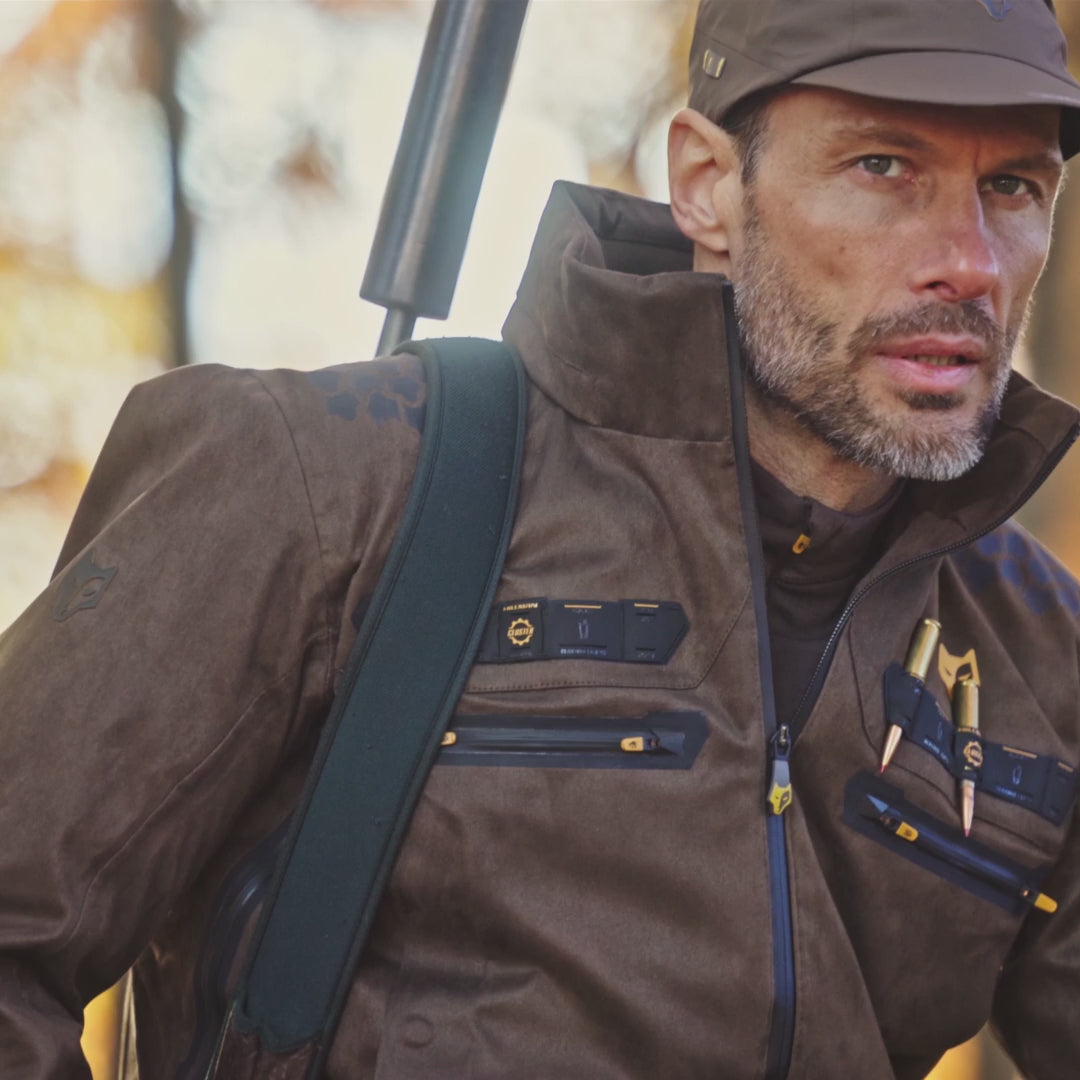
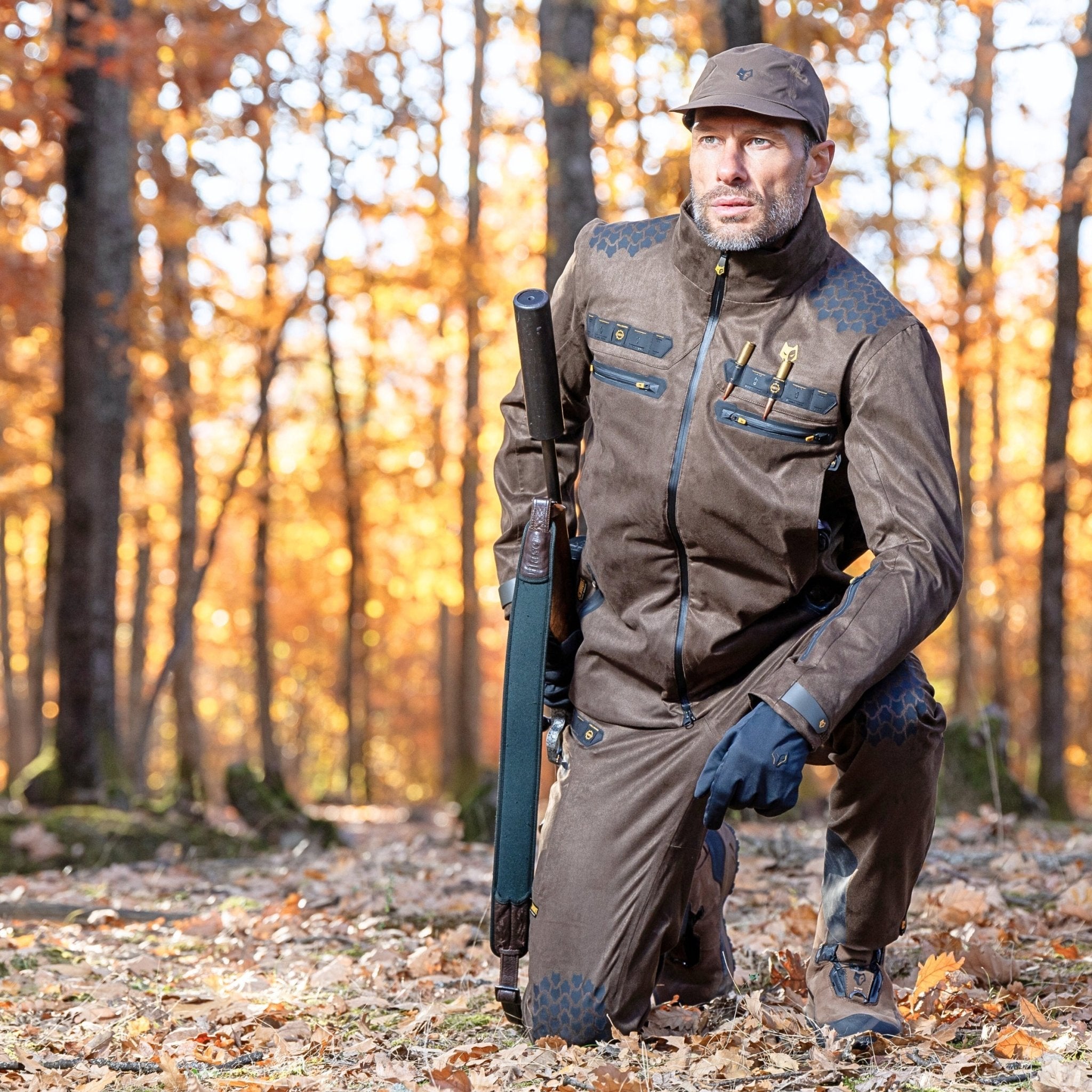
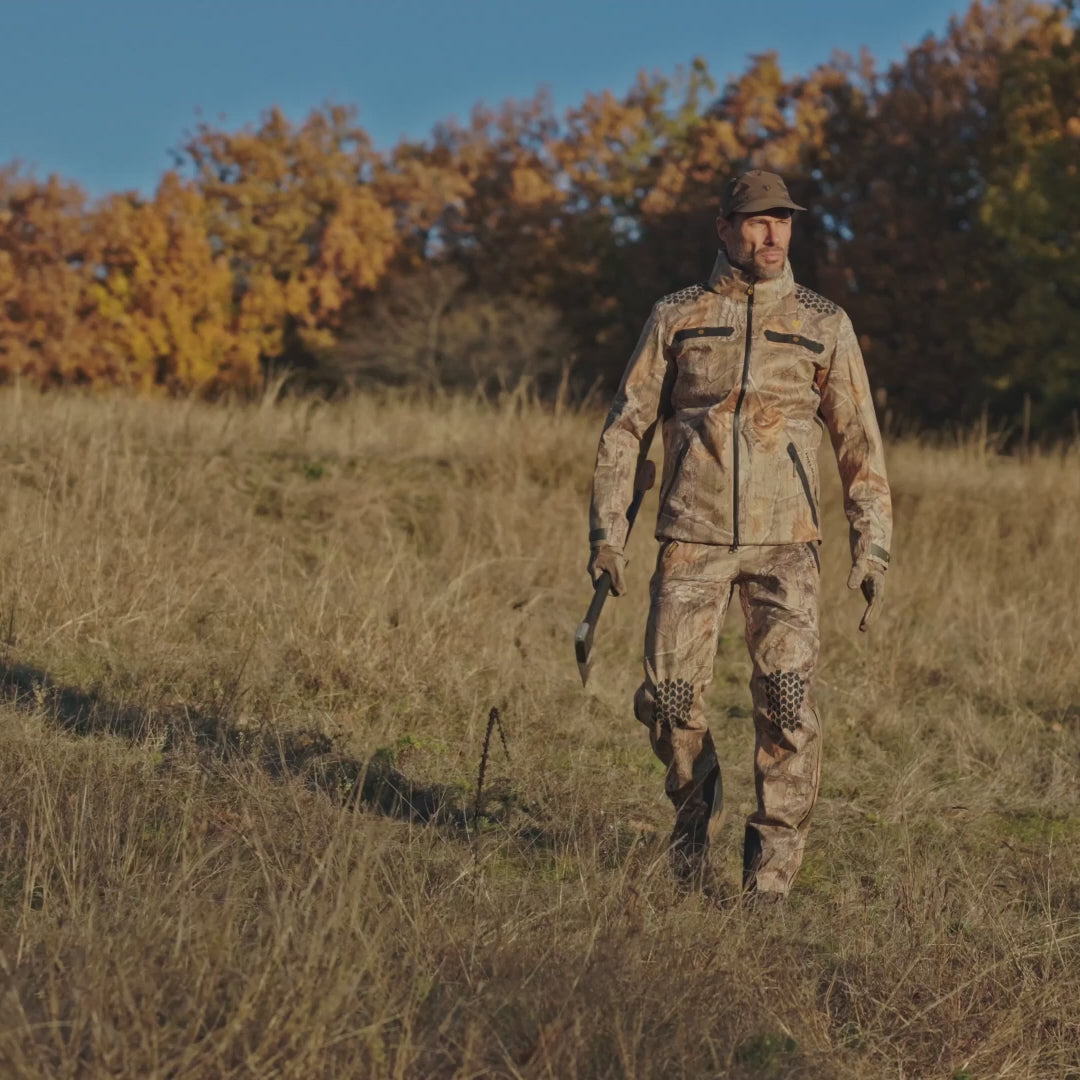
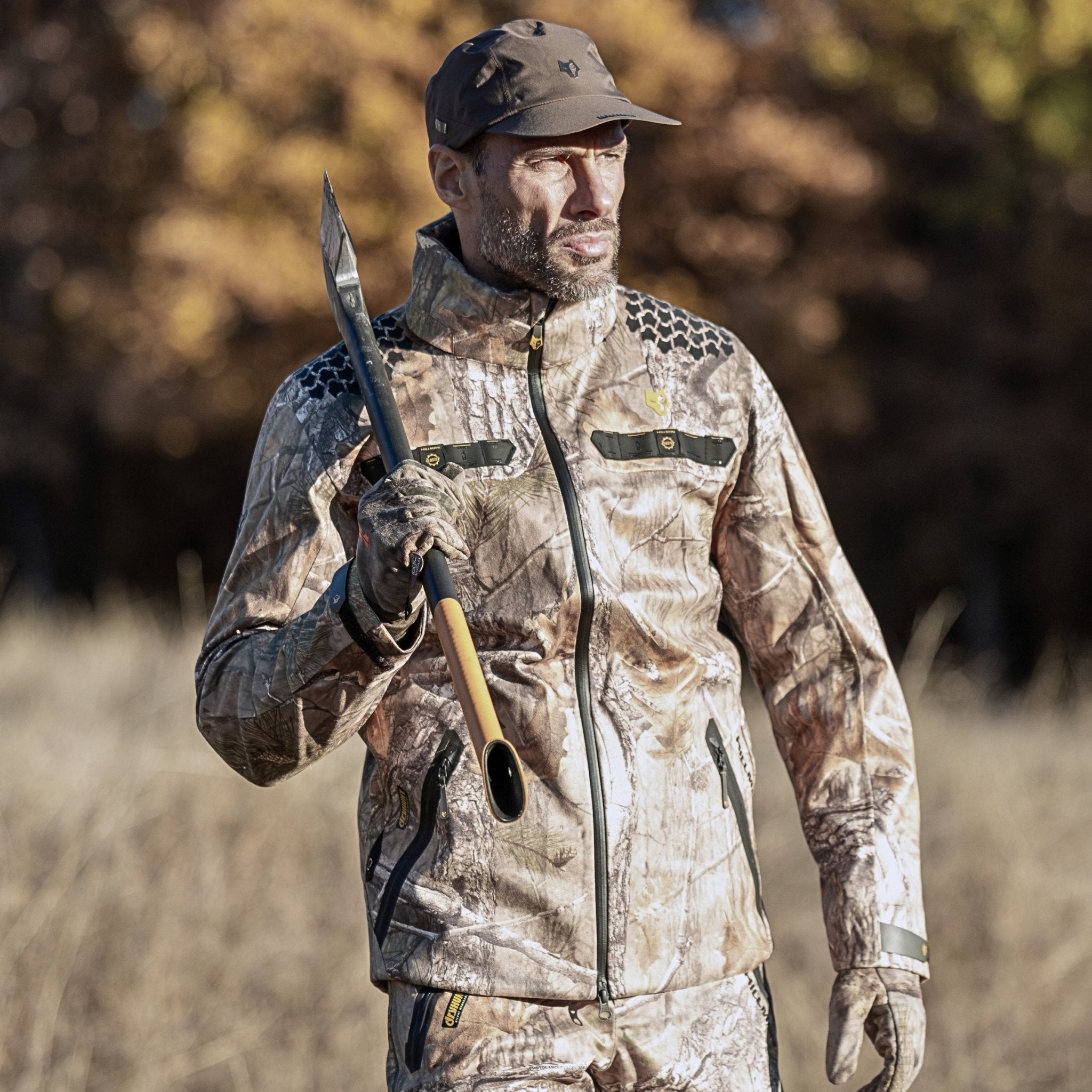
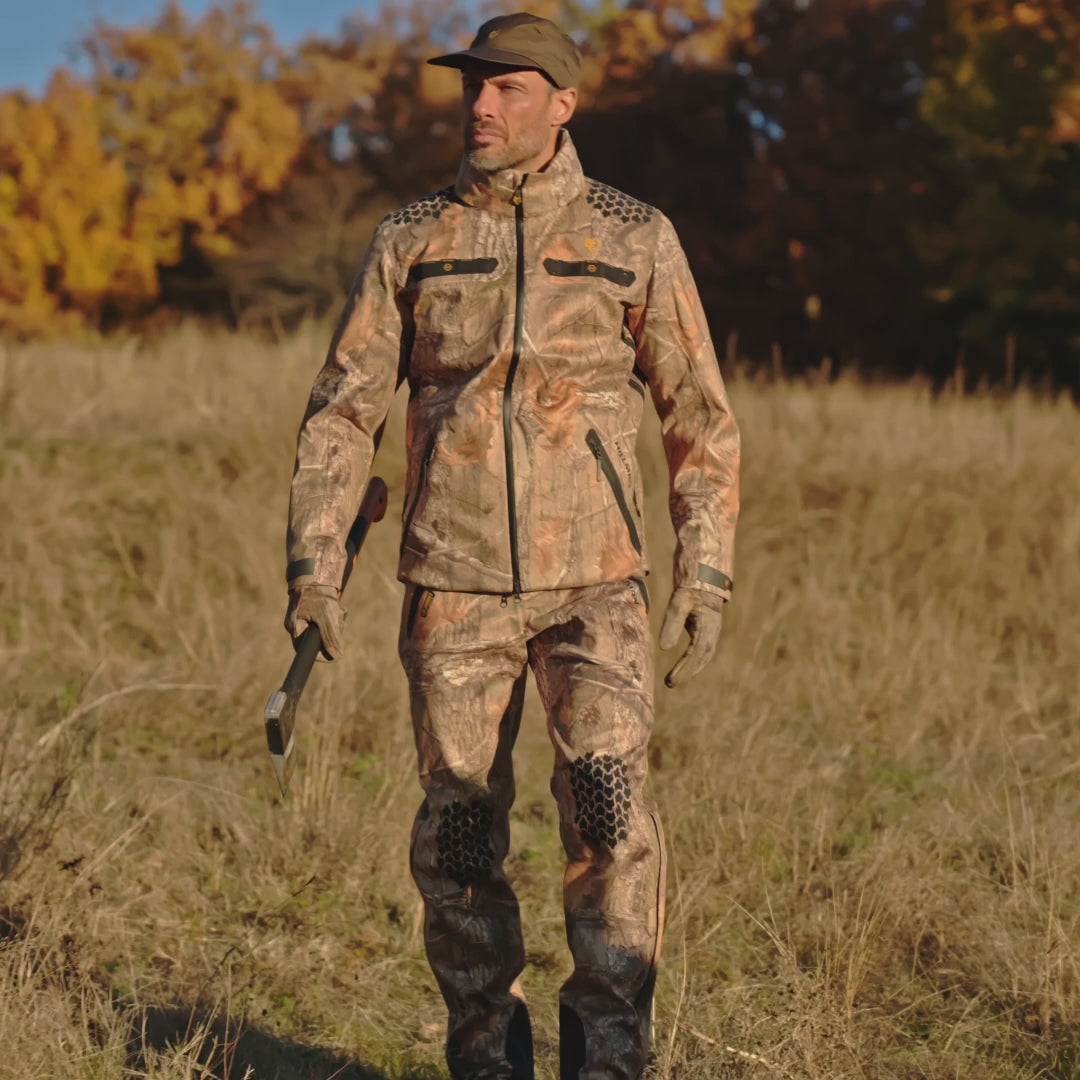
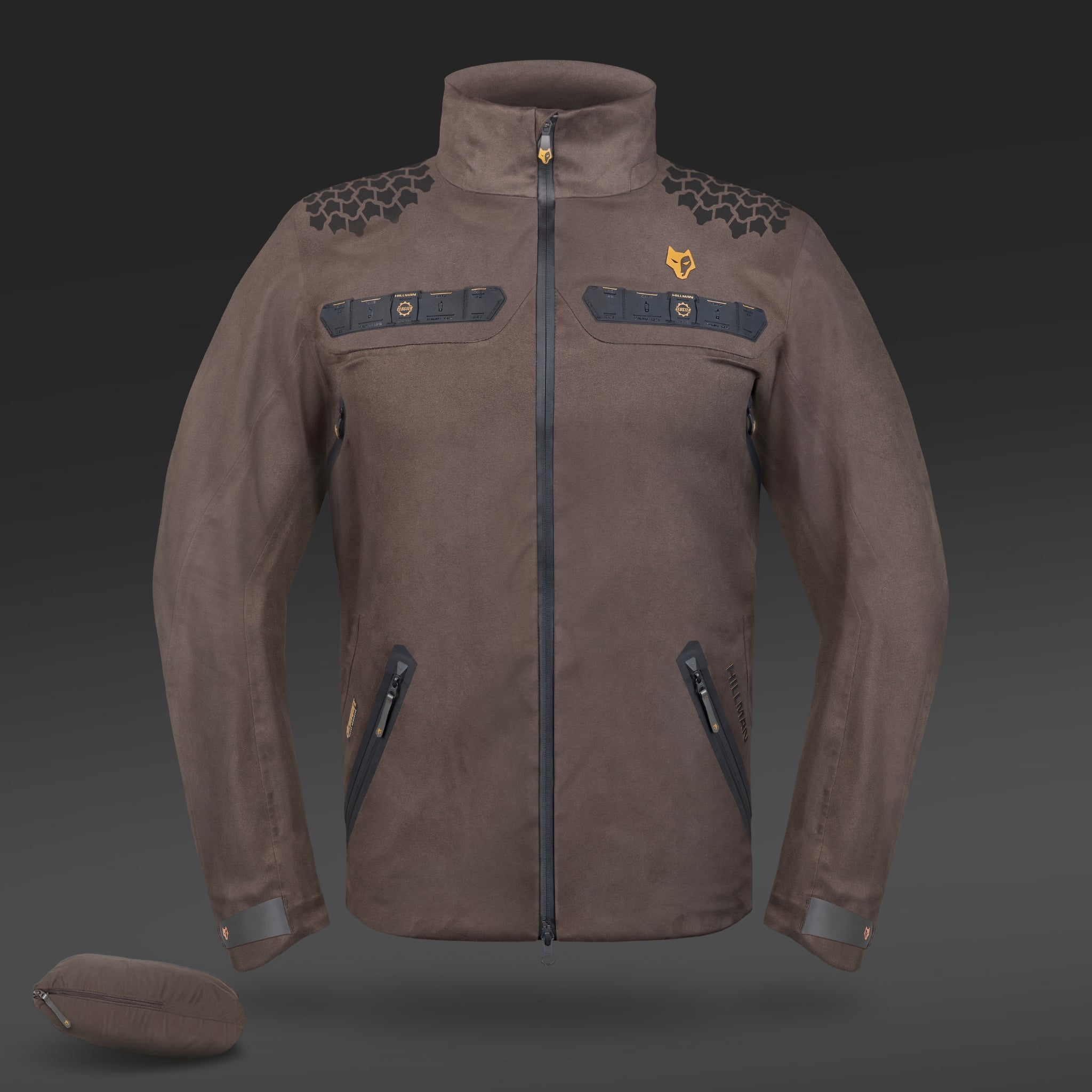
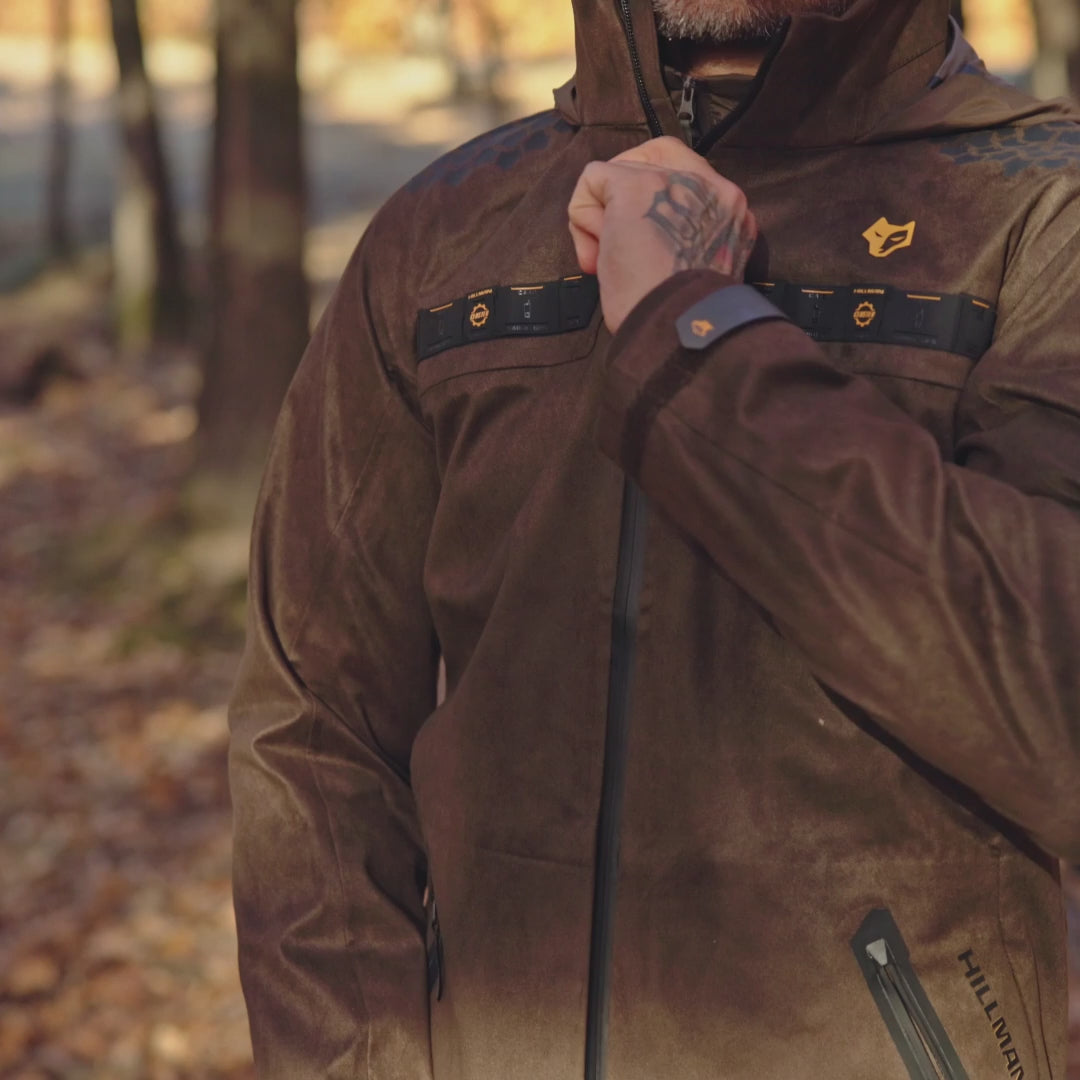
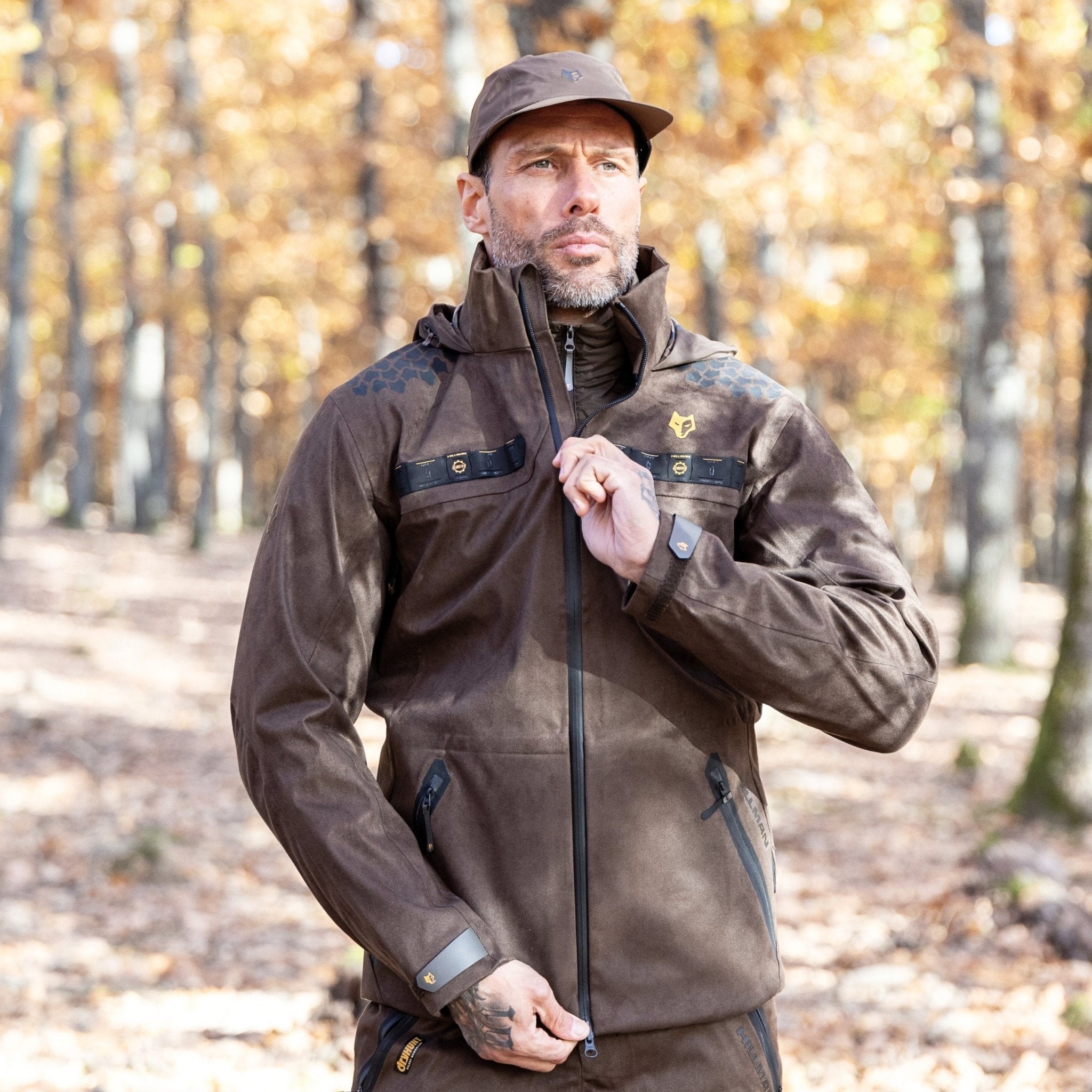
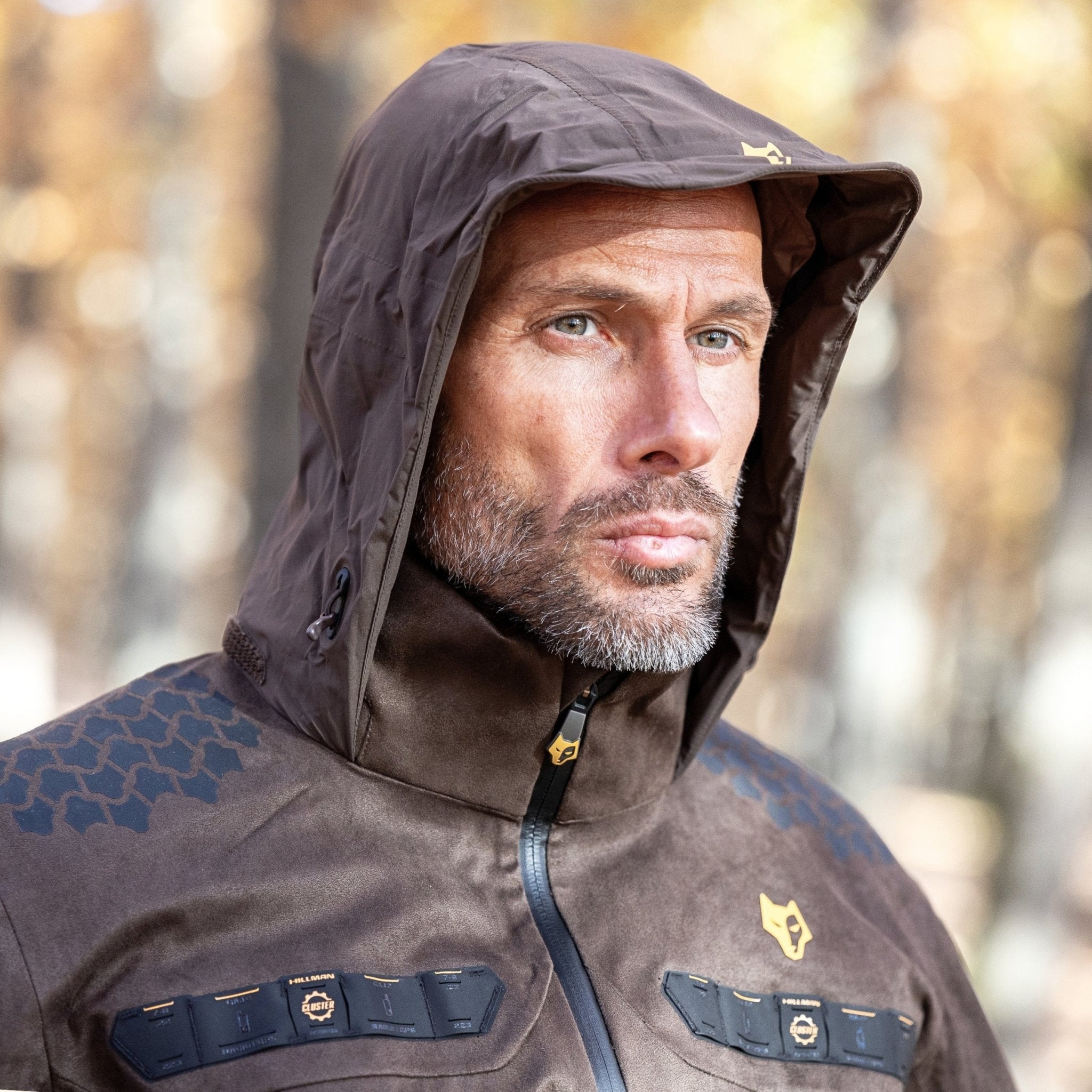
An outer layer doesn’t just keep rain off your shoulders. It controls wind, blocks snow, and protects every layer underneath from failure. If it doesn’t breathe, moisture builds. If it isn’t tough, it wears out fast.
An insulated outer layer matters most in cold, windy weather. Late fall and winter hunts expose weaknesses quickly. Wind cuts through cheap fabrics. Rain finds seams that looked solid in the store.
Materials like nylon are common because they balance protection and durability. Full rain protection matters, but breathability matters more over time. Being wet from the rain is bad. Being wet from sweat is worse.
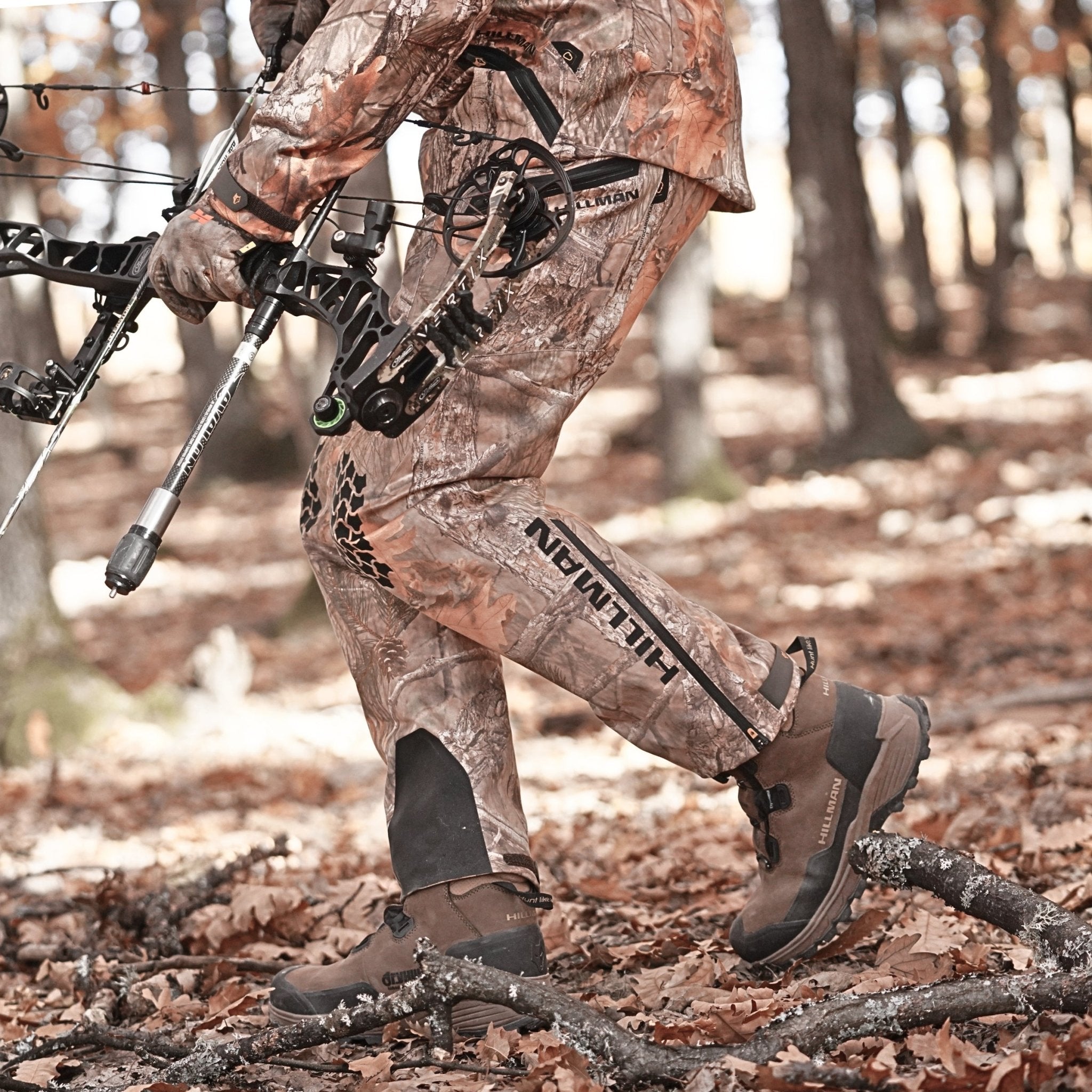
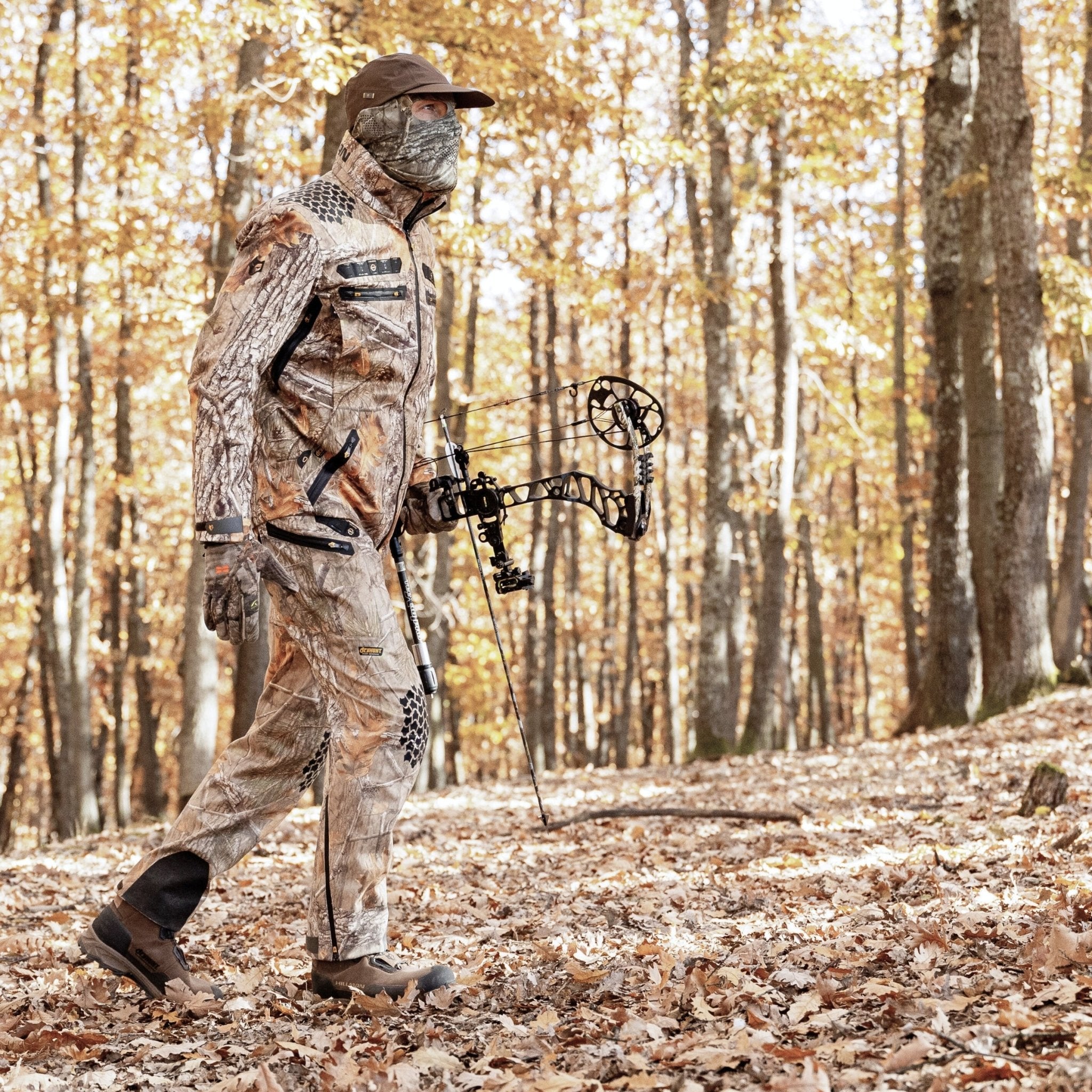
This is also where noise matters. Gear that crackles in cold air or stiffens in freezing temps turns movement into a liability, especially for bow hunters.
Pants, Boots, and the Layers People Forget

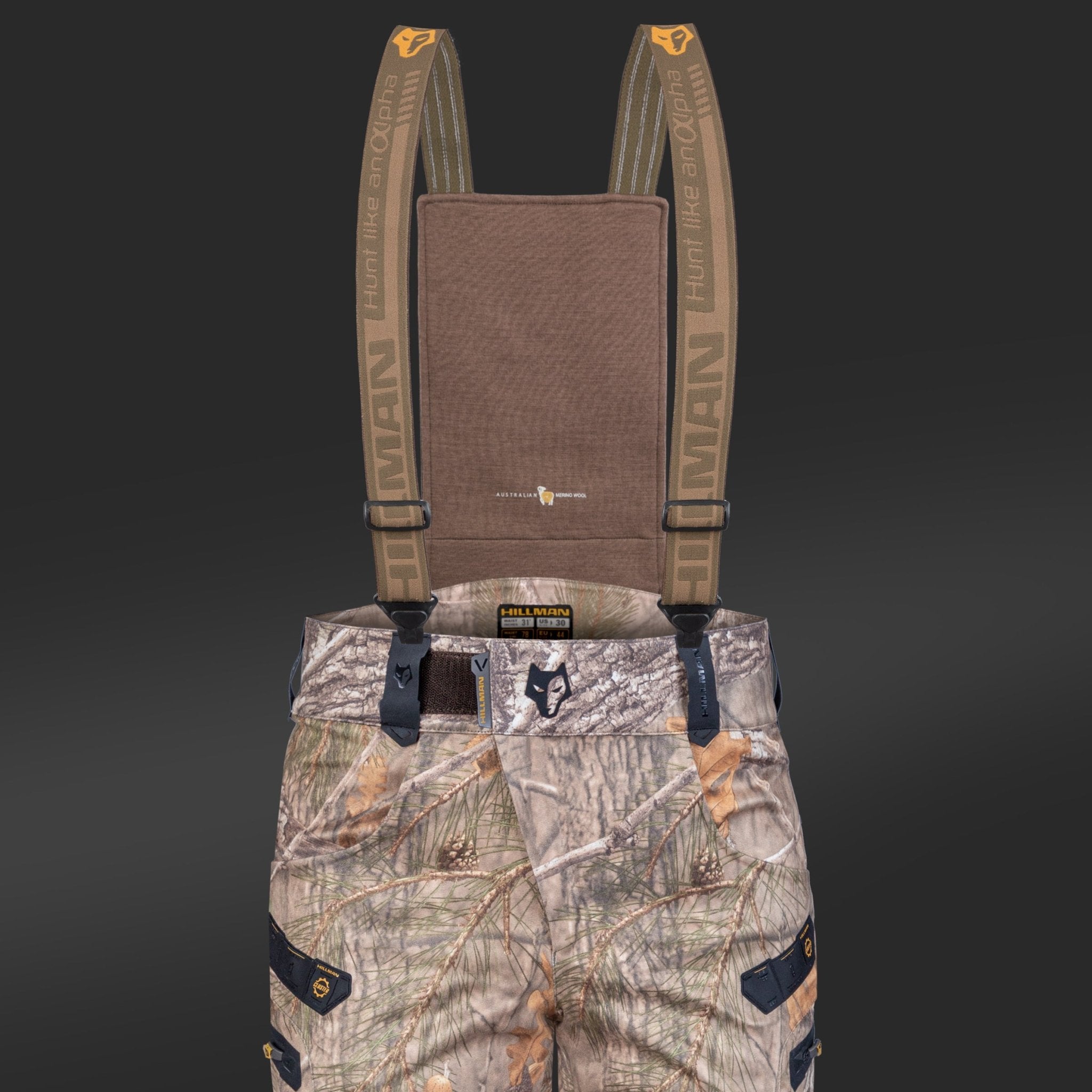
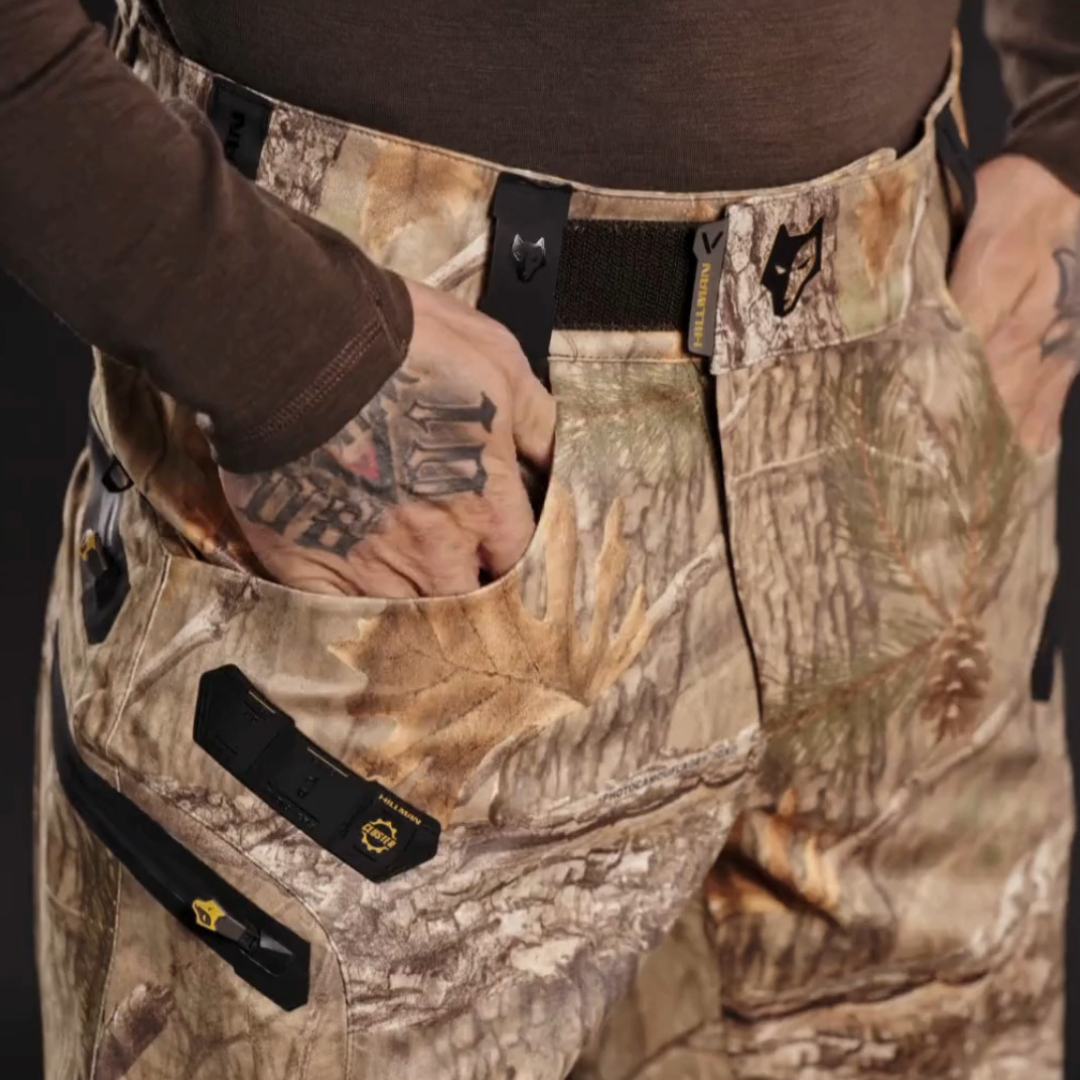
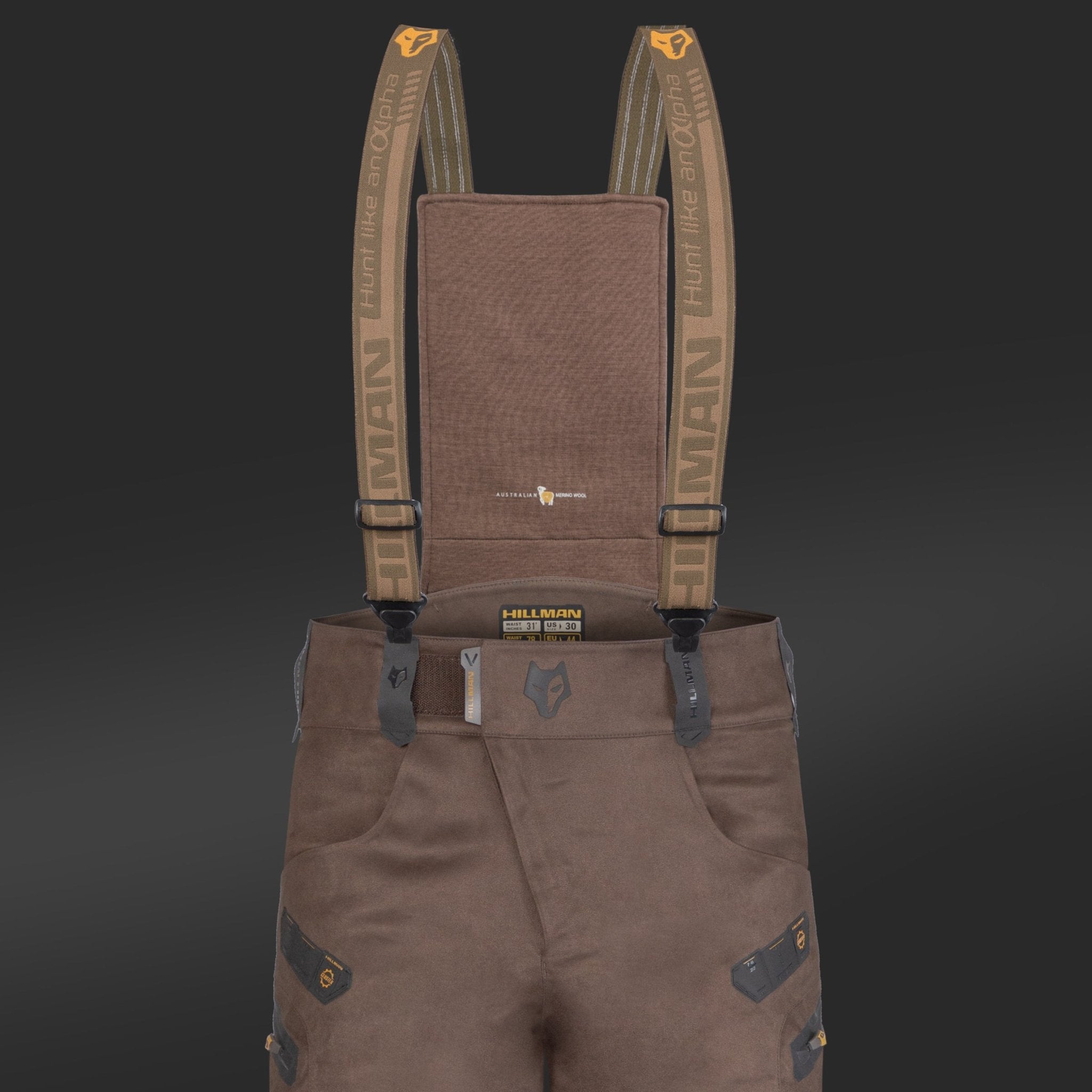
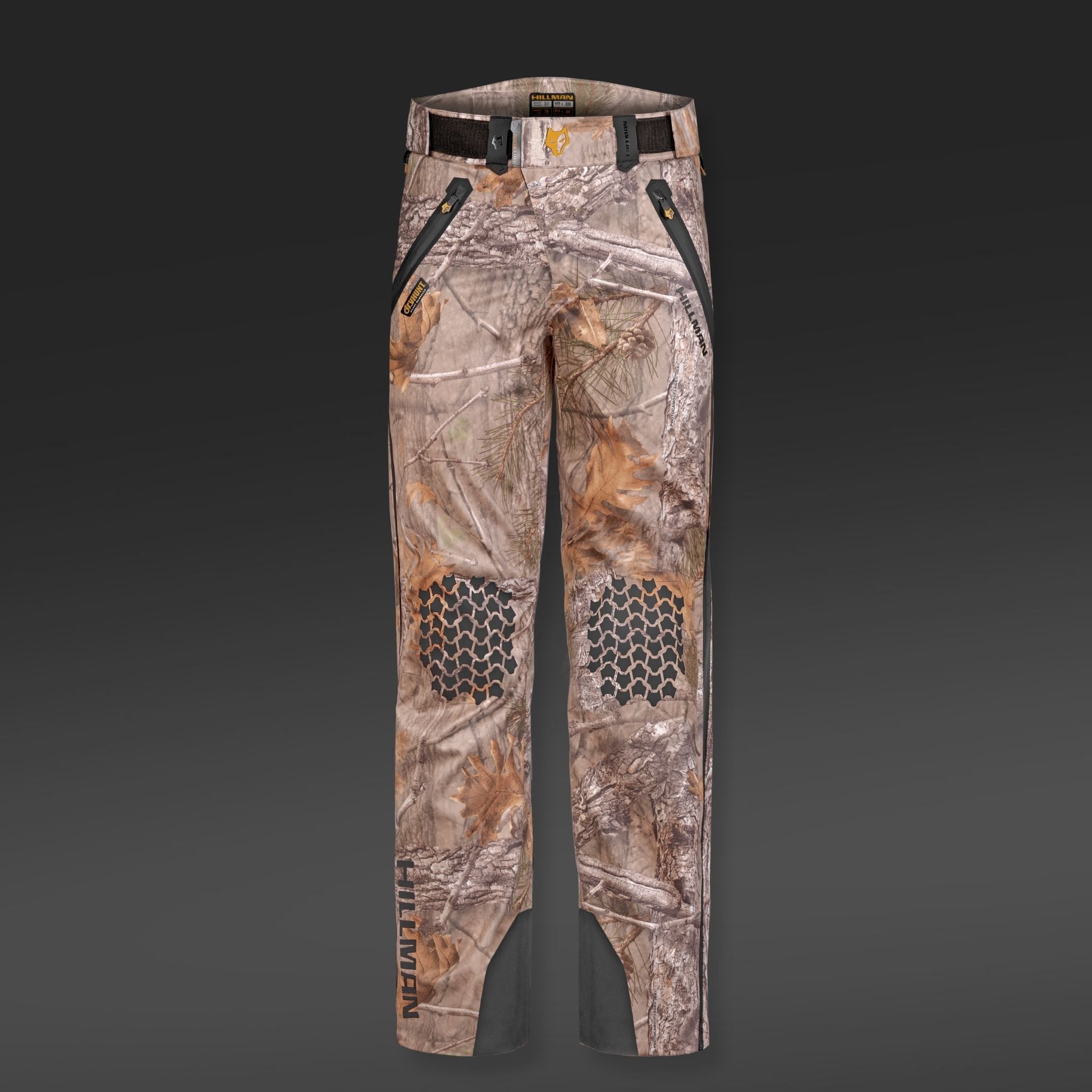
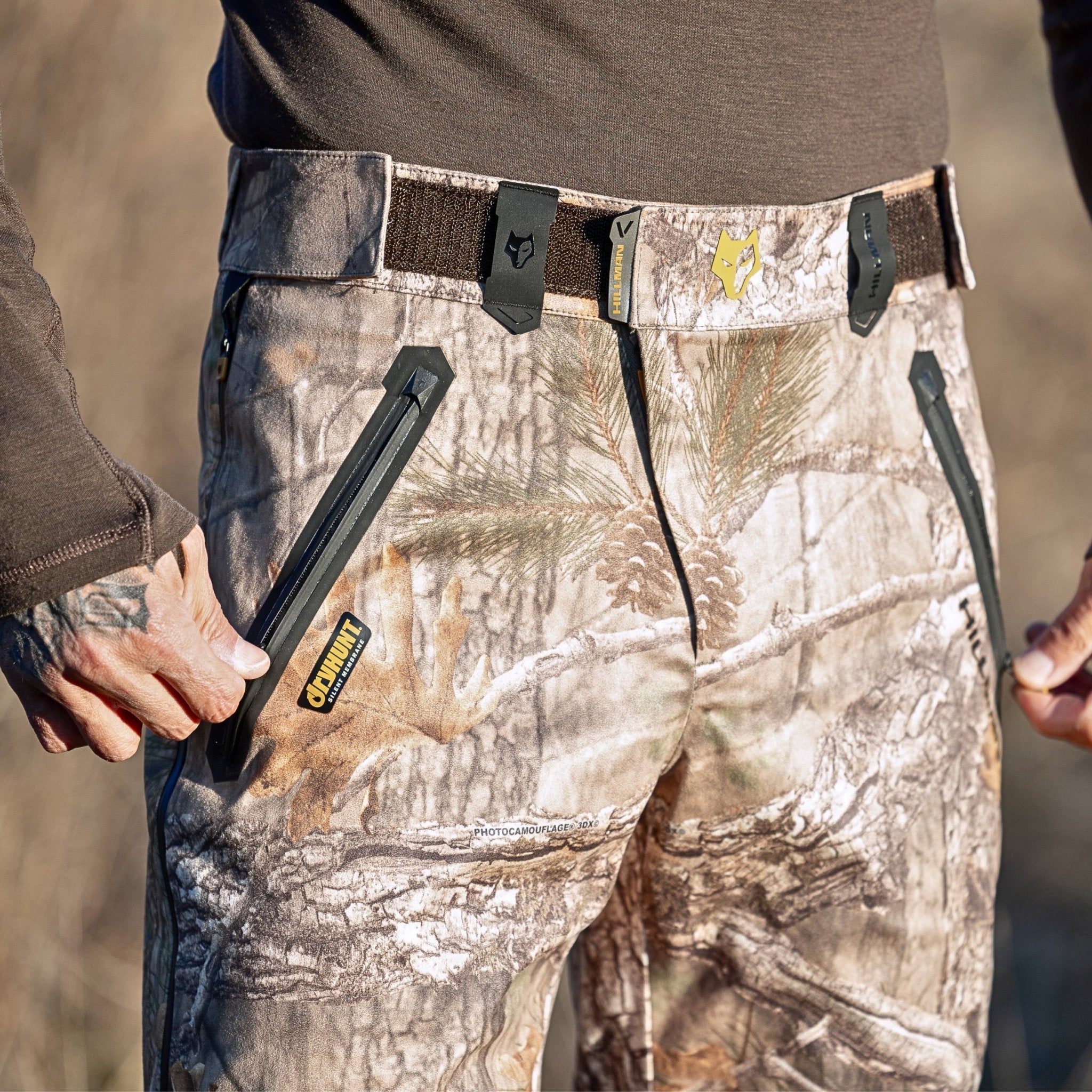
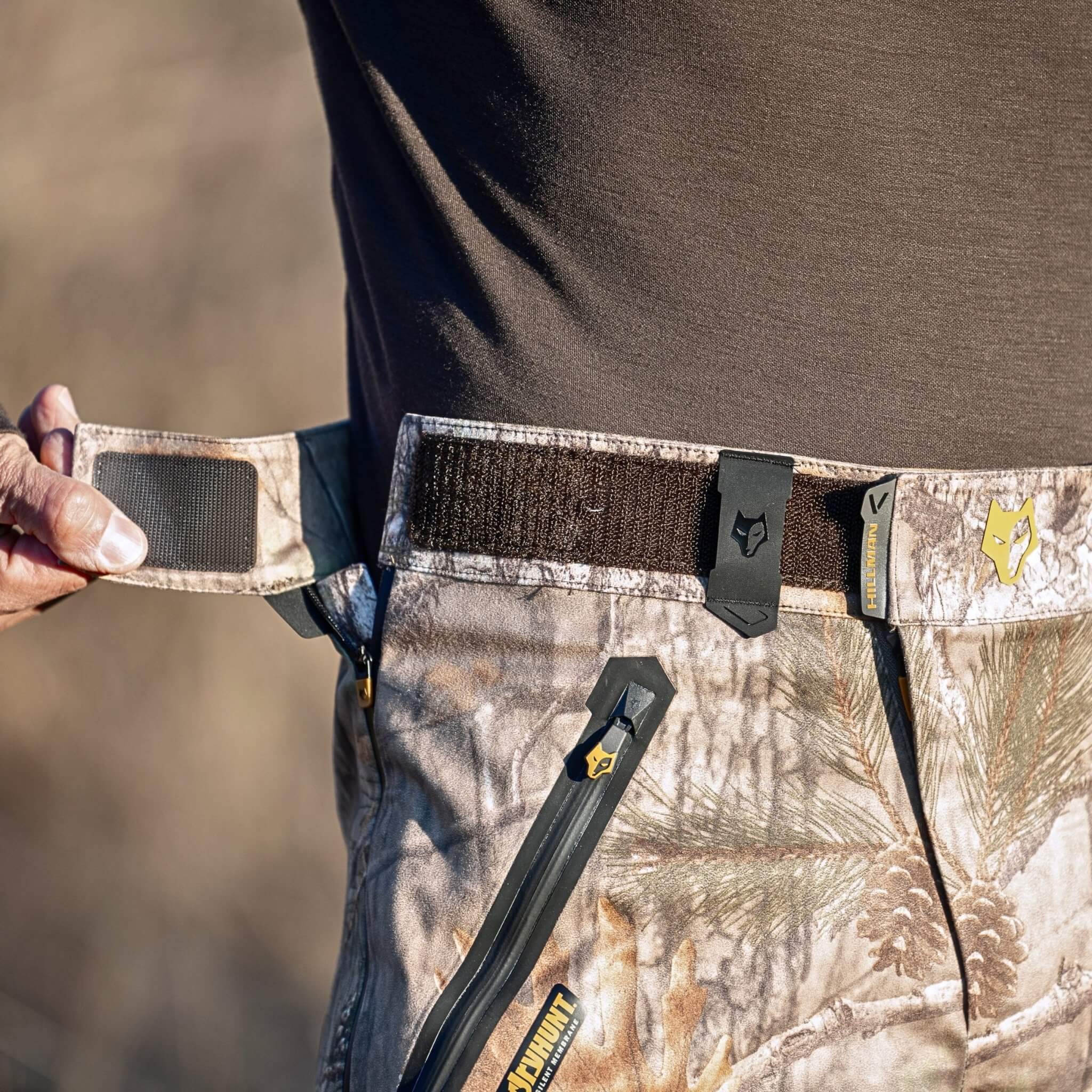
Layering doesn’t stop at your jacket. Pants control airflow more than most hunters realise. Poor choices here let wind strip heat away faster than any missing mid-layer.
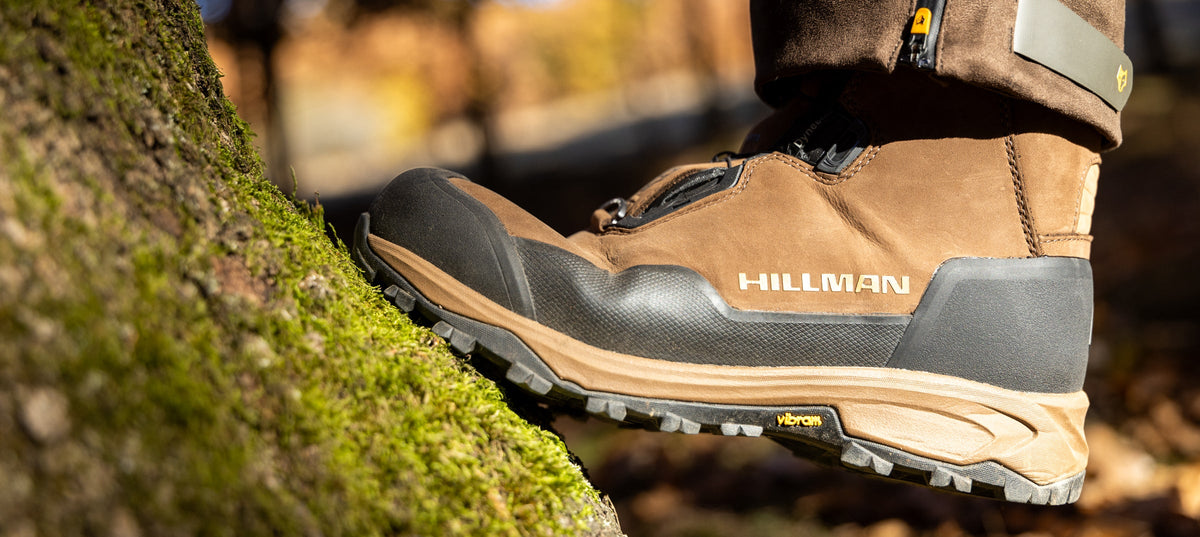
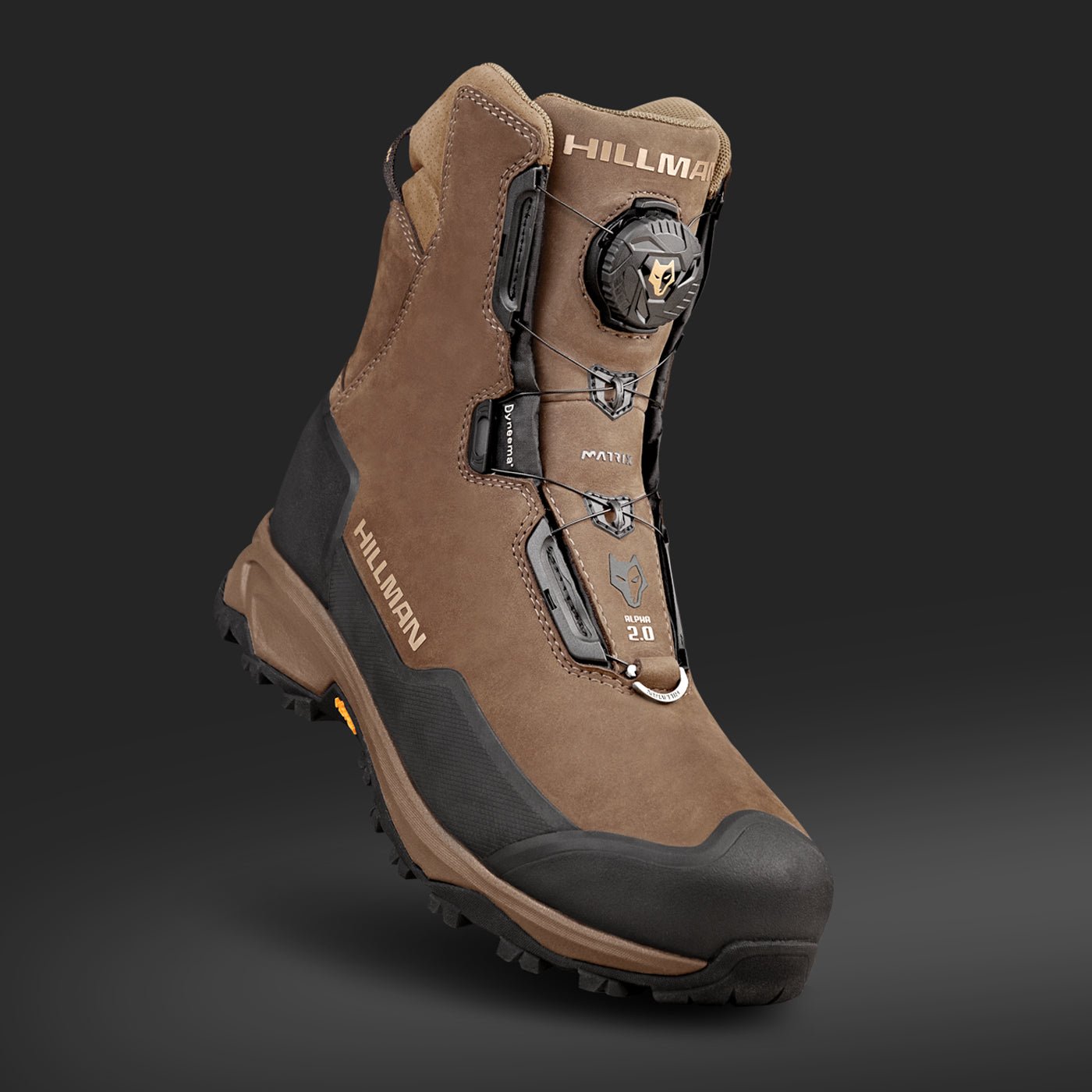
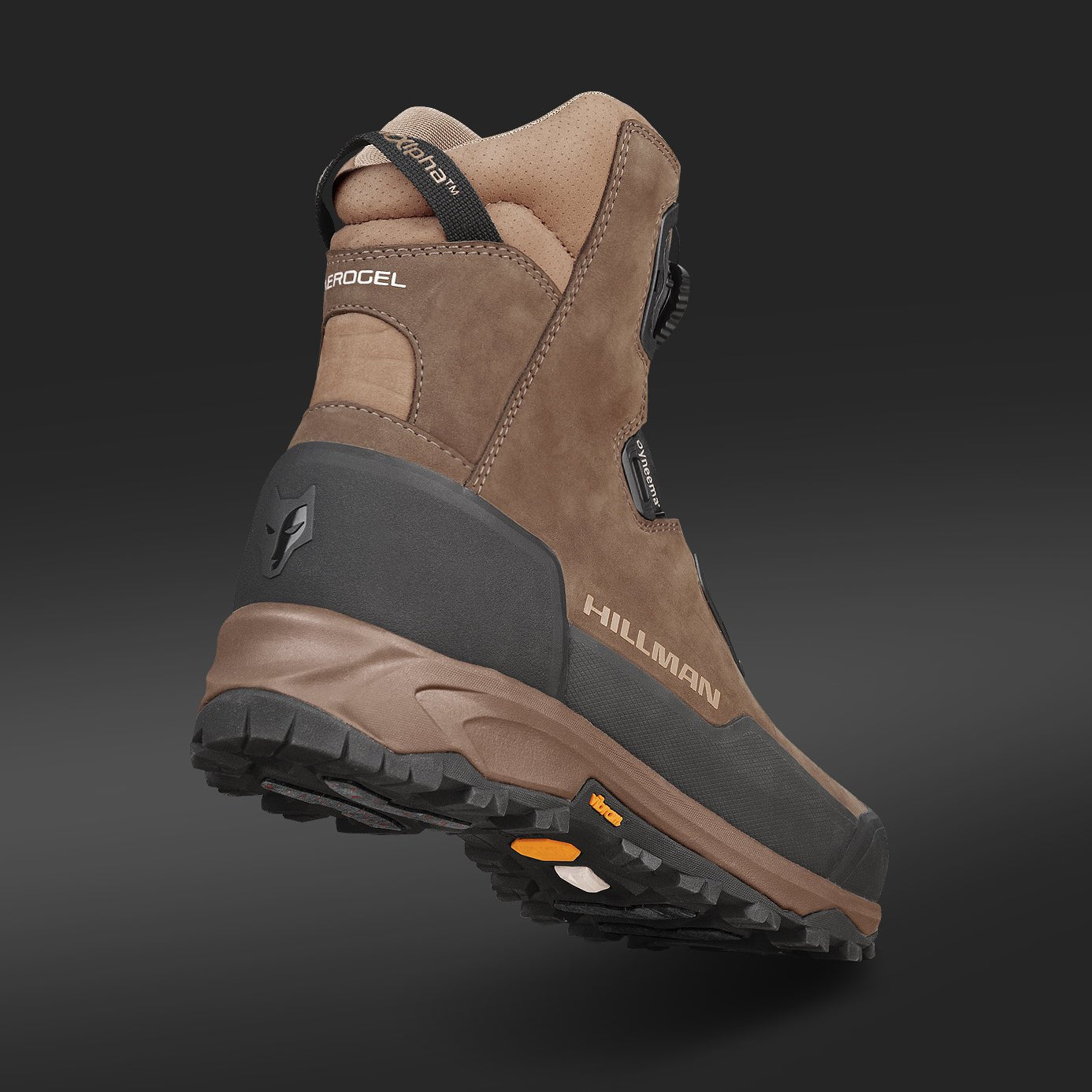
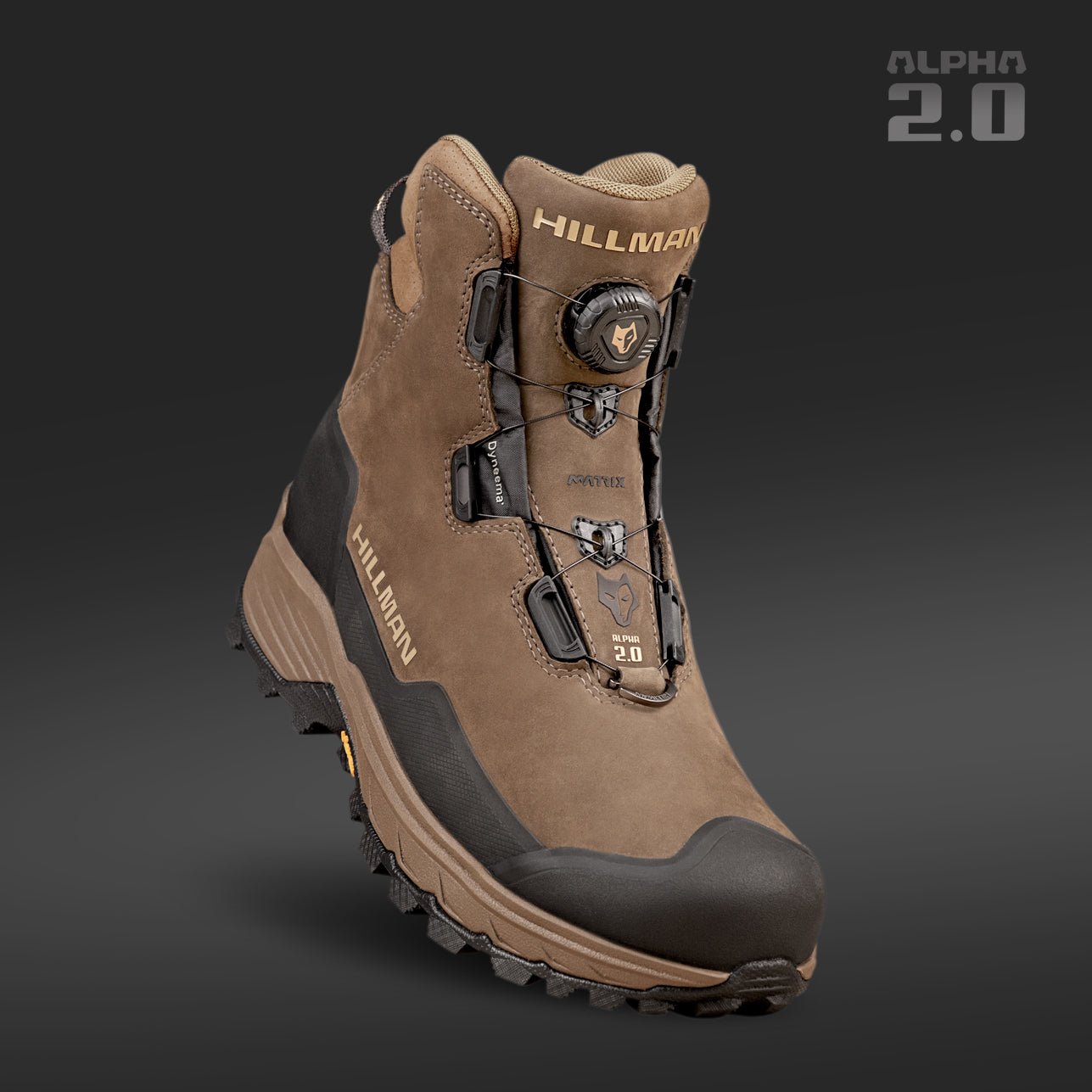
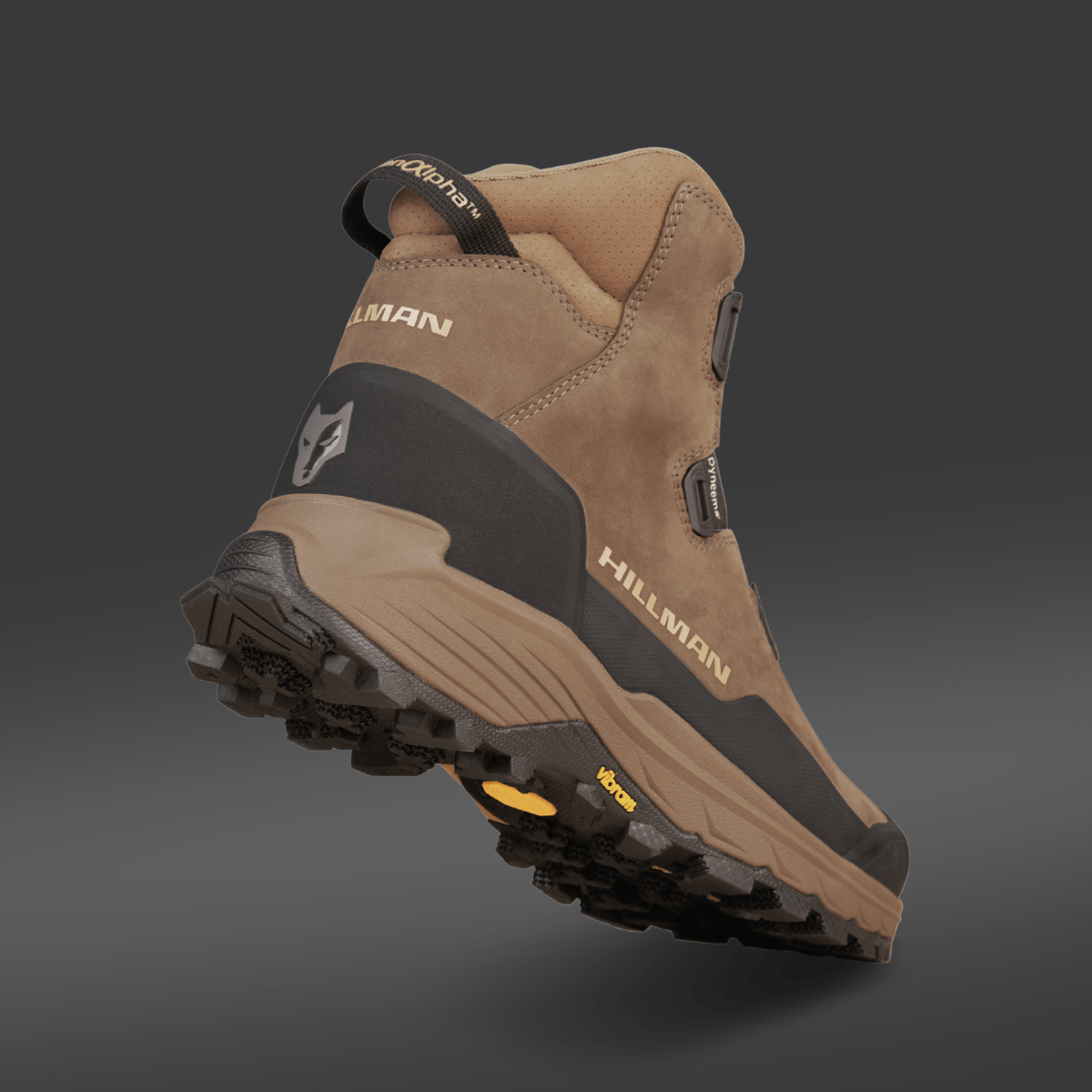
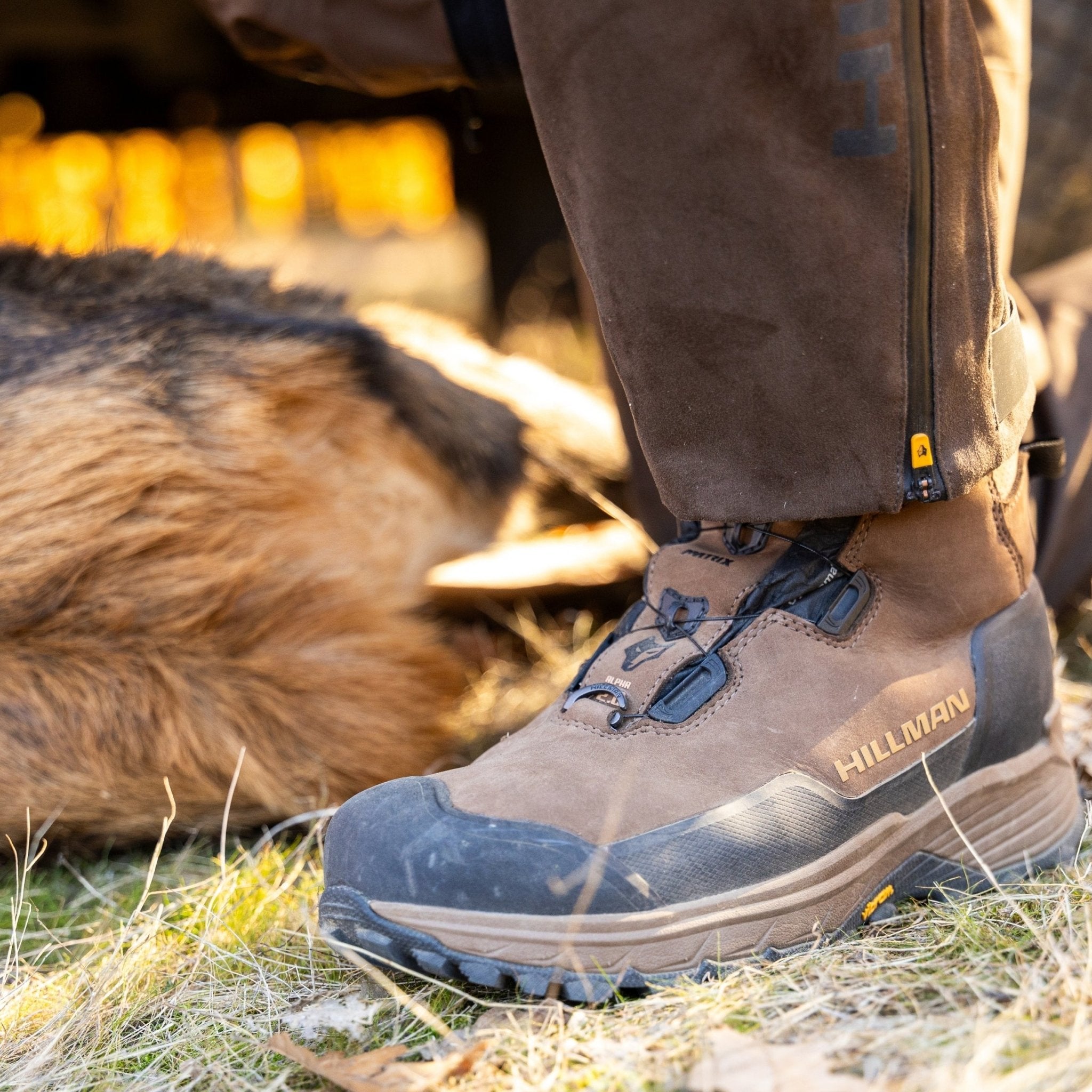
Boots matter for obvious reasons, but socks often matter more. Wool socks regulate warmth, manage moisture, and recover better over long days than synthetic blends. Cold feet ruin hunts quietly.
Gloves are similar. Wool gloves keep hands functional longer, even when damp. Hats and masks reduce heat loss efficiently, often more than adding another jacket layer.
Warmth isn’t one piece of gear. It’s cumulative.
Scent Control: A Side Effect of Smart Layering

Scent control is usually treated as a separate system: sprays, detergents, routines. But layering plays a bigger role than most hunters admit.
Sweat feeds bacteria. Bacteria create odor. Over-layering early almost guarantees a stronger scent later, no matter how careful you are otherwise.
Breathable layers allow moisture to escape. Less moisture means less odor. That alone can change how close deer allow you to get before reacting.
Good layering won’t make you invisible, but it reduces unnecessary mistakes.
Trail Cameras, Scouting, and Planning Ahead
Trail cameras do more than confirm deer exist. They show patterns, not just movement, but timing, weather influence, and how conditions repeat year after year.
Swapping cards during scouting trips tells you more than where to hang a stand. It tells you when deer move during cold snaps, how rain shifts activity, and which sit stretches longer than planned.
That information should shape your layering system. County-level differences matter. Wind exposure, terrain, and cover all change how cold or warm a stand feels. Planning for those realities beats trusting a generic forecast.
Pro Tips from the Field
 Most hunters simplify their system over time.
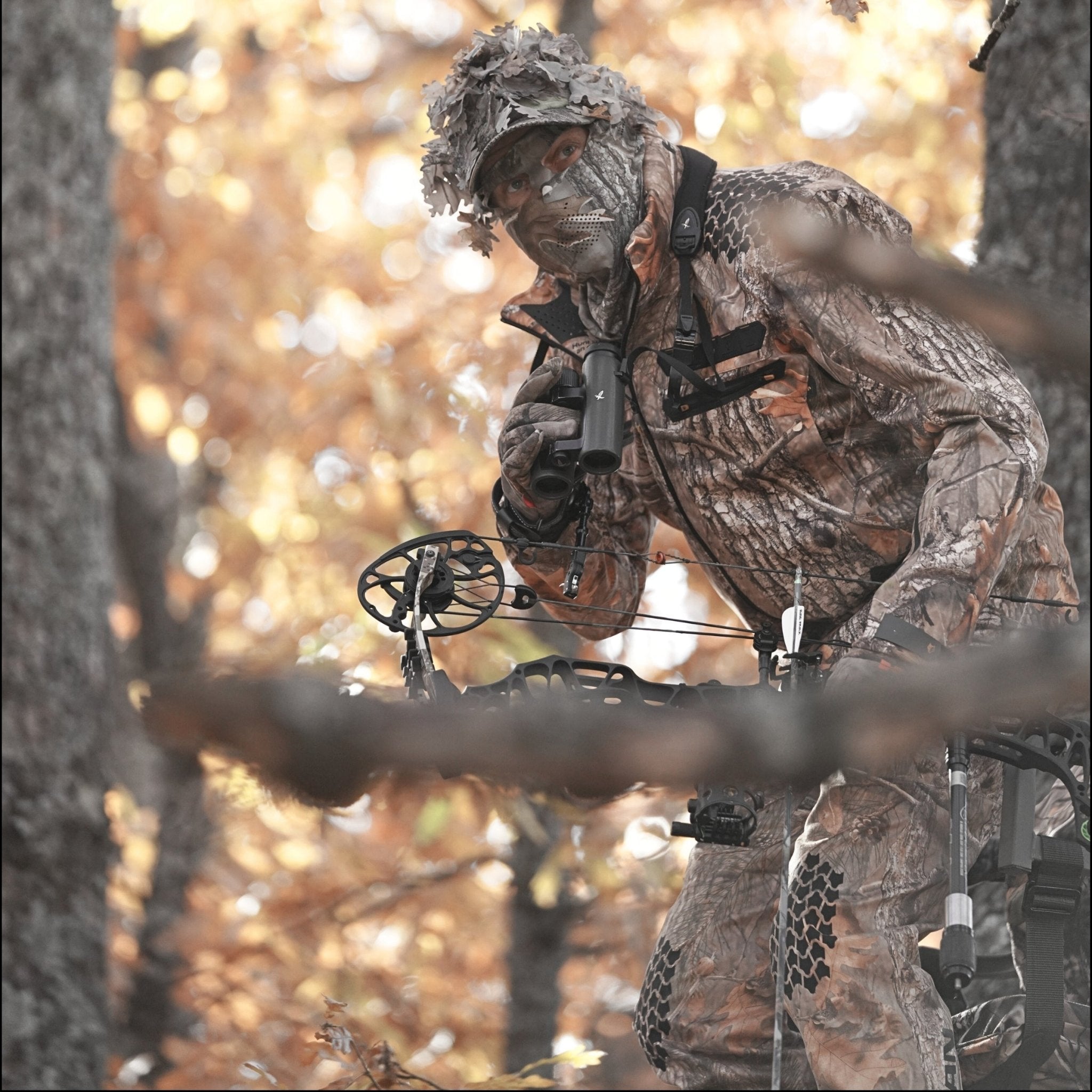
Bow hunters often move less and sit longer. Quiet fabrics and controlled insulation matter more than extreme warmth. Gun hunters usually cover more ground, making durability and wind protection higher priorities.
Fall hunting rewards patience. Cold mornings tempt you to overdress, but sun and movement punish that choice quickly. Winter demands insulation and planning, especially when snow and wind stack together.
No system is perfect. Layers come on and off. Mistakes happen. The key is recognising them early enough to adjust.
Things That Matter After a Few Long Hunts

A hunting layering system isn’t about chasing gear trends or owning the warmest jacket available. It’s about understanding how layers interact with weather, movement, and time.
Manage moisture first. Respect the wind. Adjust before discomfort sets in. Hunters who stay comfortable longer stay focused longer, and focus matters more than most people admit.
Most of these lessons are learned the hard way. Through cold sits, wet walks, and long waits that test patience. If this helps you avoid even one of those moments, it’s done its job.
How Do Experienced Hunters Layer?

Why does layering feel easy some days and impossible on others?
A lot of it comes down to timing, not gear. On days when the weather stays stable, almost any setup feels fine. The problems start when temperatures shift, wind picks up, or a hunt runs longer than planned. That’s when small mistakes, sweating too much early, or waiting too long to add a layer, start stacking up. Most hunters don’t notice the issue right away. They feel it an hour later.
Do you really need different layers for different parts of the season?
In practice, yes. Early fall hunts punish over-layering, especially when there’s sun and movement involved. Winter hunts punish the opposite, not enough insulation, especially when sitting still. Trying to force one setup to work from September through January usually ends with discomfort on both ends. Adjusting layers through the season isn’t overthinking it. It’s just responding to reality.
Why do some hunts feel colder even when temperatures aren’t that low?
Wind and moisture change everything. A calm 35-degree morning can feel manageable, while a windy, damp 45-degree day can drain heat fast. That’s why outer layers and breathability matter more than raw insulation numbers. Hunters often blame the cold when the real issue is wind stripping heat or moisture trapped inside their layers.
Is scent control really tied to how you layer clothing?
More than most people expect. Sweat is usually the starting point. Once moisture builds up, odor follows, regardless of detergents or sprays. Layering that allows heat and moisture to escape reduces how much scent you create in the first place. It doesn’t make you invisible, but it removes one unnecessary disadvantage.
How do experienced hunters adjust layers without stopping the hunt?
Most don’t overhaul their setup mid-hunt. They make small changes, opening a jacket while walking, adding a vest before sitting, and swapping gloves when hands cool down. The system becomes flexible instead of fixed. Over time, you stop reacting to discomfort and start adjusting before it shows up.


Share:
Hunting Boots vs. Hiking Boots: What’s the Real Difference?
Mountain Hunting Clothing for the Rockies