

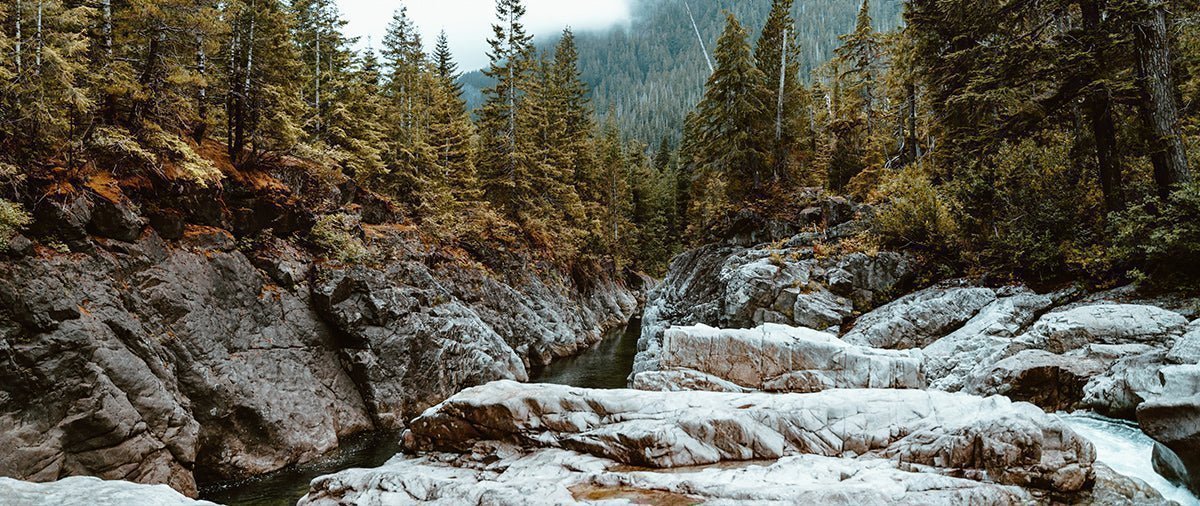
Mountain Hunting Clothing for the Rockies: Wind, Altitude, and Sudden Weather Changes

A field-based look at mountain hunting clothing in Colorado, covering weather shifts, terrain, and what hunters should expect during a Rocky Mountain hunt.
Anyone who has spent time hunting in Colorado knows the feeling. You arrive full of plans, expectations, and carefully packed gear, convinced you’re prepared. Then the mountains remind you otherwise. Wind picks up without warning, rain rolls in faster than forecasted, and temperatures drop hard once the sun slips behind a ridge. In the beautiful Rocky Mountains, conditions don’t ask permission.
Many hunters come west thinking mountain hunts are just harder versions of what they do at home. Longer walks. Steeper terrain. Maybe thinner air. What they discover instead is that mountain hunting clothing, timing, and mindset matter far more than they expected. The Rockies reward preparation and punish shortcuts, especially during hunting season when days stretch long and nights get cold.
Mountain Hunting Clothing: Dressing for Wind, Rain, and Long Days

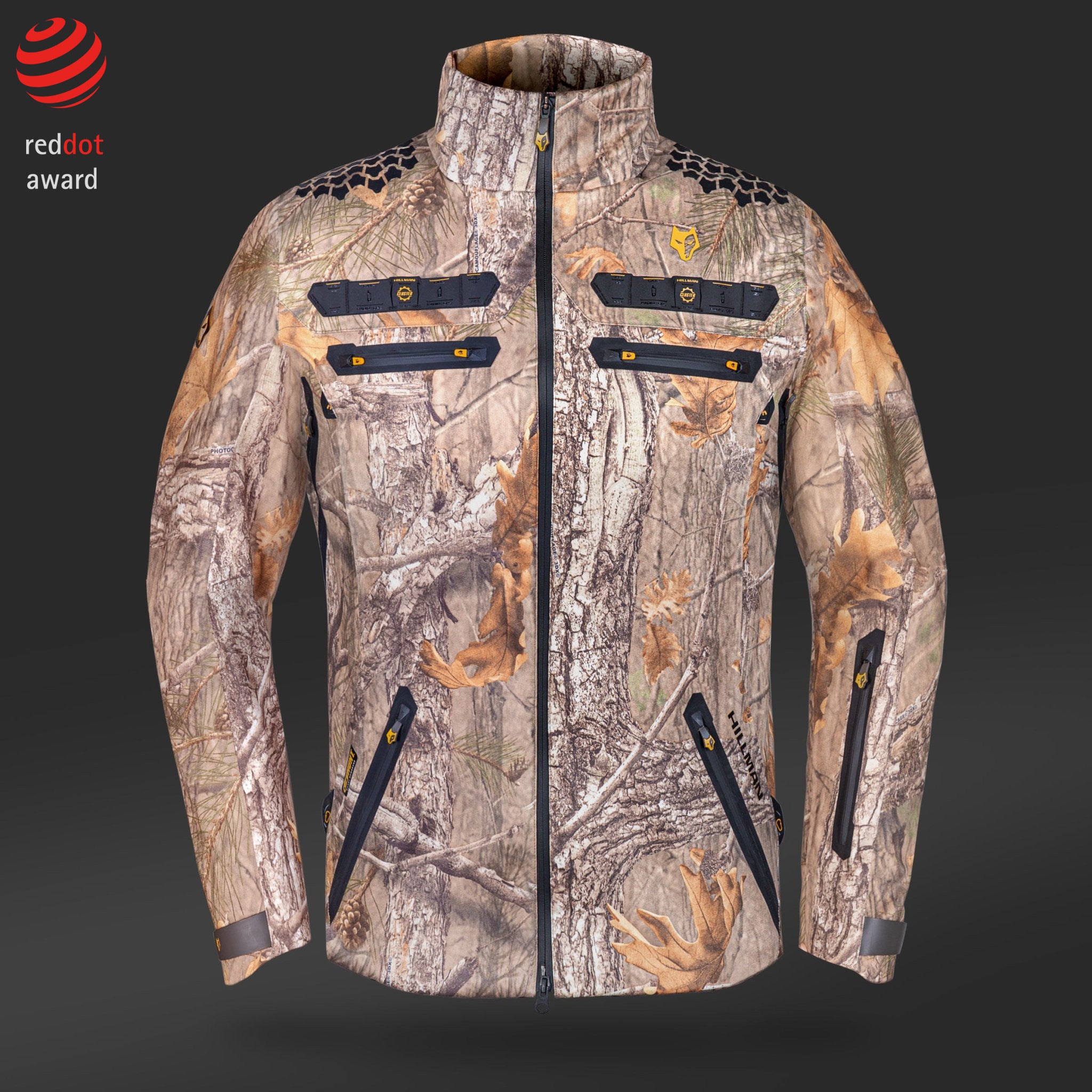
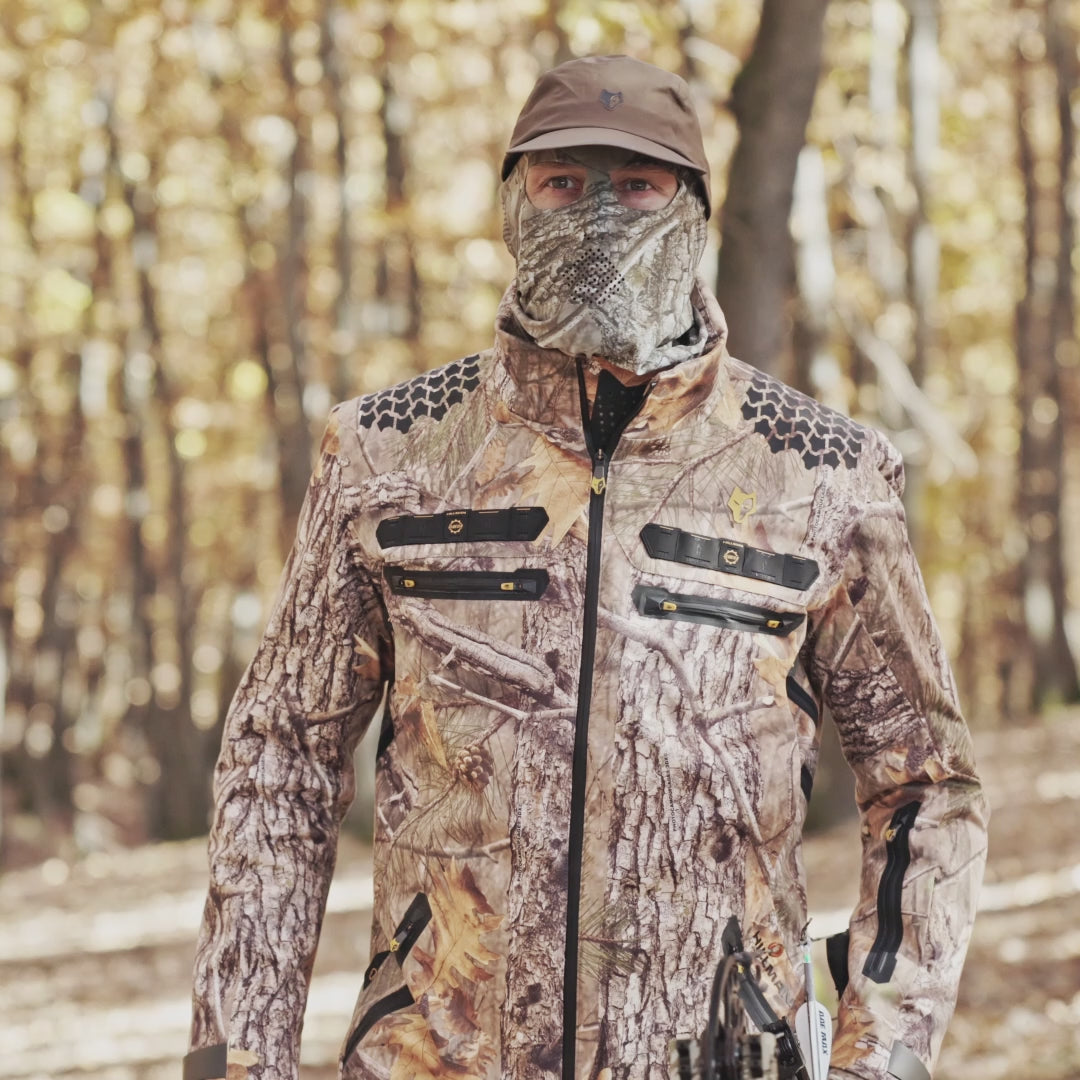
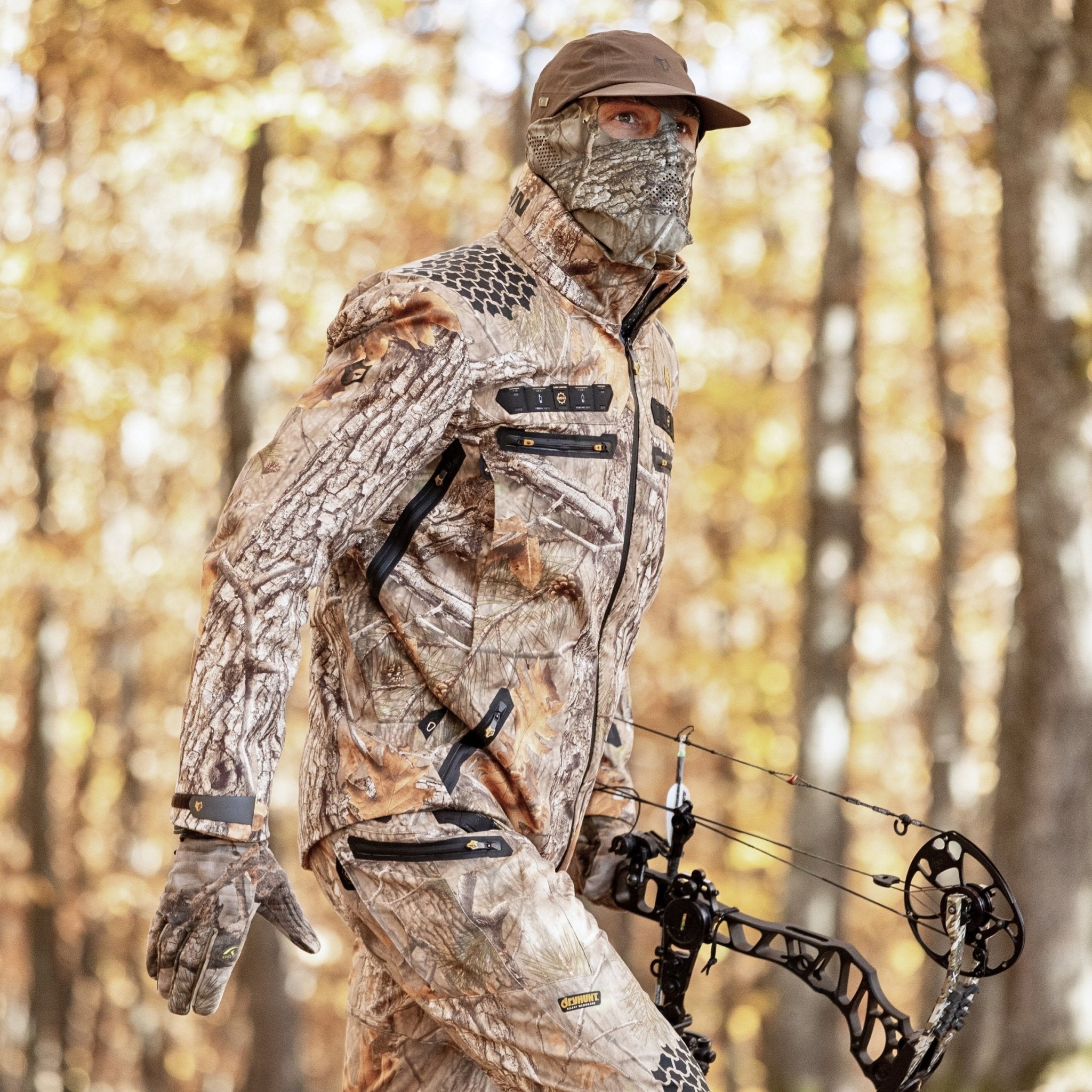
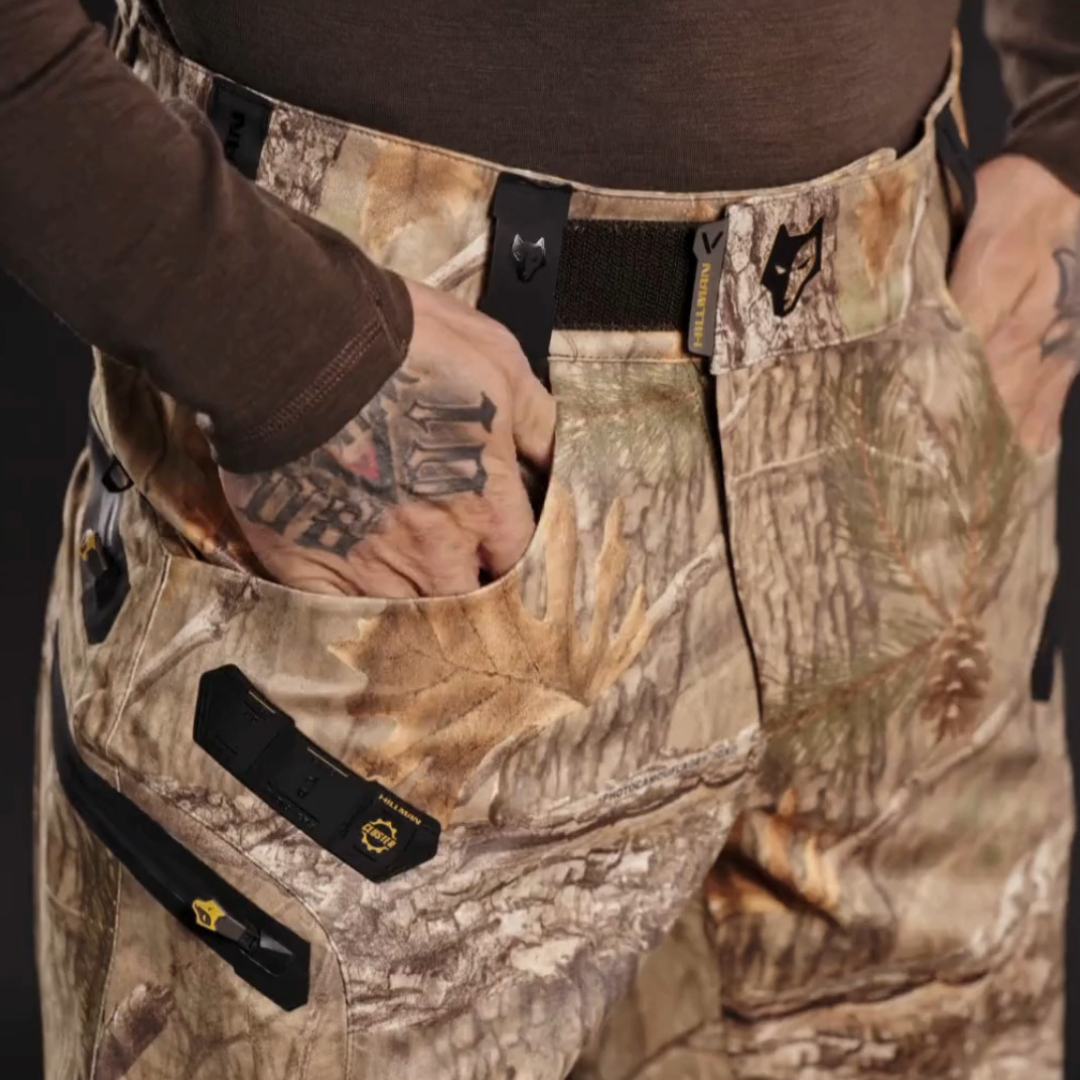
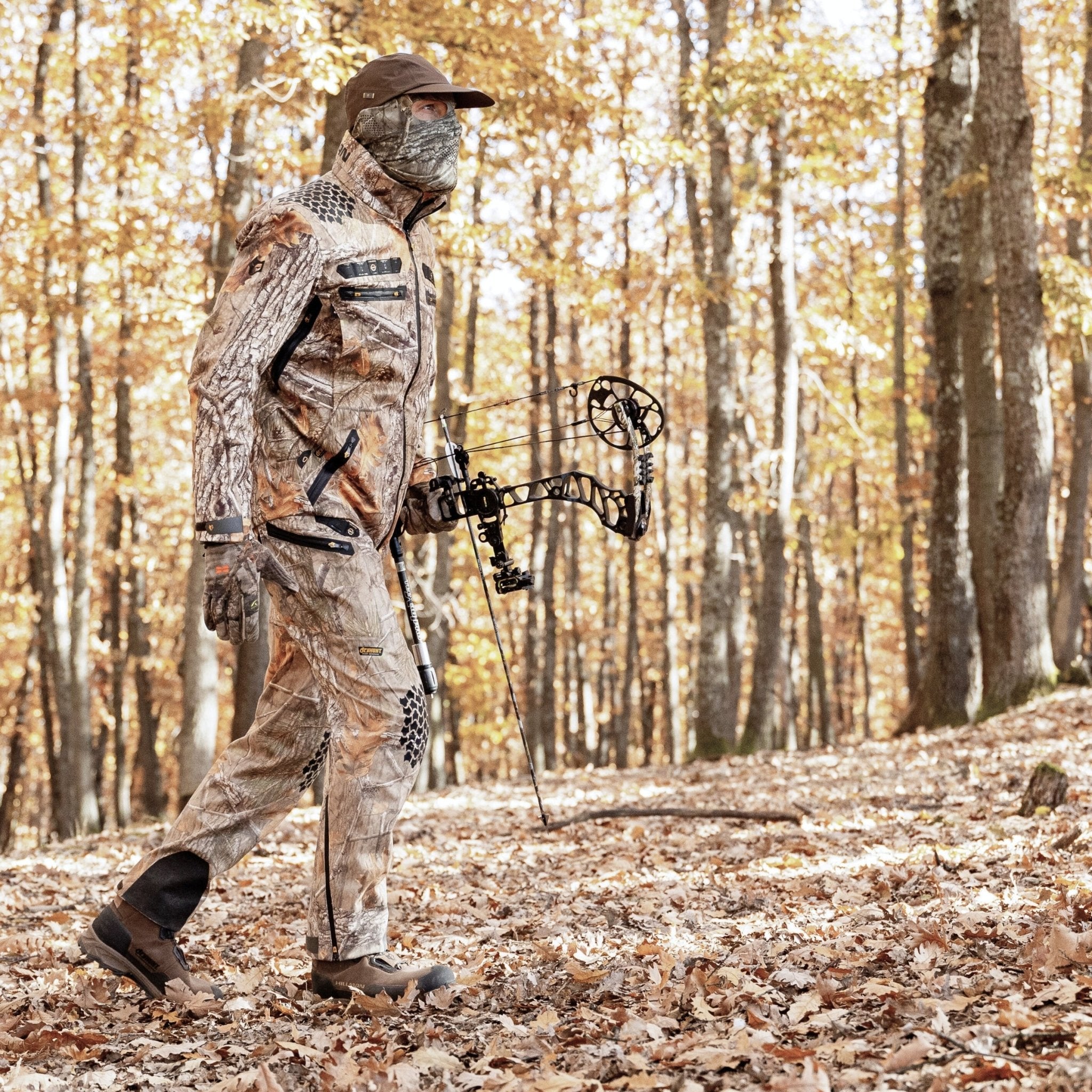
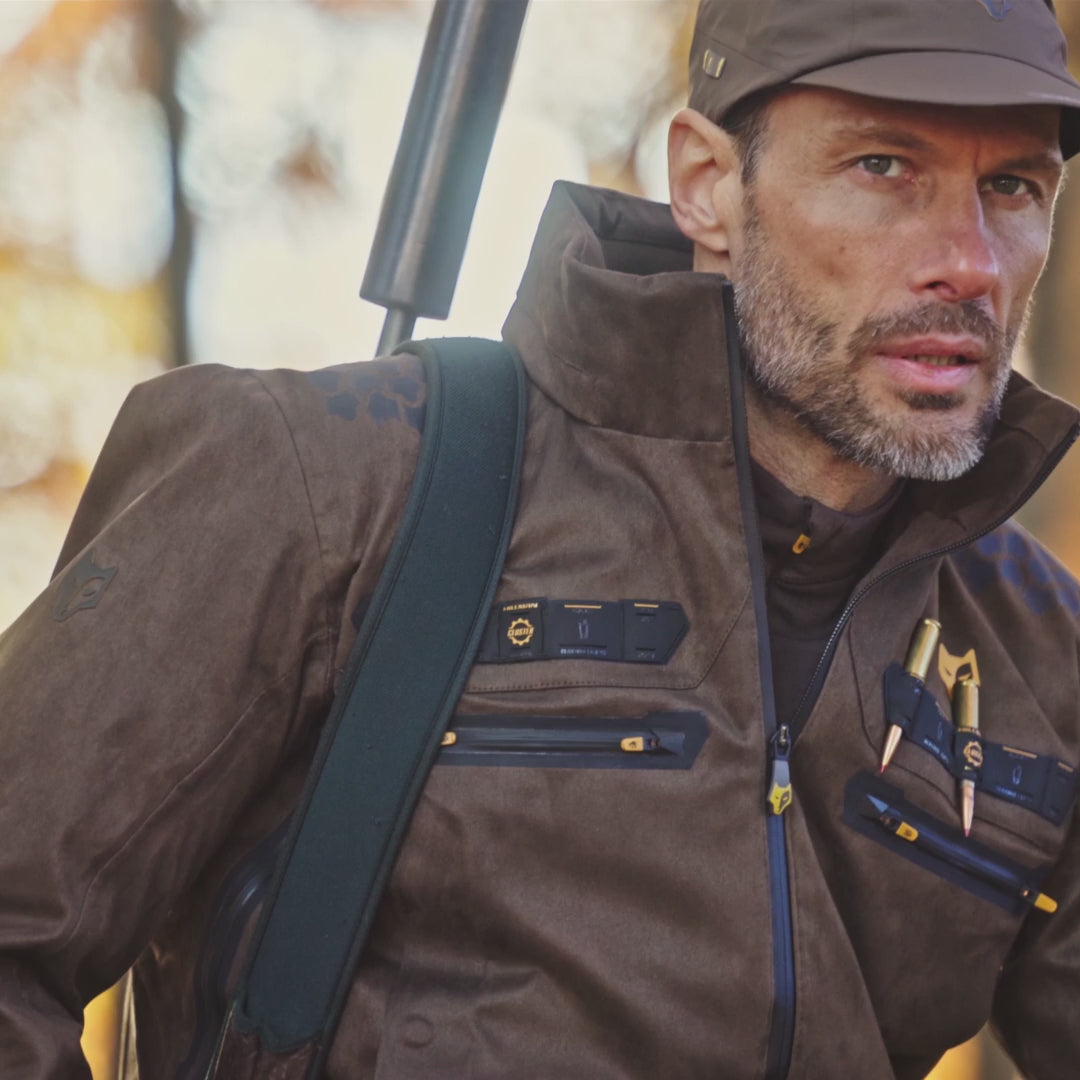
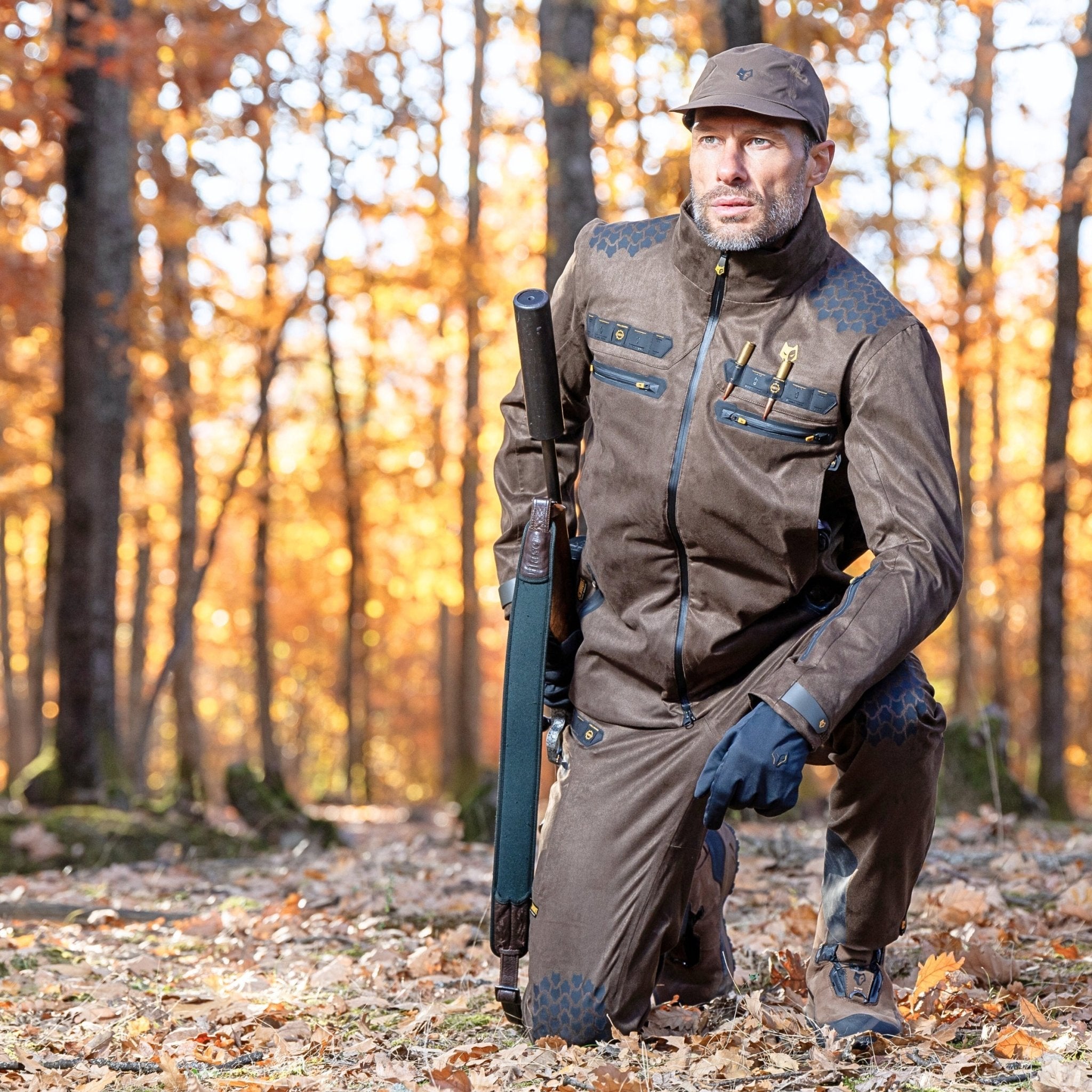
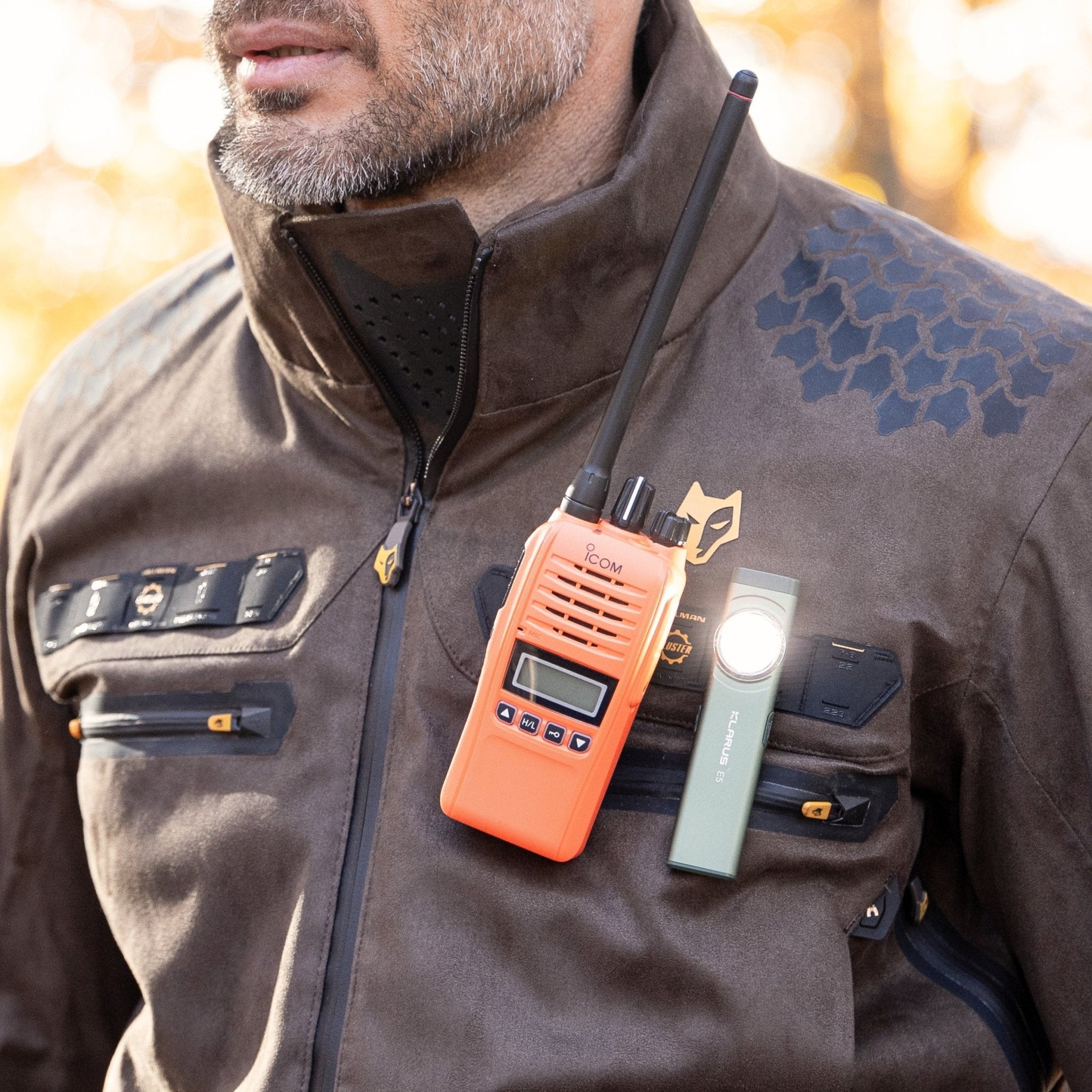
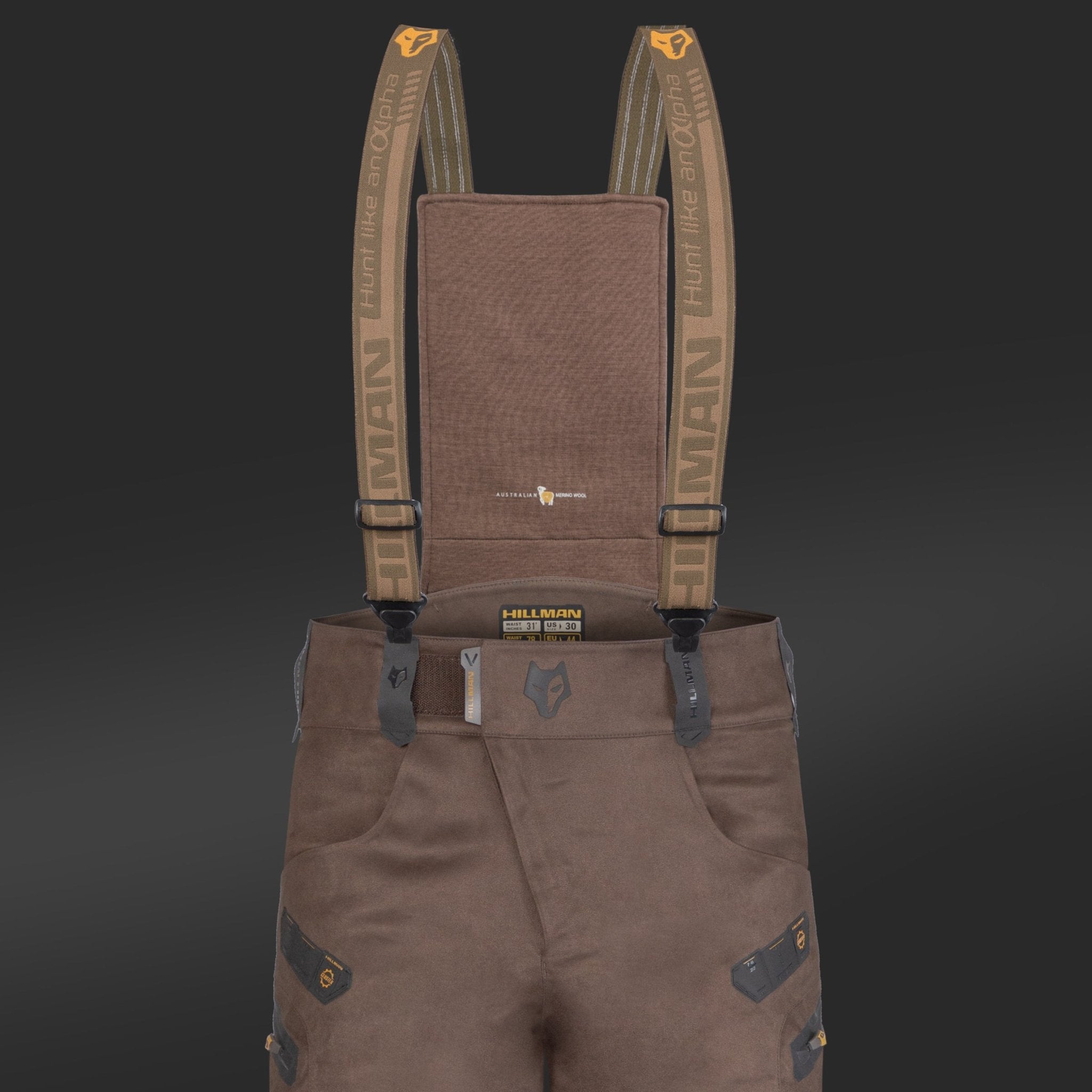
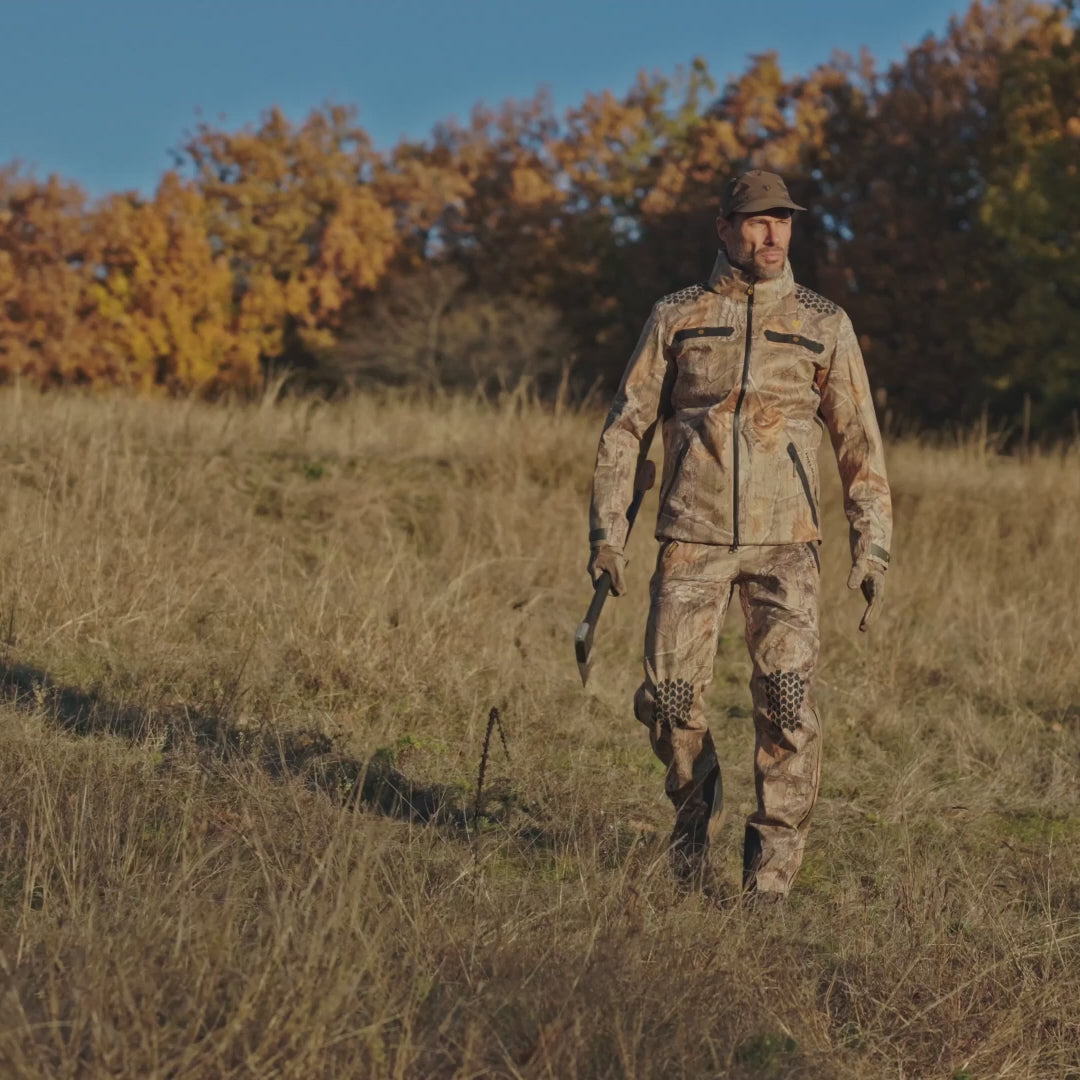
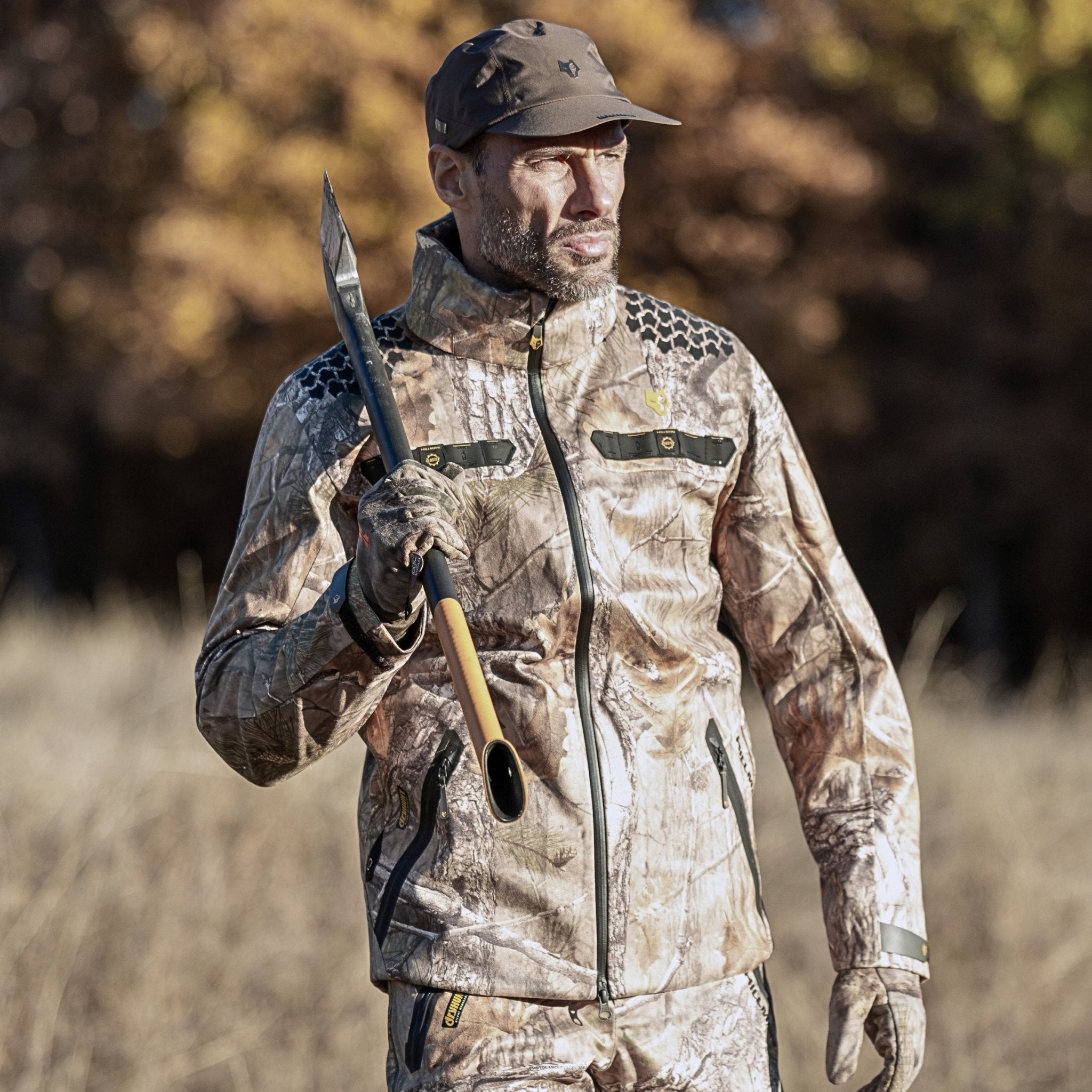
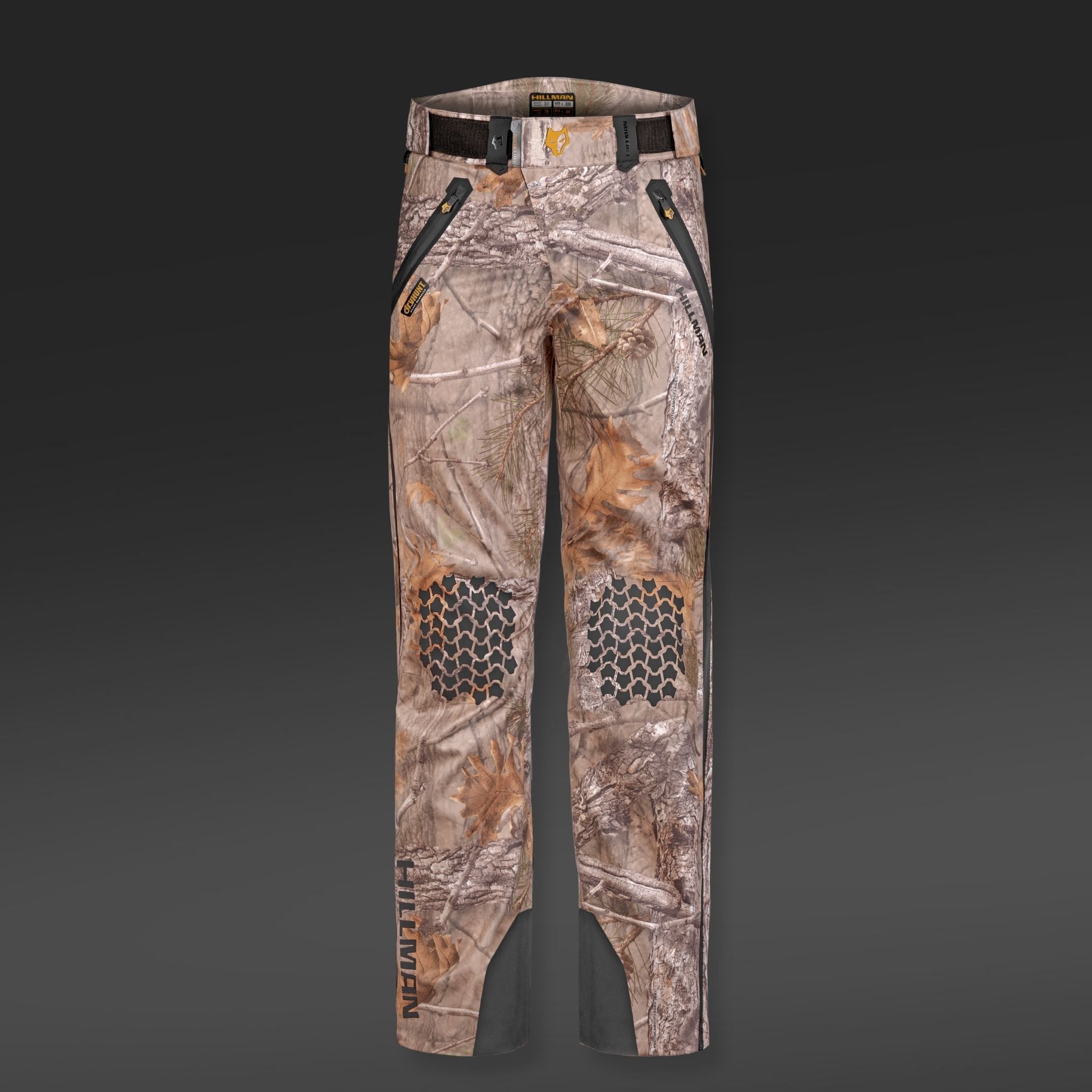
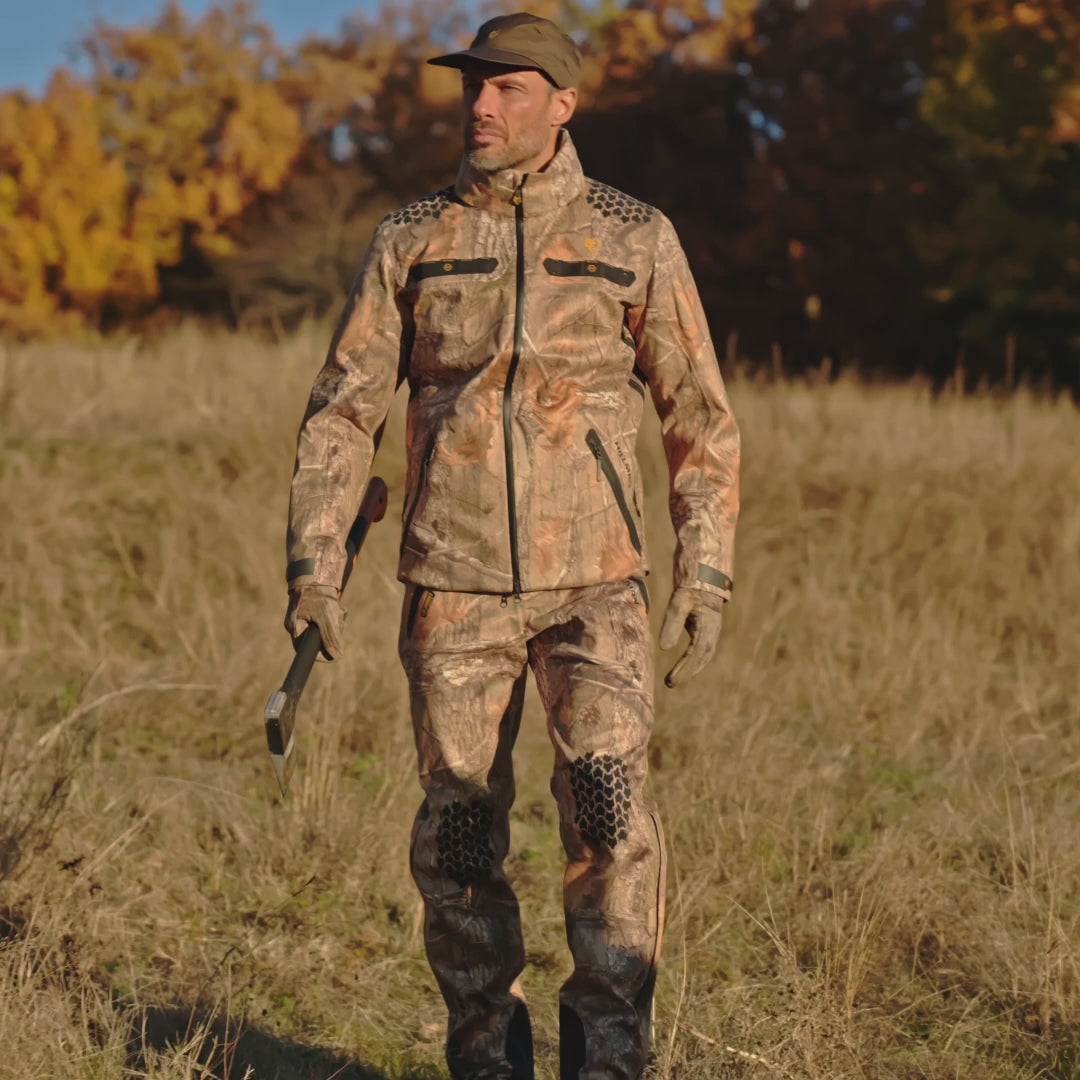
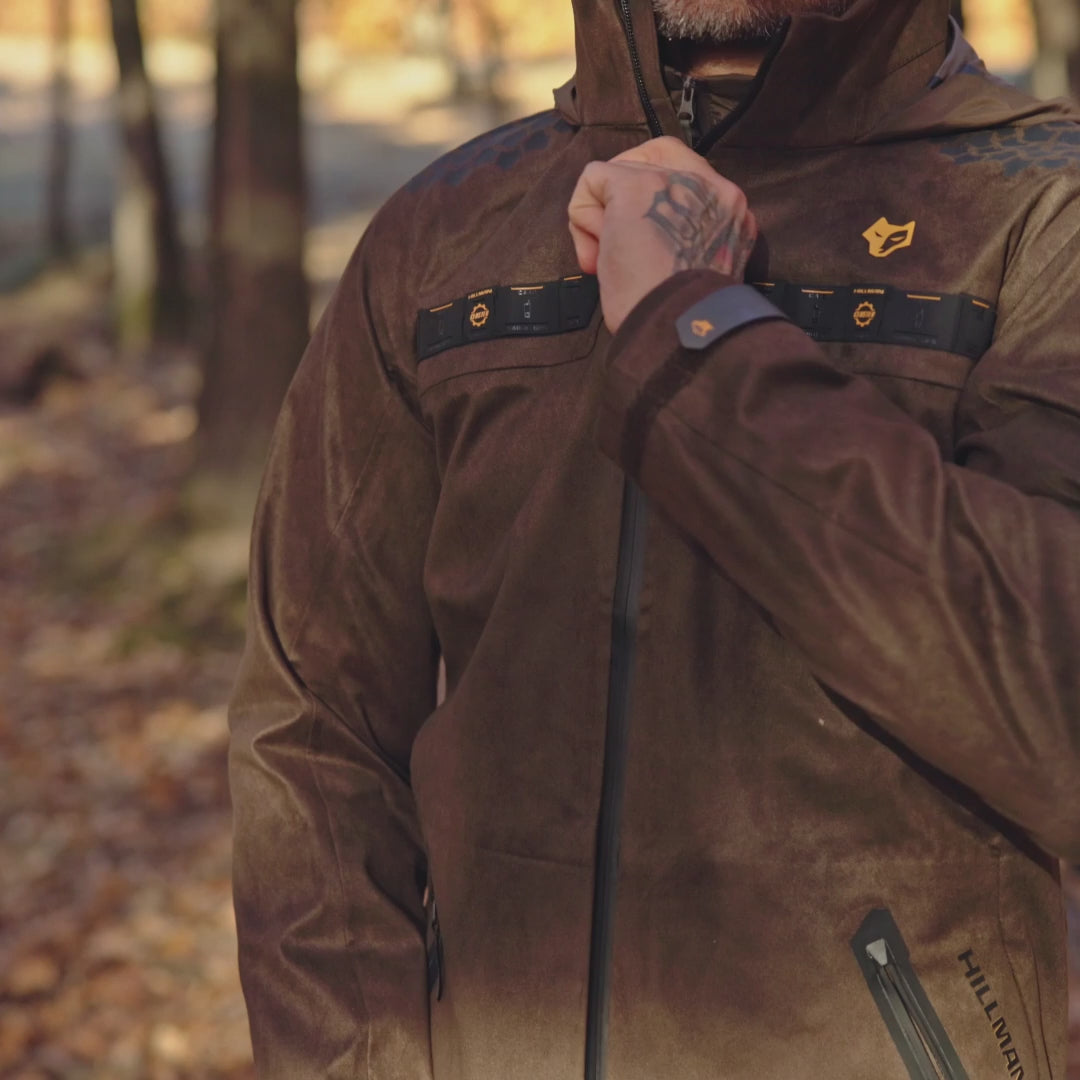
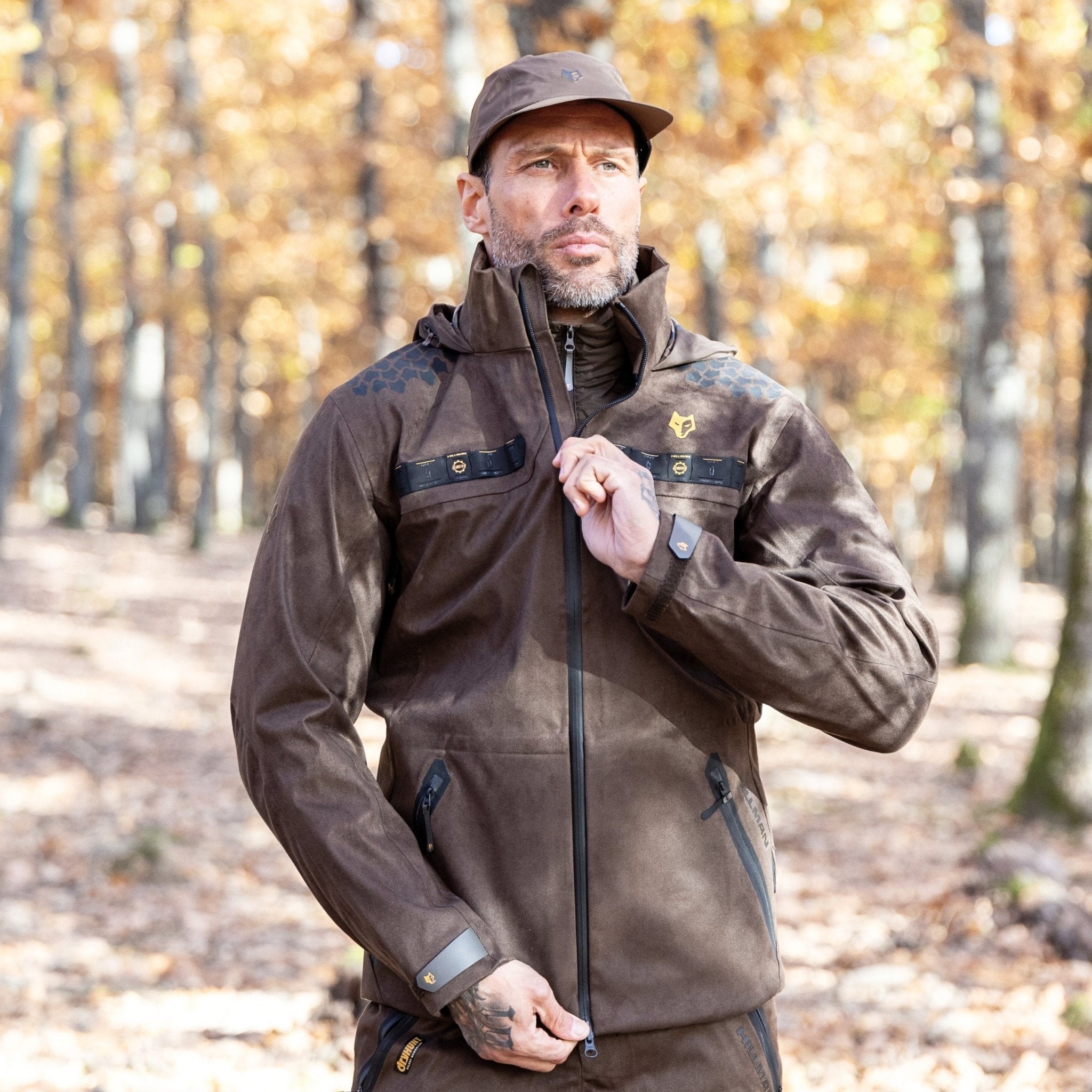
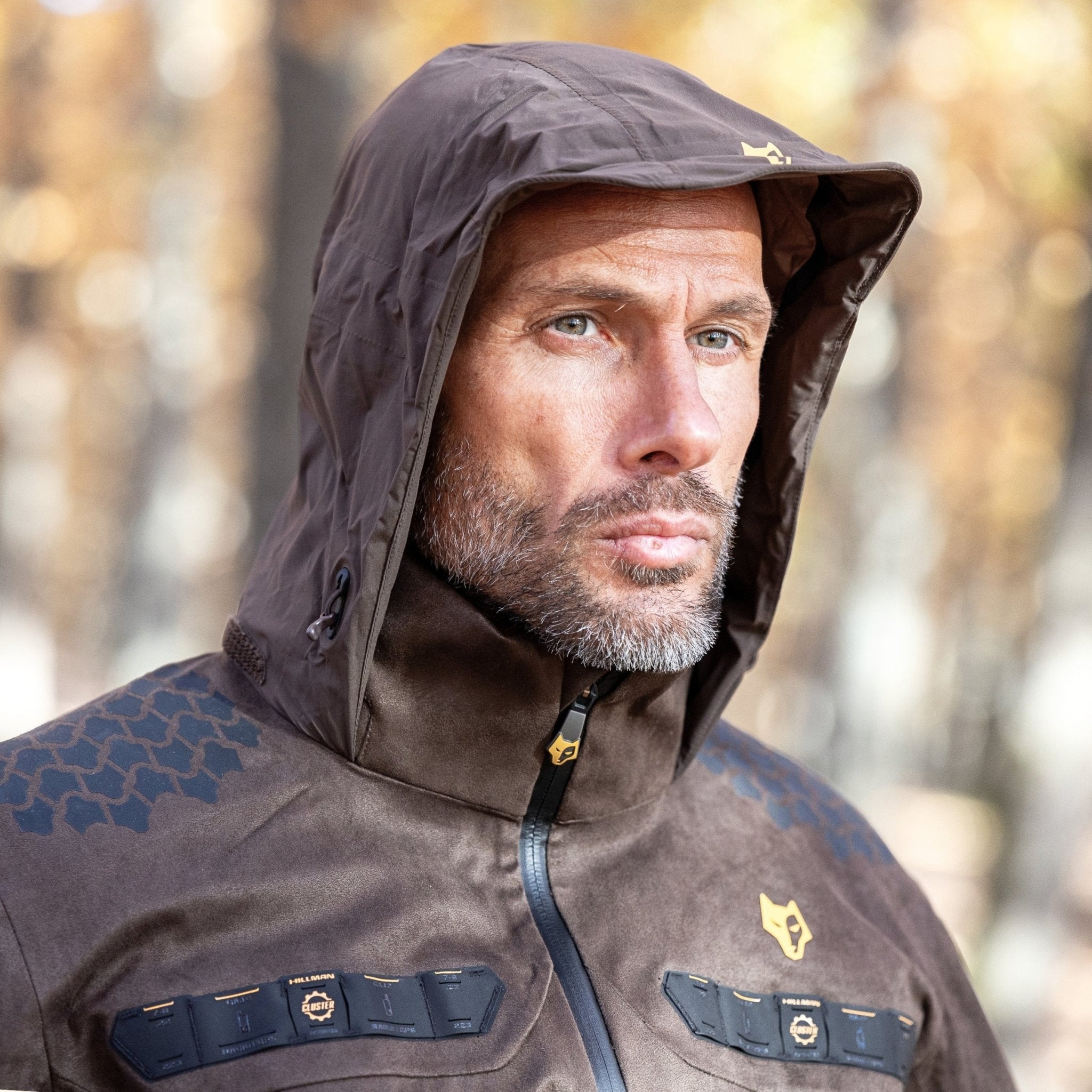
Mountain hunting clothing is not about looking tough or carrying the most expensive outfit. It’s about staying functional from early morning until long after dark. A single day can include hiking hard with a pack, sitting exposed on a ridge, and moving again as light fades. Your clothing has to handle all of it.
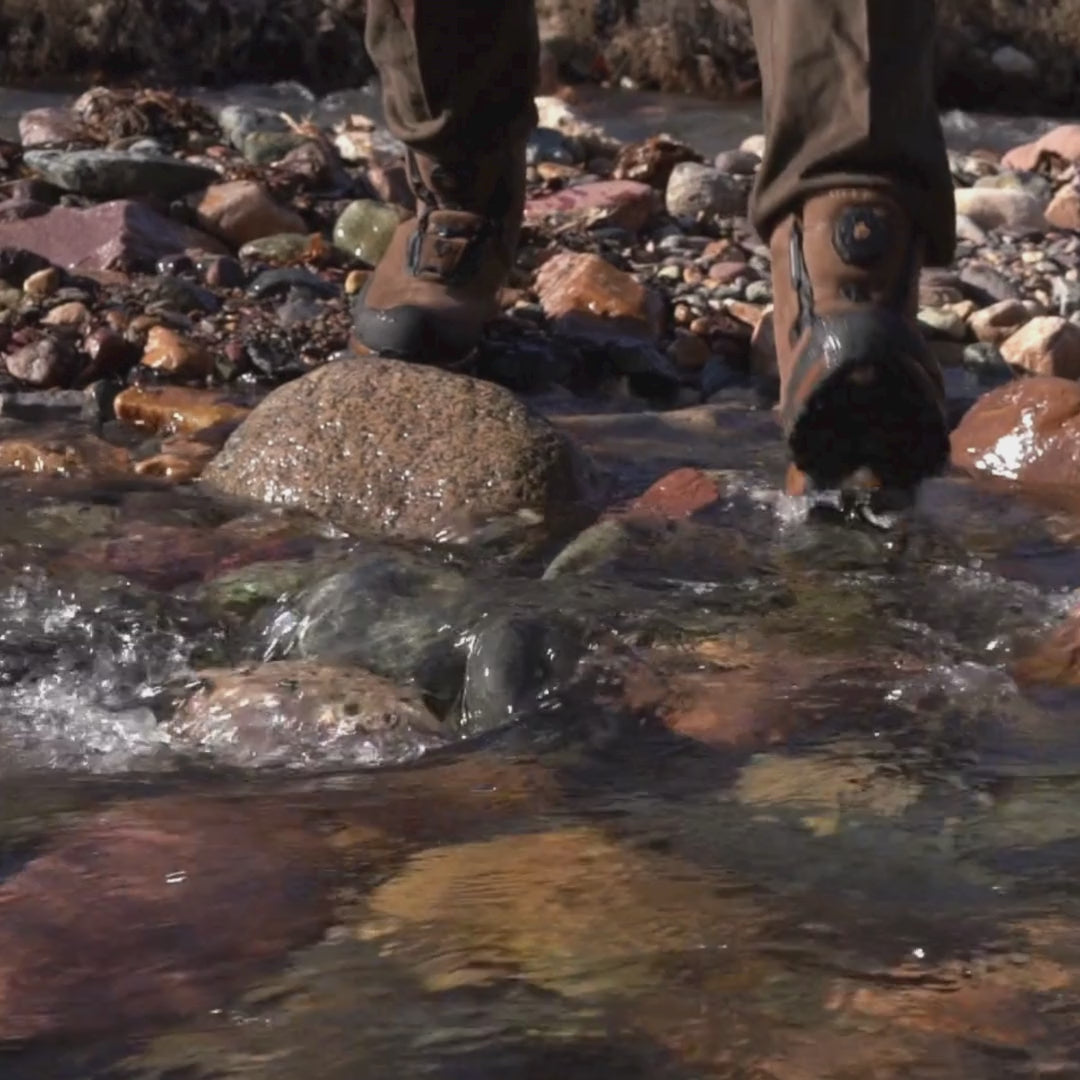
Rain is common, even when summer feels close. Wind never really leaves. And once you’re far from the truck, changing plans isn’t easy. Clothing needs to work when wet, dry fast, and allow enough airflow to keep your body from overheating on the climb.
Over a long week in the mountains, small mistakes add up. Poor layers affect sleep. Bad sleep affects judgment. Judgment affects safety. Prepared hunters think about their clothing system as part of their health and state of mind, not just something they wear.
Layering for a Full Week in the Mountains

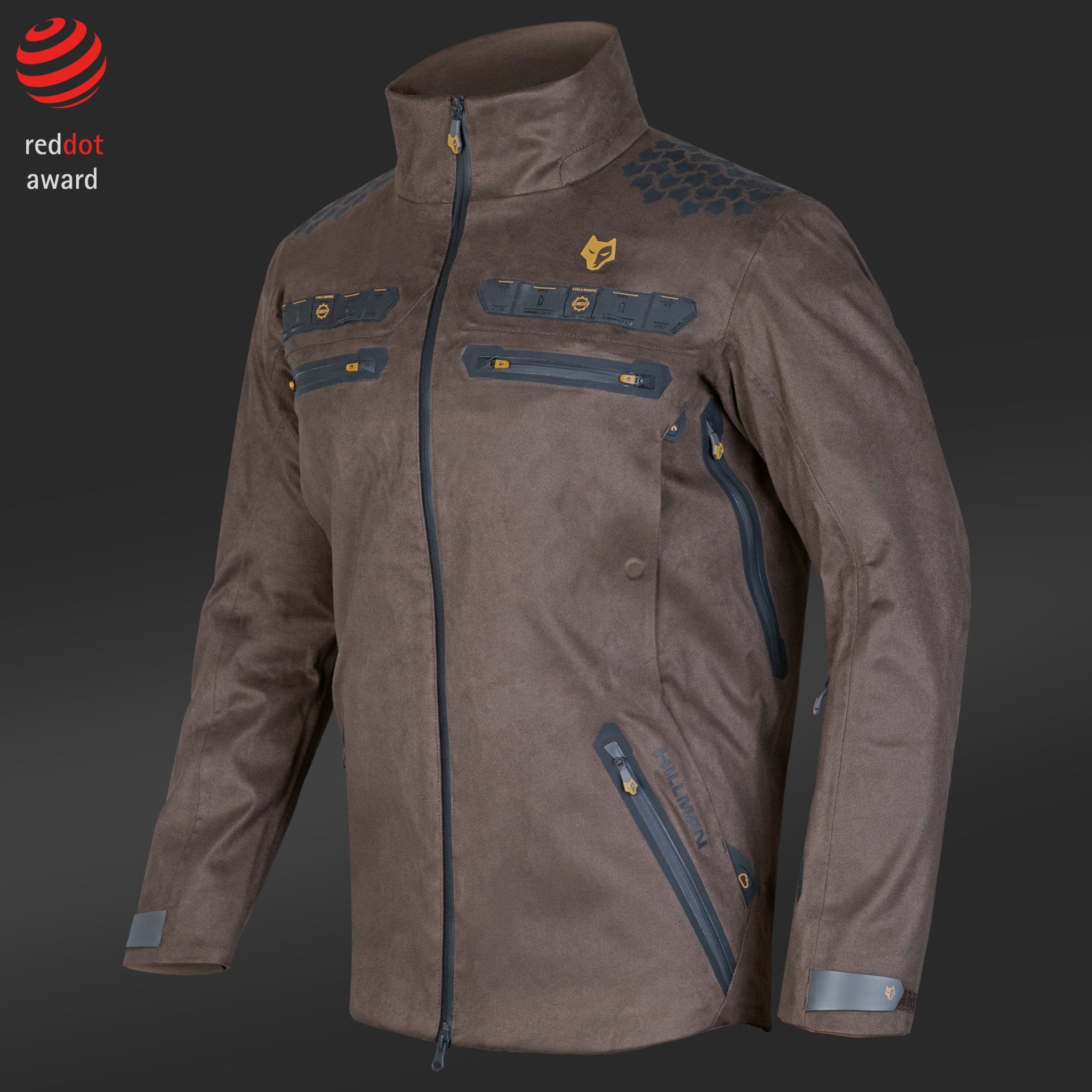
Most mountain hunters learn quickly that one “perfect” jacket doesn’t exist. Layering allows flexibility. A lighter outfit during the day, added warmth at night. Something that fits well under a pack and still works when sitting still near the bed after a long day.
Sleep matters more than people admit. Cold nights affect recovery. If you don’t rest well, everything feels harder the next day. Clothing that transitions from hunt to camp, without staying damp or uncomfortable, is worth more than people expect.
Rocky Mountain National Park: Terrain, Access, and Reality

Rocky Mountain National Park is often mentioned when people talk about Colorado and wildlife, but it’s also one of the most misunderstood areas by visiting hunters. Access, land boundaries, and regulations vary widely across the state. Knowing where you can and cannot hunt is part of being responsible and safe.
The terrain here is demanding. Elevation changes quickly. Water sources shape wildlife movement. Areas that look close on a map can take hours to reach on foot. Weather shifts are amplified by altitude, especially when wind funnels through valleys.
Hunters planning trips in or near the park must take time to understand access points, land ownership, and nearby areas that allow hunting. Contact local agencies if needed. Preparation isn’t optional here.
Mule Deer in Rocky Mountain Country

Mule deer thrive in rugged country, and hunting them in the Rockies is a different experience than many expect. Terrain dictates movement. Water availability shapes patterns. Summer range can look nothing like fall habitat.
Mule deer are often caught moving faster than expected across open areas, especially when the weather changes suddenly. During early-season hunts, archery opportunities come down to patience and positioning. Later, rifle season changes the equation entirely.
Archery vs Rifle for Mule Deer
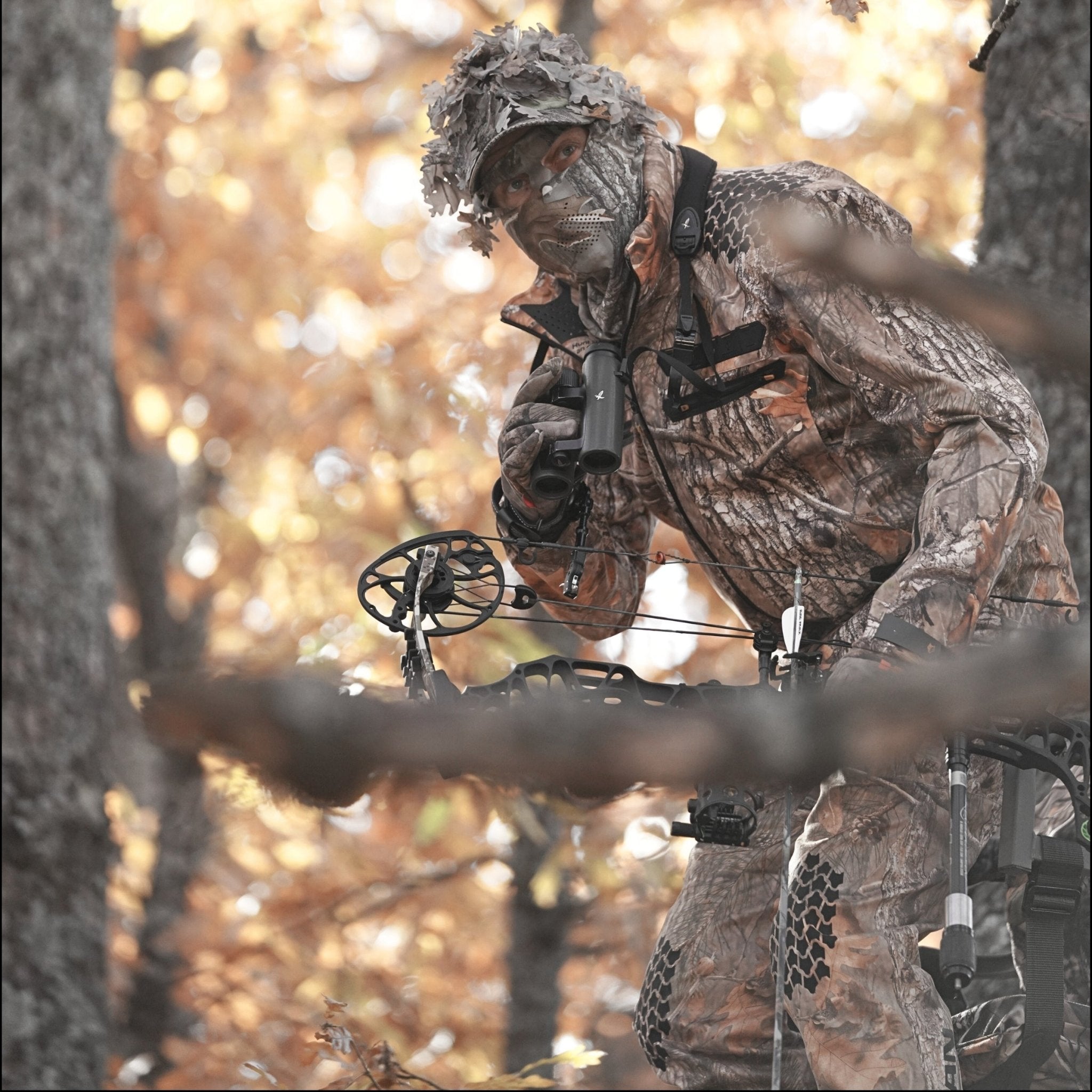
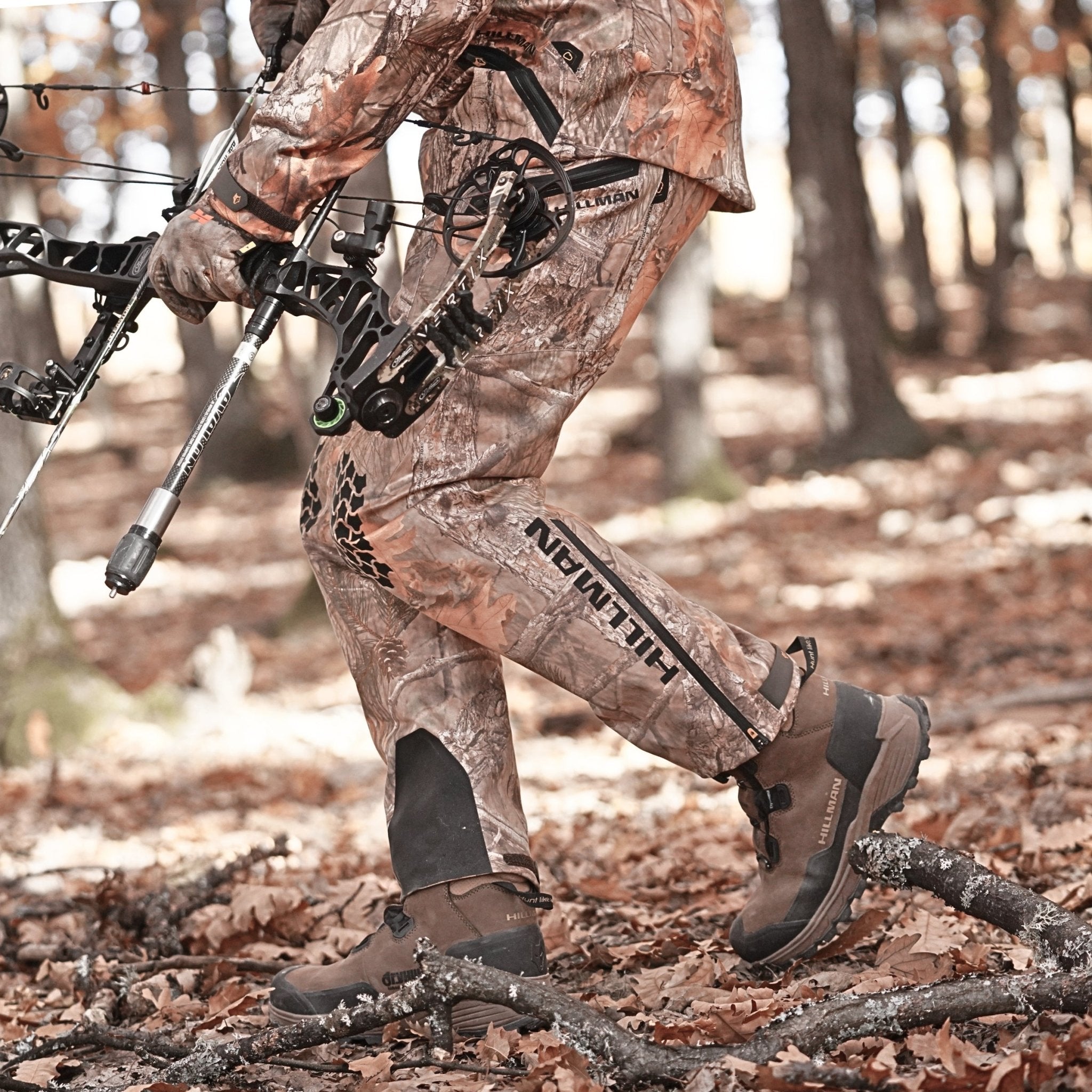
Some hunters prefer archery for the challenge and closer encounters. Others choose a rifle for longer shots in open country. Both approaches demand different gear choices. Bows require quieter clothing. Rifles allow more flexibility but still punish noise and poor wind management.
Tips shared among experienced hunters often focus less on weapons and more on reading terrain. Find water. Watch edges. Let the land tell you where deer want to be.
Hunting Gear That Holds Up in Mountain Terrain

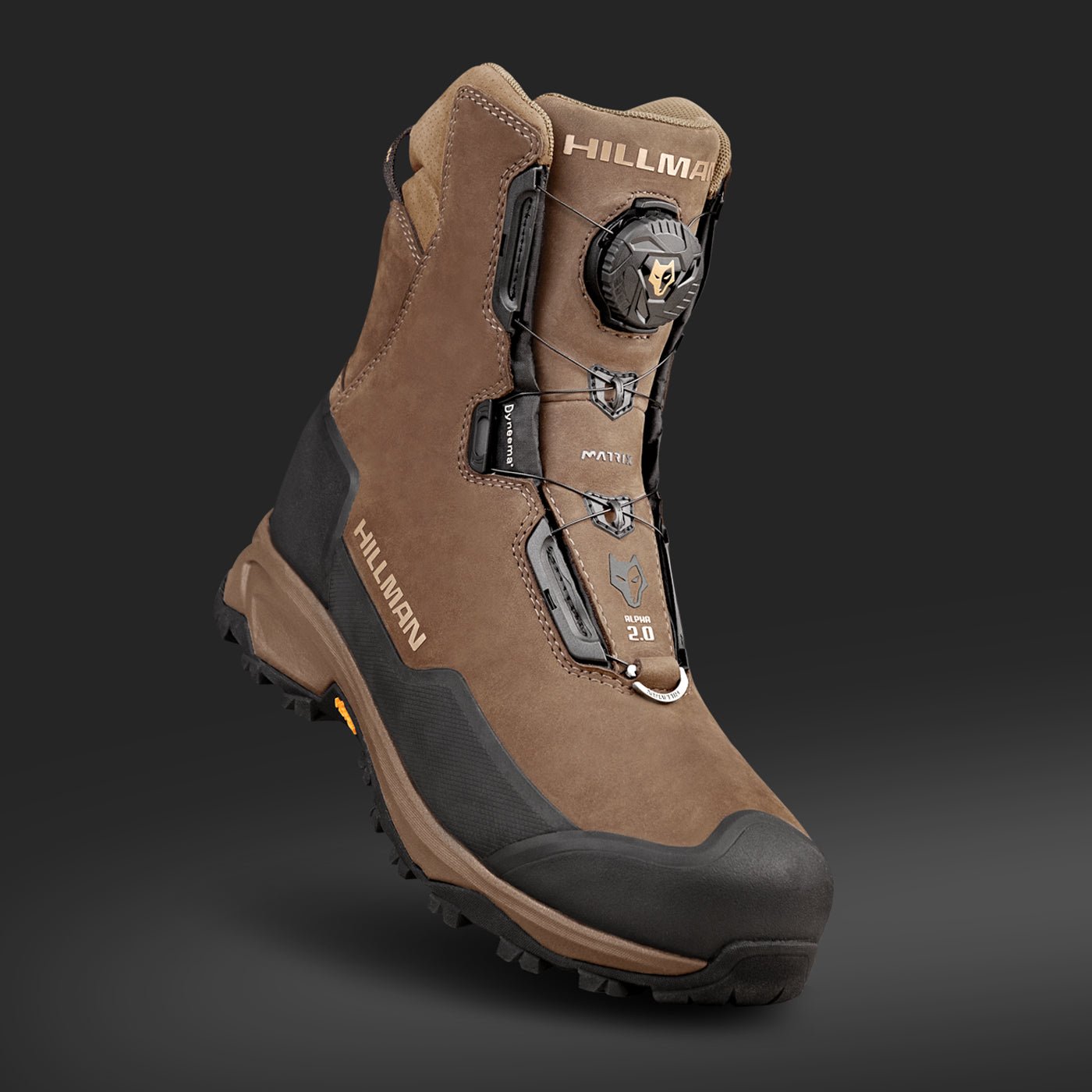
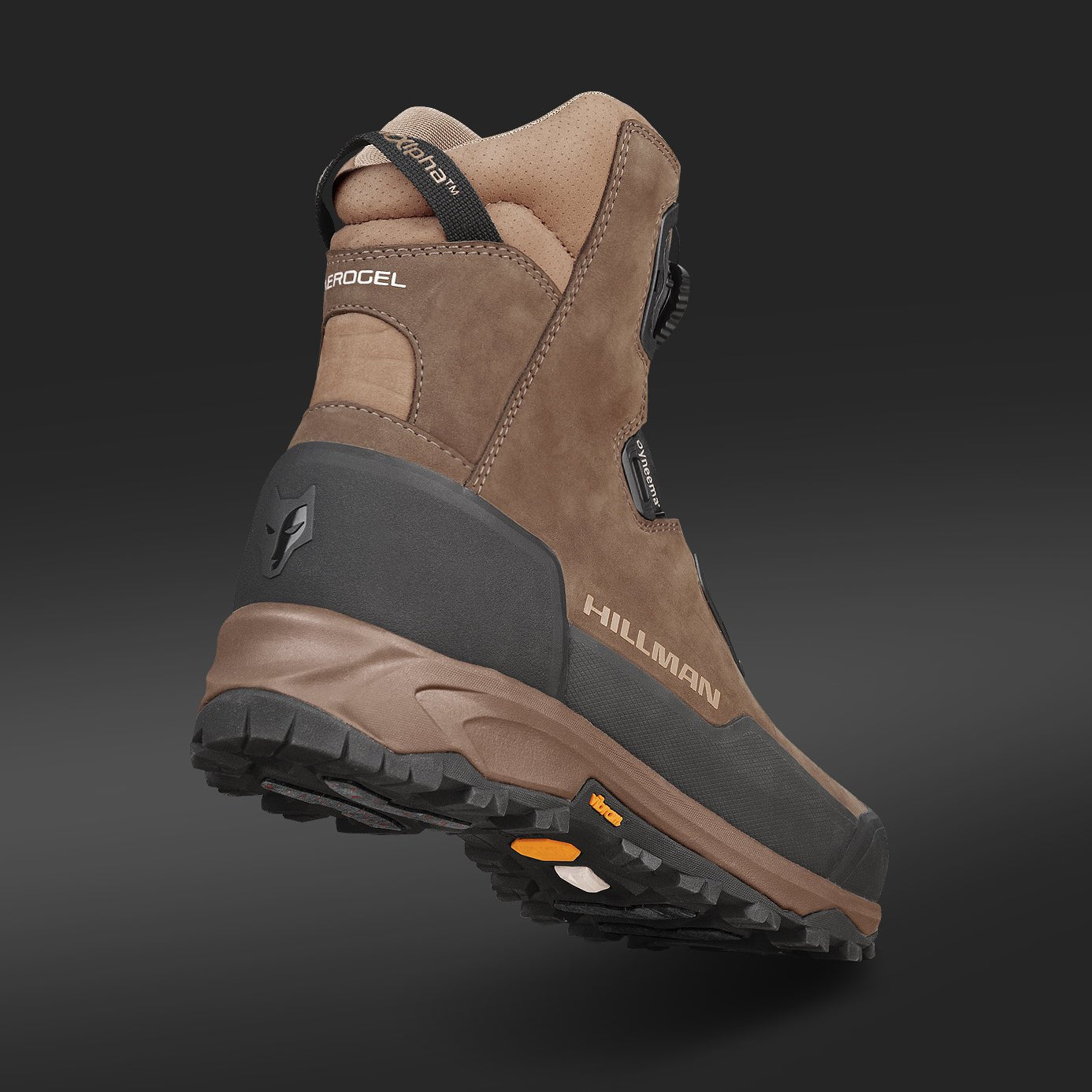
Hunting gear fails faster in the mountains. Packs rub. Boots wear down. Gear that works back home doesn’t always survive steep climbs and long days. What you carry matters as much as what you leave behind.
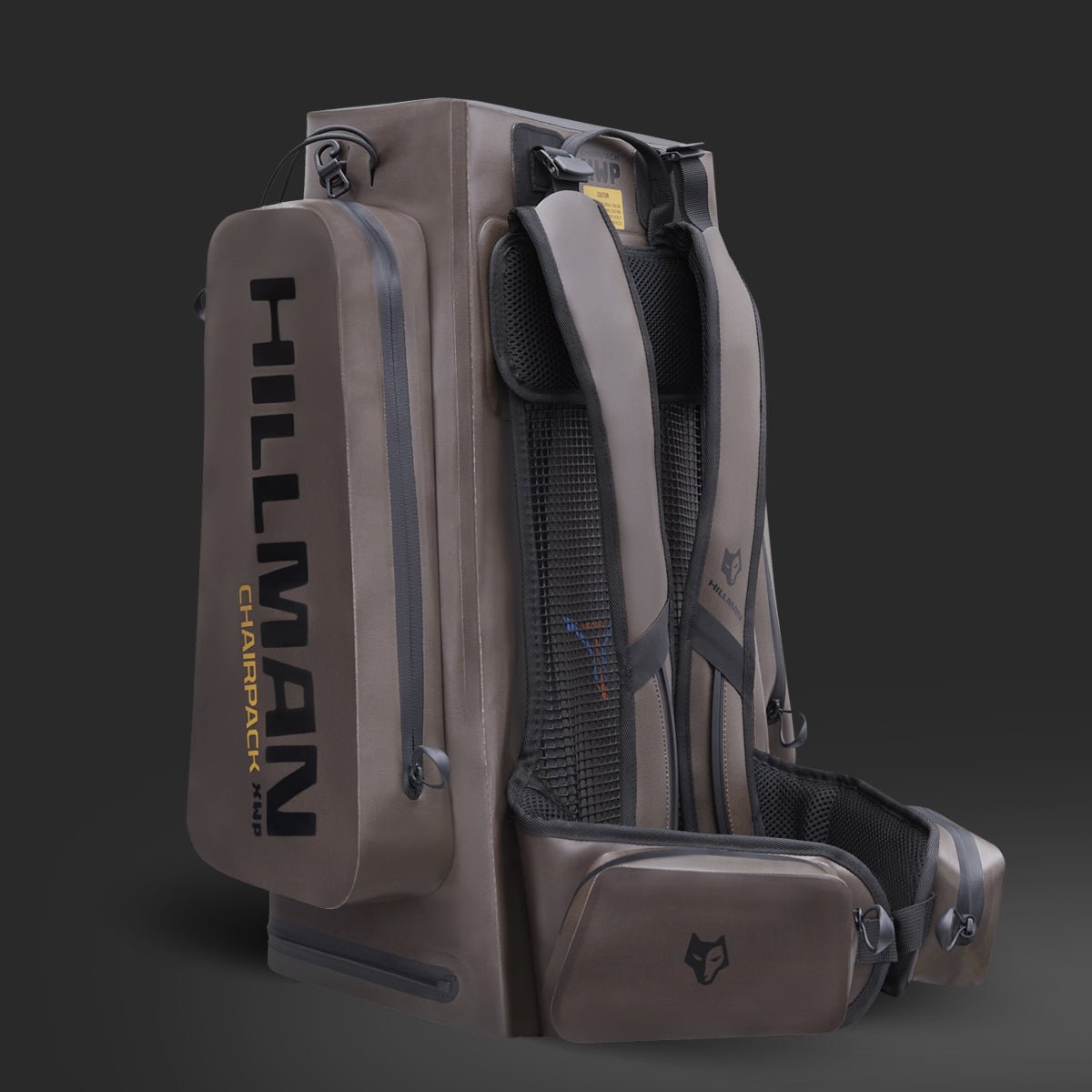
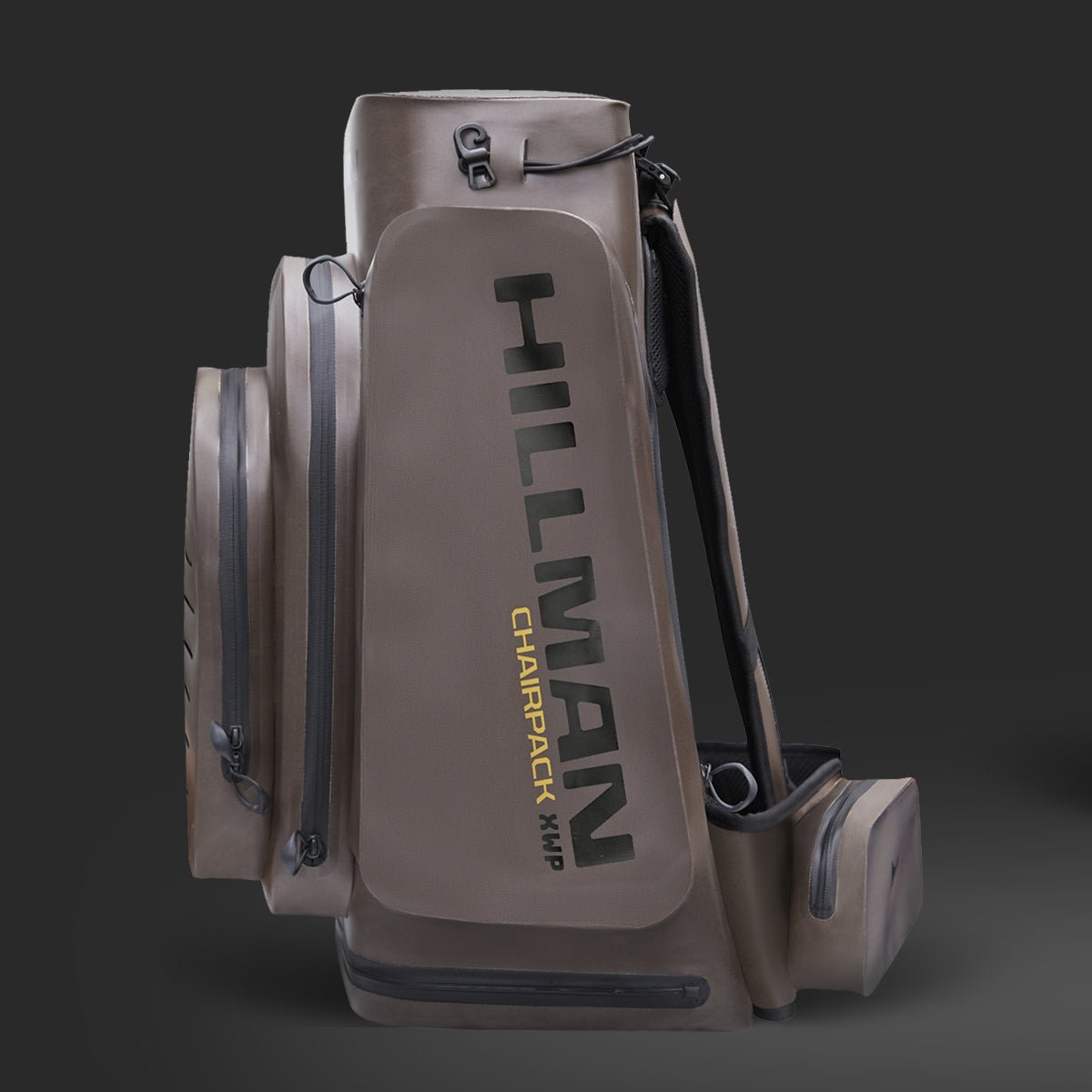
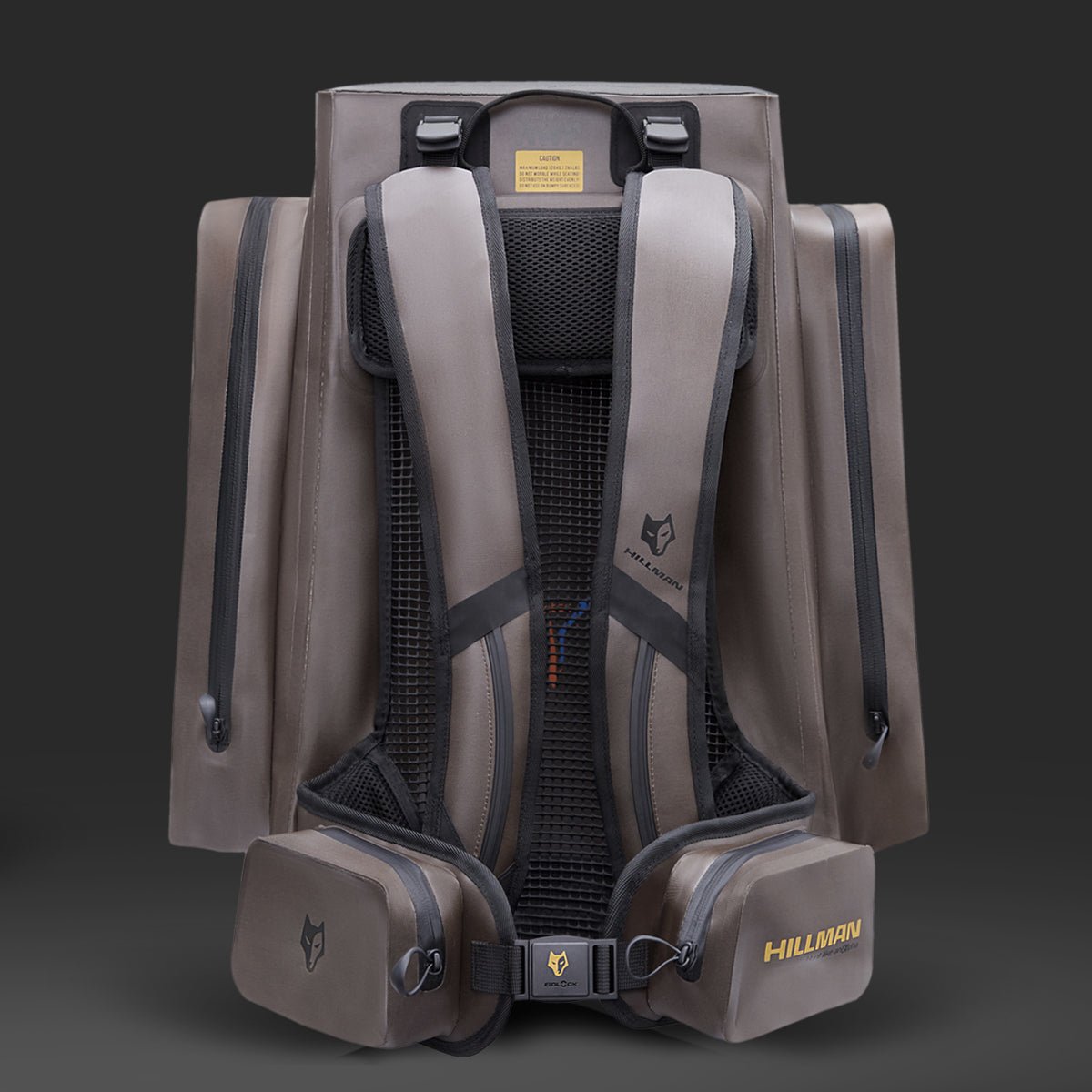
A good pack distributes weight well and doesn’t fight your movement. Clothing needs to work under load. Rifles and bows must stay protected from the weather without constant attention.
What to Carry and What to Leave at Home?
New hunters often carry too much. Experience teaches restraint. You don’t need a lot; you need the right things. Extra weight drains energy faster at altitude. That affects decision-making, safety, and enjoyment.
Think about what you truly require. Water, basic protection, navigation, and clothing layers that adapt. Everything else should earn its place.
Hunting Season in Colorado: Timing and Expectations

Hunting season in Colorado spans months, and each part of it feels different. Early season may still feel like summer during the day, with rain and warm temperatures. Late season brings snow, shorter days, and harder conditions.
The beginning of the season tempts hunters to underestimate the mountains. The weather can break plans quickly. Storms move faster here. Days shorten without warning. Expect variability, not stability.
Early vs Late Season Reality
Early hunts test discipline. Late hunts test endurance. Both require planning. Gear choices shift. Clothing gets heavier. Mistakes become more costly. Health and energy become increasingly important as conditions worsen.
Hunters who adapt through the season tend to last longer, and enjoy it more.
Elk Hunts in the Rockies: Reality Over Romance

Elk hunts attract dedicated hunters year after year. The idea is simple. The reality is not. Elk live in tough country and demand long days, steep climbs, and patience.
Success rate varies widely. Terrain, weather, and pressure all play a role. Some hunters choose a fully guided hunt through an outfitter. Others prefer DIY hunts with friends, sharing effort and experience.
Fully Guided Hunt or DIY
Outfitters provide access, knowledge, and structure. They cost money, but they remove guesswork. DIY hunts offer freedom and satisfaction, but demand more preparation. Neither approach guarantees success.
Ranches, access points, and local knowledge matter. Paying attention, asking questions, and learning from others improve outcomes over time.
What the Mountains Teach You Over Time?

Mountain hunting is rarely about quick success. It’s about learning. About understanding land, wildlife, and your own limits. Most people come wanting something specific, an animal, a story, a result.
What they take home is often different. Experience. Respect. A deeper appreciation for the place. The Rockies give plenty, but only to those willing to adapt.
If you love this kind of hunt, you already understand. If it’s your first time, you’ll find out soon enough. Either way, share what you learn, stay safe, and be thankful for the chance to be there at all.
Rockies Hunting Tips

What kind of mountain hunting clothing actually works in the Rockies?
Most hunters expect a single setup to work all week, but that rarely happens. What works during a long climb often feels wrong once you stop and glass, especially when the wind picks up. Mountain hunting clothing has to breathe first and insulate second. Heavy layers sound good at home, but lighter systems that can be adjusted tend to hold up better once you’re a few days into the hunt.
Is Rocky Mountain National Park realistic for planning a hunt nearby?
People mention Rocky Mountain National Park a lot when talking about Colorado, but access and regulations are more complicated than many expect. The park itself isn’t a hunting destination, but the surrounding areas shape wildlife movement and weather patterns. Understanding where public land begins and ends is part of being prepared, not an afterthought.
Are mule deer harder to hunt in mountain terrain?
They’re not harder in a simple way; they’re different. Mule deer use terrain, wind, and distance to their advantage, and they often move faster than hunters expect. In open country, mistakes are visible immediately. Some days everything lines up. Other days, you feel like you’re always one step behind.
Do elk hunts really require that much preparation?
Yes, but not all at once. Elk hunts are demanding because they require effort day after day. Long walks, elevation, and weather wear people down more than a single hard push. Preparation isn’t just physical. It’s knowing when to slow down, when to stop, and when to accept that tomorrow is another day.
Is a fully guided hunt worth paying for in Colorado?
For some hunters, absolutely. An outfitter can remove a lot of unknowns, especially access and logistics. Others prefer learning through trial and error with friends. Neither approach guarantees a higher success rate. It mostly changes how steep the learning curve feels in the beginning.
What do first-time mountain hunters usually underestimate?
How long does everything takes? Distance looks shorter. Days feel longer. The weather changes faster than expected. Most people adjust after a few days, but the first stretch can be humbling if you weren’t prepared for it mentally.


Share:
The Best Hunting Layering System for Changing Weather Conditions
Cold Weather Clothing for Whitetail Tree Stands: No Freezing