

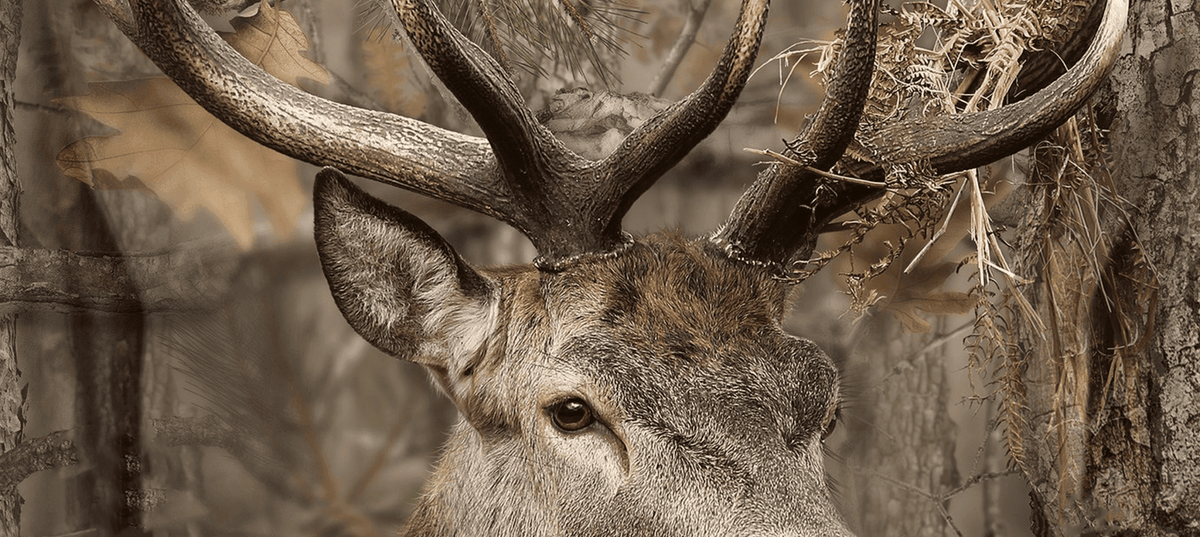
Cold Weather Clothing for Whitetail Tree Stands: How to Sit Still Without Freezing

Cold weather tree stand hunting demands the right clothing. Learn how to layer, stay warm during long sits, and endure late-season whitetail hunts without freezing.
Cold weather has a way of finding every mistake you made getting dressed that morning. It doesn’t happen right away. At first, everything feels fine. Then the wind shifts, the sun drops behind the trees, and suddenly you’re counting the minutes instead of watching the woods.
Late season whitetail hunts are often when things finally come together. Food sources are limited, deer movement tightens up, and bucks show themselves in daylight again. The problem is simple: if you can’t stay warm during long sits, none of that matters. Cold weather hunting clothing isn’t about comfort alone. It’s about being able to stay put when it counts.
Why Cold Weather Tree Stand Hunts Hit Harder Than Expected

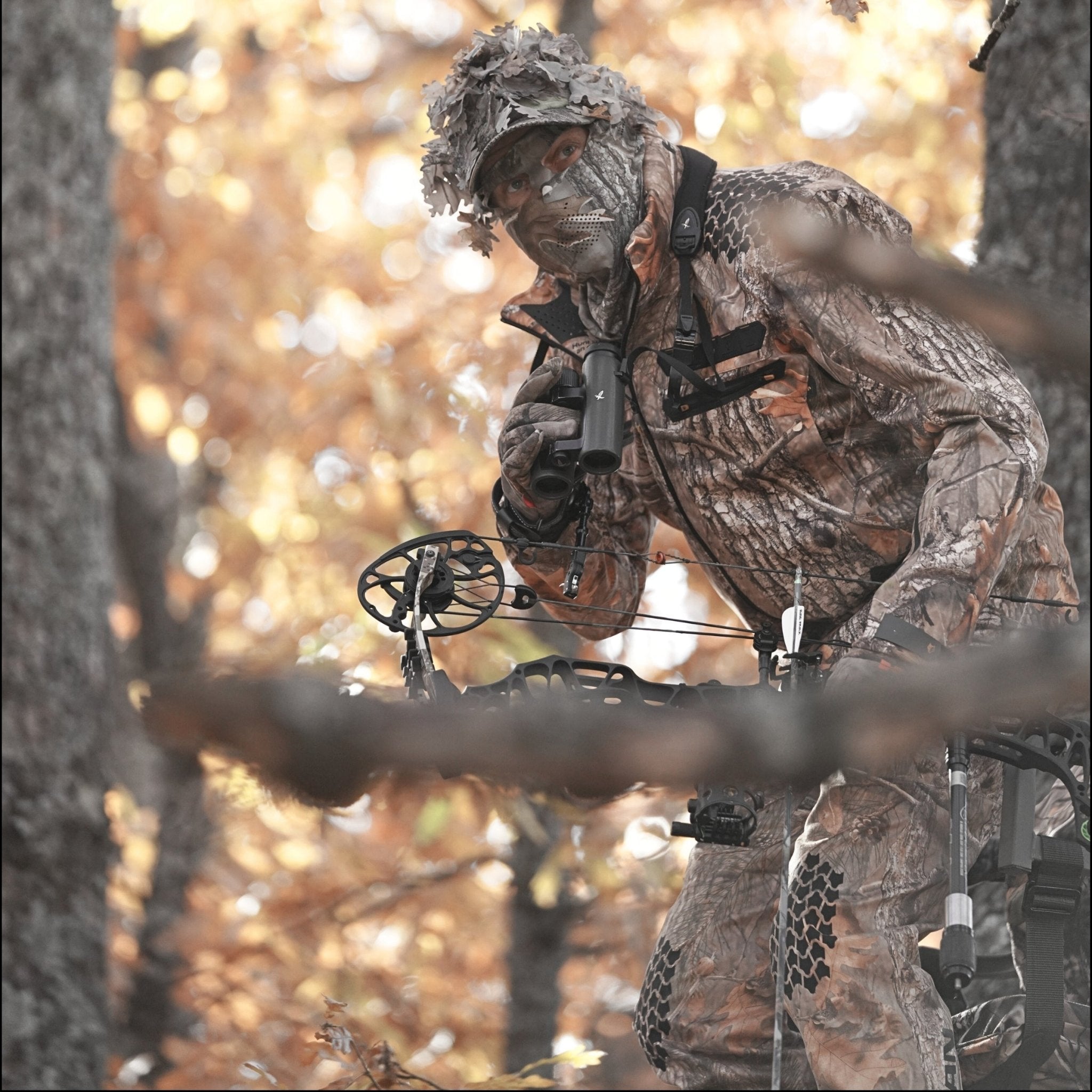
Cold feels different once you’re in a tree stand. You’re off the ground, exposed, and completely still. There’s no walking to generate heat, no cover from the wind, and nothing to distract you from the cold settling into your body.
In late season, frigid temperatures creep in quietly. One minute you’re fine, the next your fingers feel stiff, and your feet start to go numb. Many hunters underestimate just how fast body heat disappears when you’re sitting, especially in single-digit temps. That’s usually when hunts end early, long before deer decide to move.
Walking In Warm, Sitting Cold: Where Most Hunters Go Wrong
The walk to the stand is where cold-weather mistakes usually start. You load your pack, layer up, and feel good moving through the woods. That warmth feels reassuring, but it’s misleading.
Sweat builds fast when you’re walking, even in extreme cold. Once you stop moving and climb into the stand, that moisture turns against you. Body heat escapes, the cold sets in, and no amount of wishing will bring the warmth back. The key is dressing for the sit, not the hike, and using layers that let you manage heat instead of trapping it too early.
Layering for Cold-Weather Tree Stand Hunts Without Overdoing It

Layering works because it gives you control. Instead of relying on one heavy coat, a proper system lets you adjust based on activity level and temperatures. The goal is warmth without bulk, and protection without overheating.
Cold weather hunting gear should work as a system. Base layers manage moisture. Mid layers trap heat. Outer layers block wind and weather. When those pieces work together, staying warm becomes easier, even during long, motionless sits in a treestand.
Base Layers: The Quiet Difference Between Warm and Miserable

Base layers don’t get much attention, but they matter more than most hunters think. Their job isn’t to keep you warm directly. It’s to keep you dry.
During the walk-in, sweat is almost unavoidable. What matters is what happens to it. Materials like merino wool and modern synthetics pull moisture away from the skin and dry quickly. Cotton does the opposite. It holds moisture, loses insulation, and makes cold weather feel brutal once you stop moving. A solid base layer helps preserve body heat long after you’ve settled into the stand.
Mid Layers That Actually Hold Heat During Long Sits

Mid layers are where warmth is built. This layer traps heat close to the body and keeps it there when you’re sitting still for hours. Fleece, synthetic insulation, and insulated liners all do this well when sized correctly.
Keeping the core warm is especially important during cold-weather hunts. When your chest and midsection stay insulated, your body can better protect your hands and feet. Hunters who skimp on mid layers usually feel it first in their fingers and toes.
Outer Layers That Stop Wind Without Turning You Into a Sweatbox

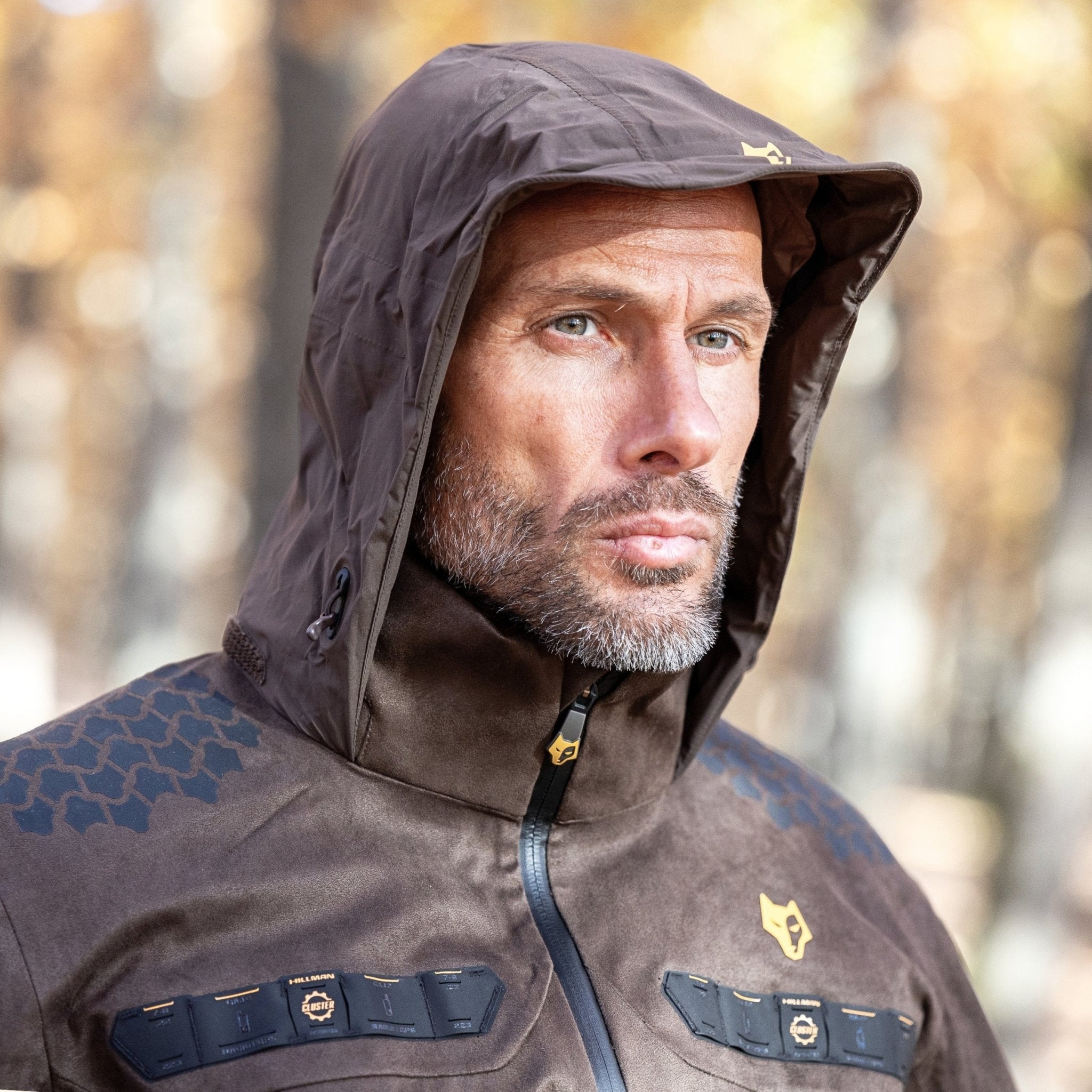
Wind is often what breaks a cold-weather hunt. Even light wind feels sharper when you’re sitting in a tree, and it strips warmth fast. Outer layers need to block that wind while still letting moisture escape.
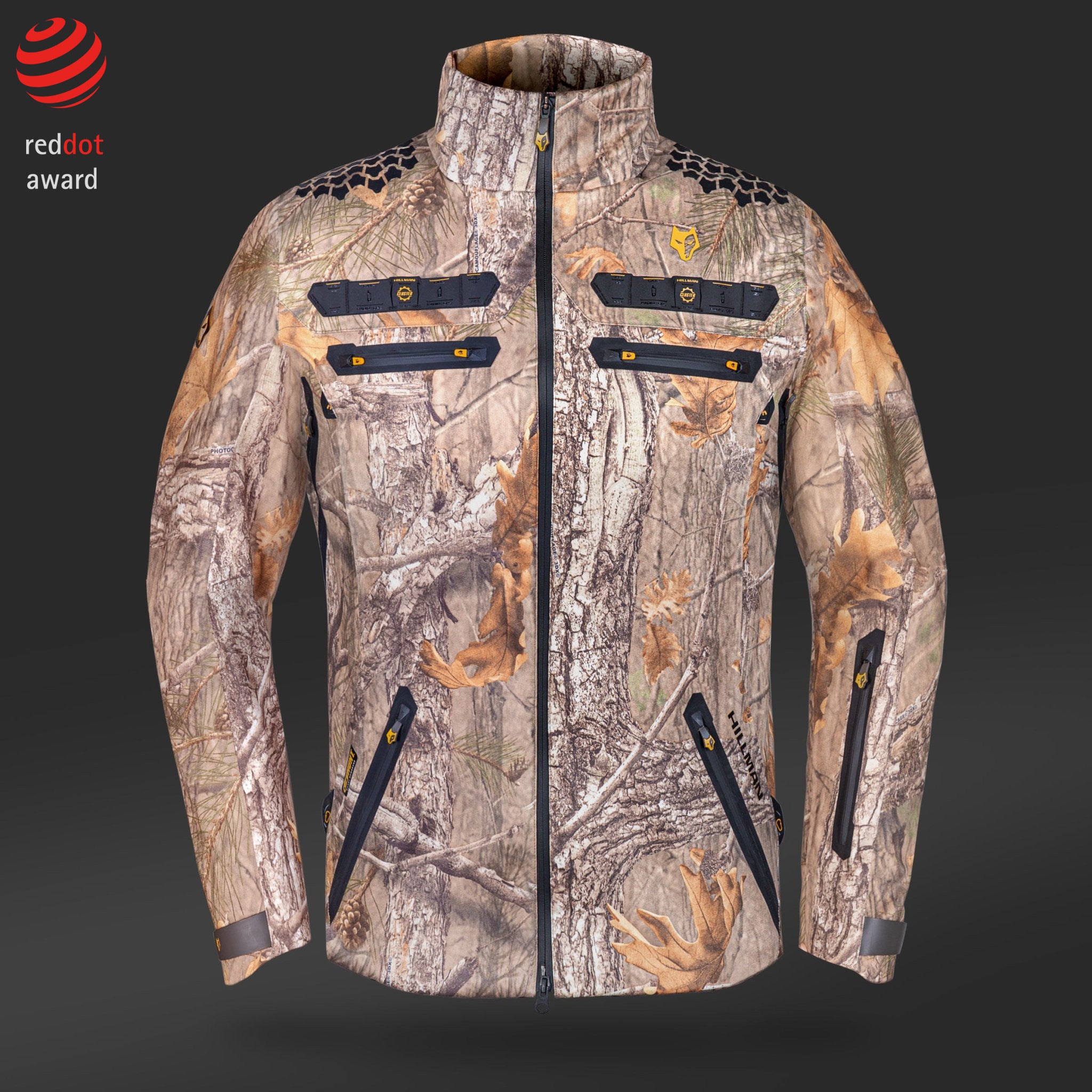
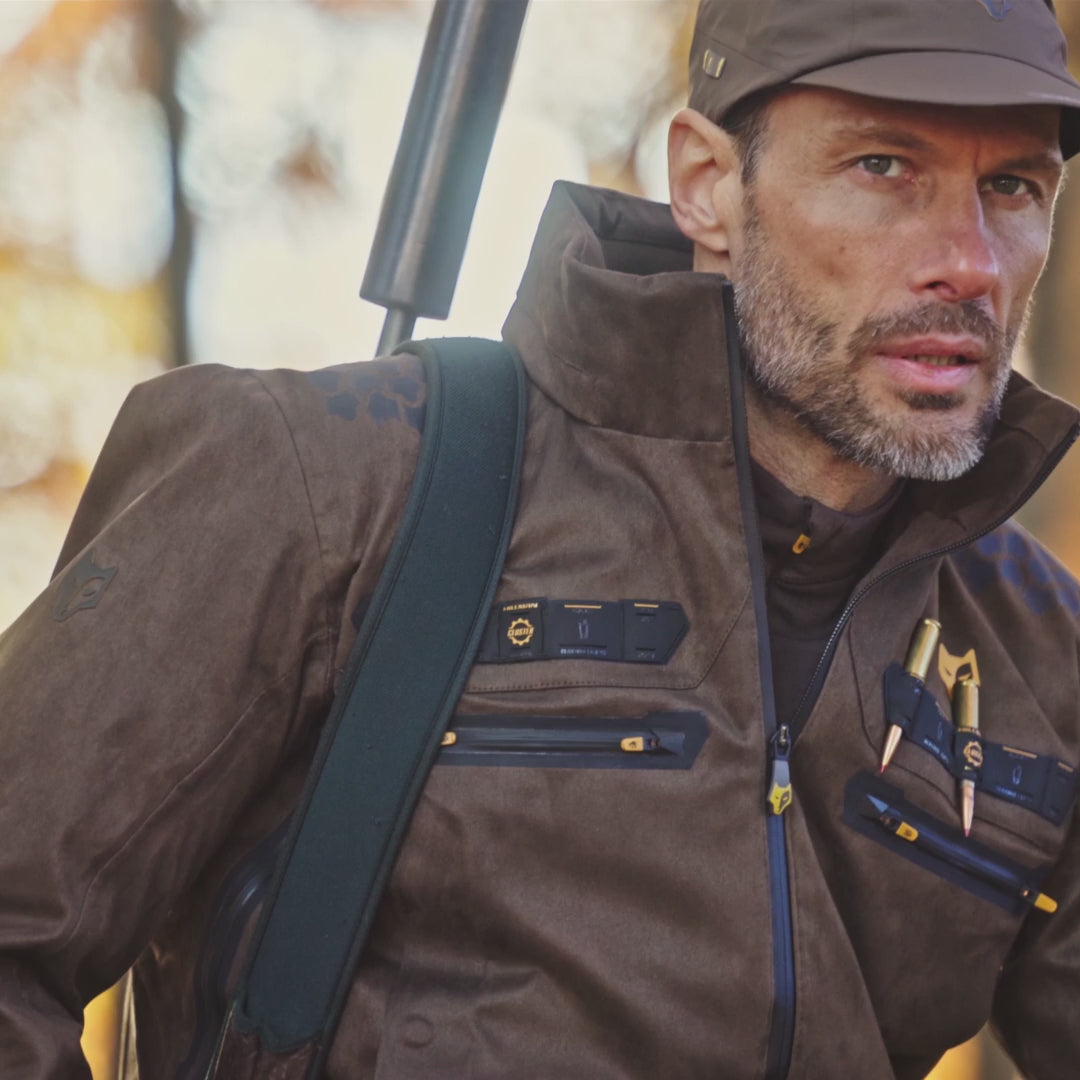
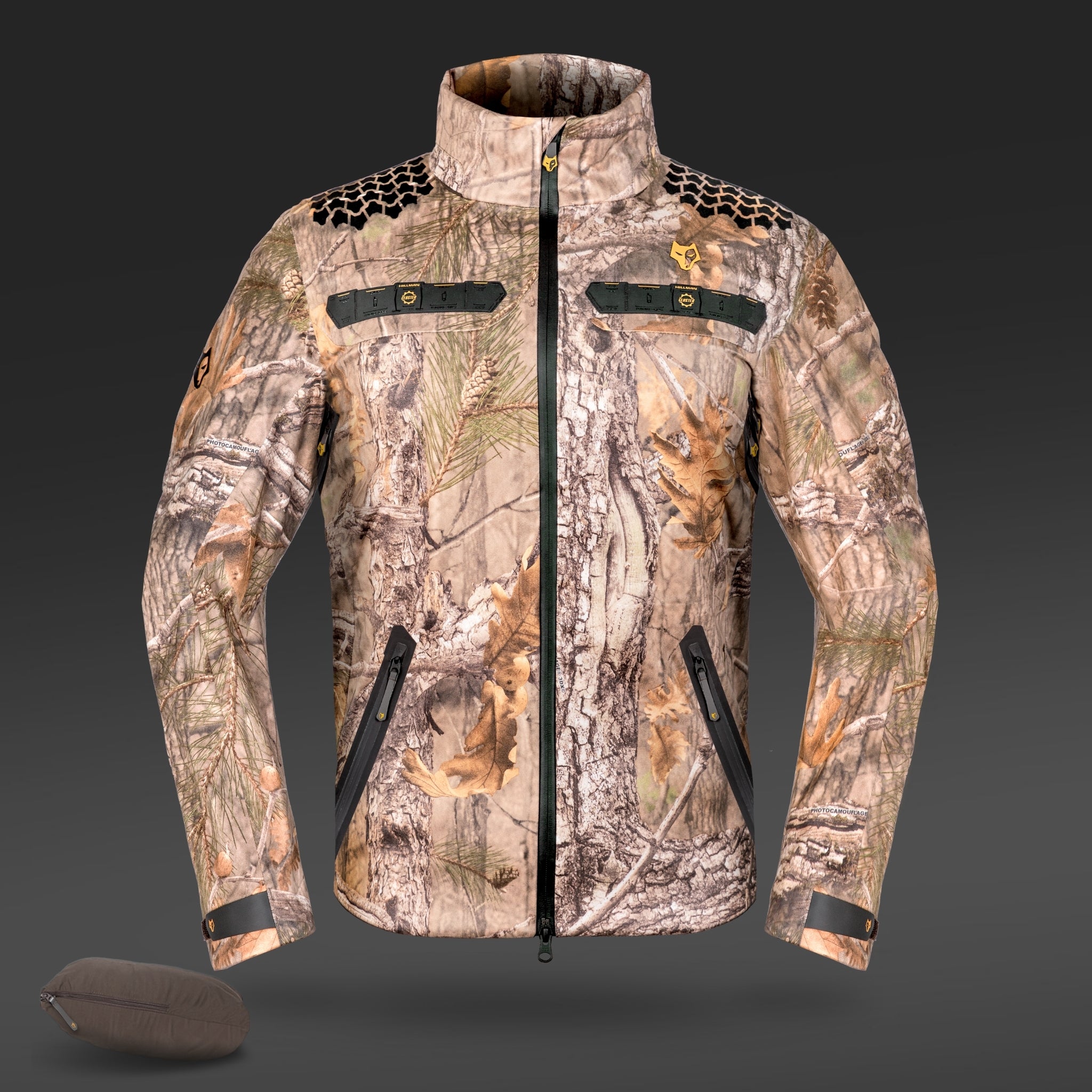
A good hunting jacket or coat balances protection with breathability. Quiet fabrics matter here too. Soft, brushed materials help avoid noise when you shift slightly or prepare for a shot. In whitetail woods, small movements count, and loud clothing can end a hunt just as quickly as the cold.
Insulated Bibs and Jackets for Late Season Whitetail Hunting

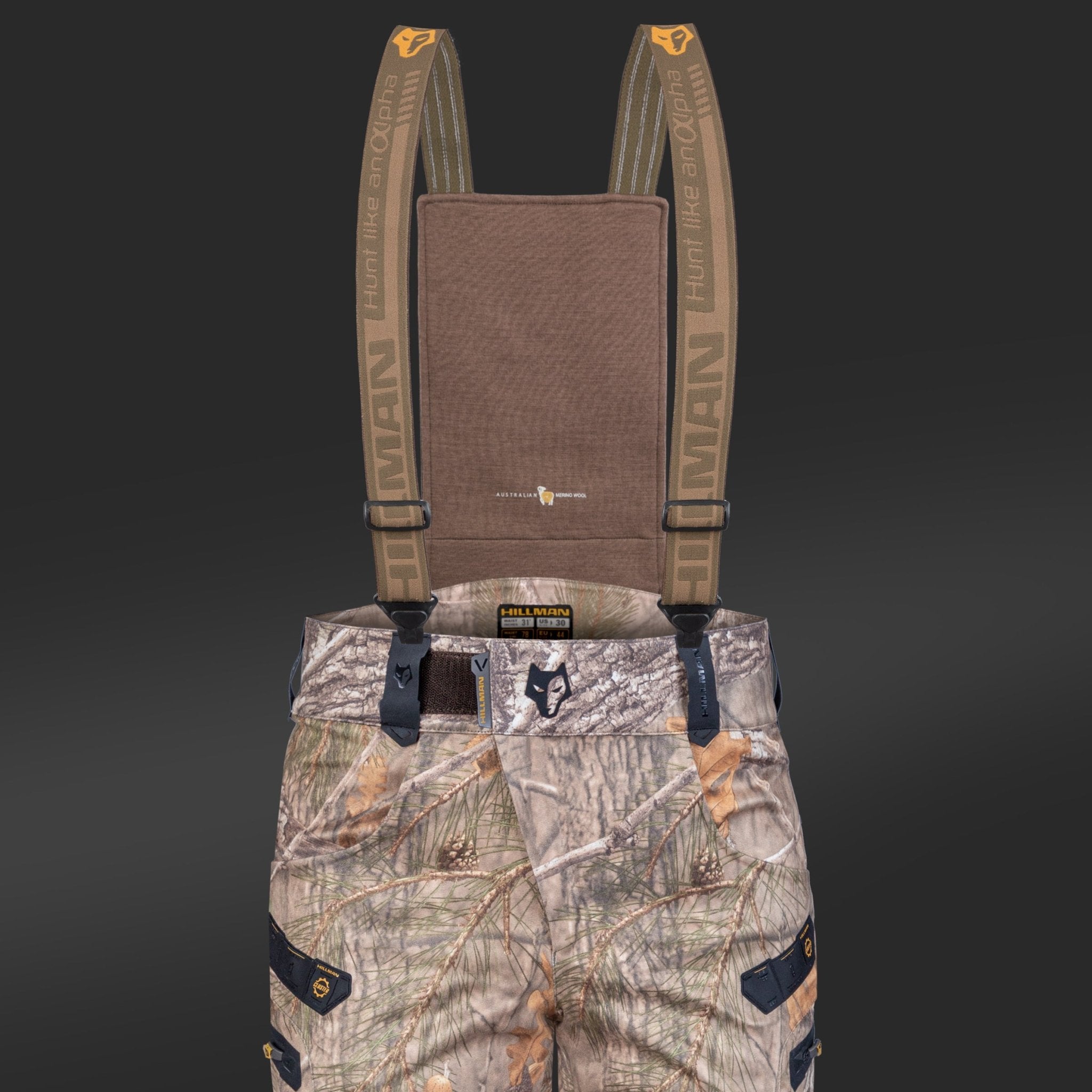
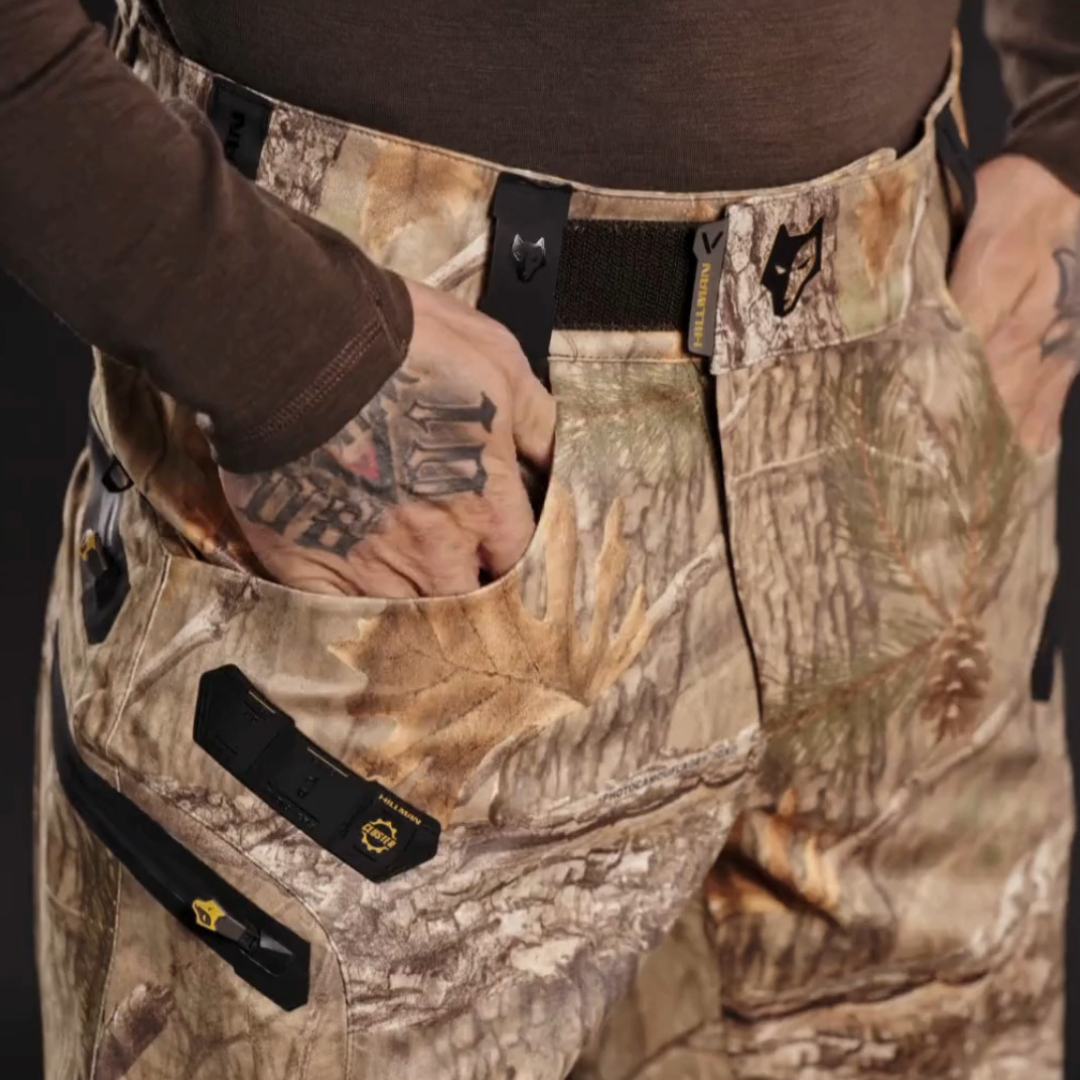
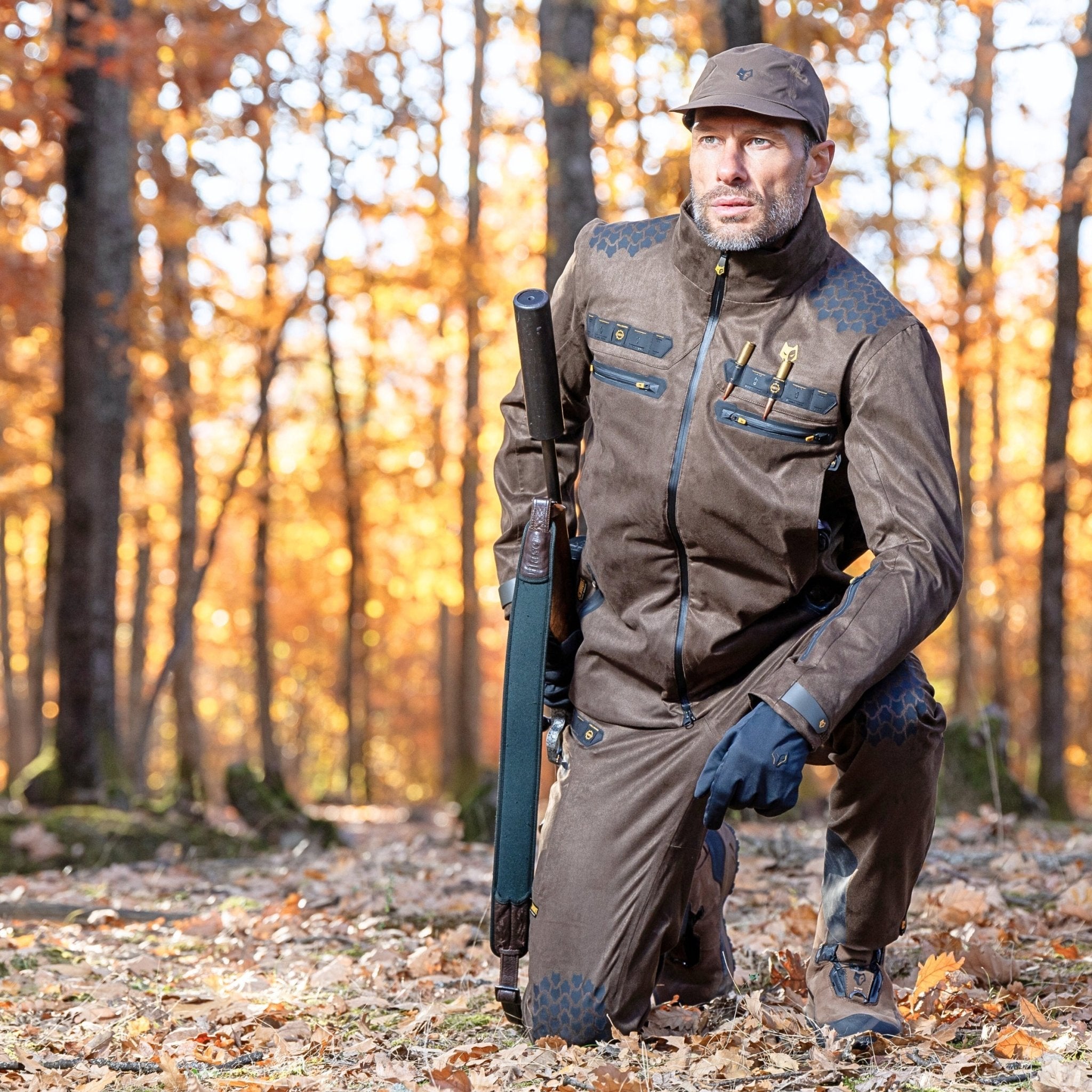
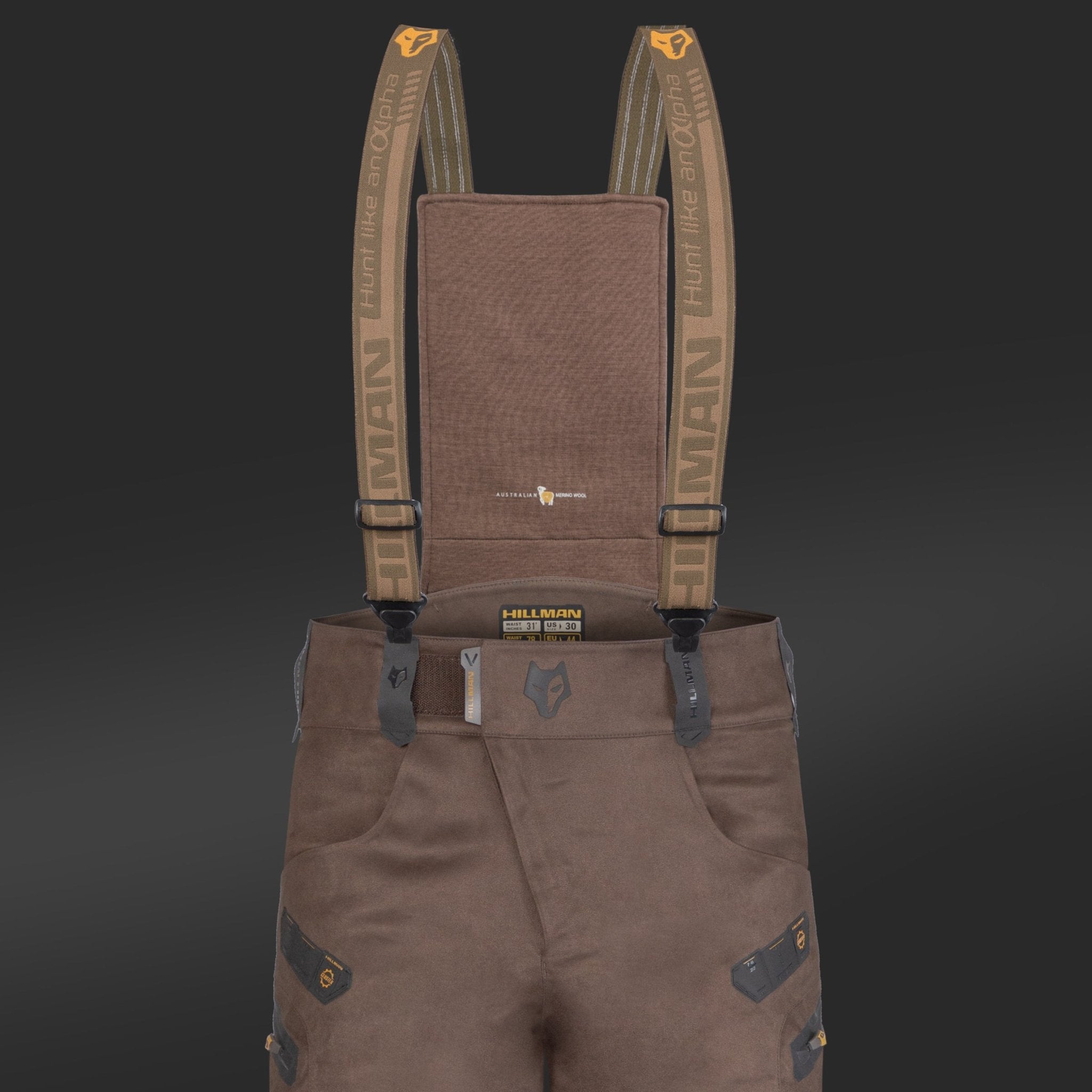
When the season drags into its coldest weeks, insulated bibs and jackets become hard to beat. Bibs seal off drafts around the waist and lower back, areas that get cold fast during long sits. They also protect the core without restricting movement.
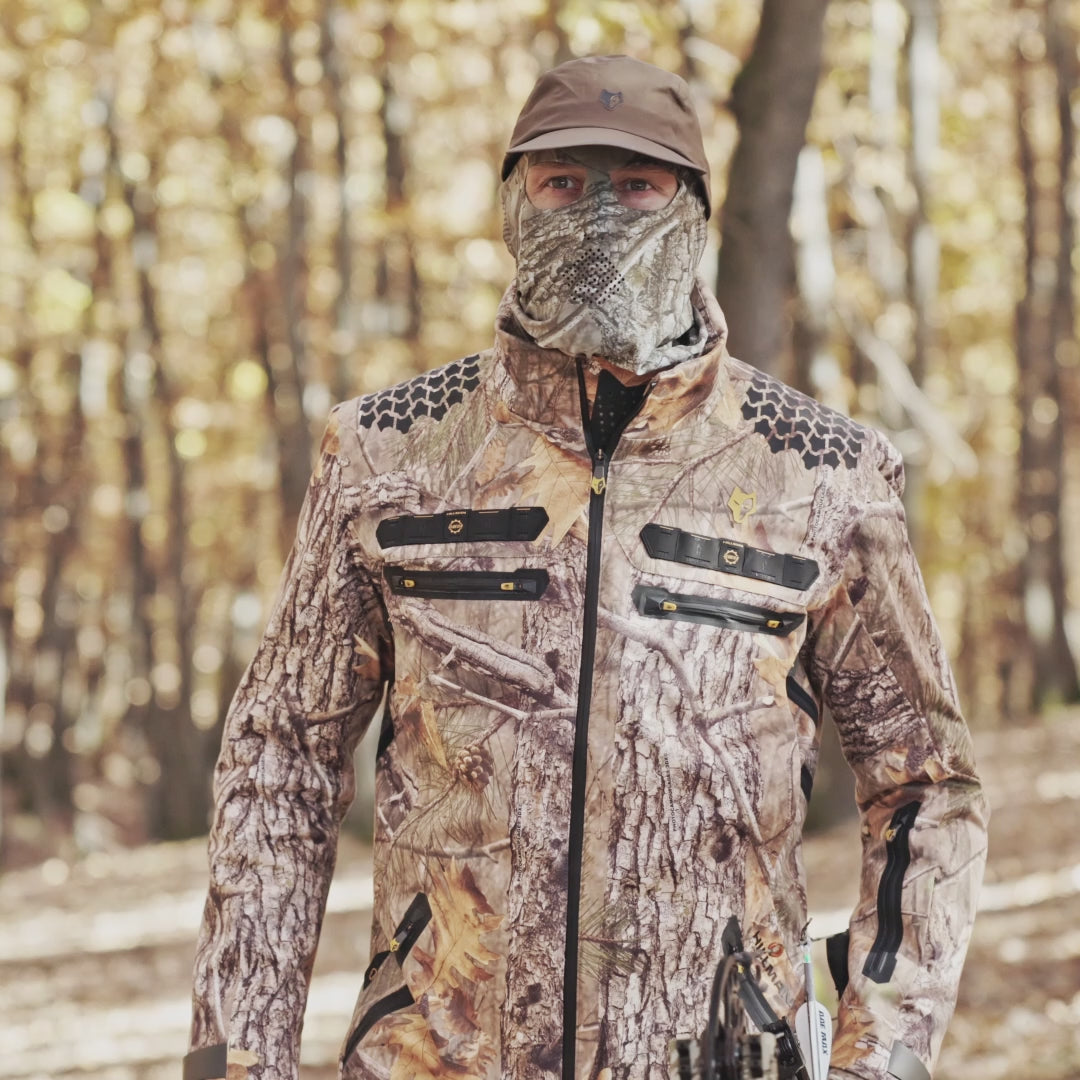
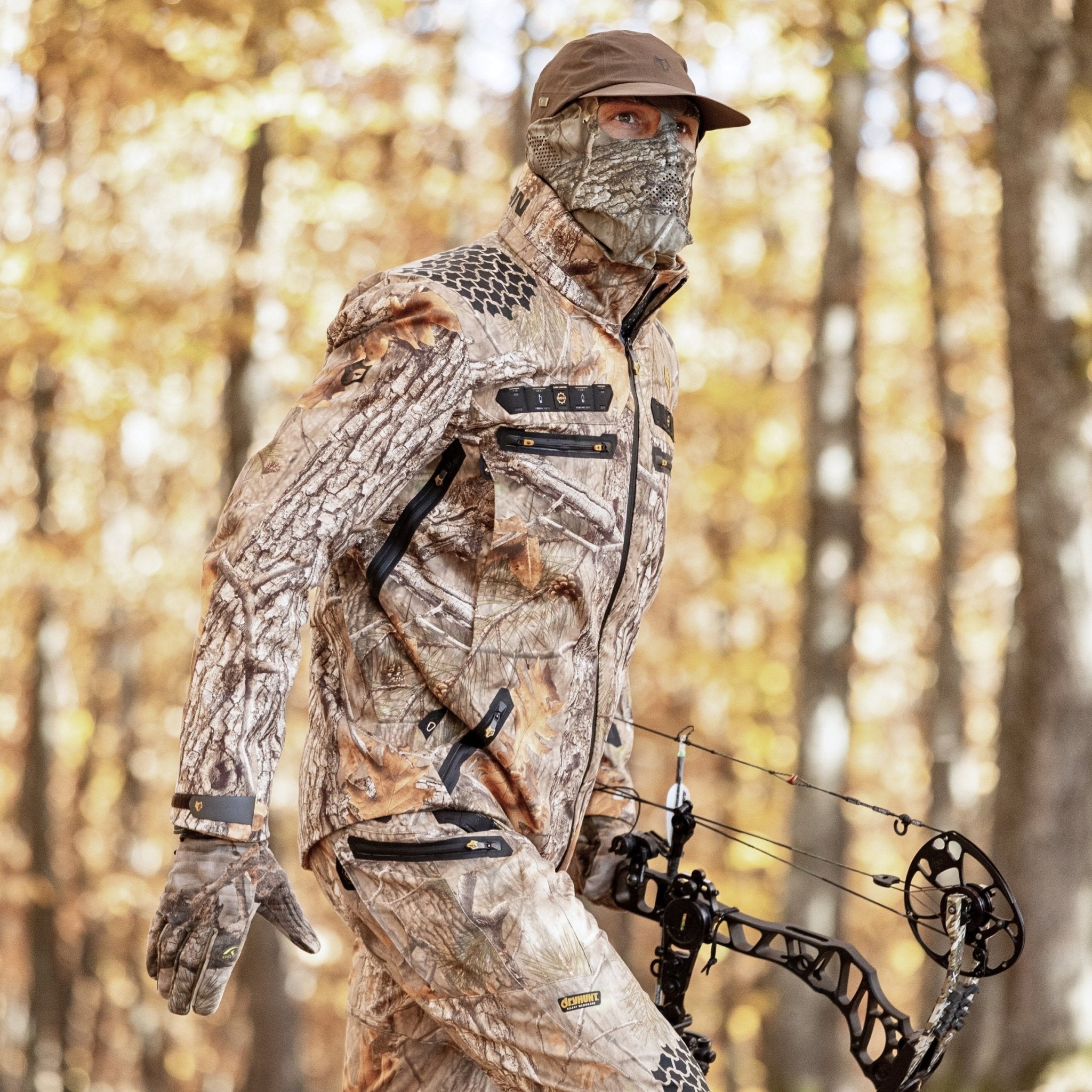
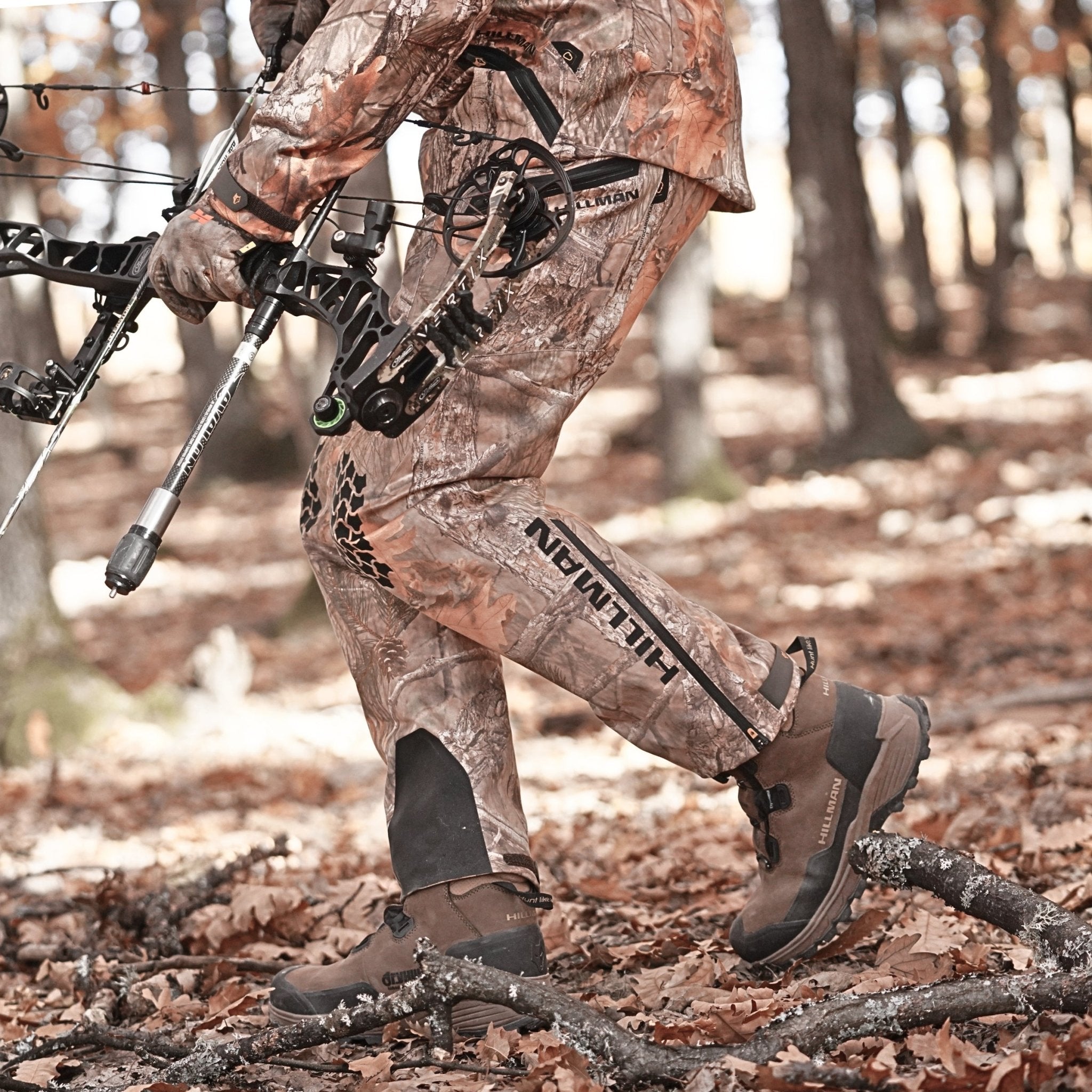
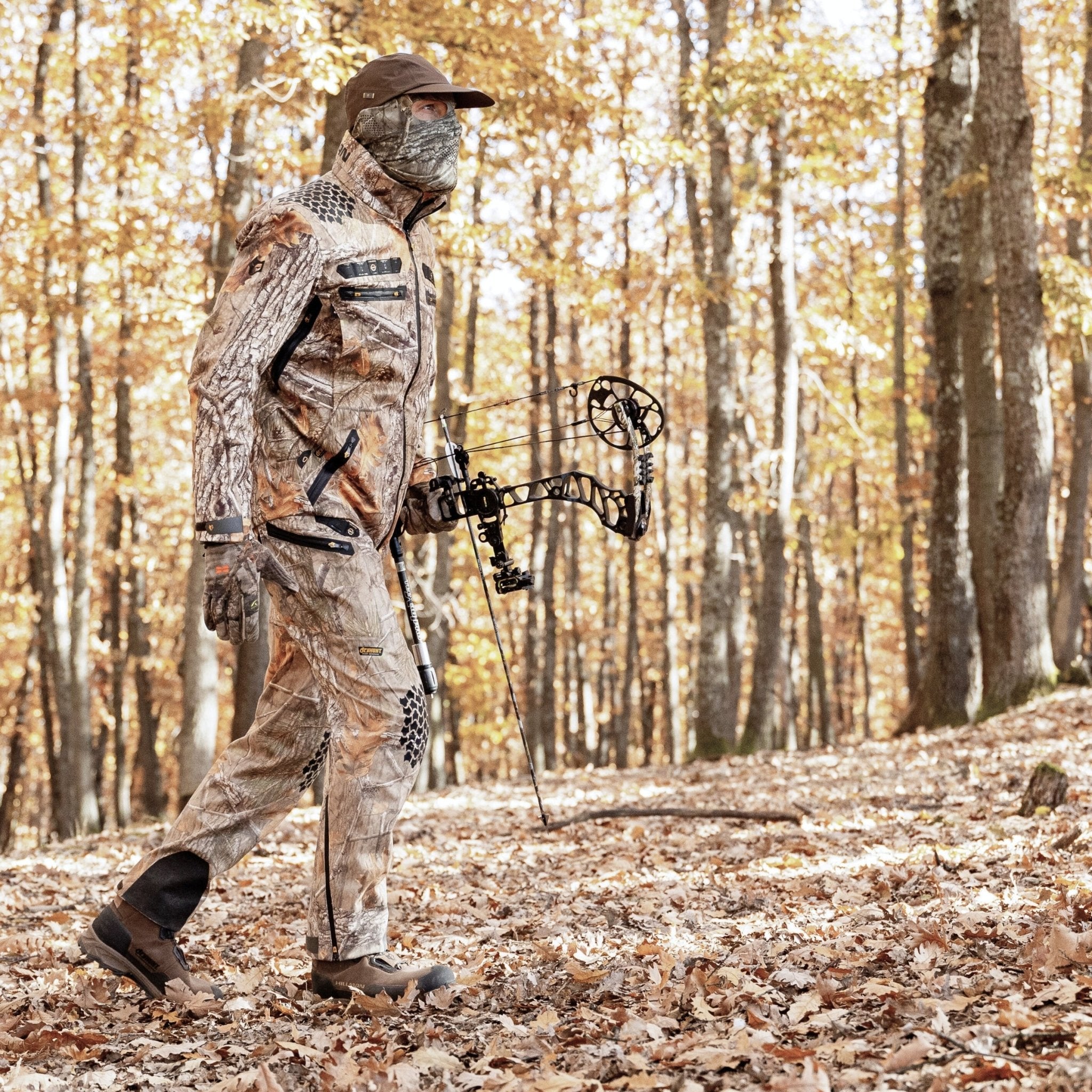
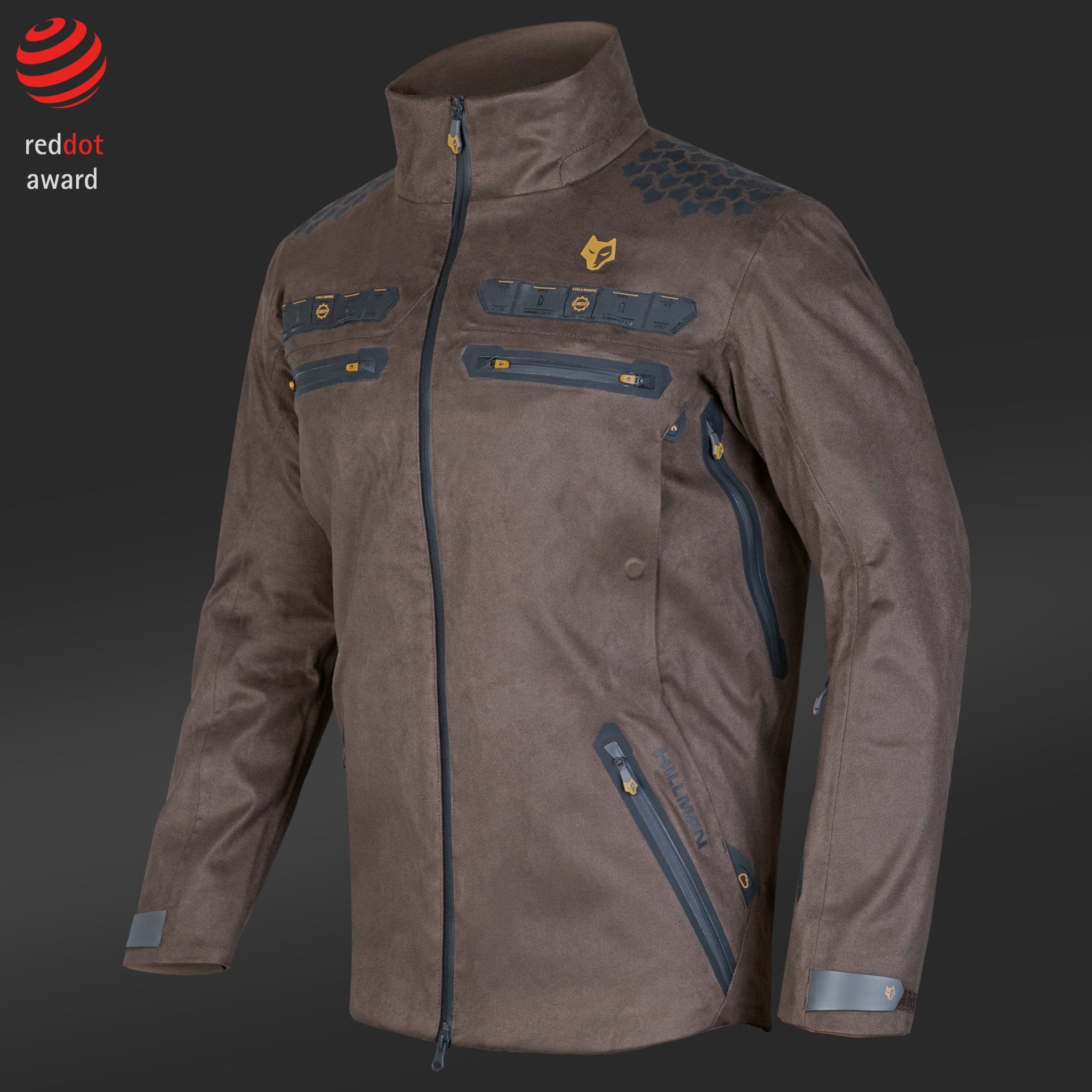
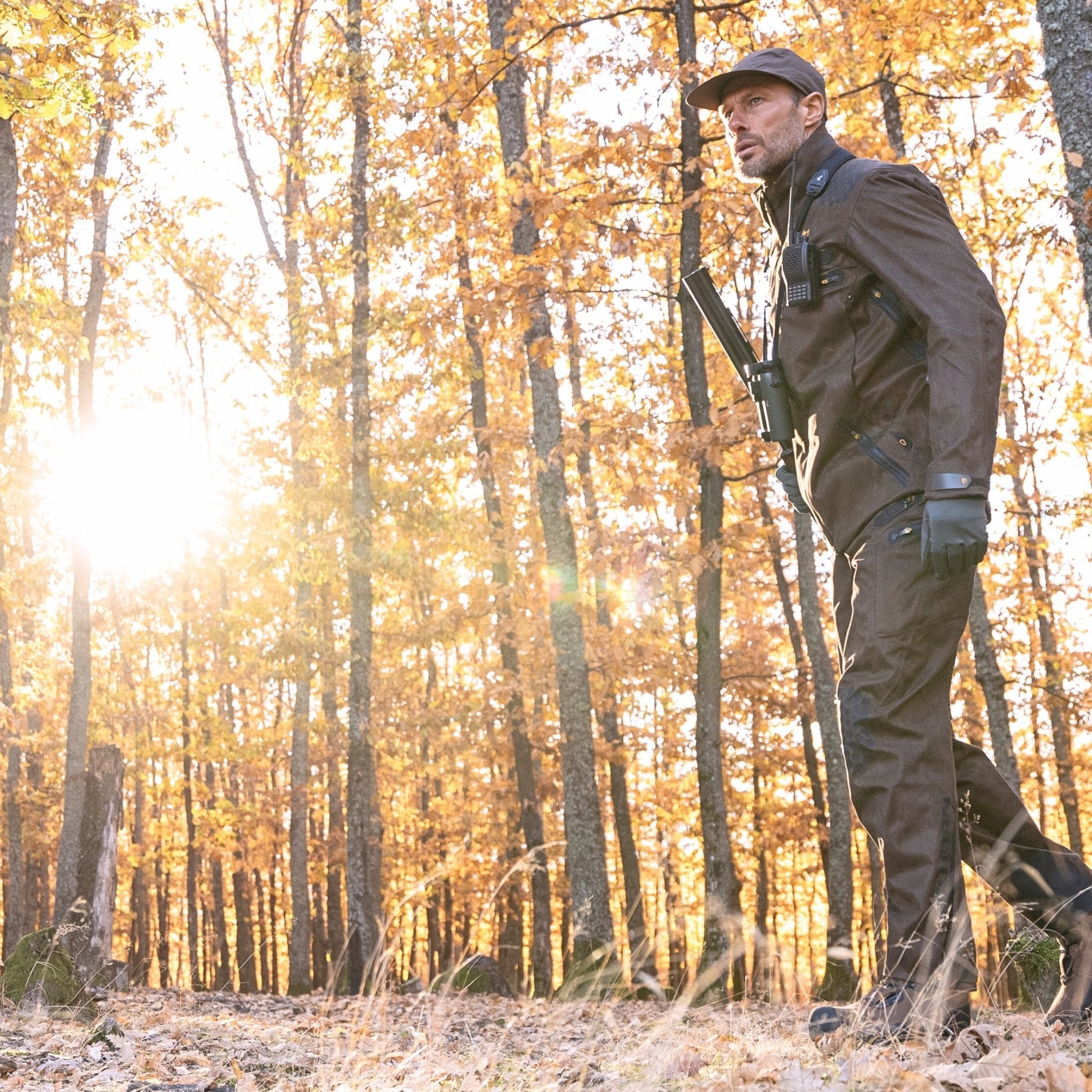
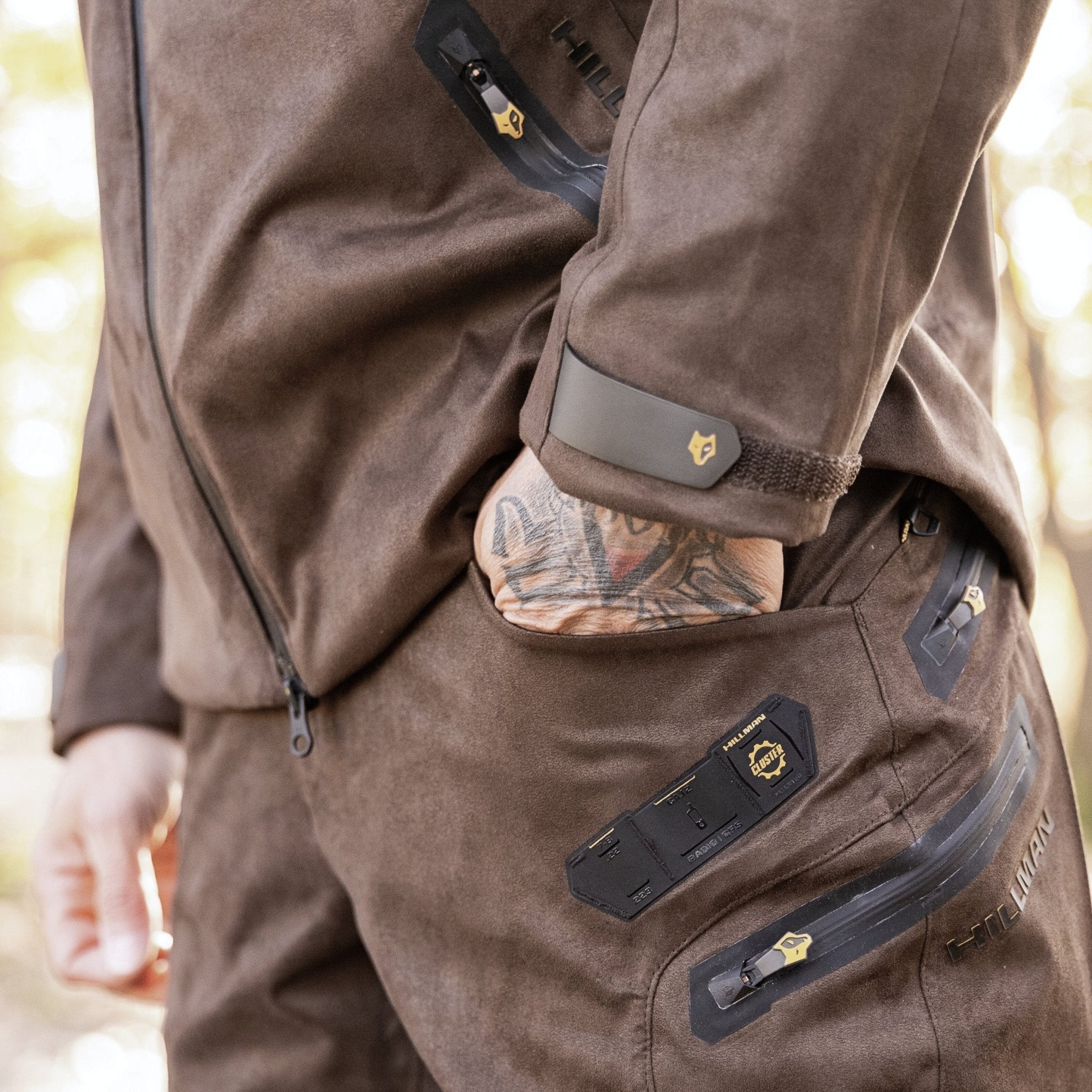
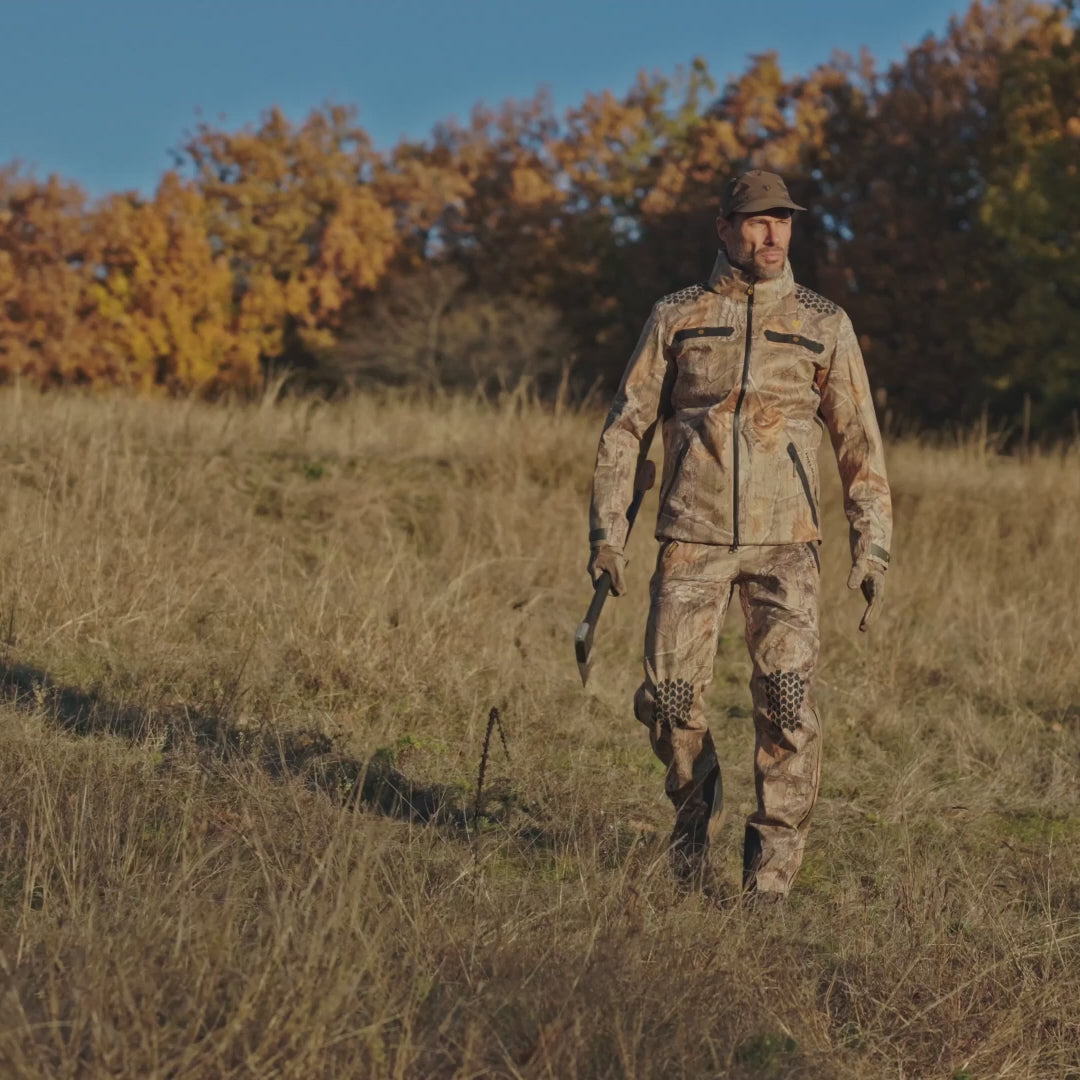
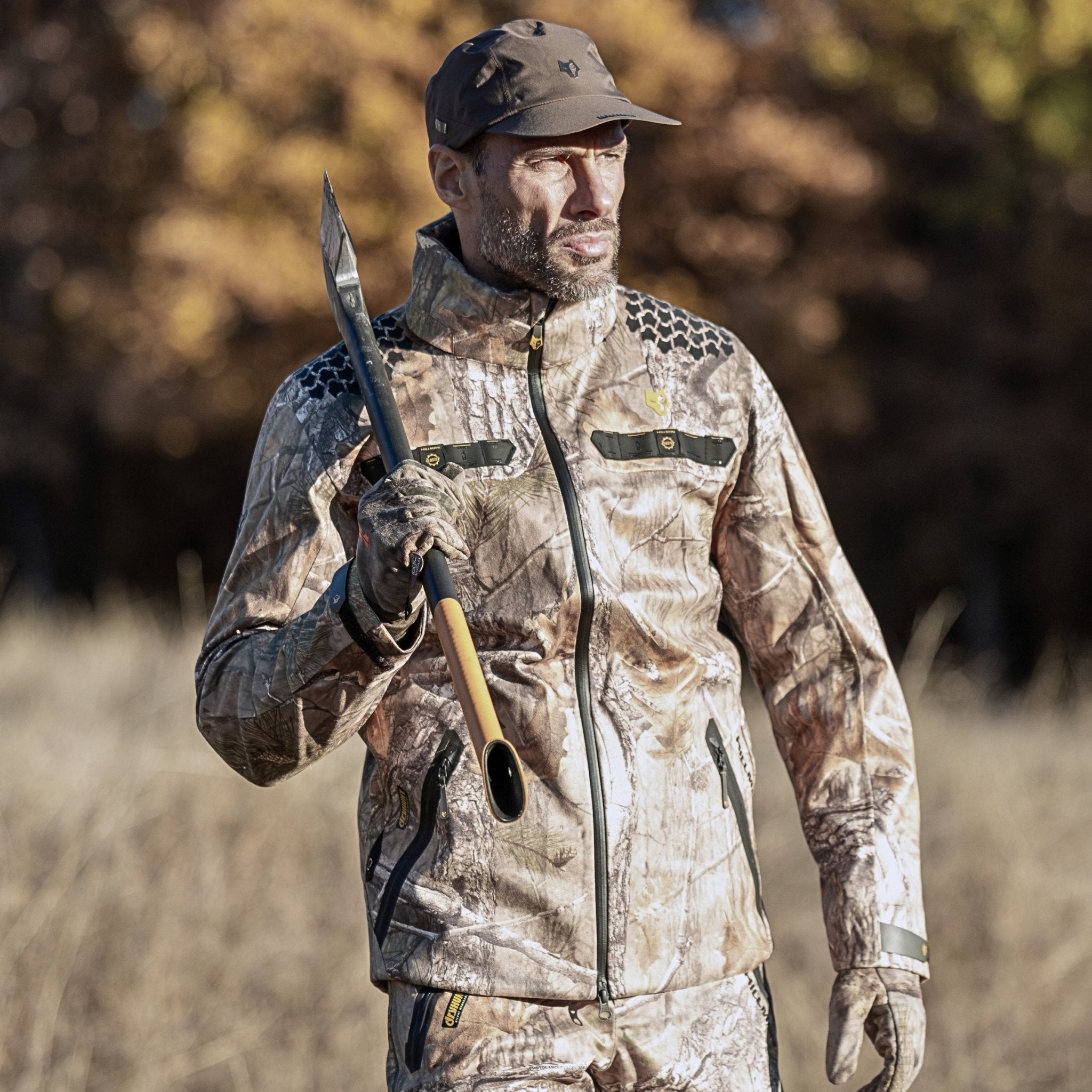
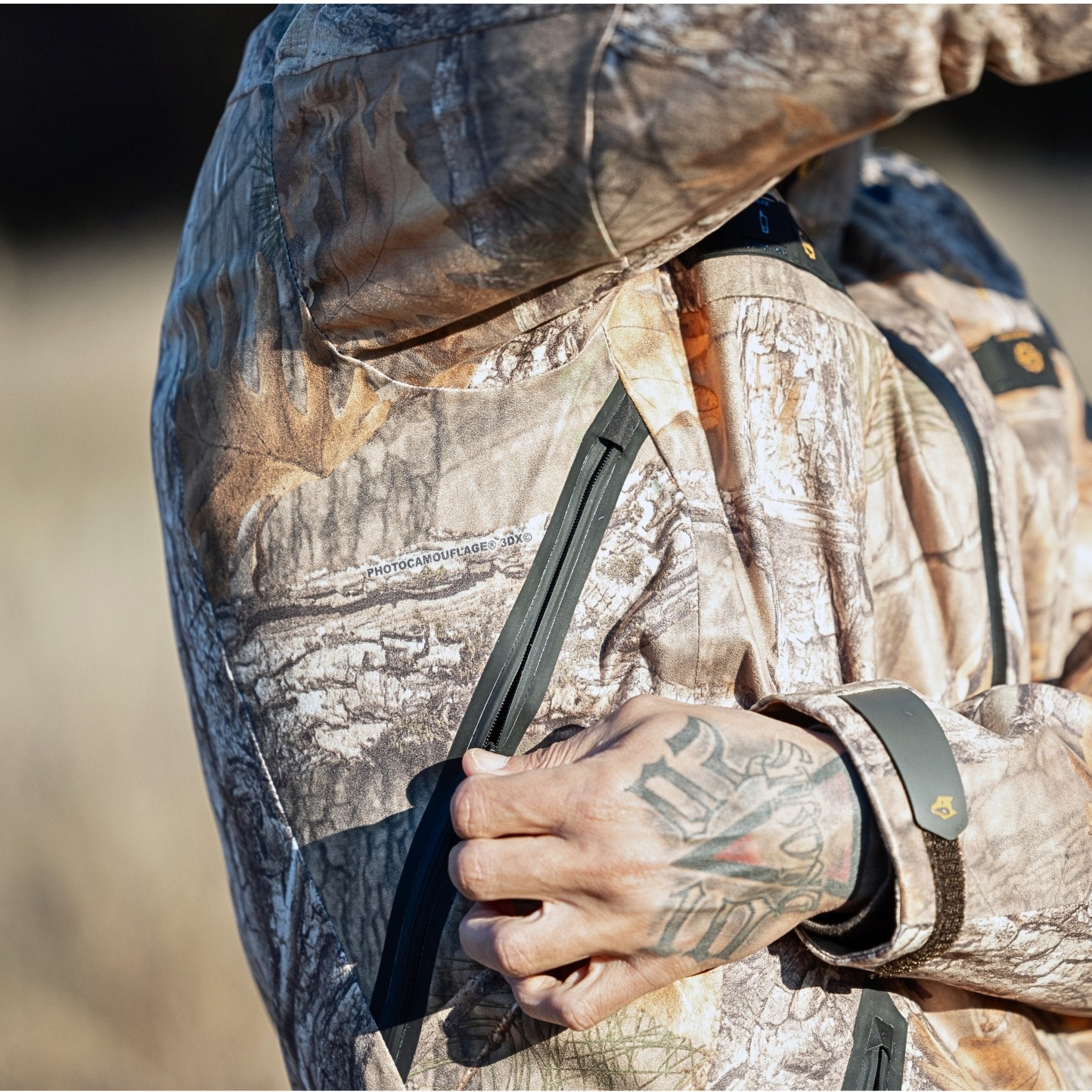
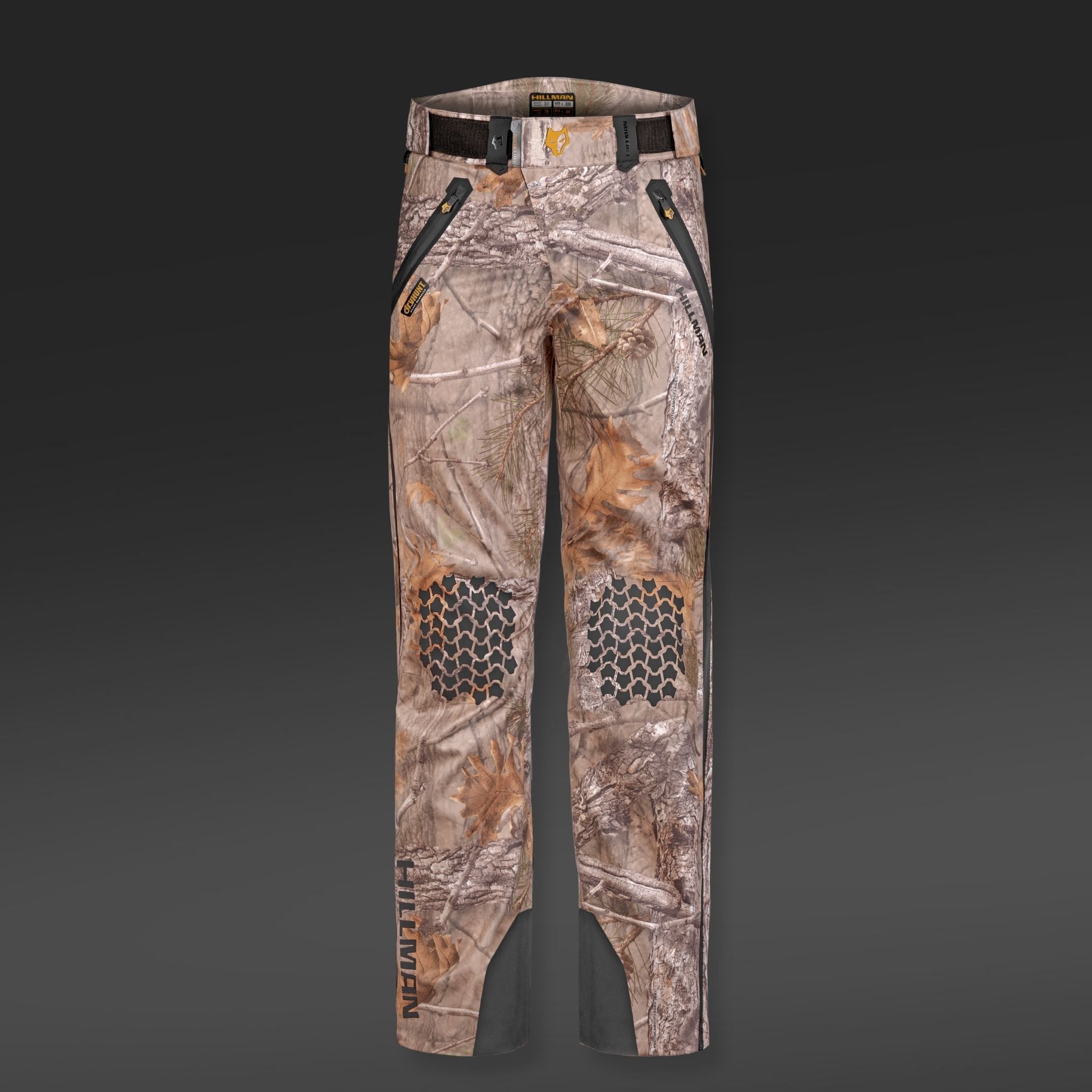
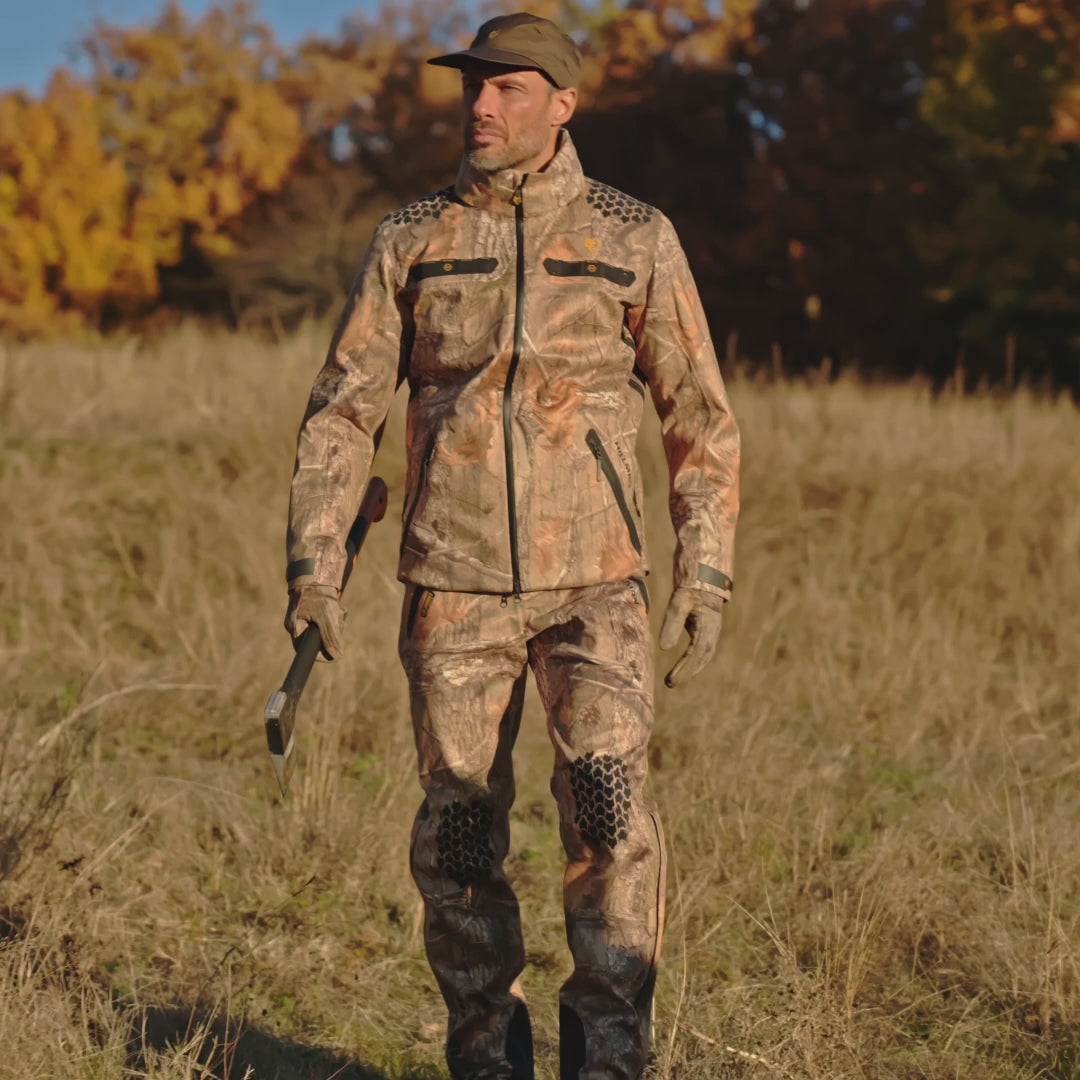
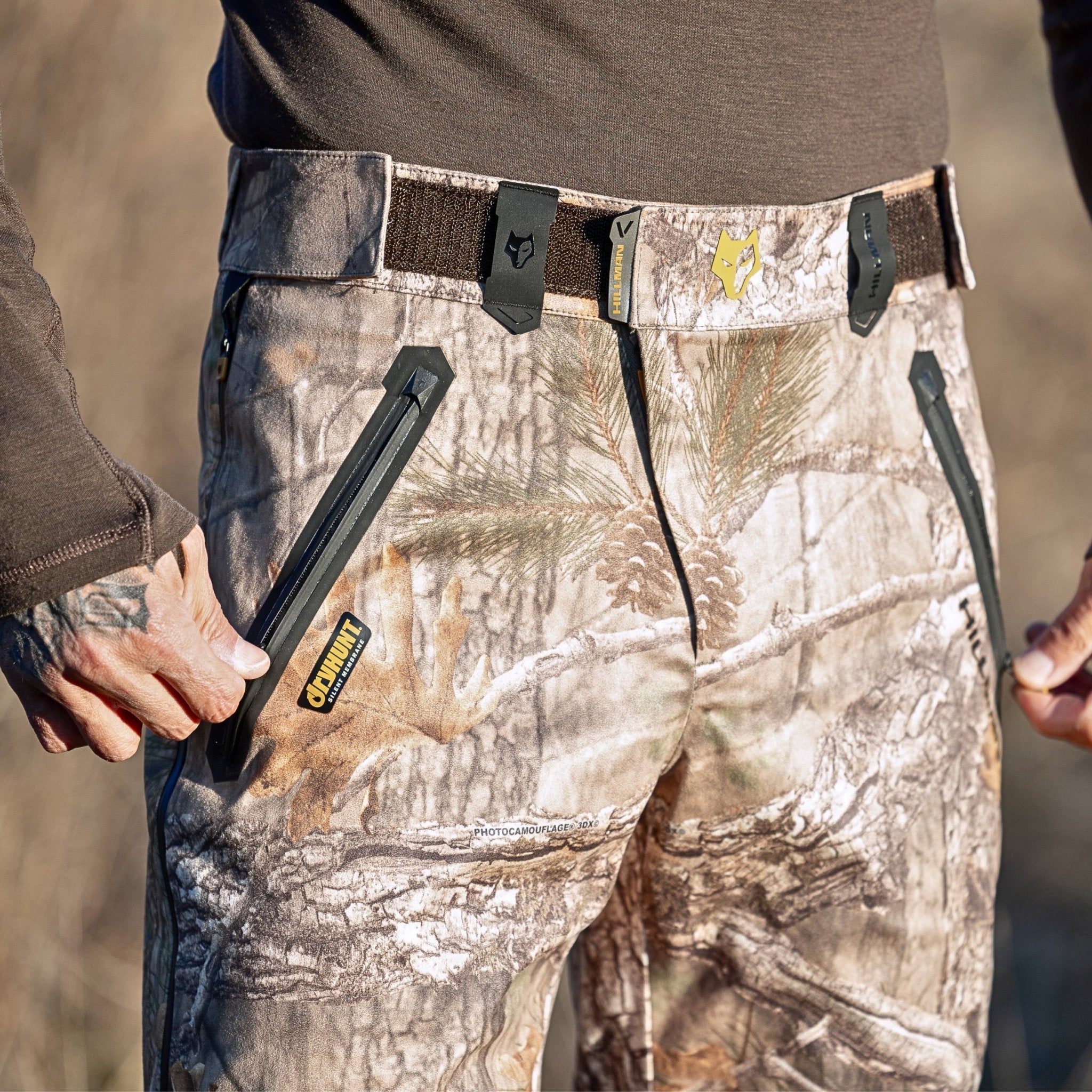
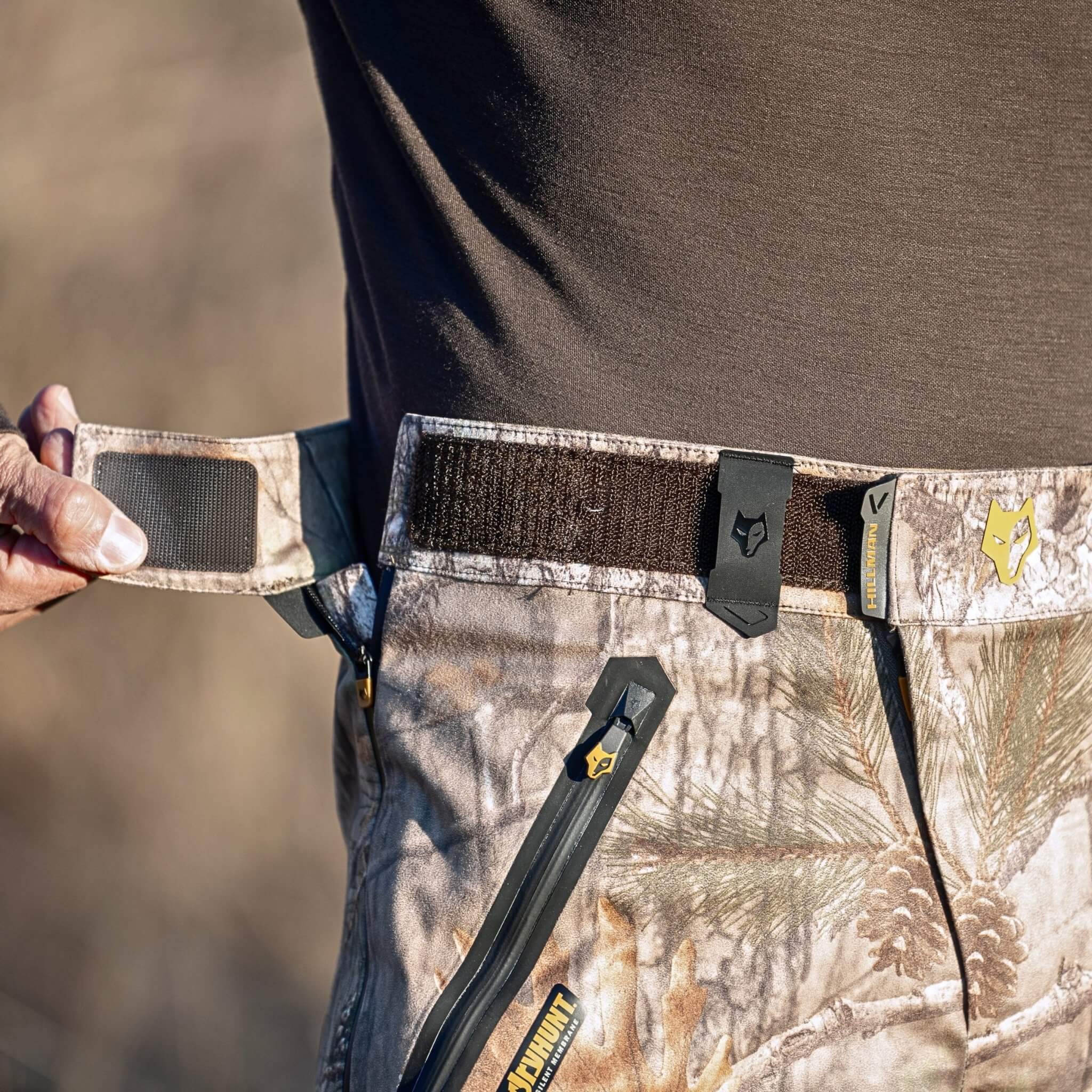
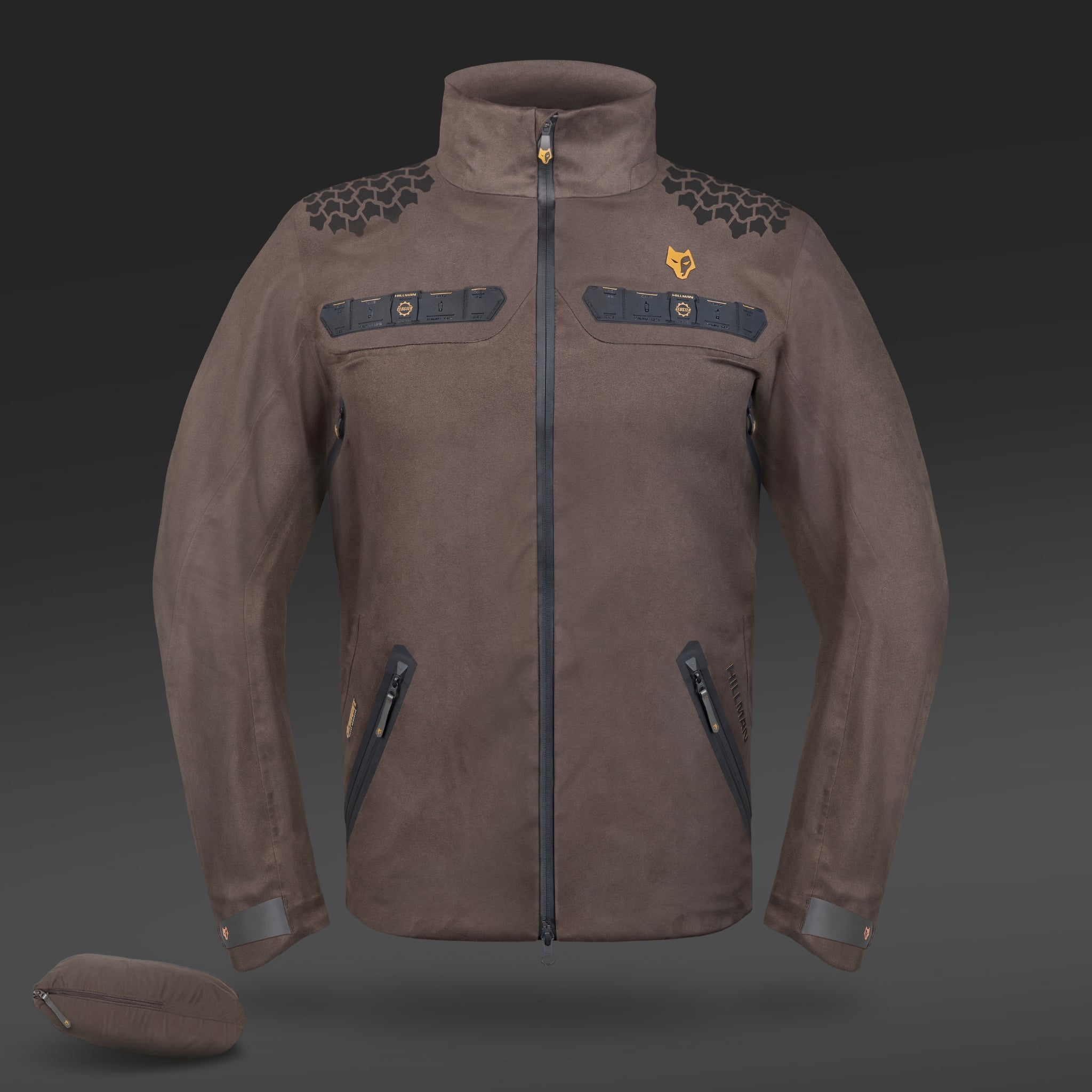
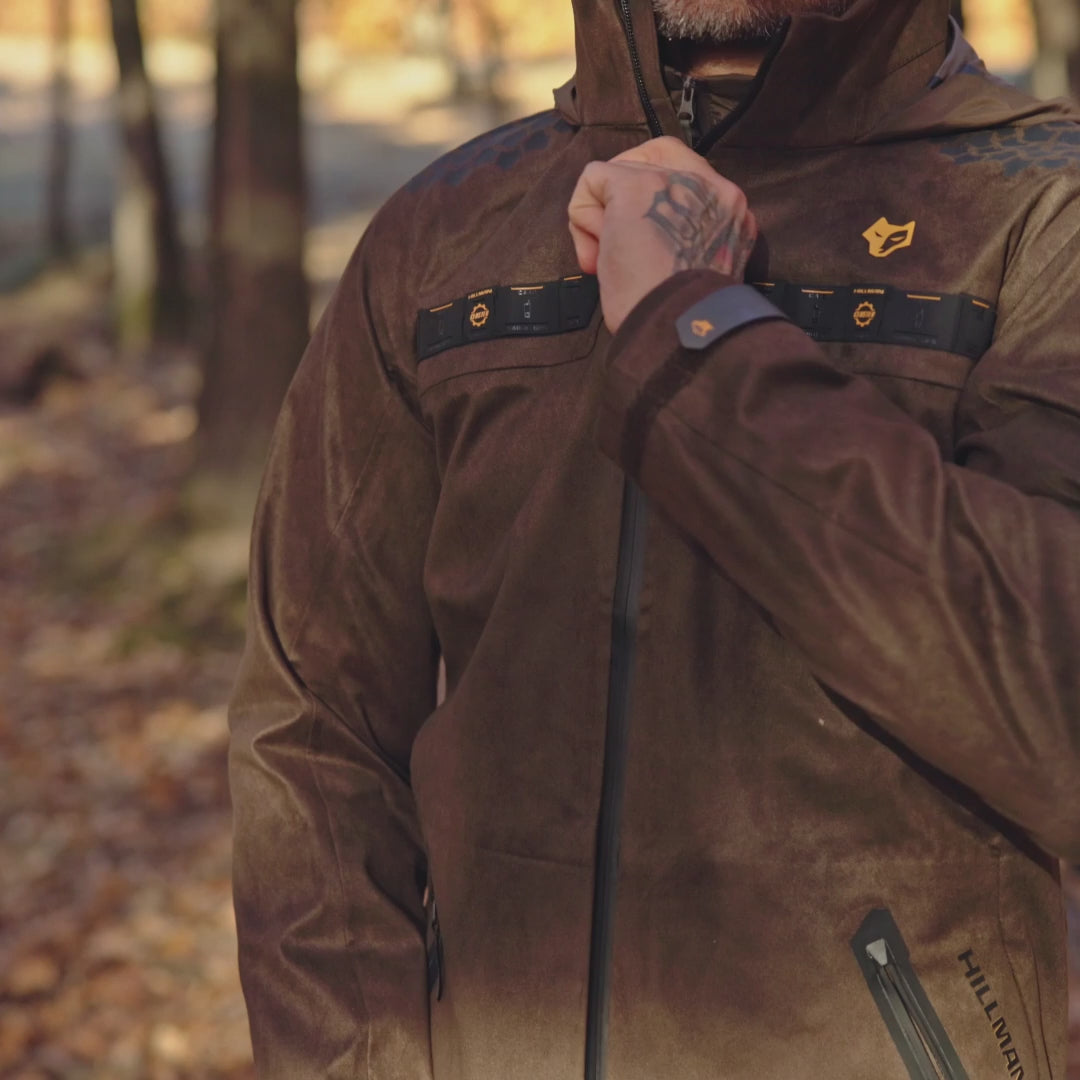
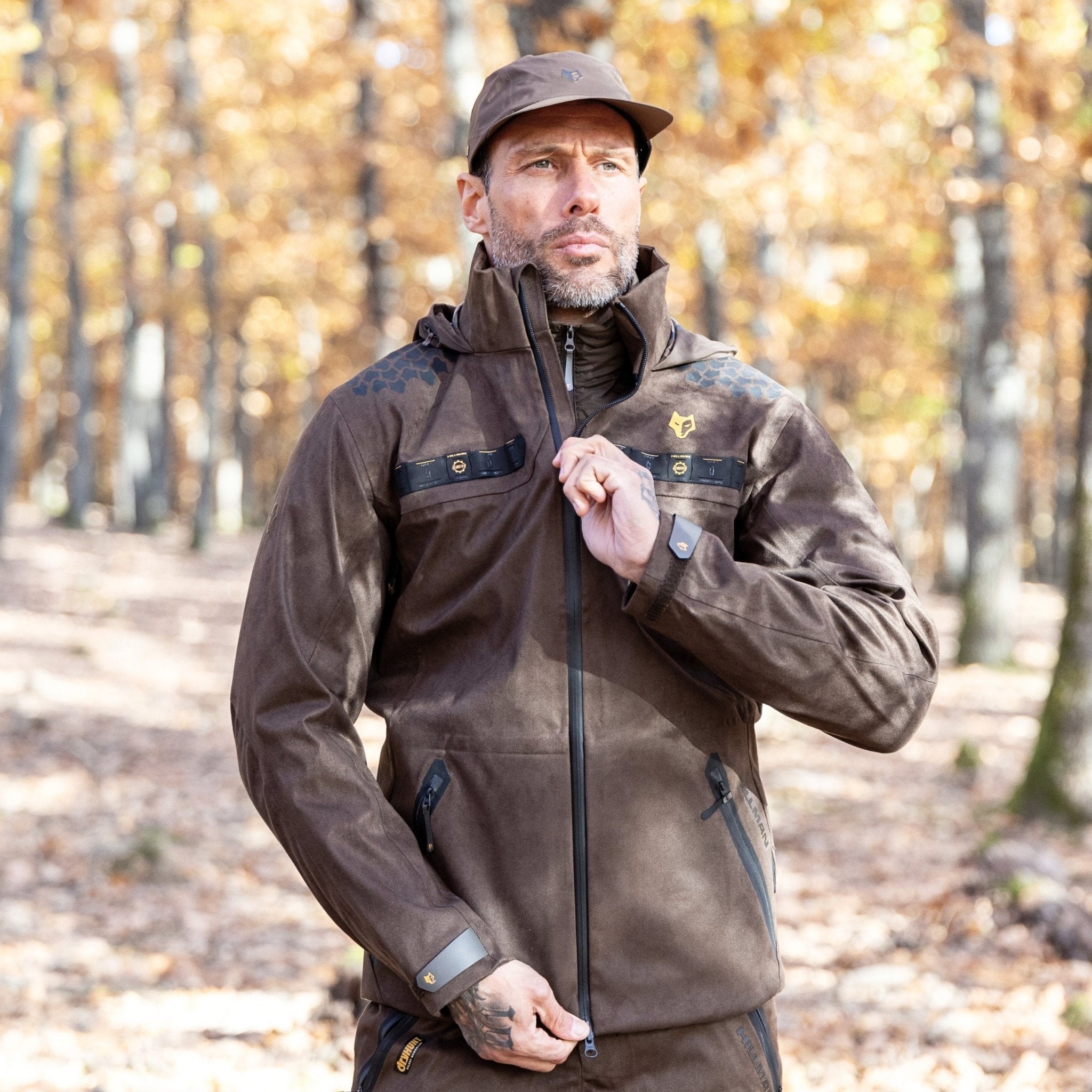
Paired with an insulated jacket, bibs create a warm, efficient setup that works well in harsh conditions. Clothing designed specifically for late-season whitetail hunting, such as gear from Hillman, focuses on practical warmth, quiet materials, and layering that makes sense for treestand hunting rather than constant movement.
Hands, Feet, Head, and Neck: Where Heat Escapes First

Cold weather finds the extremities first. Hands stiffen, fingers lose feeling, and feet go cold long before your core does. Gloves need to balance insulation with control, especially for bowhunters.
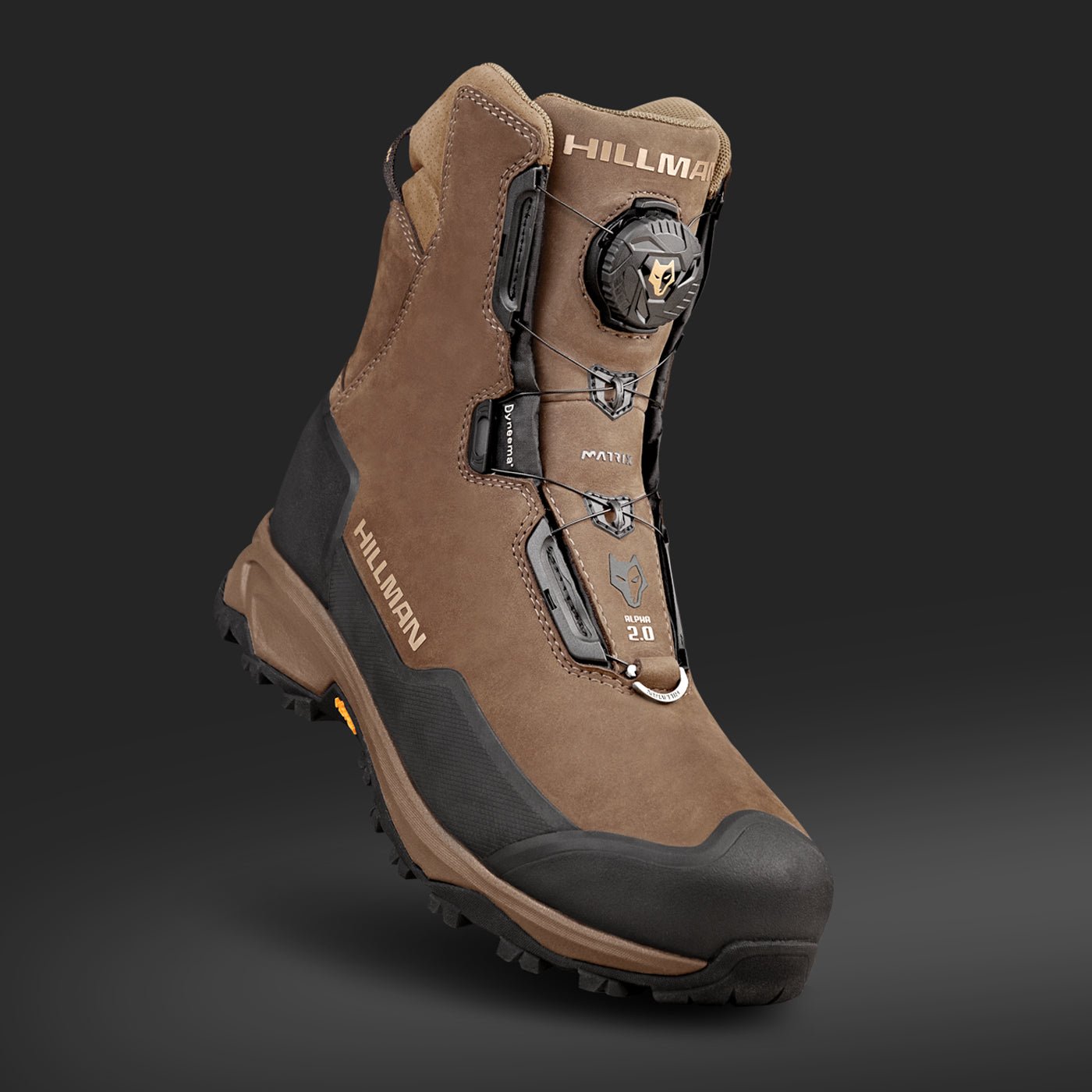
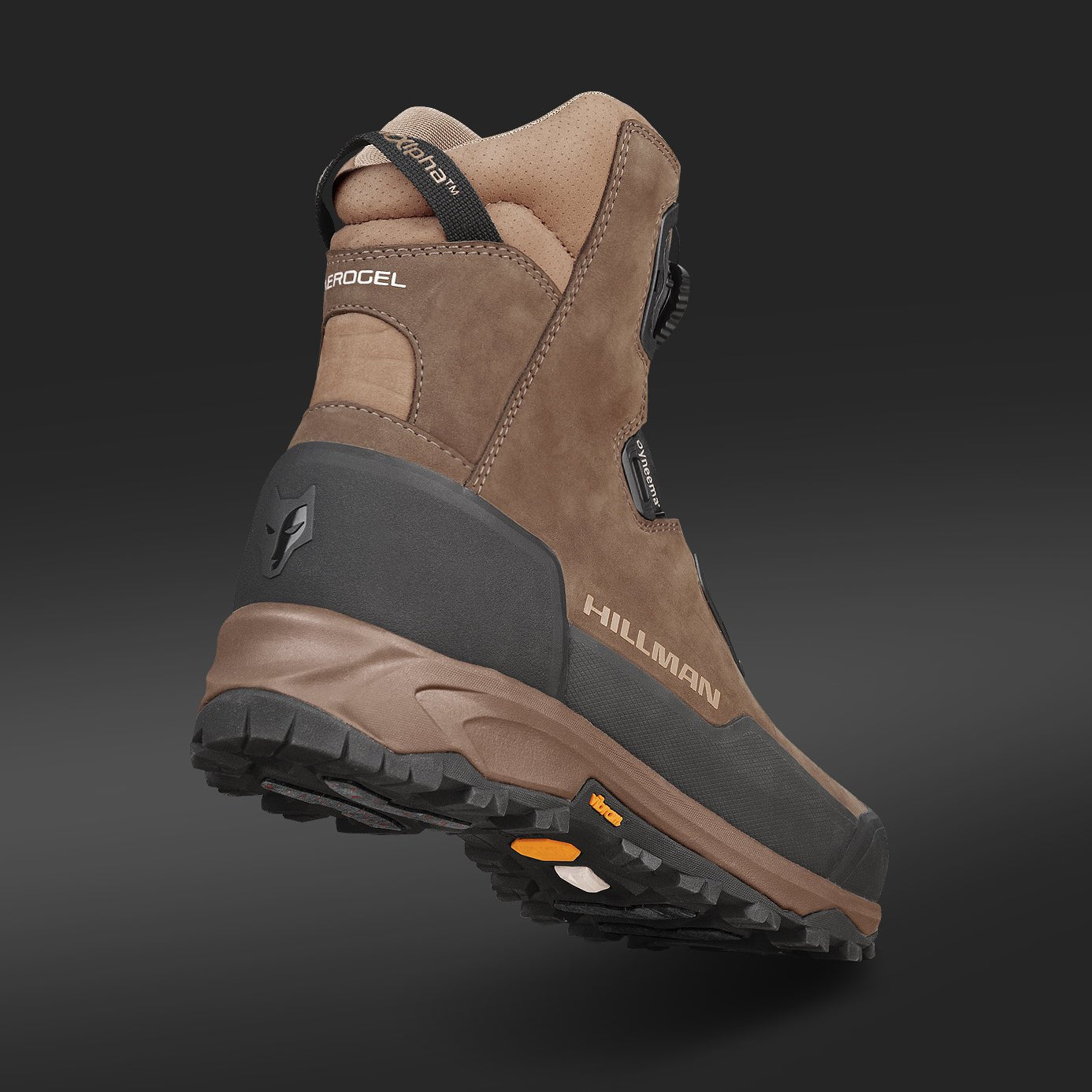
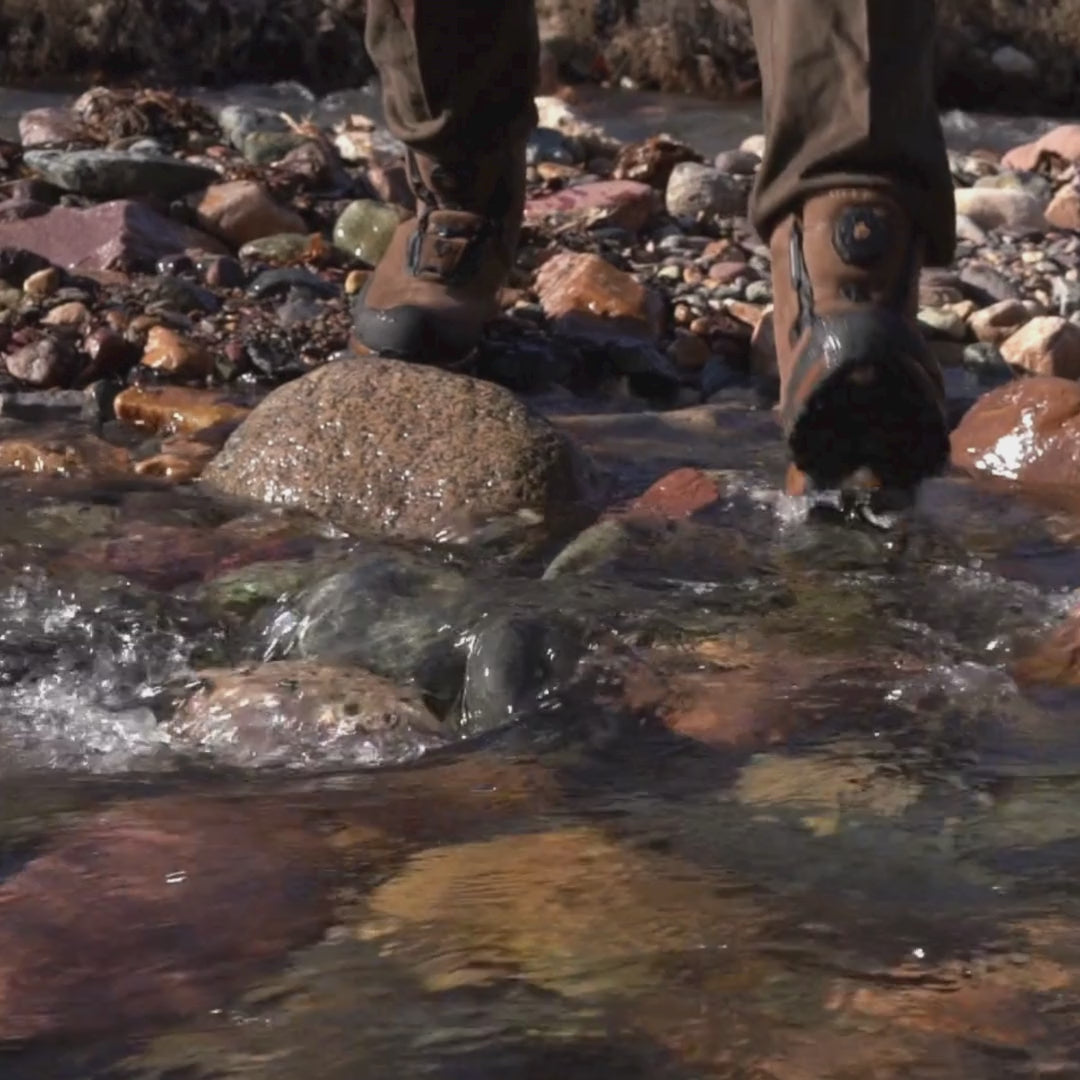
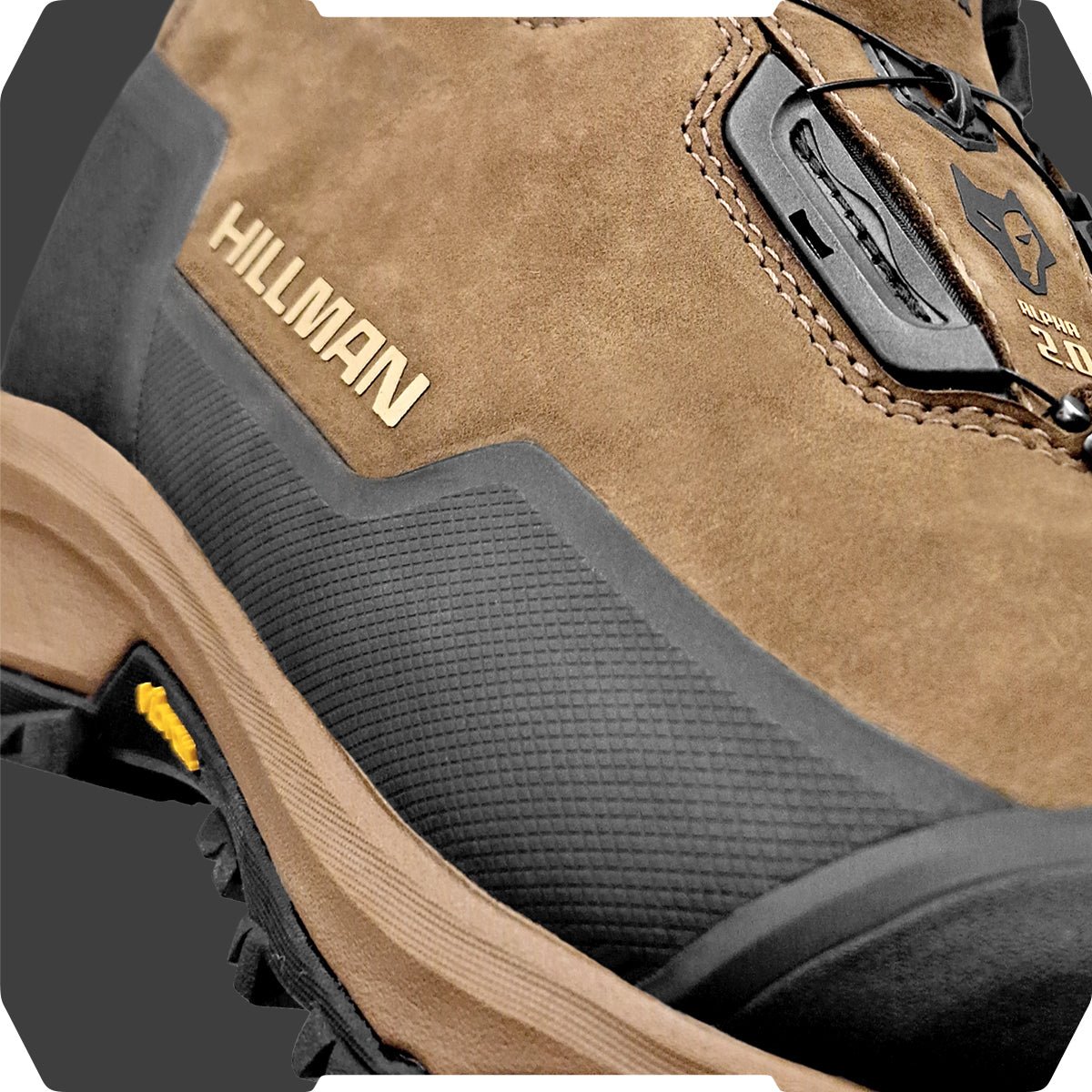
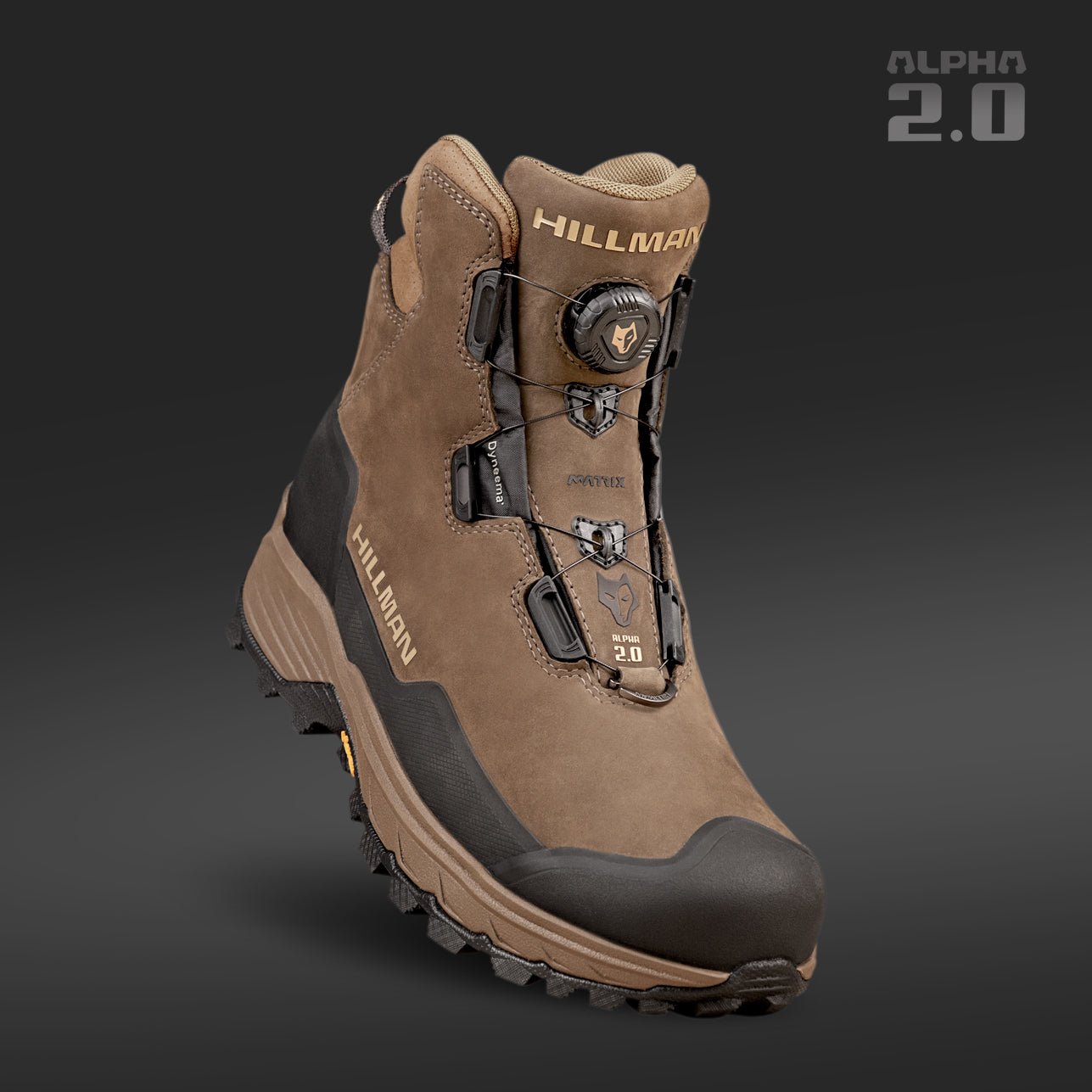
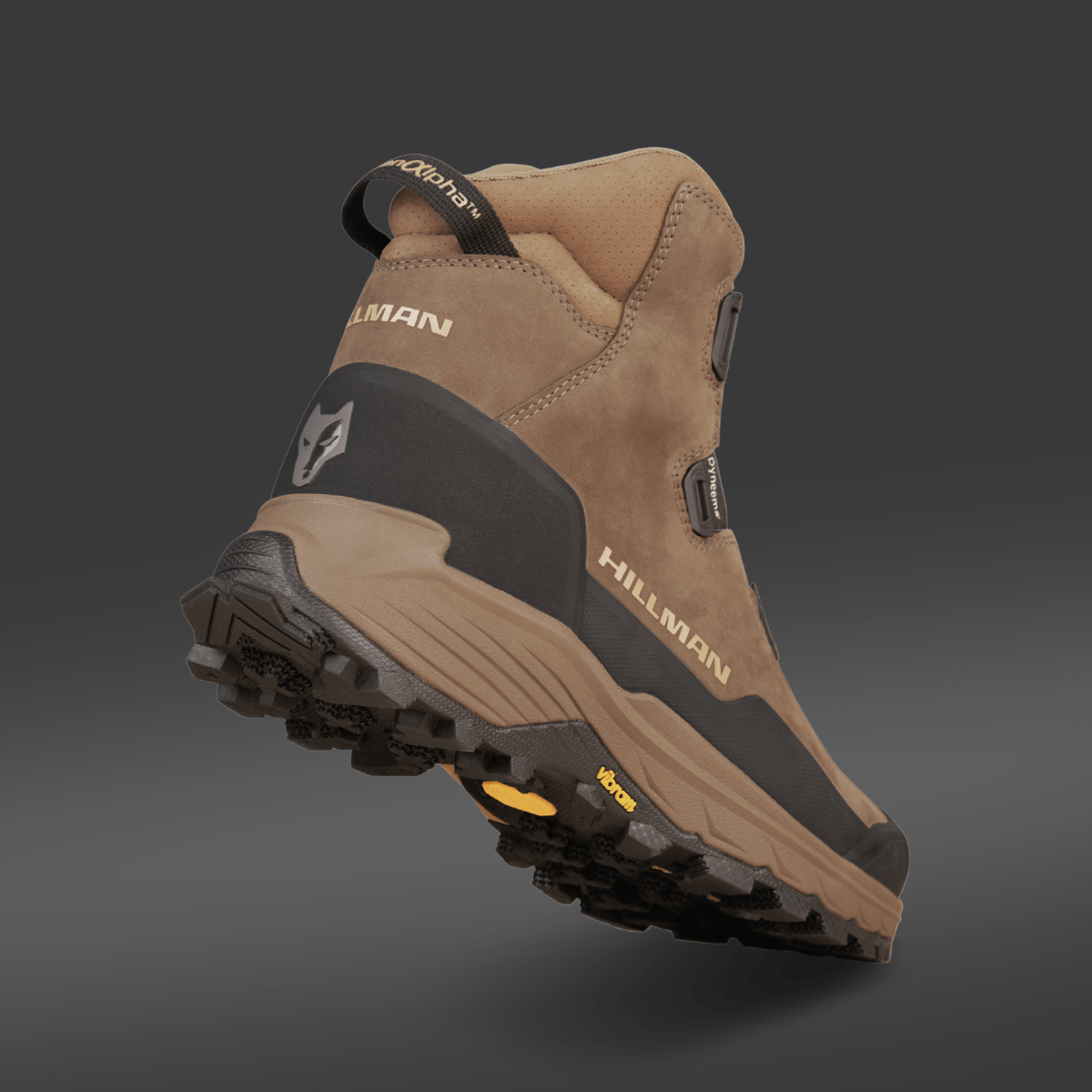
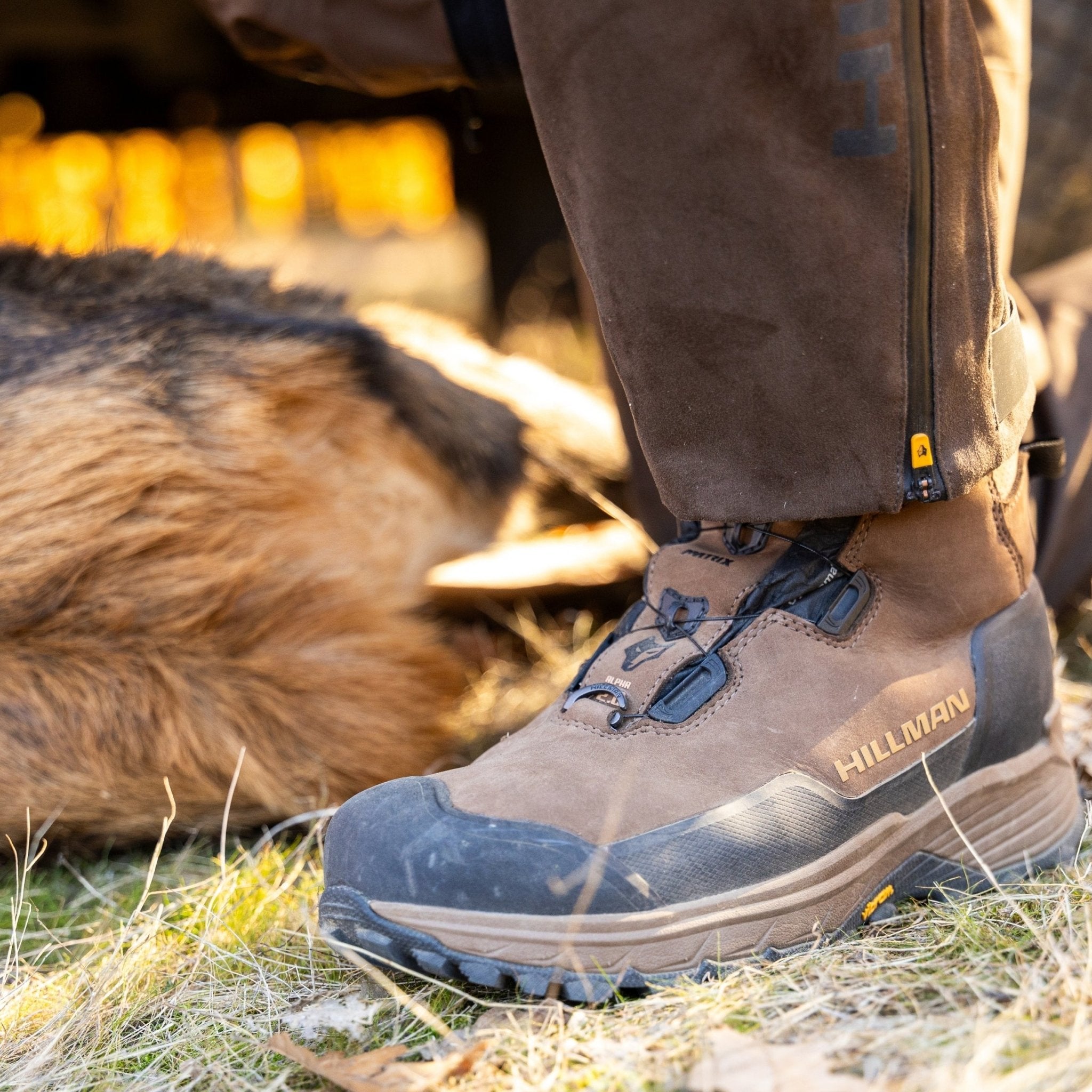
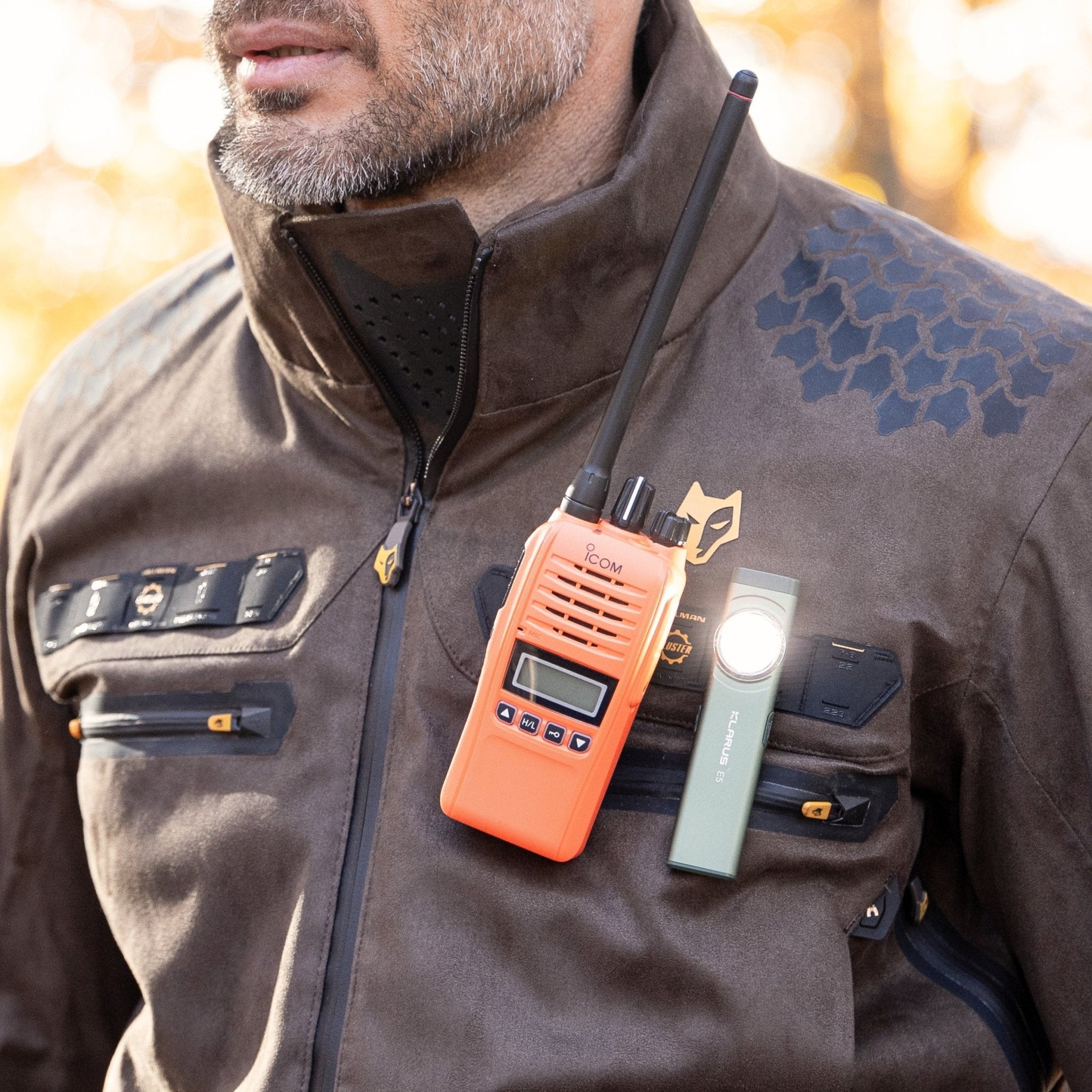
Many hunters rely on hand muffs or chest pockets to keep their hands warm between movements. Feet deserve just as much attention. Insulated, waterproof boots help, but moisture control matters too. Changing into dry socks at the stand can make a noticeable difference. Covering the head and neck also reduces heat loss and helps maintain overall warmth.
Small Adjustments That Help You Endure Freezing Temps

Little things add up in cold weather. Disposable hand warmers taped to the body can provide steady heat without bulk. High-calorie snacks help fuel warmth during long sits when movement is limited.
Some hunters turn to heated clothing in extreme conditions, cutting down on bulky layers. Others pack extra insulation and add it once they’re settled in. These small adjustments won’t replace good clothing, but they can extend your time on stand when conditions are at their worst.
Staying Warm Is What Keeps You There When Bucks Finally Move
Late season whitetail hunting is often a waiting game. Bucks move when pressure, weather, and food push them to. Those moments can be brief, and they don’t always come when it’s comfortable.
Cold weather hunting clothing isn’t just about staying warm. It’s about staying focused, steady, and ready when a buck finally steps out. When you’re not distracted by shaking hands or numb feet, you give yourself the best possible chance to capitalize on the hunt.
Questions We Hear Every Late Season

How do you actually stay warm sitting in a tree stand all day?
Most days, there isn’t едно магическо решение. Staying warm usually comes down to a few small things working together. The biggest one is not sweating on the walk-in. If you’re warm hiking to the stand, that heat won’t last. Once you stop moving, moisture starts pulling warmth out of your body fast.
A lot of hunters dress lighter than they feel comfortable at first, then add layers once they’re settled. Blocking wind helps more than most people expect, especially once you’re sitting still. When everything works, you don’t really notice it. You sit longer without thinking about the cold.
Is layering really that important, or is it just marketing talk?
It’s real, especially for long sits. Cold weather doesn’t stay consistent through a hunt. Temperatures change, wind picks up, shade moves. One heavy coat can’t adjust to that, but layers can.
Layering also lets you control heat instead of trapping it too early. Most hunters who struggle with the cold aren’t underdressed; they’re dressed wrong for the timing of the hunt. Layers give you options, which matters once you’re stuck in a stand for hours.
Why does everyone say cotton is bad if it feels fine at first?
Because “at first” doesn’t last very long. Cotton feels comfortable when it’s dry, but cold weather exposes its weakness fast. Once it gets damp, whether from sweat or weather, it stops insulating and starts working against you.
That’s why experienced hunters avoid cotton in base layers. Merino wool and synthetics don’t feel special, but they keep moisture moving and help preserve body heat once you stop moving and sit down.
What do you do when your hands get cold but you still need to shoot?
Most hunters don’t wear their shooting gloves the entire time. Hands usually stay tucked away while you’re waiting, then come out when you need them. A hand muff or chest pocket helps with that, especially during long sits.
It also helps to focus on keeping your core warm. Cold hands often start in the chest, not the fingers. When your body feels cold overall, your hands are usually the first thing to show it.
I wear insulated boots, and my feet still freeze. Is that normal?
Pretty normal, honestly. Cold feet usually come from moisture or circulation issues, not just a lack of insulation. If your socks are damp from the walk in, your feet never really recover. Boots that are too tight make it worse by limiting blood flow.
A lot of hunters bring a dry pair of socks and change once they reach the stand. It sounds simple, but it works. Keeping feet dry often matters more than adding more insulation.
Does eating really make a difference when it’s cold?
It’s not dramatic, but it helps more than people think. Sitting still in cold weather burns energy even when you’re not moving much. Once that energy drops, staying warm gets harder.
High-calorie snacks help keep your body fueled during long sits. They won’t suddenly make you feel warm, but they slow down that gradual loss of heat that happens late in the hunt, especially during the coldest part of the season.

BRANDON WALKER
Brandon Walker is a late-season whitetail hunter who has spent years sitting through Midwest cold snaps where patience matters more than movement. After countless single-digit mornings in exposed tree stands, he focuses on cold-weather clothing systems that allow hunters to stay still, stay quiet, and stay effective when temperatures drop hardest.
As a field contributor for Hillman Gear, Brandon evaluates insulated bibs, wind-blocking outer layers, and layering systems built specifically for long, motionless sits rather than constant movement. He believes staying warm in a tree stand isn’t about piling on bulk — it’s about managing moisture on the walk-in, protecting the core from wind, and preserving circulation to hands and feet once you’re settled.

Share:
Mountain Hunting Clothing for the Rockies
Do U.S. Hunters Really Need Scent Control Clothing?