


Scent-Control Clothing: What It Is and Why It Matters for American Hunters

Scent-control clothing helps American hunters beat a deer’s nose. Learn how scent blockers, cover scents, and smart routines reduce odor for better hunts.
You can fool a deer’s eyes now and then, especially in thick woods or when shadows fall just right. You might even get away with a quiet approach if the wind stays steady. But fooling a deer’s nose is something else entirely. Every hunter in America eventually learns the same hard truth. The nose of a whitetail is a machine built for survival, and it picks up scent far sooner than most hunters expect. This is why scent control clothing has become such an important part of modern hunting clothing and why hunters put so much energy into controlling the smells we leave behind in the woods.
Some folks rely on luck, some on wind direction, some on years of bow-hunting experience. But if you want to improve your odds on hunts where every small detail matters, scent control is one of the smartest things you can focus on. Scent control clothing isn’t magic. It’s a set of tools that help reduce human odor, manage sweat, control your natural scent, and give you a fighting chance of staying undetected long enough for a clean shot.
Scent-Control Clothing: The First Line of Defense Against a Deer’s Nose

Scent control clothing exists for one reason. A deer’s nose is the best early warning system in the wild. It detects odors layered in tiny bits of air and heat, reading the woods long before a deer ever sees movement or hears a rustle. When hunters step into the field wearing clothes that haven’t been washed properly, or clothes that carry sweat from the hike in, the deer’s nose picks it up immediately.
A good set of scent-control clothing helps block or reduce the scents that cling to your body. Sweat, heat, skin oils, dirt from backpacks, and even the smell from your mouth can drift in the air and alert game. Hunters who wear breathable and comfortable layers made for scent control usually find they get more time on stand, more close encounters, and more opportunities, especially when wearing warm pants or a quiet jacket that doesn’t trap too much heat.
When your clothing helps control odor, you’re no longer fighting the wind every second. You’re working with it.
How Scent Control Actually Works in Modern Hunting Clothing

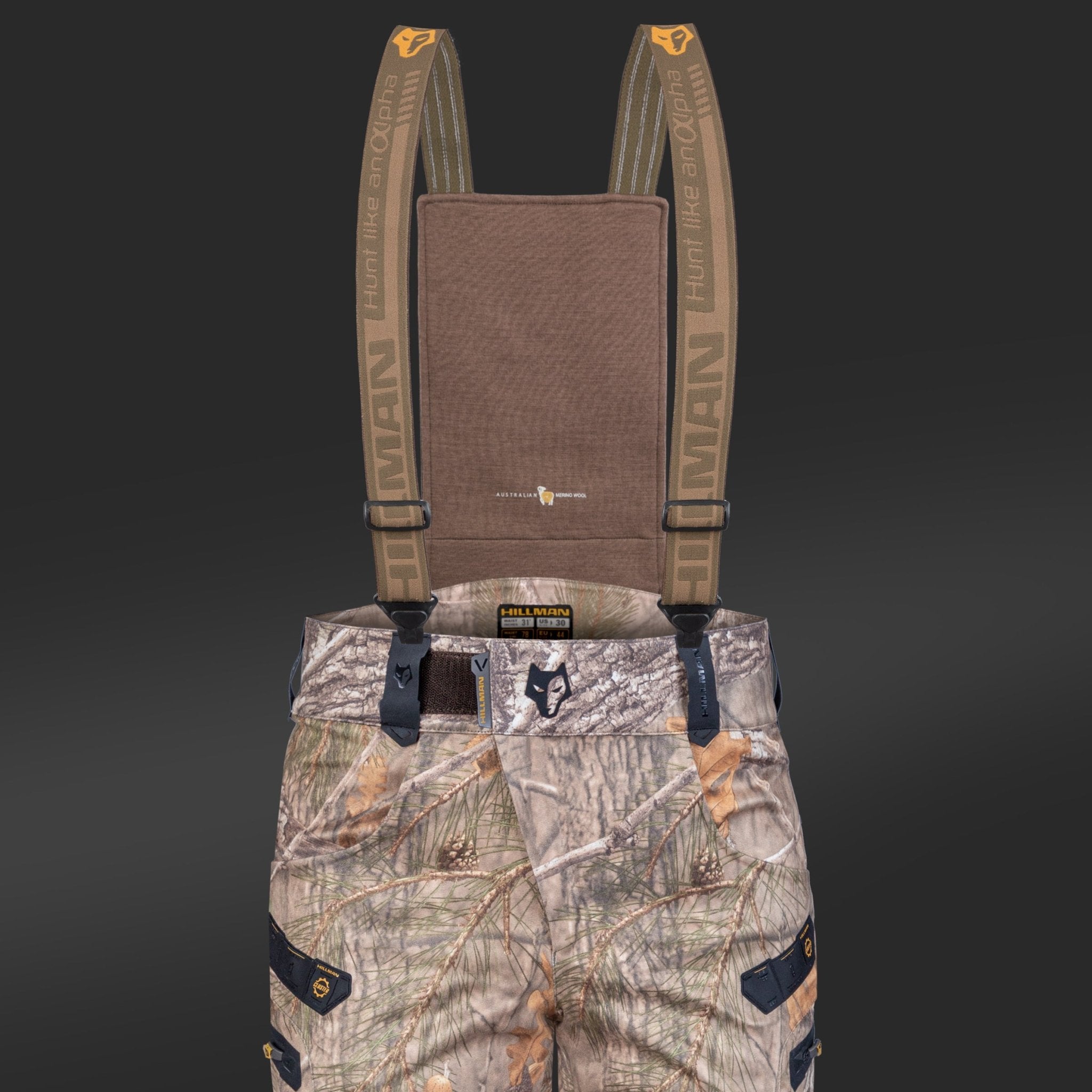
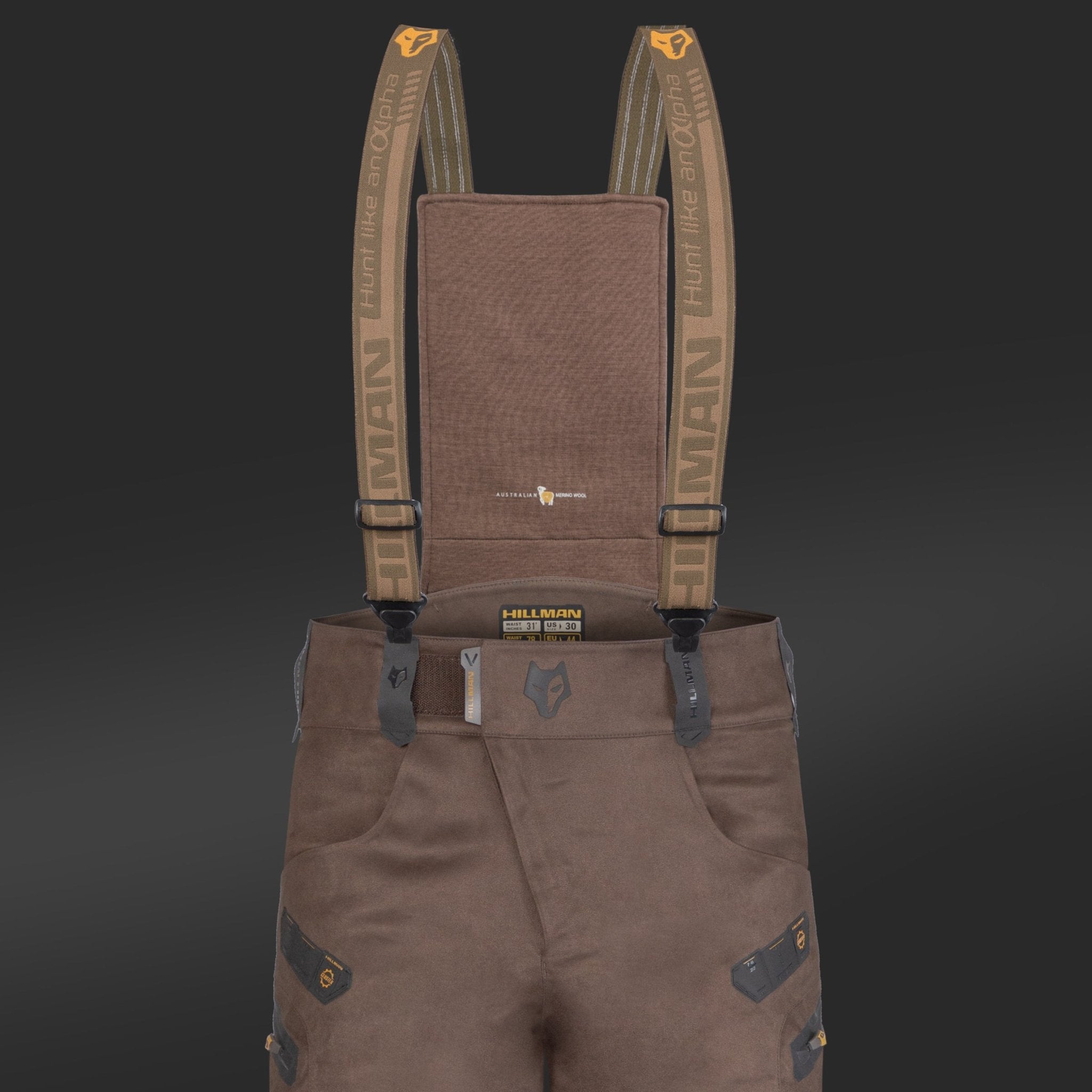
Modern scent control operates through several layered techniques. Some hunting clothing uses carbon-infused material that traps odor-causing bacteria. Some brands use merino wool and bamboo, which naturally resists odors even after long hours of wearing it. Others use synthetic materials designed to block scent by reducing the way odors escape from your body.
Scent blocker fabrics rely on carbon or similar technology to hold odors until the clothing can be washed. Merino wool works by limiting bacteria growth on the layer closest to your body. Either way, the idea is the same. Reduce the smell before it reaches the air.
Scent control only works when the clothing stays dry, which is why drying your layers completely matters just as much as washing them. Dirt particles and sweat collect odor quickly, so hunters need to wash their clothes with scent-free soap, store them in clean totes, and keep them away from strong household smells.
If your clothing smells like food, detergent, or your dog, no amount of carbon will save your hunt.
Hunting Clothing Built for Scent Reduction and Quiet Movement

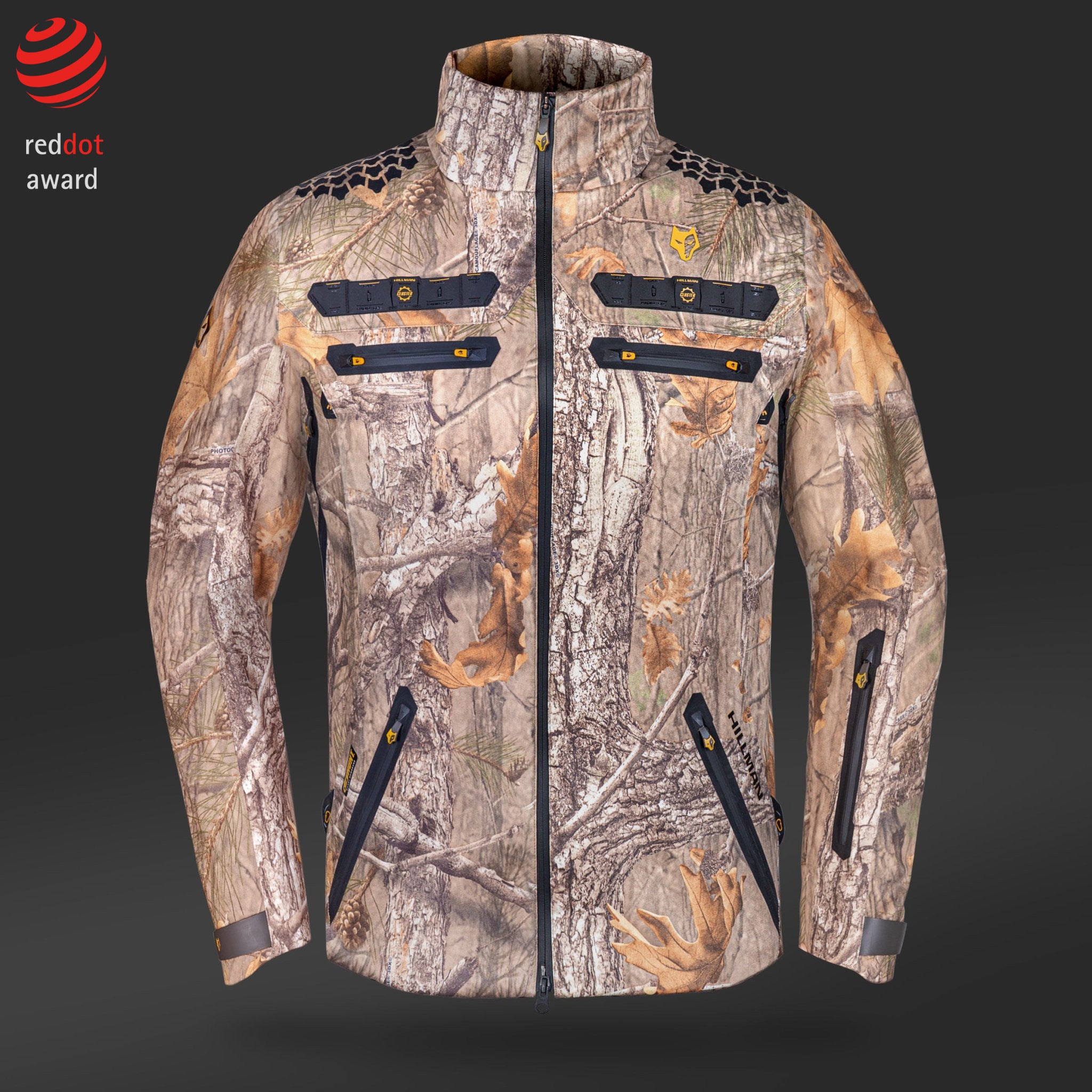
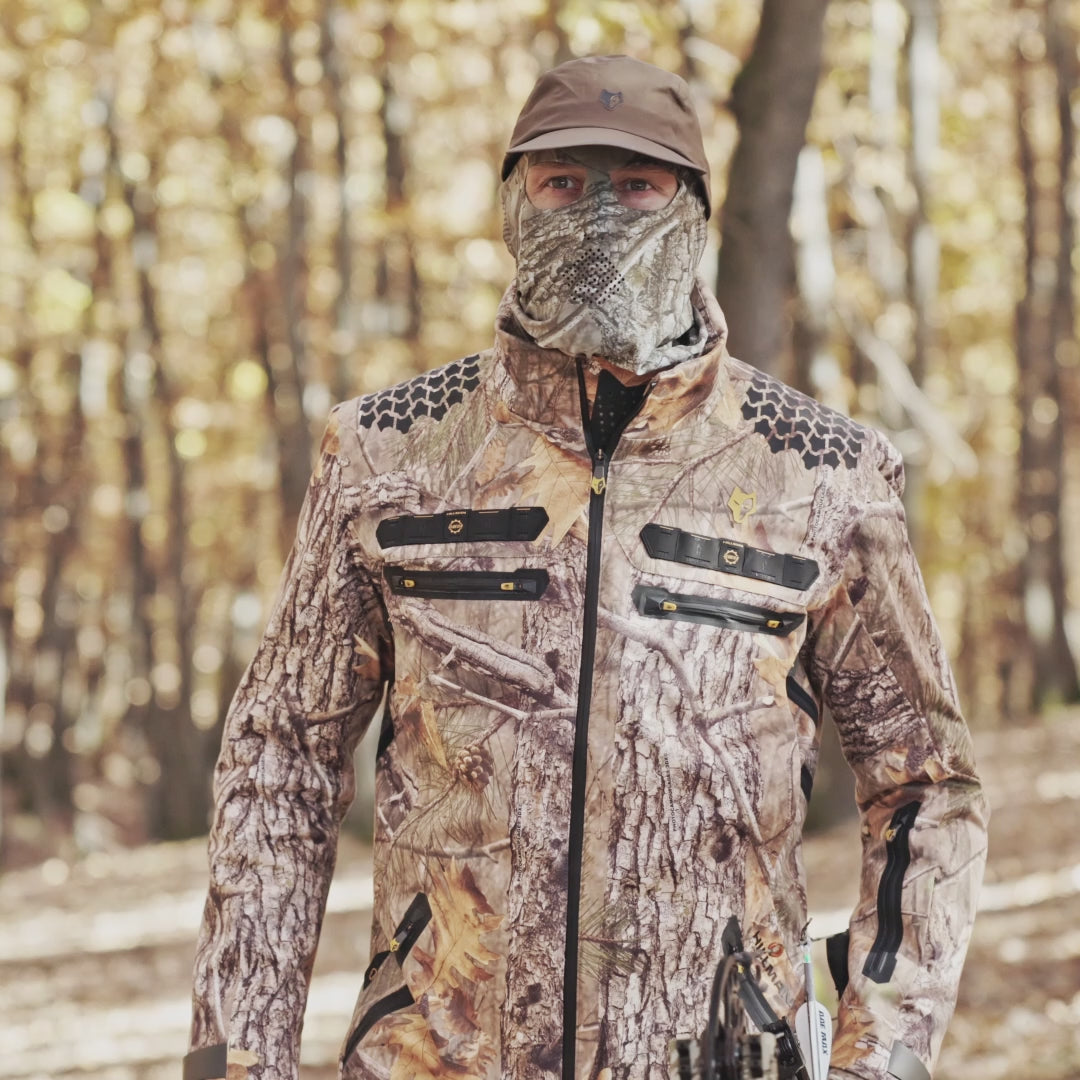
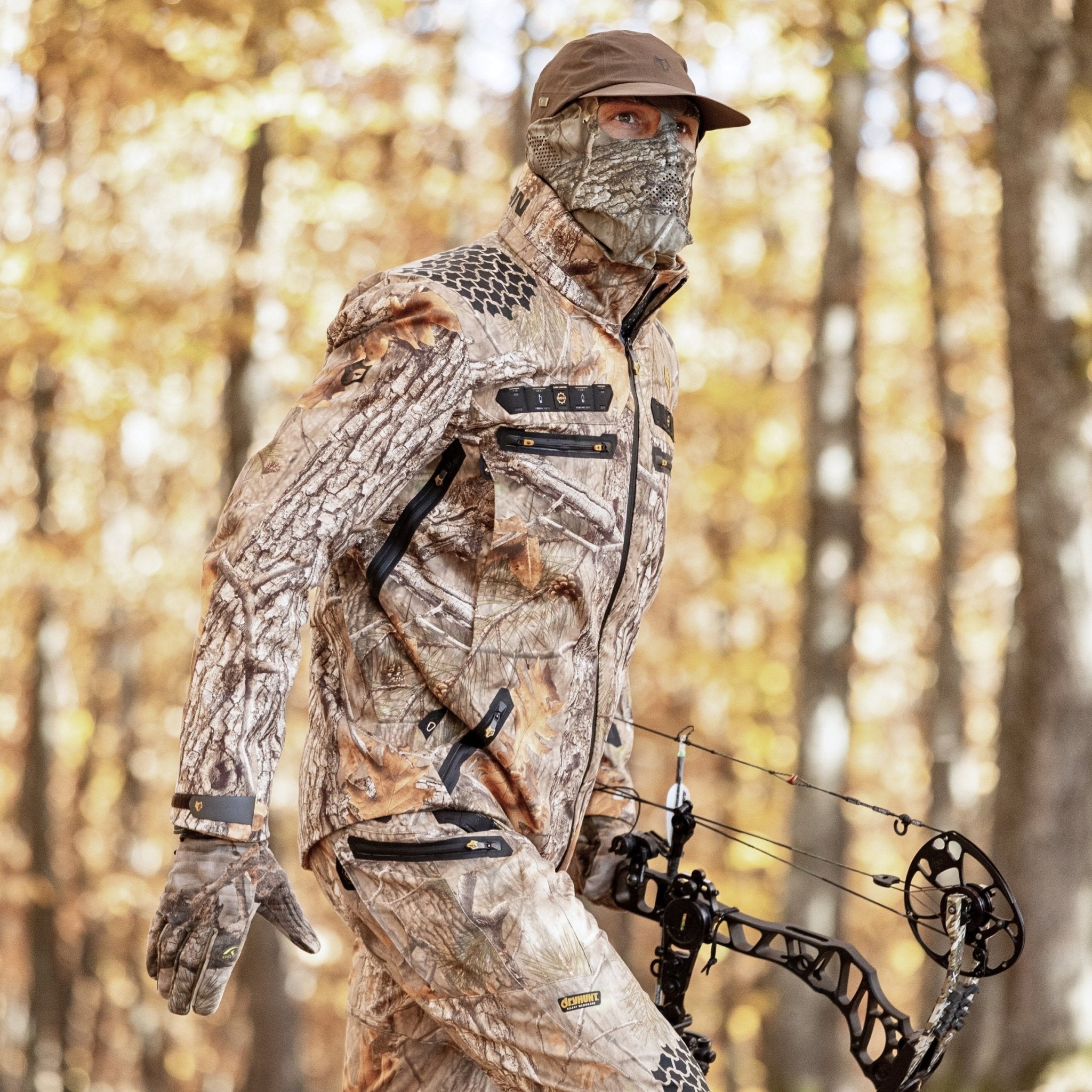
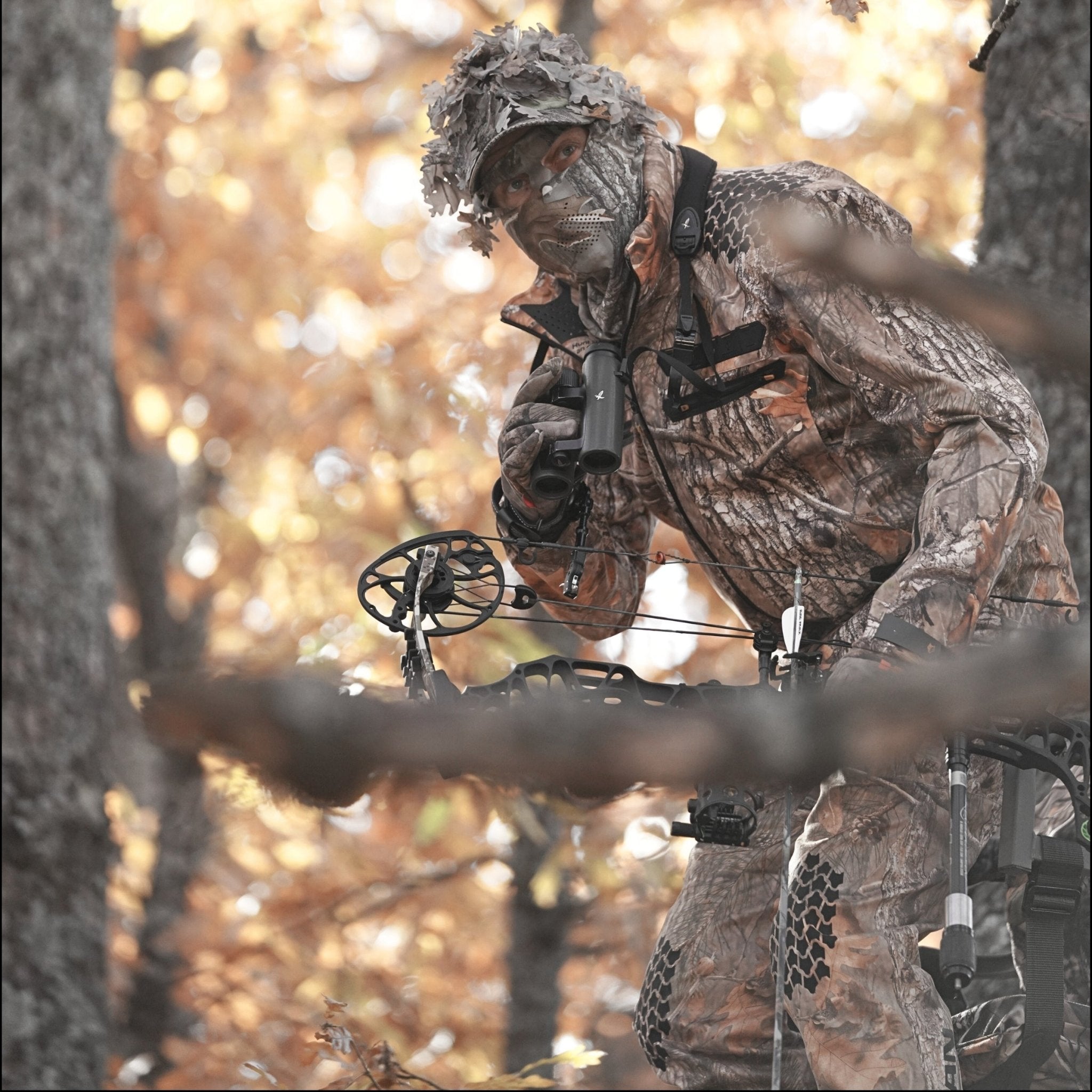
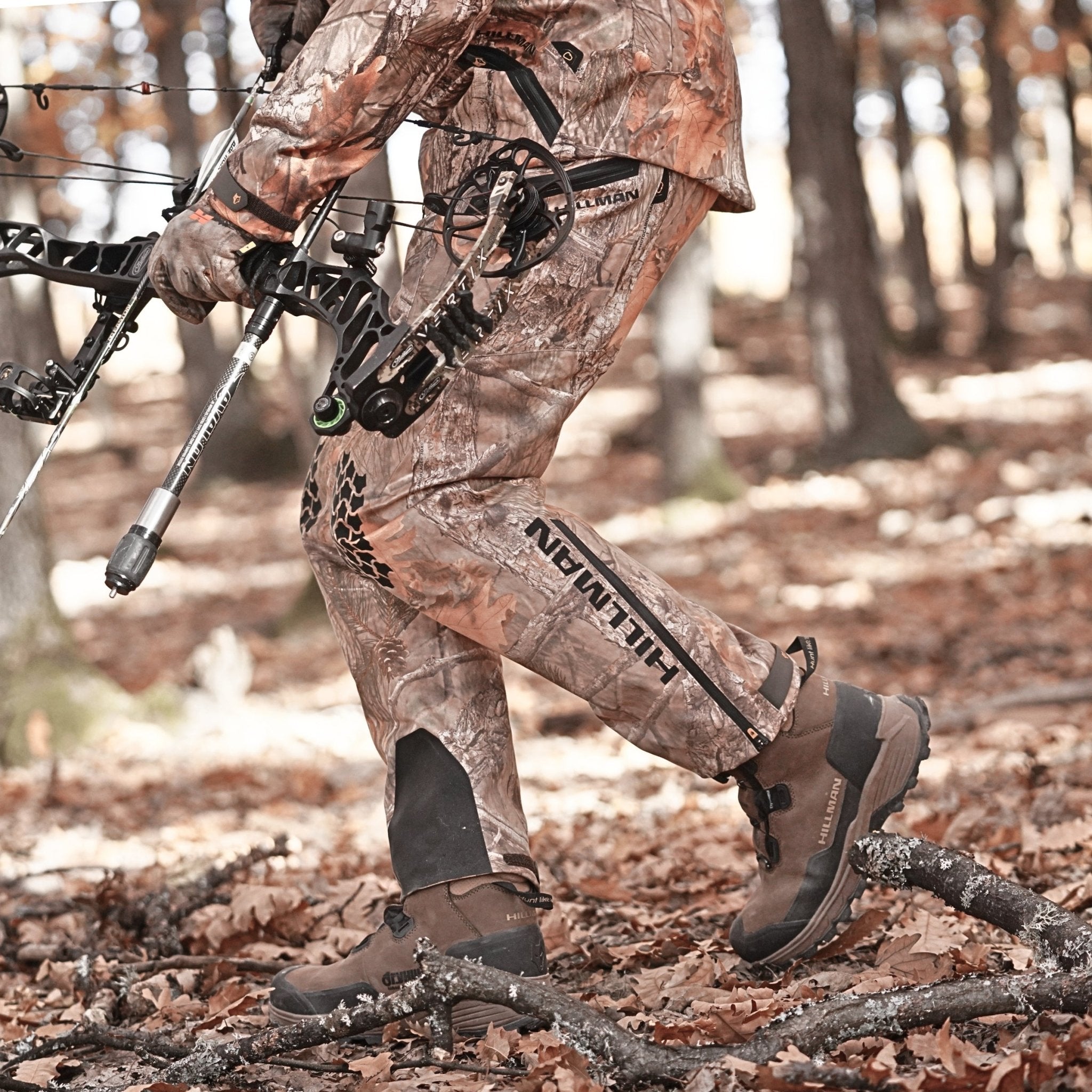
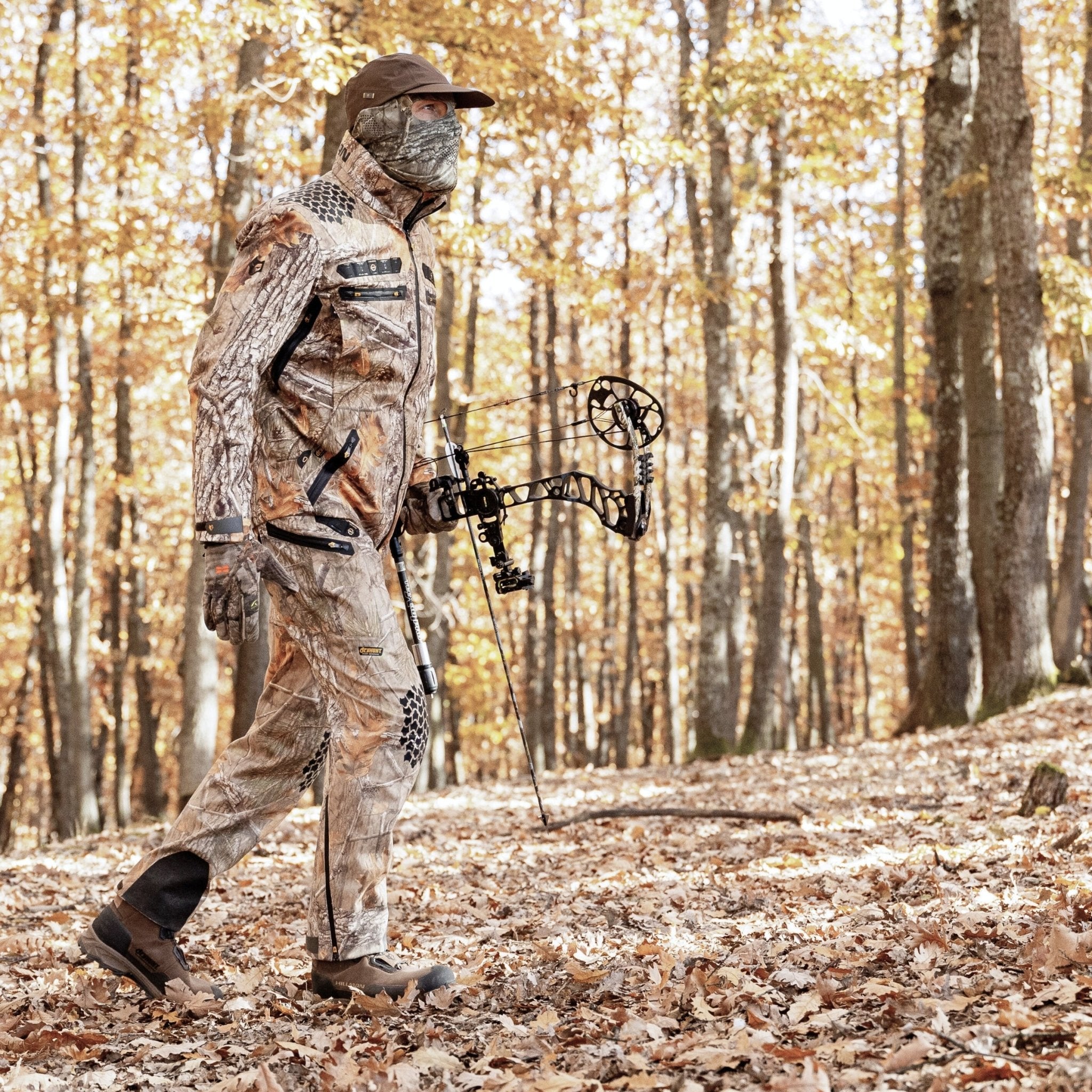
Scent control isn’t just about reducing odor. It’s also about moving through the woods without drawing attention. Quiet materials help you shift on your stand or inside a blind without crackling or rubbing loudly. Durable pants and jackets that stay silent when you turn your shoulders or adjust your boots make a big difference during close-range bow hunting.
Good hunting clothing should manage warmth and breathability without making you sweat. Hunters who overdress and get warm too early often create more scent than they remove. Comfortable layers keep your body temperature balanced, so you produce fewer odors in the first place.
When you combine scent control clothing with quiet fabrics and solid layering, you create a system that helps keep your presence as small as possible. Dear notice everything. The less you give them to notice, the better your chances.
Scent Blocker and Carbon-Based Tech: Does It Still Work?

A lot of hunters ask whether scent blocker technology is still effective. The short answer is yes, if you use it correctly. Carbon-based materials trap odors inside microscopic pores. But the system relies heavily on proper handling. You can’t just rely on a brand name like Sitka or any other. You still need to wash your clothes correctly, keep them dry, and store them properly.
Carbon clothing does a good job of blocking odors when it’s new, and most of it remains effective for years if handled with care. The brain tends to trust old habits, but scent control clothing leans on science as much as instinct. If you want to rely on it, you need to follow a routine.
Some hunters add an ozone machine to their gear to refresh clothing between hunts. Ozone breaks down odor, but it must be used carefully to avoid damaging certain materials. Used correctly, it supports carbon technology and keeps your layers ready for the next time you step into the field.
Cover Scents: Helpful Trick or False Confidence?

Cover scents have fooled plenty of deer, and they have also failed plenty of hunters. Dirt spray, pine scents, and even unusual woods-inspired mixtures promise to mask human odor. But cover scents don’t block human scent. They only add another smell to the mix.
Used carefully, cover scents can help reduce the harsh edge of a hunter’s natural odor. But they won’t protect you if your scent is blowing straight toward a deer’s nose. Wind direction will always matter more than any bottle in your pack.
Some hunters forget this truth and rely too heavily on a single product. Cover scents work best when used as part of a bigger scent control system, not as the only measure between you and failure.
Understanding a Deer’s Nose and Why Position Matters

Everything about scent control comes back to wind direction. If you don’t understand the wind, you can wear the best clothing on the market and still get busted. Elks and deer trust their nose more than their eyes or ears. They approach bedding areas from downwind, circle feeding spots, and cut the air with almost scientific accuracy.
Hunters must position themselves with the wind working in their favor. Whether you’re in a stand, sitting inside a blind, or moving slowly through thick brush, you need awareness of wind shifts and the invisible scent trail you’re leaving behind.
A deer’s brain constantly tracks smells. Even small changes in air currents can reveal your presence. Control the wind and your scent; the chances of success rise dramatically.
Practical Gear Recommendations for Real Hunts

For hunters who want to build an effective scent control system, a few gear recommendations always help:
• Use scent-free soap for washing clothes. Never mix hunting clothing with household laundry.
• Store hunting clothing in sealed totes, away from boots, backpacks, and anything that carries strong smells.
• Use an ozone machine for gear that needs quick treatment before a morning sit.
• Choose merino wool base layers for natural odor resistance.
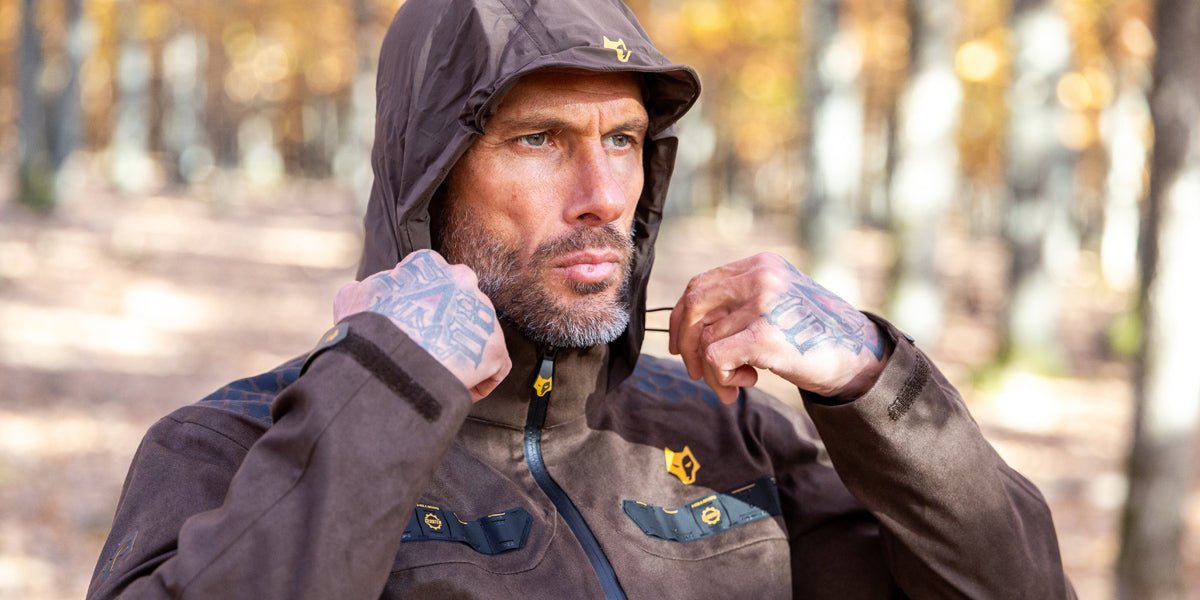
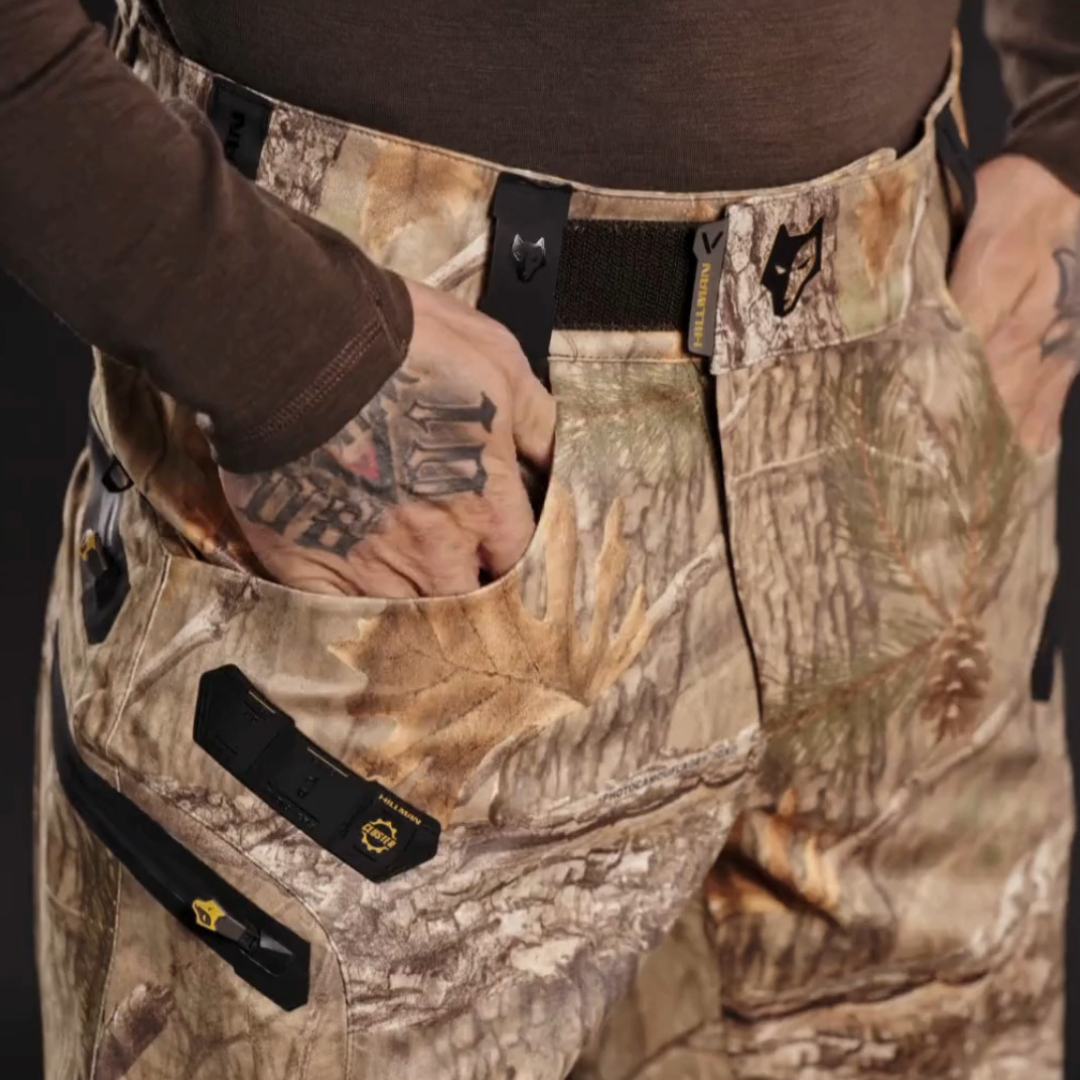
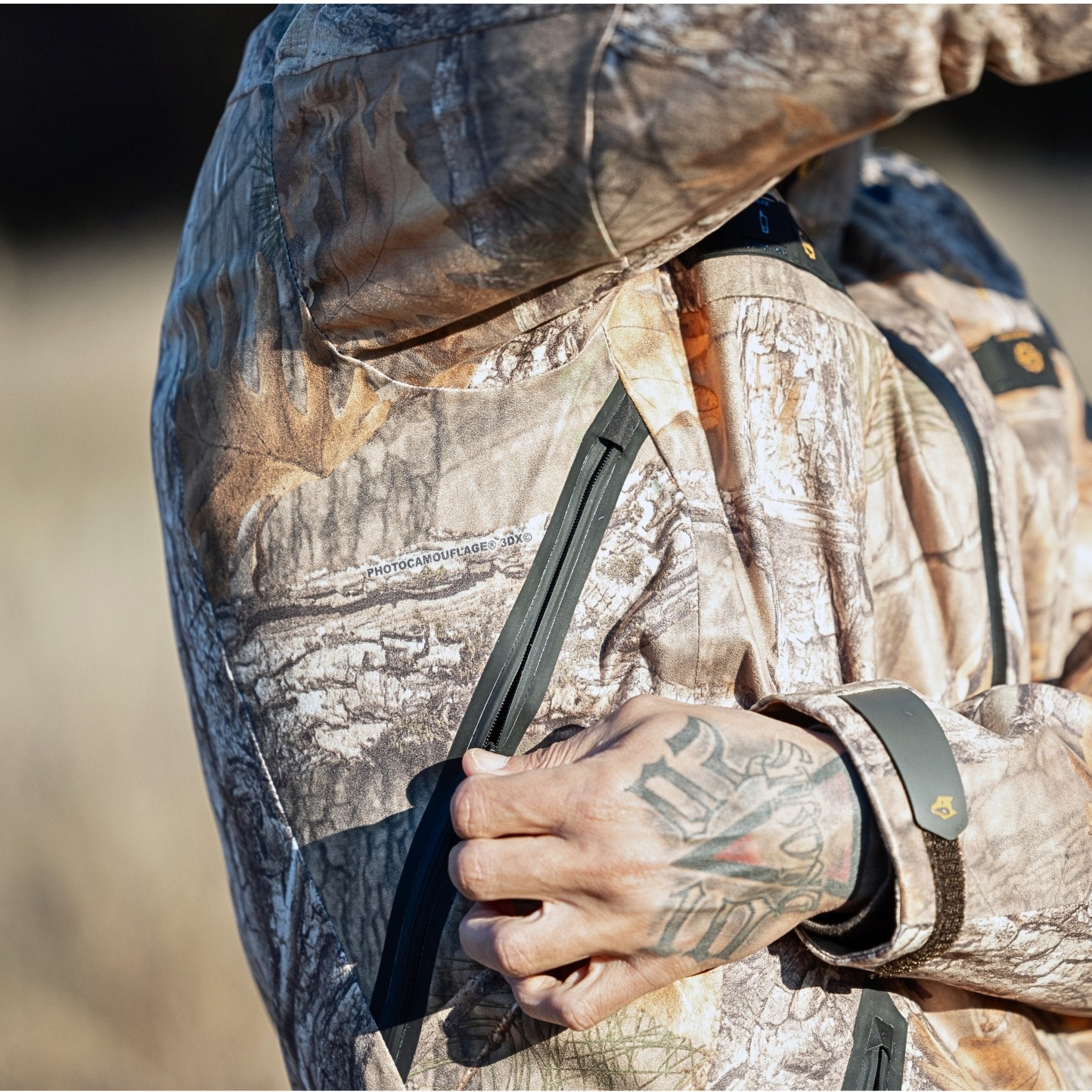
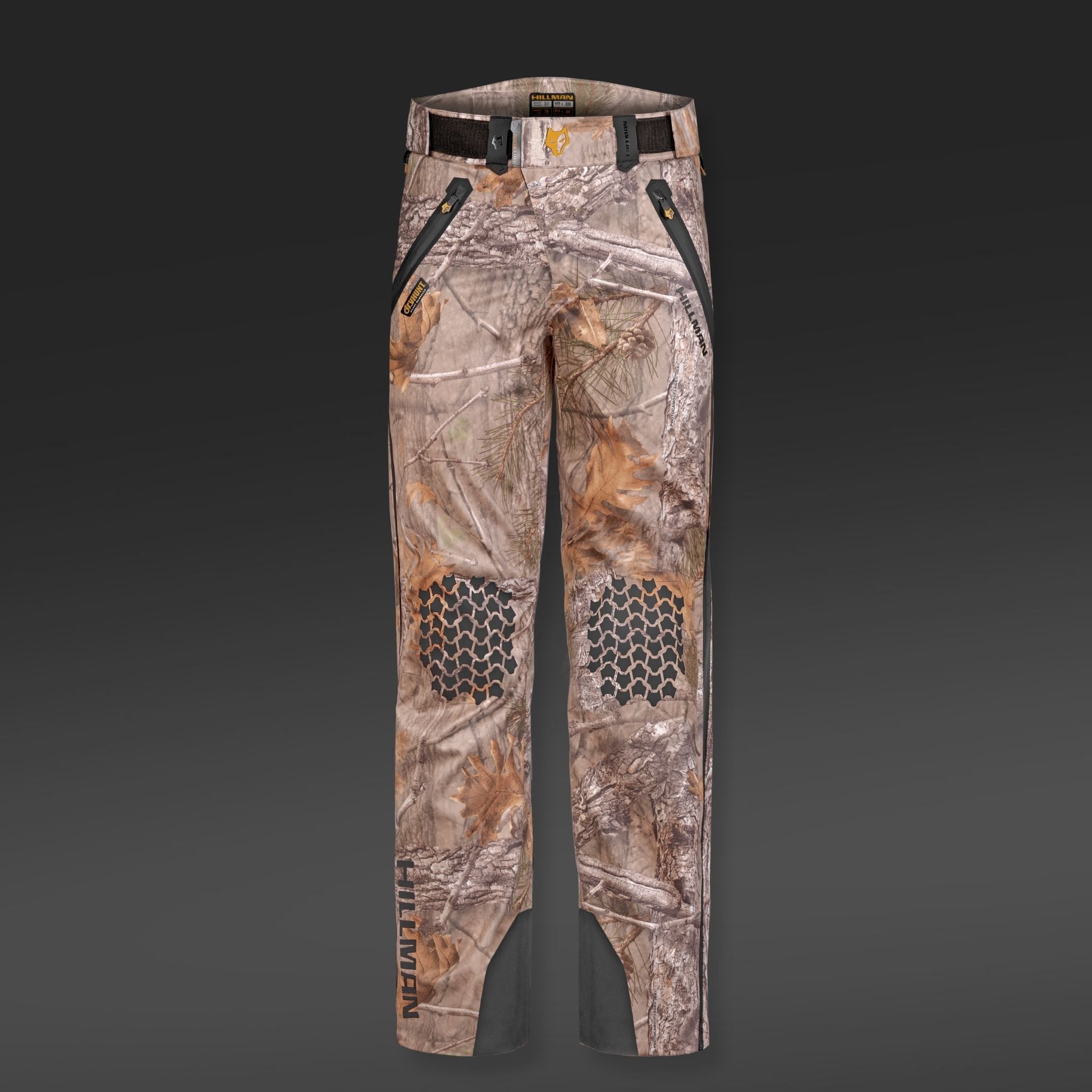
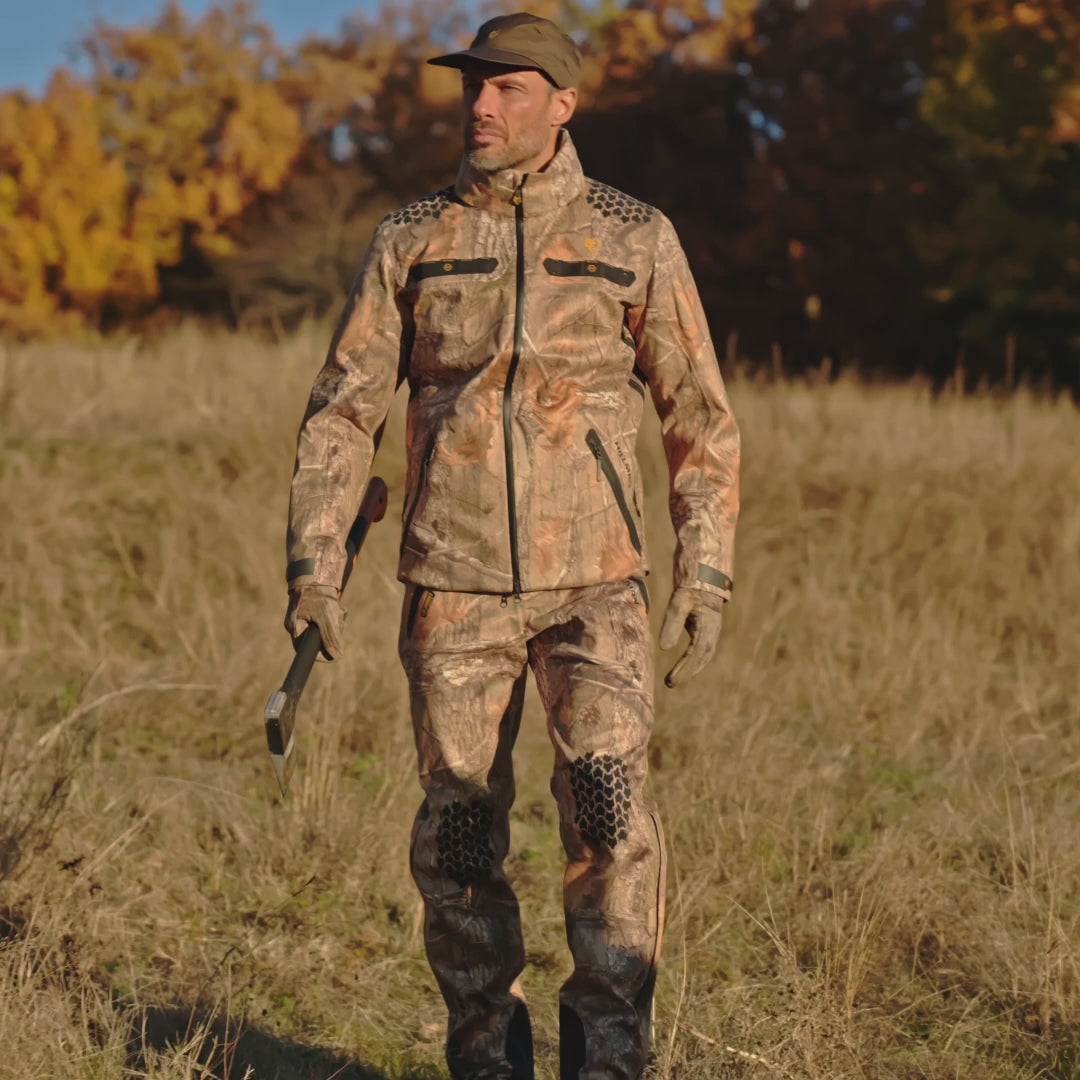
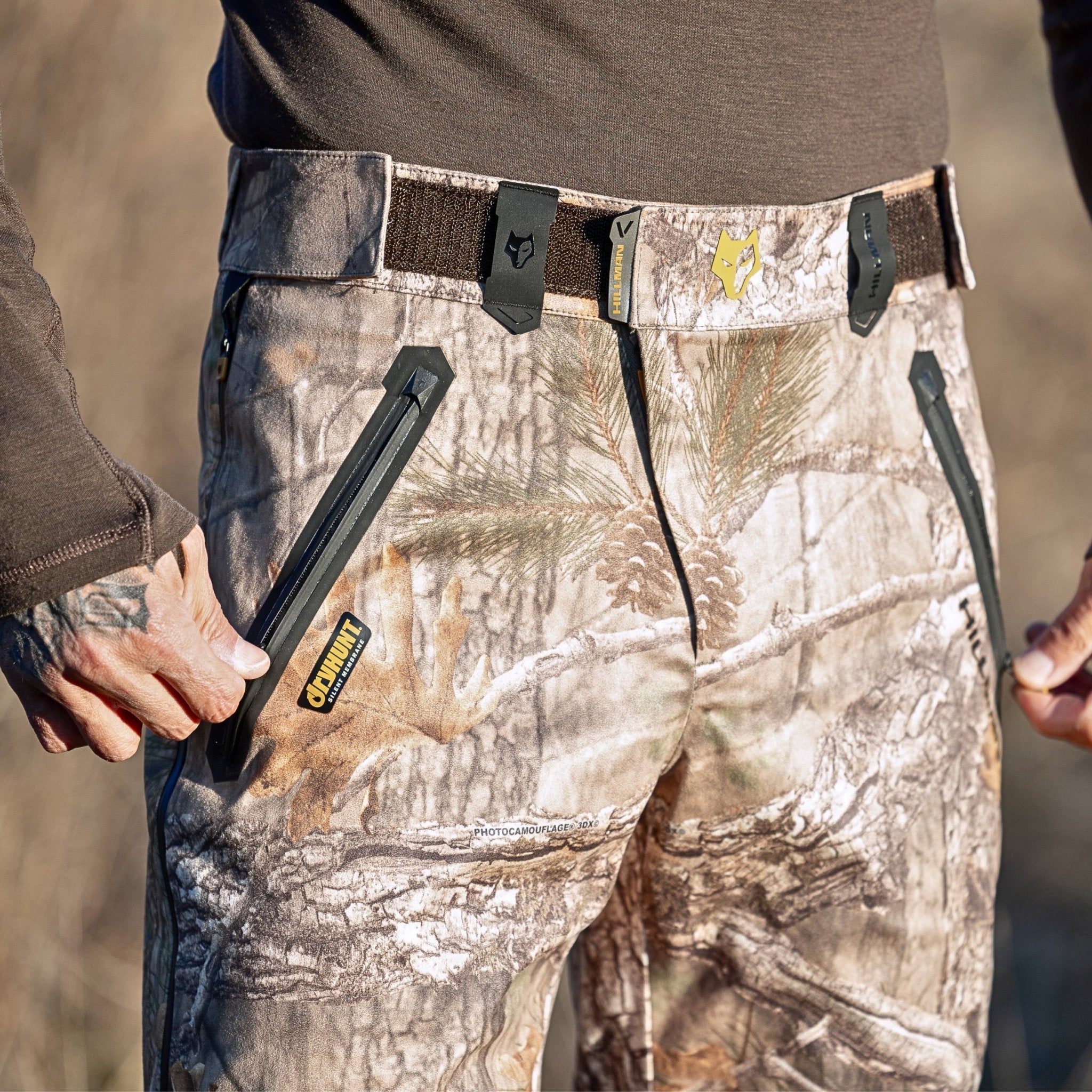
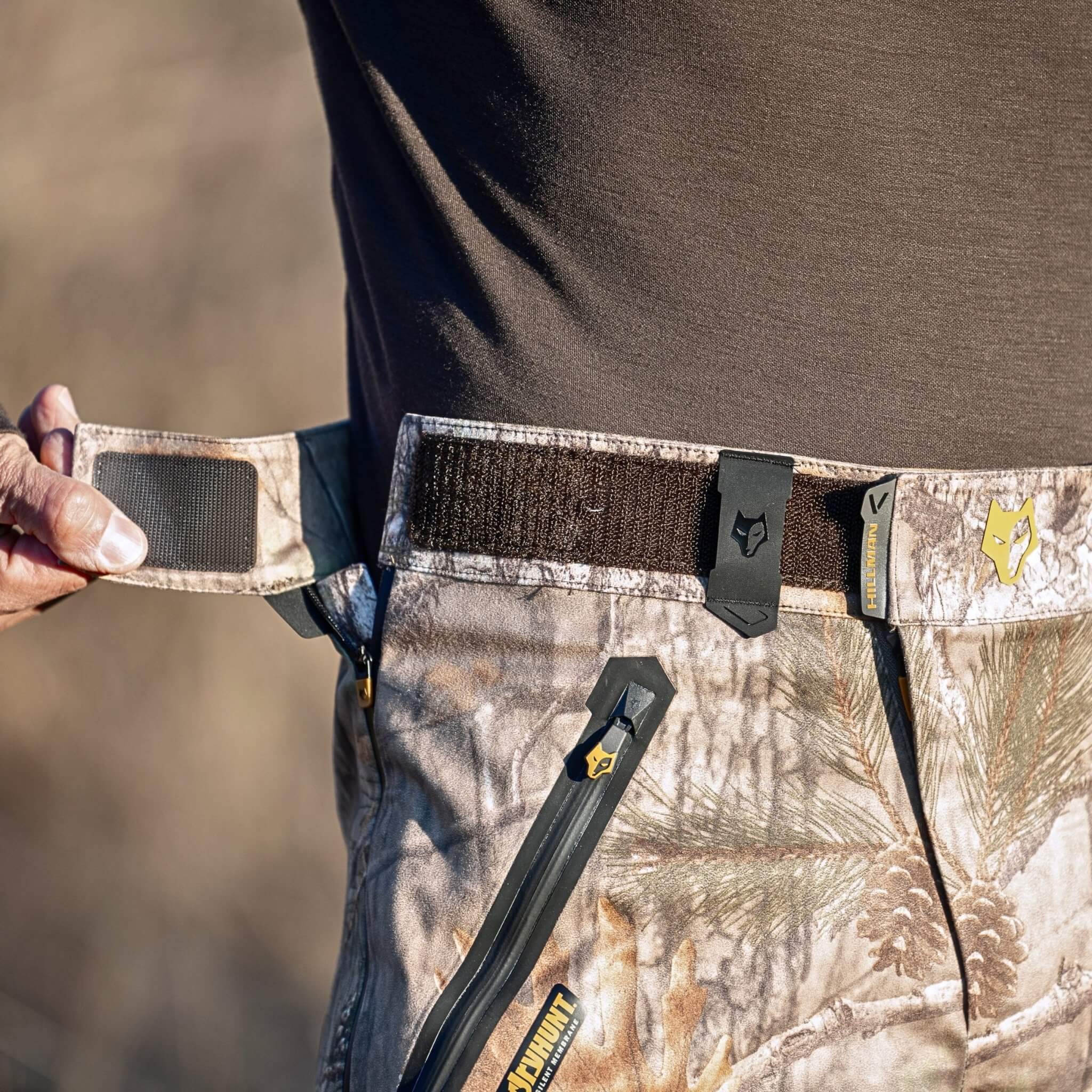
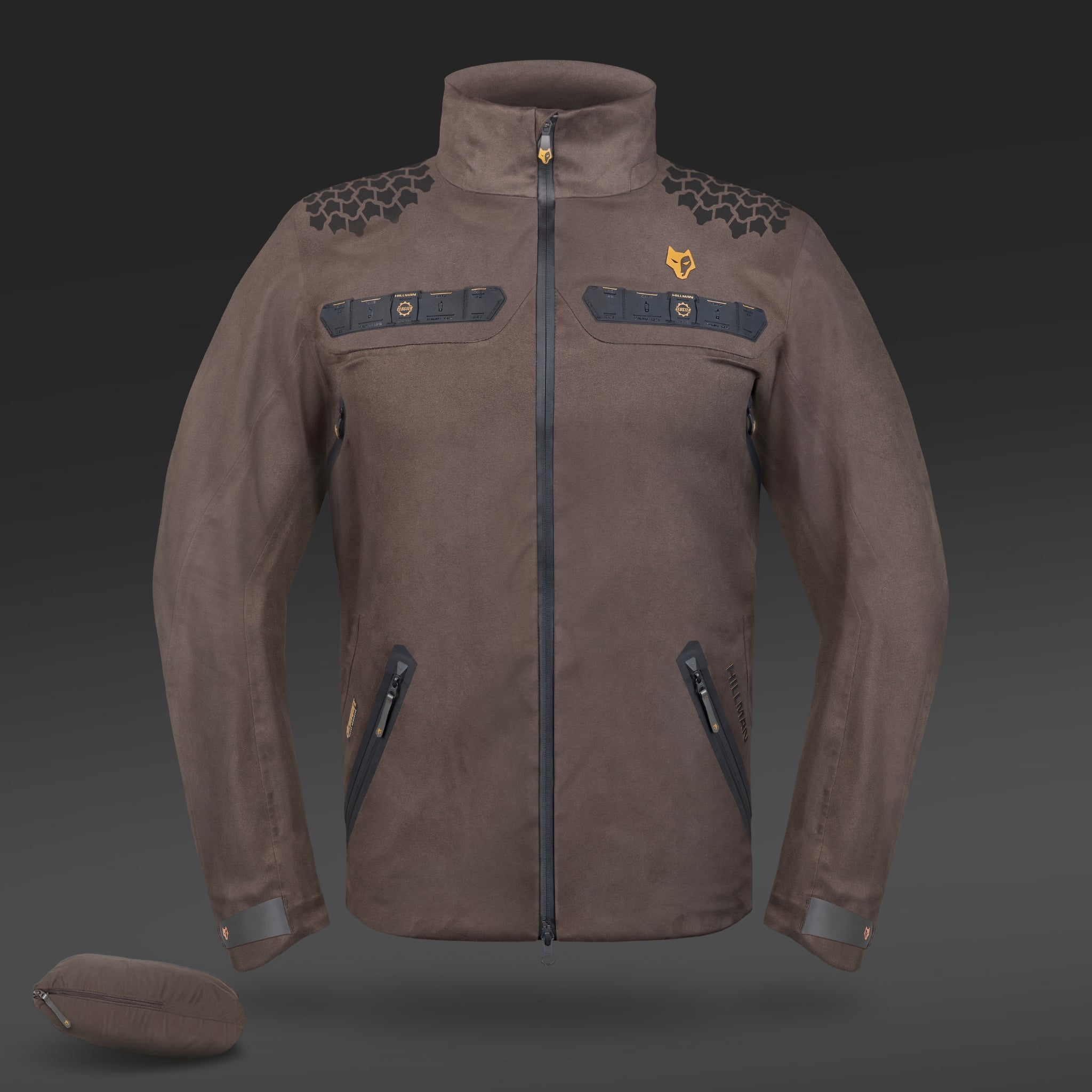
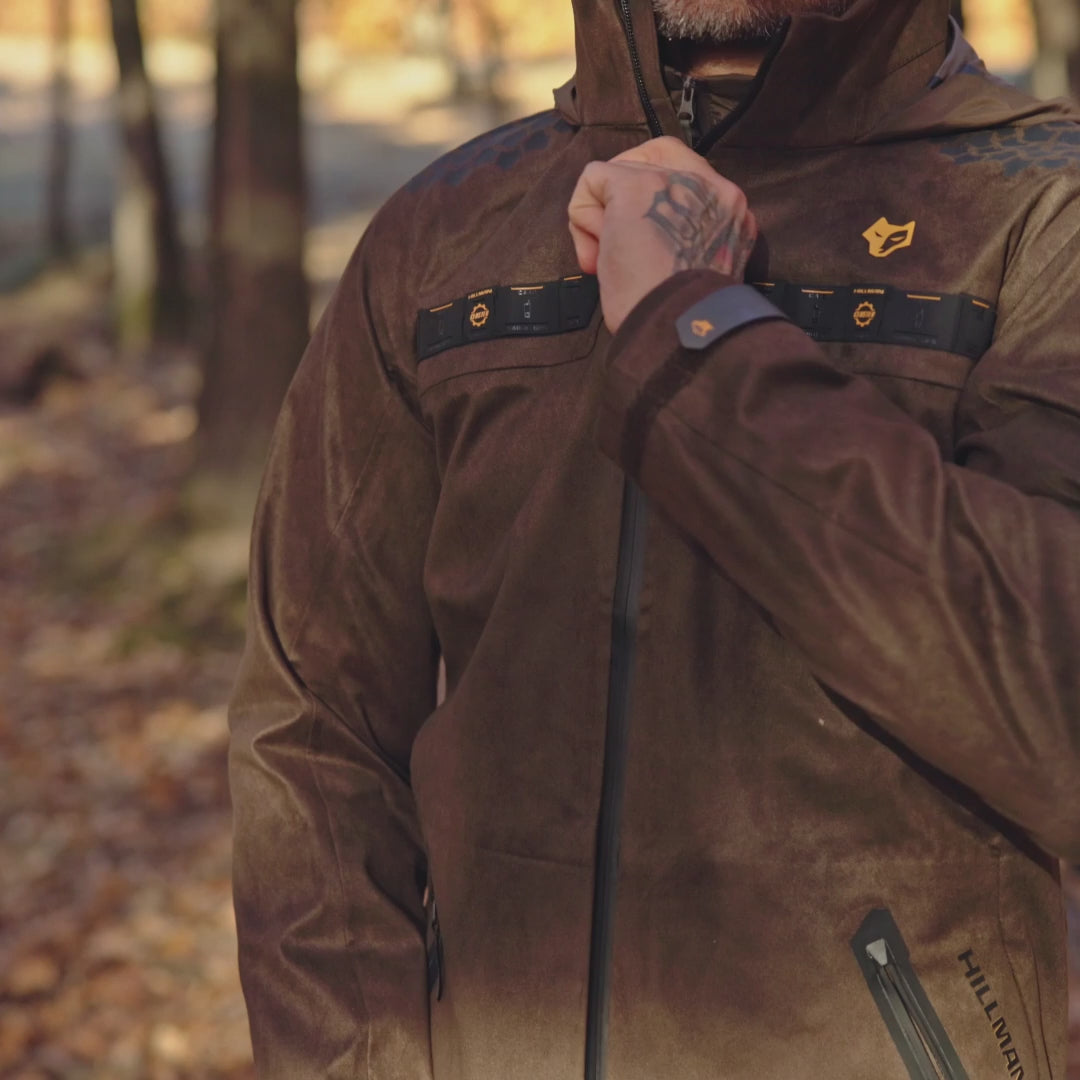
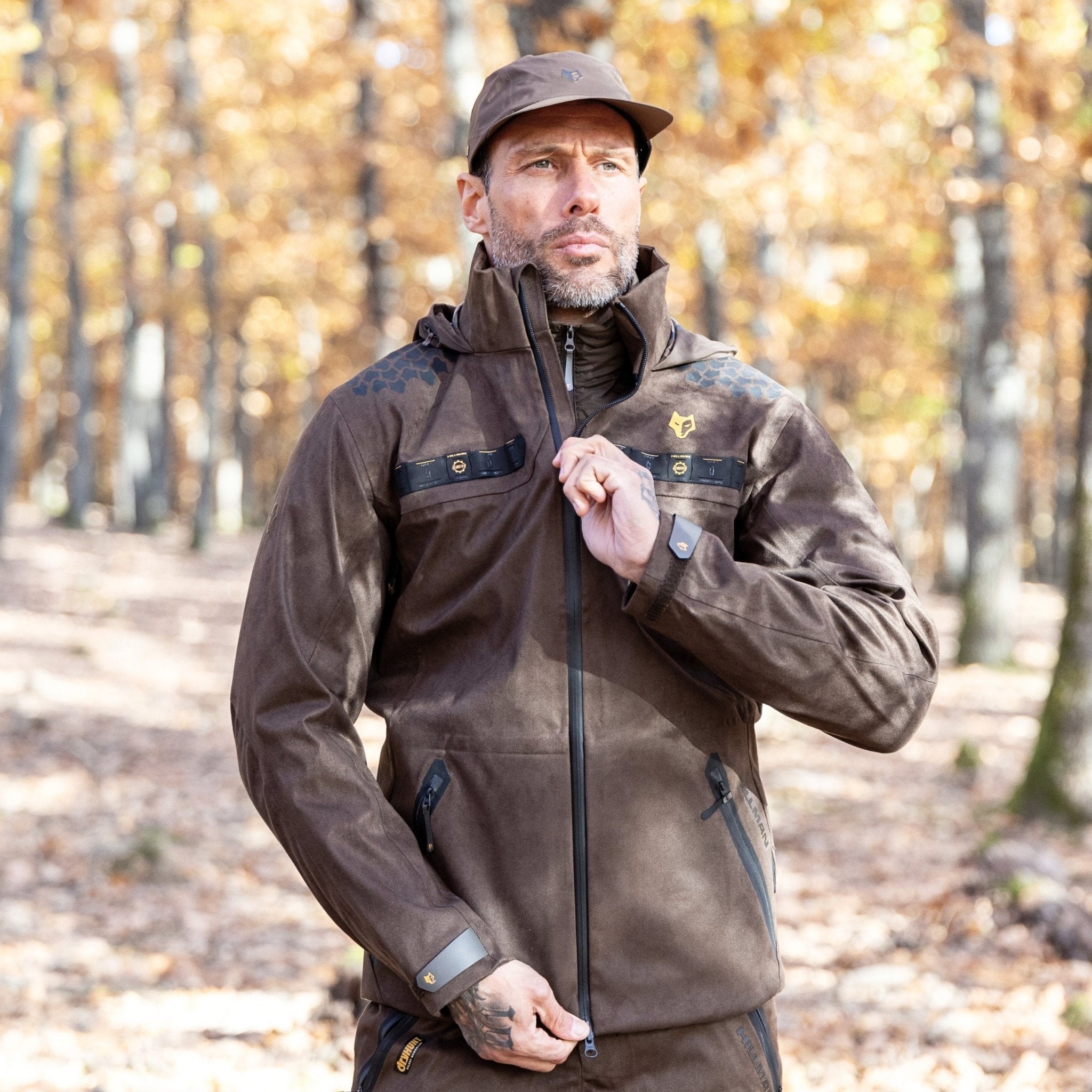
• Wear durable outer layers that stay quiet and comfortable in cold or warm conditions.
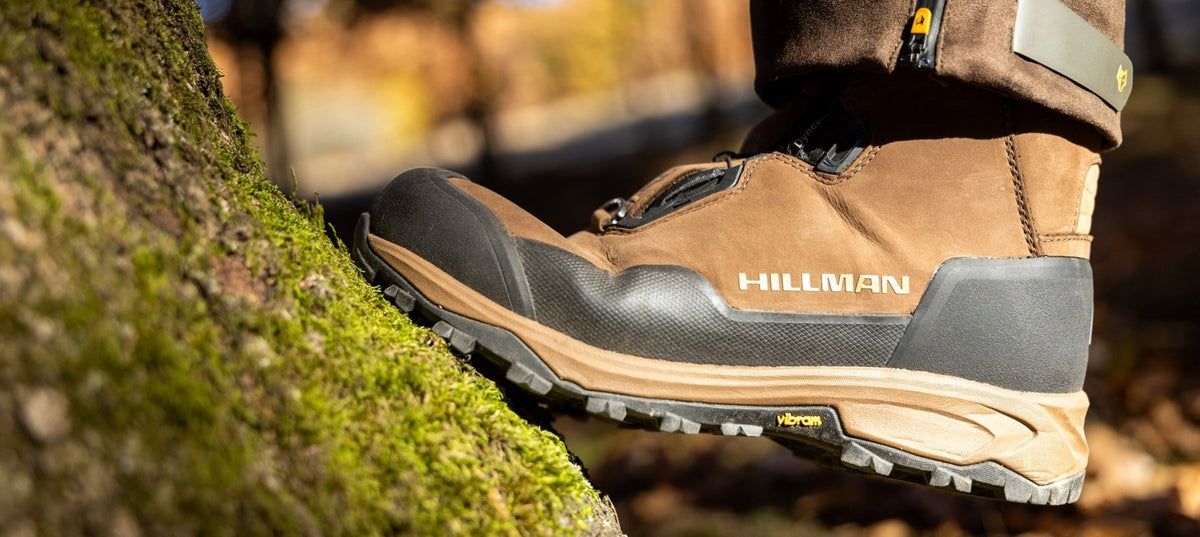
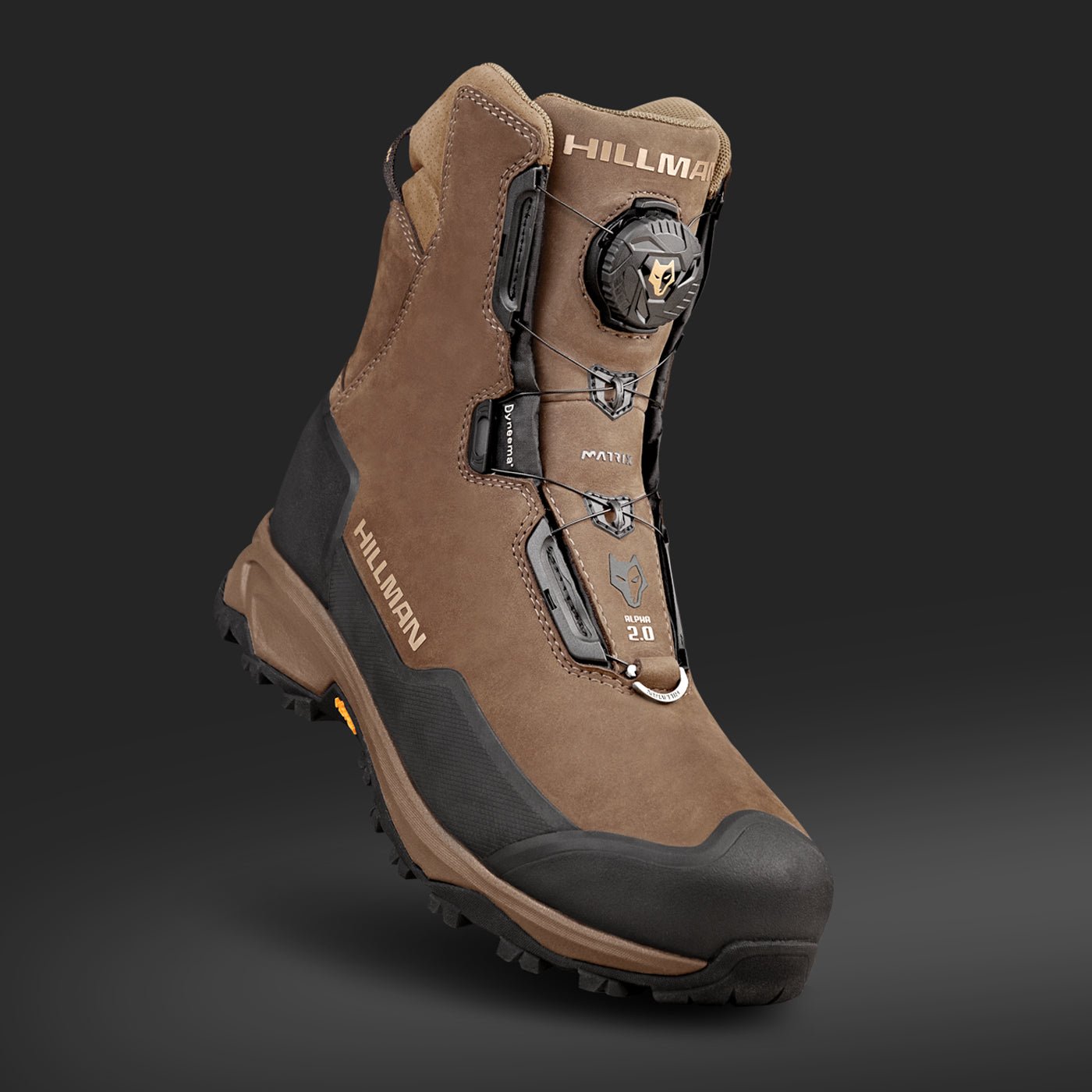
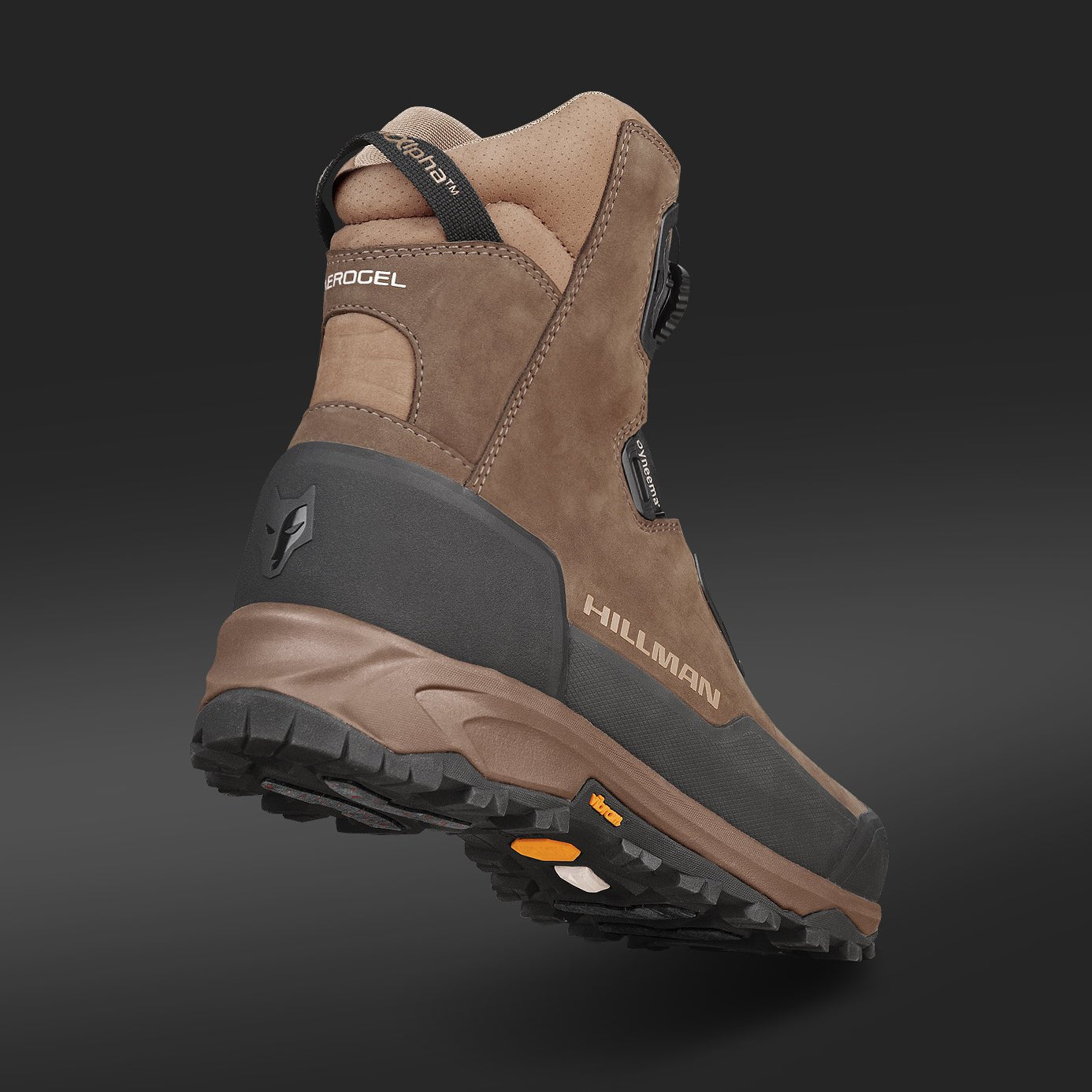
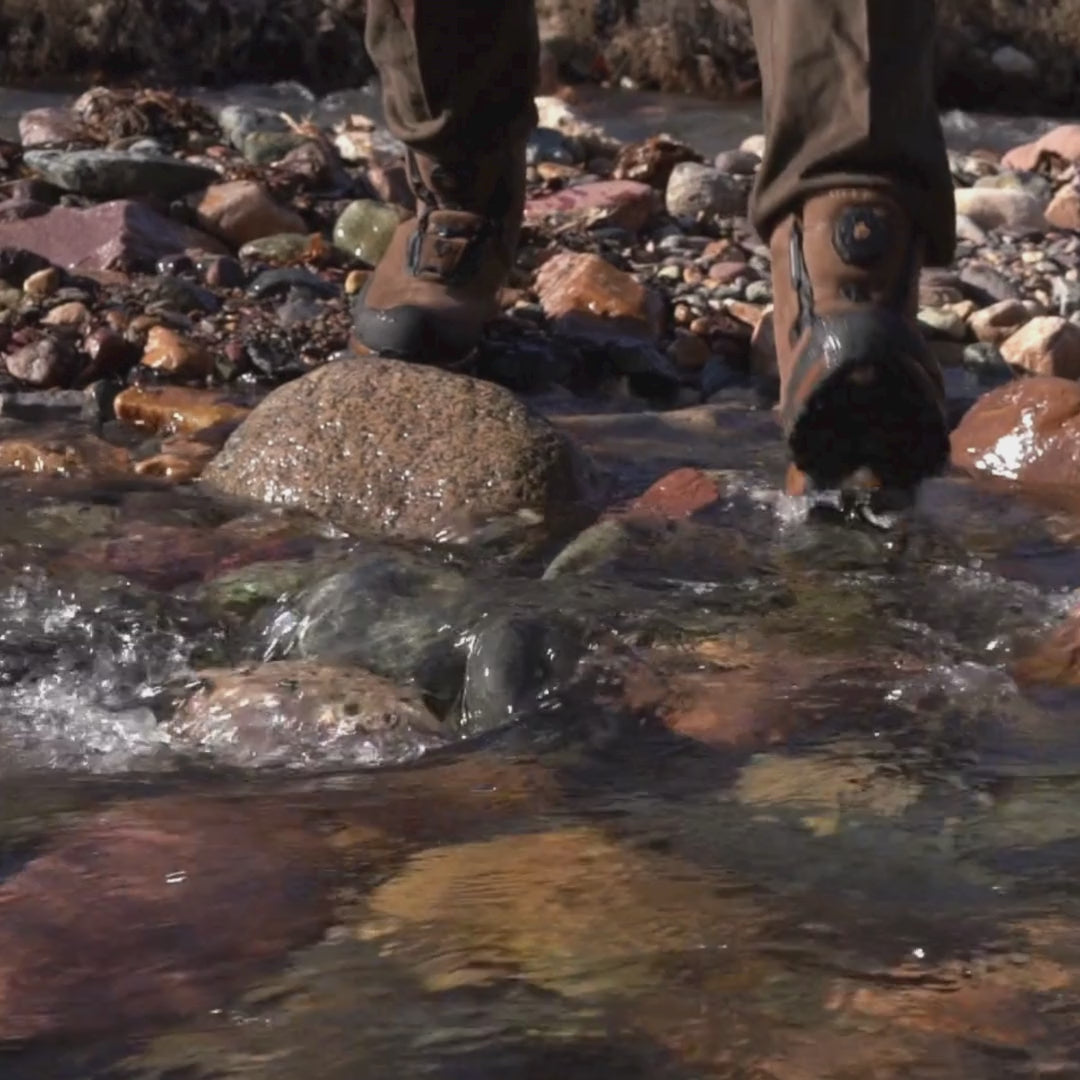
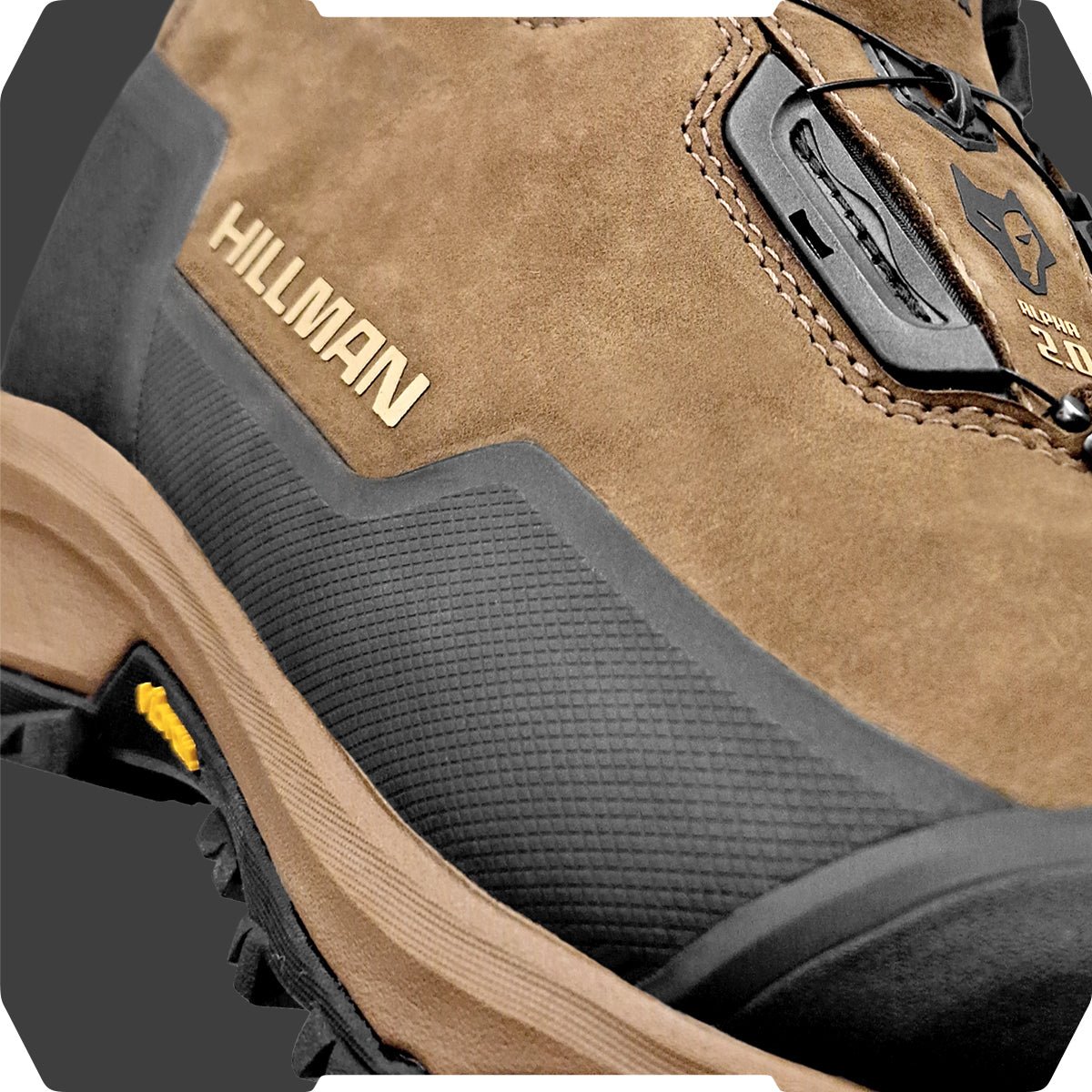
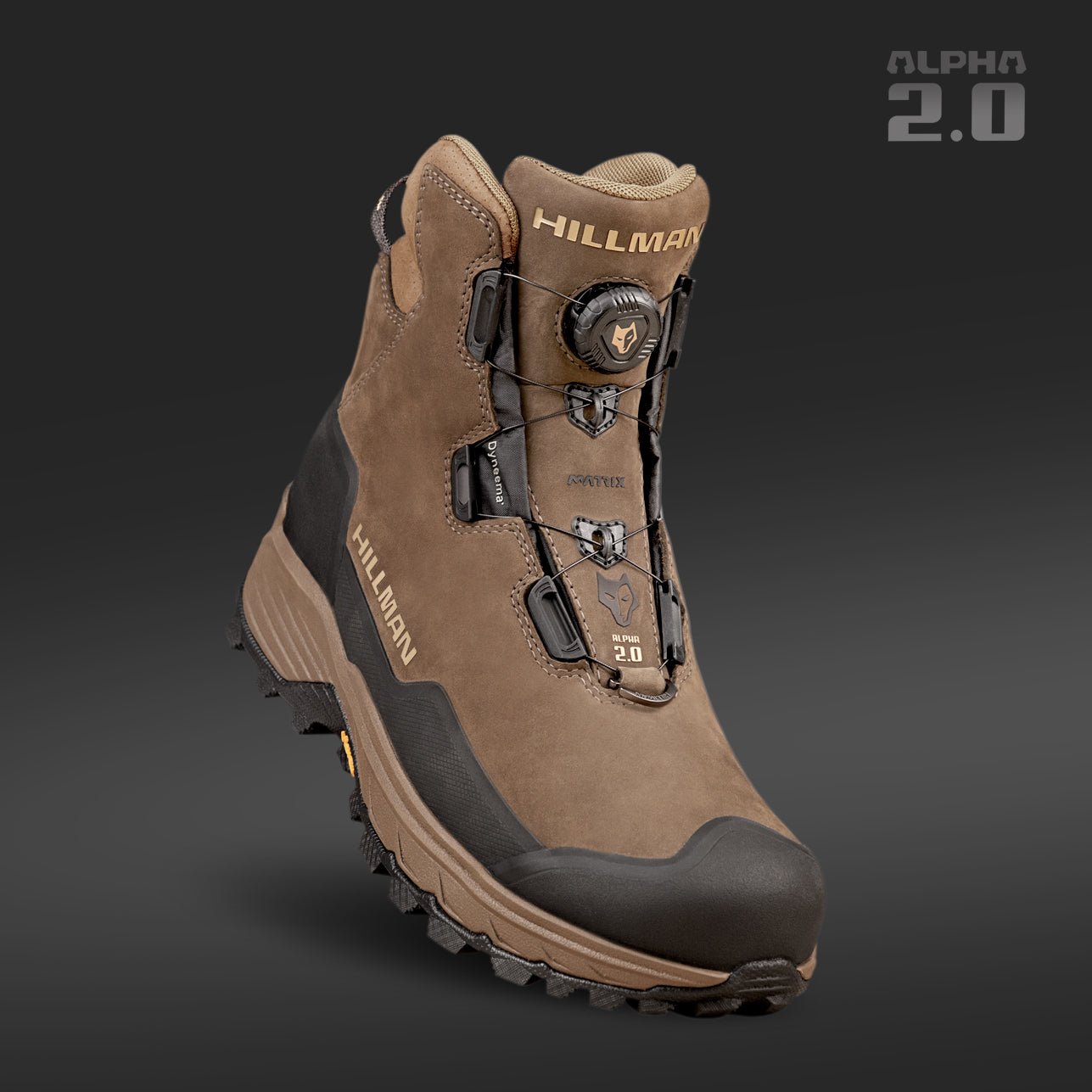
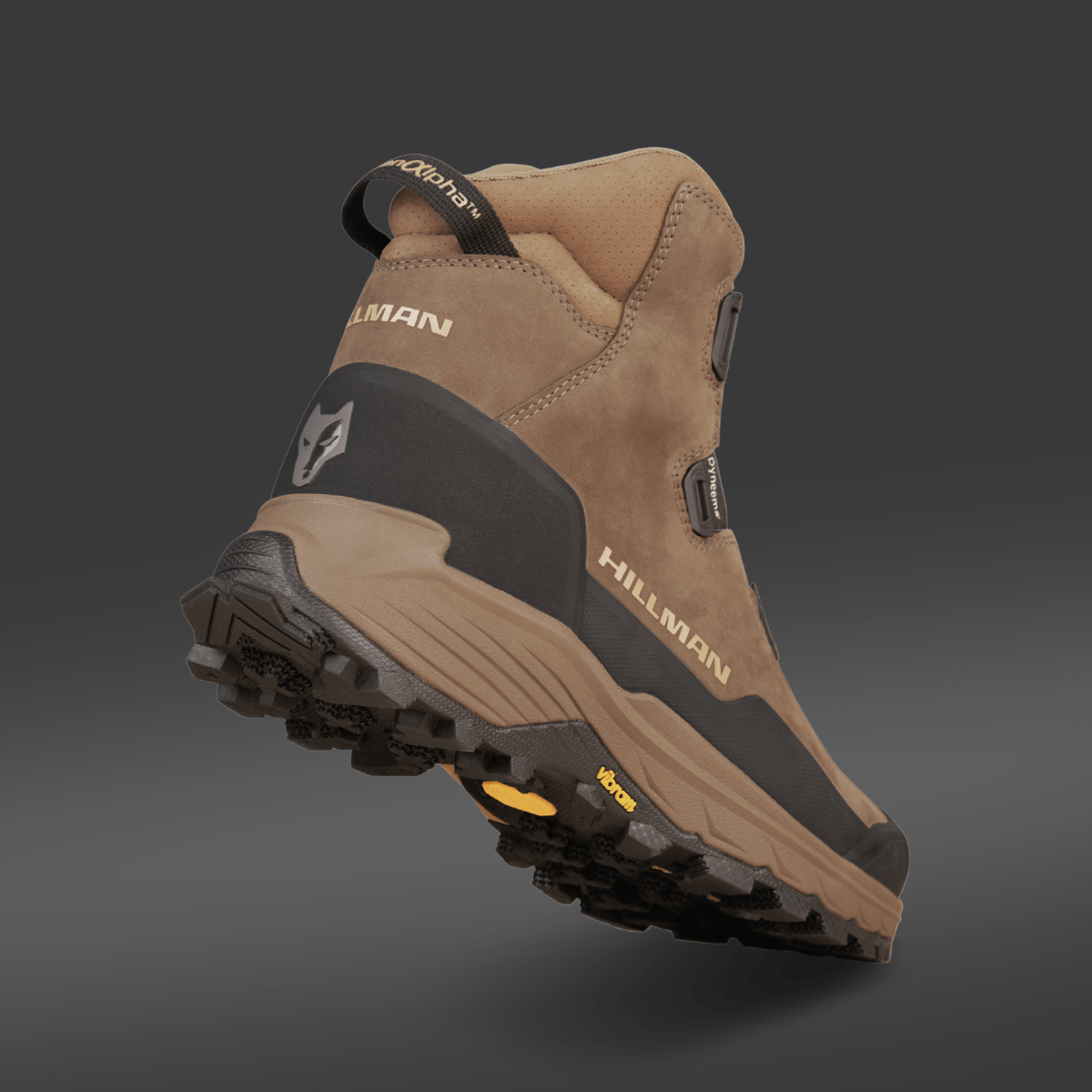
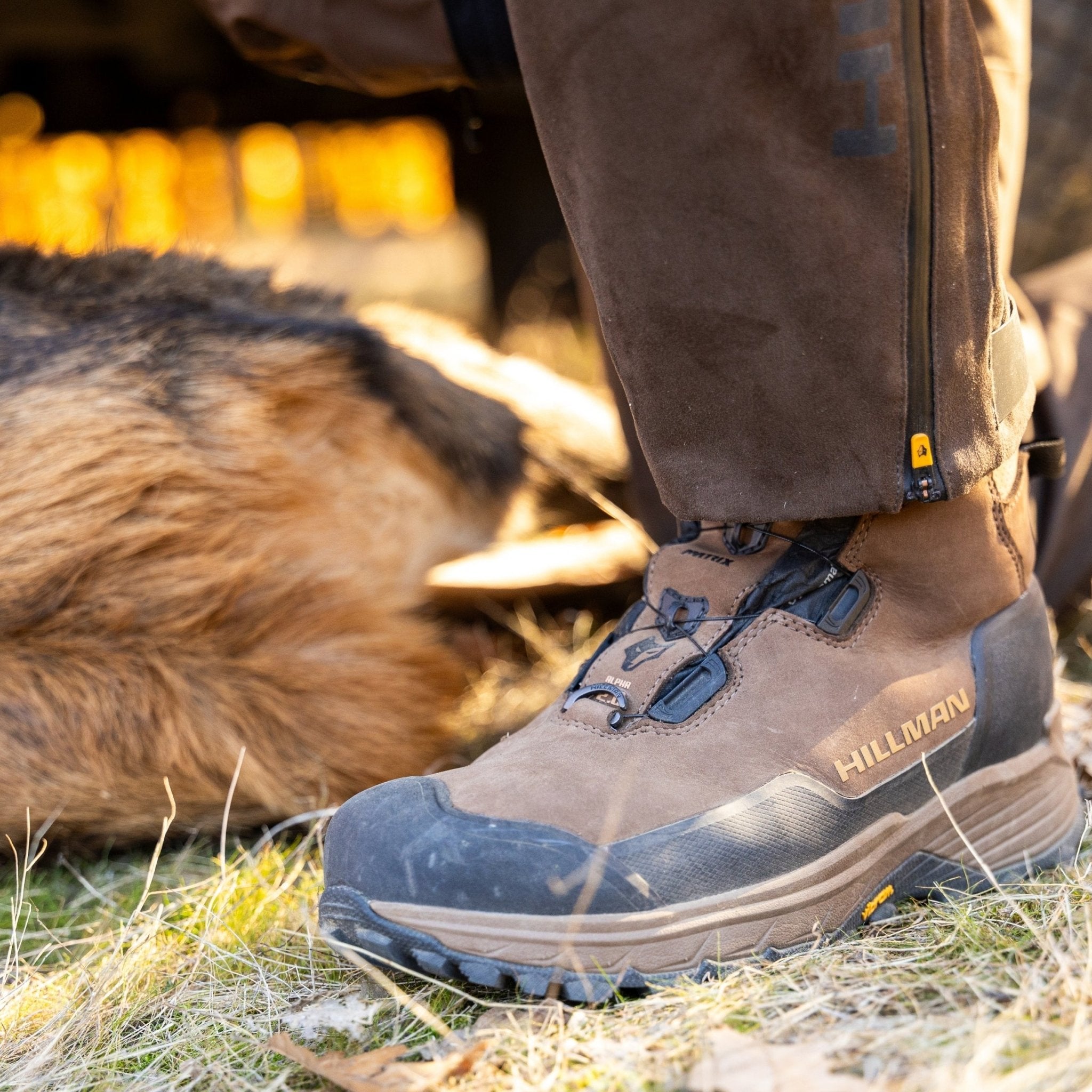
• Keep boots scent-free by cleaning them regularly and avoiding heavy odors like gasoline or vehicle interiors.
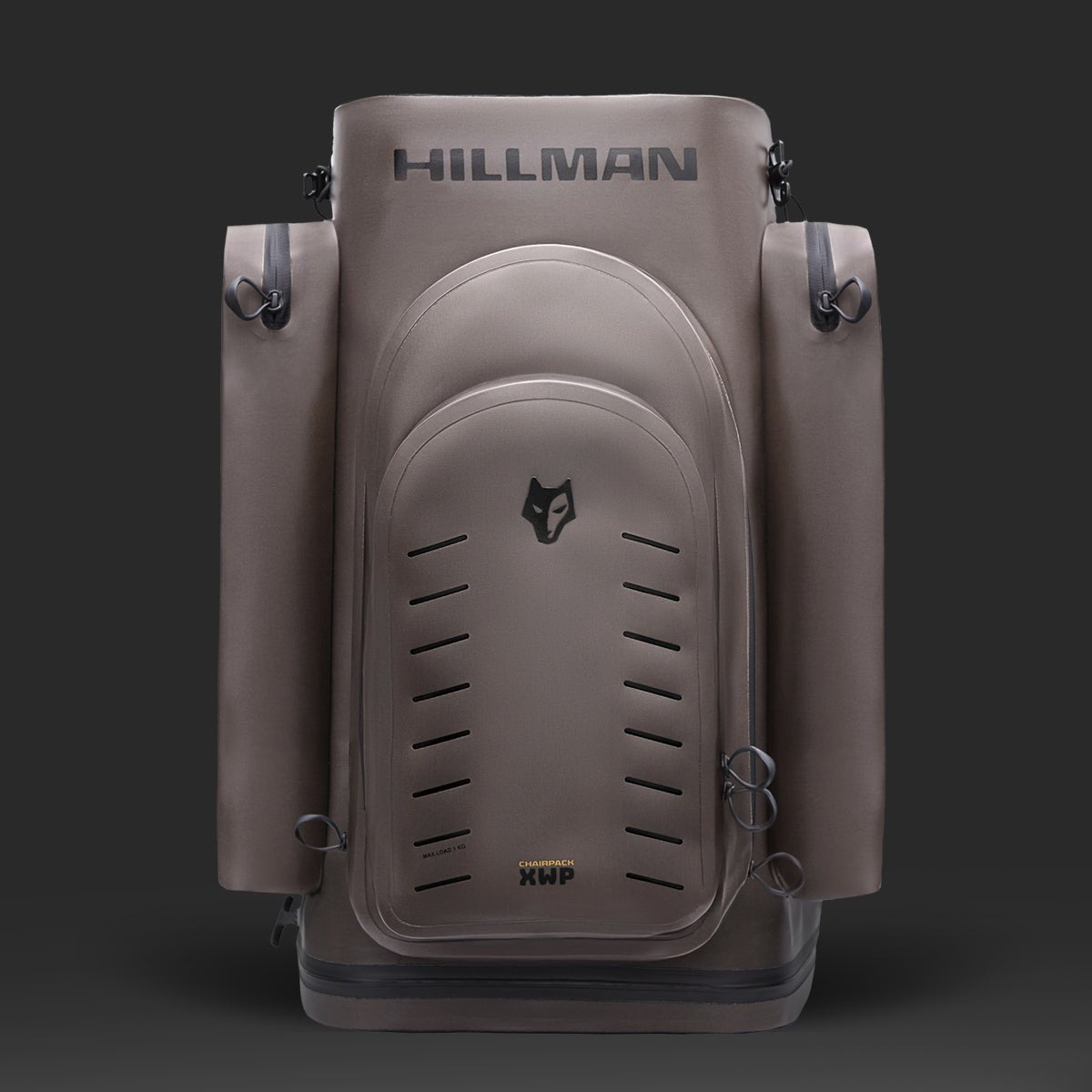
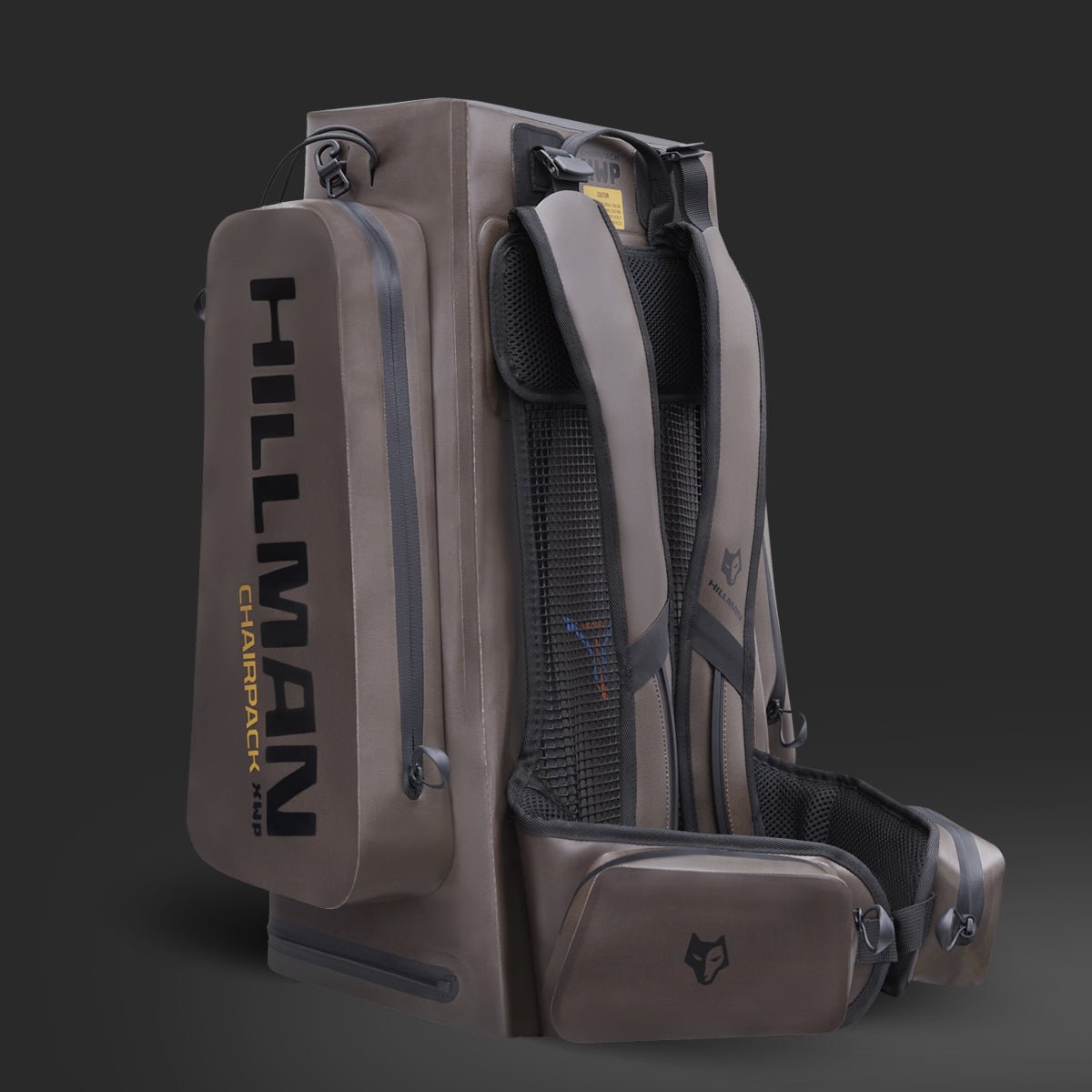
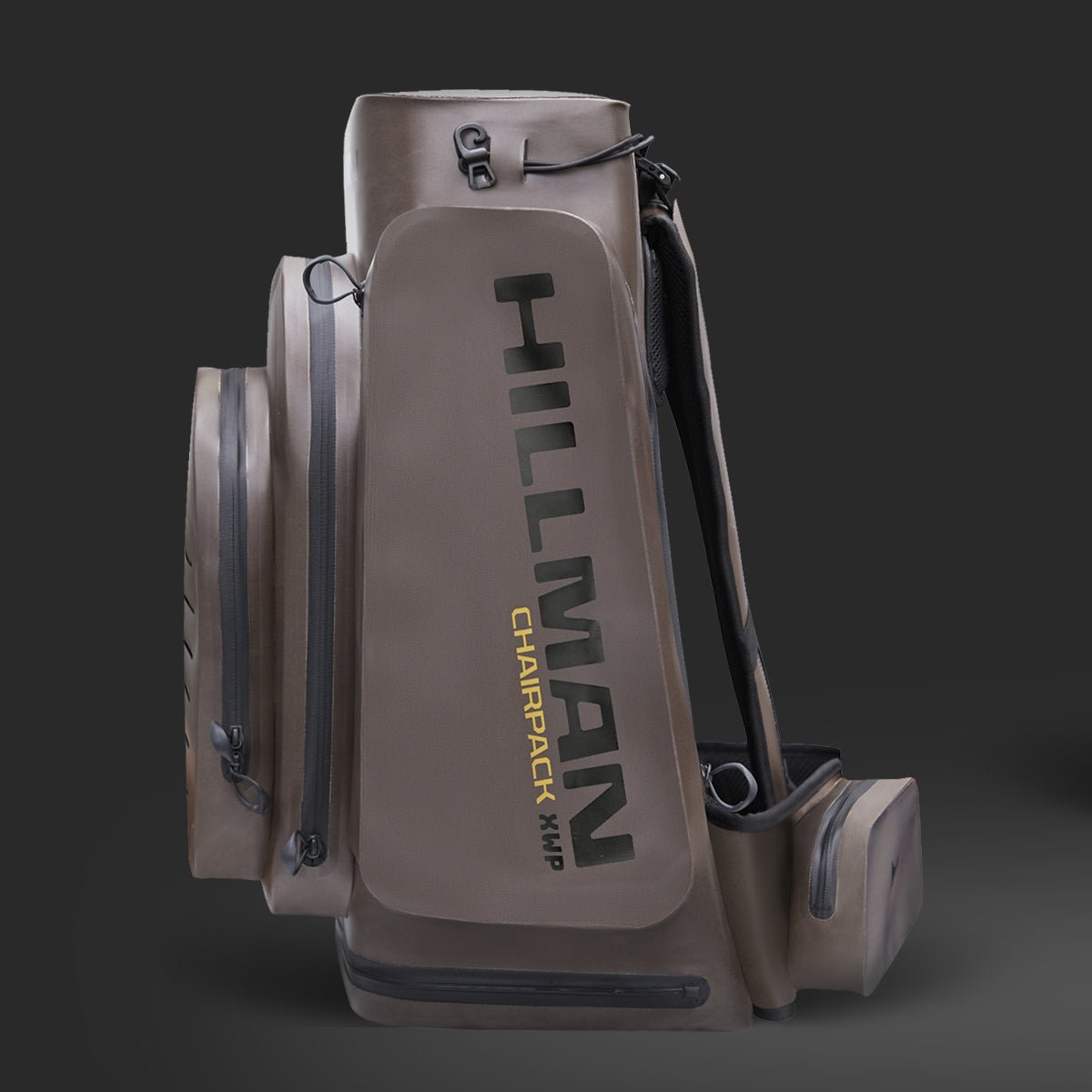
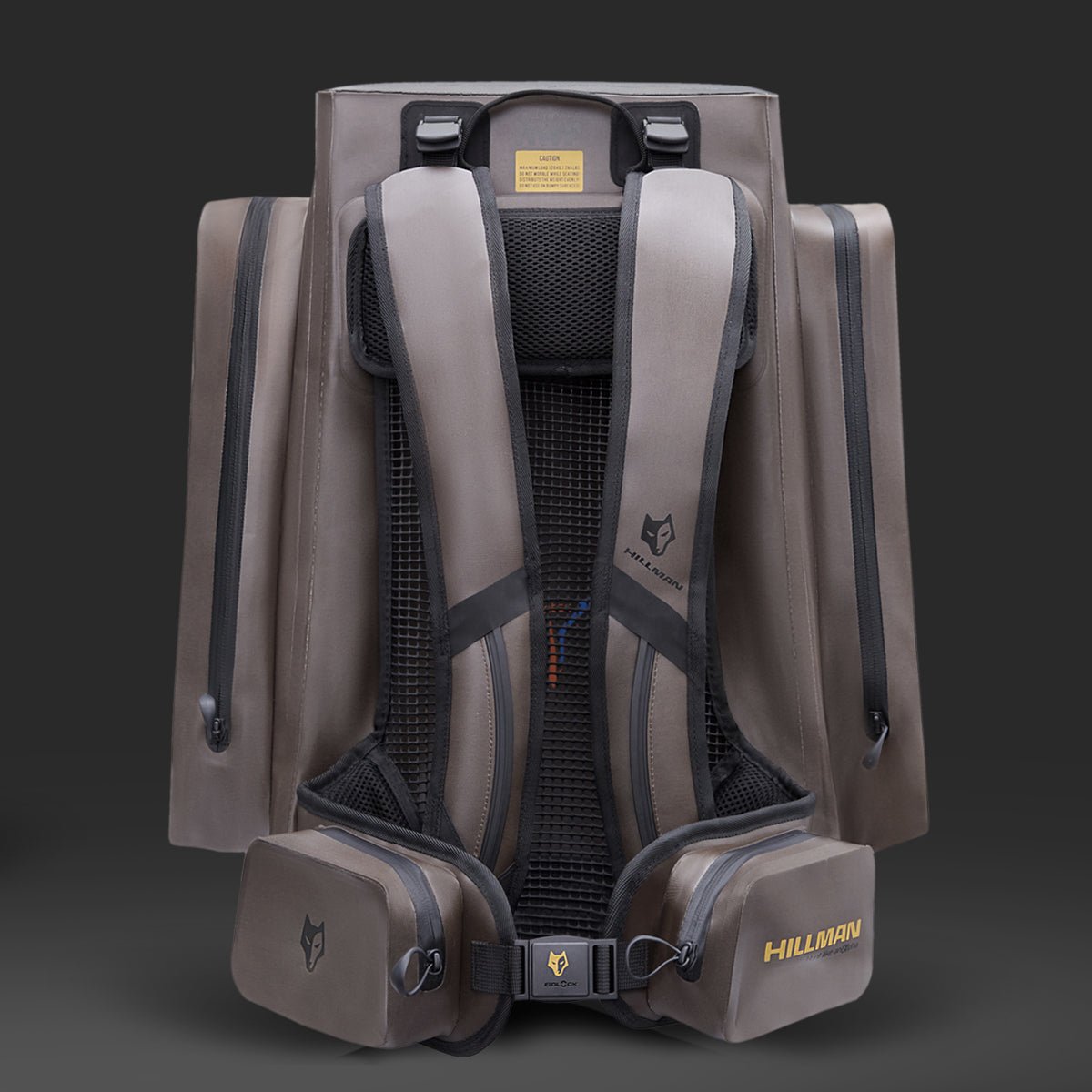
• Carry careful, simple gear such as carbon-lined backpacks or scent control bags to prevent contamination.
Good gear helps. But habits help more.
The Complete Scent-Control Routine: From Washing to Field Care

A strong scent control routine starts long before you climb into your stand. Wash your clothing with scent-free soap, dry it completely, and store it in totes or sealed containers. Don’t handle your clothing in the kitchen, near cigarettes, or around pets. Once you’re dressed, avoid touching gas pumps, fast food, or anything with a strong odor.
In the field, continue being careful. Avoid sweating on the hike to your spot by dressing in layers you can shed. Stay dry. Sweat equals bacteria, and bacteria equals odor. After the hunt, store your clothing properly so it doesn’t pick up unwanted smells before your next outing.
These precautions take a little time, but the payoff is worth it. Hunters who stick to a routine see more deer, fewer alarms, and more reasons to stay confident.
Scent-Control Clothing Only Works If You Do Too

Scent control clothing works. Scent control systems work. But only when the hunter works as well. No material, no brand, no technology can fully block odor if the hunter ignores wind, sweat, storage, or common sense.
Scent control is about discipline. It’s about using the right equipment, choosing the right clothing, staying quiet, staying clean, and staying aware of the wind every minute you’re in the woods. There are plenty of reasons hunters fail, but scent doesn’t have to be one of them.
Build a routine. Use the right layers. Stay careful. And give yourself the best chance at the kind of hunt every deer hunter hopes for each season.




Share:
The Best Camo Patterns for Every U.S. Hunting Region
Durable Hunting Clothing for Harsh Conditions: Lasting Gear