

The Best Camo Patterns for Every U.S. Hunting Region

Find the best camo patterns for every U.S. hunting region. Learn which camouflage blends with woods, mountains, grasslands, and desert terrain for true concealment.
Walk into any hunting camp in America, and sooner or later someone will bring up camo patterns. Some hunters swear by a certain combination of browns and greens. Others trust a woodland macro pattern that looks like it came straight out of a tree’s shadow. A few will argue that disruptive pattern material from old military uniforms still works better than most modern options. And then there are the hunters who simply shrug and say the woods will make you look like a sore thumb no matter what you’re wearing, if you don’t know how to move.
Camo isn’t magic. But good camouflage patterns can make you virtually invisible when terrain, seasons, and your surroundings line up just right. The best patterns help break the human outline, soften hard angles, disguise your movement across distances, and keep your shape from catching the eye of animals that see the world more sharply than we do.
Across the U.S., from the pine thick woods of the East to the open air grasslands of the West, each region calls for a different approach. It’s not just color. It’s how pattern connects to life, to bark, to brush, to winter season changes, and the long history of how hunters have learned to blend into the landscape.
Camo Patterns That Actually Work in the Field

Camo patterns that perform well rarely depend on one color. They rely on a balance of shapes, shadows, and tones that break your outline. Green or brown alone won’t hide you. It is the pattern breakup that matters. Hunters who spend time in different environments learn quickly that a pattern meant for hardwoods looks visible and wrong in desert light. A tan and yellow blend that disappears in grasslands stands out like a line drawn across the woods.
Patterns developed for concealment have to deal with more than color. They manage distances. They fool both macro vision and micro detail. Some patterns focus on leaves and tree bark silhouettes. Others use softer, blurrier combinations that keep your figure from appearing as a sharp shape against your surroundings. Wear a pattern that fits the wrong region, and you’ll learn immediately how quickly the game can detect movement you thought was hidden.
Good camo doesn’t guarantee a hunt. But bad camo can ruin one. Especially when you cross regions with different tones and light.
How Disruptive Pattern Material Broke the Human Outline

Disruptive pattern material, often called DPM, changed the way hunters and military units understood concealment. Originally developed for uniforms used by elite units and special forces, DPM broke the human outline by combining large macro shapes with smaller micro elements. This layered approach confused the eye, whether viewed from a few feet or across long distances.
DPM spread through countries in Europe and beyond, popping up in environments from Iraq to the dense forests in China. The concept was simple but effective. Use a combination of shapes that make the human body harder to recognize. As decades passed, modern camo designers refined the idea, building patterns that expand into multiple regions and seasons. Today, many hunting patterns still carry DPM’s influence. Some are inspired by military history, others pushed forward by America’s hunting market and Europe’s woodland traditions.
It all comes back to the same key idea. Don’t hide. Disappear.
Camouflage Patterns Designed to Make You Virtually Invisible

Some camouflage patterns aim to make the hunter virtually invisible by matching natural surroundings on a deeper level. Tree bark, leaf outlines, pine shadows, or brown streaks mimicking fallen timber. These aren’t decorations. They’re a visual language the environment already speaks.
When you wear camo shirts built on natural textures, the woods absorb you. Patterns using micro elements fill the gaps between sharp edges. Macro shapes mimic the big movements of light. Blue tones sometimes appear in winter season patterns to match the colder range of colors. Greens and yellows shift with spring. Tan and brown keep you hidden in late fall.
Camo that disappears at a distance often blends both approaches. Micro for detail. Macro for outline control. Combine them with breathable fabric and a free-moving design, and you get a pattern that feels alive in the field.
Camouflage Patterns That Break the Human Outline at Any Distance

Breaking the human outline has always been the hardest part of concealment. Our shoulders, our arms, and our vertical posture all give us away. Animals recognize these shapes faster than we expect. That’s why patterns that distort shape matter more than patterns that simply copy vegetation.
At short distances, micro patterns help blur sharp lines. At longer distances, macro patterns break the large shape into pieces. Combined patterns perform across hunting seasons and around different elevations, whether you’re in the woods of the east, the grasslands of the south, or the mountains of the west.
Distance camo is all about fooling depth perception. A good pattern blends the hunter into the surroundings without drawing attention to visible edges. From winter to summer, from brush country to rocky slopes, the best patterns keep the hunter’s body from snapping into focus.
The Evolution of Camouflage Patterns Across U.S. Regions

Camouflage patterns didn’t appear overnight. They came from decades of trial in the field, from Europe’s old woodland designs to America’s advanced market built around hunters demanding patterns that matched their specific region.
Military-inspired camo came first. Then came patterns developed specifically for outdoorsmen. Over time, designers learned to adjust patterns for hardwoods, pine forests, the wide-open west, or southern brush. Some camo patterns date back decades. Others were developed recently for hunters who wanted more than simple greens and browns.
Today’s market offers combinations that fit nearly every environment and every season. Camo has gone from simple uniforms to a world of region-specific solutions.
Best Camo Patterns for Eastern Woodlands

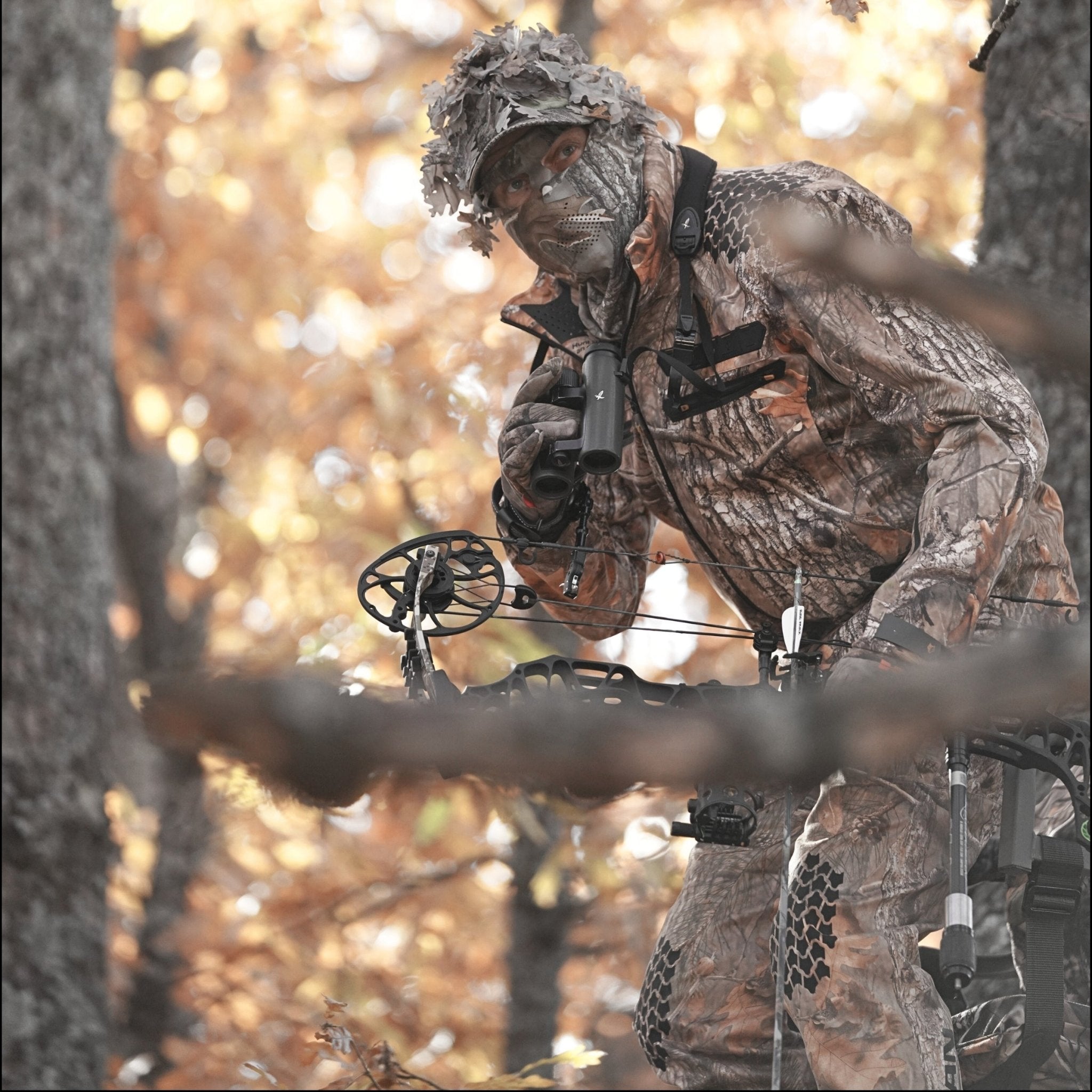
Hunters in the East know the woods better than most. Hardwood ridges covered in bark texture, pine shadows, and thick undergrowth demand patterns that stay hidden in brown and green layers. Classic woodland camo thrives here, especially patterns capturing bark textures, leaf shapes, and darker greens. A pattern with micro and macro balance helps when you move through thick pine rows or sit still near a tree trunk.
Eastern deer recognize outlines quickly. You need a camo pattern that blends, not one that stands out as a clean uniform shape. Browns and greens dominate. Bits of yellow or tan add depth for fall seasons. In winter season hunts, darker colors break the outline better than light ones.
Blinds in these regions often benefit from hardwood patterns because both hunter and shelter blend into the same combination of colors.
Best Camo Patterns for Western Mountains and Open Country

The West is a different world. The air feels thinner. Distances stretch farther. And the mountains shift color depending on the season and sun angle. Here, big macro shapes matter more than leafy detail. Open country camo is about breaking the outline against rock, brush, and long shadows.
Tan, brown, and muted greens work well in high country. Desert edges call for lighter patterns. Grasslands benefit from broken patches of color that mimic sage and brush. At long distances, any strong line becomes visible. Your hunting camo needs to scatter those lines into shapes the land already accepts.
Western hunters rely heavily on patterns that manage visibility across distances. When animals see you from far across a valley, your camo must adapt to the environment, not clash against it.
Best Camo Patterns for Southern Brush, Swamps, and Grasslands

The South carries its own challenges. Brush country, swamps, tall grasslands, and thick greenery force hunters to wear patterns that stay invisible among shifting shadows. Leaf and vine-based patterns blend well. Browns, yellow undertones, and tan color fields mimic dry grass. Greens capture the life-rich feel of the region.
South-based hunters often move close to game. Concealment must work at short range. Micro patterns are key. You need camo that matches dense vegetation, especially in early seasons where visibility is low and movement is high.
The Rise of Hillman 3DX, Multicam, and Modern Blended Patterns

Multicam changed the conversation in both military and hunting circles by proving that a single pattern could adapt to multiple environments. Its mix of blended shapes and shifting color tones works from mountains to dense woodlands, and even across desert light and brush country. Inspired by special-forces concealment principles, Multicam became a go-to choice for hunters who wanted one reliable, all-around solution instead of region-specific camo.
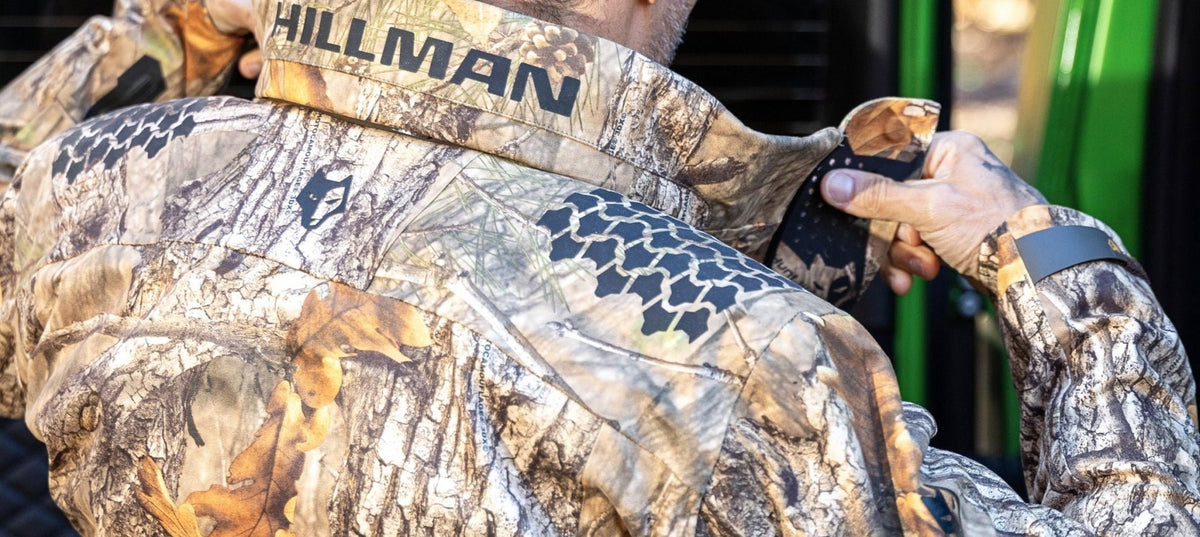
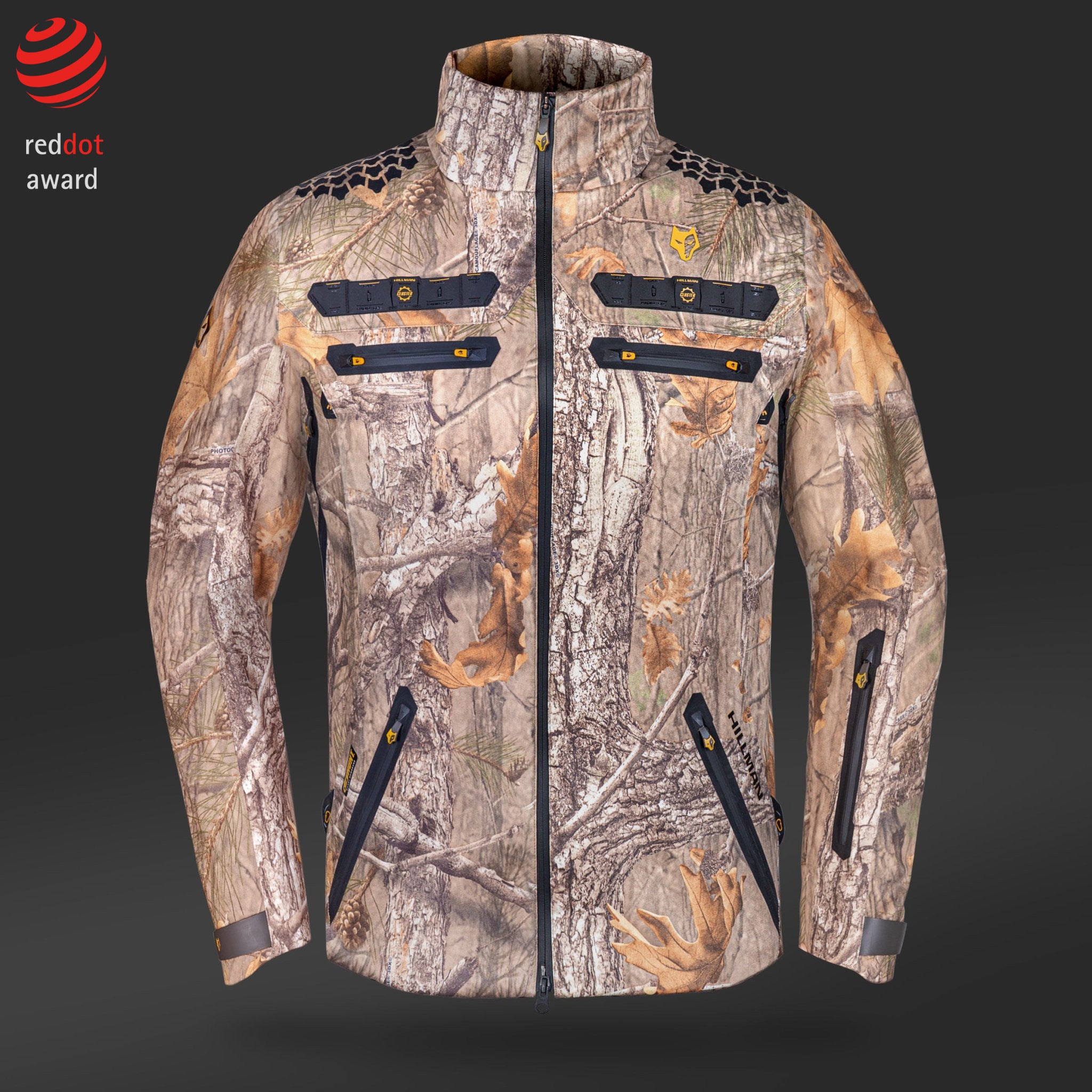
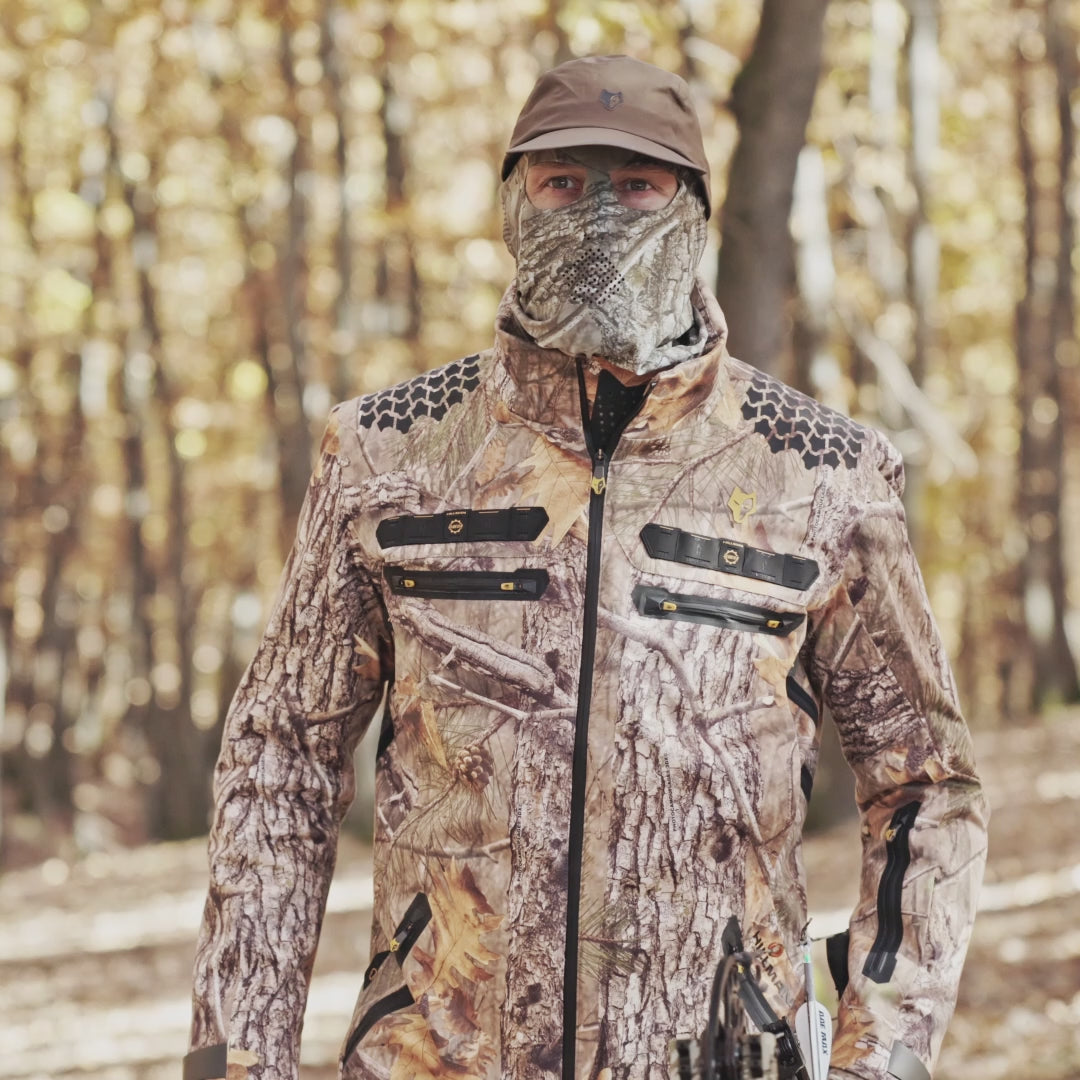
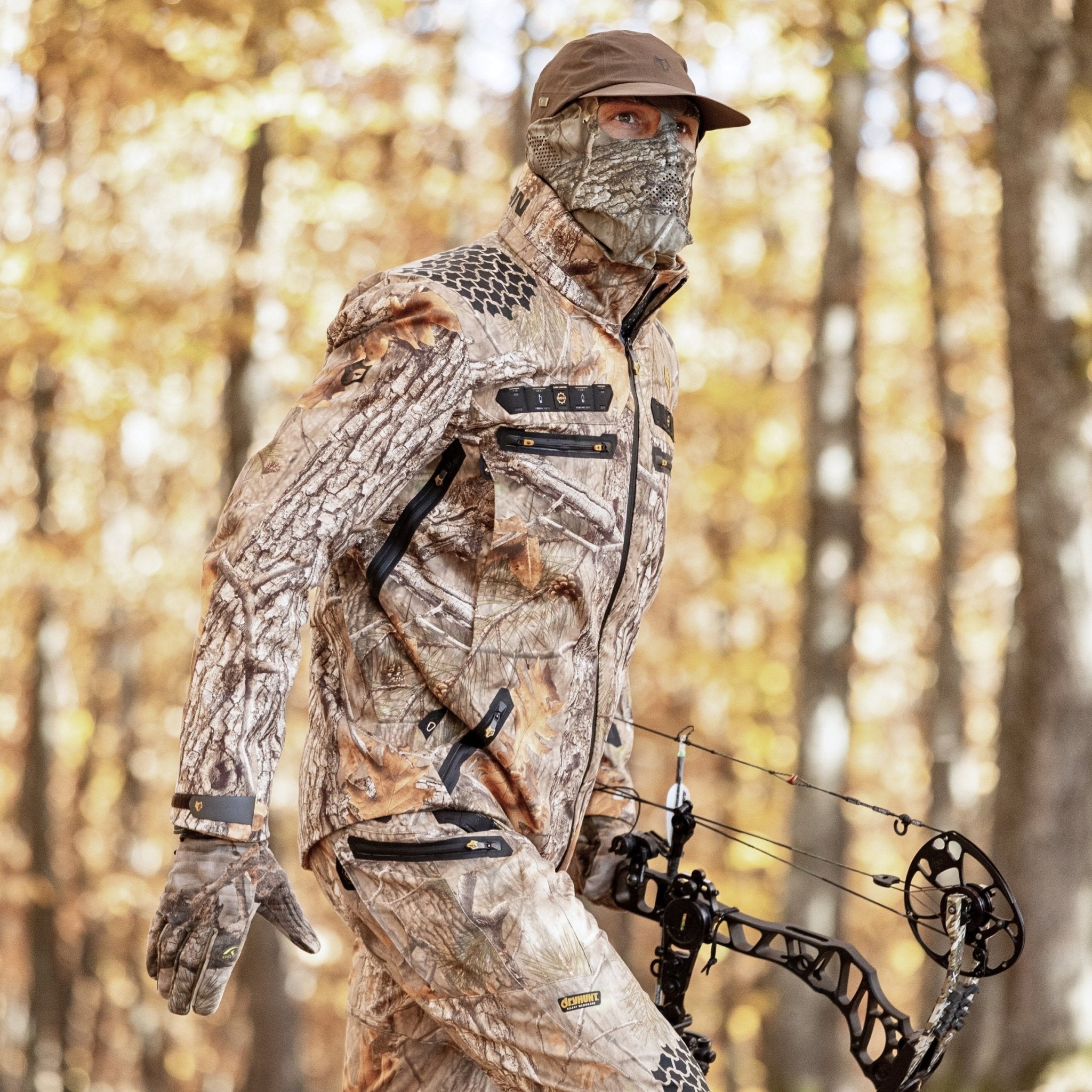
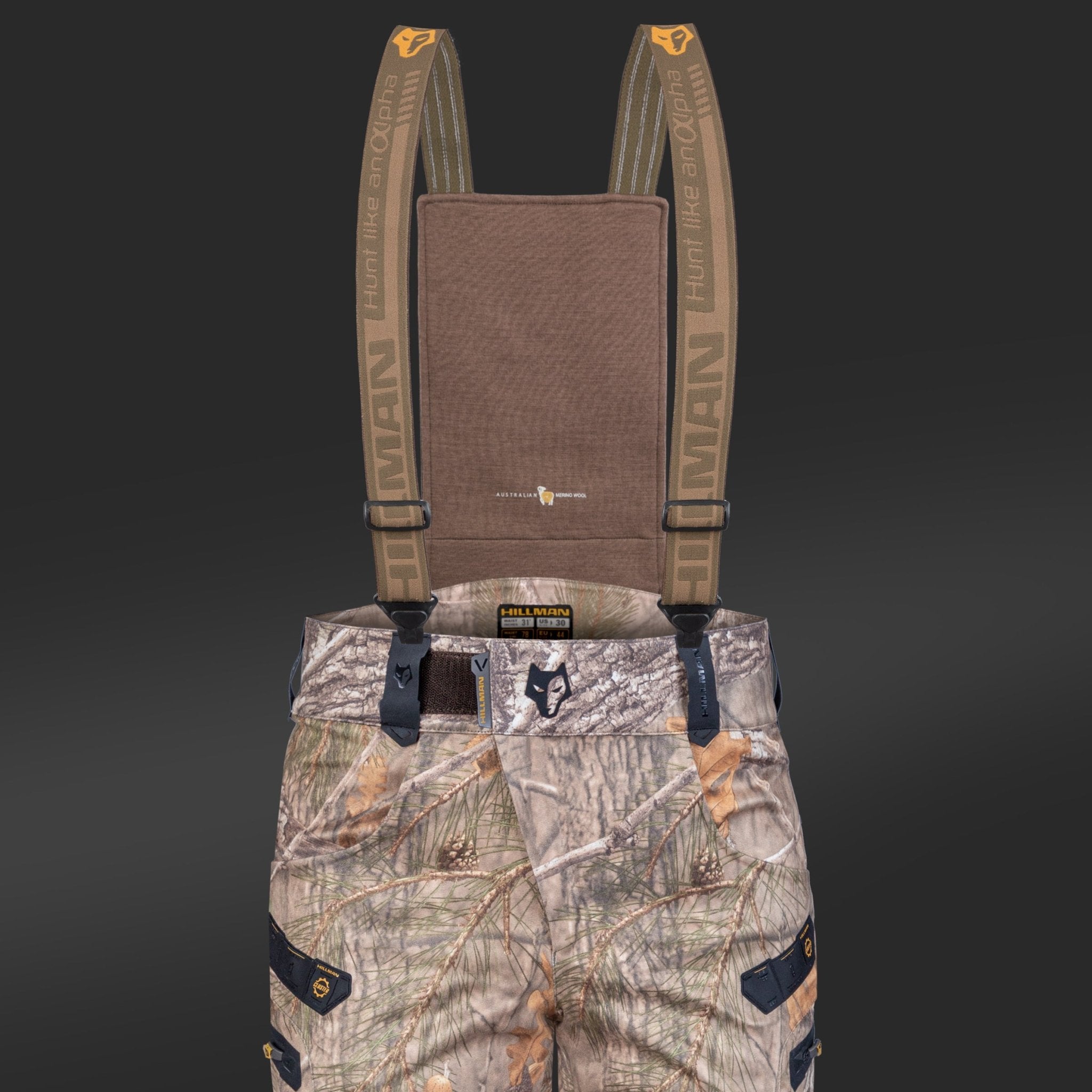
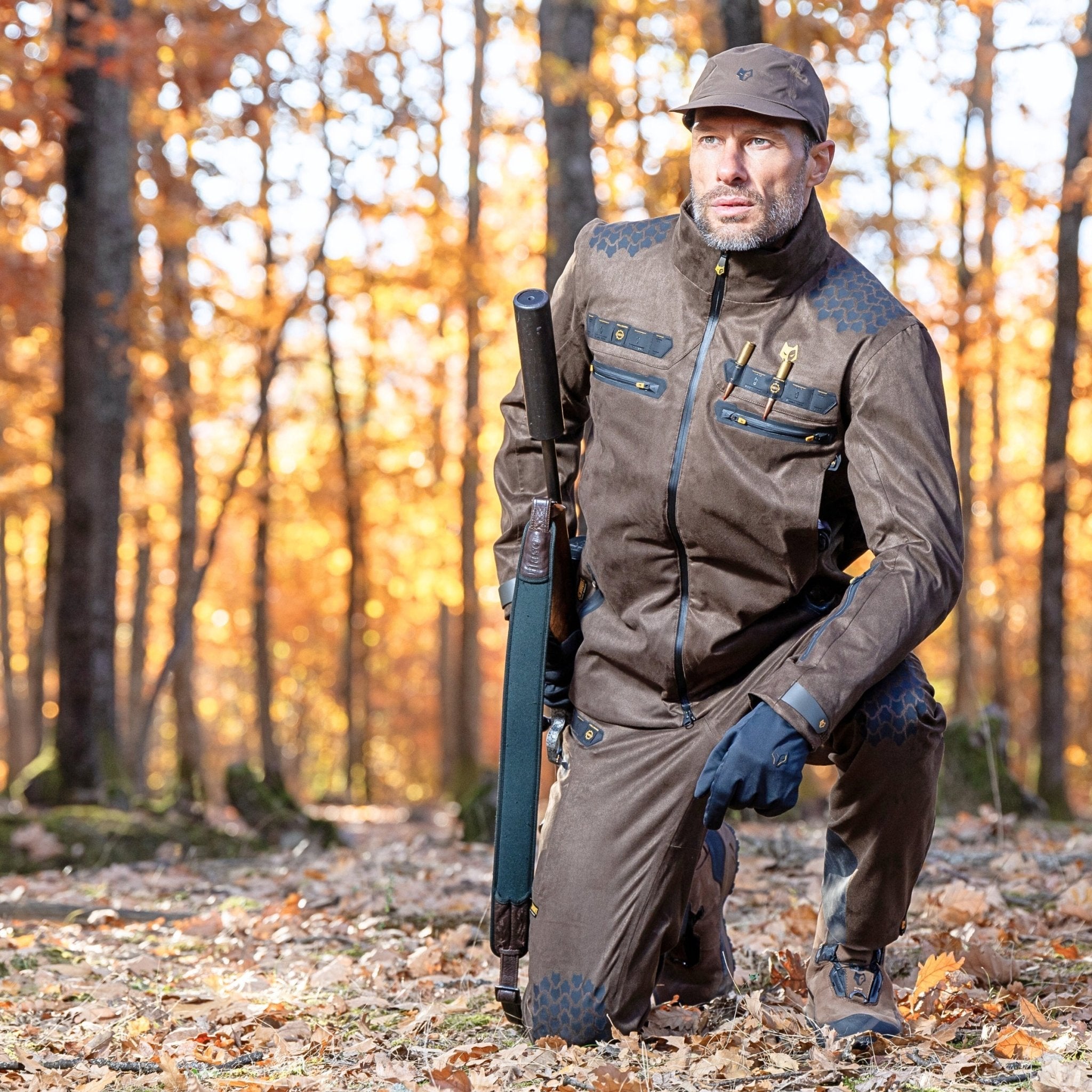
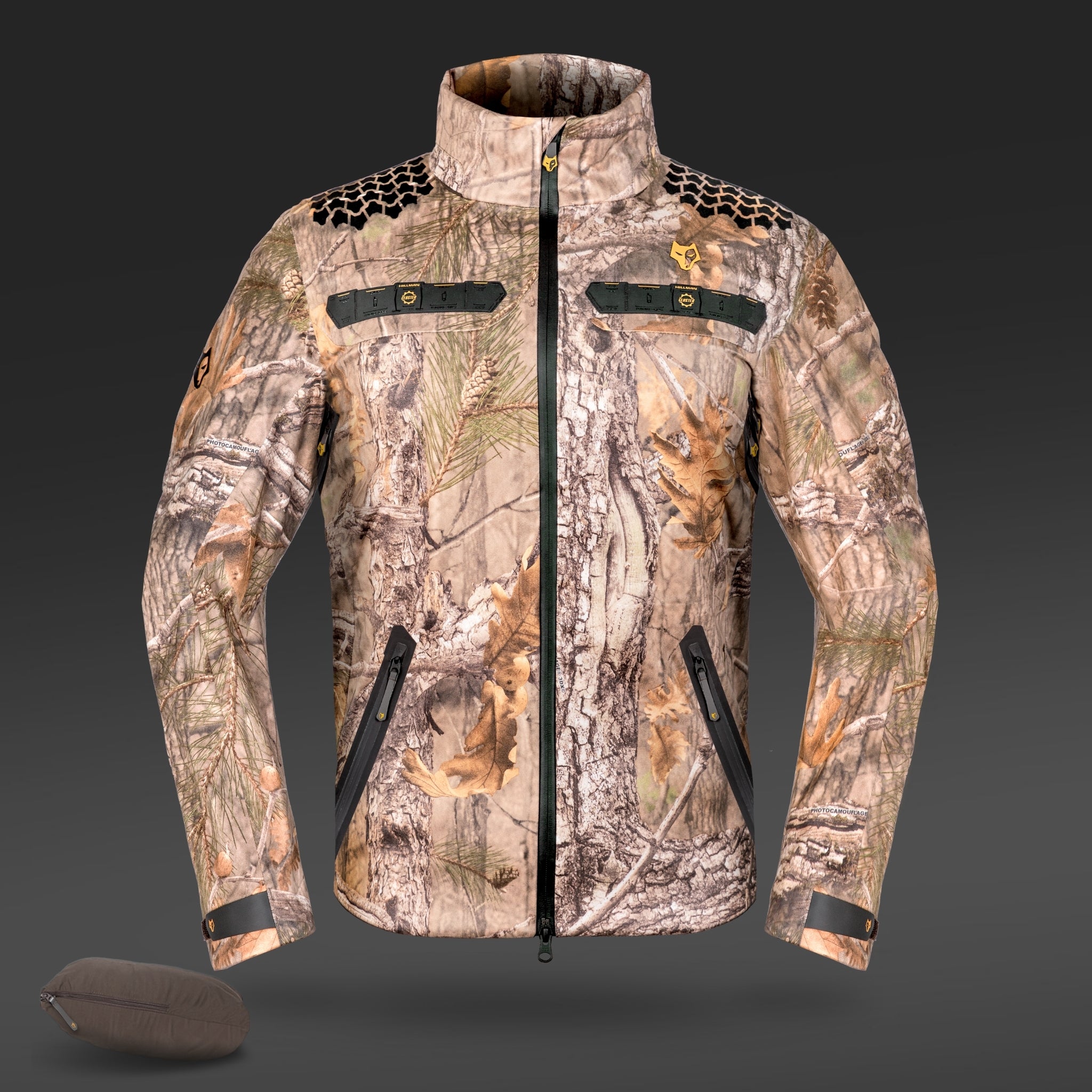
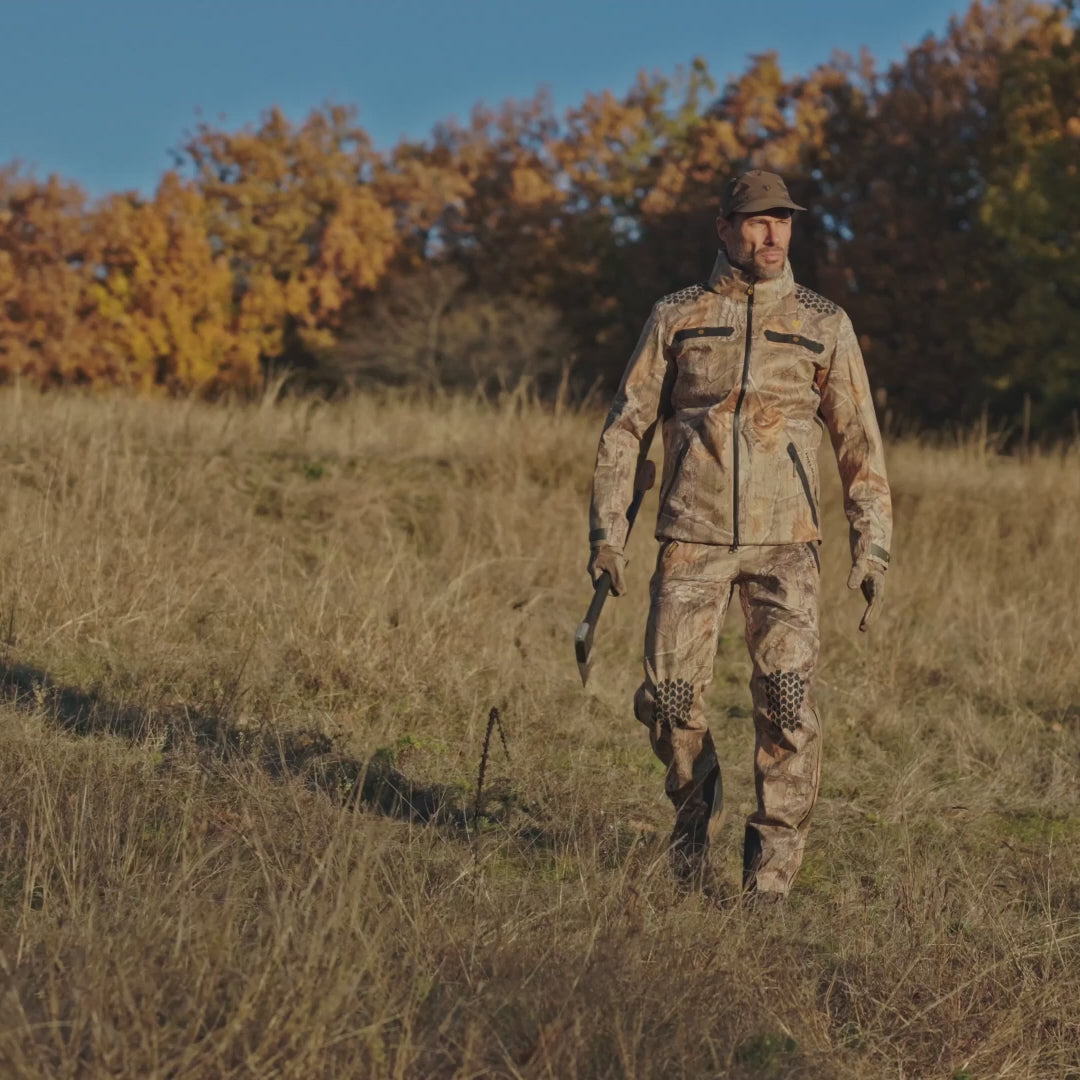
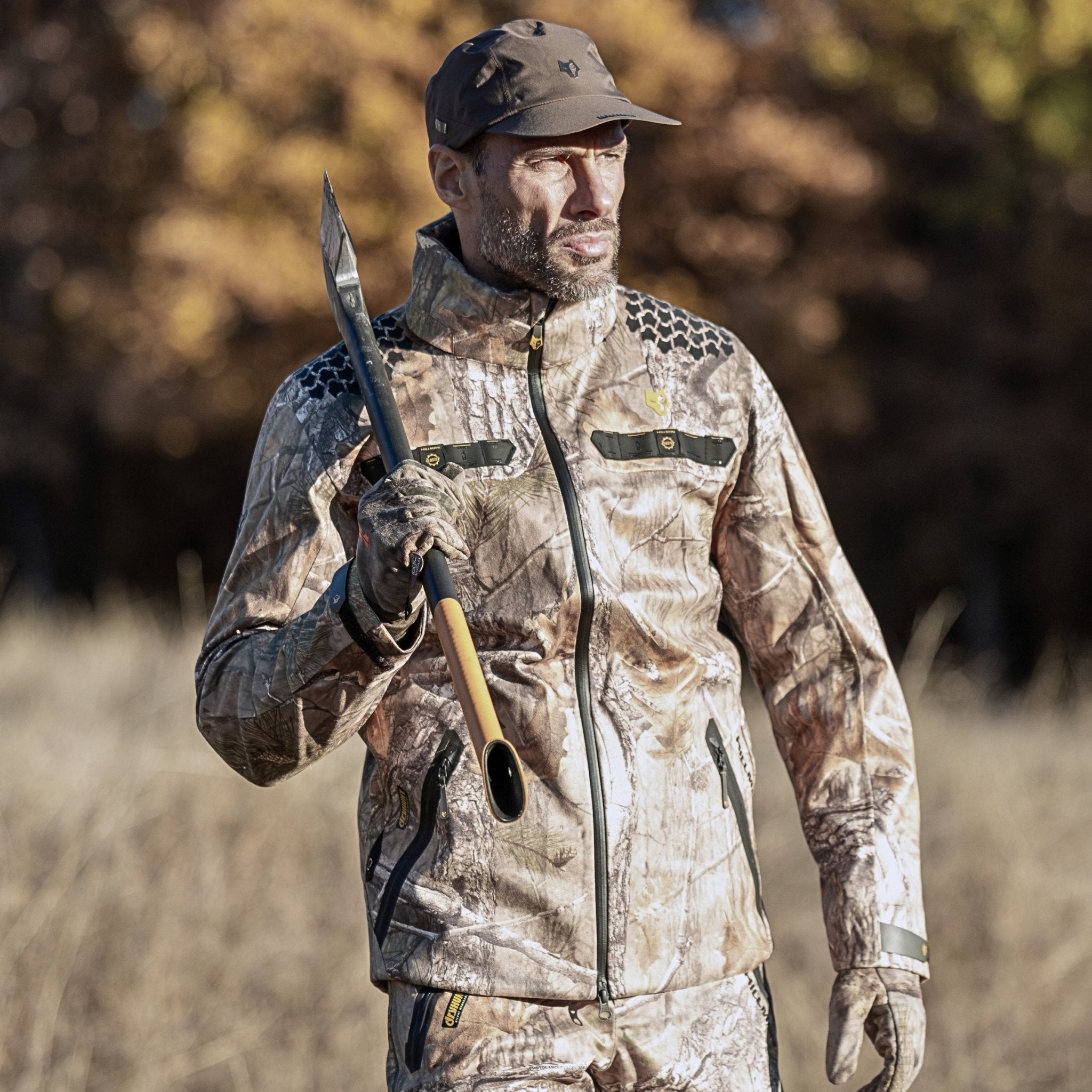
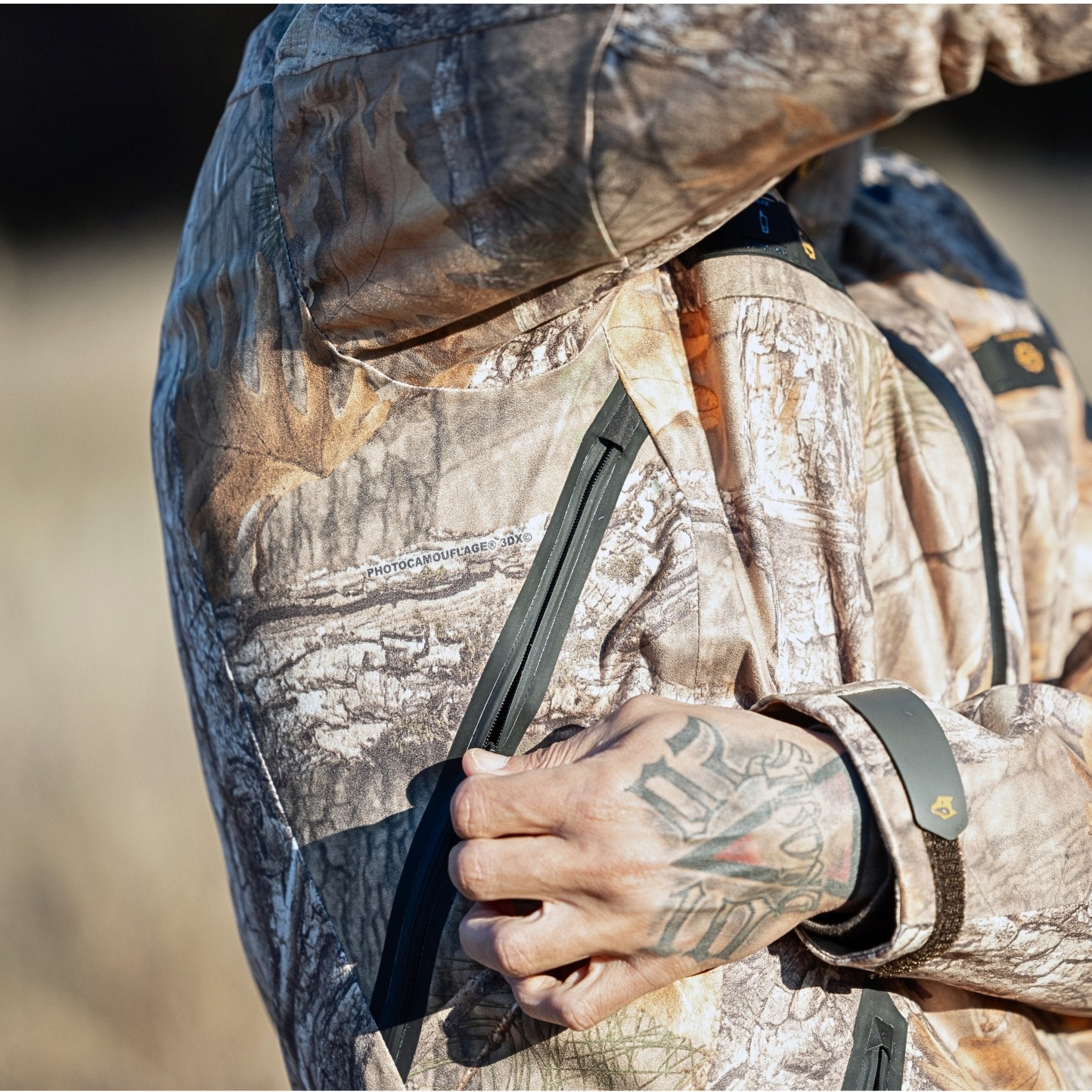
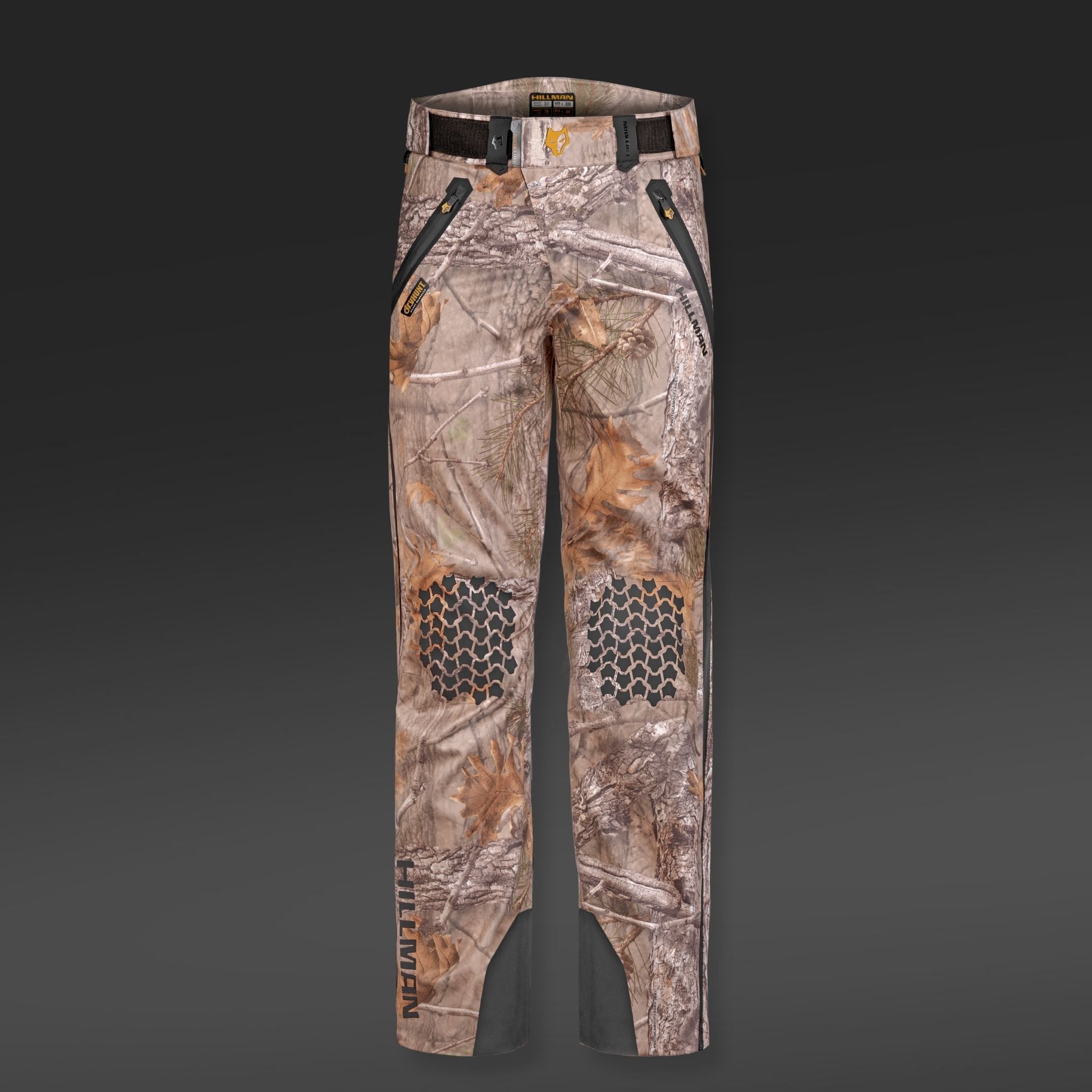
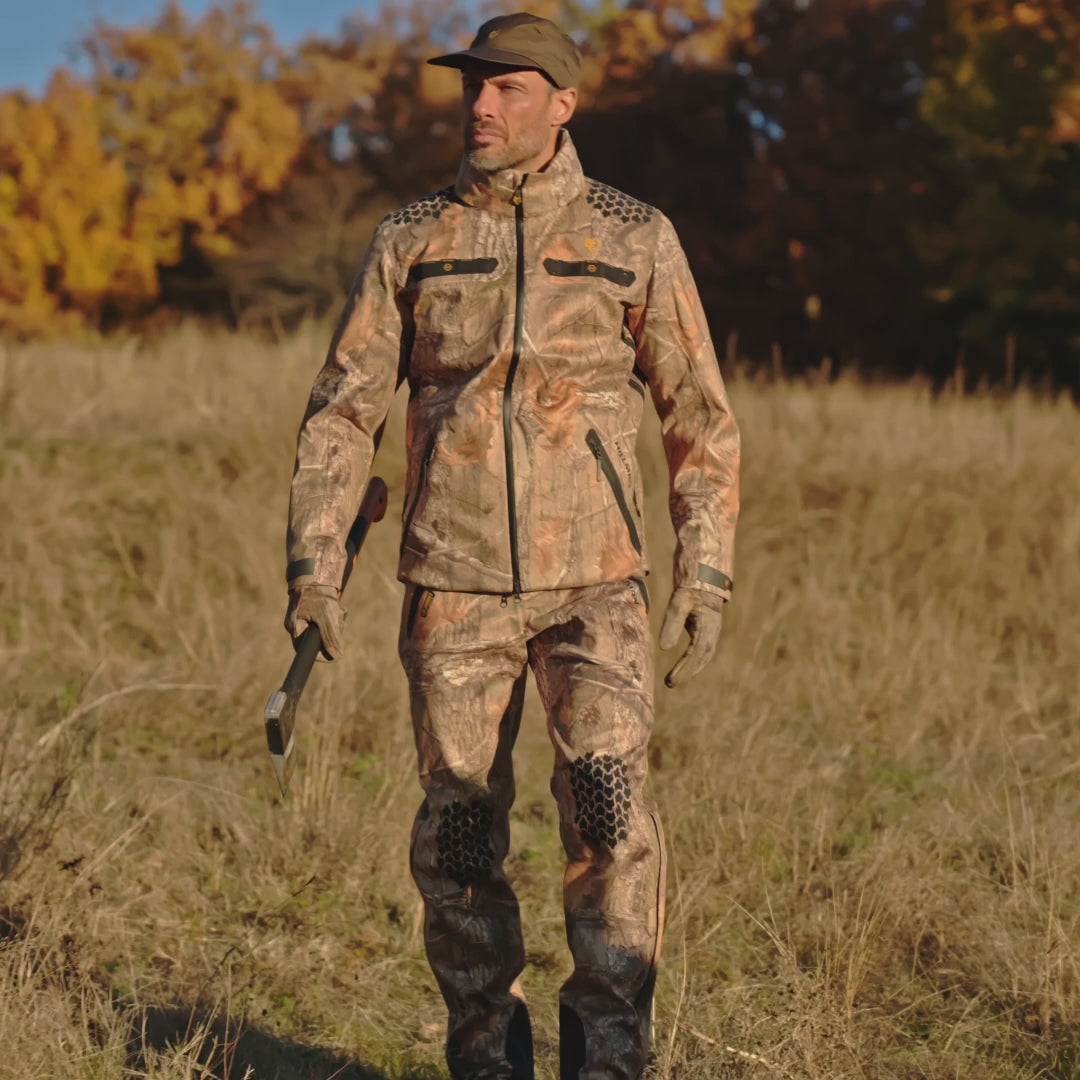
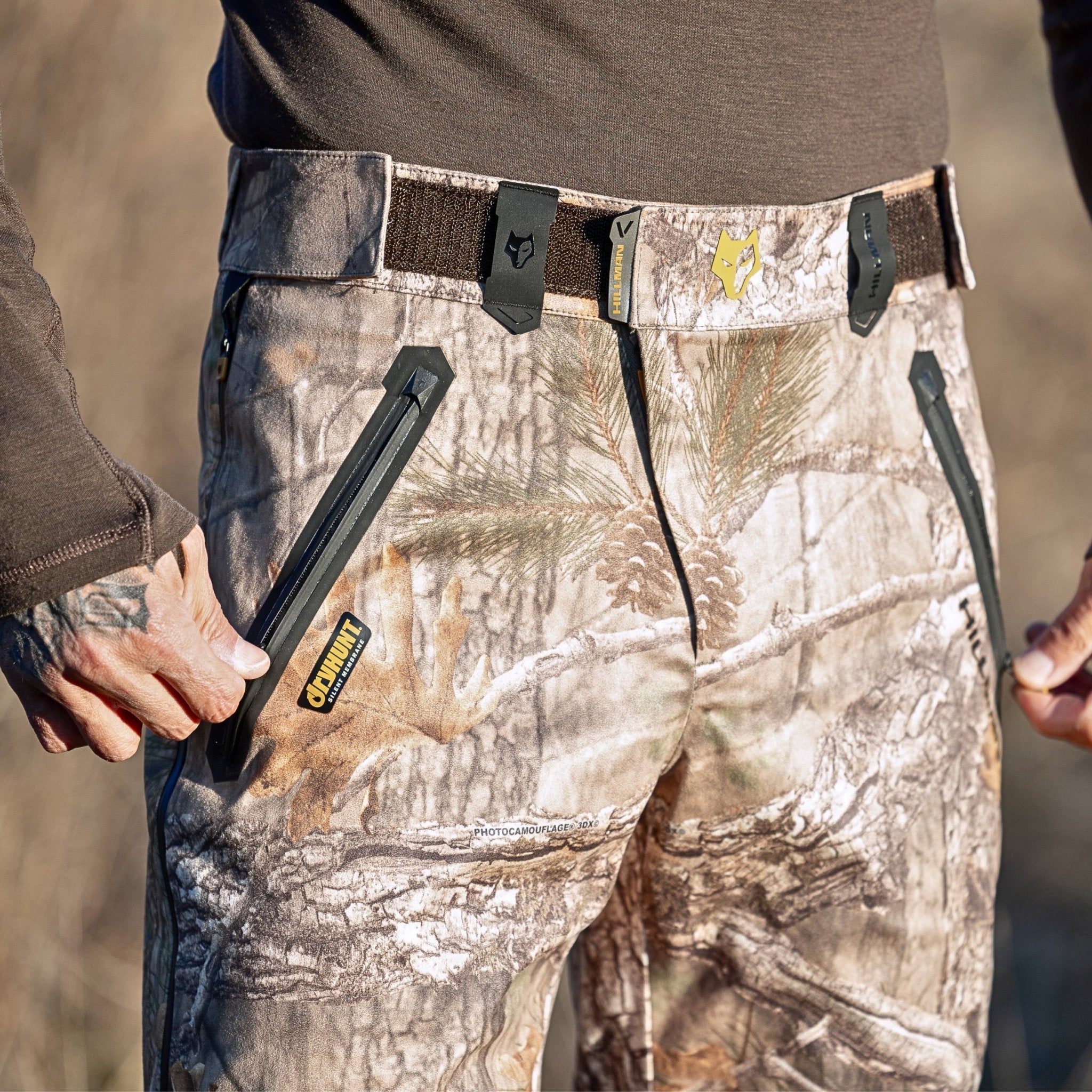
Hillman’s 3DX camo patterns follow the same philosophy of multi-environment adaptability but push it further with ultra-realistic depth, high-contrast breakups, and precise color mapping designed specifically for hunting, not military use. While Multicam excels in flexibility, Hillman 3DX focuses on true-to-nature textures that disappear inside European forests, U.S. hardwoods, and mixed mountain terrain. Many hunters find that 3DX offers even stronger concealment at both close and long distances because its advanced 3D visual layering breaks up the human outline more aggressively than Multicam’s softer, blended transitions.
Choosing a Pattern That Matches Your Region and Season

Picking the right camo comes down to understanding your region, your environment, and the seasons you hunt. A pattern meant for winter season hunts will look wrong in spring. A brush pattern fails in open-air grasslands. A woodland pattern sits too dark in desert terrain.
Key questions matter. What region will you hunt most? What time of year? What surroundings will you blend into? Camo should support your hunt, not complicate it. A well-chosen pattern saves you from being visible among shifting colors.
There is no perfect pattern. Only the right one for your part of the country.
Camo Patterns Shaped by Landscape and History

The best camo patterns in the U.S. didn’t come from guesswork. They came from decades of learning, as hunters studied how animals see, how light moves, and how seasons change. From Europe’s early uniforms to America’s high-detail patterns, each step shaped the future of concealment.
Good camo hides you. Great camouflage helps you blend into the landscape. And the right pattern for your region may be the difference between being visible and being virtually invisible when it matters most.
Questions on Camo Patterns & Gear

Which camo patterns work best across most U.S. hunting regions?
Patterns that mix macro and micro elements usually perform the best. They break the human outline at both close and long distances and blend into woods, brush, grasslands, and open country without looking like a solid shape.
Is disruptive pattern material still useful for hunting?
Yes. Disruptive pattern material was originally developed for military concealment, but the concept still works in the woods. A good camo pants or jacket breaks the human outline by using big shapes layered over small details.
What makes a camouflage pattern effective?
Good camouflage patterns blend with the surroundings, break hard lines, and match regional colors. Greens, browns, bark textures, and natural leaf shapes help hunters stay less visible in different environments.
Do I need different camo for the East, West, and South?
Most hunters benefit from region-specific camo. Woodland patterns work better in the East, macro-based patterns shine in the West, and leaf or brush-focused camo hides best in the South’s thick vegetation.
Is Multicam good for hunting?
Multicam performs well across many environments because it was developed to adapt to varied terrain. It’s not perfect everywhere, but it’s a strong all-around option if you hunt multiple regions or often change terrain.


Share:
Lightweight Hunting Jackets Built for Long-Range Hunts
Scent-Control Clothing: Why It Matters for American Hunters