

Hot-Weather Hunting Gear: How We Stay Cool and Protected in 100°F Heat

Hunting in extreme heat requires the right gear and planning. Learn how we manage heat, hydration, and meat care during hot-weather hunts.
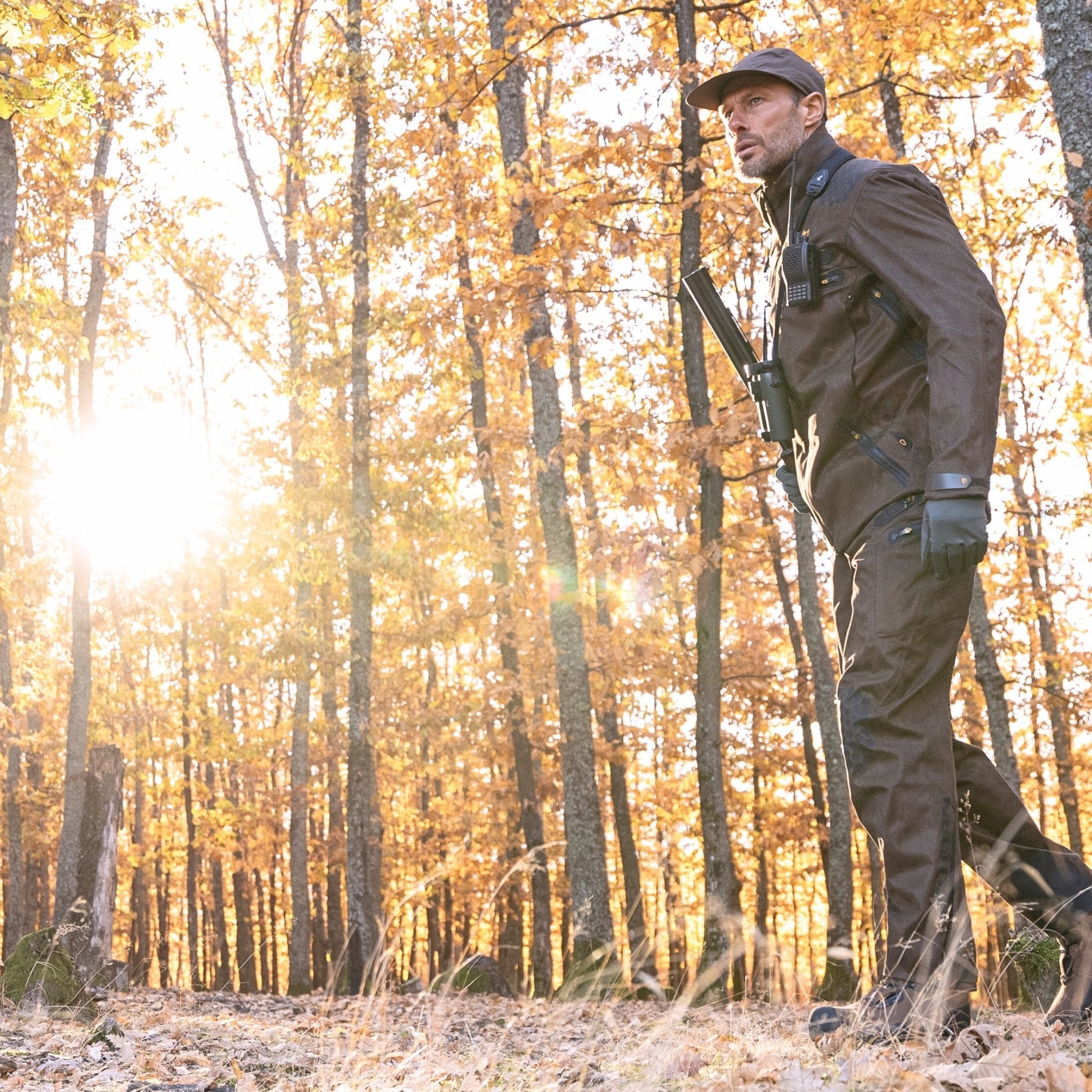
Hot weather hunting doesn’t feel like the start of a season. It feels more like the end of summer that refuses to let go. Early in bow season, during an early archery hunt, the woods still hold heat from the day before. Even before dawn, the air is warm. Sticky. Quiet in a way that makes you notice every small thing.
We’ve learned that this part of the hunting season exposes habits fast. Good ones help. Bad ones don’t last long. When temperatures push toward 100°F, hot-weather hunting gear stops being about preference and starts being about staying functional.
Bow season in early fall always brings excitement. It also brings doubt. Deer are still on summer patterns. Movement is limited. Sitting in a tree stand can feel endless, especially once the sun clears the trees and shade starts to shrink.
Warm weather changes deer behavior more than most expect

During warm weather, deer behave like animals that know heat costs energy. They move when it makes sense. Early morning, just before dawn, is usually the best window. Late evening can work too, but the middle of the day often turns quiet.
We’ve watched deer skirt the edges of shade, linger near cover, and disappear long before temperatures peak. Hunting in these conditions means accepting longer waits. Sometimes hours. Patience isn’t a mindset here. It’s part of the plan.
Timing matters more than effort
There’s a temptation to push harder when conditions aren’t ideal. More movement. More adjustments. In hot weather, that usually backfires.
First thing in the morning is when most warm-weather opportunities happen. That window can be short. An hour, sometimes less. Once heat builds, deer settle, and the woods slow down. Knowing when to stay put and when to climb down matters more than grinding through uncomfortable hours.
How do we think about hot-weather hunting gear?

Hot weather hunting gear should solve problems quietly. It shouldn’t demand attention. Heavy gear does. Poor fabric choices do, too.
Our approach is simple. Keep things lightweight. Let air move. Avoid anything that traps heat or holds sweat. When gear works, it fades into the background. That’s where focus lives.
Clothing choices that hold up in the heat
Warm weather exposes cotton immediately. It absorbs sweat, stays wet, and turns uncomfortable fast. We avoid it during active hunts.
Synthetic fabrics and merino wool handle heat better. They wick moisture, dry quickly, and help regulate body temperature over long sits. Even in warm weather, layering still plays a role. Early mornings can feel cool, especially in shaded woods, before the sun takes over.
Pants and shirts that breathe when sitting still

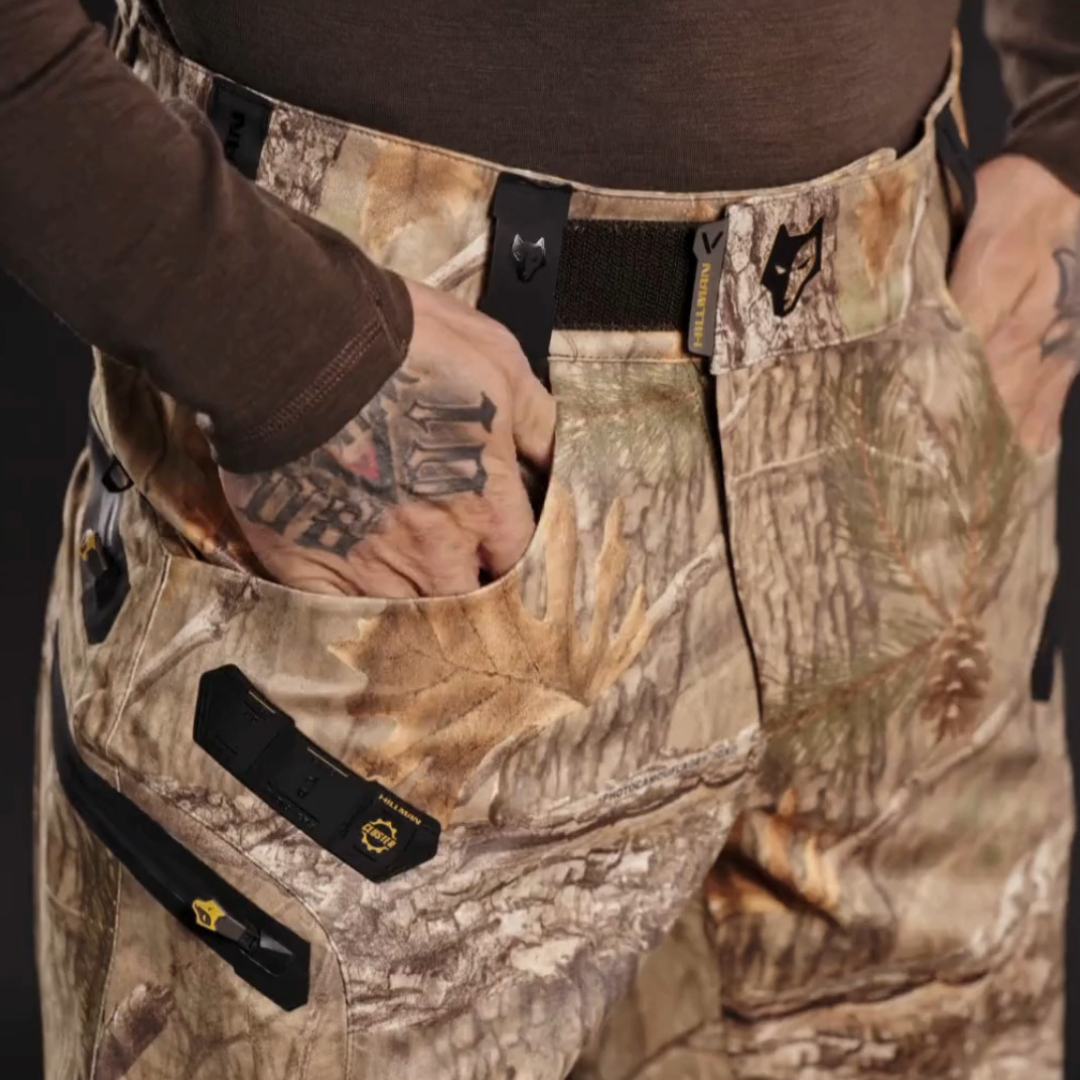
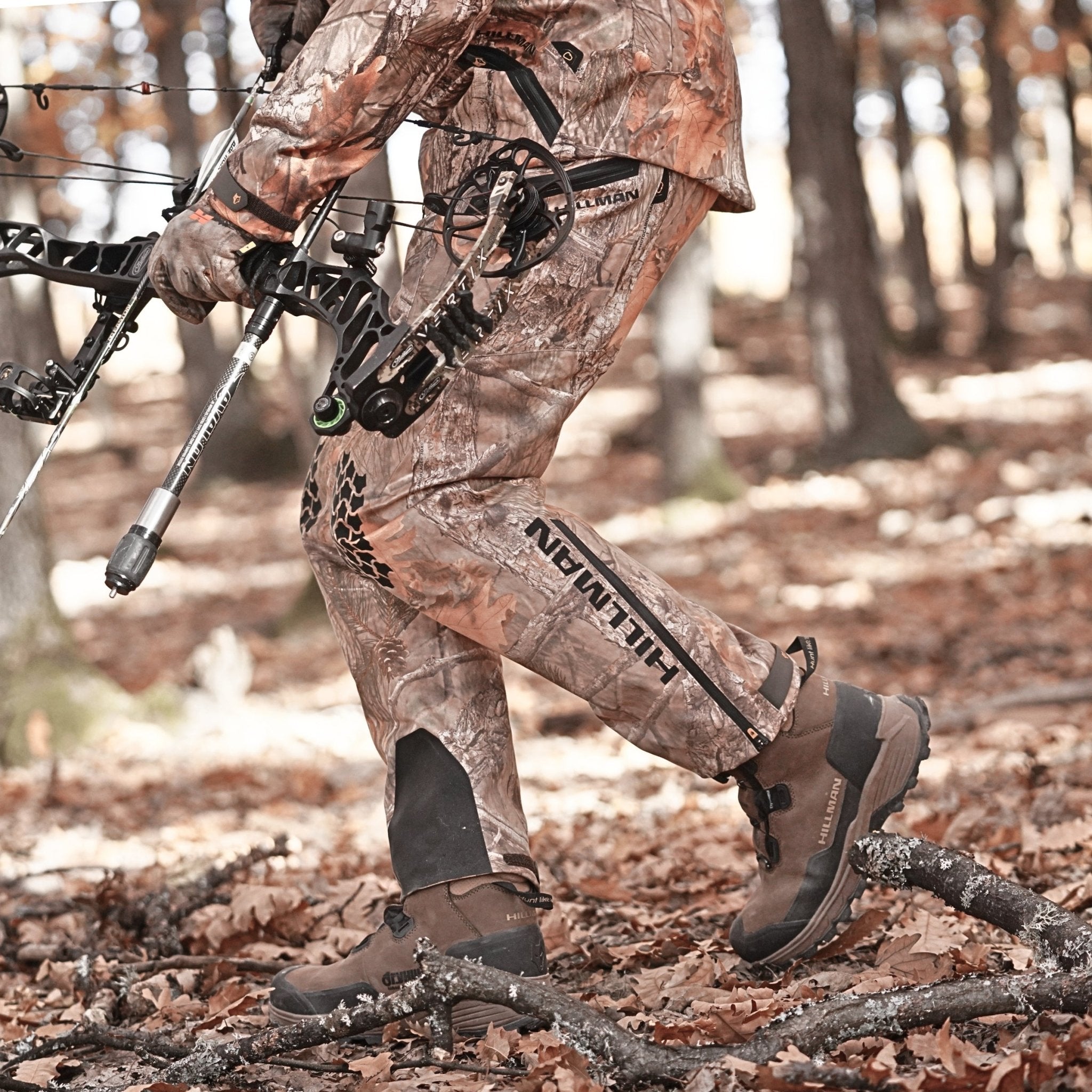
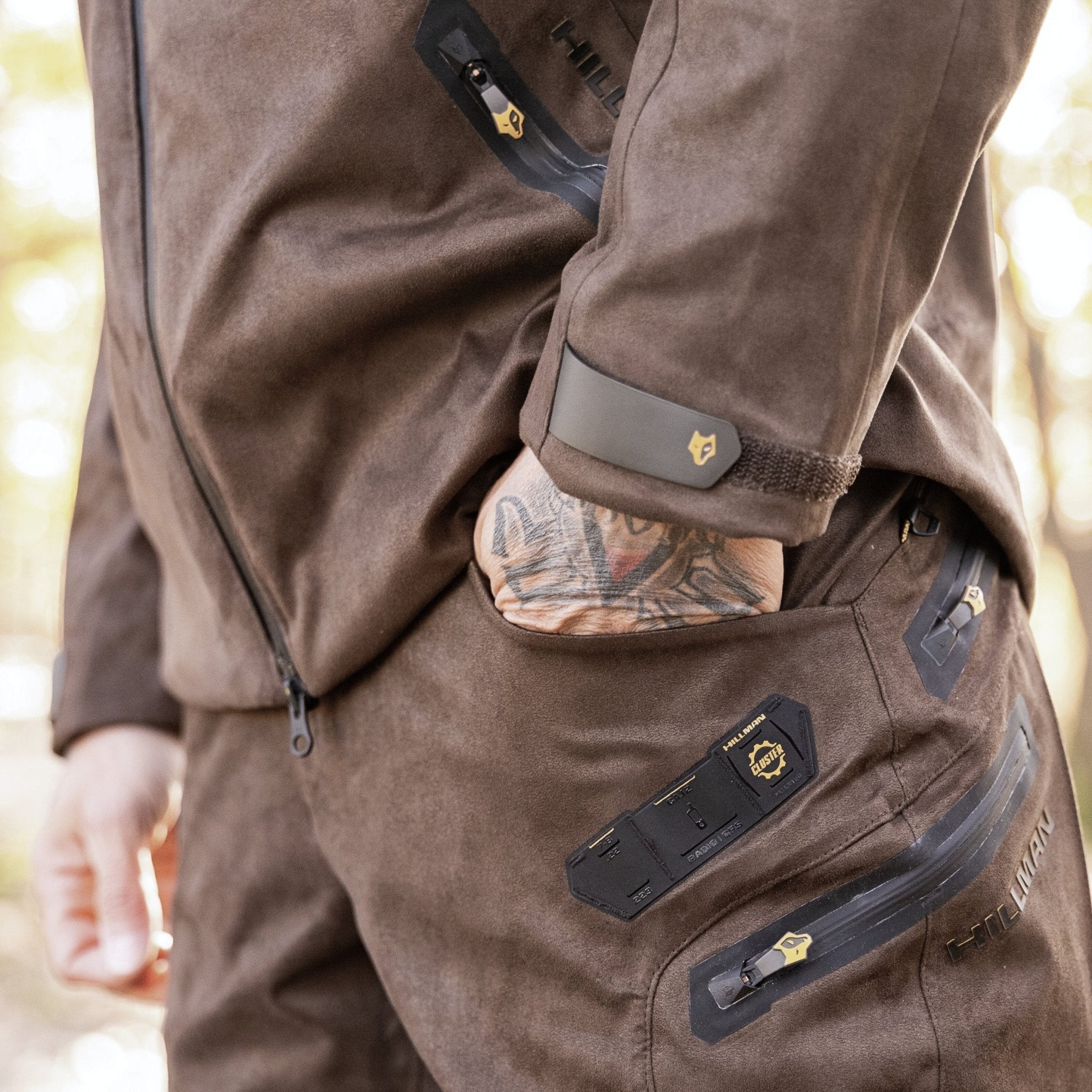
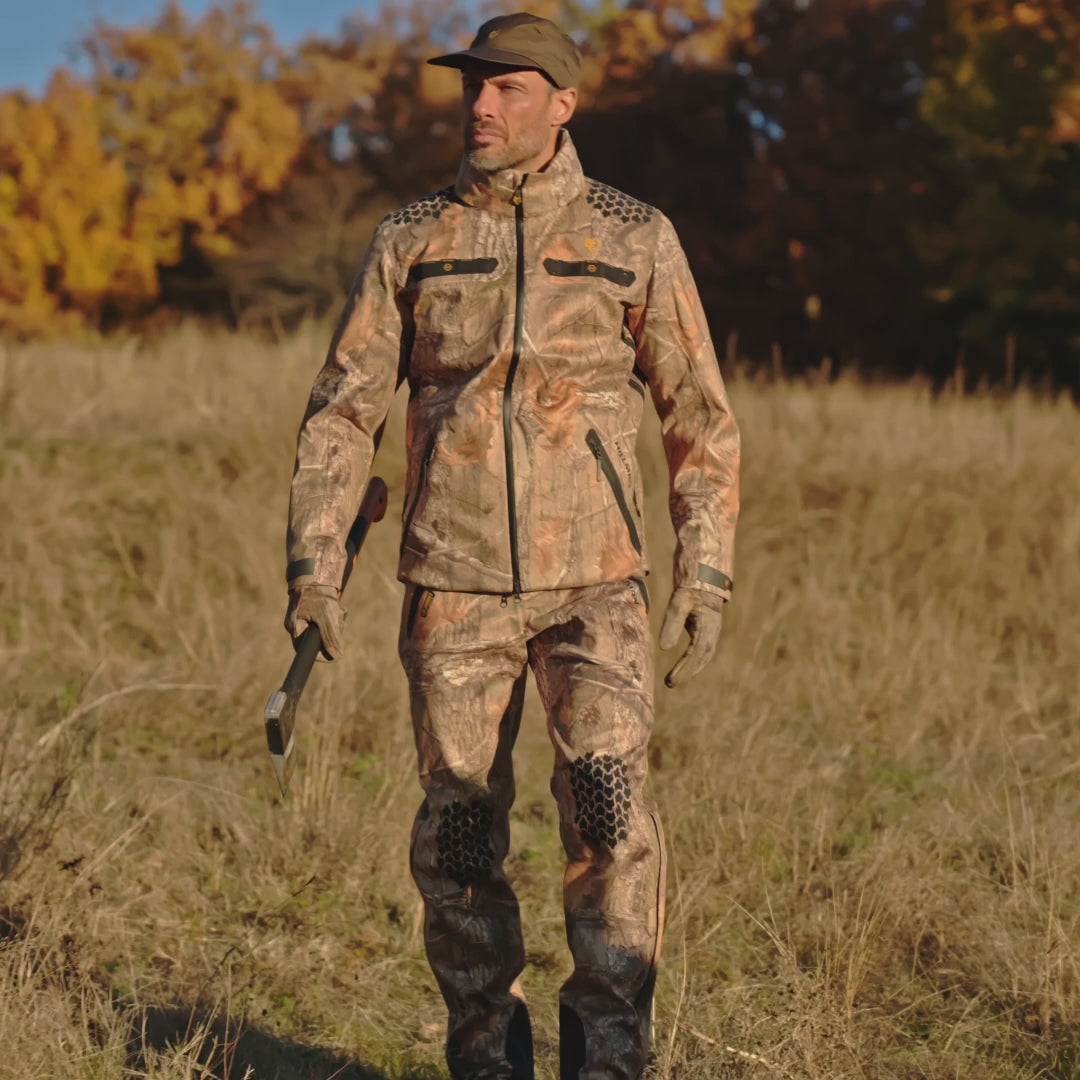
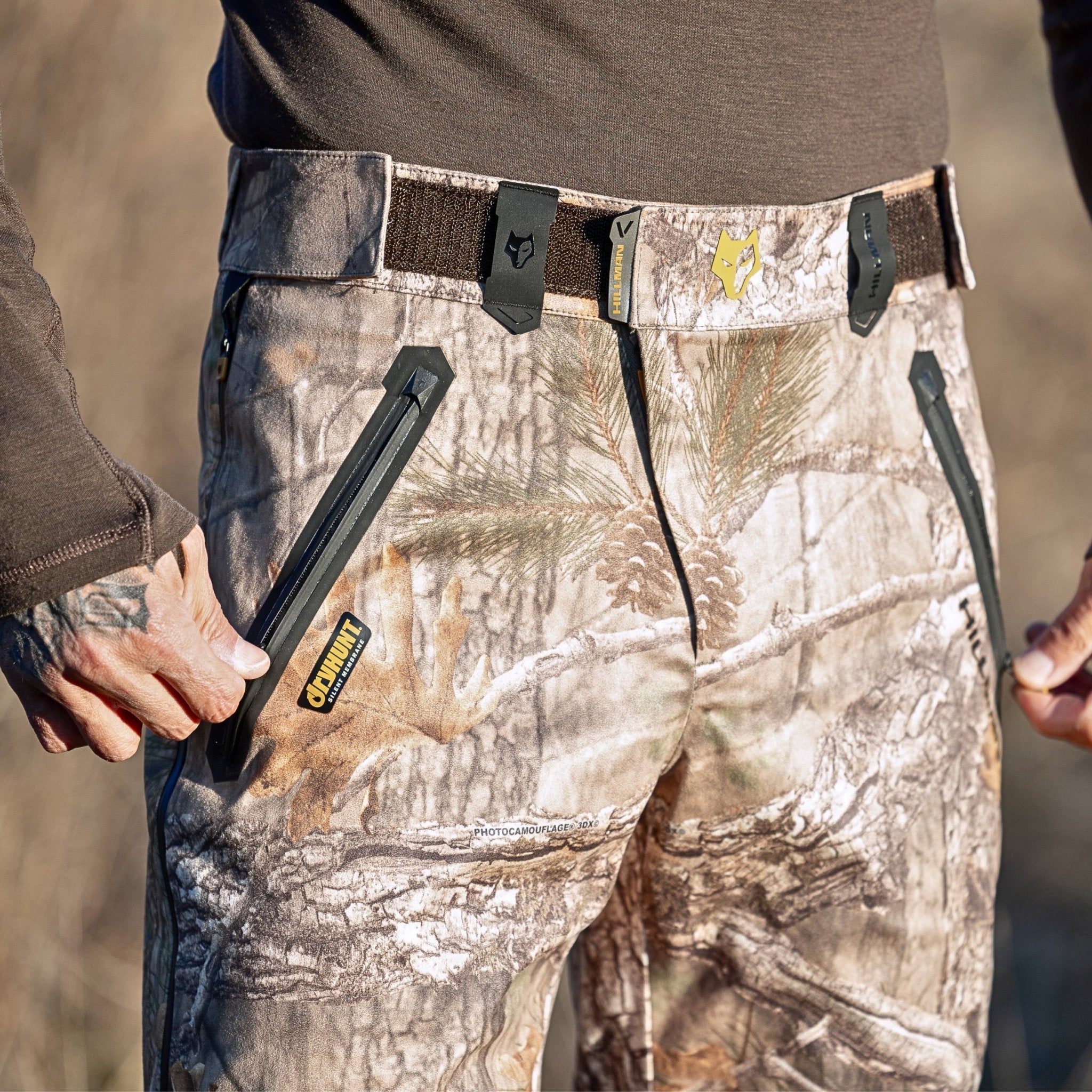
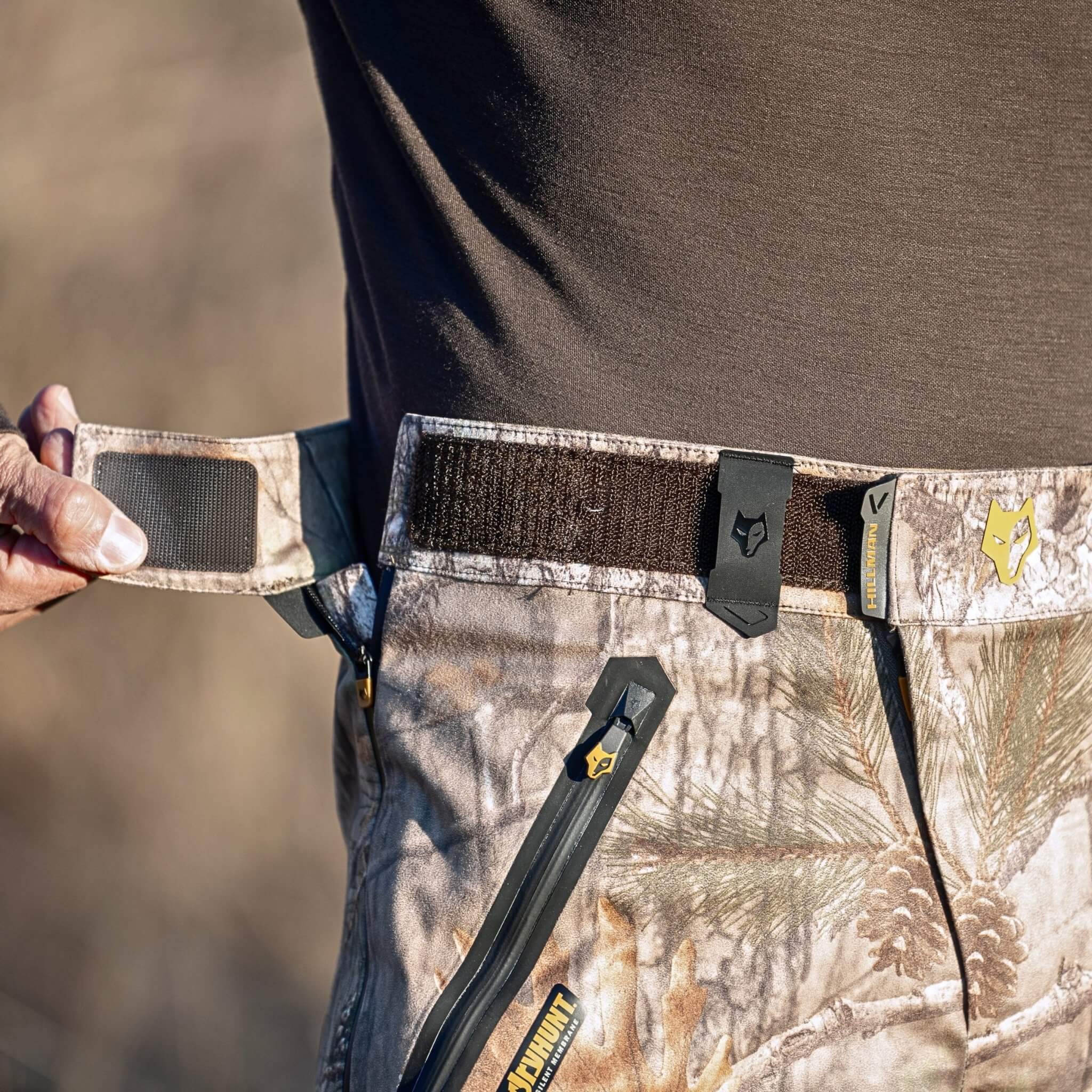
Breathable hunting pants make a noticeable difference during warm-weather hunts. Mesh-lined vents and moisture-wicking materials allow heat to escape, especially during long periods of sitting in a tree.
Shirts matter just as much. Lightweight, breathable fabrics help manage sweat while still offering coverage from the sun and insects. Ultralight merino tops with hoods work well here, especially when shade is limited, and the sun sits high.
Heat, camo, and color choices
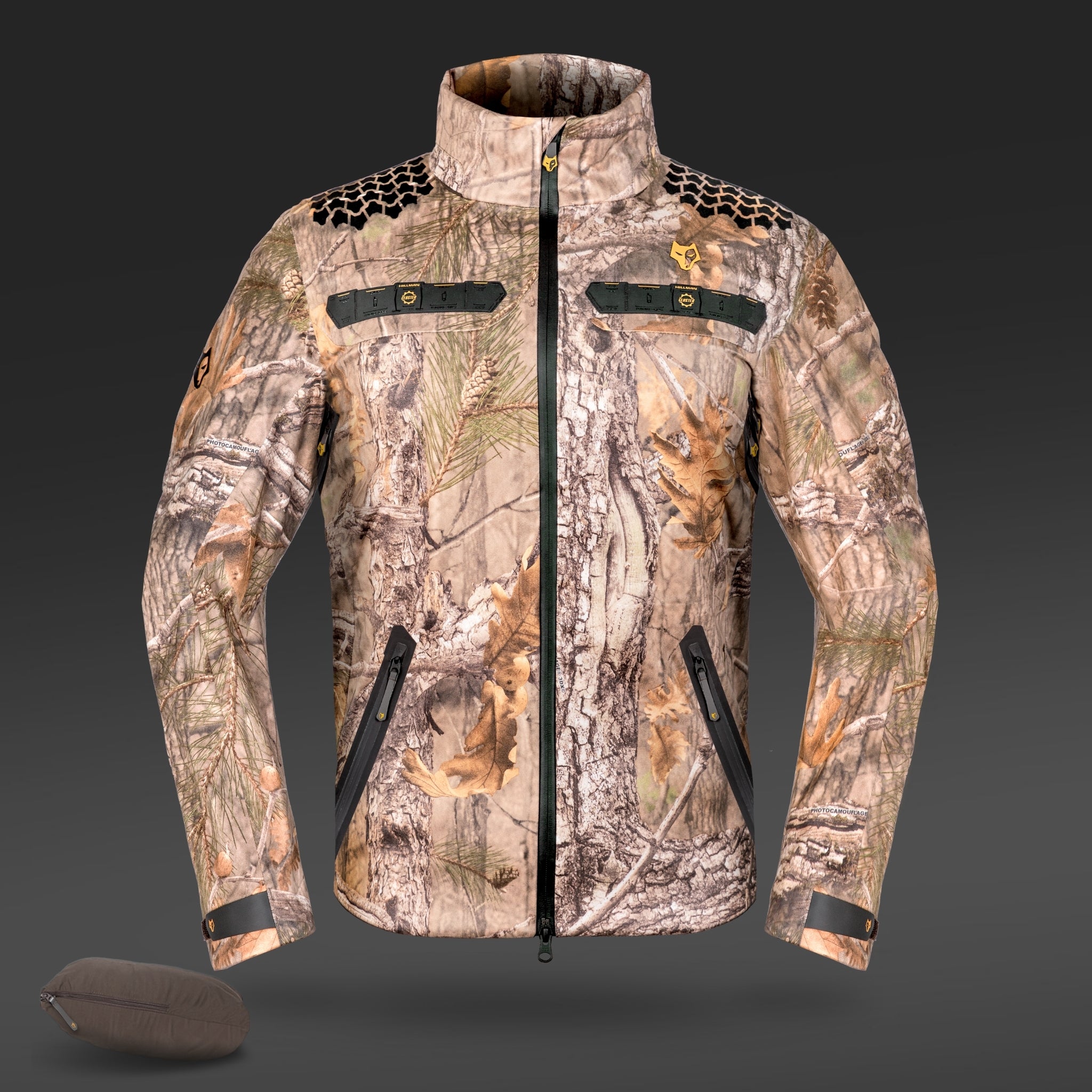
Camo should blend naturally into the environment, but it also shouldn’t trap heat. Darker colors tend to absorb warmth, which becomes noticeable during long sits.
Lighter patterns reflect more heat and stay more comfortable. Staying cool helps reduce unnecessary movement. And movement, even small shifts, is what gets noticed.
Footwear decisions in warm conditions

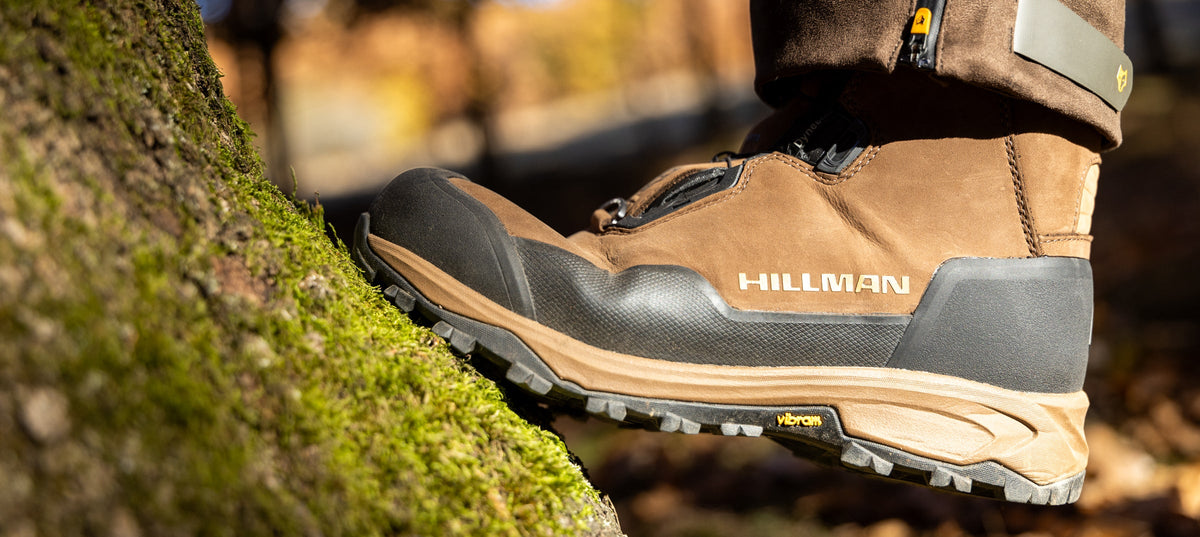
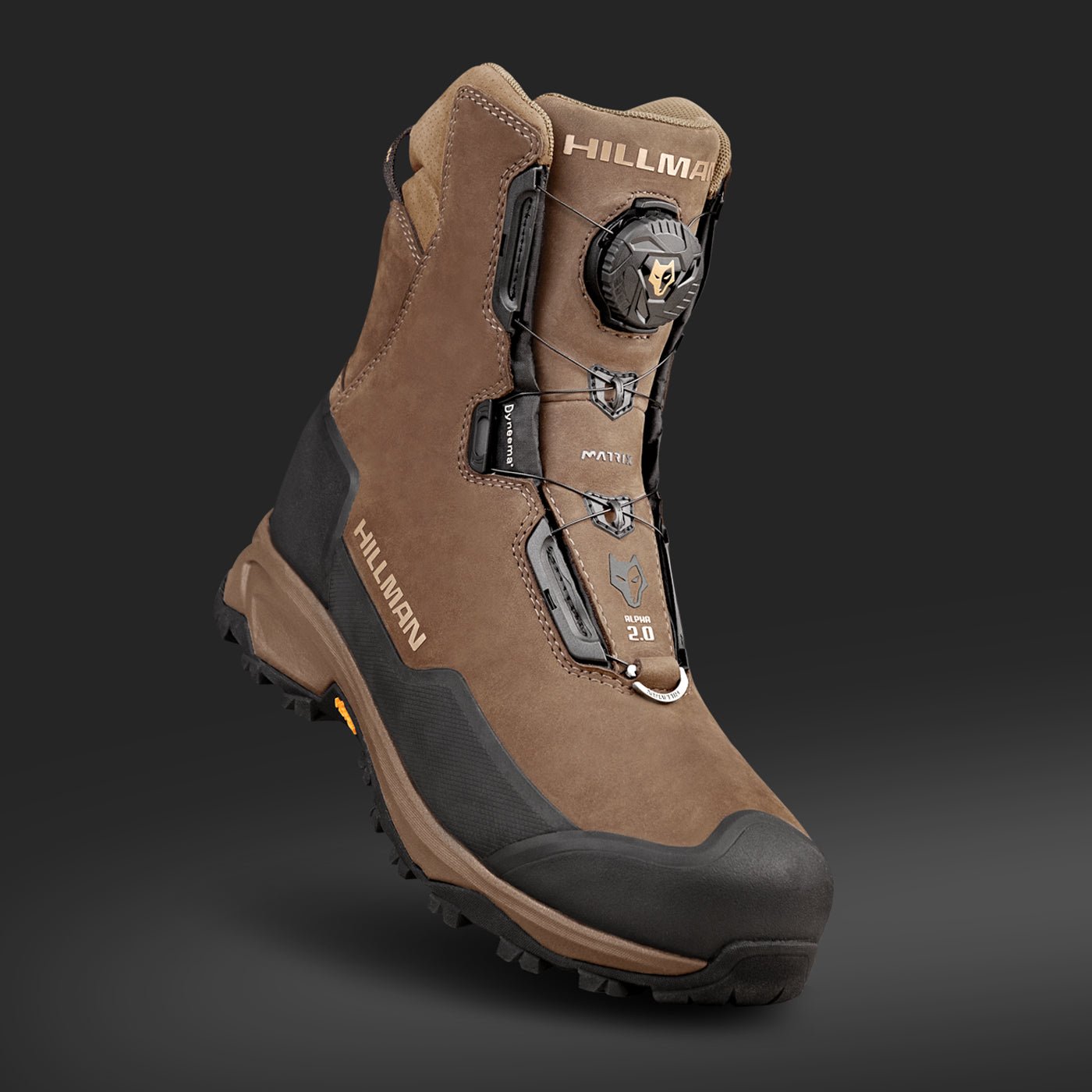
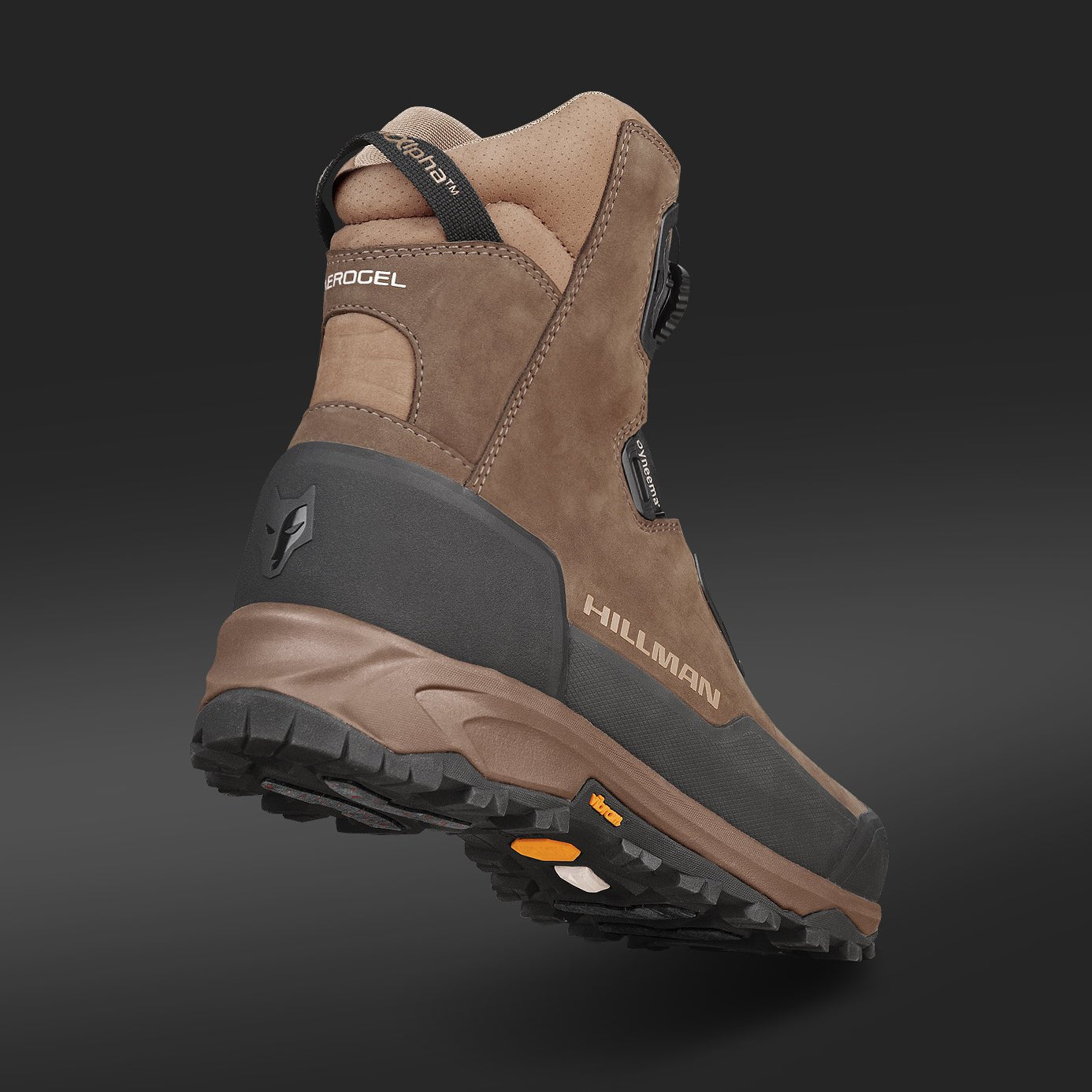
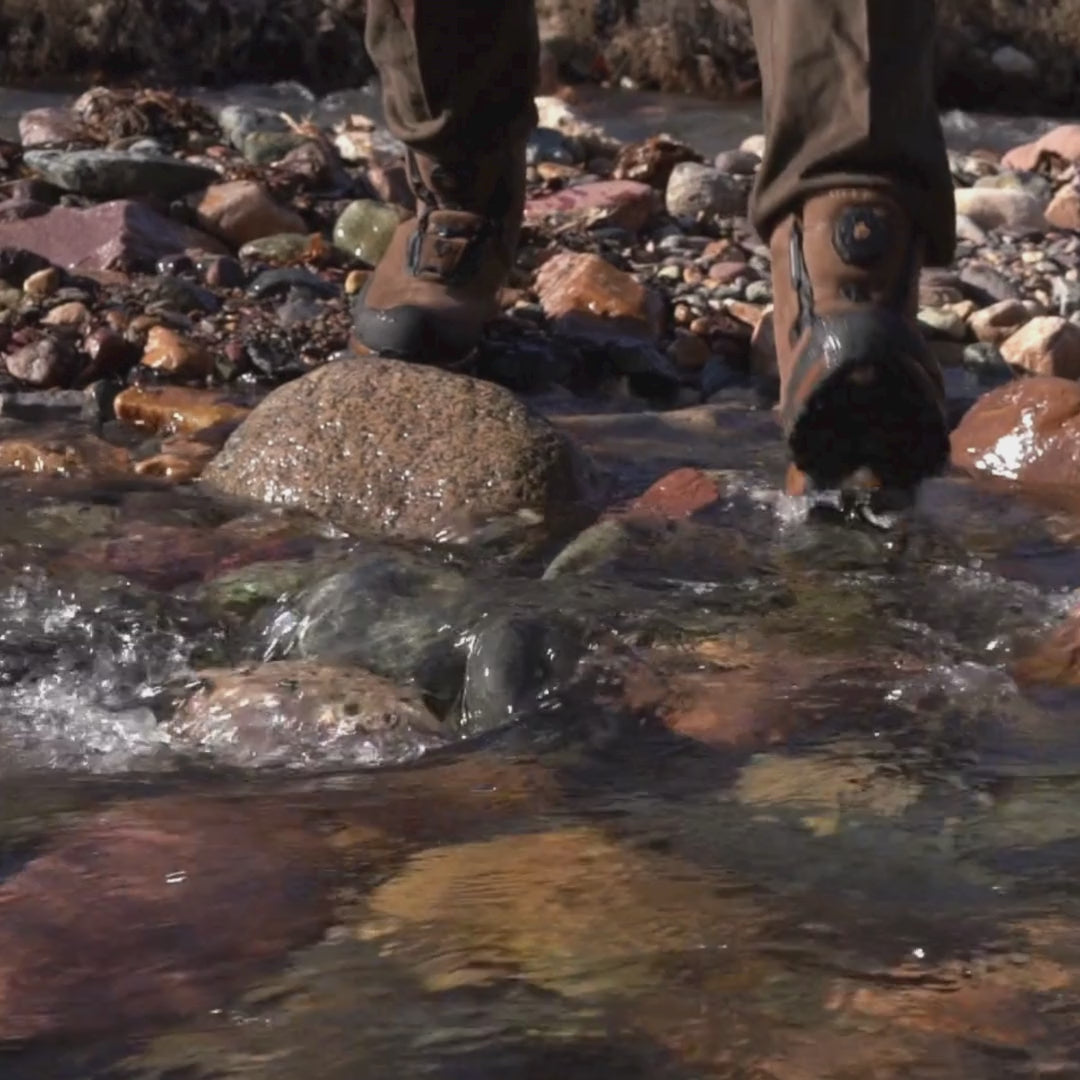
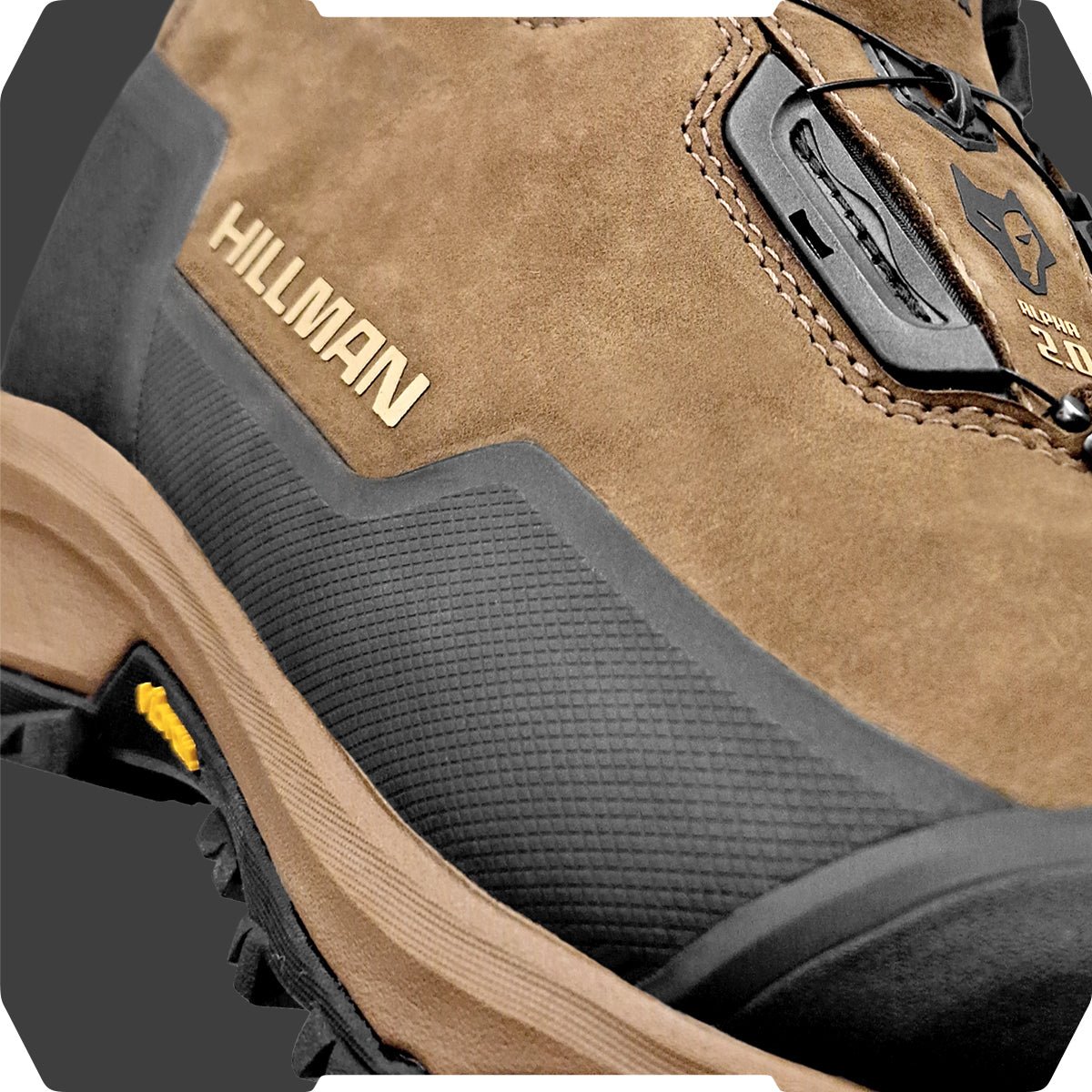
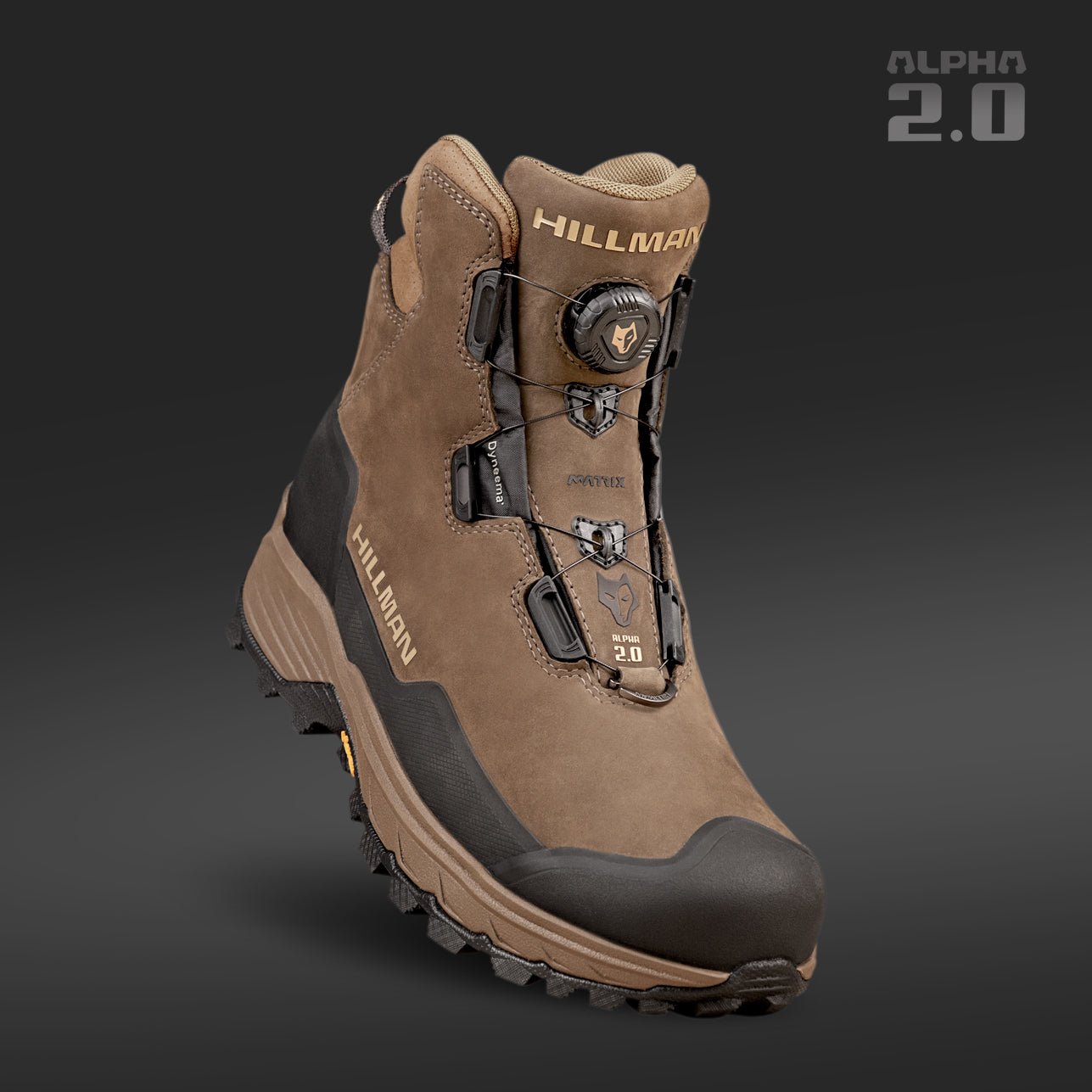
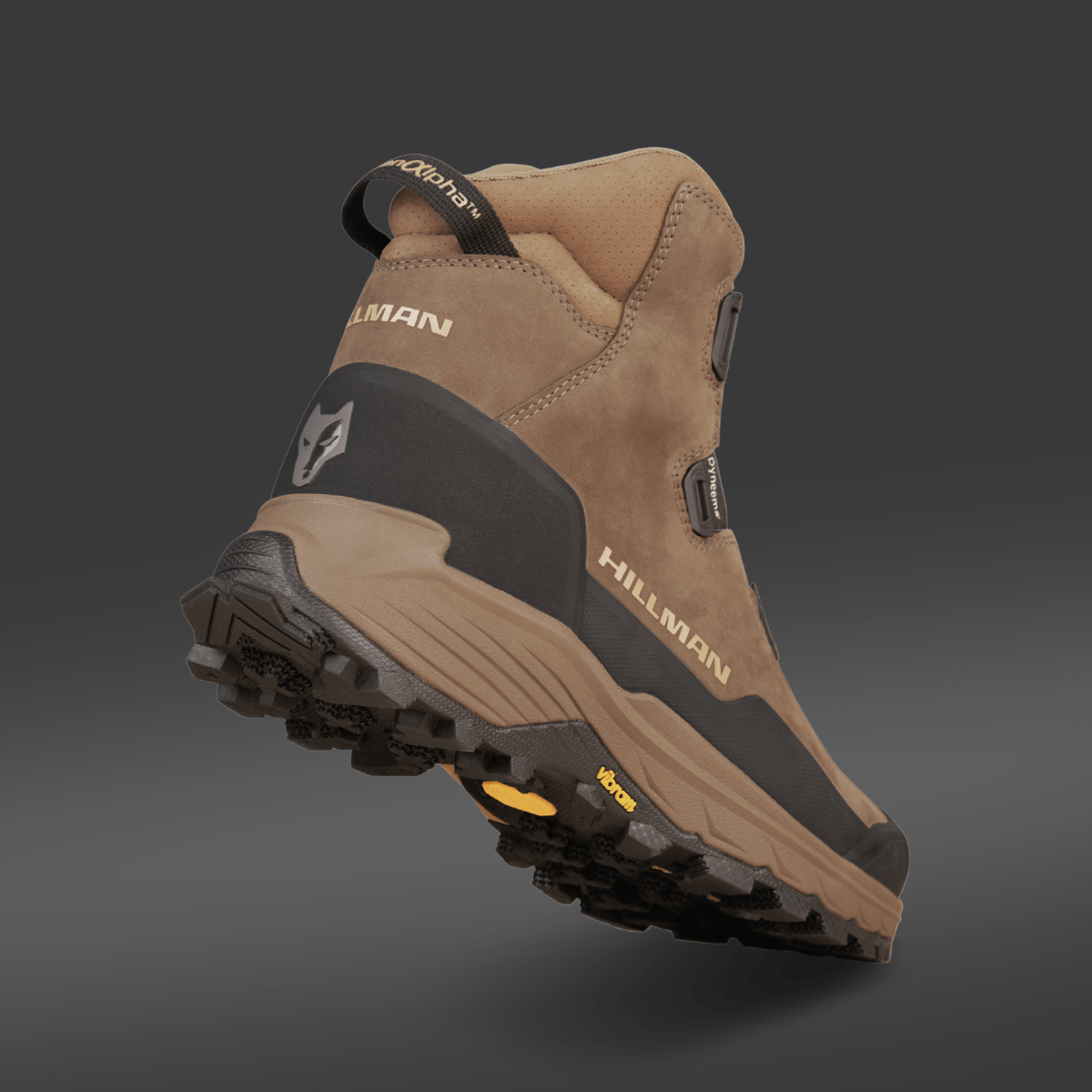
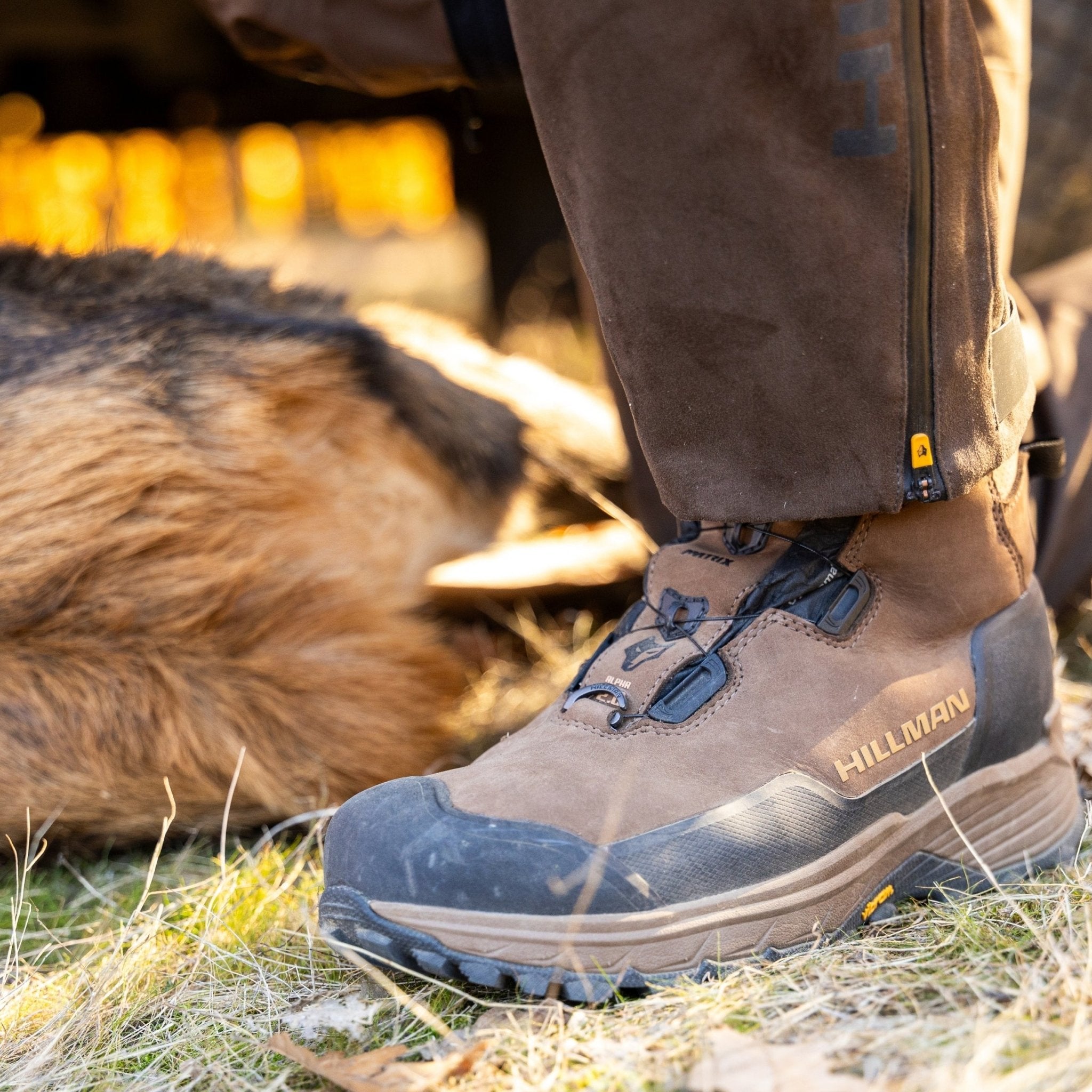
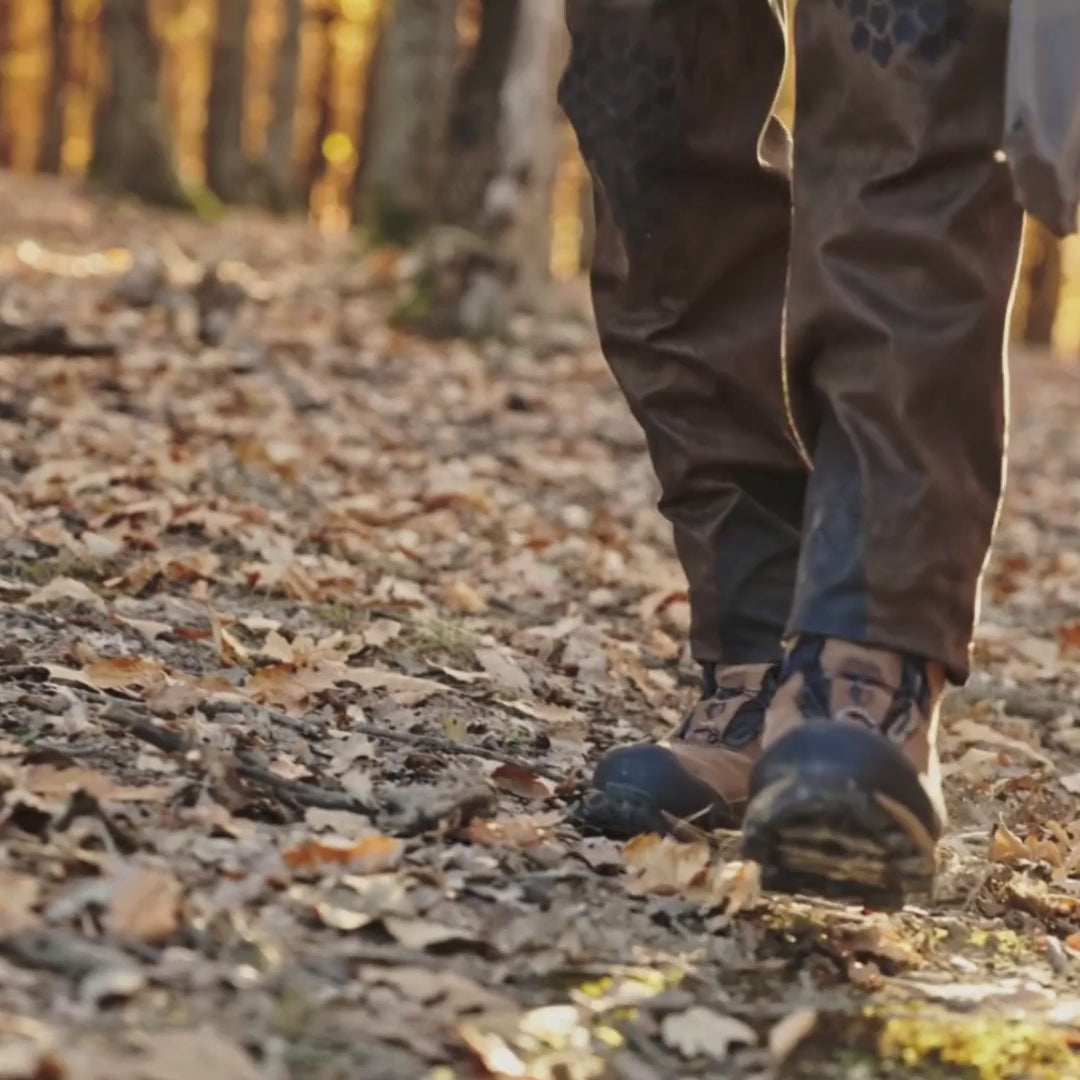
Warm weather calls for uninsulated boots. Insulation holds heat and increases sweating, which leads to discomfort and blisters. Breathable boots keep feet drier and more comfortable over time.
Snake activity also increases during warmer months. Proper footwear adds a layer of confidence when moving through grass, edges, or uneven ground.
Sweat, scent, and reality

Sweat is part of warm-weather hunting. There’s no avoiding it completely. What matters is how it’s managed.
Increased sweating leads to a stronger human scent. Breathable fabrics help moisture evaporate instead of lingering. Antimicrobial materials help control odor, but expectations matter. Scent control in the heat is about reduction, not elimination.
Hydration isn’t optional
Staying hydrated matters more than anything else in hot weather. We bring more water than we think we’ll need. Every time.
Hydration packs make drinking easier without breaking focus. Electrolyte mixes help replace what’s lost through sweat, especially during long sits. Light snacks like fruit and nuts keep energy steady without adding weight or discomfort.
Sun and insects become constant factors
High temperatures bring sun exposure and increased bug activity. UV-protective fabrics shield skin without trapping heat. Wide-brimmed hats help block direct sun while allowing heat to escape.
Insects can turn a long sit into a miserable one. Repellent isn’t optional in warm weather. Managing bugs helps maintain focus when patience is already being tested.
Keeping gear light on purpose

Every extra item feels heavier in the heat. Keeping gear lightweight reduces fatigue and helps maintain clarity.
Overpacking creates friction. Simple setups allow quicker decisions and smoother movement. Warm weather rewards restraint.
When the shot happens, everything changes
Harvesting big game in hot weather starts a clock immediately. Heat accelerates meat spoilage, and delays add risk fast.
Field dressing the deer as soon as possible helps release internal heat. Speed matters more than perfection in this moment.
Meat care when temperatures are high

Lightweight, breathable game bags allow meat to cool while keeping insects off. Hanging meat in the shade improves airflow and helps reduce temperature.
Deboning the animal as soon as possible further speeds cooling. Once recovered, meat should go straight into an ice-cold cooler. Ice is essential, and adding a small amount of dry ice helps maintain lower temperatures longer.
Planning matters here. Knowing where the meat is going, whether to a processor or handled personally, avoids confusion when time matters most.
Final thoughts from our side
Hot weather hunting isn’t comfortable. It asks more from the hunter than cooler seasons do. But it also rewards preparation.
With the right hot-weather hunting gear, smart hydration, and a clear plan for meat care, hunting in extreme heat becomes manageable. Not easy. Manageable. And sometimes, that’s enough.
Hunting in Hot Weather: Tips

How do you stay cool while hunting in extreme heat?
We don’t try to fight the heat. We work around it. Staying cool in hot weather hunting starts with lightweight clothing that actually breathes, not just looks good on paper. Managing sweat matters more than chasing airflow, and hydration matters more than either. Once overheating starts, focus drops fast, and that’s usually when mistakes happen.
What clothing works best for hot-weather hunting?
We avoid cotton completely during warm-weather hunts. It holds moisture and turns uncomfortable quickly. Lightweight synthetics and merino wool perform better because they move sweat away from the skin and dry faster. Breathable hunting pants with ventilation and lightweight shirts with sun protection make long sits more manageable when temperatures climb.
Is layering still important during warm-weather hunts?
Yes, just differently. Early mornings during bow season can feel cool, especially in shaded woods, while afternoons heat up fast. Light layers give flexibility without adding weight. The goal isn’t warmth, it’s control: staying comfortable across temperature swings without overpacking.
How much water should you bring on a hot-weather hunt?
More than you think you’ll need. Every time. Warm weather hunting increases sweat loss, even when movement is limited. We rely on hydration packs because they make drinking easy without breaking focus. Electrolyte mixes help during longer sits when plain water isn’t enough.
How do you manage scent when sweating is unavoidable?
Sweat happens in hot weather. The key is reducing how long moisture stays on the skin. Breathable fabrics, antimicrobial materials, and limiting unnecessary movement help more than chasing perfect scent control. In the heat, scent management is about minimizing impact, not eliminating it. Are uninsulated boots better for warm-weather hunting?
In most cases, yes. Insulated boots trap heat and increase sweating, which leads to blisters and discomfort. Breathable, uninsulated boots keep feet drier and more comfortable during long sits and slow movement. They also make warm-weather hunts less distracting overall.
How do bugs affect warm-weather hunts, and how do you deal with them?
Bug activity increases with heat, and ignoring it shortens sits fast. We treat insect protection as part of our gear system, not an afterthought. Managing bugs helps maintain focus, especially during early-season hunts when patience is already being tested.
What’s the biggest mistake hunters make in hot weather?
Underestimating how fast heat compounds small problems. Poor clothing choices, not enough water, heavy gear, or delaying meat care all stack up quickly. Hot weather hunting leaves little room for correction once things go wrong.
How quickly should you field dress a deer in warm weather?
As soon as possible. Heat accelerates meat spoilage, and delays reduce quality fast. Field dressing immediately helps release internal heat and starts the cooling process. Speed matters more than perfection in warm conditions.
How do you keep meat from spoiling during hot-weather hunts?
We plan for it before the hunt starts. Lightweight, breathable game bags allow heat to escape while keeping insects off. Hanging meat in the shade improves airflow, and getting it into an ice-cold cooler quickly is critical. Adding ice early, and even a small amount of dry ice, helps maintain safe temperatures longer.


Share:
Best Pants for Bushwhacking In Thorny, Rocky, Desert Terrain
Field-Tested Jackets for the Midwest Wind