

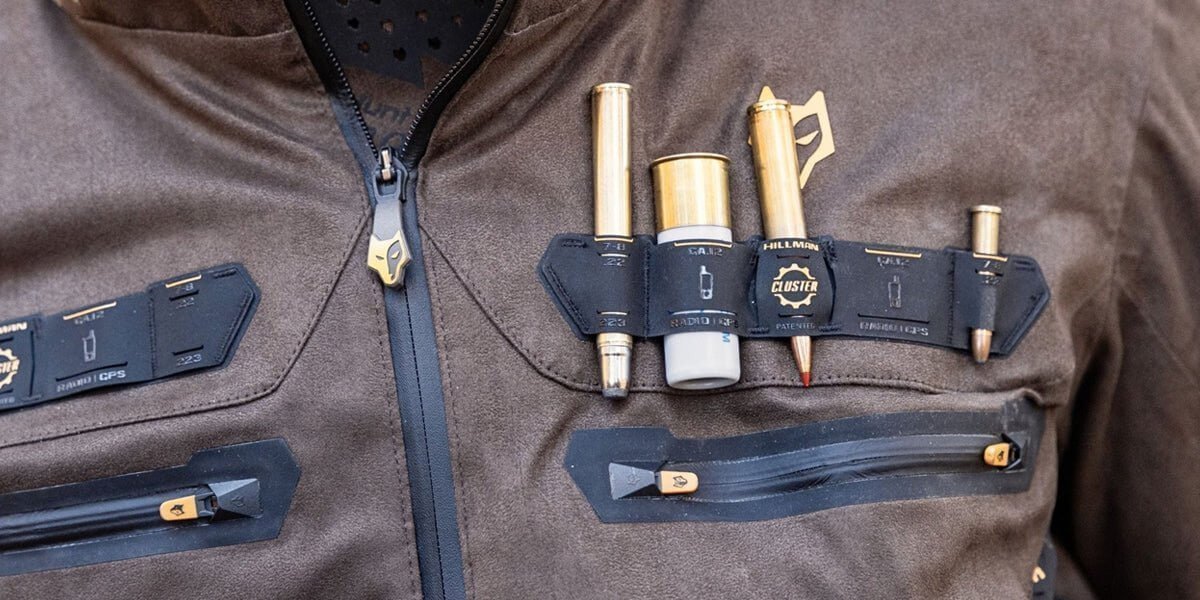
Field-Tested Jackets for the Midwest Wind (A Problem Most Jackets Don’t Solve)

Midwest wind breaks most hunting jackets. See how field-tested windproof gear helps hunters stay warm, quiet, and comfortable longer.
If you hunt long enough in the Midwest, you stop blaming the cold. You start blaming the wind.
We’ve had days where the temps looked reasonable, even comfortable. Then the gusts picked up. An hour later, body heat was gone, fingers stiff, focus drifting. That’s usually when the truth hits; most jackets aren’t built for this kind of wind. They’re built for temperature charts, not for open ground, changing weather, and long hours of exposure.
Midwest hunting jackets need to do one thing well before anything else: stop the wind. When they don’t, everything else: insulation, layering, comfort, falls apart fast.
Why Midwest Wind Is a Bigger Challenge Than Cold Alone?

Cold is predictable. Wind isn’t.
Across midwest fields and timber edges, gusts roll through without warning. One minute it’s calm, the next it’s biting straight through your outer layer. That cold air doesn’t just feel uncomfortable; it actively strips body heat every second you’re exposed.
We’ve watched hunters bundled in heavy coats still struggle because their jackets couldn’t handle sustained wind. In this region, wind is the real test. If a jacket can’t block it, warmth never lasts.
How Wind Steals Body Heat During Long Hunts?
Wind breaks down warmth faster than most people expect. As air moves across fabric, it pulls heat away and prevents your clothing from holding onto that trapped layer of warmth.
That’s why staying warm isn’t just about piling on insulation. Without a windproof outer layer, even high-loft insulation loses its edge. During long sits or glassing sessions, that heat loss adds up quietly until discomfort sets in and the hunt starts slipping away.
Why Most Hunting Jackets Fail in Midwest Conditions?

A lot of jackets are designed to look capable but fall short where it matters. Some rely on “wind-resistant” fabrics that work fine until gusts get stronger. Others are too bulky, restricting movement and killing breathability during walks.
Noise is another problem. Stiff shells and crinkling fabrics don’t mix well with deer hunting. Add poor seam construction or a fit that rides up when layered, and you’ve got a jacket that looks good on paper but fails in the field.
Windproof vs Wind Resistant: The Difference That Matters in the Field

This difference matters more than most realize.
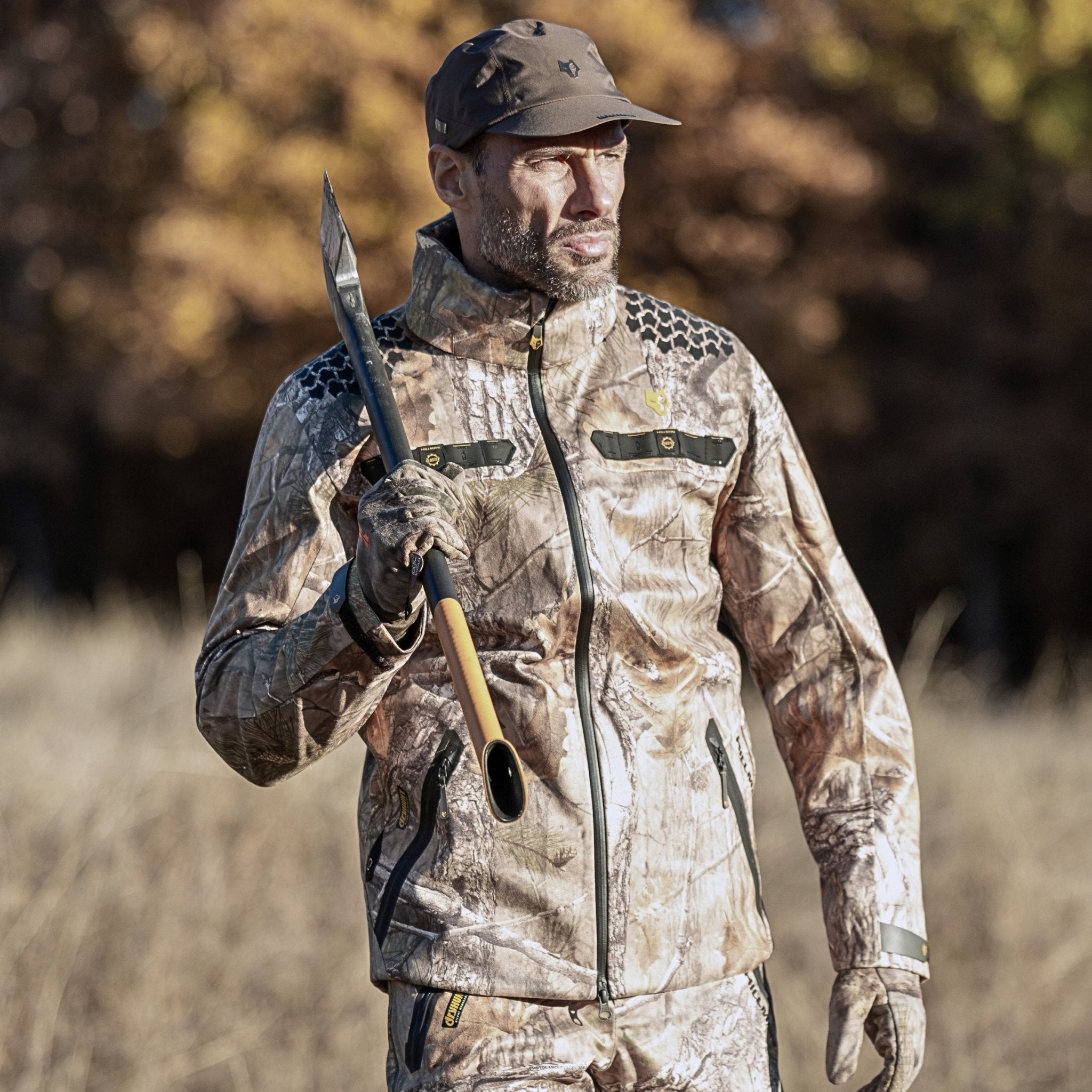
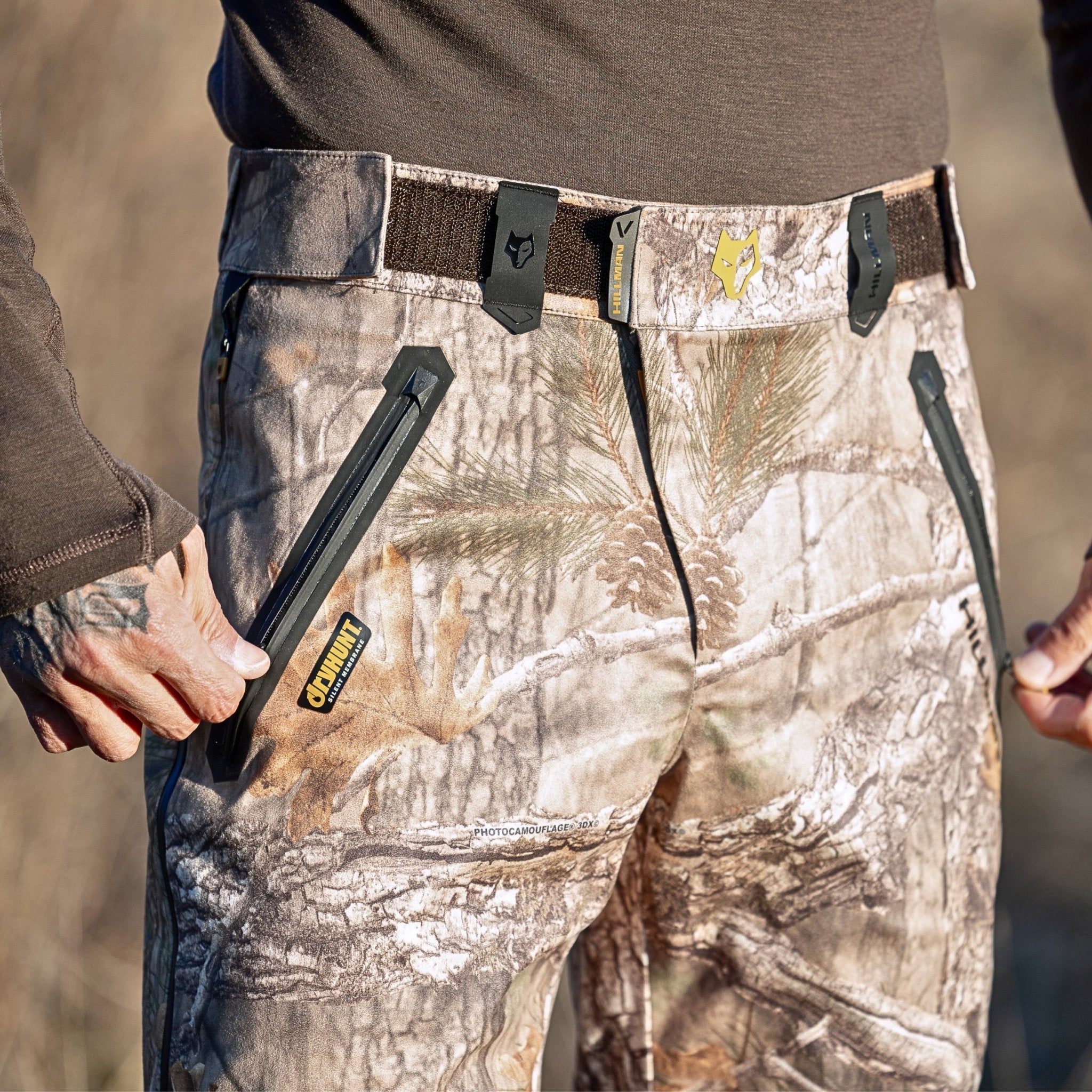
Wind-resistant clothing slows airflow. Windproof outerwear stops it. True windproof jackets use sealed seams and bonded membranes that prevent cold air from pushing through fabric and stitching.
In open Midwest terrain, that distinction becomes obvious quickly. When gusts hit hard and steady, only a fully windproof jacket keeps warmth where it belongs.
What “Field-Tested” Means in Real Midwest Hunting Conditions
Field-tested doesn’t mean a short hike or a mild-weather sit.
For us, it means wet mornings, muddy ground, long hours on stand, and steady movement between cover and open space. Jackets need to perform when conditions shift, not just when everything lines up perfectly.
That includes handling moisture, holding up to abrasion, and staying comfortable when you’re riding in the wind for hours at a time.
Quiet Fabrics Are Non-Negotiable for Windproof Hunting Jackets

Wind amplifies noise. That’s something you learn fast.
A jacket can be warm and windproof, but if the fabric snaps or rustles with every movement, it becomes a liability. Quiet fabrics, often fleece-backed or brushed, allow natural movement without drawing attention.
We avoid stiff materials for this reason. Comfort matters, but silence matters more when deer are close.
Durable Materials That Hold Up to Midwest Terrain
Durability isn’t optional. Branches, brush, and constant wear expose weaknesses quickly.
Fabrics like ripstop nylon and reinforced panels help jackets resist snags and tearing. When materials hold up, windproof protection stays intact longer, seams remain reliable, and overall performance doesn’t degrade halfway through the season.
Windproof and Waterproof Must Work Together

Wind rarely shows up alone. Rain, mist, sleet, Midwest weather blends them all.
A windproof jacket without water resistance fails the moment the fabric gets wet. Moisture kills insulation and pulls heat away faster than wind alone. Waterproof and breathable shells give hunters a margin of safety when conditions turn unpredictable, which they often do.
Lightweight vs Insulated Jackets: Choosing by Season
Not every hunt calls for heavy insulation.
Lightweight windproof jackets shine during early and mid-season hunts. They’re easier to carry, easier to move in, and pair well with smart layering. Late season is different. Long sits demand insulation: either synthetic or down, backed by a windproof shell that seals out cold gusts.
In Midwest conditions, high-loft synthetic insulation often wins because it stays warm even when damp.
Features That Actually Matter When the Wind Is Relentless
Details show up when conditions are bad.
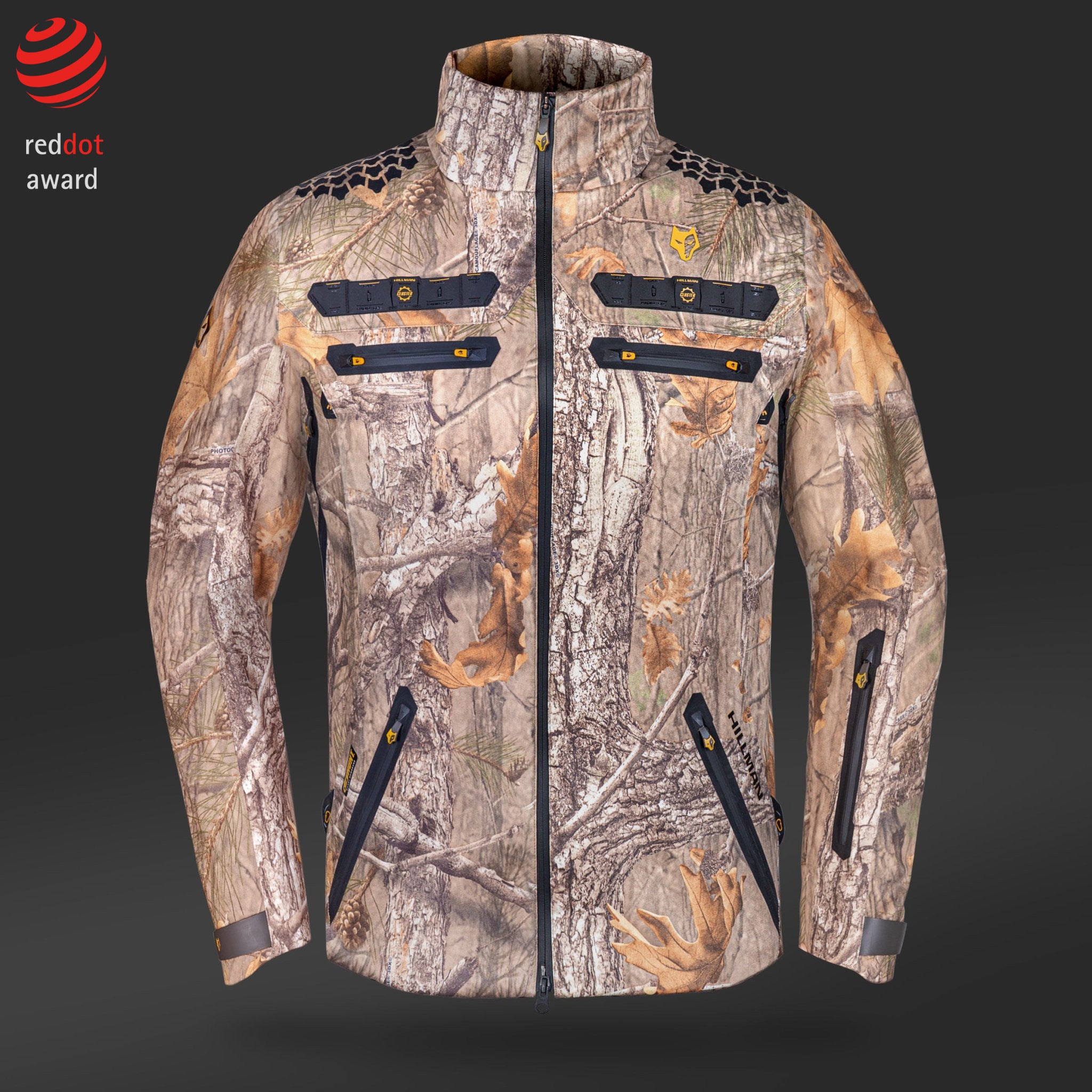
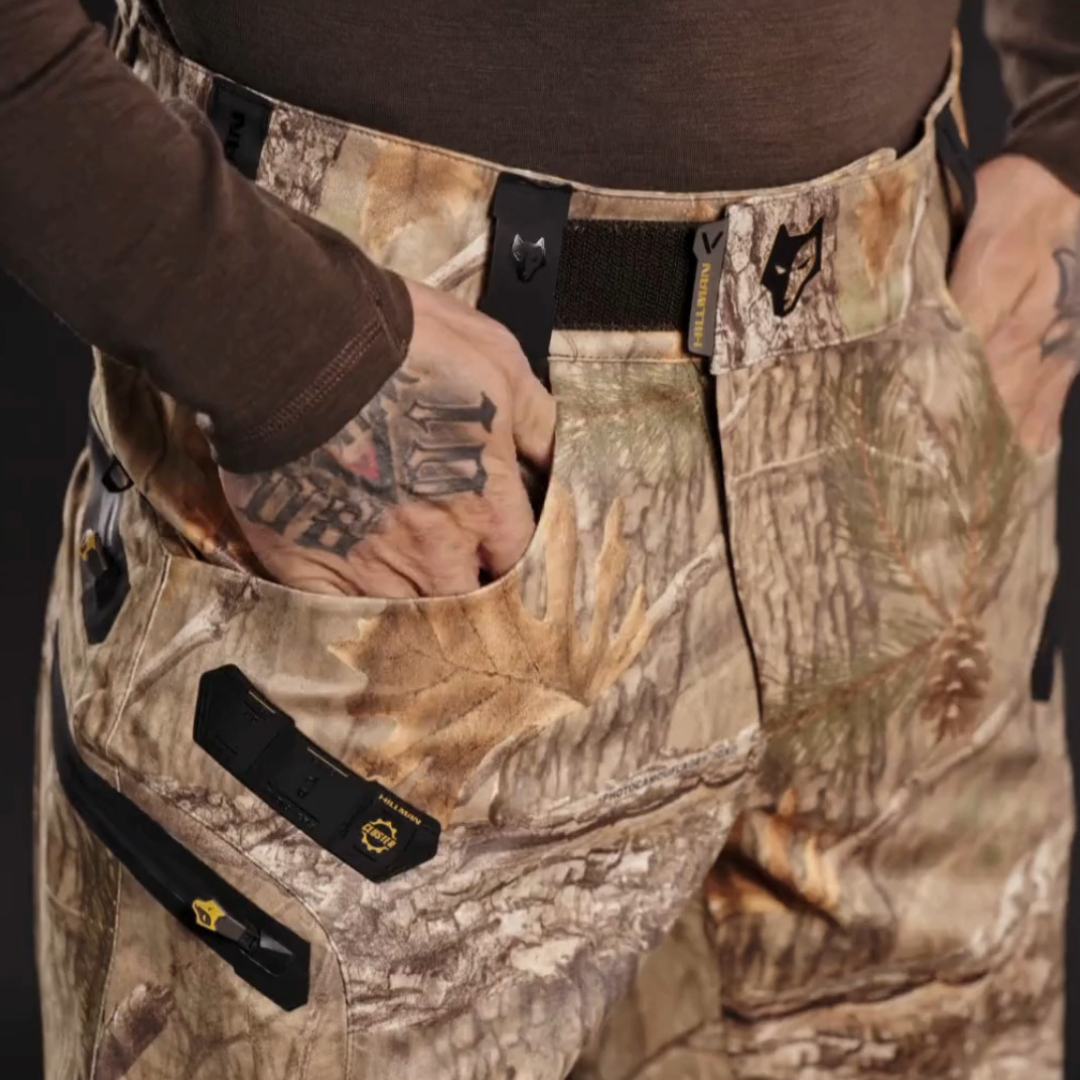
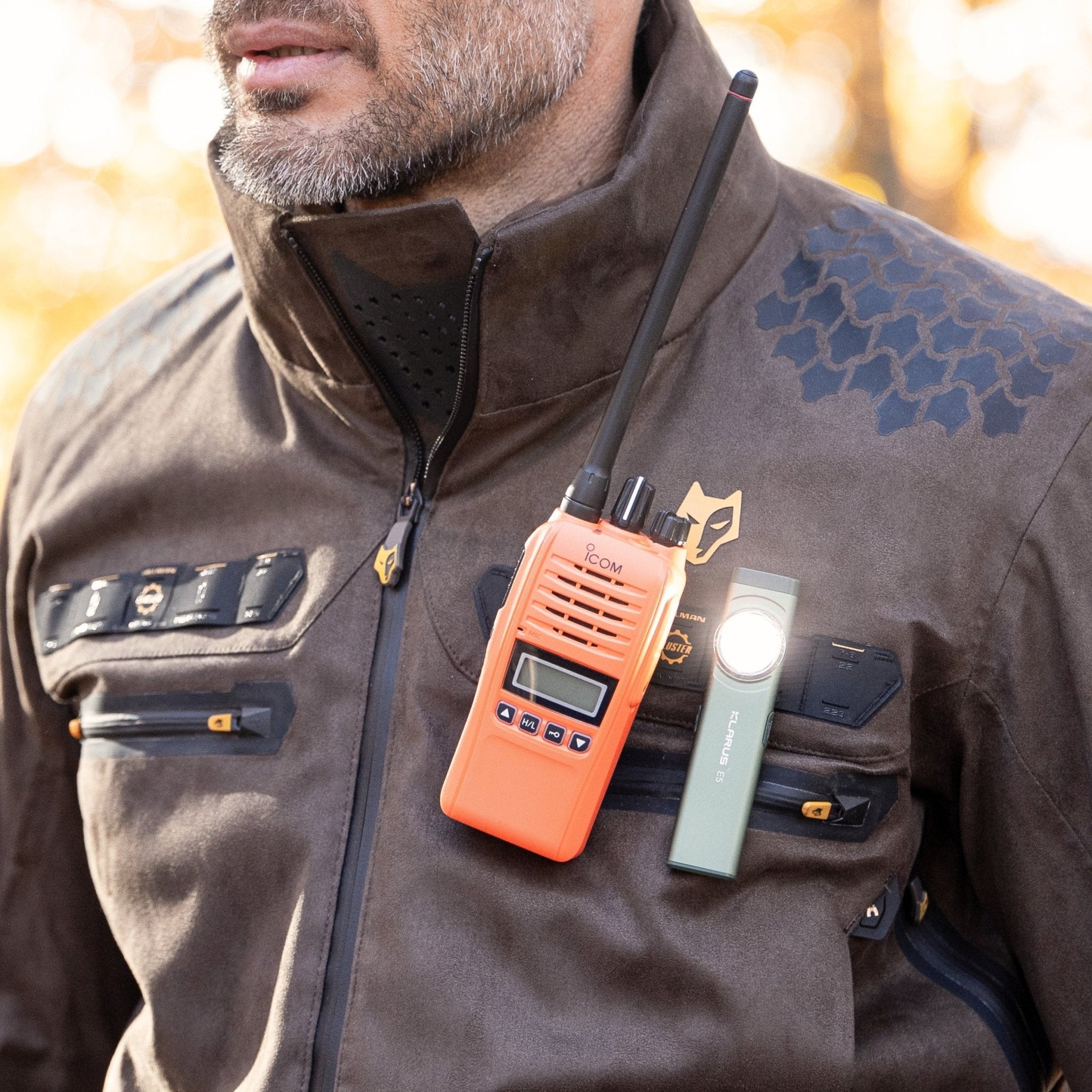
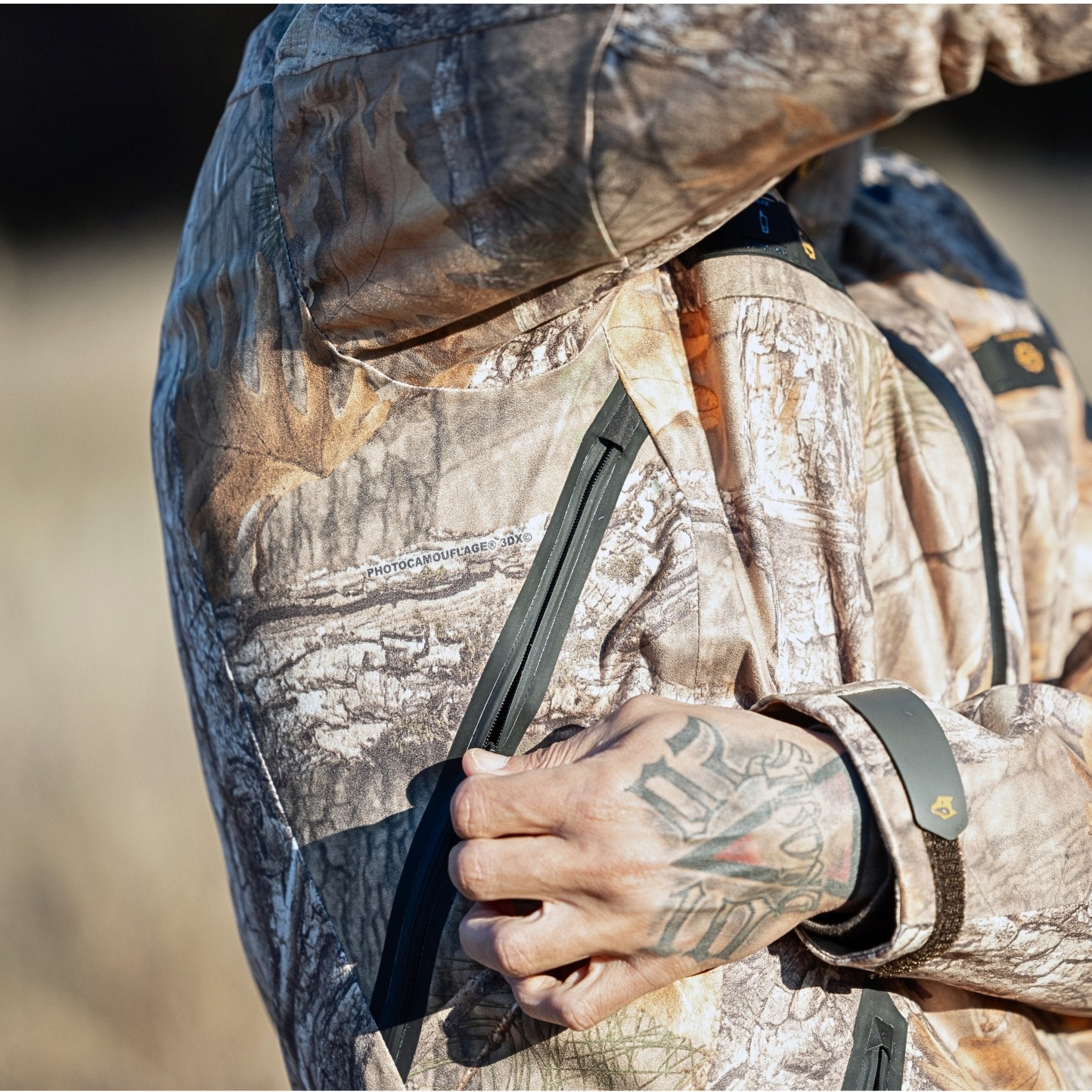
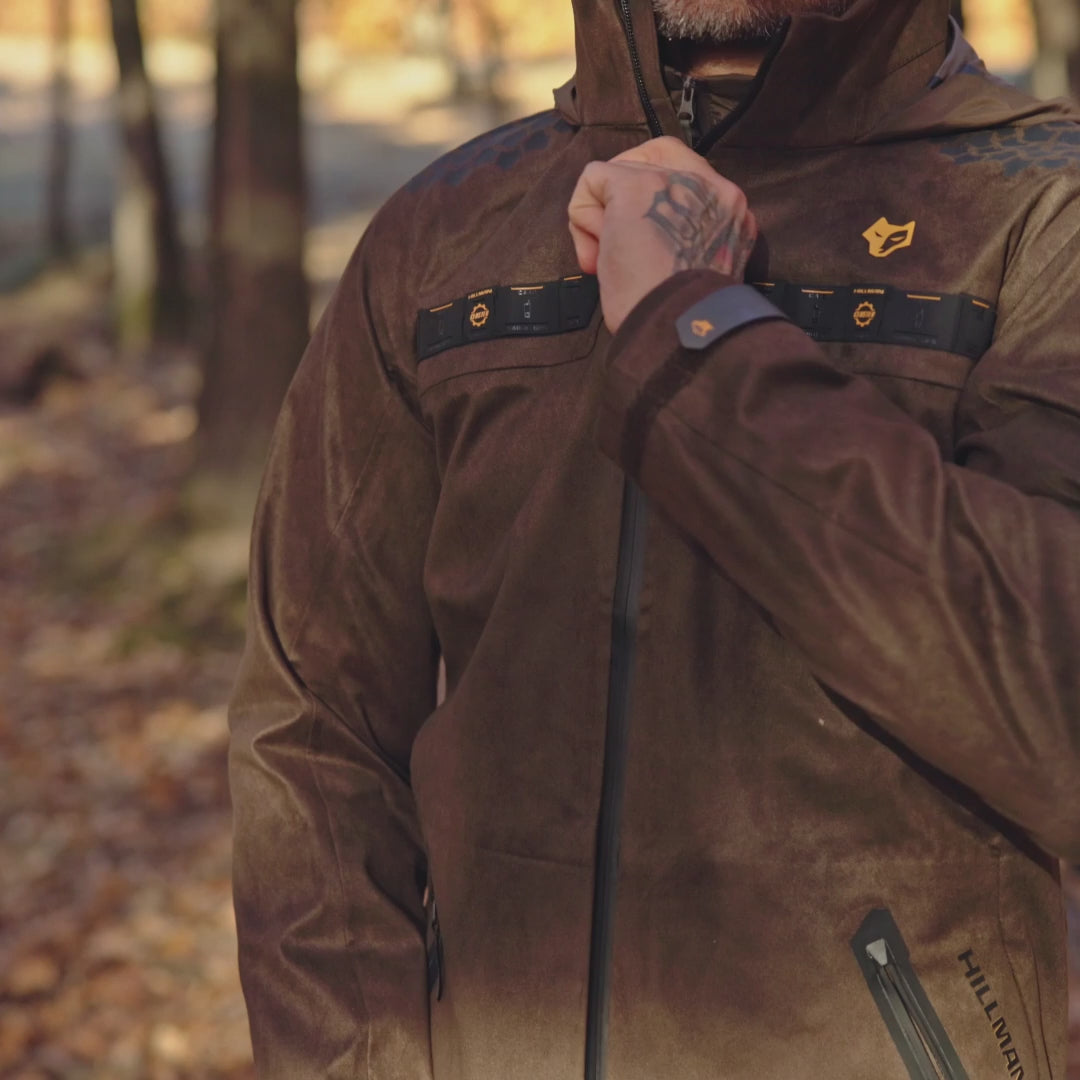
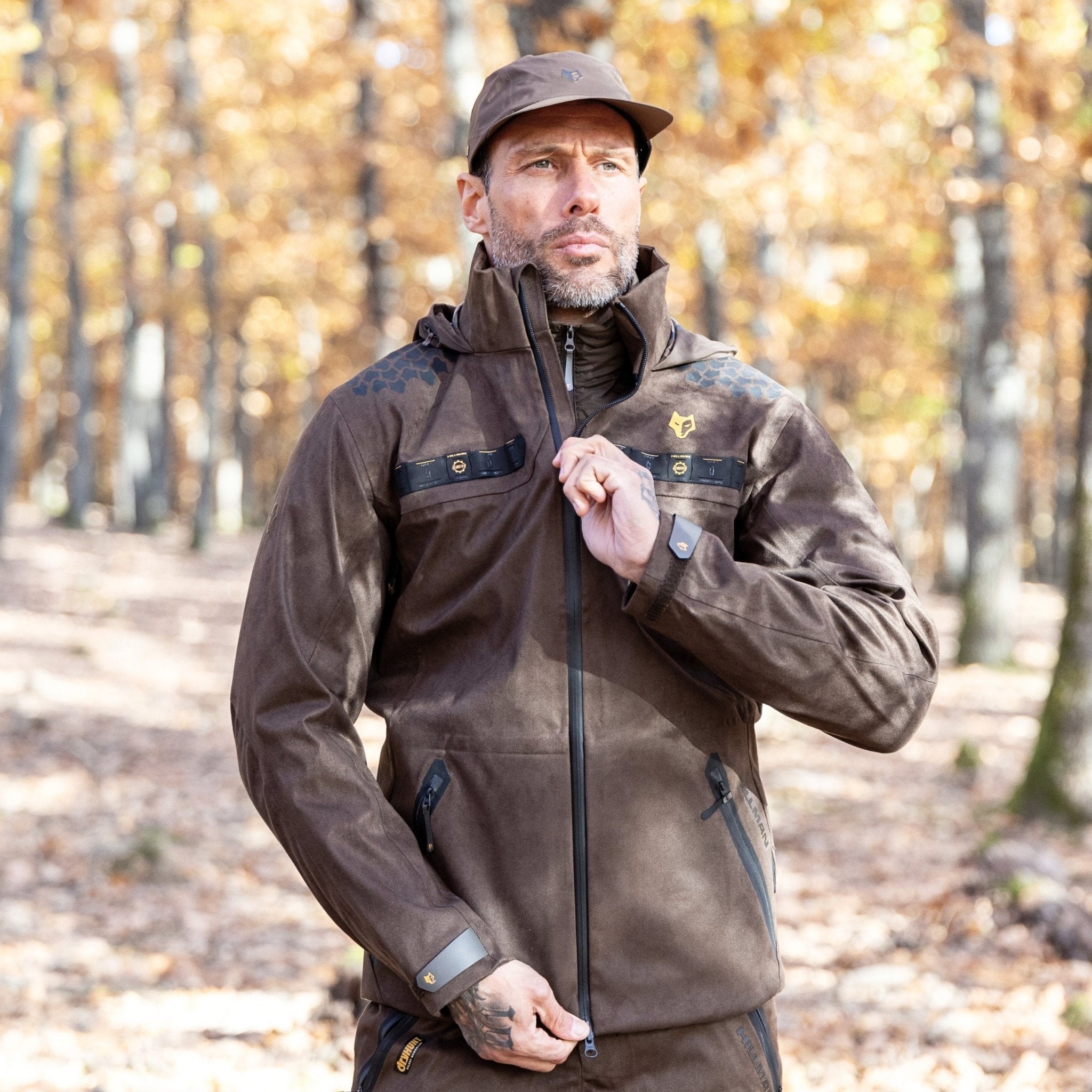
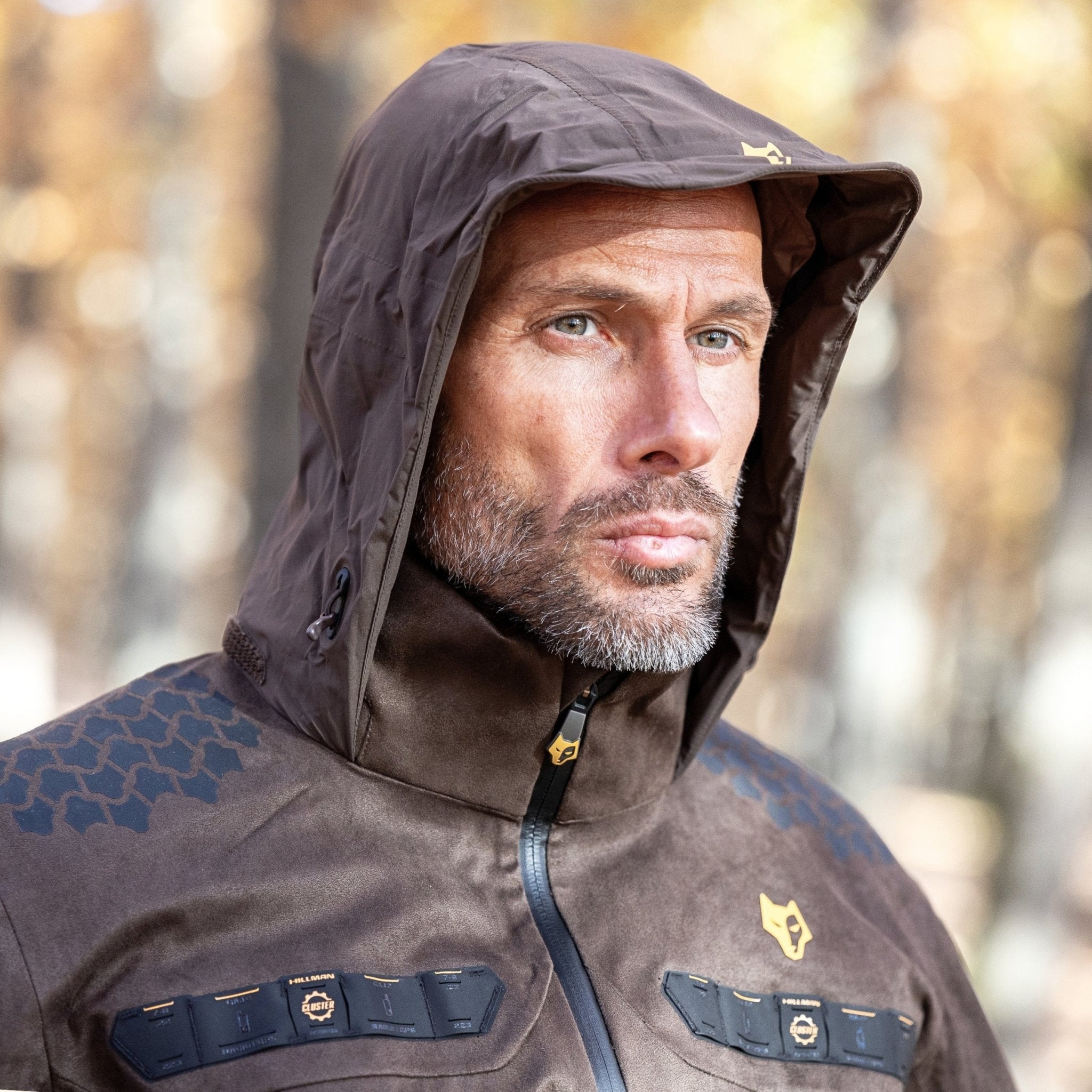
Pocket placement matters when you’re wearing gloves. Zippers need to work smoothly in cold weather. Adjustable cuffs and hoods help seal out wind when gusts pick up.
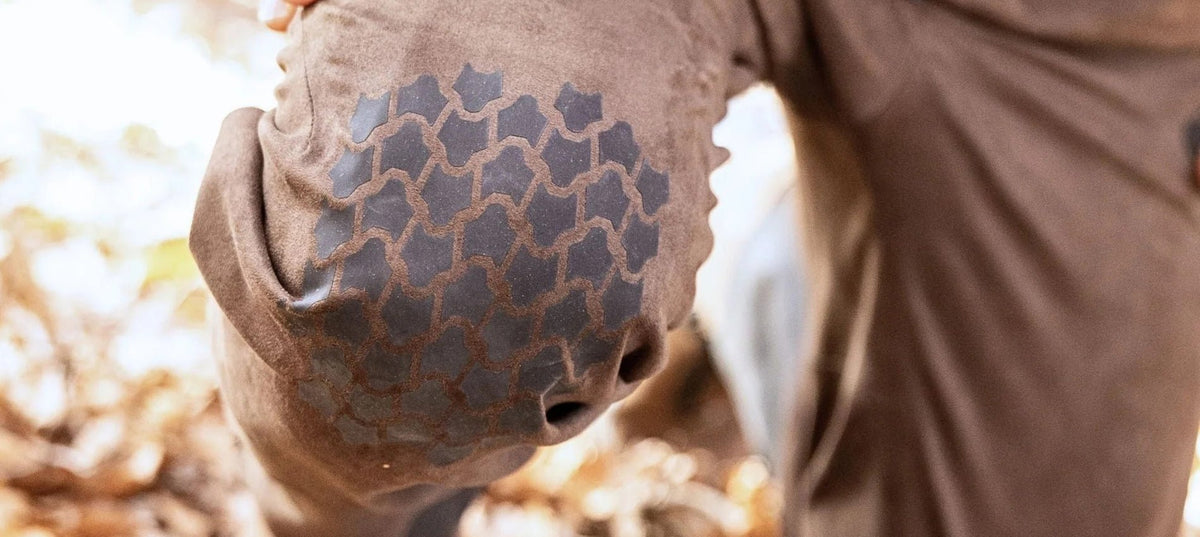
Articulated elbows and thoughtful shaping improve movement, especially when layering underneath.
Layering Systems That Regulate Temperature in Variable Conditions

Layering is how hunters stay comfortable through changing temperatures.
Moisture-wicking base layers: merino wool or synthetic, manage sweat. Mid layers add warmth without bulk. The outer layer blocks wind and rain. This system allows adjustments throughout the day instead of committing to one heavy coat that may fail when conditions change.
How We Design Jackets to handle the Midwest Wind?
We design around the problem first.
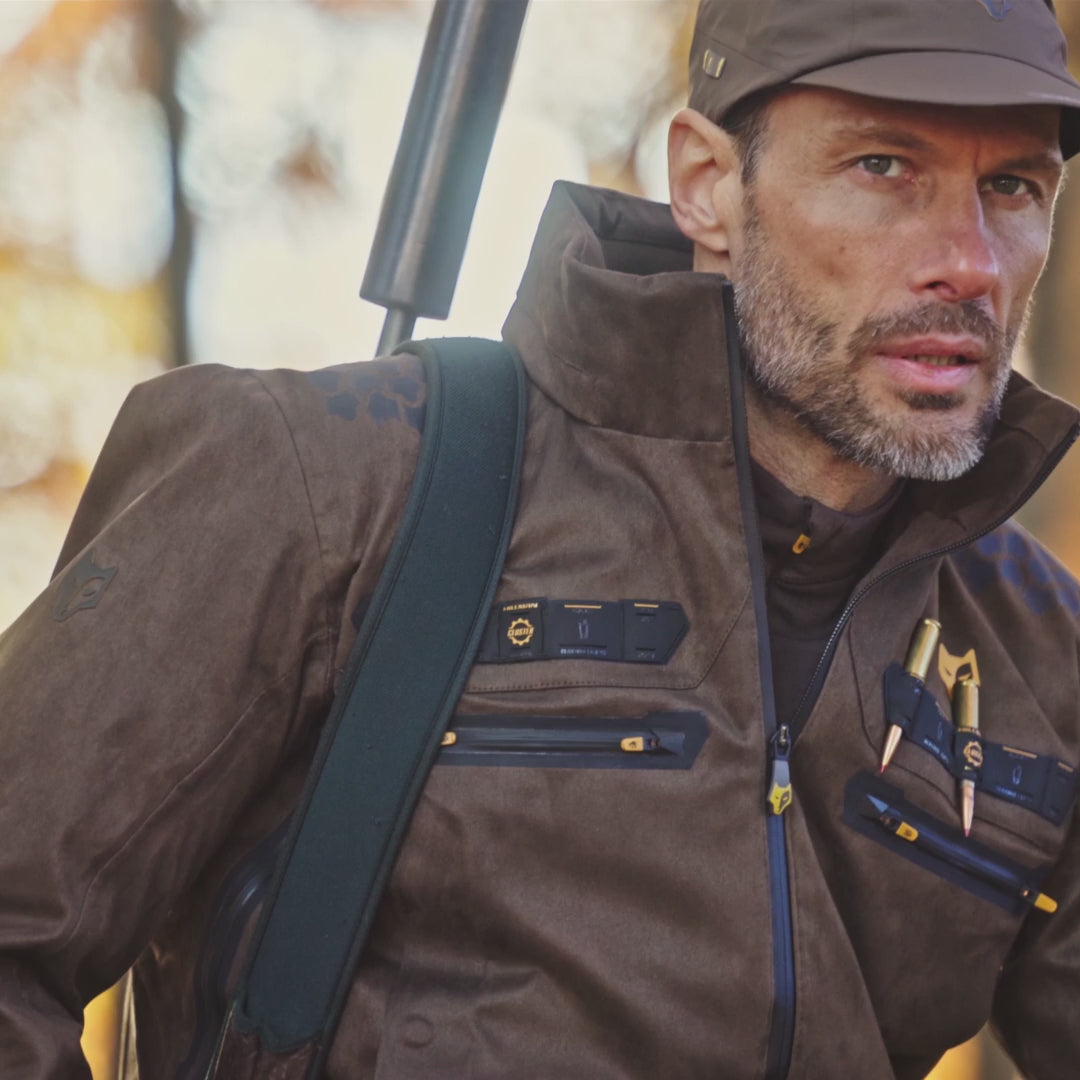
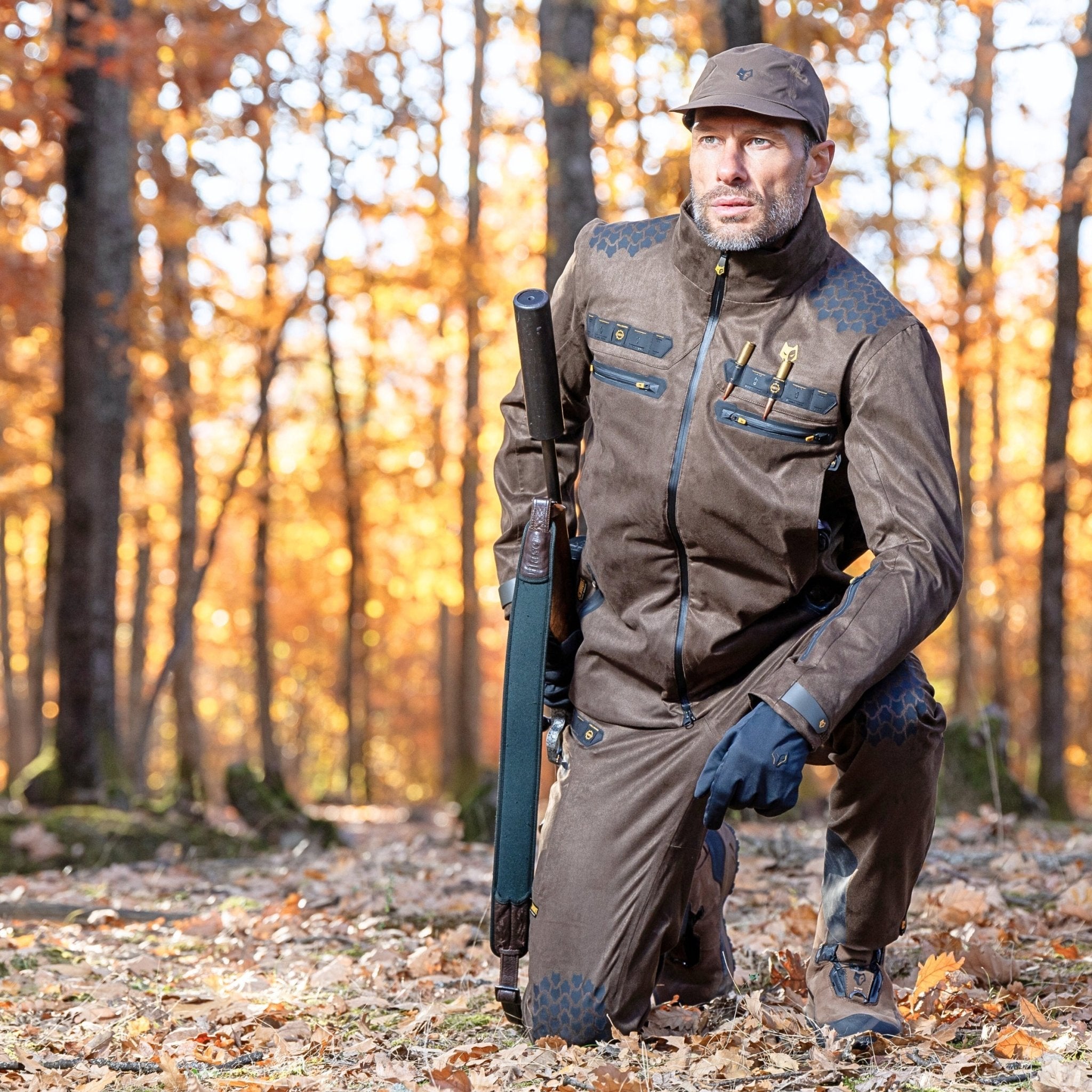
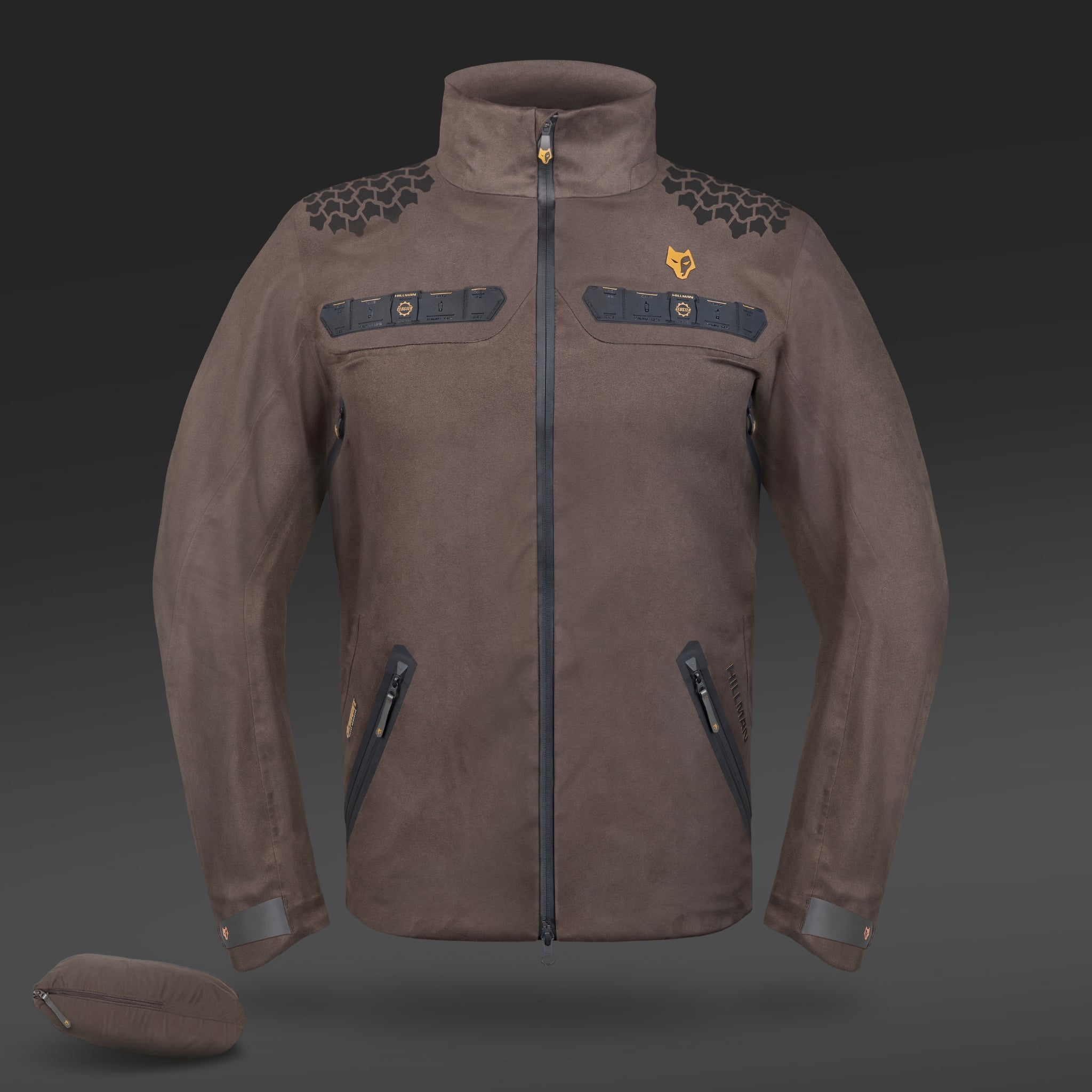
Wind-blocking performance comes before insulation, before features, before anything else. Quiet fabrics, durable construction, sealed seams, and a fit that layers cleanly without riding up, these are non-negotiables.
Our goal is simple: jackets that stay comfortable when the wind refuses to let up.
Tree Stand vs Ground Hunting: Different Demands, Same Wind
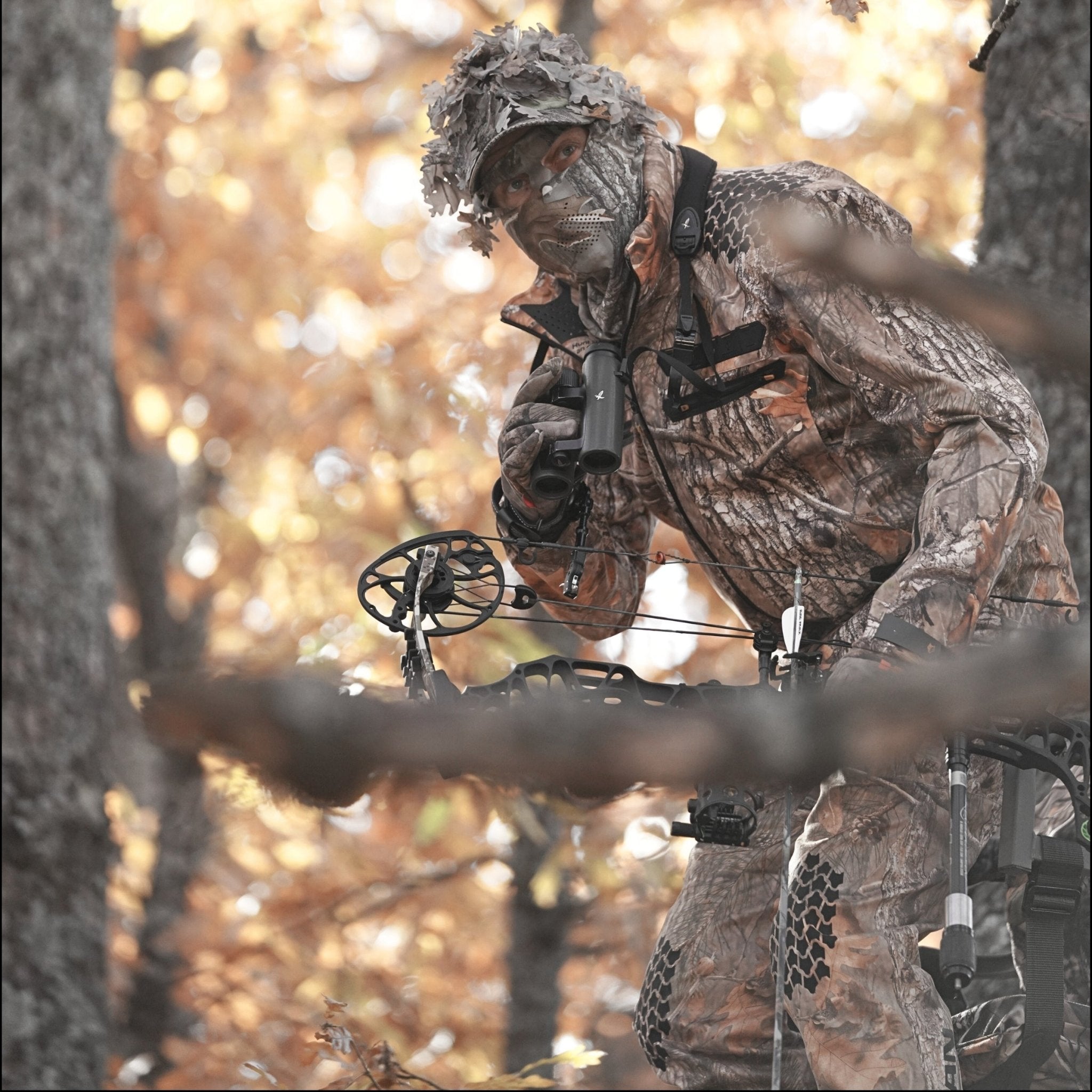
 Tree stand hunts expose you to wind nonstop. Movement is minimal, so windproof protection and insulation matter most.
Ground hunting flips that balance. Walking generates heat, so breathability becomes more important. The best jackets manage both, offering protection when you stop and comfort when you move.
Why the Right Jacket Changes the Outcome of a Hunt?
When you’re comfortable, you stay longer. When you stay longer, you notice more.
We’ve seen hunts turn around simply because the wind stopped being a distraction. The right jacket doesn’t just keep you warm, it keeps you focused, patient, and ready when the moment finally comes.
Visibility, Camo, and Safety in Midwest Deer Hunting

Safety always comes first.
Blaze orange is legally required in many Midwest areas, and jackets need to accommodate that without sacrificing comfort. At the same time, camo patterns should match woodland and field environments, using neutral earth tones that blend naturally without drawing unnecessary attention.
How Windproof Hunting Gear Works Together in Harsh Midwest Conditions?

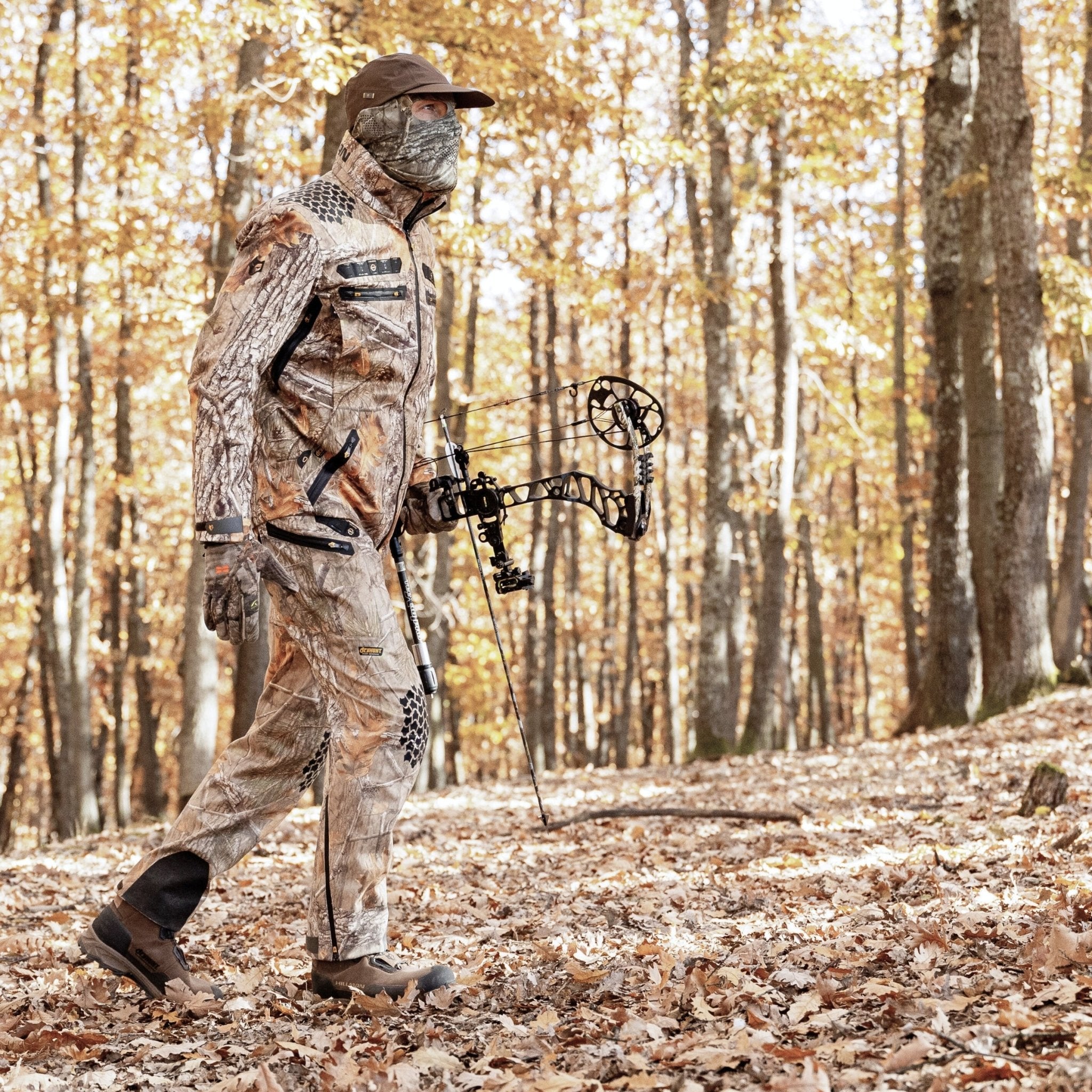
In the Midwest, no single piece of hunting gear works on its own. Wind-proof protection only delivers real value when the full range of gear works together, especially when biting winds and wet conditions show up at the same time.
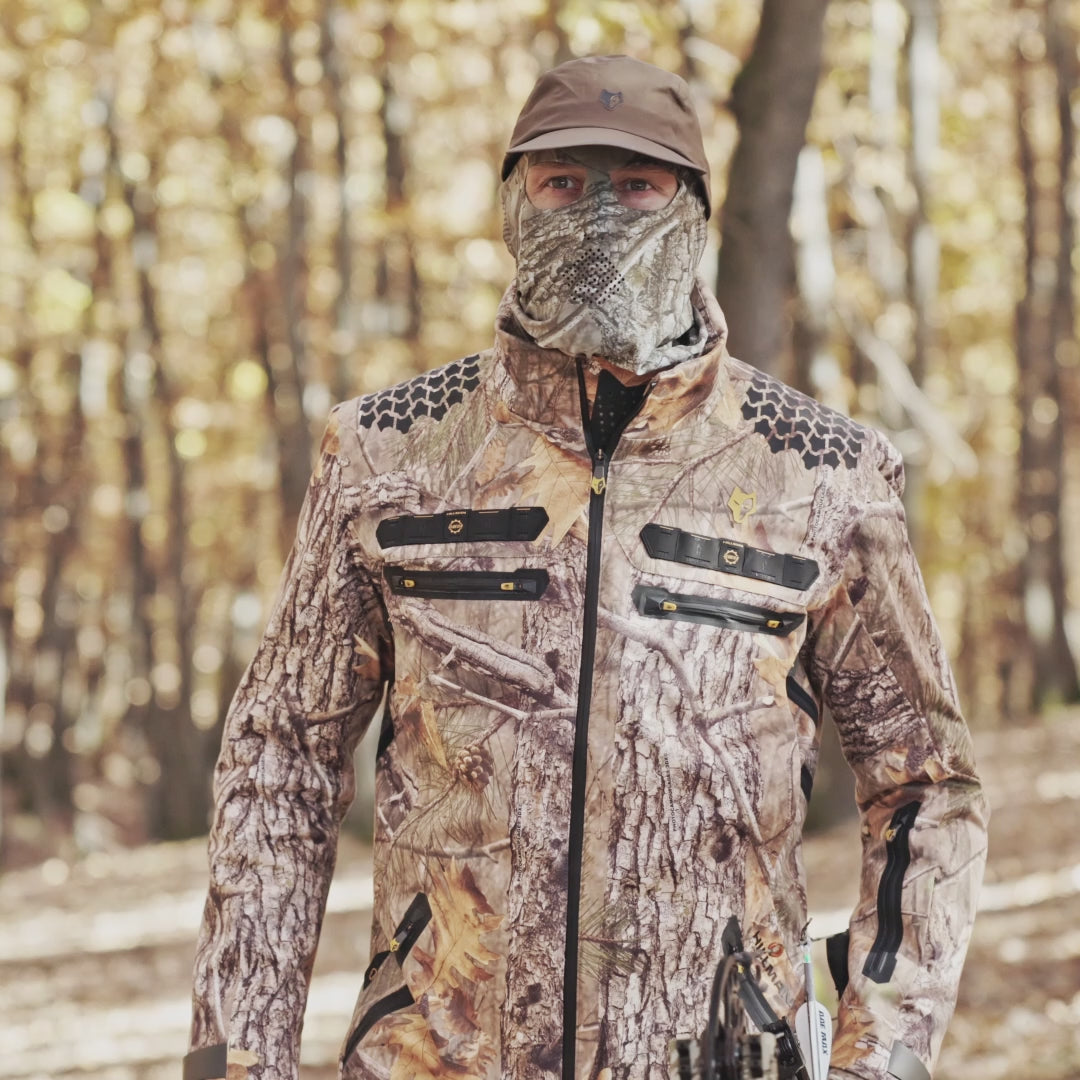
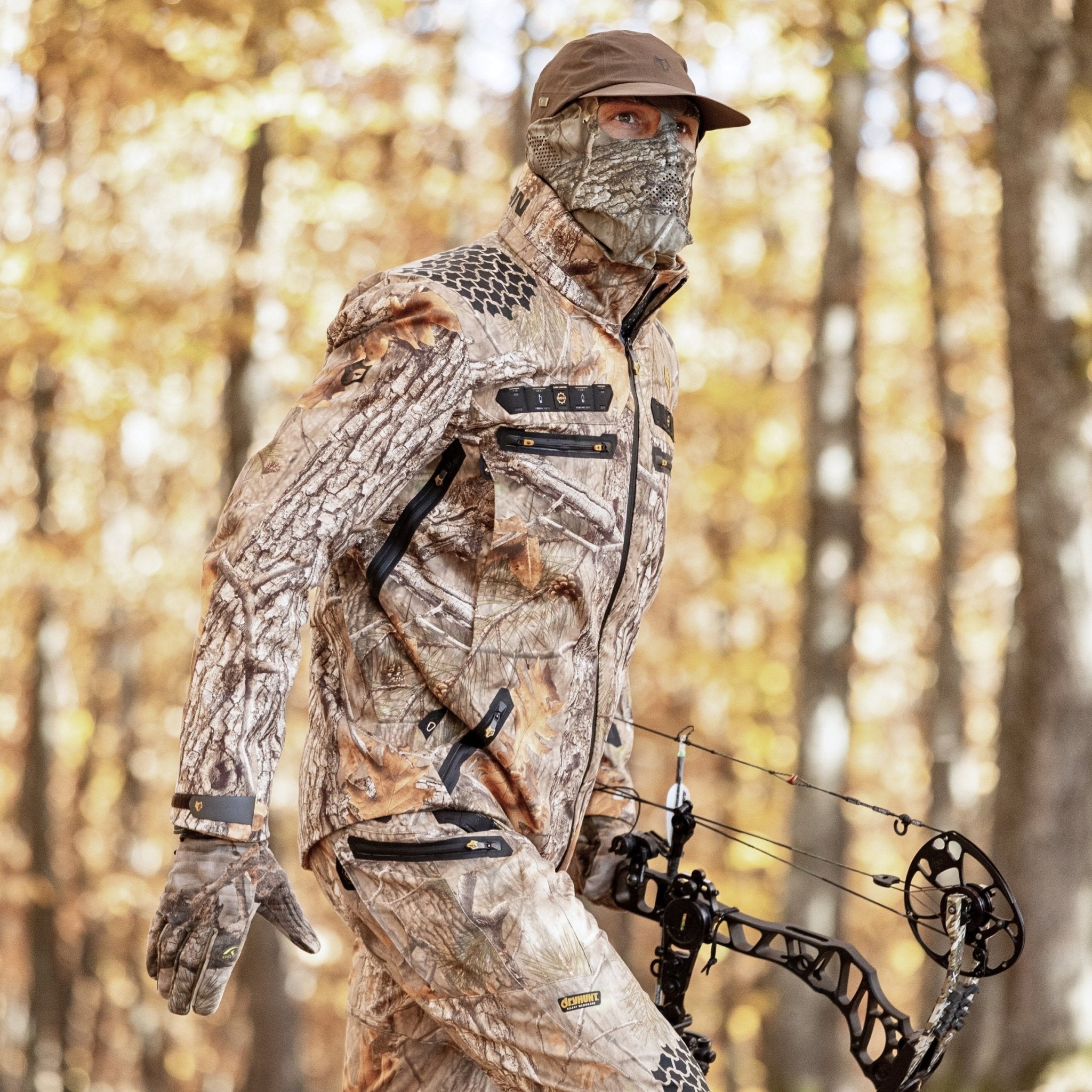
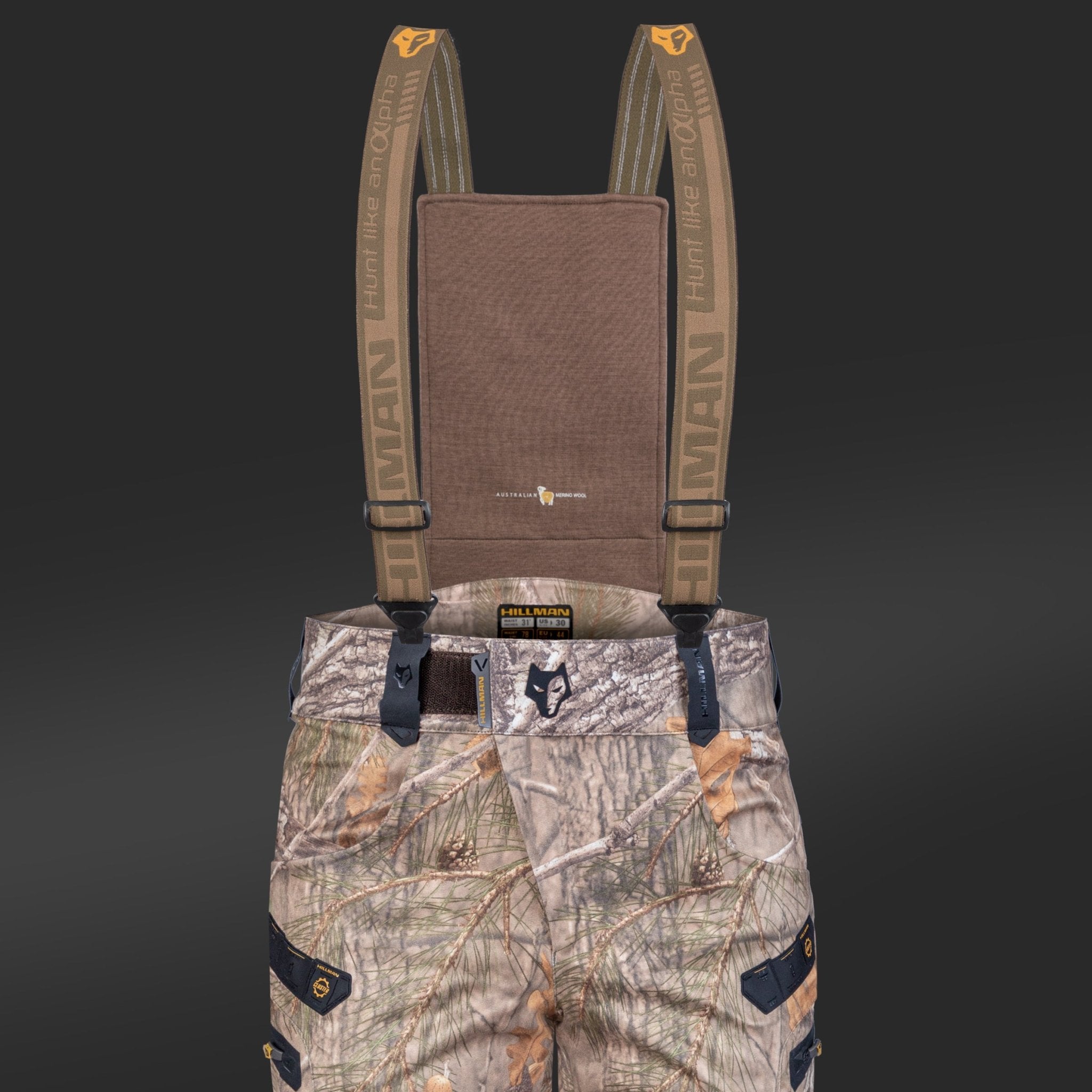
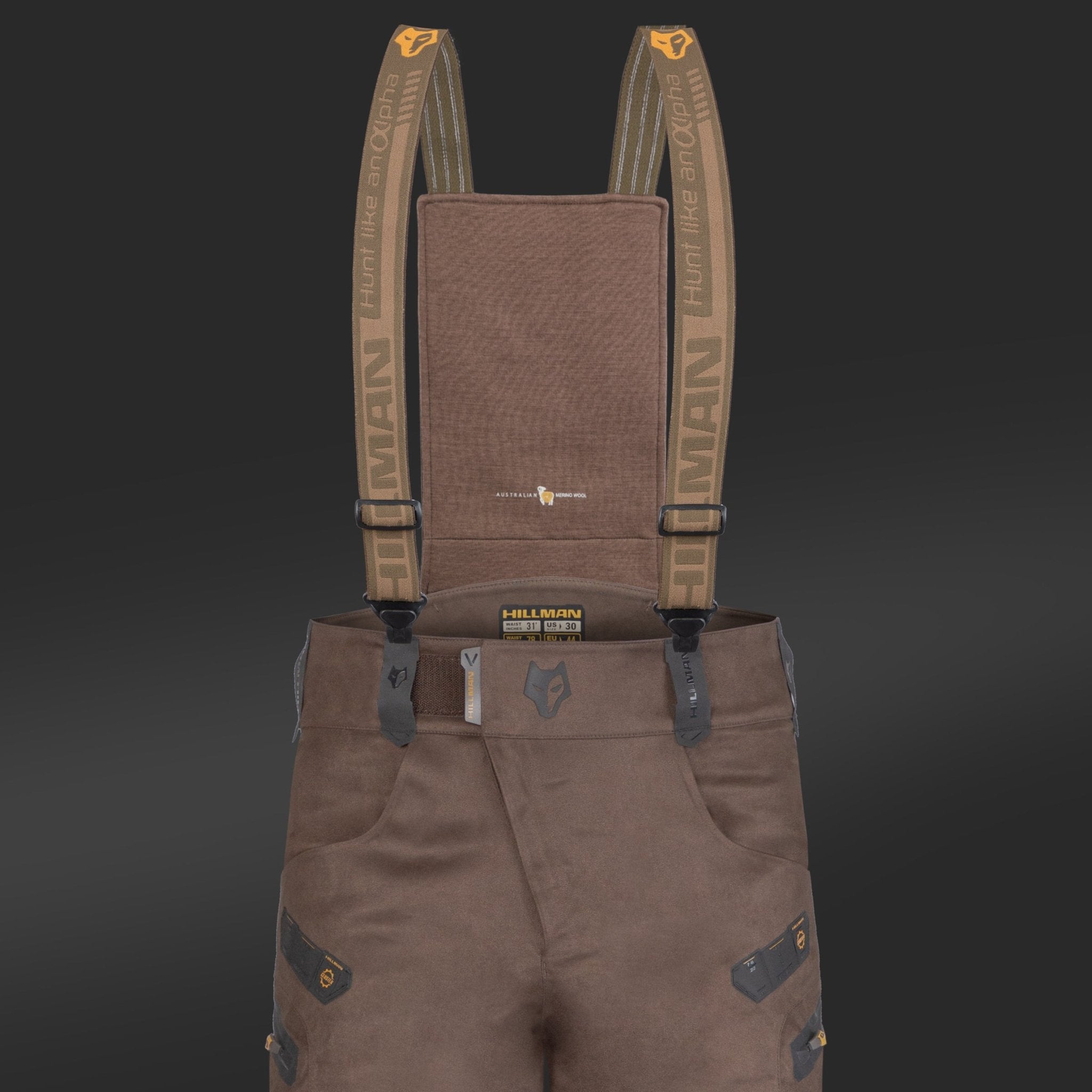
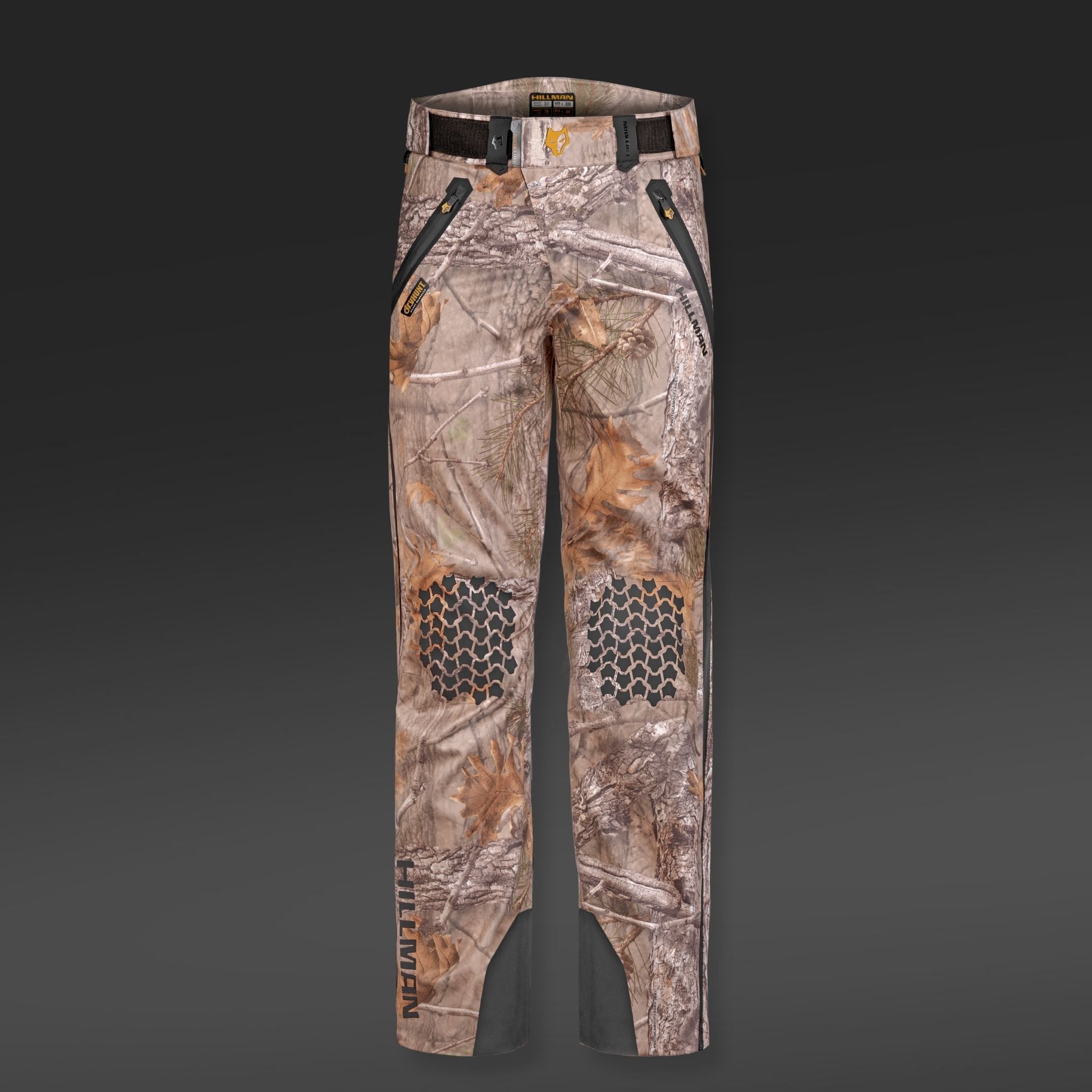
We’ve learned that jackets, pant layers, and other clothes need to complement each other rather than compete. A tough outer shell blocks wind, while properly layered insulation underneath keeps warmth consistent. When those elements work in half measures, cold air finds its way in fast.
Thoughtful features make the system usable in real hunts. Pocket placement, cuff adjustments, and secure closures matter when you’re moving between cover or settling in on a whitetail stand. Small design decisions often decide whether gear stays comfortable or becomes a distraction halfway through the day.
Cold wind rarely hits in isolation. It pushes through open ground, carries moisture, and exposes weaknesses in gear quickly. That’s why accessories matter just as much. A beanie that seals heat, gloves that maintain dexterity, and outer layers that stay quiet all contribute to staying effective across the full range of conditions.
We don’t design gear to look good in a catalog. We design it to perform when weather refuses to cooperate. When wind-proof protection, durable construction, and practical design come together, the difference is obvious. Hunters stay focused, movement stays natural, and comfort holds steady, even when conditions try to close the door on a hunt.
Why Lightweight Windproof Jackets Matter More Than Most Hunters Think?

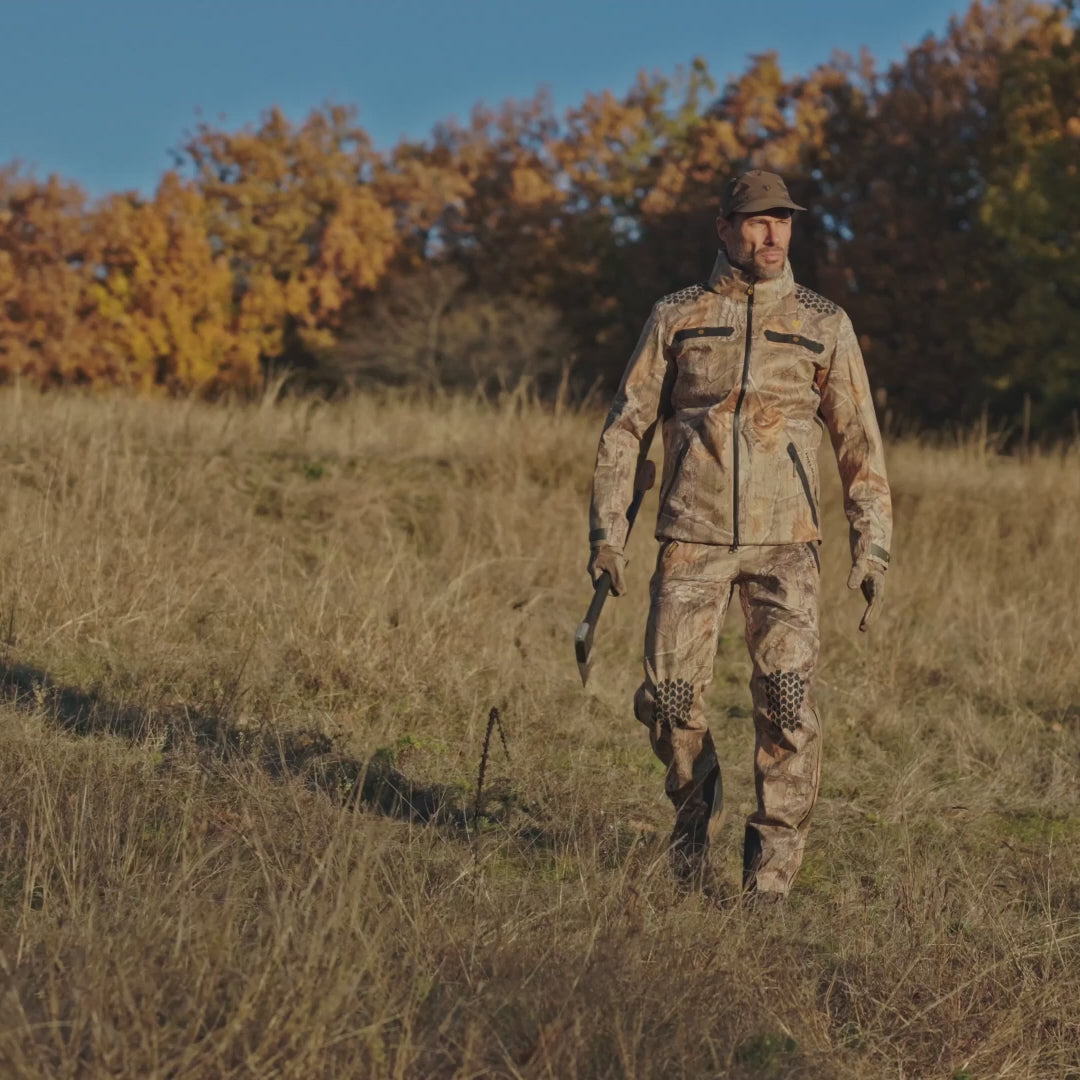
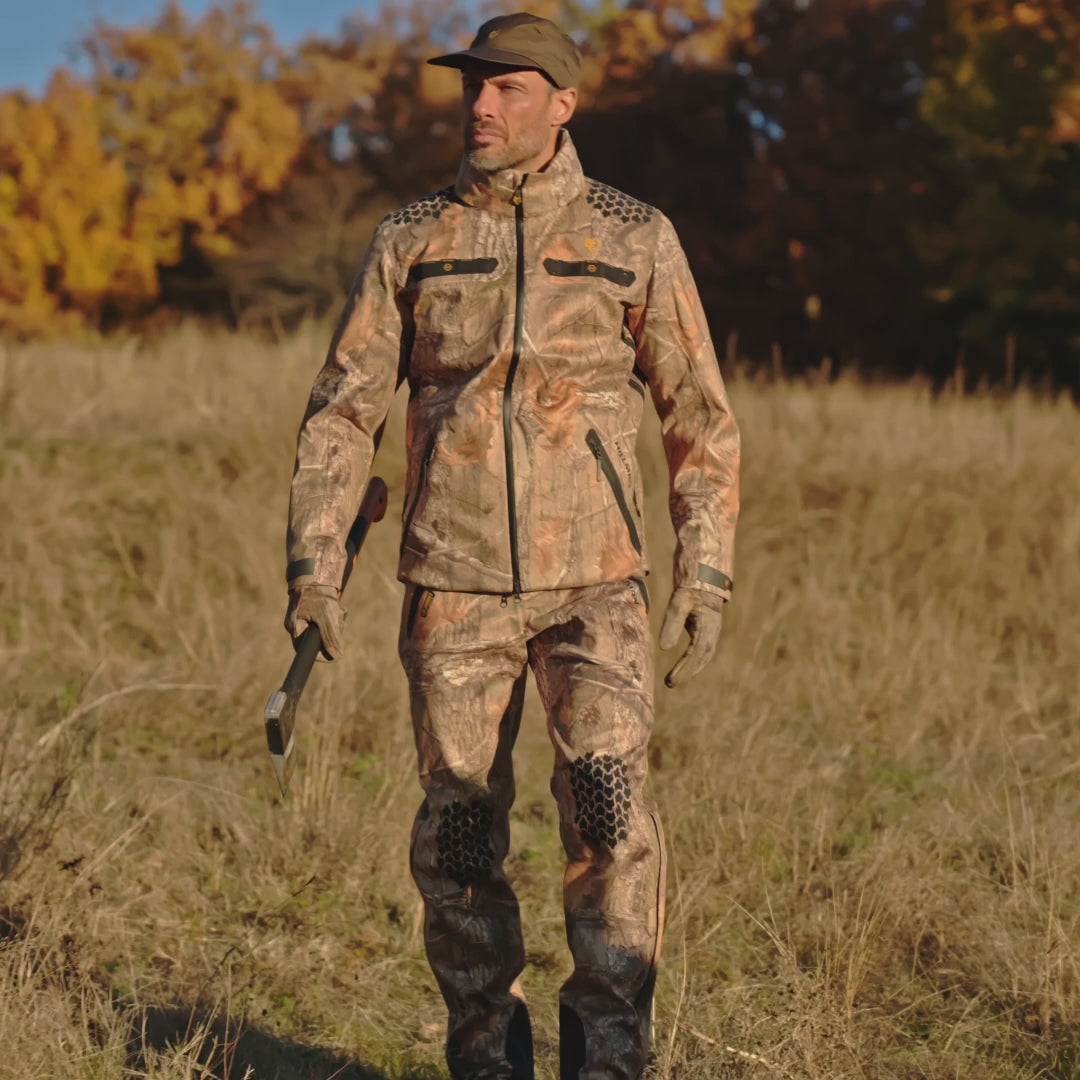
There’s a common assumption that heavier always means warmer. In Midwest hunting, that logic breaks down fast. A lightweight windproof hunting jacket often keeps hunters comfortable longer than bulky coats that trap heat but let wind through.
When wind is blocked effectively, the body retains warmth with less insulation. That lighter setup improves mobility, reduces fatigue, and makes long walks or all-day sits far more manageable. We’ve seen lightweight windproof outer layers make the difference between staying out and calling it quits early due to discomfort.
 Why Sealed Seams and Fit Matter More Than Thickness?
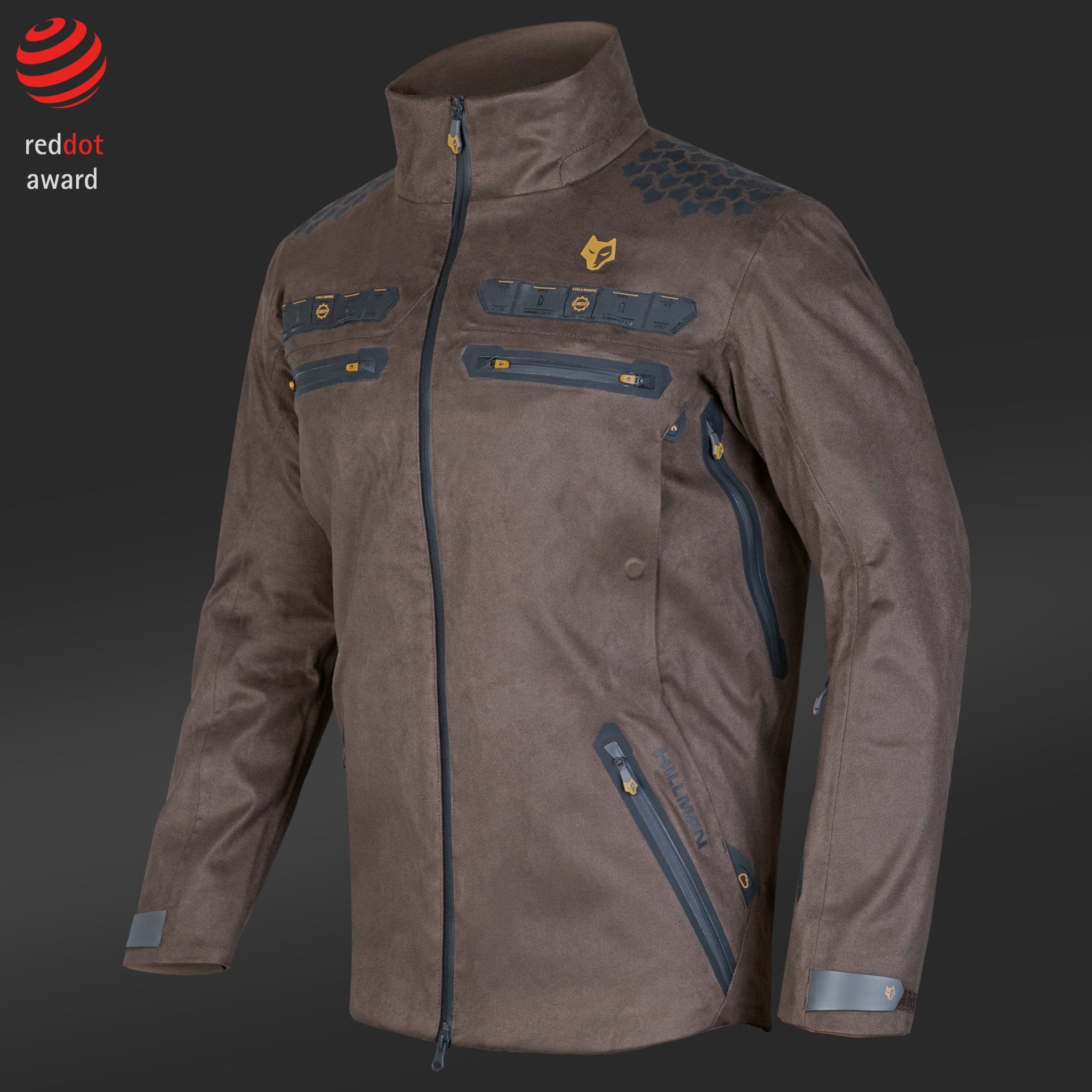
A jacket can use the right fabric and still fail if seams aren’t sealed properly. Wind finds its way through stitching faster than most hunters realize, especially during sustained gusts across open ground.
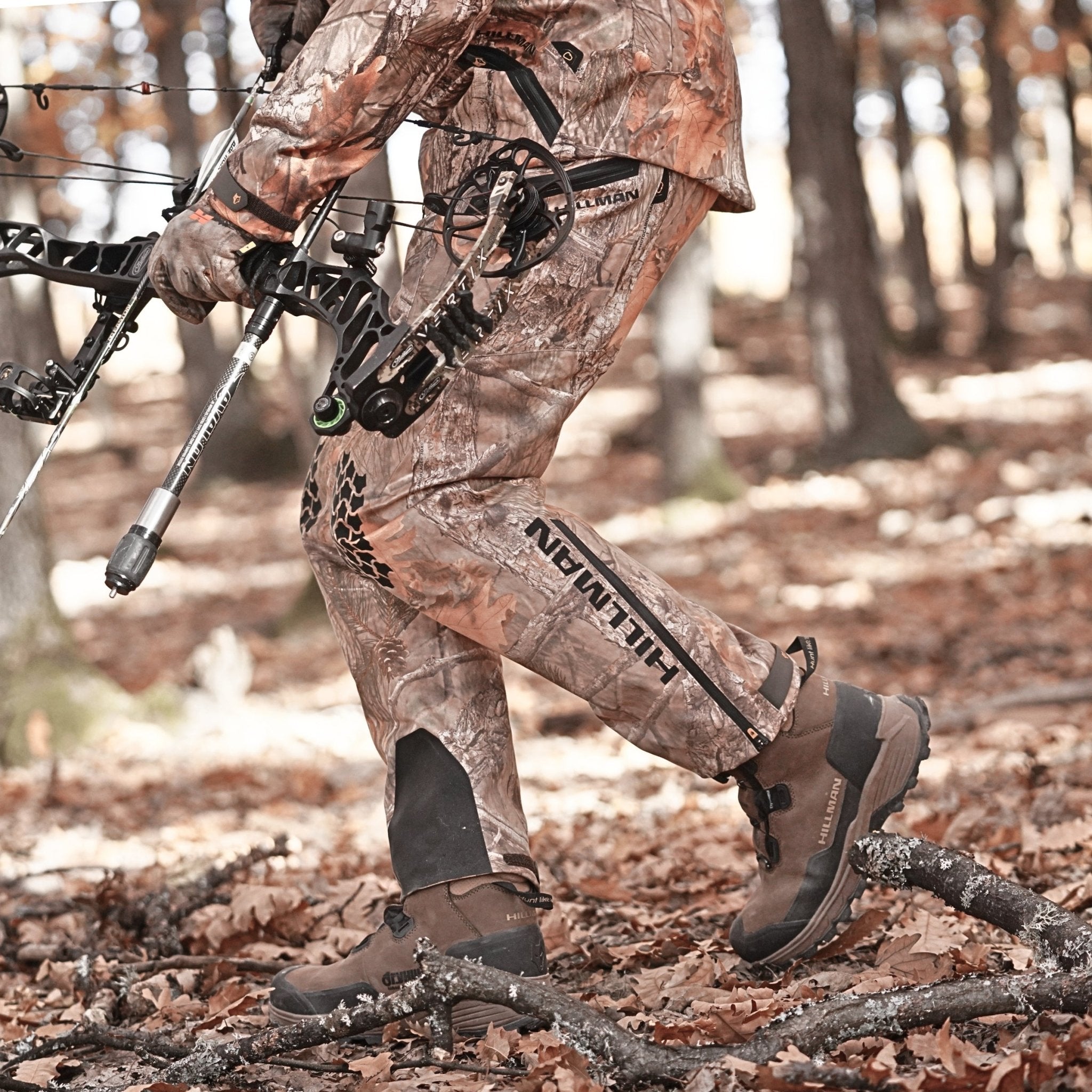
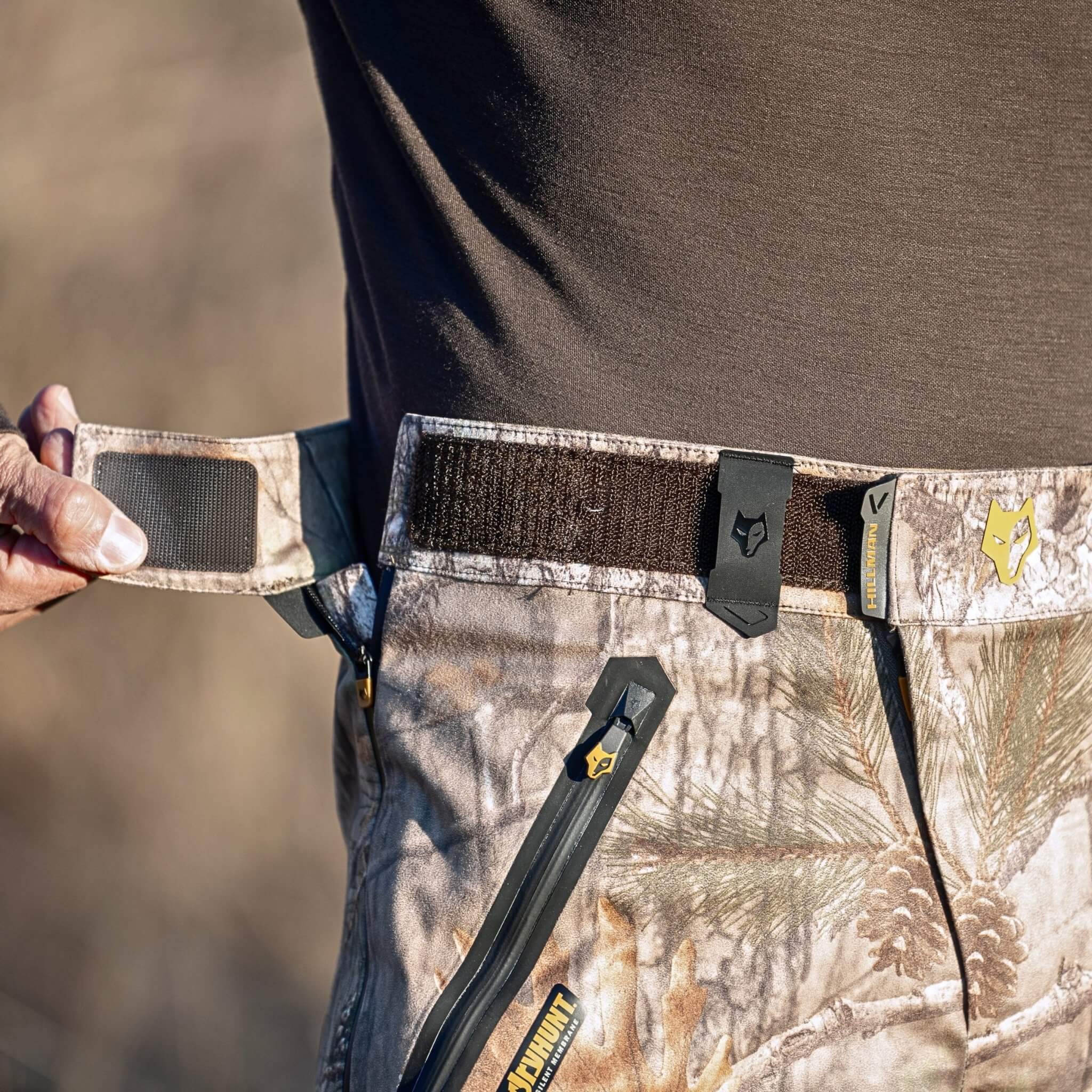
Fit plays an equally important role. Jackets designed to layer over thermal base layers without riding up maintain protection when sitting, standing, or walking. Poorly fitted outer layers expose the midsection and shoulders, exactly where wind hits hardest.


Share:
Hot-Weather Hunting Gear: How We Stay Cool & Protected
How to Keep Feet Warm on All-Day Snow Hunts: Insulation