


Cold feet end more snow hunts than bad sign or bad luck because the body protects the core first, reducing circulation to toes. The key isn’t just insulation, but controlling moisture and matching your boot/sock system to movement vs long sits. Managing sweat, keeping socks dry, and maintaining core warmth makes it possible to stay out all day without losing heat or focus.

How to Keep Feet Warm on All-Day Snow Hunts: The Science Behind Insulation
Cold feet don’t hit all at once.
It starts quietly. Your toes lose feeling. Then your focus drifts. You shift your weight. You think about moving. And eventually, you think about leaving. We’ve watched more snow hunts end because of cold feet than because of bad sign, bad wind, or bad luck.
Cold feet ruin long snow hunts. A realistic look at insulation, moisture, and staying warm when winter conditions set in.
Most advice skips over why this happens. So let’s slow it down and talk about what’s really going on, because once you understand how insulation, moisture, and circulation actually work, keeping your feet warm stops feeling like guesswork.

Why Cold Feet End More Snow Hunts Than Anything Else?
When temperatures drop into single digits, your body makes decisions for you.
It protects the core first. That’s survival. Blood flow gets pulled away from extremities: feet, toes, fingers, long before you notice it happening. By the time your feet feel cold, the process is already underway.
Late-season hunting isn’t just colder. It’s longer. You sit more. You move less. And snow speeds up heat loss in ways most hunters underestimate.
The Science of Heat Loss: What Actually Makes Feet Cold
There’s nothing mysterious about cold feet. It’s physics and biology working together.
Heat leaves your feet through conduction when they’re in contact with frozen ground or cold boot soles. Convection strips warmth as cold air circulates your boots. On top of that, reduced blood flow means less heat is delivered to your toes in the first place.
Here’s the part most people miss: insulation doesn’t create heat. It only slows heat loss. If circulation drops or moisture builds up, insulation stops doing its job.
Why Moisture Is the Real Enemy in Snow Hunting?

Cold doesn’t end hunts. Moisture does.
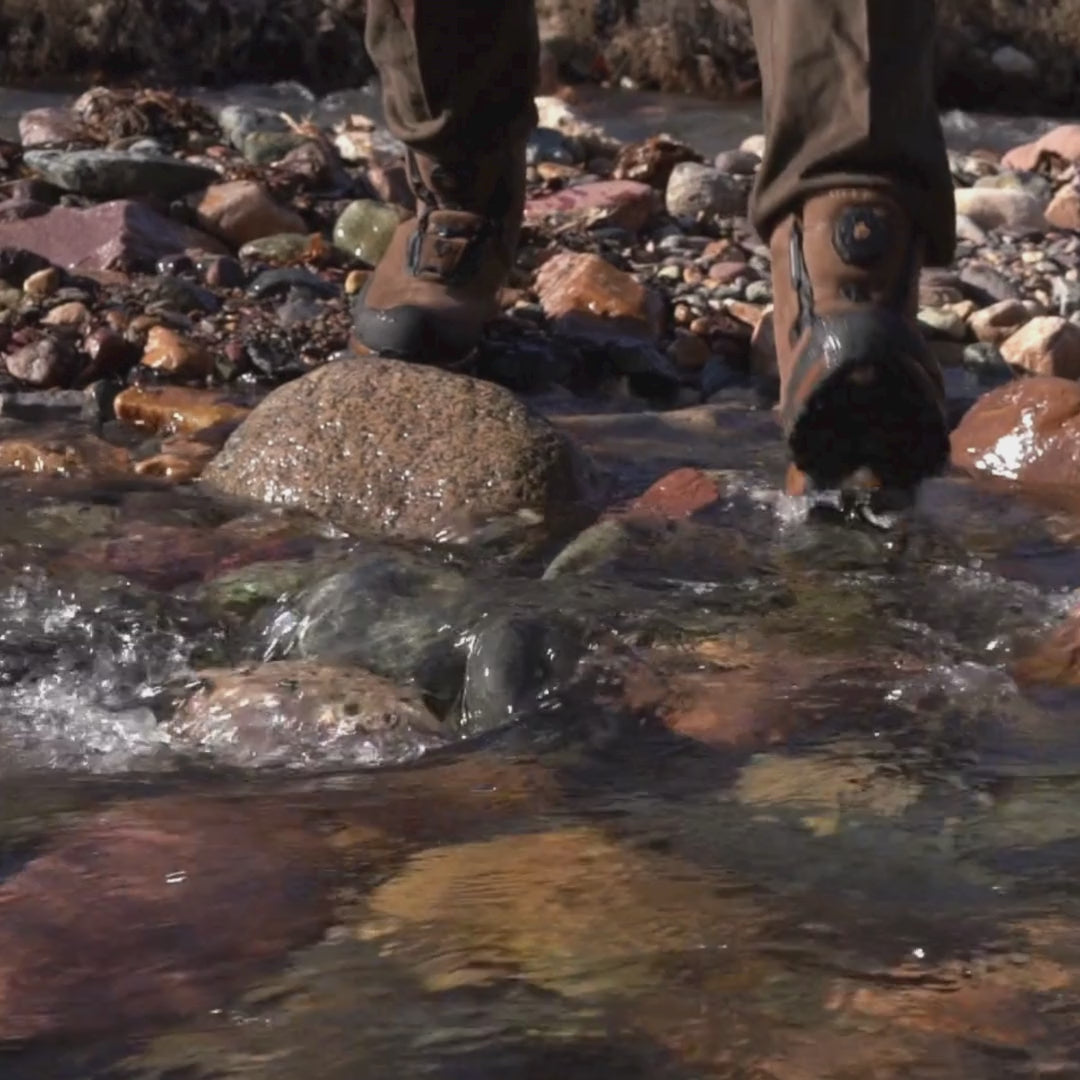
Sweat builds up during walk-ins, hiking, or still-hunting through snow. It doesn’t feel like much at first. Then you stop moving. That moisture cools. And suddenly your feet feel colder than the temperature suggests.
Wet socks kill insulation fast. Even thick wool struggles once moisture gets trapped. Managing sweat, before it becomes a problem, is one of the most important parts of keeping feet warm while hunting all day.
Walking In vs Sitting Still: Two Completely Different Problems
Most cold-foot problems start before the hunt even begins.
Walking in generates heat. Sitting on a stand destroys it. Trying to solve both with one setup rarely works. Heavy insulation during the walk-in can cause sweating. Light insulation during long sits doesn’t last.
That’s why successful snow hunters treat movement and stillness as two separate phases, not one continuous experience.
Sock Strategy That Actually Works in the Snow

We used to get this wrong.
Thick socks from the truck to the stand. Warm for ten minutes. Cold an hour later.
What works better is simple: wear light socks for the walk in. Once you reach your stand, switch into warm, dry merino wool socks. Keep that extra pair sealed in a zip-lock bag, so they stay dry and scent-free.
Dry socks reset the system every time.

Why Thick Socks Alone Often Make Cold Feet Worse?
Thicker doesn’t mean warmer if circulation suffers.
Boots packed tight with heavy socks restrict blood flow. Less blood means less heat reaching your toes. At that point, insulation is fighting against your own footwear.
Slightly larger boots create space for air and circulation. That space matters more than an extra layer of sock.

Insulation Explained: 400g vs 1000g and When Each Works
Insulation has a purpose, but only in the right context.
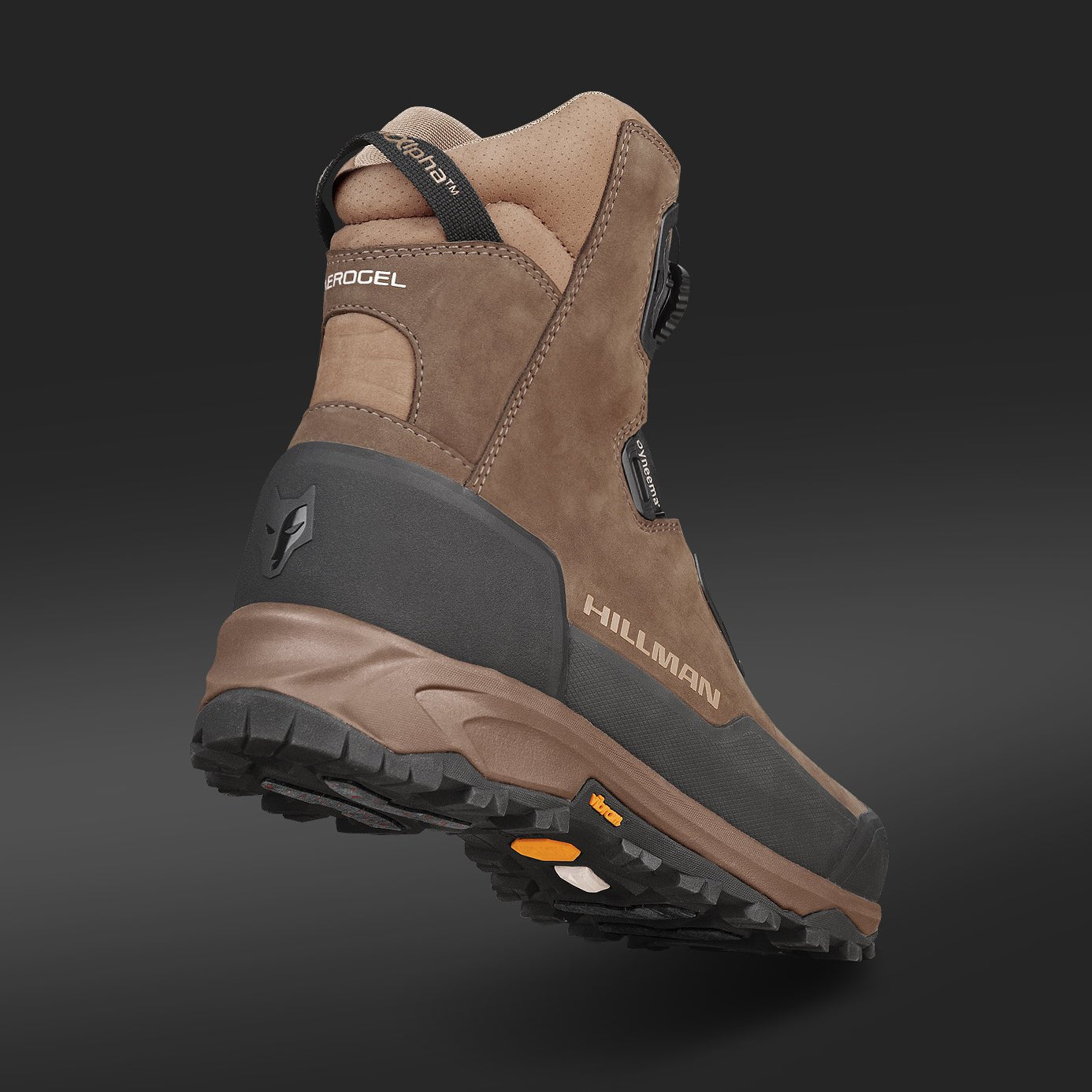
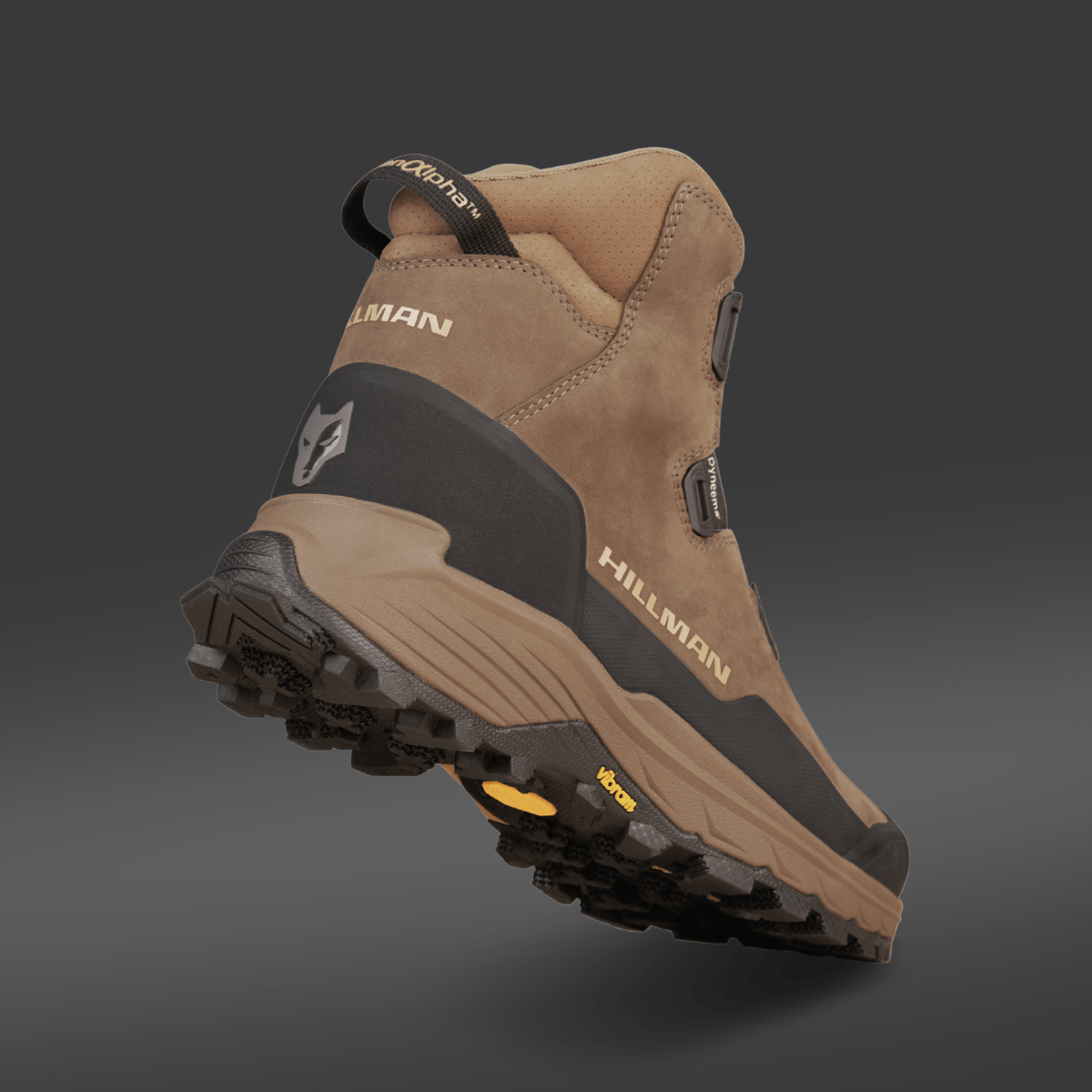
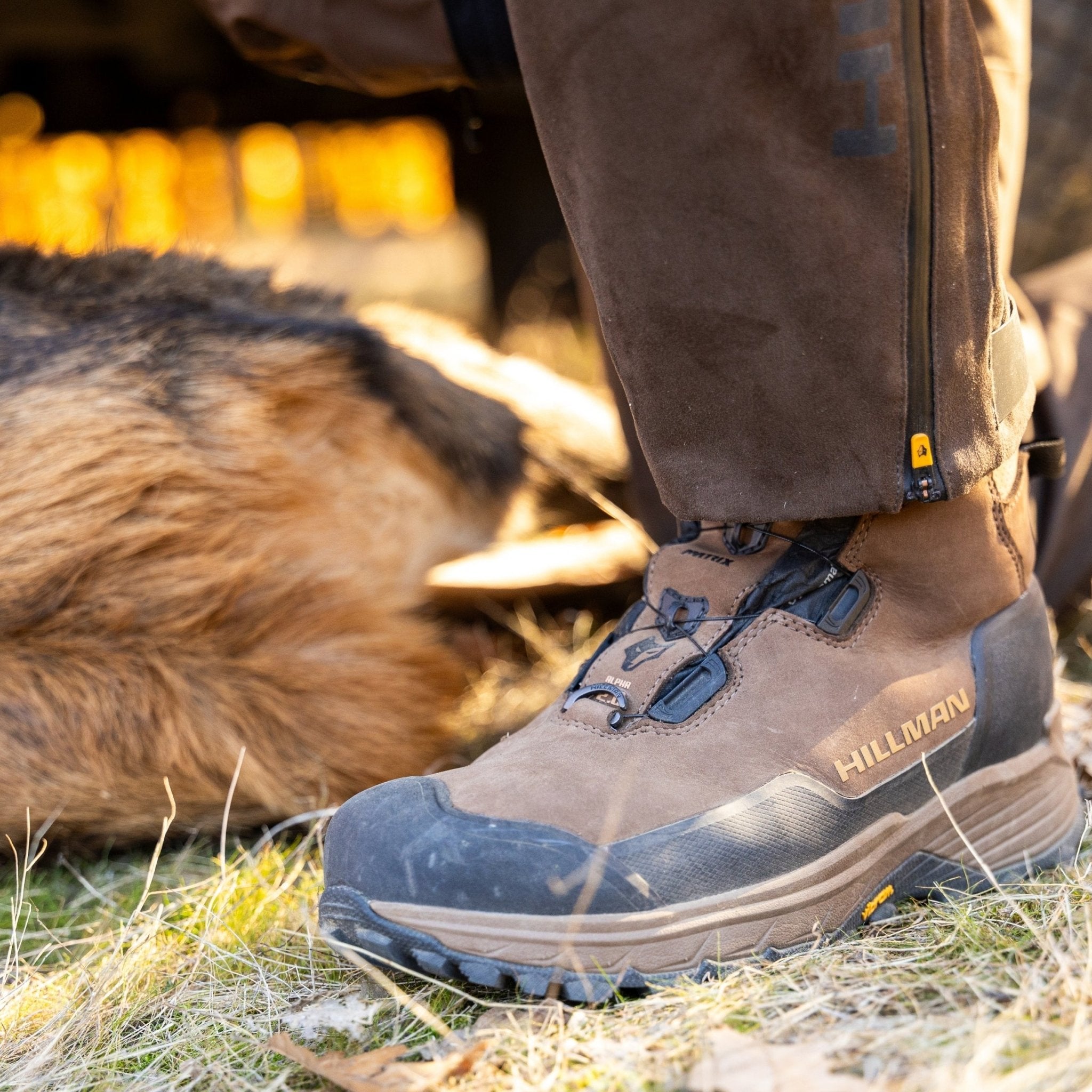
Around 400g works well for active hunts: still-hunting, hiking, tracking in snow. Heavy insulation, 1000g or more, is built for stationary setups in extreme cold.
Using heavy boots while moving creates sweat. Using light boots while sitting drains heat. Matching insulation to how you hunt matters more than the number on the label.
Uninsulated Boots, Rubber Boots, and When They Make Sense

This surprises people.
Many experienced hunters run in uninsulated boots or rubber boots in cold conditions. Not because they’re warmer, but because they’re easier to manage.
They control warmth externally. Boot covers. Over-boots. Warmers. When moisture is managed, and insulation is added only when needed, this setup stays flexible across changing conditions.
Boot Covers and Over-Boots: Trapping Heat Where It Matters
Over-boots don’t get enough credit.
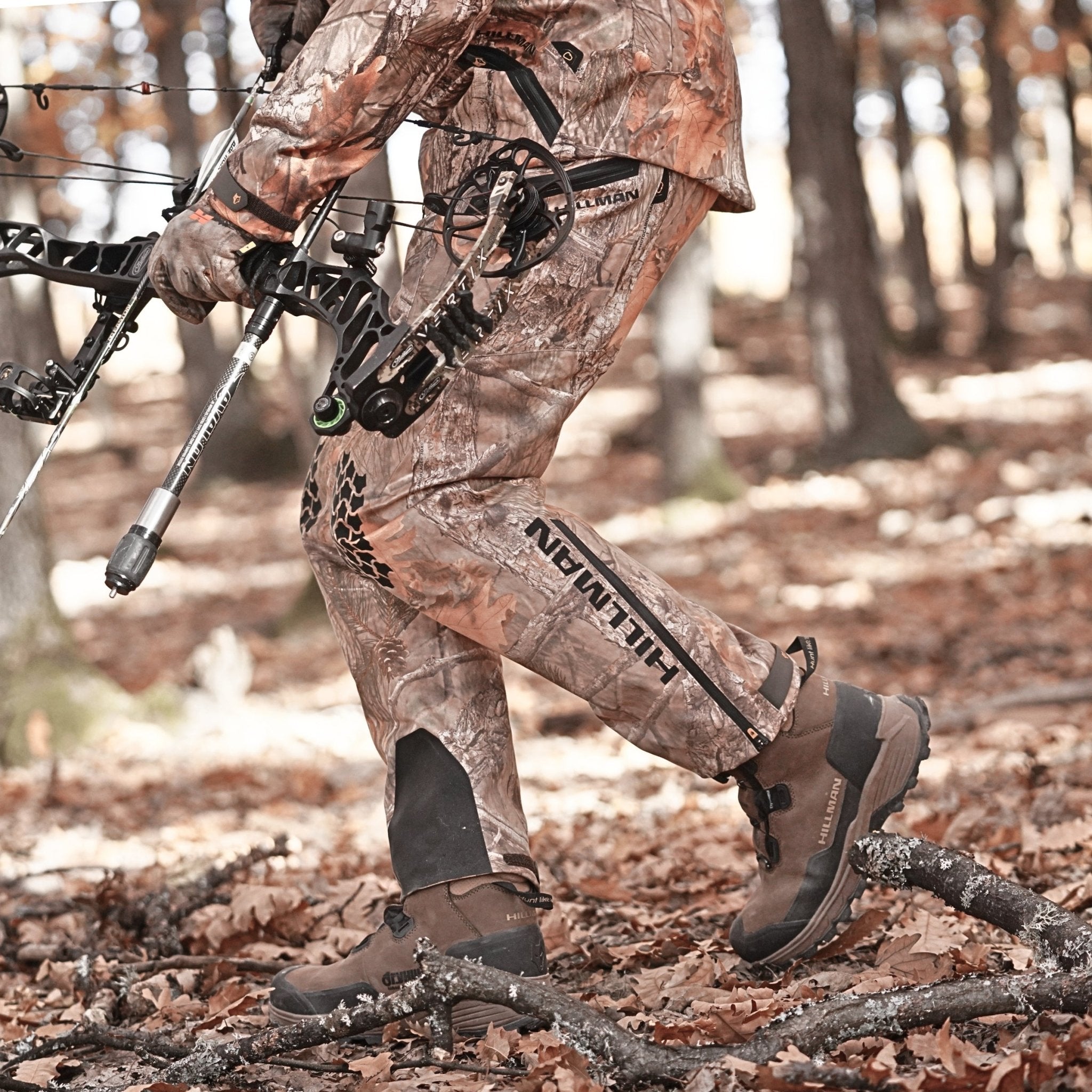
Insulated booties trap heat, block wind, and protect against snow and ice. For long sits, especially in late season, they extend comfort dramatically.
They don’t replace good boots. They finish the system.
Chemical Warmers vs Electric Socks: Pros and Cons
Both work. Neither is magic.
Stick-on toe warmers provide steady heat when placed correctly, on top of the sock or taped to the boot, not under the foot. Electric socks or heated insoles shine during long, stationary sits where circulation drops.
The key is using them to support insulation, not replace it.

Small Tricks Hunters Swear By (That Actually Make Sense)
Some tricks sound odd until you understand the why.
Unscented antiperspirant reduces sweating. Less sweat means less moisture. Less moisture means warmer feet later. It’s simple once you think about it.
Others switch socks mid-hunt or add light heat sources. These aren’t gimmicks. They address moisture and circulation, the real problems.
Why a Warm Core Keeps Feet Warm Longer?
Cold feet often start higher up than you expect.
When your core temperature drops, your body pulls blood away from your feet and hands. Keeping your torso warm: layers, hat, gloves, helps maintain circulation to your extremities.
Warm feet depend on a warm core. Always.

Snow Hunting Strategy and Foot Warmth Go Hand in Hand
Snow changes everything.
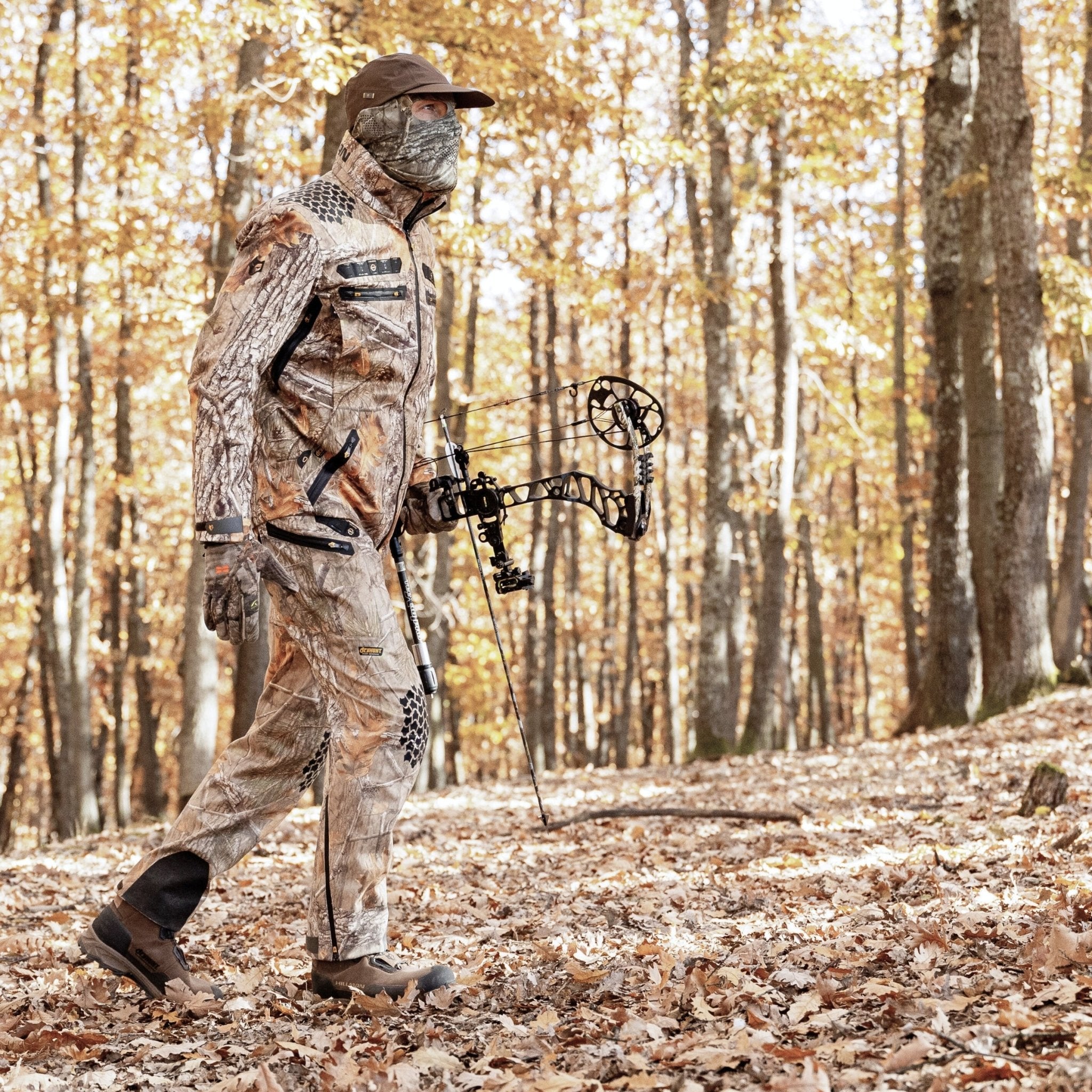
Tracks are easier to read. Deer movement becomes clearer. Still-hunting becomes quieter. Crunching snow is often less alarming than snapping sticks, especially when wind adds background noise.
Moving slowly reduces sweat. Wind masks sound. Both help with warmth and stealth.
Moving Smart in Snow to Protect Heat and Circulation

Fast movement creates heat fast: and loses it faster.
Slow down. Stop often. Let circulation stabilize. Avoid unnecessary exertion. This isn’t about speed. It’s about lasting all day.
Late Season Foot Setup for All-Day Snow Hunts
There’s no perfect formula. But there is a smart system.
Light socks for the walk in. Dry wool socks at the stand. Boots matched to movement. Optional warmers or over-boots for long sits. Moisture control at every step.
When those pieces work together, all-day snow hunts stop feeling like endurance tests.


Share:
Field-Tested Jackets for the Midwest Wind
The Truth About Waterproof Boots in the U.S: Real Conditions