

The Whitetail Hunter’s Checklist: Essential Gear for 2026

Master the woods with our 2026 whitetail deer hunting gear checklist. From scent stealth to late-season layers, get the gear that brings home the buck.
Most hunts don’t fail because of bad planning. They fall apart quietly. Cold sets in faster than expected. Moisture creeps through layers. A piece of gear that felt fine at the truck starts working against you three hours later.
That’s usually when hunters realize something important: hunting gear isn’t about having more. It’s about having the right things for the way you actually hunt.
Over time, with enough mornings in the field and enough late walks back in the dark, most hunters reach the same conclusion. Gear only works when it matches the season, the terrain, and how much you move once you’re there.
Understanding the Hunting Season: How Gear Changes From Early Fall to Late Season
 Every hunting season shifts the rules a little. Conditions change gradually, not all at once, and that’s where many gear mistakes happen. The most common one is assuming a single setup can carry you from opening week through the end of the year. In reality, the demands on your hunting clothing and equipment evolve as the season moves forward, even if the terrain stays the same.
What feels comfortable early on can become distracting later. Small issues like heat buildup, moisture, and restricted movement tend to compound over time.
Early Season and Early Fall: Hot and Warm Weather Conditions
Early-season hunts often feel forgiving. Mornings are cool, afternoons are mild, and movement feels easy. But early fall can turn warm fast, especially once the sun clears the trees. Hot weather shifts priorities quickly, and overheating becomes a bigger problem than staying warm.
This is where lightweight hunting clothes earn their place. Breathable pants and simple layers help manage sweat before it becomes an issue later in the day. When you’re moving often, comfort comes from staying dry and unrestricted, not from piling on protection you don’t need yet. Gear that dries quickly and vents well tends to feel better after hours of steady movement.
Mid-Season Transitions and Cool Weather Hunts
Midseason brings more balance, but also more variability. Cool weather settles in, yet activity levels often stay high. You might cover ground in the morning, slow down midday, then move again in the evening. This constant shift exposes gear that only works well at one pace.
Adaptability matters more than weight here. Layers that can be adjusted without stopping, and fabrics that handle both movement and brief pauses, feel easier to live in over long days. Instead of changing clothes, you adjust how the system works.
Late Season Hunts and Extreme Cold Challenges
Late-season hunts are where gear choices get exposed. Extreme cold rarely arrives all at once. It builds slowly, settling in during long periods of sitting still or standing in the wind. The longer you stay out, the more noticeable small gaps in insulation and wind protection become.
Hunters become hard-pressed to stay focused when the cold starts pulling attention away from the hunt. At this stage, insulation and wind resistance stop being preferences. They become requirements. Gear that felt manageable earlier in the season can suddenly feel inadequate, especially during extended sits where body heat is harder to maintain.
Hunting Styles and Terrain: Choosing Gear Based on How You Hunt

How you hunt shapes everything else. Distance, pace, posture, and time spent moving, or not moving, determine what gear actually works. Two hunters can walk into the same area on the same day and need completely different setups simply because they hunt differently.
Ignoring that difference is one of the fastest ways to end up uncomfortable long before the hunt is over.
Spot and Stalk Hunters in Rugged Terrain
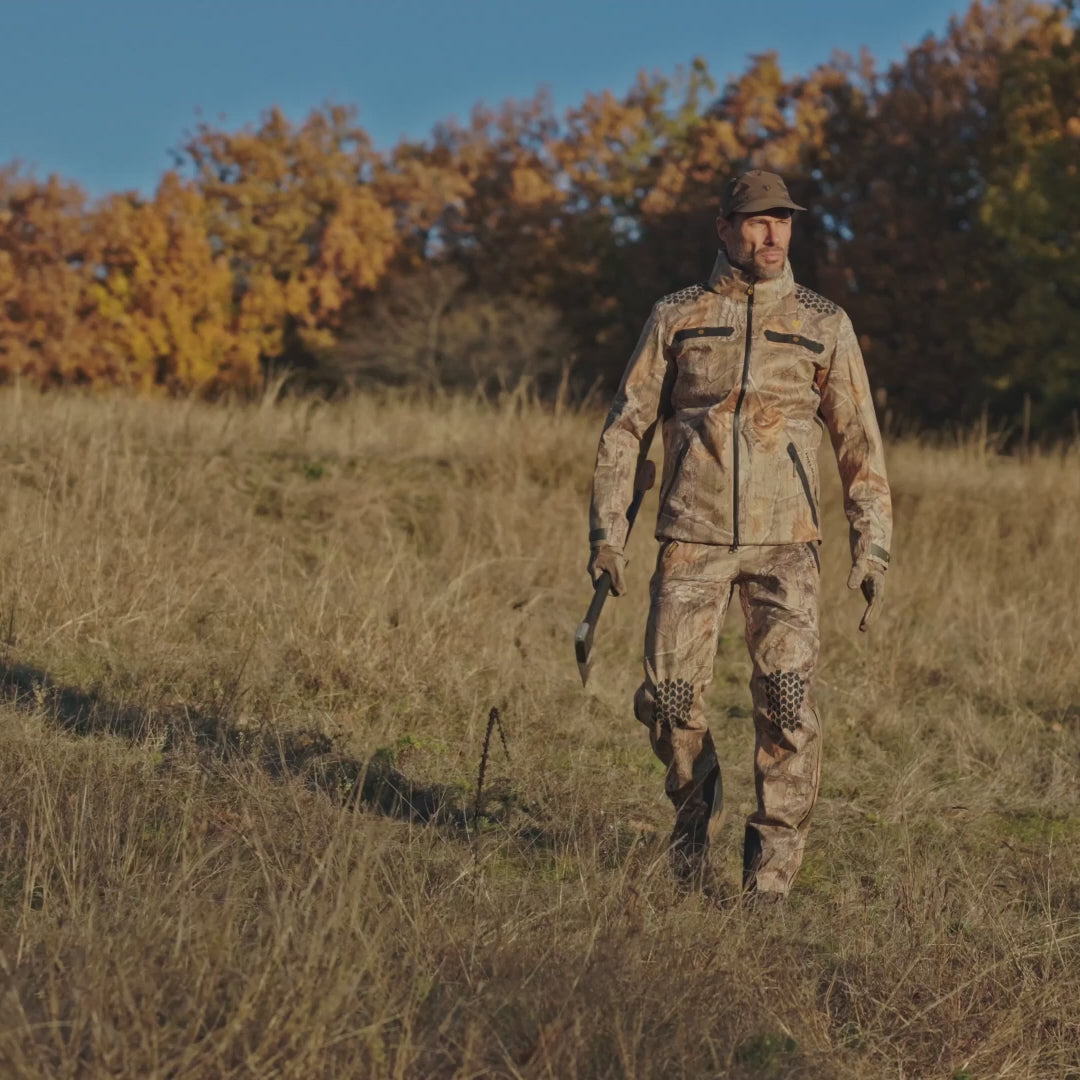
Spot and stalk hunters rarely stay comfortable for long, and that’s part of the tradeoff. Rugged terrain, steep terrain, and rocky terrain demand constant adjustment: foot placement, balance, and body position are always changing. Add heavy loads to the mix, and every weakness in your gear shows up fast.
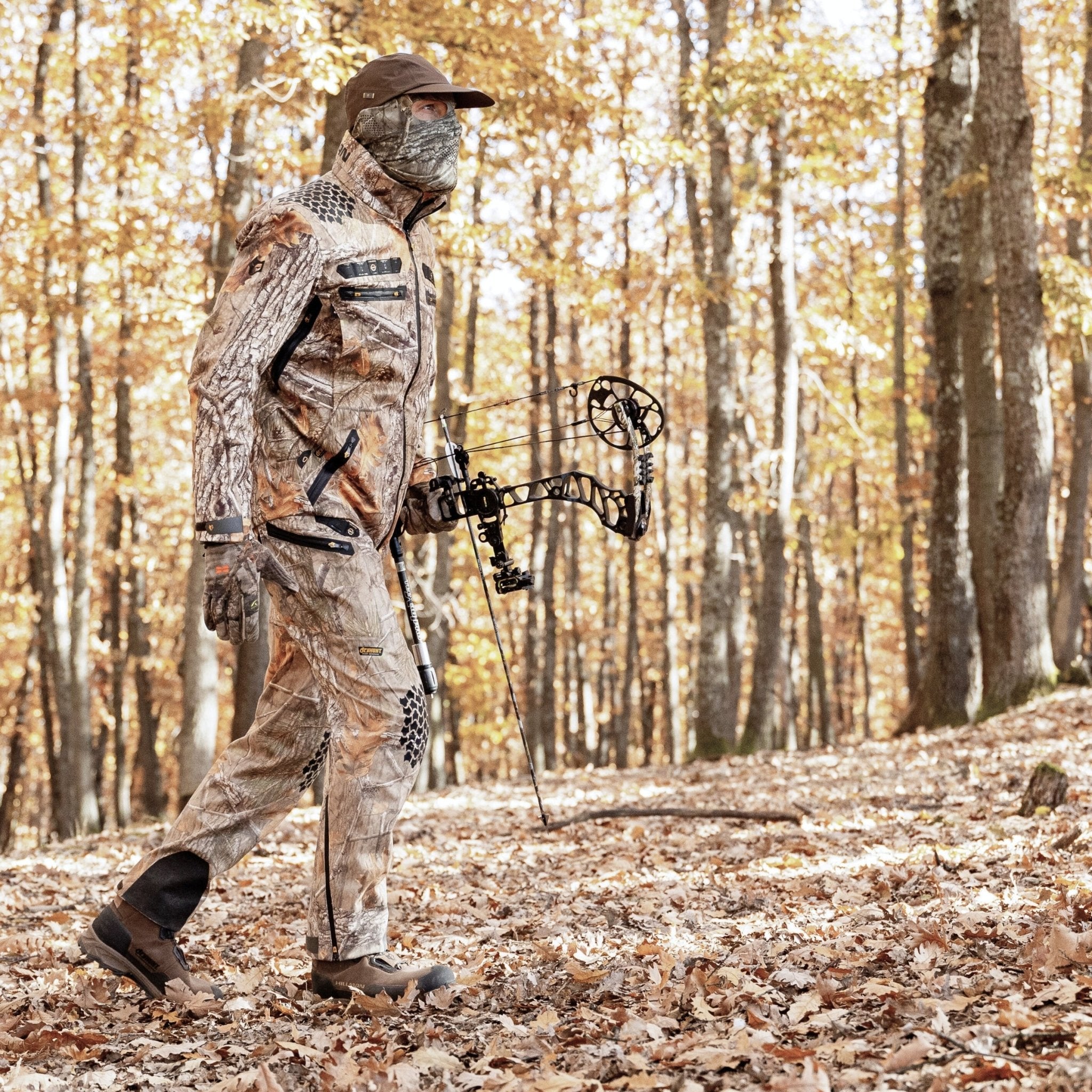
For active hunters, flexibility and durability matter more than bulk. Clothing and boots need to move when you move, stretch when terrain forces awkward steps, and recover without binding or tearing. Gear built for rugged hunts doesn’t just survive contact with rocks and brush: it stays predictable, even when footing gets sketchy, or fatigue starts to set in.
Tree Stands and Long Periods of Low Movement
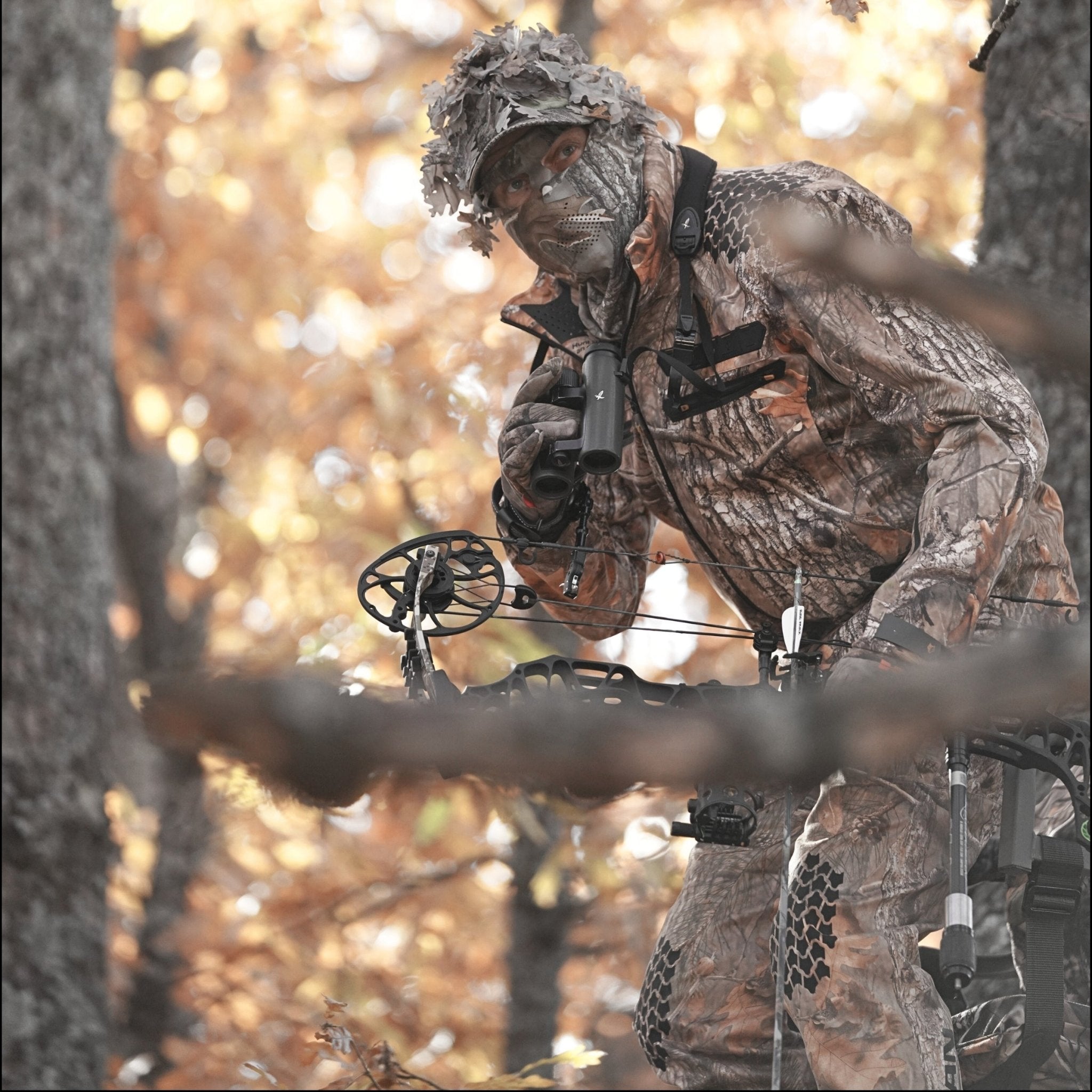
Tree stands flip the equation completely. Movement drops to almost nothing, while exposure increases. Cold weather shows up faster than expected, especially once the body settles and heat production slows.
When you’re sitting through long periods without much movement, small comfort issues grow quickly. Pressure points, restricted circulation, or inadequate insulation pull attention away from the hunt. In these situations, comfort isn’t about luxury; it’s about staying patient long enough for the opportunity to show up.
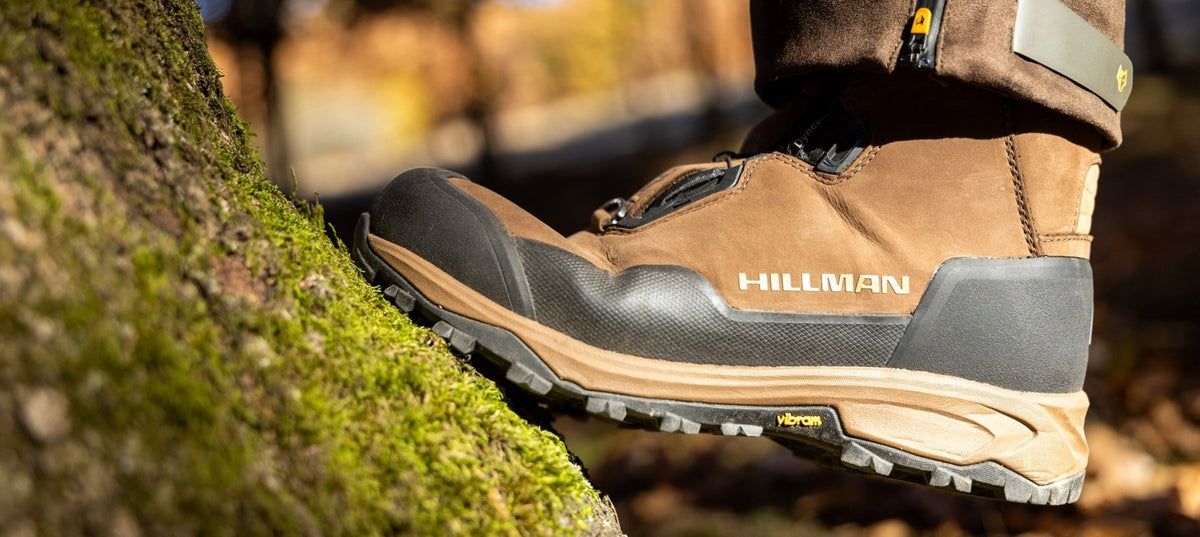
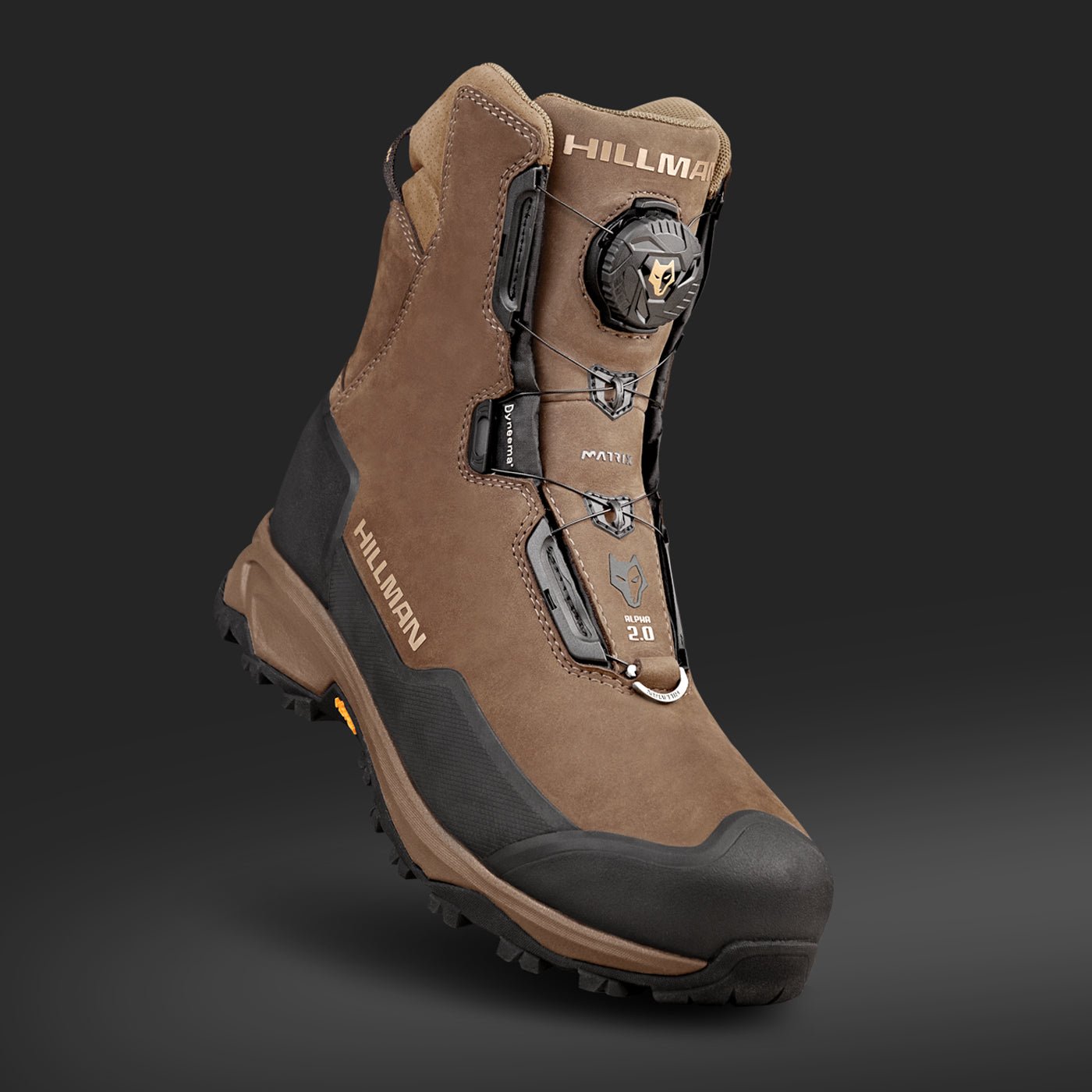
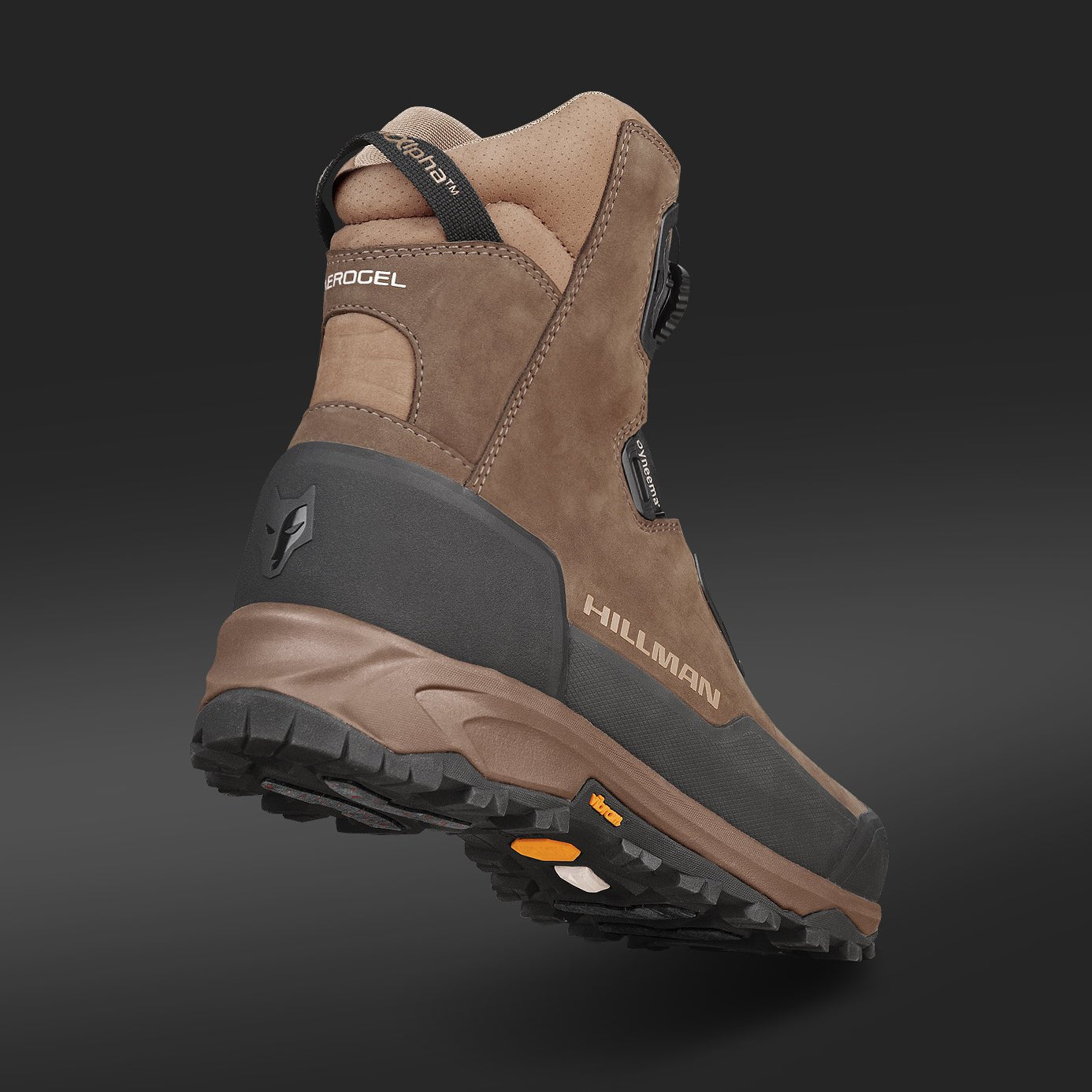
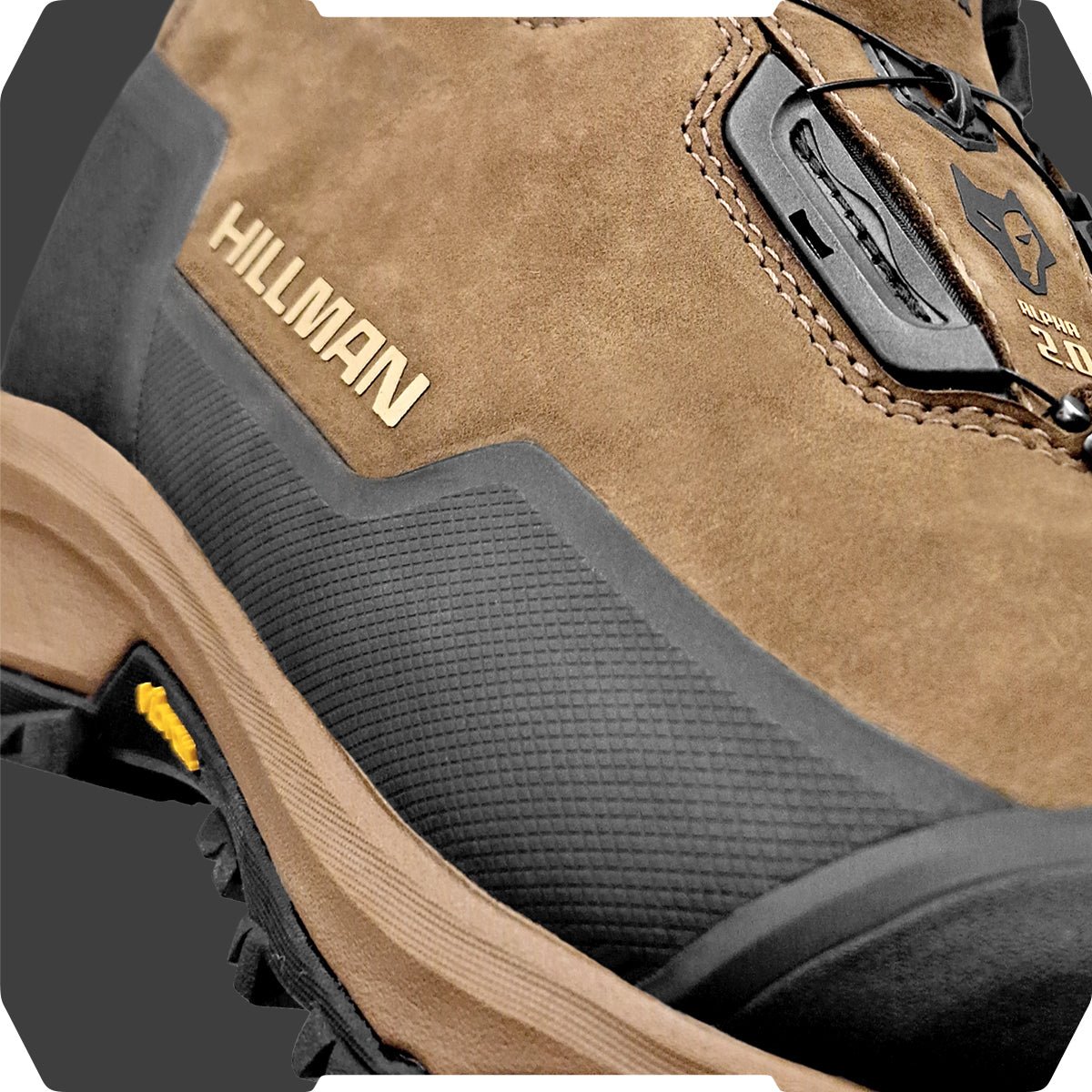
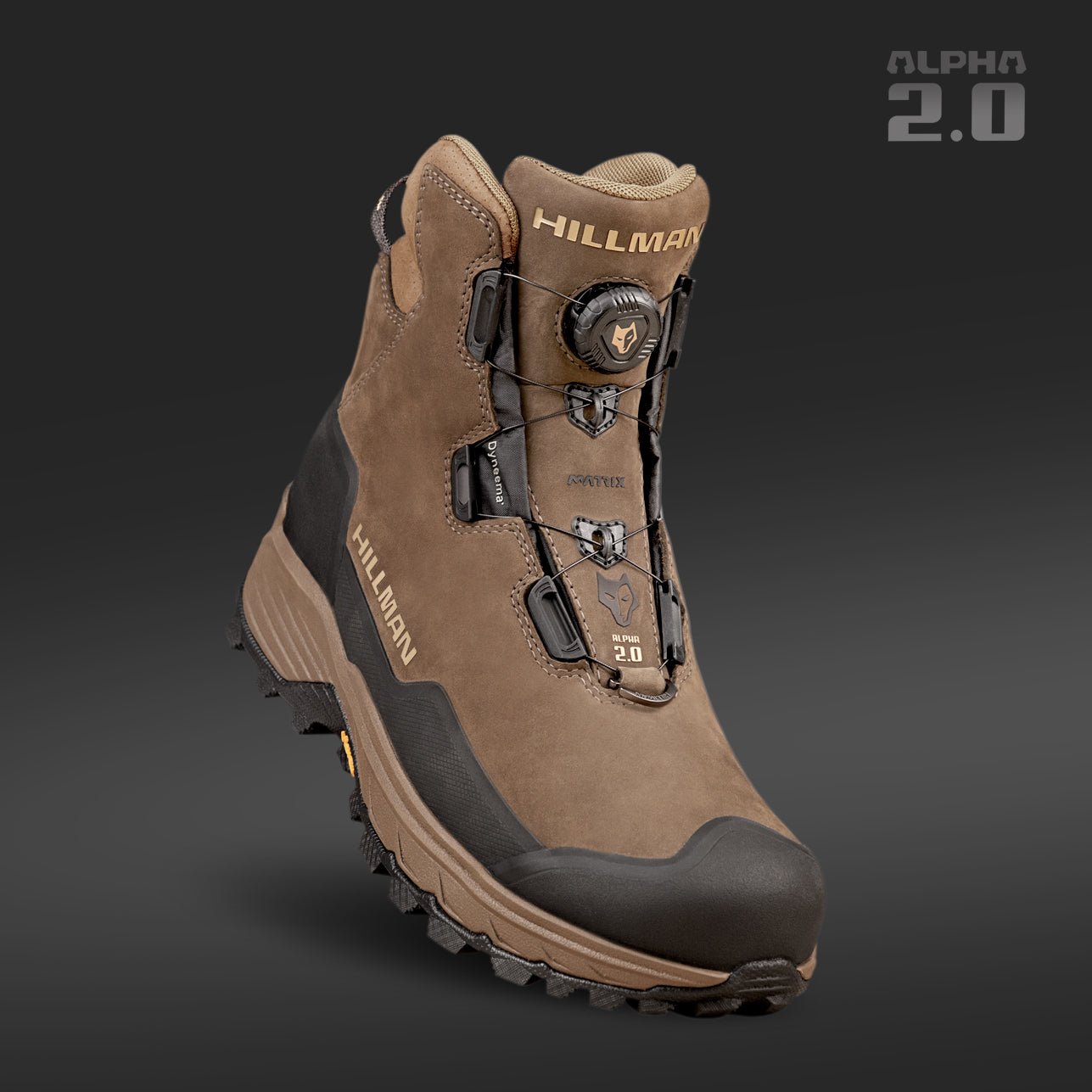
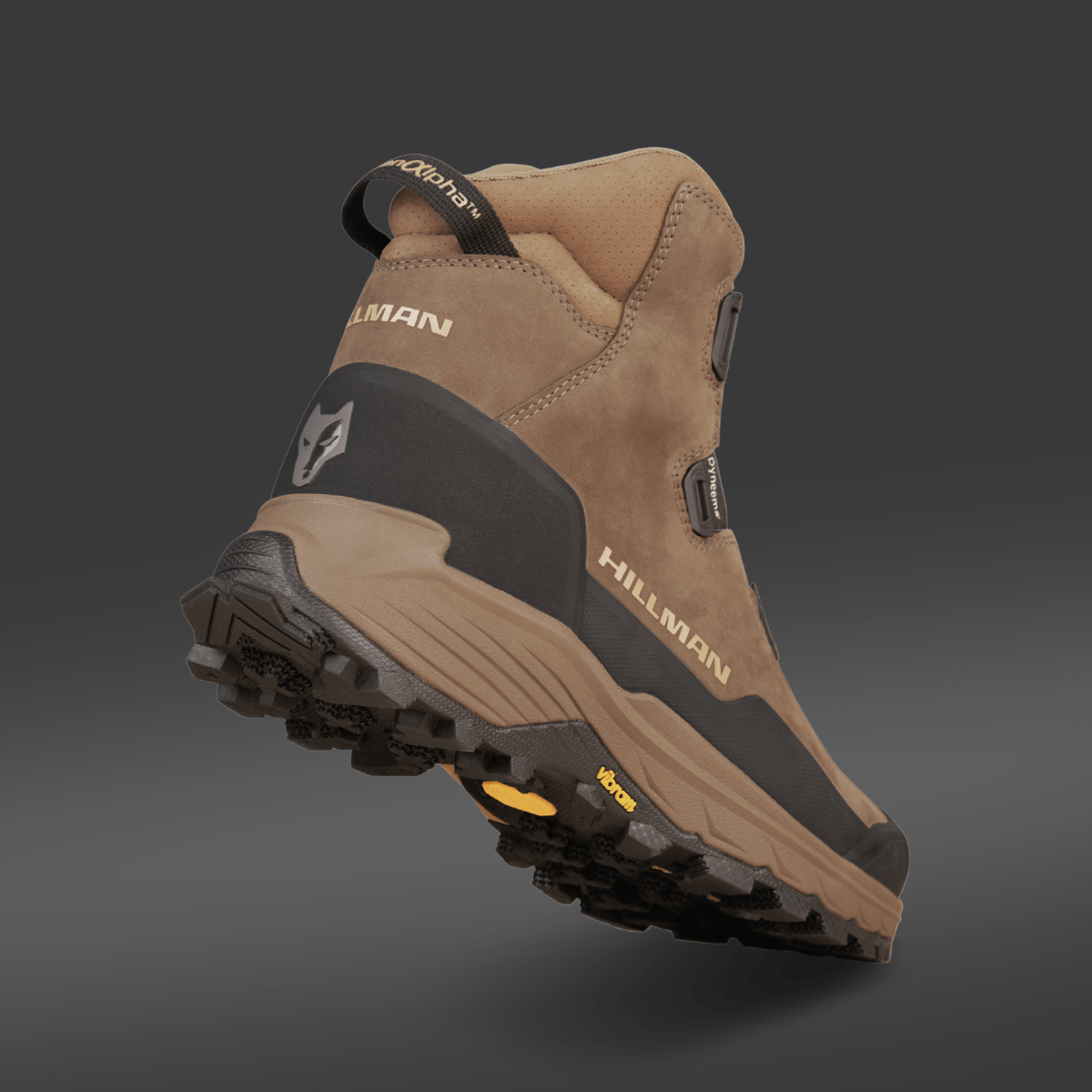
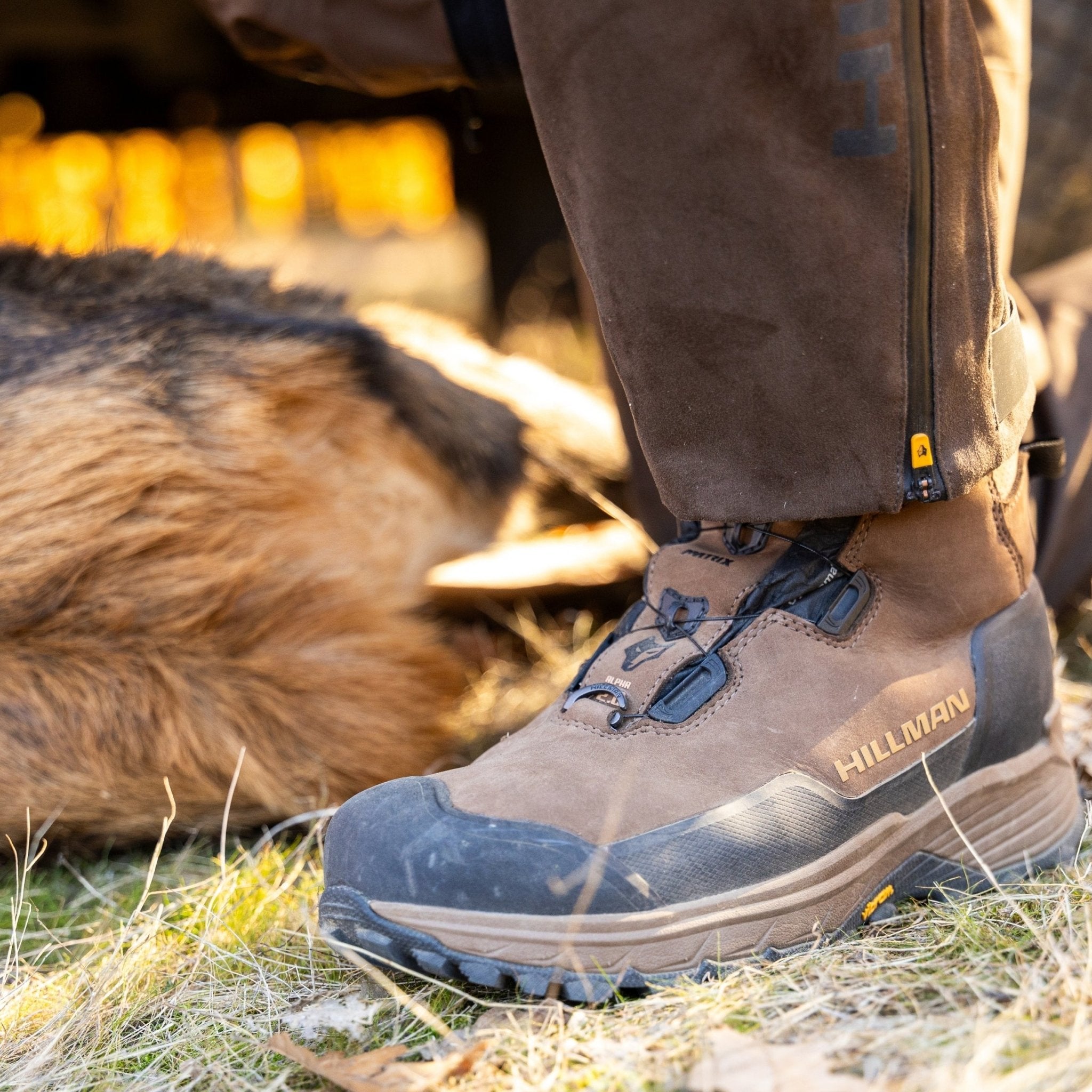
Hunting Boots: Warmth, Traction, and Protection in the Field

Hunting boots rarely get much thought until something goes wrong. Cold feet. Slipping on uneven ground. Wet conditions that never quite dry out. Once problems start at ground level, they tend to follow you for the rest of the day.
Good boots quietly solve problems before they turn into distractions.
Cold Weather Hunting Boots and Managing Cold Feet
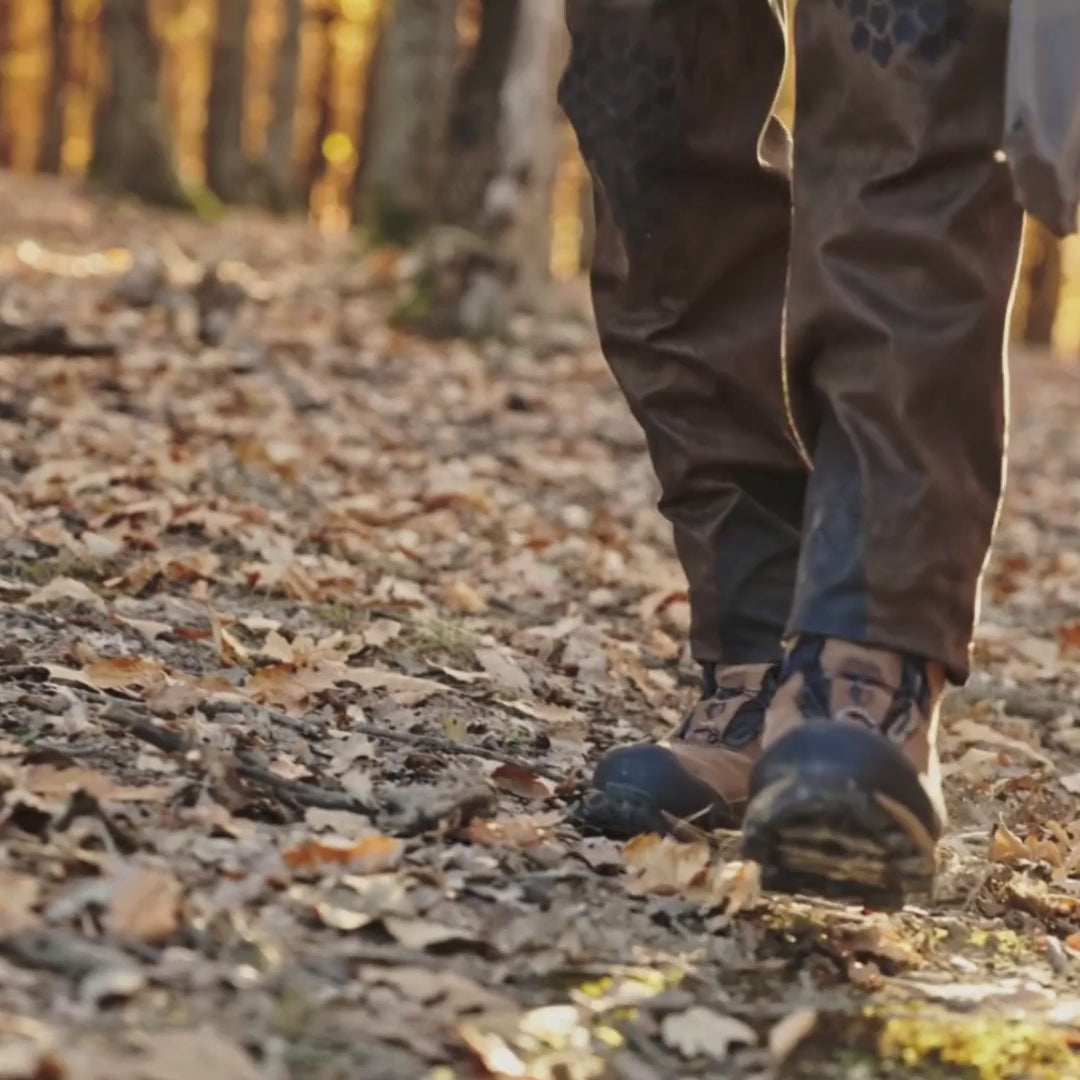
Cold-weather hunting boots work best when the insulation matches the activity level. Moving hunters usually need less insulation than they expect. Too much warmth early can lead to sweating, which often results in colder feet later, once movement slows.
For long sits in cold weather, the best cold-weather options combine serious insulation with dependable waterproofing. Dry feet hold heat longer and stay comfortable through extended periods of inactivity. That matters far more than most features listed on a spec sheet.
Mountain Hunting Boots for Steep and Rocky Terrain

Mountain hunting boots earn their reputation on steep terrain and rocky terrain, where stability matters more than softness. Excellent traction keeps each step deliberate, while a stable platform reduces fatigue over long climbs and side-hilling.
In these environments, shortcuts show quickly. Weak support or poor traction turns manageable terrain into constant effort, especially when carrying weight.
Rubber Boots for Wet Brush and Nasty Conditions
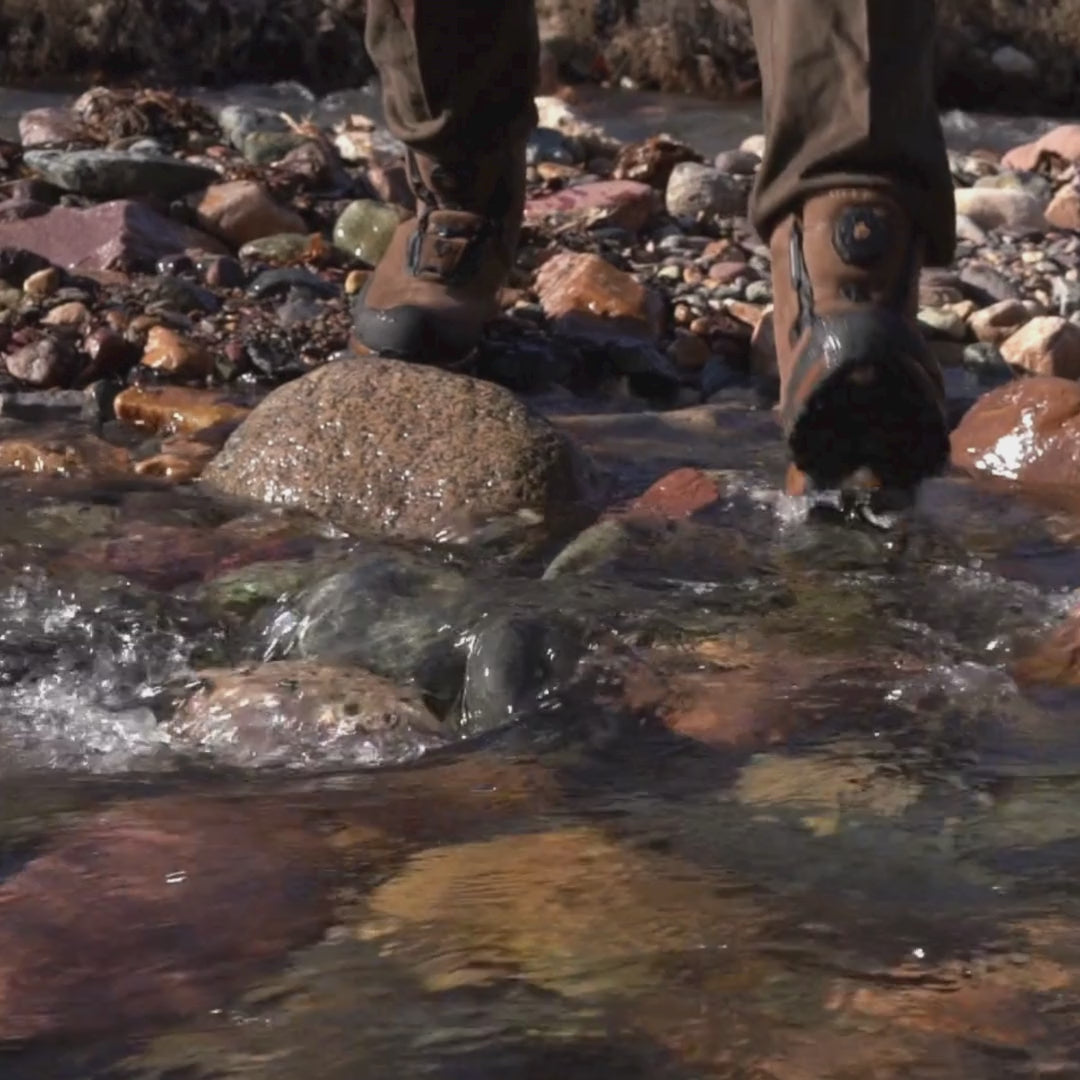
Wet brush and nasty conditions create a different set of challenges. Rubber boots often make sense when moisture is unavoidable and constant. But waterproofing alone isn’t enough. Fit and long-term comfort matter just as much when boots stay on for hours rather than minutes.
Poorly fitting rubber boots fatigue feet quickly, even if they keep them dry.
Boots for Big Game Animals and Elk Hunting

Elk hunting and late-season elk hunts push boots harder than most hunts. Distance, elevation, heavy packs, and unpredictable weather all stack up. When pursuing big game animals, footwear needs to hold together under pressure while still providing warmth, support, and traction.
In these situations, boots aren’t just part of the setup; they’re the foundation that everything else depends on.
Deer Hunting Jacket and the Outer Layer System

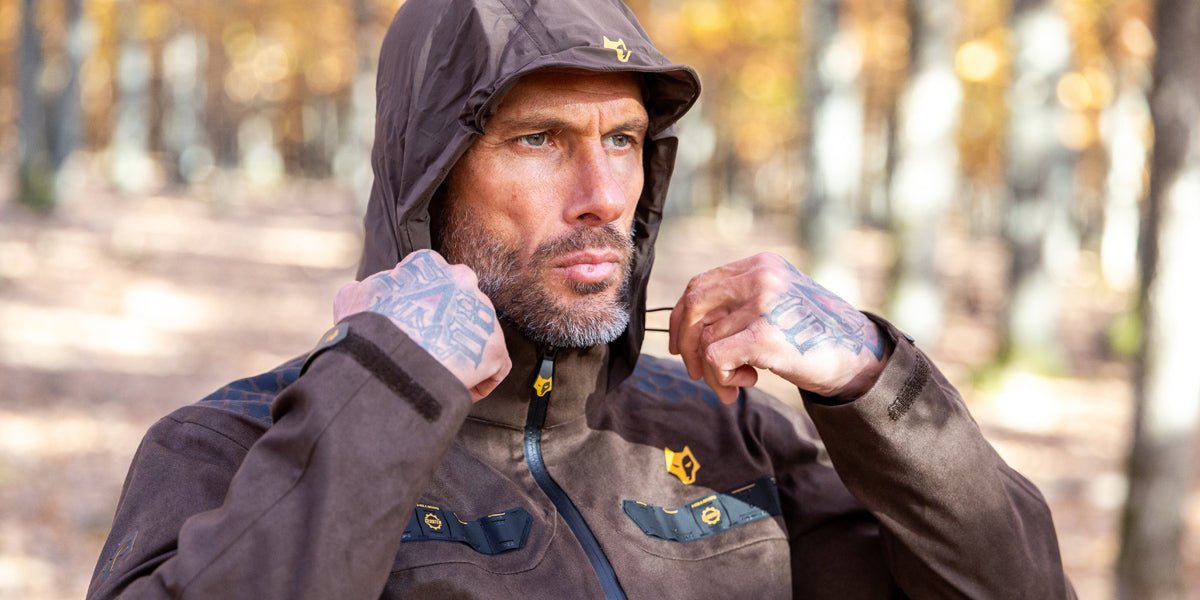
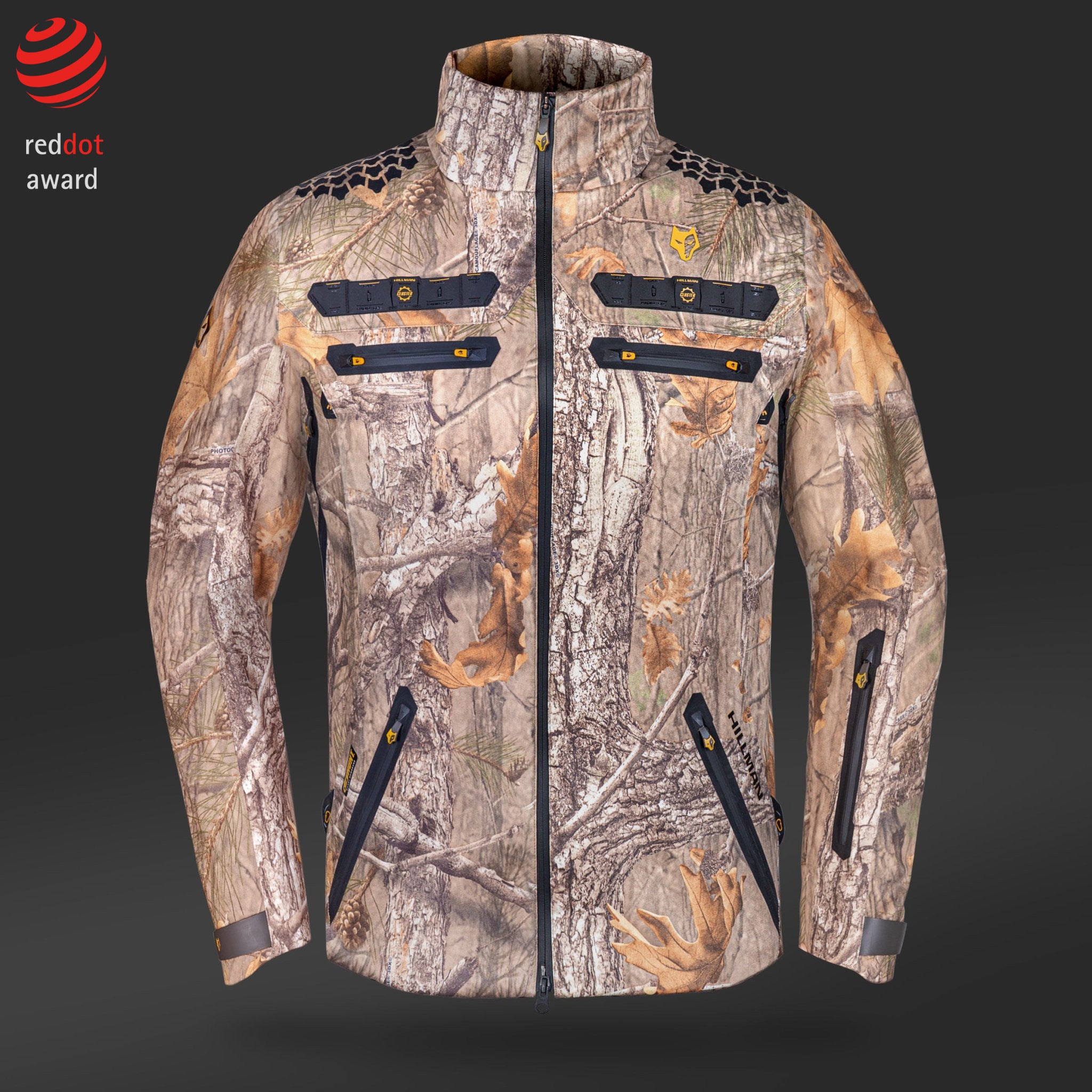
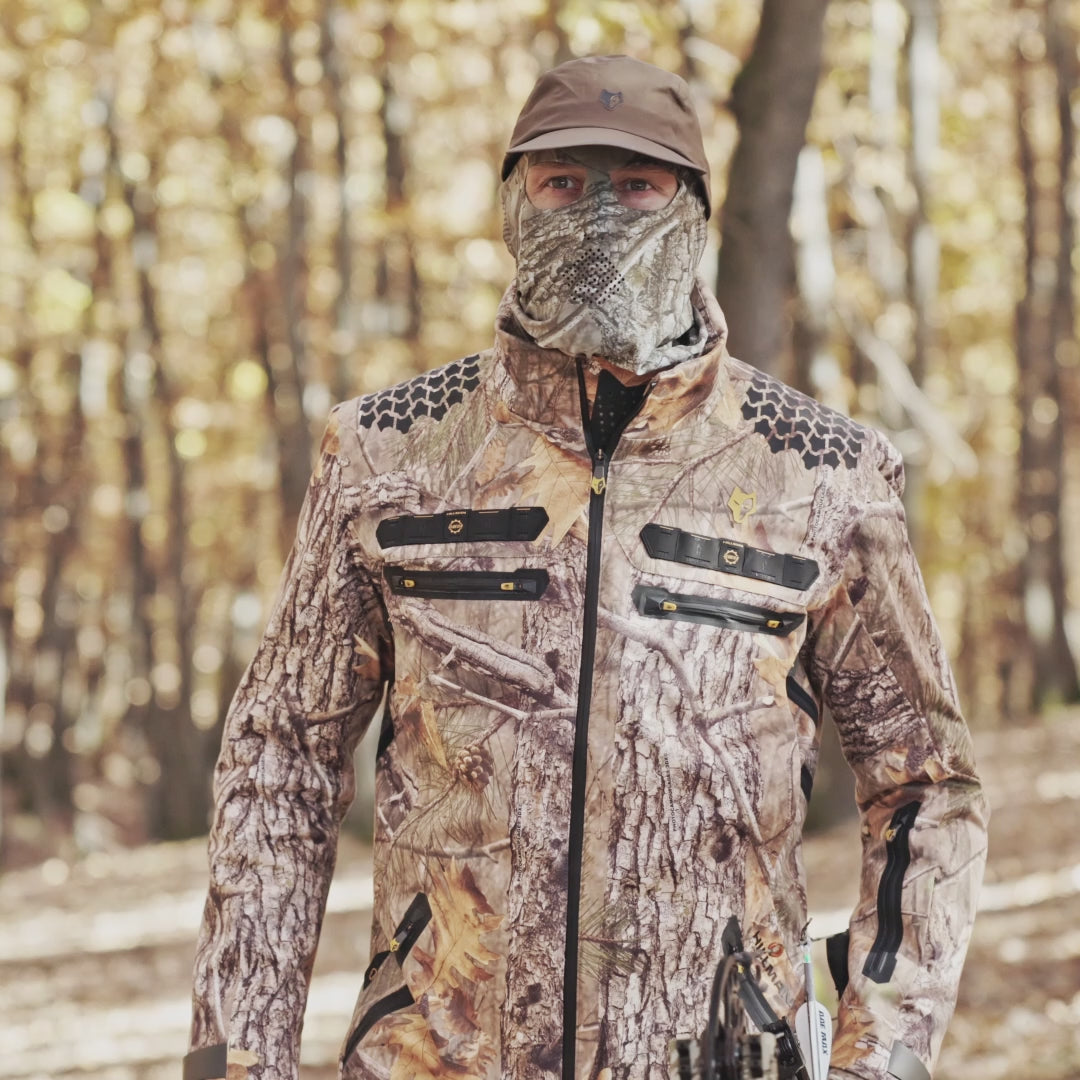
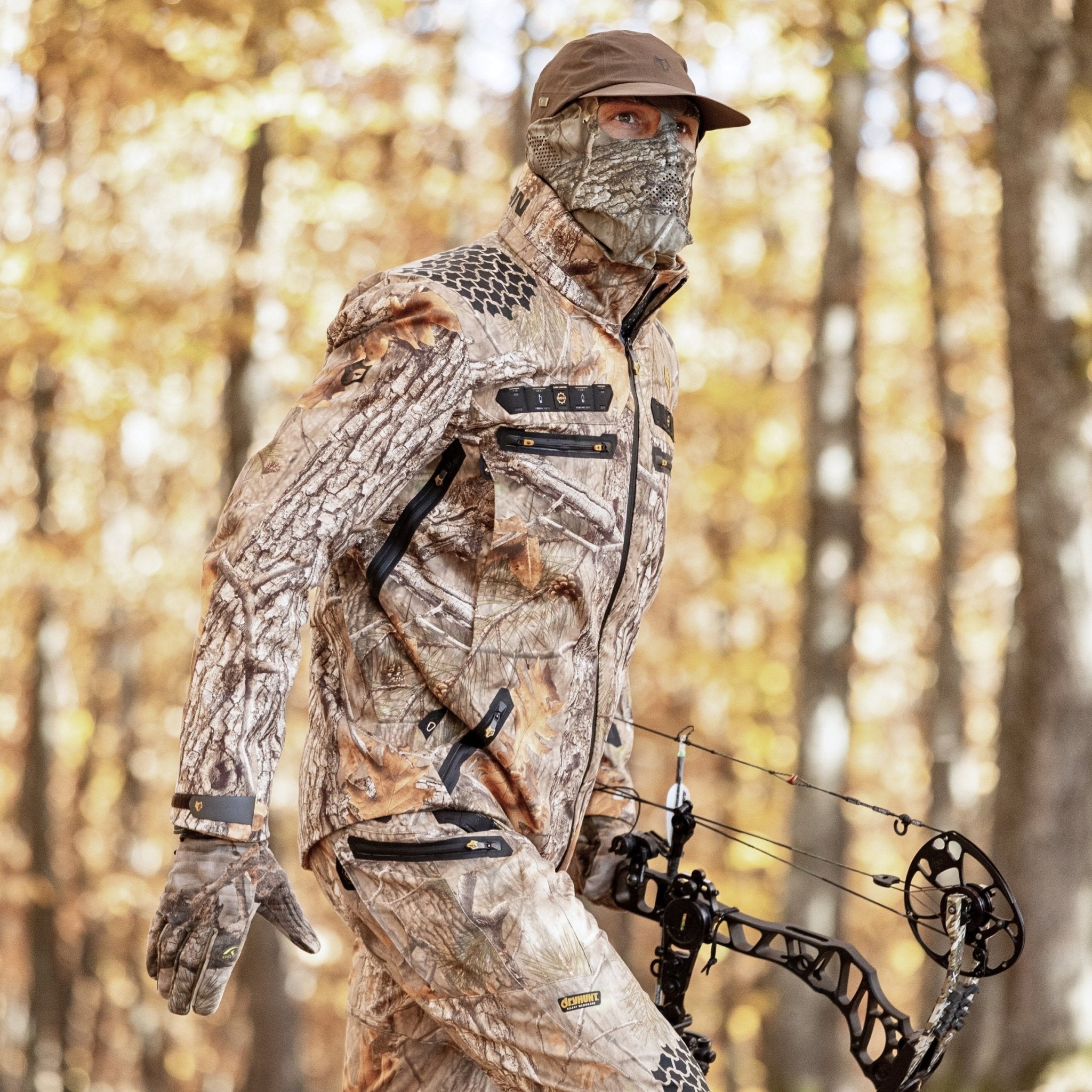
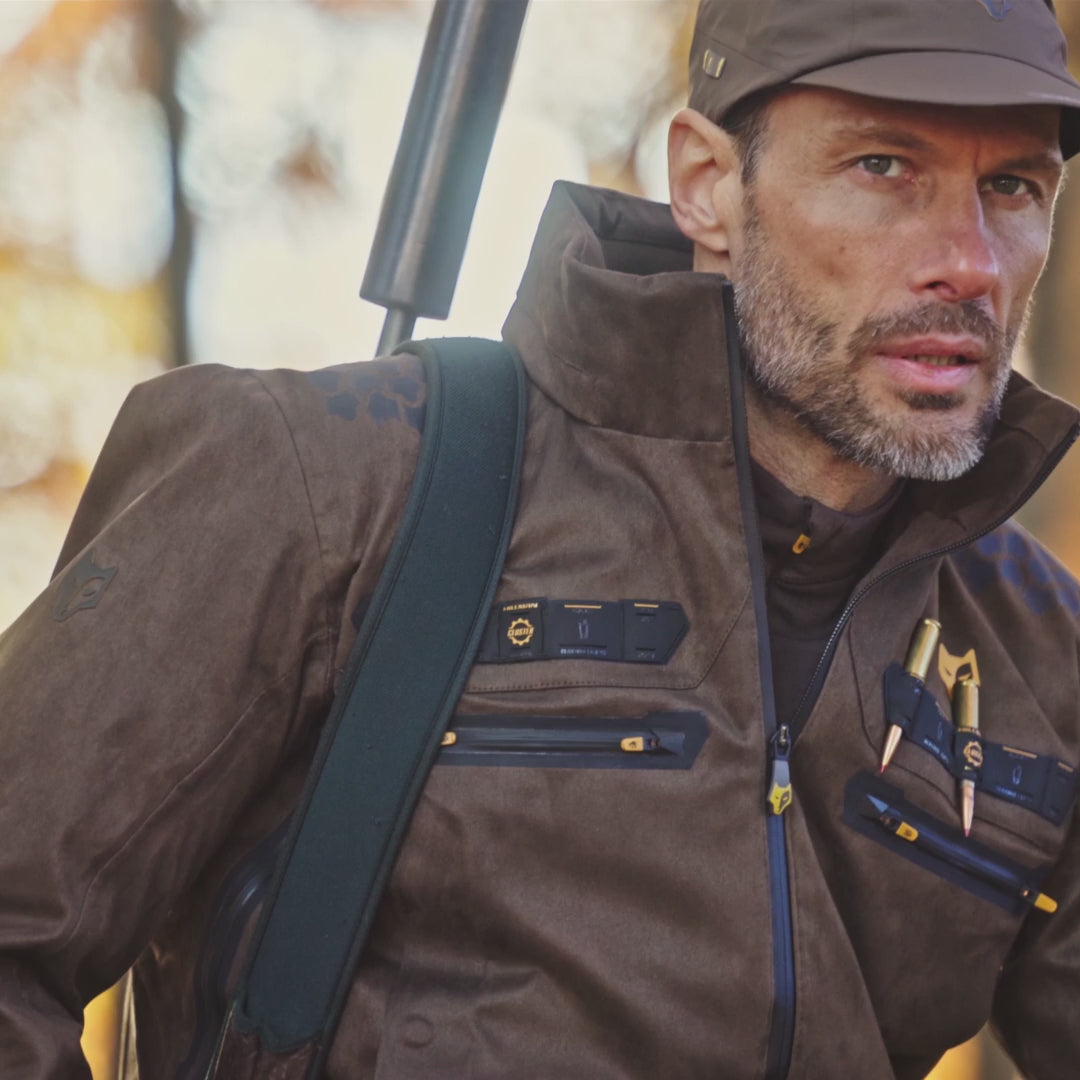
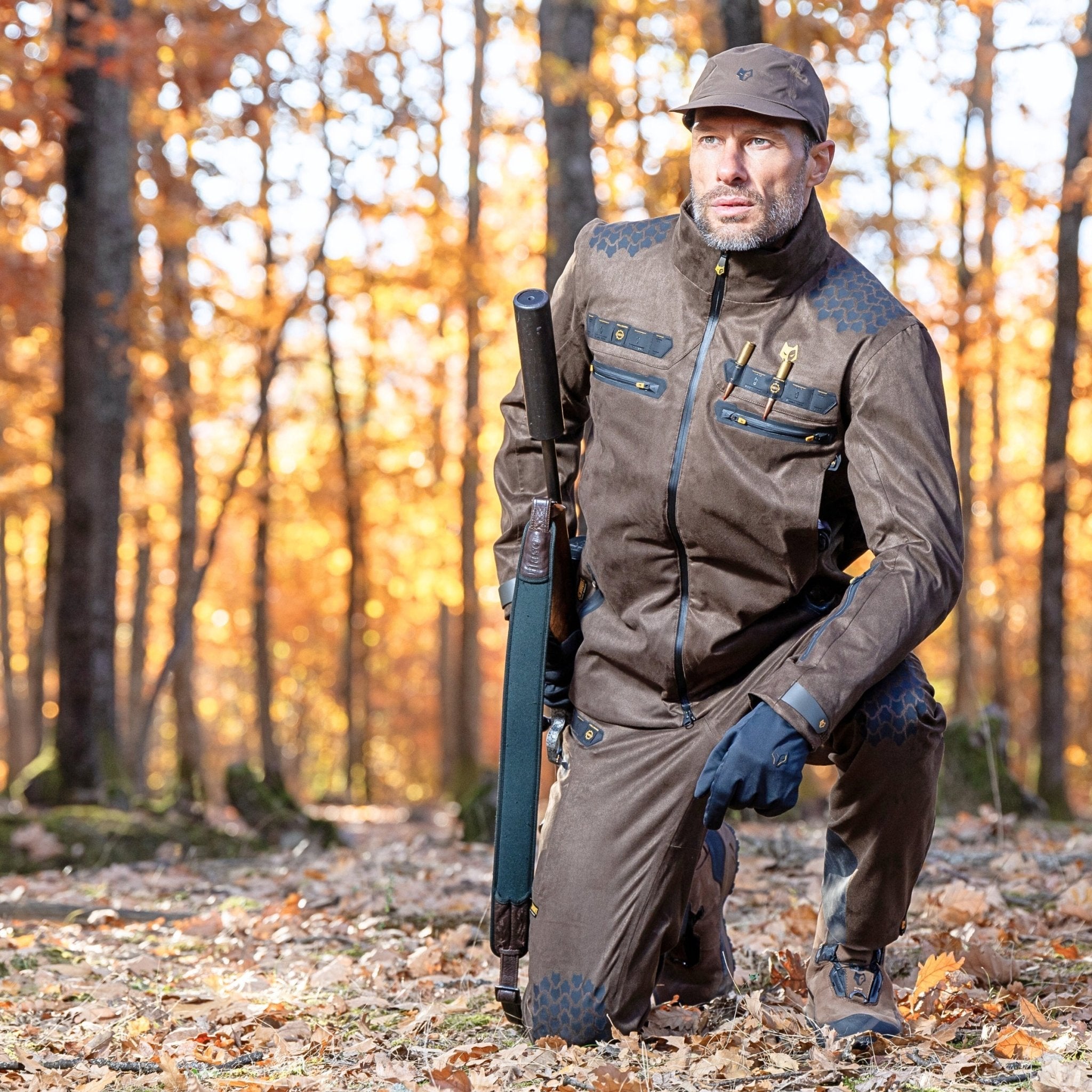
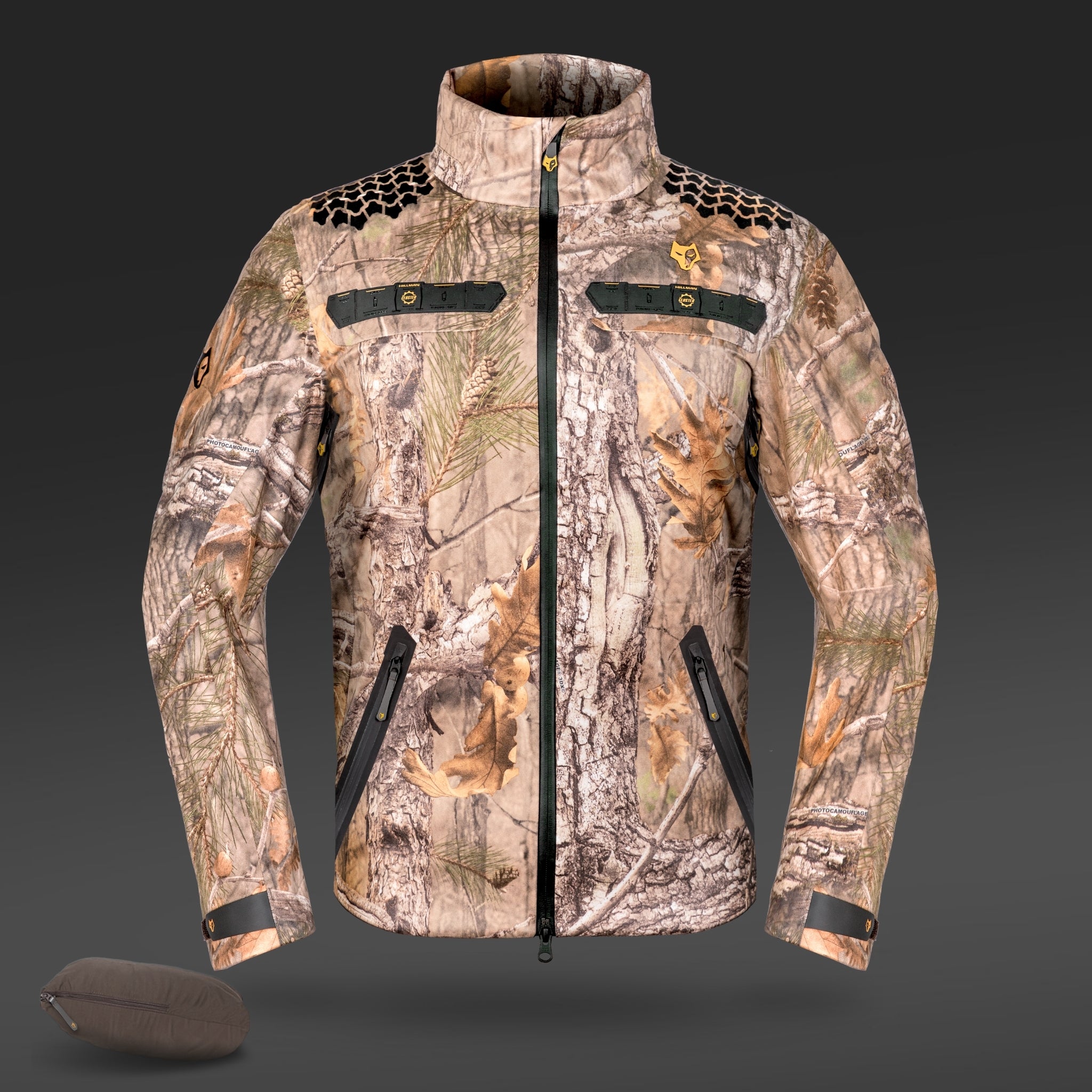
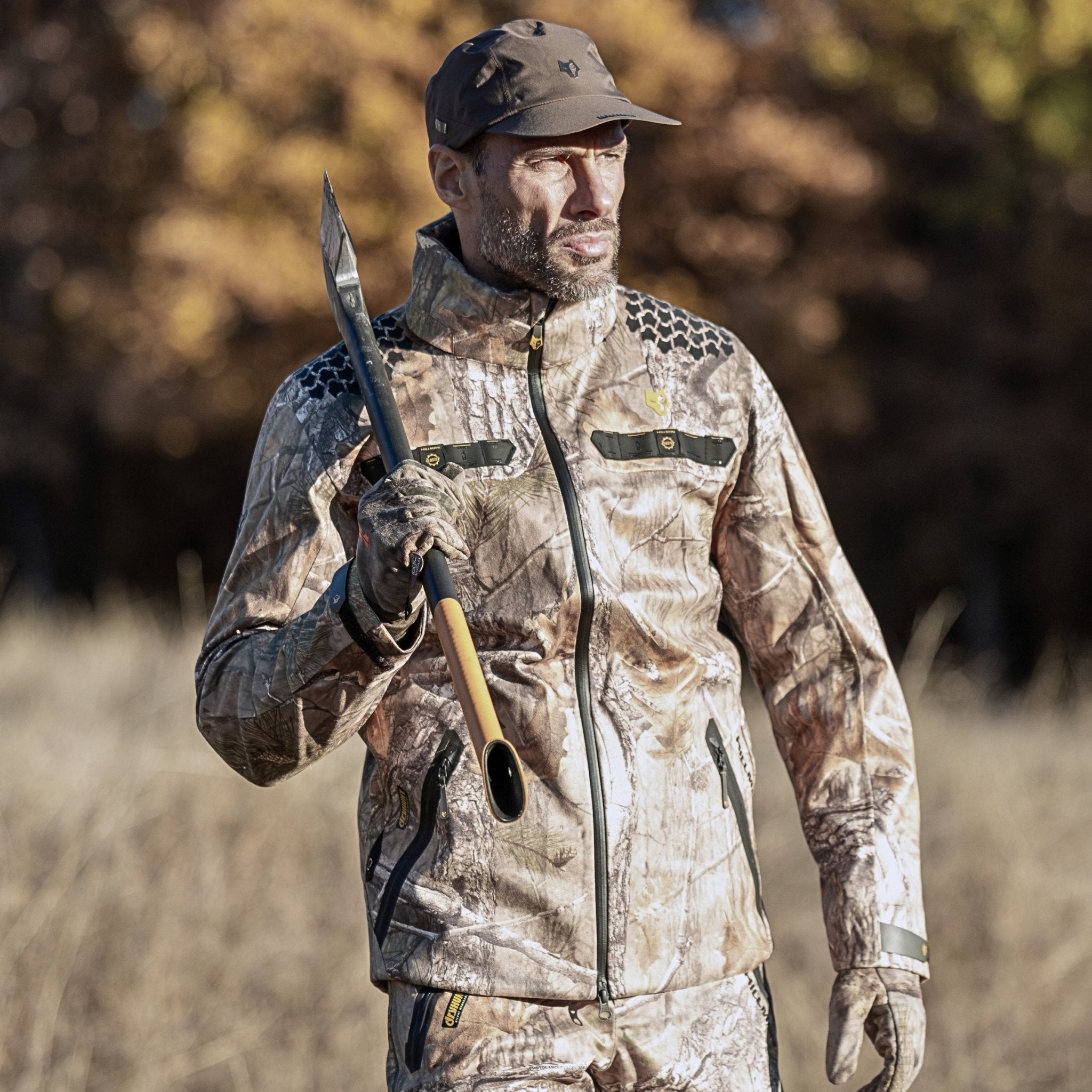
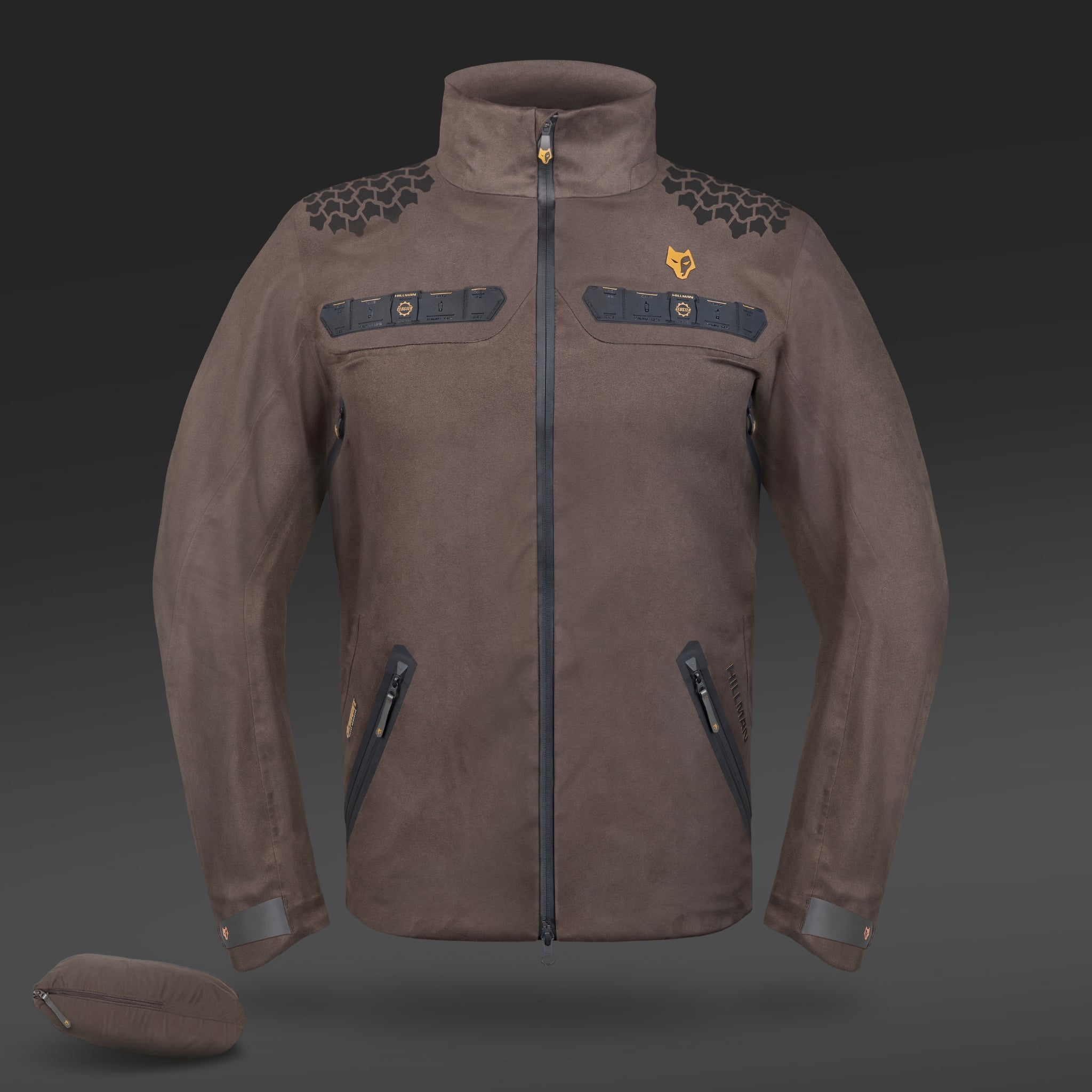
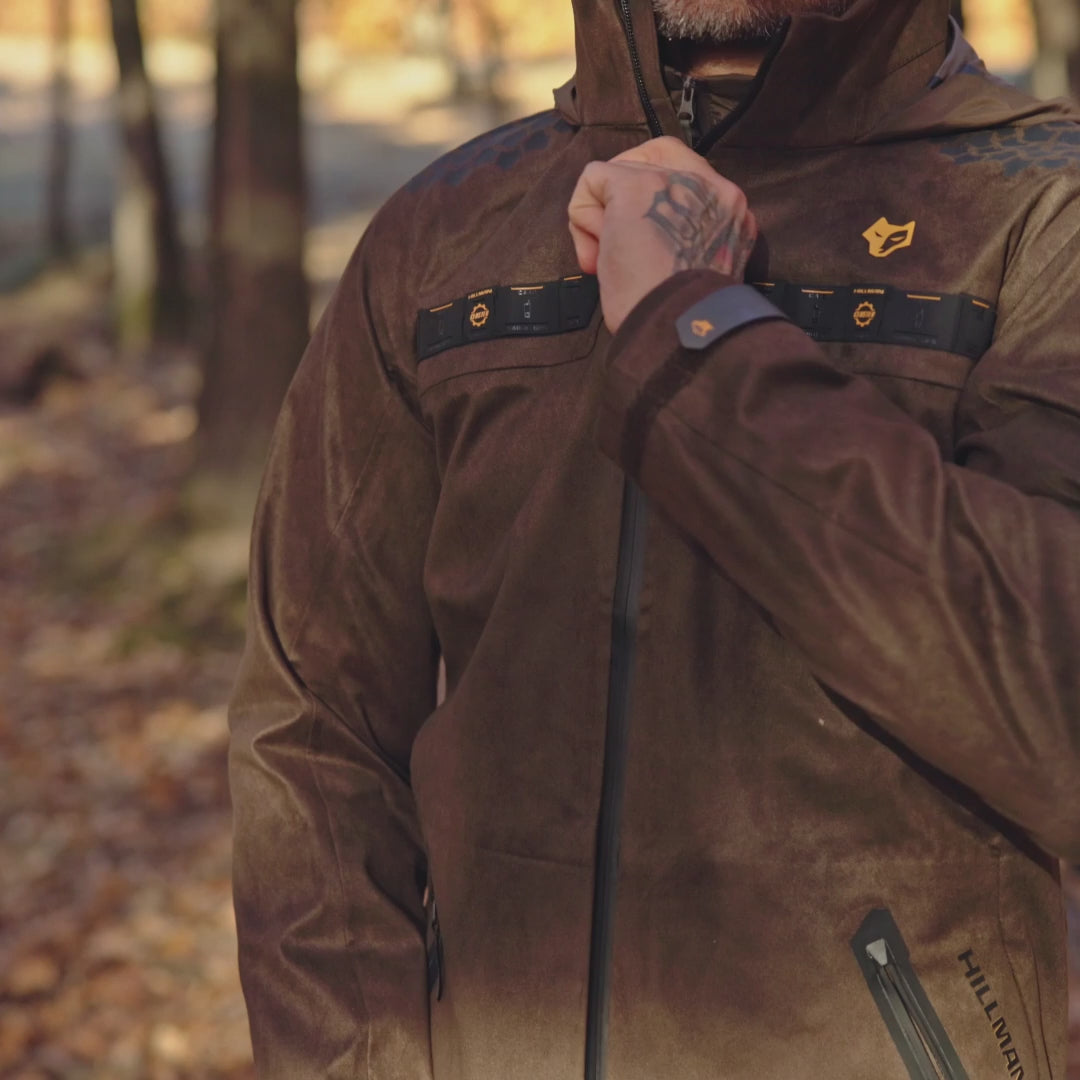
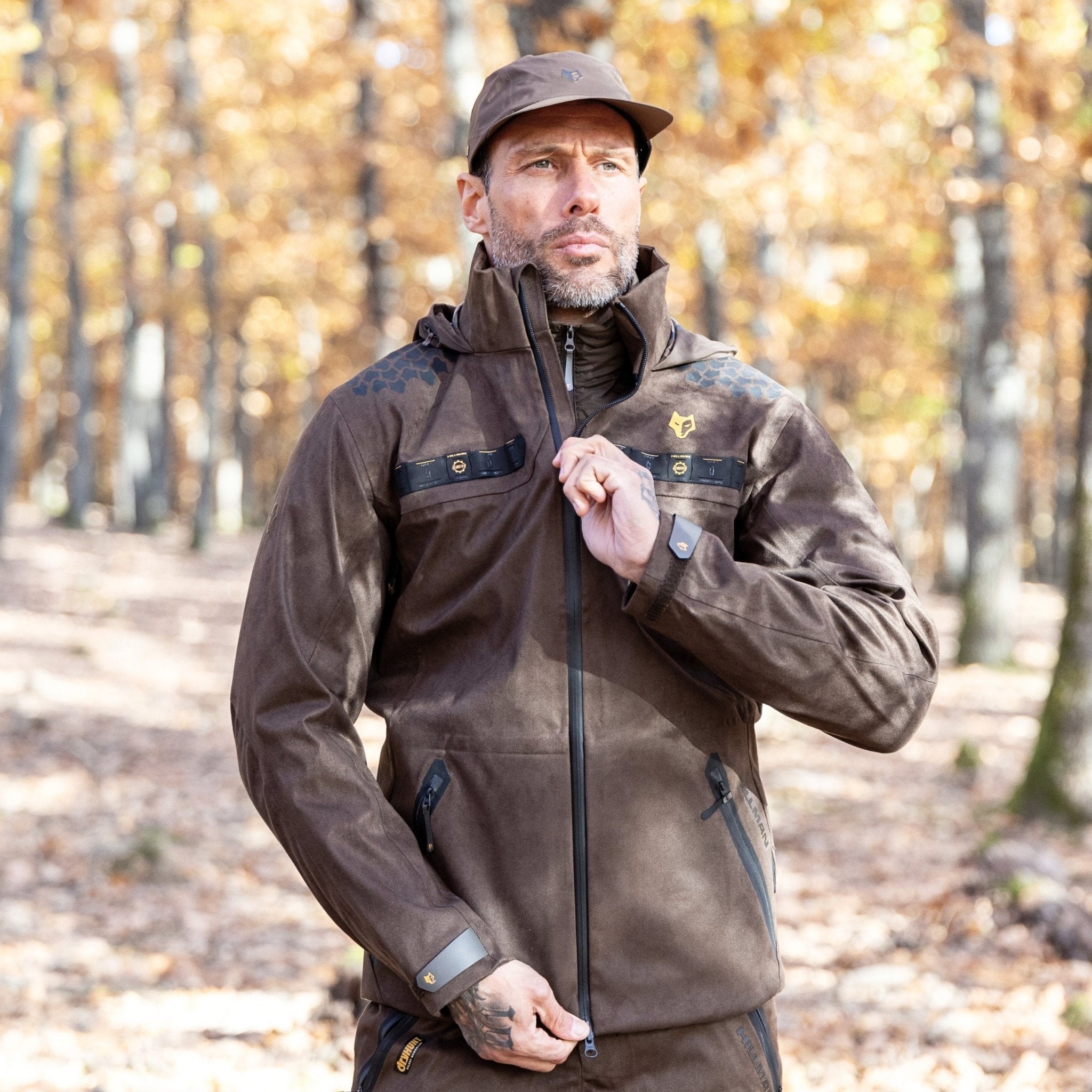
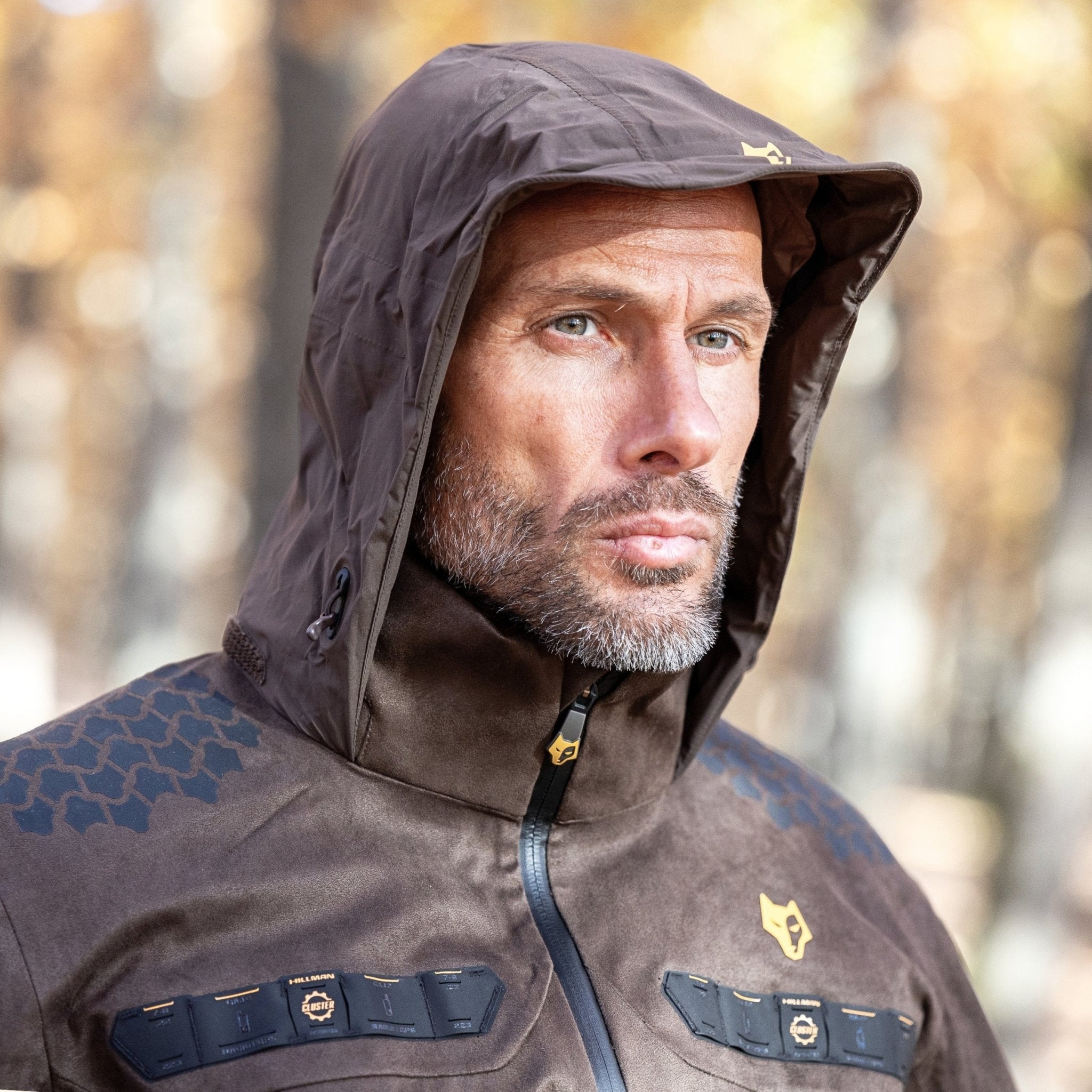
A deer hunting jacket does more than keep you warm. It’s the outer layer that has to manage wind, moisture, and noise at the same time, often while doing very little else to draw attention to itself. When it works, you stop thinking about it. When it doesn’t, every gust of wind or brush of fabric becomes a distraction.
The best jackets support the hunt quietly, adjusting to conditions without forcing constant decisions.
Insulation, Warmth, and Late Season Protection
In extreme cold, insulation carries most of the load. Heavier jackets start to make sense once movement slows and exposure increases during late-season hunts. When you’re sitting still for long stretches, the body produces less heat, and even small gaps in insulation become noticeable.
Late-season protection isn’t about maximum warmth on paper. It’s about consistent warmth over time: staying comfortable long enough to remain patient when conditions are at their toughest.
Breathable Membrane, Weather Protection, GORE-TEX, and Dryhunt

A breathable membrane plays a quiet but critical role. It allows moisture to escape without sealing heat inside, which becomes important when conditions shift throughout the day. GORE-TEX and the breathable Dryhunt membrane offer reliable protection when rain, snow, and wind show up together, rather than one at a time.
Water-resistant construction adds a margin of error when the weather turns unexpectedly. It keeps light precipitation and damp brush from soaking through, buying time before layers underneath start to feel the effects.
Quiet Fabrics, Pockets, and Functional Details
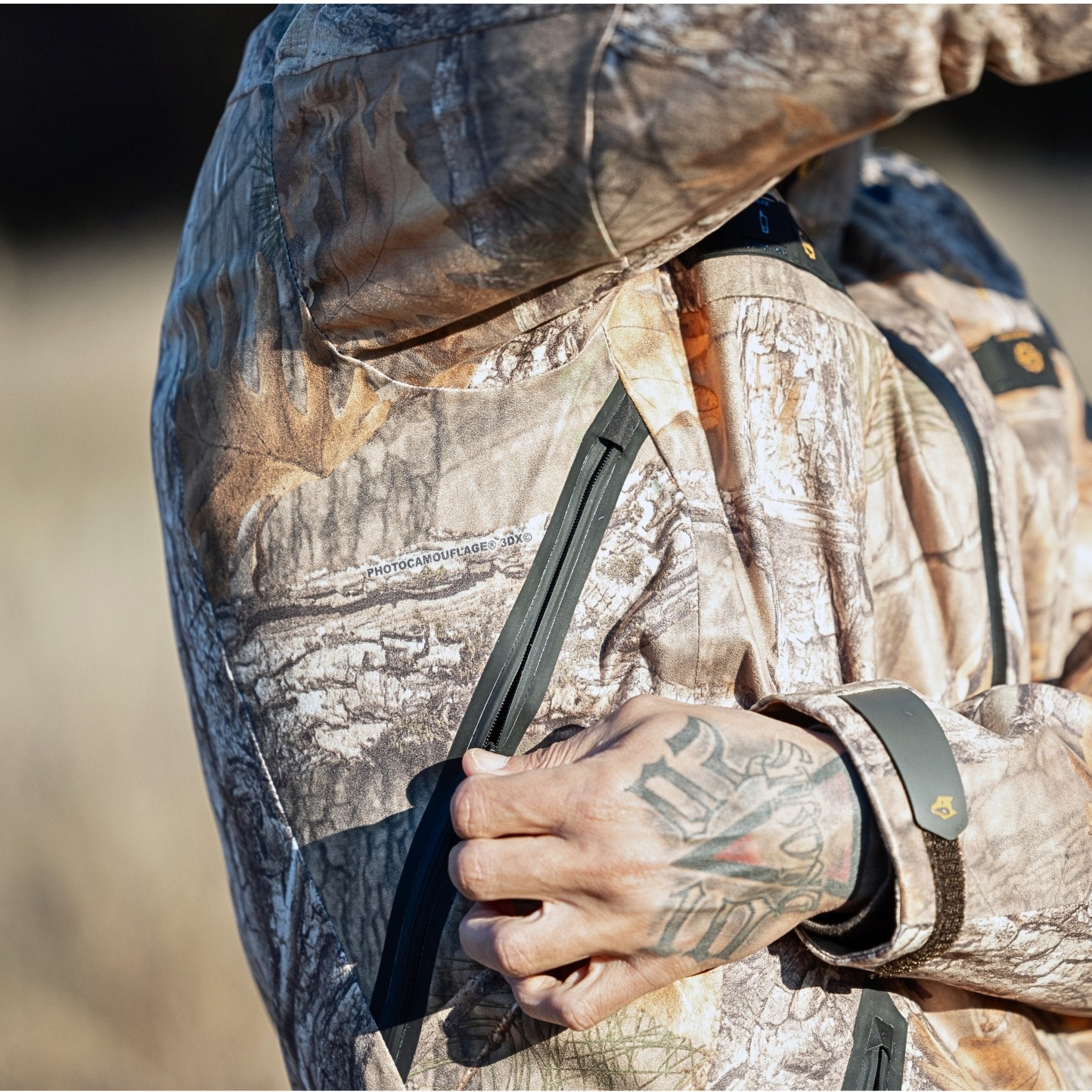
Quiet fabric matters more than most hunters admit. In calm woods, sound carries farther than expected. Fabric that crinkles or rubs becomes noticeable at the worst moments. Jackets built with noise in mind reduce that risk without sacrificing durability.
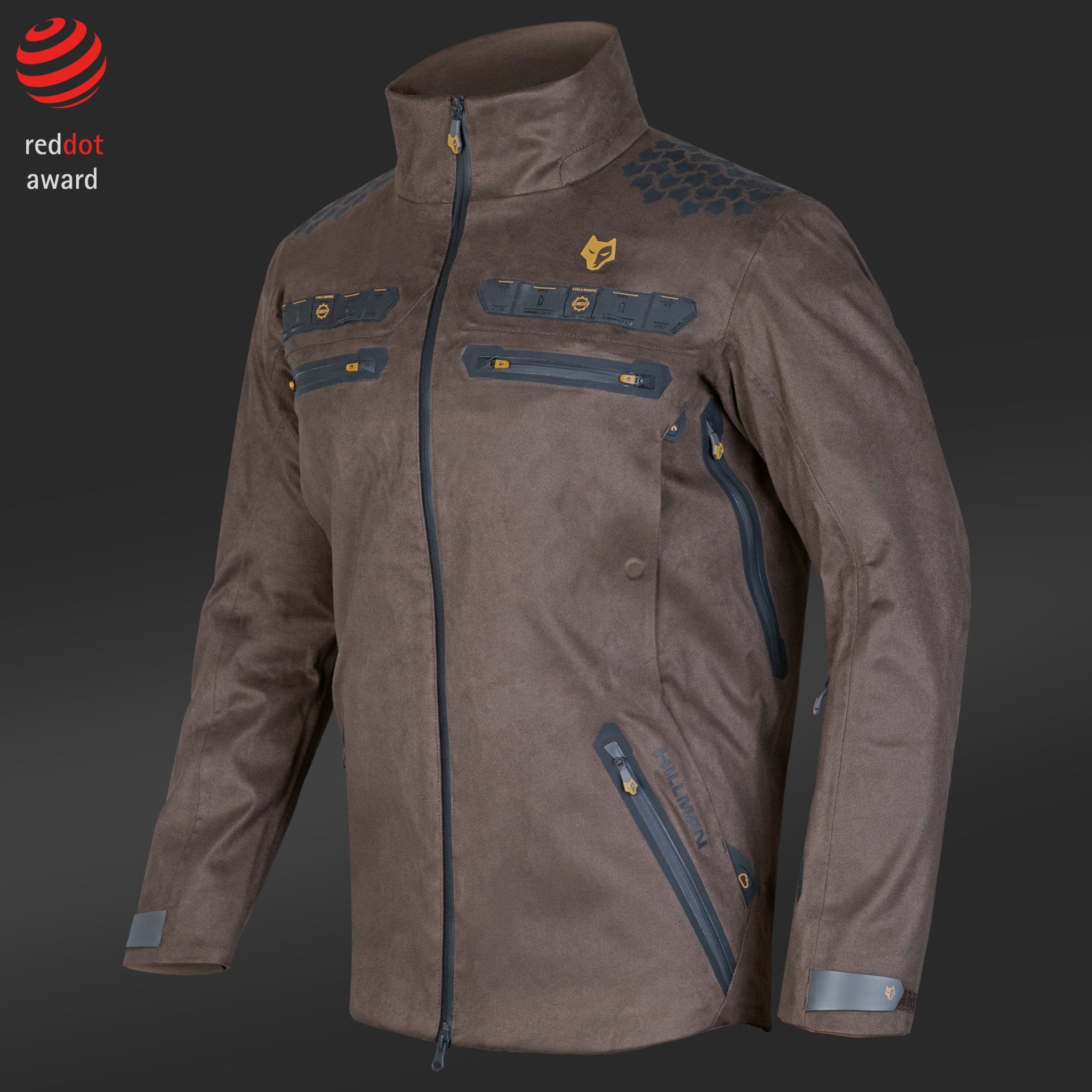
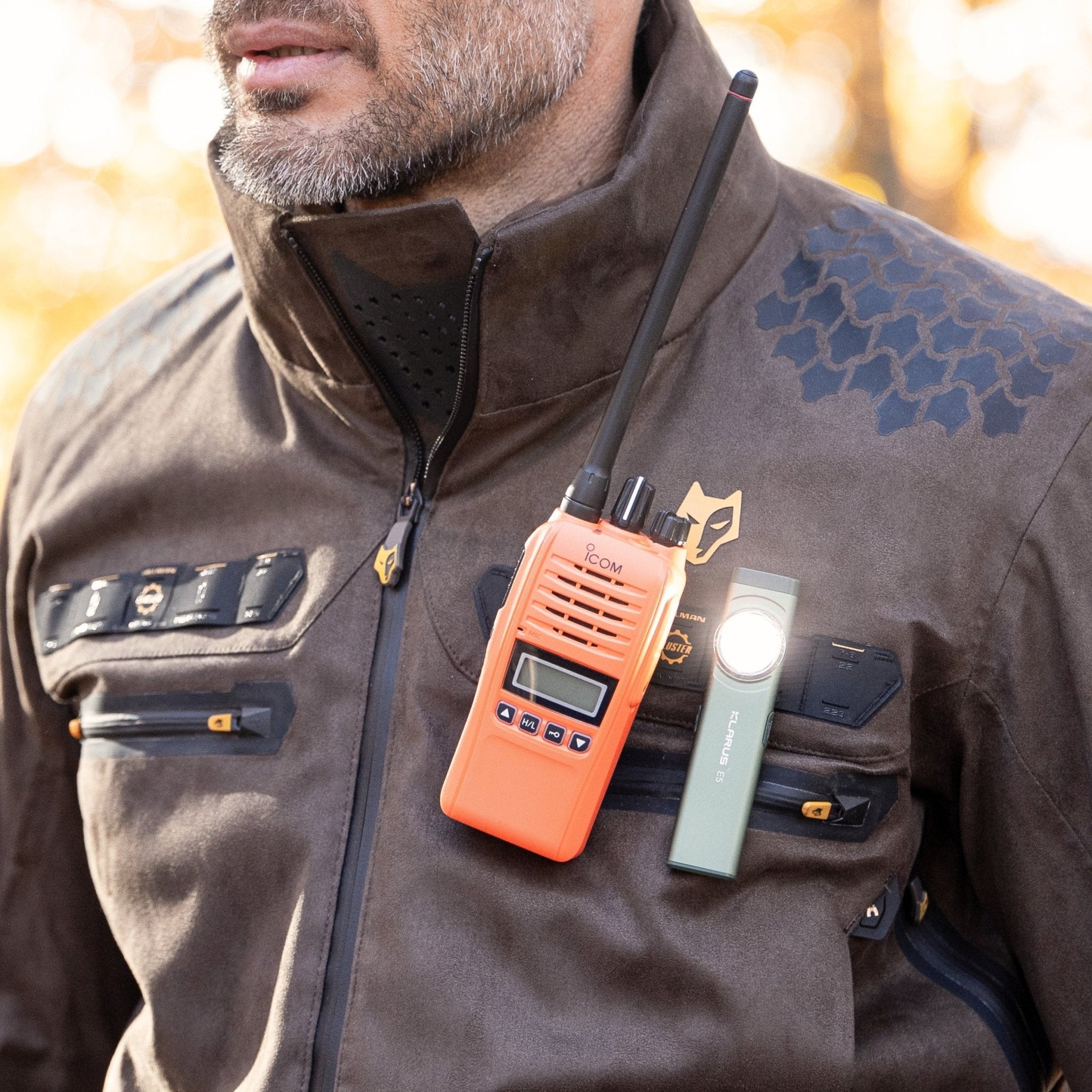
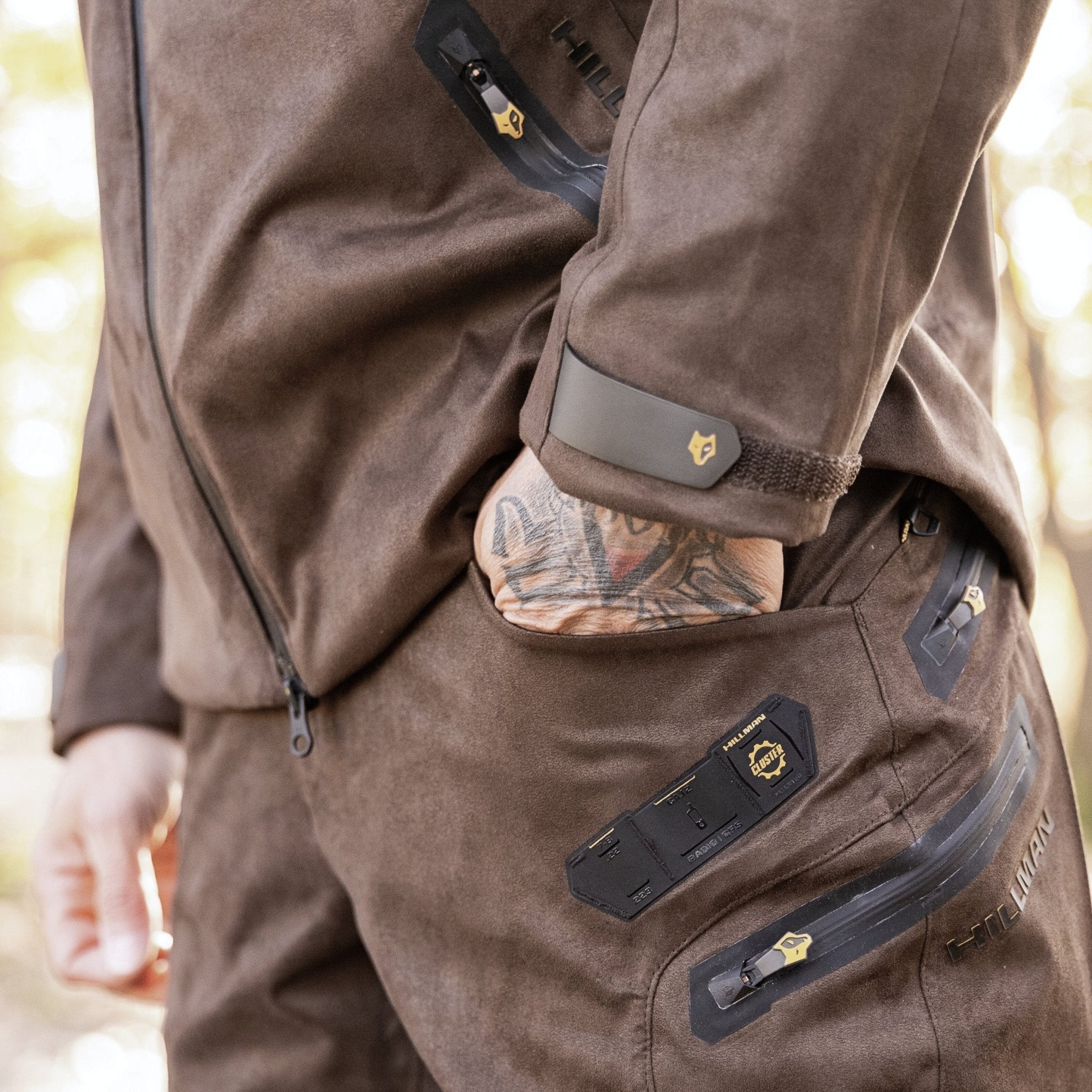
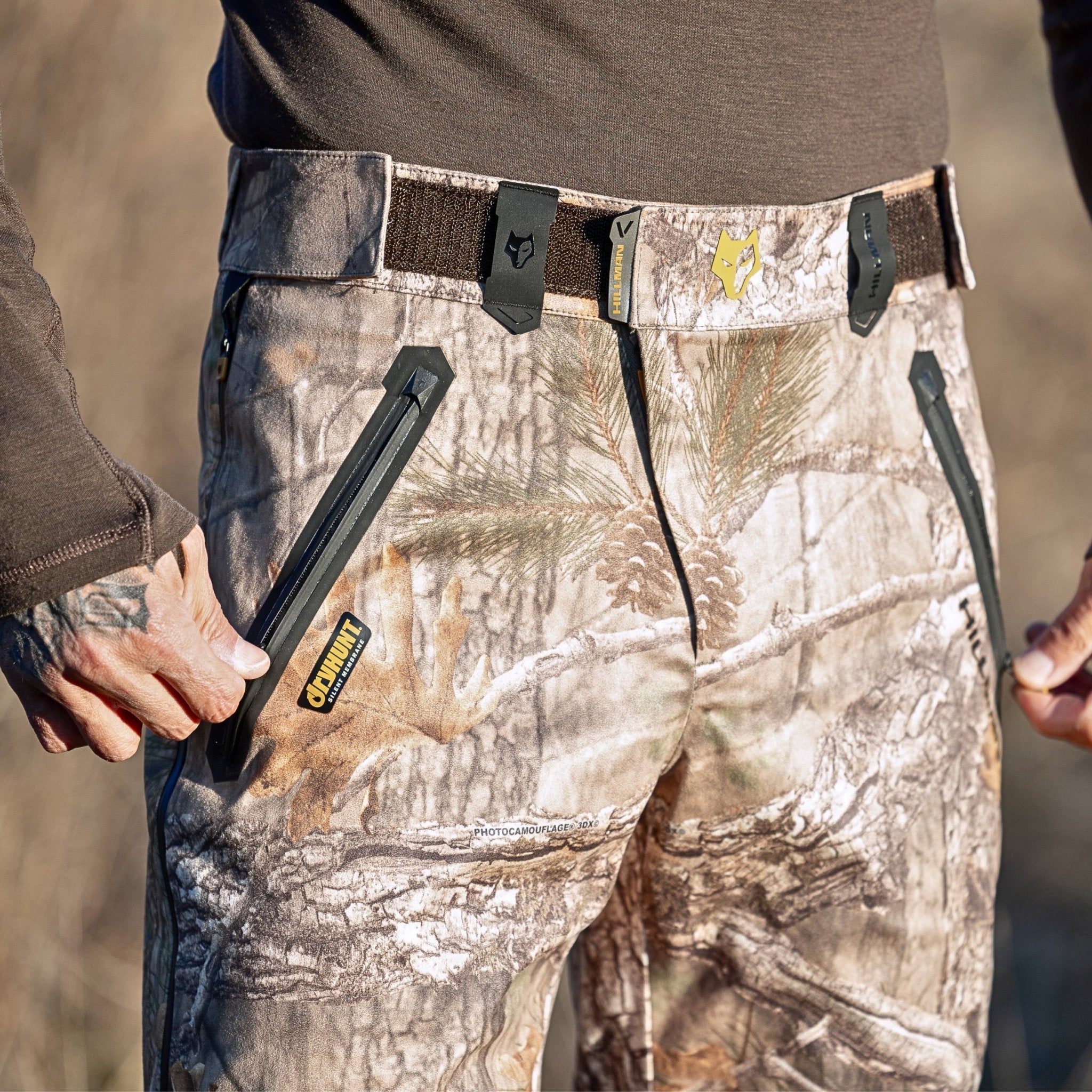
Functional details matter just as much. Zippered pockets and secure storage keep gear accessible without forcing awkward movement. Well-placed pockets reduce the need to shift or reach unnecessarily, which matters more the longer you stay in one position.
Hunting Pants: Fit, Materials, and Performance Across Seasons

Hunting pants quietly decide how comfortable a day becomes. They take constant abuse: walking, kneeling, climbing, and sitting, often without much thought. A well-designed pair tends to earn its place naturally and becomes a favorite pair simply because it never gets in the way.
Best Hunting Pants for Active and Rugged Hunts
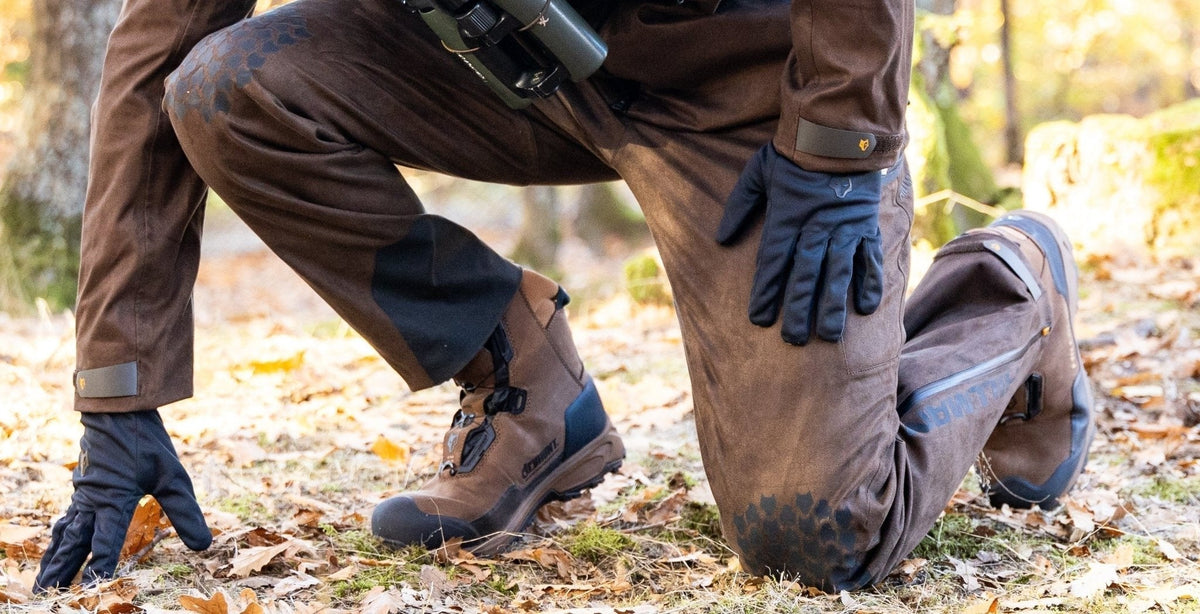
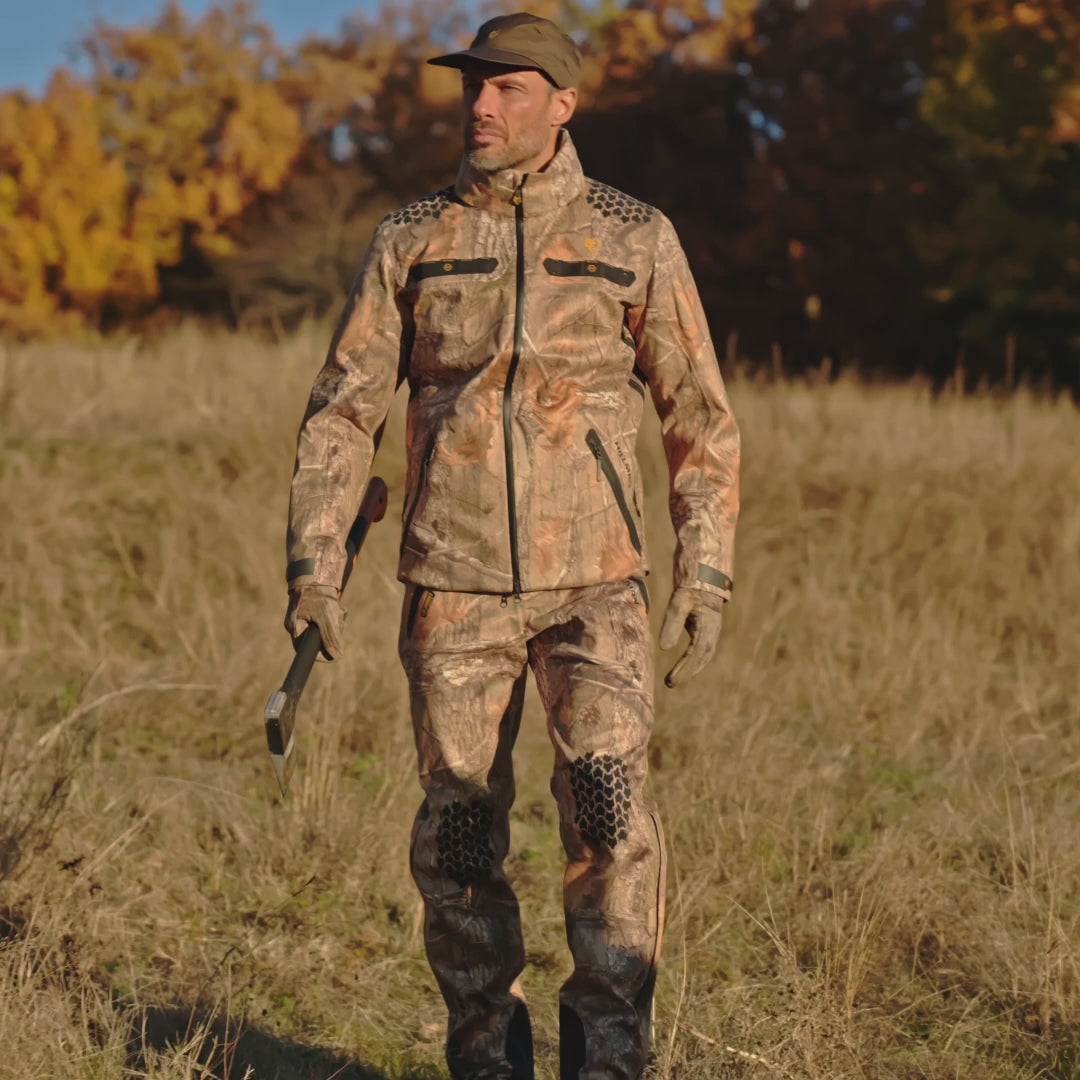
The best hunting pants for active hunters focus on movement first. An athletic fit allows the fabric to move with the body instead of fighting it, while durable materials stand up to brush, rock, and repeated use.
During rugged hunts, heavy insulation often becomes a liability. Pants that balance protection with flexibility keep fatigue from building too early, especially when covering uneven ground for long periods.

Breathable Pants for Warm and Cool Weather Hunts
Breathable pants help regulate temperature during both warm weather and cool weather. As activity levels rise and fall throughout the day, ventilation prevents heat and moisture from building unnoticed.
This balance becomes especially important when hunts involve frequent transitions moving uphill, stopping to glass, then moving again. Pants that manage those shifts quietly feel more forgiving over time.
Heavily Insulated Pants for Extreme Cold and Late Season

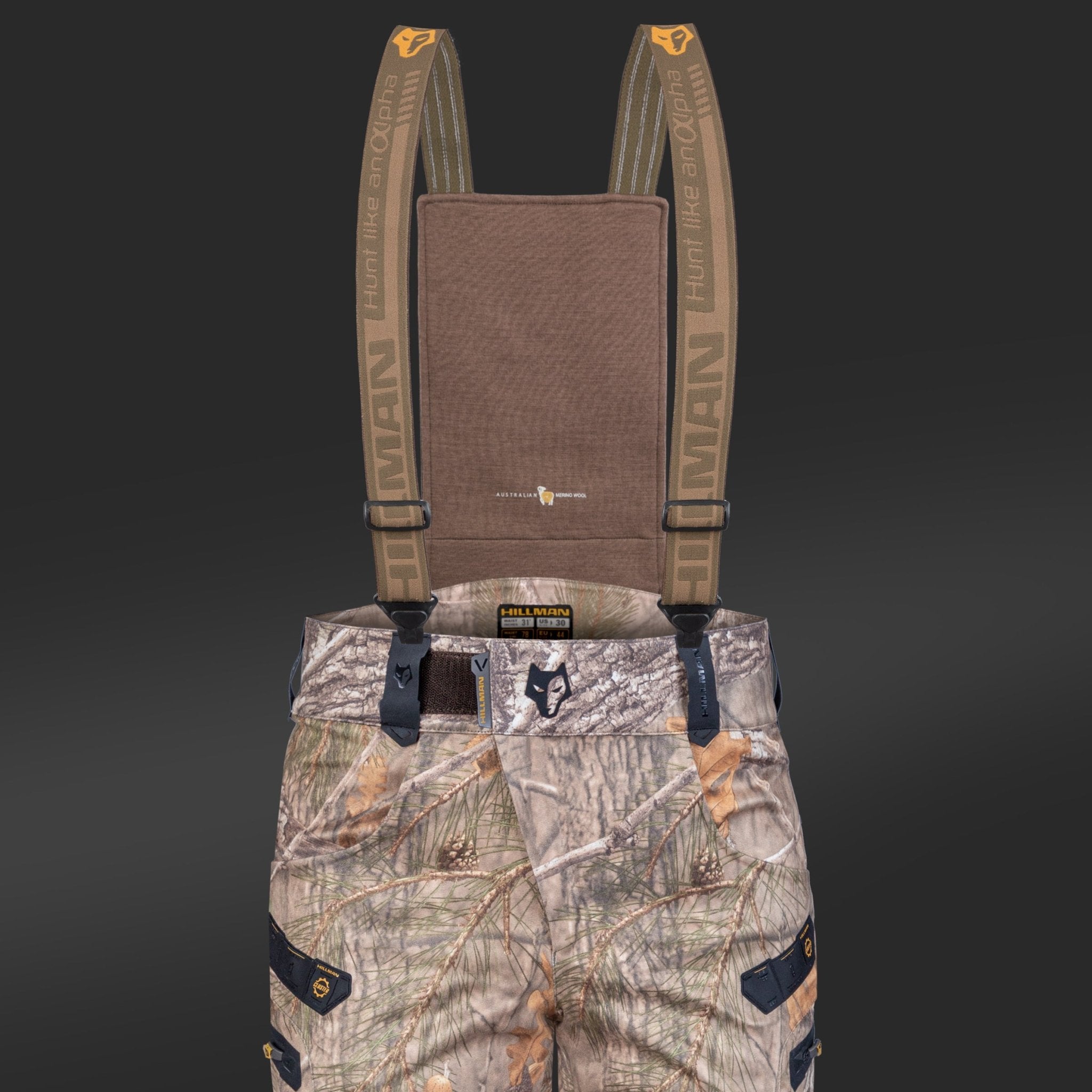
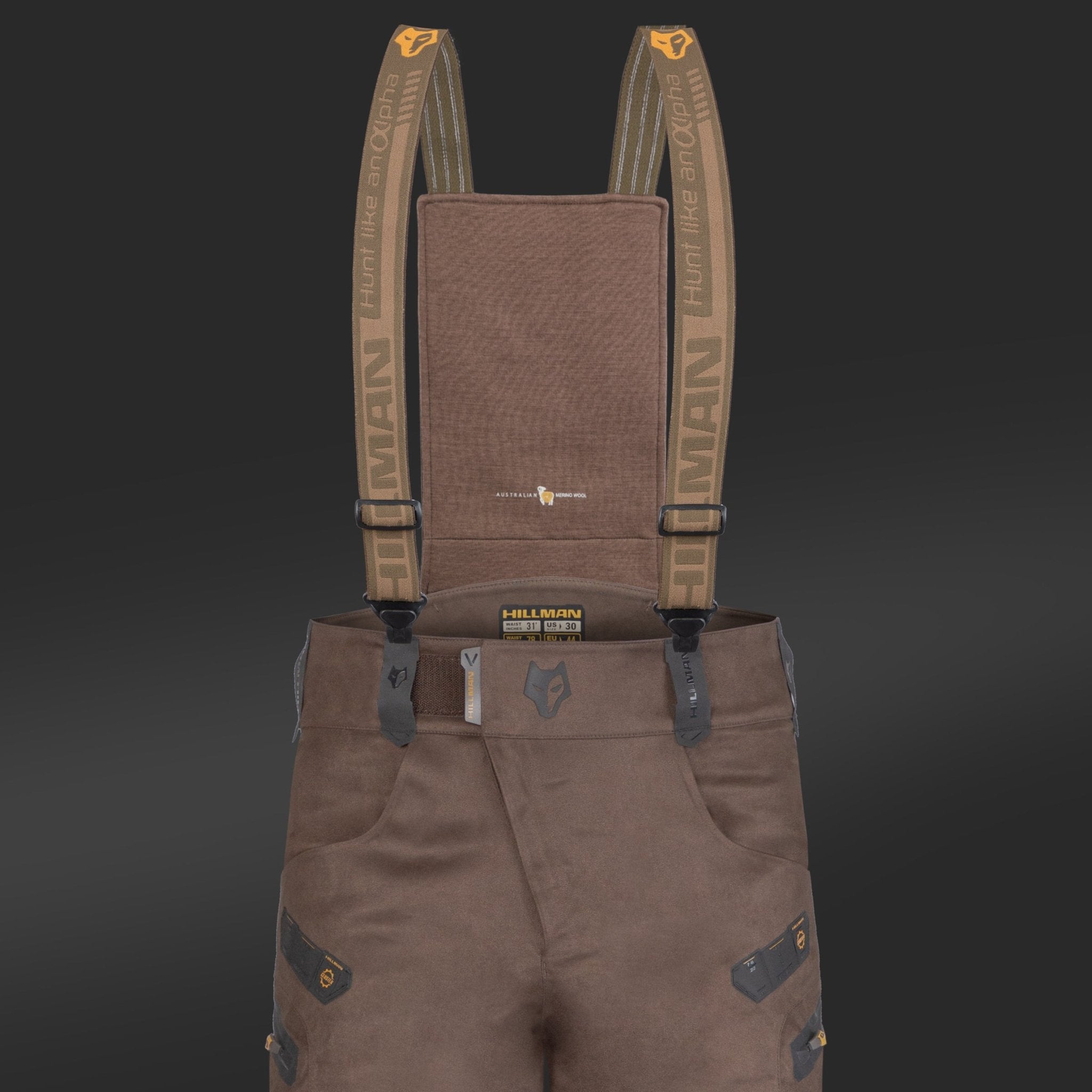
Heavily insulated pants with Thinsulate insulation earn their place during late season and extreme cold. When movement slows and standing or sitting becomes the norm, insulation takes priority over breathability.
In these conditions, warmth supports focus. Staying comfortable allows hunters to stay patient, rather than constantly shifting or cutting short.
Camo Pants and Other Pants for Different Hunting Styles
Camo pants help break up a hunter’s outline, particularly in open or lightly covered areas. In other environments, pants in muted, earth-toned colors can be just as effective. What matters most is how well the pants match the terrain, light conditions, and style of hunt.
Context often matters more than pattern choice.
Technical Features That Matter in Hunting Pants

Details add up over time. Most problems with hunting pants don’t show up in the first hour. They show up later, when small design choices start stacking against you: pressure in the wrong place, fabric pulling when you step over deadfall, heat building with no way out. These features aren’t about comfort on paper. They’re about how the pants behave after miles of movement or hours in one position.
Fit and Sizing: Waist, Inseam, and Women’s Version
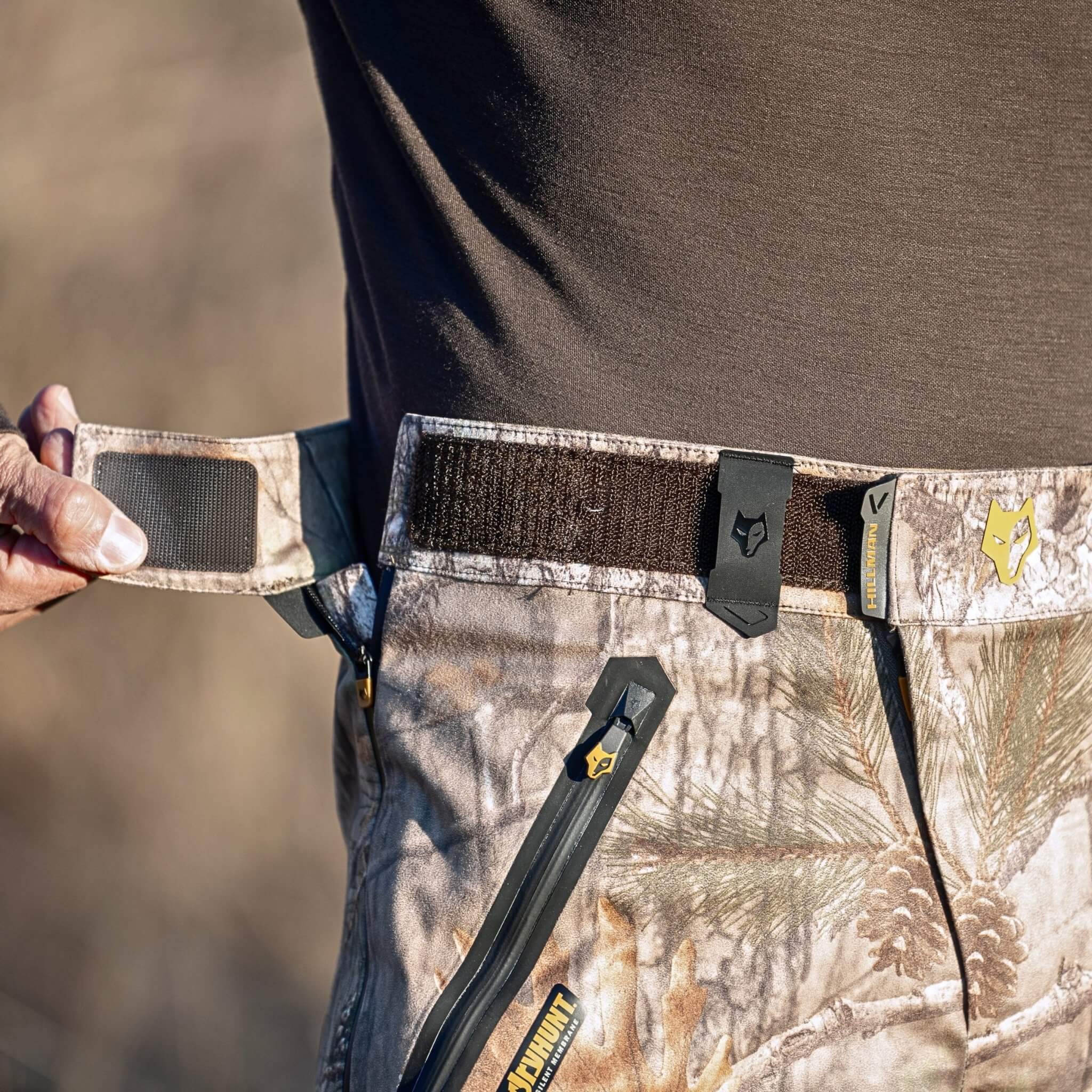
Correct waist size and inseam length do more than improve comfort; they affect how the pants move with you. A waist that’s too tight restricts bending and sitting, while one that’s too loose forces constant adjustment. Inseam length matters just as much. Pants that are too long bunch up at the boot, while short inseams pull when climbing or kneeling.
A proper women’s version isn’t just a smaller cut. It reflects different proportions in the hips, rise, and leg shape, which translates directly to better mobility and less pressure during long days. Thoughtful sizing reduces distractions and allows layering without creating bulk or restriction.
Mobility and Comfort in Rugged Terrain

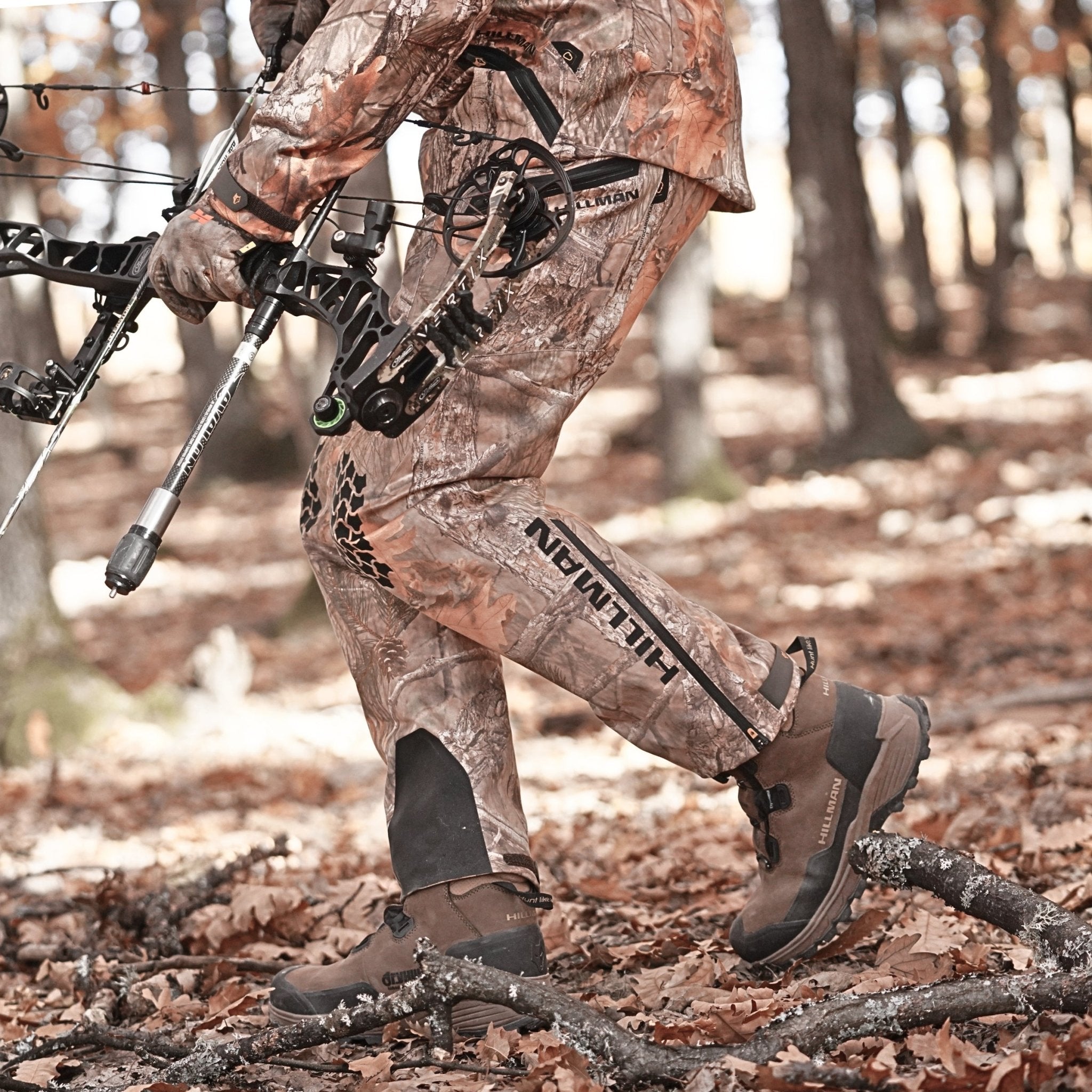
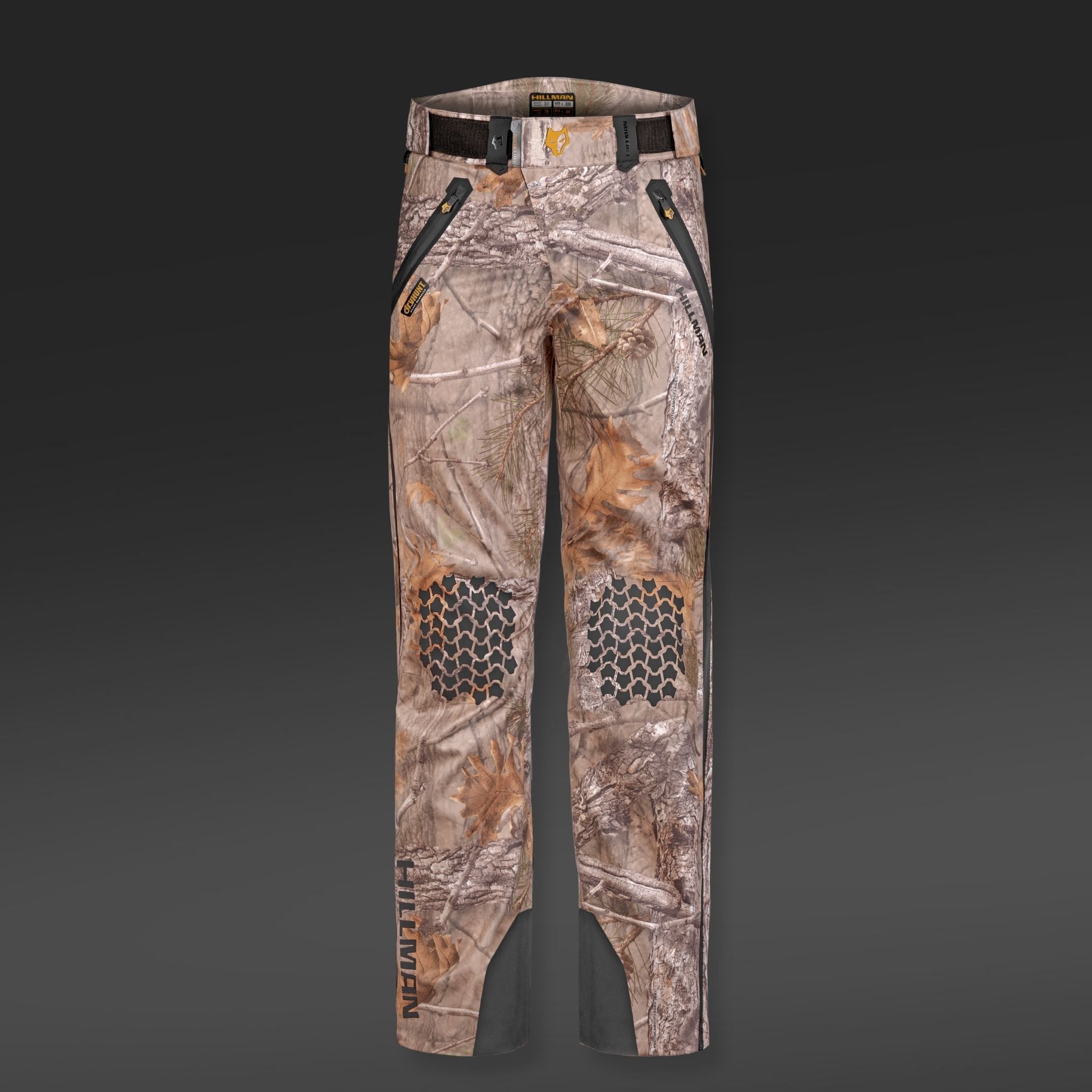
Movement is rarely smooth in the field. Stepping over logs, side-hilling, kneeling, and climbing all stress the fabric in different ways. Articulated knees allow the pant leg to bend naturally instead of fighting against the joint. A gusseted crotch relieves tension where fabric usually fails first, especially during wide steps or steep climbs.
Optional knee pads add another layer of protection when crawling, kneeling, or glassing from rocky ground. Together, these features don’t make movement effortless, but they prevent it from becoming tiring faster than it should.
Ventilation and Storage for Long Hunts
Temperature control often matters more than insulation during active hunts. Hip vents allow heat to escape during climbs or long walks without stopping to shed layers. This keeps sweat from building up, which pays off later when activity slows.
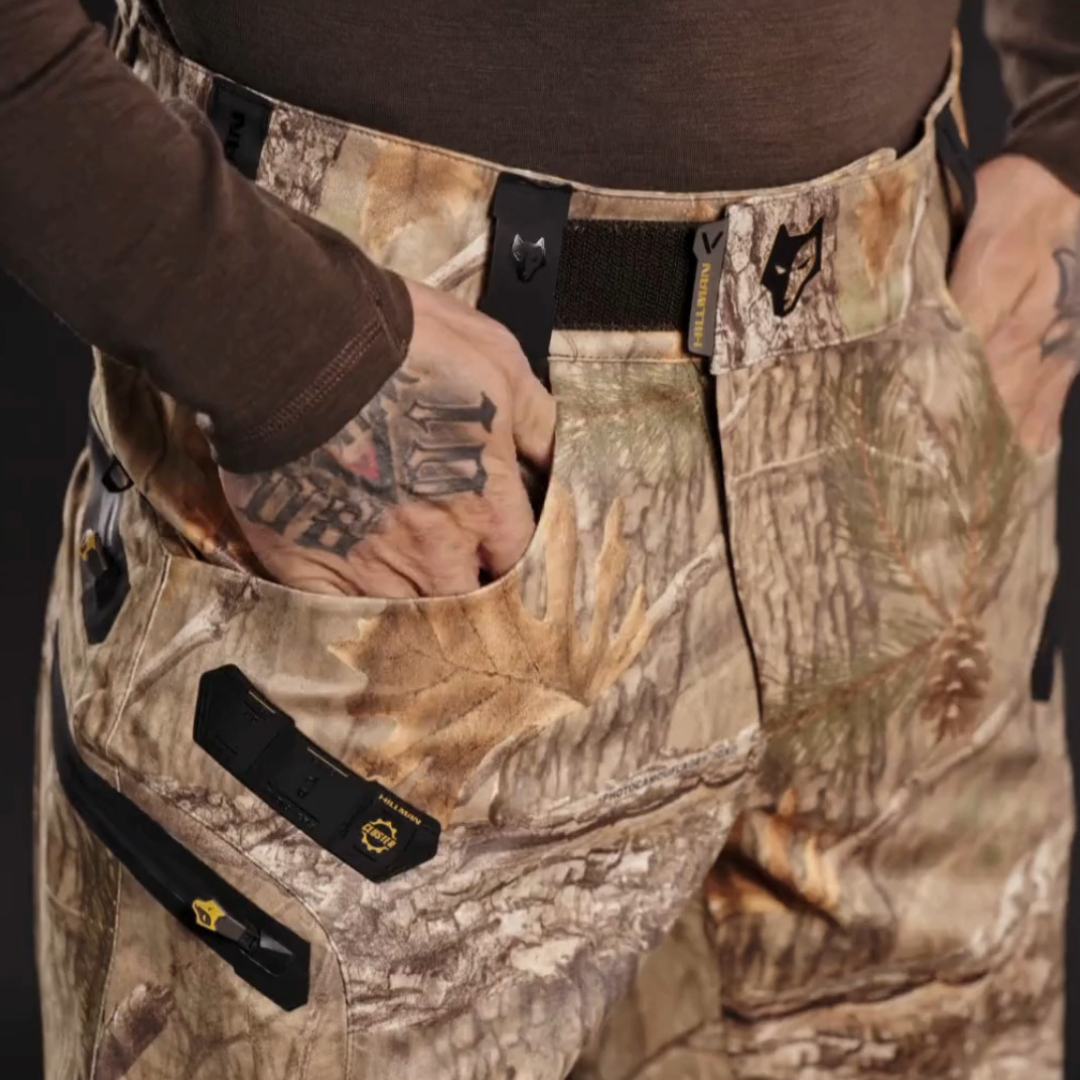
Storage design matters just as much. Smart pocket placement keeps essential items accessible without forcing awkward movement or unnecessary noise. Pockets that sit flat and stay closed reduce bulk and prevent gear from shifting while walking. Over long hunts, that kind of consistency saves energy and focus.
Wool Pants and Traditional Materials: Where Wool Still Makes Sense

Wool pants still earn respect for a reason, even in a world full of technical fabrics. Wool naturally regulates temperature, stays quiet when moving, and handles long periods of wear without feeling stiff or restrictive. In cold, dry conditions, wool pants can be surprisingly comfortable, especially when movement is limited and silence matters.
That said, wool isn’t a universal solution. Wet conditions expose its limits quickly. Once saturated, wool holds moisture longer than most modern synthetics and takes time to dry. For hunters who move frequently through wet brush or hunt in consistently damp environments, wool works best as part of a layered system rather than a standalone solution. Used in the right context, wool pants can still be a good option, but they demand realistic expectations.
Modern Technical Hunting Pants and Proven Design Philosophies
Modern hunting pants follow very different design paths. Some focus on durability first. Others prioritize weight, stretch, or breathability. De Havilland pants, KUIU Attack Pants, First Lite, and Trace pants all reflect different priorities shaped by how and where they’re meant to be used.
Some hunters look for one pair that can cover as many scenarios as possible. Others build systems, choosing specific pants for specific seasons and styles of hunting. Neither approach is wrong. What matters is understanding the tradeoffs. A lightweight, breathable pant that shines during active hunts may struggle in late-season cold. A rugged, insulated pant that excels on stand hunts may feel excessive when covering miles.
Rain Gear and Rain Pants for Consistently Wet Environments

Rain gear and rain pants are often carried with the hope they won’t be needed. But when the weather turns, they prevent small problems from becoming serious ones. Water-resistant materials protect against steady rain, soaked vegetation, and prolonged exposure, which matters far more than handling a short shower.
Good rain pants don’t just block water. They manage noise, mobility, and heat buildup. Poorly designed rain gear traps moisture inside, leaving hunters wet even without rain. Well-designed systems strike a balance, keeping external moisture out while allowing internal heat and sweat to escape over long hours in the field.
From Turkey Hunting to Big Game Seasons: One Principle, Different Demands

Turkey hunting and spring turkeys demand a different rhythm than big game seasons. Movement is often more frequent. Timing matters more than endurance. Gear that feels excessive during a slow late-season sit can feel cumbersome during a spring hunt.
Big game animals, especially during colder months, flip the priorities again. Longer sits, heavier layers, and weather exposure change what matters most. Despite these differences, the core principle stays the same: match your gear to the environment and the style of hunt, not the label on the tag.
Building a Hunting System That Adapts Across Seasons
The most reliable setups aren’t built around a single piece of gear. They’re built as systems. Pants, jackets, boots, and layers that work together allow adjustment across multiple seasons without starting from scratch each time.
A system-based approach reduces compromises. Instead of forcing one solution to fit every scenario, it allows hunters to adapt as conditions change. That flexibility is what makes gear useful year-round, not just comfortable on opening day.

When Gear Disappears, the Hunt Takes Over
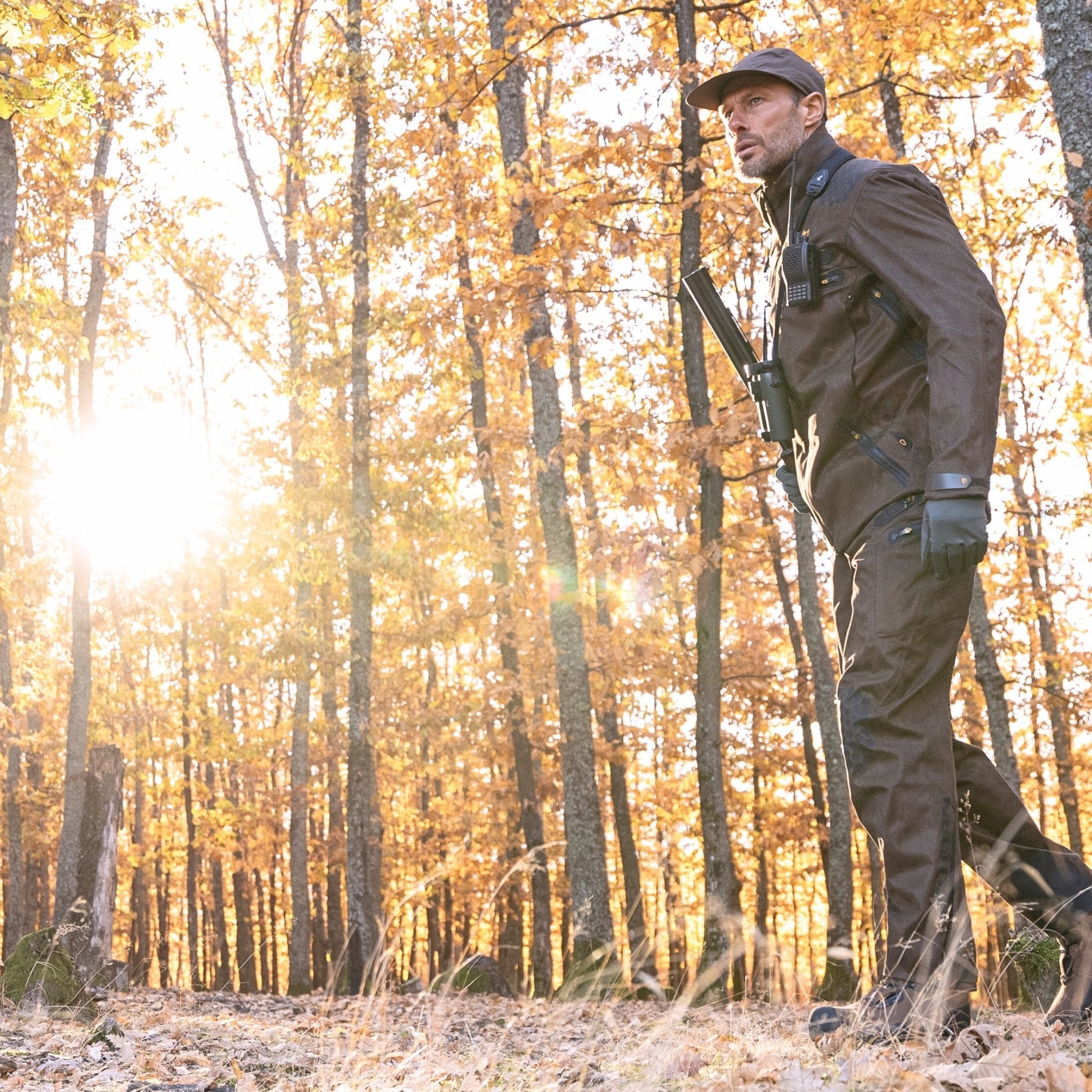
The best hunting gear rarely stands out while you’re wearing it. It doesn’t demand attention. It doesn’t distract. It stays quiet, holds up under use, and supports the way you hunt without getting in the way.
When your setup works with you instead of against you, the hunt becomes simpler. Decisions come easier. Focus lasts longer. And the gear fades into the background, right where it belongs.


Share:
The Truth About Waterproof Boots in the U.S: Real Conditions
Toughest Upland Hunting Pants: Brush-Proof Gear for 2026