

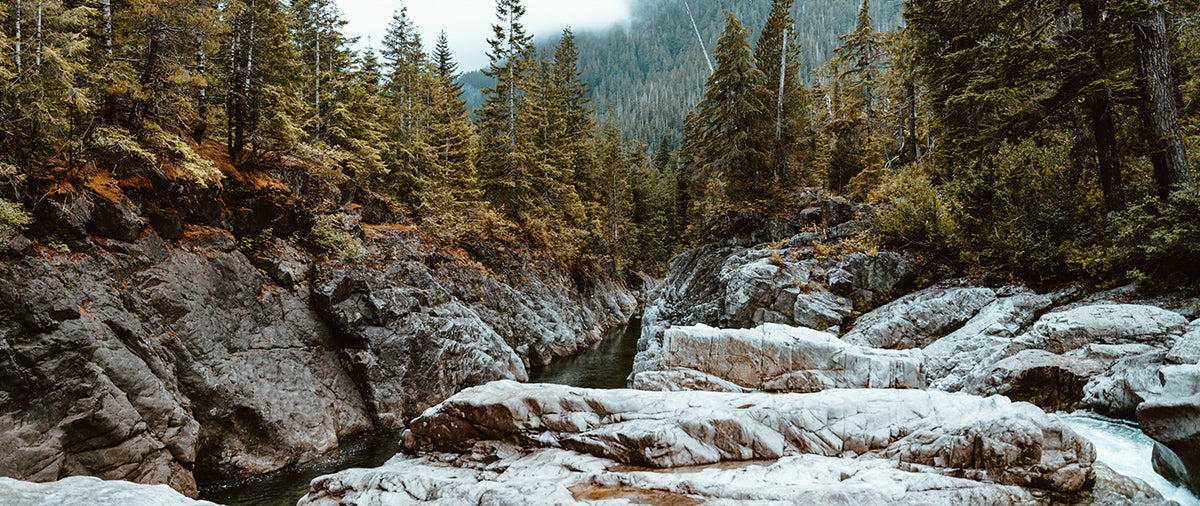
What to Wear for Spring Turkey Hunting When Mornings Start Cold and End Warm

Spring turkey hunting clothing for cold starts, warm afternoons, quiet camo, waterproof boots, and layers that do not fight you.
Cold Mornings, Hotter Woods, and the Usual Turkey Season Mess. Spring turkey hunting sounds simple until you are standing by the truck before daylight, half frozen, trying to decide if you should wear the jacket or stuff it in the vest. Then two hours later the same jacket feels like a bad idea. That is the problem. Spring mornings can bite, but by mid-morning the woods can feel completely different.
So what to wear for spring turkey hunting when mornings start cold and end warm is not some tiny comfort detail. It affects how still you sit, how quietly you move, how much you sweat, and whether you start peeling clothes off right when a gobbler is close.
Turkey hunting gear for spring should not be built like deep winter gear. Heavy, stiff, loud clothing is usually more trouble than help. You need layers. Quiet ones. Stuff you can take off without making a whole production out of it. Clothing that handles wet grass, cold ground, wind, bugs, and then heat once the sun gets up.
The goal is simple: stay warm during the first cold sit, stay dry enough to keep hunting, and do not cook yourself when the day turns.
Start With a Base Layer That Does Not Hold Sweat
The base layer is where people mess up early. They throw on any old cotton shirt and then wonder why they feel damp, cold, and sticky an hour later.
Wear a moisture wicking long sleeve shirt. Merino wool, polyester, nylon, or a solid synthetic blend all make sense. Merino wool is good when the morning is sharp because it gives some warmth without turning nasty when you sweat a little. Synthetic fabrics dry faster and feel better if you are walking a lot.
A long sleeve shirt is better than short sleeves for most spring turkey hunting. It hides skin, keeps brush off your arms, helps with ticks and mosquitoes, and stops your arms from flashing in the sun. Bare skin stands out. Turkeys notice small bits of movement and shine. Do not help them.
Even in hot weather, a lightweight long sleeve shirt can feel better than exposed skin, as long as the fabric breathes. The trick is not less clothing. The trick is better clothing.
Do Not Wear a Mid Layer You Cannot Easily Lose

Your mid layer is for the cold part of the hunt. It is not supposed to stay on all day. Think light fleece, thin hoodie, soft synthetic jacket, or a quiet insulated layer that packs down without taking over your vest.
The mistake is hiking in with too much on. You leave the truck bundled up, climb a ridge, break a sweat, then sit down and get cold because your shirt is wet. That is backwards.
If you have a long walk, carry the mid layer. Put it on when you stop. If you are only walking a short distance, wear it if you need to. Just do not trap yourself in a bulky piece that is hard to remove quietly.
Noise matters here. Some lightweight jackets are warm but sound terrible. If the fabric rasps every time you lift your arm or touch a branch, it belongs somewhere else, not in the turkey woods.
Your Outer Layer Should Block Wind Without Sounding Like Trash

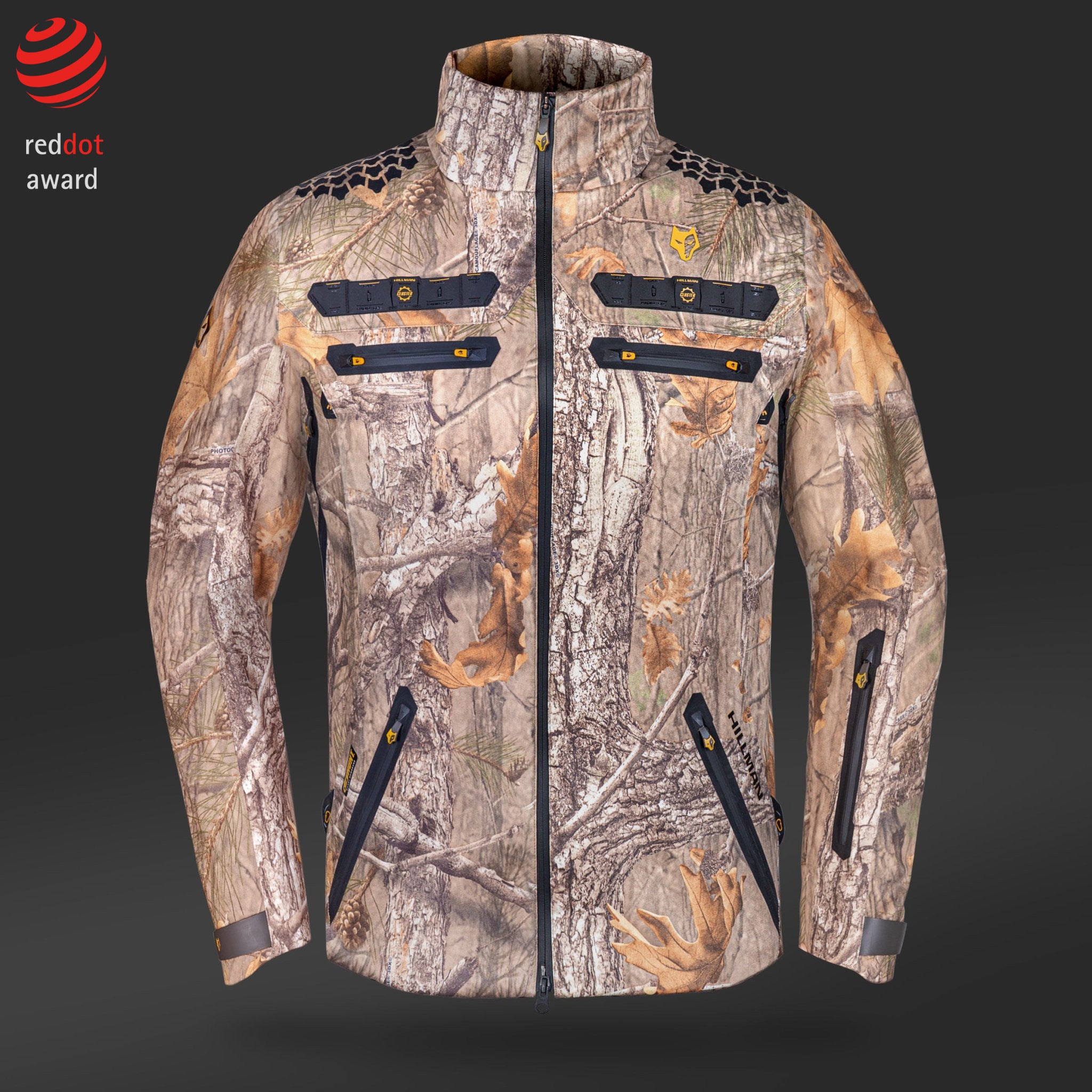
A good outer layer for spring turkey hunting should be quiet, wind-resistant, and able to shed light moisture. It does not need to be a giant cold-weather shell.
Cold wind before fly-down can cut through a thin shirt fast. A light wind-resistant jacket helps a lot when you are sitting still against a tree. A little water resistance also helps with damp brush, drizzle, and wet leaves.
But do not grab the stiff rain shell unless you really need it. A loud jacket can ruin a setup. Turkeys may not know what every sound is, but they know when something is off. If your jacket sounds like a plastic bag, that is not helping.
Look for a soft face fabric. Enough room for a base layer and mid layer underneath. Not so loose it hangs on every branch. Not so tight it pulls when you raise the gun.
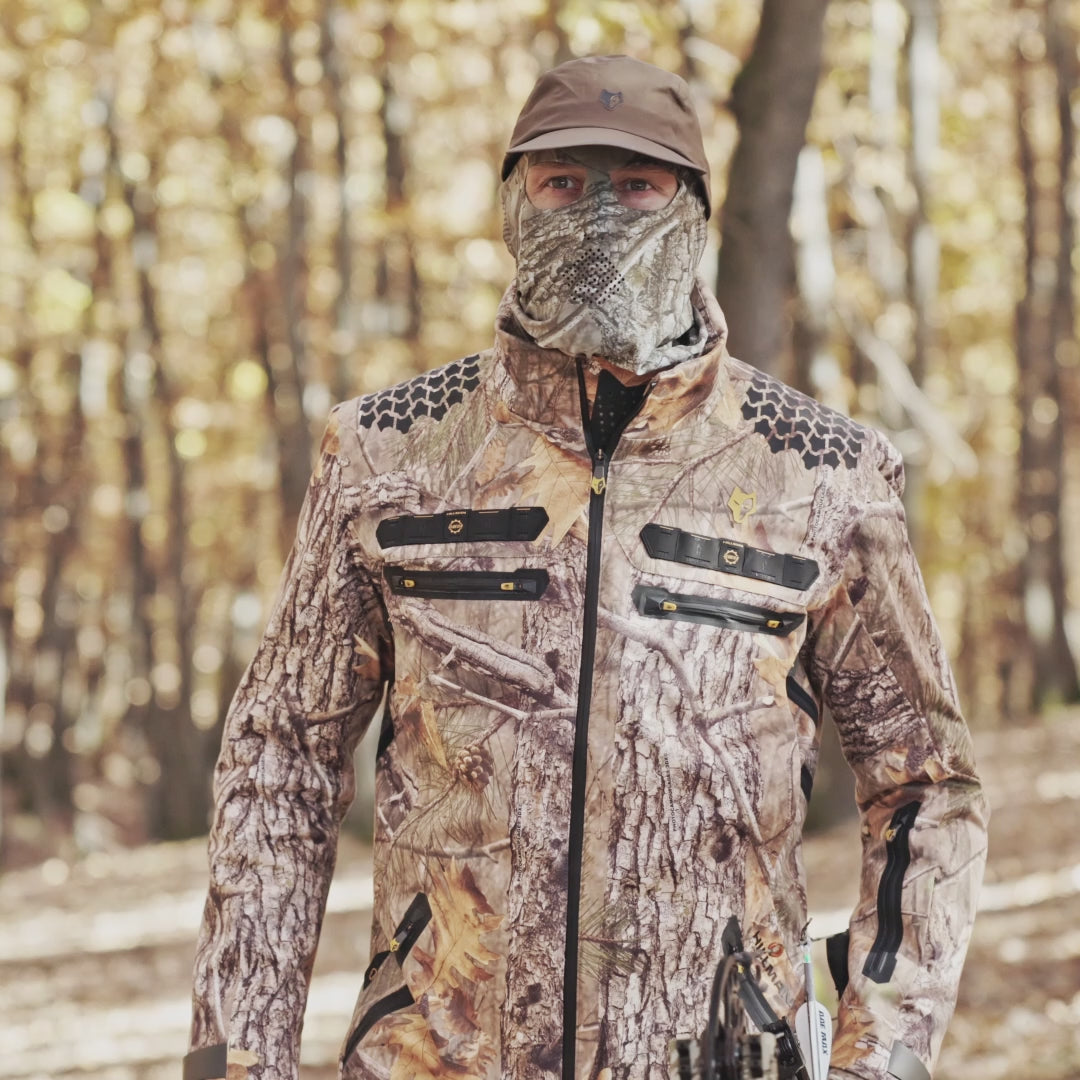
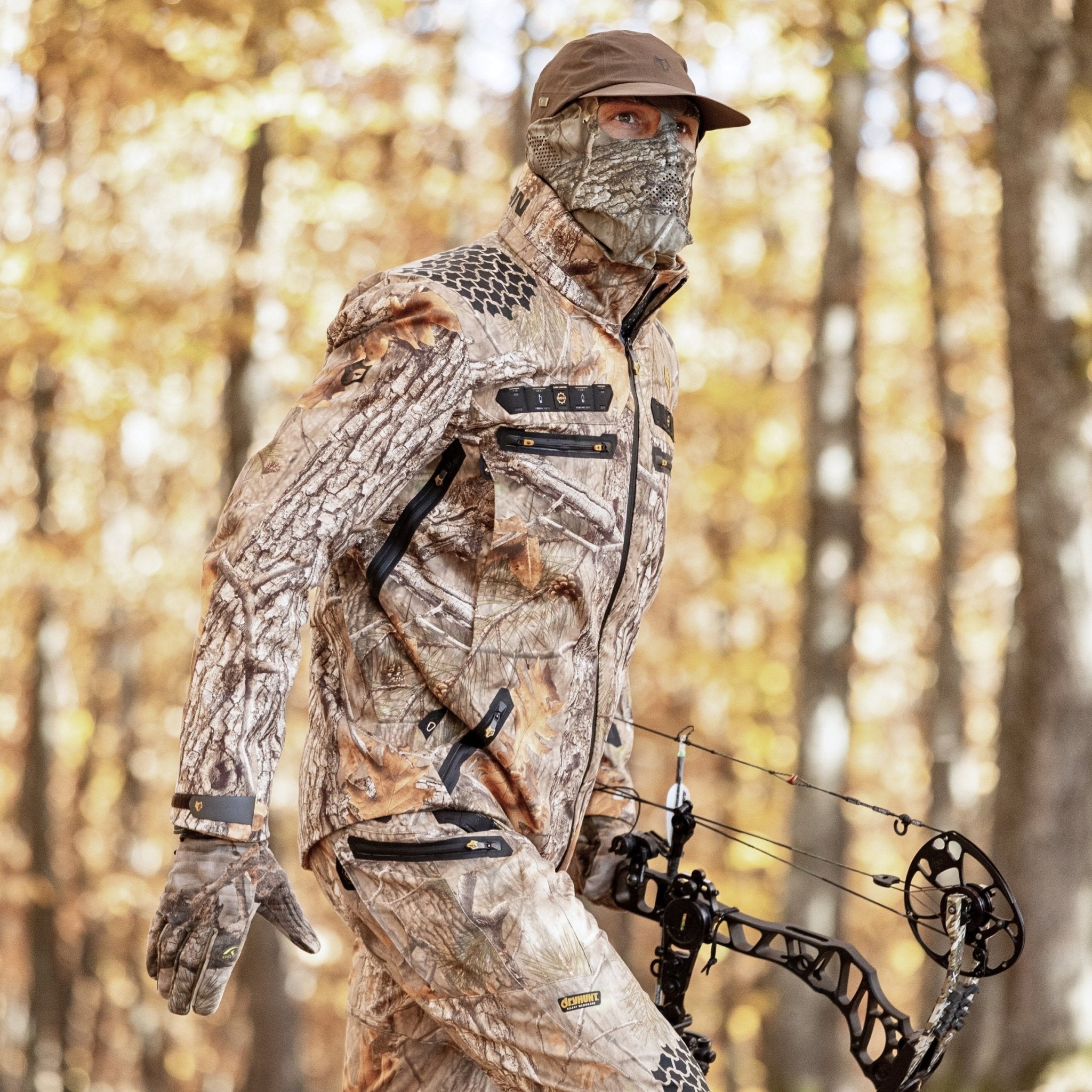
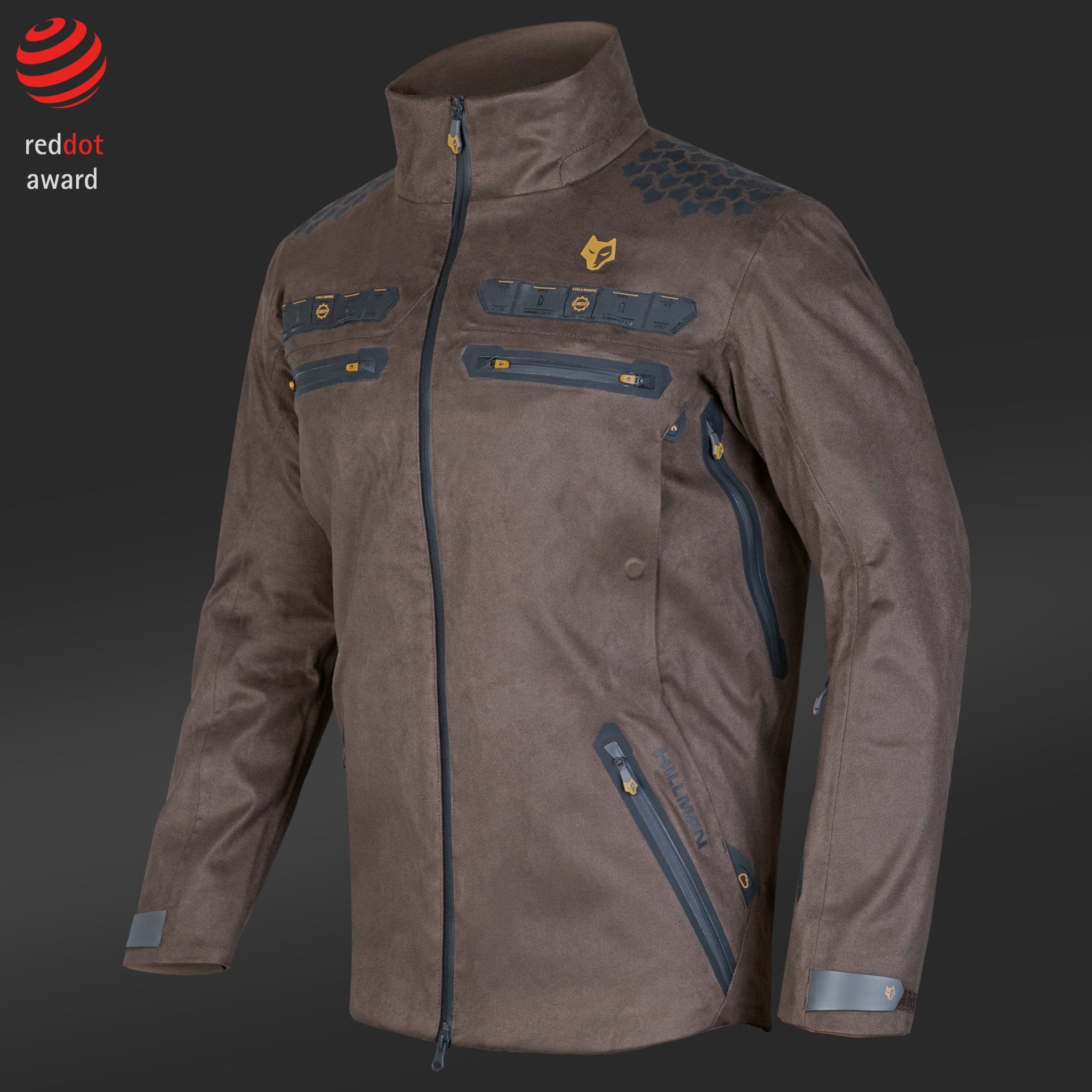
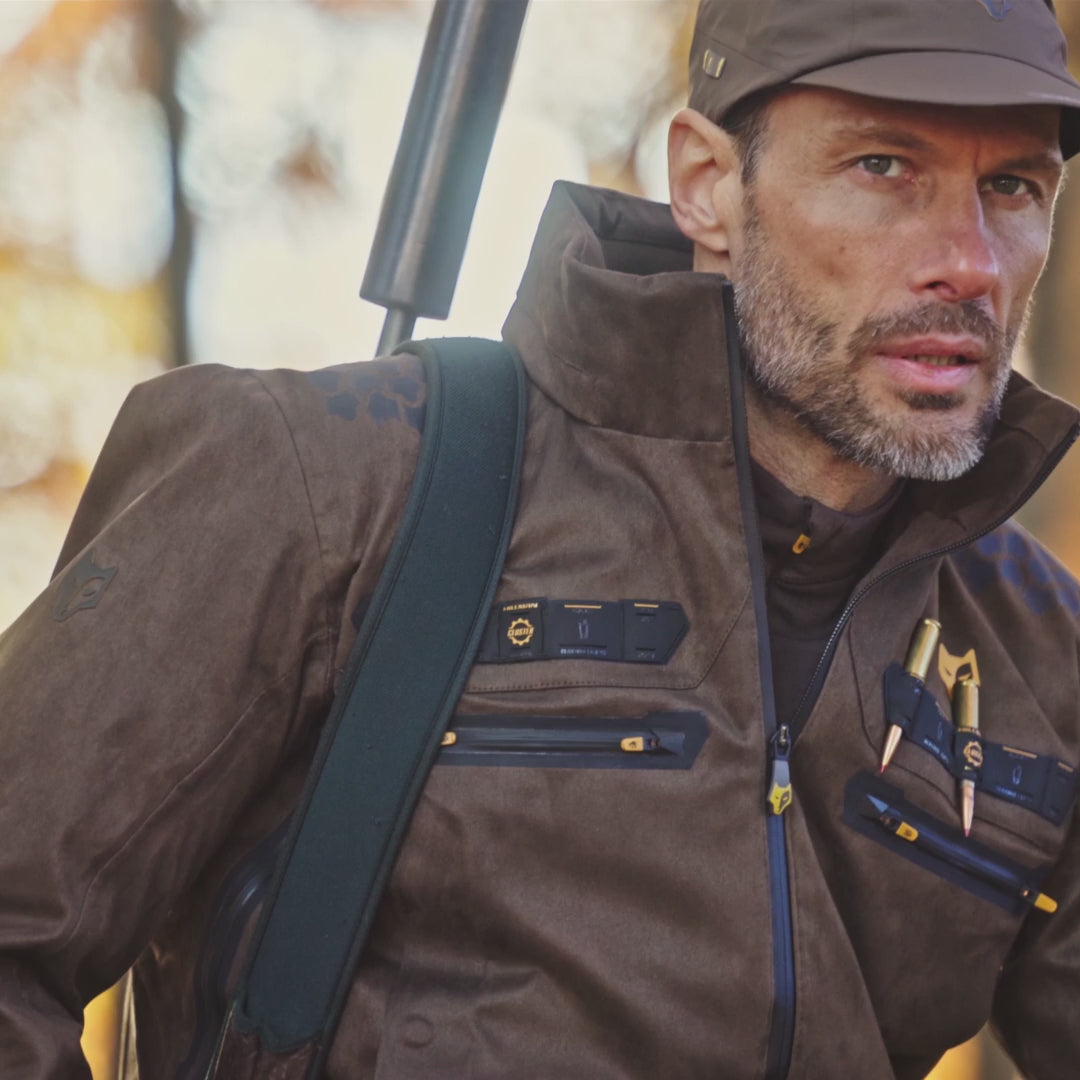
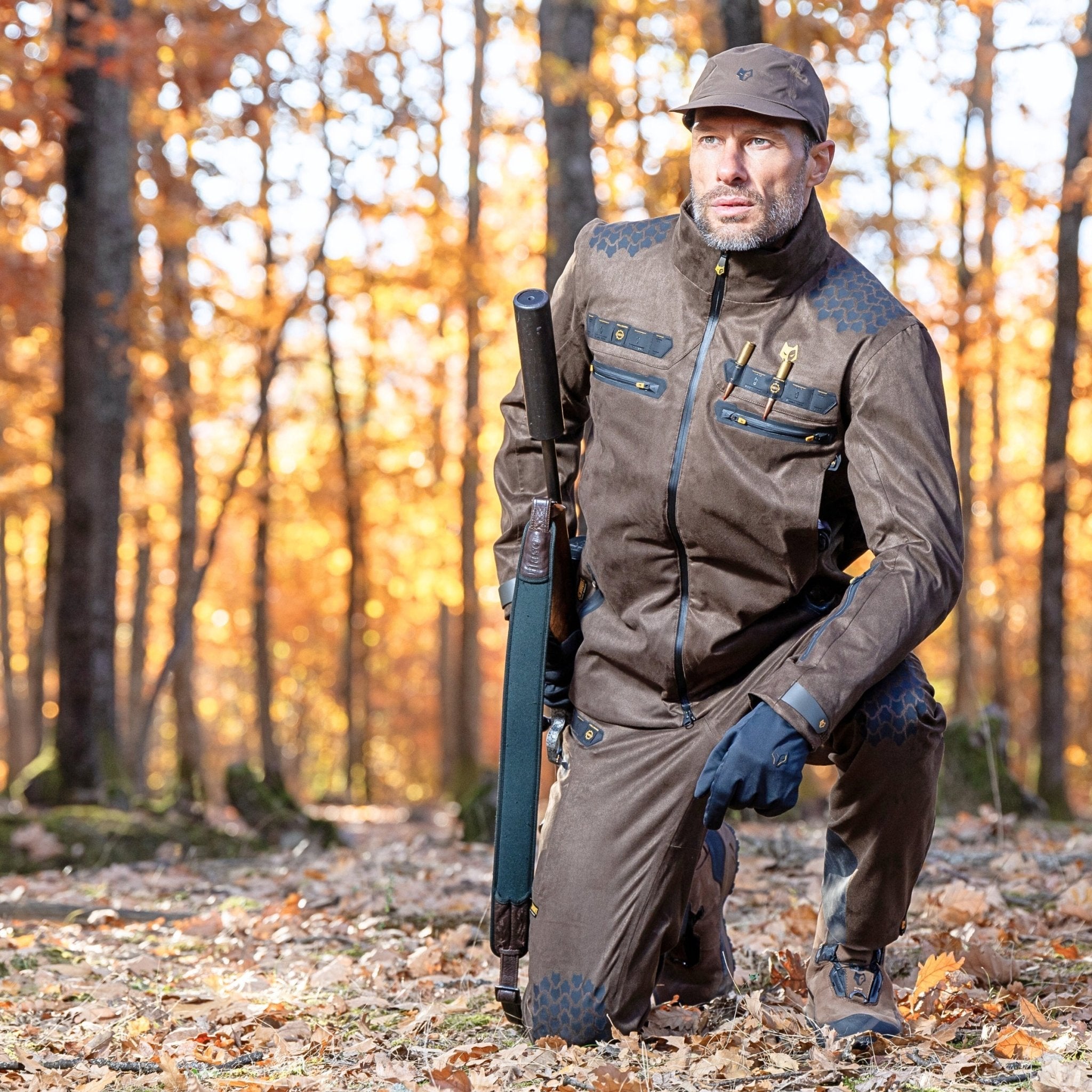
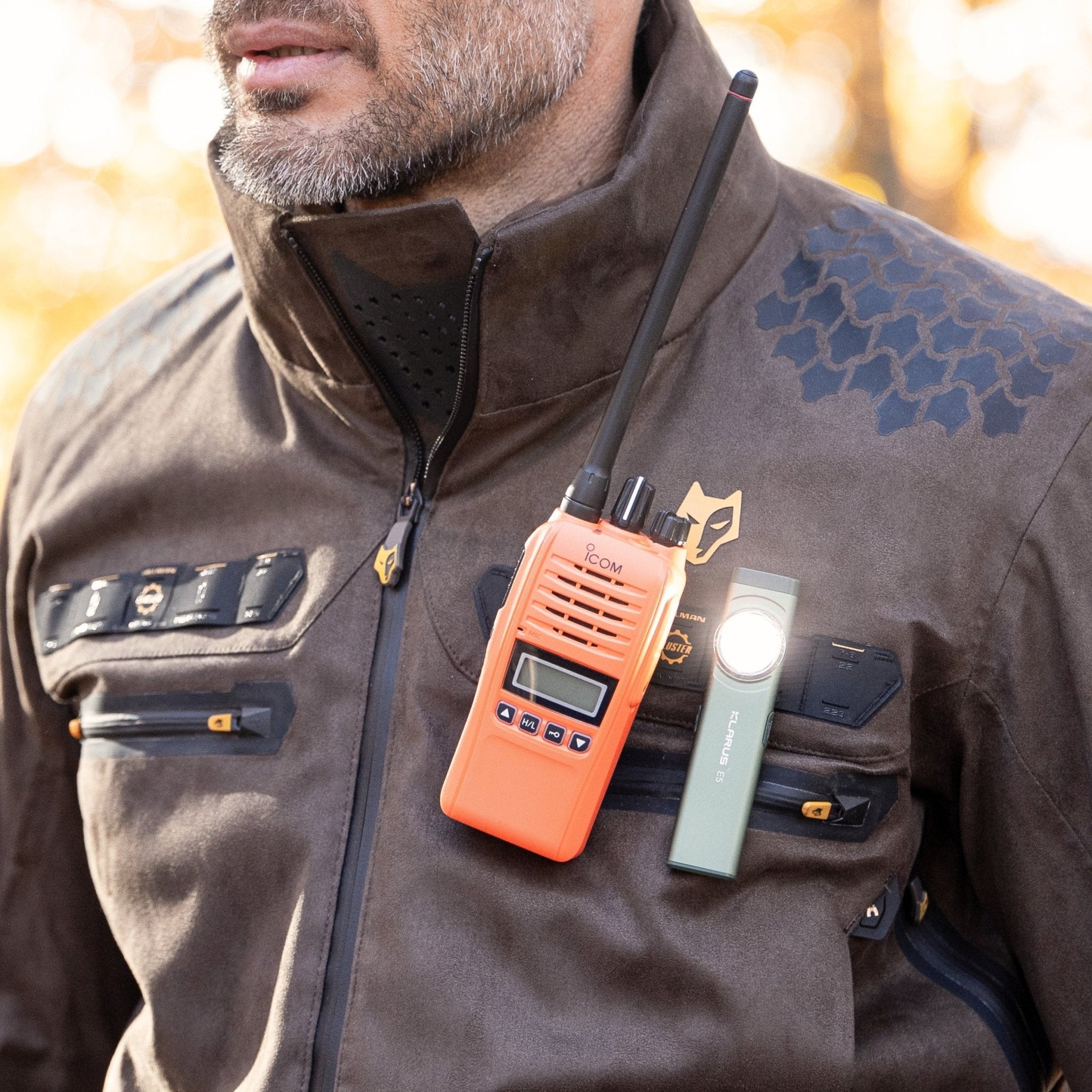
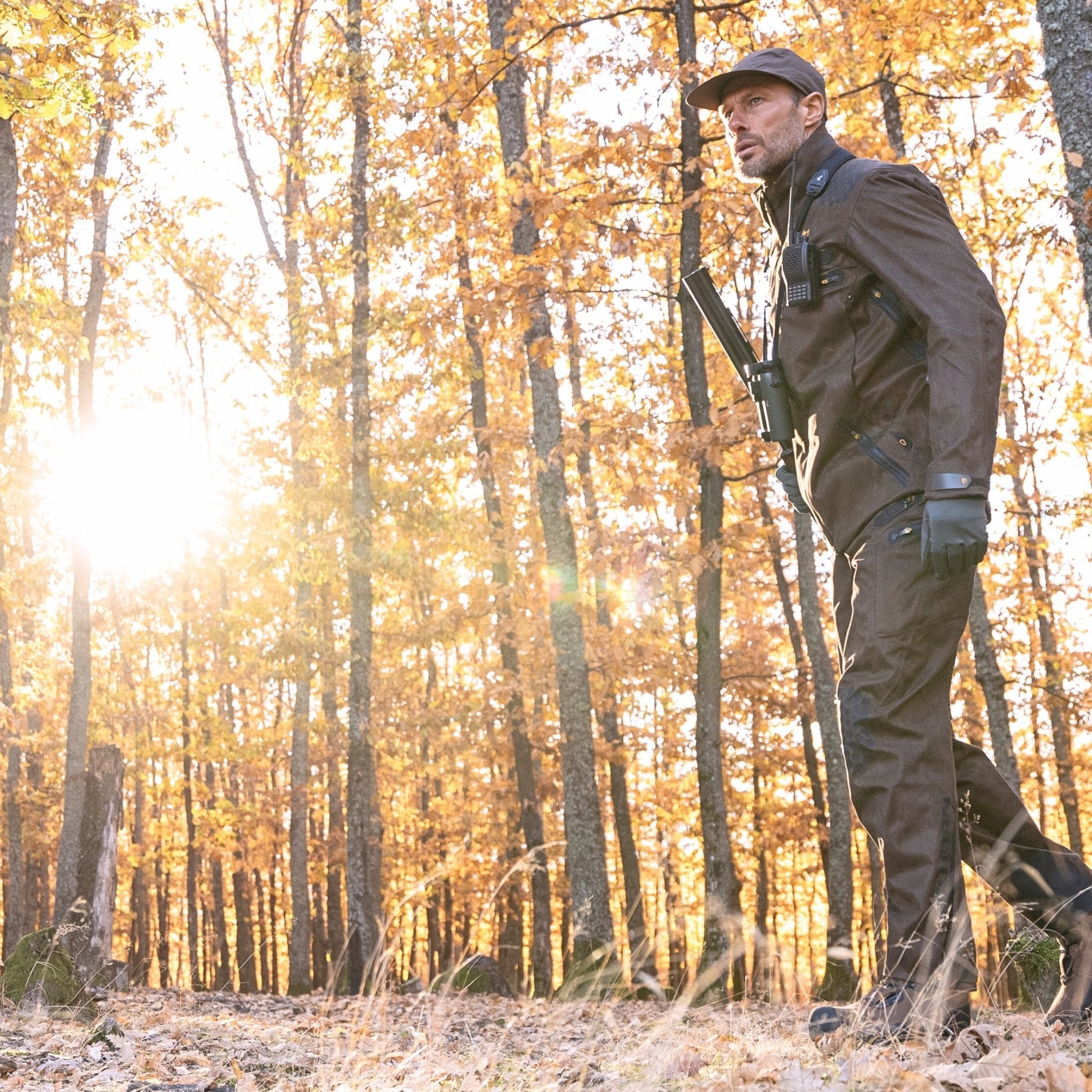
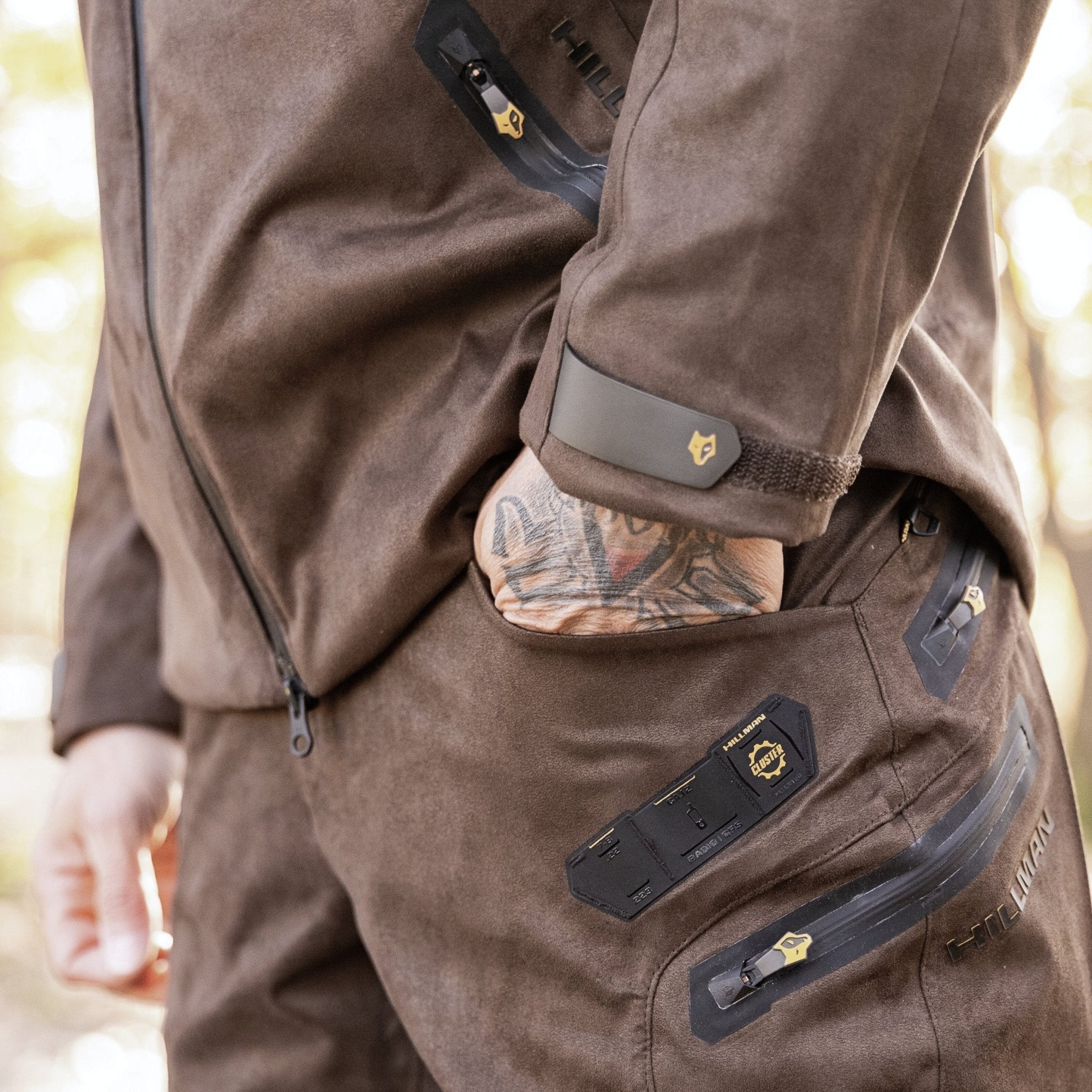
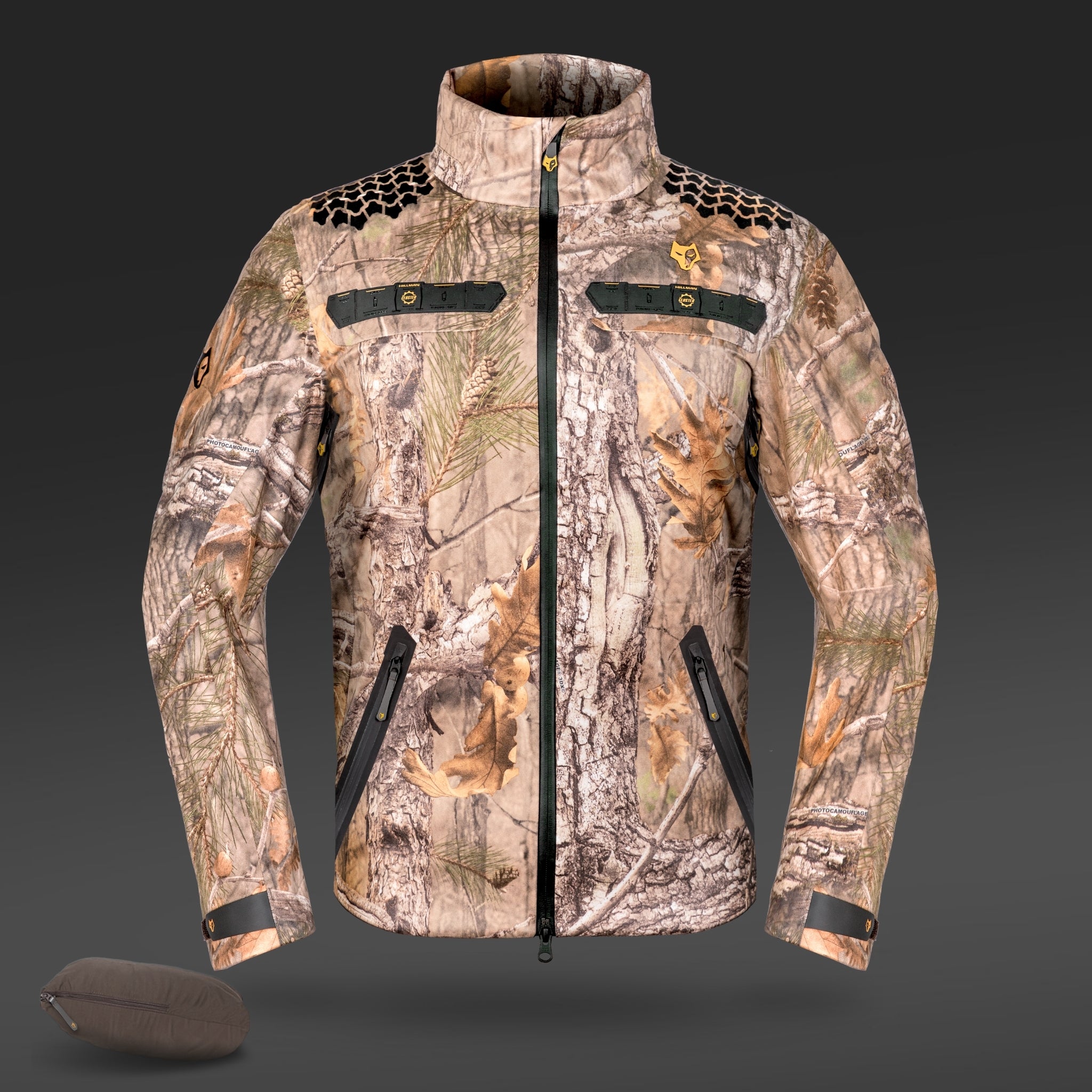
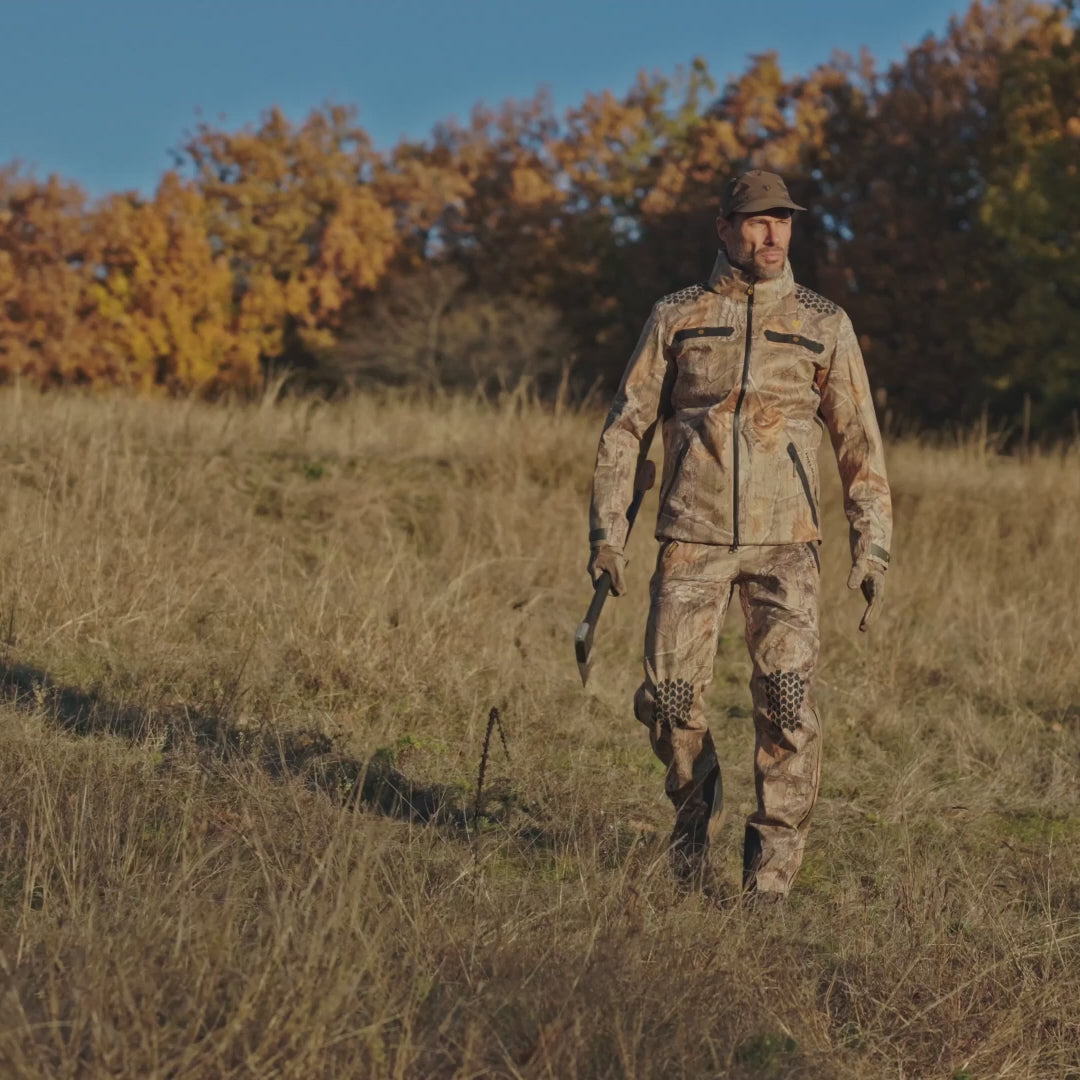
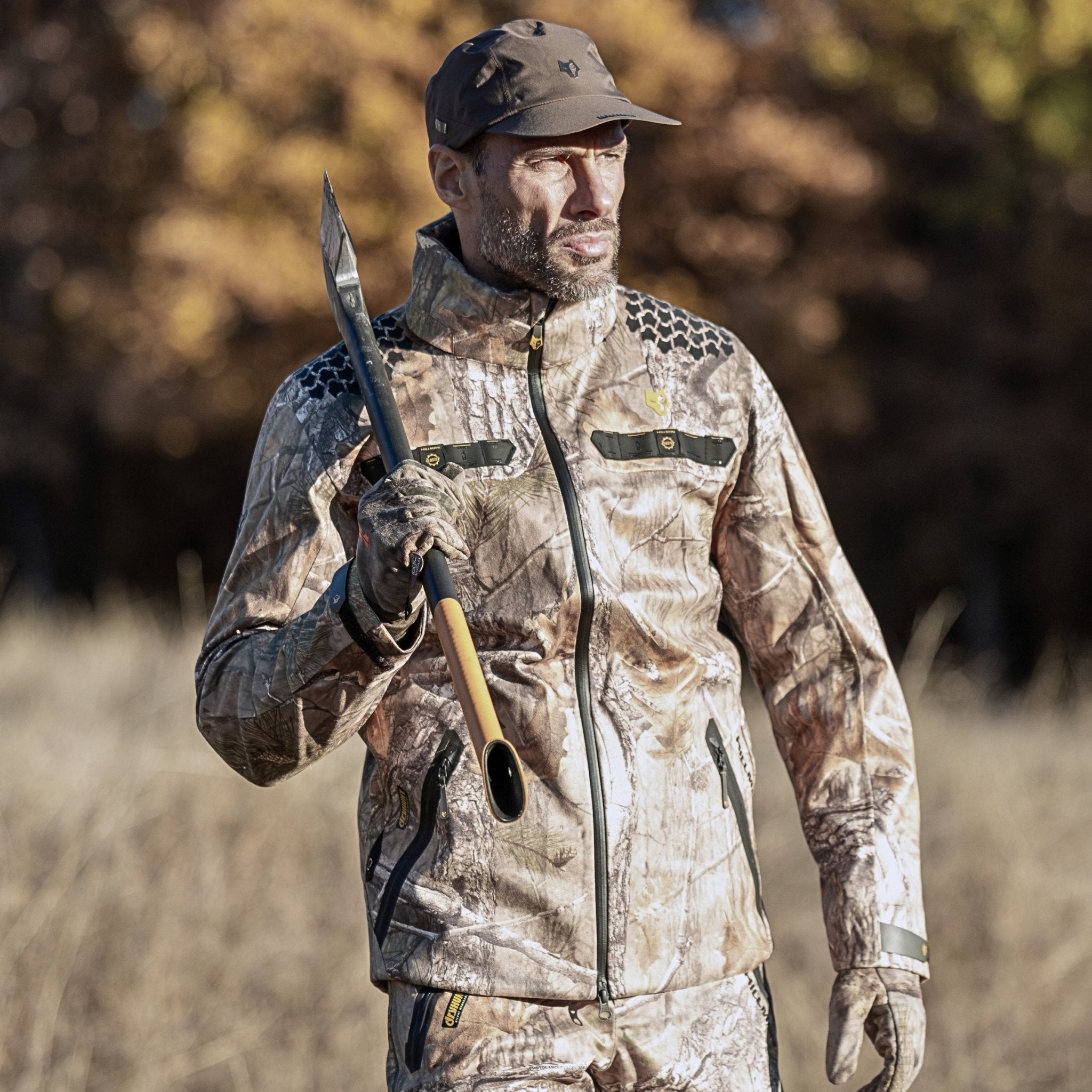
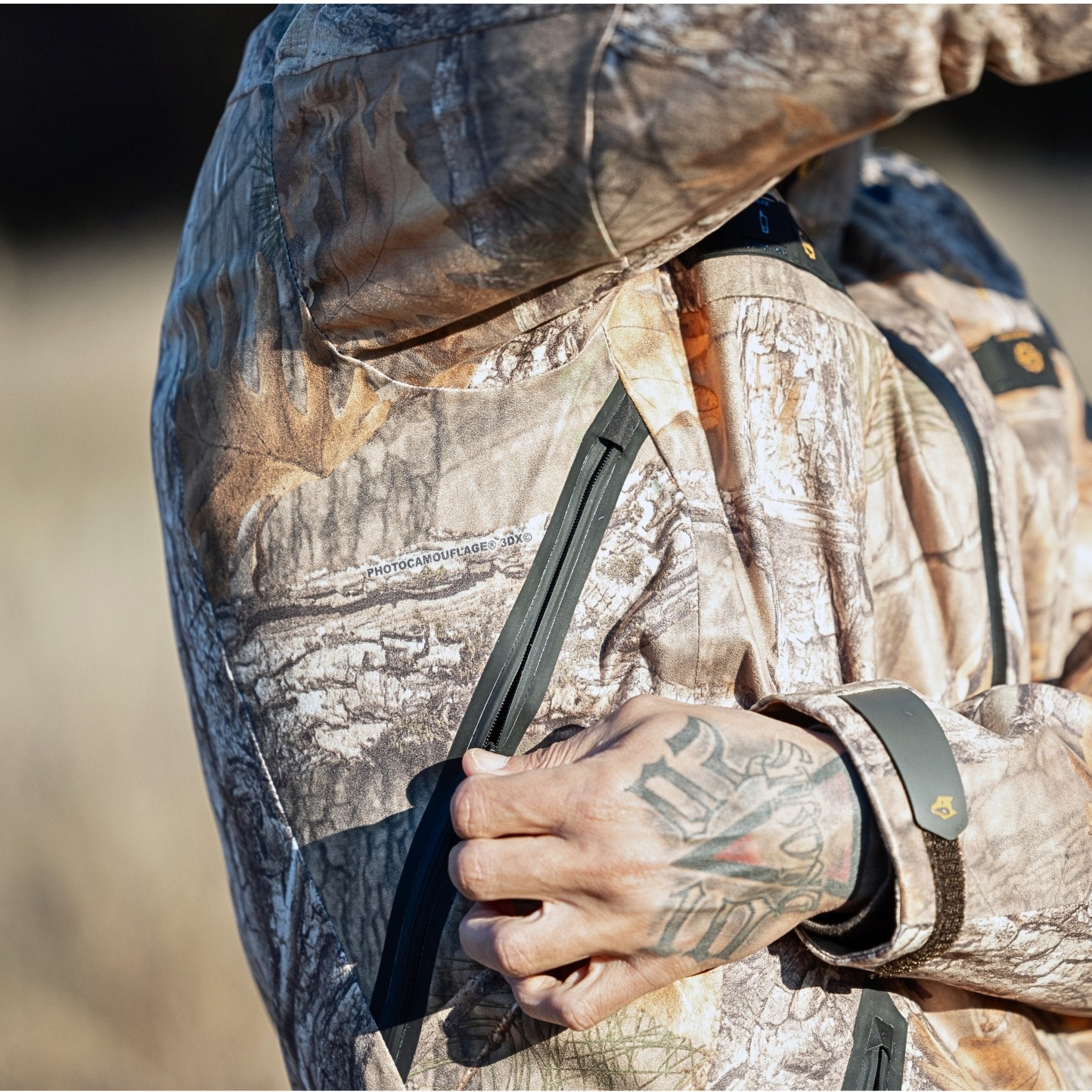
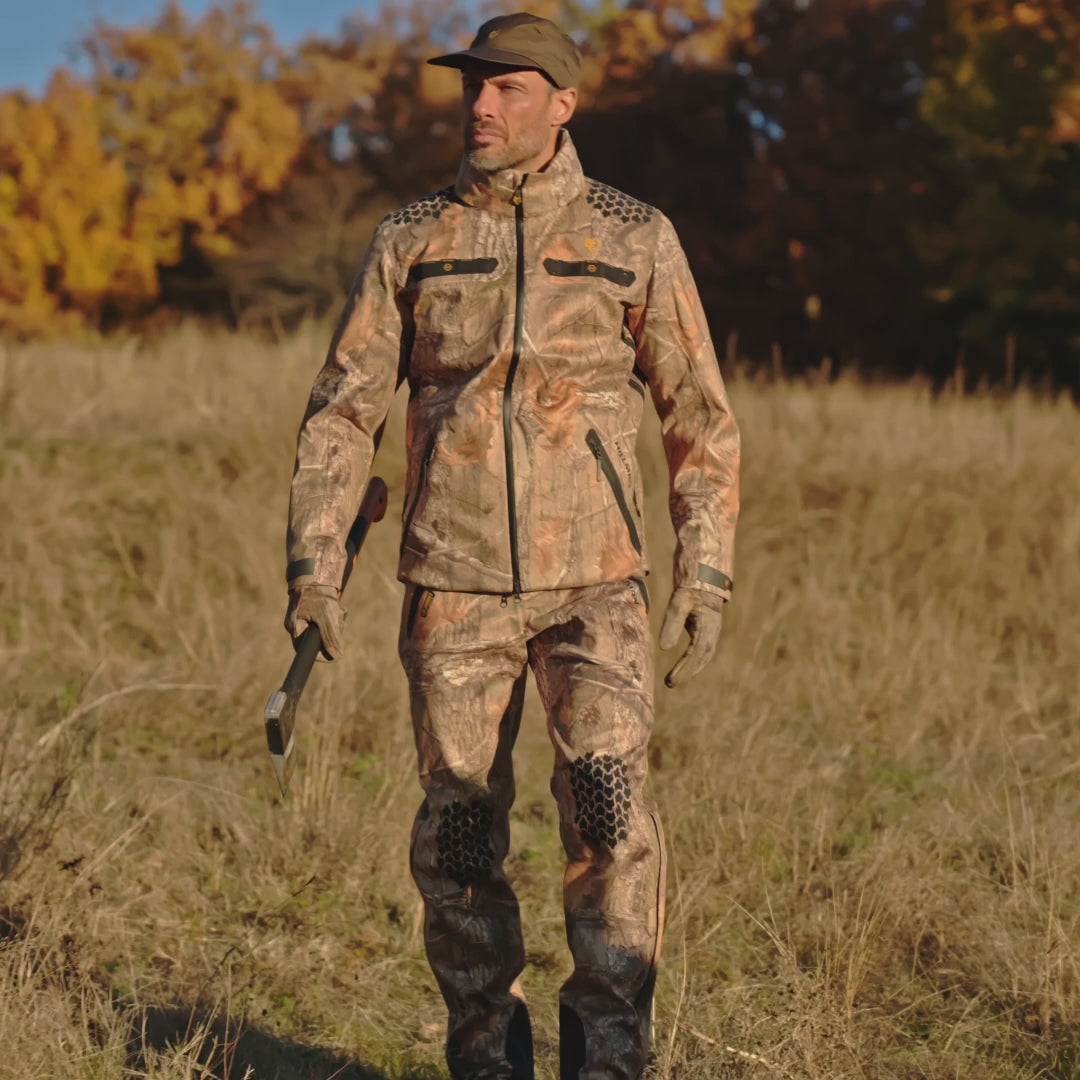
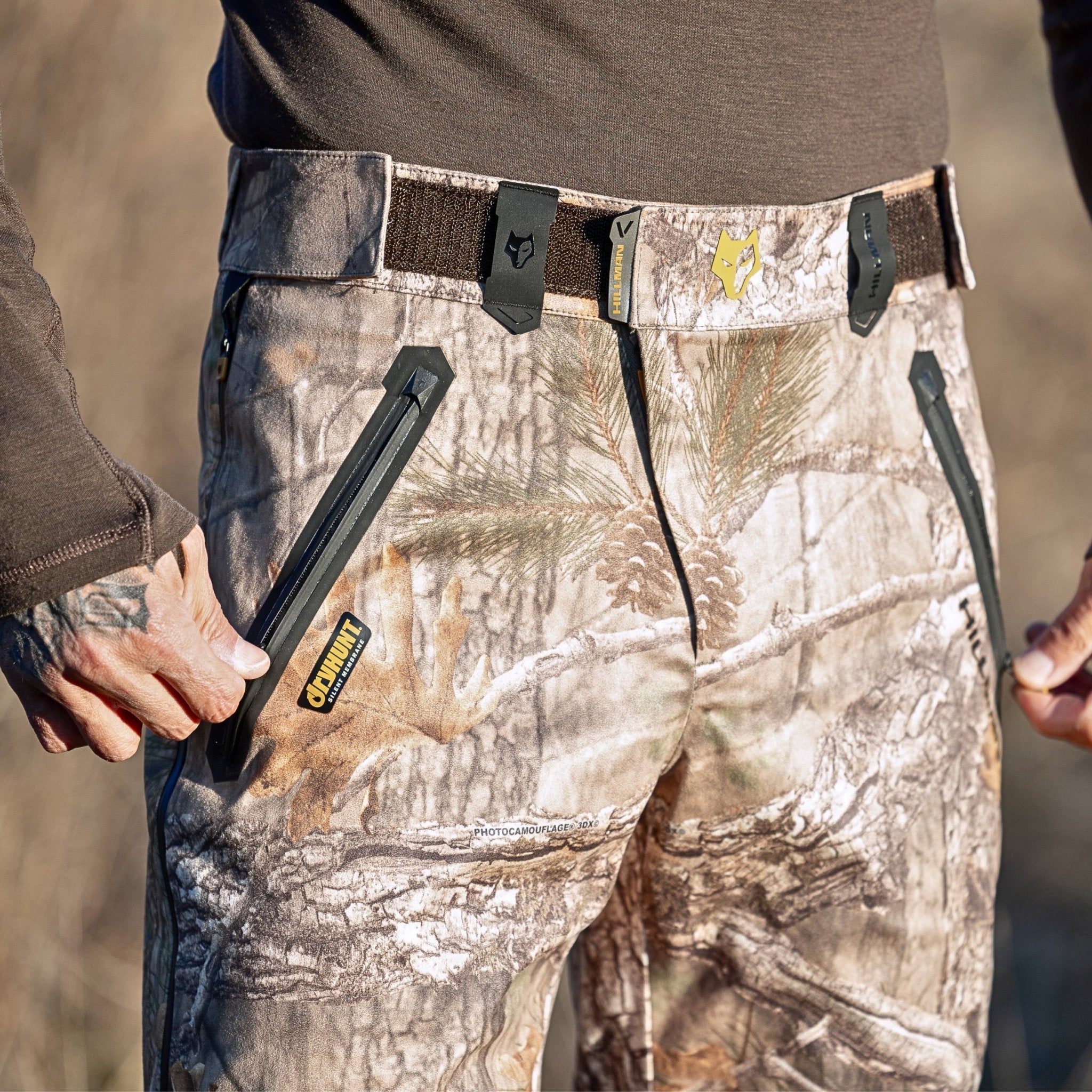
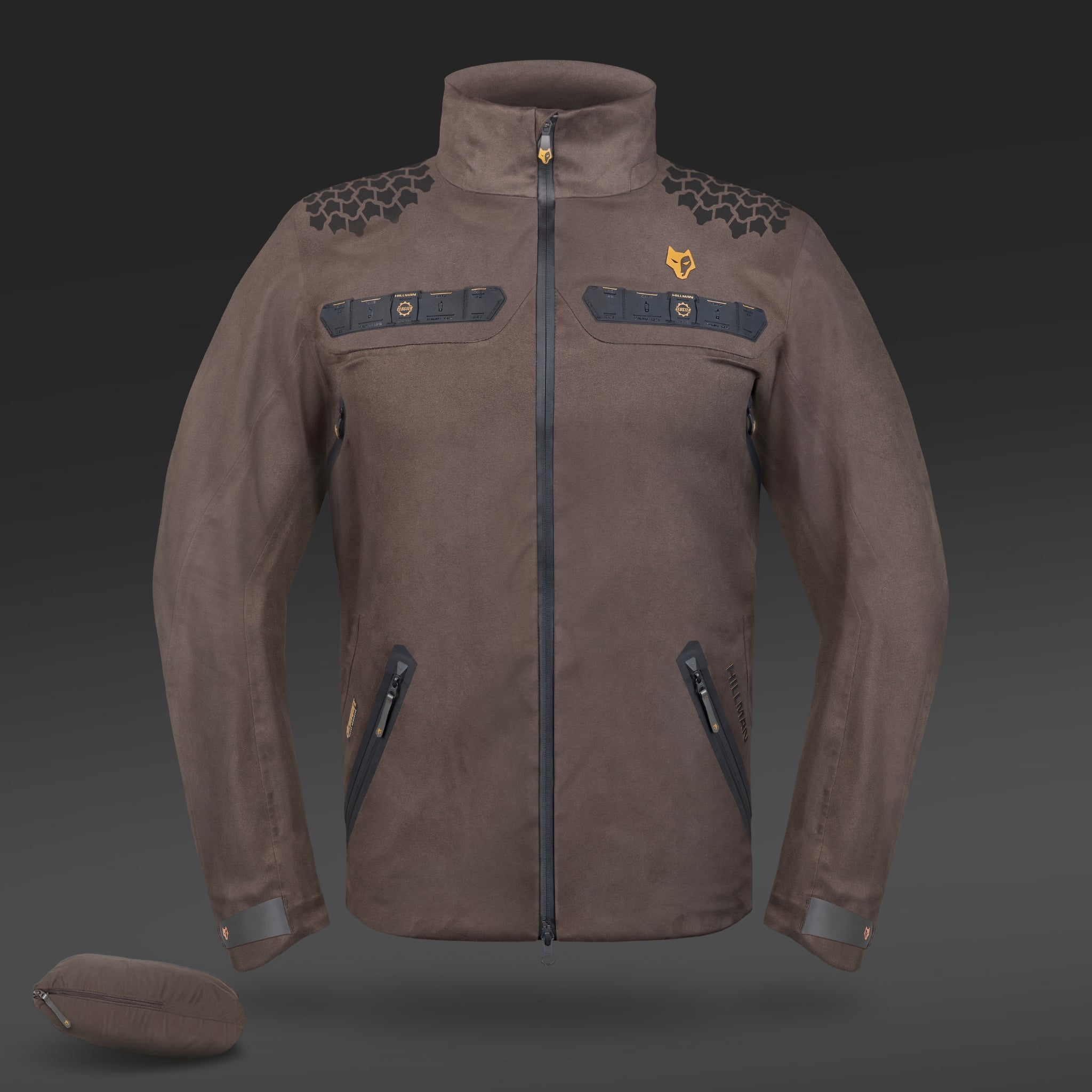
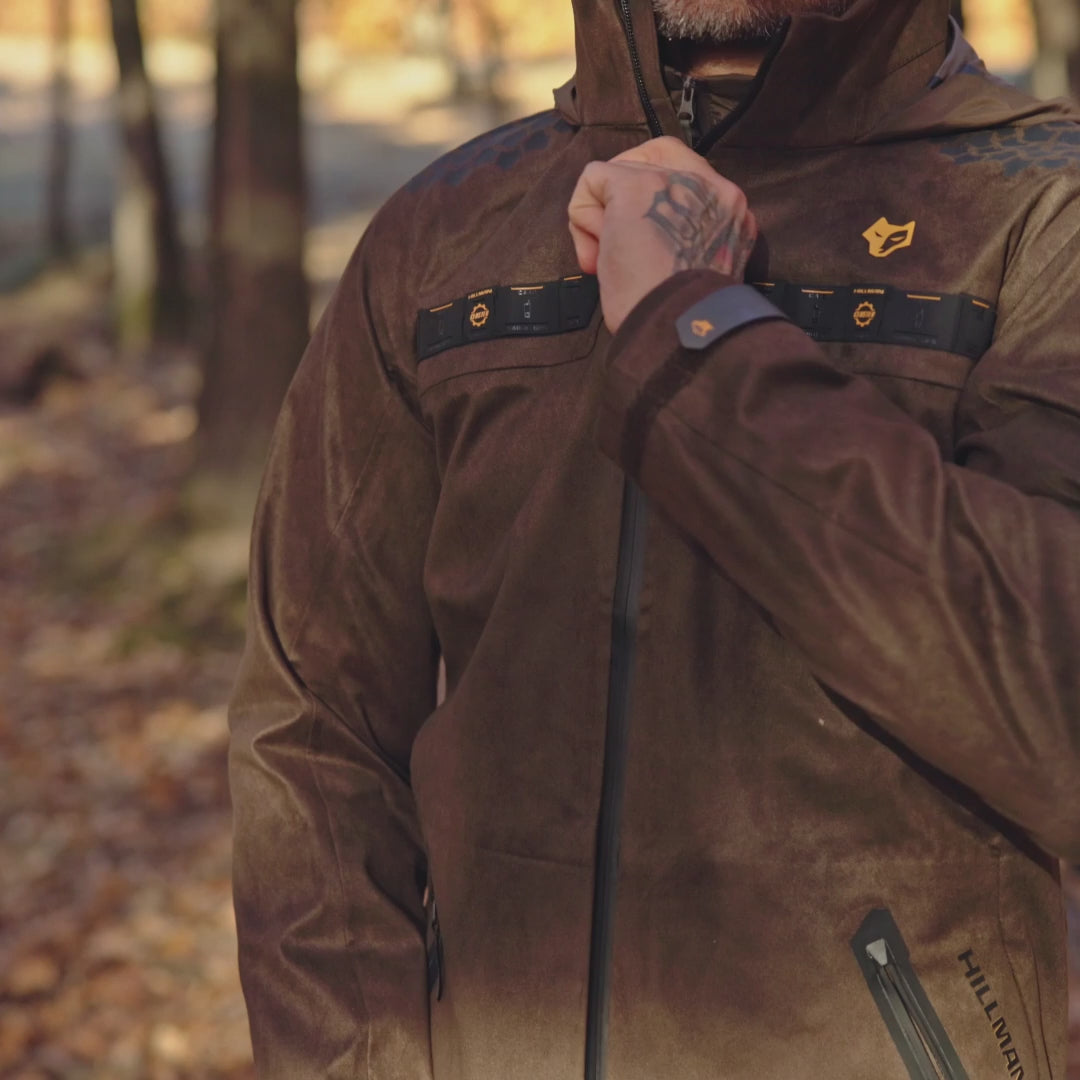
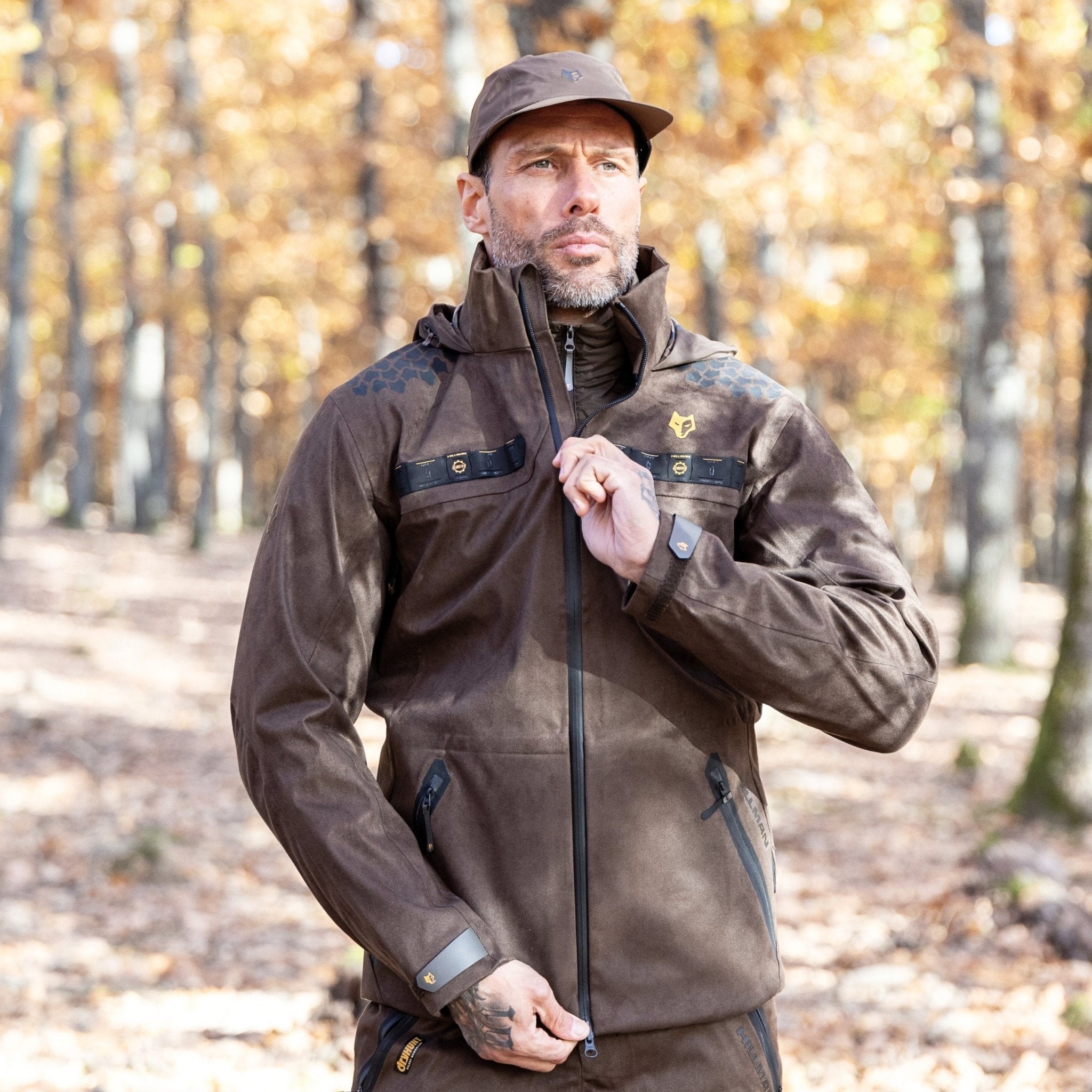
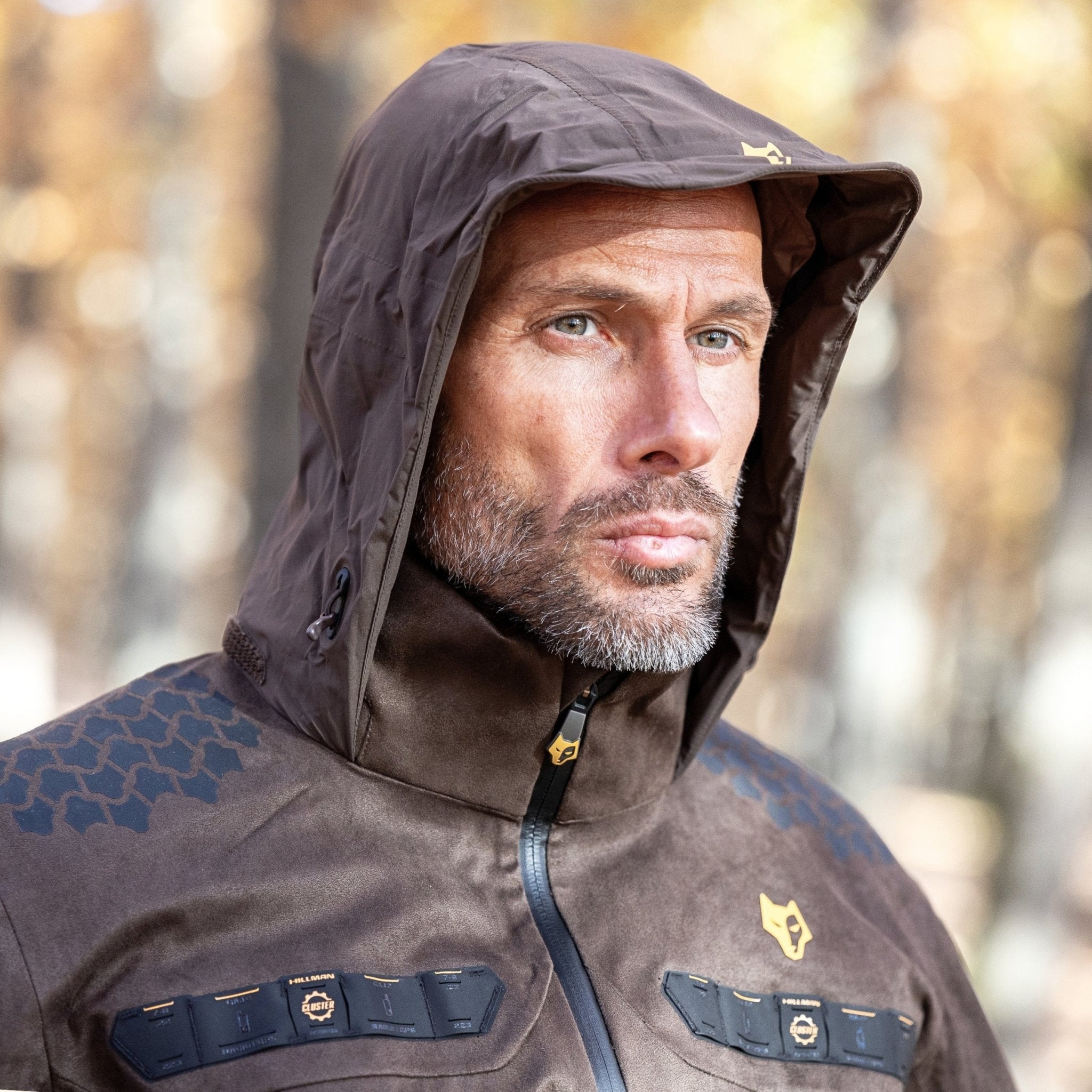
This is where good outdoor gear earns its place. Hillman fits that kind of thinking well: quiet, practical clothing that has to work in the woods, not just look clean in a catalogue shot.
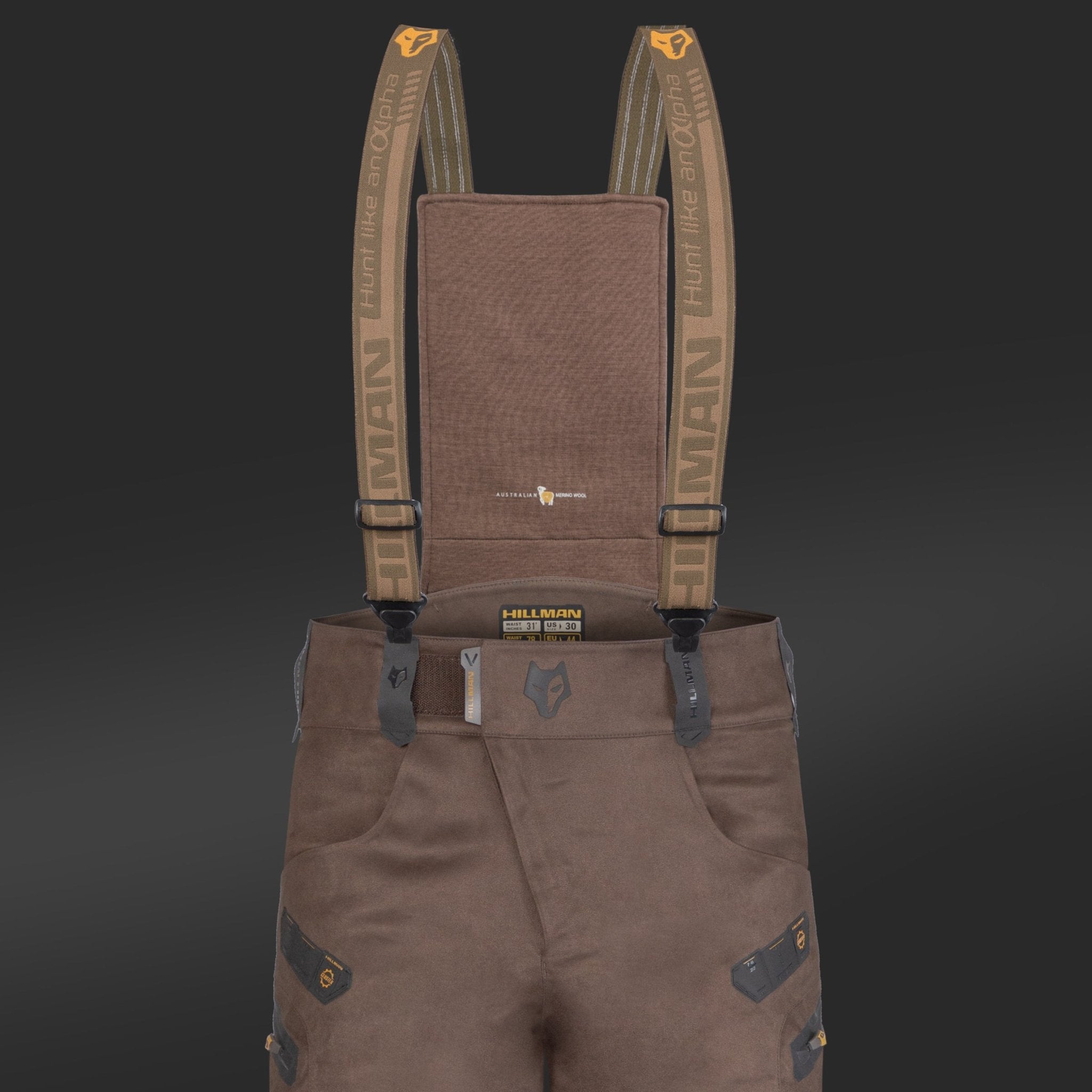
Pants Need Stretch, Cover, and Some Backbone

Turkey hunting pants should be lightweight, but not flimsy. There is a difference.
You might kneel, crawl, sit twisted against a tree, cross wet grass, slide down a bank, or move through long grass and brush. Thin pants that rip or soak through in ten minutes are not worth much.
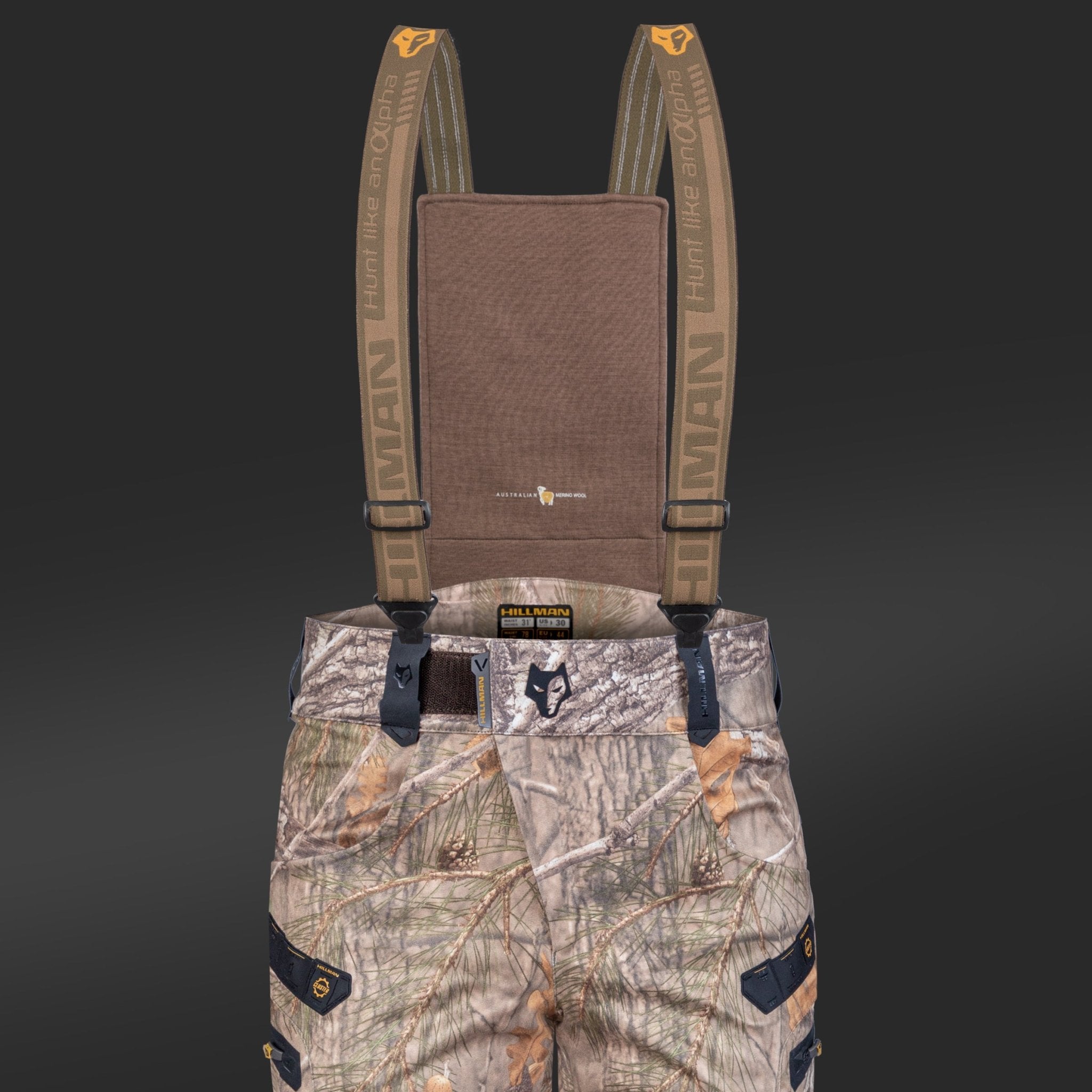
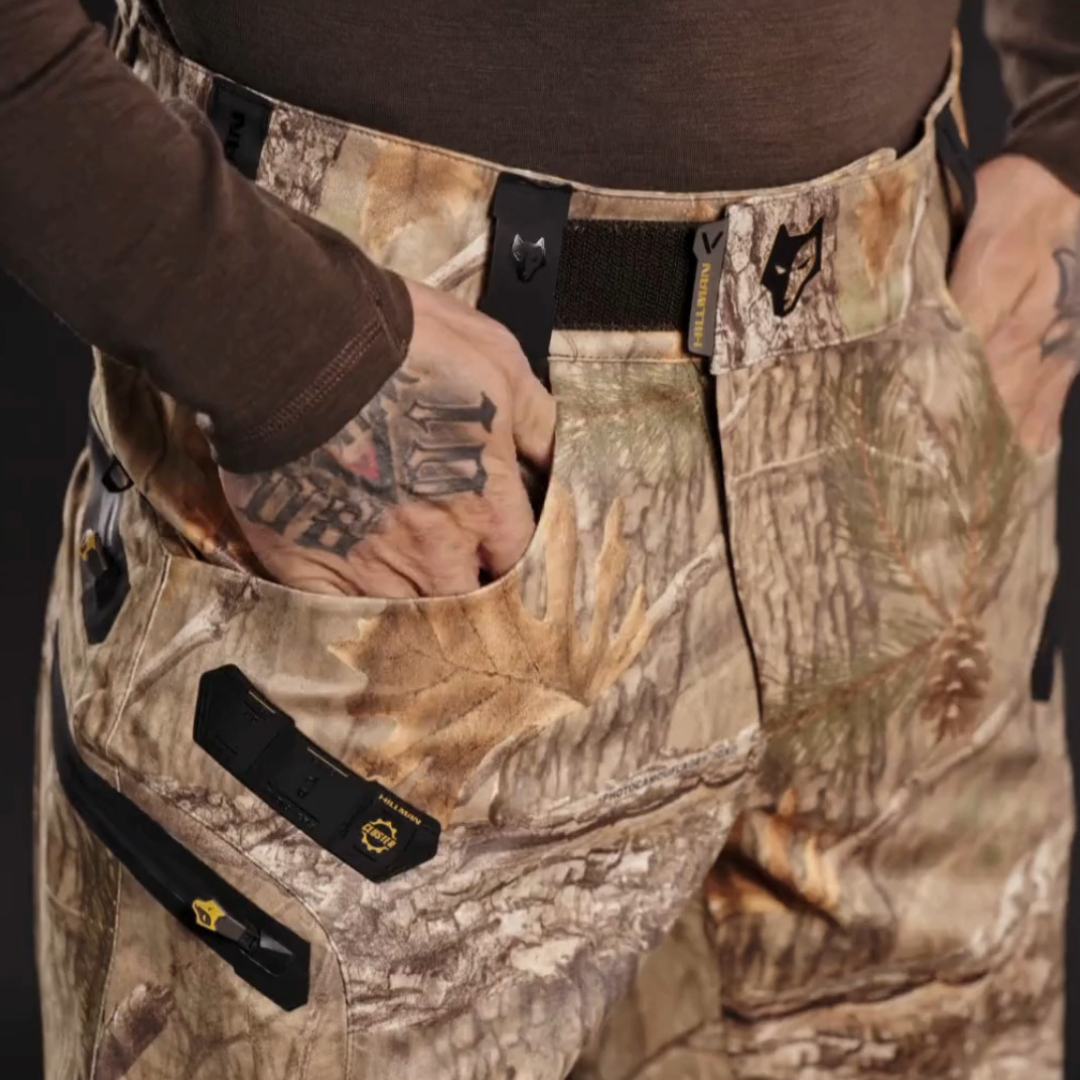
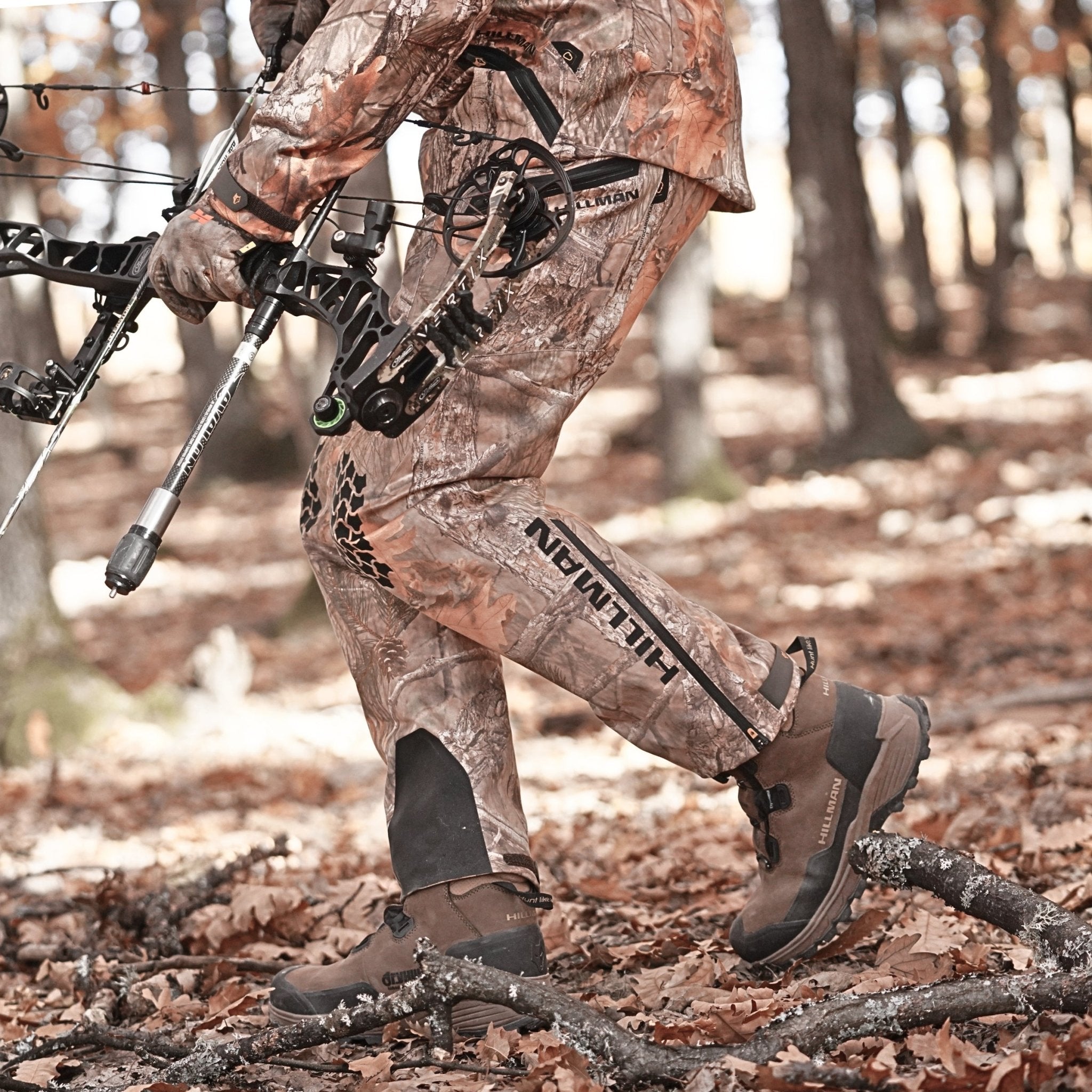
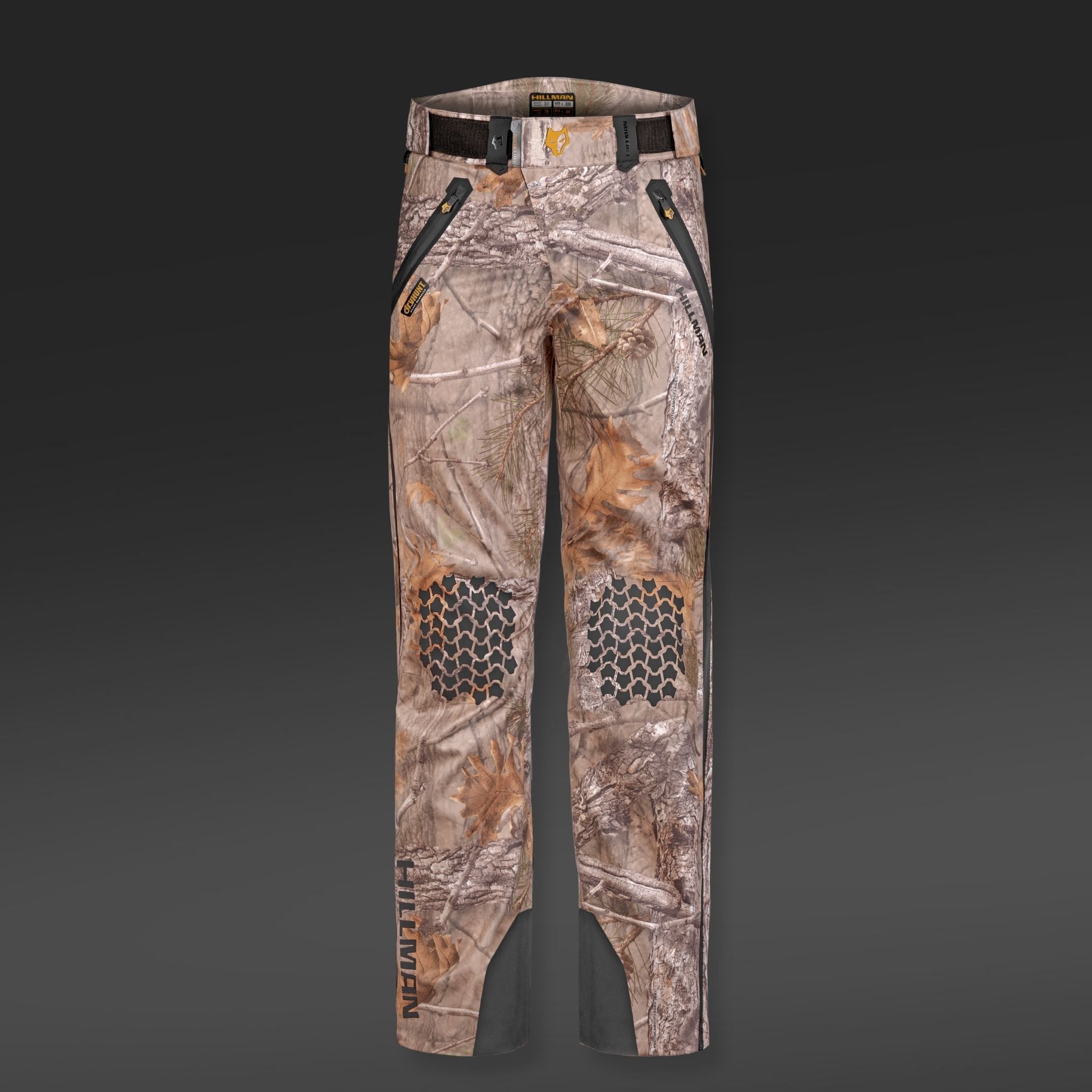
Good spring turkey pants should be full length, quiet, breathable, and stretchy enough that they do not bind at the knees. Water-resistant fabric is useful, especially early in the morning. Fully waterproof pants can be good in wet country, but they can also get hot fast.
Full-length pants also help with ticks. That alone is reason enough to avoid shorts or loose, sloppy clothing. Tuck cuffs if needed. Use gaiters if the ground is wet or the cover is full of seeds and burrs.
Knee pads are not required, but they are handy if you set decoys often, crawl behind cover, or end up kneeling more than expected.
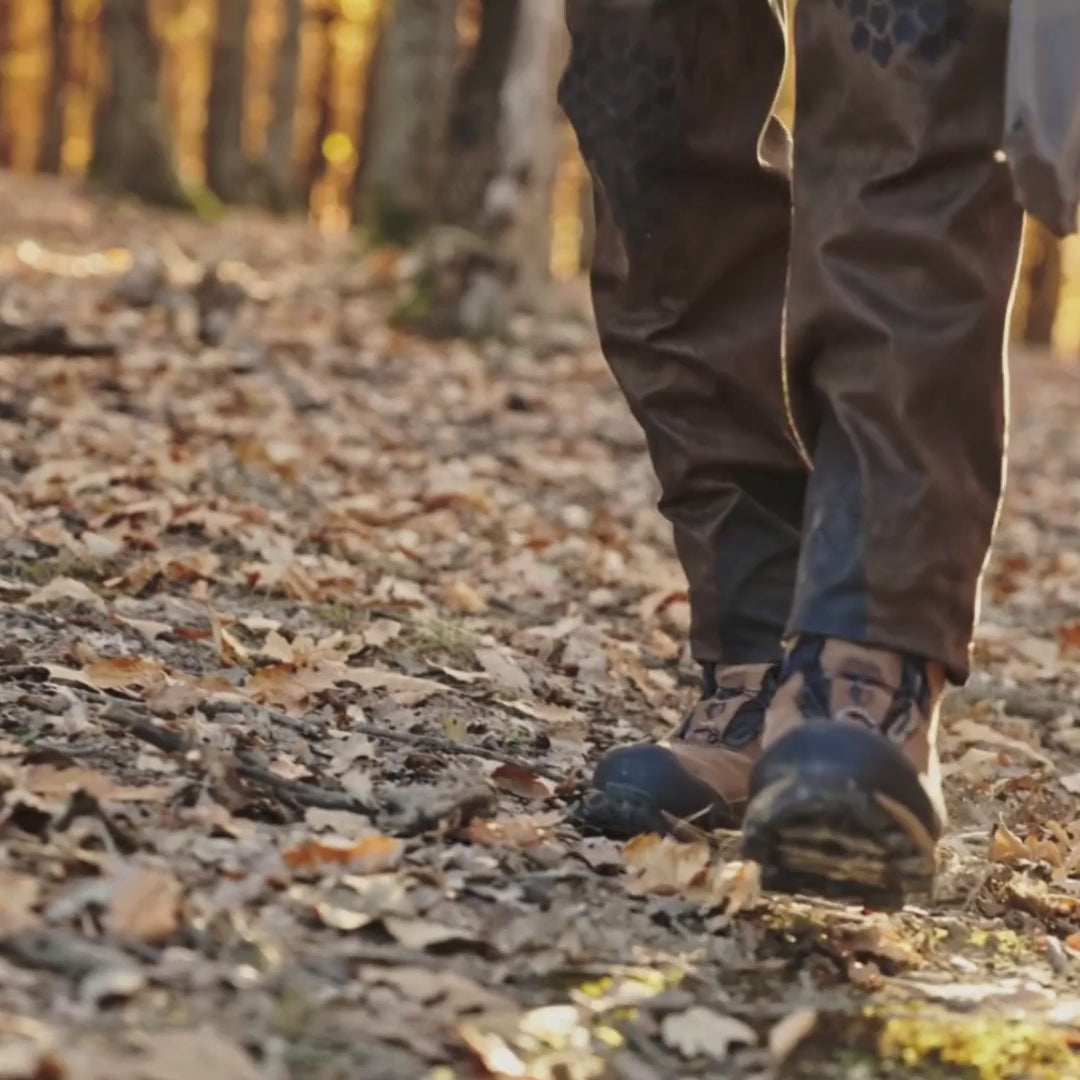
Waterproof Boots Are Not Optional

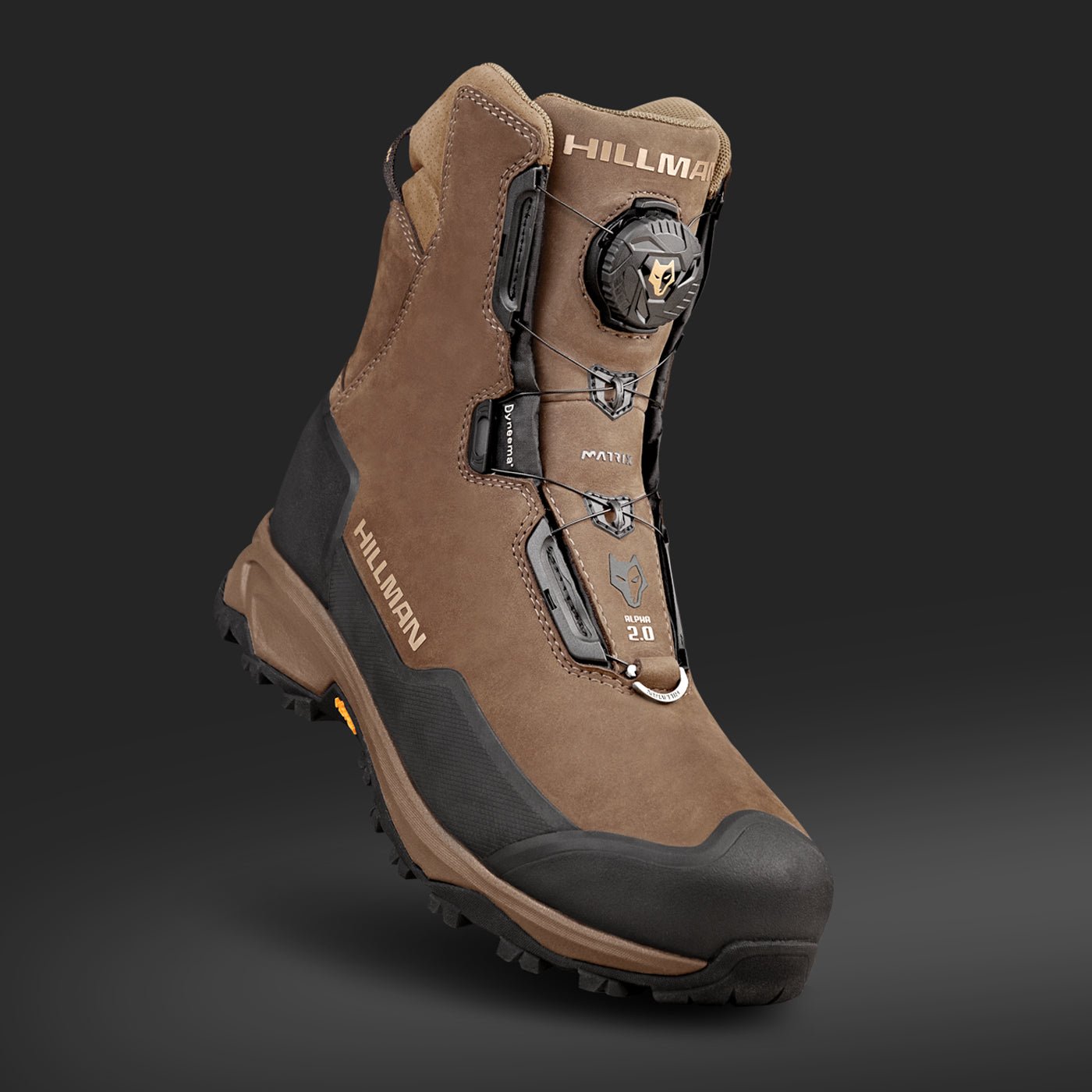
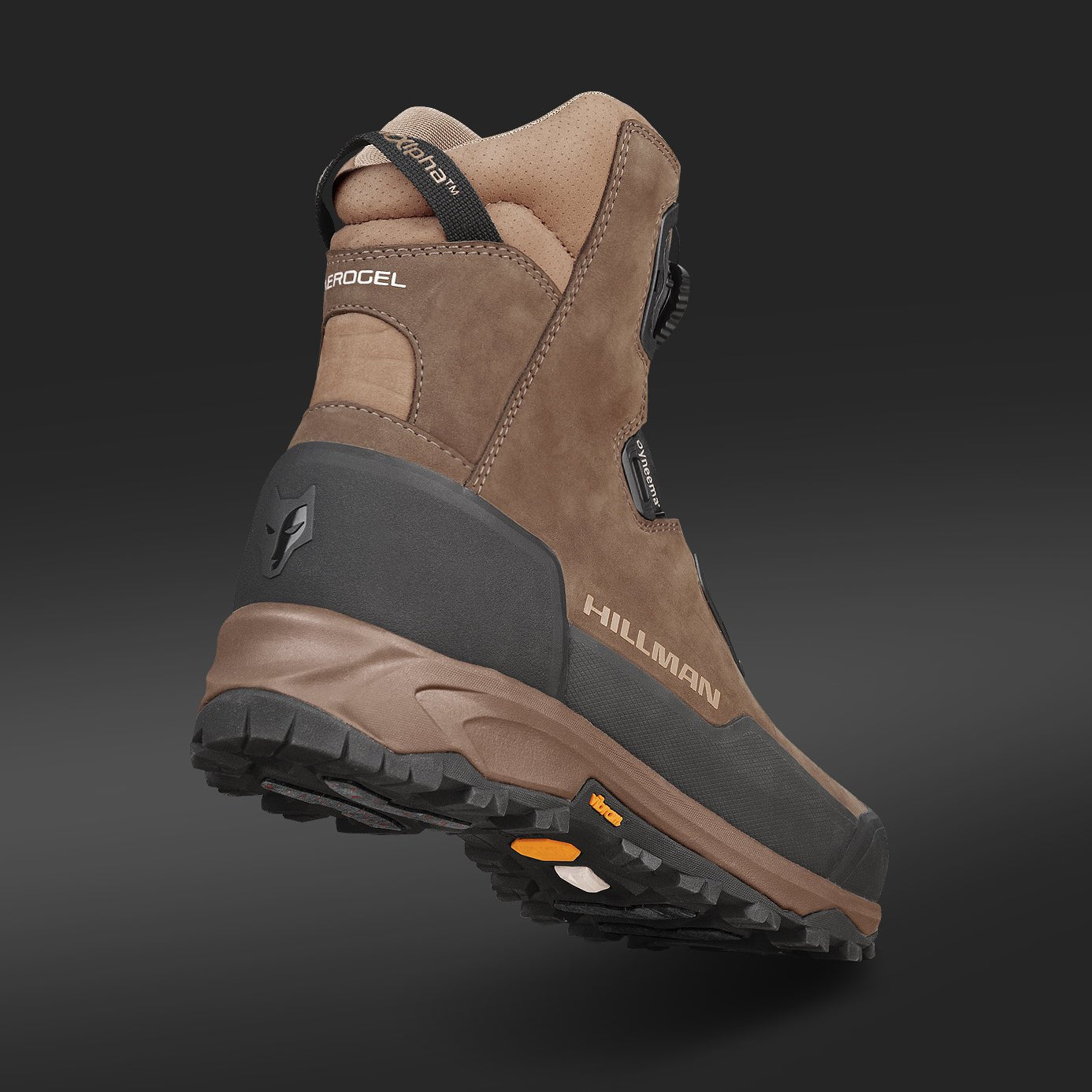
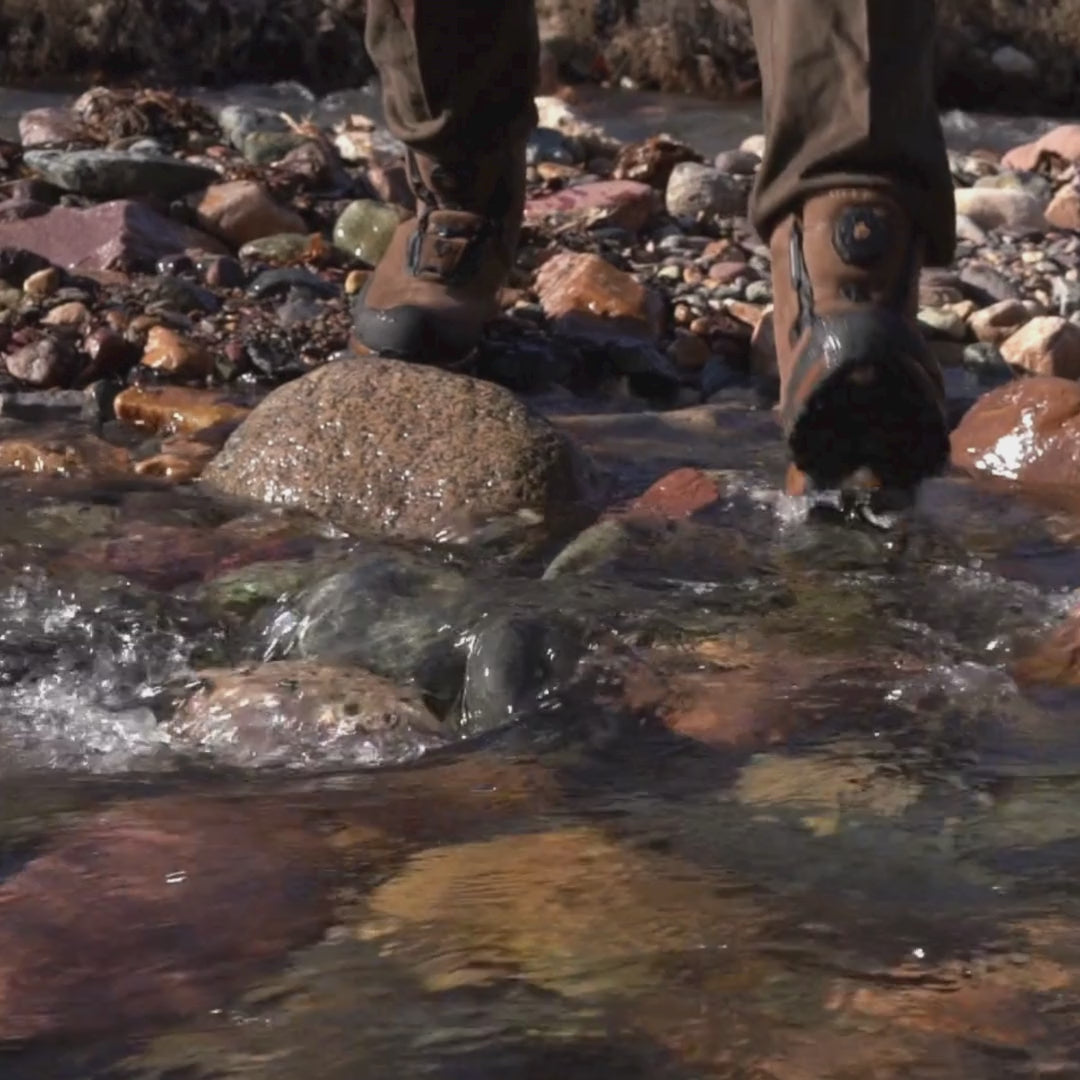
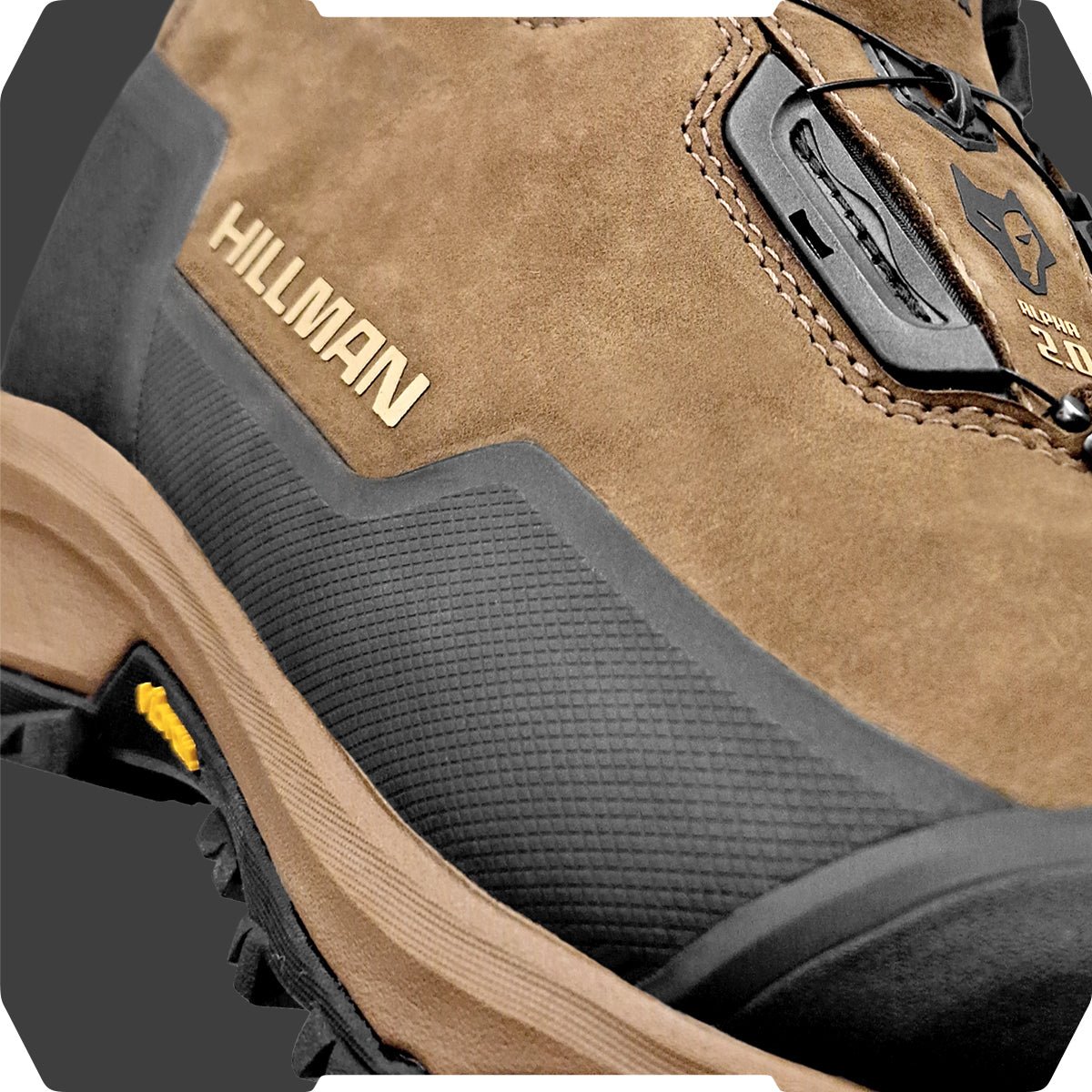
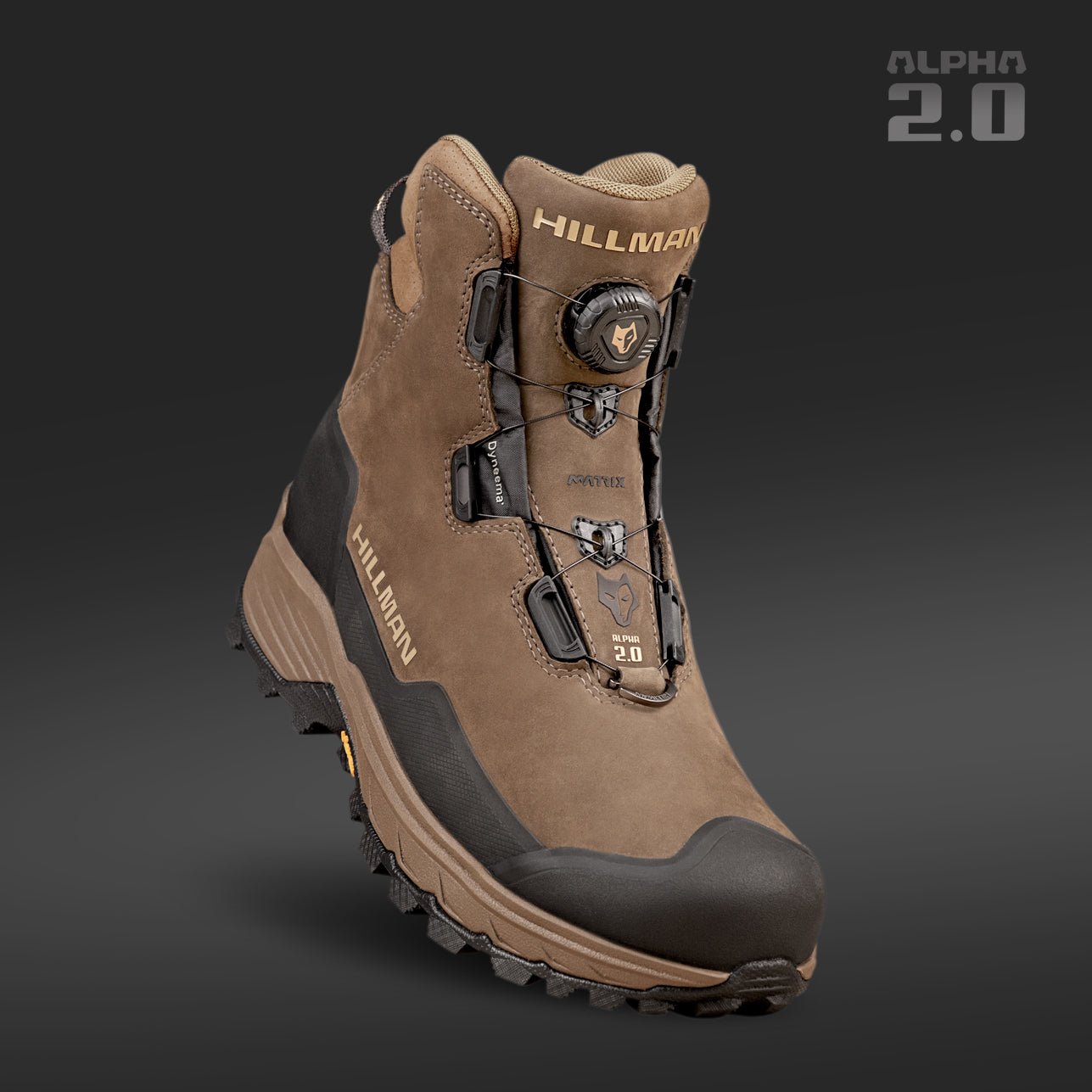
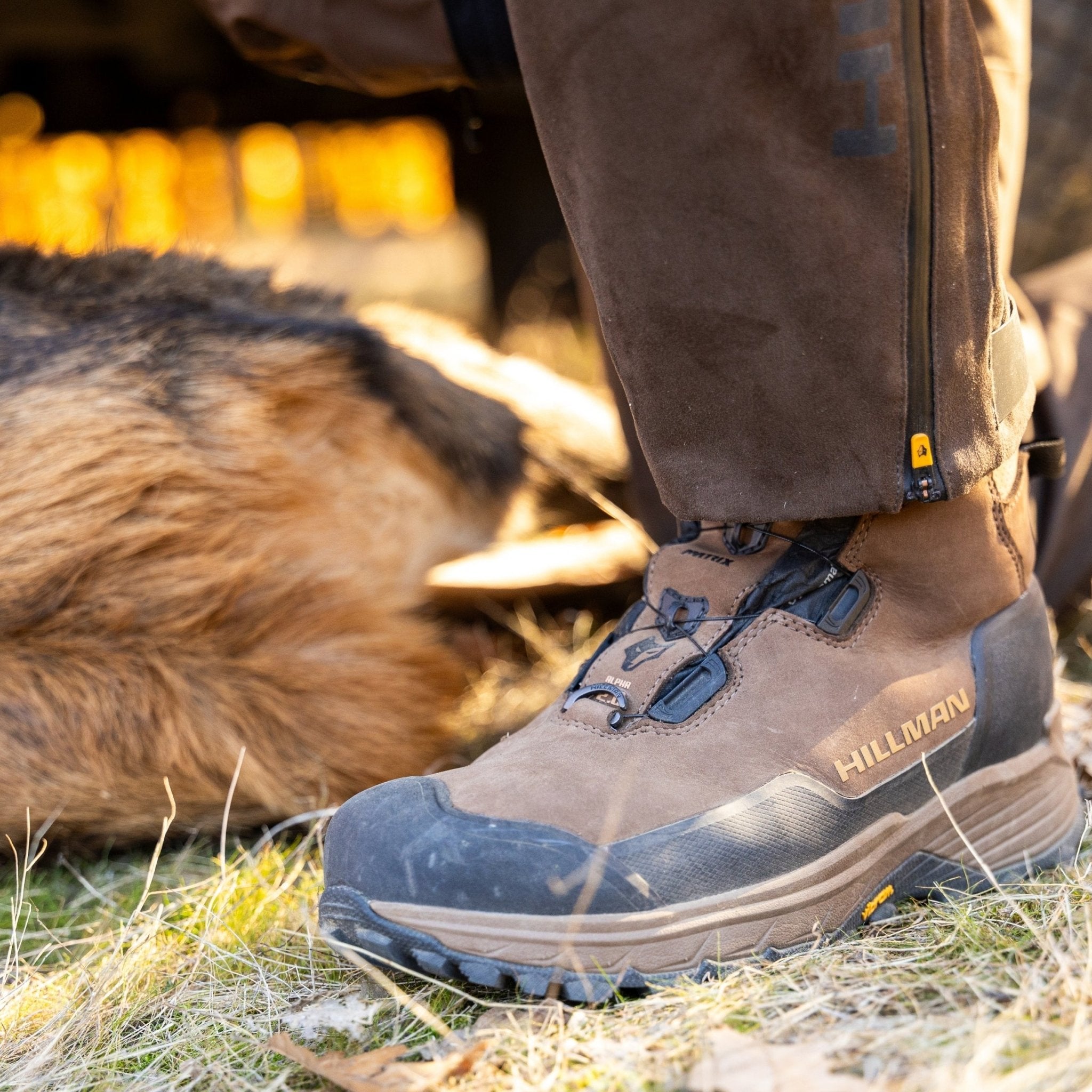
Spring turkey hunting means wet feet if your boots are bad. Dew alone can soak cheap boots before the first gobble. Add mud, creek edges, wet fields, and soft tracks, and the wrong boots become a problem fast.
Waterproof boots matter because wet feet make you move more. You shift. You lose patience. You start thinking about the walk back instead of the bird.
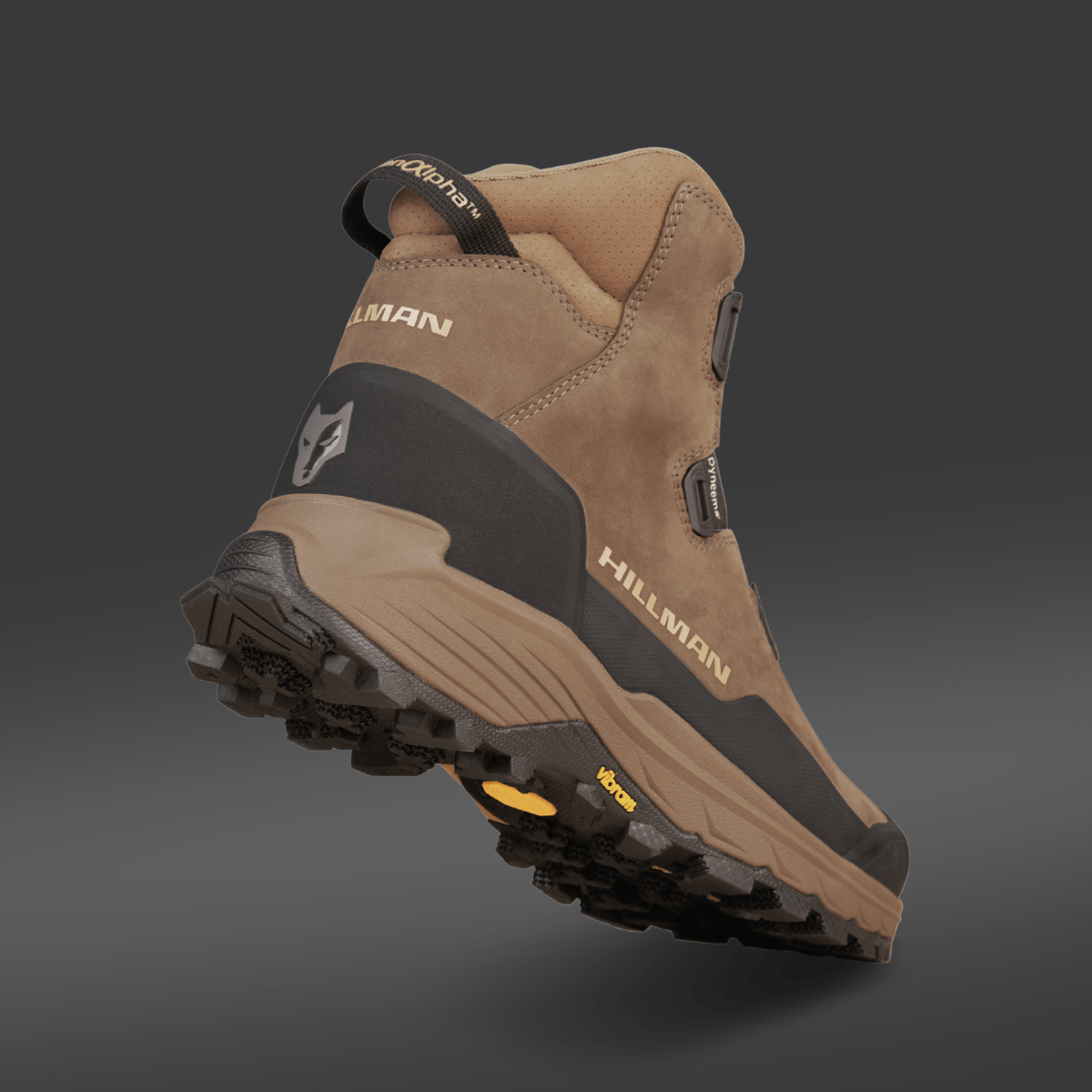
Traction matters just as much. Slipping on roots, leaf litter, muddy slopes, or old tracks makes noise. And noise at the wrong time costs birds.
The best setup is waterproof but still breathable. Gore-Tex or Dryhunt-style membrane boots are popular for that reason. They keep out most of the water but do not feel like rubber buckets once the day warms up.
Do not ignore socks either. A good pair of moisture-wicking socks can save your feet. Cotton socks in wet boots are misery. Simple as that.
Gaiters Are Boring Until You Need Them
Gaiters do not look exciting, but they are useful. Wet grass, seeds, mud, ticks, and brush all hit your lower legs first. A light pair of gaiters can keep that mess off your pants and out of your boots.
They are especially good if you hunt river bottoms, field edges, or thick spring cover. They also help if you are moving before daylight and cannot see every wet patch you are stepping through.
You may not need them every hunt. But if you are hunting several mornings in a row, especially in wet country, gaiters start to make a lot of sense.
Match Your Camo to the Place You Actually Sit

Camo is not magic. It only works if it fits the background.
Woodland camo makes sense in timber, shaded edges, and mixed woods. Greener patterns work when spring growth is bright. Grassland or open country camo can be better near field margins, long grass, and lighter cover.
The worst thing is looking like one dark blob against a pale spring background. Or wearing a light pattern in deep shade. Turkeys have sharp eyesight and a wide field of view. They catch movement fast, and they notice shapes that do not belong.
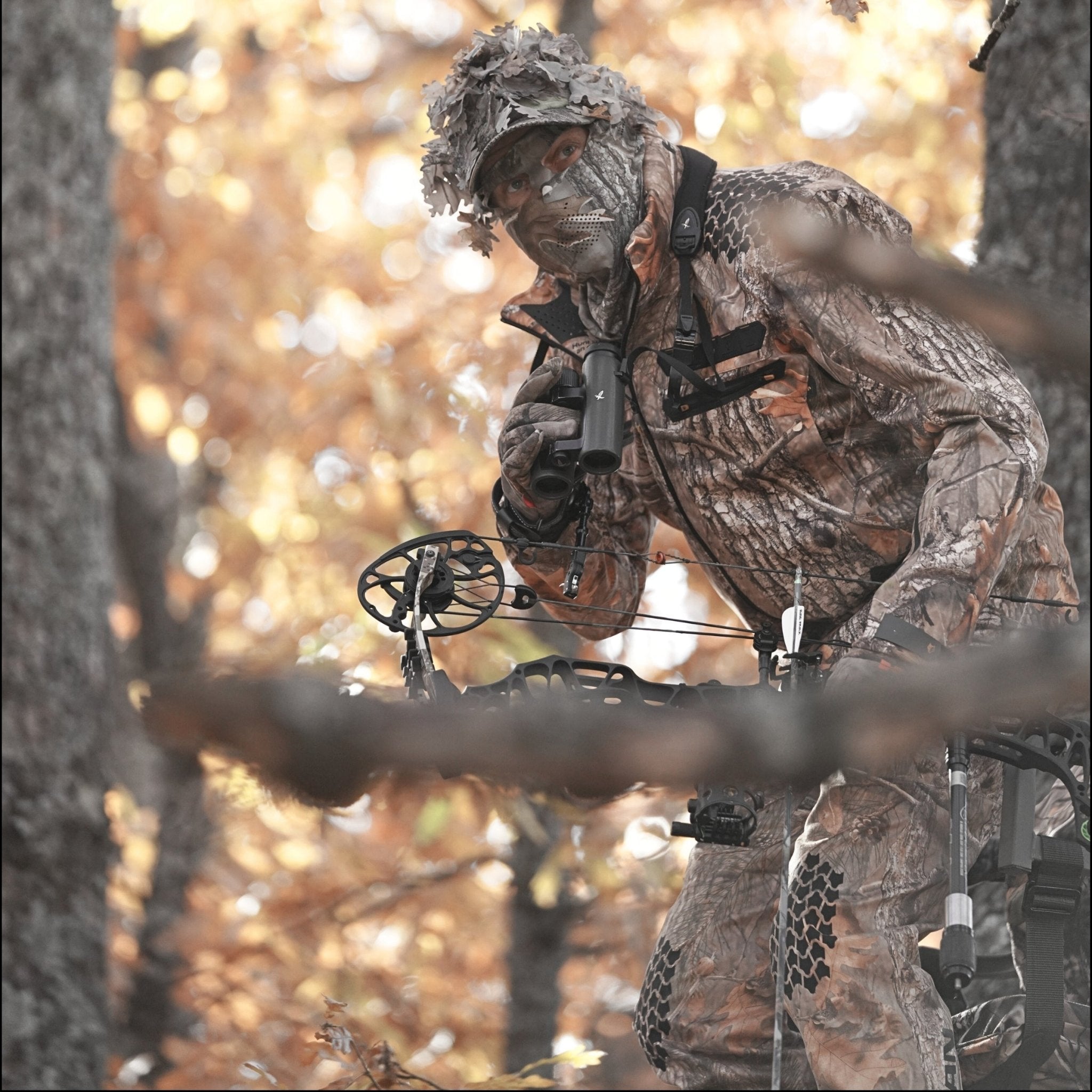
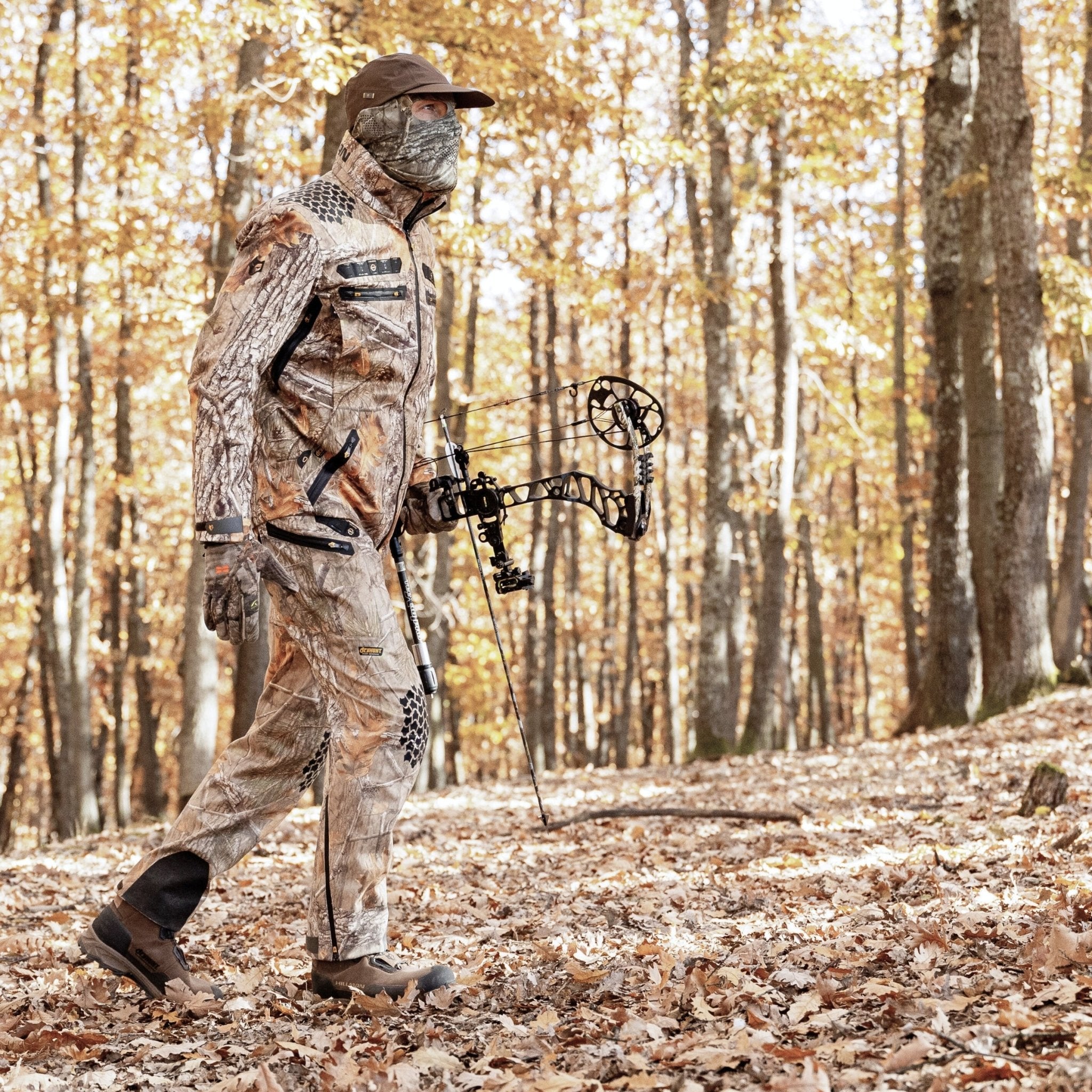
Full camo matters more in turkey hunting than in plenty of other hunting. Your face and hands are the giveaway. A camo face mask and lightweight gloves are not optional extras if you want to stay hidden.
When you work a mouth call, move a box call, adjust a slate, or raise the gun, your hands and face move first. Cover them.
Use a Face Mask You Can Actually Stand Wearing
Some masks are too hot, too tight, or always sliding into your eyes. Then you keep touching them, which is exactly what you should not be doing when birds are close.
A thin face mask, neck gaiter, or loose camo mesh mask is usually enough. It should hide skin without making you feel trapped. If you wear glasses or optics, check that it does not fog everything up.
Same with gloves. Thin gloves are better than bulky ones for turkey hunting. You need to feel calls, safety, trigger, zippers, and shell loops. Thick gloves can make simple things clumsy.
The Turkey Vest Should Help, Not Become a Junk Drawer
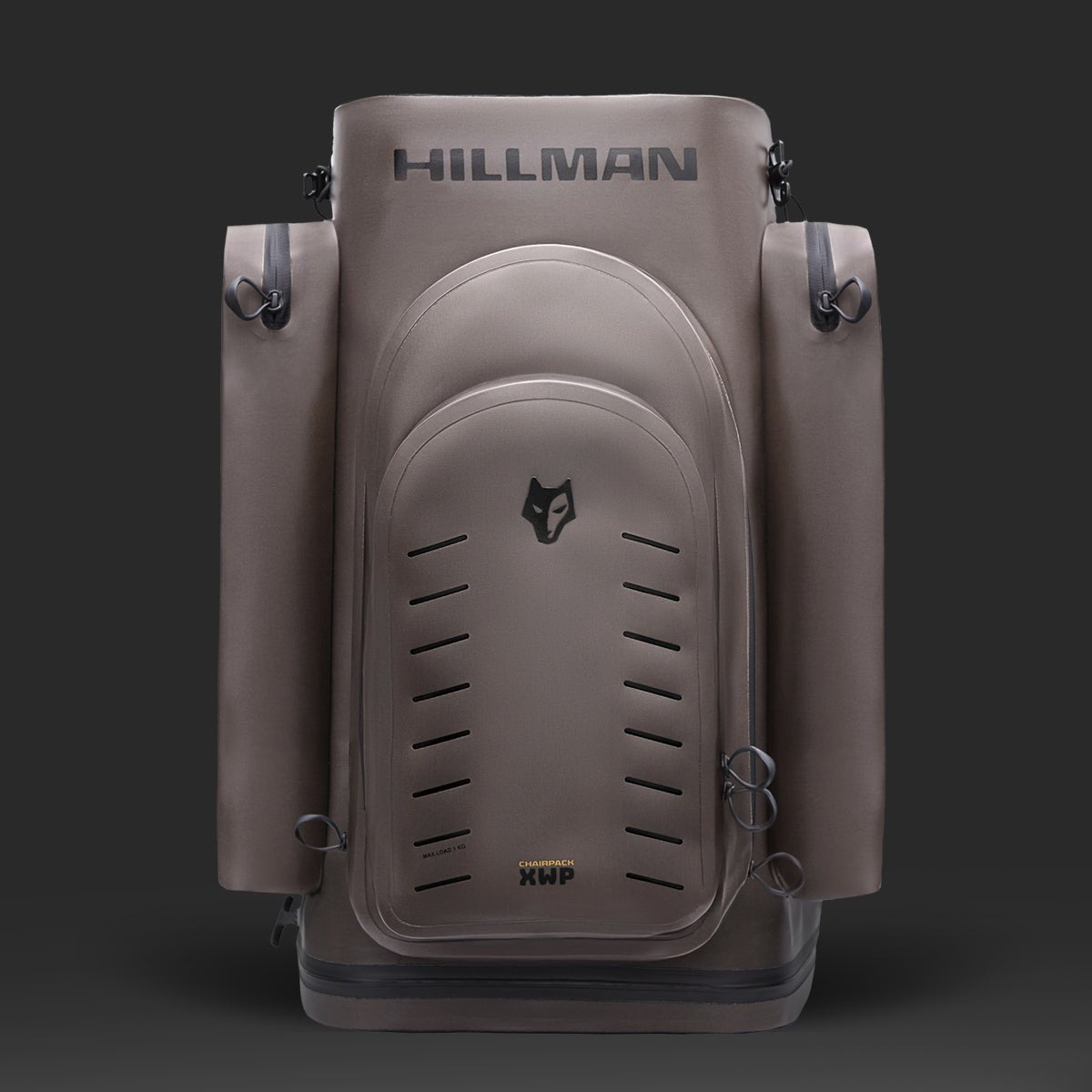
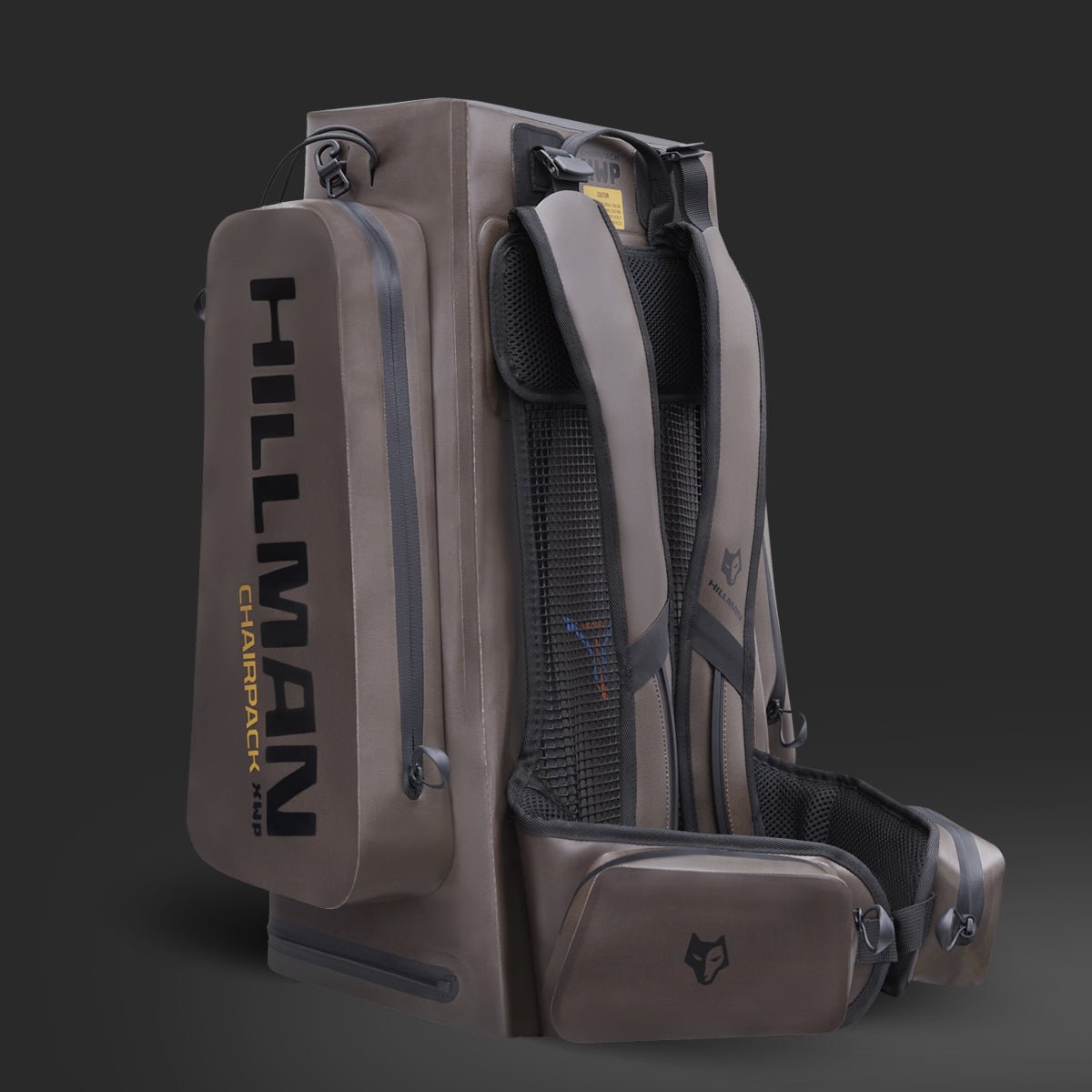
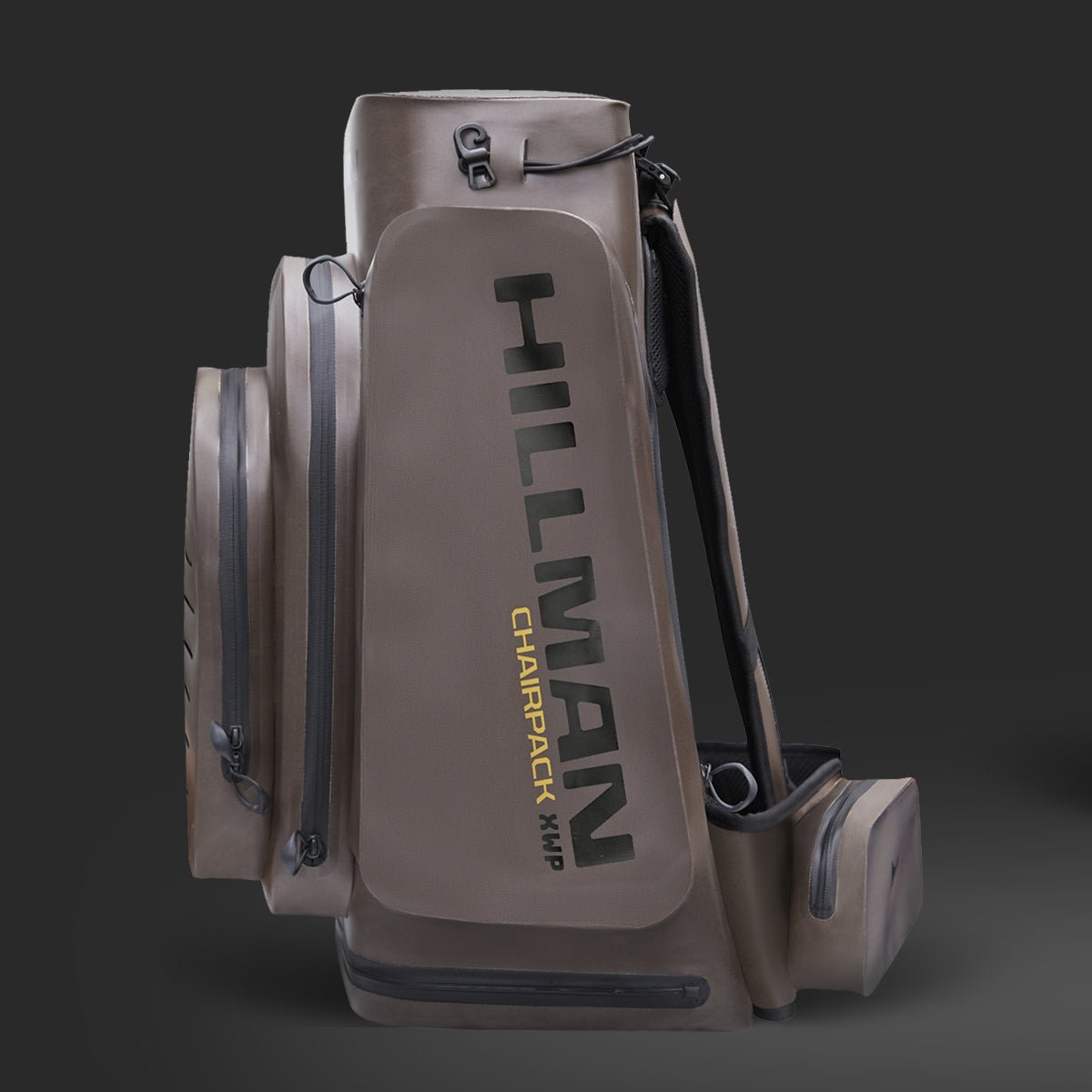
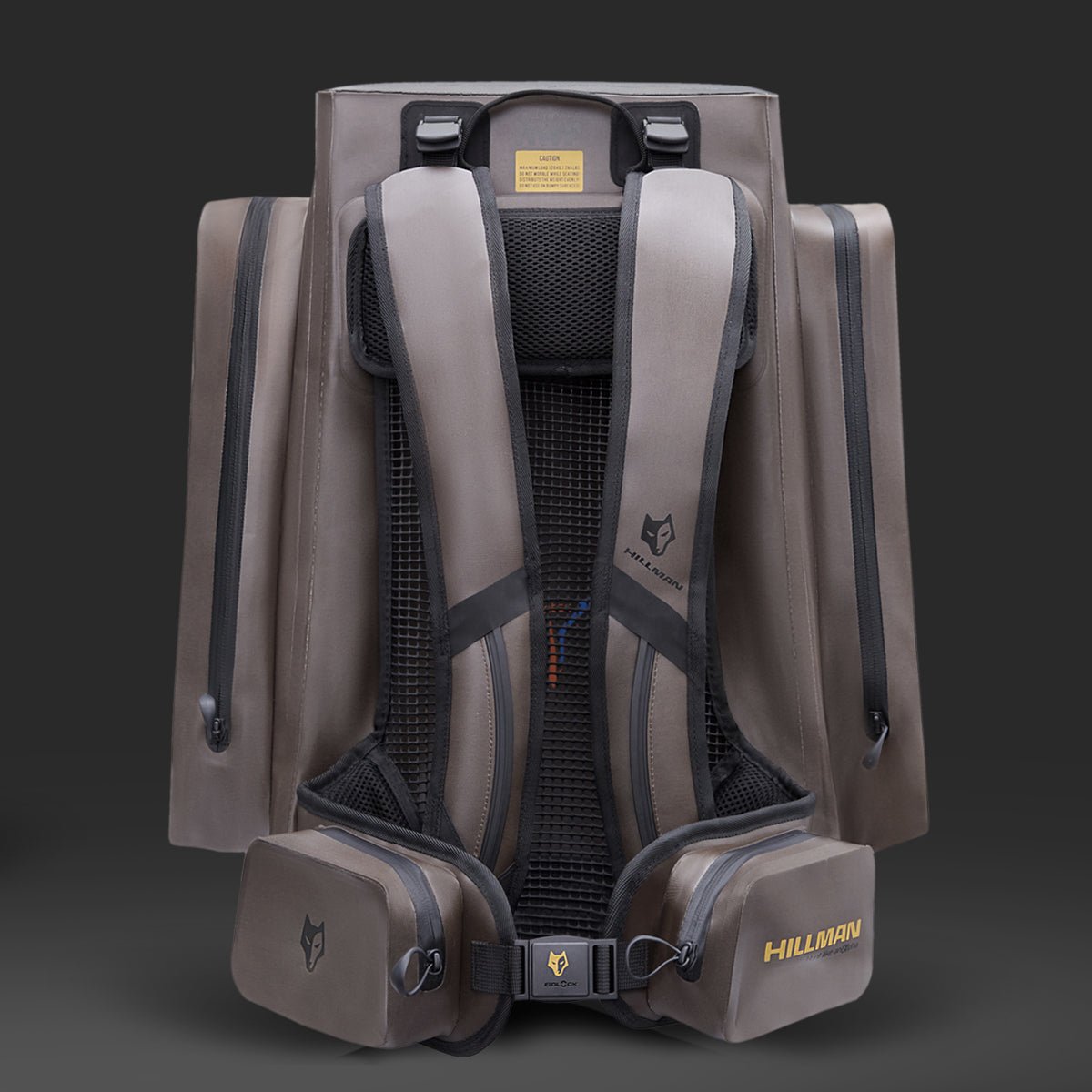
A turkey vest is useful because spring turkey hunting involves too much small gear. Calls, shells, gloves, mask, water, snacks, decoys, insect spray, a seat, and removed layers all need somewhere to go.
But more pockets do not always mean better. Too many pockets can turn into a mess. You want to know where things are by feel. Mouth calls in one spot. Box call protected. Pot call and striker easy to reach. Shells quiet. Water not banging into hard gear.
A padded seat is worth having. You may sit longer than expected, especially after the first gobbling shuts down. That quiet middle part of the morning is when a lot of hunters get restless. A comfortable seat helps you stay put.
Pack your vest at home. Shake it. If anything rattles, fix it. Hard gear knocking around sounds bad in quiet woods.
Blind Hunting Changes the Clothing Problem

Inside a blind, you are hidden better, but heat builds fast. That heavy layer that felt right at dawn can become miserable once the sun hits the blind.
For blind hunting, breathable layers matter even more. You need to be able to remove clothing without wrestling around. A half-zip shirt, light fleece, and soft outer shell work better than one bulky jacket.
You can get away with a little more movement inside a blind, but not endless movement. Do not use the blind as an excuse to dress badly. If you start sweating and fidgeting, the hunt gets worse.
Also remember that blinds can be darker inside. Your camo still matters less than movement, but face and hand cover still help when birds are close and looking.
Running and Gunning Needs Lighter Gear
If you hunt on foot and move a lot, dress lighter from the start. You can always add a layer when you sit down. Sweating through your shirt on the first climb is hard to recover from.
For mobile turkey hunting, boots, pants, and vest setup matter more than a warm jacket. You need grip, quiet fabric, and pockets that do not dump gear when you bend, crawl, or sit.
Keep the outer layer packed unless the wind is rough. Use a light mid layer at the setup, then pull it off when you move again. It is not fancy. It just works.
Moving through spring woods means rubbing against branches, crossing open ground, slipping into cover, and sometimes setting up fast. Clothing that binds, shines, rattles, or overheats you is a liability.

Dressing Kids or New Hunters for Spring Turkey
If you take kids or new hunters, do not overcomplicate it. Keep them warm at daylight and cool later. That is the whole game.
A cold young hunter will not sit still. A hot one will not care about the hunt anymore. Use simple layers: moisture-wicking long-sleeve shirt, light hoodie or fleece, quiet jacket, full-length pants, waterproof boots, gloves, and face cover.
Bring water and a snack. Pack an extra layer or a dry pair of socks if the walk is wet. A comfortable new hunter is much more likely to enjoy turkey season and want to go again.
What to Wear When the Day Gets Hot
Hot spring turkey hunting does not mean dressing like you are going to the beach. You still need cover, insect protection, and camo.
Use a lightweight long sleeve shirt, thin gloves, full-length breathable pants, and a face mask that does not trap too much heat. Open zips when needed. Use mesh panels if your vest has them. Choose loose enough clothing for airflow, but not so baggy it catches on brush.
Avoid cotton. Cotton holds sweat, dries slowly, and gets cold again if wind or clouds move in. Spring weather can flip fast.
A brimmed cap helps with sun and glare. A thin neck gaiter can help with bugs and skin cover. Drink water before you feel cooked. A warm late morning can sneak up on you after a cold start.

Small Gear That Saves the Hunt
Small things matter in turkey hunting because small problems get loud and annoying.
A thin beanie is useful before sunrise and easy to pack away later. A brimmed cap helps once the sun is up. Lightweight gloves hide hands and protect from brush. A simple mask hides your face without adding much heat.
Keep calls dry. Keep them quiet. A box call banging into shells or a water bottle is asking for trouble. Pot calls and strikers need their own place. Mouth calls are easy, but keep them clean and reachable.
Pack insect protection. Ticks and mosquitoes can wreck a good morning. Permethrin-treated clothing or bug-repellent clothing is worth thinking about in warm, damp country.
Also pack something for after the shot. A small bag, gloves, or cloth helps when cleaning turkeys, especially in warm weather. Meat care starts right away. Do not wait until everything is hot and messy.
A Simple Cold-to-Warm Turkey Clothing Setup

For a normal cold morning that turns warm, start with a moisture-wicking long-sleeve shirt. Add lightweight full-length camo pants, waterproof boots, good socks, thin gloves, and a face mask.
Carry a light fleece or hoodie for the first sit. Add a quiet wind-resistant outer layer if the morning is windy, damp, or colder than expected. Once the sun warms things up, stuff the extra layer into the vest.
In the vest, carry calls, shells, water, mask or spare gloves, insect protection, maybe decoys, a snack, and a small cleaning kit. Do not pack half the garage. Carry what helps you hunt.
Before opening day, test it. Sit against a tree. Raise the gun. Work your calls. Crawl a little. Zip and unzip pockets. Check if your pants pull, if your jacket makes noise, if your mask blocks your sight, or if your boots slip.
Better to find that out in the yard than with a gobbler at forty yards.
Final Thoughts on Spring Turkey Clothing
Spring turkey hunting is not one temperature. That is the whole problem. It starts cold, wet, and dark. Then it turns bright, warm, and buggy. Your clothing needs to handle both without making you loud, sweaty, or stiff.
Think in layers. Use a moisture-wicking base layer. Add a removable mid layer. Wear a quiet outer layer only when you need it. Pick pants that stretch and protect. Wear waterproof boots with real traction. Cover your hands and face. Match your camo to the ground.
Good turkey gear should not make the hunt harder. It should let you sit still, move quietly, stay hidden, and keep your head in the game when the bird finally shows up.


Share:
DIY Public-Land Deer Hunts: Finding Access, Staying Effective