

Turkey Vest Setup: What to Carry for Mobile Spring Hunts

A lightweight turkey vest setup for mobile spring hunts keeps calls, water, shells, and comfort close without slowing you down.
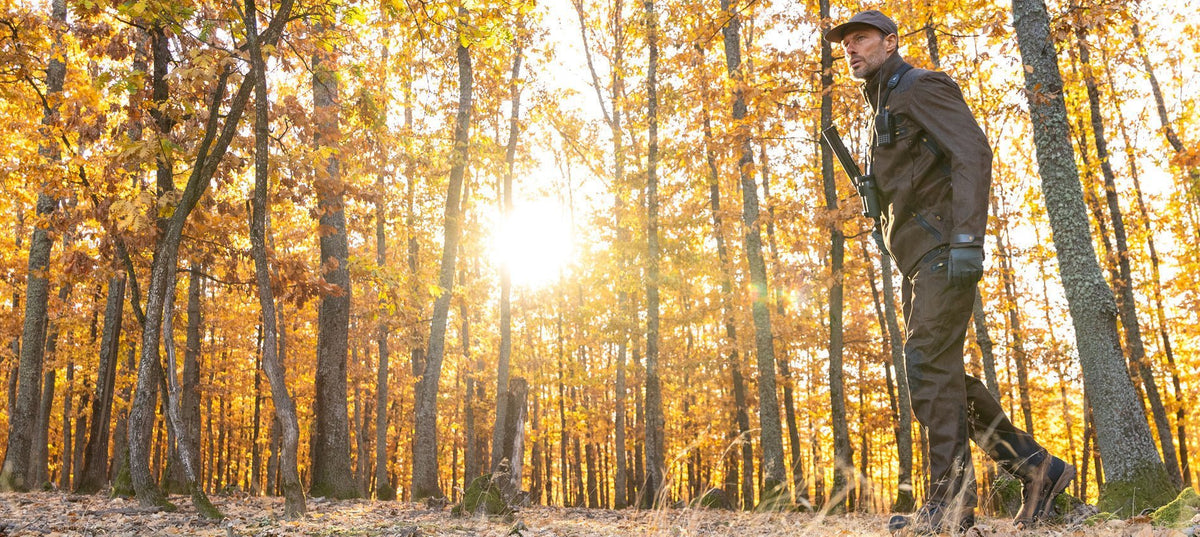
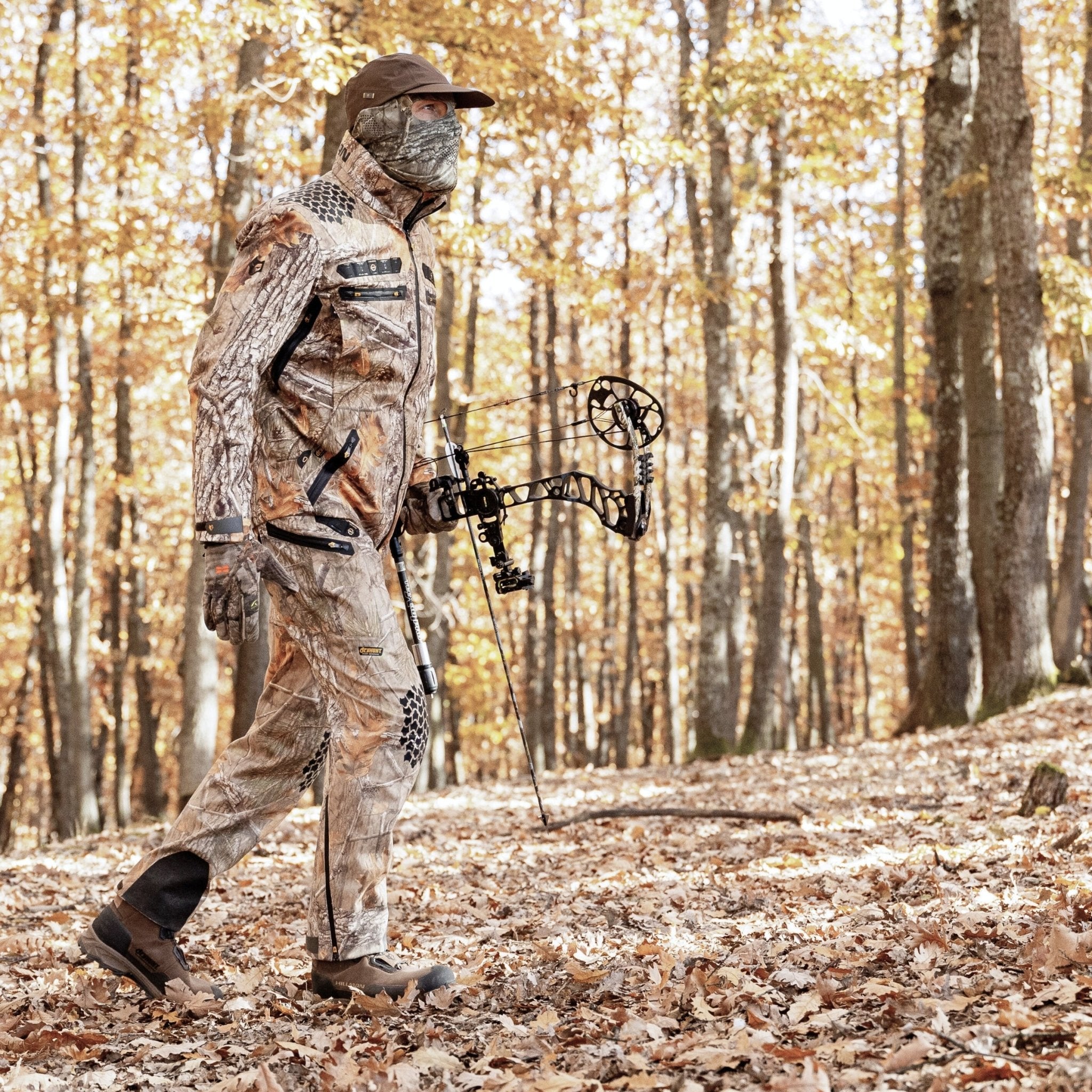
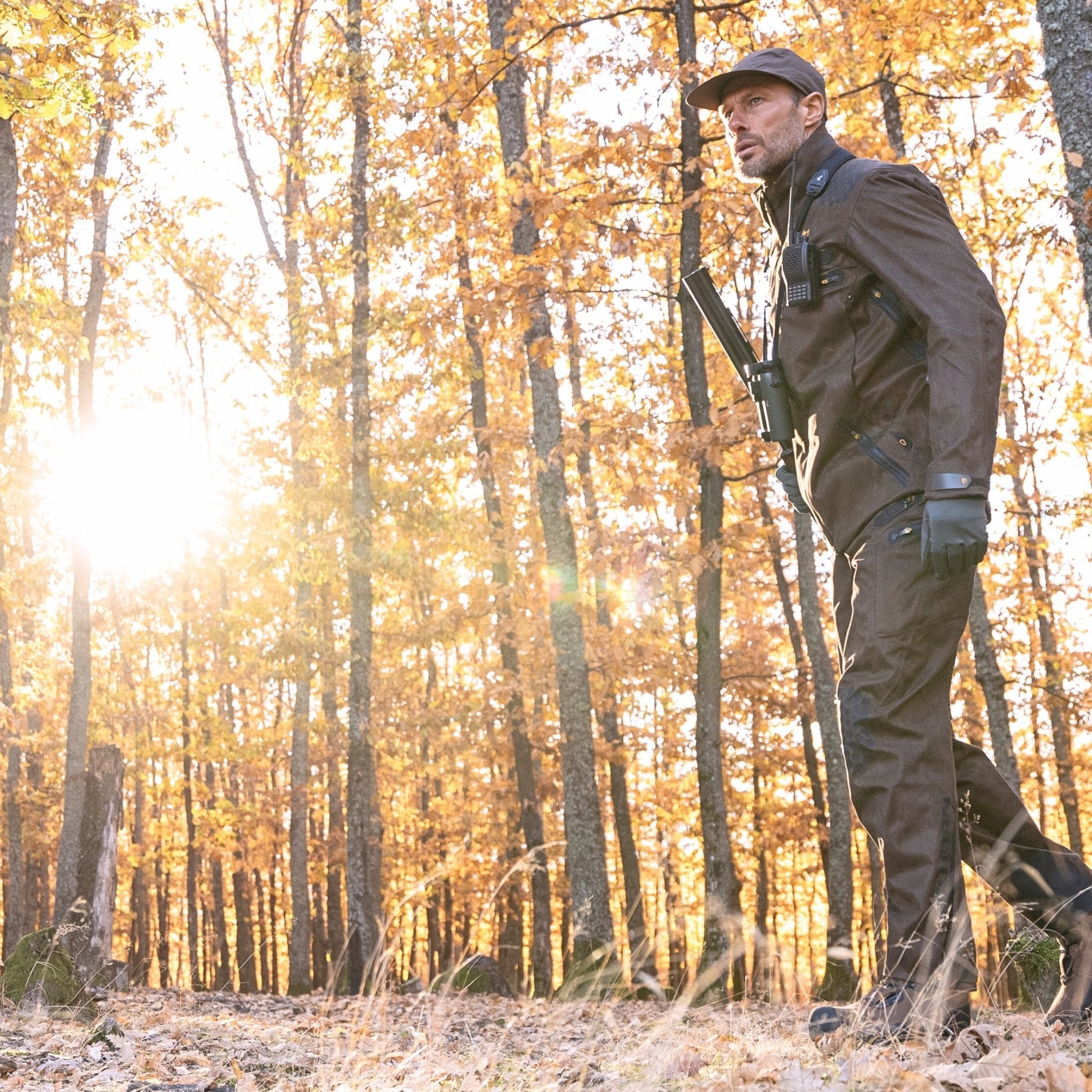
A smart turkey vest setup what to carry for mobile spring hunts approach starts with one simple idea: carry less, but carry the right things in the right place. In spring turkey hunting, I do not want a vest that turns into luggage. I want a turkey vest that moves easily through turkey woods, lets me sit fast, and gives me quiet, easy access to the calls and hunting gear I reach for most. That matters whether I am slipping through open hardwoods on opening morning or easing along field edges later in turkey season.
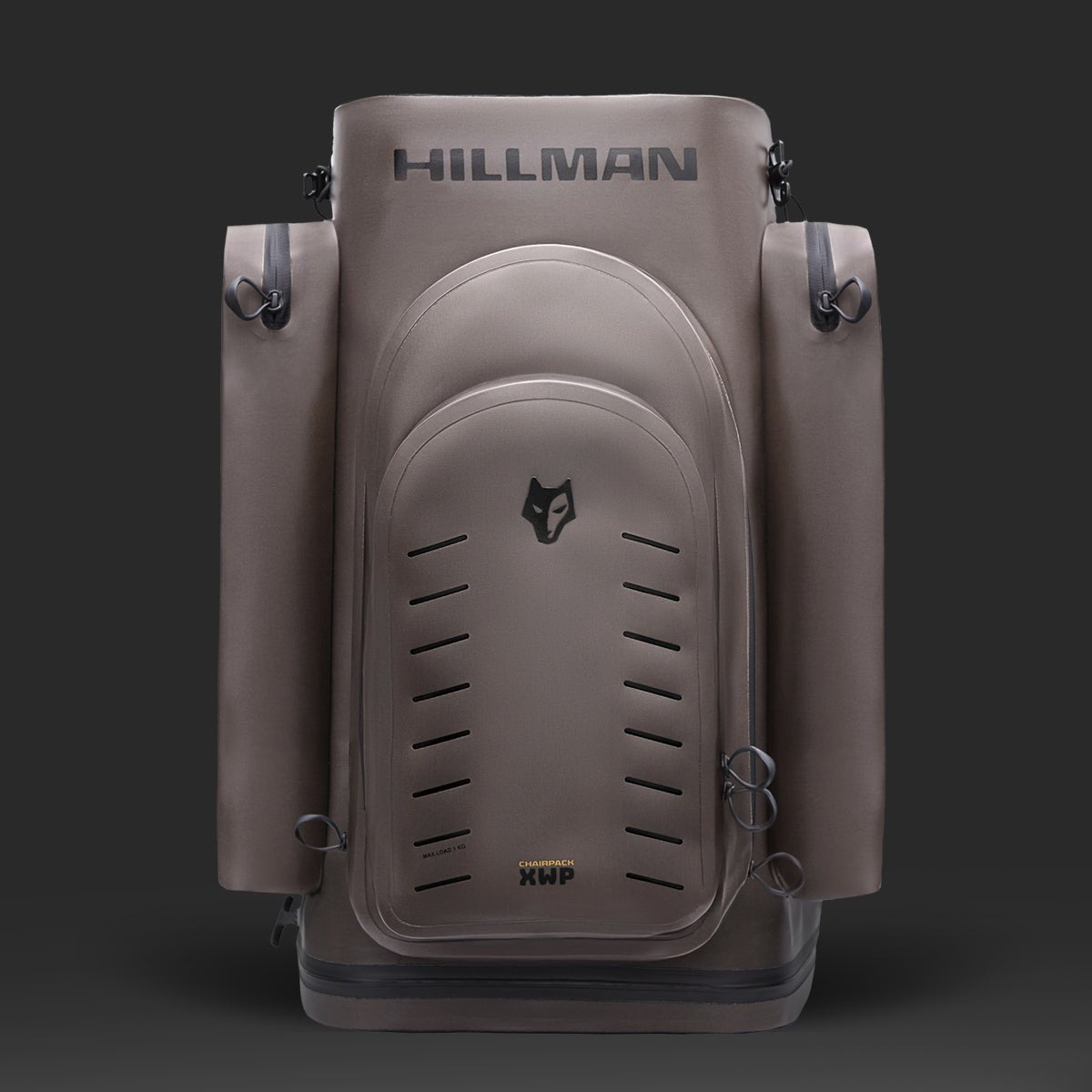
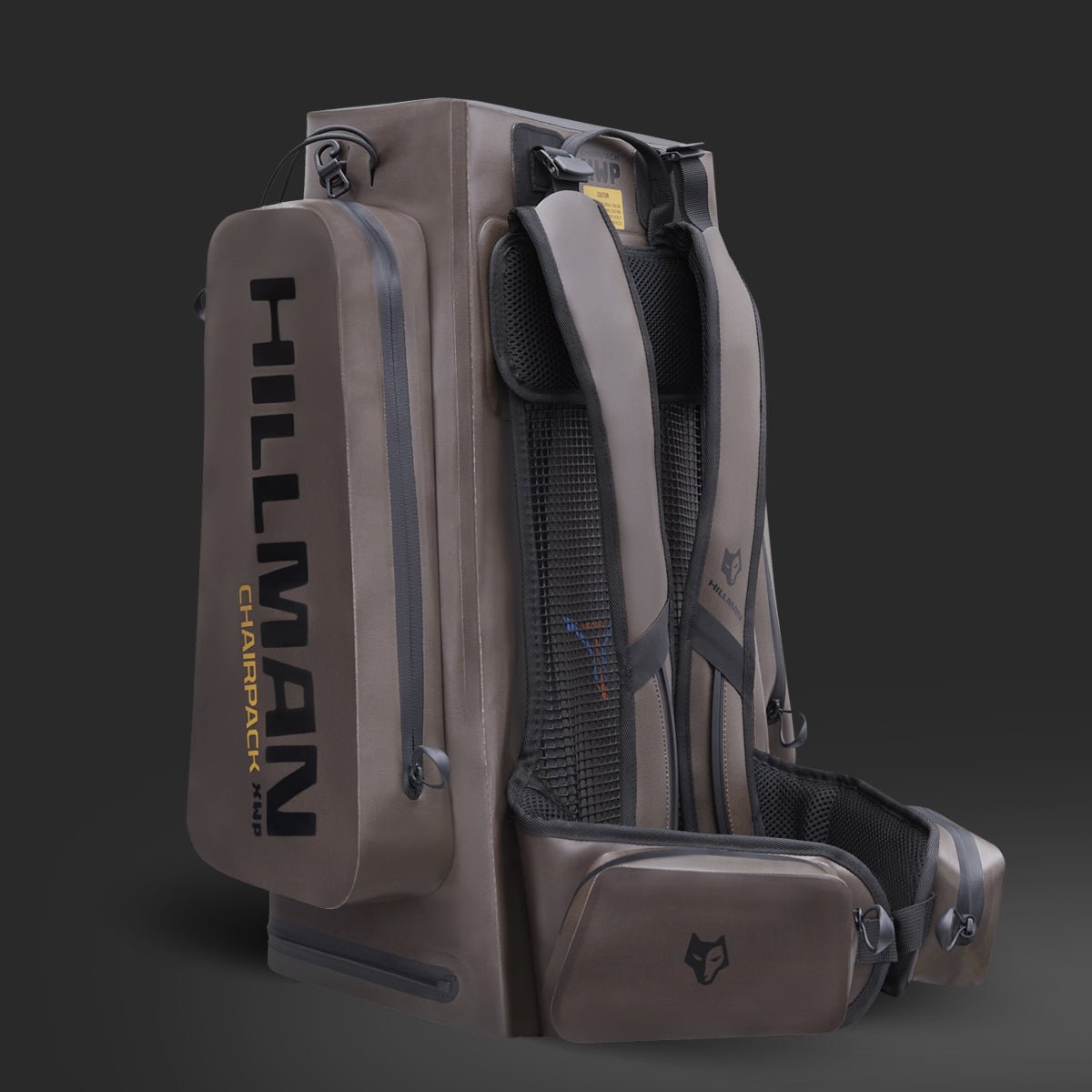
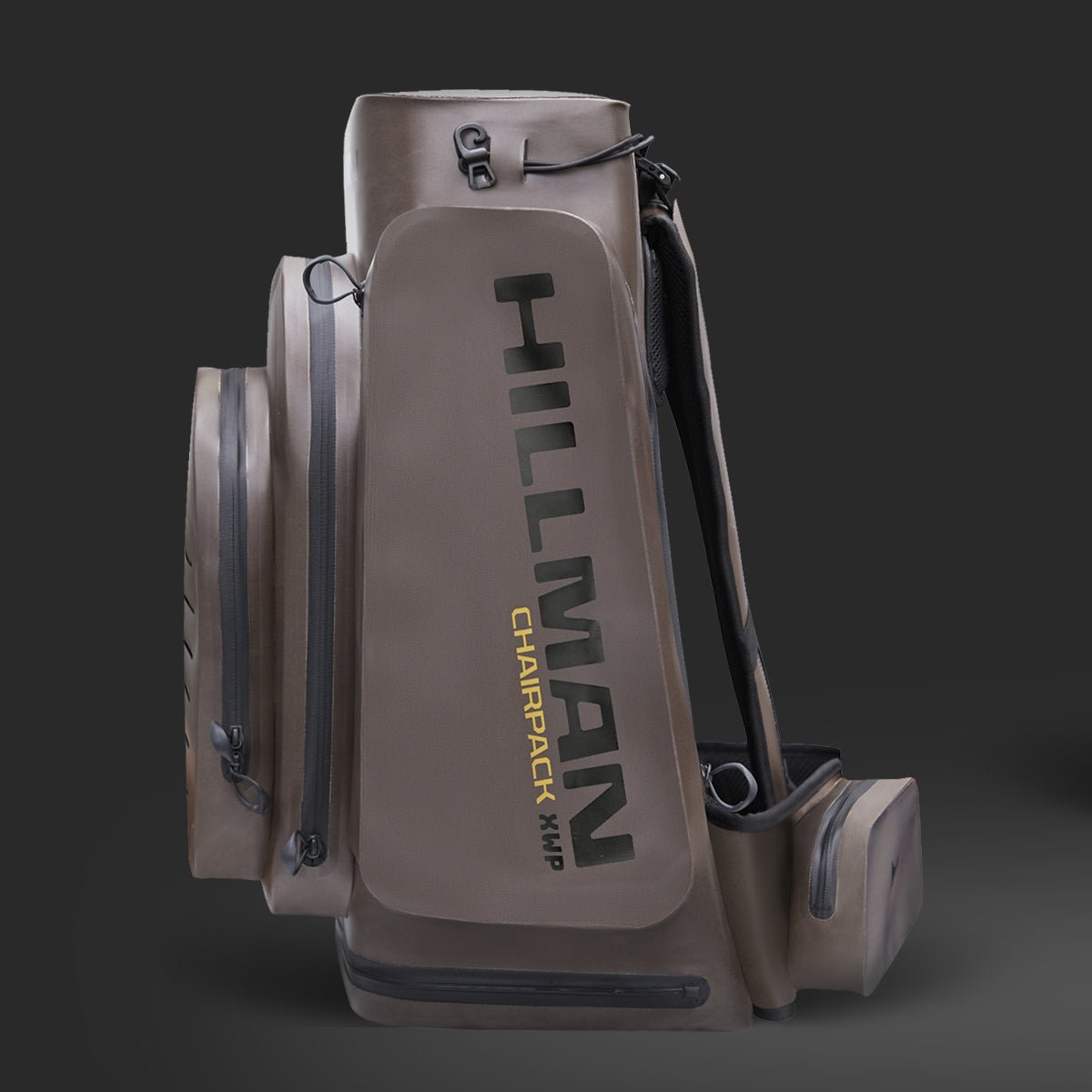
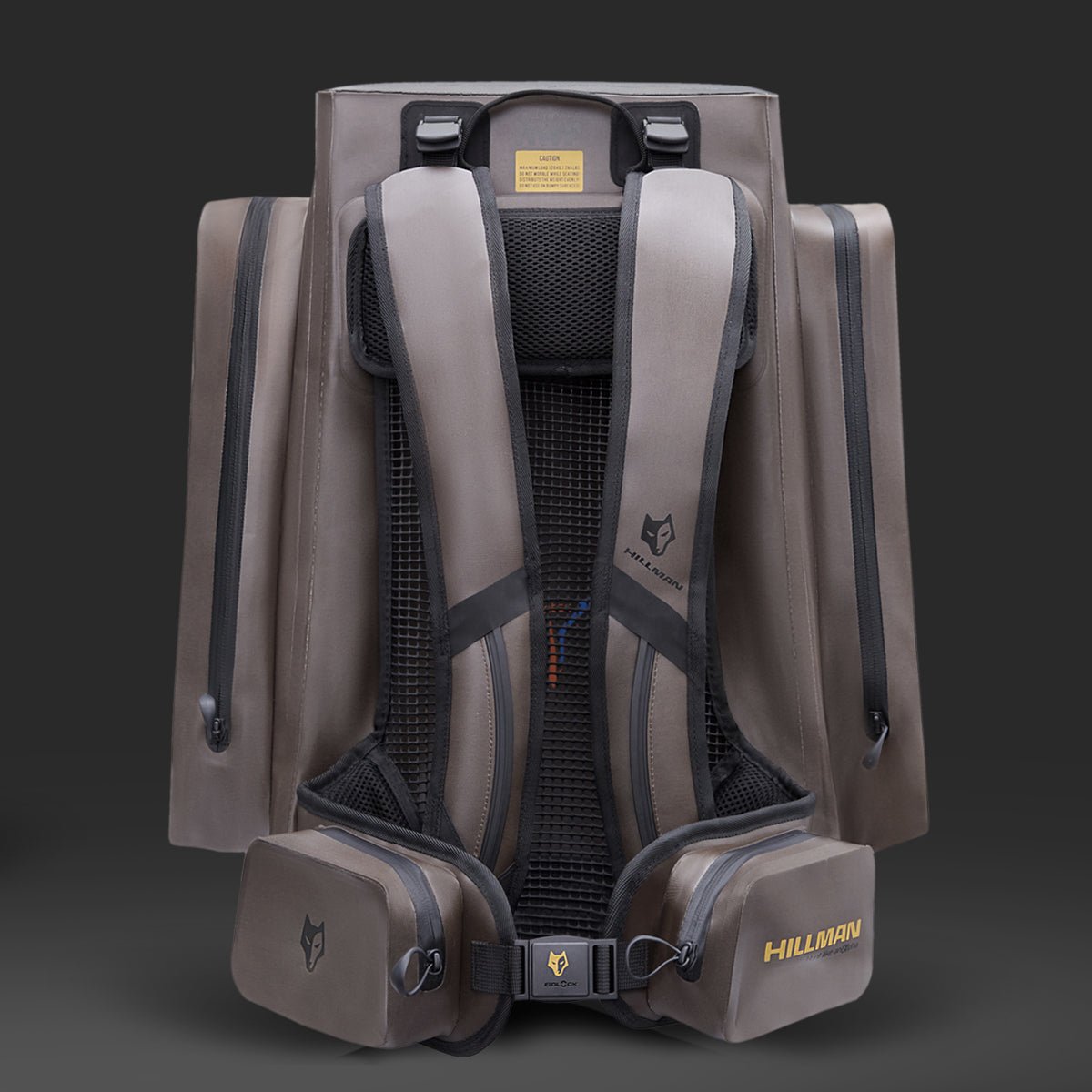
Most turkey hunters eventually figure out that a good turkey vest should help, not fight, the way they hunt turkeys. For some hunters, that means a traditional vest with a padded seat, a traditional game bag, and more storage. For other hunters, it means minimal gear, a fanny pack, a chest rig, or even a turkey tool belt style setup that cuts bulk and keeps the load tight to the body. However you hunt, the best vest is the one that lets you carry essential gear quietly, stay comfortable on long sits, and react fast when a bird changes the script.
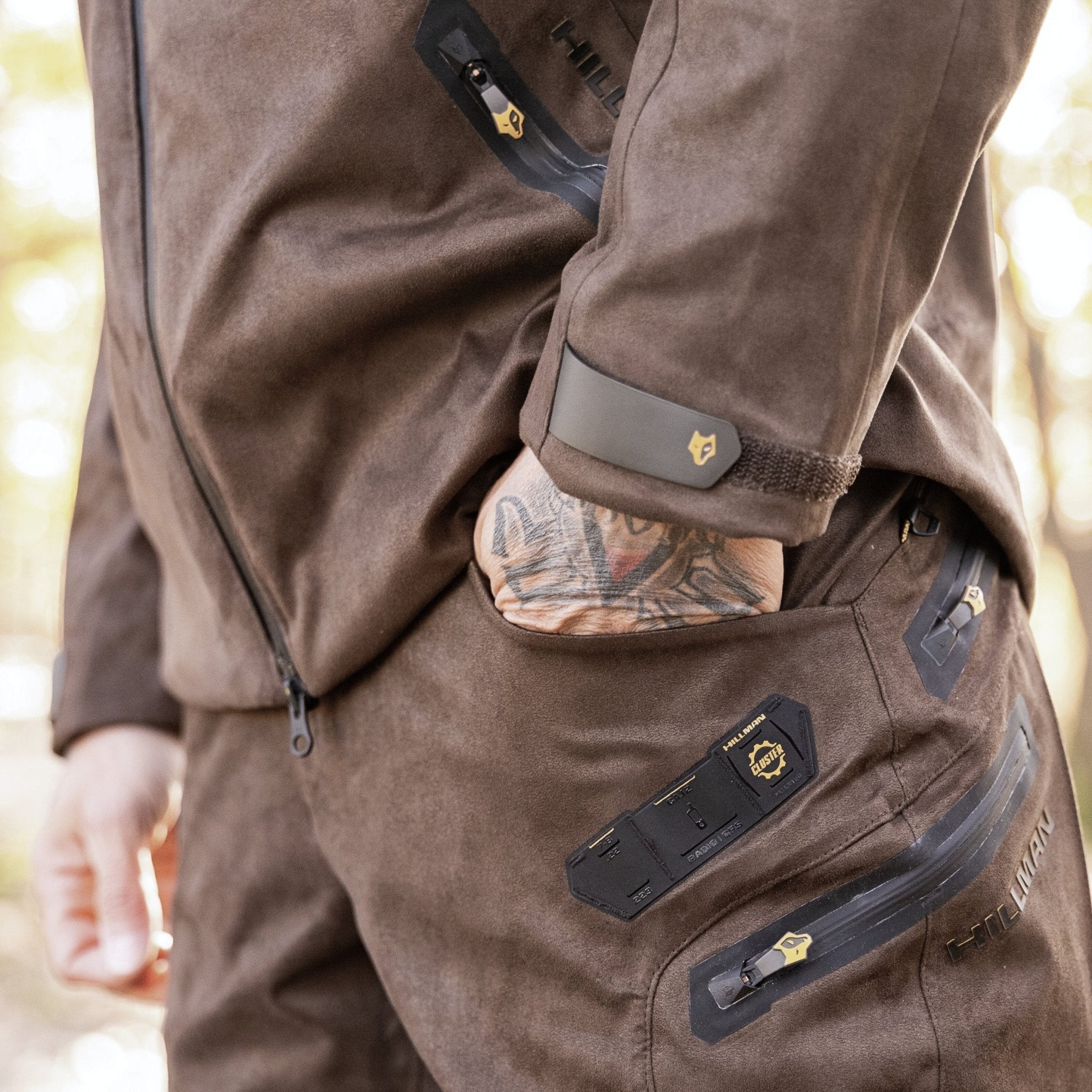
I keep my hunting license in an inside pocket before the day's hunt starts. That is one of those small details that is easy to forget at home and annoying to fix later. I also want silent fabric, durability, and multiple pockets I can learn by feel. A no look system matters more than people think. When a gobbler is close, you do not want to stare down into your vest, dig through gear, and fumble around in the box.
Spring Turkey Hunting Calls You Need Close

Calls are the centre of any spring turkey hunting setup. Turkey calls are essential, and carrying a mix gives you options when one sound gets ignored. In my vest, mouth calls always ride closest because mouth calls provide hands free calling with almost zero movement. I usually carry three mouth calls or more, because diaphragm calls do wear out, get damp, or simply sound different enough to help on a stubborn bird.
Beyond that, I want a pot call, a slate pot, a box call, and at least one locator option. A pot call with multiple strikers covers a lot of ground. Friction calls still shine when I need tone and realism, and a dedicated box or dedicated box slot helps keep a box call from getting battered. I like a long box when I have the room, though it is not always the best fit for a lean mobile setup. A tube call is worth carrying too, especially for hunters who like sharp cuts and kee-kees in the right moment.
Locator calls matter more than many hunters admit. A crow call can save time, and other locator calls can help me strike a gobbler without leaning too hard on hen sounds. When a hung up bird will not close the last few yards, switching from one call style to another can be the difference between watching and shooting. That is why a good turkey vest needs well designed call pockets. Call pockets should keep friction calls, mouth calls, diaphragm calls, and locator calls separated, protected, and easy to reach without drama.
A few extra items help here as well. I keep tape or rubber bands on metal or hard contact points to cut noise. Multiple strikers should not click together in the vest. A good turkey vest made from durable, quiet material protects fragile calls, keeps the turkey hunting gear organised, and makes every small movement more controlled in the turkey woods.
Good Turkey Vest Comfort Matters More Than Most Hunters Think

Comfort decides how still you can stay. For long sits, a padded seat is not a luxury. It is a real part of the system. Many hunters start with a traditional vest because most vests include a built in seat or some version of a cushion. That is useful. A camo butt cushion or padded seat helps you settle into the tree, hold still longer, and avoid the little shifts that ruin close encounters.
I also pack a water bottle, because staying hydrated is non negotiable on a long hunt. A water bottle holder is even better, as long as the bottle stays snug and does not slosh. Water bottles should be packed so they stay quiet when you move. I usually add high energy snacks, wet wipes, toilet paper, and an extra pair of dry wool hunting socks if weather or distance makes it smart. That extra pair does not seem important until your feet get wet and the whole hunt starts feeling longer than it should.
An aid kit belongs in every setup. A small first aid kit takes almost no space and covers cuts, blisters, and the kind of minor problems that can end a morning early. Bug repellent matters too, and in bad bug country I add insect protection that keeps mosquitoes and ticks from forcing movement. Reading glasses sound like a minor thing, but plenty of hunters carry them for tags, maps, and fine adjustments. They earn their place.
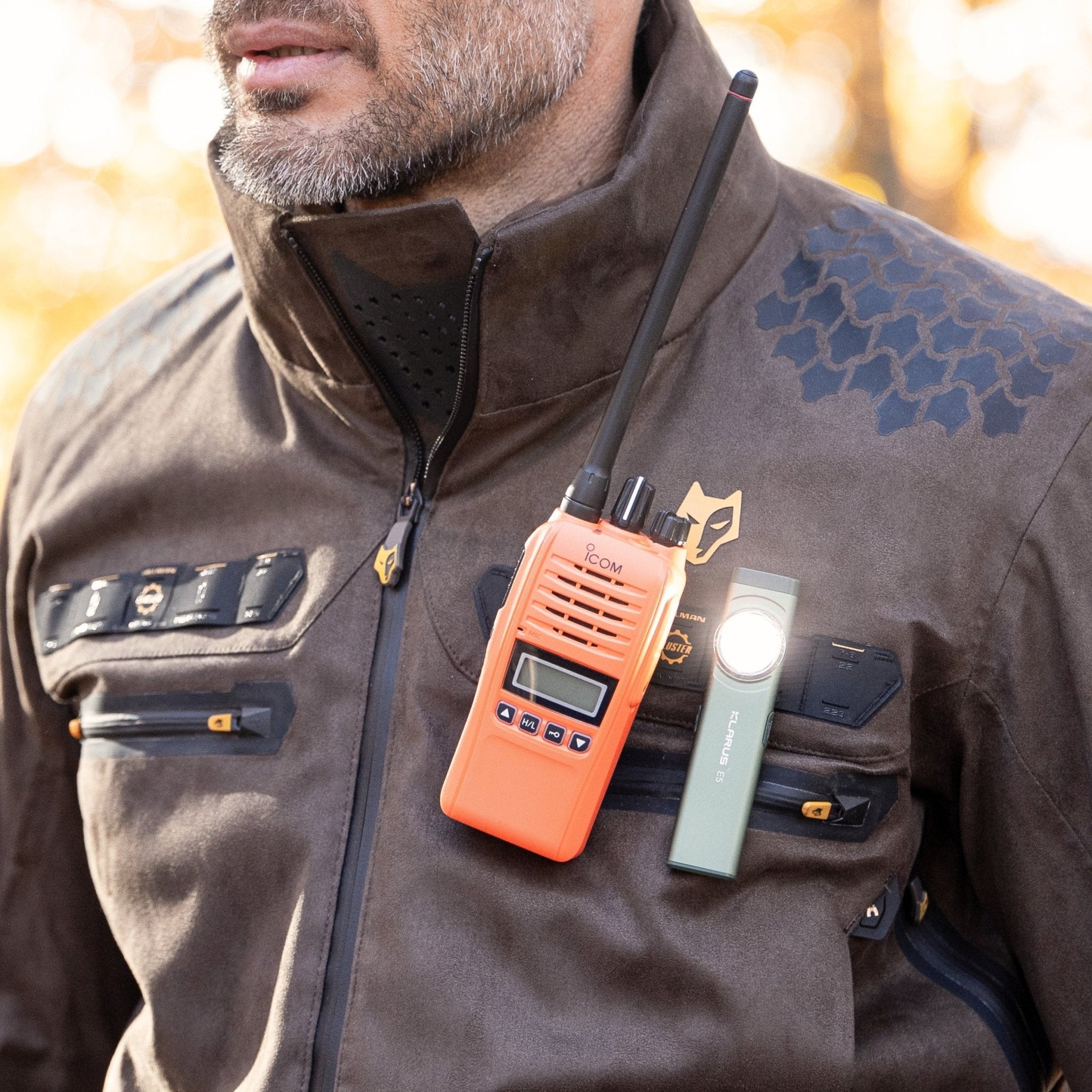
A reliable flashlight or headlamp is another must for opening morning and any dark walk in. Add a compass or GPS unit for navigation, especially on unfamiliar ground. Compact optics are worth the space as well. A rangefinder and small binoculars help me read a bird, check distance, and plan a setup before I expose myself. Pruning shears are one of the best pieces of other gear I carry, because they let me quietly clear a small lane instead of forcing a shot through brush.
Hunters Carry Too Much Until They Learn What Really Gets Used

Most turkey hunters start out heavy. They fill the vest, then discover halfway through spring turkey hunting that they only touched half of it. The better approach is to separate essential gear from extra gear. I want calls, extra shells, water, my gun, phone, and comfort items handled first. After that, I decide what else actually improves the hunt.
Hunters carry a lot of things because they might need them. That is fair. But mobile hunting works best when every item has a clear function. A mobile spring turkey vest should prioritise lightweight mobility while still giving you calls, ammunition, pruning shears, a rangefinder, bug protection, a seat cushion, and water. I also keep blaze orange tucked in an easy access pocket for the walk out, especially if I am carrying a bird with a huge fan that can catch another hunter’s eye from a distance.
A few turkey decoys can help, but I only bring them when the terrain and access make sense. Some days, turkey decoys are worth the pack space. Other days, they are one more thing hanging up on brush when I should be moving. The same goes for a knife, extra shells beyond the essentials, and other add ons. Carry at least three shells where you can reach them immediately and two as reserves. That is enough for most situations without turning your vest into a storage bin.
My smart phone or cell phone stays in a secure pocket where it will not bounce, glow, or snag. It is part safety tool, part navigation backup, part convenience. But it should never become the loudest thing in the setup. A vest should organise the process so you are not searching around while the hunt is live.
Fanny Pack, Chest Rig, or Traditional Vest

This is where preference takes over. A traditional vest still works well for many hunters because it combines comfort, a game bag, a main compartment, and space for all the classic turkey kit pieces in one place. A game bag is handy for gloves, snacks, blaze orange, and small accessories. For some hunters, that traditional setup is still the easiest answer.
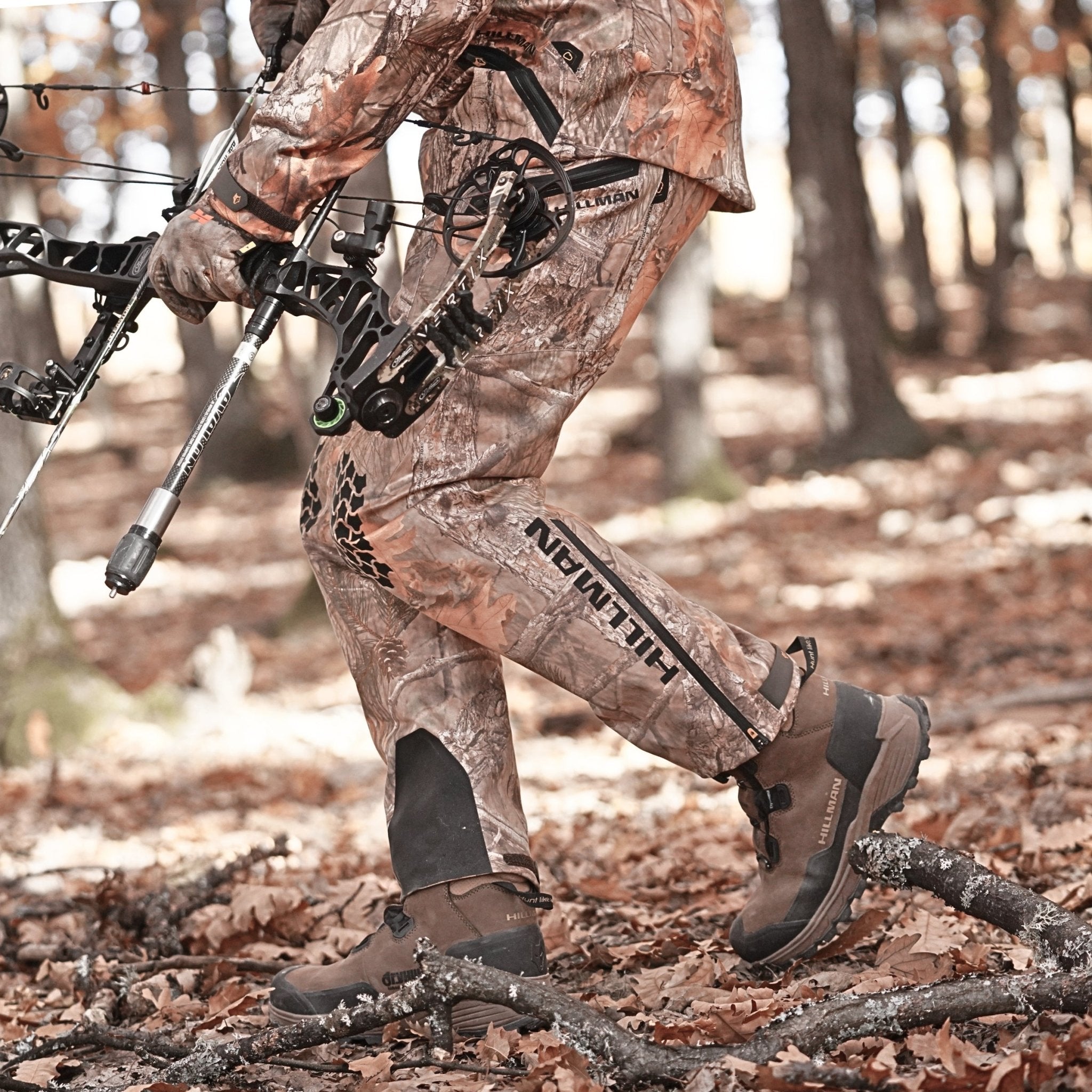
But a fanny pack or chest rig makes sense for run and gun hunting. If you cover ground, change setups often, and hate bulk on your back, these lighter options are hard to ignore. A turkey tool belt style layout is even leaner. The appeal is obvious. Less weight, less fabric, less heat, and less clutter when you need to sit down fast. Specialized chest packs or a tool belt approach can replace a bulky traditional vest when mobility matters most.
The tradeoff is storage. More storage is nice, but it also invites more gear. That is where discipline comes in. A chest rig, fanny pack, or minimalist vest forces you to decide what really belongs on your body. For the kind of mobile spring hunts I prefer, that usually improves efficiency. It eliminates the junk and keeps the focus on the hunt.
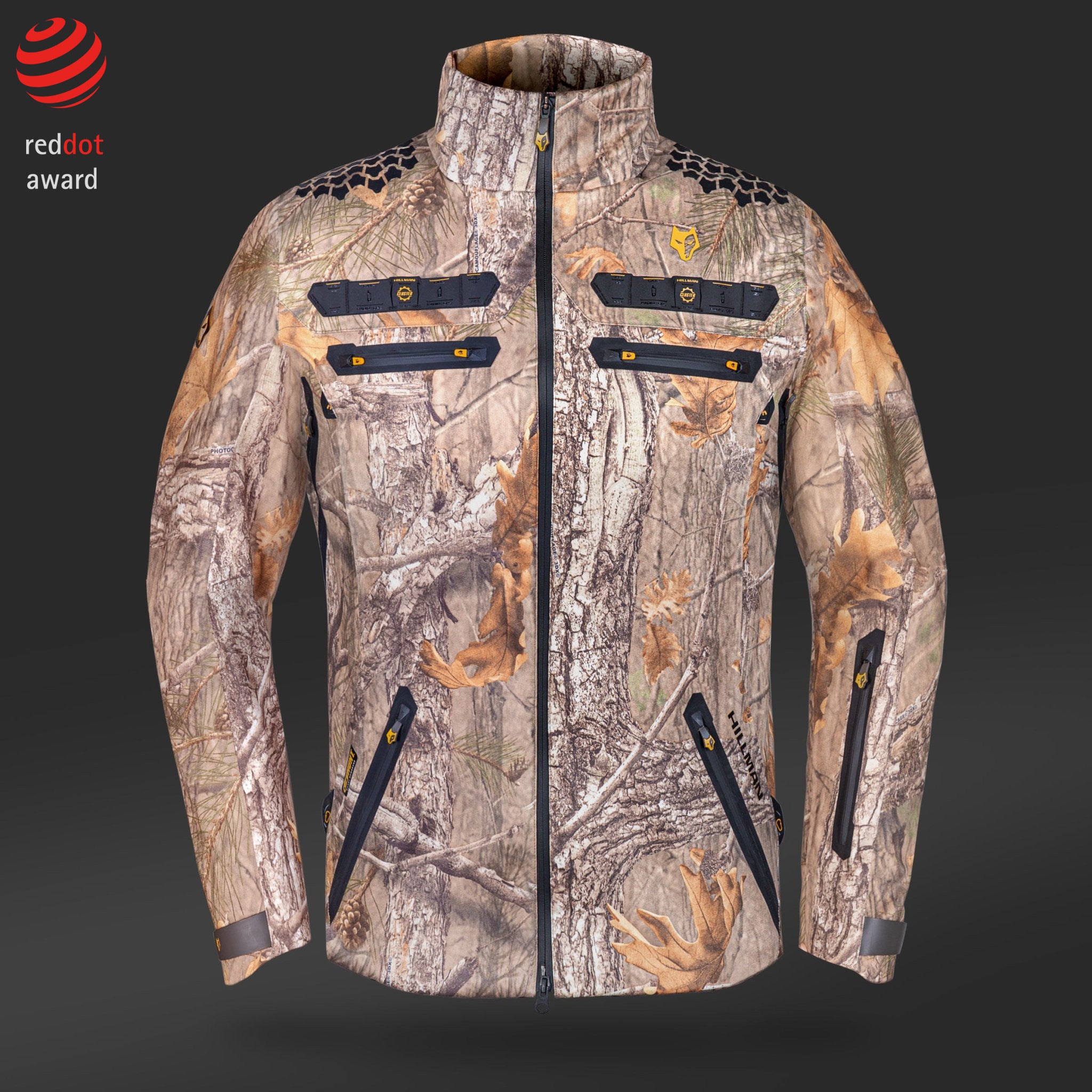
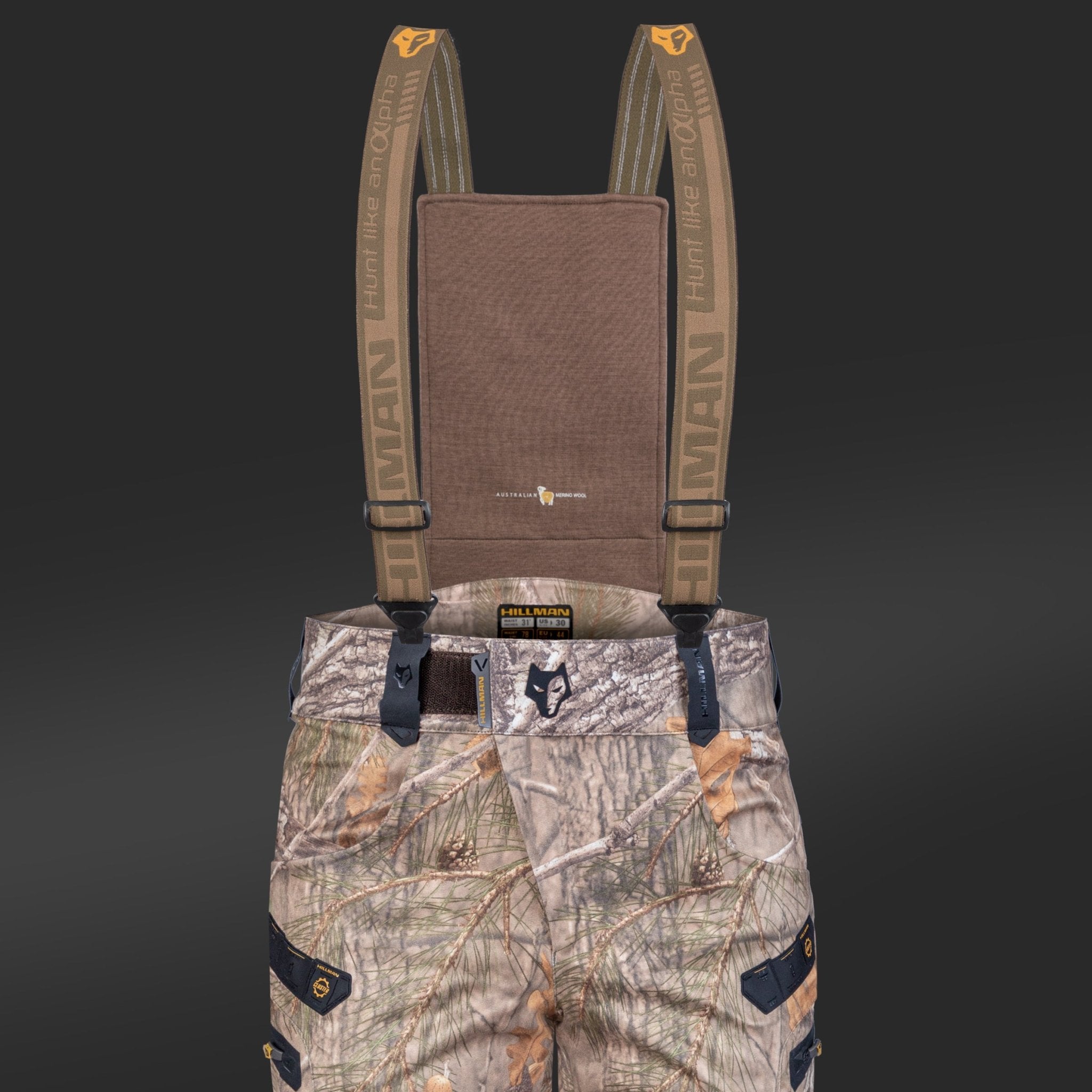
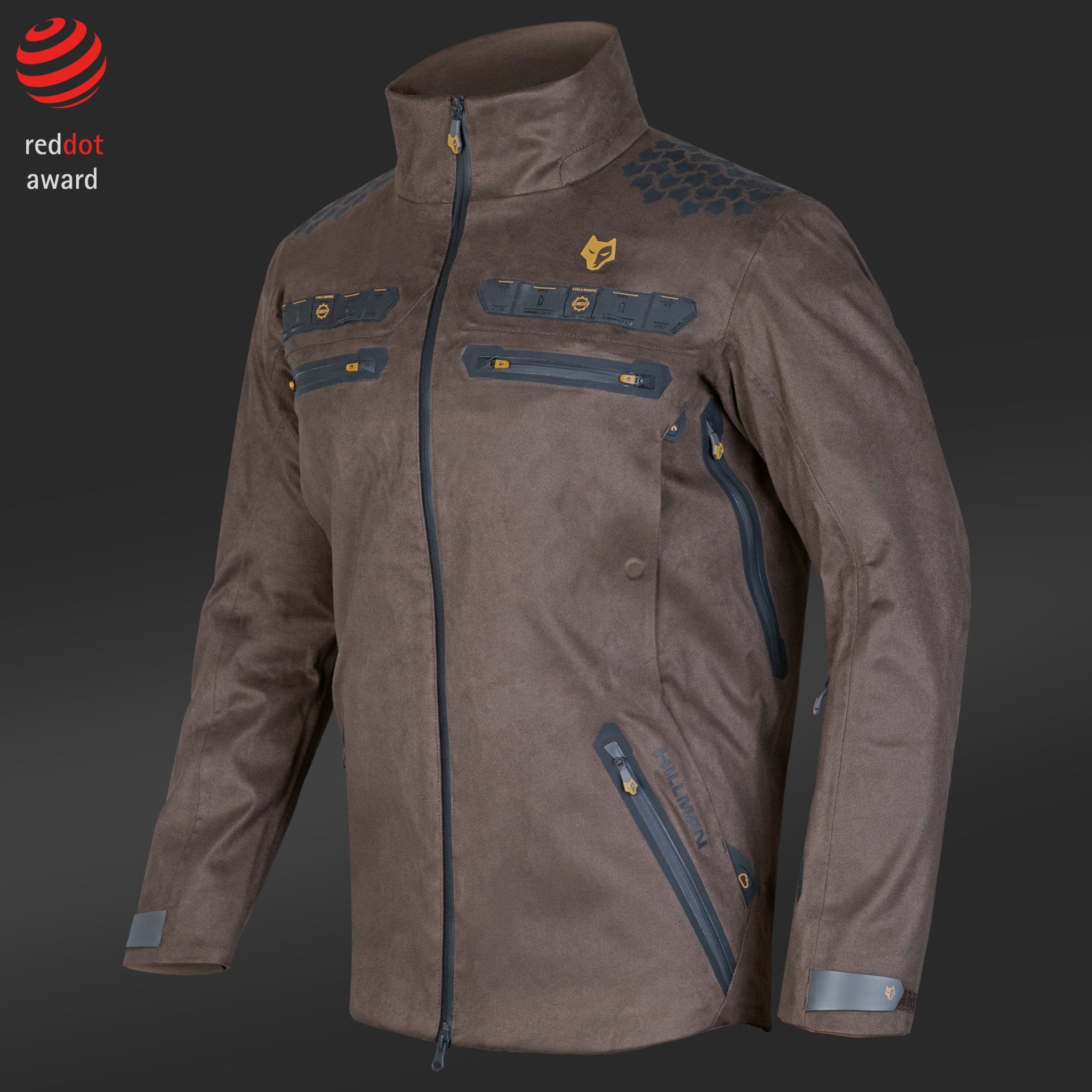
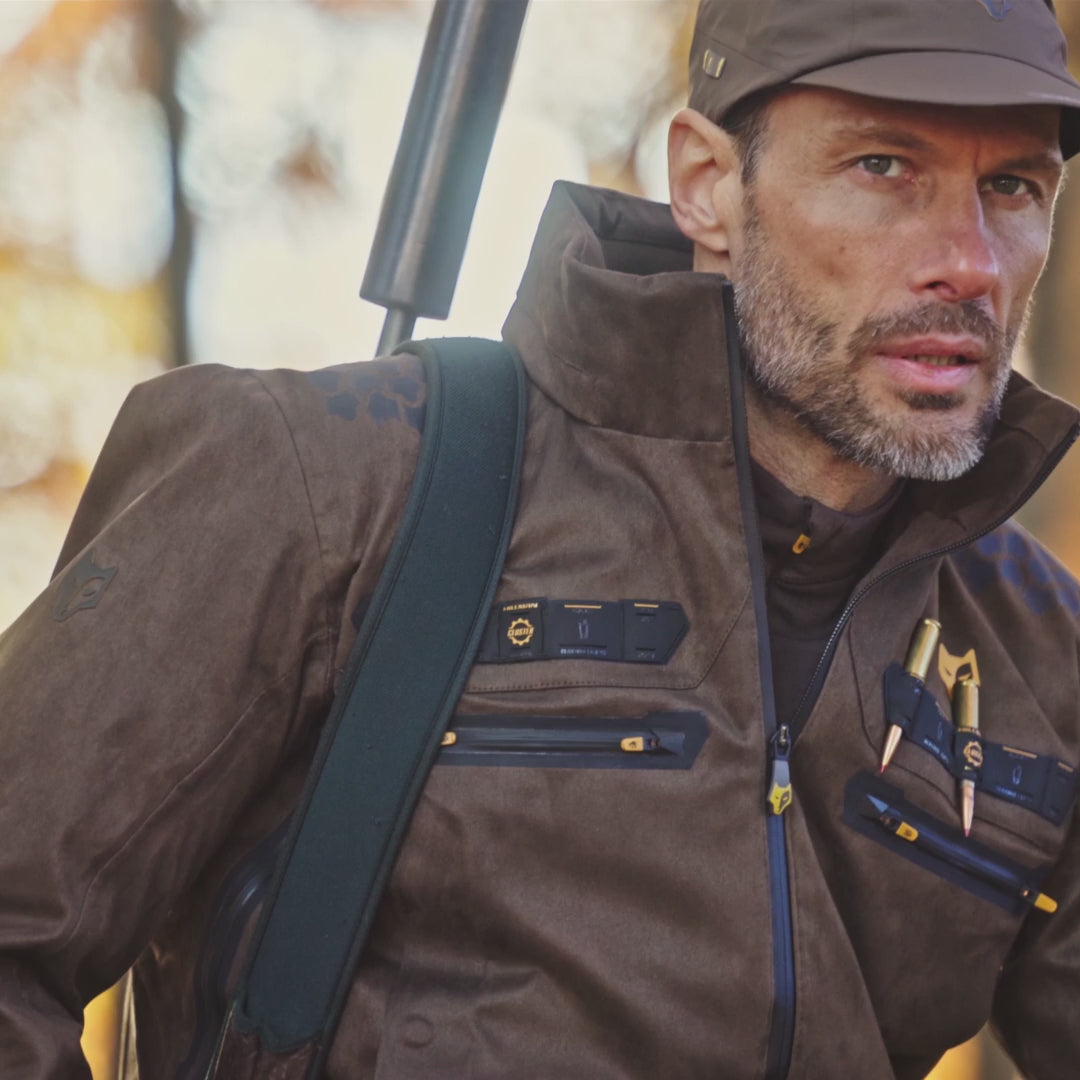
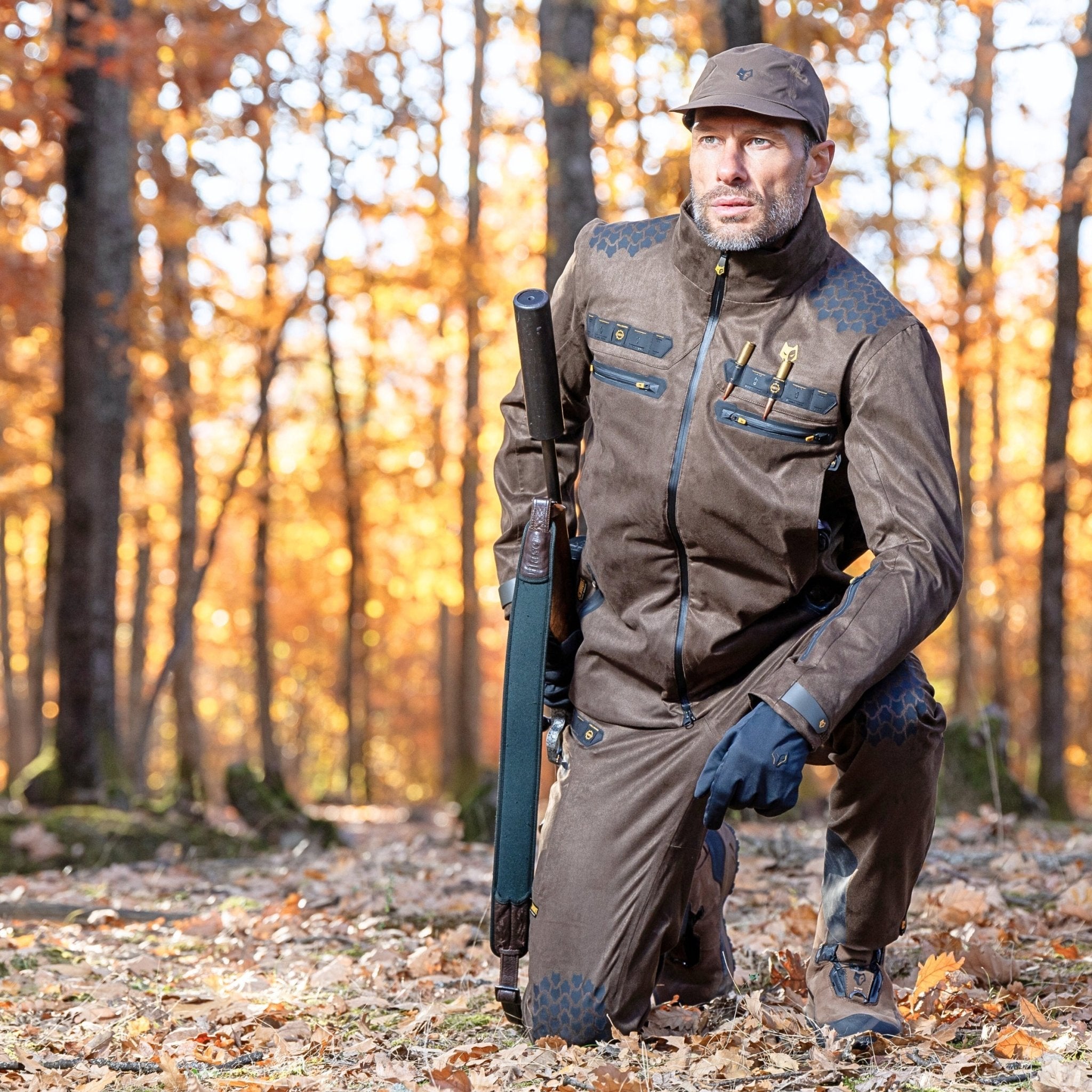
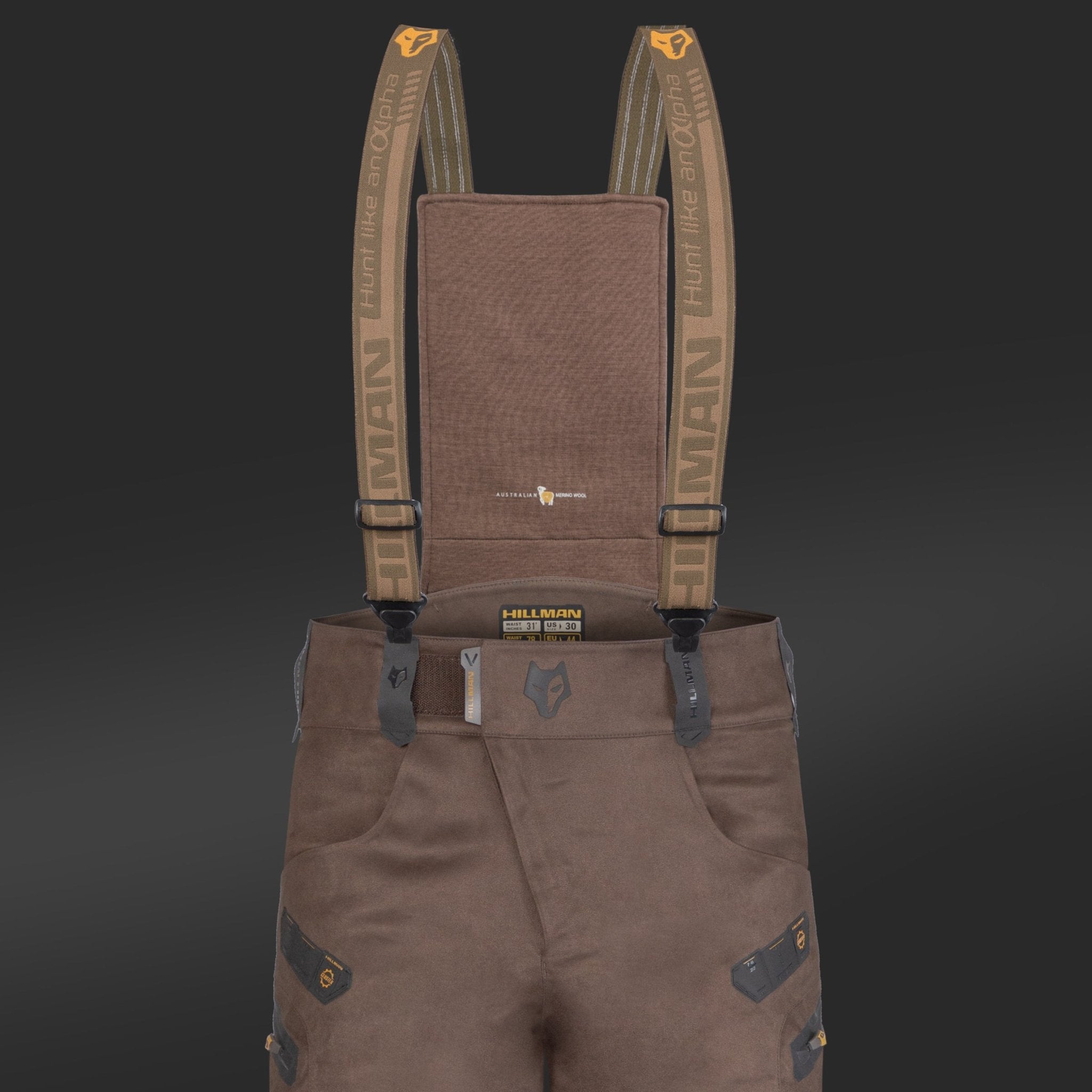
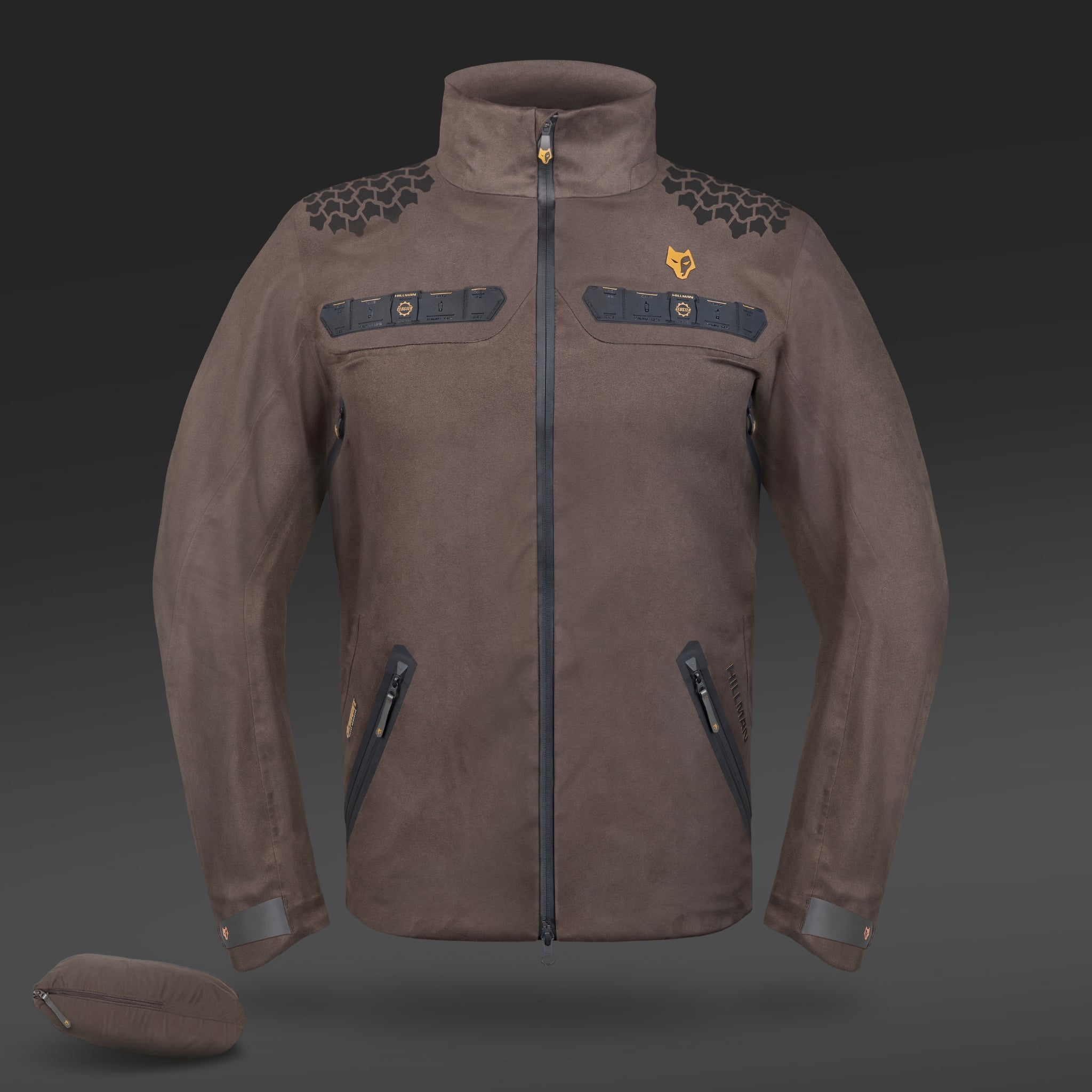
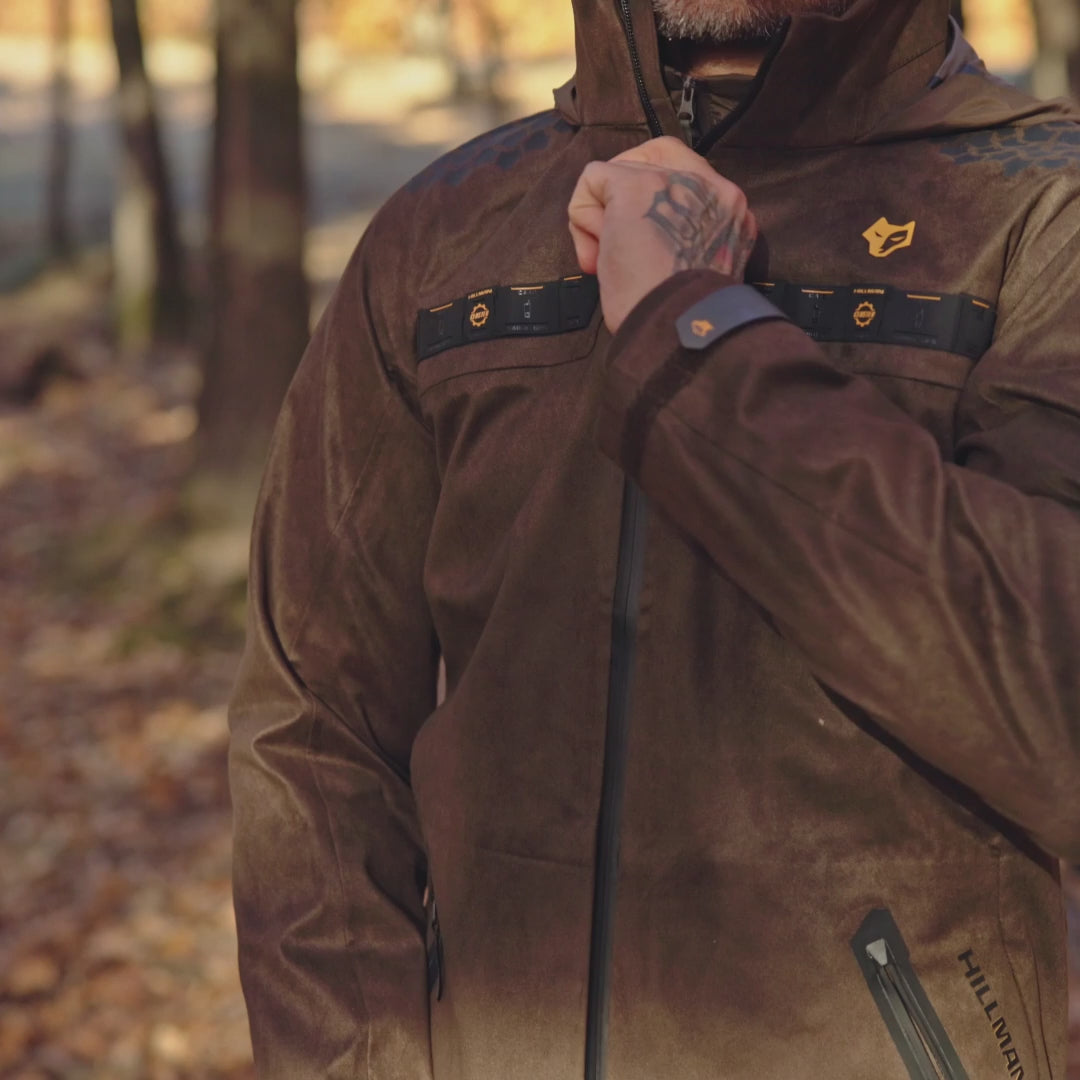
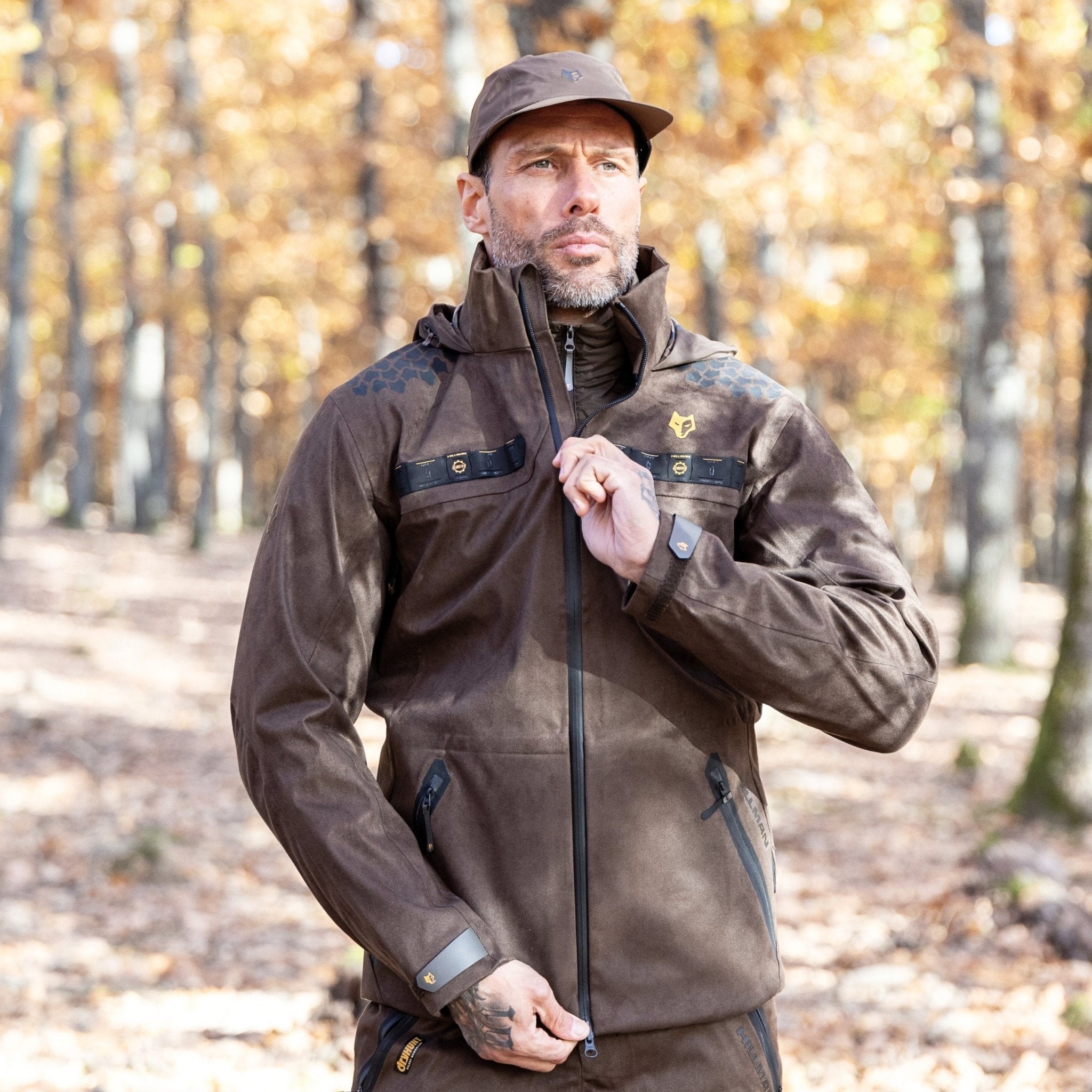
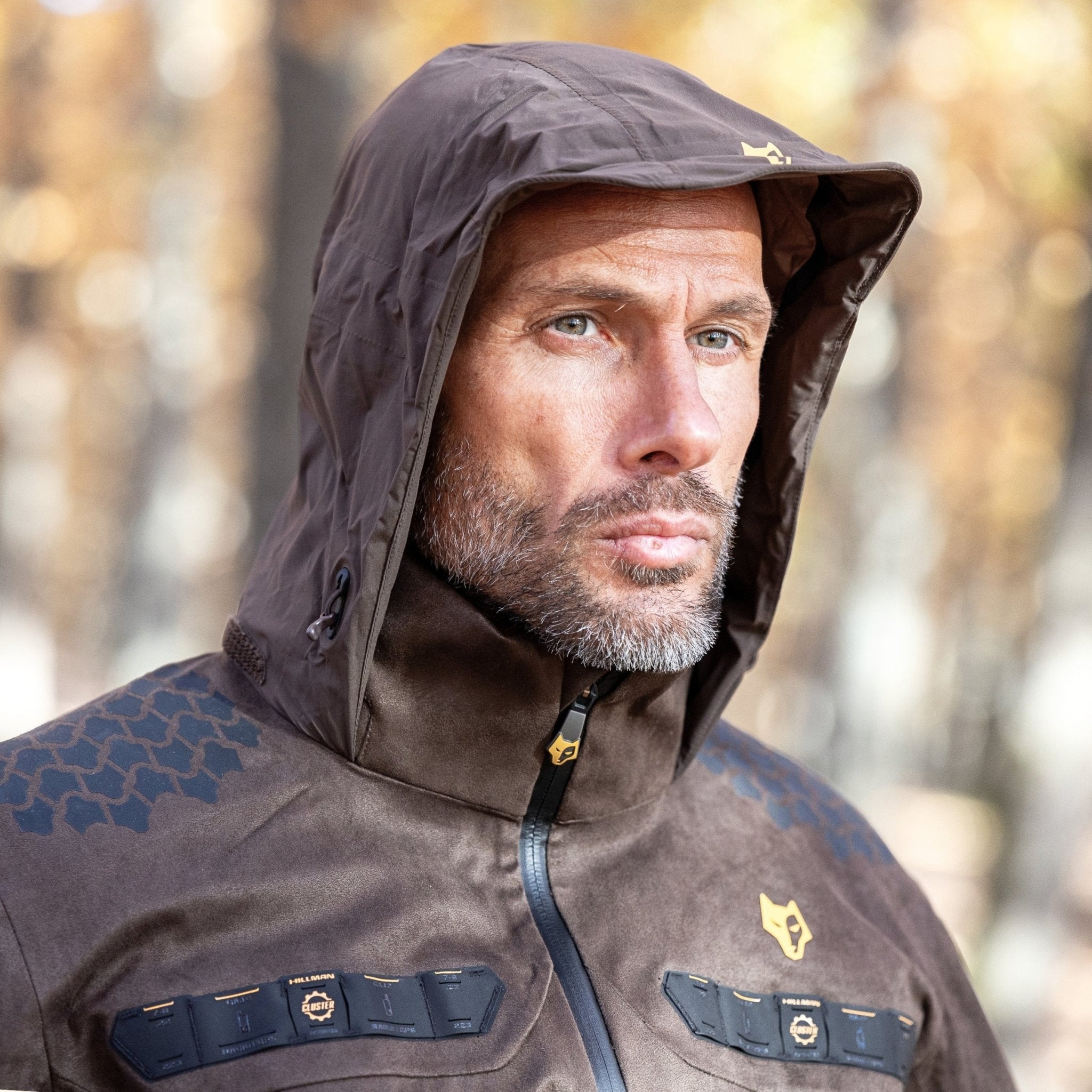
That is also why one hunter will swear by a heavily featured vest while another goes almost stripped down. Some turkey hunters want maximum comfort for long sits. Some want speed. Some want a balance of both. A Hillman style mindset fits the middle well: carry what helps, leave what does not, and make sure every pocket has a reason to exist.
Building a Quiet Main Compartment That Works in Real Turkey Woods

The main compartment should hold the items you do not need every minute but still want on your back for the day. Snacks, wet wipes, toilet paper, aid kit, extra pair of socks, insect repellent, pruning shears, extra gear, and maybe a compact layer if the morning starts cold. A good turkey vest keeps these items secure without letting them shift or rattle.
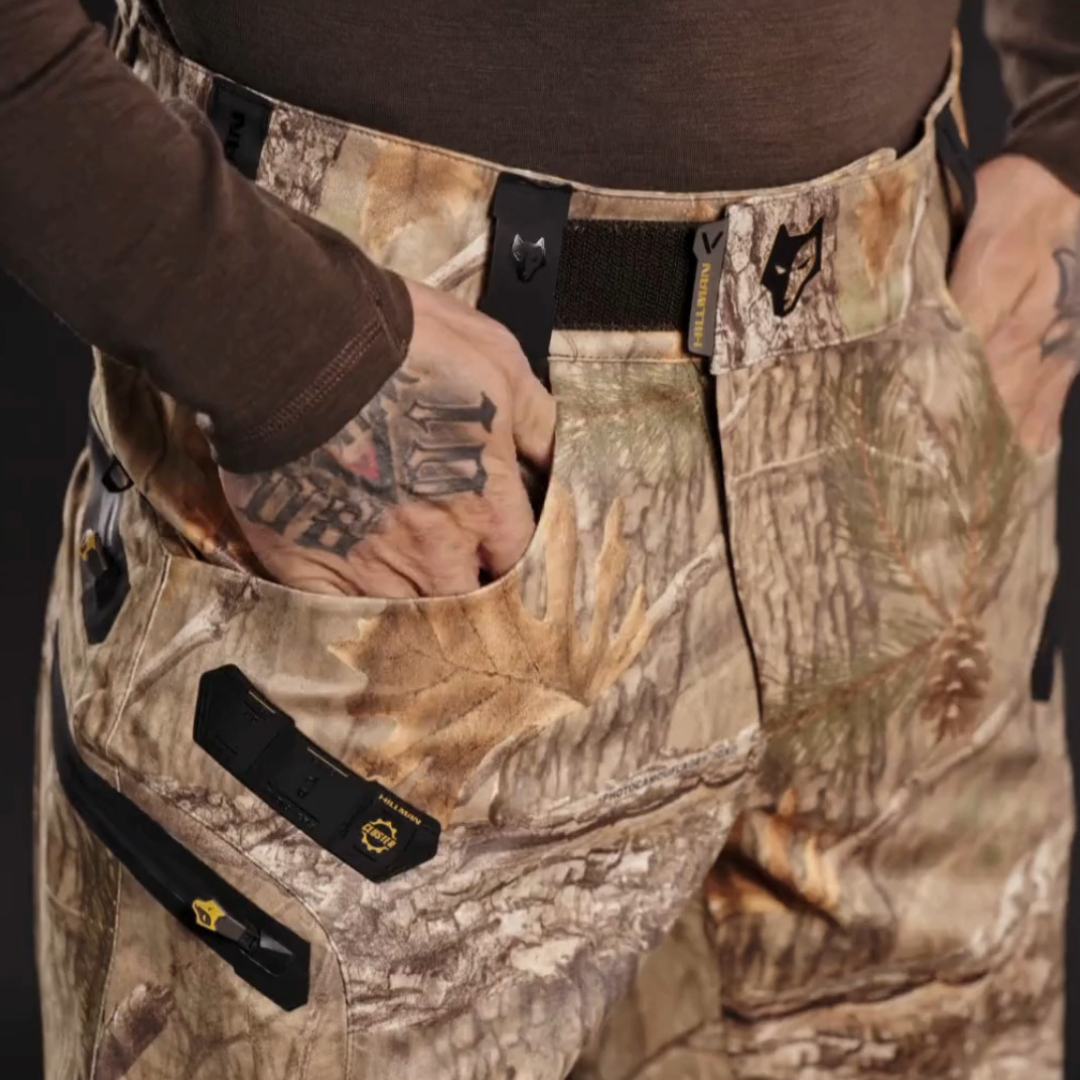
The outer pockets are for what gets used fast. Calls go where your hands find them naturally. Box, pot call, slate pot, tube call, and mouth calls should each have a place. Shells should be reachable without looking. Water should ride quiet. Glasses should not get crushed. If you carry turkey decoys, the pack arrangement needs to keep them from dragging or clattering.
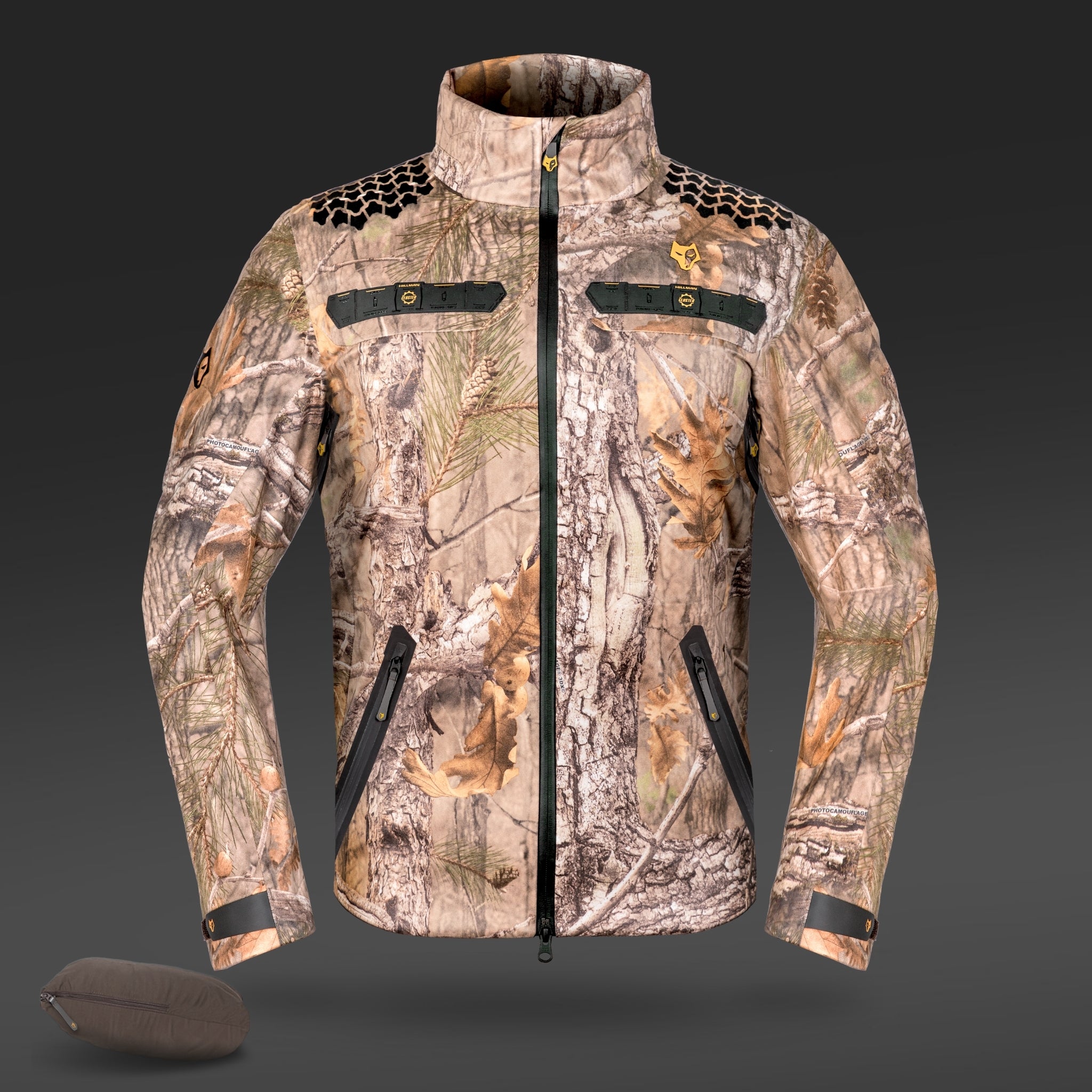
Good turkey hunting gear is not about stuffing every possible tool into a vest. It is about building a setup that matches your style, your ground, and the way the bird usually behaves where you hunt. In thick turkey woods, stealth and silence matter. In open country, access and speed matter. Either way, the vest style and pocket layout should match your habits. A good turkey vest, whether it looks more like a full traditional vest or leans toward an equinox vest, chest rig, or tool belt setup, should make you quieter, calmer, and more ready when the moment comes.
Grand Slam Dreams Start With a Simple, Reliable Setup

Nobody tags a bird because the vest looked impressive in the truck. Success comes from being settled, organised, and ready when the hunt speeds up. The best turkey vest setup what to carry for mobile spring hunts plan is one you can repeat without thinking. Calls in the same place. Shells in the same place. Water in the same place. Safety items in the same place.
That is how hunters stay focused. It is how a vest becomes part of the hunt instead of a problem to manage. Whether you are chasing your first turkey or chasing a grand slam, the same truth holds up: keep it light, keep it quiet, and carry only what makes you better when the bird finally answers.


Share:
Mobile Whitetail Hunting Setup: What to Carry for Quiet Access
Turkey Scouting for Mobile Hunters: How to Cover Ground Fast