


Turkey Scouting for Mobile Hunters: How to Cover Ground Without Wasting Time

Scout smarter for turkey season with mobile tactics that help you find birds, read fresh sign, and avoid wasting miles.
Why mobile turkey hunting starts with better scouting. Turkey scouting for mobile hunters: how to cover ground without wasting time is really about one thing. You are trying to find birds fast enough to matter, without burning out a property before the season opens. A good turkey hunter does not just wander the turkey woods and hope for a gobble. He scouts with intent.
That matters even more on public land, where many hunters pile into the same spot and pressure the same birds before opening morning. If you want to hunt mobile, you need clean information, not random miles. Good turkey scouting means learning a general location, finding travel routes, reading turkey sign, and moving on before turkeys know you were there.
I treat scouting almost like the actual hunt. I walk carefully, I stay off obvious roosting areas when I can, and I avoid spending too much time in one patch of woods. Mobile turkey hunting works best when you gather just enough intel to act on it when season arrives.
Start scouting when the intel actually matters

One mistake many turkey hunters make is starting too early and trusting stale information. Wild turkeys do not live the same way all year. During winter, birds often bunch up in big groups around wintering grounds and protected roost sites. Then spring season shifts everything. Flock dynamics change, large groups break apart, hens pull birds in different directions, and the same birds that used the same spot in winter may not be there when the season starts.
The best window for pre-season scouting is usually two to three weeks before turkey season or just before the hunting season really gets going in your area. That is when spring turkeys begin showing more useful patterns. Scout much earlier than that and you may learn a lot about where birds were, not where they will be when season opens.
Snow matters too. In places with deep snow, or even just less snow than usual from one week to the next, turkey movement can change fast. Food sources open up, field edges get greener, and birds start stretching into new feeding areas. So yes, start scouting before the season, but not so early that your effort turns into old news.
Use digital scouting before your boots hit the ground
Before I scout for turkeys on foot, I look hard at maps. That saves time and keeps pressure low. A mobile setup is built around covering ground efficiently, so digital scouting should help you narrow the woods down before you ever start walking.
I look for creek bottoms, mature hardwoods, edge cover, water, agricultural fields, food plots, dirt roads, logging roads, field edges, and any terrain pinch that might shape travel routes. Wild turkeys usually take the path of least resistance between roost sites and feeding areas, and those routes often stand out on a map if you know what to notice.
High points matter too. If I can identify ridges, knobs, or open listening points on topo maps, I can pin those spots and slip in before first light to listen. When sun hits the woods and the air settles, one good listening point can tell you more than a long-distance walk through three ridges of empty timber.
This is also where I think about access. On public land, I want routes that let me get in quietly during early morning without crossing right through roosting areas. Many hunters focus only on where to find turkey. Fewer think hard enough about how to reach those birds without blowing them out.
Find roost locations without crowding the birds

Roost locations are gold, but only if you confirm them without educating the flock. The cleanest way to do that is still simple. Get near, not on top of, likely roosting areas and listen.
Early morning is ideal for hearing gobbles at dawn. Late afternoon and dusk can be just as useful for hearing birds gather and for noticing travel routes as they drift back toward a roost tree. I like to set up on a high point, keep the woods quiet, and let the birds tell me where they are. Listening during dawn and dusk remains one of the best ways to find birds and lock down roost sites.
Locator calls can help, but they need to be used with restraint. Owl calls before sunrise and crow calls after fly-down can trigger a shock gobble without making a turkey think a hen is in the area. That is the whole point. A box call or aggressive turkey calling in pre-season scouting is usually a mistake. Many hunters do it anyway, and all they really accomplish is teaching gobblers something is off. Avoid calling to turkeys before the season. Let them stay natural.
Turkeys hear extremely well, so careless walking, slamming truck doors, driving backroads too close, or making noise along dirt roads can shut birds up fast. If you want honest gobbling, move less and listen more.
Read fresh turkey sign instead of chasing old stories

Once boots are on the ground, the best clue is still turkey sign. Not all sign is equal, though. Fresh sign tells you what is happening now. Old sign only tells you turkeys were there at some point.
Turkey tracks, turkey droppings, feathers, scratching, strut marks, dust bowls, and the ground beneath a likely roost tree all matter. The key is judging age. Fresh scratching in moist soil usually means recent turkey activity. Old scratching looks dry, faded, and less defined. The same goes for droppings and tracks after weather moves through. Recent sign stands out. Old sign blends in.
Droppings are useful in a more specific way too. Tom droppings often have that familiar J shape. Hen droppings look more like a solid popcorn shape. That does not guarantee what the birds will do, but it helps you understand whether a place is attracting gobblers, hens, or mixed groups. Turkey feathers can tell you where birds loaf or preen, and tail feathers around a strut zone can be especially interesting in spring.
Dust bowls are worth noting as well. They often show where turkeys spend relaxed time bathing, and that kind of comfort matters. If you find tracks, droppings, scratching, and dust bowls in one pocket, you are not looking at random traffic. You are looking at a place birds want to use.
Watch fields and open timber from a distance

Not every scouting trip has to happen inside the woods. In fact, some of the best turkey scouting happens from farther away.
Use high-quality optics or binoculars to scan open timber, field edges, food plots, and agricultural fields from a distance. That lets you watch birds without pressing them. Scouting from a vehicle can work too if done carefully. You can learn a lot by glassing from a quiet road edge or a pull-off, especially in places where birds step into green feed early and then slip back toward cover.
Spring turkeys often use open feeding areas where new growth is coming on. Hens may filter into field edges first, with gobblers not far behind. If I can watch birds enter and leave those places without being noticed, I can piece together where they are feeding, where they likely roost, and which travel routes connect the two.
That kind of scouting is efficient. You cover more country, keep the birds calm, and save your walking for places that deserve it.
Use trail cameras without overchecking them

Trail cameras can absolutely help in turkey hunting, especially for mobile hunters trying to sort through a lot of ground. But they only save time if you use them in a way that does not create extra disturbance.
I like trail cameras in strutting locations, along travel routes, near feeding areas, and on the edge of known openings where birds naturally pass. Cameras can tell you when turkeys are active, whether the traffic is mostly hens or gobblers, and how birds shift as the season starts getting close. Time-lapse mode can be useful in bigger openings because it shows movement patterns you might miss with motion-triggered photos alone.
Cellular trail cameras are even better for low-impact scouting because you do not have to walk in constantly to pull cards. That matters more than people admit. The minute you begin checking cameras too often, you are no longer saving time. You are just educating birds in a different way.
I still would not let trail cameras replace real scouting. They support it. They are there to confirm roost locations, feeding areas, strut zones, or travel routes, not to do all the thinking for you.
Scout different times of day to understand turkey behavior

A lot of hunters scout only in early morning, hear one gobble, and think they have it figured out. That is rarely enough. Scouting at different times gives you a much better read on turkey behavior.
First light is for gobbles and roost sites. Mid morning can show where birds drift once hens pull them off the limb. Late morning often reveals whether a gobbler circles back through an opening, uses a logging road, or slips into a quieter patch of woods once pressure builds. Late afternoon is valuable for watching birds ease toward evening travel routes and for hearing where they settle back toward roosting areas.
This matters because wild turkeys can feel predictable for an hour and then look completely different by the next stretch of the day. If you only scout once, you may think birds vanished when they actually just shifted into a different pattern.
For mobile hunters, that is a big deal. You are not trying to memorize one pin. You are trying to understand how birds use a whole block of ground.
How to cover ground without wasting time

The fastest way to waste time is to scout every acre equally. Do not do that. Break the place down.
I start with likely habitat. Then I check for sign. If I find fresh turkey sign, I slow down. If I do not, I keep walking. That alone saves a lot of dead miles. A quarter mile with no tracks, droppings, scratching, feathers, or visual birds tells me something. So does a quarter mile where sign suddenly stacks up.
For mobile turkey scouting, I like a simple sequence. Map first. Listen second. Confirm with sign third. Watch from distance fourth. Then leave. Effective mobile turkey scouting combines digital scouting with on-foot or vehicle-based check-ins, and it works because it avoids over-pressuring the birds you plan to hunt later.
I also pay attention to older turkey hunting history on a property. Not because last year's setup should control this spring, but because repeated use patterns can point to reliable habitat. Ignore that history and you can miss obvious opportunities.
When other hunters are around, especially on public land, I prefer mid-week scouting. Less pressure usually means cleaner information. Most hunters crowd weekends and create noise that changes how birds act. If you can scout mid-week, you often hear more, see more, and interfere less.
Gear that makes mobile scouting easier

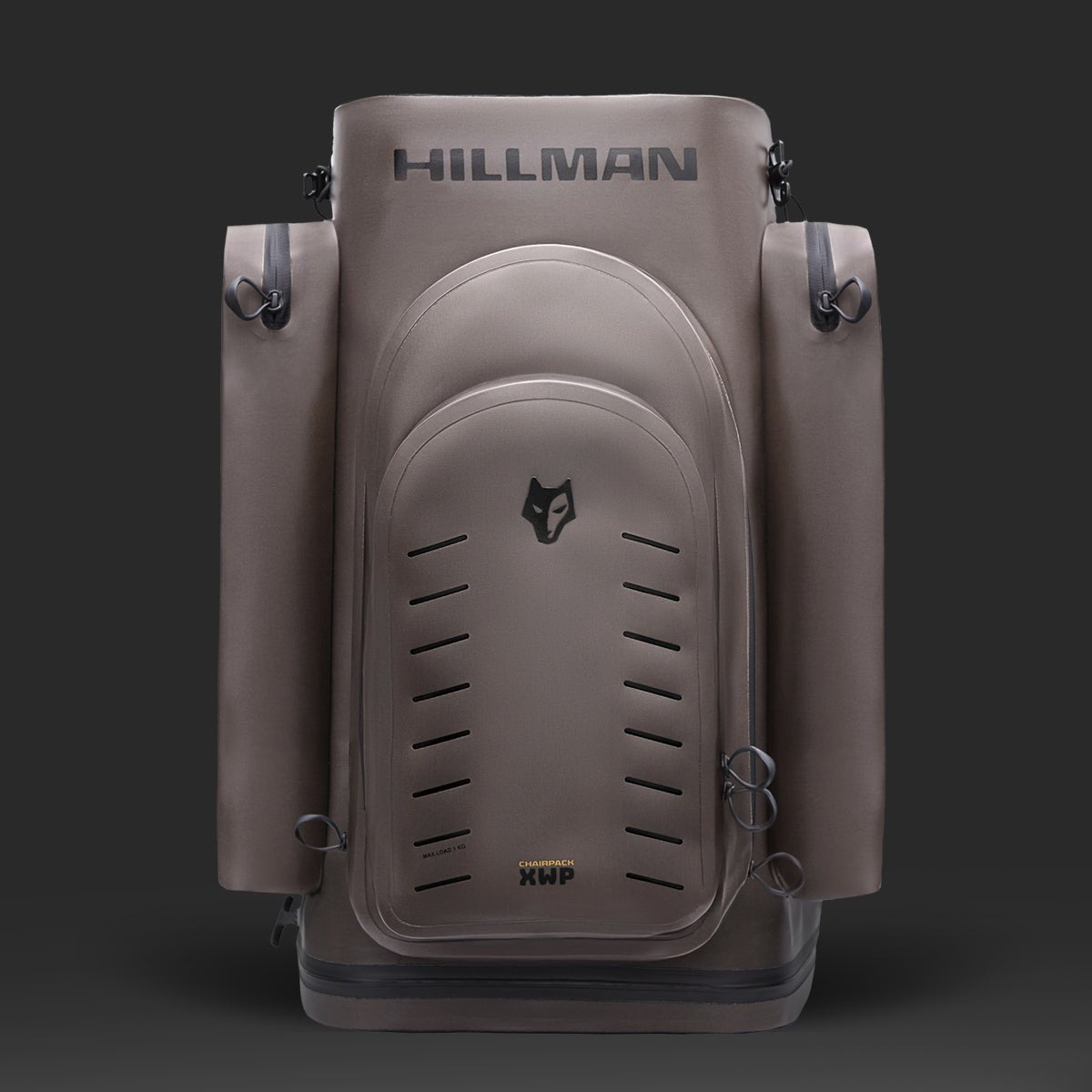
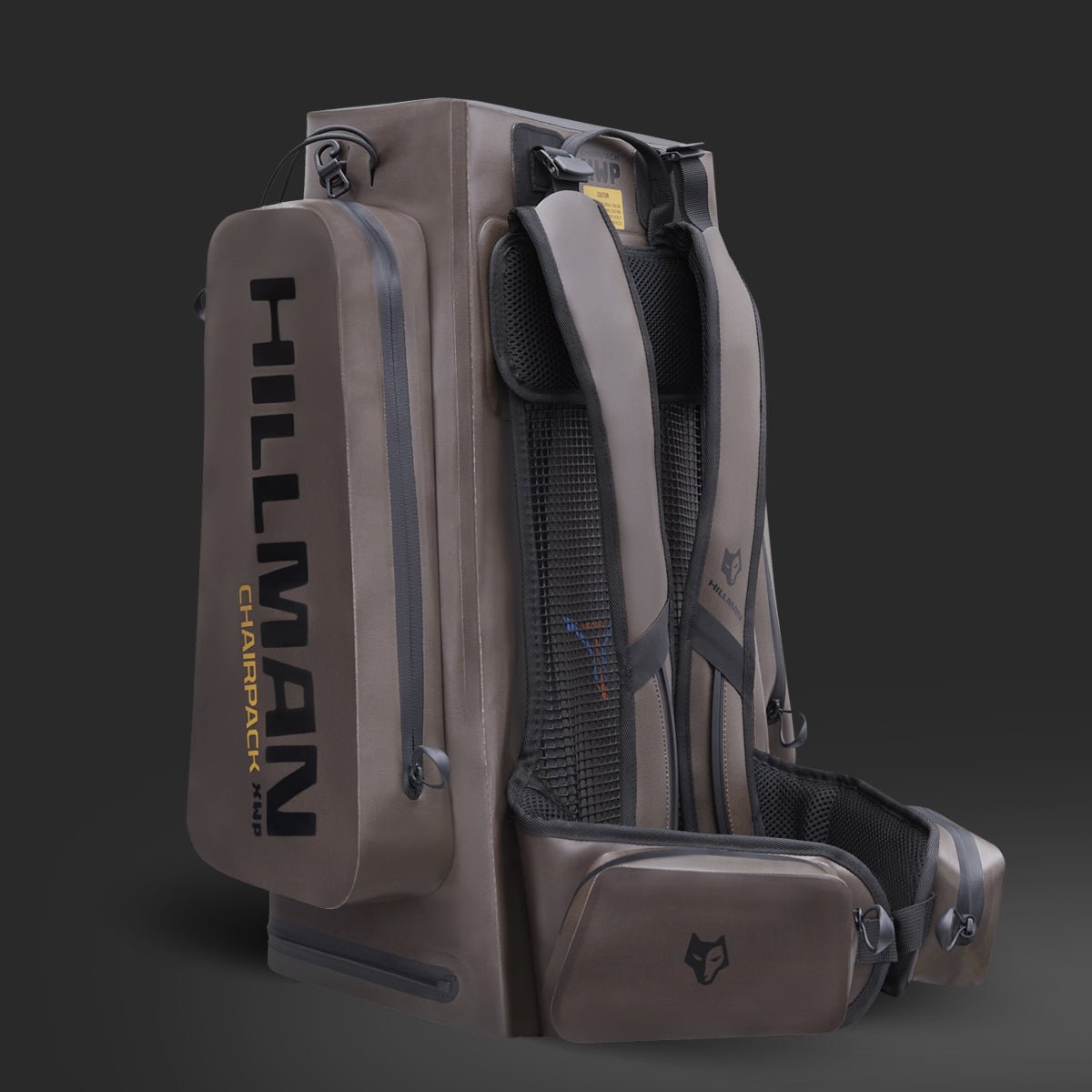
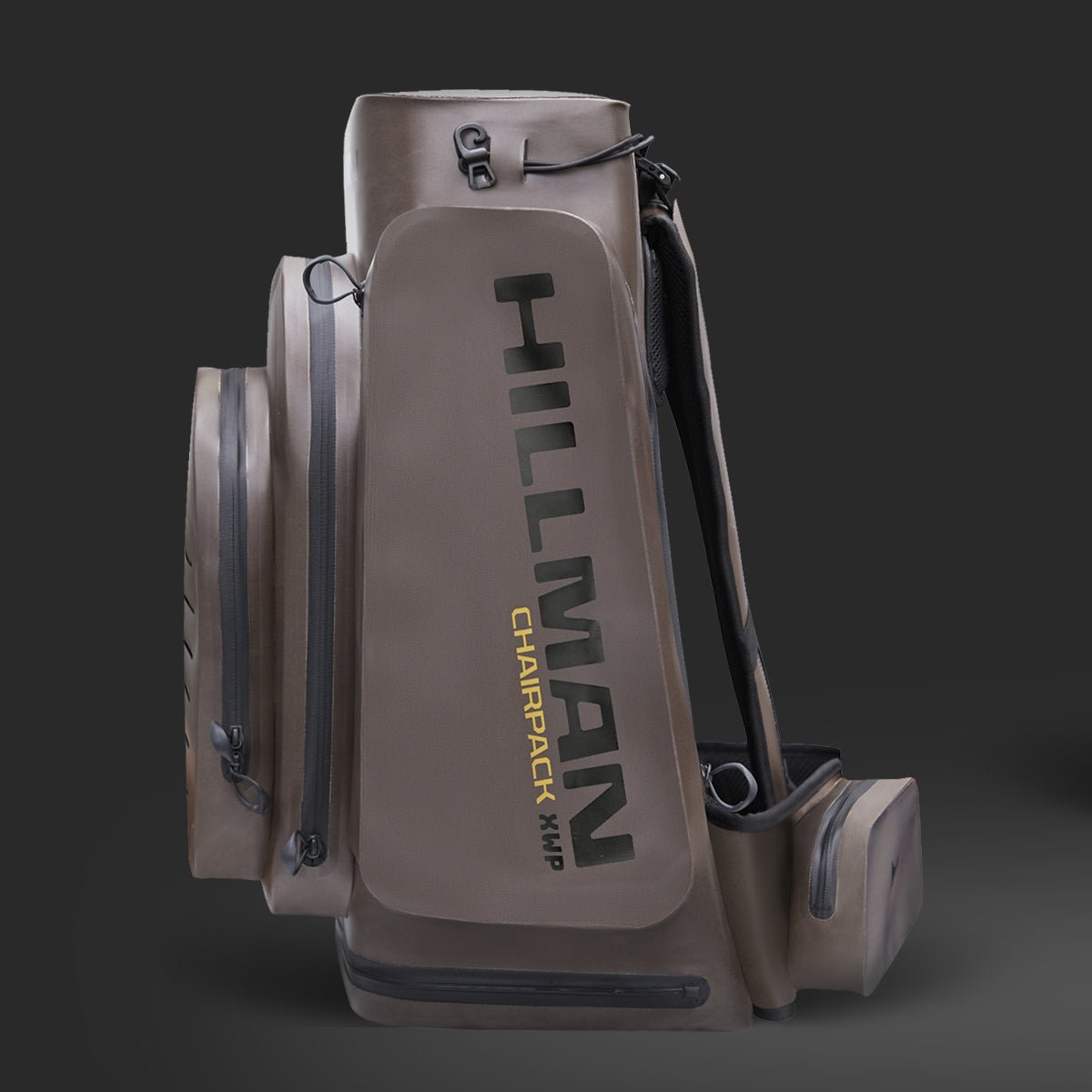
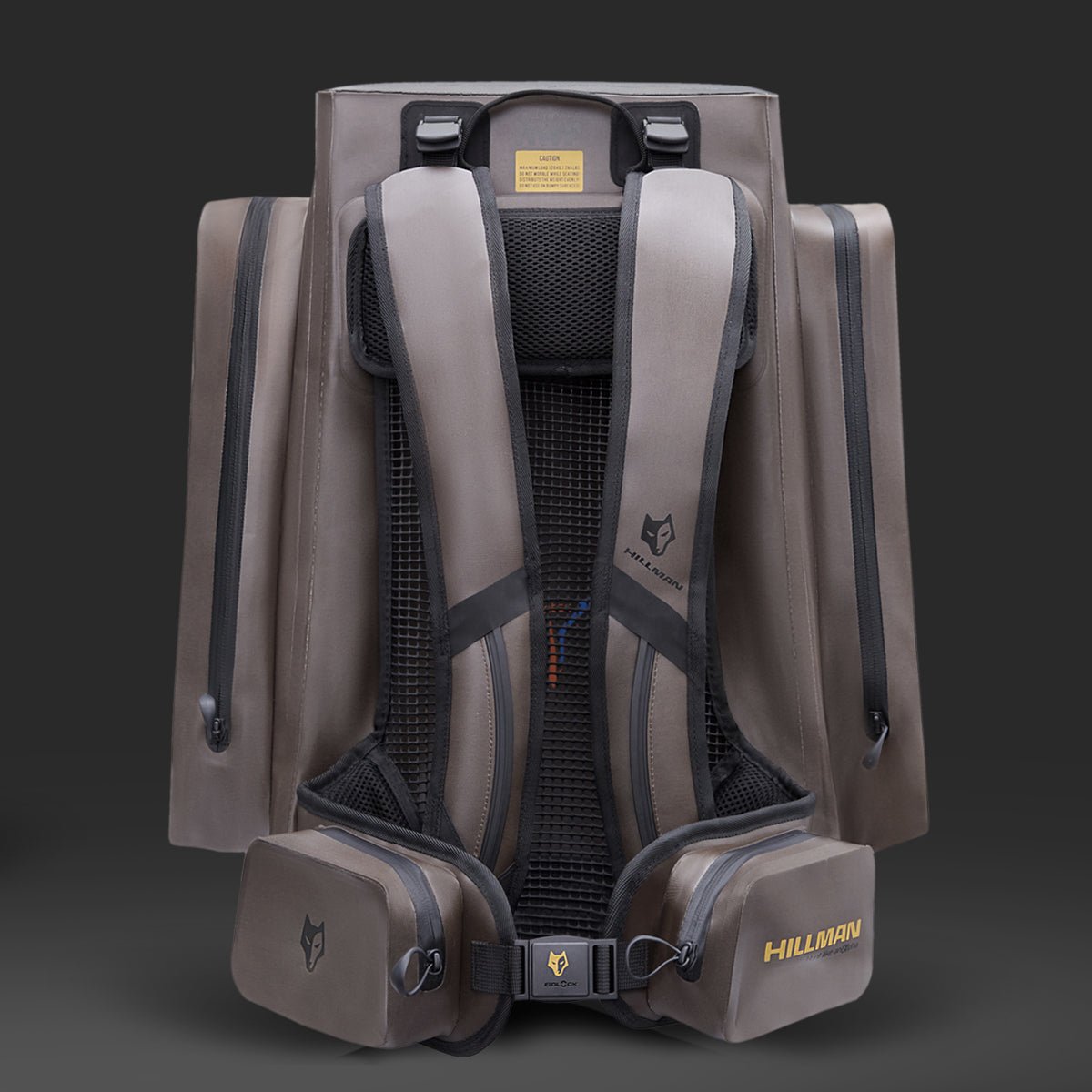
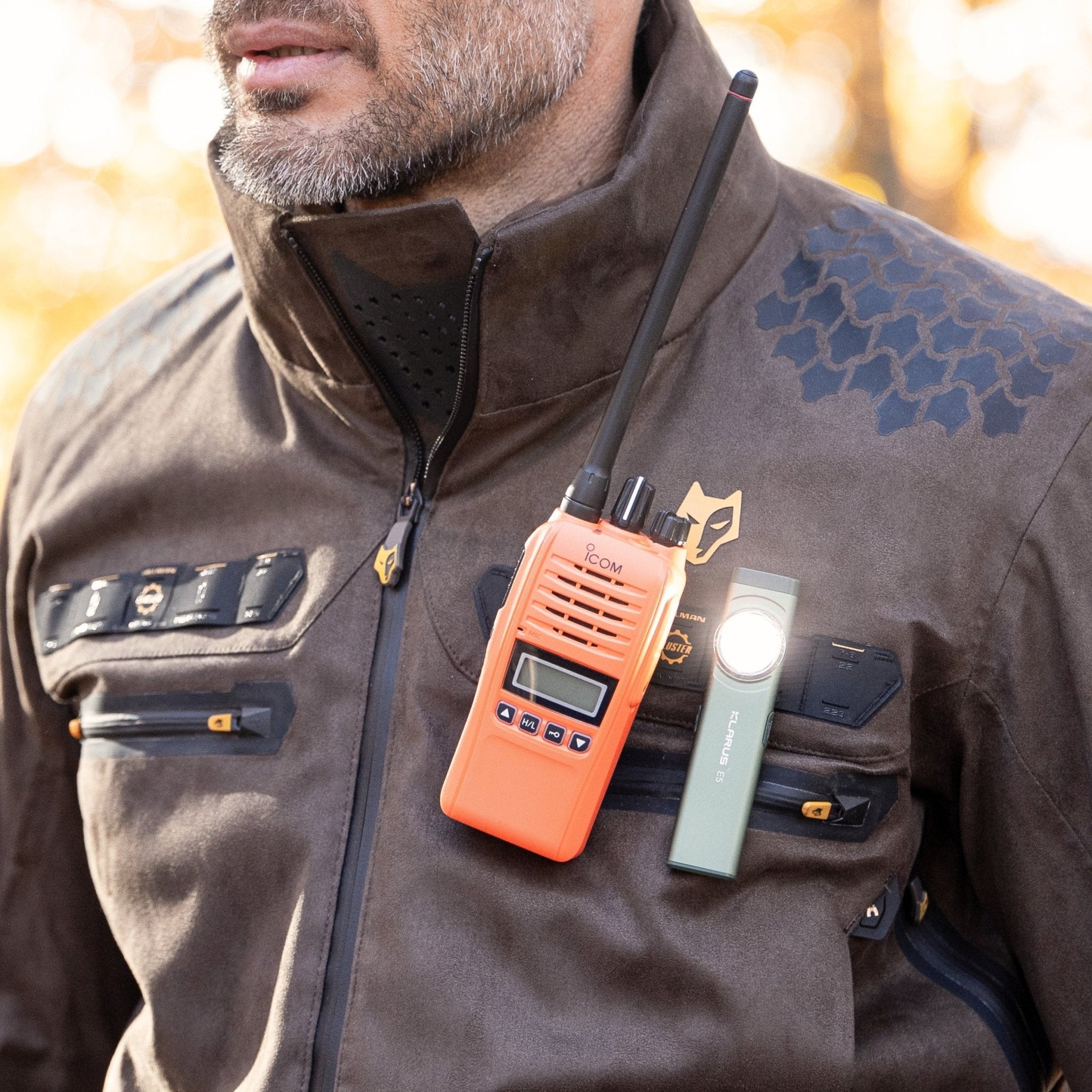
Mobile scouting is easier when your gear stays out of the way. A lightweight chest pack or a compact vest makes sense because it keeps optics, locator calls, water, and a notebook handy without turning a scouting trip into a pack mule exercise.
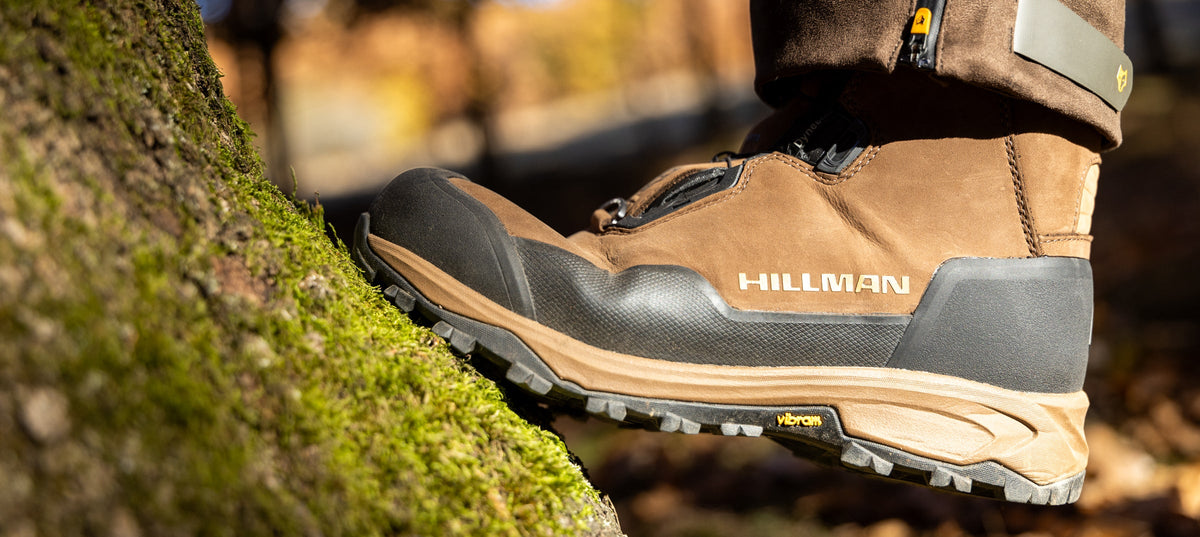
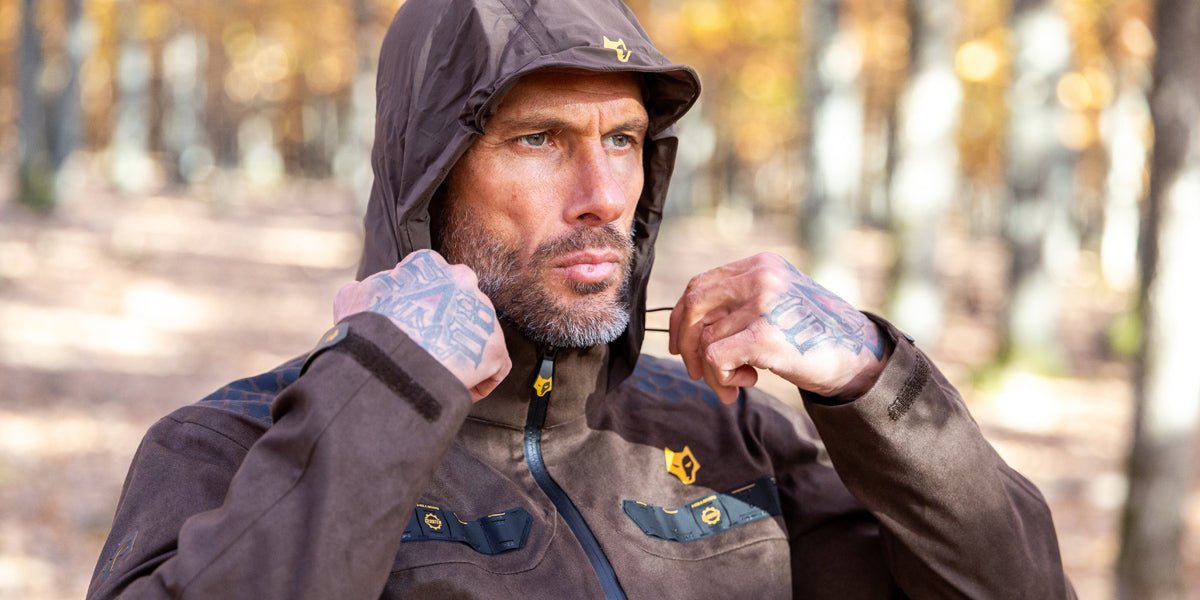
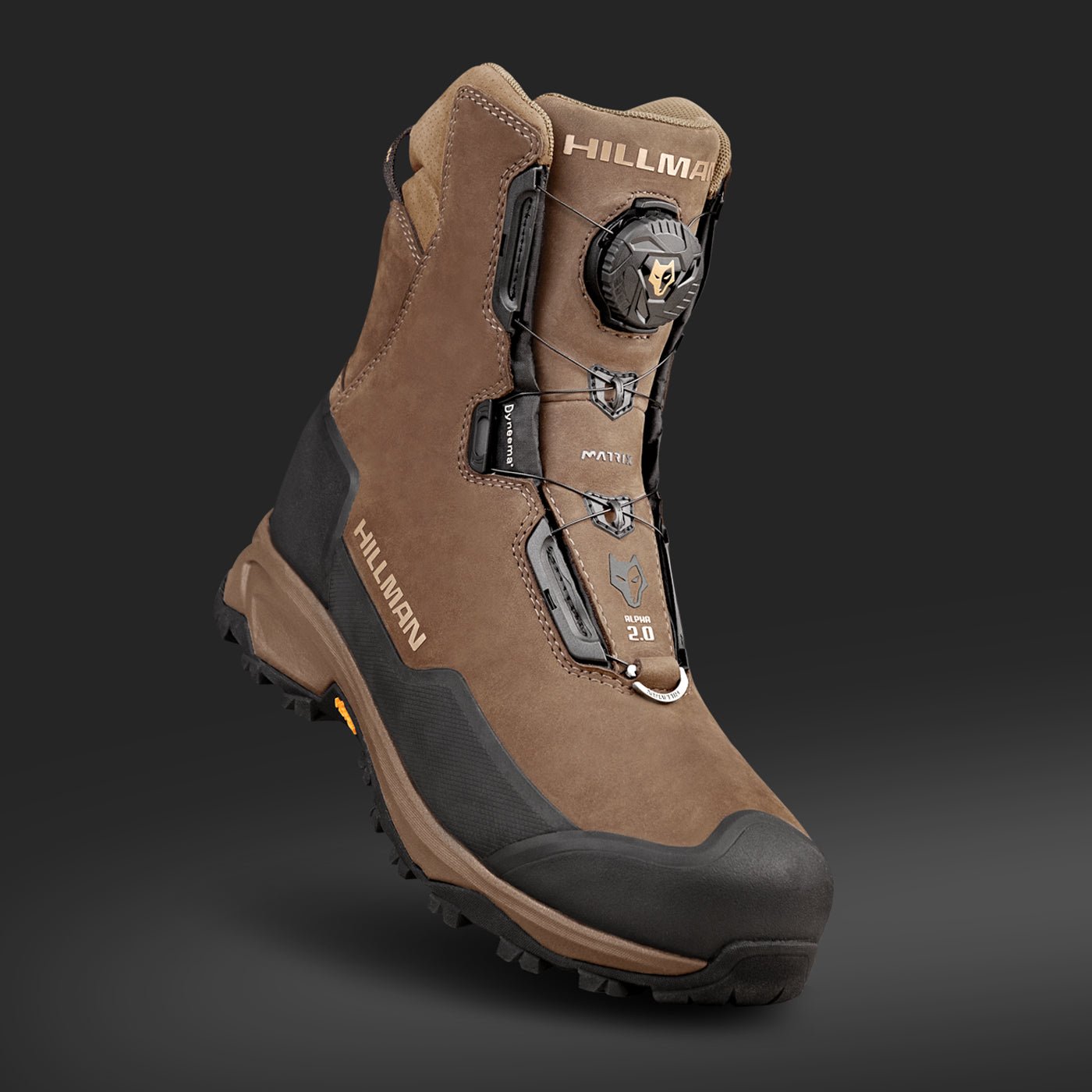
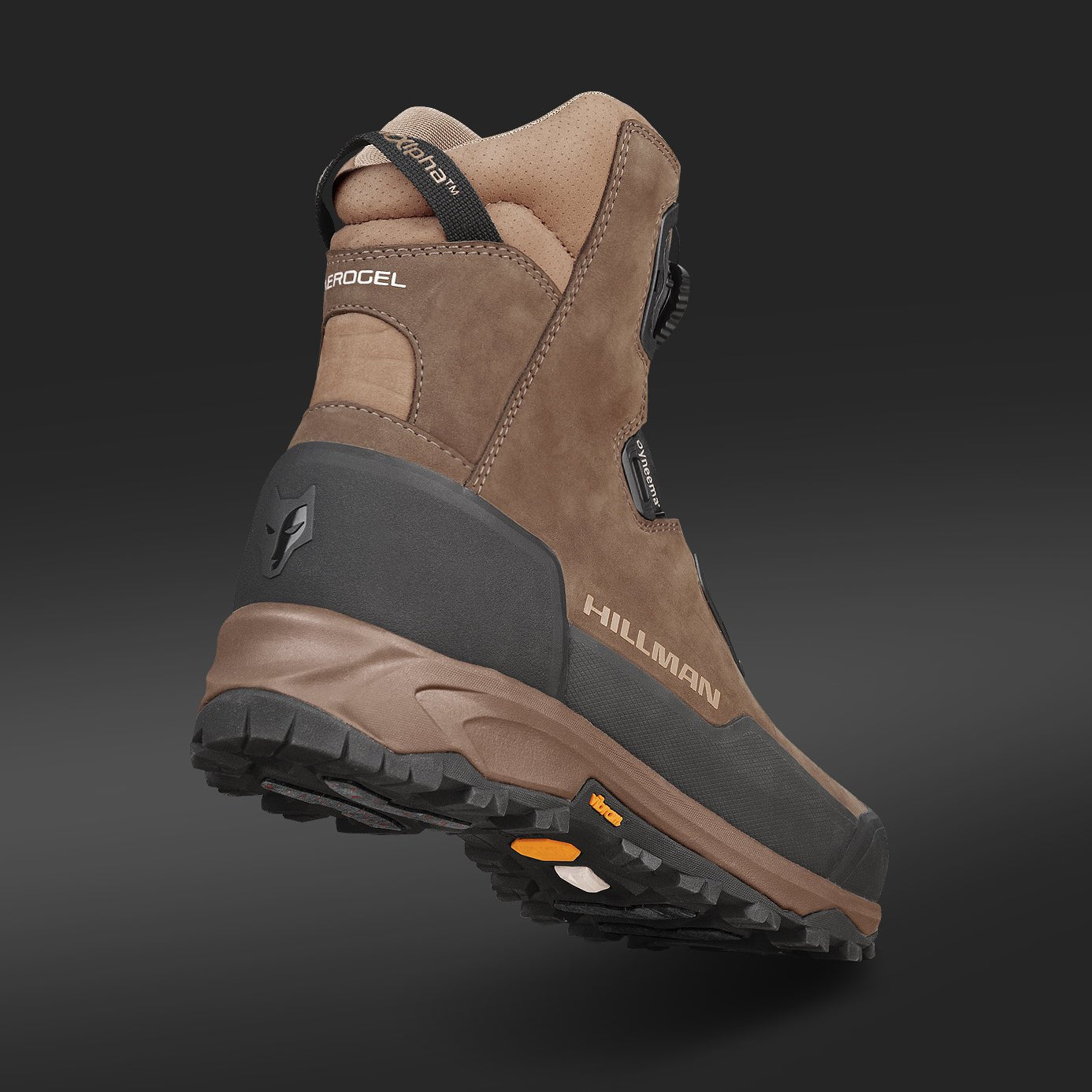
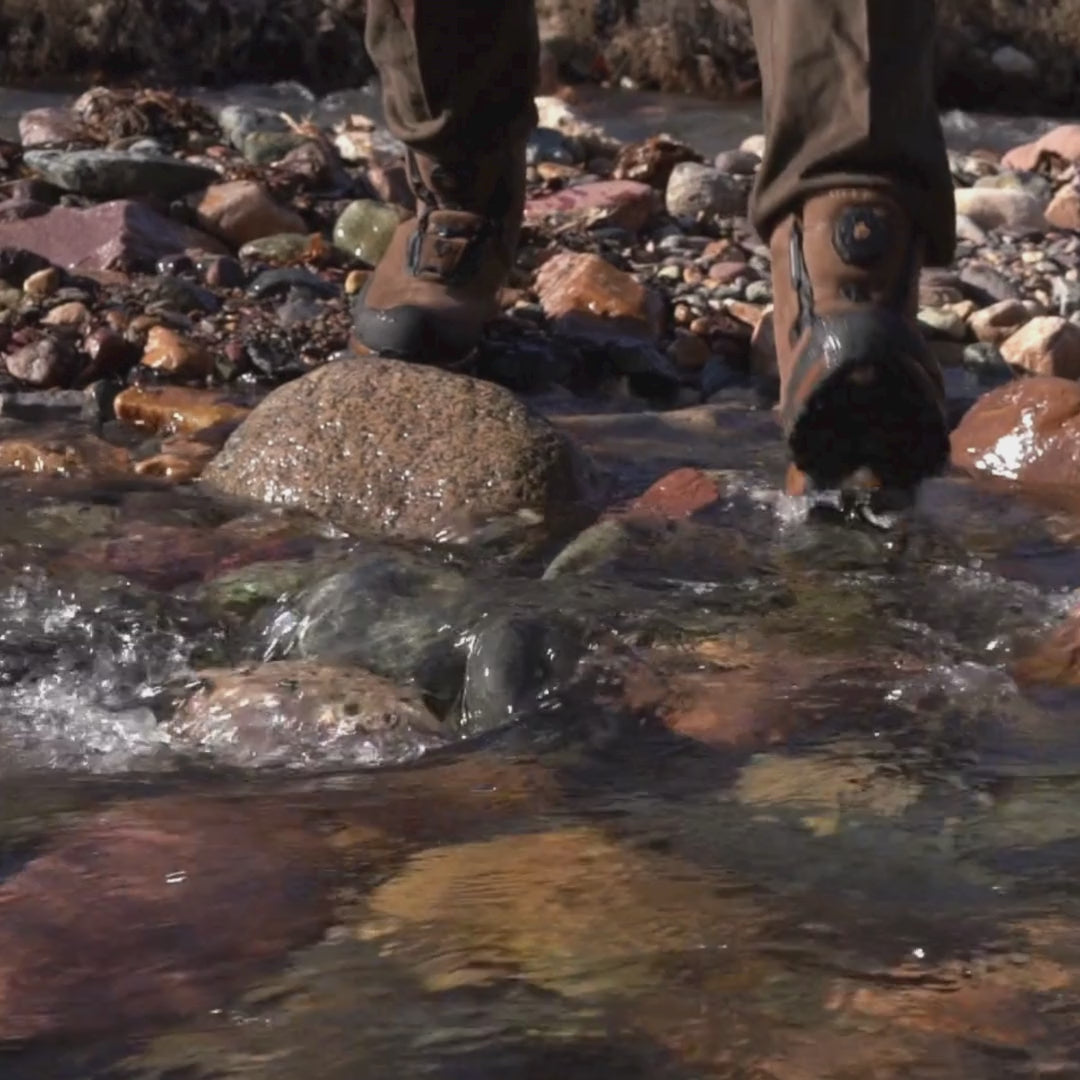
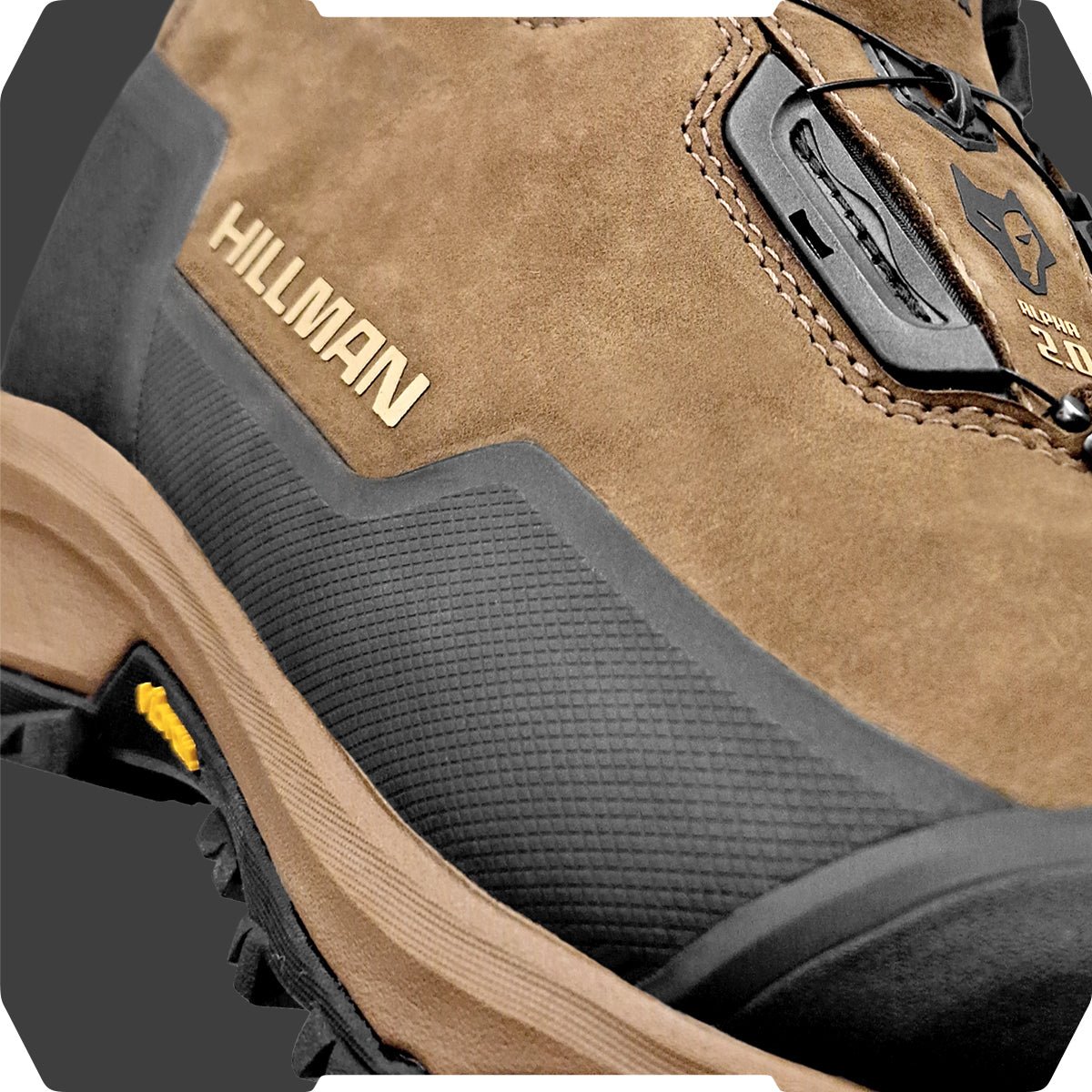
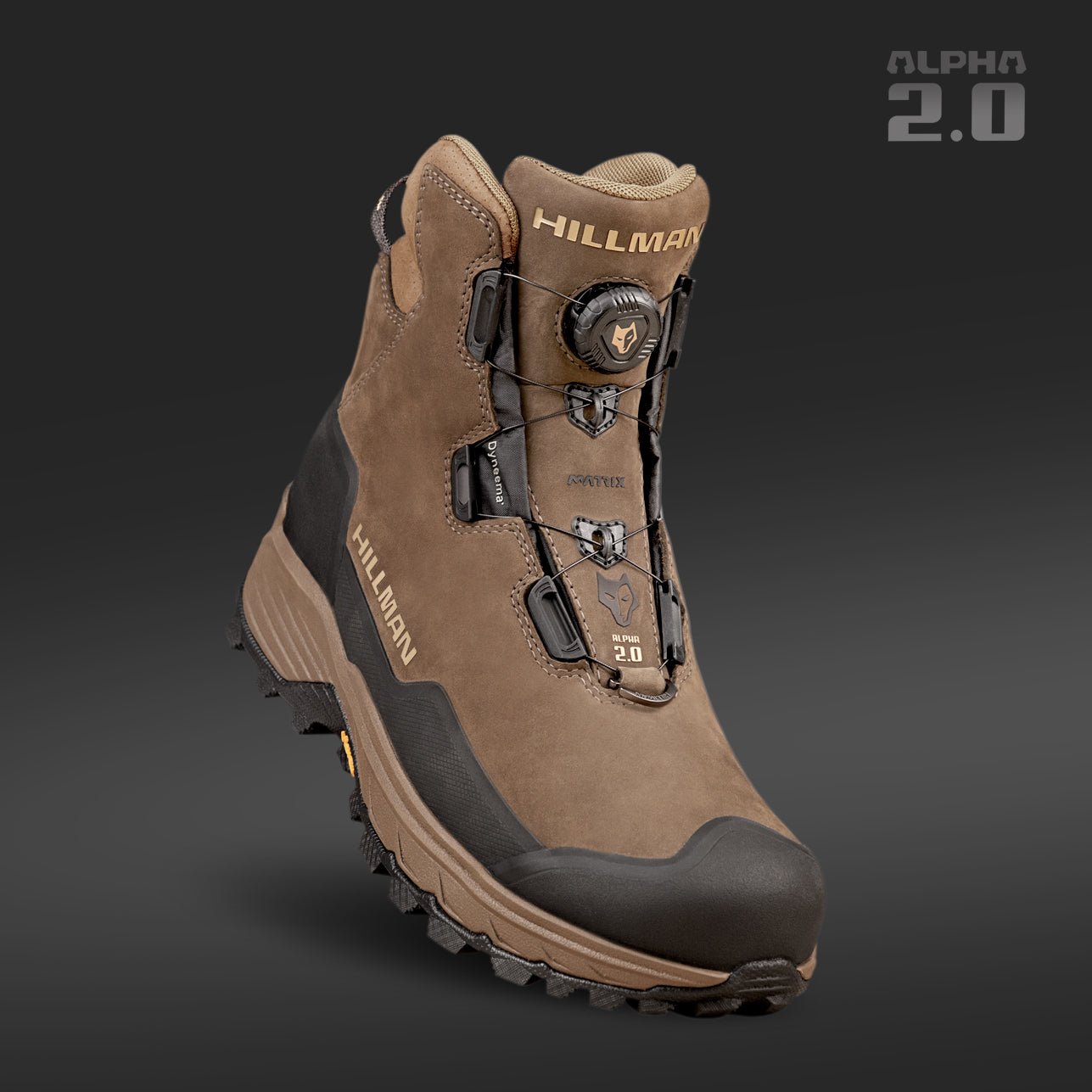
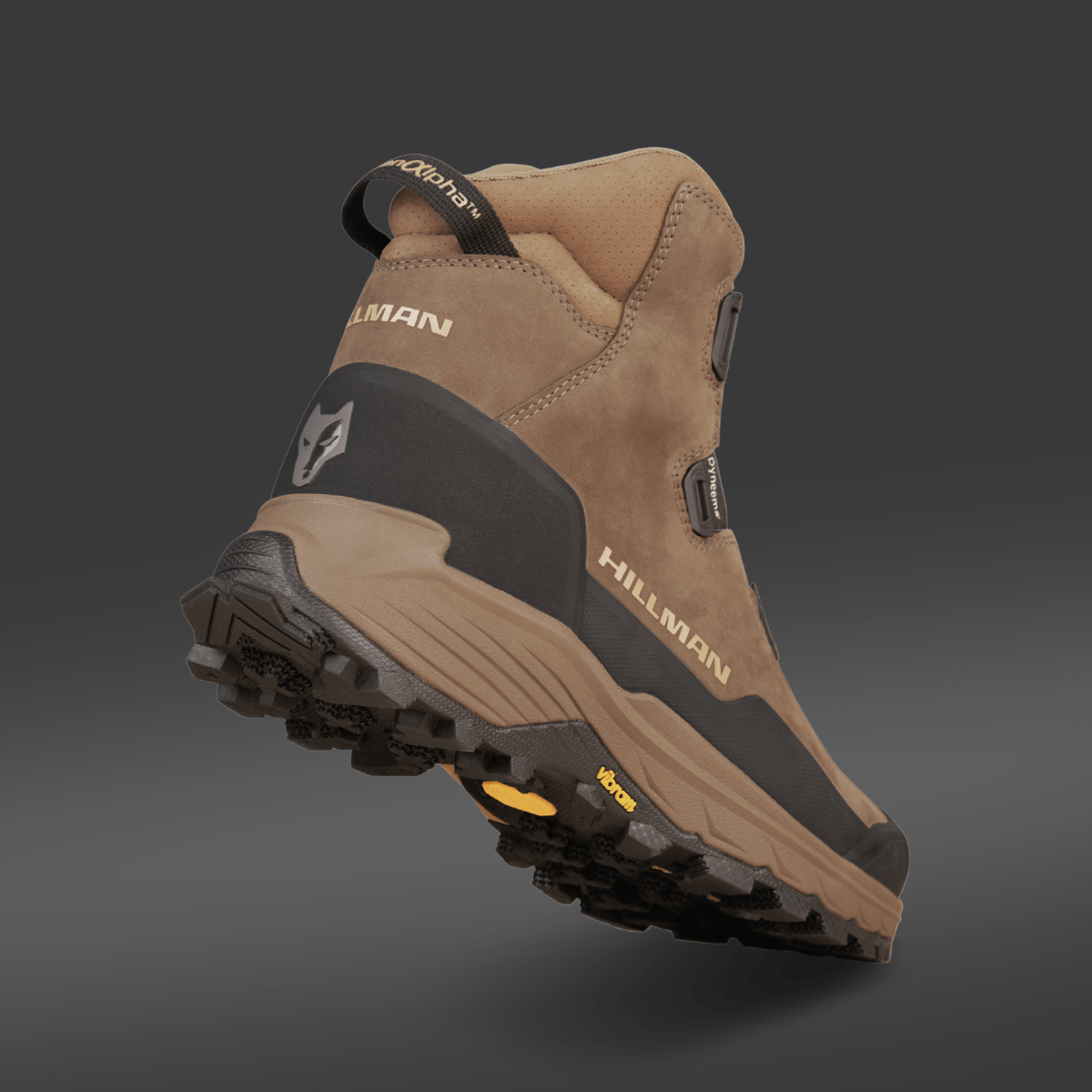
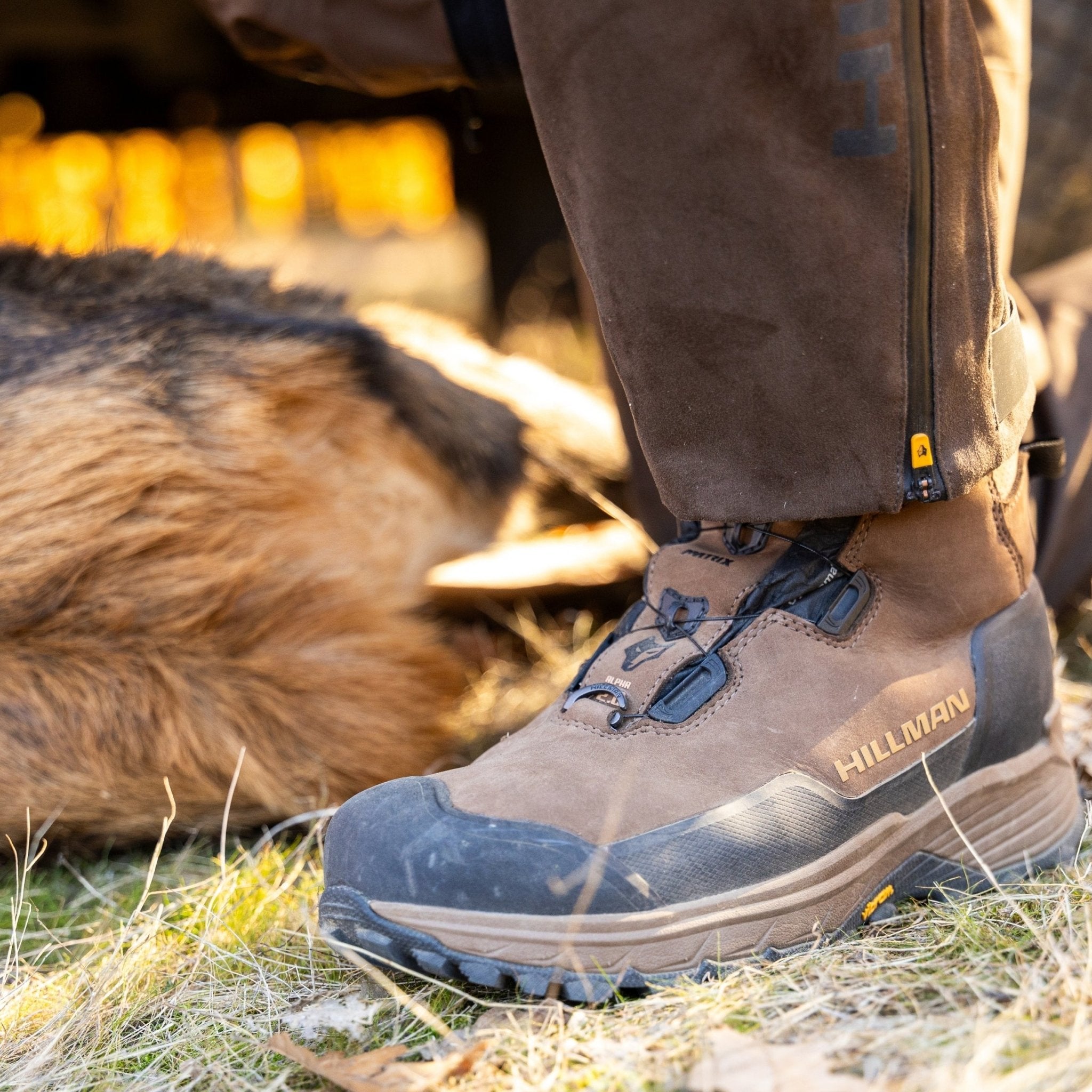
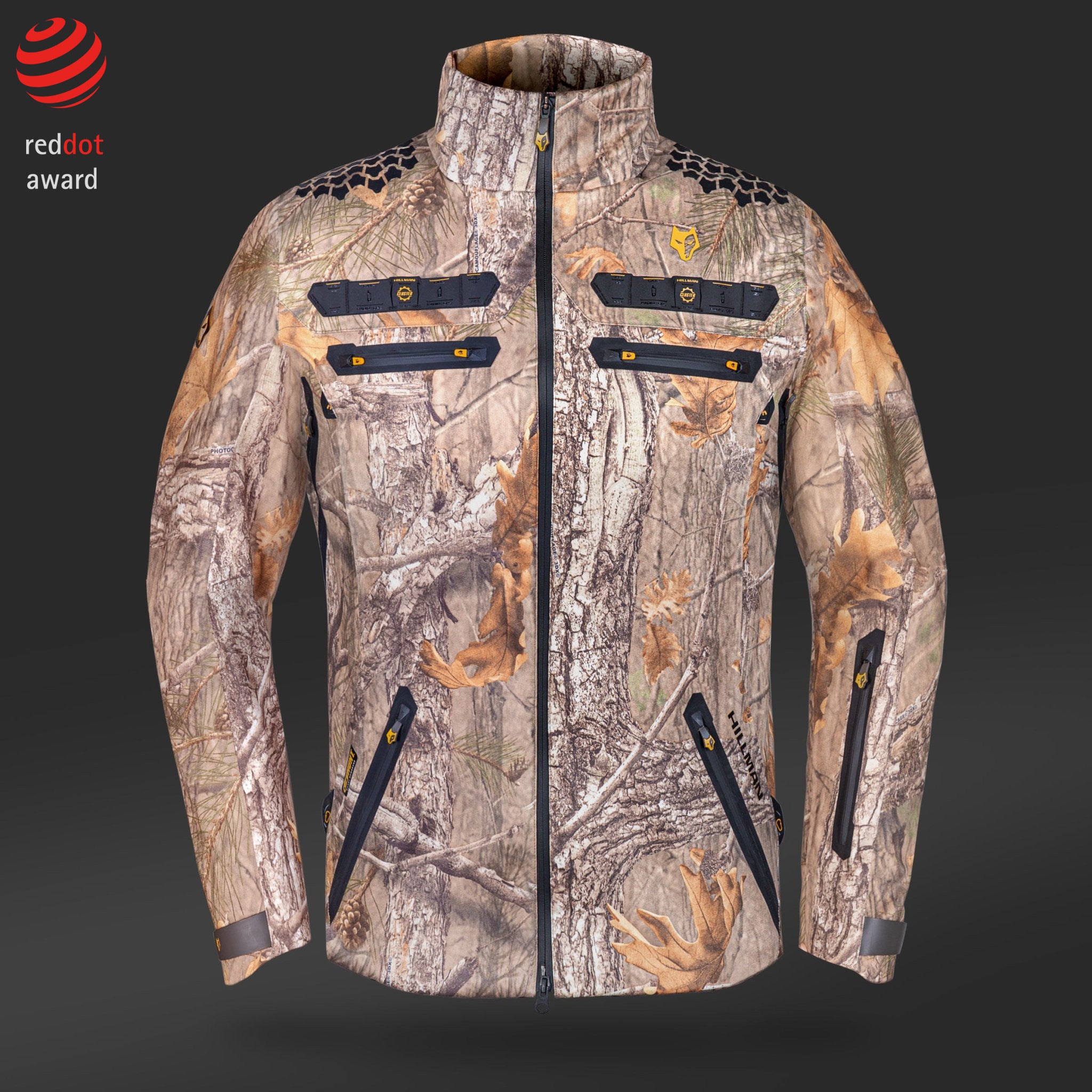
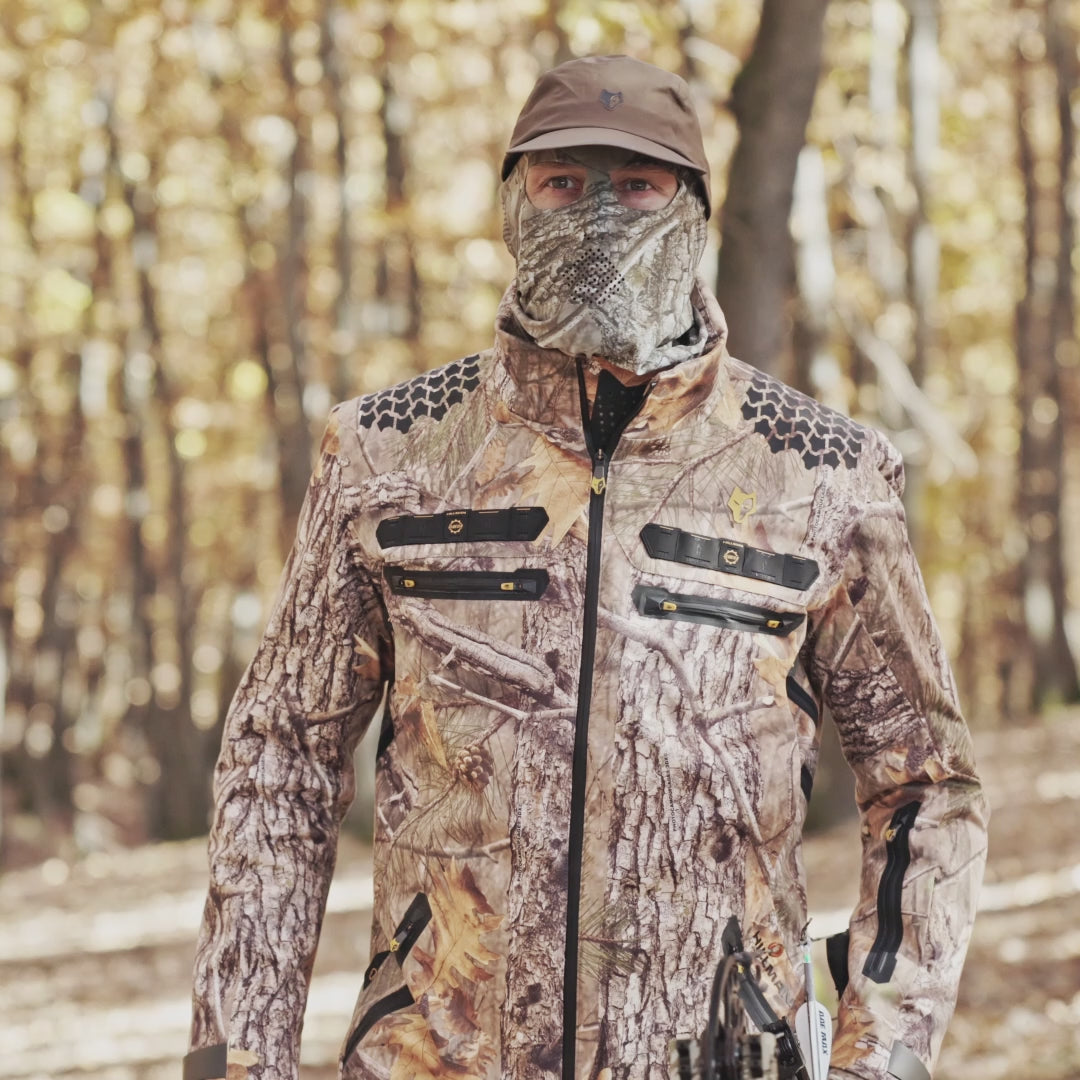
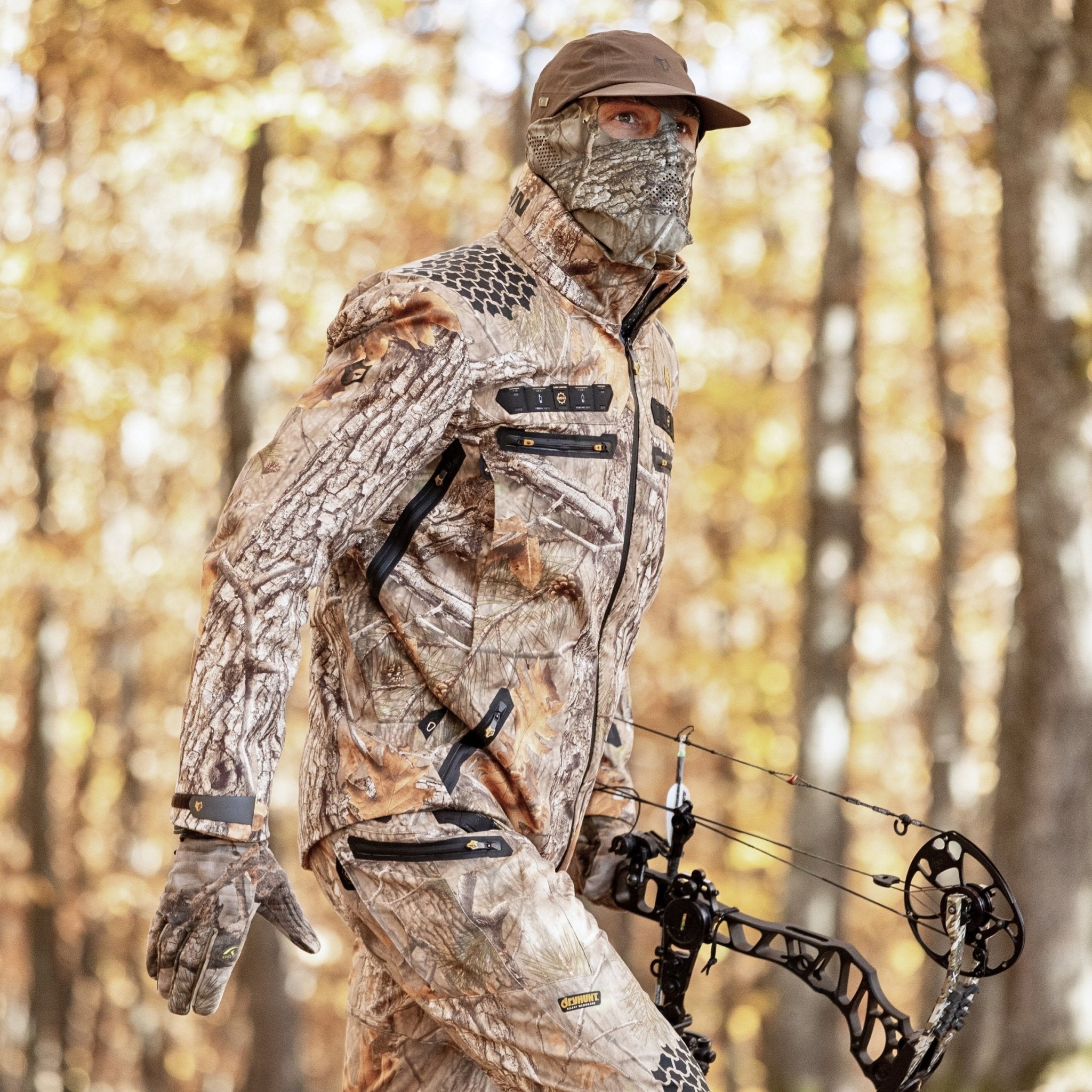
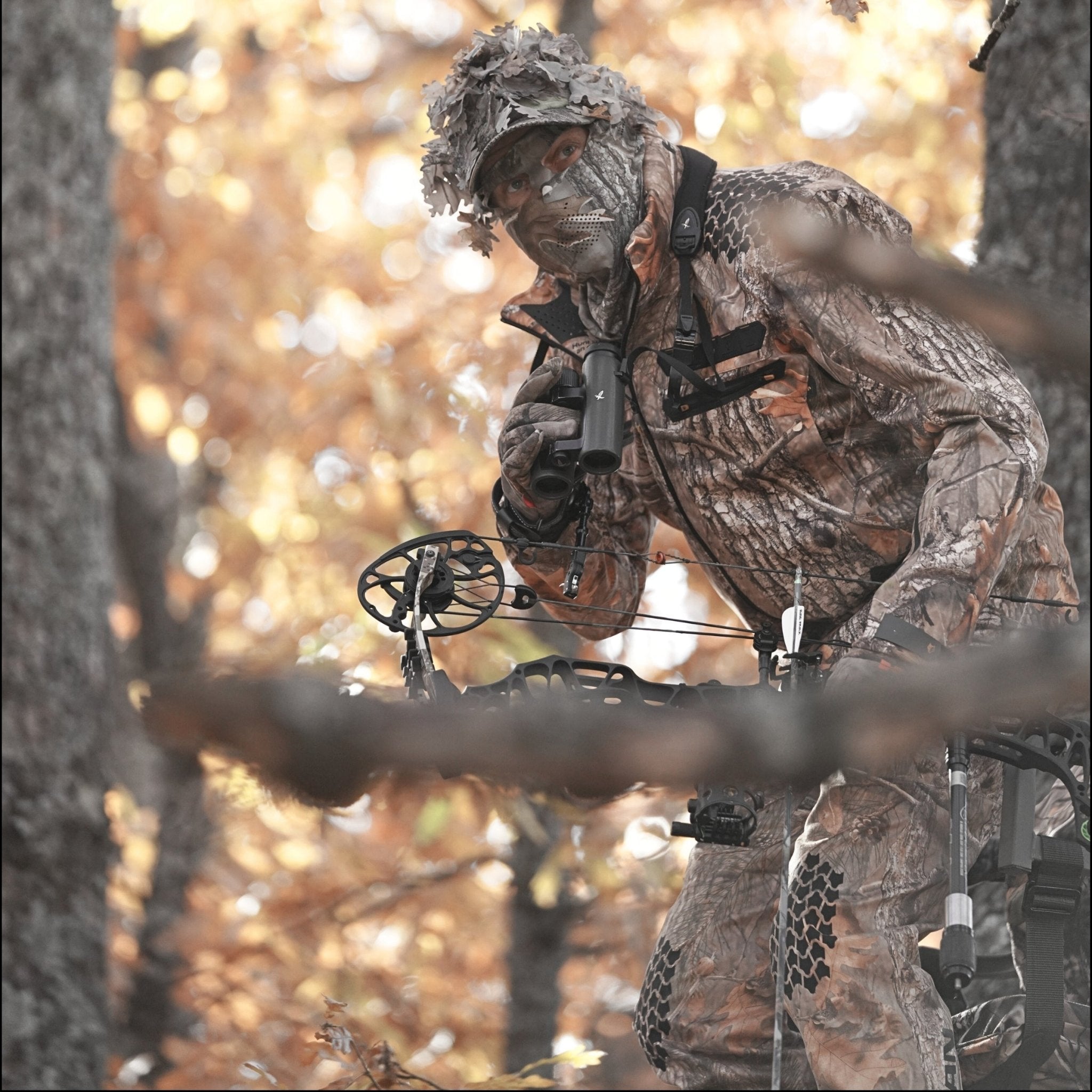
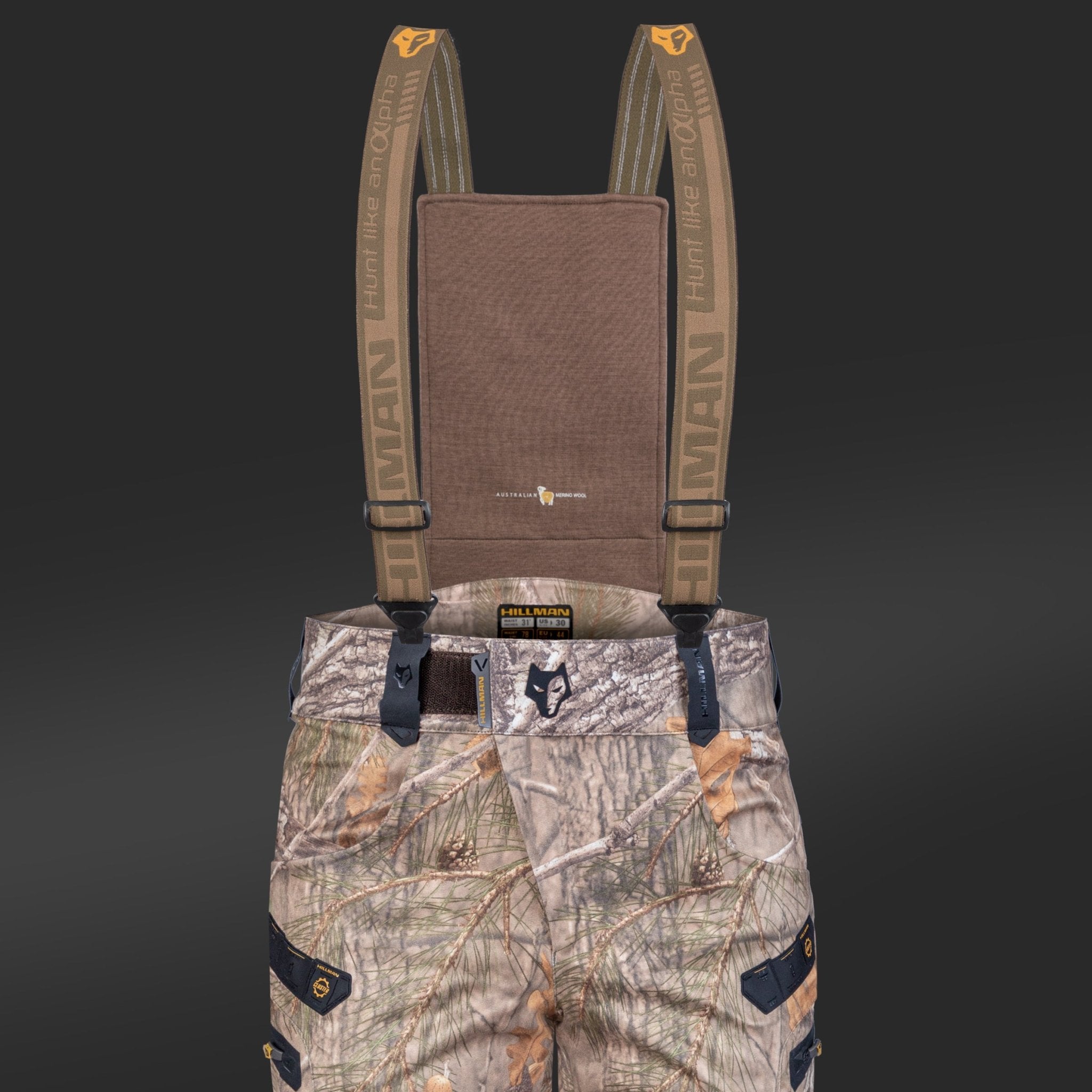
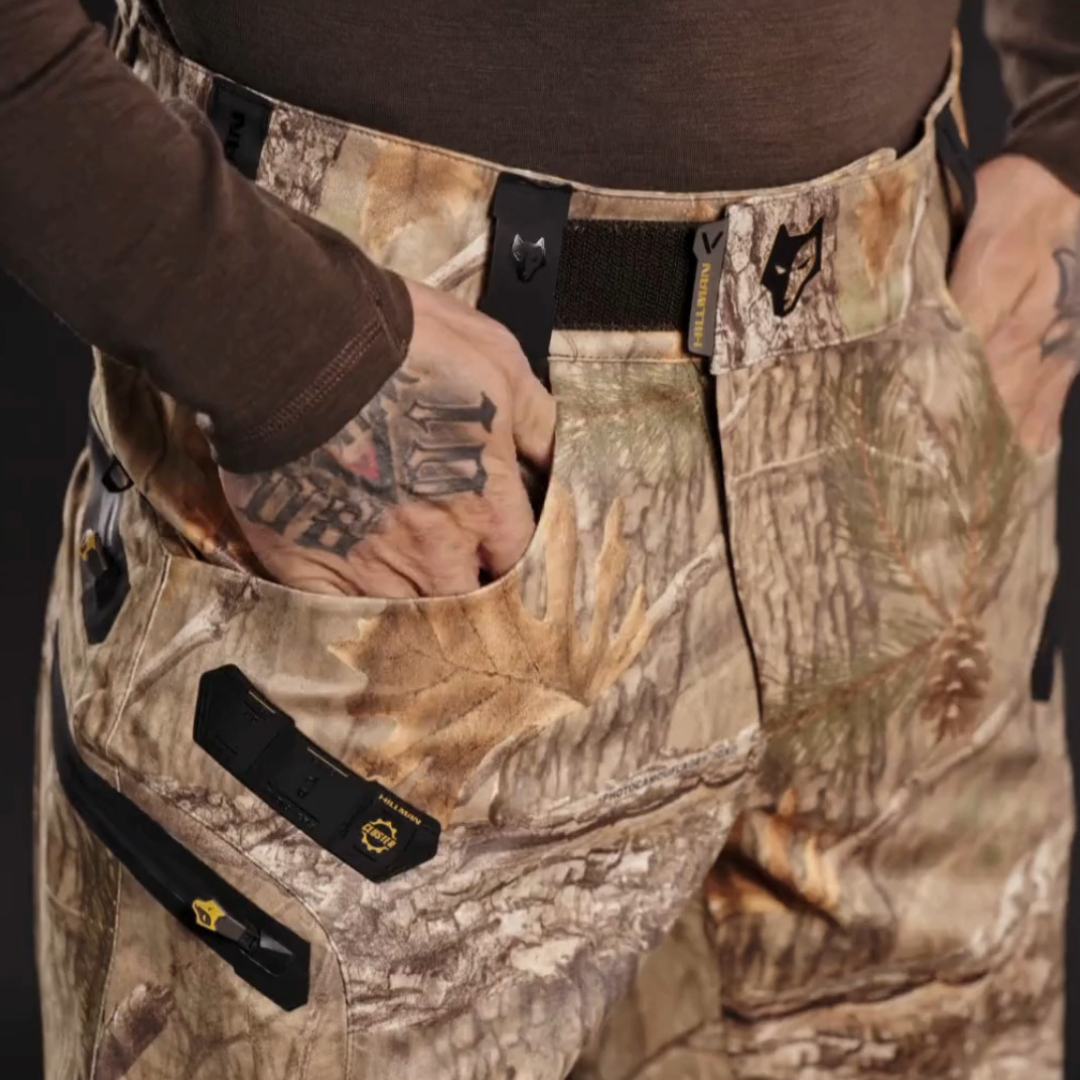
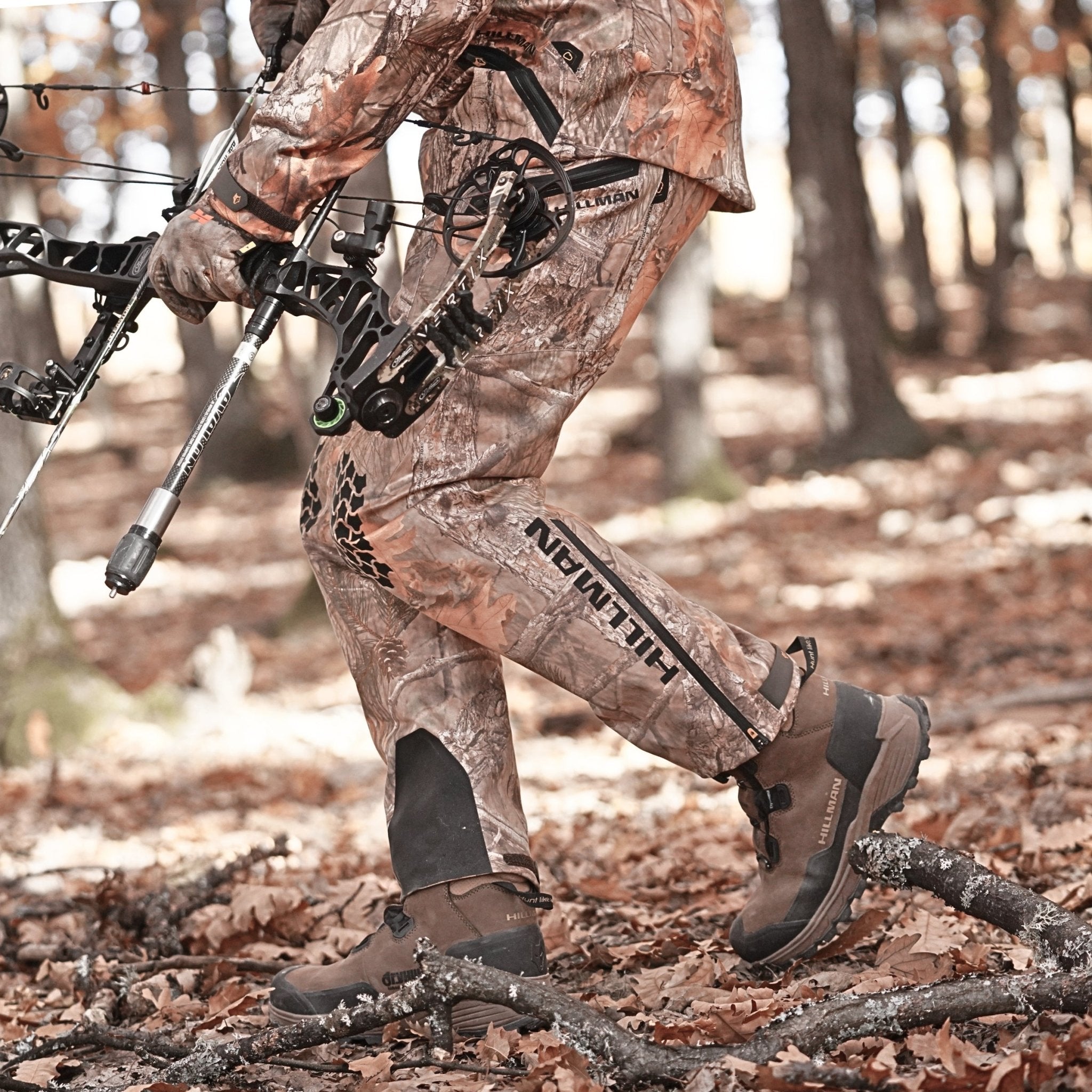
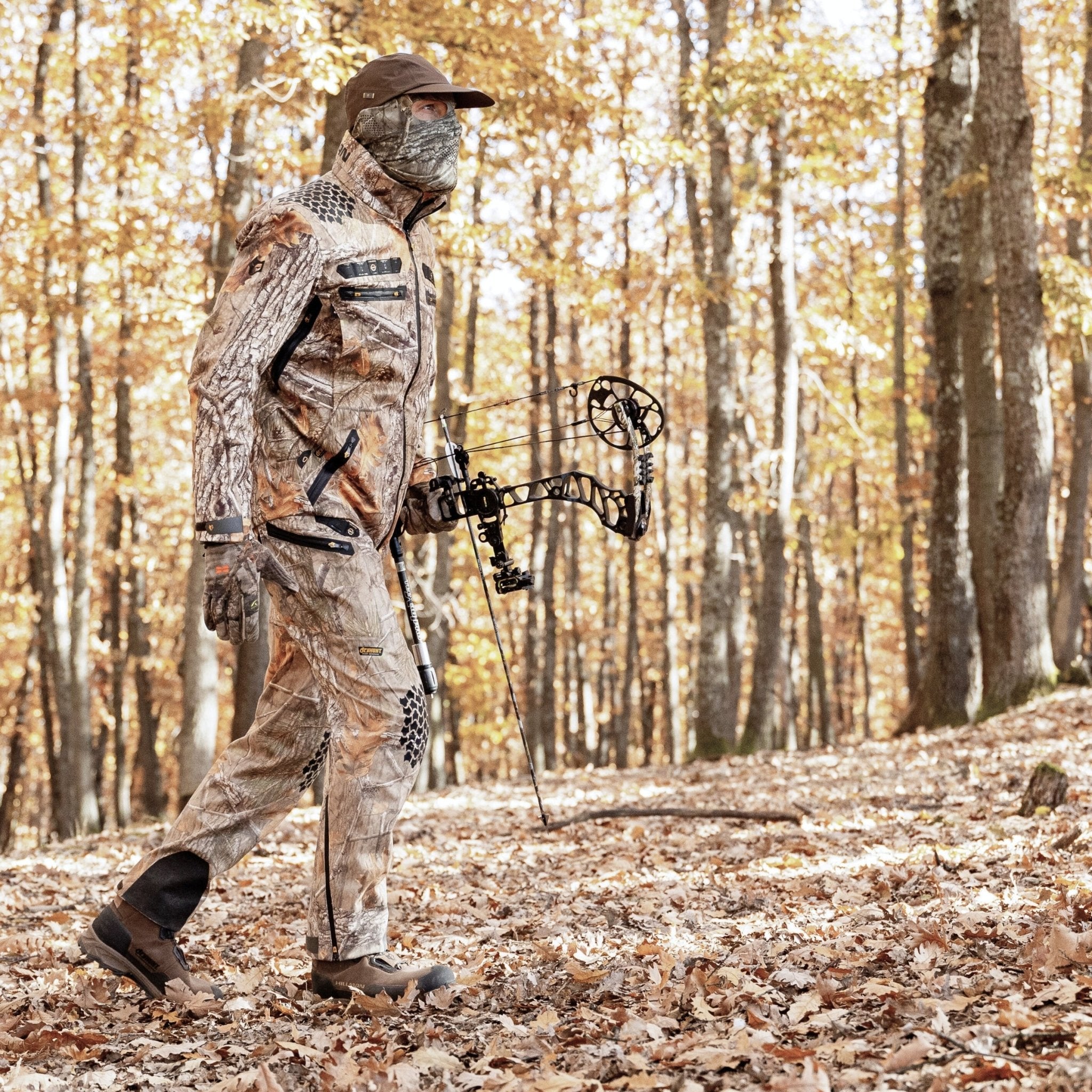
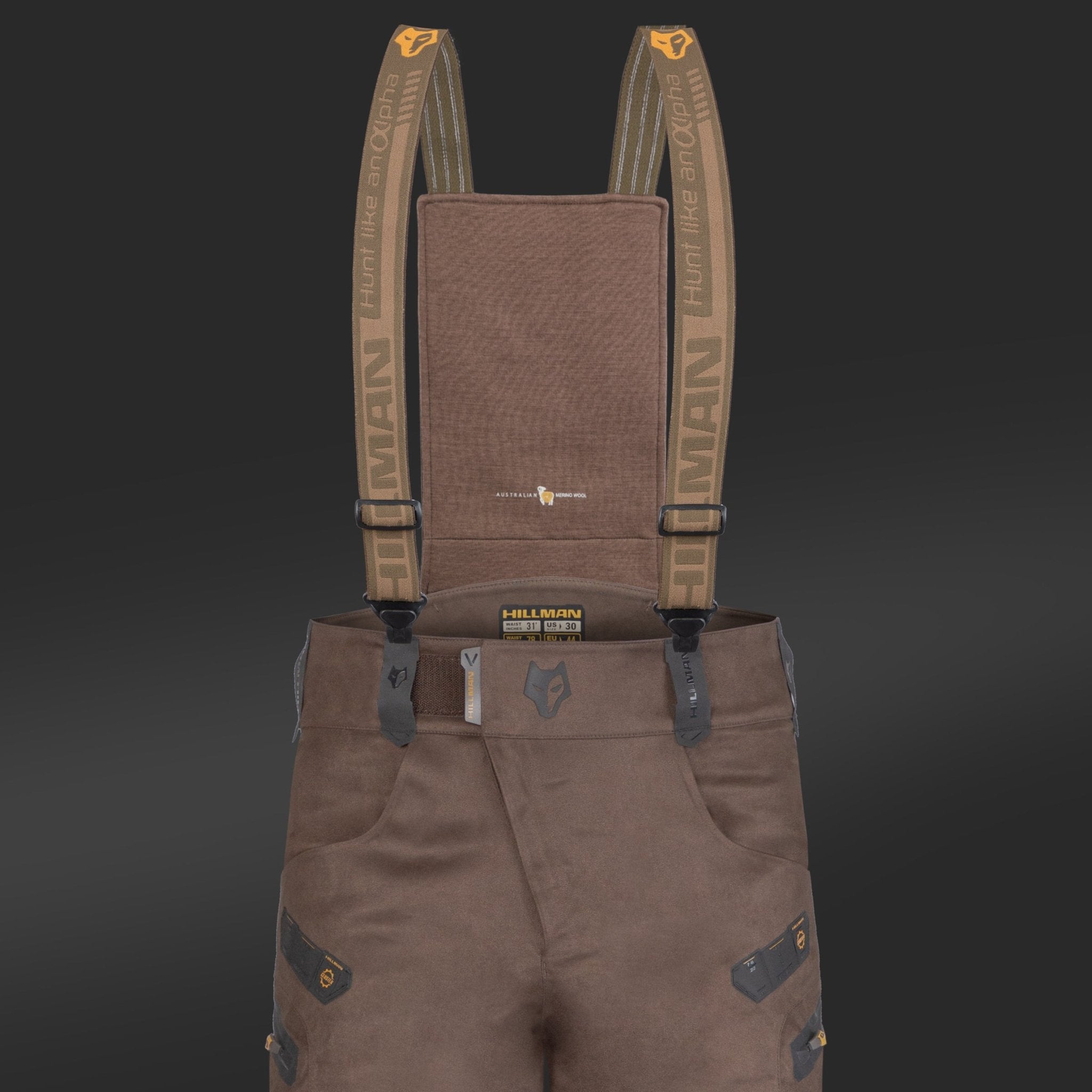
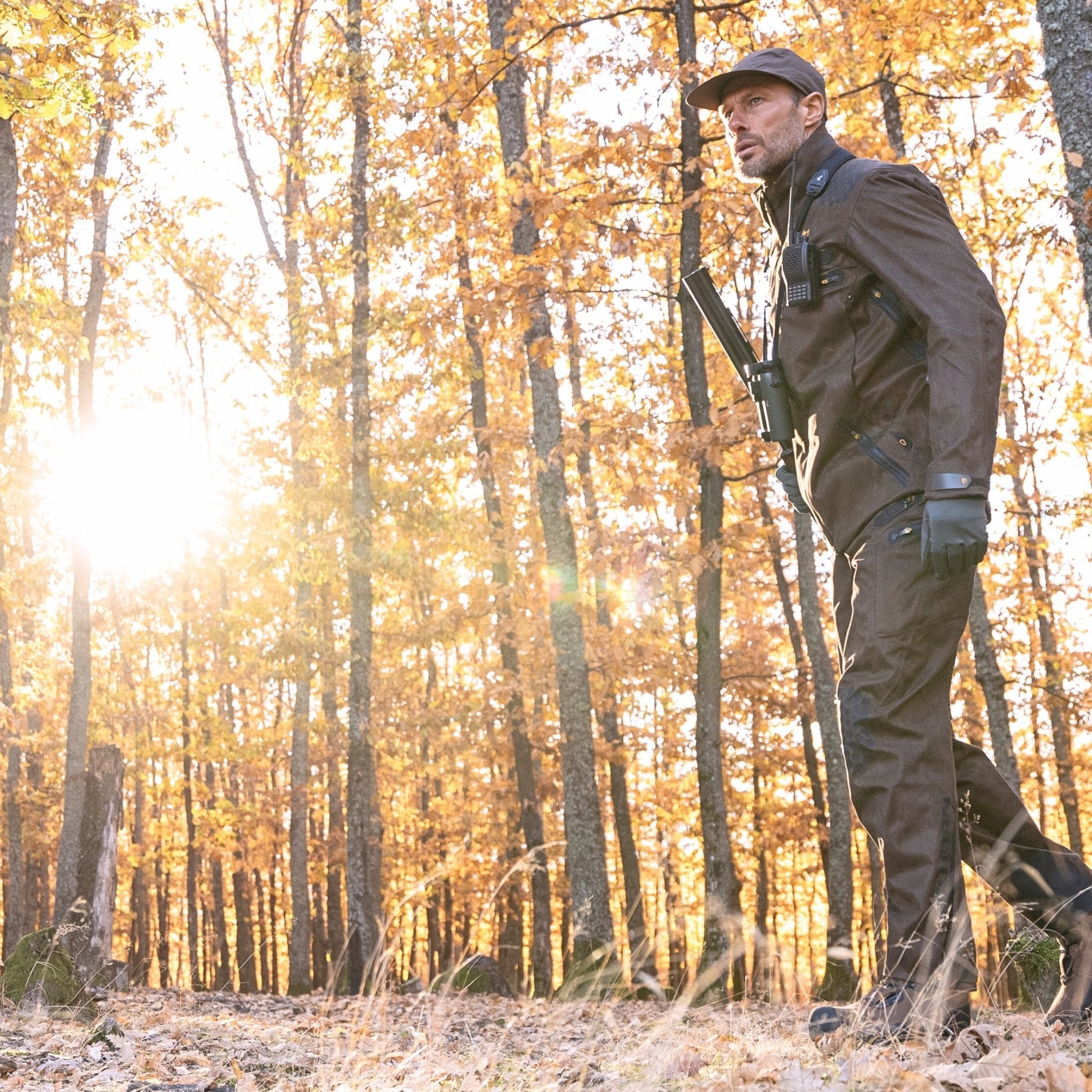
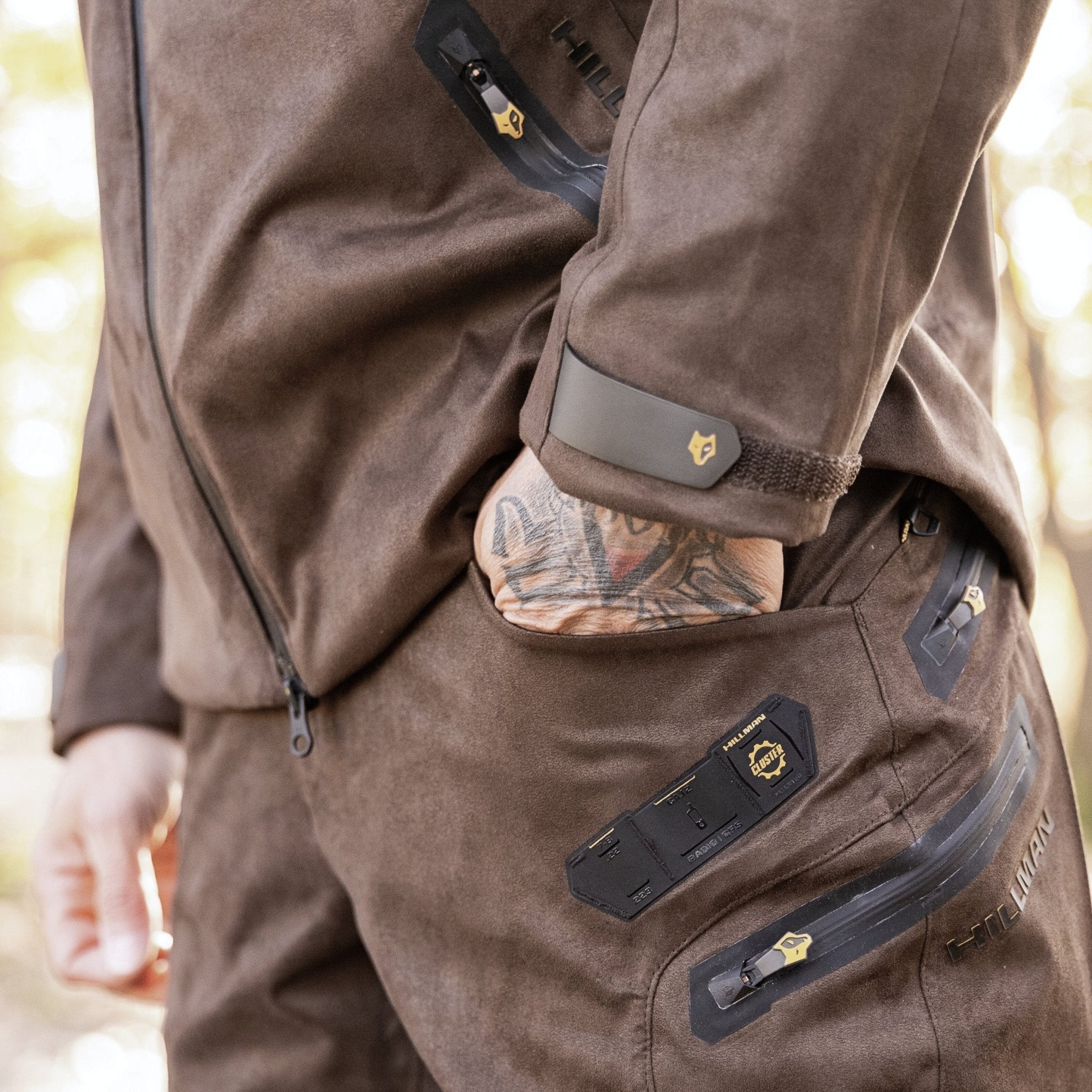
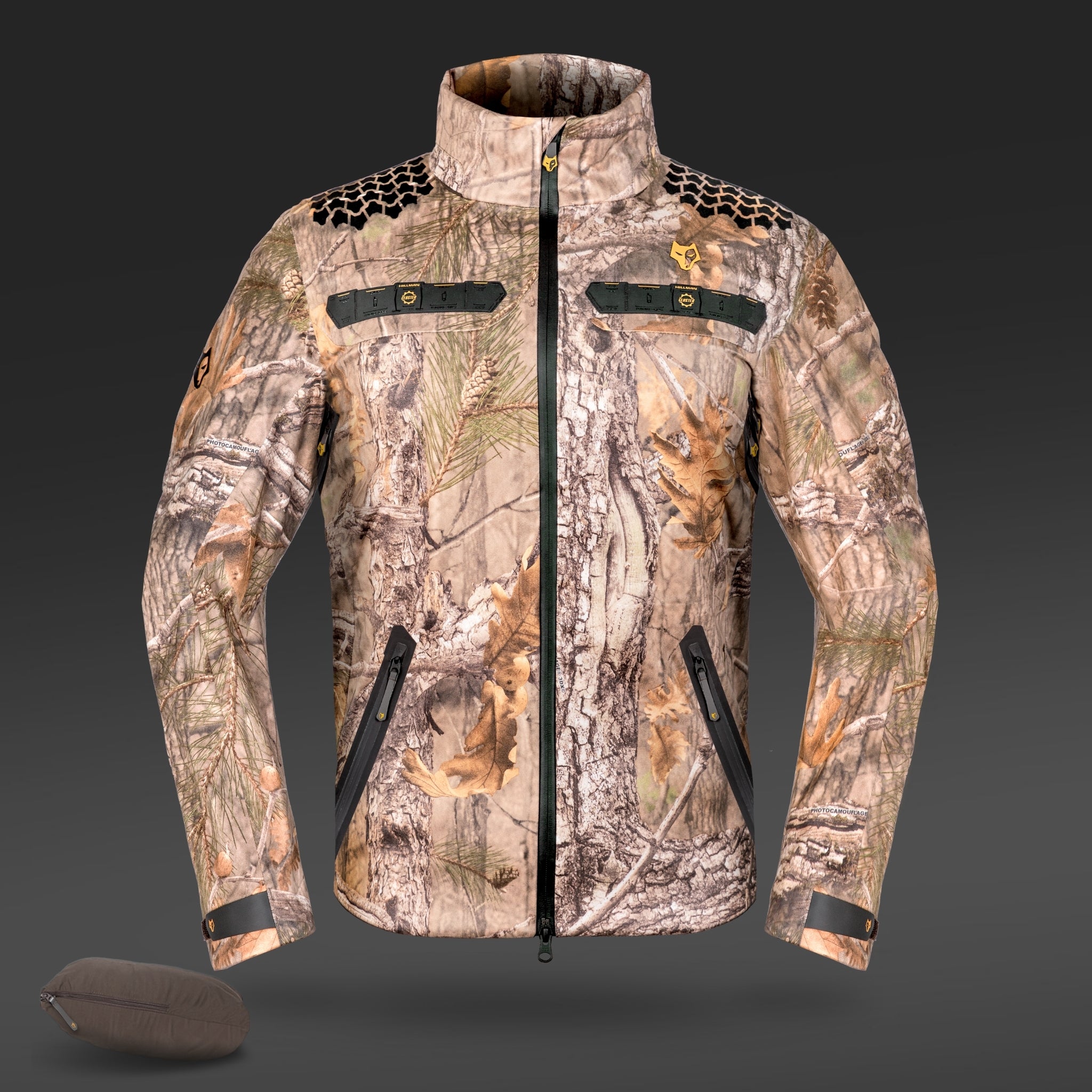
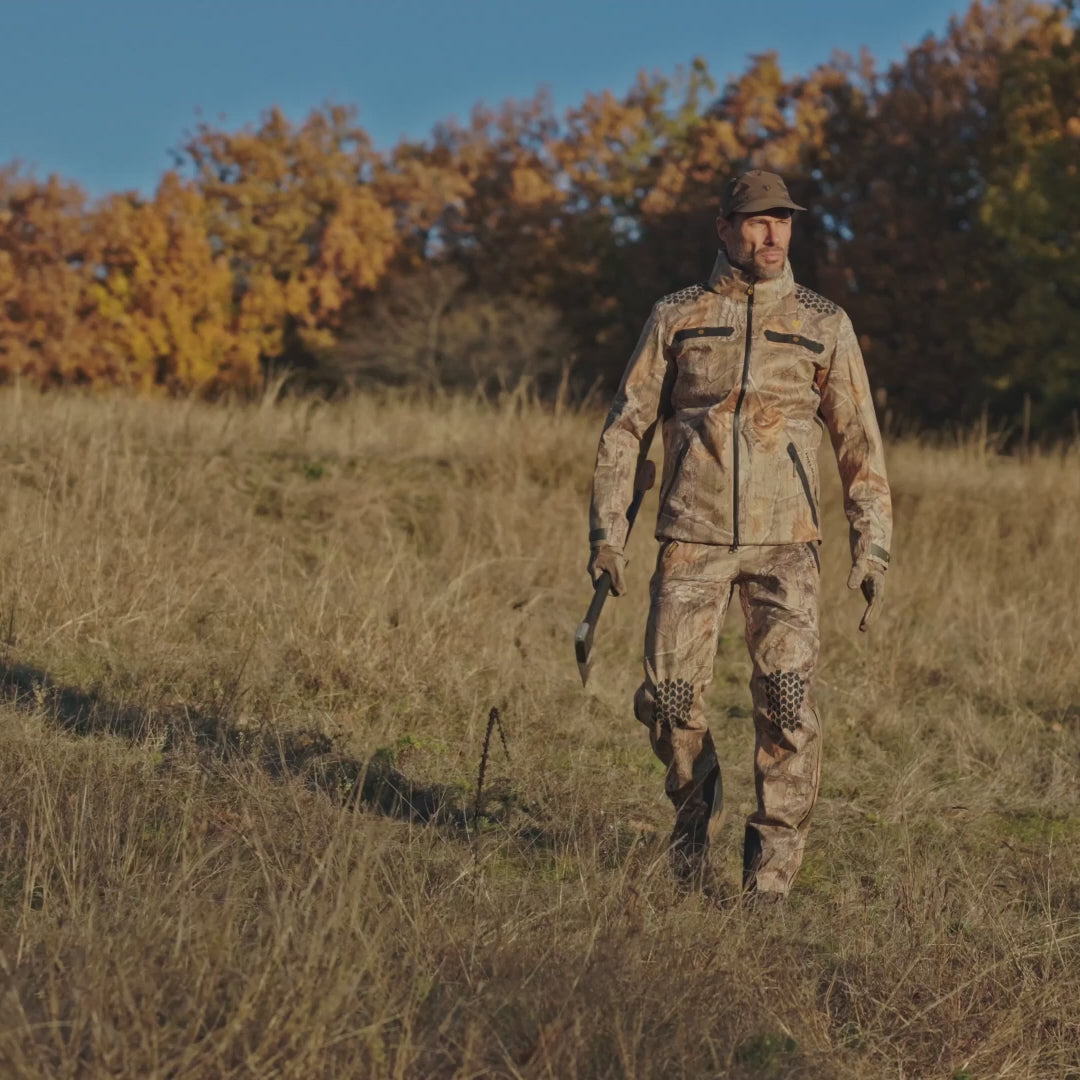
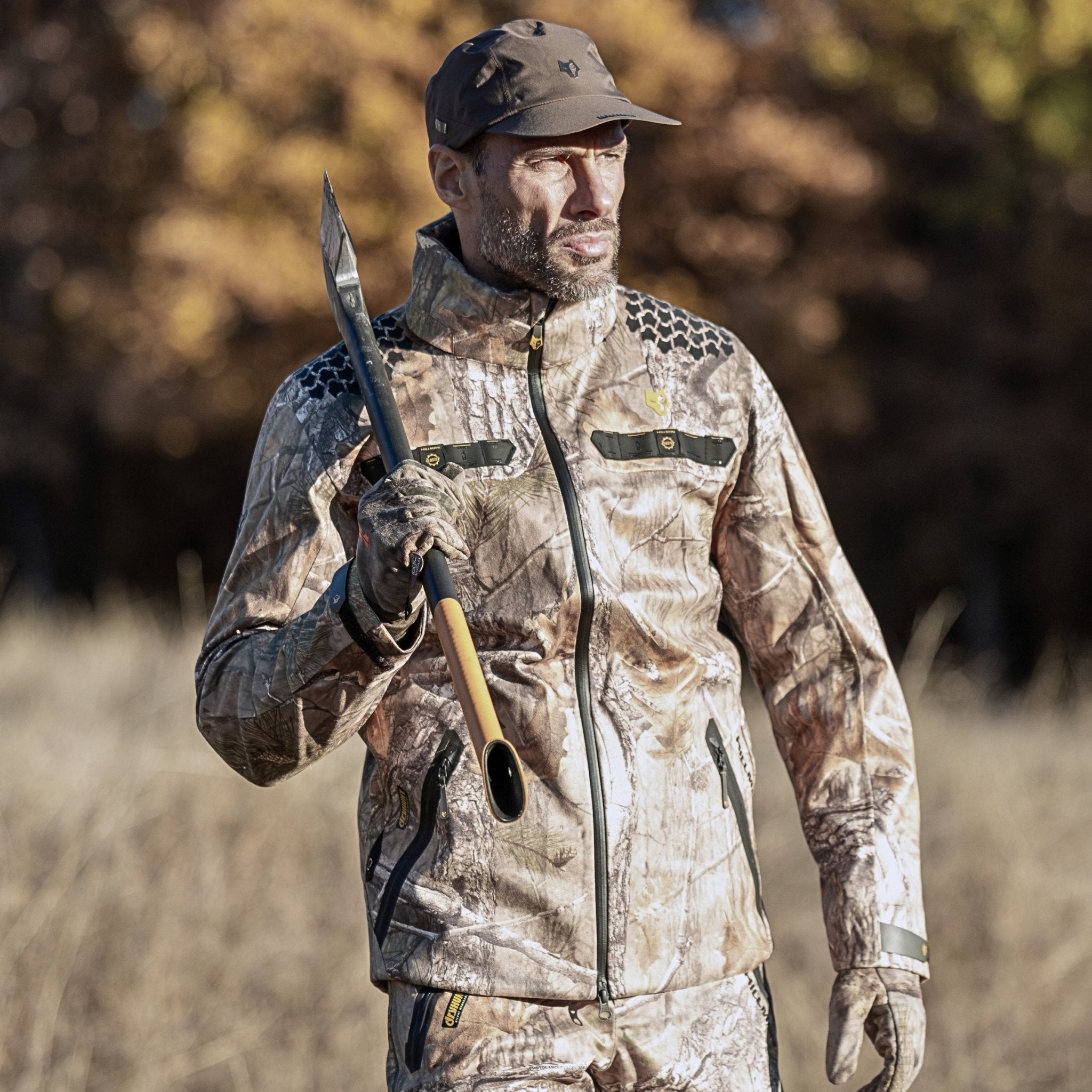
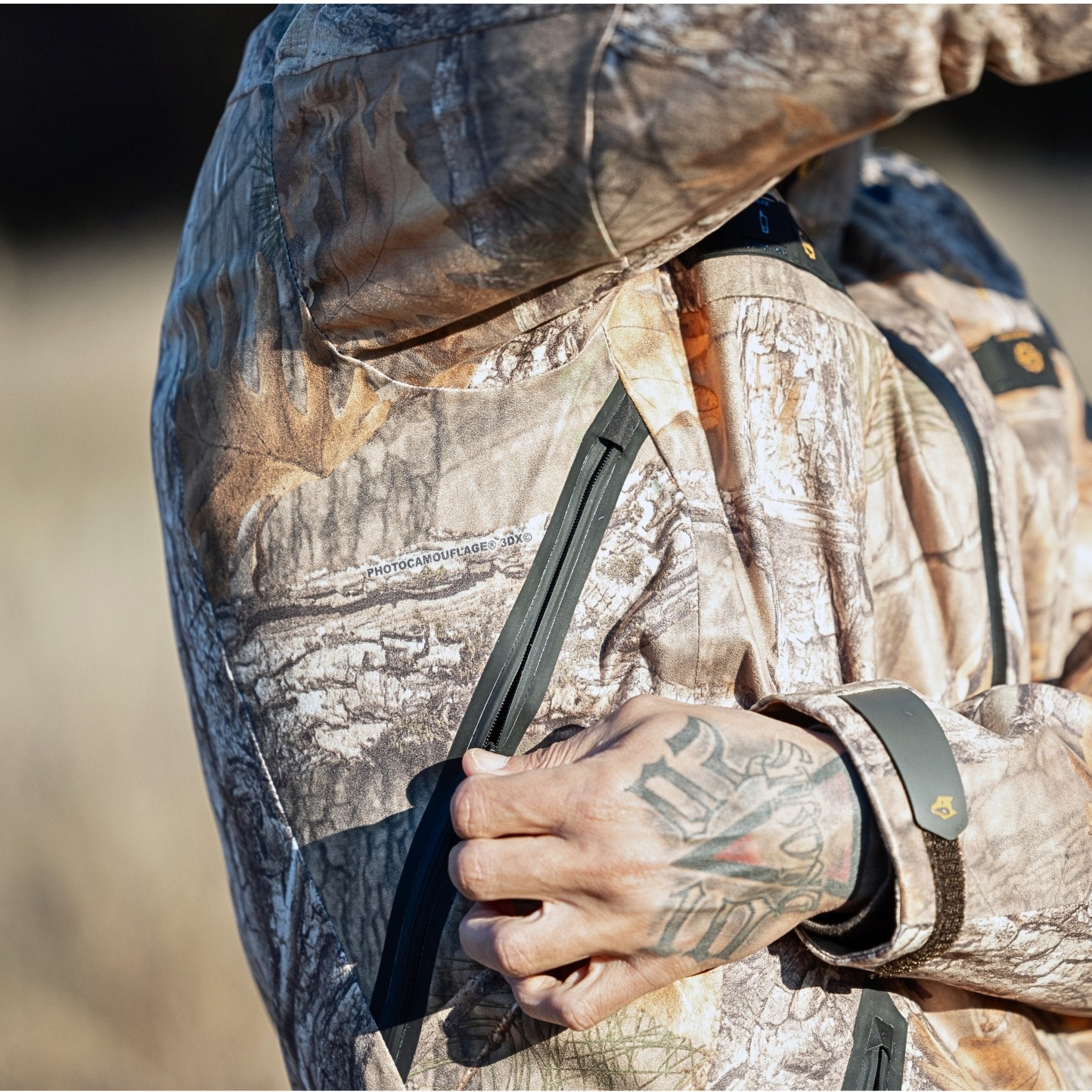
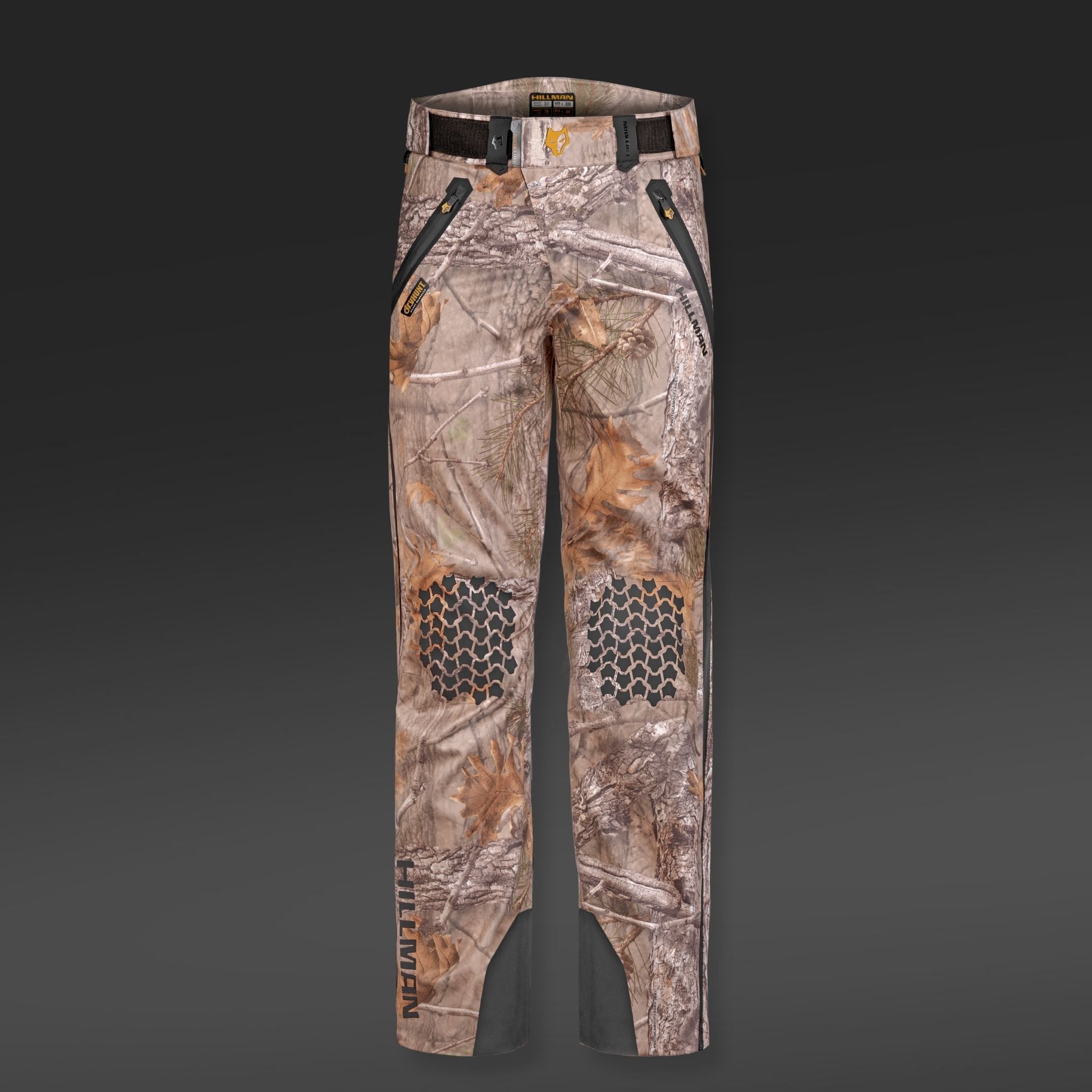
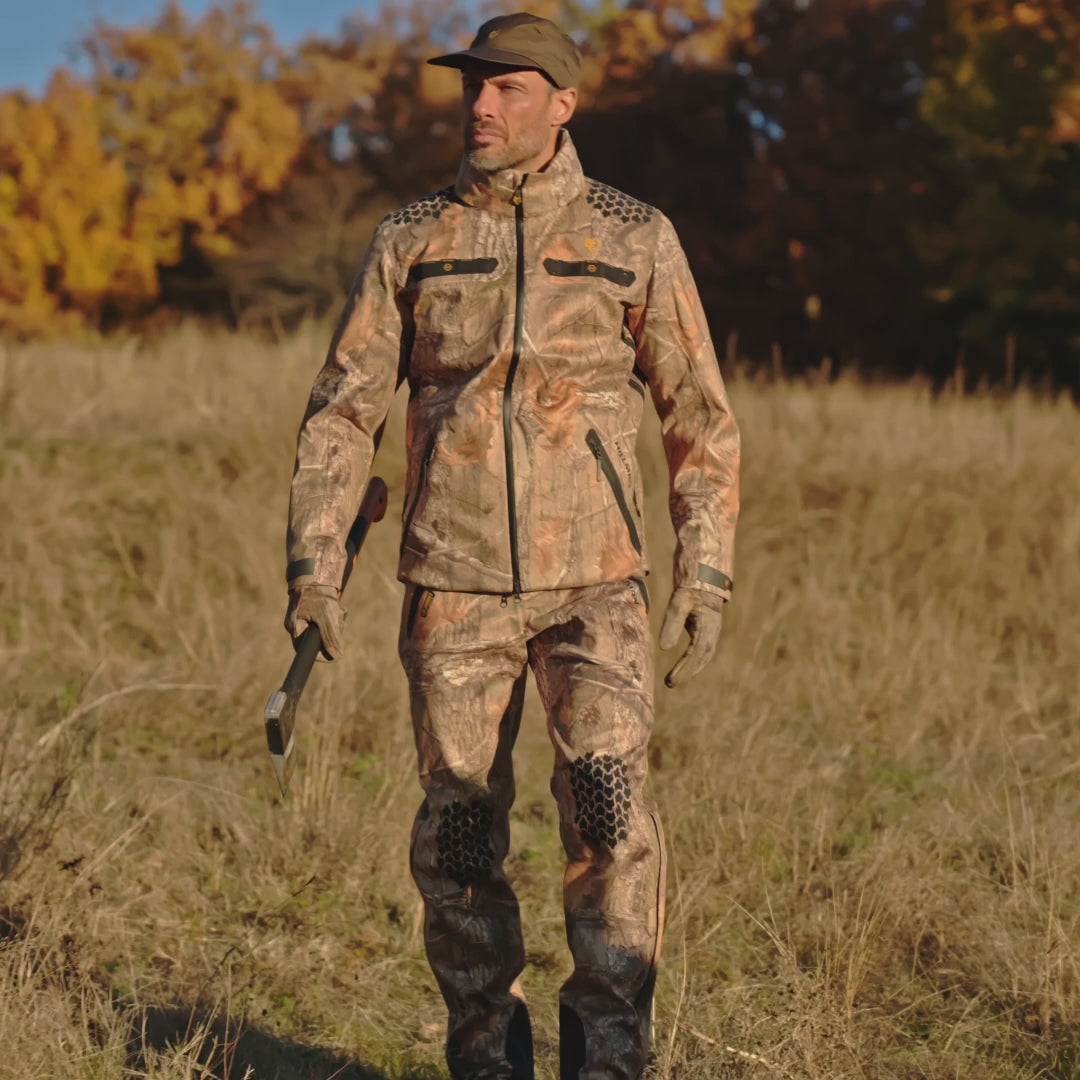
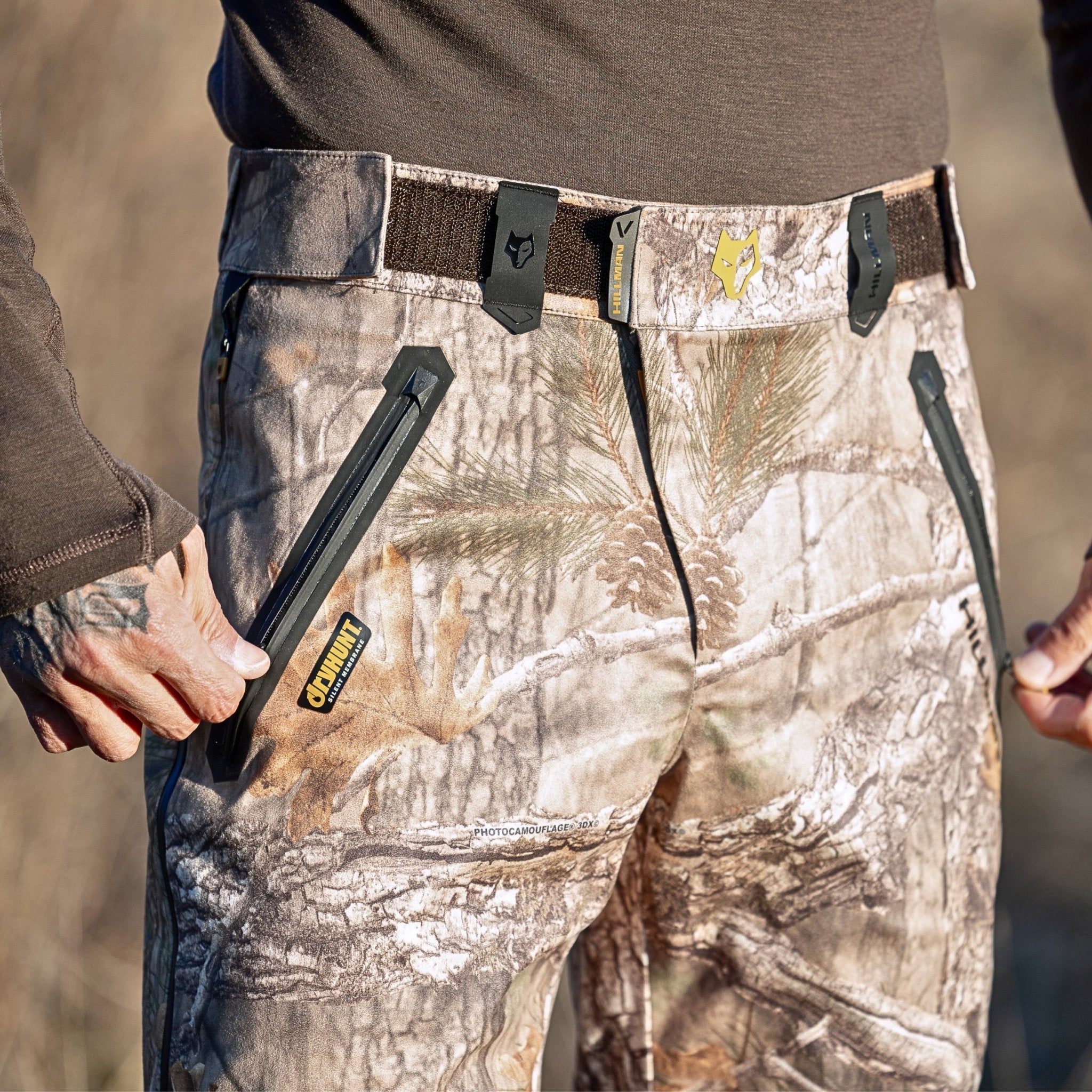
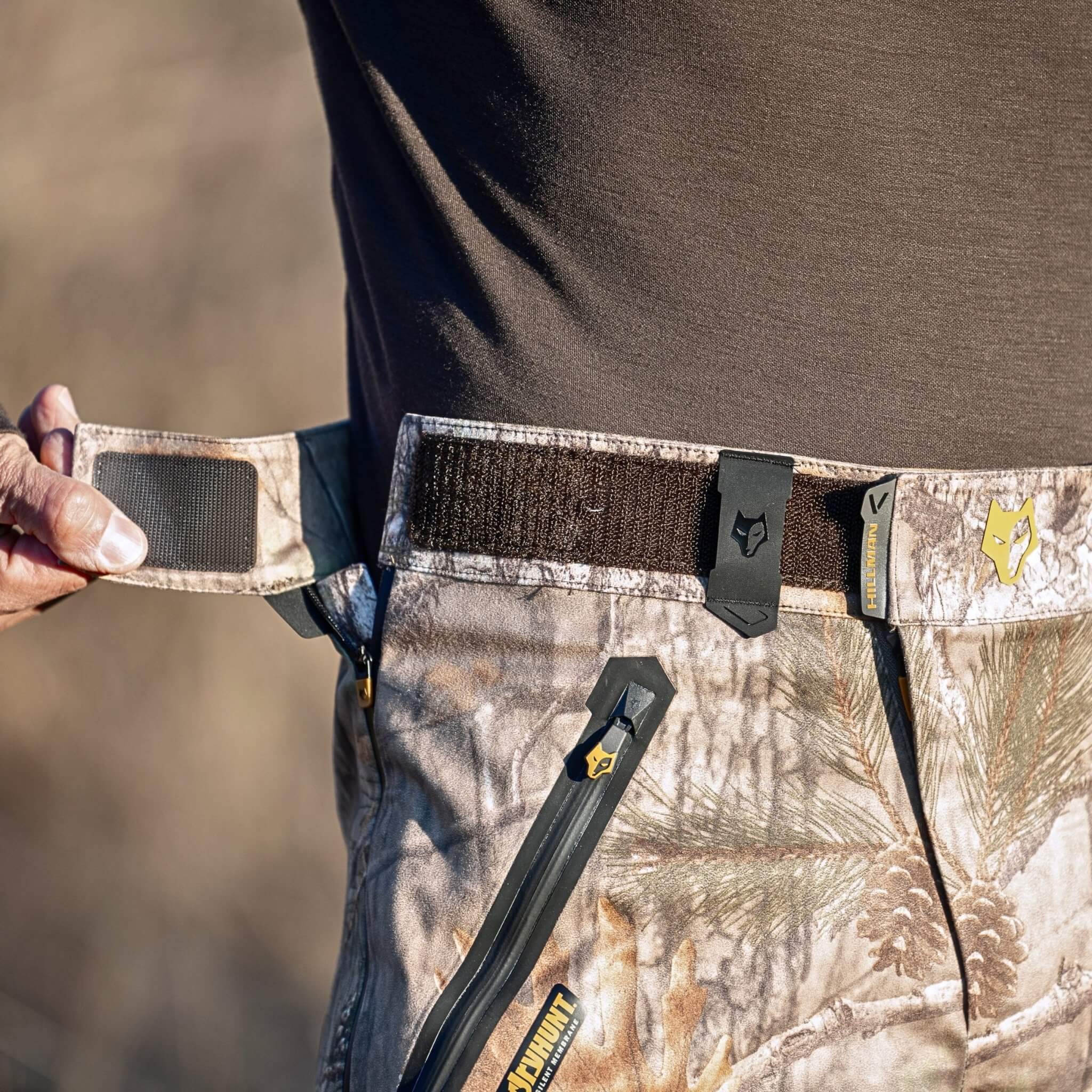
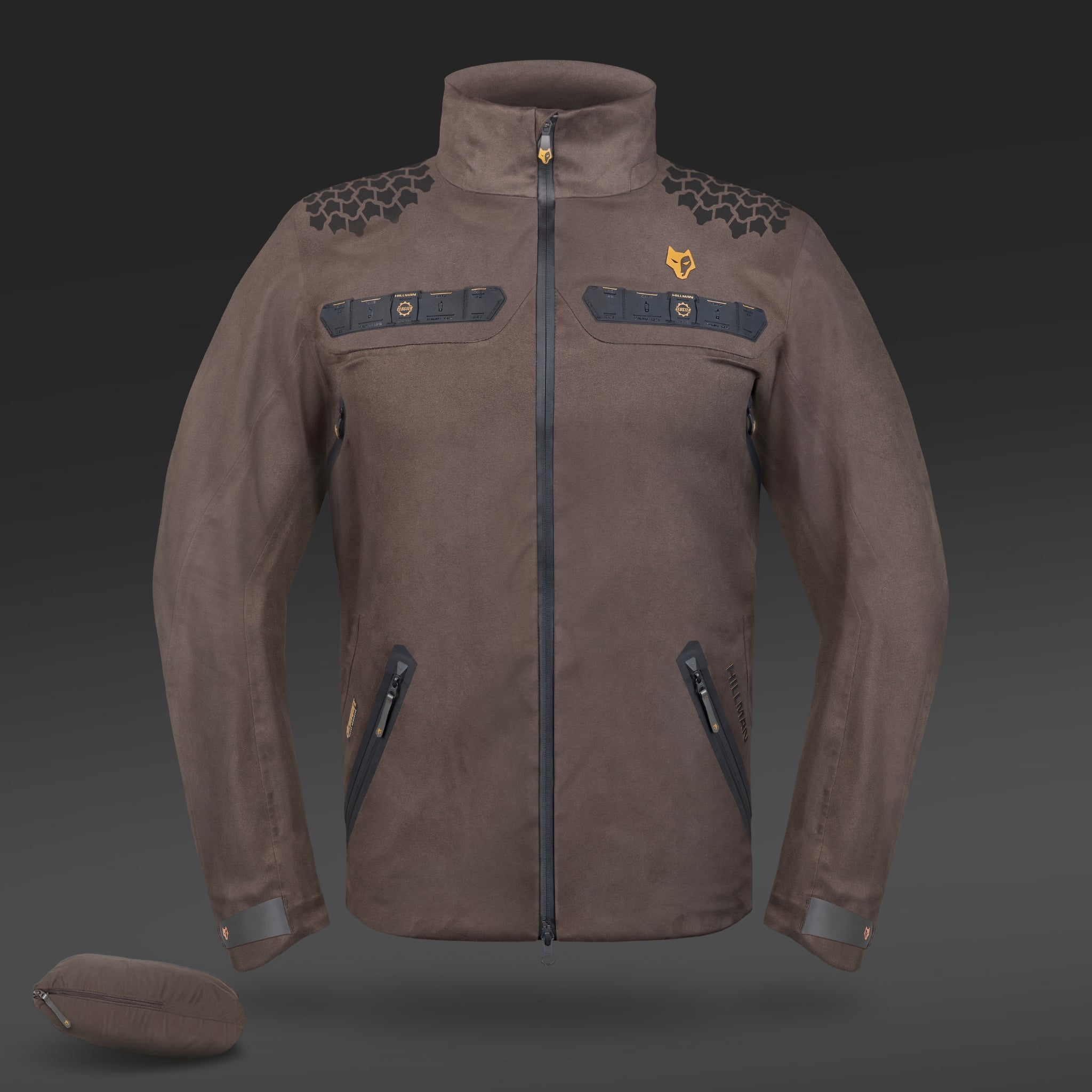
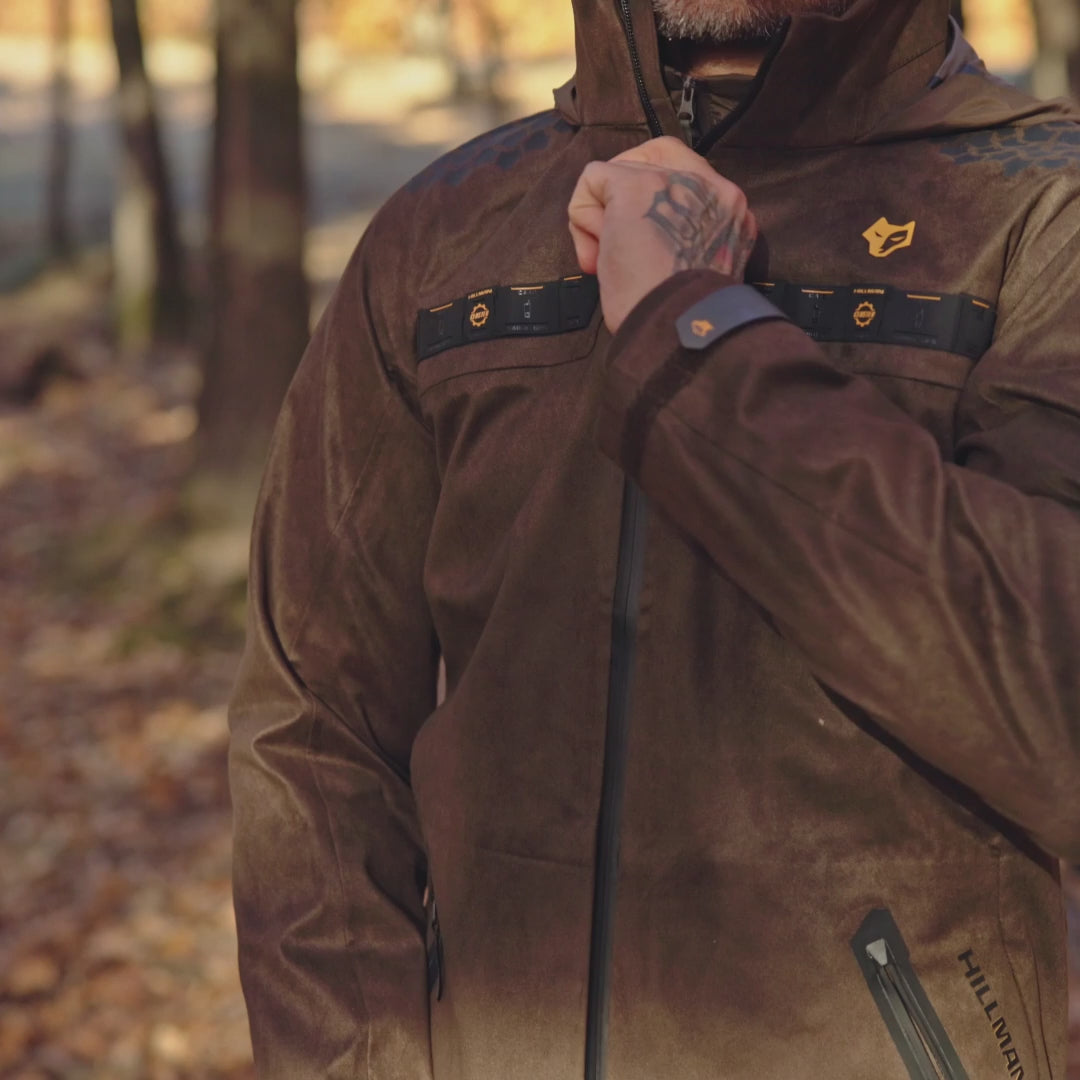
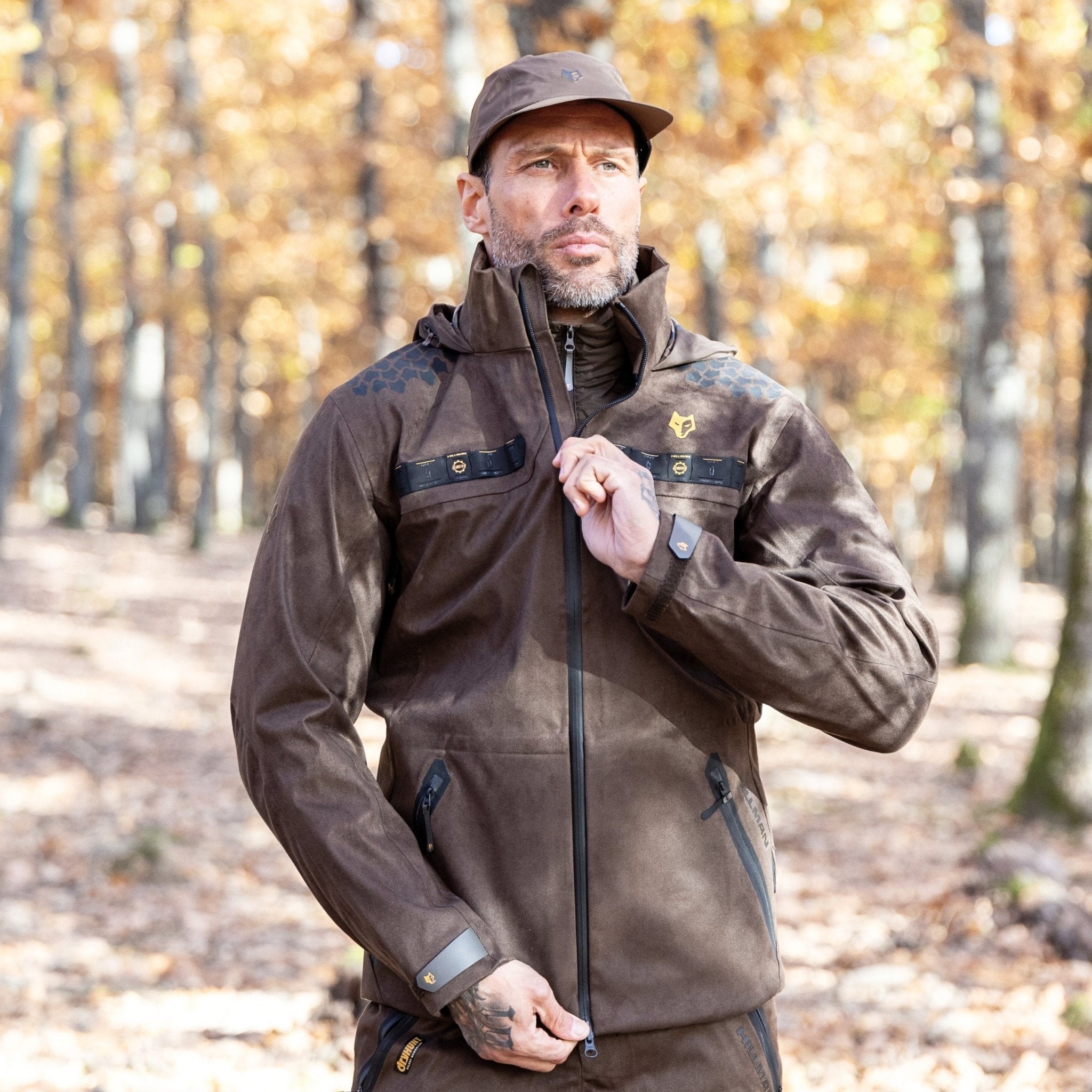
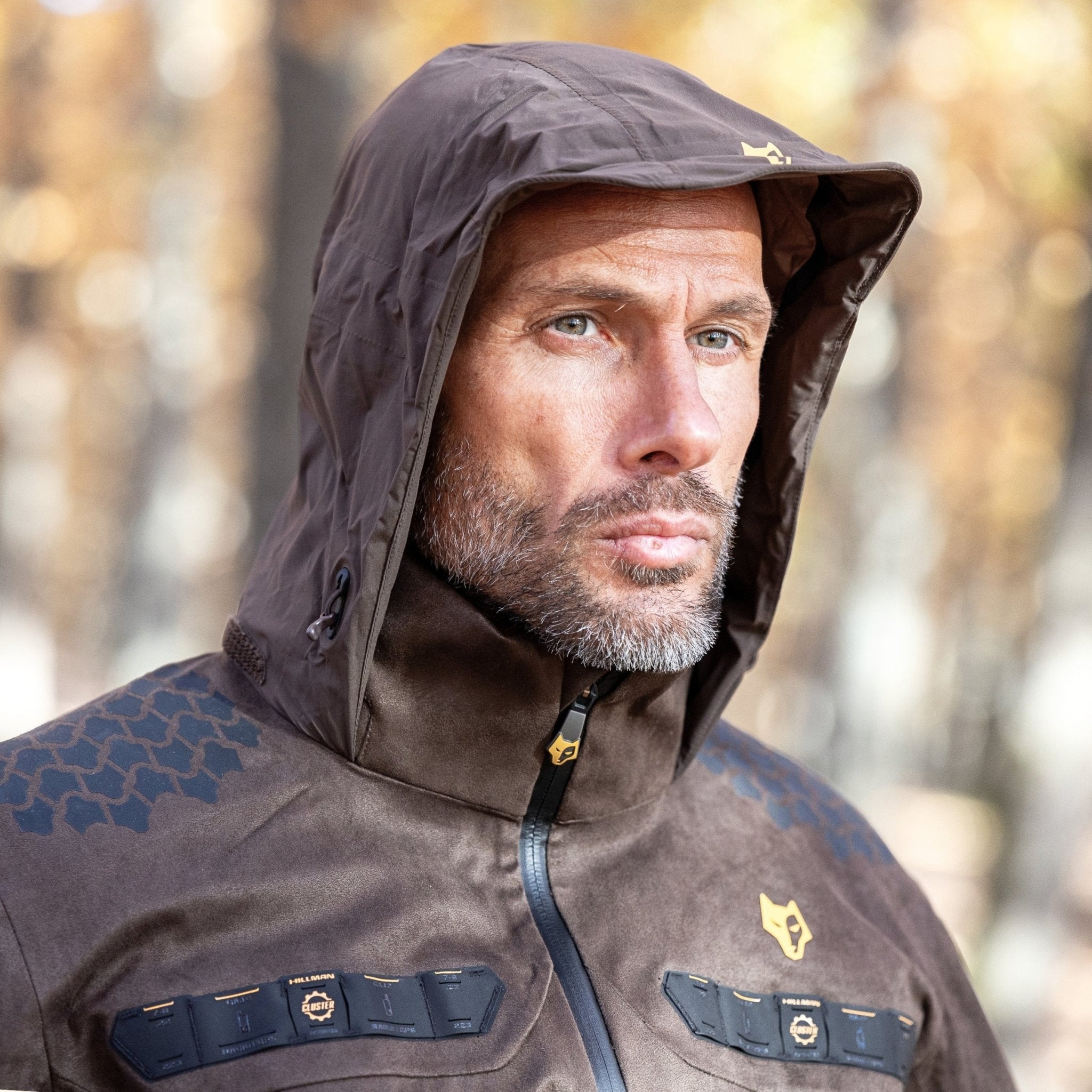
Good clothing helps more than most hunters admit. Layering matters in spring because conditions change fast between early morning chill and a warm mid-morning walk. Natural fibers like merino wool help regulate temperature and move moisture. Waterproof and breathable layers help when grass is wet or weather turns. Camouflage still matters in turkey woods, though quiet movement matters more. Insulated boots can be a big help in cold weather, and solid traction matters when you are crossing slick ground, creek bottoms, and uneven slopes. Hunting accessories are useful when they solve a real problem, not when they turn a scout into a gear parade.
I keep it simple. Binoculars. Phone map. Locator calls. Water. Lightweight layers. Good boots. That is enough for most scouting trips. Hillman gear fits that kind of system well because mobile hunting is easier when clothing adapts instead of fighting you.
What not to do before opening day

A lot of wasted time comes from bad habits, not bad turkey numbers.
Do not keep returning to the same spot just because you heard one bird there once. Do not walk loudly. Do not call hard to spring turkeys before season opens. Do not drive around making noise and expect birds to stay relaxed. Do not burn half your scouting day in one place when the goal is to cover ground. And do not assume that because deer use an area heavily, turkeys will use it the same way.
Most hunters hurt themselves by mixing curiosity with pressure. They want one more look, one more call, one more check. Then opening day comes and the woods feel empty. Often the birds are not gone. They are simply less willing to show themselves.
A better approach is more controlled. Find turkey, mark the ground, note the sign, understand the travel routes, and leave while the woods still feel calm.
A smarter plan for opening morning
By the time opening morning gets here, a mobile turkey hunter should already know enough to move with confidence. You should have a likely roost area, a couple of feeding areas, one or two quiet access routes, and backup options in case many hunters beat you to the first plan.
You do not need to know every bird in the county. You need a useful picture of where turkeys want to be when first light breaks, where hens tend to drift, and where a gobbler might show once the woods settle down. Sometimes that means setting up close to a roost tree. Sometimes it means easing toward a travel route after fly-down. Sometimes it means ignoring the crowd and hunting a less obvious pocket you found while others kept hammering the same birds.
That is the value of smart scouting. It does not just help you hear gobbles. It helps you make calmer decisions when the hunt starts and the pressure gets real.



Share:
Turkey Vest Setup: What to Carry for Mobile Spring Hunts
Merino vs Synthetic Hunting Base Layers: Best by Season?