

How to Care for Waterproof Hunting Gear Without Ruining Breathability

Clean, dry and re-waterproof hunting gear so rain stays out, sweat gets out, and your kit lasts longer.
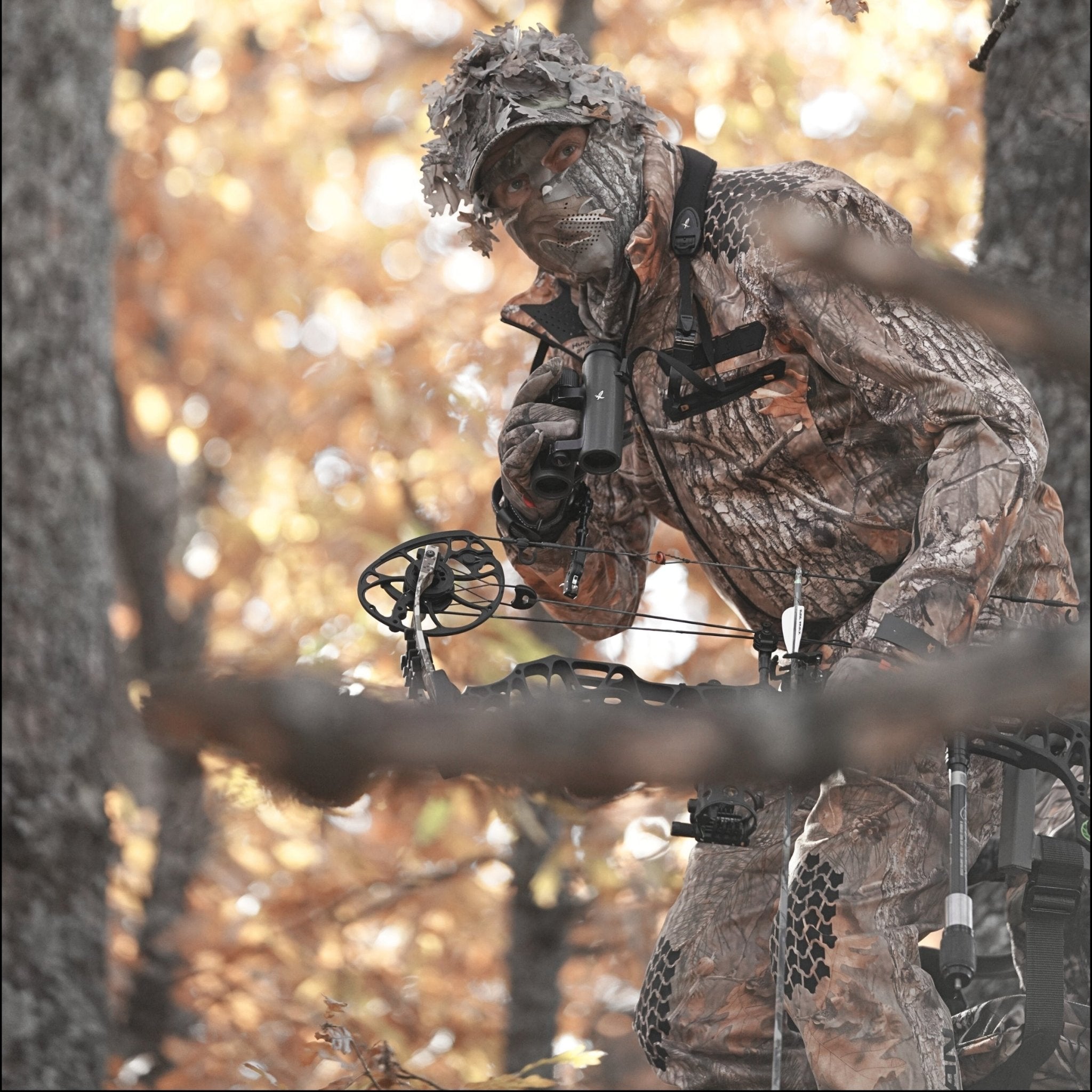
Waterproof hunting gear gets abused. No way around it. It gets dragged through brush, packed with mud, rubbed on bark, sweated through on climbs, sat on in wet grass, then thrown in a dirty car like it is some old rag. After that, most hunters still expect it to work perfectly on the next hunt.
That is asking a lot.
The big mistake is thinking washing waterproof gear is the thing that ruins it. Bad washing can ruin it, sure. Regular detergent, fabric softener, bleach, hot heat, all that junk can hurt the fabric. But leaving sweat, body oils, dirt, dust and old residue in the clothing is not harmless either.
That mess clogs the shell fabric. Once the outside stops repelling water, the jacket or pants start feeling damp and heavy. Breathability drops. Sweat gets trapped. Then people say, “This rain jacket leaks.” Sometimes it does not leak at all. It is just dirty, tired and wetting out.
That is the whole point of how to care for waterproof hunting gear without ruining breathability. Keep the outer layer clean. Keep the durable water repellent working. Do not cook the gear with heat. Do not choke the fabric with the wrong detergents.
Simple. But plenty of hunters still mess it up.
What Durable Water Repellent Actually Does

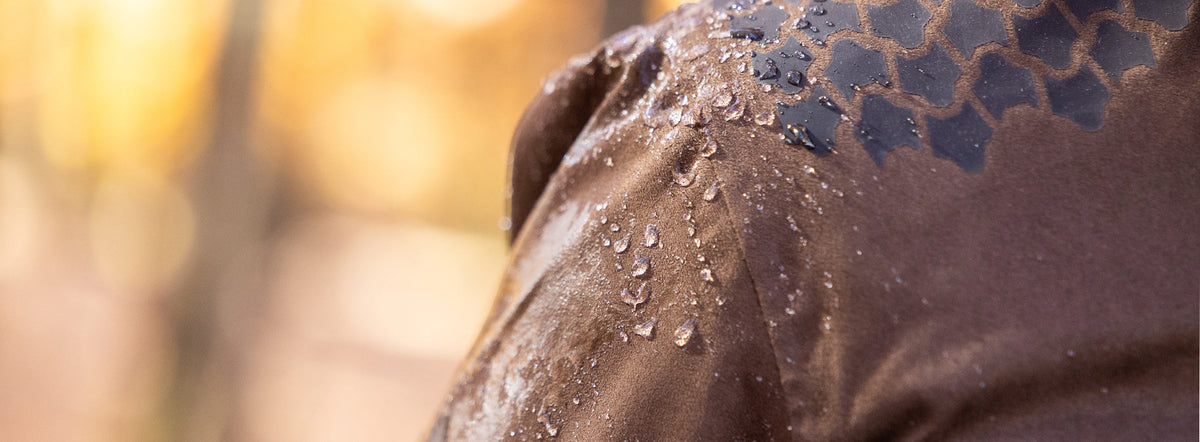
Durable water repellent, or DWR, is the treatment on the outside of waterproof fabric. It helps rain bead up and roll away instead of soaking into the face fabric. When the DWR finish is healthy, water sits on the jacket in little beads. Shake the sleeve, and most of the rain flies off.
That does not mean DWR is the waterproof membrane. It is not. The membrane is deeper in the fabric system. DWR is the outside shield. It keeps the shell fabric from getting saturated.
When the DWR coating wears down, the outer fabric wets out. The gear may still be waterproof underneath, but breathability gets ugly fast. Sweat vapour cannot move through a soaked outer layer properly. That is when waterproof gear starts feeling like a plastic bag.
This happens with all kinds of technical clothing. Gore-Tex, Dryhunt, soft shells, rain gear, waterproof pants, hunting jackets, all of it. Expensive gear is not immune. It just hurts more when you neglect it.
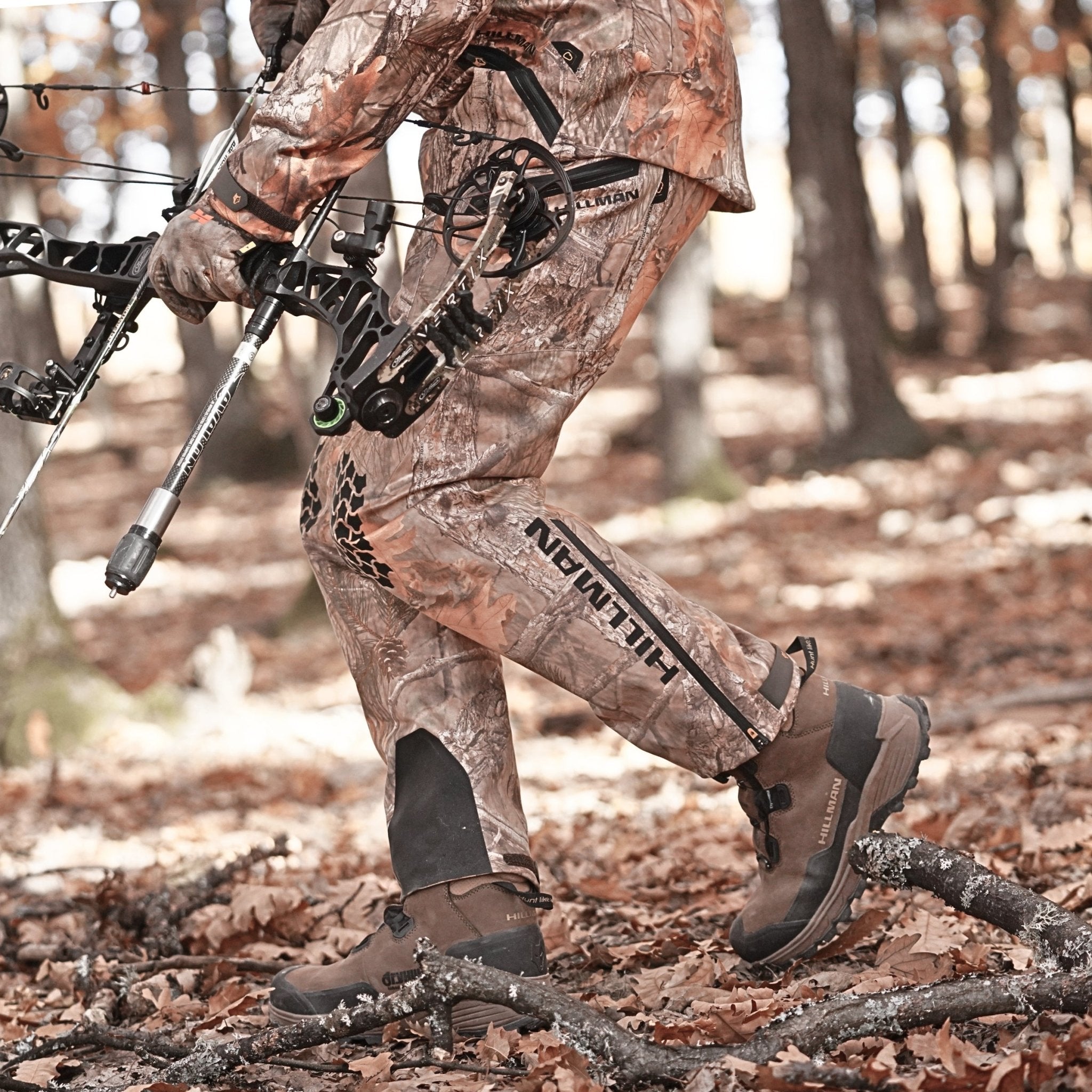
Hunting wears DWR down fast. Pack straps grind shoulders. Brush scrapes sleeves. Knees get pushed into mud. Seat panels sit in wet snow. Cuffs rub on gloves. Lower legs get slapped by grass, sticks and weeds all season.
So no, the whole garment will not fail evenly. One spot may still bead water while another drinks it up.
Do the Water Test Before You Start Guessing

Before you wash, spray, treat or panic, do a basic water test.
Sprinkle clean water on the rain jacket, pants or other waterproof gear. Warm water is fine. Cold water is fine. You are not doing lab work here.
If the water beads up and rolls off, the water repellent finish is still alive. The garment may only need cleaning.
If the fabric darkens and soaks up water, the DWR coating is weak. Then you wash the gear first, and after that you re-waterproof it.
Do not judge by age. A jacket can be half-dead after one brutal season if it was worn hard, packed wet and left filthy. Another piece of outdoor gear can last years if it was cleaned and stored properly.
Check the nasty areas separately. Shoulders. Cuffs. Knees. Seat. Elbows. Lower legs. Thighs. These parts take the beating first.
A two-minute water test tells you more than staring at the jacket and guessing.
Washing Hunting Clothes Without Choking the Fabric

Start with the care labels and the manufacturer’s instructions. Boring, yes. Still important. Waterproof membranes, soft shells, insulated clothing and technical apparel do not all want the same wash cycle.
Zip the zippers. Empty the pockets. Loosen drawcords. Open cuffs. Brush off dried mud before anything goes in the machine. Do not throw a mud-caked jacket straight into the washer and expect magic. You are just grinding dirt into the fabric.
Use a tech wash made for waterproof clothing. Nikwax Tech Wash is one known option. Other Nikwax products and similar cleaners can also work. The point is to use the right detergents, not the regular detergent you use on towels.
Regular detergent can leave residue. Fabric softener coats fibres. Bleach can wreck fabric and stitching. UV brighteners are not something you need on hunting clothes. Heavy fragrance is even worse. You are going hunting, not trying to smell like a hotel lobby.
Warm water is usually enough. Hot water is not better unless the care instructions clearly say it is allowed. Use a gentle cycle and low spin.
If you have a top loading machine with a rough agitator, be careful. Bulky gear can get twisted and beaten up. A front loader is usually easier on technical clothing, but the cycle still matters more than the machine brand.
For one jacket, hand washing is often a good call. Use a clean tub, warm water and proper cleaner. Work dirty seams, cuffs and pocket edges with a soft brush or old toothbrush.
Rinse well. Cleaner left in the fabric is not your friend.
Why Breathability Dies When Gear Gets Dirty

Breathable waterproof fabric is supposed to do two things at once. Keep rain out. Let sweat vapour escape.
That is why waterproof hunting gear matters on active hunts. You climb, glass, crawl, kneel, sit, walk again, sweat, cool down, then repeat the whole stupid cycle. Your clothing has to handle rain from the outside and moisture from your own body.
But breathable fabric is not magic.
Sweat leaves salt and body oils. Mud leaves grit. Smoke, dust, blood, grease and general field grime settle into the shell fabric. After enough wear, that junk blocks performance.
Then breathability drops. The jacket feels wet inside. Pants feel clammy. Base layers get damp. And hunters blame the membrane.
Sometimes the membrane is fine. The gear is just filthy or the DWR finish is gone.
This is also why vents matter. Pit zips and leg vents are not decoration. Open them before you overheat. Not after your base layer is already soaked.
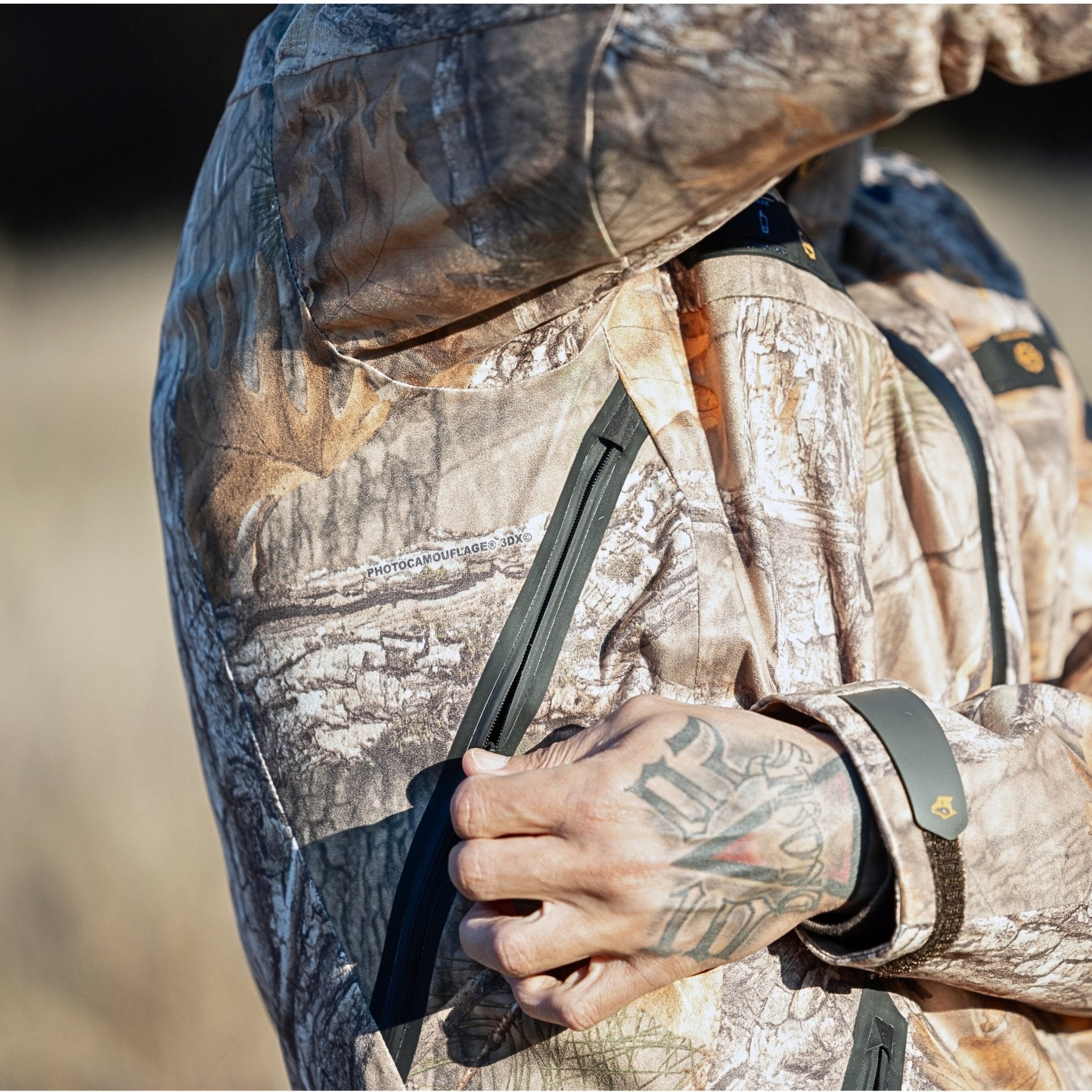
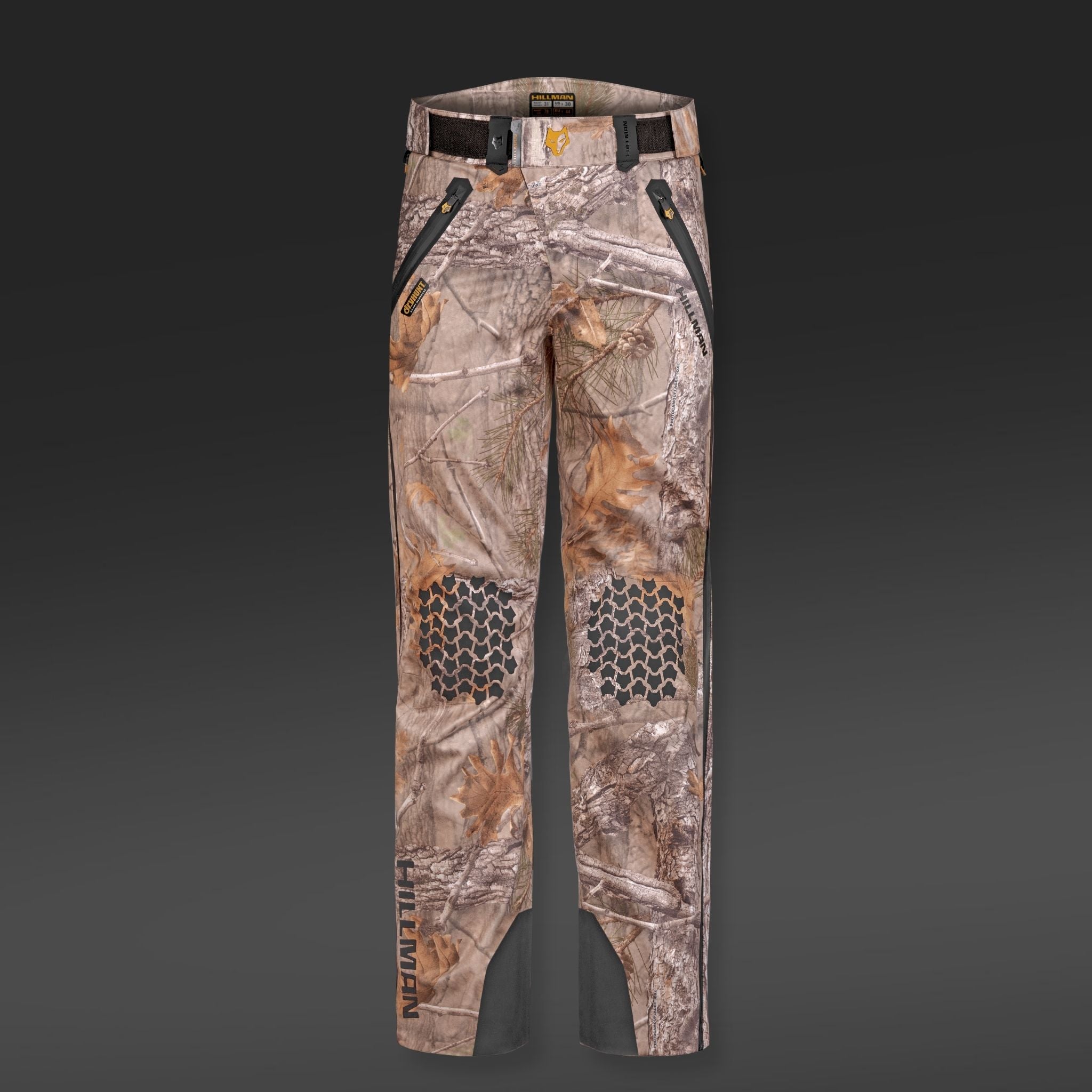
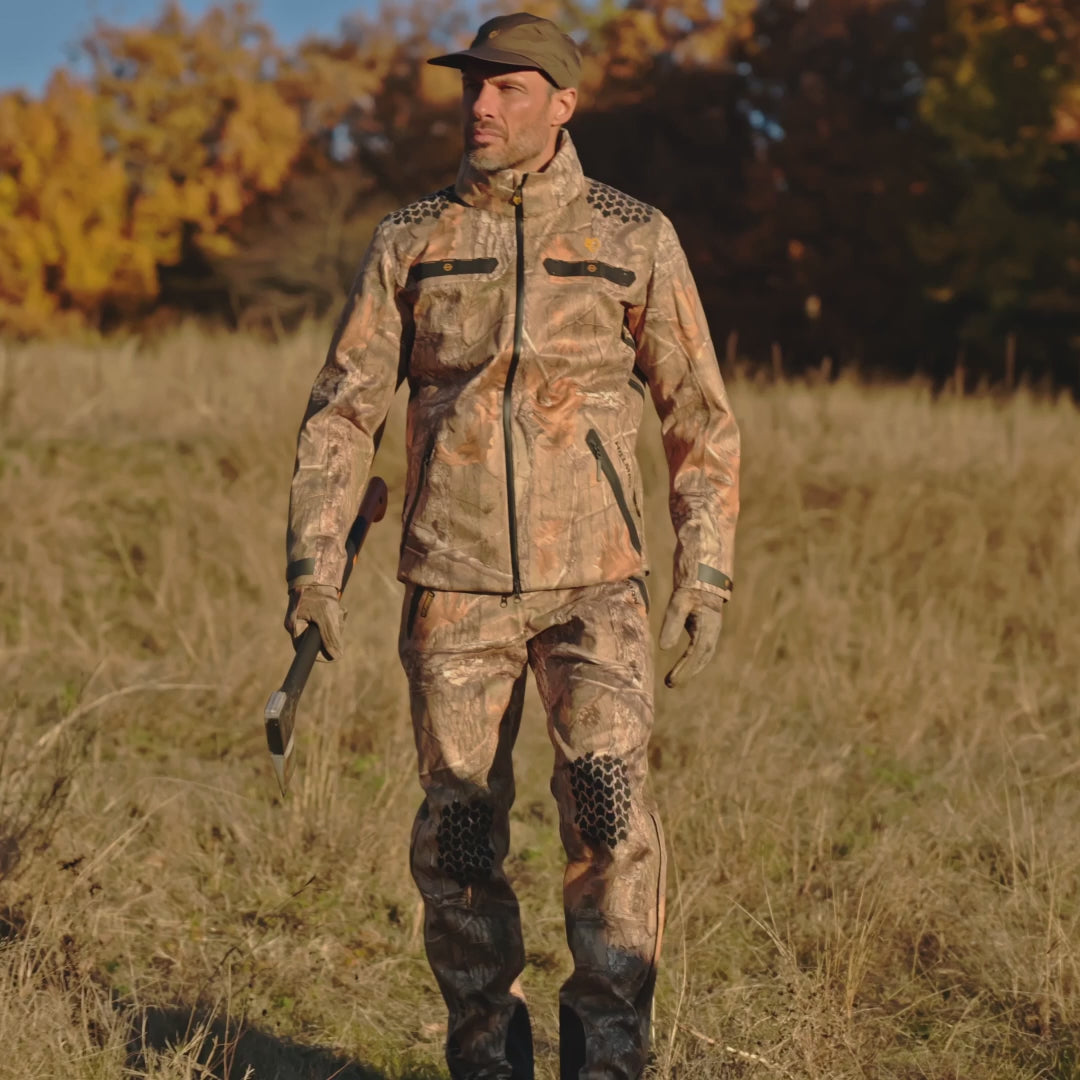
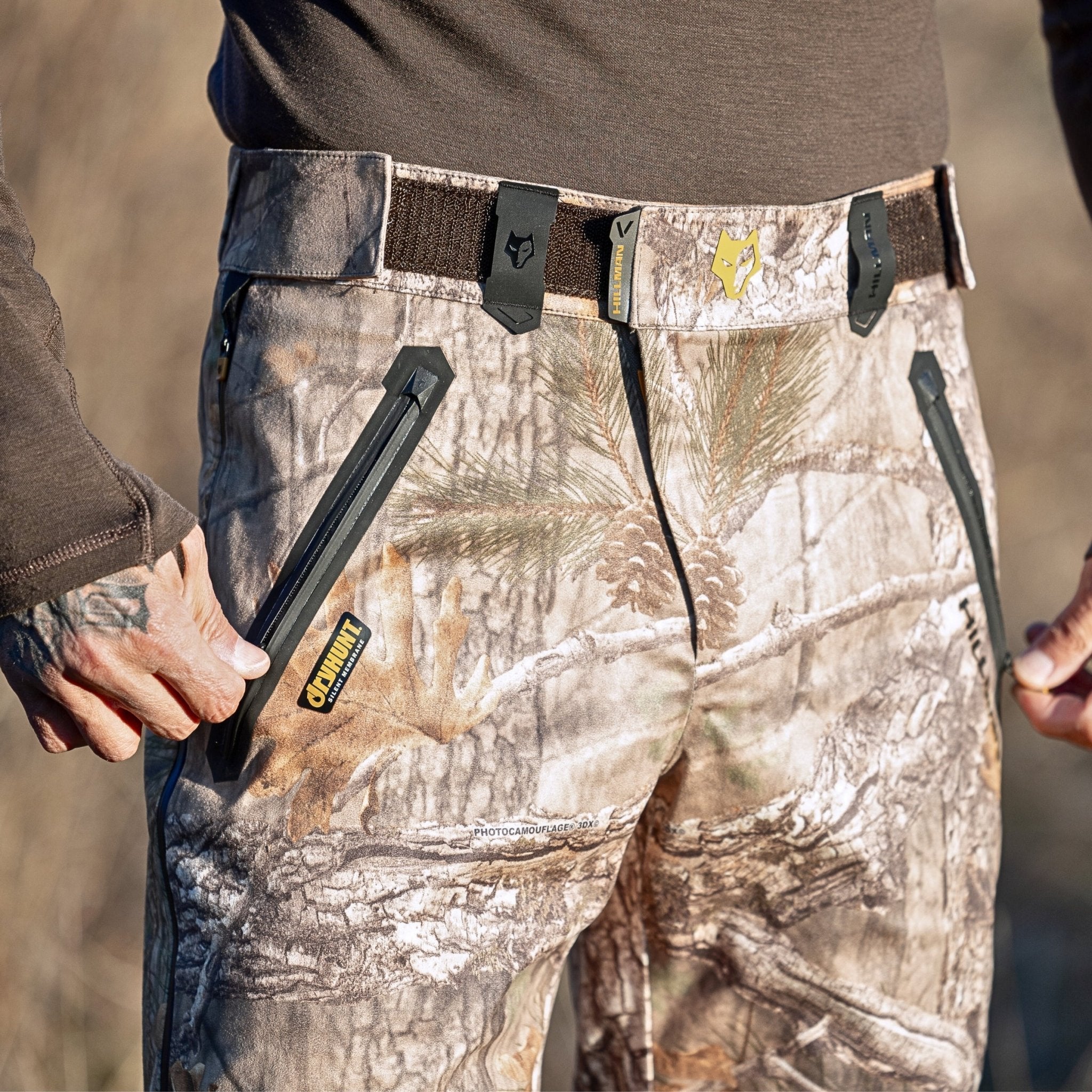
Even good Hillman waterproof gear still needs normal care. Clean the fabric. Keep the DWR coating working. Dry it right. Store it dry.
That is how you keep waterproof gear at peak performance instead of slowly turning it into expensive trash.
When to Re-Waterproof Rain Gear

After washing, test the fabric again. If water beads, leave it alone. If water soaks in, re-waterproof it.
You do not need to re-waterproof after every wash. For hard-used hunting gear, every three to five washes is a decent rough guide. But the water test wins. If water stops beading, it is time.
There are two main options: wash-in and spray-on.
Wash-in treatment is easy because it treats the whole garment. It can work well for simple shell fabric, rain gear and some plain outer layer pieces.
Spray-on treatment gives more control. You can focus on shoulders, cuffs, knees, seat panels and lower legs without coating every part of the garment.
For lined hunting clothes, spray-on is usually the safer bet. It keeps the treatment on the outside, where it belongs. You do not want to mess up the inner face if it helps move moisture.
TX Direct is one common waterproofing product line made for restoring water repellent performance, but do not just slap it on blindly. Read the label. Read the care instructions. Some products require heat. Some do not. Some fabrics want special treatment.
Apply waterproofing to clean, damp fabric unless the product says otherwise. Do not drown the jacket. More spray does not mean more performance. Too much product can leave the fabric tacky, patchy and annoying.
If the care label allows tumble dry, use low heat only. A short low-heat cycle can help activate some DWR treatments. If heat is not allowed, air dry the garment fully.
Do not gamble with high heat. It can damage seam tape, membranes, coatings and synthetic insulation. One dumb drying session can shorten the life of good gear.
Drying Waterproof Gear Without Cooking It

Never store waterproof gear wet. That is how you get mildew, stink and fabric damage.
After washing or after a wet hunt, dry the garment completely. Not “probably dry.” Not “good enough.” Dry.
Air dry is the safest option for many pieces. Hang jackets and pants in a warm, shaded place with airflow. Keep them away from direct sun, radiators, wood stoves and blast heaters.
Do not drape a waterproof jacket over a radiator because you are in a hurry. Do not cook pants beside a fire. Heat can wreck gear faster than rain ever will.
If tumble dry is allowed, use low heat. Controlled heat can help some DWR finishes, but too much heat is asking for trouble.
Sleeping bags are even pickier. Waterproof or water-resistant shells, insulation and baffles all need careful drying. Put damp sleeping bags into storage and they will punish you later. Loft drops. Smell gets bad. Mildew shows up.
Drying gear is boring. Buying replacement gear is worse.
Cleaning Hunting Boots After Mud, Rain and Snow

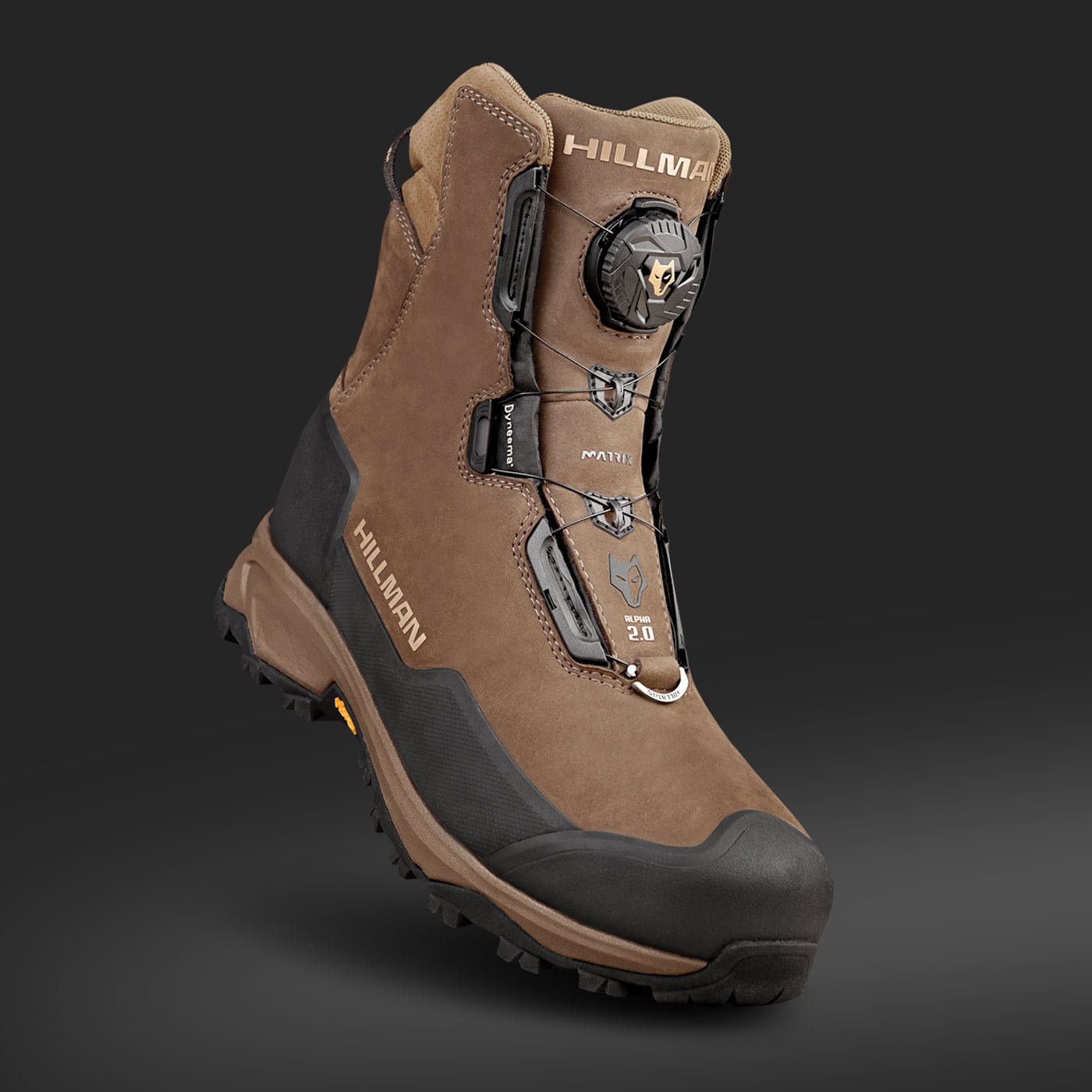
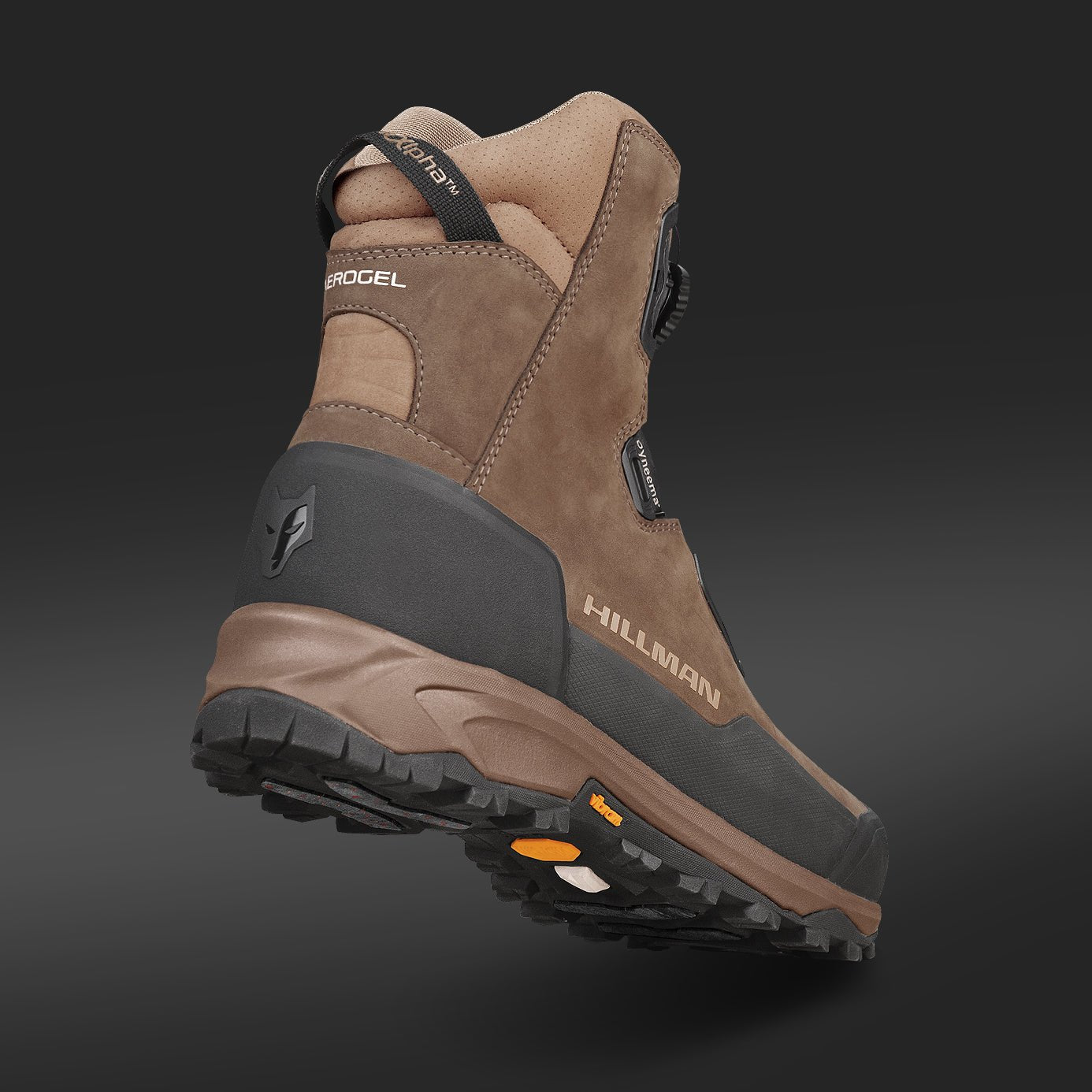
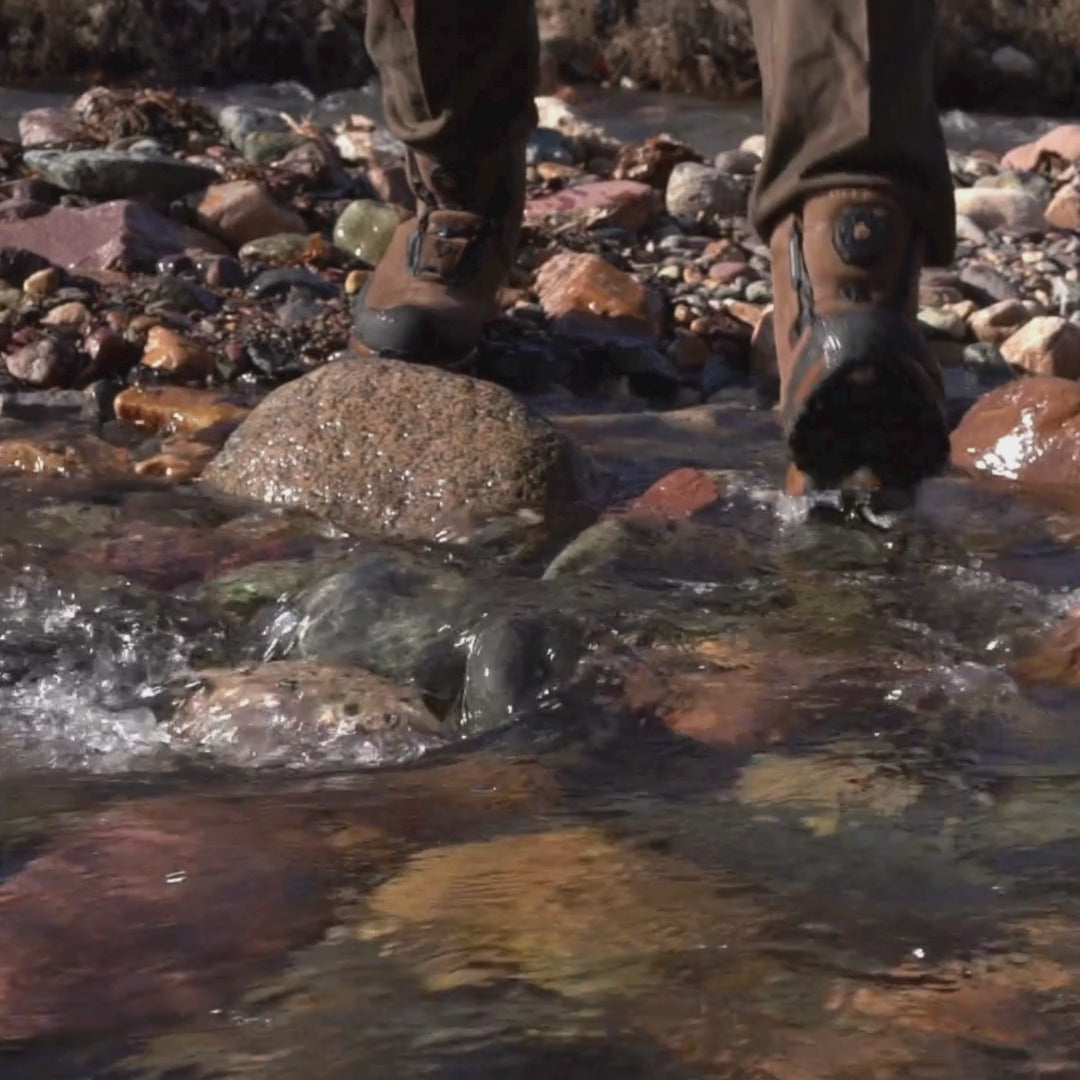
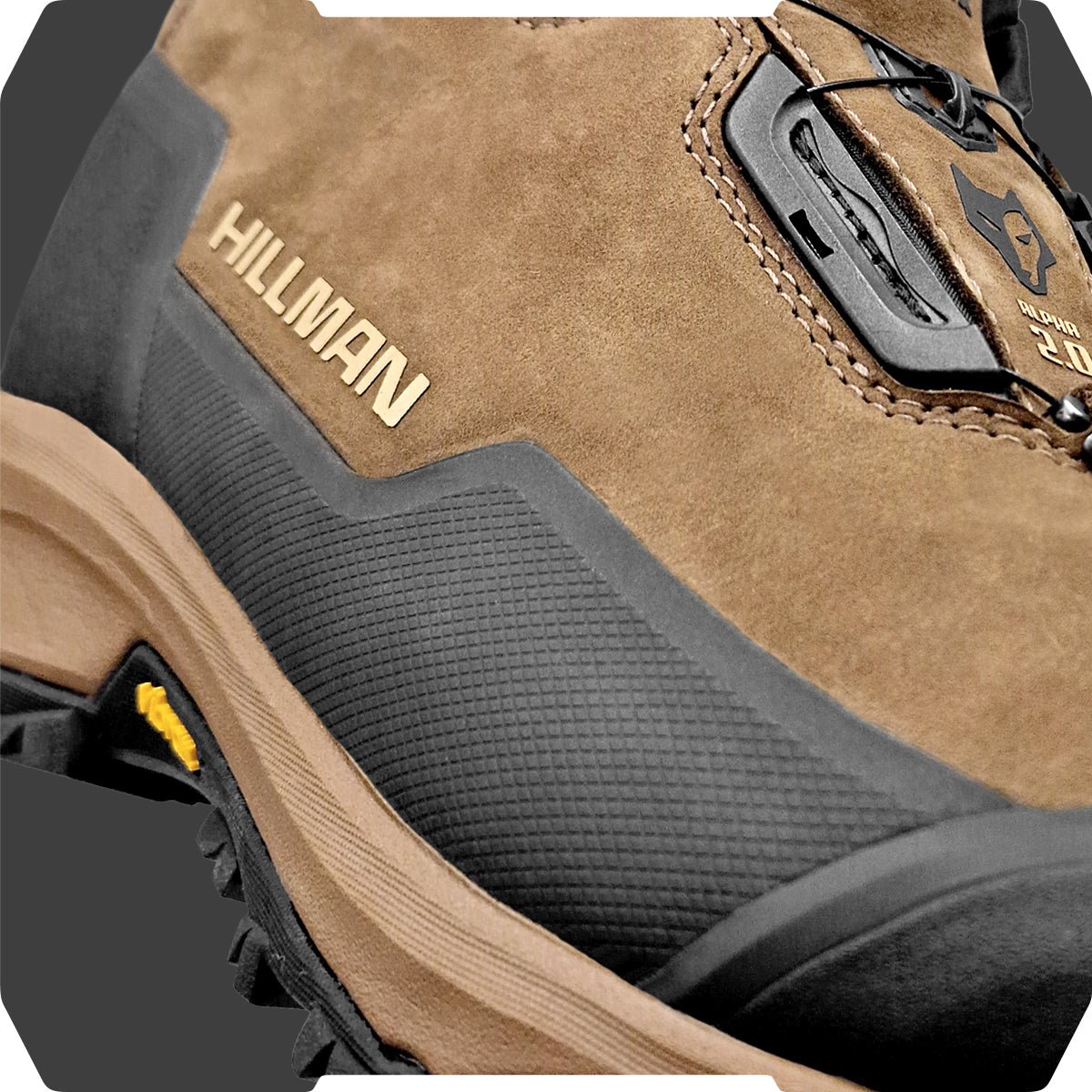
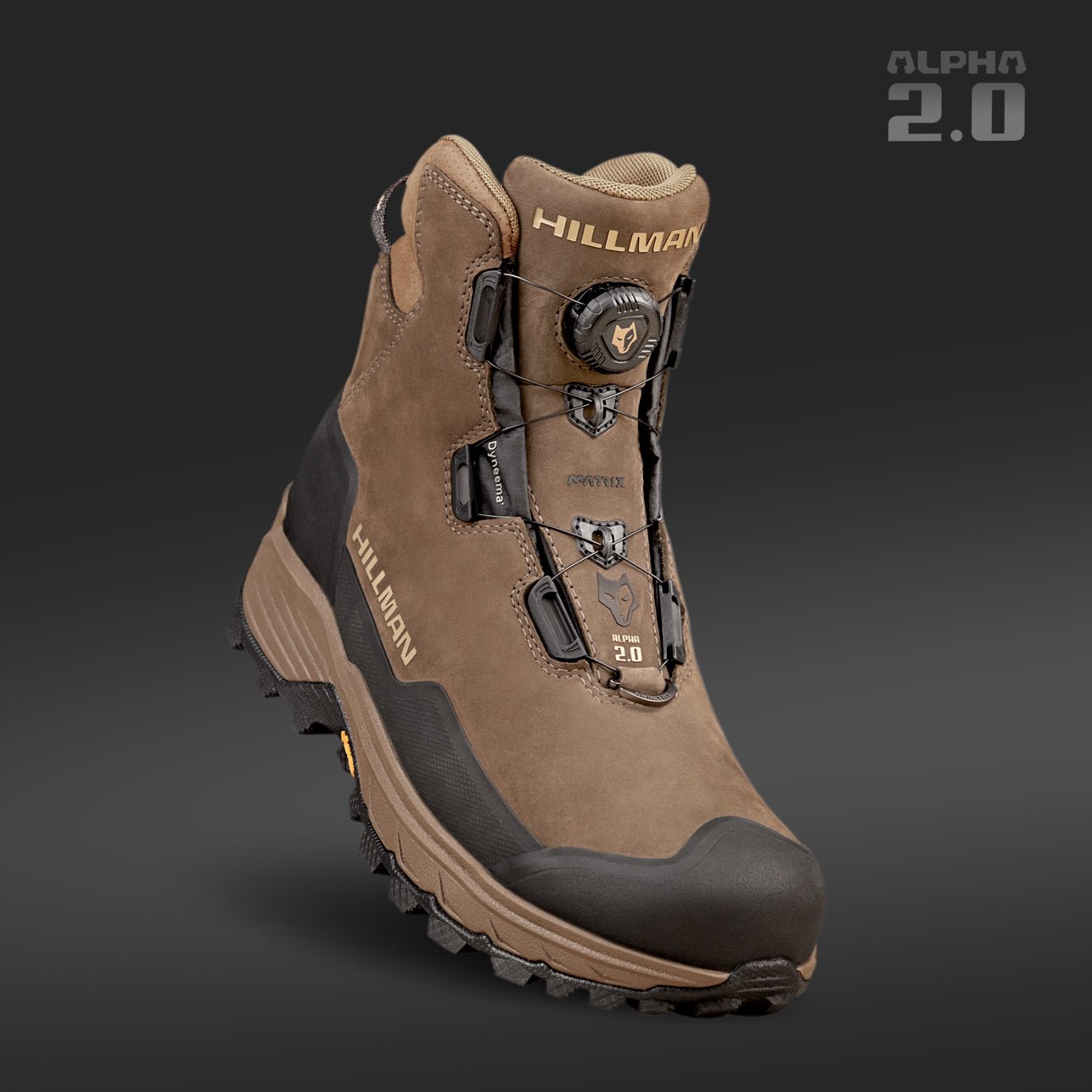
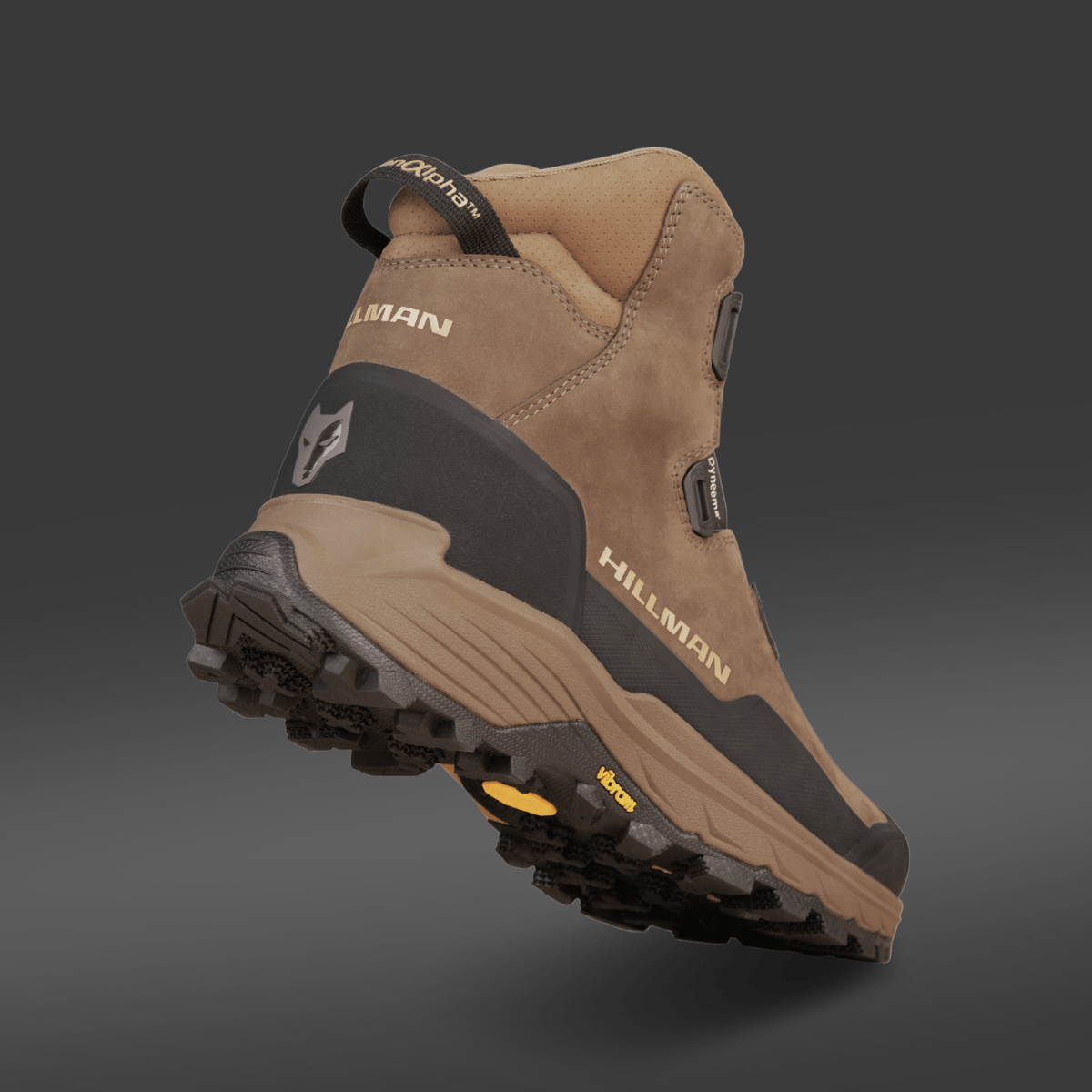
Hunting boots take more abuse than most clothing. Mud packs into seams. Snow melts into stitching. Wet grass works moisture into leather folds. If you ignore boots after the season, they crack, stiffen and lose waterproof protection.
Start simple. Brush off loose dirt. Pull the laces if the boots are properly filthy. Use warm water and an old toothbrush around the welt, tongue, stitching and lace hooks.
Do not use harsh detergents. They can strip leather, damage waterproof linings and make the boots worse.
Full-grain leather boots need different care than synthetic hunting boots. Leather usually needs a proper leather conditioner after cleaning, but do not drown it. Too much conditioner can soften the boot and reduce support.
Once the boots are clean and dry, use the right waterproofing treatment for that material. Leather, nubuck, suede and synthetic fabric do not all want the same product.
Never dry leather boots with direct heat. Heat cracks leather and weakens glue. Stuff the boots lightly with paper if they are soaked, then replace the paper when it gets damp.
Clean boots last longer. They hold shape better. They smell less awful. They are also less likely to fail when you are miles from the truck.
Products You Should Keep Away From Waterproof Gear

Some products are bad news for waterproof hunting clothes.
Regular detergent is one. It can leave residue that attracts moisture and reduces breathability.
Fabric softener is worse. It coats fibres and can block the structure that lets vapour escape.
Bleach is a hard no. It can weaken fabric, fade clothing, damage stitching and ruin technical finishes.
Strong scented cleaners are a bad idea too. They may smell clean to you, but they do not belong on hunting clothes.
Be careful with random waterproofing spray. Some sprays are made for tents, tarps, canvas or work boots. That does not mean they are right for breathable rain gear. A thick coating may bead water, but it can also choke breathability.
Use products made for breathable waterproof fabric.
Same story with boots. A wax or oil that works on one leather can make another material too soft, too greasy or less breathable. Read the label before rubbing anything into expensive boots.
Off-Season Cleaning and Storage

When the season ends, do not simply run everything through a quick wash and dump it in a plastic tote.
Clean it. Dry it. Inspect it.
Check zippers, cuffs, pocket bags, seams, stitching, pull tabs, boot soles and worn panels. Small problems are easier to fix in the off-season than during a cold, wet hunt.
Store waterproof gear clean, dry and away from direct sunlight. A dry airtight container can help protect clothing from dust, moisture and household smells. But only if the gear is fully dry first. Seal damp gear in a box and you just built a mildew tank.
Boots need a dry place with some airflow. Do not crush them under heavy equipment. Do not leave them caked in mud until next season.
Store optics and electronics separately in padded cases. Remove batteries. Use silica gel packs if moisture is a problem. Wet storage can mean fogged optics, rust, dead batteries and ruined equipment.
Off-season care is dull. But opening a box in fall and finding ruined gear is worse.
Keeping Waterproof Gear at Peak Performance During the Hunt

Care does not stop at home. In the field, shake rain off when you can. Knock off heavy mud before it dries into crust. Open vents before sweat gets out of hand.
If you are sitting on wet ground or snow, shift position when you can do it quietly. Grinding the same seat panel into mud for hours is rough on fabric.
On the ride home, do not seal wet clothes in a bag for days. Pack them loose if possible. Hang them when you get home. Same with boots. Mud-filled boots sitting in a dirty car will not fix themselves.
Waterproof hunting gear is made to be used hard. That does not mean it should be neglected.
Wash it when dirty. Re-waterproof it when water stops beading. Dry it properly. Store it clean.
That is the whole routine. Nothing fancy. Nothing complicated.
The real gear killer is not proper cleaning. It is sweat, mud, body oils, dust, old residue and wet storage slowly wrecking the performance you paid for.



Share:
Bibs vs Hunting Pants: What Works Better for Cold Weather?