

Best Hunting Rain Gear for Hunters Who Walk Hard and Sit Late

Best hunting rain gear for hunters who walk hard and sit late should stay breathable, quiet, and waterproof in cold, wet weather.
This stuff is harder to buy than people pretend. A lot of rain gear sounds great until you actually hunt in it. That is the problem.
On the product page, every jacket is waterproof, breathable, lightweight, durable, and somehow perfect for everything. Then you buy it, wear it the first time, and find out fast what it really is. Maybe it traps sweat the second you start hiking. Maybe the hood is awful. Maybe the pants pull weirdly at the waist. Maybe the exterior fabric sounds loud enough to get heard from the next tree. Maybe it feels fine while walking, and then turns cold and dead once you hit the stand.
That is why the best hunting rain gear for hunters who walk hard and sit late is not a simple buy. It has to do two jobs that fight each other. It has to vent body heat when you are moving, and it has to protect when you are cold, wet, and not moving much. A lot of gear can do one of those things. Not much does both well.
So this is not just about buying a rain suit because it says waterproof on the tag. Quiet rain gear matters. Breathability matters. Weight matters. Durability matters. Pockets matter. Hood design matters. Seams matter. Belt loops matter more than people think. Room for layers matters. A bad little detail can turn a decent hunt into a stupid one.
When you walk hard, your own sweat starts the mess

A lot of hunters blame the rain first. Fair enough. But a lot of the time the thing making you miserable is sweat.
You throw on a jacket, start walking, start hiking uphill, start pushing through brush with a pack on, and before long your long sleeve base layer is damp. Not because the gear failed from outside. Because it failed from inside. It could not dump heat. It could not breathe enough. So now you are wet anyway.
That is where bad rain gear gets exposed fast.
If you cover ground, breathability has to be near the top of the list. Waterproof gear that turns into a steam bag is still bad gear. You are not staying dry if sweat is soaking you from the inside and cooling your body down later.
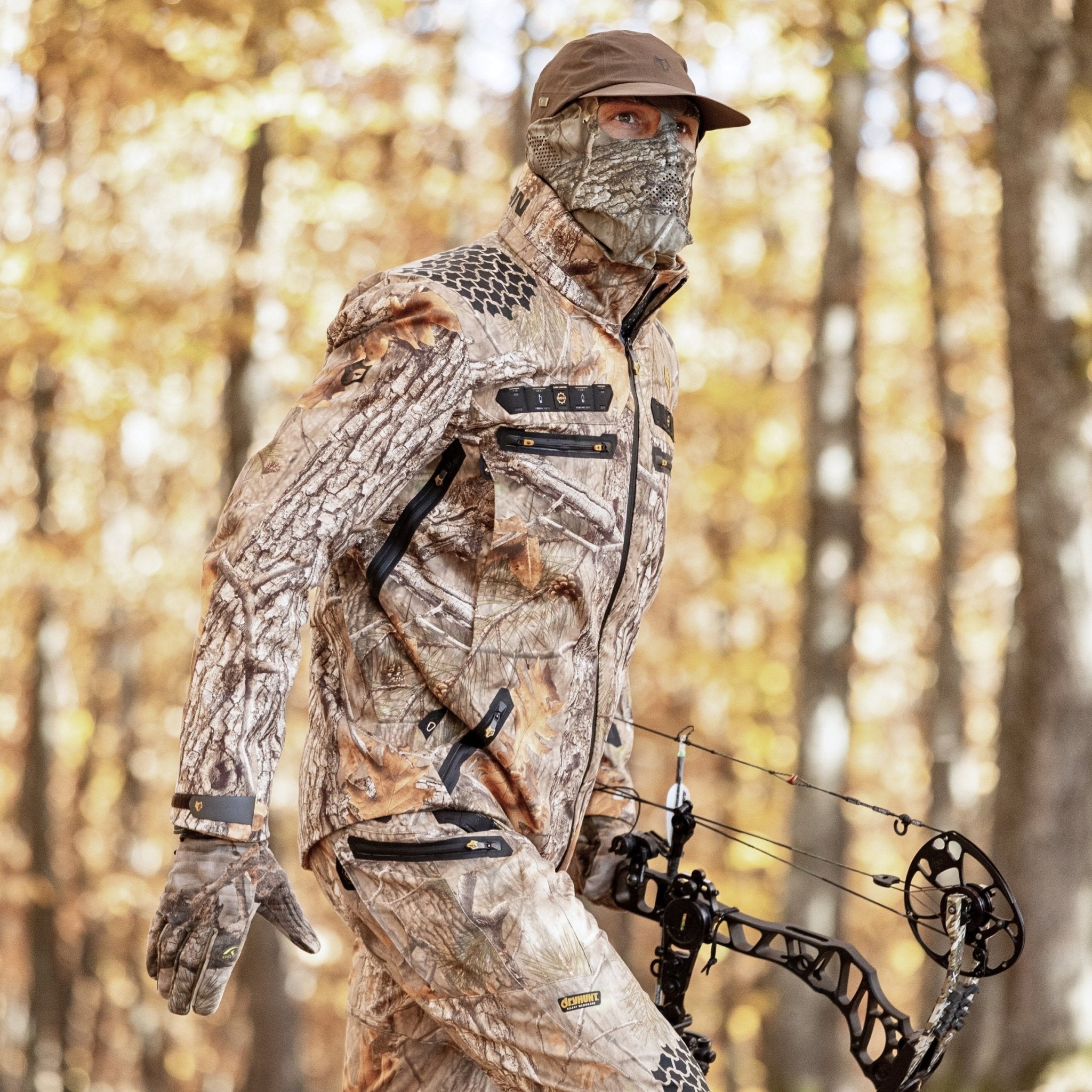
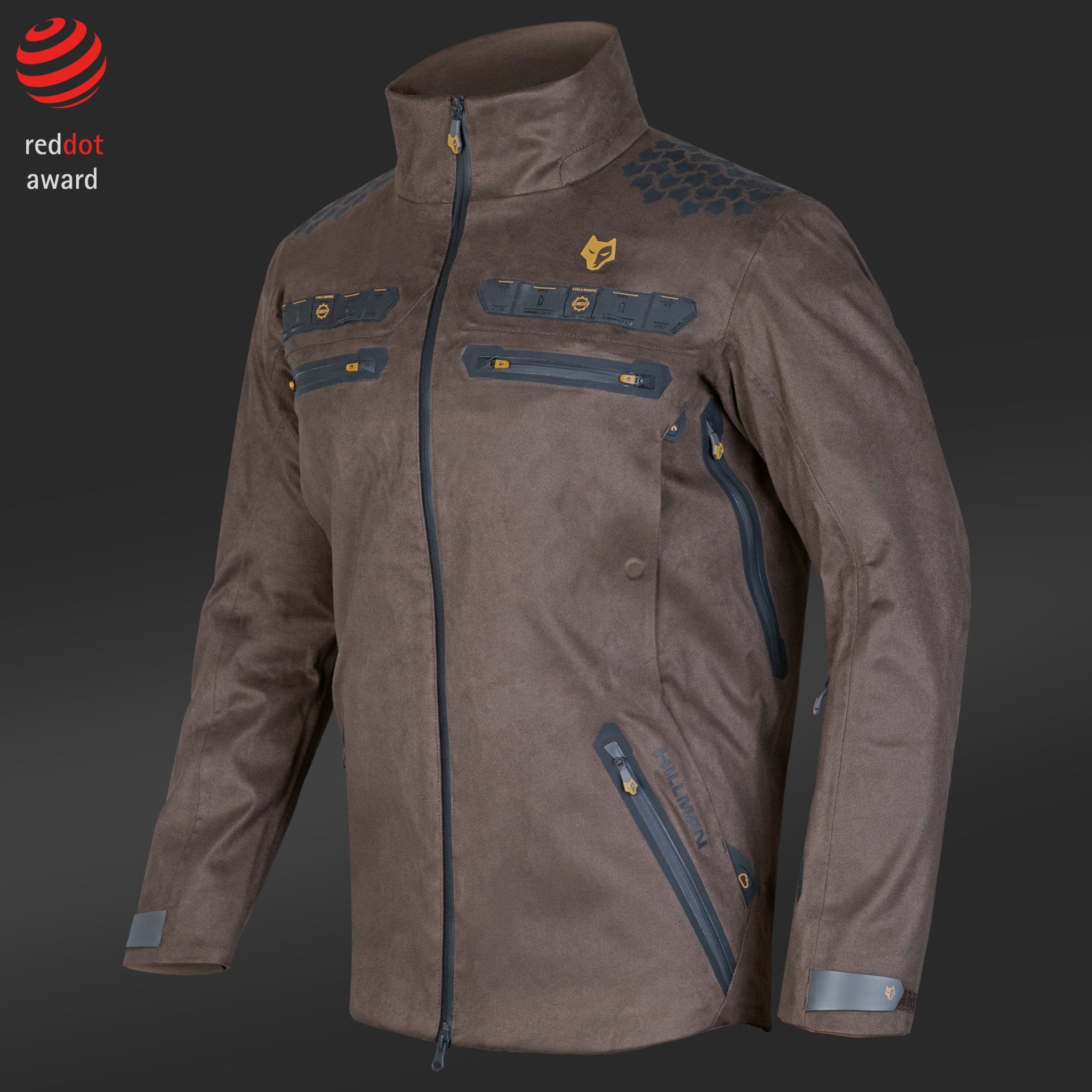
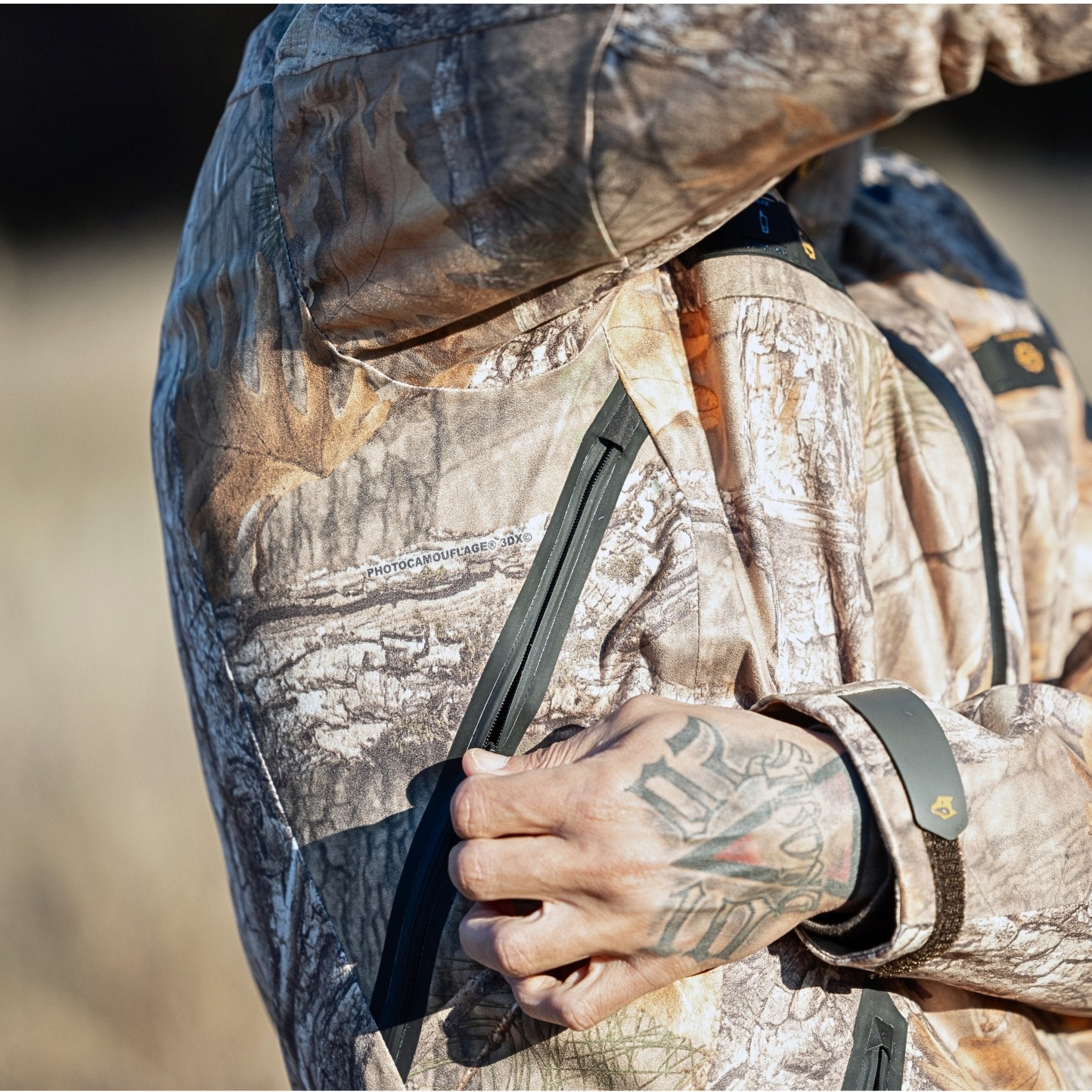
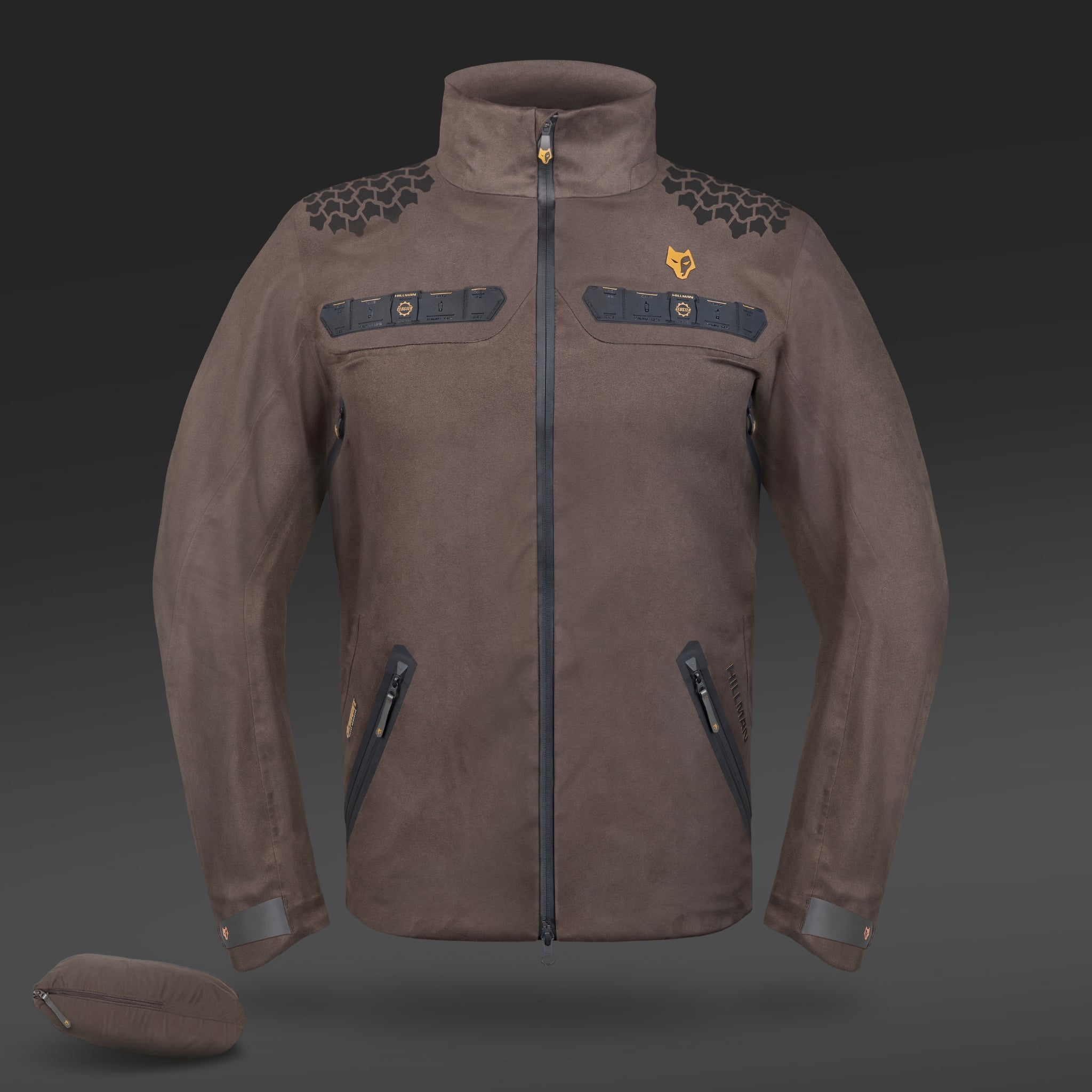
Pit zips help. That is not hype. Pit zips are one of the few features that really do something. They let heat escape without opening the whole jacket and letting wind and rain straight in. For hunters who walk hard, pit zips are not some luxury add-on. They are useful.
Weight matters too. People love the word durable, and sure, durable is good, but heavy gear gets old in a hurry. A jacket can feel solid in your hands and still beat you down after miles of walking. The best rain gear usually lands somewhere in the middle. Light enough to carry in a pack. Durable enough to deal with brush, arm movement, repeated wear, and ugly weather.
Light gear can feel smart until you sit still in the cold

This is where people make a bad call.
They shop like they only move. So they buy the lightest jacket and pants they can find, maybe because the price hurts less or maybe because they got sold on the whole ultralight idea. Then they wear that same suit on a late sit in wind and wet weather and wonder why they feel cold and annoyed.
Because now you are not moving.
Now the body is not making the same heat. Now the wind matters more. Now the wet matters more. Now that light jacket that felt great on the walk in starts to feel thin and weak. That is when you realize the setup was built for one part of the hunt, not the whole plan.
Rain gear is not supposed to keep you warm by itself. But it has to leave room to build a real system under it. That means a proper long sleeve base layer and enough room for a medium layer or a warmer layer when the weather turns worse. If the size is too trim, the whole thing falls apart. Looks clean in photos. Feels bad in real hunting.
For hunters who walk hard and sit late, this is usually the better idea: breathable waterproof outer gear with enough room to layer, enough structure to block wind, and enough real-world use in cold wet weather that it does not feel flimsy the second the temperature drops toward freezing.
Quiet rain gear matters more than some people want to admit

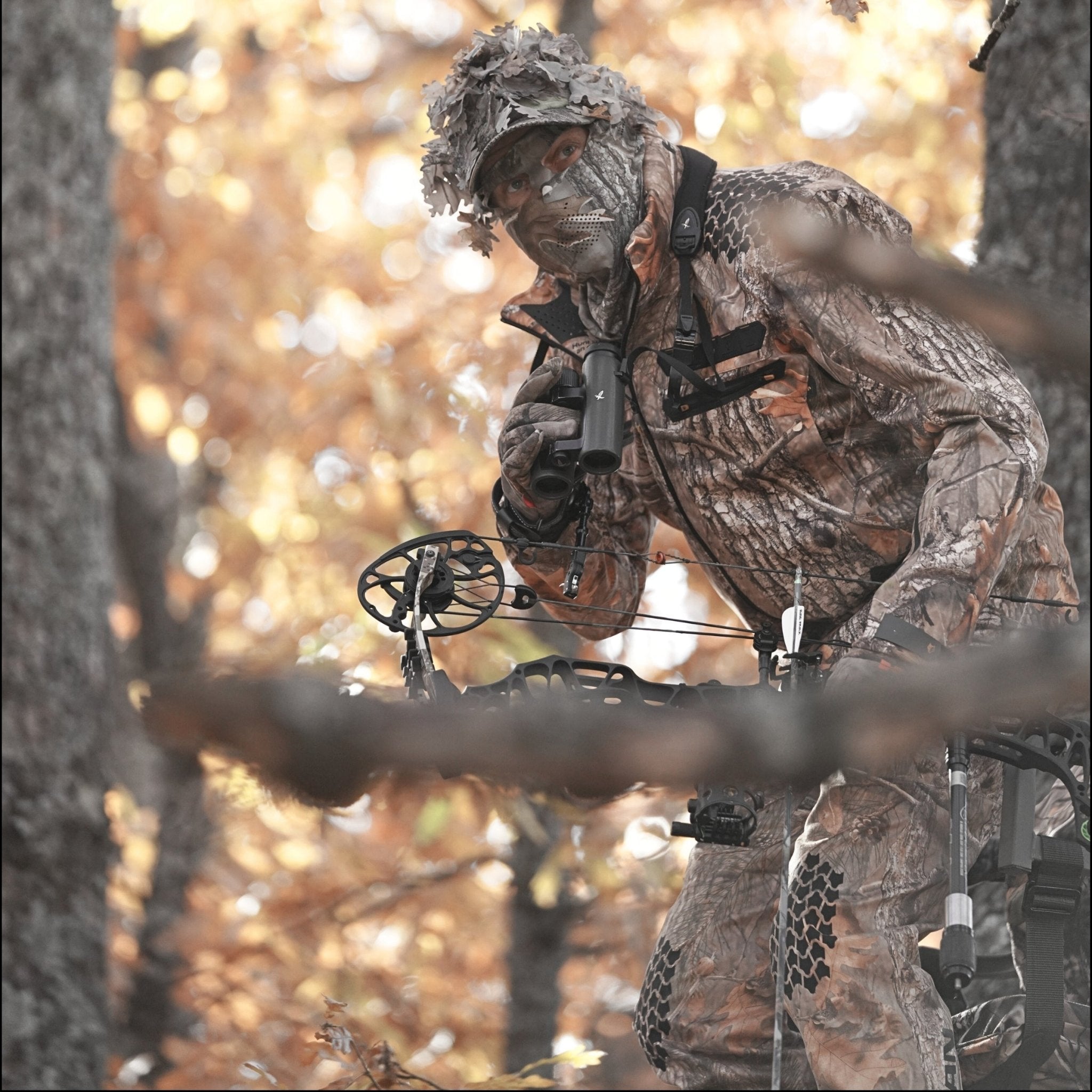
If you hunt close, it matters. If you bowhunt, it matters even more.
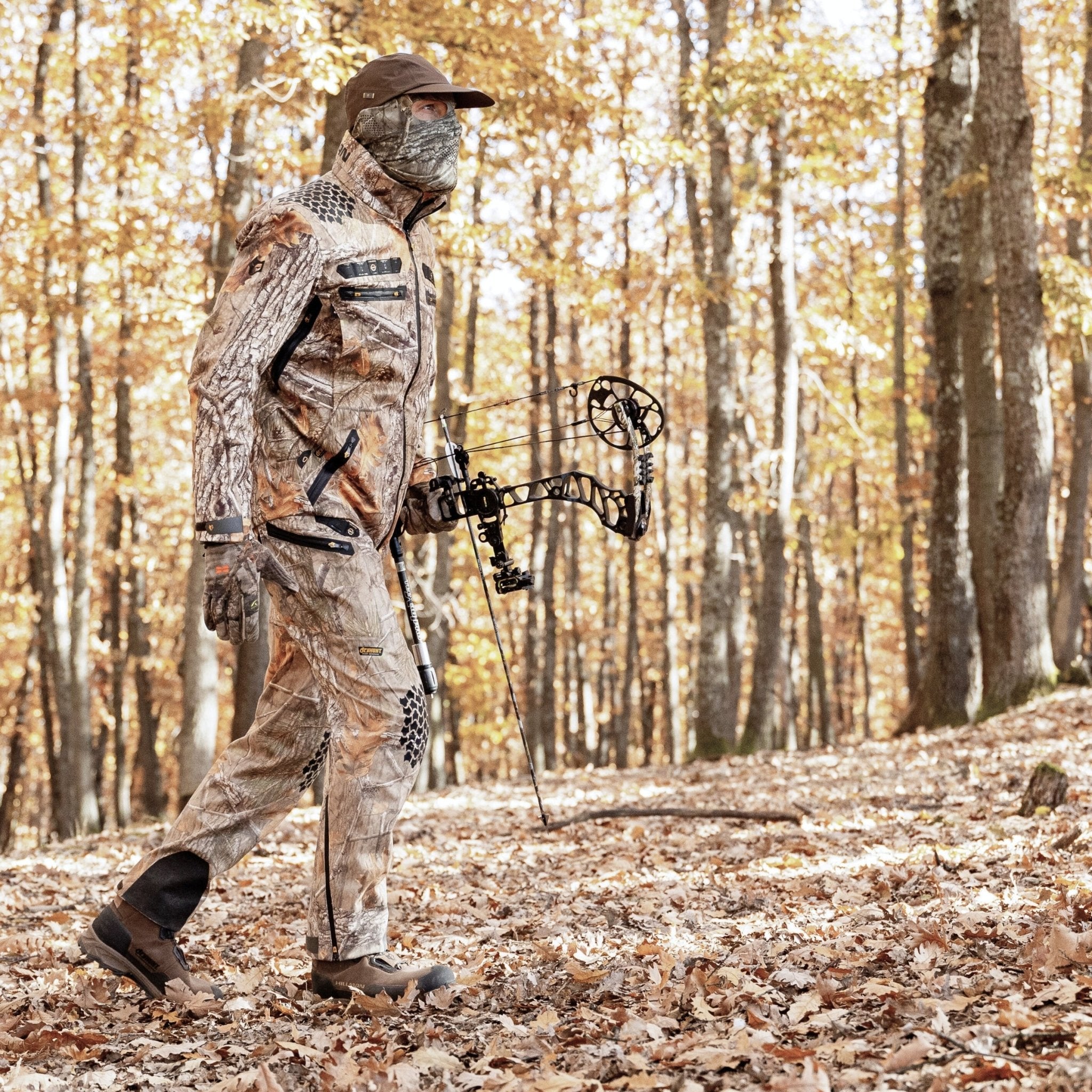
Some jackets sound fine when you stand in a store moving your arms around like an idiot. Then you get outside in actual hunting conditions and every little move gets heard. Hood rub. Chest rub. Sleeve noise. Pants swish. Fabric catching on brush. Little sounds add up fast, especially when the woods are quiet.
That is why quiet rain gear is not some cute bonus feature. Quiet matters. Silent is better, even if nothing is truly silent.
Usually the softer stuff is better here. A softer face fabric and softer exterior fabric tend to cut down on that hard crackly noise cheap waterproof gear makes. But that comes with a trade-off. Soft fabric is not always the most durable fabric. Some of the stiffer shells are tougher, more tested, maybe more dependable in straight abuse, but they can sound louder too.
So the answer is usually not the softest jacket on earth and not the loudest armor-plated shell either. It is the middle ground. Quiet enough for close hunting. Durable enough for brush, repeated pack friction, and rough terrain.
That is why pieces like First Lite rain gear or Kuiu Chugach keep getting talked about. Not because they are magic. Because hunters are trying to find that middle point where the jacket is waterproof, breathable, reasonably quiet, and not a total pain to wear.
Waterproof and breathable can work together, but not every jacket does it well

This part gets oversold a lot, but the basic idea is real. Good rain gear usually has layers doing different jobs. Exterior fabric outside. Waterproof membrane somewhere in the middle. Inner layer helping manage moisture against the body. That is the setup.
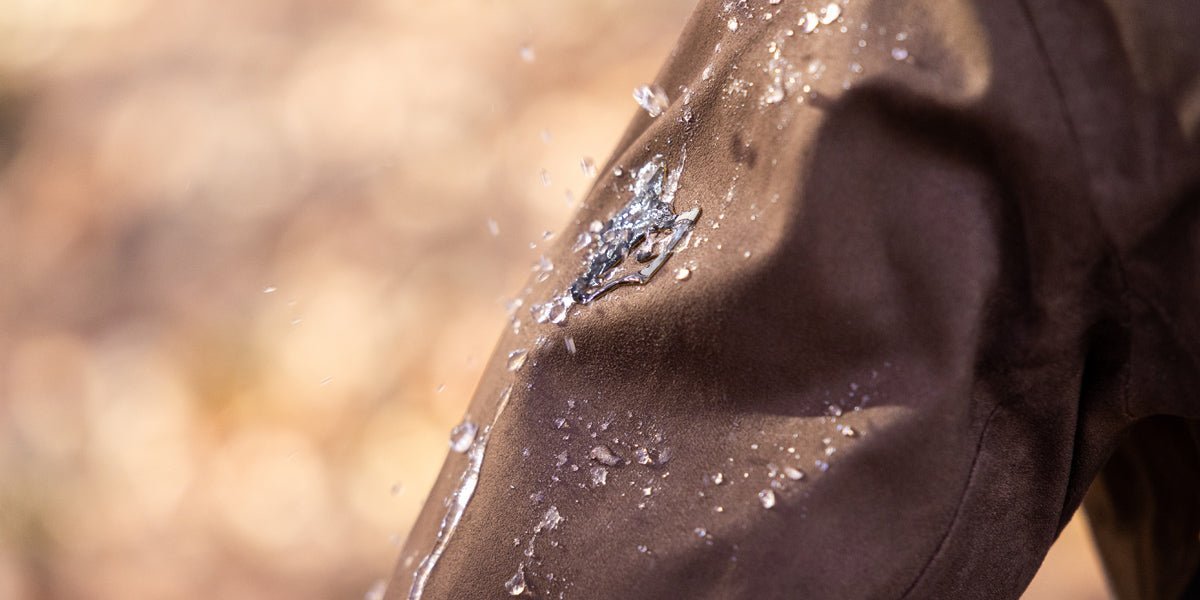
The face fabric matters more than people think. If that outer fabric wets out fast, the jacket starts feeling heavy, cold, and less breathable. Once that happens, comfort drops off hard. That is why treatments on the outside matter. When water beads up, great. When it just sits there and soaks in, the whole thing feels worse.
For serious hunting, better-built three-layer gear is often the smarter bet. It tends to hold up better, protect better, and survive repeated wet conditions better. If you only get light rain once in a while, fine, maybe you do not need the burliest setup. But if your season involves hunting rain, wind, wet brush, and repeated abuse, cheap flimsy gear usually shows its limits fast.
Sometimes paying more is just paying for better materials, better seams, better fabric, and fewer headaches later. That is the ticket. Not hype. Just fewer problems.
The small details on a jacket tell you if it is good or not

A lot of jackets look impressive online. Means almost nothing.
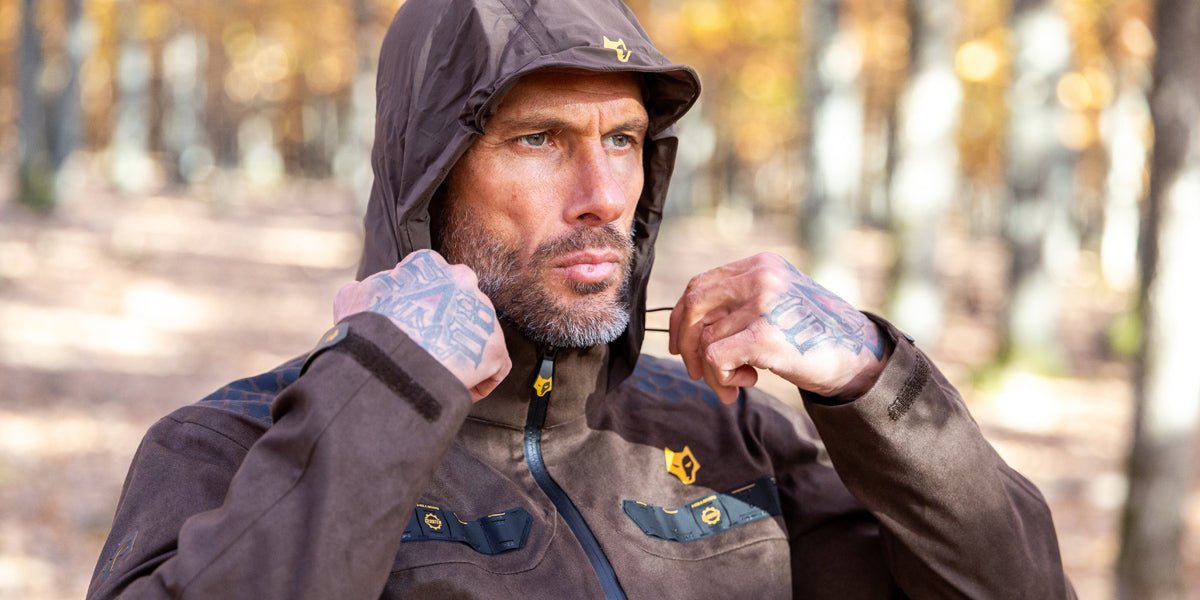
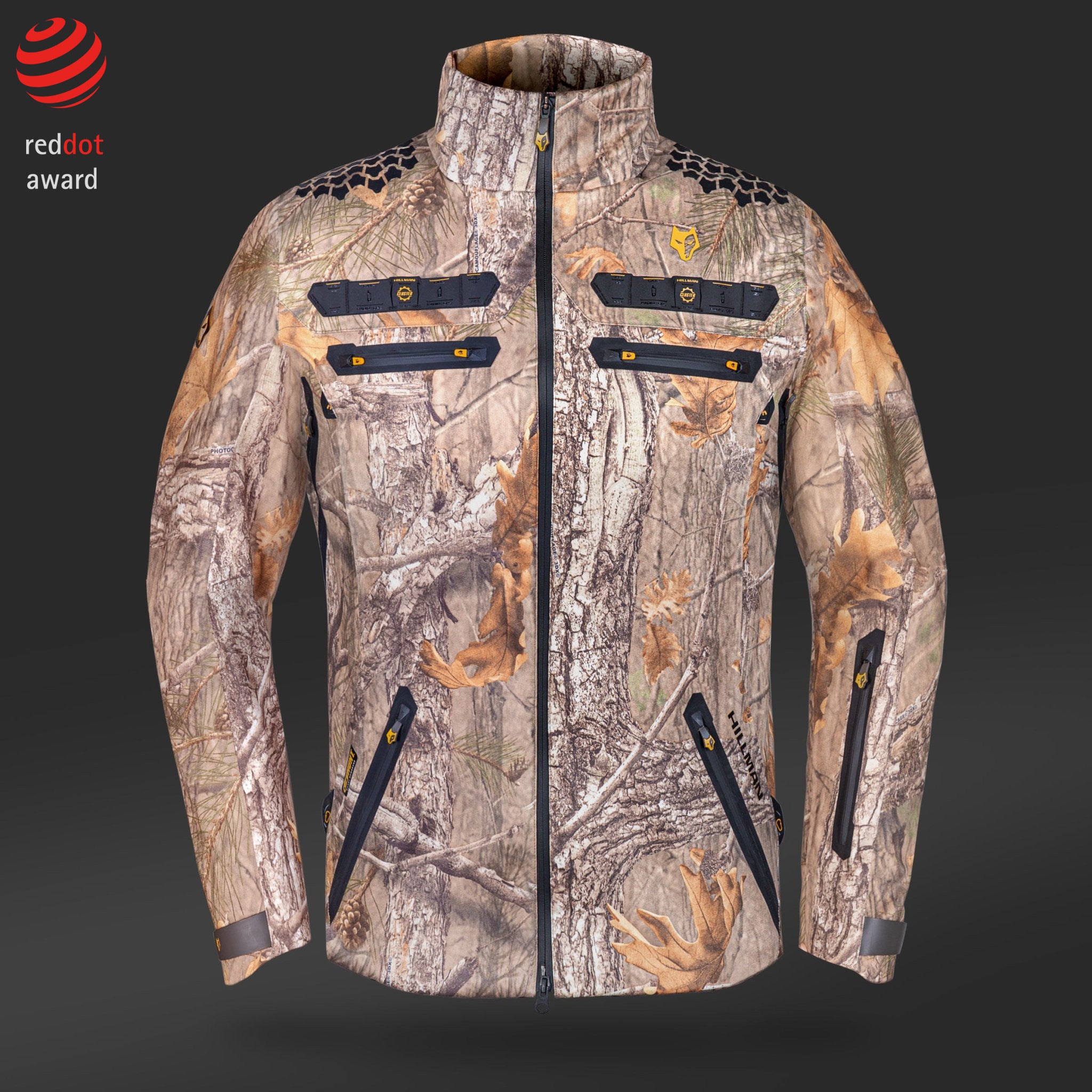
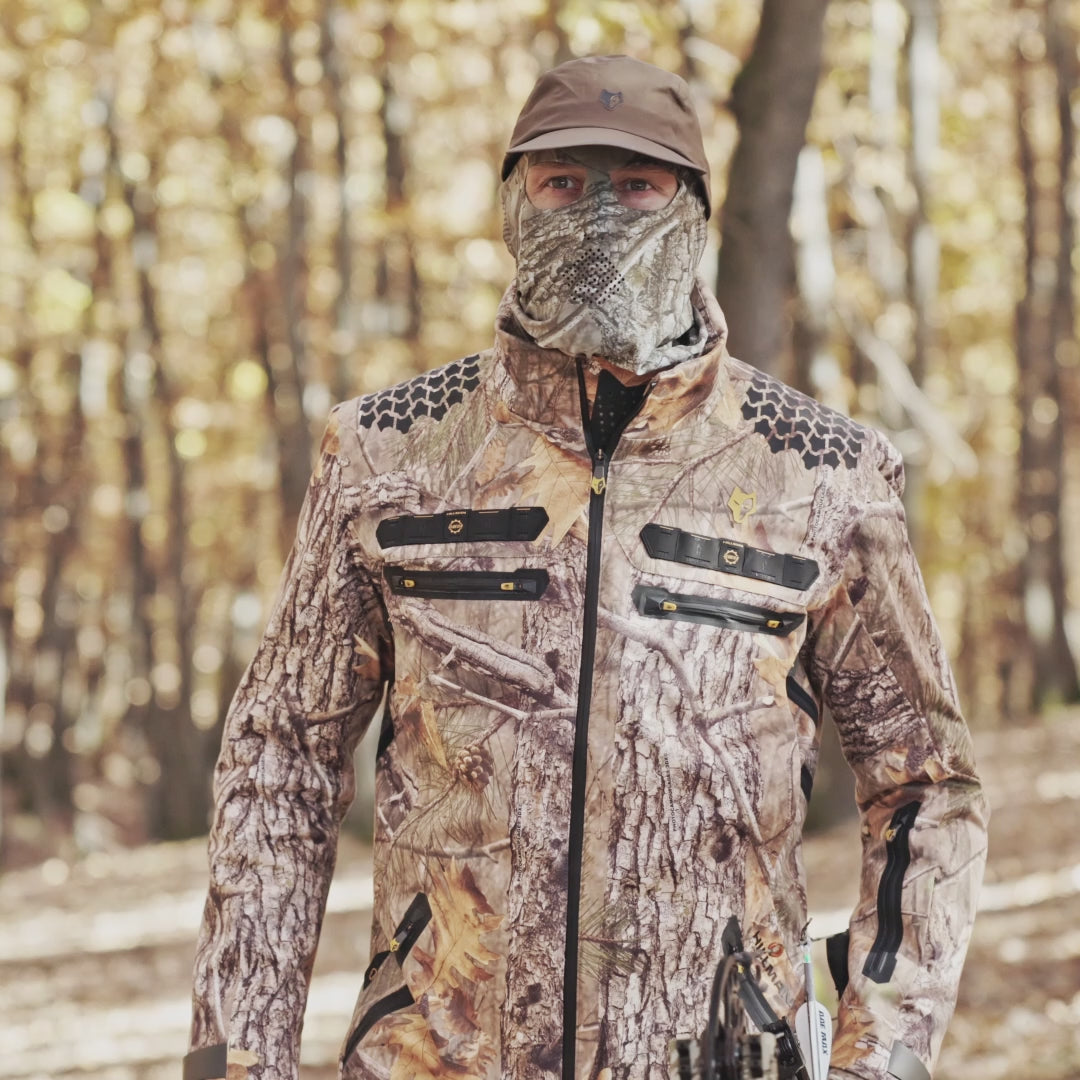
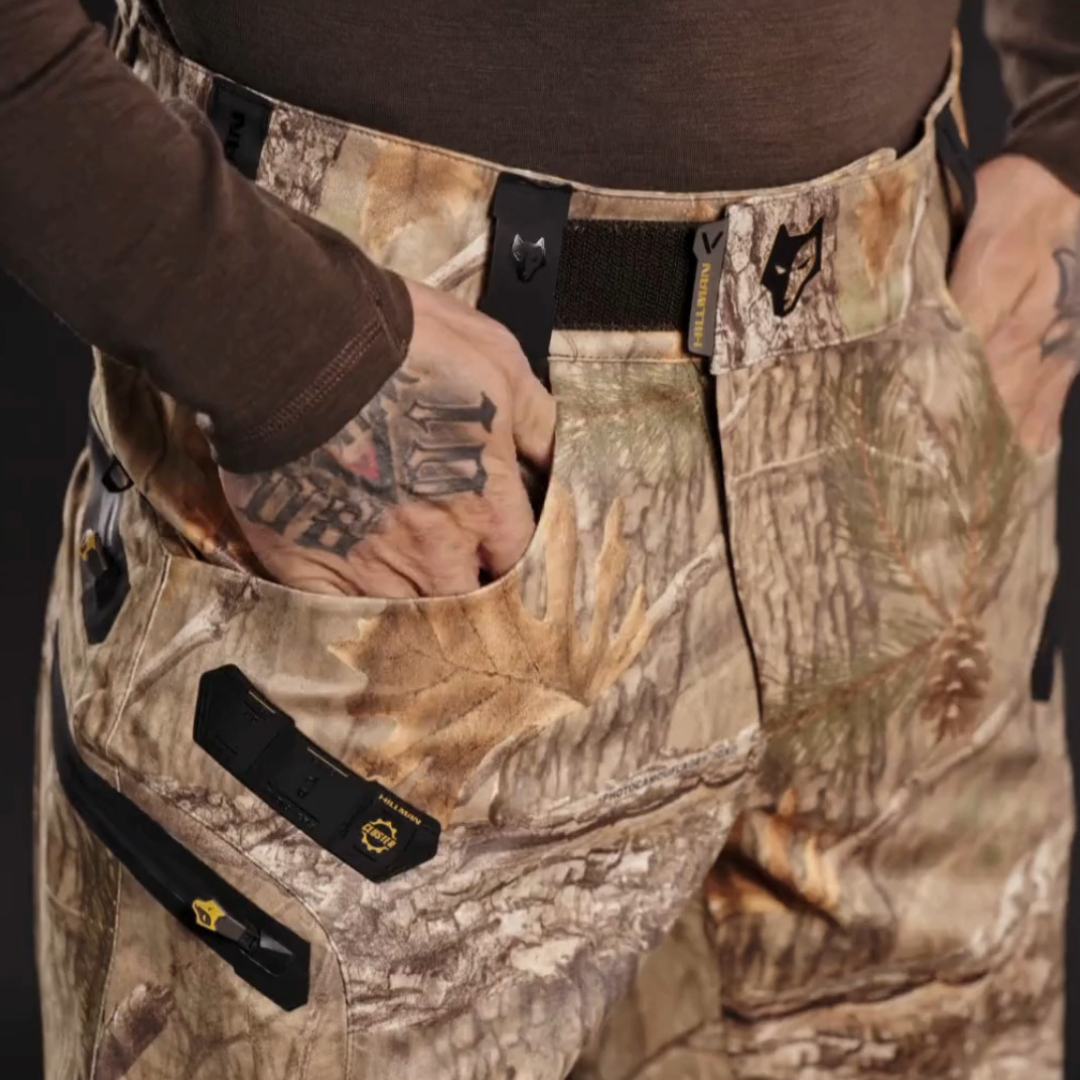
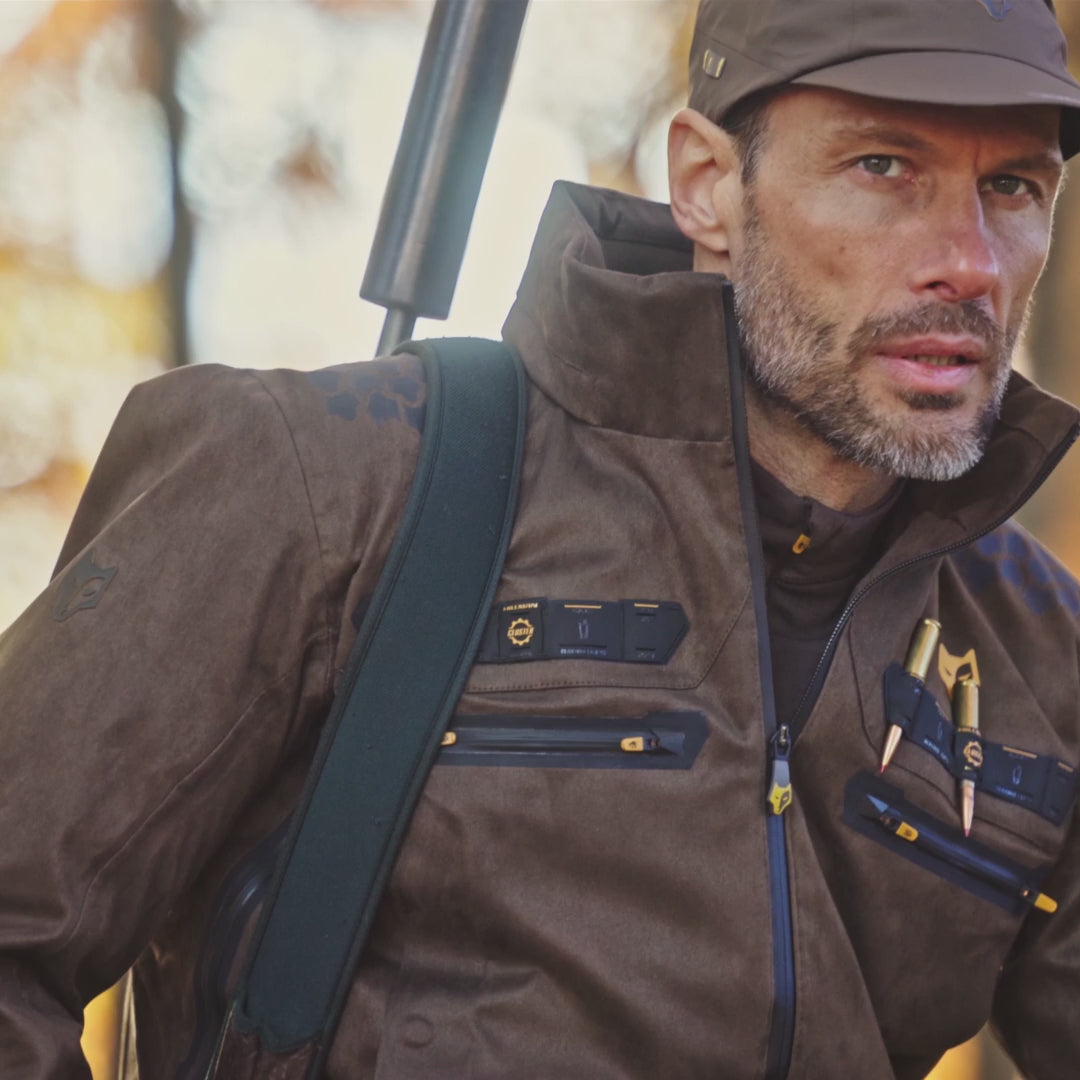
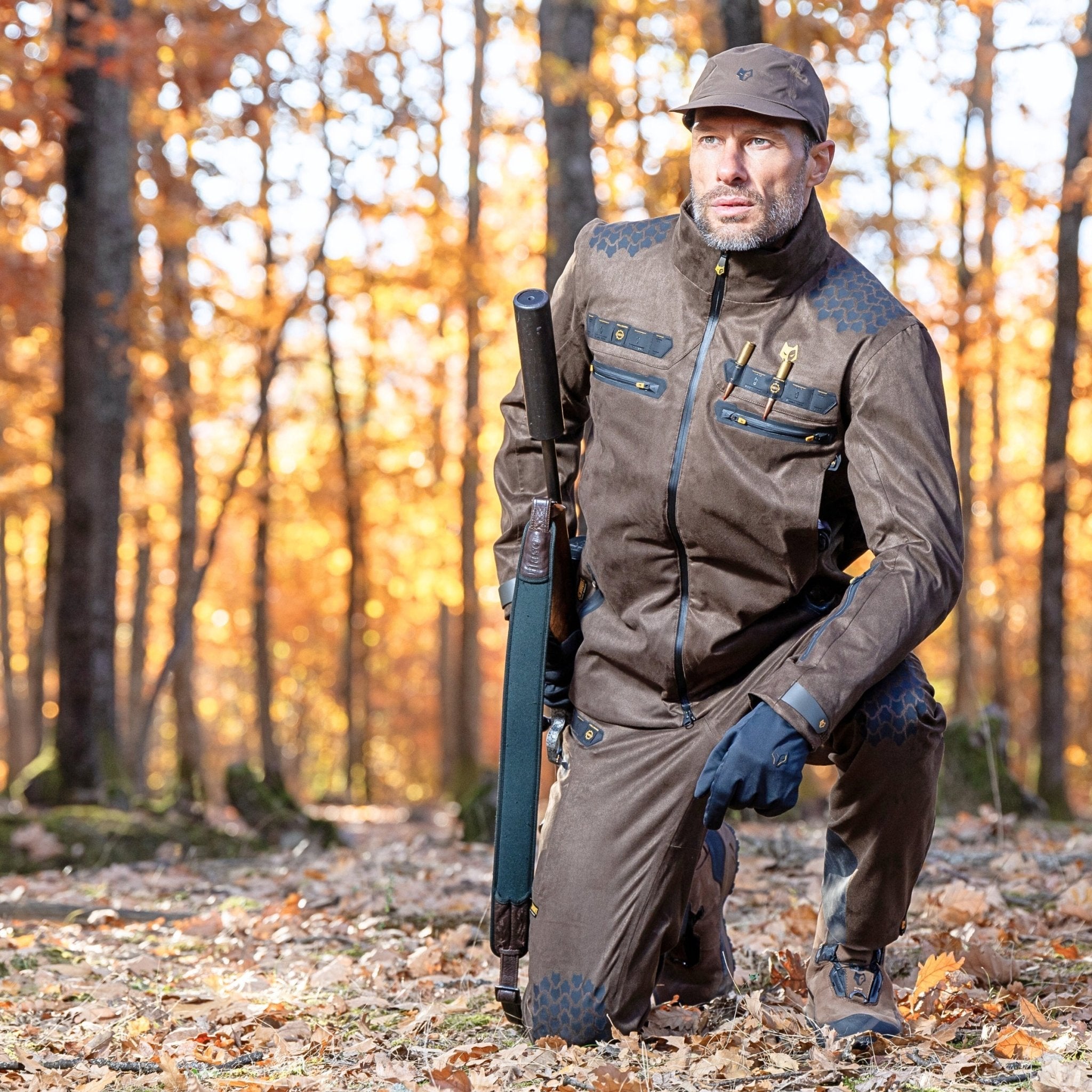
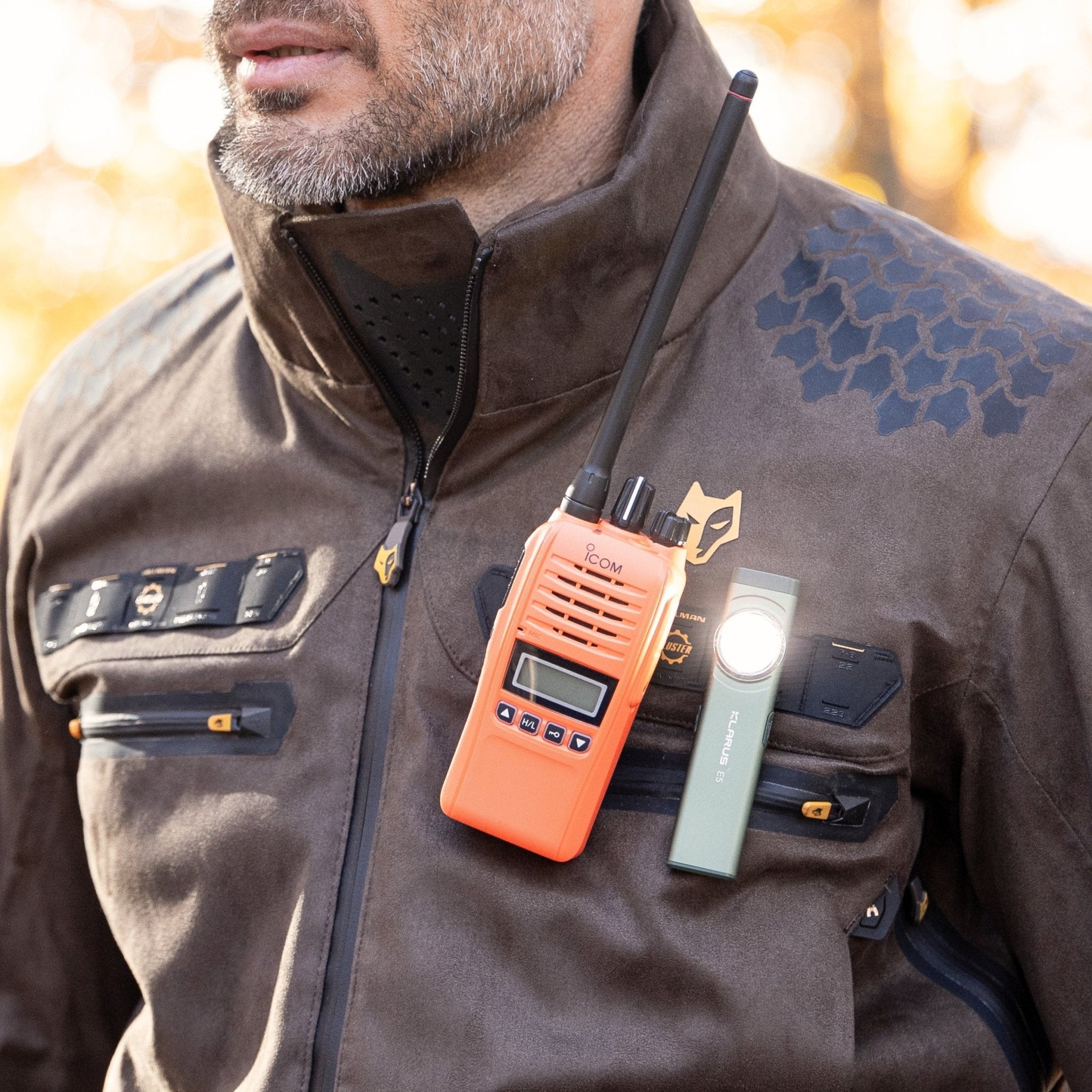
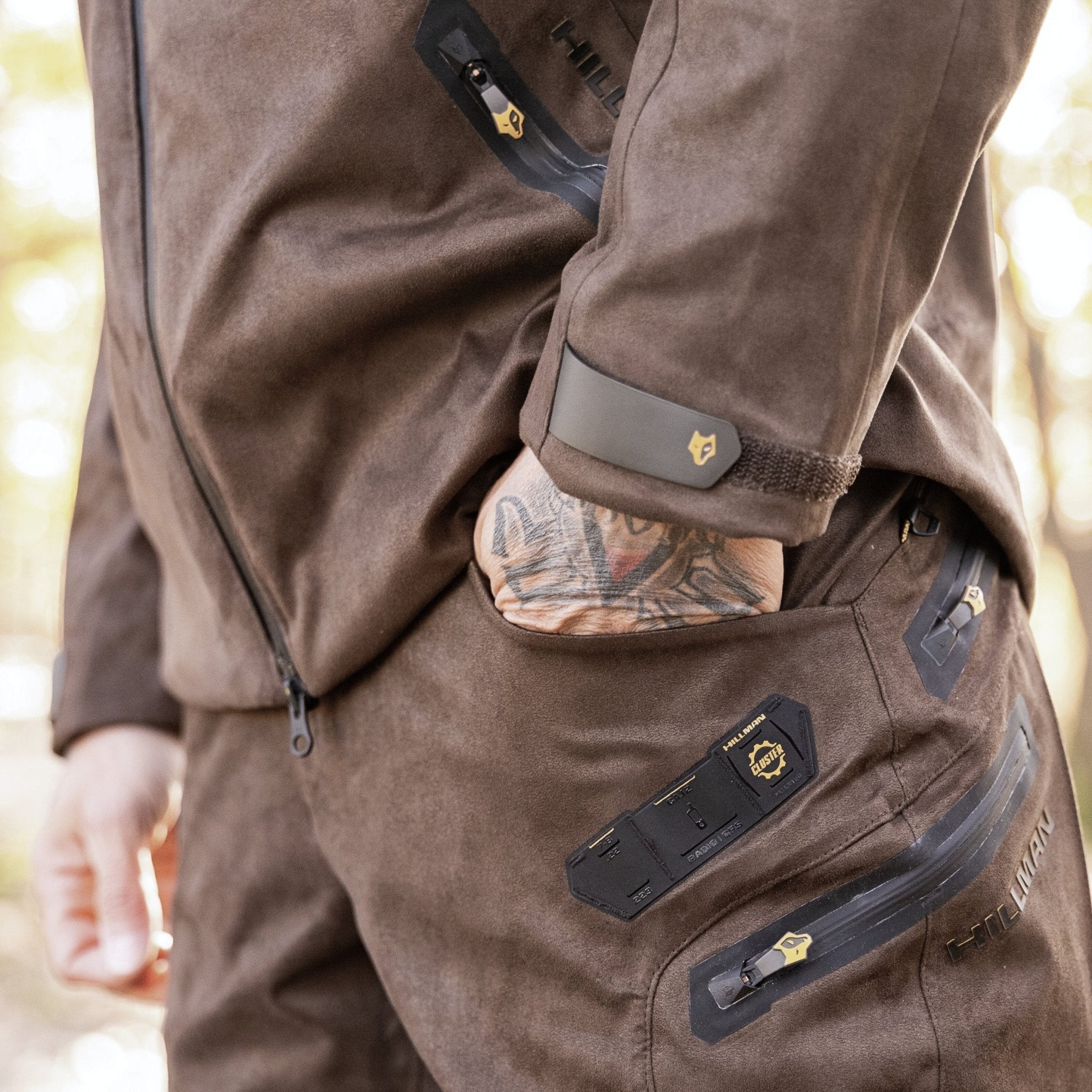
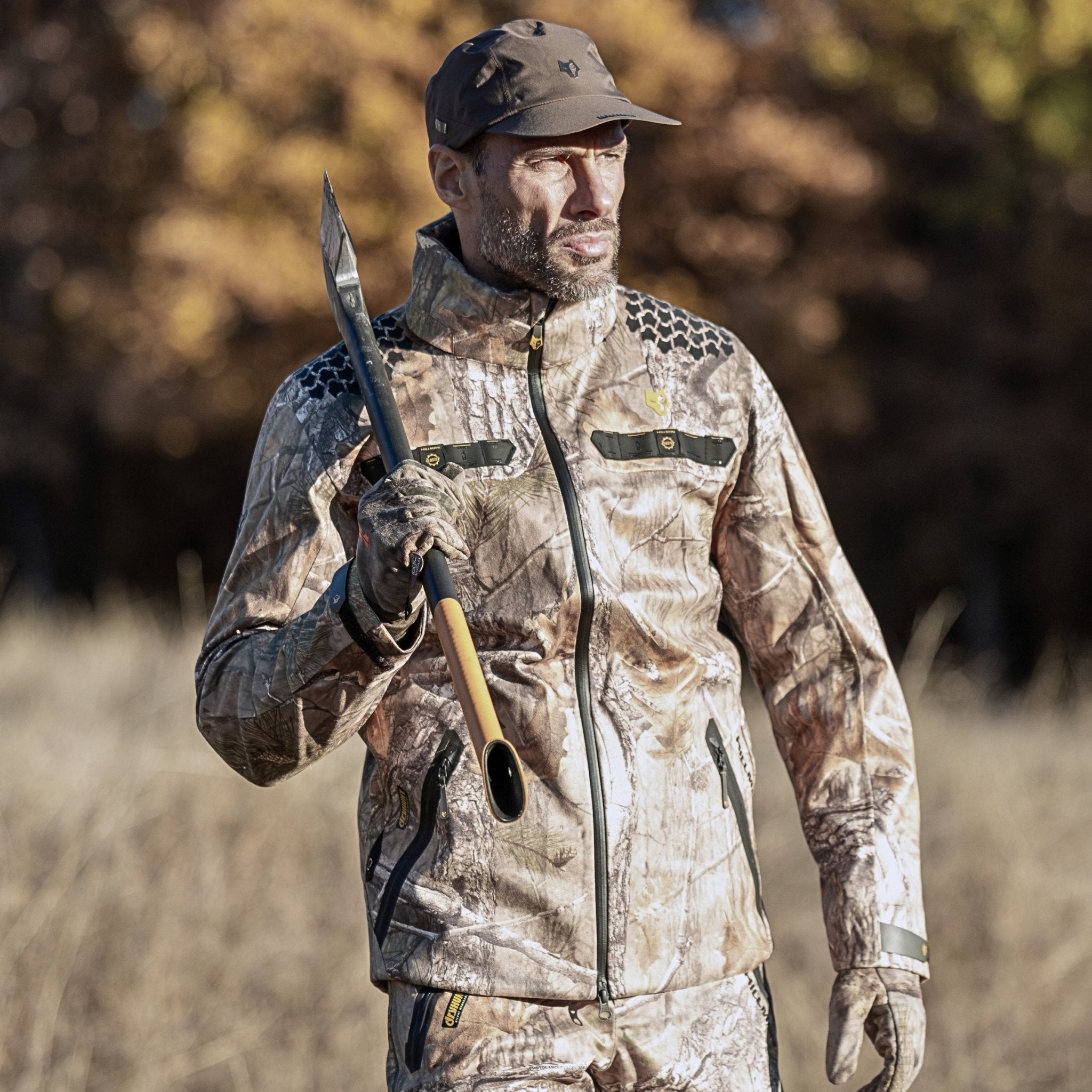
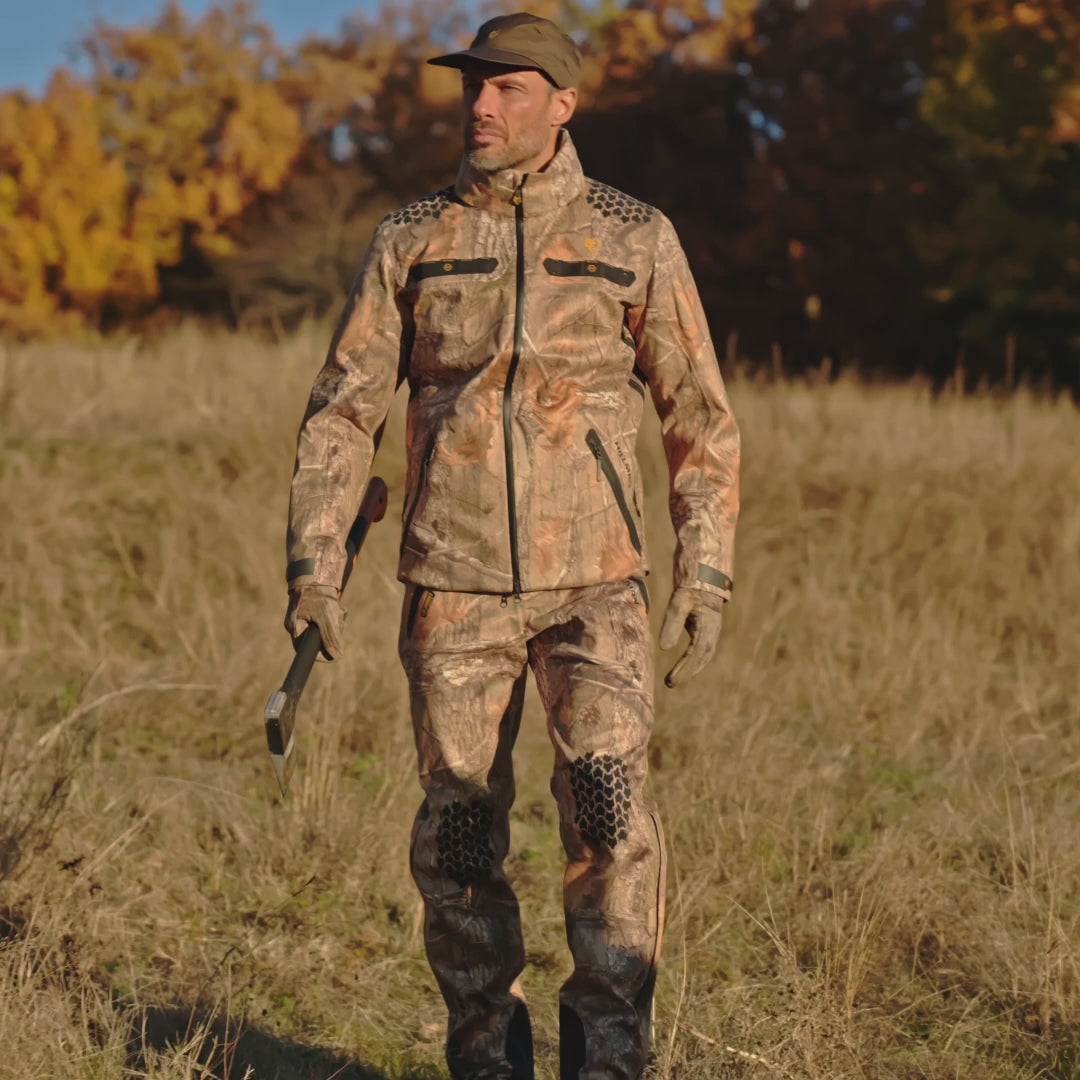
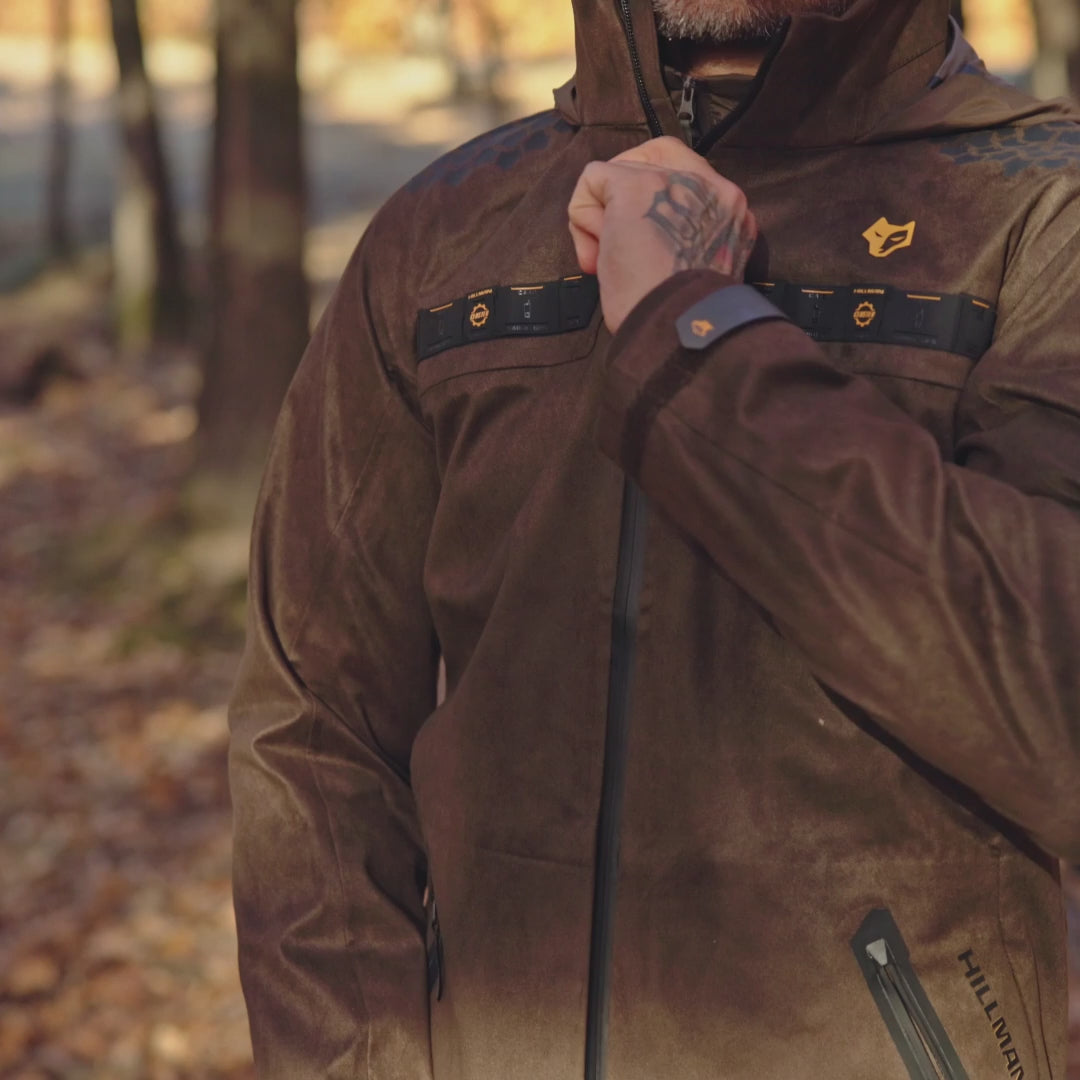
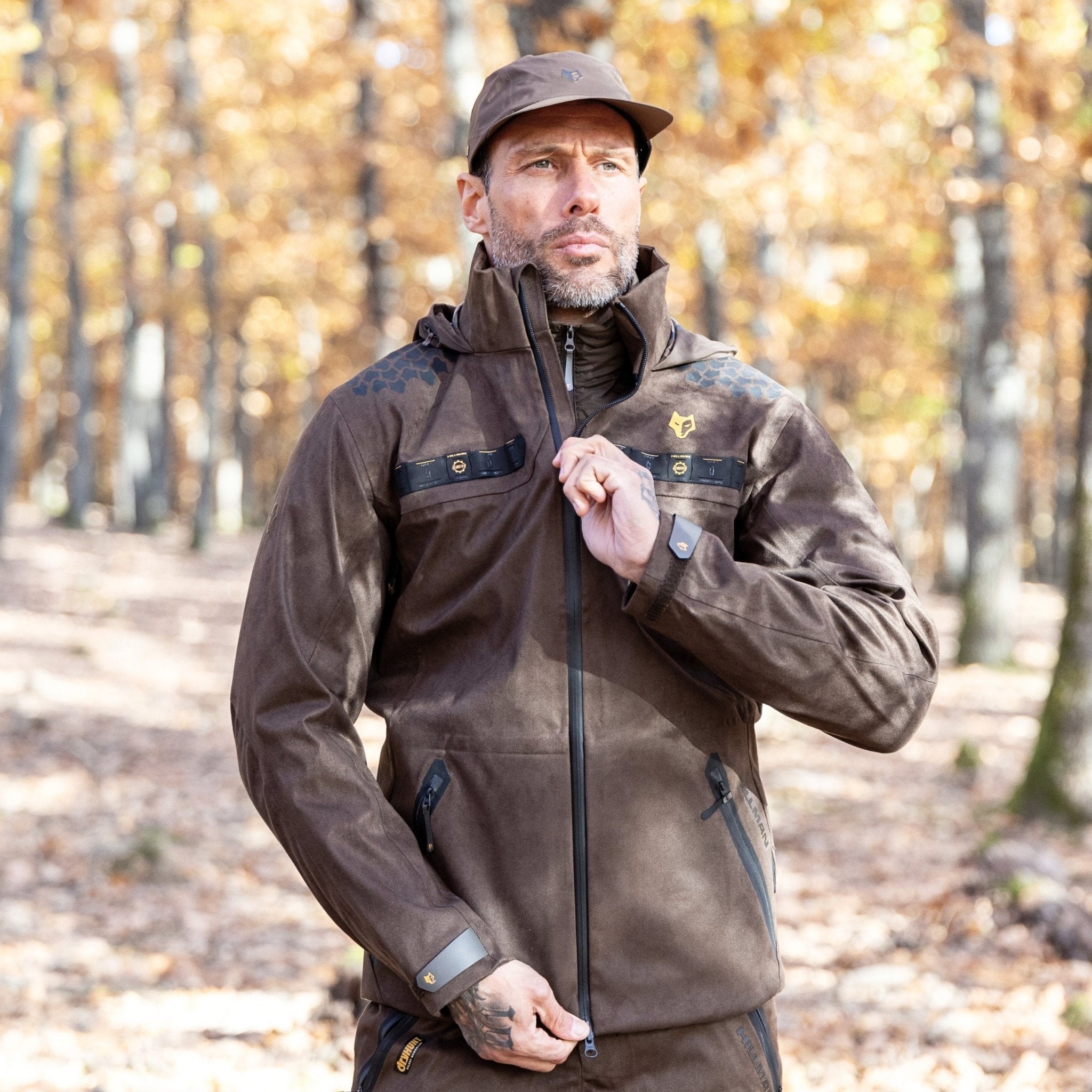
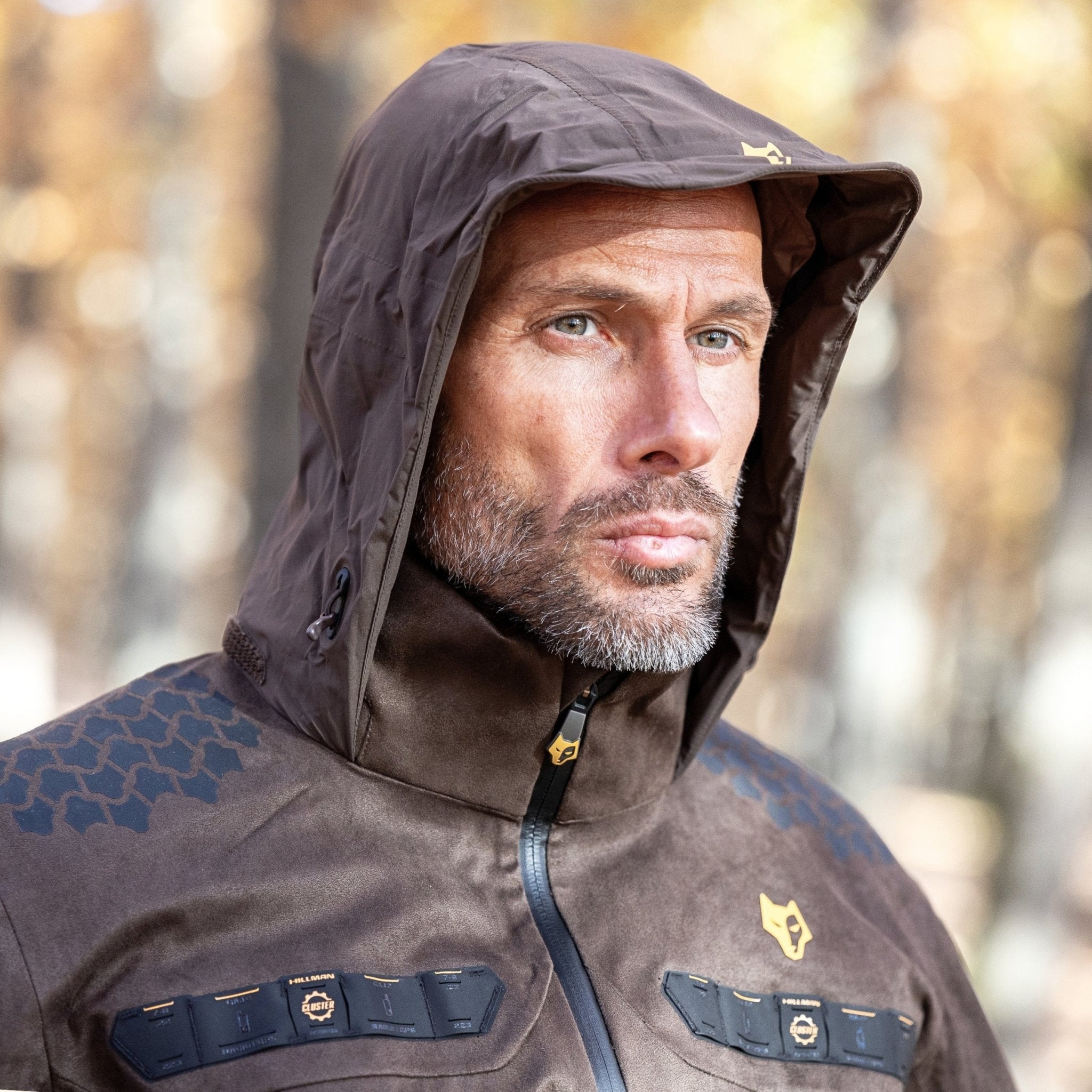
You want a hood that actually moves with your head. Not one that blocks your view every time you turn. You want pockets you can reach with a pack on. Chest pockets should still work when straps cross the body. Hand pockets should not get smashed behind a waist belt. Velcro should work clean and not feel cheap. Seams should be sealed right. Not sort of right. Right.
The little stuff tells the truth.
A jacket with a dumb hood, awkward pockets, weak seams, and noisy fabric is still a bad jacket no matter how nice the camo pattern looks. Same goes for random features that sound cool in sales copy but do nothing useful once you are wet, cold, and irritated.
The best hunting rain gear is usually the stuff you stop thinking about. You wear it. You move. You sit. You pull your arm up. You shoulder a pack. You turn your head. Nothing fights you. That is a good sign.
Rain pants get ignored, then they annoy you all day

Hunters spend all their time talking about the jacket and then act surprised when the pants suck.
Bad pants are miserable.
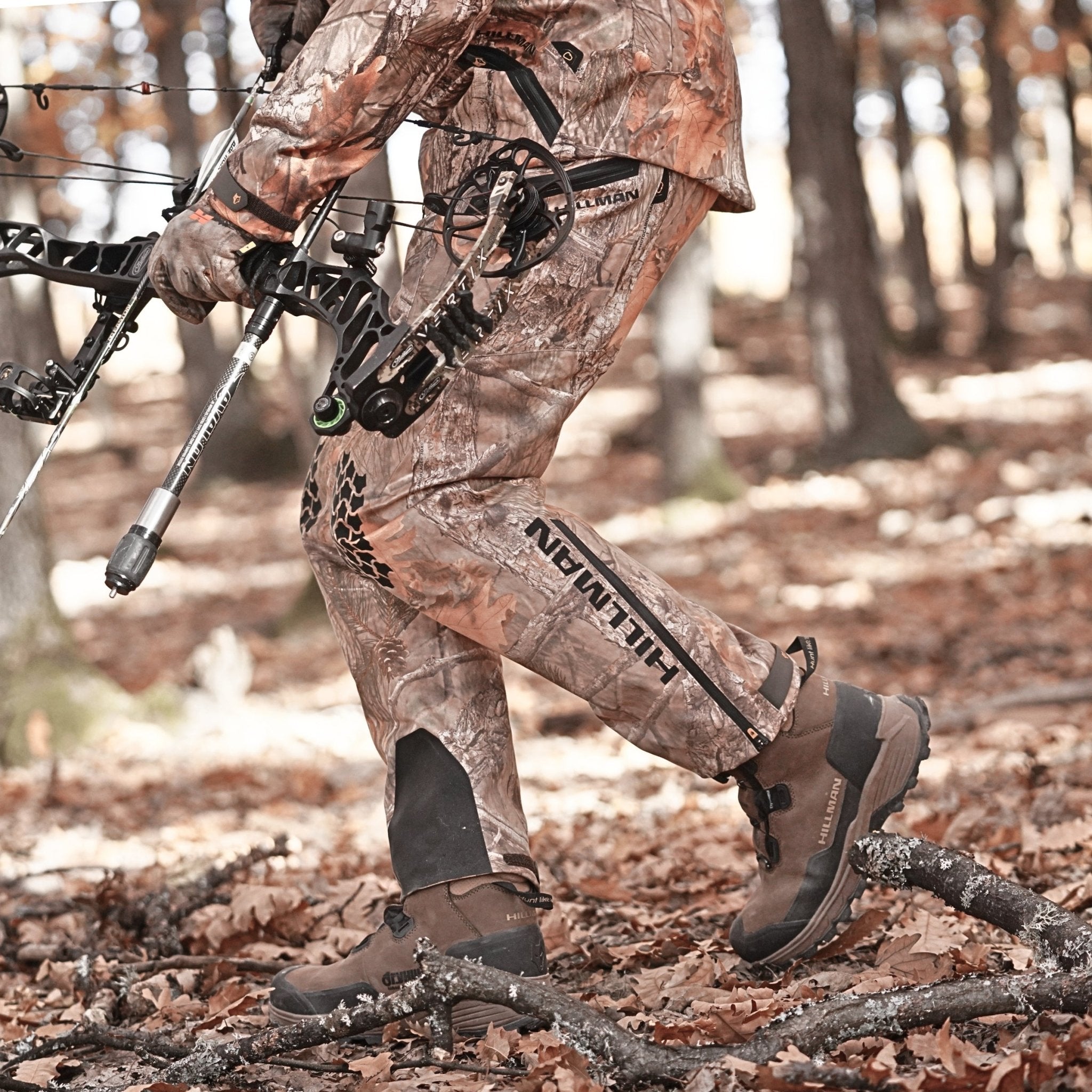
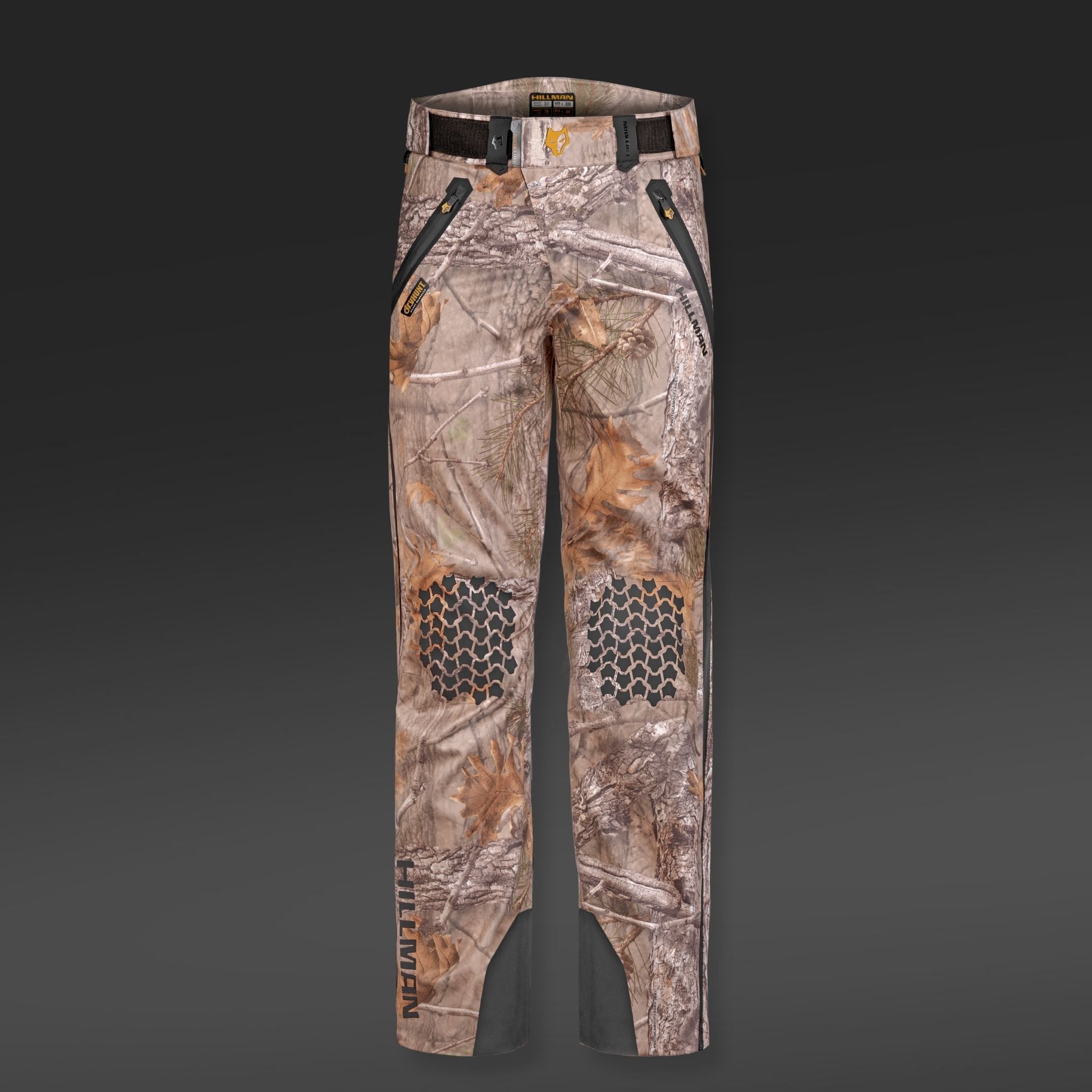
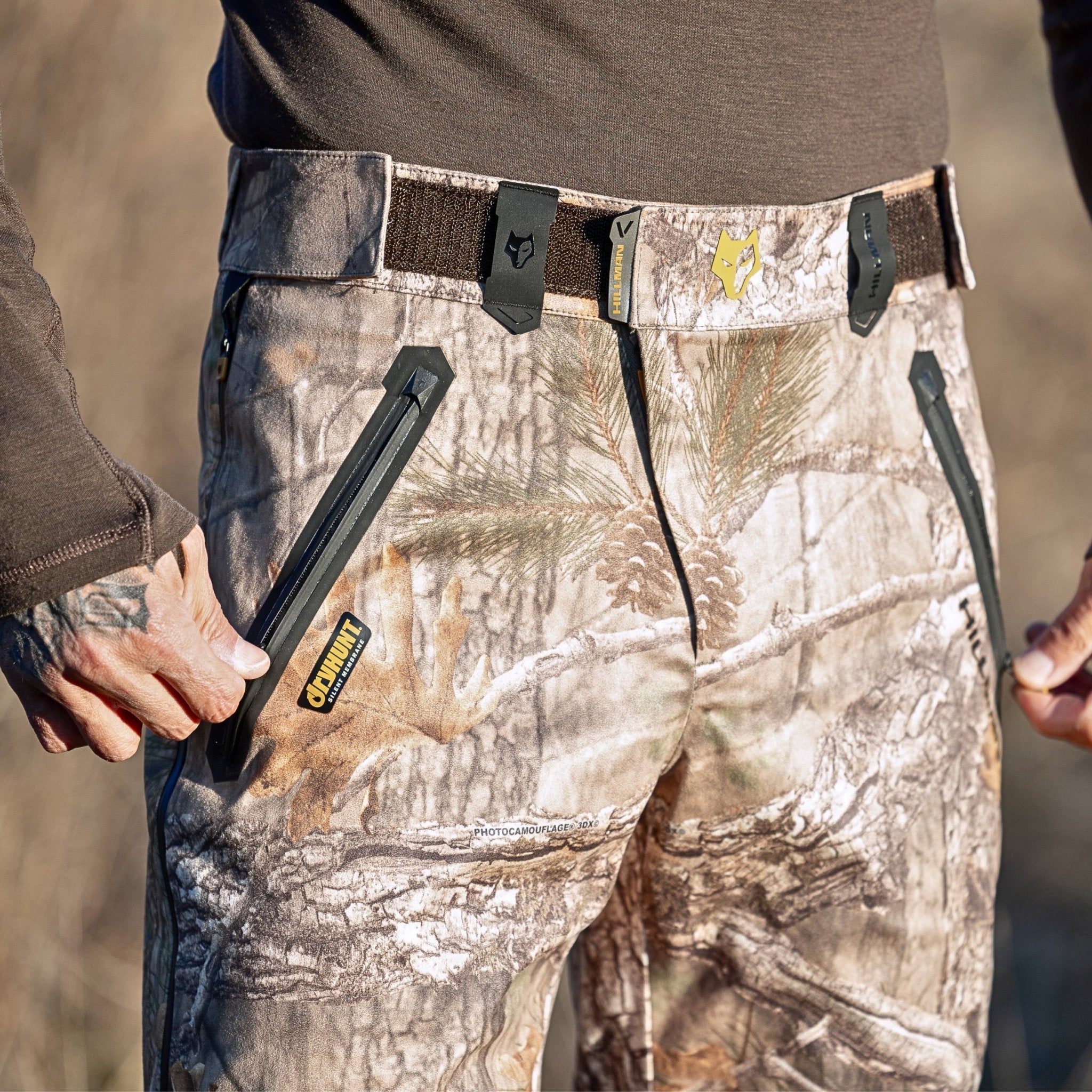
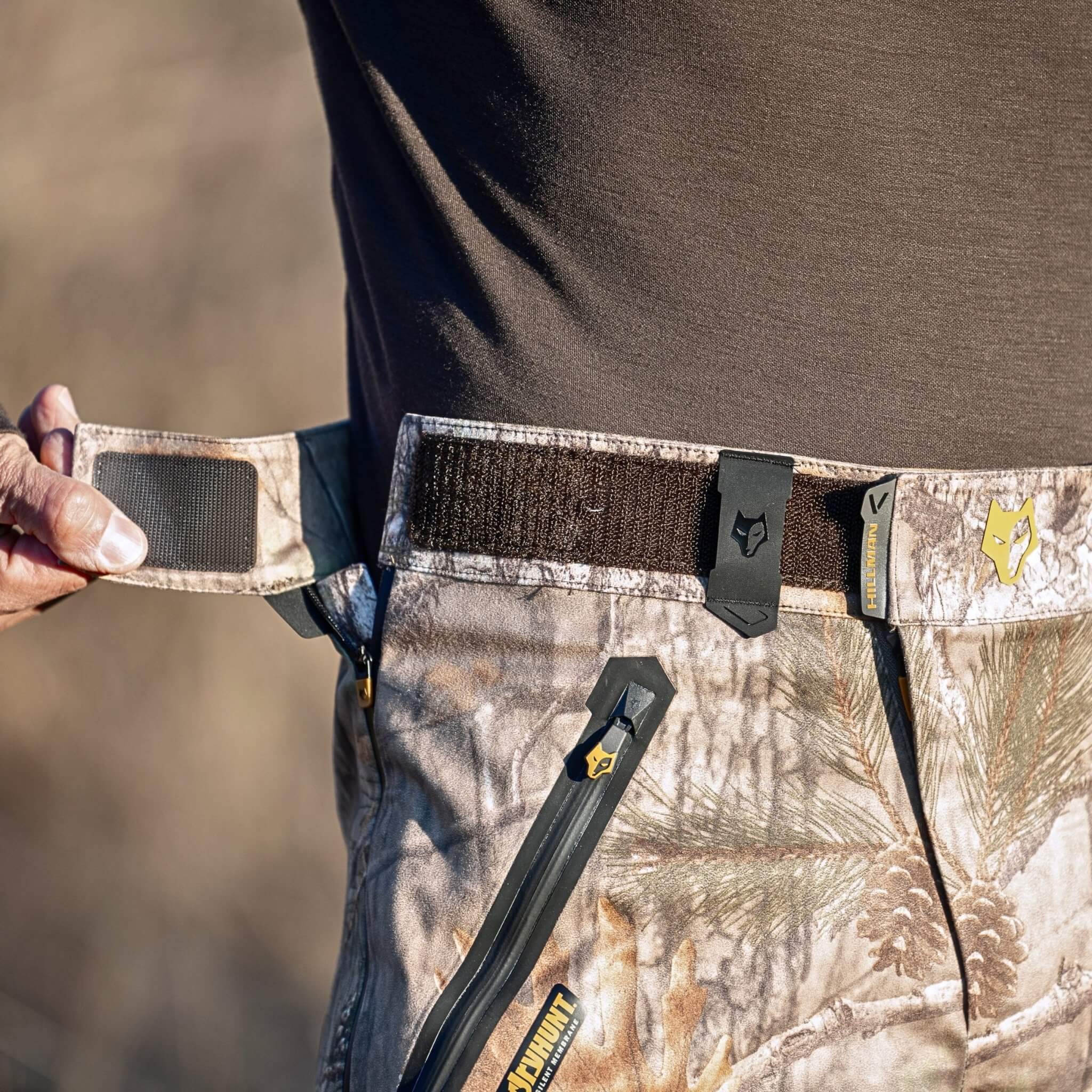
If the waist feels off, you notice it every step. If the cut is wrong through the seat or knees, you notice it every time you climb, kneel, or crawl over deadfall. If they are loud, they get heard. If the fabric feels cheap, they wear out fast. If they do not have enough room, layering gets stupid. If they have too much room, they snag on everything.
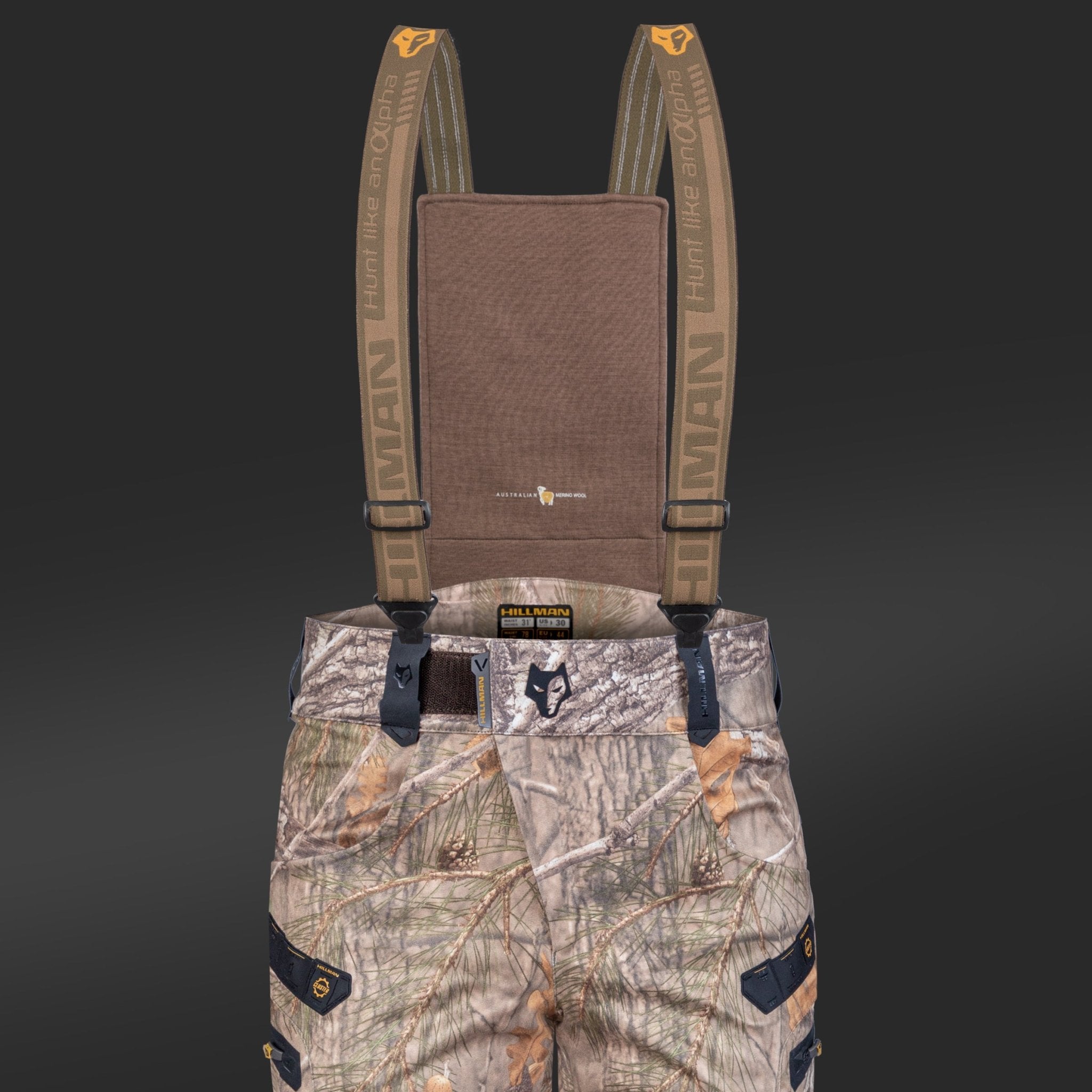
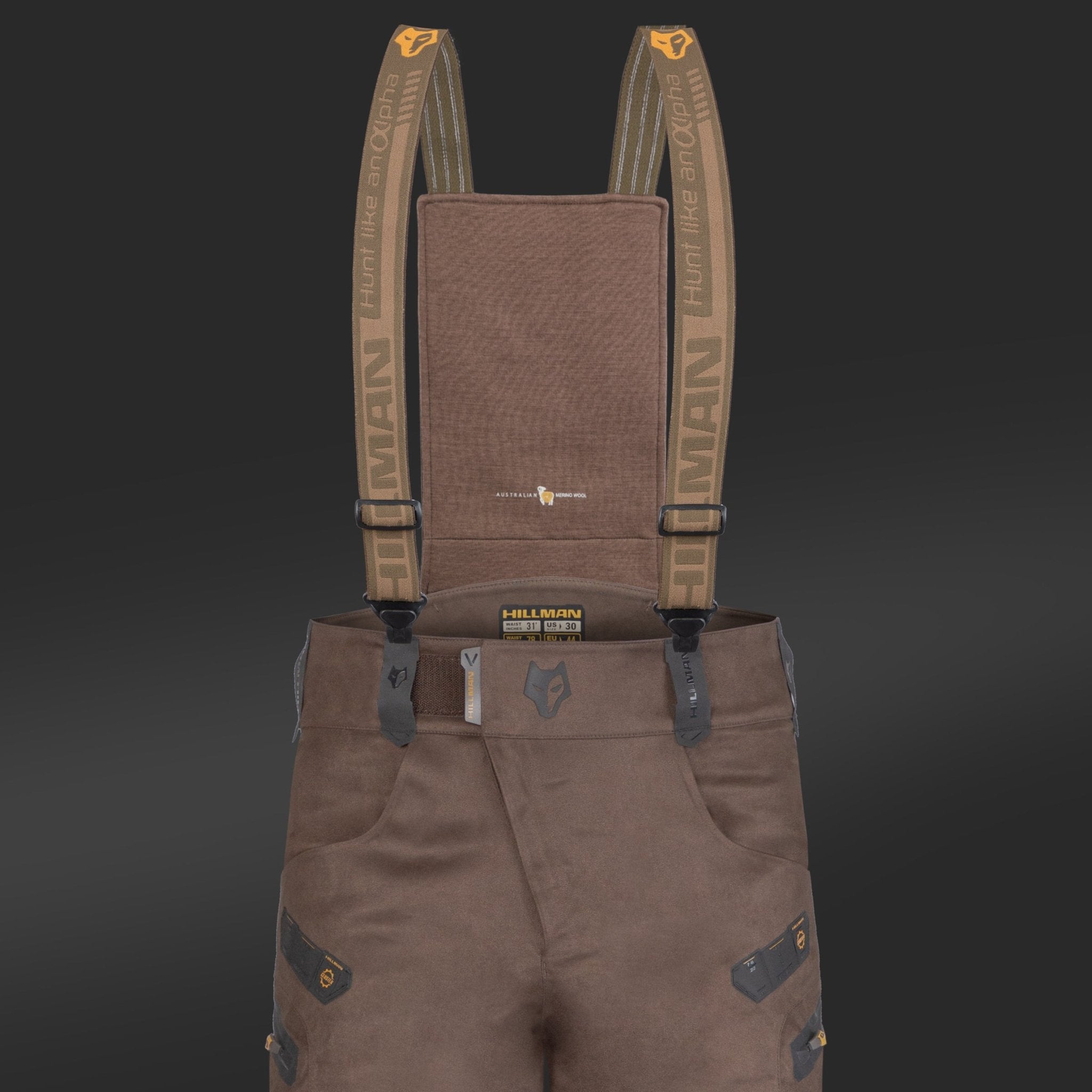
Side zips matter here too. So does the waist design. So do reinforced spots in high-wear areas. Even belt loops matter for some hunters because not everybody wants to trust a weird slippery waist when moving through rough terrain.
Rain pants do not have to be fancy. They just cannot be bad.
Pick for the hunt you actually do, not the one in your head

This is where people drift into nonsense.
They shop for some fantasy version of themselves. The guy who hikes ten miles every hunt. Or the guy who only sits in miserable weather. Or the guy who thinks lighter is always better. Or the guy who thinks more durable automatically means better. Then they buy the wrong thing and blame the category.
Look at your actual hunting.
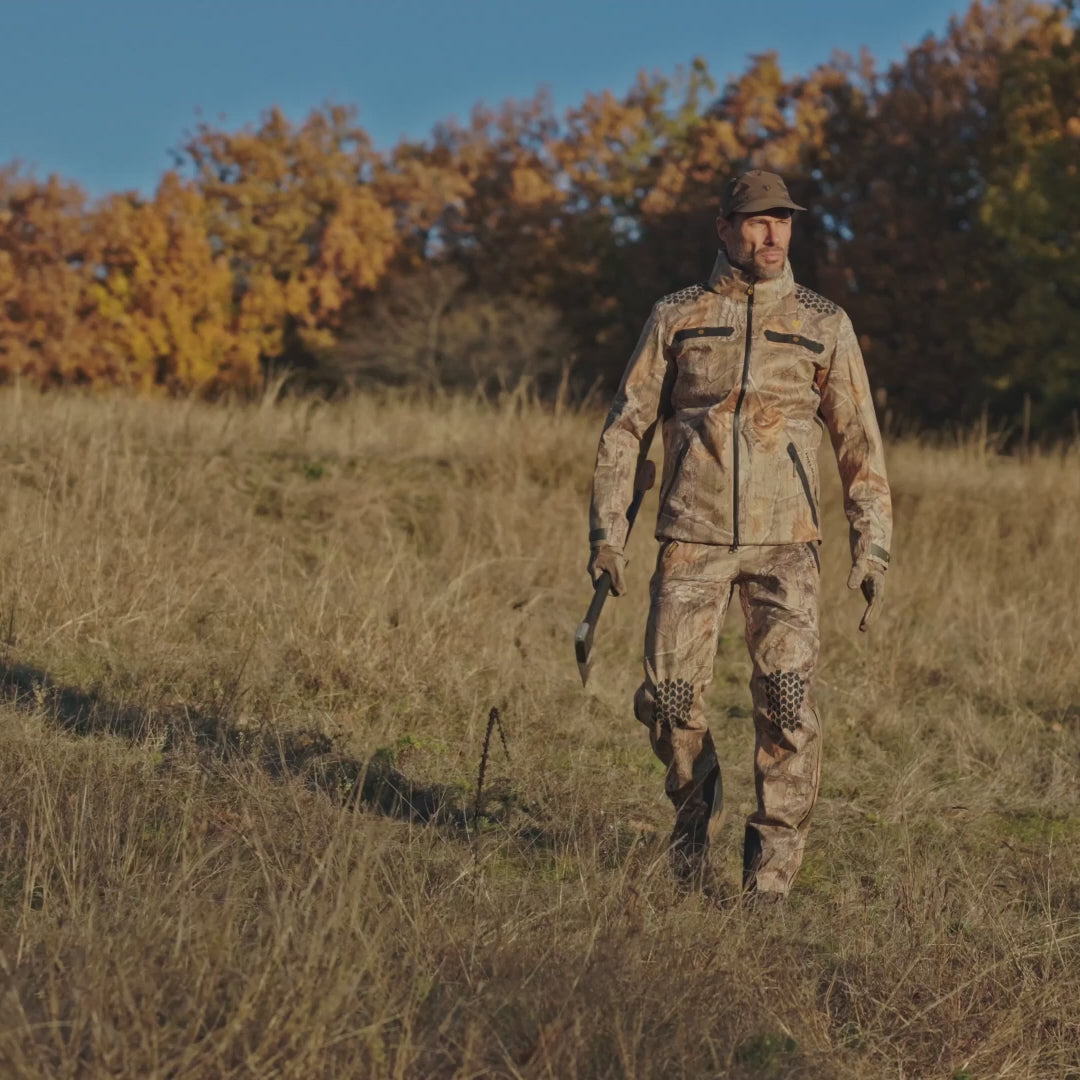
If you mostly walk, cover terrain, and deal with changing weather, lean toward lightweight breathable rain gear with pit zips, packable design, and enough durability for the brush you really hunt.
If you split time between walking and sitting, go slightly heavier and slightly softer. That is where a lot of hunters should be looking. Quiet rain gear, decent hood, useful pockets, good waterproofing, good breathability, enough room for layering.
If your hunts are cold, wet, windy, and mean, stop obsessing over shaving every ounce of weight. A slightly heavier suit that protects better is often the smarter idea. You can vent a better jacket. You cannot magically make a flimsy one tougher, warmer, or more protective once the weather turns nasty.
That is the point. The best hunting rain gear for hunters who walk hard and sit late is not the lightest thing, not the softest thing, and not automatically the most expensive thing. It is the setup that actually works across walking, sweating, sitting, wind, wet conditions, and long ugly days outside.
Think about the real hunt before you buy anything

Before buying, stop staring at product photos and think.
How far are you walking? How much do you sweat? How often are you in real rain instead of a quick shower? Are you in open ground or heavy brush? Are you wearing a pack every trip? Do you care about a camo pattern because you need it to match the rest of your hunting gear? Are you usually on stand late when it gets colder? Do you hunt mild weather, or do you keep going when the wind gets nasty and everything is wet?
That is how you narrow it down.
Because the wrong setup usually does not feel wrong right away. At first it feels fine. Then the hood starts irritating you. The jacket gets loud. The pants pull weird. The face fabric wets out. The seams look suspect. The body cools off because sweat got trapped. The whole idea turns into the worst version of waterproof gear: you are technically protected, but still uncomfortable enough to hate wearing it.
Good hunting rain gear should protect you, not become another problem you have to manage.


Share:
Warm Insulated Hunting Boots for Long Sits vs Active Hunts
Cold Weather Hunting Clothes for Late Season Deer Hunts