

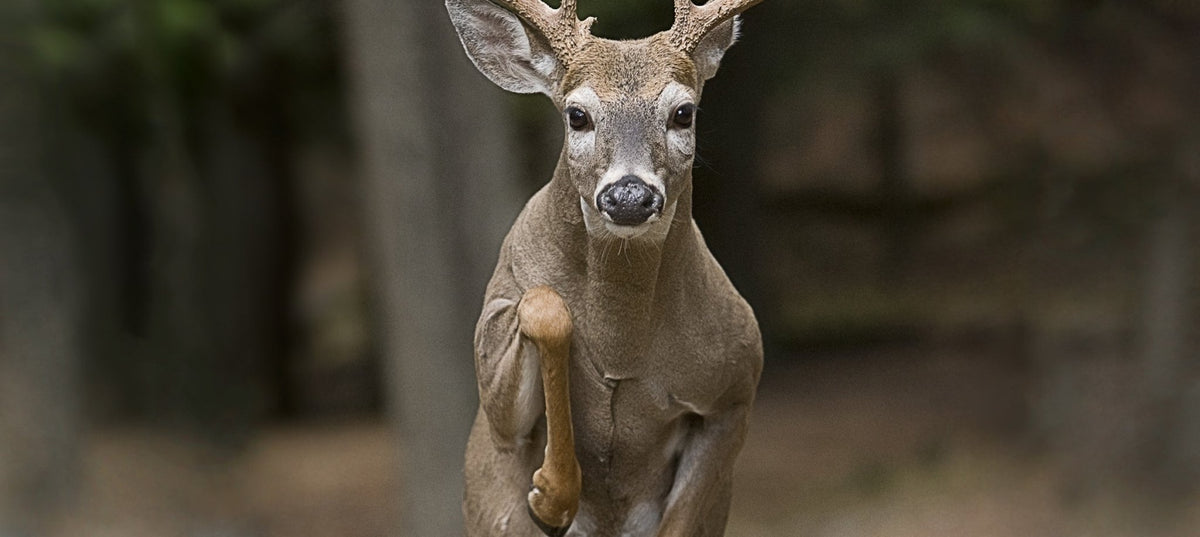
Cold Weather Hunting Clothes for Late Season Deer Hunts: How to Stay Warm Without Adding Bulk

Cold weather hunting clothes for late season deer hunts should keep you warm, cut sweat, block wind, and avoid useless bulk.
Most hunters overdress, sweat early, then freeze later. This is the same bad cycle every season.
A hunter piles on hunting clothes at the truck because the weather looks nasty, the cold bites a little, and nobody wants to start a hunt feeling underdressed. Ten or fifteen minutes later, after the trail, a climb, or a quick push through rough terrain, sweat starts building. Then the pace drops. Maybe you hit the stand. Maybe you slow down for stalking. Maybe the wind picks up and temperature drops. That is when the whole setup starts falling apart.
All that trapped moisture starts stealing body heat. The heavy jacket that felt warm now feels clammy. The pants feel loaded. The boots start feeling colder, not warmer. The problem was never just cold weather. The problem was bad control.
That is really what cold weather hunting clothes for late season deer hunts how to stay warm without adding bulk comes down to. Not just warmth. Control over sweat, heat, moisture, wind, insulation, and how all your hunting gear works together when the hunt gets long and the weather gets mean.
Base layers can save the whole system or wreck it

Base layers are not just there to tick a box.They decide whether sweat sits on your skin or moves away from it. If moisture stays trapped, the rest of your layers lose performance fast. Once you stop moving, that damp feeling turns cold in a hurry. Then hunters start blaming the jacket, the weather, the season, whatever. A lot of the time the base layer already screwed the whole thing up.
Merino is still one of the safer picks for cold weather hunting because it handles moisture well, stays comfortable on long hunts, and keeps some warmth even when damp. Synthetic base layers can also work, especially if you want something more breathable, faster drying, and a little more thin under the rest of your clothing.
Cotton is still trash for this. It holds moisture, dries slow, and helps you freeze once the hunt slows down. In extreme cold conditions, that is not a small mistake. That is how people end up miserable before midday.
Fit matters too. Base layers should sit close, but not tight enough to mess with circulation. You need room in the legs, core, and feet for blood flow. Tight clothing can look neat and still make you colder when you are sitting still.
Mid layers should build warmth, not turn you into a swamp

This is where a lot of hunters get dumb with it.
They think more layers automatically means more protection, so they stuff on bulky insulation and then act surprised when they start sweating halfway through the walk in. Too much bulk kills mobility, adds weight, and traps heat when you do not need that much of it yet.
A better system is cleaner. One breathable mid layer for movement. One warmer layer ready for when the weather gets worse, the wind starts cutting through, or the hunt turns into a long sit. That works better than wearing everything at once like you are preparing to sleep outside in a snowbank.
Fleece works. Merino blends work. Light synthetic insulation works. The point is not brand hype. The point is to create warmth without building a thick mess under your outerwear.
Modern insulated jackets and mid layers are better than older bulky stuff because they can hold heat with less dead weight. That matters when you are carrying a pack, climbing, crossing rough ground, or trying to shoulder a rifle without fighting your own clothes.
A hunting jacket has to stop wind and weather without cooking you

A hunting jacket for late season deer hunts has one real job. Keep bad weather out without trapping every bit of sweat inside.
Weak outerwear gets exposed fast. Wind blows through it, snow sticks to it, rain starts soaking the face fabric, and then your insulation is working uphill. Once that happens, warmth drops fast. You do not need some magical jacket. You need one that blocks wind, handles weather, and still breathes enough for real hunting.
Water resistant may be enough in some conditions. In uglier weather, more protection matters. Either way, if the jacket turns into a wet plastic bag from the inside, it is still failing.
Noise matters too. A loud jacket is a stupid thing to ignore in deer hunting. The woods go quiet, you shift once, and the outerwear sounds like a grocery sack. Great. Soft face fabric, quieter outerwear, and better cut hunting clothes make more sense for whitetails, stalking, and close movement.
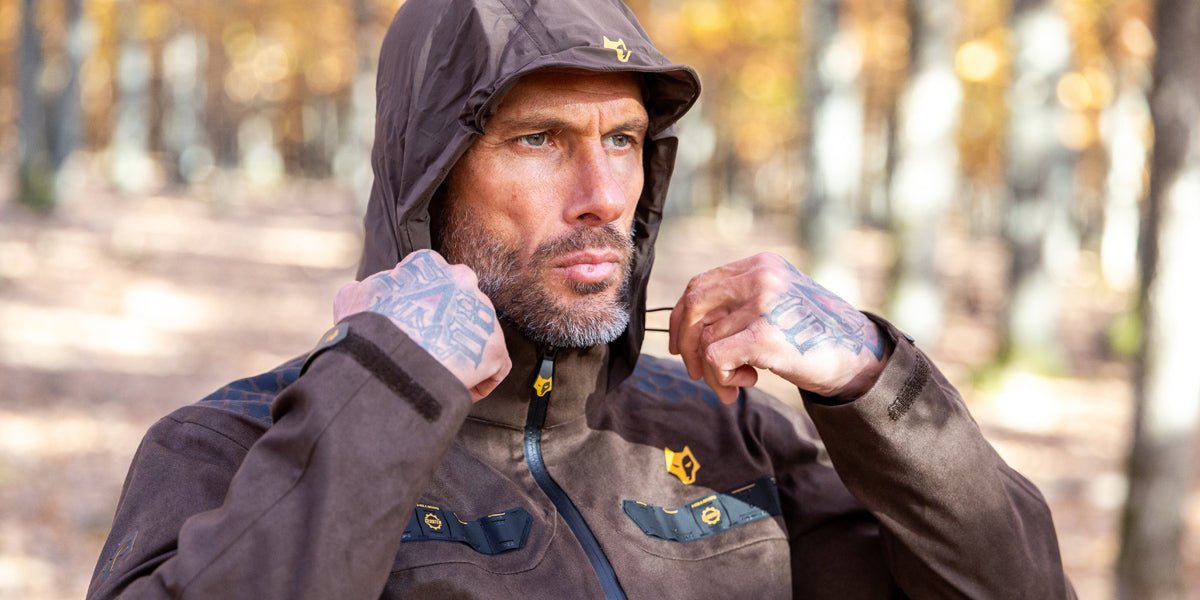
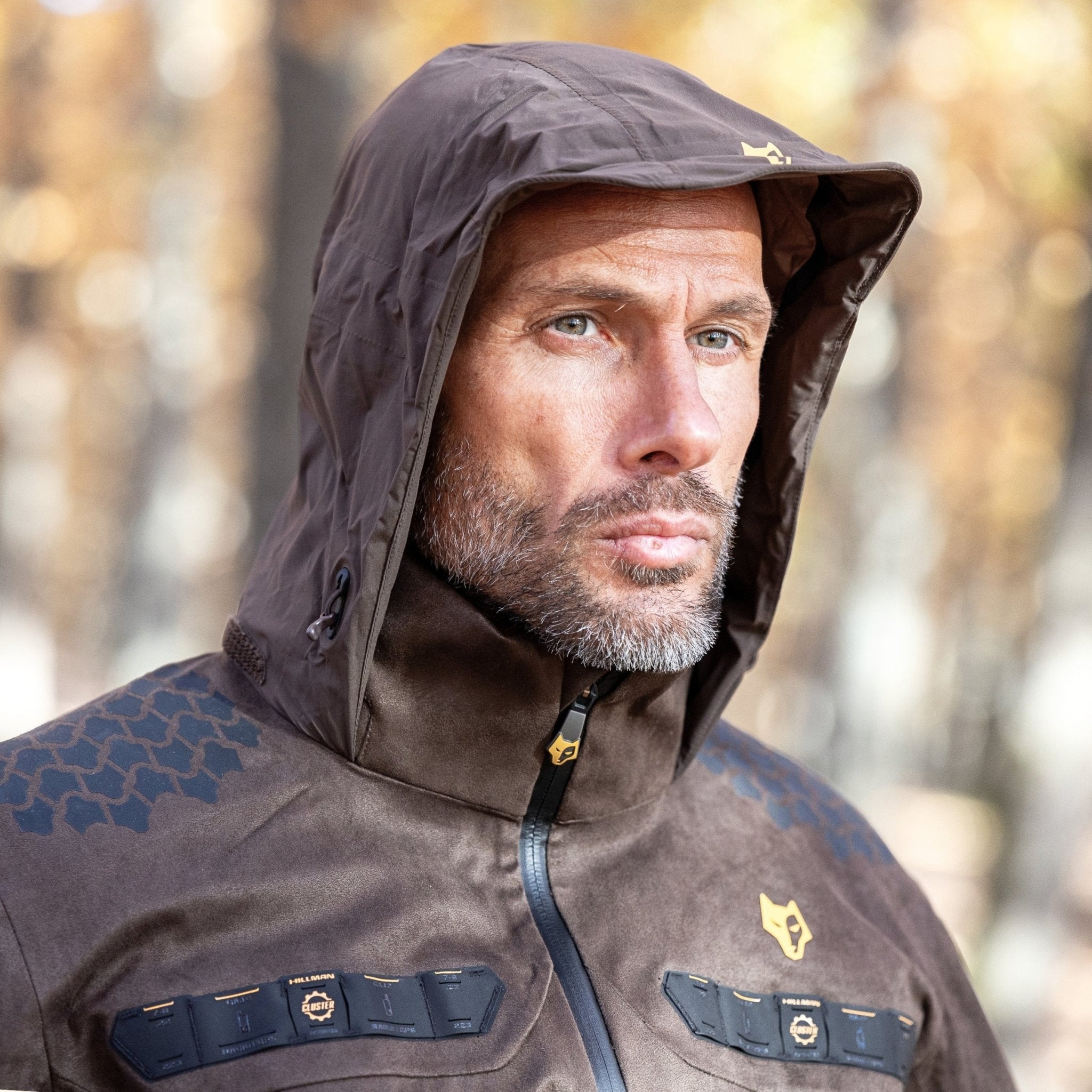
The hood matters. The fit matters. Room matters. Too tight and you crush insulation. Too loose and you bleed heat and drag extra fabric around all day. A good hunting jacket should protect you without hanging off you like oversized junk.
Pants and bibs do a lot more than people admit

Hunters love talking about jackets first. Fine. But lower-body gear is where plenty of late season setups start losing heat.
Your legs, hips, and lower core get punished when you are sitting in snow, leaning against frozen bark, or standing in wind for too long. Weak pants get exposed fast. Cheap insulation folds under pressure. Cold starts creeping in, and once the lower half goes bad, the whole hunt gets harder.
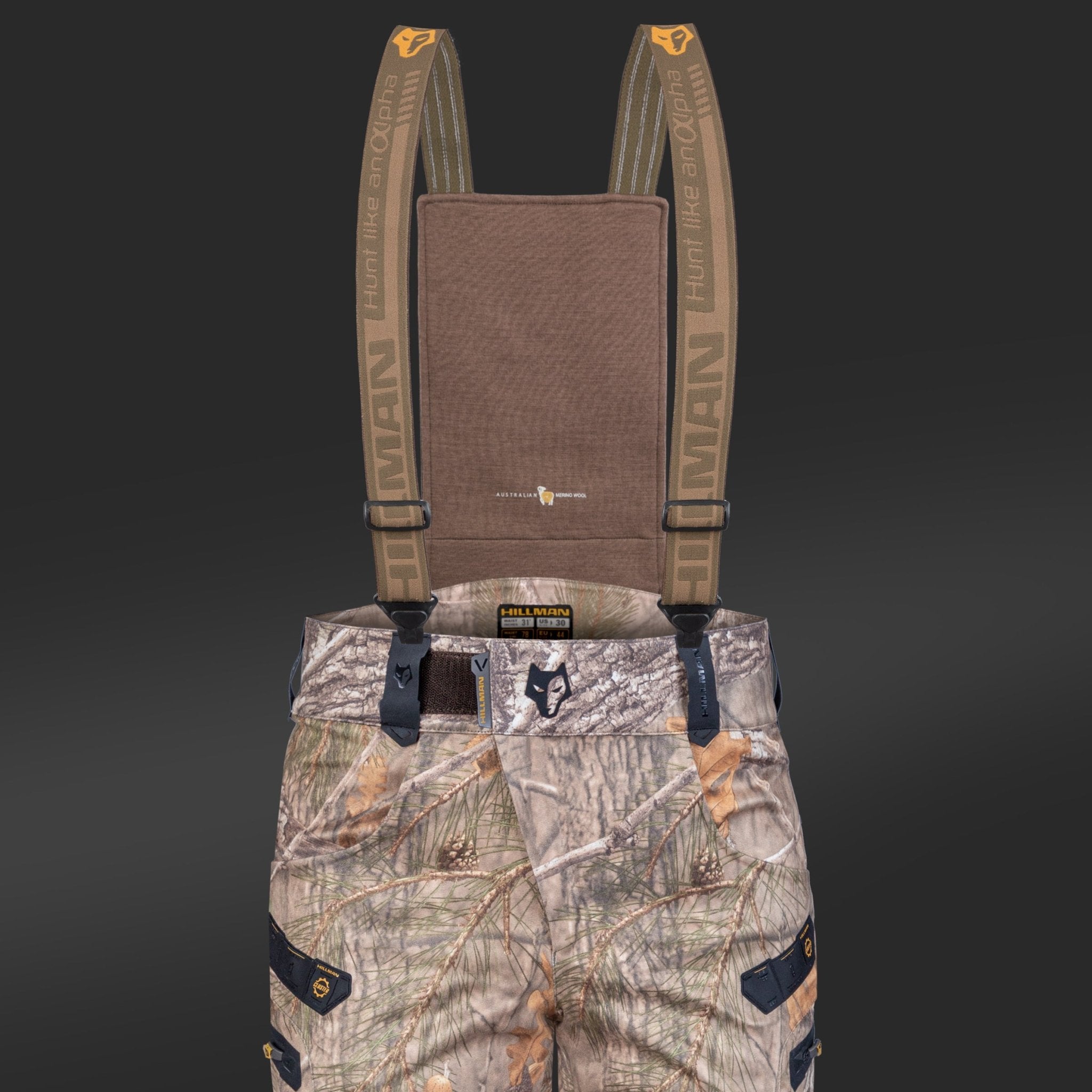
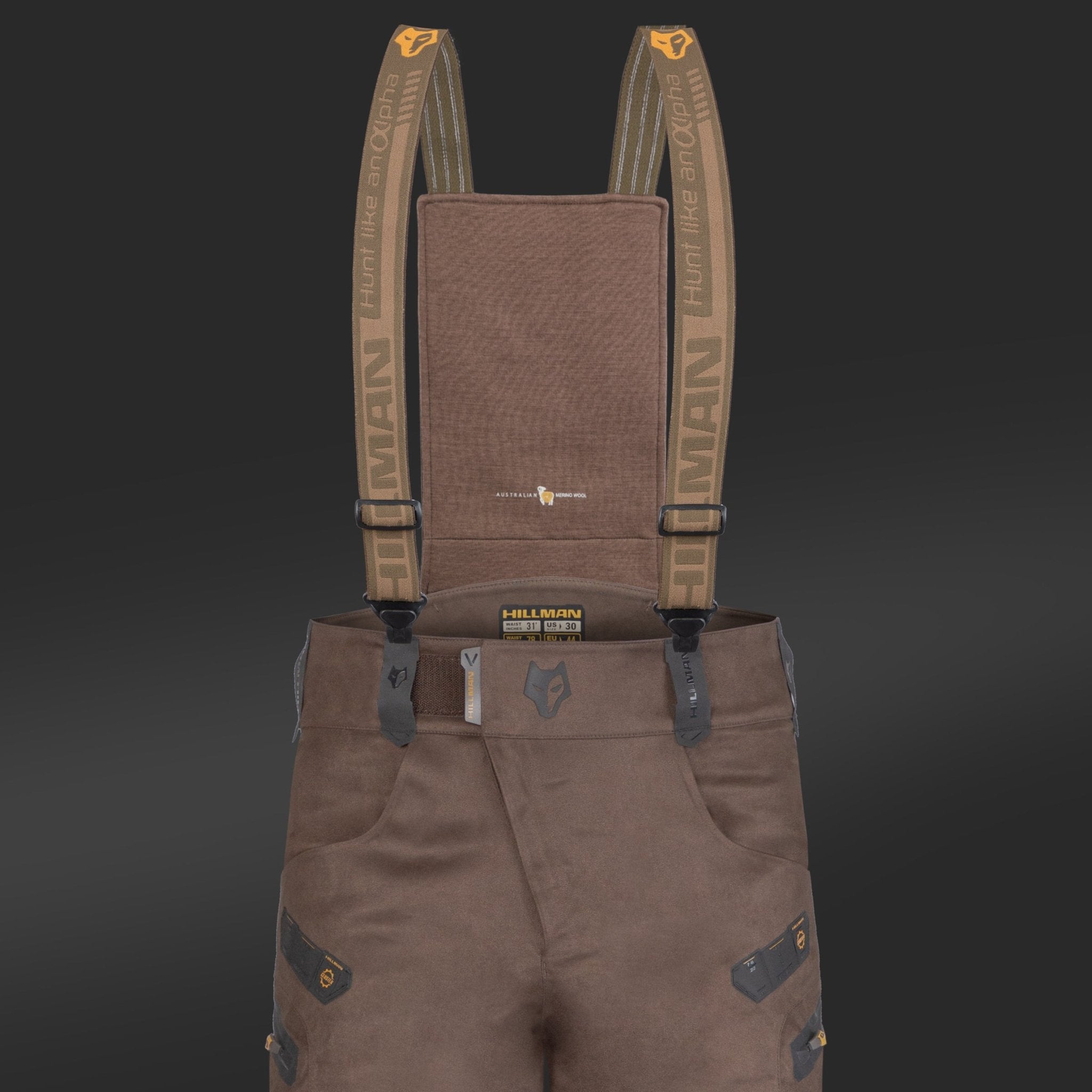
Bibs are often worth it in extreme cold conditions because they protect more of the core and stop drafts around the waist. That alone can make a real difference on long hunts. Better bibs also keep working while sitting, which matters because weak insulation gets crushed fast.
Still, not every hunt needs heavy bibs. If you are covering ground, stalking, or climbing through mixed terrain, heavy lower-body gear can become a pain. In those cases, durable pants with base layers underneath may be the smarter move. You still want protection, enough room to move, and enough breathability that your legs do not turn sweaty on the way in.
Good pants should let hunters bend, kneel, pull up over obstacles, and move quietly. Too much bulk in the lower half wears you down faster than people think.
Hunting socks, boots, and gloves decide whether you last

Cold feet kill hunts. That is not complicated.
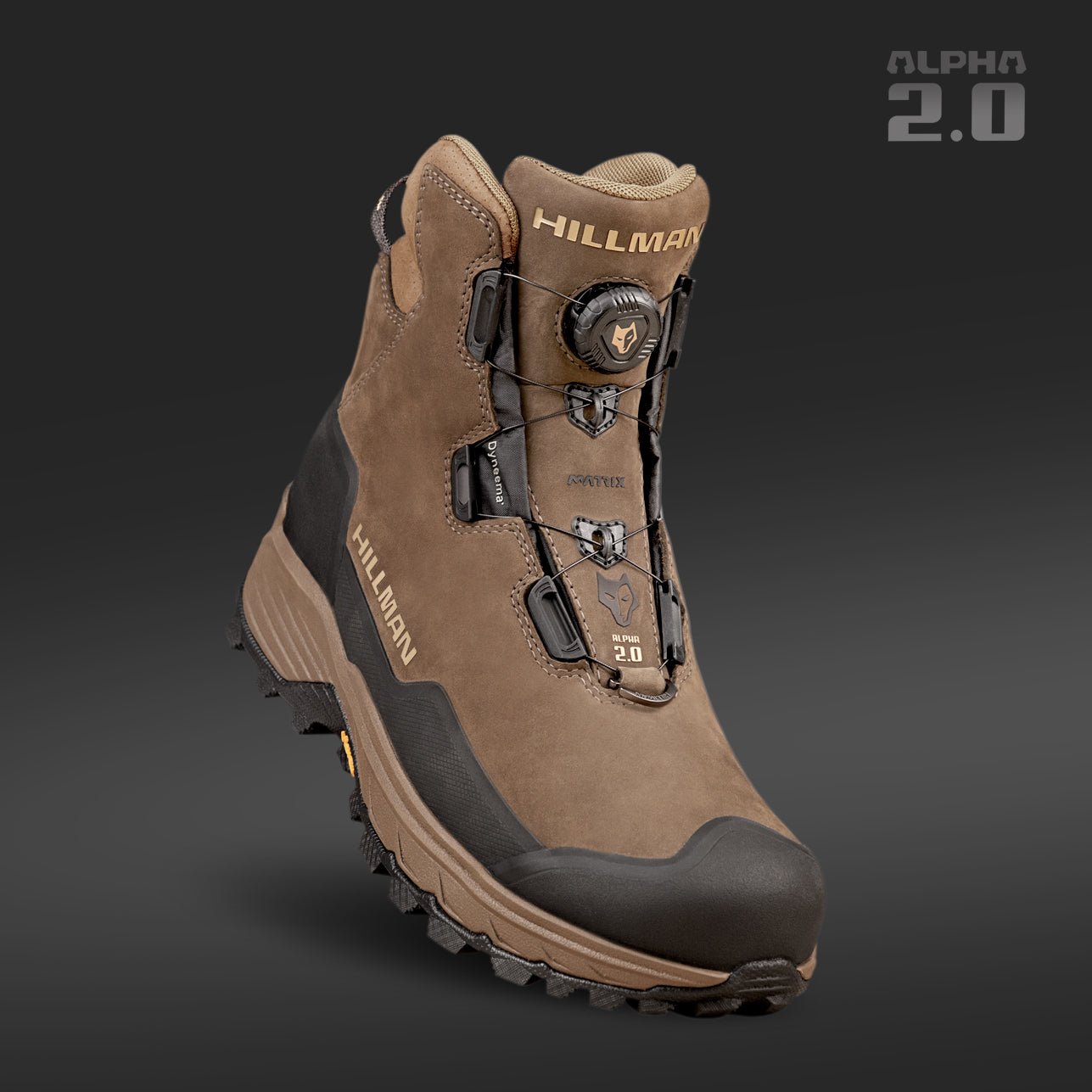
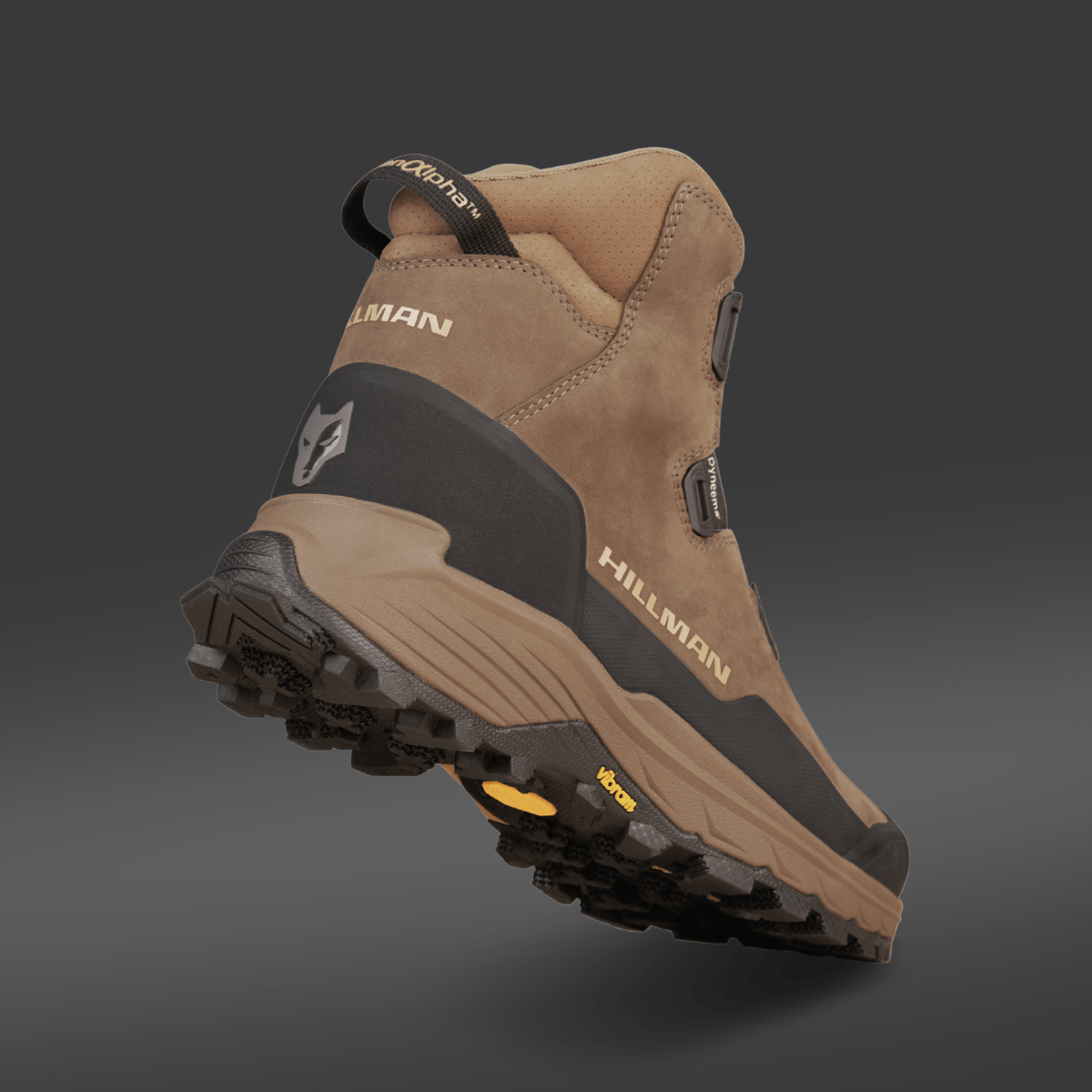
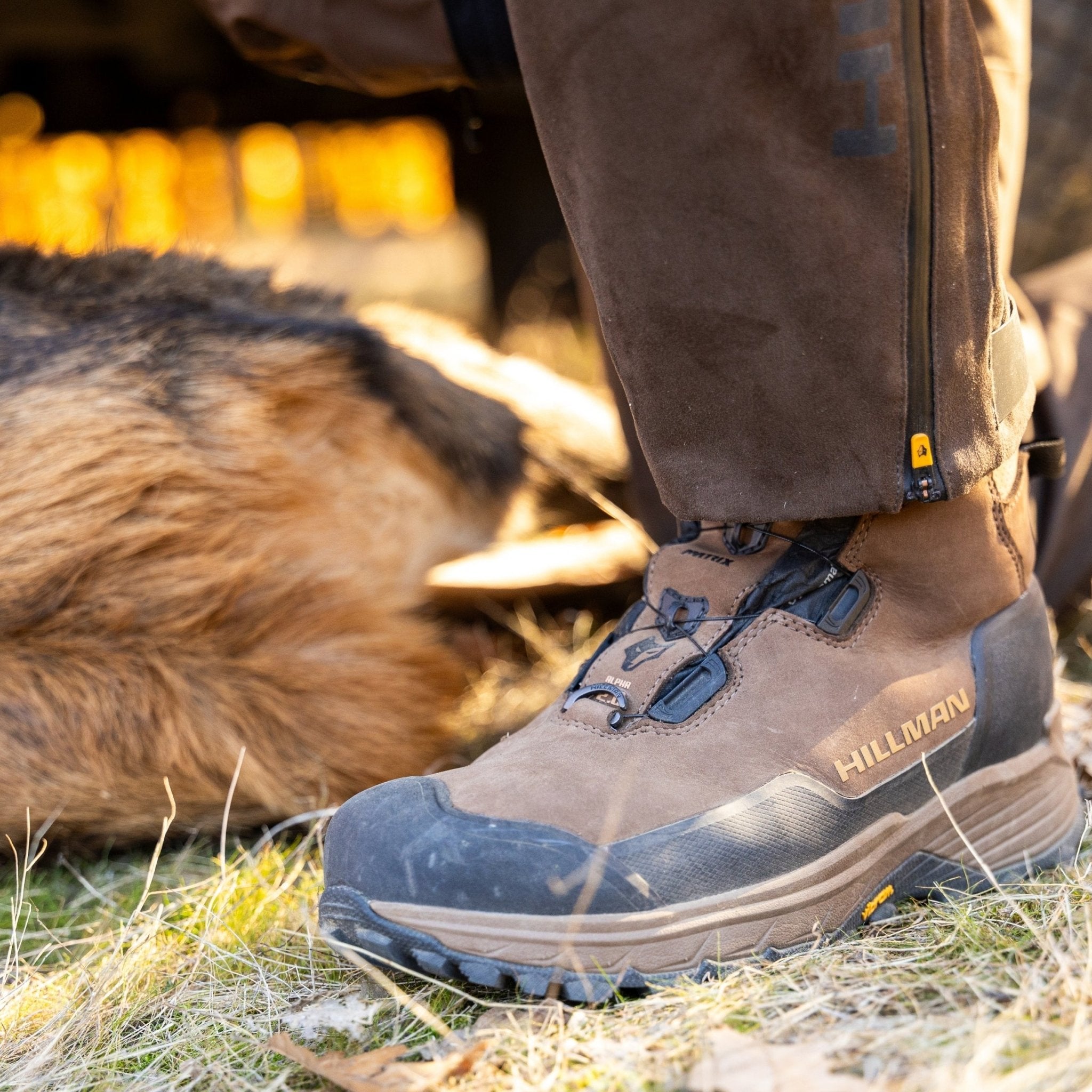
Hunting socks have to work with your footwear, not against it. Merino hunting socks are a strong choice because they manage moisture, hold warmth well, and stay more comfortable through long hunts. But thicker socks are not always better. Stuff one thick pair into already snug boots and you can cut circulation enough to make your feet colder anyway.
A better setup is usually one solid pair of hunting socks with boots that still leave some room. You need insulation, yes, but you also need blood flow, dry skin, and enough space that the whole system can actually work.
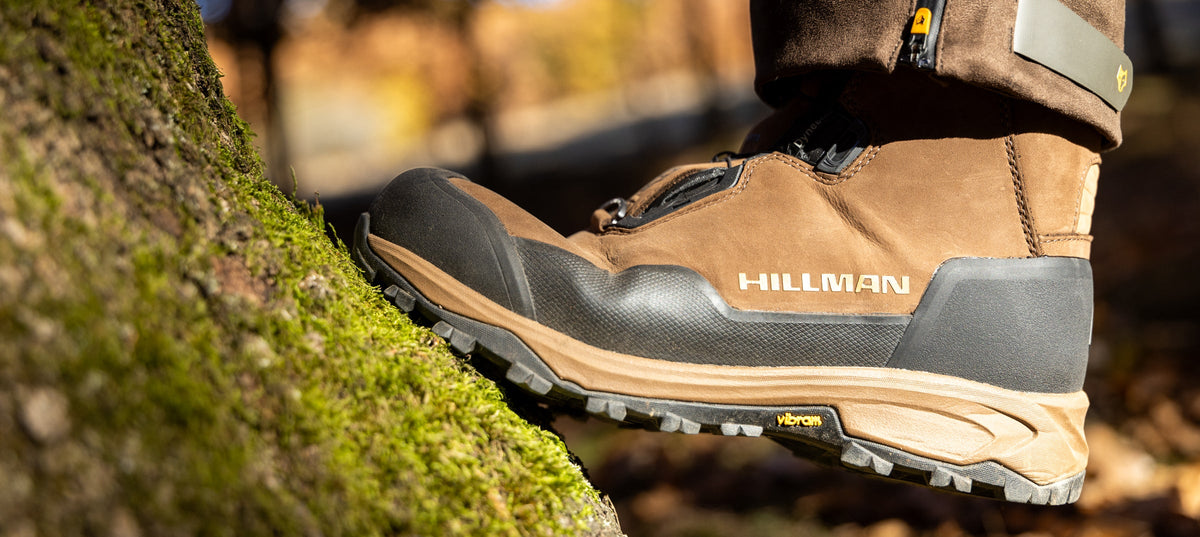
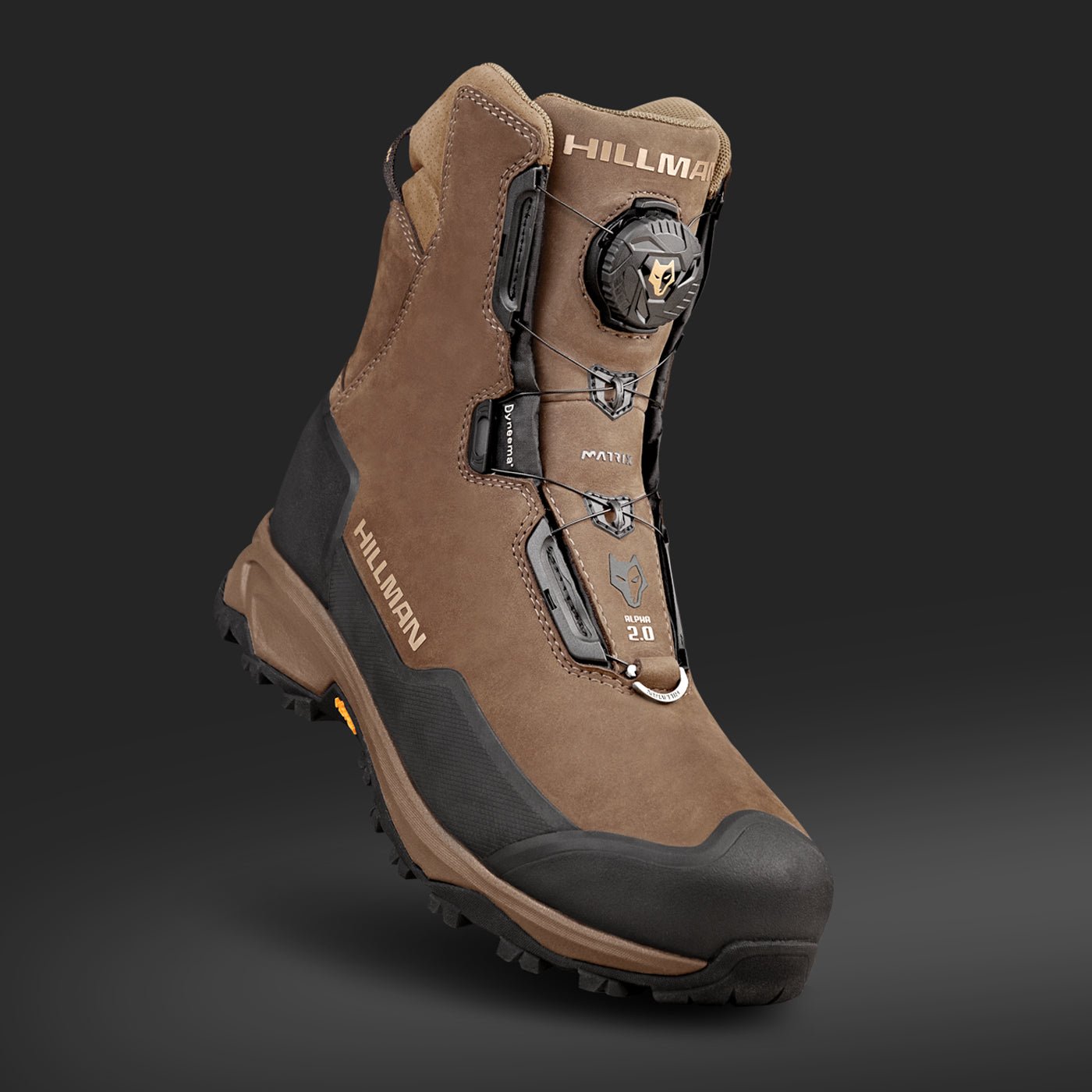
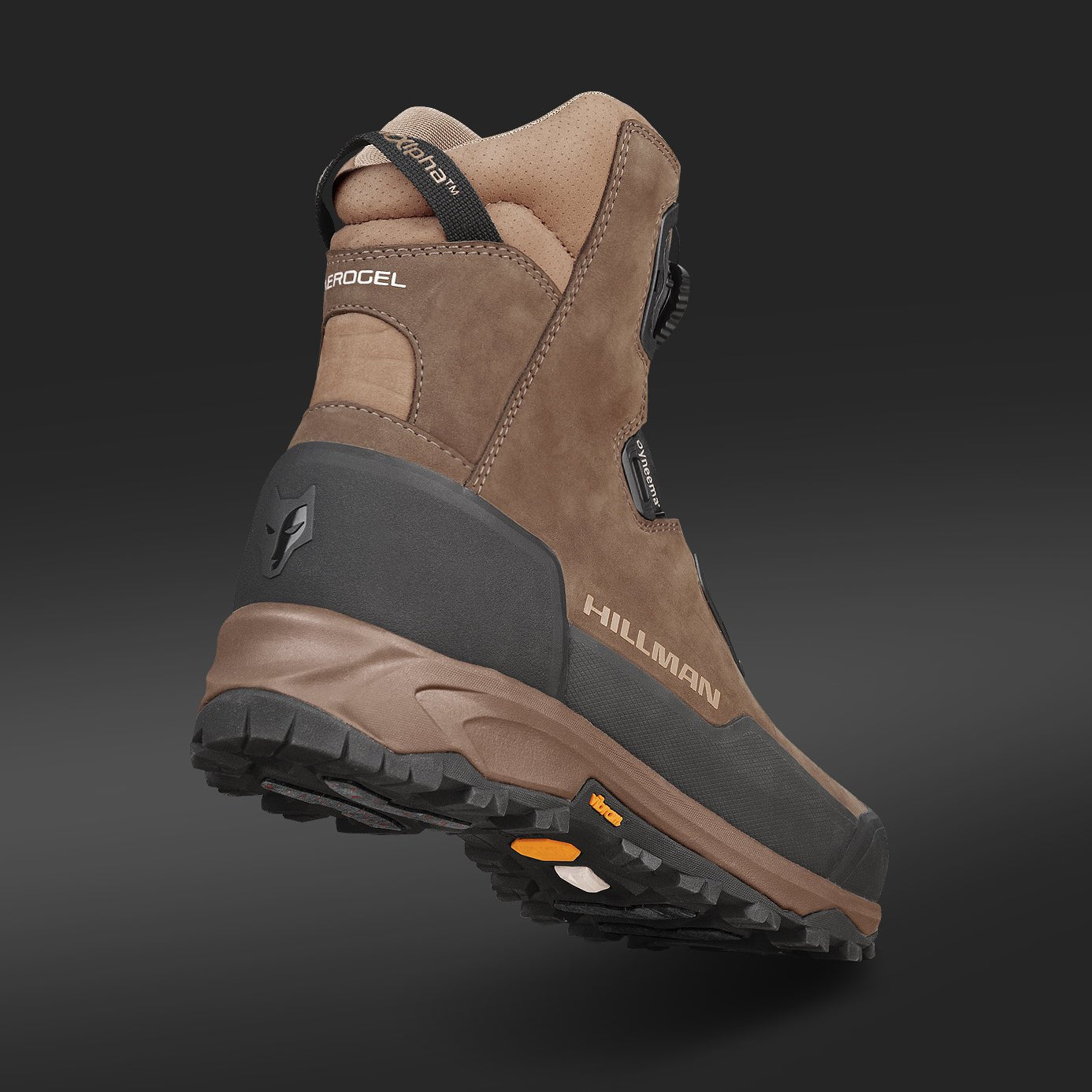
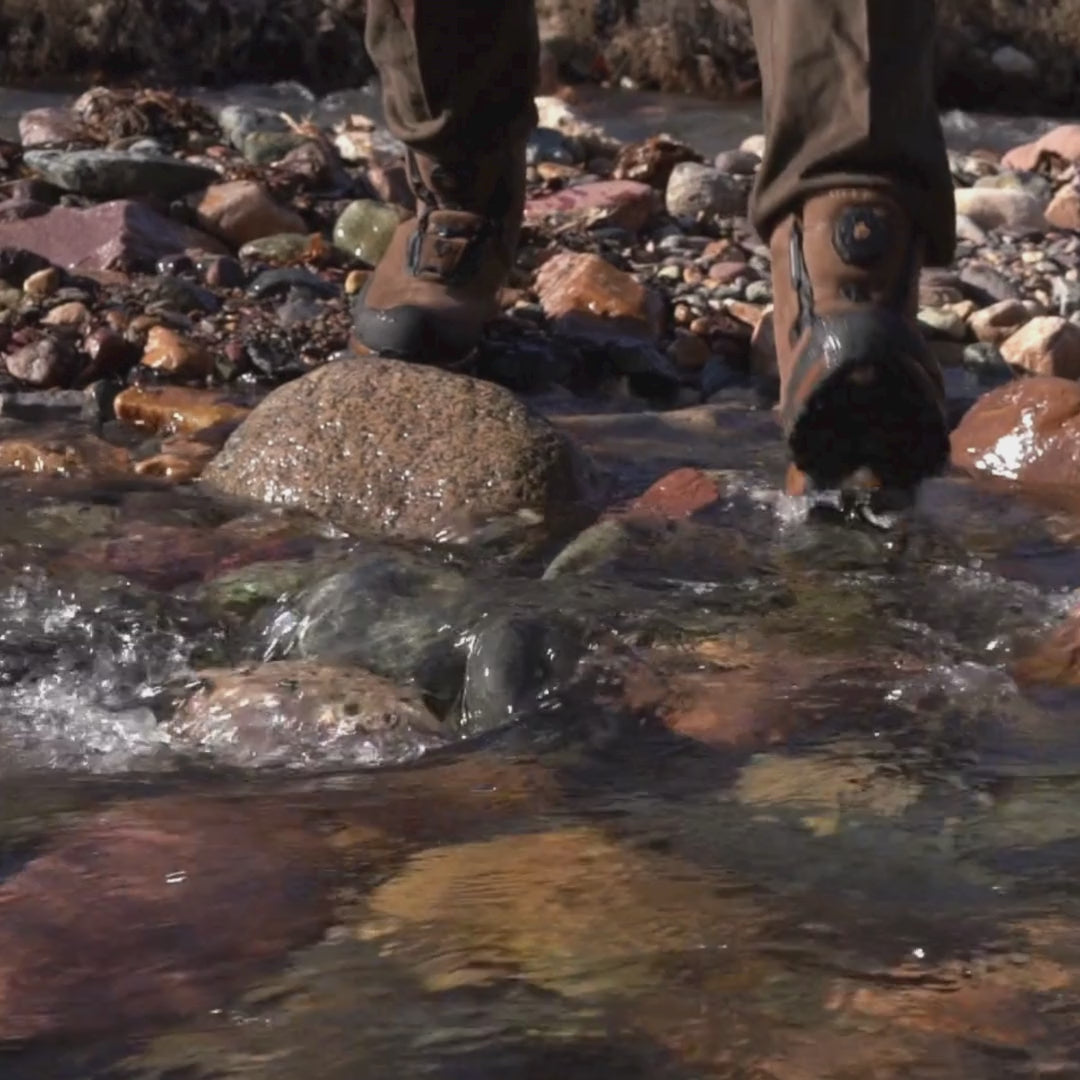
Boots should match the hunt. Sitting in a stand through snow is different from stalking ridges, crossing ice, or grinding through a long trail. More movement usually means you need more breathable footwear. More sitting means you will rely harder on insulation and weather protection.
Gloves are the same story. Big gloves can keep hands warm, sure, but if you have to strip them off every time you touch your rifle, mess with gear, or open your pack, they become annoying fast. Thin liner gloves under warmer gloves or mitts usually work better because they protect your hands without making them useless.
Start cool, then add layers before the cold takes over

This is where the system either works or falls apart.
For stalking, climbing, or any active hunting, start a little cool. That is normal. If you start the hunt already warm, you are probably overdressed. Then sweat starts, moisture builds, and later you pay for it when the pace slows.
Let the base layers, breathable insulation, and lighter outerwear carry the early movement. Then add heat when temperature drops, snow starts, wind gets nasty, or the hunt turns into long sitting.
For stand hunting, do not wait until you are already cold. That is another dumb mistake hunters repeat every season. Once your core cools off, it gets harder to recover warmth. Add the extra layer, insulated jacket, bibs, gloves, whatever you need, before the cold fully settles in.
Late season weather can change by the hour. Rain, snow, wind, ice, then a hard drop in temperature near dark. A good system lets you make small changes instead of forcing you into one heavy setup all day.
What actually matters when buying cold weather hunting gear

A lot of marketing around hunting gear is fluff.
So keep it simple.
If you walk a lot, breathable layers, lower weight, and better moisture control matter more. If you spend long hours sitting, insulation, warmth retention, and weather protection matter more. If you do both, buy a system, not one giant solution.
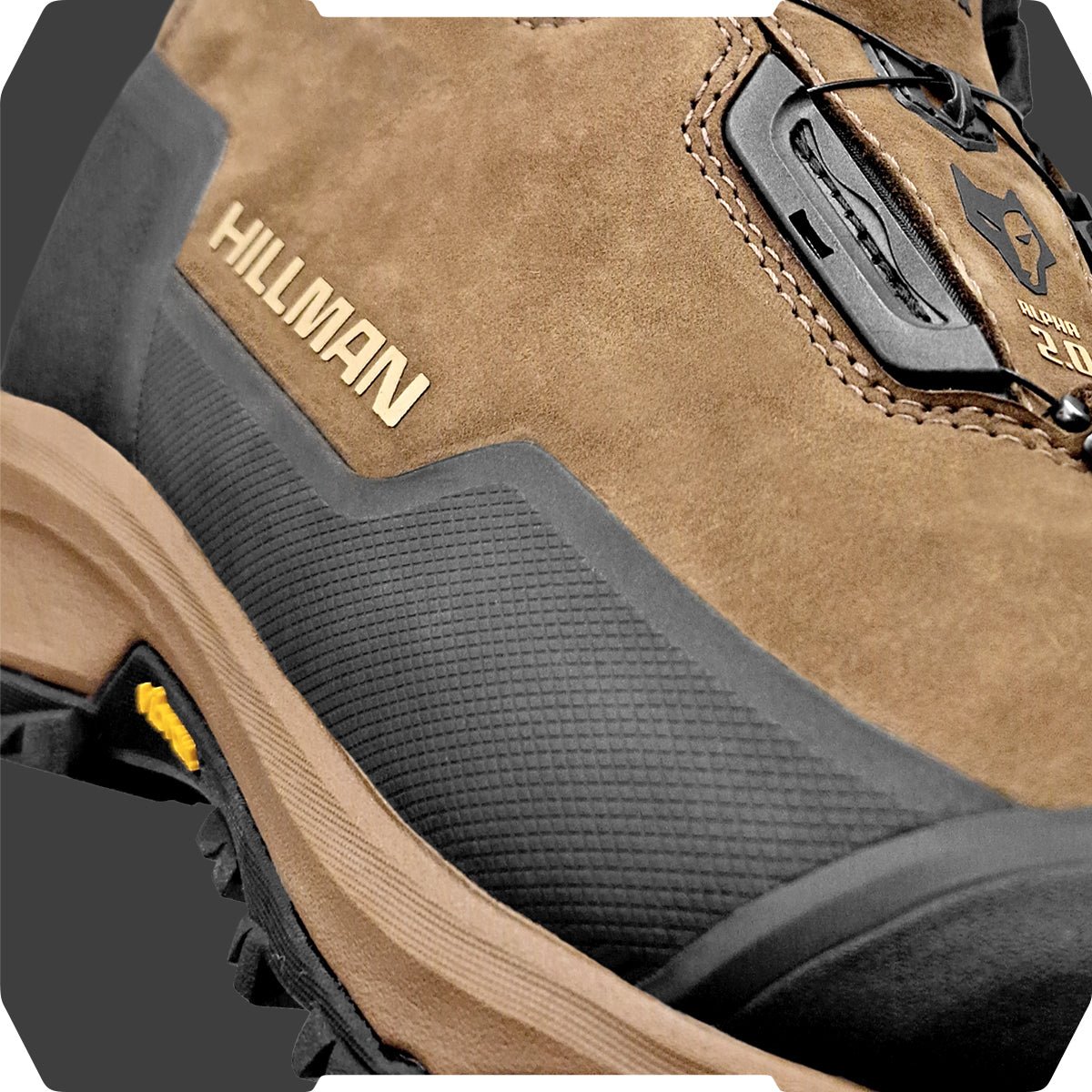
Look for base layers that move sweat. A hunting jacket that blocks wind. Outerwear with decent performance and a useful hood. Pants or bibs that protect without making you slow. Hunting socks that fit your boots properly. Gloves that still let you use your rifle and gear. Durable clothing that can handle brush, pack straps, kneeling, climbing, and real wear through the season.
Durability matters more than people forget. Cold weather hunting is hard on clothes. Cheap gear looks fine until the testing starts in the field.
And yes, some of this can cross over beyond deer hunting. Hunters chasing elk in cold conditions still rely on the same basics. Control moisture. Keep body heat. Do not drag around useless bulk.
Hillman makes sense when the weather gets nasty

This is where Hillman fits the job cleanly.
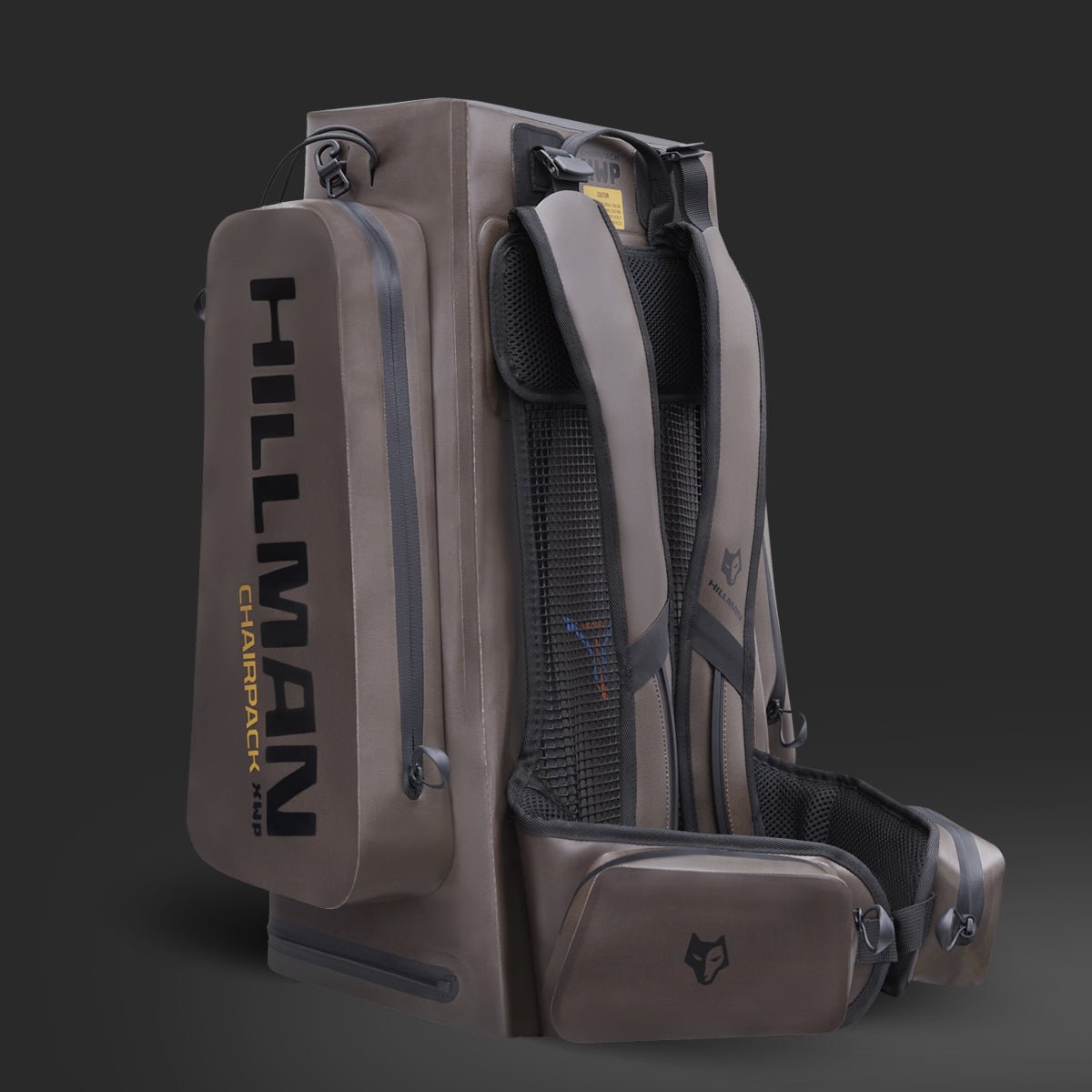
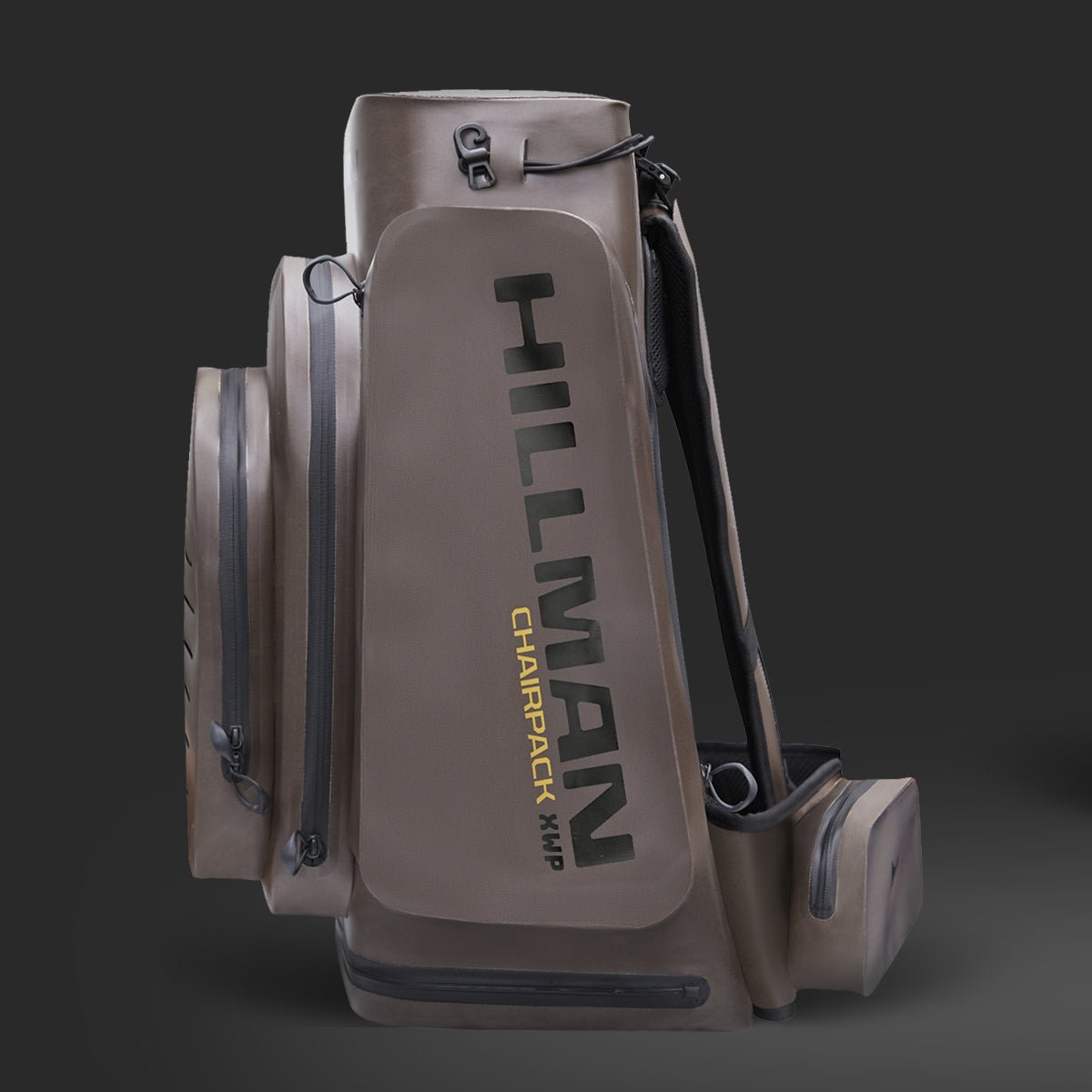
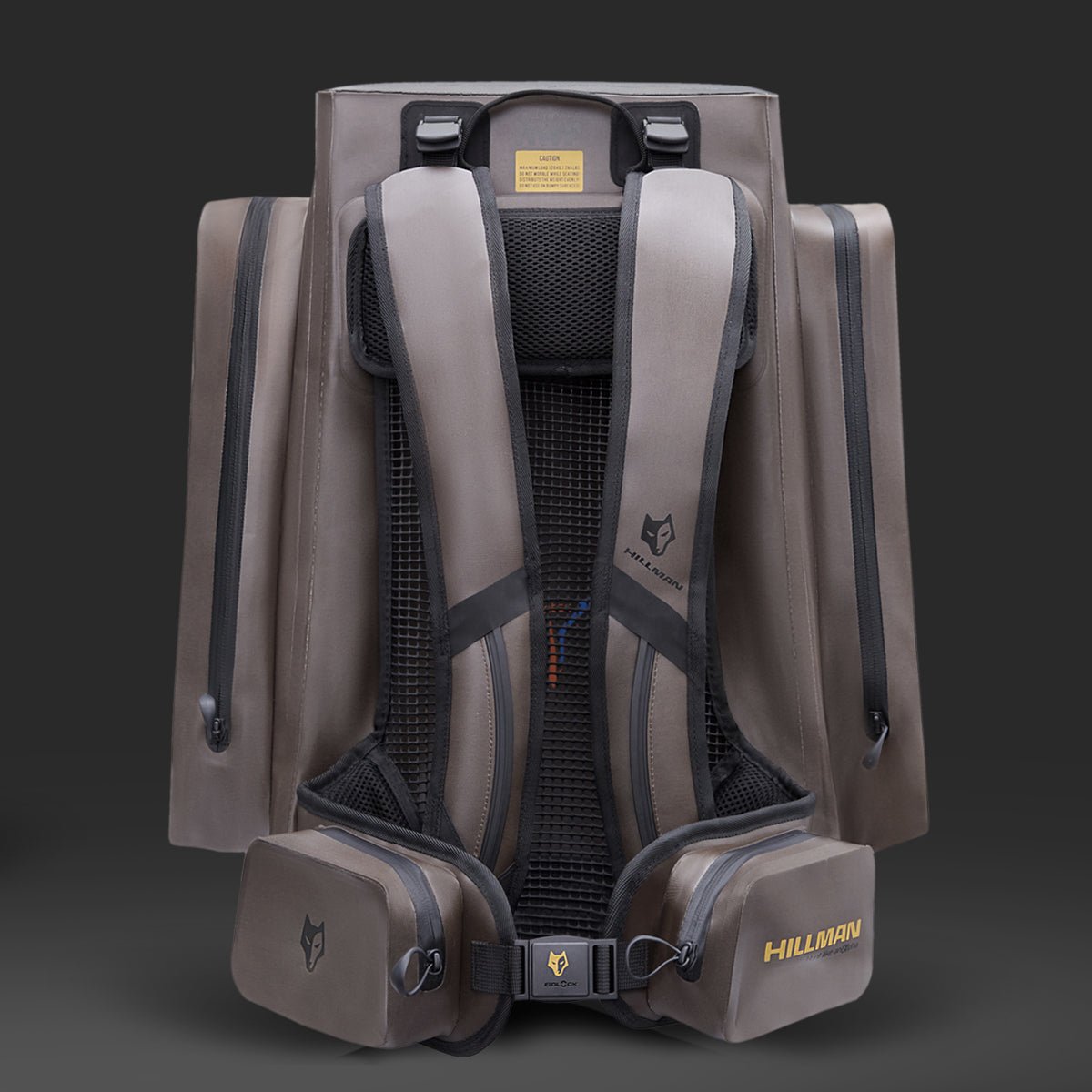
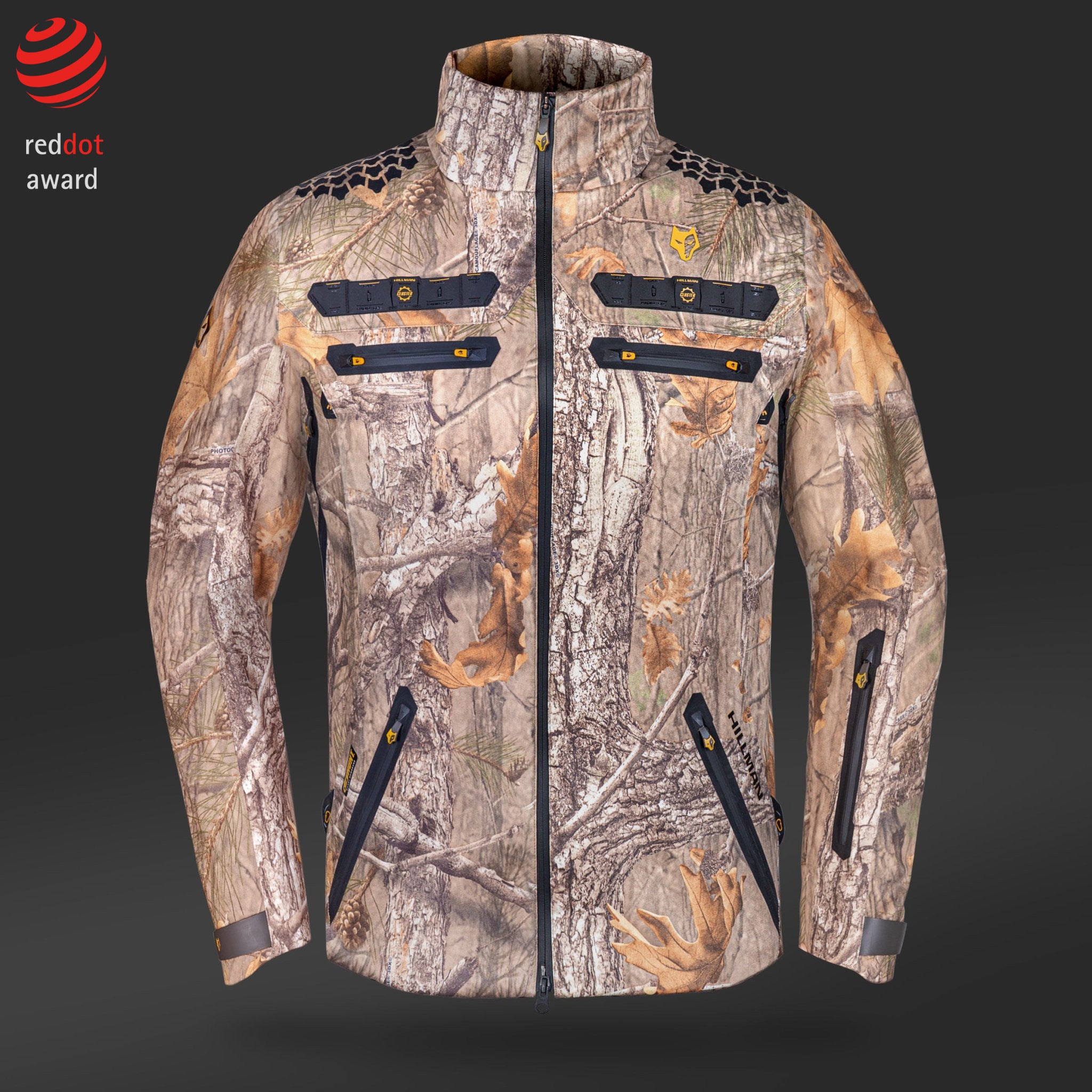
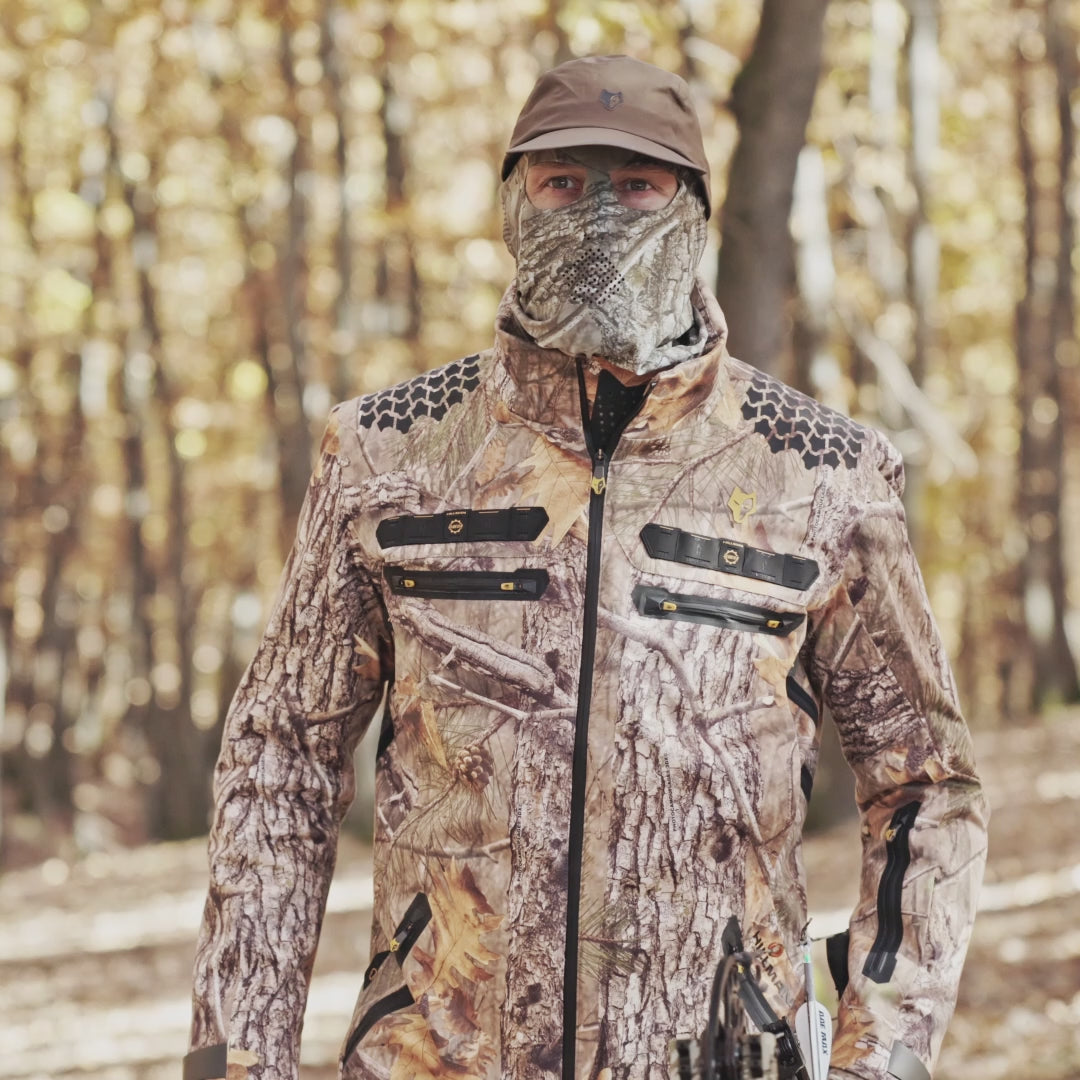
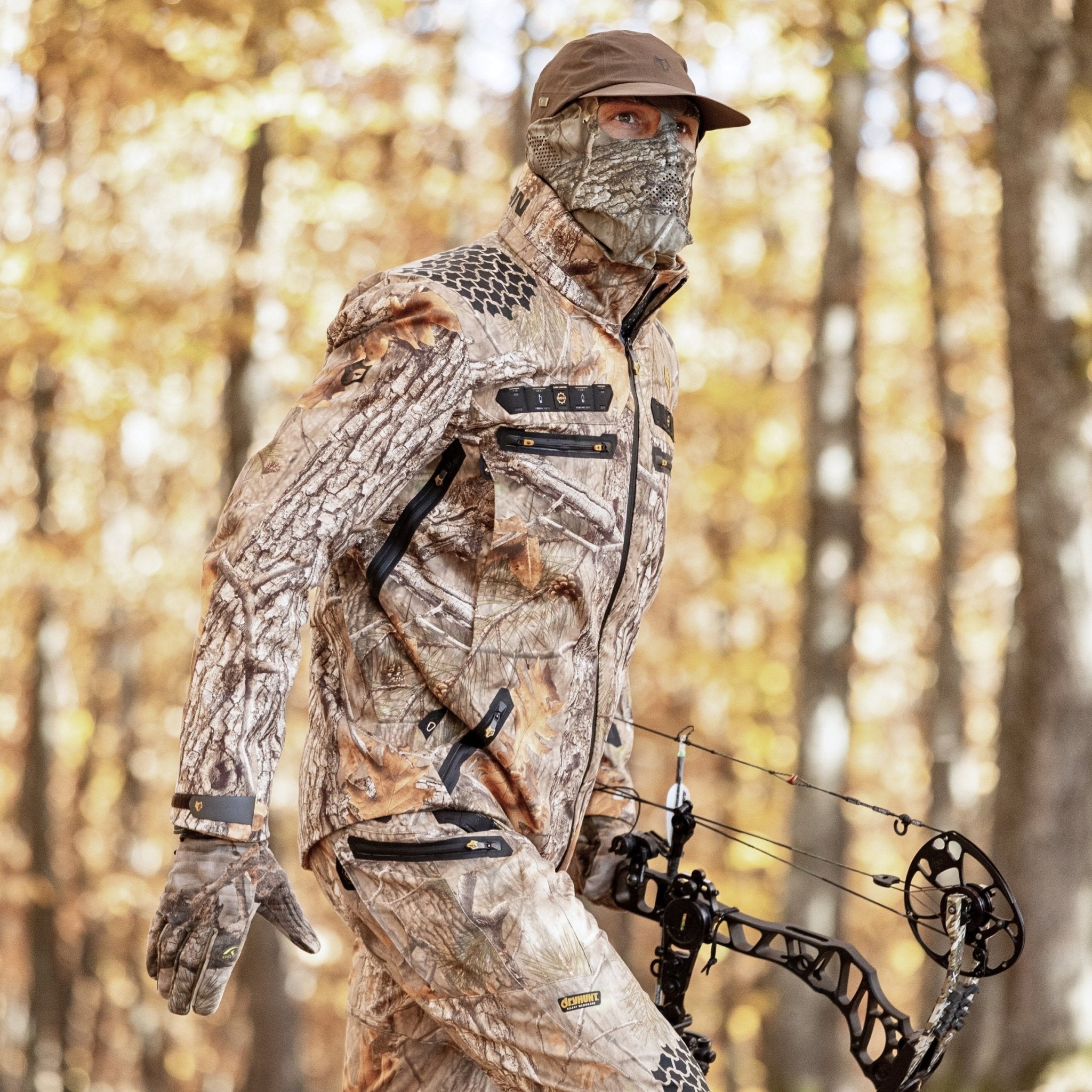
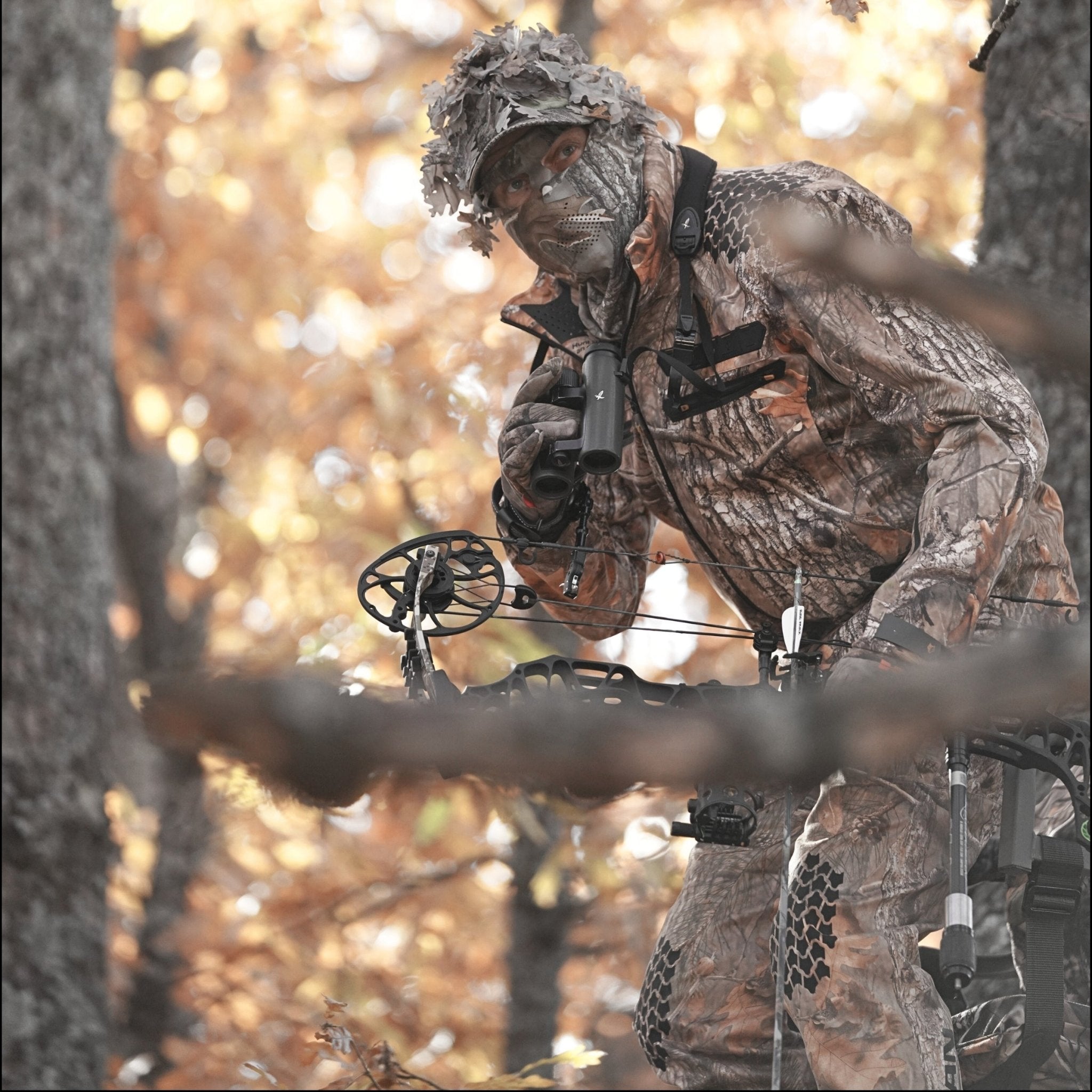
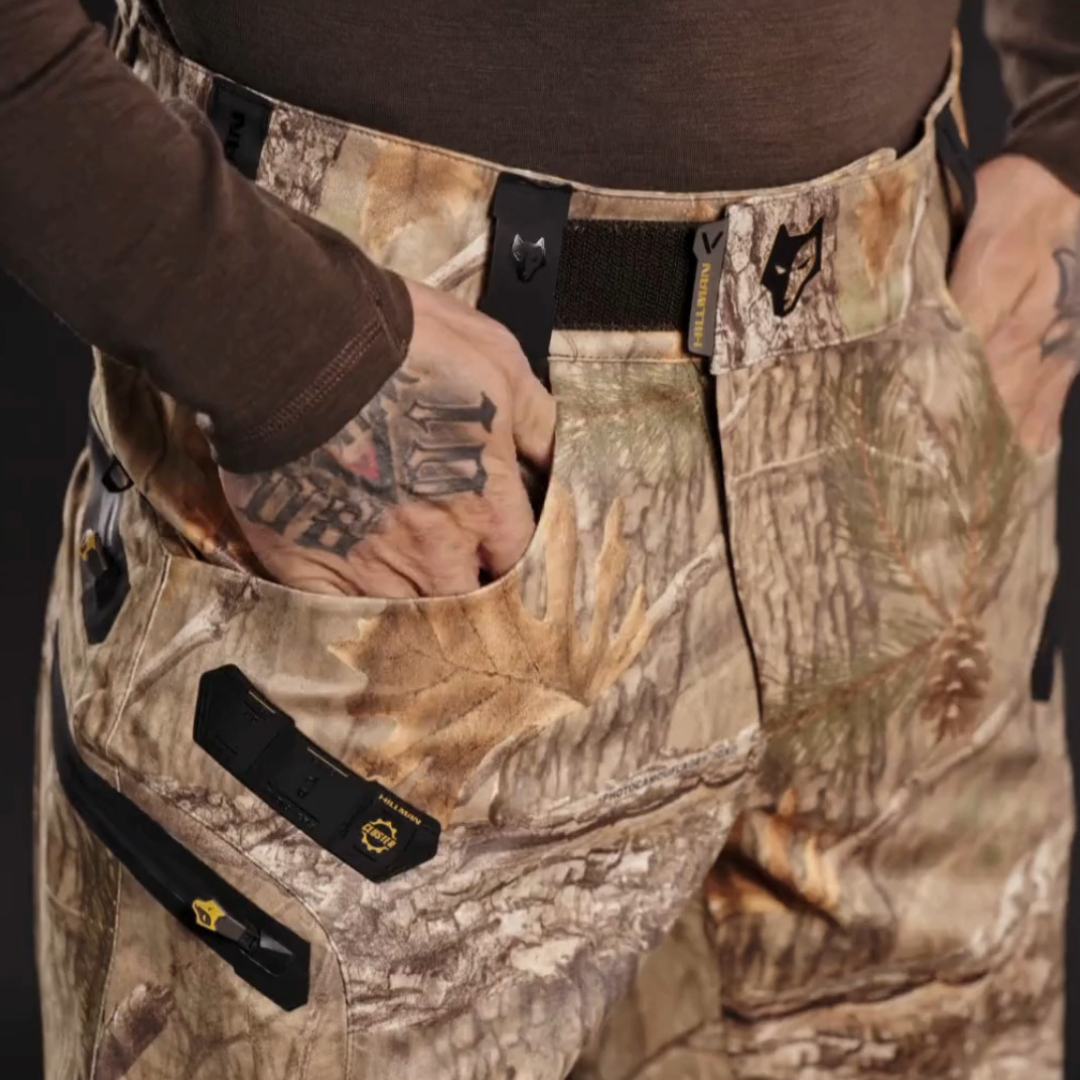
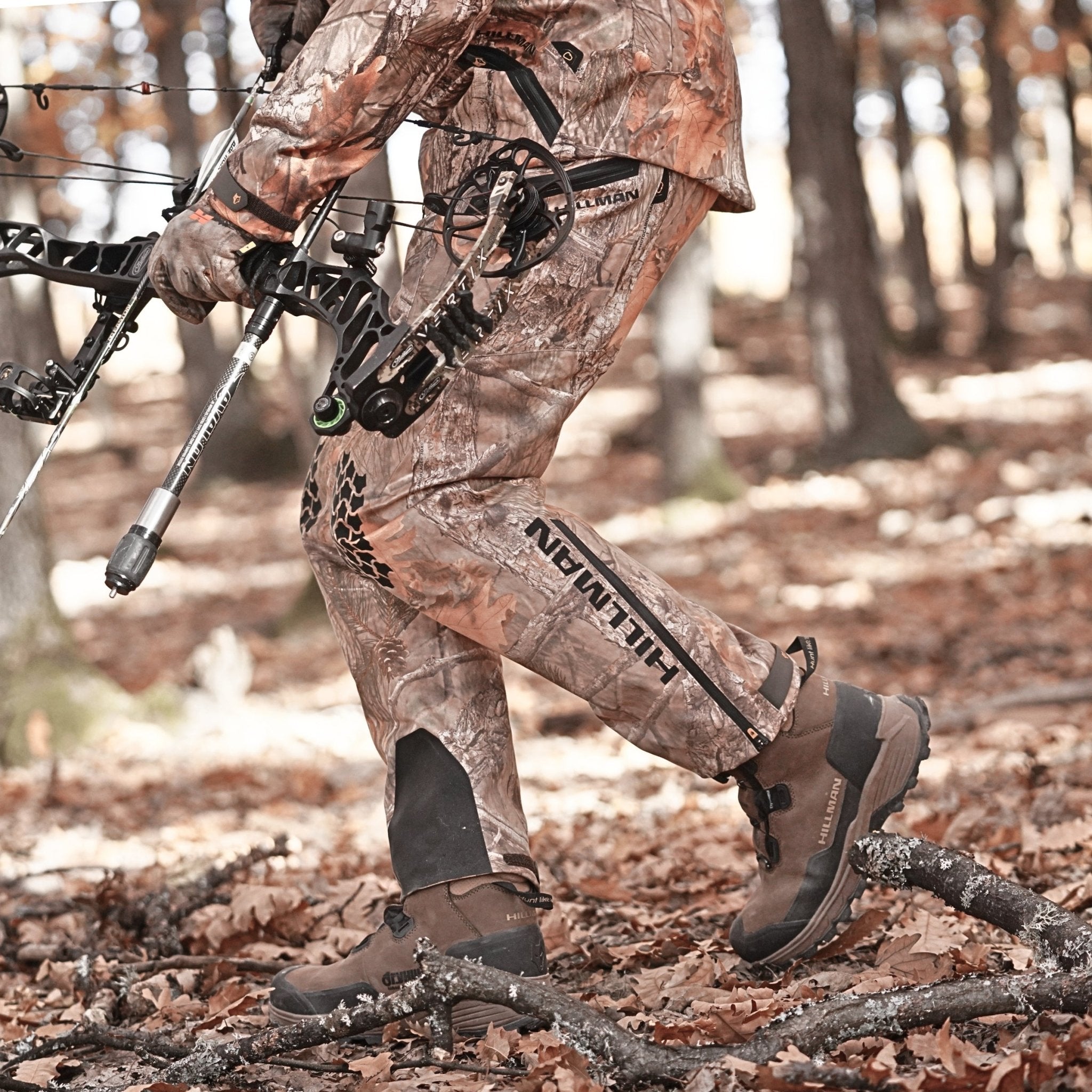
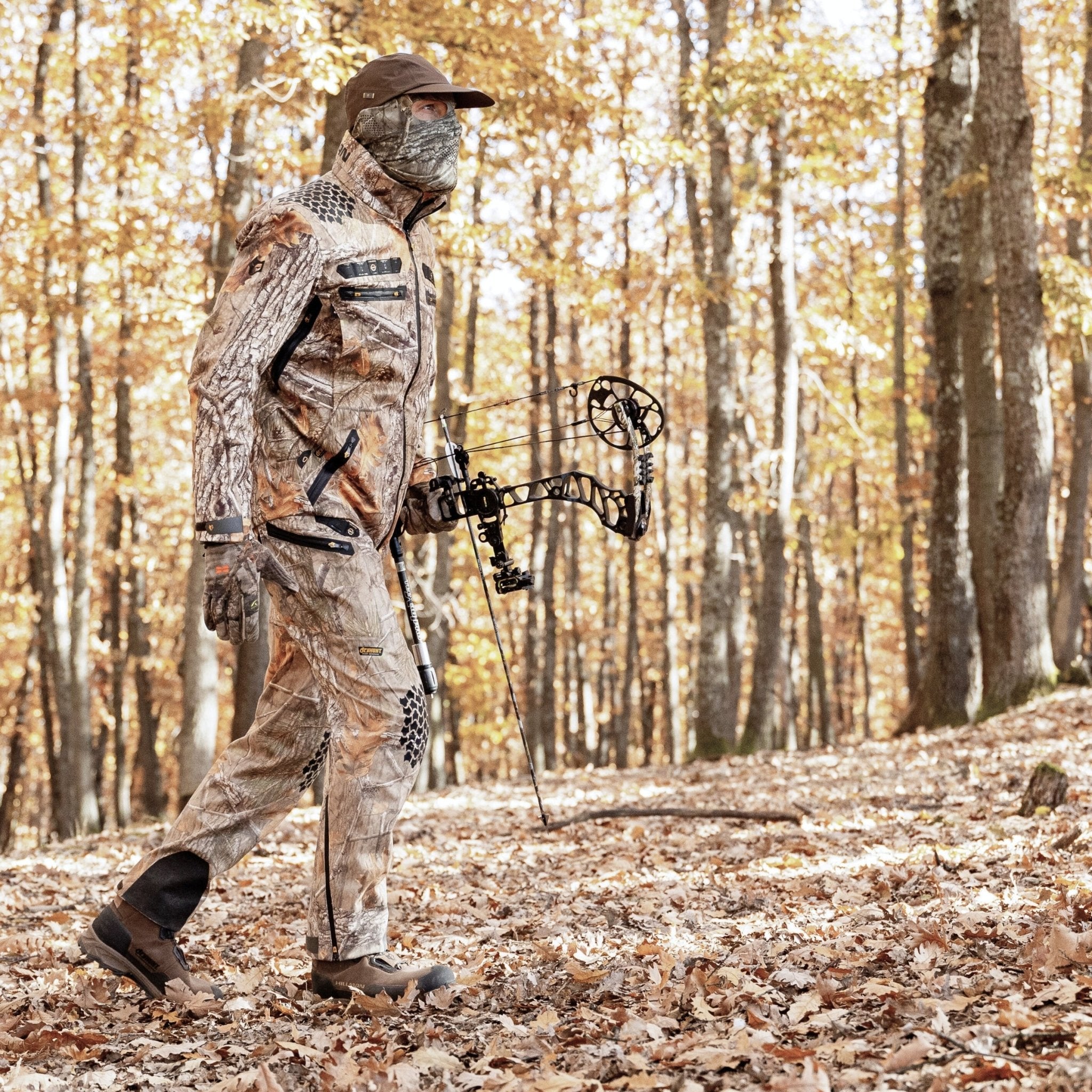
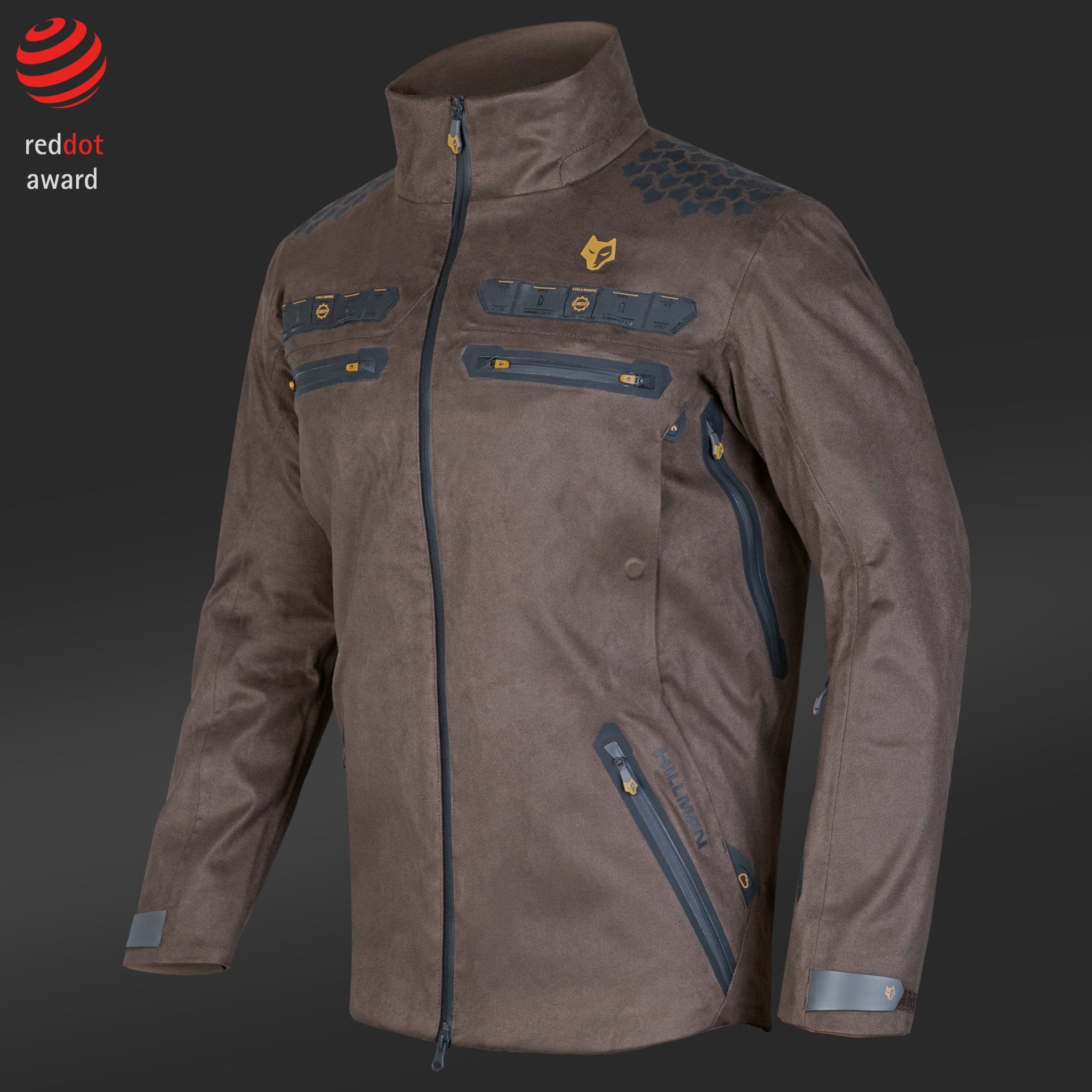
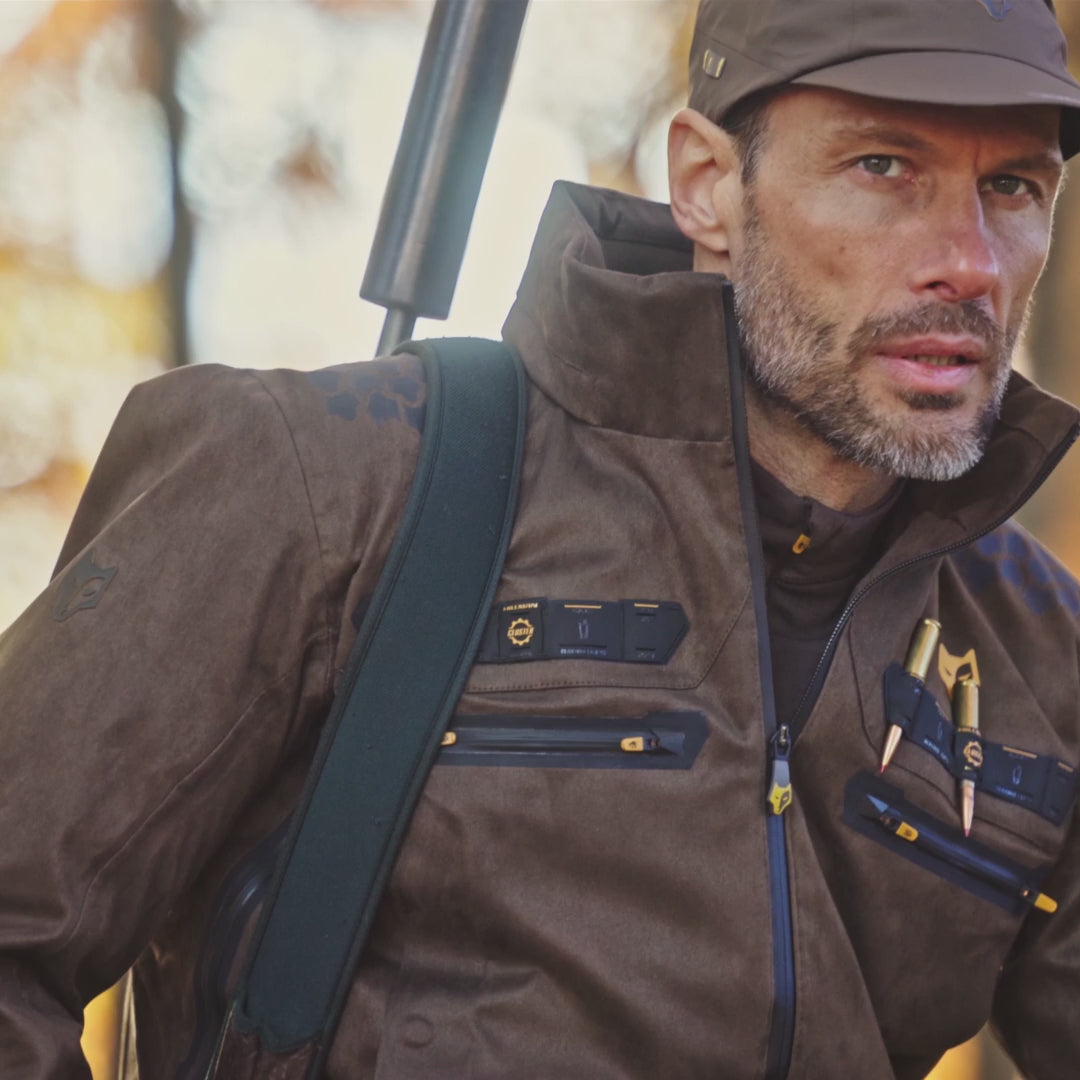
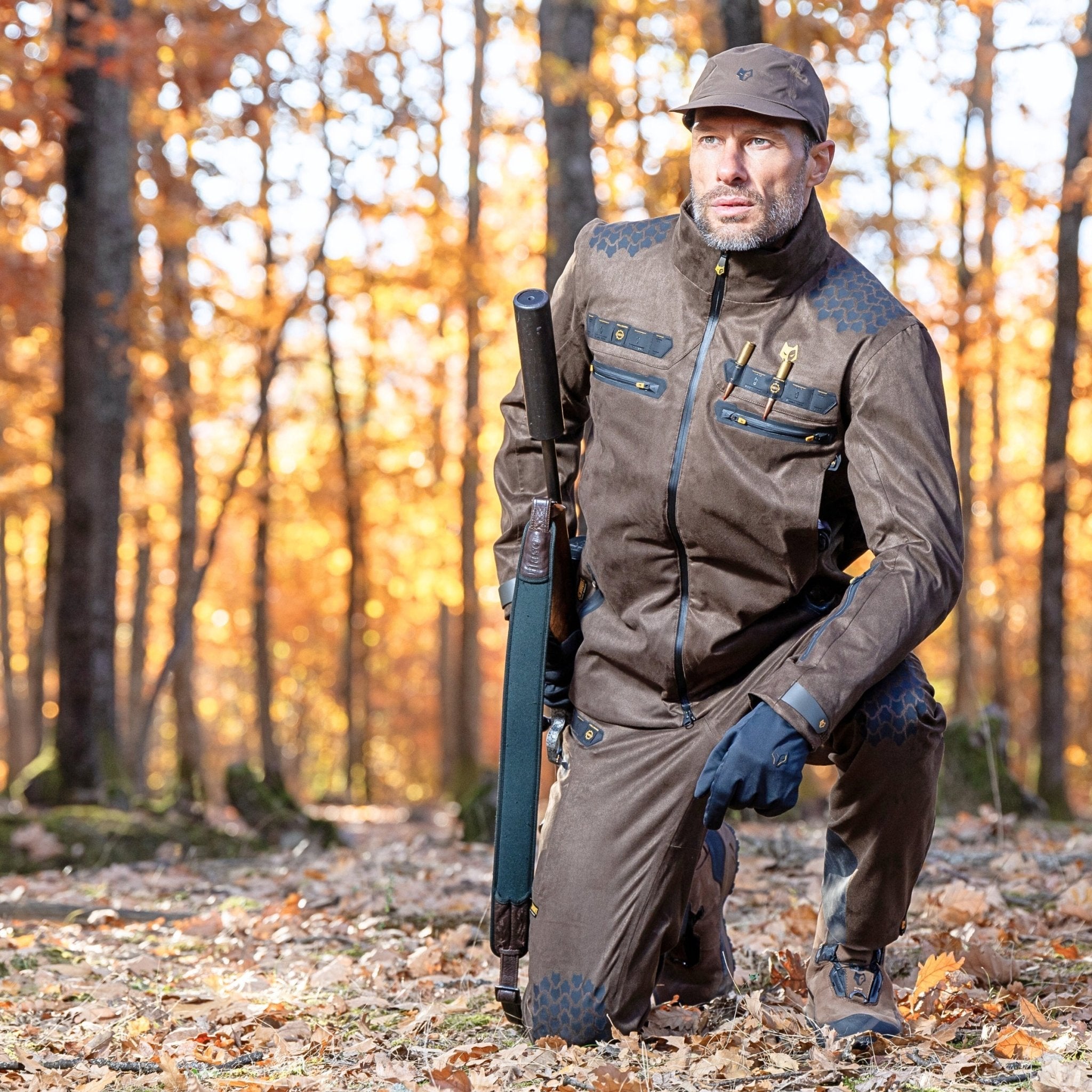
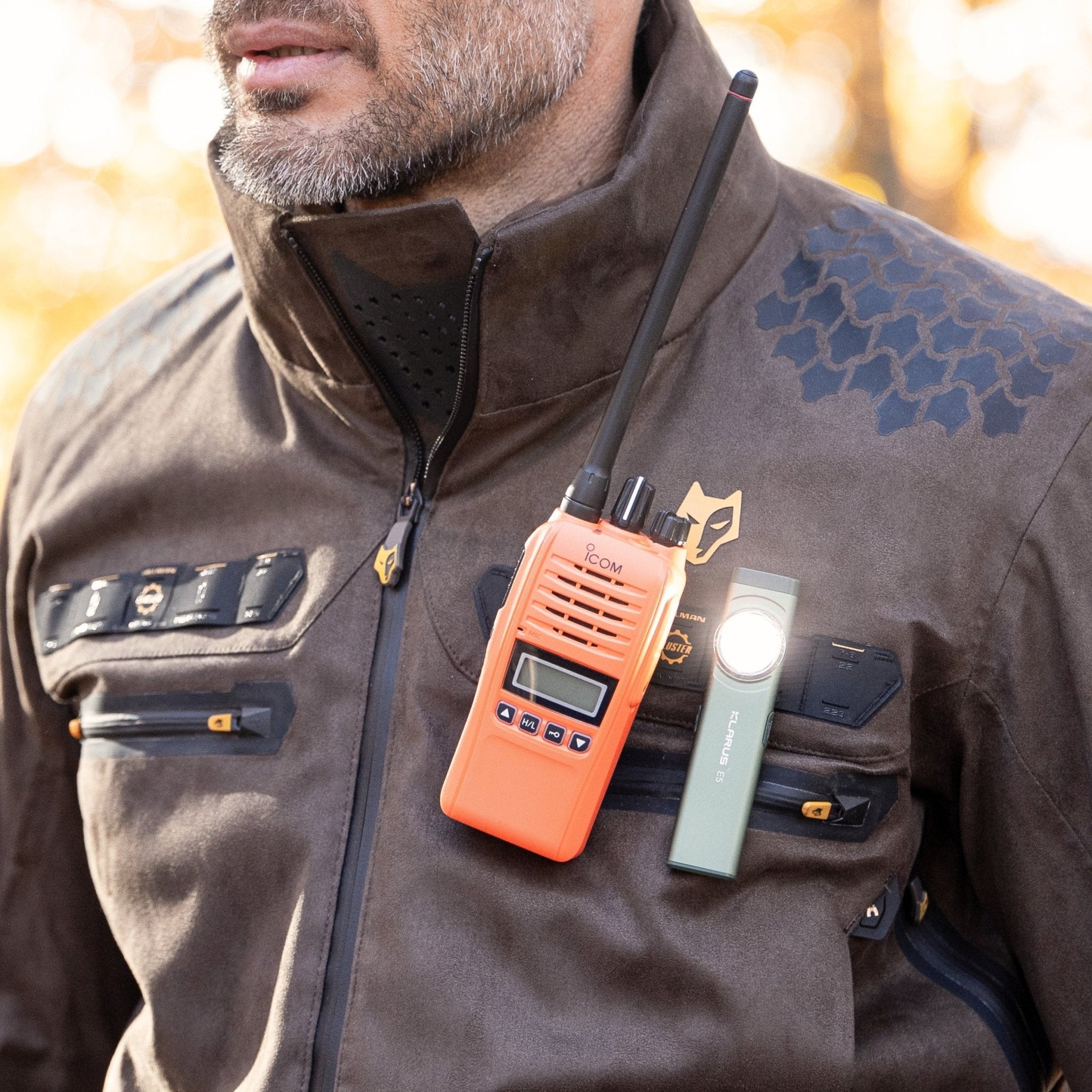
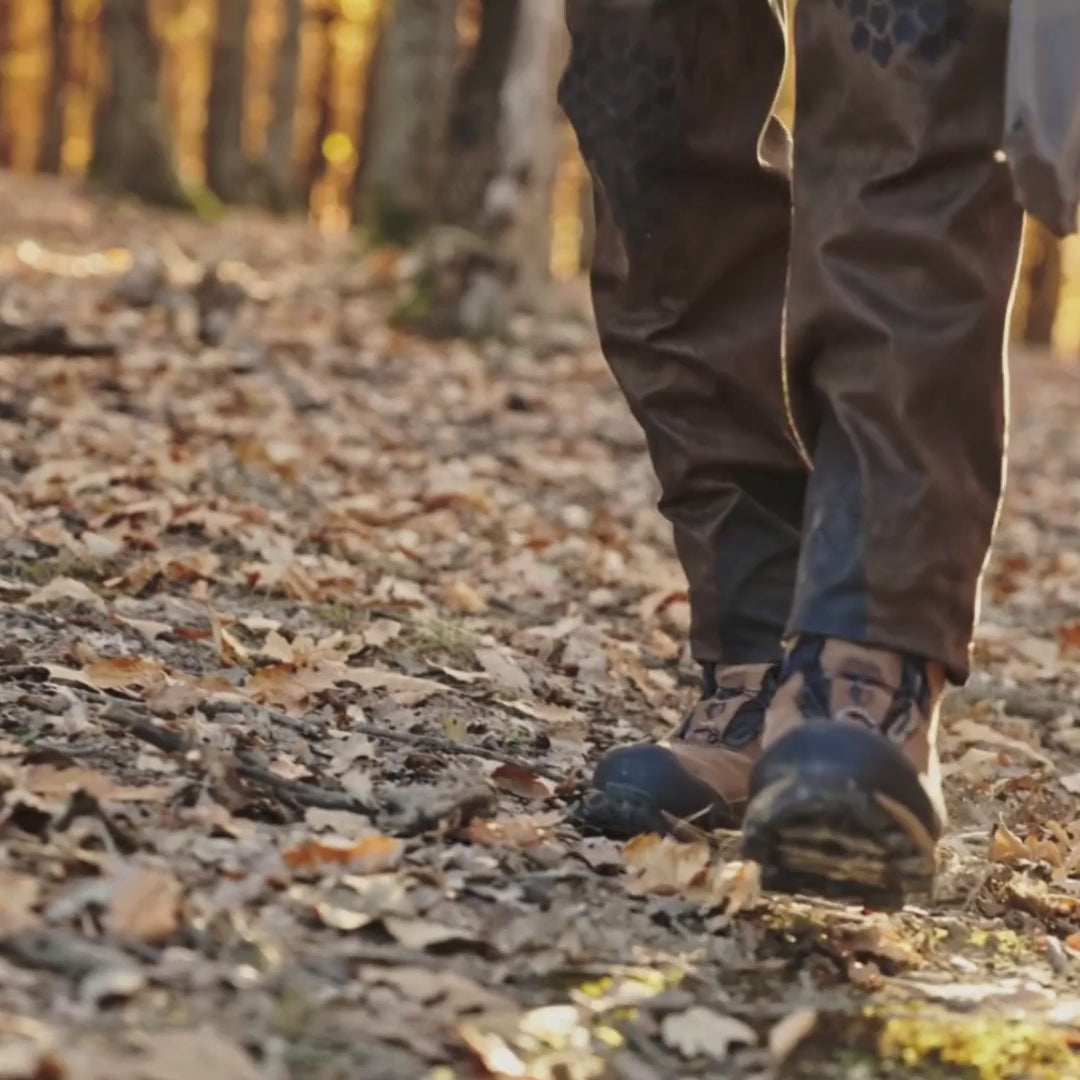
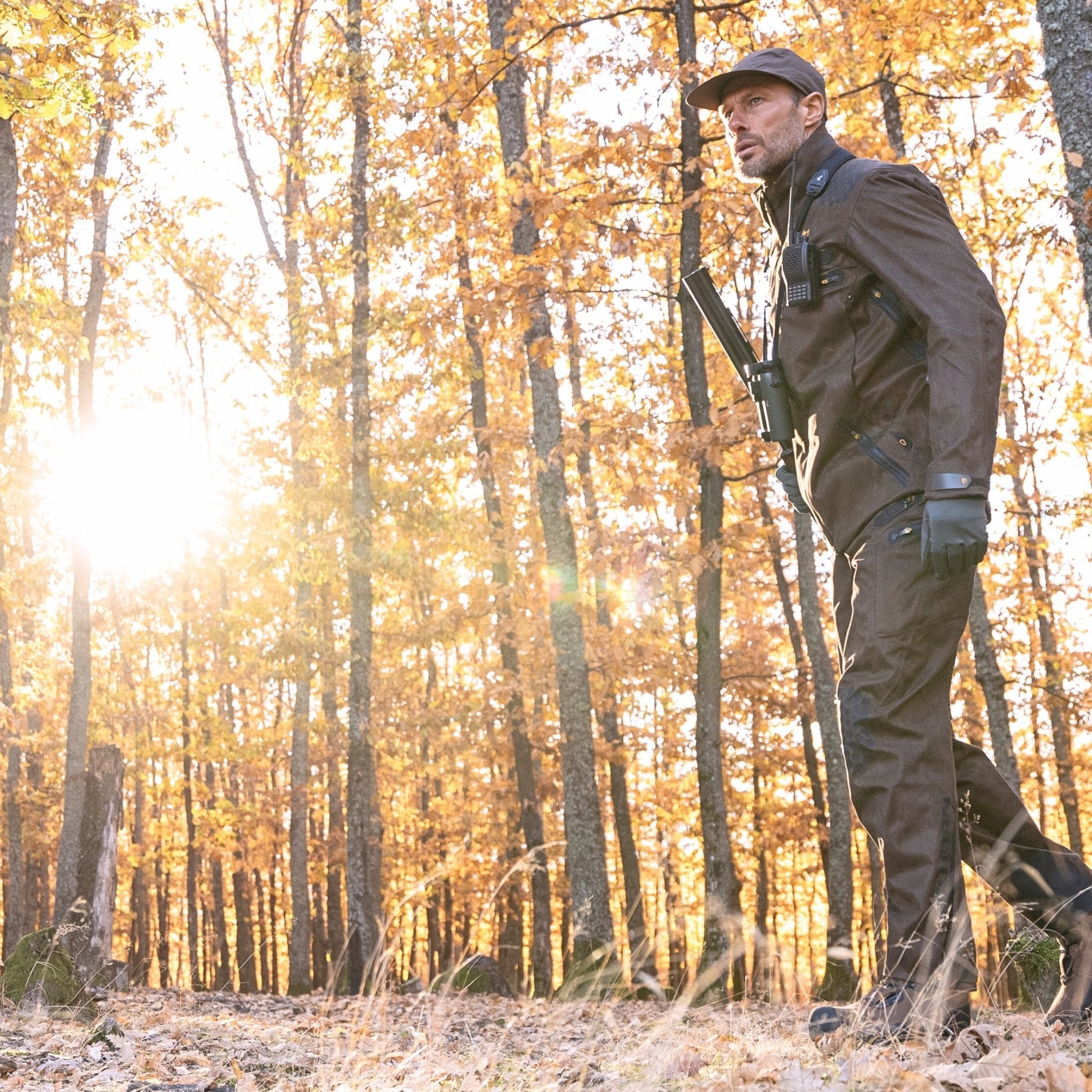
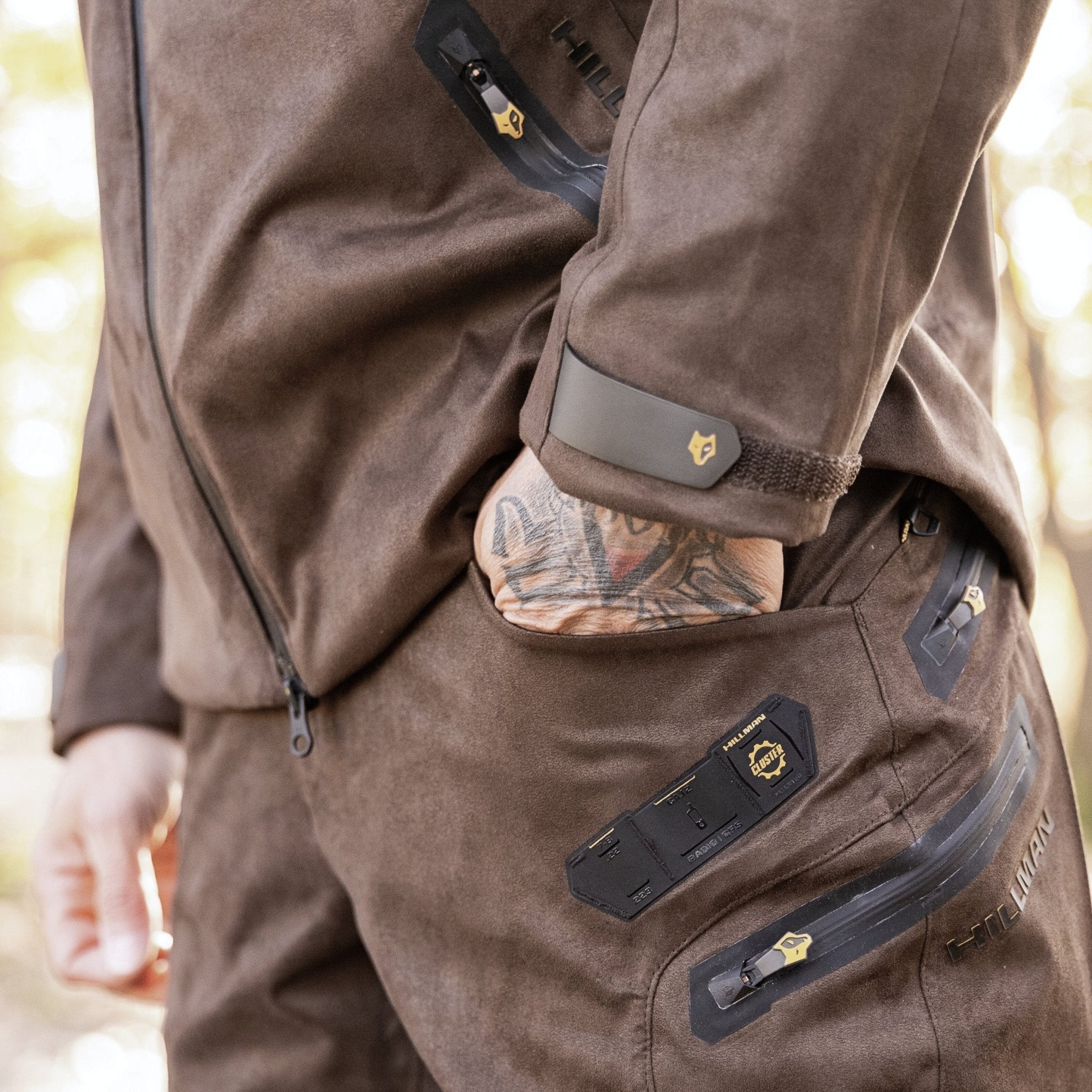
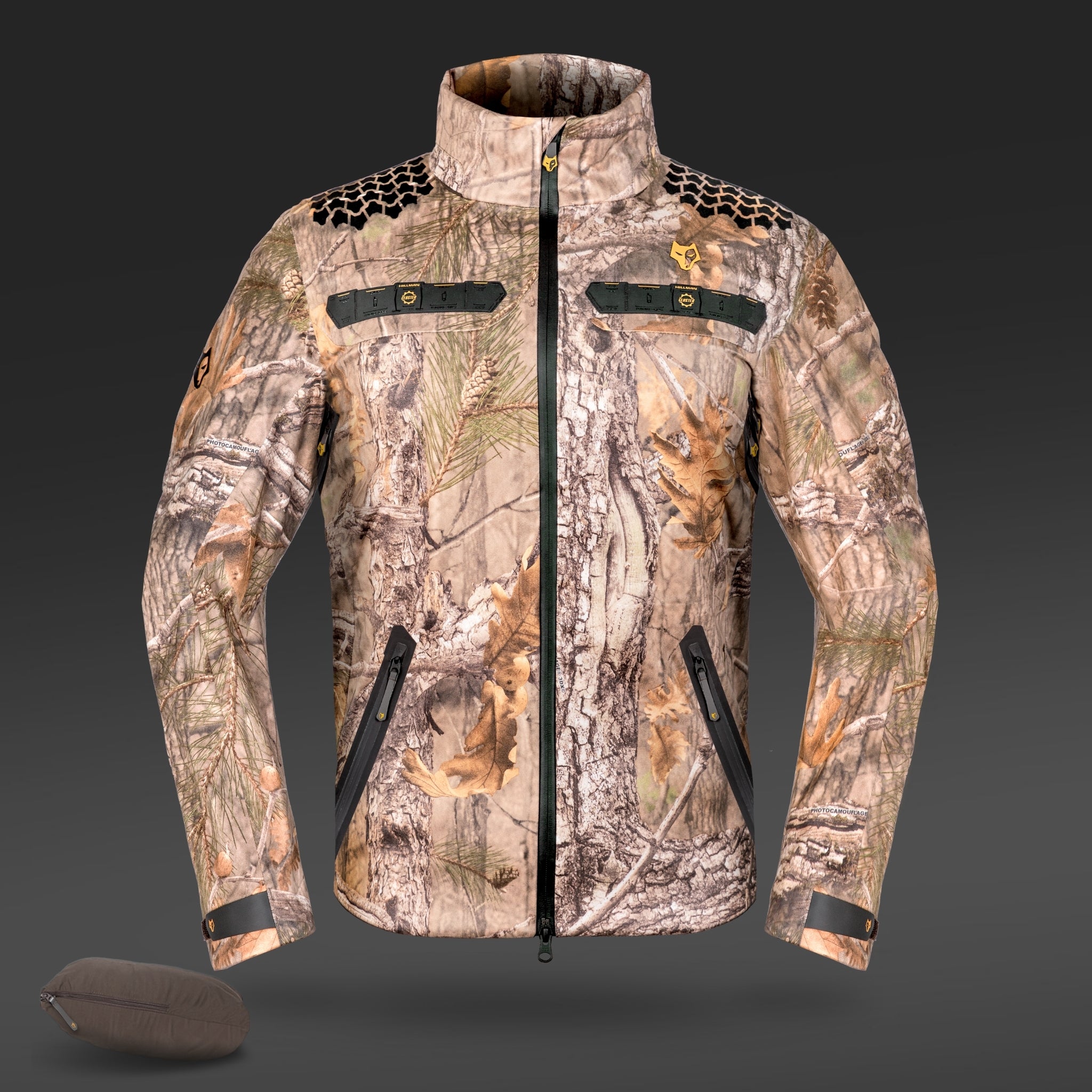
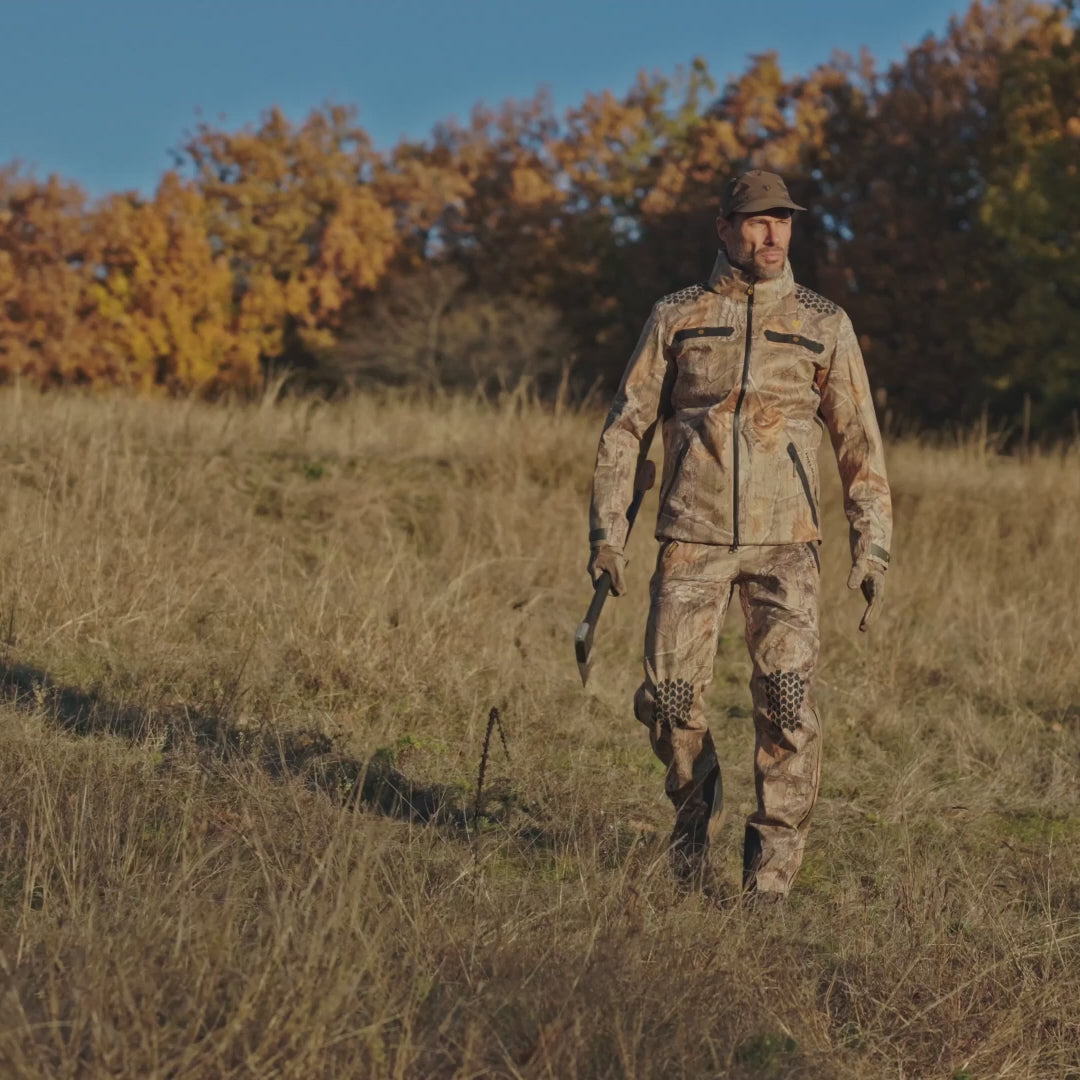
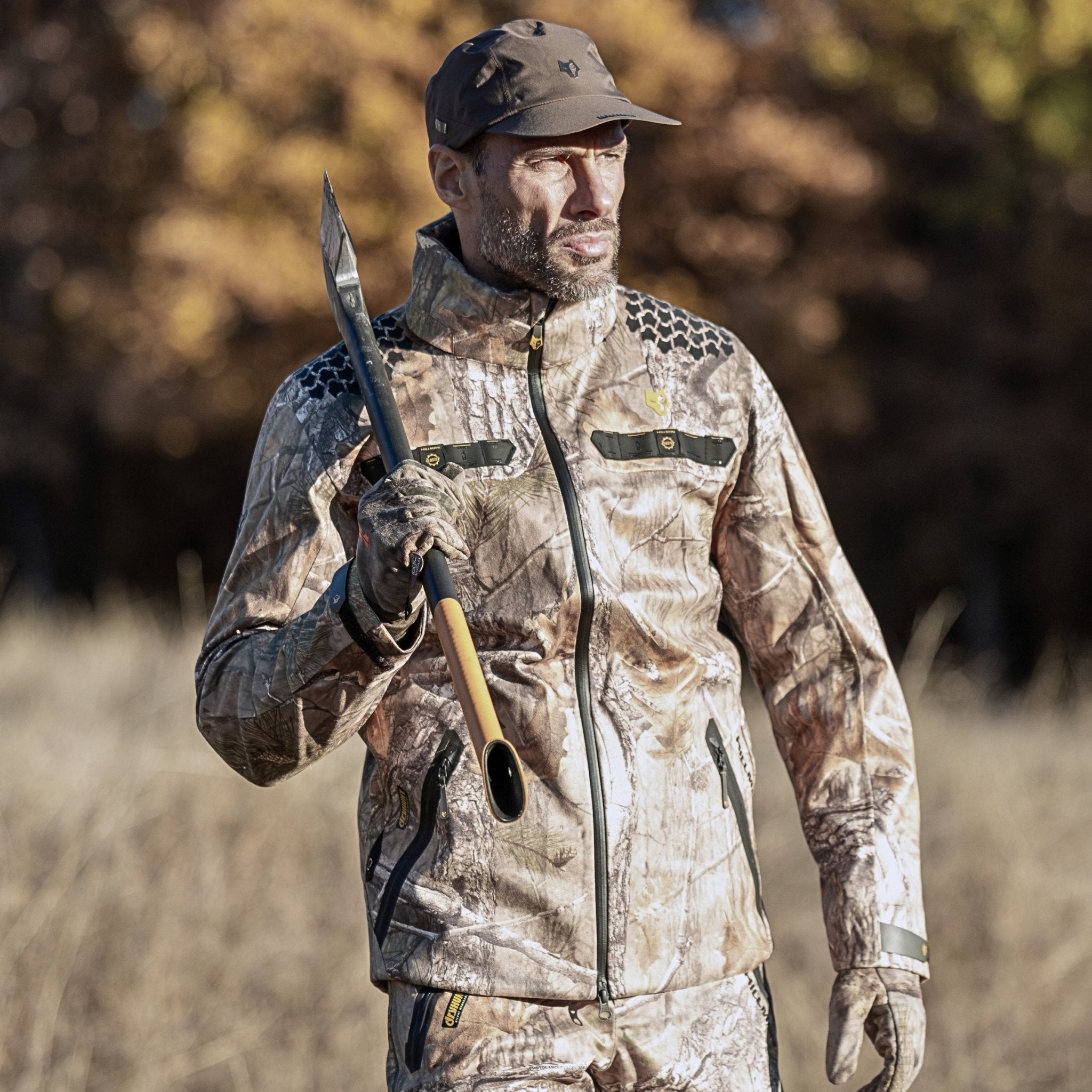
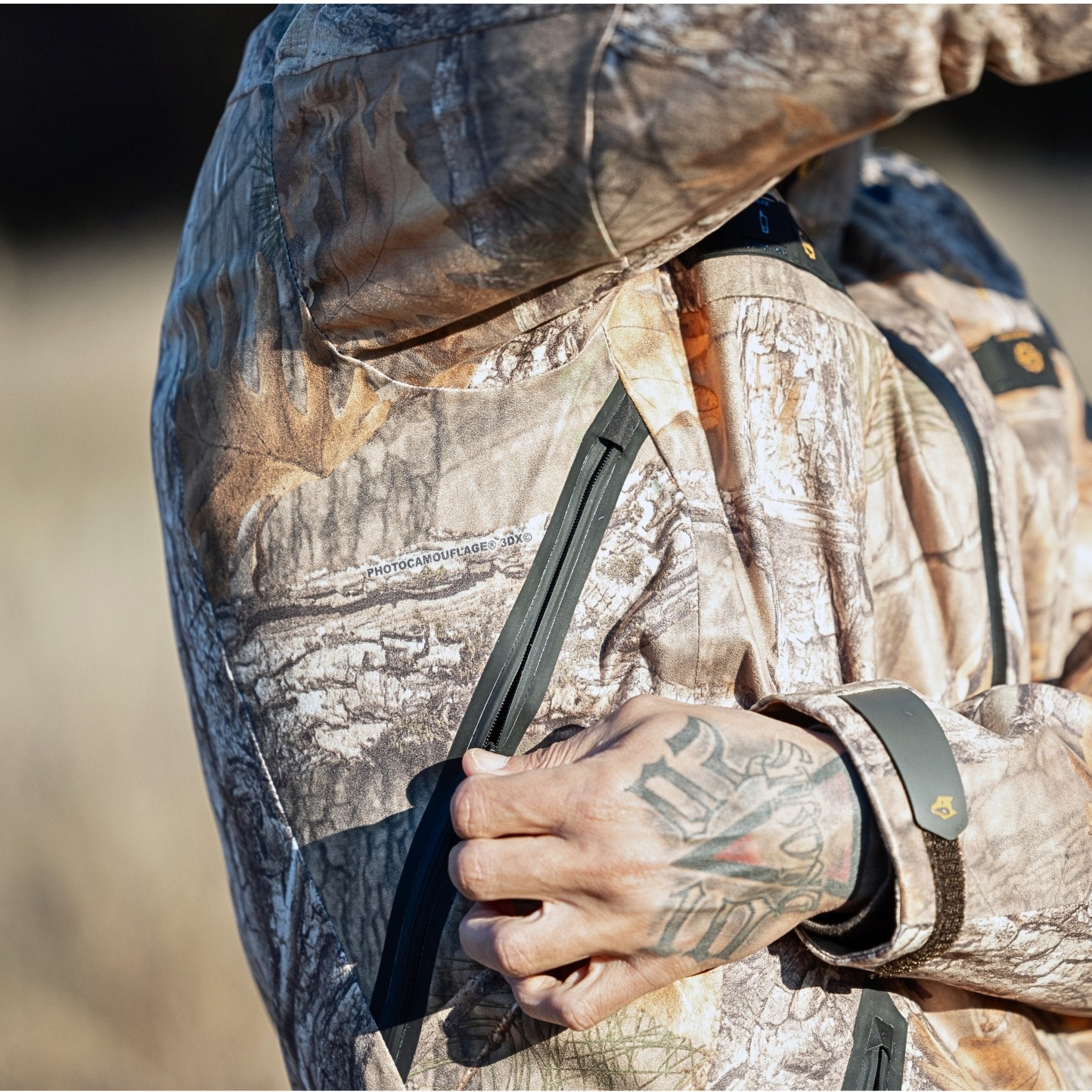
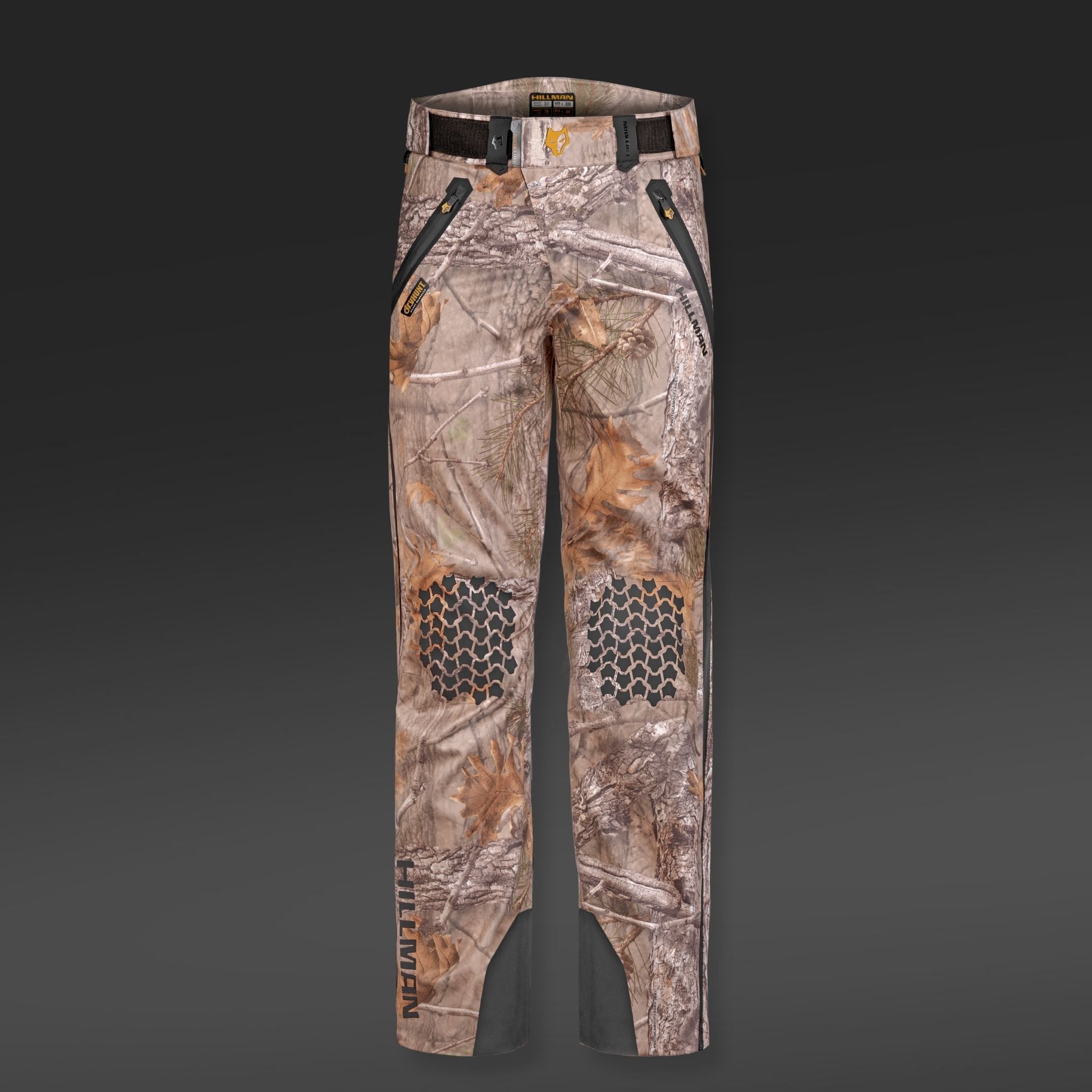
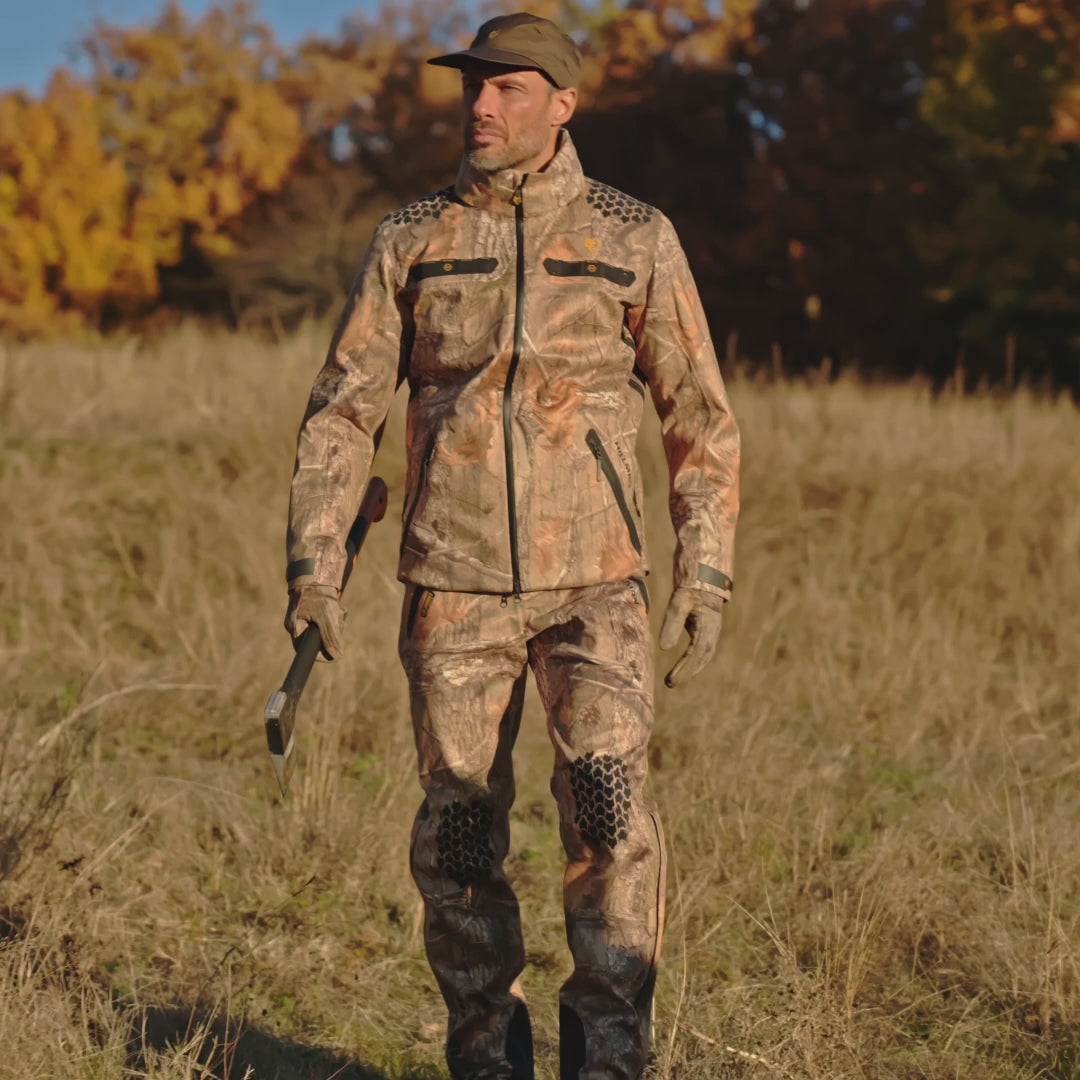
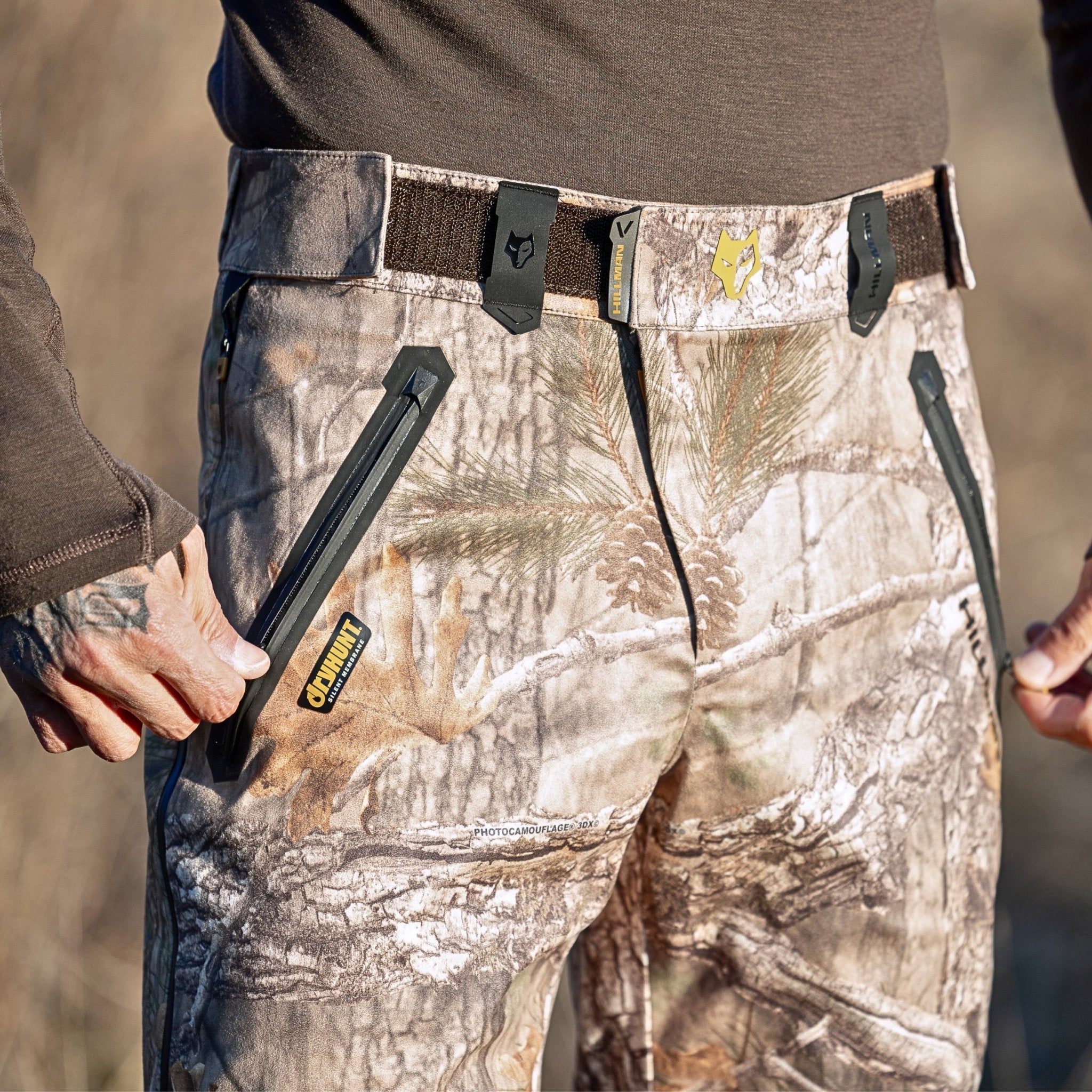
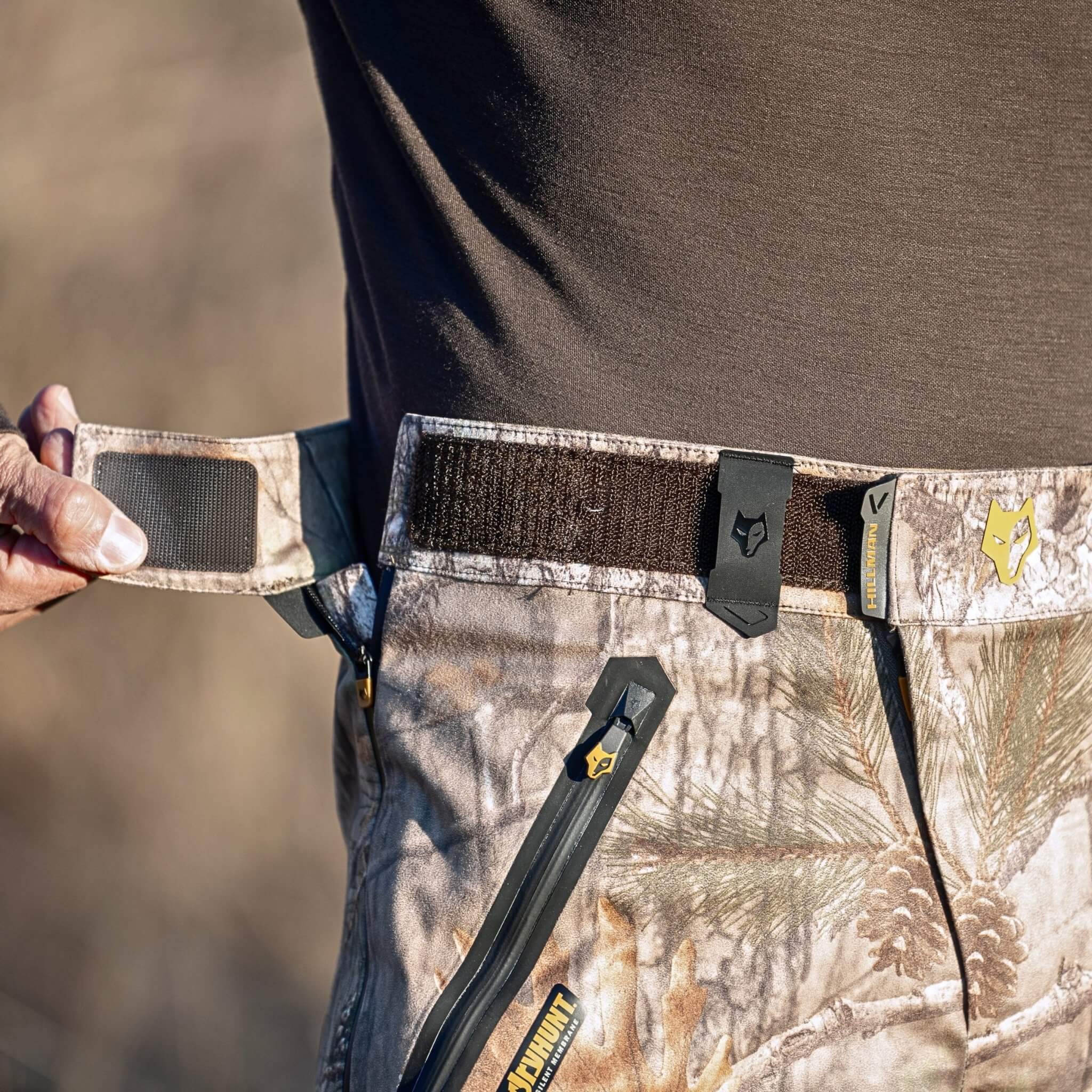
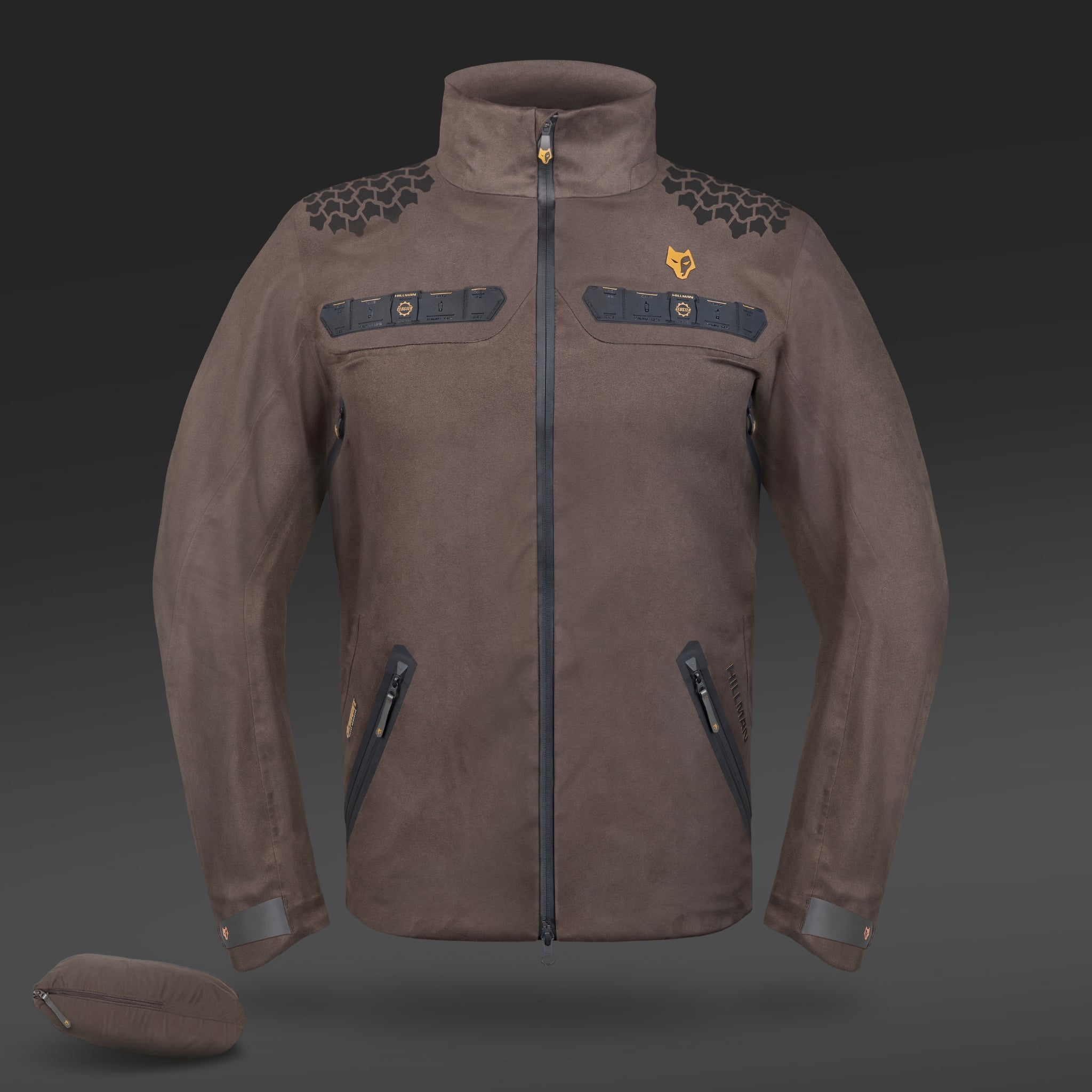
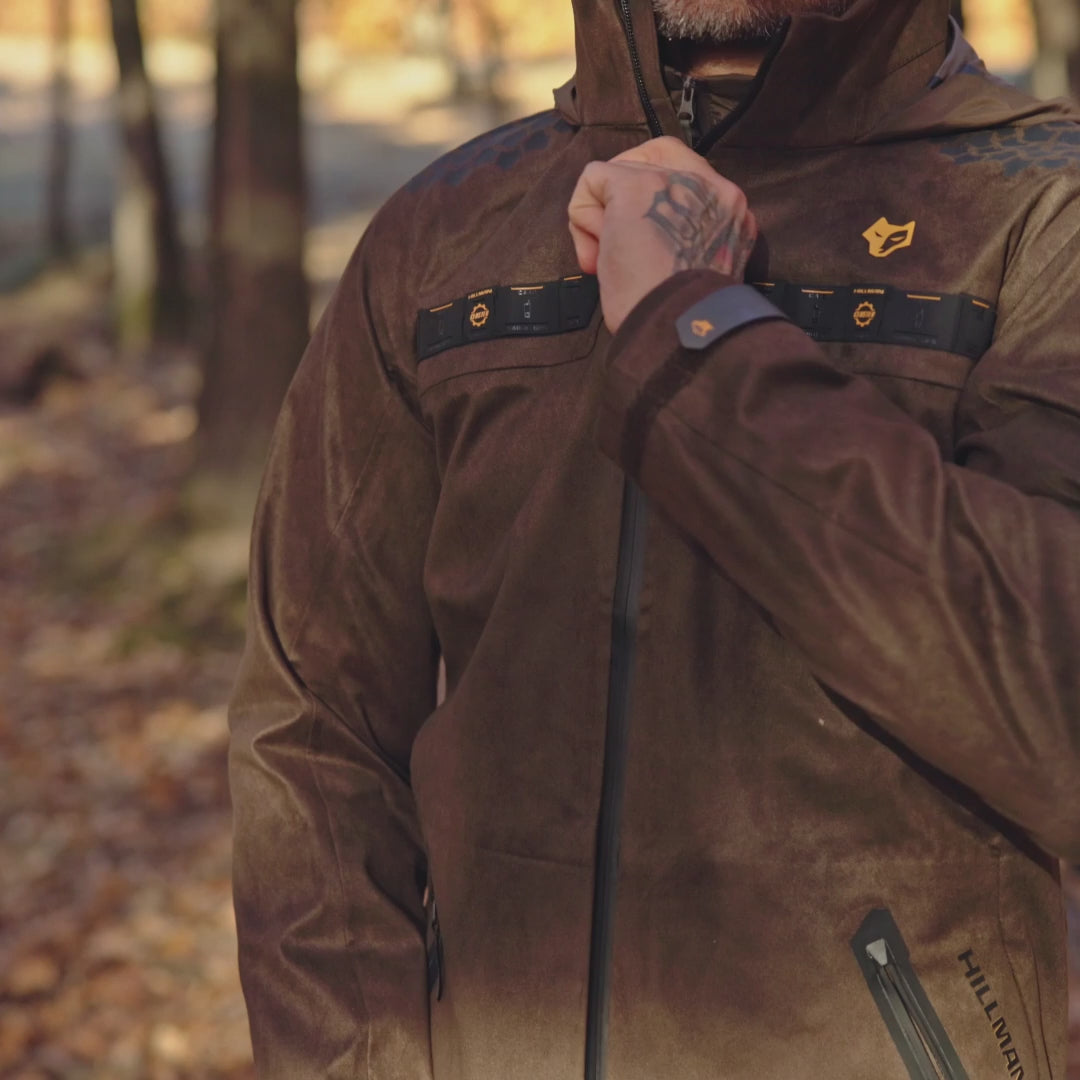
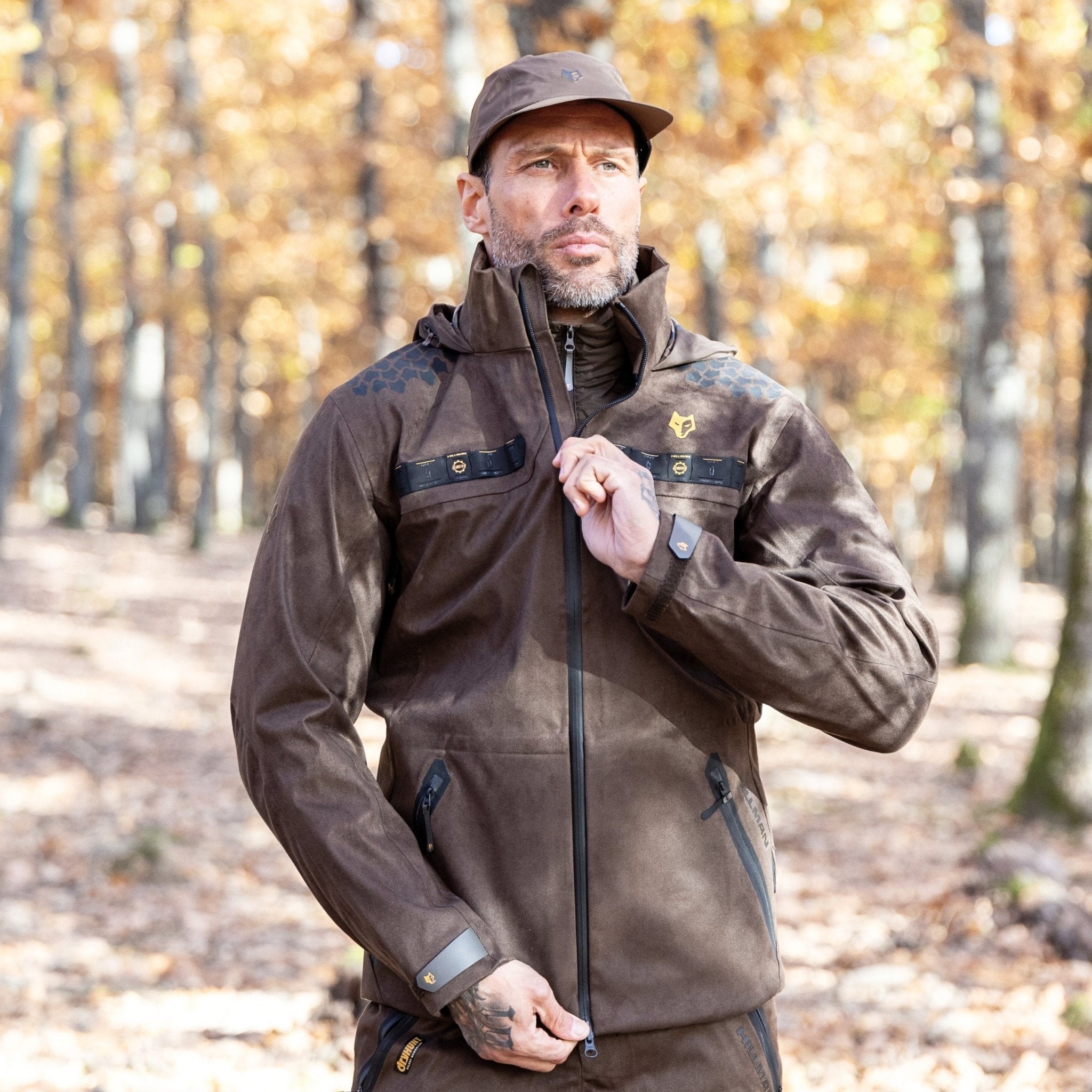
The better late season setups are the ones built for cold weather hunting, real protection, and real performance without loading hunters down with extra weight. Hillman focuses on water resistant outerwear, durable hunting clothes, and gear made to keep hunters warm in extreme cold conditions without wrecking movement.
That matters on late season deer hunts where a jacket, bibs, pants, gloves, socks, and layers all have to work together. The difference is usually not one magic item. The difference is whether the whole system keeps moisture under control, protects your core, keeps your feet from going numb, and lets you stay in the hunt longer.


Share:
Best Hunting Rain Gear for Hunters Who Walk Hard & Sit Late
Whitetail Hunting Gear for Cold Mornings, Midday Walks, Sits