

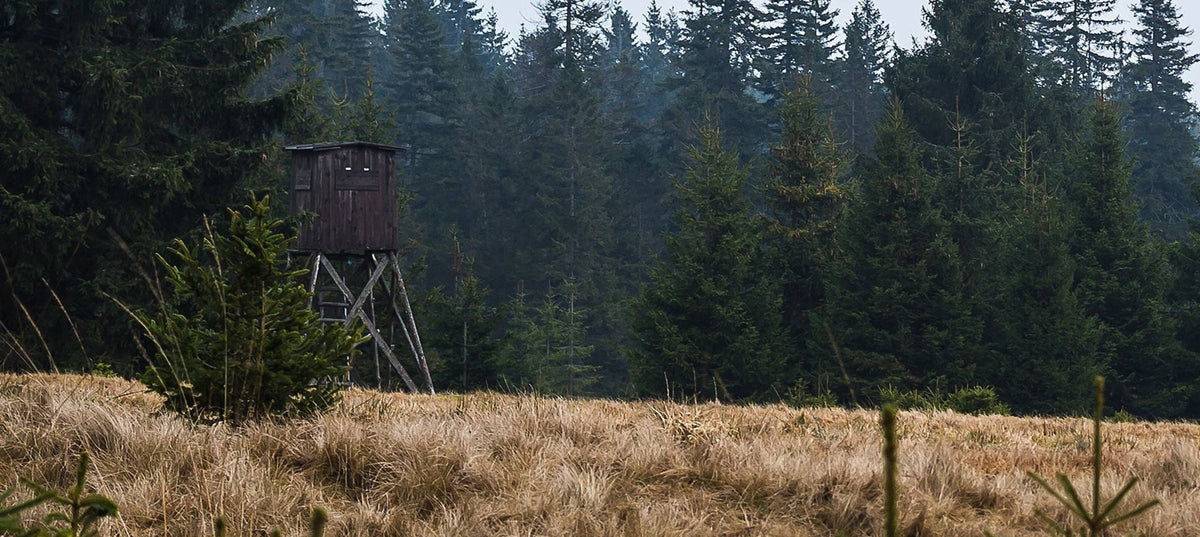
Whitetail Hunting Gear for Cold Mornings, Midday Walks, and Evening Sits

Quiet, warm whitetail hunting gear for cold starts, midday hiking, and long evening sits in late season deer weather.
Most hunters get cold because the layering is wrong.
A lot of whitetail hunting gear for cold mornings gets judged too early. It feels warm at the truck, looks serious in the mirror, and seems fine for the first part of the hunt. Then real deer hunting starts. You begin walking, body heat rises, the pace changes, and the whole setup gets exposed for what it is.
That is where many hunters get caught. They dress for the first half hour instead of the full course of the day. Cold at daylight, warm during hiking, then cold again once the stand sit starts. In variable conditions, that swing matters more than people think. A setup that feels great when you leave the truck can turn into a sweat box by midmorning and a cold trap by evening.
Good deer hunting gear has to handle all of it. It needs to work for cold weather hunting at first light, for active movement when temperatures rise a bit, and for sitting still when the wind starts to block warmth and pull heat out of the body. That is the real difference between clothing that works and clothing that just looks like hunting gear.
Base layers do more work than most hunters remember

Base layers are not flashy, but they carry a big part of the task. In whitetail hunting, the layer against your skin decides a lot about how the rest of the day feels. If it traps sweat, sticks to the body, or stays damp after walking, the rest of the system is already falling apart.
For cold weather hunting, good base layers made from merino or quality synthetics help protect warmth by moving moisture away from the skin. That matters in late season, especially when you start cold, warm up fast, then cool down all over again. Cotton still has no place here. It gets wet, stays cold, and makes every layer above it work harder.
For most deer hunting, I would still rather start with lighter base layers than go too heavy. A lighter layer gives you more control, more comfort, and better range across variable conditions. It also helps when you are climbing into a stand, carrying a pack, or covering ground before daylight. If a base layer works, you forget it is there. If it fails, you think about it all day.
A mid layer should add warmth, not turn you into a box

The mid layer is where a lot of hunting deer setups go wrong. People chase pure insulation and forget movement, breathability, and control. Then they wonder why they are overheating halfway through the walk in.
A good mid layer should trap warmth without making you bulky, noisy, or stiff. That is why synthetic insulation is usually a strong choice here. It handles moisture better, keeps useful warmth, and works well in the kind of variable weather late season deer hunts often bring. Wool can work too, but the point stays the same: the mid layer needs to help, not get in the way.
A full zip design is one of the most useful details in this part of the system. A full zip mid layer is easier to vent, easier to adjust, and easier to pull on or off when conditions shift. On active mornings, that matters. On midday walks, it matters even more.
The best mid layer is not the warmest thing on the shelf. It is the one you can actually hunt in, shoot in, and wear all day without feeling like your clothing is fighting your body.
Outer layers need to block wind, stay quiet, and handle weather

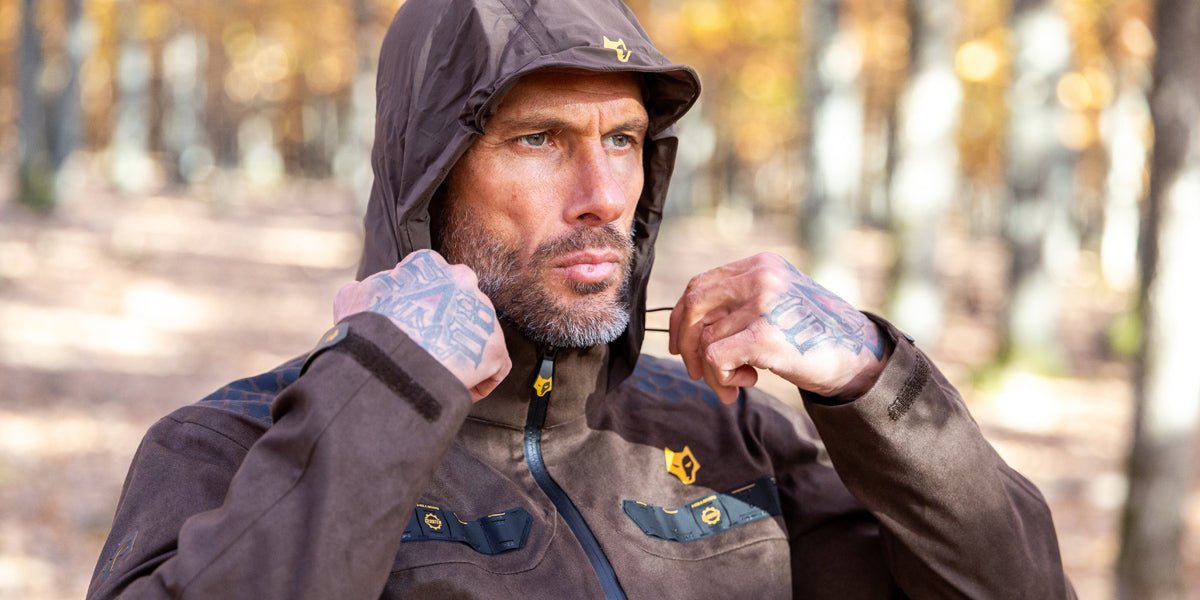
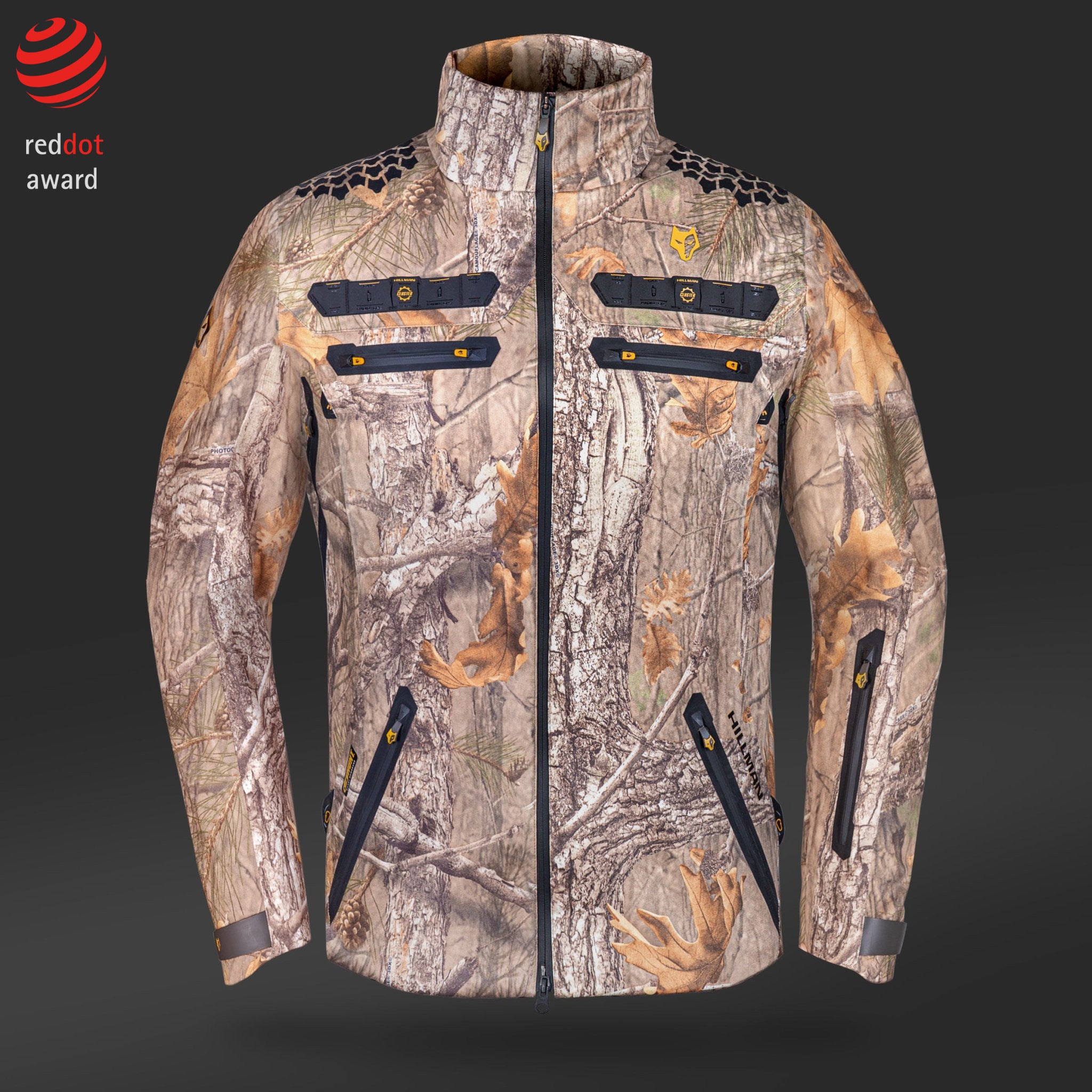
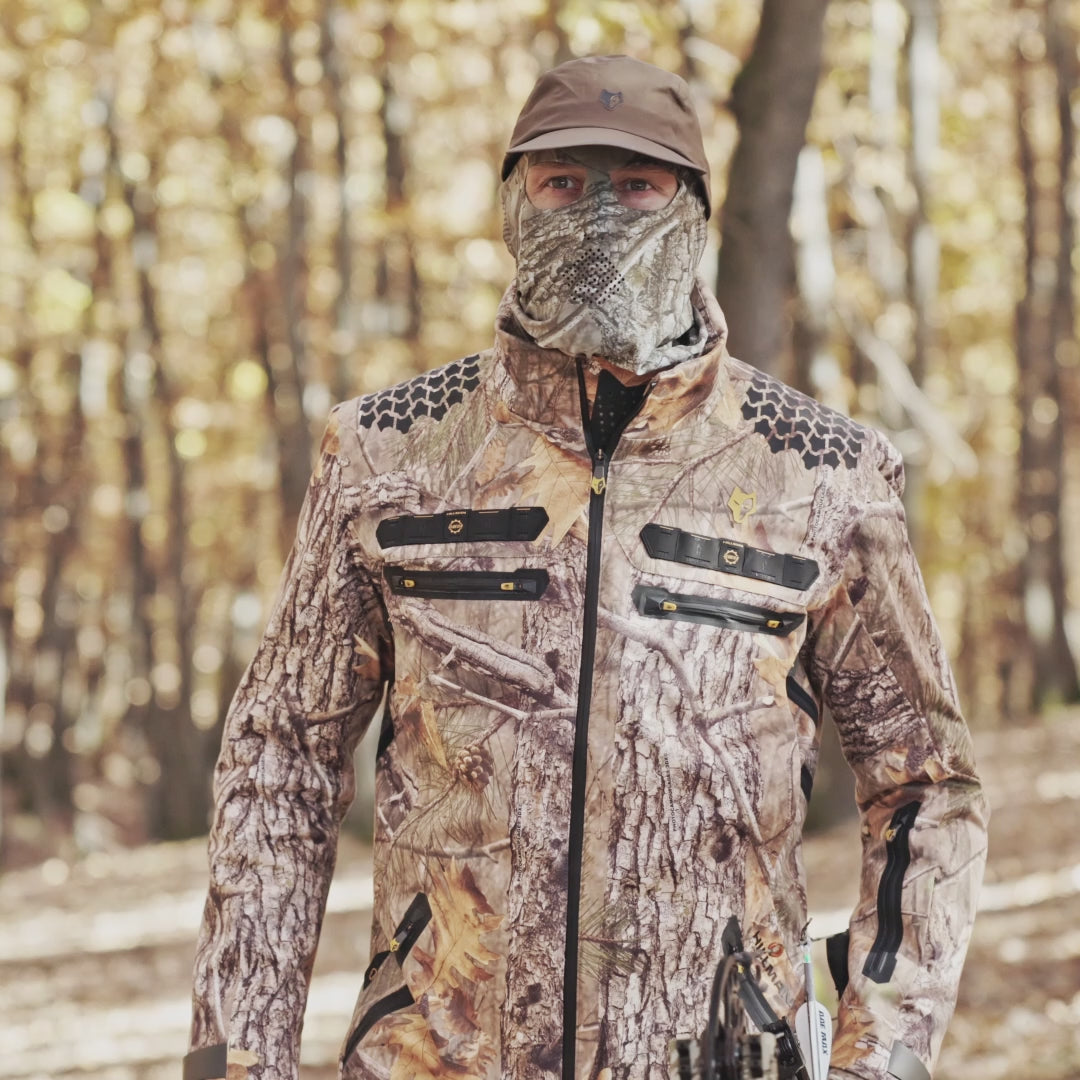
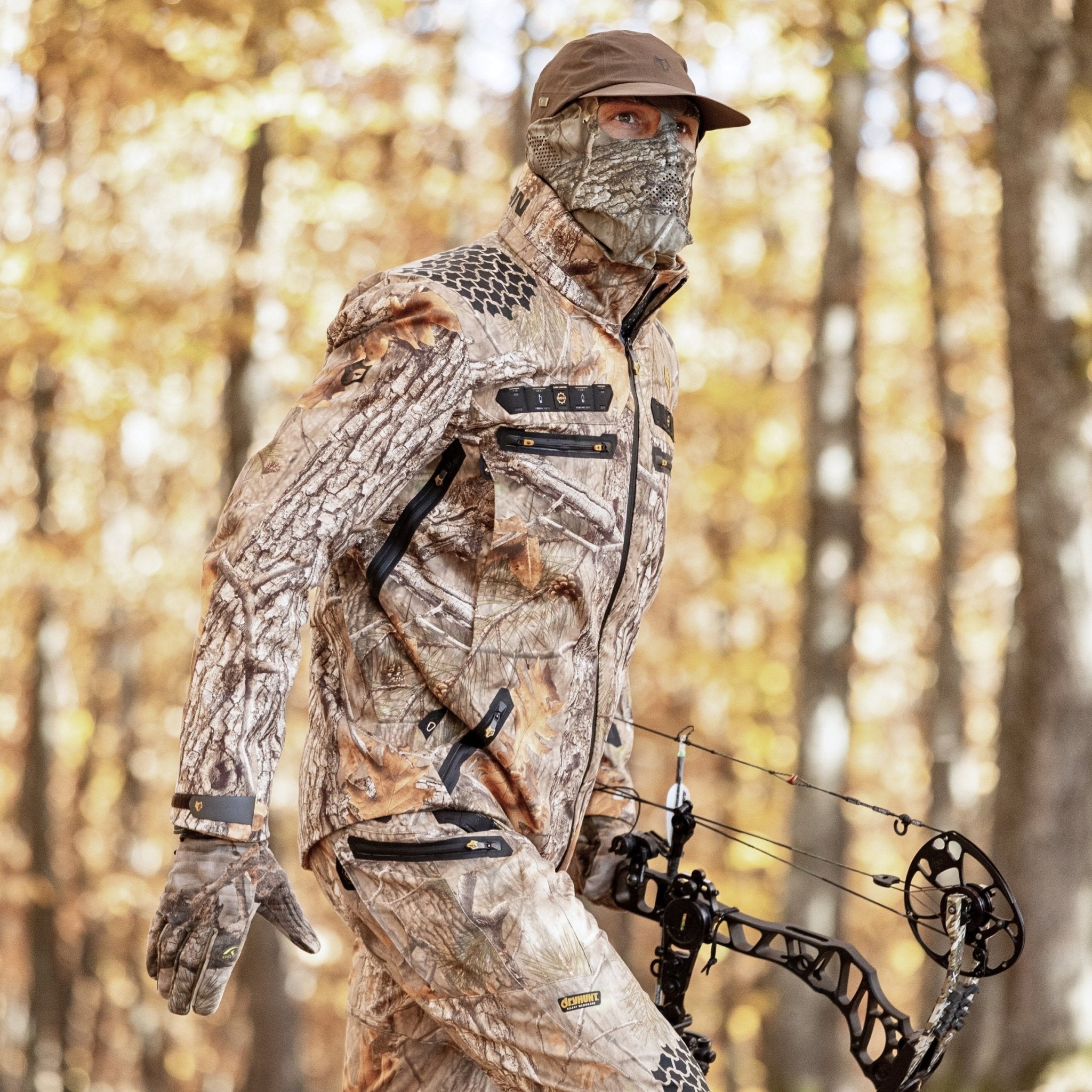
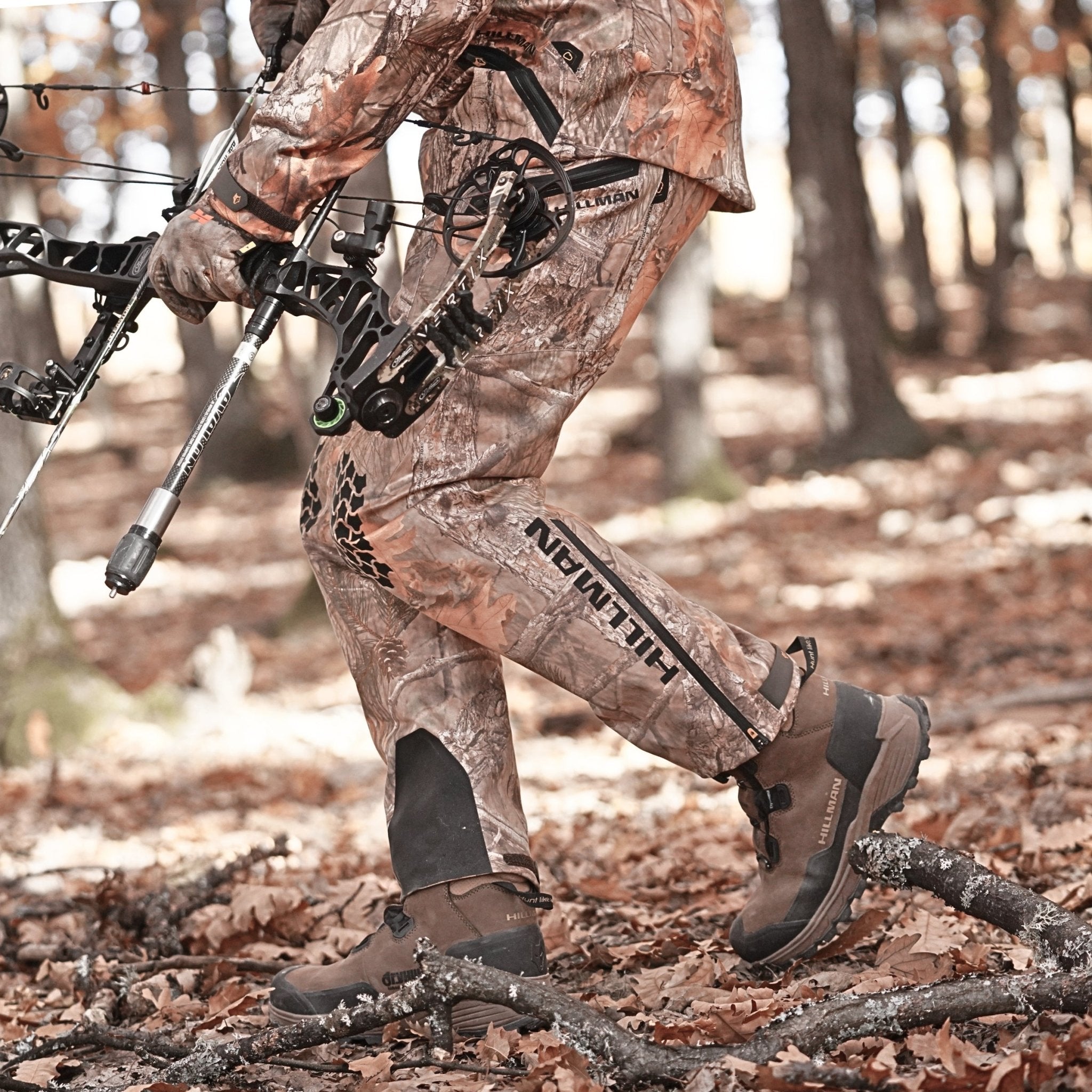
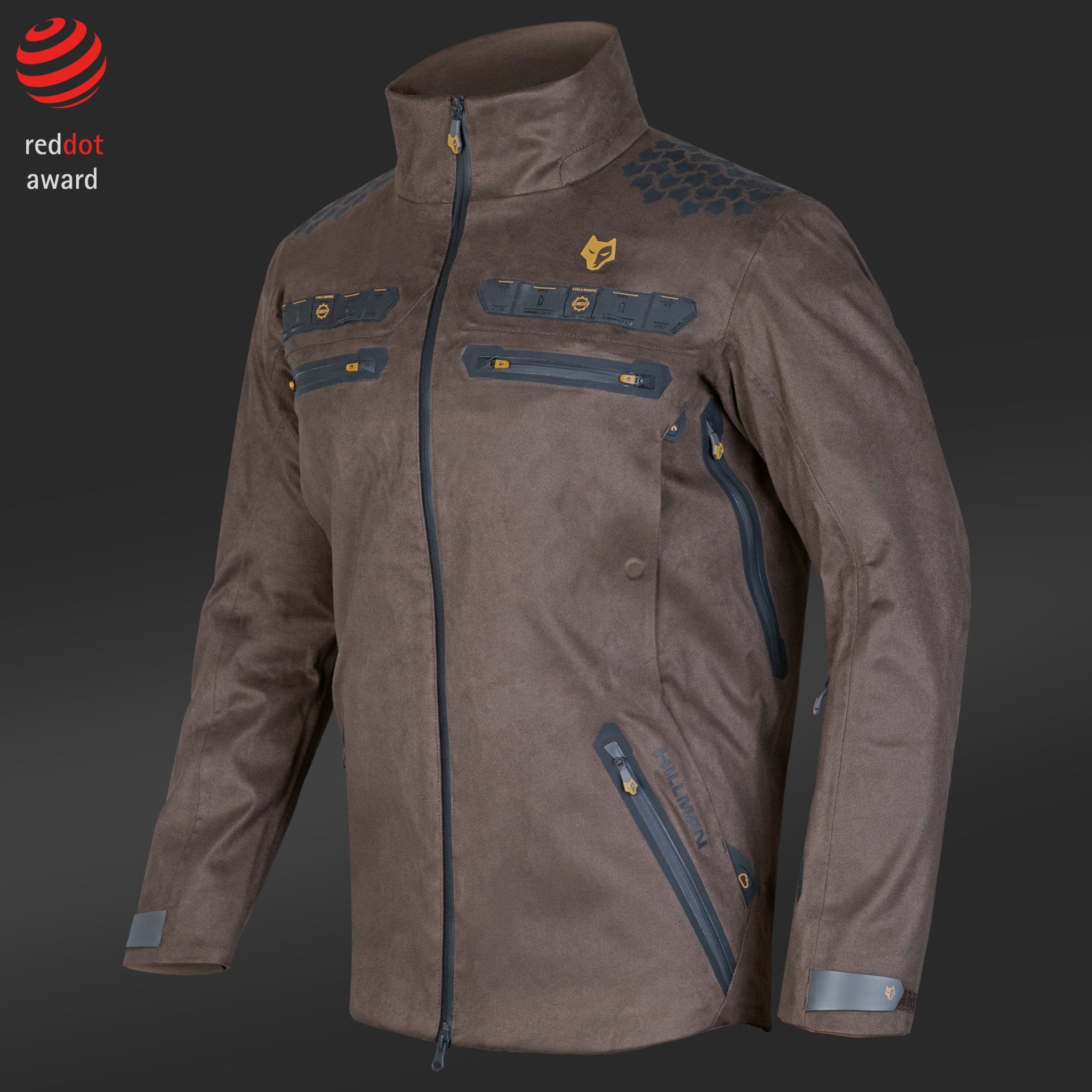
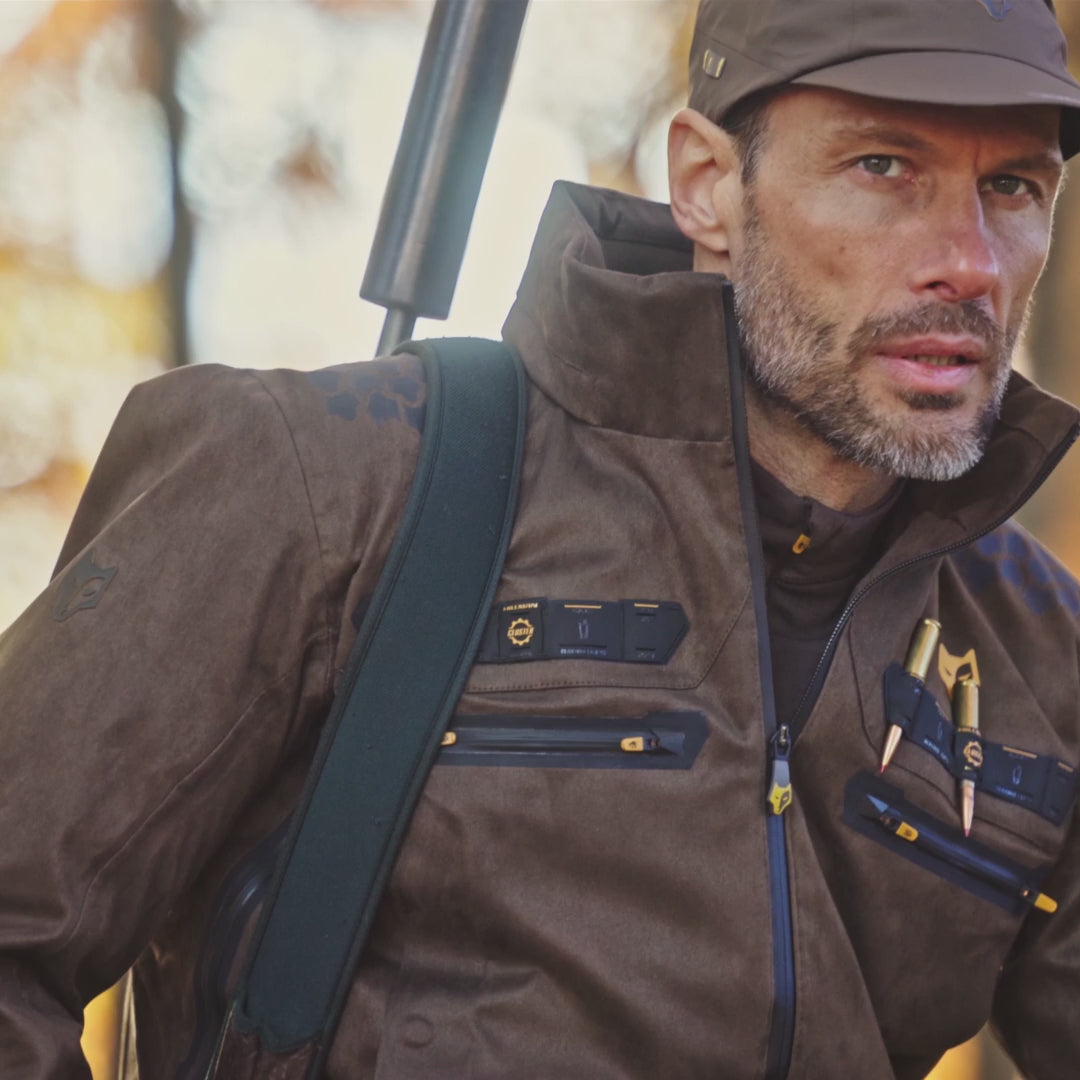
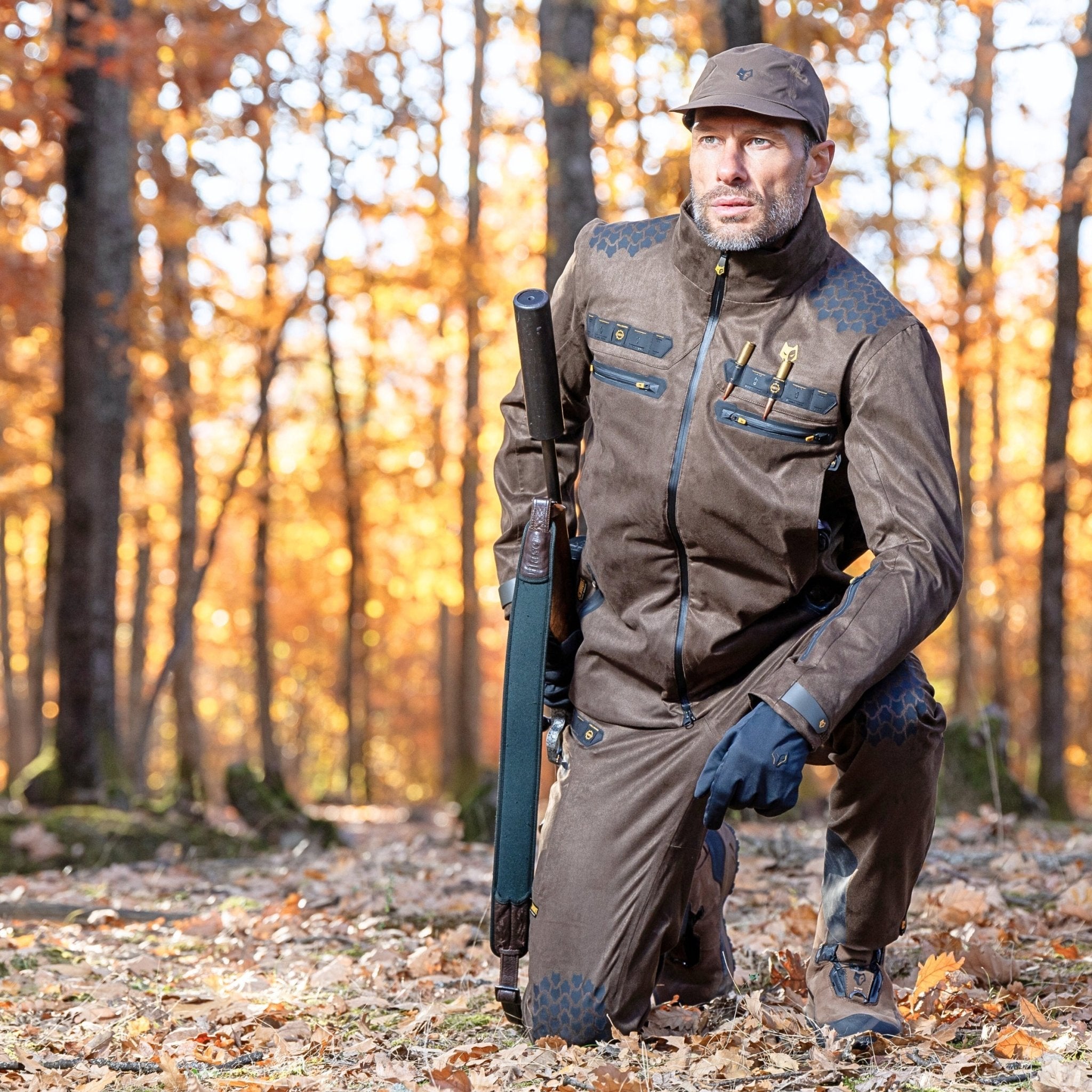
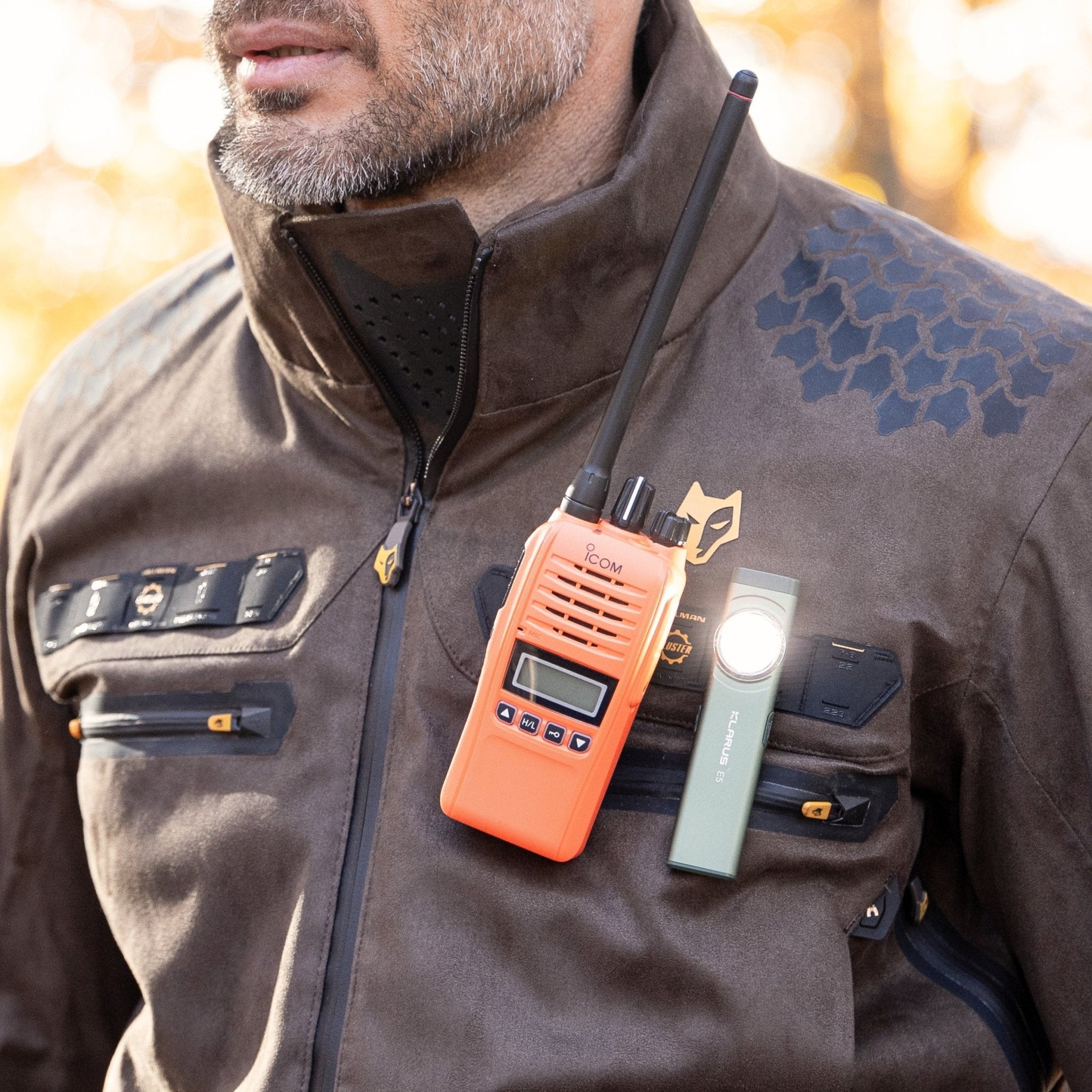
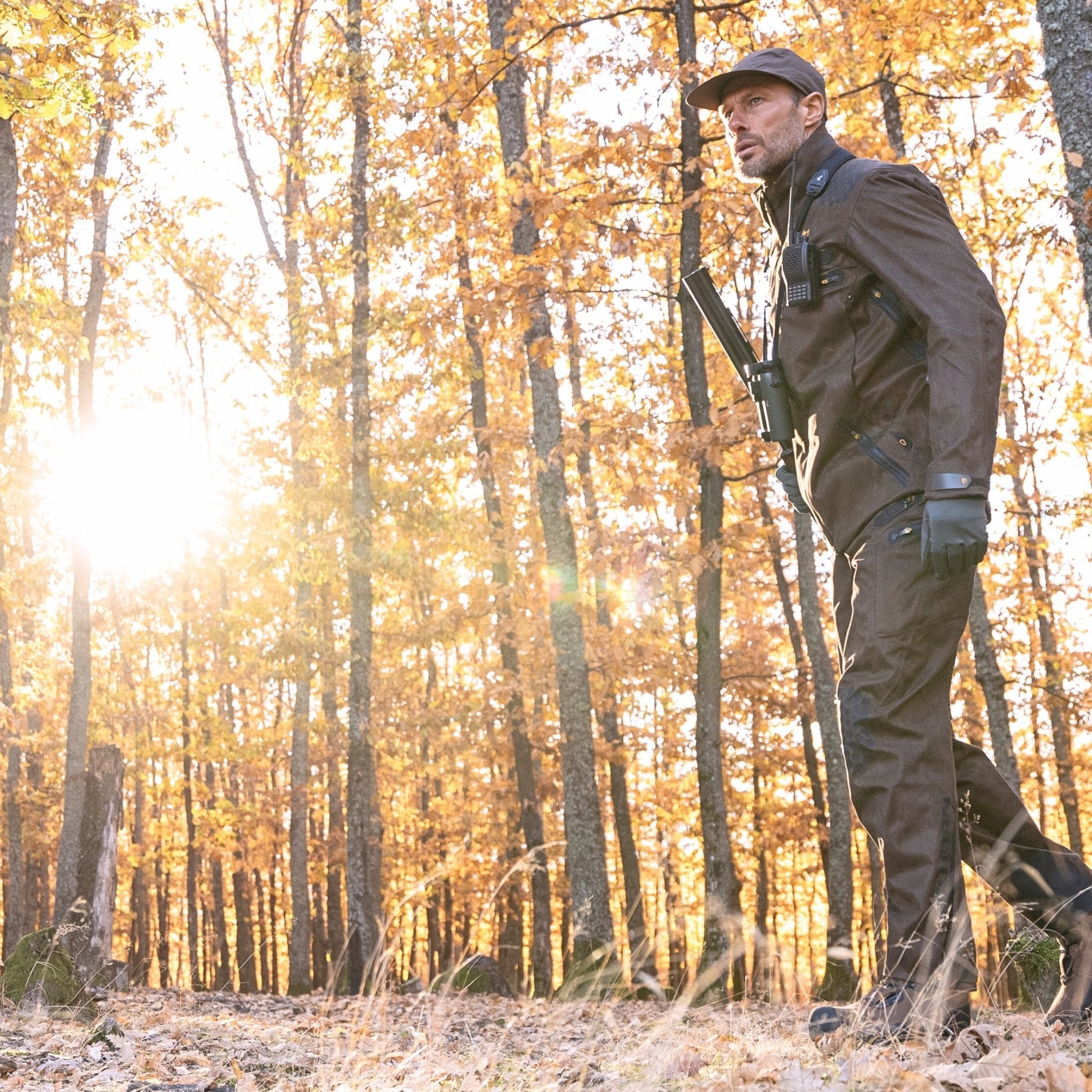
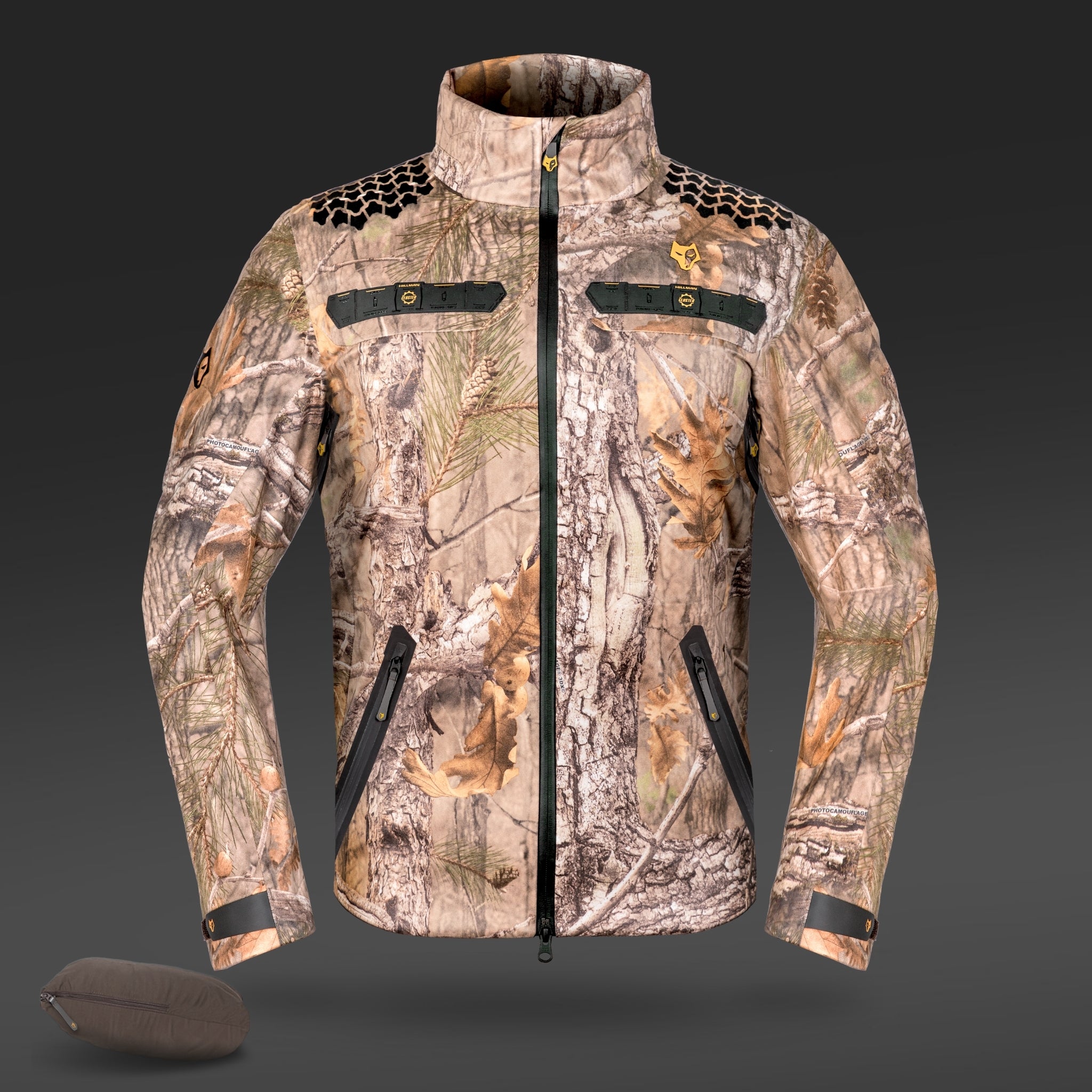
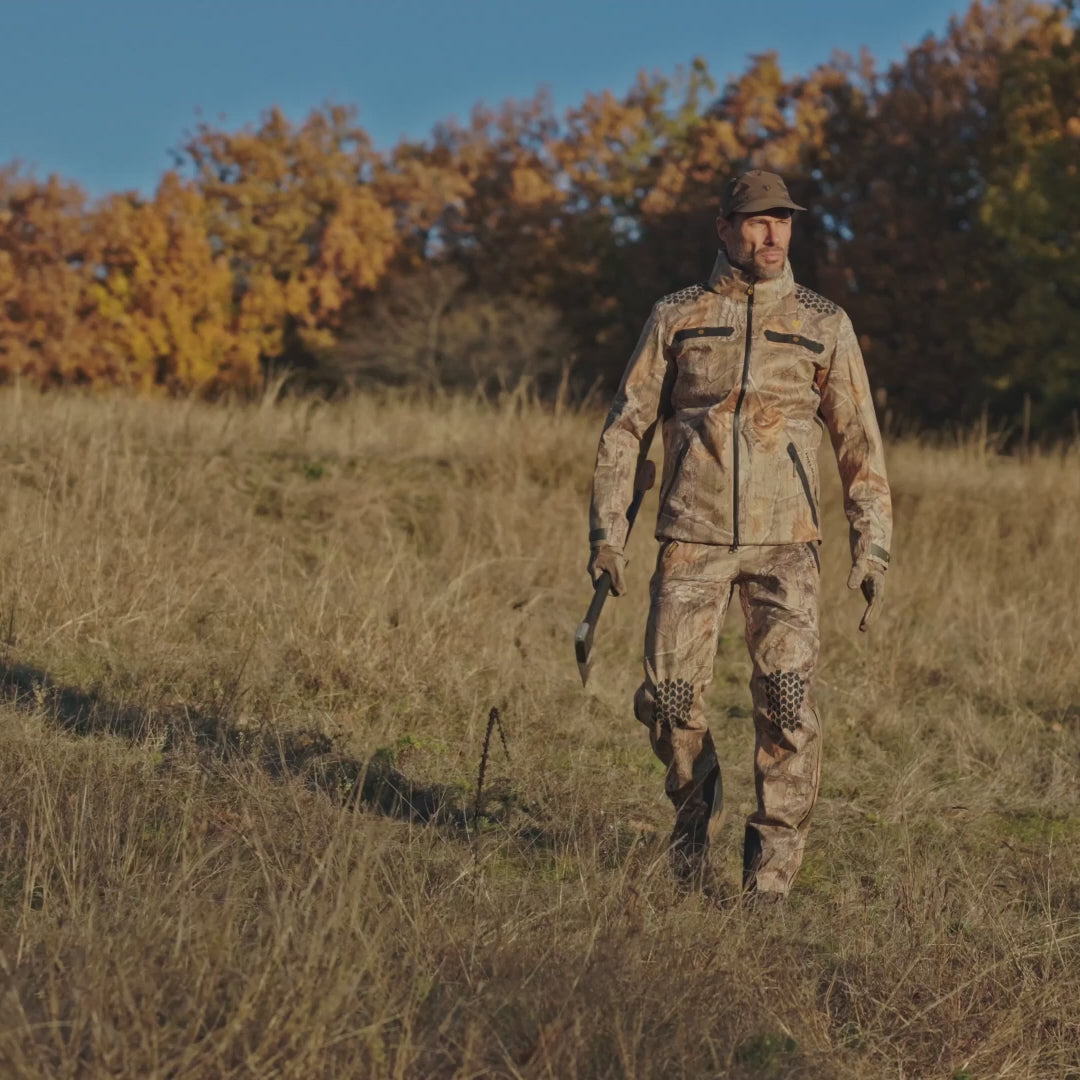
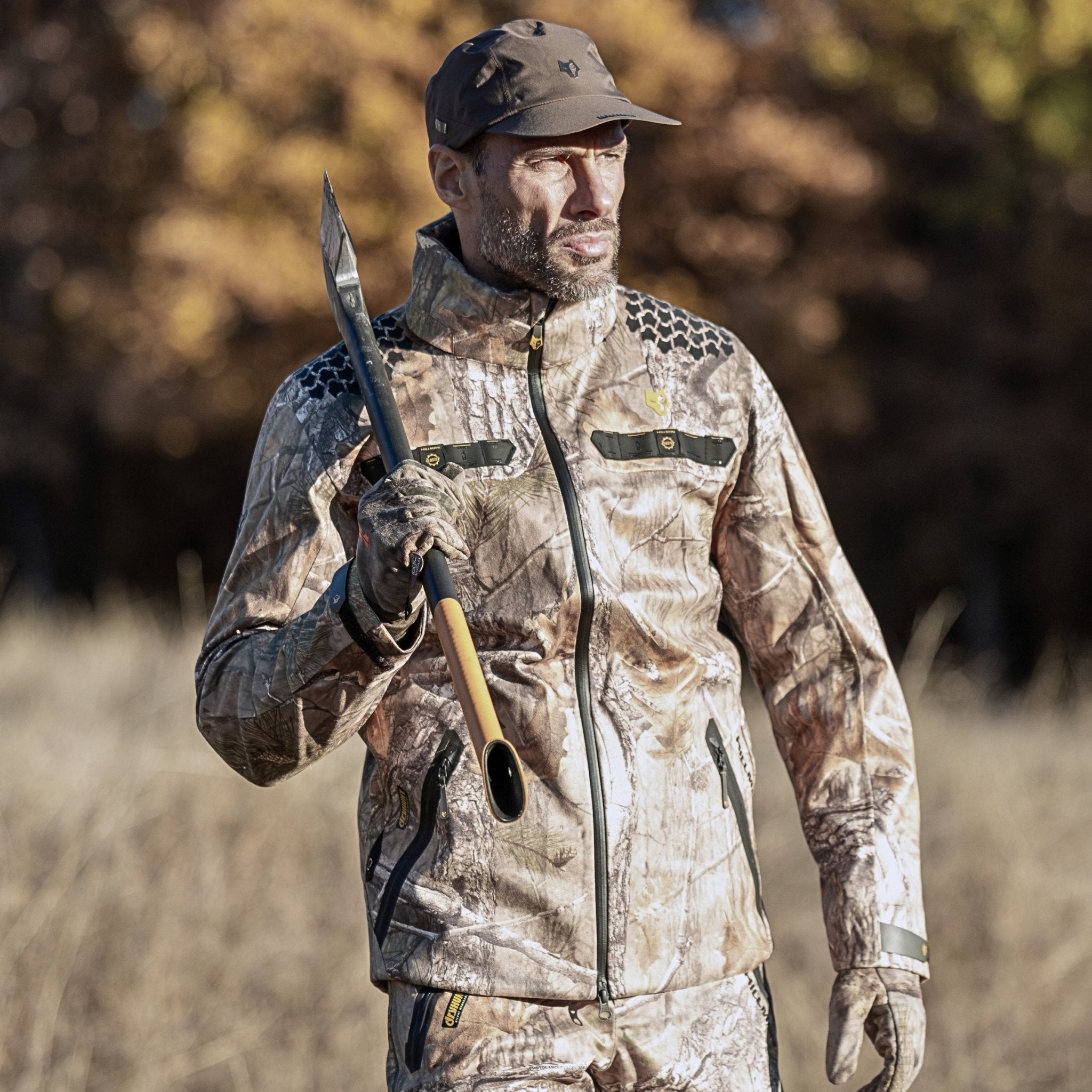
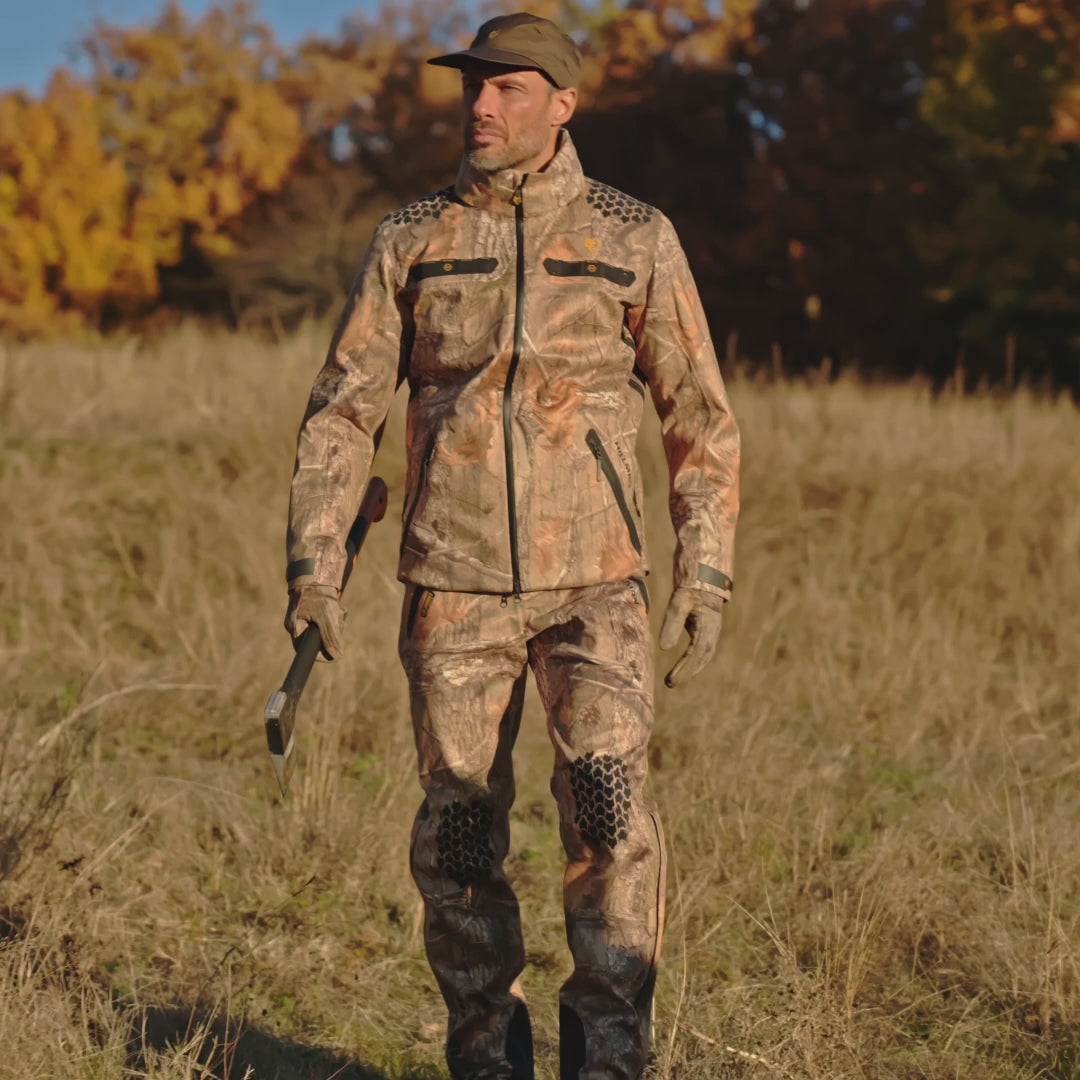
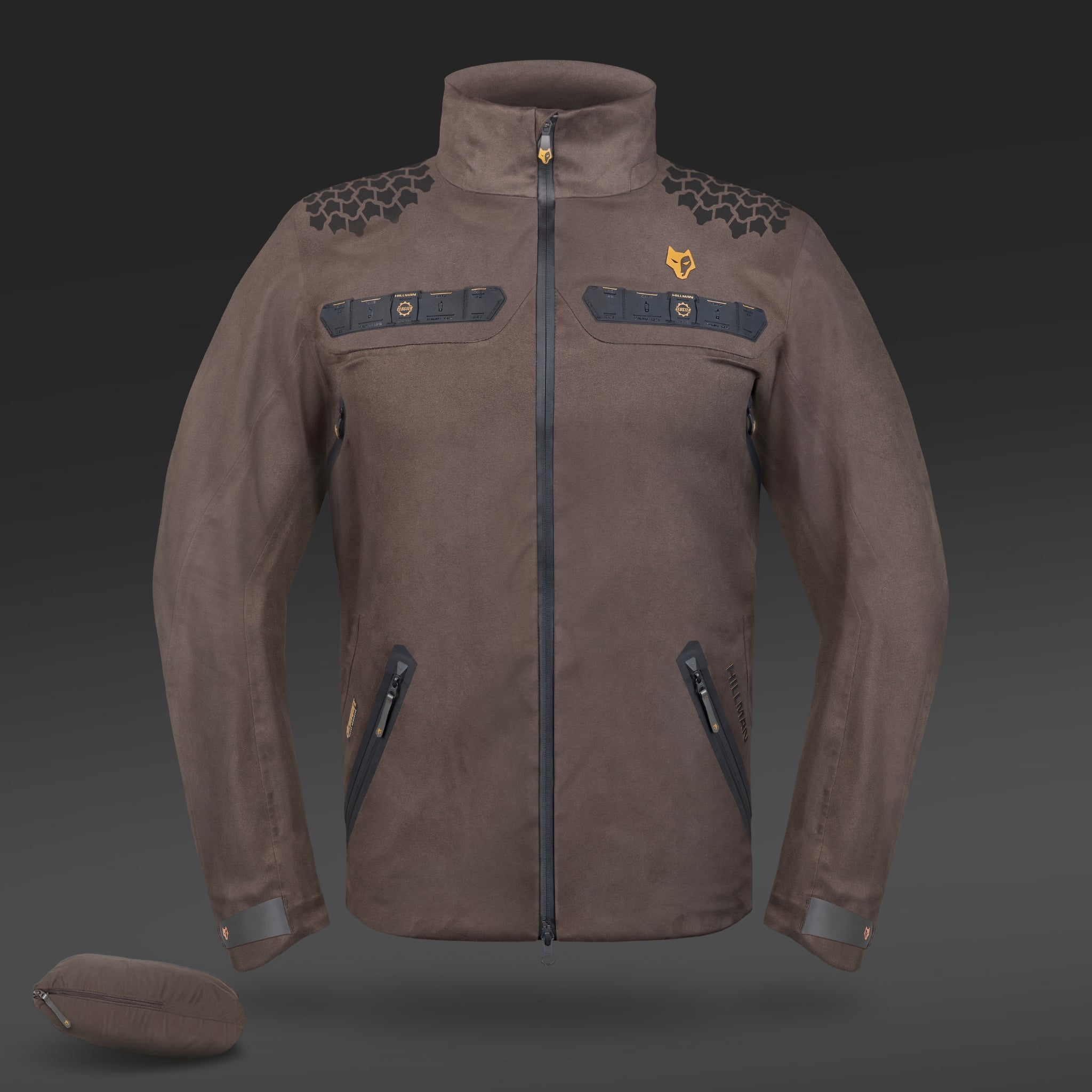
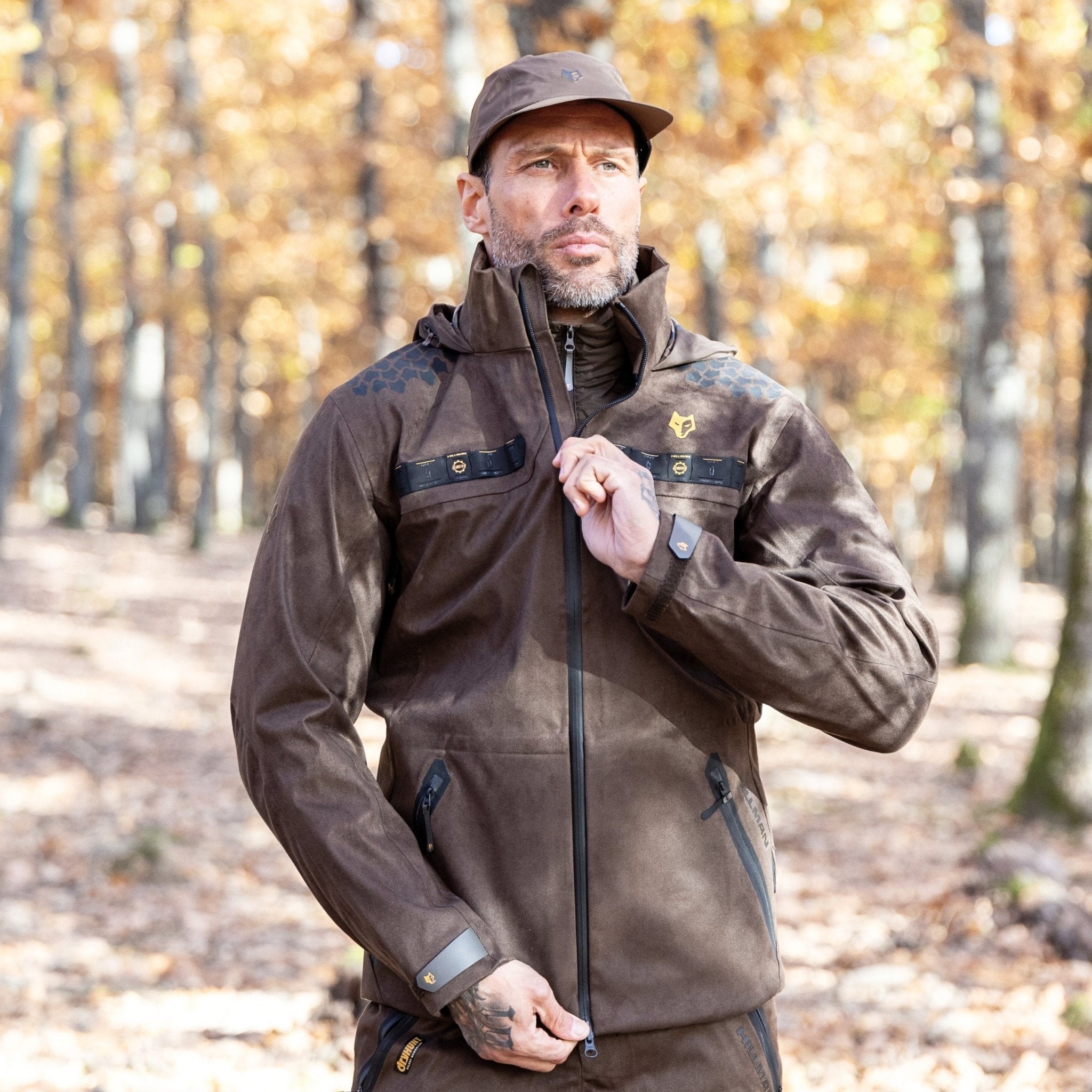
Outer layers have a rough job in deer hunting. They need to block wind, stay quiet around trees and brush, and still offer enough weather protection for damp ground, frosty grass, and light rain. That is why outer layers can make or break whitetail hunting gear for cold mornings.
A lot of stiff jackets look durable, but they are loud and uncomfortable in the field. In whitetail hunting, quiet matters. Stealth matters. A jacket that makes noise every time you turn, reach, or shoulder a rifle is not helping you, no matter how warm it claims to be.
This is where water resistant outer layers make more sense than full waterproof shells for many hunts. A water resistant jacket can handle wet brush, changing weather, and light precipitation without turning the whole system into a clammy mess. When the weather gets worse, you can always carry a rain layer in the pack.
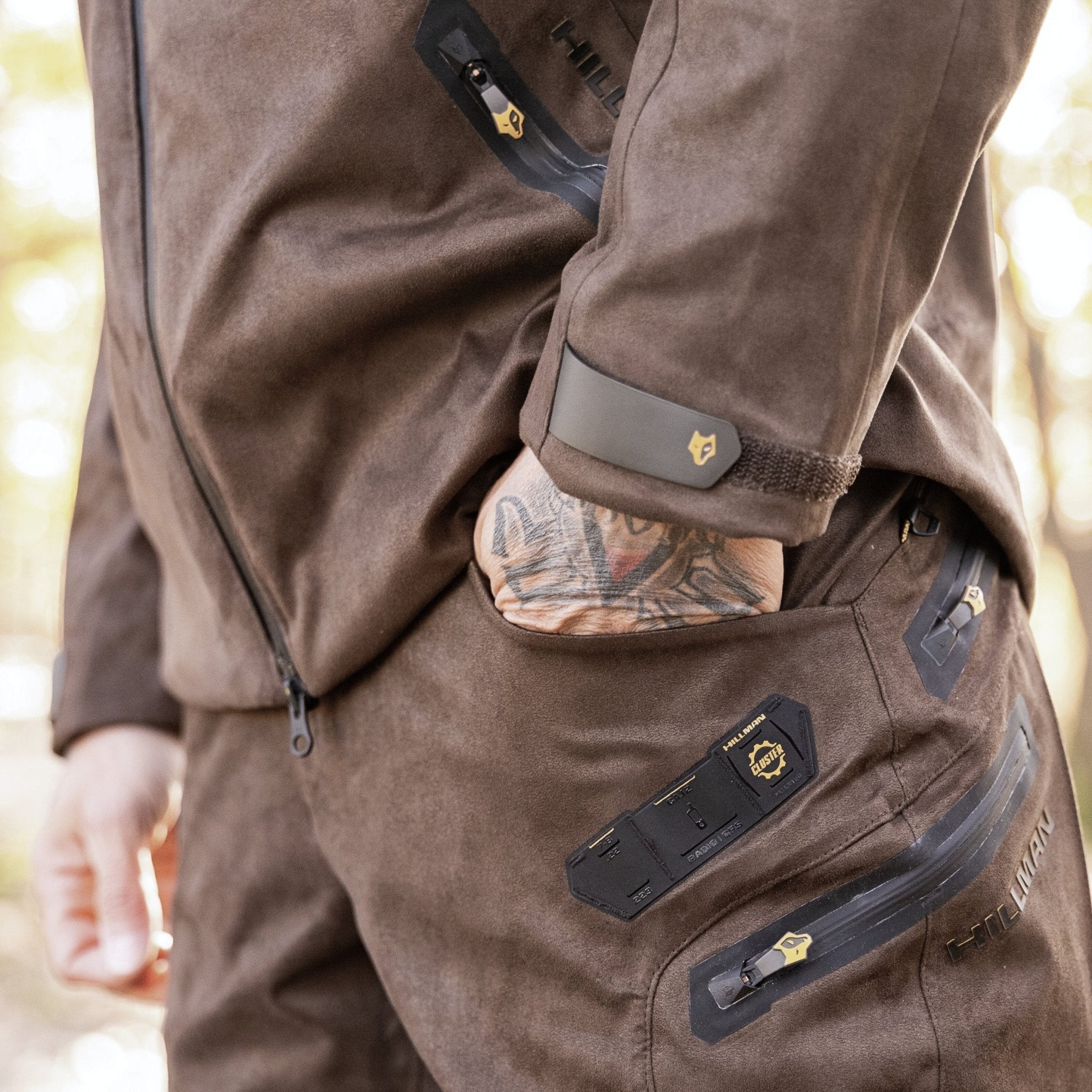
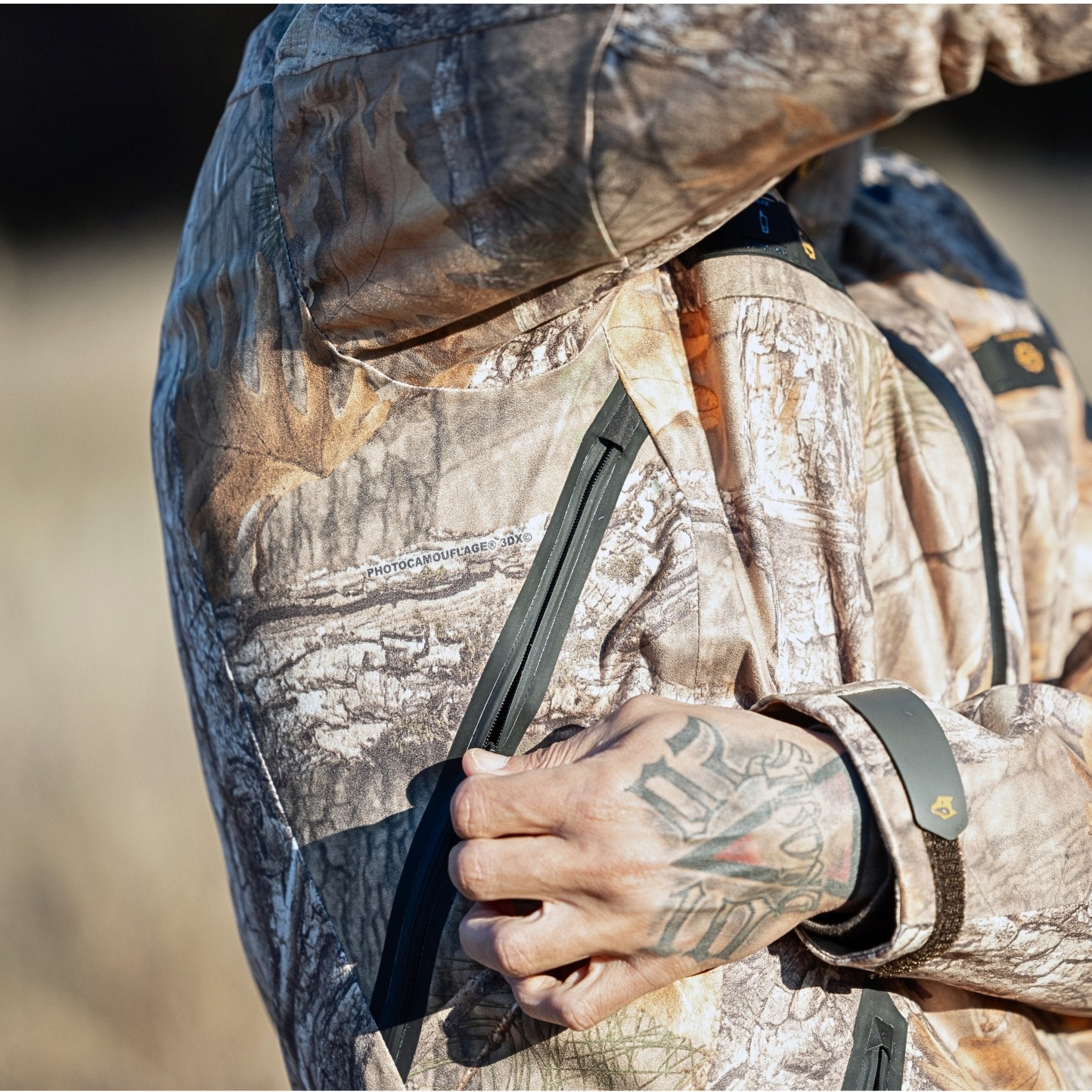
Pit zips help a lot here too. They let you dump heat without peeling off jackets in the open. That makes them useful for midday walking, ridge hiking, and any hunt where temperatures swing more than expected. When evening comes and wind starts to cut through the trees, close the pit zips, zip up, and let the outer layers do their job.
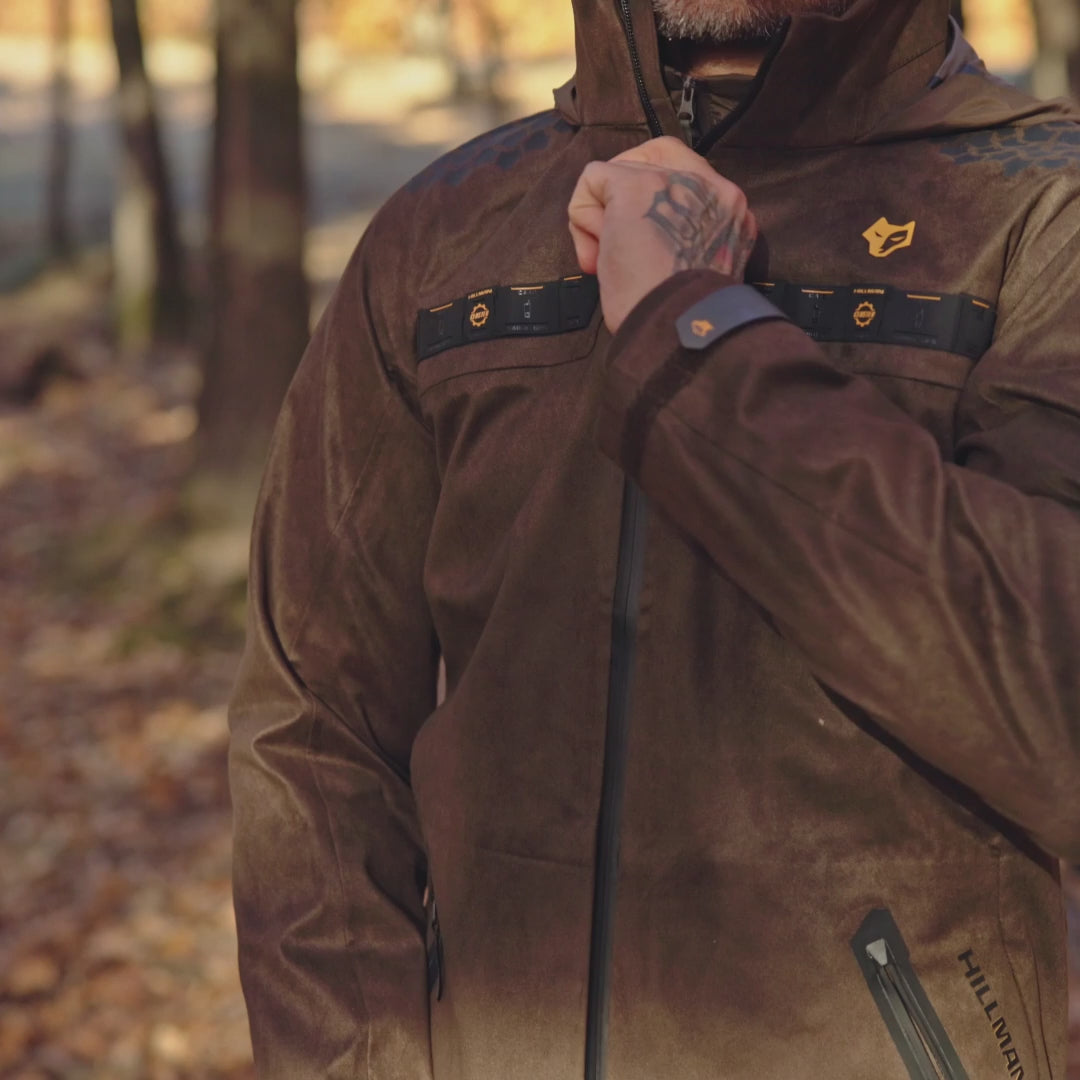
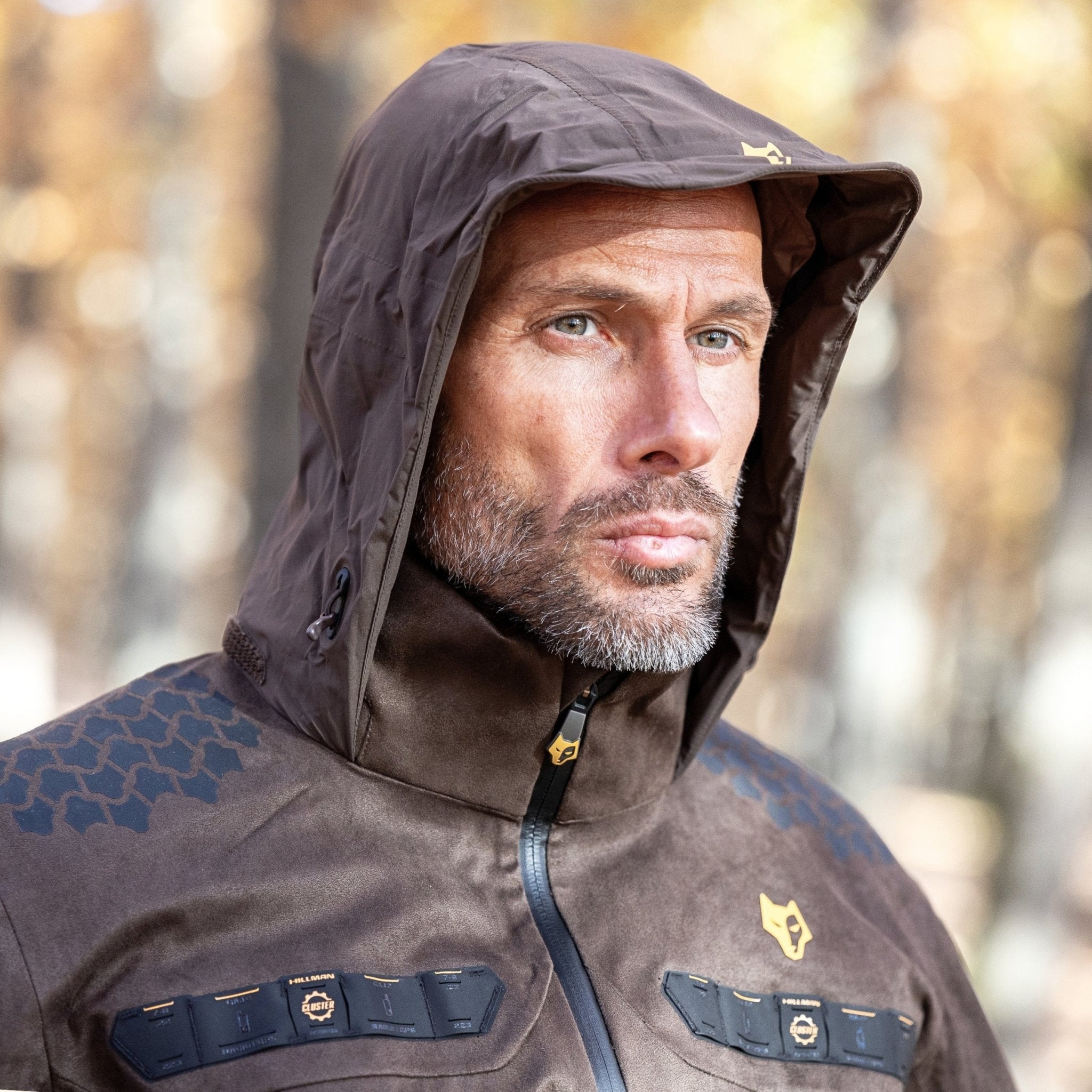
Hillman works best in this category when the focus stays on durability, quiet fabric, and outerwear built to block wind instead of just stacking insulation.
Boots, pants, and bibs are what keep the lower half working

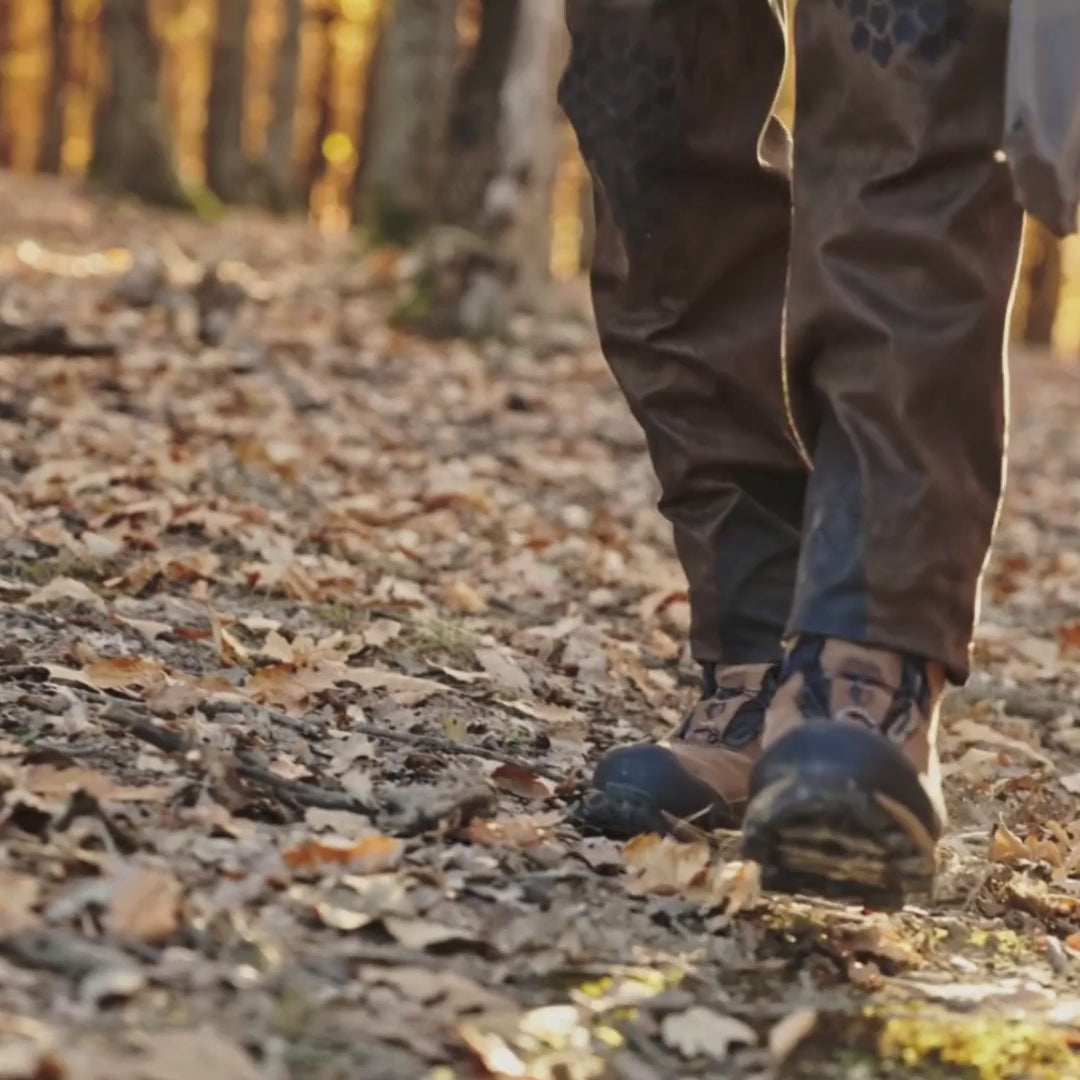
Cold feet can wreck a hunt fast. So can wet boots, stiff pants, and bad footing on muddy ground. Late season deer country exposes weak footwear in a hurry.
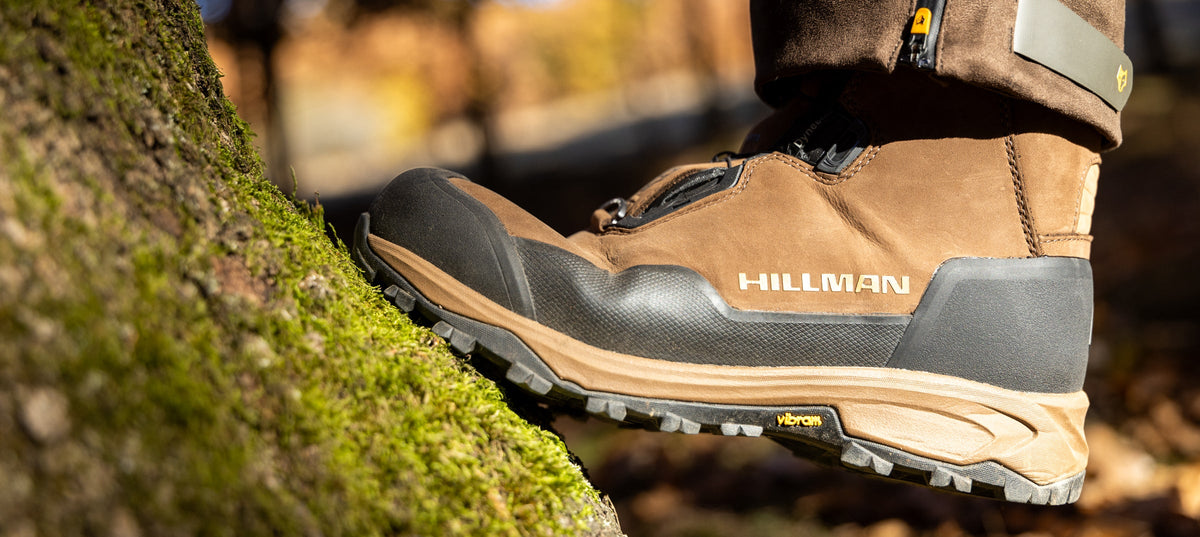
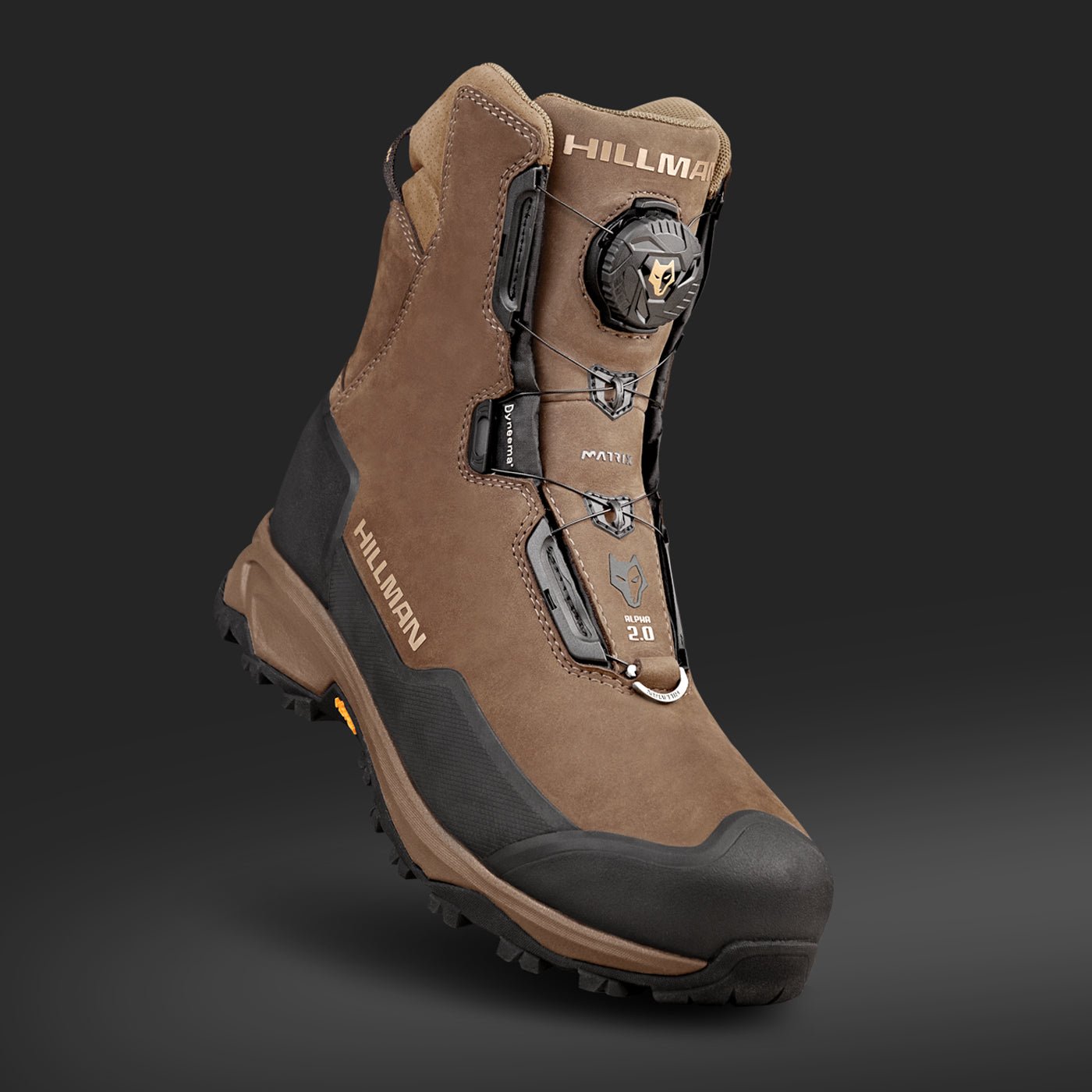
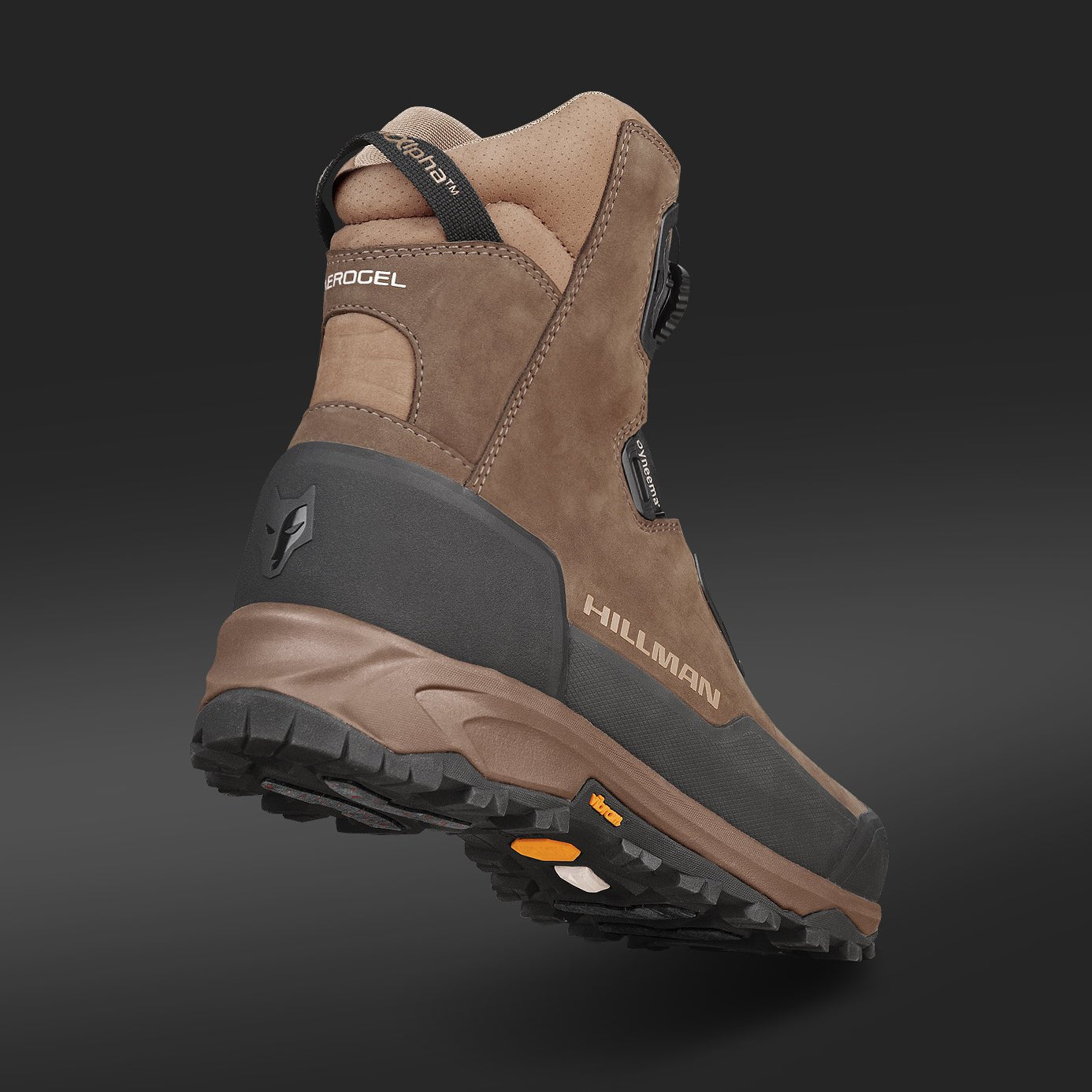
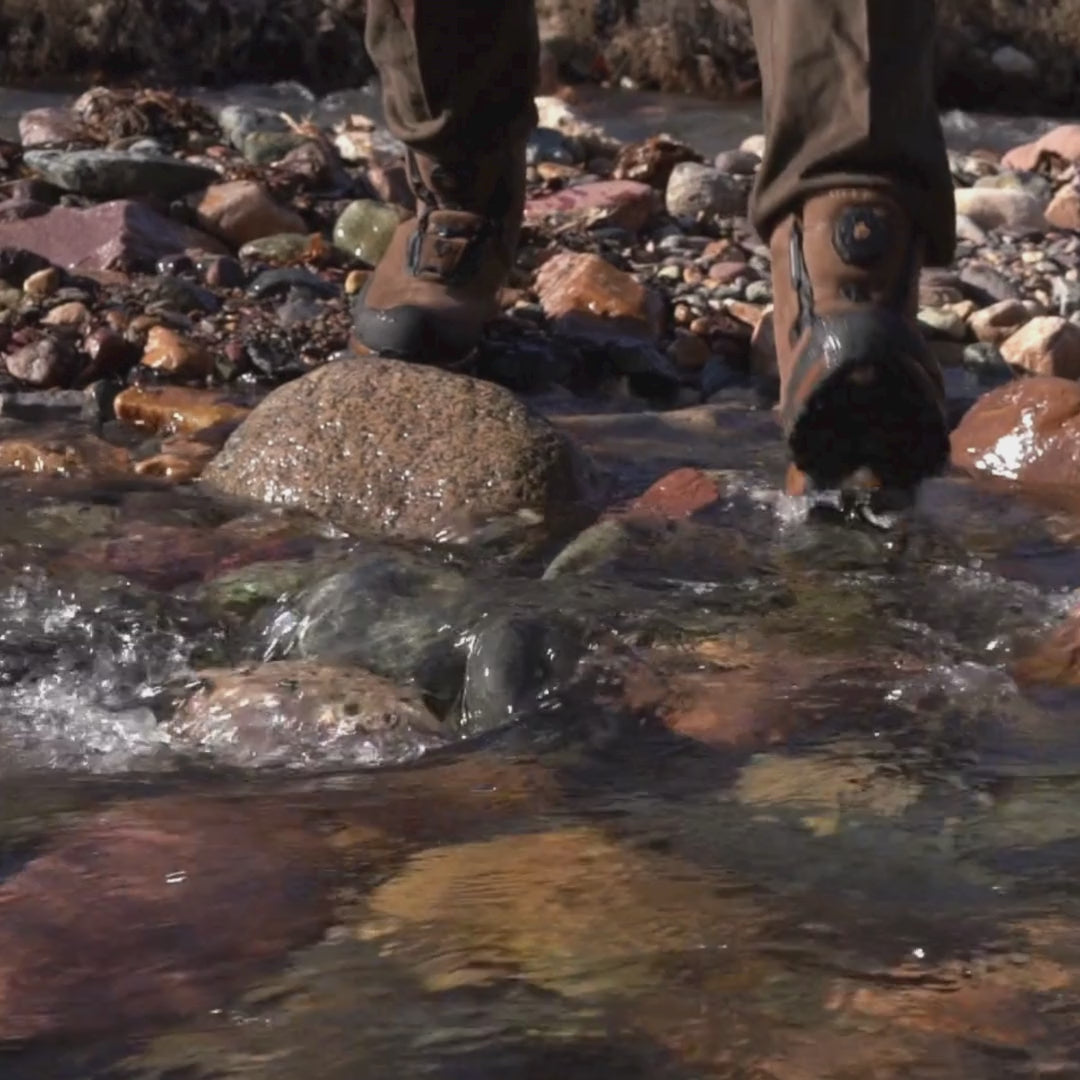
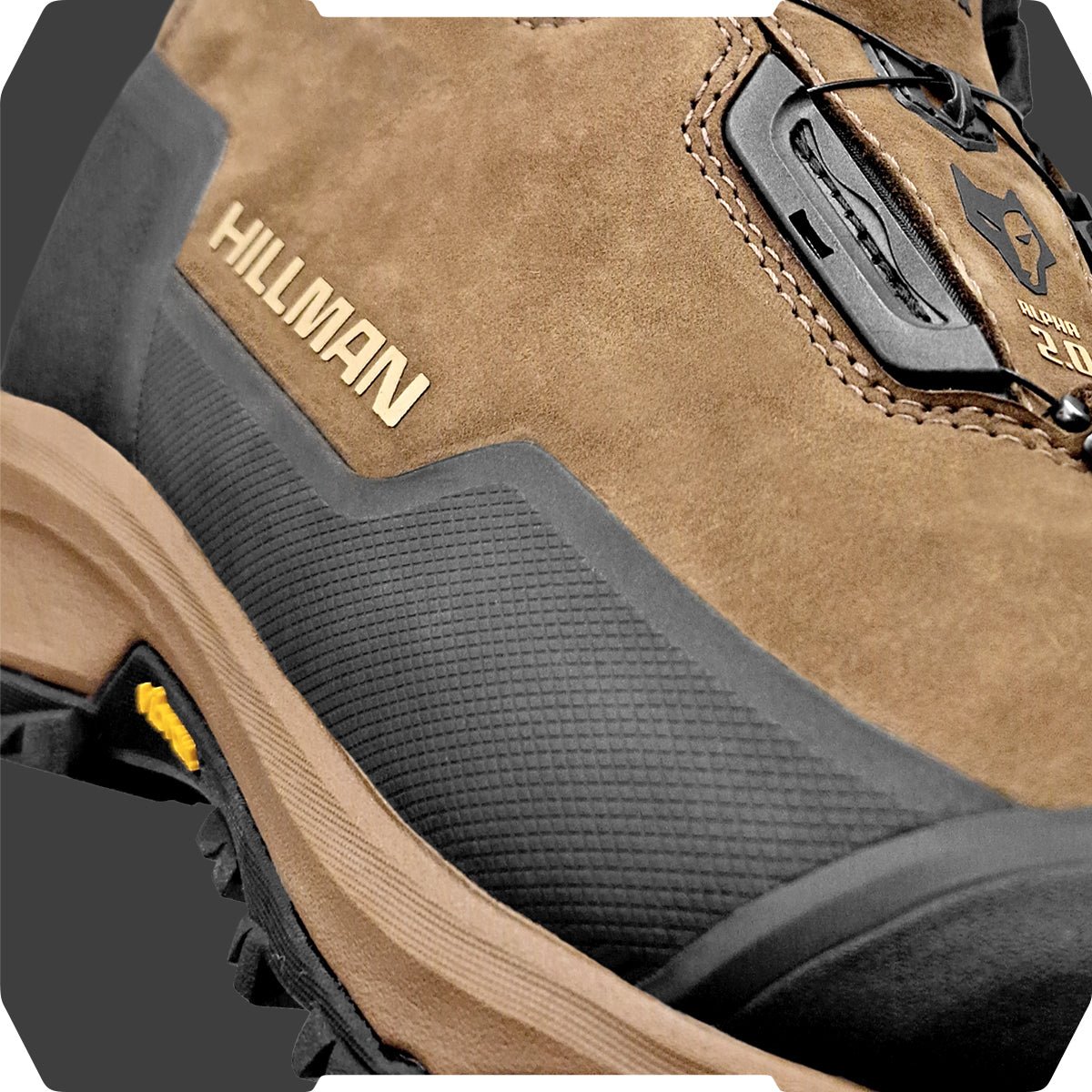
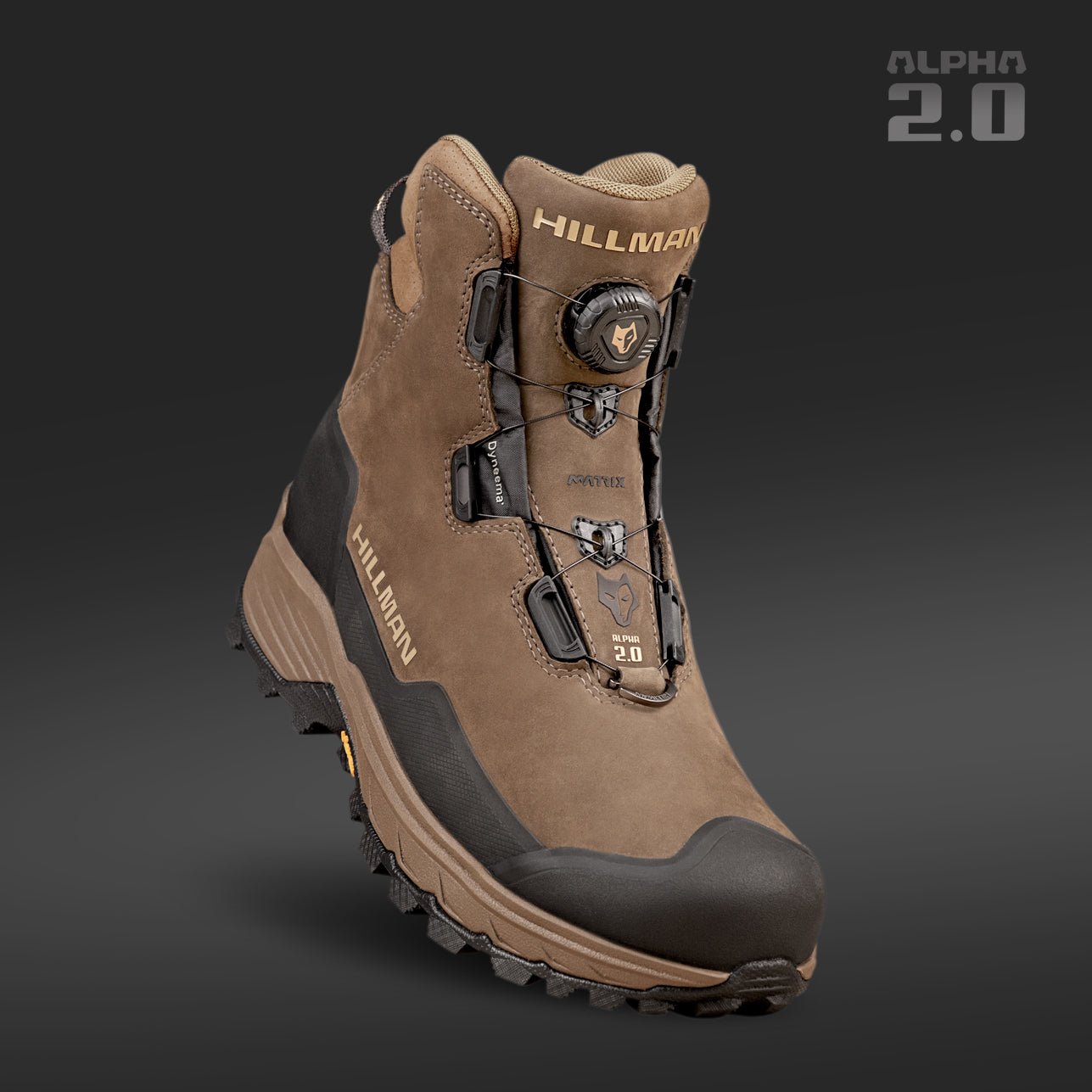
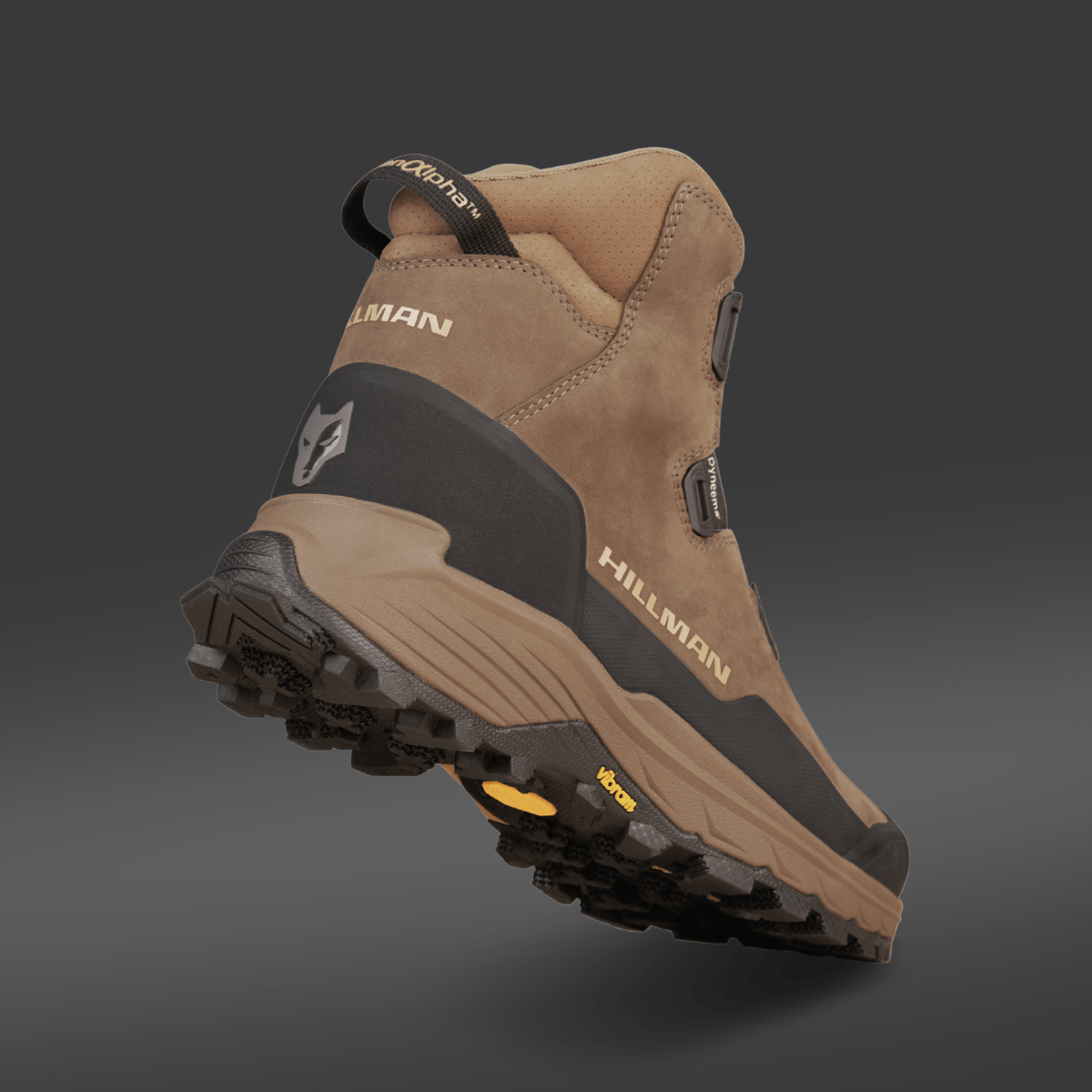
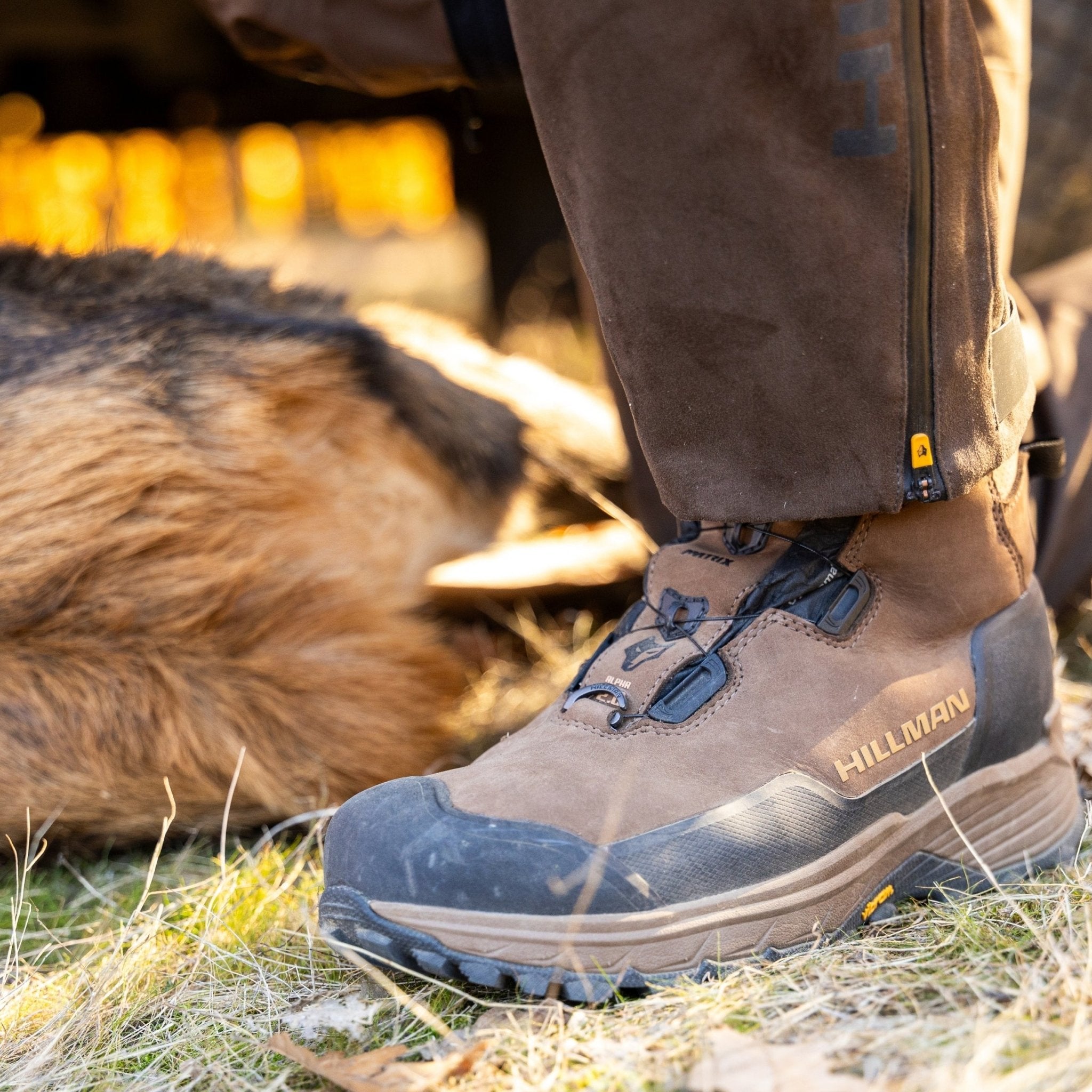
For cold weather hunting, insulated boots make sense when the ground is frozen, sloppy, or holding half-melted snow. But insulation alone is not enough. You still need waterproof protection, real traction, and enough support to keep a stable platform underfoot. That stable platform matters on slick slopes, rough ground, and uneven trails, and it matters when the shot comes and you need your footing to feel right.
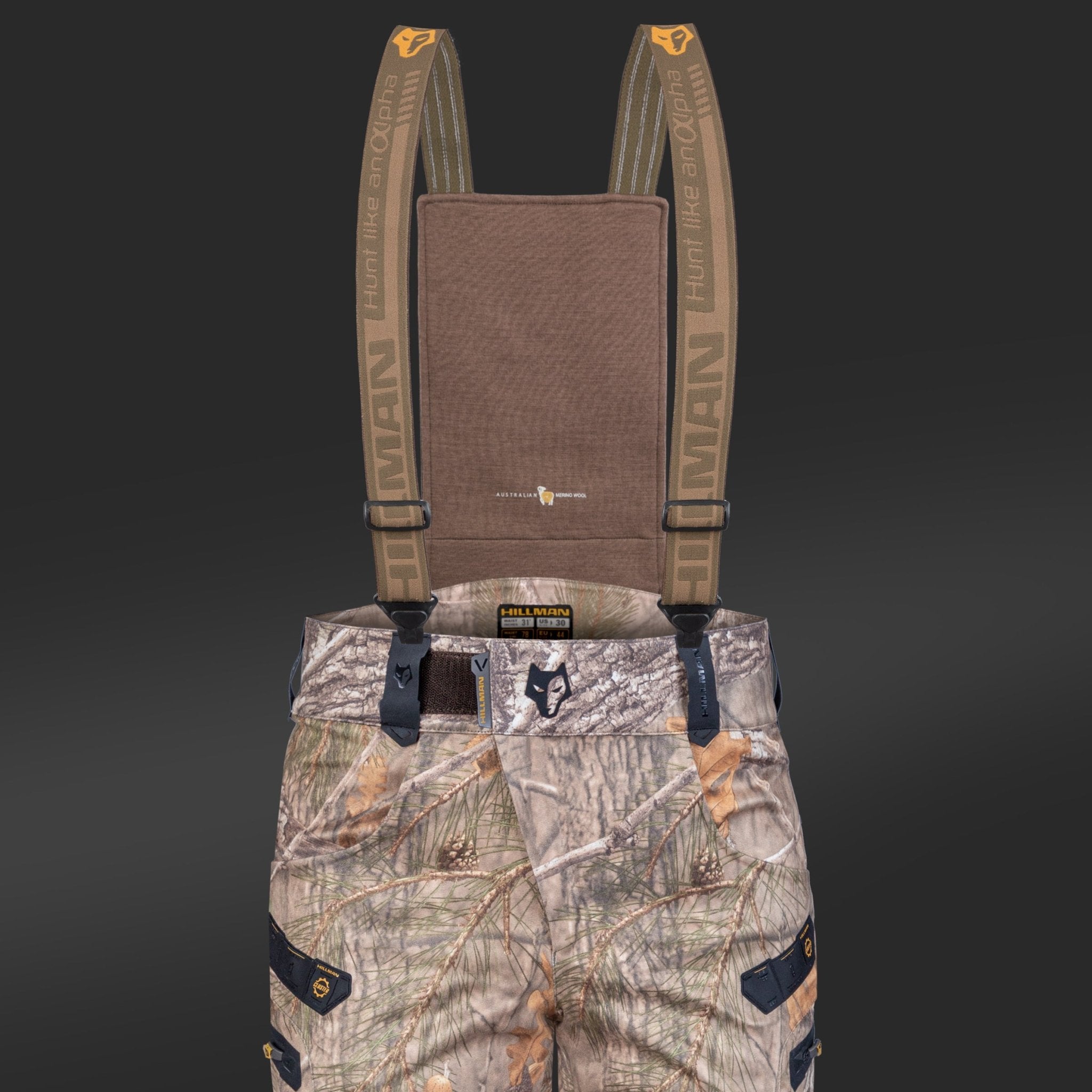
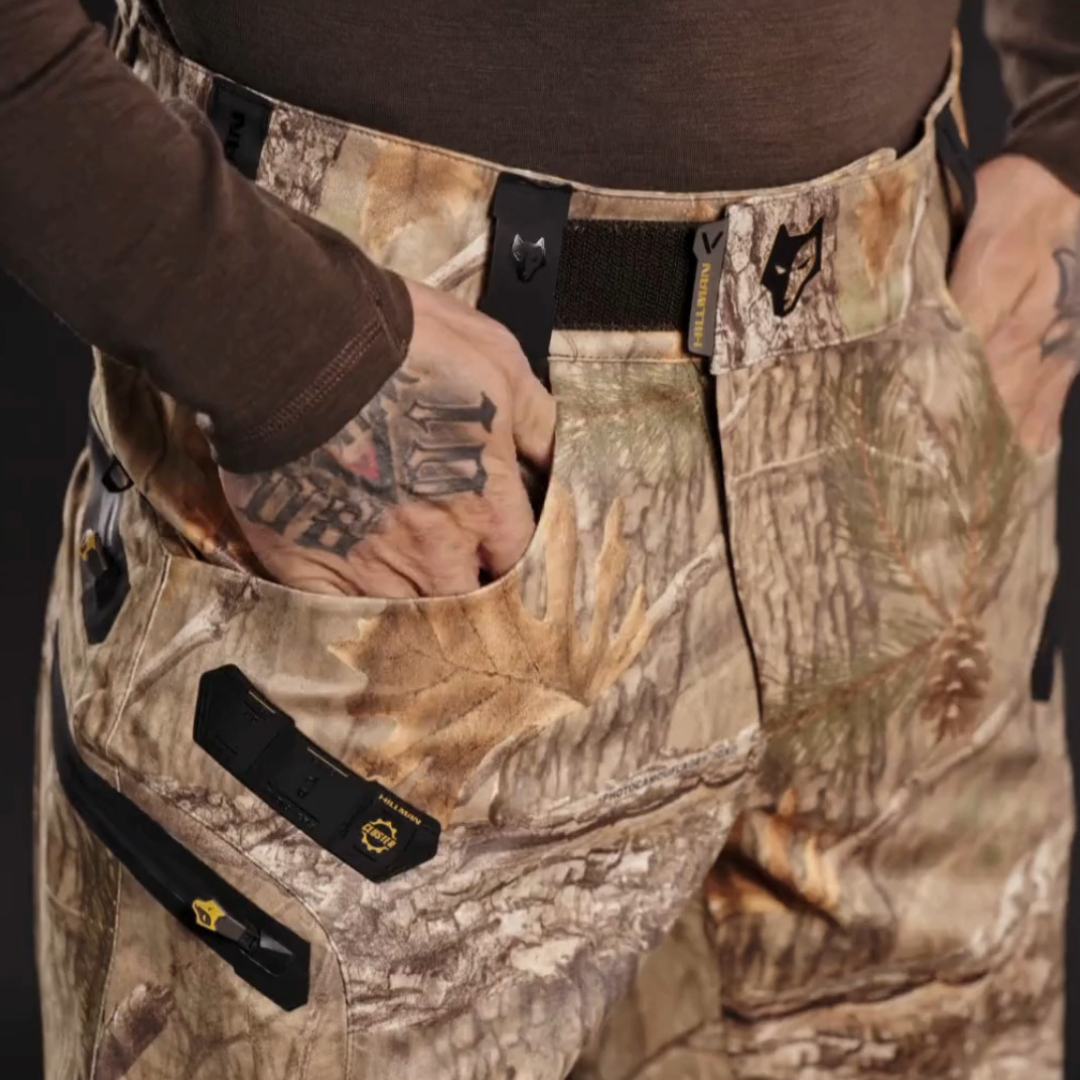
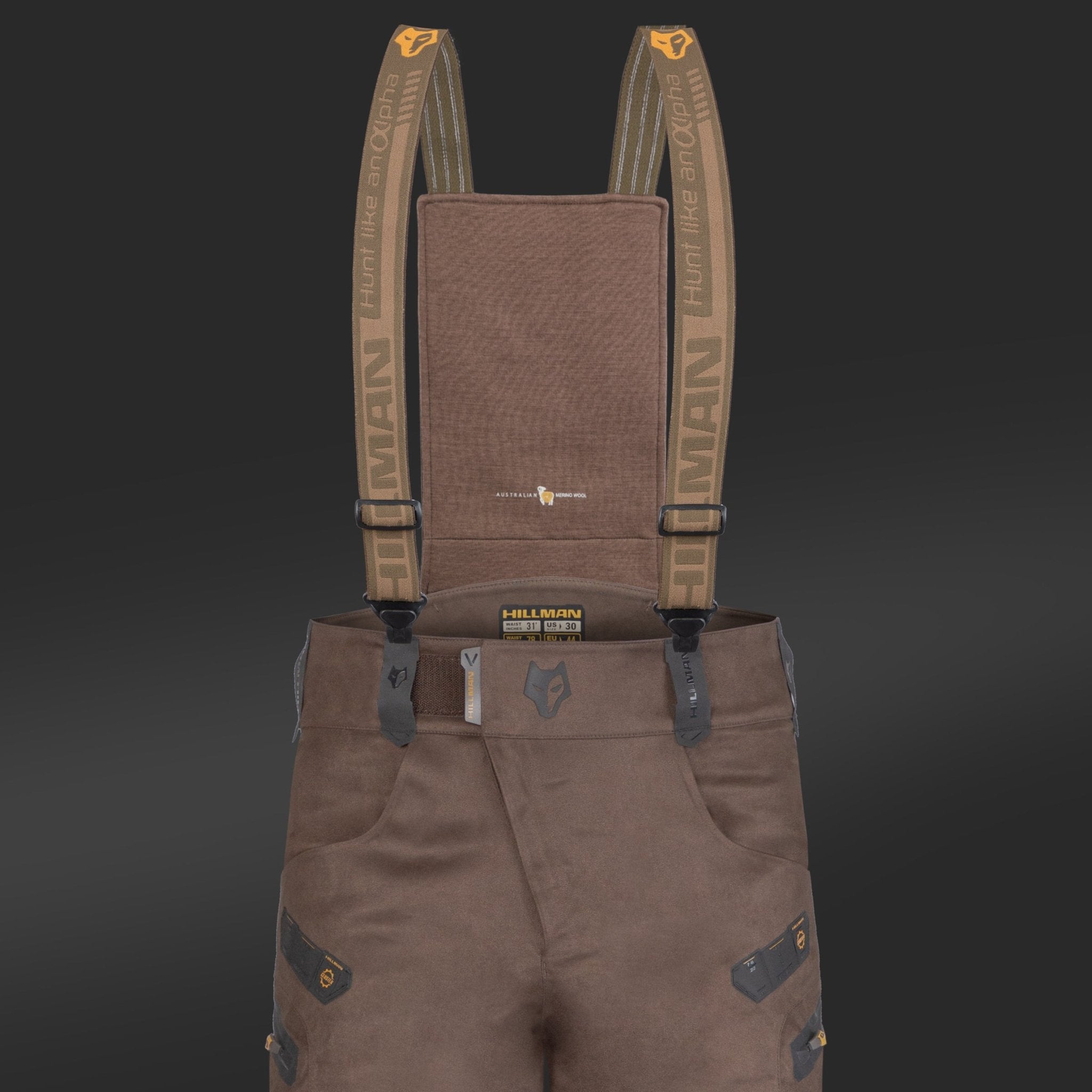
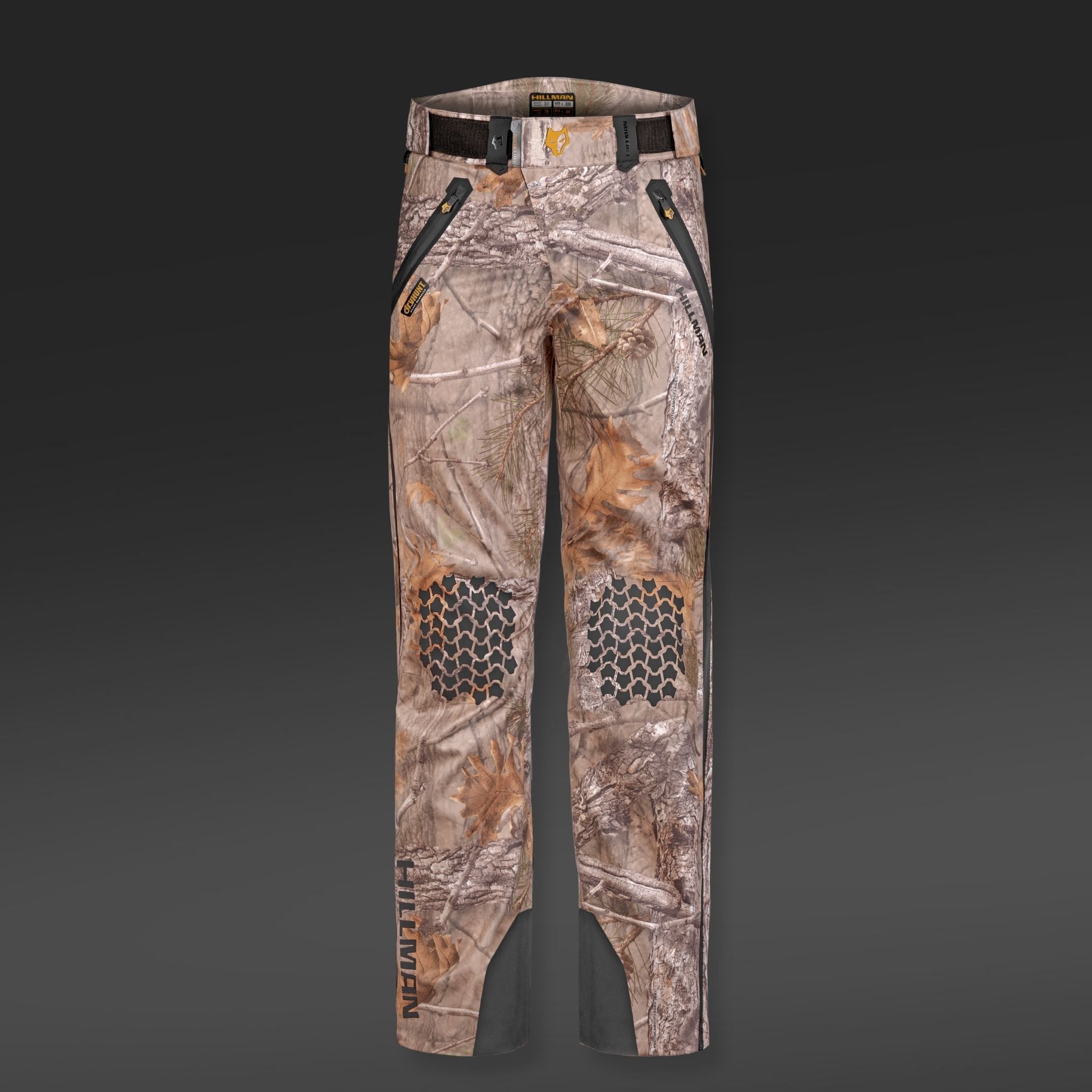
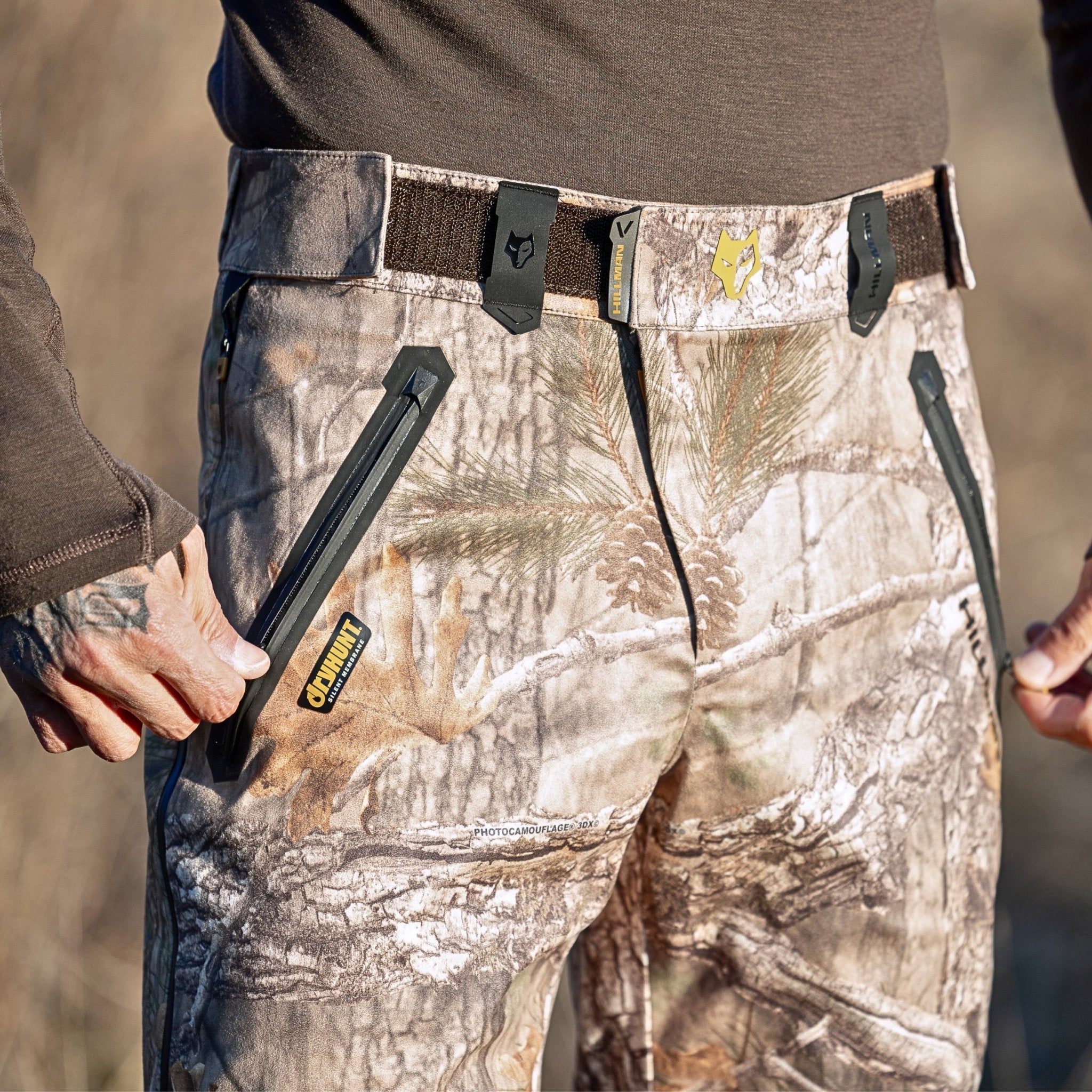
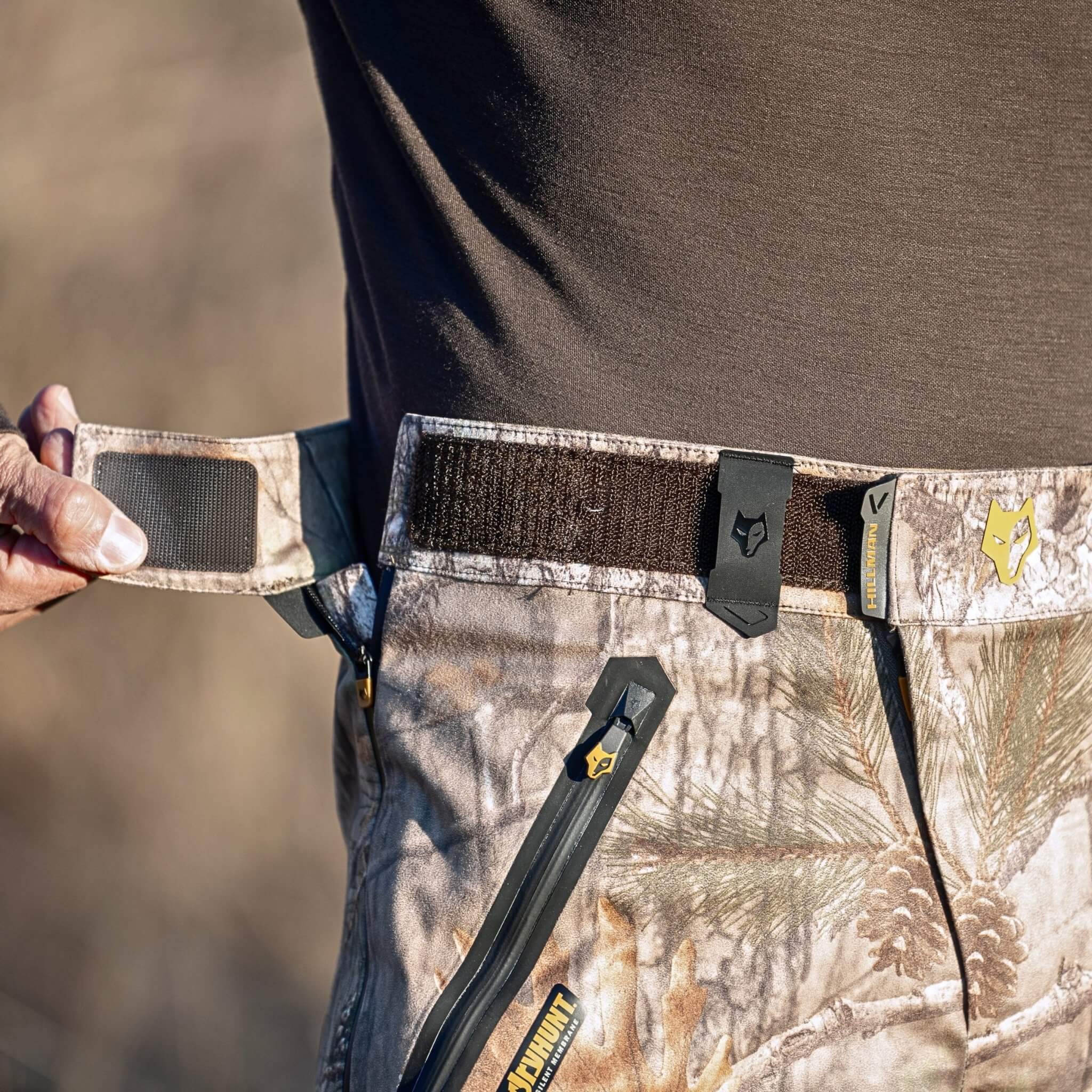
Pants matter just as much. Good hunting pants should be quiet, durable, and flexible enough for walking, kneeling, and climbing. They should protect from wind and damp ground without feeling like cardboard. In frigid conditions, bibs can make a real difference, especially when the hunt includes long periods of sitting in a stand. They add warmth where regular pants start to fail and help block wind around the core and legs.
The lower half of your deer hunting gear cannot be an afterthought. Boots, pants, and bibs do too much work for that.
Gloves and small gear choices save more seats than people forget

Hands are usually the first place comfort starts to break. Thick gloves sound like the answer until you actually need to use them. Then you cannot manage a zipper, work a safety, use a rangefinder, or control the rifle cleanly when it is time for shooting.
A better setup for a lot of deer hunters is a lighter glove with grip and dexterity, especially one with a leather palm. A leather palm helps with control, lasts better over time, and feels more dependable when gear, rifle, or pack straps get wet or cold. Then, when the sit begins, you add warmth with a muff or hand warmers instead of trying to do everything with one oversized glove.
This is also where small gear matters. Extra socks in the pack, a warm drink, or one dry layer for the break between movement and sitting can make a bigger difference than many hunters expect. Small details are often what keep a late season sit going when the weather gets rough.
Camo matters, but not more than safety, scent, and movement

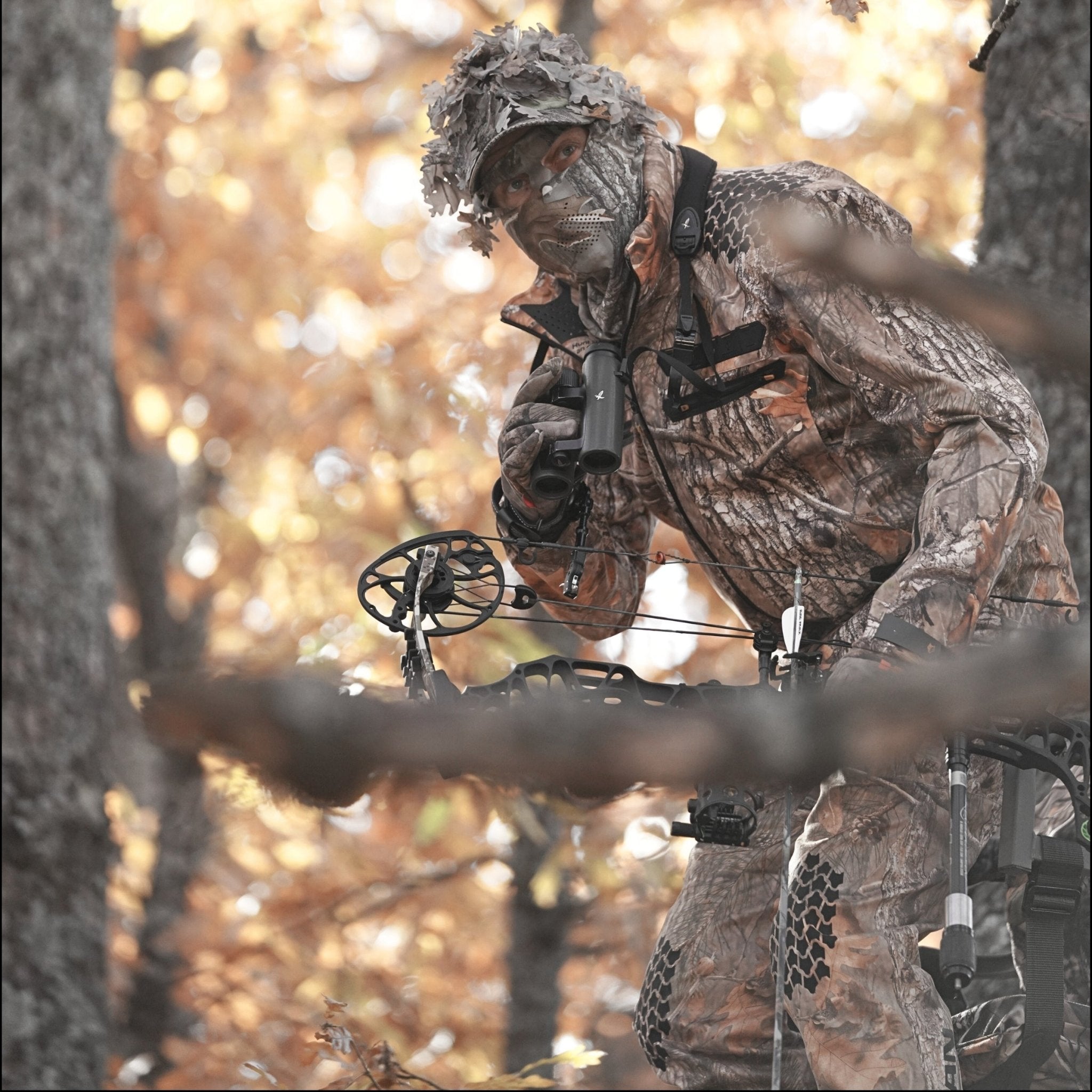
Camo matters in deer hunting, but people still overdo it. Blending into trees, brush, and broken ground helps, sure, but the bigger issues are usually movement, noise, and bad positioning. Quiet clothing and controlled movement matter more than obsessing over whether one pattern has a little more green or blue in it.
That said, hunter orange still matters a lot. In many areas it is required, and even where rules shift, other hunters need to see you clearly. That part is simple. Wear it, check the regulations, and make sure it fits over your outer layers without making movement awkward.
Scent matters too, even if a lot of gear marketing tries to package smell control like magic. Good hunting gear helps you stay comfortable and dry, but it does not replace smart wind use, clean clothing, and basic field sense. For whitetail, stealth is the whole package, not one feature.
One deer hunting system is better than three random outfits

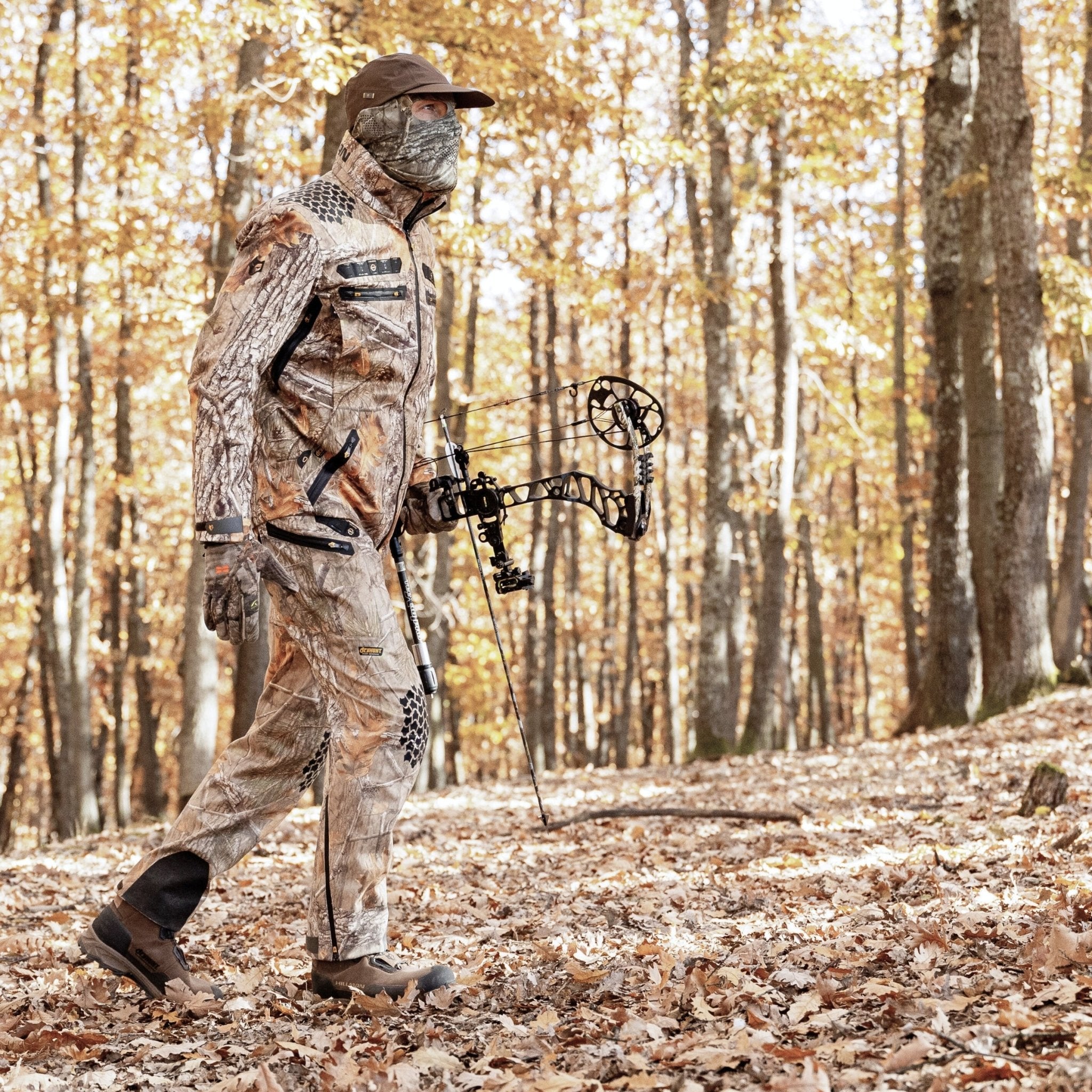
The smartest way to build whitetail hunting gear for cold mornings is to build one system that adapts. Not one outfit for daylight, one for walking, and one for sitting. Just one setup with layers that work together.
Start the hunt a bit cool. Let walking create warmth instead of baking yourself before the first hill. Use base layers to keep moisture off the body. Add a mid layer that vents well. Use outer layers that block wind and handle weather without making noise. Carry heavier insulation in the pack until you actually need it. That is the practical way to manage variable conditions through the whole day.
This approach works because deer hunting keeps changing. Temperatures move. Wind shifts. Ground conditions change. What feels right at dawn can feel wrong by noon. Good hunting gear needs to handle all of that without making you heavy, loud, or uncomfortable.
For most late season deer hunts, the biggest difference comes from boots, outer layers, and the mid layer. Get those right and the rest becomes easier. Get them wrong and no amount of expensive gear fixes the problem.


Share:
Cold Weather Hunting Clothes for Late Season Deer Hunts
Trail Camera Setup for Whitetail Hunters: Reveal Deer Movement