

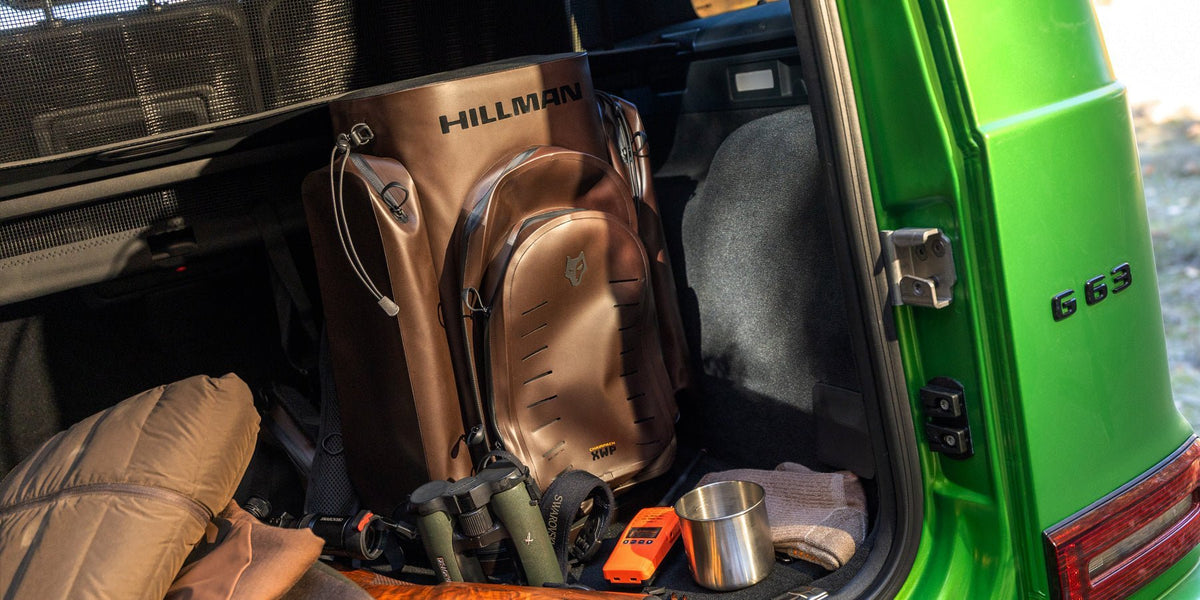
Gear That Earns Trust: What to Prioritise First When Building a Hunting Kit on a Budget

When money is limited, building a solid hunting kit is really about getting the basics right first. Focus on the gear that keeps you dry, safe, and comfortable, then build from there.
I think this is where a lot of people go wrong with hunting gear.
They start shopping before they really know what they need. A few searches, a few videos, a few photos of polished setups online, and suddenly it feels like hunting requires an endless pile of gear. New jacket. New pack. New camo. More little accessories than you can even remember buying. Then the first real trip comes around, and the weak points are not hard to find. Feet hurt. Clothes get damp. The bag is awkward. Half the stuff never gets touched.
That is why I see the whole question differently now. Gear that earns trust, what to prioritise first when building a hunting kit on a budget, is not really about buying a lot. It is about getting a few things right. That is it. A kit does not need to look impressive. It needs to hold together when the weather turns bad, when the ground is rough, and when you are tired enough to stop making perfect decisions.
For new hunters, that matters even more. It is easy to waste money on things that look “hunting specific” but do not actually improve the day. In my experience, trust is built the other way around. You buy the pieces that solve obvious problems. You use them. You learn what stays useful. Then, slowly, the kit starts to make sense.
Hunting Gear Starts With What You Already Have

Before I buy anything, I like to dump everything out and look at it properly. Don't just glance at it. Actually, check it.
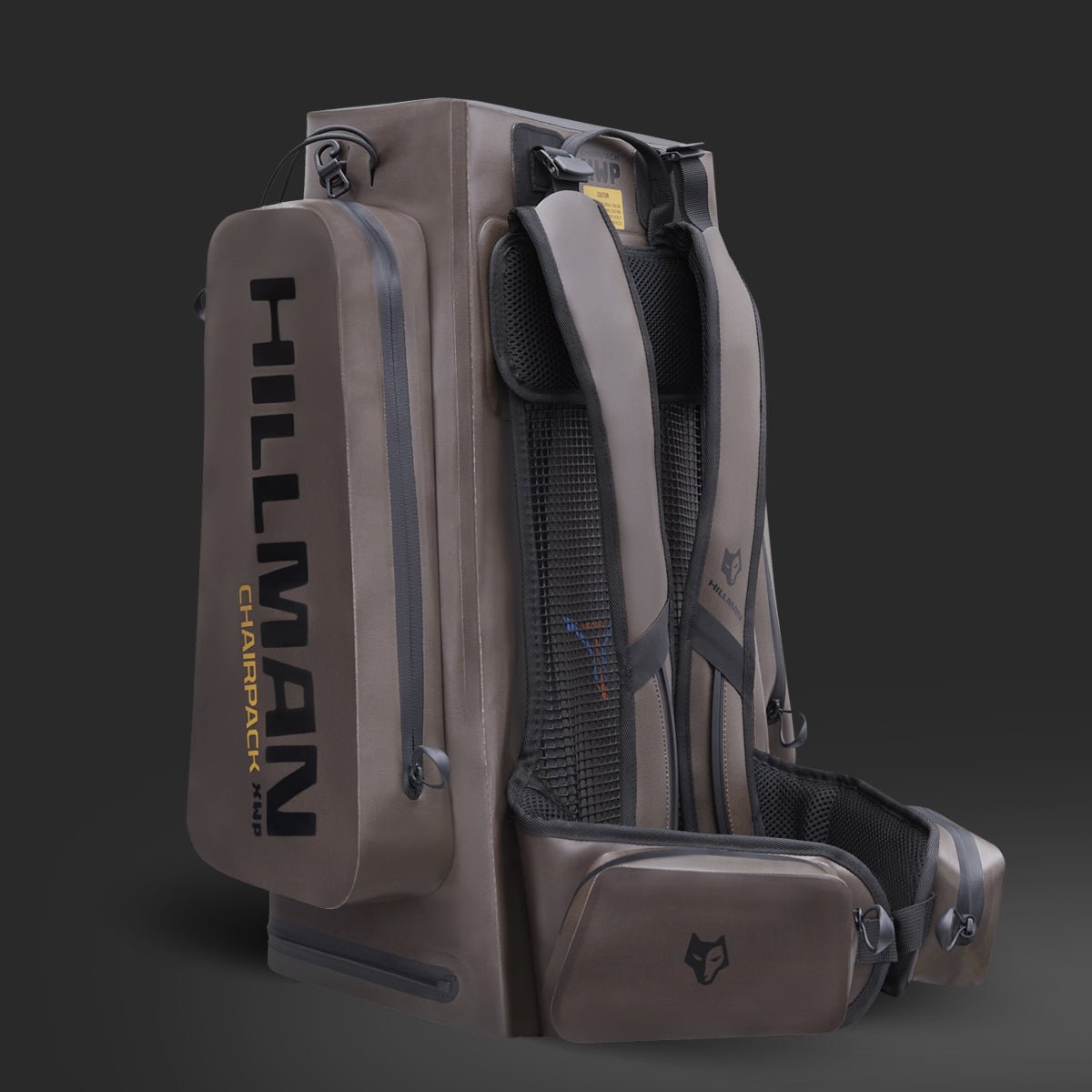
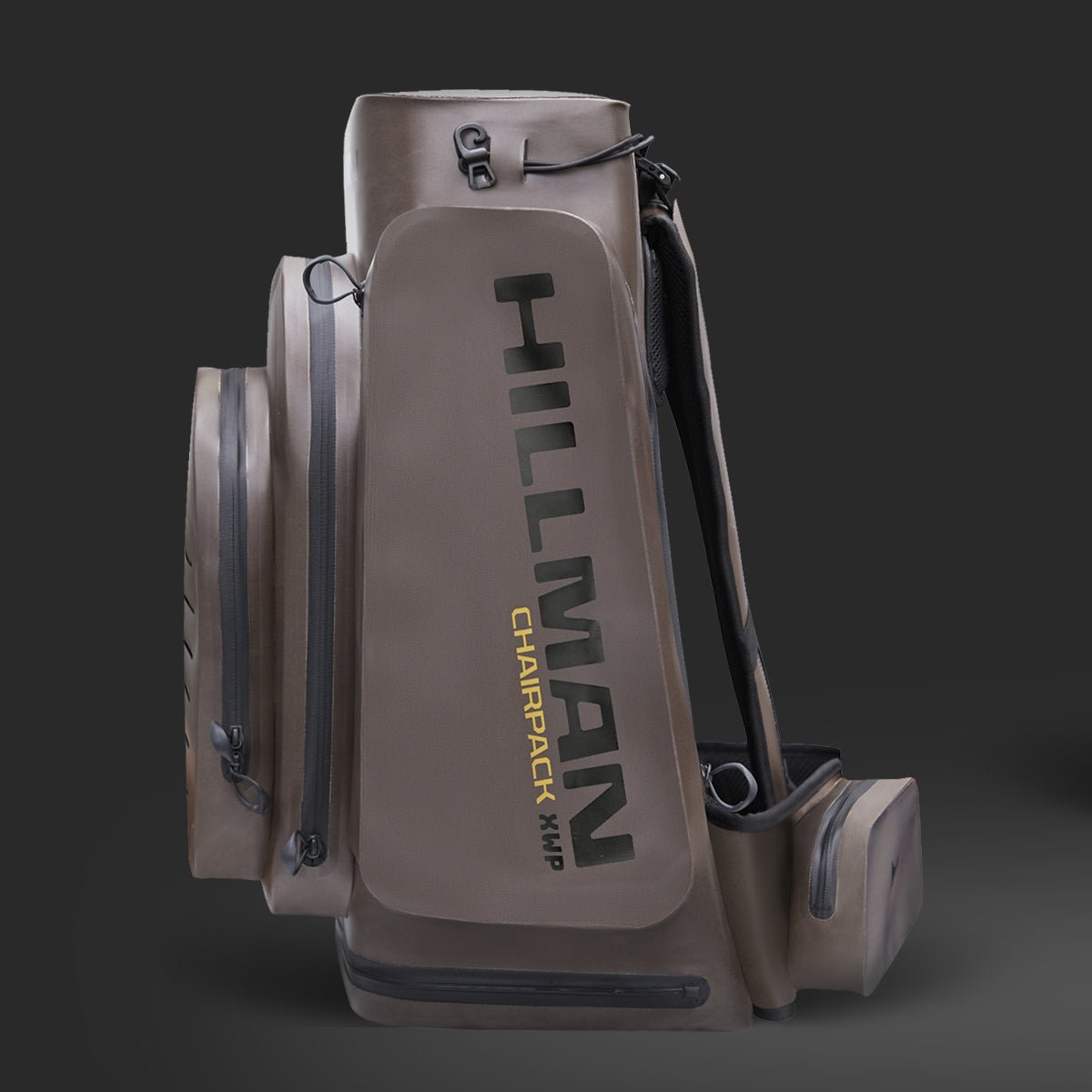
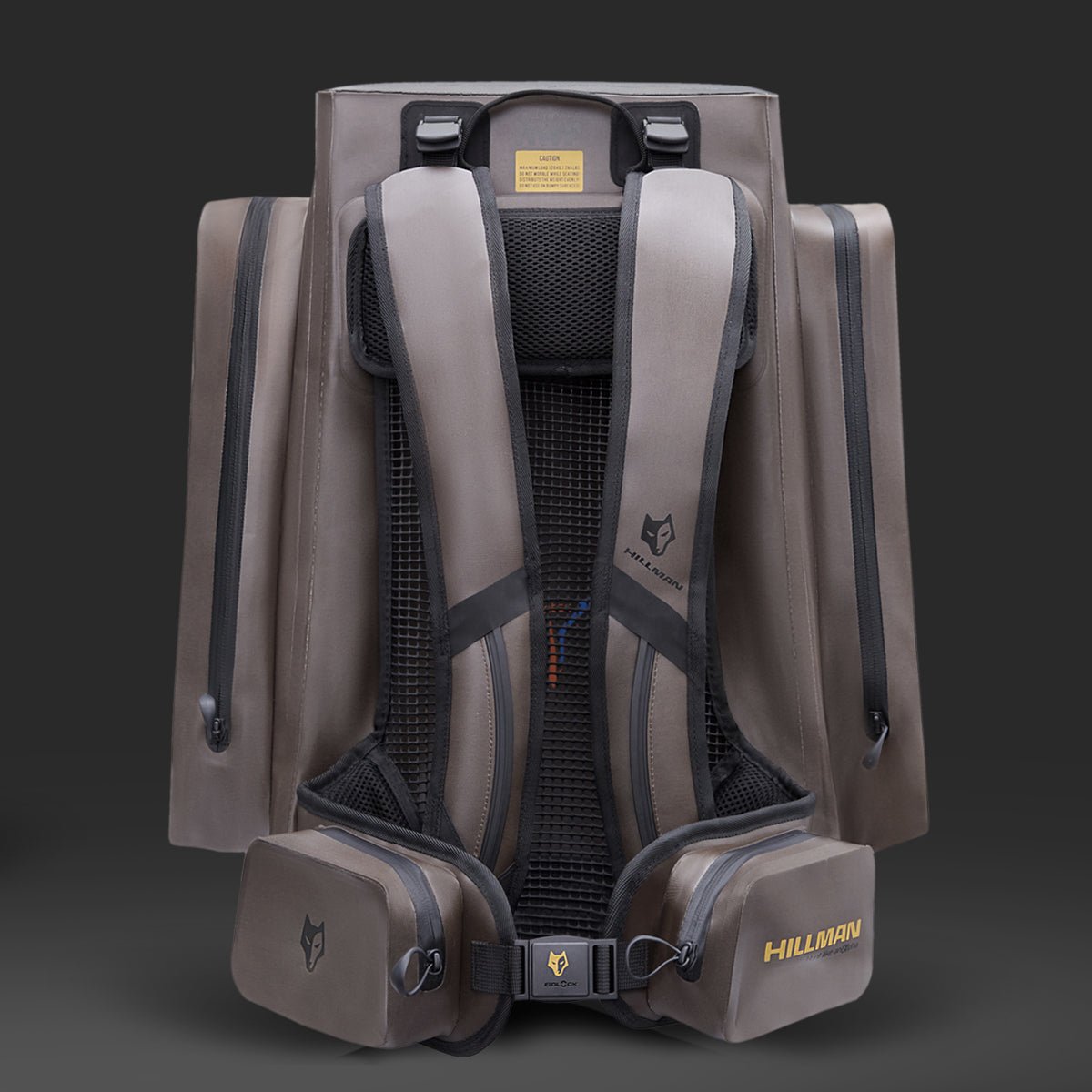
That simple step saves more money than people expect. A lot of us already own usable clothing, old backpacks, rain shells, gloves, bits of camping gear, or outdoor layers that can do a job at the start. Not every piece needs to come from a specialist hunting shop. A hiking pack may already be a good pack for a short day in the woods. An older outdoor jacket may still work fine for light rain. Even some basic tools living in the truck may cover something you were about to buy again for no reason.
I usually look at three things first. Condition, versatility, and whether the item suits the kind of hunting I actually do. Are the soles still decent on the boots? Are the seams good? Do the zippers still feel solid? Can I wear this in more than one season? Does it make sense for the real weather conditions I deal with, or just for the conditions I imagine?
That last point matters. People buy into fantasy all the time. Long backcountry list, giant load, extra pouches, spare gadgets, the works. Then most of it sits in the bag untouched. I would rather build around honest use. What do I really carry? What stays buried in the pack? What do I need to be easy to reach? What can stay in the truck?
Once you start thinking like that, a lot of clutter disappears.
Essential Gear Deserves the First Real Spend

If the budget is limited, the first spending should go to the categories that can ruin a hunt if they are bad. For me, that means boots, your main weapon, basic optics, and reliable rain gear.
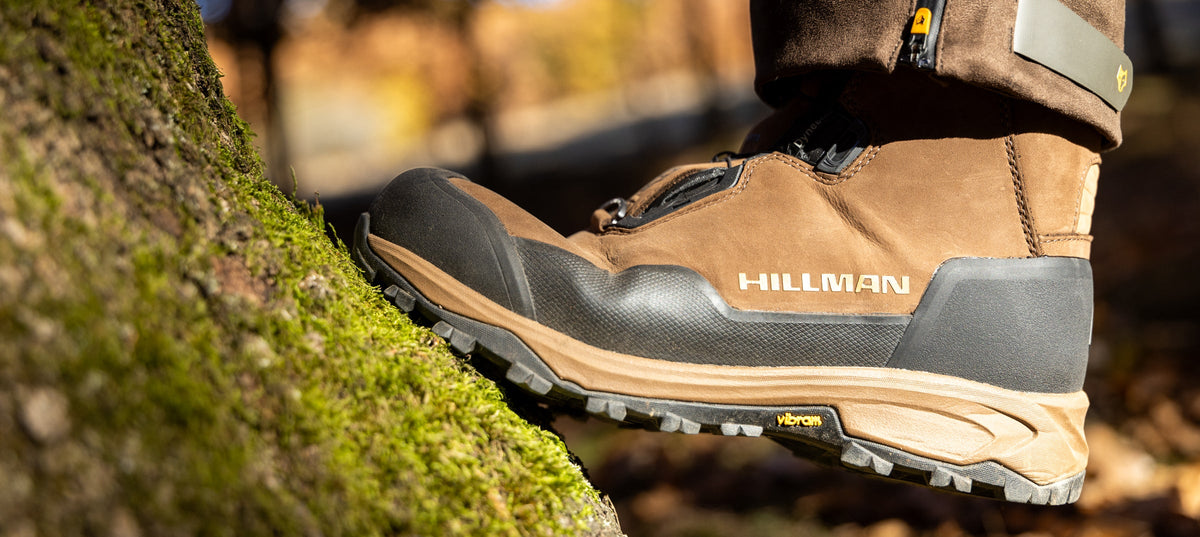
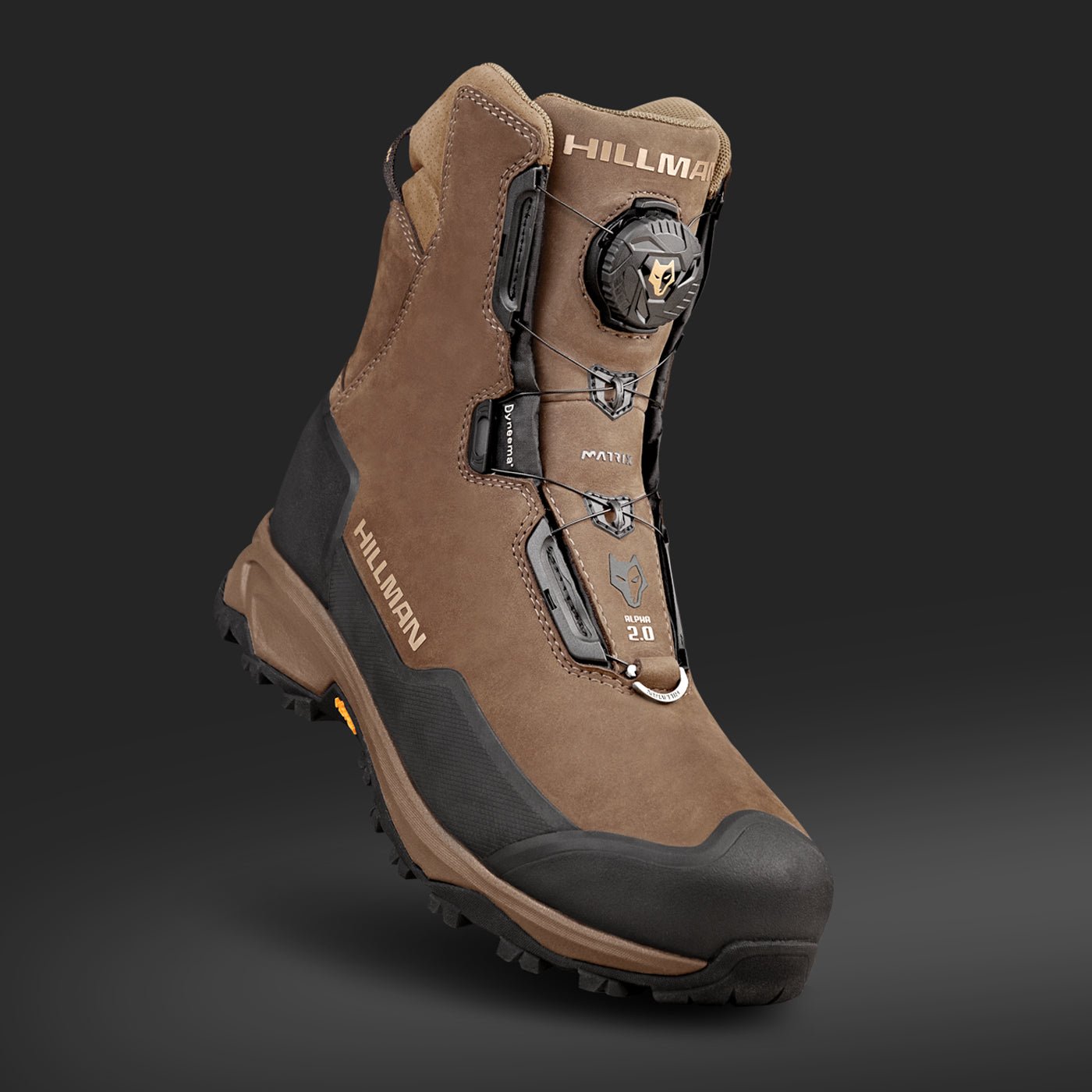
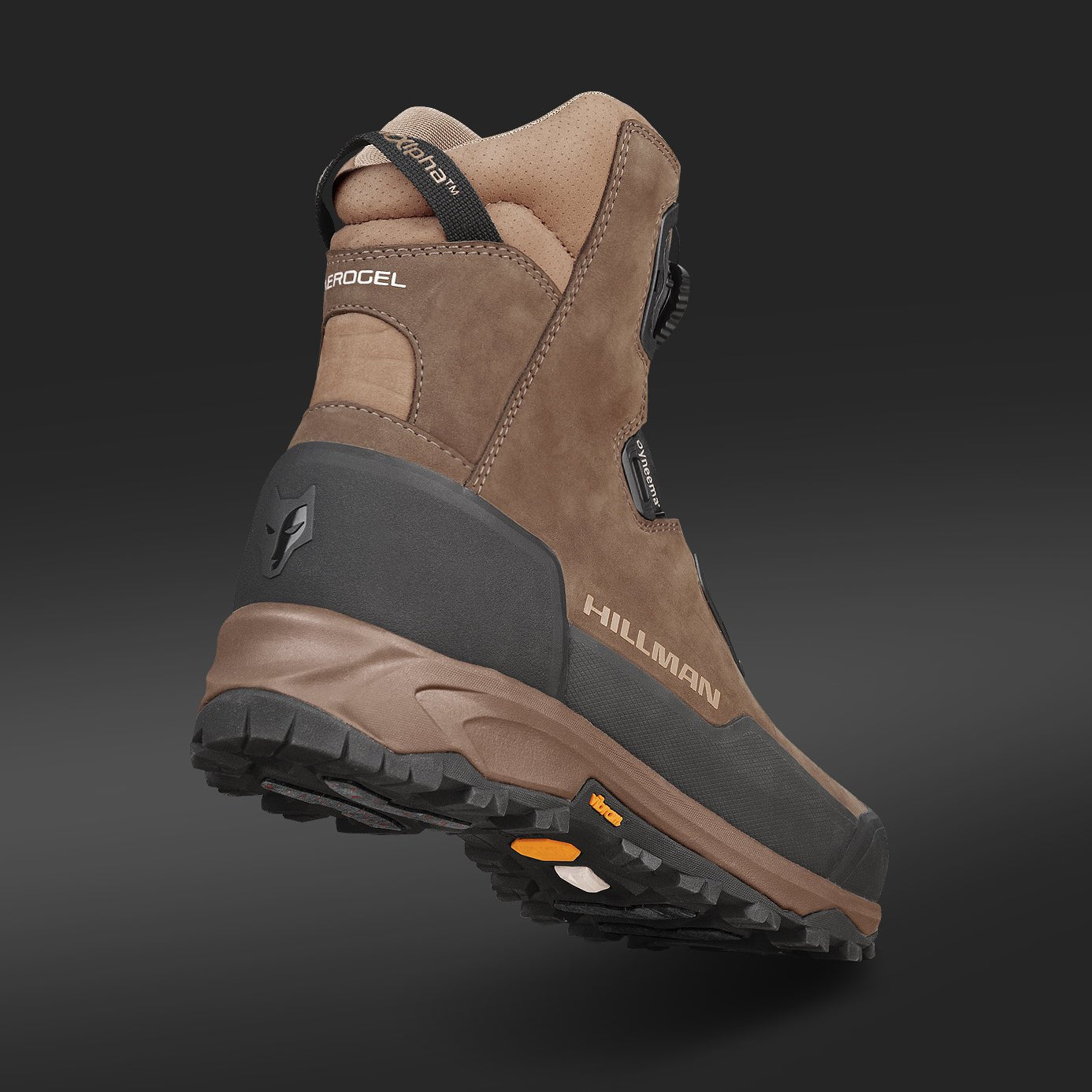
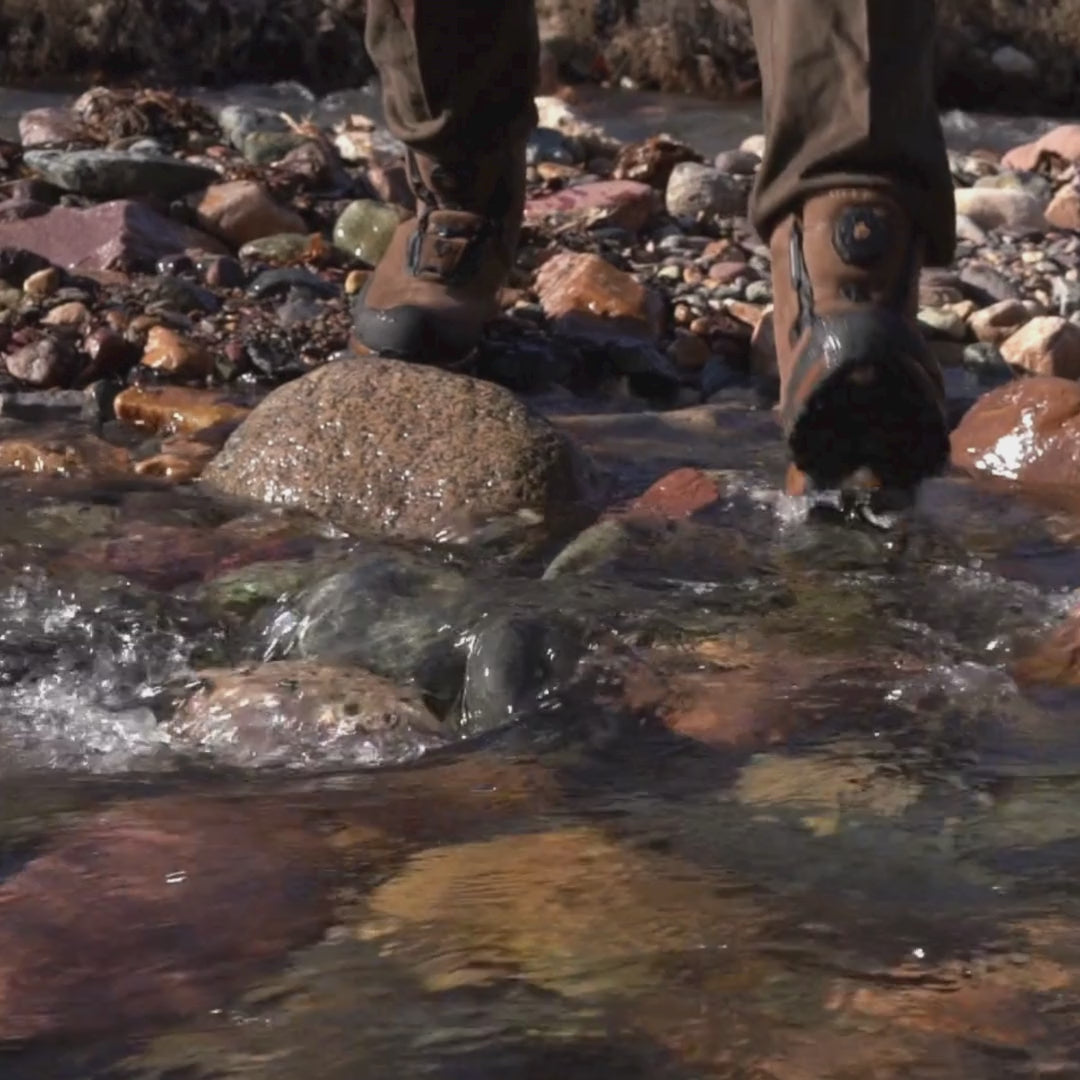
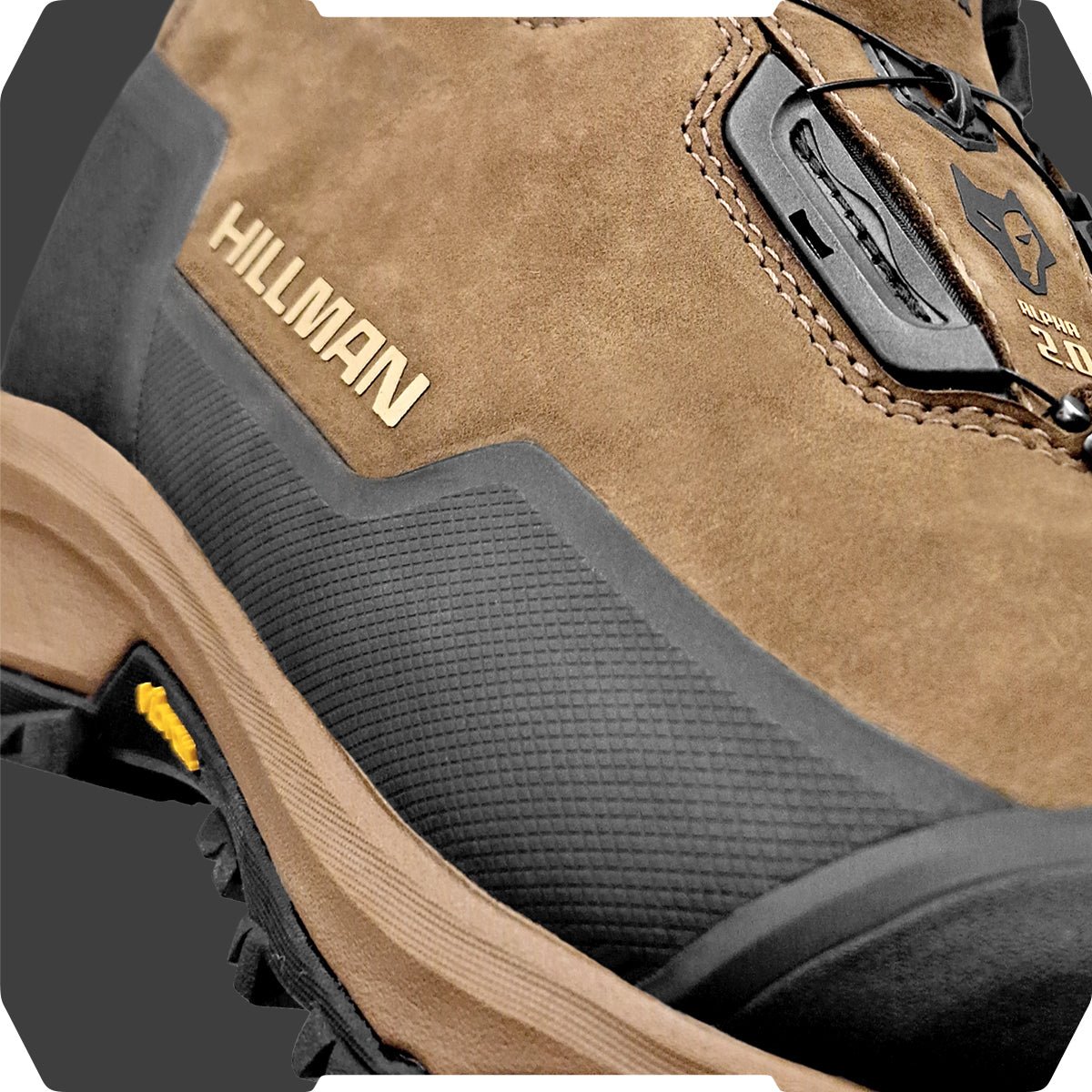
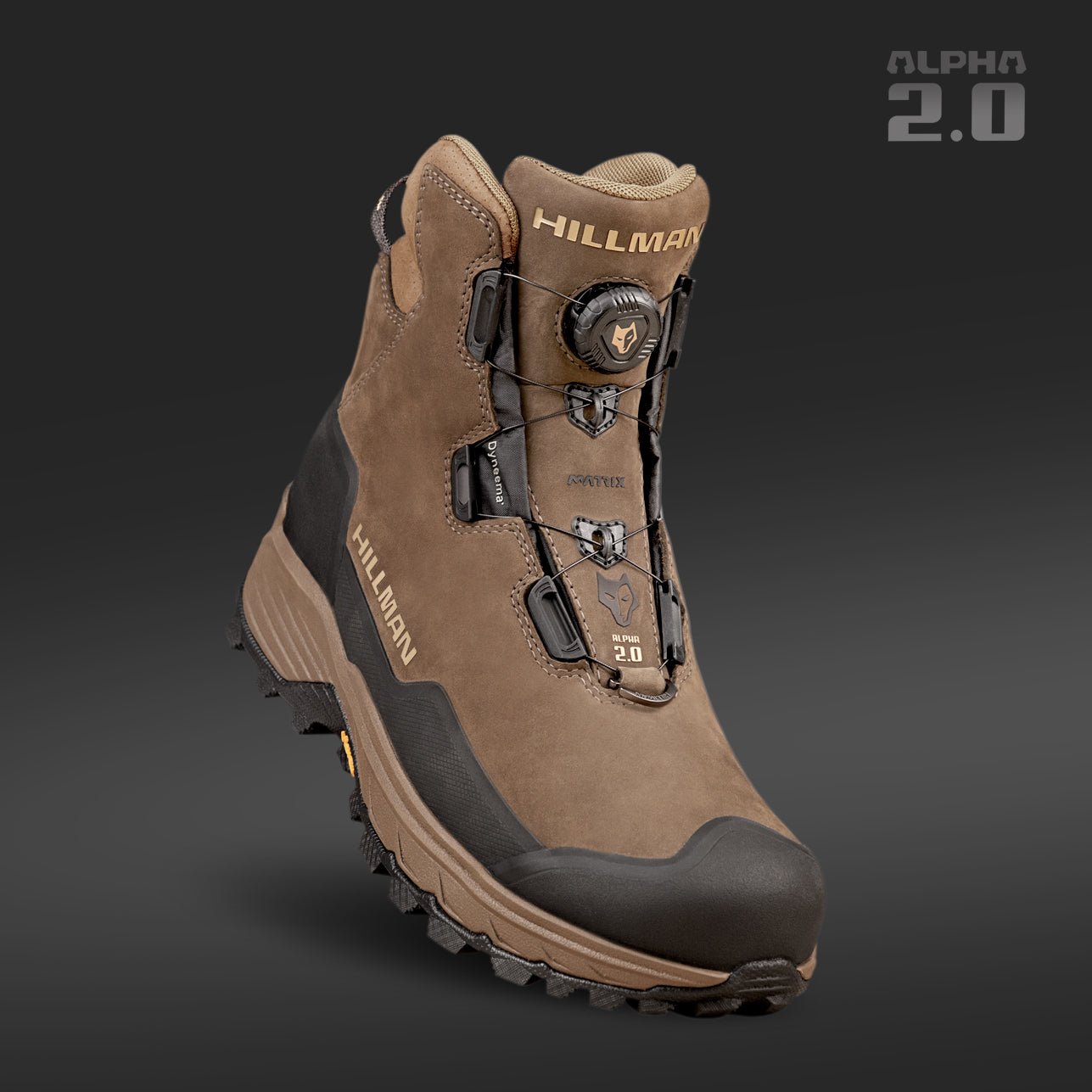
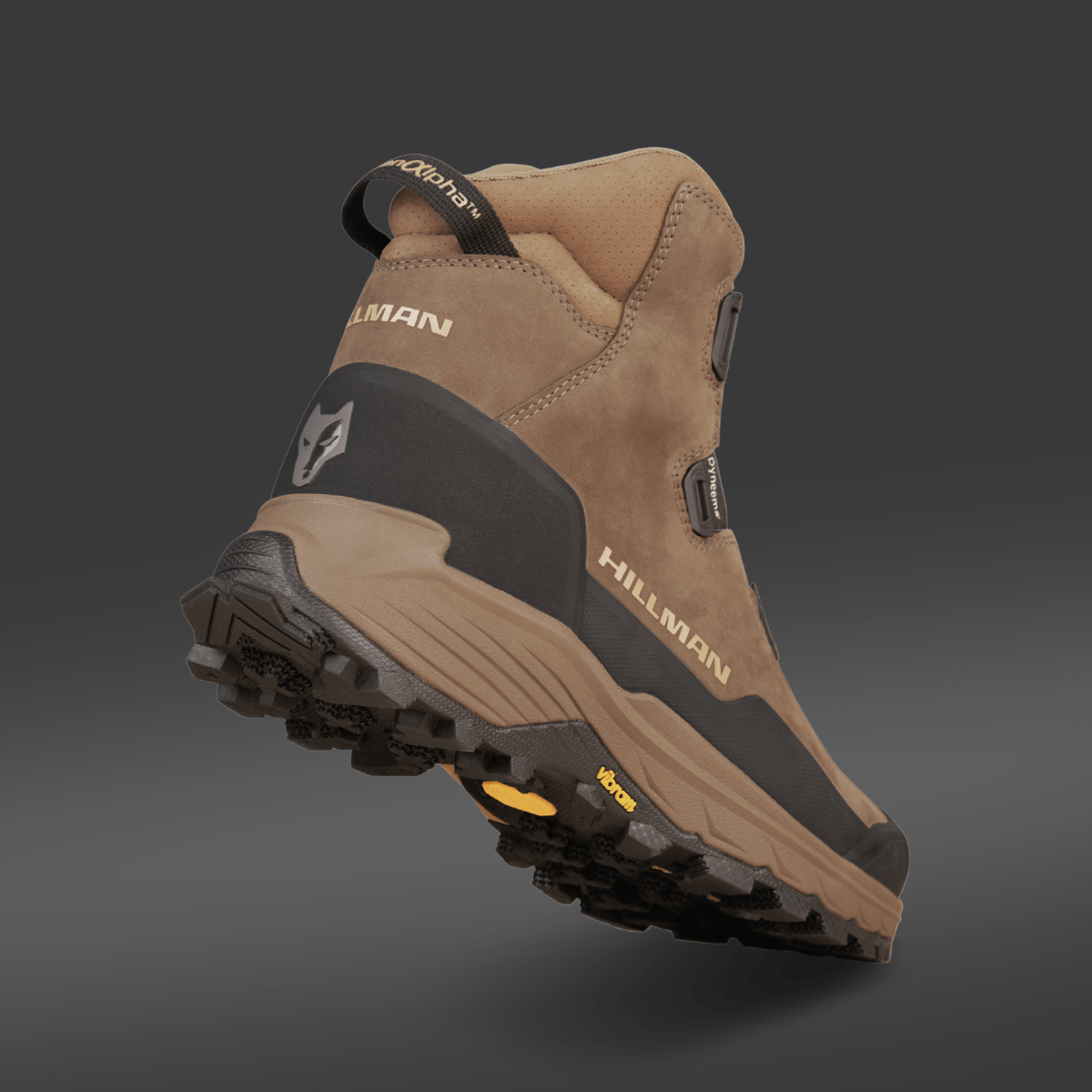
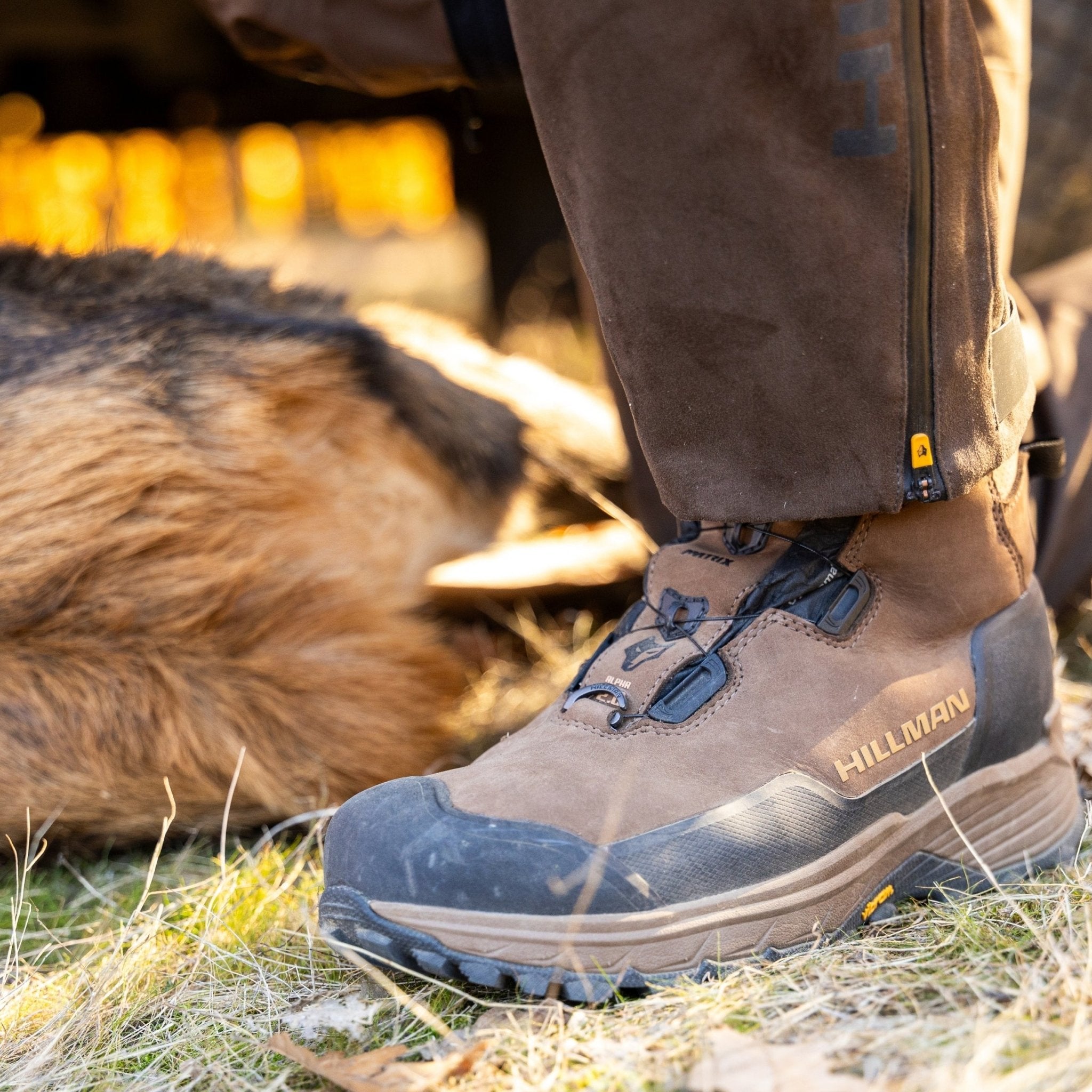
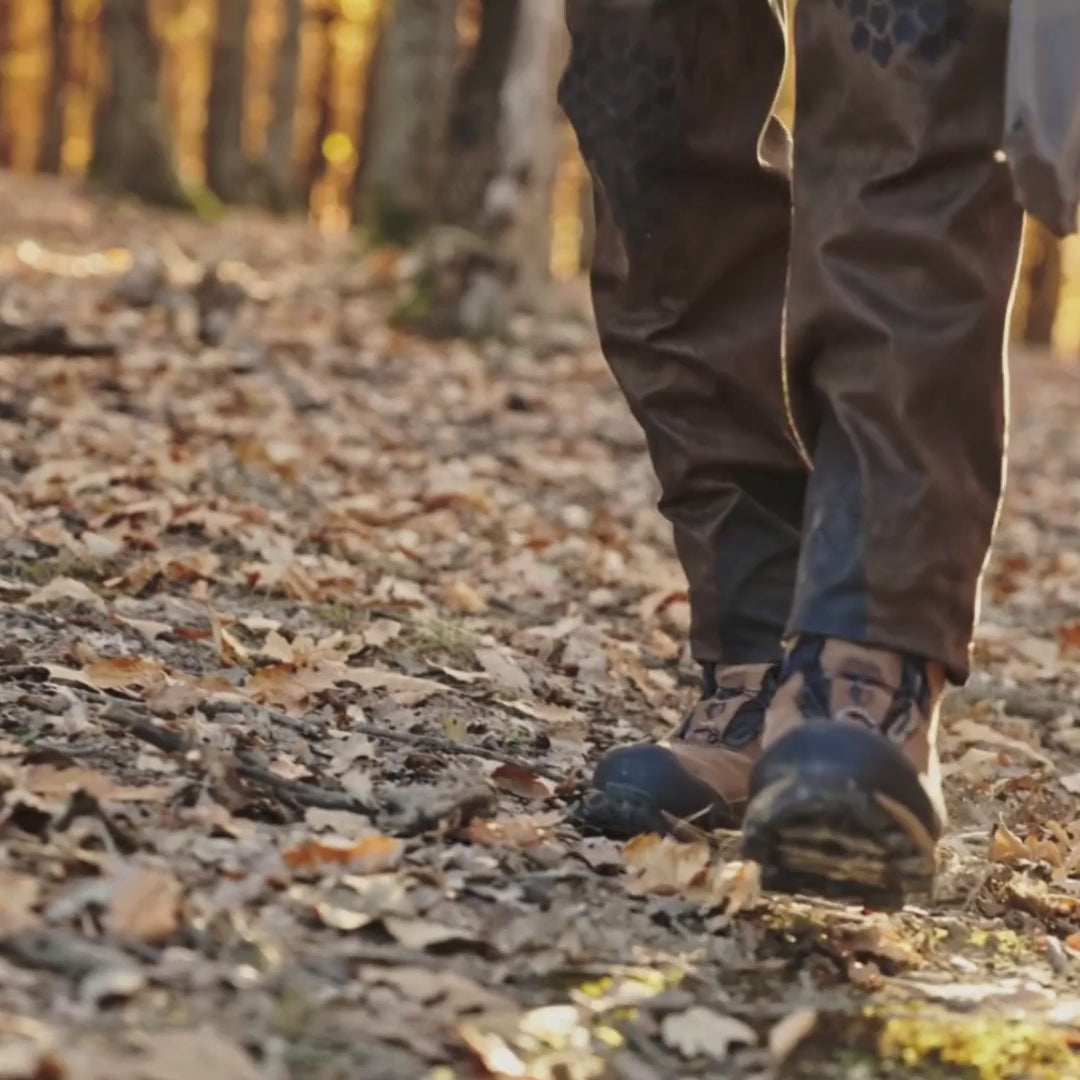
The boots part is obvious once you have had a rough day in bad footwear. Cold feet, wet socks, hot spots, ankles that feel unsupported, that slow, miserable feeling after a few hours: all of it adds up. Cheap boots can look fine when you first try them on. The truth comes out later. Usually, when you are too far from the truck to do anything about it. So yes, I would put good boots high on the list. Not because they are exciting. Because they matter.
The same goes for your main hunting setup, whether that is a rifle or a bow. I would not overcomplicate it. A dependable weapon system beats a flashy one every time. It should feel familiar in your hands, not experimental. You should trust it at the range and in the field. That kind of confidence is worth more than people say out loud.
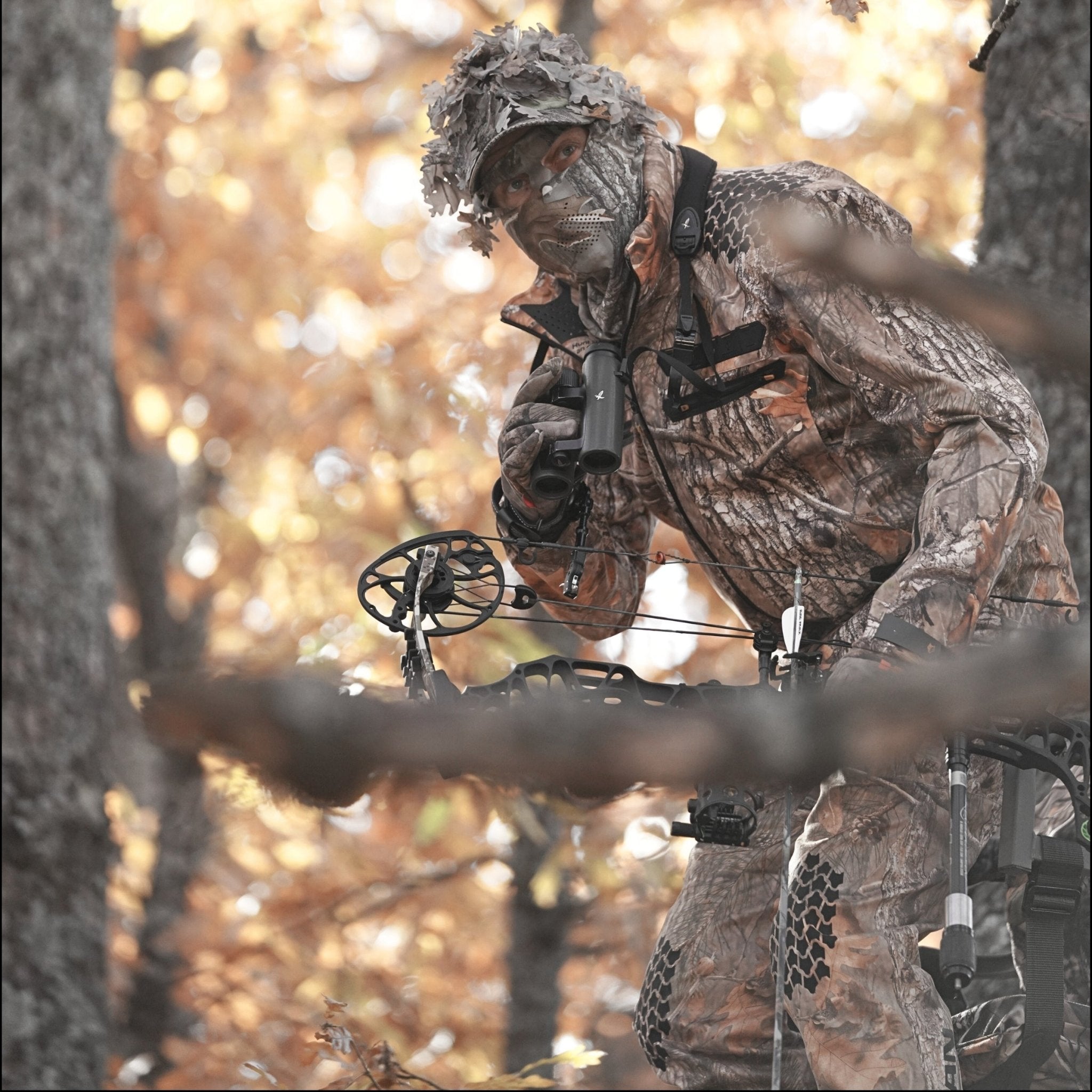
Optics are right there,e too. A decent pair of binoculars does a lot of work for you. They help you read movement, pick apart cover, and save your legs from pointless walking. A spotting scope might make sense depending on terrain and hunting style, but for plenty of hunters, it is not an early priority. Binoculars usually are.
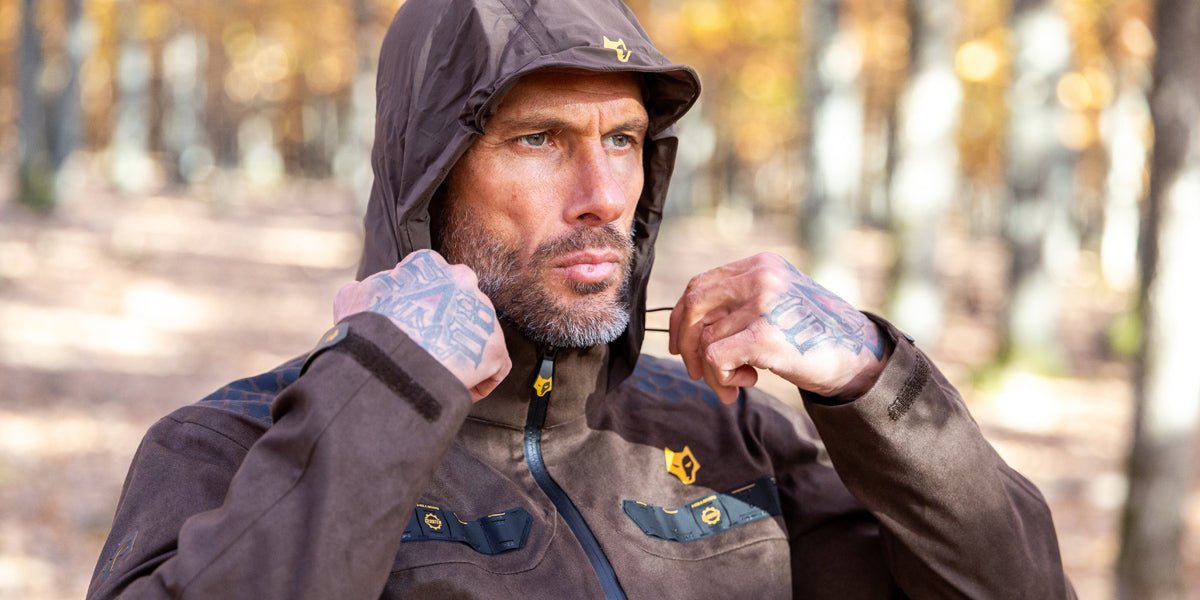
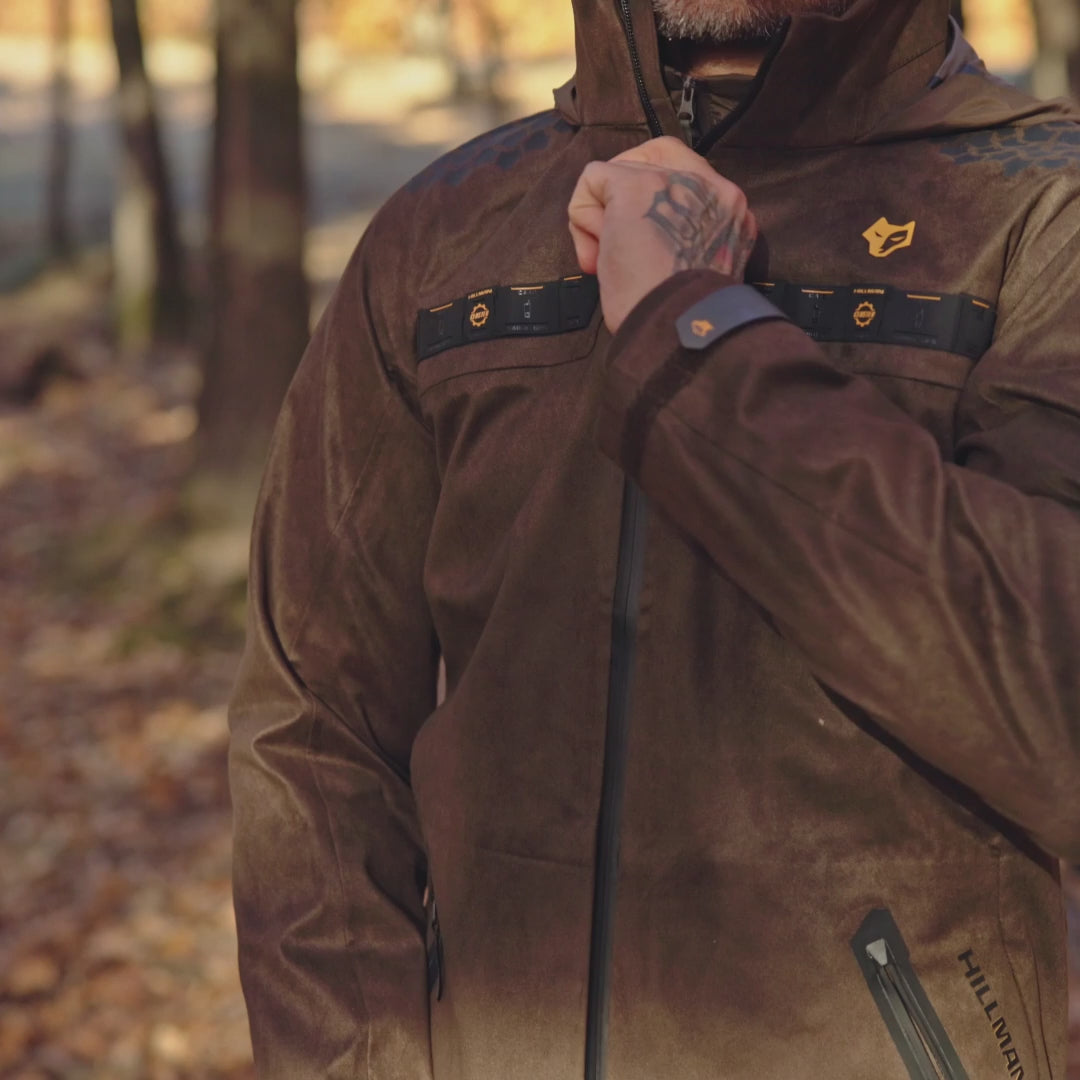
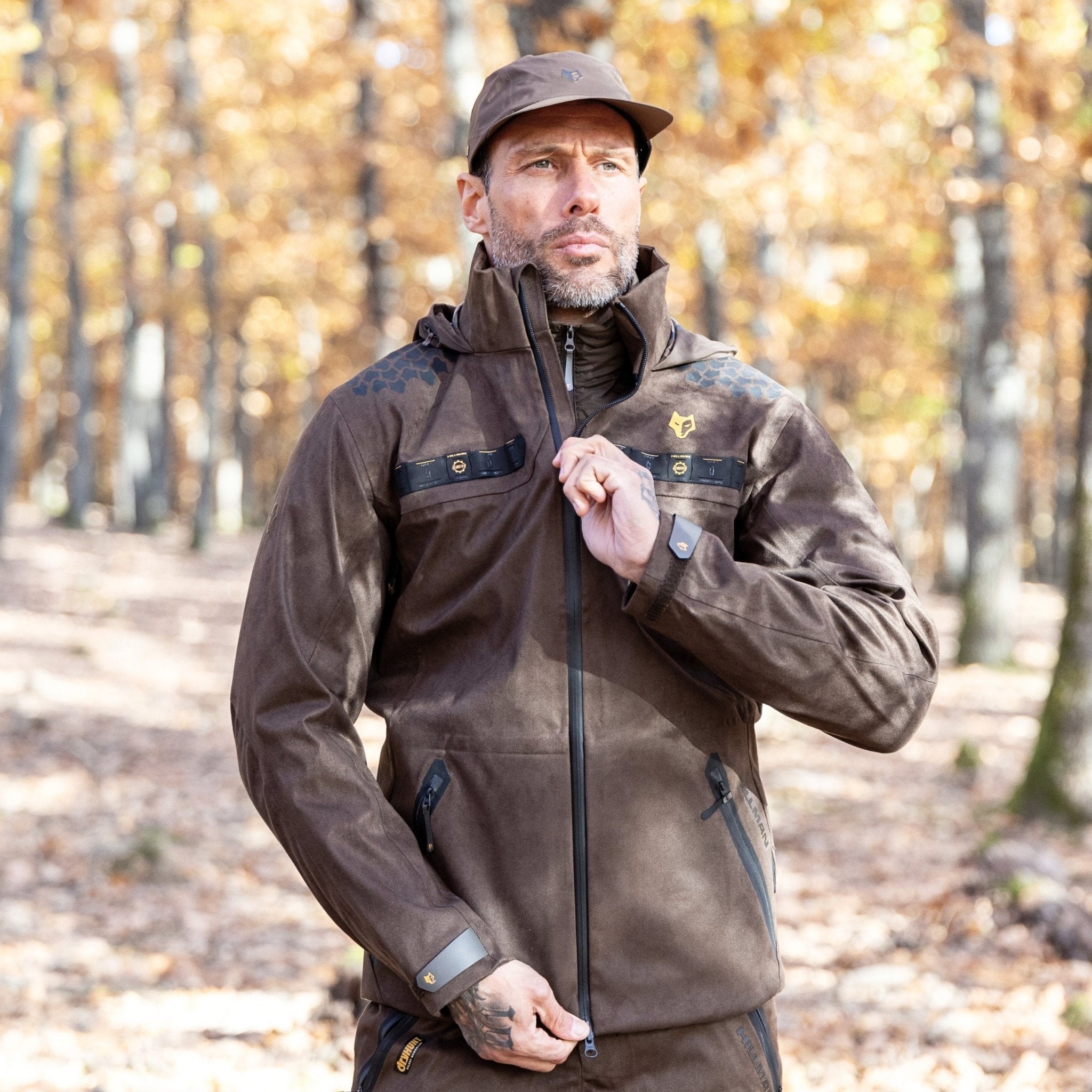
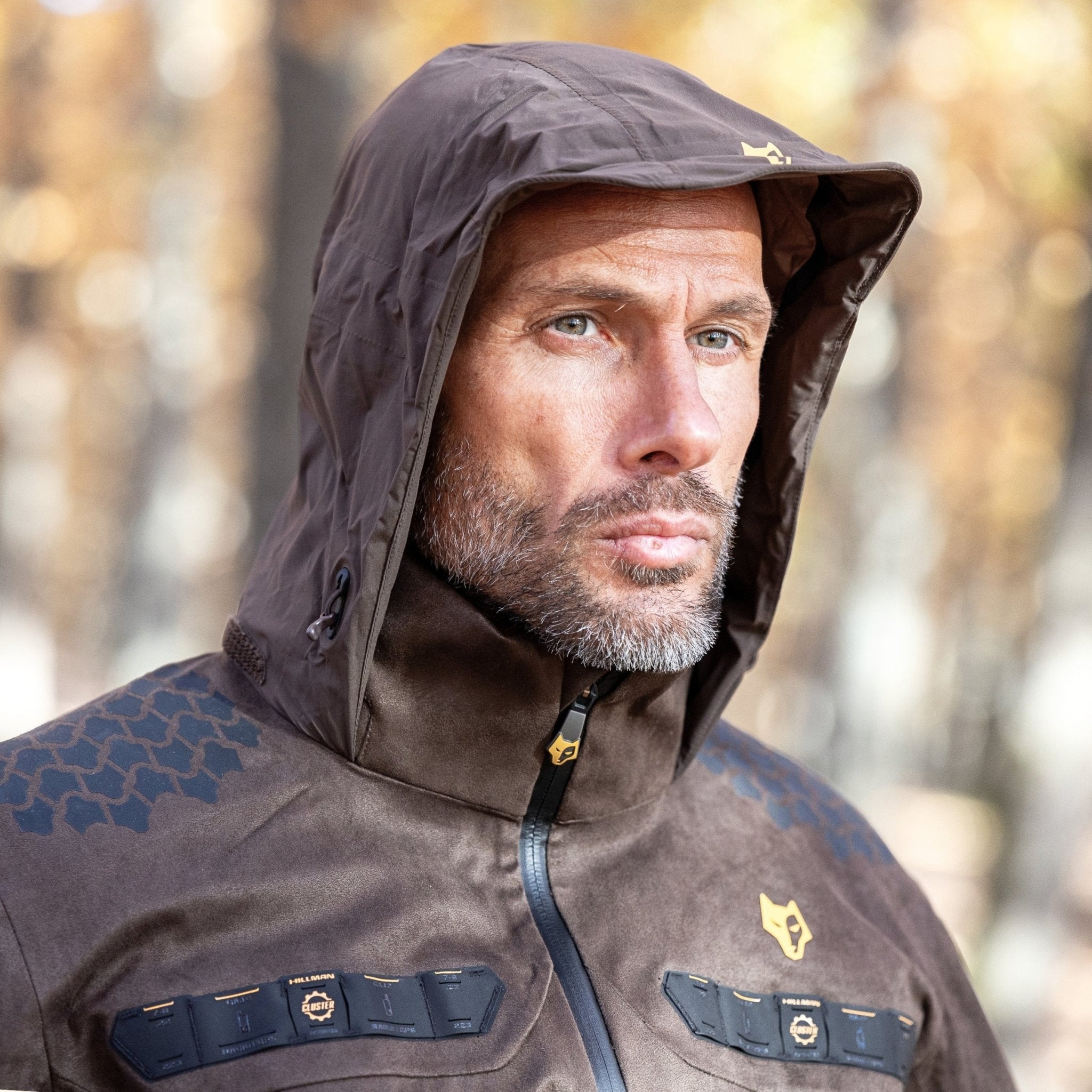
And then there is rain protection. If there is one thing people often delay and regret, it is rain gear. You can get away with simple clothes in a lot of situations. You can wait on some things. But once your clothing gets soaked and the wind starts working against you, the day changes fast. It is hard to stay sharp when you are cold and damp.
Hunting Style Matters More Than Marketing

I do not trust universal gear lists very much.
They sound useful, but they flatten everything into one generic idea of hunting. Real hunts are not generic. Your hunting style changes what matters. A hunter sitting for long periods in a tree stand is solving different problems than someone walking all day. Someone chasing small game is not building the same setup as someone focusing on deer. Even the way you arrange your pack changes with the hunt.
That is one reason most hunters make a few bad purchases early on. They buy for somebody else’s routine. Somebody else’s land. Somebody else’s weather. Then they wonder why the gear does not feel quite right.
If you stay close to the truck, your setup can be simpler. If you spend long hours deep in the woods, weight starts to matter a lot more. If you hunt from a stand, warmth and stillness become more important. If you move constantly, the priorities shift toward mobility, breathability, and how the whole system feels after a few hours.
That is why I think the right gear is usually less dramatic than people expect. It is not the loudest product. It is the one that matches your real day.
How Much Gear Do New Hunters Actually Need?

Honestly? Not that much.
That question comes up again and again: how much gear is enough? For new hunters, the answer is usually smaller than they expect. You do not need a huge pile of equipment to begin. You need the essential items that cover comfort, safety, legality, and basic field work.
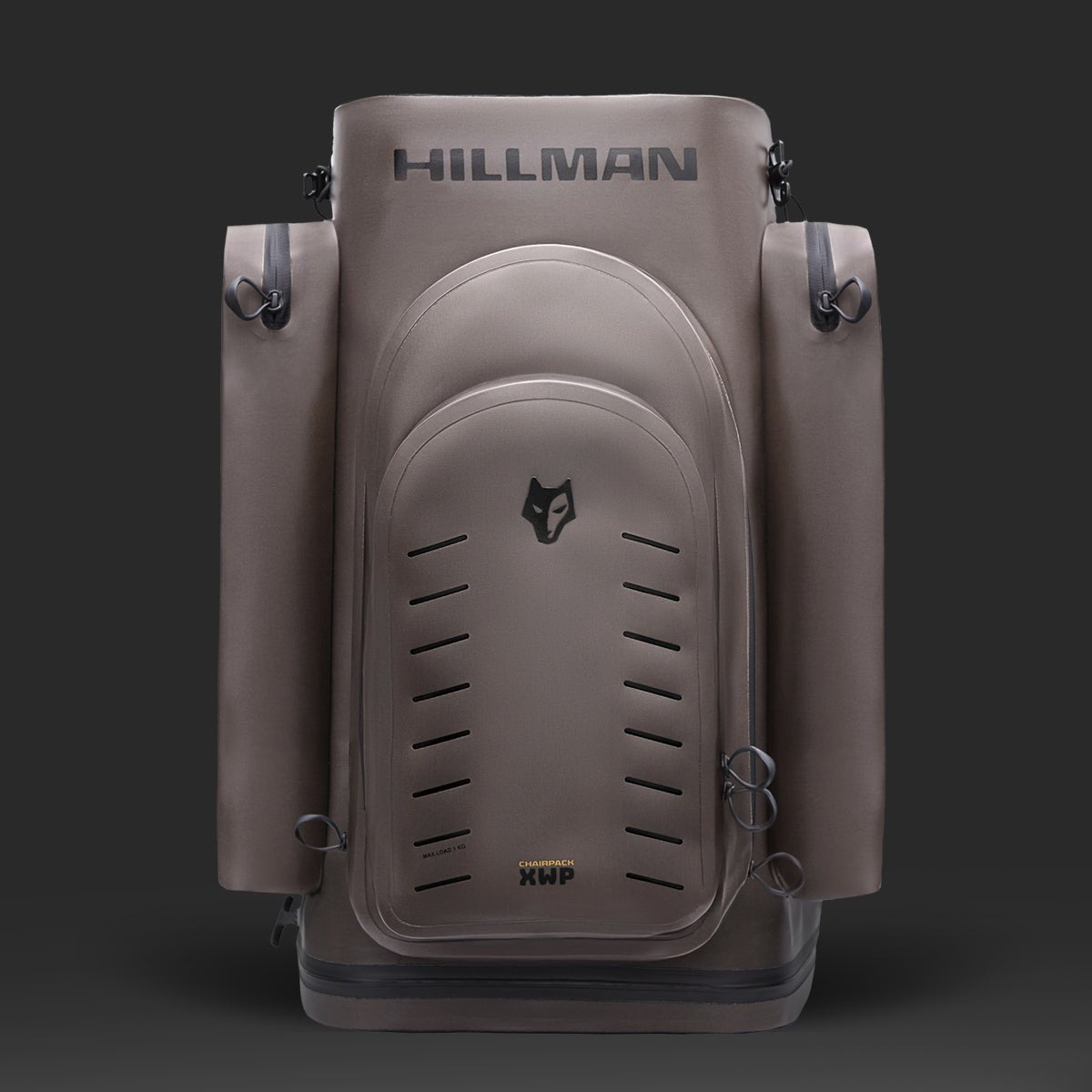
At minimum, I would want a valid hunting license, a dependable rifle or bow, the right ammunition or arrows, a knife, a practical pack, good boots, weather-ready clothes, binoculars, game bags, and some form of safety equipment. One of those compact first aid kits belongs in there,e too. Same with small aid kits that can live quietly in the bag until you need them. A headlamp is another one. Not glamorous. Very useful. Especially when the walkout takes longer than expected.
That already covers a lot. Enough to start. Enough to build hunting skills and learn your routine. Enough to find out what deserves an upgrade later and what does not.
The mistake is usually one of two extremes. Either people buy everything at once, or they strip the kit down so much that the obvious needs get ignored. The better route is somewhere in the middle. Start with the real essentials. Let's decide the rest.
Clothing First, Camouflage Second

This is where people often spend in the wrong order.
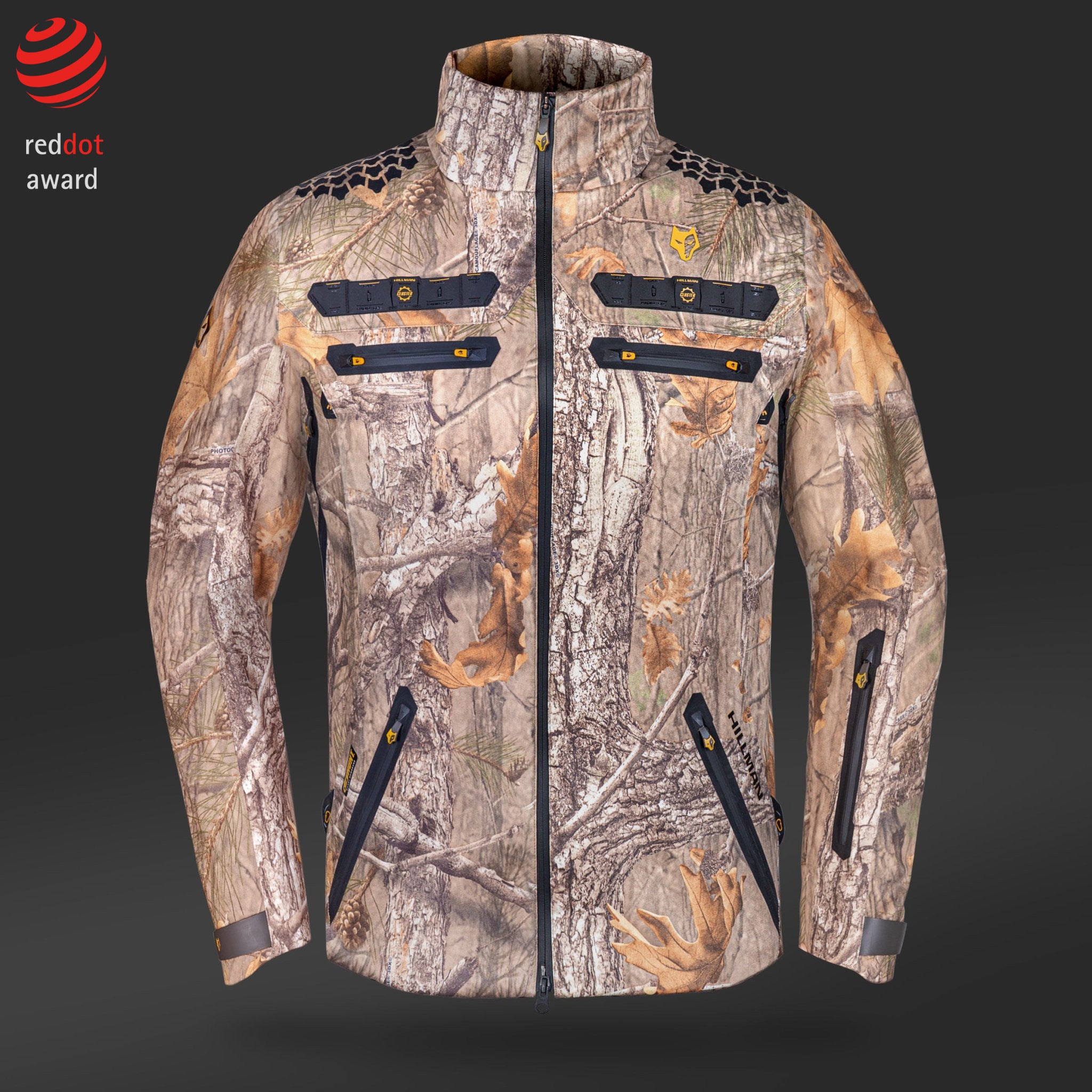
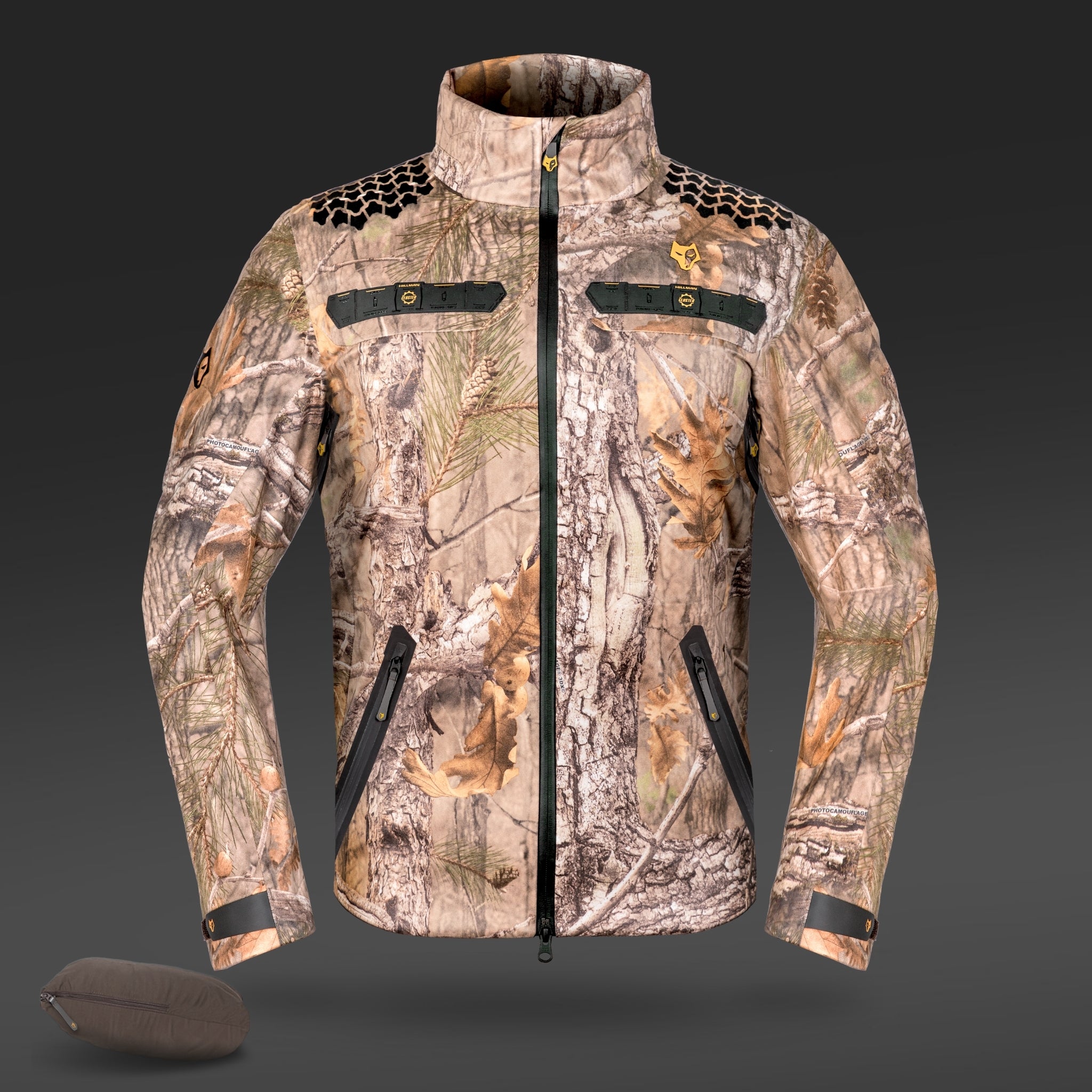
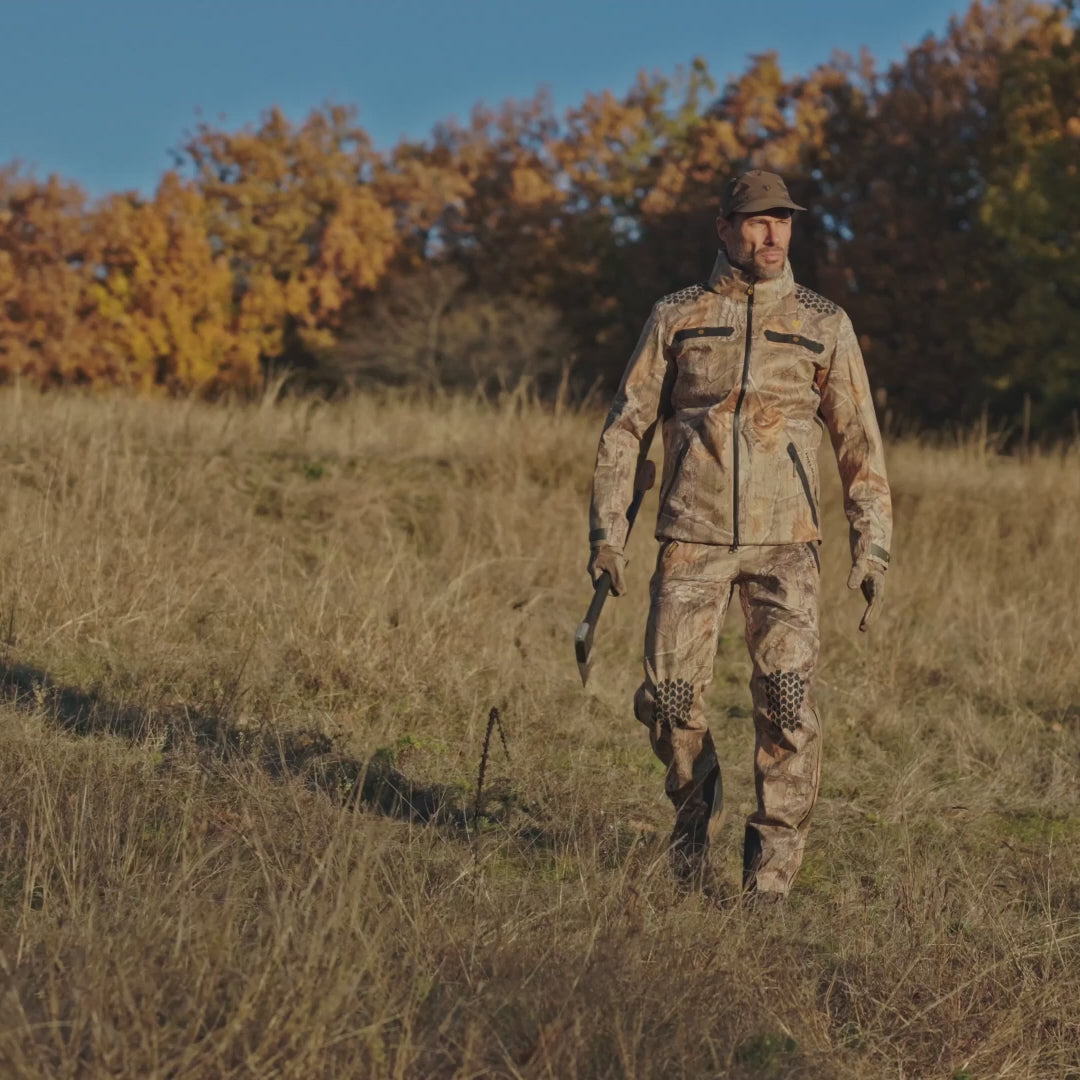
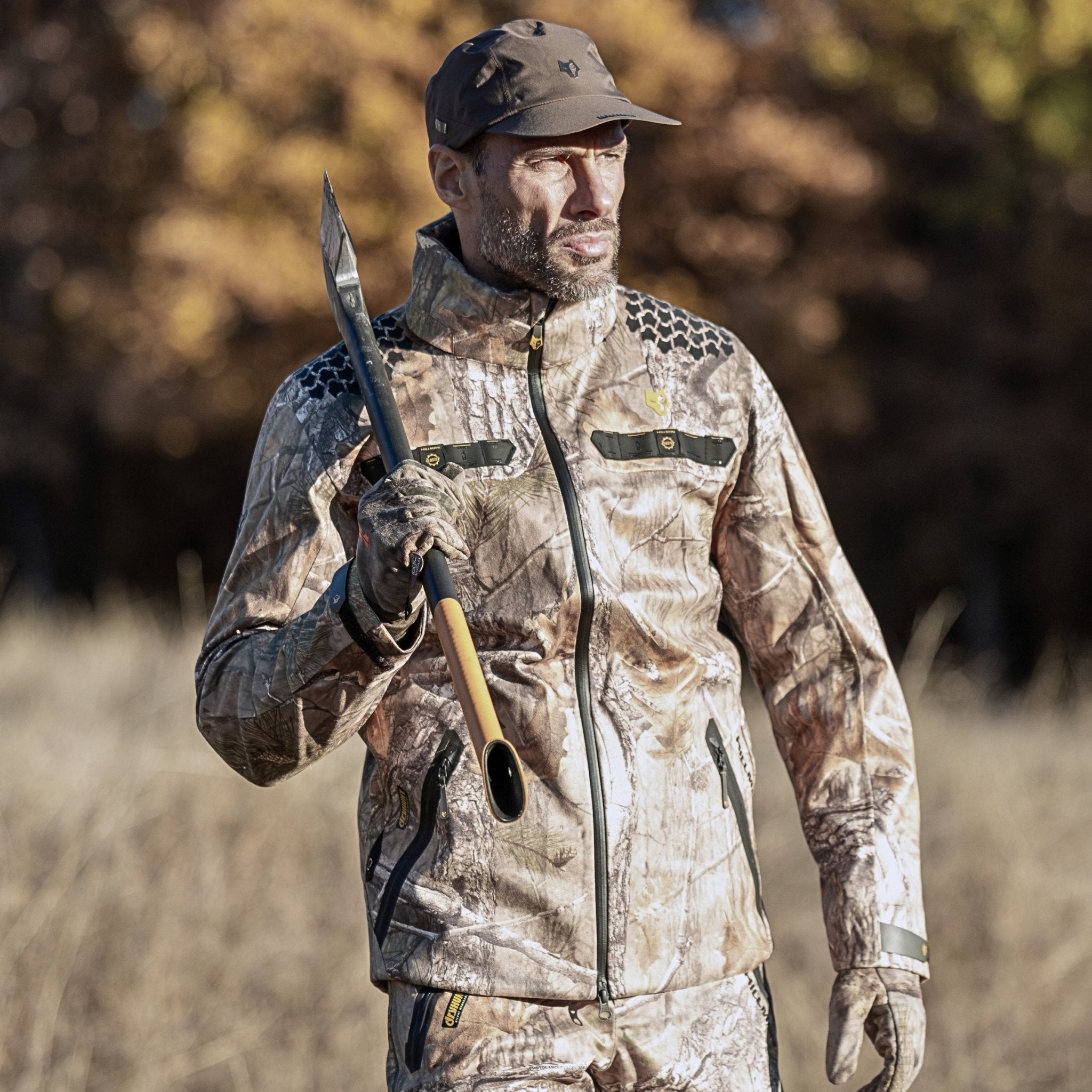
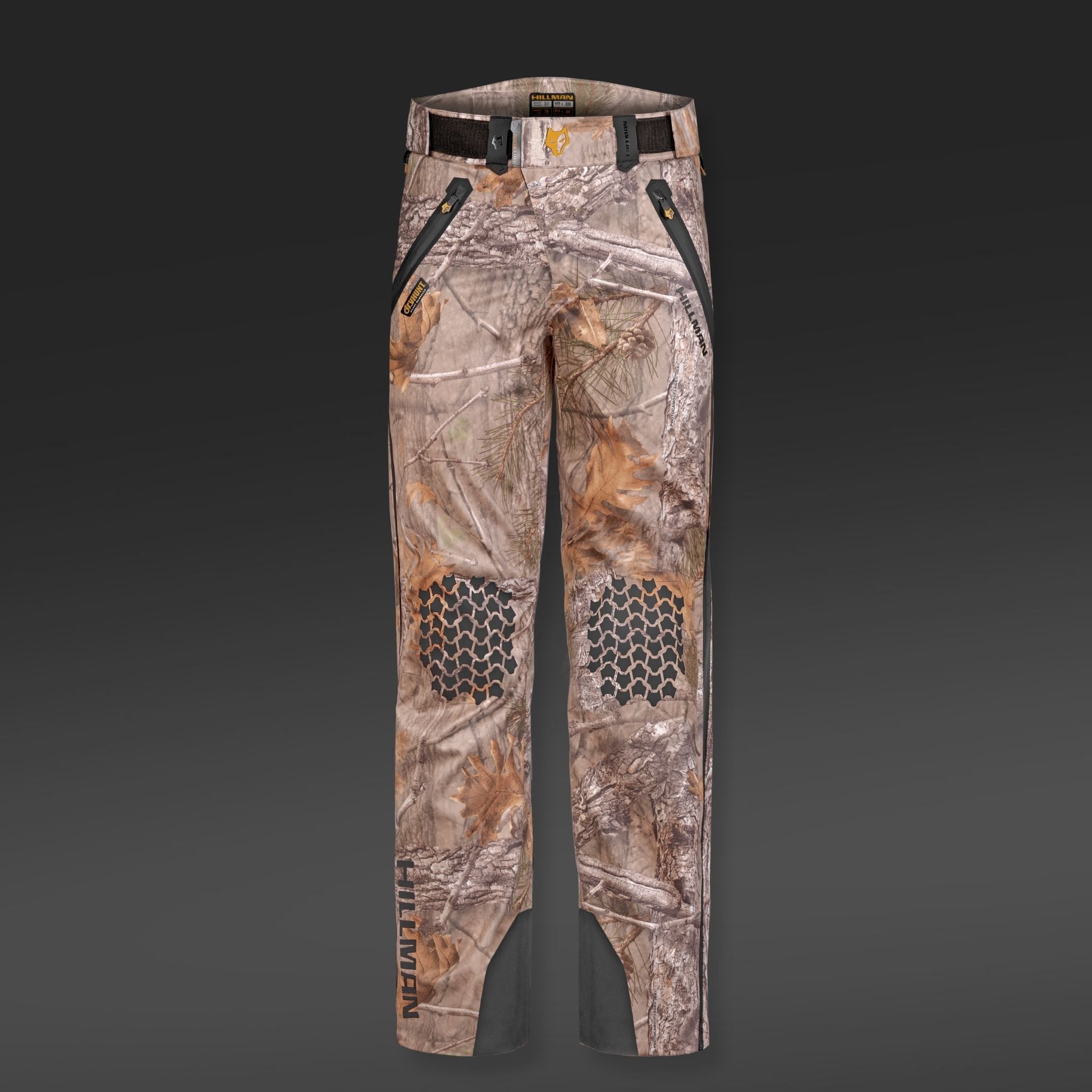
They think camouflage clothing should come first because it looks like a hunting purchase. I would not build the kit that way. For me, clothing should first handle moisture, temperature, and movement. If it does that, great. If it also blends in well, even better.
That starts with base layers. I avoid cotton for that role whenever I can, especially if the weather could turn damp or cold. Cotton is fine right up until it is not. It holds moisture, dries slowly, and gets uncomfortable at exactly the wrong time. The same goes for blue jeans. Plenty of people start there because they already own them, but they are rarely ideal. Wet denim gets heavy, stays wet, and feels worse as the day goes on.
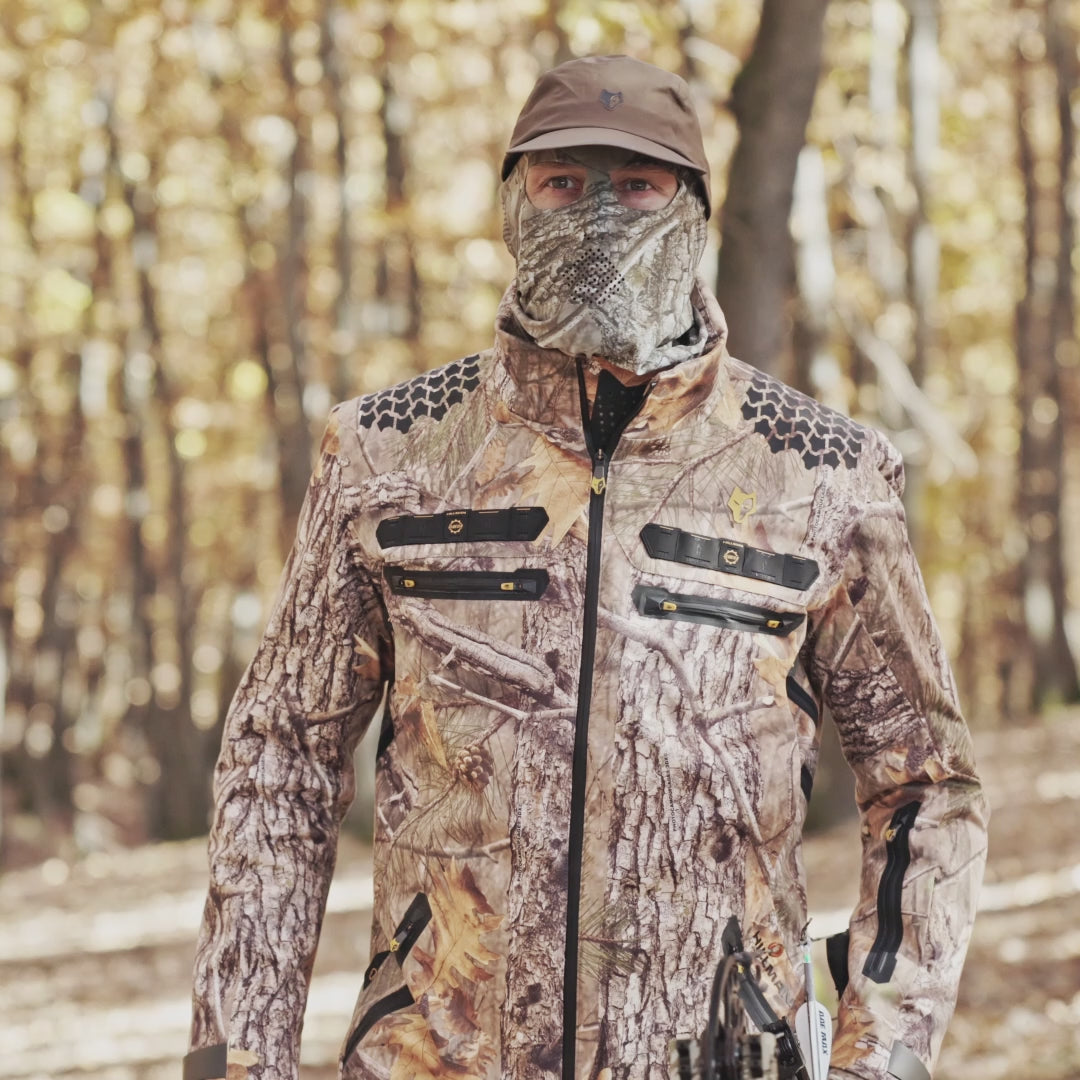
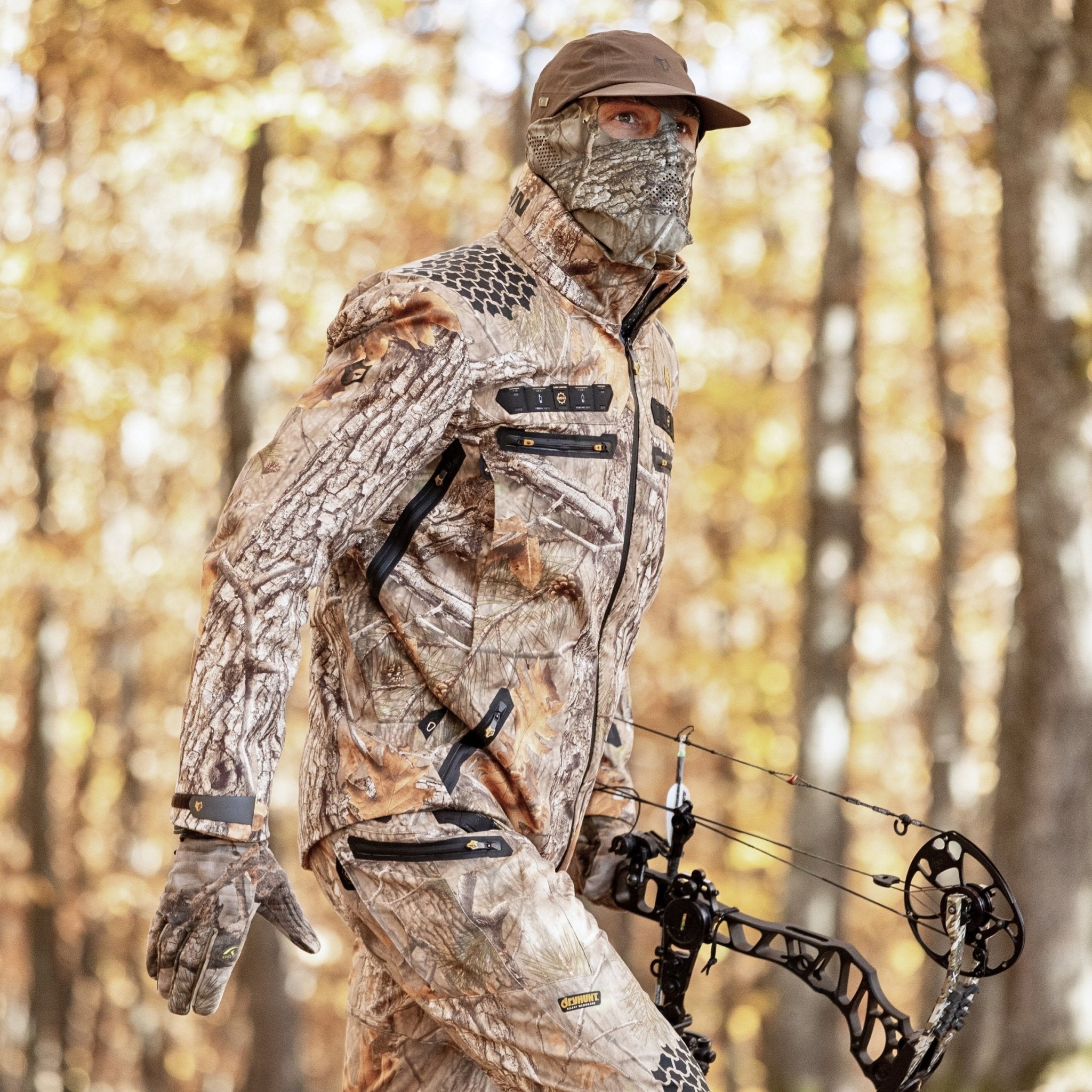
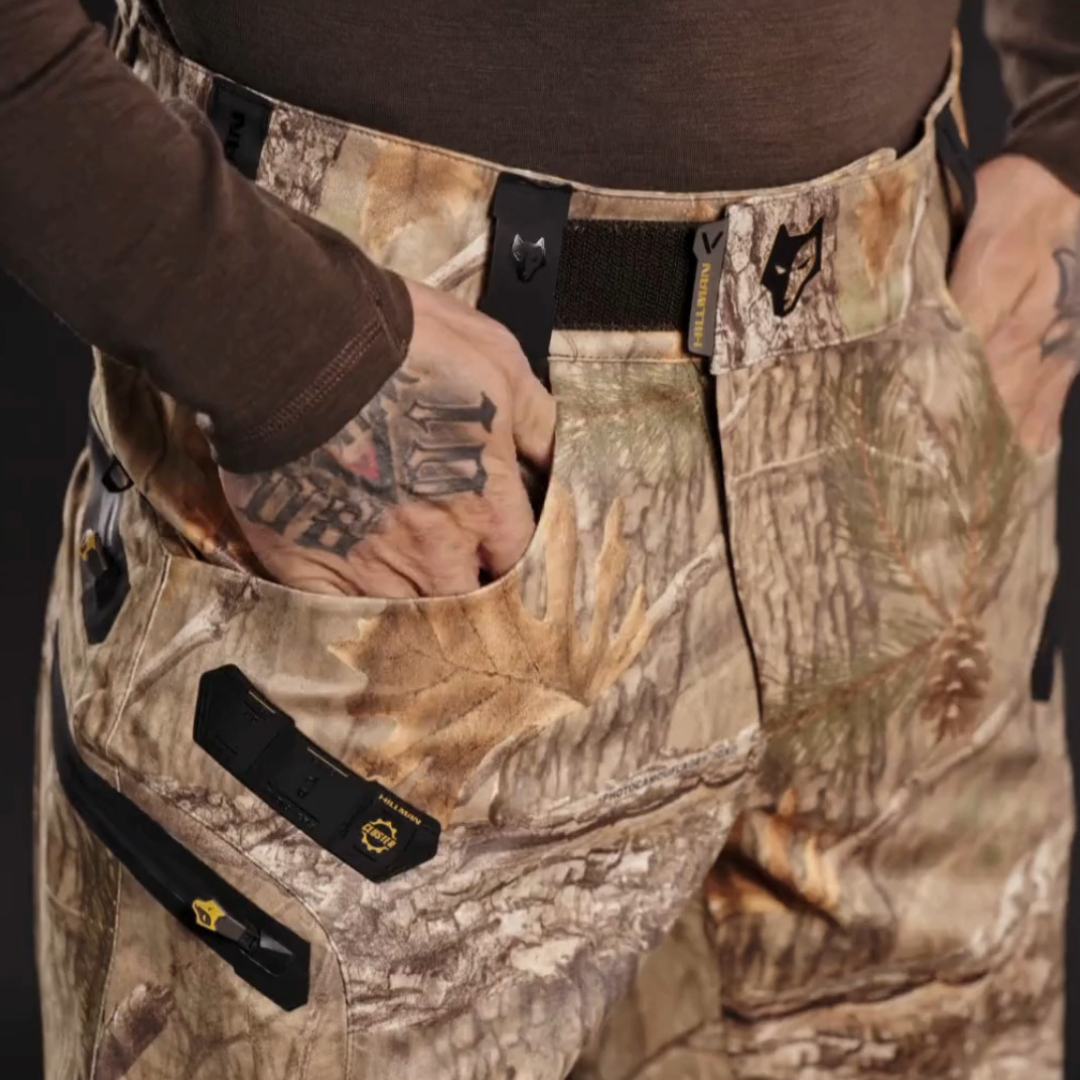
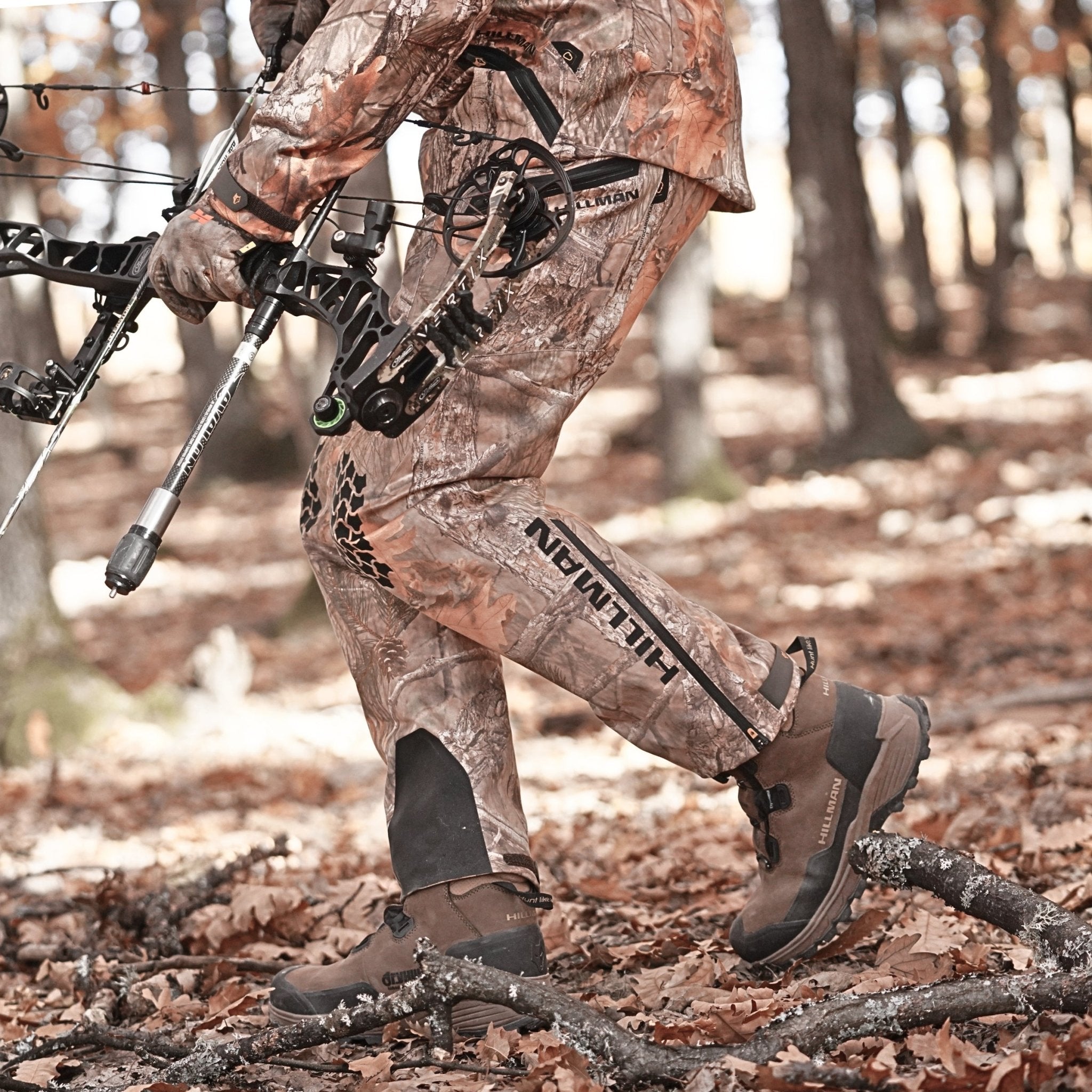
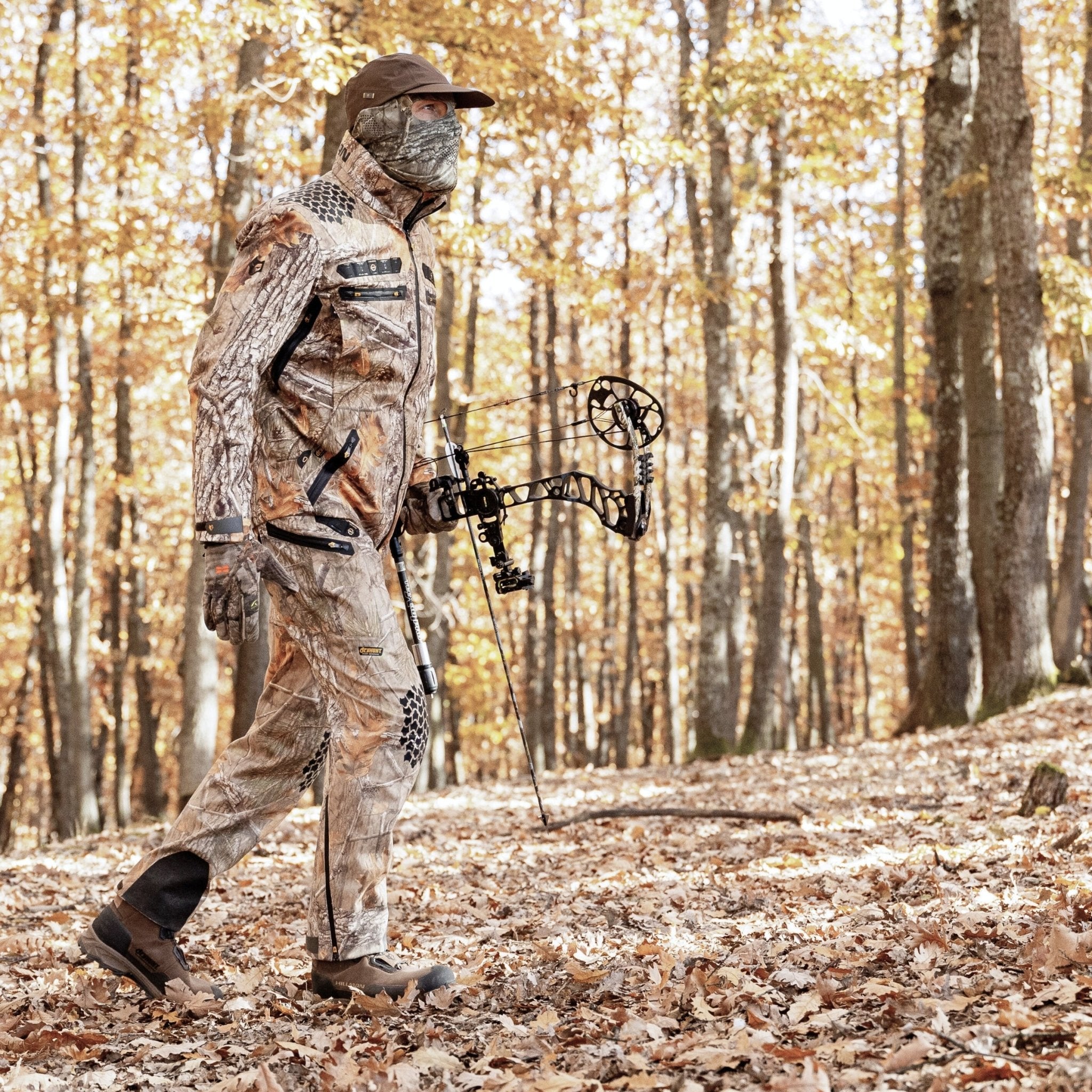
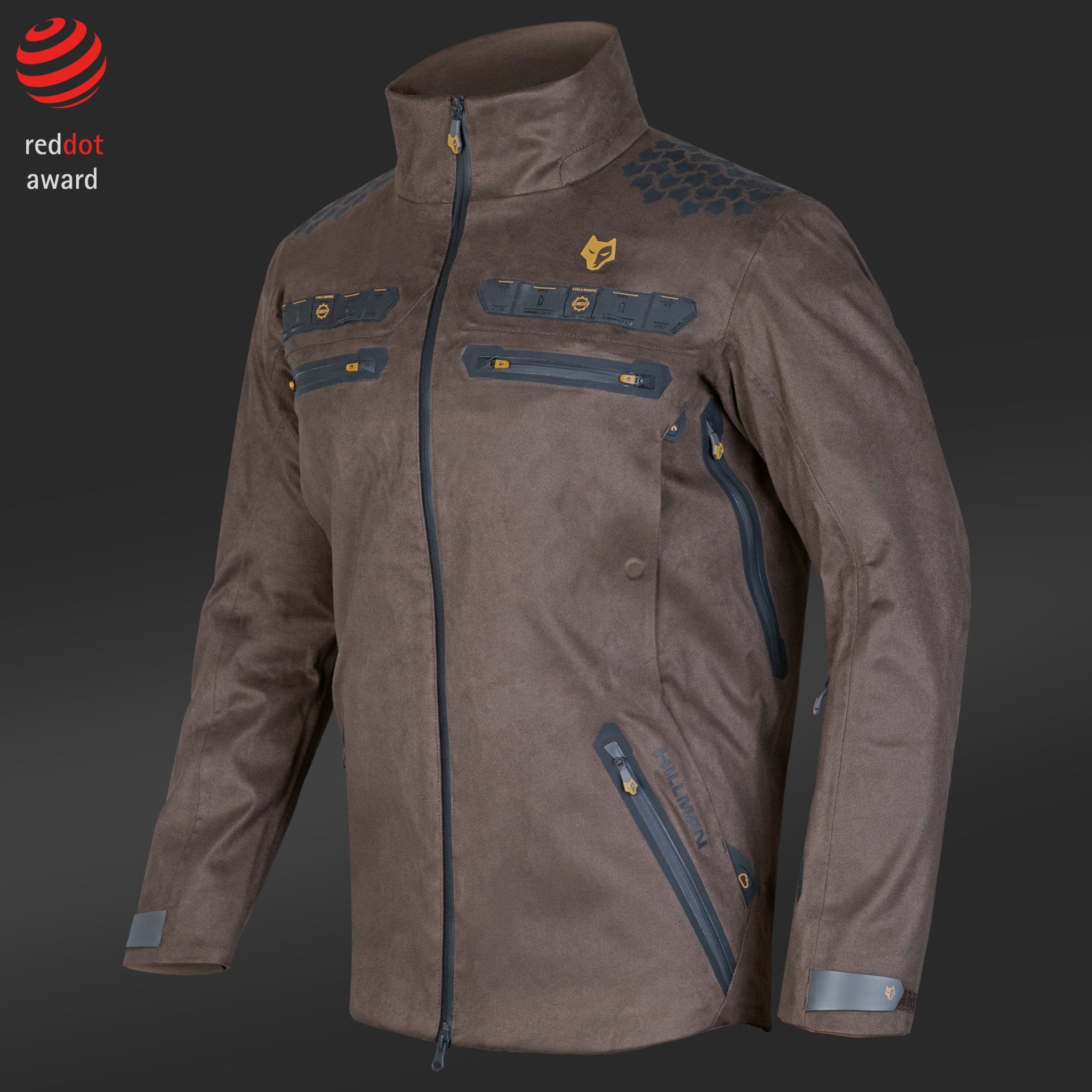
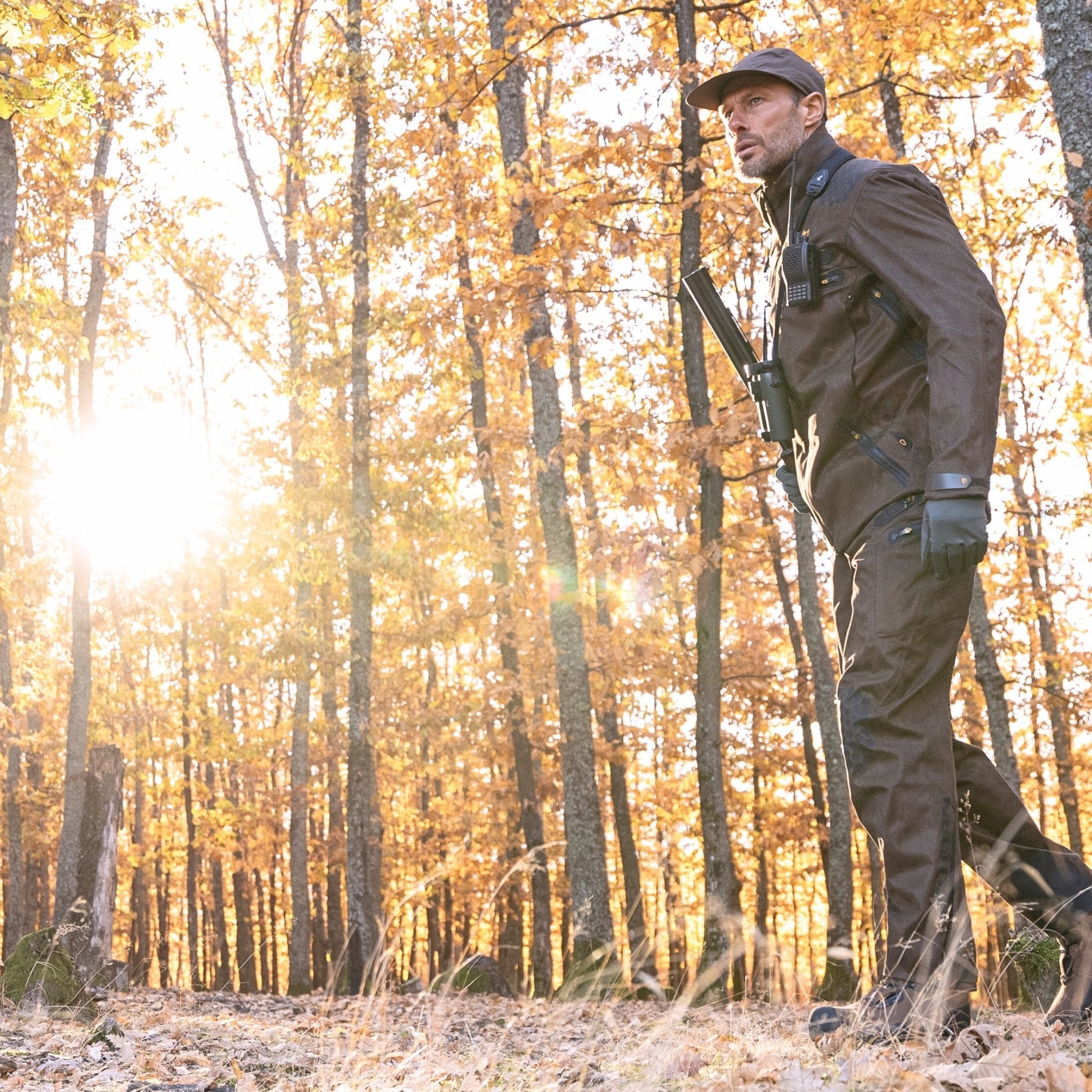
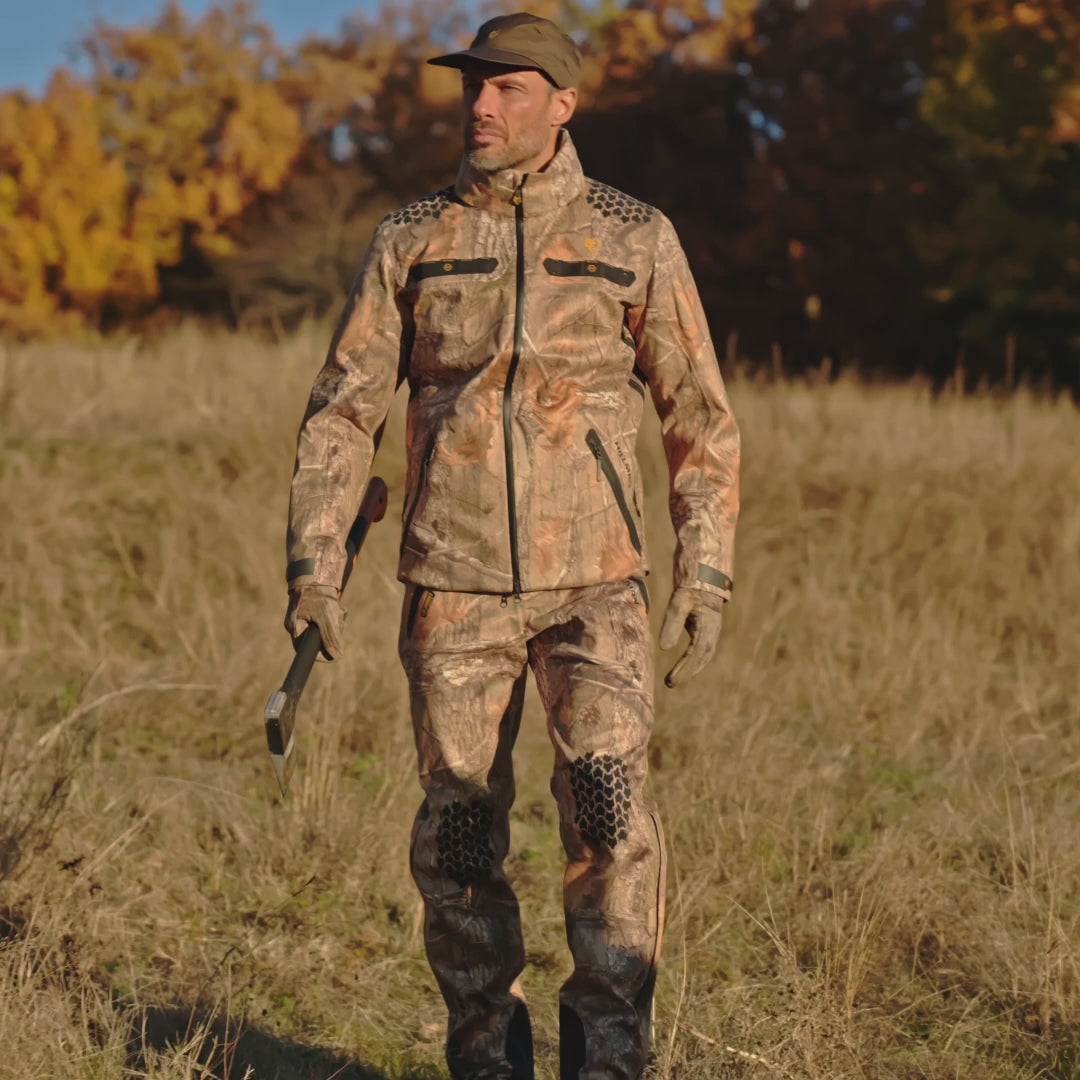
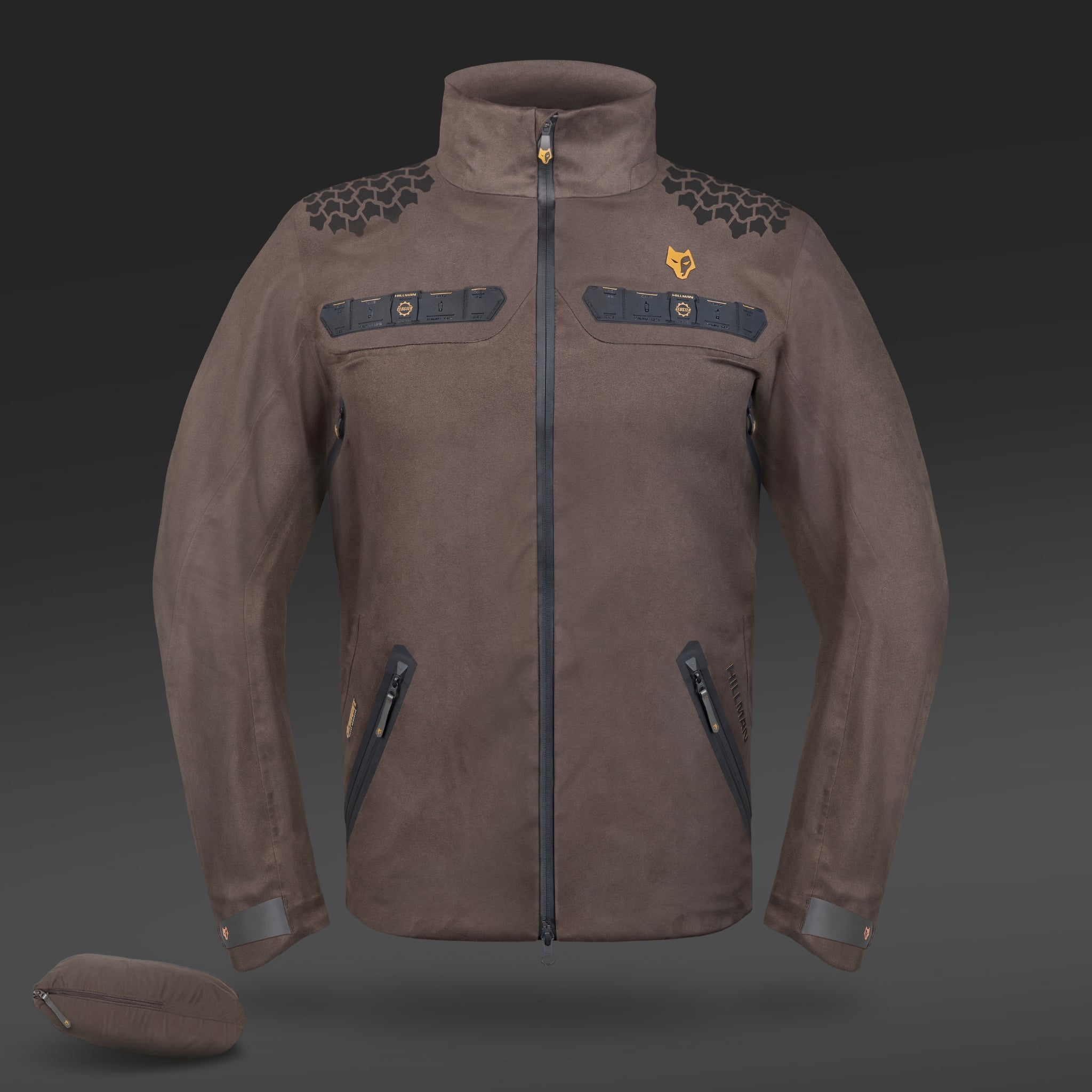
So no, I would not rush to buy an expensive camouflage setup. Quiet, practical clothes in simple earth tones can work well. I would much rather have a decent jacket, working outer layers, useful gloves, and something that keeps me warm than spend too much on a pattern alone. In bad weather, performance wins. Every time.
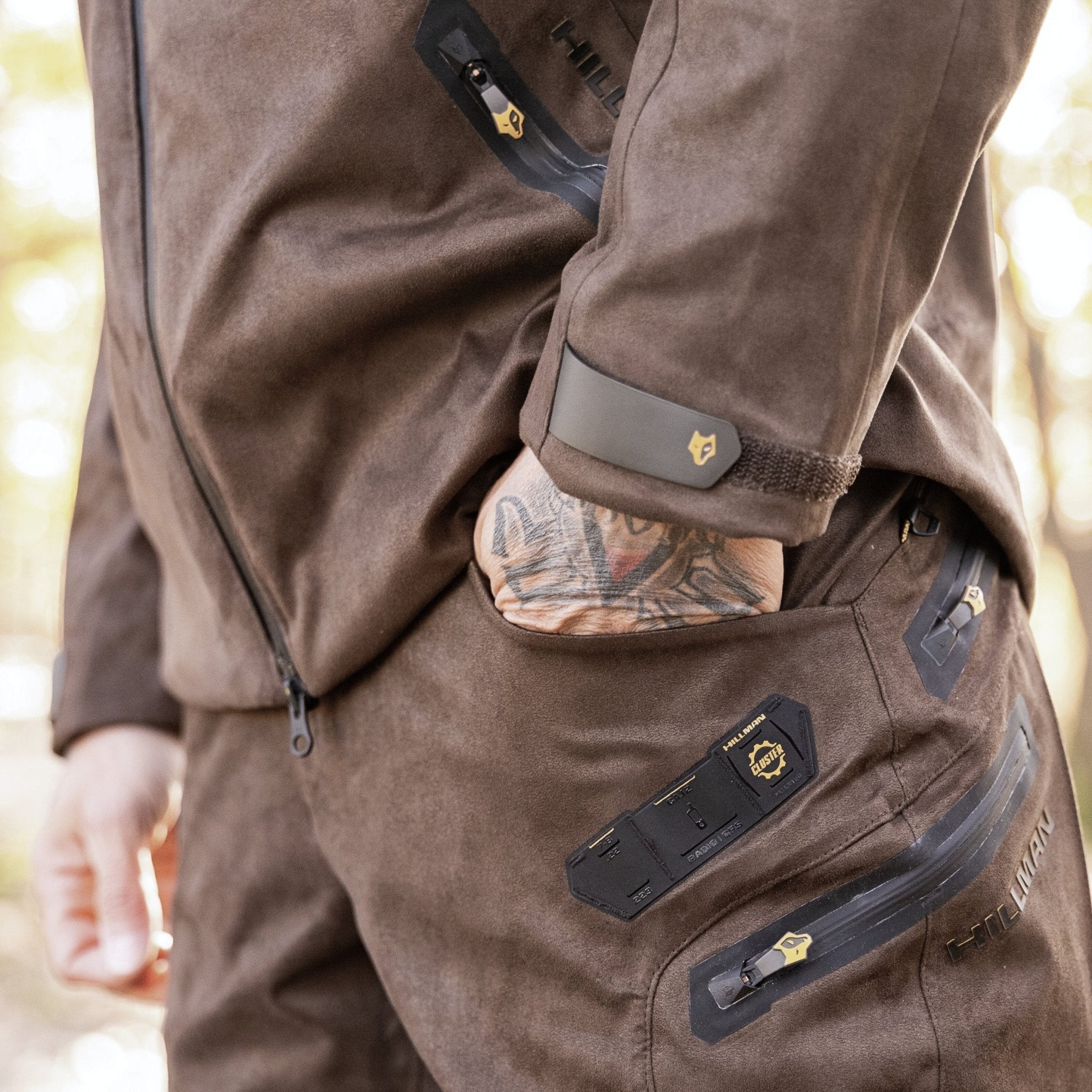
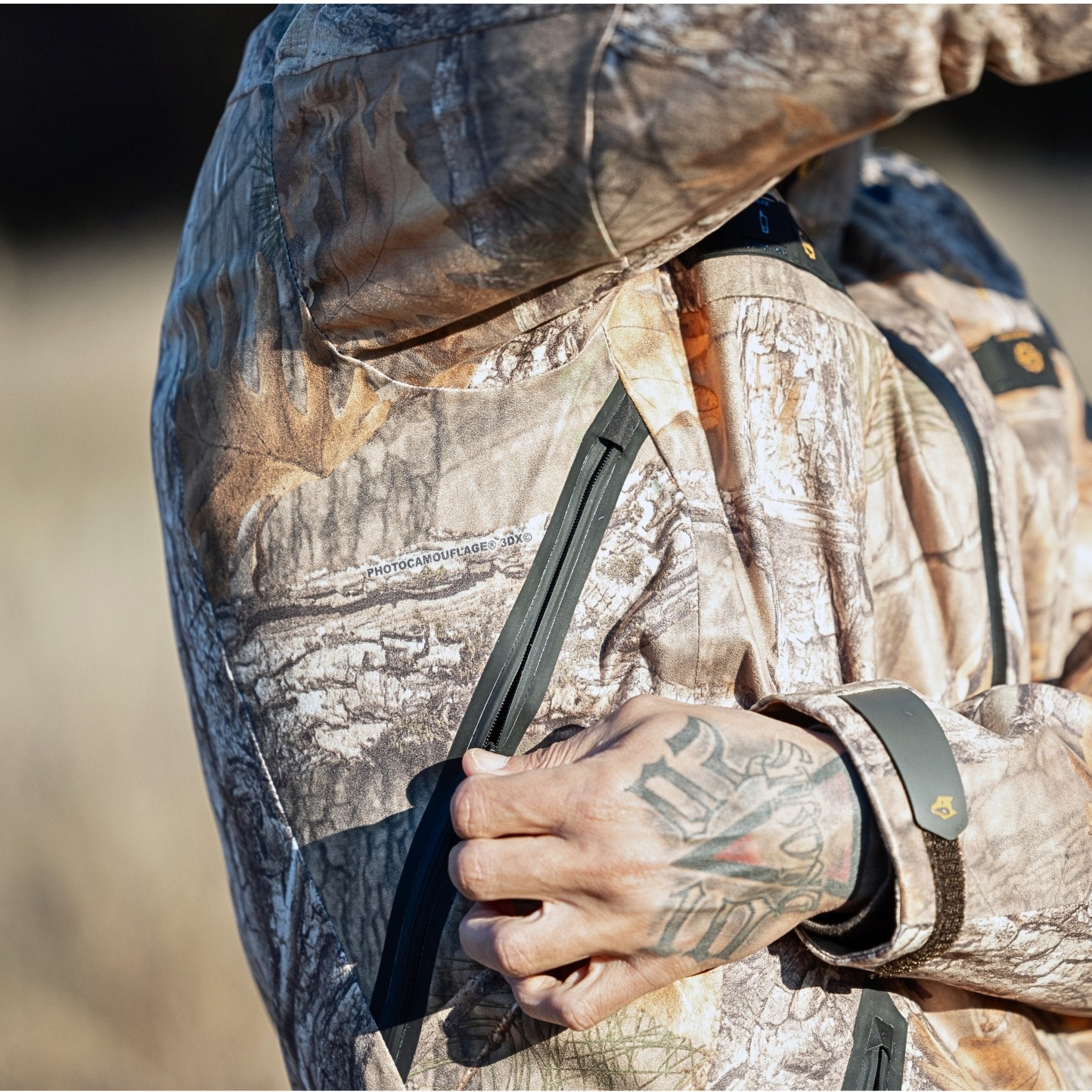
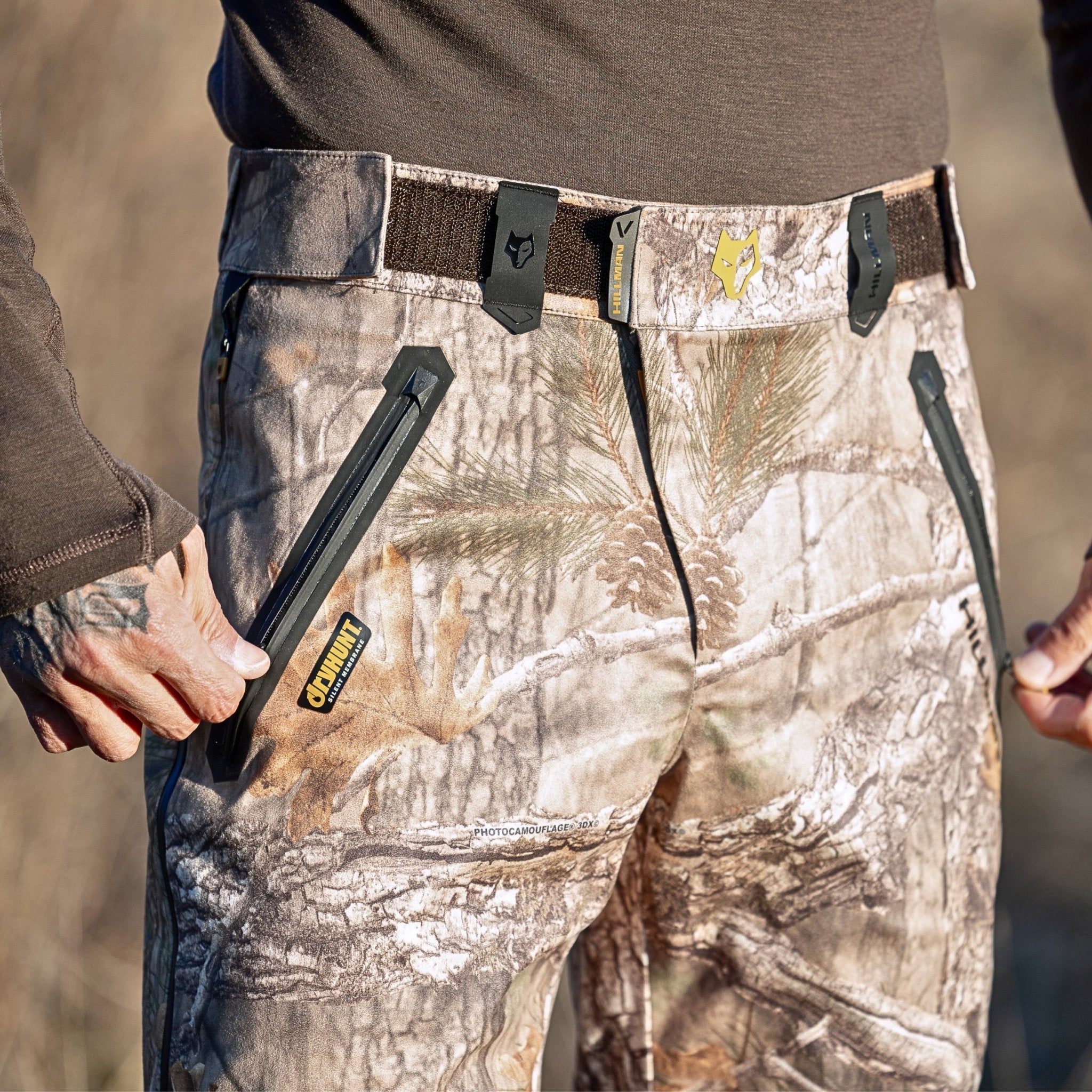
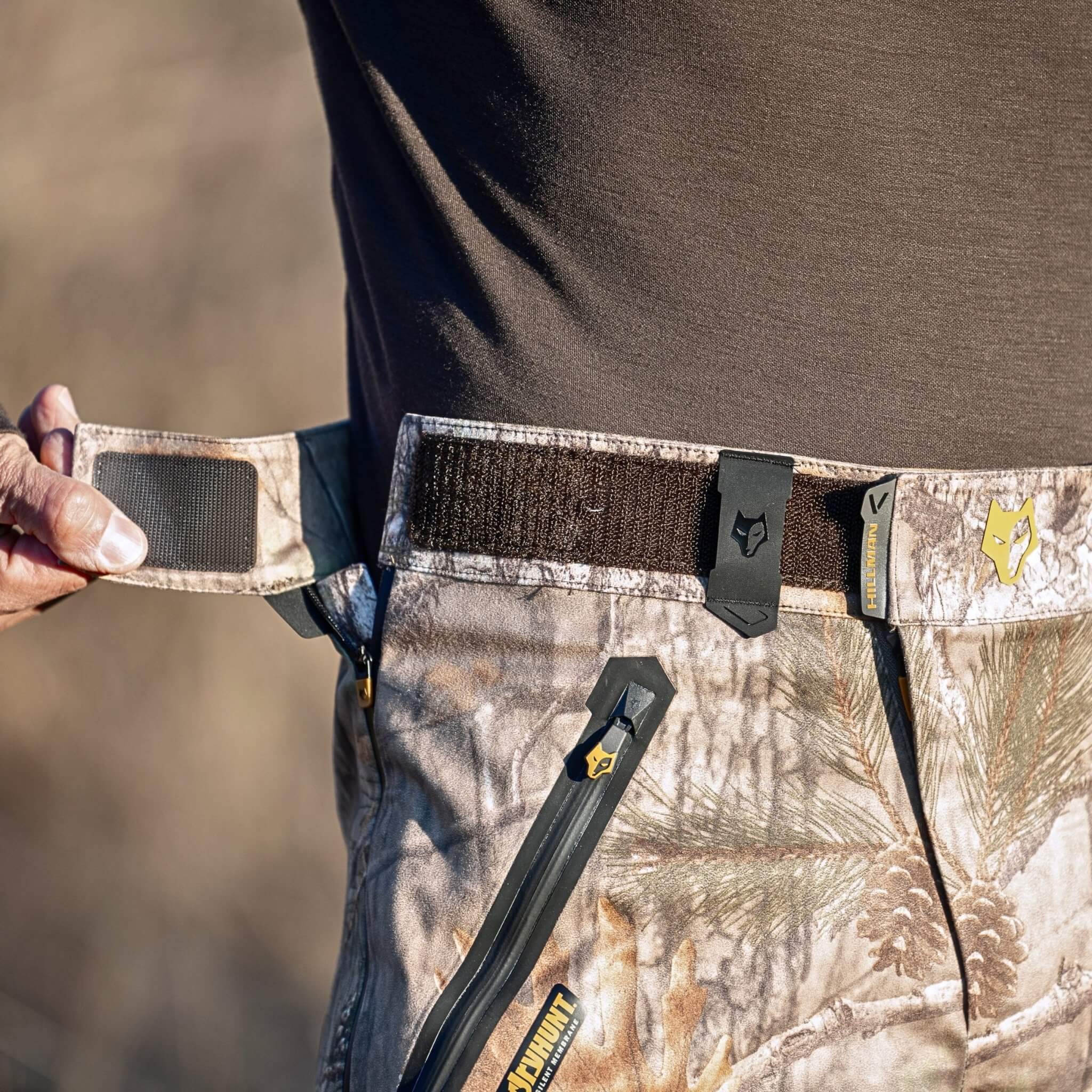
I also pay attention to small signs of quality. Stitching. Reinforcement. The way seams are finished. How does the fabric feel after repeated use? Cheap stuff can look convincing in the shop and disappoint quickly in the field. That is especially true around fall and spring, when conditions shift faster, and weak clothing shows its limits.
You Can Save Money Without Buying Rubbish

A limited budget does not mean every purchase has to be cheap. It just means you have to be more selective.
Secondhand options can help a lot. Thrift stores are often worth checking for layers, fleece, wool, gloves, or practical outdoor clothing. Local resale listings can be a great place to pick up useful equipment if you have patience. Watching seasonal sales helps too. Some hunters set email alerts and wait rather than panic-buying when the season is already closed.
Timing makes a difference. Buying cold-weather gear in spring and lighter early-season items in fall often works out better on price. If you can hold off and plad, you usually spend less.
Borrowing is underrated, too. If you have hunting buddies or know a few experienced hunters, ask around before making every purchase new. One borrowed piece of gear can tell you very quickly whether it belongs in your system or not. That alone can save real money.
I would still inspect used gear carefully. Worn soles, weak straps, tired buckles, failing zippers - those things matter. Saving money is useful. Saving money on something that fails when you need it is not.
Small Game and Deer Should Not Be Treated the Same

This is another place where generic advice falls apart.
For small game, I usually lean toward simplicity. A lighter pack, practical layers, a knife, maybe a small set of optics, and a few useful tools can be enough. Mobility matters. Carrying too much just because you own it does not help much.
For deer, the balance often changes. Comfort matters more. Warmth matters more. Organisation matters more. If you are hunting from a stand, staying still without getting cold becomes part of the challenge. If you are moving, then how much weight you are carrying becomes the issue again.
This is also where game bags are worth mentioning. They are not flashy. People do not talk about them much when building their first kit. But they are useful, affordable, and one of those items you are glad to have when things go right. Same with a simple knife that works well and does not turn into a fuss.
A hunting kit should match the actual hunt. Sounds simple. Still easy to forget.
Safety Equipment Is Not the Place to Cut Corners

There are categories where I am fine with saving. Safety equipment is not one of them.
A basic setup should include the legal essentials, your hunting license and tags, visibility gear where required, a reliable light, and compact first-aid kits that can stay in the pack. I also like keeping a few backup essentials in the truck. Spare batteries. Basic medical bits. Small things that solve annoying problems before they become bigger ones.
If the hunt involves a tree stand, that only pushes safety higher on the list. The point of trustworthy gear is not just that it helps you hunt better. It is because it reduces avoidable mistakes.
Buy Less, Maintain More, Upgrade Slowly

I think this part gets ignored far too often.
People talk about what to buy next, but not enough about how to look after what they already have. Dry your boots properly. Clean the knife. Store your clothing in a way that makes sense. Keep the pack organised instead of throwing everything back in after a hunt. Small habits like that stretch the life of your gear and make it easier to trust.
And trust is really the whole point. Good quality is not only about price. It is also about whether something keeps doing its job season after season. Whether it still works when conditions are bad. Whether you stop thinking about the item itself and just use it.
I also think upgrades should happen for a reason. Not because something looks good online. Not because the shop made it sound necessary. Use the gear first. Figure out what annoys you. Figure out what keeps proving useful. Then upgrade with purpose. If that eventually leads you to one premium piece from Sitka Gear, fine. But it should be because it fits your real system.
That is how I would build a dependable budget kit. Start with the pieces that keep you dry, safe, comfortable, and effective. Ignore the pressure to own more than you need. A smaller kit, built honestly, usually earns trust faster than a bigger one.


Share:
Late Season Hunting Footwear Mistakes: Boots in Snow & Slush
Waterproof Hunting Boots for Early Season Whitetails