

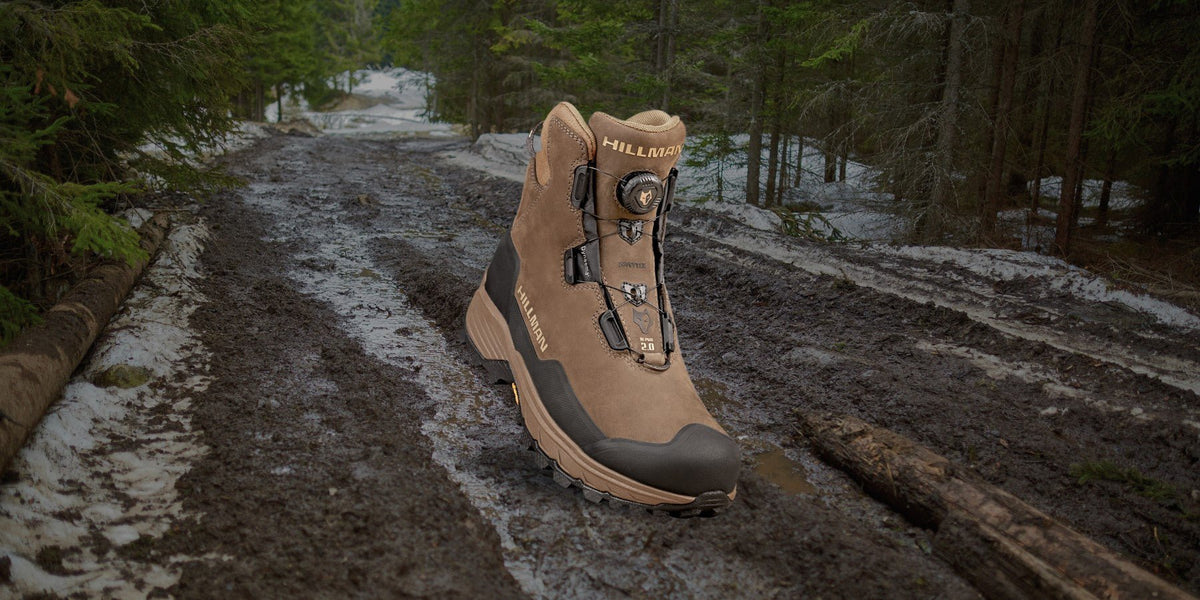
Waterproof Hunting Boots for Early Season Whitetails: What Actually Matters in Warm, Wet Conditions

Waterproof hunting boots for early season whitetails need to keep feet dry without cooking them from the inside, especially in warm, wet ground where sweat, mud, and a bad fit ruin hunts fast.
People screw this up all the time because they hear “waterproof” and stop thinking. That is not enough. Early season whitetail hunting is not late season, not winter, and not some cold weather boot test where thick insulation solves everything. In warm, wet conditions, the real question is uglier and more practical: will the boot keep water out without turning your feet into a sweaty mess halfway to the stand?
That is the whole fight.
Early fall ground can be soaked even when the air still feels mild. Wet grass, mud, shallow water, creek edges, heavy dew, soft field margins, sloppy timber bottoms, all of that shows up before cold weather really does. So yes, waterproofing matters. But if the boot is too hot, too heavy, too stiff, too sloppy in the heel, or too slick underfoot, the rest of the marketing talk means nothing.
A boot can be technically waterproof and still feel terrible. Plenty do.
That is why the best hunting boot for early season whitetails is not just about keeping feet dry from outside moisture. It also has to deal with heat, sweat, walking distance, terrain, and how you actually hunt. A pair that feels fine in snow can feel like a punishment in September. Too much insulation traps heat, your feet sweat, socks get damp, and later that same moisture starts robbing warmth once you stop moving. That is how guys end up with cold feet on a warm hunt. Not because the boot was too light. Because it was wrong.
Rubber Boots vs Leather Boots in Early Season

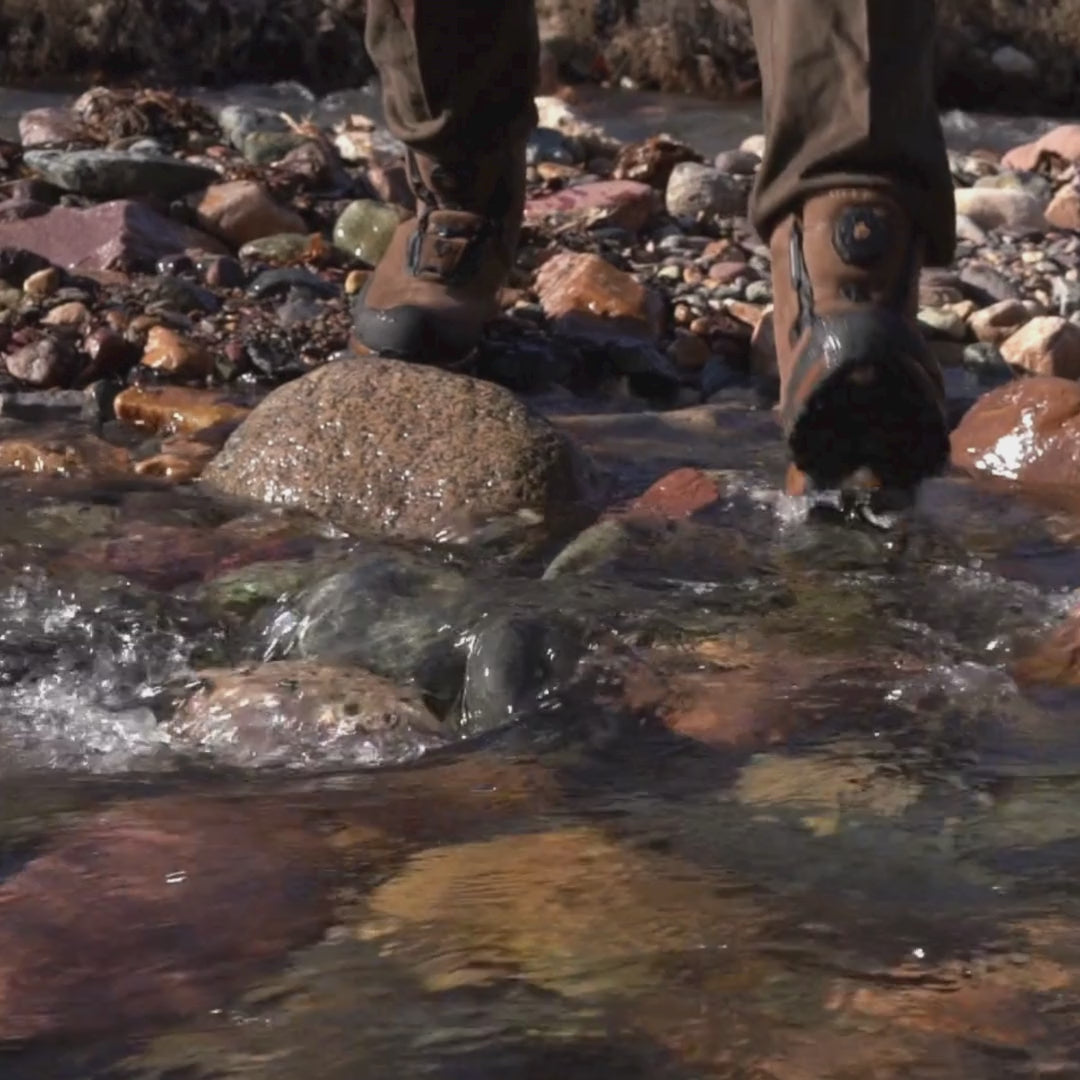
Rubber boots have a real place. Anybody pretending otherwise is talking nonsense. In wet conditions, they are often the easy answer. They keep water out well, they are simple, they are common with deer hunters for scent control, and they make a lot of sense when the route to your hunting location is muddy, swampy, grassy, or loaded with shallow water.
If you are cutting through marshy edges, wet bean fields, creek crossings, or brush soaked before daylight, tall rubber boots are hard to argue against. They handle mud and wet ground without much drama. In those situations, they often beat leather boots and plenty of synthetic boots just because they give you more protection from water getting in.
But rubber boots are not magic either.
The big problem is breathability. In warm weather, rubber can hold heat like a damn bucket. Your feet sweat, moisture builds up inside, and now you are wet anyway, just from the inside instead of the outside. That still wrecks comfort. On top of that, rubber boots can feel less secure on steep terrain, rough sidehills, broken ground, and places where ankle support actually matters. Some feel clumsy. Some get noisy on ladders, metal stands, and hard surfaces. Some are fine for short walks and annoying as hell for longer ones.
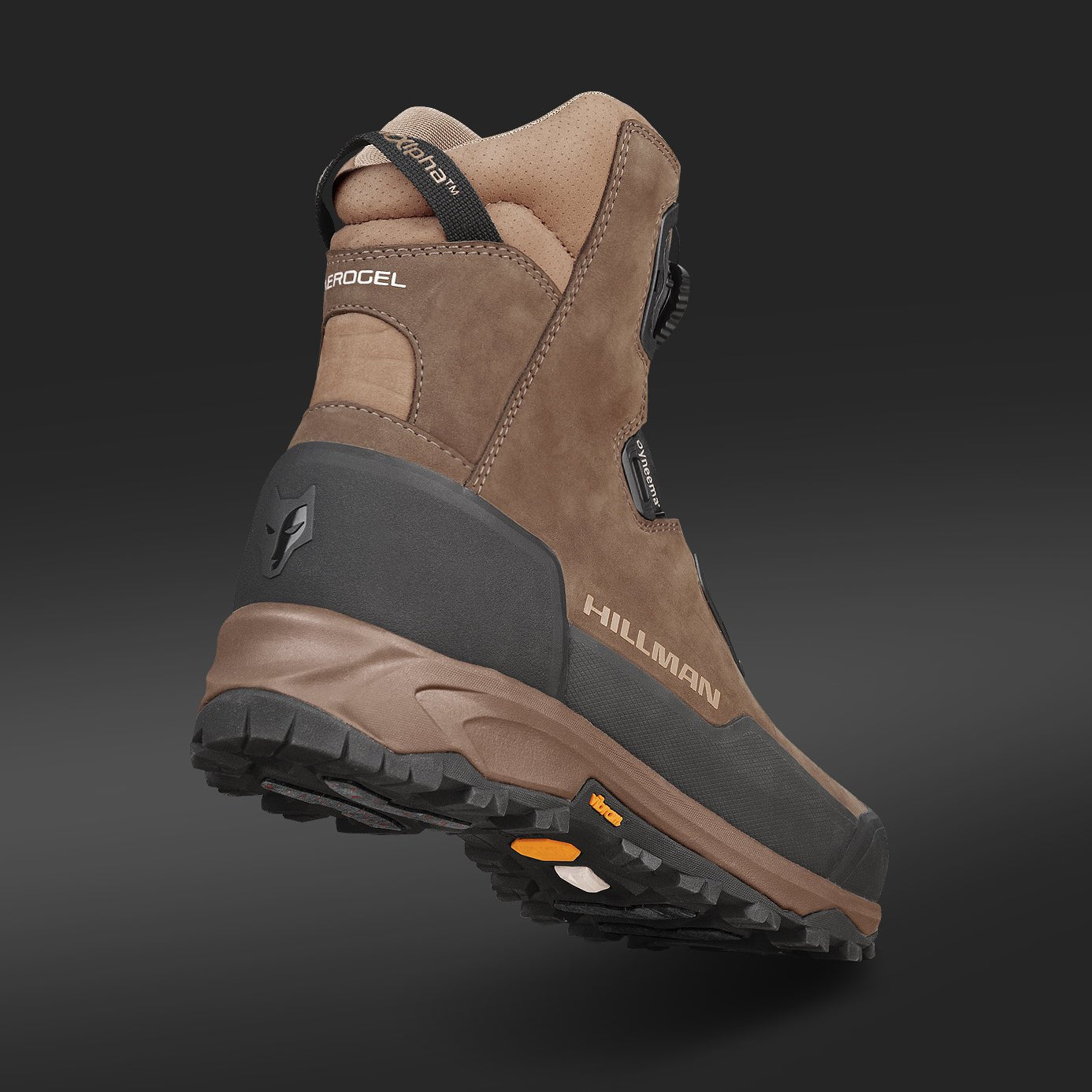
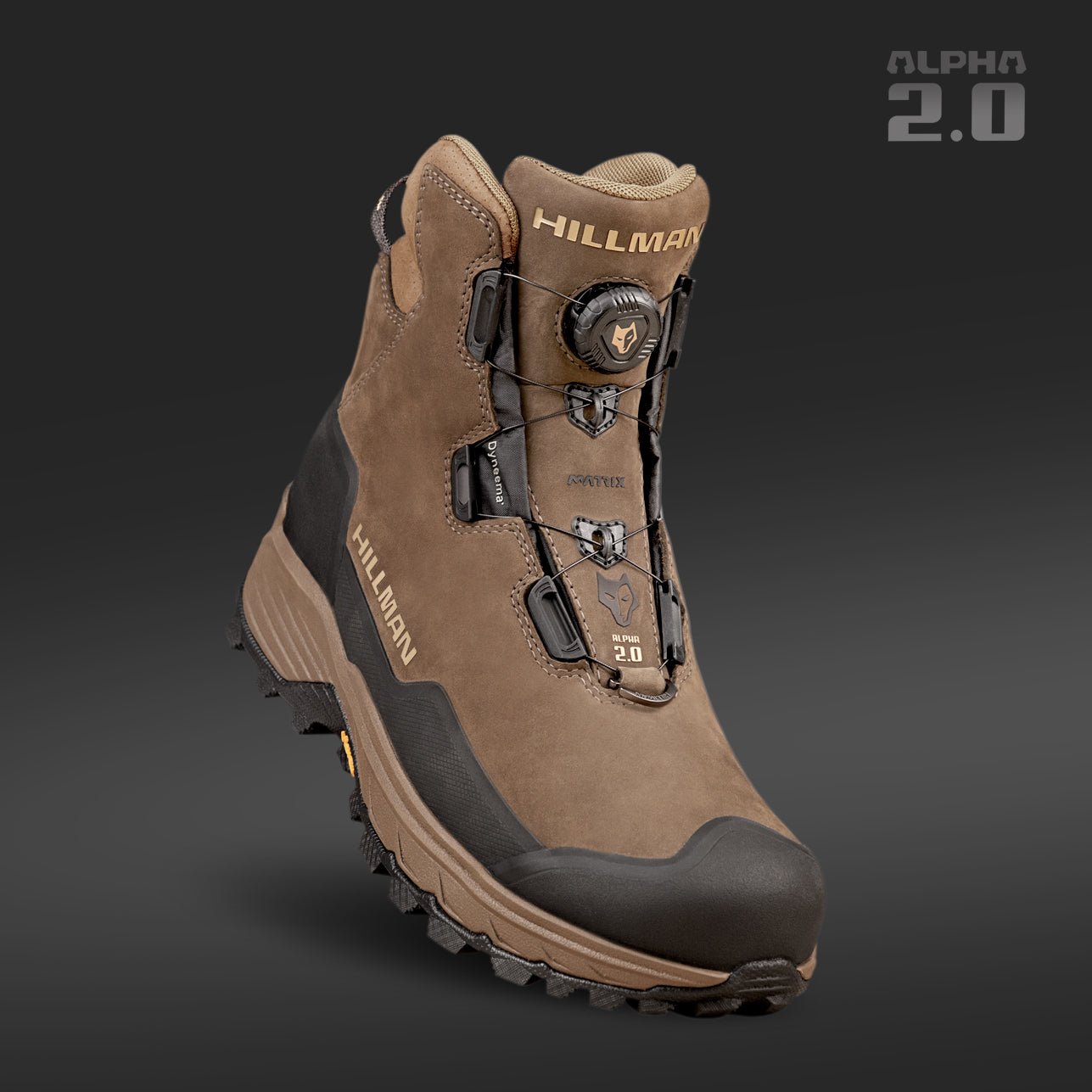
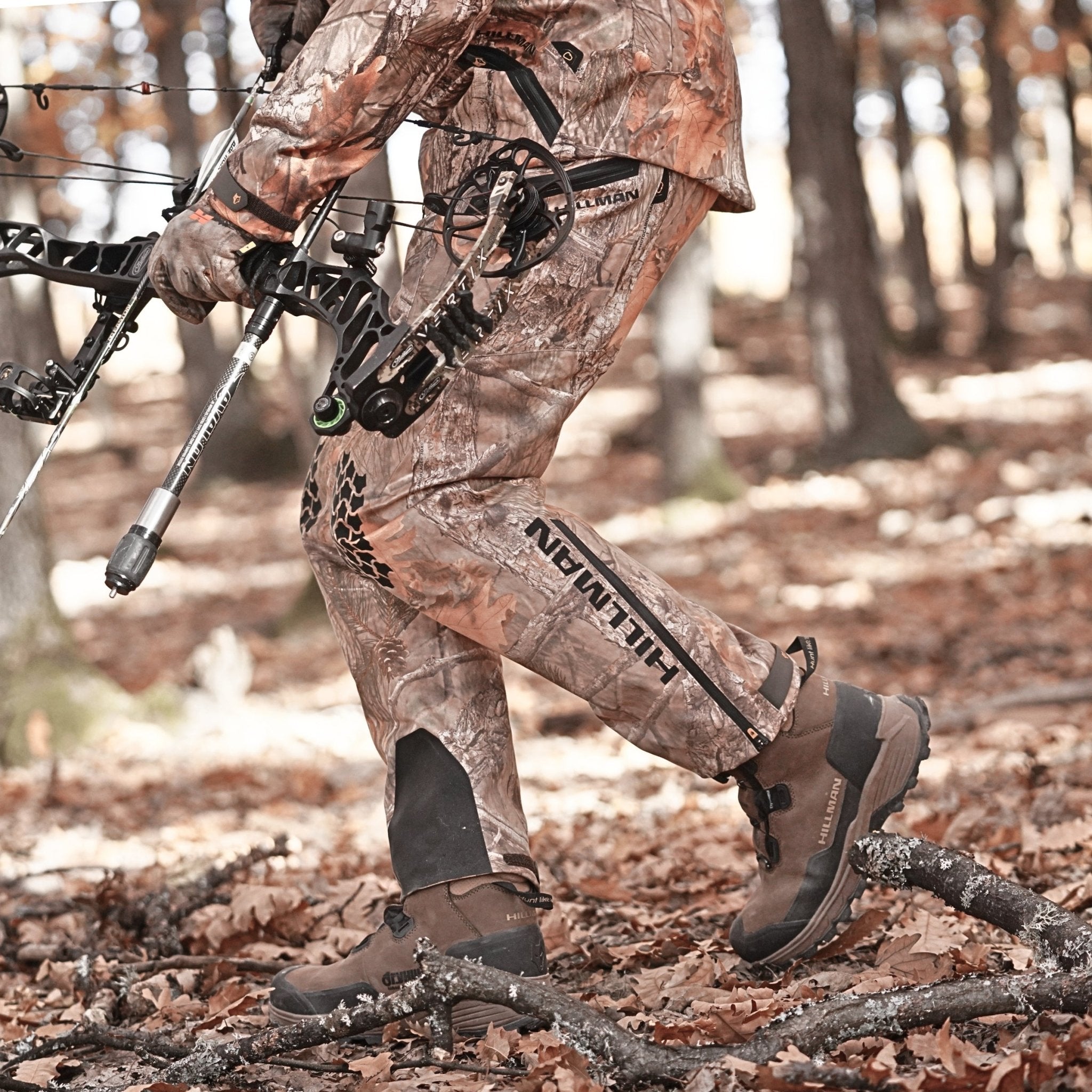
Leather boots and lighter synthetic boots usually do better when the hunt involves more walking, more varied terrain, and more need for support. They often breathe better, fit better, and move better. That matters when you are covering miles instead of just slogging a short access route to a stand. A good leather boot or synthetic boot can also give better ankle support and better overall control in challenging terrain. That is not a small thing. It saves energy and cuts down on stupid slips.
So the split is pretty simple. If the country is wet enough that water over the lower boot is a constant problem, rubber boots make sense. If the hunt is more about distance, uneven ground, and staying cooler, leather or synthetic boots are often the better pair.
Breathability Matters Just as Much as Waterproofing

A lot of hunters act like waterproof is the big headline and everything else is secondary. In early season, that is backwards. Waterproofing matters, but breathability is what decides whether the boot stays livable after the first hard walk.
If the boot blocks rain, mud, and dew but cannot dump heat and moisture, your feet still end up wet. That is the part people ignore until they feel it. Sweat is still moist. Inside the boot, your foot does not care where the wet came from.
That is why early-season hunting boots usually work better when they are uninsulated or only lightly insulated. In most warm temperatures, heavy insulation is unnecessary and often flat-out stupid. A boot with no insulation, or maybe something in the low range like 200 grams or less, makes a lot more sense than cold-weather hunting boots built for freezing temperatures and winter hunts.
Warm early-season deer hunting is usually about releasing heat, not trapping it.
A breathable waterproof membrane can help, especially when paired with lighter materials and linings that move moisture instead of holding it. That setup gives you a better shot at blocking outside water while still letting sweat vapor escape. It does not make the boot perfect. Nothing does. But it can keep the boot from turning into a swamp after a long approach.
That balance is the real point. Waterproof without breathability sounds great on a tag and feels awful in the field.
Boot Height Should Match the Ground, Not Your Ego

Boot height is one of those things people get weird about. Taller is not automatically better. Neither is shorter. The right height depends on the ground, the water, and how you move through your hunting location.
A mid-height boot, usually around that 7 to 9 inch range, is often better when the ground is drier, and the hunt involves a lot of walking. It is usually lighter, cooler, and less annoying over distance. That matters when you are moving through timber, ridges, field edges, or mixed terrain where speed and comfort matter more than maximum coverage.
Taller boots start making more sense when the ground is consistently wet and ugly. If you are walking through saturated soil, soaked weeds, shallow creeks, standing water, or thick cover dripping all over your legs before sunrise, extra height earns its keep fast. A taller rubber boot in the 14 to 18 inch range can keep water from rolling over the top and give you more protection on the lower leg.
Still, a tall boot can be overkill. If your route is mostly dry and your main problem is distance, heat, and mobility, tall rubber boots can feel like too much boot for no good reason. They are useful when conditions demand them. They are not automatically the best choice just because they look more serious.
Specific conditions decide it. Not habit. Not brand hype. Not some guy online pretending one setup works everywhere.
Support, Traction, and Fit Matter More Than Brand Talk

A good hunting boot is not just a waterproof shell with laces or rubber sides. If the fit is bad, the traction is bad, or the support is wrong for the terrain, the hunt starts going downhill fast.
Fit comes first.
You want the heel held in place and enough space up front so your toes are not jammed. A snug heel with a reasonable toe box helps keep the foot stable, cuts down on friction, and gives you room for the socks you actually wear in the field. Too tight and you get heat, pressure, and hotspots. Too loose and your foot slides around like an idiot on every uneven step. Both setups suck.
Comfort is not soft, fluffy nonsense either. Comfort is functional. If the boot rubs, slips, pinches, or beats up your feet, you burn energy dealing with the boot all day instead of hunting. That is not a small problem. That is the whole experience turning against you one step at a time.
Support matters more in rough country. Heavier boots often give more structure and can feel better in steep terrain or other challenging terrain where the ground is broken and awkward. Lighter boots usually help with increased mobility and make more sense when the hunt involves longer walks, quicker movement, or less brutal footing. Again, it depends on your hunting style.
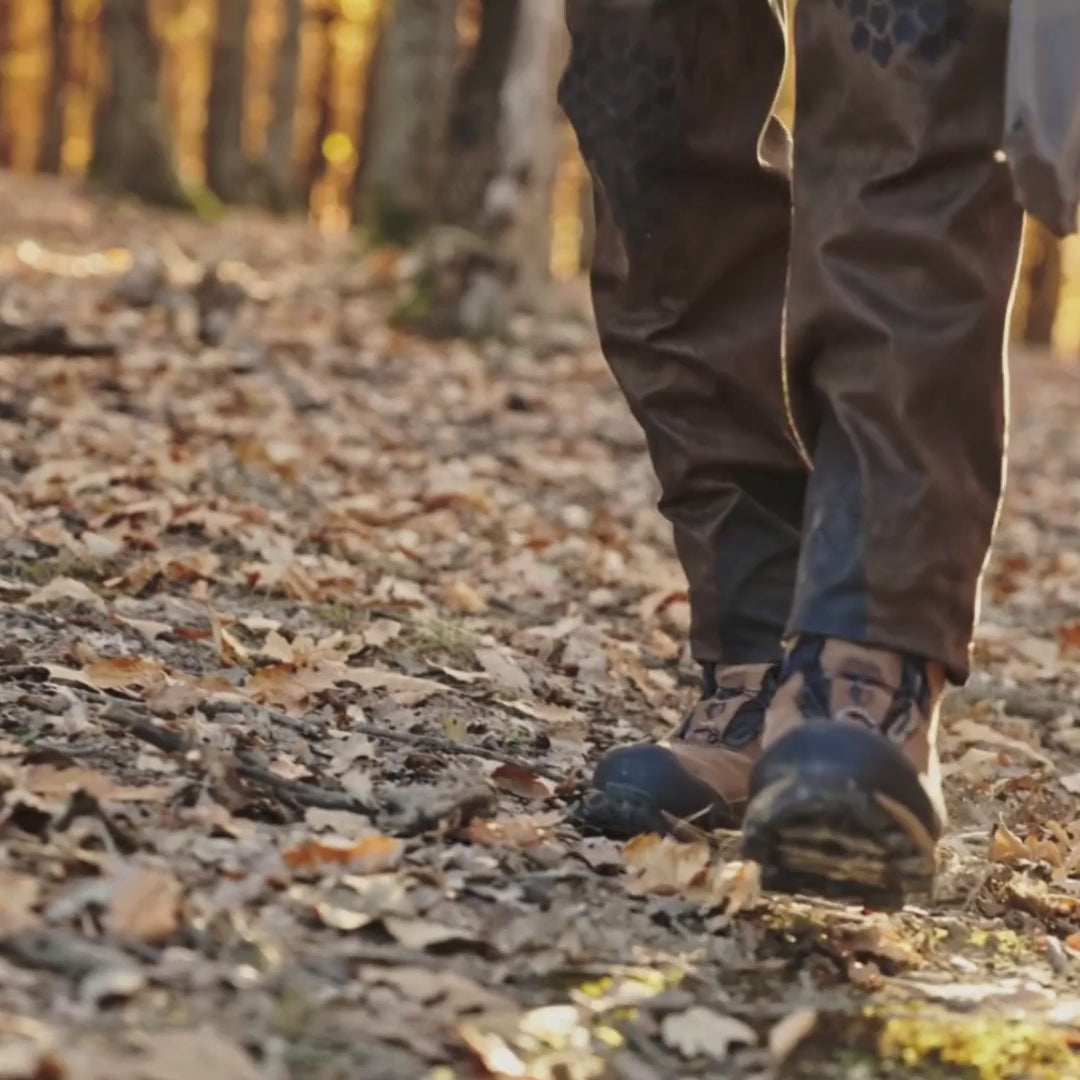
Then there is traction.Early-seasonn ground can be slick as hell. Mud, rain, loose soil, wet leaves, roots, clay, chopped plant matter, all of that can make easy ground suddenly stupid. Soles need to bite without packing full of muck every ten steps. If they skate around or cake up too easily with soil particles, you feel it fast, especially when climbing, sidehilling, or stepping onto stands and ladders.
That stuff matters more than whatever dramatic name the outsole has in the catalog.
Early Season Boots and Late Season Boots Should Not Be the Same

A lot of hunters try to force one pair of boots through the whole season because buying multiple pairs feels excessive. Fair enough. But that usually means the boot is wrong at one end of the season or the other.
The pair that works in warm, wet early-season conditions is usually not the same pair you want in late season, and definitely not the same thing you want in serious winter weather.
For the early season, lightweight waterproof boots with little insulation or no insulation at all are usually the better call. They help keep feet dry without overheating them, and they stay more comfortable once the morning warms up or the walk gets longer. For late season, the priorities shift. Once temperatures drop and the days get longer, keeping feet warm matters far more. That is where cold-weather hunting boots, heavier insulation, and more warmth retention start making sense.
In snow, prolonged cold, or long static sits, heavily insulated boots can be exactly right. In warm early fall, those same boots can feel miserable. They trap heat, create sweat, and turn a short walk into a clammy mess.
Trying to make one pair cover both ends of the season usually means compromise in the dumbest possible place.
The Best Choice Depends on Where You Hunt and How You Move

There is no universal best hunting boot for deer hunting. Anybody saying there is one perfect answer for everybody is selling something or parroting somebody else.
The best choice depends on terrain, weather, walking distance, and whether your hunting style is mostly sitting, climbing, slipping into stands before daylight, or covering more ground on foot. That is why boot selection always feels personal. Because it is.
If your usual setup is farm country, muddy edges, soft access roads, wet grass, and shallow water with short walks to a stand, rubber boots make a lot of sense. They are simple and effective in exactly that kind of mess.
If your hunts are more about dry ridges, long approaches, uneven ground, and needing better support, leather boots or synthetic boots with breathable waterproofing are often the smarter choice. They tend to handle miles better and give you more control when the ground gets rough.
This is also why upland boots are not always a clean crossover. Some boots made for upland birds walk great and handle distance well, but not every one of them is built for regular wet ground, muddy access, or the scent-focused habits a lot of whitetail hunters care about. On the other side, boots built for extreme cold might be excellent once winter hits, but feel completely wrong in early fall.
The right boot is the one that matches the specific conditions you actually deal with. Not the boot built for somebody else’s season, somebody else’s terrain, or somebody else’s idea of what looks tough.
What Actually Matters Most Before You Buy

Strip the nonsense away, and the checklist is not complicated.
You want waterproof protection that does not completely kill breathability. You want low insulation or no insulation unless your temperatures genuinely justify more. You want the right boot height for the amount of water, soaked cover, and slop you are walking through. You want soles that match your terrain and give real traction. You want enough ankle support if the route is rough. And you want the fit right, because a poor fit ruins everything else.
That last part gets ignored way too often. A famous quality boot that does not fit your feet is still the wrong boot. A less flashy pair that fits properly and matches your hunting location will usually serve you better.
For early-season whitetails in warm, wet conditions, that is what matters. Dry feet. Breathability. Real support. Useful traction. A fit that does not beat you up. Everything else is secondary.
Not the label. Not the hype. Not the story on the box.



Share:
Gear That Earns Trust: Building a Hunting Kit on a Budget
Warm Insulated Hunting Boots for Long Sits vs Active Hunts