

Midday Turkey Tactics: What to Do When the Woods Go Quiet

Smart midday turkey tactics for silent woods, lonely gobblers, strut zones, soft calling, and late-morning setups.
Every turkey hunter knows that strange drop in energy after first light. The early morning starts full of hope. A bird gobbling from the roost, wing beats in the trees, hens talking on the ground, maybe even a tom answering hard enough to make you feel confident. Then, almost without warning, the turkey woods go flat.
That silence does not always mean the hunt is over. It often means the morning has simply changed.
During the early morning, turkeys usually move from roost areas toward feeding zones. If you were set up close to a roost, field edge, ridge top, or known travel route, that first window can be very good. But once hens pull a gobbler away, or once the flock settles into feeding, the loud bird you heard at daylight may stop talking completely.
This is where midday turkey tactics matter. A silent tom is not always gone. Silent birds may still be working through the same ground, just slower and quieter. Some gobblers have already been pressured by other hunters. Some have hens. Some are slipping toward shade, water, or a strut zone where they expect hens to find them later.
The mistake is treating silence like failure. It is usually just a different part of the day.
Turkey Hunting After Mid Morning Takes a Different Mindset

Mid morning is where a lot of turkey hunters lose the thread. They heard a bird early, made a move, maybe got close, then nothing. By 9 or 10 o’clock, the woods feel empty. Lunch starts sounding better than another hour sitting against a tree.
But late morning can produce some of the most successful hunts of the season.
By then, hens may drift away to nest or feed. A lonely gobbler that ignored you at daylight can suddenly become interested. The woods are also calmer because many hunters have already walked out. On public ground, that can be a real advantage. The pressure drops, the calling fades, and a big tom that went quiet earlier may start easing back into his routine.
The key is to stop hunting like it is still first light. You are no longer trying to beat a bird off the roost. You are trying to get one step ahead of where he wants to be between late morning, noon, and early afternoon.
That means slower moves, softer calling, and better setups.
Build a Midday Game Plan Before You Start Walking

A good midday game plan keeps you from wandering around the woods hoping to strike a bird by luck. Cover ground when you need to, but do it with a point. Random walking burns more birds than it kills.
Start by thinking about where a turkey would want to be after the morning feeding period. On cool days, birds may drift along ridge tops, open roads, pastures, or strut zones. On warm days, they often move into shade. Toms may slip into creek bottoms, deep timber, north-facing slopes, or pockets of cover where they can stay comfortable and still listen for hens.
Food sources still matter. Fields and pastures hold young grasses and insects in spring, and turkeys will use them through the day when they feel safe. Water also becomes more important when the weather is warm. A secluded pond, wet hollow, creek bend, or shaded hole can be worth more than a pretty field that has already been bumped by hunters.
Fresh sign helps too. Tracks, droppings, feathers, scratching, and dusting spots can tell you turkeys are using an area even when nothing is gobbling. Dry, loose soil on a logging road or near a recently worked field can show where birds are cleaning their feathers. It is not always a dramatic sign, but it is useful when the woods go quiet.
A quiet woods with fresh turkey sign is not dead ground. It is ground that needs patience.
Strut Zones Are Worth Sitting When the Birds Go Silent

Strut zones are one of the best places to hunt turkeys at midday because they fit how a tom wants to behave after the early rush. A gobbler does not always spend the whole day chasing hens. Often, he returns to a place where he can display, see well, and expect hens to pass through.
Good strut zones might be ridge tops, open pasture corners, logging roads, creek bottoms, field edges, or small openings inside timber. Some toms like open ridge-top roads in the afternoon because they can be seen and can see danger. Others prefer a shaded creek bottom, especially when the day warms up.
This is where patience pays. If you know a bird likes a certain spot, do not leave after ten quiet minutes. Set up clean, get comfortable, and give it 30 to 60 minutes. Sometimes longer. A silent gobbler may take his time, circle, stop, listen, and drift in without making a sound.
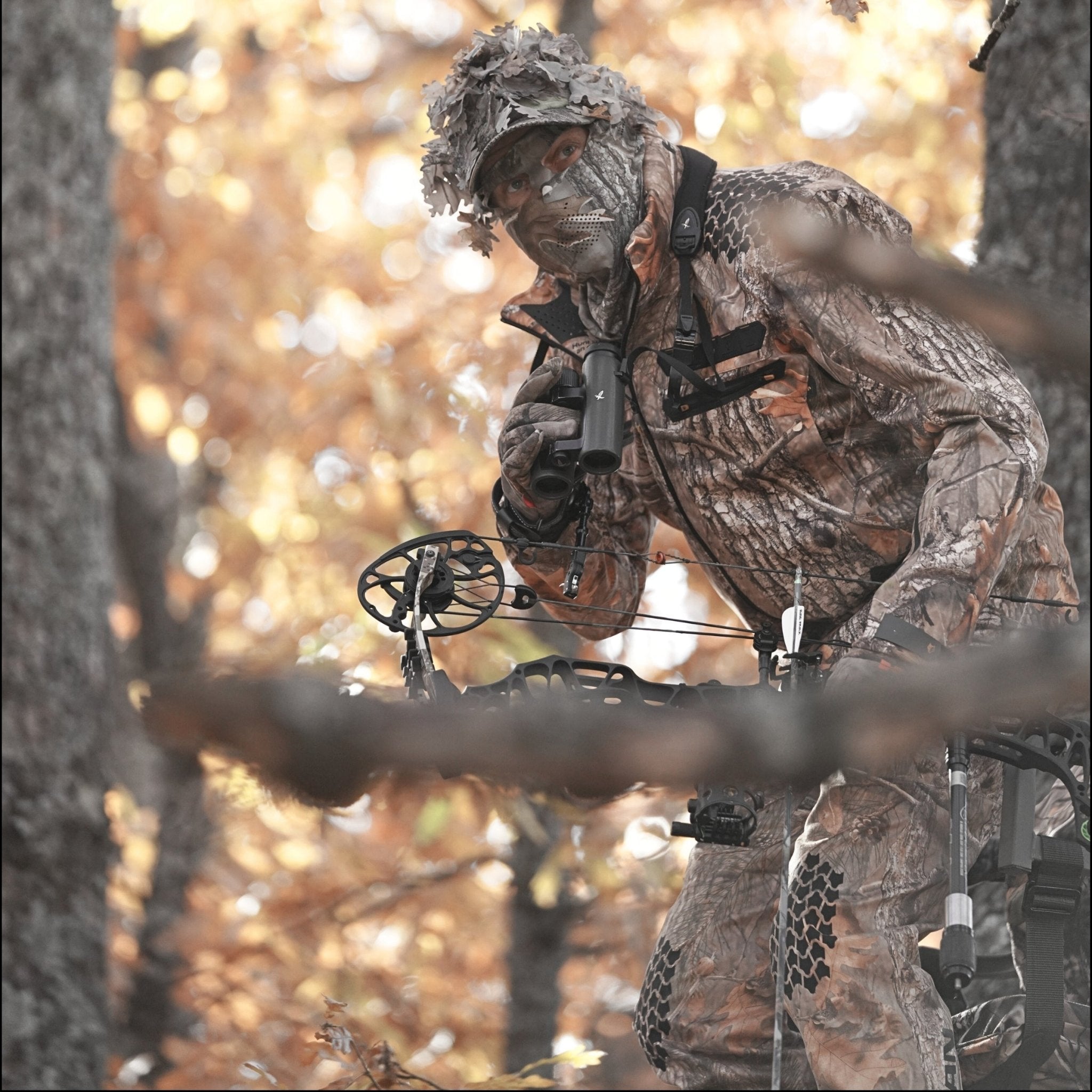
That is why the setup matters so much. Sit where you can see, but keep cover behind you. Keep the gun ready without moving too much. The bird you kill at midday may never gobble once inside 100 yards.
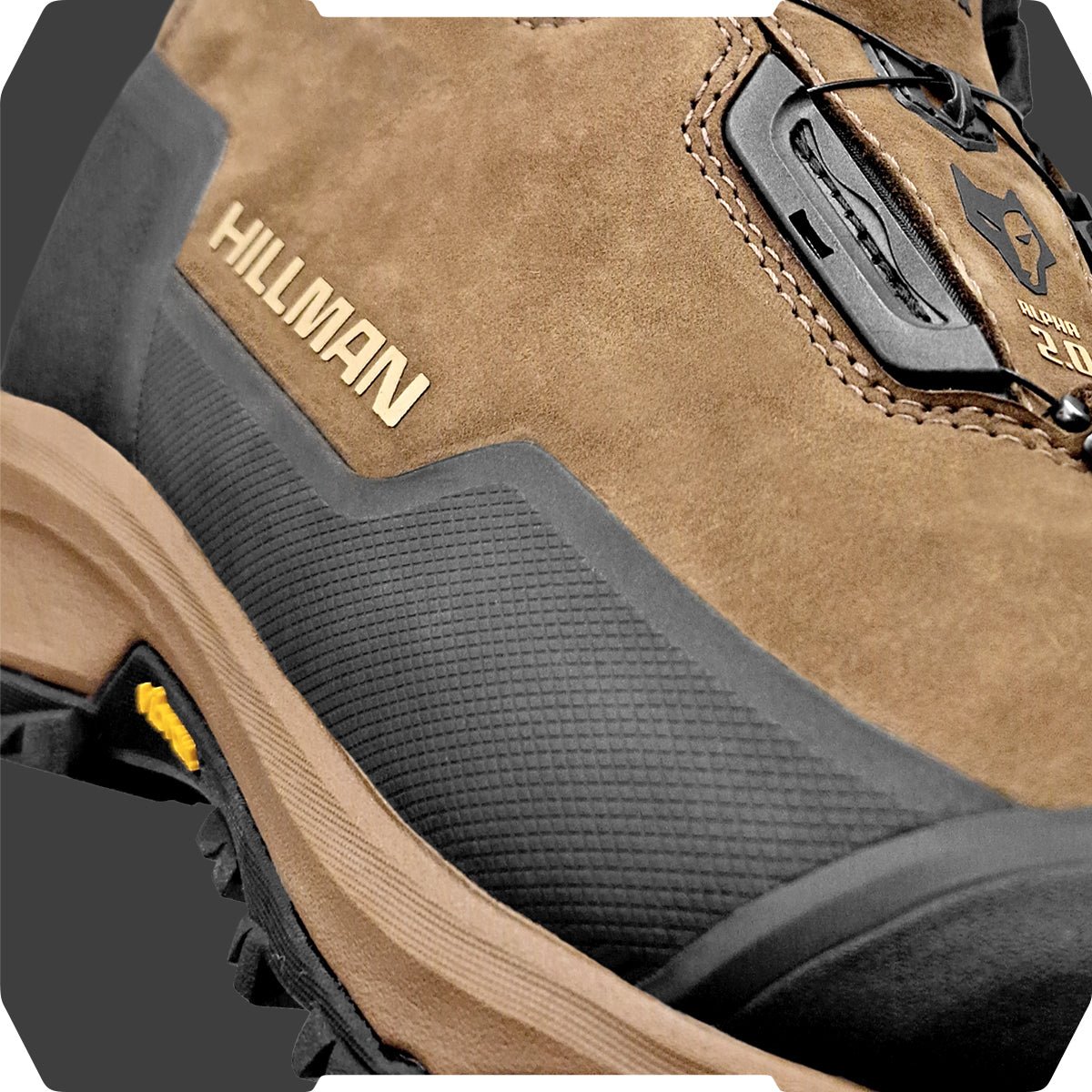
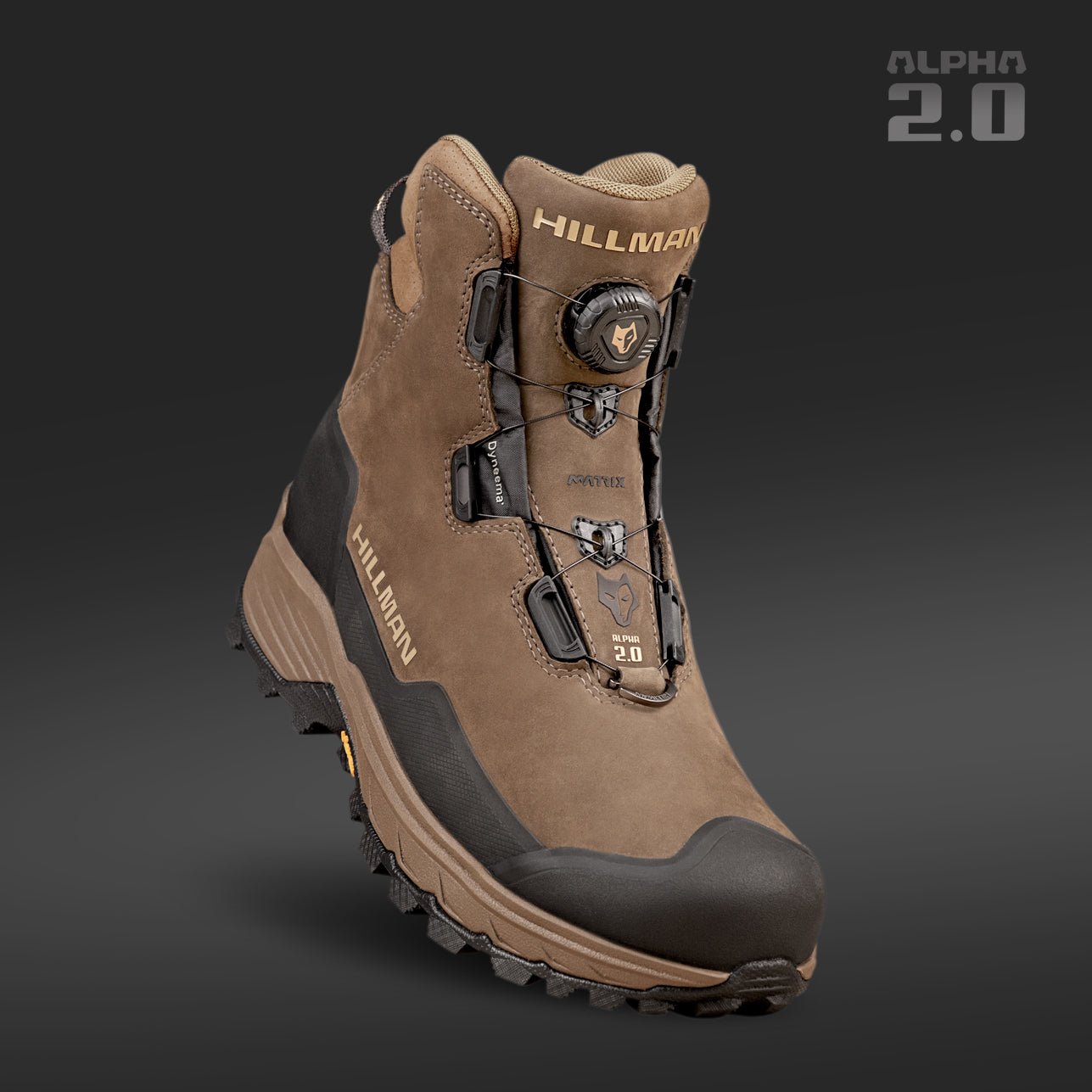
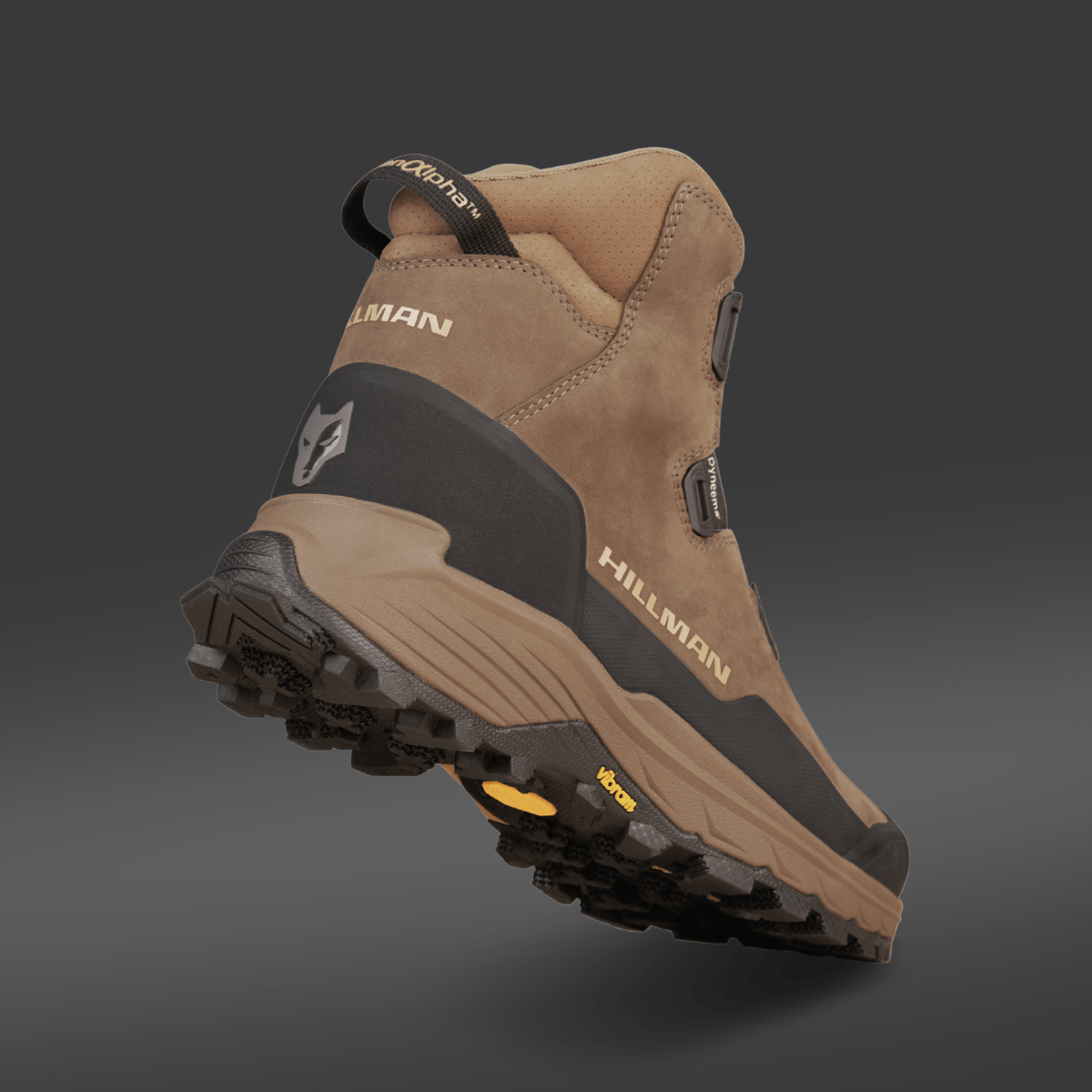
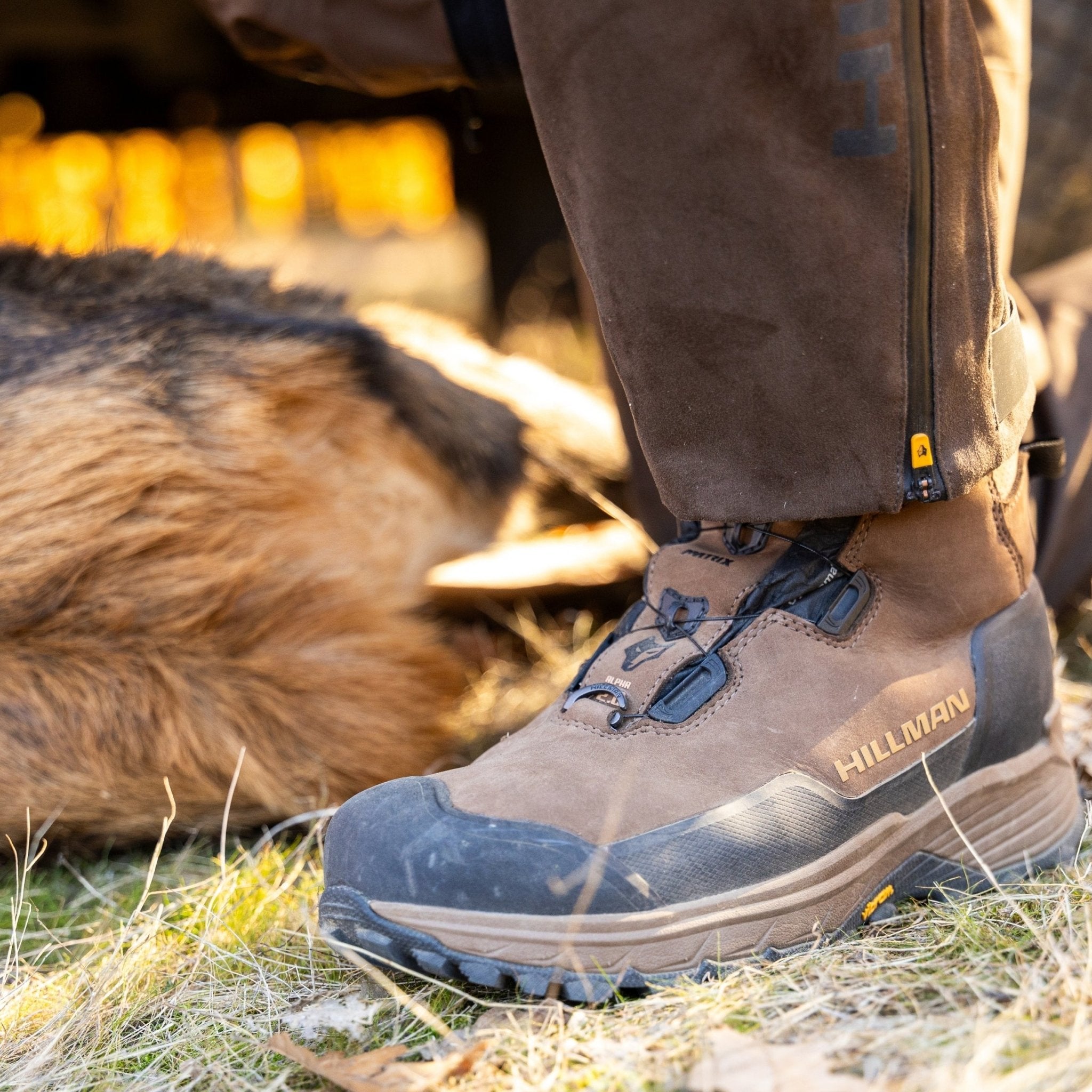
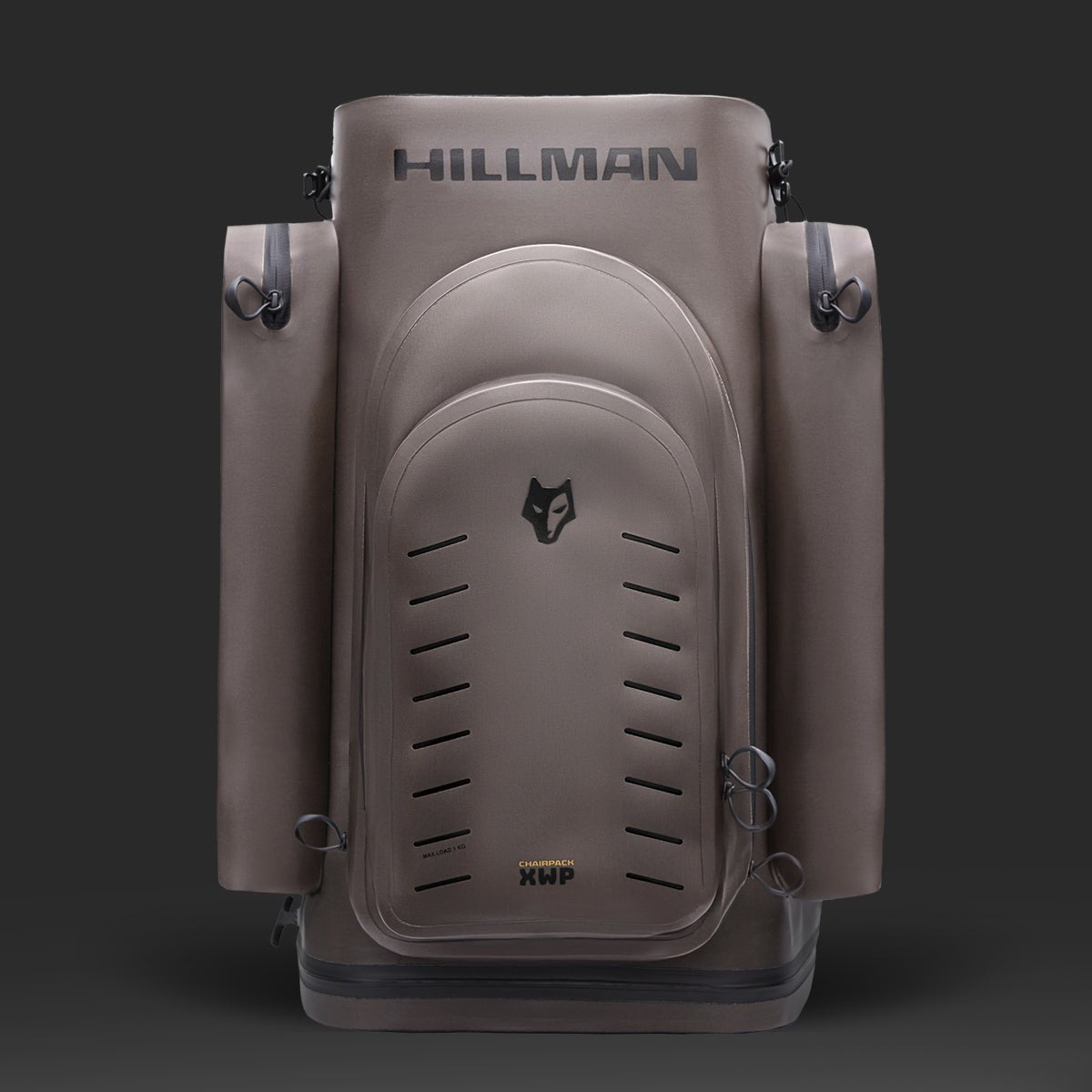
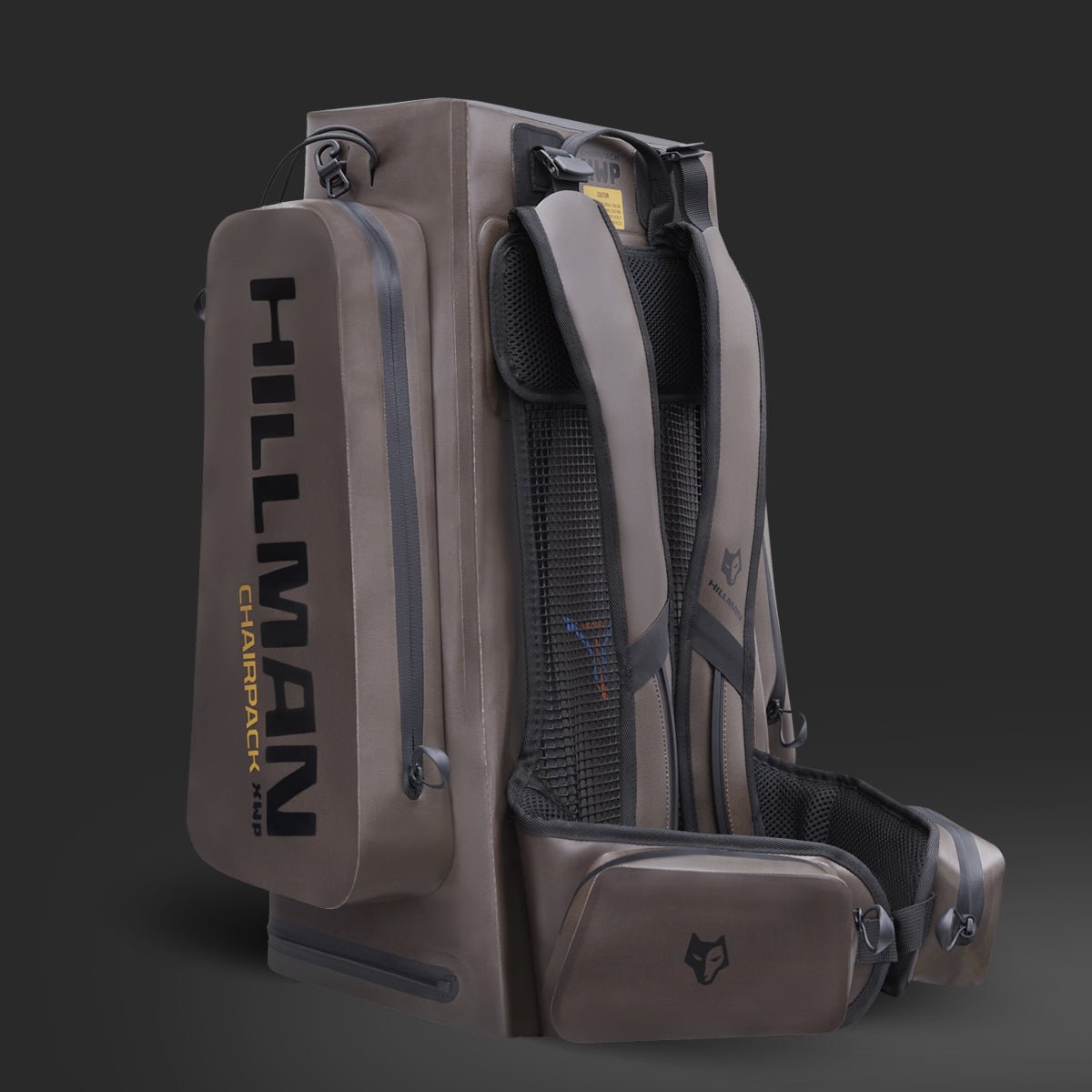
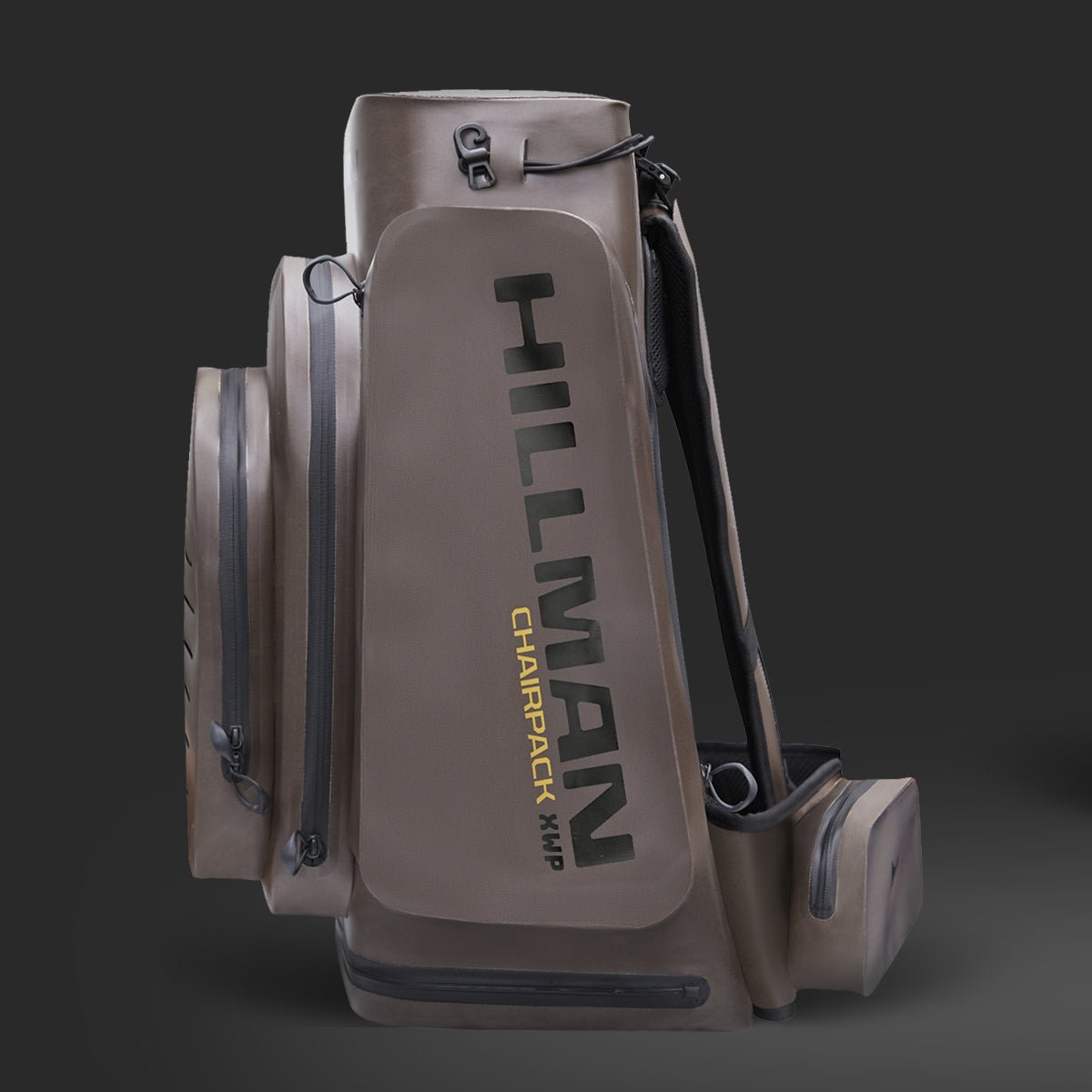
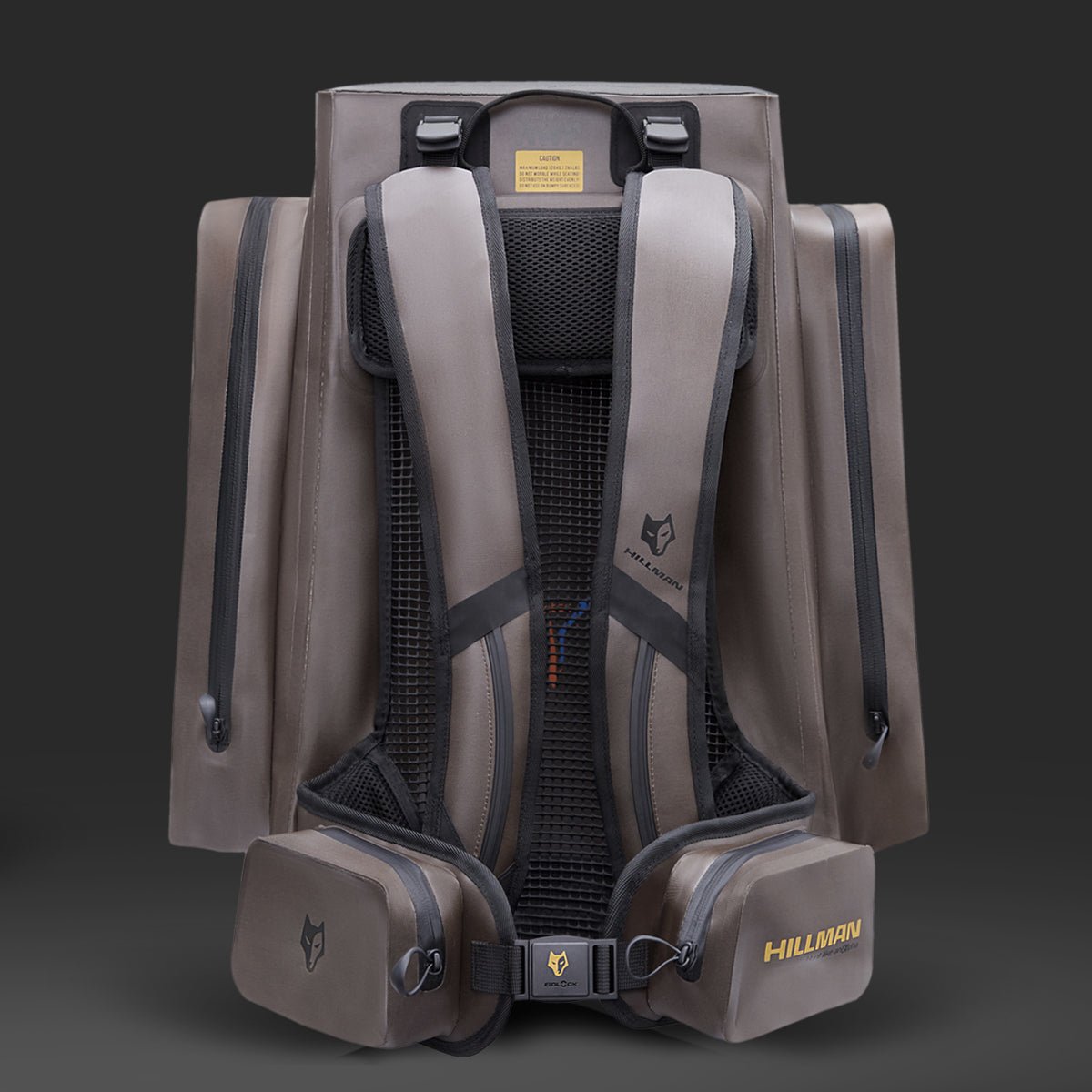
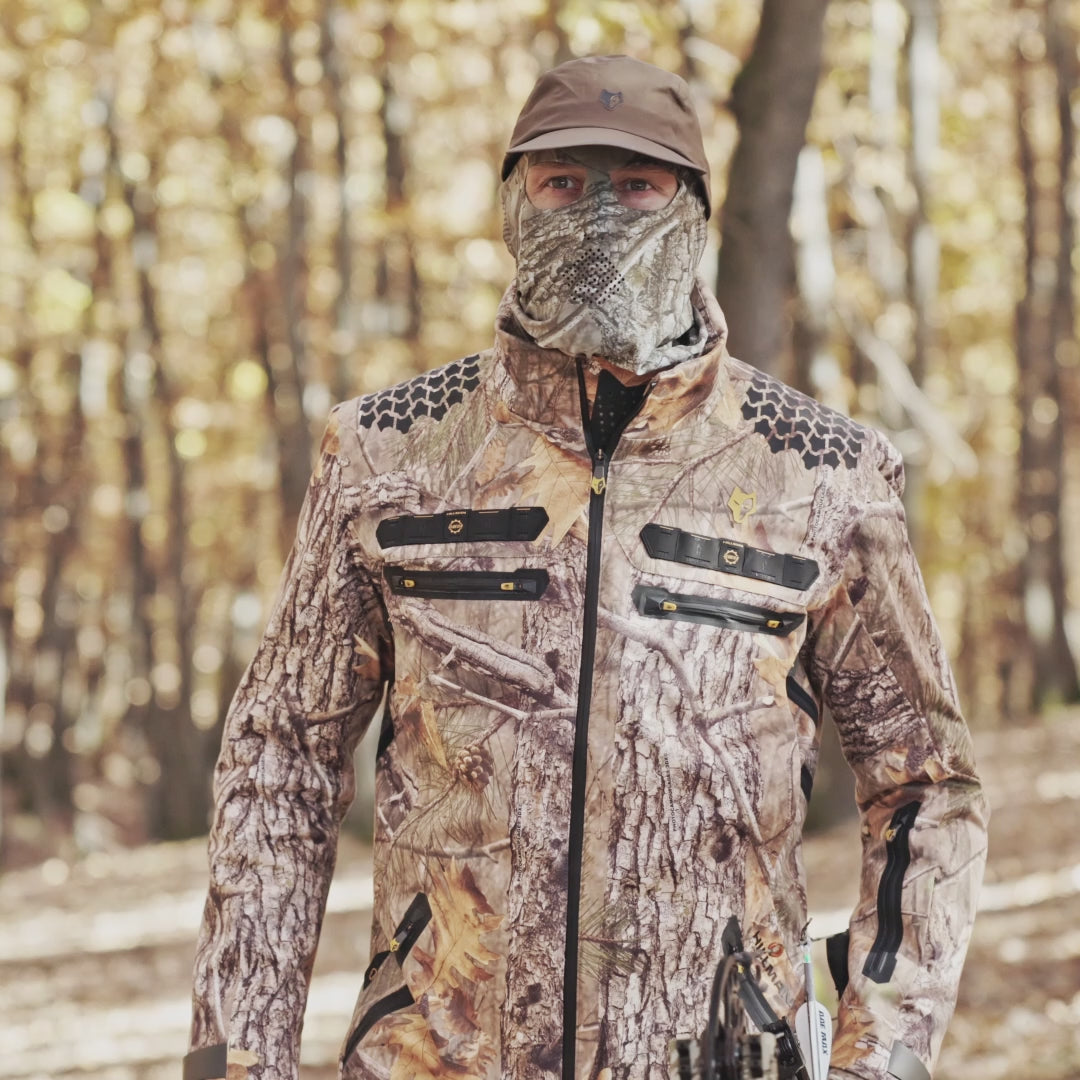
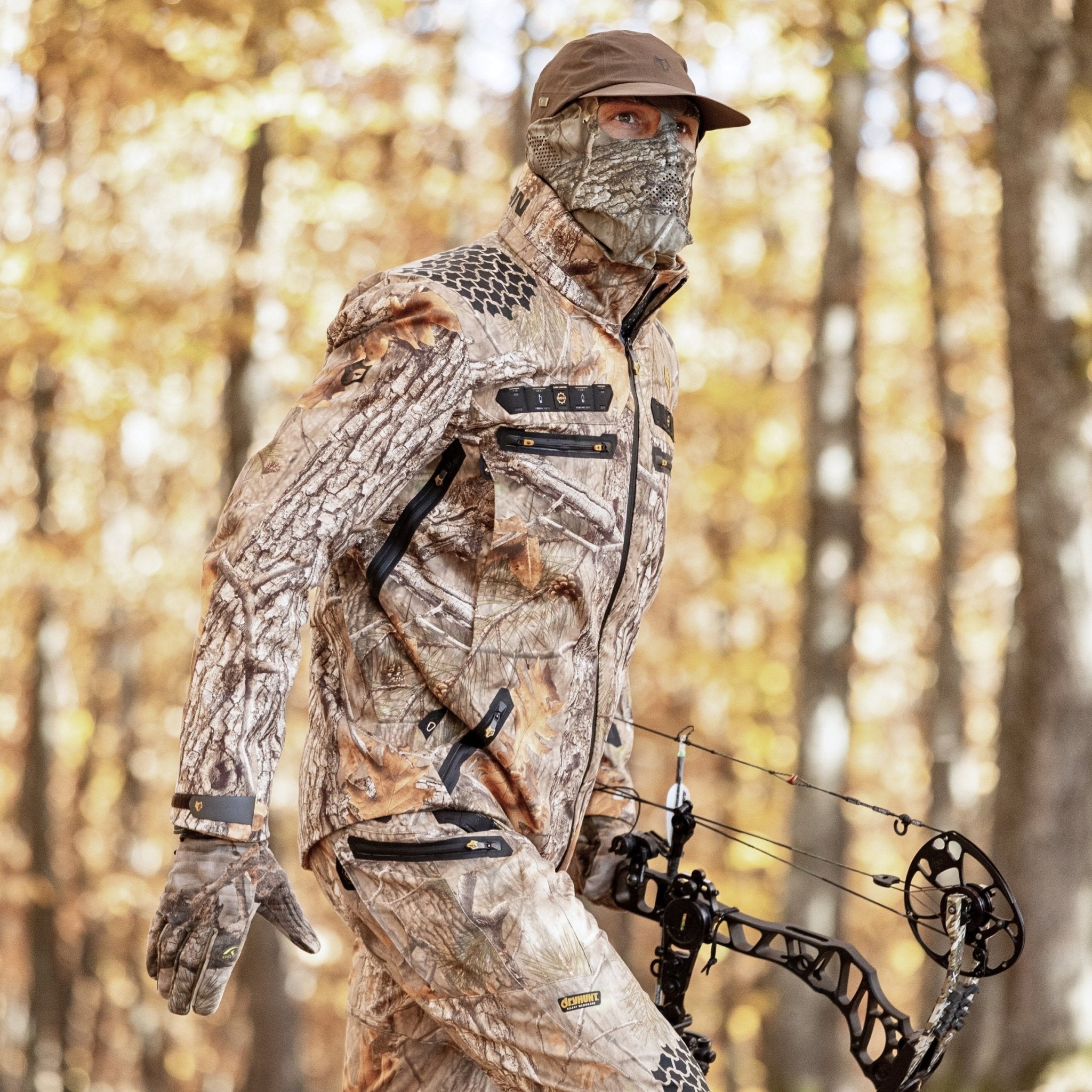
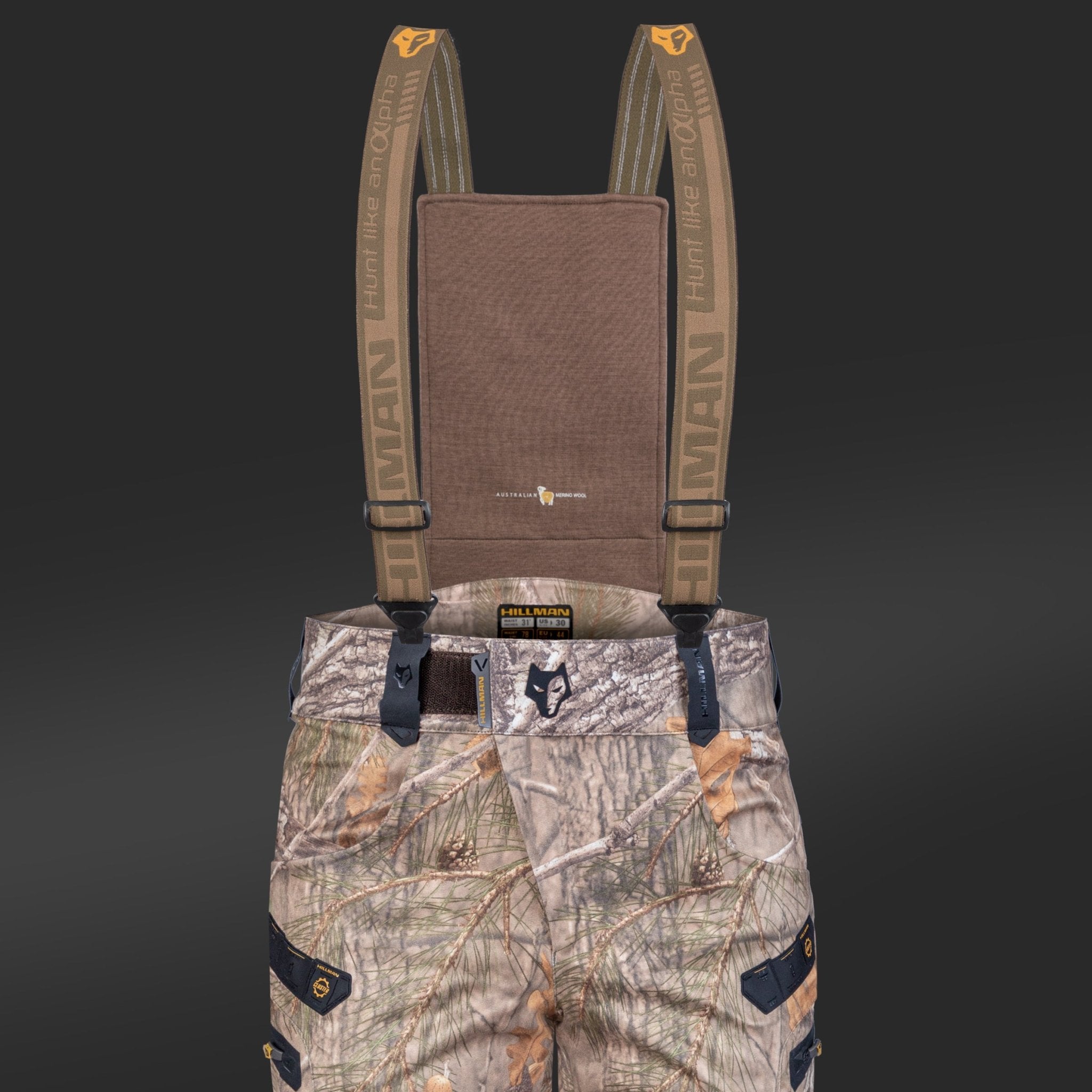
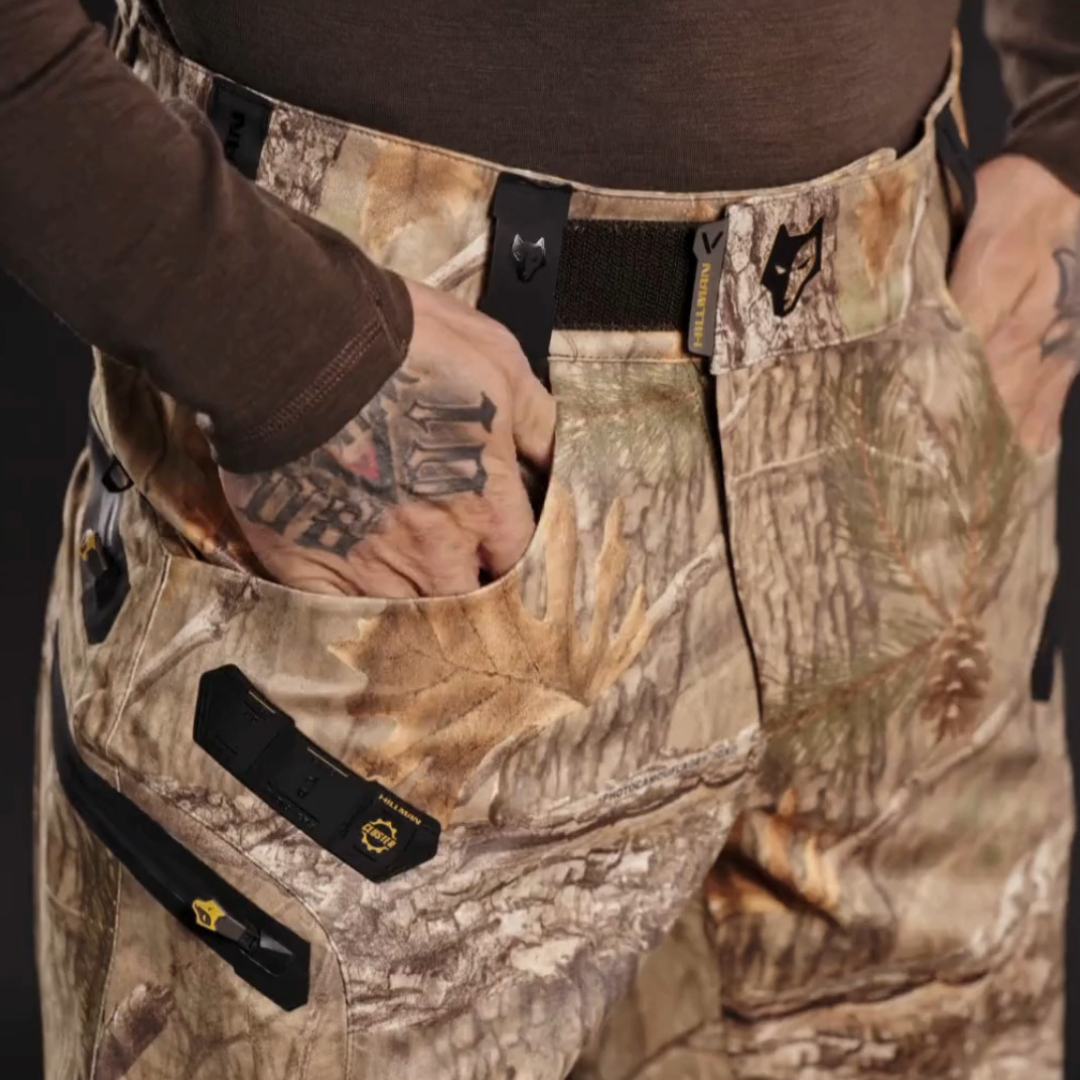
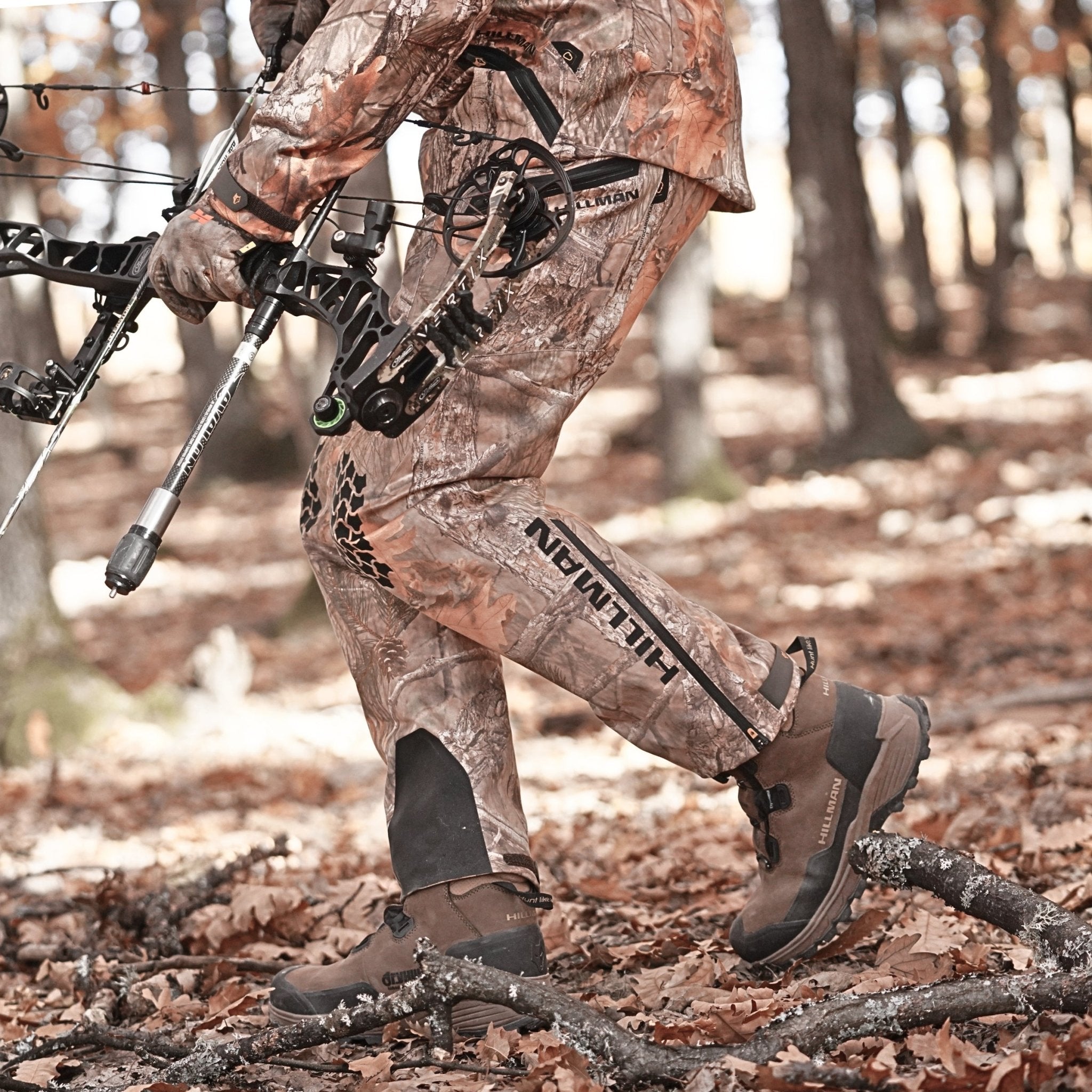
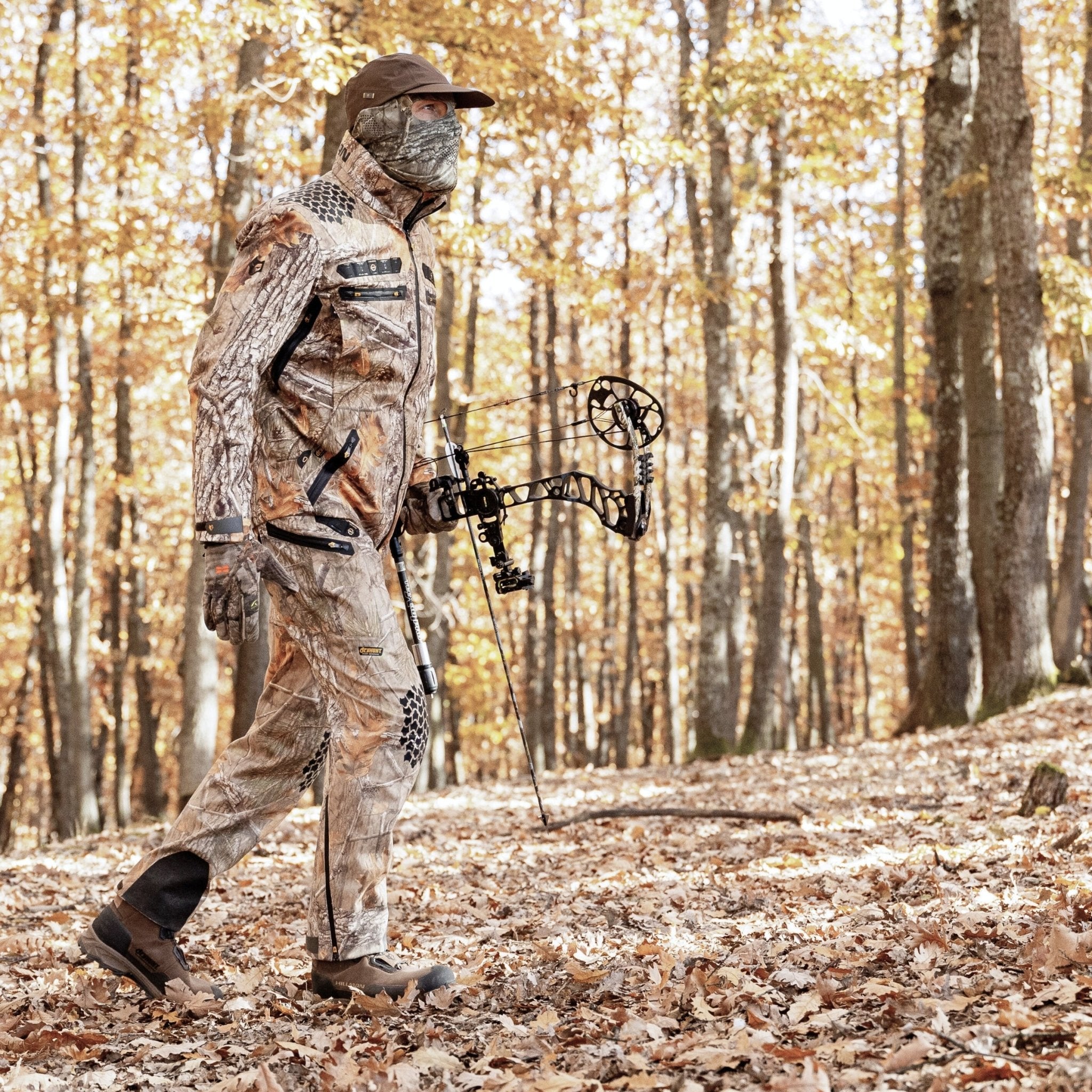
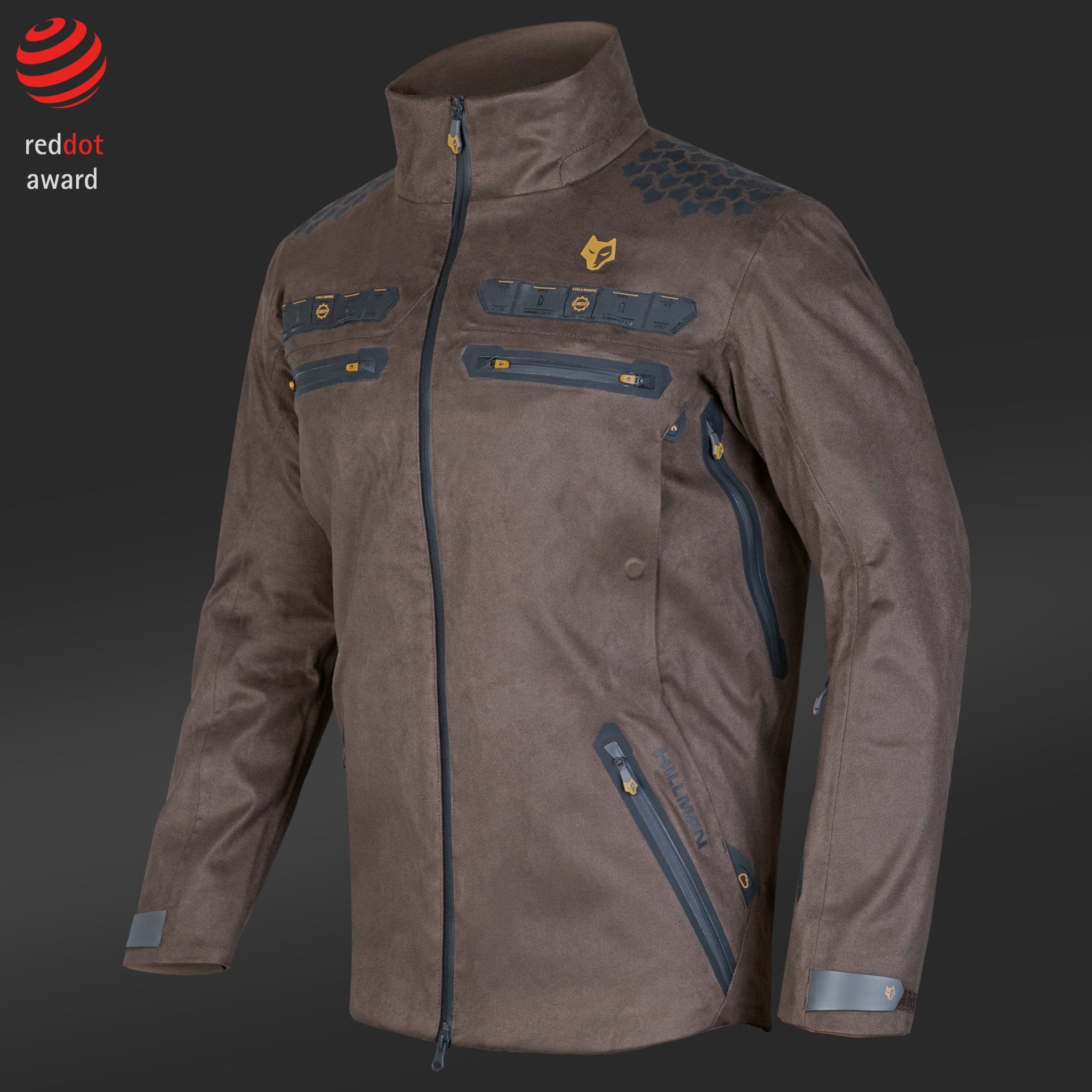
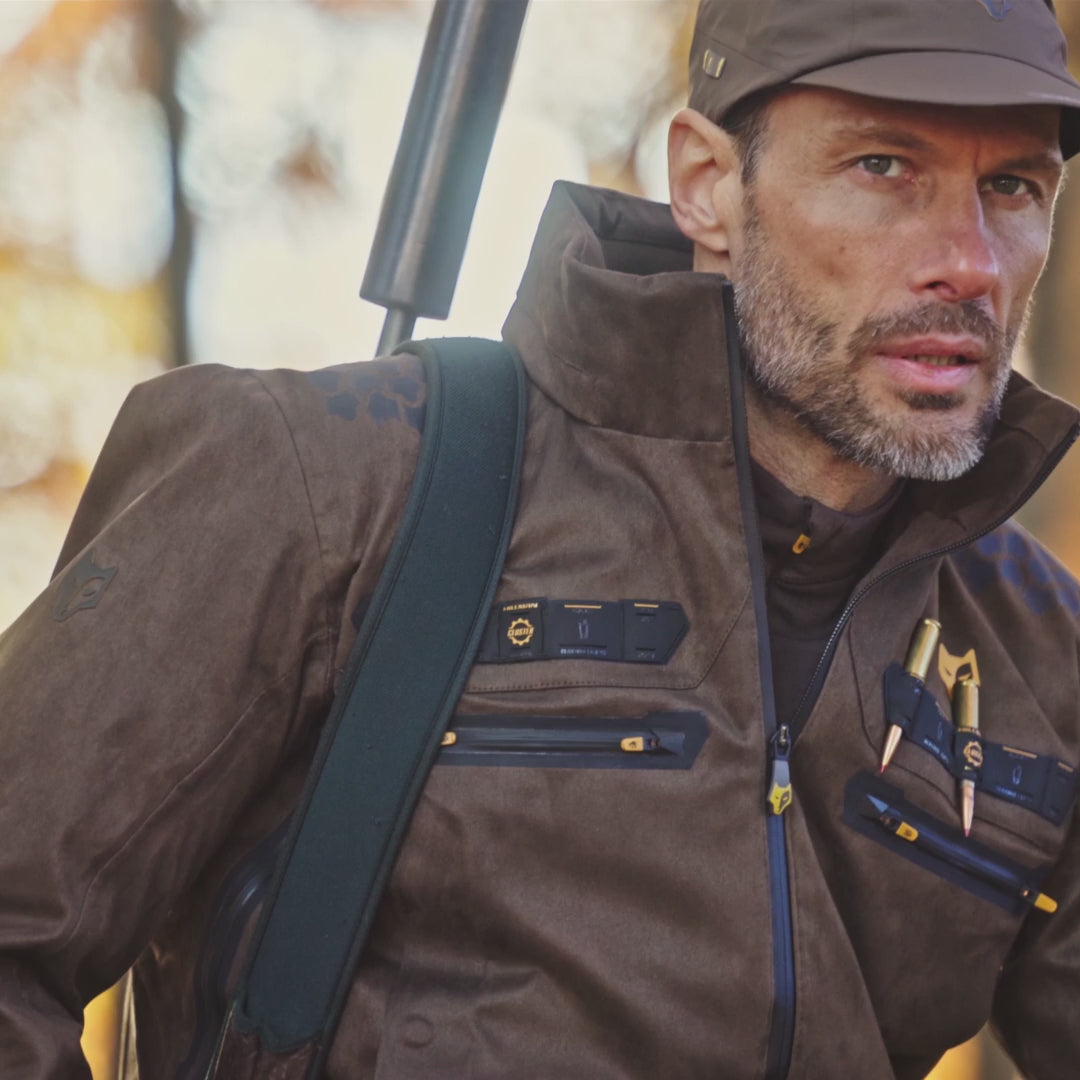
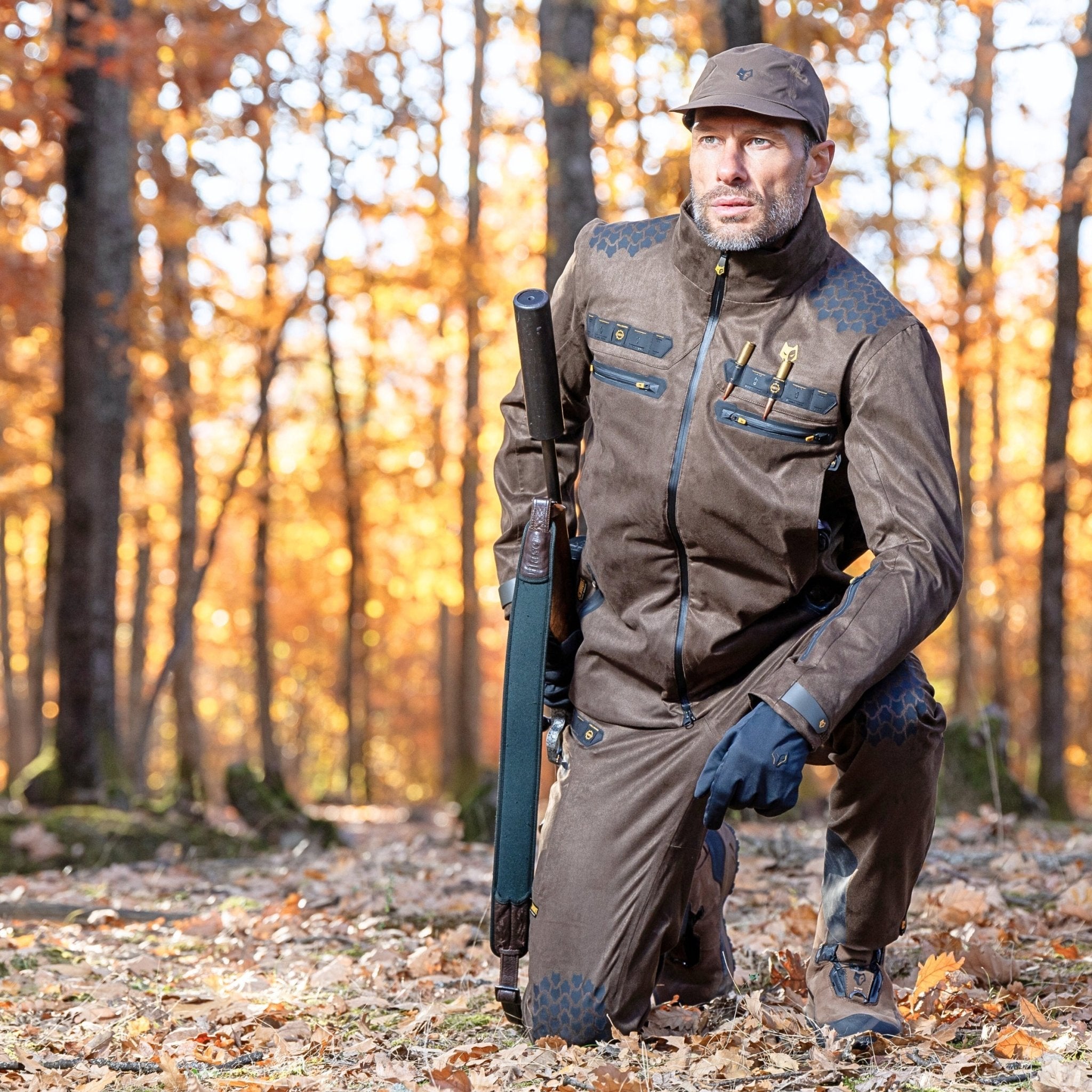
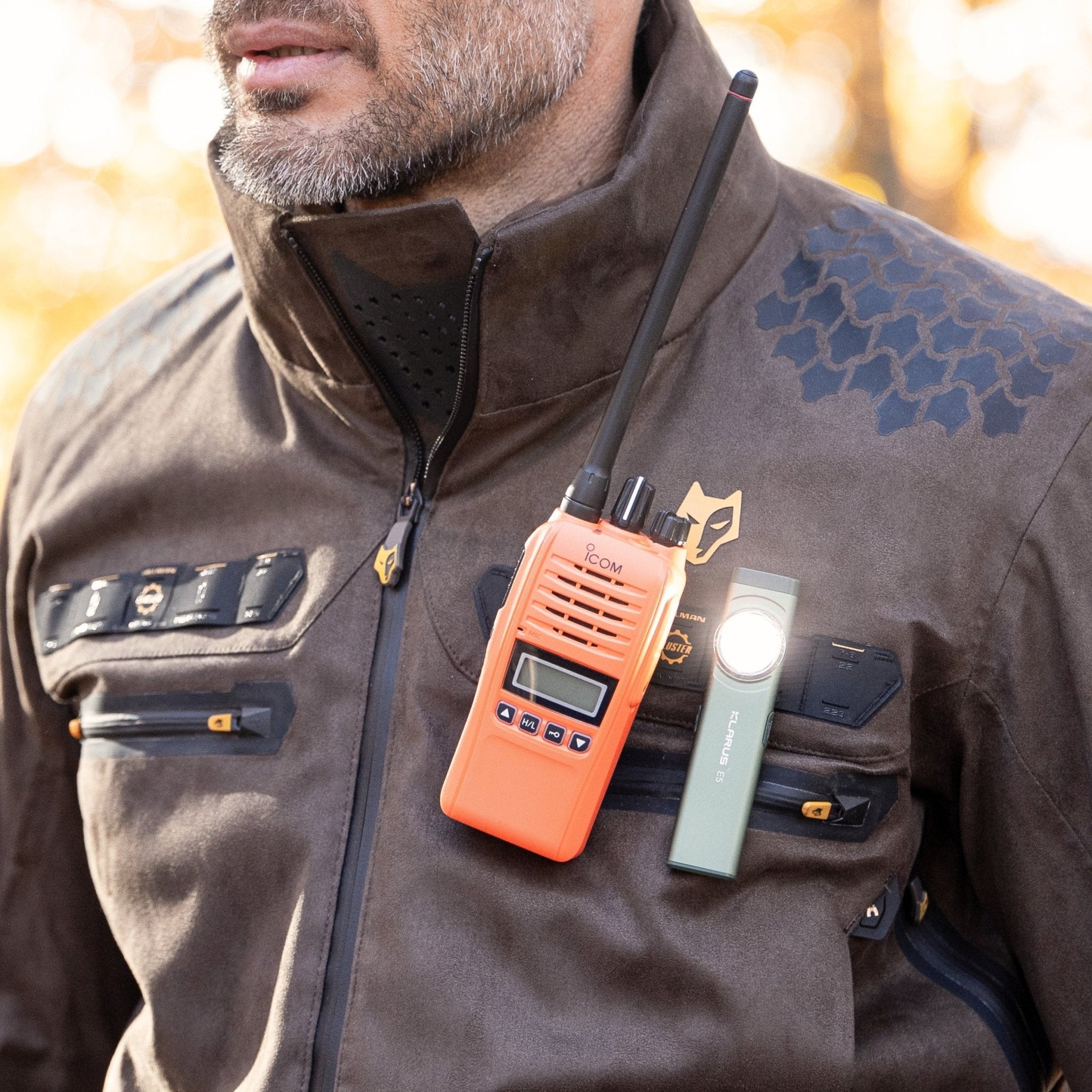
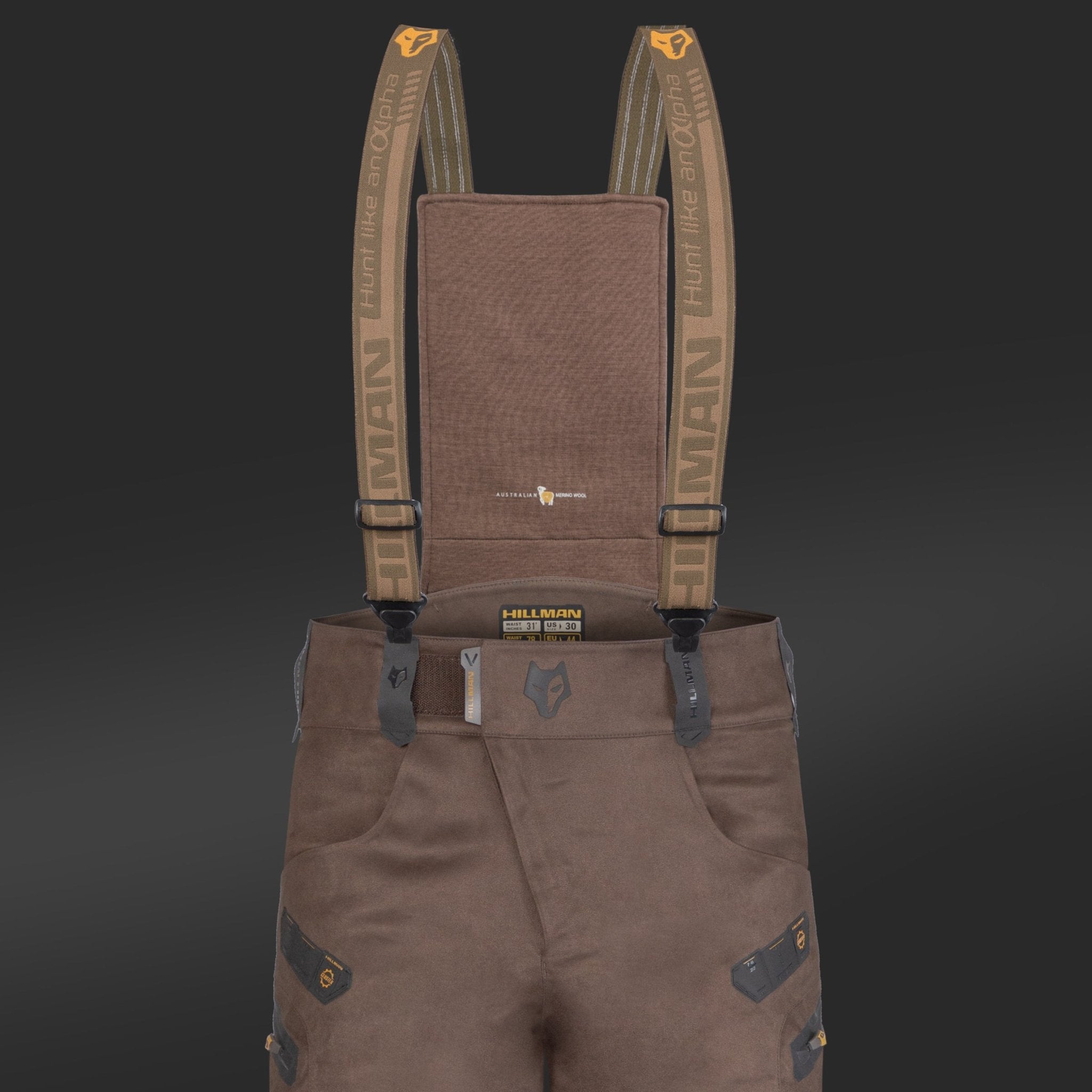
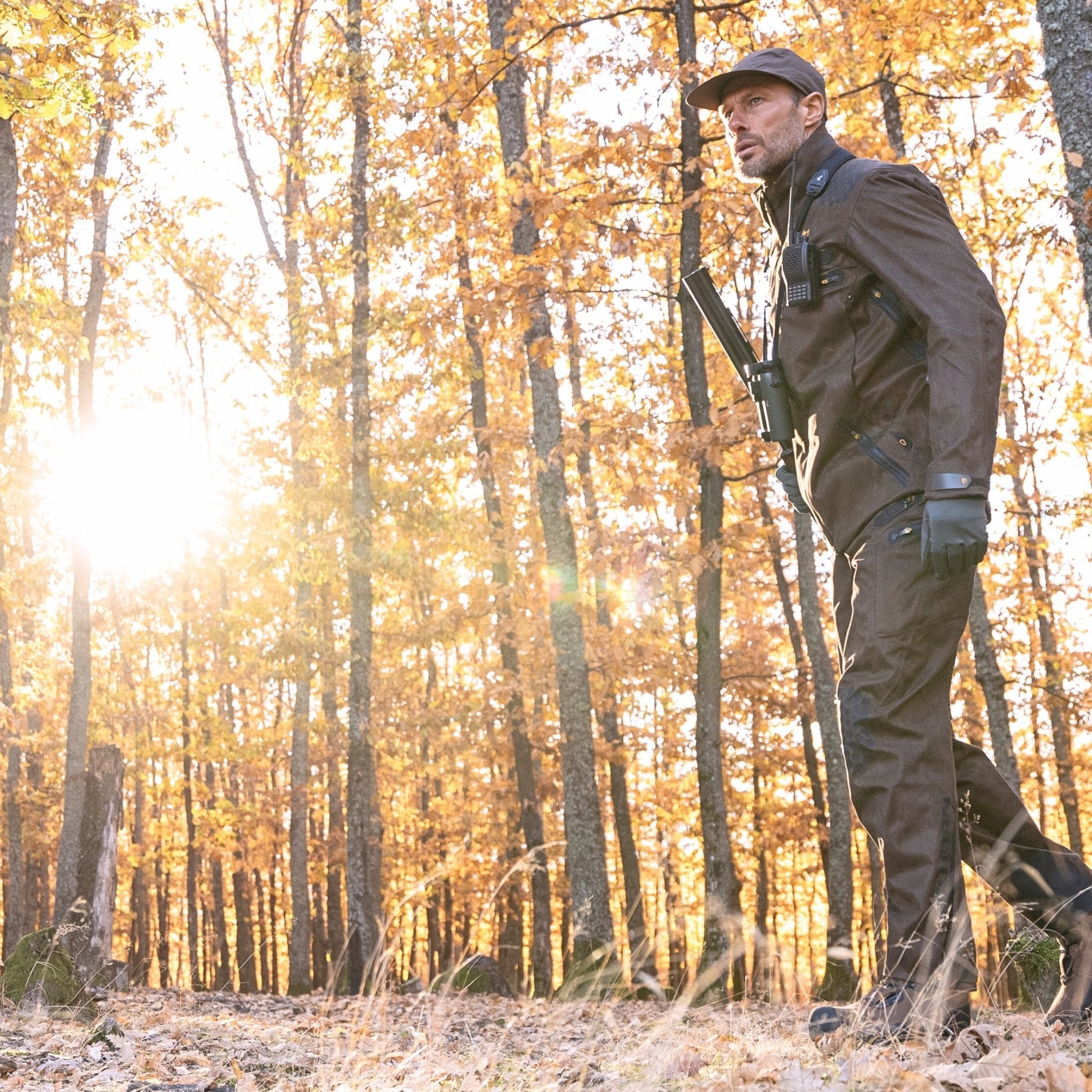
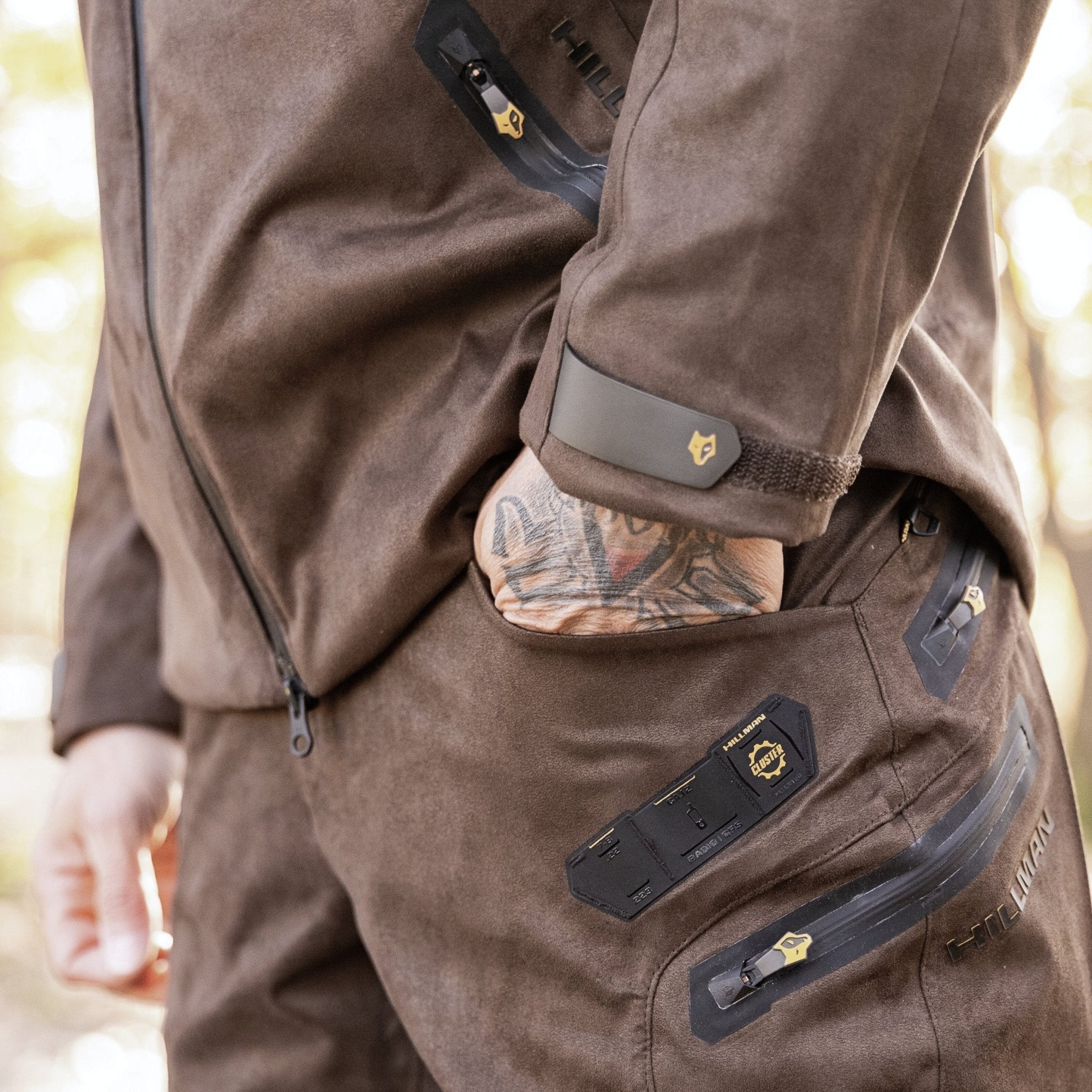
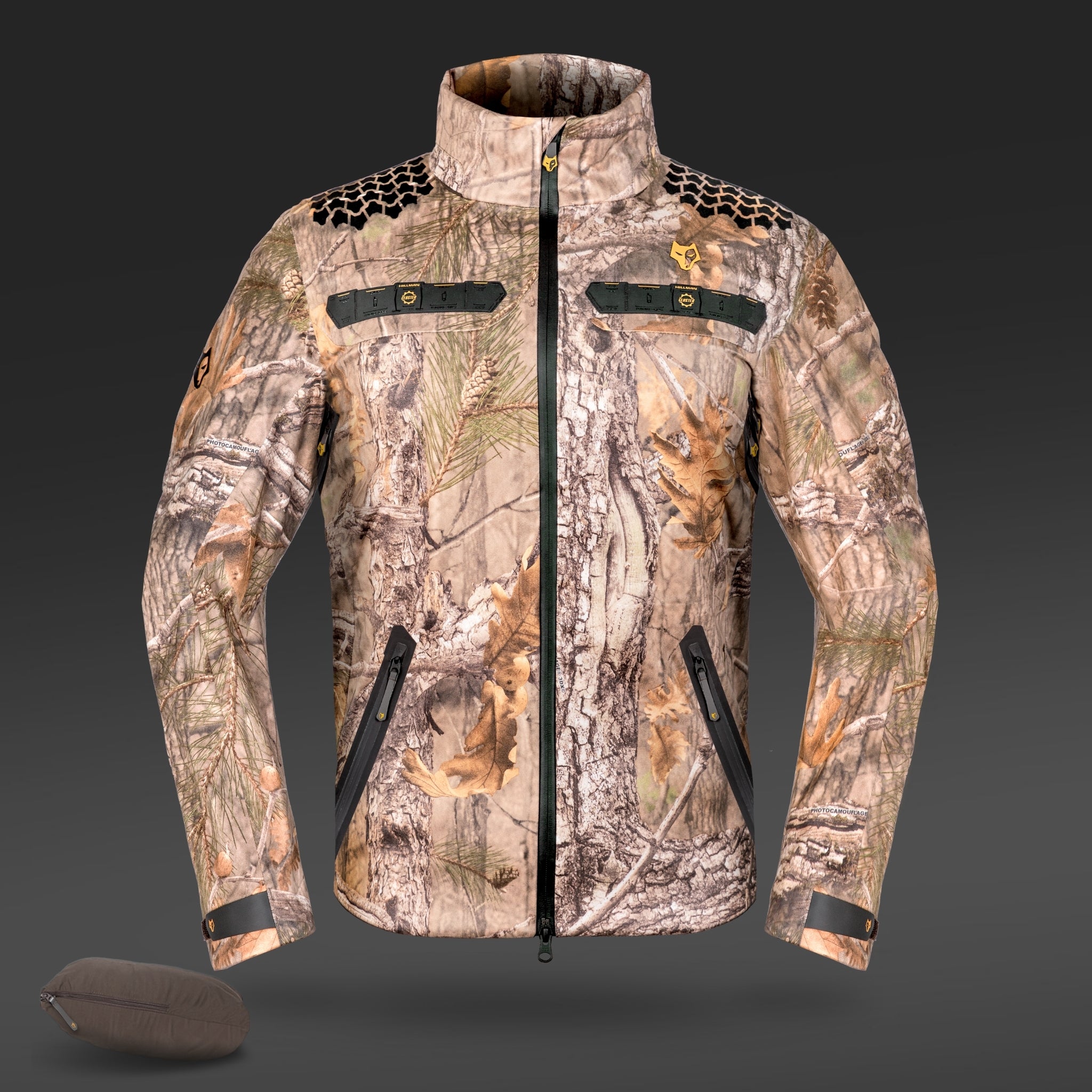
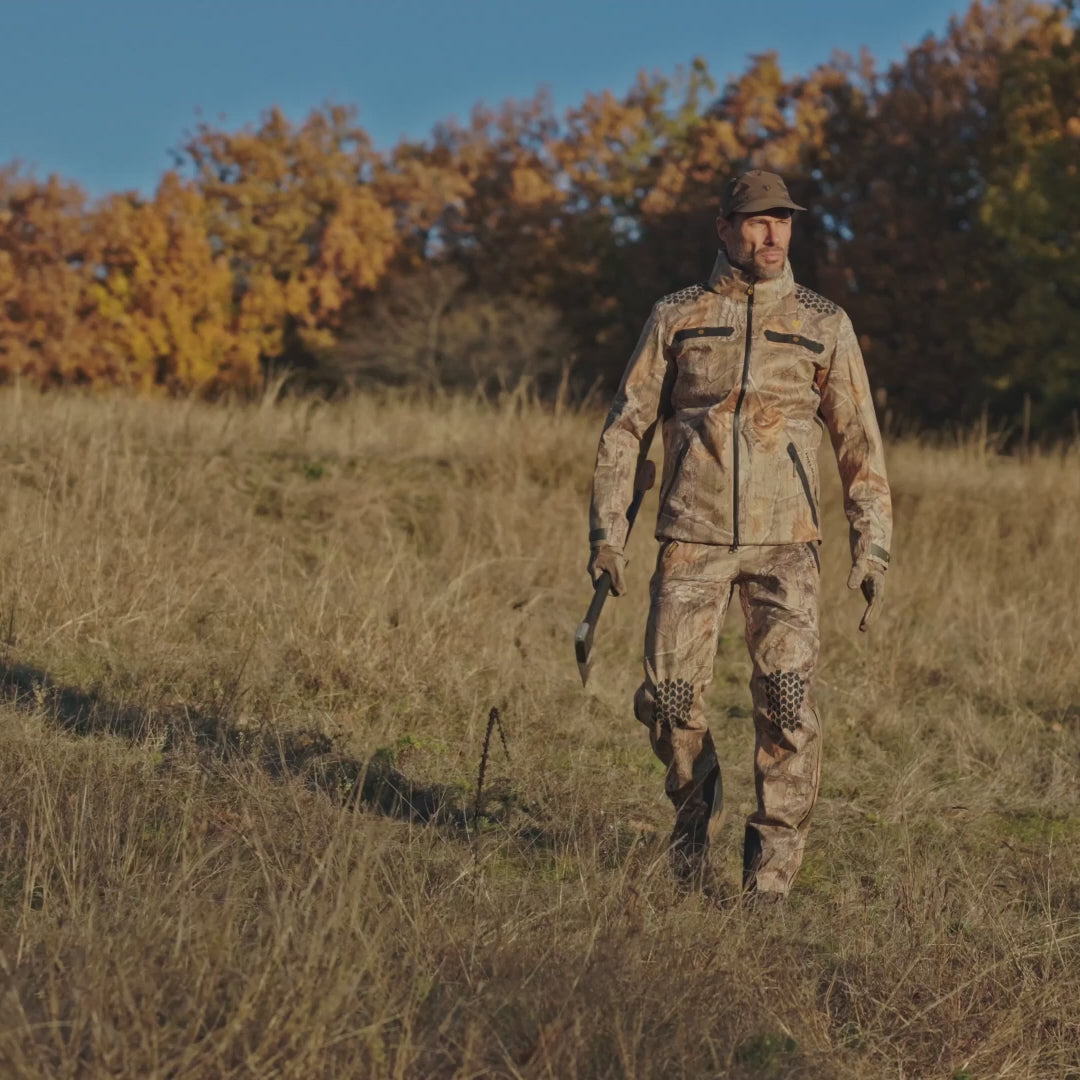
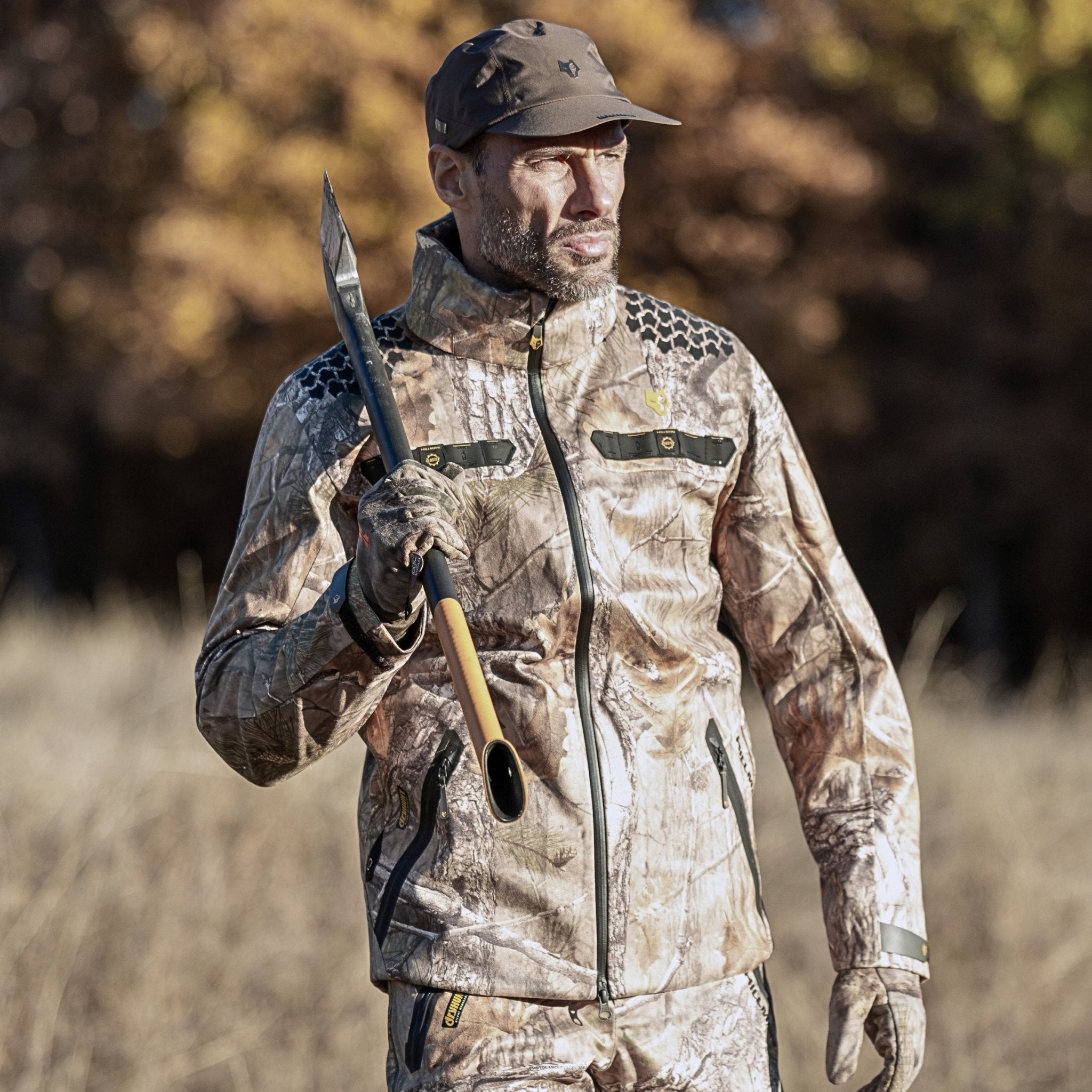
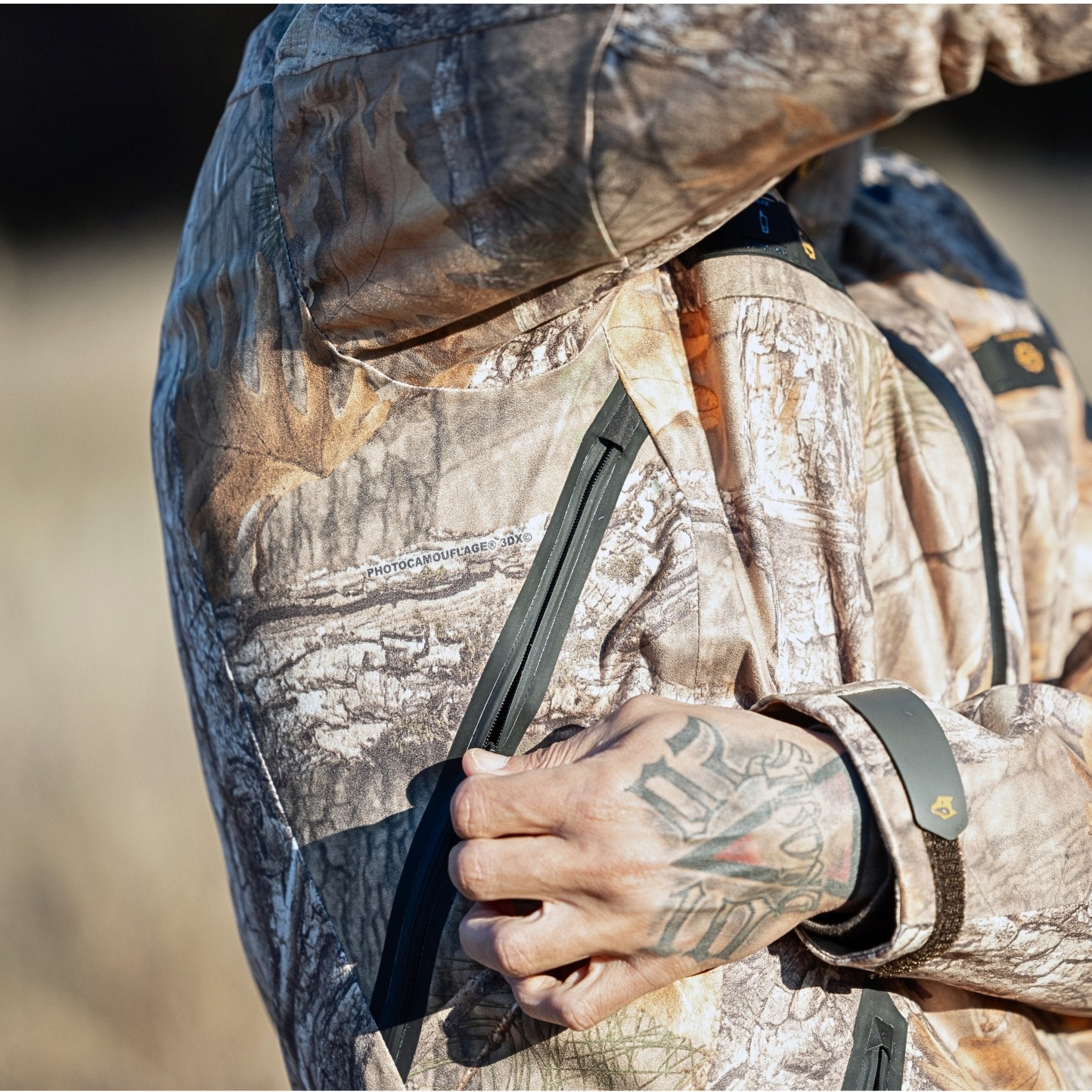
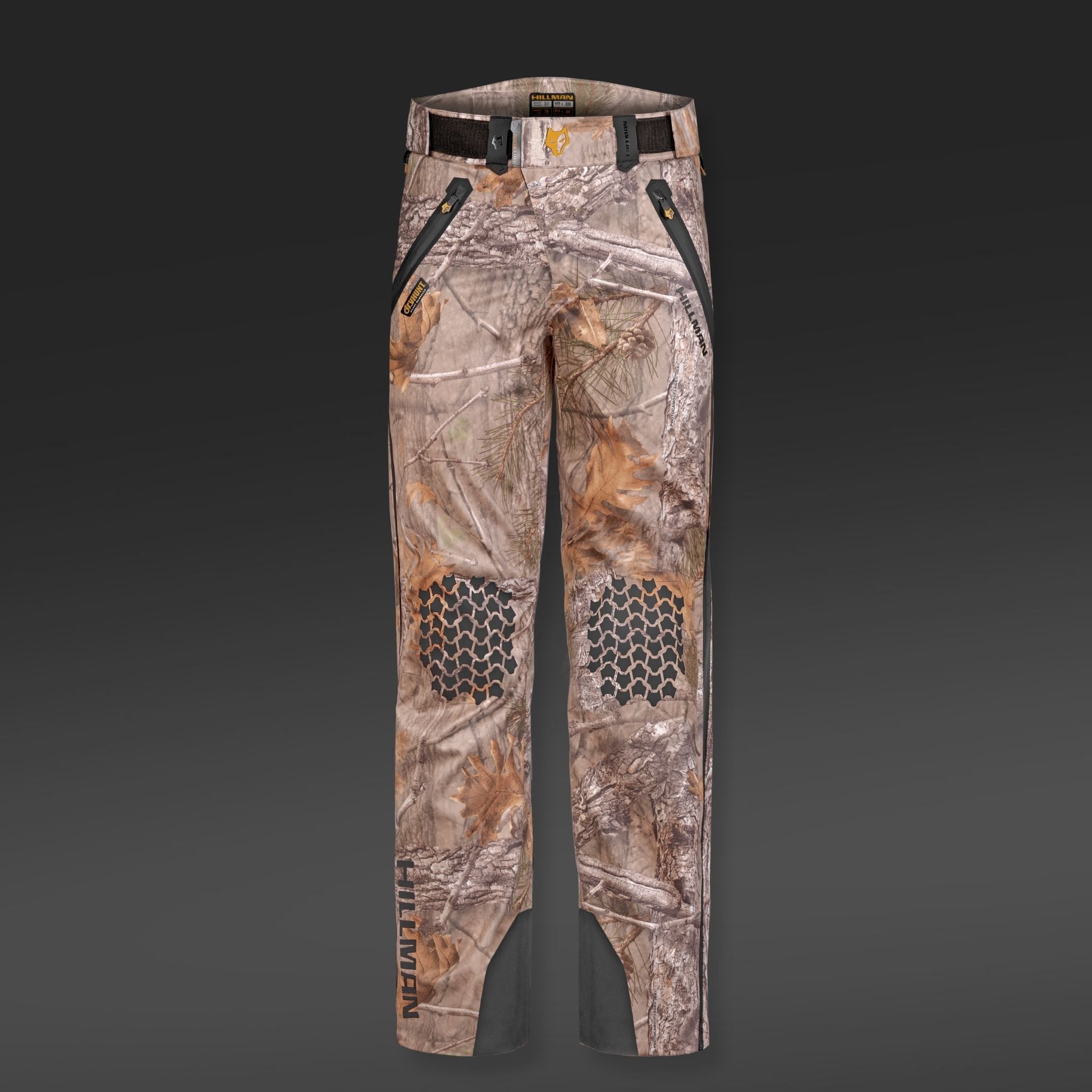
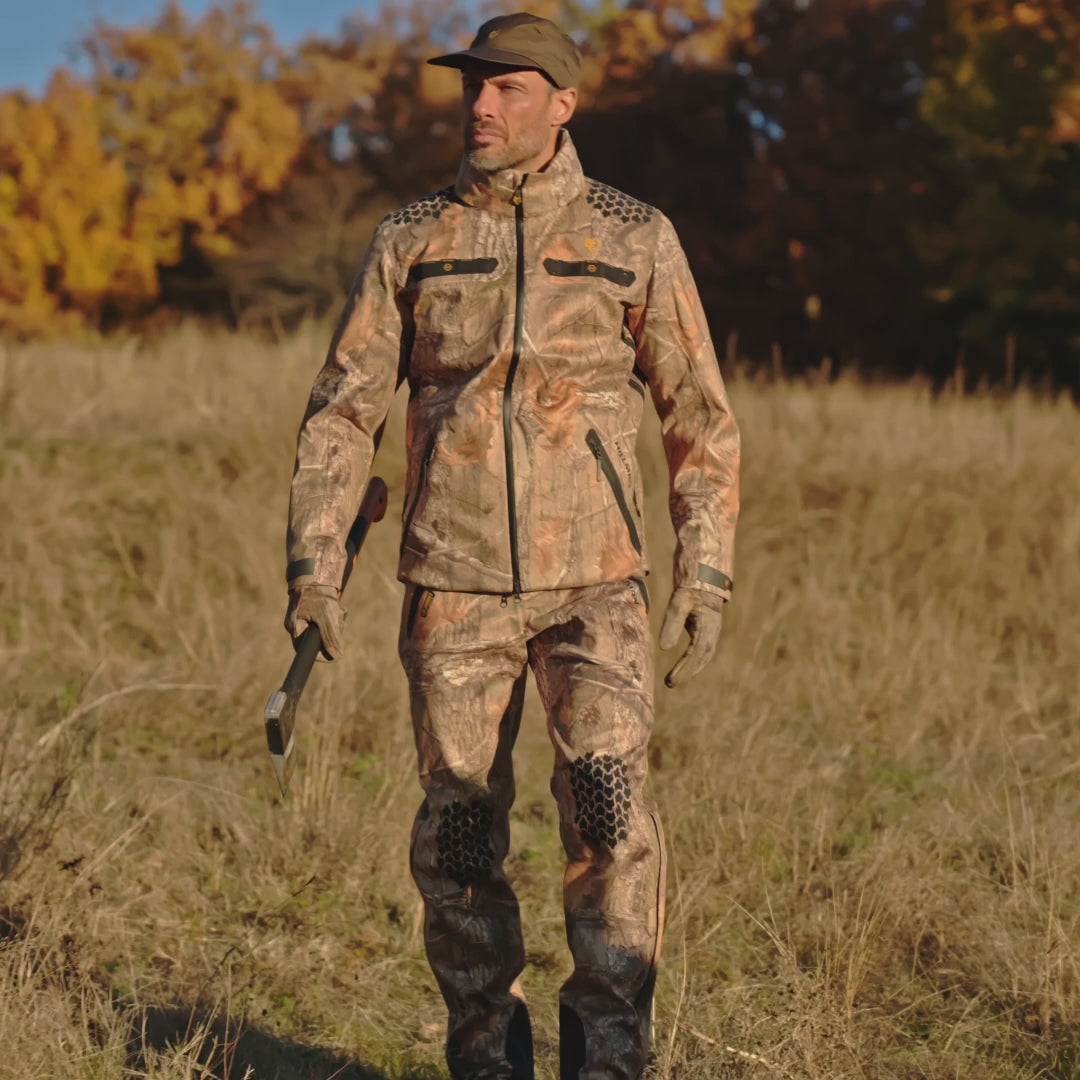
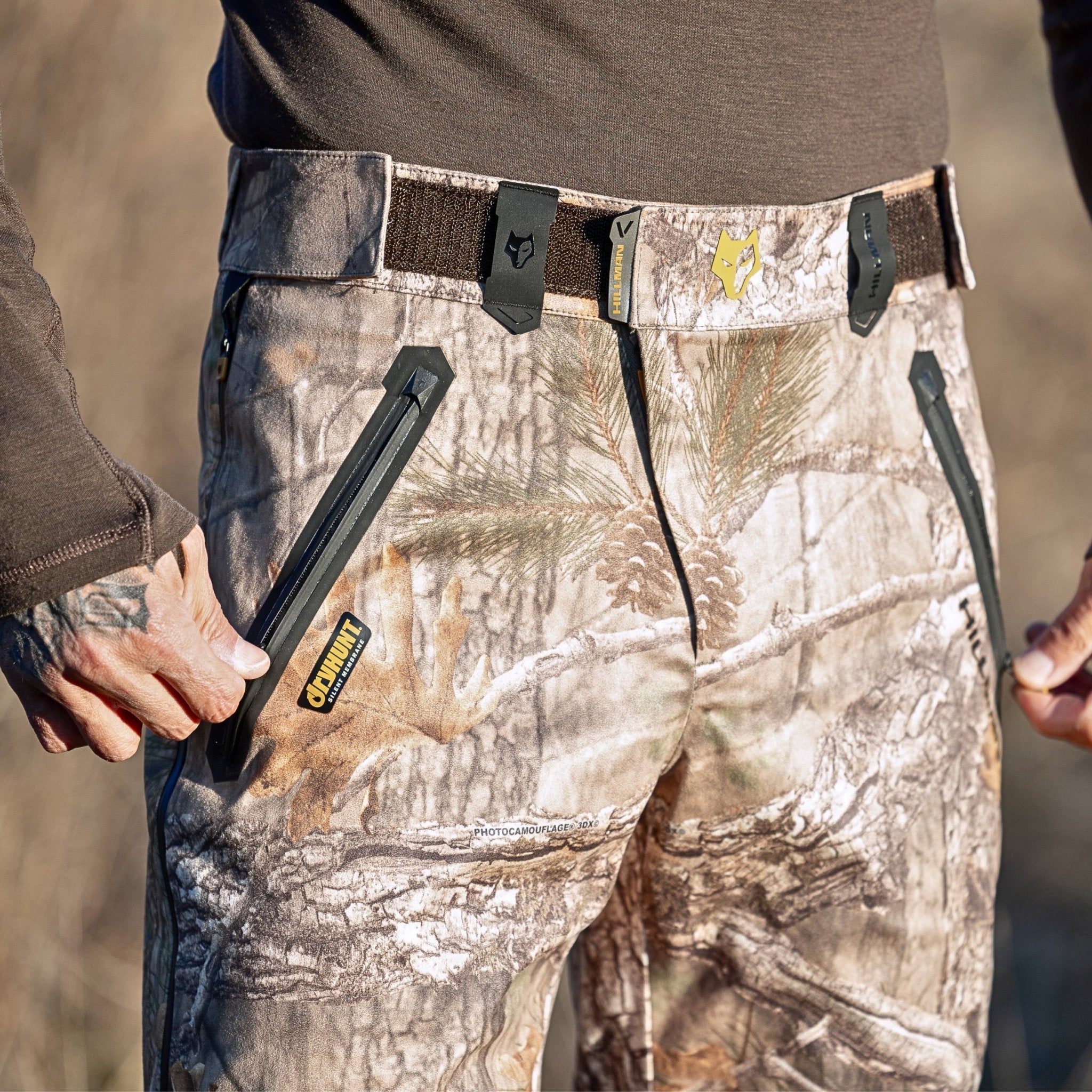
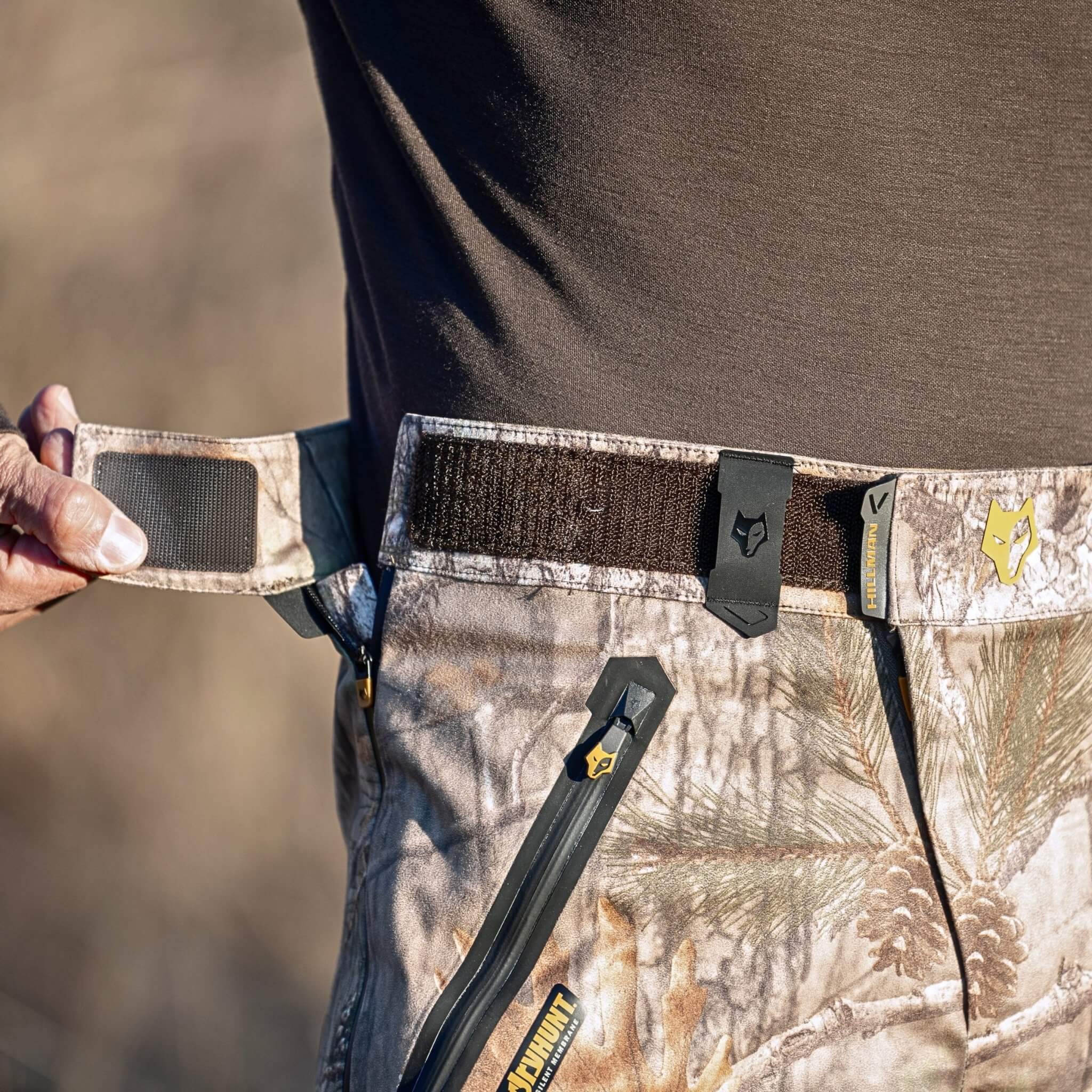
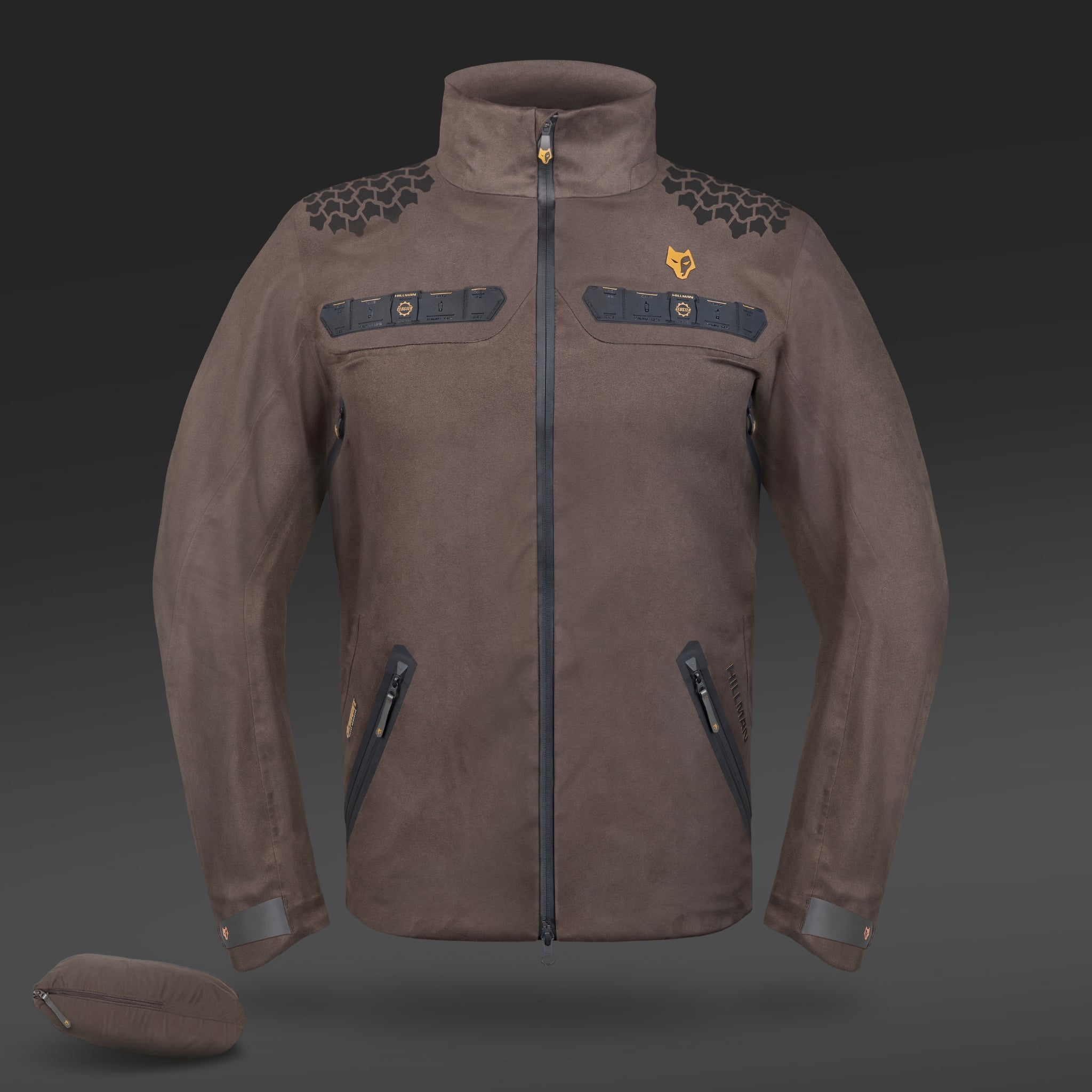
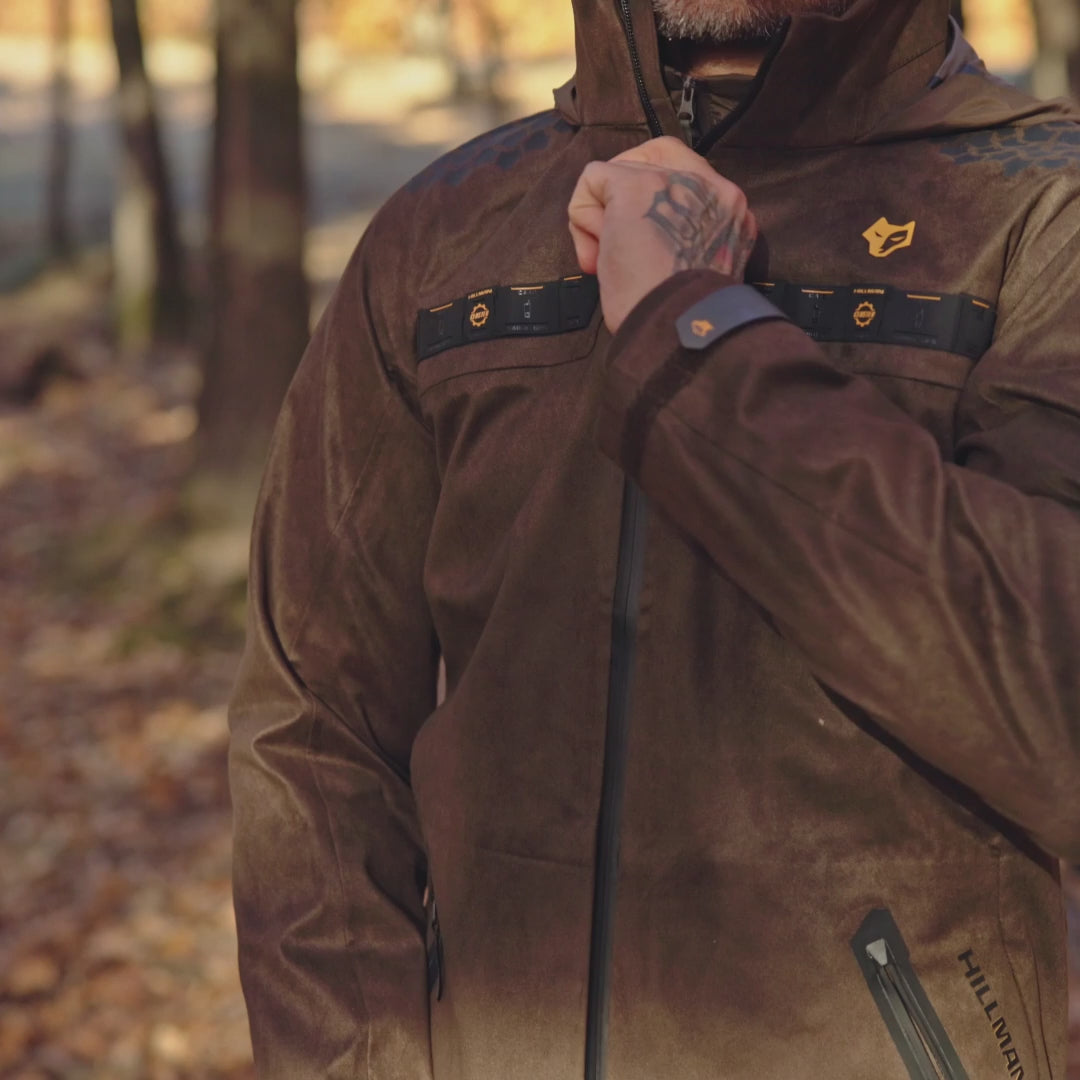
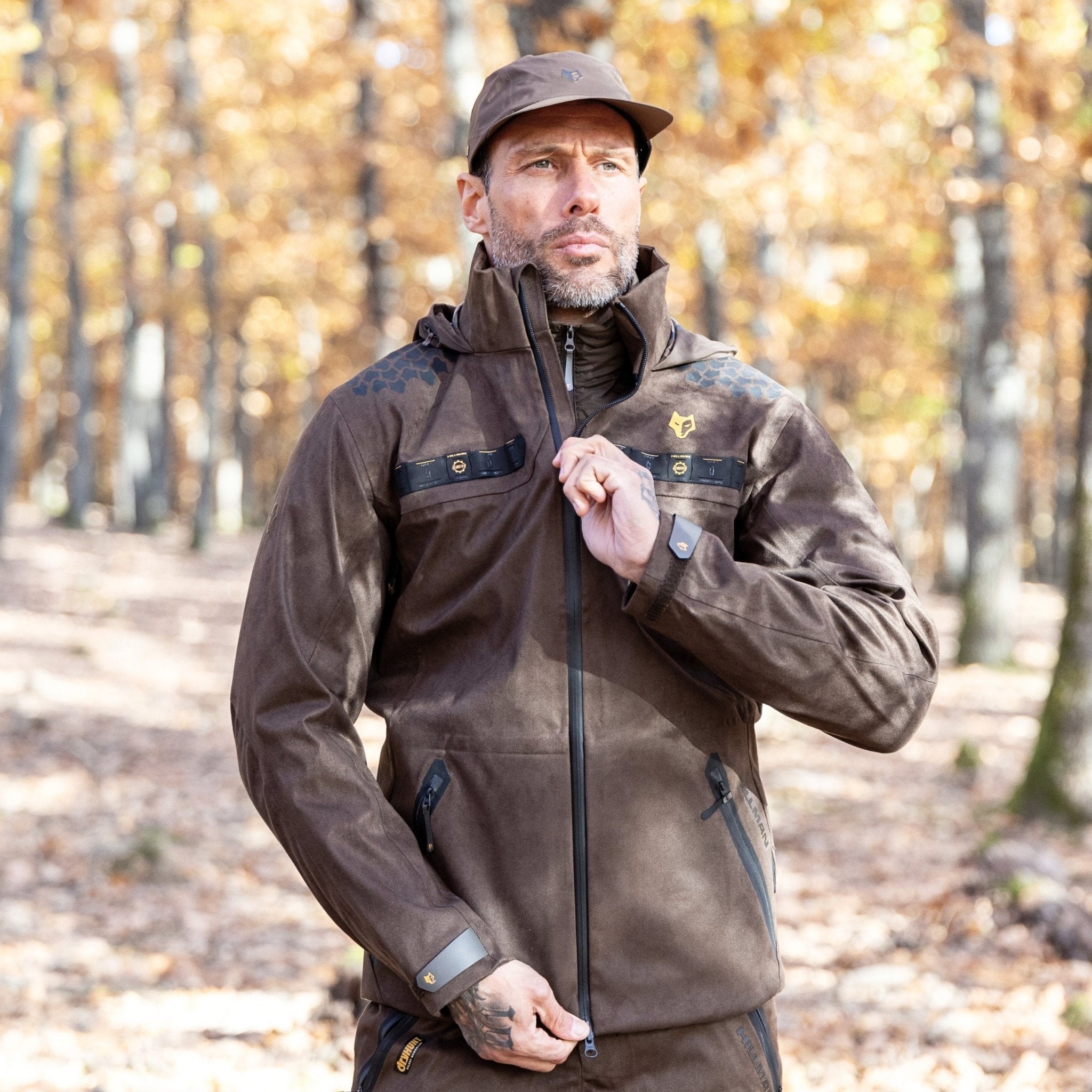
Hillman gear can help you stay settled through those slow hours, but the real tactic is discipline. The hunters who hang in the right spot often beat the hunters who keep chasing sound.
How to Call to Silent Gobblers Without Pushing Them Away

Calling at midday is not about making the woods explode. It is about sounding like a hen that is relaxed, available, and not desperate.
Soft calling is usually better than aggressive calling when you are dealing with silent gobblers. A few clucks, purrs, and light yelps can fit the mood of a feeding hen. Then wait. Give the woods time to answer in its own way.
Spacing out calling sequences every 15 to 30 minutes is a smart rhythm. It keeps you present without turning the setup into a concert. Over-calling can make a quiet bird hang up, especially on public ground where he has already heard every loud box call and mouth call since daylight.
A crow call or other locator calls can still help when you need to find a bird. A sharp crow call may trigger a shock gobble and give you a direction. But once you know where the gobbler is, do not keep hammering him. Use the locator call to learn, then move carefully or set up.
The hardest part is trusting that a bird heard you. Turkeys hear far better than most hunters like to admit. A tom may answer once and then come in silent. Or he may never gobble, but still drift toward the sound.
That is why midday hunting punishes impatience.
Listen More Than You Call in Quiet Turkey Woods
When the turkey woods go quiet, sound gets smaller. You may not hear a full gobble. You might hear scratching in leaves, a faint putt, soft walking, wing noise, drumming, or a bird shifting behind cover.
Drumming is easy to miss if you are not settled. It can sound more like pressure in your ears than a clear noise. Scratching can sound like squirrels until the rhythm feels too slow and deliberate. A silent tom can appear from behind trees without any warning at all.
This is why constant movement ruins midday hunts. A hunter who is always adjusting, checking his phone, digging for lunch, or shifting his gun can get picked off by a bird that never said a word.
If you are in a good spot, sit like you expect a turkey to appear. Because at midday, that is often exactly how it happens.
When to Cover Ground and When to Sit Tight

There is a balance between covering ground and staying patient. Both can work, but using the wrong tactic at the wrong time can end the hunt.
Cover ground when you have no fresh sign, no recent gobbling, no known strut zones, and no reason to believe birds are nearby. Move slowly along ridge tops, logging roads, field edges, and shaded timber pockets. Stop often. Call lightly. Listen longer than you think you need to.
Sit tight when you have heard a bird, found fresh sign, located a likely feeding area, or reached a known strut zone. That is not the time to bounce around the woods every few minutes. A gobbler that answers once at 10:30 may not show until 11:15. A silent bird may take even longer.
On public ground, sitting tight in a good spot can be even more effective. Other hunters often create movement without meaning to. They leave the woods, bump birds, or push turkeys away from obvious access points. If your setup is tucked into a travel corridor, shaded cover, or a strut zone, you may benefit from that pressure.
The trick is not to hunt hope. Sit because the spot has a reason. Move because the spot has gone cold.
Decoys Can Help, But Keep the Setup Simple

Decoys are not magic, but at midday a single hen decoy can be useful. It suggests an easy opportunity to a lonely gobbler without making the scene look crowded or suspicious.
A lone hen placed where a tom can see it from a safe distance can help finish a silent bird. This works especially well near strut zones, field edges, open roads, and small clearings. But the decoy should support the setup, not replace good woodsmanship.
Do not set it so far away that your shot angle becomes awkward. Do not place it where the gobbler can stand behind cover and stare without stepping into range. And if the ground has heavy hunting pressure, consider whether a decoy will help or make an old bird more careful.
Some midday hunts are better without decoys. In tight timber, a bird may come looking for the hen and keep moving because he cannot see one. In an open pasture, he may expect to see the bird that has been calling. Read the cover and choose accordingly.
Weather Changes Where Midday Turkeys Want to Be

Weather shapes midday turkey movement more than many hunters admit. A cool, comfortable day can keep birds on their feet longer. Ridge tops, open pastures, dirt roads, and strut zones may stay active into the afternoon.
Warm weather changes the picture. Turkeys have dark feathers and can overheat, so shade matters. Birds may seek cooler areas, water sources, creek bottoms, north-facing slopes, and deep timber. On hot days, pushing open ground for hours may be less useful than slipping toward shaded cover with good sign.
Wind also matters. If the woods are noisy, gobblers may not answer as much, and your calling may not carry cleanly. In that case, focus more on terrain features and known movement. Use protected hollows, leeward ridges, timber pockets, and routes that let you move quietly.
Light changes the hunt too. By noon, shadows are different, open ground is easier for a tom to scan, and a bad setup can stand out. Keep the sun and cover in mind. A bird does not need to hear you to beat you. Sometimes he only needs one strange shape at the base of a tree.
The Midday Mistakes That Burn Birds

The biggest mistake is rushing. Hunters hear nothing and assume there is nothing. So they walk too fast, call too much, or leave a good spot right before the bird arrives.
Another common mistake is treating every quiet bird like he needs more volume. Loud calling can strike a gobbler sometimes, but once a tom is close, loud calling can pin you down or make him suspicious. A few soft notes followed by silence often feels more natural.
Walking through likely strut zones is another way to burn a bird. A ridge top road, open bench, or pasture corner may look empty from a distance, but a tom could be just over the rise. Ease into these places like a bird is already there.
Many hunters also forget about other hunters. On public ground, avoid obvious parking-lot routes and loud calling battles. Let the pressure work for you. Slip into secondary areas, shaded pockets, and less convenient terrain. Turkeys learn where people go, especially as the season goes on.
Finally, do not give up just because you did not hear gobbling. Midday silence is normal. A silent tom is still killable if your setup, patience, and timing are right.
A Simple Late Morning Setup That Works
A strong late morning setup starts with a place turkeys already want to visit. That might be a strut zone near a feeding area, a shaded creek bottom with tracks, a ridge-top road with droppings, or a field edge birds use after fly-down.
Move in quietly. Set up with cover behind you and a clear shooting lane in front. If you use a decoy, keep it simple, usually a single hen. Call softly once you are ready. Then let the spot work.
After 15 or 20 minutes, call again lightly. Do not sound worried. A relaxed hen does not scream every two minutes. Listen between sequences. Watch the side cover, not just the open lane. A gobbler may circle, especially if he is quiet.
Give a prime area at least 30 to 60 minutes unless something clearly changes. If you hear a bird, even one faint gobble, settle in longer. If nothing happens and the sign is weak, then move with purpose toward the next good spot.
That is the rhythm of midday turkey hunting. Move carefully. Set up well. Call less. Listen more. Trust the ground.
Why Midday Can Be the Best Part of the Hunt
Midday hunts do not have the drama of a bird hammering from the roost at first light. They are slower, quieter, and sometimes frustrating. But they can be deadly.
By late morning, hens may be gone. Other hunters may be back at the truck. The gobbler that would not leave his flock




Share:
How to Scout a Turkey Roost and Set Up for Fly-Down
Rain-Day Deer Hunting: Why Wet Weather Can Improve the Hunt