


How to Scout a Turkey Roost and Set Up for Fly-Down Without Burning the Bird

Scout turkey roosts, slip in quietly, set up for fly-down, and avoid blowing the bird out before daylight.
Why a roosted bird makes the hunt less of a guess: Turkey hunting gets messy fast when you do not know where the gobbler slept. You show up in the dark, hear a bird somewhere off through the timber, make a few calls, shuffle around, second-guess yourself, and by the time the sun is up, it is already gone. Maybe it walked off with hens. Maybe it pitched into a field you never checked. Maybe you bumped it before you even knew it was there.
A roosted bird gives you something solid. Not a sure kill. Not even close. But it gives you a starting point that is real. You know the rough roost area. You know where the first gobbles came from. You know what cover is nearby, where the open ground is, and what terrain might pull that bird after fly down.
Wild turkeys do not just pick any random tree because it looks nice. They want height. They want limbs they can sit on. They want a place where predators have a harder time getting to them. They like big trees, creek bottoms, river edges, benches, field edges, old timber, and places where they can see or hear trouble coming.
Once you understand that, scouting a turkey roost gets a lot simpler. You stop wandering around hoping to trip over birds. You start looking at the ground the way a turkey would use it.
How to Scout a Turkey Roost Without Pressuring the Bird

The big rule is this: do not turn scouting into hunting pressure.
Plenty of hunters ruin a roost before opening morning. They walk too close at dusk. They stand under the tree looking for sign. They hit locator calls over and over because they like hearing gobbles. Then they wonder why the bird moved the next day.
Scout from a distance first. That is the safer way. In spring turkey woods, listening beats stomping around. Get near likely roost areas at dusk or well before daylight, then shut up and let the birds give themselves away.
A spring gobbler will often gobble from the tree. Sometimes he only gobbles once or twice. Sometimes hens make more noise than he does. You might hear wing beats. You might hear soft clucks. You might hear birds pitching up into trees as daylight fades.
At dusk, turkeys often start drifting toward roosting cover about an hour or more before dark. The actual fly-up usually happens late, close to the last good light. That is a terrible time to go marching into the timber like you own the place. Stay back. Listen. Mark what you hear. Then leave.
In the morning, same deal. Get in early and quiet. Turkeys cannot see great in full darkness, but that does not mean they are deaf. A snapped stick under a roosted tom can wreck everything before the hunt even starts.
Where Roosting Turkeys Usually Want to Be

Good roost sites are not hard to understand once you know what to look for.
Creek drainages are classic. River bottoms are too. Big mature trees along water give turkeys strong limbs, cover, and easy places to pitch down. A bird can fly across a ditch, drop into open timber, or sail into a field edge depending on what feels safe.
High benches can also be good. A turkey likes being able to drop off a sidehill and get air under him. If the ground falls away below the roost tree, that bird has an easy launch.
Large oaks, sycamores, pines, and other mature trees can all be used. The exact tree species matters less than the structure. Big limbs. Good height. A wide crown. Room for more than one bird. Enough cover to feel safe but not so thick that the bird has no clean way out.
Once the birds are gone, then you can check sign. Do not do it while they are there. Look for droppings under limbs. Look for feathers. Look for tracks at creek crossings. Look for scratching in the leaves. Look for trails between the roost and food.
But do not hang around like you are inspecting a crime scene. Find enough sign to confirm it, mark it, and get out. The more time you spend there, the more scent and disturbance you leave.
Do Not Overuse Locator Calls
Locator calls help, but they get abused.
An owl hooter can make a gobbler sound off before daylight. A crow call can make one shock gobble later in the morning or around evening. That is useful. But the point is to locate the bird, not annoy him until he learns something is wrong.
Hit the call. Listen. If he answers, you have the information. Stop.
Too many hunters keep calling because the gobble gives them a rush. That is how clean scouting turns sloppy. A gobbler on the limb is not stupid. He is sitting up there listening to everything. If you keep hammering the same call from the same place, you are not helping yourself.
Be careful with turkey sounds too. Tree yelps, clucks, and soft purrs can work during the actual hunt, but they can also hurt you if you use them too early or too much. A real hen does not usually scream nonstop from the tree for no reason. Keep it natural or keep quiet.
Plan the Morning Route Before You Hunt

Your entry route can make or break the whole morning.
It does not matter how good your calling is if you walk under the roost tree in the dark. It does not matter how good your camo is if the bird hears you cracking brush for ten minutes. Morning entry is where a lot of hunts die.
Plan the route the day before. Think about the wind. Think about noise. Think about what the bird might see from the limb once the sky starts getting gray.
Creek beds can hide sound. Low ground can hide your outline. Open timber can sometimes be quieter than thick brush. A long clean route is usually better than a short noisy one.
Try to get in at least an hour before shooting light when the setup allows it. That gives the woods time to settle. Keep your light low. Use it only when you need it. Move like one dumb footstep can cost you the bird, because it can.
Being early also gives you time to adjust. Maybe the gobbler is not exactly where you thought. Maybe hens are between you and him. Maybe another tom starts gobbling from a better spot. If you are early, you have choices. If you are late, you just have panic.
Set Up Close Enough, But Not Stupid Close

A good starting distance is usually 100 to 150 yards from the roost tree.
That is close enough for soft calling to make sense. It is far enough that you are less likely to get picked off in the half-light. It is not a magic number, though. Terrain matters. Cover matters. The bird’s mood matters. Hens matter.
Too close can burn the bird. If he sees you move, hears you shift, or catches something unnatural below him, he may pitch away or sit on the limb longer than normal. Sometimes he will leave quietly and you will not even know you blew it.
Too far is also a problem. If hens are close to him, he may go with them before he ever cares about your calling. If there is a field edge, strut zone, feeding area, or travel route between you and him, you need to think about where he actually wants to go.
Do not set up just because you heard gobbles. Set up where the bird has a reason to travel.
Sit against a tree wider than your shoulders if you can. Break up your outline. Use brush, shadow, uneven ground, and natural cover. Get your gun or bow positioned before things get serious. The less you move after daylight, the better.
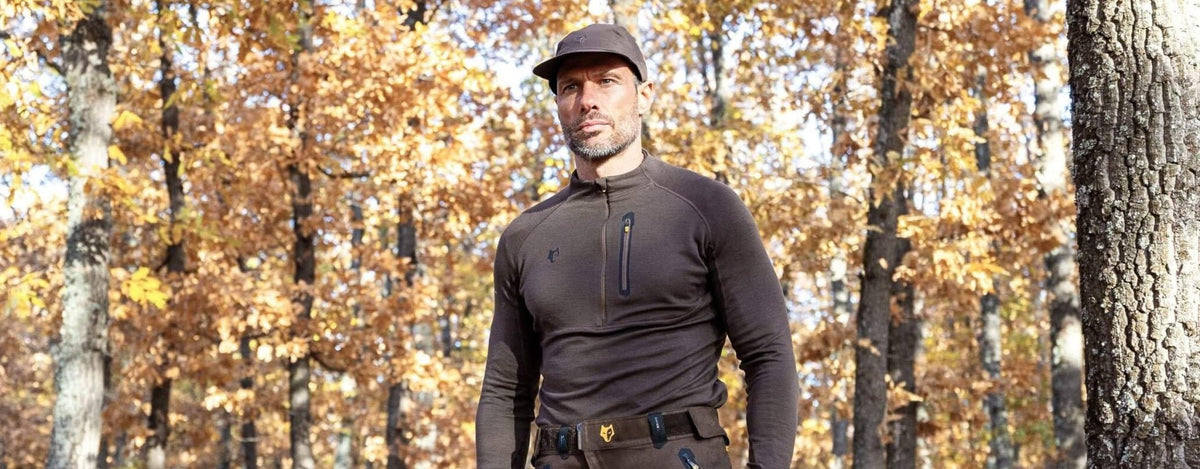
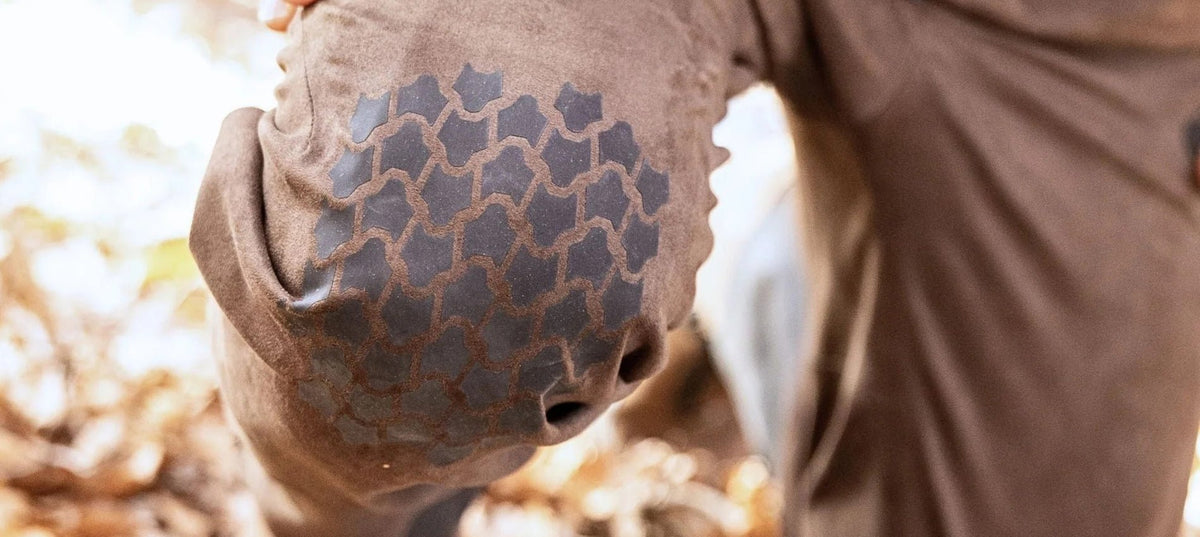
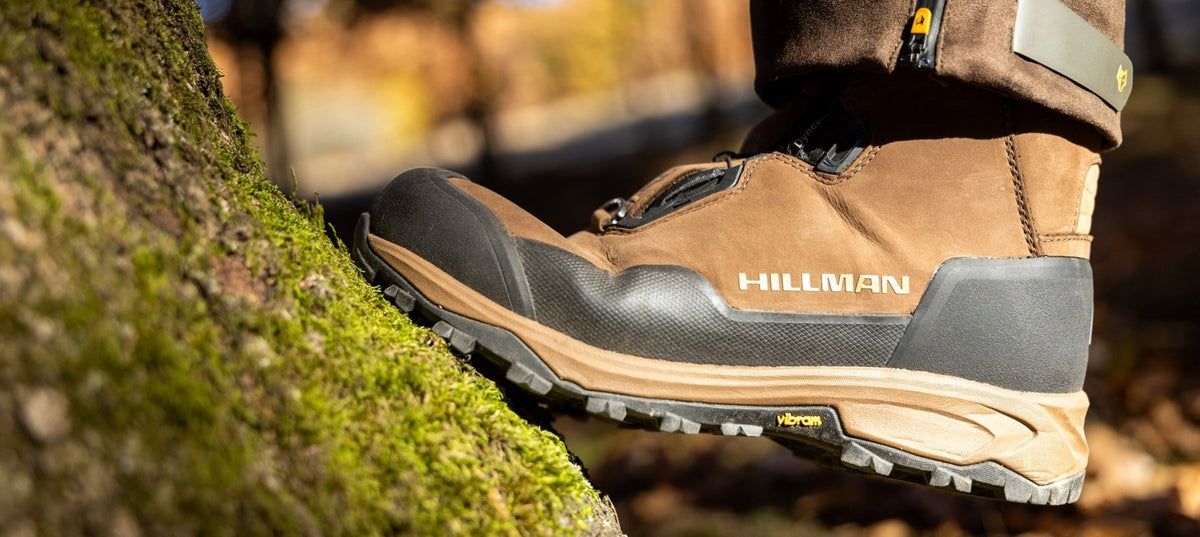
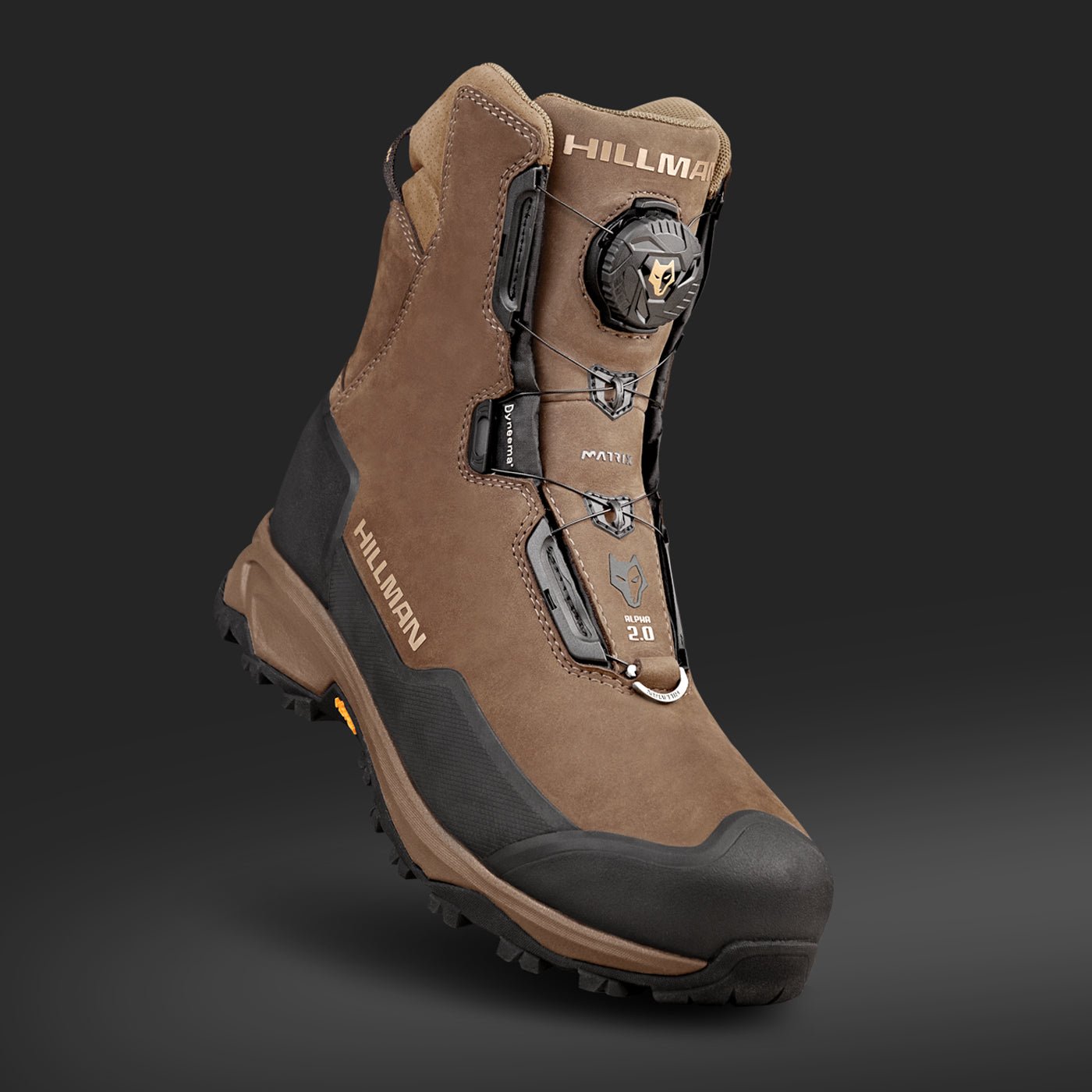
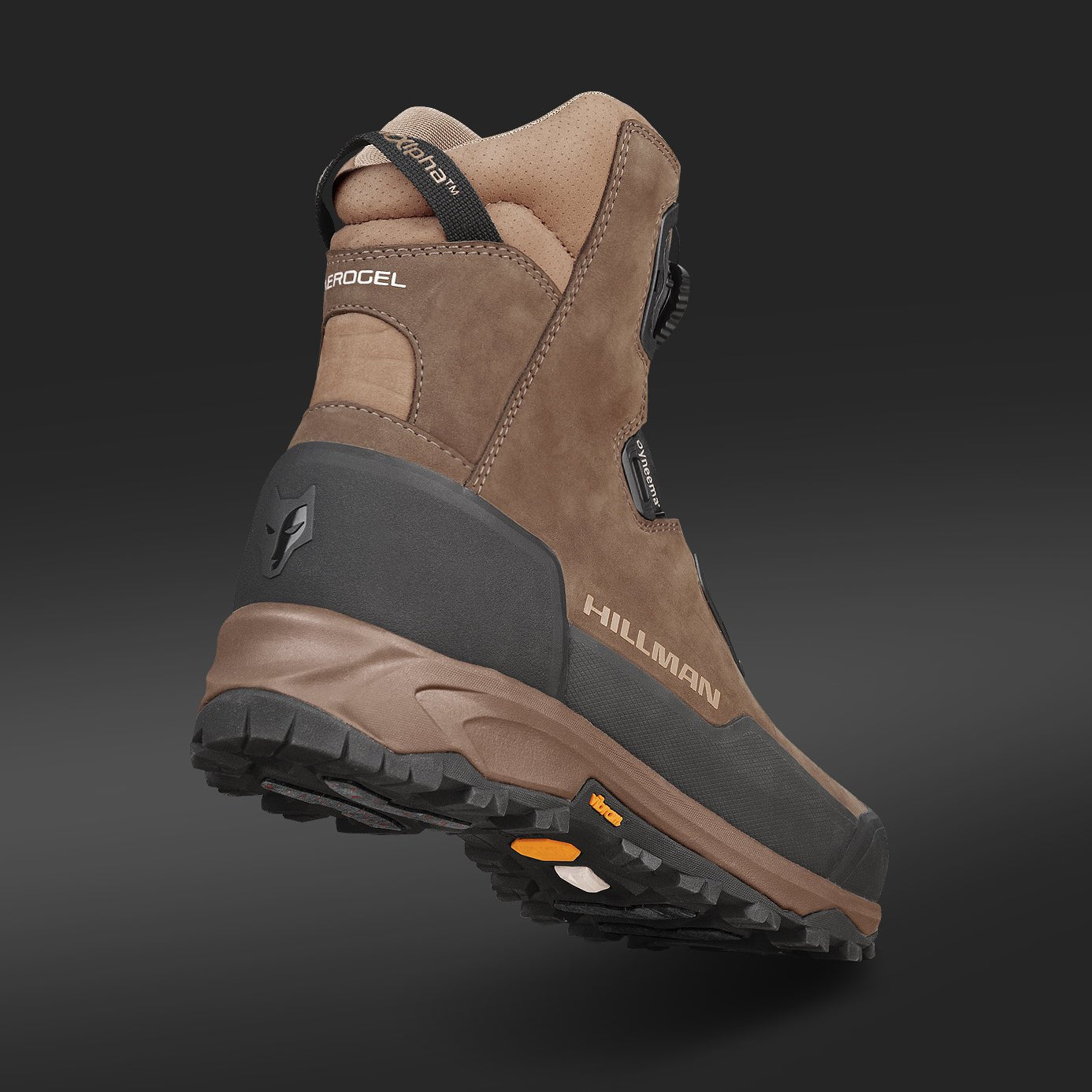
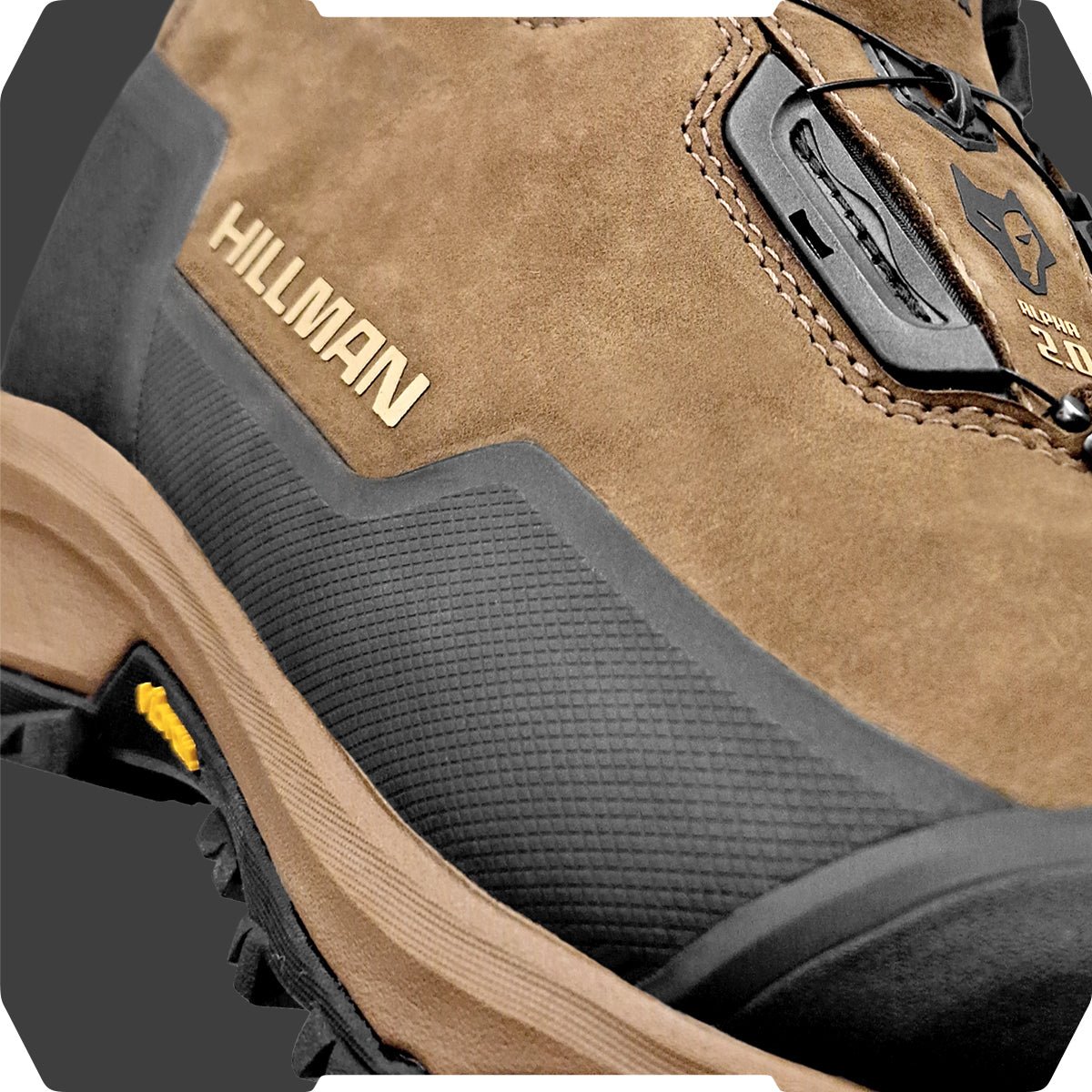
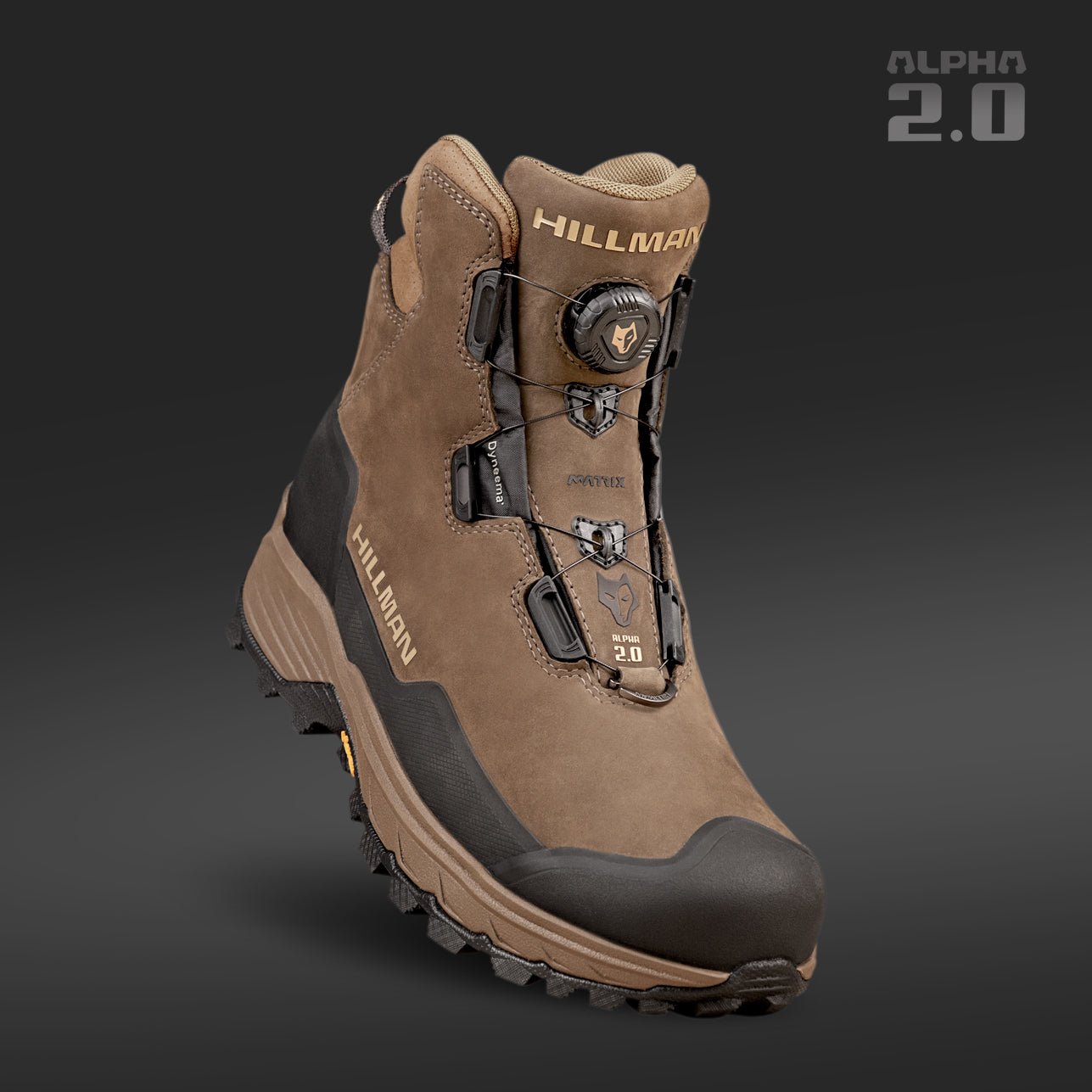
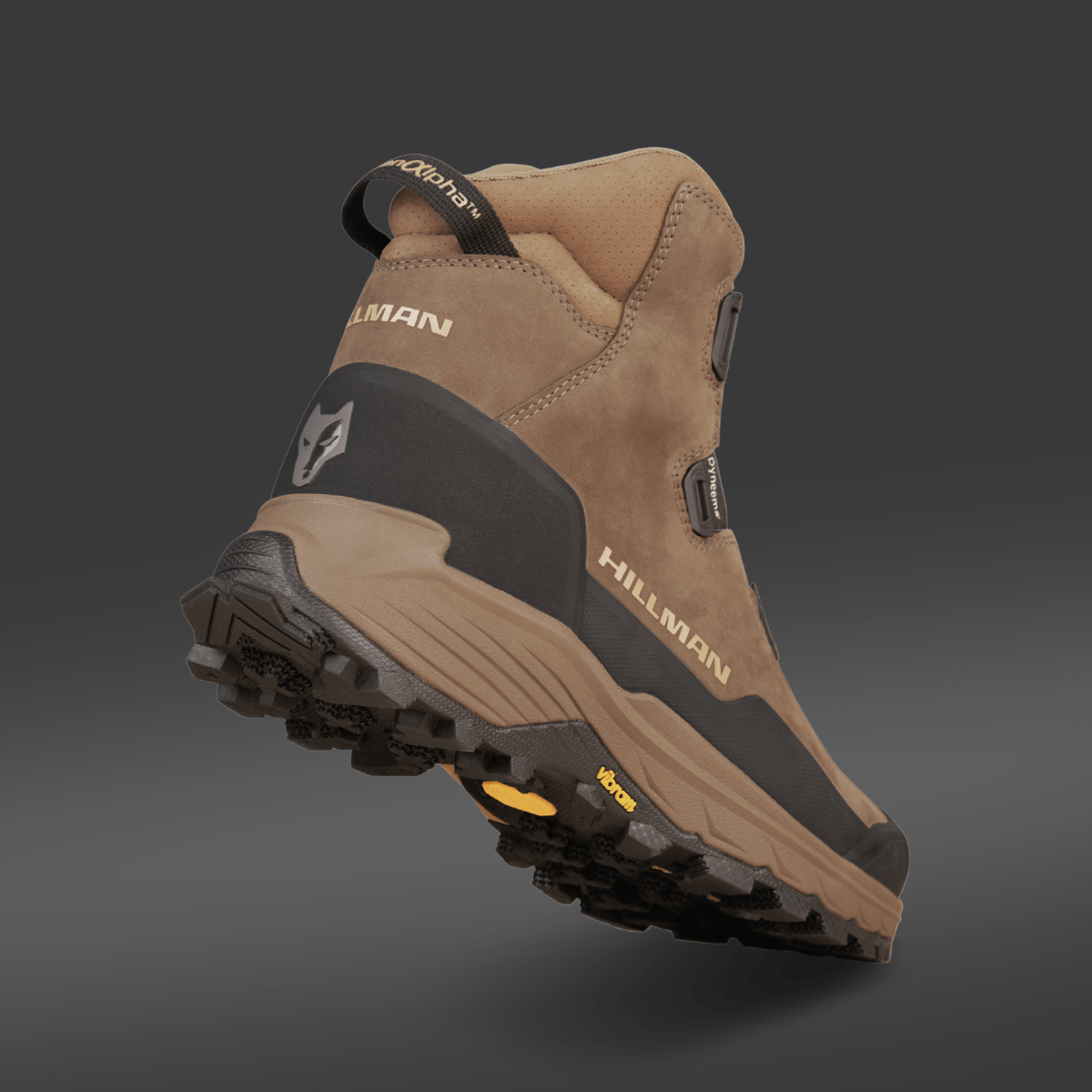
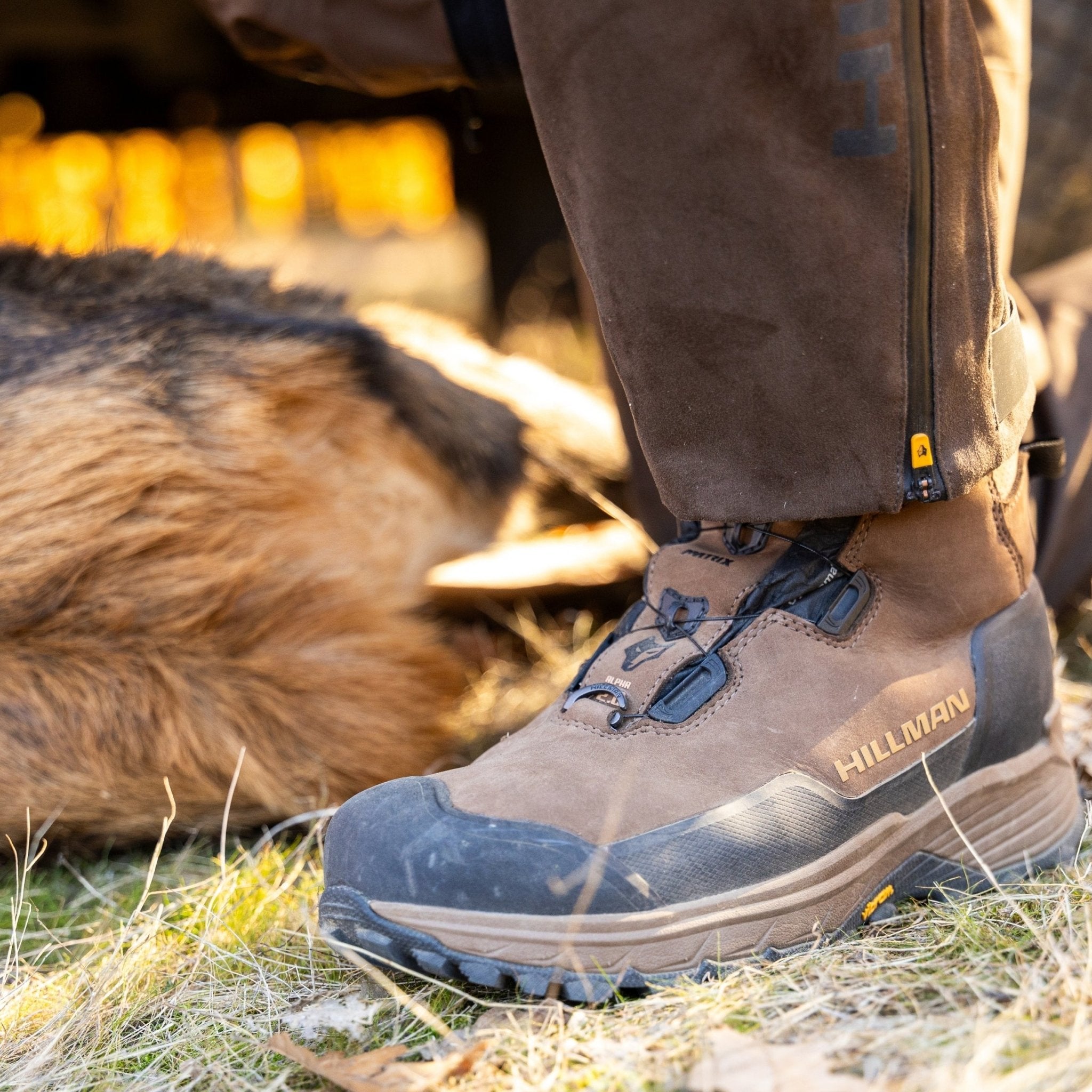
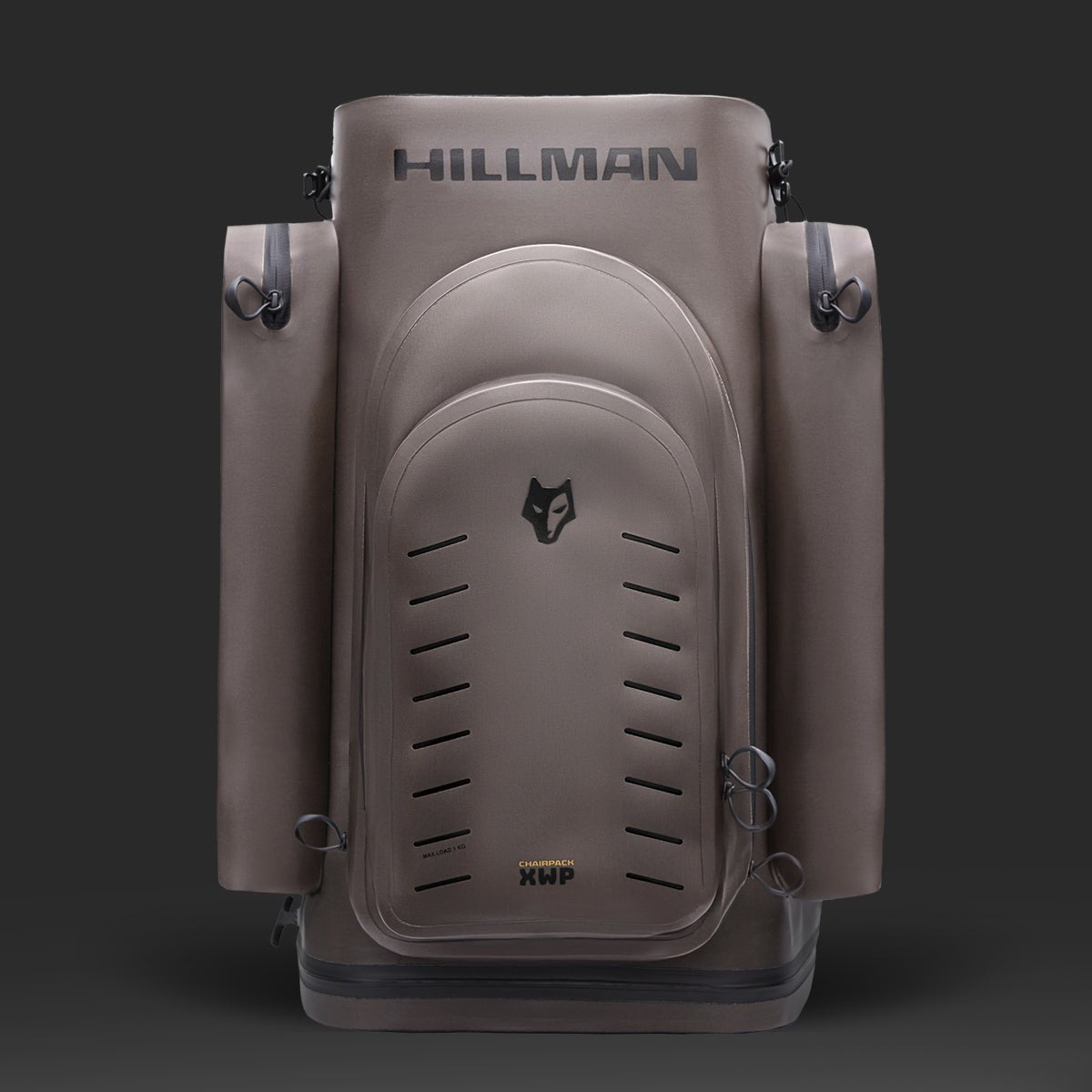
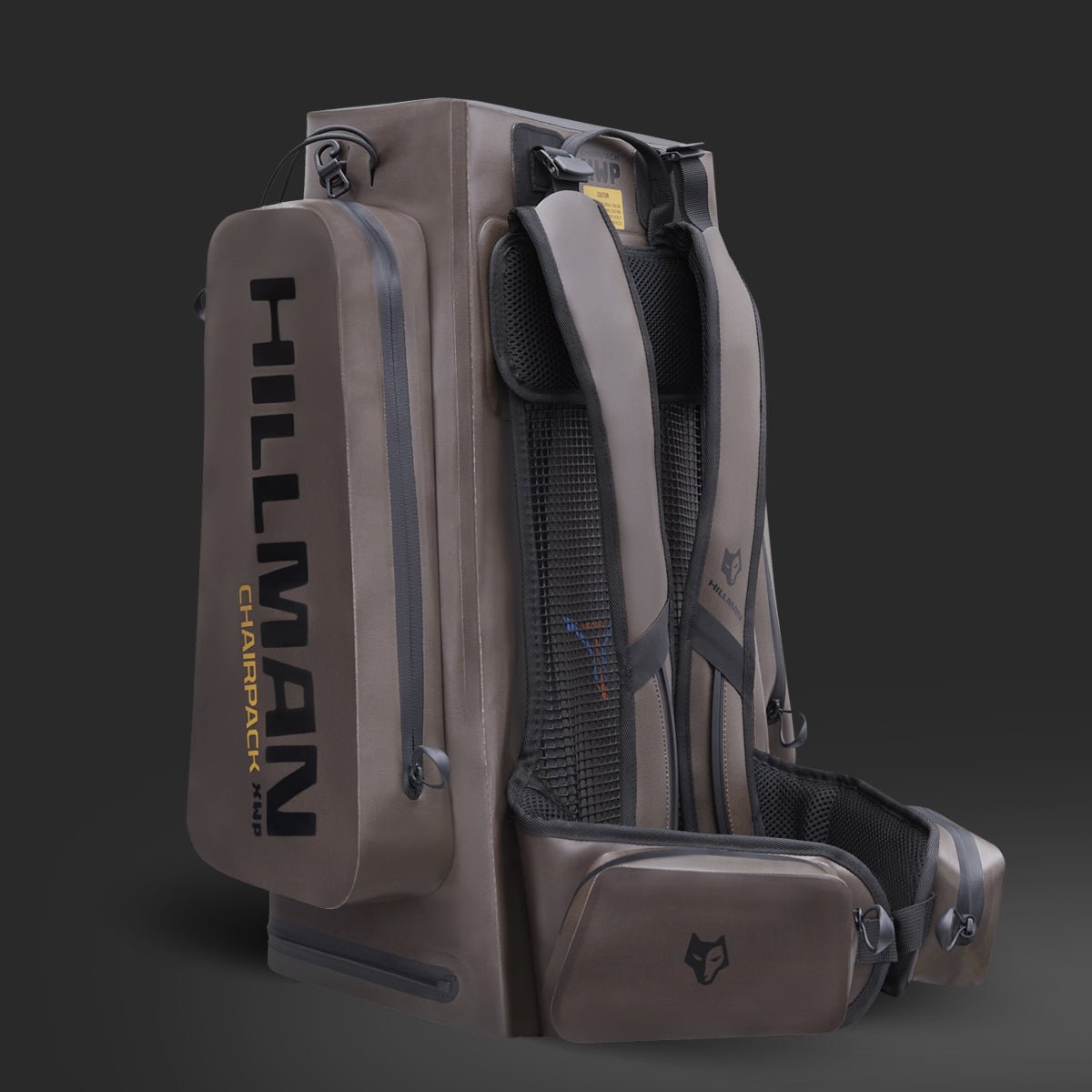
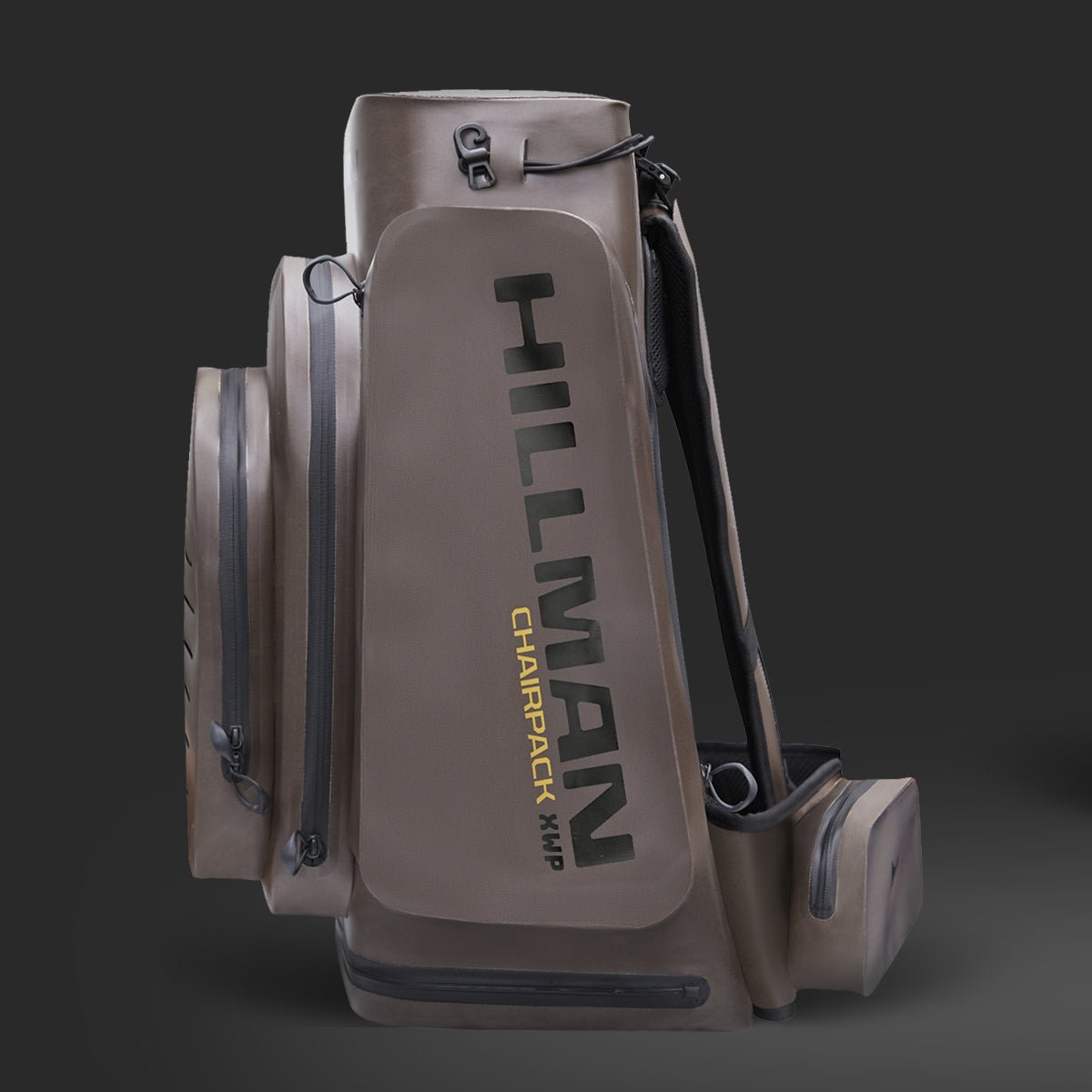
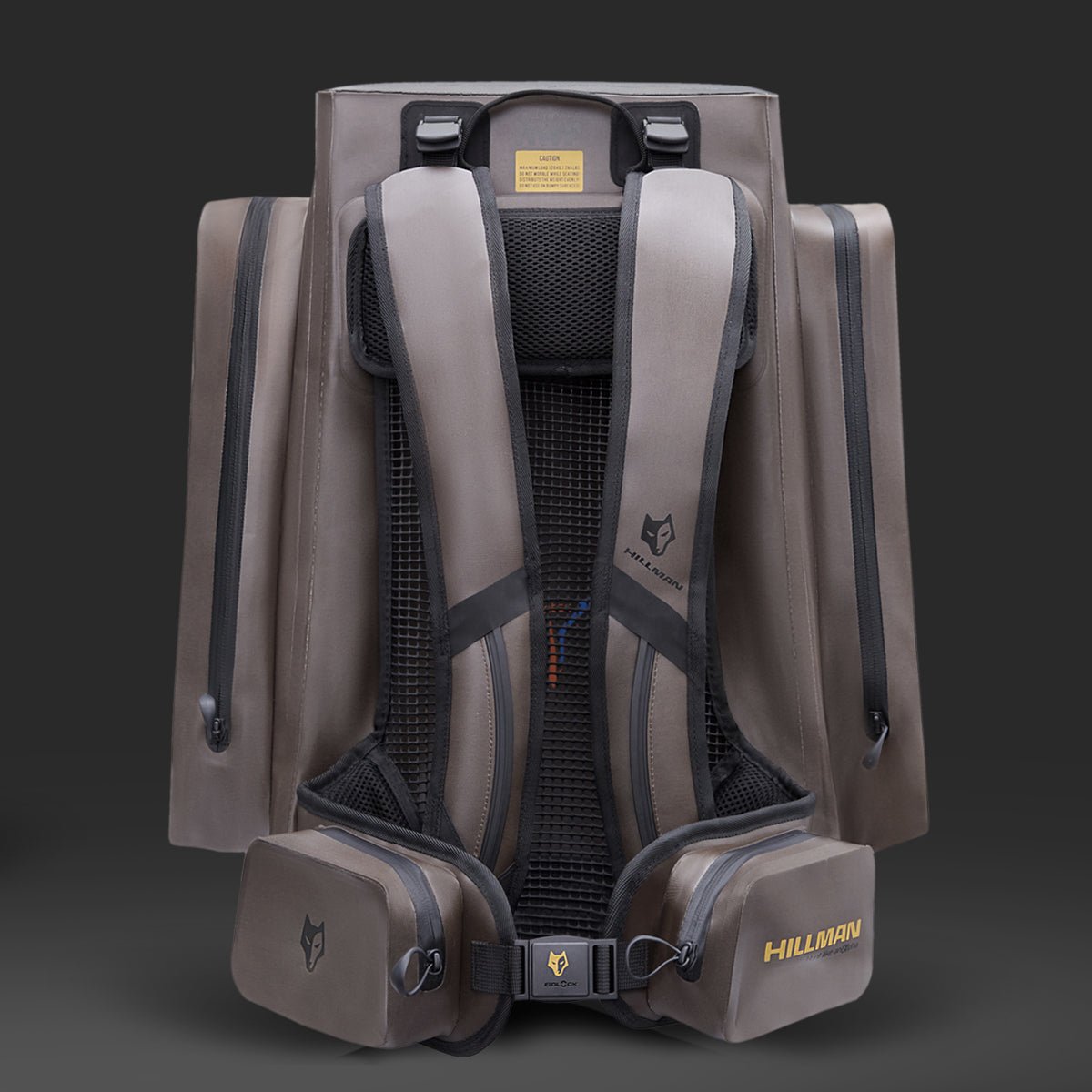
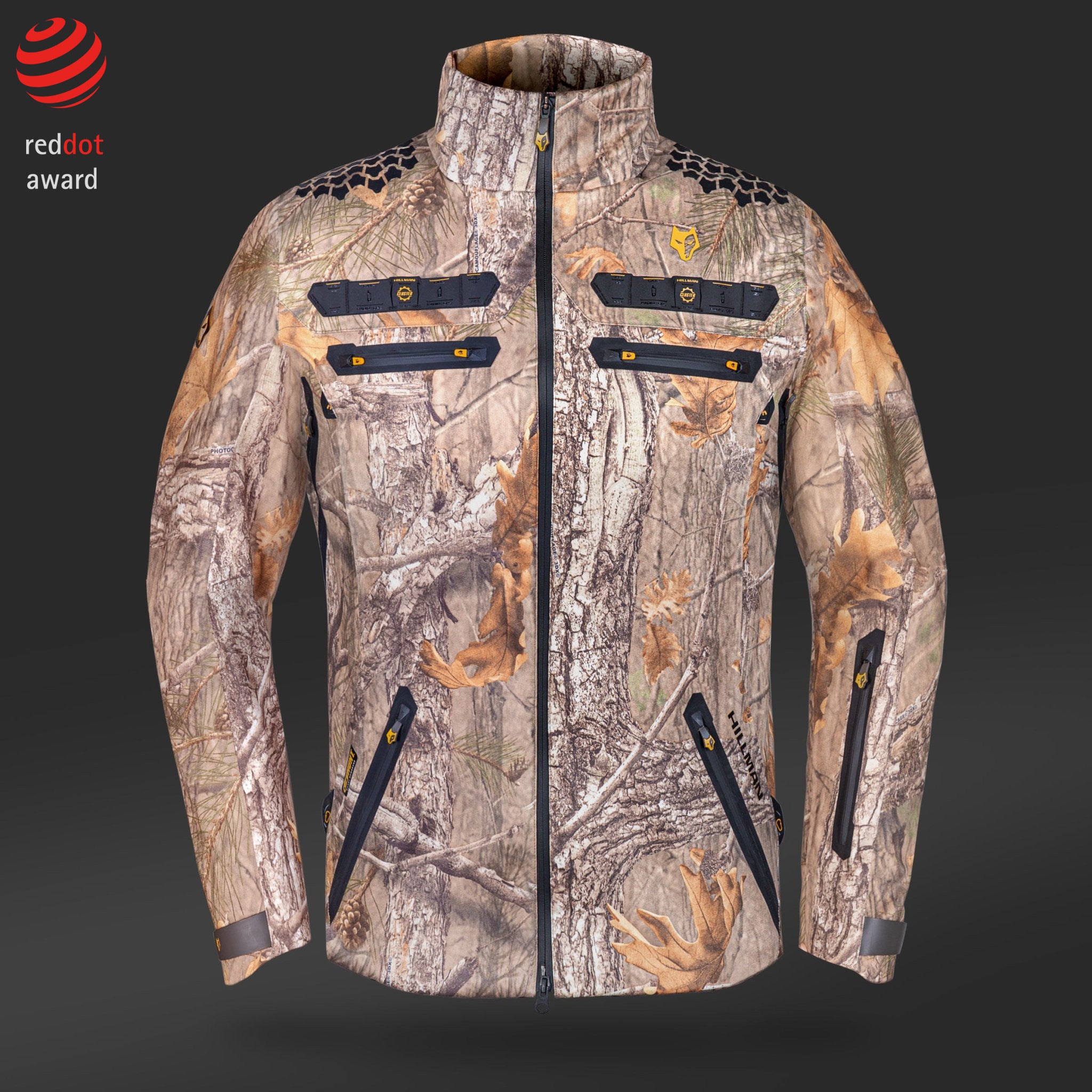
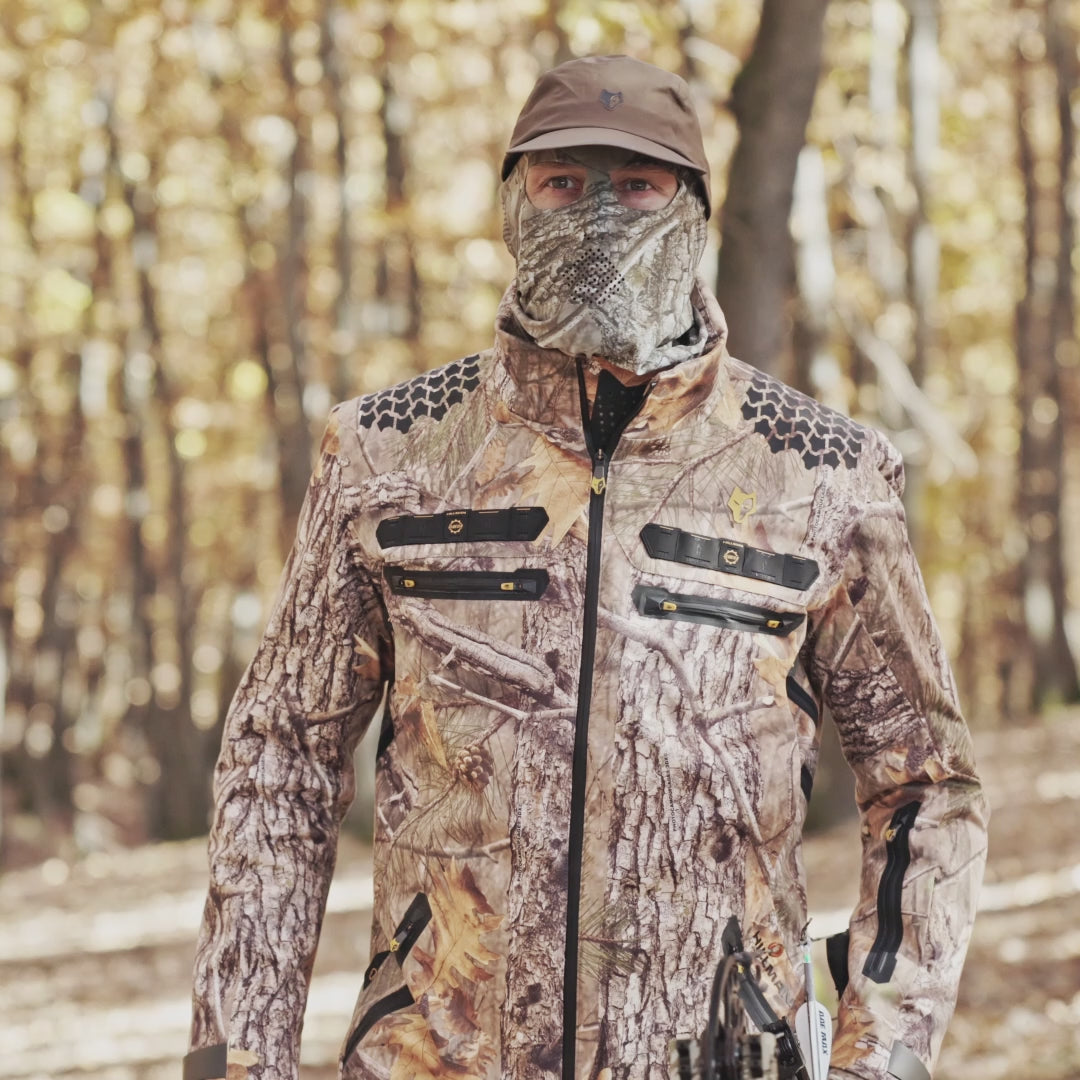
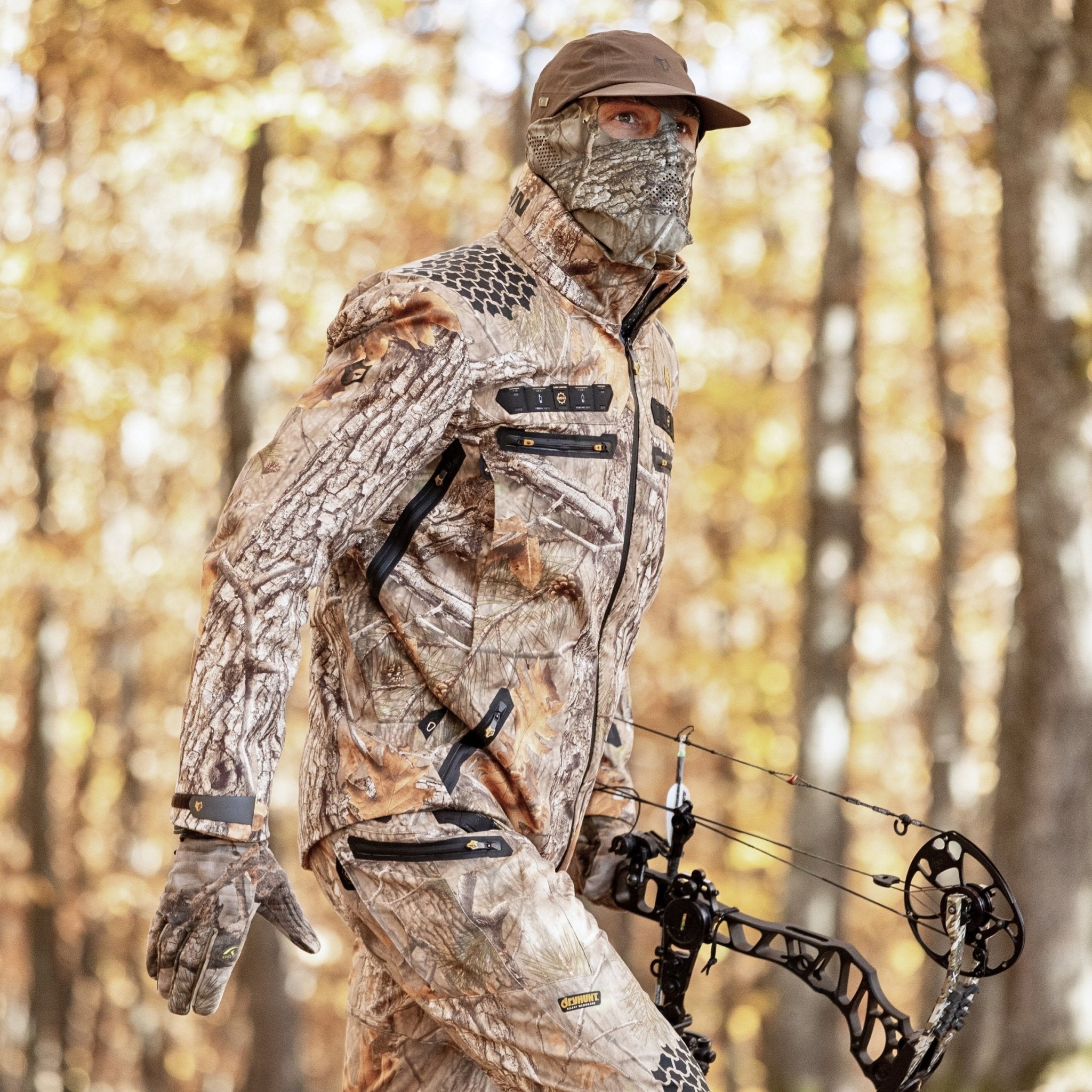
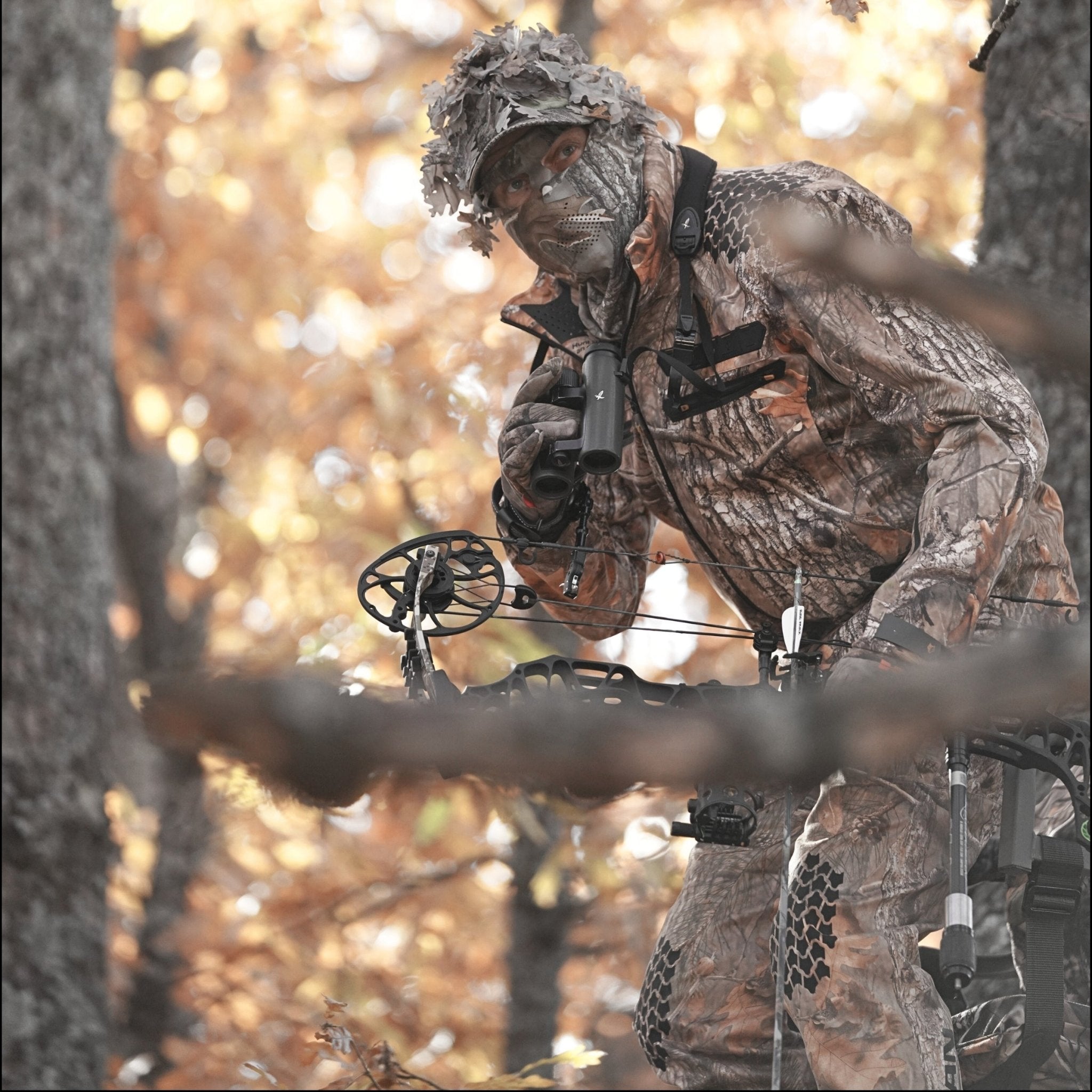
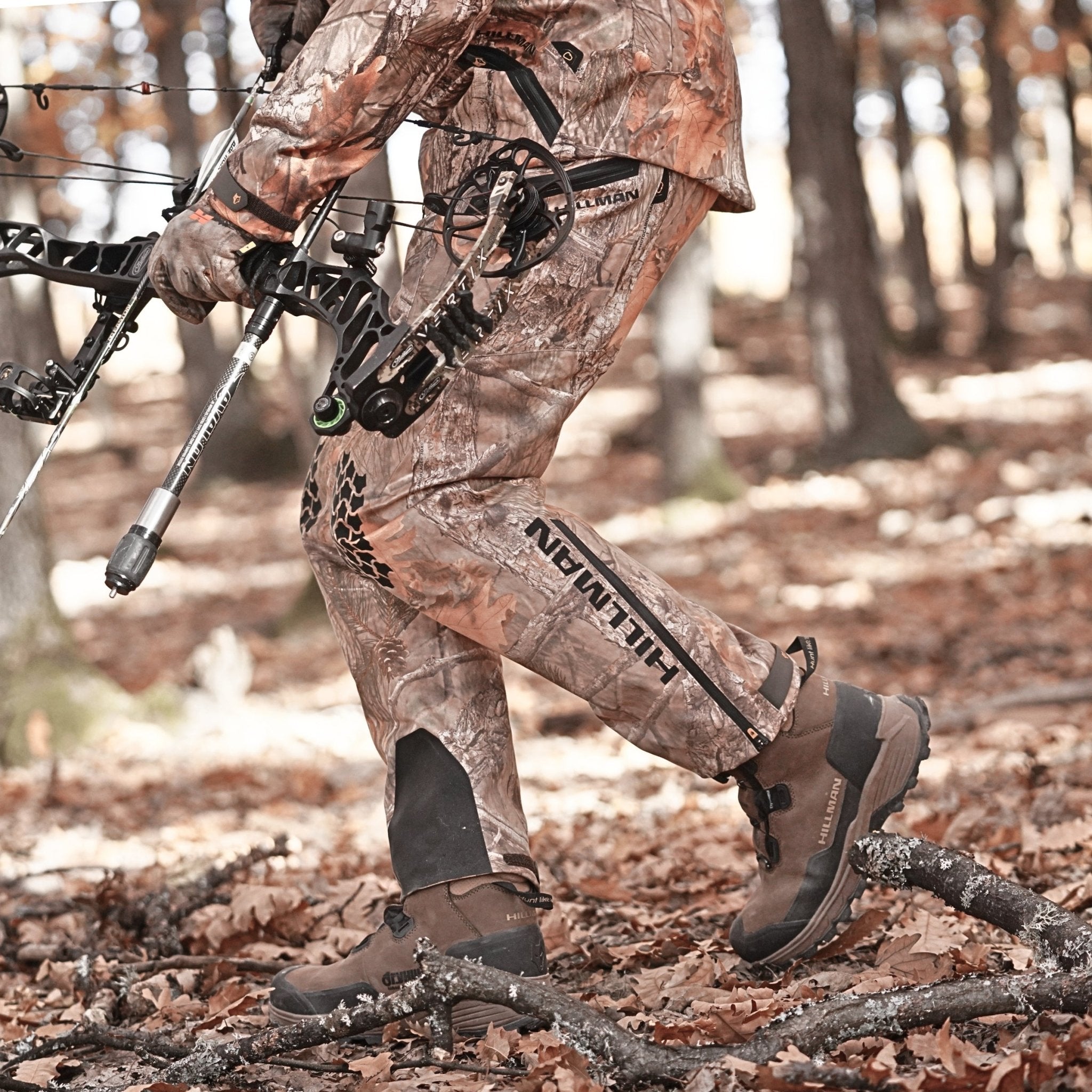
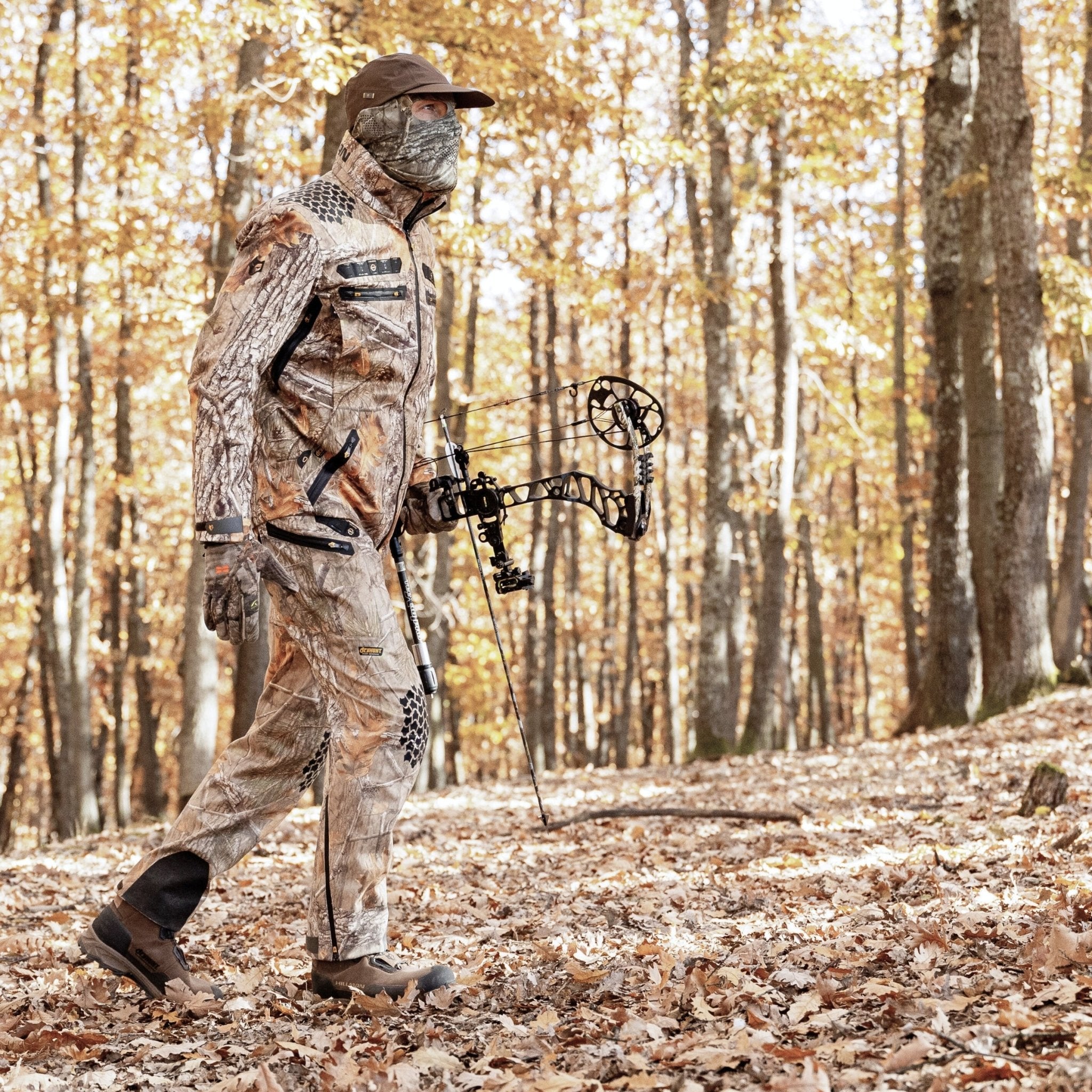
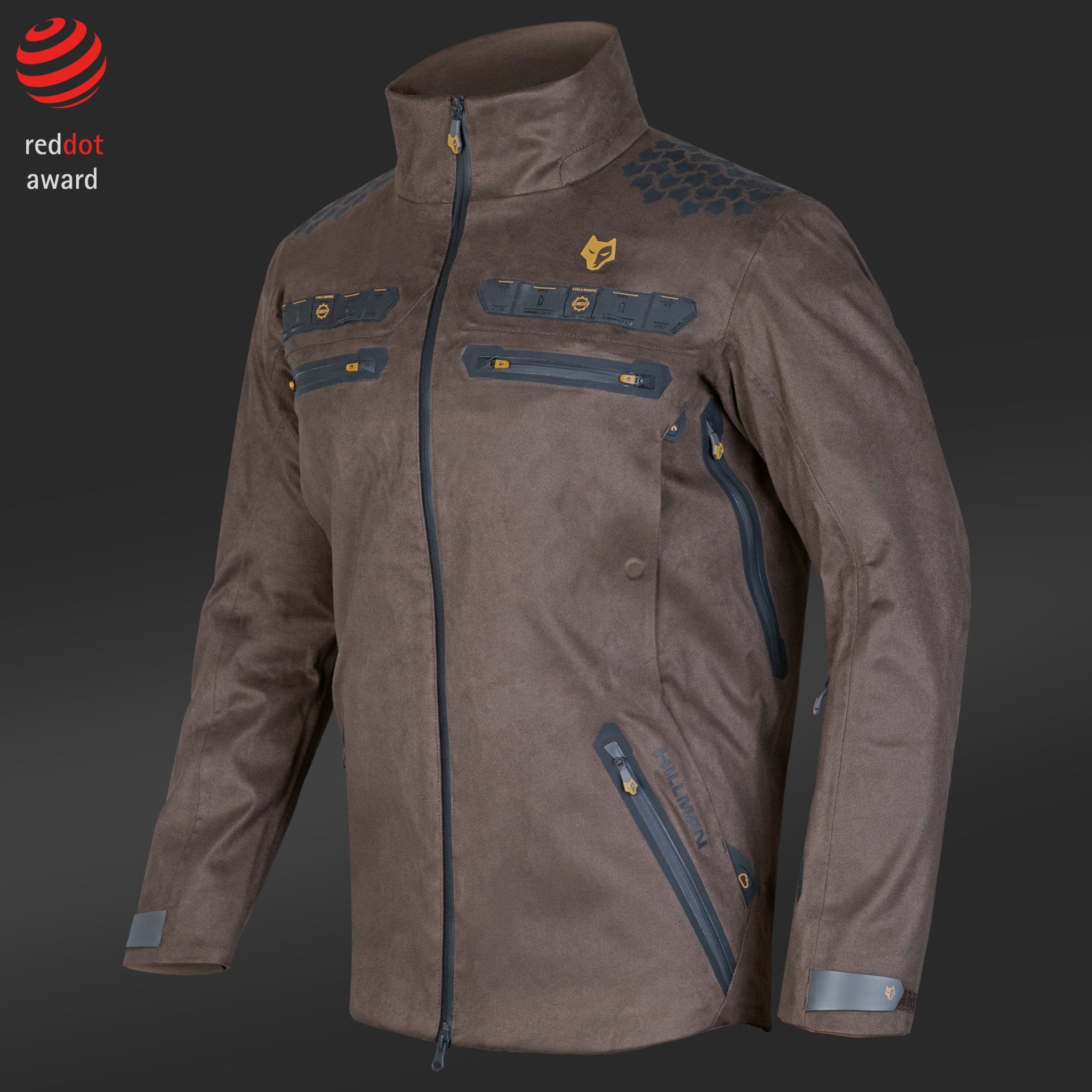
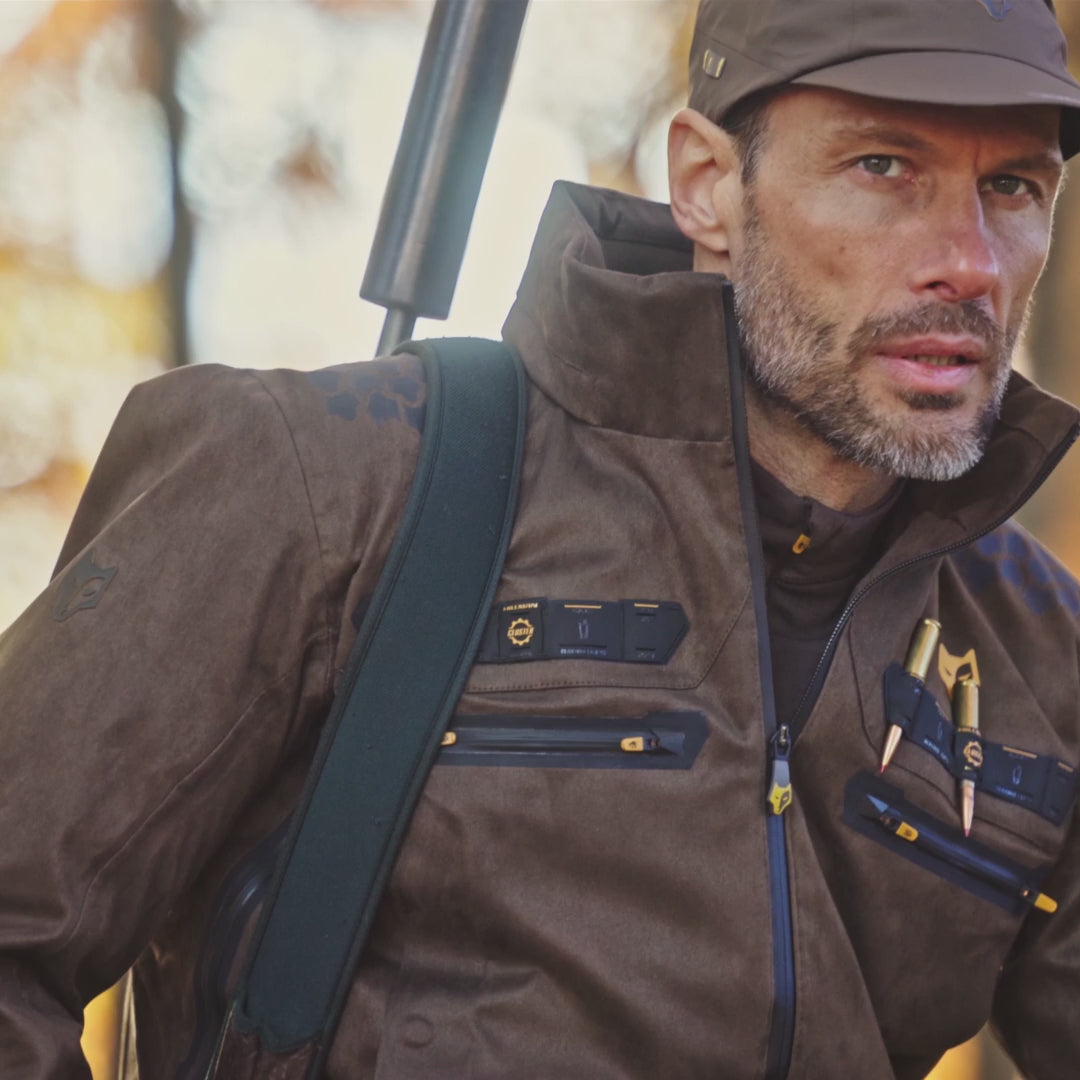
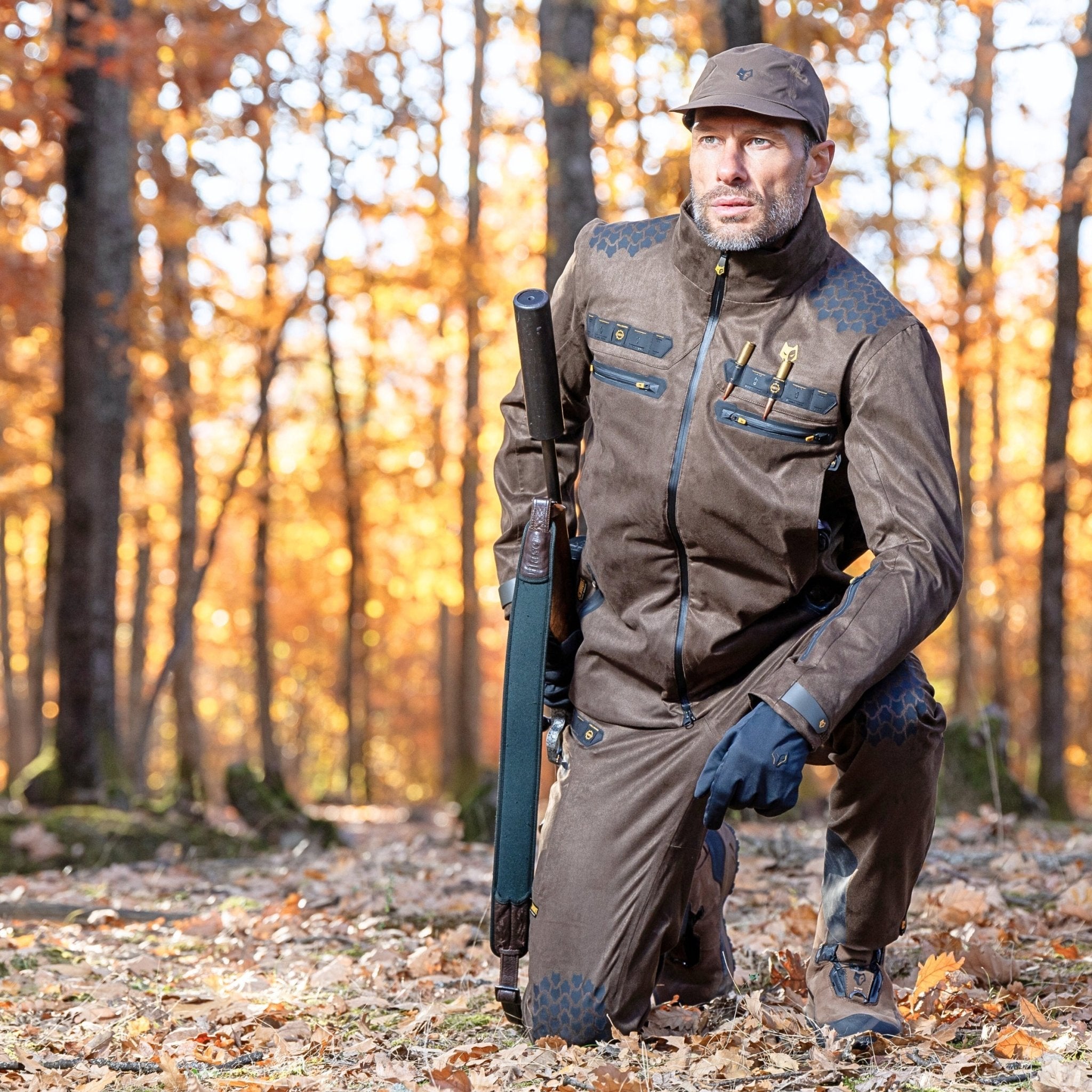
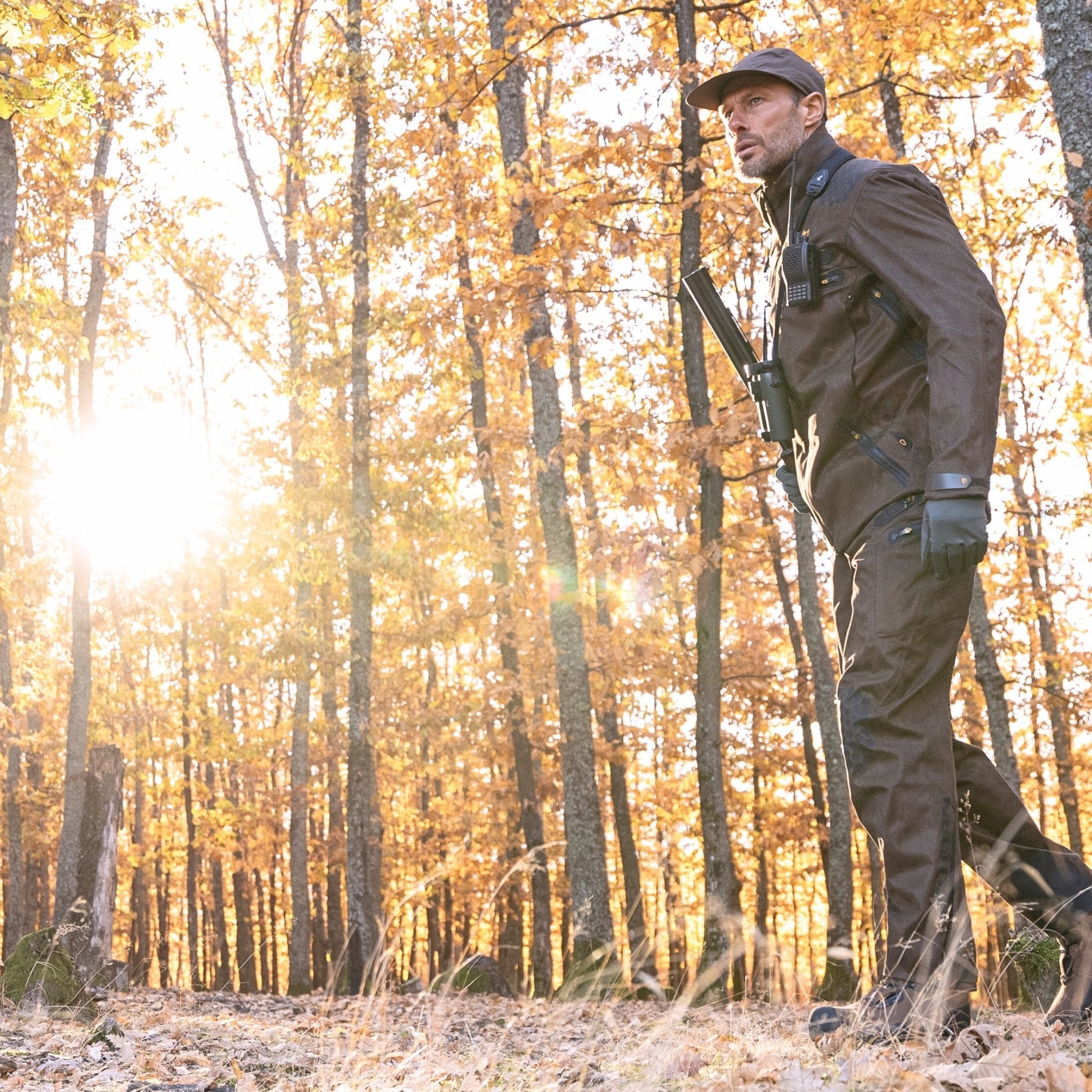
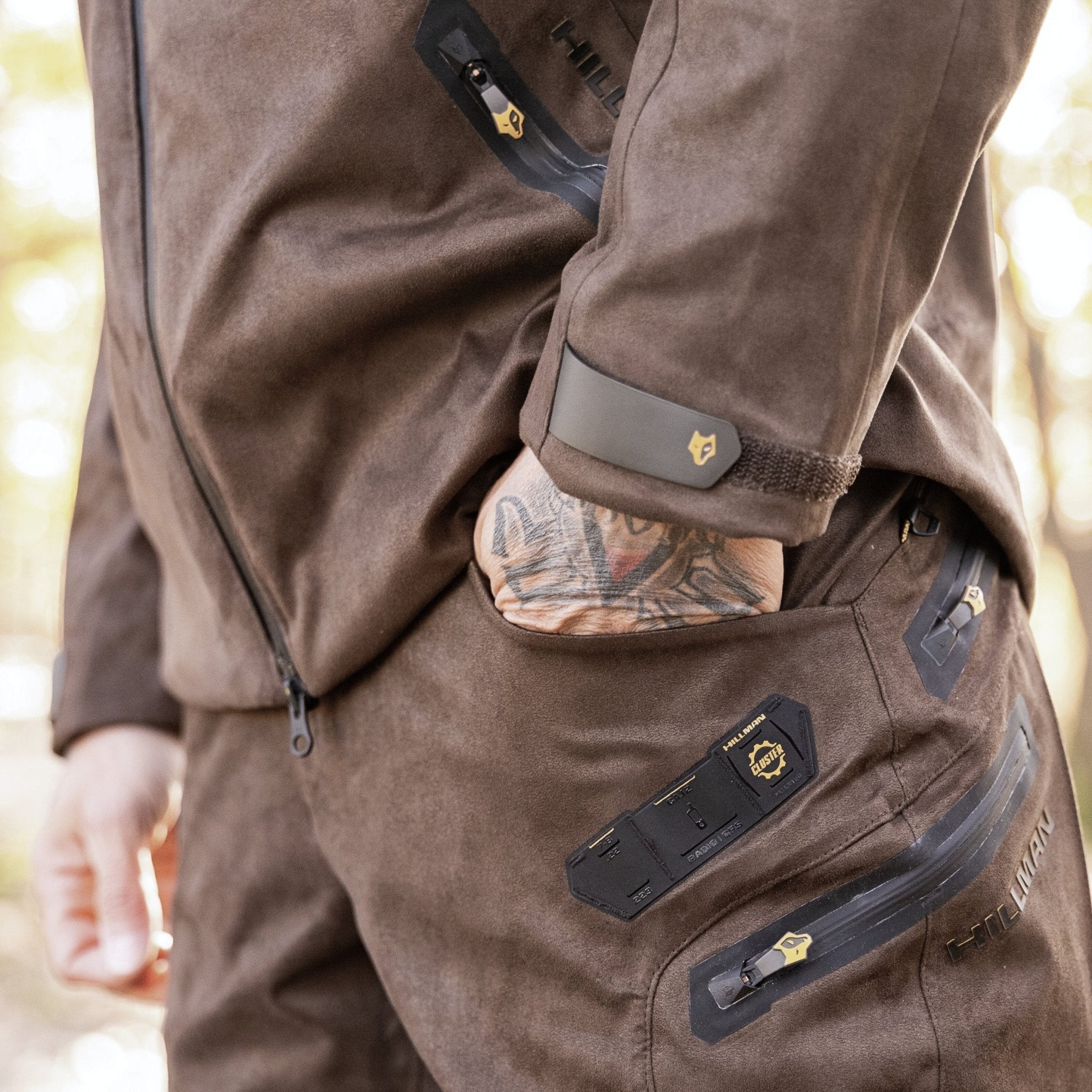
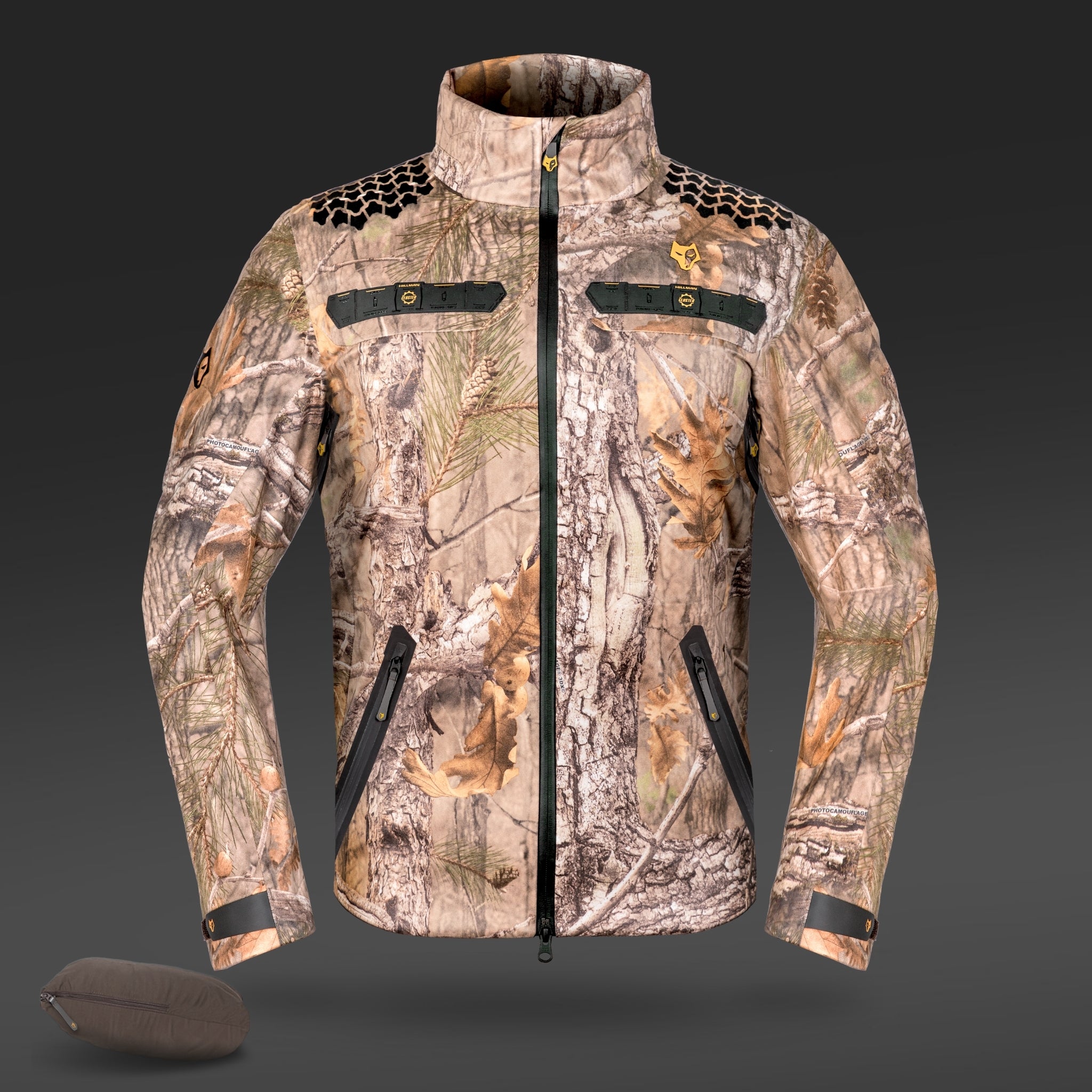
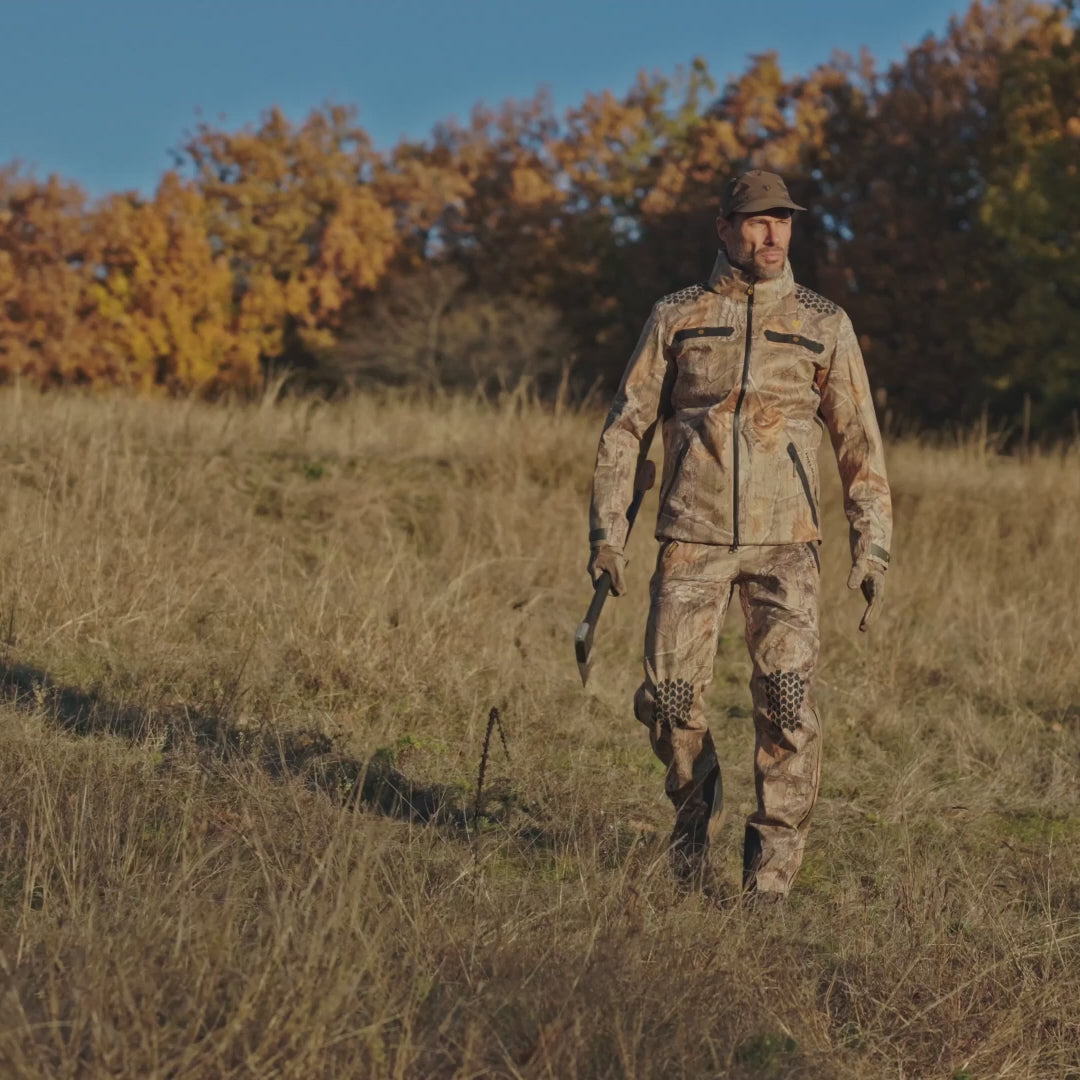
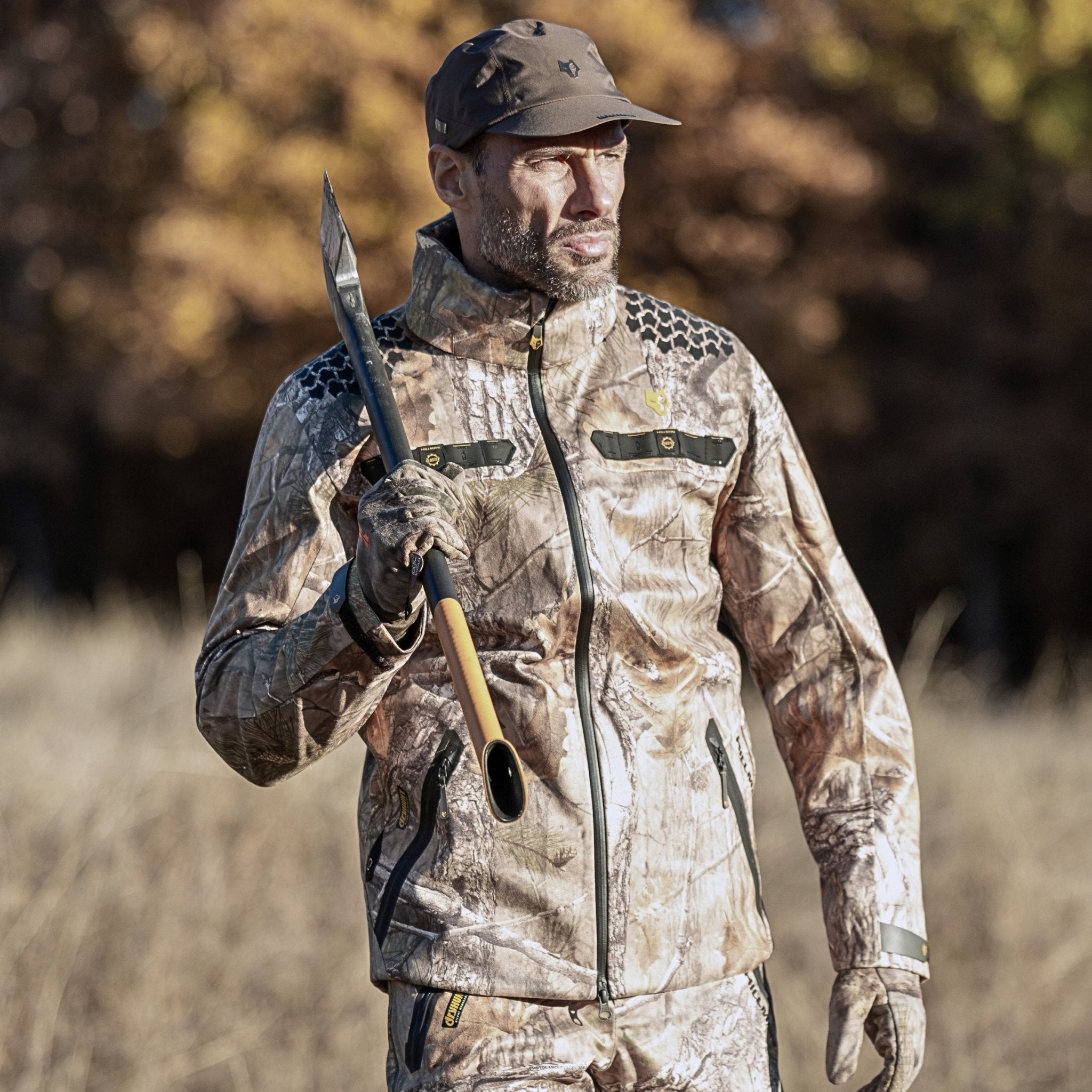
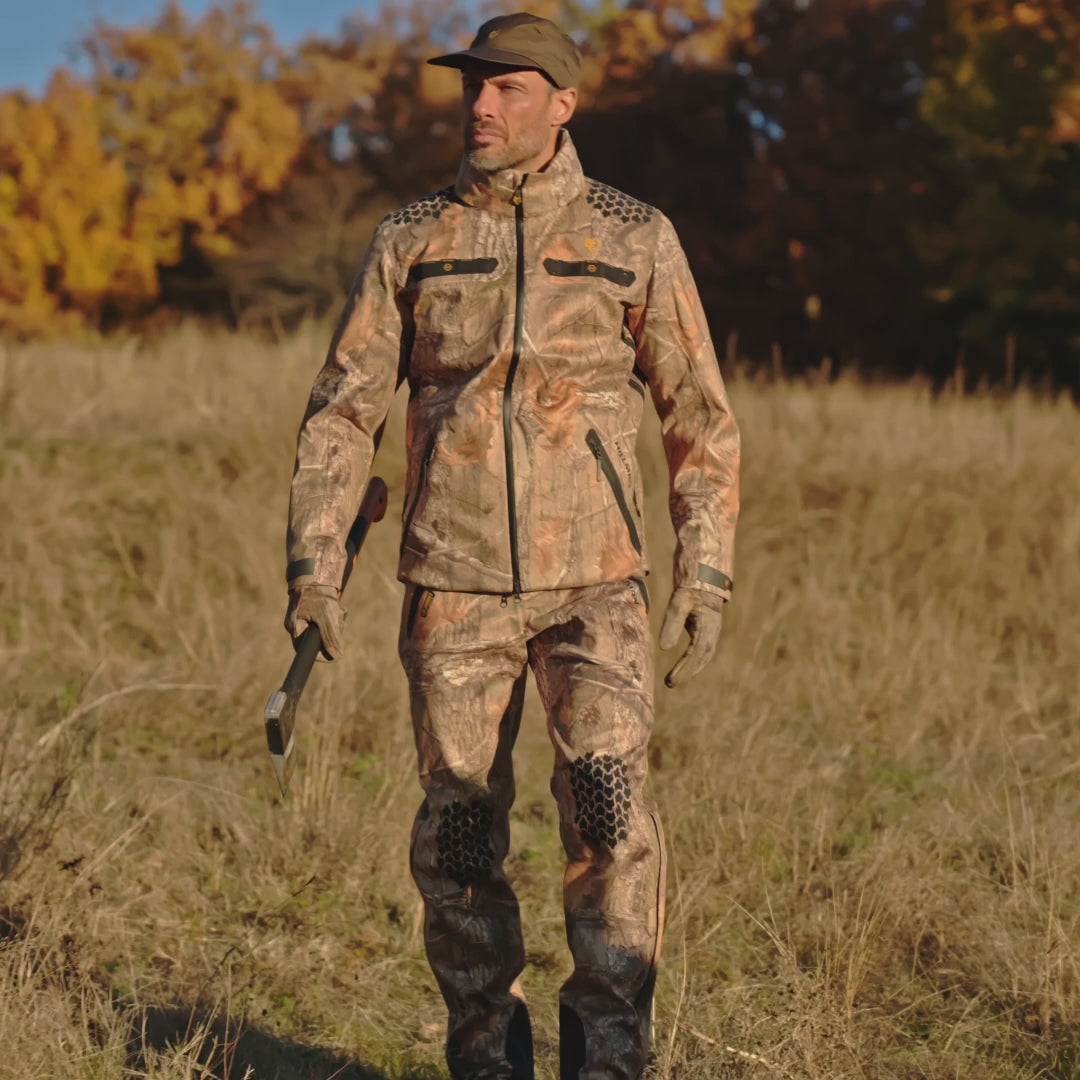
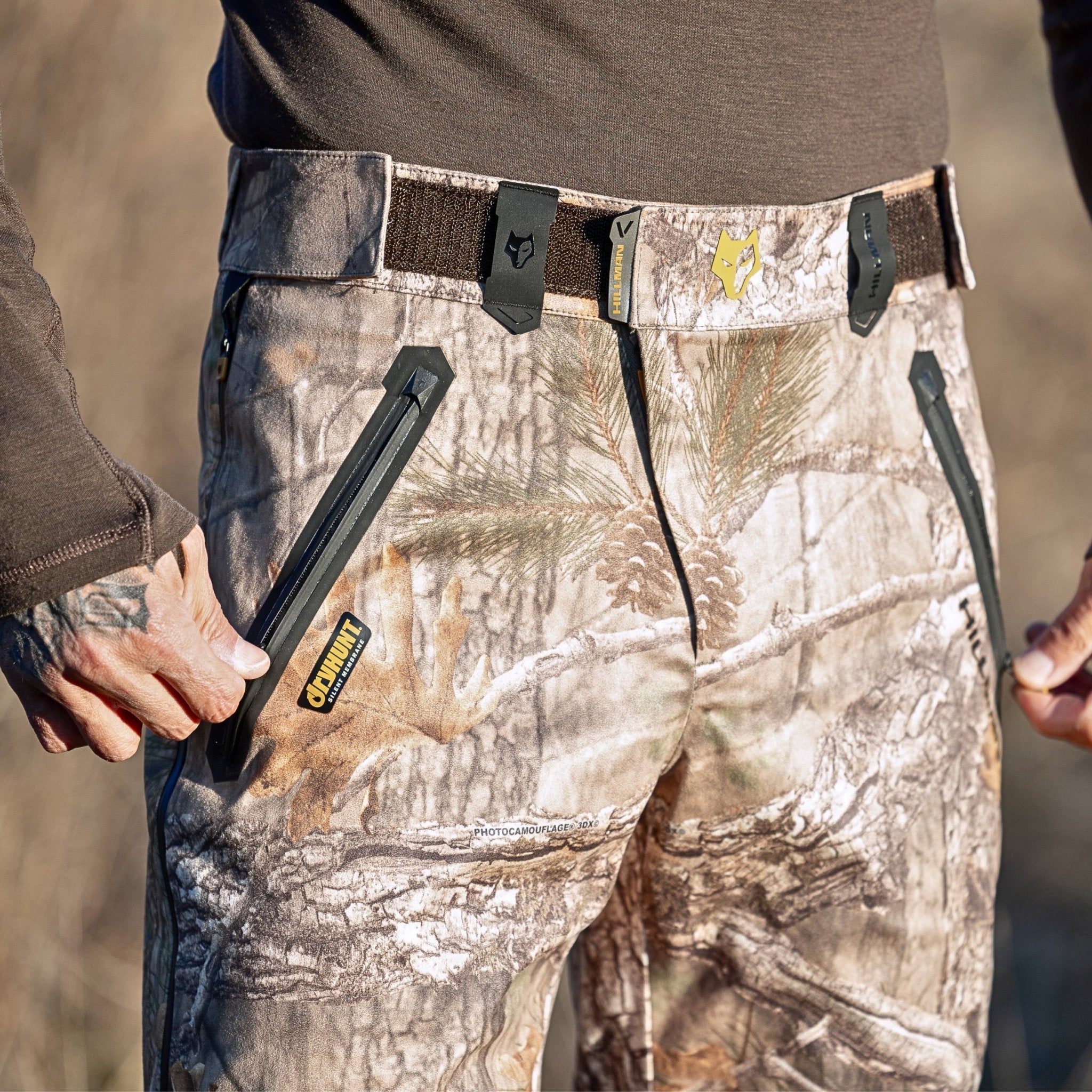
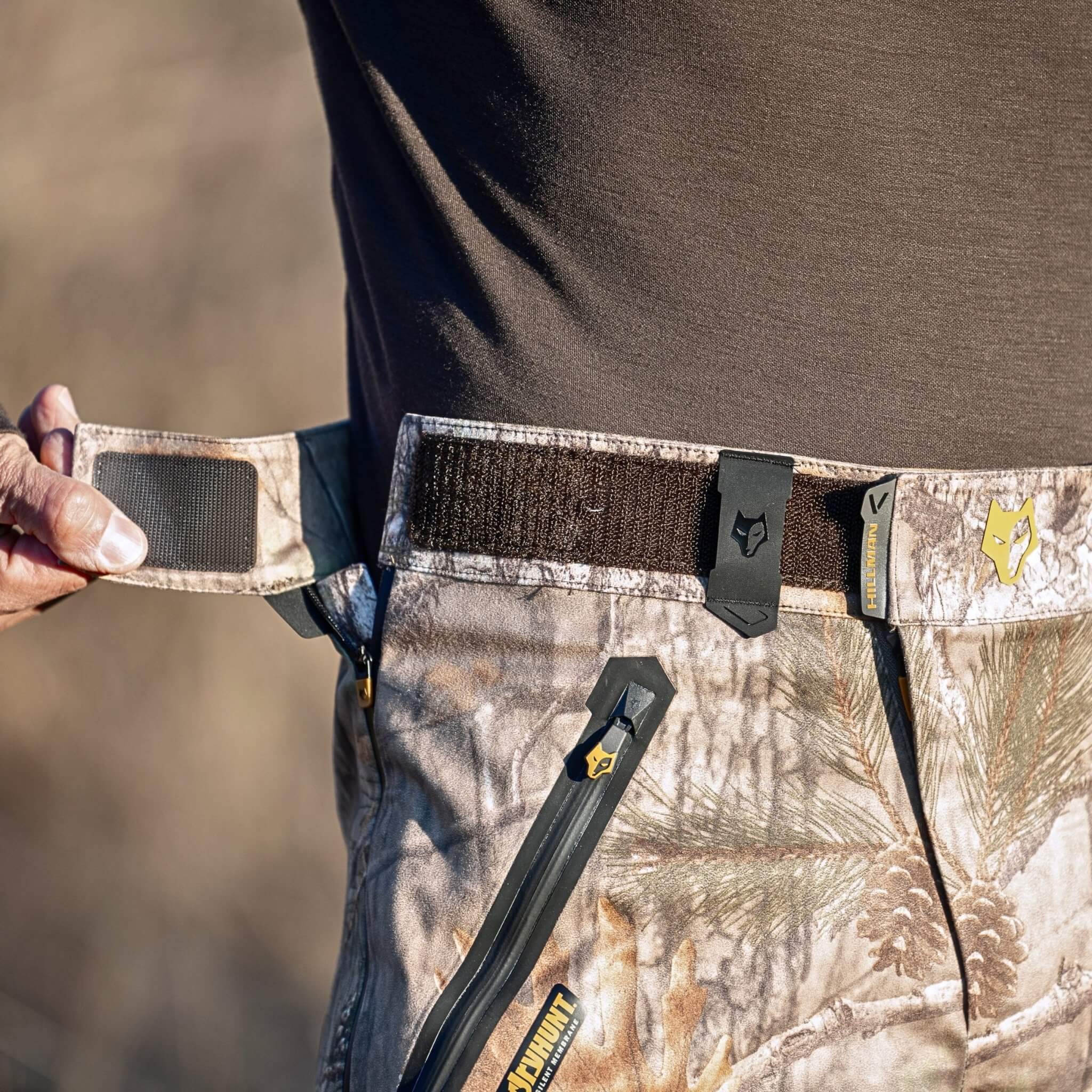
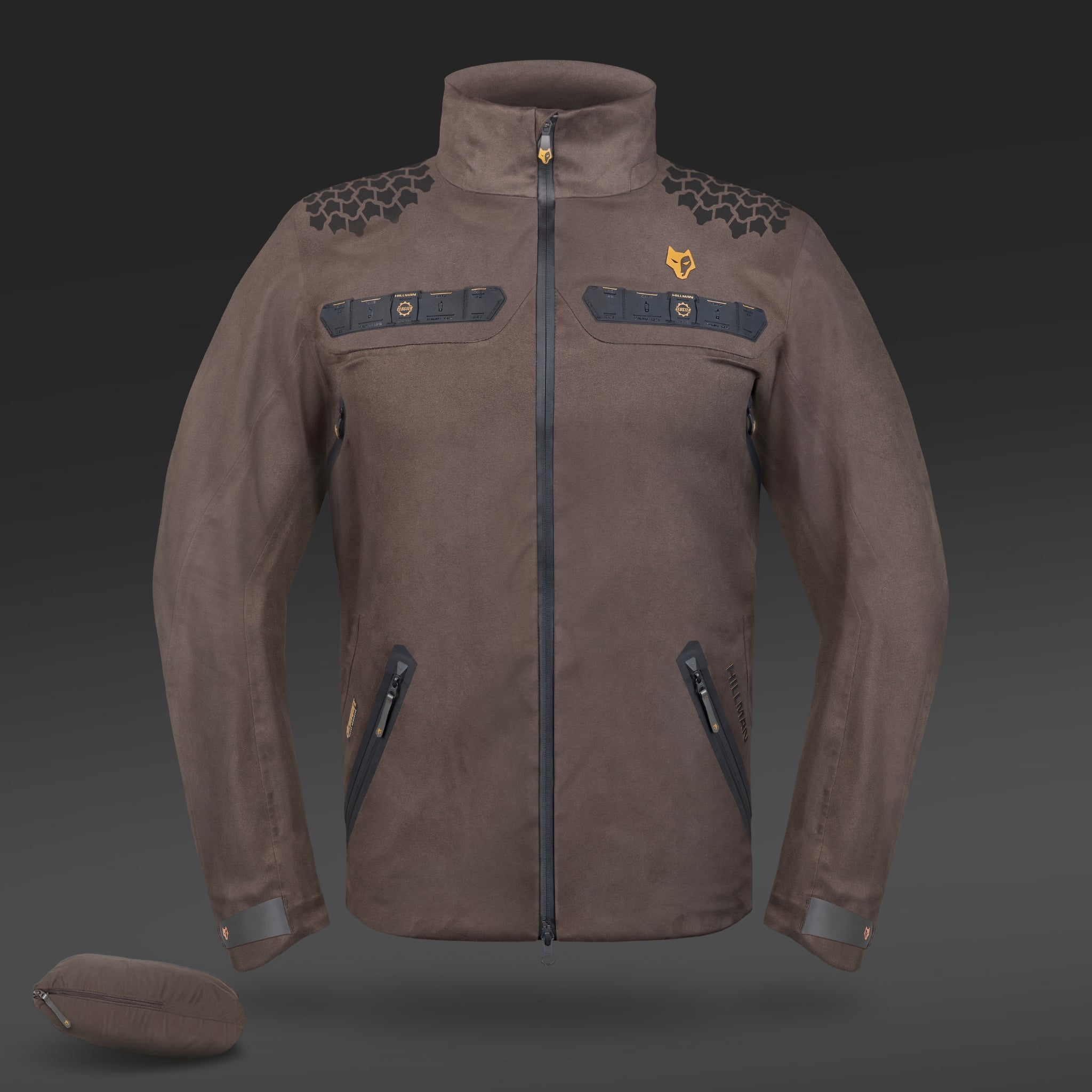
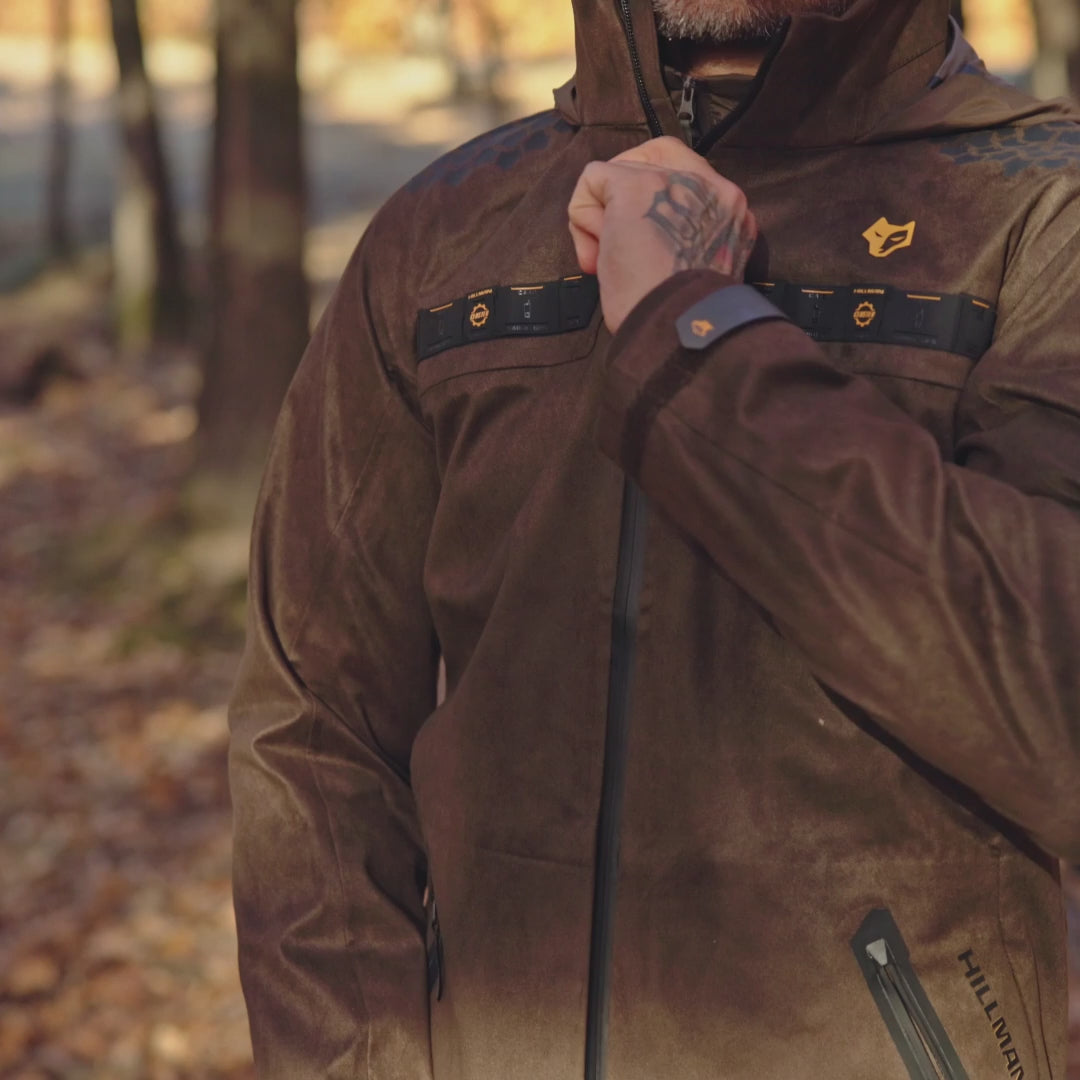
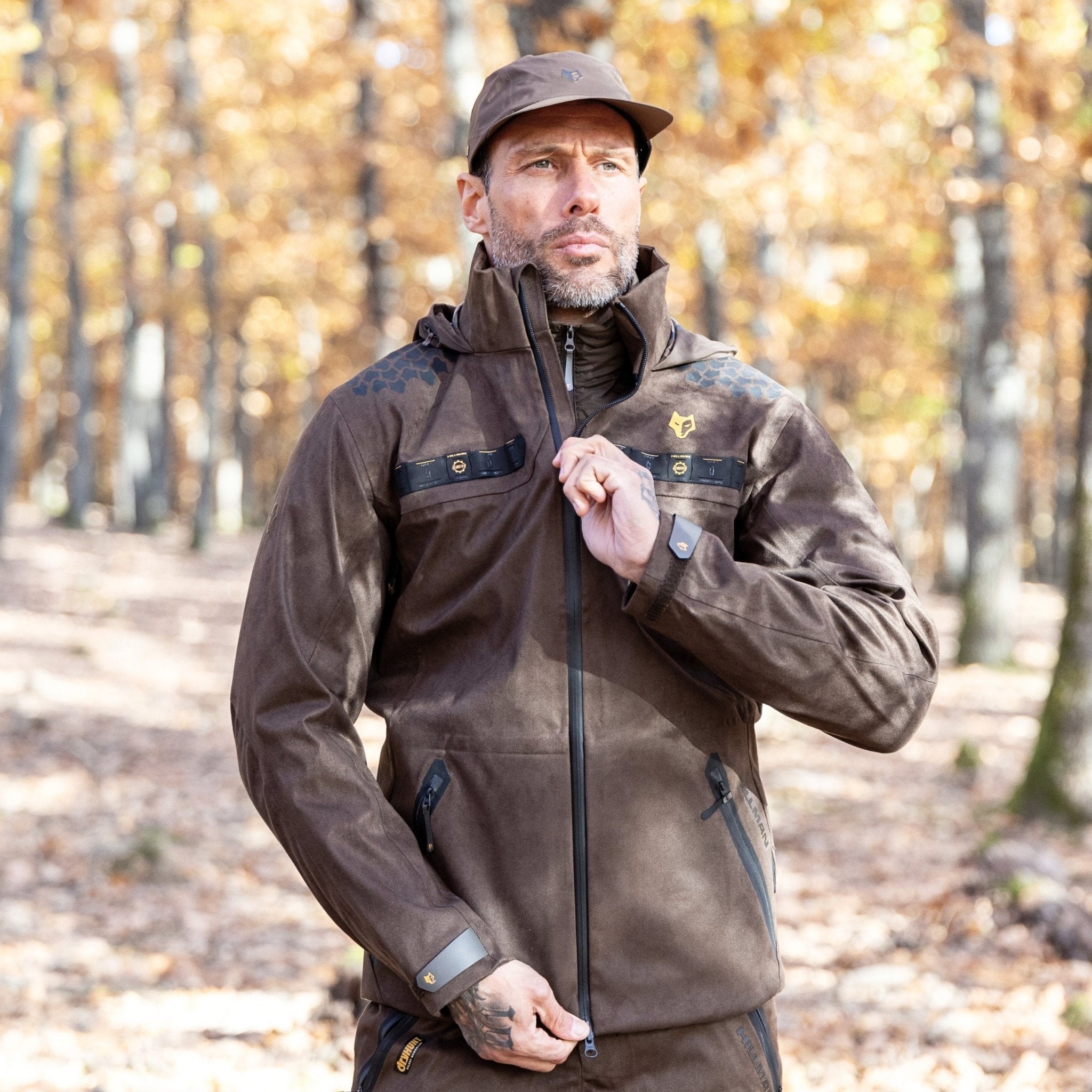
Gear helps, but it does not fix a bad setup. Hillman gear is most useful when the rest of the plan is already right: quiet entry, smart cover, good position, and no dumb movement when the woods wake up.
First Light Is Not the Time to Get Loud

First light makes people impatient.
One gobbler starts. Then another. Hens wake up. Crows cut loose. The woods gets loud and your brain starts yelling that you need to do something. Most of the time, you need to do less.
Wait until there is enough light for birds to see before you make turkey sounds. A couple soft tree yelps can be plenty. Maybe a cluck. Maybe nothing at all. You are trying to sound like a real hen waking up nearby, not some guy showing off in a parking lot.
Gobblers often fly down somewhere around 20 to 45 minutes after sunrise, but that is not a law. Wind can delay them. Rain can change things. Cloud cover can change things. Hens can keep a tom in the tree longer. Hunting pressure can make him act weird.
Listen hard. Wing beats tell you a lot. Hens tell you a lot. If the gobbler cuts you off hard, he knows where you are. If he answers lazily, do not panic. Let him wonder.
Sometimes the best call after fly down is silence. A gobbler that thinks a hen is nearby may come looking. A gobbler that hears you yelping every thirty seconds may stand there waiting for the “hen” to walk to him.
What to Do When the Tom Flies the Wrong Way

Even a good setup will not control a turkey.
He may pitch down with hens and walk off. He may fly into a field instead of your side of the woods. He may hit the ground and go quiet. That does not mean the morning is dead.
Do not jump up right away. That is how hunters get caught. A bird can fly down the wrong way, drift off, then circle back later. Turkeys do not always walk in straight lines. They loop. They stop. Hens split off. A tom that ignored you at daylight may get lonely an hour later.
Stay put unless you have a real reason to move. If he is heading toward a known feeding area, creek crossing, bench, or field edge, use what you learned while scouting. Do not just wander after him.
When you do move, move like he is already on the ground and watching. Because he might be. A turkey’s eyes on the ground are brutal. Fast movement, bad cover, and open walking will get you busted.
The Usual Ways Hunters Burn a Turkey Roost

Most burned birds are not ruined by one giant mistake. It is usually a pile of little mistakes.
Walking too close at dusk. Calling too much. Shining light into the wrong place. Standing around under the roost tree. Talking. Slamming truck doors. Crossing open ground after the sky starts to glow. Setting up where the bird has no reason to go.
Another common mistake is getting hypnotized by gobbles. A gobbler can sound close and still be in a bad place for you. Sound tells you where he is. Terrain tells you where he might go. Ignore the terrain and you are just gambling.
The worst mistake is trying to force fly down. A turkey leaving the roost is already cautious. He is going from a safe tree to the dangerous ground. If you add loud calling, movement, and pressure, he has every reason to leave the other way.
Let the Bird Do What He Already Wanted to Do
A roosted gobbler is an opportunity. It is not a promise.
The whole job is to get close without being known, set up where the turkey already wants to travel, and avoid giving him a reason to change his plan. That is it. Simple, but not easy.
Scout from a distance. Mark the roost. Learn the benches, creek crossings, field edges, feeding areas, and open timber nearby. Slip in early. Sit still. Call less than you want to. Let the morning unfold before you start fixing problems that are not real yet.
Turkey hunting gets better when you stop acting like every gobble needs an answer. Sometimes the best move is to sit there, shut up, and let the bird make the mistake.



Share:
Cold-Front Whitetail Strategy: Where Mature Bucks Slip Up
Midday Turkey Tactics: What to Do When the Woods Go Quiet