


You top out on a ridge at first light, damp with sweat from the climb, and the wind starts working through your shirt the second you sit down to glass. Whatever insulated jacket comes out of your pack next decides whether you stay behind the spotting scope for two hours or start shivering in twenty minutes. That is the real down vs. synthetic jacket question. Our down hunting jackets and synthetic insulated pieces both earn a place in the field, just not the same place.
Here is how each insulation behaves once you are miles from the truck.

Down vs. Synthetic Jacket: How Each Insulation Traps Heat
Neither fill makes heat. Both trap the warm air your body produces, and the more still air a jacket holds for its weight, the warmer it feels.
Down Insulation
Down is the soft under-plumage of geese or ducks. Each cluster spreads into a three-dimensional puff, and fill power measures how much space one ounce of it occupies. Higher fill power means more loft from less material.
The catch is water. When down gets wet from rain, melting snow or your own sweat, the clusters collapse and stick together. Flat down holds almost no air, and drying it in a spike camp can take days.
Synthetic Insulation
Synthetic insulation is made from polyester fibers or sheets engineered to copy that loft. It needs more material to match the warmth of the good down, so the jacket ends up heavier and bulkier. In exchange, the fibers keep their structure when damp. A damp synthetic jacket still holds most of its warmth and dries far faster.
Down vs. Synthetic Insulation Jacket Comparison for Hunters
Here is how the two stack up in the field:
| Point | Down jacket | Synthetic jacket |
|---|---|---|
| Warmth for weight | Highest; 1000-fill goose down gives loft from very little material | Needs more bulk to match the same warmth |
| Wet weather | Loses loft once moisture reaches the clusters | Keeps insulating when damp |
| Packability | Compresses small and springs back fuller | Bulkier in the pack |
| Hard hiking | Keep it in the pack until you stop | Handles sweat better on stop-and-go hunts |
| Care and drying | Can take days to dry in camp | Easier to wash, dries quickly |
| Best for | Dry cold, long climbs, glassing sessions | Sleet, rain, wet snow and long stand sits |
Noise depends on the shell fabric, not the fill: a brushed or suede-like face is quieter than slick nylon.
Where Down Earns Its Spot in Your Pack
Down shines in dry cold. Think high-country elk and mule deer hunts where you hike hard, then sit still for hours behind glass in thin, freezing air. On those trips, the warmest jacket for its weight is the one that gets carried.
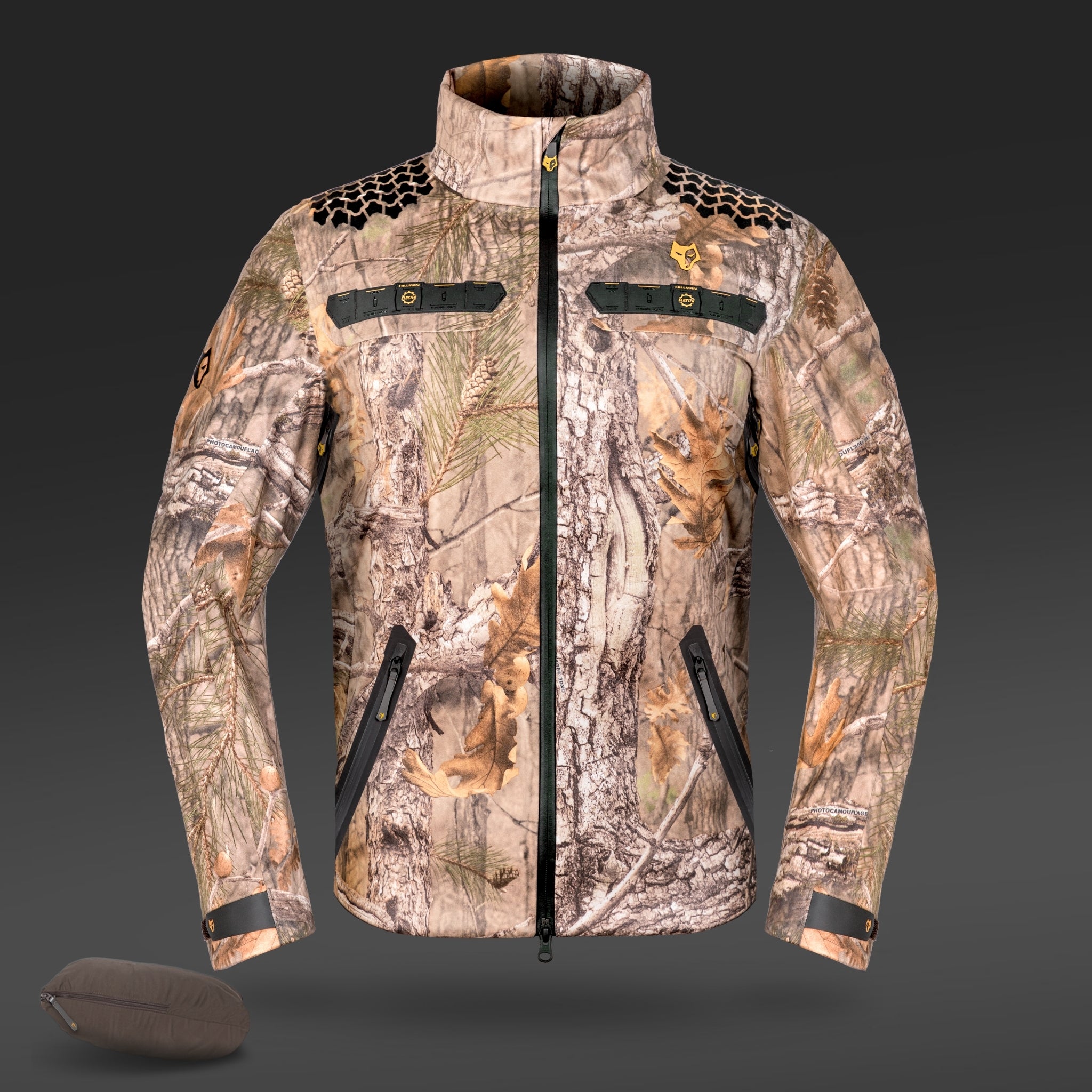
Our 4IL Hunting Down Jacket uses 1000 fill power goose down under a shell with a DWR finish. It weighs 13.3 oz in a size M and stuffs into its own pocket. Instead of stitched baffles, the stretch fabric weave forms the down chambers, so no sewn-through seams leak cold.
Worn as an outer jacket over a base and mid layer, it covers roughly 50°F down to 14°F. Put it inside a full layering system under a shell, and that range runs from 32°F to -22°F.
Respect the weak spot. Don't hike uphill in it, because sweat does to down what rain does. Keep it in the pack while you climb, then pull it on the moment you stop.
Where Synthetic Insulation Pulls Ahead
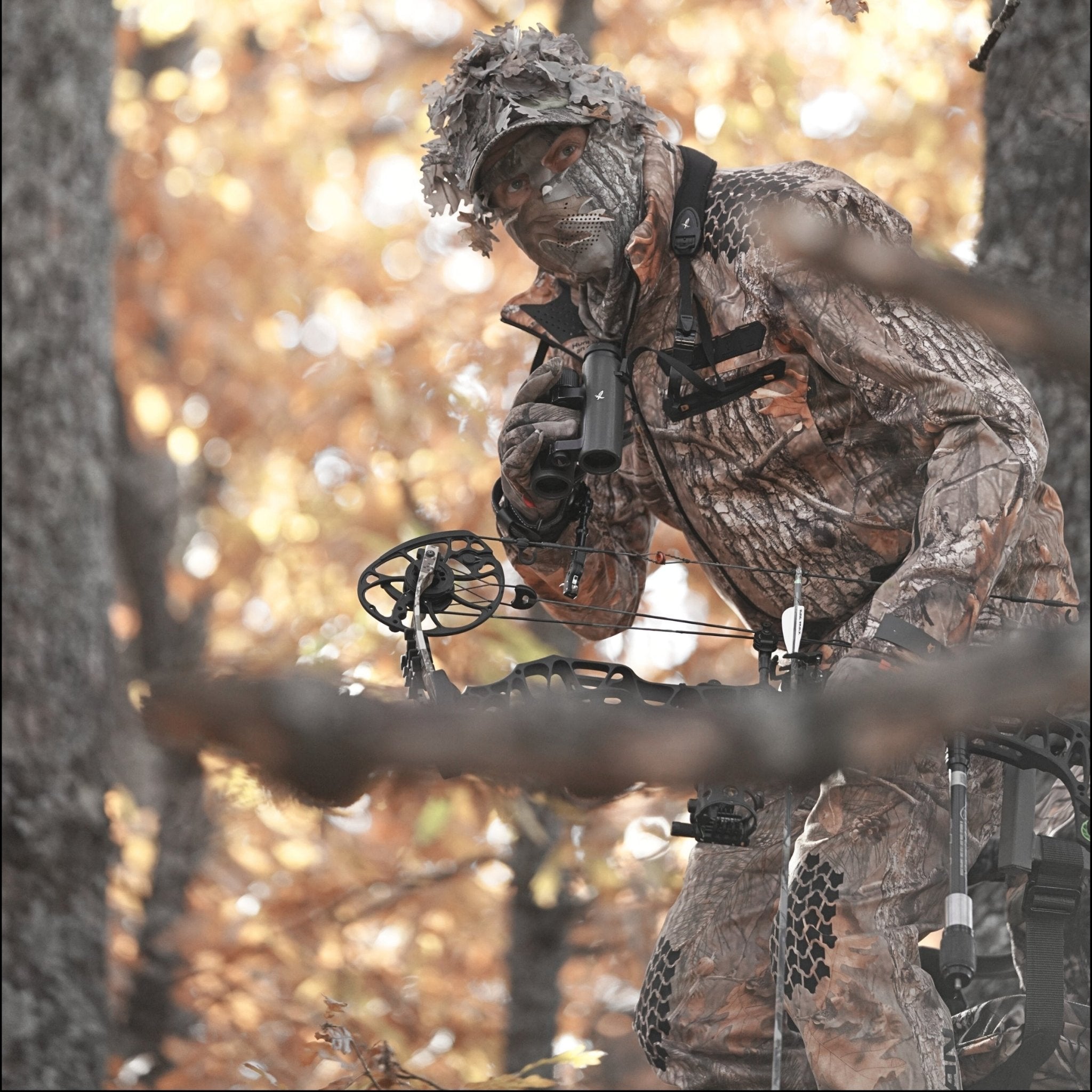
Synthetic is the safer bet when moisture is part of the hunt. Late-season whitetail sits in sleet, river-bottom waterfowl blinds and wet snow at timberline all punish down.
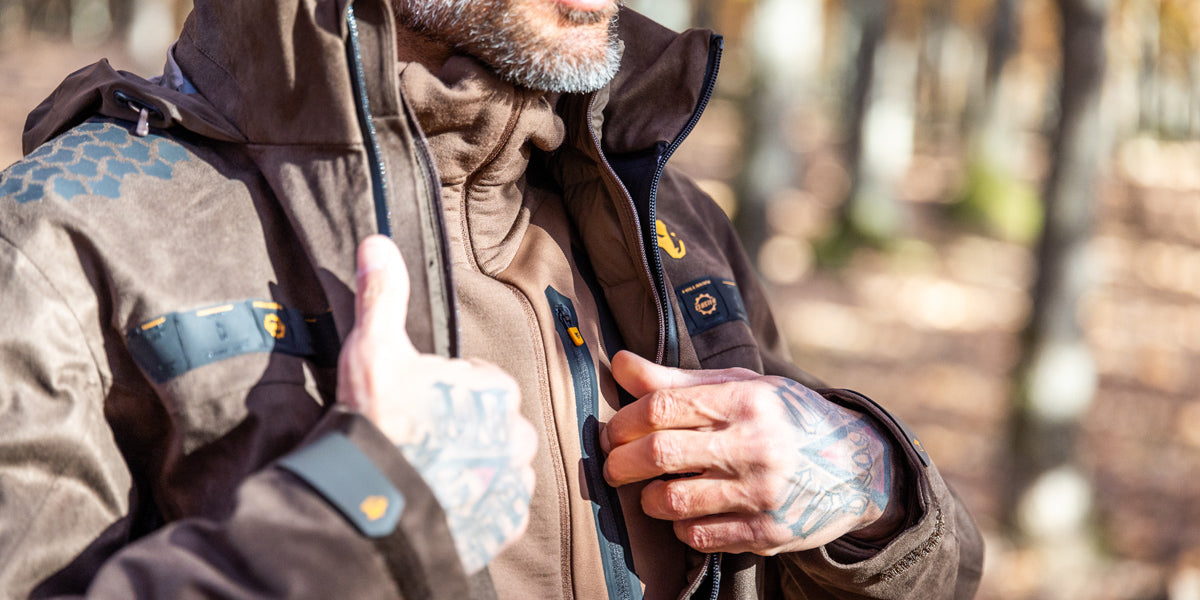
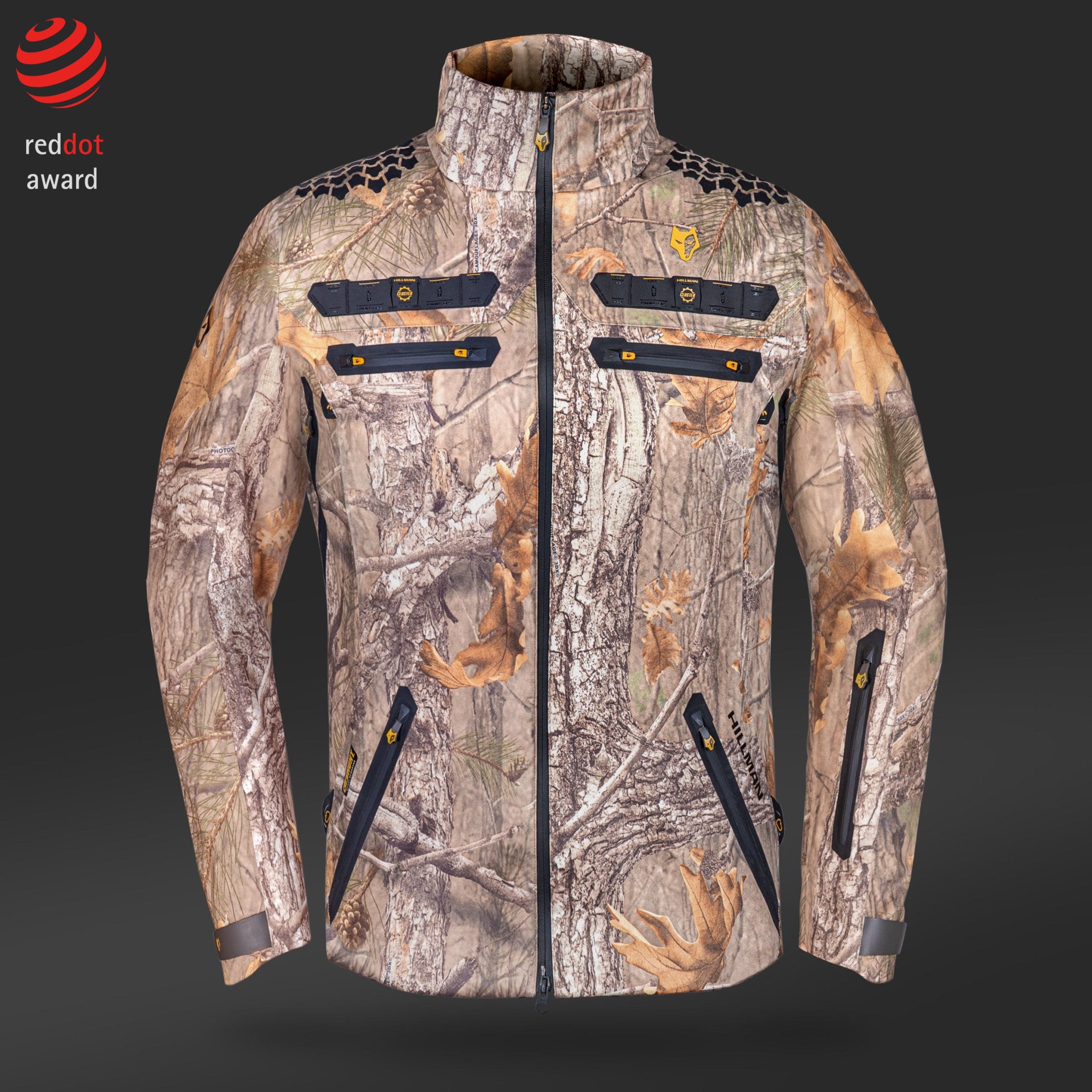
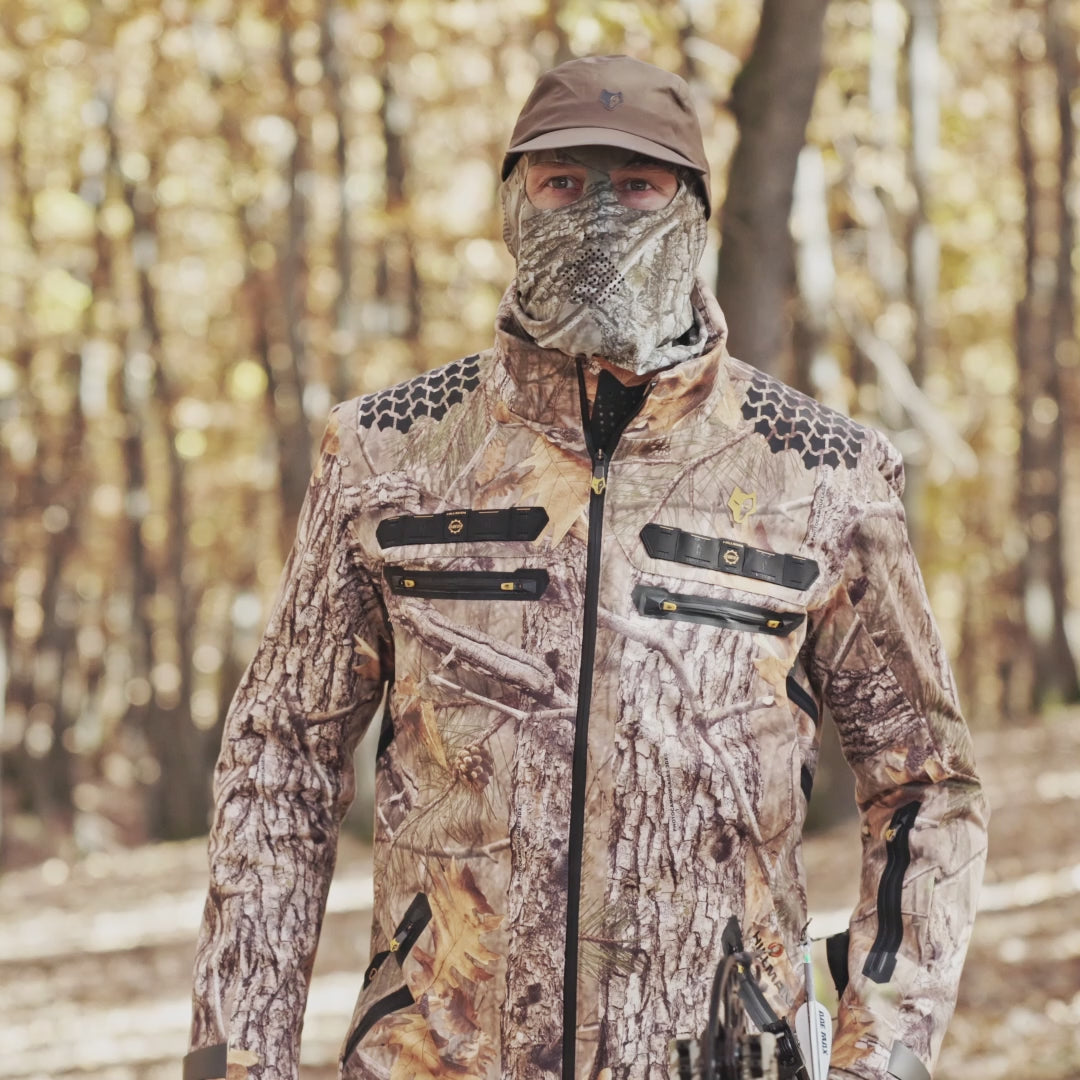
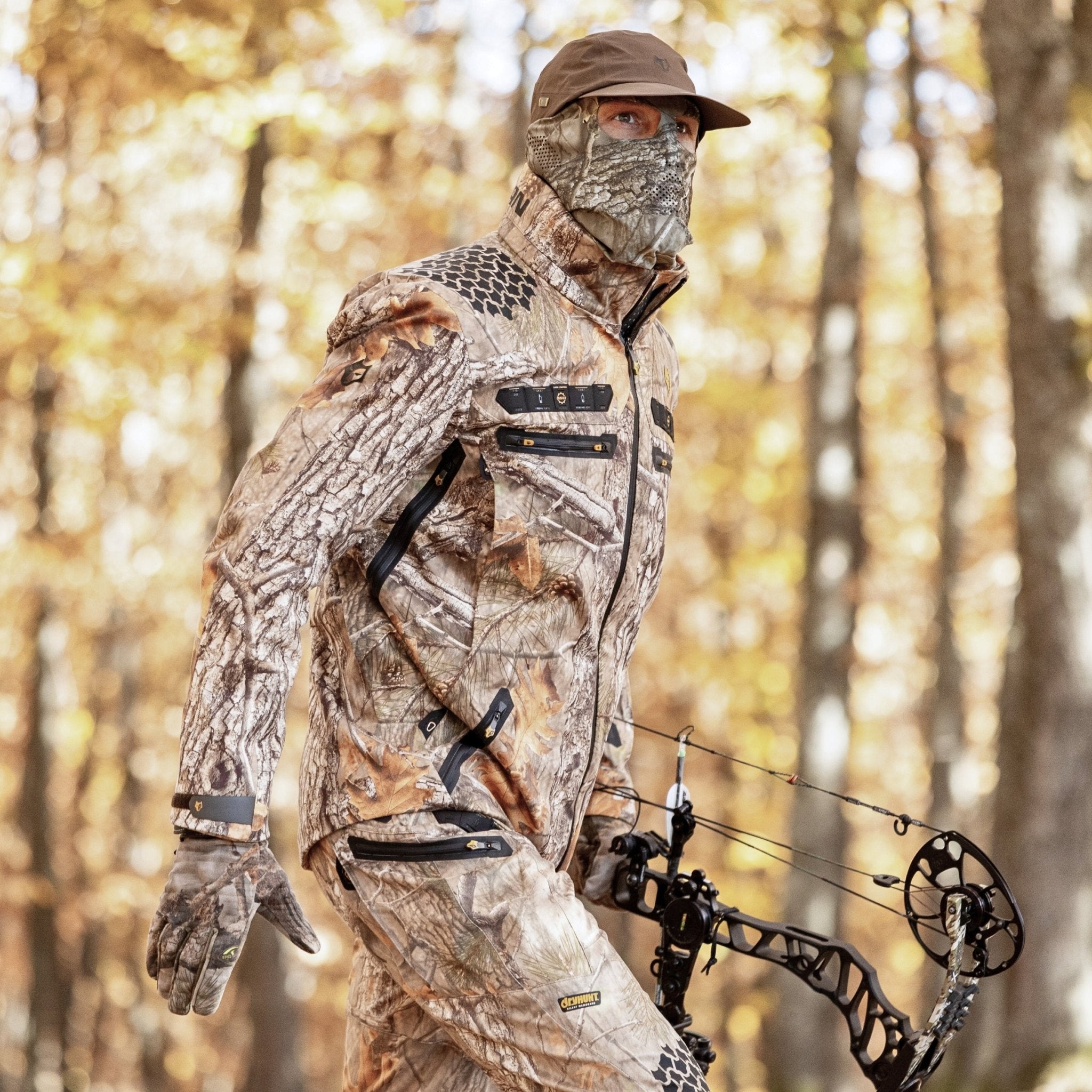
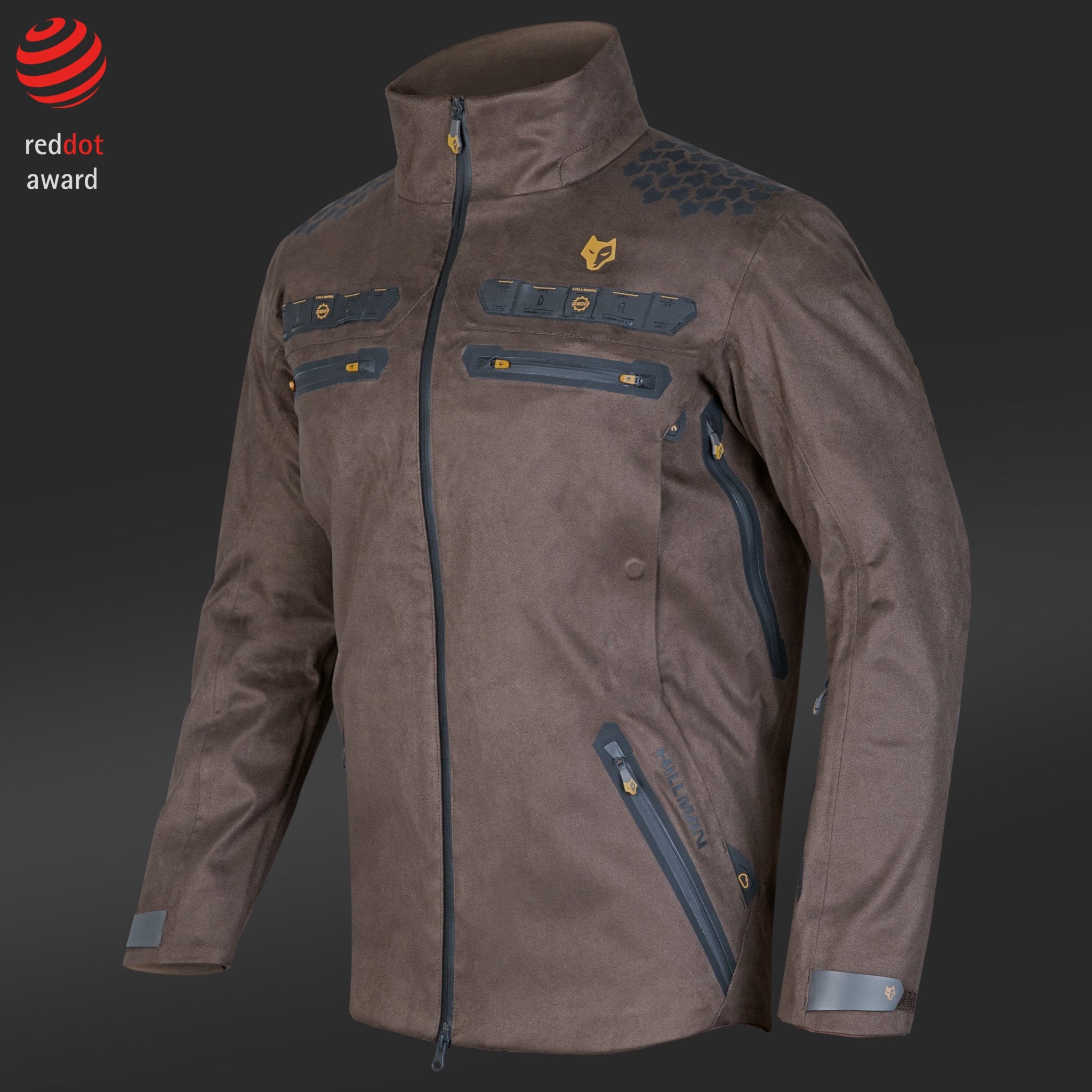
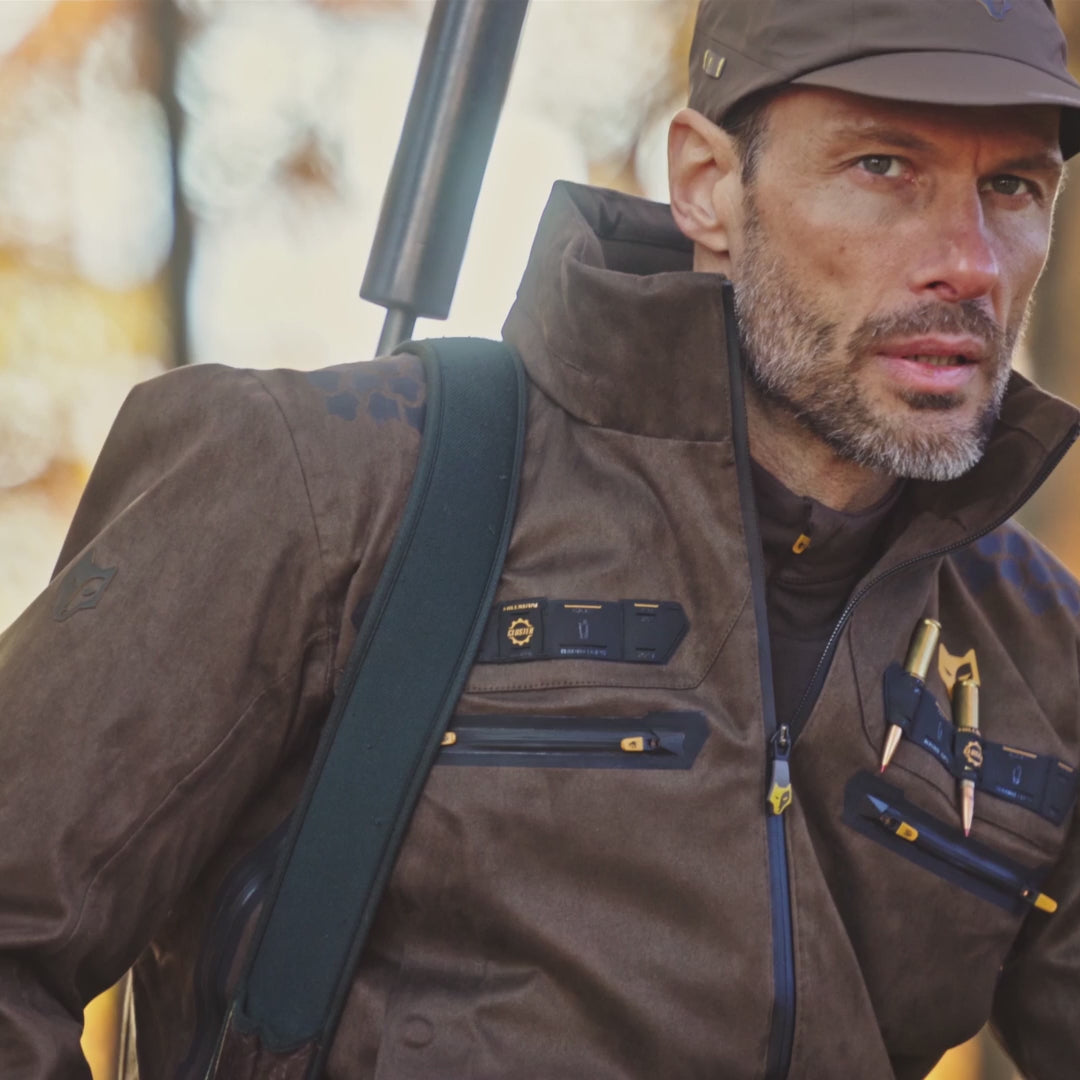
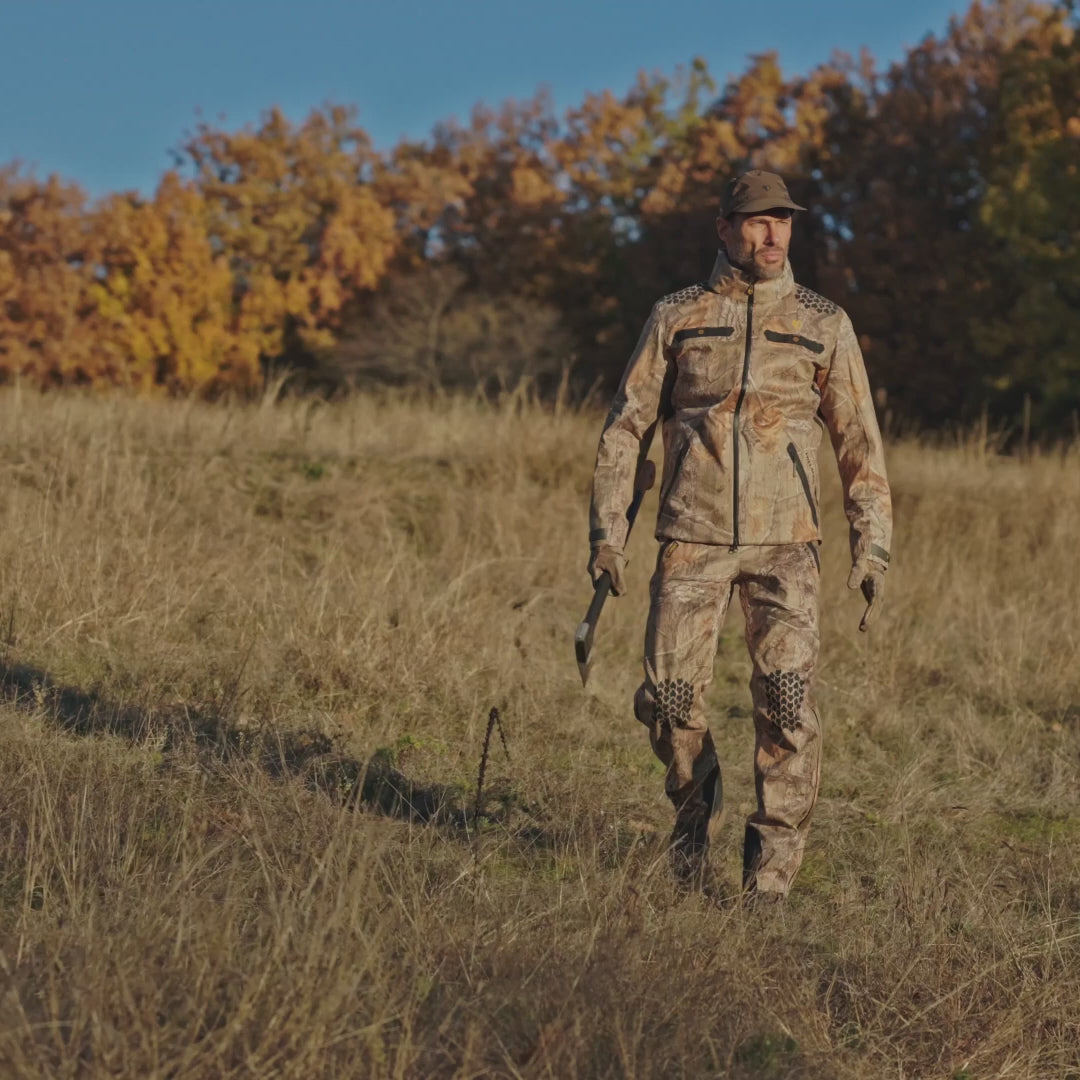
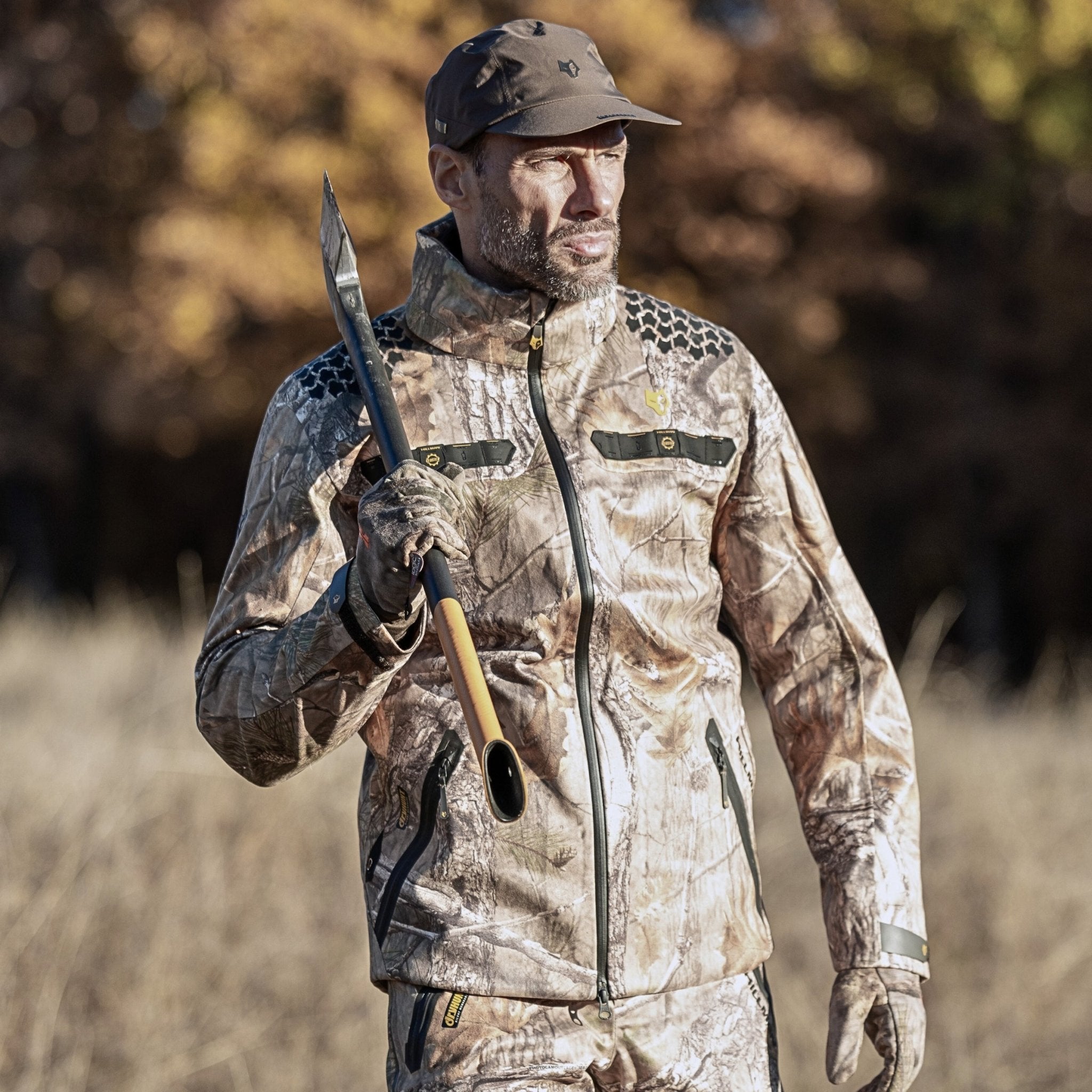
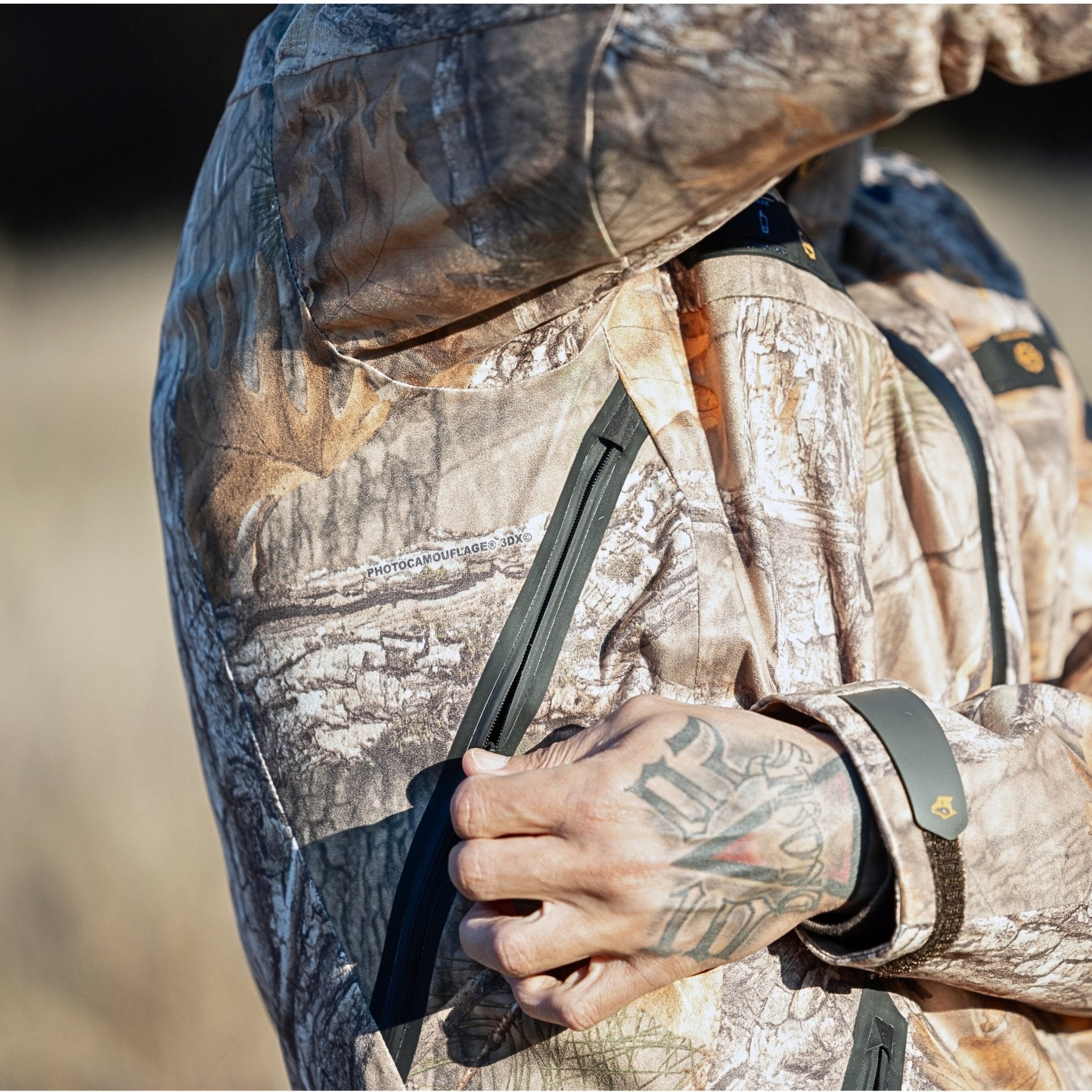
Our insulated cold-weather jacket is built around that problem. Its Matrix insulation is 100% polyester, so it keeps working when damp. Over it sits the Dryhunt nanomembrane, rated to an 11,000 mm water column, with taped seams and YKK AquaGuard zippers keeping rain out. Thermovent pit zips dump heat on the climb, and the Durasuede shell stays quiet when you draw or push through thorny cover.
The trade-off is weight. That jacket comes in at 2.8 lb in a size M, about three times the down jacket. You are carrying a waterproof shell and insulation in one piece, though, and on a wet stand that weight buys a jacket that won't fail.
Synthetic vs. Down Insulation Outdoor Jackets in a Layering System
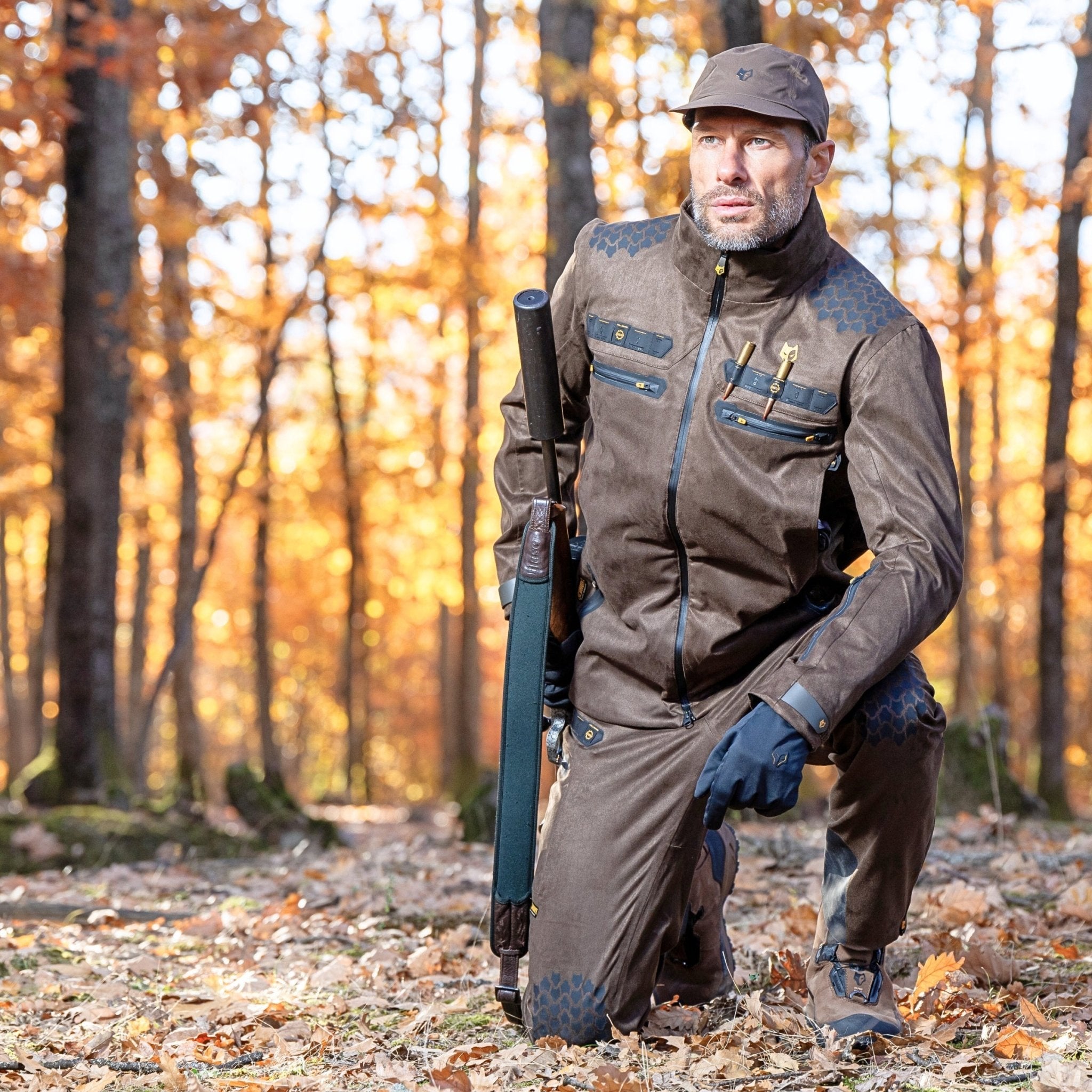
The question changes once you think in layers instead of single jackets. Our 6-Level Layering System gives each piece a numbered job, from the underwear layer against your skin out to the shell. The 4IL down jacket is the fourth layer, sized to fit over the underwear, base and mid layers and to sit under a waterproof shell.
That pairing gets the best out of down. The shell blocks rain and wind, the down supplies warmth with almost no weight, and you can strip the shell when the sky clears. A synthetic insulated jacket works differently: it can serve as your insulation and your outer layer at once, which helps when the forecast can't be trusted.
Whichever you choose, follow one field habit. Start hiking a little cold, keep the insulation in the pack and add it the minute you stop moving. You can compare both styles across our hunting jackets and build the system around how you hunt.
Which One Wins for Your Hunt?
Match the jacket to the conditions you will actually face:
- Early-season elk at altitude: down, because dry air, big elevation gains and long glassing sessions reward light, packable warmth.
- Late-season whitetail stand sits: synthetic, especially when sleet or wet snow is in the forecast.
- Wet coastal, river or marsh hunts: synthetic, every time.
- Multi-day trips in extreme cold: down worn under a waterproof shell, for warmth and weather protection together.
Our simple tip from the field: if you can keep it dry, take down. If you can't promise that, take synthetic. For hunters who see rain, sleet and long sits more often than bluebird cold, the insulated hunting jacket is the one we would hand you first.
Shop Online with Hillman for the jacket your next hunt actually calls for. No nonsense. Just gear that does what it's meant to.
YKK and AquaGuard are trademarks of their respective owners.



Share:
Irish Setter Vs. Hillman: Comparing Leather Hunting Boots
Hillman Vs. KUIU Hunting Pants: Durability And Fit Compared