

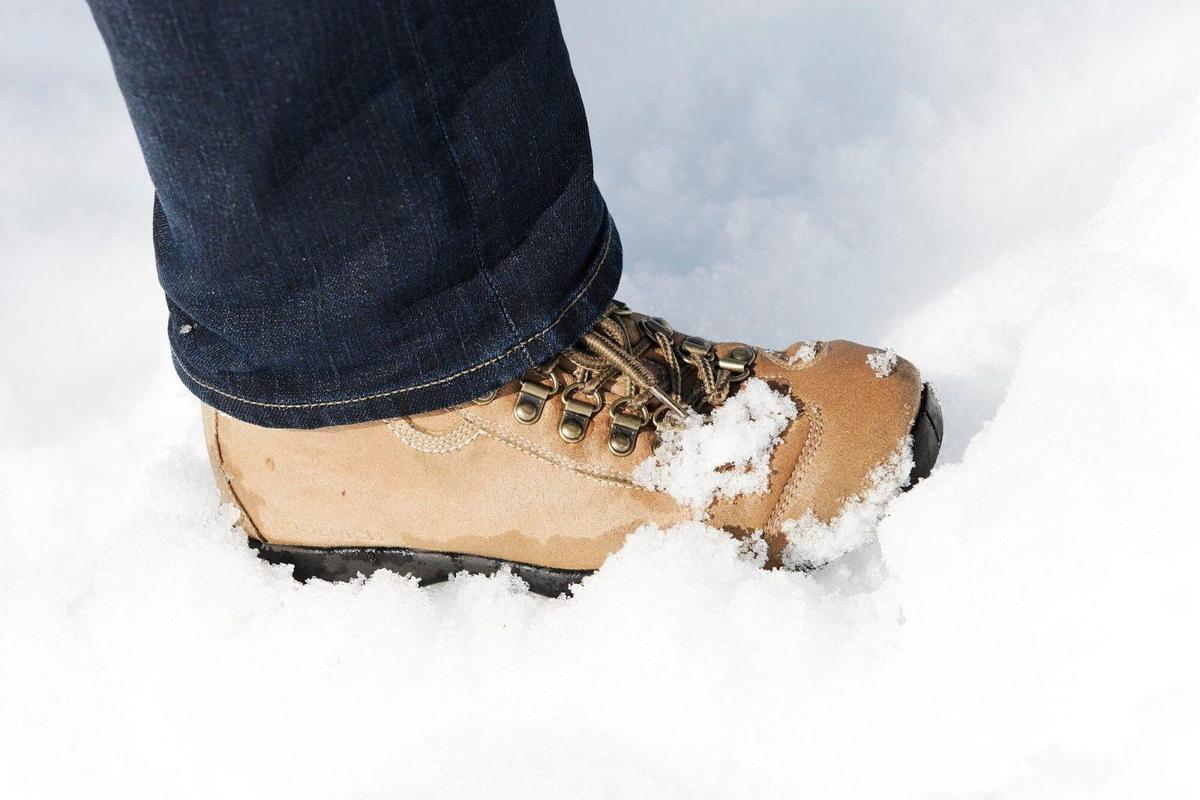
Cold toes at first light, a boot that soaks through by noon or a slip on an icy creek crossing can end a hunt early. That is why hunters shopping Irish Setter boots often look at ours too: both brands build serious leather hunting boots, but they build them differently. Here is how Hillman hunting boots compare with what Irish Setter publishes about its own designs.

Irish Setter vs. Hillman: Two Takes on the Leather Hunting Boot
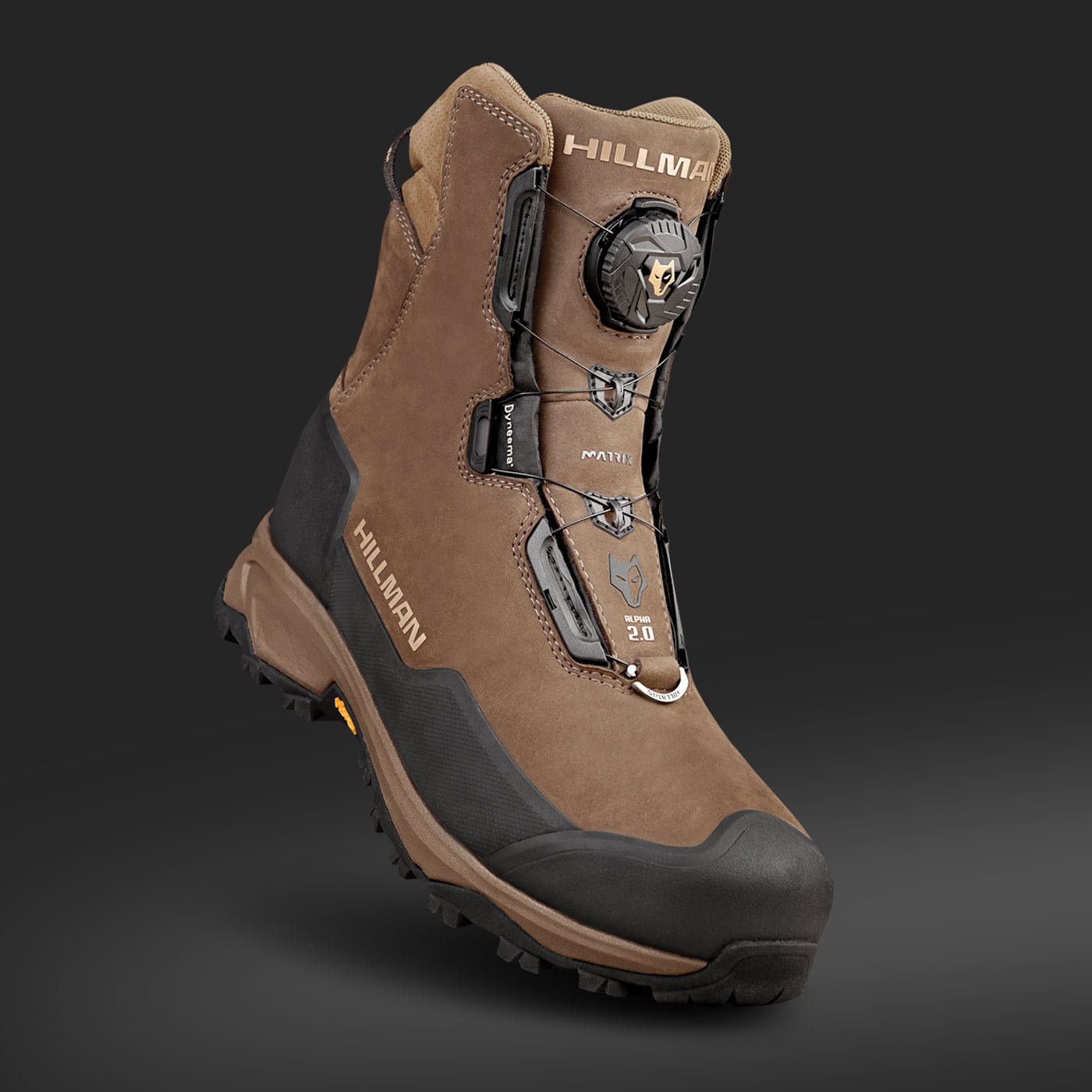
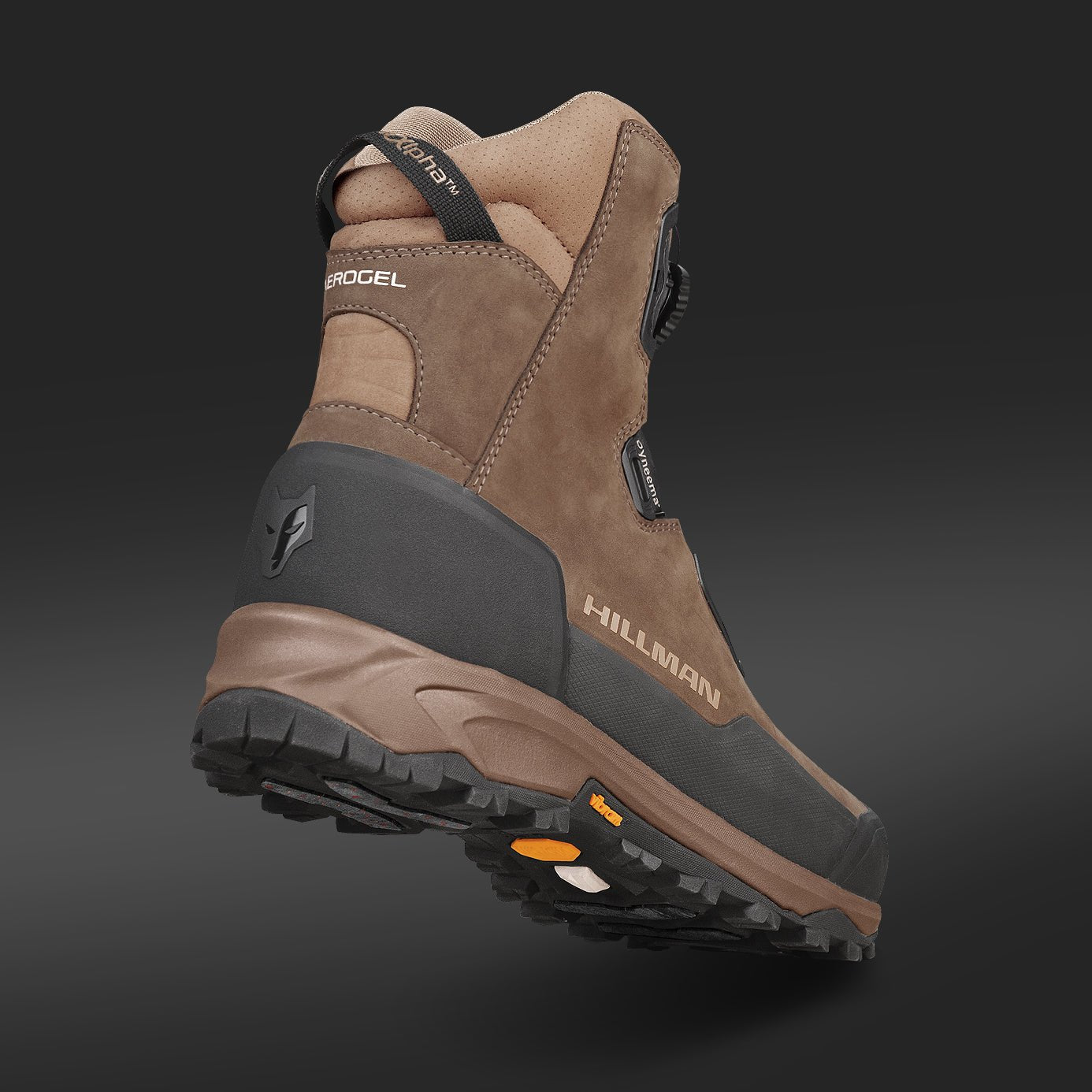
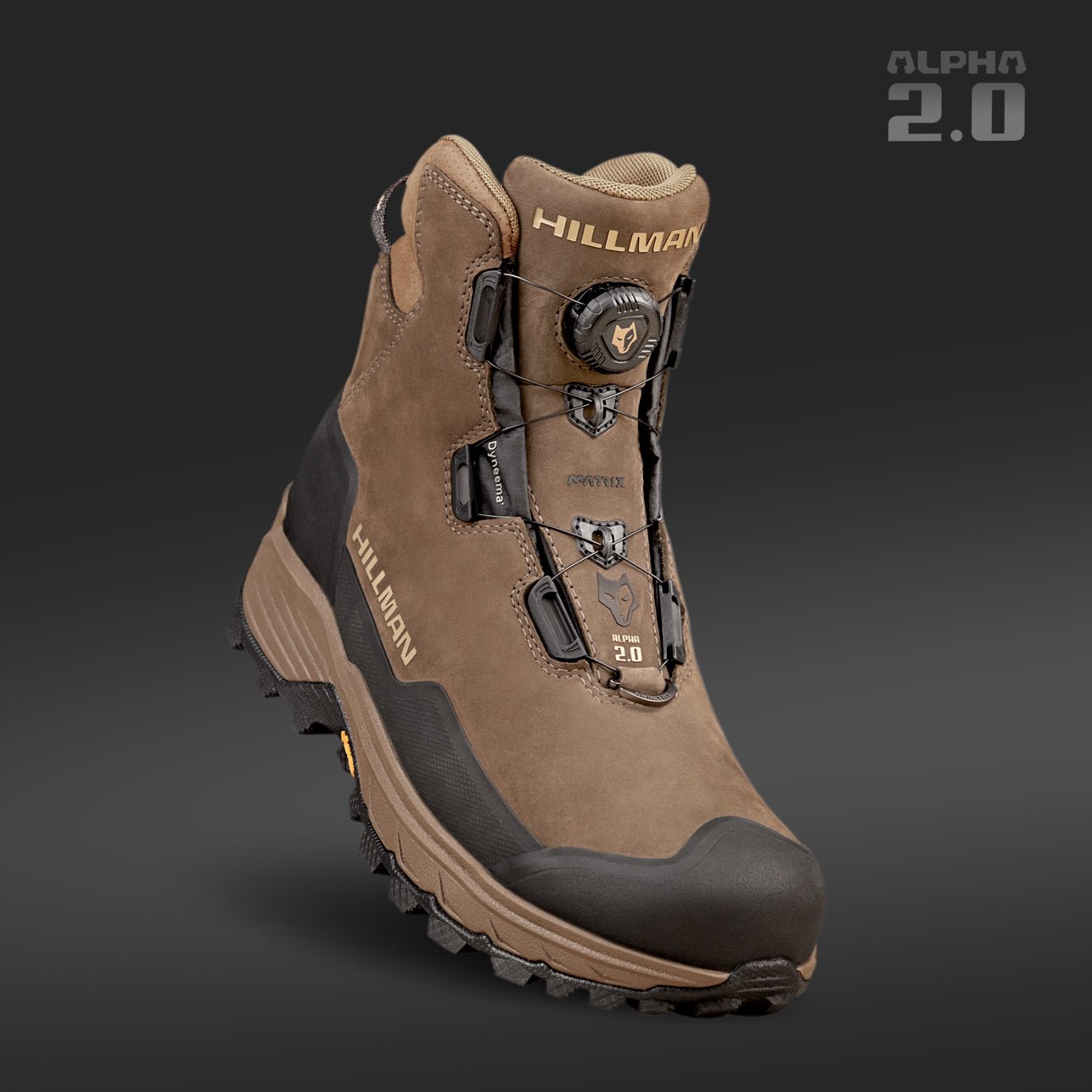
Irish Setter, part of Red Wing Shoes, has made hunting boots since 1950. Our Aerogel 2.0 takes a newer approach to the same job, built around lightweight insulation and ice traction for late-season cold.
| Point | Hillman Aerogel 2.0 | Irish Setter (per its own specs) |
|---|---|---|
| Leather | Full-grain Italian cow leather with Dyneema | Full-grain waterproof leather |
| Waterproofing | Dryhunt PFAS-free membrane | UltraDry waterproofing system |
| Insulation | Aerogel plus Matrix | Varies by model, some use 400g Thinsulate Ultra |
| Outsole | Vibram Arctic Grip on a Vibram EVA midsole | Varies by model |
| Widths | Regular (D) and Wide (EE) | Varies by model |
Leather and Waterproofing
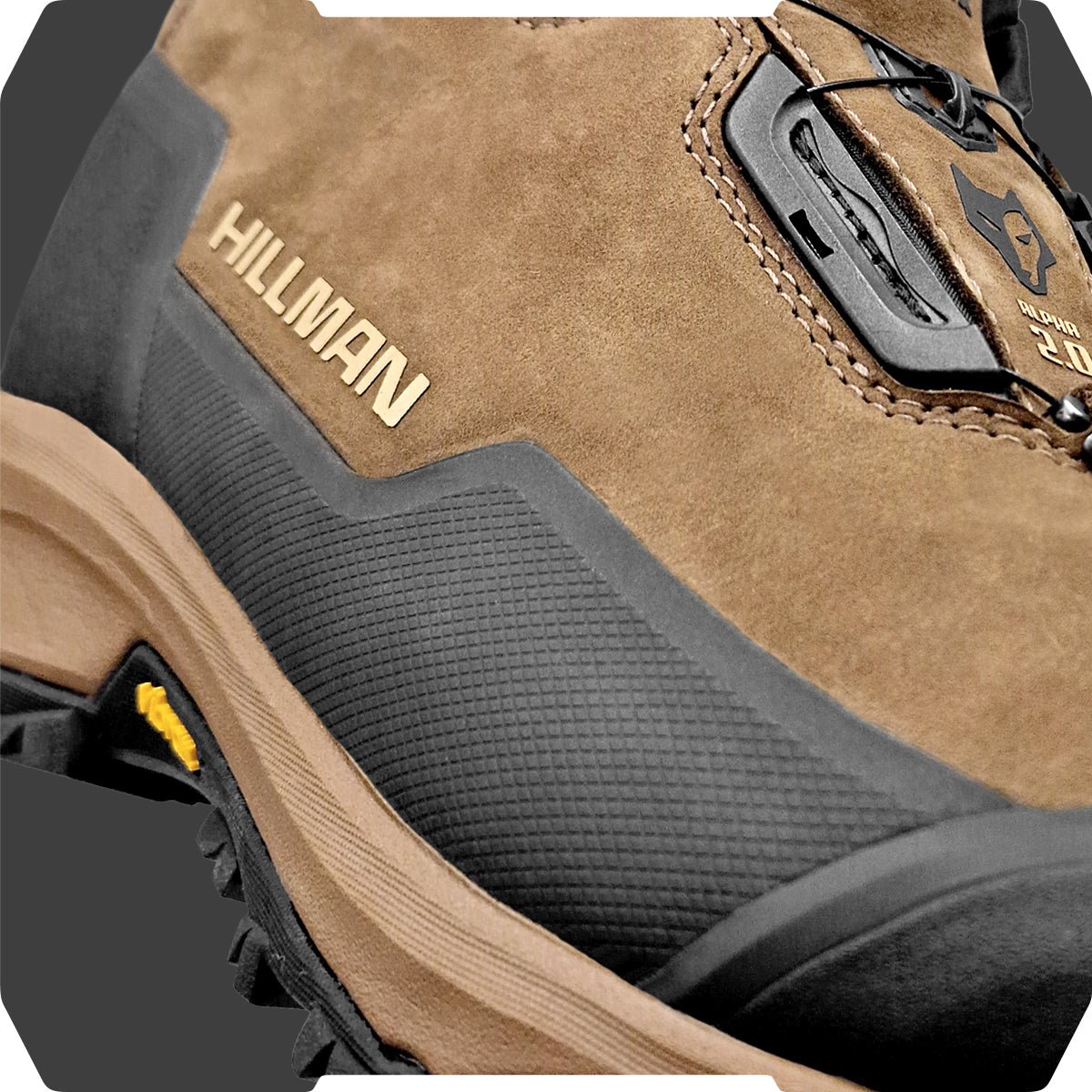
Leather is where a hunting boot earns its keep. Ours uses full-grain Italian cow leather reinforced with Dyneema, so the upper stands up to scuffs from rock and deadfall. Inside, the PFAS-free Dryhunt membrane keeps the boot waterproof.
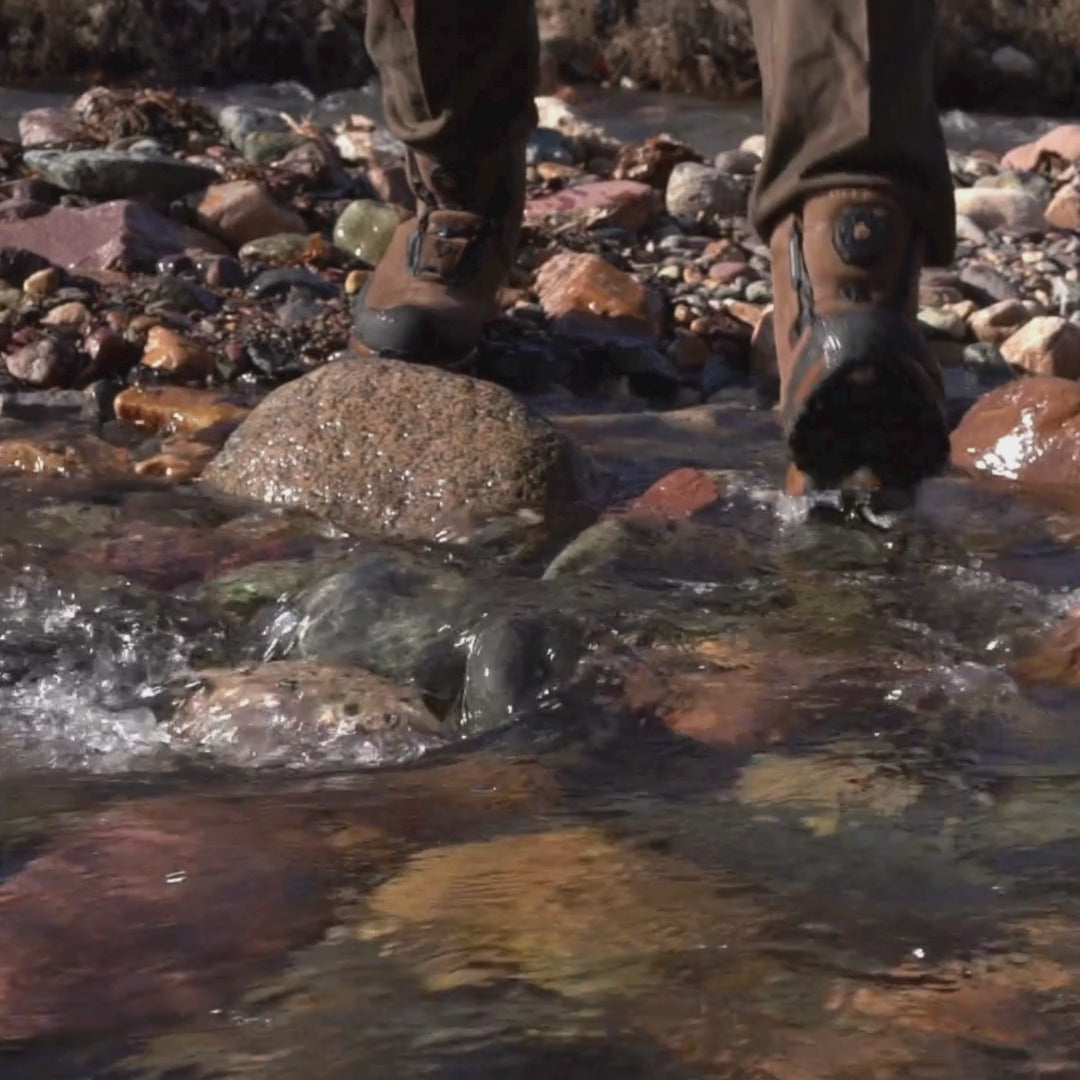
Irish Setter describes its boots as full-grain waterproof leather built around its UltraDry waterproofing system, with Goodyear leather welt construction on many styles. Both are proven ways to keep water out. The better question is how the boot handles the cold once you stop walking.
Break-in matters with any leather boot. Wear new boots around the house and on a few short hikes before opening day, so the leather shapes to your foot before a long day in the field does it the hard way.
Warmth, Traction and Fit
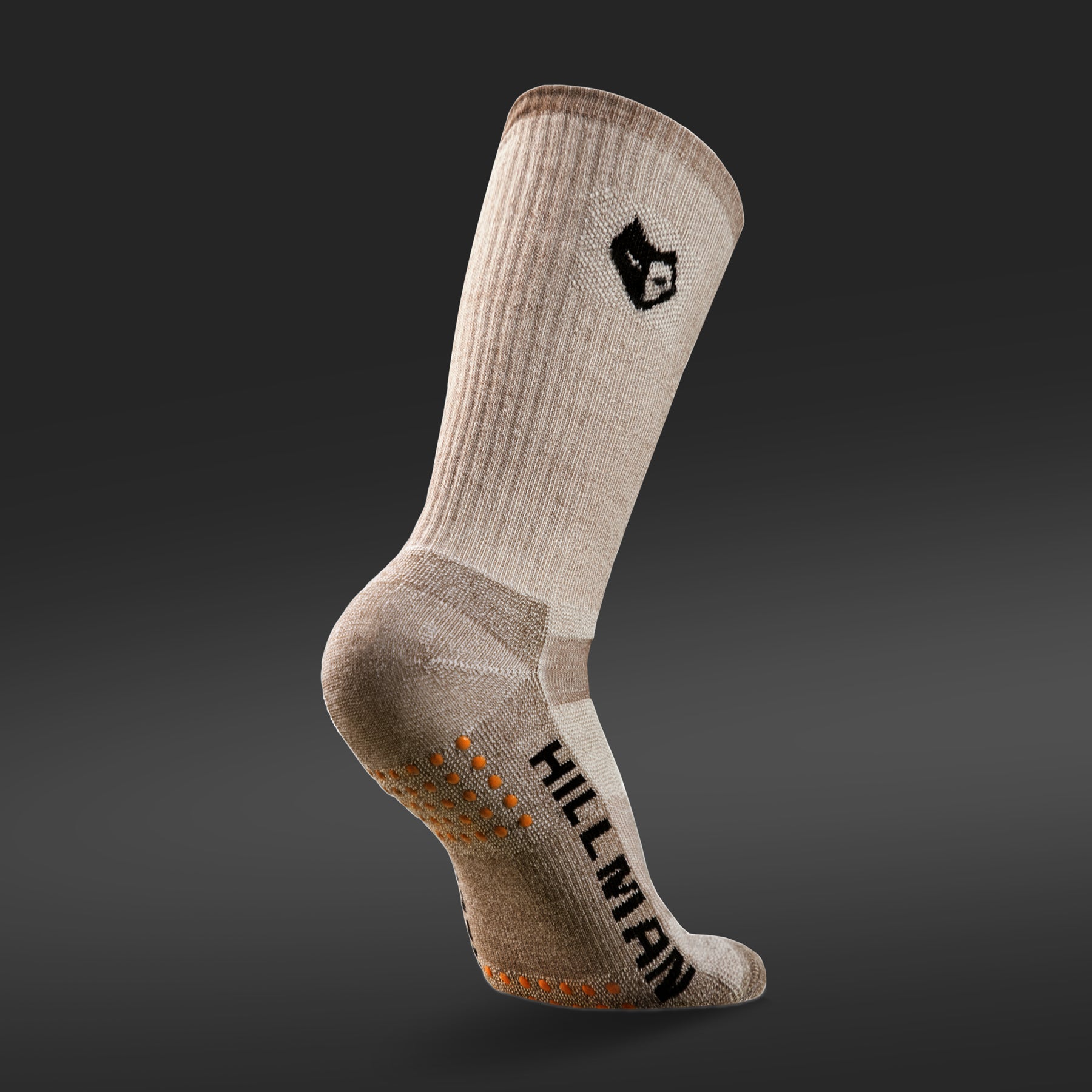
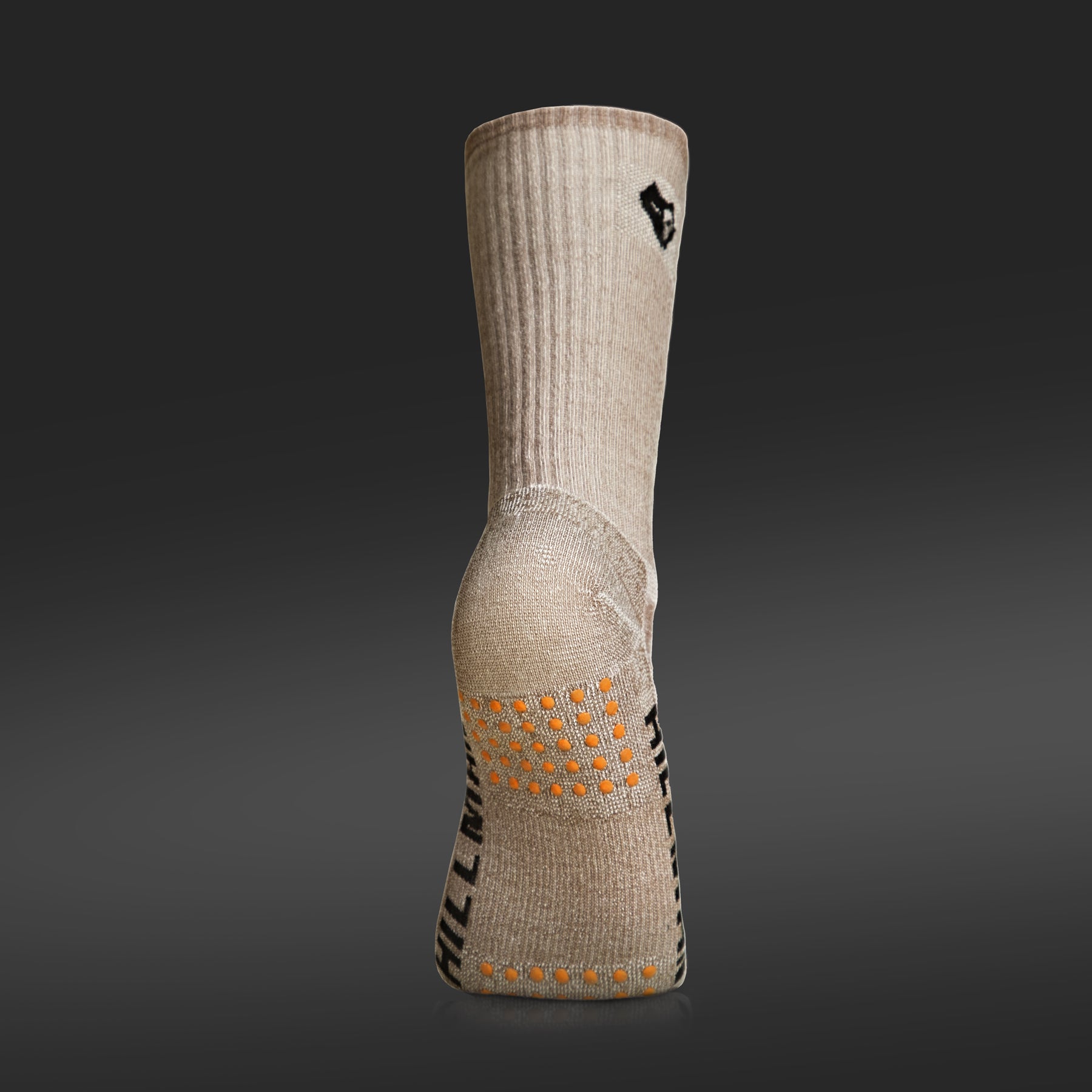
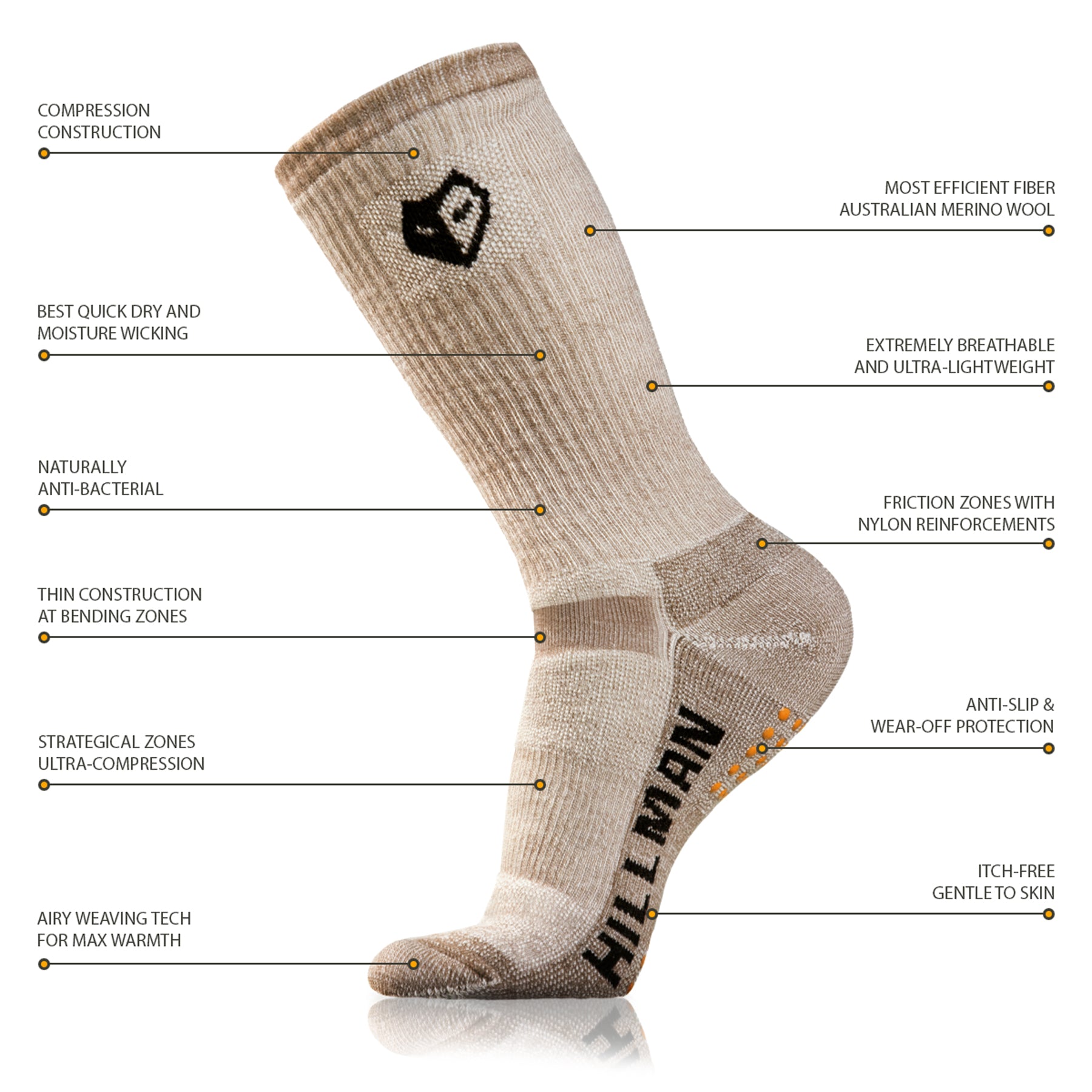
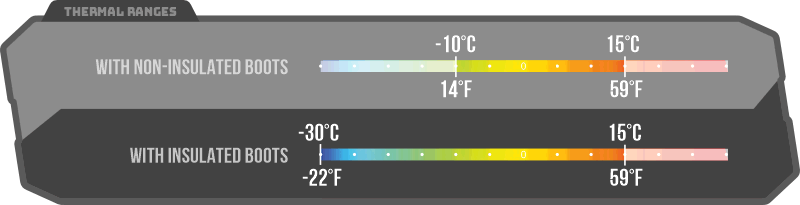
Warmth is where the two brands separate most. Hillman's Aerogel 2.0 combines Aerogel and Matrix insulation, a lightweight pairing, so you are not hauling heavy insulation up every ridge. Pair them with merino socks rather than cotton, since damp cotton undoes any insulation.
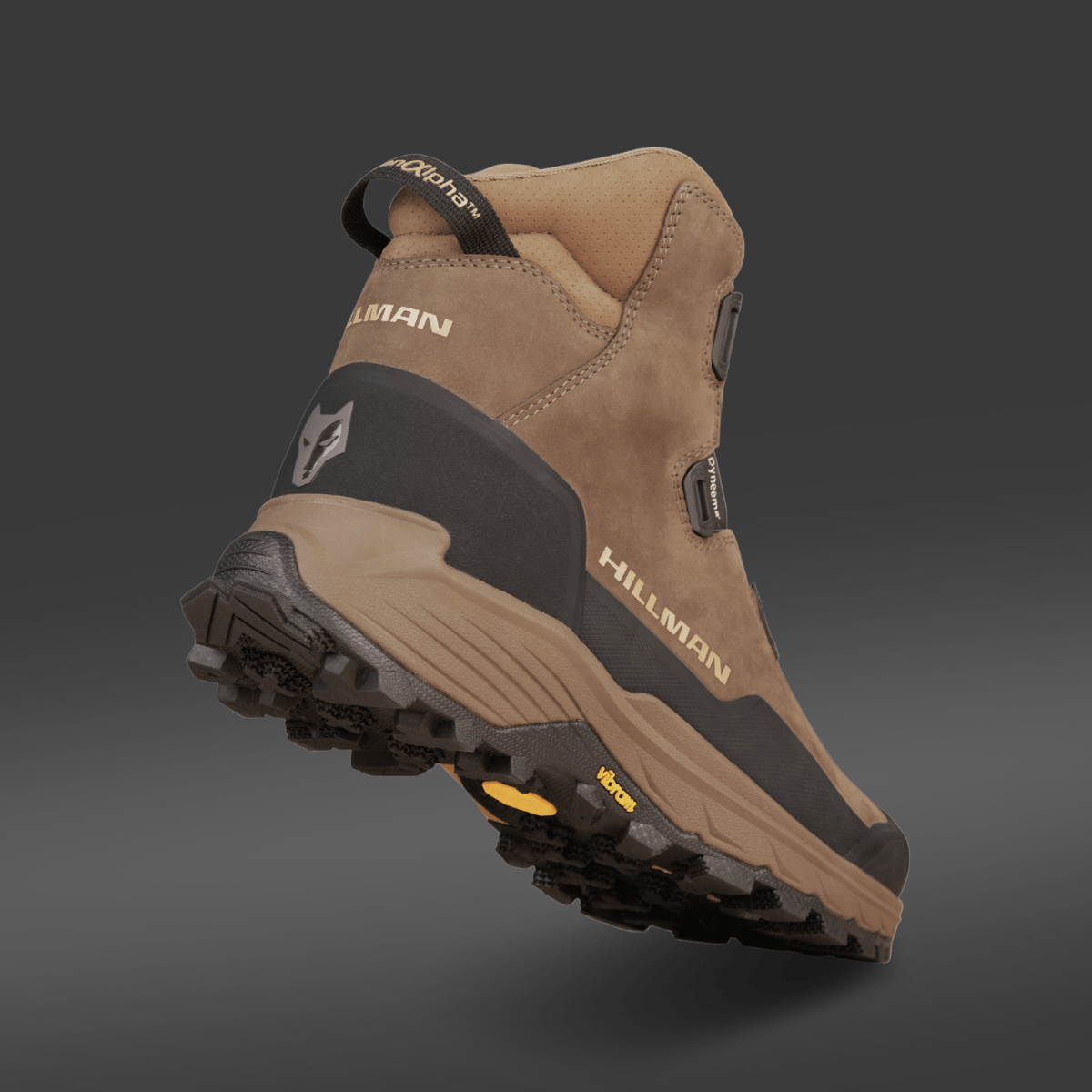
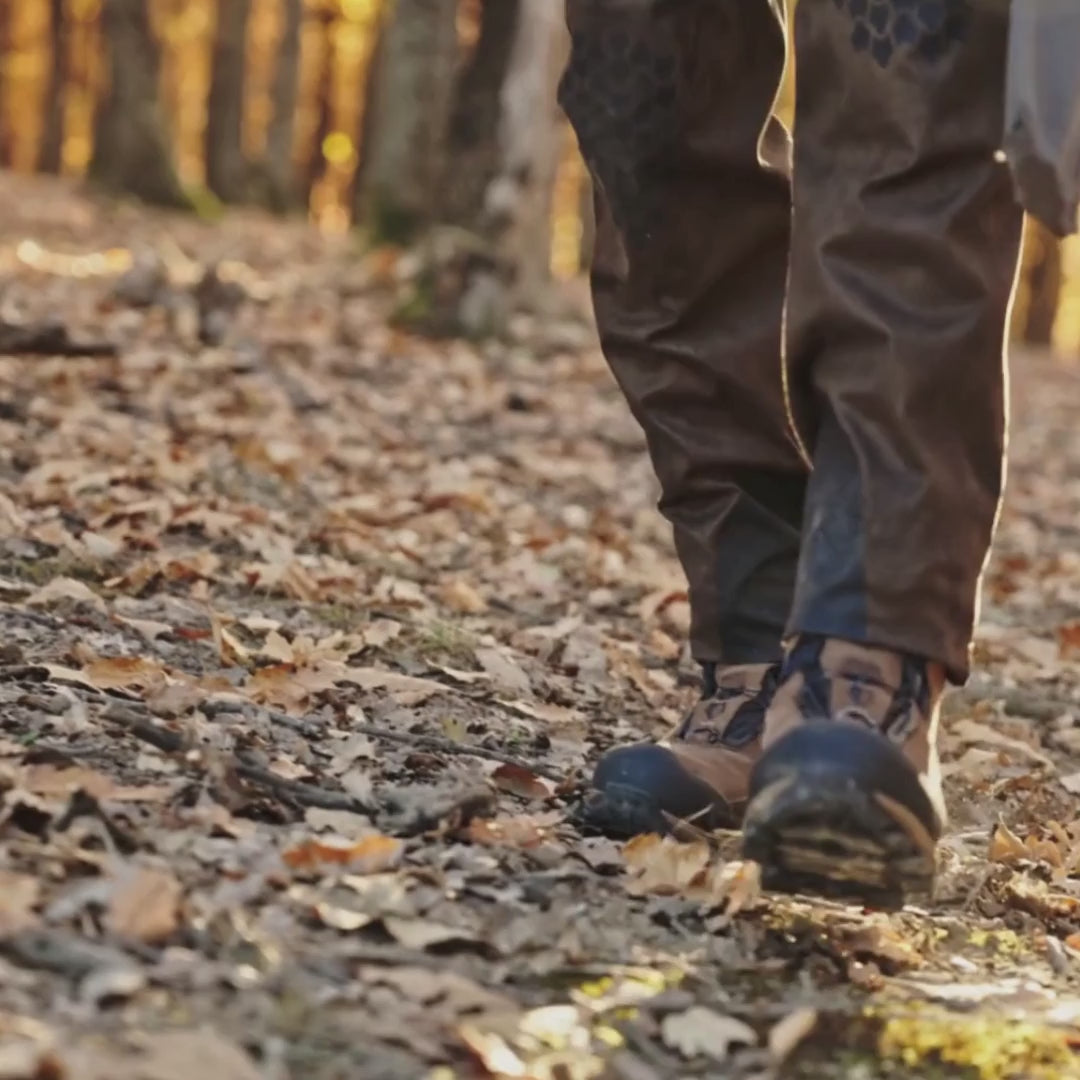
Underfoot, the Vibram Arctic Grip outsole is built for traction on wet ice, on a shock-absorbing Vibram EVA midsole.
Fit comes in two widths, Regular (D) and Wide (EE). If standard boots pinch across the forefoot, our wide hunting boots give you the same build with more room. Irish Setter's insulation and outsoles vary by model, so check each style's specs against the conditions you hunt.
Which Hillman Hunting Boots Fit Your Hunt
Our simple tip: buy the boot for your coldest, iciest day, not your easiest one. If you sit late-season stands, glass frozen ridges or cross icy creeks, start with our insulated leather hunting boots. Each pair carries a 2-year warranty against manufacturing and material defects. For warm early-season hunts, an insulated boot is more than you need, so pick a lighter, uninsulated waterproof boot and save the Aerogel pair for November.
Every serious hunter knows the feeling of numb toes on a late-season stand, so shop online with Hillman for leather hunting boots made for your coldest day afield.









Share:
Down Vs. Synthetic: Which Insulated Hunting Jacket Wins In The Backcountry?
Hillman Vs. KUIU Hunting Pants: Durability And Fit Compared