

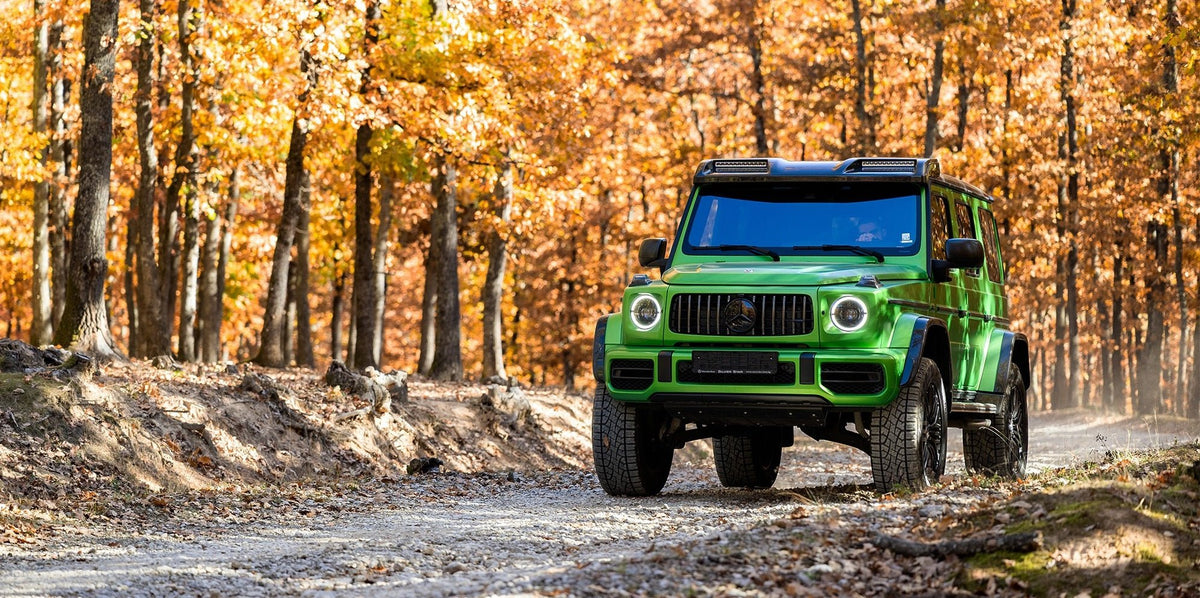
Cold-Front Whitetail Strategy: Where Mature Bucks Slip Up First

Hunt in the first clear, cold window after a front and learn where mature bucks expose themselves before dark.
A serious cold front does not make whitetail deer forget how to survive. It does something more useful for the hunter. It reshuffles priorities.
Before the front arrives, the woods can feel unsettled. Wind starts pushing through the trees. Rain may come in sideways. Temperatures swing, cloud cover builds, and deer often know something is changing long before we feel the full hit. Some deer will feed a little harder ahead of it, especially when the air drops and the sky turns heavy. Others tuck into thick cover and wait it out, especially if strong wind and rain make movement risky.
That is where a good cold front whitetail strategy begins. Not with the idea that every buck will suddenly be on his feet, but with the question of where mature bucks slip up first when the weather finally breaks.
Cold fronts can trigger increased deer activity because they change comfort, food demand, and timing. When temperatures drop below 60 degrees after a warm spell, deer movement often becomes more visible during daylight hours. Add rising barometric pressure, clear skies, and calm conditions after the system passes, and you get one of the better windows in deer hunting.
Still, the best buck in the area usually does not walk into the middle of a field at 3 p.m. just because the weather forecast looks pretty. He moves with purpose. He checks the safest route. He uses cover, wind, terrain, and food. Your job is to be waiting at the point where those things squeeze him into a mistake.
Hunting Cold Fronts Is About Timing, Not Just Cold Weather

Many whitetail hunters see a big cold front on the forecast and immediately think about the first sit they can squeeze in. That excitement is not wrong. It just needs discipline.
The pre-front period can be good, but it is not always simple. Deer often sense an approaching cold front and may increase feeding before the worst weather hits. If the wind is manageable and the rain has not arrived yet, this can be a great time to hunt the downwind side of food sources or soft edges near bedding areas. The movement can feel nervous, though. Deer are feeding with the weather in mind, and mature bucks may still wait for lower light.
During the front itself, everything depends on severity. A mild October cold with a steady breeze may keep deer activity alive. A big cold front with hard rain, strong wind, and sharp temperature drops can put deer in survival mode. Bucks often shift into low-elevation bedding areas, dense thickets, sunny pockets, or south-facing slopes where they can escape the worst of the wind and hold body heat.
The real opportunity often comes once the front passes.
The first 24 to 48 hours after a cold front passes are often the most productive. Skies clear. Barometric pressure rises. The wind drops or at least steadies. Deer that have been hunkered down need to feed, and mature bucks feel that pressure more than they like to admit. They may enter open food sources earlier in the evening, stay out later in the morning, or travel a few minutes sooner than normal through cover they trusted all season.
That is usually where they make their first mistake.
Where Mature Bucks Slip Up First After the Front

The first place mature bucks slip up is rarely random. It is usually the first secure travel route between a safe bed and a high-value food source.
That might be a narrow strip of cover leading to standing corn. It might be a ridge bench that lets a buck scent-check a lower feeding area. It might be a saddle between bedding cover and acorns. It might be the downwind side of a doe bedding area in late October, when pre-rut behavior starts to influence where bucks cruise.
Natural funnels matter here. Saddles, ridge benches, creek crossings, inside corners, old logging roads, and tight strips between thick habitat can channel deer movement into predictable paths. Mature bucks like options, but after a cold front they also want efficiency. They need food, but they do not want exposure. The best stand is often not on the food itself. It is back in the cover, where the buck still feels hidden but has already committed to feeding.
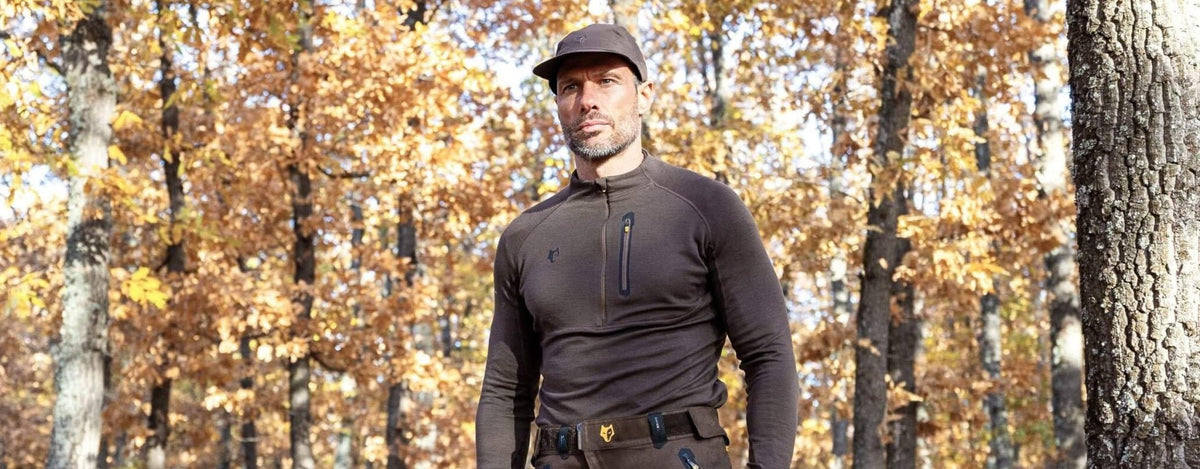
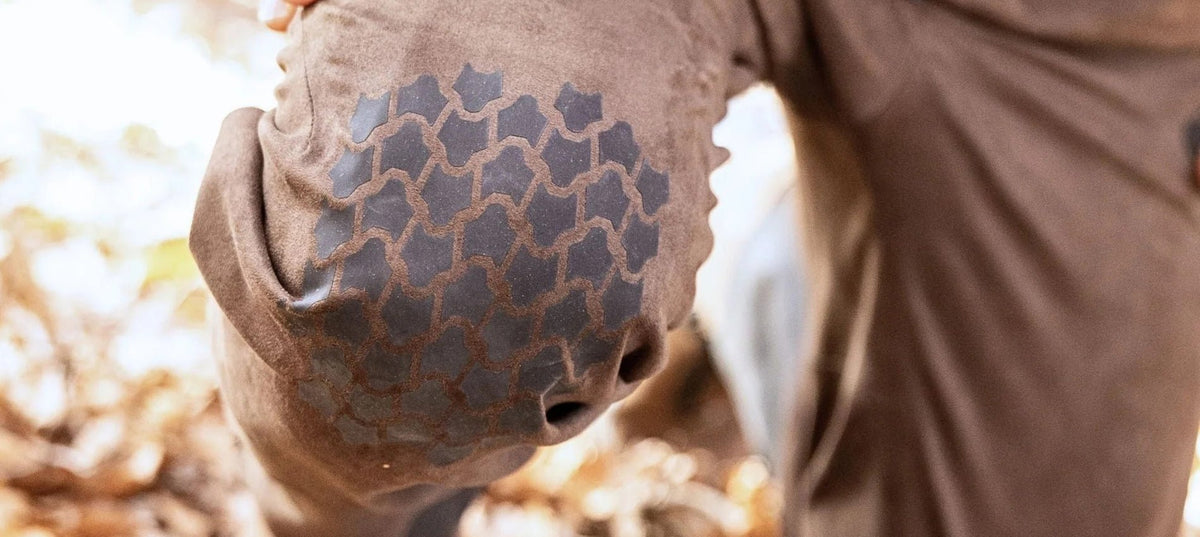
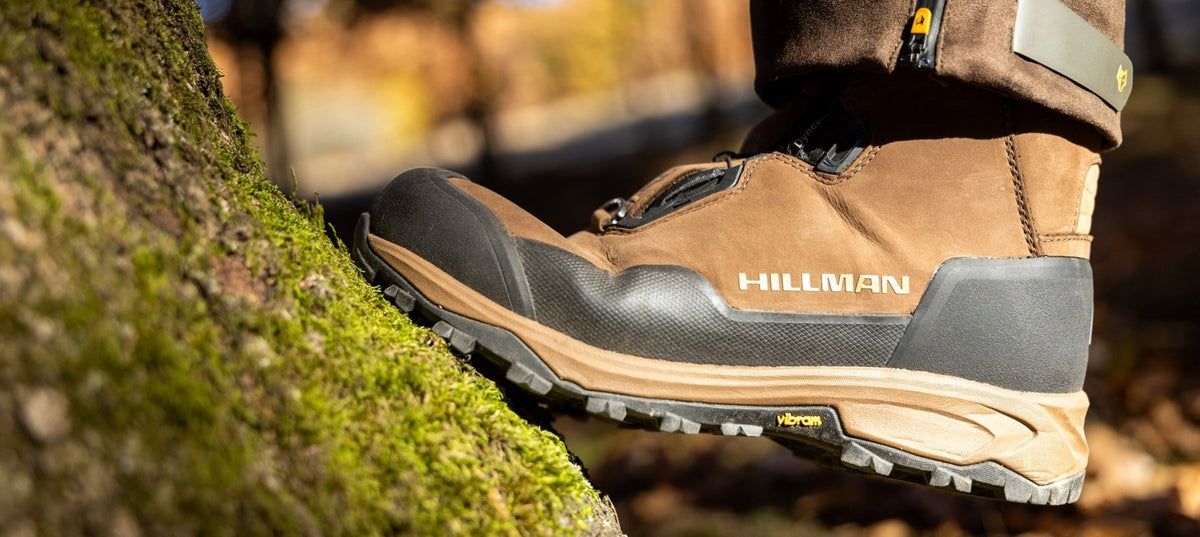
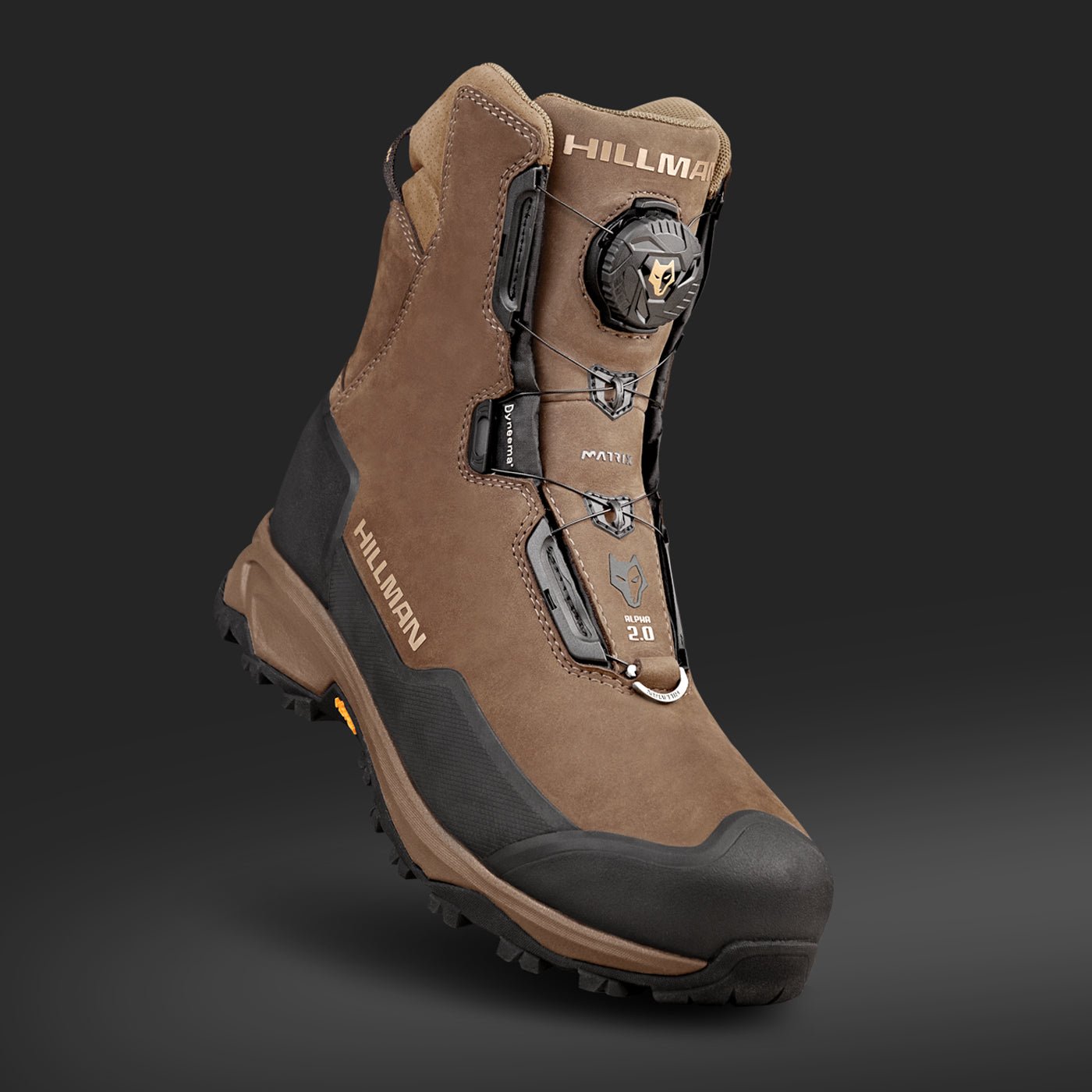
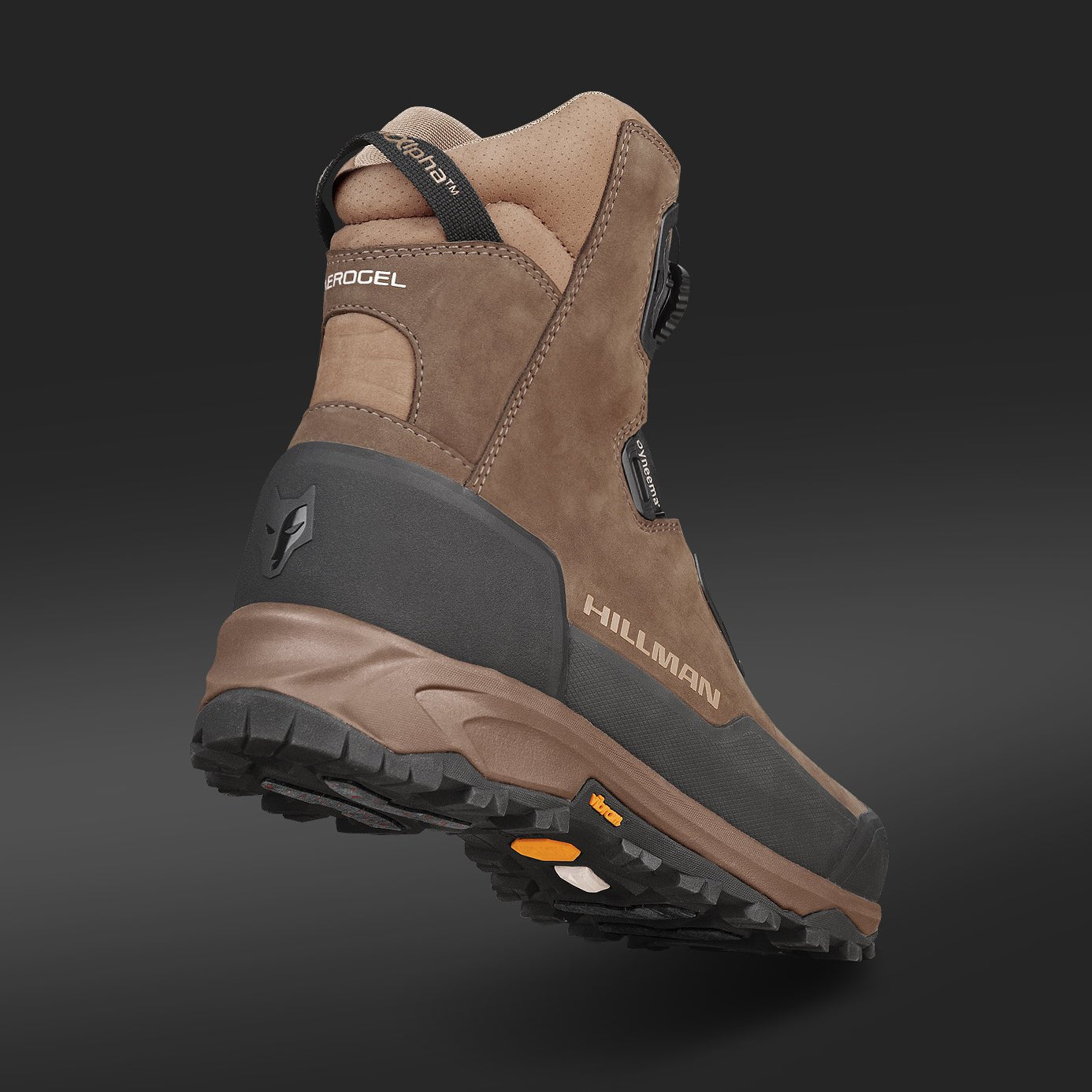
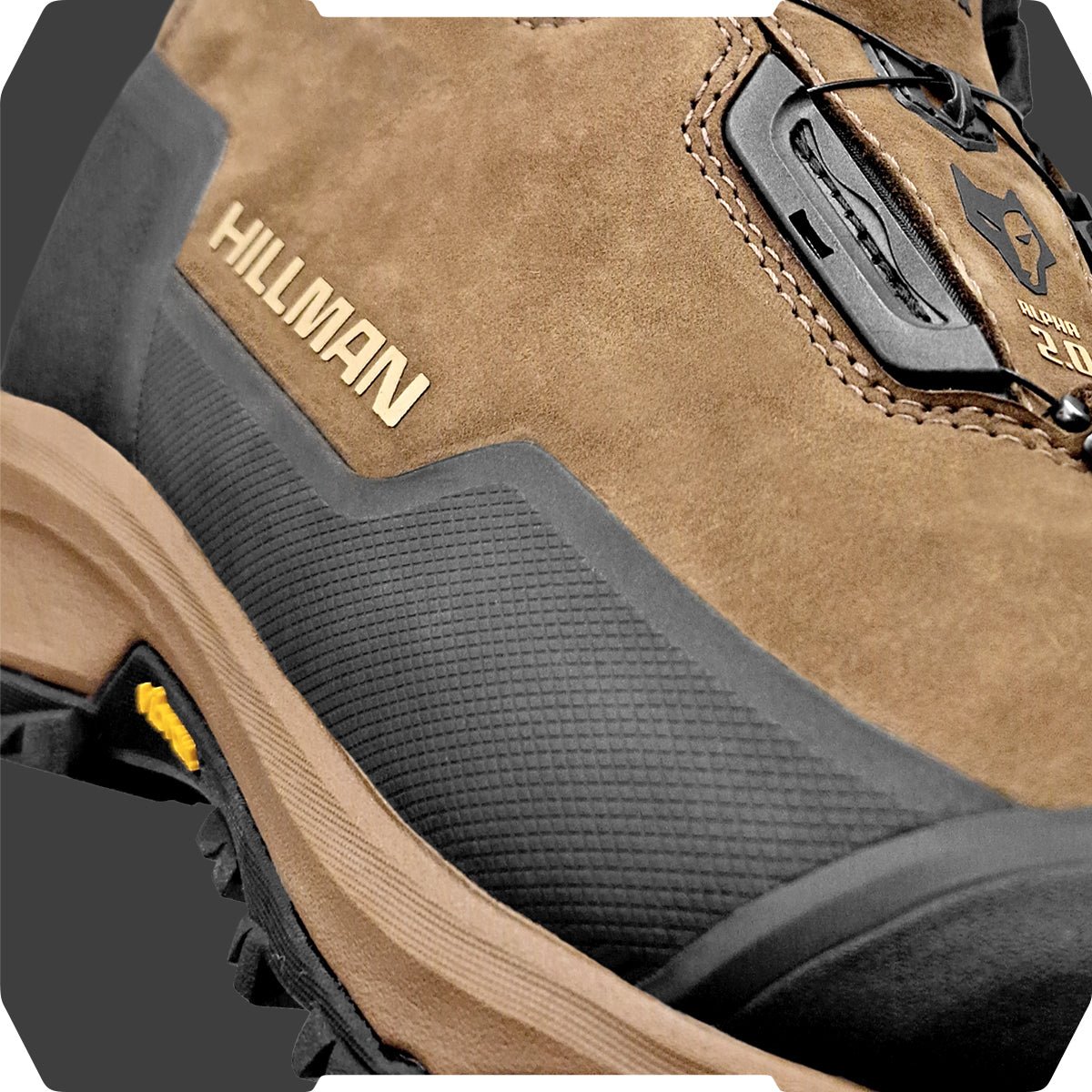
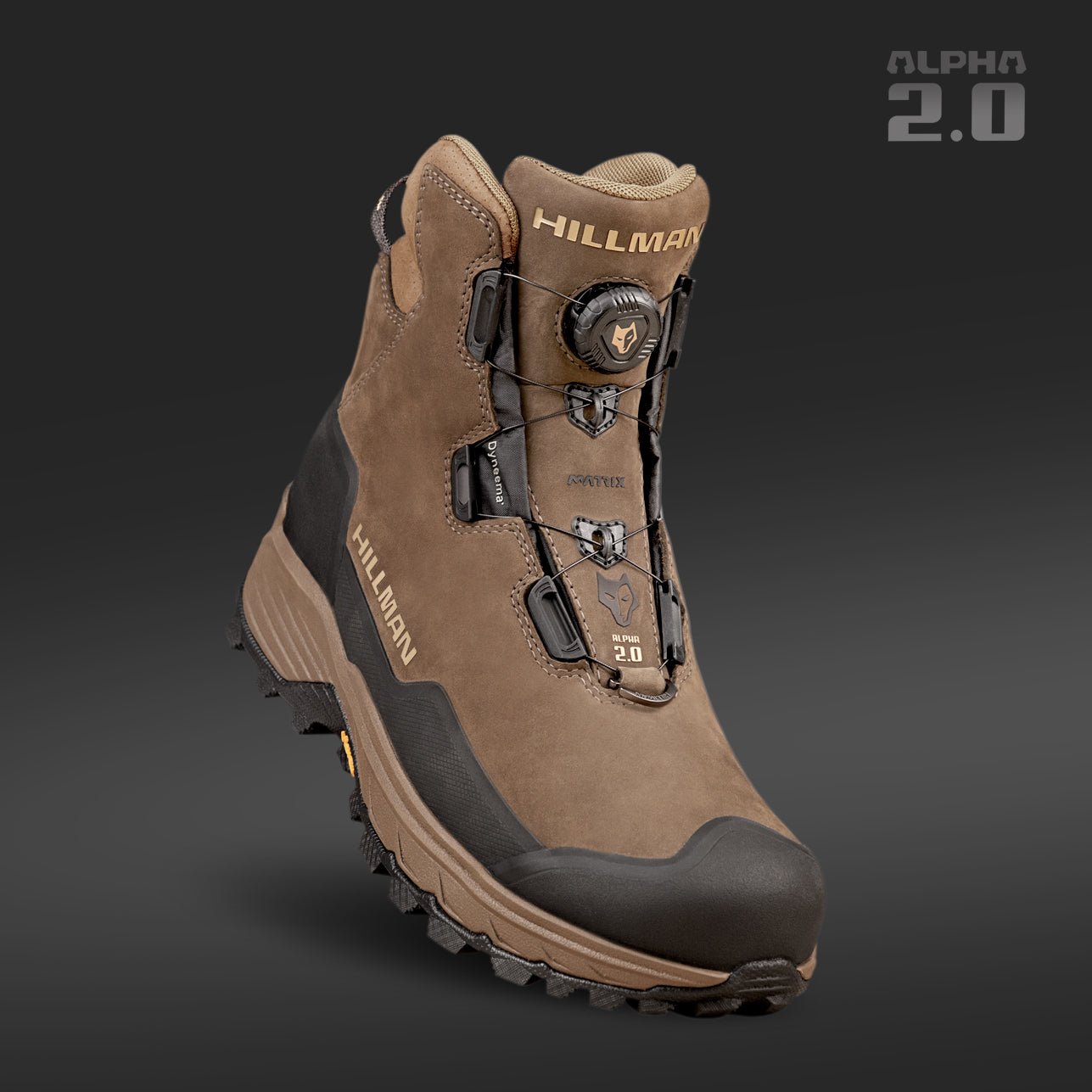
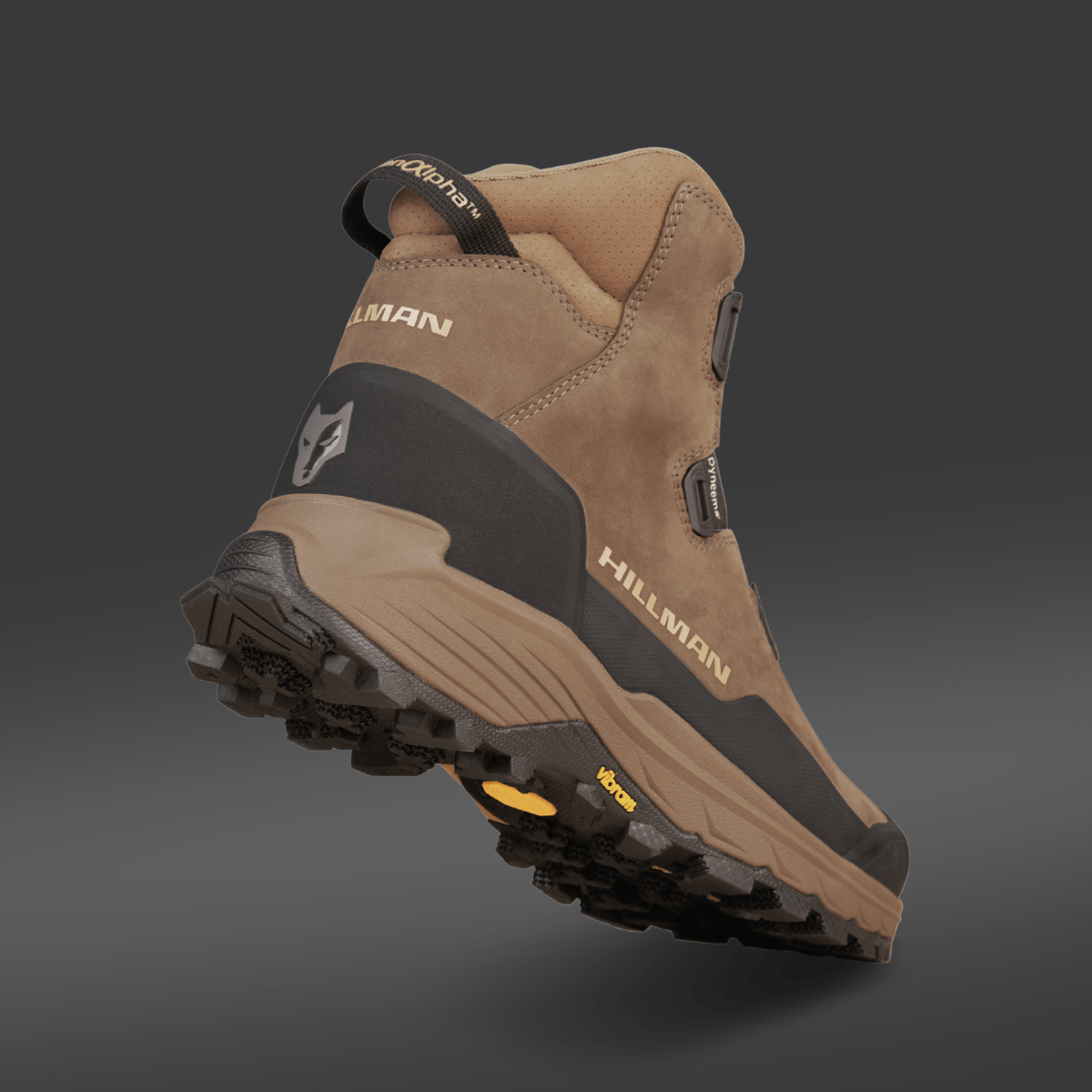
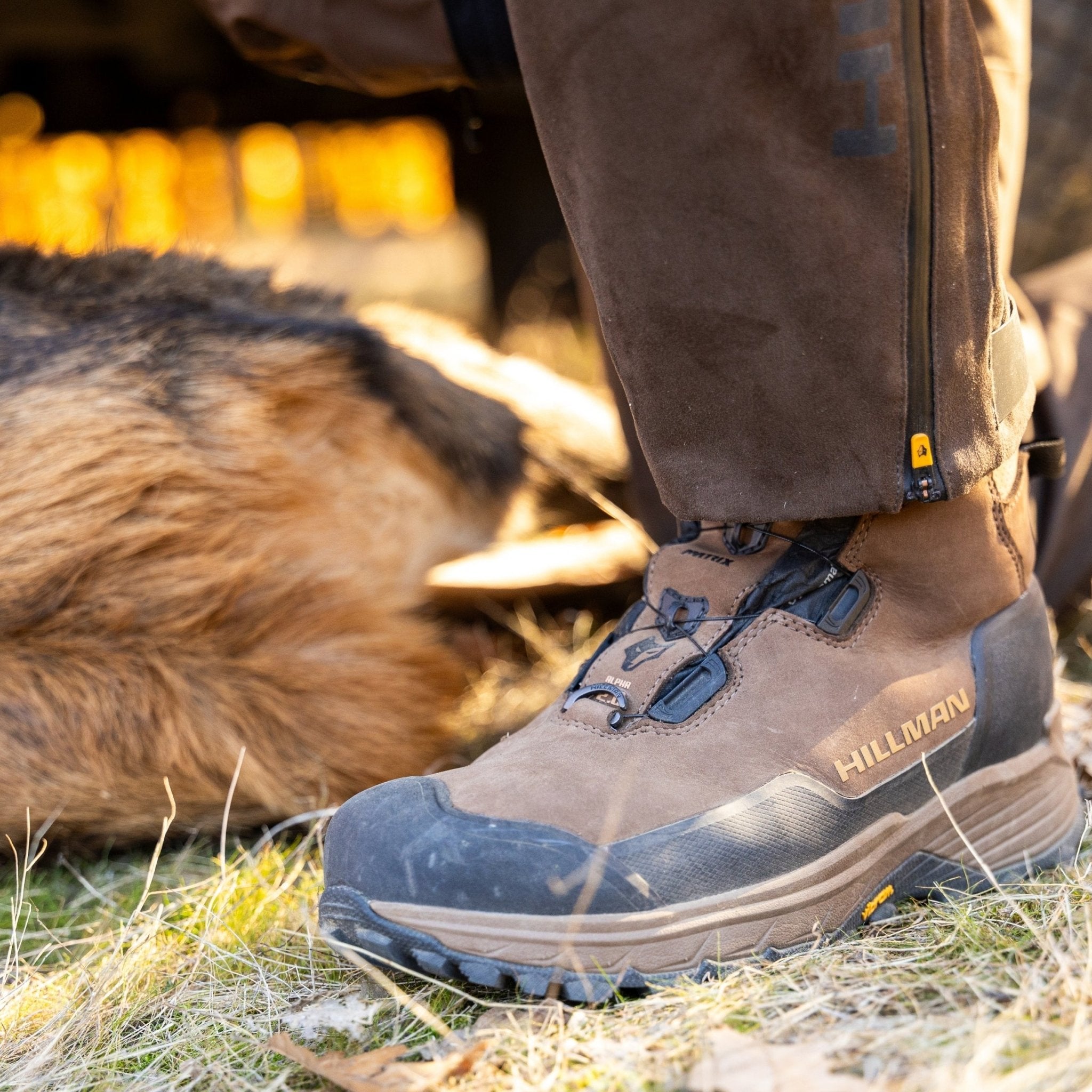
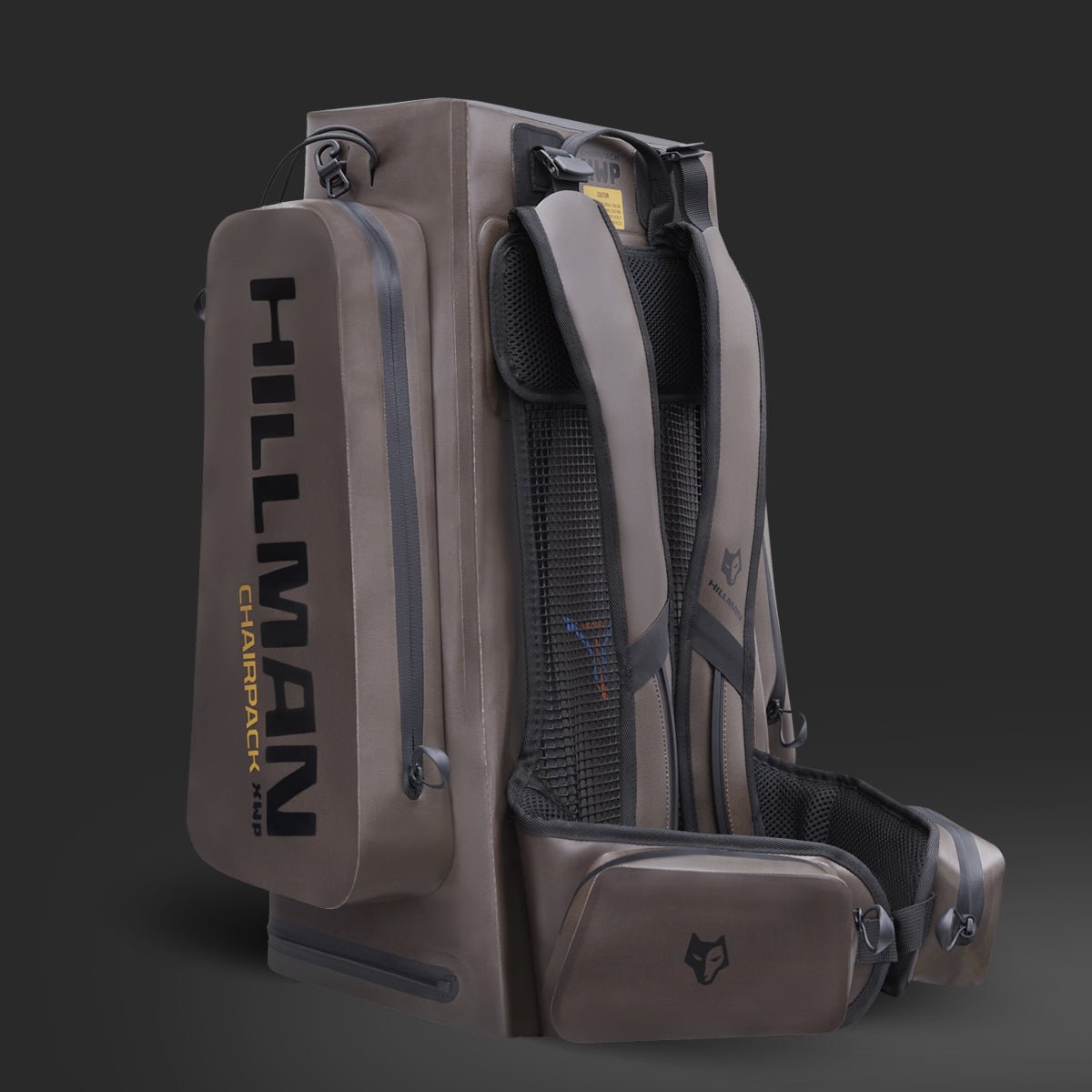
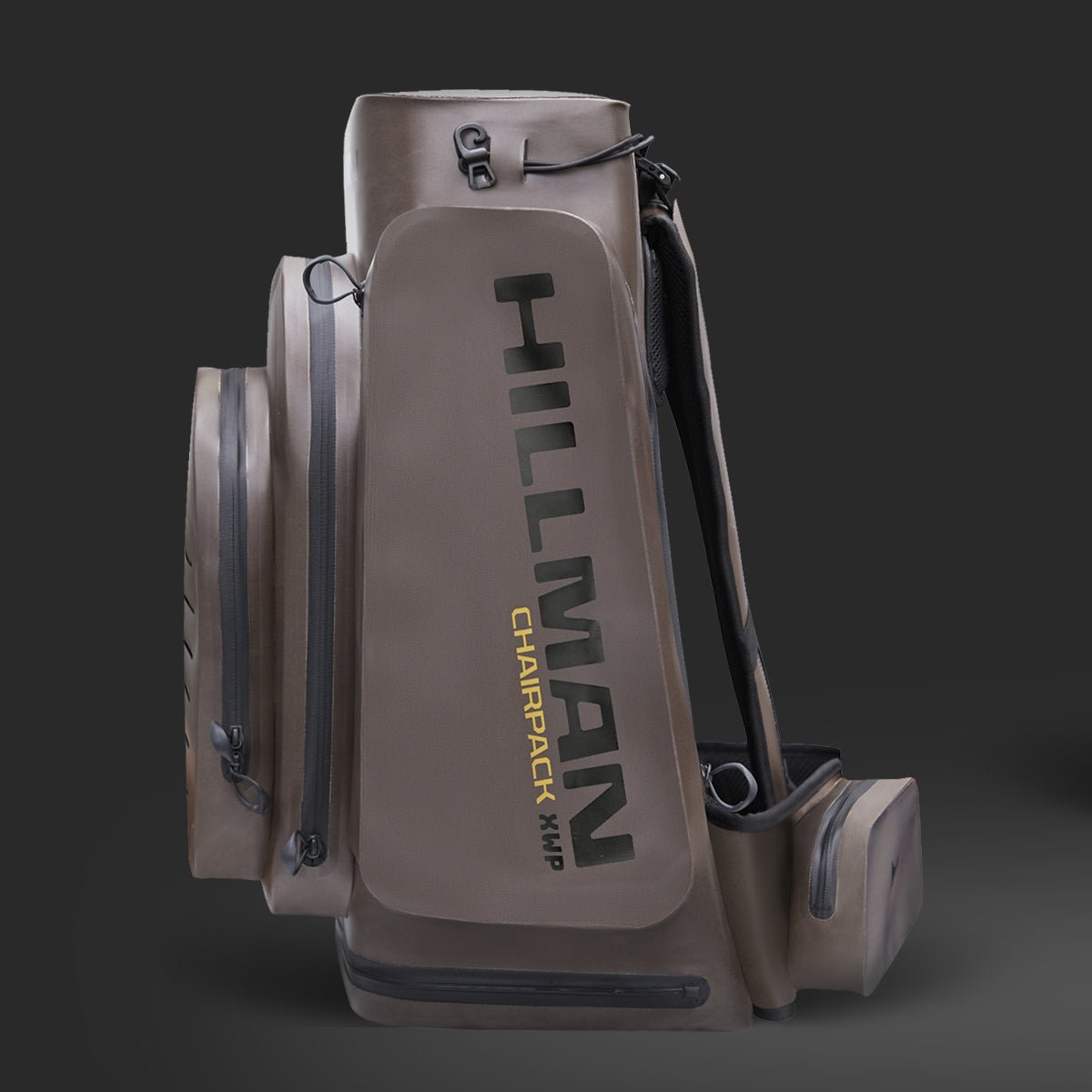
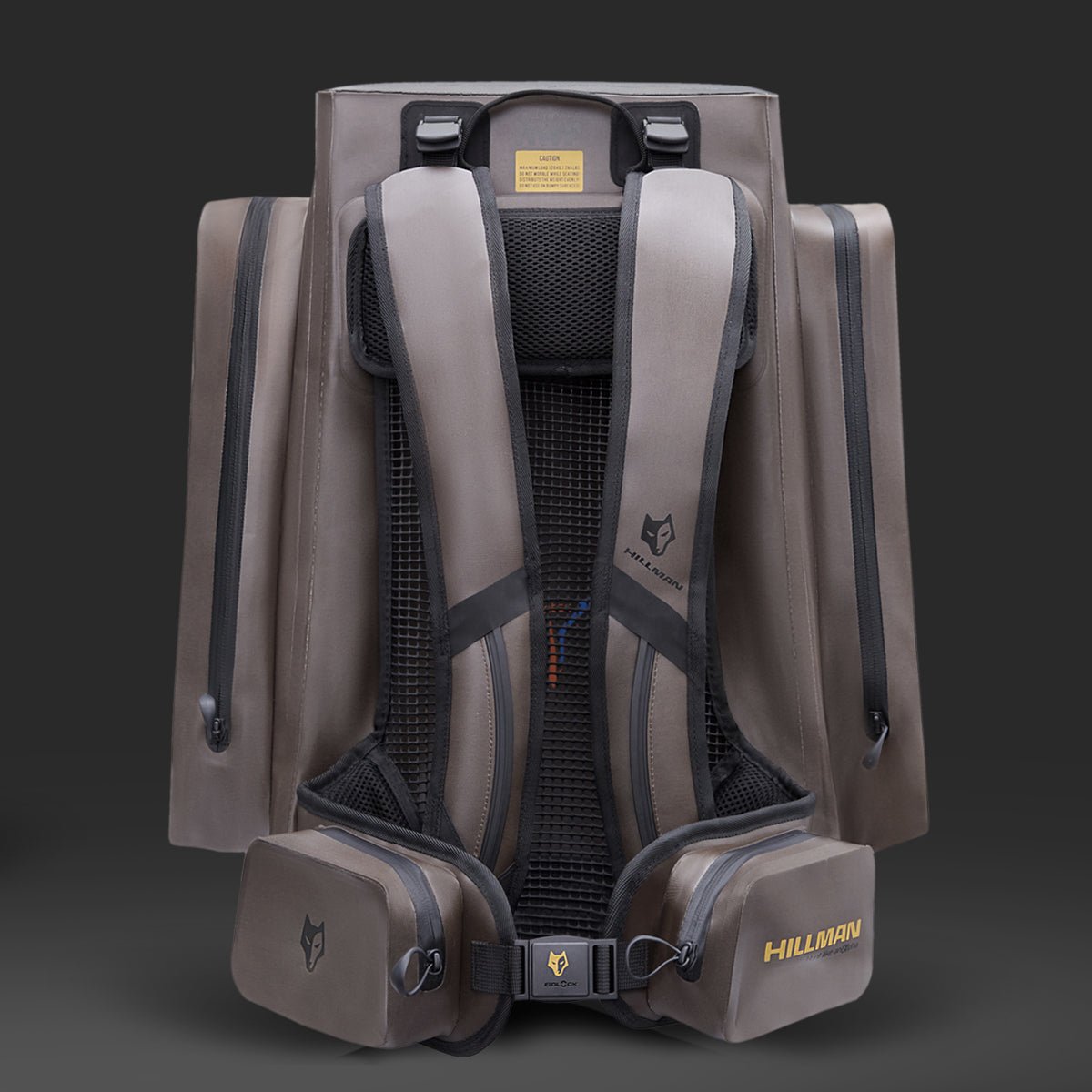
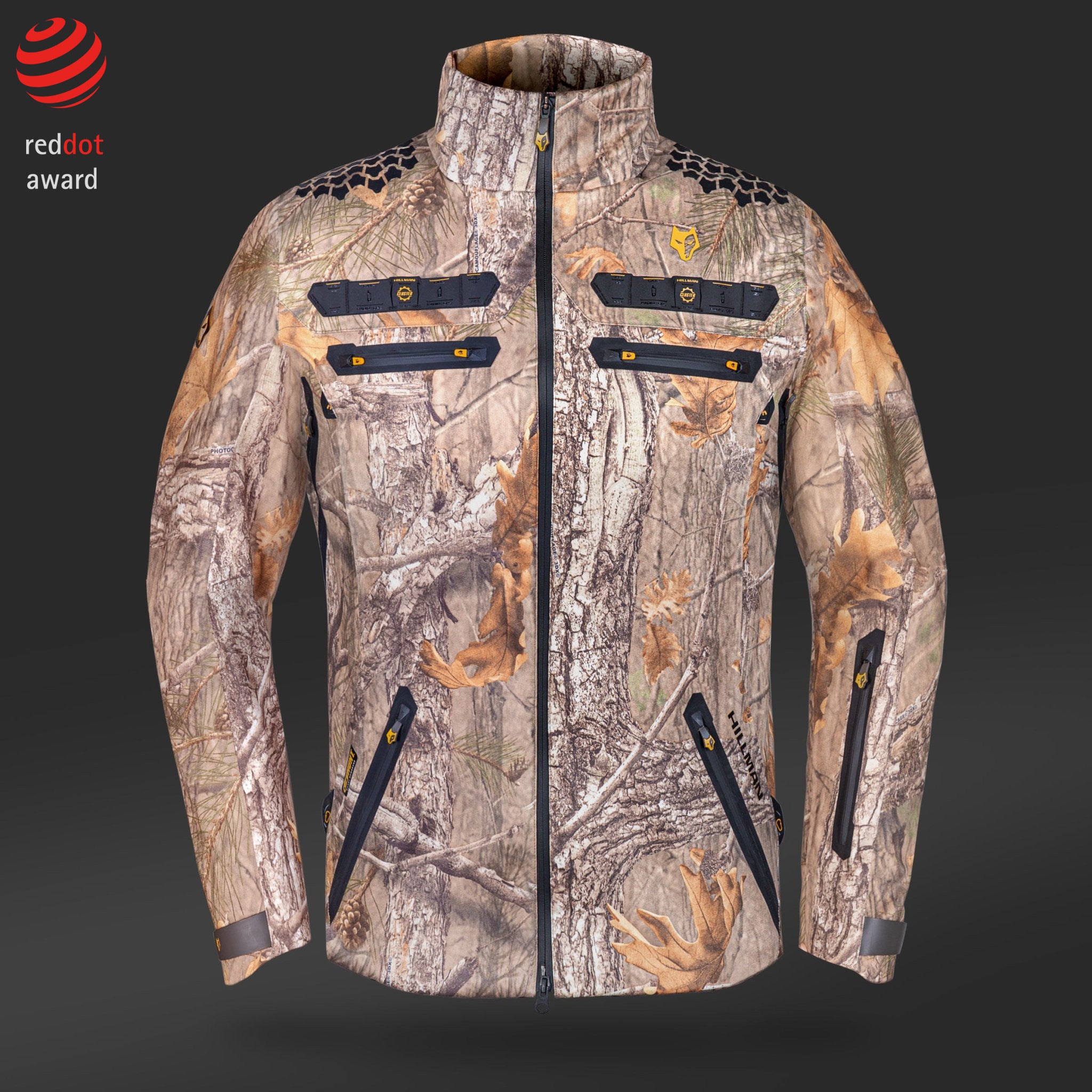
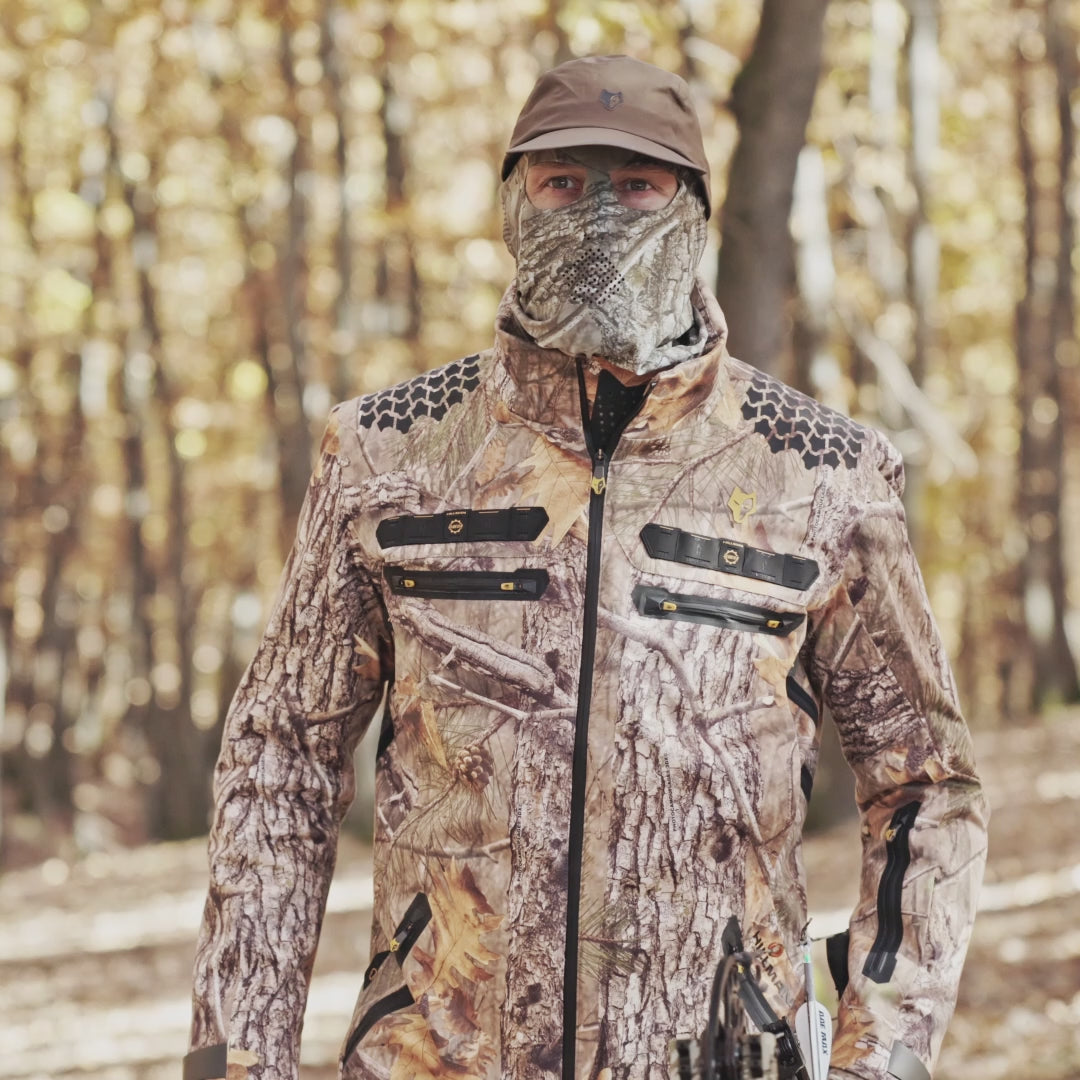
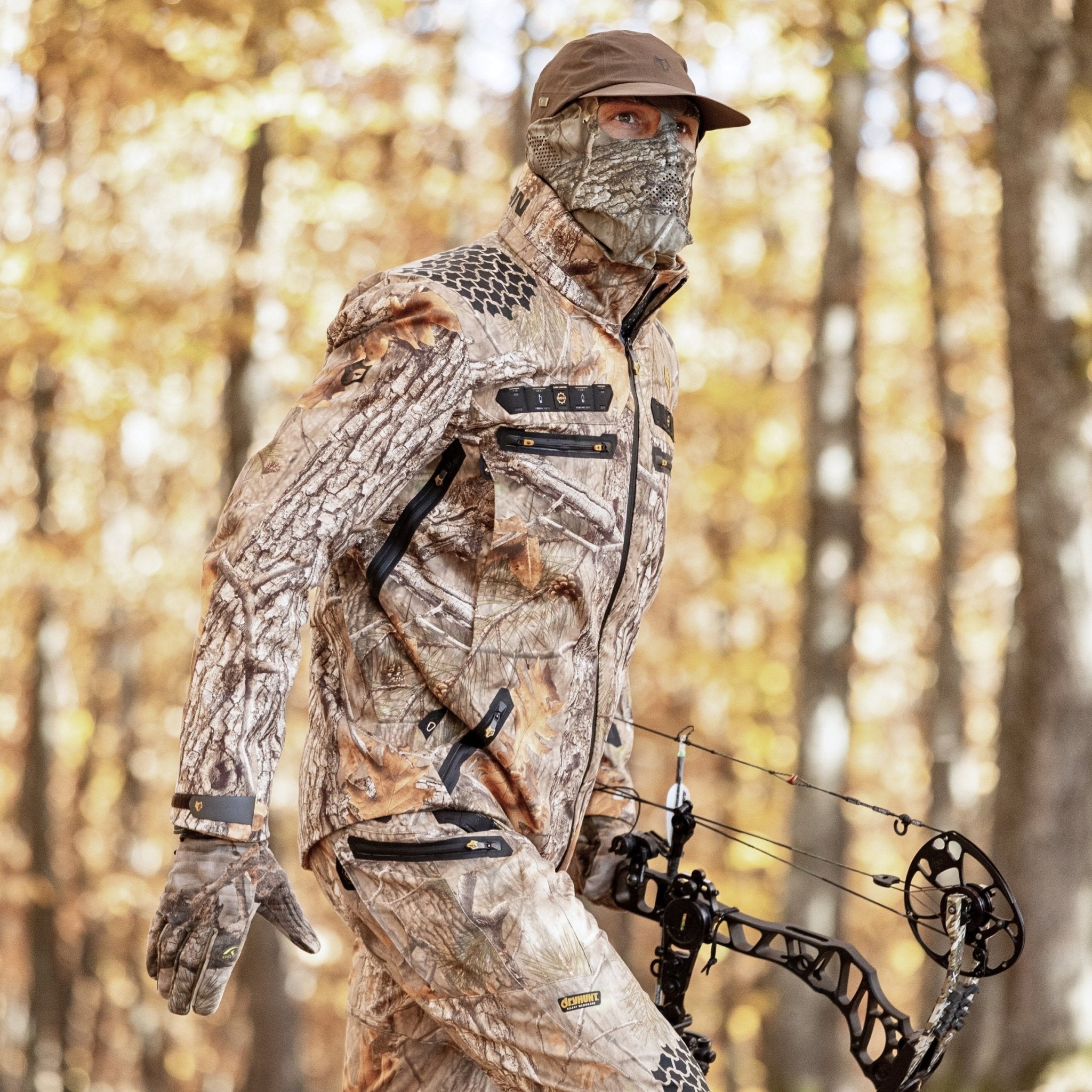
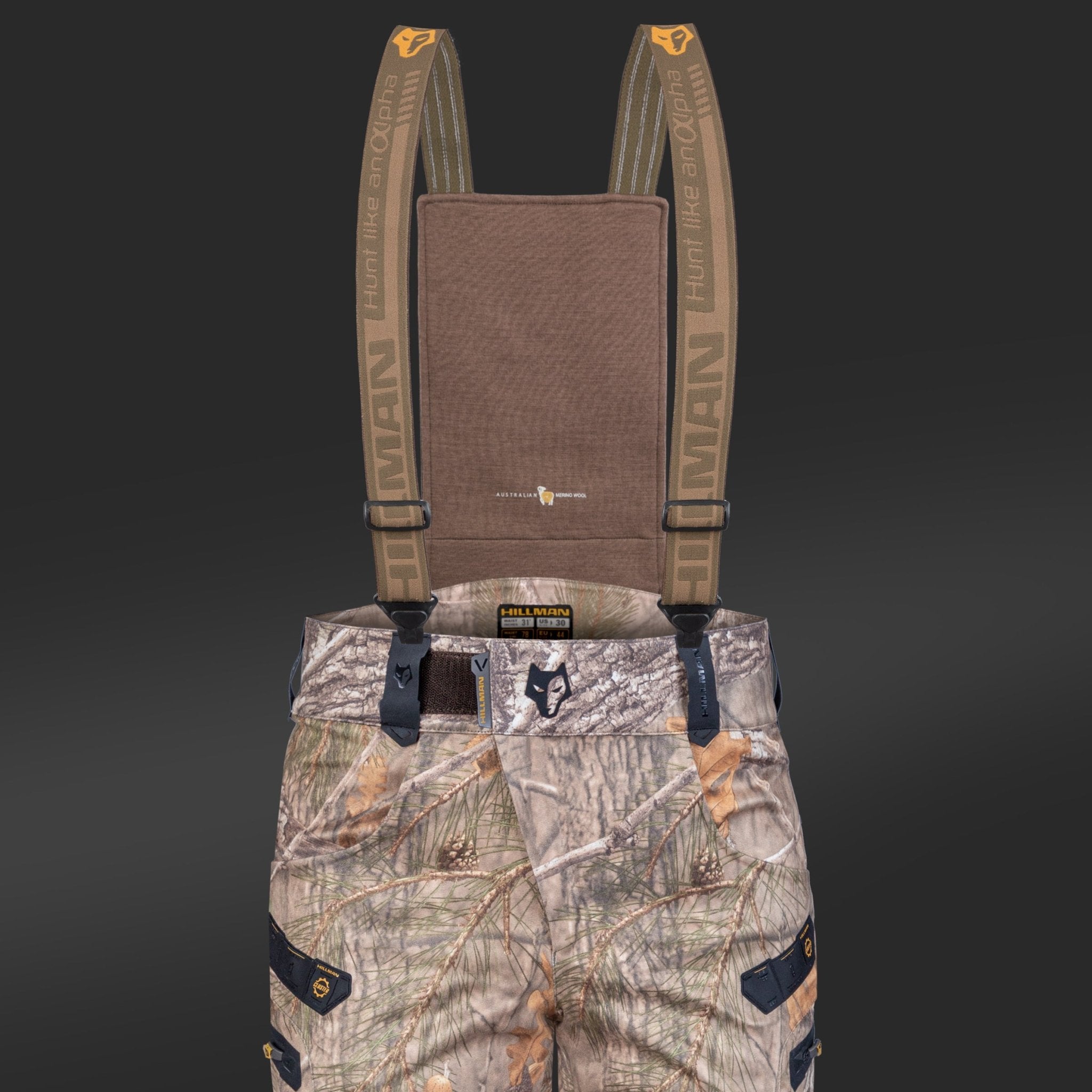
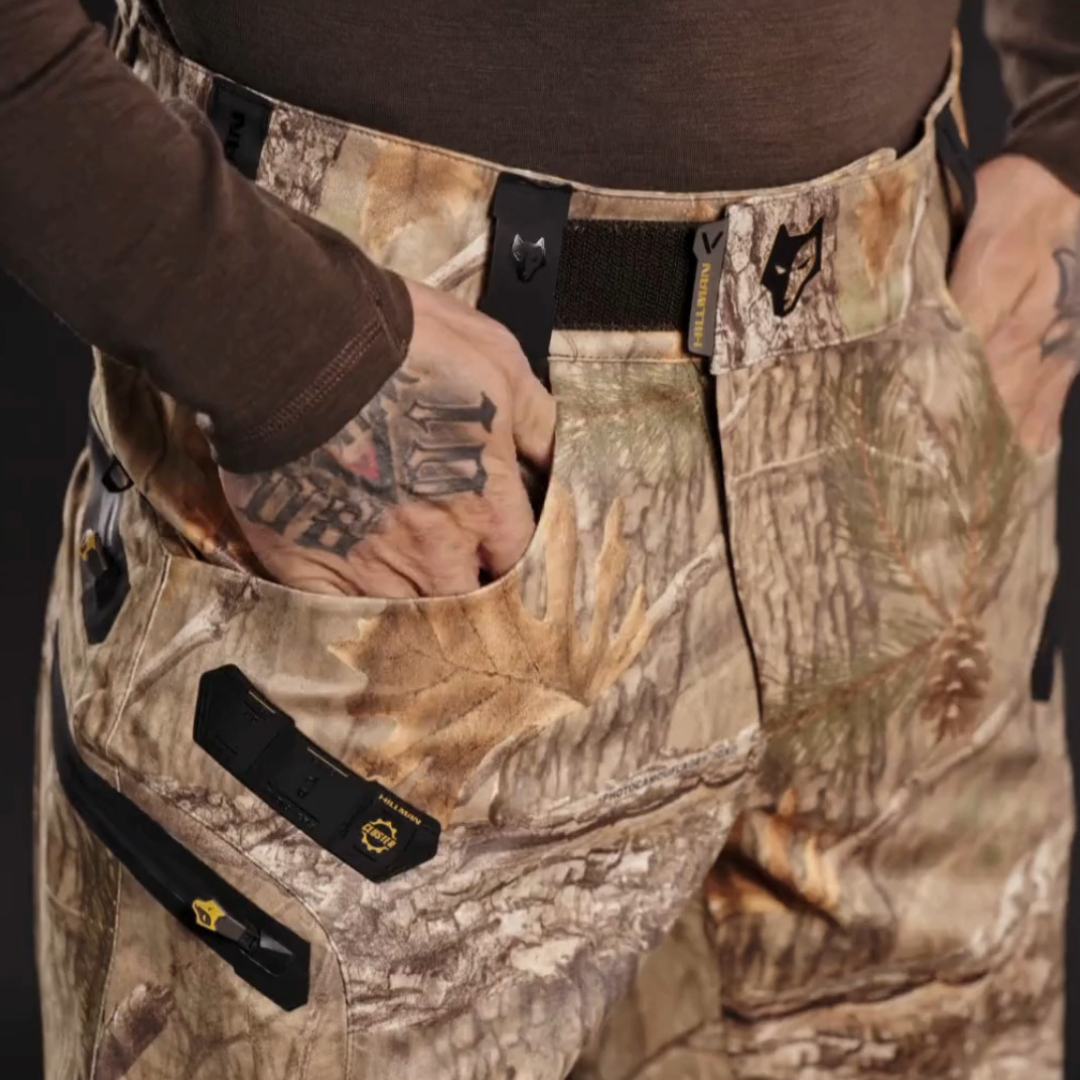
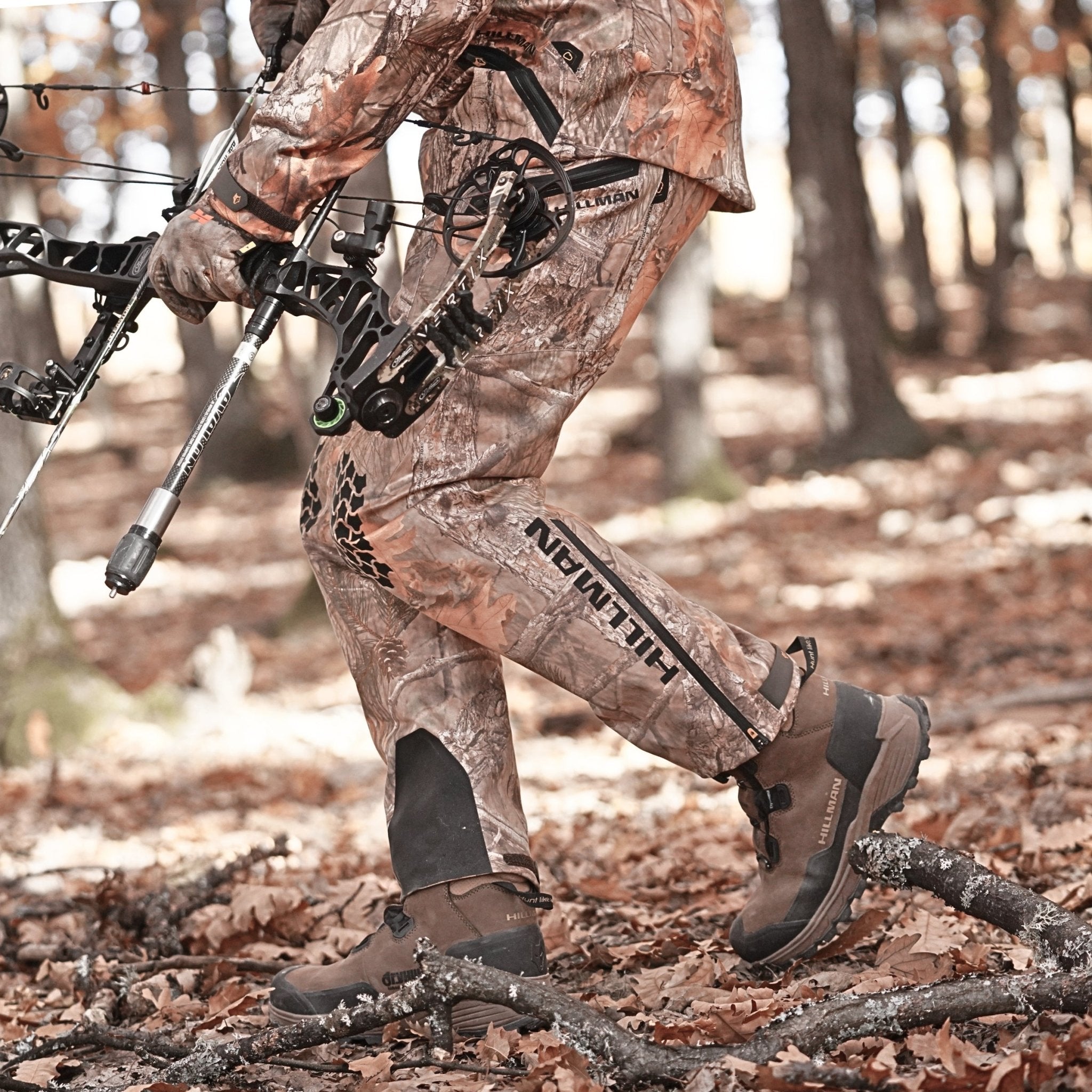
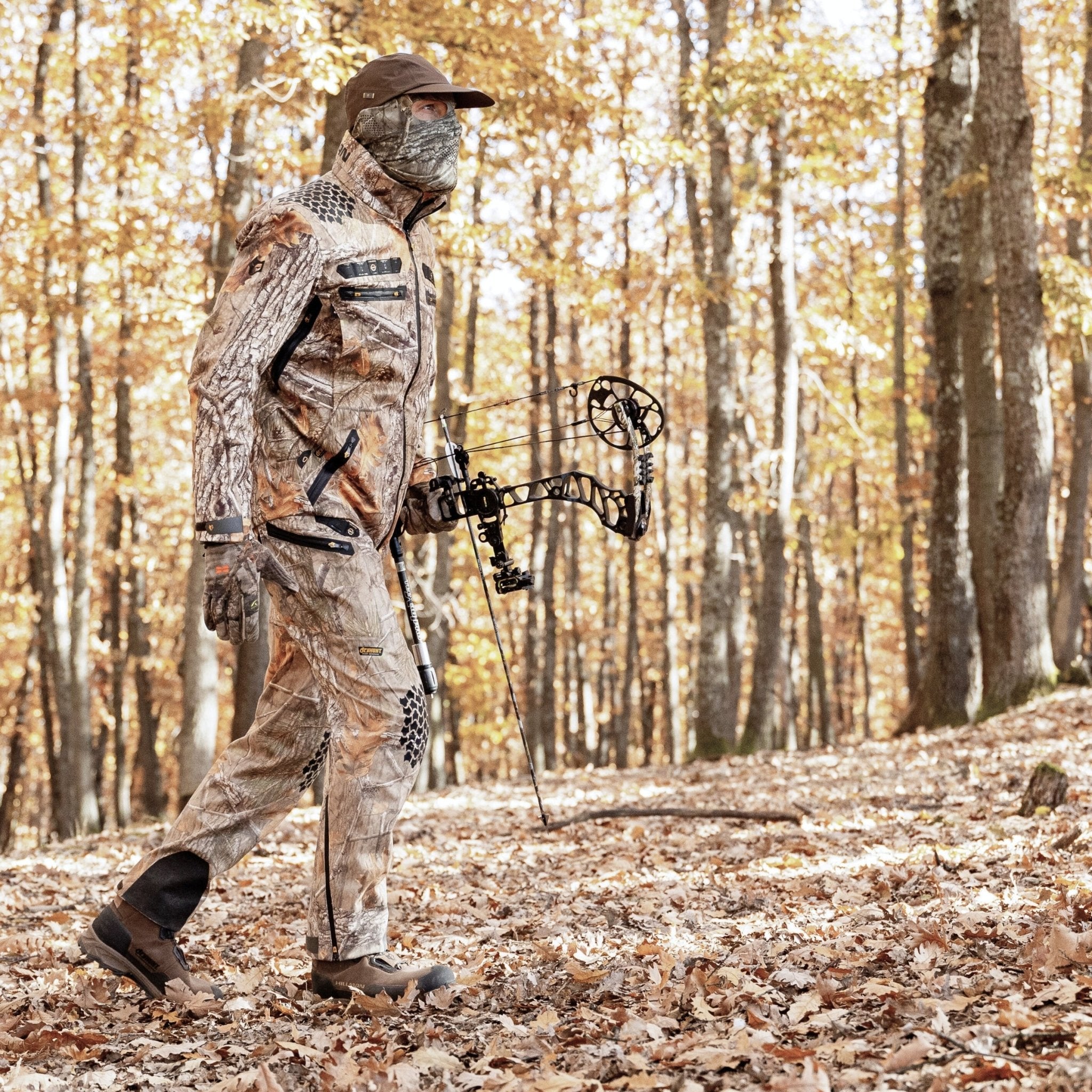
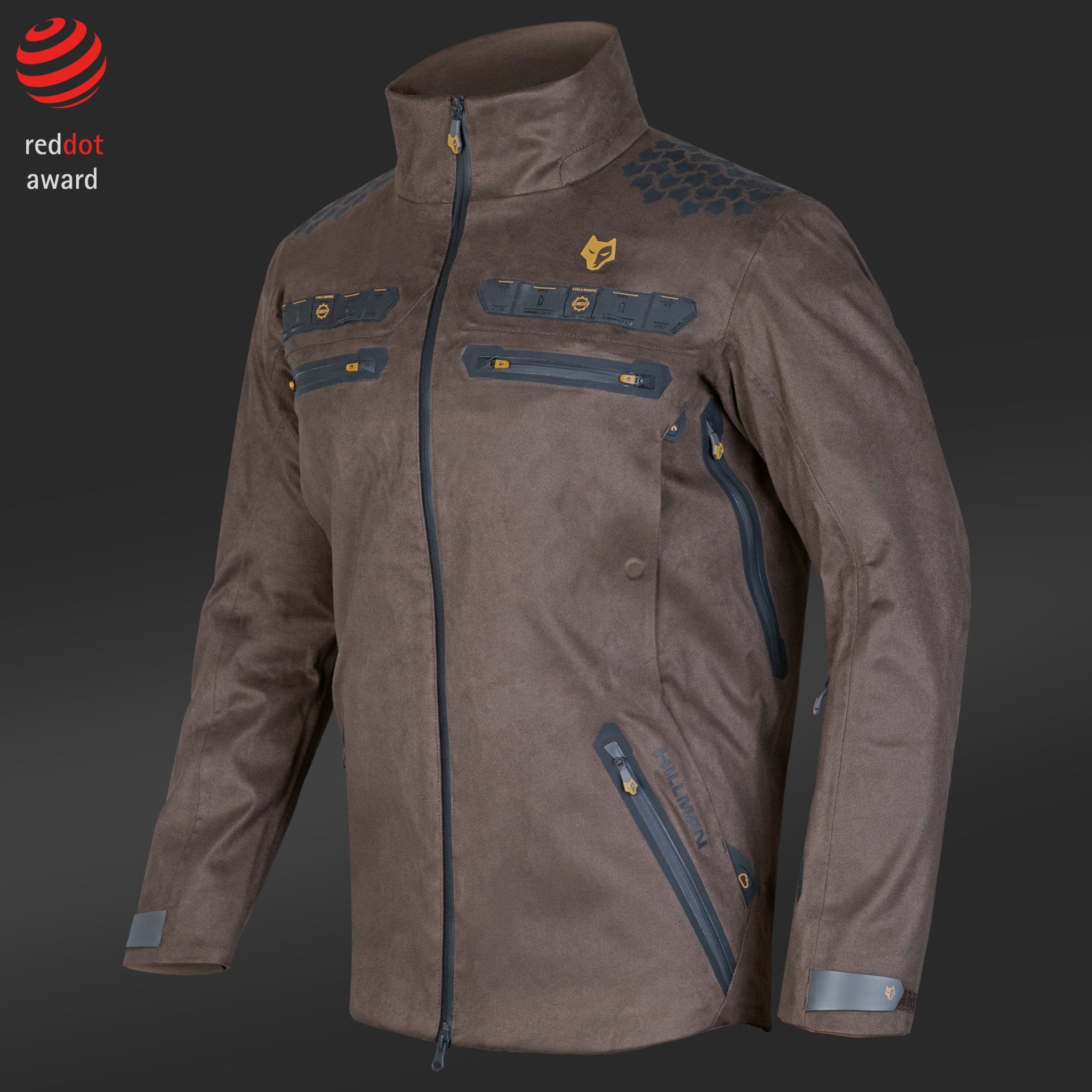
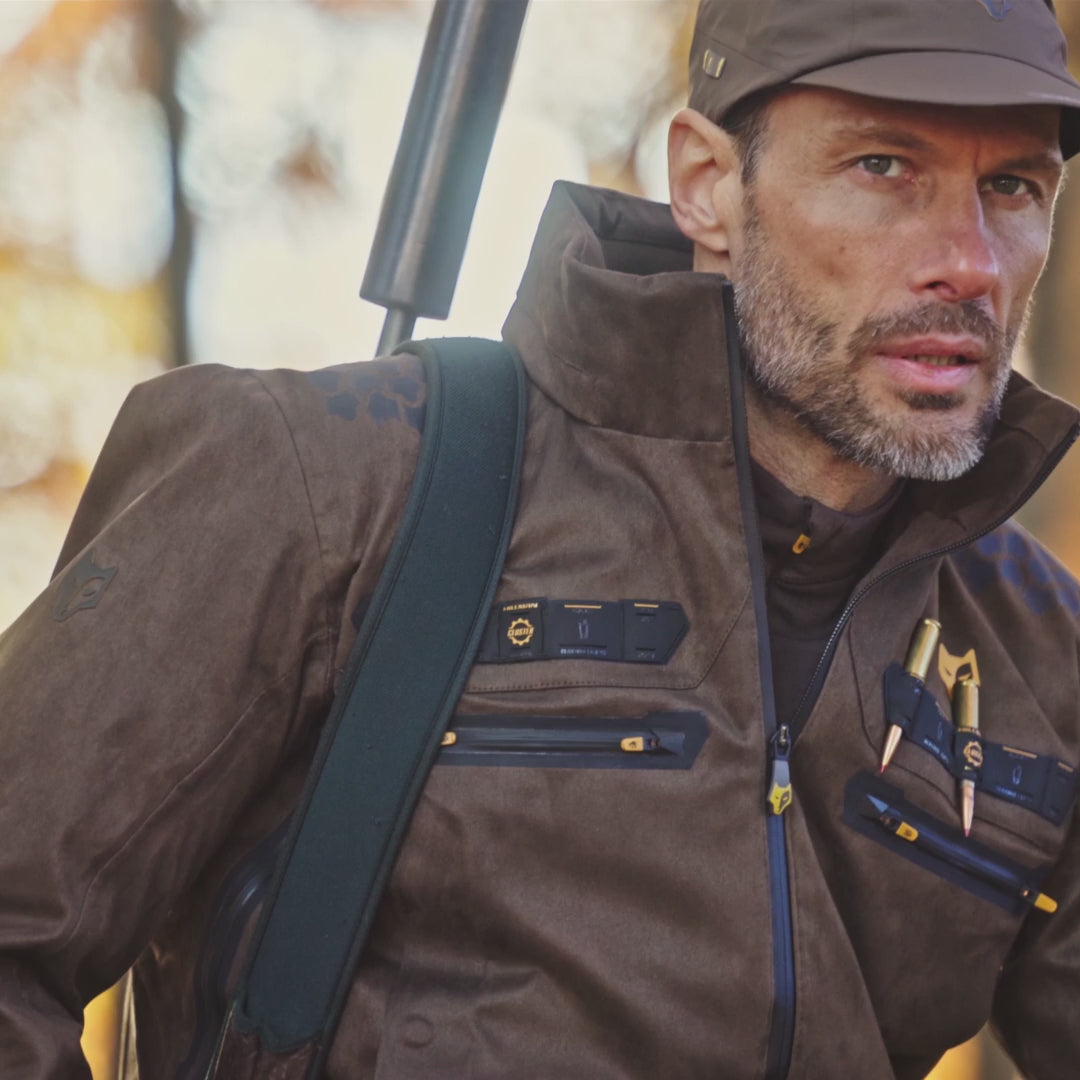
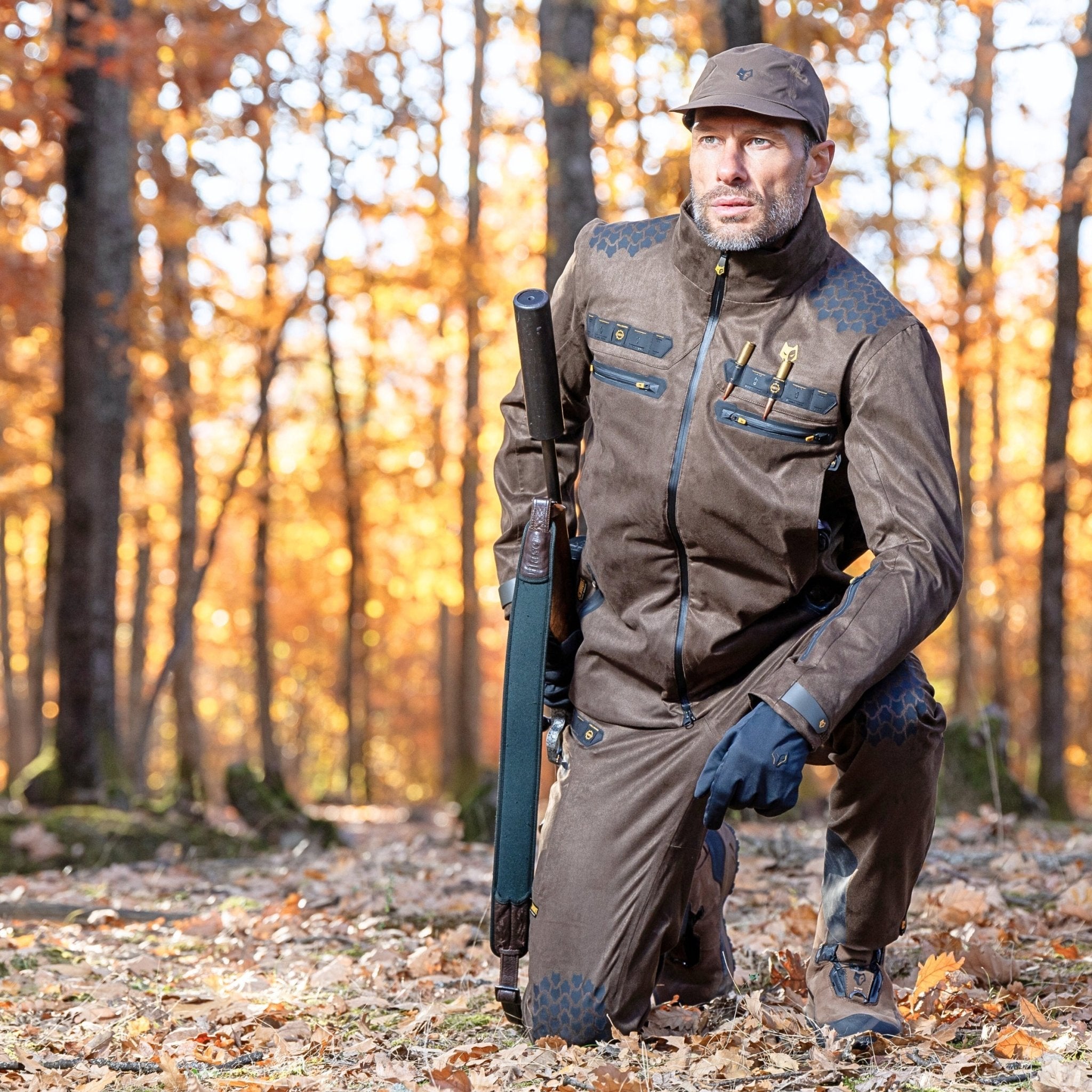
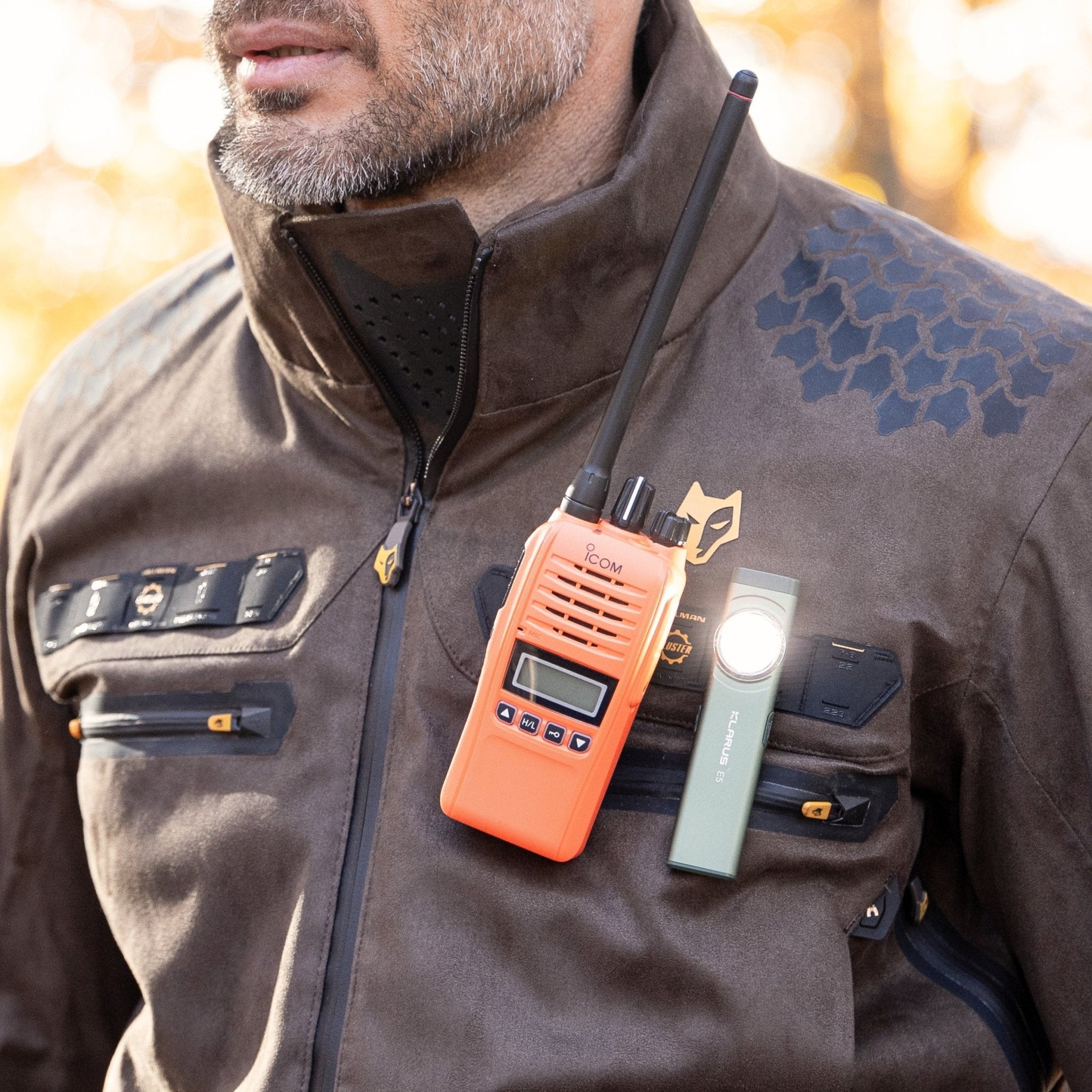
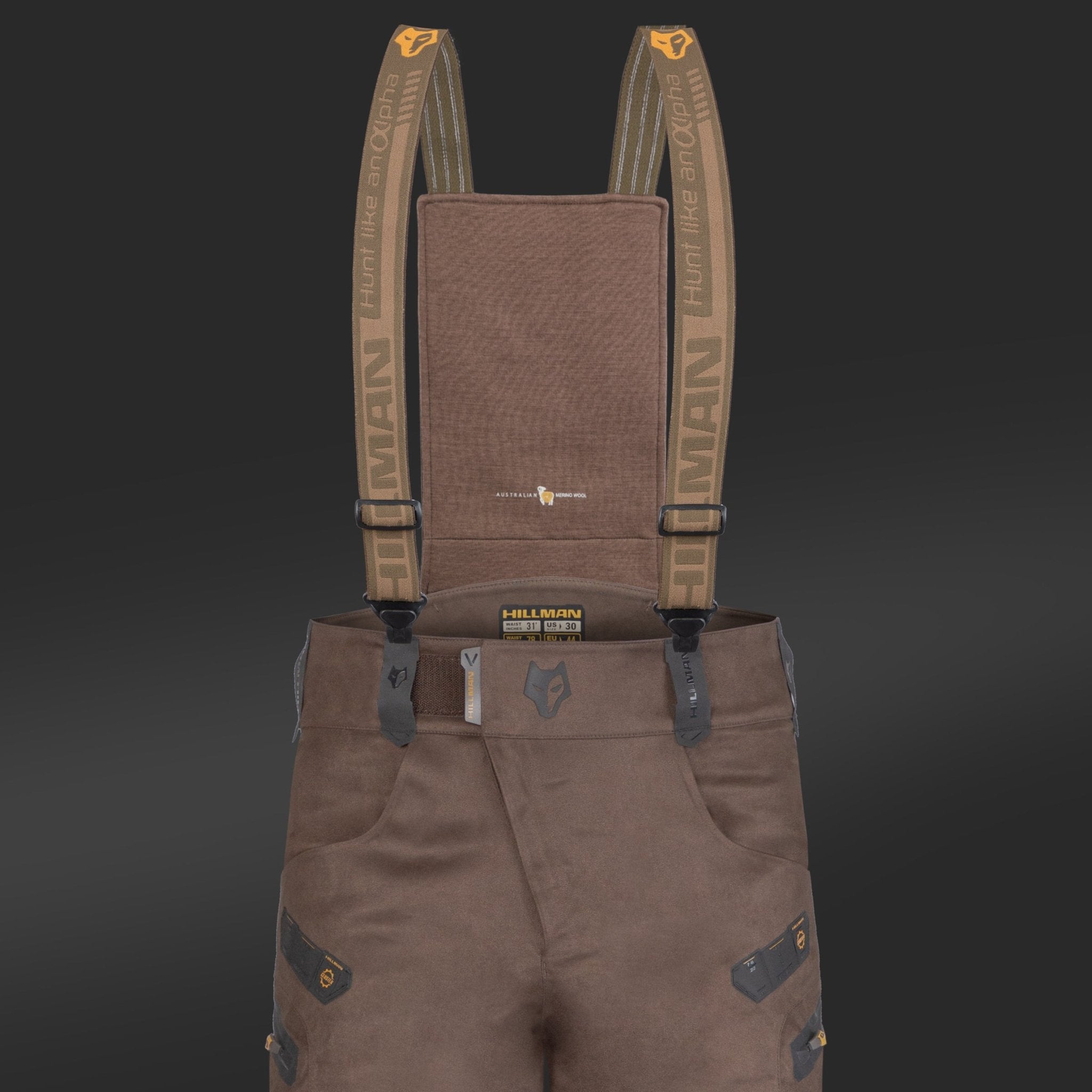
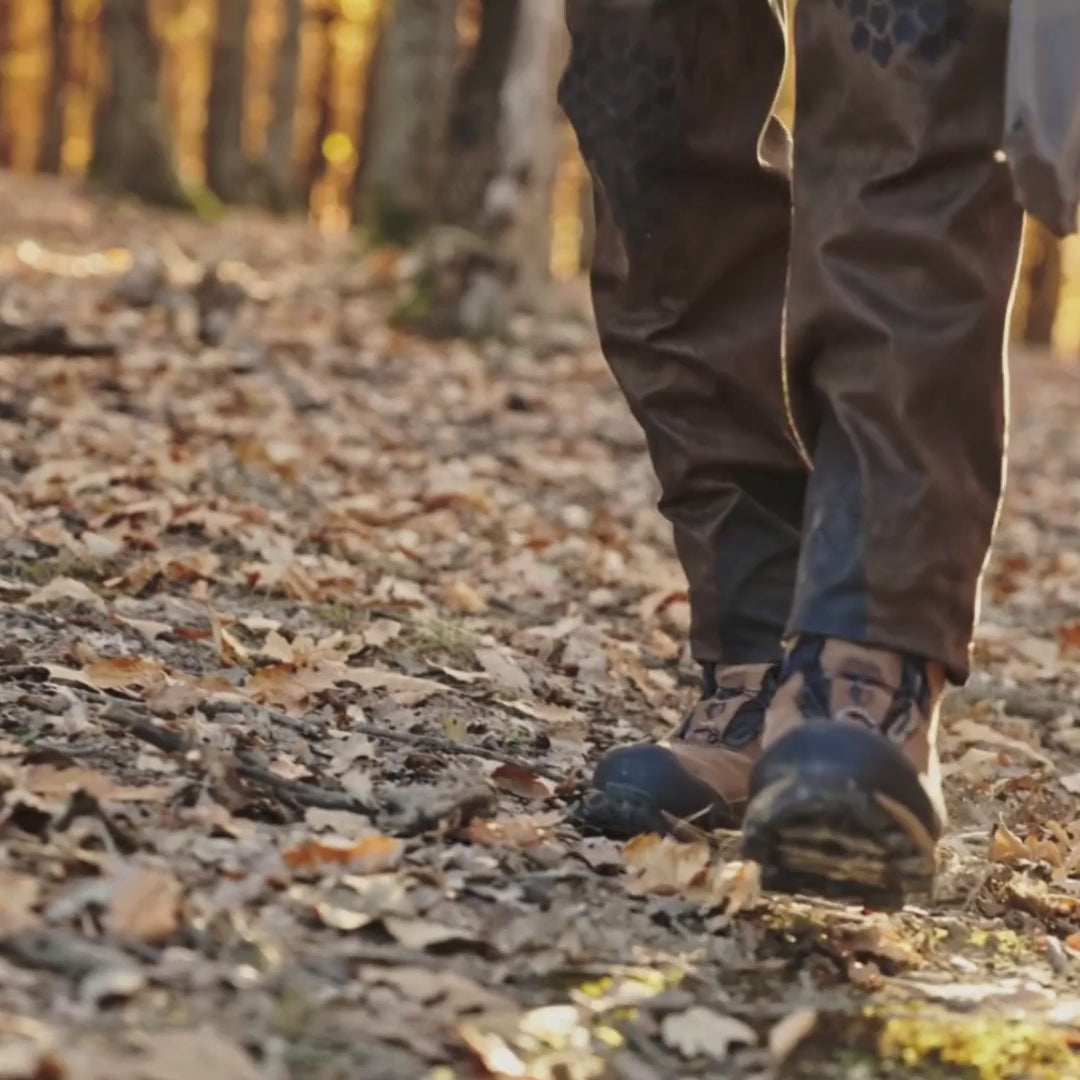
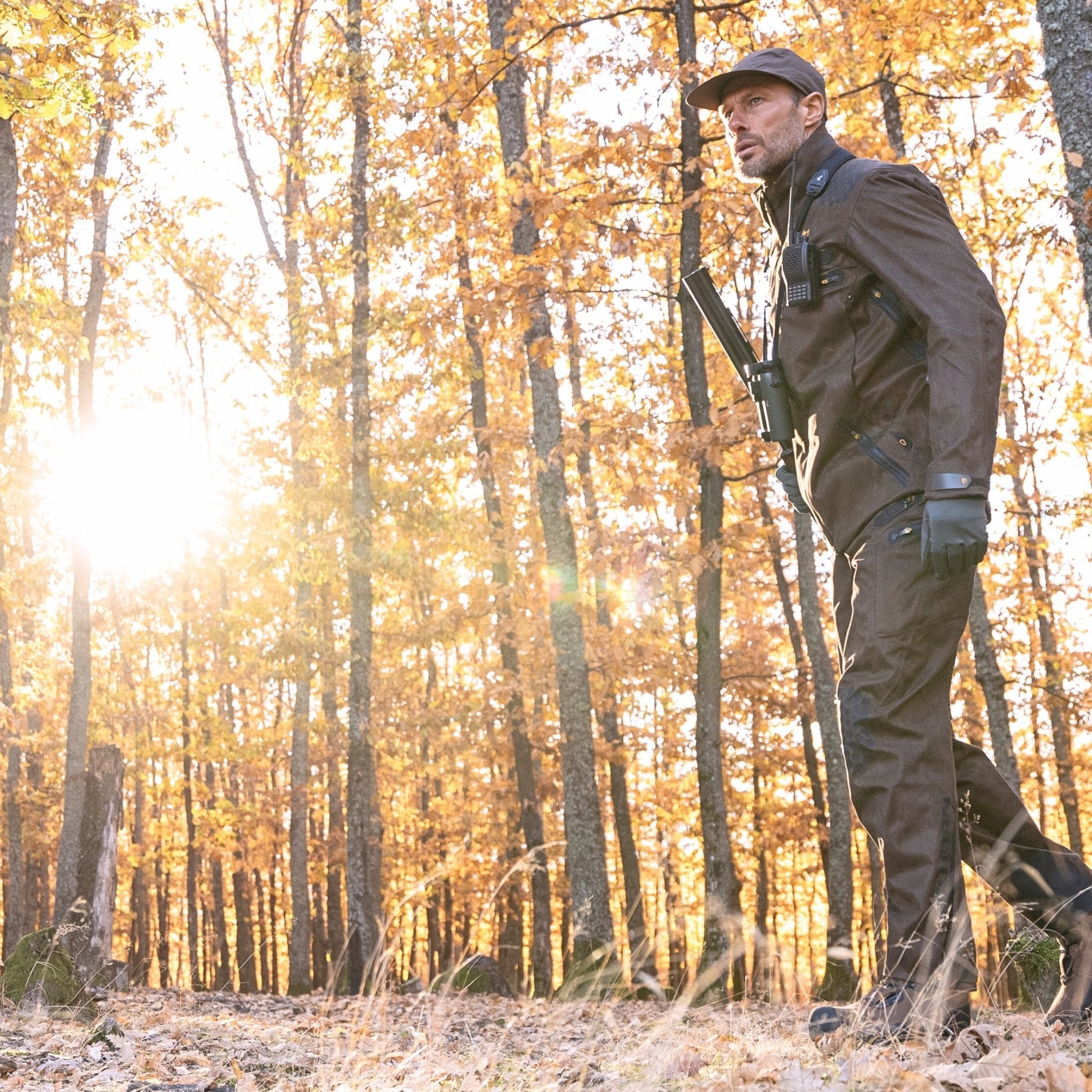
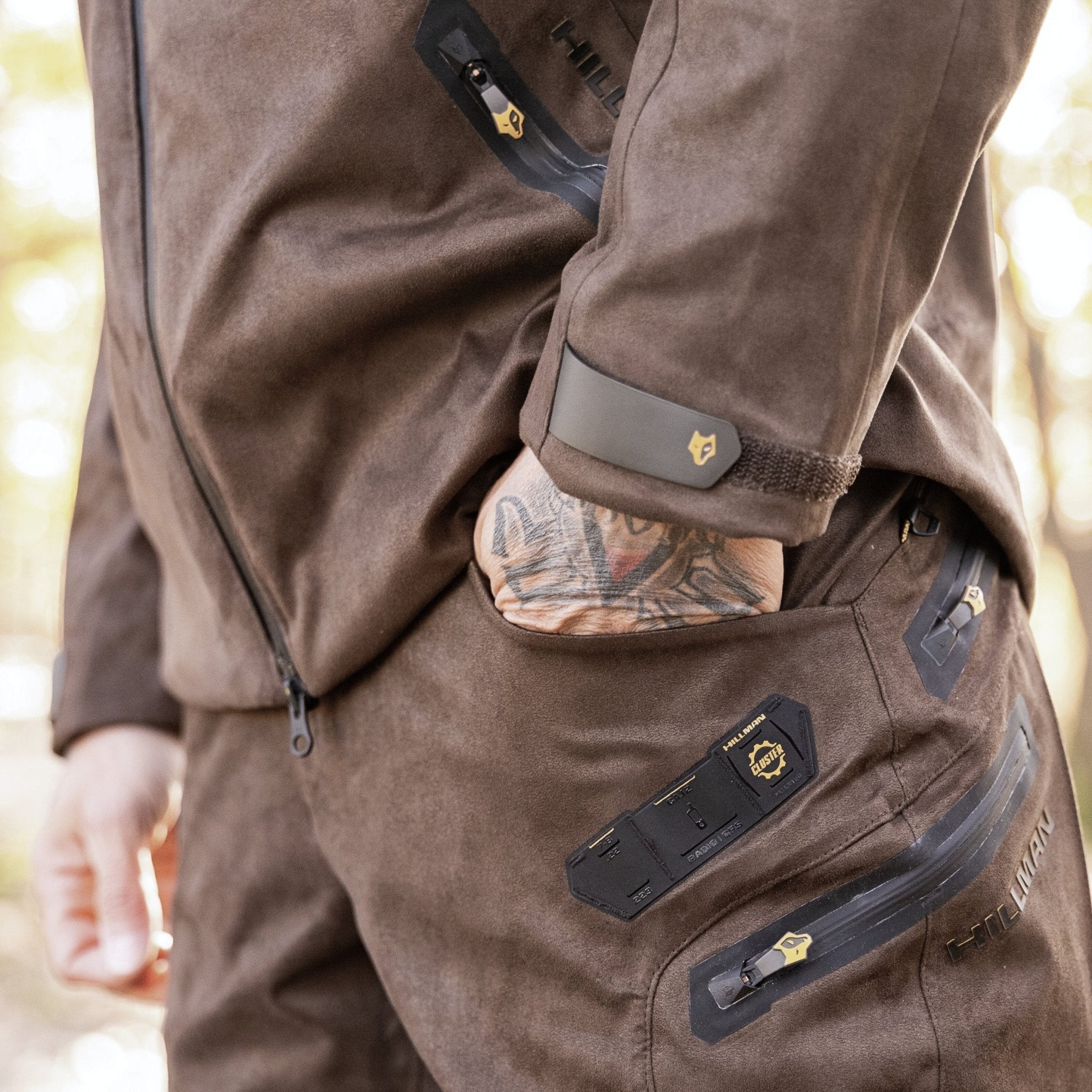
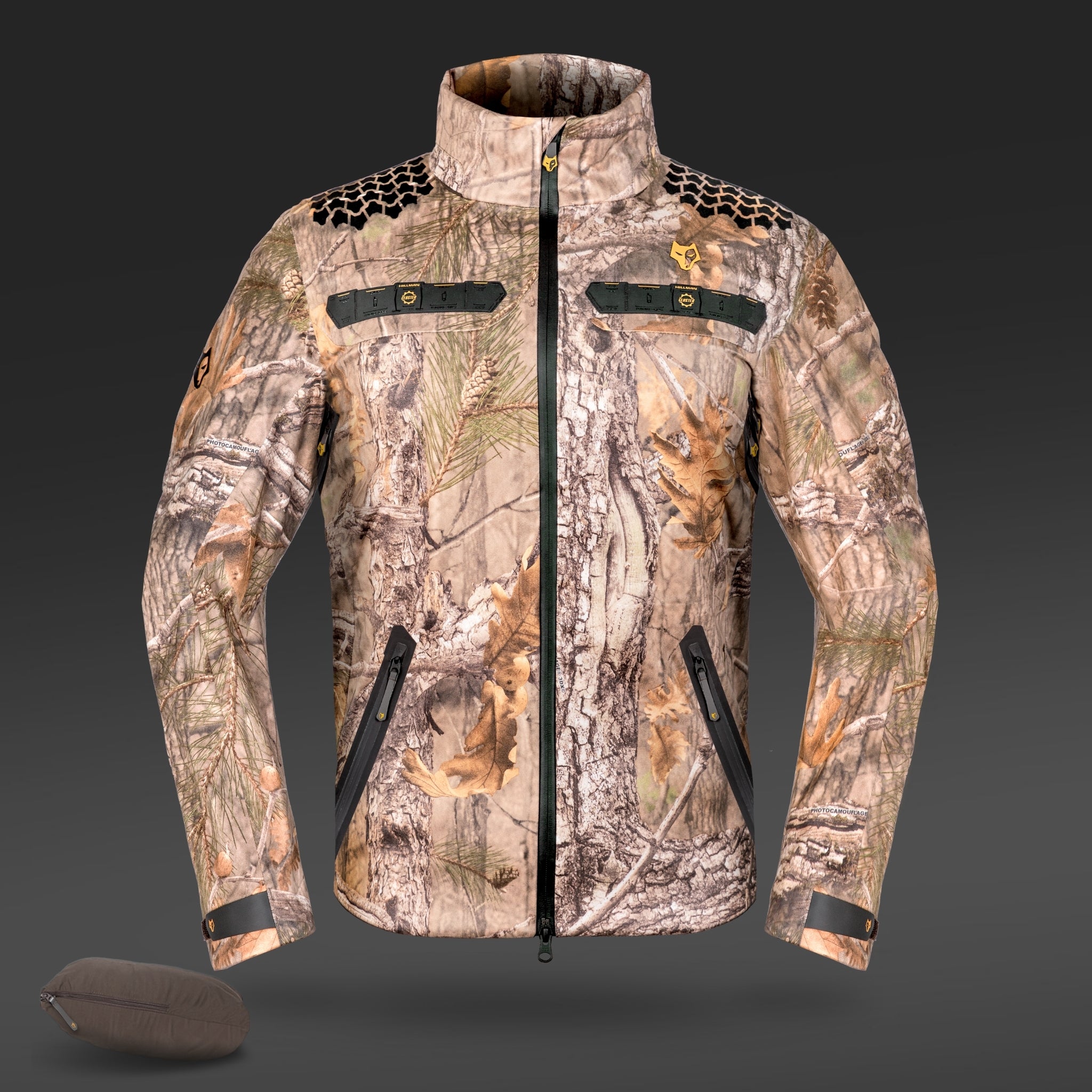
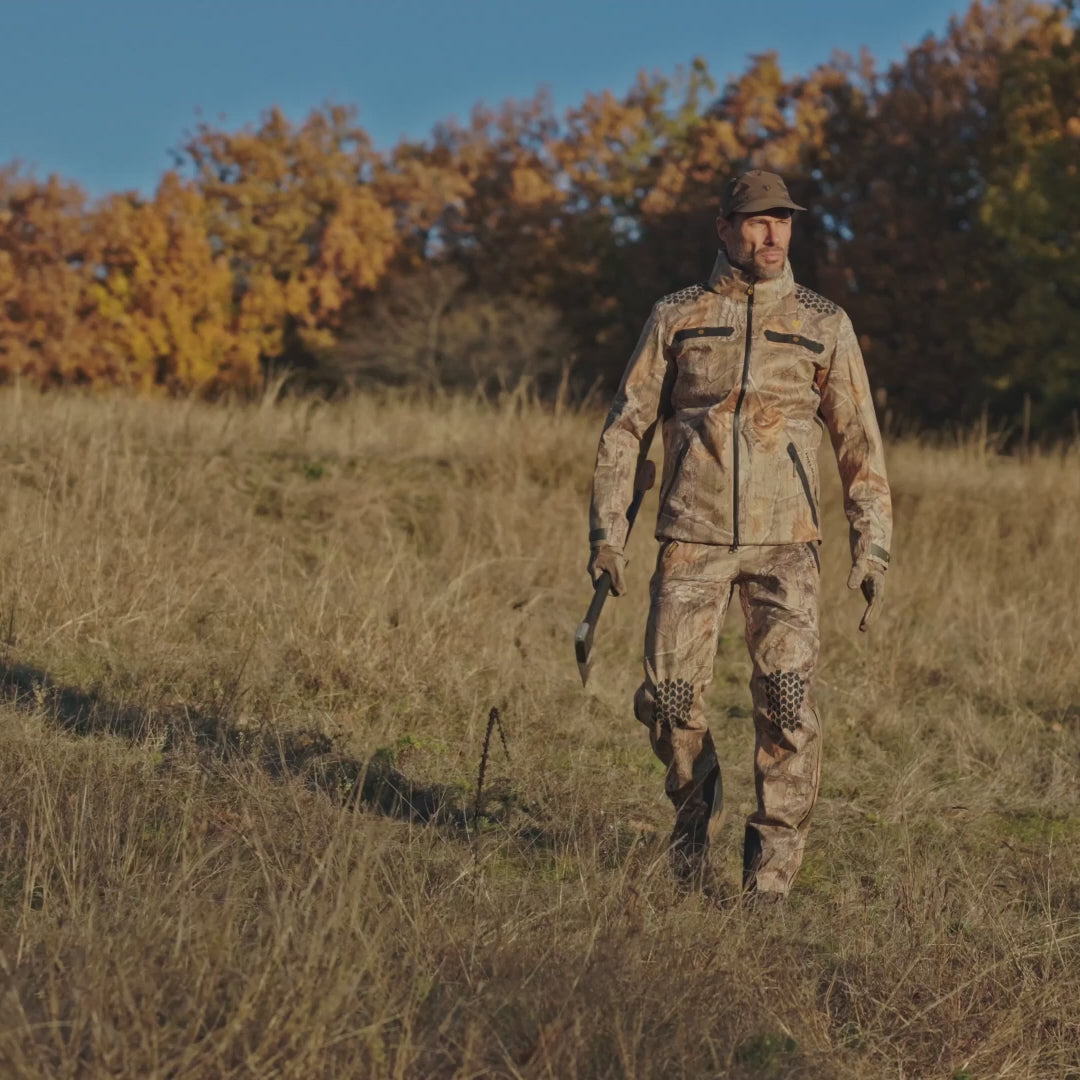
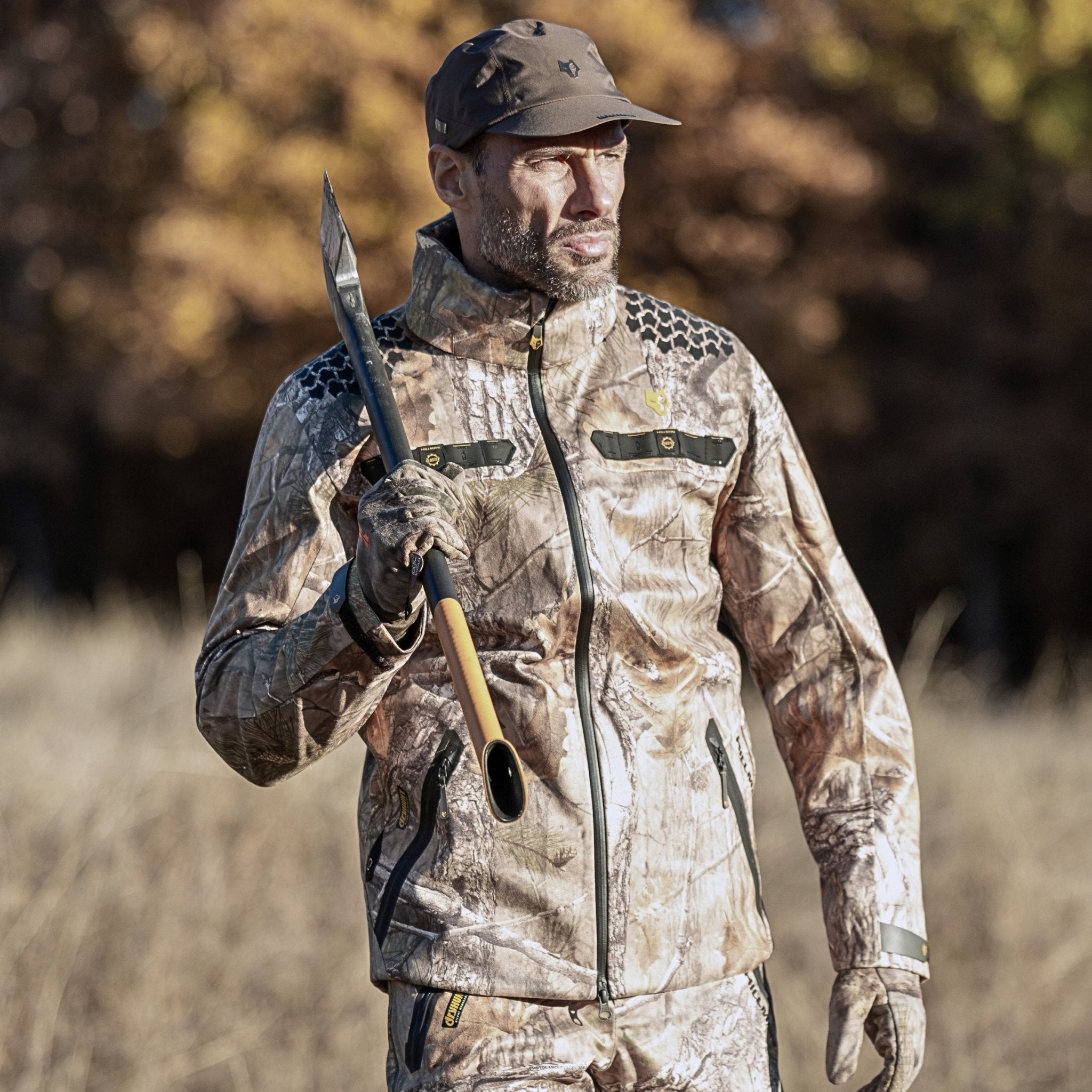
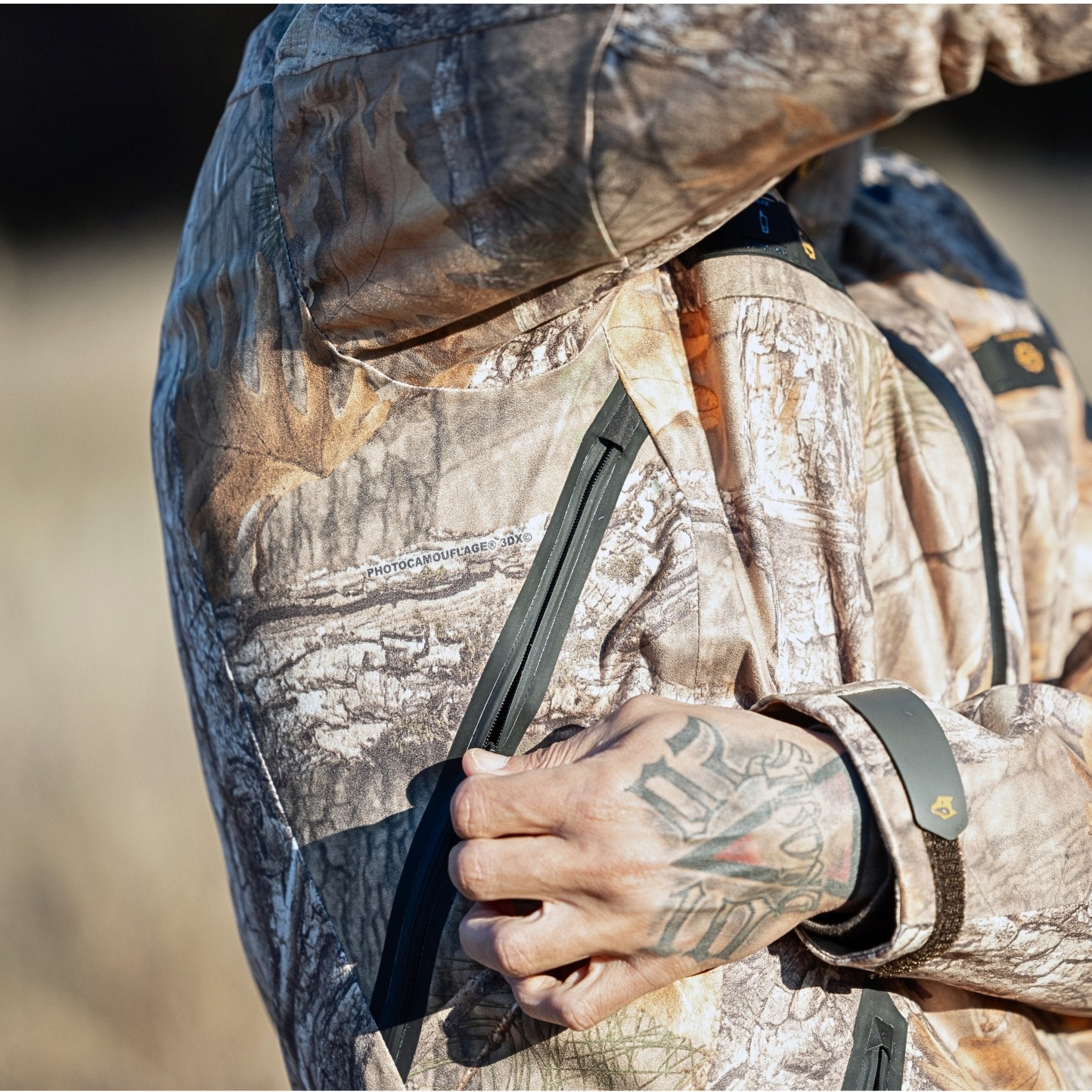
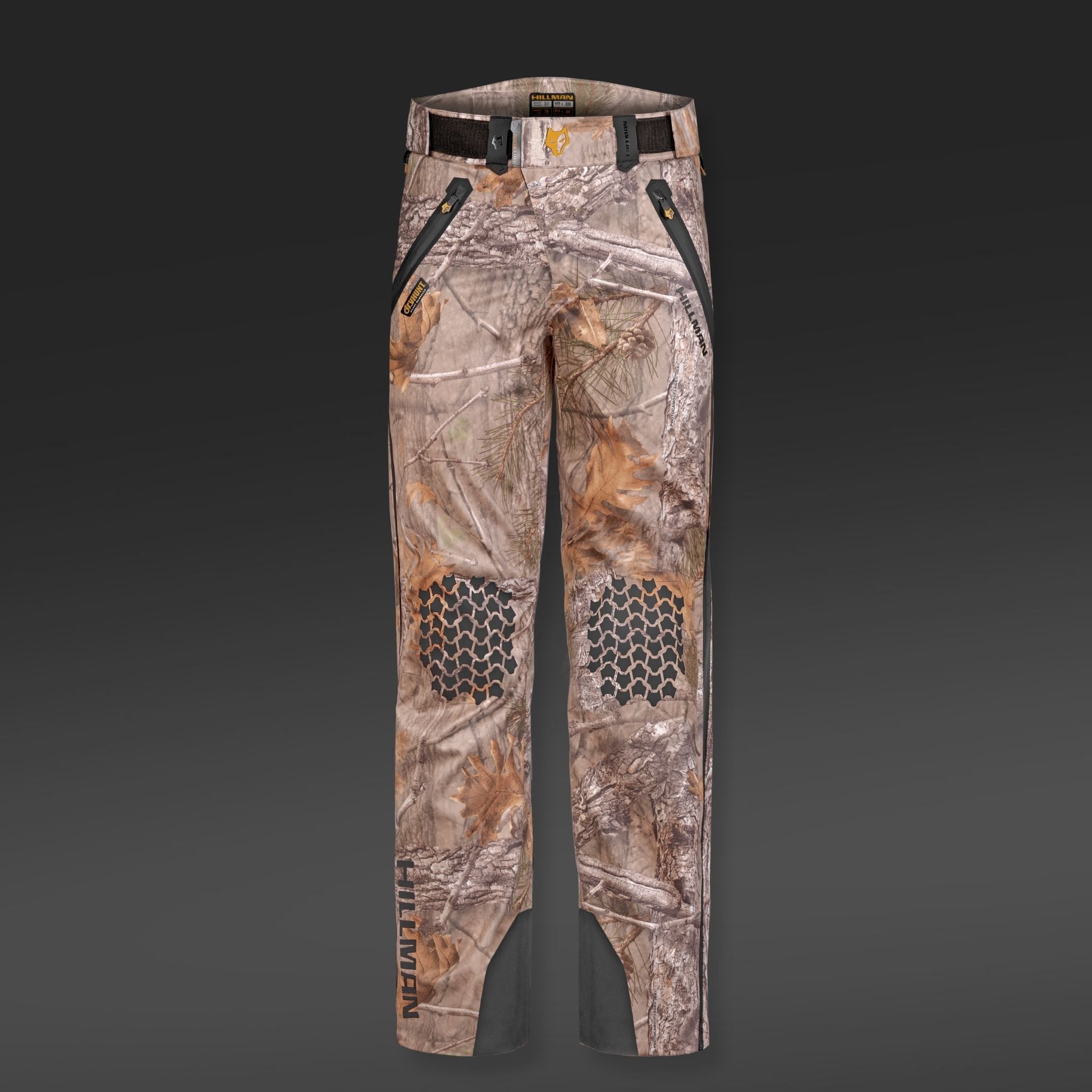
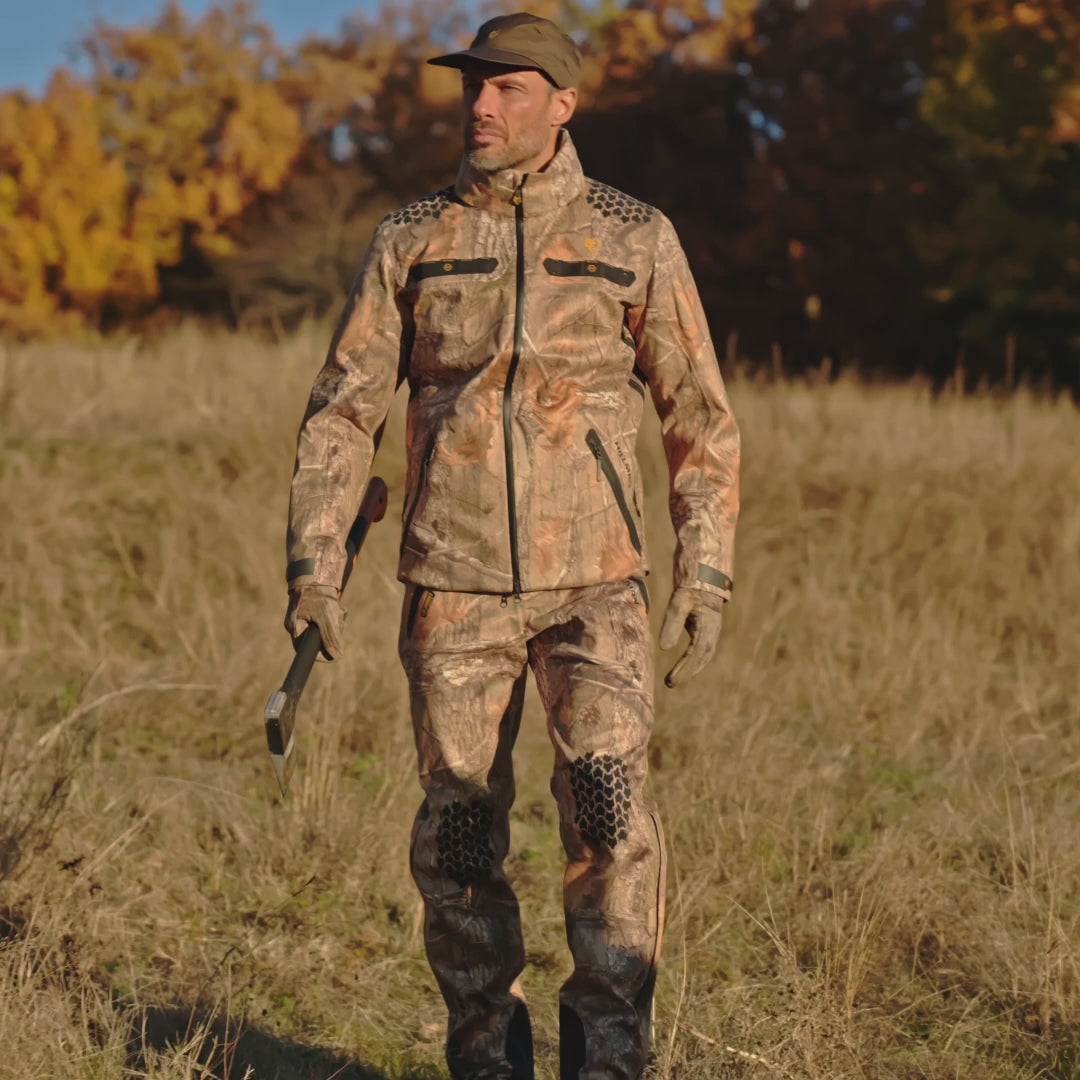
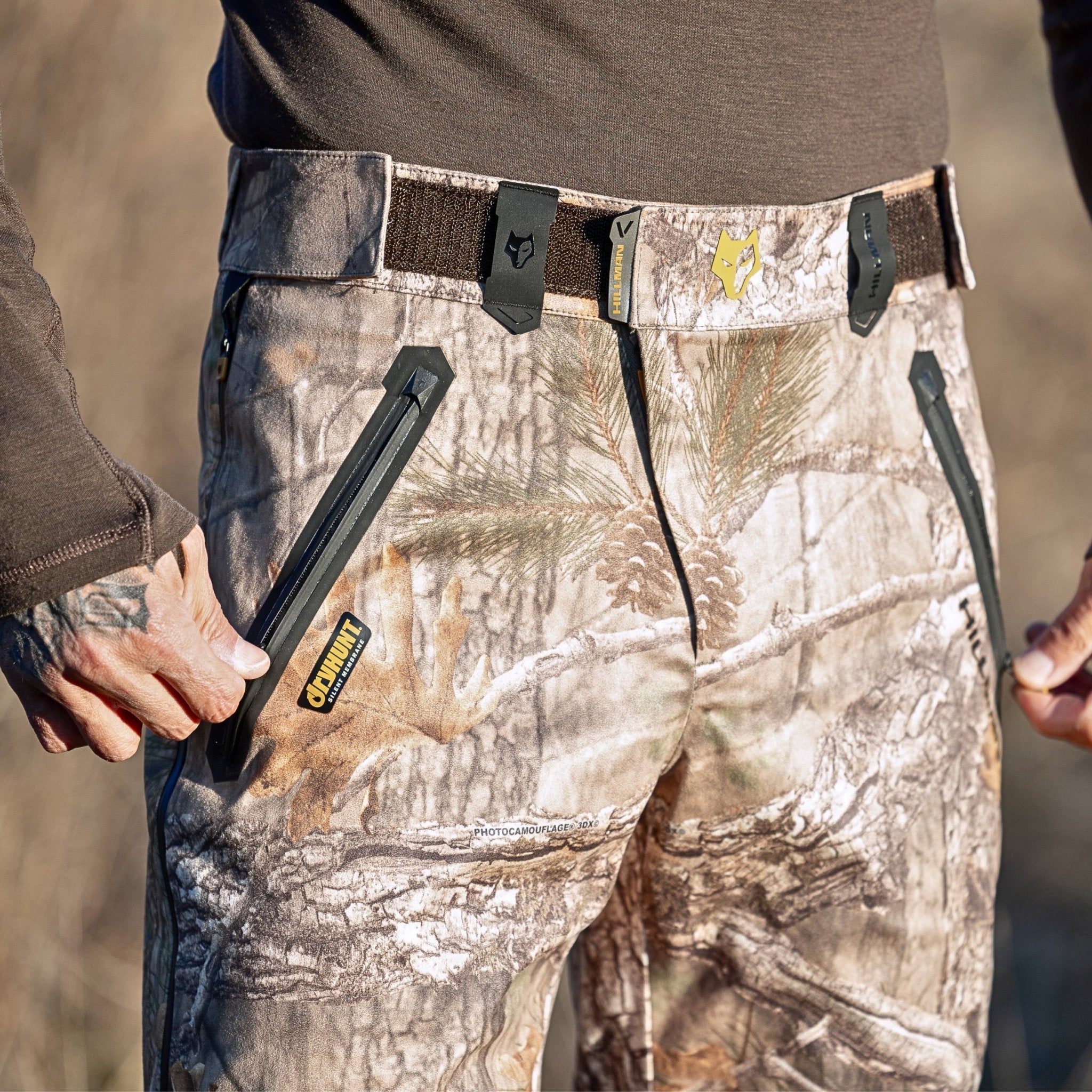
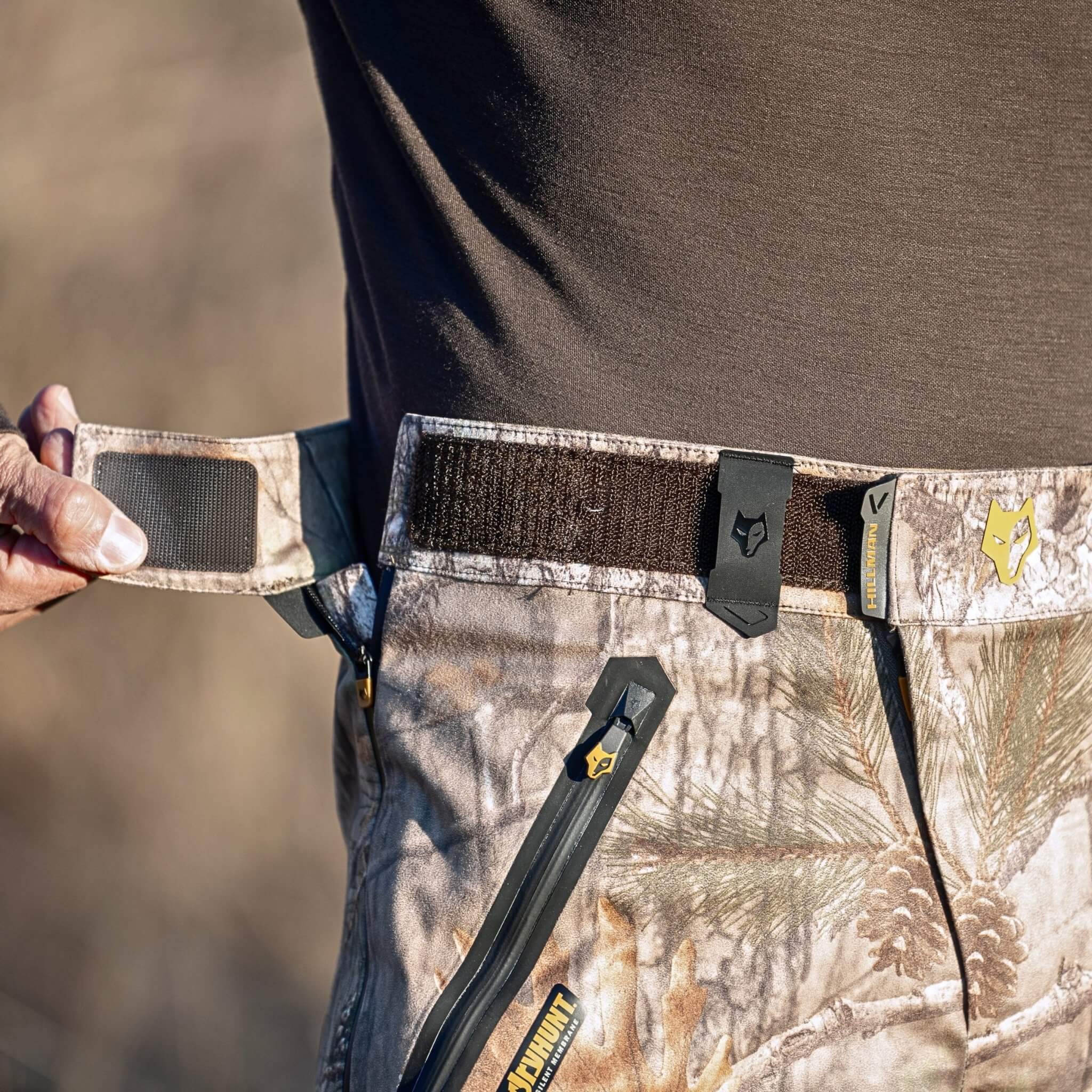
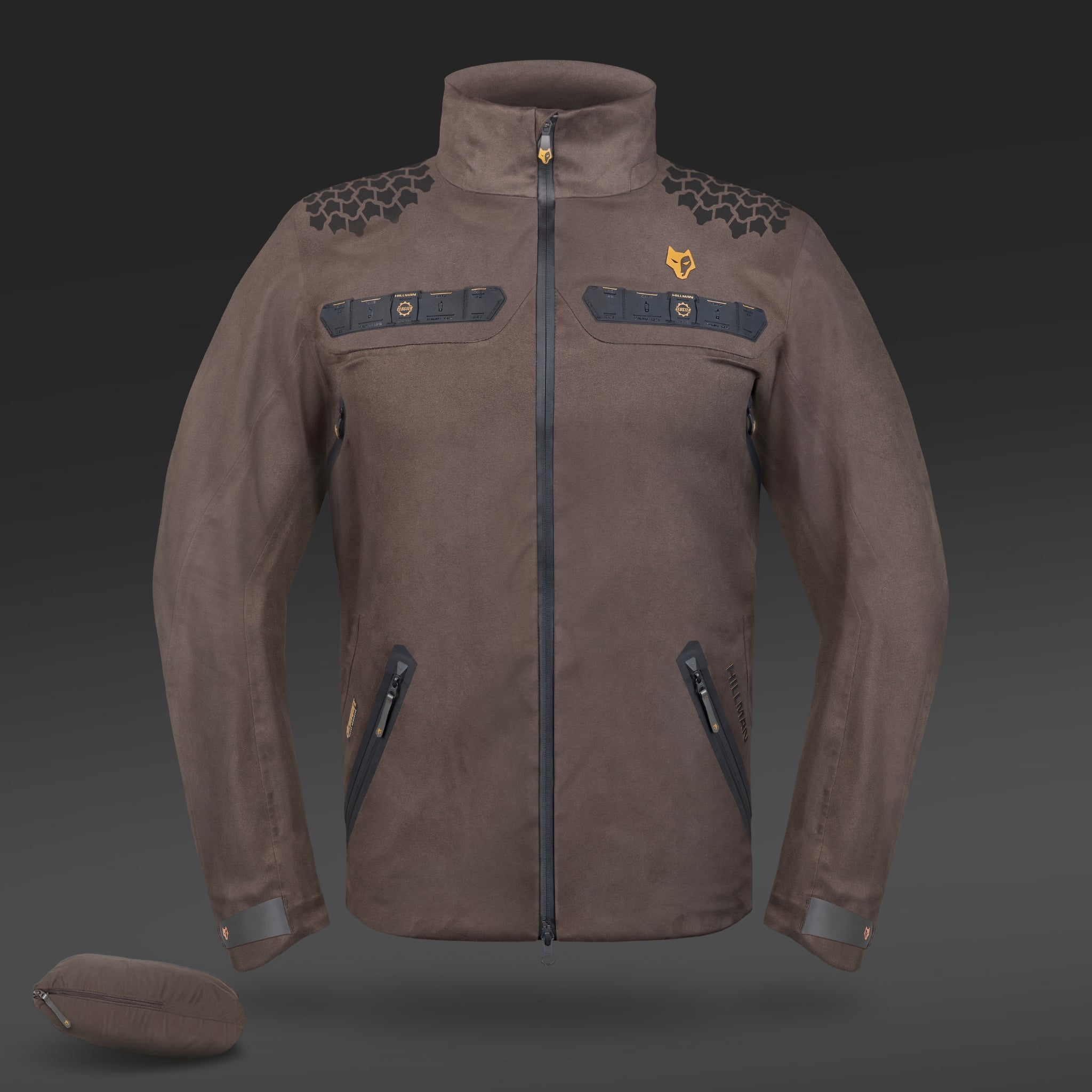
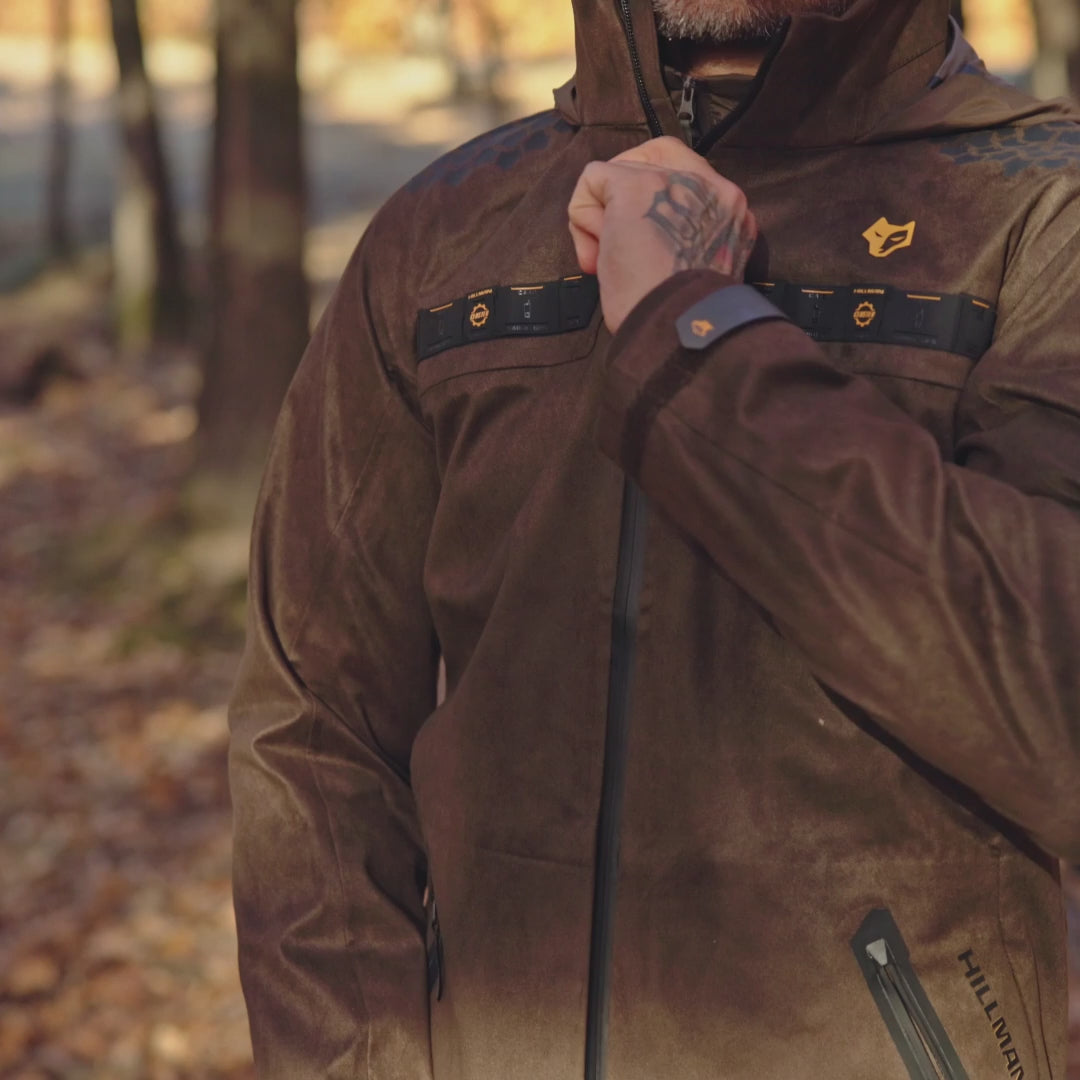
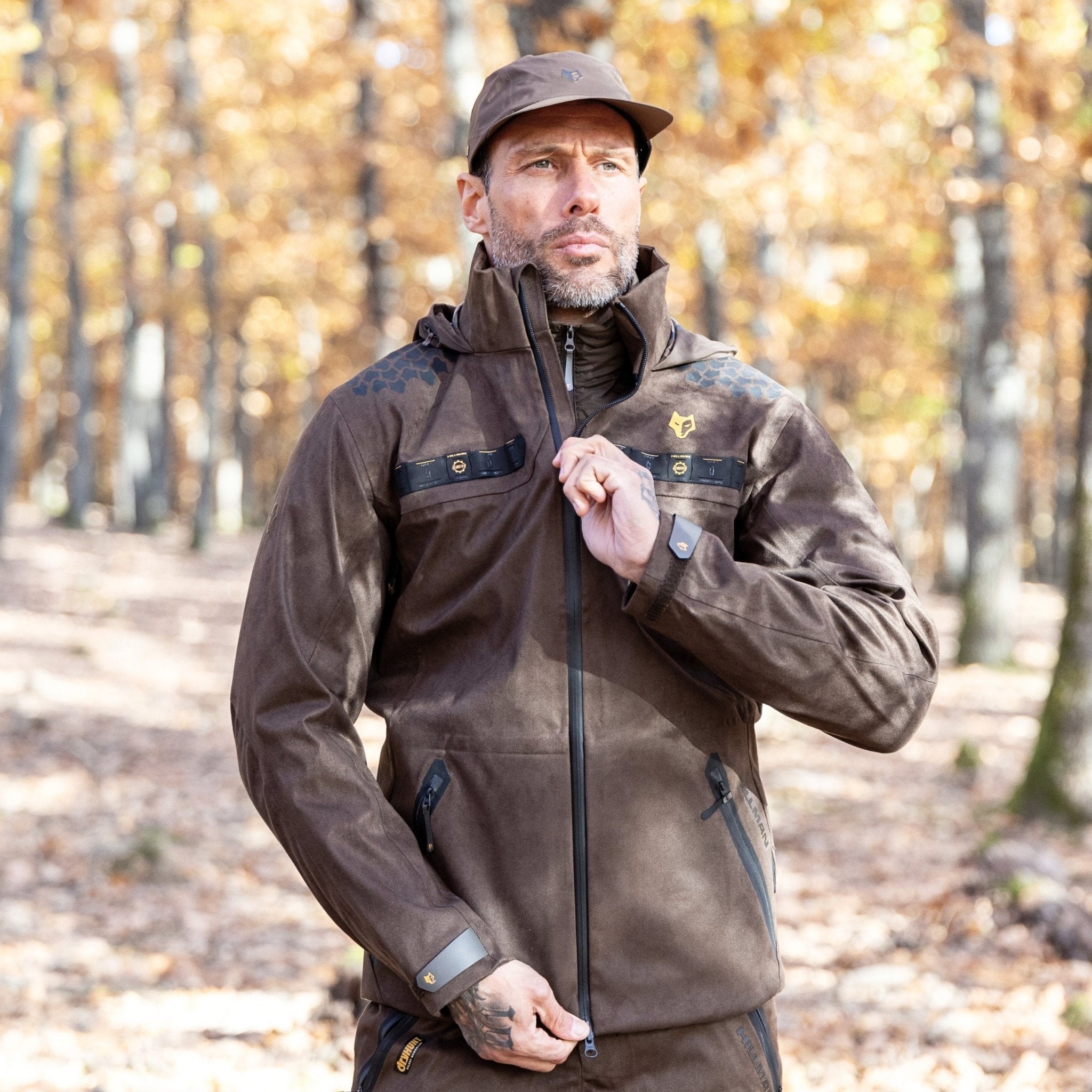
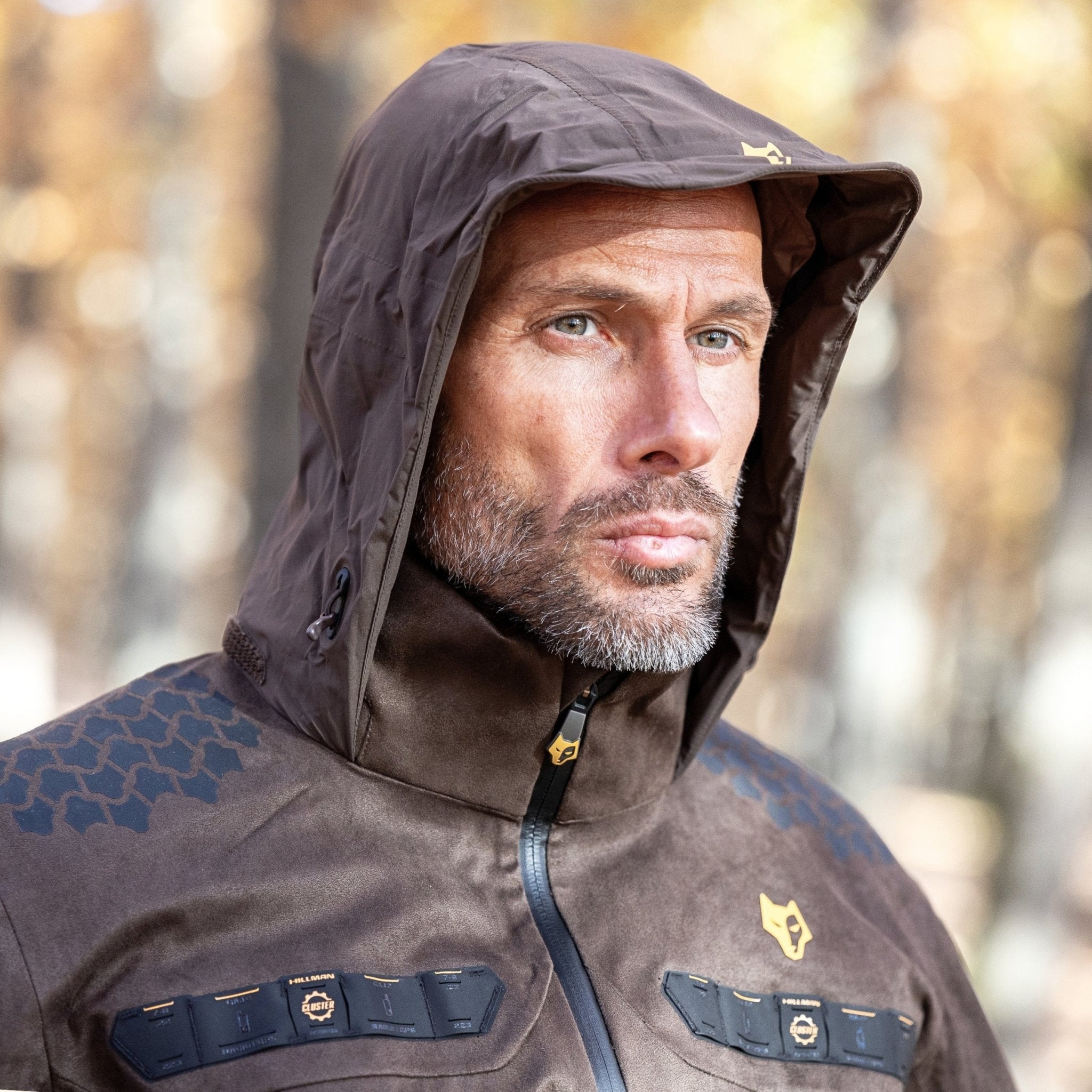
This is where Hillman belongs in the bigger picture: cold-front hunting is not about sitting longer for the sake of it, but about staying warm, quiet, and focused in the exact window when one old deer finally moves too early.
A buck that stayed nocturnal through warm weather may move during the last half hour after a cold front. A buck that usually waits until night to cross a field edge may stage 80 yards inside the woods while there is still shooting light. A buck that survived early October by avoiding pressure might use the same trail he always uses, only ten minutes earlier.
That is enough.
Cold Weather Makes Food the Center of the Map

Cold weather forces deer to spend energy. That energy has to be replaced. After a hard front, food sources become the center of deer behavior, especially in the evening.
Mature bucks prioritize caloric recovery after cold fronts. Corn, soybeans, acorns, green browse, brassicas, and any high-energy food left in the area can become magnets. In late season, this becomes even more obvious. Snow, ice, bitter wind, and dropped temperatures push deer toward the food that gives them the most return for the least effort.
But there is a catch. Hunting right on the best food source can be risky if access is poor. Spooking deer on the way in can ruin the sit before it starts. Walking across open ground, letting scent drift into bedding areas, or climbing into a stand too close to feeding deer can cost you the one buck you are hoping to harvest.
A better plan is often to hunt the first secure cover off the food. Look for staging areas where bucks wait before stepping out. These spots can be messy and easy to overlook. A few rubs. Tracks cutting through leaves. Droppings near a faint trail. Maybe a scrape that opens up again after the front. The sign does not always scream. Mature bucks do not need a highway.
In early October or mid october, green food and acorns may matter more than crop fields, depending on your ground. In late October and November, doe concentration and rut movement begin to mix with food patterns. In late season, the food itself becomes almost impossible to ignore.
The colder it gets, the more honest deer become about eating.
Morning Movement After a Cold Front

Evening hunts get a lot of attention after cold fronts, and for good reason. The first night following a front can be especially productive as deer replenish energy lost during harsh weather. But the next morning should not be wasted.
After the front passes, deer can move to food sources earlier in the evening and stay out later in the morning. That late return movement can put bucks on their feet after daylight, especially if the night was cold and calm. A mature buck may feed longer than usual, then drift back toward bedding cover with the wind in his favor.
Morning setups need a lighter touch. It is easy to bump deer off food in the dark. If you cannot access your stand without crossing feeding areas or blowing scent into deer, wait for the evening. But if you have a clean route along a ditch, creek, low trail, or back side of the property, a morning hunt can be excellent.
The best morning stand is often close to bedding, but not inside it. Get too aggressive and you risk spooking deer for days. Stay too far away and the buck may be back in cover before you can see him. The right spot might be a transition trail, a bench below bedding, or a narrow trail that cuts from food toward thick cover.
In calm conditions after a front, every sound seems louder. Frozen leaves crack. Ice snaps underfoot. A climbing stick tap can carry farther than you expect. Take your time. The cold gives you an advantage only if you do not announce yourself before the woods wake up.
Evening Movement Is Where Bucks Often Get Careless

The late evening hours after a cold front are often the cleanest opportunity. The wind settles. Temperatures keep dropping. Deer feel safer moving before dark. Bucks that were pinned down by rain or strong wind start working toward food.
This is when mature bucks may abandon a little caution. Not all of it. Just enough.
They may enter open food sources earlier than usual. More often, they reach the edge early, stand in cover, and watch. Some will stage with the wind quartering from the food source. Some will hook downwind, especially if deer are feeding. Some will use the inside corner of a field, where they can step out with only a few yards of exposure.
A good evening plan starts with the exit, not the stand. If deer are likely to feed until dark, you need a way out without blowing the field. A hunter who climbs down into a field full of deer after a perfect sit may educate every animal he needs for the next day. Sometimes the smartest move is to set up off the main food source, where you can leave quietly after legal light.
This matters most during a big cold front window. The first sit might be good. The next day may be even better. Burning the spot with a bad exit is a painful way to lose both.
October Cold Fronts and the Pre-Rut Shift

October cold fronts deserve their reputation, but not every week in October behaves the same.
Early October can be tricky. Bucks may still be tied to bed-to-feed patterns, especially if hunting pressure has been low. Warm weather can keep them moving at night, so an October cold snap that drops temperatures sharply may create a sudden daylight window. If it follows a stretch of warm, stale weather, pay attention.
Mid october often brings better scrape activity, more shifting, and a little more daylight confidence. Bucks are still not fully rut-crazed, but they are more curious. A cold front during this period can make them move earlier along traditional routes, especially near oak flats, field edges, and cover seams.
Late October is different. This is where pre-rut energy begins to stack on top of weather conditions. Mature bucks start checking doe bedding areas more consistently. They may travel downwind of those bedding areas, using scent to identify which does are close to coming in. A cold front in late October can sharpen that movement. The buck still wants food, but he is also starting to spend daylight time gathering information.
By November, the rut can overpower neat weather patterns. Research and field experience both suggest deer movement becomes less controlled by temperature extremes during peak rut because survival and breeding priorities take over. Cold still helps. It makes sitting easier for the hunter and may improve general deer activity. But during the rut, a mature buck might move in poor weather simply because a doe pulled him there.
That is why the best hunting strategies change by phase. In early October, think food. In mid october, think food plus fresh sign. In late October, think doe bedding, funnels, and downwind travel. In November, think rut movement first, weather second.
Wind, Bedding Areas and the Low Ground Buck
Strong wind during a front can shut down exposed movement, but it does not erase deer. It moves them.
Bucks often choose bedding areas that break the wind and preserve security. Low-elevation bedding, creek bottoms, leeward ridges, dense thickets, and sunny south-facing slopes can all become more attractive during immediate cold. A buck may bed where he can keep the wind over his back, watch the lower side, and avoid the worst gusts.
This matters because the first movement after the weather clears often begins from those protected beds. If you know where bucks go to ride out wind, you can predict the first safe trail they will use when they get up to feed.
Do not crowd the bed unless you have the right conditions and a quiet access route. Mature bucks tolerate very little intrusion after pressure. A safer play is to set up between that bedding cover and the closest strong food source, using terrain to hide your entry. If a ridge bench, saddle, ditch, or strip of trees narrows the route, that is the point to study.
Wind direction is still the whole game. A cold front with a north wind can open stands you have not touched all season. It can also ruin your favorite spot if your scent spills into the trail. Cold air often sinks in the evening, and thermal pull can drag scent downhill. In broken terrain, the map and the actual air may disagree. Use milkweed, powder, leaves, or whatever lets you see what the wind is really doing at stand height and at deer level.
The buck does not care what the forecast said. He cares what he smells.
How to Read the Weather Forecast Like a Hunter

A useful weather forecast is not just a temperature number. Look at the whole change.
Did the temperature drop hard compared with the past few days? Did rain pass overnight? Are skies clear behind the system? Is barometric pressure rising? Will the wind shift or calm by evening? Is there snow or ice coming, or just a dry cold push? These factors influence when deer move and where they feel comfortable.
The strongest cold-front window is often 36 to 48 hours after the front passes, when the weather has settled and the woods feel clean. That does not mean you should skip the first evening. The first night can be excellent. But if the front arrives with chaos, the better hunt may be the next day, when deer are hungry and conditions are easier to sit.
A small front after weeks of warm weather can be more important than a brutal drop during an already cold stretch. Deer respond to change. A drop from 72 to 48 degrees in October can mean more than a drop from 28 to 18 in late season, depending on food, pressure, and habitat.
Cloud cover matters too. A grey, cooling evening before a front may start deer moving early. Clear skies after the front can make temperatures fall fast near dark. That falling feel, especially with calm wind, is one of those moments when the woods seem to loosen.
You cannot control it. You can be there.
Stand Placement That Takes Advantage Without Spooking Deer

Taking advantage of cold fronts requires restraint. A great weather window can tempt you into forcing a bad stand. That is how deer get educated.
Pick a stand based on access, wind, and exit first. Then think about sign. If the best-looking tree requires you to cross a bedding area, walk through feeding deer, or let your scent drift into the cover you expect bucks to use, it is not the best tree. It is a trap.
Natural funnels are the safest bet when the weather is changing. Saddles and ridge benches can tighten travel. Creek crossings can focus movement. Thin strips of trees between bedding and food can be deadly. Field corners can work, especially when they connect to thick cover. The right stand does not need to see every deer. It needs to see the one path a mature buck is most likely to trust in daylight.
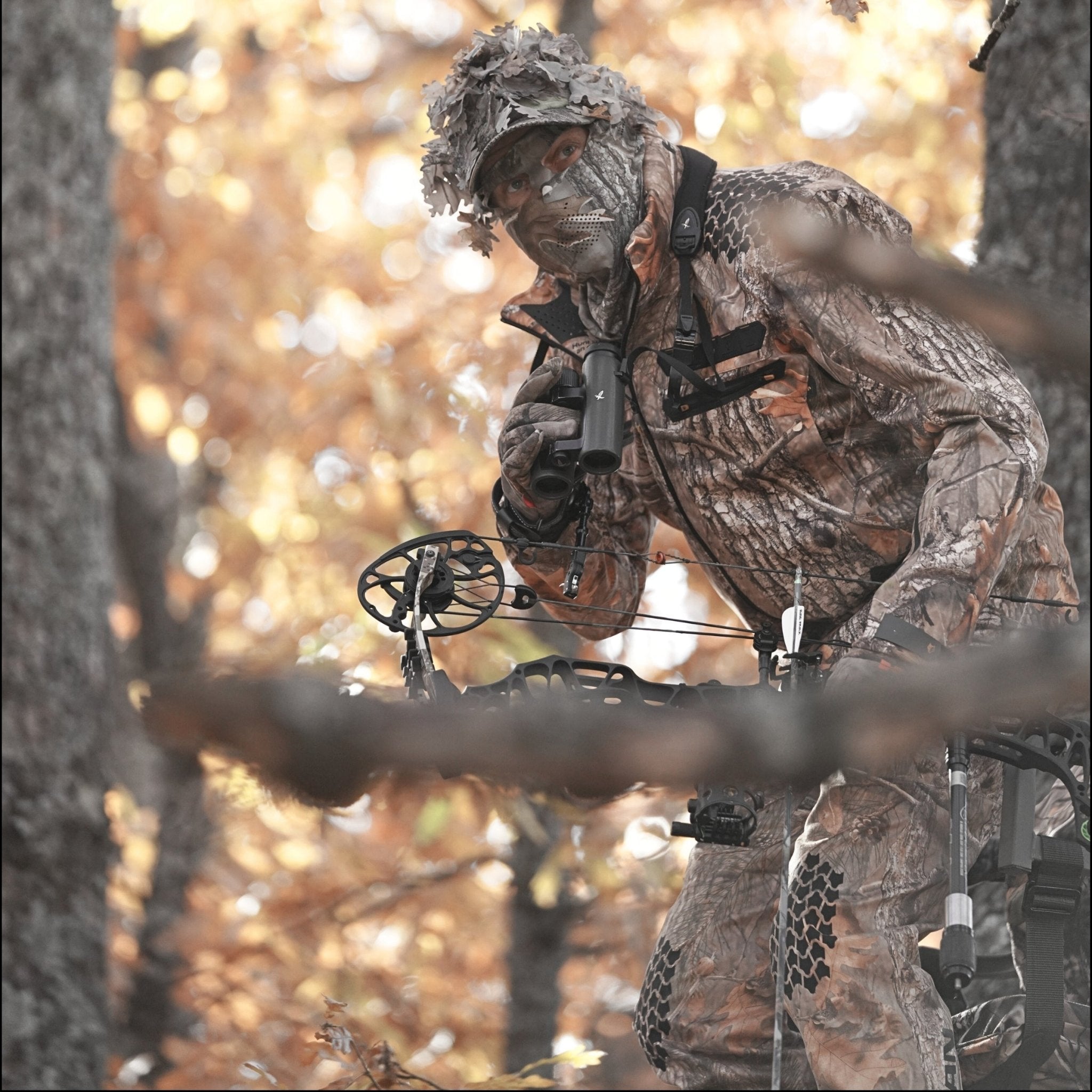
Height helps, but only if cover breaks your outline. Cold, clear evenings can leave a hunter skylined in bare trees. Sit where limbs, trunks, or background cover hide your movement. Wear clothing that lets you stay still. Cold weather makes fidgeting expensive.
The stand should also match the expected time of movement. If you expect bucks to stage before entering food, sit inside the woods. If you expect does to flood the food source and bucks to scent-check them, sit downwind of the doe trail. If you expect a buck to leave low bedding and climb toward acorns, sit on the bench where that climb becomes easiest.
Good cold-front deer hunting is not magic. It is simply a better chance to catch a buck doing what he already wanted to do.
Late Season Cold Fronts Are a Different Game

Late-season cold fronts strip the woods down to basics. Food. Cover. Pressure. Survival.
By then, mature bucks have been hunted for weeks or months. Many have been bumped, shot at, watched, and patterned by other hunters. They do not waste movement. But cold weather can force them to become more visible because they need calories to maintain body heat.
High-quality food sources become critical. Standing beans, corn, brassicas, acorns if they remain, and sheltered browse can pull deer from long distances. Bucks may bed closer to food than they did earlier in the season, especially if deep cold, snow, or ice makes travel costly.
The first 24 to 48 hours after a late-season front can be excellent if you can handle the sit and enter cleanly. Expect evening feeding to be the main event. Mornings can work near bedding, but bumping deer in the dark is a bigger risk when the herd is concentrated around limited food.
Late season also punishes sloppy pressure. If you blow deer off the best food source once, they may shift to night movement or move to a neighbor’s ground. Hunt the edge, the staging trail, or the downwind travel route. Save the direct food-source sit for perfect conditions, especially when snow or extreme cold has deer hitting it early.
In late season, the cold does not make deer careless. It makes them honest. They need food. Your job is to let them reach for it before they know you are there.
The Simple Cold-Front Plan I Trust Most
When a big cold front is coming, I start with the weather forecast, but I do not stop there. I look at what the deer were doing before the front, where the safest bedding areas are, what food sources matter right now, and how I can get in without spooking deer.
If the front is still hitting with heavy rain and strong wind, I usually protect my best spots unless the conditions are huntable and the access is clean. If the weather breaks in the afternoon, I want to be near the first secure route to food. If the first evening has clear skies, dropping temperatures, and a steady wind, I treat it seriously.
The next morning, I hunt only if I can access without disturbing feeding deer. The second evening can be just as good or better, especially if the cold stays, the wind calms, and deer have not been pressured.
For early October, I lean toward food and fresh sign. For mid october, I add scrapes, cover edges, and travel seams. For late October and pre-rut, I start thinking harder about doe bedding areas and the downwind routes mature bucks use to check them. For late season, I put almost everything back on high-energy food and thermal bedding.
A cold front gives you an advantage, but it does not replace woodsmanship. It just sharpens the pattern for a short time. Mature bucks slip up first where comfort, hunger, and security overlap. Find that place, respect the wind, and be there when the woods finally turn cold and quiet.


Share:
Post-Season Deer Scouting And Next Fall’s Mature Buck
How to Scout a Turkey Roost and Set Up for Fly-Down