

What Post-Season Scouting Really Reveals About Next Fall’s Mature Buck

Post-season scouting shows where mature bucks survived, fed, bedded, and traveled, giving you a sharper plan for next fall.
The woods feel different after deer season ends. The pressure drops away. The orange disappears. The mornings are colder, quieter, and less charged with that opening-day urgency. For a lot of deer hunters, this is when the gear gets packed away and thoughts drift toward spring, fishing, chores, or anything that does not involve sitting still in the cold.
That is a mistake.
Post-season scouting is one of the best times to understand what really happened on a hunting property. Not what you hoped was happening. Not what a trail camera showed on one good evening. What actually happened. Where deer moved when hunting pressure built. Which trails stayed active. Which bedding areas were used heavily. Where a mature buck felt safe enough to survive the previous season.
And that is the whole point. You are not just walking around looking for old deer sign. You are trying to build a better understanding of next fall before next season ever begins.
A mature buck is not a random animal. He has habits, preferences, escape routes, and comfort zones. He may shift with food, weather, rut activity, and pressure, but the ground often tells the truth if you spend time reading it. In the post season, the sign is exposed. Trails are beaten in. Rubs and scrapes are easier to see. Bedding cover can be studied without worrying about ruining tomorrow morning’s hunt.
Done right, season scouting after the close of deer season gives you something more useful than excitement. It gives you context.
Why Post-Season Scouting Matters More Than Many Hunters Think

During hunting season, every move has a cost. Step into the wrong bedding cover and you may knock deer out of the area. Cross a field edge with the wrong wind direction and you could burn a stand before you ever sit in it. Even checking a camera too often can change what deer do.
The off season gives you room to investigate.
You can walk the trails you were afraid to touch in fall. You can get into bedding areas and see why deer chose them. You can inspect old rub lines, creek crossings, fence gaps, and micro funnels without worrying that you just ruined the evening. You can finally compare what you thought from the stand with what the woods were actually showing.
This is where post-season scouting becomes more than a casual walk. It becomes a review of the previous season and a rough draft for the upcoming season.
Maybe the stand looked perfect in October, but the main trail skirted you by thirty yards. Maybe deer were using a low spot you never noticed. Maybe other hunters on public land pushed bucks into a corner you had written off as too thick or too awkward. Maybe the best sign was not where you expected at all.
That is the kind of truth you rarely get while hunting.
Shed Hunting Is Fun, But It Is Not the Whole Job

Shed hunting has become a popular off season activity, and for good reason. Finding sheds is exciting. A few shed antlers can tell you which bucks made it through the hunting season, and they can give clues about the health of the local deer herd. Bucks typically begin dropping antlers in February, which makes late winter a prime time to search in the woods, especially around bedding cover, winter food, and travel routes.
But shed hunting can fool people too.
A shed antler is useful, but it is only one piece of the story. It tells you a buck was alive when he dropped it. It does not automatically tell you where he will be in early season, where he beds in October, or where to kill him in November. Bucks can shift from late-season food to summer range to fall patterns, especially in country with changing crops, mast, pressure, or big blocks of cover.
So yes, search for sheds. Enjoy it. Mark every antler in your mapping app. Look at where it was found, what food was nearby, what bedding cover was close, and how the buck may have moved through the area. But do not stop there.
The best deer hunters use shed antlers as starting points, not final answers.
Shed Antlers Can Show Survival, Health, and Late-Season Movement

When you find shed antlers, especially from a mature buck, pay attention to more than antler size. Look at the location. Was the shed near a south-facing slope where deer could catch winter sun? Was it close to thick bedding cover? Was it near late-season food after acorns were gone? Was there heavy trail use nearby, or did the antler seem isolated?
Late winter scouting often reveals what deer are eating when the easy fall food is finished. That can matter more than people think. A buck that survives deep into winter still has to feed, conserve energy, and avoid stress. If several sheds, beds, and fresh sign are all concentrated around one food source, that tells you something about winter survival and pressure.
Snow cover, when you have it, makes the picture even sharper. Tracks show deer movement almost like a live map. You can see where they enter a field, where they loop downwind, where they bed, and how they use small terrain features that look almost meaningless on a screen.
Those details are not just interesting. They help you identify the parts of the property deer trust when conditions get hard.
Deer Sign Becomes Easier to Read After the Season
During the fall, leaves, green growth, crops, and hunting urgency can hide the obvious. After the season, the woods open up. Old rubs stand out. Scrapes are easier to spot. Trails look worn into the ground. Beds show up in grass, leaves, snow, or matted cover.
This is why post season scouting is so valuable. You can slow down and read the land.
Walk the deer trails. Not just across them. Follow them. See how they connect bedding areas, food, water, and terrain. Look where trails split, where they avoid open ground, where they run just inside cover instead of along the cleanest edge. Mature bucks often choose routes that let them observe, smell, or escape before they fully expose themselves.
Rubs and rub lines deserve the same attention. One random rub may not mean much. A line of rubs connecting cover, terrain, and a likely bed is different. It can indicate a travel corridor used by a buck, especially if the rubs are positioned with some pattern instead of scattered everywhere.
Scrapes can also help, though old scrapes need context. A scrape near a natural pinch point, field corner, creek crossing, or bedding exit may matter more than a pretty scrape in a place you cannot hunt cleanly.
Mark all of it. Rubs, scrapes, beds, trails, crossings, food, stand locations, access routes, and problem spots. A mapping app is not there to replace woodsmanship, but it helps you remember what the ground told you when summer growth hides everything again.
Bedding Areas Tell You Where Daylight Begins

If there is one thing post season scouting really reveals about a mature buck, it is where he feels secure in daylight.
Bucks often prefer bedding areas with thick horizontal cover, high stem counts, and enough visibility or wind advantage to protect them. It does not always look pretty. Sometimes it is a nasty point of cover, a brushy knob, a swamp edge, a cutover, a steep little bench, or a pocket everyone walks past because it seems too small.
The key is security.
Deer spend a huge part of their daytime hours in or near bedding cover. That makes identifying bedding areas crucial for next fall. But during hunting season, pushing into those spots can be risky. After the season, you can finally get in there and study them.
Look for actual beds, not just thick cover. A real bed will often show repeated use. You may see hair, droppings, worn leaves, melted snow, or a clean oval in grass or brush. Then ask better questions. What can the deer see from that bed? What wind direction makes it useful? How does he enter and exit? Is there a subtle trail out the back? Is there a rub nearby? Does the bed sit just off a ridge, on the leeward side, or near a point where scent and sight work together?
This is where many hunters get a real education. They realise the buck was not avoiding them by magic. He was using cover, wind, terrain, and pressure better than they were.
Mature Buck Sign Needs Context, Not Just Excitement

Fresh sign is exciting. A big rub is exciting. A shed from a target buck is exciting. But excitement can make hunters jump to poor conclusions.
A mature buck may use different areas at different times. Early season patterns can be tied to food and low pressure. Rut movement may pull him through natural pinch points, creek crossings, fence gaps, and micro funnels. Late season movement may shrink around bedding cover and food. Public land pressure may push him into overlooked places. Private land pressure can do the same, just in a quieter way.
So when you find sign, think about timing.
Was that rub likely made in October as part of a fall range pattern? Was the scrape active during the rut? Were the tracks in snow showing winter movement rather than hunting season habits? Did the buck survive because he spent daylight in a bedding area no one wanted to enter?
This is why the post season is not just about marking spots. It is about separating sign that looks good from sign that explains behavior.
A trail with heavy deer movement may be great, but if it is mostly night movement, it will disappoint you. A faint trail leaving a bed with one old rub beside it may be far more important. A tiny terrain dip connecting two thicker areas may not look like much until you realise it is the safest line through open ground.
That is mature buck scouting. It is less dramatic than people imagine, and more useful.
Public Land Shows Pressure More Honestly

On public land, post season scouting can be especially revealing because the hunting pressure is easier to read. You find boot tracks, old stands, trimmed shooting lanes, flagging tape, access trails, and the places other hunters naturally choose. Some of those spots may be good. Many are just obvious.
The bigger lesson is where deer went to avoid them.
Walk the access routes other hunters use. Then look beyond them. Where does the ground get annoying? Where does it get wet, steep, thick, or awkward? Where would most hunters stop walking? Where can a buck bed with the wind covering one side and sight covering another?
You may find that the best deer sign is not far from pressure, but positioned around it. A mature buck does not always need to live miles away. Sometimes he only needs a piece of bedding cover that people overlook, a wind advantage they ignore, and a route that keeps him out of easy shooting lanes.
Post-season scouting helps you see that without guessing.
Trail Cameras Still Matter in the Off Season

Trail cameras can provide valuable insights into deer movement throughout the year, especially when the woods are less pressured. They help you observe how deer use the property after the hunting season, how bucks move through winter, and how patterns shift toward summer.
But cameras need to be treated as tools, not answers.
Regularly checking and maintaining them during the off season matters. Dead batteries, full cards, poor angles, and blocked lenses can cost you months of useful information. Cameras placed near food, trails, mineral sites where legal, or travel routes can help you understand buck-to-doe ratios, general herd health, and which deer are still around.
The trick is to combine camera data with boots-on-the-ground scouting. A photo tells you a deer passed one point. The woods tell you why.
That combination is powerful. When your camera shows a buck moving near a trail, and your post season walk reveals bedding cover, rubs, and a subtle crossing nearby, the picture becomes clearer. You are no longer guessing from one image. You are building a pattern.
Check Stand Access Before You Forget the Problems

Post season is also the right time to evaluate stand access, safety, and shooting lanes. During the season, it is easy to make excuses. You were too loud walking in. The wind direction was wrong. The lane was blocked. The stand was fine, except the deer always appeared behind you.
After the season, fix the thinking first.
Stand in your old setups and look at them honestly. Could you access them without crossing deer trails? Did your wind blow into bedding areas? Did you pick the tree because it was comfortable rather than because it killed the wind and movement? Were your shooting lanes too wide, too narrow, or aimed at last year’s guess instead of the actual trail?
A suitable tree does not always make a suitable stand. A good-looking edge does not always put you in the game. Sometimes the better setup is ten yards back. Sometimes it is lower impact to hunt from the ground. Sometimes the whole spot needs to wait for a specific wind, a specific rut phase, or a specific cold front.
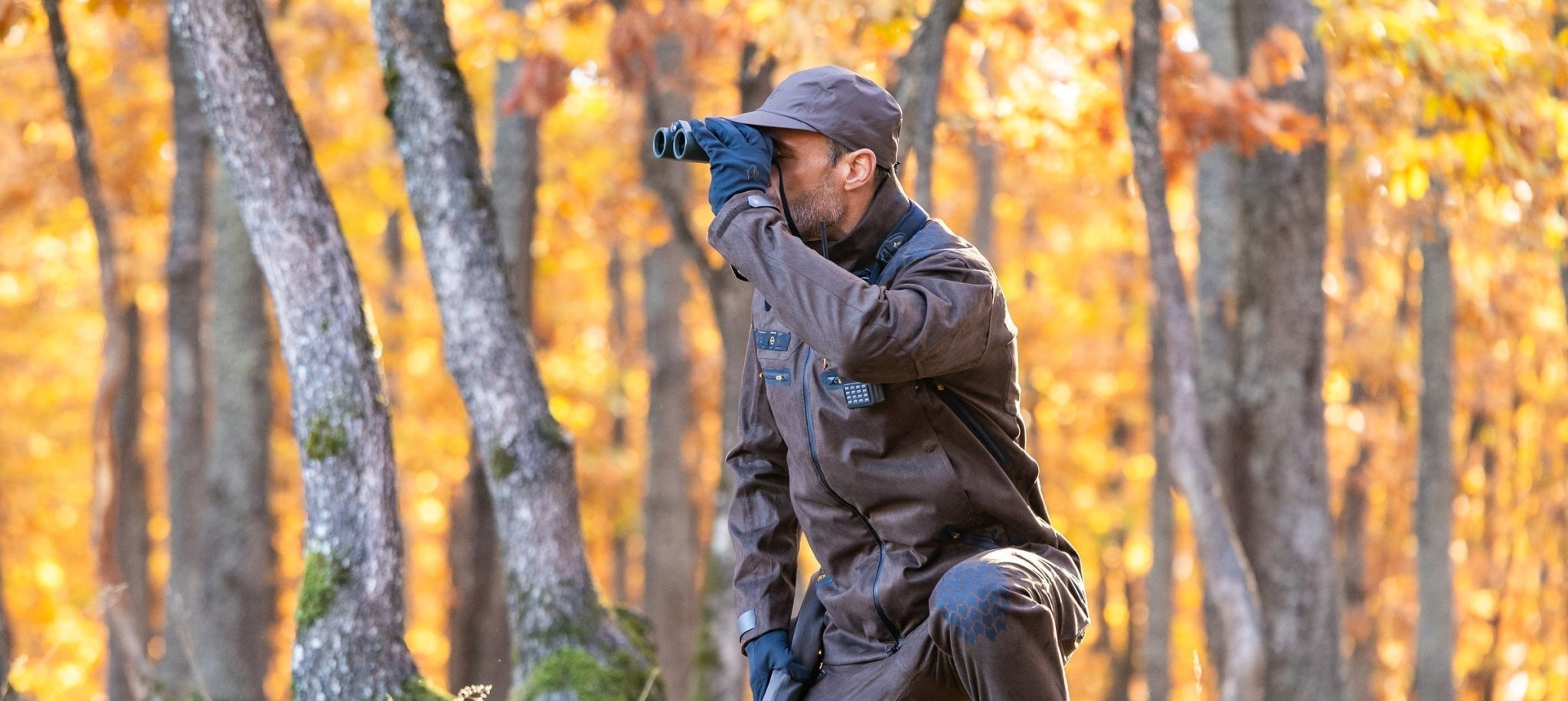
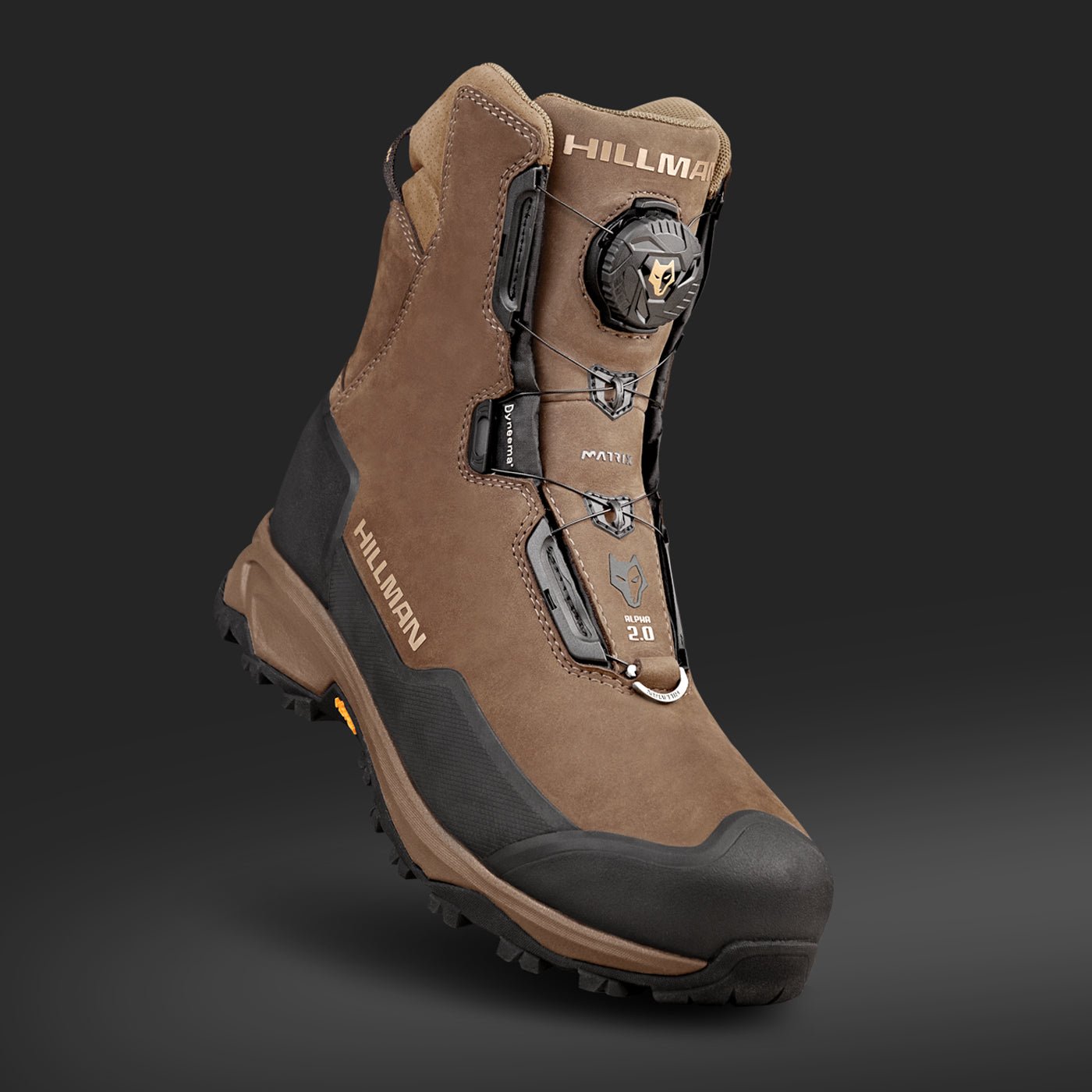
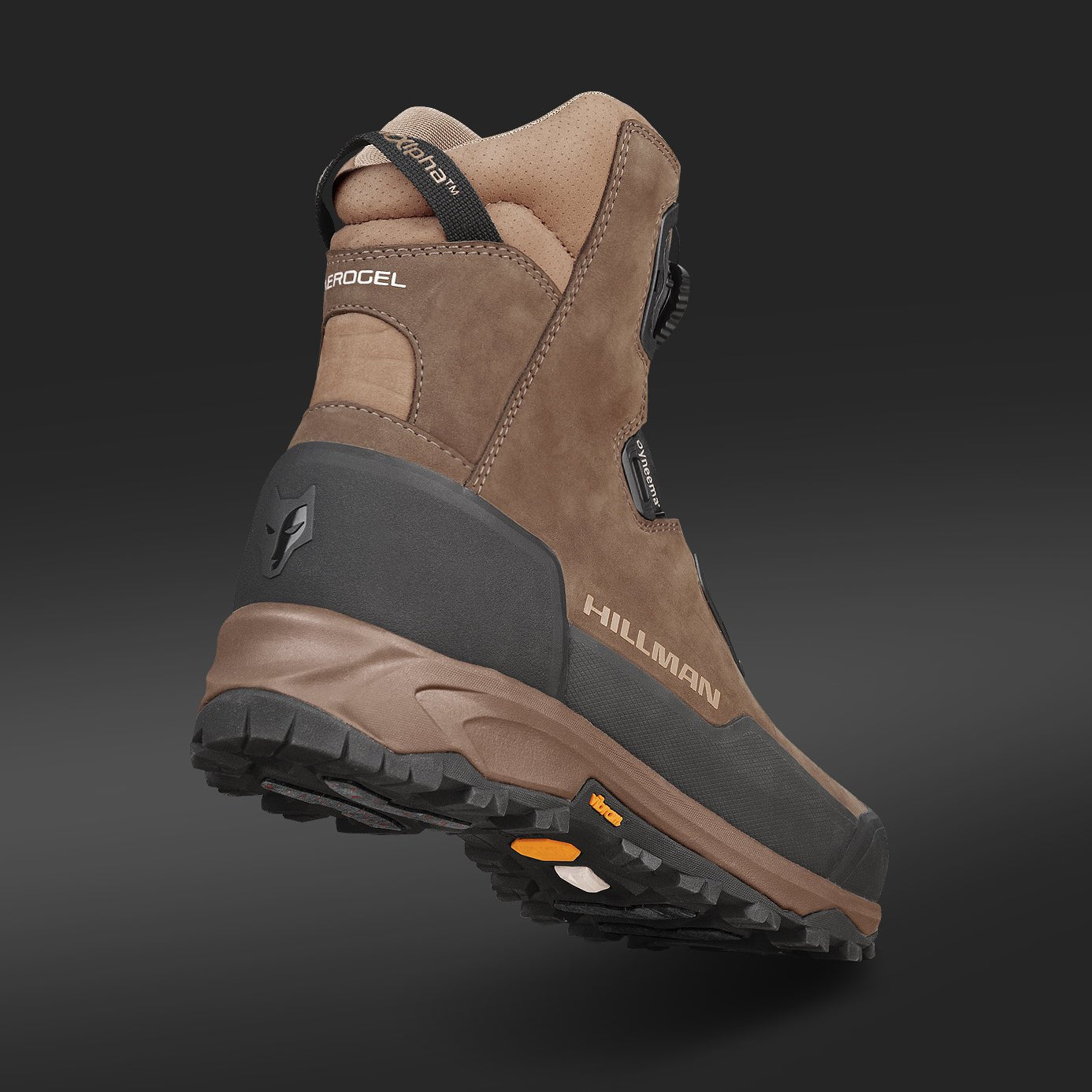
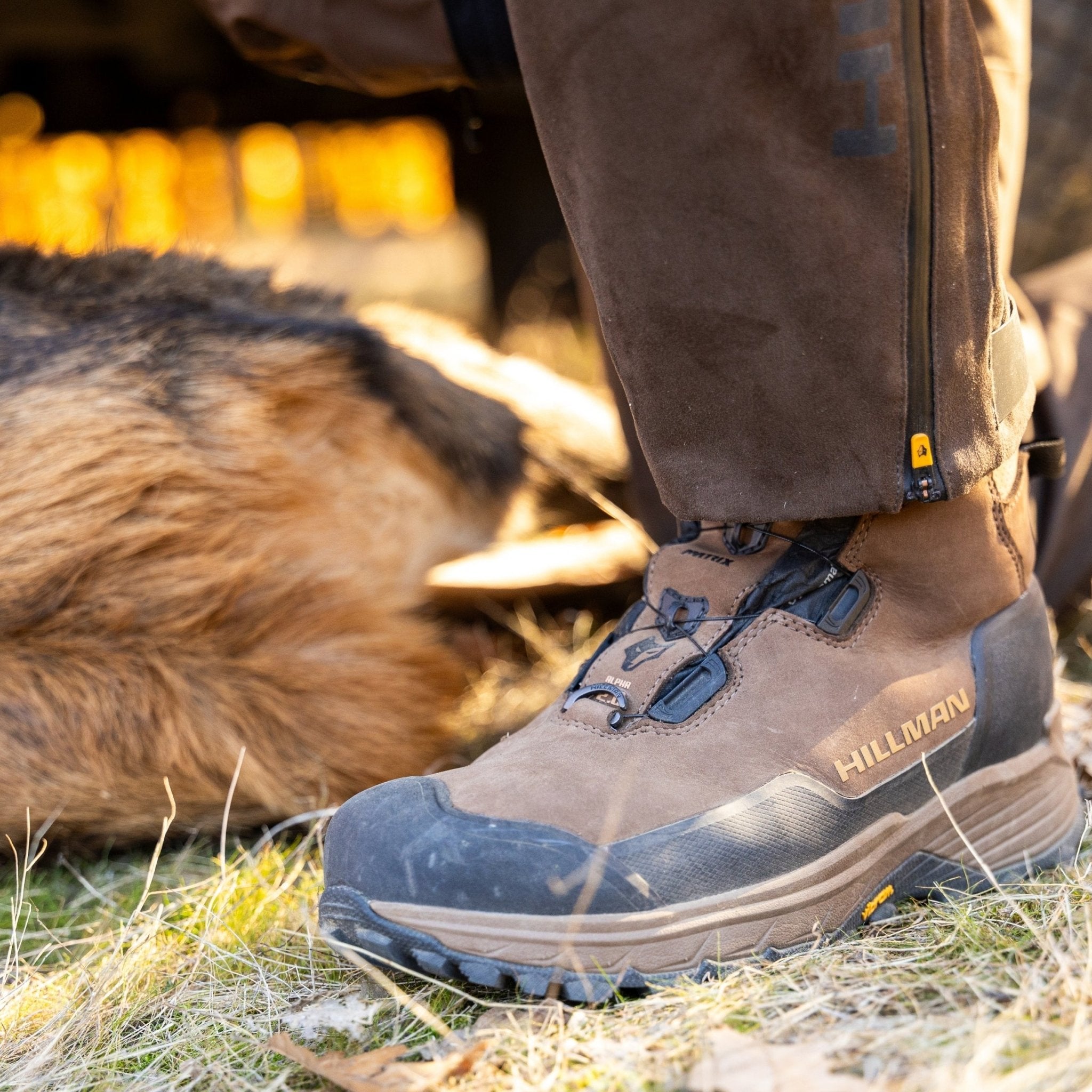
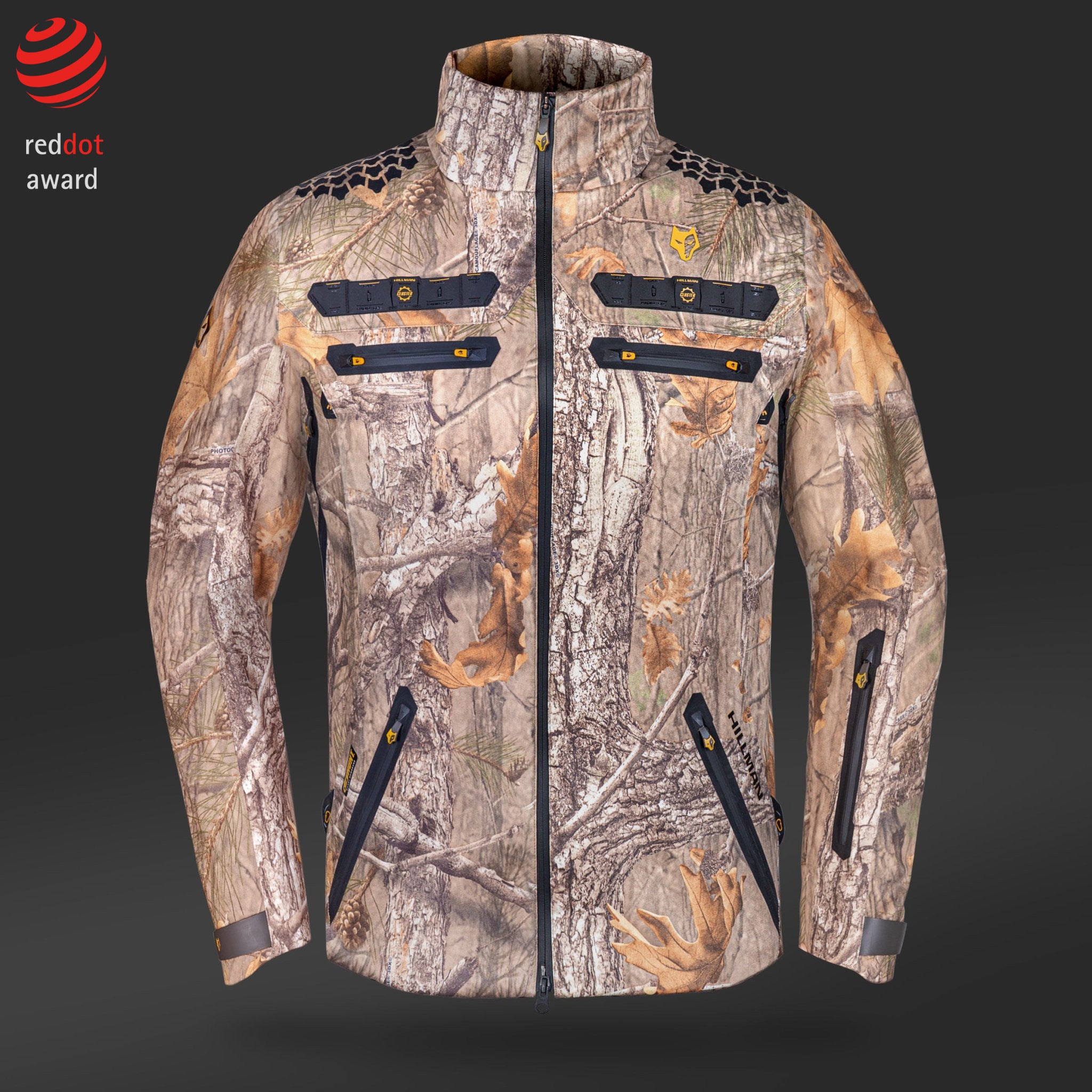
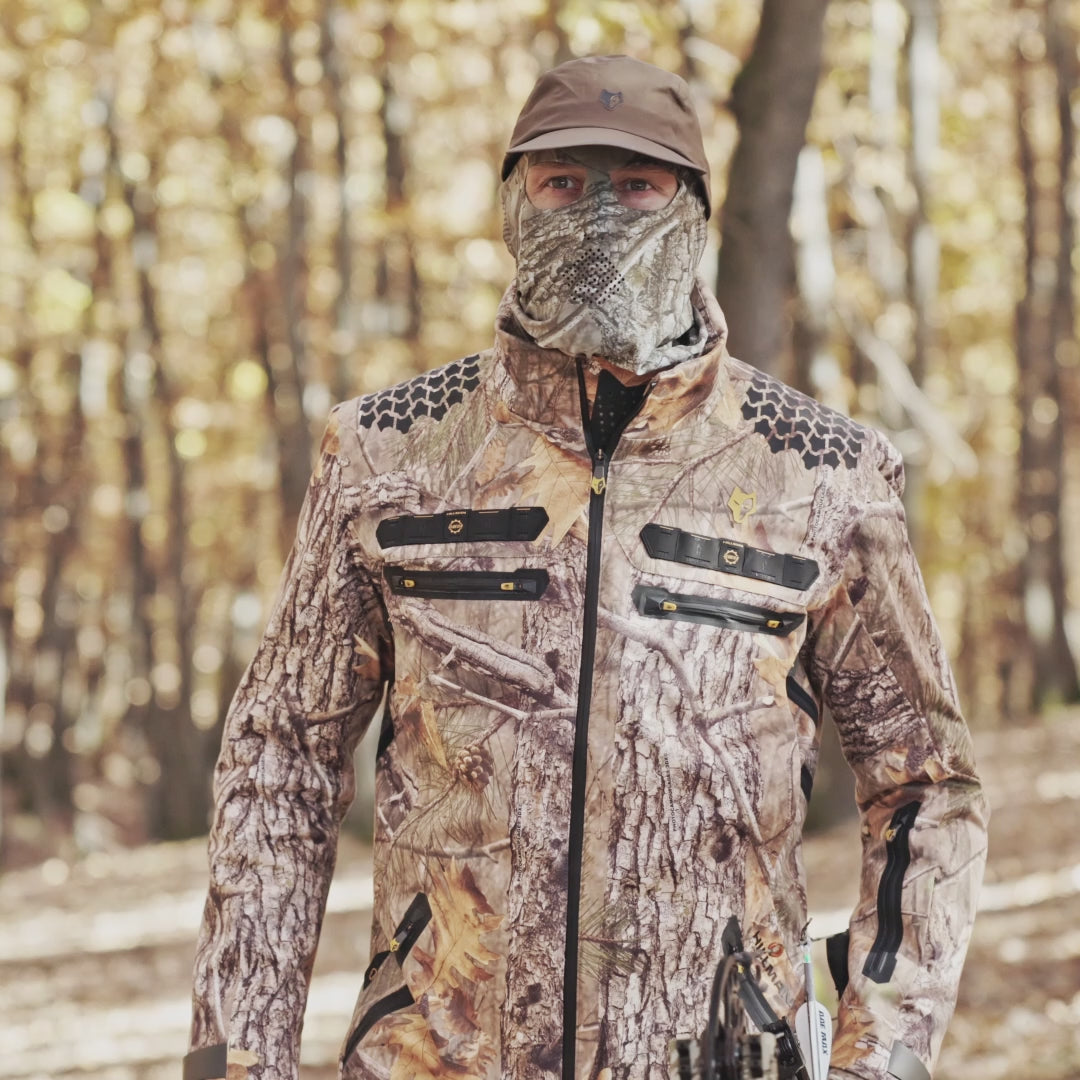
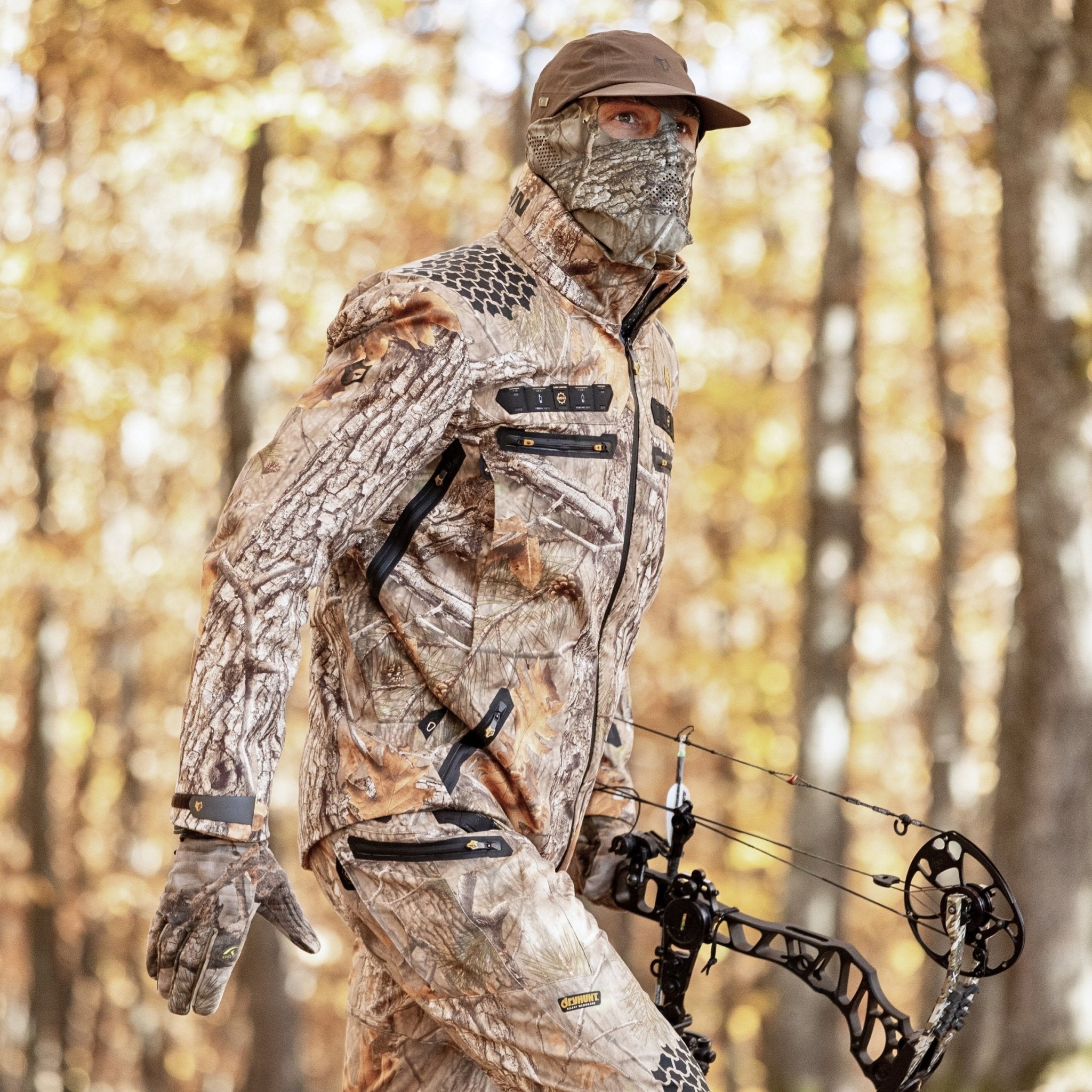
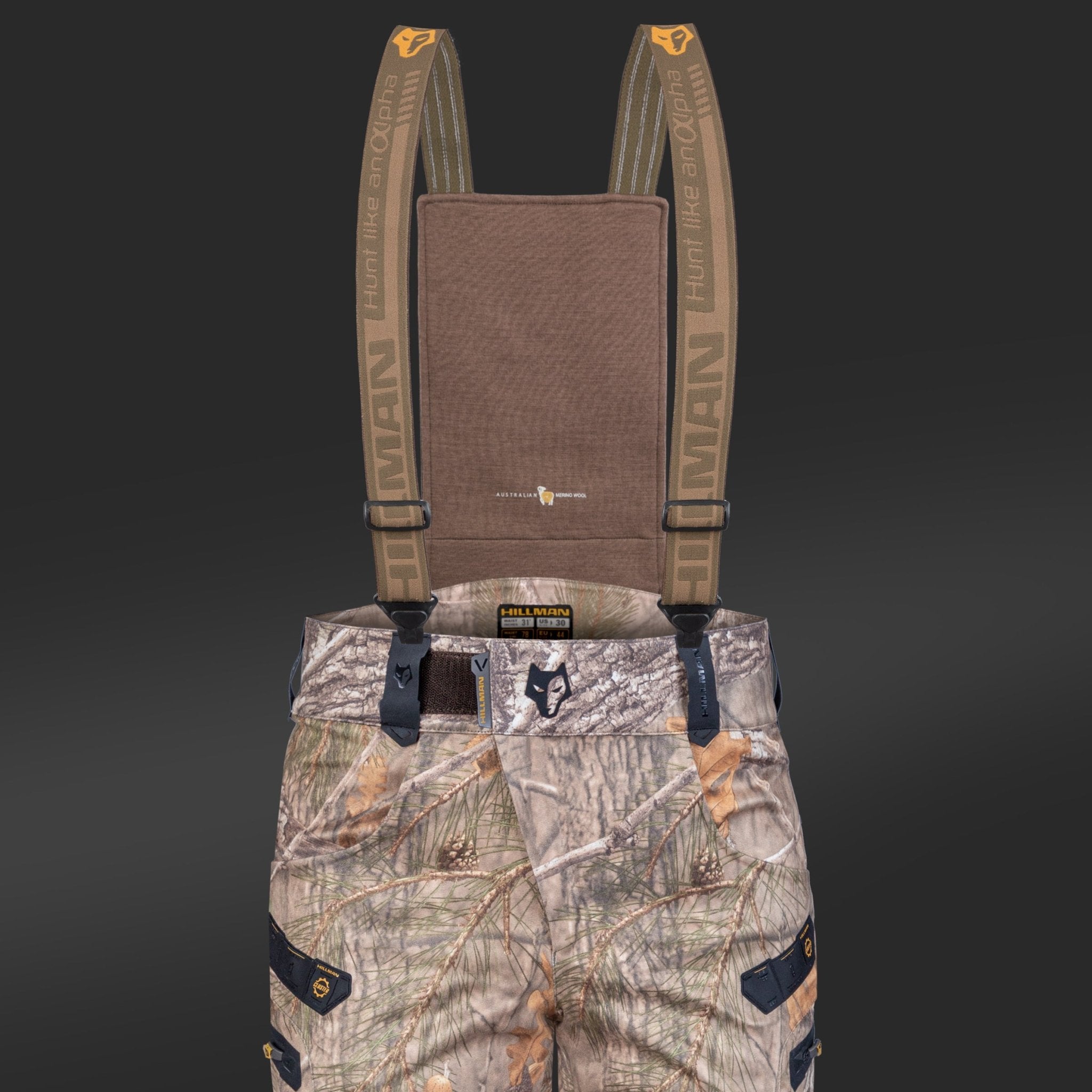
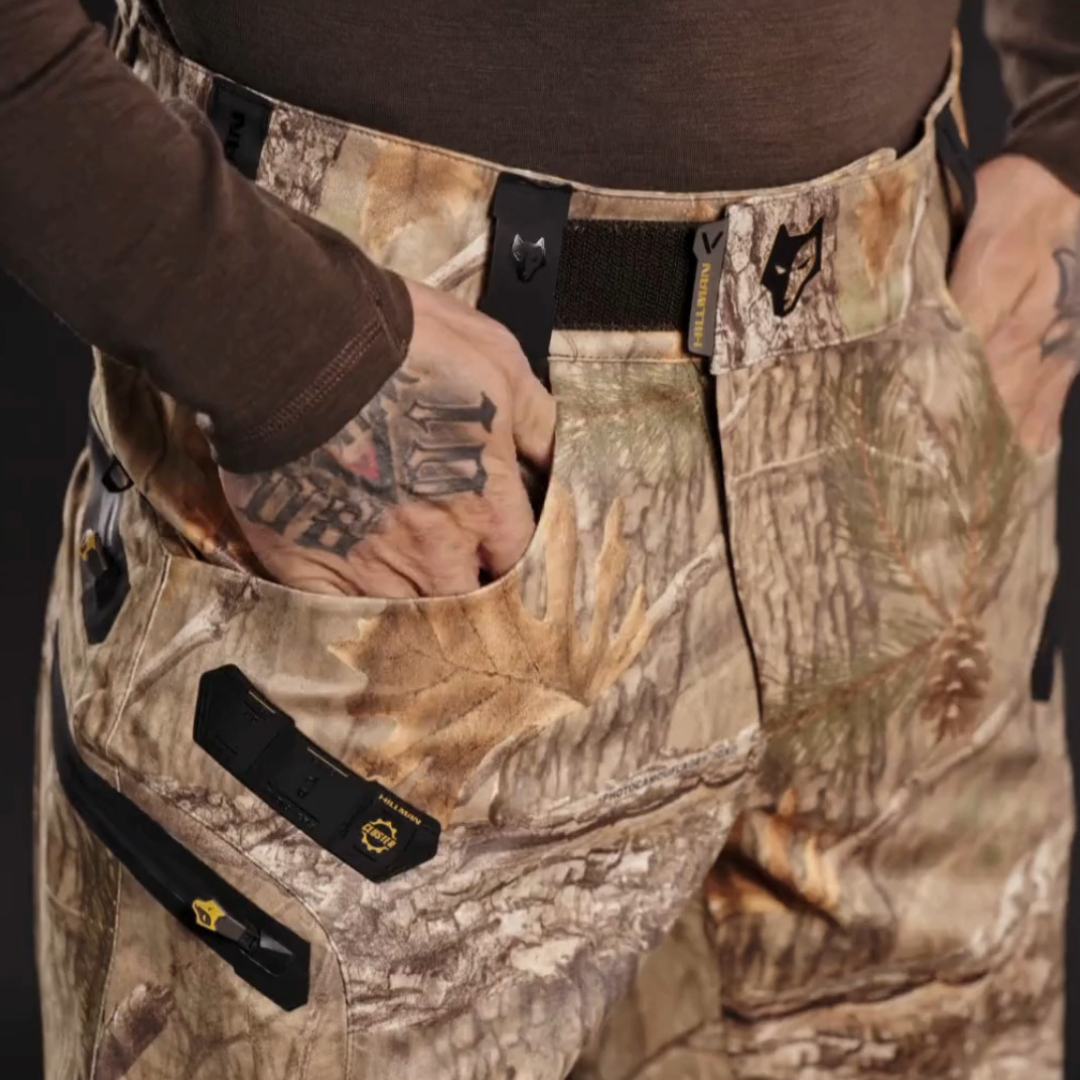
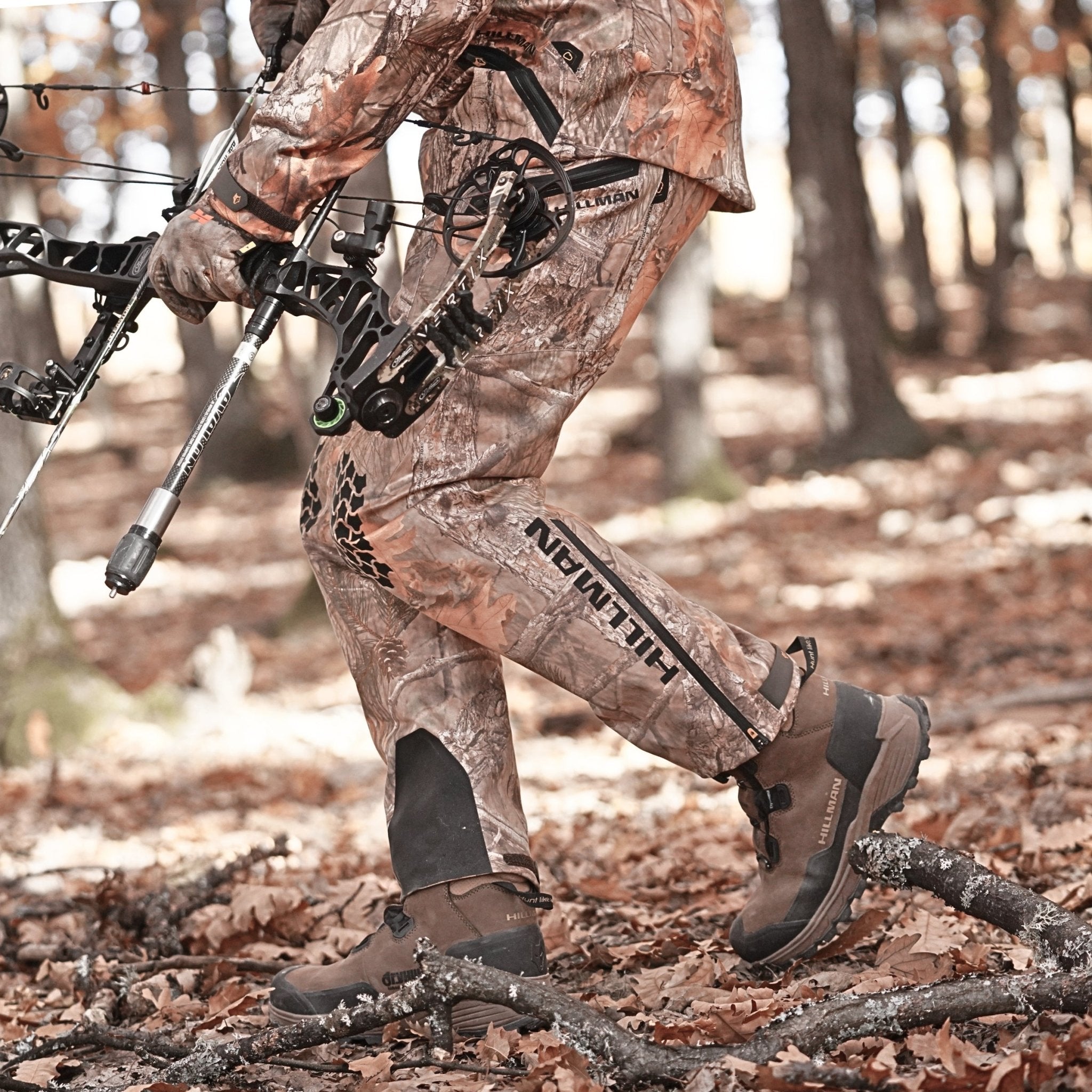
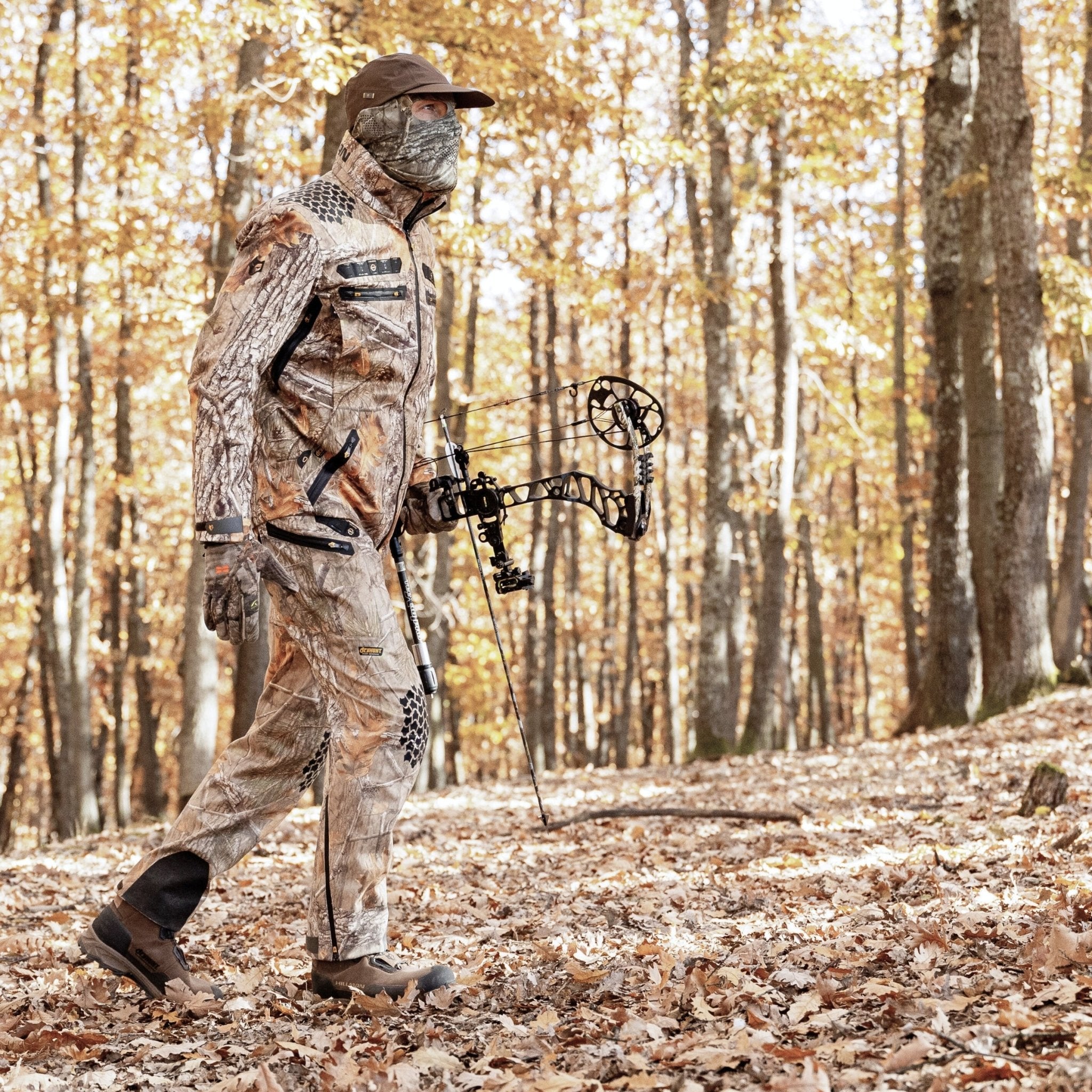
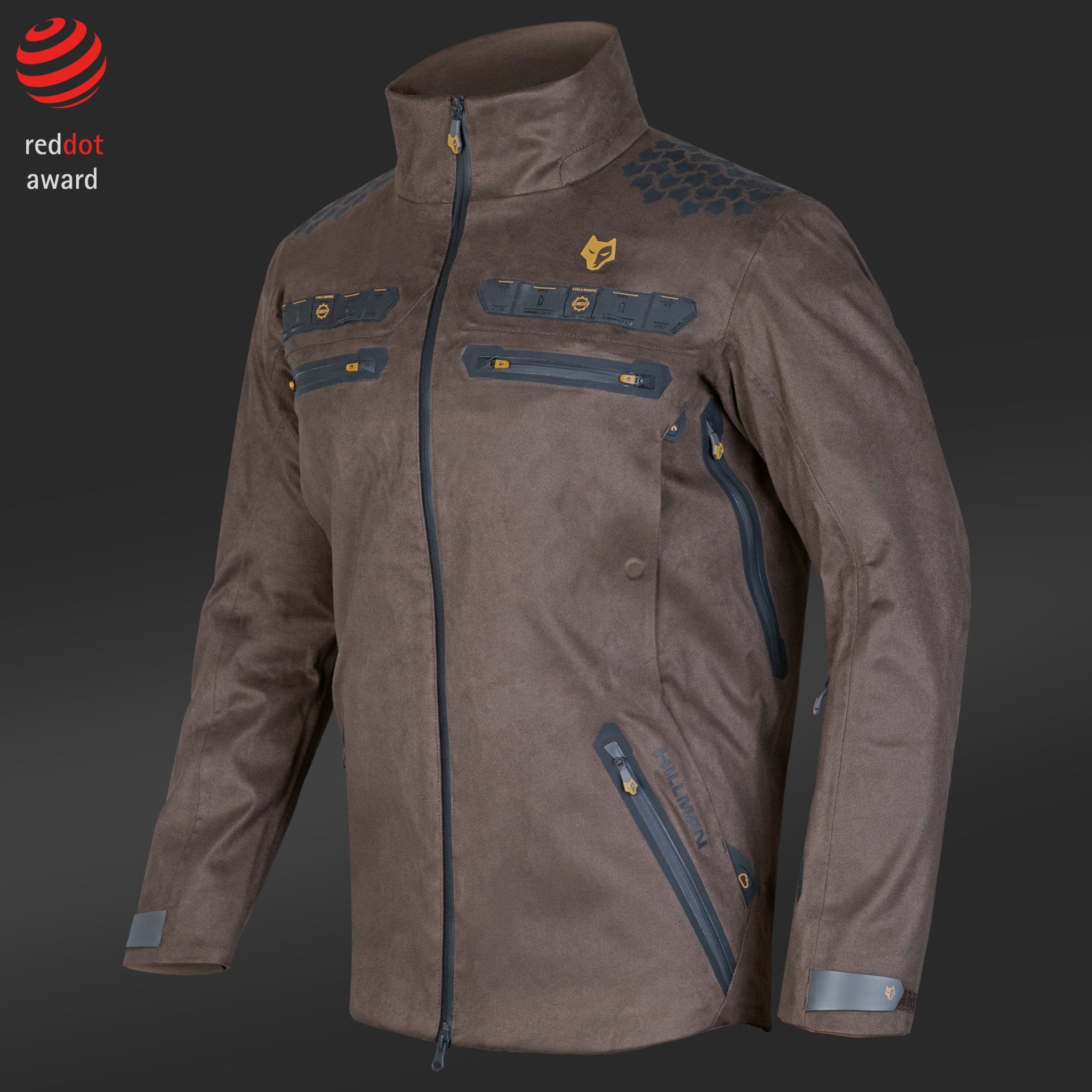
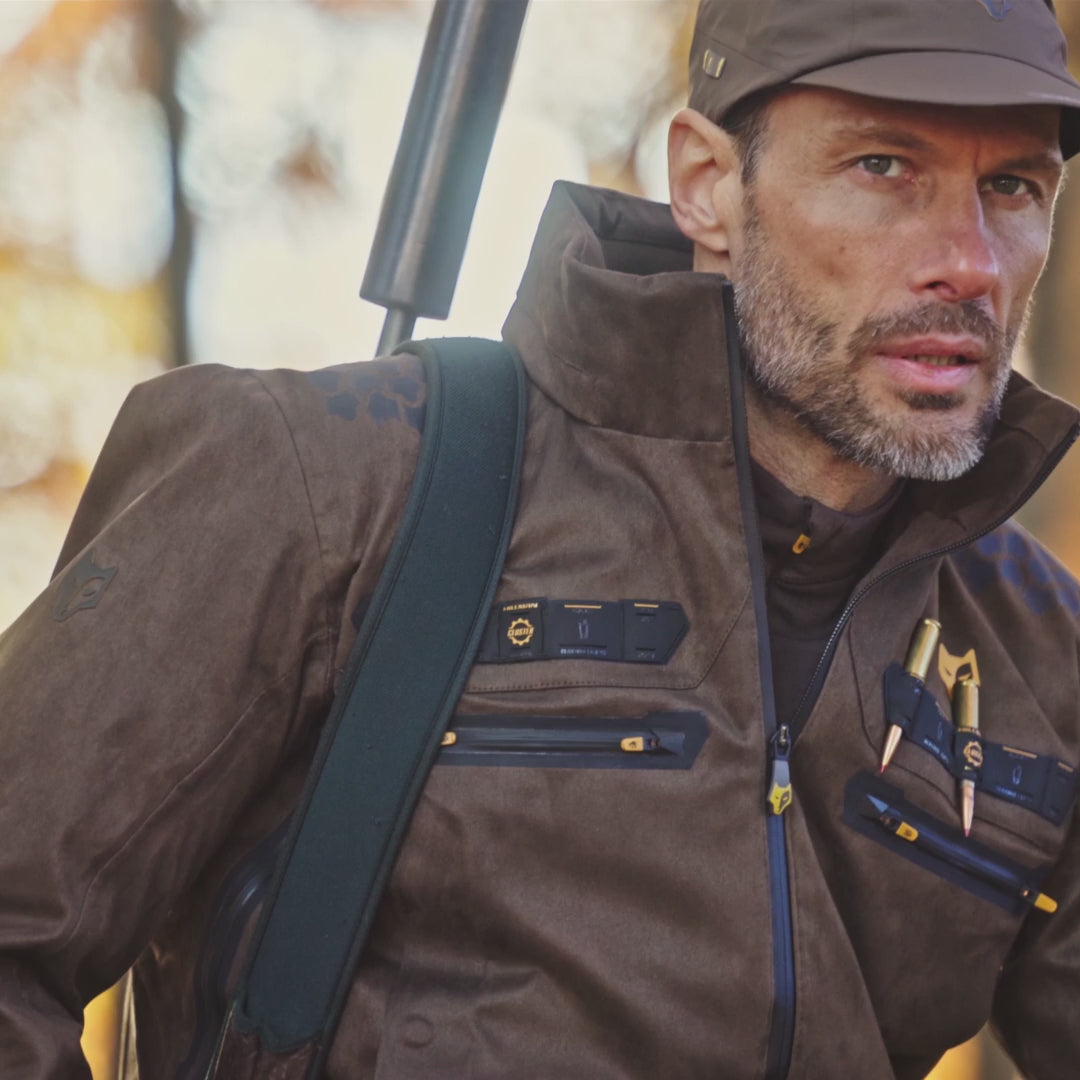
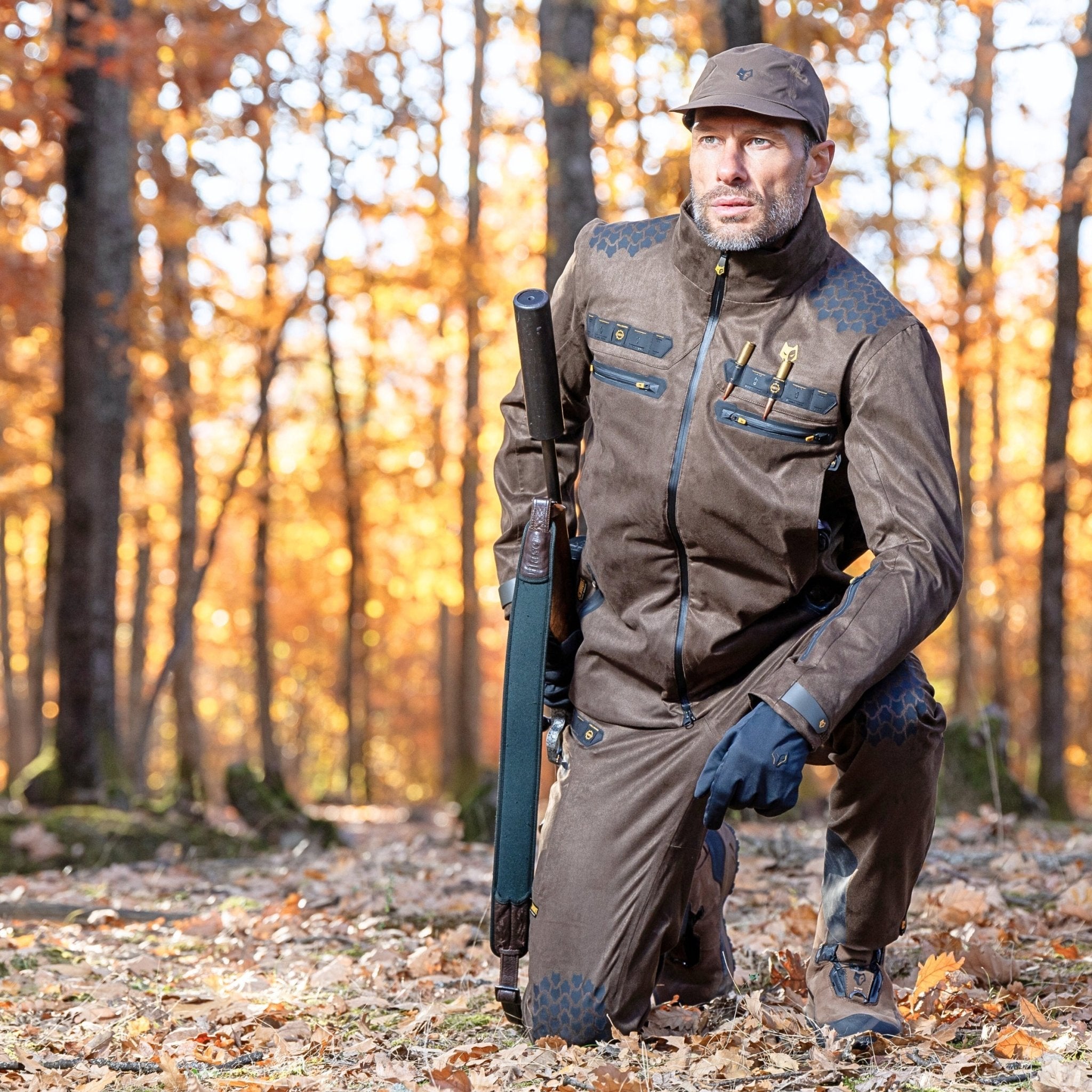
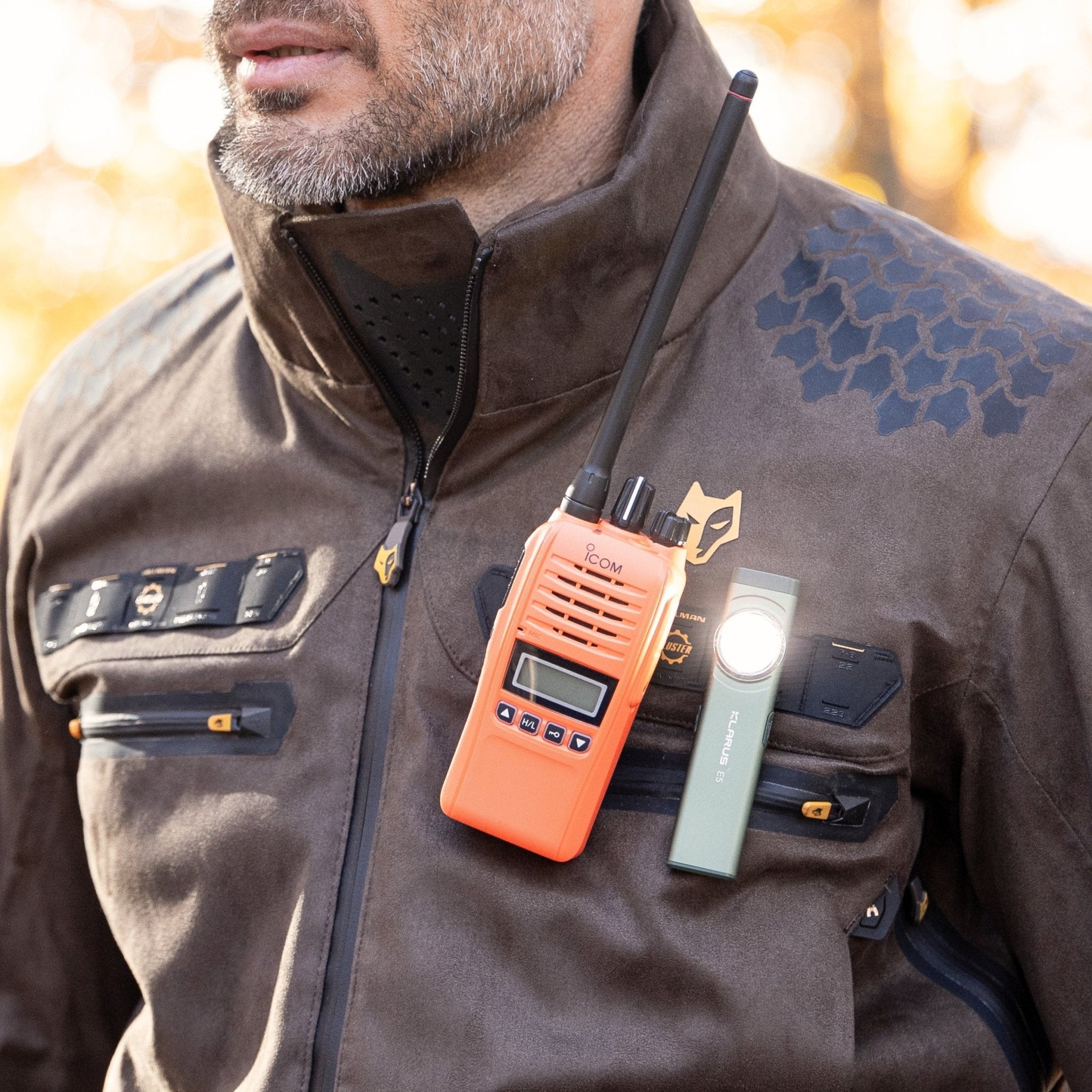
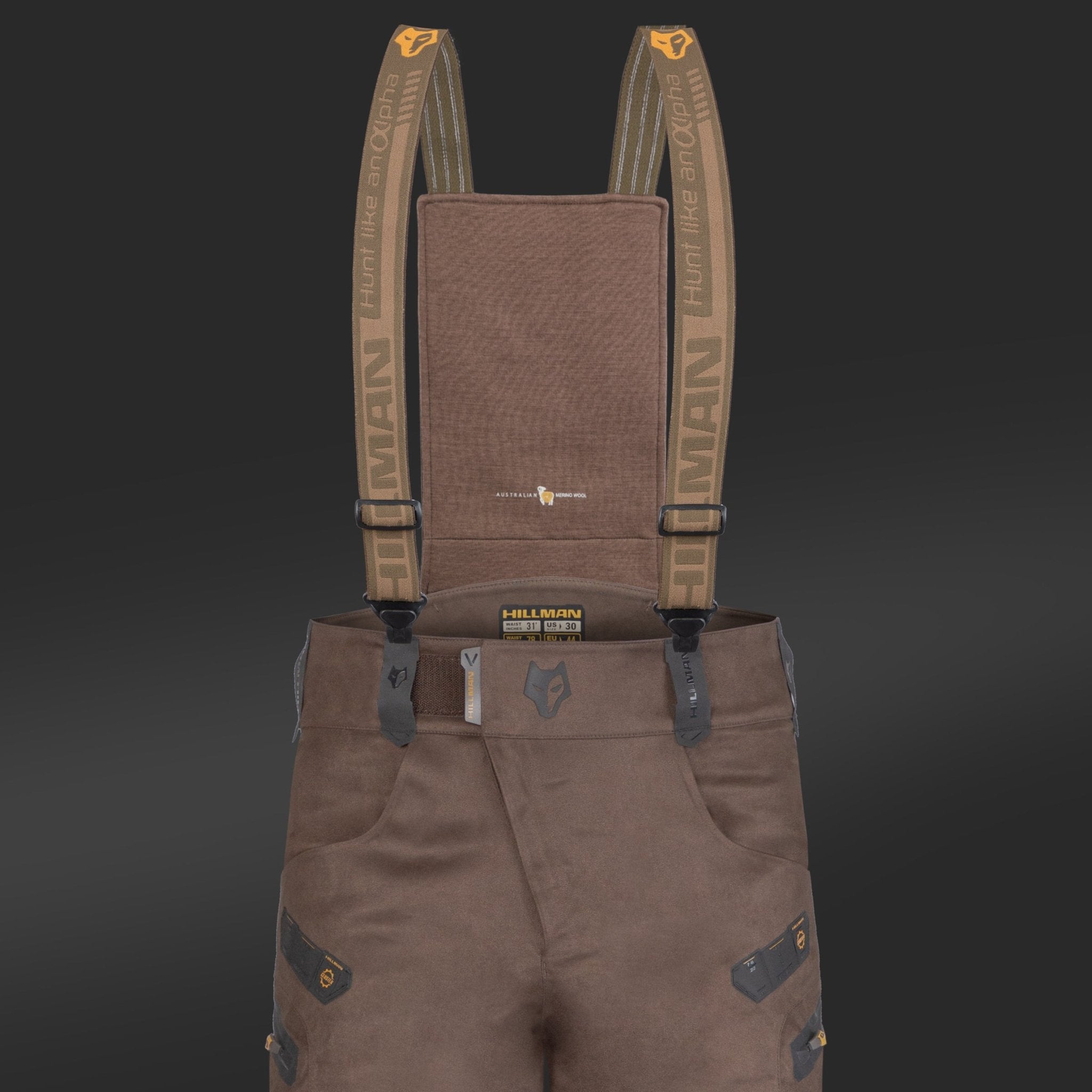
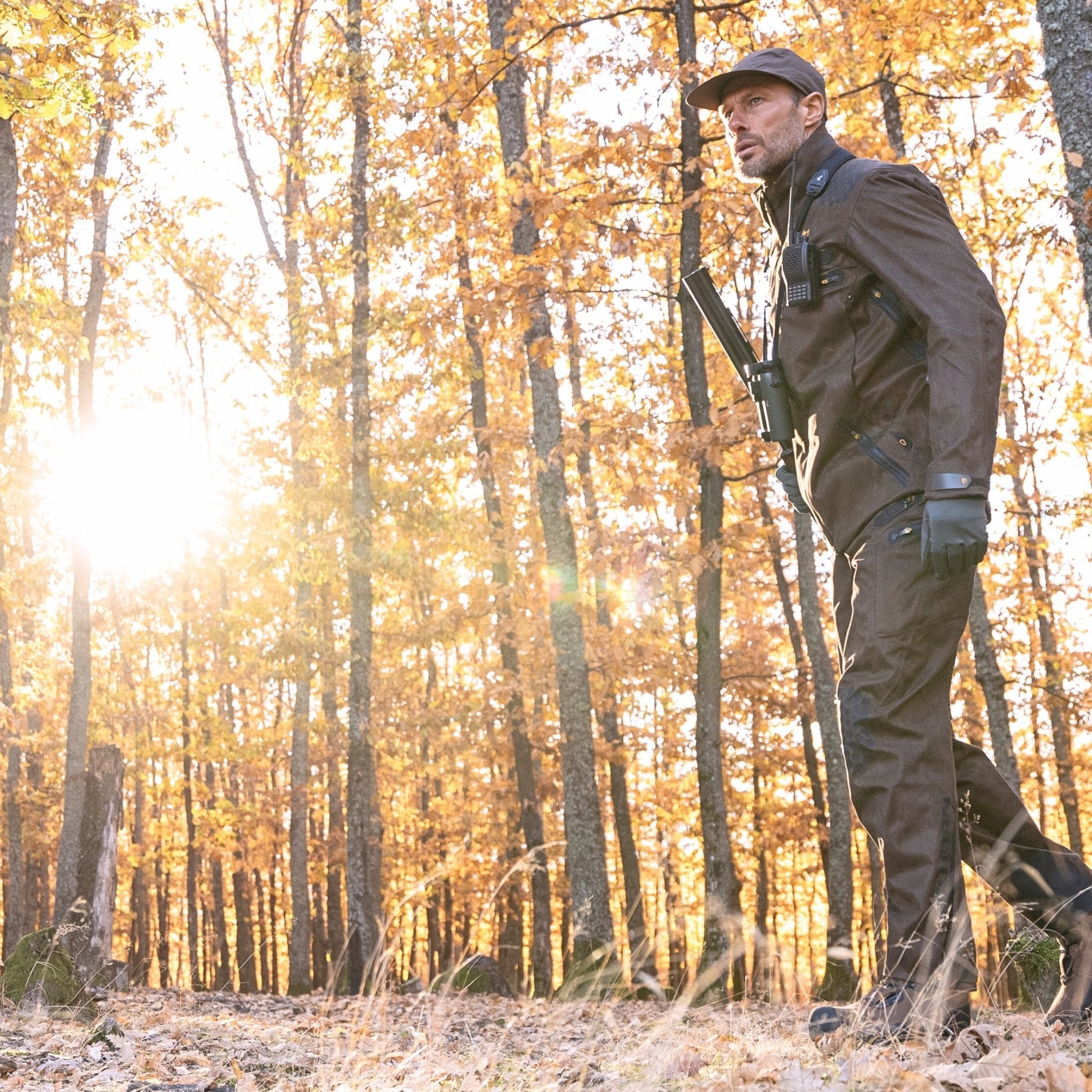
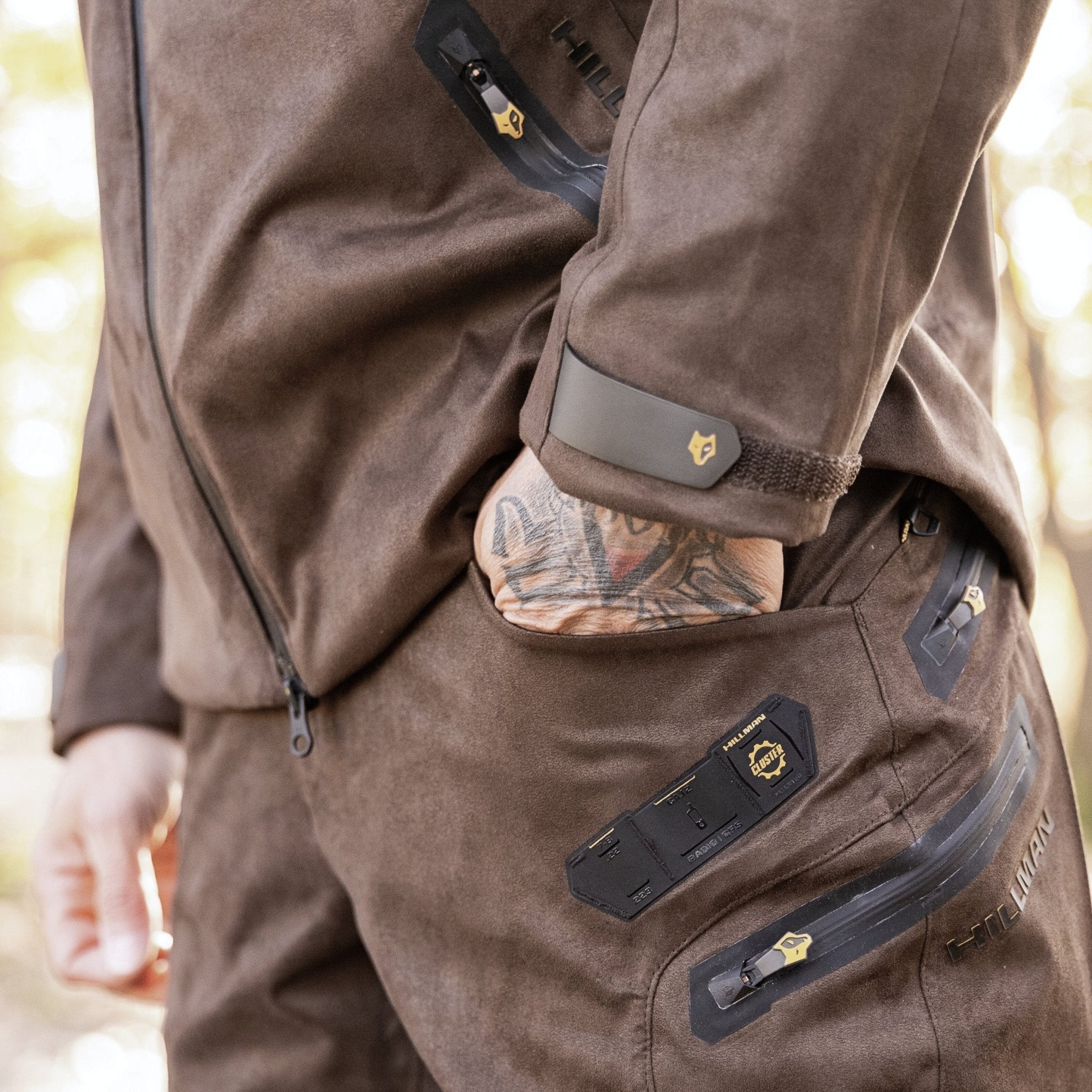
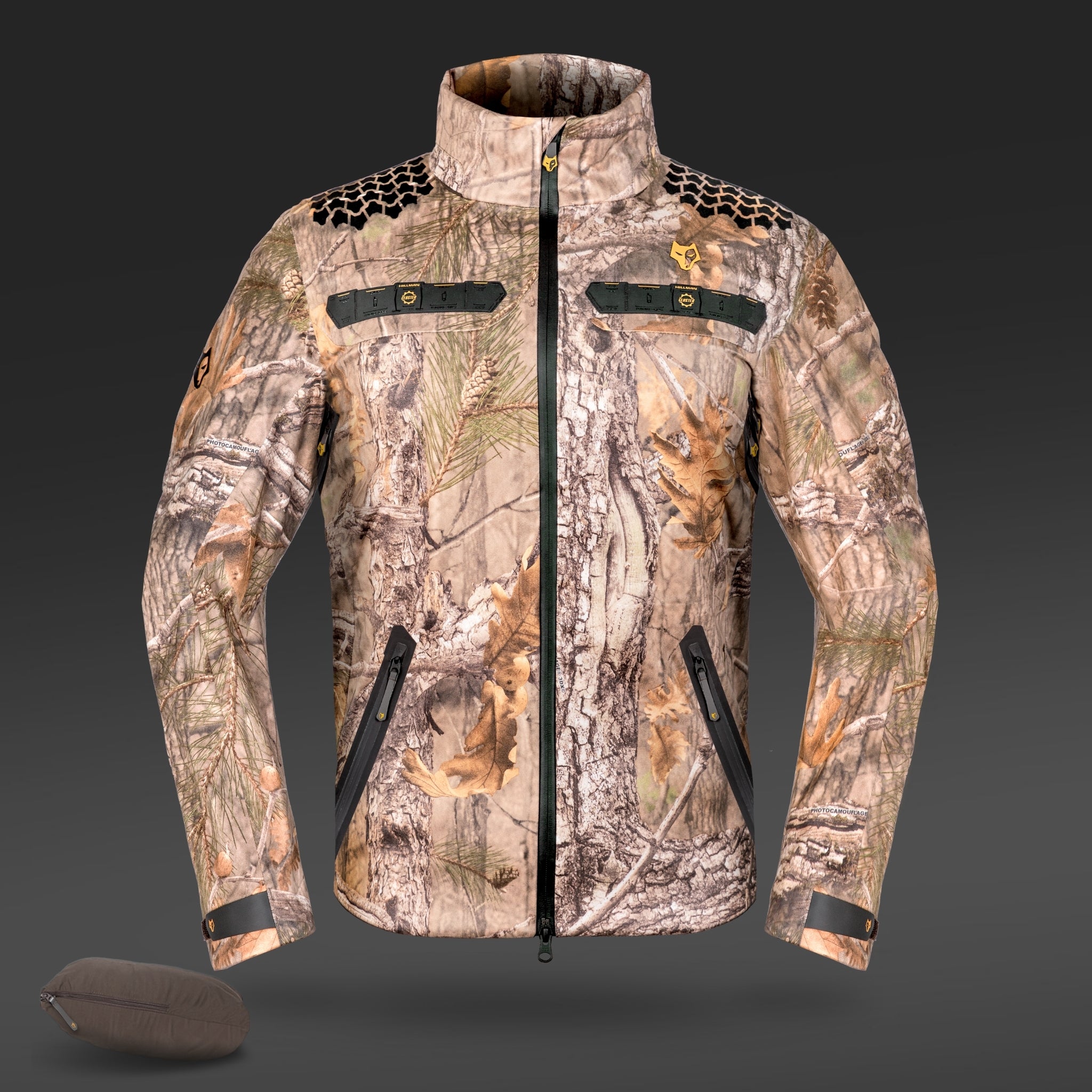
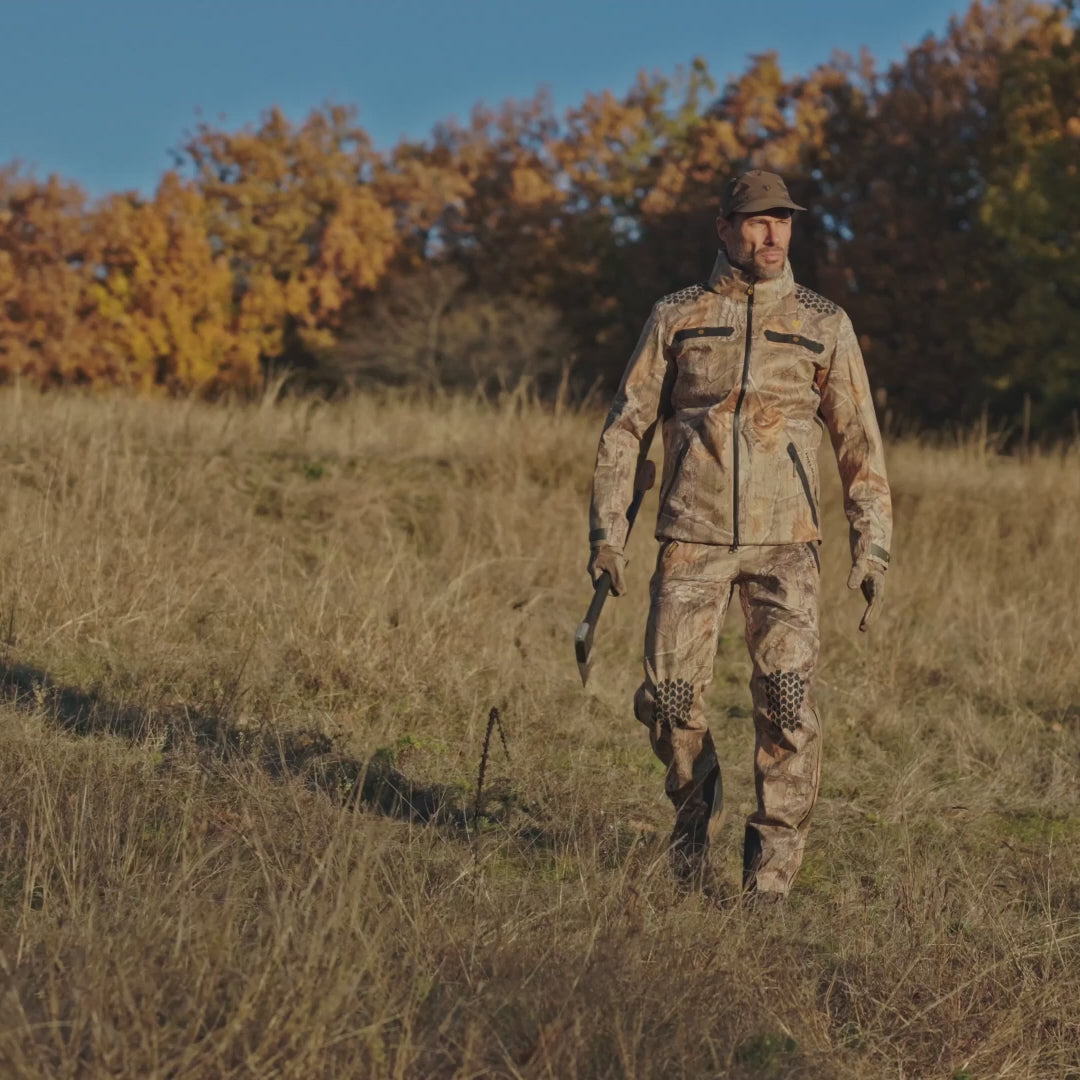
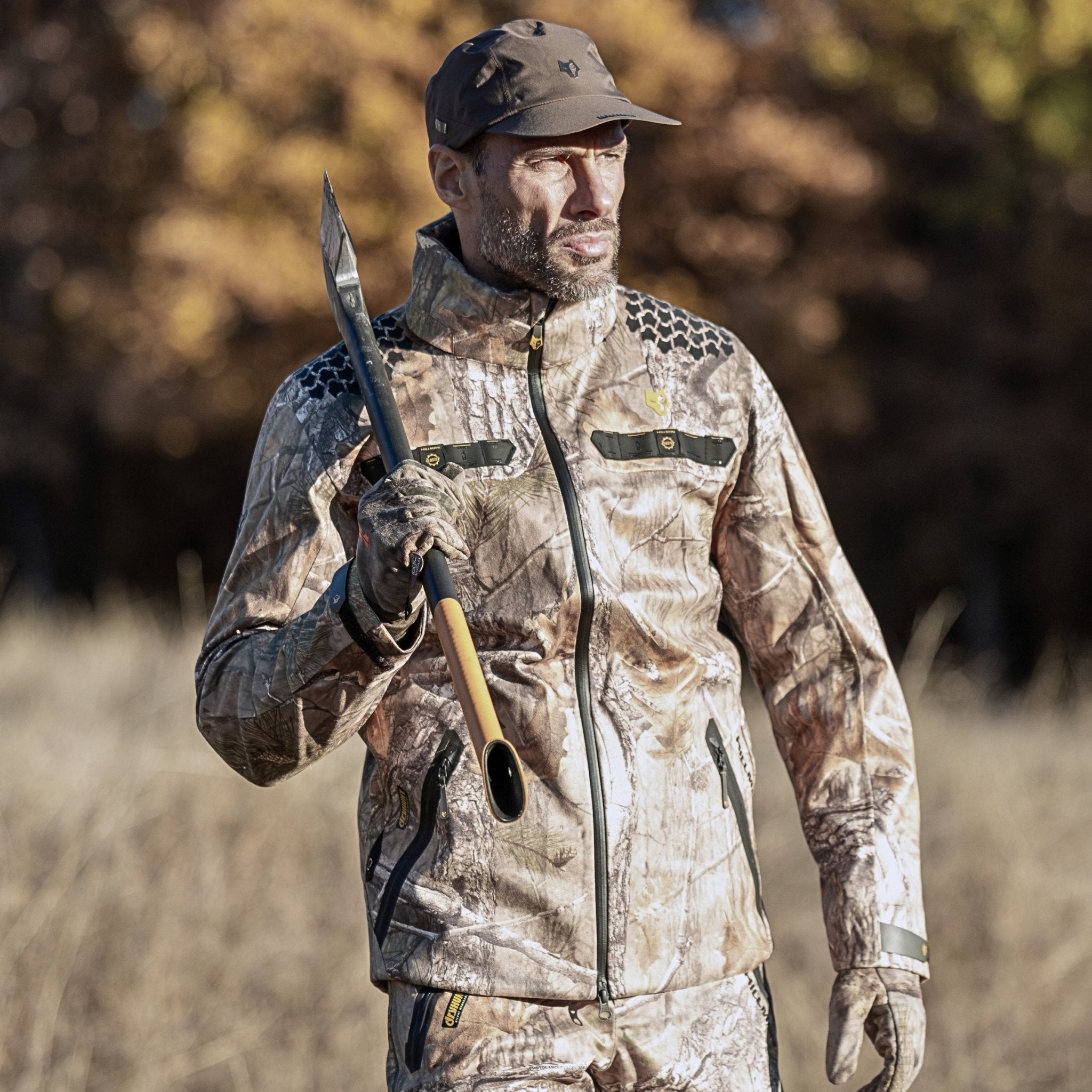
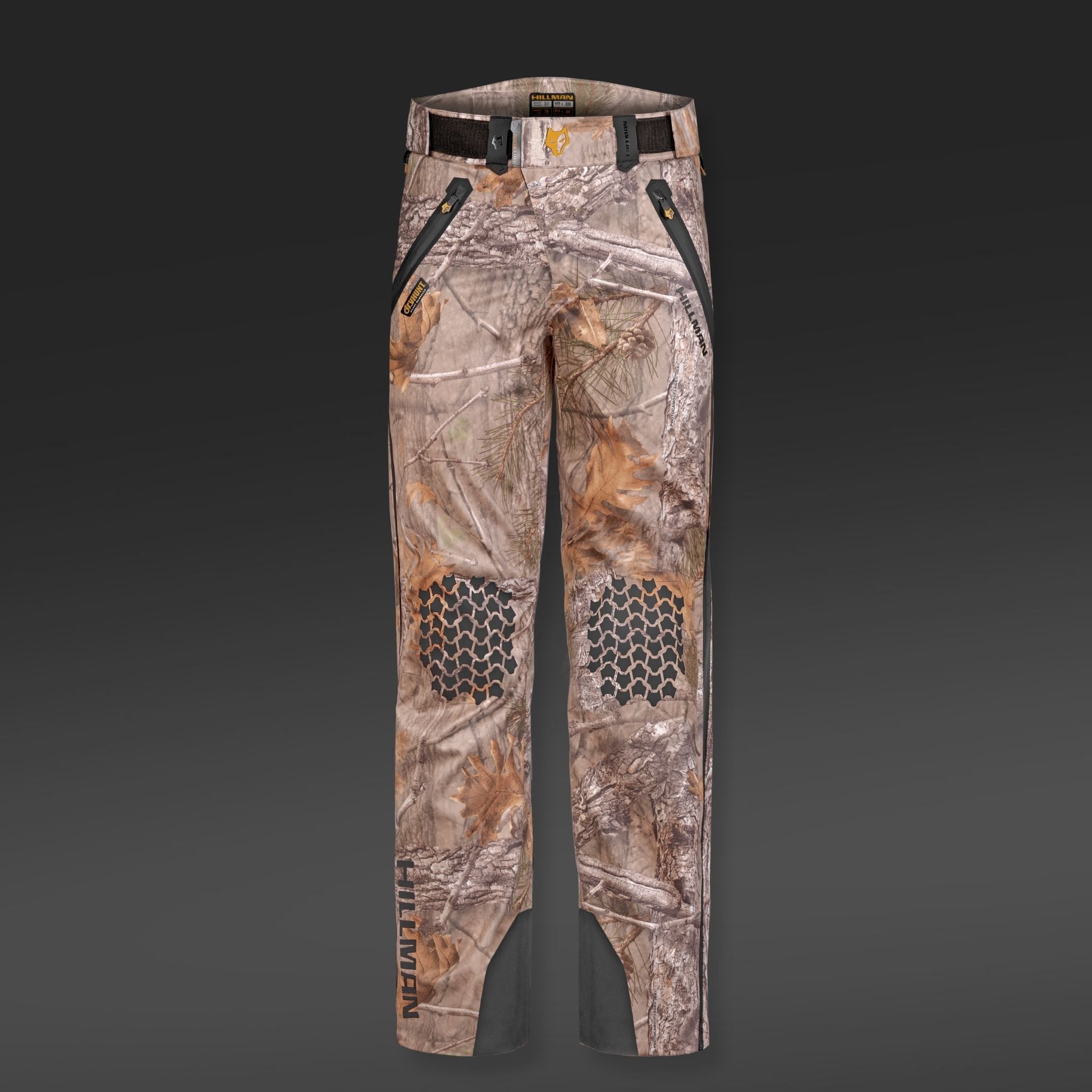
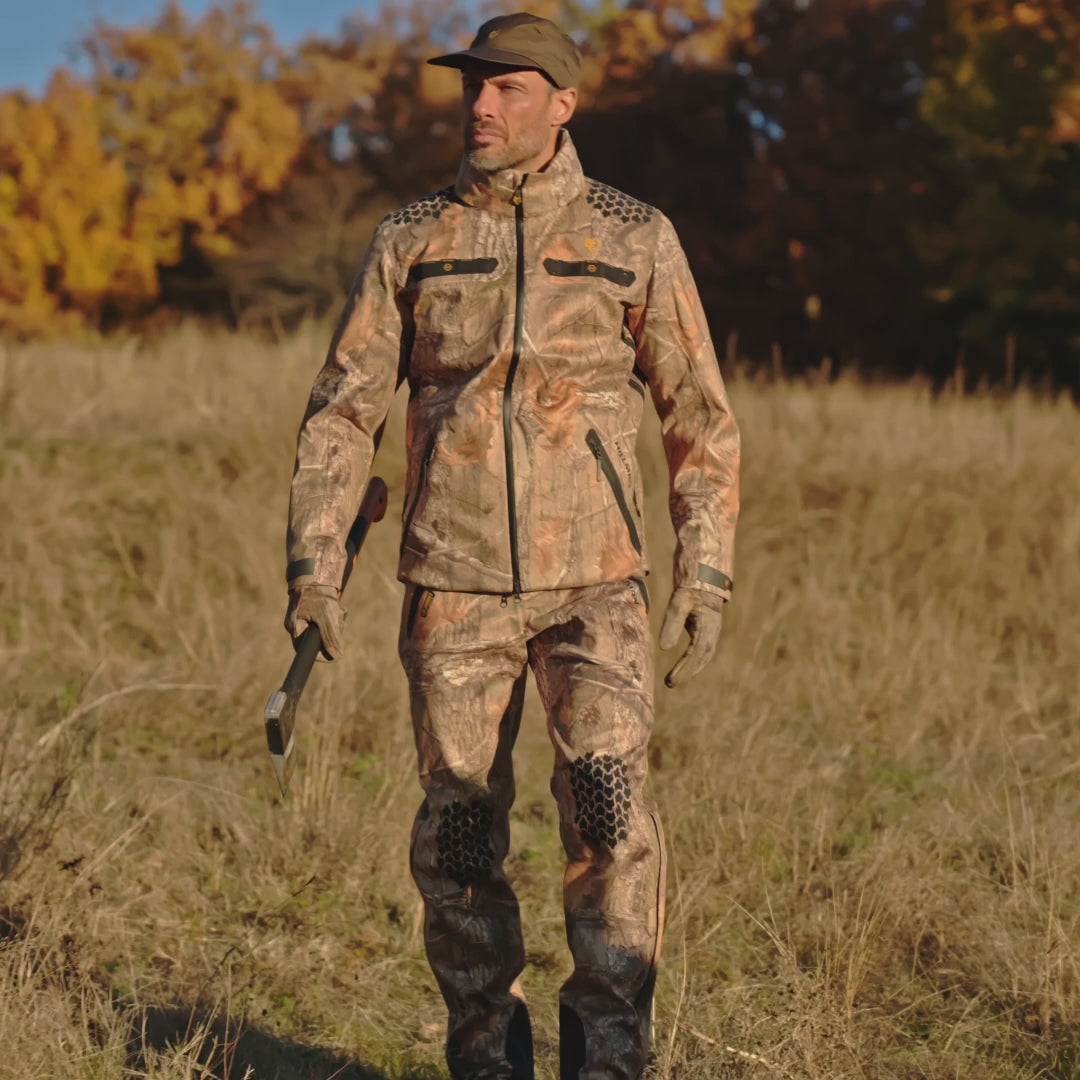
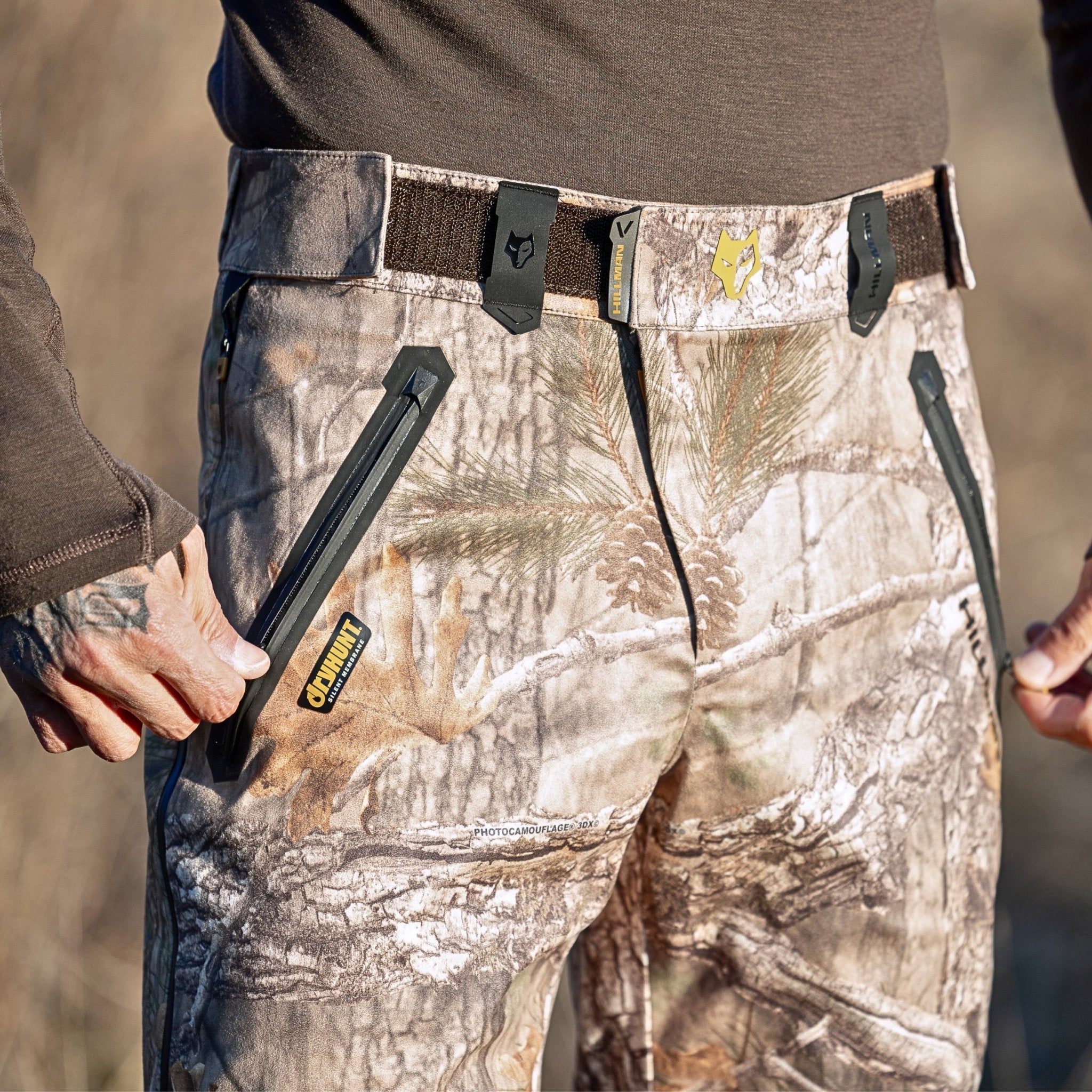
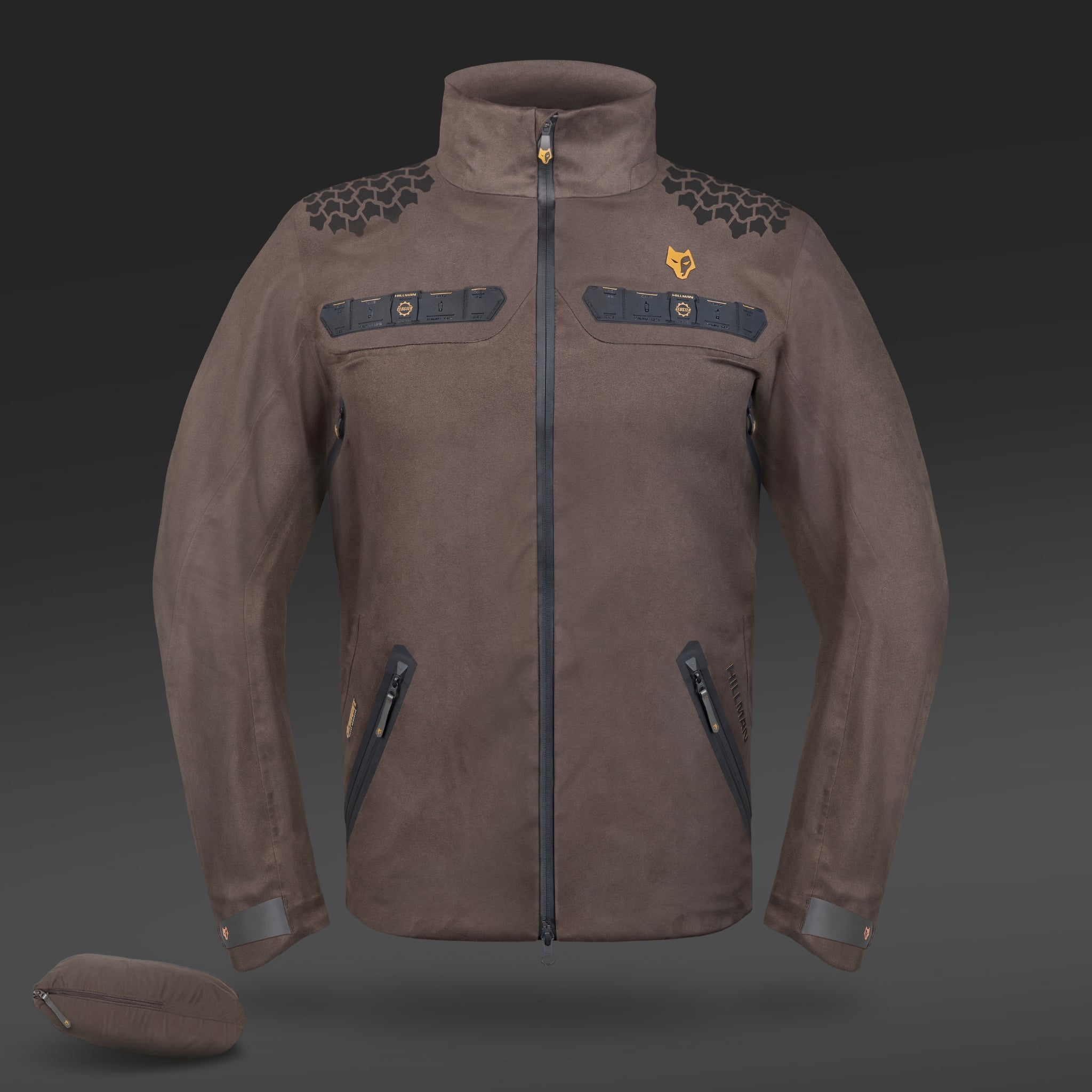
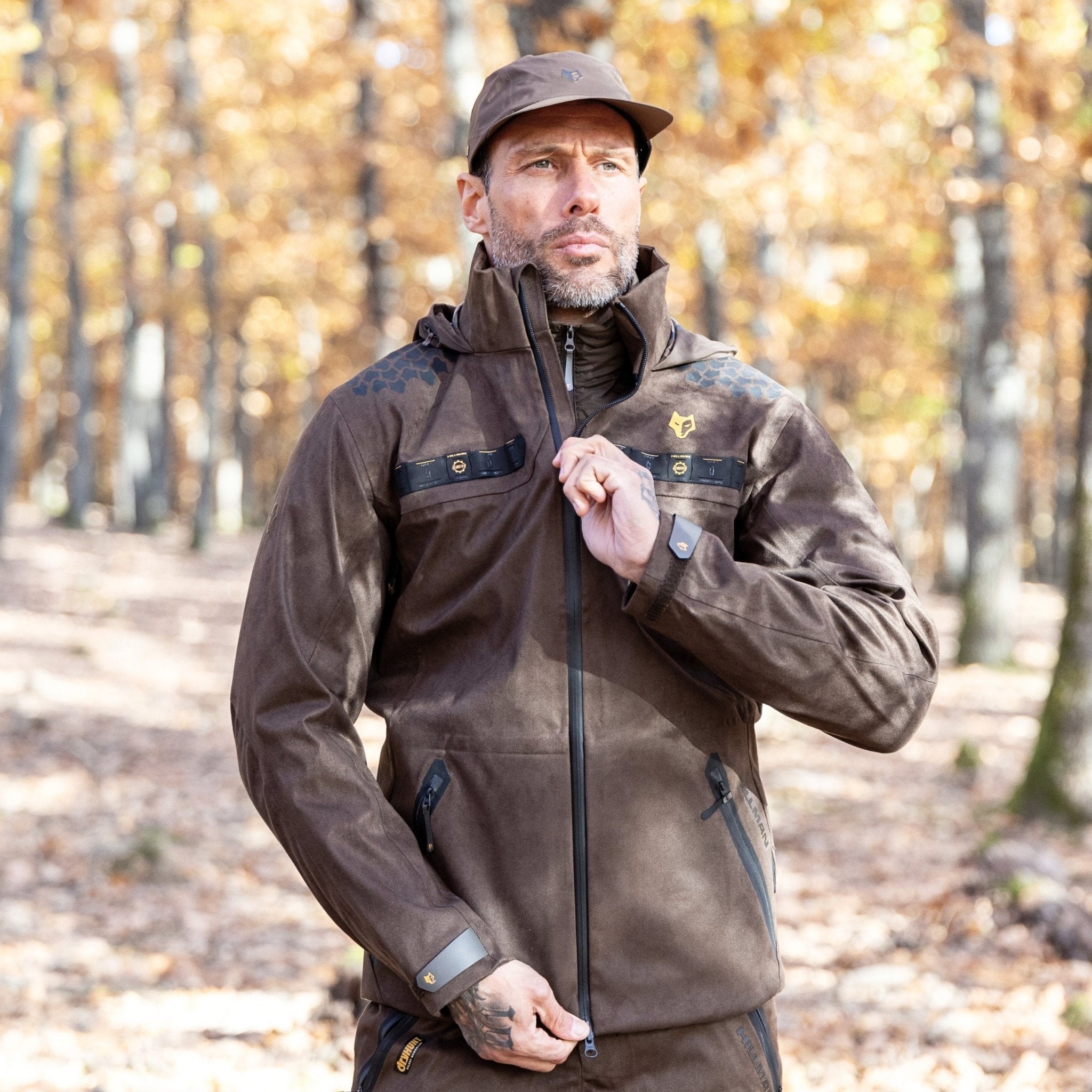
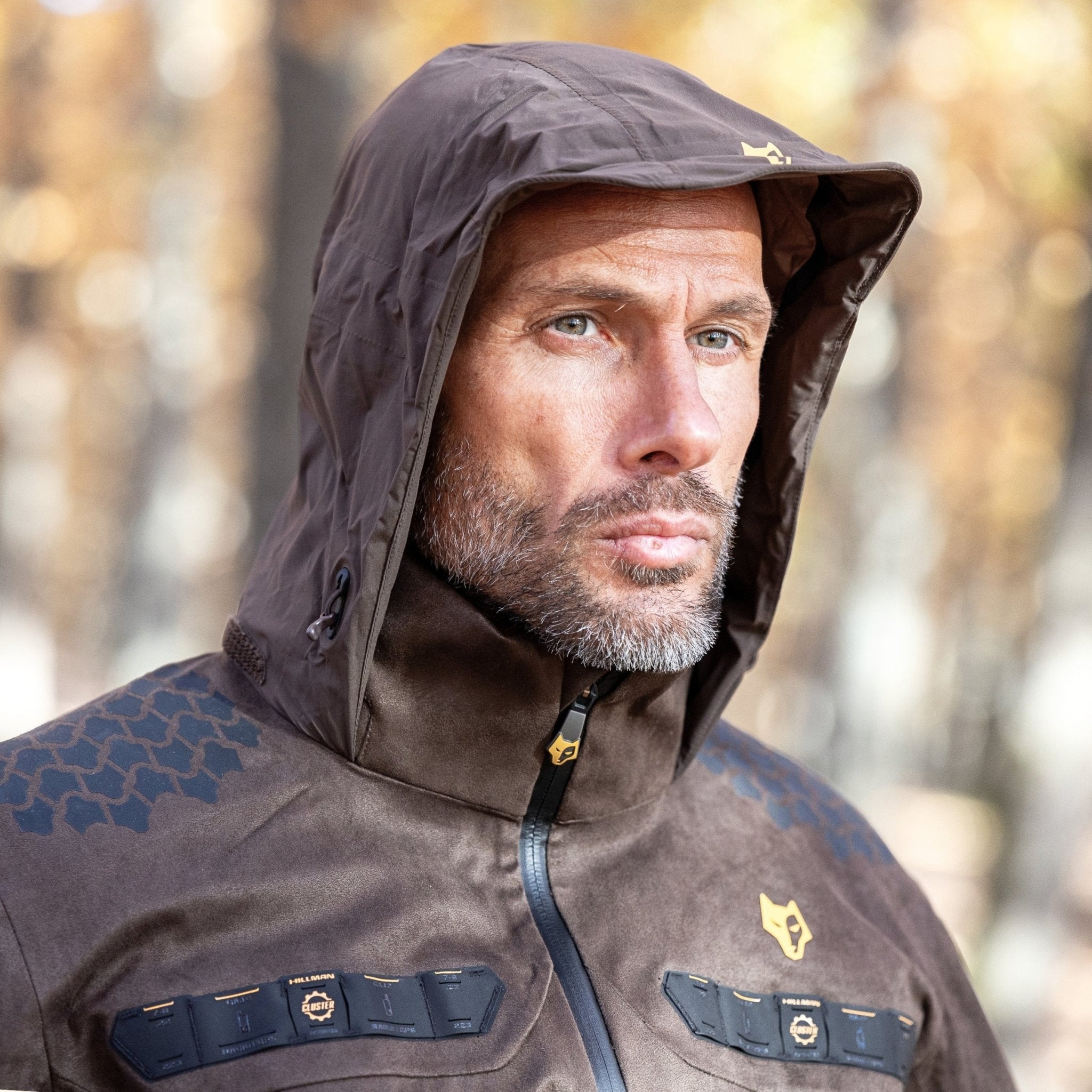
The off season gives you time to make those decisions calmly. That is also when a quiet, durable outer layer from Hillman makes sense for long walks through wet brush, cold mornings, and slow scouting days where comfort keeps you out longer.
Late Winter Food Sources Can Point Toward Survival Areas

After acorns are gone and the easy feed has been cleaned up, deer concentrate around whatever food still gives them energy. That may be leftover crops, browse, green fields, south-facing slopes, mast pockets, or sheltered edges with reachable growth.
Scouting in the winter months shows what deer value when conditions are harder. Heavy trails leading from bedding to food are worth marking. So are smaller side trails that mature bucks may use to approach with more cover.
Do not only look at the food itself. Look at how deer get there.
Where do they enter? Do they stage inside the woods before stepping out? Do trails come from the north, south, or from a thicker middle section of the property? Is there a point, ditch, creek crossing, or fence gap concentrating movement? Could you hunt it without your scent blowing into the route?
A food source is only useful if you can connect it to bedding, wind direction, and access. Post season scouting lets you study all three.
Turn Scouting Into a Plan for the Coming Season

The value of post season scouting is not in how much ground you cover. It is in what you bring back.
Mark the bedding areas. Mark the rub lines. Mark the scrapes, trails, creek crossings, fence gaps, micro funnels, food sources, old stand locations, and possible new stand sites. Note wind direction for each setup. Note how you can access the spot without warning deer. Note what season each spot seems suited for.
Some places may be early season sits. Others may only make sense during the rut. A bedding-area edge may be too sensitive to hunt often, but perfect when conditions line up. A field edge may be useful for observation in summer, then nearly useless once pressure begins. A deep public land pocket may be a one-time sit when other hunters are pushing deer around opening morning.
This is how post season information becomes deer hunting success later. Not by making the woods feel simple, but by making your choices more precise.
The coming season will still surprise you. Deer move. Food changes. Hunters show up. Weather shifts. Bucks disappear and new bucks appear. But you will not be starting from nothing.
You will know where the ground points.
What Post Season Scouting Really Gives You
Post season scouting gives you a chance to see the woods without the noise of the hunt in your head. It shows which deer sign mattered, which stand locations were weak, where bedding cover held deer, and how a mature buck may have survived the previous season.
It also teaches patience.
You begin to understand that next fall’s buck is not found only by chasing fresh excitement. He is found by connecting winter trails, old rubs, shed antlers, bedding areas, food, wind, pressure, and access into a plan that can actually work.
That is the real value. Not just a shed in your hand. Not just a few marks on a mapping app. A clearer view of the country, and a better reason for every move you make when the season comes back around.


Share:
How to Hunt Deer From the Ground Without Getting Picked Off
Cold-Front Whitetail Strategy: Where Mature Bucks Slip Up