

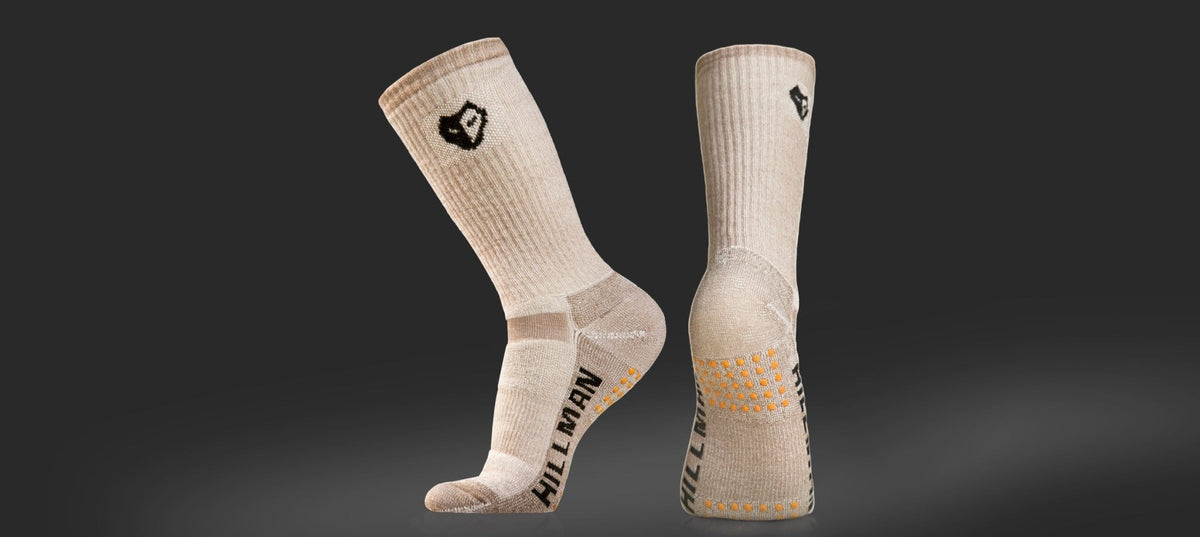
Best Hunting Socks for Cold Mornings, Wet Boots, and Long Miles

Hunting socks for cold mornings, wet boots, and long miles without cold feet, soaked fabric, or stupid boot fit mistakes.
Why good hunting socks matter more than people admit. A lot of hunters obsess over boots, jackets, packs, optics, and every other piece of hunting gear they can argue about online. Then they throw on random socks and act surprised when their feet are freezing by sunrise or soaked before lunch.
That is where the day starts falling apart. Bad hunting socks do damage fast. Your feet sweat, then they chill off. Fabric starts rubbing. Heels slide. Toes get cramped. Boots that felt fine at the truck suddenly feel awful three miles later. Once your feet are miserable, the rest of the hunt usually follows.
The best hunting socks are not some magical piece of gear. They just need to do the basics right. Hold warmth without cooking your feet. Move moisture instead of trapping it. Cut down friction. Fit the boot properly. That is the whole game. A lot of many hunters learn this the hard way after ruining a few mornings in cheap socks that looked fine on the shelf. The sock game sounds boring until your feet are wrecked. Then it becomes the only question that matters.
Material Matters More Than Brand Hype

Ignore the marketing talk for a second. Start with fabric. Merino wool is still the safest choice for most hunting setups. Merino wool socks handle sweat better than cotton, keep some warmth even when damp, and do not get gross as quickly after a long day. They are also naturally odor-resistant, which matters more than people admit during hunting season.
Cold feet usually start with wet feet. Not always, but a lot of the time. Once sweat gets trapped in the sock, heat starts leaving fast. That gets worse in wet boots, frosty ground, or long inactive sits.
Cotton socks are awful here. They soak up moisture, hang onto it, and then sit on your skin like a bad decision. Fine for hanging around. Bad for hunting.
A good wool sock or wool blend is usually a solid choice because it helps with moisture wicking, preventing odor, and keeping feet dry once conditions get sloppy. That is why merino keeps showing up in the best socks lists year after year.
Alpaca wool can work too, especially if raw warmth is the priority. For frigid conditions or extreme conditions, some people really like it. But for most hunters, merino wool is still the more practical all-around option because it balances warmth, moisture management, comfort, and daily wear better.
You will also hear people talk about ultra merino, performance fit, and all kinds of branded fabric talk. Some of that is useful. Some of it is just packaging. The real point is simple. You want hunting-specific socks that help keep your feet warm without turning them into sweaty feet.
Stop Picking Sock Weight Like an Idiot

A lot of people see low temperatures and immediately grab the warmest socks they own. Sounds logical. It is not always smart.
If you are sitting in a tree stand, glassing, or barely moving, heavier hunting socks make sense. You are not generating much heat, so more insulation helps. More cushion can help too, especially during long cold sits or late season deer hunting.
If you are climbing, hiking ridges, pushing through rough terrain, or covering long miles through rugged terrain, too much sock becomes a problem. Heavy socks in a tight boot usually mean sweaty feet. Then you slow down or stop, and that moisture starts working against you.
That is why midweight and lightweight socks often do better for an active hunter. A technical hunting sock with less bulk can breathe better, dry faster, and keep blood flow from getting pinched off inside the boot. For backcountry hunters, that matters a lot more than just buying the warmest hunting socks you can find.
The real question is not just how cold it is. The real question is how much you are actually moving.
Hunting Boots and Socks Need to Match

You can buy a good sock and still screw the whole thing up with the wrong boot fit.
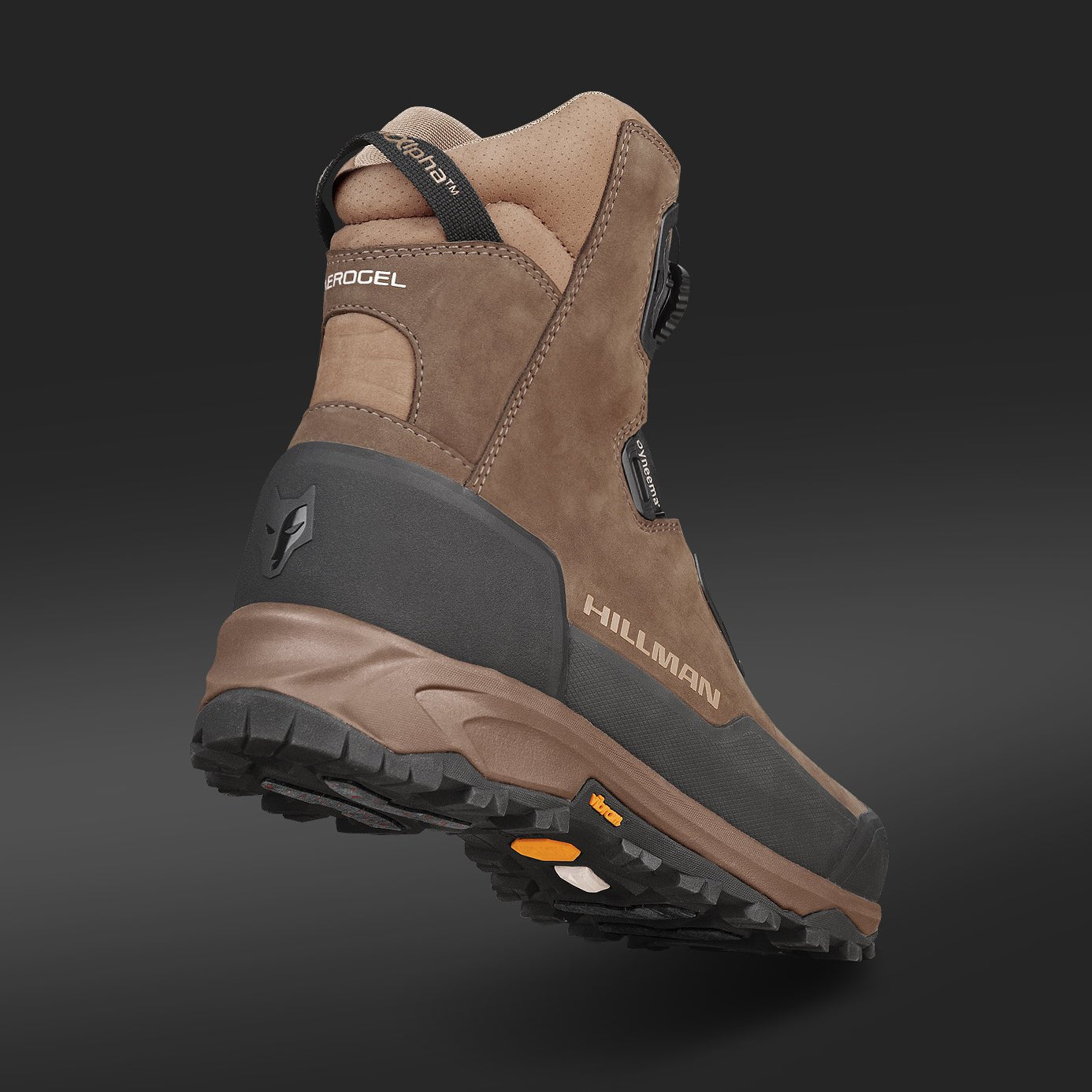
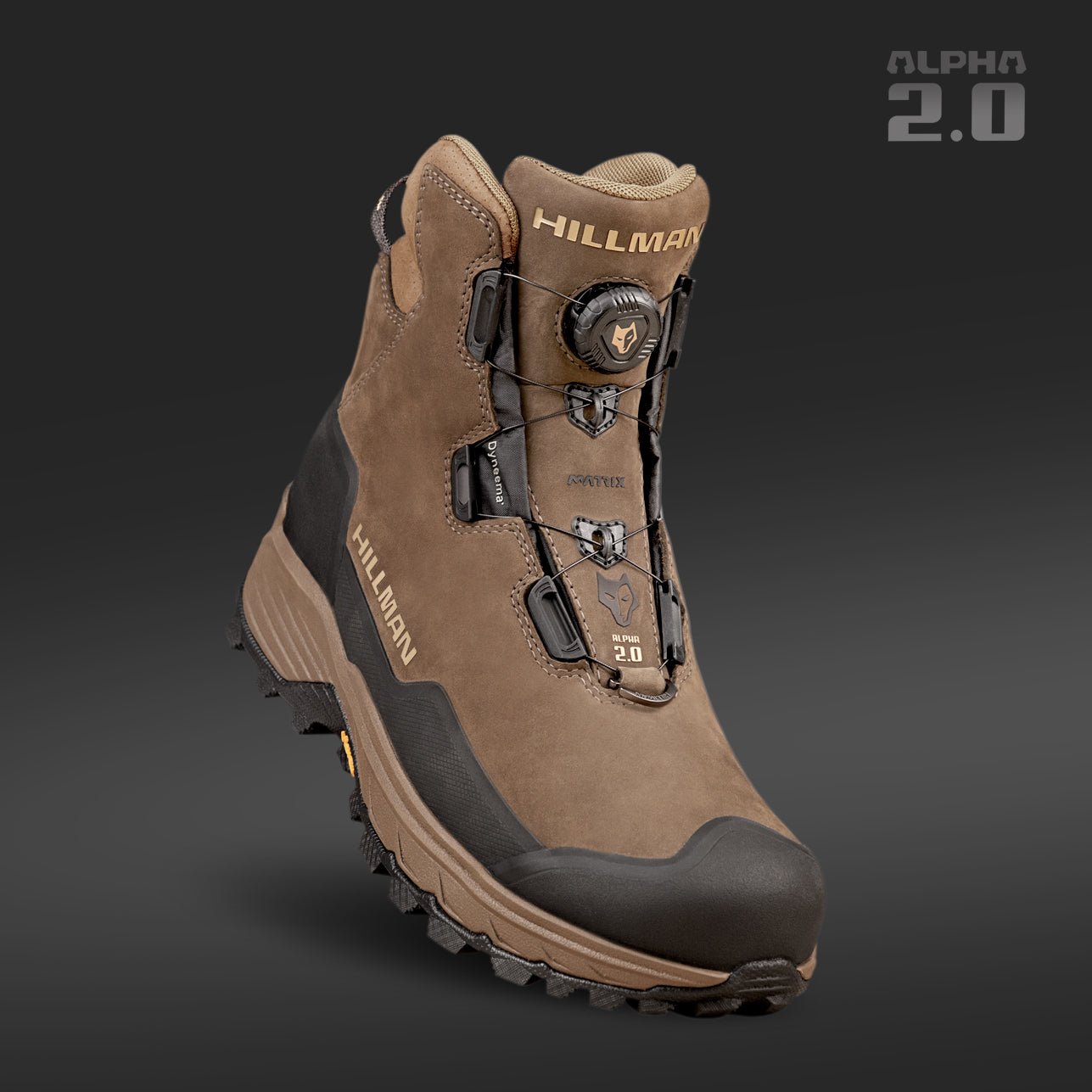
If your hunting boots already fit snug, thick socks can make them worse. Tight boots reduce blood flow. Reduced blood flow means colder feet. This is one of the most common reasons people complain that their “warm” boots still leave them freezing. It is not always the insulation. Sometimes the setup is just wrong.
Sock height matters too. Taller boots usually pair better with over-the-calf socks because they stay in place better and protect more of the leg from rubbing. That is not fancy advice. It is just common sense.
And the sock has to stay put. No bunching, no folding, no heel slip, no twisted fabric near the toes. Tiny problems indoors become big problems after hours in the field.
Wear the socks with your real boots before the hunt. Walk in them. Sit in them. Put some miles on them. Figure out the problem before you are stuck with it. A new pair can feel fine for ten minutes and still turn into a disaster later.
Heavyweight, Midweight, or Lightweight
This is where people overcomplicate something that is actually simple.
Heavyweight socks are for cold weather, late season, and hunts where you are parked more than moving. They bring more insulation and usually more cushioning. Good for frozen mornings and long inactive stretches.
Midweight socks are the safest all-around choice for a lot of hunters. They work for mixed conditions, cold starts, and days where you hike some, sit some, then move again. If somebody wants one safe answer, this is usually it.
Lightweight socks are better for warm weather, hot weather, early season, and harder-moving hunts. They keep bulk down, breathe better, and dry faster. For active hunters, that matters more than pretending every cold morning needs a giant wool brick on your foot.
There is no perfect sock weight for every hunt. Anybody selling that idea is selling nonsense. The best hunting socks for cold mornings depend on your hunting style, your boots, and whether you spend more time climbing or sitting.
Sock Liners Can Work, but They Can Also Ruin the Fit

Some hunters love sock liners. Some think they are a waste of time. Both camps have a point.
A thin liner sock under a wool outer sock can reduce friction and help move moisture, especially on long walk-ins. For blister control, that setup can absolutely help.
But if adding a liner sock makes the boot tight, the whole plan is garbage.
Two pairs are not automatically warmer. A cramped boot can kill circulation fast, and once that happens your feet can feel colder, not warmer. So yes, layer socks if the boot still fits correctly. No, do not jam extra fabric into a boot and hope for the best.
For most people, one pair is enough. For others, two pairs work well. It depends on the boot, the weather, and how your feet feel after a few miles.
Cotton Socks Still Have No Business on a Hunt

This should not need saying, but people keep doing it. Cotton socks are bad for hunting, especially in cold weather or wet conditions. They hold moisture, dry slowly, and get clammy fast. Then your feet cool off and the whole day gets more annoying than it needed to be.
Wool blends and merino wool socks are better because they handle moisture like they are supposed to. That is why good hunting socks lean on those materials so hard. It is not trend chasing. It is because cotton keeps failing the same test.
If your goal is to stay warm, keep your feet warm, and avoid that swampy, soaked feeling, cotton should already be out of the running.
Brand Talk: Darn Tough, Fox River, and Other Popular Picks
At some point, people always start asking about brands, usually because other hunters keep repeating the same names. Darn Tough socks get recommended a lot for a reason. A lot of people like the fit, durability, and the fact that Darn Tough leans hard into a performance fit that works well in hunting boots. Darn Tough also get talked about because they hold up well over time and the unconditional lifetime guarantee gets people’s attention.
Fox River is another name that comes up with hunters who want dependable wool options without overthinking it. For budget-minded hunters, both brands can make sense depending on what fit and cushioning they prefer.
That said, do not get lost in brand loyalty. Darn Tough, Fox River, and other specific socks can all be fine. The point is not to worship a logo. The point is to find go-to socks that actually match your hunt.
Best Picks by Hunting Style

Not every hunt asks for the same sock. That is the part a lot of people ignore.
For tree stand hunts and late season deer hunting, go heavier. You are usually not moving enough to stay warm on body heat alone, so thicker socks with good cushioning make more sense. Stationary hunters need insulation more than they need ventilation.
For long walk-ins, spot-and-stalk days, and hunts with a lot of hiking, midweight or lightweight socks are usually the better call. Once you start working hard, moisture control matters more than raw bulk.
For mixed hunts, where you walk in, sit, then move again later, midweight is usually the safest middle ground. It handles cold starts without becoming a sweat trap once the pace changes.
That is probably the sweet spot for most hunters dealing with cold mornings and real movement. Not all the socks on the market can do that equally well, no matter how hard the packaging tries to sell it.
Small Stuff That Helps More Than Fancy Gear Talk

A few boring habits help more than people want to admit. Test your socks before the season. Do not make opening day the first time you wear a pair of socks you know nothing about. Carry a spare pair when conditions are wet. Swapping into a dry pair can save the second half of the day and help keep your feet from going numb.
Do not overstuff the boot with insulation. More bulk is not always more warmth. Air your feet out when you can. Even a short break helps on longer hunts. And be honest about how you hunt. Advice from other hunters is not always useful if their setup has nothing to do with yours.
What Actually Makes a Good Hunting Sock

If I were choosing hunting socks for cold mornings, I would start with merino wool or a solid wool blend. After that, I would match the weight to the hunt instead of guessing based on the weather app.
For long sits, heavier makes sense. For hiking and long miles, lighter or midweight usually works better.
For mixed conditions, midweight is hard to beat because it does enough of everything without causing new problems. That is really it. The best hunting socks are not just the warmest socks on paper or the thickest pair on the shelf. They are the socks that fit your boots right, match your movement, handle moisture properly, and do not wreck your feet halfway through the day.
A good pair should help keep your feet warm, keep your feet from staying soaked, and leave you with happy feet at the end of a long day instead of that beat-up frozen feeling. Over the past few years, that has become obvious to a lot of hunters who finally stopped treating socks like an afterthought.



Share:
Best Turkey Hunting Clothes for Mobile Spring Hunts
Do You Need Hunting Gaiters? For Wet Grass, Mud, and Snow