

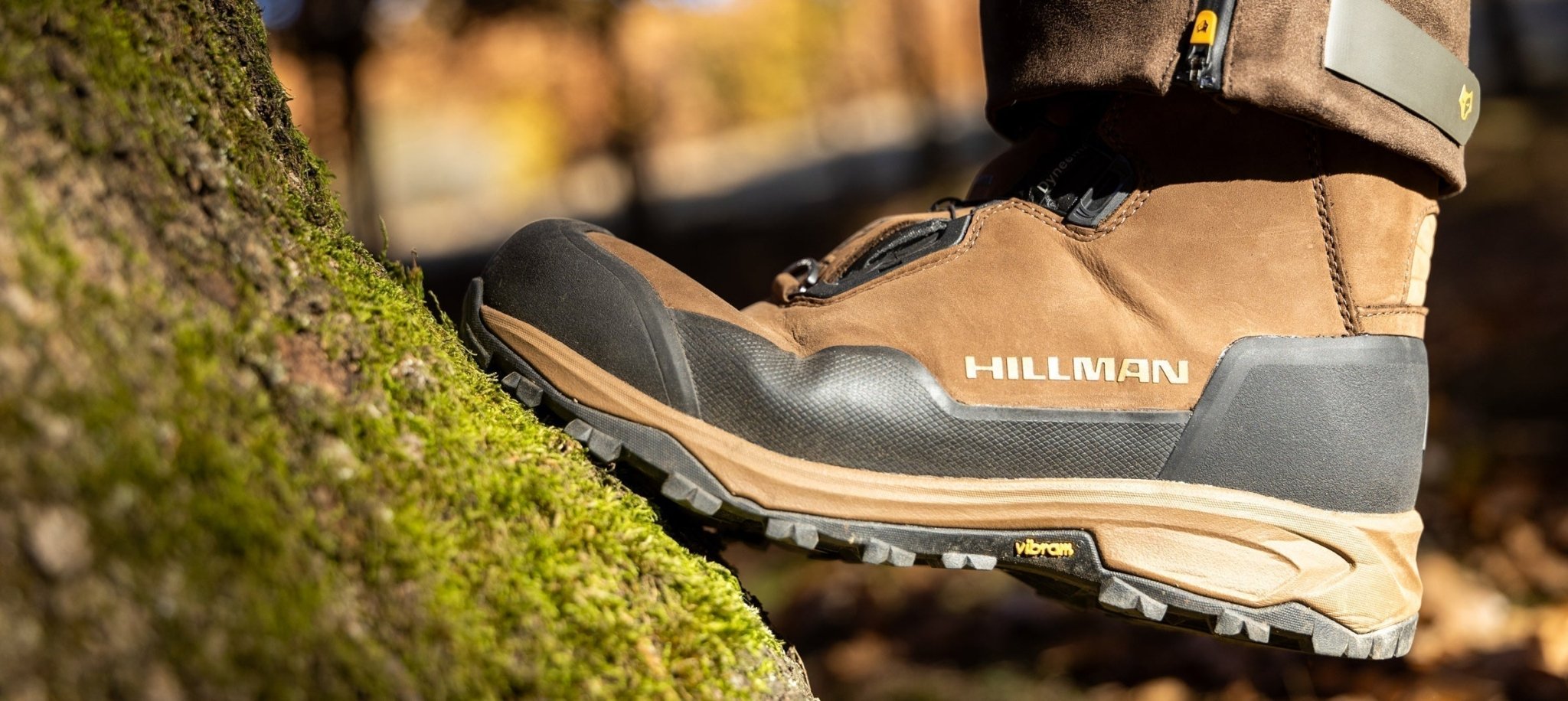
Wide Hunting Boots for Long Walk-Ins, Thick Socks, and All-Day Comfort

Wide hunting boots for long walk-ins that fit thick socks, stay breathable, and give wide feet real support on trails, mud, snow, and rough terrain
Why wide hunting boots matter more than most people think
A lot of people blame the hunt when the real problem starts lower down. They blame the miles, the weather, the dirt, the pack, the steep trails. Fair enough. But a lot of that pain starts with boots that do not fit the foot shape properly.
A new pair can fool you fast. First twenty minutes feel decent. Then the pressure starts. The heel moves a little. The forefoot gets tight. Toes get cramped on descents. By the time the hunting actually gets serious, your foot is already irritated and you are walking different just to get through it.
That is why wide hunting boots for long walk-ins matter. Not because they sound nice on a product page. Because many hunters do not have a narrow foot, and even guys with an average forefoot can run into fit problems once they wear thick socks, hike a few miles, and let their feet swell the way feet always do.
Good hunting boots should not just feel soft in the box. They should hold the heel, leave real room in the toe box, and give you a stable platform when the terrain gets awkward. That is just that simple.
Wide fit should feel secure, not sloppy

A wide fit is not supposed to feel loose and lazy. That is where people get mixed up.
A proper wide boot width should give the foot room where it needs it, mostly through the forefoot and toes, while still staying snug through the heel and mid section. If the whole boot floats around, that is not comfort. That is slop, and slop turns into blisters fast.
Some other boots claim a wide fit but only add a little volume up top. That does not help much if the sides still squeeze the foot. A lot of popular models do this. They look wide from above, then taper hard where the foot actually spreads. So yes, the label matters less than the actual shape.
A good pair should let your toes move, let your forefoot relax, and still keep the heel locked enough that you are not lifting and rubbing with every step.
What wide feet actually need from hunting boots
If you have wide feet or wider forefeet, stop looking at hype first and start looking at shape.
The right hunting boots need usable width, not dead air. They need room where the foot naturally spreads during walking and hiking. They also need support underfoot so the boot does not collapse once you get off easy ground and onto technical terrain.
That matters more than many hunters think. On flat ground, you can get away with mediocre footwear for a while. On off-camber dirt, sidehills, loose rock, mud, or snow, bad fit gets exposed quick. Then the ankle starts working harder, the legs get more tired, and the whole hunt feels heavier than it should.
A roomy toe box helps a lot, but room alone is not enough. You still need control. Otherwise the foot slides forward, the toes hit, and the heel starts moving around in the back.
Thick socks change the fit more than people admit

This gets ignored way too often.
People obsess over features like waterproof liners, outsole grip, insulation, upper materials, and brand names, but then they try on boots in thin socks and act surprised later when the fit changes. Thick socks take up real space. They change the width feel, the pressure over the top of the foot, and how the heel sits in the back.
So when you test boots, test them the way you actually wear them. Wear the socks you hunt in. Lace the pair properly. Walk. Hike. Stand on an edge if you can. Go up and down something. Do not just stand there for thirty seconds and call it good.
A boot that feels borderline in the shop usually feels worse outside. There is a good reason experienced hunters do not trust a quick carpet test.
The toe box and heel hold decide a lot

Two spots tell the truth fast: the toe box and the heel.
If the toe box is too narrow, your toes get crowded and the front of your foot starts taking abuse. That means pressure, rubbing, hot spots, and eventually blisters. If the heel is loose, every uphill and downhill step gets sloppy. That means friction, less stability, and a boot that never really feels planted.
This is why the best fit usually feels balanced. The front should not crush the foot. The back should not let it wander. You want the heel snug and the forefoot free enough that the foot can still work naturally.
That difference sounds small until you are miles in. Then it is the whole story.
A good lacing system helps, but it will not rescue the wrong boot
A solid lacing system can clean up a lot of small issues. It can hold the heel better, tighten the mid section, and let the front stay a little more relaxed. When a boot is close to right, that helps.
But people push this too far. If the boot shape is wrong, the width is wrong, or the forefoot is too tight, no lacing trick is going to magically fix it. At that point you are just trying to manage a bad choice.
So yes, pay attention to the lacing system. Just do not confuse fine-tuning with rescue work.
Support matters once the ground stops being easy

Some boots feel super comfortable right away because they are soft and flexible. That can be fine on easy trails. But soft is not always support, and that difference shows up once you hit technical terrain.
A good hunting boot should protect the foot and help keep it stable when the ground gets weird. That means support underfoot, decent stiffness through the sole, and enough ankle support that the lower leg is not doing all the work alone.
A supportive midsole makes a big difference here. It helps reduce fatigue over longer hikes and stops every sharp edge from punching straight into the foot. If you spend time on broken dirt, rocky trails, steep slopes, or rough ground, there is a good reason to care about that.
A stable platform also matters more than people admit. Wide fit should not mean mushy. You want width, yes, but you also want the boot to stay composed under load.
Stiff or flexible depends on where you hunt

There is no one boot for every person and every season, no matter how brands try to sell it that way.
A more flexible sole gives more ground feel and often feels easier right away. That can be nice for lighter movement, easier trails, and hunts where speed matters more than hard support. A stiff sole, though, can protect better on technical terrain and help with stability when you are edging on rough ground or carrying weight.
That is why some people love a softer hiking boot feel and others want more structure. It depends on where you hunt, how much you carry, and how much support your feet and ankle need before they start complaining.
One boot can cover a lot, sure. But not every one boot is actually good at everything.
Upper materials, waterproofing, and keeping feet dry

Upper materials change how a boot feels, how it breaks in, and how long it lasts.
A leather-heavy build usually gives more durability and often better long-term support. Synthetic mixes can cut weight and feel easier sooner. Both can work. What matters is whether the whole build makes sense for the kind of hunting you do.
Waterproofing matters too, especially when the day includes wet grass, mud, creek edges, or snow. If the boot cannot keep feet dry, the rest of the conversation gets worse fast. Still, waterproof does not mean much if the boot turns sweaty inside, so breathable construction matters too.
That is why the better hunting boots today usually try to balance weather protection with enough airflow that you do not end up soaked from the inside out. Warm feet are nice. Swampy feet are not.
Outsole grip is one of those things you notice when it fails

Nobody talks about traction much when it works. They only talk about it when they nearly eat dirt on a slope.
A quality outsole should grip in mud, hold on loose dirt, and stay useful on wet ground and mixed terrain. Aggressive outsoles help, but only if the whole outsole design is solid and the rubber compound is not junk. Looks alone do not tell you much.
Grip and support work together. Good grip without support can still feel unstable. Support without grip can still leave you sliding. When both are there, the boot feels planted instead of sketchy.
That is a big part of performance in the real world, not just on a spec sheet.
Break-in is normal, but pain is still a warning

Some break-in is real. Especially with quality boots that use stiffer materials or a stronger midsole. The boot may need some wear before it starts moving with you instead of against you.
Still, people excuse too much with the phrase break-in.
General stiffness is one thing. Sharp pressure, numb toes, heel slip, rubbing around the ankle, and repeated hot spots are something else. That is not a break-in course. That is the boot telling you it is wrong for your foot.
Ignore that and you usually pay for it later.
Small adjustments can help, but only after the fit is basically right
Sometimes a different sock thickness helps. Sometimes insoles help. Sometimes lacing changes help. All true.
But the base fit still has to be right. If the boot is too narrow, too sloppy, too low over the foot, or shaped wrong, you are not fixing the real issue. You are just dragging it out.
That is why tested fit still matters more than claimed comfort. A pair that feels honest and controlled from the start usually beats a pair that promises unmatched comfort and then falls apart once you actually hike in it.
What to focus on when comparing hunting boots today

When you compare hunting boots today, start with fit. Not marketing. Not logos. Not whether somebody online said Danner or some other brand worked for them. Their foot is not your foot.
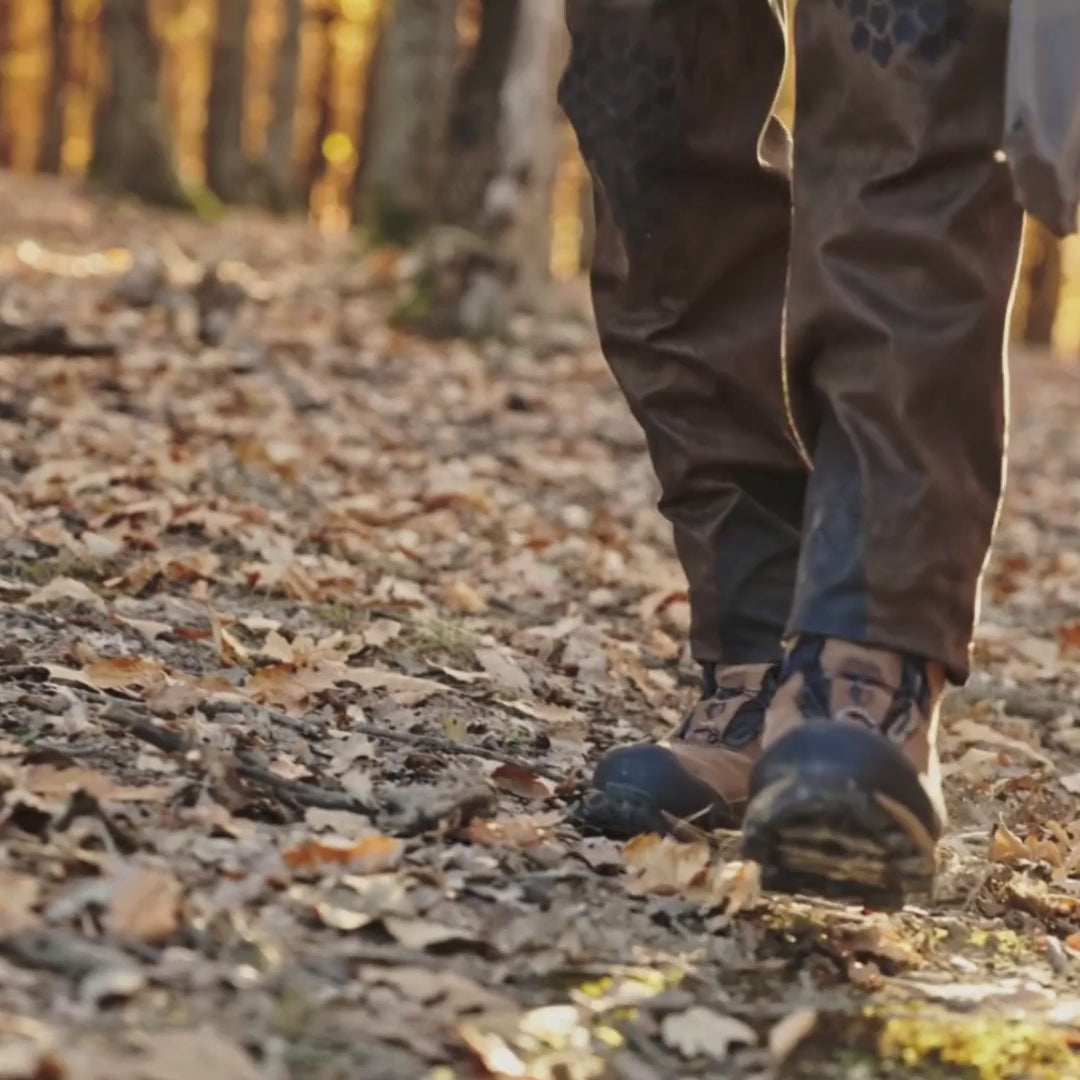
Look at boot width. Look at the toe box. Check whether the heel stays snug. Check whether the forefoot has room without making the whole boot loose. Then look at support, outsole grip, upper materials, breathability, durability, and whether the boot suits the terrain you actually hunt.
For some women, the same rules apply exactly the same way. Shape matters. Width matters. Heel hold matters. Support matters. Good hunting footwear does not care about the label nearly as much as it cares about how the foot sits inside it.
The best boots are not the ones with the loudest claims. They are the ones you wear for miles without fighting them. They protect, stay stable, keep feet dry, and do the job without extra drama. That is the whole difference.

TYLER JAMES
Ask a few hunters about boots and you'll get ten different answers. Tyler learned early that brand names don't mean much if your feet are covered in hot spots before daylight is over. That's why he pays attention to the stuff you notice after a few miles, not during the first five minutes in the store. Does the heel stay put? Do your toes still have room going downhill? Can you wear thick socks without your feet feeling squeezed?
Most of his time goes into looking at real hunting gear instead of spec sheets. He likes finding the little details that never make it into the ads but matter once you're crossing creeks, climbing ridges, or covering rough ground with a pack. If a pair keeps your feet comfortable from the truck to the last mile back, that's what counts.

Share:
Lightweight Hunting Boots for Early Season Climbs, Mobility
Best Turkey Hunting Clothes for Mobile Spring Hunts