

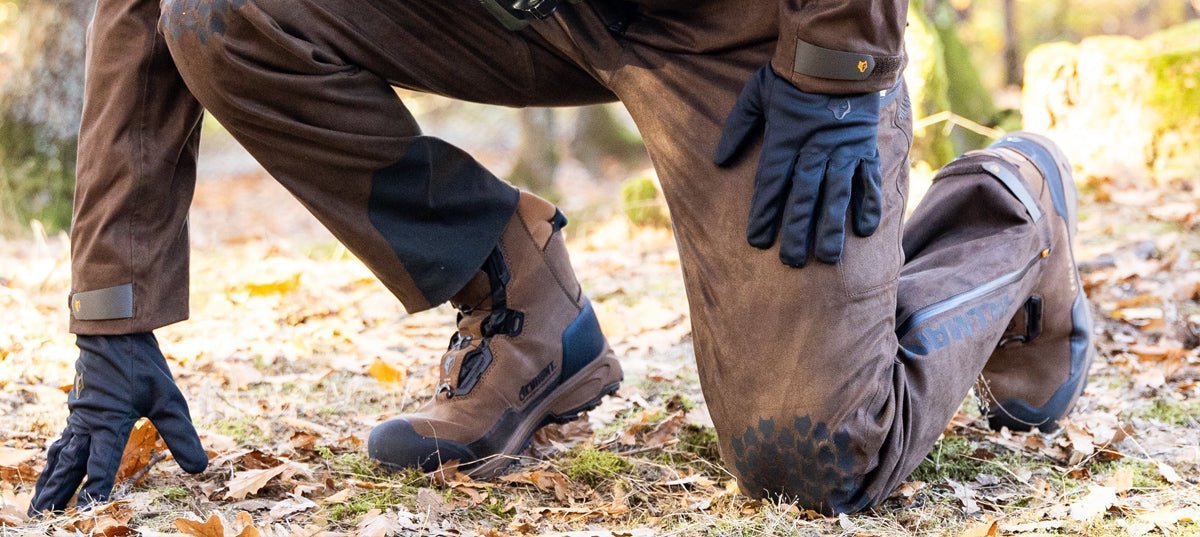
Lightweight Hunting Boots for Early Season Miles, Fast Climbs, and All-Day Mobility

Lightweight hunting boots for early season miles should stay breathable, supportive, and comfortable when the ground gets steep, rocky, and unforgiving.
Early-season miles expose bad boots fast. A lot of guys spend forever comparing packs, layers, broadheads, optics, and then throw that same lazy energy at boots. Bad move.
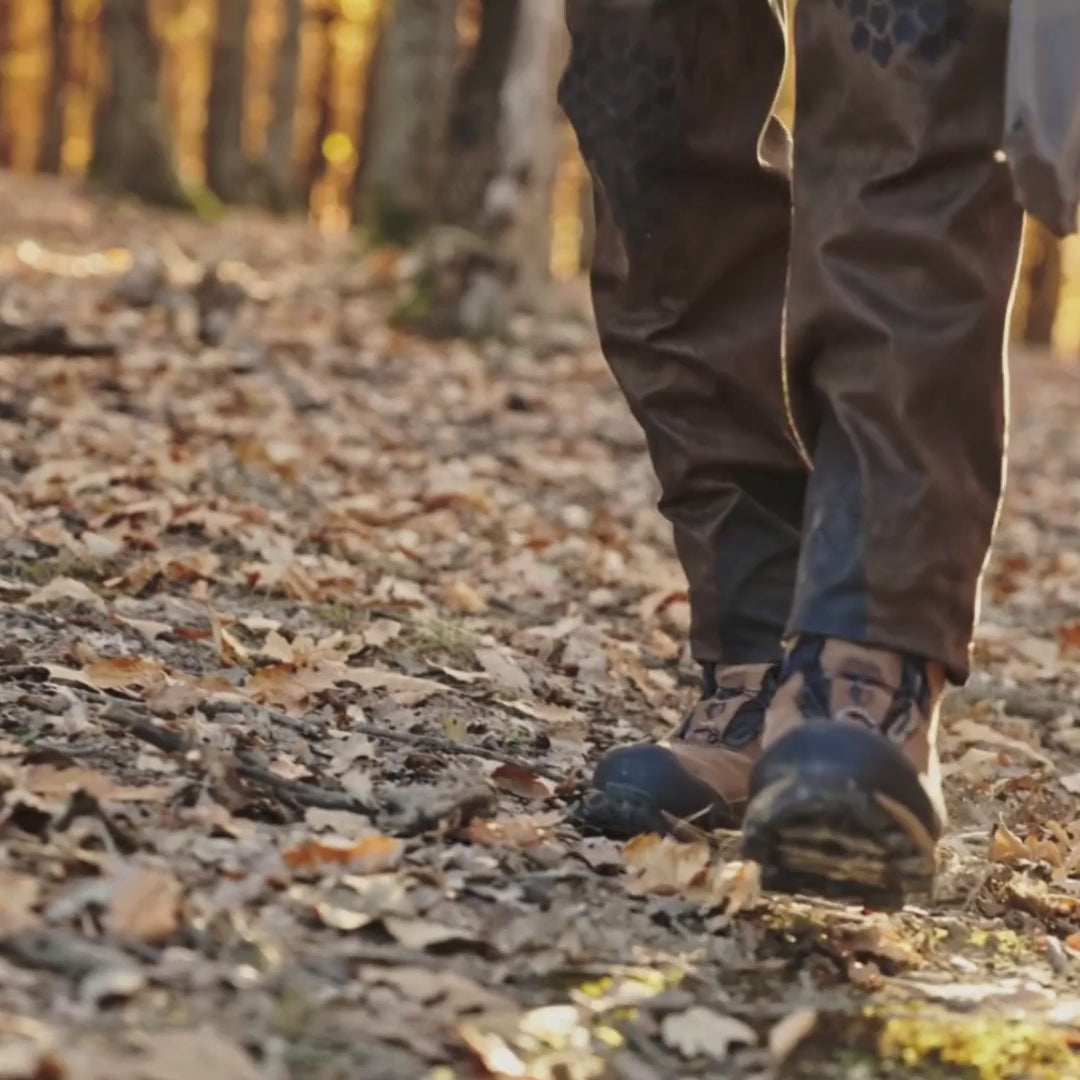
Early season is where weak boots get exposed in a hurry. It is warmer weather, long hikes, faster travel, more climbing, more sidehilling, more sweat, more ground covered. You are not just standing around trying to keep feet warm. You are moving. A lot.
That is why lightweight hunting boots for early season miles matter. A lighter boot helps you stay quicker on climbs, less cooked by noon, and less beat up at the end of the day. Heavier boots still have their place, but they are not always the right answer just because they look tougher.
A lot of many hunters learn this the hard way. They start with boots that feel solid in the garage and then hate them five miles in. Too hot. Too stiff. Too heavy. Too much bulk for what the hunt actually is.
The best hunting boots are the ones that match the season, the terrain, and the load. Not the pair with the most aggressive marketing.
Hunting Boots and Hiking Boots Are Close, but Not the Same

People blur hunting boots and hiking boots together, but the difference shows up when the country gets rough. Hiking boots usually feel easier right away. Lighter on foot. Less structure. More flexible. That can be perfect for turkey hunting, scouting, or easier early season travel where speed matters more than brute support. Hunting boots usually bring more. Better ankle support, tougher upper material, stronger protection around the sides, and more confidence once you add a heavy pack. That matters when you are in rugged terrain, sidehilling in rocky terrain, or dropping down ugly slopes with tired legs.
The mistake is assuming more boot is always better. It is not. Some mountain hunting boots are built almost like mountaineering boots. That can be useful for extreme country, but it can also be overkill for a lot of hunts. For early season, the sweet spot is usually a lighter boot with enough support for steep terrain and rough terrain, but not so much stiffness that it feels dead underfoot.
That middle ground is where a lot of quality boots win.
Terrain Should Decide More Than Brand

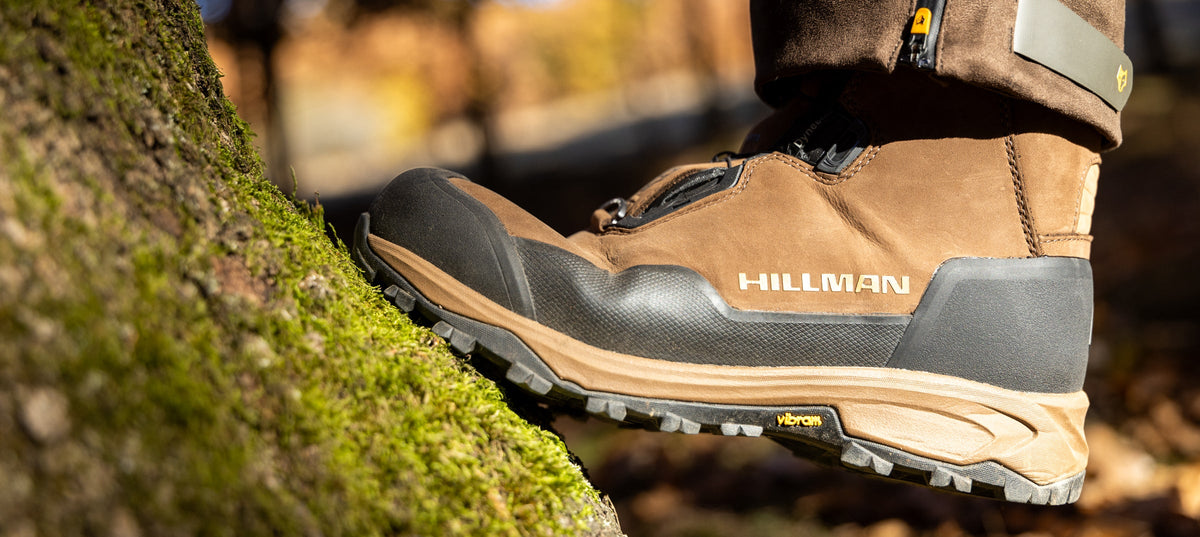
This part is simple. The ground should pick the boot. If you hunt tough terrain, rough country, loose rock, deadfall, or long sidehills, you need more structure. A good mountain boot with a Vibram outsole, solid heel hold, and a stiff sole can keep you more stable when the mountain is trying to roll your ankles every twenty steps. That matters even more for mountain hunters, backpack hunters, and any western hunter carrying real weight.
If you hunt softer ground, lower country, or less severe trails, a more flexible, comfortable boot can be the smarter pick. You still need traction. You still need decent support. But not everybody needs a taller boot built like it is headed for a glacier.
That is where how much hiking really matters. Not the fantasy version of your hunt. The real one. How far do you actually walk? How often are you climbing? How much weight is usually on your back? Are you just slipping into the whitetail woods near a tree stand, or are you chasing elk in broken country all day?
Be honest there and the boot choice gets easier.
Support Matters, but Too Much Can Backfire

Hunters love saying they want support. Fine. But support is not just about grabbing the stiffest thing on the shelf.
A good ankle bone support system should help you stay planted under load, especially on downhill steps, off-camber ground, and sidehills. A real ankle bone support structure matters if you carry a heavy pack, hunt steep terrain, or spend days in rough country. But there is a point where too much boot starts working against you.
If the boot is so stiff and bulky that your stride feels clumsy, you lose some of the whole reason for going light in early season. That is why many mountain hunting setups do better with a supportive but still mobile uninsulated boot, not a boot that feels like punishment.
Sheep hunters may want more rigidity. Archery elk hunters often want a better balance. Different problem, different tool.
Breathability, Waterproofing, and Keeping Feet Dry

Early season boots need balance. Not fake balance. Real balance.
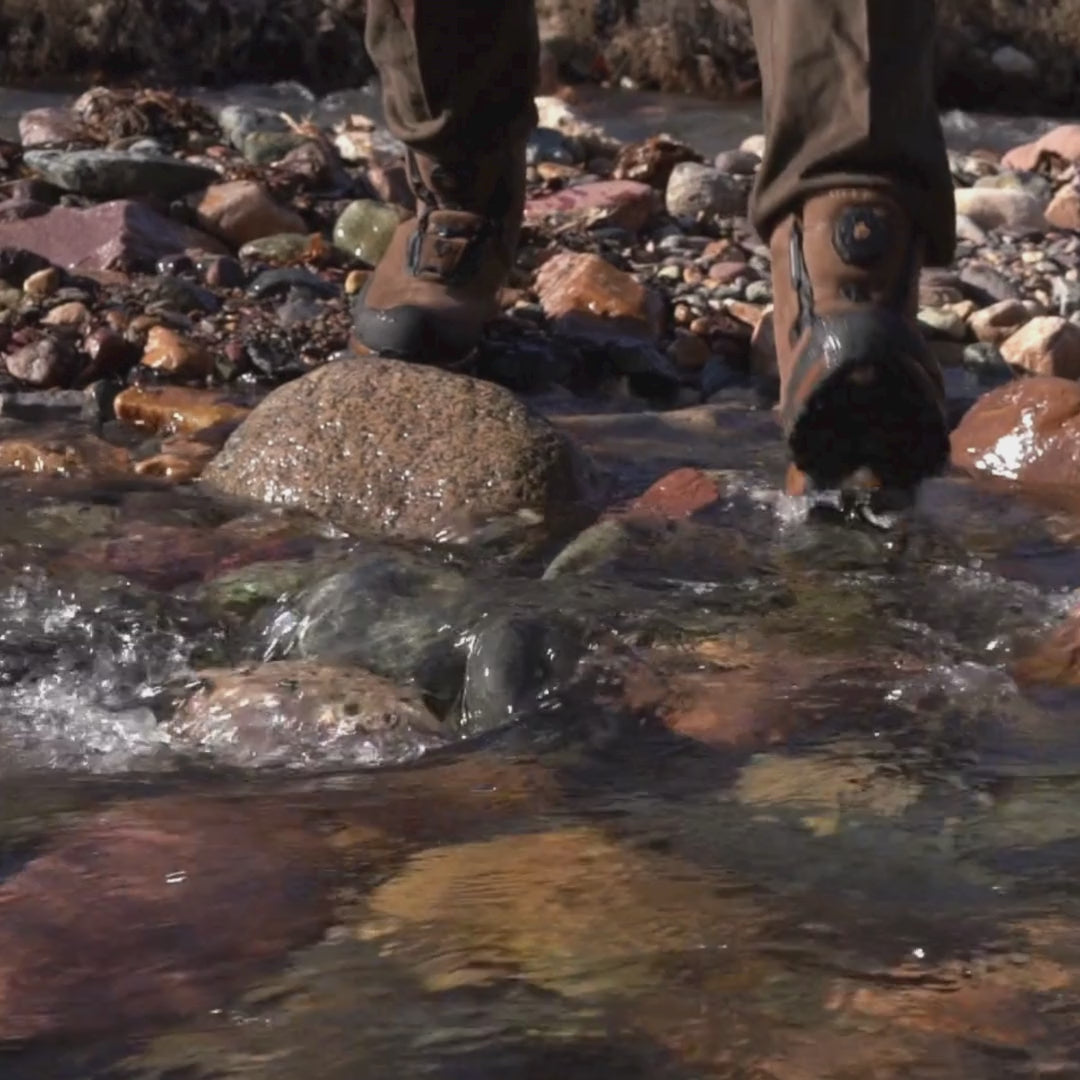
If the boot traps too much heat, your feet sweat hard, you get wet feet anyway, and then you start building hot spots. If the boot breathes well but offers no protection from dew, light creek crossings, or surprise weather, same problem. Miserable feet.
That is why a lot of hunters end up in an uninsulated boot with a Gore-Tex or Dryhunt lining. It is not perfect, but it often gives a useful middle ground. Enough waterproofing to help keep feet dry, enough breathability to avoid cooking yourself alive.
Still, no membrane is magic. If you live in ankle deep water all day, a mountain boot is probably the wrong tool. That is where rubber boots or even the best rubber boots make more sense, especially for duck hunters and marshy ground. But for mountain hunting, a backcountry hunt, and long climbs, most guys move better in leather or synthetic boots than in heavy rubber boots.
And early season is where that difference becomes obvious fast.
Leather Boot or Synthetic Build

A leather boot still makes a strong case. Especially in rough terrain.
A full leather boot, especially one built with full grain leather or grain leather, usually brings better durability, more support, and a more planted feel under a load. A leather upper also tends to hold up better when you keep dragging it through rocks, brush, and junk season after season.
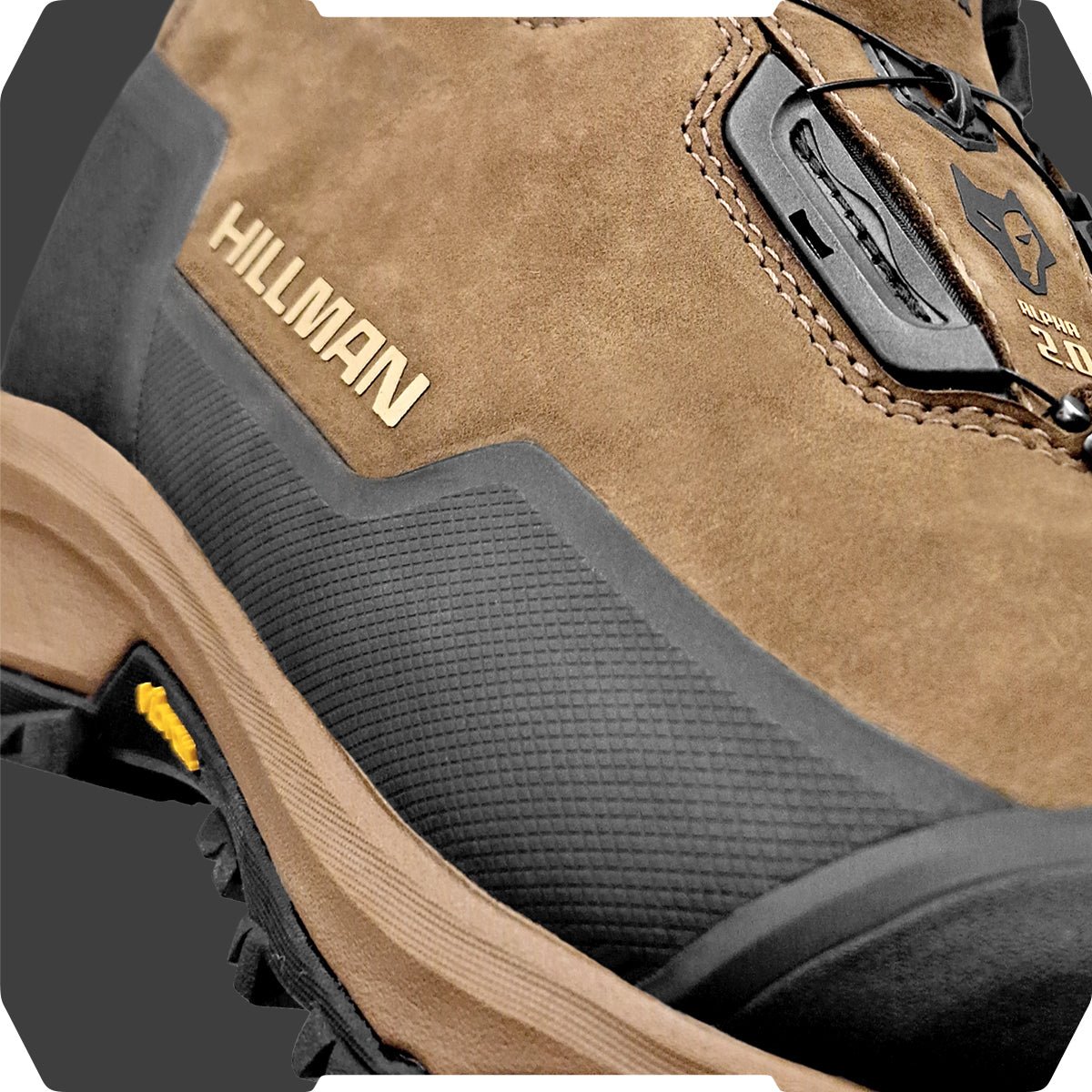
Some boots add things like rubber sole guards or a polyurethane coated leather rand to protect high-wear zones. That stuff is not glamorous, but it helps when you are abusing boots in nasty country.
The downside is obvious. More leather often means more weight, more heat, and a longer break in period. That is why a lighter boot with mixed materials can make a lot more sense in warmer weather. You cut weight, usually shorten the initial break in, and keep better mobility for early season travel.
So no, this is not a leather-versus-synthetic religion thing. It is about using the right build for the hunt.
Fit Will Make or Break the Whole Hunt

You can buy great boots and still have a bad time if the fit is wrong.
A comfortable boot should lock your heel down, give your toes some room, and stay stable without crushing the middle of your foot. If your heel slips, your skin pays for it. If the forefoot is cramped, descents get ugly. If the boot moves too much under load, your legs work harder all day.
That is why men’s hunting boots need to be judged on fit first, hype second. Not every popular model is right for every foot. Some guys buy boots because a friend likes them. That is dumb. Feet are different.
Try boots later in the day. Wear the socks you actually hunt in. Merino is still hard to beat. Do not ignore hot spots. Do not talk yourself into discomfort because somebody online said the boot becomes amazing after fifty miles.
A boot’s comfort should not depend on wishful thinking.
Break-In Still Matters, Even When Brands Say It Does Not

A lot of brands act like new boots are trail-ready in five minutes. Sometimes that is partly true. A lot of times it is nonsense. Even if the initial break-in feels easy, you still need trail time before season. Walk hills. Carry weight. Climb in them. Descend in them. Figure out what happens when your feet swell, when the lacing shifts, and when the boot gets hot.
The goal is not just to soften the boot. It is to learn it.
If you buy boots right before opening day and just hope for the best, you are gambling with your feet. That gets even riskier on an elk hunt, a hard backcountry hunt, or any early season trip where you cannot just head back to the truck after an hour.
Early Season, Mid Season, and Late Season Are Not One Category

This is where hunters get lazy. They want one pair of boots to cover everything from September heat to cold temps in November. Sometimes that works. A lot of times it does not.
Early season is about movement, breathability, and reduced fatigue. Mid season starts changing the equation. More cold weather, worse ground, slower mornings, maybe more moisture. Then by late season elk hunt territory, or long cold sits, a warmer boot can start making real sense.
Cold weather hunting boots are useful when you truly need them. Same with heavier boots. But plenty of hunters jump into that category too early and end up with sweaty feet, dead legs, and less comfort than they would have had in a lighter boot.
If you are moving hard most of the day, an uninsulated boot is usually the safer starting point. Once the hunt turns colder and slower, then you can look harder at a warmer boot and other boots built for colder conditions.
Use the amount of boot the conditions actually demand. Not more.
Brand Talk Matters Less Than Fit, but a Few Models Get Mentioned for a Reason
A lot of hunters start with brand names, so fine, here it is.
Crispi boots come up a lot in this category because they tend to appeal to mountain hunters who want support without going full brick-on-foot. The Crispi Wild Rock and Wild Rock line get attention from guys who want a mountain boot feel without totally sacrificing mobility.
On the other side, Kenetrek Mountain Extremes have a reputation for being tougher, stiffer, and more at home when the terrain gets nastier and the load gets heavier. For some hunters, that is a plus. For others, especially in warm early season miles, it can be more boot than they want.
That is the point, really. Best boots for one hunter are not automatically best boots for another.
What the Best Hunting Boots Usually Get Right

The best hunting boots for this kind of hunting usually do a few basic things well.
They feel light enough that your legs are not wrecked halfway through the day. They keep your heel locked down. They have enough ankle support for a heavy pack without feeling like a cast. They handle rocky terrain, steep terrain, and rough terrain without folding up. They breathe well enough for warmer weather. They help keep feet dry. They stay comfortable on long hikes.
That is why a lot of mountain hunters, archery elk guys, and western hunter types end up liking a lighter boot or a supportive mountain boot instead of the heaviest option they can find. Mobility matters. A lot.
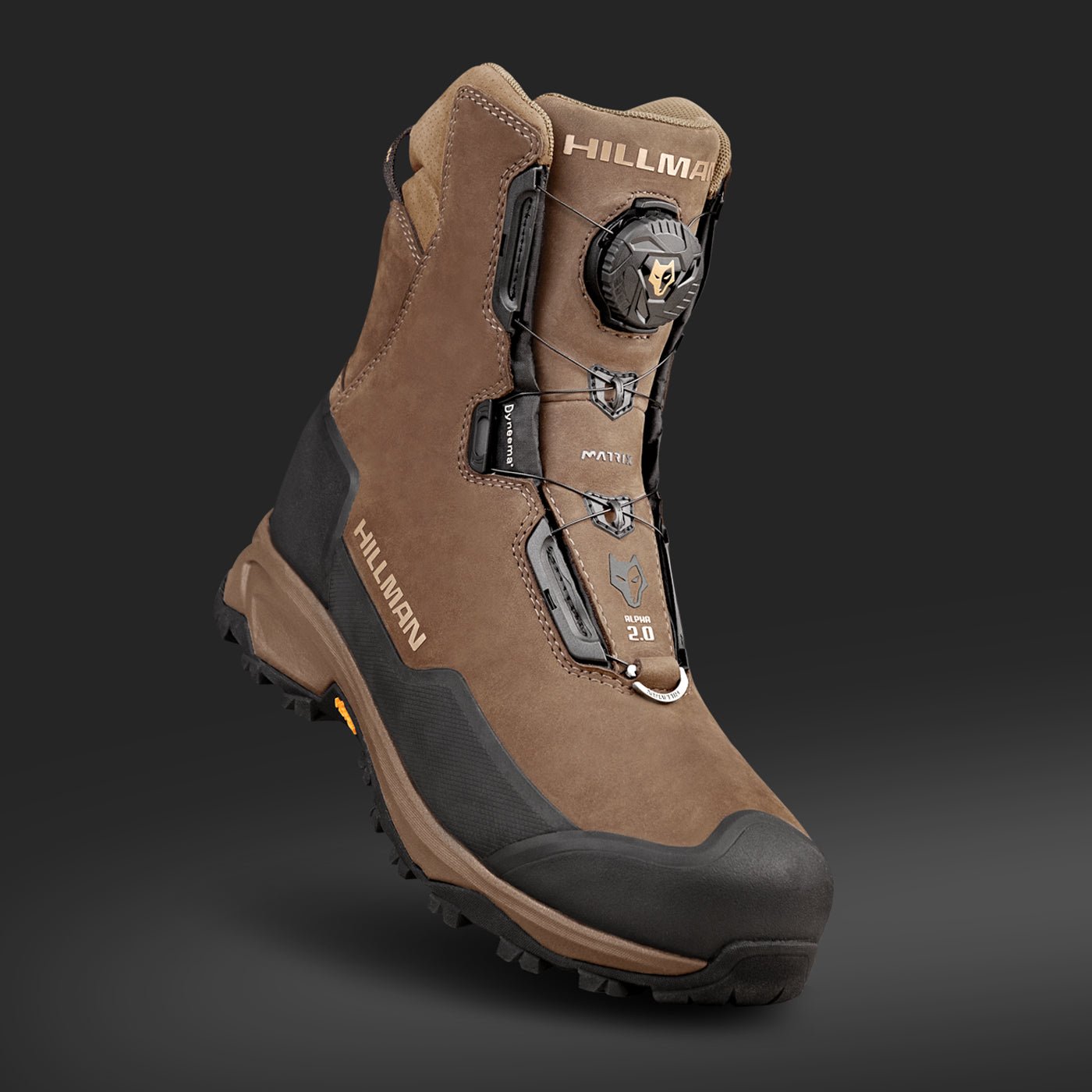
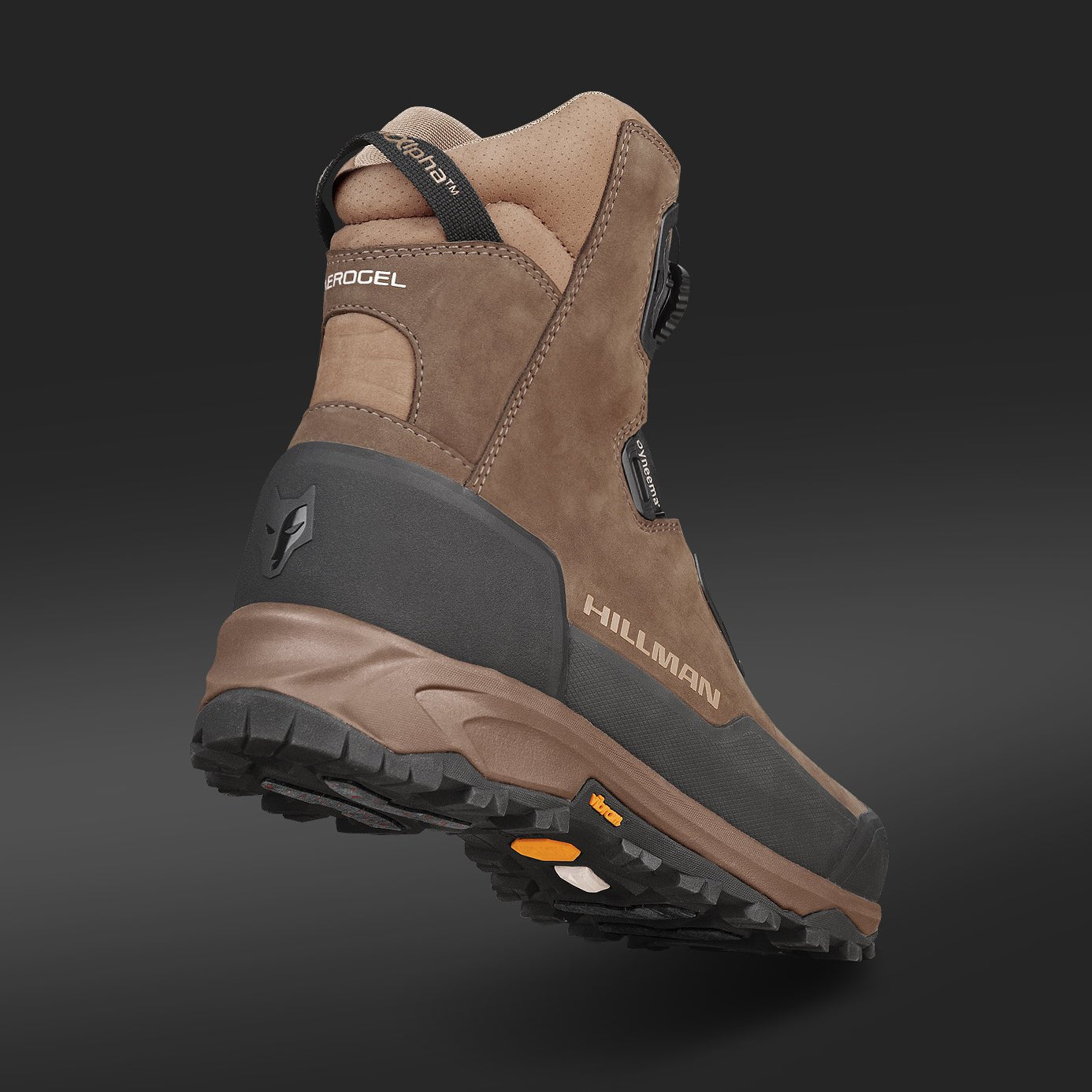
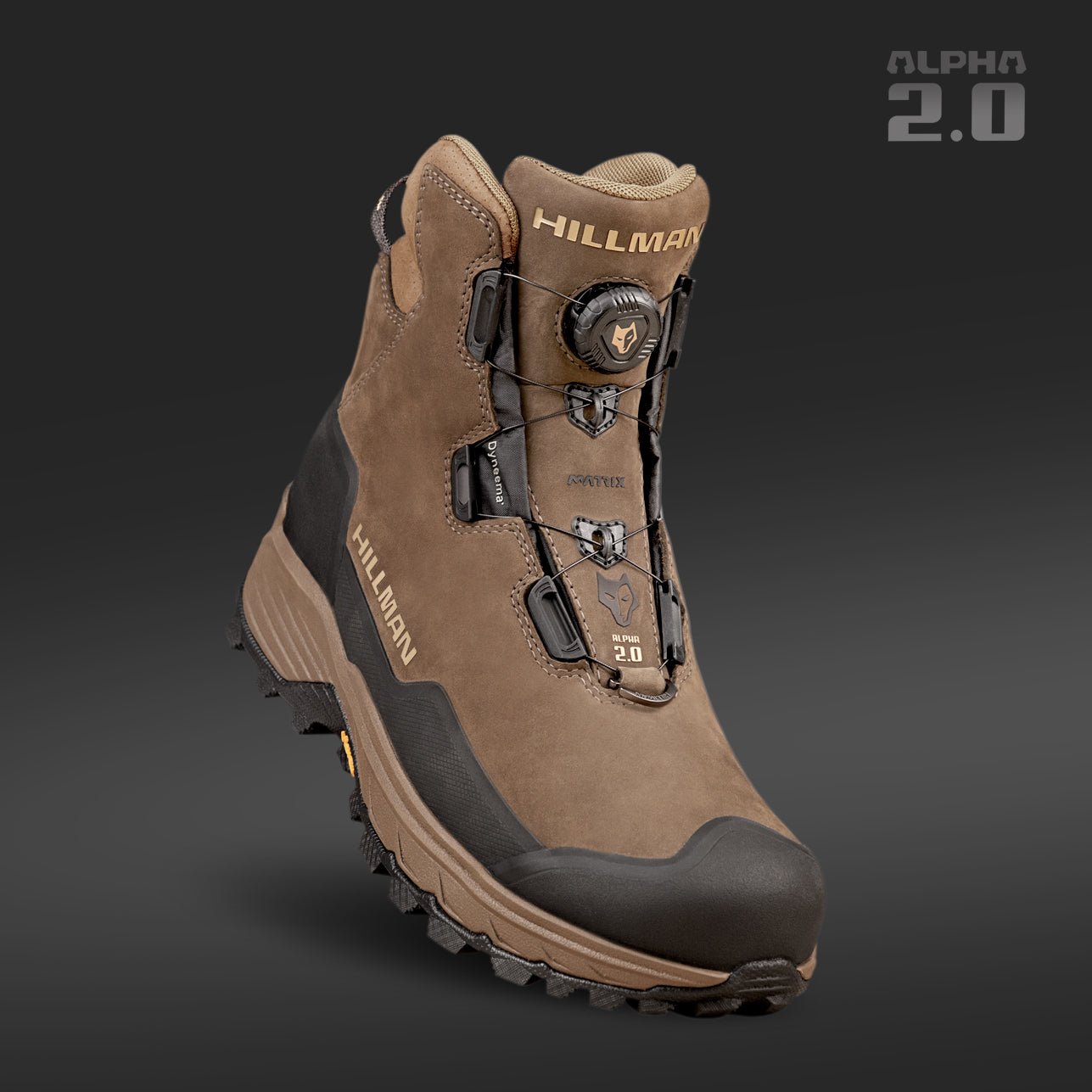
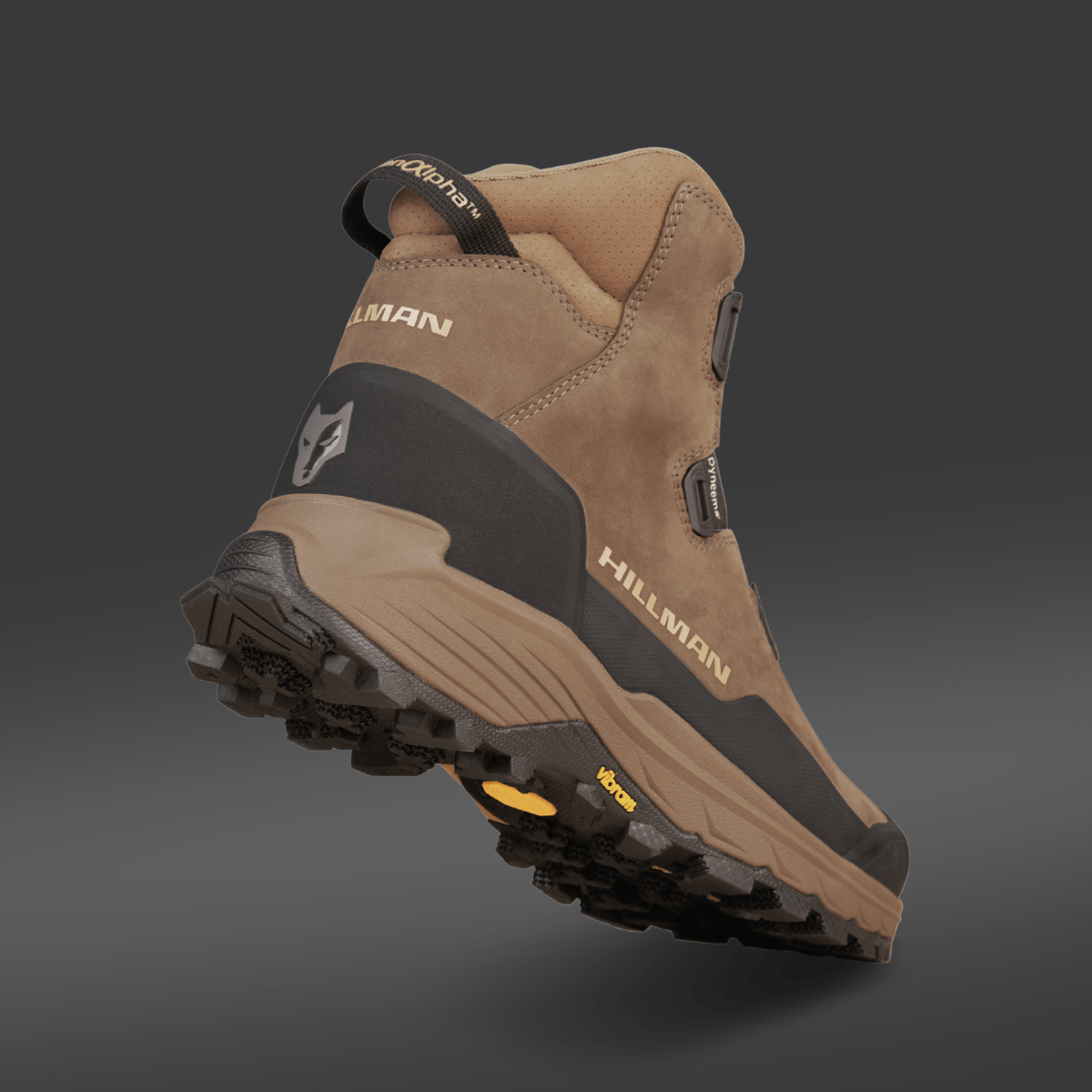
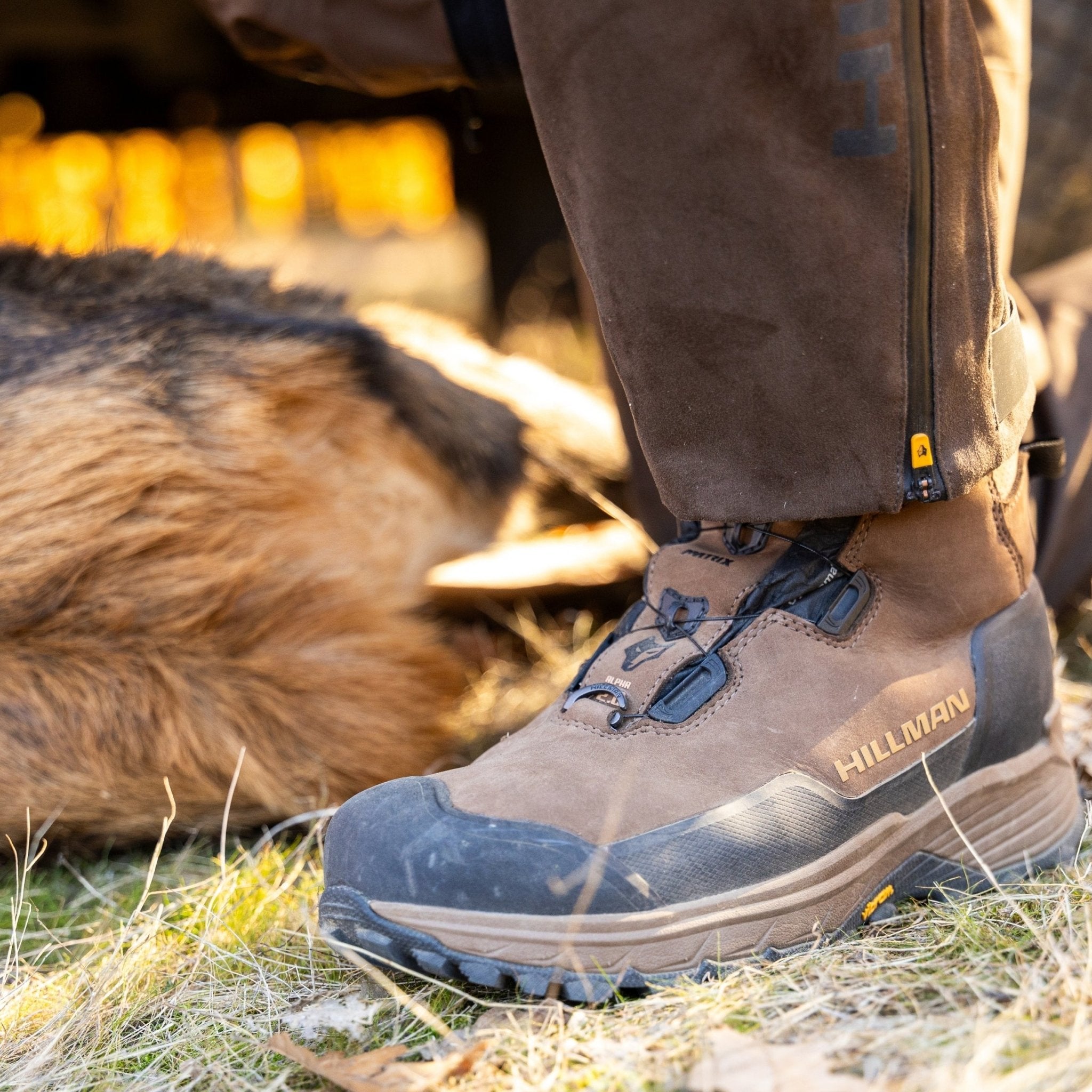
For Hillman, that is really the point. Good boots should help you hunt better, not just survive the gear checklist.


Share:
How to Choose Hunting Backpack for Day Hunts, Spot-and-Stalk
Wide Hunting Boots for Long Walk-Ins, Thick Socks & Comfort