

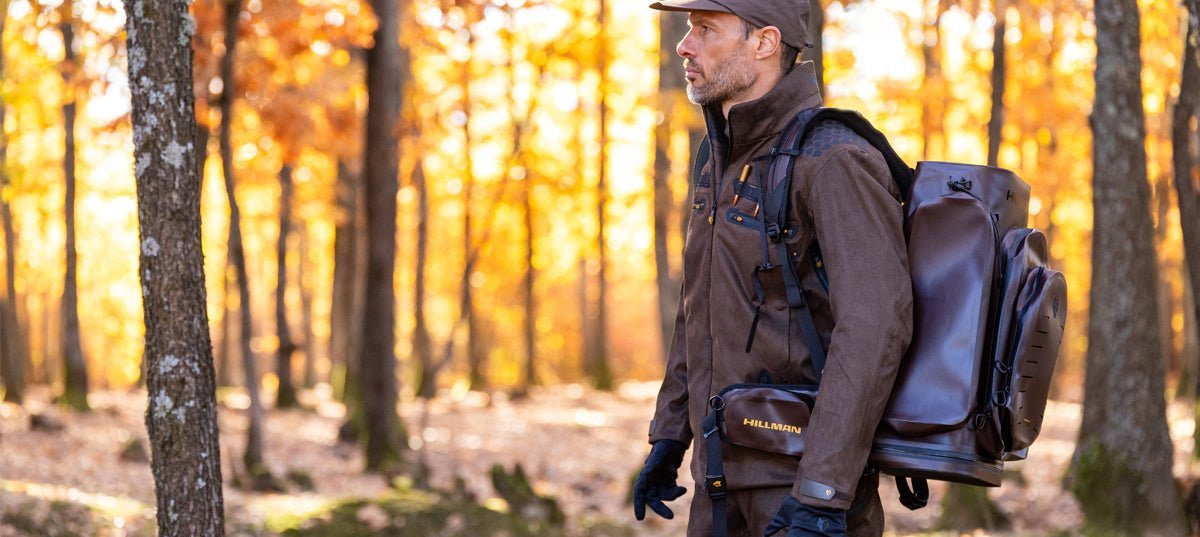
How to Choose a Hunting Backpack for Day Hunts, Spot-and-Stalk, and Pack-Outs

How to choose a hunting backpack for day hunts without wrecking comfort, hauling ability, or quiet movement when the load gets real.
Stop Buying a Pack for the Fantasy Hunt. A lot of hunters get lost before they even start. They look at all the packs on the market, watch a couple videos, hear somebody rave about new packs, and suddenly they are shopping for a setup built for one dream trip instead of the hunts they actually do.
That is backward. The first thing that matters is intended use. Not branding. Not hype. Not which pack gets talked about the most. A hunting backpack for whitetail hunts and tree stand mornings is not always the same pack you want for elk hunting, mule deer country, or rough terrain where a pack-out can turn ugly fast. A good hunting backpack has to match real use, not fake plans.
Some hunting backpacks are basically a minimalist pack with camo fabric and a few extra straps. Fine for light hunting gear, short walks, and simple day hunts. But once the weather shifts, once you add extra layers, or once you end up carrying more hunting equipment than expected, that stripped-down setup starts feeling stupid.
Other hunting packs are built for double duty. They still work as a day pack, but they also give you enough room for a rain cover, camera gear, game bags, a kill kit, a first aid kit, blaze orange, and the kind of extra junk that somehow always ends up coming along. For a lot of deer hunters and big game hunters, that is the sweet spot. Not the giant expedition sack. Not the toy pack. Just a versatile pack that can hunt hard and still haul meat when the easy part is over.
Size Matters, and Tiny Packs Get Old Fast

For most day hunts, a day hunting backpack in the 1,500 to 3,000 cubic inch range is a strong starting point. That usually gives ample room for water, snacks, extra layers, hunting accessories, a first aid kit, optics, tags, and the other basics that pile up fast once the season starts.
That range works well for many whitetail hunts, all day sits, and short spot-and-stalk hunts where mobility matters. But a lot of hunters buy too little pack because a compact size looks clean in the store. Then they add cold weather layers, gloves, a mask, a kill kit, camera gear, and a few loose pieces of hunting equipment, and the thing is stuffed before lunch. That is where a deer hunting backpack with a little more thought behind it starts making sense. Not huge. Just practical.
If you hunt elk hunting country, mule deer country, or the kind of backcountry hunting ground that keeps pushing farther than planned, a tiny day pack can become a liability fast. You do not need a giant bag just to feel serious, but you do need enough room and enough hauling capacity to deal with real field problems. A pack that feels sleek when empty can feel useless when it has to carry heavy loads.
Bad Fit Will Ruin a Good Pack

A bad fit can make the best hunting pack feel like trash. That part gets ignored all the time.
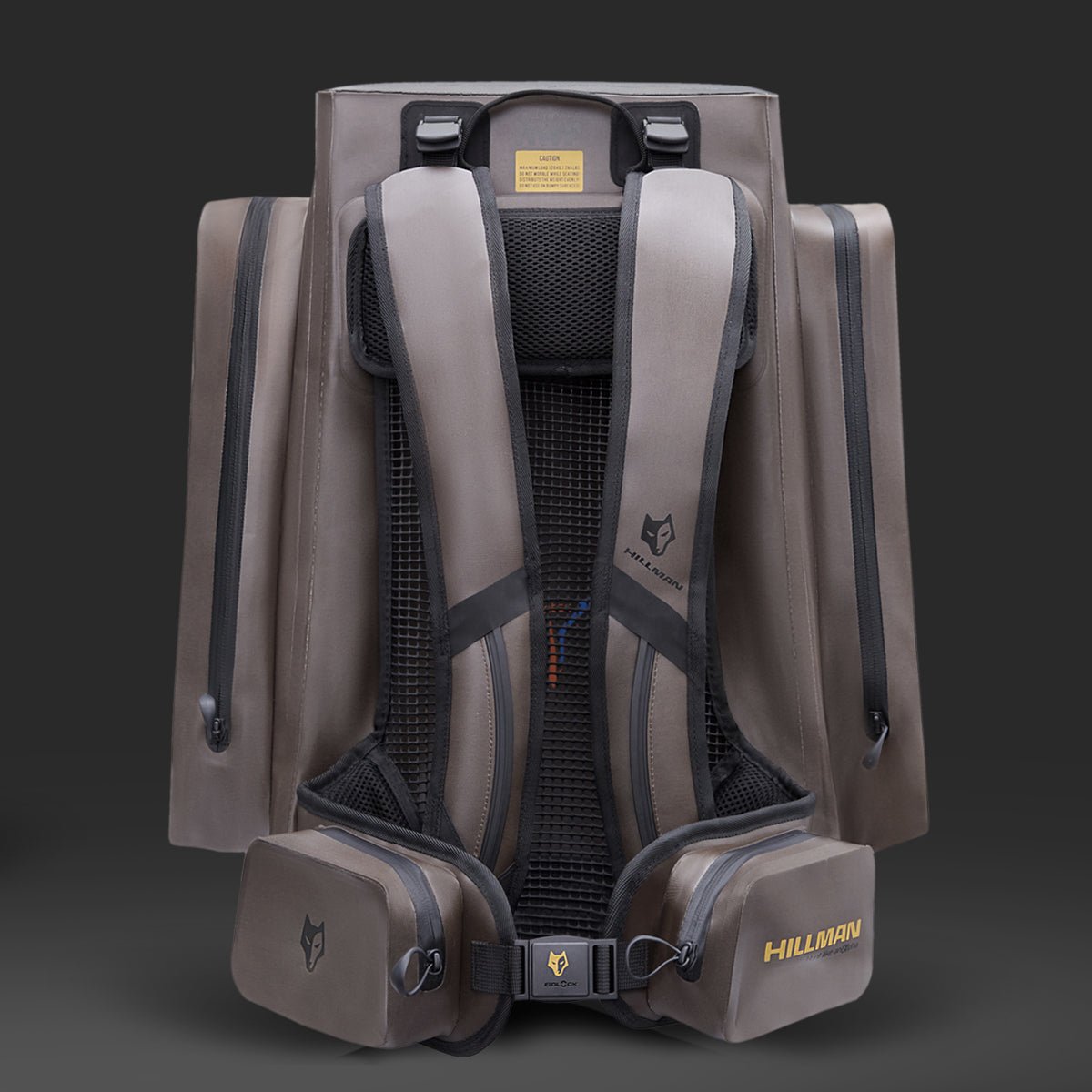
Hunters love to compare brands, fabrics, and features, but none of that matters much if the pack does not fit your body. Torso length matters. Waist measurement matters. The waist belt or hip belt needs to sit where it should and actually transfer weight. If the belt rides wrong, your shoulders pay for it.
That is how a comfortable backpack turns into a shoulder killer.
A good hunting backpack should let you dial in the fit with real adjustment points. A proper shoulder strap setup matters. A sternum strap matters. Load lifters matter. A solid hip belt matters even more. When the fit is right, the pack stays close and does not sway all over rough ground. When the fit is wrong, even light weight loads feel sloppy and heavier than they should.
This gets more obvious the longer you hunt. Deer hunters can get away with a mediocre fit on short walks. Backcountry hunters usually cannot. Once the terrain gets steep or the day gets long, you notice every weak spot in the suspension.
Suspension Is the Whole Story Once the Load Gets Ugly

A pack can feel fine in the store and still fold up the second you put real weight in it. Empty packs lie. Loaded packs do not.
If there is any realistic chance you will haul meat, the suspension matters more than most of the flashy stuff people obsess over. A frame pack, a solid internal frame, or a setup with a load shelf gives you a way to haul meat without turning the whole pack into a sagging mess. That matters in big game hunting. It matters for deer hunters too, even if some pretend they will always have an easy drag.
When a pack has to carry heavy loads, you find out fast whether it is built right. And serious pack-outs are not just “heavy.” They can mean massive loads, awkward loads, and shifting loads that want to pull backward with every step. Elk quarters do not care about marketing language. Neither does a steep pack-out in bad weather.
That is why a good hunting backpack needs real backbone. Enough support to carry heavy loads. Enough structure to stay stable. Enough hauling capacity to haul meat instead of just talking about it.
Some carbon fiber frame pros love to point out the same things every time, and to be fair, they are not wrong. Carbon fiber can cut weight, keep stiffness, and make a pack feel better under load. Carbon fiber frame pros usually care about that because once you start carrying big game or climbing high country with a serious load, wasted weight feels dumb. Still, carbon fiber by itself does not save a bad fit or a weak belt.
Quiet, Durable, and Weather-Ready Beats Fancy Marketing

Durability matters because hunting is hard on gear. Wet brush, mud, deadfall, rock, and repeated abuse will expose weak materials fast. Packs need to take real use, not just look clean in product photos.
A lot of good hunting backpacks land in that middle range of durable nylon where you get solid toughness without making the whole thing feel like a sandbag. That balance matters. Everybody wants light weight, but not if the fabric tears, the seams stretch, or the zippers start acting cheap.
Noise matters too. Especially for whitetail pack use, close-range setups, and calm woods where quiet access can matter as much as the pack itself. Loud fabric, clunky hardware, and bad zipper design can sell you out at the wrong moment. Quiet access is not some nice bonus. For some hunters, it is part of whether the pack works at all.
Cold weather makes this even more obvious. A pack that sounds okay on a windy ridge can sound loud as hell in still timber. That is why a lot of hunters end up preferring fabrics and layouts that stay reasonably quiet without giving up durability.
More Pockets Do Not Automatically Mean Better Organization

Some packs look like they were designed by a guy who thinks every problem needs another zipper. That is not organizing gear. That is just making a mess in stages.
Good organization is simpler than people make it. Stuff you need fast should be easy to reach. Stuff you rarely touch can sit deeper in the main compartment. That is the basic rule.
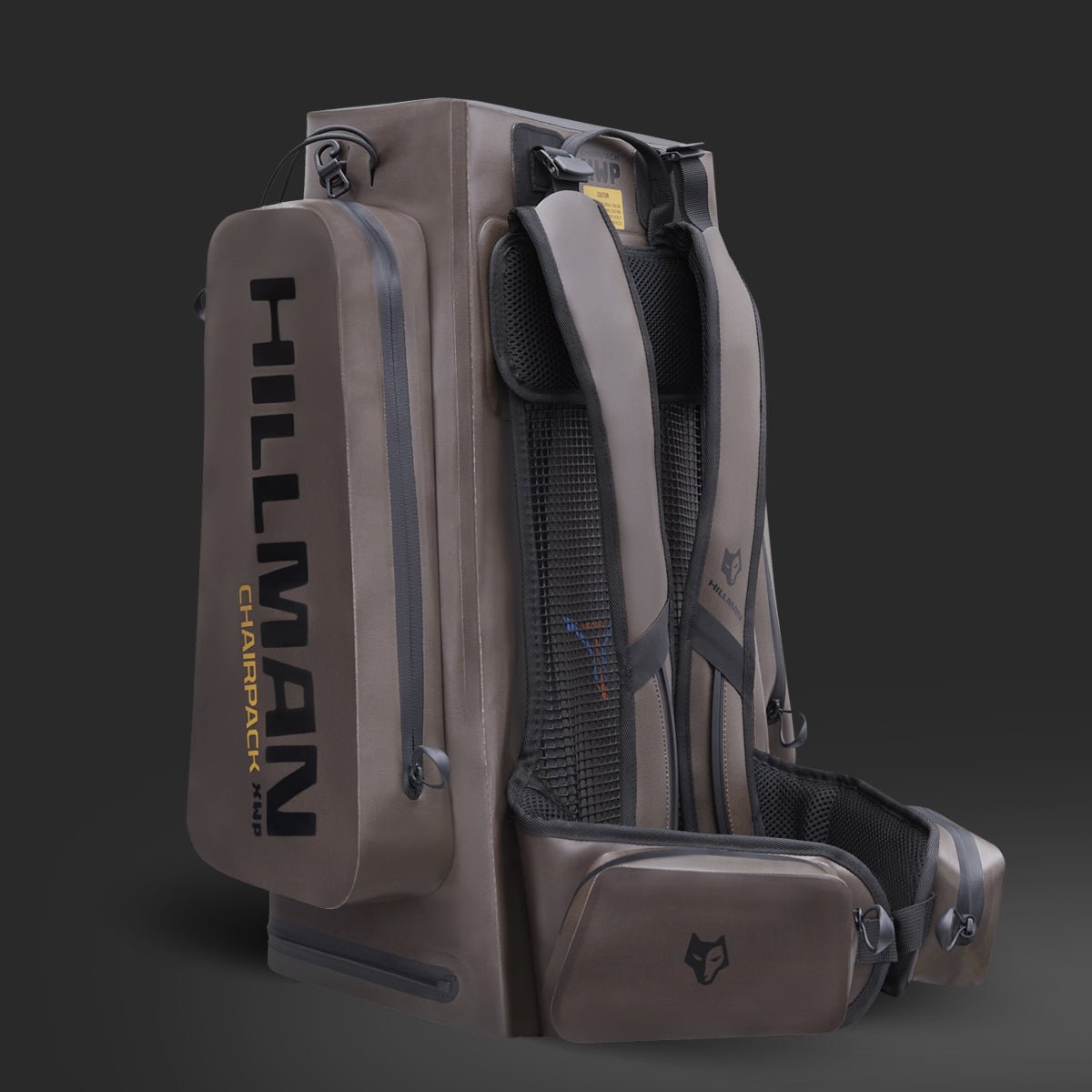
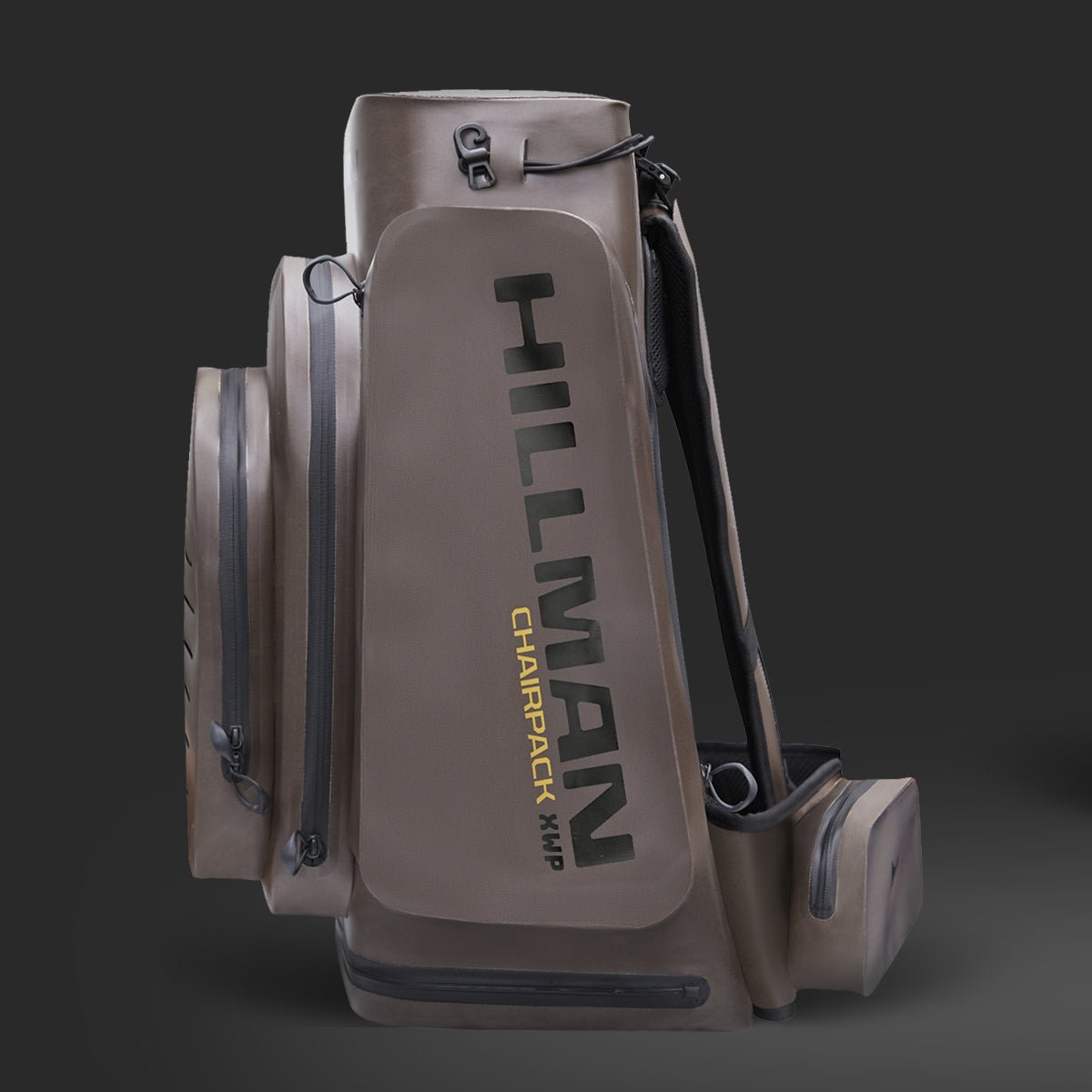
Internal pockets are useful for tags, batteries, a headlamp, an aid kit, and smaller hunting accessories. Compression straps matter because they stabilize awkward loads and help the pack stay tight when it is not full. Extra straps and attachment points matter too, especially when you are dealing with game bags, a tree stand setup, extra clothing, or weird-shaped gear that never sits neatly.
A shove it panel or shove-it style stash area can also be genuinely useful. Wet layers, gloves, a seat pad, even stuff you want separated from the main compartment can ride there without much fuss. A roll top design can work too, but only if access is not a pain. Some roll top design setups are slick. Some are annoying. Depends on execution.
A lot of this comes down to whether the layout helps in the field or just looks busy on a product page.
Small Field Details Are Usually What Decide It

Hydration matters more than a lot of hunters admit. When the climb gets steep or the weather turns warm, a pack that makes water easy to reach is better than one that turns every drink into a stop-and-dig routine.
Weapon carry matters too. Good rifle or bow carry setups free up your hands and make long approaches less irritating. Not every hunter needs that feature, but backcountry hunting setups usually benefit from it.
Then you get into the little things that decide whether a pack is actually usable. A pack should have enough room, not just empty volume. A pack should give decent access, not force you to unpack half your kit just to reach one layer. A pack should feel stable with a real load, not just when it is half empty in the garage.
That is also why some so-called best budget options surprise people. Great value is possible when the important parts are done right. Great price does not always mean junk. And expensive does not always mean better.
Stop Chasing the Lightest Pack Like It Is a Religion

Yes, lighter is usually nicer. Nobody enjoys carrying dead weight. But a pack being light weight does not make it good.
Hunters get weird about this. They shave ounces, talk about carbon fiber, compare specs for hours, then ignore whether the pack actually carries well. That makes no sense. A slightly heavier pack with a better hip belt, better shoulder strap shape, and stronger suspension is usually the smarter call than a featherweight setup that gets ugly once the load rises.
That is especially true if the pack needs to do more than one job. A pack for pure day hunts can get away with less. A versatile pack that might handle whitetail one week, elk hunting the next, and off season scouting in between needs more substance.
You do not need the heaviest tank. You do not need the lightest thing on the rack. You need a pack that works when it is loaded and does not become miserable after a few miles.
Match the Pack to the Hunt You Really Do

This is the part where honesty matters. For short whitetail hunts near access, a whitetail pack or smaller day pack may be enough. For rougher ground, longer walks, and more gear, a slightly more structured deer hunting backpack often makes more sense. For big game, big game hunting, backcountry hunters, and mountain country in the Rocky Mountains, hauling capacity moves from “nice to have” to “non-negotiable.”
Some hunters also blur the line between day hunts and multi day hunts. If that is you, be realistic about it. A pack that only works for one easy afternoon may not be enough. Other packs can handle more, but only if the suspension and layout are built for it.
The best hunting setup is rarely the most extreme one. It is the one that sits in the middle of your real season. Enough room. Enough support. Enough durability. Enough quiet access. Enough flexibility to handle small game mornings, deer evenings, or a hard pack-out after success.
When you try a pack, do not baby it. Load it. Tighten the waist belt. Adjust the sternum strap. Mess with the shoulder strap fit. Walk, twist, bend, and move like you actually hunt. A pack that feels good for thirty seconds empty can feel very different once it has a kill kit, extra layers, hunting gear, and maybe meat.
That is the truth a lot of hunters learn too late.


Share:
Terrain Affects Whitetail Hunting Gear Choices: Boots, Layers
Lightweight Hunting Boots for Early Season Climbs, Mobility