


Break In Without Pain: How to Prep Hunting Boots Before Opening Day

New hunting boots can feel fine at first, then turn painful fast. Learn how to break them in gradually, prevent blisters, and get them ready for real miles before the season starts.
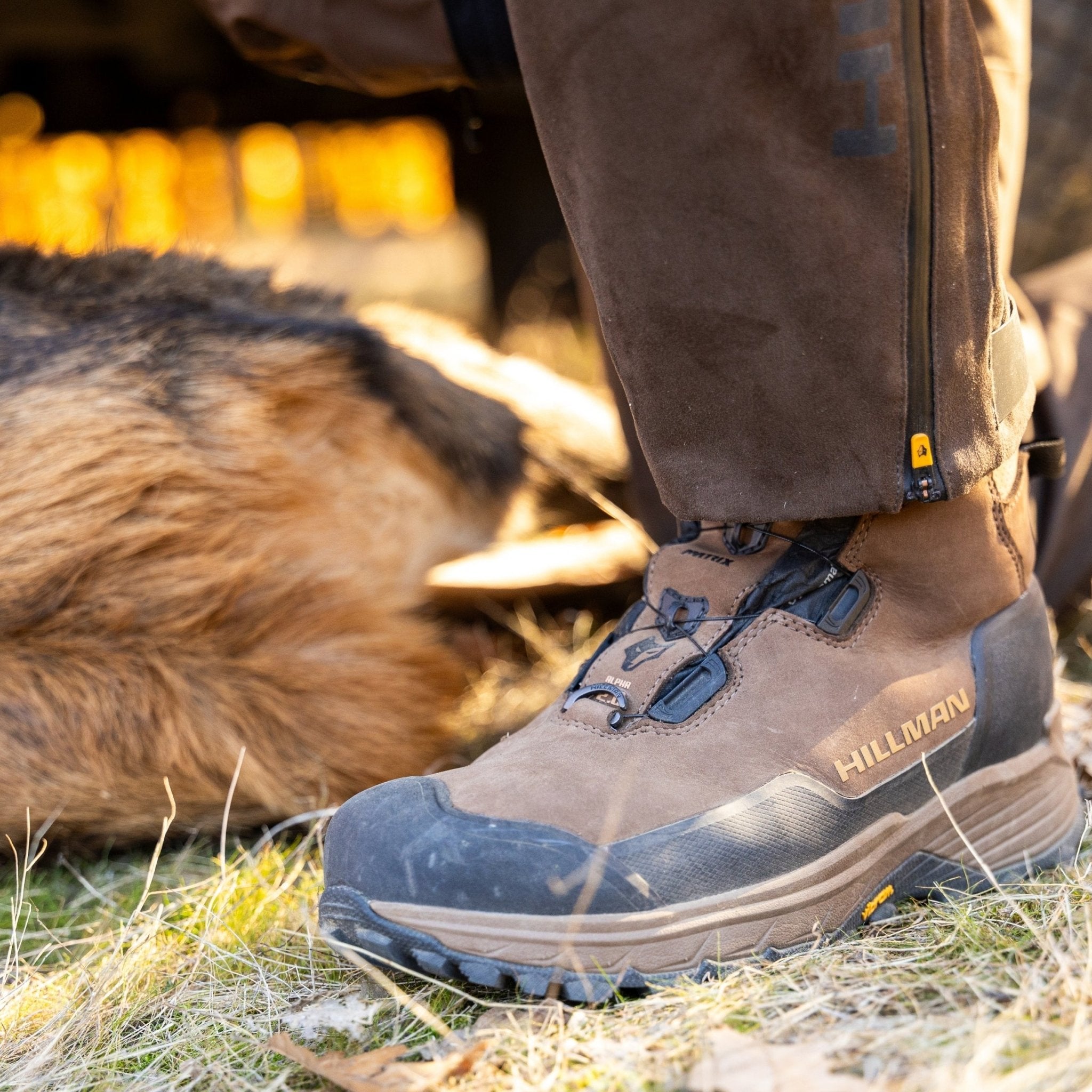
Getting new hunting boots ready for opening day comes down to a few basics: wear time, the socks you actually hunt in, some honest miles, and a little leather care before the season starts.
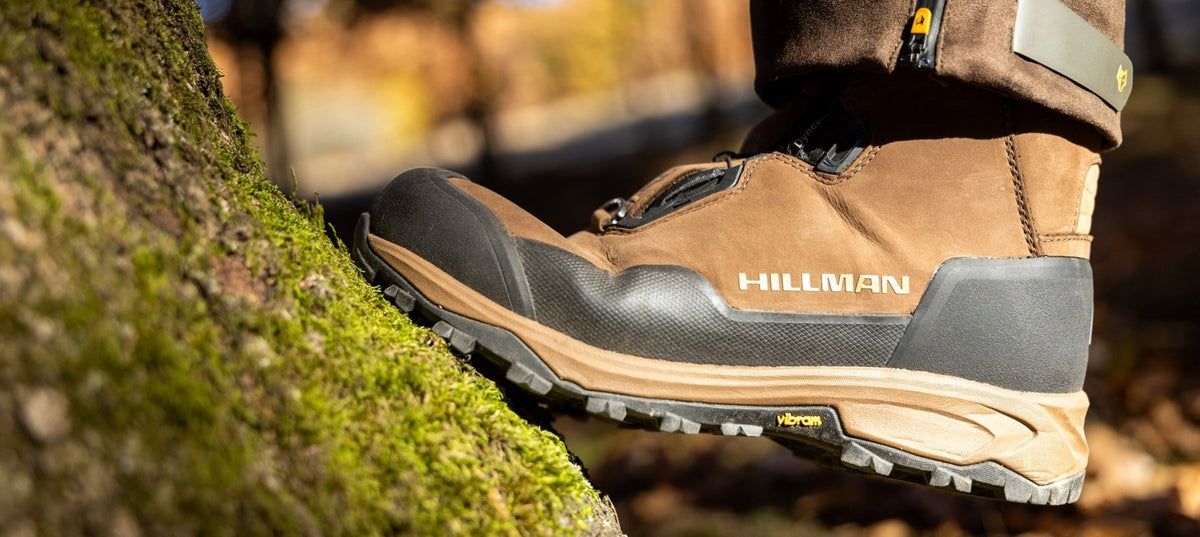
Brand-new boots are easy to overestimate. Fresh out of the box, a boot can seem ready long before it really is. A few minutes indoors, a quick walk, a lap through the house, none of that tells you much. Then you wear them the way they are actually meant to be worn: with a pack, on rough terrain, for longer than before. That is when the details start showing themselves. A little movement in the heel becomes rubbing. A stiff section starts catching your foot in the same spot. And something that felt perfectly acceptable in the morning can feel very different a few hours later, especially once friction starts to build.
That is usually where the trouble starts. Not because the boots are poorly made, but because they were judged too early.
Some models loosen up without much effort. Others take longer, particularly firmer leather boots meant for rougher ground. Either way, you only learn so much from the first try-on. A boot that seems fine at first can feel very different after several hours in the field, especially once there is weight on your back, and the ground stops being predictable.
The goal is not to rush anything. It is to get the fit right, add time on foot gradually, and deal with friction while it is still small. That is the only break-in approach I trust before the upcoming season.
Hunting Boots Need to Be Tested Where It Counts

A short indoor try-on tells you almost nothing.
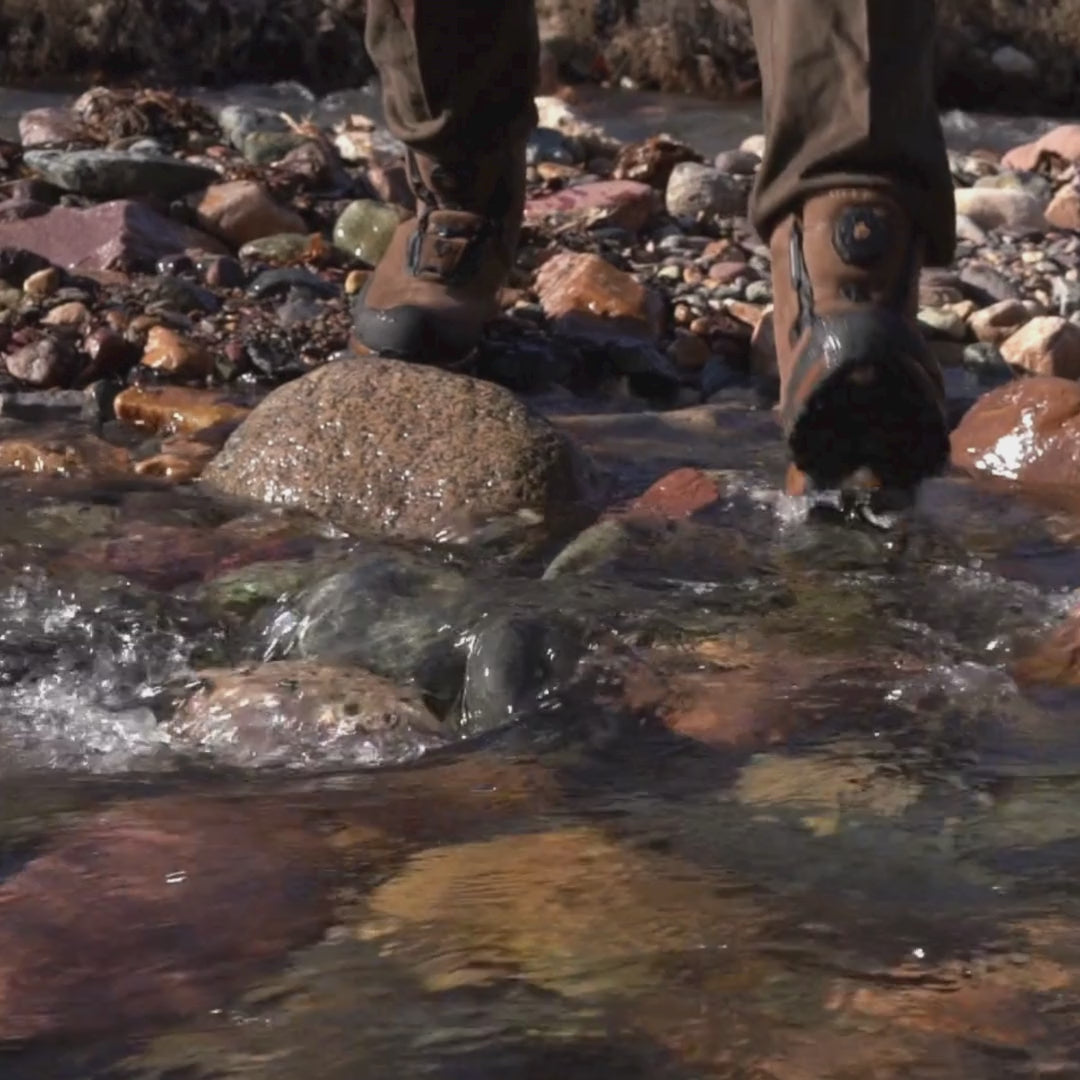
What matters is how hunting boots behave once the conditions stop being controlled. On a clean floor, almost any pair of boots can feel stable. On a real trail, with sidehills, loose dirt, and changing ground, the boot starts telling the truth. The heel may lift just enough to cause trouble. The forefoot may bend in a place that feels wrong. A pressure point that barely registered indoors can start drawing your attention every few minutes.
That is why I do not decide too quickly whether a new pair is ready. I want to know how it handles movement, fatigue, and small changes in stride. Hunting is rarely smooth or repetitive. You climb, descend, brace, pivot, and sometimes carry more weight than planned. A boot that seems fine at the start can feel very different after a few hours of that.
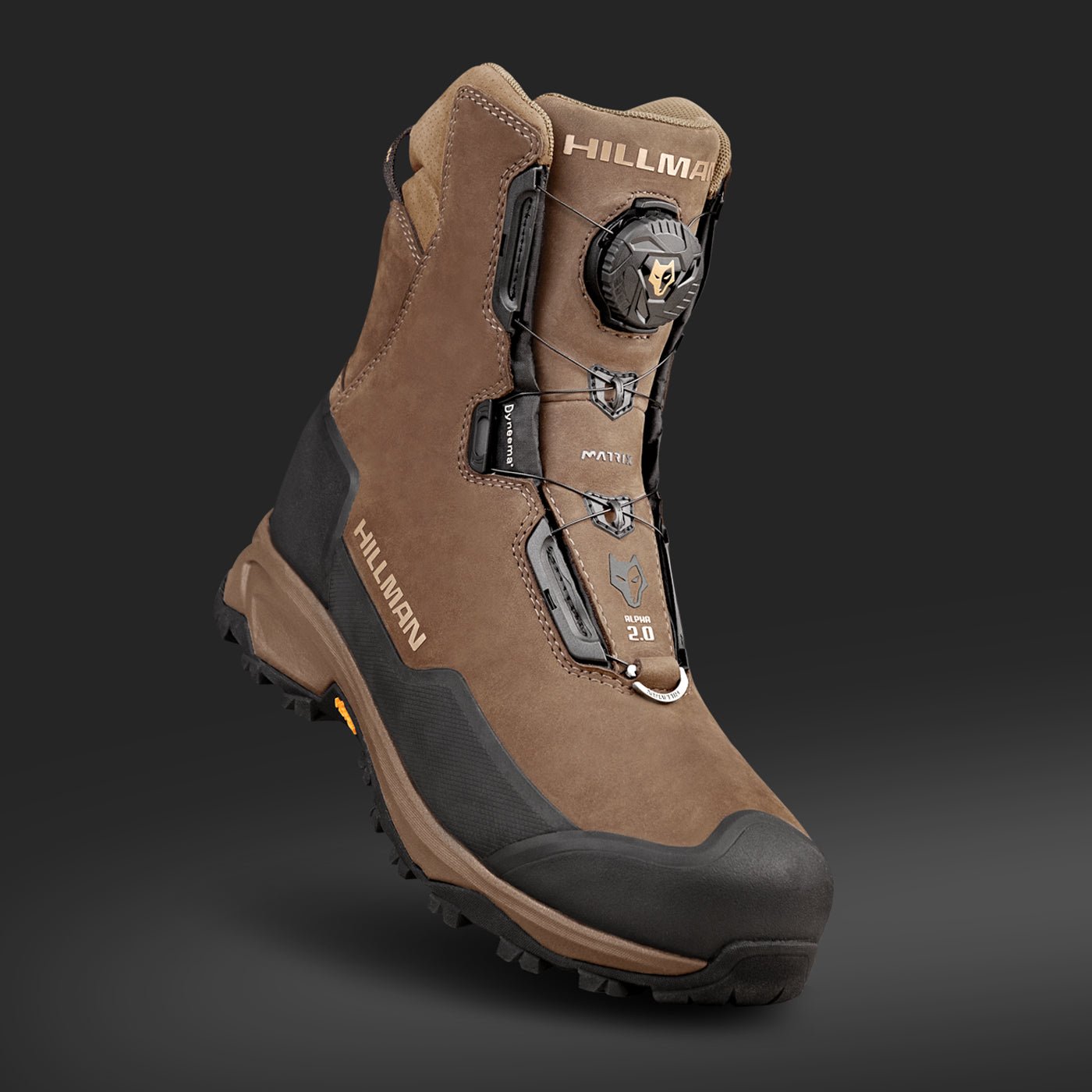
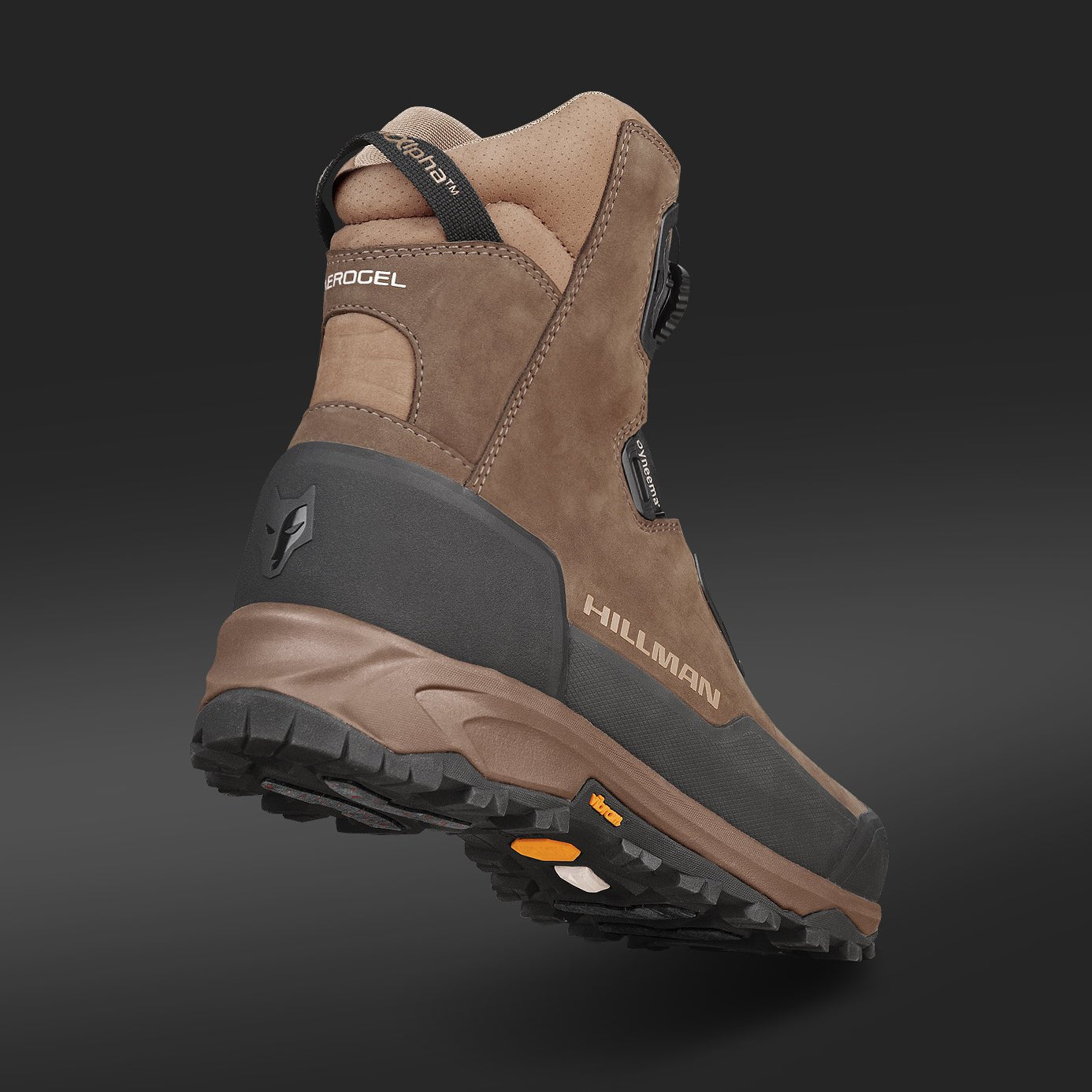
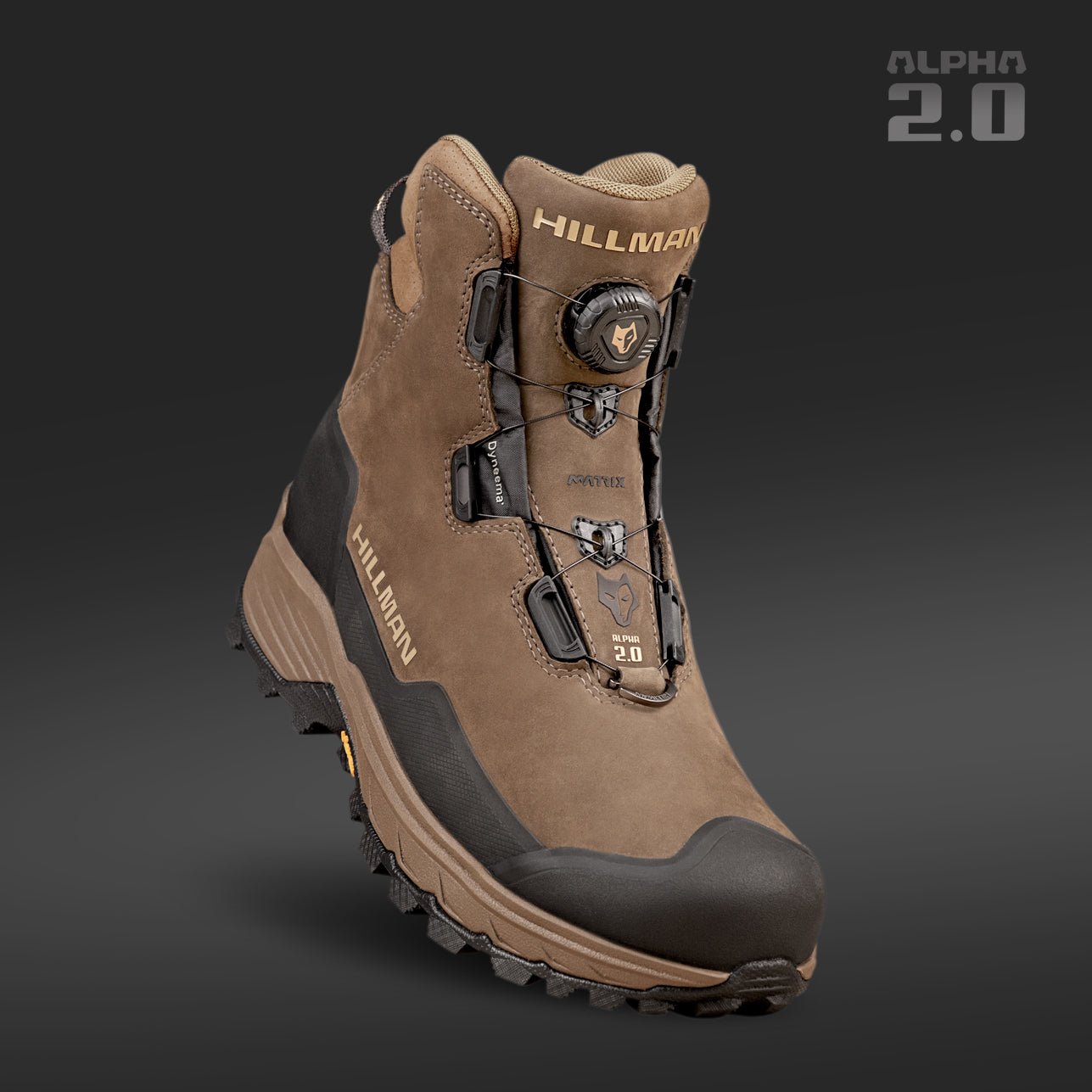
Fit still comes first. Before I think about mileage, I want enough room in the toe box, decent heel hold, and a shape that makes sense for my foot. A boot can soften during the break-in process, but it cannot transform into something it is not. If the fit is clearly wrong in the beginning, more miles usually make that clearer, not better.
Start With the Same Socks You Plan to Hunt In

One of the easiest mistakes to make with new hunting boots is testing them with the wrong setup.
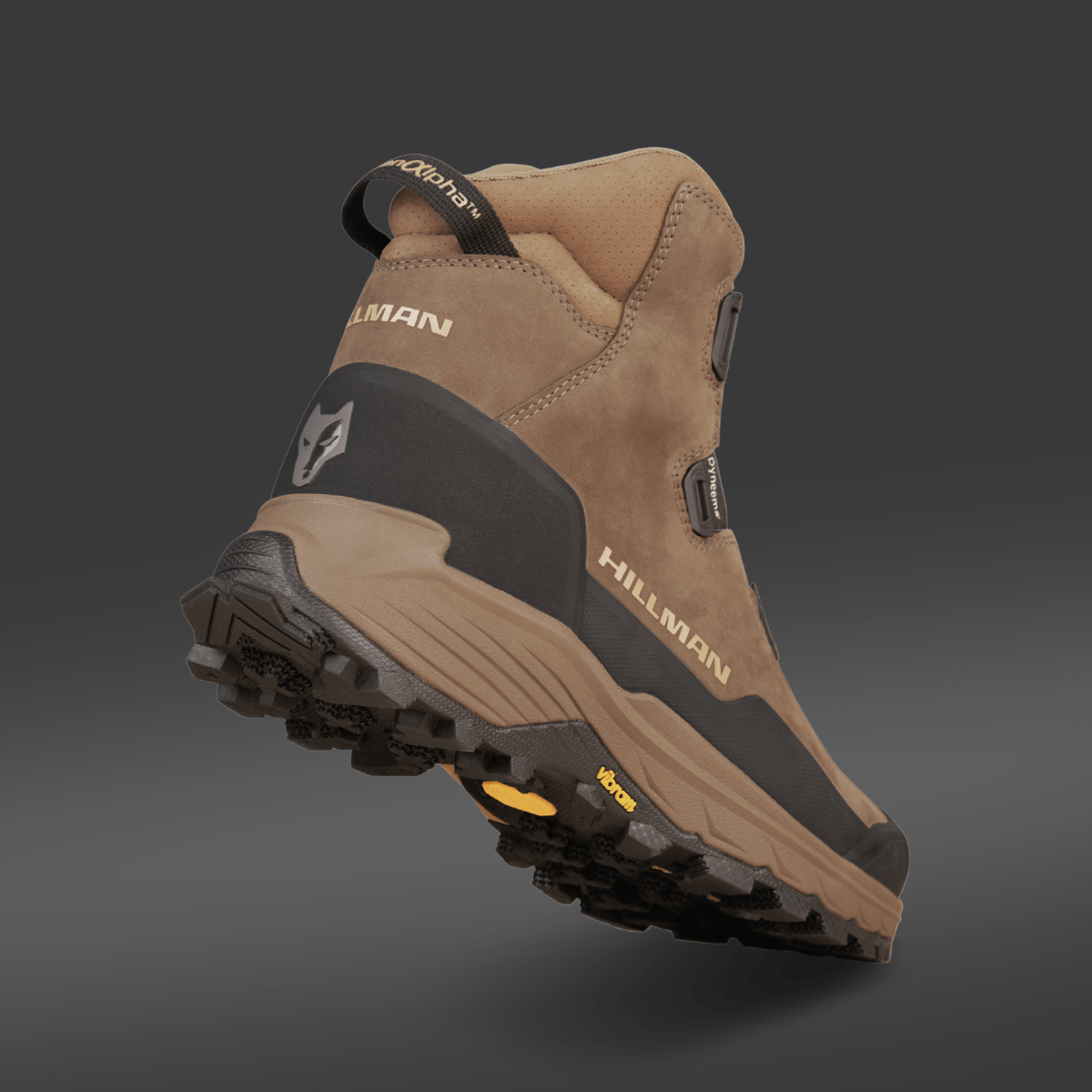
If I am buying boots for hunting season, I use the same socks I plan to wear on the real trip. The sock choice matters more than most people expect. Change the sock, and the fit can change with it - sometimes just enough to create rubbing once heat and miles start stacking up.
I also pay attention to movement inside the boot right away. Does the heel slip? Do my toes drift forward on descents? Is there one point that keeps getting my attention? Those small clues are worth noticing early.
If I need better support underfoot, I would rather figure that out now. A good insole can help some boots feel more secure and more comfortable, but I prefer to make that decision before any friction pattern becomes part of the process.
Around the House Is Still the Smartest Place to Begin
Starting at home may not feel like much, but it is still one of the easiest ways to learn a boot before you take it outside.
For the first few days, I keep things simple: a couple of hours indoors, some walking, stairs, time on my feet, then a break. At that stage, I am mostly paying attention. Where does the boot resist? Where does it move well? Is one spot getting my attention sooner than it should?
This is also where it helps to start slow. I keep it to little or no weight, no real hiking, no overloaded pack, no attempt to force anything. I just want to notice how the upper behaves and whether any area starts heating up too early.
Those early sessions are useful because they catch small issues before longer walks turn them into bigger ones. If the boot already feels awkward indoors, that tells me something. It is rarely a problem that fixes itself later on rough terrain.
The Best Break-In Process Builds Gradually

Once the boots feel comfortable enough indoors, I start adding easy outdoor mileage.
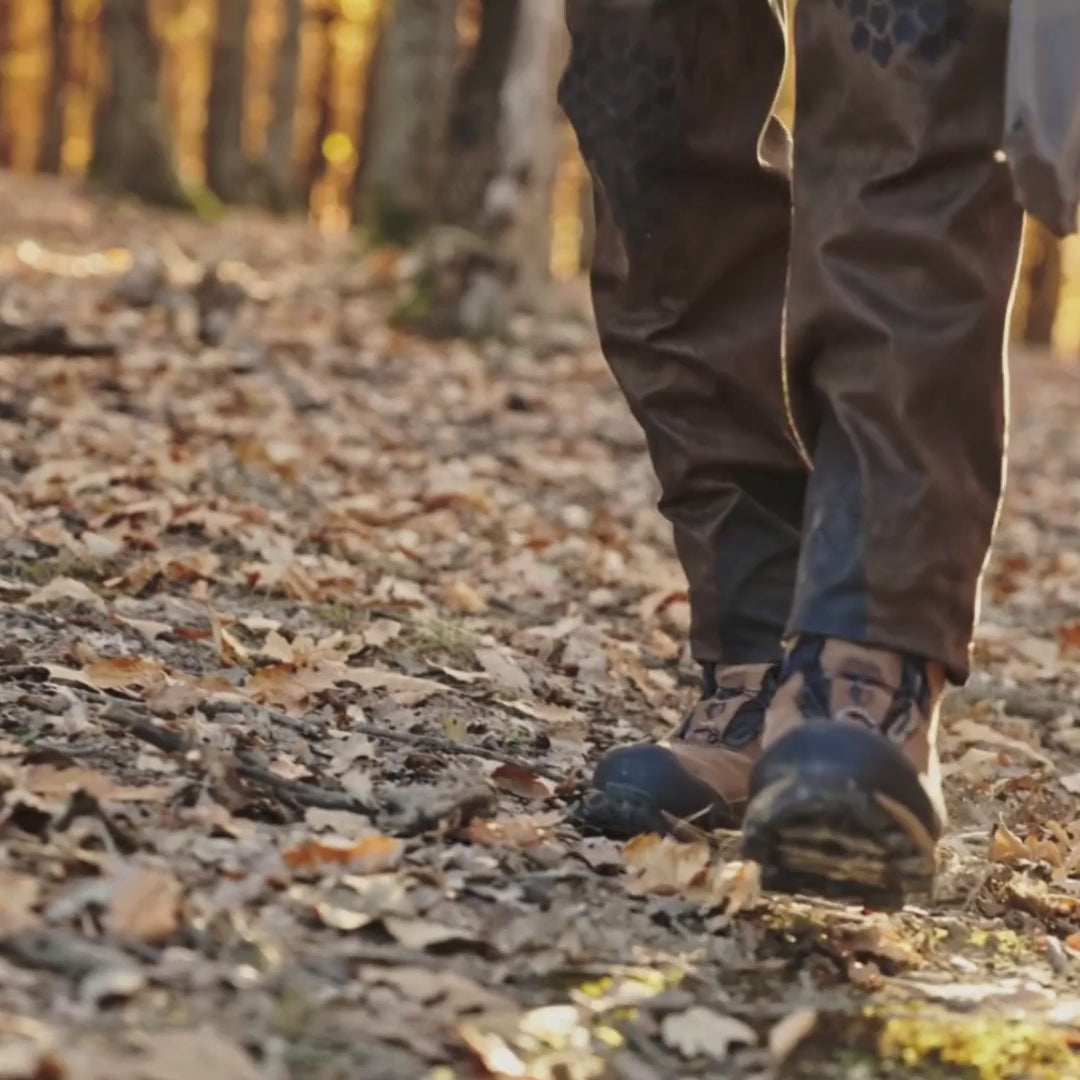
First short walks. Then short hikes. Then, if that goes well, a little more distance and slightly rougher ground. I do not try to combine everything at once. New boots, hard terrain, a loaded pack, and a long route are some of the fastest ways to end up with sore feet.
A gradual build works better because it lets problems reveal themselves in layers. If the boots feel good on easy ground but not on broken surfaces, that tells me something. If they feel stable with no weight but begin to rub once I add a load, that tells me something too.
My approach stays pretty consistent: start easy, add distance, then rougher ground, then weight. The closer it gets to the hunt, the closer the test gets to real conditions.
How Much Wear Is Actually Enough?

Boots usually tell a different story after they have seen some miles. The flex starts to come in where it should, and the early stiffness is not as obvious.
Lighter models may come around fairly quickly. More supportive boots often take longer, especially if they are built for harder country and heavier loads. That is especially true with heavy-duty boots or firmer leather constructions that are meant to hold up under rougher conditions.
I do not obsess over a perfect number, but I also do not expect miracles after one weekend. The boot needs repetition, and so do your feet. That adjustment does not happen in one rushed weekend. If I want a pair of boots to feel properly broken in, I assume it will take a little patience.
Most Blisters Start With a Warning

Most hotspots do not appear out of nowhere. First, you notice the warmth, then the rubbing, then the same spot keeps coming back.
That is the moment to act. A hot spot is an early warning, and ignoring it is usually how people end up with painful blisters later. I would rather stop early, change something, and keep the issue small than push through and pay for it the rest of the day.
I deal with those warning signs right away. That may mean adjusting lacing, taping the area, or stopping before the skin gets worse. Keeping Leukotape or moleskin in the pack makes sense. Once friction starts, more steps rarely improve the situation.
Moisture matters just as much. Hot, sweaty, wet feet are much more likely to get irritated. For longer walks, I usually pack spare socks. Swapping into a dry pair partway through can help a lot when heat and moisture start building up. If I know the day is going to be long, I may bring an extra pair beyond that.
Leather Care Should Help the Boot, Not Force It

Boot care is one of those areas where people still overcomplicate things.
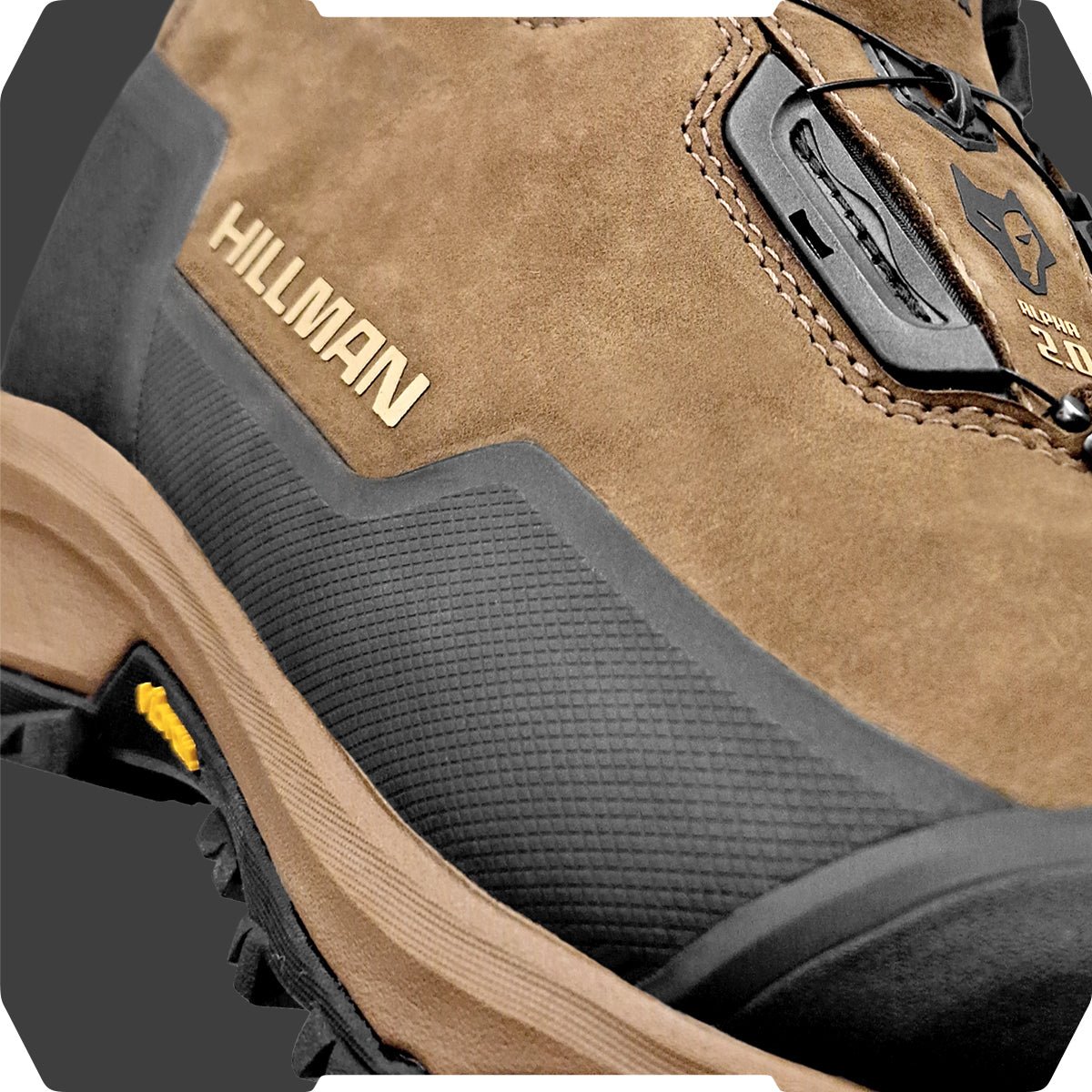
If the leather feels dry or overly firm, a good conditioner can help. Mink oil works for some boots, but not all of them, and too much product can cause its own problems. What suits one boot may not suit another, especially if the construction includes a breathable waterproof liner.
What I do not recommend is trying to force the break-in process by soaking the boots or hitting them with direct heat. Heat is not the shortcut it sounds like. It can dry the leather out fast and put unnecessary stress on the rest of the boot. A boot may feel softer afterward, but that does not mean it was treated well.
Routine care makes more sense. Keep the leather healthy. Waterproof the boots appropriately. Let them dry naturally. That helps preserve flexibility and can also prevent unnecessary moisture absorption and excessive weight later in the season.
Give the Boots a Realistic Trial Run
Before the season starts, I like at least one or two outings that feel close to the real thing: same socks, similar pack weight, similar ground.
That does not mean recreating every detail. It just means getting close enough to reveal anything that easy walks failed to show. I want to know how the boots feel on climbs, on descents, and after enough time on foot that fatigue begins to change my stride. A boot that feels good on a short outing can behave differently once the effort becomes more realistic.
That is the standard I am aiming for: once the hunt starts, the boots should fade into the background.
What It Comes Down To

Breaking in hunting boots does not require tricks. It requires timing, patience, and enough discipline to do the simple things properly.
I start with the right socks. I spend time around the house. Then I start walking, move into short walks and short hikes, and build toward longer outings, rougher terrain, and more weight. I stay ahead of moisture because that is where a lot of rubbing begins. And with leather, I would rather be measured than aggressive.
When the prep goes well, the boots stop drawing attention to themselves. That is usually the best sign.



Share:
Brush-Proof Upland Hunting Pants for 2026: Tough Terrain
Clothing Choices That Prevent Chafing, Hot Spots and Fatigue